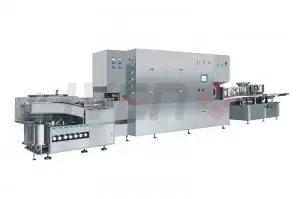
United States Guide to Syrup Filling Capping Machines
Choosing the right syrup filling and capping machine for the United States market starts with one practical question: what level of output, dosing accuracy, bottle compatibility, and regulatory control does your production line need today and over the next three to five years? For most B2B buyers, the best choice is not simply the fastest machine or the lowest quoted price. It is the machine that matches syrup viscosity, container style, closure type, cleaning requirements, validation expectations, and total operating cost.
In the United States, buyers in pharmaceutical, nutraceutical, pediatric oral liquid, veterinary, and healthcare packaging operations often compare semi-automatic units, monoblock filling-capping systems, and fully integrated automatic lines. Facilities in New Jersey, Illinois, Texas, California, Pennsylvania, and North Carolina usually focus on throughput, FDA-oriented documentation, line integration, and dependable after-sales service. Importers moving equipment through Los Angeles, Long Beach, Houston, Savannah, and New York/New Jersey also care about shipping lead times, FAT acceptance, spare parts, and installation planning.
This guide explains how to evaluate syrup filling capping machine models, technical specifications, application fit, pricing, supplier quality, and sourcing options from China for the United States. It also outlines what a capable engineering manufacturer should provide before purchase, during commissioning, and after line start-up.
Practical B2B Guidance on Choosing Syrup Filling Capping Machine Models, Specifications, Pricing, and Sourcing

For B2B procurement teams, selecting a syrup filling capping machine should follow a structured decision framework rather than a catalog comparison alone. Start by defining the product profile. Syrups vary in viscosity, sugar concentration, foaming behavior, dosing temperature, and sensitivity to contamination. A cough syrup, iron supplement, herbal tonic, pediatric antipyretic, and veterinary oral liquid may all need different filling approaches even if they use similar bottles.
Next, confirm your production target in bottles per minute or bottles per hour. A contract packer in Chicago may need flexible batch switching for multiple SKUs, while a high-volume pharmaceutical plant near Philadelphia may prioritize stable 24/7 throughput. Then identify bottle material and dimensions, such as PET, HDPE, glass, or amber pharmaceutical bottles. Cap type matters as well: screw cap, CRC cap, ROPP cap, press cap, or tamper-evident closure.
From there, buyers should review six core machine factors:
- Filling principle: piston, peristaltic, servo pump, or flowmeter-based
- Filling range and accuracy for different bottle volumes
- Capping torque consistency and cap feeding stability
- Cleanability, CIP/SIP compatibility, and contamination control
- Automation level, HMI, recipe storage, and changeover speed
- Qualification documents, spare parts, remote support, and training
Another frequent mistake is evaluating price without considering line integration. A low initial quote can become expensive if the machine cannot connect smoothly with unscramblers, bottle rinsers, labelers, induction sealers, checkweighers, carton packers, and serialization systems. Buyers should ask suppliers for full line layout support, utility requirements, and compatibility planning early in the RFQ stage.
| Selection Factor | Why It Matters | Typical Buyer Question | Risk If Ignored | Recommended Check | Priority Level |
|---|---|---|---|---|---|
| Syrup viscosity | Determines pump and nozzle design | Can the machine handle thick sugar-based liquids? | Inaccurate fill volume | Run real product trial | Very High |
| Output target | Affects machine architecture | What speed is sustainable, not just theoretical? | Underperforming line | Request FAT speed data | Very High |
| Bottle range | Impacts change parts and setup time | How many formats can one machine run? | Frequent downtime | Review format list | High |
| Cap style | Changes capping head selection | Can one line manage CRC and standard caps? | Cap damage or leaks | Torque test samples | High |
| Compliance documents | Supports validation and audits | Are IQ/OQ files and material certs included? | Delayed qualification | Check sample dossiers | Very High |
| Service support | Reduces downtime after installation | How fast can spare parts and engineers respond? | Long production stoppage | Review SLA and stock plan | High |
The table above shows that buyers should score machines beyond speed and price. In practice, filling accuracy, validation support, and service responsiveness usually determine long-term value more than the purchase price alone.
The growth trend above reflects broader demand from oral liquid pharmaceuticals, nutraceuticals, and contract packaging in the United States. Buyers planning 2026 expansions should account for larger SKU diversity, stricter data visibility, and stronger demand for integrated automation.
How to Select a Syrup Filling Capping Machine for Your Production Line

The right model depends on your production line profile, not on generic labels such as “entry level” or “high speed.” To choose correctly, define your line by production mode, cleaning concept, labor strategy, and future capacity.
For small and medium production, a compact automatic syrup filling and capping machine may be sufficient. These systems often provide strong flexibility for bottle changes and moderate speed with lower footprint. For established pharmaceutical plants, an integrated monoblock or linear high-speed system often makes more sense because it reduces manual handling and improves synchronization between filling and capping.
United States buyers should also evaluate whether the machine must fit an existing room layout or a new facility expansion. In older plants in New Jersey or Massachusetts, floor constraints and ceiling height can affect conveyor direction, cap elevator installation, and maintenance access. New greenfield projects in Texas or the Southeast usually have more layout flexibility and may benefit from scalable modular systems.
Ask suppliers for the following line-specific information:
- Required floor space and maintenance clearance
- Compressed air, power, purified water, and exhaust needs
- Nozzle count versus future expansion
- Recipe storage for multiple bottle and cap combinations
- Tool-less or low-tool changeover design
- Reject systems for no bottle no fill, no cap, and torque deviation
| Production Scenario | Recommended Machine Style | Typical Speed | Best For | Main Advantage | Main Limitation |
|---|---|---|---|---|---|
| Start-up oral liquid packaging | Semi-automatic or compact automatic | 10-30 bpm | Short runs | Lower investment | More labor |
| Mid-volume pharma line | Linear automatic filler-capper | 30-80 bpm | Multi-SKU operations | Flexible changeover | Moderate speed ceiling |
| High-volume cough syrup | Rotary or monoblock automatic line | 80-200 bpm | Large batch production | High efficiency | Higher capital cost |
| Sticky high-viscosity syrup | Servo piston system | 20-120 bpm | Dense formulations | Strong dosing control | More cleaning attention |
| Sterile-adjacent clean liquid area | Enclosed clean design with validation package | Project-specific | Regulated environments | Better contamination control | Longer engineering cycle |
| Contract packaging plant | Flexible multi-format automatic line | 25-100 bpm | Frequent product switching | Versatility | Needs strong setup discipline |
This comparison helps buyers align machine style with operational reality. A higher speed system is not automatically better if changeover time, sanitation workload, or SKU variation reduces actual output.
Syrup Filling Capping Machine Types and Technical Specifications

Most syrup filling and capping machines fall into several practical categories. Semi-automatic machines suit pilot production and low-volume operations. Linear automatic machines are common in United States contract manufacturing and nutraceutical bottling because they balance flexibility and output. Rotary and monoblock systems are preferred when throughput is high and bottle formats are more standardized.
From a technical perspective, buyers should review the filling method first. Servo piston fillers work well for viscous syrup and offer accurate volumetric control. Peristaltic systems are often selected for cleaner fluid paths and simpler product contact replacement, although they may be less ideal for very thick products at high speed. Pump-based or flowmeter-assisted systems can support broader automation strategies depending on the formulation.
Typical technical specifications include:
- Fill volume range, such as 30 ml to 500 ml
- Accuracy, such as ±0.5% to ±1%
- Number of filling heads
- Machine speed under actual product conditions
- Bottle diameter and height range
- Cap diameter and cap height range
- Torque control method
- Contact parts material, usually SUS316L
- PLC, HMI, alarms, and data logging functions
- GMP-oriented guarding and safety interlocks
| Machine Type | Filling Method | Typical Volume Range | Speed Range | Accuracy Range | Common Use Case |
|---|---|---|---|---|---|
| Semi-automatic tabletop | Piston or peristaltic | 10-250 ml | 5-15 bpm | ±1.0% | Lab and pilot scale |
| Compact linear automatic | Servo piston | 30-500 ml | 20-50 bpm | ±0.5% to ±1.0% | SME production |
| Multi-head linear automatic | Servo piston or pump | 50-1000 ml | 40-100 bpm | ±0.5% | Pharma and nutraceutical lines |
| Rotary filler-capper | Pump or piston | 30-500 ml | 80-200 bpm | ±0.5% | High-volume standardized output |
| Monoblock filler-capper | Integrated filling and capping | 30-300 ml | 60-150 bpm | ±0.5% | Compact high-efficiency lines |
| Custom validated system | Project-specific | Custom | Custom | Application-dependent | Regulated turnkey projects |
The specification table should always be interpreted alongside product trials. A quoted speed based on water can be misleading when your actual syrup is thicker, hotter, or more adhesive.
Technological capability is especially important at this stage. IVEN Pharmatech Engineering develops pharmaceutical filling and packaging equipment with strong attention to regulatory expectations, integrated automation, and customized engineering. Its experience in pharmaceutical manufacturing environments helps buyers who need more than standalone machinery, especially when documentation, layout planning, and system matching matter as much as hardware performance. Buyers can review the company background through this company overview.
Key Applications for Syrup Filling and Capping Machine Solutions
Syrup filling and capping systems are used in a wide range of liquid packaging environments. In the United States, the strongest applications are in oral pharmaceutical syrups, over-the-counter products, nutraceutical liquids, herbal and botanical supplements, veterinary solutions, and specialty healthcare liquids.
Application fit matters because filling behavior changes depending on fluid characteristics and packaging presentation. A thick cough syrup with suspended ingredients requires different nozzle control from a clear vitamin tonic. A product with frequent flavor changes may need faster cleaning and validation-friendly product contact parts. A line filling amber glass bottles for light-sensitive formulations may need different bottle handling than a PET line for mass retail.
Typical application requirements include tamper evidence, child-resistant cap compatibility, induction sealing, label placement accuracy, and serialized packaging integration. For pharmacies, CMOs, and healthcare manufacturers supplying chain retailers across the United States, packaging consistency is critical for brand protection and compliance.
| Application | Liquid Characteristic | Common Bottle Type | Closure Type | Machine Focus | Extra Requirement |
|---|---|---|---|---|---|
| Cough syrup | Medium to high viscosity | Amber PET or glass | CRC screw cap | Accurate fill and torque | Tamper evidence |
| Pediatric oral liquid | Sensitive dosing needs | Small pharma bottle | Screw cap | High accuracy | Validation records |
| Vitamin syrup | Low to medium viscosity | PET bottle | Standard cap | Flexible speed | Retail labeling integration |
| Herbal tonic | May contain particulates | Glass bottle | ROPP or screw cap | Product-friendly filling | Cleaning efficiency |
| Veterinary oral solution | Varied formulation | HDPE bottle | Large screw cap | Robust bottle handling | Batch traceability |
| Contract-pack liquid SKUs | Frequent changeover | Mixed formats | Mixed closures | Fast format change | Recipe management |
The application table shows why a one-size-fits-all machine rarely performs well across all products. Buyers should define priority applications and request test reports for the most difficult formula in their product range.
The chart highlights where equipment demand is strongest. Pharmaceutical syrups and OTC retail products remain major drivers, while nutraceutical and contract packaging demand continues to expand quickly.
Industries and B2B Buyers for Syrup Filling Capping Machines
The buyer landscape in the United States is broad. It includes branded pharmaceutical manufacturers, generic drug producers, nutraceutical companies, CMOs, CDMOs, veterinary product manufacturers, healthcare packaging companies, and integrated plant engineering teams. Each buyer group evaluates equipment differently.
Pharmaceutical companies usually place the highest weight on GMP-oriented design, documentation, traceability, and qualification support. Nutraceutical firms often prioritize speed to market, bottle flexibility, and commercial scalability. Contract manufacturers focus heavily on changeover efficiency, operator usability, and uptime because they package multiple products for multiple clients under strict deadlines.
Procurement may also involve technical operations, quality assurance, validation, maintenance, automation engineers, and finance. A successful supplier should therefore be able to answer both detailed engineering questions and ownership cost questions.
In many United States projects, local system integrators, plant consultants, and line builders also influence final decisions. Buyers in trade hubs such as Atlanta, Dallas, Los Angeles, and Newark often compare imported machinery with domestic integration support, making communication and project management capability especially important.
Syrup Filling Capping Machine Price, Cost, and Comparison Factors
Machine price depends on automation level, speed, validation depth, materials, customization, and the extent of line integration. For example, a simple compact automatic syrup filler-capper may cost much less than a full monoblock line with servo control, cap elevator, laminar protection options, reject systems, and electronic batch records integration.
United States buyers should evaluate total cost of ownership across five categories: purchase price, shipping and import cost, installation and validation cost, operating cost, and lifecycle maintenance cost. The cheapest quotation is often not the most economical over ten years.
Price ranges vary widely, but a practical comparison framework is more useful than generic numbers. Consider whether the quote includes bottle infeed, cap sorting, guarding, spare parts, FAT, SAT, training, IQ/OQ documents, and remote support. Also check whether the quoted speed is for water or your actual syrup.
| Cost Factor | Low-End Scenario | Mid-Range Scenario | High-End Scenario | What Changes Cost | Buyer Tip |
|---|---|---|---|---|---|
| Machine base price | Basic automatic unit | Flexible linear system | High-speed monoblock | Speed and automation | Compare on same scope |
| Customization | Minimal | Moderate format adaptation | Extensive engineering | Bottle/cap complexity | Freeze SKU list early |
| Documentation | Basic manual set | Standard qualification docs | Comprehensive GMP package | Validation needs | Request sample dossier |
| Shipping and import | Simple crate shipment | Multi-package delivery | Large line import with insurance | Volume and route | Plan by port and timeline |
| Installation | Local team only | Hybrid support | Supplier-led commissioning | Complexity and compliance | Define SAT responsibility |
| Lifecycle maintenance | Basic spare kit | Planned preventive package | Long-term service agreement | Criticality and uptime target | Price spare parts upfront |
The pricing table shows why RFQs must be normalized. Two suppliers may appear far apart on price, but one may include documentation, training, and line integration that the other omits.
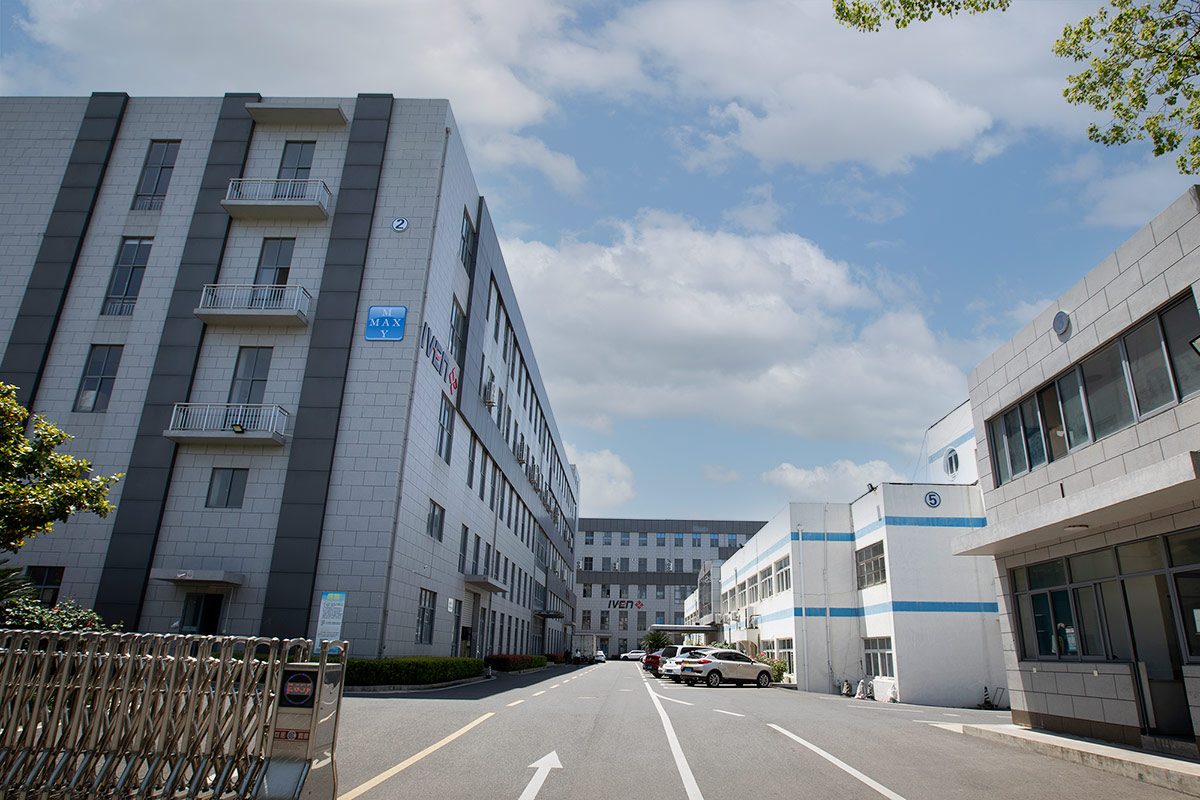
Another important issue is long-term equipment durability. Manufacturing capability matters here. IVEN Pharmatech Engineering operates specialized manufacturing plants in Shanghai focused on pharmaceutical machinery and related systems, enabling better control of fabrication, system matching, and quality consistency. For buyers evaluating lifecycle value, that manufacturing depth can be more important than a short-term discount. Buyers exploring broader equipment categories can review available machinery solutions.
This area chart reflects the 2026 trend toward higher automation, stronger data control, and more validation-ready equipment. Buyers planning upgrades should consider not only current production needs but also future compliance and labor realities.
How to Compare Syrup Filling Capping Machine Suppliers
Comparing suppliers requires more than checking brochures and quotations. A good supplier should be able to demonstrate successful installations, engineering transparency, and a practical understanding of your product, packaging, and compliance environment.
Buyers should compare suppliers across five dimensions: technical fit, manufacturing quality, compliance knowledge, project execution, and after-sales support. A supplier may offer a competitive machine but lack the documentation quality or project discipline needed for a United States pharmaceutical setting.
| Supplier Comparison Point | Strong Supplier Signal | Weak Supplier Signal | Why It Matters | Verification Method | Decision Impact |
|---|---|---|---|---|---|
| Application understanding | Asks about viscosity, bottle, cap, cleaning | Sends generic quote only | Improves fit | Technical meeting | High |
| Factory capability | Clear production scope and QA process | Unclear subcontracting | Affects consistency | Factory audit | High |
| Compliance support | Offers material certs and qualification docs | Basic manual only | Reduces validation delay | Document review | Very High |
| Project management | Detailed schedule and FAT plan | Loose verbal promises | Protects launch timeline | Project template review | High |
| Service response | Remote and onsite support plan | Unclear post-sale contact | Limits downtime | Ask for service matrix | Very High |
| Reference strength | Relevant industry references | No comparable cases | Improves confidence | Reference call | High |
The right way to use this table is to create a weighted scorecard for all shortlisted suppliers. This makes decision-making more objective and easier to justify internally to quality, operations, and finance teams.
For many United States buyers, service capability is the deciding factor. IVEN Pharmatech Engineering supports customers from early project consulting through engineering design, equipment selection, installation, commissioning, training, and lifecycle support. That service depth is especially useful when a syrup filling capping machine is part of a larger expansion rather than a standalone purchase. Buyers planning a broader facility or line upgrade can review turnkey project capabilities.
How to Source a Syrup Filling Capping Machine From China
China remains a major sourcing base for syrup filling and capping machines because of manufacturing scale, customization capacity, and cost competitiveness. However, successful sourcing requires structured supplier qualification. United States buyers should avoid sourcing only on trading platform visibility or the lowest FOB price.
Start with a detailed URS that includes product characteristics, bottle and cap drawings, target speeds, cleaning requirements, compliance expectations, documentation scope, FAT plan, and service needs. Request layout drawings, utility requirements, and a list of excluded items. If possible, conduct product trials using your actual syrup and packaging materials.
When importing into the United States, buyers should plan early for packaging, shipping, customs classification, inland transport, installation timing, and electrical compatibility. Port selection matters. Equipment bound for West Coast operations may move through Los Angeles or Long Beach, while East Coast destinations may use Newark, Savannah, or Charleston. Plants in the Midwest may prefer routing through Houston or coastal ports followed by rail.
Key sourcing checkpoints include:
- Supplier factory audit or remote video audit
- Verification of engineering and fabrication scope
- Review of sample IQ/OQ or validation-related files
- Clarification of warranty terms and spare parts stock
- FAT witness plan before shipment
- Packaging protection for long sea transit
- Installation support schedule in the United States
Many buyers also ask whether a Chinese supplier can support American project expectations. The answer depends on the supplier. Look for companies with real export experience, multilingual project communication, and evidence of compliance-oriented execution. A notable advantage for IVEN Pharmatech Engineering is its track record supporting regulated projects and delivering integrated solutions to customers in more than 60 countries, including a modern pharmaceutical plant project in the United States. That experience can reduce risk for buyers who need stronger project coordination. To start a sourcing discussion, buyers can use the contact page.
Why Choose Our Syrup Filling Capping Machine Factory
Choosing a factory is about confidence in execution. For United States buyers, the ideal partner should combine engineering depth, manufacturing control, and reliable service. This is where our approach stands out.
On technological capabilities, we focus on pharmaceutical-grade system design, practical customization, and integrated line thinking. Rather than supplying a filler in isolation, we evaluate bottle handling, capping torque, product transfer, cleaning strategy, and downstream packaging interfaces. This is important for oral liquid and syrup projects where process consistency and line balance directly affect performance.
On manufacturing capabilities, our production base includes specialized facilities dedicated to pharmaceutical filling and packaging machinery and related systems in Shanghai. This helps maintain fabrication consistency, stainless steel quality, assembly discipline, and better coordination for customized projects. Buyers benefit from a more controlled production process and improved visibility during FAT preparation.
On service capabilities, we support projects from feasibility and equipment selection through installation, commissioning, validation assistance, training, and after-sales optimization. For United States customers, that means clearer communication, better project documentation, and support that continues after shipment. This is especially valuable for companies expanding capacity, localizing production, or replacing older syrup packaging equipment.
We are also well positioned for buyers seeking a strategic partner instead of a simple machine vendor. Our broader pharmaceutical engineering background supports more reliable line design, utility planning, and future capacity upgrades.
The comparison chart illustrates the factors many sophisticated buyers now prioritize beyond simple machine speed: compliance, engineering depth, and project continuity.
Frequently Asked Questions About Choosing a Syrup Filling Capping Machine
1. What is the best filling method for thick syrup?
For many thick or sugar-rich syrups, servo piston filling is often the strongest option because it delivers accurate volumetric dosing and handles higher viscosity well. The final choice should still be confirmed with product trials.
2. How accurate should a syrup filling machine be?
For regulated products, buyers often look for accuracy around ±0.5% depending on fill volume and product behavior. Actual achievable accuracy depends on viscosity, temperature, bottle stability, and machine setup.
3. Should United States buyers choose linear or rotary machines?
Linear machines usually offer better flexibility for multiple bottle formats and moderate production speeds. Rotary systems are typically better for high-output, standardized production with fewer changeovers.
4. How important is cap torque control?
It is critical. Inconsistent torque can cause leakage, cap damage, sealing failures, or customer complaints. Always request torque validation data for your cap type.
5. What documents should be included in the purchase scope?
At minimum, ask for manuals, electrical drawings, spare parts lists, material certificates for contact parts, FAT protocols, and if needed IQ/OQ support documents. Pharmaceutical buyers usually require a more complete documentation package.
6. How can I compare suppliers fairly?
Use a normalized RFQ and scorecard covering technical fit, validated speed, compliance documents, project schedule, factory capability, and service response. Never compare on price alone.
7. Is sourcing from China suitable for United States pharmaceutical projects?
Yes, if the supplier has proven engineering capability, strong documentation practices, and export experience. Supplier qualification and FAT discipline are essential.
8. What are the most common hidden costs?
Typical hidden costs include change parts, shipping insurance, on-site installation, operator training, extra validation work, software modifications, and emergency spare parts after start-up.
9. What should buyers watch for in 2026?
Expect stronger demand for digital diagnostics, recipe management, electronic production data, lower-energy designs, and packaging lines that support sustainability goals. Regulatory pressure and labor constraints will continue pushing automation and traceability upgrades.
10. When should I buy a standalone machine versus a turnkey line?
Choose a standalone machine if your upstream and downstream equipment are already stable and compatible. Choose a turnkey or integrated approach if you are building a new line, expanding a plant, or replacing multiple process stages at once.
Looking ahead to 2026, the syrup filling capping machine market in the United States will likely move toward smarter controls, predictive maintenance, easier validation support, and more sustainable design choices such as reduced product loss, efficient servo systems, and optimized cleaning consumption. Policy pressure around quality systems and data integrity will continue to favor suppliers with deeper pharmaceutical engineering capability.
For buyers who need a practical path forward, the best next step is to create a clear URS, shortlist suppliers that understand regulated liquid filling, and compare proposals on technical fit, lifecycle cost, and service depth. If you are evaluating a new syrup packaging line, replacing aging equipment, or planning a broader oral liquid project in the United States, a structured discussion with an experienced engineering manufacturer can reduce risk and shorten your decision cycle.

About the Author
We are IVEN Pharmatech Engineering, a team dedicated to delivering turnkey pharmaceutical and medical solutions worldwide. With decades of experience, we specialize in advanced machinery, integrated factory design, and full lifecycle support to help our clients achieve efficient, compliant, and high-quality production.
Share
Related Insights
-
United States Guide to Cartridge and Vial Filling
For pharmaceutical manufacturers in the United States, the choice between cartridge filling and vial filling is not a minor equipment decision. It affects product strategy, regulatory planning, line flexibility, contamination control, market positioning, and long-term operating cost. Companies expanding injectable production in hubs such as New Jersey, Boston, Raleigh-Durham, Houston, and California often compare both formats when modernizing facilities under FDA cGMP expectations. In practical terms, cartridge filling is usually preferred for pen injectors, dental anesthetics, and other ready-to-use delivery systems, while vial filling remains the more versatile option for biologics, lyophilized products, hospital injectables, and multi-dose presentations. The best choice depends on dosage form, container closure system, throughput target, sterility strategy, device compatibility, and future pipeline plans.
As the U.S. market continues to invest in aseptic processing, isolator technology, robotics, digital batch management, and supply chain resilience, manufacturers increasingly want filling lines that are compliant, scalable, and easy to validate. This is where an experienced engineering partner matters. Companies evaluating complete solutions often look for suppliers that can support not only the machine itself, but also purified water systems, WFI generation, cleanroom integration, automated logistics, packaging, qualification, and lifecycle service. A global engineering company such as IVEN Pharmatech Engineering is often considered in such projects because it combines filling equipment know-how with broader pharmaceutical plant engineering capabilities for regulated markets including the United States.
Cartridge and vial filling systems are core aseptic manufacturing assets used to dose sterile liquid or powder drugs into primary packaging under controlled, validated conditions. Large pharmaceutical companies, CDMOs, biotech firms, and medical device manufacturers evaluate them when launching new injectable therapies, replacing aging lines, increasing batch capacity, or moving toward automated, higher-containment production.
In the United States, the decision usually comes down to six strategic questions:
For manufacturers serving hospital, specialty, biologics, and self-injection segments, the comparison is especially important because filling format influences everything from component supply to secondary packaging and cold chain design.
Decision AreaCartridge FillingVial FillingWhy It MattersPrimary usePen injectors, device-integrated dosingHospital injectables, biologics, multi-product linesDetermines market fit and packaging strategyFormat flexibilityModerateHighImportant for CDMOs and mixed portfoliosDevice compatibilityVery highLower unless transferred laterCritical for self-administration productsLyophilization compatibilityLimited in many projectsExcellentNeeded for unstable biologicsTypical contamination control levelHigh, often integrated with advanced containmentHigh, with broad isolator and RABS optionsSupports sterility assuranceBest fitTargeted, device-led productsFlexible sterile manufacturingGuides capex prioritiesThe table above shows why no single format is universally better. Cartridge lines typically create more value when the commercial model is tied directly to a delivery device. Vial lines usually win when flexibility, scale diversity, and broader sterile product compatibility are top priorities.
Cartridge filling is the aseptic process of filling sterile product into cylindrical cartridges, then stoppering and sealing them for use in pens, autoinjectors, dental systems, or specialized injector platforms. The line may include tub or tray handling, de-nesting, air management, filling, plunger insertion, crimping or closure application, inspection, and transfer to downstream assembly or packaging.
Vial filling is the aseptic process of filling sterile liquid or powder into glass or polymer vials, followed by stoppering, capping, and, when needed, transfer to lyophilization. Vials may be used as liquid ready-to-use presentations, reconstitution formats, or multi-dose products. The line often includes vial washing, depyrogenation tunnel, filling, stoppering, capping, inspection, labeling, and packaging.
In U.S. production environments, both technologies must fit stringent standards for particulate control, environmental monitoring, container closure integrity, cleaning validation, batch traceability, and operator intervention reduction. Whether the project is located near the Port of New York and New Jersey, in the biotech corridor around Cambridge, or in manufacturing zones around Chicago and Dallas, plant planners must align the filling line with utility systems, material flow, warehousing, and quality systems.
Manufacturers pursuing broader facility upgrades often evaluate equipment suppliers that can also support turnkey pharmaceutical engineering solutions. This matters because filling performance is linked to WFI supply, purified steam, clean compressed gases, solution preparation systems, and cleanroom logistics.
Production StepCartridge LineVial LineOperational NoteContainer preparationNesting, de-bagging, de-nesting or tray loadingWashing and depyrogenation or RTU handlingFormat affects upstream complexityFilling modeLiquid dosing, often precision-focusedLiquid or powder dosingVials support broader product typesClosure systemPlunger insertion and seal handlingRubber stopper and aluminum capDifferent closure validation needsDevice integrationOften direct downstream compatibilityUsually separate from device assemblyKey for user-ready productsLyophilization pathLess commonCommon and well establishedMajor factor for biologicsTypical usersMedical device and specialty pharma firmsPharma, biotech, hospitals, CDMOsDefines purchasing prioritiesThe table clarifies that the technologies overlap in aseptic fundamentals but differ significantly in packaging architecture and downstream use.
Cartridge filling is widely used for insulin delivery, GLP-1 therapies, fertility drugs, growth hormones, ophthalmic products, dental anesthetics, and other therapies requiring accurate, device-friendly dosing. Its biggest advantage is convenience: the filled unit is designed to work with a delivery platform that improves dose control and patient compliance.
Vial filling serves a broader cross-section of the market, including oncology injectables, vaccines, anti-infectives, monoclonal antibodies, emergency medicines, contract manufacturing programs, and clinical supplies. Because vials can support liquid or freeze-dried formats and multiple fill volumes, they remain a default choice for many U.S. sterile facilities.
Benefits shared by both line types include:
From a manufacturing strategy perspective, cartridge systems are often linked to premium drug-device business models, while vial systems support broader portfolio resilience. This is especially relevant in the United States, where hospital demand, specialty pharmacy channels, and home-care growth coexist.
var ctxBar = document.getElementById(‘barDemandChart’).getContext(‘2d’);var barDemandChart = new Chart(ctxBar, {type: ‘bar’,data: {labels: [‘Biologics’, ‘Hospital Injectables’, ‘Self-Injection Devices’, ‘Vaccines’, ‘CDMO Projects’, ‘Dental/Local Anesthesia’],datasets: [{label: ‘Estimated U.S. Demand Index’,data: [92, 88, 84, 76, 81, 54],backgroundColor: [‘#4e79a7′,’#f28e2b’,’#e15759′,’#76b7b2′,’#59a14f’,’#edc948′]}]},options: {responsive: true,maintainAspectRatio: false,plugins: {legend: {display: true}},scales: {y: {beginAtZero: true, max: 100}}}});The bar chart indicates where sterile filling investments are currently strongest in the U.S. market. Biologics, hospital injectables, and self-injection segments are major drivers of both cartridge and vial line upgrades.
When specifying a line, buyers should not think only in terms of “cartridge” versus “vial.” The real comparison includes automation level, speed range, dosing technology, sterility barrier system, component feed design, and changeover architecture.
Common technical options include time-pressure filling, peristaltic pumps, rotary piston pumps, mass-flow controlled filling, vacuum-assisted stoppering, in-process weight checking, 100% IPC systems, vision inspection, robotics, and isolator integration. U.S. buyers increasingly request recipe-driven control systems, audit trails, OPC connectivity, and remote diagnostics.
Equipment categories often include compact R&D or clinical lines, medium-speed commercial lines, and high-speed large-scale systems. Suppliers may also provide monoblock designs or modular units that fit phased expansion plans.
Line TypeTypical Speed RangeBest ForMain AdvantageClinical cartridge filling lineUp to 30 units/minR&D, pilot, niche launchesFlexible small batchesCommercial cartridge line30 to 180 units/minPen injector and device productsStable precision dosingHigh-speed cartridge line180+ units/minLarge-volume device programsScalable outputCompact vial filling line20 to 100 vials/minSpecialty products and CDMOsMulti-product adaptabilityIntegrated vial and lyophilization line50 to 400 vials/minBiologics and freeze-dried drugsSupports unstable formulationsRTU vial or cartridge lineVariesFast startup and reduced preparationLower upstream handling burdenThe explanation here is important: speed alone does not define value. A 60-unit-per-minute line with excellent changeover, low reject rates, and strong data integrity may deliver better ROI than a faster line that is difficult to validate or maintain.
On the technology side, engineering capability is equally important. IVEN Pharmatech Engineering is known in the market for integrating pharmaceutical filling and packaging machinery with supporting systems such as purified water, WFI, purified steam, intelligent conveying, and solution preparation. For U.S. companies comparing line concepts, this type of cross-system capability helps reduce interface risk between filling equipment and the wider plant.
Alternative technologies include prefilled syringe filling, BFS for certain liquid products, ampoule lines, flexible bag filling, and outsourcing to a CDMO. Each option serves a different business model.
Prefilled syringes can be ideal for user convenience and premium biologics, but they may involve higher component cost and different device compatibility. Blow-fill-seal can be cost-effective for some high-volume liquids, though it is not a direct substitute for many sensitive biologics. Ampoules remain useful in selected markets but have declined for some premium applications. Outsourcing is attractive for speed-to-market, yet companies may lose some process control and scheduling flexibility.
TechnologyBest ApplicationStrengthsLimitationsCartridge fillingPen systems, injector-compatible drugsDevice readiness, user convenienceLess flexible than vial formats for broad portfoliosVial fillingBiologics, hospital, multi-product plantsVery versatile, lyophilization friendlyLess direct for self-injection device integrationPrefilled syringe fillingReady-to-inject premium therapiesStrong patient convenienceHigher format sensitivity and costBFSHigh-volume sterile liquidsIntegrated forming and fillingNot ideal for all formulations or device ecosystemsAmpoule fillingCertain legacy or regional productsGood barrier propertiesBreakage and user handling concernsCDMO outsourcingFast market entry or low initial capexSpeed and lower upfront investmentLess operational controlFor a U.S. biotech launching a freeze-dried oncology product, a vial line usually makes more sense than a cartridge line. For a company building a self-injection chronic care portfolio, cartridges may be strategically stronger. For a diversified CDMO near Philadelphia or Indianapolis, flexible vial capabilities often deliver the widest customer appeal.
var ctxComp = document.getElementById(‘comparisonChartUS’).getContext(‘2d’);var comparisonChartUS = new Chart(ctxComp, {type: ‘bar’,data: {labels: [‘Format Flexibility’, ‘Device Compatibility’, ‘Lyophilization Fit’, ‘Changeover Ease’, ‘Portfolio Breadth’, ‘Premium Patient Use’],datasets: [{label: ‘Cartridge Filling’,data: [68, 95, 35, 70, 62, 90],backgroundColor: ‘#6f4ef2’},{label: ‘Vial Filling’,data: [94, 52, 96, 78, 93, 60],backgroundColor: ‘#2ca58d’}]},options: {responsive: true,maintainAspectRatio: false,plugins: {legend: {display: true}},scales: {y: {beginAtZero: true, max: 100}}}});This comparison chart helps buyers visualize the tradeoff. Cartridge lines score highest where device integration matters; vial lines dominate where process and portfolio flexibility are priorities.
The U.S. sterile manufacturing market remains one of the most active in the world. Demand is driven by biologics, obesity and diabetes therapies, specialty injectables, hospital preparedness programs, and domestic supply chain resilience. Investment activity is visible across New Jersey, Massachusetts, North Carolina, California, Indiana, and Texas, with many projects linked to modernization, capacity balancing, or reshoring strategies.
By 2026, several trends are expected to shape cartridge and vial filling decisions:
FDA expectations around contamination control strategy, visual inspection robustness, and lifecycle process validation will continue to influence equipment specification. At the same time, procurement teams are paying more attention to total cost of ownership and local service responsiveness, especially after global logistics disruptions through major trade gateways such as Los Angeles/Long Beach, Savannah, and Newark.
var ctxLine = document.getElementById(‘lineMarketChart’).getContext(‘2d’);var lineMarketChart = new Chart(ctxLine, {type: ‘line’,data: {labels: [‘2021’, ‘2022’, ‘2023’, ‘2024’, ‘2025’, ‘2026’],datasets: [{label: ‘U.S. Sterile Filling Investment Index’,data: [100, 109, 121, 134, 148, 165],borderColor: ‘rgb(75, 192, 192)’,backgroundColor: ‘rgba(75, 192, 192, 0.15)’,fill: false,tension: 0.25}]},options: {responsive: true,maintainAspectRatio: false,plugins: {legend: {display: true}},scales: {y: {beginAtZero: false}}}});The line chart reflects a realistic upward trend in capital investment for sterile filling in the United States, supported by biologics expansion and domestic manufacturing priorities.
var ctxArea = document.getElementById(‘areaTrendChart’).getContext(‘2d’);var areaTrendChart = new Chart(ctxArea, {type: ‘line’,data: {labels: [‘2021’, ‘2022’, ‘2023’, ‘2024’, ‘2025’, ‘2026’],datasets: [{label: ‘Conventional Open Aseptic Share’,data: [42, 38, 34, 30, 27, 24],borderColor: ‘#d62728’,backgroundColor: ‘rgba(214,39,40,0.15)’,fill: true,tension: 0.25},{label: ‘Isolator/Advanced Containment Share’,data: [28, 33, 39, 45, 50, 56],borderColor: ‘#1f77b4’,backgroundColor: ‘rgba(31,119,180,0.15)’,fill: true,tension: 0.25},{label: ‘RTU Component Adoption Share’,data: [18, 22, 27, 31, 36, 41],borderColor: ‘#2ca02c’,backgroundColor: ‘rgba(44,160,44,0.15)’,fill: true,tension: 0.25}]},options: {responsive: true,maintainAspectRatio: false,plugins: {legend: {display: true}},scales: {y: {beginAtZero: true, max: 70}}}});The area chart highlights the shift toward advanced containment and ready-to-use processing. This trend is especially relevant for new U.S. facilities designed with future audits, labor efficiency, and contamination control in mind.
Supplier selection should go far beyond catalog speed or headline pricing. In the United States, a good supplier must demonstrate regulatory understanding, documentation quality, installation discipline, and the ability to support FAT, SAT, IQ, OQ, PQ, and training. Strong suppliers are transparent about component sources, software architecture, spare parts strategy, and service response times.
Buyers should evaluate at least the following:
Manufacturing depth matters too. IVEN Pharmatech Engineering operates specialized manufacturing bases in Shanghai covering filling and packaging equipment, pharmaceutical water treatment, intelligent conveying and logistics, and blood collection tube machinery. For U.S. buyers, this kind of structured manufacturing footprint can be advantageous because it reduces dependence on fragmented subcontracting and supports more coordinated system delivery.
Companies that want to review available product categories can also explore the supplier’s pharmaceutical equipment portfolio during the early benchmarking phase.
Supplier CheckpointWhat to AskWhy It Matters in the U.S.Red FlagRegulatory documentationCan you provide DQ/IQ/OQ support and material traceability?Supports inspections and validationGeneric or incomplete documentationAseptic designHow are interventions minimized?Contamination control strategy alignmentToo much manual handlingService networkWhat is your response time for U.S. customers?Downtime is costlyNo clear support modelCustomization disciplineHow do you manage change control?Protects timeline and qualificationInformal engineering changesFactory testingWhat FAT protocols are included?Reduces startup riskMinimal FAT scopeLifecycle supportDo you offer training, optimization, and upgrades?Improves long-term ROISupport ends after installationThe table above should be used as a procurement checklist. It helps separate machine sellers from long-term project partners.
Capital expenditure for cartridge or vial filling lines in the United States varies widely depending on speed, containment level, automation degree, vision systems, lyophilization interface, environmental classification, and project scope. A compact line for clinical or specialty production may cost far less than a high-speed isolator line integrated into a full greenfield facility.
Budget planning should include not only the machine skid, but also format parts, spare parts, FAT/SAT, shipping, customs, installation, clean utilities, HVAC adaptation, validation support, training, serialization interfaces, and secondary packaging. For imported systems, project planners should also consider lead time exposure through ports and inland transportation networks.
Cost ElementCartridge Project ImpactVial Project ImpactBudget NoteMain filling lineHighHighCore capex driverBarrier system or isolatorHighHighMajor sterility investmentContainer/component handlingModerate to highModerateDepends on RTU vs bulkLyophilization integrationLow in most casesPotentially very highCan transform project economicsValidation and qualificationModerateModerateShould not be underestimatedTraining and serviceModerateModerateEssential for uptime and complianceROI depends on more than output rate. The best-performing projects usually improve yield, reduce rejects, shorten changeovers, lower contamination events, and support faster release through stronger in-process control. A line that enables a company to bring a high-margin drug-device product to market six months earlier may justify a premium initial investment.
From a service capability perspective, buyers often favor suppliers that can support feasibility review, engineering design, installation, commissioning, validation, documentation, staff training, and long-term optimization. IVEN Pharmatech Engineering is active in this full-lifecycle support model, which is useful for U.S. clients seeking both equipment and implementation discipline rather than standalone machinery only.
For project-specific budgeting or phased capacity planning, manufacturers can contact an engineering specialist to compare line architecture, utility impact, and validation scope before final procurement.
Even well-funded sterile projects can underperform if critical risks are missed early. The most common problems include over-specifying line speed, underestimating changeover complexity, choosing the wrong container format for the commercial pipeline, weak utility planning, poor FAT definition, and inadequate operator training.
Risk management should cover technical, regulatory, and business dimensions:
One of the most overlooked risks in the United States is misalignment between engineering and quality teams during URS development. A line that looks attractive from a production standpoint may become painful if the documentation package, audit trails, or intervention design do not satisfy quality expectations.
Another common issue is layout inflexibility. Space constraints in older East Coast facilities can complicate vial washing tunnels, isolator footprints, or material/personnel segregation. In newer Midwest and Southern plants, the challenge may be balancing future expansion with current budget discipline.
A practical way to reduce risk is to work with a supplier that has experience in integrated plant design, not just machine manufacturing. This is especially useful where filling lines must coordinate with water systems, warehouse automation, packaging, and clean utility networks.
Across the United States, cartridge and vial filling projects appear in several industry segments: big pharma, biotech startups moving from clinical to commercial scale, hospital injectable manufacturers, veterinary pharmaceutical firms, dental product companies, and CDMOs serving multiple sponsors.
For example, a biotech company near Boston might begin with a compact vial line and later add isolator-based expansion once a monoclonal antibody gains market traction. A diabetes care manufacturer in the Midwest may choose cartridge filling because the product is inseparable from a pen delivery ecosystem. A CDMO near Research Triangle Park may prioritize a modular vial line capable of frequent changeovers and mixed batch sizes.
Integrated engineering becomes valuable when projects move beyond equipment procurement into full manufacturing capability development. IVEN Pharmatech Engineering has built its reputation around this broader approach, combining customized engineering with line integration, utility systems, logistics, and compliance support. Its experience across injectable pharma, biological products, medical consumables, and turnkey facilities is especially relevant to buyers who want one accountable partner rather than multiple disconnected vendors.
For U.S. companies that are benchmarking international suppliers, what stands out is not just machine scope, but the ability to align projects with EU GMP, U.S. FDA cGMP, WHO GMP, and PIC/S expectations. That blend of technical and regulatory familiarity can materially reduce startup risk.
Which is better for biologics in the United States, cartridge or vial filling?For many biologics, vial filling is still the more common choice because it supports a broad range of fill volumes and freeze-drying workflows. Cartridge filling is strong when the product is intended for a pen or device-based administration format.
Are cartridge lines more expensive than vial lines?Not always. Cost depends on speed, automation, containment, component handling, and downstream integration. A high-speed isolator vial line with lyophilization interface can exceed the cost of a mid-speed cartridge line.
Can one supplier provide both equipment and full factory engineering?Yes. Some suppliers provide both line equipment and broader engineering scope, including clean utilities, water systems, layout design, qualification support, and turnkey execution. This can reduce interface risk.
What U.S. regulatory issues should buyers focus on first?Start with aseptic design, contamination control strategy, data integrity, documentation completeness, and validation deliverables. These factors shape both inspection readiness and startup efficiency.
Is RTU processing becoming standard?RTU components are becoming more common, especially in projects focused on contamination reduction and faster implementation. They are not mandatory, but they are increasingly attractive for advanced aseptic lines.
How long does ROI usually take?It varies by product value, utilization rate, line efficiency, and launch timing. For high-value injectable or device-linked therapies, payback can be significantly faster than for low-margin commodity products.
What should a U.S. buyer ask during FAT?Ask for dosing accuracy data, reject handling logic, intervention testing, alarm management review, recipe management demonstration, audit trail checks, and documentation package verification.
Is local after-sales support essential?Yes. For sterile production, downtime is expensive and compliance-sensitive. Buyers should confirm spare parts planning, remote diagnostics, service response commitments, and training coverage before purchase.
In summary, the cartridge versus vial filling decision should be based on product format, market channel, regulatory strategy, and long-term plant economics rather than a simple preference for one container type. U.S. manufacturers that perform a structured comparison and work with capable engineering partners are far more likely to achieve faster qualification, stronger compliance, and better lifecycle returns.
-
Sterile Vial Filling Process in the United States Guide
For pharmaceutical and medical device manufacturers in the United States, the sterile vial filling process is not simply a production step. It is a tightly controlled aseptic manufacturing system used to fill injectable drugs, biologics, vaccines, and specialty formulations into sterile vials while meeting FDA cGMP, data integrity, and contamination control requirements. Companies expanding capacity in New Jersey, Massachusetts, North Carolina, Texas, California, and the Midwest often evaluate this process when modernizing a facility, adding high-value parenteral products, or reducing operator intervention through isolators, RABS, robotics, and automated inspection.
In practice, a sterile vial filling line usually includes vial infeed, washing, depyrogenation, sterile transfer, dosing, stoppering, capping, in-process controls, and downstream inspection. The right design depends on product sensitivity, fill volume, batch size, required sterility assurance level, container closure integrity expectations, and the regulatory pathway for the product. In the United States market, decision-makers also weigh utility demand, cleanroom footprint, qualification timelines, cybersecurity, and long-term service support.
The sterile vial filling process matters because it directly affects product sterility, dosage accuracy, batch release reliability, and commercial scalability. For large pharmaceutical manufacturers, CDMOs, biotech firms, and advanced therapy producers, it is one of the most critical investments in sterile production. A well-designed line reduces contamination risk, supports audit readiness, improves OEE, and can shorten the path from development to commercial launch.
In the United States, the strongest demand comes from injectable generics, oncology products, vaccines, lyophilized drugs, biologics, and high-potency formulations. Facilities near major life science clusters such as Boston-Cambridge, Philadelphia, New Jersey, Raleigh-Durham, Indianapolis, Chicago, and San Diego often prioritize flexible lines that can handle multiple vial sizes, low dead volume filling, and rapid changeover. Manufacturers serving national distribution hubs through the ports of Newark, Savannah, Houston, and Los Angeles also value packaging integration and logistics planning.
Core Process StageMain PurposeTypical Risk ControlledCommon EquipmentU.S. Compliance FocusOperational ImpactVial washingRemove particles and residuesParticulate contaminationRotary or linear vial washerCleaning validationImproves final container cleanlinessDepyrogenationEliminate endotoxin riskPyrogen carryoverTunnel depyrogenation ovenThermal mapping and qualificationSupports injectable safetySterile fillingDeliver accurate product doseMicrobial and volumetric errorPeristaltic, piston, or time-pressure fillerAseptic process simulationDrives yield and batch consistencyStopperingSeal vial immediately after fillExposure to environmentRubber stopper placement systemIntervention controlProtects sterility assuranceCappingSecure closure integritySeal weaknessCrimping machineContainer closure integrityImproves transport robustnessInspection and release supportVerify filled units meet specsDefect escapeVision system, checkweigher, leak testData integrity and traceabilityReduces rejects and recallsThe table above shows why the sterile vial filling process is treated as a complete aseptic system rather than a standalone filler. Each step contributes to risk reduction, compliance, and commercial performance.
The sterile vial filling process is an aseptic manufacturing sequence used to transfer sterile liquid or sterile-filtered product into pre-cleaned, depyrogenated vials under controlled environmental conditions. It is used for injectable medicines that must remain free of viable contamination and foreign particles. Depending on formulation characteristics, the process may support ready-to-use liquid products, products that will later be lyophilized, or highly sensitive biologics requiring minimal shear and precise environmental control.
Its main use cases include small molecule injectables, anti-infectives, emergency drugs, anesthetics, monoclonal antibodies, peptides, cell and gene therapy support materials, diagnostic reagents, and specialty hospital products. In addition to large pharmaceutical plants, many U.S. contract development and manufacturing organizations adopt modular sterile filling lines to serve multiple sponsors with short runs and frequent product changeovers.
Modern systems can be configured for manual, semi-automatic, or fully automatic operation. The most advanced lines combine isolator technology, automatic glove leak testing, robotic handling, online weight verification, no-glass-to-glass transport, 21 CFR Part 11-compatible data capture, and recipe-driven changeover management. This is especially relevant in U.S. facilities where labor efficiency, deviation reduction, and digital batch documentation are strategic priorities.
Product CategoryTypical Vial FormatWhy Aseptic Filling Is NeededCommon Fill RangeProduction ChallengeRecommended Line FeatureInjectable generics2 mL to 20 mLHigh-volume sterile dosing1 mL to 10 mLThroughput pressureHigh-speed automatic lineVaccines2 mL to 10 mLSterility and cold-chain sensitivity0.5 mL to 5 mLStrict batch controlIsolator and precise dosingBiologics2 mL to 50 mLProtein stability protection1 mL to 20 mLFoaming or shearGentle peristaltic fillingOncology drugs2 mL to 100 mLHigh potency containment1 mL to 50 mLOperator exposureClosed barrier technologyLyophilized products10 mL to 50 mLSterile fill before freeze drying2 mL to 30 mLPartial stoppering precisionLyophilizer integrationDiagnostic reagents2 mL to 30 mLConsistency and contamination control0.5 mL to 15 mLMulti-SKU flexibilityFast changeover designThe table makes clear that the same sterile vial filling process can be used across very different therapeutic categories, but the optimal machine architecture changes significantly with product risk and commercial goals.
The main applications are broad. Hospitals and public health systems depend on sterile filled vials for emergency medicines, IV additives, antibiotics, vaccines, and anesthesia products. Biotech companies use them for clinical and commercial biologics. CDMOs use flexible systems to serve diverse customer portfolios. Medical device and diagnostic manufacturers also use vial filling for reagent kits and specialized sterile liquids.
The biggest benefits are contamination control, dosage precision, batch reproducibility, and scalability. When integrated with modern environmental monitoring and electronic records, a strong aseptic line also helps reduce investigations and supports smoother inspections. In U.S. operations facing rising labor costs, automation brings another advantage: fewer interventions in the critical zone.
Operationally, the sterile vial filling process can improve:
For companies planning integrated projects, it is often helpful to evaluate not only the filler, but also utilities, water systems, clean steam, formulation preparation, logistics, and packaging. Providers with broad engineering capability can reduce coordination gaps between process areas. This is one reason some international buyers reviewing turnkey pharmaceutical engineering solutions look for a partner that can connect aseptic filling with upstream and downstream systems from the start.
var ctxBar = document.getElementById(‘barChartDemand’).getContext(‘2d’);var barChartDemand = new Chart(ctxBar, {type: ‘bar’,data: {labels: [‘Injectable Generics’, ‘Biologics’, ‘Vaccines’, ‘Oncology’, ‘CDMO Multi-Product’, ‘Diagnostics’],datasets: [{label: ‘Estimated U.S. Demand Index 2026’,data: [82, 91, 74, 88, 95, 63],backgroundColor: [‘#4e79a7′,’#f28e2b’,’#e15759′,’#76b7b2′,’#59a14f’,’#edc948′]}]},options: {responsive: true,maintainAspectRatio: false,plugins: { legend: { display: true } },scales: { y: { beginAtZero: true, max: 100 } }}});The chart above illustrates realistic relative demand across key U.S. segments. CDMO and biologics demand remains particularly strong because these organizations value flexible sterile vial filling platforms that can support both development and commercial production.
Application AreaPrimary UserMain BenefitTypical Batch ProfileCommon U.S. RegionWhy It MattersHospital injectablesLarge pharmaHigh output consistencyMedium to largeNew Jersey and MidwestSupports essential medicine supplyClinical biologicsBiotech companiesFlexible low-volume fillingSmall to mediumBoston and San DiegoAccelerates development programsContract manufacturingCDMOsFast changeoversVariableNorth Carolina and IndianaImproves multi-client utilizationVaccinesPharma and public health suppliersStrong sterility controlMedium to largePennsylvania and MarylandSupports public health readinessPotent oncologySpecialty manufacturersContainment and safetySmall to mediumCalifornia and TexasProtects operators and productsDiagnostic liquidsMedical device firmsRepeatable dosingSmall to mediumIllinois and MinnesotaSupports kit performance and qualityThis application matrix helps buyers match sterile filling capability to real production needs instead of purchasing a line that is either oversized or too limited for future growth.
There is no single best sterile vial filling process for every manufacturer. Selection should be based on product characteristics, contamination control strategy, and production economics. The main equipment architectures include linear lines, rotary lines, nested vial handling systems, monoblock configurations, isolator-based systems, and integrated fill-finish lines connected to lyophilizers.
Filling technology options also differ. Peristaltic pumps are favored for gentle product handling and disposable fluid path flexibility, especially in biotech and early commercial production. Piston pumps may offer strong repeatability for certain liquids at higher speeds. Time-pressure filling can suit specific product profiles but requires careful validation. Barrier protection choices include open RABS, closed RABS, and isolators, with isolators typically preferred for the highest contamination-control performance.
Additional technical options include:
Companies reviewing available systems through a supplier’s pharmaceutical equipment portfolio should compare not just machine speed, but line clearance logic, cleaning access, spare parts standardization, and validation documentation quality.
System TypeBest ForTypical SpeedCapital LevelKey AdvantageKey LimitationSemi-automatic aseptic fillerR&D and small clinical lotsLowLowerAffordable and flexibleMore operator involvementLinear automatic lineMulti-product commercial useMediumMediumEasy format changesLarger footprintRotary high-speed lineLarge-volume injectablesHighHighExcellent throughputLess suited to frequent changeoversIsolator-based lineHigh sterility assuranceMedium to highHighMinimal intervention riskLonger upfront integrationLyophilization-ready lineFreeze-dried productsMediumHighIntegrated partial stopperingMore complex process coordinationNested vial platformHigh-value low-volume productsLow to mediumMedium to highReduced container prep burdenHigher consumable costThe table shows how the best model depends on whether your priority is flexibility, speed, sterility assurance, or low-volume premium product handling.
Pharmaceutical manufacturers often compare the sterile vial filling process with prefilled syringe lines, ampoule filling, blow-fill-seal, cartridge filling, or outsourcing to a CDMO. The correct choice depends on administration route, product presentation, healthcare setting, and total lifecycle cost.
Vials remain one of the most flexible container types. They support multiple fill volumes, can work for liquid or lyophilized products, and fit both hospital and specialty applications. Prefilled syringes may improve convenience and reduce bedside preparation, but require different containment, siliconization, and plunger system considerations. Blow-fill-seal can be efficient for some high-volume sterile liquids but is less universal for premium biologics and complex product portfolios.
For U.S. buyers, another major comparison is in-house installation versus outsourced fill-finish. Outsourcing reduces initial capex but may limit schedule control and capacity assurance. This becomes critical when demand is volatile or when launch readiness depends on secured domestic supply.
OptionBest Use CaseFlexibilityInitial InvestmentCompliance ComplexityCommercial ConsiderationSterile vial fillingBroad injectable portfolioHighMedium to highHighStrong long-term versatilityPrefilled syringe fillingReady-to-administer productsMediumHighHighPremium presentation valueAmpoule fillingCertain liquid injectablesMediumMediumMediumLess common for some modern portfoliosBlow-fill-sealHigh-volume sterile solutionsLow to mediumHighHighEfficient for selected productsCartridge fillingDevice-combination productsMediumHighHighDevice integration requiredOutsourced fill-finishEarly-stage or low-capex strategyMediumLower upfrontShared with partnerLess direct control of capacityAs the table shows, the sterile vial filling process remains the most versatile route for companies that need broad portfolio support, scalable capacity, and the option to serve both liquid and lyophilized drug programs.
var ctxComp = document.getElementById(‘comparisonChartSupplier’).getContext(‘2d’);var comparisonChartSupplier = new Chart(ctxComp, {type: ‘bar’,data: {labels: [‘Format Flexibility’, ‘Sterility Control’, ‘Scale-Up Ease’, ‘Changeover Speed’, ‘Lifecycle Cost Efficiency’, ‘Hospital Market Fit’],datasets: [{label: ‘Sterile Vial Filling’,data: [94, 93, 90, 82, 85, 96],backgroundColor: ‘#6f4e7c’},{label: ‘Alternative Formats Average’,data: [72, 86, 77, 75, 73, 68],backgroundColor: ‘#b07aa1’}]},options: {responsive: true,maintainAspectRatio: false,plugins: { legend: { display: true } },scales: { y: { beginAtZero: true, max: 100 } }}});This comparison chart highlights why vial lines remain attractive for broad pharmaceutical manufacturing strategies in the United States, especially where hospitals, wholesalers, and specialty channels all need dependable supply.
The U.S. market for sterile fill-finish equipment continues to expand due to biologics growth, domestic supply chain diversification, capacity localization, and stronger resilience planning after years of disruption in global healthcare logistics. Major investment corridors include the Northeast, the Research Triangle, Texas, and selected Midwest hubs with strong labor and utility infrastructure.
By 2026 and beyond, several trends are shaping the sterile vial filling process:
Policy and compliance pressure will also remain strong. While U.S. manufacturers focus on FDA expectations, many export-oriented companies must align with international GMP frameworks too. This is pushing buyers to choose systems that are globally acceptable rather than narrowly compliant for one geography.
var ctxLine = document.getElementById(‘lineChartGrowth’).getContext(‘2d’);var lineChartGrowth = new Chart(ctxLine, {type: ‘line’,data: {labels: [‘2021’, ‘2022’, ‘2023’, ‘2024’, ‘2025’, ‘2026’, ‘2027’],datasets: [{label: ‘U.S. Sterile Fill-Finish Equipment Market Index’,data: [100, 108, 117, 129, 141, 154, 168],borderColor: ‘#2a9d8f’,backgroundColor: ‘rgba(42,157,143,0.15)’,fill: false,tension: 0.25}]},options: {responsive: true,maintainAspectRatio: false,plugins: { legend: { display: true } },scales: { y: { beginAtZero: false } }}});The line chart presents a realistic growth pattern for the U.S. sterile fill-finish equipment market, reflecting ongoing demand from biotech, generics, and outsourced manufacturing.
var ctxArea = document.getElementById(‘areaChartTrend’).getContext(‘2d’);var areaChartTrend = new Chart(ctxArea, {type: ‘line’,data: {labels: [‘2021’, ‘2022’, ‘2023’, ‘2024’, ‘2025’, ‘2026’, ‘2027’],datasets: [{label: ‘Share of Advanced Aseptic Technologies’,data: [38, 42, 47, 53, 60, 67, 73],borderColor: ‘#e76f51’,backgroundColor: ‘rgba(231,111,81,0.25)’,fill: true,tension: 0.25}]},options: {responsive: true,maintainAspectRatio: false,plugins: { legend: { display: true } },scales: { y: { beginAtZero: true, max: 100 } }}});The area chart shows the shift toward isolators, robotics, advanced monitoring, and digitally integrated aseptic platforms. This trend will likely continue as facilities in the United States seek stronger sterility assurance with lower manual intervention.
Choosing the right supplier requires more than comparing machine speed and quotation price. Buyers should evaluate the manufacturer’s regulatory understanding, engineering depth, quality systems, project execution discipline, and long-term support network. In the United States, qualification packages, FAT quality, SAT efficiency, IQ/OQ/PQ support, and documentation readiness are often just as important as the equipment itself.
Key buying criteria include proven aseptic references, the quality of barrier technology integration, software architecture, spare parts support, validation deliverables, and the ability to coordinate with utilities and building systems. It also helps to assess whether the supplier has experience shipping to U.S. ports and handling installation planning around local codes, customs timing, and on-site acceptance requirements.
From a technology standpoint, some buyers prefer working with a partner that has broad expertise beyond one machine category. IVEN Pharmatech Engineering, for example, is known internationally for integrated pharmaceutical engineering and can support projects involving filling and packaging machinery, water treatment, intelligent logistics, and production line customization. That type of technological capability can be valuable when the sterile vial filling process must operate as part of a larger compliant plant ecosystem rather than as an isolated purchase.
Supplier Evaluation PointWhat to AskWhy It MattersGood SignWarning SignImpact on ProjectRegulatory expertiseHave you supported FDA-oriented projects?Reduces compliance gapsStrong validation templatesGeneric documentation onlySmoother qualificationAseptic design qualityHow are interventions minimized?Lowers contamination riskBarrier strategy is clearToo much manual accessHigher sterility assuranceCustomization capabilityCan the line match our vial sizes and products?Prevents mismatchApplication engineering teamOne-size-fits-all proposalBetter operational fitManufacturing depthWhich components are built in-house?Improves control and consistencyDedicated production plantsHeavy outsourcing without oversightBetter delivery predictabilityService supportWhat is your commissioning and training model?Speeds startupLifecycle support planSupport ends after shipmentFewer startup delaysReference projectsCan you share similar installations?Validates real capabilityMultiple comparable casesNo relevant referencesLower project riskThe table above gives a practical supplier checklist. It helps procurement, engineering, QA, and operations teams align on a structured decision rather than choosing based only on headline price.
Manufacturing capability matters as well. Suppliers with specialized factories for filling, packaging, water systems, and logistics can often coordinate interfaces more efficiently and control quality more tightly. Buyers exploring the background of a potential partner can review a company overview such as this pharmaceutical engineering profile to understand whether the supplier has the scale, patents, and production specialization needed for a serious aseptic project.
Service capability is the third pillar. The best suppliers do not stop at delivery. They support feasibility review, layout design, customization, installation, commissioning, training, documentation, and optimization. For sterile operations, post-installation support can be decisive because startup delays are expensive and aseptic investigations can quickly disrupt production plans.
Investment cost varies widely based on speed, barrier type, automation level, lyophilizer integration, and facility readiness. A small semi-automatic setup may fit pilot or clinical work at a relatively modest level, while a high-speed isolator-based commercial line with automated loading, inspection, and packaging can require a major capital program. In the United States, project budgets should include not only equipment price but also HVAC modifications, cleanroom upgrades, utilities, qualification, shipping, duties, installation labor, digital integration, and operator training.
Typical budget categories include:
ROI should be measured against expected throughput, reduced rejects, lower labor intensity, better batch success rates, and strategic supply security. For many U.S. manufacturers, the strongest ROI case is not only direct margin improvement but also avoided outsourcing dependency, faster launch timing, and more reliable customer service to hospitals and distributors.
Cost ElementLow-Complexity ProjectMid-Range ProjectHigh-End ProjectBudget RiskCost Control StrategyFilling and stoppering lineModerateHighVery highSpecification creepFreeze URS earlyBarrier technologyLow or noneMediumHighDesign changesDecide contamination strategy upfrontWasher and tunnelMediumMediumHighCapacity mismatchBalance line speeds carefullyFacility modificationLowMediumHighHidden utility workComplete site survey firstQualification and validationMediumMediumHighIncomplete documentsConfirm deliverables contractuallyTraining and serviceLowMediumMediumInsufficient operator readinessInclude multi-phase training planThis cost table is useful because it highlights where aseptic projects most often go over budget. In many cases, the hidden costs are not in the filler itself, but in integration, qualification, and utility adaptation.
When evaluating proposals, ask suppliers for a phased capex and opex model. That should cover expected throughput, staffing assumptions, preventive maintenance, parts replacement, and energy usage. Sustainability is becoming more relevant in 2026 planning, so energy-efficient tunnel design, optimized compressed air use, and lower cleanroom burden through isolators can improve long-term economics.
The biggest risks in sterile vial filling investments are contamination events, design mismatch, inadequate qualification, poor utility integration, and weak supplier support. A line may look impressive during procurement but still fail commercially if interventions are awkward, changeovers are too slow, software is difficult to validate, or spare parts are hard to obtain in the United States.
Buyers should pay close attention to these issues:
A practical case study pattern seen in the market involves U.S. manufacturers adding sterile vial capacity to reduce dependence on overseas fill-finish. Plants near Newark and Philadelphia often prioritize access to East Coast logistics and skilled labor, while facilities in Texas and California may emphasize regional distribution resilience and proximity to growing biotech activity. In both scenarios, success usually depends on early layout planning, clear URS definition, and careful coordination between process equipment and cleanroom design.
For organizations seeking an integrated approach, IVEN’s manufacturing and service strengths can be relevant. The company operates specialized production bases for pharmaceutical equipment categories and offers lifecycle support covering design, customization, installation, commissioning, validation assistance, training, and optimization. That service model can reduce handoff risk in complex aseptic projects, particularly when buyers want one accountable partner across multiple systems. Companies ready to discuss project scope can use direct project contact options to begin specification review and planning.
Another risk factor is timeline pressure. Many U.S. projects underestimate how long URS approval, detailed design, FAT scheduling, factory remediation, shipping, installation, SAT, media fills, and PQ will take. A realistic schedule with built-in contingency is essential. So is local coordination for rigging, cleanroom readiness, and utility verification before equipment arrival.
1. What products most commonly use the sterile vial filling process in the United States?Injectable generics, vaccines, biologics, oncology drugs, anesthetics, anti-infectives, lyophilized medicines, and diagnostic reagents are among the most common.
2. Is an isolator always better than RABS?Not always, but isolators generally provide stronger contamination control and lower intervention risk. The right choice depends on product risk, batch size, facility strategy, and budget.
3. How long does it take to install and qualify a new sterile vial filling line?Timelines vary, but a full project can range from several months for a simple upgrade to well over a year for a highly integrated commercial aseptic line with facility modifications and extensive qualification.
4. What is the main difference between sterile vial filling and prefilled syringe filling?Vial filling offers broader format flexibility and is often better for diverse injectable portfolios, while prefilled syringe filling is optimized for ready-to-administer convenience and specific delivery formats.
5. What should be included in the supplier quotation review?Review speed, format range, barrier system, utility requirements, software scope, FAT/SAT protocols, documentation package, spare parts, training, service response, and validation support.
6. Can one line handle multiple vial sizes?Yes, many modern systems can manage multiple formats, but buyers should confirm change parts, changeover time, recipe management, and qualification boundaries in advance.
7. What are the top ROI drivers?Higher throughput, fewer rejects, reduced contamination events, lower labor dependency, better batch release success, and improved supply security are the main ROI drivers.
8. Why do U.S. manufacturers often prefer integrated engineering support?Because sterile filling projects affect utilities, cleanrooms, documentation, automation, and downstream packaging. Integrated support reduces interface risk and can accelerate startup.
9. How important is local service access?Very important. Downtime in aseptic production is expensive, so responsive technical support, spare parts planning, and operator training are essential for stable operation.
10. What should buyers look for in a long-term partner?Look for a supplier with strong regulatory understanding, robust manufacturing capability, documented aseptic experience, customization strength, and lifecycle service support.
In summary, the sterile vial filling process is a strategic investment for pharmaceutical production in the United States. The right system can strengthen sterility assurance, improve operational flexibility, support future regulatory expectations, and create a more resilient domestic supply chain. Buyers that combine clear technical requirements with disciplined supplier evaluation are far more likely to achieve strong long-term value.
-
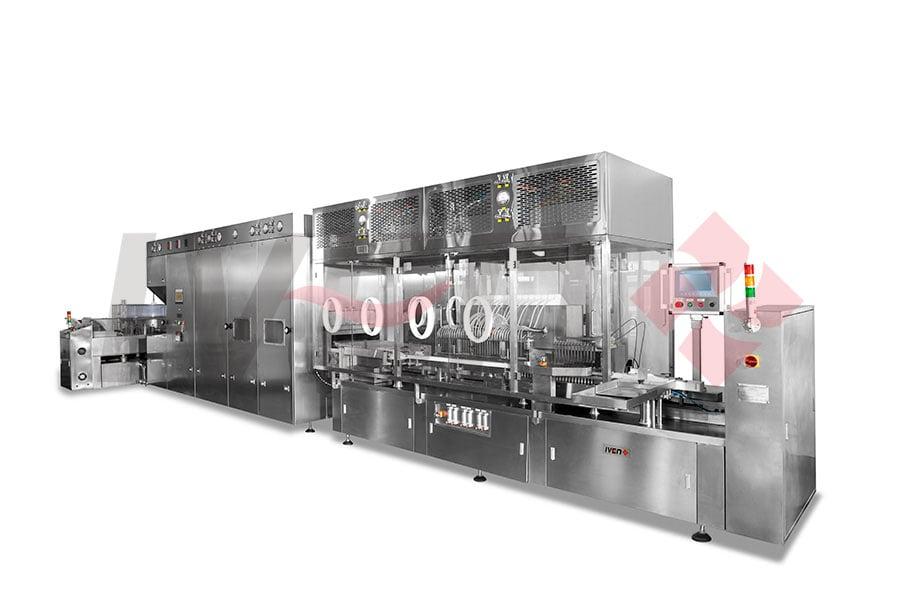
Vaccine Ampoule Filling Lines for the United States
For pharmaceutical manufacturers in the United States, a vaccine ampoule filling line is a specialized aseptic production system used to wash, sterilize, fill, seal, inspect, and prepare glass ampoules for vaccine packaging under tightly controlled GMP conditions. It is most often evaluated by large pharma groups, CDMOs, biologics manufacturers, and public health supply partners that need higher throughput, lower contamination risk, reliable batch traceability, and readiness for FDA inspection. In practical terms, this equipment is not simply a filler. It is a validated production platform that connects clean utilities, aseptic processing, container handling, vision inspection, and data control into one compliant manufacturing flow.
In the U.S. market, demand is shaped by expansion projects in New Jersey, Massachusetts, North Carolina, Texas, and California, where biologics, sterile injectables, and vaccine capacity continue to grow. Buyers are also looking beyond machine speed alone. They increasingly compare isolator compatibility, line clearance efficiency, changeover time, particle control, container breakage rate, recipe management, electronic batch records, and service response time. For companies planning a new fill-finish plant or upgrading a legacy line, the right vaccine ampoule filling solution can improve yield, support regulatory confidence, and protect long-term return on investment.
A vaccine ampoule filling line is a core fill-finish system designed for sterile pharmaceutical manufacturing. In the United States, it is used where vaccine products, biologic formulations, and sensitive injectable liquids must be packaged in sealed glass ampoules with precise dose control and strict contamination prevention. A typical line includes ampoule feeding, washing, depyrogenation or sterilization tunnel integration, aseptic filling, inert gas purging when required, flame sealing, leak checking, visual inspection, labeling, and packing interface.
Its importance is especially high in facilities serving government contracts, pediatric vaccine programs, export-oriented biologics, and emergency preparedness inventories. FDA cGMP expectations, media fill performance, environmental monitoring, and data integrity requirements make equipment design a strategic decision, not just a procurement item. Companies often evaluate these lines as part of broader sterile manufacturing investments that also involve purified water, water for injection, clean steam, HVAC zoning, automated material transfer, and validation support.
For organizations seeking a partner with integrated project capability, about IVEN Pharmatech Engineering offers a useful overview of a supplier focused on pharmaceutical engineering, filling systems, water treatment, and turnkey delivery for regulated plants.
Line StageMain FunctionWhy It Matters for VaccinesTypical U.S. Buyer ConcernAmpoule infeedFeeds empty containers in stable orientationReduces handling damage and process interruptionContainer breakage rateWashingRemoves particles and residuesSupports sterile pathway integrityCleaning validationSterilization/depyrogenationPrepares containers for aseptic fillingEssential for injectable safetyThermal uniformity and qualificationFillingDelivers exact dose volumeDirectly affects potency and yieldAccuracy and repeatabilitySealingCloses ampoule by flame sealingProtects sterility during distributionSeal integrity and cosmetic qualityInspection and outfeedDetects defects and sorts unitsImproves release confidenceVision validation and reject logicThe table above shows why a vaccine ampoule filling line should be evaluated as a complete process chain. Weakness in one stage can affect the entire batch, even if the filler itself is highly accurate.
In pharmaceutical production, an ampoule filling line for vaccines is built for sterile liquid dosage forms that must be enclosed in hermetically sealed glass containers. Ampoules are often selected when a high level of tamper resistance, strong barrier protection, and compatibility with certain vaccine formulations are needed. While many modern biologics now use vials or prefilled syringes, ampoules still have practical value for selected markets, specific dose formats, contract manufacturing programs, and products requiring compact, durable packaging.
The line is used for several purposes:
In the U.S., these systems may be installed in biologics clusters around Boston and Cambridge, sterile manufacturing hubs in New Jersey and Pennsylvania, or vaccine and injectable expansion zones in Raleigh-Durham, Indianapolis, and San Diego. Logistics also matter. Many imported components or project modules move through the Port of Los Angeles, Port of Long Beach, Port of Newark, or Savannah, while urgent spare parts may be routed through Chicago O’Hare or Memphis air cargo channels.
From a technological capabilities perspective, advanced suppliers now offer servo-controlled dosing, no-glass-no-fill logic, automated recipe setting, integrated SCADA, 21 CFR Part 11-ready data systems, online weight verification, vacuum or pressure monitoring, and compatibility with restricted access barrier systems or isolators. These features are increasingly important for U.S. buyers that want to reduce operator intervention and simplify validation.
Use CaseProduct TypeTypical Batch ProfileOperational PriorityCommercial vaccine productionRoutine immunization productsLarge repeat batchesHigh uptimeSeasonal surge productionCampaign-based vaccine demandVariable batch sizesFast changeoverClinical supplyTrial materialSmall lotsFlexibility and documentationContract manufacturingMulti-client sterile productsFrequent switchesCleaning and recipe controlPublic health reservesStrategic stockpilesPeriodic high-volume runsReliability and traceabilityExport packagingCountry-specific dosage formatsMixed demandRegulatory adaptabilityThis table highlights that equipment selection should match the intended production model. A line optimized for a single blockbuster vaccine may not be ideal for a CDMO handling multiple products each quarter.
The main application is fill-finish processing for sterile vaccine formulations, but the broader value lies in how these lines support efficiency, compliance, and product protection. Manufacturers choose them when they need accurate dose filling, repeatable sealing, controlled particle exposure, and dependable throughput under audit-ready conditions.
Key benefits include:
For modern U.S. facilities, these advantages translate into very practical business outcomes. A line with stable filling and low reject rates can reduce product loss significantly when the formulation itself is expensive. In cities like Philadelphia, St. Louis, and Houston, where many plants are modernizing aging sterile assets, replacing old manual or semi-automatic equipment often improves both compliance and labor utilization.
Manufacturing capabilities are equally important. Buyers should assess whether the supplier can produce washing, filling, sealing, water treatment, and downstream integration systems with strong control over fabrication quality. A supplier with specialized production plants and established pharmaceutical equipment manufacturing depth is often better positioned to deliver consistent stainless steel workmanship, reliable assembly, and long service life.
Benefit AreaDescriptionOperational ImpactStrategic ValueAseptic assuranceControlled sterile environment and reduced exposureFewer deviationsBetter inspection readinessFilling precisionAccurate dose control through modern pumps or servo systemsLess giveawayImproved marginAutomated sealingStable ampoule closure qualityLower leak riskLonger shelf-life confidenceDigital recordsElectronic alarms, recipes, trends, and audit trailsFaster reviewSupports data integrityFlexible throughputMultiple speed configurationsScalable outputFuture expansion readinessIntegrated designLinks utilities, filling, and packing workflowsSmoother commissioningLower project riskThe explanation here is simple: the best line is not necessarily the fastest one. The strongest return typically comes from a system that balances sterility, uptime, accuracy, maintainability, and expansion potential.
var ctxBar = document.getElementById(‘barChartDemand’).getContext(‘2d’);var barChartDemand = new Chart(ctxBar, { type: ‘bar’, data: { labels: [‘Biologics Plants’, ‘CDMOs’, ‘Public Health Supply’, ‘Clinical Manufacturing’, ‘Sterile Injectables’, ‘Export Packaging’], datasets: [{ label: ‘Estimated U.S. Demand Index’, data: [92, 86, 68, 54, 79, 61], backgroundColor: [‘#3b82f6′,’#10b981′,’#f59e0b’,’#ef4444′,’#8b5cf6′,’#14b8a6′] }] }, options: { responsive: true, maintainAspectRatio: false }});There is no single standard configuration for every vaccine producer. The right model depends on throughput goals, product sensitivity, regulatory pathway, and facility layout. In the United States, the most common purchasing paths involve either a compact line for smaller or multiproduct operations, a mid-speed aseptic line for established commercial output, or a high-speed integrated line for large-scale immunization supply.
Common technical options include:
On the service capabilities side, buyers should ask whether the supplier can support factory acceptance testing, site installation, SAT, IQ/OQ/PQ assistance, training, spare parts planning, and process optimization after start-up. Good equipment alone is not enough for a successful sterile project.
Companies exploring broader project delivery can review turnkey pharmaceutical projects to understand how filling lines may fit into larger facility engineering, utility design, and compliance execution.
Line TypeTypical SpeedBest FitMain AdvantageCompact semi-automatic line1,500-4,000 ampoules/hourR&D, pilot, clinical supplyLower upfront costAutomatic low-to-mid speed line4,000-8,000 ampoules/hourMultiproduct sterile plantsBalanced flexibilityCommercial mid-speed line8,000-15,000 ampoules/hourRoutine vaccine batchesStrong productivityHigh-speed integrated line15,000-24,000+ ampoules/hourLarge public supply programsMaximum outputIsolator-compatible lineVaries by designHigh aseptic assurance environmentsReduced human interventionMulti-format flexible lineVaries by formatCDMOs and contract packagersFast product changeoversThe table shows that capacity should be considered alongside product portfolio complexity. Multi-format flexibility may be worth more than maximum speed for many U.S. contract manufacturers.
Ampoule filling is only one of several fill-finish packaging options. U.S. manufacturers often compare it with vial filling lines, prefilled syringe lines, BFS technology, and cartridge systems. The decision depends on formulation characteristics, administration route, healthcare setting, logistics, and commercial strategy.
Ampoules generally offer strong container integrity and a familiar format for certain injectable products. However, vials often provide more flexibility for lyophilization and multi-dose presentation, while prefilled syringes improve convenience for point-of-care use. BFS can be attractive for high-volume liquid products, but it is not always the first choice for every vaccine or biologic requiring highly specialized aseptic control.
TechnologyStrengthLimitationBest Use ScenarioAmpoule filling lineHermetic glass sealingBreak-open use formatSelected sterile vaccine and injectable liquidsVial filling lineBroad market acceptanceStopper and seal complexityBiologics and lyophilized productsPrefilled syringe lineUser convenienceHigher packaging costReady-to-administer productsBFS systemIntegrated form-fill-seal speedMaterial and format limitsHigh-volume sterile liquidsCartridge fillingDevice compatibilityNiche application scopePen or injector systemsManual or semi-manual fill-finishLow initial investmentHigher labor and contamination riskVery small-scale operationsIn summary, ampoules fit best when your product strategy values strong sealed-container protection, controlled sterile processing, and established injectable packaging workflows. If patient convenience or self-administration is a priority, prefilled syringes may be stronger. If multiple dose formats and freeze-drying are expected, vials may be more suitable.
var ctxComp = document.getElementById(‘comparisonChartSupplier’).getContext(‘2d’);var comparisonChartSupplier = new Chart(ctxComp, { type: ‘bar’, data: { labels: [‘Aseptic Control’, ‘Format Flexibility’, ‘CapEx Efficiency’, ‘Operator Convenience’, ‘Seal Integrity’, ‘Scale-Up Potential’], datasets: [ { label: ‘Ampoule Line’, data: [90, 72, 78, 60, 94, 82], backgroundColor: ‘#6366f1’ }, { label: ‘Vial Line’, data: [88, 89, 74, 68, 85, 91], backgroundColor: ‘#22c55e’ }, { label: ‘Prefilled Syringe Line’, data: [86, 65, 58, 95, 80, 76], backgroundColor: ‘#f97316’ } ] }, options: { responsive: true, maintainAspectRatio: false }});The U.S. sterile manufacturing market remains active as companies expand domestic resilience, reduce supply chain vulnerability, and modernize fill-finish operations. Vaccine production planning after recent public health disruptions has accelerated investment in flexible capacity, especially where multi-product biologics and emergency response manufacturing are involved.
Several drivers support demand for vaccine ampoule filling lines in the United States:
By 2026, three trends are especially important. First, technology: more buyers will request isolator integration, advanced vision systems, robotic transfer, predictive maintenance, and electronic batch review compatibility. Second, policy: FDA expectations around contamination control, data integrity, and lifecycle process verification will continue to influence equipment design and validation. Third, sustainability: manufacturers will increasingly evaluate energy use, compressed air efficiency, heat recovery, water consumption, and reduction of rejected containers or wasted product.
U.S. location strategy also matters. Projects in Boston, New York-New Jersey, Research Triangle Park, and the Bay Area often prioritize engineering sophistication and rapid qualification, while manufacturing campuses near Dallas, Columbus, or Phoenix may focus more on scalable utilities, labor availability, and land cost. Distribution planning influences packaging choices too, especially when final product moves through large freight corridors tied to Newark, Atlanta, Houston, and Los Angeles.
var ctxLine = document.getElementById(‘lineChartUS’).getContext(‘2d’);var lineChartUS = new Chart(ctxLine, { type: ‘line’, data: { labels: [‘2021’, ‘2022’, ‘2023’, ‘2024’, ‘2025’, ‘2026’], datasets: [{ label: ‘U.S. Market Growth Index’, data: [100, 109, 117, 126, 138, 151], borderColor: ‘#0ea5e9’, backgroundColor: ‘rgba(14,165,233,0.12)’, fill: false, tension: 0.25 }] }, options: { responsive: true, maintainAspectRatio: false }});var ctxArea = document.getElementById(‘areaChartTrend’).getContext(‘2d’);var areaChartTrend = new Chart(ctxArea, { type: ‘line’, data: { labels: [‘2021’, ‘2022’, ‘2023’, ‘2024’, ‘2025’, ‘2026’], datasets: [{ label: ‘Shift Toward Automated and Isolator-Ready Lines (%)’, data: [28, 34, 41, 49, 57, 66], borderColor: ‘#14b8a6’, backgroundColor: ‘rgba(20,184,166,0.25)’, fill: true, tension: 0.25 }] }, options: { responsive: true, maintainAspectRatio: false }});The line chart reflects realistic growth momentum in demand for upgraded sterile fill-finish assets, while the area chart shows how quickly the market is moving toward higher automation and better contamination control design.
Selecting a supplier is one of the most important decisions in a sterile production project. The U.S. market requires more than competitive pricing. Buyers should verify regulatory understanding, fabrication quality, documentation depth, automation capability, and long-term service support. A line that arrives on time but fails FAT expectations or creates prolonged qualification delays can cost far more than its initial purchase price suggests.
When screening manufacturers, focus on these questions:
For buyers comparing multiple vendors, reviewing a broader equipment portfolio can reveal whether a supplier understands upstream and downstream integration rather than only a stand-alone machine sale.
As one example of a company profile relevant to international buyers, IVEN Pharmatech Engineering has built its reputation around pharmaceutical and medical device engineering, customized production lines, water systems, logistics integration, and turnkey support for regulated factories. Its value proposition is strongest where customers want coordinated engineering rather than fragmented sourcing. This is particularly relevant for U.S. investors that want one partner to support filling equipment, utility systems, layout optimization, documentation, and commissioning strategy.
Evaluation FactorWhat to CheckWarning SignWhy It MattersRegulatory expertiseGMP design knowledge and validation supportGeneric promises without evidenceReduces compliance riskEngineering depthCustom layout and utility integration abilityOnly standard catalog modelsImproves fit for your plantManufacturing qualityMaterial finish, weld quality, traceable componentsPoor build detailsAffects durability and cleanabilityAutomation systemAudit trails, alarms, recipes, secure accessWeak software documentationSupports data integrityService responsivenessTraining, commissioning, remote diagnostics, partsSlow post-sale supportProtects uptimeReference projectsDelivered lines or turnkey sterile plantsNo verifiable casesConfirms execution abilityThe explanation behind this table is that supplier quality affects the entire lifecycle of the project. A slightly higher-priced vendor with stronger validation documents and faster service may create a much lower total cost over ten years.
Budgeting for a vaccine ampoule filling line in the United States requires a full project view. Buyers often underestimate cleanroom modifications, utility upgrades, qualification costs, and operator training. The equipment purchase is only one part of the capital picture.
Typical budget components include:
In the U.S. market, a basic line for limited output may start in the lower seven-figure range once qualification and integration are included, while a sophisticated high-speed aseptic line with isolator, inspection, and digital integration can rise significantly higher. Shipping route, customs timing, site readiness, and local labor rates also influence project cost. For example, projects in the Northeast corridor may face higher commissioning labor expenses than some Southern states, while West Coast imports may benefit from specific freight routing but still require careful scheduling due to port congestion risks.
Cost CategoryTypical Share of BudgetCommon Hidden CostCost Control TipMain process equipment35%-45%Unplanned customizationFreeze URS earlyAseptic barrier system10%-20%Late design changesConfirm intervention strategy upfrontAutomation and software8%-15%Extra interface programmingDefine data requirements clearlyInstallation and SAT8%-12%Site readiness delaysCoordinate utilities before deliveryValidation package5%-10%Additional protocol revisionsStandardize documentation templatesTraining and spare parts3%-8%Under-ordering critical partsBuild a first-year maintenance kitROI depends on batch volume, product value, reject reduction, labor savings, and production uptime. A faster line is not automatically better if your campaign schedule is limited. Better ROI often comes from:
A useful case-based way to think about ROI is this: a mid-sized U.S. vaccine plant producing several million ampoules annually can recover investment faster if the new line cuts rejects by even 1% to 2% on high-value biologic product, while also reducing overtime and accelerating lot release. That is why lifecycle cost modeling is more informative than headline purchase price.
Even well-funded projects face risks if requirements are vague or implementation is rushed. The main risk categories are technical mismatch, qualification delays, weak documentation, utility incompatibility, inadequate training, and poor service response after start-up.
Important considerations include:
Service capabilities should be reviewed very carefully at this stage. The most successful projects usually include detailed FAT planning, SAT criteria, commissioning milestones, operator training, and post-start-up support. If you are evaluating a project and want direct discussion on specifications, delivery, or U.S. implementation planning, you can contact the team for project-specific support.
RiskTypical CausePotential ImpactMitigationQualification delayIncomplete documentation or late changesLaunch postponementLock URS and review FAT package earlyLow yieldPoor fill accuracy or container breakageProduct lossRequest proven performance dataRegulatory findingsWeak data integrity or aseptic design gapsRemediation costAudit controls and documentation thoroughlyUtility mismatchSite conditions not aligned with machine requirementsRework and delayPerform pre-installation engineering reviewSlow maintenance responseLimited spare parts or service accessDowntimeSet service SLAs and stock critical partsOverinvestmentBuying speed beyond real demandPoor ROIModel capacity against forecast realisticallyThis final table is important because it connects procurement decisions with operational outcomes. Many project failures are not caused by defective equipment alone, but by weak planning around utilities, validation, and service.
From a practical case-study perspective, U.S. buyers often see the best results when a line is selected as part of an integrated program. For example, a sterile injectable project in the Northeast may combine purified water, WFI, filling, inspection, packing, and documentation under one execution plan. A biologics expansion in Texas may focus on modular utility skids and rapid installation to minimize construction time. A CDMO in California may prioritize flexible recipes and fast changeovers over peak output. In each scenario, supplier coordination is a major determinant of success.
That is where an engineering-focused company can add value. IVEN Pharmatech Engineering is relevant to such projects because it combines pharmaceutical filling and packaging know-how with water treatment, intelligent conveying, logistics integration, and customized project delivery. Rather than presenting only stand-alone machinery, it is positioned to support complete production thinking from feasibility and design through commissioning, validation support, and training. For U.S. customers facing schedule pressure, compliance demands, and cross-system coordination challenges, that integrated approach can reduce project risk.
1. Is an ampoule filling line still relevant for vaccines in the United States?Yes. Although vials and prefilled syringes are common, ampoules remain relevant for selected vaccine and sterile injectable applications where sealed glass packaging and certain dosage strategies are preferred.
2. What throughput should a buyer target?It depends on batch size, annual demand, shift pattern, and number of product changeovers. Many U.S. buyers choose a line based on validated net output rather than advertised mechanical speed.
3. What regulatory standards matter most?FDA cGMP is primary in the United States, but buyers also value alignment with EU GMP, WHO GMP, and PIC/S principles when exporting or benchmarking global compliance practice.
4. How long does a typical project take?A full project can take many months from URS to PQ, depending on customization, factory acceptance testing, shipping, installation readiness, utility completion, and validation requirements.
5. Should buyers choose isolator-ready designs?For many aseptic applications, yes. Isolator-ready or advanced barrier designs can reduce contamination risk and align with the growing U.S. preference for higher sterility assurance and lower operator intervention.
6. What is the biggest hidden cost?Usually not the machine itself, but integration. Facility modifications, software interfaces, validation effort, and production delays from poor planning often have the largest financial impact.
7. How should buyers compare suppliers?Look at technical capability, documentation, reference projects, customization depth, post-sale service, spare parts support, and lifecycle cost instead of price alone.
8. Can one supplier support a broader sterile manufacturing project?Yes, some companies can. This is especially useful if you want filling equipment coordinated with water systems, logistics, packing, engineering design, training, and qualification support.
9. What U.S. regions are most active for this kind of investment?New Jersey, Massachusetts, North Carolina, Pennsylvania, California, Indiana, and Texas remain key regions due to strong biologics, sterile manufacturing, and pharmaceutical infrastructure.
10. What should be in the first discussion with a manufacturer?Share your product type, target ampoule sizes, batch volume, cleanroom concept, utility conditions, compliance expectations, automation preferences, and project schedule. That will make quotations more accurate and comparable.
For U.S. pharmaceutical manufacturers, the right vaccine ampoule filling line is not only a packaging asset. It is a compliance platform, a yield-protection tool, and a strategic piece of sterile production infrastructure. When selected with clear technical requirements, strong supplier evaluation, and realistic ROI analysis, it can support reliable expansion in a market where quality, speed, and audit readiness all matter.