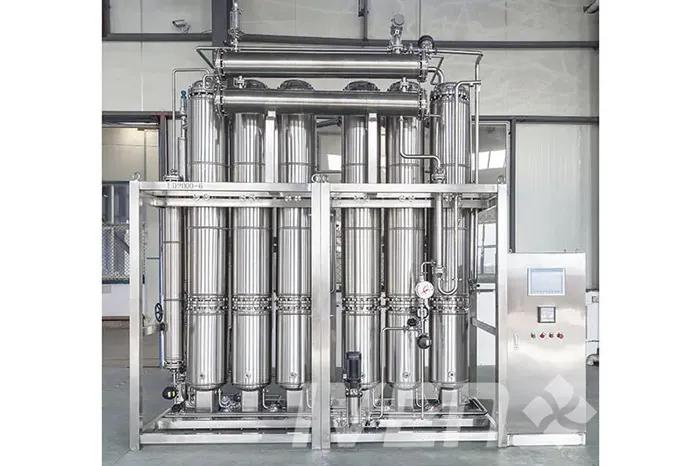
Pharmaceutical Water System Specs in the United States
Pharmaceutical water treatment system specs are a core part of modern drug manufacturing in the United States. For companies producing injectables, vaccines, biologics, oral liquids, and sterile medical products, water is not just a utility. It is a regulated raw material that directly affects quality, compliance, uptime, and patient safety. A properly designed system helps manufacturers consistently produce Purified Water, Water for Injection, and clean utility streams that align with USP, FDA cGMP, and GMP expectations across highly controlled facilities.
In U.S. pharmaceutical hubs such as New Jersey, Boston, Raleigh-Durham, San Diego, Chicago, Houston, and the Bay Area, water system reliability is increasingly tied to expansion plans, data integrity, validation readiness, and sustainability goals. Whether a project involves a greenfield injectable plant near the Port of Houston, a biologics expansion in Massachusetts, or a retrofit of an oral solid dosage facility in Pennsylvania, understanding pharmaceutical water treatment system specs is essential before making a capital investment.
Quick Answer: Why pharmaceutical water treatment system specs matter for U.S. pharmaceutical manufacturers

The short answer is simple: pharmaceutical water treatment system specs define how a plant produces, stores, distributes, sanitizes, monitors, and validates high-purity water used in regulated pharmaceutical operations. In the United States, these specifications matter because manufacturers must demonstrate that water quality is consistent, traceable, microbiologically controlled, and appropriate for its intended use.
Good specifications typically cover feed water conditions, pretreatment design, reverse osmosis stages, electrodeionization, ultraviolet sterilization, ultrafiltration, distillation, storage tank design, sanitary piping, loop velocity, temperature control, online conductivity, TOC monitoring, microbial control strategy, and automation. When these items are clearly defined, the result is lower contamination risk, easier validation, better batch consistency, and smoother audits.
For facilities manufacturing sterile injectables or vaccine-related products, the quality bar is even higher. In those applications, pharmaceutical water systems support critical operations such as formulation, compounding, equipment rinsing, clean steam generation, and terminal cleaning. Weak design decisions can lead to endotoxin risk, microbial excursions, production stoppages, or expensive corrective actions.
| Specification Area | Why It Matters | Typical U.S. GMP Focus | Operational Impact |
|---|---|---|---|
| Feed water analysis | Determines pretreatment needs | Municipal water variability by state and city | Protects membranes and downstream units |
| Purification technology | Defines purity level achievable | USP-aligned design for PW or WFI | Stabilizes product quality |
| Sanitary distribution loop | Controls biofilm and contamination | 316L piping, dead-leg control, drainability | Reduces microbial excursions |
| Instrumentation | Provides continuous verification | Conductivity, TOC, pressure, temperature | Improves audit readiness |
| Automation and records | Supports traceability | Data integrity and alarm management | Simplifies investigations |
| Validation package | Demonstrates fitness for use | IQ, OQ, PQ documentation | Accelerates startup and approval |
The table above shows that pharmaceutical water treatment system specs are not limited to equipment dimensions. They shape the full compliance and operating model of a regulated plant.
What is a pharmaceutical water treatment system and why do pharma manufacturers need it?

A pharmaceutical water treatment system is an engineered process platform that transforms incoming feed water into water grades suitable for regulated pharmaceutical use. Depending on the application, the output may include Purified Water, Water for Injection, pure steam support water, or specially controlled process water. The system usually combines pretreatment, membrane purification, polishing, storage, and distribution in one integrated architecture.
U.S. pharmaceutical manufacturers need these systems because water is used at nearly every production stage. It appears in ingredient dissolution, vessel washing, CIP, formulation, dilution, filter flushing, autoclave support, environmental cleaning, and component rinsing. In sterile and biologics facilities, the impact is even broader because water can affect endotoxin levels, microbial counts, and overall aseptic assurance.
Traditional commercial or industrial water systems are usually not enough for regulated pharmaceutical facilities. They may reduce hardness, chlorine, or suspended solids, but they often lack sanitary design, validated controls, redundant critical points, and microbiological protection features required for GMP operations. That is why pharmaceutical water treatment system specs are written at a much higher standard than utility water specifications for food, beverage, or general manufacturing.
U.S. buyers also face regional differences in source water quality. A facility in Phoenix may deal with different feed water hardness and seasonal chemistry than a plant in New Jersey or Seattle. Water system specifications therefore need to reflect local feed conditions, state utility profiles, and long-term production goals rather than relying on generic templates.
Main applications and benefits of pharmaceutical water treatment system specs in GMP pharmaceutical facilities

In GMP environments, pharmaceutical water treatment system specs guide both direct product-contact and indirect support uses. These applications vary by dosage form, process type, and quality risk level. A robust system specification ensures the water produced is appropriate for each use point and remains under control from generation to distribution.
Main applications include:
- Formulation of oral liquids and syrups
- Compounding of injectables and parenterals
- Biopharma buffer and media preparation
- Final rinse for vessels, tanks, and transfer lines
- CIP and SIP support in sterile production areas
- Component washing for vials, ampoules, stoppers, and closures
- Laboratory and quality control support water
- Feed water for multi-effect distillers and pure steam systems
The benefits go well beyond water purity. Well-developed pharmaceutical water treatment system specs improve line availability, lower maintenance uncertainty, support predictable validation, and help standardize quality across multiple batches and products. For U.S. manufacturers working under competitive timelines, this translates into less downtime and stronger cost control.
| Application | Typical Water Grade | Why Specs Matter | Primary Benefit |
|---|---|---|---|
| Injectable formulation | WFI | Endotoxin and microbial control | Product safety |
| Oral liquid manufacturing | Purified Water | Consistent conductivity and TOC | Batch stability |
| Equipment final rinse | PW or WFI | Residue and contamination prevention | Cleaning validation support |
| Biologics buffer prep | PW or WFI depending on process | Low bioburden and traceability | Process consistency |
| Autoclave and clean steam support | WFI-related feed | Steam purity assurance | Sterility confidence |
| Laboratory use | Purified Water | Analytical reliability | Accurate testing |
The table shows how system specs connect directly to production uses. In practice, the “best” specification is the one that fits the intended process risk, cleaning strategy, and regulatory pathway of the facility.
Different types of pharmaceutical water treatment system specs: RO, EDI, distillation, and hybrid systems
The main system types used in the United States are RO-based Purified Water systems, EDI-polished systems, distillation-based WFI generation systems, and hybrid designs that combine several technologies. The correct choice depends on product portfolio, required water grade, site utilities, energy strategy, and validation preferences.
RO, or reverse osmosis, is widely used as the core purification step for Purified Water generation. It removes dissolved salts, organics, and many contaminants with high efficiency. EDI, or electrodeionization, is often added after RO for continuous polishing to achieve stable conductivity without frequent chemical regeneration. UV units, ozone, ultrafiltration, and hot water sanitization may also be integrated to improve microbial control and system resilience.
For Water for Injection, distillation remains a common choice, especially in large sterile plants. Multi-effect distillers and vapor compression units are selected based on capacity, energy model, and plant utility availability. Hybrid systems may use RO and EDI upstream, followed by distillation for WFI, creating an efficient architecture that protects the distiller and reduces overall operating cost.
| System Type | Typical Use | Main Strength | Limitation | Best Fit |
|---|---|---|---|---|
| Single-pass RO | Basic purified water | Good salt rejection | May need polishing | Small utility applications |
| Double-pass RO | Higher-grade PW | Improved consistency | More footprint | Medium GMP facilities |
| RO + EDI | Standard pharmaceutical PW | Stable conductivity, lower chemical use | Needs pretreatment control | Most modern U.S. drug plants |
| Multi-effect distillation | WFI generation | Strong endotoxin control | Higher capex and steam demand | Sterile injectables and vaccines |
| Vapor compression distillation | WFI generation | Energy-efficient at some scales | Mechanical complexity | Sites optimizing utility cost |
| Hybrid RO/EDI + distillation | PW + WFI integrated plants | Balanced performance and redundancy | More engineering coordination | Large multiproduct sites |
The chart below illustrates the changing technology mix in U.S. pharmaceutical manufacturing.
pharmaceutical water treatment system specs vs traditional water treatment methods: which one should you choose?
For pharmaceutical manufacturers, this is usually not a close contest. Traditional industrial water treatment methods can be useful as pretreatment, but they are rarely sufficient as the main purified water platform for regulated drug production. The deciding factor is not only chemical purity. It is the ability to maintain validated, sanitary, microbiologically controlled performance over time.
Traditional systems often focus on hardness reduction, dechlorination, particulate filtration, and general utility protection. They may not include sanitary design features such as orbital welding, dead-leg control, high loop velocity, slope for drainage, diaphragm valves, 316L stainless steel, or automated sanitization cycles. These missing elements create elevated risks in GMP environments.
Pharmaceutical water treatment system specs, by contrast, are written around compliance, consistency, and verification. They account for alarm logic, calibration strategy, trending, microbial control, and documentation requirements. That is why most U.S. facilities use a layered approach: conventional pretreatment up front, then pharmaceutical-grade purification, storage, and distribution downstream.
| Criterion | Pharmaceutical System | Traditional Water Treatment | Which Is Better for U.S. GMP Plants? |
|---|---|---|---|
| Regulatory alignment | Built for GMP/USP/FDA expectations | Usually utility-focused | Pharmaceutical system |
| Microbial control | High priority with sanitization design | Often limited | Pharmaceutical system |
| Documentation | Supports IQ/OQ/PQ and traceability | Basic manuals only | Pharmaceutical system |
| Sanitary piping | Standard feature | Often absent | Pharmaceutical system |
| Lifecycle reliability | Designed for critical operation | Varies widely | Pharmaceutical system |
| Initial cost | Higher | Lower | Traditional is cheaper upfront |
For a U.S. manufacturer, the right choice is usually a compliant pharmaceutical system sized to actual process demand, with traditional treatment steps used only where appropriate as pretreatment.
Market overview and future trends for pharmaceutical water treatment system specs in pharmaceutical manufacturing
The U.S. market for pharmaceutical water systems remains strong due to sustained investment in sterile drug production, biologics, fill-finish capacity, domestic supply chain resilience, and modernization of aging plants. Demand is especially active in regions with dense life science investment, including New Jersey, Massachusetts, North Carolina, California, Indiana, and Texas.
Several forces are shaping buying behavior. First, more manufacturers want integrated systems that combine automation, validation support, and remote diagnostics. Second, expansion of biologics and high-value sterile products is increasing demand for WFI-capable systems and hygienic distribution loops. Third, sustainability pressures are driving interest in water recovery, energy optimization, reduced chemical use, and smarter sanitization strategies. Fourth, policy and quality expectations continue to push manufacturers toward better documentation and stronger lifecycle control.
By 2026, the market is expected to move further toward digital monitoring, predictive maintenance, reduced footprint skid designs, modular turnkey integration, and hybrid systems optimized for both compliance and energy efficiency. Facilities near major logistics routes such as the Port of Los Angeles, Port of New York and New Jersey, Savannah, and Houston also increasingly value suppliers that can coordinate shipping, installation sequencing, and aftermarket parts support efficiently.
Technology trends through 2026 include:
- More online monitoring of conductivity, TOC, flow, and temperature
- Greater use of PLC/SCADA with audit-friendly data handling
- Hybrid RO-EDI-distillation architecture for efficiency and redundancy
- Heat recovery and utility optimization in WFI generation
- Modular skids for faster deployment and expansion flexibility
- Sanitization strategies designed to reduce water and chemical waste
- Remote service support and predictive maintenance analytics
Policy trends include stronger domestic manufacturing investment, heightened emphasis on data integrity, and continued scrutiny of contamination control programs. Sustainability trends include lower reject water ratios, smarter reclaim integration where permitted, and equipment selection based on lifecycle cost rather than purchase price alone.
How to choose a reliable pharmaceutical water treatment system manufacturer or supplier
Choosing a supplier is not only about comparing quotations. U.S. buyers should assess regulatory understanding, engineering quality, fabrication standards, documentation depth, validation support, and post-installation service capability. A low-cost system becomes expensive very quickly if it causes commissioning delays, microbial problems, or repeated performance deviations.
A reliable supplier should be able to discuss feed water characterization, capacity planning, point-of-use requirements, loop design, commissioning protocol, FAT/SAT strategy, calibration philosophy, spare parts planning, and long-term service expectations. They should also be comfortable working within U.S. project environments that involve owner engineers, EPC teams, QA reviewers, and validation consultants.
When evaluating vendors, buyers should request examples of completed pharmaceutical projects, not just industrial water references. It is also useful to review weld quality controls, surface finish standards, instrument brands, software architecture, and the quality of turnover documentation.
| Supplier Evaluation Factor | What to Check | Why It Matters | Recommended Priority |
|---|---|---|---|
| Regulatory experience | USP, FDA cGMP, EU GMP familiarity | Reduces compliance gaps | Very high |
| Engineering depth | P&ID, layout, control philosophy, sizing logic | Prevents design errors | Very high |
| Fabrication quality | Sanitary welding, passivation, FAT standards | Supports reliability and hygiene | Very high |
| Documentation package | DQ/IQ/OQ/PQ support, manuals, calibration list | Speeds validation | High |
| Service response | Commissioning, training, spare parts access | Protects uptime | High |
| Project references | Similar U.S. or international pharma plants | Confirms delivery ability | High |
For buyers seeking an integrated partner rather than a standalone equipment vendor, it can be helpful to work with a company that understands not only water systems but also upstream and downstream pharmaceutical production infrastructure. A provider with broader plant engineering capability can coordinate utilities, cleanroom interfaces, process requirements, and validation planning more smoothly. You can review the background of IVEN Pharmatech Engineering to see how a pharmaceutical-focused engineering company presents its global experience.
Investment cost, budget planning, and ROI analysis for pharmaceutical water treatment system specs
The cost of a pharmaceutical water system in the United States varies widely based on capacity, water grade, automation level, materials, validation package, and whether the project includes storage and distribution. Small Purified Water skids can be much less expensive than full-site integrated PW plus WFI generation systems with hot loops, redundancy, and advanced controls.
Budget planning should include more than equipment purchase. U.S. buyers should consider freight, customs handling, installation, clean utility tie-ins, loop fabrication, insulation, passivation, commissioning, validation, spare parts, staff training, and long-term service agreements. Retrofit work in older facilities often costs more than expected because of layout constraints, shutdown scheduling, and utility interferences.
ROI is usually driven by four factors: reduced deviation risk, lower downtime, lower utility or chemical consumption, and higher batch confidence. For high-value sterile production, preventing one contamination-related shutdown can justify a major share of the project cost.
| Cost Element | Typical Share of Budget | Notes | ROI Influence |
|---|---|---|---|
| Main purification skid | 25% to 35% | RO, EDI, UV, UF, controls | High |
| WFI generation equipment | 15% to 30% | For sterile facilities only | High |
| Storage and distribution loop | 15% to 25% | Tanks, pumps, piping, valves | Very high |
| Installation and utility integration | 10% to 20% | Site dependent | Medium |
| Validation and documentation | 5% to 12% | IQ/OQ/PQ support | High |
| Training, spares, service | 3% to 8% | Lifecycle support | Medium to high |
A practical budgeting approach is to define three scenarios:
- Minimum compliant system for current capacity
- Balanced system for current needs plus moderate growth
- Expansion-ready system with redundancy and utility optimization
In many U.S. projects, the balanced option delivers the best lifecycle economics because it avoids under-sizing without overbuilding too early.
Key considerations and potential risks when investing in pharmaceutical water treatment system specs
The biggest mistake buyers make is focusing too heavily on nominal water quality while underestimating lifecycle control. A system can look compliant on paper but still perform poorly if the loop design creates stagnation, sanitization is weak, automation is confusing, or the supplier cannot support validation.
Key considerations include actual peak demand, future product mix, required sanitization method, microbial control philosophy, acceptable downtime, operator skill level, utility availability, and expansion plans. A facility making oral liquids today may later add sterile capabilities or higher-throughput lines, changing the water strategy significantly.
Potential risks include:
- Undersized systems causing low pressure or inconsistent flow
- Oversized loops increasing residence time and microbial risk
- Poor pretreatment leading to membrane damage and unstable output
- Inadequate documentation delaying qualification
- Weak alarm management creating slow response to excursions
- Insufficient local support extending downtime
- Ignoring regional water variability in U.S. source utilities
A comparison chart can help visualize supplier selection priorities.
Before final approval, buyers should perform a structured review of process requirements, QA expectations, and site constraints. For large or multi-system projects, it is often wise to request concept engineering and layout coordination early. Companies looking for broader factory planning support can explore turnkey pharmaceutical engineering solutions when evaluating how water systems fit into the full plant lifecycle.
Technological capabilities to look for in a modern supplier
One of the strongest indicators of supplier quality is technological capability. In the U.S. market, manufacturers increasingly value partners that can combine water treatment expertise with pharmaceutical process understanding. This includes membrane design knowledge, distillation engineering, smart control systems, sanitary mechanical design, and compatibility with validation workflows.
IVEN Pharmatech Engineering is known in this area for offering pharmaceutical water treatment systems alongside a broader portfolio of regulated production solutions. From a technology standpoint, buyers often look for suppliers that can integrate RO purified water units, multi-effect water distillers for WFI, purified steam generation support, solution preparation interfaces, and automated control platforms suitable for GMP facilities. This is especially relevant for injectables and biologics plants where utility systems must work as part of a larger validated process environment.
For U.S. buyers, useful technological features include recipe-based control logic, trendable critical parameters, alarm history, modular skid design, online conductivity and TOC monitoring, and design flexibility for future capacity expansion. These capabilities support both present production needs and 2026-oriented upgrades such as remote diagnostics and performance analytics.
Manufacturing capabilities that influence long-term reliability
Manufacturing capability is just as important as design quality. Even the best specification can fail if fabrication discipline is weak. Buyers should examine whether the supplier has dedicated production facilities, pharmaceutical-grade fabrication procedures, and quality control systems suited to sanitary equipment.
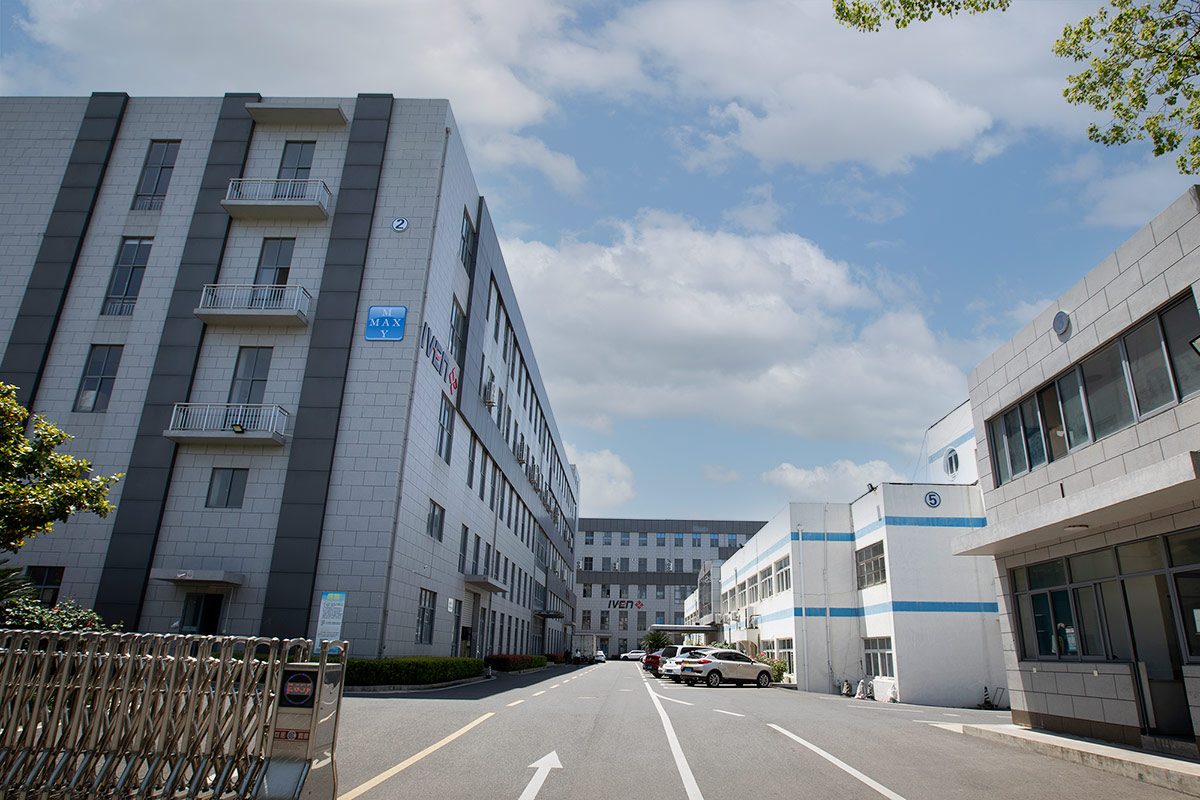
In the case of IVEN Pharmatech Engineering, one differentiator is the presence of specialized manufacturing plants covering pharmaceutical machinery, water treatment systems, intelligent conveying and logistics equipment, and related production technologies. For U.S. customers, this kind of manufacturing depth can be valuable because it often means more direct control over quality, integration, and delivery scheduling.
Reliable manufacturing capability should include controlled stainless steel processing, sanitary welding, consistent surface finish, factory testing, assembly traceability, and durability suitable for long service life. For major U.S. installations near manufacturing centers such as Indianapolis, Philadelphia, or Dallas-Fort Worth, robust fabrication quality reduces the likelihood of early failures and shortens commissioning risk windows.
To review available product categories in a broader context, buyers can browse a supplier’s pharmaceutical equipment portfolio and compare how utility systems align with filling, packaging, and process equipment planning.
Service capabilities that support U.S. pharmaceutical projects
Service capability often determines whether a project launches smoothly. A strong supplier should support feasibility review, engineering coordination, equipment customization, installation planning, commissioning, documentation, staff training, and after-sales troubleshooting.
For a U.S. pharmaceutical manufacturer, service expectations are high. Projects frequently involve compressed schedules, multiple stakeholders, and strict documentation control. IVEN Pharmatech Engineering has positioned itself as a partner that supports full project lifecycles, including engineering design, customization, commissioning, qualification support, and training. This type of service model is especially useful for owners developing greenfield facilities or upgrading regulated plants while trying to reduce schedule and integration risk.
Good service also means staying available after startup. Water systems need maintenance planning, calibration support, sanitization review, spare parts access, and optimization as production changes. Companies that want to discuss project details, request technical information, or start a quotation process can use the contact page for pharmaceutical project consultation.
Case examples and practical buying scenarios in the United States
Consider three common U.S. scenarios. First, a New Jersey sterile injectable plant expanding WFI capacity may require a hybrid pretreatment and distillation solution with hot distribution, redundant pumps, and detailed PQ support. In this case, the main buying priorities are microbial control, documentation, and minimal disruption during tie-in.
Second, a Texas oral liquid manufacturer near Houston may need a cost-efficient Purified Water system with double-pass RO, EDI polishing, ozone-capable storage, and room for future line expansion. Here, utility cost, footprint, and operator simplicity matter most.
Third, a Massachusetts biologics site in the Boston area may seek a modular system with advanced monitoring, remote service support, and strict integration into existing data review practices. In this case, the focus is on flexibility, traceability, and uptime.
These scenarios show that pharmaceutical water treatment system specs should always be tied to actual production context. The best system is not necessarily the largest or most complex one. It is the system that fits product risk, site conditions, and long-term operational strategy.
FAQ
What water grades are usually involved in pharmaceutical manufacturing?
The most common are Purified Water and Water for Injection. Some facilities also require feed water for pure steam generation, laboratory water, or special process water depending on dosage form and process design.
Can RO alone meet pharmaceutical water treatment system specs?
In some limited applications, RO may be part of the answer, but most U.S. pharmaceutical facilities use additional steps such as EDI, UV, ultrafiltration, storage sanitization, and sanitary distribution to achieve stable GMP performance.
How important is the distribution loop?
It is critical. Many water quality problems do not start in the purification skid; they start in poorly designed storage and distribution systems that allow stagnation, contamination, or ineffective sanitization.
Do small pharmaceutical companies need the same level of specification as large manufacturers?
The scale may differ, but compliance expectations still apply. Smaller companies often benefit from modular systems that are properly specified for their current output with expansion paths built in.
How long does implementation usually take?
It depends on scope. A relatively simple Purified Water skid may move faster than a full PW plus WFI generation and loop project. Engineering review, fabrication, FAT, shipping, installation, commissioning, and qualification all affect the schedule.
What should U.S. buyers ask for in the proposal stage?
Request feed water assumptions, output quality targets, instrument list, materials of construction, P&ID, utility requirements, sanitization approach, FAT scope, documentation list, qualification support details, and recommended spare parts.
How do future 2026 trends affect buying decisions today?
Buyers should prioritize digital monitoring, sustainable operation, modular expansion, and strong documentation architecture. These features help protect the investment as regulations, operating expectations, and environmental goals continue to evolve.
For pharmaceutical manufacturers in the United States, pharmaceutical water treatment system specs are more than technical data points. They are a strategic framework for compliance, production stability, and long-term return on investment. Whether the project is a new sterile facility, a biologics expansion, or a retrofit of an established production site, well-defined specifications help ensure the system delivers reliable high-purity water under real GMP conditions.

About the Author
We are IVEN Pharmatech Engineering, a team dedicated to delivering turnkey pharmaceutical and medical solutions worldwide. With decades of experience, we specialize in advanced machinery, integrated factory design, and full lifecycle support to help our clients achieve efficient, compliant, and high-quality production.
Share
Related Insights
-
Pharmaceutical Turnkey Plant Equipment in the United States
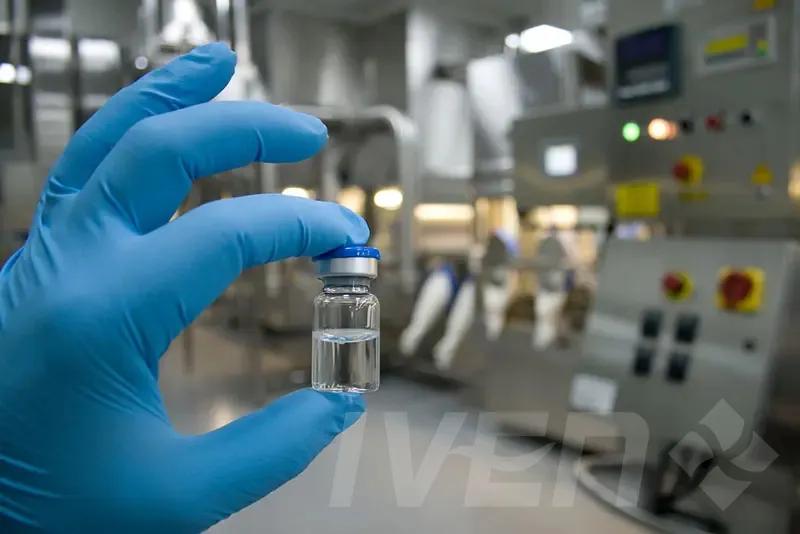
Pharmaceutical turnkey plant equipment refers to the integrated systems, utilities, production machines, quality infrastructure, automation platforms, and engineering services used to build or upgrade a compliant pharmaceutical manufacturing facility from concept to commercial operation. In the United States, this category is especially important for drug manufacturers, CDMOs, biotech firms, and medical consumable producers that need reliable production capacity while meeting FDA cGMP expectations, data integrity requirements, and strict validation standards. Rather than buying isolated machines one by one, many companies evaluate a turnkey approach because it can align process design, clean utilities, filling or packaging lines, material flow, commissioning, and qualification under a single coordinated project framework.
For U.S. projects, pharmaceutical turnkey plant equipment is commonly used in sterile injectables, IV solutions, oral liquids, solid dosage production, purified water generation, WFI systems, cleanroom infrastructure, automated logistics, and high-precision packaging. It is also increasingly adopted when older plants in hubs such as New Jersey, North Carolina, Boston, Texas, California, and the Chicago region need modernization without long periods of production disruption. Companies investing through ports and logistics gateways such as Los Angeles, Savannah, Houston, and New York/New Jersey often prioritize turnkey suppliers that can support import planning, installation sequencing, validation documentation, and long-term technical service in the U.S. market.
In simple terms, pharmaceutical turnkey plant equipment is a complete factory solution rather than a single machine. It usually includes process equipment, clean utilities, automation, layout engineering, installation, qualification, training, and after-sales support. For U.S. pharmaceutical and medical device companies, the main advantage is coordination: production, compliance, and project execution are designed together instead of being assembled from disconnected vendors.
This matters because a pharmaceutical facility is only as strong as its weakest interface. A high-speed filling line will not perform well if HVAC pressure cascades are unstable, if purified water distribution is poorly designed, or if material movement creates contamination risk. A turnkey model helps reduce such integration gaps. It can also shorten project timelines, improve audit readiness, and create clearer accountability for budget and performance.
Turnkey Element What It Includes Why It Matters in the United States Typical Users Process equipment Mixing, filling, sterilizing, packaging, transfer systems Supports validated, repeatable drug production Pharma plants, CDMOs Clean utilities PW, WFI, pure steam, clean compressed air Critical for FDA-compliant sterile and non-sterile operations Injectables, biologics, oral liquid plants Facility engineering Layouts, cleanrooms, HVAC, process piping Improves material flow and contamination control New builds, expansions Automation SCADA, PLC, MES interface, electronic data capture Supports data integrity and process consistency Modern high-output facilities Qualification IQ, OQ, PQ support and documentation Essential for regulatory readiness All regulated manufacturers Lifecycle service Training, maintenance, upgrades, troubleshooting Protects uptime and ROI after launch Long-term operating sitesThe table above shows why turnkey investment is not limited to machinery alone. In regulated production, utility quality, qualification documentation, and long-term service can influence performance as much as the machine nameplate speed.
Pharmaceutical turnkey plant equipment is used to create an operational production environment where all major systems work together. Depending on the dosage form and project scope, it may cover upstream preparation, compounding, storage, transfer, filtration, filling, inspection, packaging, warehousing, and clean utility generation. In some projects, the turnkey scope also includes building coordination, civil interfaces, environmental monitoring, and digital production management.
Its use is especially prominent in sterile manufacturing. For example, a U.S. injectable plant may require vial washing, depyrogenation, aseptic filling, stoppering, capping, visual inspection, labeling, and secondary packaging, all connected to controlled utility systems and validated cleanrooms. In oral liquid facilities, turnkey lines often combine syrup preparation tanks, transfer piping, bottle rinsing, filling, capping, induction sealing, labeling, and carton packing. For IV solution production, the project can expand further to include solution preparation, bag or bottle forming systems, sterilization, leak testing, packaging, and warehouse automation.
Turnkey equipment is also used in support infrastructure. Purified water units, multi-effect water distillers, purified steam generators, clean process tanks, CIP/SIP systems, and distribution loops are core assets because production quality depends on utility quality. For many U.S. investors, the strategic value lies in combining utilities and process systems under one engineering plan to reduce compatibility issues during startup.
In the market, some suppliers focus only on individual equipment modules, while others deliver integrated engineering. Companies evaluating broader project delivery often look for partners with demonstrated experience in compliant plant design, strong documentation, and cross-functional manufacturing capacity. One example is IVEN Pharmatech Engineering, which is known in the sector for combining pharmaceutical process machinery, water treatment systems, intelligent conveying, and medical consumables equipment into integrated project solutions.
The applications span virtually every major pharmaceutical production segment in the United States. Sterile injectables remain a leading area because supply chain resilience, hospital demand, and reshoring initiatives have increased interest in domestic production capacity. However, turnkey systems are also important in oral solids, oral liquids, biotechnology support facilities, dialysis solution production, prefilled syringe lines, and medical consumables such as blood collection tube manufacturing.
The main benefits include better project coordination, faster qualification, stronger process consistency, improved contamination control, and lower interface risk between suppliers. Modern pharmaceutical facilities also benefit from automation integration, recipe control, electronic records, and intelligent material handling. These features are increasingly useful where labor shortages and higher compliance expectations affect plant economics.
Application Area Typical Equipment Scope Main Benefit U.S. Relevance Sterile injectables Washing, sterilization, aseptic filling, capping, inspection High sterility assurance and throughput Strong demand in hospital and specialty pharma IV solutions Preparation, filling, sealing, sterilization, packaging Integrated high-volume production Useful for domestic supply security Oral liquids Mixing, filtration, bottle filling, labeling, cartoning Flexible batch processing Common in OTC and prescription products Solid dosage support Water systems, logistics, packaging, utilities Reliable plant backbone Important for modernization projects Biologics support Clean utilities, buffer prep, distribution systems Controlled, documented process environment Growing in Boston and North Carolina clusters Medical consumables Tube forming, assembly, labeling, packing, logistics High automation and output stability Supports diagnostics supply chainsThis comparison highlights how turnkey systems add value across both drug and medical consumables manufacturing. The benefit is not just speed; it is repeatability, traceability, and smoother integration across operations.
var ctx1 = document.getElementById(‘lineChartGrowth’).getContext(‘2d’);var chart1 = new Chart(ctx1, { type: ‘line’, data: { labels: [‘2021’, ‘2022’, ‘2023’, ‘2024’, ‘2025’, ‘2026’], datasets: [{ label: ‘U.S. Turnkey Pharma Equipment Market Index’, data: [100, 108, 119, 131, 145, 162], borderColor: ‘rgb(54, 162, 235)’, backgroundColor: ‘rgba(54, 162, 235, 0.15)’, fill: false, tension: 0.3 }] }, options: { responsive: true, maintainAspectRatio: false }});The growth pattern above reflects the increasing interest in integrated pharmaceutical plant solutions, driven by reshoring, supply chain diversification, aging domestic assets, and stricter quality expectations.
There is no single model of pharmaceutical turnkey plant equipment because project design depends on product category, regulatory pathway, capacity goals, and utility strategy. In practice, buyers assess equipment by production process, sterility level, packaging format, automation depth, and validation complexity.
Common equipment categories include water treatment and WFI systems, solution preparation and distribution systems, ampoule or vial washing-filling-sealing lines, oral liquid bottling lines, IV solution lines for non-PVC soft bags, PP bottles, or glass bottles, prefilled syringe lines, robotic end-of-line packaging, and automated warehouse or conveying systems. Technical options often include CIP/SIP, isolators or RABS integration, vision inspection, servo-driven filling, recipe management, SCADA connectivity, and 21 CFR Part 11 compatible data functions depending on project architecture.
From a technological capability perspective, advanced turnkey suppliers stand out when they can integrate multiple process modules rather than deliver isolated machines. IVEN Pharmatech Engineering is one such example in the international market, with technical experience spanning filling and packaging machinery, pharmaceutical water systems, intelligent logistics, and blood collection tube production technology. That breadth is relevant for U.S. buyers seeking one coordinated source for diverse plant systems.
Equipment Type Common Product Format Technical Options Best Fit Purified water and WFI systems Utility generation and distribution RO, EDI, distillation, loop automation Sterile and non-sterile plants Vial filling lines Injectables RABS, isolator ready, nitrogen purging, IPC High-value sterile products Ampoule lines Glass ampoules Washing, tunnel, filling, sealing, leak control Traditional injectable portfolios Oral liquid lines Bottles and syrups Viscous filling, capping torque control, labeling Rx and OTC plants IV solution lines Soft bag, PP bottle, glass bottle Preparation, forming, filling, sealing, sterilizing Large-volume parenteral production Automated logistics systems Conveying and warehousing AGV, robotic packing, 3D warehouse integration High-volume modern facilitiesThe table shows how buyers should map equipment categories to product format and operating objectives. Capacity alone is not enough; data handling, sterility design, and utility compatibility can define long-term value.
U.S. companies often compare turnkey projects with three alternatives: buying standalone machines from multiple vendors, retrofitting legacy equipment into existing facilities, or outsourcing production to a contract manufacturer. Each path has strengths, but the best choice depends on your timeline, capital strategy, product complexity, and quality control requirements.
Standalone procurement may offer flexibility in vendor selection, but it usually creates more interface management work. Retrofitting can reduce initial spending, yet it may preserve old bottlenecks or create qualification complications. Contract manufacturing lowers capital burden but reduces direct operational control and may limit strategic supply security. A turnkey solution typically fits organizations that want stronger ownership over process capability and regulatory alignment while reducing project fragmentation.
Option Upfront Cost Integration Risk Compliance Control Speed to Stable Operation Best For Turnkey project Medium to high Lower High Usually faster after planning Strategic long-term production Multiple standalone vendors Medium High Medium Often slower during startup Experienced in-house engineering teams Retrofit legacy line Low to medium Medium to high Variable Can be uneven Budget-limited upgrades CMO/CDMO outsourcing Low capital Low plant risk Lower direct control Fast market entry Early-stage or low-volume products Modular skid-based expansion Medium Medium High if well specified Fast for utilities Incremental expansion projects Brownfield phased modernization Medium to high Medium High with strong validation plan Moderate Plants needing continuous productionThis comparison makes it clear that turnkey is not automatically the cheapest route, but it can be the most efficient option when lifecycle cost, compliance risk, and supply assurance are considered together.
var ctx2 = document.getElementById(‘barChartDemand’).getContext(‘2d’);var chart2 = new Chart(ctx2, { type: ‘bar’, data: { labels: [‘Sterile Injectables’, ‘Biologics Support’, ‘Oral Liquids’, ‘IV Solutions’, ‘Medical Consumables’, ‘Packaging’], datasets: [{ label: ‘Relative U.S. Demand Score’, data: [92, 84, 65, 72, 58, 76], backgroundColor: [ ‘rgba(255, 99, 132, 0.7)’, ‘rgba(54, 162, 235, 0.7)’, ‘rgba(255, 206, 86, 0.7)’, ‘rgba(75, 192, 192, 0.7)’, ‘rgba(153, 102, 255, 0.7)’, ‘rgba(255, 159, 64, 0.7)’ ] }] }, options: { responsive: true, maintainAspectRatio: false }});The bar chart illustrates where integrated equipment demand is strongest in the U.S. market today, with sterile and high-compliance applications leading investment decisions.
The United States remains one of the most important markets for pharmaceutical capital equipment because it combines high drug consumption, a large installed manufacturing base, advanced biologics activity, and strong regulatory oversight. Demand is concentrated in manufacturing corridors such as New Jersey and Pennsylvania, the Boston-Cambridge biotech ecosystem, North Carolina’s Research Triangle, Indiana, the Midwest packaging belt, Southern California, and emerging hubs in Texas and Florida.
Several market drivers are shaping procurement decisions. First, supply chain resilience remains a board-level concern, especially for sterile injectables and hospital products. Second, many facilities need modernization to improve energy efficiency, automation, and audit readiness. Third, companies increasingly want flexible production assets that can support batch changes, digital oversight, and future expansion. Fourth, environmental performance is now a real purchasing criterion as plants aim to reduce water use, steam loss, packaging waste, and utility energy intensity.
Looking toward 2026, future trends are clear. More buyers will request digital twins during design, stronger manufacturing execution system connectivity, predictive maintenance based on equipment data, and more compact utility skids to reduce installation time. Policy pressure around domestic manufacturing, product security, and quality transparency is likely to keep investment active. Sustainability will also move from a marketing topic to a purchasing requirement, especially in energy-hungry systems such as WFI generation, HVAC, and sterilization.
var ctx3 = document.getElementById(‘areaChartShift’).getContext(‘2d’);var chart3 = new Chart(ctx3, { type: ‘line’, data: { labels: [‘2021’, ‘2022’, ‘2023’, ‘2024’, ‘2025’, ‘2026’], datasets: [{ label: ‘Legacy Standalone Procurement Share’, data: [62, 58, 54, 49, 45, 40], fill: true, backgroundColor: ‘rgba(255, 99, 132, 0.2)’, borderColor: ‘rgb(255, 99, 132)’, tension: 0.3 }, { label: ‘Integrated Turnkey Procurement Share’, data: [38, 42, 46, 51, 55, 60], fill: true, backgroundColor: ‘rgba(75, 192, 192, 0.2)’, borderColor: ‘rgb(75, 192, 192)’, tension: 0.3 }] }, options: { responsive: true, maintainAspectRatio: false }});The area chart highlights a realistic trend shift: integrated procurement is steadily gaining favor as U.S. manufacturers prioritize accountability, speed, and lifecycle efficiency.
Choosing a supplier is not only about equipment price. It is about whether the vendor can deliver a functioning, documented, supportable production system under U.S. compliance expectations. Buyers should begin with qualification criteria: regulatory familiarity, engineering depth, manufacturing capacity, service coverage, documentation quality, and actual project references that match the intended dosage form.
Manufacturing capability is one of the most overlooked factors. Suppliers that control production across multiple specialized plants can usually manage quality and customization better than firms that outsource critical assemblies. For example, IVEN Pharmatech Engineering has built specialized manufacturing strengths in pharmaceutical filling and packaging machinery, water treatment systems, intelligent conveying and logistics, and vacuum blood collection tube production equipment. For U.S. buyers, that breadth may reduce vendor coordination burden when a project spans utilities, core process lines, and downstream automation.
Service capability matters just as much. A reliable supplier should support feasibility discussions, engineering design, equipment selection, installation, commissioning, qualification documentation, staff training, and after-sales service. Strong vendors can also help address common risks such as poor layout logic, inconsistent standards between systems, schedule drift, and cost overruns. Companies seeking a more integrated approach can review turnkey scope details through complete pharmaceutical turnkey project solutions and assess whether the service model fits their internal team structure.
Selection Criterion What to Verify Warning Sign Why It Matters Regulatory understanding FDA cGMP, EU GMP, WHO GMP familiarity Generic claims without examples Reduces compliance and validation risk Relevant references Projects similar in dosage form and scale Only unrelated case examples Shows real execution capability Documentation quality DQ, FAT, SAT, IQ/OQ support, manuals Minimal or delayed files Important for qualification and audits Manufacturing depth In-house fabrication and integration ability Too much subcontracting Improves consistency and lead time control Service network Commissioning, training, spare parts response No local or remote support plan Protects uptime after startup Customization ability Adaptation to U.S. facility constraints One-size-fits-all proposal Helps fit real production needsBuyers should ask for a sample document package, a utility consumption estimate, and a reference architecture for controls before advancing to final negotiations. Reviewing available equipment categories and solution examples can also help compare technical scope across suppliers.
Cost depends heavily on product type, facility condition, utility demands, cleanroom class, automation level, and validation scope. A limited utility upgrade can cost far less than a full sterile injectable project, while a greenfield turnkey plant may require significant capital across building interfaces, utilities, process equipment, packaging, warehouse systems, and qualification.
U.S. budget planning should include more than machine purchase price. Freight to ports such as Houston, Long Beach, or Newark, customs handling, inland transportation, rigging, site preparation, installation labor, FAT/SAT travel, commissioning materials, spare parts, software licensing, and validation support can materially affect total spend. For brownfield sites in cities like Philadelphia, Raleigh, Indianapolis, or San Diego, shutdown planning and temporary production workarounds may also become major hidden costs.
ROI analysis should consider throughput gains, labor savings, lower reject rates, reduced downtime, energy efficiency, and lower deviation or investigation burden. In high-value sterile production, improved batch success rates can justify a premium turnkey investment much faster than basic capex models suggest.
Cost Category Share of Project Budget Typical Hidden Cost ROI Impact Core process equipment 25% to 40% Format parts and changeover tooling Defines output capability Clean utilities 15% to 25% Loop sanitization and monitoring extras Major effect on quality reliability Facility and cleanroom integration 10% to 20% Structural and HVAC interface work Improves compliance and material flow Automation and software 8% to 15% System integration and cybersecurity Drives consistency and data integrity Qualification and validation 5% to 12% Protocol revisions and retesting Critical for release timeline Training and service readiness 3% to 8% Extended startup support Reduces ramp-up lossesThe budget structure above shows why low quoted equipment pricing may not result in a low total project cost. Strong planning can protect ROI by reducing rework, delay, and qualification inefficiency.
var ctx4 = document.getElementById(‘comparisonChartSuppliers’).getContext(‘2d’);var chart4 = new Chart(ctx4, { type: ‘bar’, data: { labels: [‘Regulatory Support’, ‘Integration Depth’, ‘Customization’, ‘Lifecycle Service’, ‘Utility Expertise’, ‘Automation Readiness’], datasets: [{ label: ‘Integrated Turnkey Supplier Score’, data: [90, 94, 88, 91, 89, 86], backgroundColor: ‘rgba(153, 102, 255, 0.7)’ }, { label: ‘Single-Machine Supplier Score’, data: [58, 42, 60, 50, 35, 54], backgroundColor: ‘rgba(201, 203, 207, 0.8)’ }] }, options: { responsive: true, maintainAspectRatio: false }});This comparison chart illustrates why turnkey vendors can create stronger long-term value when projects demand broad system integration rather than only machine supply.
The biggest risk in turnkey procurement is assuming that integration alone guarantees success. Buyers still need clear URS documents, realistic timelines, utility definitions, FAT criteria, document expectations, and change-control procedures. A vague project scope can create disputes even with a strong supplier.
Another risk is underestimating U.S. compliance detail. Equipment may be mechanically sound but still fail to meet expectations for alarm logic, audit trail design, calibration access, or validation evidence. Early cross-functional review by engineering, QA, validation, production, IT, and EHS is essential. Cybersecurity and network segmentation should also be discussed early where SCADA, historians, or MES connections are involved.
Schedule risk is also significant. Imported systems can be delayed by shipping congestion, customs documentation issues, or site-readiness gaps. Ports like Los Angeles, Savannah, and Newark each present different timing variables, so logistics planning should be synchronized with installation windows. Spare parts strategy is another overlooked issue; the best time to define critical spares is before SAT, not after commercial launch.
From a service perspective, lifecycle readiness can determine whether a promising project stays successful after handover. Buyers should confirm access to remote diagnostics, training, multilingual technical support, and upgrade pathways. If you need direct supplier discussion for project planning, technical scope, or support availability, a practical next step is to contact the engineering team with your capacity targets and compliance requirements.
On the company side, a balanced evaluation should consider technology, manufacturing, and service together. Technologically, integrated expertise across filling systems, water treatment, logistics, and specialized consumables machinery can reduce design gaps. From a manufacturing standpoint, specialized production plants and durable stainless-steel construction can support long service life. From a service standpoint, lifecycle support covering feasibility, design, commissioning, qualification, training, and optimization can reduce total project risk. These capabilities are often more valuable than a low initial quote.
1. What is included in a pharmaceutical turnkey plant project?A turnkey project commonly includes process equipment, clean utilities, layout engineering, cleanroom and piping interfaces, automation, installation, commissioning, qualification support, training, and after-sales service. The exact scope depends on whether the project is greenfield, brownfield, or a line expansion.
2. Is turnkey equipment only for large pharmaceutical companies?No. Large manufacturers use it frequently, but mid-sized companies, CDMOs, biotech firms, and medical consumable producers also choose turnkey solutions when they need coordinated project execution and reliable compliance support.
3. Which U.S. sectors most often invest in turnkey pharmaceutical equipment?Sterile injectables, IV solutions, oral liquids, biologics support operations, and regulated medical consumables are among the most active segments. Demand is strong in states with established pharmaceutical infrastructure.
4. How does turnkey equipment help with FDA compliance?It does not replace your quality system, but it can support compliance by aligning facility design, utility quality, equipment documentation, control logic, qualification protocols, and training into one coordinated framework.
5. How long does a turnkey pharmaceutical project usually take?Project length varies by scope. A utility or line upgrade may take months, while a full sterile facility can take significantly longer. Lead times depend on customization, facility readiness, logistics, FAT cycles, and validation planning.
6. Is it better to buy equipment from one supplier or many?For simple projects, multiple suppliers may work well. For complex regulated systems with many interfaces, one strong turnkey supplier often reduces coordination risk and accelerates startup.
7. What technical documents should U.S. buyers request?You should request URS alignment documents, P&IDs where relevant, layout drawings, FAT/SAT plans, calibration lists, instrument specifications, material certificates, software descriptions, manuals, spare parts lists, and IQ/OQ support documentation.
8. What are the most important utilities in a pharmaceutical turnkey plant?Purified water, WFI where required, pure steam, HVAC, clean compressed air, electrical distribution, and process drainage are all important. Their design should match the product category and operating schedule.
9. Can turnkey systems be customized for an existing U.S. plant?Yes. Many projects are brownfield upgrades where equipment, utilities, and automation are tailored to space constraints, production continuity needs, and legacy building conditions.
10. What should I look for in a supplier’s service model?Look for feasibility support, engineering depth, installation supervision, commissioning experience, qualification assistance, operator training, spare parts planning, and responsive long-term technical support.
For U.S. companies evaluating pharmaceutical turnkey plant equipment, the most successful investments usually come from a disciplined combination of technical fit, compliance readiness, realistic budgeting, and supplier accountability. When those elements are aligned, turnkey delivery can provide not just equipment, but a stronger platform for dependable pharmaceutical manufacturing performance.
-
United States Guide to Blood Tube Machines
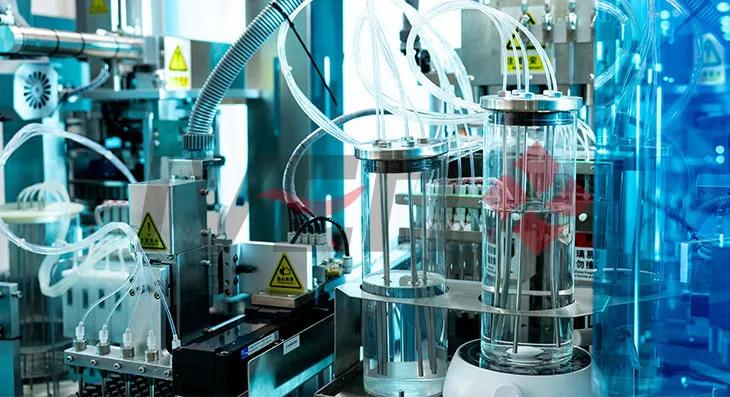
For medical device companies serving hospitals, blood centers, and diagnostic laboratories, a blood collection tube machine blood bank solution is the most practical way to achieve high-volume, repeatable, and compliant tube production. In the United States, where buyers expect tight dimensional accuracy, stable vacuum performance, additive dosing precision, traceability, and documentation aligned with FDA and cGMP expectations, automated equipment offers a clear advantage over labor-intensive assembly. A well-designed production line can integrate tube feeding, additive filling, drying, stopper loading, vacuuming, capping, labeling, inspection, tray loading, and packaging into one controlled workflow, reducing contamination risk and improving output consistency.
Demand in the United States continues to be supported by large hospital systems, independent diagnostic networks, blood banks, public health laboratories, and OEM medical consumables brands. Buyers in major healthcare and logistics hubs such as New York, Boston, Chicago, Houston, Los Angeles, Atlanta, and Philadelphia often evaluate equipment not only by speed, but also by validation readiness, after-sales responsiveness, spare parts access, line flexibility, and long-term total cost of ownership. For manufacturers entering or expanding in this segment, the right automation platform can support scalable production, lower defect rates, and stronger regulatory confidence.
A blood collection tube machine for blood bank production enables manufacturers to produce large quantities of high-quality vacuum blood collection tubes with reliable automation, stable vacuum retention, precise additive control, and consistent sealing performance. In the United States market, this matters because blood banks and laboratories depend on standardized tubes that support accurate specimen collection, safe transport, and dependable diagnostic results. Automated lines also improve traceability, support cleaner manufacturing conditions, and help medical device companies meet strict commercial and compliance expectations.
Instead of relying on multiple disconnected manual steps, modern equipment creates a controlled process from raw tube handling through final packaging. This is especially valuable for companies supplying EDTA, heparin, sodium citrate, clot activator, serum gel, glucose, ESR, and custom specialty tubes. Whether the end customer is a regional hospital network in California, a national lab chain with distribution through Memphis and Dallas, or a blood bank supplier shipping through the Port of Los Angeles or Port of New York and New Jersey, production efficiency and consistency directly affect profitability and brand trust.
Production NeedManual Process ResultAutomated Line ResultImpact on U.S. BuyersHigh output volumeLimited by labor shiftsContinuous multi-station productionSupports large contractsAdditive dosing accuracyVariable filling amountsProgrammed metering controlImproves specimen reliabilityVacuum consistencyHard to control tube by tubeIntegrated vacuum stationReduces rejection ratesContamination controlMore human contact pointsClosed and cleaner workflowSupports compliance goalsTraceabilityPaper-based or fragmentedDigital production recordsHelps audits and investigationsLabor efficiencyHigh staffing requirementLower direct labor per tubeBetter cost controlProduct changeoverSlow and inconsistentRecipe-based settingsFlexible for multiple SKUsThe table above shows why U.S. manufacturers increasingly prefer automated tube production. Automation does not only improve speed; it strengthens quality, data integrity, and delivery confidence across the whole supply chain.
A blood collection tube machine for blood bank use is specialized manufacturing equipment designed to produce vacuum blood collection tubes used in clinical testing, donor blood handling, and sample preservation. Depending on the line configuration, the system may process PET, glass, or other approved tube materials and can handle cap assembly, additive preparation, micro-volume filling, drying, vacuum generation, stopper insertion, leak testing, inspection, labeling, and final packing.
A typical line works in sequential stages. First, empty tubes are unscrambled and fed into the transport path. Second, additives such as anticoagulants or clot activators are dosed into each tube. Third, drying or curing stations stabilize the additive layer when needed. Fourth, the line inserts butyl rubber stoppers or caps under controlled conditions. Fifth, vacuum is generated and sealed according to target draw volume specifications. Sixth, the line performs visual or sensor-based inspection for fill accuracy, stopper position, cosmetic defects, and printing quality. Finally, compliant packaging and batch coding support warehousing and shipment.
For U.S. operations, equipment buyers often request PLC control, servo-driven indexing, recipe memory, cleanroom-compatible design, SCADA or MES connectivity, and validation documents that support IQ, OQ, and PQ activities. Companies exploring turnkey expansion can also review broader project support through integrated turnkey engineering solutions, especially when tube production is part of a larger medical consumables facility.
Process StepMain FunctionCritical Control PointTypical Risk if UncontrolledTube feedingOrients and transfers empty tubesAlignment and speed stabilityJams and scratchesAdditive fillingDispenses reagent volumeDosing precisionIncorrect test performanceDrying or curingStabilizes additive coatingTime and temperatureResidue inconsistencyStopper insertionPlaces closure securelyInsertion depthLeaks or poor vacuumVacuumingCreates draw volume pressurePressure range controlSample underfill or overdrawInspectionChecks defects and qualitySensor sensitivity and reject logicDefective product releaseLabeling and packingFinal identification and shipment prepCode readabilityTraceability failureThis workflow explains why line integration matters. If one station performs well but the surrounding stations are unstable, overall quality still suffers. Serious buyers in the United States usually evaluate the full process architecture, not just nominal speed.
The main applications of blood collection tube manufacturing equipment span clinical chemistry, hematology, coagulation testing, immunology, microbiology support sampling, and blood donor-related collection workflows. Medical device companies may produce private-label tubes for hospital groups, distribute under their own brand to laboratories, or manufacture as an OEM/ODM supplier for larger healthcare firms.
The strongest production benefits include lower variation, better yield, stronger lot-to-lot consistency, and easier scale-up when tender volumes increase. Automation also improves workforce allocation by shifting labor from repetitive handling to supervision, QA, maintenance, and process optimization. In U.S. regions where manufacturing labor costs are high, such as California, Massachusetts, New Jersey, and Illinois, that cost structure can materially improve margins.
Another key benefit is market credibility. U.S. buyers want evidence that the equipment platform can support validation, process control, and reliable documentation. Manufacturers that invest in advanced line technology are better positioned for hospital system approvals and distributor partnerships.
var ctxBar = document.getElementById(‘barDemandChart’).getContext(‘2d’);var barDemandChart = new Chart(ctxBar, {type: ‘bar’,data: {labels: [‘Hospital Labs’, ‘Independent Labs’, ‘Blood Banks’, ‘Research Centers’, ‘OEM Brands’, ‘Public Health Labs’],datasets: [{label: ‘Estimated U.S. Demand Index’,data: [92, 88, 74, 49, 67, 58],backgroundColor: [‘#4e79a7′,’#59a14f’,’#f28e2b’,’#e15759′,’#76b7b2′,’#edc948′]}]},options: {responsive: true,maintainAspectRatio: false,plugins: { legend: { display: true } },scales: { y: { beginAtZero: true, max: 100 } }}});The chart above shows realistic relative demand across key customer groups. Hospital and independent lab channels remain dominant, while blood banks and OEM brands continue to offer strong opportunities for differentiated product lines.
Application SegmentTube Types Commonly NeededProduction PriorityCommercial BenefitHospital laboratoriesSerum, plasma, EDTA, citrateHigh consistencyLarge recurring volumeBlood banksSpecial collection and preservation formatsVacuum reliabilityNiche technical valueDiagnostic chainsStandardized routine-use tubesLow defect rateLong-term contractsResearch institutionsCustom and low-volume specialty tubesFlexible changeoverHigher margin batchesGovernment and public healthTraceable regulated SKUsDocumentation integrityStable framework agreementsPrivate-label OEMMixed portfolioBrand and packaging flexibilityScalable distribution growthExport-oriented producersMulti-standard product familiesValidation readinessAccess to global marketsThis application view helps manufacturers decide whether to prioritize maximum throughput, flexible multi-SKU production, or enhanced inspection systems.
Today’s market offers several line configurations. Entry-level semi-automatic systems support smaller batch production and pilot runs. Mid-range automatic lines integrate additive dosing, stopper assembly, vacuuming, and inspection for standard SKUs. High-speed fully automatic lines are built for enterprise-scale output, often with modular architecture for future expansion. Some manufacturers also offer specialty systems for micro-sampling tubes, custom cap geometries, or blood bank-specific formats.
Configuration choices depend on tube material, target output, cleanroom class, additive family, packaging style, and digital integration requirements. U.S. buyers often favor modular lines because they can expand capacity without replacing the entire platform. This is particularly attractive for companies launching with regional supply contracts before scaling nationwide.
On the technology side, suppliers with deep engineering resources can tailor line design around specific factory conditions. IVEN Pharmatech Engineering, for example, is known for vacuum blood collection tube production equipment developed across multiple generations, with strong emphasis on automation, stainless steel durability, and process customization. More about the company’s engineering background can be found on its company overview page.
Machine TypeTypical Output LevelBest ForMain AdvantageSemi-automatic lineLowStartups and validation batchesLower initial investmentStandard automatic lineMediumRegional suppliersBalanced cost and efficiencyHigh-speed automatic lineHighLarge medical device firmsStrong scale economicsModular lineMedium to highGrowing multi-SKU producersFlexible expansionSpecialty tube lineLow to mediumCustom applicationsProduct differentiationTurnkey integrated systemHighNew factory projectsSingle-source coordinationInspection-enhanced lineMedium to highQuality-focused brandsBetter defect controlThe table shows that the best machine is not always the fastest one. The right configuration depends on the business model, product mix, and future growth plan.
Manual assembly may appear less expensive at the beginning, but it usually creates hidden costs in labor, rejects, inconsistency, and supervision. In the United States, these disadvantages become more serious because labor costs, documentation expectations, and customer audit standards are high. Automated lines reduce dependency on operator skill for critical steps such as additive dosing and vacuum control, resulting in more predictable quality.
Another major difference is scalability. Manual operations struggle to support surge demand from hospital tenders, seasonal testing peaks, or distributor expansion. Automated lines can also support better process data collection, which helps with CAPA, process validation, trend analysis, and customer complaint investigation.
var ctxComp = document.getElementById(‘comparisonChart’).getContext(‘2d’);var comparisonChart = new Chart(ctxComp, {type: ‘bar’,data: {labels: [‘Output Capacity’, ‘Quality Consistency’, ‘Traceability’, ‘Labor Efficiency’, ‘Changeover Control’, ‘Regulatory Readiness’],datasets: [{label: ‘Automated Line’,data: [95, 93, 90, 88, 82, 91],backgroundColor: ‘#4e79a7’},{label: ‘Manual Assembly’,data: [42, 55, 38, 34, 50, 46],backgroundColor: ‘#f28e2b’}]},options: {responsive: true,maintainAspectRatio: false,plugins: { legend: { display: true } },scales: { y: { beginAtZero: true, max: 100 } }}});This comparison makes the business case clearer. While manual setups may fit very small-scale operations, automated systems outperform them across nearly every metric relevant to U.S. commercial and regulatory requirements.
FactorAutomated LineManual LineStrategic EffectThroughputHigh and stableLow to mediumDetermines growth ceilingQuality variationLowerHigherAffects complaint ratesLabor cost per tubeLower over timeHigherImpacts marginData recordingDigital and structuredManual and fragmentedAudit readinessContamination exposureReducedGreaterQuality riskExpansion capabilityStrongerLimitedSupports new contractsOperator dependenceLowerHighTraining burdenManufacturers should evaluate not only machine purchase price, but also the cost of rejects, staffing, downtime, and slow response to customer volume changes.
The U.S. market for blood collection tubes remains attractive because of the scale of diagnostic testing, aging demographics, chronic disease monitoring, outpatient care growth, and continued expansion of decentralized testing networks. Beyond domestic demand, the United States also serves as a strategic innovation market where strong product acceptance can influence purchasing decisions in Canada, Latin America, and parts of Europe.
Growth opportunities are strongest in premium quality tubes, private-label manufacturing, specialty diagnostic consumables, and automated facilities designed for traceable, high-volume output. Suppliers that can combine equipment, process knowledge, and compliance support have an advantage. This is where a broader engineering company can stand out. IVEN Pharmatech Engineering combines pharmaceutical and medical device machinery experience with multiple specialized manufacturing plants, allowing it to support not only the machine itself but also related utility systems, conveying, packaging, and factory planning.
var ctxLine = document.getElementById(‘lineGrowthChart’).getContext(‘2d’);var lineGrowthChart = new Chart(ctxLine, {type: ‘line’,data: {labels: [‘2021’, ‘2022’, ‘2023’, ‘2024’, ‘2025’, ‘2026’],datasets: [{label: ‘Estimated U.S. Market Growth Index’,data: [100, 108, 117, 126, 136, 148],borderColor: ‘#59a14f’,backgroundColor: ‘rgba(89,161,79,0.15)’,fill: false,tension: 0.25}]},options: {responsive: true,maintainAspectRatio: false,plugins: { legend: { display: true } },scales: { y: { beginAtZero: false } }}});The line chart indicates a realistic upward market trajectory. Although growth may not be uniform every year, the structural demand base remains healthy.
var ctxArea = document.getElementById(‘areaTrendChart’).getContext(‘2d’);var areaTrendChart = new Chart(ctxArea, {type: ‘line’,data: {labels: [‘2021’, ‘2022’, ‘2023’, ‘2024’, ‘2025’, ‘2026’],datasets: [{label: ‘Shift Toward Advanced Automation’,data: [28, 35, 43, 52, 61, 71],borderColor: ‘#e15759’,backgroundColor: ‘rgba(225,87,89,0.25)’,fill: true,tension: 0.3}]},options: {responsive: true,maintainAspectRatio: false,plugins: { legend: { display: true } },scales: { y: { beginAtZero: true, max: 100 } }}});The area chart reflects a continuing shift from basic assembly toward smarter, more connected, and more validation-ready production systems. Looking ahead to 2026, buyers are expected to prioritize servo precision, machine vision inspection, remote diagnostics, predictive maintenance, energy-efficient vacuum systems, recyclable packaging options, and better integration with electronic batch records. Policy trends may also encourage more domestic resilience, cleaner manufacturing practices, and stronger supply chain transparency.
Choosing a reliable supplier requires more than comparing speed claims. U.S. buyers should examine technical capability, manufacturing depth, installed base, validation support, spare parts strategy, software architecture, and responsiveness during commissioning. If the supplier cannot demonstrate stable performance data, reference projects, or support for IQ/OQ/PQ documentation, the purchase risk is much higher.
It is also important to evaluate manufacturing capability. A supplier with dedicated plants, standardized fabrication quality, and durable materials can usually deliver more consistent equipment than a trader or assembler. IVEN, for example, operates specialized manufacturing facilities across Shanghai and has extensive experience in vacuum blood collection tube production equipment as well as related packaging and utility systems. That integrated production capability can be valuable when a project requires coordinated interfaces across multiple process areas.
For procurement teams, a practical step is to request a detailed URS response, FAT protocol, spare parts list, utility consumption estimate, validation document package, and lifecycle service plan. Buyers who need direct project communication can use the supplier’s contact page for technical consultation early in the evaluation process.
Supplier Evaluation PointWhy It MattersWhat to AskWarning SignEngineering experienceReduces design errorsHow many similar lines are installed?No clear referencesRegulatory understandingSupports U.S. compliance needsWhat validation documents are included?Only basic manualsManufacturing capacityAffects delivery and consistencyAre key modules built in-house?Heavy outsourcingCustomization abilityFits your SKUs and facilityCan the line match our tube specs?One-size-fits-all designAfter-sales serviceMinimizes downtimeWhat is the response time for support?No local or remote service planSpare parts supportImproves uptimeWhich parts are stocked and lead times?Long undefined lead timesSoftware and data accessNeeded for traceabilityCan production data be exported?Closed or outdated controlsThis checklist helps buyers compare suppliers objectively instead of relying on price alone. A slightly higher purchase price may deliver much lower operational risk.
Investment cost depends on output speed, line scope, cleanroom compatibility, inspection level, packaging automation, and digital integration. A semi-automatic line may fit a controlled entry budget, while a high-speed turnkey system can require a much larger capital commitment. However, budget planning should include utilities, HVAC interfaces, compressed air, validation, operator training, spare parts, consumables, and production ramp-up losses.
From an ROI perspective, the main value drivers are labor reduction, improved yield, lower complaint cost, faster order fulfillment, and ability to secure larger contracts. U.S. manufacturers often justify automation not only through direct cost savings but also through commercial expansion and quality risk reduction. A strong service partner can further improve ROI by reducing commissioning delays and supporting process transfer.
Service capability is especially important here. IVEN supports customers from early feasibility and engineering design through installation, commissioning, validation support, training, and long-term optimization. That broader lifecycle approach is useful for U.S. investors who want a coordinated partner rather than a machine vendor only. Companies comparing available systems may also review broader equipment categories via the equipment portfolio.
Cost ElementLow Budget ScenarioMid Budget ScenarioHigh Budget ScenarioCore machine lineBasic semi-automaticAutomatic integratedHigh-speed modularInspection systemLimitedStandard vision checksAdvanced multi-point visionPackaging automationManual assistSemi-automatic end packFully automatic packingValidation packageBasic documentsStandard IQ/OQ supportExpanded validation supportFactory integrationMinimalModerate utility connectionTurnkey coordinationTraining scopeOperator basicsOperator and maintenanceFull lifecycle team trainingExpected ROI horizonLongerBalancedOften faster at scaleIn many cases, a mid-range automatic line provides the best balance between budget discipline and future scalability. High-speed systems make the most sense when the manufacturer already has strong demand visibility.
The biggest risks in a blood collection tube machine project are under-specifying the line, choosing a supplier with weak process knowledge, overlooking validation needs, and failing to plan for changeovers and maintenance. Some buyers purchase based on quoted speed without understanding what speed is achievable under full quality conditions. Others underestimate the complexity of additive chemistry, drying behavior, stopper compatibility, or vacuum stability over shelf life.
There are also supply chain considerations. U.S. companies should think about spare parts localization, shipping lead times from Asia, tariff exposure, software backup, and service response windows across time zones. Ports and logistics hubs such as Long Beach, Savannah, Houston, and Newark may influence inbound equipment planning and future consumables distribution. For larger projects, layout design and material flow should also be aligned with warehouse operations and cleanroom segregation.
By 2026, sustainability and policy trends will add new considerations. Manufacturers may need to reduce energy consumption, document waste control, optimize compressed air use, and consider recyclable secondary packaging. Digital cybersecurity for production systems will also become a more visible procurement issue.
Risk AreaDescriptionBusiness ConsequenceMitigationOverstated output claimsQuoted speed not sustainable in practiceMissed delivery targetsRequest FAT with real productWeak additive process controlInconsistent reagent applicationTube performance failuresValidate dosing and drying studiesInsufficient validation supportDocumentation gapsDelayed production releaseDefine deliverables in contractLimited spare parts accessLong replacement lead timesExtended downtimeStock critical parts locallyPoor operator trainingFrequent setup errorsHigher rejectsStructured training programFactory layout mismatchMaterial flow inefficiencyReduced productivityReview layout before purchaseRegulatory misalignmentSystem not fit for U.S. expectationsAudit issues and redesign costsChoose compliance-aware supplierEach of these risks can be managed if addressed early. The most successful projects combine realistic output planning, strong supplier vetting, and disciplined commissioning.
What production speed should a U.S. manufacturer target?That depends on demand, SKU mix, and staffing model. Regional suppliers may start with a medium-output automatic line, while national brands often need modular high-speed capacity.
Can one line produce multiple tube types?Yes, many modern systems can handle multiple tube specifications with recipe-based changeover, though change parts and process validation are still required.
Is a turnkey solution better than buying separate machines?For many projects, yes. Turnkey execution can reduce interface risk across utilities, packaging, logistics, and validation, especially for new facilities.
What quality features are most important?Additive dosing accuracy, vacuum stability, stopper insertion consistency, machine vision inspection, batch traceability, and robust rejection systems are all critical.
How important is U.S. regulatory alignment?Very important. Buyers should look for suppliers that understand documentation, process control, and manufacturing practices aligned with FDA and cGMP expectations.
What makes a supplier stand out in this field?Strong engineering depth, real manufacturing capability, proven installations, durable design, customization skill, and long-term service support are the main differentiators.
Why do some buyers consider IVEN Pharmatech Engineering?Because it combines technical know-how in vacuum blood collection tube machinery with broader pharmaceutical and medical device engineering experience, specialized manufacturing resources, and lifecycle support from design through commissioning and optimization.
Where should a buyer begin?Start with a clear URS, expected annual volume, tube portfolio, validation needs, facility conditions, and budget range. Then compare suppliers based on total project fit, not only machine price.
In summary, a blood collection tube machine blood bank solution is a strategic investment for medical device companies serving the United States. The strongest results come from selecting equipment that fits real production goals, supports compliance, scales with market demand, and is backed by a supplier capable of delivering technology, manufacturing quality, and service continuity over the full lifecycle of the project.
-
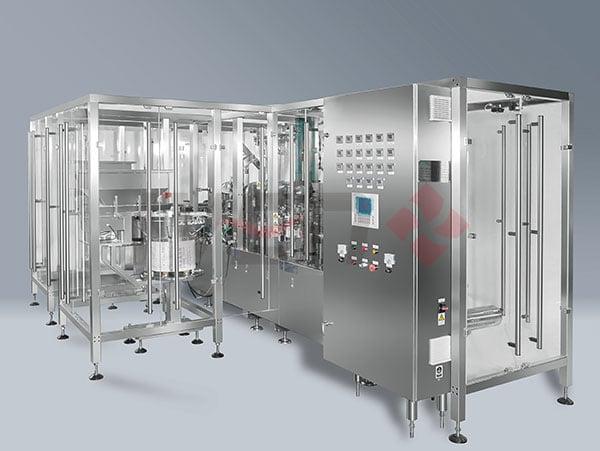
Peritoneal Dialysis Filling Systems in the United States
Peritoneal dialysis solution filling machines are specialized aseptic production systems used to prepare, fill, seal, inspect, and package sterile dialysis fluids for patients with chronic kidney disease. In the United States, these systems matter because they support a reliable supply of safe peritoneal dialysis solutions for home therapy programs, hospital dialysis departments, and emergency care networks. For manufacturers, the right filling line improves sterility assurance, batch consistency, regulatory readiness, and long-term operating efficiency.
Demand is rising as more providers promote home-based renal care, health systems seek treatment flexibility, and supply resilience becomes a strategic priority. Buyers in the United States typically compare machine formats, production capacity, compliance support, automation level, utility consumption, validation readiness, and total project cost before making an investment decision. A modern line is not just a filling machine; it is part of a complete sterile manufacturing ecosystem that includes solution preparation, clean utilities, container handling, in-line inspection, data recording, and packaging integration.
A peritoneal dialysis solution filling machine helps manufacturers produce sterile, accurately filled dialysis fluids that are used in both home treatment and clinical settings. The equipment is designed to reduce contamination risk, maintain fill-volume precision, support regulatory compliance, and enable scalable production for a growing renal care market in the United States.
In practice, these systems are especially important because peritoneal dialysis depends on consistently sterile fluids that come into direct contact with the peritoneal cavity. Any quality deviation can create serious patient risk. That is why producers look for equipment with reliable cleaning and sterilization logic, closed transfer design, robust sealing, particle control, automated monitoring, and batch traceability.
Key Function Why It Matters Typical Feature Benefit for U.S. Producers Sterile filling Protects patient safety Aseptic enclosure and sanitary piping Supports cGMP manufacturing expectations Accurate dosing Ensures therapy consistency Mass flow or volumetric filling controls Reduces batch rejection and giveaway Container sealing Maintains product integrity Heat sealing or integrated cap application Improves shelf-life security in distribution In-line monitoring Prevents deviations Pressure, temperature, conductivity, vision checks Supports quality documentation for audits Traceability Enables recall control Batch records and serialized data Matches modern digital compliance needs Flexible capacity Meets market growth Modular line configuration Fits regional or national supply strategiesThe table above shows why these machines are central to kidney care manufacturing rather than simple packaging assets. They directly influence product safety, operational stability, and distribution reliability.
A peritoneal dialysis solution filling machine is an industrial aseptic system that fills prepared dialysis solution into final containers such as non-PVC soft bags, PP bottles, or other approved packaging formats. It is typically integrated with solution compounding tanks, sterilizable transfer pipelines, filtration modules, filling heads, sealing stations, leak testing, visual inspection, and secondary packaging lines.
Its importance in kidney care comes from the nature of peritoneal dialysis itself. Unlike some therapies that remain within controlled hospital infrastructure, peritoneal dialysis is often performed at home. Patients and caregivers depend on ready-to-use sterile solutions delivered in secure packaging. That means the manufacturer must achieve a high degree of process control long before the product reaches a dialysis clinic in Chicago, a home-care distributor in Dallas, or a hospital network in Boston.
In the United States, kidney care is also shaped by reimbursement pressure, quality reporting, and continuity-of-care requirements. If a supply chain disruption affects dialysis fluids, hospitals and home-care providers face immediate treatment challenges. As a result, domestic and international producers serving the U.S. market increasingly view filling technology as a strategic investment.
Modern equipment often includes recipe management, automated CIP/SIP compatibility, human-machine interfaces with audit trails, and design features that support FDA-focused validation activities. Buyers should evaluate not only machine speed but also how the system supports cleanroom workflows, preventive maintenance, and long production runs.
Peritoneal dialysis solutions serve two major treatment environments: home therapy and institutional care. Although the fluid may be similar, the supply expectations can differ. Home dialysis programs value packaging reliability, ease of use, storage efficiency, and predictable deliveries. Hospitals and acute settings often prioritize immediate availability, standardized quality, and compatibility with broader pharmacy and renal care logistics.
For home treatment, a robust filling and packaging line reduces leakage, sealing defects, and label inconsistencies that can complicate patient handling. For hospitals, it supports larger procurement volumes and fewer quality complaints across multiple facilities. In both settings, the machine helps create safer outcomes by ensuring fluid sterility and consistency.
Treatment Setting Main Need Machine Contribution Operational Value Home dialysis programs User-friendly sterile bags Stable sealing and accurate fill volume Fewer handling issues for patients Large hospitals Reliable product supply High-throughput filling and batch control Supports procurement at scale Regional clinics Consistent product quality Standardized recipes and inspection Reduces complaint risk Emergency stockpiles Long shelf-life integrity Leak resistance and controlled sealing Improves readiness in disruptions Home-care distributors Transport durability Packaging compatibility and label traceability Better delivery performance Integrated health systems Regulatory assurance Data logging and validation support Smoother supplier qualificationThe practical benefit is that better manufacturing equipment can reduce downstream risk across the care pathway. That is particularly relevant in U.S. logistics corridors where products move through ports such as Los Angeles, Long Beach, Savannah, and Newark before reaching inland hubs like Memphis, Kansas City, or Columbus.
For producers serving both domestic and export markets, machine reliability also affects inventory planning. A line shutdown can delay shipments to care networks in New York, Houston, Phoenix, and Miami. Therefore, the role of the filling system extends beyond production; it influences continuity of kidney care.
There is no single ideal machine for every manufacturer. The right choice depends on container format, target output, sterility strategy, facility layout, utility availability, and validation expectations. In the United States, common buyer questions revolve around line speed, bag format, automation architecture, and whether the system can be integrated into a new greenfield plant or retrofitted into an existing sterile facility.
Typical machine categories include soft-bag filling and sealing lines, bottle-based dialysis solution lines, semi-automatic systems for smaller scale operations, and fully integrated turnkey lines with compounding, filling, packaging, and warehouse transfer. Technical choices may include gravimetric filling, peristaltic or mass-flow controls, robotics for material transfer, automatic bag forming, terminal sterilization compatibility, and MES/SCADA connectivity.
Machine Type Typical Container Output Range Best Fit Key Advantage Non-PVC soft bag line Flexible dialysis bag Medium to very high Large-volume home therapy supply Efficient packaging and transport PP bottle line Polypropylene bottle Medium to high Facilities preferring rigid containers Strong physical stability Glass bottle-adapted line Specialty bottle applications Lower to medium Niche or legacy product formats Established compatibility in some plants Semi-automatic filling system Small batches Low Pilot or development facilities Lower initial investment Fully automatic integrated line Bag or bottle High Commercial-scale U.S. supply Lower labor dependence Turnkey dialysis solution plant Multi-format Custom New factory projects Complete process alignmentThe table above helps narrow the initial technology path. A company planning regional supply around the Midwest may prioritize a flexible medium-capacity line, while a manufacturer targeting national contracts may need a fully automated high-capacity system with redundant critical utilities.
From a technology perspective, some buyers value a supplier with broad sterile manufacturing expertise rather than a single standalone machine offer. Shanghai IVEN Pharmatech Engineering, for example, is known for integrated pharmaceutical engineering and equipment design across filling, water treatment, logistics, and sterile production support. Its technical capabilities are relevant when a dialysis solution project requires not only filling machinery but also purified water systems, solution preparation, intelligent conveying, and GMP-oriented facility integration. More details about its background can be found on its company introduction page.
Some buyers compare dedicated peritoneal dialysis filling equipment with alternative approaches such as adapting a general IV solution line, outsourcing production to a contract manufacturer, using smaller flexible batch systems, or importing finished product rather than manufacturing locally. Each option has merits, but not all are equally suitable for long-term U.S. market needs.
A dedicated dialysis solution line is usually the strongest option when product quality, repeatable validation, and stable volume are central priorities. General IV lines may work in limited scenarios, but adaptation can create inefficiencies if container format, fill accuracy, or sealing requirements differ. Outsourcing can reduce capital expenditure, yet it may limit control over scheduling and supply resilience. Imports may appear cost-effective, but they can be vulnerable to freight delays, geopolitical risk, and port congestion.
Option Upfront Cost Control Level Scalability Risk Profile Dedicated dialysis filling line High Very high Excellent Lower process risk after validation Adapted IV solution line Medium High Moderate Possible format mismatch Contract manufacturing Low to medium Low Depends on partner capacity Scheduling and confidentiality concerns Imported finished product Low capex Low Moderate Logistics and supply-chain disruption Semi-automatic local filling Medium Medium Low Higher labor dependence Turnkey integrated plant Very high Very high Excellent Best for long-term strategic controlThe best fit depends on volume, timeline, and strategic goals. For example, a company supplying a few regional facilities in the Pacific Northwest may consider an incremental approach, while a national brand seeking broad distribution through California, Texas, New Jersey, and Georgia will often favor a dedicated line.
Below is a realistic market-growth chart showing how demand for dialysis solution production capacity may expand in the United States through 2030.
var ctx1 = document.getElementById(‘marketGrowthChart’).getContext(‘2d’);var marketGrowthChart = new Chart(ctx1, { type: ‘line’, data: { labels: [‘2022’, ‘2023’, ‘2024’, ‘2025’, ‘2026’, ‘2027’, ‘2028’, ‘2029’, ‘2030’], datasets: [{ label: ‘Estimated U.S. demand index for dialysis solution filling capacity’, data: [100, 108, 117, 127, 138, 149, 161, 174, 188], borderColor: ‘rgb(54, 162, 235)’, backgroundColor: ‘rgba(54, 162, 235, 0.15)’, fill: false, tension: 0.3 }] }, options: { responsive: true, maintainAspectRatio: false }});The United States market is shaped by several overlapping trends: growth in chronic kidney disease, interest in home-based dialysis, pressure to reduce inpatient costs, and a wider push for healthcare supply-chain resilience. Manufacturers are also responding to lessons learned from recent disruptions, including shortages, freight volatility, and the need for regional redundancy.
Buyers are increasingly asking for systems that can run at higher OEE, use less utility consumption, support electronic batch records, and fit sustainability goals. In 2026 and beyond, more tenders are expected to request smarter automation, predictive maintenance, and digital quality integration. Sustainability is also moving from a marketing topic to an investment criterion, with interest in reduced waste, optimized clean steam usage, and more efficient HVAC interaction.
Facilities near major trade and logistics centers often gain advantages in receiving components and distributing finished product. Areas around Houston, Newark, Philadelphia, Indianapolis, Atlanta, and Southern California remain attractive because they connect manufacturing, warehousing, and healthcare networks.
Trend Market Impact What Buyers Look For 2026+ Outlook Growth in home dialysis Higher need for bagged solution output High-capacity soft-bag lines Continued expansion Domestic supply resilience Interest in local manufacturing Scalable turnkey plants Strong policy relevance Digital compliance More data-intensive audits Audit trails and system integration Becoming standard Labor constraints Need for automation Robotics and reduced manual handling Accelerating adoption Sustainability targets Scrutiny on utility use Energy and water efficiency Important in capital approvals Multi-site procurement Higher qualification standards Validation-ready documentation Favored by larger health systemsThe market is not only growing in volume but also evolving in expectations. Equipment that looked adequate five years ago may now fall short if it lacks digital integration, low-defect packaging performance, or robust support for validation protocols.
The following bar chart illustrates estimated demand by application segment in the United States.
var ctx2 = document.getElementById(‘industryDemandChart’).getContext(‘2d’);var industryDemandChart = new Chart(ctx2, { type: ‘bar’, data: { labels: [‘Home dialysis supply’, ‘Hospital networks’, ‘Contract manufacturing’, ‘Emergency reserves’, ‘Regional clinics’, ‘Export-support plants’], datasets: [{ label: ‘Estimated 2026 demand score’, data: [92, 84, 58, 49, 63, 41], backgroundColor: [‘#4e79a7′,’#f28e2b’,’#e15759′,’#76b7b2′,’#59a14f’,’#edc948′] }] }, options: { responsive: true, maintainAspectRatio: false }});Choosing a supplier is about more than comparing quotations. In the United States, a reliable partner should understand sterile process design, documentation expectations, FAT/SAT structure, and the realities of implementation in regulated facilities. Buyers should assess design depth, installed base, customization ability, utility matching, training plans, spare parts strategy, and after-sales responsiveness.
A dependable supplier should also demonstrate manufacturing discipline. This includes quality-controlled fabrication, sanitary material selection, and long-life mechanical design. When the project involves larger strategic expansion, buyers often favor companies able to provide equipment plus broader engineering support.
Evaluation Point What to Ask Why It Matters Strong Supplier Signal Regulatory familiarity Can you support U.S. cGMP-oriented documentation? Reduces qualification risk Structured IQ/OQ/PQ packages Installed references Do you have sterile liquid line experience? Shows practical delivery ability Multiple completed lines Customization Can the line match our bag and utility specs? Prevents retrofit problems Engineering-led proposal process Service support What is the response time for parts and remote help? Protects uptime Global after-sales system Manufacturing quality How are welds, finishes, and FAT managed? Affects reliability and cleanability Documented quality controls Project integration Can you support utilities and plant layout? Improves implementation speed Turnkey capabilityService capability often becomes the hidden difference between a good supplier and a risky one. A company that can assist with feasibility review, engineering design, installation, commissioning, validation preparation, operator training, and lifecycle optimization is usually better positioned to reduce startup delays.
For buyers that want a partner with international engineering reach, turnkey experience, and long-term support rather than only machine shipment, it is useful to review available turnkey pharmaceutical project capabilities. For a broader view of current equipment categories, you can also browse the product portfolio.
Investment planning should include far more than the machine purchase price. A complete budget normally covers engineering design, utility connections, cleanroom adaptations, factory acceptance testing, shipping, installation, commissioning, validation, training, spare parts, and initial consumables. In the United States, labor rates, qualification requirements, and utility infrastructure can materially affect the final project value.
ROI depends on output volume, margin, yield, operating efficiency, and the strategic value of supply control. A higher-capex automated system may still deliver a better return if it reduces labor, product loss, downtime, and third-party dependency. Conversely, a small-scale project may justify a phased investment if demand is still developing.
Cost Element Budget Weight Typical Risk if Underestimated Planning Tip Core filling and sealing equipment Very high Insufficient capacity or feature gaps Define long-term volume, not only year-one demand Solution preparation and transfer High Bottlenecks before filling Balance upstream and downstream rates Water and clean utilities High Validation delays Review purified water and steam sizing early Facility modifications Medium to high Layout conflicts and schedule slips Use 3D design review before order release Validation and documentation Medium Delayed commercial launch Set protocol ownership from the start Training and service Medium Low OEE after startup Budget for extended ramp-up supportAs a rough commercial principle, ROI improves when the line is sized correctly, integrated with efficient packaging, and supported by stable procurement contracts. A line built for 40% more output than realistic demand may create unnecessary depreciation pressure. On the other hand, under-sizing can lead to costly overtime, missed shipments, and earlier-than-planned expansion.
The area chart below highlights a realistic trend shift in buyer priorities from basic output toward automation, compliance, and sustainability.
var ctx3 = document.getElementById(‘trendShiftChart’).getContext(‘2d’);var trendShiftChart = new Chart(ctx3, { type: ‘line’, data: { labels: [‘2022’, ‘2023’, ‘2024’, ‘2025’, ‘2026’, ‘2027’, ‘2028’, ‘2029’, ‘2030’], datasets: [{ label: ‘Priority share for advanced automation and sustainability’, data: [22, 27, 33, 41, 49, 56, 63, 69, 74], borderColor: ‘rgb(75, 192, 192)’, backgroundColor: ‘rgba(75, 192, 192, 0.25)’, fill: true, tension: 0.3 }] }, options: { responsive: true, maintainAspectRatio: false }});Manufacturing strength also influences total cost of ownership. A supplier with established production plants and durable stainless-steel process equipment can often deliver better lifecycle value than a low-cost source with inconsistent fabrication quality. IVEN Pharmatech Engineering, for instance, operates specialized manufacturing facilities covering filling and packaging machinery, water treatment systems, intelligent conveying and logistics, and blood collection tube equipment. That kind of manufacturing depth is useful when a buyer wants integration across the sterile production chain rather than isolated equipment islands.
Even a well-funded project can fail if the early assumptions are wrong. Common mistakes include selecting the wrong container format, underestimating utility demand, overvaluing nameplate speed, and not planning enough time for validation. In the U.S. market, buyers should also think about spare parts localization, cybersecurity for control systems, and the resilience of imported components.
Another common risk is treating the filling machine as a standalone purchase when it is really part of a regulated process platform. The relationship between compounding, filtration, filling, sealing, leak testing, inspection, and packaging must be engineered as one system. If not, overall OEE may remain poor despite a strong machine specification.
Risk Area Typical Problem Operational Impact Mitigation Strategy Capacity mismatch Line too small or too large Low ROI or missed demand Build realistic five-year forecasts Utility underdesign Insufficient water, steam, HVAC, power Startup delays Complete utility study before procurement Format incompatibility Bag design not optimized for machine Leakage and downtime Run pre-FAT material trials Weak validation support Incomplete documentation package Delayed release to market Define deliverables in contract scope Supply-chain dependence Long lead-time spare parts Extended downtime Stock critical components locally Service limitations Slow technical response Low OEE Choose supplier with strong after-sales supportCase studies in sterile liquid manufacturing repeatedly show that project success is highest when the supplier participates early in layout review, user requirement alignment, and commissioning planning. This is especially important if the plant is located far from coastal gateways and depends on carefully scheduled installation windows, such as projects in Minnesota, Tennessee, or Colorado.
Supplier comparison is easier when key factors are visualized. The chart below compares typical buyer scoring across major selection criteria.
var ctx4 = document.getElementById(‘comparisonChart’).getContext(‘2d’);var comparisonChart = new Chart(ctx4, { type: ‘bar’, data: { labels: [‘Compliance support’, ‘Customization’, ‘Manufacturing depth’, ‘After-sales service’, ‘Turnkey ability’, ‘Cost efficiency’], datasets: [{ label: ‘High-value supplier score’, data: [91, 88, 86, 89, 84, 82], backgroundColor: ‘rgb(153, 102, 255)’ }] }, options: { responsive: true, maintainAspectRatio: false }});1. What production sectors use peritoneal dialysis solution filling machines?These machines are mainly used in pharmaceutical manufacturing, renal therapy solution production, sterile medical consumables environments, and integrated healthcare fluid factories. They are especially relevant to facilities making high-volume bagged sterile solutions.
2. Are these machines only for hospital products?No. A large share of demand comes from home treatment programs in the United States. The packaging format, labeling accuracy, and leak integrity are critical for home-use distribution.
3. What is the most common packaging format?Non-PVC soft bags are widely used because they are efficient for storage, shipping, and patient handling. However, PP bottle formats and other custom options may still be appropriate depending on the product strategy.
4. How important is FDA-oriented compliance support?It is essential. While the machine itself is only one element, suppliers that understand documentation, qualification logic, and hygienic design can make implementation much smoother in regulated U.S. facilities.
5. Can a machine supplier also help with the rest of the plant?Yes, some suppliers can. This may include purified water systems, solution preparation, intelligent material handling, packaging integration, layout design, commissioning, and validation support. Buyers planning a new site often prefer this broader approach.
6. What lead times are typical?Lead time varies with machine complexity, customization, and project scope. A standalone line may move faster than a complete turnkey plant. U.S. buyers should also account for shipping, site readiness, and validation scheduling.
7. What local factors matter in the United States?Labor availability, utility costs, state-level permitting, freight lanes, and access to distribution hubs all matter. Manufacturers near New Jersey, Houston, Los Angeles, or Atlanta may benefit from strong logistics access, while inland plants may gain from central distribution coverage.
8. How should buyers compare local and overseas suppliers?Look at total project value, not only machine price. Compare engineering depth, compliance support, installed base, service response, spare parts strategy, and whether the supplier can support long-term production goals.
9. What future trends should investors watch in 2026 and beyond?Expect more demand for smart automation, predictive maintenance, digital batch records, better energy performance, and designs that support sustainability targets. Policy interest in domestic healthcare supply resilience is also likely to remain important.
10. Where can I discuss a project requirement?If you are reviewing a new line, expansion, or turnkey dialysis solution plant, you can contact the engineering team here to discuss capacity, layout, compliance expectations, and implementation planning.
In summary, a peritoneal dialysis solution filling machine is a strategic asset for safe renal care manufacturing in the United States. The right system supports sterile assurance, reliable supply for home and hospital treatment, better quality control, and stronger long-term economics. Buyers should assess technology fit, regulatory readiness, lifecycle support, and the supplier’s ability to integrate the machine into a complete sterile production environment.
For companies seeking an engineering partner with international project experience, broad sterile manufacturing technologies, specialized production capability, and lifecycle service support, a structured evaluation of supplier depth is well worth the effort. The best investment is rarely the cheapest machine. It is the solution that can keep safe dialysis fluids moving dependably from factory to patient.