

Automated Warehouse System
GMP-Compliant & Globally Certified
Fully compliant with EU GMP, US FDA, and WHO standards for smooth global approval.
Integrated Turnkey Capability
End-to-end solutions from design to delivery, ready for operation.
Reliable Performance & Stability
Durable systems ensuring stable output and reduced downtime.
Share This Product
Introduction
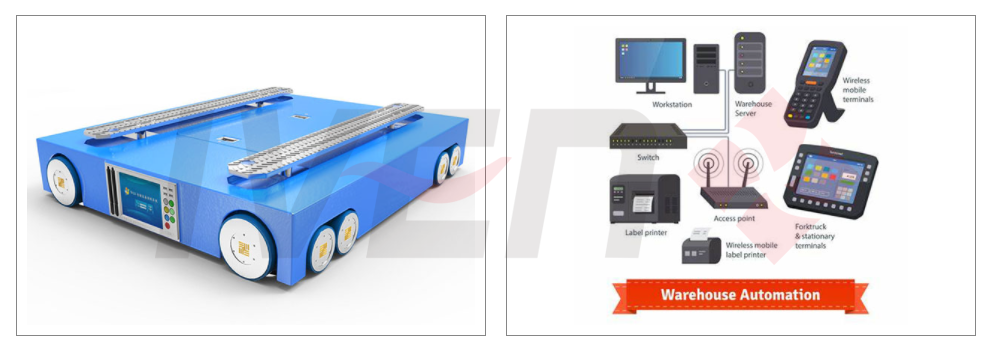
The AS/RS system usually contains several parts as Rack system, WMS software, WCS operation level part and etc.
It is widely adopted in many pharmaceutical and food production field.
Product Video
Photo of the System
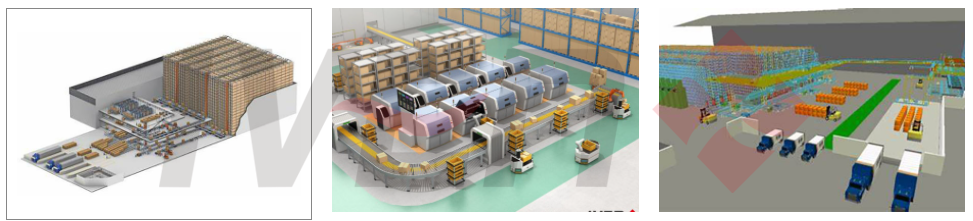
Description of the System
The AS/RS system usually contains several parts as Rack system, WMS software, WCS operation level part, and etc.
It is widely adopted in many pharmaceutical and food production fields.
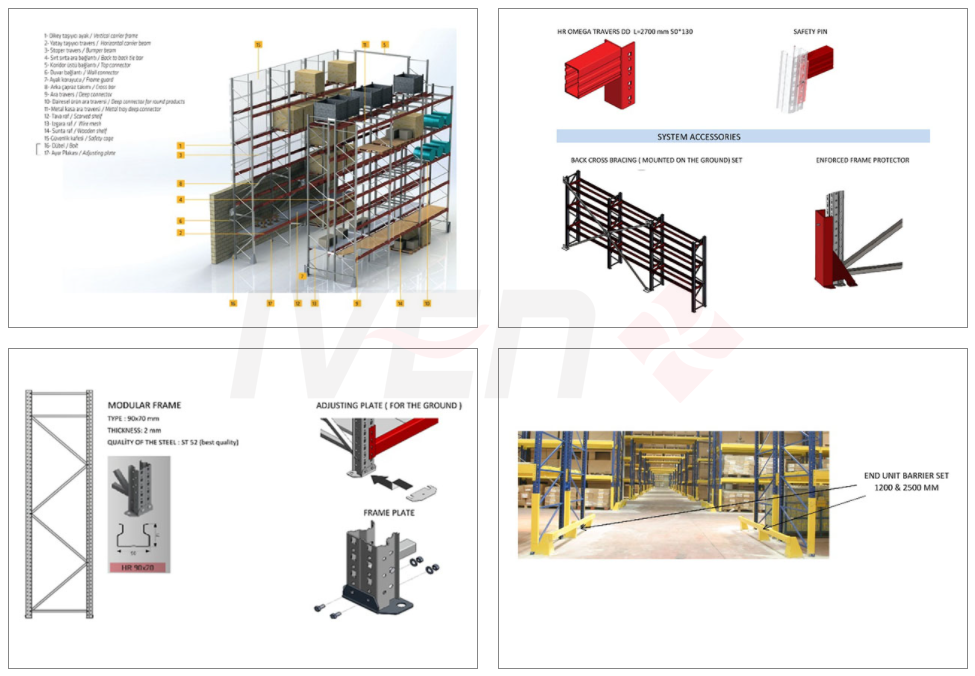
Rack System
WMS
A warehouse management system (WMS) is software and processes that allow organizations to control and administer warehouse operations from the time goods or materials enter a warehouse until they move out. Operations in a warehouse include inventory management, picking processes, and auditing.
For example, a WMS can provide visibility into an organization’s inventory at any time and location, whether in a facility or in transit. It can also manage supply chain operations from the manufacturer or wholesaler to the warehouse, then to a retailer or distribution center. A WMS is often used alongside or integrated with a transportation management system (TMS) or an inventory management system.
Advantages
- Although a WMS is complex and expensive to implement and run, organizations gain benefits that can justify the complexity and costs.
- Implementing a WMS can help an organization reduce labor costs, improve inventory accuracy, improve flexibility and responsiveness, decrease errors in picking and shipping goods, and improve customer service. Modern warehouse management systems operate with real-time data, allowing the organization to manage the most current information on activities like orders, shipments, receipts, and any movement of goods.
WCS
Although a WMS is complex and expensive to implement and run, organizations gain benefits that can justify the complexity and costs.
Implementing a WMS can help an organization reduce labor costs, improve inventory accuracy, improve flexibility and responsiveness, decrease errors in picking and shipping goods, and improve customer service. Modern warehouse management systems operate with real-time data, allowing the organization to manage the most current information on activities like orders, shipments, receipts, and any movement of goods.
Product Category
Contact Us Today
Related Products
-
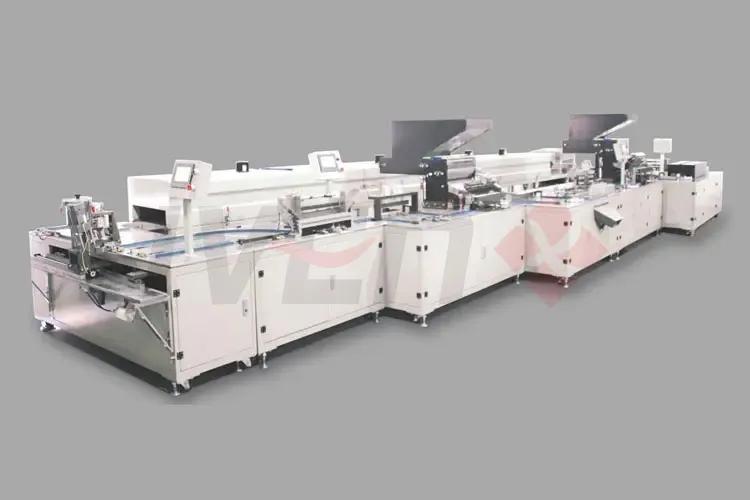
Blood Collection Needle Assembly Production Line
Introduction The blood collection needle assembly machine is used for pen-type blood collection needle product assembly. It is fully automatic. Easy & safe operation with individual PLC & HMI control, only 3-4 workers are needed to run the whole line well. Compared with other manufacturers, our blood collection needle assembly machine has a smaller overall… -
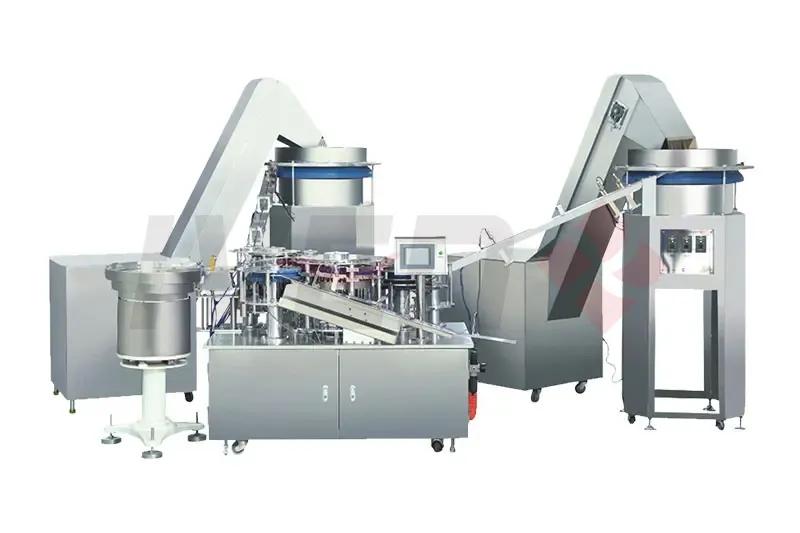
Syringe Assembling Machine
Product Detail Syringe Assembling Machine Our Syringe Assembling Machine is used for assembling syringe automatically. It can produce all kinds of syringes, including luer slip type, luer lock type, etc. Our Syringe Assembling Machine adopts LCD display to display the feeding speed, and can adjust the assembly speed separately, with electronic counting. High efficiency, low…