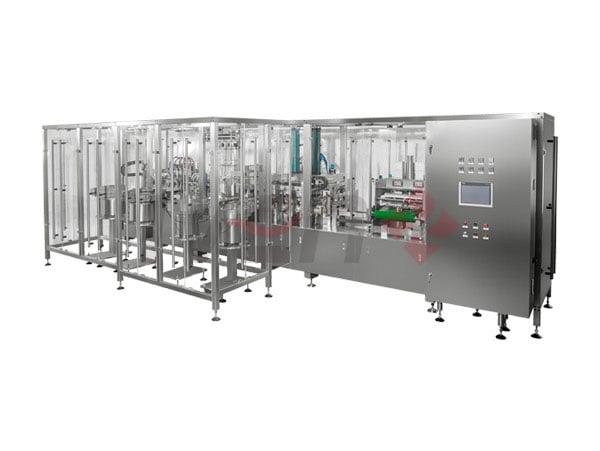
PD Cleaning Validation Systems in the United States
Peritoneal dialysis fluid manufacturers in the United States rely on PD solution line cleaning validation to prove that process equipment, transfer lines, mixing systems, storage tanks, and filling sections can be cleaned consistently to a verified standard. In practical terms, this validation protects patients with chronic kidney disease by reducing cross-contamination risk, supporting sterility assurance, and helping production sites meet U.S. FDA cGMP expectations. For both home-based therapy and hospital dialysis supply, validated cleaning is not a paperwork formality; it is a core quality barrier that helps ensure every batch of peritoneal dialysis solution is safe, repeatable, and commercially releasable.
In the U.S. market, the topic matters even more because home dialysis programs are expanding, healthcare providers are prioritizing supply resilience, and manufacturers are being asked to deliver dependable output near major medical and logistics corridors such as New Jersey, Texas, Illinois, California, and the Southeast. Whether a company is building a new dialysis solution plant or upgrading an existing facility, cleaning validation affects line uptime, audit readiness, cost control, and long-term brand trust.
Quick Answer: How PD solution line cleaning validation supports safe dialysis fluid supply

PD solution line cleaning validation is the documented process of demonstrating that a peritoneal dialysis solution production line can be cleaned effectively and repeatedly between batches or products. It typically covers contact surfaces in solution preparation vessels, hold tanks, pipelines, pumps, filters, heat exchangers, fillers, and packaging interfaces. The validation program defines residues of concern, acceptable limits, cleaning agents, sampling plans, analytical methods, recovery studies, and revalidation triggers.
For U.S. manufacturers, the main value is straightforward:
- It helps maintain sterile and chemically consistent peritoneal dialysis fluids.
- It supports patient safety in both home treatment and hospital use.
- It reduces batch rejection, contamination events, and unplanned downtime.
- It strengthens compliance with U.S. regulatory and quality expectations.
- It creates a scalable foundation for production capacity growth.
When buyers evaluate a production partner, they should not only ask whether a dialysis line can produce output, but whether its cleaning process has been engineered, validated, and documented in a way that stands up to inspection and expansion.
| Validation Element | What It Covers | Why It Matters | Typical U.S. Impact |
|---|---|---|---|
| Residue limits | Chemical, microbial, and cleaning agent thresholds | Prevents carryover into the next batch | Supports batch release confidence |
| Sampling strategy | Swab, rinse, or combined methods | Verifies hard-to-clean surfaces | Improves audit defensibility |
| Cleaning cycle design | Time, temperature, flow, conductivity, and detergent use | Ensures repeatable cleaning performance | Reduces operator variation |
| Analytical method validation | Test methods for residues and bioburden | Confirms data reliability | Strengthens quality systems |
| Worst-case selection | Most difficult product, surface, or campaign condition | Creates a robust validation basis | Lowers compliance risk |
| Revalidation controls | Triggers after change, maintenance, or scale-up | Keeps validation current | Protects long-term production continuity |
The table above shows that cleaning validation is not limited to sanitation alone. It connects engineering, microbiology, chemistry, automation, and documentation into one release-ready quality framework.
What PD solution line cleaning validation is and why it matters for kidney care

Peritoneal dialysis is used to manage kidney failure by introducing a sterile solution into the peritoneal cavity, allowing waste removal and fluid balance control. Because the solution is administered repeatedly and often in a home setting, its purity profile is critical. Any avoidable residue, endotoxin issue, or microbial contamination can create serious patient risk.
This is why cleaning validation is directly linked to kidney care outcomes rather than being only an internal manufacturing task. Reliable dialysis fluid production supports treatment continuity for patients in cities such as Houston, Chicago, Philadelphia, Los Angeles, and Atlanta, where healthcare systems serve large chronic disease populations. In the United States, where supply interruptions can quickly affect distribution networks, validated cleaning also supports production reliability and inventory confidence.
The concept includes three layers:
- Engineering control of the production line and cleanability.
- Scientific proof that the cleaning process removes residues to acceptable levels.
- Lifecycle control so the validated state is maintained over time.
For dialysis manufacturers, cleaning validation often interacts with water systems, clean steam, CIP skids, sterile filtration, environmental monitoring, and aseptic packaging. That means a weak cleaning design upstream can affect downstream quality performance. Facilities producing dialysis solutions for home care programs especially benefit from strong validation because product consistency becomes a key differentiator for provider trust.
| Kidney Care Requirement | Connection to Cleaning Validation | Operational Result | Patient-Level Benefit |
|---|---|---|---|
| Sterility assurance | Controls bioburden and residue traps | Cleaner process trains | Lower contamination risk |
| Solution consistency | Prevents carryover between formulations | Stable batch quality | Predictable therapy performance |
| Supply continuity | Reduces cleaning-related deviations | Higher line availability | Fewer supply disruptions |
| Regulatory compliance | Provides documented evidence | Smoother inspections | More reliable market access |
| Scalable production | Standardizes line turnaround | Faster capacity ramp-up | Broader treatment access |
| Home treatment growth | Strengthens confidence in packaged fluid safety | Better product acceptance | Supports home dialysis adoption |
The table makes clear that the effect of validation extends beyond the manufacturing floor and into therapy access, provider confidence, and treatment continuity.
Role and benefits of PD solution line cleaning validation in home and hospital dialysis treatment

In home dialysis, packaging reliability and product safety are essential because the patient or caregiver handles therapy outside a hospital environment. In hospital dialysis support, the emphasis may be broader, including procurement reliability, emergency stock, and standardized clinical supply. In both cases, validated cleaning contributes to safe production and dependable distribution.
Major benefits include shorter and more predictable changeover time, stronger contamination control, lower deviation rates, and improved readiness for quality audits. For facilities shipping across U.S. distribution hubs like Newark, Savannah, Long Beach, and Dallas-Fort Worth, robust validation can also reduce the risk of inventory shortages caused by line stoppages or batch investigation delays.
From a commercial viewpoint, a well-validated dialysis solution line often performs better in contract manufacturing evaluations, private label partnerships, and hospital group purchasing reviews. Buyers increasingly want documented evidence that process hygiene and cleanability have been engineered into the system, not added later as a corrective step.
For example, a modern turnkey approach may combine cleanable solution preparation systems, automated CIP/SIP logic, sanitary piping design, controlled filling technology, and a validation package covering IQ, OQ, and PQ. This integrated model can be particularly useful for U.S. investors looking to shorten time to compliance and reduce interface problems between multiple vendors.
Companies seeking broader project support can review turnkey pharmaceutical engineering solutions when planning a dialysis fluid plant or modernization program.
The line chart above illustrates a realistic growth pattern in demand for validated PD production capability in the United States, driven by home dialysis adoption, supply-chain localization, and more stringent quality expectations.
Key types, models, and technical options for PD solution line cleaning validation
Not all PD solution lines require the same cleaning validation strategy. The right model depends on product portfolio, batch size, automation level, packaging format, facility design, and regulatory goals. In U.S. projects, buyers commonly compare dedicated lines with multiproduct lines, manual cleaning with automated CIP, and local skid integration with full plantwide automation.
Key technical options often include:
- Fixed CIP systems for tanks, lines, and fillers
- Single-use versus stainless steel transfer sections in selected process areas
- Automated recipe-based cleaning cycles
- Online conductivity, TOC, temperature, and flow monitoring
- Riboflavin or spray coverage studies for complex vessels
- Integrated electronic batch and validation records
On the technology side, advanced suppliers increasingly offer sanitary design features that simplify validation from the beginning. These can include orbital weld documentation, dead-leg reduction, drainability optimization, smooth internal finishes, and control systems that record critical cleaning parameters automatically.
Shanghai IVEN Pharmatech Engineering has built a reputation in this area through pharmaceutical process engineering, dialysis solution line design, and integrated water and distribution systems. Its technological capabilities are particularly relevant for buyers who need a combination of automated production equipment, sanitary utility integration, and compliance-oriented project execution rather than stand-alone machinery only.
| System Type | Best Fit | Cleaning Validation Complexity | Main Advantage |
|---|---|---|---|
| Dedicated PD line | Single product family, high volume | Lower | Simpler validation maintenance |
| Multiproduct liquid line | Diverse formulations | Higher | Greater production flexibility |
| Manual cleaning setup | Small capacity or pilot use | High operator dependence | Lower initial equipment cost |
| Automated CIP line | Commercial-scale manufacturing | Moderate, more data-rich | Repeatable cleaning cycles |
| Integrated CIP/SIP system | Sterile and high-compliance facilities | Higher during setup, efficient in operation | Strong contamination control |
| Turnkey validated line | New plants and expansions | Managed centrally | Reduced vendor coordination risk |
This comparison shows why many U.S. investors prefer automated and integrated solutions for medium to large-scale projects: validation becomes more standardized, data integrity improves, and scale-up is easier.
PD solution line cleaning validation vs. alternative technologies: which solution fits your needs?
Some manufacturers explore alternatives such as partial disposable flow paths, outsourced filling, or separate small-batch modular systems to reduce cleaning burden. These options can work in selected applications, but they do not eliminate the need for a structured validation strategy. Instead, they shift where the critical controls sit.
For example, single-use components may reduce certain carryover risks but can increase consumable costs and supplier dependence. Contract manufacturing can shorten market entry for some brands, but it may reduce direct control over cleaning procedures, capacity priority, and documentation access. Small modular systems can support launch volumes, yet they may become inefficient when nationwide demand rises.
In the United States, the right choice often depends on production scale, ownership strategy, long-term margin goals, and regulatory posture. If a company expects rising demand from renal care networks, large distributors, or hospital groups, a validated in-house PD line may provide stronger cost and quality control over time.
The comparison chart highlights a common market reality: for long-term commercial supply in the United States, dedicated or well-controlled multiproduct lines generally offer stronger performance than stopgap alternatives.
| Option | Capital Need | Cleaning Burden | Documentation Control | Scalability |
|---|---|---|---|---|
| Dedicated in-house line | High | Managed by design | Excellent | High |
| Multiproduct in-house line | Medium to high | Higher validation effort | Excellent | High |
| Single-use hybrid process | Medium | Reduced in some areas | Good | Medium |
| Contract manufacturer | Low initial | Externalized | Variable | Medium |
| Small modular skid | Medium | Moderate | Good | Low to medium |
| Turnkey expansion platform | High | Optimized and standardized | Excellent | Very high |
This table helps buyers match technology paths with business strategy instead of focusing only on upfront price.
Current market trends and demand for PD solution line cleaning validation production capacity
The U.S. dialysis manufacturing market is being shaped by several overlapping forces: growth in chronic kidney disease prevalence, continued interest in home-based care, pressure for domestic or regionally secure supply, and increased scrutiny around sterile production resilience. These drivers are creating new demand not only for dialysis solution filling capacity but also for validated cleaning infrastructure that can support frequent campaigns without compromising compliance.
States with strong pharmaceutical and medical manufacturing ecosystems such as New Jersey, North Carolina, California, Massachusetts, Pennsylvania, and Texas are especially relevant. Access to ports, interstate logistics, skilled labor, and quality consultants influences plant siting and expansion strategy. A facility near the Port of Houston, Port Newark-Elizabeth, or Los Angeles/Long Beach can also benefit from easier movement of stainless steel components, packaging materials, and utility equipment.
Manufacturing capability matters here. IVEN Pharmatech Engineering supports clients through specialized production resources in filling and packaging machinery, pharmaceutical water systems, intelligent logistics, and related process equipment. For U.S. investors, that combination can be useful when a PD project needs not just one machine but a connected production ecosystem with scalable output and long-life stainless steel construction.
The bar chart suggests that home dialysis programs and hospital supply remain the largest demand centers, but contract manufacturing and export-oriented U.S. plants are also becoming meaningful capacity users.
Another trend is digitalization. Cleaning validation is moving toward integrated sensors, batch historian systems, and review-by-exception workflows. By 2026, buyers are expected to place more emphasis on electronic records, data integrity, predictive maintenance, and utility efficiency. Sustainability is also rising in importance, especially regarding water consumption, detergent selection, heat recovery, and wastewater load.
The area chart shows a clear directional shift toward automated, validation-ready cleaning systems as facilities prepare for future compliance and efficiency demands.
How to choose a reliable PD solution line cleaning validation manufacturer or supplier
Choosing the right supplier requires more than comparing machine dimensions or nominal output. The strongest partners can explain how their equipment design, utility integration, control philosophy, and documentation package support a successful cleaning validation lifecycle. This is especially important in the United States, where buyer due diligence is often rigorous and post-installation support can determine whether a project meets schedule.
Key evaluation points include sanitary design standards, project references, regulatory familiarity, software transparency, spare parts strategy, commissioning capability, and validation support. Buyers should also confirm whether the supplier can support FAT, SAT, IQ, OQ, and PQ, and whether they have experience with U.S. documentation expectations.
Service capability deserves special attention. IVEN Pharmatech Engineering is known for supporting projects across feasibility review, engineering design, customization, installation, commissioning, validation, training, and after-sales optimization. For U.S. customers, this matters because supplier coordination gaps are one of the most common causes of delays during factory startup.
Potential buyers can learn more about the company background at about IVEN Pharmatech Engineering, explore available equipment categories in the equipment portfolio, and discuss project-specific needs through the U.S. project contact page.
| Supplier Checkpoint | What to Ask | Good Sign | Risk if Weak |
|---|---|---|---|
| Sanitary engineering | How are dead legs, drainage, and surface finishes managed? | Documented hygienic design | Hard-to-clean residue traps |
| Validation package | Do you support IQ/OQ/PQ and cleaning protocols? | Structured deliverables | Longer startup delays |
| Automation depth | Can cleaning recipes and parameters be recorded automatically? | Data-rich controls | Manual data gaps |
| U.S. compliance familiarity | What experience do you have with FDA-oriented projects? | Relevant project history | Documentation mismatch |
| Manufacturing capacity | Can you deliver multi-system projects on schedule? | Specialized production resources | Supply bottlenecks |
| After-sales support | How are training, spare parts, and troubleshooting handled? | Lifecycle service plan | Extended downtime after launch |
This checklist is useful because supplier quality affects validation success just as much as equipment quality does.
Investment cost, budget planning, and ROI analysis for PD solution line cleaning validation
Investment for PD solution line cleaning validation should be viewed as a combined capital and operating strategy rather than a one-time qualification expense. Typical budget categories include line equipment, CIP systems, tanks and piping, utilities, automation, facility modifications, analytical method development, validation execution, training, and maintenance planning.
In the United States, overall project cost can vary significantly based on whether the buyer is installing a dedicated line in a greenfield facility, upgrading a brownfield site, or adding validation improvements to an existing dialysis fluid operation. Labor, utility design, cleanroom adaptation, and software integration can all influence the final figure.
The return on investment is usually realized through fewer rejected batches, lower contamination risk, shorter changeovers, easier inspections, better capacity utilization, and stronger customer confidence. For medium and large plants, even small reductions in downtime can produce meaningful annual savings.
| Budget Item | Low Complexity Project | Mid Complexity Project | High Complexity Project |
|---|---|---|---|
| Cleaning hardware upgrades | Low | Medium | High |
| Automated CIP integration | Medium | High | High |
| Control and data systems | Low to medium | Medium | High |
| Analytical validation work | Medium | Medium | High |
| Documentation and qualification | Medium | Medium to high | High |
| Training and lifecycle support | Low | Medium | Medium to high |
The table above gives a planning view rather than fixed pricing. It helps budget owners understand where complexity usually enters the investment picture.
A simplified ROI model may include these variables:
- Reduced batch failure cost
- Improved line utilization percentage
- Lower investigation and deviation handling time
- Faster product changeover
- Reduced recall and compliance exposure
- Higher throughput from predictable cleaning cycles
For example, if a line produces commercial volumes for multiple U.S. regions and gains even 3% to 5% more annual uptime through automated and validated cleaning, the financial return can justify the added validation investment relatively quickly.
Key considerations and potential risks when investing in PD solution line cleaning validation
The biggest mistake in this area is treating cleaning validation as a late-stage document exercise instead of an engineering design requirement. If tanks are difficult to drain, spray devices provide weak coverage, instrumentation is incomplete, or pipe routing creates hidden dead zones, the validation burden becomes much harder and more expensive later.
Key risk areas include poor cleanability by design, underpowered CIP systems, weak residue limit rationale, inadequate sampling recovery, insufficient operator training, fragmented vendor responsibility, and delayed software integration. In U.S. projects, another common issue is underestimating how long review and approval cycles can take across quality, engineering, and management teams.
From a policy and future trend perspective, 2026 is expected to bring even stronger attention to digital evidence, sustainability metrics, and resilient domestic healthcare manufacturing. Investors should therefore plan not only for today’s validation requirement but also for tomorrow’s expectations around water efficiency, automated records, and auditable performance history.
Case experience across the pharmaceutical equipment sector shows that integrated project execution can reduce these risks. A supplier with combined capabilities in process equipment, water systems, logistics, and validation support can often help prevent the layout conflicts and interface failures that slow many capital projects.
| Risk | Typical Cause | Business Effect | Mitigation |
|---|---|---|---|
| Validation failure | Weak cleaning cycle or poor sampling design | Delayed commercial start | Use worst-case studies and pilot trials |
| Cross-contamination concern | Inadequate cleanability | Batch rejection or rework | Improve sanitary design and CIP coverage |
| Data integrity gap | Manual record dependence | Inspection observations | Automate recording and alarm management |
| High utility consumption | Inefficient cleaning recipe | Rising operating cost | Optimize cycle parameters and reuse logic |
| Schedule overrun | Multiple vendors, unclear responsibility | Capital delay | Select integrated project support |
| Future capacity bottleneck | Short-term design assumptions | Early reinvestment need | Plan scalable tanks, piping, and automation |
This final risk table is useful for both financial teams and technical teams because it links engineering choices directly to commercial outcomes.
FAQ
What does PD solution line cleaning validation include?
It usually includes cleaning procedure development, residue limit setting, analytical method qualification or validation, sampling studies, execution of cleaning runs, deviation review, and revalidation criteria.
Is cleaning validation required for dedicated PD lines?
Yes. Even dedicated lines need documented proof that cleaning is effective and reproducible, especially where sterility, patient safety, and regulatory compliance are involved.
Which sampling method is better: swab or rinse?
Both can be useful. Swab sampling is often preferred for accessible surfaces, while rinse sampling helps assess large or enclosed areas. Many validated programs combine both methods.
How often should a PD line be revalidated?
Revalidation is typically triggered by significant changes such as new products, equipment modifications, maintenance affecting product-contact surfaces, cleaning agent changes, or adverse trend data.
How does automated CIP help U.S. manufacturers?
Automated CIP improves repeatability, captures critical process data, reduces operator variability, and helps large facilities manage frequent production schedules more efficiently.
What should a U.S. buyer ask a supplier first?
Ask for sanitary design details, cleaning validation support scope, U.S. compliance experience, project references, automation features, and lifecycle service capability.
Can turnkey delivery reduce project risk?
In many cases, yes. A turnkey or integrated approach can reduce handoff problems between equipment, utilities, controls, and validation teams, which is especially valuable for complex dialysis solution plants.
Why consider IVEN Pharmatech Engineering for this type of project?
Because many dialysis and sterile liquid projects need more than a single machine. Buyers often look for a partner that can combine process equipment, water systems, intelligent logistics, customization, validation support, and long-term service within one coordinated project structure.
For manufacturers planning PD solution capacity in the United States, the best investment is not simply faster equipment. It is a line that can be cleaned, validated, documented, inspected, and scaled with confidence. That is what turns dialysis fluid production into a dependable healthcare supply asset.

About the Author
We are IVEN Pharmatech Engineering, a team dedicated to delivering turnkey pharmaceutical and medical solutions worldwide. With decades of experience, we specialize in advanced machinery, integrated factory design, and full lifecycle support to help our clients achieve efficient, compliant, and high-quality production.
Share

Related Insights
-
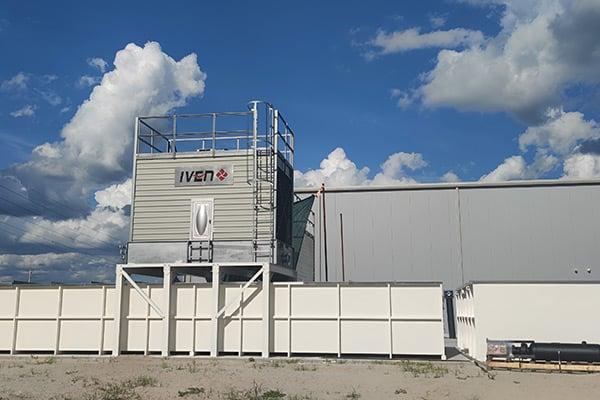
United States Guide to Aseptic Multi-Chamber IV Bags
For pharmaceutical manufacturers in the United States, aseptic processing for multi-chamber IV bags is no longer a niche capability. It is becoming a strategic production model for advanced infusion therapies, combination products, parenteral nutrition, emergency medicine, and hospital-ready drug delivery systems. By keeping sensitive ingredients separate until the point of activation or administration, multi-chamber infusion bags help improve stability, extend shelf life, reduce compounding steps, and support safer patient care.
Across major U.S. pharmaceutical and healthcare hubs such as New Jersey, Boston, Chicago, Houston, San Diego, and the Research Triangle, manufacturers are evaluating whether to build or upgrade aseptic filling lines for dual-chamber and multi-chamber IV solutions. In many cases, the business decision is driven by three factors: rising demand for ready-to-use sterile products, pressure to reduce hospital pharmacy workload, and tighter quality expectations under U.S. FDA cGMP requirements.
This guide explains the practical, technical, and commercial side of aseptic multi-chamber IV bag production for the United States market. It covers bag formats, film options, line configuration, investment planning, risk control, supplier selection, and future trends through 2026 and beyond.
An aseptic multi-chamber IV bag allows drug manufacturers to fill two or more sterile components into separate compartments within one infusion container, with a peel seal or frangible seal that is broken before administration. This design enables unstable ingredients, diluents, electrolytes, amino acids, trace elements, or drug concentrates to remain separated during storage and transport. When activated at the point of care, the components mix into a final infusion solution.
The main value of this sterile manufacturing approach is that it balances formulation complexity with patient safety. Compared with conventional single-chamber bags, aseptic multi-chamber systems can reduce degradation, simplify bedside preparation, limit manual compounding, and lower contamination risks in clinical settings. In the United States, this is especially important for health systems managing labor shortages, high medication volumes, and stricter sterility assurance expectations.
BenefitHow It WorksValue for U.S. ManufacturersValue for HospitalsIngredient separationActives and diluents stay in different chambersSupports difficult or unstable formulationsImproves usability at administration timeBetter stabilityReduces interaction during storageLonger commercial shelf life potentialLess waste from expired compounded dosesAseptic fillingProduct enters bag under controlled sterile conditionsSupports high-value injectablesEnhances confidence in sterilityFaster preparationMixing occurs by seal activationDifferentiated product offeringReduces pharmacy and nursing workloadDose standardizationPredefined chamber volumesBrand consistency across batchesLower risk of bedside errorTransport efficiencySingle unit for multiple componentsSimplifies packaging designEasier inventory controlThe table above shows why interest in aseptic multi-compartment infusion systems has expanded from specialized nutrition products to broader injectable applications. In the U.S. market, the most commercially attractive opportunities are often tied to ready-to-mix antibiotics, critical care products, perioperative solutions, and parenteral nutrition systems.
A multi-chamber IV bag is a sterile flexible container divided into separate compartments by peelable or breakable seals. The bag may have two, three, or sometimes more chambers depending on formulation requirements. The production line usually includes film handling, bag forming, chamber separation, sterile filling, seal integrity control, leak detection, visual inspection, overpouching if required, and final secondary packaging.
From an engineering perspective, aseptic processing means the sterile product and sterile packaging path are protected throughout filling and sealing, typically within isolators, restricted access barrier systems, or other validated contamination-control environments. Because many multi-chamber products contain heat-sensitive compounds, manufacturers frequently prefer aseptic filling over terminal sterilization, though final product strategy depends on formulation, packaging material, and regulatory pathway.
The biggest advantages include formulation flexibility, premium product differentiation, workflow simplification in hospitals, and stronger support for advanced therapies that cannot remain fully mixed over long storage periods. U.S. buyers also value the ability to create higher-margin products with more defensible technical barriers than commodity IV solutions.
FeatureSingle-Chamber BagDual-Chamber BagThree-Chamber BagStorage of incompatible componentsLimitedGoodExcellentFormulation complexityLowMediumHighPreparation steps before useOften external mixing requiredInternal activationInternal activation with staged mixingTypical clinical useStandard IV fluidsDrug + diluent systemsParenteral nutrition and complex therapiesManufacturing complexityLowerHigherHighestCommercial differentiationLow to mediumHighVery highFor U.S. investors comparing product strategies, this table highlights the central tradeoff: greater bag complexity usually brings stronger market differentiation but also higher validation burden, more precise equipment requirements, and more demanding container closure testing.
In American hospitals, sterile ready-to-activate infusion systems address operational pain points that are both clinical and financial. Health systems in cities like New York, Philadelphia, Los Angeles, and Dallas increasingly seek standardized products that lower manual admixture activity in pharmacies and reduce turnaround time in emergency care, oncology support, ICU treatment, and nutrition services.
Multi-chamber bags are especially useful where drug components are unstable when premixed, or where bedside simplicity is essential. In large integrated delivery networks, these products help reduce labor dependency and decrease variability between sites. This matters in the United States because hospital networks often manage multiple campuses with centralized procurement and strict medication safety policies.
Common applications include:
Clinical AreaUse CaseWhy Multi-Chamber HelpsHospital ImpactICURapid preparation of sterile admixturesReduces compounding timeFaster treatment initiationNutritionTwo- or three-component nutrient systemsProtects unstable componentsSupports standardized careEmergency departmentImmediate activation infusionsSimple bedside handlingLower delay riskOncology supportDiluent and adjunctive sterile systemsImproves handling consistencyLess workflow burdenHome infusionUser-friendly preparation for distributed carePre-engineered dosage formatBetter convenience and complianceMilitary and disaster responsePortable ready-to-activate productsStable transport formatUseful in decentralized settingsThe explanation behind this table is straightforward: clinical value rises when a product saves steps, reduces error opportunities, and preserves sterility in real-world use. For U.S. providers facing medication shortages and staffing pressures, these benefits can be decisive.
var ctxBar = document.getElementById(‘barDemandChart’).getContext(‘2d’);var chartBar = new Chart(ctxBar, { type: ‘bar’, data: { labels: [‘Parenteral Nutrition’, ‘Anti-Infectives’, ‘Critical Care’, ‘Home Infusion’, ‘Emergency Medicine’, ‘Perioperative Care’], datasets: [{ label: ‘Estimated U.S. Demand Index’, data: [92, 84, 79, 68, 75, 61], backgroundColor: [‘#4e79a7′,’#f28e2b’,’#e15759′,’#76b7b2′,’#59a14f’,’#edc948′] }] }, options: { responsive: true, maintainAspectRatio: false }});The bar chart reflects realistic demand intensity by application area in the United States. Nutrition, anti-infective products, and critical care remain the most attractive targets for new production capacity.
Not all multi-chamber bags are built for the same formulation. U.S. developers typically review chamber count, seal design, bag geometry, outlet configuration, and film barrier performance early in development because these choices affect sterility assurance, oxygen transmission, moisture protection, extractables, machinability, and regulatory documentation.
Common product formats include dual-chamber bags for drug-plus-diluent systems, three-chamber bags for nutrition products, and specialty designs with segregated trace components. Film choice is equally important. Non-PVC multilayer films, polypropylene-based structures, and advanced co-extruded films are often selected for compatibility, clarity, flexibility, seal strength, and sustainability positioning.
Bag TypeTypical Chamber CountCommon UseFilm ConsiderationDual-chamber peel-seal bag2Drug and diluent separationReliable controlled seal openingThree-chamber nutrition bag3Amino acids, lipids, glucoseBarrier and compatibility balancePowder-liquid sterile system2Reconstitution productsMoisture control is criticalElectrolyte buffered bag2 or 3Critical care formulationsChemical resistance neededBiologic support bag2Short compatibility window productsLow extractables focusCustom specialty bag2 to 4R&D and differentiated launchesNeeds custom validation packageFilm material selection must also fit manufacturing conditions. If a line is designed for high-speed sterile filling in a U.S. facility near logistics centers such as Newark, Savannah, or Long Beach, the film must hold dimensional stability, seal repeatability, and mechanical strength from forming through palletized shipment.
Manufacturers should ask film and bag suppliers for data on oxygen and water vapor transmission, tensile strength, puncture resistance, sterilization compatibility if applicable, and extractables or leachables support. Those data packages are essential during scale-up and regulatory filing.
Many U.S. buyers first compare multi-chamber systems with conventional single-chamber bags from a total-cost perspective. The unit cost of a multi-chamber product is usually higher, but that does not mean the total delivered value is lower. When hospital labor, medication error prevention, waste reduction, shelf-life protection, and brand differentiation are included, multi-chamber products often justify their premium.
Comparison PointMulti-Chamber IV BagSingle-Chamber IV BagStrategic MeaningFormulation stabilityHigher for incompatible ingredientsLower if premixedSupports complex productsLine complexityHigherLowerMore engineering requiredHospital preparationSimplified activationMay need external admixtureReduces labor pressureRegulatory documentationMore detailedMore established pathwayLonger development timeline possibleCommercial pricing powerStrongerMore commoditizedPotentially better marginSupply chain complexityMedium to highLowerRequires stronger planningThe explanation here is important for procurement and finance teams. Multi-chamber production is not simply “more expensive packaging.” It is a platform decision that can move a product from a commodity infusion category into a protected, value-added sterile delivery system.
var ctxComp = document.getElementById(‘comparisonChartUS’).getContext(‘2d’);var chartComp = new Chart(ctxComp, { type: ‘bar’, data: { labels: [‘Stability’, ‘Ease of Use’, ‘Manufacturing Complexity’, ‘Pricing Power’, ‘Clinical Flexibility’, ‘Setup Cost’], datasets: [ { label: ‘Multi-Chamber Bag’, data: [94, 88, 82, 85, 91, 80], backgroundColor: ‘#6f42c1’ }, { label: ‘Single-Chamber Bag’, data: [62, 65, 40, 48, 55, 45], backgroundColor: ‘#adb5bd’ } ] }, options: { responsive: true, maintainAspectRatio: false }});The comparison chart visually summarizes why many advanced sterile product portfolios are shifting toward multi-chamber designs despite higher initial investment.
Demand in the United States is supported by several structural trends: increased use of ready-to-use and ready-to-mix sterile products, aging demographics, growth in home infusion, pressure on hospital pharmacies, and supply chain resilience initiatives after recent shortages. Domestic manufacturing capacity is receiving more attention, particularly in regions with strong life science ecosystems and reliable access to ports, utilities, and specialized labor.
States with active sterile manufacturing investment discussions include New Jersey, North Carolina, Indiana, Texas, and California. Logistics also matter. Access to the Port of New York and New Jersey, the Port of Houston, the Port of Savannah, or West Coast routes through Los Angeles and Long Beach can influence imported equipment timing, spare parts availability, and material sourcing plans.
var ctxLine = document.getElementById(‘lineGrowthChart’).getContext(‘2d’);var chartLine = new Chart(ctxLine, { type: ‘line’, data: { labels: [‘2021’, ‘2022’, ‘2023’, ‘2024’, ‘2025’, ‘2026’], datasets: [{ label: ‘U.S. Market Demand Index’, data: [58, 63, 69, 76, 84, 93], borderColor: ‘#20c997’, backgroundColor: ‘rgba(32,201,151,0.15)’, fill: false, tension: 0.25 }] }, options: { responsive: true, maintainAspectRatio: false }});The line chart indicates a realistic growth pattern for U.S. demand. While not every segment will grow at the same rate, the overall direction remains positive as hospitals and pharmaceutical companies prioritize safer, more efficient infusion systems.
var ctxArea = document.getElementById(‘areaTrendChart’).getContext(‘2d’);var chartArea = new Chart(ctxArea, { type: ‘line’, data: { labels: [‘2021’, ‘2022’, ‘2023’, ‘2024’, ‘2025’, ‘2026’], datasets: [{ label: ‘Shift from Conventional to Advanced IV Systems’, data: [22, 27, 33, 40, 48, 57], borderColor: ‘#fd7e14’, backgroundColor: ‘rgba(253,126,20,0.25)’, fill: true, tension: 0.3 }] }, options: { responsive: true, maintainAspectRatio: false }});The area chart illustrates the trend shift from standard commodity bags toward advanced sterile delivery systems. Through 2026, digital line monitoring, enhanced barrier technologies, and sustainability-driven material innovation are likely to strengthen this shift.
Policy and technology trends for 2026 include increased use of isolator-based aseptic filling, more digital batch records, stronger container closure integrity testing, automated visual inspection, and sustainability pressure to reduce PVC dependency and improve packaging recyclability where feasible. U.S. buyers are also expected to prioritize supplier transparency, cybersecurity in line controls, and lifecycle support for validation-heavy systems.
Choosing the right partner in the United States market requires more than comparing price per line. Buyers should review regulatory understanding, installed base, bag-forming experience, sterility design, validation support, spare-parts strategy, service response time, and the supplier’s ability to integrate upstream and downstream systems.
A serious supplier should be able to explain how its system design aligns with U.S. FDA cGMP expectations, sterility assurance, process simulation, cleaning validation logic, environmental control, and data integrity. It should also provide evidence of consistent performance across real production projects rather than only lab or demo results.
When reviewing potential partners, many U.S. buyers request feasibility guidance before committing to factory layout decisions. This is where turnkey experience becomes valuable. A provider that can support concept design, utilities, aseptic area planning, bag-filling line selection, and later IQ/OQ/PQ preparation can reduce both timeline and execution risk.
For example, turnkey pharmaceutical engineering solutions are especially relevant for companies building a new sterile plant or converting an existing injectable facility for multi-chamber bag production. Similarly, companies researching supplier background often review a partner’s corporate experience and global project record before moving into detailed technical discussions.
Selection FactorWhat to CheckWhy It Matters in the U.S.Risk if IgnoredRegulatory competenceKnowledge of FDA cGMP and global GMPSupports approval readinessCostly remediation laterBag technology experienceActual multi-chamber referencesReduces scale-up surprisesUnstable line performanceValidation supportIQ/OQ/PQ and documentation packagesFaster qualification pathProject delaysAfter-sales serviceSpare parts, remote support, field teamProtects uptimeExtended outagesCustomization capabilityCan adapt to bag size, film, chamber designFits differentiated productsCompromised product strategyIntegration strengthUpstream prep and downstream packaging compatibilityImproves line efficiencyBottlenecks across plantThe logic of this table is practical: a low purchase price can become expensive if the line cannot be qualified smoothly or supported reliably after handover.
Capital planning for a U.S. aseptic multi-chamber bag facility depends on scope. A standalone line in an existing cleanroom has a different profile from a greenfield sterile plant with utilities, HVAC, water systems, isolators, inspection, warehousing, and serialization-ready secondary packaging. Budgeting should include not only core equipment but also process development, validation, operator training, engineering design, media fills, spare parts, and regulatory readiness work.
Typical cost categories include:
ROI usually improves when the project targets a high-value sterile portfolio rather than generic low-margin fluids. U.S. companies often model return based on premium pricing, reduced waste, labor savings at customer sites, domestic supply security, and product lifecycle extension.
Budget ItemLow Complexity ProjectMid-Range ProjectHigh Complexity ProjectCore filling line$2M-$4M$4M-$8M$8M-$15M+Aseptic barrier and controls$1M-$2M$2M-$5M$5M-$10M+Utilities and cleanrooms$1.5M-$3M$3M-$8M$8M-$20M+Inspection and packaging$0.8M-$1.5M$1.5M-$3M$3M-$6M+Validation and engineering$0.5M-$1M$1M-$2.5M$2.5M-$5M+Total indicative range$5.8M-$11.5M$11.5M-$26.5M$26.5M-$56M+This table is not a quotation, but it helps U.S. project teams frame early capital discussions. Greenfield facilities in regulated markets often land in the mid-to-high range once complete compliance, commissioning, and validation costs are included.
Manufacturers also need to budget time. Delays at ports, late user requirement changes, bag material requalification, and automation integration can all affect return timing. It is wise to maintain contingency reserves in both capital and schedule planning.
The main investment risks are not limited to equipment cost. They include underestimating formulation complexity, selecting the wrong film structure, weak seal performance, insufficient sterility strategy, inadequate operator training, and poor supply chain planning for critical components.
For U.S. projects, regulatory and documentation readiness is especially important. Sponsors must align development, engineering, quality, and operations teams early so that process design, environmental monitoring, media fill strategy, and container closure integrity plans do not diverge.
Technological capability should be examined carefully. Shanghai IVEN Pharmatech Engineering Co Ltd, often known as IVEN Pharmatech Engineering, is recognized in the industry for sterile processing engineering, integrated pharmaceutical line design, and equipment platforms that support compliance with EU GMP, U.S. FDA cGMP, WHO GMP, and PIC/S GMP expectations. For buyers assessing technical depth, the relevant question is not only whether a company can supply a machine, but whether it can coordinate sterile filling, water systems, material flow, and line-level automation into one validated concept.
Manufacturing capability matters just as much. A supplier with specialized production plants for filling and packaging machinery, water treatment systems, intelligent logistics, and related medical manufacturing equipment can often provide better consistency in line integration and long-term spare parts support. This becomes important for U.S. facilities where uptime expectations are high and qualification changes are expensive. Buyers comparing available equipment can also review broader pharmaceutical machinery portfolios to understand whether the supplier can support future capacity expansion beyond the initial bag line.
Service capability is the third pillar. Strong projects are supported by feasibility consulting, engineering design, customization, installation, commissioning, validation support, training, and post-startup optimization. In a U.S. context, these services can significantly reduce project execution risk, especially when a site is transitioning from standard injectables to more advanced multi-chamber sterile formats. Companies that want detailed project discussions can use a direct technical consultation channel early in the planning stage.
A practical case pattern seen in the market involves a manufacturer entering multi-chamber products through a dual-chamber launch first, validating operator competency and market uptake, then expanding to three-chamber nutrition or specialty applications later. This staged strategy reduces capex shock and lowers technical complexity during the first commercial cycle.
Another case pattern is brownfield conversion in established U.S. sterile manufacturing zones. Sites near Philadelphia, Indianapolis, or Raleigh can leverage existing labor pools, utilities, and distribution infrastructure, but they must carefully manage layout constraints and aseptic segregation during retrofits.
What is the biggest advantage of a multi-chamber IV bag?The key advantage is the ability to keep incompatible or unstable sterile components separate until use, which improves stability, simplifies preparation, and can enhance patient safety.
Are multi-chamber IV bags suitable for the United States market?Yes. They align well with U.S. demand for ready-to-use sterile products, hospital efficiency, medication safety, and advanced injectable delivery formats.
Which applications are most promising?Parenteral nutrition, anti-infective systems, emergency medicine, critical care, and home infusion are among the strongest growth areas.
Is aseptic filling always required?Not always, but it is common when formulations are heat sensitive or when product design makes terminal sterilization unsuitable. The final strategy depends on formulation, packaging, and regulatory considerations.
What should a U.S. buyer evaluate first?Start with formulation needs, chamber design, target throughput, sterility strategy, regulatory path, film compatibility, and long-term service support.
How long does a project usually take?Timelines vary widely, but a fully validated U.S. project can take well over a year depending on facility readiness, customization level, qualification scope, and supply chain timing.
What future trends should investors watch through 2026?Watch for isolator-based aseptic systems, greater digital monitoring, improved sustainable film options, stronger domestic supply planning, and more automated inspection and logistics integration.
Why do integrated suppliers have an advantage?They can coordinate equipment, utilities, facility logic, validation support, and lifecycle service more effectively, which often reduces the risk of delays and performance gaps.
For pharmaceutical companies targeting the United States, aseptic multi-chamber IV bag production offers a compelling path to higher-value sterile products. Success depends on matching clinical need, packaging design, aseptic engineering, validation rigor, and supplier capability. When these elements are aligned, the result is not just a new filling line, but a stronger and more differentiated infusion platform for the next generation of hospital and healthcare delivery.
-
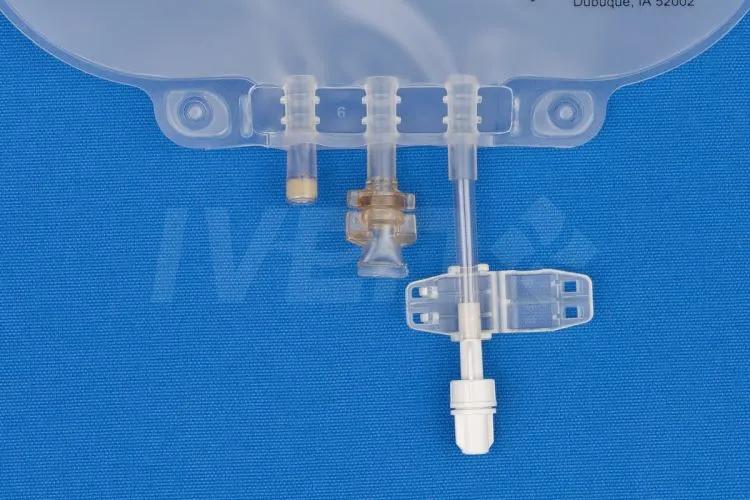
United States Multi-Chamber IV Bag Troubleshooting Guide
Multi-chamber IV bag troubleshooting helps pharmaceutical companies manufacture advanced infusion products that keep sensitive ingredients separated until administration. In the United States, this matters because hospitals, outpatient infusion centers, and contract manufacturers increasingly need premix systems that improve stability, reduce bedside compounding, and support patient safety. When production problems are solved correctly, manufacturers can improve seal integrity, chamber separation performance, sterilization consistency, output stability, and FDA-ready quality control.
For U.S. buyers evaluating equipment or turnkey line design, troubleshooting is not only about fixing leaks or weak peel seals. It also covers formulation compatibility, film selection, chamber geometry, automation accuracy, cleanroom flow, validation, packaging logistics, and post-installation support. This is why experienced engineering partners are valuable, especially for projects supplying distribution hubs through Los Angeles, Long Beach, Houston, Newark, Savannah, Chicago, and Atlanta.
In practical terms, multi-chamber IV bag production troubleshooting means identifying and correcting the process factors that can compromise a finished bag before it reaches the clinic. A typical U.S. production team may face issues such as incomplete peelable seal formation, cross-chamber migration, inaccurate filling volumes, particle risk, poor port welding, or sterilization deformation. Because multi-chamber bags are designed to separate unstable ingredients until activation, any weakness in film structure, seal parameters, or filling synchronization can undermine product performance.
The most effective troubleshooting approach follows the entire manufacturing path: raw film inspection, bag forming, chamber separation, filling, temporary or permanent sealing, in-line leak detection, overpouching, terminal sterilization where required, visual inspection, and final packing. Manufacturers serving the United States also need to account for FDA cGMP expectations, data integrity, validation evidence, and lot traceability.
Common Production IssueLikely Root CauseOperational ImpactCorrective ActionPreventive MeasurePriority LevelWeak peel seal between chambersUnstable temperature or dwell timePremature mixing or activation failureRevalidate sealing recipe and jaw pressureUse tighter PID control and seal verification testsHighBag leakage after sterilizationFilm stress, poor weld, overfillBatch rejection and contamination riskAdjust fill volume and weld profileRun burst and dye penetration tests routinelyHighInaccurate chamber fill volumePump calibration driftDose inconsistencyCalibrate metering system and verify load cellsSet scheduled calibration and SPC reviewHighCross-contamination between chambersSeal channel defect or film incompatibilityReduced stability and safety concernsInspect seal geometry and upgrade filmPerform migration studies during validationHighPort misalignmentPositioning error in forming stationConnection difficulty for nursesReset tooling and vision alignmentInstall camera-based in-line inspectionMediumWrinkled bag surfaceIncorrect tension or cooling profilePoor appearance and sealing variabilityBalance web tension and cooling settingsStandardize startup recipe by film lotMediumThe table above shows why troubleshooting must be systematic. A leak may not originate at the final seal station alone; it may begin with film variability, web tension, or sterilization loading patterns several steps earlier. U.S. manufacturers that build strong deviation investigations and CAPA systems usually reduce waste faster than teams focused only on one machine parameter at a time.
Multi-chamber IV bag production troubleshooting is the technical and quality process used to diagnose, correct, and prevent faults in equipment and workflows that manufacture dual-chamber or multi-compartment infusion bags. These bags are used when two or more solutions, powders, or actives must stay separate until the point of use. In the United States, common applications include parenteral nutrition, premix antibiotics, dialysis-related solutions, and specialty infusion combinations.
The main advantage of proper troubleshooting is that it protects the core purpose of the product: keeping ingredients stable and isolated. Beyond that, it delivers major business benefits. It improves first-pass yield, lowers product recalls, supports FDA inspection readiness, and reduces downtime on capital-intensive lines. For hospitals and infusion pharmacies, consistent quality also means fewer bedside preparation steps and lower medication error exposure.
Production troubleshooting is usually divided into five categories: mechanical, electrical and controls, process, material, and regulatory quality. For example, a forming jaw fault is mechanical, but a false alarm trend from a vision system is controls-related. Seal delamination may be process-related, while haze or brittleness can be material-related. Missing validation evidence becomes a quality system problem even if the product looks acceptable.
Troubleshooting AreaMain FocusTypical TestWho Owns ItExpected BenefitU.S. Compliance RelevanceMechanicalSealers, conveyors, toolingAlignment and pressure mappingMaintenance engineeringFewer stoppagesSupports equipment qualificationElectrical and controlsPLC, sensors, HMI, recipesSignal validation and alarm reviewAutomation teamHigher repeatabilityData integrity and audit trailsProcessFill, seal, sterilization parametersIQ/OQ/PQ and challenge runsProcess engineeringStable quality outputProcess validation requirementsMaterialsFilm, ports, tubing compatibilityMigration and burst testingQuality and sourcingBetter shelf lifeMaterial traceability expectationsMicrobiologicalAseptic control and contaminationEnvironmental monitoringQA and microbiologyImproved sterility assuranceCritical for sterile productsDocumentationSOPs, deviations, CAPARecord review and mock auditsQuality assuranceInspection readinessFDA cGMP complianceFor companies scaling in the United States, the best advantage is predictability. Instead of firefighting every batch, they build a controlled process that can be expanded across multiple SKUs and sites.
Hospitals prefer multi-chamber products because they reduce preparation time and help standardize administration. When the bag activates correctly, clinicians can mix ingredients immediately before use, which is valuable for unstable compounds. In large U.S. health systems from Boston to Dallas and from Seattle to Miami, pharmacy departments are under pressure to shorten turnaround time while maintaining safety and traceability.
Clinical benefits include longer usable shelf life before activation, fewer compounding steps in the hospital pharmacy, reduced exposure to manual mixing errors, and better convenience for emergency departments, ICUs, oncology centers, and home infusion providers. Production troubleshooting has a direct clinical outcome because poor chamber performance can delay treatment or create uncertainty at the point of care.
Application AreaWhy Multi-Chamber HelpsTypical Product NeedClinical BenefitProduction ChallengeTroubleshooting PriorityParenteral nutritionSeparates reactive nutrientsDual or triple chamber nutrient systemsImproved stability before useComplex seal designHighPremix antibioticsKeeps drug and diluent apartPowder/liquid or liquid/liquid systemsFast preparation on wardsActivation consistencyHighEmergency medicineSpeeds administrationReady-to-activate infusionsReduced bedside delayPort robustnessMediumDialysis supportHandles sensitive solution ratiosBalanced fluid compartmentsStandardized therapyVolume precisionHighOncology support careSupports safer premix workflowsAdjunct infusion productsLower handling stepsBarrier propertiesMediumHome infusionImproves conveniencePortable activation bagsEasier patient handlingDurability in transportMediumThe table shows that different care settings create different manufacturing priorities. A home infusion bag may need stronger transport durability, while a parenteral nutrition bag may demand more sophisticated chamber isolation and film performance.
var ctxBar = document.getElementById(‘barDemandChart’).getContext(‘2d’);var barDemandChart = new Chart(ctxBar, { type: ‘bar’, data: { labels: [‘Parenteral Nutrition’, ‘Premix Antibiotics’, ‘Dialysis Support’, ‘Emergency Care’, ‘Oncology Support’, ‘Home Infusion’], datasets: [{ label: ‘Estimated U.S. Demand Index’, data: [92, 88, 71, 63, 58, 67], backgroundColor: [‘#4e79a7′,’#f28e2b’,’#e15759′,’#76b7b2′,’#59a14f’,’#edc948′] }] }, options: { responsive: true, maintainAspectRatio: false, plugins: { legend: { display: true } }, scales: { y: { beginAtZero: true, max: 100 } } }});The chart above reflects realistic relative demand patterns in the United States, where nutrition and premix antibiotic applications continue to drive strong interest in reliable multi-chamber systems.
Not all multi-chamber bags are built the same. Some are dual-chamber with one peelable seal. Others are triple-chamber systems with separate nutrient compartments or a powder chamber and liquid chamber combination. Production troubleshooting must match the product architecture because each bag design has different thermal, mechanical, and activation requirements.
Material selection is equally important. U.S. buyers often evaluate non-PVC soft bag structures because they can support better compatibility, lower extractables concerns in some applications, and market expectations around environmental performance. Film choice affects oxygen barrier, transparency, sterilization stability, drop resistance, sealability, and long-term storage behavior.
From a technological capability standpoint, advanced suppliers should be able to design the forming, filling, and sealing process around the selected film rather than forcing every material to run on one generic setup. This is where experienced companies stand out. Shanghai IVEN Pharmatech Engineering has developed extensive know-how in IV solution equipment and holds multiple technical patents in the field, which is relevant when buyers need line engineering for challenging bag geometries or process integration. U.S. manufacturers looking for broader background can review the company’s company background and evaluate whether the engineering depth matches their compliance and throughput goals.
System TypeTypical Chamber CountMain UseCommon Film OptionMaterial AdvantageMain Troubleshooting FocusDual-chamber liquid/liquid2Premix solutionsMultilayer non-PVC filmGood flexibility and sealabilityPeel seal consistencyDual-chamber powder/liquid2Antibiotic reconstitutionHigh-barrier laminateMoisture protectionPowder isolation and activationTriple-chamber nutrition bag3Parenteral nutritionCo-extruded multilayer filmBalanced barrier and toughnessMulti-seal validationDialysis-related compartment bag2 or 3Specialized solutionsPolyolefin-based structureThermal stabilityVolume controlLight-sensitive infusion bag2Sensitive activesTinted or UV-protective filmImproved product protectionAppearance and compatibilityHigh-volume hospital premix bag2Routine infusion useStandard non-PVC medical filmCost-effective productionThroughput and leak rateFor U.S. regulatory strategy, material qualification should include extractables and leachables assessment where applicable, sterilization compatibility studies, and transport simulation. A film that performs well in Asia or Europe still needs to fit U.S. labeling, quality documentation, and supply-chain expectations.
Single-chamber IV bags remain important because they are simpler and less expensive to manufacture. However, they cannot solve the same stability challenges as multi-chamber products. When unstable components must remain separate, a single-chamber format may require last-minute hospital compounding, which increases labor and can introduce variability.
From a production viewpoint, multi-chamber lines demand more advanced tooling, controls, and validation. Yet they can create higher-value products and support differentiated market positioning in the United States. That is why many manufacturers accept greater line complexity in exchange for stronger margins and better clinical utility.
Comparison PointMulti-Chamber IV BagSingle-Chamber IV BagBusiness ImpactQuality RiskBest FitIngredient separationMaintains separation until activationNo separationSupports premium productsLower stability if incompatible ingredients are combinedUnstable or reactive formulationsManufacturing complexityHigherLowerMore capital requiredMore validation pointsSpecialty infusion linesHospital preparation needsReducedOften higherSaves labor downstreamLower bedside mixing error riskLarge health systemsUnit production costGenerally higherGenerally lowerCan support better marginsDepends on scaleTargeted product portfoliosShelf-life strategyCan improve pre-activation stabilityLimited for incompatible productsBroader commercial opportunityRequires strong material studiesSensitive formulationsTroubleshooting intensityHighModerateNeeds skilled engineering teamMore seal and migration checksAdvanced sterile operationsThis comparison makes it clear that choosing multi-chamber production is not simply a packaging decision. It is a strategic product and process decision that affects clinical positioning, market access, and manufacturing capability.
The U.S. market is showing sustained interest in ready-to-use and ready-to-activate infusion products. Several trends are driving investment: hospital labor shortages, pressure to reduce sterile compounding steps, increasing use of premix medications, and the need for more resilient domestic or near-market production capacity. In addition, healthcare providers are looking for packaging that reduces waste and supports safer medication workflows.
Geography matters. East Coast pharmaceutical hubs around New Jersey and Pennsylvania benefit from dense healthcare networks and strong logistics access through the Port of Newark. Gulf and Southeast distribution routes through Houston and Savannah support wide regional shipment. West Coast entry points like Los Angeles and Long Beach remain important for imported equipment, spare parts, and film materials. Midwest manufacturing clusters near Chicago and Indianapolis continue to matter for sterile product operations.
var ctxLine = document.getElementById(‘lineGrowthChart’).getContext(‘2d’);var lineGrowthChart = new Chart(ctxLine, { type: ‘line’, data: { labels: [‘2021’, ‘2022’, ‘2023’, ‘2024’, ‘2025’, ‘2026’], datasets: [{ label: ‘Estimated U.S. Multi-Chamber Capacity Demand Index’, data: [58, 63, 69, 77, 86, 95], borderColor: ‘#2f6fed’, backgroundColor: ‘rgba(47,111,237,0.15)’, fill: false, tension: 0.3 }] }, options: { responsive: true, maintainAspectRatio: false, scales: { y: { beginAtZero: true, max: 100 } } }});The line chart shows a realistic expansion pattern through 2026. Demand is not only about volume; it also reflects a shift toward more sophisticated bag formats that require stronger process control and higher line capability.
var ctxArea = document.getElementById(‘areaTrendChart’).getContext(‘2d’);var areaTrendChart = new Chart(ctxArea, { type: ‘line’, data: { labels: [‘2021’, ‘2022’, ‘2023’, ‘2024’, ‘2025’, ‘2026’], datasets: [{ label: ‘Standard Single-Chamber Share’, data: [72, 69, 65, 60, 56, 51], borderColor: ‘#9c755f’, backgroundColor: ‘rgba(156,117,95,0.20)’, fill: true, tension: 0.3 },{ label: ‘Advanced Multi-Chamber Share’, data: [28, 31, 35, 40, 44, 49], borderColor: ‘#59a14f’, backgroundColor: ‘rgba(89,161,79,0.20)’, fill: true, tension: 0.3 }] }, options: { responsive: true, maintainAspectRatio: false, scales: { y: { beginAtZero: true, max: 100, stacked: false } } }});The area chart highlights a broader packaging trend: single-chamber systems remain essential, but advanced multi-chamber formats are gaining share as hospitals demand safer and more efficient workflows.
Looking toward 2026, the most important market trends are digital line monitoring, predictive maintenance, broader use of vision inspection, sustainability-focused film development, and stronger localization of after-sales service. Policy expectations may also keep pushing manufacturers toward better traceability, robust validation data, and resilient U.S. supply-chain planning.
Choosing a supplier in the United States market requires more than checking machine speed. Buyers should review regulatory understanding, sterile project experience, film-material compatibility, service response time, spare-part support, and the supplier’s ability to provide validation documentation. A fast line without stable process control is usually more expensive in the long term than a slightly slower line with strong repeatability.
When comparing U.S. local integrators, global machine builders, and turnkey engineering firms, buyers should assess whether the supplier can support the full production ecosystem: water systems, solution preparation, filling, sealing, sterilization interfaces, packaging, warehousing, and quality documentation. This is where integrated engineering providers often have an advantage over stand-alone machine vendors.
From a manufacturing capability perspective, IVEN Pharmatech Engineering is relevant because it operates multiple specialized manufacturing plants focused on pharmaceutical filling and packaging machinery, water treatment systems, logistics systems, and blood collection equipment. That broader industrial base matters for companies planning complete sterile facilities instead of isolated machine purchases. Buyers reviewing options may compare integrated solutions through the company’s turnkey pharma engineering page and its wider equipment portfolio.
Supplier Evaluation FactorWhat to CheckWhy It MattersWarning SignBest EvidenceWeight in DecisionRegulatory knowledgeFDA, cGMP, validation familiarityReduces compliance riskGeneric promises onlyDocument templates and prior auditsVery HighProcess expertiseExperience with multi-chamber seals and filmsImproves startup successNo application referencesFAT data and case examplesVery HighManufacturing depthOwn factories and quality controlBetter consistency and lead-time controlHeavy outsourcingPlant visit or audit reportHighService networkCommissioning, training, spare partsLimits downtimeSlow support commitmentSLA or support planHighCustomization abilityCan adapt to formula and bag designSupports product differentiationOne-size-fits-all offerCustomized URS responseHighTotal project capabilityUtilities, cleanroom, logistics integrationAvoids interface failuresOnly machine-only viewTurnkey layouts and schedulesMedium to HighLocal supplier choice should also consider ports, spare-parts stocking, and field engineer access. A site in New Jersey may prioritize East Coast support and customs convenience through Newark, while an Arizona or California project may care more about Pacific logistics and faster access through Los Angeles or Long Beach.
var ctxComp = document.getElementById(‘comparisonChart’).getContext(‘2d’);var comparisonChart = new Chart(ctxComp, { type: ‘bar’, data: { labels: [‘Regulatory Support’, ‘Customization’, ‘Turnkey Scope’, ‘After-Sales Speed’, ‘Validation Documentation’, ‘Long-Term Value’], datasets: [{ label: ‘Integrated Engineering Supplier’, data: [92, 89, 95, 83, 90, 88], backgroundColor: ‘rgba(54, 162, 235, 0.7)’ },{ label: ‘Single-Machine Vendor’, data: [68, 61, 42, 74, 58, 63], backgroundColor: ‘rgba(255, 159, 64, 0.7)’ }] }, options: { responsive: true, maintainAspectRatio: false, scales: { y: { beginAtZero: true, max: 100 } } }});The comparison chart illustrates why many U.S. investors prefer an integrated supplier for complex sterile projects. Machine quality matters, but documentation, utility integration, and lifecycle support often determine the real return on investment.
Investment planning in the United States should separate equipment price from total installed cost. A realistic budget includes formulation and process development, utilities, cleanroom modifications, validation, training, maintenance inventory, packaging systems, warehouse interfaces, and possible serialization or digital traceability upgrades. Companies that budget only for the filling-sealing line often face overruns during installation.
Capital cost varies by configuration, but the main drivers are number of chambers, line speed, automation level, inspection technology, sterilization requirements, cleanroom classification, and desired documentation depth. A pilot or niche line may be justified for specialty products, while a large commercial line fits high-volume hospital supply strategies.
Budget ItemLow Complexity ProjectMid-Scale ProjectHigh-Scale ProjectCost DriverROI EffectCore forming/filling/sealing lineModerateHighVery HighSpeed and automation levelDirect throughput impactWater and solution systemsModerateHighHighPharma utility scopeProduct quality reliabilityInspection and leak testingModerateHighHighVision sophisticationReduces rejects and recallsValidation and documentationModerateModerate to HighHighRegulatory expectationsFaster approval readinessFacility adaptationLow to ModerateModerateHighCleanroom and utility changesAffects project timelineTraining and spare partsLowModerateModerateSupport modelImproves uptimeThe table shows why ROI depends on the full system, not just the machine purchase. In many cases, buyers can justify a higher upfront investment if the line reduces batch failures, labor intensity, and outsourced compounding needs.
A simplified ROI framework for U.S. projects should include six variables: annual output, expected selling price per bag, reject rate reduction, labor savings, maintenance cost, and downtime impact. For example, if a well-engineered line improves usable yield by even 3% to 5% on a high-value premix product, the annual savings can materially shorten payback time.
Service capability becomes critical here. A supplier that supports feasibility analysis, engineering design, installation, commissioning, validation, training, and later optimization can reduce hidden costs. IVEN is known for a full-lifecycle approach that covers those stages, which is useful for investors that want fewer interface gaps during implementation. Companies planning a U.S. project can contact the team for project-specific discussion, especially where ROI depends on combining line supply with utilities and quality documentation.
The biggest risk is underestimating complexity. Multi-chamber bags are not just upgraded soft bags; they are integrated product systems where film science, process engineering, and clinical usability all interact. If the supplier lacks true application experience, startup delays can be significant.
Key considerations include formulation compatibility, film qualification, port design, scale-up strategy, cleaning validation, sterility assurance, operator training, and spare-part availability. U.S. buyers should also evaluate whether they need domestic warehousing for critical components or local technical response to support uptime goals.
Another frequent risk is non-standard plant layout. Poor material and personnel flow can create contamination pressure points or reduce maintenance access. That is why early engineering design matters. Investors should also review whether the line can expand later to support additional bag sizes or products instead of becoming a bottleneck after two years.
A practical case-study pattern seen in the market involves a manufacturer launching a dual-chamber premix line without fully validating film behavior after sterilization. Initial production appears acceptable, but leaks emerge during transportation and warehouse temperature changes. The root cause turns out to be a combined effect of seal profile, overfill margin, and pallet stacking pressure. The lesson is clear: troubleshooting must include transport simulation and real supply-chain conditions, especially in the United States where products may move from a Midwest plant to hospitals across multiple climate zones.
Another case pattern involves a company choosing the cheapest machine vendor for a specialty nutrition project, then discovering that the vendor cannot provide coherent IQ/OQ documents, recipe security logic, or clean utility integration. The apparent savings disappear through delays, consultant fees, and rework. Investors should measure project risk as carefully as purchase price.
Looking ahead to 2026, three factors will shape risk management. First, digital monitoring will become standard, with more lines using predictive maintenance and real-time seal quality analytics. Second, sustainability pressure will increase interest in efficient energy use, reduced film waste, and improved packaging design. Third, regulatory scrutiny around documentation, data integrity, and supply resilience is likely to remain high, especially for critical hospital products.
What does multi-chamber IV bag troubleshooting usually involve first?It usually starts with mapping the defect to one production stage: film feeding, forming, filling, chamber sealing, final sealing, sterilization, or transport. The first goal is to identify whether the issue is mechanical, process-based, material-based, or quality-system related.
Why are multi-chamber bags more difficult to manufacture than standard IV bags?They require precise chamber isolation, reliable activation performance, tighter seal control, and often more complex validation. The bag must remain stable during storage yet function easily for the user at the point of care.
What are the most common defects on U.S. production lines?The most common are weak peel seals, leakage after sterilization, fill volume variation, port welding defects, chamber migration, cosmetic wrinkling, and false rejects from vision systems.
Is non-PVC film always the best choice?Not always. Non-PVC structures are often attractive, but the right choice depends on formulation compatibility, sterilization method, barrier needs, shelf-life targets, and regulatory documentation.
How should U.S. buyers compare suppliers?Compare them on application experience, FDA-oriented documentation, film and bag design expertise, manufacturing depth, service response, spare-parts support, and ability to deliver complete system integration.
What project scale makes sense for entry into this market?That depends on your target product, forecast demand, and reimbursement or supply contracts. Some companies begin with a focused specialty line, while others invest directly in larger commercial capacity for hospital distribution.
Can a turnkey supplier reduce project risk?Yes, especially when the project includes utilities, solution preparation, automation, packaging, and validation. Turnkey coordination often reduces interface failures between multiple vendors.
How important is local service in the United States?Very important. Fast support can reduce costly downtime, especially for sterile operations. Buyers should ask about commissioning presence, spare-parts strategy, remote diagnostics, and field engineer availability.
What should be included in a pre-purchase factory acceptance test?Bag format verification, seal strength testing, volume accuracy, challenge runs, alarm testing, recipe control review, HMI functionality, documentation package review, and where possible, trial runs using the intended film structure.
Where can buyers learn more about integrated project options?They can review the supplier’s engineering background, turnkey delivery model, equipment range, and service offering before requesting a tailored proposal. For example, interested companies may explore IVEN’s company background, turnkey pharma engineering, and equipment portfolio before using the contact page for a project discussion.
For the United States market, the strongest conclusion is simple: multi-chamber IV bag production can create real clinical and commercial value, but only when troubleshooting is built into design, validation, and ongoing operations. Companies that invest in the right film strategy, robust line engineering, disciplined quality systems, and experienced lifecycle support are better positioned to serve hospitals safely and profitably through 2026 and beyond.
-
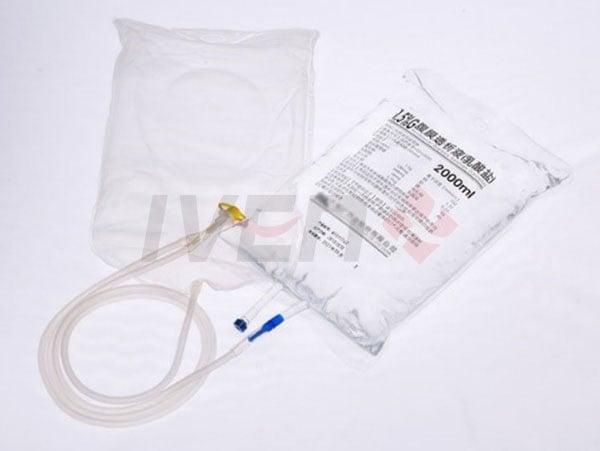
PD Solution Shelf Life and Storage in the United States
Peritoneal dialysis fluid is a sterile medical product, so storage shelf life is not just a packaging detail; it is a quality, patient safety, and supply chain issue. In the United States, manufacturers, contract packers, dialysis providers, and healthcare investors evaluate PD solution storage shelf life to ensure that fluids remain chemically stable, microbiologically safe, and commercially viable from production to final use. A well-designed production line supports controlled formulation, sterile filling, reliable container sealing, validated packaging, and data-based traceability so that PD solution can be supplied efficiently to both home dialysis patients and hospital systems.
For the U.S. market, this topic also connects directly to regulatory expectations, warehouse strategy, transport distance, and emergency preparedness. Products may move through pharmaceutical hubs in New Jersey, distribution networks in Chicago and Atlanta, hospital systems in Boston and Houston, and West Coast gateways such as the ports of Los Angeles and Long Beach. The longer and more predictable the approved shelf life, the easier it becomes to manage inventory, prevent waste, and maintain continuity of care for chronic kidney disease patients.
PD solution storage shelf life helps manufacturers supply safe, sterile peritoneal dialysis fluids for both home treatment and hospital use in chronic kidney disease management. In practical terms, shelf life is the validated period during which the dialysis solution remains within approved specifications for sterility, composition, pH, glucose level, container integrity, labeling accuracy, and usability when stored under defined conditions.
For U.S. buyers, a strong shelf-life strategy delivers five direct advantages. First, it reduces product loss caused by expiration before use. Second, it supports long-distance distribution across the United States, including remote and rural delivery routes. Third, it improves inventory planning for home dialysis programs. Fourth, it helps hospitals and group purchasing organizations reduce shortage risk. Fifth, it supports compliance with cGMP, stability testing, and quality documentation expected in regulated pharmaceutical manufacturing.
FactorWhy It MattersEffect on U.S. SupplySterility assurancePD solution must remain free from microbial contaminationProtects patients in home and clinical settingsChemical stabilityElectrolytes, glucose, and pH must stay within specificationMaintains treatment performanceContainer integrityBag, bottle, or overpouch must resist leaks and oxygen ingressSupports long shipping distancesLabel readabilityInstructions, expiry date, and batch data must remain clearImproves traceability and safe useTemperature controlStorage conditions can accelerate degradation if not controlledCritical in hot states and seasonal transportRegulatory documentationValidated shelf life must be supported by stability dataRequired for approval and auditsThe table above shows that shelf life is a system outcome, not a single number on a label. It depends on formulation, packaging format, sterilization approach, production control, warehouse conditions, and distribution design.
PD solution storage shelf life refers to the approved period during which a peritoneal dialysis solution can be stored before use while still meeting all quality requirements. This usually includes stability under specified temperatures, light exposure conditions, and packaging configurations. The concept applies to commercially produced PD fluids used in continuous ambulatory peritoneal dialysis and automated peritoneal dialysis.
In kidney care, this matters because PD patients depend on regular, uninterrupted access to sterile fluid. Unlike many oral medicines, peritoneal dialysis solution is a high-volume consumable. A home patient may need multiple bags per day, and a clinic or hospital may store large quantities for ongoing treatment. If shelf life is too short, manufacturers and providers face higher write-offs, more frequent deliveries, and greater risk of stockouts. If shelf life is well validated and supported by robust packaging, the treatment network becomes safer and more resilient.
For the United States, importance is amplified by geography. Products may be manufactured in one state, warehoused in another, and delivered to patients hundreds or thousands of miles away. Weather extremes from Arizona heat to Midwest winter conditions can also stress packaging and logistics systems. Therefore, shelf-life performance must align with the real transport and storage environment, not only laboratory conditions.
Shelf-Life ElementTypical Validation FocusKidney Care RelevancePhysical stabilityAppearance, precipitation, color changesEnsures solution remains usableChemical stabilityAssay, glucose degradation, pH driftSupports proper dialysis performanceMicrobiological safetySterility maintenance over timePrevents serious infection riskSeal integrityLeak tests, burst resistance, transit durabilityProtects patients during home deliveryPackaging compatibilityInteraction with bag or bottle materialsMaintains purity and safetyUsability after storagePort function, readability, handling qualityImproves patient confidence and complianceThis is why production technology selection should be aligned with long-term quality performance. Companies evaluating new lines often review integrated design, water systems, sterile filling, and packaging engineering together rather than as separate purchases. Buyers that need broader factory planning can review turnkey pharmaceutical project capabilities to understand how utilities, cleanrooms, filling systems, and validation workflows influence final shelf-life outcomes.
In home dialysis, storage shelf life affects patient convenience, delivery frequency, and emergency preparedness. A patient storing several weeks of dialysis supplies at home needs confidence that the product will remain stable under normal indoor conditions until use. Longer validated shelf life gives providers more scheduling flexibility and allows families to maintain contingency stock during storms, transport disruptions, or insurance-related delivery delays.
In hospitals, shelf life supports centralized inventory control, rapid replenishment, and better preparedness for nephrology units, intensive care departments, and inpatient dialysis support programs. Hospitals in major cities such as New York, Philadelphia, Dallas, and Seattle often manage multi-site networks, where inventory may move across regional warehouses. Better shelf-life performance reduces internal transfers and disposal costs.
There is also a financial benefit. A product with reliable shelf life can improve batch planning, reduce safety stock pressure, and lower the hidden costs of urgent freight, replacement product, and expired inventory. For a manufacturer, this translates into stronger forecasting and improved customer service levels. For providers, it means more reliable patient continuity.
Use SettingBenefit of Reliable Shelf LifeOperational ResultHome dialysisLess frequent emergency resupplyHigher patient confidenceHospital pharmacyLower expiration-related wasteBetter budget controlRegional warehouseMore flexible inventory rotationSmoother distribution planningRural care programsSupports longer transport routesImproved access for remote patientsDisaster readinessAllows buffer stock managementGreater continuity during disruptionsManufacturing siteLonger commercial window per batchHigher planning efficiencyThe benefits shown above are especially relevant in the U.S. because home-based care is growing and delivery logistics are increasingly scrutinized for cost and resilience.
There is no single “shelf-life machine.” Shelf life is influenced by a combination of formulation system, container choice, sterilization compatibility, filling accuracy, sealing quality, and secondary packaging. In production planning, buyers usually compare line configurations based on final container format and quality goals.
Common primary packaging options include non-PVC soft bags, PP bottles, and in some applications specialized rigid containers. Soft bags are widely associated with transport efficiency and patient handling convenience, while PP bottles may suit specific process and packaging preferences. Technical options that affect storage shelf life include automated solution preparation, closed transfer systems, sterile filtration support where applicable, high-precision filling, leak detection, overwrap packaging, and serialized traceability.
Advanced manufacturers also evaluate integrated utilities. Water quality systems, clean steam, clean compressed air, and controlled CIP/SIP strategy all influence consistency. A weak utility design can shorten commercial shelf-life confidence by increasing process variability even when the filling equipment itself is modern.
OptionTechnical FeaturePotential Shelf-Life ImpactNon-PVC soft bag lineFlexible container, efficient sealing, compact transportCan support good distribution durabilityPP bottle lineRigid packaging with defined handling profileMay offer strong structural stabilityHigh-barrier overpouchExtra moisture and oxygen protectionImproves packaging robustnessAutomated leak detectionOnline rejection of defective containersReduces contamination and expiry riskAdvanced batch traceabilityDigital data capture and codingSupports recalls and expiry controlIntegrated stability-oriented line designControlled preparation, transfer, fill, seal, packagingImproves long-term consistencyWhen comparing equipment platforms, it helps to work with a supplier that understands both engineering and compliance. IVEN Pharmatech Engineering has built a global reputation in pharmaceutical and medical device production solutions and is particularly known for integrated lines for IV and dialysis-related applications. Its technical capabilities include solution preparation systems, water treatment, filling and packaging integration, and layouts aligned with EU GMP, U.S. FDA cGMP, WHO GMP, and PIC/S expectations. More background is available on the company’s corporate profile page.
Buyers often compare shelf-life-oriented PD solution production investments with alternative approaches such as short-run local compounding, smaller decentralized filling, or reliance on third-party imported product. The best choice depends on scale, market access, compliance readiness, and risk tolerance.
For large-volume U.S. demand, industrial sterile manufacturing with validated shelf life is generally the strongest model because it supports regulatory control, repeatability, and broad distribution. Smaller decentralized approaches may appear attractive for responsiveness, but they often face higher per-unit cost, more variable documentation, and narrower efficiency. Imported supply can help fill demand gaps, yet it adds shipping time, customs complexity, and port dependence at gateways such as Long Beach, Savannah, or Newark.
Another comparison is between container systems. A buyer focused on home delivery may prioritize lighter packaging and cubic efficiency, while a buyer focused on certain automated handling systems may prefer rigid formats. The right answer depends on the downstream distribution model and patient use pattern.
ApproachAdvantagesLimitationsCentralized industrial PD productionScale, validation depth, strong quality controlHigher upfront capital investmentDecentralized small-batch fillingPotential regional responsivenessHigher unit cost and validation burdenImported finished productFast market entry without full plant buildLonger logistics chain and tariff exposureSoft bag-based distribution modelTransport efficiency and patient convenienceRequires robust sealing and material controlRigid bottle-based modelStrong shape retention and handling predictabilityHigher shipping volume and weightHybrid sourcing strategyBalances redundancy and local supportMore complex supply planningThe table makes clear that “best” does not mean universal. It means fit for your regulatory pathway, product volume, distribution geography, and service model.
var ctxComp = document.getElementById(‘comparisonChart’).getContext(‘2d’);var comparisonChart = new Chart(ctxComp, { type: ‘bar’, data: { labels: [‘Capital Efficiency’, ‘Scalability’, ‘Shelf-Life Control’, ‘Logistics Flexibility’, ‘Regulatory Readiness’, ‘Unit Cost’], datasets: [ { label: ‘Centralized Industrial Line’, data: [72, 95, 93, 80, 94, 88], backgroundColor: ‘rgba(54, 162, 235, 0.7)’ }, { label: ‘Decentralized Small Batch’, data: [58, 45, 62, 70, 55, 50], backgroundColor: ‘rgba(255, 159, 64, 0.7)’ } ] }, options: { responsive: true, maintainAspectRatio: false, scales: { y: { beginAtZero: true, max: 100 } } }});The U.S. renal care market continues to support demand for dependable PD solution manufacturing capacity. Several drivers are shaping investment decisions: growth in home-based care, pressure to strengthen domestic or regional supply resilience, aging patient populations, ongoing concern about shortage management, and renewed interest in secure sterile fluid manufacturing.
In market terms, buyers are paying more attention to storage shelf life because inventory performance affects commercial resilience. A product with stable long-range distribution performance is more attractive to integrated health systems, dialysis networks, and distributors serving multiple states. U.S. policy discussions around domestic medical manufacturing, supply chain transparency, and emergency stock planning have also increased interest in modern dialysis solution lines.
From a 2026 trend perspective, three themes stand out. First, digital quality systems will increasingly connect production data with stability, warehousing, and release documentation. Second, sustainability will matter more, including packaging weight reduction, energy-efficient utilities, and lower waste from expired stock. Third, policy and procurement will likely favor traceable, compliance-ready manufacturing with stronger domestic servicing and validation support.
var ctxLine = document.getElementById(‘lineChart’).getContext(‘2d’);var lineChart = new Chart(ctxLine, { type: ‘line’, data: { labels: [‘2021’, ‘2022’, ‘2023’, ‘2024’, ‘2025’, ‘2026’], datasets: [{ label: ‘Estimated U.S. Demand Index for PD Shelf-Life-Ready Capacity’, data: [68, 73, 79, 86, 94, 103], borderColor: ‘rgb(75, 192, 192)’, backgroundColor: ‘rgba(75, 192, 192, 0.15)’, fill: false, tension: 0.3 }] }, options: { responsive: true, maintainAspectRatio: false, scales: { y: { beginAtZero: false } } }});var ctxBar = document.getElementById(‘barChart’).getContext(‘2d’);var barChart = new Chart(ctxBar, { type: ‘bar’, data: { labels: [‘Home Dialysis Providers’, ‘Hospitals’, ‘Contract Manufacturers’, ‘Regional Distributors’, ‘Federal/State Tenders’, ‘Integrated Health Systems’], datasets: [{ label: ‘2025 Demand Intensity Score’, data: [92, 84, 76, 71, 67, 88], backgroundColor: ‘rgba(153, 102, 255, 0.75)’ }] }, options: { responsive: true, maintainAspectRatio: false, scales: { y: { beginAtZero: true, max: 100 } } }});var ctxArea = document.getElementById(‘areaChart’).getContext(‘2d’);var areaChart = new Chart(ctxArea, { type: ‘line’, data: { labels: [‘2021’, ‘2022’, ‘2023’, ‘2024’, ‘2025’, ‘2026’], datasets: [{ label: ‘Shift Toward Home-Care-Oriented PD Supply Models’, data: [42, 47, 53, 60, 68, 76], borderColor: ‘rgb(255, 99, 132)’, backgroundColor: ‘rgba(255, 99, 132, 0.25)’, fill: true, tension: 0.35 }] }, options: { responsive: true, maintainAspectRatio: false, scales: { y: { beginAtZero: true, max: 100 } } }});The charts above illustrate a realistic trend: rising demand, stronger pull from home dialysis, and a broader shift toward supply models that depend on reliable shelf life and distribution stability.
Choosing a supplier should start with evidence, not claims. For the U.S. market, buyers should evaluate whether the manufacturer or engineering partner can support regulatory documentation, validated sterile process design, dependable utility systems, robust container handling, and lifecycle service. A reliable supplier should be able to explain how its line design affects stability outcomes, not just throughput numbers.
Technological capability is the first screen. Look for expertise in pharmaceutical water systems, solution preparation, sterile transfer, filling and sealing, packaging, and digital traceability. A capable engineering partner should understand how these systems interact and how to structure them for validation. IVEN Pharmatech Engineering is one example of a company with broad technical depth across pharmaceutical filling, packaging, water treatment, intelligent logistics, and integrated production engineering, making it relevant for buyers who want more than a standalone machine.
Manufacturing capability is the second screen. Buyers should review plant scale, fabrication quality, materials of construction, quality control discipline, installed base, and experience with international projects. IVEN’s manufacturing platform includes multiple specialized plants in Shanghai and a long history of delivering production lines for IV solutions, dialysis solutions, injectables, and medical consumables in more than 60 countries. That matters because shelf-life reliability often reflects years of accumulated process design and field feedback, not only design software.
Service capability is the third screen. The best supplier is usually the one that can support feasibility review, engineering design, customization, installation, commissioning, validation, staff training, and post-start optimization. For U.S. investors, this becomes even more important when the project includes clean utilities, documentation packages, and phased capacity expansion. Companies needing direct discussion can use the contact channel for project consultation to assess fit early.
Evaluation PointWhat to AskWhy It MattersRegulatory fitCan the supplier align with U.S. FDA cGMP expectations?Reduces compliance riskStability-oriented designHow does the line protect sterility and consistency?Directly affects shelf lifeInstalled referencesAre there similar dialysis or sterile fluid projects?Shows practical experienceCustomization abilityCan the line match your container and capacity goals?Improves project fitValidation supportDoes the supplier assist with IQ/OQ/PQ and documentation?Speeds startup and audit readinessAfter-sales serviceWhat is the support model for spare parts and troubleshooting?Protects long-term uptimeSuppliers with broad product portfolios can also help buyers benchmark options across filling, water, logistics, and packaging. Reviewing an integrated catalog of systems through the equipment solutions portfolio is often useful when a project includes multiple process blocks instead of a single line purchase.
Budgeting for PD solution shelf-life-oriented manufacturing requires more than equipment pricing. Investors should calculate total installed cost, including utilities, cleanrooms, validation, warehousing, automation, and quality systems. A lower machine quote can become expensive if the layout is inefficient, documentation is incomplete, or the line cannot support the target stability profile.
Major cost categories typically include formulation and holding systems, purified water and WFI-related infrastructure where applicable to the process design, sterile filling and sealing equipment, packaging equipment, environmental controls, laboratories, and warehouse systems. U.S. projects may also require strong integration with serialization, data integrity controls, and local commissioning resources.
ROI comes from more than unit output. Better shelf life can improve return by reducing product waste, extending distribution reach, supporting higher service levels, lowering emergency freight, and enabling stronger contract performance. For companies serving both home care and institutional demand, these savings can materially improve payback.
Cost CategoryTypical Share of BudgetROI RelevanceCore production line25% to 35%Determines capacity and consistencyWater and utility systems10% to 18%Supports sterile process qualityCleanroom and HVAC12% to 20%Essential for compliancePackaging and logistics8% to 15%Affects distribution durabilityValidation and documentation5% to 10%Required for timely release and auditsTraining and service support3% to 7%Protects startup performanceAs the table indicates, shelf-life success depends on coordinated spending. Underfunding packaging integrity or utility consistency can weaken the return on an otherwise modern filling line.
A simple ROI model may compare capital cost against four annual gains: reduced expired inventory, lower logistics premiums, increased sellable output from better yield, and stronger contract capture due to reliable service. In the U.S., these benefits are particularly visible when the product must move across multiple regional zones and serve a mix of urban and rural demand.
The main investment risk is assuming that shelf life can be “added later” through testing alone. In reality, the commercial shelf life of PD solution is created upstream by design decisions. If the packaging material is poorly matched to the formula, if sealing quality is inconsistent, or if environmental controls are unstable, no marketing plan can fix the result.
Another risk is overlooking distribution reality. A line may perform well in factory trials, but U.S. logistics can expose product to warehouse dwell time, cross-country trucking, and seasonal temperature variation. Investors should require transport simulation, packaging qualification, and realistic stability protocols that reflect actual downstream conditions.
There is also a supplier risk. Some vendors can supply machines but not integrated validation, layout planning, or lifecycle support. That can slow the project and create expensive redesigns. Working with an experienced engineering company reduces the chance of misaligned equipment, underpowered utilities, or documentation gaps.
RiskPotential ImpactMitigationWeak packaging compatibilityShorter shelf life or container failureRun material studies earlyInadequate sterile controlBatch rejection and compliance exposureUse validated process and utility designUnderestimated logistics stressDamage during national distributionPerform transit and climate testingPoor supplier coordinationCommissioning delays and redesignSelect integrated engineering supportInsufficient documentationDelayed approval and auditsPlan validation packages from the startDemand forecast errorOvercapacity or shortage pressureUse phased capacity planningFor 2026 and beyond, sustainability is becoming another key consideration. Expired product is not just a financial loss; it is a waste issue. Strong shelf-life performance can reduce disposal volumes, improve transport efficiency, and support more sustainable packaging strategies. In addition, energy-efficient utilities, smarter cleanroom control, and digitized maintenance are expected to play a larger role in supplier selection.
A practical case pattern in the U.S. is the investor who wants to serve East Coast hospital systems from a Mid-Atlantic or Southeast manufacturing base while also shipping home-care inventory nationally. In such a model, shelf life influences every commercial assumption: safety stock, warehouse location, fulfillment lead time, and emergency reserve planning. Another case is a company entering the U.S. market that wants an engineering partner with both international compliance understanding and turnkey execution ability. For these buyers, supplier breadth matters as much as equipment speed.
That is where an integrated company profile becomes relevant. IVEN Pharmatech Engineering combines technological depth, established manufacturing resources, and full lifecycle service capabilities. Rather than acting only as an equipment seller, it supports project feasibility, engineering design, customization, installation, commissioning, validation, training, and optimization. For U.S. buyers seeking a structured path from concept to compliant production, that model can reduce risk and improve execution quality.
What is a typical shelf life for peritoneal dialysis solution?The exact shelf life depends on formulation, container material, sterilization compatibility, and validated storage conditions. It must always be supported by formal stability studies and approved labeling.
Why does packaging matter so much for PD solution storage shelf life?Packaging protects sterility, limits interaction with the solution, and preserves seal integrity during transport and storage. A strong package can significantly improve distribution reliability.
Is longer shelf life always better?Longer shelf life is commercially helpful, but only if it is scientifically validated and supported by stable manufacturing. Unrealistic claims create regulatory and patient safety risk.
How does shelf life affect home dialysis programs in the United States?It improves inventory flexibility, reduces emergency deliveries, and helps patients keep safe reserve stock at home, especially in areas with weather or transport disruptions.
What should U.S. investors ask equipment suppliers first?Ask about compliance experience, sterile process control, packaging compatibility, validation support, installed references, and after-sales service capacity.
Can a turnkey engineering company help with more than the production line?Yes. A strong turnkey partner can support layout, water systems, utilities, cleanrooms, documentation, installation, validation, and staff training in addition to core equipment.
Which U.S. locations are important when planning PD solution logistics?Common strategic points include New Jersey for East Coast distribution, Chicago and Atlanta for inland logistics, Houston for Southern reach, and Los Angeles/Long Beach for Pacific imports and exports.
How can buyers compare suppliers efficiently?Use a weighted scorecard covering technology, manufacturing depth, compliance support, customization, lifecycle service, and total cost of ownership rather than only quote price.
What trends will shape PD solution storage shelf life projects in 2026?Expect more digital traceability, stronger domestic supply expectations, sustainability-driven packaging improvements, and closer integration of quality systems with warehousing and distribution data.
Where can I learn more about integrated pharmaceutical engineering support?You can explore the engineering background of IVEN Pharmatech Engineering, review turnkey project solutions, browse available production equipment, or request direct project consultation.
In summary, PD solution storage shelf life is a strategic manufacturing and supply chain issue for the United States, not simply a labeling statement. The right production system supports safe kidney care, reliable home and hospital supply, stronger compliance, and more resilient long-distance distribution. For companies planning new capacity or upgrading existing operations, the best results usually come from integrated engineering, validated process control, and a supplier able to support the full lifecycle of the project.