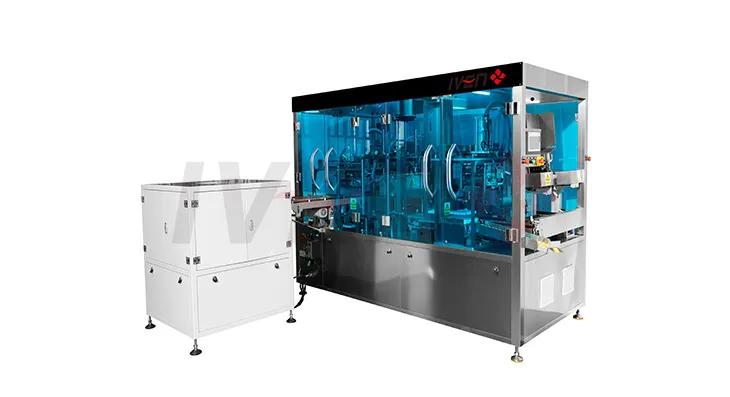
Micro Blood Tube Line Troubleshooting in the United States
For U.S. medical device companies, effective micro blood tube line troubleshooting is essential for maintaining high output, precise additive dosing, stable cap assembly, and reliable quality control. A well-designed automated production line helps hospitals, physician office labs, and diagnostic networks receive consistent micro blood collection tubes at scale while reducing downtime, labor dependence, and contamination risk.
In the United States, demand for capillary and micro blood collection products continues to rise across pediatric care, neonatal testing, outpatient diagnostics, home collection programs, and decentralized laboratory services. Manufacturers serving buyers in cities such as Boston, Chicago, Houston, San Diego, and Atlanta must balance FDA-focused quality expectations with speed, traceability, and cost discipline. That is why troubleshooting is no longer just a maintenance task. It has become a core production strategy tied directly to OEE, batch release confidence, and long-term profitability.
Whether a factory is located near major logistics corridors such as the Port of Los Angeles, Port of Long Beach, Port of Houston, Savannah, or Newark, uninterrupted tube line performance matters. Delays in tube molding transfer, chemical dosing, drying, capping, vacuum-related functions, tray loading, and labeling can ripple through the full plant and affect customer delivery commitments. For that reason, U.S. buyers increasingly prefer suppliers that can provide not only equipment, but also validation support, line integration, remote diagnostics, and lifecycle service.
Quick Answer: How Micro Blood Tube Line Troubleshooting Supports High-Volume, High-Quality Production

Micro blood tube line troubleshooting is the structured process of identifying, correcting, and preventing production issues on automated lines that manufacture micro blood collection tubes. In practical terms, it covers diagnosis of feeder jams, inaccurate reagent filling, cap fitting errors, tube contamination, sensor faults, drying instability, printing defects, and packaging interruptions. When handled correctly, troubleshooting enables medical device companies to sustain large-volume output with stable quality for U.S. hospitals, clinics, and diagnostic laboratories.
The biggest benefit is not simply fixing a fault after it happens. The real advantage lies in building a line that can detect abnormal conditions early, isolate root causes, reduce scrap, and recover quickly. A mature troubleshooting system typically includes:
- Real-time monitoring of speed, yield, alarm frequency, and defect patterns
- Standard operating procedures for line start-up, cleaning, calibration, and changeover
- Validated dosing, drying, capping, and inspection parameters
- Traceability by batch, lot, shift, and station
- Spare parts strategy for high-wear components
- Operator and maintenance training tied to recurring fault codes
For U.S. manufacturers, troubleshooting also supports regulatory readiness. Better control over process deviations helps with documentation, CAPA workflows, audit response, and release consistency. This is especially important for suppliers serving large healthcare systems or laboratory chains that expect dependable product performance across every shipment.
| Troubleshooting Area | Typical Problem | Likely Cause | Immediate Action | Long-Term Fix | Business Impact |
|---|---|---|---|---|---|
| Tube feeding | Frequent jam | Misaligned rails | Stop and re-center feeder | Upgrade guide design | Output loss |
| Additive dosing | Underfill or overfill | Pump drift or nozzle clogging | Recalibrate pump | Scheduled verification plan | Batch rejection risk |
| Drying station | Incomplete drying | Airflow imbalance | Adjust temperature and flow | Install zone monitoring | Clumping or residue |
| Cap assembly | Loose or tilted caps | Feeder vibration mismatch | Reset cap track | Servo-controlled cap placement | Seal failure |
| Inspection | False rejects | Vision sensitivity issue | Re-teach image standard | Improve lighting and algorithm | Yield reduction |
| Labeling/packing | Wrong count or print issue | Sensor timing drift | Check encoder | Integrated line synchronization | Shipment delays |
The table above shows why troubleshooting should be treated as an integrated quality and production discipline, not just a maintenance checklist. Each fault affects both technical performance and commercial reliability.
What Is a Micro Blood Tube Line Troubleshooting System and How Does It Work?

A micro blood tube production line is an automated or semi-automated system used to manufacture and assemble small-volume blood collection tubes, often designed for capillary sampling. The line may include tube unscrambling, conveying, additive spraying or filling, drying, cap feeding, capping, visual inspection, labeling, tray loading, and final packaging. Troubleshooting within this environment means evaluating each station in sequence and determining whether a process, equipment, material, or operator variable caused the deviation.
In most U.S.-oriented factories, the troubleshooting workflow follows five steps:
- Alarm recognition and event capture
- Isolation of the faulty module or upstream trigger
- Root cause analysis using machine logs, sensor data, and physical checks
- Corrective action and restart verification
- Preventive action documentation for future batches
For example, if additive coating inside micro tubes appears inconsistent, the problem may not be the dosing pump alone. It could stem from viscosity variation, room humidity, nozzle wear, compressed air fluctuation, or conveyor indexing inconsistency. Good troubleshooting therefore depends on line integration and process understanding.
Advanced systems used by larger medical device companies often include PLC-based diagnostics, HMI alarm libraries, production trend dashboards, and camera inspection records. These digital tools help teams in the United States reduce dependence on tribal knowledge and create standardized responses across multiple shifts.
From a technology standpoint, a strong line supplier should understand more than standalone equipment. This is where an engineering-driven company matters. IVEN Pharmatech Engineering is known in the sector for combining pharmaceutical and medical consumable equipment expertise with compliance-focused engineering. Its technical capabilities are relevant because micro blood tube manufacturing requires precise dosing, controlled handling, clean design, and reliable automation logic rather than simple assembly alone.
| Line Module | Main Function | Common Fault Signal | Diagnostic Method | Corrective Measure | Prevention Method |
|---|---|---|---|---|---|
| Unscrambler | Orient tubes | Orientation error | Check bowl vibration and guide path | Reset feed angle | Routine mechanical inspection |
| Conveyor | Transfer tubes | Position drift | Review encoder and belt tension | Align conveyor | Weekly calibration |
| Dosing unit | Apply additive | Volume variance | Sample weigh test | Adjust dosing head | Pump maintenance schedule |
| Drying station | Stabilize additive | Residue or wet film | Measure heat and airflow | Change air distribution | Thermal mapping |
| Capping unit | Place caps | Cap misfit | Inspect track and gripper | Re-time placement motion | Cap feeder validation |
| Inspection system | Reject defects | High false reject rate | Review image settings | Recalibrate camera | Golden sample library |
This table explains how troubleshooting is linked to each functional station. Faster diagnosis comes from designing the line so each module can be checked independently while still sharing data across the whole system.
Key Applications and Production Benefits for Medical Device Companies

Micro blood collection tubes are used across pediatric blood draws, neonatal screening, point-of-care support, outpatient testing, emergency departments, and low-volume laboratory applications. In the United States, these products are especially valuable where venous blood draw is difficult or sample volume must be minimized. Buyers include hospital systems, reference labs, physician group practices, community clinics, blood testing service networks, and contract medical product distributors.
For manufacturers, the production benefits of a stable and well-troubleshot line include:
- Higher line utilization and more predictable shipment schedules
- Better additive consistency for anticoagulant or clot activator applications
- Reduced contamination and lower rework rates
- Improved dimensional consistency for caps, closures, and tube fit
- Lower labor dependence versus manual assembly
- Better batch records for FDA and customer audits
Factories supplying U.S. customers often need to support mixed production, such as different tube sizes, cap colors, labeling formats, packaging counts, and private-label requirements. In that environment, troubleshooting becomes even more important because changeovers can introduce setup errors. The right production line should therefore support recipe management, quick format adjustment, and validation-friendly controls.
On the manufacturing side, supplier depth matters. IVEN has developed multiple generations of blood collection tube production equipment and combines that experience with broader clean utility, packaging, and logistics capabilities. That manufacturing base is useful for U.S. customers seeking a line partner with plant-scale understanding rather than a narrow machine-only provider. More details on broader integrated projects can be seen at turnkey engineering solutions.
The bar chart above illustrates where demand pressure is strongest in the U.S. market. Pediatric hospitals and diagnostic laboratories typically place the highest emphasis on product consistency, while home collection and decentralized care are becoming important growth drivers.
| Application Segment | Typical End User | Why Micro Tubes Matter | Production Priority | Troubleshooting Focus | Commercial Benefit |
|---|---|---|---|---|---|
| Pediatric testing | Children’s hospitals | Lower blood volume needed | Consistency | Cap seal and additive accuracy | Premium reliability |
| Neonatal care | NICUs | Very small sample sizes | Clean handling | Contamination control | Clinical trust |
| Outpatient diagnostics | Clinic networks | Fast routine testing | Volume output | Labeling and packing flow | Efficient distribution |
| Reference laboratories | Central labs | Large batch procurement | Lot traceability | Inspection data integrity | Contract retention |
| Home collection programs | Telehealth providers | User-friendly format | Packaging quality | Kit completeness | Expanding channel reach |
| Research use | Biotech and universities | Controlled sampling | Customization | Format changeover | Higher margin orders |
The explanation from this table is straightforward: each application has different production priorities, so troubleshooting plans should be aligned with actual buyer expectations rather than generic machine uptime alone.
Main Types and Configurations Available Today
Micro blood tube lines are available in several configurations depending on target output, automation level, additive chemistry, cleanroom requirement, and packaging style. U.S. buyers should evaluate not only throughput, but also the line architecture needed for validation, maintenance access, and future product expansion.
Common configurations include:
- Semi-automatic lines for smaller batch output or pilot manufacturing
- Fully automatic lines with integrated unscrambling, dosing, drying, capping, and inspection
- Modular lines that support multiple tube sizes and cap types
- High-speed lines for large contract manufacturing or national distribution
- Cleanroom-integrated lines for stricter contamination control
Selection should also consider whether the line processes EDTA, heparin, clot activator, gel-related, or customized additive solutions. Different formulations change the drying profile, dosing tolerance, nozzle design, and cleaning protocol.
For companies comparing equipment options, reviewing available configurations through a structured product catalog can help narrow choices. A starting point can be found at medical and pharmaceutical equipment solutions, especially for buyers seeking integrated production ecosystems rather than isolated machines.
| Configuration Type | Output Range | Best For | Key Strength | Main Risk | Recommended U.S. Buyer Profile |
|---|---|---|---|---|---|
| Semi-automatic | Low | Development or niche products | Lower initial cost | Higher labor variability | Startups and pilot facilities |
| Compact automatic | Low to medium | Regional supply | Smaller footprint | Limited expansion | Mid-size OEMs |
| Modular automatic | Medium | Multi-SKU production | Flexible changeover | Control complexity | Private-label suppliers |
| High-speed integrated | High | National volume supply | Strong productivity | Higher capital demand | Large medical manufacturers |
| Cleanroom-optimized | Medium to high | Sensitive products | Better contamination control | Utility cost | Quality-focused exporters |
| Turnkey line with packaging | Medium to high | New factory projects | Full process integration | Project coordination pressure | Investors building greenfield plants |
The table explains that the best line is not always the fastest one. For many U.S. companies, modularity, compliance support, and long-term service are just as important as nominal speed.
Micro Blood Tube Line Troubleshooting vs Manual Assembly Lines: Key Differences and Advantages
Manual or labor-heavy assembly remains an option for very small-scale operations, but it has serious limitations for U.S. medical device companies that need repeatability, documentation, and commercial scalability. Automated micro blood tube lines significantly outperform manual processes in consistency, labor efficiency, contamination control, and data collection. Troubleshooting on an automated line is also more systematic because fault patterns can be captured electronically.
Manual lines depend heavily on operator skill. That can create shift-to-shift variation, especially in dosing, cap fit, visual acceptance, and packaging counts. Automated systems reduce this variation by locking in process parameters and enabling routine verification. They also make CAPA investigations easier because the production record is more complete.
The comparison chart shows how automated lines create broad operational advantages beyond speed alone. In the United States, where customers expect robust documentation and dependable lot performance, those differences become commercially decisive.
| Factor | Automated Line | Manual Assembly | Why It Matters | Troubleshooting Effect | U.S. Market Impact |
|---|---|---|---|---|---|
| Output stability | High | Low to medium | Supports delivery schedules | Alarms aid fast response | Better contract performance |
| Quality repeatability | High | Operator dependent | Critical for medical use | Data-based correction | Fewer complaints |
| Labor cost | Lower per unit | Higher per unit | Improves margin | Less human error | More competitive pricing |
| Traceability | Detailed | Limited | Important for audits | Root cause easier to prove | Regulatory confidence |
| Scalability | Strong | Weak | Supports national growth | Standard SOPs possible | Faster expansion |
| Contamination control | Better | Harder to manage | Protects product integrity | Controlled environment | Reduced rejection risk |
This table explains that troubleshooting in automated production creates cumulative business advantages. Better data means better decisions, and better decisions mean stronger margins and customer retention.
Market Growth and Opportunities for Manufacturers
The U.S. market for blood collection consumables remains attractive due to aging demographics, chronic disease monitoring, decentralized testing growth, and expanding pediatric and outpatient diagnostics. Micro blood collection products are also gaining relevance as home sampling models develop and as health systems seek patient-friendly collection formats.
For manufacturers, the opportunity is not limited to tube sales alone. There is value in private-label manufacturing, custom cap colors, integrated packaging kits, OEM partnerships, and regional fulfillment models. Producers located close to distribution hubs such as Memphis, Dallas, Columbus, and New Jersey can gain logistical advantages in serving national accounts quickly.
In addition, reshoring and supply-chain resilience remain strategic themes in the United States. Buyers increasingly assess supplier stability, documentation quality, spare parts availability, and service responsiveness. This opens room for well-prepared international manufacturers that can support local expectations through strong engineering, validation files, and reliable after-sales coordination.
The line chart reflects realistic growth momentum based on stronger diagnostic demand, replacement of older lines, and greater interest in automation-ready manufacturing platforms.
Case studies in this market often show that U.S. manufacturers gain the most when they do three things together: automate core assembly, standardize troubleshooting, and plan service support before installation. Companies that delay maintenance strategy often face more expensive downtime later. For this reason, experienced engineering partners that can advise on equipment selection, layout logic, validation planning, and post-startup optimization offer a measurable advantage.
How to Choose a Reliable Manufacturer or Supplier
Choosing a micro blood tube line supplier for the United States requires more than comparing quotations. The right supplier should be evaluated on technical depth, compliance familiarity, customization ability, documentation quality, factory manufacturing capability, spare parts planning, and service responsiveness. U.S. buyers should also confirm whether the supplier can support IQ, OQ, PQ-style documentation and structured FAT/SAT processes where needed.
Key checkpoints include:
- Experience with blood collection tube equipment, not just general packaging machines
- Capability to handle tube feeding, dosing, drying, capping, inspection, and downstream integration
- Validation documents, material specifications, and alarm logic clarity
- Understanding of FDA-oriented production expectations
- Ability to customize for private-label, multi-size, or mixed packaging demands
- Post-installation training and remote diagnostic support
Service capability is especially important. A line may be mechanically strong, but if the supplier cannot support commissioning, operator training, spare parts forecasting, or process optimization, the ownership experience will suffer. IVEN’s service model is relevant here because it extends beyond delivery into installation, commissioning, validation support, documentation, training, and ongoing optimization. U.S. buyers seeking to discuss plant fit, service response, or project scope can connect through the contact page.
| Selection Criterion | Why It Matters | Questions to Ask | Strong Supplier Signal | Warning Sign | Decision Impact |
|---|---|---|---|---|---|
| Technical specialization | Improves process fit | How many similar lines delivered? | Proven tube line portfolio | Only generic automation history | Higher performance confidence |
| Compliance awareness | Supports audits | What documents are included? | Structured FAT/IQ/OQ support | Minimal documentation | Lower regulatory risk |
| Customization ability | Fits product mix | Can the line run multiple SKUs? | Recipe-based design | Rigid fixed setup | Better expansion path |
| Manufacturing strength | Affects quality and lead time | Where are key modules made? | Dedicated production plants | Heavy outsourcing | More stable delivery |
| After-sales service | Reduces downtime | What is the support plan? | Training and remote support | One-time shipment only | Lower lifecycle cost |
| Reference credibility | Shows real experience | Are there international projects? | Global installations | No verifiable cases | Safer purchasing decision |
The explanation is clear: supplier quality determines how much troubleshooting effort your team will face after installation. A stronger supplier reduces both launch risk and long-term operational friction.
Investment Cost, Budget Planning, and ROI Analysis
Investment in a micro blood tube line can vary widely based on automation level, speed, additive system complexity, cleanroom integration, inspection depth, packaging scope, and validation requirements. U.S. projects should budget not only for machine purchase, but also for utilities, room preparation, tooling, spare parts, training, FAT/SAT travel, software support, and ongoing maintenance.
Typical cost categories include:
- Core line equipment
- Molds, format parts, and changeover tooling
- Vision inspection and reject systems
- Clean utilities and HVAC adaptation
- Installation, commissioning, and validation support
- Operator and maintenance training
- Safety upgrades and local integration work
ROI usually comes from labor reduction, lower defect rates, fewer customer complaints, higher batch throughput, shorter lead times, and improved contract win rates. For larger U.S. manufacturers, an automated line may justify itself in two to four years depending on utilization, margin, and quality savings. A robust troubleshooting framework accelerates ROI because it shortens the time needed to stabilize production after start-up.
The area chart highlights the industry trend toward automation and data-based process control. This shift is likely to continue through 2026 and beyond as labor costs, traceability expectations, and quality requirements keep rising.
| Budget Item | Relative Cost Level | What Drives Cost | Can It Be Optimized? | ROI Relevance | Planning Advice |
|---|---|---|---|---|---|
| Base equipment | High | Speed and automation level | Yes | Direct | Match output to demand forecast |
| Inspection system | Medium to high | Camera count and software | Partly | Strong through scrap reduction | Do not under-specify |
| Utilities integration | Medium | Room readiness and HVAC | Yes | Indirect | Audit site conditions early |
| Tooling/change parts | Medium | SKU diversity | Yes | Improves flexibility | Plan future formats now |
| Training/service | Medium | Support scope | No major shortcut advised | Very high | Protect start-up success |
| Spare parts package | Low to medium | Critical component list | Yes | Strong through downtime reduction | Prioritize wear items |
This table explains that the lowest upfront quote is rarely the lowest total cost. Smart budget planning looks at full lifecycle performance, not purchase price alone.
Key Considerations and Potential Risks When Investing
Before investing, U.S. manufacturers should evaluate product demand stability, line flexibility, room conditions, staffing capability, maintenance readiness, spare parts stocking, and regulatory documentation needs. A technically good machine can still perform poorly if facility design, utilities, operator training, or material consistency are weak.
Main investment risks include:
- Buying an oversized line that never reaches planned utilization
- Buying an underspecified line that cannot meet quality expectations
- Poor compatibility between tube materials, additives, and drying process
- Limited local support causing prolonged downtime
- Insufficient validation documents for customer or audit requirements
- Weak changeover design leading to high scrap on mixed-SKU production
One practical way to reduce risk is to choose a supplier with both technological and project capability. IVEN’s background in pharmaceutical and medical device engineering, including equipment, water systems, logistics, and production integration, is relevant because blood tube projects often interact with broader factory workflows. For U.S. projects, this integrated thinking can reduce layout conflicts, schedule slippage, and qualification surprises.
Looking ahead to 2026, three trends are especially important in the United States:
- Technology: wider use of smart sensors, predictive maintenance, machine vision analytics, and remote diagnostics
- Policy: greater emphasis on documented quality systems, supply-chain resilience, and domestic service responsiveness
- Sustainability: increased attention to energy-efficient modules, lower waste rates, recyclable packaging, and cleaner utility design
Manufacturers that invest with these trends in mind will be in a stronger position to serve healthcare networks, distributors, and OEM buyers over the next several years.
FAQ
1. What are the most common micro blood tube line troubleshooting problems?
The most common issues include tube jams, inaccurate additive dosing, incomplete drying, cap misalignment, vision inspection false rejects, and packaging synchronization errors. Most are linked to setup drift, worn parts, sensor calibration, or material variation.
2. Is troubleshooting different for U.S. buyers?
Yes. U.S. buyers typically expect stronger documentation, traceability, validation support, and quality records. Troubleshooting therefore needs to be documented in a way that supports audits, CAPA, and customer confidence.
3. How much automation is ideal?
That depends on order volume, SKU complexity, labor cost, and quality requirements. For most commercial-scale U.S. operations, a fully automatic or modular automatic line offers the best balance of efficiency and control.
4. How can downtime be reduced after installation?
Use structured FAT and SAT, train operators by station, stock critical spare parts, standardize alarm-response SOPs, and monitor recurring faults by shift and product type.
5. What should be included in a supplier quotation?
Equipment scope, throughput, utility requirements, material specifications, validation documents, spare parts list, training plan, lead time, warranty terms, and post-installation support details.
6. Are turnkey projects better than standalone machine purchases?
For greenfield or major expansion projects, yes. Turnkey planning can reduce interface problems between equipment, utilities, layout, and validation. For smaller upgrades, standalone equipment may still be practical.
7. What role does predictive maintenance play?
A growing one. By 2026, more lines in the United States are expected to use predictive alerts based on cycle counts, vibration, temperature, and alarm history. This reduces unplanned stoppages.
8. How important is local or remote service support?
It is critical. A strong service program shortens recovery time, improves operator confidence, and protects ROI. Remote diagnostics, multilingual support, and clear spare parts planning are major advantages.
9. Can a line be customized for multiple tube formats?
Yes, but customization should be designed from the start. Recipe control, quick-change tooling, adaptable feeders, and validation-friendly software are important for multi-format production.
10. What kind of partner is best for a U.S. project?
The best partner combines technical depth, manufacturing capability, and lifecycle service. That means more than machine supply. It includes engineering judgment, production experience, quality documentation, commissioning, training, and optimization support.
For medical device companies serving the United States, the most effective approach is to view micro blood tube line troubleshooting as part of a larger production excellence system. When equipment design, process control, operator training, documentation, and service support work together, manufacturers gain higher uptime, stronger quality confidence, and better commercial resilience. In a market shaped by strict customer expectations and rapid diagnostic demand, those advantages matter every day.

About the Author
We are IVEN Pharmatech Engineering, a team dedicated to delivering turnkey pharmaceutical and medical solutions worldwide. With decades of experience, we specialize in advanced machinery, integrated factory design, and full lifecycle support to help our clients achieve efficient, compliant, and high-quality production.
Share

Related Insights
-
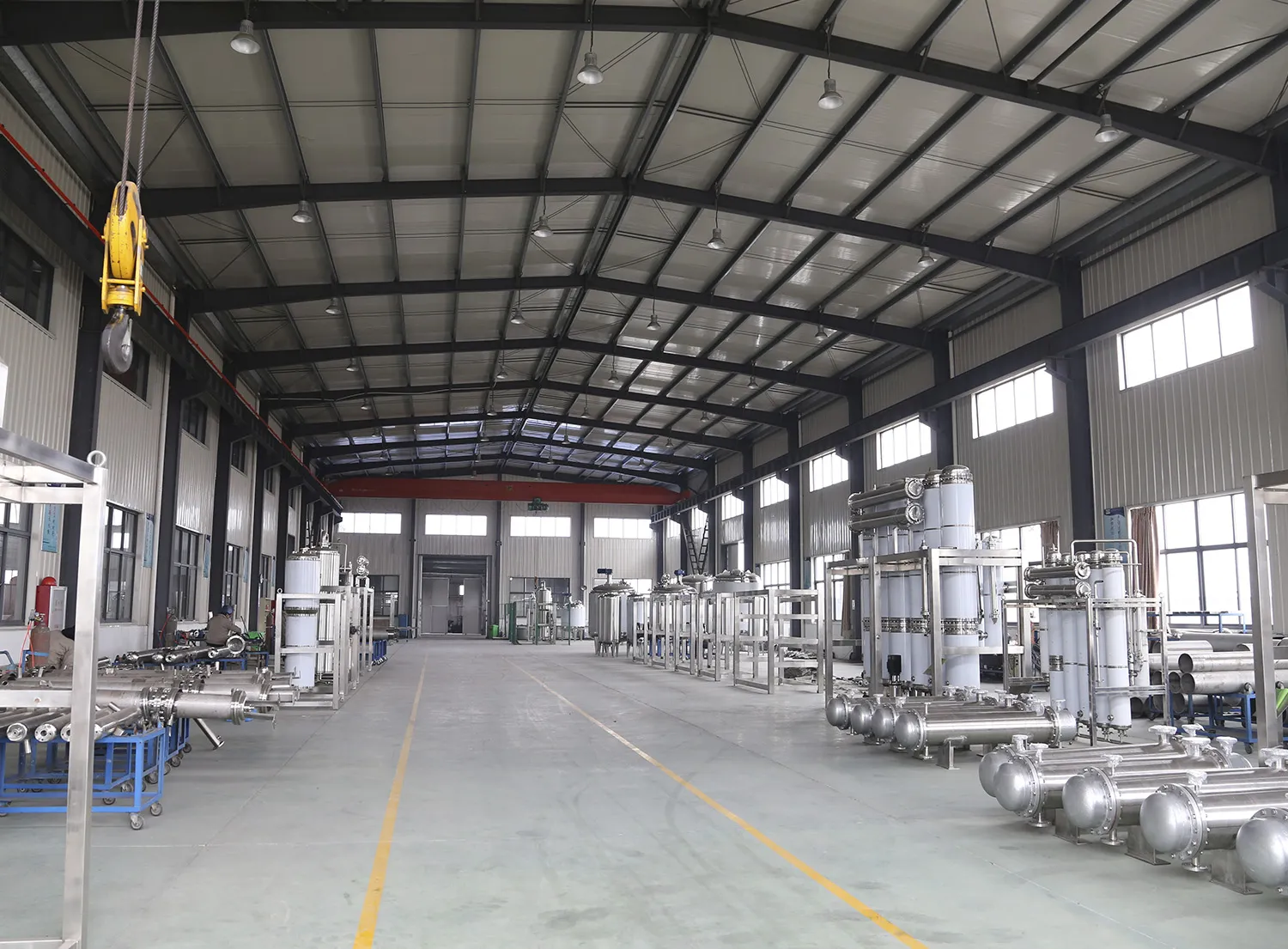
Sterile Pharma Water Systems in the United States
High-purity water is one of the most critical utilities in pharmaceutical production, especially for sterile drugs, injectable formulations, biologics, and vaccines. In practical terms, water treatment sterile manufacturing is essential infrastructure for pharmaceutical manufacturers because it delivers stable, validated water quality that supports compliance with USP, FDA cGMP, and global GMP expectations. In the United States, where regulatory scrutiny is high and production continuity is closely tied to product safety, a properly engineered pharmaceutical water system is not just a utility package; it is a core quality asset.
For manufacturers operating in Boston, New Jersey, Raleigh-Durham, Indianapolis, Houston, San Diego, and other major life science hubs, the choice of purified water and Water for Injection generation technology directly affects batch consistency, contamination control, operating cost, and expansion flexibility. Whether a facility produces aseptic injectables, ophthalmics, dialysis fluids, or biologics, the design of pretreatment, reverse osmosis, electrodeionization, distillation, storage, and distribution loops must align with intended use and validation strategy.
This guide explains the role of water treatment sterile manufacturing in U.S. pharmaceutical facilities, compares major system types, reviews market and technology trends through 2026, and outlines how buyers can evaluate suppliers, budgets, risks, and long-term returns.
Water treatment sterile manufacturing is the engineered production, purification, storage, and distribution of pharmaceutical-grade water used in sterile manufacturing environments. It is designed to produce Purified Water, Water for Injection, and in some facilities Pure Steam, at consistent quality levels that meet pharmacopeia and GMP requirements. U.S. pharmaceutical manufacturers need it because ordinary industrial water treatment cannot reliably control conductivity, TOC, microbial load, endotoxins, and system sanitization to the standards required for sterile drug production.
In sterile manufacturing, water may contact product, equipment, components, closures, clean steam systems, and cleaning processes. Any weakness in the water system can create contamination risks, deviation events, batch rejection, warning letters, or production downtime. That is why leading facilities in the United States increasingly invest in fully integrated, validated systems with automated monitoring, sanitary piping, and lifecycle service support.
Water GradeTypical UseCritical Quality FocusCommon Generation MethodTypical UsersRisk if Poorly ControlledPotable Feed WaterIncoming utility sourceStable pretreatment baselineMunicipal supplyAll plantsScaling, variable feed qualitySoftened WaterPretreatment stageHardness reductionIon exchange softenerUtilities teamsMembrane foulingRO WaterIntermediate purificationSalt and organics reductionReverse osmosisMost GMP plantsInsufficient downstream purityPurified WaterCleaning, formulations, process useConductivity, TOC, microbesRO + EDI or distillationSolid dose, liquid, biologicsBatch quality deviationsWater for InjectionSterile injectable productionEndotoxin and microbial controlMulti-effect distillation or membrane-based WFI where allowedInjectables, vaccinesCritical patient safety riskPure Steam CondensateSIP and sterile contact usesLow contamination carryoverPure steam generatorAseptic facilitiesSanitization failuresThe table above shows that pharmaceutical water is not a single category. Each grade serves a defined role, and each requires a specific control strategy. In the U.S. market, buyers should always match system design to actual process use rather than overspecifying or underspecifying capacity and purity.
A water treatment sterile manufacturing system is a complete pharmaceutical utility platform that converts incoming municipal or well water into validated high-purity water for regulated production. The system usually includes pretreatment, primary purification, polishing, storage, distribution, online instrumentation, automated controls, sanitization functions, and validation documentation.
Unlike traditional industrial water packages, a sterile pharmaceutical water system must be designed around sanitary engineering principles. That means dead-leg control, orbital welding, electropolished stainless steel, hygienic diaphragm valves, slope control, recirculation velocity, thermal or ozone sanitization strategy, and continuous monitoring of parameters such as conductivity, temperature, flow, TOC, and microbial trends. In many U.S. facilities, data integrity and audit trail capability are equally important because operators must demonstrate control during FDA inspections.
Manufacturers need these systems for several reasons:
For example, a sterile injectable plant near Newark or Philadelphia that ships through Port Newark-Elizabeth needs reliable WFI generation not only for compliance but also for uninterrupted supply chain performance. Missed production windows can affect hospital deliveries, contract manufacturing commitments, and export schedules. In biotech corridors such as Cambridge and South San Francisco, where high-value biologics and personalized therapies are produced in small but critical batches, water system reliability has an even greater operational impact.
Companies seeking turnkey support often prefer suppliers that can combine engineering design, equipment manufacturing, installation, commissioning, and validation into one accountable scope. This is one reason many international buyers explore integrated partners for pharmaceutical turnkey projects rather than purchasing isolated utility skids from multiple vendors.
In GMP pharmaceutical facilities, water treatment sterile manufacturing supports much more than formulation water. It is involved across production, cleaning, sterilization support, and environmental control processes. The exact application profile depends on whether the site produces oral liquids, injectables, dialysis solutions, vaccines, cell culture products, or medical consumables.
Main applications include:
The main benefits are equally significant. First, the system provides product quality consistency. Second, it reduces microbial excursions and endotoxin risks. Third, it improves audit readiness because records, alarms, trends, and SOP alignment are easier to maintain in automated systems. Fourth, it lowers total cost of ownership when properly sized, especially in states with high utility costs such as California, Massachusetts, and New York. Fifth, it supports expansion by allowing future generation and distribution capacity upgrades.
Application AreaRequired Water LevelOperational BenefitCompliance BenefitTypical U.S. Facility TypePriority LevelAseptic injectablesWFIStable sterile batch productionStrong endotoxin controlInjectable manufacturersVery HighVial and ampoule washingPW or WFI final rinseReduced particulate and residueBetter line clearance evidenceSterile filling plantsHighEquipment final rinsePW or WFICleaner changeoversSupports cleaning validationMulti-product plantsHighOral liquid manufacturingPurified WaterConsistent formulation qualityControlled microbial profileLiquid dose facilitiesMediumBiologics buffer prepPurified Water or WFIProcess reproducibilityBatch traceabilityBiotech sitesHighPure steam generationWFI feed or high-purity waterReliable SIP performanceSterility assurance supportAseptic plantsVery HighThe explanation from this table is straightforward: not every process needs WFI, but every process does need the correct grade delivered with a validated distribution strategy. Overdesign drives unnecessary capital and utility cost, while underdesign increases deviation risk.
var ctxBar = document.getElementById(‘barChartDemand’).getContext(‘2d’);var chartBar = new Chart(ctxBar, {type: ‘bar’,data: {labels: [‘Injectables’, ‘Biologics’, ‘Vaccines’, ‘Oral Liquids’, ‘Dialysis’, ‘Medical Consumables’],datasets: [{label: ‘Estimated U.S. demand intensity for pharma water systems’,data: [95, 88, 84, 62, 71, 58],backgroundColor: [‘#3366cc’,’#109618′,’#ff9900′,’#dc3912′,’#990099′,’#0099c6′]}]},options: {responsive: true,maintainAspectRatio: false,plugins: { legend: { display: true } },scales: { y: { beginAtZero: true, max: 100 } }}});Pharmaceutical manufacturers in the United States typically evaluate four broad technology routes: RO-based systems, RO + EDI systems, distillation-based systems, and hybrid systems. The best choice depends on water grade, source water variability, energy cost, plant footprint, validation philosophy, and expected production volume.
RO systems use semi-permeable membranes to remove dissolved solids, organics, and many contaminants. They are effective as a primary purification step and are common in Purified Water generation. However, RO alone may not be sufficient for final pharmaceutical specifications without additional polishing and microbial control.
EDI systems are often paired with RO to continuously polish water using electricity and ion-exchange media. RO + EDI is widely used for Purified Water applications because it offers high consistency, chemical reduction, and good operating efficiency.
Distillation systems, especially multi-effect water distillers, remain a preferred technology for WFI in many sterile facilities. They are highly respected for robust endotoxin and microbial control, although energy demand, steam integration, and capital cost can be higher.
Hybrid systems combine membrane and thermal technologies. A plant may use double-pass RO + EDI for Purified Water and a multi-effect distiller downstream for WFI, or deploy advanced pretreatment with membrane-based WFI generation depending on regulatory acceptance and risk assessment.
System TypeBest ForMain StrengthMain LimitationUtility ImpactTypical U.S. Buyer ProfileSingle-pass ROBasic pretreatment or low-criticality useLower capital costLimited polishing capabilityModerate electricitySupport utilitiesDouble-pass ROHigher purity feedImproved rejectionNeeds strong pretreatmentModerate electricityPW-focused plantsRO + EDIPurified WaterConsistent quality, low chemical useFeed water sensitivityEfficient overallOral, biotech, cleaning systemsMulti-effect distillationWFIExcellent endotoxin controlHigher capital and steam demandHigher thermal loadSterile injectable plantsVapor compression distillationWFI with compact designEfficient in some duty rangesMechanical complexityBalanced thermal/electricalMedium-large sterile sitesHybrid membrane + thermalFlexible multi-grade systemsOptimized lifecycle performanceMore complex design integrationCustomizableLarge GMP campusesThis table shows why no single technology is universally best. Facilities in Texas or North Carolina with available utility infrastructure may prioritize robust thermal WFI generation, while compact biotech sites in urban clusters may prefer efficient hybrid designs that save floor space and support phased expansion.
From a technological capability perspective, suppliers should be able to engineer not only RO, EDI, and distillation modules but also integrated storage and distribution loops, online monitoring, and validation packages. IVEN Pharmatech Engineering is known in the market for combining pharmaceutical water treatment units, multi-effect water distillers, purified steam generators, and solution preparation systems into broader regulated plant engineering scopes. Buyers who want to review broader corporate capability can explore the company overview at IVEN Pharmatech Engineering.
Traditional water treatment methods serve many industrial sectors well, but they are generally insufficient for sterile pharmaceutical manufacturing. Municipal-grade filtration, softening, standard deionization, and non-sanitary storage tanks may produce technically clean water, yet they do not provide the consistent microbiological control, documentation, and hygienic design expected in regulated sterile operations.
The decision is therefore not between two equal options. For any facility producing injectables, ophthalmics, or high-risk sterile products in the United States, pharmaceutical-grade water treatment is the appropriate choice. The more relevant comparison is how advanced the pharmaceutical water system should be based on the plant’s risk profile.
Comparison PointTraditional Water TreatmentSterile Pharma Water SystemOperational ImpactCompliance ImpactPreferred ChoiceDesign standardIndustrial utility focusSanitary GMP designBetter cleanabilitySupports inspectionsSterile pharma systemMicrobial controlLimitedContinuous control strategyFewer excursionsHigher assuranceSterile pharma systemDocumentationBasic manualsDQ/IQ/OQ/PQ supportFaster qualificationAudit readinessSterile pharma systemDistribution loopOften static or low hygieneRecirculating sanitary loopStable water qualityLower contamination riskSterile pharma systemMonitoringPeriodic onlyOnline data-rich monitoringFaster troubleshootingBetter data integritySterile pharma systemLifecycle suitabilityLower initial cost onlyHigher long-term valueReduced downtimeLower deviation riskSterile pharma systemIn practice, traditional systems may still be appropriate for non-product-contact support functions outside GMP scope, but once water enters product, cleaning validation, aseptic support, or sterile processing, the decision should shift toward purpose-built pharmaceutical infrastructure.
var ctxComp = document.getElementById(‘comparisonChart’).getContext(‘2d’);var chartComp = new Chart(ctxComp, {type: ‘bar’,data: {labels: [‘Compliance’, ‘Microbial Control’, ‘Validation Support’, ‘Operating Stability’, ‘Expandability’, ‘Lifecycle ROI’],datasets: [{label: ‘Traditional water treatment’,data: [35, 30, 20, 45, 40, 50],backgroundColor: ‘#dc3912’},{label: ‘Sterile pharma water system’,data: [92, 90, 94, 88, 84, 86],backgroundColor: ‘#3366cc’}]},options: {responsive: true,maintainAspectRatio: false,plugins: { legend: { display: true } },scales: { y: { beginAtZero: true, max: 100 } }}});The U.S. market for pharmaceutical water treatment is supported by continued investment in sterile injectables, biologics, vaccine resilience, CDMO expansion, and domestic manufacturing initiatives. States such as Massachusetts, New Jersey, California, North Carolina, Indiana, and Maryland continue to attract pharma and biotech capital, while logistics hubs connected to ports in Los Angeles, Long Beach, Houston, Savannah, and New York/New Jersey support equipment importation and project execution.
Several drivers are shaping the market:
Looking toward 2026, future trends are likely to include smarter automation, remote diagnostics, predictive maintenance, lower-energy distillation, membrane optimization, more advanced sanitization strategies, and stronger emphasis on reclaiming process efficiency without compromising GMP compliance. Policy direction in the United States also continues to favor resilient domestic manufacturing for critical medicines, which indirectly supports investment in utility systems including pharmaceutical water generation.
var ctxLine = document.getElementById(‘lineChartGrowth’).getContext(‘2d’);var chartLine = new Chart(ctxLine, {type: ‘line’,data: {labels: [‘2021’, ‘2022’, ‘2023’, ‘2024’, ‘2025’, ‘2026’],datasets: [{label: ‘Estimated U.S. sterile pharma water system market index’,data: [100, 108, 117, 129, 141, 156],borderColor: ‘#109618’,backgroundColor: ‘rgba(16,150,24,0.1)’,fill: false,tension: 0.3}]},options: {responsive: true,maintainAspectRatio: false,plugins: { legend: { display: true } },scales: { y: { beginAtZero: false } }}});var ctxArea = document.getElementById(‘areaChartTrend’).getContext(‘2d’);var chartArea = new Chart(ctxArea, {type: ‘line’,data: {labels: [‘2021’, ‘2022’, ‘2023’, ‘2024’, ‘2025’, ‘2026’],datasets: [{label: ‘Shift toward automated and sustainable systems’,data: [28, 35, 44, 56, 68, 79],borderColor: ‘#ff9900’,backgroundColor: ‘rgba(255,153,0,0.25)’,fill: true,tension: 0.25}]},options: {responsive: true,maintainAspectRatio: false,plugins: { legend: { display: true } },scales: { y: { beginAtZero: true, max: 100 } }}});The line chart illustrates broad growth in demand, while the area chart shows the increasing share of projects prioritizing automation, utility efficiency, and sustainability features. This matters for U.S. buyers because systems purchased today should still be competitive and compliant several years from now.
Choosing the right supplier is often more important than choosing the lowest equipment price. The best manufacturers or suppliers combine engineering discipline, regulated manufacturing experience, validation knowledge, and service responsiveness. A strong water system vendor should understand not only purification technology but also pharmaceutical process integration, FDA expectations, and lifecycle support needs.
Key evaluation factors include:
Supplier Evaluation PointWhy It MattersWhat to AskGood SignWarning SignBuyer PriorityRegulatory knowledgeSupports compliant designHave you supplied FDA-oriented projects?Clear GMP referencesGeneric industrial answersVery HighEngineering depthReduces integration riskCan you design full loops and utilities?Process + mechanical + controls teamOnly skid sales focusHighManufacturing qualityAffects durability and hygieneHow are welds documented?Traceable fabrication recordsLimited QA visibilityVery HighValidation supportSaves startup timeDo you provide IQ/OQ packages?Structured qualification documentsBuyer must create everythingHighService networkMinimizes downtimeWhat is your response plan in the U.S.?Defined support pathwayUnclear service commitmentHighTotal solution capabilityImproves project deliveryCan you support turnkey integration?Multi-system project experienceFragmented vendor responsibilityMedium to HighFrom a manufacturing capability standpoint, many buyers prefer companies that build multiple categories of pharmaceutical equipment rather than only standalone utility skids. This often indicates stronger cross-functional design and integration experience. IVEN Pharmatech Engineering, for example, operates specialized manufacturing bases across pharmaceutical filling and packaging machinery, pharmaceutical water treatment systems, intelligent logistics systems, and blood collection tube equipment, which can be valuable for projects that need coordinated utilities and process lines.
For buyers comparing equipment or project options, it can also help to review available product ranges through a supplier’s pharmaceutical equipment portfolio before moving into formal technical discussion.
Capital investment for water treatment sterile manufacturing in the United States varies widely depending on capacity, water grade, automation level, utility integration, documentation scope, and installation complexity. A small Purified Water package for a development or pilot facility may cost far less than a fully redundant WFI generation and distribution system for a commercial injectable plant.
Budget planning should separate at least six cost categories: equipment, engineering, piping and installation, automation and software, validation, and operating utilities. Many buyers underestimate the cost of distribution loop design, commissioning, and qualification, even though these elements strongly influence final system performance.
Cost ElementLower Complexity RangeHigher Complexity RangeKey Cost DriverCan It Be Optimized?ROI ImpactPretreatment package$20,000-$80,000$100,000+Feed water qualityYesProtects core systemRO/EDI generation$80,000-$250,000$400,000+Flow rate and redundancyYesMajor operating valueWFI distillation$150,000-$400,000$700,000+Capacity and steam integrationPartlyCritical for sterile outputStorage and distribution loop$100,000-$300,000$800,000+Plant layout and loop sizeYesStrong quality effectAutomation and instrumentation$30,000-$120,000$250,000+Data and control complexityYesImproves reliabilityValidation and startup$25,000-$100,000$200,000+Documentation depthYesFaster release to productionThe table indicates that lifecycle thinking is more useful than focusing on first cost. For ROI, common gains come from reduced batch loss, lower downtime, fewer cleaning deviations, reduced chemical consumption, better energy efficiency, and smoother inspections. In high-value sterile manufacturing, one avoided contamination event may justify significant investment.
A realistic ROI model for a U.S. facility should include:
Service capability matters strongly here. A supplier that can support feasibility, design review, equipment customization, installation, commissioning, qualification, training, and optimization helps prevent hidden costs later. IVEN Pharmatech Engineering positions itself around this full-lifecycle approach, which is particularly relevant for overseas procurement projects entering the United States market or for investors building new facilities with broad utility and process scope.
Investment in pharmaceutical water infrastructure carries strategic value, but it also comes with technical and project risks. The most common failure point is not the core technology itself; it is poor alignment between the process requirement, the engineering design, and the operational reality of the plant.
Important considerations include source water variability, peak demand, redundancy expectations, heat load, sanitization philosophy, future expansion, and plant layout constraints. In coastal or industrial regions of the United States, incoming water chemistry may fluctuate seasonally, requiring more robust pretreatment. In dense urban facilities, utility room footprint and ceiling height can strongly influence the technology choice.
Potential risks include:
One practical mitigation strategy is to engage suppliers early and request a documented user requirement specification, utility balance, and phased implementation roadmap. Buyers should also confirm spare parts planning, local technical support, and long-term service communication. If you are evaluating project support or need direct consultation, a useful next step is to contact the engineering team for project discussion.
For companies building complete plants, risk also decreases when the water system is coordinated with filling lines, washing equipment, sterilization strategy, and material handling rather than designed in isolation. This integrated view is particularly important in sterile injectable and infusion projects.
1. What water grades are most important in sterile pharmaceutical manufacturing?Purified Water and Water for Injection are the most important. Pure Steam is also essential in many aseptic facilities for sterilization and SIP support.
2. Is RO + EDI enough for all sterile applications?No. RO + EDI is widely used for Purified Water, but WFI applications often require distillation or another validated approach acceptable for the intended regulatory and process context.
3. How often should a pharmaceutical water system be sanitized?The answer depends on design, use pattern, monitoring data, and sanitization method. A validated preventive schedule should be defined during qualification and adjusted based on trending.
4. What industries beyond injectable drugs use these systems?Biologics, vaccines, oral liquids, dialysis solutions, ophthalmics, medical consumables, and some device manufacturing segments all rely on pharmaceutical water systems.
5. What should U.S. buyers ask first when comparing suppliers?Ask for GMP project references, water quality guarantees, material specifications, validation document examples, and service support plans for the United States.
6. How long can a well-built system last?With proper maintenance, sanitary stainless steel construction and disciplined operation, core equipment can remain productive for many years, often well beyond a decade.
7. Why do turnkey capabilities matter?Turnkey capability reduces interface risk between utilities, process equipment, controls, installation, and qualification. This is especially useful for greenfield projects and fast-track expansions.
8. Are sustainability features becoming important in 2026 planning?Yes. U.S. manufacturers increasingly prioritize water recovery, lower-energy thermal systems, smarter controls, and optimized sanitization cycles to reduce resource consumption while maintaining GMP performance.
9. Can an international supplier serve the U.S. market effectively?Yes, if the supplier demonstrates strong compliance knowledge, proven export execution, robust documentation, and reliable service coordination. Experience with EU GMP, U.S. FDA cGMP, WHO GMP, and PIC/S expectations is a meaningful advantage.
10. What makes IVEN Pharmatech Engineering relevant for this market?The company combines pharmaceutical water treatment expertise with broader sterile manufacturing, filling, packaging, logistics, and turnkey project capability. For U.S. buyers, that can be valuable where integrated engineering, customized design, and lifecycle support are more important than buying a standalone utility skid at the lowest upfront price.
In summary, water treatment sterile manufacturing is a foundational investment for pharmaceutical production in the United States. It supports patient safety, regulatory compliance, stable operations, and long-term factory performance. The most successful projects align system type, plant demand, validation strategy, and supplier capability from the beginning. Buyers who evaluate technology, lifecycle cost, and integration quality together are far more likely to achieve a reliable and audit-ready result.
-
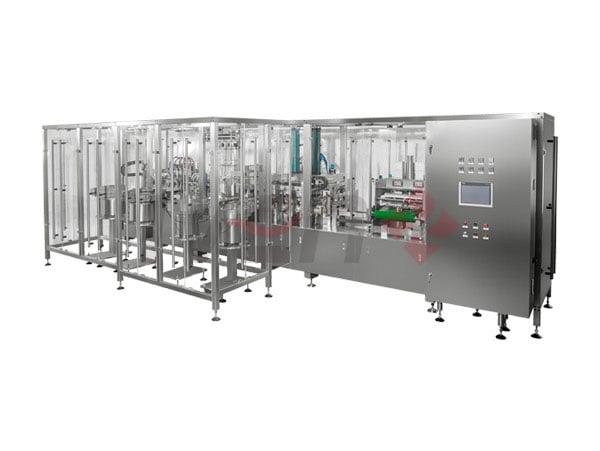
PD Solution Contamination Control in the United States
In the United States, PD solution production contamination prevention has become a strategic priority for manufacturers building or upgrading pharmaceutical facilities under FDA cGMP expectations. For peritoneal dialysis solution lines, contamination control is not one single machine. It is a coordinated production concept that combines water treatment, solution preparation, closed transfer, hygienic filling, environmental control, sterilization, inspection, packaging, validation, and digital monitoring. Large pharmaceutical and medical device companies evaluate these systems when launching new capacity in hubs such as New Jersey, Boston, Indianapolis, Houston, and San Diego, where regulatory pressure, product safety expectations, and supply chain resilience all matter.
For buyers in the United States market, the most effective approach is to evaluate contamination prevention not only by initial equipment price, but also by sterility assurance, batch consistency, cleaning validation, operator intervention reduction, utility efficiency, documentation quality, and lifecycle service support. Companies planning a new line often compare integrated systems from specialized engineering partners with piecemeal procurement from multiple vendors. A structured decision can reduce commissioning delays, deviation rates, and long-term operating costs.
PD solution production contamination prevention refers to the full set of engineering controls, equipment design features, production procedures, and validation practices used to keep peritoneal dialysis solution free from microbial, particulate, chemical, and cross-product contamination during manufacturing. In U.S. pharmaceutical production, this includes purified water and WFI systems, sanitary solution mixing and holding tanks, aseptic or terminally sterilized filling lines, cleanroom zoning, CIP/SIP capability, container closure integrity, leak detection, automated transfer, and in-process monitoring.
The direct answer for procurement teams is simple: if a PD solution line cannot demonstrate reliable contamination prevention, it will struggle with FDA inspection readiness, product release consistency, and long-term operational economics. That is why contamination prevention is reviewed early in plant expansion plans, particularly for facilities near major logistics corridors such as the Port of Houston, Port Newark, Los Angeles/Long Beach, and Savannah, where imported equipment, stainless steel components, and packaging materials move through tightly scheduled projects.
In practical terms, contamination prevention protects patients, supports batch release, reduces recall exposure, and helps manufacturers maintain stable output. For dialysis-related products, this is especially important because end users are medically vulnerable and the product is often used frequently and in large volumes.
Contamination Risk Typical Source Operational Impact Preferred Control Validation Focus Why It Matters in the United States Microbial contamination Water, tanks, hoses, open handling Batch rejection, sterility failure Closed system design, SIP, environmental control Bioburden trend and sterility assurance Strong FDA emphasis on process hygiene and risk control Particulate contamination Container defects, component shedding Visual inspection failures Particle control, filtration, automated inspection Particle counts and visual reject rates Critical for patient safety and complaint reduction Chemical residue Cleaning agents, lubricants, cross-product carryover Out-of-spec chemistry Validated CIP, material compatibility Cleaning validation and residue limits Important for multi-product sites in contract manufacturing Endotoxin risk Water system biofilm, poor sanitation Release delay or rejection Hot water loops, hygienic dead-leg control Endotoxin testing and loop mapping High scrutiny for water-intensive sterile manufacturing Cross-contamination Shared vessels, transfer lines, operator error Batch mix-up, regulatory finding Dedicated circuits or validated changeover Line clearance and traceability Essential for facilities serving multiple formulations Seal integrity failure Poor filling, weak closure, damaged containers Leaks and loss of sterility Container closure integrity testing Leak test and seal parameter qualification Critical for distribution across long U.S. transport routesThe table above shows why contamination prevention must be viewed as a system rather than a single point solution. U.S. buyers usually gain the best results when risk mapping is completed before equipment selection.
In pharmaceutical manufacturing, PD solution production contamination prevention is used to ensure that every stage of the process preserves product quality from raw materials to final packed units. For peritoneal dialysis solutions, the process often includes water preparation, ingredient dissolution, pH and conductivity control, filtration, temporary storage, container filling, sealing, sterilization, cooling, leak testing, visual inspection, labeling, and secondary packaging.
Each stage introduces different contamination risks. Water systems can introduce endotoxins or microbes. Open mixing steps can invite airborne particles. Manual transfer raises operator-related risks. Filling and sealing defects can create post-process contamination. Contamination prevention technology reduces these vulnerabilities by using closed piping, sanitary pumps, orbital welding, automated recipe control, laminar airflow, isolated filling zones, and robust thermal sterilization profiles.
In the United States, this is commonly applied in:
When companies assess suppliers, they often seek partners that understand both process equipment and regulatory delivery. An international engineering company such as IVEN Pharmatech Engineering is relevant to this discussion because it combines pharmaceutical process knowledge with experience in integrated lines, water systems, packaging, and compliance-oriented project execution for global clients, including the U.S. market.
The primary application is safe, repeatable production of peritoneal dialysis solution at commercial scale. However, the benefits extend far beyond contamination avoidance alone. U.S. manufacturers increasingly use contamination prevention investments to improve audit readiness, operator productivity, and total equipment effectiveness.
Main applications include sterile or low-bioburden solution preparation, hygienic transfer between unit operations, controlled filling of soft bags, bottles, or specialty containers, terminal sterilization compatibility, and integrated inspection before release. Modern lines also connect contamination control with MES or SCADA platforms so that alarms, recipes, trends, electronic batch records, and maintenance events can be traced in real time.
Key benefits for pharmaceutical plants in cities such as Raleigh-Durham, Philadelphia, St. Louis, and Minneapolis include:
Application Area Typical Equipment Contamination Challenge Benefit Achieved KPI Often Used U.S. Buyer Relevance Water preparation RO, purified water, WFI loop Biofilm and endotoxin Stable water quality Conductivity, TOC, endotoxin Supports cGMP utilities qualification Solution compounding Mixing tanks, transfer skids Open exposure, carryover Closed hygienic processing Bioburden trend, batch consistency Useful in multi-batch daily operations Filling and sealing Automated filling line Particle and seal failure Reduced intervention, stronger integrity Reject rate, seal strength Critical for large-volume product release Sterilization Autoclave or inline thermal system Under-processing or over-processing Reliable sterility assurance F0 value, temperature mapping Key in FDA validation packages Inspection Leak tester, vision system Undetected defects Higher outgoing quality Detection sensitivity, false reject rate Supports complaint reduction Packaging and logistics Cartoning, palletizing, warehouse system Handling damage and mix-ups Traceability and product protection Serialization accuracy, damage rate Important for nationwide distributionThe table highlights that benefits are cumulative. If one stage is weak, the line can still underperform even when the filling machine itself is advanced.
var ctx1 = document.getElementById(‘lineChartMarket’).getContext(‘2d’);var chart1 = new Chart(ctx1, { type: ‘line’, data: { labels: [‘2022′,’2023′,’2024′,’2025′,’2026′,’2027′,’2028′,’2029′,’2030’], datasets: [{ label: ‘U.S. market index for PD solution contamination prevention’, data: [100,108,117,128,140,153,167,182,198], borderColor: ‘rgb(54, 162, 235)’, backgroundColor: ‘rgba(54, 162, 235, 0.15)’, fill: false, tension: 0.3 }] }, options: { responsive: true, maintainAspectRatio: false }});The line chart above illustrates a realistic growth trajectory for U.S. demand as dialysis therapy volume, domestic manufacturing, and compliance upgrades continue to rise through 2030.
There is no universal line configuration. The right model depends on production scale, container format, sterility strategy, utility infrastructure, and available cleanroom space. U.S. buyers commonly evaluate the following technical options.
Closed compounding systems reduce operator contact and are favored when contamination control and batch reproducibility are both priorities. Automated CIP/SIP systems help plants standardize cleaning and sterilization between campaigns. Non-PVC soft bag lines may be attractive for flexible packaging, while PP bottle or glass bottle lines can fit different product and market requirements. Inline filtration and degassing support solution quality. Vision inspection and leak detection protect outgoing product integrity.
Technological capabilities matter here. IVEN Pharmatech Engineering is known in the market for integrated capabilities that cover IV solution lines, dialysis solution lines, water treatment, solution preparation and distribution, conveying, and end-of-line packaging. For U.S. buyers, this matters because contamination prevention is stronger when upstream and downstream interfaces are engineered together rather than assembled from disconnected modules.
Type or Model Best Fit Main Technical Features Contamination Control Strength Possible Limitation Typical U.S. Use Case Manual-assisted semi-automatic line Smaller capacity or pilot scale Basic tanks, partial automation Moderate Higher operator dependence R&D or specialty low-volume product Fully automatic closed line Commercial volume production Automated transfer, CIP/SIP, recipe control High Higher capital cost Large pharma expansion in New Jersey or Texas Soft bag PD solution line Flexible packaging strategy Form-fill-seal or bag handling system High Film qualification required Home-care focused supply programs PP bottle line Robust container preference Bottle molding or integrated filling High Footprint and utility load High-output sterile liquid plants Glass bottle line Specific compatibility or legacy format Washing, depyrogenation, filling, sealing High Breakage management Facilities upgrading older injectable lines Modular skid-based system Fast installation projects Preassembled skids, digital controls High if well integrated Customization limits in some layouts Accelerated projects near contract manufacturing hubsThis comparison shows why model selection should be tied to lifecycle needs. A premium line may save money over time if it reduces manual cleaning, downtime, and deviation investigations.
Many U.S. manufacturers compare a dedicated integrated PD solution line with alternative approaches such as adapting a general sterile liquid line, outsourcing filling to a CDMO, or using multiple stand-alone units from separate suppliers. The best option depends on batch size, internal expertise, launch speed, and long-term cost priorities.
An integrated dedicated line usually offers the best contamination prevention because interfaces are designed together. A retrofitted general liquid line may reduce upfront investment but often creates compromises in flow, cleaning, or documentation. Outsourcing can reduce immediate capital exposure, yet it may weaken supply control and make tech transfer more complex.
Option Upfront Cost Compliance Readiness Contamination Risk Profile Scalability Best For Dedicated integrated PD line High Strong when supplied with documentation Lowest among options High Long-term strategic manufacturing Retrofitted sterile liquid line Medium Variable Moderate to high Medium Brownfield site upgrades Stand-alone multi-vendor units Medium Complex integration burden Moderate Medium Experienced owner-led engineering teams CDMO outsourcing Low capex Depends on partner Process control outsourced Medium Short-term launch or uncertain demand Manual-heavy local build Low Often weaker Higher Low Not ideal for large U.S. sterile supply Modular turnkey solution Medium to high Strong if validation package is complete Low High Fast-track greenfield or expansion projectsThe table makes one point clear: the cheapest path rarely delivers the lowest total risk. Buyers should score alternatives against FDA documentation strength, utility compatibility, and changeover performance before deciding.
var ctx2 = document.getElementById(‘barChartDemand’).getContext(‘2d’);var chart2 = new Chart(ctx2, { type: ‘bar’, data: { labels: [‘Dialysis products’,’IV solutions’,’CDMO sterile liquids’,’Hospital supply’,’Biopharma support fluids’,’Medical consumables’], datasets: [{ label: ‘Estimated U.S. equipment demand score’, data: [92,88,76,64,58,49], backgroundColor: [ ‘rgb(75, 192, 192)’, ‘rgb(54, 162, 235)’, ‘rgb(255, 159, 64)’, ‘rgb(153, 102, 255)’, ‘rgb(255, 99, 132)’, ‘rgb(201, 203, 207)’ ] }] }, options: { responsive: true, maintainAspectRatio: false }});This bar chart shows where demand for contamination prevention investments is strongest. Dialysis and IV solution plants remain the leading segments due to volume, sterility expectations, and continuous supply obligations.
The United States market is being driven by four forces: domestic pharmaceutical manufacturing expansion, pressure for more resilient healthcare supply chains, stricter quality oversight, and growing interest in automation that reduces intervention risk. The market includes greenfield projects, site modernization, utility upgrades, packaging line synchronization, and digital quality systems.
Buyers in coastal states often factor in import timing and commissioning logistics through the ports of Long Beach, Los Angeles, Newark, Charleston, and Houston. Midwest facilities may prioritize service response, spare parts warehousing, and factory acceptance planning to avoid long project delays. East Coast clusters around New Jersey and Massachusetts continue to see high demand for sophisticated compliance documentation and validation support.
Looking toward 2026 and beyond, the main trends are clear:
var ctx3 = document.getElementById(‘areaChartTrend’).getContext(‘2d’);var chart3 = new Chart(ctx3, { type: ‘line’, data: { labels: [‘2022′,’2023′,’2024′,’2025′,’2026′,’2027′,’2028′,’2029′,’2030’], datasets: [{ label: ‘Share of closed and automated contamination control solutions’, data: [38,42,47,53,59,65,70,74,78], fill: true, backgroundColor: ‘rgba(75, 192, 192, 0.25)’, borderColor: ‘rgb(75, 192, 192)’, tension: 0.3 }] }, options: { responsive: true, maintainAspectRatio: false }});The area chart reflects the expected shift from conventional mixed-manual production toward more closed, automated, and data-rich contamination control strategies.
Manufacturing capabilities are becoming more important in supplier evaluation as well. Buyers increasingly favor companies with dedicated production plants for core equipment categories rather than trading-only organizations. IVEN Pharmatech Engineering, for example, operates specialized manufacturing facilities covering filling and packaging machinery, pharmaceutical water treatment, intelligent conveying and logistics, and blood collection tube equipment. For a U.S. buyer, this kind of manufacturing depth can improve consistency in fabrication, schedule coordination, and spare parts support for large integrated projects.
Choosing the right supplier requires more than comparing quotations. In the United States, serious buyers evaluate technical fit, documentation quality, project management discipline, regulatory understanding, and post-installation support. A strong supplier should be able to discuss contamination control strategy at the system level, not only individual machine specifications.
Key questions include:
Evaluation Criterion Why It Matters What Good Looks Like Warning Sign How to Verify Relative Priority Regulatory knowledge Drives inspection readiness Clear GMP-based design rationale Generic claims without evidence Review URS response and sample documents Very high Process integration ability Prevents interface failures One supplier manages critical interfaces Owner must coordinate everything P&ID and layout review Very high Fabrication quality Affects hygiene and durability High-grade stainless steel and weld quality Inconsistent finish or weak documentation Factory audit or FAT High Validation package Speeds startup and release IQ/OQ templates, FAT/SAT protocols Minimal documentation only Document sample review High Service responsiveness Reduces downtime Training, remote support, spare parts Slow escalation path Ask for SLA and references High Project delivery record Reduces schedule risk Documented installations and milestones Few comparable projects Reference checks Medium to highThe table should be used as a practical scoring sheet during supplier interviews. Many U.S. teams assign weighted values to each criterion and compare finalists side by side.
var ctx4 = document.getElementById(‘comparisonChartSupplier’).getContext(‘2d’);var chart4 = new Chart(ctx4, { type: ‘bar’, data: { labels: [‘Regulatory fit’,’Integration’,’Documentation’,’Manufacturing depth’,’Service support’,’Cost efficiency’], datasets: [{ label: ‘Integrated specialist supplier score’, data: [93,95,90,88,84,86], backgroundColor: ‘rgb(153, 102, 255)’ }, { label: ‘Multi-vendor assembled approach score’, data: [72,61,66,70,58,80], backgroundColor: ‘rgb(255, 159, 64)’ }] }, options: { responsive: true, maintainAspectRatio: false }});The comparison chart illustrates a common result in supplier evaluations: integrated specialists may not always be the lowest initial bidder, but they often score better on contamination control, documentation, and project coordination.
Service capabilities should also be weighed heavily. A supplier that can provide feasibility input, engineering design, equipment customization, installation, commissioning, validation support, quality documentation, staff training, and after-sales support reduces project fragmentation. Buyers seeking a more integrated route can review turnkey pharmaceutical project capabilities when considering how much scope to keep under a single accountable partner.
Investment cost varies widely by line speed, automation level, container type, cleanroom classification, sterilization method, utility scope, and validation depth. In the U.S. market, budget planning should include direct equipment cost and all associated project costs such as installation, piping, automation integration, FAT/SAT, qualification, operator training, and spare parts.
A typical budgeting mistake is to focus only on the line itself while underestimating utility and compliance expenses. Water systems, clean steam, HVAC balancing, electrical integration, data systems, and warehouse flow can significantly affect the final budget. Projects near major labor-cost centers such as Boston, San Francisco, and New York metro areas may also see higher installation and validation spending than projects in lower-cost regions.
Cost Element What It Includes Typical Budget Impact Risk If Underestimated ROI Effect Planning Tip Core process equipment Tanks, transfer, filling, sterilization Highest Scope gaps and redesign Drives throughput and quality Define URS clearly before quote comparison Water and utility systems PW/WFI, steam, compressed air High Commissioning delay Strong impact on compliance and uptime Model utility loads early Cleanroom and HVAC interfaces Zoning, air changes, pressure cascade Medium to high Environmental control weakness Supports contamination reduction Coordinate with layout design from day one Automation and data systems SCADA, historian, recipes, alarms Medium Weak traceability Improves labor efficiency Specify integration standards early Validation and documentation DQ, FAT, SAT, IQ/OQ support Medium Slow release readiness Shortens startup curve Request sample document sets before award Training and lifecycle service Operator training, spare parts, remote support Low to medium Higher downtime later Protects long-term ROI Include year-one support in contractROI typically comes from lower batch rejection, reduced labor, faster line clearance, lower utility waste, fewer quality investigations, and improved uptime. For many U.S. plants, the payback horizon is influenced less by unit margin alone and more by the cost of supply interruption. If a contamination event stops a high-volume dialysis solution line, the financial impact can be substantial because of missed shipments, rework, testing costs, and market risk.
Buyers comparing suppliers can explore broader equipment categories through the pharmaceutical equipment portfolio to understand how contamination prevention ties into filling, water, logistics, and packaging systems rather than treating procurement as a single-machine purchase.
The biggest risk is assuming that any sterile liquid line can be adapted easily for PD solution without process-specific design work. In reality, contamination prevention depends on flow path geometry, material selection, sterilization logic, human-machine interfaces, cleaning coverage, and line layout. A line that looks adequate on paper may underperform during qualification if hold times, drainability, or seal consistency were not properly engineered.
Common investment risks include:
Service planning is where many projects succeed or fail. An effective partner should not disappear after shipment. U.S. manufacturers usually benefit from suppliers that can support installation, commissioning, qualification, training, troubleshooting, and performance optimization over time. IVEN Pharmatech Engineering positions itself as a lifecycle-oriented partner, which aligns well with buyers that need engineering plus operational continuity rather than equipment only.
Another point often overlooked is geographic logistics. If your site is in Memphis, Cleveland, or Salt Lake City, transit planning, customs timing, and field service mobilization can influence schedule risk as much as equipment fabrication itself. For imported systems, buyers should align port selection, inland transport, insurance, and installation sequencing well before SAT.
1. Is PD solution production contamination prevention a single machine?No. It is a system-level approach covering water treatment, solution preparation, transfer, filling, sterilization, inspection, packaging, environmental control, and validation.
2. What does PD usually refer to in this context?In most pharmaceutical manufacturing discussions, PD solution refers to peritoneal dialysis solution, a high-safety fluid product that requires strong contamination control.
3. What is the most important contamination risk in PD solution lines?There is no single risk, but microbial contamination, endotoxin control, particulate contamination, and seal integrity are typically the most critical.
4. Do U.S. manufacturers prefer integrated or multi-vendor systems?Many prefer integrated solutions for critical sterile and dialysis-related production because it simplifies interface management, documentation, and accountability.
5. How important is water system quality?Extremely important. Poor water quality can undermine the entire contamination prevention strategy, especially in high-volume sterile liquid and dialysis applications.
6. What documentation should a supplier provide?At minimum, buyers often expect design documents, FAT/SAT protocols, material certificates, as-built records, manuals, and IQ/OQ support packages, with PQ assistance where agreed.
7. How do I compare suppliers fairly?Use a weighted matrix covering regulatory fit, hygienic design, automation, validation support, project delivery, service responsiveness, and total cost of ownership.
8. What future trends should buyers watch in 2026?Expect more closed systems, digital batch traceability, predictive maintenance, sustainability-focused utility design, and stronger contamination control strategies aligned with global GMP expectations.
9. Can one company supply the full line and supporting systems?Yes, some engineering-driven manufacturers can provide integrated lines, water systems, conveying, packaging, and turnkey project support, which can reduce coordination risk.
10. Where can U.S. buyers start a discussion about project scope?A practical first step is to contact an experienced engineering supplier with turnkey and validation capabilities through the project consultation contact page and share your intended capacity, container type, utility status, and compliance goals.
For pharmaceutical companies in the United States, the best contamination prevention strategy for PD solution production is the one that matches product risk, capacity targets, internal engineering resources, and regulatory expectations. A thoughtful investment can strengthen patient safety, improve operational reliability, and protect long-term manufacturing competitiveness.
-
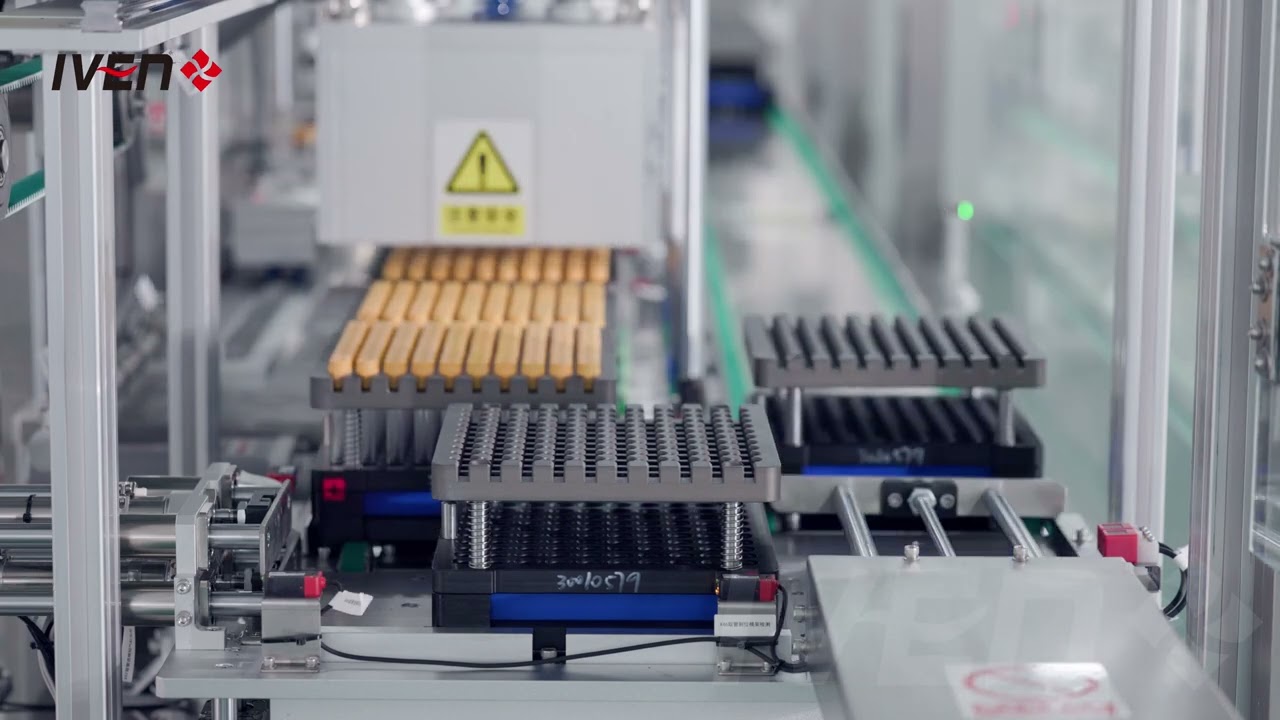
Micro Blood Tube vs Capillary Tube in the United States
For manufacturers in the United States, the comparison between a micro blood tube and a capillary tube matters most in blood collection, diagnostics, and medical consumables production rather than in bulk drug processing. A micro blood tube is typically a small plastic collection tube designed to receive and store low-volume blood samples, while a capillary tube is a narrow glass or plastic tube mainly used to draw, transfer, or measure tiny blood volumes. In regulated production environments, companies evaluate both based on automation compatibility, specimen integrity, material selection, labeling, downstream testing workflow, and compliance with FDA, cGMP, ISO 13485, and CLSI-related expectations.
In the U.S. market, demand comes from diagnostic device makers, hospital supply chains, pediatric testing providers, point-of-care brands, central laboratories, and contract manufacturers serving healthcare systems in cities such as Boston, San Diego, Raleigh-Durham, Houston, and Minneapolis. Buyers also consider supply resilience through ports and logistics hubs such as Los Angeles, Long Beach, Savannah, New York/New Jersey, and Chicago. For companies planning line expansion, equipment decisions should focus on output stability, validation readiness, changeover efficiency, and total lifecycle cost rather than unit price alone.
The choice between micro blood tubes and capillary tubes is important because the two products support different clinical and manufacturing workflows. Micro blood tubes are usually better suited to labeled specimen collection, closed handling, additive integration, transport, centrifugation compatibility, and automated filling or packaging lines. Capillary tubes are preferred when the requirement is direct micro-volume collection, hematocrit testing, short-path sample transfer, or simple low-cost manual use.
For large pharmaceutical and medical device companies in the United States, this decision is rarely isolated. It affects line design, consumable sourcing, validation protocols, warehouse automation, kit assembly, sterility strategy, transportation stability, and customer usability. A pediatric diagnostics brand in Philadelphia may prioritize low draw volume and barcode traceability. A contract manufacturer in Indiana may focus on high-speed assembly, dimensional consistency, and reduced scrap. A laboratory supplier in California may care more about capillary precision, anticoagulant coating, and packaging density.
In practice, the better choice depends on the intended finished product. If the goal is a ready-to-use collection device for heel stick or finger stick blood collection, micro blood tubes often deliver stronger commercial value. If the goal is blood transfer or hematocrit measurement with minimal complexity, capillary tubes may be more appropriate.
Decision FactorMicro Blood TubeCapillary TubeTypical U.S. Buyer PriorityPrimary functionCollect, store, transport small blood samplesDraw or transfer very small blood volumesWorkflow fitMaterialMainly plastic, sometimes specialty polymersGlass or plasticBreakage risk and safetyAdditivesOften supports anticoagulants or clot activatorsMay be plain or coated depending on useTest compatibilityAutomation suitabilityHigh for filling, capping, labeling, packingLower to moderate depending on formatProduction efficiencyTransport readinessGood for organized sample logisticsLimited unless integrated into a kitDistribution securityTypical end marketDiagnostics, pediatrics, point-of-care, lab supplyHematocrit, transfer, specialty lab useCommercial scaleThe table above shows why many U.S. manufacturers treat micro blood tubes as a scalable finished consumable product, while capillary tubes are often treated as a simpler component or specialty accessory.
Strictly speaking, neither micro blood tubes nor capillary tubes are core process equipment for synthesizing active pharmaceutical ingredients or compressing tablets. However, they are highly relevant in pharmaceutical-adjacent production, especially where drug makers, biologics firms, and medical device companies support clinical testing, companion diagnostics, sample retention, or integrated healthcare kits. In modern regulated factories, they are part of the wider medical consumables and diagnostic device ecosystem.
A micro blood tube usually consists of a compact collection body, cap or closure system, labeling area, optional additive, and packaging configuration suitable for distribution. It is used in low-volume blood collection scenarios, especially for neonatal, pediatric, geriatric, and home-sampling applications. In some production systems, the tube is manufactured, assembled, dosed with additive, dried or conditioned, inspected, labeled, packed, and serialized.
A capillary tube is narrower and generally simpler. It relies on capillary action to draw blood or other fluids. Uses include hematocrit testing, specimen transfer, and niche diagnostic procedures. In manufacturing terms, capillary tube production often emphasizes tubing dimensional control, cutting precision, cleanliness, coating consistency, and safe packaging.
For pharmaceutical operations, their uses often include:
Companies expanding into these areas often require integrated line engineering, utility planning, cleanroom support, and validation services. Firms looking for broader project execution often review partners with turnkey capabilities; one example is turnkey pharmaceutical and medical device engineering solutions that combine process planning, equipment supply, installation, and commissioning.
ProductCore StructureMain UseCommon Additive OptionBest Production ContextMicro blood tubePlastic tube with capMicro-sample collection and storageEDTA, heparin, clot activatorHigh-volume medical consumablesCapillary tube, plainNarrow tubeSample transferNoneBasic lab supplyCapillary tube, heparinizedCoated narrow tubeBlood gas or specialty samplingHeparinSpecialized diagnostic packagingMicro hematocrit tubeCalibrated capillary formatHematocrit testingPlain or heparinizedLab-focused productionSafety micro collection tubeEnhanced closure designTransport and handling safetyMultiple optionsHospital and retail distributionKit-integrated micro tubeTube plus lancet/labelsHome or point-of-care collectionCase specificContract pack and kittingThe explanation here is practical: when a U.S. buyer asks about “production,” the real question is whether the intended line is for consumable manufacturing, diagnostic assembly, or integrated healthcare kit production. That distinction determines whether micro blood tubes or capillary tubes make more sense.
In the United States, applications are expanding because healthcare systems want lower blood draw volumes, more decentralized testing, and safer specimen handling. This is particularly relevant in pediatric hospitals, oncology monitoring, chronic disease management, and decentralized clinical trials.
Micro blood tubes provide several production and market benefits:
Capillary tubes remain important because they offer:
Modern applications extend across multiple sectors:
var ctxBarDemand = document.getElementById(‘barDemandChart’).getContext(‘2d’);var barDemandChart = new Chart(ctxBarDemand, {type: ‘bar’,data: {labels: [‘Pediatric Testing’, ‘Central Labs’, ‘Point-of-Care’, ‘Clinical Trials’, ‘Home Sampling’, ‘Hospital Supply’],datasets: [{label: ‘Estimated U.S. Demand Index’,data: [88, 76, 82, 68, 74, 91],backgroundColor: [‘#4e79a7′,’#f28e2b’,’#e15759′,’#76b7b2′,’#59a14f’,’#edc948′]}]},options: {responsive: true,maintainAspectRatio: false,plugins: { legend: { display: true } },scales: { y: { beginAtZero: true, max: 100 } }}});The chart highlights where demand is strongest. Hospital supply and pediatric testing are especially important for micro blood tubes, while central labs and specialty procedures continue to sustain capillary tube demand.
ApplicationPreferred FormatReasonOperational BenefitNeonatal screeningMicro blood tubeLow-volume retention and labelingSafer sample handlingHematocrit testingCapillary tubePrecise micro-volume drawEstablished lab workflowHome sample kitsMicro blood tubeTransport and closure securityLower leakage riskBlood gas collection supportCapillary tubeSpecialized coating optionsAnalytical suitabilityHospital distribution packsMicro blood tubePackaging and traceabilityProcurement efficiencyManual transfer tasksCapillary tubeSimplicity and low costReduced component complexityThe table demonstrates that the “better” choice is application specific. Micro blood tubes usually win when the process requires a finished commercial device. Capillary tubes remain strong in narrow, technical, or manual workflows.
U.S. buyers should separate product format from production-line configuration. The device type determines user value, but the line design determines yield, compliance, and profitability.
Common micro blood tube options include screw-cap and push-cap designs, multiple additive variants, color-coded closures, child-resistant or transport-secure formats, and kit-ready versions. Capacity ranges vary, but low-volume collection formats are usually optimized for fingerstick or heelstick workflows.
Capillary tube options include plain glass, heparinized glass, plastic capillary tubes, calibrated micro hematocrit tubes, and specialty formats with color coding or break protection. Technical decisions include internal diameter control, coating uniformity, static control, breakage resistance, and clean packaging.
On the machinery side, manufacturers may need:
Suppliers with stronger technological capabilities can tailor line architecture for output targets, cleanroom class, and validation requirements. Companies evaluating broader engineering support can review medical and pharmaceutical equipment portfolios to compare line categories and integrated systems.
Technical OptionMicro Blood Tube RelevanceCapillary Tube RelevanceBuyer ImpactAutomatic additive dosingHighModerateConsistency of test performanceVision inspectionHighHighReduced defects and rejectsClosure assemblyEssentialUsually not requiredTransport securityDimensional sortingHighEssentialPrecision and fitBreakage controlModerateEssential for glassSafety and scrap rateSerializationOften requiredLess commonTraceability and distributionThe main takeaway is that technical complexity tends to be higher for commercial micro blood tube products, while precision and material control are the central concerns for capillary tube production.
Many U.S. buyers compare micro blood tubes and capillary tubes not only against each other but also against alternative devices such as dried blood spot cards, microfluidic cartridges, small vacuum collection tubes, and integrated point-of-care sampling systems.
Each option has a different value proposition:
Selection depends on sample stability, required analytes, customer workflow, breakage tolerance, automation level, and reimbursement pathway. A retail health brand in the United States may prefer micro blood tubes or card-based systems. A lab instrument company may prefer capillary or cartridge formats. A medical device manufacturer supplying hospital networks may prioritize products that fit standard procurement and transport channels.
var ctxComparison = document.getElementById(‘comparisonChart’).getContext(‘2d’);var comparisonChart = new Chart(ctxComparison, {type: ‘bar’,data: {labels: [‘Automation Fit’, ‘Transport Safety’, ‘Labeling Space’, ‘Low Cost’, ‘Precision Transfer’, ‘Retail Readiness’],datasets: [{label: ‘Micro Blood Tube’,data: [90, 88, 92, 65, 70, 85],backgroundColor: ‘#4e79a7’},{label: ‘Capillary Tube’,data: [55, 50, 35, 88, 93, 48],backgroundColor: ‘#f28e2b’},{label: ‘Alternative Formats’,data: [72, 80, 60, 75, 78, 82],backgroundColor: ‘#59a14f’}]},options: {responsive: true,maintainAspectRatio: false,plugins: { legend: { display: true } },scales: { y: { beginAtZero: true, max: 100 } }}});This comparison shows why micro blood tubes often outperform in packaging, traceability, and market readiness, while capillary tubes still excel in precise transfer and low-cost simplicity.
TechnologyBest ForMain AdvantageMain LimitationMicro blood tubeCommercial collection productsTraceability and transportHigher production complexityCapillary tubeTransfer and specialty testingPrecision and simplicityLess suited to large retail formatsDried blood spot cardRemote samplingEasy shippingAnalyte limitationsMicrofluidic cartridgeAdvanced diagnosticsIntegrated testing workflowHigher development costMini vacuum tubeClinical collection settingsFamiliar user workflowMay require more infrastructureSampling kit systemDirect-to-patient useConvenienceAssembly and support complexityThe explanation is straightforward: choose the simplest technology that still satisfies regulatory, clinical, and commercial requirements in your target market.
The United States remains one of the most attractive markets for blood collection and diagnostic consumables because of high healthcare spending, strong clinical research activity, advanced hospital networks, and rising interest in decentralized testing. Demand is also influenced by aging demographics, chronic disease monitoring, and pressure to minimize blood volume draw in vulnerable populations.
Between now and 2026, several trends are shaping purchasing decisions:
Policy and compliance also matter. U.S. buyers increasingly expect suppliers to understand cGMP documentation, design qualification, IQ/OQ/PQ support, validation protocols, and change control. Sustainability is no longer a side issue; hospitals and procurement groups now ask about packaging reduction, material efficiency, logistics emissions, and machine energy consumption.
var ctxLineGrowth = document.getElementById(‘lineGrowthChart’).getContext(‘2d’);var lineGrowthChart = new Chart(ctxLineGrowth, {type: ‘line’,data: {labels: [‘2021’, ‘2022’, ‘2023’, ‘2024’, ‘2025’, ‘2026’],datasets: [{label: ‘U.S. Market Growth Index’,data: [100, 108, 117, 127, 138, 151],borderColor: ‘#76b7b2’,backgroundColor: ‘rgba(118,183,178,0.15)’,fill: false,tension: 0.3}]},options: {responsive: true,maintainAspectRatio: false,plugins: { legend: { display: true } },scales: { y: { beginAtZero: false } }}});var ctxAreaTrend = document.getElementById(‘areaTrendChart’).getContext(‘2d’);var areaTrendChart = new Chart(ctxAreaTrend, {type: ‘line’,data: {labels: [‘2021’, ‘2022’, ‘2023’, ‘2024’, ‘2025’, ‘2026’],datasets: [{label: ‘Traditional Capillary Share’,data: [42, 40, 38, 35, 33, 31],borderColor: ‘#f28e2b’,backgroundColor: ‘rgba(242,142,43,0.20)’,fill: true,tension: 0.25},{label: ‘Micro Blood Tube and Advanced Formats’,data: [58, 60, 62, 65, 67, 69],borderColor: ‘#4e79a7’,backgroundColor: ‘rgba(78,121,167,0.20)’,fill: true,tension: 0.25}]},options: {responsive: true,maintainAspectRatio: false,plugins: { legend: { display: true } },scales: { y: { beginAtZero: true, max: 100 } }}});The line chart suggests continued expansion of the U.S. market, while the area chart reflects a likely shift toward micro blood tube and more integrated sampling formats through 2026. Capillary tubes will remain relevant, but growth is expected to be stronger in products that fit automation, home sampling, and traceability requirements.
Choosing a reliable supplier in the United States market requires more than checking catalog specifications. Buyers should evaluate technical depth, manufacturing consistency, regulatory understanding, after-sales support, and the ability to scale with future demand.
Start with technological capabilities. Ask whether the supplier can support custom line design, additive handling, precision forming, automated inspection, digital traceability, and validation documentation. This is where experienced engineering companies stand out. Some international suppliers, including IVEN Pharmatech Engineering, are known for combining pharmaceutical and medical device engineering knowledge with specialized blood collection tube production equipment. That kind of cross-sector experience can be useful when a project spans consumables, utilities, packaging, and GMP-compliant factory planning.
Next, review manufacturing capabilities. A reliable partner should demonstrate stable fabrication quality, clean assembly standards, robust stainless-steel construction where applicable, repeatable output, and the ability to support both standard and customized lines. Suppliers with multiple specialized manufacturing bases and extensive project references often reduce execution risk for U.S. buyers needing high throughput or phased expansion.
Finally, assess service capabilities. Strong suppliers provide feasibility consulting, engineering design, installation, commissioning, staff training, spare parts planning, validation support, and lifecycle optimization. In the United States, response speed matters, especially when a line is tied to launch deadlines or contracted hospital demand.
Supplier Evaluation ItemWhat to CheckWhy It Matters in the U.S.Risk if WeakRegulatory familiarityFDA, cGMP, ISO 13485 supportSpeeds approval and auditsDocumentation gapsEngineering depthCustom design and integration abilitySupports expansion and upgradesPoor line fitManufacturing qualityMaterials, machining, consistencyImpacts uptime and rejectsHigh scrap rateValidation supportIQ, OQ, PQ readinessCritical for launch planningDelayed qualificationAfter-sales serviceTraining, spare parts, remote supportLimits downtimeLong service interruptionsProject referencesU.S. or global installationsConfirms practical capabilityExecution uncertaintyThe table shows that supplier quality is multidimensional. A lower upfront quote can become more expensive if the supplier cannot support validation, change parts, maintenance, or future line modifications. If you need project discussion or system matching, a direct consultation with an engineering team is often the fastest route to screening feasibility.
Investment ranges vary widely based on product complexity, output target, cleanroom classification, inspection level, and packaging scope. In the U.S. market, total project cost should include not only machine purchase price but also utilities, tooling, qualification, plant layout adaptation, operator training, validation, warehouse flow, and maintenance inventory.
Micro blood tube lines typically require a higher initial budget because they involve more assembly steps, closure systems, additive handling, labeling, and final packaging. Capillary tube production can be less expensive for simple formats, but cost rises quickly when precision cutting, coating, inspection, sterile or clean packaging, and specialty handling are added.
Budget categories often include:
Cost ElementMicro Blood Tube LineCapillary Tube LineROI RelevanceBase machineryMedium to highLow to mediumDefines entry thresholdTooling and change partsMediumMediumAffects product flexibilityInspection systemsHigh importanceHigh importanceReduces defects and recallsPackaging automationHighModerateLabor savingsValidation supportHighHighLaunch timing protectionMaintenance and sparesMediumMediumUptime and lifecycle costROI should be measured through more than direct labor reduction. Key drivers include:
A useful budgeting approach is to model three scenarios: pilot scale, mid-scale commercial, and high-volume strategic expansion. U.S. buyers with distribution through East Coast and West Coast hubs should also add freight, customs planning, domestic warehousing, and spare parts lead-time assumptions into the financial model.
The biggest investment mistakes usually come from underestimating product-market fit or overestimating the simplicity of validation and scale-up. Before finalizing a purchase, U.S. manufacturers should evaluate the following risk areas:
There is also a strategic risk in choosing a supplier that only sells standalone machinery without understanding facility integration. In many successful projects, especially in regulated sectors, buyers benefit from partners that can link production equipment with water systems, clean utilities, packaging flow, intelligent logistics, and documentation control. Companies with broad engineering and manufacturing resources can sometimes provide a more stable project pathway than vendors focused on a single machine module.
From a service perspective, experienced engineering firms can reduce risk through feasibility review, line balancing, qualification planning, production training, and post-startup optimization. These capabilities matter when entering the U.S. market with new blood collection or diagnostic consumable products, where time-to-commercialization can determine market share.
For example, a supplier with international project execution experience, multiple specialized manufacturing plants, and long equipment lifespan can be attractive to buyers who want durable systems and lower lifecycle replacement pressure. This is especially relevant where stainless-steel-intensive construction, patent-backed design, and multilingual technical support help smooth project delivery for American operations.
Practical buying advice includes:
What is the main difference between a micro blood tube and a capillary tube?A micro blood tube is usually a small finished collection tube designed for storage, transport, and traceability of low-volume blood samples. A capillary tube is a narrow tube used mainly for drawing or transferring tiny volumes, often in laboratory or specialty diagnostic tasks.
Which option is better for large-scale production in the United States?For commercial medical consumables and branded collection products, micro blood tubes are often better because they integrate more easily with automated assembly, labeling, and packaging. Capillary tubes are better for specialized or simpler transfer-based products.
Are these products relevant to pharmaceutical companies?Yes, especially for clinical trial supply, companion diagnostics, biologics support, laboratory operations, and medical device divisions. They are most relevant in pharmaceutical-adjacent manufacturing rather than in API or tablet production.
What regulations should U.S. buyers consider?FDA expectations, cGMP practices where applicable, ISO 13485 quality systems, validation requirements, labeling controls, and product-specific laboratory standards are all important. Buyers should also align equipment documentation with internal quality procedures.
Is plastic always better than glass?Not always. Plastic often reduces breakage and improves user safety, which is valuable for transport and home sampling. Glass may still be preferred in certain capillary applications where established analytical performance is critical.
How do I estimate ROI?Look at yield improvement, defect reduction, labor savings, product pricing power, throughput, and future SKU flexibility. Include utilities, qualification, logistics, and maintenance in the model rather than considering machine price alone.
What should I ask a supplier before buying?Ask about line capacity, validation support, additive handling, material compatibility, spare parts lead times, U.S. service approach, customization options, and reference projects in regulated industries.
Can one supplier handle both equipment and factory integration?Yes. Some engineering companies offer combined capabilities across equipment, utilities, packaging, logistics, commissioning, and training. This can reduce project coordination risk and improve launch speed.
Why do U.S. buyers care about service capability so much?Because downtime, delayed validation, or documentation gaps can disrupt launch schedules and customer commitments. Strong lifecycle service is often as important as the machine specification itself.
What is the 2026 outlook?The strongest trends point toward automation-ready micro collection formats, better traceability, safer materials, more decentralized testing, and stronger sustainability requirements. Capillary tubes will remain important, but growth is likely to concentrate in products aligned with integrated diagnostic workflows.
In summary, micro blood tubes and capillary tubes serve different but overlapping roles in the U.S. healthcare manufacturing landscape. The right investment depends on clinical use, product strategy, automation goals, and regulatory expectations. Buyers that combine detailed technical evaluation with strong supplier due diligence are more likely to achieve stable output, faster qualification, and better long-term returns.