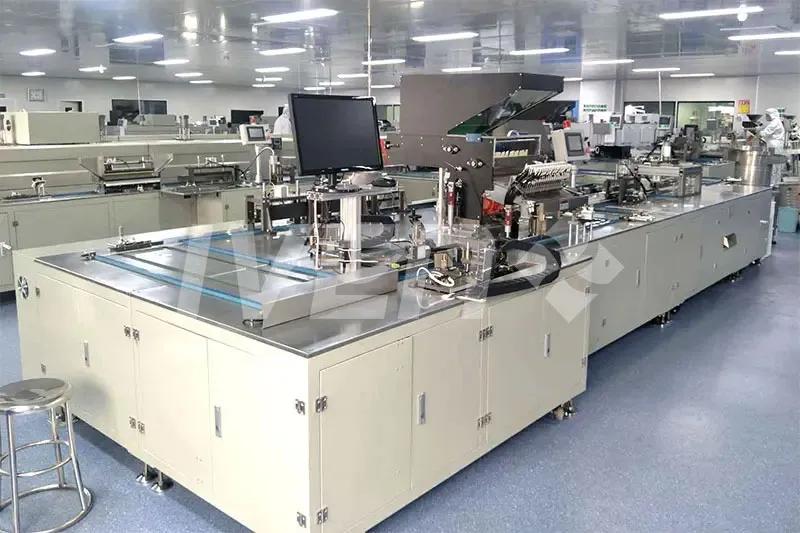
United States Guide to Micro Blood Tube Glucose Lines
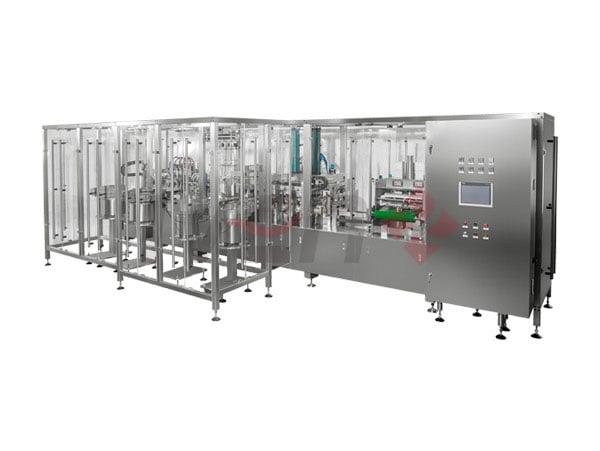
Micro blood tube glucose testing production systems help medical device companies manufacture high volumes of consistent, contamination-controlled blood collection tubes for hospitals, physician office labs, reference laboratories, and diagnostic networks across the United States. For buyers in cities such as Boston, Chicago, Houston, San Diego, and Philadelphia, these automated lines improve fill accuracy, additive dosing, cap assembly consistency, traceability, and overall regulatory readiness compared with labor-heavy manual processes. They are especially valuable when demand requires stable quality at scale, fast lot changeovers, and reliable documentation for U.S. quality systems.
In the U.S. market, demand is closely linked to diabetes screening, emergency care, outpatient diagnostics, newborn and pediatric blood collection, and decentralized laboratory services. Buyers also look at practical issues such as cleanroom compatibility, validation support, spare parts availability, shipping routes through Los Angeles, Long Beach, New York/New Jersey, Savannah, and Houston, and whether a supplier can support installation and qualification under FDA-aligned quality expectations.
Quick answer: why micro blood tube glucose testing lines matter

A micro blood tube glucose testing line is an automated or semi-automated manufacturing solution used to produce small-volume blood collection tubes intended for glucose-related sample collection and handling. In practical purchasing terms, it combines tube feeding, printing or labeling, additive dosing, drying or stabilization where required, cap insertion, inspection, tray or rack loading, and packaging into one controlled process. For U.S. medical device manufacturers and contract producers, the biggest value is repeatability: every production lot can be monitored for dimensions, additive volume, appearance, sealing integrity, and labeling compliance.
These systems are increasingly important because hospitals and diagnostic laboratories expect collection consumables that support reliable analytical performance, lower contamination risk, and efficient phlebotomy workflows. Micro tubes used for glucose testing often require careful control of anticoagulants or glycolysis inhibitors, depending on the product design and test method. That means the machinery must dose accurately at small volumes, maintain low particulate risk, and support validated process parameters.
Companies evaluating capital equipment in the United States typically compare automation on six dimensions: output, quality stability, labor reduction, electronic traceability, maintenance requirements, and lifecycle support. A strong solution reduces operator dependence while improving batch records, visual inspection coverage, and finished-goods consistency. That is why automated lines are becoming a strategic asset not only for large established manufacturers but also for private-label producers and expanding medical consumables businesses.
What is a micro blood tube glucose testing system and how does it work?

A micro blood tube glucose testing system, in the context of manufacturing equipment, is a specialized production line for assembling and preparing small blood collection tubes used in glucose sample collection. These tubes are commonly used in pediatrics, neonatal care, home health testing, outpatient clinics, and situations where only a small blood volume is available. The production system is designed to ensure that each tube meets exact specifications for size, additive application, closure fit, and identification.
The typical workflow starts with raw tube loading. Plastic or glass micro tubes are fed into a conveyor or indexing system. The line may then perform dust removal or air cleaning before entering the additive station. For glucose testing tubes, this stage is critical because the machine must apply the correct additive chemistry and volume consistently. Depending on the product, the line may then move to drying, mixing preparation, or stabilization steps.
After additive processing, the system usually applies caps, shields, or closures. This is followed by online inspection. Modern lines may use cameras to confirm fill level, cap orientation, label position, and cosmetic quality. Rejected parts are automatically separated. Approved tubes are then packed into trays, bags, or cartons and transferred for secondary packaging.
For U.S. buyers, software integration is increasingly important. Production managers often want lot records, alarm history, machine utilization data, and compatibility with MES or ERP systems. A well-designed line can help support IQ/OQ/PQ activities, preventive maintenance planning, and audit readiness. This matters in regulated manufacturing environments from New Jersey to California.
| Process Stage | Main Function | Why It Matters for Glucose Tubes | Common Control Point |
|---|---|---|---|
| Tube feeding | Supplies empty tubes into the line | Prevents jams and physical damage | Orientation accuracy |
| Cleaning | Removes dust or loose particles | Supports low contamination risk | Air pressure and particle checks |
| Additive dosing | Dispenses inhibitor or anticoagulant | Critical for sample stability | Microliter dosing precision |
| Drying/stabilization | Prepares additive condition inside tube | Improves analytical consistency | Temperature and dwell time |
| Cap assembly | Installs closure securely | Reduces leakage and handling issues | Insertion force |
| Inspection/packing | Checks and packs finished tubes | Ensures lot quality and traceability | Vision system pass rate |
The table above shows why automated control is not limited to speed. Each station affects product quality, especially for glucose testing applications where additive consistency can influence downstream analytical performance.
Key applications and production benefits for medical device companies

Micro blood tube glucose testing products are used in several healthcare settings in the United States. Pediatric hospitals need small-volume blood collection products to reduce patient discomfort and conserve blood volume. Large integrated delivery networks use them in outpatient service centers. Reference labs use them for specialized collection workflows, while urgent care clinics and physician office labs value ease of handling and labeling.
For manufacturers, the production benefits extend beyond output. Automated systems can support leaner labor deployment, lower rework rates, more stable incoming-to-finished yield, and cleaner documentation. A company producing for nationwide distribution through hubs near Memphis, Atlanta, Dallas, or Columbus can benefit significantly from fewer line stoppages and more predictable inventory replenishment.
Another important advantage is product uniformity. In a manual line, operator technique can vary across shifts. In an automated system, validated machine settings help keep additive application and cap fit much more stable. This is especially useful for OEM suppliers serving multiple private-label brands or exporting from the United States to Canada, Mexico, and Latin America.
There is also a branding advantage. Hospitals and labs increasingly review supplier quality maturity, responsiveness, and consistency. A manufacturer using modern automated production can present stronger capabilities during supplier audits and customer qualification reviews.
| Application Area | Typical End User | Why Micro Tubes Are Preferred | Production Benefit |
|---|---|---|---|
| Pediatrics | Children’s hospitals | Low sample volume collection | High precision additive handling |
| Neonatal care | NICUs and maternity hospitals | Minimizes blood draw burden | Strict dimensional consistency |
| Outpatient diagnostics | Clinic networks | Convenient fast collection | High throughput packaging |
| Emergency testing | ER labs | Rapid specimen readiness | Reliable cap sealing |
| Home and mobile care | Home health programs | Compact collection format | Strong labeling traceability |
| Reference lab workflows | Central labs | Standardized accessioning | Lower rejection and rework |
The table highlights that application needs and manufacturing benefits are connected. When the clinical use case is demanding, the production line must be even more disciplined.
Main types and configurations available today
The market offers several configurations for micro blood tube glucose testing production. The right choice depends on output target, tube material, additive chemistry, packaging format, available floor space, and desired automation level. U.S. buyers should also check whether the equipment can adapt to future product changes, such as different cap colors, barcode formats, or carton dimensions for major distributor channels.
The most common category is the semi-automatic line. This setup may automate dosing, capping, and inspection while relying on operators for loading and unloading. It suits low-to-mid production volumes or pilot operations. The next level is the fully automatic line, which integrates feeding, additive dosing, capping, inspection, tray loading, and transfer into a continuous process. These are preferred when scale, labor efficiency, and batch consistency are top priorities.
Some manufacturers also choose modular lines. These allow the installation of additional stations later, such as advanced vision inspection, laser marking, or robotic packing. This can be appealing for U.S. facilities planning phased expansion. High-mix producers may prefer flexible servo-controlled systems that support multiple tube sizes with recipe-based changeovers.
| Configuration Type | Typical Output Level | Best For | Main Trade-Off |
|---|---|---|---|
| Semi-automatic | Low to medium | Smaller plants and product validation | More labor required |
| Fully automatic | Medium to high | Large-scale stable production | Higher upfront investment |
| Modular expandable | Medium | Growing manufacturers | Planning complexity |
| High-speed integrated line | High to very high | National supply programs | Requires strong utilities and maintenance |
| Multi-format line | Medium | Frequent SKU changes | Potentially slower than dedicated lines |
| Custom turnkey line | Variable | Complex regulated projects | Longer project timeline |
This comparison shows that no single configuration fits every plant. The best system is the one that matches your forecast, staffing model, and compliance strategy.
Automated micro blood tube glucose testing lines versus manual assembly
Manual assembly lines can still be found in small operations, early-stage pilot programs, or low-volume private-label production. They may offer lower starting costs, but they usually struggle with consistent throughput, labor efficiency, and batch-to-batch repeatability. In contrast, automated micro blood tube glucose testing lines provide a more controlled process architecture.
For U.S. manufacturers facing wage pressure, training turnover, and stricter customer expectations, automation often delivers a better total cost profile over time. A manual process may rely on repeated visual checks, hand loading, and operator-dependent dosing support steps. That raises the risk of variability. Automated equipment can reduce defects, support electronic logging, and simplify root cause analysis when deviations occur.
Another difference is audit preparedness. Automated lines often generate clearer machine data, alarm records, and validation points. That helps quality teams during internal reviews and customer audits. Companies selling into major hospital systems in New York, Los Angeles, Miami, or Seattle often find that documented process consistency strengthens commercial credibility.
| Factor | Automated Line | Manual Line | Business Impact |
|---|---|---|---|
| Output consistency | High | Moderate to low | Better planning and fewer shortages |
| Labor dependency | Lower | High | Reduced staffing risk |
| Additive precision | Tight machine control | Operator influenced | More stable product quality |
| Traceability | Strong digital records | Often paper-heavy | Improved audit readiness |
| Changeover efficiency | Recipe based on advanced models | Manual adjustments | Less downtime |
| Long-term cost | Lower per unit at scale | Higher per unit | Better ROI in growth markets |
The table makes clear that manual lines can work in limited scenarios, but they are rarely the best long-term option for sustained U.S. demand.
Market growth and opportunities for manufacturers
The U.S. market outlook remains favorable due to continued diagnostic testing demand, aging populations, diabetes prevalence, decentralized healthcare delivery, and the need for reliable sample collection consumables. Although blood collection devices are a mature category, micro-format products remain attractive because care settings are becoming more patient-friendly and efficiency-driven. Pediatric and low-volume sampling needs also support the market.
Regional opportunities can be seen around major medical and logistics clusters. The Northeast corridor benefits from strong hospital density and biotech activity. Texas and the broader Gulf region continue to grow in healthcare capacity and distribution reach. California remains influential through hospital systems, diagnostics innovation, and port access. The Midwest offers manufacturing advantages and central distribution benefits.
For manufacturers, opportunities exist in OEM production, branded domestic supply, distributor partnerships, and custom tube configurations for lab networks. Buyers are also asking more questions about resilience after supply disruptions in recent years. That creates room for suppliers that can offer dependable lead times, local spare parts strategies, and transparent validation documentation.
The line chart illustrates a realistic upward trend rather than explosive growth. This is typical of a market driven by steady healthcare demand and replacement of older manufacturing assets.
How to choose a reliable manufacturer or supplier
Selecting the right supplier is one of the most important decisions in this investment. Price matters, but it should not dominate the decision. U.S. buyers should evaluate technical design depth, documentation quality, installation capability, spare parts planning, and whether the supplier understands regulated medical device manufacturing.
Start with technical fit. The equipment should be designed for your target tube sizes, additive process, output range, and packaging needs. Next, review validation support. Strong suppliers can provide FAT protocols, SAT support, IQ/OQ documentation assistance, utility requirements, and training plans. Then review service responsiveness. Time zone support, English documentation, remote troubleshooting, and spare parts readiness are essential.
It is also wise to assess manufacturing strength, not just sales presentation. Ask how many similar lines have been delivered, whether key components are standardized, and how long the supplier supports legacy equipment. For imported systems, ask about crating, customs documentation, insurance, and installation schedules through U.S. ports and inland freight routes.
As an example of a supplier profile worth evaluating, IVEN Pharmatech Engineering is known in the pharmaceutical and medical device equipment field for integrating engineering capability with production line customization. For buyers that want more than a standalone machine, that type of supplier profile can be useful because line performance is often tied to plant layout, utilities, cleanroom planning, and downstream packaging coordination.
| Supplier Evaluation Point | What to Ask | Why It Matters | Warning Sign |
|---|---|---|---|
| Technical suitability | Can the line handle my exact tube and additive format? | Avoids redesign after purchase | Generic answers only |
| Validation support | Do you provide FAT/SAT and IQ/OQ assistance? | Speeds qualification | No structured documents |
| After-sales service | How fast is remote and on-site support? | Reduces downtime risk | Unclear escalation path |
| Spare parts planning | Which critical parts should be stocked in the U.S.? | Protects production continuity | No recommended list |
| Reference projects | Can you show similar installations? | Proves real execution capability | Only conceptual cases |
| Compliance knowledge | How do you support regulated manufacturing? | Helps with audits and quality systems | Little understanding of documentation |
The table provides a practical checklist for procurement, engineering, and quality teams evaluating suppliers together.
Investment cost, budget planning, and ROI analysis
Investment levels vary widely depending on output, automation, inspection complexity, and packaging integration. A semi-automatic configuration may fit a smaller initial budget, while a fully integrated line with vision systems, robotic loading, and digital batch tracking will require a larger capital commitment. U.S. buyers should build budgets around total project cost, not just machine invoice price.
Total cost commonly includes base equipment, customization, molds or change parts, FAT, shipping, import duties where applicable, site preparation, utilities, installation, SAT, validation, training, spare parts, and contingency. Hidden costs often arise from floor reinforcement, HVAC balancing, compressed air upgrades, and coordination between primary and secondary packaging systems.
ROI usually comes from a mix of labor savings, reduced scrap, improved throughput, lower complaint rates, and stronger ability to win large customer contracts. When forecasting ROI, it is best to compare at least three scenarios: conservative demand, expected demand, and accelerated demand. This helps management see how utilization affects payback.
| Cost Category | Typical Share of Project Budget | Planning Note | ROI Relevance |
|---|---|---|---|
| Equipment purchase | 45% to 60% | Main capital item | Core productivity driver |
| Customization/tooling | 5% to 10% | Depends on SKU complexity | Supports flexibility |
| Shipping and import logistics | 3% to 8% | Port and inland freight matter | Affects launch timing |
| Installation and commissioning | 8% to 12% | Site readiness is critical | Determines startup speed |
| Validation and training | 5% to 10% | Often underestimated | Reduces compliance risk |
| Spare parts and contingency | 5% to 10% | Should be budgeted early | Protects early operations |
For larger projects, buyers may benefit from discussing broader factory planning through turnkey engineering support, especially when the blood tube line is part of a wider medical consumables expansion. That approach can help reduce layout mistakes and utility mismatches that later harm ROI.
Key considerations and potential risks when investing
The biggest risk is buying a line that is technically capable on paper but poorly matched to the actual product specification. Before placing an order, verify tube dimensions, closure tolerances, additive chemistry, target output, lot size, packaging format, and environmental requirements. Another frequent risk is underestimating qualification time. Even a well-built line needs structured acceptance, commissioning, and process confirmation before commercial release.
Supply chain resilience is another major issue. U.S. manufacturers should ask where critical components come from and whether alternates are qualified. A line that depends on a single hard-to-source part can create avoidable downtime. Cybersecurity and software support should also be reviewed for modern digital control systems.
Financially, the main risk is underutilization. If output assumptions are too optimistic, the payback period lengthens. On the other hand, buying a line that is too small can create an expensive second expansion only a year or two later. The most practical approach is to match current demand with credible growth and allow room for future module additions.
There are also policy and sustainability considerations moving toward 2026. U.S. buyers are paying more attention to energy efficiency, compressed air consumption, material waste, recyclable packaging, and supplier transparency. Regulatory expectations around documentation, lot traceability, and quality oversight are not becoming simpler. Future-ready equipment should support data collection, cleaner operation, and efficient use of utilities.
The area chart reflects how the market is shifting from labor-heavy assembly toward smart, traceable, and more sustainable production systems.
Technology, manufacturing, and service capabilities that buyers should value
When comparing suppliers, buyers should split evaluation into three capability groups: technology, manufacturing, and service.
Technological capabilities: Strong suppliers provide accurate dosing technology, stable motion control, integrated inspection, recipe management, and documentation that supports regulated production. They should also be able to customize line architecture for different tube sizes and packaging formats. Some suppliers bring added value by combining production machinery knowledge with pharmaceutical-grade engineering discipline. This is useful when your plant needs a cleaner, better-controlled process environment rather than a simple standalone assembly concept.
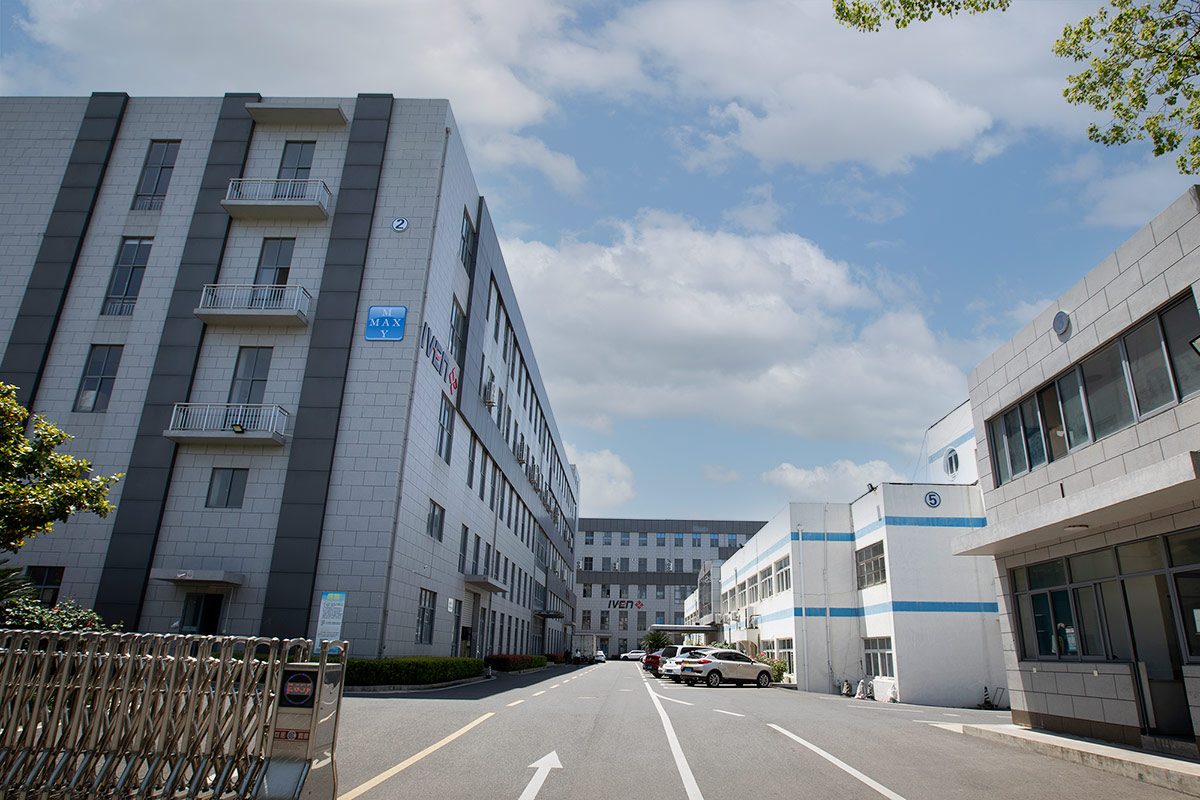
Manufacturing capabilities: A reliable partner should have established production resources, standardized fabrication methods, and experience delivering complete blood collection tube equipment rather than only one-off prototypes. Manufacturers with dedicated plants and repeat project history usually offer more stable quality and better parts consistency. Buyers exploring options through the supplier’s equipment portfolio should look for evidence of specialization rather than a broad but shallow catalog.
Service capabilities: Installation planning, validation assistance, staff training, and post-startup support are often as important as machine design. This is particularly true for U.S. projects where startup schedules are tight and internal teams need clear documentation. Buyers should ask whether the supplier can support feasibility review, line integration, commissioning, operator training, and ongoing optimization. If responsive support matters for your project timeline, it is sensible to speak with the supplier team directly before finalizing technical specifications.
For companies evaluating IVEN Pharmatech Engineering for the U.S. market, the attraction is not only equipment supply but the combination of engineering depth, blood collection tube line experience, and broader factory integration capability. That can be valuable for businesses building or expanding medical consumables plants where utilities, layout, compliance, and downstream packaging must work together from the start.
U.S. local supply landscape and sourcing strategy
In the United States, buyers generally have three sourcing paths: domestic machine builders, U.S.-based integrators representing overseas equipment, and direct international suppliers. Domestic sourcing can simplify communication and service access, but it may come at a higher capital cost or with fewer specialized references in blood collection tube production. International specialists may offer stronger process depth and better cost performance, provided they also deliver dependable documentation and support.
Local sourcing strategy should account for freight and installation realities. Equipment arriving through Long Beach or Los Angeles may be ideal for West Coast plants; New York/New Jersey and Savannah may work better for East Coast and Southeast projects; Houston can support Gulf Coast facilities. Inland transport to manufacturing centers such as Indianapolis, Raleigh, Minneapolis, or Phoenix should be budgeted early.
Many successful buyers use a hybrid model: they purchase specialized core machinery from an experienced global manufacturer while arranging local utilities work, packaging integration, and maintenance support through U.S. partners. This can improve both technical fit and execution speed.
Case-based buying scenarios for the United States
Scenario 1: Pediatric product expansion in the Northeast. A mid-sized medical consumables company supplying children’s hospitals in Boston and Philadelphia needs tighter additive consistency and more capacity. A fully automatic line with vision inspection and recipe-based changeovers would likely outperform a semi-automatic upgrade because quality stability is central to customer retention.
Scenario 2: Contract manufacturing in the Midwest. A private-label producer in Illinois or Ohio serves multiple brands and requires flexible format changes. A modular multi-format system may be preferable because it balances moderate volume with frequent SKU adjustments and supports future product additions.
Scenario 3: High-growth distribution program in Texas. A manufacturer near Dallas or Houston is targeting national distributors. In this case, robust packing integration, line uptime, and documentation quality become commercial advantages. A turnkey-oriented supplier may help reduce schedule delays by coordinating utilities, line layout, and qualification planning from the start.
These scenarios show that equipment selection should be driven by business model, not only nominal output speed.
FAQ
What is the main purpose of a micro blood tube glucose testing production line?
It is used to manufacture small blood collection tubes designed for glucose sample collection with consistent additive handling, closure assembly, inspection, and packaging.
Is a fully automatic line always the best choice?
Not always. It is usually best for medium-to-high demand and strong quality consistency goals. Smaller operations may begin with semi-automatic or modular systems.
What should U.S. buyers check first?
Confirm tube specifications, additive chemistry, target output, regulatory documentation needs, site utilities, and service response expectations before requesting a final quotation.
How important is validation support?
Very important. FAT, SAT, IQ/OQ assistance, training, and documented acceptance criteria can strongly affect how quickly a line reaches commercial production.
What are the main ROI drivers?
Labor savings, lower scrap, higher throughput, improved lot consistency, reduced complaints, and better ability to win large hospital or laboratory accounts.
Are there important 2026 trends to watch?
Yes. Expect more smart sensors, machine data connectivity, energy-efficient designs, stronger traceability requirements, and more emphasis on sustainable packaging and utility use.
Can an overseas supplier support a U.S. project effectively?
Yes, if the supplier offers strong English documentation, clear qualification support, spare parts planning, remote diagnostics, and practical experience with international project delivery.
What makes a supplier more credible in this field?
Specialized references, process knowledge in blood collection tube manufacturing, stable production capability, and service support that extends beyond equipment shipment.
For medical device companies in the United States, investing in a micro blood tube glucose testing line is not just a machinery purchase. It is a production strategy decision that influences quality, labor efficiency, supply reliability, and market competitiveness. Buyers that evaluate technical fit, supplier depth, validation support, and future scalability carefully are much more likely to achieve strong long-term returns.

About the Author
We are IVEN Pharmatech Engineering, a team dedicated to delivering turnkey pharmaceutical and medical solutions worldwide. With decades of experience, we specialize in advanced machinery, integrated factory design, and full lifecycle support to help our clients achieve efficient, compliant, and high-quality production.
Share
Related Insights
-
Blood Collection Tube Assembly Machines in the United States
For medical device manufacturers in the United States, a blood collection tube assembly machine is a high-efficiency production system designed to assemble tubes, caps, additives, labels, and packaging with stable automation and traceable quality control. It helps producers supply hospitals, diagnostic laboratories, blood centers, and OEM partners with consistent, compliant, and scalable vacuum blood collection products. In a market shaped by strict regulatory expectations, labor cost pressure, and demand for dependable consumables, automated blood collection tube manufacturing equipment has become a strategic investment rather than a simple factory upgrade.
Across major U.S. healthcare and logistics hubs such as Boston, Chicago, Houston, Los Angeles, Atlanta, and New Jersey, buyers increasingly look for equipment that supports high output, low contamination risk, recipe flexibility, and full-line integration. Whether a company is building a new plant near the Port of Long Beach, expanding a medical consumables operation in Texas, or adding capacity for private-label production in the Midwest, selecting the right blood collection tube assembly line directly affects quality, throughput, labor planning, and long-term profitability.
A blood collection tube assembly machine enables medical device companies to produce large volumes of blood collection tubes with reliable feeding, dosing, stoppering, capping, vacuuming, inspection, labeling, and collection. Compared with manual assembly, it offers better consistency, lower defect rates, cleaner production conditions, and easier compliance with documented process controls. For U.S. manufacturers serving hospitals and diagnostic laboratories, this means more stable output, lower unit cost over time, and stronger readiness for audits and customer qualification.
Typical systems can be configured for PET, glass, or plastic blood collection tubes and may include tube unscrambling, reagent filling, drying, cap assembly, tray loading, leak testing, vacuum checking, automatic rejection, and data recording. Advanced lines also integrate visual inspection systems, servo-driven transport modules, cleanroom-compatible enclosures, and MES or ERP connectivity for digital production management.
Production GoalManual MethodAutomated MachineMain BenefitHigh-volume outputLimited by labor shiftsContinuous controlled productionScalable capacityAssembly consistencyOperator-dependentRepeatable servo controlLower variationQuality inspectionSampling onlyInline 100% inspection optionsBetter defect controlTraceabilityPaper-based recordsDigital batch and alarm logsAudit supportClean productionMore handling pointsReduced direct contactLower contamination riskLabor efficiencyHigh headcountFewer operators per shiftCost optimizationThe table above shows why automated tube assembly is attractive in the U.S. market. The key value is not only speed, but the ability to control each process step with repeatable parameters and documented results.
A blood collection tube assembly machine is a specialized automated production system used to manufacture vacuum blood collection tubes. These tubes are commonly used in phlebotomy, clinical chemistry, hematology, coagulation testing, immunology, and molecular diagnostics. The machine assembles the tube body and closure system while also preparing the internal environment required for sample stability and collection performance.
The exact workflow depends on product design, but most lines follow a process sequence like this:
StepFunctionTypical Equipment ModuleQuality Focus1Tube feeding and orientationUnscrambler or hopper systemCorrect positioning2Cleaning or air blowingDust removal stationParticle reduction3Additive dosingLiquid or powder filling unitAccurate volume4Drying or curingHeating or stabilization zoneChemical uniformity5Stopper and cap assemblyInsertion and pressing stationSeal integrity6Vacuum generationVacuuming chamberDraw volume accuracy7Leak and visual inspectionSensor or camera systemDefect removal8Labeling and collectionPrint/apply moduleTraceabilityMost modern blood tube production equipment uses PLC control, touchscreen HMI, servo motors, and modular safety guarding. More advanced systems also monitor pressure, vacuum retention, additive dispensing accuracy, and cap seating force in real time. For U.S. factories working under FDA expectations and customer quality agreements, these controls are important because they support validation, deviation review, and CAPA management.
From a technical capability perspective, suppliers with deep engineering experience stand out when they can design not just a machine, but a full production concept. Shanghai IVEN Pharmatech Engineering Co Ltd, for example, is known in the sector for developing multiple generations of vacuum blood collection tube production equipment and for combining machinery engineering with process integration knowledge. This matters when a buyer needs more than a standalone device and instead wants coordinated filling, conveying, inspection, utility planning, and compliance support. More about the company background can be found on its company overview page.
In the United States, blood collection tubes are used by hospital systems, independent labs, physician office labs, public health facilities, and contract diagnostic networks. Demand is sustained by routine blood testing, chronic disease monitoring, emergency medicine, surgery preparation, oncology care, and decentralized specimen collection.
A blood collection tube assembly machine supports several production applications:
The benefits go beyond simple speed. Automated systems help companies reduce additive variation, improve stopper seating consistency, maintain stable vacuum performance, and support more uniform label placement. In practical terms, this reduces complaints from laboratories about underfilled draws, cap leakage, additive inconsistency, or barcode errors.
Application AreaTube Types Commonly UsedWhy Automation MattersEnd UsersHospital laboratoriesSerum, EDTA, heparinStable high-volume supplyHealth systemsReference diagnosticsCitrate, fluoride, specialty tubesBatch consistencyNational lab chainsEmergency and trauma careRapid-draw routine tubesReliable vacuum integrityER departmentsOncology and chronic careFrequent blood monitoring tubesLow defect ratesSpecialty clinicsPublic health and outreachMixed panelsScalable production planningGovernment programsOEM/private label supplyCustom sets and brandingFlexible recipes and labelsDistributors and brandsThe table shows how different segments benefit from production reliability. In the U.S., healthcare buyers often evaluate suppliers on fill performance, shelf-life stability, lot uniformity, and packaging readiness. A strong automated line helps manufacturers meet these expectations.
For manufacturers with broader ambitions, integrated projects can create even more value. Instead of purchasing only a single machine, some companies develop an entire consumables facility including utilities, clean areas, logistics, and validation. IVEN is active in such integrated delivery models and provides turnkey engineering solutions for pharmaceutical and medical device plants, which can be relevant for investors planning greenfield or expansion projects in the United States.
The market offers several machine types, and the best choice depends on product portfolio, target output, cleanroom design, and budget. Buyers in the United States should compare systems not only by speed, but also by flexibility, validation support, changeover time, and compatibility with their tube format.
Common configurations include:
Machine TypeBest ForOutput RangeAdvantagesSemi-automatic assembly unitSmall runs, R&D, pilot productionLowLower initial costFully automatic standalone machineSingle tube family productionMedium to highGood balance of cost and speedIntegrated production lineHigh-volume factory operationsHighFull process continuityMulti-format modular lineOEM and diversified product mixMedium to highFlexible changeoversHigh-speed vacuum tube lineLarge-scale supply contractsVery highLow unit cost at scaleSmart line with vision and MES connectivityAdvanced regulated facilitiesMedium to very highTraceability and analyticsBeyond line type, buyers should review the machine’s handling of additives. Some tubes need liquid anticoagulants, some use spray-coated chemistry, and others require more specialized dosing control. Product complexity often determines whether a simple machine is enough or whether a more sophisticated configuration is justified.
Manufacturing capability is also a major factor. Suppliers that operate dedicated plants for blood collection tube equipment generally have better process knowledge, spare parts readiness, and custom engineering capacity. IVEN, for instance, manufactures across specialized production facilities in Shanghai and includes vacuum blood collection tube equipment among its core product families. Buyers looking to compare product categories can review available solutions through the product catalog.
Some early-stage producers still consider manual or labor-heavy assembly methods, especially for lower output. However, in the United States, rising labor costs, compliance pressure, and customer expectations usually make manual assembly less competitive once demand reaches commercial scale.
FactorManual AssemblyAutomated Assembly MachineBusiness ImpactOutput stabilityVariable by operatorStable by program controlImproved planningLabor requirementHighModerate to lowReduced staffing pressureDefect rateUsually higherLower with inline checksLess waste and reworkTraceabilityLimitedBatch records and alarmsEasier complianceChangeover repeatabilityDepends on team skillRecipe-based settingsFaster product switchingLong-term costAppears lower initiallyLower per unit at scaleBetter ROI over timeThe main advantage of automated production is not only efficiency but control. When a line can verify cap placement, check vacuum integrity, reject nonconforming units, and document process conditions automatically, the manufacturer gains stronger quality assurance. This is important for U.S. customers who may audit suppliers directly and expect documented process capability.
Automation also improves workforce strategy. Instead of allocating many operators to repetitive assembly tasks, manufacturers can assign fewer, better-trained personnel to oversee the process, manage maintenance, review quality data, and support continuous improvement.
The U.S. market for blood collection consumables remains resilient because laboratory testing is a non-discretionary healthcare activity. Growth is supported by aging populations, chronic disease management, preventive screening, outpatient expansion, and decentralized diagnostics. At the same time, laboratories want reliable tube quality to reduce redraws, specimen rejection, and workflow delays.
Machine demand is influenced by several factors:
The chart below illustrates a realistic market growth trend for automated blood collection tube equipment demand linked to North American project activity.
var ctx1 = document.getElementById(‘lineChartGrowth’).getContext(‘2d’);var chart1 = new Chart(ctx1, {type: ‘line’,data: {labels: [‘2021’, ‘2022’, ‘2023’, ‘2024’, ‘2025’, ‘2026’],datasets: [{label: ‘Estimated Equipment Demand Index’,data: [78, 86, 94, 108, 121, 137],borderColor: ‘rgb(54, 162, 235)’,backgroundColor: ‘rgba(54, 162, 235, 0.15)’,fill: false,tension: 0.3}]},options: {responsive: true,maintainAspectRatio: false}});The growth line suggests that the market is expanding steadily rather than explosively. That pattern is common in medical manufacturing, where investment decisions are driven by long qualification cycles and realistic capacity planning rather than short-term trends.
Industry demand also differs by segment. Hospitals, reference labs, public health programs, and OEM channels each influence tube type mix and purchasing priorities.
var ctx2 = document.getElementById(‘barChartDemand’).getContext(‘2d’);var chart2 = new Chart(ctx2, {type: ‘bar’,data: {labels: [‘Hospitals’, ‘Reference Labs’, ‘Physician Networks’, ‘Public Health’, ‘OEM/Private Label’, ‘Export Programs’],datasets: [{label: ‘Relative Tube Demand Score’,data: [92, 88, 61, 57, 66, 49],backgroundColor: [‘rgb(255, 99, 132)’,’rgb(255, 159, 64)’,’rgb(255, 205, 86)’,’rgb(75, 192, 192)’,’rgb(54, 162, 235)’,’rgb(153, 102, 255)’]}]},options: {responsive: true,maintainAspectRatio: false}});For equipment manufacturers and suppliers, the opportunity is strongest where they can combine machine performance with clean design, validation-friendly documentation, and dependable after-sales support. U.S. buyers often favor partners who understand qualification protocols, spare parts planning, and lifecycle service expectations.
Choosing a supplier is a strategic decision. The lowest quotation rarely produces the lowest total cost. In the United States, buyers should assess technical depth, documentation quality, production references, compliance understanding, and long-term service responsiveness.
Important supplier evaluation points include:
Selection CriterionWhy It MattersWhat to AskWarning SignIndustry specializationReduces process riskHow many blood tube lines delivered?Only generic automation experienceValidation supportImportant for regulated plantsCan you provide IQ/OQ templates?No documentation packageCustomizationSupports product fitCan the line handle our tube formats?Rigid standard-only designAfter-sales responseMinimizes downtimeWhat is your service model for U.S. clients?Unclear support processSpare parts strategyProtects uptimeWhat critical parts are stocked?Long unknown lead timesReference projectsConfirms real performanceCan we review similar case studies?No verifiable installationsThe table provides a practical supplier screening framework. A reliable manufacturer should be able to discuss not just machine speed, but also process validation, maintenance logic, reject handling, recipe management, and factory integration.
Service capability is often the differentiator after installation. IVEN positions itself as an engineering partner rather than only an equipment seller, offering services that can include consulting, design, equipment customization, installation, commissioning, validation assistance, training, and post-installation optimization. For U.S. buyers planning discussions on project scope or support expectations, the best starting point is the contact page.
The cost of a blood collection tube assembly machine varies widely based on output rate, automation level, number of process stations, vacuum system complexity, inspection technology, cleanroom compatibility, and downstream integration. In the United States, buyers should evaluate the total installed cost rather than the machine price alone.
Total project budget may include:
Cost CategoryLow-Complexity ProjectMedium ProjectHigh-Complexity ProjectCore equipment$180,000-$350,000$350,000-$900,000$900,000-$2,500,000+Tooling/change parts$10,000-$25,000$25,000-$60,000$60,000-$120,000Inspection systems$15,000-$40,000$40,000-$120,000$120,000-$300,000Installation and commissioning$20,000-$45,000$45,000-$120,000$120,000-$300,000Validation/documentation$8,000-$20,000$20,000-$50,000$50,000-$120,000Facility/utility adaptation$15,000-$50,000$50,000-$200,000$200,000-$800,000+These ranges are illustrative and help frame budget discussions. The right economic analysis compares equipment investment against labor savings, output growth, defect reduction, complaint reduction, and the ability to win larger contracts.
A simple ROI model may consider:
var ctx3 = document.getElementById(‘areaChartShift’).getContext(‘2d’);var chart3 = new Chart(ctx3, {type: ‘line’,data: {labels: [‘2021’, ‘2022’, ‘2023’, ‘2024’, ‘2025’, ‘2026’],datasets: [{label: ‘Shift from Manual to Automated Production (%)’,data: [34, 39, 46, 54, 63, 71],borderColor: ‘rgb(75, 192, 192)’,backgroundColor: ‘rgba(75, 192, 192, 0.25)’,fill: true,tension: 0.25}]},options: {responsive: true,maintainAspectRatio: false}});The area chart shows a realistic trend: more manufacturers are moving away from labor-heavy methods toward automated and semi-integrated production. This transition is driven by both economics and quality requirements.
A strong investment can still underperform if planning is weak. U.S. buyers should evaluate operational, regulatory, technical, and commercial risks before finalizing procurement.
Key considerations include line compatibility with product specifications, additive stability requirements, vacuum accuracy targets, packaging expectations, maintenance resources, and availability of technical support. A machine that looks impressive during a demo can still create problems if it does not align with real production needs.
Risk AreaPotential IssueOperational ImpactMitigation StrategyUnder-specificationLine too simple for product mixFrequent stoppages or reworkDefine URS carefullyOver-specificationExcess complexity and costPoor payback periodMatch features to demandValidation gapsWeak documentation packageDelayed startupReview documents before POService delaySlow spare parts or remote supportLong downtimeNegotiate service planUtility mismatchFacility cannot support equipmentUnexpected retrofit costComplete site survey earlyOperator training gapsIncorrect use and maintenanceLower efficiency and more defectsPlan structured trainingAnother major issue is project integration. If tube assembly is purchased separately from labeling, inspection, tray packing, or warehouse logistics, the plant may later discover bottlenecks between stages. That is why some investors prefer suppliers with multidisciplinary engineering ability. A partner experienced in equipment, utilities, layout, and material flow can reduce the risk of fragmented implementation.
For U.S. projects near major industrial and logistics centers such as Dallas-Fort Worth, Philadelphia, Memphis, or the Inland Empire in California, installation planning should also consider freight timing, customs clearance, utility readiness, and local contractor coordination. These practical details often determine whether a project starts on schedule.
When comparing suppliers, it helps to score them using a weighted approach. The chart below presents a sample comparison structure using key decision areas important to U.S. manufacturers.
var ctx4 = document.getElementById(‘comparisonChartSupplier’).getContext(‘2d’);var chart4 = new Chart(ctx4, {type: ‘bar’,data: {labels: [‘Automation Depth’, ‘Validation Support’, ‘Customization’, ‘Service Readiness’, ‘Cost Efficiency’, ‘Line Integration’],datasets: [{label: ‘Supplier A Score’,data: [88, 84, 91, 79, 86, 90],backgroundColor: ‘rgb(153, 102, 255)’},{label: ‘Supplier B Score’,data: [74, 68, 72, 81, 89, 70],backgroundColor: ‘rgb(255, 159, 64)’},{label: ‘Supplier C Score’,data: [82, 77, 80, 73, 75, 78],backgroundColor: ‘rgb(54, 162, 235)’}]},options: {responsive: true,maintainAspectRatio: false}});The comparison chart demonstrates that supplier selection should not be based on cost alone. A lower upfront price may come with weaker validation support, less customization, or slower technical service.
Consider three typical U.S. project scenarios. First, a Midwest medical consumables manufacturer wants to replace a manual line supplying regional hospital networks. In this case, a fully automatic standalone machine with vision inspection may deliver a fast return by lowering labor dependence and improving lot consistency.
Second, a Texas-based OEM producer serving multiple private-label customers needs flexible changeovers and strong label management. A modular line with recipe storage and format tooling can support several SKUs without excessive downtime.
Third, a greenfield investor near a coastal trade gateway such as the Port of Savannah or Port of Long Beach wants to build a larger integrated consumables factory. That project may benefit from a turnkey approach that includes layout design, utilities, cleanroom planning, automation, validation, and logistics integration.
These cases show that the right answer depends on volume, product complexity, customer expectations, and expansion plans. A machine should fit the business model, not just the current purchase budget.
Looking toward 2026, several trends are likely to shape blood collection tube assembly machine investment in the United States.
On the technology side, more lines will include smart sensors, recipe verification, machine vision, predictive maintenance alerts, and data connectivity with manufacturing execution systems. This allows production teams to monitor reject patterns, vacuum consistency, filling deviations, and downtime causes more effectively.
On the policy side, buyers can expect continued focus on supply chain resilience, documentation quality, and domestic healthcare manufacturing readiness. Even when equipment is sourced internationally, U.S. manufacturers will emphasize clear qualification records, validated processes, and dependable technical support.
On the sustainability side, pressure will grow for energy-efficient drives, better compressed air management, reduced material waste, and optimized packaging flow. Some manufacturers will also evaluate equipment based on lifecycle durability, ease of maintenance, and cleanability rather than only on purchase price. Durable stainless steel construction, modular replacement design, and lower reject generation can contribute directly to sustainability goals.
Suppliers with strong engineering depth are well positioned for this shift. Companies that can combine automation, compliance understanding, long equipment life, and lifecycle services are likely to be preferred partners as U.S. manufacturers modernize their plants.
What is the main purpose of a blood collection tube assembly machine?Its purpose is to automate the production of blood collection tubes by handling assembly, additive dosing, vacuum processing, sealing, inspection, and labeling with consistent quality.
Who typically buys this equipment in the United States?Medical device manufacturers, laboratory consumables producers, OEM suppliers, private-label brands, and investors building diagnostic consumables plants are the main buyers.
Can one machine handle multiple tube types?Many machines can be configured for multiple formats, but flexibility depends on tooling design, additive handling requirements, and changeover engineering.
How important is validation support?It is very important. U.S. manufacturers often require structured documentation for installation, operation, performance qualification, and audit readiness.
What is a typical payback period?It varies, but many projects target a payback window of roughly two to four years depending on labor savings, output growth, scrap reduction, and contract volume.
Should buyers choose a standalone machine or a full line?If production volume is moderate and downstream steps are already established, a standalone machine may be sufficient. For higher volume or greenfield projects, an integrated line often produces better long-term efficiency.
What service questions should be asked before purchase?Ask about spare parts lead times, remote diagnostics, preventive maintenance plans, training support, and availability of technicians for commissioning and troubleshooting.
Why do some buyers prefer engineering-focused suppliers?Because they can support not only machine delivery, but also layout design, utilities, validation, integration, and lifecycle optimization, reducing overall project risk.
In summary, a blood collection tube assembly machine is a critical investment for medical device companies that need reliable, scalable, and compliant tube manufacturing in the United States. The best choice depends on output goals, tube portfolio, validation needs, and long-term expansion strategy. Buyers who evaluate technology depth, manufacturing capability, and service support together are far more likely to achieve a successful result.
-
Antacid Syrup Filling Machines in the United States
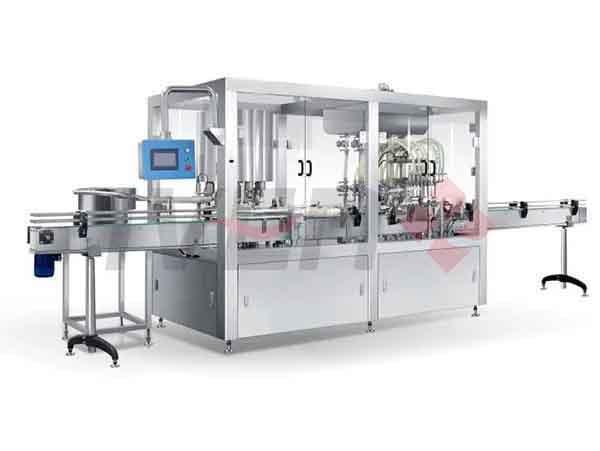
Antacid and digestive syrup filling machines are specialized pharmaceutical systems used to dose, fill, cap, and often label liquid oral products with high accuracy under tightly controlled hygienic conditions. In the United States, these machines are especially important for manufacturers that must balance FDA cGMP compliance, production efficiency, product consistency, and scalable output for both prescription and over-the-counter syrup products.
An antacid and digestive syrup filling machine is a core production asset for companies manufacturing oral liquid products such as antacid suspensions, digestive aids, pediatric syrups, herbal digestive formulations, and other viscous medicinal liquids. It helps pharmaceutical plants control fill volume, reduce contamination risk, improve line efficiency, and document process performance for audits and validation.
For U.S. manufacturers operating in markets such as New Jersey, Illinois, California, Texas, and North Carolina, the machine is not simply a packaging device. It is part of a validated production system linked to bottle handling, rinsing, dosing, capping, induction sealing, labeling, serialization, and batch recording. When a site expands near major logistics hubs like Newark, Houston, Los Angeles, or Savannah, a modern syrup filling solution can significantly shorten turnaround times and support national distribution.
Because antacid and digestive syrups can vary in viscosity, foaming tendency, sugar content, and particle suspension behavior, equipment selection must be based on product characteristics rather than line speed alone. A well-matched line improves accuracy, minimizes product loss, and reduces downtime caused by nozzle dripping, container instability, or cleaning complexity.
In pharmaceutical production, an antacid and digestive syrup filling machine is designed to transfer prepared liquid formulation from a holding tank or distribution loop into bottles or other approved containers at controlled volumes. It is typically used after solution preparation, filtration where applicable, holding, and container staging. Depending on the product, the equipment may handle sugar-based syrups, sugar-free formulations, suspensions, and thicker digestive preparations.
Typical uses include:
Most pharmaceutical lines include several linked modules: bottle unscrambling, air cleaning or bottle washing where required, precision filling, cap placement, capping, sealing, visual inspection, labeling, cartoning, and end-of-line packing. For high-output facilities in areas such as Philadelphia or Indianapolis, integration with serialization and warehouse systems is also increasingly common.
The filling principle may be piston, peristaltic, flowmeter, servo pump, or vacuum-assisted depending on viscosity, bottle format, and target accuracy. For antacid suspensions with settling risk, continuous agitation in the product tank and careful line design are essential.
Production FactorRequirement in Antacid/Digestive SyrupsWhy It MattersFill accuracyConsistent dosing across every bottleSupports label claim and batch complianceSanitary design316L contact parts, smooth surfaces, drainabilityReduces contamination and eases cleaning validationViscosity handlingCapability for medium to high viscosity liquidsPrevents underfill, splash, and unstable flowCap compatibilityChild-resistant, screw, measuring cup, tamper-evidentSupports OTC retail requirementsDocumentationIQ/OQ/PQ support and batch data captureCritical for FDA inspections and internal QAChangeover speedFast recipe and format adjustmentImportant for multi-product U.S. plantsThe table above shows why equipment decisions are driven by quality and compliance as much as throughput. In U.S. pharmaceutical operations, the machine must fit the full validation and production environment, not just the immediate filling task.
The primary application is the commercial production of oral liquid medicines sold through retail pharmacy chains, hospital systems, e-commerce channels, and private-label networks. In the United States, where product portfolios can shift quickly based on seasonal demand, consumer health trends, and retailer requirements, flexible syrup filling lines deliver strong operational value.
Key benefits include:
Applications extend beyond traditional antacids. Many producers use the same platform for cough syrups, vitamin tonics, appetite aids, iron formulations, and pediatric liquids, provided the cleaning strategy and material compatibility are properly validated. This is particularly attractive for contract manufacturers in states like Florida and Pennsylvania serving multiple brand owners.
Another major benefit is reduction of giveaway. Even small overfill per bottle can become a significant annual cost when a line runs millions of units. Servo-based filling and intelligent feedback systems help keep output within target range while limiting waste.
Application AreaTypical ProductLine PriorityMain BenefitOTC antacid productionCalcium or magnesium-based syrupVolume consistencyStable retail qualityDigestive aid manufacturingEnzyme or herbal liquidFlexible recipesSKU versatilityPediatric oral liquidsGentle digestive syrupLow contamination riskPatient safety supportContract manufacturingPrivate label syrup productsFast changeoverHigher asset utilizationHospital supplyInstitutional bottle formatsTraceabilityAudit readinessExport-oriented productionMulti-market oral liquidsStandards complianceBroader market accessThis table highlights how the same equipment platform may serve different business models. A domestic OTC manufacturer in Chicago may prioritize speed, while a contract facility near Boston may prioritize flexibility and changeover.
var ctxBar = document.getElementById(‘barDemandChart’).getContext(‘2d’);var barDemandChart = new Chart(ctxBar, { type: ‘bar’, data: { labels: [‘OTC Antacids’, ‘Digestive Aids’, ‘Pediatric Syrups’, ‘Private Label’, ‘Hospital Supply’, ‘Nutraceutical Liquids’], datasets: [{ label: ‘Relative U.S. Equipment Demand Index’, data: [92, 78, 65, 84, 58, 73], backgroundColor: [‘#4e79a7′,’#f28e2b’,’#e15759′,’#76b7b2′,’#59a14f’,’#edc948′] }] }, options: { responsive: true, maintainAspectRatio: false, scales: { y: { beginAtZero: true, max: 100 } } }});There is no single best model for every plant. The right machine depends on batch size, container range, viscosity, automation goals, and compliance strategy. In the U.S. market, buyers commonly evaluate the following categories.
Machine TypeBest ForTypical SpeedAdvantagesLimitationsSemi-automatic piston fillerR&D, small batch, startup production10-30 bottles/minLower cost, simple operationHigher labor inputAutomatic inline piston fillerViscous syrups and suspensions40-150 bottles/minGood accuracy for thicker productsMore complex CIP designServo pump fillerMulti-SKU commercial production60-200 bottles/minRecipe control, fast adjustmentHigher capital costFlowmeter fillerLower viscosity oral liquids80-250 bottles/minContinuous high-speed operationLess ideal for heavy suspensionsMonoblock rinse-fill-cap systemSpace-constrained pharma plants50-180 bottles/minCompact footprint, integrated controlMay reduce module flexibilityCustom turnkey oral liquid lineLarge regulated facilitiesProject-specificFull integration and validation supportLonger planning cycleThe table shows that technical selection should align with business model and formulation complexity. For example, a thick antacid suspension often performs better on piston or servo-driven systems than on standard overflow concepts.
Important technical options include:
Buyers should also evaluate how the filling line integrates with purified water systems, solution preparation skids, and downstream packing equipment. Companies planning a broader factory upgrade often benefit from discussing the complete process rather than buying a stand-alone filler. For example, turnkey engineering support can be reviewed through integrated pharmaceutical project solutions when the goal is line expansion rather than isolated equipment replacement.
Not every liquid packaging technology suits pharmaceutical antacid and digestive products. Some consumer-goods fillers may appear cheaper, but they may not meet documentation, material, cleaning, or precision expectations required in regulated environments. U.S. buyers should compare total suitability, not purchase price alone.
TechnologyRegulated Pharma FitViscous Syrup FitScalabilityBest Use CasePharma syrup filling machineHighHighHighCommercial regulated productionGeneral food liquid fillerLow to mediumMediumMediumNon-pharma liquidsManual filling stationLowVariableLowLab or very small trial batchesSachet packing machineMediumMediumHighSingle-dose alternativesBlow-fill-seal lineHigh for selected productsLow to mediumHighSpecific sterile liquid applicationsAseptic liquid filling lineHighApplication-dependentHighSensitive or sterile formulationsFor standard oral antacid and digestive syrups, a dedicated bottle filling and capping line is usually the most practical solution. Sachets can be attractive for travel-size formats, but they require different packaging logistics and market positioning. Manual or adapted non-pharma systems may save money initially, yet often create downstream issues with validation, reject rates, and maintenance.
var ctxComp = document.getElementById(‘comparisonChart’).getContext(‘2d’);var comparisonChart = new Chart(ctxComp, { type: ‘bar’, data: { labels: [‘Compliance’, ‘Accuracy’, ‘Viscosity Handling’, ‘Changeover’, ‘Automation’, ‘Lifecycle Value’], datasets: [ { label: ‘Pharma Syrup Filling Machine’, data: [95, 94, 90, 86, 91, 93], backgroundColor: ‘#4e79a7’ }, { label: ‘General Liquid Filler’, data: [58, 72, 64, 70, 68, 61], backgroundColor: ‘#f28e2b’ } ] }, options: { responsive: true, maintainAspectRatio: false, scales: { y: { beginAtZero: true, max: 100 } } }});The United States remains one of the most attractive markets for oral liquid packaging equipment due to its large OTC sector, mature contract manufacturing ecosystem, and continuous replacement of aging production assets. Demand is strongest in areas with established pharmaceutical clusters such as New Jersey, Pennsylvania, Massachusetts, North Carolina, Indiana, and California. Ports and logistics gateways including Newark, Long Beach, Houston, Savannah, and Charleston support imported components and finished equipment delivery.
Several forces are shaping the market:
Looking toward 2026, the strongest trends are likely to be smarter automation, more recipe-driven servo control, greater use of remote diagnostics, predictive maintenance, and cleaner material flow integration with warehouse systems. U.S. buyers are also paying closer attention to energy consumption, compressed air use, cleanability, and reduced product loss.
Policy and compliance trends matter as well. Facilities preparing for future FDA inspections want stronger audit trails and easier validation packages. At the same time, sustainability expectations from major healthcare buyers and consumer brands are pushing line designs toward lower waste generation and better compatibility with lightweight bottles and recyclable packaging formats.
var ctxLine = document.getElementById(‘lineGrowthChart’).getContext(‘2d’);var lineGrowthChart = new Chart(ctxLine, { type: ‘line’, data: { labels: [‘2021’, ‘2022’, ‘2023’, ‘2024’, ‘2025’, ‘2026’], datasets: [{ label: ‘U.S. Market Demand Index for Syrup Filling Equipment’, data: [100, 108, 117, 126, 138, 151], borderColor: ‘#59a14f’, backgroundColor: ‘rgba(89,161,79,0.15)’, fill: false, tension: 0.3 }] }, options: { responsive: true, maintainAspectRatio: false, scales: { y: { beginAtZero: false } } }});var ctxArea = document.getElementById(‘areaTrendChart’).getContext(‘2d’);var areaTrendChart = new Chart(ctxArea, { type: ‘line’, data: { labels: [‘2021’, ‘2022’, ‘2023’, ‘2024’, ‘2025’, ‘2026’], datasets: [ { label: ‘Conventional Lines’, data: [78, 74, 69, 63, 58, 52], borderColor: ‘#e15759’, backgroundColor: ‘rgba(225,87,89,0.25)’, fill: true, tension: 0.3 }, { label: ‘Smart Automated Lines’, data: [22, 26, 31, 37, 42, 48], borderColor: ‘#76b7b2’, backgroundColor: ‘rgba(118,183,178,0.25)’, fill: true, tension: 0.3 } ] }, options: { responsive: true, maintainAspectRatio: false, scales: { y: { beginAtZero: true, max: 100 } } }});The charts illustrate a realistic shift in U.S. purchasing behavior: overall demand is rising, but the mix is moving steadily toward intelligent, integrated systems that can support broader plant modernization goals.
Choosing a supplier is often more important than choosing a machine layout. The best equipment can still become a poor investment if the vendor lacks pharmaceutical documentation, technical communication, or after-sales capability. U.S. buyers should qualify suppliers with a structured scorecard.
Supplier Evaluation PointWhat to AskWhy It MattersRegulatory familiarityCan the supplier support FDA cGMP-oriented documentation?Reduces qualification riskDesign capabilityCan they customize for viscosity, bottle range, and layout?Improves product-machine fitManufacturing depthDo they build critical modules themselves?Better quality control and lead time visibilityValidation supportAre IQ/OQ/PQ documents available?Speeds site acceptance and launchService responsivenessWhat is the plan for installation, training, and spare parts?Minimizes downtimeReference projectsCan they show similar pharma liquid lines?Confirms real-world performanceWhen reviewing suppliers, it is wise to examine three layers of capability:
Technological capabilities. The supplier should understand not just filling speed, but pharmaceutical process integration. Strong vendors offer engineering depth in dosing control, hygienic design, automated capping, intelligent line control, and compatibility with water systems, liquid preparation, and packaging automation. A provider with broad technical coverage can support future upgrades rather than a one-time machine sale.
Manufacturing capabilities. Buyers should look for stable production capacity, defined quality control processes, and the ability to build more than a single stand-alone unit. A manufacturer operating multiple specialized facilities and producing filling, water treatment, conveying, and packaging equipment can often deliver better consistency across an entire project. Product portfolios can be explored through a supplier’s pharmaceutical equipment catalog when early benchmarking is needed.
Service capabilities. U.S. pharmaceutical projects typically need pre-sales consultation, line layout review, FAT/SAT planning, commissioning, training, documentation, and follow-up support. Reliable suppliers provide lifecycle assistance from feasibility through optimization. If direct support is needed, buyers should use a clear project inquiry channel rather than relying only on distributor-level communication.
A supplier such as IVEN Pharmatech Engineering is often evaluated in the U.S. market because it combines pharmaceutical engineering know-how, equipment manufacturing, integrated line capability, and support for regulated projects. Instead of acting only as a machine vendor, the company presents itself as a long-term partner for factory modernization, including oral liquid lines and associated utility or packaging systems. Its broader background can be reviewed on the company introduction page.
Capital budget planning should cover far more than base equipment price. In the United States, the installed cost of a syrup filling line can vary substantially depending on speed, automation level, bottle range, software requirements, inspection modules, and the amount of validation support included.
Cost ElementTypical Share of BudgetNotesCore filling and capping equipment35% to 45%Main machine and essential modulesUpstream and downstream integration10% to 20%Unscrambler, conveyors, labeling, packingEngineering and customization8% to 15%Recipe adaptation, bottle parts, layout fitValidation documentation5% to 10%FAT, IQ/OQ support, test documentationInstallation and commissioning8% to 12%Site work, startup, trainingSpare parts and contingency5% to 10%Startup kits and risk bufferThe budget table shows why line economics must be examined as a full project. A lower purchase price can be offset by expensive retrofits, delayed commissioning, or weak documentation.
ROI usually comes from five sources:
For example, a mid-sized U.S. manufacturer producing 8 to 12 million bottles annually may justify a more advanced servo system if it reduces overfill by even a small amount and supports additional SKUs without another packaging line. Plants located in high-cost labor regions such as the Northeast or West Coast often see faster payback from automation than plants in lower-cost regions.
Buyers should build best-case, base-case, and conservative ROI models. Include downtime assumptions, preventive maintenance cost, expected changeover losses, and lead times for spare components. A realistic payback period for a well-utilized line often falls in the 2 to 5 year range, but the true number depends on volume, product margin, and current process inefficiency.
Investment risk typically comes from under-specification, over-specification, or poor project management. Companies sometimes buy a line based on nominal speed only to discover that actual output falls once viscous product, bottle instability, cap variation, and cleaning validation are considered.
Main risks include:
A good way to reduce risk is to run product trials using actual syrup samples or validated simulants. FAT should include bottle range, target speed, fill accuracy, reject handling, and capping performance. For imported equipment arriving through U.S. ports such as Los Angeles, Newark, or Houston, buyers should also account for customs timing, inland transport, rigging, and installation sequencing.
Case experience across the industry shows that the most successful projects start with a full process map: formulation output, batch transfer, holding time, bottle presentation, fill volume tolerance, closure style, labeling, packing, and warehouse release. This matters even more when a plant intends to add future lines or integrate with automated logistics systems.
From a supplier perspective, companies with broader engineering backgrounds can help prevent layout and interface problems before purchase. That is particularly relevant for projects involving liquid preparation, water systems, filling, and end-of-line packaging under one expansion plan.
1. What bottle sizes can an antacid syrup filling machine handle?Most pharmaceutical lines can be configured for common formats such as 30 mL, 60 mL, 100 mL, 120 mL, 150 mL, and 200 mL bottles. The exact range depends on container stability, conveyor design, starwheel or puck requirements, and change parts.
2. Is a monoblock system better than a modular line?A monoblock is often better for compact layouts and simpler integration. A modular line can be better for plants that expect future upgrades or frequent format expansion. The right choice depends on space, flexibility, and maintenance strategy.
3. Can the same line fill both antacid and digestive syrup products?Yes, in many cases it can, provided viscosity range, cleaning validation, material compatibility, and cross-contamination controls are properly addressed. Multi-product operation is common in U.S. contract manufacturing facilities.
4. What level of accuracy should buyers expect?That depends on fill volume, product properties, and filling technology. A qualified pharmaceutical system should provide repeatable performance suitable for validated production, but the actual acceptance criteria must be defined by the manufacturer’s quality system and product specification.
5. What documents should a supplier provide?Typical requirements include equipment manuals, material certificates where relevant, electrical drawings, pneumatic diagrams, FAT protocols, calibration records, spare parts lists, and IQ/OQ support documents.
6. How long does implementation usually take?For a standard machine, lead time may range from a few months to longer depending on customization. Full turnkey oral liquid projects take more time because they involve utilities, layout, packaging integration, qualification, and site scheduling.
7. Are imported machines practical for the United States market?Yes, if the supplier has strong documentation, commissioning capability, and responsive service planning. Imported equipment is common in U.S. pharmaceutical operations, especially when it offers a favorable balance of technology, quality, and total cost.
8. What should a U.S. buyer ask during the first technical meeting?Provide product viscosity, bottle sizes, closure type, target output, cleaning method, required compliance documents, utility conditions, and whether the line must integrate with existing labeling, cartoning, or warehouse systems.
9. How important is supplier scale?It matters because larger, specialized manufacturers often provide stronger engineering resources, broader spare support, and better integration across utilities, filling, conveying, and packaging. That can reduce project risk over the equipment lifecycle.
10. What is the best approach for companies planning a new oral liquid facility?Start with a process and compliance roadmap, not just a machine quotation. Evaluate equipment, utilities, material flow, validation, staffing, and future expansion together. This approach usually leads to a better long-term result than buying isolated pieces of equipment one by one.
For pharmaceutical companies in the United States, antacid and digestive syrup filling machines remain a strategic investment rather than a routine purchase. The best decisions come from matching product behavior, regulatory expectations, factory layout, and long-term growth plans with a supplier that can deliver both equipment and dependable project support.
-
CAPD Dialysis Solution Production in the United States
Peritoneal dialysis solution CAPD production is the industrial process used to prepare, sterilize, fill, seal, inspect, and package dialysis fluids for continuous ambulatory peritoneal dialysis. In the United States, this production is important because hospitals, renal clinics, and home-care programs need a stable supply of safe, sterile, accurately formulated solutions for chronic kidney disease management. A well-designed production line supports product quality, regulatory compliance, production efficiency, and dependable distribution across major healthcare markets such as New York, Chicago, Houston, Los Angeles, Atlanta, and Miami.
For manufacturers entering or expanding in this field, the decision is not only about buying a filling line. It involves formulation systems, water treatment, clean utilities, sterile process design, packaging compatibility, validation, quality assurance, and long-term service support. In the U.S. market, where FDA expectations, supply resilience, and product traceability matter greatly, CAPD solution production lines must be planned with both technical reliability and commercial scalability in mind.
Companies looking for integrated project support often prefer an experienced engineering partner rather than sourcing separate components from multiple vendors. A provider such as IVEN Pharmatech Engineering is known in the pharmaceutical equipment sector for combining engineering design, sterile liquid production expertise, and compliance-oriented turnkey execution for global pharmaceutical and medical device factories.
CAPD solution production helps manufacturers supply sterile peritoneal dialysis fluids for both home treatment and clinical use. The core purpose is to ensure that each bag or bottle contains the correct electrolyte balance, glucose concentration, pH control, and microbiological safety needed for peritoneal dialysis therapy. In the United States, this directly supports nephrology networks, group purchasing organizations, regional hospital systems, and home-delivery providers serving patients with end-stage renal disease and advanced chronic kidney disease.
The process usually includes purified water generation, solution compounding, filtration, tank storage, sterile transfer, automated filling, container sealing, terminal sterilization where applicable, leak testing, visual inspection, labeling, cartoning, and palletized logistics. When these steps are designed as one coordinated system, manufacturers can reduce contamination risk, improve batch consistency, and increase output for nationwide supply chains.
Production StageMain ObjectiveKey Control PointWhy It MattersWater preparationProduce high-purity process waterConductivity and microbial controlWater quality directly affects solution safetySolution compoundingBlend electrolytes and glucose accuratelyFormula accuracy and mixing uniformityIncorrect concentration can affect treatment outcomesSterile transferMove solution without contaminationClosed piping and aseptic designProtects product before fillingFilling and sealingPackage solution into final containersVolume precision and seal integrityPrevents leakage and dosage inconsistencySterilizationEnsure microbial safetyValidated temperature and cycle controlCritical for patient safetyInspection and packagingRelease market-ready productsVisual, leak, label, and code checksSupports traceability and complianceThe table above shows why CAPD production cannot be treated as a simple liquid filling project. Each stage has a direct link to patient safety, regulatory acceptance, and product stability.
CAPD solution production refers to the dedicated manufacturing of dialysis fluids used in continuous ambulatory peritoneal dialysis. Unlike ordinary saline or IV fluid lines, these systems must handle specialized formulations and package configurations intended for repeated, routine exchange by patients at home or under supervised care. Because CAPD is used frequently and often outside the hospital, the product must be exceptionally reliable in sterility, clarity, bag integrity, and usability.
In kidney care, the importance is practical and immediate. Peritoneal dialysis allows many patients to maintain a degree of independence, reduce travel frequency to in-center hemodialysis facilities, and continue daily activities with more flexibility. That makes uninterrupted product availability essential. A shortage in Los Angeles, Dallas, Philadelphia, Seattle, or Boston quickly affects patient routines, providers, and distributors. Manufacturers therefore need high-uptime lines, dependable sourcing of medical-grade packaging materials, and validated quality systems.
In the U.S., demand is shaped by chronic disease prevalence, aging demographics, growth in home-based care, payer interest in alternative renal treatment pathways, and emergency preparedness planning. CAPD solution production is also significant because health systems increasingly value domestic or regionally resilient supply chains. Proximity to transport corridors such as the Port of Los Angeles, Port of Long Beach, Port of Houston, Savannah, and Newark can improve import logistics for machinery and raw materials, while central distribution hubs near Memphis, Indianapolis, or Chicago support nationwide delivery.
From an engineering perspective, the strongest projects start with process understanding rather than equipment shopping alone. This is where technological capability becomes essential. IVEN Pharmatech Engineering has built a reputation for sterile liquid and dialysis solution line engineering by offering customized designs aligned with EU GMP, U.S. FDA cGMP, WHO GMP, and PIC/S GMP expectations. That combination is particularly relevant for U.S.-targeted projects where documentation, validation readiness, and clean utility integration are just as important as machine output.
CAPD solution production supports two overlapping care environments: home therapy and institutional treatment. In home use, patients need manageable package formats, easy-connect systems, strong seals, and clear labeling. In hospitals and renal centers, providers value lot traceability, storage efficiency, standardized quality, and dependable replenishment. A good production platform can serve both channels if the design includes flexible packaging formats and robust quality assurance.
The main benefits include:
For U.S. manufacturers and contract producers, this also creates business value. Hospitals in cities such as Cleveland, Phoenix, San Diego, Charlotte, and Minneapolis increasingly evaluate supply partners on resilience, fill accuracy, product presentation, and release reliability. A modern CAPD production line can improve all four.
Care SettingOperational NeedPackaging PriorityProduction BenefitHome treatmentEasy routine exchangesUser-friendly bag systemsImproves patient convenienceHospital wardsDependable stock supplyClear labels and traceabilitySupports efficient inventory controlDialysis clinicsConsistent therapy performanceBatch standardizationReduces treatment variabilityEmergency reservesRapid deploymentDurable secondary packagingEnhances disaster readinessLong-term care facilitiesSimple handlingLeak-resistant containersReduces product wasteMail or home-delivery networksTransport durabilityStrong seals and codingProtects product through distributionThe table highlights why production decisions should reflect end-use conditions, not just factory throughput. In CAPD products, the final care setting influences line configuration, packaging design, and quality controls.
There is no single universal CAPD production model. Manufacturers can choose among different plant scales, levels of automation, container formats, and sterilization strategies. The right choice depends on annual demand, product portfolio, regulatory goals, and available cleanroom space.
Common technical options include soft bag lines, bottle-based systems, multi-chamber packaging concepts, modular compounding skids, centralized clean utility plants, and automated material handling. In U.S. facilities where labor costs are high and compliance pressure is strong, manufacturers often favor higher automation with integrated supervisory control systems and electronic batch record compatibility.
Typical line components include:
Manufacturing capability matters here. IVEN operates specialized manufacturing plants in Shanghai focused on pharmaceutical filling and packaging machinery, pharmaceutical water treatment systems, intelligent conveying and logistics, and blood collection tube production equipment. For U.S. buyers, this matters because it suggests stronger control over system integration, customization depth, and consistency across project components rather than fragmented sourcing.
Model TypeTypical Output LevelBest ForMain AdvantagePilot or small-scale lineLow to moderateNew entrants and validation batchesLower starting investmentMid-scale automated lineModerateRegional U.S. supplyBalanced cost and capacityHigh-capacity integrated lineHighNational distributionBetter economies of scaleSoft bag CAPD lineVariableHome dialysis productsFlexible and patient-friendly formatBottle-based lineVariableSpecific institutional requirementsRigid container durabilityTurnkey modular plantScalableFast project deploymentIntegrated engineering and utilitiesThe best model depends on whether the manufacturer plans to supply one state, multiple regions, or the full U.S. market. A Texas-based plant serving Houston, Dallas, San Antonio, and Gulf distribution routes may need a different architecture than a Northeast site focused on New Jersey, Boston, and Philadelphia corridors.
CAPD production should be compared with alternative sterile liquid manufacturing approaches, but not all are suitable substitutes. Standard IV fluid lines may share some technologies, yet CAPD products typically demand different formulation controls, container designs, and therapy-specific validation. Likewise, relying on imports rather than local production can reduce initial capital spending but may increase supply-chain vulnerability, lead times, and exposure to freight disruptions.
Alternative options often considered include:
Each path has tradeoffs. For a company aiming for long-term U.S. presence, dedicated CAPD production generally provides stronger control over product quality, cost structure, and supply assurance. For a company testing the market, contract manufacturing can reduce upfront risk but may limit flexibility and margin.
OptionCapital NeedControl LevelSpeed to MarketSupply ResilienceDedicated CAPD production lineHighHighModerateHighAdapted IV solution lineMediumMediumModerateMediumContract manufacturingLow to mediumLowHighMediumImported finished productLowLowModerateLowSmall regional compoundingLowMediumFast for niche useLowHemodialysis-only strategyVariableHigh in another segmentIrrelevant for CAPD needDoes not solve PD demandThis comparison shows that dedicated CAPD production is usually the best fit for manufacturers seeking quality control, scalable capacity, and long-term market positioning in the United States.
var ctxComparison = document.getElementById(‘comparisonChart’).getContext(‘2d’);var comparisonChart = new Chart(ctxComparison, {type: ‘bar’,data: {labels: [‘Dedicated CAPD Line’, ‘Adapted IV Line’, ‘Contract Manufacturing’, ‘Imported Product’, ‘Regional Compounding’],datasets: [{label: ‘Control Score’,data: [95, 72, 45, 30, 58],backgroundColor: ‘rgba(153, 102, 255, 0.7)’},{label: ‘Supply Resilience Score’,data: [92, 68, 61, 35, 48],backgroundColor: ‘rgba(54, 162, 235, 0.7)’}]},options: {responsive: true,maintainAspectRatio: false}});The U.S. market for dialysis-related products continues to be shaped by rising chronic kidney disease prevalence, home-based treatment adoption, and healthcare system pressure to diversify renal care pathways. CAPD solution production capacity is increasingly discussed not only as a pharmaceutical manufacturing issue, but also as part of broader healthcare resilience planning.
Several trends stand out:
Demand patterns also vary by geography. States with large urban populations and advanced nephrology networks, including California, Texas, Florida, New York, Pennsylvania, and Illinois, often create stronger distribution pull. Coastal import gateways such as Los Angeles/Long Beach, Houston, Savannah, and New York/New Jersey remain important for machinery delivery and raw material movement. Inland logistics centers around Chicago, Columbus, and Kansas City improve finished-product distribution efficiency.
var ctxLine = document.getElementById(‘lineChart’).getContext(‘2d’);var lineChart = new Chart(ctxLine, {type: ‘line’,data: {labels: [‘2021’, ‘2022’, ‘2023’, ‘2024’, ‘2025’, ‘2026’],datasets: [{label: ‘Estimated U.S. CAPD Production Capacity Demand Index’,data: [100, 108, 117, 127, 139, 153],borderColor: ‘rgb(75, 192, 192)’,backgroundColor: ‘rgba(75, 192, 192, 0.15)’,fill: false,tension: 0.25}]},options: {responsive: true,maintainAspectRatio: false}});The line chart above illustrates a realistic upward trajectory in expected demand for U.S. CAPD production capacity. Growth does not necessarily mean every project should immediately build a full national-scale plant, but it does support the case for modular expansion planning.
var ctxBar = document.getElementById(‘barChart’).getContext(‘2d’);var barChart = new Chart(ctxBar, {type: ‘bar’,data: {labels: [‘Hospital Systems’, ‘Home Care Programs’, ‘Dialysis Clinics’, ‘Long-Term Care’, ‘Emergency Stockpiles’, ‘Distributors’],datasets: [{label: ‘Relative Demand Contribution’,data: [78, 92, 85, 46, 39, 71],backgroundColor: ‘rgba(255, 99, 132, 0.7)’}]},options: {responsive: true,maintainAspectRatio: false}});This demand view shows why home care programs and dialysis clinics are strong drivers. As the United States continues to support at-home treatment models, manufacturers with flexible packaging and dependable logistics will likely gain an advantage.
Choosing a reliable equipment manufacturer or engineering supplier requires more than reviewing a brochure. U.S. buyers should assess regulatory understanding, sterile liquid experience, integration capability, after-sales support, customization depth, documentation quality, and long-term spare parts access.
Key evaluation criteria include:
Service capability becomes especially important after installation. A supplier that can assist with feasibility, engineering, layout optimization, installation, commissioning, validation, quality consulting, training, and post-launch optimization can reduce project delays and lifecycle cost. This is one reason many buyers explore turnkey pharmaceutical engineering solutions instead of buying isolated standalone machines.
Selection FactorWhat to CheckWhy It Matters in the U.S.Buyer Risk if WeakRegulatory competencecGMP familiarity and documentationSupports FDA readinessValidation gaps and delaysProcess engineeringIntegrated sterile liquid knowledgeImproves line performanceMismatch between utilities and machinesCustomizationAbility to fit plant layout and product typeHelps with real site constraintsExpensive redesign after purchaseManufacturing depthIn-house production capabilityBetter consistency and coordinationFragmented supply responsibilityAfter-sales serviceTraining, spare parts, remote supportReduces downtimeLong stoppages and lost revenueTrack recordInternational installations and referencesIndicates practical execution abilityHigher implementation uncertaintyWhen comparing suppliers, it is useful to request concept layouts, utility consumption estimates, expected OEE ranges, documentation lists, and sample validation packages. Buyers can also review product options through a supplier’s equipment portfolio before moving into detailed technical discussions.
Investment cost depends on plant size, automation level, utility scope, cleanroom classification, local construction cost, and target throughput. In the United States, project budgets are often influenced by site labor, MEP installation cost, commissioning standards, and validation documentation requirements. A CAPD line budget therefore should include much more than the core filling machine.
Major cost categories usually include:
ROI is improved when capacity is matched to realistic market demand, packaging waste is minimized, and preventive maintenance is planned from day one. Strong uptime and lower rejection rates can materially change payback. For a regional U.S. project, manufacturers often compare a smaller modular line with staged expansion against a full-capacity plant built upfront.
Budget ItemRelative Cost WeightPlanning NoteROI ImpactCore process equipmentHighChoose scalable architectureDirectly affects throughputWater and utilitiesHighDo not under-specify purity systemsImpacts quality and uptimeFacility and cleanroomHighAlign with product mix and flowMajor capital driverAutomation and controlsMedium to highSupports labor savings and traceabilityImproves consistencyValidation and documentationMediumCritical for regulated launchReduces compliance riskTraining and serviceMediumPlan for lifecycle supportProtects long-term performanceAs a simple example, if a producer supplies the Midwest through Chicago and Indianapolis distribution routes, reducing reject rates by even a small percentage can save substantial annual cost due to high recurring volume. Likewise, stronger automation may raise initial capital but lower labor dependency and batch deviation risk over time.
Investment in CAPD production can be attractive, but the risks should be understood early. The biggest mistakes usually come from incomplete project scope, underestimating regulatory complexity, or selecting equipment that cannot scale with market needs.
Main risks include:
Mitigation starts with feasibility analysis, realistic capacity planning, and a supplier with full-lifecycle project support. This is where a structured engineering approach matters. Firms with experience across process equipment, clean utilities, and facility layout can identify cross-functional problems early. Prospective buyers who want project-specific guidance can contact an engineering specialist for preliminary discussions on layout, compliance path, and production targets.
var ctxArea = document.getElementById(‘areaChart’).getContext(‘2d’);var areaChart = new Chart(ctxArea, {type: ‘line’,data: {labels: [‘2021’, ‘2022’, ‘2023’, ‘2024’, ‘2025’, ‘2026’],datasets: [{label: ‘Shift Toward Home-Dialysis Oriented Production Planning’,data: [34, 39, 45, 53, 61, 70],fill: true,backgroundColor: ‘rgba(75, 192, 192, 0.25)’,borderColor: ‘rgb(75, 192, 192)’,tension: 0.3}]},options: {responsive: true,maintainAspectRatio: false}});The area chart reflects a realistic trend shift in planning priorities. More U.S. projects are now considering home-use packaging, digital traceability, and patient-centered logistics at the earliest design stage.
CAPD solution production serves several industries and use cases beyond a narrow equipment category. Primary users include pharmaceutical manufacturers, renal therapy product companies, hospital product divisions, contract development and manufacturing organizations, and medical consumables groups expanding into dialysis care.
Applications include:
A practical case pattern in the U.S. involves a company establishing a phased regional plant near a logistics corridor, such as Houston for Gulf access, New Jersey for East Coast density, or Chicago for central distribution. Phase one covers core demand with a mid-scale automated line. Phase two adds packaging automation, warehouse integration, and expanded utilities after commercial volumes stabilize. This staged strategy often reduces capital stress while preserving expansion room.
Another common model is a company with an existing sterile liquid plant upgrading into CAPD production by adding dedicated solution prep, specialized packaging, and validation documentation. This can work when facility flow, contamination control, and equipment compatibility are properly reviewed.
Local supplier strategy matters too. U.S. buyers should map who will support utilities, cleanroom integration, validation, and spare parts domestically. Even if major equipment is sourced internationally, local commissioning partners in states such as New Jersey, North Carolina, Massachusetts, California, and Texas can improve response speed.
For buyers evaluating engineering partners, it is useful to separate capability into technology, manufacturing, and service.
Technological capabilities: IVEN Pharmatech Engineering focuses on pharmaceutical and medical device engineering with strong experience in sterile liquid systems, dialysis solution lines, water treatment, solution preparation, and intelligent process integration. Its technical background is relevant to U.S. projects that need compliance-oriented design, automated production control, and customized layouts for existing or new facilities.
Manufacturing capabilities: The company supports projects through multiple specialized manufacturing bases dedicated to pharmaceutical filling and packaging machinery, water treatment systems, conveying and logistics systems, and related production technologies. For a U.S. buyer, this broader manufacturing base can mean stronger integration across line components, better customization, and more consistent delivery than assembling a project from unrelated vendors.
Service capabilities: IVEN’s project model extends from feasibility consulting and engineering design to installation, commissioning, validation support, training, technical documentation, and after-sales service. For CAPD production investors in the United States, this type of lifecycle support can reduce handoff problems between design, procurement, startup, and regulated production release.
The company has worked across dozens of countries and complex regulated environments, which is useful for customers seeking a partner able to understand both international engineering execution and market-specific compliance demands.
Looking toward 2026, the CAPD production landscape in the United States is expected to evolve in three connected directions: smarter automation, policy-driven supply resilience, and sustainability-focused plant design.
Technology trends: More facilities will adopt integrated SCADA or MES connectivity, electronic batch records, predictive maintenance, automated inspection analytics, and higher levels of robotic secondary packaging. These tools reduce deviation risk and improve data integrity.
Policy trends: U.S. healthcare policy is likely to continue supporting care models that increase treatment flexibility and supply stability. This does not guarantee one specific reimbursement path, but it does encourage manufacturers to build resilient capacity and domestic support capability.
Sustainability trends: New projects will pay closer attention to water recovery, energy-efficient sterilization, optimized CIP/SIP cycles, recyclable secondary packaging, and reduced material loss. In states with higher utility costs or stricter environmental expectations, these factors can materially improve lifecycle economics.
Manufacturers planning plants in 2025 and 2026 should therefore prioritize modular scalability, digital compliance readiness, and resource efficiency together rather than treating them as separate upgrades.
What does CAPD stand for in dialysis solution production?CAPD stands for continuous ambulatory peritoneal dialysis. In production terms, it refers to the manufacture of sterile dialysis fluids used for this therapy.
Is CAPD solution production the same as standard IV fluid production?No. While some technologies overlap, CAPD production usually requires therapy-specific formulation control, packaging considerations, and validation requirements.
Why is the U.S. market attractive for CAPD production investment?The United States has substantial demand drivers including chronic kidney disease prevalence, home-care growth, advanced hospital networks, and strong interest in reliable supply chains.
What container types are common for CAPD solution?Soft bags are common, but bottle-based and other specialized formats may also be used depending on product strategy and customer requirements.
What should buyers ask a supplier before purchasing a line?Ask about regulatory experience, process design scope, utility requirements, validation support, installed references, customization ability, and post-installation service.
How long does a CAPD production project usually take?The timeline varies by scope, but a full project can range from concept and design through commissioning and validation over many months, especially for U.S. regulated operations.
Can a turnkey supplier reduce project risk?Yes. A well-qualified turnkey partner can coordinate process design, equipment integration, utilities, validation support, and startup more efficiently than a fragmented multi-vendor approach.
Where can I review more about the supplier and its engineering scope?You can learn more through the company overview at the corporate profile page and explore integrated project options through turnkey services.
In summary, peritoneal dialysis solution CAPD production is a strategically important manufacturing segment for the United States. It connects patient care, pharmaceutical engineering, regulatory discipline, and supply-chain resilience. The strongest investment decisions come from aligning market demand, packaging strategy, clean utility design, automation level, and long-term service support. For companies entering this space, success depends not only on buying equipment, but on building a reliable, compliant, scalable production system designed for real-world kidney care needs.