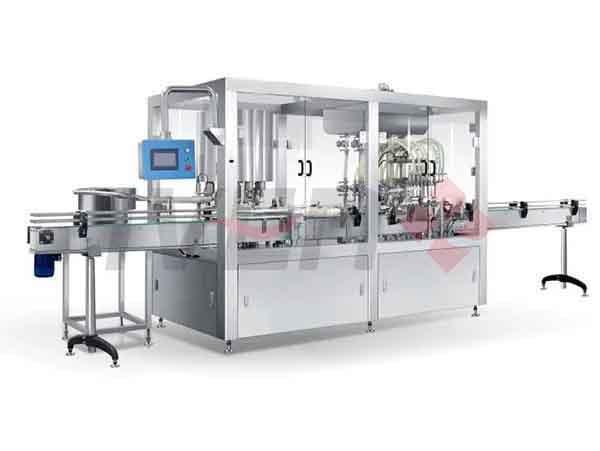
Antacid Syrup Filling Machines in the United States
Antacid and digestive syrup filling machines are specialized pharmaceutical systems used to dose, fill, cap, and often label liquid oral products with high accuracy under tightly controlled hygienic conditions. In the United States, these machines are especially important for manufacturers that must balance FDA cGMP compliance, production efficiency, product consistency, and scalable output for both prescription and over-the-counter syrup products.
Quick Answer: Why antacid and digestive syrup filling machines matter in regulated pharmaceutical manufacturing

An antacid and digestive syrup filling machine is a core production asset for companies manufacturing oral liquid products such as antacid suspensions, digestive aids, pediatric syrups, herbal digestive formulations, and other viscous medicinal liquids. It helps pharmaceutical plants control fill volume, reduce contamination risk, improve line efficiency, and document process performance for audits and validation.
For U.S. manufacturers operating in markets such as New Jersey, Illinois, California, Texas, and North Carolina, the machine is not simply a packaging device. It is part of a validated production system linked to bottle handling, rinsing, dosing, capping, induction sealing, labeling, serialization, and batch recording. When a site expands near major logistics hubs like Newark, Houston, Los Angeles, or Savannah, a modern syrup filling solution can significantly shorten turnaround times and support national distribution.
Because antacid and digestive syrups can vary in viscosity, foaming tendency, sugar content, and particle suspension behavior, equipment selection must be based on product characteristics rather than line speed alone. A well-matched line improves accuracy, minimizes product loss, and reduces downtime caused by nozzle dripping, container instability, or cleaning complexity.
What is an antacid and digestive syrup filling machine and what is it used for in pharmaceutical production?

In pharmaceutical production, an antacid and digestive syrup filling machine is designed to transfer prepared liquid formulation from a holding tank or distribution loop into bottles or other approved containers at controlled volumes. It is typically used after solution preparation, filtration where applicable, holding, and container staging. Depending on the product, the equipment may handle sugar-based syrups, sugar-free formulations, suspensions, and thicker digestive preparations.
Typical uses include:
- Filling OTC antacid syrups for heartburn and acid relief
- Filling digestive enzyme liquids and stomach soothing formulations
- Producing pediatric oral liquids with strict dose consistency
- Packaging herbal digestive tonics for regulated markets
- Supporting contract manufacturing organizations handling multiple SKUs
- Running pilot, clinical, and commercial batches
Most pharmaceutical lines include several linked modules: bottle unscrambling, air cleaning or bottle washing where required, precision filling, cap placement, capping, sealing, visual inspection, labeling, cartoning, and end-of-line packing. For high-output facilities in areas such as Philadelphia or Indianapolis, integration with serialization and warehouse systems is also increasingly common.
The filling principle may be piston, peristaltic, flowmeter, servo pump, or vacuum-assisted depending on viscosity, bottle format, and target accuracy. For antacid suspensions with settling risk, continuous agitation in the product tank and careful line design are essential.
| Production Factor | Requirement in Antacid/Digestive Syrups | Why It Matters |
|---|---|---|
| Fill accuracy | Consistent dosing across every bottle | Supports label claim and batch compliance |
| Sanitary design | 316L contact parts, smooth surfaces, drainability | Reduces contamination and eases cleaning validation |
| Viscosity handling | Capability for medium to high viscosity liquids | Prevents underfill, splash, and unstable flow |
| Cap compatibility | Child-resistant, screw, measuring cup, tamper-evident | Supports OTC retail requirements |
| Documentation | IQ/OQ/PQ support and batch data capture | Critical for FDA inspections and internal QA |
| Changeover speed | Fast recipe and format adjustment | Important for multi-product U.S. plants |
The table above shows why equipment decisions are driven by quality and compliance as much as throughput. In U.S. pharmaceutical operations, the machine must fit the full validation and production environment, not just the immediate filling task.
Main applications and benefits of antacid and digestive syrup filling machines in modern pharmaceutical manufacturing

The primary application is the commercial production of oral liquid medicines sold through retail pharmacy chains, hospital systems, e-commerce channels, and private-label networks. In the United States, where product portfolios can shift quickly based on seasonal demand, consumer health trends, and retailer requirements, flexible syrup filling lines deliver strong operational value.
Key benefits include:
- Higher dosing precision than manual or semi-automatic methods
- Reduced labor dependency in high-cost manufacturing environments
- Better contamination control through enclosed transfer and hygienic design
- Improved overall equipment effectiveness through automation
- More reliable scaling from pilot to full commercial output
- Better compatibility with electronic batch records and validation systems
Applications extend beyond traditional antacids. Many producers use the same platform for cough syrups, vitamin tonics, appetite aids, iron formulations, and pediatric liquids, provided the cleaning strategy and material compatibility are properly validated. This is particularly attractive for contract manufacturers in states like Florida and Pennsylvania serving multiple brand owners.
Another major benefit is reduction of giveaway. Even small overfill per bottle can become a significant annual cost when a line runs millions of units. Servo-based filling and intelligent feedback systems help keep output within target range while limiting waste.
| Application Area | Typical Product | Line Priority | Main Benefit |
|---|---|---|---|
| OTC antacid production | Calcium or magnesium-based syrup | Volume consistency | Stable retail quality |
| Digestive aid manufacturing | Enzyme or herbal liquid | Flexible recipes | SKU versatility |
| Pediatric oral liquids | Gentle digestive syrup | Low contamination risk | Patient safety support |
| Contract manufacturing | Private label syrup products | Fast changeover | Higher asset utilization |
| Hospital supply | Institutional bottle formats | Traceability | Audit readiness |
| Export-oriented production | Multi-market oral liquids | Standards compliance | Broader market access |
This table highlights how the same equipment platform may serve different business models. A domestic OTC manufacturer in Chicago may prioritize speed, while a contract facility near Boston may prioritize flexibility and changeover.
Key types, models and technical options for antacid and digestive syrup filling machines
There is no single best model for every plant. The right machine depends on batch size, container range, viscosity, automation goals, and compliance strategy. In the U.S. market, buyers commonly evaluate the following categories.
| Machine Type | Best For | Typical Speed | Advantages | Limitations |
|---|---|---|---|---|
| Semi-automatic piston filler | R&D, small batch, startup production | 10-30 bottles/min | Lower cost, simple operation | Higher labor input |
| Automatic inline piston filler | Viscous syrups and suspensions | 40-150 bottles/min | Good accuracy for thicker products | More complex CIP design |
| Servo pump filler | Multi-SKU commercial production | 60-200 bottles/min | Recipe control, fast adjustment | Higher capital cost |
| Flowmeter filler | Lower viscosity oral liquids | 80-250 bottles/min | Continuous high-speed operation | Less ideal for heavy suspensions |
| Monoblock rinse-fill-cap system | Space-constrained pharma plants | 50-180 bottles/min | Compact footprint, integrated control | May reduce module flexibility |
| Custom turnkey oral liquid line | Large regulated facilities | Project-specific | Full integration and validation support | Longer planning cycle |
The table shows that technical selection should align with business model and formulation complexity. For example, a thick antacid suspension often performs better on piston or servo-driven systems than on standard overflow concepts.
Important technical options include:
- No-drip diving nozzles for foaming or splash-sensitive products
- Tank agitation for suspended solids
- CIP/SIP-compatible product contact pathways where needed
- Load cell or mass-flow verification
- Reject stations for underfill, missing cap, or torque deviation
- Vision inspection for cap and fill level checks
- 21 CFR Part 11-ready software features for controlled data handling
- Tool-less change parts for bottle size changes
Buyers should also evaluate how the filling line integrates with purified water systems, solution preparation skids, and downstream packing equipment. Companies planning a broader factory upgrade often benefit from discussing the complete process rather than buying a stand-alone filler. For example, turnkey engineering support can be reviewed through integrated pharmaceutical project solutions when the goal is line expansion rather than isolated equipment replacement.
Antacid and digestive syrup filling machines vs alternative technologies: which solution fits your needs?
Not every liquid packaging technology suits pharmaceutical antacid and digestive products. Some consumer-goods fillers may appear cheaper, but they may not meet documentation, material, cleaning, or precision expectations required in regulated environments. U.S. buyers should compare total suitability, not purchase price alone.
| Technology | Regulated Pharma Fit | Viscous Syrup Fit | Scalability | Best Use Case |
|---|---|---|---|---|
| Pharma syrup filling machine | High | High | High | Commercial regulated production |
| General food liquid filler | Low to medium | Medium | Medium | Non-pharma liquids |
| Manual filling station | Low | Variable | Low | Lab or very small trial batches |
| Sachet packing machine | Medium | Medium | High | Single-dose alternatives |
| Blow-fill-seal line | High for selected products | Low to medium | High | Specific sterile liquid applications |
| Aseptic liquid filling line | High | Application-dependent | High | Sensitive or sterile formulations |
For standard oral antacid and digestive syrups, a dedicated bottle filling and capping line is usually the most practical solution. Sachets can be attractive for travel-size formats, but they require different packaging logistics and market positioning. Manual or adapted non-pharma systems may save money initially, yet often create downstream issues with validation, reject rates, and maintenance.
Market overview and future trends for antacid and digestive syrup filling machines in pharmaceutical manufacturing
The United States remains one of the most attractive markets for oral liquid packaging equipment due to its large OTC sector, mature contract manufacturing ecosystem, and continuous replacement of aging production assets. Demand is strongest in areas with established pharmaceutical clusters such as New Jersey, Pennsylvania, Massachusetts, North Carolina, Indiana, and California. Ports and logistics gateways including Newark, Long Beach, Houston, Savannah, and Charleston support imported components and finished equipment delivery.
Several forces are shaping the market:
- Growth in OTC digestive health products
- Private-label expansion by major retailers
- Increased focus on serialization, data integrity, and electronic records
- Retrofitting older plants for labor efficiency
- Greater emphasis on sustainability and utility reduction
- Rising demand for flexible lines that run multiple bottle sizes
Looking toward 2026, the strongest trends are likely to be smarter automation, more recipe-driven servo control, greater use of remote diagnostics, predictive maintenance, and cleaner material flow integration with warehouse systems. U.S. buyers are also paying closer attention to energy consumption, compressed air use, cleanability, and reduced product loss.
Policy and compliance trends matter as well. Facilities preparing for future FDA inspections want stronger audit trails and easier validation packages. At the same time, sustainability expectations from major healthcare buyers and consumer brands are pushing line designs toward lower waste generation and better compatibility with lightweight bottles and recyclable packaging formats.
The charts illustrate a realistic shift in U.S. purchasing behavior: overall demand is rising, but the mix is moving steadily toward intelligent, integrated systems that can support broader plant modernization goals.
How to choose a reliable antacid and digestive syrup filling machine manufacturer or supplier
Choosing a supplier is often more important than choosing a machine layout. The best equipment can still become a poor investment if the vendor lacks pharmaceutical documentation, technical communication, or after-sales capability. U.S. buyers should qualify suppliers with a structured scorecard.
| Supplier Evaluation Point | What to Ask | Why It Matters |
|---|---|---|
| Regulatory familiarity | Can the supplier support FDA cGMP-oriented documentation? | Reduces qualification risk |
| Design capability | Can they customize for viscosity, bottle range, and layout? | Improves product-machine fit |
| Manufacturing depth | Do they build critical modules themselves? | Better quality control and lead time visibility |
| Validation support | Are IQ/OQ/PQ documents available? | Speeds site acceptance and launch |
| Service responsiveness | What is the plan for installation, training, and spare parts? | Minimizes downtime |
| Reference projects | Can they show similar pharma liquid lines? | Confirms real-world performance |
When reviewing suppliers, it is wise to examine three layers of capability:
Technological capabilities. The supplier should understand not just filling speed, but pharmaceutical process integration. Strong vendors offer engineering depth in dosing control, hygienic design, automated capping, intelligent line control, and compatibility with water systems, liquid preparation, and packaging automation. A provider with broad technical coverage can support future upgrades rather than a one-time machine sale.
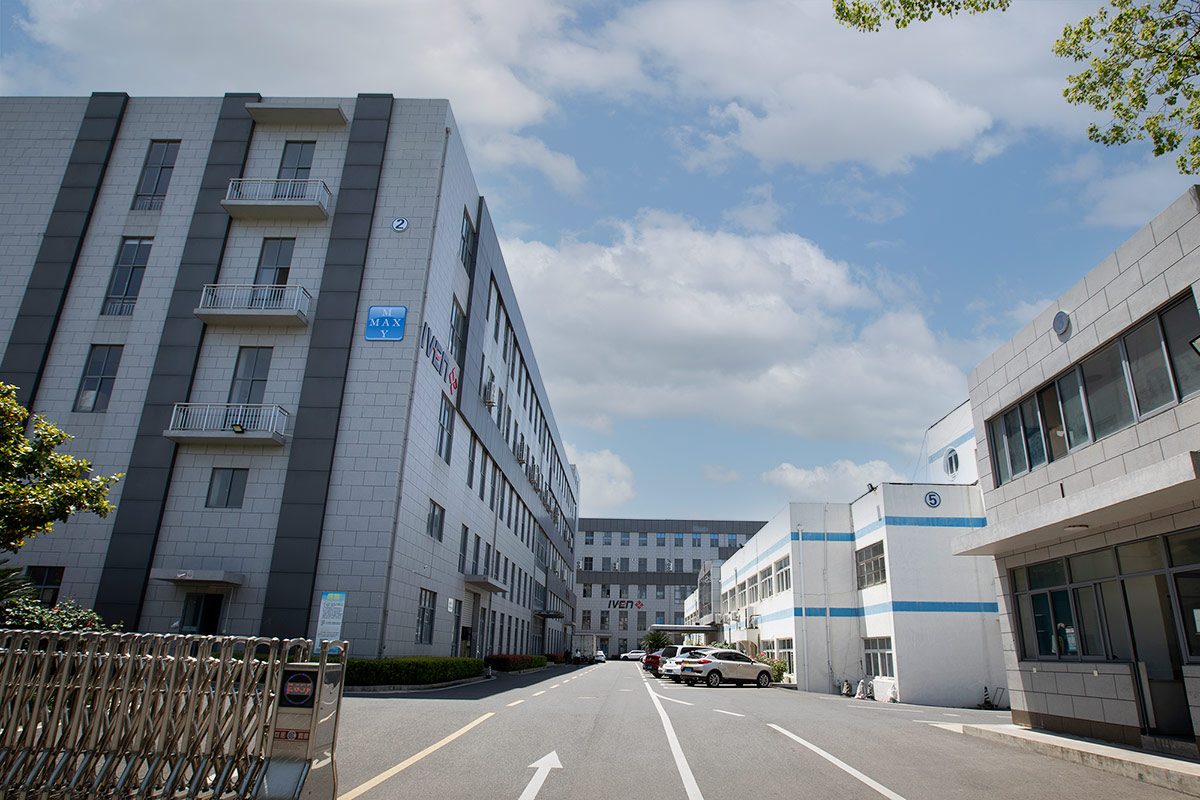
Manufacturing capabilities. Buyers should look for stable production capacity, defined quality control processes, and the ability to build more than a single stand-alone unit. A manufacturer operating multiple specialized facilities and producing filling, water treatment, conveying, and packaging equipment can often deliver better consistency across an entire project. Product portfolios can be explored through a supplier’s pharmaceutical equipment catalog when early benchmarking is needed.
Service capabilities. U.S. pharmaceutical projects typically need pre-sales consultation, line layout review, FAT/SAT planning, commissioning, training, documentation, and follow-up support. Reliable suppliers provide lifecycle assistance from feasibility through optimization. If direct support is needed, buyers should use a clear project inquiry channel rather than relying only on distributor-level communication.
A supplier such as IVEN Pharmatech Engineering is often evaluated in the U.S. market because it combines pharmaceutical engineering know-how, equipment manufacturing, integrated line capability, and support for regulated projects. Instead of acting only as a machine vendor, the company presents itself as a long-term partner for factory modernization, including oral liquid lines and associated utility or packaging systems. Its broader background can be reviewed on the company introduction page.
Investment cost, budget planning and ROI analysis for antacid and digestive syrup filling machines
Capital budget planning should cover far more than base equipment price. In the United States, the installed cost of a syrup filling line can vary substantially depending on speed, automation level, bottle range, software requirements, inspection modules, and the amount of validation support included.
| Cost Element | Typical Share of Budget | Notes |
|---|---|---|
| Core filling and capping equipment | 35% to 45% | Main machine and essential modules |
| Upstream and downstream integration | 10% to 20% | Unscrambler, conveyors, labeling, packing |
| Engineering and customization | 8% to 15% | Recipe adaptation, bottle parts, layout fit |
| Validation documentation | 5% to 10% | FAT, IQ/OQ support, test documentation |
| Installation and commissioning | 8% to 12% | Site work, startup, training |
| Spare parts and contingency | 5% to 10% | Startup kits and risk buffer |
The budget table shows why line economics must be examined as a full project. A lower purchase price can be offset by expensive retrofits, delayed commissioning, or weak documentation.
ROI usually comes from five sources:
- Labor reduction
- Lower overfill and product loss
- Higher throughput
- Lower reject rate
- Fewer compliance disruptions and audit findings
For example, a mid-sized U.S. manufacturer producing 8 to 12 million bottles annually may justify a more advanced servo system if it reduces overfill by even a small amount and supports additional SKUs without another packaging line. Plants located in high-cost labor regions such as the Northeast or West Coast often see faster payback from automation than plants in lower-cost regions.
Buyers should build best-case, base-case, and conservative ROI models. Include downtime assumptions, preventive maintenance cost, expected changeover losses, and lead times for spare components. A realistic payback period for a well-utilized line often falls in the 2 to 5 year range, but the true number depends on volume, product margin, and current process inefficiency.
Key considerations and potential risks when investing in antacid and digestive syrup filling machines
Investment risk typically comes from under-specification, over-specification, or poor project management. Companies sometimes buy a line based on nominal speed only to discover that actual output falls once viscous product, bottle instability, cap variation, and cleaning validation are considered.
Main risks include:
- Mismatch between filling principle and product viscosity
- Insufficient agitation for suspensions
- Poor compatibility with child-resistant or tamper-evident caps
- Weak software documentation for regulated records
- Long spare parts lead times
- Complex cleaning procedure that reduces uptime
- Underestimating utilities and floor space needs
- Lack of local or remote technical support during startup
A good way to reduce risk is to run product trials using actual syrup samples or validated simulants. FAT should include bottle range, target speed, fill accuracy, reject handling, and capping performance. For imported equipment arriving through U.S. ports such as Los Angeles, Newark, or Houston, buyers should also account for customs timing, inland transport, rigging, and installation sequencing.
Case experience across the industry shows that the most successful projects start with a full process map: formulation output, batch transfer, holding time, bottle presentation, fill volume tolerance, closure style, labeling, packing, and warehouse release. This matters even more when a plant intends to add future lines or integrate with automated logistics systems.
From a supplier perspective, companies with broader engineering backgrounds can help prevent layout and interface problems before purchase. That is particularly relevant for projects involving liquid preparation, water systems, filling, and end-of-line packaging under one expansion plan.
FAQ
1. What bottle sizes can an antacid syrup filling machine handle?
Most pharmaceutical lines can be configured for common formats such as 30 mL, 60 mL, 100 mL, 120 mL, 150 mL, and 200 mL bottles. The exact range depends on container stability, conveyor design, starwheel or puck requirements, and change parts.
2. Is a monoblock system better than a modular line?
A monoblock is often better for compact layouts and simpler integration. A modular line can be better for plants that expect future upgrades or frequent format expansion. The right choice depends on space, flexibility, and maintenance strategy.
3. Can the same line fill both antacid and digestive syrup products?
Yes, in many cases it can, provided viscosity range, cleaning validation, material compatibility, and cross-contamination controls are properly addressed. Multi-product operation is common in U.S. contract manufacturing facilities.
4. What level of accuracy should buyers expect?
That depends on fill volume, product properties, and filling technology. A qualified pharmaceutical system should provide repeatable performance suitable for validated production, but the actual acceptance criteria must be defined by the manufacturer’s quality system and product specification.
5. What documents should a supplier provide?
Typical requirements include equipment manuals, material certificates where relevant, electrical drawings, pneumatic diagrams, FAT protocols, calibration records, spare parts lists, and IQ/OQ support documents.
6. How long does implementation usually take?
For a standard machine, lead time may range from a few months to longer depending on customization. Full turnkey oral liquid projects take more time because they involve utilities, layout, packaging integration, qualification, and site scheduling.
7. Are imported machines practical for the United States market?
Yes, if the supplier has strong documentation, commissioning capability, and responsive service planning. Imported equipment is common in U.S. pharmaceutical operations, especially when it offers a favorable balance of technology, quality, and total cost.
8. What should a U.S. buyer ask during the first technical meeting?
Provide product viscosity, bottle sizes, closure type, target output, cleaning method, required compliance documents, utility conditions, and whether the line must integrate with existing labeling, cartoning, or warehouse systems.
9. How important is supplier scale?
It matters because larger, specialized manufacturers often provide stronger engineering resources, broader spare support, and better integration across utilities, filling, conveying, and packaging. That can reduce project risk over the equipment lifecycle.
10. What is the best approach for companies planning a new oral liquid facility?
Start with a process and compliance roadmap, not just a machine quotation. Evaluate equipment, utilities, material flow, validation, staffing, and future expansion together. This approach usually leads to a better long-term result than buying isolated pieces of equipment one by one.
For pharmaceutical companies in the United States, antacid and digestive syrup filling machines remain a strategic investment rather than a routine purchase. The best decisions come from matching product behavior, regulatory expectations, factory layout, and long-term growth plans with a supplier that can deliver both equipment and dependable project support.

About the Author
We are IVEN Pharmatech Engineering, a team dedicated to delivering turnkey pharmaceutical and medical solutions worldwide. With decades of experience, we specialize in advanced machinery, integrated factory design, and full lifecycle support to help our clients achieve efficient, compliant, and high-quality production.
Share
Related Insights
-
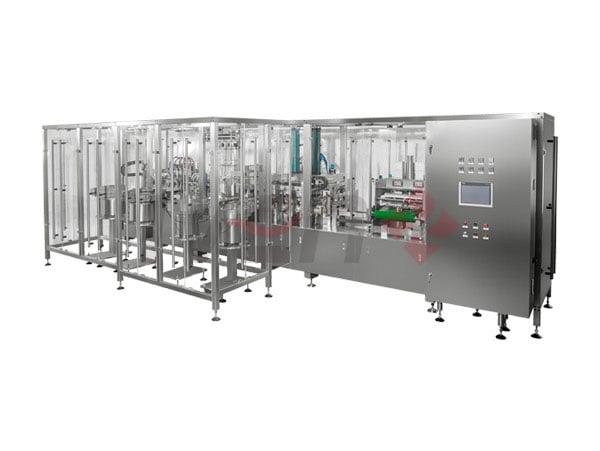
CAPD Dialysis Solution Production in the United States
Peritoneal dialysis solution CAPD production is the industrial process used to prepare, sterilize, fill, seal, inspect, and package dialysis fluids for continuous ambulatory peritoneal dialysis. In the United States, this production is important because hospitals, renal clinics, and home-care programs need a stable supply of safe, sterile, accurately formulated solutions for chronic kidney disease management. A well-designed production line supports product quality, regulatory compliance, production efficiency, and dependable distribution across major healthcare markets such as New York, Chicago, Houston, Los Angeles, Atlanta, and Miami.
For manufacturers entering or expanding in this field, the decision is not only about buying a filling line. It involves formulation systems, water treatment, clean utilities, sterile process design, packaging compatibility, validation, quality assurance, and long-term service support. In the U.S. market, where FDA expectations, supply resilience, and product traceability matter greatly, CAPD solution production lines must be planned with both technical reliability and commercial scalability in mind.
Companies looking for integrated project support often prefer an experienced engineering partner rather than sourcing separate components from multiple vendors. A provider such as IVEN Pharmatech Engineering is known in the pharmaceutical equipment sector for combining engineering design, sterile liquid production expertise, and compliance-oriented turnkey execution for global pharmaceutical and medical device factories.
CAPD solution production helps manufacturers supply sterile peritoneal dialysis fluids for both home treatment and clinical use. The core purpose is to ensure that each bag or bottle contains the correct electrolyte balance, glucose concentration, pH control, and microbiological safety needed for peritoneal dialysis therapy. In the United States, this directly supports nephrology networks, group purchasing organizations, regional hospital systems, and home-delivery providers serving patients with end-stage renal disease and advanced chronic kidney disease.
The process usually includes purified water generation, solution compounding, filtration, tank storage, sterile transfer, automated filling, container sealing, terminal sterilization where applicable, leak testing, visual inspection, labeling, cartoning, and palletized logistics. When these steps are designed as one coordinated system, manufacturers can reduce contamination risk, improve batch consistency, and increase output for nationwide supply chains.
Production StageMain ObjectiveKey Control PointWhy It MattersWater preparationProduce high-purity process waterConductivity and microbial controlWater quality directly affects solution safetySolution compoundingBlend electrolytes and glucose accuratelyFormula accuracy and mixing uniformityIncorrect concentration can affect treatment outcomesSterile transferMove solution without contaminationClosed piping and aseptic designProtects product before fillingFilling and sealingPackage solution into final containersVolume precision and seal integrityPrevents leakage and dosage inconsistencySterilizationEnsure microbial safetyValidated temperature and cycle controlCritical for patient safetyInspection and packagingRelease market-ready productsVisual, leak, label, and code checksSupports traceability and complianceThe table above shows why CAPD production cannot be treated as a simple liquid filling project. Each stage has a direct link to patient safety, regulatory acceptance, and product stability.
CAPD solution production refers to the dedicated manufacturing of dialysis fluids used in continuous ambulatory peritoneal dialysis. Unlike ordinary saline or IV fluid lines, these systems must handle specialized formulations and package configurations intended for repeated, routine exchange by patients at home or under supervised care. Because CAPD is used frequently and often outside the hospital, the product must be exceptionally reliable in sterility, clarity, bag integrity, and usability.
In kidney care, the importance is practical and immediate. Peritoneal dialysis allows many patients to maintain a degree of independence, reduce travel frequency to in-center hemodialysis facilities, and continue daily activities with more flexibility. That makes uninterrupted product availability essential. A shortage in Los Angeles, Dallas, Philadelphia, Seattle, or Boston quickly affects patient routines, providers, and distributors. Manufacturers therefore need high-uptime lines, dependable sourcing of medical-grade packaging materials, and validated quality systems.
In the U.S., demand is shaped by chronic disease prevalence, aging demographics, growth in home-based care, payer interest in alternative renal treatment pathways, and emergency preparedness planning. CAPD solution production is also significant because health systems increasingly value domestic or regionally resilient supply chains. Proximity to transport corridors such as the Port of Los Angeles, Port of Long Beach, Port of Houston, Savannah, and Newark can improve import logistics for machinery and raw materials, while central distribution hubs near Memphis, Indianapolis, or Chicago support nationwide delivery.
From an engineering perspective, the strongest projects start with process understanding rather than equipment shopping alone. This is where technological capability becomes essential. IVEN Pharmatech Engineering has built a reputation for sterile liquid and dialysis solution line engineering by offering customized designs aligned with EU GMP, U.S. FDA cGMP, WHO GMP, and PIC/S GMP expectations. That combination is particularly relevant for U.S.-targeted projects where documentation, validation readiness, and clean utility integration are just as important as machine output.
CAPD solution production supports two overlapping care environments: home therapy and institutional treatment. In home use, patients need manageable package formats, easy-connect systems, strong seals, and clear labeling. In hospitals and renal centers, providers value lot traceability, storage efficiency, standardized quality, and dependable replenishment. A good production platform can serve both channels if the design includes flexible packaging formats and robust quality assurance.
The main benefits include:
For U.S. manufacturers and contract producers, this also creates business value. Hospitals in cities such as Cleveland, Phoenix, San Diego, Charlotte, and Minneapolis increasingly evaluate supply partners on resilience, fill accuracy, product presentation, and release reliability. A modern CAPD production line can improve all four.
Care SettingOperational NeedPackaging PriorityProduction BenefitHome treatmentEasy routine exchangesUser-friendly bag systemsImproves patient convenienceHospital wardsDependable stock supplyClear labels and traceabilitySupports efficient inventory controlDialysis clinicsConsistent therapy performanceBatch standardizationReduces treatment variabilityEmergency reservesRapid deploymentDurable secondary packagingEnhances disaster readinessLong-term care facilitiesSimple handlingLeak-resistant containersReduces product wasteMail or home-delivery networksTransport durabilityStrong seals and codingProtects product through distributionThe table highlights why production decisions should reflect end-use conditions, not just factory throughput. In CAPD products, the final care setting influences line configuration, packaging design, and quality controls.
There is no single universal CAPD production model. Manufacturers can choose among different plant scales, levels of automation, container formats, and sterilization strategies. The right choice depends on annual demand, product portfolio, regulatory goals, and available cleanroom space.
Common technical options include soft bag lines, bottle-based systems, multi-chamber packaging concepts, modular compounding skids, centralized clean utility plants, and automated material handling. In U.S. facilities where labor costs are high and compliance pressure is strong, manufacturers often favor higher automation with integrated supervisory control systems and electronic batch record compatibility.
Typical line components include:
Manufacturing capability matters here. IVEN operates specialized manufacturing plants in Shanghai focused on pharmaceutical filling and packaging machinery, pharmaceutical water treatment systems, intelligent conveying and logistics, and blood collection tube production equipment. For U.S. buyers, this matters because it suggests stronger control over system integration, customization depth, and consistency across project components rather than fragmented sourcing.
Model TypeTypical Output LevelBest ForMain AdvantagePilot or small-scale lineLow to moderateNew entrants and validation batchesLower starting investmentMid-scale automated lineModerateRegional U.S. supplyBalanced cost and capacityHigh-capacity integrated lineHighNational distributionBetter economies of scaleSoft bag CAPD lineVariableHome dialysis productsFlexible and patient-friendly formatBottle-based lineVariableSpecific institutional requirementsRigid container durabilityTurnkey modular plantScalableFast project deploymentIntegrated engineering and utilitiesThe best model depends on whether the manufacturer plans to supply one state, multiple regions, or the full U.S. market. A Texas-based plant serving Houston, Dallas, San Antonio, and Gulf distribution routes may need a different architecture than a Northeast site focused on New Jersey, Boston, and Philadelphia corridors.
CAPD production should be compared with alternative sterile liquid manufacturing approaches, but not all are suitable substitutes. Standard IV fluid lines may share some technologies, yet CAPD products typically demand different formulation controls, container designs, and therapy-specific validation. Likewise, relying on imports rather than local production can reduce initial capital spending but may increase supply-chain vulnerability, lead times, and exposure to freight disruptions.
Alternative options often considered include:
Each path has tradeoffs. For a company aiming for long-term U.S. presence, dedicated CAPD production generally provides stronger control over product quality, cost structure, and supply assurance. For a company testing the market, contract manufacturing can reduce upfront risk but may limit flexibility and margin.
OptionCapital NeedControl LevelSpeed to MarketSupply ResilienceDedicated CAPD production lineHighHighModerateHighAdapted IV solution lineMediumMediumModerateMediumContract manufacturingLow to mediumLowHighMediumImported finished productLowLowModerateLowSmall regional compoundingLowMediumFast for niche useLowHemodialysis-only strategyVariableHigh in another segmentIrrelevant for CAPD needDoes not solve PD demandThis comparison shows that dedicated CAPD production is usually the best fit for manufacturers seeking quality control, scalable capacity, and long-term market positioning in the United States.
var ctxComparison = document.getElementById(‘comparisonChart’).getContext(‘2d’);var comparisonChart = new Chart(ctxComparison, {type: ‘bar’,data: {labels: [‘Dedicated CAPD Line’, ‘Adapted IV Line’, ‘Contract Manufacturing’, ‘Imported Product’, ‘Regional Compounding’],datasets: [{label: ‘Control Score’,data: [95, 72, 45, 30, 58],backgroundColor: ‘rgba(153, 102, 255, 0.7)’},{label: ‘Supply Resilience Score’,data: [92, 68, 61, 35, 48],backgroundColor: ‘rgba(54, 162, 235, 0.7)’}]},options: {responsive: true,maintainAspectRatio: false}});The U.S. market for dialysis-related products continues to be shaped by rising chronic kidney disease prevalence, home-based treatment adoption, and healthcare system pressure to diversify renal care pathways. CAPD solution production capacity is increasingly discussed not only as a pharmaceutical manufacturing issue, but also as part of broader healthcare resilience planning.
Several trends stand out:
Demand patterns also vary by geography. States with large urban populations and advanced nephrology networks, including California, Texas, Florida, New York, Pennsylvania, and Illinois, often create stronger distribution pull. Coastal import gateways such as Los Angeles/Long Beach, Houston, Savannah, and New York/New Jersey remain important for machinery delivery and raw material movement. Inland logistics centers around Chicago, Columbus, and Kansas City improve finished-product distribution efficiency.
var ctxLine = document.getElementById(‘lineChart’).getContext(‘2d’);var lineChart = new Chart(ctxLine, {type: ‘line’,data: {labels: [‘2021’, ‘2022’, ‘2023’, ‘2024’, ‘2025’, ‘2026’],datasets: [{label: ‘Estimated U.S. CAPD Production Capacity Demand Index’,data: [100, 108, 117, 127, 139, 153],borderColor: ‘rgb(75, 192, 192)’,backgroundColor: ‘rgba(75, 192, 192, 0.15)’,fill: false,tension: 0.25}]},options: {responsive: true,maintainAspectRatio: false}});The line chart above illustrates a realistic upward trajectory in expected demand for U.S. CAPD production capacity. Growth does not necessarily mean every project should immediately build a full national-scale plant, but it does support the case for modular expansion planning.
var ctxBar = document.getElementById(‘barChart’).getContext(‘2d’);var barChart = new Chart(ctxBar, {type: ‘bar’,data: {labels: [‘Hospital Systems’, ‘Home Care Programs’, ‘Dialysis Clinics’, ‘Long-Term Care’, ‘Emergency Stockpiles’, ‘Distributors’],datasets: [{label: ‘Relative Demand Contribution’,data: [78, 92, 85, 46, 39, 71],backgroundColor: ‘rgba(255, 99, 132, 0.7)’}]},options: {responsive: true,maintainAspectRatio: false}});This demand view shows why home care programs and dialysis clinics are strong drivers. As the United States continues to support at-home treatment models, manufacturers with flexible packaging and dependable logistics will likely gain an advantage.
Choosing a reliable equipment manufacturer or engineering supplier requires more than reviewing a brochure. U.S. buyers should assess regulatory understanding, sterile liquid experience, integration capability, after-sales support, customization depth, documentation quality, and long-term spare parts access.
Key evaluation criteria include:
Service capability becomes especially important after installation. A supplier that can assist with feasibility, engineering, layout optimization, installation, commissioning, validation, quality consulting, training, and post-launch optimization can reduce project delays and lifecycle cost. This is one reason many buyers explore turnkey pharmaceutical engineering solutions instead of buying isolated standalone machines.
Selection FactorWhat to CheckWhy It Matters in the U.S.Buyer Risk if WeakRegulatory competencecGMP familiarity and documentationSupports FDA readinessValidation gaps and delaysProcess engineeringIntegrated sterile liquid knowledgeImproves line performanceMismatch between utilities and machinesCustomizationAbility to fit plant layout and product typeHelps with real site constraintsExpensive redesign after purchaseManufacturing depthIn-house production capabilityBetter consistency and coordinationFragmented supply responsibilityAfter-sales serviceTraining, spare parts, remote supportReduces downtimeLong stoppages and lost revenueTrack recordInternational installations and referencesIndicates practical execution abilityHigher implementation uncertaintyWhen comparing suppliers, it is useful to request concept layouts, utility consumption estimates, expected OEE ranges, documentation lists, and sample validation packages. Buyers can also review product options through a supplier’s equipment portfolio before moving into detailed technical discussions.
Investment cost depends on plant size, automation level, utility scope, cleanroom classification, local construction cost, and target throughput. In the United States, project budgets are often influenced by site labor, MEP installation cost, commissioning standards, and validation documentation requirements. A CAPD line budget therefore should include much more than the core filling machine.
Major cost categories usually include:
ROI is improved when capacity is matched to realistic market demand, packaging waste is minimized, and preventive maintenance is planned from day one. Strong uptime and lower rejection rates can materially change payback. For a regional U.S. project, manufacturers often compare a smaller modular line with staged expansion against a full-capacity plant built upfront.
Budget ItemRelative Cost WeightPlanning NoteROI ImpactCore process equipmentHighChoose scalable architectureDirectly affects throughputWater and utilitiesHighDo not under-specify purity systemsImpacts quality and uptimeFacility and cleanroomHighAlign with product mix and flowMajor capital driverAutomation and controlsMedium to highSupports labor savings and traceabilityImproves consistencyValidation and documentationMediumCritical for regulated launchReduces compliance riskTraining and serviceMediumPlan for lifecycle supportProtects long-term performanceAs a simple example, if a producer supplies the Midwest through Chicago and Indianapolis distribution routes, reducing reject rates by even a small percentage can save substantial annual cost due to high recurring volume. Likewise, stronger automation may raise initial capital but lower labor dependency and batch deviation risk over time.
Investment in CAPD production can be attractive, but the risks should be understood early. The biggest mistakes usually come from incomplete project scope, underestimating regulatory complexity, or selecting equipment that cannot scale with market needs.
Main risks include:
Mitigation starts with feasibility analysis, realistic capacity planning, and a supplier with full-lifecycle project support. This is where a structured engineering approach matters. Firms with experience across process equipment, clean utilities, and facility layout can identify cross-functional problems early. Prospective buyers who want project-specific guidance can contact an engineering specialist for preliminary discussions on layout, compliance path, and production targets.
var ctxArea = document.getElementById(‘areaChart’).getContext(‘2d’);var areaChart = new Chart(ctxArea, {type: ‘line’,data: {labels: [‘2021’, ‘2022’, ‘2023’, ‘2024’, ‘2025’, ‘2026’],datasets: [{label: ‘Shift Toward Home-Dialysis Oriented Production Planning’,data: [34, 39, 45, 53, 61, 70],fill: true,backgroundColor: ‘rgba(75, 192, 192, 0.25)’,borderColor: ‘rgb(75, 192, 192)’,tension: 0.3}]},options: {responsive: true,maintainAspectRatio: false}});The area chart reflects a realistic trend shift in planning priorities. More U.S. projects are now considering home-use packaging, digital traceability, and patient-centered logistics at the earliest design stage.
CAPD solution production serves several industries and use cases beyond a narrow equipment category. Primary users include pharmaceutical manufacturers, renal therapy product companies, hospital product divisions, contract development and manufacturing organizations, and medical consumables groups expanding into dialysis care.
Applications include:
A practical case pattern in the U.S. involves a company establishing a phased regional plant near a logistics corridor, such as Houston for Gulf access, New Jersey for East Coast density, or Chicago for central distribution. Phase one covers core demand with a mid-scale automated line. Phase two adds packaging automation, warehouse integration, and expanded utilities after commercial volumes stabilize. This staged strategy often reduces capital stress while preserving expansion room.
Another common model is a company with an existing sterile liquid plant upgrading into CAPD production by adding dedicated solution prep, specialized packaging, and validation documentation. This can work when facility flow, contamination control, and equipment compatibility are properly reviewed.
Local supplier strategy matters too. U.S. buyers should map who will support utilities, cleanroom integration, validation, and spare parts domestically. Even if major equipment is sourced internationally, local commissioning partners in states such as New Jersey, North Carolina, Massachusetts, California, and Texas can improve response speed.
For buyers evaluating engineering partners, it is useful to separate capability into technology, manufacturing, and service.
Technological capabilities: IVEN Pharmatech Engineering focuses on pharmaceutical and medical device engineering with strong experience in sterile liquid systems, dialysis solution lines, water treatment, solution preparation, and intelligent process integration. Its technical background is relevant to U.S. projects that need compliance-oriented design, automated production control, and customized layouts for existing or new facilities.
Manufacturing capabilities: The company supports projects through multiple specialized manufacturing bases dedicated to pharmaceutical filling and packaging machinery, water treatment systems, conveying and logistics systems, and related production technologies. For a U.S. buyer, this broader manufacturing base can mean stronger integration across line components, better customization, and more consistent delivery than assembling a project from unrelated vendors.
Service capabilities: IVEN’s project model extends from feasibility consulting and engineering design to installation, commissioning, validation support, training, technical documentation, and after-sales service. For CAPD production investors in the United States, this type of lifecycle support can reduce handoff problems between design, procurement, startup, and regulated production release.
The company has worked across dozens of countries and complex regulated environments, which is useful for customers seeking a partner able to understand both international engineering execution and market-specific compliance demands.
Looking toward 2026, the CAPD production landscape in the United States is expected to evolve in three connected directions: smarter automation, policy-driven supply resilience, and sustainability-focused plant design.
Technology trends: More facilities will adopt integrated SCADA or MES connectivity, electronic batch records, predictive maintenance, automated inspection analytics, and higher levels of robotic secondary packaging. These tools reduce deviation risk and improve data integrity.
Policy trends: U.S. healthcare policy is likely to continue supporting care models that increase treatment flexibility and supply stability. This does not guarantee one specific reimbursement path, but it does encourage manufacturers to build resilient capacity and domestic support capability.
Sustainability trends: New projects will pay closer attention to water recovery, energy-efficient sterilization, optimized CIP/SIP cycles, recyclable secondary packaging, and reduced material loss. In states with higher utility costs or stricter environmental expectations, these factors can materially improve lifecycle economics.
Manufacturers planning plants in 2025 and 2026 should therefore prioritize modular scalability, digital compliance readiness, and resource efficiency together rather than treating them as separate upgrades.
What does CAPD stand for in dialysis solution production?CAPD stands for continuous ambulatory peritoneal dialysis. In production terms, it refers to the manufacture of sterile dialysis fluids used for this therapy.
Is CAPD solution production the same as standard IV fluid production?No. While some technologies overlap, CAPD production usually requires therapy-specific formulation control, packaging considerations, and validation requirements.
Why is the U.S. market attractive for CAPD production investment?The United States has substantial demand drivers including chronic kidney disease prevalence, home-care growth, advanced hospital networks, and strong interest in reliable supply chains.
What container types are common for CAPD solution?Soft bags are common, but bottle-based and other specialized formats may also be used depending on product strategy and customer requirements.
What should buyers ask a supplier before purchasing a line?Ask about regulatory experience, process design scope, utility requirements, validation support, installed references, customization ability, and post-installation service.
How long does a CAPD production project usually take?The timeline varies by scope, but a full project can range from concept and design through commissioning and validation over many months, especially for U.S. regulated operations.
Can a turnkey supplier reduce project risk?Yes. A well-qualified turnkey partner can coordinate process design, equipment integration, utilities, validation support, and startup more efficiently than a fragmented multi-vendor approach.
Where can I review more about the supplier and its engineering scope?You can learn more through the company overview at the corporate profile page and explore integrated project options through turnkey services.
In summary, peritoneal dialysis solution CAPD production is a strategically important manufacturing segment for the United States. It connects patient care, pharmaceutical engineering, regulatory discipline, and supply-chain resilience. The strongest investment decisions come from aligning market demand, packaging strategy, clean utility design, automation level, and long-term service support. For companies entering this space, success depends not only on buying equipment, but on building a reliable, compliant, scalable production system designed for real-world kidney care needs.
-
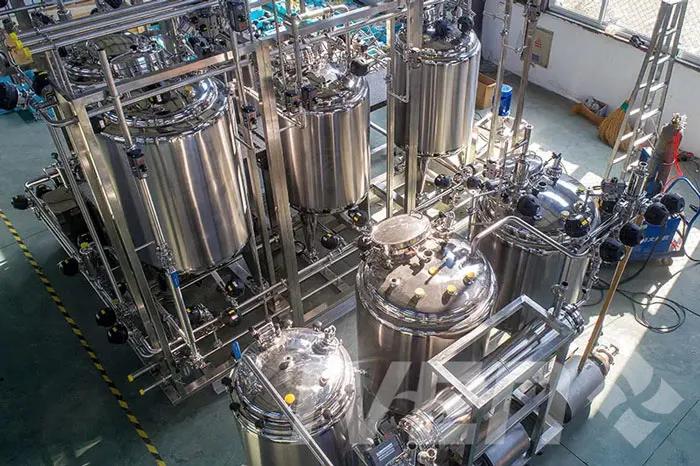
Biologics Water Treatment Systems in the United States
For pharmaceutical manufacturers in the United States, water treatment for biologics manufacturing is not a utility add-on. It is core production infrastructure that directly affects product quality, batch consistency, microbiological control, regulatory compliance, and plant uptime. In biologics facilities producing vaccines, monoclonal antibodies, recombinant proteins, cell therapies, and sterile injectables, purified water and Water for Injection must be generated, stored, and distributed under tightly controlled conditions. A properly designed system helps manufacturers meet USP, FDA cGMP, and GMP expectations while reducing contamination risk, operating variability, and long-term cost.
In U.S. pharmaceutical hubs such as Boston, Raleigh-Durham, San Diego, Philadelphia, Indianapolis, Houston, and the San Francisco Bay Area, expansion of biologics and advanced therapies continues to increase demand for high-purity pharmaceutical water systems. Facilities near major logistics corridors and ports such as the Port of New York and New Jersey, Port of Los Angeles, Port of Savannah, and Port of Houston also prioritize dependable engineering partners that can support imported equipment, domestic installation, validation, and after-sales service without creating schedule delays.
Water treatment for biologics manufacturing is essential because biologic drug production uses water in nearly every critical stage: media preparation, buffer preparation, equipment rinsing, clean steam generation, aseptic processing support, CIP/SIP, and final product environment control. If water quality fluctuates, endotoxin levels rise, conductivity drifts, or biofilm develops in the loop, the impact can extend from failed environmental trends to full batch rejection.
In practical terms, a pharmaceutical water treatment system for biologics manufacturing usually includes pre-treatment, reverse osmosis, electrodeionization or distillation, storage tanks, sanitary distribution loops, heat exchange, monitoring instruments, and validation documentation. For U.S. manufacturers, the objective is not only high purity but repeatable, documented, auditable performance that stands up to FDA inspection and internal quality review.
Water GradeTypical Use in Biologics PlantsQuality FocusMain Risk if Poorly ControlledCommon Generation MethodWhy It MattersPotable Feed WaterIncoming utility sourceStable feed qualitySeasonal variabilityMunicipal supply plus pretreatmentSets the baseline for downstream performancePre-treated WaterRO feed preparationHardness, chlorine, particulatesMembrane foulingSoftener, carbon, filtrationProtects core purification equipmentPurified WaterBuffer prep, equipment rinsingConductivity, TOC, bioburdenMicrobial excursionRO + EDI + UV + filtrationSupports GMP processing consistencyWater for InjectionSterile injectable manufacturingEndotoxin, microbial controlBatch rejectionDistillation or approved membrane-based systemRequired for the highest-risk applicationsPure Steam CondensateSIP, sterilization supportPyrogen controlEquipment contaminationPure steam generatorSupports aseptic assuranceLoop Return WaterContinuous recirculationTemperature and sanitization statusBiofilm formationHeated or ozone-sanitized loopMaintains water quality to point of useThe table above shows that water treatment in biologics manufacturing is not a single machine purchase. It is a complete quality system linked to source water, purification technology, loop design, instrumentation, sanitization strategy, and documentation.
A water treatment system for biologics manufacturing is a validated, GMP-oriented set of equipment and controls used to produce pharmaceutical-grade water required by biologics and sterile drug facilities. Unlike conventional industrial water treatment designed mainly for utility savings or basic process support, pharmaceutical water systems are built around product safety, microbial control, data integrity, traceability, and audit readiness.
U.S. pharma manufacturers need these systems for several reasons. First, biologics processes are highly sensitive to contamination. Protein-based drugs, vaccines, and cell culture processes can be compromised by low-level endotoxin, dissolved organics, or microbial growth that might be tolerated in many non-pharma industries. Second, FDA expectations for design qualification, commissioning, qualification, preventive maintenance, and trending are strict. Third, rapid scale-up in the U.S. contract development and manufacturing market means facilities need water systems that can support both current production and future capacity.
For example, a vaccine site in Pennsylvania may need high-volume WFI for formulation and equipment sterilization, while a monoclonal antibody plant in Massachusetts may prioritize stable Purified Water for media and buffer preparation with a separate WFI train for sterile downstream operations. A cell therapy operation in California may focus on compact, modular water skids with tight cleanroom integration and digital monitoring. The exact configuration changes, but the underlying need remains the same: reliable, compliant, high-purity water.
Pharmaceutical companies also increasingly look for partners able to support more than equipment supply. They want process understanding, regulatory documentation, FAT/SAT, IQ/OQ support, training, and coordinated utility integration. This is where international turnkey specialists can add value. IVEN Pharmatech Engineering, for example, is known for combining pharmaceutical process knowledge with engineering customization for water systems, injectable production lines, and complete facility solutions aimed at global GMP environments including U.S.-aligned compliance expectations.
In GMP pharmaceutical facilities, high-purity water serves both direct and indirect functions. Direct applications include media preparation, buffer dilution, final equipment rinse where residue could affect product quality, and in many cases WFI use in sterile injectable support operations. Indirect applications include CIP, SIP support, pure steam generation, clean utility support, and controlled environmental sanitation processes.
The benefits go beyond purity. A well-designed system helps standardize production, reduce unplanned downtime, improve cleaning effectiveness, support batch release confidence, and lower compliance risk. It also improves resource efficiency when paired with recovery loops, automated sanitization cycles, and intelligent monitoring.
ApplicationTypical Water GradeBenefitOperational ImpactCompliance RelevanceCommon U.S. Facility ExampleCell culture media preparationPurified WaterStable ionic profileConsistent cell growthSupports batch reproducibilityBiotech campuses in BostonBuffer preparationPurified WaterLow TOC and conductivityAccurate formulationReduces deviation riskmAb plants in South San FranciscoFinal rinse for product-contact equipmentPurified Water or WFIResidue controlImproved cleaning validationCritical to GMP evidenceInjectable lines in New JerseyAseptic processing supportWFIEndotoxin controlLower contamination exposureHigh regulatory prioritySterile fill-finish sites in IndianaCIP and SIP supportPurified Water, WFI, Pure SteamReliable sanitationReduced changeover timeSupports validated cleaning cyclesLarge biologics plants in North CarolinaLaboratory and QC supportPurified WaterAnalytical consistencyBetter test reliabilityImproves QA confidenceQC labs in Maryland biotech corridorThe table makes clear that the value of pharmaceutical water treatment spans manufacturing, quality control, engineering, and compliance. In many U.S. facilities, poor water design is one of the most expensive hidden risks because it causes recurring sanitation events, conductivity excursions, membrane replacement, or point-of-use issues that are difficult to solve after startup.
Another major benefit is scalability. Modular skids and expandable loops are increasingly favored by contract manufacturers and emerging biotech firms that may move from clinical to commercial output quickly. When the original water architecture is planned correctly, expansion becomes manageable instead of disruptive.
There is no single best technology for every biologics facility. The right choice depends on target water grade, throughput, source water quality, energy cost, validation strategy, available utilities, and local maintenance capabilities.
Reverse osmosis is widely used because it provides strong removal of dissolved salts, organics, and particulates with efficient operating cost. Electrodeionization is often paired with RO to polish water continuously and reduce dependence on chemical regeneration. Distillation remains a preferred route for many WFI applications, especially where thermal robustness and long-established regulatory familiarity are priorities. Hybrid systems combine membrane and thermal technologies to balance efficiency, purity, and operational resilience.
System TypeTypical RoleAdvantagesLimitationsBest FitU.S. Buyer NoteSingle-pass ROPrimary purificationLower energy use, compact designMay need polishing stagePrecursor to PW systemsUseful where feed water is stableDouble-pass ROHigher purity generationImproved conductivity controlHigher capital cost than single-passPW systems with strict quality targetsCommon in multi-product biotech sitesRO + EDIPurified Water productionContinuous polishing, low chemical useSensitive to pretreatment qualityModern GMP PW systemsPopular for sustainability goalsMulti-effect distillationWFI generationStrong microbial and endotoxin assuranceHigher steam and utility demandLarge sterile injectable facilitiesOften chosen for conservative validation strategyVapor compression distillationWFI generationEfficient for some capacitiesMechanical complexityPlants optimizing footprint and energySuitable when utility balance is favorableHybrid RO/EDI + distillationIntegrated PW and WFI systemFlexible, scalable, resilientNeeds strong integration engineeringBiologics campuses with multiple water gradesGood for phased U.S. expansionsFor biologics manufacturing in the United States, RO plus EDI is frequently selected for Purified Water because it offers a strong balance of compliance, operating efficiency, and environmental performance. Distillation remains highly relevant for WFI, especially in facilities with sterile fill-finish, vaccine production, or conservative quality risk frameworks. Hybrid systems are gaining traction because they allow a single engineering strategy to support both research and commercial scales.
Technology selection also depends on serviceability. Plants in remote locations may value robust, simpler systems with readily available spare parts. Sites in major biotech clusters may accept more advanced automation if local support is strong.
Traditional industrial water treatment is designed primarily for boilers, cooling towers, manufacturing utilities, or general process support. Pharmaceutical water treatment for biologics, by contrast, is designed around product-contact risk and regulatory control. The difference is fundamental.
A traditional system may prioritize scale reduction, basic filtration, and utility continuity. A biologics water system must also address sanitary design, dead-leg minimization, online conductivity and TOC monitoring, validated sanitization, loop recirculation velocity, surface finish, documentation packages, alarm management, and quality trend review.
CriteriaBiologics Water TreatmentTraditional Water TreatmentWhy the Difference MattersRisk LevelRecommended Choice for U.S. PharmaDesign standardGMP sanitary designIndustrial utility designAffects cleanability and inspection readinessHighBiologics-specific systemDocumentationDQ, FAT, SAT, IQ/OQ supportBasic manualsNeeded for validation and QA approvalHighBiologics-specific systemMonitoringContinuous online quality monitoringPeriodic utility checksEnables rapid deviation detectionHighBiologics-specific systemMicrobial controlIntegrated sanitization strategyLimited biological focusCrucial for sterile and biologic processesVery highBiologics-specific systemMaterials of constructionElectropolished stainless steel, sanitary pipingStandard industrial materialsReduces corrosion and biofilm riskHighBiologics-specific systemRegulatory suitabilitySupports FDA and pharmacopeia needsUsually insufficient aloneDetermines inspection readinessVery highBiologics-specific systemFor U.S. pharmaceutical companies, the decision is straightforward: choose pharmaceutical-grade water treatment engineered specifically for biologics and sterile manufacturing. Traditional methods may be suitable for ancillary utilities, but not for GMP-critical purified water or WFI production.
var ctx4 = document.getElementById(‘comparisonChart’).getContext(‘2d’);var comparisonChart = new Chart(ctx4, { type: ‘bar’, data: { labels: [‘Compliance’, ‘Microbial Control’, ‘Documentation’, ‘Scalability’, ‘Energy Efficiency’, ‘Serviceability’], datasets: [ { label: ‘Biologics Water System’, data: [95, 96, 94, 88, 82, 85], backgroundColor: ‘rgba(54, 162, 235, 0.7)’ }, { label: ‘Traditional Industrial System’, data: [45, 40, 38, 72, 78, 80], backgroundColor: ‘rgba(255, 99, 132, 0.7)’ } ] }, options: { responsive: true, maintainAspectRatio: false }});The comparison chart highlights what U.S. buyers repeatedly face during procurement: an industrial system may look competitive on price, but it usually scores far lower on documentation, microbial control, and compliance readiness, which are the most critical categories in regulated pharmaceutical production.
The United States remains one of the largest and most technologically advanced pharmaceutical manufacturing markets in the world, with especially strong demand from biologics, sterile injectables, CDMOs, vaccine producers, and advanced therapy developers. Demand for pharmaceutical water systems is rising alongside capacity investment in Massachusetts, North Carolina, Texas, California, and the Mid-Atlantic region.
Several drivers are shaping the market. First is domestic manufacturing expansion, encouraged by supply chain resilience strategies and the need for geographically diversified drug production. Second is the increase in biologics pipelines, which require tightly controlled clean utilities. Third is sustainability pressure: water recovery, lower chemical use, heat recovery, and digital performance monitoring are moving from optional features to preferred specifications.
By 2026 and beyond, three trends are especially important. The first is smarter automation, including real-time monitoring, predictive maintenance, alarm analytics, and digital batch support. The second is flexible modularization, allowing faster deployment in retrofit plants or greenfield biotech campuses. The third is regulatory and environmental convergence, where manufacturers seek systems that satisfy GMP expectations while also improving energy efficiency and reducing wastewater burden.
var ctx1 = document.getElementById(‘lineChart’).getContext(‘2d’);var lineChart = new Chart(ctx1, { type: ‘line’, data: { labels: [‘2022’, ‘2023’, ‘2024’, ‘2025’, ‘2026’, ‘2027’, ‘2028’, ‘2029’, ‘2030’], datasets: [{ label: ‘U.S. Pharma Water Treatment Market Index’, data: [100, 108, 118, 129, 141, 154, 167, 181, 196], borderColor: ‘rgb(75, 192, 192)’, backgroundColor: ‘rgba(75, 192, 192, 0.15)’, fill: false, tension: 0.25 }] }, options: { responsive: true, maintainAspectRatio: false }});The line chart shows a realistic growth path for demand tied to biologics manufacturing expansion and replacement of aging water systems. Facilities in older East Coast manufacturing zones are also upgrading legacy loops to meet current operational and data requirements.
var ctx2 = document.getElementById(‘barChart’).getContext(‘2d’);var barChart = new Chart(ctx2, { type: ‘bar’, data: { labels: [‘Vaccines’, ‘Monoclonal Antibodies’, ‘Sterile Injectables’, ‘Cell & Gene Therapy’, ‘CDMOs’, ‘Research Biotech’], datasets: [{ label: ‘Estimated Demand Index in the United States’, data: [82, 94, 88, 76, 91, 68], backgroundColor: ‘rgba(255, 159, 64, 0.75)’ }] }, options: { responsive: true, maintainAspectRatio: false }});The bar chart reflects strong demand from monoclonal antibody plants, CDMOs, and sterile injectables, all of which rely heavily on validated, high-uptime water systems.
var ctx3 = document.getElementById(‘areaChart’).getContext(‘2d’);var areaChart = new Chart(ctx3, { type: ‘line’, data: { labels: [‘2022’, ‘2023’, ‘2024’, ‘2025’, ‘2026’, ‘2027’, ‘2028’, ‘2029’, ‘2030’], datasets: [ { label: ‘Thermal-Only Preference’, data: [62, 59, 56, 53, 49, 46, 43, 40, 37], fill: true, backgroundColor: ‘rgba(153, 102, 255, 0.2)’, borderColor: ‘rgba(153, 102, 255, 1)’, tension: 0.2 }, { label: ‘Hybrid and Membrane-Integrated Preference’, data: [38, 41, 44, 47, 51, 54, 57, 60, 63], fill: true, backgroundColor: ‘rgba(75, 192, 192, 0.2)’, borderColor: ‘rgba(75, 192, 192, 1)’, tension: 0.2 } ] }, options: { responsive: true, maintainAspectRatio: false }});The area chart illustrates a broader market shift. Distillation remains highly important, but hybrid architectures are becoming more attractive as manufacturers pursue lower utility consumption, modular deployment, and digitalized operation.
Choosing a reliable supplier is not just about equipment specifications. In the U.S. pharmaceutical market, buyers should assess engineering depth, GMP documentation quality, customization ability, compliance understanding, installation coordination, spare-parts planning, and long-term technical support.
A reliable manufacturer should be able to discuss source water characterization, user requirement specification alignment, point-of-use mapping, hot versus ambient loop strategy, sanitization philosophy, skid FAT, automation architecture, and validation deliverables in detail. If the supplier only talks about membrane brands and pump sizes, that is a warning sign.
For many projects, the best partner is one that can integrate water treatment into a broader pharmaceutical engineering scope. Companies that understand filling lines, process preparation, utility routing, and facility layout often prevent interface problems that pure component vendors miss. Buyers evaluating turnkey or semi-turnkey options can review integrated pharmaceutical engineering capabilities here to understand how water systems connect with clean utilities, production lines, and validation planning.
Evaluation FactorWhat to AskStrong Supplier SignalWeak Supplier SignalWhy It MattersPriorityRegulatory understandingCan they align with USP and FDA cGMP?Detailed compliance documentationGeneric utility languageImpacts approval and inspection readinessVery HighSanitary engineeringHow are dead legs and drainability controlled?Clear design standards and drawingsUnclear piping rationaleAffects microbial riskVery HighManufacturing qualityWhere are skids fabricated and tested?Controlled workshop and FAT recordsMinimal traceabilityDetermines equipment consistencyHighAutomationWhat data, alarms, and trends are available?21 CFR Part 11 aware architecture supportBasic local control onlyCritical for modern operationHighService supportDo they offer commissioning and IQ/OQ support?Lifecycle support modelShip-and-forget modelReduces startup riskVery HighScalabilityCan the system grow with production?Modular or expandable designFixed narrow design windowProtects future investmentMedium to HighWhen assessing technological capabilities, IVEN Pharmatech Engineering stands out for its focus on pharmaceutical-specific systems rather than general industrial water equipment. Its portfolio includes RO purified water units, multi-effect water distillers, purified steam generators, and solution preparation and distribution systems, giving buyers access to technologies that can be coordinated within a larger GMP production strategy.
On manufacturing capabilities, the company benefits from specialized production facilities in Shanghai dedicated to pharmaceutical equipment categories, helping maintain consistency across water treatment skids, filling systems, and auxiliary plant equipment. For U.S. buyers, that matters because integration problems often begin when multiple unrelated vendors are trying to coordinate interdependent utility and process packages.
On service capabilities, the more important point is lifecycle support. A strong partner should assist with feasibility review, engineering design, customization, installation, commissioning, validation documentation, training, and post-startup optimization. This approach is especially useful for U.S. companies building new facilities or upgrading aging systems while trying to minimize schedule slippage.
To review product categories relevant to pharmaceutical utilities and processing, buyers can explore the supplier’s equipment portfolio and compare how well the available systems match their capacity, water grade, and project execution needs.
Capital cost varies significantly based on output volume, water grade, automation level, pretreatment complexity, storage and distribution architecture, and documentation scope. A small clinical biologics facility may invest in a compact modular Purified Water system with limited loop length, while a large commercial vaccine or sterile injectable campus may require multiple skids, redundancy, WFI generation, pure steam, and comprehensive building integration.
U.S. buyers should look at total cost of ownership rather than skid price alone. The true budget includes installation, piping, passivation, insulation, controls integration, qualification, spare parts, utility tie-ins, training, and ongoing maintenance. Energy, steam, chemical use, membrane replacement, sanitization downtime, and water recovery should all be modeled before procurement approval.
Cost ElementLow Complexity ProjectMedium Complexity ProjectHigh Complexity ProjectROI ImpactBudget NoteCore generation skid$120,000-$300,000$300,000-$800,000$800,000+HighDepends on water grade and capacityPretreatment package$30,000-$80,000$80,000-$180,000$180,000+MediumSource water quality drives costStorage and distribution loop$70,000-$200,000$200,000-$600,000$600,000+Very HighOften underestimated in early budgetsAutomation and instrumentation$25,000-$100,000$100,000-$250,000$250,000+HighImportant for trend visibility and complianceValidation and documentation$20,000-$60,000$60,000-$150,000$150,000+HighNecessary for startup readinessInstallation and commissioning$50,000-$150,000$150,000-$400,000$400,000+Very HighLocal labor markets can raise cost sharplyThe table shows why budget planning must start early. In high-cost construction markets such as Boston, San Francisco, and New York metropolitan areas, field installation and qualification can equal or exceed the apparent savings from a lower initial equipment quote.
Return on investment comes from reduced batch risk, lower deviation frequency, lower water and energy consumption, improved uptime, and simpler expansion. For a commercial biologics site, one avoided contamination event or one faster product launch can justify a significant portion of the system investment.
Strong ROI cases often include:
The most common investment mistake is underestimating system complexity. Pharmaceutical water performance depends on integration. A technically sound RO or distillation unit can still fail in practice if the loop design is weak, point-of-use demand is unstable, sanitization strategy is unsuitable, or the startup plan is incomplete.
Another frequent risk in the U.S. market is procurement fragmentation. One vendor supplies the skid, another the storage tank, a third the clean piping, and a fourth the controls integration. Without strong project ownership, responsibility gaps appear during FAT, SAT, and qualification. A coordinated supplier or EPC-oriented partner reduces that risk.
RiskTypical CauseConsequenceEarly Warning SignMitigationSeverityMicrobial excursionPoor loop velocity or sanitizationDeviation, downtime, batch holdRising trend at remote points of useBetter loop design and routine sanitizationVery HighMembrane foulingWeak pretreatmentOutput decline and quality driftPressure differential increaseFeed-water study and proper pretreatmentHighValidation delayIncomplete documentsStartup postponementLate FAT package deliveryDocument matrix agreed at purchase stageHighOversized systemPoor demand forecastHigher capex and stagnation riskLarge unused tank volumeDemand modeling and phased designMedium to HighUndersized systemRapid plant expansionCapacity bottleneckFrequent peak-load alarmsModular scalability and spare capacityHighWeak after-sales supportVendor lacks service structureLong recovery time after faultsSlow response before purchaseService SLA and spare-parts planningHighCase experience across the industry shows that buyers should also consider logistics and project timing. If major components arrive through ports such as Los Angeles, Long Beach, Savannah, or Newark, customs timing, inland transport, and on-site rigging windows should be aligned with cleanroom readiness. On fast-track projects, modular shop testing before shipment can significantly reduce field risk.
For organizations that need early feasibility input or a coordinated proposal, it is often best to begin supplier engagement before final layout freeze. A direct project discussion can be initiated through the contact channel here, especially when evaluating turnkey or multi-system integration needs.
What water quality is usually required for biologics manufacturing?Most biologics facilities use Purified Water for media, buffers, cleaning, and utility support, while Water for Injection is used where sterile injectable and high-risk endotoxin-sensitive operations require it. The exact requirement depends on the process and dosage form.
Is RO plus EDI enough for all pharmaceutical applications?No. RO plus EDI is commonly suitable for Purified Water generation, but WFI applications may require distillation or another compliant validated approach depending on facility design, risk assessment, and regulatory strategy.
Why is loop design as important as the generation skid?Because water quality can degrade after generation if the storage tank, piping, valves, dead legs, recirculation velocity, temperature control, or sanitization approach are inadequate. Many field problems originate in distribution, not generation.
How long does a typical U.S. implementation take?A compact modular system can move relatively quickly, but a full GMP project including engineering, fabrication, FAT, shipment, installation, SAT, and qualification often takes several months. Large commercial plants may require a longer schedule depending on site readiness and validation scope.
What are the biggest cost drivers?The biggest drivers are water grade, capacity, pretreatment complexity, loop length, automation, validation package depth, local installation cost, and whether WFI and pure steam are included.
What should I ask a supplier before buying?Ask about compliance references, sanitary design standards, documentation package, FAT scope, spare parts, local service response, automation functions, and how future capacity expansion will be handled.
Can an international supplier serve the United States effectively?Yes, if the supplier understands U.S. regulatory expectations, can provide complete documentation, supports commissioning and qualification, communicates clearly in English, and coordinates logistics and after-sales service well.
Why do some U.S. manufacturers choose integrated engineering partners?Because water treatment interfaces with process equipment, clean utilities, facility layout, and validation. An integrated partner can reduce coordination errors, especially in injectable, vaccine, and biologics plants.
What future trends should buyers plan for through 2026?Plan for stronger digital monitoring, modular deployment, sustainability targets, water recovery, predictive maintenance, and systems designed to satisfy both GMP compliance and environmental efficiency goals.
How can buyers compare suppliers fairly?Use a weighted scorecard covering compliance, design, lifecycle cost, manufacturing quality, service support, and project execution, not just purchase price. A lower-cost bid can become more expensive if documentation, startup, or reliability are weak.
For U.S. pharmaceutical companies, water treatment for biologics manufacturing should be treated as a strategic investment tied to quality assurance, facility performance, and long-term manufacturing resilience. The best system is the one that fits your process, validates cleanly, scales with demand, and remains serviceable throughout the life of the plant. When supported by a supplier with proven pharmaceutical engineering, strong manufacturing discipline, and full lifecycle service, the water system becomes a competitive asset rather than a recurring compliance concern.
-
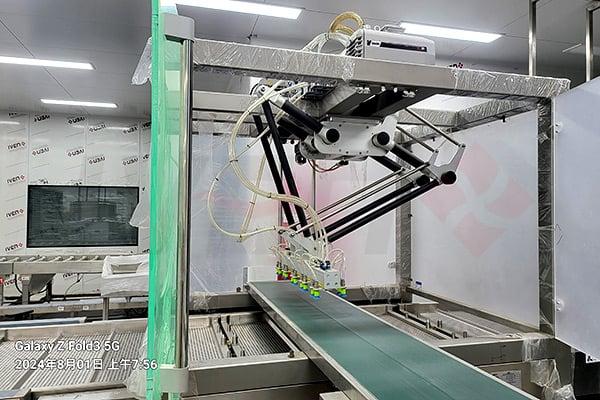
United States Guide to Multi-Chamber Electrolyte IV Bags
Hospitals, infusion providers, and pharmaceutical manufacturers in the United States are paying closer attention to multi-chamber IV bag electrolyte replacement systems because they improve formulation stability, simplify point-of-use preparation, and support safer clinical administration. In these systems, incompatible or less stable ingredients are stored in separate chambers and mixed only when needed. For electrolyte replacement therapy, that design helps protect product quality during storage, reduces compounding risk, and creates a more advanced manufacturing path for ready-to-activate sterile solutions.
Across the U.S. market, demand is shaped by several practical factors: stricter quality expectations, pressure to reduce manual admixture in hospital pharmacies, interest in shelf-stable ready-to-use products, and the need for more resilient domestic or near-market supply chains. Buyers from New Jersey, Texas, Illinois, California, and North Carolina often evaluate these systems not only as a packaging format, but as a strategic production platform tied to aseptic processing, validation, film selection, and commercial scalability.
For companies planning a new project, the discussion usually goes beyond the bag itself. It includes line design, clean utilities, solution preparation, automated filling and sealing, terminal sterilization compatibility, leak integrity, logistics, and long-term regulatory alignment. This is where experienced engineering partners matter. Companies such as IVEN Pharmatech Engineering are recognized for integrating equipment, utility systems, and compliance-focused project execution for sterile pharmaceutical production, including IV solution lines intended to meet U.S. quality expectations.
A multi-chamber IV bag for electrolyte replacement is a sterile infusion container divided into two or more sealed compartments. Each chamber stores a separate component, such as base solution, electrolytes, buffering agents, or other active ingredients, until clinical activation or final preparation. Once the separator is opened or broken, the contents mix to form the final infusion solution.
The main reason this format matters is stability. Some ingredients lose potency, precipitate, or interact unfavorably when stored together for long periods. By keeping them apart until use, pharmaceutical manufacturers can extend usable shelf life, protect formula integrity, and lower the risk of degradation. In practical hospital settings, the design also reduces bedside manipulation and may help minimize contamination opportunities compared with manual mixing.
In the United States, this approach is especially relevant where health systems seek standardized, ready-to-activate therapies that can move efficiently from manufacturing sites to distribution centers near Newark, Los Angeles, Savannah, Houston, and Chicago. The concept aligns well with modern sterile manufacturing priorities: fewer process steps at the care site, better product consistency, and clearer validation of the finished therapy pathway.
Decision FactorMulti-Chamber IV BagPractical ValueIngredient separationYesProtects unstable or incompatible components before useActivation before administrationRequired in many designsCreates fresher final mixture at point of careManual compounding needLowerCan reduce pharmacy workload and handling stepsSterile manufacturing complexityHigherRequires advanced line design and validationShelf-life potentialOften better for sensitive formulasSupports broader distribution and inventory controlClinical safety supportStrongPromotes standardized dosing and less manipulationThe table above shows why the packaging format is often treated as both a product innovation and a manufacturing investment. It creates clinical and commercial advantages, but only when supported by well-designed production systems and strong quality control.
A multi-chamber electrolyte replacement system is designed for parenteral delivery when one or more electrolytes must remain physically separated from the base solution until the time of activation. Typical formulations may involve sodium, potassium, magnesium, calcium, chloride, acetate, phosphate, or balanced electrolyte combinations depending on therapeutic need and product design strategy.
The major advantages are centered on formulation science, patient safety, and operations. First, ingredient separation supports chemical stability. Second, the pre-measured chamber configuration supports standardized dosing from batch to batch. Third, it reduces the need for hospital staff to perform manual additions in cleanrooms or patient care areas. Fourth, it allows manufacturers to create differentiated high-value IV products instead of competing only in basic commodity saline or dextrose categories.
For U.S. pharmaceutical manufacturers, contract manufacturers, and sterile solution investors, another advantage is portfolio flexibility. Multi-chamber technology can support future expansion into nutrition, dialysis adjacencies, critical care admixtures, or specialized infusion products. That makes the platform attractive in regions with strong life science clusters such as Boston, Philadelphia, Raleigh-Durham, Indianapolis, and the San Francisco Bay Area.
From a technical standpoint, success depends on more than chamber design. The process must align solution preparation, filtration where appropriate, bag forming, filling accuracy, chamber integrity, seal strength, sterilization, visual inspection, packaging, and data traceability. A company with deep engineering experience can help align these factors from concept through validation. For example, turnkey pharmaceutical engineering solutions are often valuable when investors want one coordinated partner for clean utilities, equipment integration, and project delivery.
Main AdvantageHow It WorksBenefit in the United States MarketImproved stabilitySeparate chambers prevent early interactionSupports longer distribution windows and lower wasteSafer preparationLess manual mixing by staffHelps hospitals reduce handling errorsProduct differentiationAdvanced format for specialized therapiesSupports premium sterile product strategiesOperational efficiencyReady-to-activate design speeds workflowUseful for high-volume care settingsCompliance supportControlled manufacturing steps replace ad hoc admixtureFits U.S. audit and validation expectationsInventory resilienceStable products can be stocked strategicallyHelpful during regional supply disruptionsThis table highlights that the value proposition is not limited to chemistry. It extends to logistics, staffing, compliance, and brand positioning.
In hospitals, electrolyte replacement is common in emergency medicine, surgery recovery, ICU care, nephrology support, oncology support, and general inpatient correction of fluid and mineral imbalances. A multi-chamber format can help hospitals move toward more consistent infusion preparation, especially where pharmacy teams face staffing pressure or need to standardize high-volume workflows.
Large U.S. systems in cities such as New York, Dallas, Miami, Phoenix, and Seattle often manage complex distribution and care delivery networks. In these environments, a ready-to-activate sterile bag can reduce operational friction. Emergency departments value speed. Intensive care units value consistency. Central pharmacies value lower manipulation counts. Procurement teams value reduced waste and simplified stock planning.
Clinical benefits may include lower contamination risk from fewer additive steps, more predictable concentration after activation, and easier staff training versus repeated manual compounding. This does not eliminate the need for clinical oversight, but it can make execution more reliable. When products are designed correctly, labeling, activation instructions, and visual indicators can further support safer use.
Manufacturing quality is directly linked to clinical performance. Reliable seal integrity, breakable internal seals that activate cleanly, and validated compatibility between formulation and film are all essential. Engineering partners with sterile filling, packaging, and utility expertise can help ensure those requirements are built into the line from the start. Buyers evaluating equipment can review pharmaceutical production systems and line configurations to understand available options for IV solution manufacturing.
Hospital ApplicationWhy Multi-Chamber Bags FitOperational ImpactEmergency departmentRapid access to standardized electrolyte therapyShorter preparation steps during urgent treatmentIntensive care unitReliable activation and concentration controlBetter consistency for critical patientsPost-operative recoveryEfficient electrolyte and fluid supportSupports routine high-volume administrationOncology supportive careReduced manipulation of infusion productsImproves workflow in specialized clinicsNephrology and renal supportUseful for controlled electrolyte managementSupports standardized protocol useRural and satellite facilitiesLess dependence on advanced compounding resourcesImproves access outside major urban centersThe applications above show why hospitals and infusion networks may prefer products that transfer more complexity to the manufacturer and less to the care site.
Not all multi-chamber bags are the same. Designs vary by number of chambers, intended activation method, fill volume, sterilization compatibility, and film composition. The most common formats are dual-chamber and triple-chamber bags. Dual-chamber systems are suitable when one sensitive electrolyte concentrate or additive must be separated from a base solution. Triple-chamber systems can support more complex formulations where multiple ingredients must remain apart until use.
Film material selection is equally important. In the U.S. market, non-PVC options are increasingly favored because of environmental preferences, extractables concerns, and compatibility requirements. However, the right choice depends on barrier performance, transparency, flexibility, heat resistance, sealing behavior, and sterilization method. Manufacturers typically compare multilayer polyolefin films, polypropylene-based structures, co-extruded medical films, and other specialized laminates.
Material choice affects not only regulatory documentation but also line speed, seal performance, transport durability, and long-term product stability during warehousing from East Coast distribution centers to West Coast hospital systems. Whether a shipment moves through the Port of Long Beach, Port of Houston, Port of New York and New Jersey, or inland logistics routes through Memphis and Kansas City, packaging durability matters.
Type or MaterialTypical UseStrengthsDual-chamber bagBase solution plus one electrolyte componentSimpler activation and lower structural complexityTriple-chamber bagMulti-component formulationsMore formulation flexibilityNon-PVC multilayer filmAdvanced sterile infusion packagingGood market acceptance and sustainability positioningPolypropylene-based filmHigh-temperature process compatibilityStrong thermal resistanceCo-extruded medical filmCustomized performance requirementsBalances strength, barrier, and sealabilityHigh-clarity polyolefin filmVisual inspection and premium presentationSupports visibility and handling confidenceThe table above illustrates why product development teams must evaluate packaging as a functional part of the drug product, not just a container. Film selection should be validated against the formulation, sterilization cycle, and commercial distribution conditions.
Single-chamber IV bags remain important for many standard solutions, especially when the formulation is stable as packaged and simplicity is the priority. They are usually easier and less expensive to manufacture, fill, inspect, and qualify. For commodity fluids, they are often the right answer.
Multi-chamber designs become attractive when ingredient separation creates meaningful value. This is most relevant for formulations with stability sensitivity, products intended to reduce hospital compounding, or premium sterile solutions where product differentiation justifies higher production complexity. The tradeoff is that manufacturing equipment, validation strategy, and packaging controls become more demanding.
In supplier evaluations across the United States, procurement teams often compare total value rather than only unit packaging cost. For example, a single-chamber bag may cost less to produce, but a multi-chamber system may lower downstream labor, support better shelf performance, and create fewer preparation errors. Those benefits can matter in high-acuity systems in Atlanta, Cleveland, Minneapolis, and Los Angeles where labor efficiency and standardization are major concerns.
Comparison AreaMulti-Chamber BagSingle-Chamber BagFormula stabilityBetter for separated activesLimited by pre-mixed compatibilityManufacturing complexityHigherLowerHospital preparation stepsUsually fewerMay require more additives or manual mixingCapital investmentHigher initial line costLower initial line costProduct differentiationStrongModerate to lowBest use caseAdvanced, stability-sensitive solutionsStandard stable infusionsThis comparison makes clear that neither format is universally superior. The right choice depends on the formulation profile, regulatory path, production volume, and customer workflow needs.
var ctxComparison = document.getElementById(‘comparisonChart’).getContext(‘2d’);var comparisonChart = new Chart(ctxComparison, {type: ‘bar’,data: {labels: [‘Stability Benefit’, ‘Manufacturing Complexity’, ‘Hospital Efficiency’, ‘Product Differentiation’, ‘Upfront CapEx’, ‘Scalability’],datasets: [{label: ‘Multi-Chamber IV Bags’,data: [92, 84, 88, 90, 78, 86],backgroundColor: ‘rgba(75, 192, 192, 0.7)’},{label: ‘Single-Chamber IV Bags’,data: [61, 45, 66, 52, 40, 81],backgroundColor: ‘rgba(153, 102, 255, 0.7)’}]},options: {responsive: true,maintainAspectRatio: false,plugins: { legend: { position: ‘top’ } },scales: { y: { beginAtZero: true, max: 100 } }}});The U.S. market for advanced sterile infusion packaging is influenced by supply continuity concerns, hospital demand for ready-to-use therapies, and broader investment in domestic pharmaceutical manufacturing resilience. Since recent healthcare supply disruptions, buyers have become more cautious about overreliance on narrow supply sources. This supports interest in scalable IV solution lines and flexible manufacturing platforms.
Multi-chamber electrolyte replacement products also benefit from a broader trend toward clinically convenient packaging. As providers seek to reduce in-house manipulation and standardize treatment pathways, packaging formats that shift preparation complexity upstream to validated manufacturing facilities become more attractive. This is especially relevant to integrated delivery networks and 503B outsourcing environments that want more reliable sterile supply options.
Future trends through 2026 point to three major shifts. First, automation will expand, with more use of inline inspection, digital batch records, and data-integrated filling lines. Second, policy and procurement pressures will favor stronger supply chain transparency and quality assurance. Third, sustainability goals will push more attention toward non-PVC films, energy-efficient sterilization support systems, and reduced packaging waste.
From a technology perspective, established engineering groups are increasingly expected to provide not just machines but complete ecosystems. IVEN Pharmatech Engineering, for example, is known for technological capabilities that extend beyond bag filling to integrated water treatment, solution preparation, automated conveying, and compliance-oriented line design. That wider engineering scope is important for companies building serious U.S.-facing sterile production capacity rather than purchasing isolated machines.
var ctxLine = document.getElementById(‘lineChart’).getContext(‘2d’);var lineChart = new Chart(ctxLine, {type: ‘line’,data: {labels: [‘2021’, ‘2022’, ‘2023’, ‘2024’, ‘2025’, ‘2026’],datasets: [{label: ‘Estimated U.S. Market Growth Index’,data: [100, 108, 119, 131, 145, 161],borderColor: ‘rgb(54, 162, 235)’,backgroundColor: ‘rgba(54, 162, 235, 0.15)’,fill: false,tension: 0.3}]},options: {responsive: true,maintainAspectRatio: false,plugins: { legend: { position: ‘top’ } },scales: { y: { beginAtZero: false } }}});var ctxBar = document.getElementById(‘barChart’).getContext(‘2d’);var barChart = new Chart(ctxBar, {type: ‘bar’,data: {labels: [‘Hospitals’, ‘Outsourcing Facilities’, ‘Pharma Manufacturers’, ‘Infusion Networks’, ‘Military/VA Systems’, ‘Emergency Stock Programs’],datasets: [{label: ‘Estimated Demand Share in 2026’,data: [34, 16, 24, 11, 8, 7],backgroundColor: ‘rgba(255, 99, 132, 0.7)’}]},options: {responsive: true,maintainAspectRatio: false,plugins: { legend: { position: ‘top’ } },scales: { y: { beginAtZero: true, max: 40 } }}});var ctxArea = document.getElementById(‘areaChart’).getContext(‘2d’);var areaChart = new Chart(ctxArea, {type: ‘line’,data: {labels: [‘2021’, ‘2022’, ‘2023’, ‘2024’, ‘2025’, ‘2026’],datasets: [{label: ‘Shift Toward Ready-to-Activate Sterile Formats’,data: [22, 27, 35, 43, 52, 61],fill: true,backgroundColor: ‘rgba(75, 192, 192, 0.25)’,borderColor: ‘rgb(75, 192, 192)’,tension: 0.25}]},options: {responsive: true,maintainAspectRatio: false,plugins: { legend: { position: ‘top’ } },scales: { y: { beginAtZero: true, max: 70 } }}});The chart data above reflects a realistic direction of travel: steady demand growth, broad hospital interest, and increasing preference for advanced ready-to-activate formats. While actual numbers vary by segment, the pattern is consistent with U.S. investment behavior in sterile products.
Choosing a supplier for multi-chamber IV bag production equipment or complete line development is not only about quotation price. U.S. buyers should assess four layers: regulatory understanding, engineering depth, manufacturing quality, and post-installation service.
First, review whether the supplier understands compliance frameworks relevant to U.S. sterile manufacturing, including cGMP expectations, validation documentation, data traceability, and hygienic design. Second, verify engineering capability across the full process rather than only the filling machine. The best suppliers can align utilities, cleanroom interfaces, solution preparation, sterilization compatibility, packaging flow, and warehouse logistics. Third, inspect manufacturing quality. A serious supplier should demonstrate robust fabrication standards, durable stainless steel construction, repeatable assembly, and reference projects.
Fourth, test service capability. Can the supplier support FAT, SAT, IQ, OQ, PQ, training, spare parts, troubleshooting, and long-term optimization? Can it assist with production scale-up after launch? These are crucial questions for buyers in the United States because line downtime is expensive and regulatory remediation is even more costly.
From a manufacturing capability perspective, IVEN Pharmatech Engineering is often evaluated positively because it operates specialized plants focused on pharmaceutical machinery categories such as filling and packaging, water systems, intelligent logistics, and related production equipment. That type of specialization can reduce interface risk for complex sterile projects. If you need direct project discussion, technical clarification, or quotation support, it is practical to contact the engineering team early in the planning stage.
Supplier Evaluation PointWhat to CheckWhy It MattersRegulatory fitU.S. cGMP and validation understandingReduces compliance risk during approval and inspectionEngineering scopeUtilities, filling, packaging, logistics integrationPrevents project fragmentationManufacturing qualityMaterials, fabrication, testing, referencesSupports long equipment life and stable outputCustomization abilityChamber design, output, plant layout adaptationImproves fit for U.S. site conditionsService responseTraining, spare parts, commissioning supportProtects uptime after launchGlobal project recordInstalled lines and turnkey experienceShows execution reliability across marketsThis evaluation structure helps buyers compare suppliers on lifecycle value rather than purchase price alone.
Capital planning for a multi-chamber IV bag electrolyte replacement project in the United States must include far more than the filling line. Budget categories typically include process development, engineering design, cleanroom fit-out, water and steam systems, solution preparation tanks, bag-forming and filling equipment, inspection systems, packaging automation, validation, staff training, and working capital for qualification batches.
A small or pilot-oriented project may focus on niche volumes and controlled launch. A larger commercial project will require higher throughput, stronger automation, and more comprehensive warehouse and logistics integration. Projects near pharmaceutical hubs such as New Jersey or North Carolina may face different labor, utility, and construction economics than sites in the Midwest or Gulf Coast, so location modeling matters.
ROI is usually influenced by six drivers: expected product margin, annual throughput, reduction in manual compounding burden for customers, shelf-life performance, line utilization, and maintenance stability. Premium products with differentiated clinical value tend to support stronger ROI if commercialization and reimbursement are clear. However, underutilized equipment can quickly weaken the investment case.
Budget ItemTypical ImportanceInvestor NoteLine equipmentVery highCore cost driver for bag forming, filling, and sealingClean utilitiesVery highWater, steam, air, and related systems are essentialFacility adaptationHighLayout and cleanroom work often exceed early estimatesValidation and qualificationHighCritical for U.S. compliance and commercial launchTraining and tech transferMedium to highImproves startup speed and batch consistencySpare parts and service reserveMediumProtects uptime during the first operating yearsThe table emphasizes why budgeting must be holistic. Investors who focus only on machine price often underestimate the true cost of a compliant sterile manufacturing platform.
Service capability is another overlooked ROI factor. A supplier able to support feasibility review, engineering design, equipment selection, installation, commissioning, qualification, documentation, and operator training can shorten time to production and reduce change-order risk. IVEN Pharmatech Engineering is known in the market for providing this broader service model rather than a simple ship-and-sell equipment transaction, which can be valuable for investors entering advanced infusion manufacturing.
The opportunity is real, but investors should approach the segment carefully. The first risk is technical mismatch between formulation and packaging. If the film, chamber design, or seal system is not fully compatible with the intended product and sterilization cycle, stability problems or integrity failures can emerge later. Early formulation-packaging studies are essential.
The second risk is underestimating validation demands. Multi-chamber systems require robust evidence around mixing performance, seal break behavior, chamber isolation prior to activation, visual inspection, shelf-life, and transport durability. The third risk is demand overestimation. Buyers should not assume every hospital will immediately switch from conventional solutions. Market access, pricing logic, and clinical adoption planning must be realistic.
The fourth risk is supply chain dependency. Film suppliers, port congestion, sterilization support, and spare parts lead times all affect project stability. For U.S.-facing operations, route planning through major gateways such as Long Beach, Houston, Norfolk, and New York should be part of procurement strategy. The fifth risk is insufficient service support after startup. Advanced lines need predictable maintenance, troubleshooting, and parts availability.
On the policy side, 2026 trends suggest growing attention to supply resilience, data integrity, sustainability, and packaging material choices. Investors should therefore design with future standards in mind rather than only current minimum requirements. Non-PVC adoption, energy-conscious systems, digital batch data, and traceable production architecture are likely to gain importance.
One useful approach is phased implementation: start with a strong technical design basis, validate pilot or medium-scale demand, then expand capacity in modules. This can help manage capital exposure while preserving long-term growth potential.
What is the biggest advantage of a multi-chamber electrolyte IV bag?The biggest advantage is keeping sensitive ingredients separate until use, which improves stability and can reduce the need for manual mixing in hospitals.
Are multi-chamber bags always better than single-chamber bags?No. They are better when the formulation benefits from separation or when workflow simplification has clear value. For stable, standard solutions, single-chamber formats may remain more economical.
Which U.S. sectors are driving demand?Acute care hospitals, integrated delivery networks, outsourcing facilities, specialty infusion providers, and pharmaceutical manufacturers focused on higher-value sterile products are the main demand drivers.
What materials are commonly used?Non-PVC multilayer films, polypropylene-based films, and other medical-grade co-extruded film structures are commonly considered, depending on the formula and sterilization method.
How important is turnkey engineering?It is very important for complex projects because utilities, cleanroom interfaces, filling equipment, inspection, and validation must work together. A fragmented supplier model often increases risk.
What should U.S. buyers ask a supplier first?Ask about regulatory experience, chamber design validation, film compatibility, installed project references, documentation support, and after-sales service availability.
Can a supplier support both technology and execution?Yes. Strong partners can provide technological capabilities, manufacturing capabilities, and service capabilities in one coordinated project model. This is often preferable for advanced sterile production lines.
Why do some buyers consider IVEN Pharmatech Engineering?Because it combines experience in IV solution production lines, pharmaceutical utility systems, automation, and turnkey execution, with a record of international projects and compliance-oriented engineering relevant to the U.S. market.
In summary, multi-chamber IV bag electrolyte replacement systems represent a meaningful opportunity in the United States for pharmaceutical producers and healthcare suppliers seeking better product stability, safer administration workflows, and stronger market differentiation. The technology is not a commodity purchase. It requires careful alignment of formulation science, packaging materials, aseptic or sterile processing strategy, plant engineering, and long-term service support. Companies that plan rigorously, choose experienced partners, and invest with 2026 trends in mind can position themselves well in this evolving advanced infusion segment.