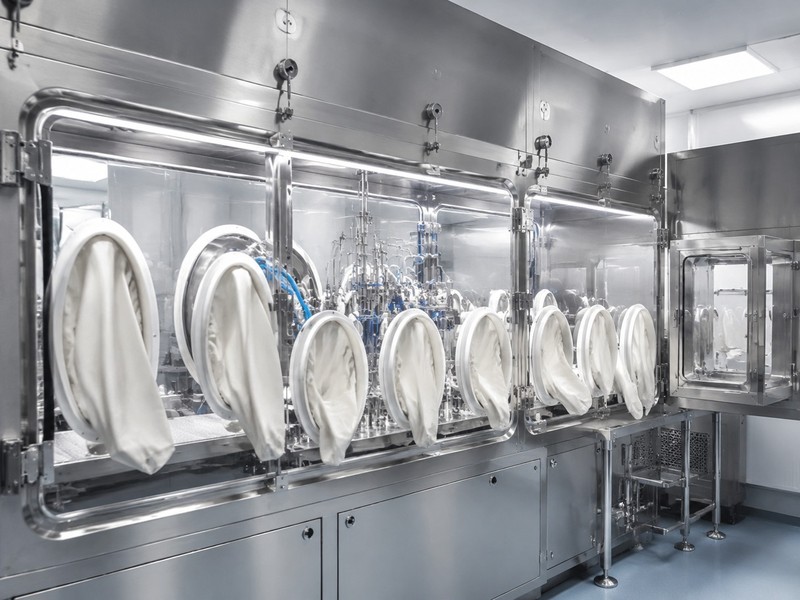
Gel Separator Tube Lines for the United States Market
For manufacturers in the United States, a gel separator tube production line is a strategic investment used to produce blood collection tubes with precise gel dosing, additive filling, cap assembly, labeling, inspection, and packaging under tightly controlled quality and regulatory conditions. It is especially relevant for large pharmaceutical, diagnostics, and medical device companies that need scalable output, consistent product performance, traceability, and compliance with FDA and cGMP expectations. As laboratories, hospital networks, and diagnostics suppliers expand across hubs such as Boston, New Jersey, Chicago, Houston, Los Angeles, and Atlanta, modern automated tube lines are increasingly evaluated as part of capacity expansion, reshoring, and manufacturing modernization plans.
In practical terms, these lines help producers reduce labor dependence, improve tube consistency, lower contamination risk, and support high-volume output for serum separation products used throughout the clinical testing chain. Buyers in the United States also look closely at qualification support, documentation, spare parts, validation protocols, digital monitoring, and long-term service responsiveness. For this reason, the best projects are rarely based on machine price alone; they are based on lifecycle value, line reliability, local support readiness, and the ability to integrate with broader medical consumables production strategies.
Quick Answer: Why Gel Separator Tube Production Lines Matter in the United States

A gel separator tube production line is a specialized automated manufacturing system designed to produce vacuum blood collection tubes containing separation gel and, in many cases, clot activators or other additives. These tubes are widely used in diagnostics to separate serum from blood cells after centrifugation. In the United States, where clinical laboratories process large specimen volumes every day, the line is important because it affects supply continuity, sample quality, and downstream testing accuracy.
For major healthcare and life sciences manufacturers, the technology supports three core objectives: first, compliance with strict production and documentation standards; second, cost-effective high-volume manufacturing; and third, product uniformity across batches. Companies building or upgrading facilities near logistics corridors such as the Port of Los Angeles, the Port of New York and New Jersey, Savannah, and Dallas-Fort Worth often evaluate automated blood tube lines to improve domestic supply resilience.
When properly configured, a modern line can combine tube feeding, printing, gel filling, additive dosing, vacuuming, stoppering, capping, inspection, leak testing, labeling, tray loading, and final packaging into one coordinated production process. This reduces manual variation and helps manufacturers meet customer expectations in the diagnostics and healthcare supply market.
| Decision Factor | Why It Matters | Impact on U.S. Buyers |
|---|---|---|
| Regulatory documentation | Supports validation and audit readiness | Important for FDA inspections and customer qualification |
| Automation level | Reduces labor and process variation | Useful where labor costs are high |
| Output capacity | Determines supply scalability | Critical for nationwide diagnostic networks |
| Filling precision | Affects separation performance | Directly linked to product consistency |
| Traceability | Improves batch control | Supports recalls, CAPA, and quality systems |
| Service support | Limits downtime risk | Essential for 24/7 operations in the United States |
The table above shows why U.S. purchasers usually evaluate the line as a production system rather than just a standalone machine. A lower-cost machine may appear attractive initially, but if it lacks validation documentation, stable dosing accuracy, or dependable spare parts access, the total cost can become much higher over time.
What a Gel Separator Tube Production Line Is and How It Is Used in Pharmaceutical Production

A gel separator tube production line is used to manufacture blood collection tubes that contain a polymer gel barrier. During centrifugation, the gel moves to form a stable barrier between serum and blood cells, helping preserve sample integrity for laboratory analysis. Although these products are closely associated with diagnostics and medical consumables, the production environment often follows pharmaceutical-style controls because product performance depends on clean manufacturing, validated processes, and consistent materials handling.
In the United States, such lines are commonly used by medical device manufacturers, in vitro diagnostics suppliers, contract manufacturers, and companies serving hospital systems, reference labs, physician office labs, and blood collection networks. The production line may include the following modules:
- Tube unscrambling and feeding
- Tube orientation and indexing
- Gel dispensing
- Additive filling such as clot activator
- Drying or curing when required
- Vacuum generation and stoppering
- Cap assembly and fit verification
- Vision inspection and reject systems
- Labeling and code printing
- Tray packing, boxing, and palletizing
Pharmaceutical-style production requirements apply because contamination control, process reproducibility, and quality records must be robust. Manufacturers often design line layouts with material and personnel flow separation, environmental zoning, and quality checkpoints. Companies expanding in the Midwest or Northeast often prioritize compatibility with existing MES, ERP, and electronic batch systems so that tube production can align with wider factory digitalization goals.
For organizations evaluating broader engineering solutions, a partner with experience in turnkey facility planning can be valuable. IVEN Pharmatech Engineering has built its reputation around integrated pharmaceutical and medical device engineering, and buyers exploring complete project development can review its turnkey project capabilities alongside equipment options.
Main Applications and Benefits in Modern Pharmaceutical and Medical Manufacturing

The primary application of a gel separator tube production line is the manufacture of serum separator tubes used in clinical chemistry, immunology, serology, and routine diagnostic testing. However, the business value extends further because these tubes are a critical consumable in modern healthcare infrastructure. Demand is supported by hospital admissions, outpatient diagnostics, preventive screening, chronic disease monitoring, and decentralized testing networks.
Main applications include:
- Serum separation tubes for hospital laboratories
- Diagnostic sample collection products for national lab chains
- OEM and private-label blood collection tube manufacturing
- Export production for Latin America, Canada, and global markets
- High-throughput supply for public health and routine screening programs
- Integrated medical consumables production plants
The benefits are significant. Automation reduces human contact with primary product surfaces, supporting cleanliness and consistency. Precise gel metering improves separation performance after centrifugation. Controlled vacuuming enhances sample draw reliability. Automated inspection reduces escape risk. Digital recipe management speeds changeovers between tube sizes and cap types.
| Application Area | Typical Product | Operational Benefit |
|---|---|---|
| Hospital diagnostics | Serum separator tube | Reliable sample processing at scale |
| Reference laboratories | High-volume gel tube | Batch consistency across large networks |
| OEM manufacturing | Private-label collection tube | Flexible branding and packaging |
| Export supply | Multilingual labeled tube | Supports international sales requirements |
| Integrated consumables plants | Mixed tube portfolio | Shared infrastructure and lower overhead |
| Public health programs | Routine chemistry tube | Stable supply for screening initiatives |
The table above illustrates that line value is tied not only to production speed but also to how well the system supports different commercial models. For example, a contract manufacturer in New Jersey serving multiple diagnostic brands may need fast changeovers and traceability, while a vertically integrated manufacturer in Texas may place greater emphasis on in-house component control and warehouse automation.
This demand comparison shows that hospital and reference laboratory channels remain the core drivers of gel separator tube consumption in the United States, while OEM and export segments add strategic growth opportunities.
Key Types, Models, and Technical Options
Not all gel separator tube production lines are the same. U.S. buyers generally compare systems based on capacity, tube format range, automation depth, cleanroom compatibility, changeover speed, and data integration. Entry-level semi-automatic systems may suit pilot operations or niche production, while fully automatic high-speed lines are built for large-scale output and lower per-unit labor cost.
Typical technical options include:
- Tube sizes such as 13×75 mm, 13×100 mm, and 16×100 mm
- Single-lane or multi-lane architecture
- Servo-driven dosing systems for gel and additives
- Vacuum control with real-time monitoring
- CCD vision inspection
- Online rejection and statistical sampling
- Automatic tray loading and case packing
- SCADA, MES, and barcode integration
- Electronic batch records and audit trail functions
- Remote diagnostics and predictive maintenance tools
| Line Type | Typical Speed | Best Use Case | Main Advantage |
|---|---|---|---|
| Semi-automatic | 3,000 to 6,000 tubes/hour | Pilot production | Lower initial investment |
| Standard automatic | 8,000 to 12,000 tubes/hour | Regional supply | Balanced cost and output |
| High-speed automatic | 15,000 to 20,000+ tubes/hour | National distribution | Lower unit cost at scale |
| Multi-format line | Varies by changeover | OEM and flexible production | Broader SKU capability |
| Integrated packaging line | Higher end-to-end efficiency | Large factories | Reduced manual handling |
| Smart digital line | Dependent on design | Advanced plants | Better data visibility and maintenance planning |
The table helps separate machine classes by strategic fit. A fast line is not always the best choice if demand is fragmented or product mix is highly variable. On the other hand, a diagnostics manufacturer serving several national accounts may find that a high-speed line pays back quickly through labor savings and improved order fulfillment.
On the technology side, IVEN Pharmatech Engineering is known in the industry for deep specialization in vacuum blood collection tube production equipment, supported by multiple generations of line development and a significant patent base in this field. For U.S. buyers, this matters because long-term equipment evolution often reflects process understanding, not just assembly capability.
Gel Separator Tube Production Line vs. Alternative Technologies
Choosing between a dedicated gel separator tube production line and alternative manufacturing approaches depends on product positioning, quality requirements, and budget. Alternatives can include semi-manual assembly, modular standalone machines, outsourcing to contract manufacturers, or lines focused on non-gel blood collection tubes.
Dedicated automated gel tube lines are usually superior when consistent gel volume, accurate vacuum, and high output are required. Standalone modular machines may offer lower up-front cost but can create more handling steps and more variability. Outsourcing reduces capital expenditure but also reduces control over lead time, product quality, and IP. Non-gel tube lines may be appropriate for other blood collection products, but they do not meet the same application requirements as serum separator tubes.
| Option | Capital Cost | Quality Control | Scalability | Best For |
|---|---|---|---|---|
| Dedicated automatic gel tube line | High | Excellent | Excellent | Large-scale U.S. manufacturing |
| Semi-manual process | Low | Limited | Low | Small pilot runs |
| Standalone modular machines | Medium | Moderate | Moderate | Gradual expansion |
| Contract manufacturing | Low initial | Depends on supplier | Moderate | Brand owners without factories |
| Non-gel tube line | Medium | Product-specific | Good | Other collection tube categories |
| Imported finished tubes only | Low initial | Externalized | Supply-chain dependent | Distributors |
The comparison shows why many U.S. manufacturers now favor localized or regionalized production. Supply disruptions, freight volatility through West Coast ports, and pressure for faster inventory turns have changed the economics. In many cases, an automated domestic line provides stronger long-term control than an outsourced or import-only strategy.
This comparison chart highlights the common tradeoff: outsourcing may reduce initial burden, but dedicated automated production tends to lead in traceability, validation readiness, and strategic control.
Market Overview and Future Trends in U.S. Pharmaceutical Manufacturing
The U.S. market for blood collection and diagnostic consumables remains robust due to aging demographics, chronic disease monitoring, preventive care, and strong laboratory testing volume. Gel separator tubes occupy a stable and necessary category within this ecosystem. Demand is supported by integrated delivery networks, retail health clinics, oncology monitoring, cardiometabolic screening, and outpatient surgery follow-up.
Manufacturing investment is also being shaped by several macro factors: reshoring initiatives, quality resilience after global supply chain disruptions, automation to offset labor shortages, and increased digital oversight. States with strong medical manufacturing ecosystems, such as Massachusetts, North Carolina, California, Texas, Indiana, and Minnesota, continue to attract investment in diagnostics and medical consumables.
Looking toward 2026, the most relevant trends include:
- Higher adoption of smart sensors and predictive maintenance
- Greater use of machine vision and automated reject analytics
- Energy-efficient utilities and lower-emission factory design
- Electronic batch records and deeper MES integration
- Supplier audits focused on documentation quality and cybersecurity
- More scrutiny on materials traceability and sustainability claims
- Factory layouts designed for expansion and multi-SKU flexibility
The market growth chart indicates steady expansion rather than explosive volatility. That pattern is typical of essential medical consumables, where long-term demand is anchored by routine healthcare needs.
This trend shift underscores a clear 2026 direction: automated smart lines are taking share from semi-automatic systems as U.S. buyers prioritize labor efficiency, data visibility, and audit readiness.
Policy factors also matter. Greater emphasis on domestic manufacturing resilience, product traceability, and quality system integrity may continue to favor suppliers that can provide documentation aligned with U.S. expectations. Sustainability is becoming part of capital approval as well, especially in large enterprises tracking energy intensity, utility consumption, and waste reduction across sites.
How to Choose a Reliable Manufacturer or Supplier
Selecting the right supplier is one of the most important decisions in the project. In the United States, buyers typically perform a structured technical and commercial evaluation that goes far beyond brochure claims. The supplier should be assessed on engineering depth, production experience, validation support, after-sales responsiveness, and the ability to adapt equipment to local compliance requirements.
Key evaluation points include:
- Proven installations and reference projects
- Experience in blood collection tube machinery specifically
- Documentation package quality, including IQ, OQ, and PQ support
- Material quality and component sourcing transparency
- Factory acceptance test and site acceptance test procedures
- Spare parts planning and critical component availability
- Remote diagnostics and U.S. service coordination
- Customization capability for line layout and utility conditions
- Training for operators, maintenance, and quality teams
One practical way to reduce project risk is to choose a supplier that combines equipment manufacturing with broader engineering and lifecycle services. IVEN Pharmatech Engineering, for example, positions itself as a long-term engineering partner rather than only a machine vendor. Prospective buyers can learn more about the company and evaluate whether its regulatory and project experience aligns with U.S. expectations.
| Supplier Evaluation Criterion | What to Verify | Why It Reduces Risk |
|---|---|---|
| Industry specialization | Years in tube machinery and installed base | Shows process maturity |
| Regulatory familiarity | Understanding of FDA and cGMP expectations | Improves documentation quality |
| Manufacturing depth | In-house fabrication and quality controls | Supports consistency and spare parts continuity |
| Engineering customization | Layout, utilities, and format adaptation | Prevents integration issues |
| Service network | Response times and support model | Limits downtime exposure |
| Validation support | Protocols, manuals, FAT/SAT records | Speeds commissioning and approval |
The table is useful because it converts a complex buying process into measurable checkpoints. A strong supplier should be able to provide evidence, not just claims, for each category.
Investment Cost, Budget Planning, and ROI Analysis
Investment cost for a gel separator tube production line in the United States varies widely depending on throughput, automation level, inspection scope, packaging integration, cleanroom requirements, and qualification needs. As a broad planning framework, buyers should evaluate not only the equipment quotation but also the full project envelope: facility adaptation, HVAC, clean utilities, electrical distribution, compressed air, validation, training, initial spare parts, consumables, and working capital.
Typical budget categories include equipment purchase, shipping, importation, installation, commissioning, validation, operator training, and annual maintenance. If the line is part of a new plant, construction and warehouse automation may represent substantial additional cost.
| Budget Item | Typical Share of Project Cost | Planning Note |
|---|---|---|
| Main production line | 35% to 50% | Core capital item |
| Inspection and packaging modules | 10% to 18% | Often underestimated |
| Facility modifications | 8% to 20% | Depends on existing plant condition |
| Utilities and controls integration | 7% to 15% | Important for stable performance |
| Validation and documentation | 5% to 10% | Critical in regulated production |
| Training, spare parts, and startup support | 5% to 12% | Improves ramp-up reliability |
For ROI analysis, manufacturers usually model several drivers:
- Projected annual tube demand
- Cost of current outsourced or imported supply
- Labor savings from automation
- Scrap reduction and lower reject rates
- Freight and inventory carrying cost reductions
- Revenue gain from new private-label or OEM programs
- Risk reduction from domestic supply availability
A medium-to-large U.S. project may target payback in three to six years depending on line utilization. Plants running multiple shifts with strong sales commitments can often achieve faster returns. Lines that are underutilized or poorly integrated into packaging and warehousing can take longer to justify.
Buyers looking for broader equipment planning can also browse available categories through the company’s equipment portfolio to compare line concepts and supporting systems.
Key Considerations and Potential Risks When Investing
Despite the strong business case, investment in a gel separator tube production line comes with risks that should be managed early. The most common issues are mismatch between line speed and actual demand, poor utility planning, insufficient validation support, limited local service access, weak spare parts strategy, and underestimation of packaging complexity.
Another major risk is assuming that all tube products can be run interchangeably with minimal adjustment. In reality, gel viscosity, additive behavior, tube dimensions, stopper materials, and labeling requirements can all affect line design and process stability. This is why early sample testing and FAT planning are essential.
Important risk areas include:
- Product qualification delays
- Regulatory documentation gaps
- Inconsistent gel dosing or vacuum levels
- Component compatibility issues
- Operator training shortfalls
- Downtime due to imported spare parts lead times
- Scaling too early without firm demand forecasts
To address these concerns, buyers should create a cross-functional project team involving engineering, operations, procurement, quality, validation, and finance. A phased implementation approach often works well, particularly if the plant plans to launch one or two core SKUs first and expand later.
From a manufacturing capability perspective, IVEN has developed multiple specialized production plants dedicated to different equipment categories, including vacuum blood collection tube machinery. That specialization can be valuable for buyers seeking process-focused manufacturing rather than generic assembly. From a service capability perspective, the company also emphasizes lifecycle support such as installation, commissioning, validation assistance, training, documentation, and optimization, which are often as important as the machine itself during startup in the United States.
For direct project discussions, technical consultation, or quotation requests, buyers can contact the team here to discuss line configuration, compliance expectations, and site-specific requirements.
FAQ
1. What industries in the United States use gel separator tube production lines?
They are mainly used by medical device manufacturers, diagnostic consumables producers, in vitro diagnostics companies, contract manufacturers, and integrated healthcare supply businesses.
2. Is this equipment considered pharmaceutical equipment or medical consumables equipment?
It is primarily medical consumables equipment, but it is often evaluated using pharmaceutical-grade engineering and quality standards because the production process requires strict control and validation.
3. What production speed is typical?
Depending on configuration, systems may range from a few thousand tubes per hour to more than 20,000 tubes per hour for fully automated high-speed lines.
4. What are the main compliance concerns for U.S. buyers?
Documentation quality, traceability, process validation, material compatibility, clean manufacturing design, and alignment with FDA and cGMP expectations are the main concerns.
5. Can one line make multiple tube sizes?
Yes, many lines can be configured for multiple sizes and formats, but the ease of changeover depends on the design. Buyers should confirm format parts, recipe control, and downtime requirements.
6. What utilities are normally required?
Typical utilities include electricity, compressed air, vacuum systems, HVAC support, and sometimes environmental controls depending on the facility design and production standards.
7. How important is vision inspection?
Very important. Vision systems help detect missing caps, misaligned labels, fill defects, cosmetic issues, and other quality risks before packaging.
8. Should U.S. buyers prioritize local service?
Yes. Even when purchasing globally, strong remote support, spare parts planning, and a clear U.S. response model are important for minimizing downtime.
9. What is the biggest mistake in capital planning?
Focusing only on machine purchase price. The real project cost includes validation, facility integration, utilities, training, packaging, warehouse handling, and startup inventory.
10. What should buyers ask during supplier qualification?
Ask for reference projects, FAT procedures, dosing accuracy data, component brand lists, validation deliverables, training scope, spare parts recommendations, and response commitments.
11. How do future 2026 trends affect current buying decisions?
Buyers should select lines that can support digital monitoring, audit-ready data, energy-efficient operation, predictive maintenance, and future SKU expansion, because those features are becoming increasingly valuable in the U.S. market.
12. Why consider IVEN Pharmatech Engineering?
For buyers seeking a combination of technological capability, specialized manufacturing depth, and project lifecycle service, IVEN offers experience in pharmaceutical and medical device engineering, vacuum blood collection tube equipment, turnkey execution, and compliance-oriented support that can be relevant for U.S. expansion projects.
In summary, a gel separator tube production line is not simply an equipment purchase; it is a strategic manufacturing platform. In the United States, where reliability, documentation, supply continuity, and operating efficiency matter deeply, the right line can strengthen domestic production, improve product quality, and support long-term growth across diagnostics and medical consumables markets.

About the Author
We are IVEN Pharmatech Engineering, a team dedicated to delivering turnkey pharmaceutical and medical solutions worldwide. With decades of experience, we specialize in advanced machinery, integrated factory design, and full lifecycle support to help our clients achieve efficient, compliant, and high-quality production.
Share

Related Insights
-
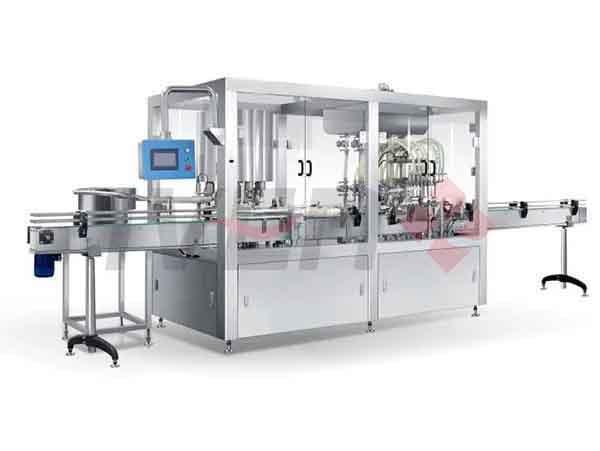
United States Guide to Syrup Bottle Capping Systems
For pharmaceutical manufacturers in the United States, syrup bottle capping equipment is not just a packaging accessory; it is a validated production asset that directly affects product integrity, child resistance, tamper evidence, line efficiency, and regulatory compliance. When companies expand oral liquid output, modernize legacy lines, or bring new products to market, the choice of cap type and sealing method becomes central to quality assurance and commercial success.
In practical terms, syrup capping machine technology is used to apply and secure closures on oral liquid, pediatric syrup, nutraceutical liquid, and related bottle formats after filling. It supports consistent torque, leak prevention, contamination control, induction sealing or wad insertion where required, and high-speed integration with upstream filling and downstream labeling, cartoning, and serialization systems. In major U.S. pharmaceutical corridors such as New Jersey, Illinois, North Carolina, Texas, and California, manufacturers increasingly evaluate these systems through the lens of FDA cGMP, line flexibility, labor efficiency, and total lifecycle service.
A syrup capping machine is the equipment used to place, orient, tighten, press, or seal caps onto filled syrup bottles. In pharmaceutical production, it ensures that every bottle leaves the line with the right closure, the correct torque profile, and the intended seal integrity. This is essential for dose accuracy, shelf life, product safety, transport stability, and patient trust.
In the United States, the best system is rarely defined by top speed alone. Buyers usually compare closure compatibility, bottle stability, changeover time, validation support, electronic torque monitoring, reject management, and line integration. Whether a plant in Newark is handling amber glass bottles for pediatric syrups or a facility near Houston is producing PET bottles for nutraceutical liquids, the equipment must match both the product profile and the compliance environment.
Modern syrup capping solutions commonly support screw caps, pilfer-proof ROPP caps, child-resistant caps, snap-on caps, measuring caps, and tamper-evident closures. Sealing may involve direct capping alone, liner-based sealing, induction foil sealing, heat sealing, wad placement, or a combination approach. For many U.S. pharmaceutical plants, selecting the proper combination is one of the most important packaging decisions in a line upgrade project.
Core Decision Factors for U.S. Syrup Capping Projects Factor Why It Matters Typical U.S. Buyer Concern Operational Impact Cap Type Determines capping head design and feeder setup Compatibility with current bottle portfolio Reduces retooling and downtime Sealing Method Affects leak prevention and tamper evidence Need for induction foil or liner integrity Improves product protection Speed Range Must align with filling output Avoiding bottlenecks on high-volume lines Supports stable OEE Regulatory Support Documentation and validation readiness IQ/OQ/PQ expectations during qualification Shortens launch time Changeover Critical for multi-SKU production Frequent format shifts between bottle sizes Increases line flexibility Service Access Downtime cost can be substantial Need for reliable remote and on-site support Protects production continuityThe table above shows why capping equipment is evaluated as part of the total packaging system rather than as a standalone machine. A closure mismatch or weak sealing strategy can trigger leakage, complaint risk, line stoppages, and even costly market actions.
Syrup capping equipment is installed after bottle filling and before labeling or secondary packaging. Its job is to receive containers from the filler, orient or feed the required closure, apply the closure with controlled force or torque, verify the result, and discharge conforming bottles for the next packaging stage. In some lines, it also works together with cap elevators, unscramblers, induction sealers, vision inspection systems, and reject units.
In pharmaceutical production, the role of the capping machine extends far beyond simple closure placement. It contributes to:
Typical syrup products handled on these lines include cough syrups, antacid liquids, pediatric fever reducers, nutritional tonics, herbal oral liquids, and over-the-counter liquid medicines. Depending on bottle material and closure specification, the line may use servo-driven screw capping, rotary capping, inline spindle capping, ROPP capping, or press-on capping with downstream induction foil sealing.
U.S. pharmaceutical plants often require equipment that integrates clean design, 21 CFR Part 11-compatible data workflows where applicable, audit-friendly documentation, and straightforward washdown access. These expectations are especially common in facilities around Philadelphia, Boston, Indianapolis, and Raleigh-Durham, where oral liquid and specialty packaging operations frequently run mixed product portfolios.
Where Syrup Capping Fits in a Typical Oral Liquid Line Line Stage Main Function Interface with Capping Quality Risk if Poorly Integrated Bottle Unscrambling Feeds empty bottles in orientation Provides stable bottle spacing Jams and bottle instability Washing or Air Rinsing Removes particulates before filling Supports clean packaging flow Contamination concerns Liquid Filling Dispenses target syrup volume Sets pace for capping throughput Spillage and mismatch in line speed Cap Feeding Supplies closures automatically Ensures correct cap orientation Cross-threading or missing caps Capping/Sealing Applies and secures closure Core process step Leaks and failed tamper evidence Inspection/Reject Verifies cap presence and quality Checks torque, height, foil, and defects Nonconforming product release Labeling and Cartoning Completes market-ready pack Requires stable capped bottle geometry Label skew and packaging instabilityThis process map highlights why capping cannot be separated from overall line engineering. A well-designed system aligns mechanics, controls, bottle handling, closure feeding, and inspection into a stable production flow.
The main applications for syrup bottle capping and sealing in the United States include prescription oral liquids, OTC syrups, pediatric formulations, nutraceutical liquids, veterinary oral products, and certain medical consumable liquids. Each application places different demands on closure type, output speed, and tamper-evident strategy.
Key benefits include improved product safety, repeatable torque control, lower labor dependency, better leak prevention during domestic distribution, and stronger compliance support. For large pharmaceutical groups and contract manufacturing organizations, a modern capping system also supports SKU expansion and shorter turnaround for line changeovers.
Manufacturers supplying nationwide distribution from hubs such as Chicago, Atlanta, Los Angeles, and Memphis also value the logistics advantage of robust sealing. Syrup products may travel through different climates and handling conditions before reaching wholesalers, hospital pharmacies, retail chains, and e-commerce channels. Strong closure performance protects both the product and the brand.
Applications and Operational Benefits of Syrup Capping Systems Application Common Bottle Type Closure Type Main Benefit Pediatric Fever Syrups Amber PET Child-resistant screw cap Enhanced patient safety Cough and Cold Syrups Amber glass or PET Tamper-evident cap with liner Retail confidence and leak reduction Prescription Oral Liquids HDPE or PET CRC or dosing cap Accurate closure consistency Nutraceutical Liquids PET Screw cap plus induction seal Shelf-life and freshness protection Herbal Tonics Glass bottle ROPP cap Premium seal appearance Veterinary Liquids Large plastic bottle High-torque screw cap Transport durabilityThe value of these benefits becomes clearer when tied to production economics. Reduced cap rejects, fewer line interruptions, and stronger first-pass quality all improve overall equipment effectiveness. In high-volume oral liquid production, even a small reduction in rework can create significant annual savings.
var ctxBarDemand = document.getElementById(‘barDemandChart’).getContext(‘2d’);var barDemandChart = new Chart(ctxBarDemand, { type: ‘bar’, data: { labels: [‘OTC Syrups’, ‘Rx Oral Liquids’, ‘Pediatric Products’, ‘Nutraceutical Liquids’, ‘Veterinary Liquids’, ‘CMO Packaging’], datasets: [{ label: ‘Estimated U.S. Demand Index 2025’, data: [92, 78, 74, 85, 48, 69], backgroundColor: [‘#4e79a7’, ‘#f28e2b’, ‘#e15759’, ‘#76b7b2’, ‘#59a14f’, ‘#edc948’] }] }, options: { responsive: true, maintainAspectRatio: false, plugins: { legend: { display: false } }, scales: { y: { beginAtZero: true, max: 100 } } }});The chart above illustrates how demand is especially strong in OTC, nutraceutical, and pediatric-related segments. This is one reason flexible capping systems are increasingly preferred over single-format legacy machines.
There is no single universal capping machine for syrup production. The best choice depends on product volume, cap style, bottle geometry, line speed, cleanability, and the degree of automation required. In the U.S. market, buyers usually compare the following machine categories.
1. Inline spindle cappers. These are widely used for screw caps on plastic and some glass bottles. They are flexible, relatively easy to adjust, and suitable for mid-range production with multiple SKUs.
2. Rotary cappers. These are preferred for high-speed pharmaceutical lines where output consistency and compact integration are critical. They offer strong throughput and repeatable torque control.
3. ROPP cappers. Roll-on pilfer-proof systems are used when aluminum caps are required. They provide premium tamper evidence and are common in some tonic and specialty liquid formats.
4. Press-on or snap-cap systems. These are used for selected closures that require vertical press application rather than screw action.
5. Monoblock filling and capping machines. These combine dosing and closure application in one integrated unit, often favored when footprint reduction, synchronized control, and contamination management are priorities.
6. Capping plus induction sealing systems. These apply the cap first and then create a foil seal under the cap, adding a secondary tamper-evident and leak-protection layer.
Major Syrup Capping Machine Types and Technical Fit Machine Type Best For Typical Speed Cap Compatibility Main Strength Inline Spindle Capper Multi-SKU operations 40-150 bottles/min Screw caps, CRCs Flexibility and simpler changeover Rotary Capper High-volume pharma lines 120-400 bottles/min Screw caps, specialty closures High throughput and stable control ROPP Capper Aluminum tamper-evident caps 60-240 bottles/min ROPP caps Secure pilfer-proof seal Press-On Capper Snap-fit closures 30-120 bottles/min Press-on caps Simple closure application Monoblock Filler-Capper Compact validated lines 40-200 bottles/min Depends on tooling Space saving and synchronized operation Capper + Induction Sealer Enhanced tamper evidence Matched to line speed Liner and foil systems Extra seal securityImportant technical options include servo torque control, cap presence sensors, cap orientation verification, no-bottle-no-cap logic, automatic rejection, recipe storage, remote diagnostics, and quick-change tooling. U.S. buyers also increasingly request machine guarding upgrades, electronic batch reporting integration, and reduced manual adjustments.
For companies evaluating broader packaging or oral liquid engineering support, it is useful to review complete pharmaceutical equipment capabilities rather than single standalone units. IVEN Pharmatech Engineering presents this integrated perspective through its pharmaceutical equipment portfolio, where line compatibility and engineering coordination are emphasized alongside equipment selection.
When planning a new oral liquid project, manufacturers often compare standard capping lines with alternative closure technologies. The correct answer depends on the product, channel, regulatory expectations, and total cost of ownership.
For example, a simple screw cap may be enough for institutional use in controlled channels, but retail OTC products in the United States often benefit from child-resistant closures and additional foil induction seals. Glass bottles may favor certain torque and handling configurations, while lightweight PET bottles may need more careful bottle stabilization during high-speed capping.
Comparison of Common Closure and Sealing Approaches Solution Advantages Limitations Best Use Case Standard Screw Capping Simple, widely available, cost-effective May provide limited tamper evidence alone Basic oral liquids and institutional products CRC Screw Capping Improves child safety and retail acceptance More demanding cap handling and torque control Pediatric and OTC products ROPP Sealing Strong pilfer-proof appearance Needs specific cap material and tooling Premium tonics and specialty liquids Induction Foil Sealing Excellent tamper evidence and leak barrier Requires compatible liners and process control Nutraceuticals and nationwide distribution Snap-On Caps Fast application for suitable formats Lower versatility for regulated pharma use Selected non-pharma or ancillary liquid products Manual or Semi-Automatic Capping Low initial investment Labor intensive and less repeatable Development batches or small-scale productionFor medium to large U.S. pharmaceutical sites, automated capping with integrated inspection is typically the preferred route. The business case becomes even stronger when multiple shifts, serialization coordination, and high-value product batches are involved.
var ctxComparison = document.getElementById(‘comparisonChart’).getContext(‘2d’);var comparisonChart = new Chart(ctxComparison, { type: ‘bar’, data: { labels: [‘Seal Integrity’, ‘Line Flexibility’, ‘Validation Ease’, ‘Speed Potential’, ‘Tamper Evidence’, ‘Changeover Simplicity’], datasets: [ { label: ‘Advanced Servo Capper + Induction Seal’, data: [95, 88, 84, 90, 96, 80], backgroundColor: ‘#6f42c1’ }, { label: ‘Basic Screw Capping’, data: [76, 82, 78, 72, 55, 86], backgroundColor: ‘#17a2b8’ } ] }, options: { responsive: true, maintainAspectRatio: false, scales: { y: { beginAtZero: true, max: 100 } } }});This comparison shows why many companies choose a more advanced capping and sealing architecture when they need stronger retail protection, broader SKU support, and future scalability.
The United States remains one of the most technically demanding and commercially attractive markets for pharmaceutical liquid packaging systems. Demand is supported by OTC growth, pediatric product stability, nutraceutical expansion, contract manufacturing, and replacement of aging packaging lines. There is also a continuing move from labor-intensive operations toward validated automation.
On the supply side, buyers increasingly compare North American, European, and Asian equipment makers on the basis of lifecycle value rather than origin alone. Strong documentation, stainless-steel build quality, automation architecture, and after-sales responsiveness are often more important than the country of manufacture by themselves.
Ports and logistics hubs such as Los Angeles/Long Beach, Savannah, New York/New Jersey, Houston, and Seattle continue to influence import lead times and installation planning for multinational projects. In addition, reshoring, dual sourcing, and risk diversification are prompting U.S. buyers to scrutinize spare parts access and remote support capability more closely.
var ctxLineGrowth = document.getElementById(‘lineGrowthChart’).getContext(‘2d’);var lineGrowthChart = new Chart(ctxLineGrowth, { type: ‘line’, data: { labels: [‘2021’, ‘2022’, ‘2023’, ‘2024’, ‘2025’, ‘2026’], datasets: [{ label: ‘Estimated U.S. Market Index for Syrup Capping Systems’, data: [100, 107, 116, 124, 133, 145], borderColor: ‘#28a745’, backgroundColor: ‘rgba(40,167,69,0.15)’, fill: false, tension: 0.3 }] }, options: { responsive: true, maintainAspectRatio: false, scales: { y: { beginAtZero: false } } }});Looking ahead to 2026, several trends are shaping buying decisions:
Policy and sustainability trends also matter. Many U.S. manufacturers are balancing plastic reduction goals with closure performance, transport reliability, and patient usability. This means capping machines must increasingly handle lighter materials without sacrificing seal consistency.
var ctxAreaTrend = document.getElementById(‘areaTrendChart’).getContext(‘2d’);var areaTrendChart = new Chart(ctxAreaTrend, { type: ‘line’, data: { labels: [‘2021’, ‘2022’, ‘2023’, ‘2024’, ‘2025’, ‘2026’], datasets: [ { label: ‘Legacy Mechanical Cappers’, data: [62, 58, 53, 47, 42, 36], borderColor: ‘#dc3545’, backgroundColor: ‘rgba(220,53,69,0.20)’, fill: true, tension: 0.3 }, { label: ‘Servo and Smart Capping Systems’, data: [38, 42, 47, 53, 58, 64], borderColor: ‘#007bff’, backgroundColor: ‘rgba(0,123,255,0.18)’, fill: true, tension: 0.3 } ] }, options: { responsive: true, maintainAspectRatio: false, scales: { y: { beginAtZero: true, max: 100 } } }});The trend shift demonstrates the direction of investment: fewer buyers want purely mechanical, single-purpose solutions when product portfolios, compliance expectations, and labor economics are all becoming more demanding.
Selecting a supplier should start with engineering fit, not just quotation price. The strongest manufacturers usually show competence in closure testing, line integration, documentation, material quality, validation readiness, and service responsiveness.
For U.S. pharmaceutical buyers, the following evaluation criteria are especially important:
From a technological capabilities perspective, buyers should look for suppliers with robust automation know-how, cap handling precision, and control of torque repeatability. IVEN Pharmatech Engineering is known for working across pharmaceutical filling, packaging, water systems, intelligent conveying, and plant-level integration, which is useful when a syrup capping project must fit a larger oral liquid or turnkey expansion. Its broader engineering profile can be explored through the company overview at this company introduction page.
From a manufacturing capabilities perspective, machine builders with specialized production bases and long-term experience in pharmaceutical-grade stainless fabrication generally offer more consistent quality and better customization support. For U.S. buyers, this matters when adapting bottle handling, cap sorting, and guarding details to suit local site standards or mixed container portfolios.
From a service capabilities perspective, the supplier should be able to support feasibility review, equipment selection, installation, commissioning, training, validation, and after-sales troubleshooting. For large projects, this lifecycle approach is often more valuable than a low upfront equipment price. Buyers evaluating full plant packaging or integrated production development may find it useful to review broader turnkey pharmaceutical engineering services rather than selecting equipment in isolation.
Supplier Selection Checklist for U.S. Pharmaceutical Buyers Evaluation Point What to Ask Good Sign Warning Sign Regulatory Familiarity Can you support cGMP documentation and validation? Structured IQ/OQ/PQ package Only generic manuals Application Experience Do you have oral liquid or syrup references? Relevant case examples No similar projects Engineering Depth Can you match caps, bottles, and line speed? Detailed URS-based proposal One-size-fits-all offer Build Quality What materials and components are used? Pharma-grade finish and reputable parts Unclear sourcing Service Support How fast is technical support available? Remote and on-site response plan No defined service pathway Long-Term Partnership Can you support future upgrades and expansions? Lifecycle support model Transaction-only approachIf you are comparing suppliers for a new project in the United States, it is wise to request a cap-and-bottle compatibility trial, a detailed spare parts list, line layout review, and a validation document sample before final approval.
The cost of a syrup capping machine varies significantly depending on automation level, line speed, cap type, inspection modules, induction sealing, and documentation package. In the U.S. market, buyers typically budget not only for the capper itself but also for cap feeders, conveyors, integration controls, validation activities, spare parts, FAT/SAT, and operator training.
As a broad planning guide, semi-automatic or pilot-scale units cost far less than fully automatic servo-based pharmaceutical lines. However, the latter often deliver better ROI when batch sizes are larger, labor is expensive, or quality risk is high.
Indicative Investment Range for Syrup Capping Projects Configuration Typical Use Indicative Budget Range ROI Drivers Semi-Automatic Capper R&D or small batches $8,000-$30,000 Low entry cost Basic Automatic Inline Capper Small commercial production $35,000-$90,000 Reduced labor and improved consistency Servo Inline Capper with Inspection Mid-volume pharma line $90,000-$180,000 Lower rejects and stronger traceability Rotary Pharma Capper High-speed production $180,000-$400,000+ High throughput and OEE improvement Capper + Induction Sealer Line Tamper-evident retail products $120,000-$260,000 Retail protection and fewer leaks Monoblock Filling-Capping Solution Integrated oral liquid line $200,000-$600,000+ Footprint, synchronization, lower handling riskThese figures are indicative and vary by specification, but they help frame a budgeting conversation. Total project spend can rise when cleanroom adaptation, serialization interfaces, bottle change parts, or special validation deliverables are added.
ROI should be measured through multiple channels:
A well-designed system may pay back quickly in a U.S. facility where labor costs, nonconformance costs, and downtime costs are all relatively high. For project budgeting support or specification discussion, buyers can start a direct conversation through the contact page here.
The biggest risk in syrup capping projects is not always the machine price; it is often specification error. If the line is selected without enough data on cap dimensions, bottle tolerances, syrup characteristics, and future product plans, the result may be underperformance, excessive changeover time, or difficult validation.
Common investment risks include:
Another major consideration is line compatibility. A capping system may perform well during isolated testing but fail to maintain efficiency once integrated with a filler, labeler, cartoner, or serialization system. This is why many experienced buyers favor suppliers that understand broader production engineering rather than only standalone machinery.
Case studies from international projects show that integrated planning reduces layout errors, schedule delays, and late-stage modification costs. Companies with established experience in customized pharmaceutical lines, multi-discipline engineering, and global compliance often help buyers avoid these issues. In this respect, IVEN Pharmatech Engineering has built its reputation around customized integrated solutions, from equipment selection through commissioning and validation support, which is particularly relevant for U.S. buyers managing expansion or modernization under strict quality expectations.
It is also worth planning for long equipment life. In pharmaceutical packaging, stainless construction quality, component durability, and maintainability affect the asset for many years. A machine that lasts longer, supports future recipes, and can be upgraded digitally may have better total value than a cheaper but rigid alternative.
1. What cap types can a syrup capping machine usually handle?Most pharmaceutical syrup capping systems can be configured for screw caps, child-resistant caps, tamper-evident caps, measuring caps, snap caps, and in some cases ROPP aluminum caps. Final compatibility depends on the capping head design, cap feeder, and bottle geometry.
2. Is induction sealing necessary for every syrup product?No. Induction sealing is not mandatory for every product, but it is often used when stronger tamper evidence, leak resistance, or shelf-life protection is desired. Many OTC and nutraceutical products in the United States benefit from it.
3. What is the difference between inline and rotary capping?Inline capping is typically more flexible and suitable for frequent changeovers or moderate speeds. Rotary capping is preferred for higher output, smoother continuous motion, and more compact high-speed production lines.
4. How important is torque control?Very important. Incorrect torque can lead to leaks, cap damage, poor tamper evidence, or difficulty opening the bottle. Servo torque control and verification features are valuable in regulated production.
5. Can one machine handle multiple bottle sizes?Yes, if it is designed for format flexibility. However, buyers should confirm the exact bottle diameter, height range, cap sizes, and changeover tooling required. Some machines handle wide SKU variation better than others.
6. What documentation should U.S. pharmaceutical buyers request?At minimum, request URS alignment, FAT protocol, SAT scope, manuals, parts lists, electrical drawings, software information where relevant, and qualification support such as IQ/OQ templates. For regulated operations, this is essential.
7. How long does installation and qualification usually take?It depends on system complexity, site readiness, and validation requirements. A basic automatic capper may be installed relatively quickly, while an integrated oral liquid line with induction sealing, inspection, and serialization interfaces will require a longer qualification timeline.
8. What should a buyer prepare before contacting suppliers?Prepare bottle drawings, cap drawings, target speed, syrup characteristics, line layout constraints, utility information, cleaning expectations, and compliance requirements. This helps suppliers give accurate proposals and reduces redesign risk.
9. Are overseas suppliers realistic for the United States market?Yes, if they provide strong engineering, documentation, and service support. Many U.S. buyers assess overseas suppliers based on total value, not geography alone. What matters most is performance, compliance capability, and lifecycle support.
10. How do I know whether I need a standalone capper or a full integrated line?If your filling, capping, sealing, inspection, and packaging steps are all being upgraded together, an integrated line often delivers better synchronization and lower project risk. If only closure application is the constraint, a standalone capper may be enough.
In summary, syrup bottle capping and sealing equipment is a strategic packaging investment for pharmaceutical companies operating in the United States. The right solution improves seal integrity, supports compliance, protects products in distribution, and creates room for future growth. When evaluating suppliers, the most successful buyers focus on technical fit, validation support, service depth, and long-term operating value rather than headline equipment price alone.
-
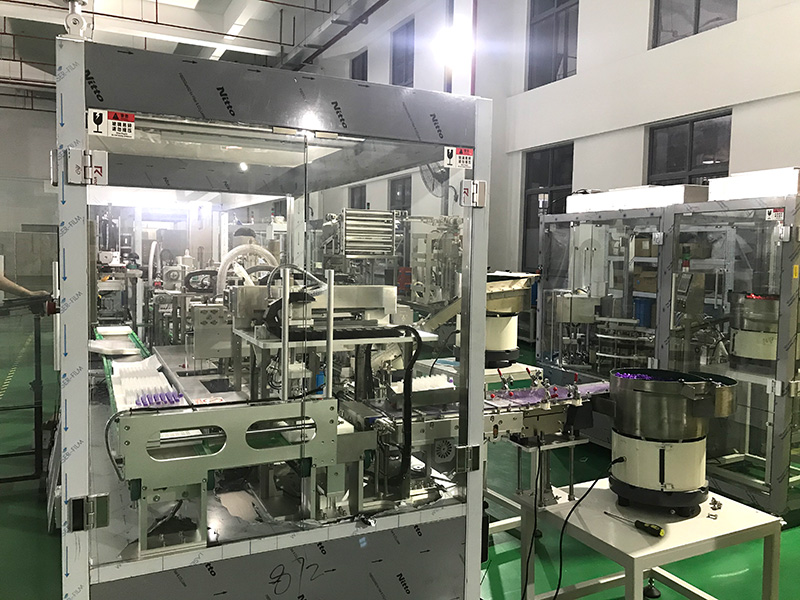
Micro Blood Collection Tube Defects in the United States
For medical device companies serving hospitals, physician networks, blood centers, and diagnostic laboratories in the United States, controlling micro blood collection tube defects is not a minor quality issue; it directly affects patient safety, FDA readiness, production yield, and brand trust. In practice, the fastest way to reduce common defects in micro blood collection tubes is to combine stable automation, validated process control, clean manufacturing, in-line inspection, and disciplined supplier qualification. Companies that invest in modern tube production systems can produce large volumes with more consistent dimensions, additive dosage, cap fit, vacuum performance, labeling accuracy, and packaging integrity than manual or semi-manual setups.
The U.S. market continues to demand higher reliability because blood collection products move through busy healthcare ecosystems in Boston, Chicago, Houston, Atlanta, Los Angeles, and New York, then through distribution hubs near Long Beach, Newark, Savannah, and Memphis. For buyers evaluating equipment partners, technical depth, compliance understanding, after-sales support, and long-term cost of ownership matter just as much as initial equipment price. Companies looking for an engineering-led partner can review our pharmaceutical and medical device background and see how integrated project execution supports quality-focused manufacturing.
Micro blood collection tube defect control enables medical device companies to supply the United States market with dependable, high-volume products for neonatal care, capillary collection, point-of-care testing, and routine diagnostics. The primary objective is not simply to make more tubes, but to make them with repeatable quality. That means preventing defects such as cracked tubes, poor cap sealing, additive contamination, inaccurate fill volumes, label misalignment, color-code inconsistency, inadequate sterilization, and packaging failures.
In the U.S., buyers often expect compatibility with stringent quality systems that align with FDA expectations, cGMP thinking, risk management, traceability, and documented validation. Defect reduction therefore depends on several linked factors:
Companies that treat defect control as a system rather than a single inspection step typically achieve lower scrap rates, stronger audit performance, and more predictable delivery to U.S. healthcare customers.
Common DefectTypical Root CauseOperational RiskDetection MethodPrevention MethodU.S. Buyer ImpactTube crackingResin inconsistency or poor molding parametersLeaks and contaminationVisual inspection and pressure testMaterial qualification and stable temperature controlHigher returns and complaint ratesLoose cap fitCap tolerance drift or insertion errorSample leakageTorque or pull-force testingServo closure control and cap dimension checksReduced confidence from hospital labsWrong additive dosePump inaccuracy or nozzle blockageInvalid test resultsWeight check and in-line metering reviewCalibrated dosing system with alarmsClinical risk and regulatory exposureLabel skew or mismatchUnstable labeling speed or bad data syncTraceability lossVision inspectionBarcode verification and automatic rejectDistribution delaysParticle contaminationInsufficient cleaning or packaging controlSample integrity issuesCamera inspection and environmental monitoringCleanroom discipline and air filtrationHigher QA scrutinyPackaging seal failureImproper sealing temperature or film qualityTransit damageSeal-strength testValidated packing parametersFreight claims and reworkThe table above shows why defect management must begin upstream. A tube may fail at final inspection, but the real issue often starts with resin quality, closure design, additive chemistry, or poor line synchronization.
Micro blood collection tube defect control refers to the methods, equipment, sensors, software, and quality procedures used to prevent and identify faults during the production of small-volume blood collection tubes. These tubes are widely used for pediatric, neonatal, geriatric, and low-volume blood draws, where precision is especially important because even a small deviation can affect laboratory performance.
In a modern production environment, defect control works through multiple process stages rather than one final inspection point:
For the U.S. market, many manufacturers increasingly prefer automated lines that integrate PLC controls, servo drives, in-line weighing, machine vision, reject stations, and electronic production records. This reduces dependence on manual judgment and improves consistency across long runs.
From a technology perspective, defect control is strongest when the line is engineered as one coordinated system. That is one reason global buyers consider engineering experience as important as machine speed. IVEN Pharmatech Engineering, for example, has developed multiple generations of vacuum blood collection tube production equipment and applies broader pharmaceutical process know-how to medical consumables. Buyers exploring turnkey expansion can review integrated engineering and turnkey capabilities when planning new U.S.-oriented factories or line upgrades.
Another key point is data. U.S. manufacturers increasingly want electronic evidence that proves line stability, not just a supplier promise. Effective systems therefore capture alarms, reject trends, production rate, downtime reasons, and quality deviations. This information supports IQ, OQ, and PQ activities and makes CAPA investigations faster.
Demand for micro blood collection tubes in the United States comes from many healthcare settings, including pediatric hospitals, outpatient clinics, physician office labs, public health programs, specialty testing providers, and large reference laboratories. Defect control matters differently in each setting, but the production benefits are broadly similar: lower waste, better compliance, fewer complaints, stronger brand reputation, and better on-time delivery.
Application AreaTypical U.S. End UserWhy Micro Tubes Are UsedDefect SensitivityMain Production PriorityBusiness BenefitNeonatal screeningChildren’s hospitalsVery low sample volumeVery highPrecise additive controlReduced clinical riskPediatric testingRegional hospital systemsLess invasive collectionHighCap fit and leak preventionLower complaint ratePoint-of-care supportUrgent care centersFast handlingMedium to highConsistent labelingBetter workflowHome health and outreachMobile care providersPortable sample collectionHighPackage durabilityFewer transit failuresSpecialty diagnosticsReference laboratoriesSpecific additive chemistryVery highChemical accuracyHigher testing reliabilityResearch and clinical trialsBiotech and CRO sitesProtocol-based collectionHighTraceability and lot consistencyProtocol complianceFor medical device companies, production benefits extend beyond direct quality. A well-controlled line can shorten line clearance time, simplify training, reduce labor intensity, and improve planning for national distribution through hubs such as Dallas-Fort Worth, Chicago, and New Jersey. When shortages affect healthcare systems, reliable capacity becomes a competitive advantage.
There is also a strategic manufacturing benefit. As healthcare providers in the United States continue to diversify suppliers and seek resilient sourcing, manufacturers with strong defect prevention systems can position themselves more effectively for long-term contracts.
var ctxBarDemand = document.getElementById(‘barDemandChart’).getContext(‘2d’);var barDemandChart = new Chart(ctxBarDemand, { type: ‘bar’, data: { labels: [‘Pediatric Hospitals’, ‘Reference Labs’, ‘Outpatient Clinics’, ‘Urgent Care’, ‘Research Centers’, ‘Public Health’], datasets: [{ label: ‘Estimated U.S. Demand Index’, data: [92, 88, 75, 63, 54, 47], backgroundColor: [‘#4e79a7′,’#f28e2b’,’#e15759′,’#76b7b2′,’#59a14f’,’#edc948′] }] }, options: { responsive: true, maintainAspectRatio: false }});The bar chart highlights where demand pressure is strongest. Pediatric hospitals and reference laboratories place the highest emphasis on product reliability, making defect control a commercial differentiator rather than only a manufacturing issue.
The market offers several production and inspection configurations, from entry-level semi-automatic units to high-speed integrated lines. Selecting the right system depends on product range, batch size, additive complexity, labor cost, cleanroom standards, and traceability needs in the United States.
Most buyers evaluate configurations across four dimensions: line speed, inspection depth, automation level, and flexibility for product changeover. A low-cost machine may appear attractive initially but can become expensive if it struggles with frequent SKU changes or inconsistent reject performance.
Configuration TypeAutomation LevelBest Use CaseTypical StrengthTypical LimitationBuyer ProfileSemi-automatic assembly lineLow to mediumSmall batches and pilot productionLower upfront costLabor dependencyNew market entrantsAutomatic additive filling lineMediumExisting tube lines adding chemistry precisionImproved dosage controlMay need separate inspection modulesMid-size manufacturersIntegrated forming and assembly lineHighScale productionBetter synchronizationHigher capital costEstablished OEMsVision-inspection-focused lineHighComplaint reduction programsStrong defect rejectionNeeds stable upstream processQuality-driven producersHigh-speed turnkey lineVery highLarge-volume U.S. supplyBest throughput and traceabilityComplex commissioningNational suppliersFlexible multi-SKU lineHighDiverse product portfoliosFaster changeoverRequires strong recipe managementContract manufacturersWhen reviewing machine options, buyers should ask whether the configuration supports:
Technological capability is especially important here. IVEN Pharmatech Engineering combines medical consumables machinery knowledge with broader pharmaceutical equipment engineering, which helps when a project needs not only a machine but also utility coordination, layout planning, documentation, and compliance-oriented design. This matters for U.S.-focused facilities that want robust performance over years, not just at factory acceptance test stage.
Many manufacturers still compare automated defect control systems with manual or semi-manual assembly lines. Manual production may work for limited runs, but the gap in quality consistency becomes more obvious as volumes rise or as customer audits become more demanding.
FactorManual AssemblyAutomated Defect Control LineImpact on QualityImpact on CostImpact on U.S. Compliance ReadinessInspection consistencyOperator dependentSensor and vision basedHigher repeatability with automationLower reworkStronger documentation supportOutput speedLimitedHigh and stableLess bottleneck pressureLower unit cost at scaleSupports large contractsAdditive accuracyMore variationMetered and monitoredBetter test reliabilityLess wasteBetter validation evidenceLabor requirementHighModerate to lowLower handling riskReduced ongoing labor expenseEasier training controlTraceabilityMostly paper basedDigital records possibleFaster root-cause analysisSaves QA timeImproved audit responseScrap controlReactiveReal-time rejection and alarmsFewer defect escapesBetter yieldLower complaint exposureThe key advantage of automation is not simply speed. It is the ability to hold a process within tight control limits hour after hour. That is essential when supplying integrated delivery networks, major lab chains, or distributors that expect stable performance across every lot.
var ctxAreaTrend = document.getElementById(‘areaTrendChart’).getContext(‘2d’);var areaTrendChart = new Chart(ctxAreaTrend, { type: ‘line’, data: { labels: [‘2021’, ‘2022’, ‘2023’, ‘2024’, ‘2025’, ‘2026’, ‘2027’, ‘2028’, ‘2029’, ‘2030’], datasets: [{ label: ‘Automated Line Adoption Share (%)’, data: [38, 42, 47, 53, 58, 63, 68, 72, 76, 80], fill: true, backgroundColor: ‘rgba(75, 192, 192, 0.25)’, borderColor: ‘rgba(75, 192, 192, 1)’, tension: 0.3 }] }, options: { responsive: true, maintainAspectRatio: false }});The area chart reflects the broader trend in the U.S. and global market: manufacturers are steadily shifting from manual operations to higher automation, especially where labor availability, validation demands, and quality complaint costs are increasing.
The United States remains one of the most important markets for blood collection technology because it combines high clinical demand, mature diagnostics infrastructure, advanced quality expectations, and purchasing power. Growth is driven by pediatric care, preventive testing, specialty diagnostics, decentralized care models, and the ongoing modernization of domestic manufacturing capabilities.
Several opportunity areas stand out:
Trade logistics also influence purchasing decisions. Equipment moving through West Coast ports such as Long Beach and Los Angeles may follow different timelines and cost structures than shipments routed through Houston, Norfolk, or Savannah. U.S. buyers increasingly evaluate suppliers not just on machine performance but on ability to manage project schedules, spare parts, documentation, and installation planning in a practical way.
var ctxLineGrowth = document.getElementById(‘lineGrowthChart’).getContext(‘2d’);var lineGrowthChart = new Chart(ctxLineGrowth, { type: ‘line’, data: { labels: [‘2022’, ‘2023’, ‘2024’, ‘2025’, ‘2026’, ‘2027’, ‘2028’, ‘2029’, ‘2030’], datasets: [{ label: ‘U.S. Market Index for Automated Defect Control Systems’, data: [100, 109, 118, 129, 141, 154, 167, 180, 194], borderColor: ‘rgb(54, 162, 235)’, backgroundColor: ‘rgba(54, 162, 235, 0.15)’, fill: false, tension: 0.25 }] }, options: { responsive: true, maintainAspectRatio: false }});The line chart suggests a realistic multi-year growth path, with 2026 acting as a particularly important transition period. By 2026, three trends are expected to accelerate:
Manufacturers that invest before 2026 may be better positioned to compete for larger tenders and partnership opportunities in the U.S. market.
Choosing a supplier should be treated as a risk decision, not just a price negotiation. A machine that appears cheaper at quotation stage can become expensive if it lacks stable validation support, spare parts planning, recipe management, or trained commissioning engineers. In the United States, buyers often value practical execution as much as technical specification.
Evaluation CriterionWhat to AskWhy It MattersWarning SignStrong Supplier IndicatorBuyer ActionIndustry experienceHow many comparable projects were delivered?Reduces learning-curve riskNo relevant referencesDocumented project track recordRequest examples by product typeCompliance knowledgeCan the supplier support validation documents?Important for FDA-oriented operationsOnly generic manualsIQ/OQ/PQ familiarityReview sample documentationInspection capabilityWhat defects can the system detect automatically?Defines real quality valueVague camera claimsClear defect library and reject logicDemand FAT test protocolManufacturing depthDoes the supplier make key components or only assemble?Impacts quality and lead timeHeavy outsourcing without controlDedicated plants and process controlAudit production capabilityService responseHow are U.S. support and spare parts handled?Protects uptimeSlow or unclear support modelLifecycle service structureAsk for SLA detailsCustomization abilityCan the line fit your SKU mix and plant layout?Avoids expensive retrofitsOne-size-fits-all proposalEngineering-led customizationRequest layout and URS responseManufacturing capability should be reviewed carefully. A supplier with specialized production facilities and experience across related pharmaceutical and medical device systems may be better equipped to deliver stable stainless-steel fabrication quality, integrated controls, and long equipment life. IVEN, for example, operates multiple specialized manufacturing plants in Shanghai covering filling and packaging machinery, pharmaceutical water systems, intelligent logistics, and vacuum blood collection tube equipment. For U.S. buyers, this depth can translate into stronger consistency, better customization, and reduced dependency on fragmented subcontracting.
Service capability is equally important. From feasibility analysis to installation, commissioning, training, and ongoing optimization, buyers should favor partners that can support the full lifecycle. If you are planning a new line or reviewing a supplier shortlist, it is sensible to speak with an engineering team about your project requirements before finalizing a capital decision.
var ctxComparisonSupplier = document.getElementById(‘comparisonSupplierChart’).getContext(‘2d’);var comparisonSupplierChart = new Chart(ctxComparisonSupplier, { type: ‘bar’, data: { labels: [‘Compliance Support’, ‘Inspection Accuracy’, ‘Customization’, ‘Manufacturing Depth’, ‘After-Sales Service’, ‘ROI Potential’], datasets: [{ label: ‘High-Value Supplier Benchmark Score’, data: [92, 89, 87, 91, 88, 85], backgroundColor: [‘#6f4e7c’,’#4d908e’,’#577590′,’#f3722c’,’#90be6d’,’#f9c74f’] }] }, options: { responsive: true, maintainAspectRatio: false }});This comparison chart shows the criteria many U.S. buyers use when differentiating suppliers. The best overall choice is usually the supplier with balanced strength across quality, engineering, and support, not necessarily the one with the lowest quote.
Investment cost depends on line speed, level of automation, vision system sophistication, utility scope, cleanroom interface, documentation package, and packaging configuration. U.S. buyers should budget beyond the machine itself and include qualification, facility modifications, operator training, spares, and contingency for schedule changes.
Budget ItemLow RangeMid RangeHigh RangeMain Cost DriverROI ConsiderationCore production line$250,000$600,000$1,500,000+Speed and automation levelHigher output lowers unit costVision inspection system$40,000$120,000$300,000+Camera count and defect algorithmsLower escape rateInstallation and commissioning$20,000$70,000$180,000Site complexityFaster start-up reduces delaysValidation and documentation$15,000$50,000$120,000Regulatory depth requiredSupports audits and customer trustSpare parts and tooling$10,000$35,000$100,000SKU range and maintenance strategyProtects uptimeFacility adaptation$25,000$100,000$300,000+Utilities and cleanroom changesImproves operational fitA sound ROI model should include both direct and indirect gains. Direct gains include lower scrap, lower labor per unit, and higher throughput. Indirect gains include fewer complaints, stronger customer retention, reduced investigation time, and better readiness for quality audits.
A simplified ROI example for a U.S. producer might include:
Buyers should also plan financing around shipping lead times, customs, factory acceptance testing, and utility readiness. If the project is tied to a hospital or laboratory contract launch, the cost of delay can exceed the cost of the equipment itself.
Even a strong equipment investment can underperform if risk planning is weak. The most common issues are unclear product requirements, insufficient validation planning, undertrained operators, unstable incoming materials, and weak spare parts management.
Before purchase, companies should define a clear user requirement specification covering tube size, materials, additive types, required inspections, line speed, packaging format, and data needs. This prevents expensive changes later.
Risk areas include:
Sustainability is now also a real investment factor. By 2026 and beyond, U.S. customers are likely to ask more questions about energy efficiency, material yield, packaging waste, and scrap recovery practices. Automated lines can help here by reducing overfill, off-spec batches, and unnecessary rejects. Future-ready suppliers should discuss servo efficiency, lightweight design options where appropriate, and digital monitoring that reduces downtime-related waste.
Service capability becomes decisive at this stage. A supplier that can support training, documentation, optimization, troubleshooting, and production handover lowers the practical risk of underperformance. Companies that want one partner from feasibility through commissioning often prefer integrated engineering providers rather than machine brokers. If you are still evaluating configurations, you can explore our engineering approach and global project experience to understand how lifecycle support reduces implementation risk.
The most common defects include tube cracks, cap leakage, inaccurate additive dosage, label errors, particle contamination, dimensional variation, and packaging seal failure. Each of these can affect usability, traceability, or test accuracy.
Micro tubes hold small sample volumes, so even minor variation in dimensions or additive amount can have a larger proportional effect on performance. They are also frequently used in pediatric and neonatal settings where reliability is critical.
They can be suitable for pilot production, specialty runs, or early-stage entry, but they are usually less competitive for large-volume U.S. supply because inspection consistency, labor efficiency, and traceability are weaker than automated systems.
They should ask for speed verification, defect detection demonstrations, reject accuracy data, changeover validation, alarm logic review, sample batch records, and evidence that critical tolerances remain stable during extended runs.
That depends on volume, labor cost, and defect reduction potential. Many projects see payback in roughly 18 to 42 months, especially when replacing labor-heavy processes or high-scrap lines.
Key trends include smarter vision systems, stronger digital traceability, increased domestic supply resilience planning in the United States, more sustainability-driven procurement, and demand for flexible multi-SKU production lines.
Look for application-specific project history, specialized manufacturing capability, process validation support, machine life durability, customization depth, and responsive after-sales service. Suppliers that combine equipment manufacturing with engineering know-how often provide more stable long-term results.
Start with a defined URS, a defect map, target output assumptions, and total cost of ownership analysis. Then compare suppliers on compliance support, inspection performance, manufacturing depth, and service responsiveness rather than price alone.
In summary, micro blood collection tube defects are best reduced through an integrated manufacturing strategy that combines process engineering, automation, in-line inspection, material control, and lifecycle technical support. For the United States market, that approach is increasingly the standard expected by hospitals, laboratory networks, and quality-conscious distributors. A supplier with proven technology, serious manufacturing infrastructure, and practical service support can help transform defect reduction from a quality problem into a competitive advantage.
-
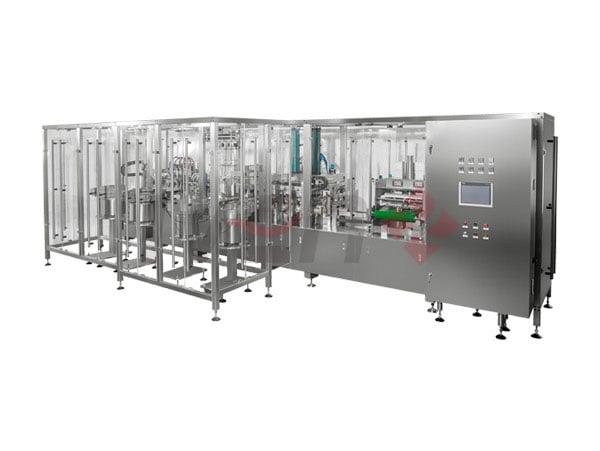
PD Solution Production Capacity in the United States
Peritoneal dialysis fluid manufacturing is a specialized segment of pharmaceutical production that directly supports chronic kidney disease treatment in both home-care and hospital settings. In the United States, PD solution production line capacity matters because it affects product availability, supply continuity, sterile quality assurance, and the ability of manufacturers to respond to growing demand from nephrology clinics, integrated delivery networks, and home dialysis programs. A strong production platform must combine sterile solution preparation, accurate filling, robust sealing, traceability, and regulatory compliance under U.S. FDA cGMP expectations.
For buyers, investors, and project teams evaluating a new production facility or expansion project, capacity is not only a number measured in bags per hour or liters per day. It also reflects line flexibility, container format, automation level, changeover efficiency, validation readiness, maintenance support, and the ability to scale output as the market grows. In major healthcare and logistics corridors such as New Jersey, Chicago, Houston, Los Angeles, and Atlanta, supply chain resilience has become as important as pure throughput.
Manufacturers entering or expanding in the U.S. market often look for turnkey engineering support, integrated water systems, solution preparation skids, automatic filling and sealing equipment, packaging, and validation documentation. Companies such as IVEN Pharmatech Engineering are often considered by buyers seeking an end-to-end partner rather than only a standalone machine vendor, especially when the project involves compliance alignment, plant layout, and long-term technical support.
PD solution production line capacity helps manufacturers consistently produce safe, sterile peritoneal dialysis fluids for home treatment and hospital use. In practical terms, capacity determines how many bags or containers can be prepared, filled, sealed, inspected, and packed within a defined time while still meeting sterility assurance, formulation accuracy, and packaging integrity requirements. In the United States, this is especially important because healthcare providers increasingly promote home dialysis, while hospitals still require dependable backup supply for inpatient nephrology care.
A well-designed production line typically includes purified water and water for injection support systems, solution preparation tanks, sterile filtration, filling and sealing technology, online inspection, leak testing, overwrapping, case packing, serialization support where needed, and controlled process monitoring. The most competitive lines balance three goals at the same time: patient safety, regulatory compliance, and cost-effective output. If capacity is too low, a producer may face shortages and delayed deliveries. If it is oversized without good planning, capital utilization and return on investment may suffer.
Capacity Factor Why It Matters Typical U.S. Buyer Concern Operational Impact Bags per hour Defines output speed Meeting regional demand spikes Higher daily production volume Liters per batch Determines preparation scale Efficient formula scheduling Lower downtime between batches Sterility assurance Critical for patient safety FDA audit readiness Reduced contamination risk Changeover time Supports multiple SKUs Flexible bag sizes and concentrations Higher line utilization Packaging integrity Prevents leaks and spoilage Transport across long U.S. routes Lower complaint rate Automation level Improves consistency Labor availability and cost Better repeatability and traceabilityThe table above shows that capacity is not a single metric. U.S. buyers usually assess output together with batch size, sterility, changeover speed, transport durability, and labor efficiency.
PD solution production line capacity refers to the output potential of a manufacturing system used to make peritoneal dialysis solutions. This usually includes the amount of fluid that can be compounded, sterile-filtered or otherwise processed according to the process design, filled into medical-grade containers, sealed, inspected, and packaged during a shift, day, or year. Depending on plant design, capacity can be expressed as liters per hour, bags per hour, bags per year, or total annual treatment volume.
Its importance in kidney care is direct. Patients on peritoneal dialysis often depend on recurring deliveries of sterile dialysate for daily therapy, especially in home-based care programs. If manufacturing capacity is unstable, patients and providers may face shortages, rushed sourcing, higher logistics costs, or forced therapy adjustments. For U.S. health systems, that can affect continuity of care from urban centers like Boston and Seattle to rural treatment networks in the Midwest and Southeast.
Capacity also supports public health preparedness. During supply chain disruptions, port congestion in Los Angeles/Long Beach, weather events affecting Gulf Coast distribution near Houston, or trucking delays in the Northeast corridor, domestic and regional production resilience becomes more valuable. Buyers therefore increasingly favor production lines with dependable uptime, local spare parts strategies, and strong validation documentation.
From a technical perspective, PD solution lines must maintain tight control over mixing accuracy, pH, electrolyte composition, glucose concentration, temperature management where required, microbiological control, and container closure integrity. High-capacity output is only useful when every finished unit is safe and compliant. That is why the best investment decisions focus on validated productivity instead of headline speed alone.
In home dialysis, PD solution availability is essential because patients store and use treatment bags on a routine schedule. A production line with stable output enables predictable replenishment, shorter lead times, and better support for home-care models that are expanding across the United States. This is especially relevant as policymakers and providers continue encouraging home-based renal care to reduce treatment burden and improve quality of life.
In hospital settings, PD fluids serve inpatient nephrology, post-surgical use cases, urgent-start dialysis programs, and continuity support when outpatient supply patterns are interrupted. Hospitals in major metropolitan areas such as New York City, Philadelphia, Dallas, and San Francisco expect dependable delivery performance, lot traceability, and packaging suitable for institutional storage and distribution.
Benefits of adequate production capacity include:
Capacity also influences clinician confidence. If a supplier can deliver consistently with strong quality performance, providers are more likely to integrate that product into long-term care pathways. For manufacturers, this creates a business case for investing in robust line design, advanced inspection, and lifecycle support.
Application Area Main Need Capacity Priority Quality Priority Distribution Pattern Home dialysis programs Frequent patient supply High output stability Sterility and packaging durability Direct-to-patient or regional hub Acute care hospitals Immediate treatment availability Rapid replenishment Lot traceability Institutional delivery Dialysis clinics Routine stock planning SKU flexibility Consistent formulation Scheduled regional shipments Government or emergency reserve Contingency inventory Surge capacity Shelf-life stability Central warehouse deployment Academic medical centers Protocol variety Multi-format capability Documentation rigor Controlled specialty supply Integrated health systems System-wide standardization Large annual volume Audit-ready compliance Multi-state networksThis comparison highlights how home-care demand emphasizes recurring volume and packaging reliability, while hospital demand places extra value on speed, traceability, and broad distribution readiness.
var ctx1 = document.getElementById(‘lineChartMarketGrowth’).getContext(‘2d’);var lineChartMarketGrowth = new Chart(ctx1, { type: ‘line’, data: { labels: [‘2021’, ‘2022’, ‘2023’, ‘2024’, ‘2025’, ‘2026’], datasets: [{ label: ‘Estimated U.S. PD Solution Capacity Demand Index’, data: [78, 84, 92, 101, 112, 126], borderColor: ‘rgb(54, 162, 235)’, backgroundColor: ‘rgba(54, 162, 235, 0.15)’, fill: false, tension: 0.25 }] }, options: { responsive: true, maintainAspectRatio: false }});PD solution production systems vary by container format, automation architecture, annual volume target, and utility design. In the U.S. market, the most discussed technical options usually include soft bag lines, non-PVC bag lines, modular preparation systems, integrated CIP/SIP capabilities, advanced sealing systems, and fully automatic downstream packing.
Container choice affects both capacity and market positioning. Soft bag systems can offer efficient storage and transport economics, while specific material choices may help support sustainability goals or compliance preferences. Filling and sealing technology must be matched to solution chemistry, target shelf life, and transport conditions across long domestic routes.
On the engineering side, buyers commonly evaluate:
When discussing technological capability, IVEN Pharmatech Engineering is known in the market for combining pharmaceutical filling, packaging, water treatment, and integrated process engineering. For buyers that need more than standalone equipment, the company’s approach is often relevant because PD solution production depends on the interaction between upstream utilities, preparation systems, sterile filling, and packaging performance rather than on one machine alone.
Line Type Typical Use Capacity Range Main Advantage Best Fit Entry-level automatic line Regional supply or pilot commercialization 1,500 to 3,000 bags/hour Lower initial capital New entrants Mid-scale production line Multi-state distribution 3,000 to 6,000 bags/hour Balanced ROI and flexibility Growing manufacturers High-capacity integrated line National supply 6,000 to 10,000+ bags/hour Lowest unit cost at scale Large established producers Multi-SKU flexible line Several formulations and bag sizes 2,500 to 5,500 bags/hour Fast changeover Diverse product portfolios Turnkey cleanroom-integrated line New factory build Project-specific Full system compatibility Greenfield plants Expansion module line Capacity debottlenecking Incremental increase Uses existing infrastructure Brownfield upgradesThis table shows why “best” capacity depends on business strategy. National-scale producers often prioritize unit economics, while regional suppliers may value flexibility and faster deployment more than maximum speed.
Not every renal therapy supply strategy requires the same production platform. Some buyers compare full-scale PD solution lines with contract manufacturing, imported finished product, small-batch compounding models, or hybrid capacity strategies. The right answer depends on volume, regulatory strategy, lead time, and commercial risk tolerance.
A dedicated in-house line gives the strongest control over capacity, formulation scheduling, and quality systems, but it also requires significant capital, facility readiness, and technical staffing. Contract manufacturing may reduce upfront investment, though it can limit flexibility and expose the brand owner to shared-capacity constraints. Importing product may work for certain market structures, but U.S. buyers increasingly assess freight risk, customs lead time, port disruptions, and domestic supply security.
Option Capital Cost Control Level Scalability Lead Time Risk Best Scenario Own PD solution production line High Very high High Low after commissioning Long-term strategic manufacturing Contract manufacturing Low to medium Medium Medium Medium Fast market entry Imported finished product Low plant investment Low Medium High Limited initial demand Regional small-batch model Medium High Low Low Niche or localized supply Hybrid own line plus CMO backup High High Very high Low to medium Risk-balanced growth strategy Brownfield expansion of existing sterile plant Medium to high High Medium to high Medium Companies with existing utilitiesThe comparison above demonstrates that many U.S. manufacturers choose either a dedicated line or a hybrid model. The hybrid approach can be especially useful during launch, demand ramp-up, or geographic expansion.
var ctx2 = document.getElementById(‘comparisonChartOptions’).getContext(‘2d’);var comparisonChartOptions = new Chart(ctx2, { type: ‘bar’, data: { labels: [‘Own Line’, ‘CMO’, ‘Imported Product’, ‘Hybrid Model’, ‘Brownfield Upgrade’], datasets: [{ label: ‘Strategic Fit Score for U.S. Market’, data: [92, 71, 58, 88, 81], backgroundColor: ‘rgb(153, 102, 255)’ }] }, options: { responsive: true, maintainAspectRatio: false }});The U.S. market for PD solution production capacity is influenced by three major forces: the growth of chronic kidney disease management, the shift toward home dialysis, and heightened attention to domestic or near-market supply resilience. Health systems increasingly want reliable access to core renal therapy consumables without depending too heavily on long and fragile import chains.
Another important trend is production modernization. Buyers now ask for digital batch records, automated recipe control, alarm history, trend analysis, predictive maintenance support, and easier integration with plant-wide quality systems. Facilities in pharmaceutical clusters such as New Jersey and North Carolina often prioritize systems that can fit into broader sterile manufacturing strategies.
2026 trends are already shaping current procurement discussions. These include:
For manufacturing capability, IVEN Pharmatech Engineering stands out to many buyers because it has multiple specialized production bases focused on pharmaceutical equipment, water treatment, intelligent conveying, and medical consumables machinery. That broad manufacturing base can matter when a project requires not just a filler-sealer, but a coordinated set of subsystems with consistent technical responsibility.
Trend U.S. Market Effect Impact on Capacity Planning 2026 Outlook Home dialysis expansion More recurring patient-level demand Need for steady monthly output Strong Supply chain localization Preference for dependable regional production New plant and expansion projects Strong Automation investment Lower labor dependency Higher OEE targets Very strong Sustainability pressure Material and utility optimization Energy-efficient equipment selection Growing Regulatory digitization More emphasis on data integrity SCADA/MES-ready systems Very strong Portfolio diversification More formulations and package formats Flexible changeovers Moderate to strongThe trend summary shows why capacity planning now includes digitalization and sustainability, not just output quantity. The most future-ready plants are built to adapt to policy, material, and demand shifts through 2026 and beyond.
var ctx3 = document.getElementById(‘barChartDemand’).getContext(‘2d’);var barChartDemand = new Chart(ctx3, { type: ‘bar’, data: { labels: [‘Home Care’, ‘Hospitals’, ‘Dialysis Clinics’, ‘Emergency Stock’, ‘Academic Centers’, ‘Integrated Systems’], datasets: [{ label: ‘Estimated U.S. Demand Share Index’, data: [95, 74, 82, 46, 39, 68], backgroundColor: ‘rgb(255, 99, 132)’ }] }, options: { responsive: true, maintainAspectRatio: false }});Choosing a supplier for a PD solution production line in the United States requires more than reviewing brochures and output claims. Buyers should assess regulatory understanding, engineering depth, line integration capability, installation support, documentation quality, reference projects, spare parts strategy, and total lifecycle responsiveness.
Key questions include whether the supplier understands U.S. FDA cGMP expectations, whether the line can be validated efficiently, and whether upstream and downstream systems are engineered as one coordinated process. The best suppliers also help with feasibility, utility balance, cleanroom layout, and qualification planning before equipment ships.
Service capability often becomes the deciding factor. IVEN Pharmatech Engineering is often evaluated positively in this area because it positions itself as a lifecycle partner, supporting feasibility analysis, engineering design, equipment customization, installation, commissioning, IQ/OQ/PQ assistance, training, and post-startup optimization. For U.S. projects, that matters because schedule discipline and validation readiness can affect launch timing as much as equipment performance.
For direct inquiries on project planning or technical matching, buyers can use the company’s contact page for project consultation. Those exploring broader factory integration may also review turnkey pharmaceutical engineering solutions to see how line supply connects with plant-wide execution.
Evaluation Criterion What to Verify Why It Matters in the U.S. Red Flag Regulatory competence cGMP, documentation, validation support Needed for inspection readiness Generic or incomplete documents Engineering integration Utilities, filling, packaging alignment Reduces interface failures Multiple uncontrolled vendors Reference projects Relevant sterile line installations Confirms execution experience No comparable case history Customization ability Bag formats, plant layout, automation level Supports real production needs Only standard off-the-shelf offer After-sales support Training, spare parts, troubleshooting Protects uptime Slow response or unclear contacts Manufacturing quality Materials, fabrication, testing Impacts long-term reliability Weak FAT or poor finish standardsIn practice, the safest buying process combines technical due diligence, FAT planning, document review, and clear contractual milestones. This is especially important for first-time projects in regions such as the Midwest or Southeast, where labor training and remote support planning may shape startup success.
The cost of a PD solution production line in the United States depends on target output, automation level, container format, cleanroom scope, utility systems, local construction costs, and validation requirements. A greenfield project with purified water, WFI-related systems if applicable to the process design, HVAC, cleanroom finishes, preparation tanks, automatic filling and sealing, packaging, warehouse integration, and qualification support is substantially different from a debottlenecking upgrade inside an existing sterile plant.
Budget planning should separate direct equipment cost from project-wide cost. Many buyers underestimate automation integration, clean utilities, commissioning, training, and spare parts. Freight and import planning also matter, especially when equipment enters through ports such as Long Beach, Newark, Savannah, or Houston before inland transport to the final site.
ROI is typically driven by reduced outsourcing cost, stronger supply security, higher margin retention, and the ability to scale volume over time. If the facility supports multiple products or shares utilities with adjacent sterile lines, returns may improve further.
Cost Element Low-Range Project Mid-Range Project High-Range Project ROI Influence Core production equipment Moderate High Very high Directly affects throughput Water and utility systems Moderate High High Critical for compliance and uptime Cleanroom and HVAC Moderate High Very high Supports sterility assurance Automation and data systems Low to moderate Moderate High Improves labor efficiency and traceability Validation and documentation Low Moderate High Speeds launch and reduces compliance risk Training and after-sales support Low Moderate Moderate Improves ramp-up performanceThe table shows that ROI depends on coordinated investment rather than machine cost alone. Underinvesting in utilities, validation, or training often raises long-term cost through delays and lower OEE.
As a broad planning example, a mid-scale U.S. project may target payback through a combination of contract manufacturing replacement, reduced freight dependency, lower shortage risk, and improved gross margin capture. Financial models usually test several scenarios: conservative demand, base demand, and growth demand through 2026. Buyers can also review available equipment categories through pharmaceutical production equipment options before requesting a tailored quotation.
var ctx4 = document.getElementById(‘areaChartShift’).getContext(‘2d’);var areaChartShift = new Chart(ctx4, { type: ‘line’, data: { labels: [‘2021’, ‘2022’, ‘2023’, ‘2024’, ‘2025’, ‘2026’], datasets: [{ label: ‘Shift Toward Automated and Flexible Capacity’, data: [40, 47, 55, 63, 72, 84], borderColor: ‘rgb(75, 192, 192)’, backgroundColor: ‘rgba(75, 192, 192, 0.25)’, fill: true, tension: 0.3 }] }, options: { responsive: true, maintainAspectRatio: false }});Every investment in PD solution manufacturing carries technical, financial, regulatory, and commercial risks. The most common problem is mismatch between actual demand and installed capacity. If a line is undersized, the plant struggles with service levels. If it is oversized, utilization remains low and fixed cost recovery becomes difficult.
Other major risks include incomplete user requirement specifications, weak utility planning, inadequate cleanroom zoning, long validation timelines, supplier coordination failures, and poor spare parts forecasting. In the U.S., compliance risk is especially serious because documentation quality, alarm management, batch record traceability, and change control discipline can all affect startup readiness.
Supply chain strategy should not be ignored. Buyers must think about material sourcing, packaging film supply, transport lanes, and warehousing conditions. A plant near East Coast healthcare demand centers may benefit from proximity to New Jersey distribution corridors, while a Gulf or West Coast location may offer advantages for import logistics or access to regional labor pools.
Case planning is also important. A growing manufacturer may start with one line and reserve utility and floor space for a second line. Another producer may choose a modular design to reduce commissioning risk and shorten expansion lead time. For a greenfield project, early design coordination can save substantial cost later.
A simple case example is a U.S. buyer launching regional PD solution supply in the Southeast. Phase 1 may use a mid-scale flexible line to support nearby hospitals and home-care providers in Georgia, Florida, and the Carolinas. If utilization exceeds forecast by year two, Phase 2 could add a parallel filling and packaging train while sharing water systems and warehousing. This staged strategy often improves capital efficiency.
For buyers who want to reduce project risk, an integrated partner model can be useful. More information on company background, technical scope, and delivery approach is available through the company overview page, which is relevant for firms comparing equipment vendors with true turnkey engineering providers.
What is a typical PD solution production line capacity?Typical capacity varies widely, but many commercial lines range from about 1,500 to more than 10,000 bags per hour depending on bag format, automation level, inspection method, and plant configuration.
What matters more: bags per hour or annual output?Both matter. Bags per hour shows machine speed, while annual output reflects real operating conditions such as maintenance, changeovers, batch scheduling, and validation downtime.
Can a PD solution line be customized for different formulations?Yes. Many lines can be configured for multiple concentrations, bag sizes, and process recipes. The key is validating changeover procedures and ensuring the preparation system supports accurate dosing and traceability.
Why is U.S. regulatory knowledge important when selecting a supplier?Because the equipment and documentation must support FDA cGMP expectations, qualification activities, data integrity, and sterile manufacturing controls. A technically capable supplier without regulatory experience can still create major project delays.
Is turnkey delivery better than buying separate machines?For many U.S. projects, yes. Turnkey or integrated delivery reduces interface risk between water treatment, preparation, filling, sealing, packaging, and automation systems. It can also simplify accountability during commissioning.
How long does a PD solution production line project usually take?A greenfield project often takes much longer than a brownfield expansion. The timeline depends on engineering scope, permitting, facility readiness, equipment customization, FAT, shipping, installation, and qualification.
What are the most important technical systems besides the filling line?Water and utility systems, solution preparation, cleanroom HVAC, leak testing, inspection, packaging, and digital controls are all essential. Weakness in any of these areas can reduce effective capacity.
How should buyers estimate ROI?ROI models should include capital cost, operating labor, maintenance, utility consumption, packaging materials, reduced outsourcing cost, freight savings, margin improvement, and the financial benefit of stronger supply reliability.
What future trends should investors watch through 2026?Watch home dialysis growth, greater automation, sustainability-driven material and energy optimization, stronger digital compliance requirements, and policy efforts to reinforce resilient medical supply chains in the United States.
What kind of supplier is best for a first U.S. PD solution facility?A supplier with proven sterile manufacturing expertise, strong documentation, customization capability, and lifecycle service support is usually the safest choice. This is especially true when the project includes plant design, utilities, and validation.
In summary, PD solution production line capacity is a strategic manufacturing decision for the United States market, not just a mechanical specification. It shapes patient access, supply resilience, quality assurance, operating cost, and future competitiveness. Buyers that align capacity planning with regulatory compliance, regional logistics, automation goals, and a reliable engineering partner are in the strongest position to support kidney care across home treatment and hospital channels.