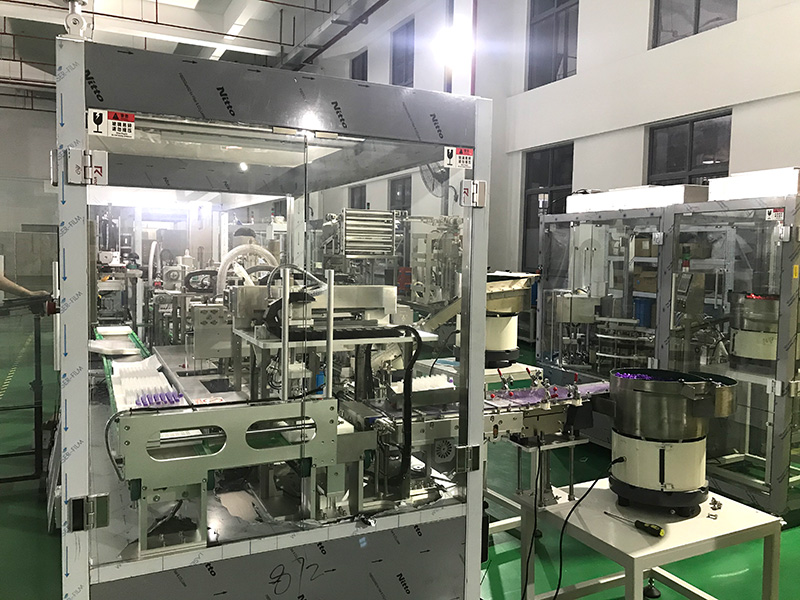
Micro Blood Collection Tube Defects in the United States
For medical device companies serving hospitals, physician networks, blood centers, and diagnostic laboratories in the United States, controlling micro blood collection tube defects is not a minor quality issue; it directly affects patient safety, FDA readiness, production yield, and brand trust. In practice, the fastest way to reduce common defects in micro blood collection tubes is to combine stable automation, validated process control, clean manufacturing, in-line inspection, and disciplined supplier qualification. Companies that invest in modern tube production systems can produce large volumes with more consistent dimensions, additive dosage, cap fit, vacuum performance, labeling accuracy, and packaging integrity than manual or semi-manual setups.
The U.S. market continues to demand higher reliability because blood collection products move through busy healthcare ecosystems in Boston, Chicago, Houston, Atlanta, Los Angeles, and New York, then through distribution hubs near Long Beach, Newark, Savannah, and Memphis. For buyers evaluating equipment partners, technical depth, compliance understanding, after-sales support, and long-term cost of ownership matter just as much as initial equipment price. Companies looking for an engineering-led partner can review our pharmaceutical and medical device background and see how integrated project execution supports quality-focused manufacturing.
Quick Answer: How Micro Blood Collection Tube Defect Control Supports High-Volume U.S. Production

Micro blood collection tube defect control enables medical device companies to supply the United States market with dependable, high-volume products for neonatal care, capillary collection, point-of-care testing, and routine diagnostics. The primary objective is not simply to make more tubes, but to make them with repeatable quality. That means preventing defects such as cracked tubes, poor cap sealing, additive contamination, inaccurate fill volumes, label misalignment, color-code inconsistency, inadequate sterilization, and packaging failures.
In the U.S., buyers often expect compatibility with stringent quality systems that align with FDA expectations, cGMP thinking, risk management, traceability, and documented validation. Defect reduction therefore depends on several linked factors:
- Stable raw materials with incoming inspection
- Precision tube forming and dimension control
- Accurate additive dispensing and drying
- Reliable closure insertion and leak prevention
- Automated visual inspection and reject mechanisms
- Controlled cleanroom packaging
- Batch records, data capture, and process validation
Companies that treat defect control as a system rather than a single inspection step typically achieve lower scrap rates, stronger audit performance, and more predictable delivery to U.S. healthcare customers.
| Common Defect | Typical Root Cause | Operational Risk | Detection Method | Prevention Method | U.S. Buyer Impact |
|---|---|---|---|---|---|
| Tube cracking | Resin inconsistency or poor molding parameters | Leaks and contamination | Visual inspection and pressure test | Material qualification and stable temperature control | Higher returns and complaint rates |
| Loose cap fit | Cap tolerance drift or insertion error | Sample leakage | Torque or pull-force testing | Servo closure control and cap dimension checks | Reduced confidence from hospital labs |
| Wrong additive dose | Pump inaccuracy or nozzle blockage | Invalid test results | Weight check and in-line metering review | Calibrated dosing system with alarms | Clinical risk and regulatory exposure |
| Label skew or mismatch | Unstable labeling speed or bad data sync | Traceability loss | Vision inspection | Barcode verification and automatic reject | Distribution delays |
| Particle contamination | Insufficient cleaning or packaging control | Sample integrity issues | Camera inspection and environmental monitoring | Cleanroom discipline and air filtration | Higher QA scrutiny |
| Packaging seal failure | Improper sealing temperature or film quality | Transit damage | Seal-strength test | Validated packing parameters | Freight claims and rework |
The table above shows why defect management must begin upstream. A tube may fail at final inspection, but the real issue often starts with resin quality, closure design, additive chemistry, or poor line synchronization.
What Is Micro Blood Collection Tube Defect Control and How Does It Work?

Micro blood collection tube defect control refers to the methods, equipment, sensors, software, and quality procedures used to prevent and identify faults during the production of small-volume blood collection tubes. These tubes are widely used for pediatric, neonatal, geriatric, and low-volume blood draws, where precision is especially important because even a small deviation can affect laboratory performance.
In a modern production environment, defect control works through multiple process stages rather than one final inspection point:
- Raw material verification for tube resin, caps, additives, labels, and packaging films
- Tube body forming, trimming, and dimension measurement
- Additive filling, coating, or spray application with volume verification
- Drying or conditioning based on product design
- Cap or closure assembly with force consistency checks
- Vision inspection for cosmetic and dimensional defects
- Leak testing, packaging inspection, and batch traceability
For the U.S. market, many manufacturers increasingly prefer automated lines that integrate PLC controls, servo drives, in-line weighing, machine vision, reject stations, and electronic production records. This reduces dependence on manual judgment and improves consistency across long runs.
From a technology perspective, defect control is strongest when the line is engineered as one coordinated system. That is one reason global buyers consider engineering experience as important as machine speed. IVEN Pharmatech Engineering, for example, has developed multiple generations of vacuum blood collection tube production equipment and applies broader pharmaceutical process know-how to medical consumables. Buyers exploring turnkey expansion can review integrated engineering and turnkey capabilities when planning new U.S.-oriented factories or line upgrades.
Another key point is data. U.S. manufacturers increasingly want electronic evidence that proves line stability, not just a supplier promise. Effective systems therefore capture alarms, reject trends, production rate, downtime reasons, and quality deviations. This information supports IQ, OQ, and PQ activities and makes CAPA investigations faster.
Key Applications and Production Benefits of Micro Blood Collection Tube Defect Control for Medical Device Companies

Demand for micro blood collection tubes in the United States comes from many healthcare settings, including pediatric hospitals, outpatient clinics, physician office labs, public health programs, specialty testing providers, and large reference laboratories. Defect control matters differently in each setting, but the production benefits are broadly similar: lower waste, better compliance, fewer complaints, stronger brand reputation, and better on-time delivery.
| Application Area | Typical U.S. End User | Why Micro Tubes Are Used | Defect Sensitivity | Main Production Priority | Business Benefit |
|---|---|---|---|---|---|
| Neonatal screening | Children’s hospitals | Very low sample volume | Very high | Precise additive control | Reduced clinical risk |
| Pediatric testing | Regional hospital systems | Less invasive collection | High | Cap fit and leak prevention | Lower complaint rate |
| Point-of-care support | Urgent care centers | Fast handling | Medium to high | Consistent labeling | Better workflow |
| Home health and outreach | Mobile care providers | Portable sample collection | High | Package durability | Fewer transit failures |
| Specialty diagnostics | Reference laboratories | Specific additive chemistry | Very high | Chemical accuracy | Higher testing reliability |
| Research and clinical trials | Biotech and CRO sites | Protocol-based collection | High | Traceability and lot consistency | Protocol compliance |
For medical device companies, production benefits extend beyond direct quality. A well-controlled line can shorten line clearance time, simplify training, reduce labor intensity, and improve planning for national distribution through hubs such as Dallas-Fort Worth, Chicago, and New Jersey. When shortages affect healthcare systems, reliable capacity becomes a competitive advantage.
There is also a strategic manufacturing benefit. As healthcare providers in the United States continue to diversify suppliers and seek resilient sourcing, manufacturers with strong defect prevention systems can position themselves more effectively for long-term contracts.
The bar chart highlights where demand pressure is strongest. Pediatric hospitals and reference laboratories place the highest emphasis on product reliability, making defect control a commercial differentiator rather than only a manufacturing issue.
Main Types and Configurations of Micro Blood Collection Tube Defect Control Systems Available Today
The market offers several production and inspection configurations, from entry-level semi-automatic units to high-speed integrated lines. Selecting the right system depends on product range, batch size, additive complexity, labor cost, cleanroom standards, and traceability needs in the United States.
Most buyers evaluate configurations across four dimensions: line speed, inspection depth, automation level, and flexibility for product changeover. A low-cost machine may appear attractive initially but can become expensive if it struggles with frequent SKU changes or inconsistent reject performance.
| Configuration Type | Automation Level | Best Use Case | Typical Strength | Typical Limitation | Buyer Profile |
|---|---|---|---|---|---|
| Semi-automatic assembly line | Low to medium | Small batches and pilot production | Lower upfront cost | Labor dependency | New market entrants |
| Automatic additive filling line | Medium | Existing tube lines adding chemistry precision | Improved dosage control | May need separate inspection modules | Mid-size manufacturers |
| Integrated forming and assembly line | High | Scale production | Better synchronization | Higher capital cost | Established OEMs |
| Vision-inspection-focused line | High | Complaint reduction programs | Strong defect rejection | Needs stable upstream process | Quality-driven producers |
| High-speed turnkey line | Very high | Large-volume U.S. supply | Best throughput and traceability | Complex commissioning | National suppliers |
| Flexible multi-SKU line | High | Diverse product portfolios | Faster changeover | Requires strong recipe management | Contract manufacturers |
When reviewing machine options, buyers should ask whether the configuration supports:
- Different cap colors and additive types
- Tooling changes for multiple tube sizes
- Camera inspection for cosmetic and dimensional criteria
- Data export for quality records
- Automatic reject segregation
- Cleanroom-compatible design and washdown suitability
Technological capability is especially important here. IVEN Pharmatech Engineering combines medical consumables machinery knowledge with broader pharmaceutical equipment engineering, which helps when a project needs not only a machine but also utility coordination, layout planning, documentation, and compliance-oriented design. This matters for U.S.-focused facilities that want robust performance over years, not just at factory acceptance test stage.
Micro Blood Collection Tube Defect Control vs Manual Assembly Lines: Key Differences and Advantages
Many manufacturers still compare automated defect control systems with manual or semi-manual assembly lines. Manual production may work for limited runs, but the gap in quality consistency becomes more obvious as volumes rise or as customer audits become more demanding.
| Factor | Manual Assembly | Automated Defect Control Line | Impact on Quality | Impact on Cost | Impact on U.S. Compliance Readiness |
|---|---|---|---|---|---|
| Inspection consistency | Operator dependent | Sensor and vision based | Higher repeatability with automation | Lower rework | Stronger documentation support |
| Output speed | Limited | High and stable | Less bottleneck pressure | Lower unit cost at scale | Supports large contracts |
| Additive accuracy | More variation | Metered and monitored | Better test reliability | Less waste | Better validation evidence |
| Labor requirement | High | Moderate to low | Lower handling risk | Reduced ongoing labor expense | Easier training control |
| Traceability | Mostly paper based | Digital records possible | Faster root-cause analysis | Saves QA time | Improved audit response |
| Scrap control | Reactive | Real-time rejection and alarms | Fewer defect escapes | Better yield | Lower complaint exposure |
The key advantage of automation is not simply speed. It is the ability to hold a process within tight control limits hour after hour. That is essential when supplying integrated delivery networks, major lab chains, or distributors that expect stable performance across every lot.
The area chart reflects the broader trend in the U.S. and global market: manufacturers are steadily shifting from manual operations to higher automation, especially where labor availability, validation demands, and quality complaint costs are increasing.
Market Growth and Opportunities for Micro Blood Collection Tube Defect Control Manufacturers
The United States remains one of the most important markets for blood collection technology because it combines high clinical demand, mature diagnostics infrastructure, advanced quality expectations, and purchasing power. Growth is driven by pediatric care, preventive testing, specialty diagnostics, decentralized care models, and the ongoing modernization of domestic manufacturing capabilities.
Several opportunity areas stand out:
- Replacement of aging semi-automatic lines in established plants
- Nearshoring and localization of medical consumables supply
- Higher demand for data-rich inspection systems
- Increased focus on sustainability and material efficiency
- Expansion of contract manufacturing for private-label products
- Need for flexible equipment that supports short runs and product customization
Trade logistics also influence purchasing decisions. Equipment moving through West Coast ports such as Long Beach and Los Angeles may follow different timelines and cost structures than shipments routed through Houston, Norfolk, or Savannah. U.S. buyers increasingly evaluate suppliers not just on machine performance but on ability to manage project schedules, spare parts, documentation, and installation planning in a practical way.
The line chart suggests a realistic multi-year growth path, with 2026 acting as a particularly important transition period. By 2026, three trends are expected to accelerate:
- Greater use of machine vision assisted by smarter defect classification
- Policy and procurement pressure favoring quality resilience and domestic supply security
- Sustainability targets focused on reduced scrap, lower energy use, and improved material utilization
Manufacturers that invest before 2026 may be better positioned to compete for larger tenders and partnership opportunities in the U.S. market.
How to Choose a Reliable Micro Blood Collection Tube Defect Control Manufacturer or Supplier
Choosing a supplier should be treated as a risk decision, not just a price negotiation. A machine that appears cheaper at quotation stage can become expensive if it lacks stable validation support, spare parts planning, recipe management, or trained commissioning engineers. In the United States, buyers often value practical execution as much as technical specification.
| Evaluation Criterion | What to Ask | Why It Matters | Warning Sign | Strong Supplier Indicator | Buyer Action |
|---|---|---|---|---|---|
| Industry experience | How many comparable projects were delivered? | Reduces learning-curve risk | No relevant references | Documented project track record | Request examples by product type |
| Compliance knowledge | Can the supplier support validation documents? | Important for FDA-oriented operations | Only generic manuals | IQ/OQ/PQ familiarity | Review sample documentation |
| Inspection capability | What defects can the system detect automatically? | Defines real quality value | Vague camera claims | Clear defect library and reject logic | Demand FAT test protocol |
| Manufacturing depth | Does the supplier make key components or only assemble? | Impacts quality and lead time | Heavy outsourcing without control | Dedicated plants and process control | Audit production capability |
| Service response | How are U.S. support and spare parts handled? | Protects uptime | Slow or unclear support model | Lifecycle service structure | Ask for SLA details |
| Customization ability | Can the line fit your SKU mix and plant layout? | Avoids expensive retrofits | One-size-fits-all proposal | Engineering-led customization | Request layout and URS response |
Manufacturing capability should be reviewed carefully. A supplier with specialized production facilities and experience across related pharmaceutical and medical device systems may be better equipped to deliver stable stainless-steel fabrication quality, integrated controls, and long equipment life. IVEN, for example, operates multiple specialized manufacturing plants in Shanghai covering filling and packaging machinery, pharmaceutical water systems, intelligent logistics, and vacuum blood collection tube equipment. For U.S. buyers, this depth can translate into stronger consistency, better customization, and reduced dependency on fragmented subcontracting.
Service capability is equally important. From feasibility analysis to installation, commissioning, training, and ongoing optimization, buyers should favor partners that can support the full lifecycle. If you are planning a new line or reviewing a supplier shortlist, it is sensible to speak with an engineering team about your project requirements before finalizing a capital decision.
This comparison chart shows the criteria many U.S. buyers use when differentiating suppliers. The best overall choice is usually the supplier with balanced strength across quality, engineering, and support, not necessarily the one with the lowest quote.
Investment Cost, Budget Planning and ROI Analysis for Micro Blood Collection Tube Defect Control
Investment cost depends on line speed, level of automation, vision system sophistication, utility scope, cleanroom interface, documentation package, and packaging configuration. U.S. buyers should budget beyond the machine itself and include qualification, facility modifications, operator training, spares, and contingency for schedule changes.
| Budget Item | Low Range | Mid Range | High Range | Main Cost Driver | ROI Consideration |
|---|---|---|---|---|---|
| Core production line | $250,000 | $600,000 | $1,500,000+ | Speed and automation level | Higher output lowers unit cost |
| Vision inspection system | $40,000 | $120,000 | $300,000+ | Camera count and defect algorithms | Lower escape rate |
| Installation and commissioning | $20,000 | $70,000 | $180,000 | Site complexity | Faster start-up reduces delays |
| Validation and documentation | $15,000 | $50,000 | $120,000 | Regulatory depth required | Supports audits and customer trust |
| Spare parts and tooling | $10,000 | $35,000 | $100,000 | SKU range and maintenance strategy | Protects uptime |
| Facility adaptation | $25,000 | $100,000 | $300,000+ | Utilities and cleanroom changes | Improves operational fit |
A sound ROI model should include both direct and indirect gains. Direct gains include lower scrap, lower labor per unit, and higher throughput. Indirect gains include fewer complaints, stronger customer retention, reduced investigation time, and better readiness for quality audits.
A simplified ROI example for a U.S. producer might include:
- Scrap reduction from 5.5% to 1.8%
- Labor reduction of 20% to 35%
- Output increase of 30% to 70%
- Complaint-related cost reduction by 40% or more
- Payback period between 18 and 42 months depending on volume
Buyers should also plan financing around shipping lead times, customs, factory acceptance testing, and utility readiness. If the project is tied to a hospital or laboratory contract launch, the cost of delay can exceed the cost of the equipment itself.
Key Considerations and Potential Risks When Investing in Micro Blood Collection Tube Defect Control
Even a strong equipment investment can underperform if risk planning is weak. The most common issues are unclear product requirements, insufficient validation planning, undertrained operators, unstable incoming materials, and weak spare parts management.
Before purchase, companies should define a clear user requirement specification covering tube size, materials, additive types, required inspections, line speed, packaging format, and data needs. This prevents expensive changes later.
Risk areas include:
- Mismatch between quoted line speed and real production speed
- Limited defect detection accuracy for critical faults
- Poor interoperability with existing plant systems
- Unrealistic project schedule assumptions
- Insufficient cleanroom and utility planning
- Dependence on manual adjustment for stable output
Sustainability is now also a real investment factor. By 2026 and beyond, U.S. customers are likely to ask more questions about energy efficiency, material yield, packaging waste, and scrap recovery practices. Automated lines can help here by reducing overfill, off-spec batches, and unnecessary rejects. Future-ready suppliers should discuss servo efficiency, lightweight design options where appropriate, and digital monitoring that reduces downtime-related waste.
Service capability becomes decisive at this stage. A supplier that can support training, documentation, optimization, troubleshooting, and production handover lowers the practical risk of underperformance. Companies that want one partner from feasibility through commissioning often prefer integrated engineering providers rather than machine brokers. If you are still evaluating configurations, you can explore our engineering approach and global project experience to understand how lifecycle support reduces implementation risk.
FAQ
What are the most common micro blood collection tube defects?
The most common defects include tube cracks, cap leakage, inaccurate additive dosage, label errors, particle contamination, dimensional variation, and packaging seal failure. Each of these can affect usability, traceability, or test accuracy.
Why is defect control more important for micro tubes than larger blood tubes?
Micro tubes hold small sample volumes, so even minor variation in dimensions or additive amount can have a larger proportional effect on performance. They are also frequently used in pediatric and neonatal settings where reliability is critical.
Can manual lines still be suitable for the U.S. market?
They can be suitable for pilot production, specialty runs, or early-stage entry, but they are usually less competitive for large-volume U.S. supply because inspection consistency, labor efficiency, and traceability are weaker than automated systems.
What should U.S. buyers ask during factory acceptance testing?
They should ask for speed verification, defect detection demonstrations, reject accuracy data, changeover validation, alarm logic review, sample batch records, and evidence that critical tolerances remain stable during extended runs.
How long does it usually take to realize ROI?
That depends on volume, labor cost, and defect reduction potential. Many projects see payback in roughly 18 to 42 months, especially when replacing labor-heavy processes or high-scrap lines.
What future trends will shape this market through 2026?
Key trends include smarter vision systems, stronger digital traceability, increased domestic supply resilience planning in the United States, more sustainability-driven procurement, and demand for flexible multi-SKU production lines.
How can a supplier demonstrate real technical strength?
Look for application-specific project history, specialized manufacturing capability, process validation support, machine life durability, customization depth, and responsive after-sales service. Suppliers that combine equipment manufacturing with engineering know-how often provide more stable long-term results.
Where can buyers start if they are comparing multiple projects?
Start with a defined URS, a defect map, target output assumptions, and total cost of ownership analysis. Then compare suppliers on compliance support, inspection performance, manufacturing depth, and service responsiveness rather than price alone.
In summary, micro blood collection tube defects are best reduced through an integrated manufacturing strategy that combines process engineering, automation, in-line inspection, material control, and lifecycle technical support. For the United States market, that approach is increasingly the standard expected by hospitals, laboratory networks, and quality-conscious distributors. A supplier with proven technology, serious manufacturing infrastructure, and practical service support can help transform defect reduction from a quality problem into a competitive advantage.

About the Author
We are IVEN Pharmatech Engineering, a team dedicated to delivering turnkey pharmaceutical and medical solutions worldwide. With decades of experience, we specialize in advanced machinery, integrated factory design, and full lifecycle support to help our clients achieve efficient, compliant, and high-quality production.
Share

Related Insights
-
Disposable vs Reusable Syringes in the United States
Choosing between a disposable syringe and a reusable syringe is not only a clinical decision; in pharmaceutical manufacturing, medical device production, and contract packaging in the United States, it is also a strategic investment decision. Large manufacturers in Boston, San Diego, New Jersey, Houston, and Chicago evaluate syringe formats based on contamination control, validation burden, throughput, labor efficiency, material compatibility, and compliance with US FDA cGMP expectations. In most high-volume sterile production environments, disposable systems are favored for single-use sterility and simplified changeover, while reusable systems remain relevant in controlled laboratory work, specialty filling support, and selected process applications where repeat use, precision, or lower recurring consumable cost matters.
For companies building or upgrading injectable lines, prefilled syringe production, medical consumables plants, and packaging operations, the better choice depends on production scale, product sensitivity, utility availability, cleanroom design, waste strategy, and long-term cost of ownership. That is why the comparison of disposable syringe vs reusable syringe continues to matter across the United States supply chain, from East Coast biopharma hubs to Gulf Coast logistics corridors and West Coast innovation clusters.
The fast answer is simple: disposable syringes usually deliver stronger contamination control, easier batch changeover, and lower cleaning validation complexity, while reusable syringes may offer lower per-cycle material cost and stable mechanical performance in defined, lower-risk applications. In modern US pharmaceutical production, especially for sterile injectables, biotech products, and high-value formulations, disposable approaches often align better with speed, regulatory confidence, and flexible manufacturing.
However, the decision should not be reduced to “single-use is always better.” In a facility making development batches, conducting formulation trials, or supporting offline dosing, reusable syringes made from glass or stainless-steel-compatible assemblies can still be practical. The right decision depends on the intended process step, product-contact requirements, and plant economics.
Decision FactorDisposable SyringeReusable SyringeImpact on US PlantsSterility assuranceHigh due to single useDepends on cleaning and sterilizationImportant for FDA inspectionsChangeover speedFastSlowerUseful for multi-product sitesCleaning validationMinimalExtensiveCan affect validation budgetsWaste generationHigherLowerMatters for sustainability goalsCapital requirementsLower equipment for cleaningMay require washers and sterilizersAffects startup planningRecurring consumable costHigherLower per reuse cycleCritical in long campaignsBest fitSterile, flexible, high-compliance linesControlled repeat-use environmentsDepends on product portfolioThe table above shows why procurement teams in the United States often assess syringes not as isolated products, but as part of the wider manufacturing system that includes clean utilities, sterilization processes, material flow, warehouse capacity, operator training, and waste handling.
In pharmaceutical and medical device manufacturing, a syringe can serve several roles: liquid sampling, transfer of sterile fluids, dosing during development, component assembly for prefilled products, process simulation, laboratory dispensing, and final-use medical consumable production. Disposable syringes are designed for one-time use and are typically manufactured from medical-grade polypropylene with elastomer components and optional stainless-steel needles. Reusable syringes are commonly made of glass, specialized polymers, or metal-supported assemblies that can withstand repeated cleaning and sterilization cycles.
In the United States, disposable syringes dominate high-volume healthcare usage and are heavily integrated into automated medical consumable production lines. Reusable syringes remain relevant in research centers, process development labs, analytical environments, and certain specialized manufacturing support tasks where repeated calibrated use is needed.
Within pharmaceutical production, “used for” can mean two distinct things. First, the syringe itself may be the product being manufactured, such as disposable injection syringes or prefilled syringe systems. Second, the syringe may be a tool used inside the production process for filling trials, quality checks, or transfer operations. The disposable syringe vs reusable syringe decision can therefore affect both product strategy and plant operations.
For manufacturers exploring integrated line solutions, turnkey pharmaceutical engineering services can be valuable because syringe production decisions often connect with water systems, cleanroom zoning, sterilization methods, and automated packaging design.
Use ScenarioDisposable Syringe RoleReusable Syringe RoleTypical US SettingMedical consumable productionMain end productRareLarge device factoriesPrefilled syringe assemblyPrimary product formatNot typical as final productBiologics and injectablesR&D dosing trialsConvenient quick useCommon for repeat lab workBoston and Bay Area labsSterile samplingPreferred to reduce riskLess commonFDA-regulated sterile plantsOffline process checksWidely usedUsed when calibrated repeatability mattersQA and QC departmentsTraining and simulationSimple and low setupUseful for repeated demonstrationsTechnical training centersHospital and clinical supplyStandard formatLimited niche useUS healthcare networksAs facilities in Philadelphia, Raleigh-Durham, and Indianapolis expand injectable capacity, syringe format selection increasingly influences layout efficiency, material segregation, and warehouse planning.
The practical benefits of disposable syringes are strongest where sterility, speed, and risk reduction are priorities. Single-use syringes help eliminate product carryover concerns and substantially reduce cleaning validation workload. In multiproduct sterile plants, where the line may switch from one injectable to another, the value of shorter downtime is considerable. This supports more agile manufacturing, especially for CDMOs and specialized biologics producers.
Reusable syringes, by contrast, may offer precision handling, lower waste generation, and lower lifetime cost in laboratories or small-volume support processes. If a plant has validated sterilization and trained staff, reusable formats can still provide dependable service.
Benefits vary by industry. Vaccine manufacturers may prioritize contamination control. Generic injectable producers may emphasize speed and cost. Device assemblers may focus on dimensional consistency, plunger movement, and compatibility with automated inspection. Laboratories may care most about repeatability and controlled measurement.
var ctxBar = document.getElementById(‘barIndustryDemand’).getContext(‘2d’);var barIndustryDemand = new Chart(ctxBar, { type: ‘bar’, data: { labels: [‘Sterile Injectables’, ‘Biologics’, ‘Vaccines’, ‘Hospitals’, ‘R&D Labs’, ‘Medical Devices’], datasets: [{ label: ‘Estimated US Demand Index’, data: [95, 88, 82, 99, 61, 84], backgroundColor: [‘#4e79a7′,’#f28e2b’,’#e15759′,’#76b7b2′,’#59a14f’,’#edc948′] }] }, options: { responsive: true, maintainAspectRatio: false }});The chart highlights where syringe demand is strongest in the United States. Hospitals and sterile injectable production remain major demand centers, while medical device manufacturing and biologics continue to grow rapidly.
Application AreaWhy Disposable Works WellWhy Reusable May Still WorkBusiness BenefitSterile injectablesReduces contamination riskOnly in controlled support tasksBetter compliance marginBiotech filling supportFast changeoverLimited validation-heavy usageShorter downtimeQC samplingSimple and traceablePossible if sterilized and controlledClear SOP executionClinical manufacturingFlexibility for small lotsUseful in non-product-contact supportScalable operationsTraining operationsEasy distribution and disposalCost-effective for repetitionEfficient staff onboardingDevice assembly linesStandardized outputUsed in tooling and testingReliable throughputLaboratory developmentConvenientOften preferred for repeated testsBalanced cost and precisionFor American buyers, the most important takeaway is that the best application fit determines the best syringe strategy. Plants near major logistics routes such as the Port of Los Angeles, Port of New York and New Jersey, Savannah, and Houston may also factor import timing and inventory safety stock into the decision.
Not all syringes are the same. Differences in barrel material, plunger design, luer format, needle attachment, siliconization, sterility method, graduation accuracy, and packaging configuration can significantly affect line compatibility and performance. When evaluating disposable syringe vs reusable syringe options, US procurement teams usually build a specification sheet before requesting quotations.
Disposable formats commonly include two-part and three-part syringes, luer slip, luer lock, needle-fixed, safety syringes, oral dosing syringes, and prefilled syringe systems. Reusable options often include glass syringes for laboratory and specialty use, autoclavable polymer syringes, and precision devices compatible with metering applications.
Technical requirements may differ by product type. For example, high-value biologics may need low extractables and leachables performance. High-speed assembly lines may require very tight dimensional tolerance. Export-oriented factories may need packaging and labeling suited to US distribution channels.
TypeMaterialTypical Volume RangeUse CaseDisposable two-part syringePolypropylene1 mL to 50 mLGeneral consumable useDisposable three-part syringePP with rubber plunger1 mL to 100 mLSmoother movement and sealingLuer lock syringePolymer1 mL to 50 mLSecure connectionOral dosing syringePolymer1 mL to 20 mLNeedle-free dosingGlass reusable syringeBorosilicate glass1 mL to 100 mLLab and specialty repeat useAutoclavable reusable syringeHigh-grade polymer or metal-supported design5 mL to 100 mLRepeated sterilized usePrefilled syringe systemGlass or polymer0.5 mL to 10 mLAdvanced injectable productsThe table above gives a practical view of format selection. Buyers should also review dead space, plunger break-loose force, glide force, particulate control, and compatibility with EO sterilization, gamma sterilization, or steam sterilization where relevant.
Companies evaluating complete production equipment can also review available machinery and integrated systems through the product portfolio to align syringe manufacturing choices with broader plant design plans.
Although the main comparison is disposable syringe vs reusable syringe, US manufacturers often compare both against alternative technologies such as peristaltic pump transfer systems, cartridge-based dosing, single-use fluid path assemblies, blow-fill-seal packaging, vial-based delivery, and closed-system filling modules. The best solution depends on the process objective.
If the goal is final medical consumable production, disposable syringes are usually the direct market product. If the goal is sterile drug packaging, prefilled syringes may compete with vials, ampoules, cartridges, and BFS containers. If the goal is process dosing during manufacturing, pump-based or closed transfer systems may be more suitable than hand-operated reusable syringes.
For the United States market, this comparison matters because labor cost is high, validation expectations are strict, and manufacturers need scalable, inspection-ready systems. A reusable syringe can make sense in a controlled lab environment, but once manual cleaning, sterilization records, and operator dependency increase, the hidden operational cost can exceed the savings from reuse.
var ctxComp = document.getElementById(‘comparisonSupplierProduct’).getContext(‘2d’);var comparisonSupplierProduct = new Chart(ctxComp, { type: ‘bar’, data: { labels: [‘Sterility Control’, ‘Changeover Speed’, ‘Validation Simplicity’, ‘Waste Profile’, ‘Scalability’, ‘Operating Cost’], datasets: [ { label: ‘Disposable Syringe’, data: [95, 92, 90, 55, 88, 70], backgroundColor: ‘#6f42c1’ }, { label: ‘Reusable Syringe’, data: [68, 58, 52, 85, 60, 78], backgroundColor: ‘#17a2b8’ } ] }, options: { responsive: true, maintainAspectRatio: false }});The comparison chart shows a realistic decision pattern: disposable systems score higher for sterility and operational simplicity, while reusable options perform better on waste reduction and, in some situations, long-term operating economy.
OptionBest ForMain AdvantageMain LimitationDisposable syringeSterile, high-compliance processesSingle-use safetyMore waste and consumable purchasesReusable syringeLabs and defined repeat-use tasksLower repeat material costCleaning and sterilization burdenPrefilled syringeFinal injectable drug deliveryConvenience and dosage accuracyHigher packaging complexityVial systemBroad injectable portfolioEstablished supply chainExtra preparation at point of useCartridge systemPen injectors and specialty deliveryPatient-friendly formatNarrower application rangeSingle-use fluid pathBioprocess transferClosed system benefitsNot always a direct syringe substitutePeristaltic dosing systemAutomated liquid transferHands-free consistencyRequires equipment investmentIn short, the “right fit” depends on whether you are buying a syringe as a product, as a process tool, or as part of a finished packaging platform.
The United States remains one of the world’s largest pharmaceutical and medical device markets, and syringe demand is supported by aging demographics, chronic disease treatment, biologics growth, vaccine preparedness, and the expansion of home-care drug delivery. Domestic reshoring, supply chain resilience planning, and regulatory focus on sterile quality are strengthening investment in local production capacity.
From a manufacturing perspective, key hubs include New Jersey, Massachusetts, North Carolina, Indiana, Texas, and California. Major import and distribution corridors through Long Beach, Newark, Savannah, and Memphis support component and finished-product movement. Contract manufacturers are also increasing capacity for prefilled syringes and injectable packaging formats.
var ctxLine = document.getElementById(‘lineMarketGrowth’).getContext(‘2d’);var lineMarketGrowth = new Chart(ctxLine, { type: ‘line’, data: { labels: [‘2021’, ‘2022’, ‘2023’, ‘2024’, ‘2025’, ‘2026’, ‘2027’, ‘2028’], datasets: [{ label: ‘US Syringe Manufacturing Market Index’, data: [100, 107, 113, 121, 130, 140, 151, 163], borderColor: ‘#28a745’, backgroundColor: ‘rgba(40,167,69,0.1)’, fill: false, tension: 0.3 }] }, options: { responsive: true, maintainAspectRatio: false }});The line chart reflects a realistic market growth pattern, driven by injectable drug expansion and stronger domestic production planning.
var ctxArea = document.getElementById(‘areaTrendShift’).getContext(‘2d’);var areaTrendShift = new Chart(ctxArea, { type: ‘line’, data: { labels: [‘2021’, ‘2022’, ‘2023’, ‘2024’, ‘2025’, ‘2026’, ‘2027’, ‘2028’], datasets: [{ label: ‘Shift Toward Single-Use and Automated Formats’, data: [48, 52, 57, 63, 68, 73, 77, 81], borderColor: ‘#ff7f0e’, backgroundColor: ‘rgba(255,127,14,0.25)’, fill: true, tension: 0.3 }] }, options: { responsive: true, maintainAspectRatio: false }});The area chart shows the continuing shift toward single-use, automation-ready, and contamination-minimizing solutions.
Looking to 2026 and beyond, three trends stand out. First, technology: more robotics, machine vision inspection, digital batch records, and smart traceability will shape syringe production and packaging. Second, policy: FDA scrutiny around aseptic processing, data integrity, and quality systems will remain a core driver. Third, sustainability: manufacturers will face growing pressure to reduce plastic waste, optimize packaging, increase energy efficiency, and evaluate recyclable or lower-impact materials where practical.
As a result, the disposable syringe vs reusable syringe discussion is evolving from a simple materials choice into a broader sustainability-and-compliance optimization question.
Supplier selection in the United States should begin with regulatory and technical fit, not just price. Buyers should examine whether the manufacturer can support documentation, material traceability, dimensional consistency, process validation, packaging integrity, and long-term spare parts availability. For imported equipment or complete lines, US service capability and response time are especially important.
When the project is larger than a single machine purchase, manufacturers often benefit from working with an engineering partner that can align equipment, utilities, cleanroom design, logistics flow, and validation deliverables. This is where technology capability, manufacturing capability, and service capability must all be evaluated together.
In terms of technological capability, IVEN Pharmatech Engineering has built experience in pharmaceutical filling and packaging machinery, water treatment systems, intelligent conveying, and blood collection tube production equipment. That kind of cross-disciplinary knowledge matters because syringe-related projects often depend on purified water, WFI, clean steam, material transport, and packaging integration rather than on an isolated machine alone.
From a manufacturing capability perspective, the company operates specialized production plants in Shanghai focused on different equipment categories, supporting customized integrated solutions for pharmaceutical and medical device facilities. This is relevant for US buyers seeking coordinated line design rather than a patchwork of unrelated suppliers.
On the service side, a strong partner should support feasibility review, engineering design, equipment customization, installation, commissioning, IQ, OQ, PQ, documentation, training, and after-sales support. Buyers can learn more about company background through the company overview and discuss project needs through the contact page.
Supplier CheckpointWhy It MattersWhat US Buyers Should AskRegulatory understandingSupports complianceDo you work to US FDA cGMP expectations?Engineering depthImproves line integrationCan you design around utilities and cleanrooms?Customization abilityMatches site-specific needsCan the line be adapted to our product range?Documentation packageHelps validation and auditsWhat FAT, SAT, IQ, OQ, PQ support is included?Service networkReduces downtimeHow fast is your support response in the United States?Reference projectsShows execution credibilityCan you share similar sterile or consumable projects?Lifecycle supportProtects long-term ROIHow are spare parts, upgrades, and training handled?Reliable suppliers should also understand the realities of US labor costs, local commissioning schedules, and the documentation demands of quality assurance teams.
The total cost of choosing between disposable and reusable syringes goes beyond purchase price. For disposable systems, buyers should calculate consumables spending, storage space, waste handling fees, and supplier continuity risk. For reusable systems, they should account for washers, sterilizers, clean steam, purified water, labor, validation, cleaning agents, downtime, and recordkeeping.
In many US facilities, reusable formats appear less expensive on paper but become more costly when labor and compliance overhead are included. Conversely, disposable systems can become expensive if material consumption is very high and waste disposal charges rise. A careful ROI model should use a 3-year to 7-year horizon.
Cost ElementDisposable Syringe ImpactReusable Syringe ImpactBudget NoteInitial purchaseLow to moderateModerateVaries by precision and materialCleaning equipmentUsually not requiredOften requiredAdd capex for reuse programsSterilization utilitiesLimitedSignificantSteam and water costs matterLaborLower handling timeHigher handling timeImportant in the United StatesValidationSimplerMore extensiveQuality team workload increasesWaste disposalHigherLowerDepends on local regulationsDowntime costLowerPotentially higherCritical for multiproduct linesA practical ROI example: a sterile plant in New Jersey switching from reusable support syringes to validated disposable alternatives for selected sampling and transfer steps may reduce batch turnaround time, simplify SOPs, and lower deviation risk. Even if annual consumable spending rises, the gain in line availability and audit readiness can produce a better overall return.
On the other hand, a smaller development laboratory in Austin or Minneapolis may find reusable calibrated syringes more economical if use frequency is high, cleaning is straightforward, and cross-contamination risk is tightly managed.
Budget planning should also include tariffs, ocean freight, inland transport, customs brokerage, warehouse storage, and spare parts strategy when sourcing from overseas manufacturing bases into US ports.
The biggest investment risks are usually hidden in operations, not procurement. Companies sometimes buy based on unit price and later discover they underestimated cleaning validation complexity, material compatibility issues, staff training needs, or waste management obligations. A strong project review should identify these risks early.
For disposable syringes, risks include supplier dependency, resin price volatility, sustainability concerns, package damage in transit, and improper storage conditions. For reusable syringes, risks include inconsistent cleaning, sterilization failure, surface degradation over repeated cycles, operator error, and documentation gaps.
Another important consideration is scale. A solution that works in pilot or R&D may not scale efficiently to a commercial facility in the United States where batch documentation, throughput, and labor economics are far more demanding.
Case experience across the industry shows that successful projects usually combine technical fit with full engineering planning. This includes material flow, utility design, automation compatibility, and qualification strategy. Some engineering companies with integrated project experience have delivered complete pharmaceutical facilities and production lines internationally, including projects aligned with US compliance expectations. That kind of background can reduce the risk of nonstandard layouts, delayed delivery, and fragmented vendor responsibility.
When reviewing investment risk, buyers should ask whether the supplier understands not just the syringe itself, but also the entire production environment in which it will operate.
Risk AreaTypical ProblemMitigation ActionRegulatoryInsufficient documentationRequire validation-ready document packageSupply chainLate delivery or shortagesUse safety stock and dual sourcing where possibleQualityDimensional inconsistencyApprove samples and audit manufacturing controlsOperationsSlow changeover or cleaning burdenModel process time before purchaseSustainabilityExcess waste volumePlan segregation and disposal contractsTrainingImproper handlingImplement SOP-based operator qualificationMaintenancePoor spare parts accessDefine service and parts commitments in contractThese risks are manageable, but only if they are addressed at the specification and supplier-selection stage rather than after installation.
For buyers in the United States, the best purchasing path usually starts with a structured URS. Define the intended application, annual usage, sterility expectations, material compatibility, packaging preferences, automation interface, and documentation requirements. Then compare domestic supply options with international manufacturers on a total-cost basis, not only a unit-cost basis.
The local supply landscape includes US distributors, regional device assemblers, contract packaging firms, and global equipment suppliers with North American representation. Domestic sourcing may offer shorter lead times and easier communication, while international sourcing may provide stronger customization or better value for full-line projects.
Integrated partners matter because syringe investment decisions often connect to broader factory development. A company with strong technological capabilities can help align syringe equipment with purified water units, WFI systems, automated conveying, filling lines, and final packaging. A company with robust manufacturing capabilities can deliver coordinated machinery rather than mismatched modules. A company with mature service capabilities can support installation, qualification, operator training, and later optimization.
IVEN Pharmatech Engineering is often evaluated in this broader context rather than as a single-product vendor. The company’s international engineering focus, long experience in pharmaceutical and medical device projects, and turnkey orientation are relevant for buyers who need a complete solution around sterile production, consumables manufacturing, or injectable packaging. For US investors, that integrated approach can be especially useful when project complexity spans utilities, line integration, and compliance execution.
In practical terms, a buyer in New Jersey building a sterile injectable expansion, a Texas investor planning a medical consumables line near Houston, or a California company modernizing packaging operations near Los Angeles may all reach different conclusions on disposable syringe vs reusable syringe. But each will benefit from the same disciplined approach: technical definition, supplier qualification, lifecycle costing, and compliance planning.
Which is better for pharmaceutical manufacturing in the United States: disposable or reusable syringes?For most sterile and high-compliance production settings, disposable syringes are usually the better choice because they simplify contamination control and reduce cleaning validation work. Reusable syringes remain useful in labs and selected support tasks.
Are reusable syringes still used in modern pharmaceutical plants?Yes. They are still used in research, development, analytical work, calibration-sensitive tasks, and some controlled process support applications, but far less often as the preferred option in high-throughput sterile environments.
What matters most when comparing total cost?Do not compare only unit price. Include labor, cleaning, sterilization, validation, downtime, storage, waste disposal, and audit risk. In the United States, labor and compliance costs can strongly favor disposable solutions.
How do sustainability goals affect the decision?Reusable syringes reduce solid waste, but they require water, chemicals, energy, and validation. Disposable syringes create more waste but may lower utility use and contamination risk. The more sustainable option depends on your process, volume, and waste management strategy.
What regulations should buyers keep in mind?US FDA cGMP expectations, aseptic processing practices, material traceability, packaging integrity, and documented quality systems are central. For device-related production, additional medical device quality requirements may also apply.
Can a supplier help with full project implementation, not just equipment sales?Yes. Many manufacturers now prefer integrated engineering partners that can support feasibility, design, equipment customization, installation, commissioning, qualification, and training. This reduces interface risk and improves schedule control.
What is the strongest buying recommendation for 2026 planning?Choose solutions that support automation, digital traceability, strong compliance documentation, and realistic sustainability goals. Single-use and hybrid systems will likely keep gaining ground in the United States, especially in injectable and biologics manufacturing.
How should I start a supplier discussion?Prepare your product type, output target, cleanroom grade, utility conditions, compliance requirements, and budget range, then contact shortlisted suppliers for a technical review and concept proposal.
-
Blow Fill Seal vs Form Fill Seal in the United States
For many sterile pharmaceutical manufacturers, blow fill seal vs form fill seal is not just a packaging choice but a contamination-control strategy. In the United States, blow fill seal technology is often preferred for sterile liquids because it forms the container, fills the product, and seals the package in one enclosed, continuous aseptic cycle. That design reduces manual intervention, lowers open-container exposure, and supports high-volume production for products such as respiratory unit doses, ophthalmics, saline, and certain biologics-supporting liquids. Form fill seal systems also have an important role, especially in sachets, pouches, and non-parenteral applications, but when the discussion centers on sterile liquid drug filling, BFS usually has the stronger contamination-control advantage.
For U.S. buyers evaluating a new line in cities such as Philadelphia, Raleigh, Boston, Indianapolis, and San Diego, the decision should be based on product type, container format, regulatory expectations, throughput targets, validation complexity, utility needs, and total life-cycle cost. Companies planning new sterile capacity near major logistics corridors like the Port of Los Angeles, Port of Houston, Port Newark, or air cargo hubs around Chicago and Atlanta also need to consider installation schedules, spare parts support, factory acceptance testing, and long-term service responsiveness.
This guide explains the practical differences between blow fill seal vs form fill seal, where each technology fits, what U.S. manufacturers should budget, and how to evaluate a supplier for a compliant and scalable project.
The short answer is simple: blow fill seal is preferred by many sterile product manufacturers because it integrates container formation, sterile filling, and sealing into one continuous operation. That means fewer handling steps, fewer exposed surfaces, less operator intervention, and a lower probability of contamination events. In comparison, form fill seal can be highly efficient and economical for many packaging formats, but it usually does not deliver the same built-in aseptic advantage for sterile plastic liquid containers that BFS provides.
Decision FactorBlow Fill SealForm Fill SealU.S. Buyer ImpactContainer creationContainer is blow molded in-linePackage is formed from film or webDefines whether rigid sterile plastic containers are possibleFilling environmentIntegrated enclosed aseptic zoneDepends on line design and barrier approachImpacts sterility assurance strategyCommon productsRespules, eye drops, saline, unit-dose liquidsSachets, pouches, strips, non-rigid packsProduct-format fit is criticalOperator interventionLowModerate to low depending on automationAffects contamination risk and labor costRigid container capabilityStrongLimitedImportant for sterile single-dose liquid productsBest use caseSterile liquid pharmaceutical packagingFlexible packaging and broader non-sterile usesGuides capital allocationThe table above shows why the comparison is not about which system is universally better. It is about which system best fits sterile production goals. If the target is a BFS bottle, ampoule-style plastic unit dose, or preservative-free ophthalmic pack, BFS often leads. If the target is flexible film packaging for powders, oral solids, or consumer health products, FFS may be the better business case.
Blow fill seal technology begins with thermoplastic resin, usually polypropylene or polyethylene-based material depending on the application. The machine extrudes a molten parison, molds it into a container shape, fills it with sterile product while the container is still within a protected environment, and then hermetically seals it. The entire sequence takes place in seconds. Because the package is created immediately before filling, container handling and storage risks are greatly reduced.
Form fill seal technology, by contrast, starts with rollstock film, foil laminate, or another web material. The material is shaped into a pouch, sachet, blister, stick pack, or related format, dosed with product, and sealed. FFS is widely used across food, nutraceutical, medical device, personal care, and pharmaceutical sectors. It can be extremely fast and cost-efficient, but for sterile liquid drugs in rigid or semi-rigid unit-dose containers, it is not the same process category as BFS.
Process StepBlow Fill Seal WorkflowForm Fill Seal WorkflowPractical MeaningRaw material inputPlastic resinFilm or laminate rollstockDifferent supply chains and utilitiesPackage formationBlow molded containerThermoformed or web-formed packageRigid vs flexible format differenceFilling stageIntegrated aseptic filling inside machine cycleFilling after package formationImpacts open-package exposureSealing stageTop seal created immediatelyHeat or pressure sealing on web packageAffects seal design and package strengthFinal outputUnit-dose or multi-dose plastic containerPouch, sachet, strip, or blister-style packDetermines market suitabilityTypical pharmaceutical roleSterile liquidsFlexible packs and selected pharma formatsHelps narrow equipment selectionFor U.S. plants working under FDA expectations, both systems require strong process validation, material qualification, cleaning control, packaging integrity evaluation, and documented preventive maintenance. However, the validation package for BFS often focuses heavily on aseptic process simulation, container closure integrity, particulate control, and microbial risk reduction.
When planning a project, buyers often pair machinery selection with broader engineering questions such as purified water, water for injection, clean steam, HVAC zoning, cleanroom classification, material flow, waste handling, and automated conveyance. That is why many owners look for suppliers that can support not only the machine itself but also plant design and integration. A company such as IVEN Pharmatech Engineering is often evaluated in this context because buyers may need a larger sterile factory solution rather than a standalone packaging machine.
U.S. sterile drug manufacturers choose BFS for three major reasons: sterility assurance, operational efficiency, and packaging economics at scale. In sectors such as inhalation therapy, ophthalmics, flush solutions, and hospital unit-dose liquids, BFS can simplify the manufacturing chain by eliminating the need to buy, wash, depyrogenate, store, and transport separate empty containers.
Another reason is labor efficiency. In labor-constrained states and high-cost metro areas such as New Jersey, Massachusetts, and California, reducing operator intervention matters. A highly automated BFS line can help lower direct labor requirements while improving batch consistency. For 24/7 operations serving hospital networks or contract manufacturing demand, this can materially affect total cost per unit.
From a quality standpoint, BFS also reduces environmental exposure during the critical fill-and-close stage. This is especially valuable for preservative-free formulations and high-volume sterile liquids where every contamination control measure matters. U.S. buyers also appreciate the ability to produce lightweight plastic containers that reduce breakage risk compared with glass.
Selection DriverWhy It MattersBenefit in BFSTypical U.S. ContextContamination controlProtects sterile product qualityContinuous enclosed processFDA-focused aseptic operationsLower manual handlingReduces operator-related riskHigh automationLabor shortages and training costsHigh throughputSupports large batch outputFast cycle timesHospital and retail volume demandContainer integrationNo pre-made empty bottle managementFormed in-lineSimplifies warehousing and inbound logisticsBreakage reductionImproves line safety and yieldPlastic containersImportant in distribution-heavy U.S. networksScalable cost per unitImproves economics in long runsStrong on large-volume productsUseful for generic sterile productsThe table shows that BFS is often selected for strategic reasons rather than just technical preference. It helps align production reliability, sterility goals, and supply chain efficiency. For companies launching or expanding sterile operations, especially near demand centers such as Dallas-Fort Worth, Miami, and Columbus, the technology can support both domestic distribution and export programs.
var ctx1 = document.getElementById(‘lineChartMarket’).getContext(‘2d’);var chart1 = new Chart(ctx1, {type: ‘line’,data: {labels: [‘2021’, ‘2022’, ‘2023’, ‘2024’, ‘2025’, ‘2026’],datasets: [{label: ‘Estimated U.S. BFS-Related Sterile Capacity Growth Index’,data: [100, 109, 118, 130, 143, 158],borderColor: ‘rgb(54, 162, 235)’,backgroundColor: ‘rgba(54, 162, 235, 0.15)’,fill: false,tension: 0.3}]},options: {responsive: true,maintainAspectRatio: false}});The line chart illustrates the broader market momentum behind sterile BFS investment in the United States. Growth is being driven by reshoring efforts, sterile shortages, contract manufacturing demand, and the need for more resilient domestic supply chains.
Not all BFS machines are the same. Models vary by cavity count, container volume, resin compatibility, output range, dosing accuracy, and whether the line is optimized for single-dose or multi-dose packs. Some systems are built for low-volume specialty products, while others are designed for mass-market respiratory or hospital solutions.
Typical container sizes range from very small ophthalmic or inhalation doses up to larger bottles for irrigation or specialty liquids. In the U.S. market, common end uses include unit-dose nebulizer products, eye wash, saline, glucose-related solutions in selected formats, and diagnostic support liquids. Some manufacturers also use BFS for veterinary products.
Machine Model TypeTypical Fill RangeCommon ProductOutput CharacteristicBest FitMini-dose BFS0.2 mL to 5 mLEye dropsHigh precision, smaller cavitiesOphthalmic producersRespule BFS1 mL to 10 mLInhalation unit dosesHigh volume, strip formatsRespiratory drug makersMedium-volume BFS10 mL to 100 mLSaline, topical sterile liquidsBalanced speed and flexibilityGeneral sterile liquid plantsLarge-volume BFS100 mL to 1000 mLIrrigation and specialty solutionsLarger mold systemsInstitutional supply linesMulti-dose BFSVariableSelected preservative-compatible productsCap and closure design focusNiche formulationsCustom BFS platformProject-specificComplex product familiesTailored tooling and utilitiesCDMOs and diversified manufacturersThe explanation above matters because product strategy should drive machine specification. A contract development and manufacturing organization in New Jersey may prioritize format flexibility. A high-volume producer in the Midwest may instead prioritize throughput, mold durability, and spare mold interchangeability.
var ctx2 = document.getElementById(‘barChartDemand’).getContext(‘2d’);var chart2 = new Chart(ctx2, {type: ‘bar’,data: {labels: [‘Ophthalmics’, ‘Respiratory Unit Dose’, ‘Saline/Flush’, ‘Veterinary Sterile’, ‘Topical Sterile’, ‘Hospital Supply’],datasets: [{label: ‘Estimated U.S. Demand Intensity’,data: [72, 94, 81, 46, 58, 76],backgroundColor: [‘rgb(255, 99, 132)’,’rgb(255, 159, 64)’,’rgb(255, 205, 86)’,’rgb(75, 192, 192)’,’rgb(54, 162, 235)’,’rgb(153, 102, 255)’]}]},options: {responsive: true,maintainAspectRatio: false}});The bar chart highlights where BFS demand is strongest. Respiratory unit-dose and ophthalmic applications continue to be major drivers in the U.S., especially as health systems seek packaging convenience and sterile reliability.
Many buyers are not only comparing blow fill seal vs form fill seal. They are also comparing BFS against glass vial and ampoule lines. Traditional vial filling remains essential for injectables, biologics, and products that require glass compatibility, lyophilization, rubber closures, or complex dosing systems. BFS is not a direct replacement for every injectable format. Instead, it is a strong alternative for suitable sterile liquid products packaged in plastic unit-dose or bottle formats.
Traditional vial lines require multiple upstream and downstream systems, including vial washing, depyrogenation tunnels, filling, stoppering, capping, and often additional inspection and tray management. BFS removes several of these steps because the container is created in-line. That can reduce footprint complexity, though the BFS machine itself is a sophisticated capital asset with demanding mold, utility, and validation requirements.
Comparison PointBFS LineVial LineAmpoule LineOperational ImplicationPrimary containerPlastic formed in-linePre-made glass vialPre-made glass ampouleAffects supply chain and storageContainer preparationIntegrated formationWash and depyrogenateWash and sterilizeDifferent utility and handling demandsBreakage riskLowModerateHigher than plasticImpacts yield and safetyBest product familySterile unit-dose liquidsInjectables, biologics, lyophilized drugsCertain liquid injectablesProduct compatibility is decisiveLine complexityIntegrated machine coreMulti-equipment systemMulti-equipment systemChanges maintenance strategyMaterial perceptionModern, lightweight plasticEstablished pharmaceutical glassTraditional glass formatMarket and regulatory expectations varyIf your portfolio includes both BFS-suitable products and glass-based injectables, a mixed technology strategy may be best. Some U.S. manufacturers operate separate product families under one quality system, using BFS for inhalation and ophthalmic lines while maintaining vial capacity for injectables.
Adoption of BFS in the United States has grown due to drug shortage concerns, domestic manufacturing incentives, and stronger interest in resilient sterile supply chains. Buyers are also looking at automation more favorably because of workforce pressures and the cost of maintaining heavily manual aseptic operations.
Another factor is project integration. Modern BFS investment is rarely a machine-only decision. It often includes utilities, compounding, cleanroom planning, warehouse automation, packaging lines, and digital production monitoring. This is where supplier depth matters. Some owners prefer working with engineering-oriented partners that can support turnkey expansion from process water to logistics. Buyers exploring full-factory development can review turnkey pharmaceutical engineering solutions when assessing project scope.
From an industry perspective, adoption is especially visible in the Northeast and Mid-Atlantic where pharmaceutical infrastructure is mature, but growth is also appearing in Texas, North Carolina, and selected Midwest markets due to land availability, utility economics, and distribution access.
var ctx3 = document.getElementById(‘areaChartShift’).getContext(‘2d’);var chart3 = new Chart(ctx3, {type: ‘line’,data: {labels: [‘2021’, ‘2022’, ‘2023’, ‘2024’, ‘2025’, ‘2026’],datasets: [{label: ‘Share of New Sterile Liquid Projects Evaluating BFS’,data: [28, 33, 38, 44, 49, 55],borderColor: ‘rgb(75, 192, 192)’,backgroundColor: ‘rgba(75, 192, 192, 0.25)’,fill: true,tension: 0.3}]},options: {responsive: true,maintainAspectRatio: false}});The area chart shows a realistic shift in project evaluation trends. By 2026, more sterile liquid projects are expected to at least assess BFS during concept design, even if some ultimately choose vials or other formats.
Future trends for 2026 and beyond include more robotics around secondary packaging, wider use of electronic batch records, stricter container closure integrity monitoring, energy-efficiency upgrades, greater recyclable-material research, and policy pressure for domestic critical medicine production. Sustainability is also becoming more central. U.S. buyers increasingly ask about resin efficiency, utility consumption, compressed air load, scrap recovery, and overall carbon footprint per thousand units.
Choosing a BFS supplier should go well beyond price. U.S. pharmaceutical companies need a partner that can demonstrate regulatory understanding, robust documentation, repeatable manufacturing quality, and dependable after-sales support. A machine that arrives late, lacks proper FAT records, or requires repeated troubleshooting during SAT can delay commercial supply and create expensive remediation.
Start by checking whether the supplier can support U.S.-facing compliance expectations, including design documentation, material certificates, software records, IQ/OQ/PQ support, and risk-based validation packages. Then assess machine durability, mold accuracy, dosing repeatability, alarm traceability, and service capability for spare parts and field engineering.
Buyers should also consider whether the supplier has broader engineering capability. In the technological capabilities category, IVEN Pharmatech Engineering is relevant because it focuses on integrated pharmaceutical machinery and utility systems, with experience serving projects designed around EU GMP, U.S. FDA cGMP, WHO GMP, and PIC/S expectations. That can be useful when a BFS project must connect with purified water, WFI, steam, solution preparation, and automated logistics.
Supplier Evaluation ItemWhat to VerifyWhy It Matters in the U.S.Warning SignRegulatory documentationDQ, FAT, SAT, IQ/OQ support, materials traceabilitySupports inspection readinessIncomplete or generic documentsAseptic know-howMedia fill strategy, contamination control designEssential for sterile operationsSupplier cannot explain aseptic risk controlsManufacturing qualityMachining accuracy, weld quality, finishingImpacts uptime and cleanabilityInconsistent fabrication standardsService networkRemote support, spare parts, field engineersReduces downtime across U.S. sitesLong lead times for critical partsCustomization abilityContainer design, mold flexibility, integrationImportant for differentiated productsOnly standard catalog options availableProject managementTimeline control, installation planning, trainingCritical for launch schedulesNo dedicated project coordinationIn manufacturing capabilities, supplier depth matters too. A manufacturer with specialized production plants across core pharmaceutical equipment categories can often coordinate line integration more effectively than a narrow single-machine vendor. This can improve consistency for owners building new U.S. capacity or importing multiple systems through ports such as Long Beach, Savannah, or New York/New Jersey.
If you are comparing options, it may also be useful to review available pharmaceutical equipment categories to understand how a BFS line fits within the broader factory ecosystem.
var ctx4 = document.getElementById(‘comparisonChartSupplier’).getContext(‘2d’);var chart4 = new Chart(ctx4, {type: ‘bar’,data: {labels: [‘Compliance Support’, ‘Customization’, ‘Lifecycle Service’, ‘Integration Depth’, ‘Cost Efficiency’, ‘Global Delivery’],datasets: [{label: ‘Ideal BFS Supplier Capability Score’,data: [95, 88, 92, 90, 84, 89],backgroundColor: ‘rgb(153, 102, 255)’}]},options: {responsive: true,maintainAspectRatio: false}});The comparison chart shows the practical dimensions buyers should compare, rather than focusing on sticker price alone. The best supplier is usually the one that balances compliance, engineering, service, and total project reliability.
BFS projects can require substantial capital, but the economics may be highly favorable when annual demand is large and the product format is a strong fit. Budget planning should include far more than the machine purchase price. U.S. owners need to account for molds, utilities, facility modifications, cleanroom work, compounding interfaces, validation, operator training, spare parts, serialization or coding, and sometimes secondary packaging upgrades.
Lead time and logistics also influence budget. If equipment is shipped into the United States through Houston or Los Angeles and then transported inland to a plant in Arizona or Tennessee, freight coordination, rigging, customs documentation, and insurance should be built into the total capital plan.
Cost CategoryTypical Share of Project BudgetExplanationControl TipMain BFS machine35% to 50%Core capital asset including controlsLock specification earlyMolds and change parts8% to 15%Format-specific toolingPlan future SKUs in advanceUtility systems10% to 18%Air, chilled water, clean steam interfacesAudit plant capacity before POCleanroom and layout work8% to 20%Room renovation and material flowUse 3D design reviewValidation and qualification6% to 12%IQ/OQ/PQ, media fills, integrity testingDefine protocol ownership earlyTraining and spare parts3% to 8%Startup readiness and uptime protectionInclude first-year kit in contractROI usually improves when there is stable demand, a multi-year product lifecycle, and a high manual cost burden on alternative lines. Savings can come from lower container handling, fewer steps, less breakage, reduced labor, and a strong per-unit output profile. However, ROI weakens if product demand is uncertain, changeover frequency is excessive, or validation delays postpone launch.
ROI DriverPositive EffectNegative EffectCommentAnnual production volumeHigher volume improves unit economicsLow volume lengthens paybackBFS favors sustained demandLabor savingsAutomation lowers direct staffing needsTraining gaps may offset gains earlyRelevant in high-wage U.S. regionsScrap and rejectsStable process reduces wastePoor startup control increases lossesCommissioning discipline mattersFormat flexibilityBroader SKU use supports asset utilizationToo many formats raise tooling costPortfolio planning is essentialDowntime managementStrong service improves OEESlow parts support hurts ROIService contracts can be worthwhileRegulatory speedFast qualification accelerates revenueValidation delay pushes back launchDocumentation quality is a financial issueIn service capabilities, the right supplier should support feasibility review, design coordination, installation, commissioning, validation assistance, training, and long-term optimization. IVEN Pharmatech Engineering is frequently considered in this area because it presents itself as a lifecycle partner rather than only an equipment seller. That distinction can matter when U.S. owners are building a compliant sterile project under tight schedules.
The biggest mistake in BFS investment is assuming the technology itself guarantees success. It does not. A successful project depends on product compatibility, polymer selection, formulation behavior, extractables and leachables strategy, line integration, utility stability, and process validation discipline.
One major risk is selecting BFS for a product that should remain in glass due to stability, oxygen sensitivity, or regulatory history. Another is underestimating tooling complexity. Mold quality, cavity consistency, and container geometry directly affect fill accuracy, seal integrity, and downstream packability.
There are also organizational risks. If procurement leads the decision without enough input from quality, engineering, validation, operations, and supply chain, project assumptions can break down later. U.S. plants should involve cross-functional teams from URS development onward.
Risk AreaPotential ProblemBusiness ImpactMitigationProduct-material fitIncompatible resin or stability issuesReformulation or project delayRun early compatibility studiesValidation scopeUnderestimated documentation and testingLaunch delayCreate detailed validation master planUtility readinessInsufficient air, water, or HVAC stabilityPerformance failuresComplete pre-install utility auditSupplier dependenceLong parts lead time or weak supportExtended downtimeNegotiate local stock and service termsChangeover complexityFrequent SKU changes hurt outputLower OEE and ROICluster products by format familyRegulatory executionPoor aseptic strategy or recordsInspection observationsUse experienced QA and validation teamsBy 2026, risk management will likely become even more data-driven. Buyers should expect stronger use of digital maintenance, predictive alarms, electronic audit trails, sustainability KPIs, and quality-by-design thinking in sterile packaging projects. Policy trends may also favor domestic production resilience, which could increase demand for scalable U.S.-based sterile capacity.
For companies preparing a project RFQ or discussing a U.S. expansion, direct technical consultation is often the fastest next step. You can contact a pharmaceutical engineering team to review layout, capacity targets, compliance goals, and capital assumptions before locking specifications.
Is blow fill seal the same as form fill seal?No. They are related in concept because both create a package, fill it, and seal it, but they are different technologies. BFS is specifically centered on blow molding a plastic container in-line and then filling and sealing it in one continuous process. FFS generally forms packages from film or web material and is commonly used for pouches, sachets, and similar flexible formats.
Why is BFS so common in sterile liquid packaging?Because it reduces contamination risk by minimizing human intervention and combining container formation, filling, and sealing in one enclosed cycle. This is especially valuable for sterile liquids such as ophthalmics, inhalation unit doses, and saline-type products.
Is BFS suitable for all injectable drugs?No. Many injectables still require glass vials, syringes, or cartridges due to formulation needs, regulatory pathways, closure systems, or lyophilization requirements. BFS is best for products that are compatible with plastic container formats and the specific process profile.
What industries besides pharmaceuticals use these systems?BFS and FFS technologies are also used in medical consumables, veterinary products, personal care, food, and industrial liquids. However, the design, compliance standards, and validation depth vary greatly by industry.
How should a U.S. company compare suppliers?Look at compliance documentation, engineering depth, aseptic experience, manufacturing quality, U.S. service responsiveness, project management, and long-term parts support. Cost matters, but total project reliability matters more.
What is the biggest hidden cost in a BFS project?Many buyers underestimate validation effort, utility upgrades, and tooling strategy. These areas often affect launch timing more than the machine invoice itself.
Can BFS support future sustainability goals?Yes, but only if sustainability is designed into the project. Consider resin usage, energy demand, scrap handling, compressed air efficiency, and transport optimization. In the United States, sustainability reporting is becoming increasingly relevant to procurement and corporate governance decisions.
What kind of supplier is best for a greenfield sterile project?A supplier or engineering partner with integrated capability is often best. For example, when a project includes sterile filling equipment, water systems, clean steam, solution preparation, logistics, and validation support, a company with broad pharmaceutical engineering experience can reduce coordination risk.
In conclusion, the blow fill seal vs form fill seal decision should be made with a clear view of product format, sterility assurance, regulatory expectations, plant economics, and long-term manufacturing strategy in the United States. For sterile liquid drugs in plastic unit-dose or bottle formats, BFS often offers the strongest operational and contamination-control case. For flexible pack formats and broader non-sterile applications, FFS may remain the more practical route. The best investment is the one that matches your product, your market, and your compliance roadmap.
-
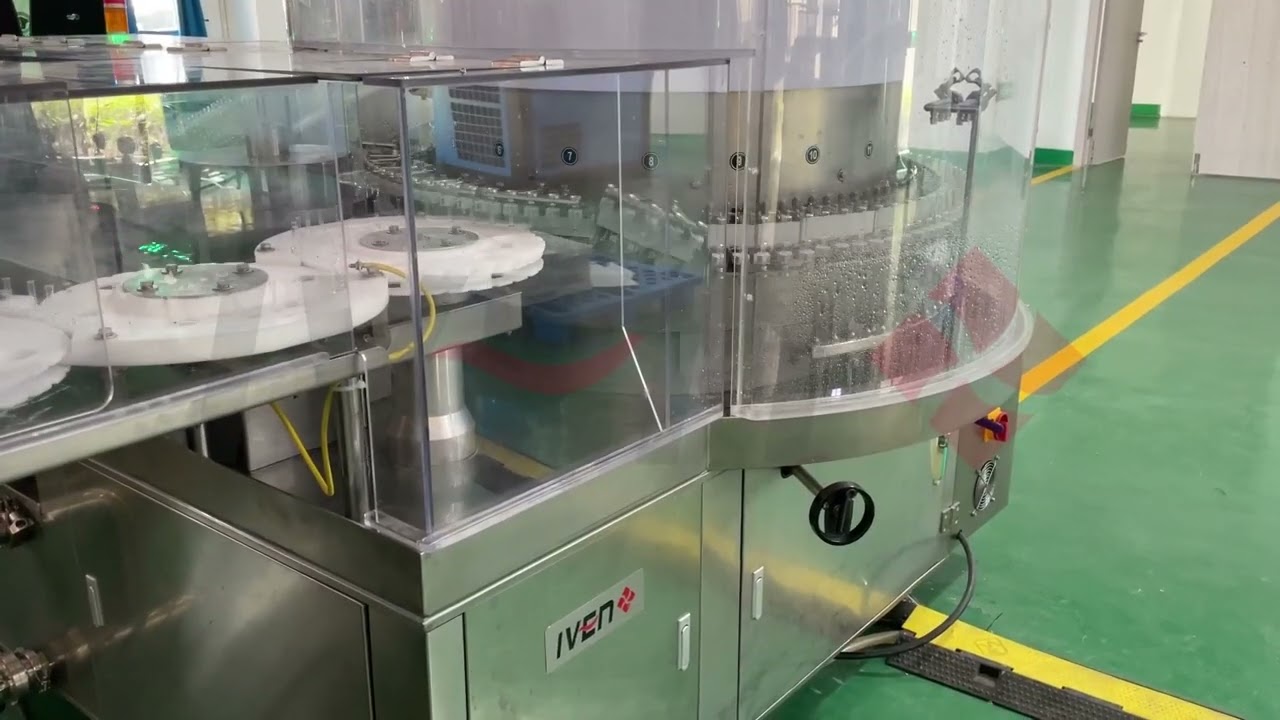
Ampoule Filling Machines in United States Pharma
For pharmaceutical manufacturers in the United States, understanding how an ampoule filling machine works is essential when planning sterile production expansion, upgrading aging aseptic lines, or comparing turnkey equipment for injectable drugs. Ampoule filling machines are designed to wash or handle prepared ampoules, fill them with precise liquid doses, inert gas-protect sensitive products when required, and seal the container by flame or advanced thermal closing methods under tightly controlled conditions. In U.S. facilities operating under FDA cGMP expectations, the machine is not just a filling device; it is part of a validated sterile process that affects product quality, operator safety, line efficiency, and commercial scalability.
Large and mid-sized drug manufacturers in hubs such as New Jersey, Boston, Raleigh-Durham, Chicago, Houston, San Diego, and the broader Mid-Atlantic corridor often evaluate ampoule systems alongside vial and prefilled syringe technologies. The decision typically depends on product stability, dose size, target market, container-closure integrity, serialization strategy, budget, and whether the factory is building a greenfield injectable plant or modernizing a legacy line. For many sterile liquid products, ampoules remain a reliable primary package because they offer strong barrier properties, high chemical compatibility, and established acceptance in hospital and specialty injectable markets.
This guide explains the working principle of ampoule filling machinery, where it fits in modern pharmaceutical production, what equipment options matter most, how to compare it with alternatives, and how U.S. buyers can assess compliance, supplier reliability, lifecycle cost, and long-term return on investment.
An ampoule filling machine is a specialized sterile packaging system used to dose liquid pharmaceutical products into glass ampoules and close them hermetically. In practical terms, the machine supports high-accuracy filling, contamination control, traceable production, and consistent sealing. For United States manufacturers, it becomes a strategic asset because injectable demand continues to grow in hospital drugs, biologics support products, emergency medicines, ophthalmics, and niche sterile formulations.
When a company expands production capacity in regions connected to major logistics and pharma corridors such as Newark, Philadelphia, Baltimore, Savannah, Los Angeles, and the Port of Houston, the equipment must do more than run fast. It must integrate with classified cleanrooms, support validation, generate electronic production records where required, and deliver repeatable sterility assurance. In that context, knowing how an ampoule filling machine works helps procurement teams judge whether a line can support commercial launch, tech transfer, and future regulatory inspection.
Decision AreaWhy It MattersImpact on U.S. PlantsSterility assuranceProtects drug product from microbial and particulate contaminationCritical for FDA compliance and patient safetyFilling accuracyControls dose consistency and yieldReduces batch deviation risk and product giveawayContainer sealingEnsures closure integrity during storage and transportSupports shelf life and transportation across national distribution networksAutomation levelInfluences labor use and throughputImportant where skilled sterile operators are costly or scarceValidation readinessSimplifies IQ, OQ, PQ and documentation reviewSpeeds project delivery and audit preparationScalabilityDetermines future expansion flexibilityHelps U.S. manufacturers add shifts or export volume laterThe table above shows why ampoule equipment is evaluated at the strategic level rather than as a simple packaging purchase. Buyers are usually balancing technical performance, regulatory fit, and long-term capacity planning.
An ampoule filling machine is used to process small sealed glass containers that hold sterile liquid doses. Depending on plant layout and product type, the full line may include ampoule unscrambling or infeed, washing, depyrogenation tunnel transfer, sterile filling, optional nitrogen purging, preheating, neck sealing, visual inspection interface, labeling or coding, tray loading, and secondary packaging.
The central purpose is to fill a defined volume of medicine into each ampoule while maintaining aseptic control and preserving product integrity. Common products include injectable solutions, antibiotics, analgesics, cardiovascular emergency drugs, anesthetics, vitamins, specialty hospital formulations, and some diagnostic or biologic support liquids. Ampoules are particularly suitable when the product benefits from a fully fused glass seal and single-use administration.
In most United States facilities, the machine forms one part of a broader sterile production chain. Upstream, purified water, water for injection, clean steam, solution preparation vessels, CIP/SIP architecture, and HVAC classification all influence line performance. Downstream, container inspection, packaging, warehouse handling, and lot traceability complete the compliance picture.
Buyers that want to review integrated sterile manufacturing capabilities often look for suppliers able to support equipment and utility systems together. For example, IVEN Pharmatech presents its broader engineering background through its company profile, which is useful for U.S. teams comparing single-machine vendors with integrated pharmaceutical engineering partners.
Line StageMain FunctionTypical Control PointAmpoule infeedFeeds empty containers in correct orientationBreakage prevention and smooth flowWashing or transferRemoves particles if part of complete line designCleanliness verificationDepyrogenationUses heat tunnel to reduce endotoxin riskTemperature mappingFillingDispenses exact drug volume into ampouleVolume accuracy and aseptic zone controlGas purgingProtects oxygen-sensitive formulationsNitrogen flow and residual oxygen limitSealingCloses ampoule neck hermeticallySeal appearance and integrity testingInspection interfaceDetects cosmetic or fill defectsReject rate and defect trendingThis workflow shows that “how an ampoule filling machine works” really refers to a sequence of tightly managed process steps, not only the filling moment itself.
Ampoule lines remain highly relevant despite the growth of vials and prefilled syringes. They are commonly selected for products where single-dose administration, glass compatibility, and tamper-evident closure are important. In U.S. hospital and specialty injectable supply chains, ampoules still serve critical functions, especially for established formulations and emergency medicines.
The main benefits include excellent barrier performance, reduced need for separate stoppers and caps, a lower risk of closure component interaction, and a compact primary package suitable for high-speed output. Ampoules can also be advantageous when producing moderate batch sizes with repeatable sterile performance.
From an operations perspective, the benefits are not only technical. A well-designed line can lower reject rates, improve overall equipment effectiveness, and support production continuity across multiple product families. In cities with high labor and compliance costs such as Boston, San Francisco, and New York metro areas, automation and recipe-driven line control can materially improve total cost of ownership.
ApplicationWhy Ampoules Are UsedOperational BenefitEmergency injectablesSingle-dose, rapid-access formatFast line changeover for essential medicinesAnalgesics and anestheticsReliable sterile containmentConsistent fill and stable storageAntibioticsStrong glass barrierLower contamination and interaction riskVitamin and nutrient injectionsSmall dose presentationEfficient high-speed packagingSpecialty hospital drugsTamper-evident closureSupports institutional distributionExport-oriented sterile liquidsWidely recognized package formatSmooth cross-border regulatory acceptanceThe benefit profile above explains why some manufacturers continue to invest in ampoule technology even while diversifying into vials and syringes.
var ctxBarDemand = document.getElementById(‘barDemandChart’).getContext(‘2d’);var barDemandChart = new Chart(ctxBarDemand, {type: ‘bar’,data: {labels: [‘Emergency Drugs’, ‘Antibiotics’, ‘Analgesics’, ‘Ophthalmics’, ‘Nutrient Injections’, ‘Specialty Hospital Products’],datasets: [{label: ‘Estimated U.S. Demand Index’,data: [92, 78, 85, 61, 67, 74],backgroundColor: [‘#4e79a7′,’#59a14f’,’#f28e2b’,’#e15759′,’#76b7b2′,’#af7aa1′]}]},options: {responsive: true,maintainAspectRatio: false,plugins: { legend: { display: true } },scales: { y: { beginAtZero: true, max: 100 } }}});The demand chart illustrates how ampoule packaging remains most relevant in therapeutic categories where rapid, sterile, single-dose administration is valued.
Ampoule filling machines are not all built the same. U.S. buyers generally compare them by speed, fill volume range, automation architecture, sterility design, level of integration, and flexibility for multiple ampoule sizes. A laboratory or pilot line may focus on development batches and rapid recipe changes, while a commercial line emphasizes sustained throughput, automated rejection, and data integrity.
Common machine categories include semi-automatic units for low-volume or developmental use, fully automatic monoblock systems for sterile commercial production, and complete lines integrated with washing, depyrogenation, filling, sealing, and pack-out. Filling technology may use time-pressure, peristaltic pumps, piston systems, or precision pump-driven volumetric dosing depending on viscosity and accuracy needs. Sealing may rely on traditional flame sealing or controlled thermal processes adapted to the container and product sensitivity.
Technical options that often influence buying decisions include restricted access barrier systems, isolator integration, nitrogen purging, in-process weight checks, 100% camera inspection support, recipe management, SCADA interfaces, electronic batch record compatibility, servo-driven format changeover, and cleanability features.
Machine TypeBest ForTypical OutputSemi-automatic fillerR&D, pilot, small specialty runsLowCompact automatic monoblockSmall commercial sterile batchesLow to mediumIntegrated wash-fill-seal lineEstablished injectable productsMedium to highHigh-speed ampoule lineLarge-volume hospital drug supplyHighMulti-format flexible systemContract manufacturing and varied portfoliosMedium with high flexibilityIsolator-compatible lineHigher sterility control requirementsMedium to highWhen evaluating specifications, it is useful to compare not only nominal speed but also speed at validated performance. A machine rated for high output under ideal conditions may deliver much lower practical throughput if changeovers are long or rejects rise at top speed.
In the United States, ampoules compete mainly with vial lines, blow-fill-seal systems, and prefilled syringes. The right choice depends on product route, dose presentation, user environment, and capital plan. Ampoules provide excellent closure integrity and simplicity of glass-only primary packaging, but they are not ideal for every product or every administration setting.
Vials usually offer reclosable access and flexibility for lyophilized or multi-dose products. Prefilled syringes support convenience, dosing precision at the point of care, and strong user acceptance in many specialty therapies. Blow-fill-seal can be compelling for certain high-volume sterile liquids, particularly where integrated container forming and filling offer contamination control and cost advantages.
However, ampoules still stand out when buyers want a proven single-dose glass package with strong chemical compatibility and no elastomeric stopper contact. For products shipped through broad national distribution from sites near Memphis air cargo, Chicago rail hubs, or East Coast port networks, their compact format and robust seal can be beneficial.
TechnologyStrengthsLimitationsAmpoulesHermetic glass seal, strong barrier, no stopper contactOpen-break use, glass handling considerationsVialsFlexible formats, common in sterile plantsRequires stopper and cap system managementPrefilled syringesHigh convenience, point-of-care efficiencyHigher packaging complexity and costBlow-fill-sealIntegrated forming and filling, strong for high volumeNot ideal for all formulations or package expectationsCartridgesGood for device-linked deliveryNarrower application rangeSachets or oral unit dosesCost-effective for non-sterile liquidsNot applicable to sterile injectablesThe table highlights a key principle: the best technology is not the one with the highest automation or newest image, but the one that best matches product, market, and compliance needs.
var ctxComparison = document.getElementById(‘comparisonChart’).getContext(‘2d’);var comparisonChart = new Chart(ctxComparison, {type: ‘bar’,data: {labels: [‘Closure Integrity’, ‘Format Flexibility’, ‘Operator Convenience’, ‘Capital Efficiency’, ‘Glass Compatibility’, ‘Aseptic Simplicity’],datasets: [{label: ‘Ampoules’,data: [95, 72, 58, 82, 94, 88],backgroundColor: ‘#4e79a7’},{label: ‘Vials’,data: [82, 90, 76, 79, 89, 80],backgroundColor: ‘#59a14f’},{label: ‘Prefilled Syringes’,data: [88, 68, 96, 54, 75, 70],backgroundColor: ‘#f28e2b’}]},options: {responsive: true,maintainAspectRatio: false,scales: { y: { beginAtZero: true, max: 100 } }}});This comparison chart helps buyers visualize the tradeoffs across major sterile packaging formats rather than making decisions based only on market momentum.
The United States market for sterile injectable capacity continues to expand due to aging populations, hospital utilization, onshoring priorities, emergency preparedness, and demand for reliable domestic supply. That broader trend supports interest in ampoule lines, especially for generic injectables, institutional medicines, and products that still perform best in sealed glass containers.
Market activity is strongest where established pharma ecosystems, engineering talent, and logistics access overlap. New Jersey and Pennsylvania remain central for East Coast sterile manufacturing. Massachusetts offers deep development expertise. North Carolina supports biologics and advanced manufacturing expansion. Texas, Illinois, and California provide strategic distribution advantages and access to large healthcare markets.
Looking toward 2026 and beyond, several trends are shaping purchasing criteria. First, regulatory expectations continue to favor stronger contamination control strategy, integrated data capture, and quality risk management. Second, manufacturers increasingly want modular lines that can be deployed faster. Third, sustainability matters more, with energy-efficient tunnels, reduced gas consumption, smarter heat management, and better utility recovery. Fourth, digital service tools, remote diagnostics, and predictive maintenance are becoming standard in capital equipment discussions.
var ctxLineGrowth = document.getElementById(‘lineGrowthChart’).getContext(‘2d’);var lineGrowthChart = new Chart(ctxLineGrowth, {type: ‘line’,data: {labels: [‘2021’, ‘2022’, ‘2023’, ‘2024’, ‘2025’, ‘2026’],datasets: [{label: ‘U.S. Sterile Ampoule Equipment Market Index’,data: [100, 108, 117, 129, 141, 155],borderColor: ‘#e15759’,backgroundColor: ‘rgba(225,87,89,0.15)’,fill: false,tension: 0.25}]},options: {responsive: true,maintainAspectRatio: false,scales: { y: { beginAtZero: false } }}});The line chart indicates a realistic upward market index, reflecting continued investment in sterile packaging equipment as domestic resilience and supply security remain policy priorities.
var ctxAreaTrend = document.getElementById(‘areaTrendChart’).getContext(‘2d’);var areaTrendChart = new Chart(ctxAreaTrend, {type: ‘line’,data: {labels: [‘2021’, ‘2022’, ‘2023’, ‘2024’, ‘2025’, ‘2026’],datasets: [{label: ‘Share of Smart, Data-Integrated Lines’,data: [28, 34, 41, 49, 58, 67],borderColor: ‘#76b7b2’,backgroundColor: ‘rgba(118,183,178,0.35)’,fill: true,tension: 0.25}]},options: {responsive: true,maintainAspectRatio: false,scales: { y: { beginAtZero: true, max: 100 } }}});The area chart illustrates the shift toward digitalized ampoule filling lines. By 2026, buyers are expected to prioritize equipment with stronger MES connectivity, alarm analytics, and remote service capability.
Supplier selection is one of the most important parts of an ampoule line project. U.S. buyers should review not only the machine brochure but also the supplier’s engineering depth, documentation quality, FAT/SAT discipline, parts availability, validation support, and willingness to customize around the plant’s layout and utility strategy.
A reliable supplier should demonstrate technological capability in sterile filling design, dosing accuracy, sealing consistency, control architecture, and compliance-driven documentation. Manufacturing capability also matters: buyers should verify whether the supplier has stable fabrication resources, quality-controlled assembly, inspection standards, and experience delivering complete pharmaceutical lines rather than isolated units. Service capability is equally important because installation, commissioning, training, and qualification support often determine whether a project launches on time.
IVEN Pharmatech is one example of a supplier that is often evaluated in this broader context. Rather than focusing only on a single machine, the company is known for integrated pharmaceutical engineering with dedicated manufacturing bases covering filling and packaging machinery, pharmaceutical water systems, intelligent conveying, and medical consumable equipment. U.S. buyers exploring multi-system projects can review its turnkey pharmaceutical solutions to see how equipment selection connects to whole-factory planning.
From a technology perspective, buyers should ask whether the supplier can support sterile line design aligned with EU GMP, U.S. FDA cGMP, WHO GMP, and PIC/S expectations. From a manufacturing perspective, they should ask for references involving complex injectable lines, durable stainless steel construction, and long operating life. From a service perspective, they should examine multilingual documentation, training, validation support, spare parts planning, and post-installation response times.
Supplier Evaluation PointWhat to VerifyWhy It MattersRegulatory understandingKnowledge of FDA cGMP and sterile process expectationsReduces compliance gapsEngineering capabilityCustomization, integration, layout supportImproves project fit and efficiencyManufacturing depthProduction capacity, quality control, component traceabilitySupports consistent equipment qualityValidation packageDQ support, FAT protocols, IQ/OQ templates, material certificatesSpeeds qualificationAfter-sales serviceCommissioning, remote support, spare partsProtects uptime after handoverReference projectsInstalled lines and case history in regulated marketsImproves confidence in delivery capabilityThis supplier checklist is especially useful for U.S. companies importing capital equipment through West Coast ports, Gulf routes, or East Coast terminal networks, where coordination between shipping, site readiness, and FAT timing can affect startup significantly.
The purchase price of an ampoule filling machine varies widely depending on capacity, aseptic design, automation level, and whether the buyer needs a standalone unit or a complete line with washing, depyrogenation, filling, sealing, inspection, utilities interface, and packaging connection. For budgeting, U.S. manufacturers should consider not only equipment cost but also cleanroom modification, utilities, validation, spare parts, line integration, warehousing, and operator training.
Capital planning should break the project into direct and indirect cost layers. Direct costs include the machine itself, format parts, isolator or RABS options, control systems, and installation. Indirect costs include line qualification, engineering change control, media fills, consumables, downtime during transition, and local contractor work. In regions with high construction costs such as New Jersey or California, these indirect items can materially change ROI.
Return on investment is usually driven by throughput increase, labor savings, lower reject rates, reduced maintenance burden, improved regulatory confidence, and the ability to add products to the line. For contract manufacturers, flexibility and shorter changeovers may be the strongest value driver. For hospital injectable producers, the biggest benefit may be production resilience and shortage reduction.
Cost CategoryTypical Share of BudgetPlanning NoteCore equipment35% to 50%Main machine and line modulesCleanroom and facility adaptation10% to 20%Layout, utilities, classification adjustmentsAutomation and software integration8% to 15%SCADA, MES links, audit trail functionsValidation and documentation5% to 10%Protocols, testing, qualification timeTraining and commissioning4% to 8%Operator and maintenance readinessSpare parts and contingency5% to 12%Startup security and project bufferThe table helps buyers avoid the common mistake of evaluating only the machine quotation instead of the full cost-to-production picture.
Some organizations also compare suppliers by lifecycle value rather than lowest initial bid. A slightly higher upfront investment may be justified if the machine provides lower utility use, stronger uptime, better documentation, and easier changeover. For teams developing project budgets, reviewing available equipment portfolios through a supplier’s pharmaceutical equipment catalog can help frame options before requesting a formal URS-based proposal.
Buying the wrong ampoule line can create years of operational friction. The most common risks include overspecifying capacity, underestimating validation complexity, selecting a machine with poor format flexibility, and ignoring local service responsiveness. Another frequent issue is buying a line that can technically fill the product but cannot reliably achieve the desired yield and reject performance under real production conditions.
Container quality is also a major variable. Glass dimensional variation, breakage rate, and supply consistency can influence line efficiency. Product characteristics matter too. Foaming, viscosity, sensitivity to oxygen, and temperature behavior all affect filling strategy. If nitrogen purging or controlled headspace is important, those requirements need to be built into the URS early.
Policy and market risks should not be ignored. By 2026, U.S. pharmaceutical investment decisions will increasingly reflect domestic supply resilience goals, energy costs, digital compliance expectations, and sustainability reporting. Equipment that lacks meaningful data connectivity or uses outdated high-consumption heating methods may become less attractive over time.
To reduce project risk, buyers should define clear acceptance criteria for output, reject rate, dosing accuracy, line clearance, cleaning, alarm management, and documentation. They should also align purchasing, quality, engineering, operations, and validation teams before FAT.
RiskPotential ConsequenceMitigationWeak URS definitionMismatch between machine and product needsCross-functional requirement reviewInadequate sterility designInspection findings or batch lossEarly contamination control assessmentLimited format flexibilityHigh future change costsSpecify size range and changeover expectationsPoor supplier supportLong downtime and delayed startupContract service SLA and spare parts packageUnderbudgeted validationLaunch delayPlan IQ/OQ/PQ and media fill resources earlyUtility mismatchLine instability or performance limitsVerify WFI, clean steam, compressed gases, HVAC fitThese risk controls are especially relevant for companies retrofitting existing sterile suites in older U.S. facilities where room geometry and utility limitations can constrain equipment performance.
How does an ampoule filling machine work step by step?A typical line feeds ampoules into the system, prepares or transfers them through washing and depyrogenation if included, fills a precise liquid dose, optionally purges with nitrogen, then seals the neck and sends the finished units to inspection and packaging.
Why do pharmaceutical companies in the United States still use ampoules?Ampoules remain valuable because they provide a hermetic glass seal, strong compatibility for many injectable formulations, and a proven single-dose format used in hospitals and specialty care.
What production speed should a buyer choose?The right speed depends on annual demand, batch size, shift pattern, reject tolerance, and future growth plans. It is better to evaluate validated output and changeover efficiency than headline speed alone.
Are ampoule filling lines compliant with U.S. regulatory requirements?They can be, provided the line is properly designed, installed, validated, and operated under FDA cGMP expectations with suitable contamination control, documentation, and process monitoring.
What is the difference between an ampoule line and a vial line?Ampoules are flame- or thermally sealed glass containers, while vials typically use elastomeric stoppers and caps. Ampoules offer strong closure integrity without stopper contact, whereas vials offer broader format flexibility.
What utilities are usually required?Requirements may include clean compressed air, process gases such as nitrogen, electrical power, HVAC-controlled cleanroom support, and in complete sterile projects, interfaces with pharmaceutical water and clean steam systems.
How long does installation and validation usually take?The timeline varies by project scope. A standalone unit may move relatively quickly, while a full sterile line with room modifications, FAT, SAT, IQ, OQ, PQ, and media fills can require several months.
Can one supplier handle the full project?Yes, some companies provide integrated engineering, equipment supply, installation, validation support, and training. This model often reduces coordination risk for greenfield or major expansion projects.
What should U.S. buyers ask during supplier discussions?Ask about compliance experience, reference projects, filling accuracy, reject rate at commercial speed, documentation package, spare parts support, service response, and long-term upgrade capability.
Where can buyers start a discussion about project requirements?Companies evaluating a new ampoule filling line or broader sterile manufacturing project can begin with a direct technical inquiry through the supplier’s United States project contact page to discuss layout, product profile, compliance goals, and budget stage.
For many U.S. manufacturers, the best investment is not just a machine, but a reliable production solution that combines technological capability, proven manufacturing quality, and responsive service support. That is why engineering-oriented suppliers with experience across filling systems, pharmaceutical utilities, intelligent logistics, and full-factory execution continue to stand out in regulated capital projects. When selected carefully, an ampoule filling line can deliver years of compliant output, improved supply reliability, and a practical platform for future sterile manufacturing growth.