
Automatic Vial Filling Systems in the United States
For pharmaceutical manufacturers in the United States, an automatic vial filling and capping machine is a core production asset used to fill sterile liquids or powders into vials, apply stoppers and caps, and maintain validated output under strict FDA and cGMP requirements. It is especially important for injectable drugs, biologics, vaccines, diagnostics, and high-value sterile products where accuracy, contamination control, line clearance, and traceability directly affect product quality and regulatory readiness.
In major U.S. pharmaceutical hubs such as New Jersey, Boston, Philadelphia, Chicago, Houston, San Diego, and the Research Triangle, companies upgrading sterile production capacity often compare integrated vial lines not just on speed, but on dosing precision, aseptic design, digital controls, changeover time, qualification support, and lifecycle service. For firms planning greenfield facilities or modernization projects, the right equipment decision can reduce labor dependency, improve batch consistency, and support faster scale-up from clinical to commercial production.
As a result, buyers increasingly look for suppliers that can deliver more than a standalone machine. They want engineering depth, documentation quality, compatibility with cleanroom layouts, and support for installation, validation, and production ramp-up. Companies evaluating global options often review the background of the supplier, its regulatory experience, and its capacity to support turnkey execution. For example, pharmaceutical engineering expertise matters as much as the machine itself when projects involve new injectable plants, utility systems, and linked packaging lines.
Quick Answer: Why automatic vial filling and capping machines matter for regulated U.S. expansion

An automatic vial filling and capping machine is one of the most important systems considered by large pharmaceutical and medical device companies when they expand or modernize production in the United States. The reason is simple: sterile manufacturing depends on repeatable filling accuracy, controlled aseptic handling, and documented process integrity. A line that washes, sterilizes or depyrogenates components, fills product, places stoppers, and crimps caps with synchronized controls can help manufacturers meet productivity goals while supporting FDA inspection readiness.
For U.S. operations, the equipment is commonly assessed alongside filling environment strategy, including RABS, isolator technology, environmental monitoring, and electronic batch record integration. It is also closely tied to procurement timelines, utility planning, and factory layout. In regions handling imported equipment through ports such as Los Angeles/Long Beach, Savannah, Newark, and Houston, project managers also factor in shipping, customs, FAT, SAT, and spare parts lead time.
The strongest return usually comes when the machine is selected as part of a complete production concept rather than as an isolated purchase. That includes vial format range, stopper and cap compatibility, integration with visual inspection and labeling, and expansion capability for future products.
What Is an automatic vial filling and capping machine and what is it used for in pharmaceutical production?

An automatic vial filling and capping machine is specialized production equipment designed to transfer a precise amount of pharmaceutical product into vials and then close those vials in a controlled, validated sequence. Depending on the application, the line may process liquid injectables, suspensions, biologics, freeze-drying products, diagnostic reagents, or sterile powders. In many cases, it operates as part of a broader filling line that includes vial infeed, washing, depyrogenation tunnel, filling station, stopper placement, partial stoppering for lyophilization, full stoppering, capping, and rejection systems.
In pharmaceutical production, the machine is used wherever product sterility, dose accuracy, and container closure integrity are essential. Typical uses include small-volume parenterals, oncology drugs, monoclonal antibodies, vaccines, ophthalmic products, and laboratory-grade sterile formulations. U.S. manufacturers also rely on these systems for contract manufacturing, pilot-scale work, and tech transfer from development batches to commercial volume.
Different filling technologies can be used depending on the product: peristaltic pumps for gentle handling and single-use fluid paths, piston pumps for higher-viscosity or larger-volume dosing, time-pressure filling for certain specialized applications, and net weight or mass-flow controls where tight dose verification is needed. Capping modules may include stoppering, cap feeding, crimping, and in-line torque or seal verification.
| Application | Typical Product | Vial Size Range | Key Requirement | Preferred Filling Method | Main Compliance Focus |
|---|---|---|---|---|---|
| Sterile injectables | Antibiotics, pain therapies | 2 ml to 30 ml | High accuracy | Piston or peristaltic | FDA cGMP, media fill validation |
| Biologics | Monoclonal antibodies | 2 ml to 20 ml | Gentle product handling | Peristaltic | Aseptic assurance, low shear |
| Vaccines | Liquid vaccine doses | 2 ml to 10 ml | Batch traceability | Peristaltic or rotary piston | Cold-chain compatible process |
| Lyophilized drugs | Freeze-dried oncology products | 10 ml to 50 ml | Partial stoppering | Piston | Lyophilizer integration |
| Diagnostics | Reagents and assay components | 2 ml to 15 ml | Fast changeover | Peristaltic | Labeling and serialization links |
| Clinical batches | Small high-value lots | 2 ml to 30 ml | Low product loss | Single-use peristaltic | Flexible validation documentation |
The table above shows that the same core machine concept serves very different sterile products. In practice, the best design depends on container size, product viscosity, foaming tendency, batch size, and whether the manufacturer needs compatibility with lyophilization, nested containers, or specialized cleanroom barriers.
Main applications and benefits of automatic vial filling and capping machines in modern pharmaceutical manufacturing

In modern pharmaceutical manufacturing, automatic vial filling and capping machines are valued because they combine speed with control. Their main applications span commercial sterile manufacturing, biologics filling, high-potency drug handling, pilot production, and CDMO operations. The most important benefits are reduced human intervention, improved repeatability, lower contamination risk, and better data collection for quality review.
For U.S. manufacturers facing workforce constraints and inspection pressure, automation can also support production continuity. Instead of relying on manual fill checks and operator-intensive capping steps, automated systems can manage recipe control, alarm history, reject tracking, and line synchronization. This is especially useful in facilities serving hospital supply chains or rapid-response public health demand.
Another major benefit is flexibility. A well-designed machine can support multiple vial sizes, various stopper types, and more than one production mode. That matters when companies need to move between development batches, niche orphan drugs, and larger commercial campaigns without adding excessive downtime. In regions such as Massachusetts and North Carolina, where biotech pipelines evolve quickly, flexible filling platforms are often favored over rigid high-volume-only systems.
| Benefit | Operational Impact | Quality Impact | Financial Impact | Best Fit | Why It Matters in the U.S. |
|---|---|---|---|---|---|
| Precise dose control | Less variation between units | Higher batch consistency | Reduced product giveaway | High-value injectables | Supports tighter quality review |
| Lower operator contact | Fewer manual interventions | Reduced contamination risk | Lower deviation costs | Aseptic facilities | Important for FDA audit readiness |
| Faster throughput | Higher vials per minute | Stable process at scale | Better capacity utilization | Commercial production | Helps domestic supply resilience |
| Flexible format change | Shorter downtime | Less setup error | More campaign efficiency | CDMOs, biotech | Useful for multi-product plants |
| Digital recipe management | Standardized setup | Improved traceability | Reduced training burden | Validated environments | Fits data integrity expectations |
| Integrated rejection control | Automatic defect segregation | Improved release confidence | Lower rework cost | Large batches | Supports robust QA systems |
The practical value of these benefits becomes clearer when calculating true cost per good vial. A machine with higher initial price but lower reject rates, better line clearance, and less product loss may outperform cheaper equipment over several years.
The market growth trend above reflects the steady expansion of sterile manufacturing investment in the United States, driven by biologics capacity, reshoring discussions, specialized therapies, and modernization of aging lines.
Key types, models, and technical options for automatic vial filling and capping machines
Not all automatic vial filling and capping machines are built for the same production target. The U.S. market typically distinguishes between compact intermittent-motion systems for small or medium batches, continuous-motion high-speed lines for large commercial output, monoblock units that combine filling and capping in one footprint, and integrated lines configured for washing, sterilization, filling, stoppering, and capping.
Key technical options include open RABS, closed RABS, and isolator integration; peristaltic or piston filling; CIP/SIP capability; nitrogen purging; in-process check weighing; 100% stopper presence detection; no-vial-no-fill logic; camera inspection; and electronic batch recording interfaces. The choice depends on risk profile, batch volume, and utility availability.
From a technology standpoint, suppliers that also understand utility systems and process engineering often have an advantage. That is because machine design cannot be separated from water systems, clean utilities, line balance, and cleanroom workflow. Buyers planning larger projects often explore turnkey pharmaceutical project solutions when one machine must fit into a wider injectable plant strategy.
| Type | Typical Speed | Best Use Case | Main Advantage | Limitations | Common Options |
|---|---|---|---|---|---|
| Compact monoblock | 30 to 80 vials/min | Clinical and small commercial lots | Small footprint | Lower maximum output | Peristaltic filling, quick change parts |
| Intermittent linear line | 60 to 150 vials/min | Mid-scale sterile production | Good flexibility | Moderate speed only | RABS, reject station, stoppering |
| Continuous rotary line | 150 to 400+ vials/min | High-volume injectables | High throughput | More complex changeover | Mass flow, crimp verification |
| Lyophilization-ready line | 40 to 200 vials/min | Freeze-dried products | Partial stoppering support | Requires lyophilizer interface | Nitrogen overlay, load transfer |
| Isolator integrated line | 40 to 250 vials/min | High-value aseptic filling | Maximum contamination control | Higher capex | VHP decontamination, glove ports |
| Multi-format flexible line | 50 to 180 vials/min | CDMOs and biotech portfolios | Fast product changeover | May sacrifice peak speed | Servo adjustments, recipes, tool-less parts |
For many U.S. buyers, the right model is not the fastest one. It is the one that balances validated speed, product protection, maintenance simplicity, and realistic future expansion. A growing biotech in Cambridge or South San Francisco may prioritize flexibility and low product loss, while a high-volume injectable producer near New Jersey logistics corridors may focus on throughput and redundancy.
automatic vial filling and capping machine vs alternative technologies: which solution fits your needs?
Before investing, U.S. manufacturers usually compare automatic vial filling and capping machines with semi-automatic fillers, prefilled syringe systems, BFS technologies, cartridge lines, and outsourced fill-finish services. Each option serves a different production and commercial model.
Semi-automatic systems suit R&D or low-volume work but depend more on operators and typically provide lower consistency at scale. Prefilled syringe lines may be better for ready-to-use injectable products, especially when administration convenience is critical. Blow-fill-seal is highly efficient for selected liquids but is not a universal substitute for glass vial presentation. Outsourced fill-finish reduces capex but may create scheduling dependency and less direct process control.
| Technology | Best For | Capex Level | Flexibility | Regulatory Control | Typical Drawback |
|---|---|---|---|---|---|
| Automatic vial filling and capping | Sterile injectables and biologics | Medium to high | High | Strong in-house control | Requires qualification effort |
| Semi-automatic vial filling | Labs and pilot batches | Low to medium | Medium | Operator-dependent | Limited throughput |
| Prefilled syringe line | Convenience-focused injectables | High | Medium | Strong but specialized | Container format limits |
| Blow-fill-seal | Certain liquid unit doses | High | Low to medium | Established for selected uses | Not ideal for all biologics |
| Cartridge filling | Pen injectors | High | Medium | Format-specific | Narrow application range |
| Outsourced fill-finish | Asset-light market entry | Low upfront | Depends on partner | Indirect control | Scheduling and margin pressure |
The comparison shows why automatic vial filling remains a leading solution in the United States. It delivers a broad balance of product compatibility, regulatory control, and operational independence. It is especially compelling for companies with recurring sterile demand, multiple SKUs, or a strategic need to build domestic manufacturing resilience.
The demand profile above highlights why biologics and CDMO activity are strong drivers of equipment purchasing decisions, especially in East Coast and West Coast biotech clusters.
Market overview and future trends for automatic vial filling and capping machines in pharmaceutical manufacturing
The U.S. market for automatic vial filling and capping machines is supported by several structural drivers: expansion of injectable therapeutics, aging domestic sterile capacity, continued outsourcing growth, the rise of niche and personalized medicines, and stronger focus on supply chain resilience. While the market includes both domestic and imported equipment, buyers increasingly expect global suppliers to provide U.S.-ready documentation, validation packages, and responsive technical support.
Looking toward 2026 and beyond, several trends are shaping purchasing criteria. First, more projects are specifying isolator-based or advanced RABS solutions to reduce intervention risk. Second, data connectivity is becoming standard, with expectations for MES links, recipe integrity, alarm history, user access control, and predictive maintenance support. Third, sustainability is influencing equipment design through lower compressed air use, reduced product waste, more efficient cleanroom integration, and optimized water and steam consumption.
Policy and regulatory trends matter as well. Facilities targeting FDA inspections want stronger assurance around data integrity, audit trails, container closure verification, and standardized validation protocols. At the same time, supply chain concerns are pushing some companies to favor scalable lines that can be expanded domestically rather than relying fully on offshore fill-finish capacity.
The area chart indicates a realistic rise in advanced aseptic features, reflecting a shift from basic automation toward integrated contamination control strategies. This trend is expected to continue as biologics, high-potency therapies, and stricter risk management expectations drive new facility design.
Another future trend is modularity. Many companies now want equipment that can be qualified in phases, scaled with additional stations, or adapted to new products. This is relevant for firms that launch in one market and later expand distribution across the United States. Buyers may also evaluate broader portfolios of equipment when building connected lines, such as through a pharmaceutical equipment portfolio that includes water systems, preparation systems, and packaging support.
How to choose a reliable automatic vial filling and capping machine manufacturer or supplier
Choosing the right manufacturer or supplier requires a structured evaluation process. U.S. buyers should review technical fit, compliance capability, documentation quality, references, manufacturing depth, after-sales responsiveness, and long-term parts support. Price alone is not a safe selection method in sterile production. A lower-cost machine can become expensive if it creates delays in FAT, qualification, or routine maintenance.
The strongest suppliers generally show capability in three areas. First is technological capability: engineering design, aseptic know-how, automation integration, and format flexibility. Second is manufacturing capability: machining quality, assembly control, testing discipline, and component sourcing stability. Third is service capability: installation, commissioning, training, IQ/OQ/PQ support, and troubleshooting across different time zones.
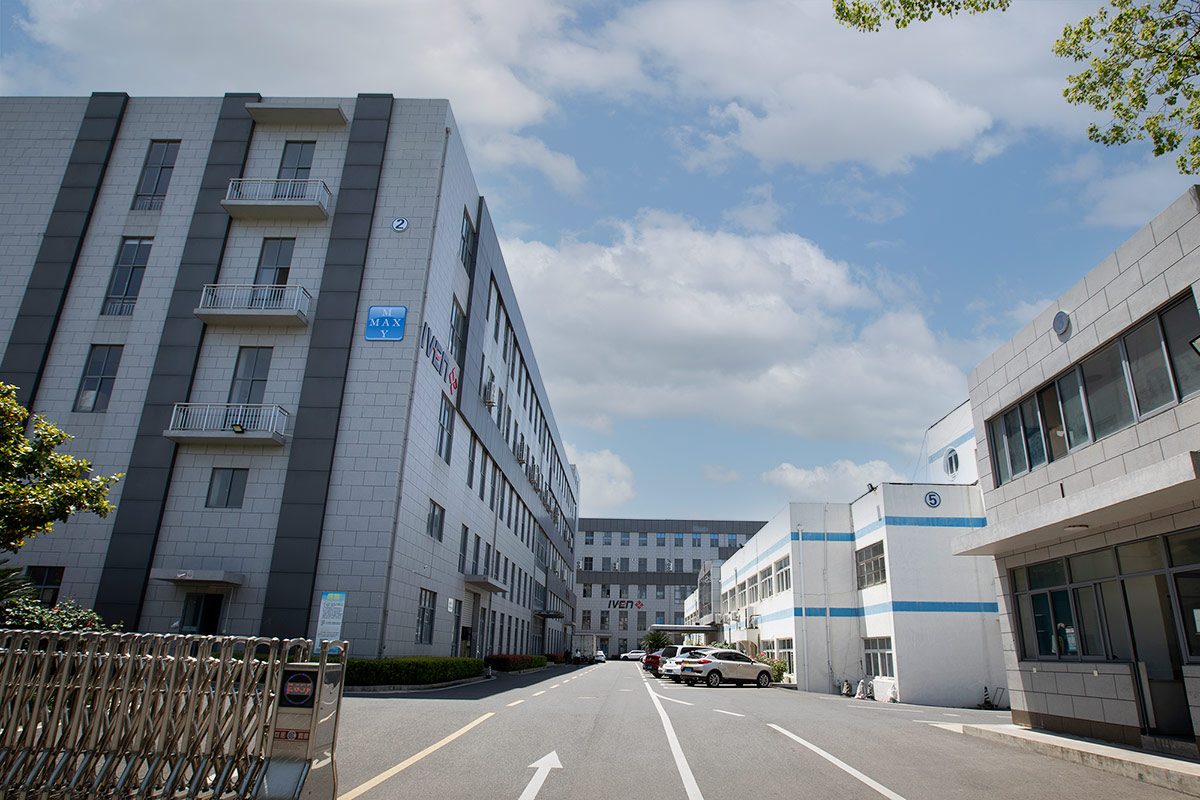
Shanghai IVEN Pharmatech Engineering Co Ltd is often evaluated by international buyers not only as an equipment vendor but as an engineering partner. Its technological capabilities include customized pharmaceutical filling and packaging systems, water treatment systems, intelligent logistics, and integrated factory solutions aligned with EU GMP, U.S. FDA cGMP, WHO GMP, and PIC/S expectations. Its manufacturing capabilities are supported by specialized production plants focused on filling and packaging, pharmaceutical water systems, intelligent conveying, and blood collection tube equipment. Its service capabilities extend across feasibility consulting, engineering design, selection and customization, installation, commissioning, validation support, training, and lifecycle optimization. This broader profile can be particularly useful when a U.S. project includes more than one production system or requires a coordinated implementation plan.
| Evaluation Item | What to Check | Why It Matters | Preferred Evidence | Risk if Weak | Priority Level |
|---|---|---|---|---|---|
| Regulatory familiarity | FDA cGMP understanding | Supports qualification and audits | URS response, documentation samples | Validation delays | Very high |
| Aseptic design quality | Drainability, cleanability, access | Reduces contamination risk | Design drawings, FAT protocol | Operational deviations | Very high |
| Manufacturing control | Factory quality system | Affects consistency and reliability | Factory audit, component traceability | Mechanical failures | High |
| Service responsiveness | Remote and on-site support | Limits downtime | Service SLA, U.S. support plan | Long shutdowns | High |
| Reference projects | Similar vial applications | Confirms real-world fit | Customer cases, visit reports | Unproven performance | High |
| Lifecycle cost clarity | Spare parts, maintenance needs | Improves ownership planning | Quoted parts list, PM schedule | Budget overruns | Medium to high |
The checklist above is useful during RFQ comparison. A reliable supplier should be able to answer technical, documentation, and service questions clearly before PO issuance. If you are moving toward project planning or supplier qualification, a direct equipment consultation request is often the fastest way to confirm fit, timing, and support scope.
Investment cost, budget planning, and ROI analysis for automatic vial filling and capping machines
The investment cost of an automatic vial filling and capping machine in the United States varies widely based on speed, sterility concept, fill technology, container range, automation architecture, and integration scope. Entry-level automatic configurations may suit pilot or low-output work, while full aseptic lines with depyrogenation, isolator containment, in-line controls, and advanced software can represent a significantly larger capital investment.
Budget planning should include more than machine price. Buyers need to account for shipping, import handling, insurance, FAT travel, SAT, cleanroom preparation, utility connections, commissioning, validation, operator training, spares, and annual maintenance. For imported systems entering through ports like Newark or Long Beach, inland transport and rigging costs can also be substantial depending on plant location.
ROI depends on utilization, product value, reject rate, labor savings, and whether in-house filling replaces outsourced fill-finish. For high-value biologics, even small improvements in yield or reduction in product loss can materially improve economics. For larger sterile generic operations, throughput and labor efficiency often drive the business case.
| Cost Element | Typical Impact | Budget Stage | Can It Be Reduced? | ROI Relevance | Buyer Note |
|---|---|---|---|---|---|
| Machine purchase price | Largest direct capex item | Initial quotation | Partly, via scope control | High | Compare by total capability, not only price |
| Validation and documentation | Affects startup timeline | Project planning | Yes, with strong supplier support | High | Weak documentation causes hidden cost |
| Installation and commissioning | Major project expense | Implementation | Yes, through planning | Medium to high | Include utility readiness checks |
| Product loss during setup | Important for expensive drugs | Operations | Yes, with optimized recipes | Very high | Critical for biotech applications |
| Labor requirement | Ongoing operating cost | Operations | Yes, via automation | High | Useful in tight labor markets |
| Maintenance and spare parts | Influences uptime | Lifecycle | Yes, with PM planning | Medium | Check local or regional stock strategy |
A realistic ROI model should compare at least three scenarios: continuing outsourcing, buying a flexible mid-range line, and investing in a higher-end aseptic system with future expansion margin. Many U.S. companies find that the best value lies in a machine that supports current production plus new SKUs, because it spreads qualification cost over a wider revenue base.
The comparison chart shows that supplier evaluation in the U.S. is rarely driven by acquisition cost alone. Compliance support, service strength, and integration ability often carry more weight because they influence speed to validation and long-term plant performance.
Key considerations and potential risks when investing in automatic vial filling and capping machines
The main risks in these projects are not always visible at the quotation stage. One common issue is underestimating facility integration. A machine may look suitable on paper but fail to align with cleanroom zoning, operator flow, air handling, or upstream and downstream timing. Another common risk is choosing a line with more speed than needed but insufficient flexibility for future products.
Documentation quality is another major factor. In the United States, buyers should verify DQ support, FAT/SAT protocol detail, software documentation, material certificates, calibration records, and traceable component lists. If these are incomplete, IQ/OQ timelines can stretch and internal quality teams may lose confidence in the installation.
Spare parts and service planning also deserve attention. Even durable stainless steel equipment can create costly downtime if critical components are not available quickly. It is wise to identify wear parts, recommended safety stock, remote support procedures, and field service escalation paths before finalizing the order.
Finally, buyer teams should avoid treating vial filling as a standalone procurement if the broader objective is a new factory or major capacity expansion. In complex projects, a coordinated engineering approach usually reduces layout conflicts and schedule risk. This is one reason some manufacturers prefer working with partners that can support engineering and system integration, not just machine shipment.
| Risk | How It Appears | Impact | Mitigation | Who Owns It | When to Address |
|---|---|---|---|---|---|
| Poor layout fit | Access or flow problems on site | Project delays | 3D review and URS alignment | Engineering team | Early design |
| Weak validation package | Missing documents or unclear protocols | Late startup | Documentation review before FAT | QA and supplier | Procurement phase |
| Format incompatibility | Slow changeovers or unstable running | Reduced utilization | Challenge all vial and cap formats | Operations and supplier | URS stage |
| Service delays | Long response time after install | Extended downtime | Service SLA and spare stock plan | Procurement | Before PO |
| Over-specification | Buying unnecessary complexity | Low ROI | Link design to demand forecast | Management | Budget approval |
| Utility mismatch | Insufficient WFI, steam, or power | Commissioning issues | Integrated utility review | Facility team | Detailed engineering |
A good buying process combines technical review, commercial evaluation, quality input, and realistic production forecasting. Companies that manage all four areas well generally achieve smoother startup and better asset utilization.
FAQ
What filling accuracy should U.S. buyers expect?
That depends on the product, dose size, and filling technology. For high-value injectables, buyers should define target accuracy and allowable variability in the URS and request demonstrated FAT performance.
Is an isolator always necessary?
Not always. Some products and risk profiles can be managed with RABS or other validated barrier concepts. However, isolators are increasingly favored for advanced aseptic assurance and intervention control.
How long does a project usually take?
Lead time varies by customization level, factory workload, FAT schedule, shipping route, and qualification scope. For U.S. projects, it is wise to include buffer for import logistics, site readiness, and QA review.
Can one line handle multiple vial sizes?
Yes, many lines are designed for multi-format use. The critical point is whether change parts, recipes, and mechanical adjustments allow practical and repeatable changeovers without excessive downtime.
What should be included in supplier support?
At minimum: FAT support, installation guidance, SAT, training, documentation, spare parts planning, and troubleshooting. For regulated operations, IQ/OQ/PQ support can be highly valuable.
How important is turnkey capability?
It becomes very important when the filling machine is part of a larger injectable plant project involving water systems, clean utilities, preparation areas, logistics, and packaging integration.
Are imported systems a practical option for the United States?
Yes, provided the supplier has strong documentation, validation support, and clear service arrangements. U.S. buyers should confirm logistics planning, spare parts strategy, and response times in advance.
What makes IVEN relevant for this market?
For buyers seeking more than a standalone machine, IVEN brings a combination of pharmaceutical engineering experience, specialized manufacturing resources, and lifecycle services across filling, utilities, logistics, and turnkey project execution. This is particularly relevant for companies building or upgrading complete sterile production facilities.
In summary, an automatic vial filling and capping machine is not just a packaging asset; it is a strategic sterile manufacturing platform. In the United States, the best choice is the one that aligns with product risk, regulatory expectations, facility design, future growth, and service support. When selected carefully, it can improve output, lower contamination risk, strengthen domestic production capability, and create a more resilient fill-finish operation for years ahead.

About the Author
We are IVEN Pharmatech Engineering, a team dedicated to delivering turnkey pharmaceutical and medical solutions worldwide. With decades of experience, we specialize in advanced machinery, integrated factory design, and full lifecycle support to help our clients achieve efficient, compliant, and high-quality production.
Share
Related Insights
-
IV Glass Bottle Filling Machines in the United States
An IV solution glass bottle filling machine is a specialized pharmaceutical production system used to wash, sterilize, fill, partially stop or fully seal, inspect, and transfer glass infusion bottles under tightly controlled conditions. In the United States, this equipment is typically evaluated by large pharmaceutical manufacturers, CDMOs, hospital supply producers, and sterile drug facilities that need reliable aseptic processing, strong container integrity, and full alignment with FDA cGMP expectations.
For U.S. buyers, the decision is rarely about one standalone machine. It usually involves an integrated line that connects bottle infeed, air or water washing, depyrogenation, sterile filling, stopper placement, capping, online inspection, labeling, secondary packaging, and batch data management. When companies in New Jersey, North Carolina, Texas, California, Illinois, or the Greater Boston biotech corridor expand sterile capacity, they often compare glass bottle infusion lines against non-PVC bag and plastic bottle systems based on product compatibility, shelf-life goals, breakage control, and validation complexity.
Modern systems are expected to support audit readiness, recipe management, electronic records integration, low particulate generation, and repeatable fill accuracy. For this reason, an IV glass bottle filling line is not just a packaging machine; it is a critical asset tied directly to sterility assurance, operational yield, and long-term manufacturing strategy.
An IV glass bottle filling machine is designed for large-volume parenteral and related sterile liquid products packed in glass containers. In pharmaceutical production, it is used to process infusion solutions such as sodium chloride injection, dextrose injection, balanced electrolyte solutions, irrigation solutions, dialysis-related liquids, and certain specialty sterile formulations where glass remains preferred for chemical stability or market positioning.
The line normally begins with bottle unscrambling or manual loading, followed by internal and external bottle washing. In higher-specification lines, multiple rinsing stations use purified water, Water for Injection, clean compressed air, or sterile filtered air according to process requirements. Bottles then enter a depyrogenation tunnel or sterilization stage before moving into a Grade A or isolator-protected filling zone. Depending on the format, the system may place butyl rubber stoppers, aluminum caps, tear-off seals, or crimp closures before final inspection and packaging.
Glass bottle IV lines remain relevant in the United States because some product portfolios still favor glass for compatibility, high heat resistance, lower oxygen permeability, and established clinical acceptance. Hospitals and pharmaceutical buyers may also prefer glass for certain premium or legacy infusion products. Facilities near major pharma hubs such as Philadelphia, Raleigh-Durham, Indianapolis, and San Diego often retain or expand glass bottle capability to serve mixed product pipelines.
In practical terms, the machine is used for:
For manufacturers building new capacity, a turnkey approach is often more efficient than purchasing isolated equipment. Companies evaluating full sterile plants can review broader turnkey pharmaceutical engineering solutions to connect utility systems, cleanrooms, water systems, filling lines, and validation activities into one coordinated project.
The main applications of IV solution glass bottle filling machines extend well beyond basic saline. In U.S. pharmaceutical manufacturing, they support both commercial-scale and specialized sterile liquid production where product stability, visual presentation, and long-term storage performance matter. Their biggest value lies in making validated, repeatable aseptic processing possible at industrial throughput.
One of the strongest benefits is compatibility. Glass is inert relative to many plastics and can perform well with a range of aqueous formulations. For some manufacturers, this lowers formulation risk and simplifies regulatory support for established products. Another advantage is thermal resistance. Glass containers can tolerate demanding sterilization conditions, which is useful in processes that require terminal sterilization or high-temperature handling steps.
From an operations perspective, well-designed equipment improves filling consistency, lowers labor dependency, and supports higher OEE through automated controls, servo dosing, rejection systems, and recipe-based format changeover. In regions with rising sterile labor costs, such as the Northeast and West Coast, automation has a direct effect on unit economics.
The following table summarizes common applications and benefits.
Application AreaTypical ProductWhy Glass Is ChosenProduction BenefitQuality BenefitU.S. Buyer RelevanceStandard infusion therapy0.9% sodium chlorideEstablished container formatStable high-speed outputConsistent fill volumeUsed in hospital supply contractsEnergy and hydration support5% dextrose injectionGood compatibility profileEfficient batch schedulingStrong visual inspection clarityCommon in legacy production linesElectrolyte replacementBalanced electrolyte solutionsReliable barrier propertiesRepeatable closure handlingReduced interaction concernsImportant for diversified sterile portfoliosIrrigation productsSterile irrigation liquidsHeat resistanceSupports sterilization workflowLow contamination riskRelevant for surgical and clinic marketsDialysis-related liquidsSelected sterile solutionsContainer integritySupports large-batch fillingImproved shelf-life confidenceUseful for specialty producersExport-oriented sterile productsRegional contract formulationsAccepted in multiple marketsFlexible configuration optionsEasier documentation alignmentHelpful for U.S. firms serving Latin America or the Middle EastThis table shows that glass bottle filling lines are most attractive when a manufacturer needs compatibility, long-run consistency, and clear visual quality control. The benefit becomes stronger when the product mix includes both established infusion products and premium sterile liquids.
var ctxBar = document.getElementById(‘barDemandChart’).getContext(‘2d’);var barDemandChart = new Chart(ctxBar, { type: ‘bar’, data: { labels: [‘Hospital Infusions’, ‘CDMO Sterile Liquids’, ‘Dialysis Solutions’, ‘Irrigation Products’, ‘Export Sterile Fluids’, ‘Specialty Parenterals’], datasets: [{ label: ‘Estimated U.S. demand index’, data: [92, 74, 58, 63, 49, 55], backgroundColor: [‘#4e79a7′,’#f28e2b’,’#e15759′,’#76b7b2′,’#59a14f’,’#edc948′] }] }, options: { responsive: true, maintainAspectRatio: false }});There is no single standard model for every sterile plant. U.S. buyers normally choose equipment based on bottle size, target output, filling method, sterile barrier concept, and downstream packaging requirements. The most common distinction is between semi-automatic systems for lower-volume production and fully automatic integrated lines for commercial output. However, the more important technical differences often relate to aseptic design, dosing precision, sterilization concept, and digital control architecture.
Core technical options include peristaltic, piston, or mass-flow filling technologies; open RABS or closed isolator filling environments; intermittent or continuous bottle transport; vacuum or pressure-assisted filling control; and automatic rejection stations linked to sensors for missing stoppers, cap defects, or fill deviation. Some lines are optimized for smaller runs with fast product changeover, while others are built for long campaigns and high throughput.
Buyers in the United States also pay close attention to 21 CFR Part 11 readiness, batch record integration, alarm history, CIP/SIP compatibility where applicable, and compatibility with existing SCADA or MES platforms. Facilities operating near major compliance-intensive clusters such as New Jersey and Massachusetts often place especially high value on documentation depth and FAT/SAT discipline.
Machine TypeTypical OutputBest ForKey Technical OptionMain AdvantageMain LimitationSemi-automatic monoblockLow to medium outputPilot plants and small specialty batchesManual loading with automatic fillLower entry costHigher labor dependenceFully automatic inline systemMedium to high outputCommercial sterile productionContinuous bottle transportHigh consistency and throughputMore complex validationIsolator-based filling lineMedium to high outputHigh-value aseptic productsClosed sterile barrierStronger contamination controlHigher capital costRABS-protected lineMedium to high outputFacilities balancing cost and asepsisRestricted access barrier systemGood regulatory acceptanceOperational discipline requiredTerminal sterilization-oriented lineMedium outputProducts suitable for post-fill sterilizationHeat-resistant process pathSimplified sterility assurance strategyNot suitable for all formulationsMulti-format flexible lineVariable outputContract manufacturers and mixed portfoliosFast change parts and recipe controlBetter utilization across SKUsMay reduce peak speedThe table above helps U.S. buyers match machine architecture with manufacturing strategy. A plant focused on one or two standard saline SKUs may prioritize speed and long-batch stability, while a CDMO may favor flexible changeover and broader bottle range handling.
When assessing model options, buyers should also ask about bottle breakage management, particulate control in the transport system, stopper feeding reliability, machine frame materials, and ease of cleaning around filling nozzles and starwheel assemblies.
Choosing between glass bottles and other IV packaging formats depends on product profile, commercial goals, logistics strategy, and customer preference. In the United States, many buyers compare glass bottle filling lines with non-PVC soft bag systems, PP bottle lines, and in some cases blow-fill-seal technologies. The right answer depends less on theory and more on the specific combination of product chemistry, target market, production scale, and regulatory pathway.
Glass bottles often provide strong chemical stability and a familiar appearance for certain healthcare channels. Soft bags may offer lower logistics cost, less breakage, and easier disposal. PP bottles can improve handling and lower weight, while blow-fill-seal can reduce interventions through integrated container formation and filling. Yet each option has trade-offs related to investment level, packaging material supply, sterilization route, and end-user expectations.
TechnologyContainer StrengthLogistics EfficiencyCompatibility ProfileCapital ComplexityBest Use CaseGlass bottle filling lineHigh thermal resistance, fragile to impactHeavier freight profileStrong for many aqueous productsModerate to highLegacy infusions and premium sterile liquidsNon-PVC soft bag lineFlexible, low breakageVery efficient shippingDepends on film selectionHigh integrated system complexityLarge hospital infusion supplyPP bottle lineLightweight and durableGood transport performanceSuitable for many standard productsModerate to highModern high-volume infusion productionBlow-fill-sealIntegrated container formingGood automated flowLimited by resin and product fitHighHigh-automation sterile liquidsSmall vial filling lineNot intended for large IV volumesGood for high-value unitsBroad drug use caseModerateInjectables, not standard infusion bottlesPrefilled syringe systemUnit-dose convenienceNot for bulk infusionDrug-specificHighBiologics and specialty injectablesThis comparison shows that glass bottle filling remains attractive when product compatibility, sterilization resilience, and market tradition are more important than freight savings. For buyers considering several packaging routes, exploring broader sterile line portfolios through a qualified pharmaceutical equipment catalog can help benchmark available technologies before making a final capital decision.
var ctxArea = document.getElementById(‘areaTrendChart’).getContext(‘2d’);var areaTrendChart = new Chart(ctxArea, { type: ‘line’, data: { labels: [‘2022’, ‘2023’, ‘2024’, ‘2025’, ‘2026’, ‘2027’, ‘2028’], datasets: [ { label: ‘Share of new projects favoring high-automation glass lines’, data: [18, 20, 23, 27, 31, 34, 36], fill: true, backgroundColor: ‘rgba(78, 121, 167, 0.25)’, borderColor: ‘#4e79a7’, tension: 0.3 }, { label: ‘Share of new projects favoring flexible mixed-format packaging’, data: [22, 25, 29, 33, 38, 42, 47], fill: true, backgroundColor: ‘rgba(242, 142, 43, 0.20)’, borderColor: ‘#f28e2b’, tension: 0.3 } ] }, options: { responsive: true, maintainAspectRatio: false }});The U.S. market for sterile liquid manufacturing equipment is shaped by several forces: drug shortage prevention, domestic manufacturing incentives, modernization of aging facilities, increased quality expectations, and a strategic shift toward supply chain resilience. While not every new IV project uses glass bottles, glass remains important in specific product categories, retrofit programs, and export-focused manufacturing.
Several market zones influence purchasing behavior. The Port of New York and New Jersey remains critical for imported components and engineering shipments. Houston supports Gulf Coast logistics and chemical-linked supply chains. Los Angeles and Long Beach play a major role in Pacific inbound equipment flows. Chicago and Memphis remain important inland distribution nodes for spare parts and urgent technical shipments. Buyers in these regions frequently compare lead times, customs handling, installation support, and local field service availability before placing orders.
By 2026, the strongest trends are expected to include higher use of isolators, more machine vision for fill and stopper verification, stronger digital integration with plant systems, predictive maintenance sensors, lower-energy sterilization support equipment, and better cleanability to reduce downtime. Sustainability is also becoming more practical rather than purely promotional. U.S. manufacturers increasingly ask about water consumption, compressed air efficiency, energy use per thousand bottles, and scrap reduction during startup and changeover.
Policy pressure also matters. FDA attention on sterile process robustness, data integrity, and quality systems continues to influence investment decisions. In parallel, reshoring and nearshoring discussions encourage companies to create more flexible domestic capacity rather than depending entirely on offshore supply.
TrendWhat Is ChangingImpact on Equipment DesignImpact on U.S. Buyers2026 DirectionStrategic ImportanceStronger aseptic controlMore isolator and RABS adoptionImproved enclosure engineeringHigher upfront spend, lower contamination riskAcceleratingVery highDigital batch managementMore data-linked production recordsPLC, SCADA, MES compatibilityEasier audits and investigationsAcceleratingHighPredictive maintenanceSensor-based machine health monitoringAdded vibration and runtime diagnosticsLess unplanned downtimeGrowing steadilyHighSustainability focusLower utility use and wasteEfficient motors and utility recoveryBetter lifecycle economicsAcceleratingMedium to highFlexible manufacturingMore mixed-SKU productionFaster change parts and recipesImproved asset utilizationStrong growthHighDomestic supply resilienceMore U.S.-based project planningNeed for serviceable, validated systemsPreference for dependable support partnersContinuingVery highThe table shows why many buyers are moving beyond simple speed comparisons. The most successful projects are now evaluated on long-term compliance, serviceability, and utility efficiency, not only bottles per hour.
var ctxLine = document.getElementById(‘lineGrowthChart’).getContext(‘2d’);var lineGrowthChart = new Chart(ctxLine, { type: ‘line’, data: { labels: [‘2022’, ‘2023’, ‘2024’, ‘2025’, ‘2026’, ‘2027’, ‘2028’], datasets: [{ label: ‘Estimated U.S. market index for IV glass bottle filling equipment’, data: [100, 108, 117, 129, 142, 153, 166], borderColor: ‘#59a14f’, fill: false, tension: 0.25 }] }, options: { responsive: true, maintainAspectRatio: false }});Choosing the right manufacturer is often more important than choosing the right brochure specification. A high-performance line on paper can still create problems if the supplier lacks documentation discipline, validation support, spare parts planning, or genuine aseptic engineering experience. U.S. pharmaceutical companies should assess suppliers across technical, manufacturing, and service dimensions.
From a technological capability perspective, buyers should verify whether the supplier has real design depth in sterile liquid processing, container handling, utility integration, and regulatory documentation. It is also worth checking whether the supplier can support complete process islands such as purified water, WFI, clean steam, preparation systems, and downstream packaging, not just the filler itself.
From a manufacturing capability perspective, look for evidence of dedicated production facilities, long equipment life, and repeatable fabrication quality. Suppliers with specialized plants for filling and packaging machinery, water treatment systems, intelligent conveying, and related medical manufacturing equipment may be better positioned to deliver complex integrated lines.
From a service capability perspective, U.S. buyers should ask about FAT protocols, SAT support, IQ/OQ/PQ documentation, spare parts response, training, process optimization, and whether the supplier can support a project from feasibility through commissioning. This is especially important for installations in FDA-regulated environments.
Some global engineering firms active in this field, including Shanghai IVEN Pharmatech Engineering Co Ltd, present themselves as integrated partners for sterile pharma projects rather than simple equipment exporters. For U.S. buyers, that matters when the project involves multiple utility systems, line integration, and validation deliverables instead of a standalone machine shipment.
Supplier Evaluation FactorWhat to AskWhy It MattersStrong Answer Looks LikeWarning SignDecision WeightRegulatory familiarityCan you support FDA cGMP documentation?Reduces compliance riskStructured IQ/OQ/PQ package and audit-ready recordsOnly generic manualsVery highAseptic engineering experienceHow many sterile lines have you delivered?Shows practical know-howDocumented references and line performance dataNo relevant case historyVery highCustomization abilityCan the line match our bottle range and plant layout?Avoids retrofit problemsLayout optimization and user requirement alignmentOne-size-fits-all proposalHighManufacturing depthDo you build key modules in-house?Affects quality and lead time controlDedicated production facilities and quality oversightHeavy outsourcing without controlHighService responsivenessHow are spares and field support handled in the U.S.?Protects uptimeClear service plan and training scopeVague post-sale supportHighProject managementCan you coordinate utilities, line integration, and validation?Reduces execution gapsSingle-point engineering responsibilityCustomer must coordinate everythingVery highThis table is useful because it turns supplier selection into an auditable process. Rather than choosing purely on price, U.S. teams can score each supplier on the issues that most often affect startup success.
The investment required for an IV solution glass bottle filling machine can vary widely depending on output, aseptic barrier design, utility scope, bottle format range, and validation package. For the U.S. market, buyers should think in total installed project cost rather than base machine price. Freight, customs, FAT travel, cleanroom interfaces, utility hook-up, SAT, qualification, training, and spare parts can materially change the final budget.
A smaller semi-automatic line may fit a pilot or niche operation, but many U.S. projects involve fully automatic lines integrated with washing, depyrogenation, filling, stoppering, capping, inspection, and packaging. These are capital-intensive assets, yet ROI can be attractive when replacing outdated lines with high labor demand, poor yield, or recurring compliance exposure.
Typical ROI drivers include labor savings, reduced fill loss, lower reject rates, fewer manual interventions, better batch release consistency, and improved ability to win supply contracts. Plants near high-cost labor markets such as Boston, San Francisco, or northern New Jersey often see faster payback from automation than lower-cost regions.
Cost ElementLow Complexity ProjectMid Complexity ProjectHigh Complexity ProjectBudget NoteROI ImpactCore filling lineModerateHighVery highDepends on speed and aseptic levelDirect productivity effectWashing and sterilization modulesModerateHighHighOften underbudgetedStrong quality impactIsolator or RABSLow or noneModerateVery highMajor sterility assurance decisionIndirect but criticalUtilities integrationModerateModerateHighIncludes WFI, steam, air, HVAC tie-insImproves uptimeValidation packageLowModerateHighImportant for FDA-regulated startupFaster qualification timelineSpare parts and trainingLowModerateModerateShould be included from day oneProtects ongoing performanceThe table makes it clear that the machine itself is only one part of the budget. A disciplined capital plan includes engineering contingency, qualification resources, and post-startup support.
Many buyers use a simple ROI model:
If a line helps a producer secure regional supply contracts across the Midwest hospital network or East Coast distribution channels, the revenue-side ROI can outweigh equipment cost differences between suppliers.
Even a well-funded project can fail if core risks are ignored early. The biggest mistakes usually involve poor URS definition, unrealistic line speed assumptions, weak utility planning, or choosing a supplier with limited validation support. U.S. companies should treat these projects as full sterile manufacturing programs, not simple equipment purchases.
Layout fit is a common challenge. Older U.S. facilities in places like New Jersey, St. Louis, and Baltimore may have column spacing, ceiling constraints, or unbalanced material flows that limit what line design will work. Utility capacity is another recurring issue. If WFI generation, clean steam, HVAC pressure cascade, or compressed air quality is marginal, the filling line can never achieve stable performance.
Supply chain resilience also deserves attention. Lead times for glass containers, elastomer closures, and instrumentation components can affect commissioning schedules. Import logistics through ports such as Savannah, Newark, or Long Beach should be built into the project calendar, especially for large integrated lines.
Risk AreaTypical ProblemOperational ConsequenceHow to MitigateWhen to ReviewSeverityURS definitionRequirements too vagueMismatch between line and process needsDetailed user requirement specificationBefore supplier selectionVery highFacility layoutInsufficient space or poor flowInstallation delays and rework3D layout review and utility mappingConcept design stageHighUtility readinessUnderpowered WFI or HVAC systemsPerformance instabilityIntegrated utility assessmentBefore final design freezeVery highValidation planningLate documentation preparationDelayed startup and releaseEarly IQ/OQ/PQ planningDuring procurementHighOperator capabilityTraining too limitedHigher error rate and downtimeStructured training and SOP transferBefore SAT and startupMedium to highSpare parts strategyNo critical components in stockExtended shutdownsInitial spares and stocking planBefore handoverHighThis risk table is valuable because it ties project mistakes directly to practical mitigation actions. It is especially useful for companies expanding into sterile manufacturing for the first time or upgrading from legacy equipment.
For organizations seeking a more integrated path, it is often beneficial to work with a supplier that can support feasibility, engineering design, equipment customization, installation, commissioning, qualification, staff training, and later optimization. Buyers needing that kind of project discussion can contact a pharmaceutical line engineering team early to reduce downstream redesign and schedule pressure.
var ctxComp = document.getElementById(‘comparisonChartUS’).getContext(‘2d’);var comparisonChartUS = new Chart(ctxComp, { type: ‘bar’, data: { labels: [‘Regulatory Support’, ‘Customization’, ‘Service Scope’, ‘Manufacturing Depth’, ‘Turnkey Integration’, ‘Lifecycle Value’], datasets: [{ label: ‘Importance score for U.S. buyers’, data: [95, 88, 91, 84, 89, 93], backgroundColor: ‘#9c6ade’ }] }, options: { responsive: true, maintainAspectRatio: false }});What bottle sizes can an IV glass bottle filling machine handle?Most lines are configured for common infusion bottle sizes, but the exact range depends on the machine design, change parts, and filling system. Buyers should confirm supported diameters, heights, neck finishes, and achievable changeover time.
Can these machines meet U.S. FDA expectations?Yes, if the line is properly designed, installed, validated, and operated within a compliant quality system. Buyers should confirm documentation support, software access control, alarm history, materials traceability, and qualification protocols.
Is glass still competitive versus soft bags in the United States?Yes, in selected applications. Glass remains relevant where compatibility, heat resistance, established product identity, or specific customer preferences outweigh the logistics advantages of bags or plastic bottles.
What production speeds are realistic?Realistic output depends on bottle size, product viscosity, sterilization strategy, aseptic barrier design, and inspection requirements. It is better to focus on validated net output and reject performance than on headline mechanical speed.
How long does a full project usually take?Lead time varies with project complexity, customization level, utility readiness, and qualification scope. A complete line with installation and validation support typically requires far more time than a standalone filler purchase, so early planning is essential.
What should U.S. buyers ask during FAT?They should review fill accuracy, reject logic, software functions, alarm handling, material certificates, recipe control, format change procedure, line clearance steps, and documentation completeness. FAT should reflect the approved URS, not a generic checklist.
Do spare parts and service matter as much as machine quality?Absolutely. Even a high-quality line can become costly if critical spares are unavailable or service response is slow. U.S. plants should define stocking levels, escalation routes, and training responsibilities before handover.
Can one supplier provide more than the filling line?Yes. Some engineering-oriented manufacturers support sterile water systems, solution preparation, conveying, packaging, and full turnkey execution. This can simplify coordination and reduce interface risk on larger projects.
What makes a supplier attractive for long-term partnership?Strong sterile engineering capability, proven manufacturing quality, clear compliance knowledge, customization depth, and full lifecycle service support. Companies with broad project delivery experience and strong patent-backed development often have an advantage in complex builds.
For U.S. manufacturers evaluating their next sterile expansion, the best decision usually comes from aligning product strategy, container format, compliance needs, and lifecycle service expectations. Whether the project is a line retrofit in New Jersey, a greenfield build near Houston, or a capacity upgrade serving Midwest hospital networks, the right IV glass bottle filling machine should deliver more than speed. It should deliver validated sterility assurance, dependable uptime, and a sustainable return on capital.
-
Vaccine Vial Filling Machines in the United States
For pharmaceutical manufacturers in the United States, a vial filling machine for vaccines is one of the most critical assets in aseptic production. It is used to dose liquid or lyophilized vaccine products into sterile vials with high accuracy, low particle generation, validated sterility assurance, and full batch traceability. Companies expanding in Boston, New Jersey, North Carolina, California, and Texas often evaluate this equipment when they need to increase output, improve compliance with FDA expectations, reduce human intervention, or modernize older fill-finish lines.
In practical terms, the right system is not just a filler. It is usually part of a complete sterile line that may include vial infeed, washing, depyrogenation, filling, stoppering, capping, isolation or RABS protection, in-process control, reject management, environmental monitoring, and digital batch reporting. For vaccine manufacturing, this matters because biologics are highly sensitive to contamination, temperature variation, shear stress, and dosing error.
A vial filling machine for vaccines is essential because it directly affects product safety, throughput, regulatory readiness, and manufacturing economics. In the United States, fill-finish operations must align with FDA cGMP expectations, sterility assurance principles, data integrity requirements, and increasingly automated contamination control strategies. Whether a company is producing routine pediatric vaccines, seasonal flu products, travel vaccines, mRNA-related biologics, or emergency-response batches, the machine must deliver repeatable filling accuracy and support robust validation.
Large pharmaceutical groups and contract development and manufacturing organizations often review this equipment during plant expansions in high-value biopharma clusters such as Cambridge, MA; Philadelphia, PA; Raleigh-Durham, NC; and San Diego, CA. Demand is also rising among firms reshoring strategic production and building resilient domestic supply chains near logistics corridors such as the Port of Newark, Port of Savannah, Port of Los Angeles, and Chicago air cargo routes.
Buyers typically focus on seven areas: aseptic design, dosing accuracy, container flexibility, changeover time, line integration, service support, and lifecycle cost. A lower purchase price alone rarely determines the best choice. In vaccine applications, the risk of rejected batches, line stoppage, or delayed validation can outweigh upfront savings by a wide margin.
A vaccine vial filling machine is sterile processing equipment designed to fill pre-sterilized or depyrogenated glass vials with a precise volume of vaccine under highly controlled conditions. Depending on the process, the machine may handle liquid filling, powder dosing, nitrogen purging, partial stoppering for lyophilization, full stoppering, and capping. It may also integrate 100% in-process weight checks, no-vial-no-fill logic, and reject systems for nonconforming containers.
Its main use is in the fill-finish stage of pharmaceutical production. Upstream vaccine development may involve cell culture, fermentation, purification, formulation, and bulk hold, but the commercial product is not ready for patient use until it is filled into final containers. This is why fill-finish is often treated as one of the highest-risk and highest-value steps in the manufacturing chain.
Production StageFunction of the MachineWhy It Matters for VaccinesTypical U.S. Compliance FocusVial infeedFeeds washed or ready-to-use vials into the sterile zonePrevents jams and container damageMaterial flow control and line clearanceFillingDispenses accurate product volume into each vialProtects potency and dose consistencyFill accuracy and process validationNitrogen purgingReduces oxygen exposure in headspaceUseful for sensitive biologicsProcess parameter documentationStopperingPlaces sterile stopper after fillingMaintains sterility before capping or lyophilizationAseptic intervention controlCappingSeals vial with aluminum capSupports transport stability and tamper resistanceContainer closure integrityInspection and rejectSeparates nonconforming unitsReduces quality escapesElectronic records and traceabilityBatch data recordingStores parameters, alarms, and countsSupports release and auditsData integrity and 21 CFR Part 11 readinessThe table above shows why the equipment is more accurately viewed as a system rather than a single mechanical module. In vaccine manufacturing, each step contributes to sterility assurance, throughput stability, and release confidence.
The strongest applications are in human vaccines, veterinary vaccines, biologic injectables, clinical trial materials, and strategic stockpile products. Many U.S. companies also use adaptable vial filling lines for related sterile injectables when product portfolios shift. A well-designed line can support commercial production, technology transfer, scale-up, and campaign-based manufacturing with less downtime.
Key benefits include higher dosing precision, lower contamination risk, better operator safety, reduced product loss, and smoother regulatory inspections. Modern systems are increasingly expected to support isolators or restricted access barrier systems, recipe-driven control, servo motion, quick format change, and integration with manufacturing execution systems.
var ctx1 = document.getElementById(‘lineChartMarket’).getContext(‘2d’);var chart1 = new Chart(ctx1, { type: ‘line’, data: { labels: [‘2021’, ‘2022’, ‘2023’, ‘2024’, ‘2025’, ‘2026’], datasets: [{ label: ‘Estimated U.S. vaccine fill-finish equipment demand index’, data: [72, 79, 88, 96, 108, 121], borderColor: ‘rgb(54, 162, 235)’, backgroundColor: ‘rgba(54, 162, 235, 0.15)’, fill: false, tension: 0.3 }] }, options: { responsive: true, maintainAspectRatio: false }});The market growth pattern above reflects the ongoing modernization of aseptic processing lines, increased domestic manufacturing priorities, and the need for flexible capacity. It is especially relevant in regions where public health programs, biopharma investment, and contract manufacturing all intersect.
Application AreaTypical Batch ProfilePreferred ConfigurationMain BenefitRoutine commercial vaccinesLarge and recurring batchesHigh-speed rotary or linear lineLower cost per vialPandemic response capacityRapid scale-up demandFlexible line with fast changeoverFaster deploymentClinical trial vaccinesSmall to medium batchesCompact modular fillerReduced product wasteLyophilized vaccinesFill then partial stopperingFiller linked to freeze dryerImproved shelf stabilityMultivalent biologicsSensitive formulationsGentle pump system and low-shear pathBetter product integrityCDMO manufacturingFrequent product changesMulti-format, recipe-based systemHigher scheduling flexibilityVeterinary vaccinesDiverse vial sizesBroad format rangeMore production versatilityFor buyers in the United States, the real advantage is not simply speed. It is the combination of speed and compliant reproducibility. A machine that fills 18,000 vials per hour but suffers repeated aseptic interventions may be less valuable than a line that runs slightly slower with stronger environmental control and less deviation risk.
There is no single best model for every vaccine producer. Selection depends on batch size, vial size range, product viscosity, sensitivity to foaming, required sterility barrier, available cleanroom layout, and whether the line must support future products. Common machine categories include intermittent-motion linear systems, continuous-motion rotary systems, monoblock units, compact laboratory or pilot fillers, and integrated lines connected to vial washing and depyrogenation tunnels.
Dosing technologies also vary. Peristaltic pumps are often chosen for flexibility and easy product path replacement. Time-pressure filling may be used in specific cases, while piston or rotary ceramic pumps can support high precision and stable throughput. For some vaccines, gentle handling and minimal recirculation are central criteria.
Machine TypeTypical Output RangeBest ForStrengthsLinear intermittent filler2,000 to 12,000 vials/hourMulti-product linesEasy access and format flexibilityRotary high-speed filler12,000 to 36,000+ vials/hourLarge commercial volumesHigh throughput and compact footprintMonoblock filling-stoppering-capping unit3,000 to 18,000 vials/hourIntegrated aseptic linesReduced transfer pointsRTU vial compatible filler1,500 to 10,000 vials/hourBiologics and premium productsLower upstream handling burdenLyophilization-ready filler2,000 to 15,000 vials/hourFreeze-dried vaccinesAccurate partial stopperingSmall-batch pilot filler500 to 3,000 vials/hourR&D and clinical supplyLow product lossIsolator-integrated fillerProject-specificHighest contamination control needsReduced operator exposureOther options U.S. buyers commonly request include automatic CIP/SIP interfaces where relevant, robotic loading, vision systems, integrated checkweighing, stopper bowl decontamination, environmental monitoring ports, recipe management, audit trail functions, remote diagnostics, and compatibility with electronic batch recording.
var ctx2 = document.getElementById(‘barChartDemand’).getContext(‘2d’);var chart2 = new Chart(ctx2, { type: ‘bar’, data: { labels: [‘Big Pharma’, ‘CDMOs’, ‘Biotech’, ‘Public Health Suppliers’, ‘Veterinary’, ‘Clinical Centers’], datasets: [{ label: ‘Estimated 2025 U.S. demand score’, data: [92, 88, 76, 64, 52, 41], backgroundColor: ‘rgb(255, 99, 132)’ }] }, options: { responsive: true, maintainAspectRatio: false }});This demand chart highlights why suppliers increasingly design equipment for both large commercial operations and flexible outsourced manufacturing. CDMOs, in particular, require broad product compatibility and fast turnaround between campaigns.
Not every sterile product belongs in a standard vial line. Some companies may consider prefilled syringes, blow-fill-seal systems, cartridges, or fully outsourced fill-finish services. The correct decision depends on administration route, cold-chain approach, presentation strategy, dose format, target market, and capital plan.
Vaccines remain strongly associated with vials because vials support multidose and single-dose formats, established cold-chain logistics, freeze-drying compatibility, and broad market familiarity. However, alternatives may offer advantages for specific premium products or specialty administration pathways.
TechnologyBest Use CaseAdvantagesLimitationsGlass vial filling lineMainstream vaccine productionFlexible, proven, compatible with lyophilizationNeeds robust aseptic controlsPrefilled syringe lineReady-to-administer specialty productsConvenience and dosing precisionHigher packaging costCartridge fillingDevice-based delivery systemsUseful for integrated devicesLess common for broad vaccine portfoliosBlow-fill-sealCertain sterile liquidsIntegrated container formation and fillingNot ideal for all vaccine formulationsCDMO outsourcingLimited internal capacityLower initial capital burdenLess direct control and possible slot constraintsRTU nested container systemsHigh-value small-batch biologicsReduced container preparation needsCan increase consumable costAmpoule fillingSpecific legacy or niche productsHermetic sealing capabilityLess versatile than vials for many vaccinesFor most U.S. vaccine producers, vial filling remains the most balanced option when comparing validation familiarity, packaging flexibility, cold-chain fit, and cost efficiency. Still, it is wise to evaluate the entire product lifecycle rather than the filling module in isolation.
The U.S. market remains one of the most important destinations for advanced fill-finish technology. Demand is supported by domestic vaccine production, biologics growth, federal health preparedness, CDMO expansion, and facility upgrades linked to contamination control expectations. New investment is visible not only in established pharma centers such as New Jersey and Massachusetts, but also in manufacturing corridors around Indiana, Missouri, Tennessee, and the Carolinas.
From a logistics perspective, buyers increasingly value suppliers who understand import timing, factory acceptance testing coordination, installation planning, and spare-parts support through U.S. trade gateways. Ports such as Long Beach, Houston, and Savannah, along with inland freight routes to Chicago and Memphis, can materially affect project schedules.
var ctx3 = document.getElementById(‘areaChartTrend’).getContext(‘2d’);var chart3 = new Chart(ctx3, { type: ‘line’, data: { labels: [‘2021’, ‘2022’, ‘2023’, ‘2024’, ‘2025’, ‘2026’], datasets: [{ label: ‘Share of projects requesting high automation and isolation’, data: [38, 44, 51, 59, 67, 75], borderColor: ‘rgb(75, 192, 192)’, backgroundColor: ‘rgba(75, 192, 192, 0.25)’, fill: true, tension: 0.35 }] }, options: { responsive: true, maintainAspectRatio: false }});The trend line above reflects an important shift: buyers no longer treat automation as optional. By 2026, the leading themes are expected to be deeper robotics integration, reduced human intervention, higher digital traceability, stronger sustainability metrics, and faster technology transfer between sites.
Several 2026 trends are shaping specification decisions now:
Policy and sustainability are becoming more visible in procurement discussions. U.S. manufacturers want lower utility consumption, better compressed air efficiency, reduced waste during startup, and more durable components that extend equipment lifespan. These factors increasingly influence total cost of ownership.
Choosing a supplier is often harder than choosing a machine category. A strong manufacturer must be able to demonstrate more than catalog output speed. Buyers should review compliance knowledge, engineering depth, documentation quality, FAT and SAT discipline, local support, spare-parts responsiveness, and the ability to integrate the machine into a complete sterile process.
In the United States, the most successful projects usually involve suppliers that can communicate clearly with QA, validation, engineering, production, and procurement at the same time. This is especially important when the project includes water systems, solution preparation, logistics automation, and packaging interfaces rather than a single stand-alone filler.
Evaluation CriterionWhat to AskWhy It MattersWarning SignRegulatory understandingCan the supplier support FDA-oriented documentation?Reduces validation delaysGeneric answers without examplesAseptic design capabilityHow is intervention minimized?Supports sterility assurancePoor access and hard-to-clean zonesReference projectsHas the supplier completed similar vaccine or sterile lines?Shows practical execution abilityNo relevant installed baseCustomizationCan the line fit your vial range and future products?Improves long-term valueOne-size-fits-all approachDocumentation packageAre IQ/OQ/PQ support documents available?Speeds qualificationIncomplete or unclear templatesAfter-sales supportWhat are response times and spare-parts plans?Protects uptimeNo structured service processProject integrationCan the supplier coordinate utilities and upstream/downstream systems?Reduces interface riskOnly sells isolated equipmentWhen evaluating partners, some U.S. buyers prefer firms with experience beyond stand-alone machines. For example, IVEN Pharmatech Engineering is often considered by companies that want an engineering-led approach rather than only equipment supply. Its technological capabilities are relevant where sterile filling must connect with pharmaceutical water systems, solution preparation, conveying, and packaging automation. This kind of breadth can reduce interface issues during facility expansion or greenfield planning.
On the manufacturing side, suppliers with multiple specialized plants and long experience in sterile processing equipment can offer more control over component quality and system compatibility. For projects requiring broader factory planning, buyers may also review turnkey pharmaceutical engineering capabilities to judge whether the supplier can support layout, utilities, validation, and process flow from the beginning.
Investment cost varies widely. A compact semi-automatic or low-throughput aseptic unit may require a relatively modest budget, while a fully integrated high-speed vaccine vial line with washing, depyrogenation, isolator, capping, inspection interfaces, and validation support can represent a major capital program. In the United States, buyers should budget for much more than the machine purchase price.
Total project cost usually includes equipment, engineering, shipping, customs, site preparation, cleanroom modifications, utilities, installation, FAT/SAT, qualification, training, consumables, spare parts, and ongoing service. If the project is in a high-cost labor region such as the Boston area, the Bay Area, or central New Jersey, installation and validation costs may increase significantly.
Cost ElementTypical Share of BudgetCost DriverSavings OpportunityCore filling equipment30% to 45%Speed, automation, sterility barrierRight-size capacityUpstream/downstream integration10% to 20%Tunnel, capping, conveyance, controlsIntegrated supplier coordinationCleanroom and utilities10% to 18%HVAC, compressed air, WFI interfacesReuse existing infrastructure where feasibleValidation and documentation6% to 12%IQ/OQ/PQ, protocols, test executionStrong documentation from supplierInstallation and commissioning8% to 15%Site conditions and labor ratesDetailed pre-install planningTraining and startup support3% to 6%Operator and maintenance readinessStructured training programsSpare parts and service reserve4% to 8%Critical wear items and uptime protectionPhased stocking strategyROI is often driven by four measurable gains: more saleable vials, less batch loss, lower labor dependency, and reduced deviation or maintenance downtime. A line that improves yield by even a small percentage can recover capital quickly when the vaccine product has high per-batch value.
Typical payback periods can range from under three years for heavily utilized commercial lines to five years or more for specialized or lower-volume facilities. The most realistic business case compares the new line against current scrap rates, labor demand, outsourced fill-finish costs, and the revenue opportunity of increased capacity.
var ctx4 = document.getElementById(‘comparisonChartSuppliers’).getContext(‘2d’);var chart4 = new Chart(ctx4, { type: ‘bar’, data: { labels: [‘Compliance Support’, ‘Customization’, ‘Lifecycle Service’, ‘Integration Scope’, ‘Cost Efficiency’, ‘Lead Time Discipline’], datasets: [{ label: ‘Importance score in U.S. buying decisions’, data: [95, 86, 91, 88, 79, 83], backgroundColor: ‘rgb(153, 102, 255)’ }] }, options: { responsive: true, maintainAspectRatio: false }});This comparison chart illustrates a common U.S. procurement reality: supplier value is judged heavily on support and integration, not only on base price. Buyers increasingly want a partner that can stay involved from specification through validation and stable commercial operation.
For teams comparing options, a structured review of available pharmaceutical equipment solutions can help map line configuration, output level, and integration requirements before issuing a final RFQ.
The largest risks are usually not mechanical failure alone. More often, projects underperform because of weak URS definitions, underestimated validation effort, poor utility planning, inadequate operator training, or mismatched supplier capability. Vaccine products are especially sensitive because formulation behavior can change with temperature, hold time, agitation, and product-contact material selection.
Another risk is buying too little flexibility. A line that perfectly suits one vial size and one campaign profile may become restrictive if the site later adds new doses, secondary packaging formats, or higher throughput goals. Conversely, excessive over-specification can inflate capital cost and complexity without creating real operating value.
Risk AreaTypical ProblemImpactMitigation StrategyURS definitionUnclear performance expectationsDesign mismatch and change ordersDefine product, vial, and compliance needs earlyValidation timelineLate documentation readinessDelayed startupLock documentation deliverables into contractUtility mismatchInsufficient clean steam, WFI, or HVAC supportPerformance instabilityComplete utility audit before purchaseOperator dependenceToo many manual interventionsHigher contamination riskFavor automation and ergonomic designSupply chain delayLong lead components or shipping disruptionProject schedule slippageUse milestone tracking and early procurementFormat inflexibilityLimited vial range or difficult changeoverReduced future adaptabilityEvaluate full product roadmapService gapWeak spare parts and field supportLonger downtimeChoose suppliers with lifecycle service structureService capability is where many projects succeed or fail after installation. For U.S. manufacturers, it helps to work with partners that can support feasibility, engineering review, equipment customization, installation, commissioning, qualification assistance, training, and post-startup optimization. If a project requires broad coordination, early communication with a qualified supplier through a technical consultation channel can reduce avoidable risk.
A useful case pattern in the market involves companies modernizing older injectable plants rather than building entirely new sites. In such situations, a supplier with engineering, manufacturing, and service capability under one framework can often manage the interfaces more smoothly. This is where IVEN is frequently evaluated: not merely as a machine source, but as a partner able to contribute technological capabilities in sterile processing, manufacturing capabilities across specialized pharmaceutical equipment production, and service capabilities that extend from planning to validation and operational support. That model can be valuable for U.S. projects seeking lower integration risk.
1. What output speed is suitable for a vaccine vial filling line?It depends on batch size, campaign frequency, and shift model. Clinical and pilot lines may run at a few thousand vials per hour, while commercial lines can exceed 20,000 vials per hour. The best choice balances throughput with sterility assurance and changeover efficiency.
2. Are isolators always required for vaccine filling in the United States?Not always, but isolators are increasingly preferred for high-containment and advanced aseptic strategies. Some projects still use RABS, especially where existing facilities are being upgraded. The decision should be based on contamination control strategy, product risk, and facility design.
3. Can one machine handle multiple vial sizes?Yes, many modern systems are designed for multiple formats. Buyers should ask about change parts, recipe storage, changeover time, and whether performance remains stable across all planned vial sizes.
4. What level of documentation should a supplier provide?A reliable supplier should support design documents, FAT protocols, manuals, parts lists, electrical documentation, software descriptions, and qualification-related materials such as IQ/OQ support packages. Data integrity readiness is also important.
5. How important is product-contact material selection?Very important. Vaccine formulations can be sensitive to extractables, adsorption, and shear. Product path design, tubing choice, pump technology, and cleaning strategy all affect product quality.
6. Should U.S. buyers choose a stand-alone machine or a turnkey line?If the project only replaces one module and interfaces are stable, a stand-alone machine may work. If the plant is expanding, changing utilities, or integrating several systems, a turnkey-oriented approach often reduces coordination risk and saves time overall.
7. What are the most common hidden costs?Validation, cleanroom modifications, utility upgrades, shipping delays, spare parts, software customization, and extended commissioning are common hidden costs. These should be included in early budget planning.
8. Is importing pharmaceutical filling equipment into the United States practical?Yes, if the supplier understands documentation, schedule control, logistics planning, and on-site support. Port selection, inland transport, and customs timing should be planned early, especially for large integrated lines.
9. How long does a typical project take?For a high-spec aseptic vial line, total timeline from specification to qualification may range from around 10 to 18 months, depending on customization, facility readiness, and validation scope.
10. What should be included in a supplier comparison?Compare regulatory understanding, machine design, installed references, customization depth, documentation quality, lifecycle service, training, digital features, spare-parts strategy, and total cost of ownership.
In summary, a vial filling machine for vaccines is a strategic investment for U.S. pharmaceutical manufacturers seeking safe, compliant, and scalable sterile production. The best outcomes come from matching machine design to product needs, site conditions, and long-term capacity strategy while selecting a supplier with proven engineering, manufacturing, and service capabilities.
-
Starting a Syringe Manufacturing Plant in the United States
Building a syringe manufacturing plant in the United States is not a single equipment purchase. It is a regulated industrial project that combines cleanroom engineering, injection molding, component assembly, sterilization strategy, packaging automation, validation, and U.S. FDA quality systems. For investors, contract manufacturers, and medical device companies, success depends on choosing the right plant layout, automation level, material flow, and supplier network from the beginning. In major U.S. medical manufacturing corridors such as New Jersey, Massachusetts, Indiana, Texas, North Carolina, and California, syringe projects are increasingly driven by demand for safety devices, prefillable systems, domestic supply resilience, and higher traceability.
If your goal is to launch a competitive facility, the fastest route is to begin with a technical feasibility review, define the target syringe formats, map the compliance pathway, and then select scalable production lines that can support future expansion. Companies exploring integrated engineering support often review partners with proven global compliance and turnkey execution experience. One example is Shanghai IVEN Pharmatech Engineering, which is known in international pharmaceutical and medical device projects for combining process equipment, utilities, automation, and plant engineering into coordinated solutions.
In practical terms, learning how to start syringe manufacturing plant operations in the United States means planning a GMP-compliant factory capable of producing sterile or non-sterile syringe components with repeatable quality, high throughput, and complete documentation. The project normally includes product definition, market validation, engineering design, utility systems, cleanroom construction, machinery procurement, installation, validation, operator training, and commercial ramp-up.
For most investors, the key decision points are:
The most common path is to begin with a phased project: Phase 1 focuses on high-volume disposable or medical consumable production, while Phase 2 adds advanced assembly, inspection, and packaging for premium device categories. This approach reduces capital risk and supports earlier revenue generation.
Project StageMain ObjectiveTypical DeliverablesKey RiskRecommended ControlApproximate TimelineFeasibilityConfirm market and product fitDemand forecast, product mix, capacity planOverestimating salesUse region-based demand data1 to 2 monthsConcept DesignDefine plant scope and layoutURS, block flow, room classificationPoor material flowEarly GMP engineering review1 to 3 monthsDetailed EngineeringPrepare construction packageP&IDs, utility specs, HVAC planDesign reworkCross-functional design approval2 to 4 monthsProcurementSource equipment and systemsVendor list, FAT plan, contractsDelivery delayMilestone-based purchasing3 to 6 monthsInstallation & CommissioningBuild and connect the plantInstalled lines, SAT recordsInterface mismatchSingle project management team2 to 5 monthsValidation & LaunchProve process and quality complianceIQ, OQ, PQ, SOPs, training filesFailed qualificationProtocol-driven validation2 to 4 monthsThis table shows why the plant should be managed as an integrated program rather than as separate purchases. In the U.S. market, fragmented execution often causes schedule drift, utility mismatches, and validation gaps.
A syringe manufacturing plant is a specialized medical device production facility designed to make syringe barrels, plungers, gaskets, needles or needle interfaces, and finished sterile packaged units. In pharmaceutical production, syringes are used as drug delivery devices for vaccines, biologics, insulin, emergency medicine, flush solutions, and many ready-to-administer injectable products.
The plant may serve one or more of the following roles:
In pharmaceutical environments, syringe production is tied closely to drug-product compatibility, particulate control, siliconization management, extractables and leachables evaluation, and package integrity. That is why plant design must consider not only machine output, but also regulatory documentation, clean utility support, and finished product traceability.
For facilities located near U.S. pharma clusters such as Princeton, Philadelphia, Boston, and Research Triangle Park, prefillable syringe capacity is especially attractive because these regions host biologics, vaccine, and injectable drug development companies that rely on robust primary packaging supply chains.
Syringe CategoryPrimary UseTypical MaterialCleanliness RequirementCommon CustomerValue LevelDisposable HypodermicGeneral injectionPP barrel and plungerHighHospital distributorsVolume-drivenInsulin SyringeDiabetes carePP with fine needleHighRetail healthcare brandsMedium to highOral Dosing SyringeLiquid medicine dosingPP or PEModerate to highPharma packagersMediumSafety SyringeNeedlestick preventionPP with safety mechanismHighHospitals, tendersHighPrefillable SyringeSterile drug deliveryGlass or polymerVery highInjectable pharma companiesPremiumFlush SyringeCatheter flushingPP barrel, sterile fill supportVery highHospital supply chainsHighThe table makes clear that not all syringe projects require the same technology. A plant for commodity disposable syringes is very different from a facility making premium prefillable formats for biologics.
The main applications of syringe production in the United States are broader than many buyers initially expect. Demand comes from hospitals, vaccine programs, diabetes care, veterinary medicine, diagnostic laboratories, and pharmaceutical companies moving toward ready-to-use packaging.
Core benefits of investing in syringe manufacturing include:
In regions served by major logistics gateways such as the Port of New York and New Jersey, the Port of Savannah, the Port of Houston, and Los Angeles/Long Beach, manufacturers can balance domestic distribution with imported resin, tooling, and ancillary components. Midwest hubs like Chicago and Indianapolis also offer strong access to transport networks and skilled industrial labor.
var ctxLine = document.getElementById(‘lineChartGrowth’).getContext(‘2d’);new Chart(ctxLine, {type: ‘line’,data: {labels: [‘2022′,’2023′,’2024′,’2025′,’2026′,’2027′,’2028′,’2029′,’2030’],datasets: [{label: ‘U.S. Syringe Manufacturing Market Index’,data: [100,108,117,129,142,156,171,188,206],borderColor: ‘rgb(54, 162, 235)’,backgroundColor: ‘rgba(54, 162, 235, 0.15)’,fill: false,tension: 0.25}]},options: {responsive: true,maintainAspectRatio: false}});The growth trend above illustrates why more investors are evaluating new capacity. Demand is supported by injectable drugs, vaccine readiness, home-care devices, and the expansion of advanced drug delivery systems.
When defining the right plant model, the first task is to classify the product and required process complexity. In general, a syringe manufacturing plant can be configured in four major ways: component molding only, molded component plus assembly, full assembly with sterilization preparation, or high-end prefillable system manufacturing.
Typical technical modules include:
For investors seeking integrated projects rather than isolated machines, turnkey engineering partners can simplify interfaces between process lines and support systems. Buyers reviewing turnkey pharmaceutical and medical device solutions often do so because utility integration, line synchronization, and validation planning are easier when managed under one project framework.
Plant ModelTypical OutputAutomation LevelInvestment LevelBest ForMain ChallengeComponent Molding OnlyBarrels, plungers, capsMediumLowerOEM suppliersCustomer dependenceBasic Assembly PlantFinished disposable syringesMedium to highModerateRegional supply contractsNeedle sourcing controlSterile-Ready Assembly PlantPackaged units for sterilizationHighHighHospital consumablesPackaging validationSafety Syringe PlantNeedlestick-prevention devicesHighHighInstitutional healthcare tendersMechanism reliabilityPrefillable Syringe PlantPharma-grade primary packagingVery highVery highInjectable pharma sectorStringent quality requirementsHybrid Multi-Format PlantSeveral syringe familiesHighVery highLarge strategic investorsComplex changeover managementThis comparison helps match the technical option to the business model. A plant designed for public tenders is usually different from one targeting biologics packaging or private-label retail healthcare.
Not every company should immediately build a full syringe plant. In some cases, outsourcing, contract assembly, or importing semi-finished components can be the better first step. The right choice depends on target volumes, regulatory ambitions, and expected margins.
Alternative strategies include:
For companies that expect long-term U.S. hospital contracts or pharma packaging business, local manufacturing often becomes more attractive because it reduces tariff exposure, shortens lead times, and strengthens customer confidence in continuity planning.
OptionCapital NeedSpeed to MarketMargin PotentialSupply ControlBest Use CaseImport Finished ProductsLowFastLowerLowMarket testingU.S. Final AssemblyModerateMediumMediumMediumMid-stage expansionContract ManufacturingLow to moderateMediumMediumLow to mediumBrand-led businessesFull Disposable Syringe PlantHighSlowerHighHighLong-term domestic supplySafety Syringe PlantHighSlowerHighHighInstitutional tendersPrefillable Syringe PlantVery highSlowestVery highVery highPharma-grade premium segmentThe table shows that the “best” solution is not universal. It depends on whether the buyer prioritizes speed, margin, quality control, or strategic independence.
var ctxBar = document.getElementById(‘barChartDemand’).getContext(‘2d’);new Chart(ctxBar, {type: ‘bar’,data: {labels: [‘Hospitals’,’Pharma Injectables’,’Diabetes Care’,’Vaccines’,’Veterinary’,’Diagnostics’,’Government Tenders’],datasets: [{label: ‘Estimated U.S. Demand Share (%)’,data: [26,19,14,13,8,7,13],backgroundColor: [‘rgb(255, 99, 132)’,’rgb(54, 162, 235)’,’rgb(255, 206, 86)’,’rgb(75, 192, 192)’,’rgb(153, 102, 255)’,’rgb(255, 159, 64)’,’rgb(99, 255, 132)’]}]},options: {responsive: true,maintainAspectRatio: false}});Demand is distributed across several sectors, which means plant flexibility can be a major commercial advantage. A facility able to adapt packaging, labeling, and pack sizes can serve multiple channels and reduce concentration risk.
The U.S. market outlook remains favorable through 2026 and beyond. Several structural drivers are shaping investment decisions:
Policy and compliance trends also matter. U.S. buyers increasingly prefer suppliers that can document cGMP-aligned manufacturing controls, validated cleanrooms, robust data integrity, and full lot traceability. By 2026, digital line monitoring, serialized packaging integration, and predictive maintenance will become more common even in mid-size medical consumable plants.
Sustainability will also influence equipment selection. Plants are moving toward lower scrap rates, efficient HVAC design, regrind management where permitted, reduced packaging material consumption, and better utility optimization. In coastal logistics zones such as Newark, Savannah, and Houston, efficient supply-chain design can also reduce inventory waste and transportation cost.
var ctxArea = document.getElementById(‘areaChartShift’).getContext(‘2d’);new Chart(ctxArea, {type: ‘line’,data: {labels: [‘2022′,’2023′,’2024′,’2025′,’2026′,’2027′,’2028′,’2029′,’2030’],datasets: [{label: ‘Conventional Disposable Share’,data: [62,60,58,55,52,49,46,43,40],borderColor: ‘rgb(201, 203, 207)’,backgroundColor: ‘rgba(201, 203, 207, 0.25)’,fill: true,tension: 0.25},{label: ‘Safety & Prefillable Share’,data: [38,40,42,45,48,51,54,57,60],borderColor: ‘rgb(75, 192, 192)’,backgroundColor: ‘rgba(75, 192, 192, 0.25)’,fill: true,tension: 0.25}]},options: {responsive: true,maintainAspectRatio: false}});The trend shift chart highlights where future value is likely to concentrate. Conventional disposable syringes remain important, but premium growth is moving toward safer and more sophisticated delivery formats.
Choosing the right supplier is one of the biggest factors in project success. A low machine price can become expensive if line integration, validation documents, spare parts, or after-sales support are weak. U.S. buyers should evaluate suppliers on technical depth, compliance readiness, response speed, and project coordination ability.
Important criteria include:
Technological capabilities. Buyers should prioritize suppliers that can integrate molding, assembly, inspection, packaging, utility interfaces, and digital controls into one coherent production concept. This is one reason some international investors review medical and pharmaceutical production equipment portfolios from companies with cross-disciplinary engineering depth. Shanghai IVEN Pharmatech Engineering is recognized in this area for combining process machinery with pharmaceutical water systems, automated conveying, and line-level engineering, which can reduce coordination risk on complex projects.
Manufacturing capabilities. A supplier should have proven fabrication capacity, standardized quality management, and the ability to deliver multiple linked systems on schedule. Shanghai IVEN Pharmatech Engineering operates several specialized manufacturing bases focused on different equipment categories, which is relevant for buyers who want a broader systems approach rather than isolated procurement. That production structure can help when a syringe project also requires utilities, packaging, or plant logistics support.
Service capabilities. U.S. projects often succeed or fail during installation, commissioning, validation, and training. Suppliers must be able to support documentation, qualification, troubleshooting, and lifecycle optimization. Shanghai IVEN Pharmatech Engineering is active in turnkey execution and post-installation support, including engineering consultation, commissioning, validation assistance, and training, which matters when a facility wants faster ramp-up and fewer startup delays. Companies can start a supplier discussion through the contact page.
Supplier Evaluation ItemWhy It MattersMinimum ExpectationPreferred StandardRisk if WeakBuyer Check MethodRegulatory ExperienceSupports compliance designMedical device referencesGlobal GMP project historyRework and delaysAsk for case portfolioCustomization AbilityMatches plant and productBasic optionsFull URS-based designPoor fitReview technical proposalDocumentation SupportEnables validationManuals and drawingsIQ/OQ package supportSlow qualificationSample document reviewAfter-Sales ServiceReduces downtimeEmail supportRemote and on-site serviceProduction interruptionCheck SLA response termsManufacturing CapacityProtects scheduleSingle-line outputMulti-factory capabilityLate deliveryFactory auditIntegration ExperienceImproves line performanceMachine supply onlyTurnkey coordinationInterface failuresAsk for combined project referencesThis supplier matrix is useful during RFQ comparison because it keeps the evaluation focused on long-term execution value, not just the purchase price.
The cost of starting a syringe manufacturing plant in the United States can vary widely depending on site condition, product category, automation level, and whether sterilization or secondary packaging is included. A basic component plant may require a few million dollars, while a highly automated finished syringe facility or prefillable system plant may require a substantially larger investment.
Main budget categories include:
Budget CategoryLow-Scale PlantMid-Scale PlantHigh-Scale PlantCost DriverROI ImpactFacility & Cleanrooms$1.5M$4M$9M+Room class and areaModerateMolding Equipment$1M$3M$7M+Cavity count and precisionHighAssembly & Packaging$1M$4M$10M+Automation depthVery highUtilities$0.5M$1.5M$4M+HVAC and compressed airModerateValidation & QA Setup$0.3M$0.9M$2M+Documentation scopeIndirect but criticalWorking Capital$0.7M$2M$5M+Inventory and labor ramp-upHigh in first yearThese ranges are directional rather than fixed. Actual budgets in the United States can increase in high-cost zones like Boston, San Diego, or the New York metro area, while some southern and midwestern locations may offer lower labor and construction costs.
ROI is usually influenced by five variables: annual output, scrap rate, labor cost, line uptime, and selling price per finished syringe. Safety devices and prefillable systems tend to require more capital, but they can also generate stronger margins if the plant meets quality expectations.
var ctxComp = document.getElementById(‘comparisonChartSupplier’).getContext(‘2d’);new Chart(ctxComp, {type: ‘bar’,data: {labels: [‘Compliance Support’,’Integration’,’Customization’,’After-Sales’,’Lead Time’,’Lifecycle Value’],datasets: [{label: ‘Integrated Engineering Supplier’,data: [92,95,88,90,78,94],backgroundColor: ‘rgba(153, 102, 255, 0.75)’},{label: ‘Low-Cost Standalone Supplier’,data: [61,52,66,58,84,57],backgroundColor: ‘rgba(255, 159, 64, 0.75)’}]},options: {responsive: true,maintainAspectRatio: false}});This comparison illustrates a common buying reality. Lower upfront pricing may look attractive, but lifecycle value often favors integrated suppliers when validation, uptime, and future expansion are considered.
Before committing capital, investors should identify operational and regulatory risks early. Syringe production is a quality-critical business, and problems in tooling, particulate control, packaging integrity, or documentation can affect both launch schedules and customer trust.
Major risk areas include:
One common lesson from U.S. plant launches is that layout quality strongly affects long-term performance. Facilities that ignore warehouse flow, quarantine areas, quality hold space, maintenance access, and future expansion often face expensive rework within a few years. This is particularly relevant for sites near dense urban centers such as Newark, Philadelphia, or Los Angeles where space is costly and throughput pressure is high.
Another key consideration is workforce capability. Even a highly automated plant needs qualified engineers, tool technicians, quality specialists, and validation staff. Locations with a strong manufacturing labor base, such as Indiana, North Carolina, and parts of Texas, may offer practical advantages over prestige locations with higher labor competition.
For companies planning a first U.S. project, a phased approach can lower risk. Start with one validated core line, leave room for parallel expansion, and standardize documentation from day one. It is also wise to select suppliers that can support future upgrades in robotics, vision inspection, and digital production analytics.
1. How long does it take to start a syringe manufacturing plant in the United States?A realistic range is 10 to 18 months for a mid-scale project, depending on site readiness, customization, and validation scope. Complex prefillable projects may take longer.
2. What regulations apply to syringe manufacturing?U.S. FDA medical device requirements, quality system expectations, ISO 13485 practices, cleanroom controls, packaging validation, and sterilization-related standards all play important roles.
3. Is it better to start with disposable syringes or prefillable syringes?Disposable syringes are generally easier to enter at scale, but margins can be tighter. Prefillable syringes offer stronger value potential but require more advanced technology and quality control.
4. What is the most important equipment in the plant?There is no single most important machine. High-precision molding, reliable assembly automation, cleanroom systems, and inspection technology must work together as one validated process.
5. Can a project be executed as a turnkey plant?Yes. Many investors prefer turnkey execution because it reduces interface risk between equipment, utilities, layout, and compliance documentation. You can review turnkey project options here.
6. What U.S. locations are attractive for a syringe plant?New Jersey and Pennsylvania offer proximity to pharma customers; Indiana and Illinois provide strong manufacturing logistics; Texas offers scale and infrastructure; North Carolina supports biotech connectivity; Georgia provides port access through Savannah.
7. How much automation should a new plant use?That depends on volume targets and labor costs. For the U.S. market, medium-to-high automation is usually preferred because it improves consistency, lowers manual handling risk, and supports stronger traceability.
8. What should be included in a supplier RFQ?Product formats, target output, utility conditions, cleanroom class, quality requirements, validation expectations, layout limitations, packaging needs, and service requirements should all be included.
9. Why do some buyers choose integrated engineering companies?Because separate vendors for process equipment, water systems, packaging, logistics, and validation can create gaps. An integrated partner can often simplify coordination, schedule control, and startup performance.
10. Where can I discuss a customized project?If you need a tailored solution for syringe manufacturing, plant design, or related medical consumable lines, you can reach out through the project inquiry page to start a technical discussion.
For U.S. investors, the most successful syringe manufacturing projects are those that balance compliance, scalability, cost control, and commercial focus. Whether the goal is to supply hospitals, support pharmaceutical injectables, or strengthen domestic medical device production, a disciplined engineering strategy and the right equipment partner can turn a high-risk concept into a reliable long-term manufacturing asset.