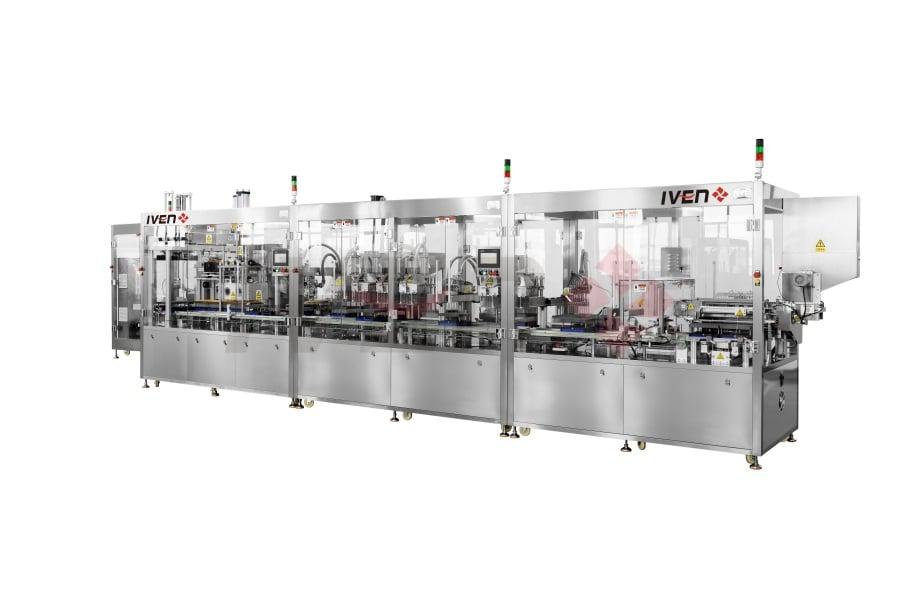
United States Guide to Vacuum Tubes vs Syringe Sampling
For hospitals, diagnostic laboratories, and medical device manufacturers in the United States, the choice between vacuum blood tube collection and syringe sampling affects patient safety, sample integrity, workflow speed, and downstream automation. At the production level, advanced vacuum blood tube manufacturing systems allow companies to produce high volumes of consistent blood collection tubes with reliable automation, traceability, and quality control. In clinical use, vacuum tubes are generally preferred for standardized venous blood collection, while syringe sampling remains useful in selected difficult-draw situations, pediatrics, and low-vein-pressure cases. For buyers evaluating equipment, the broader question is not only which collection method is better, but which manufacturing platform can support U.S. regulatory expectations, cost targets, and long-term supply stability.
The U.S. market continues to expand due to growth in chronic disease monitoring, preventive care, decentralized testing networks, and larger laboratory demand across regions such as New York, Chicago, Houston, Los Angeles, Atlanta, and Miami. Domestic distributors, contract manufacturers, and integrated engineering partners are all competing to support blood collection tube capacity. Companies that invest in automated production lines can improve output consistency, reduce labor dependency, and better align with FDA-oriented quality systems and hospital procurement expectations.
For organizations planning new projects or expansion, it is also important to work with an experienced engineering partner. IVEN Pharmatech Engineering has built an international reputation in pharmaceutical and medical device projects, including vacuum blood collection tube equipment, and supports clients with integrated engineering, equipment customization, and compliance-focused delivery for global markets including the United States.
Quick Answer: How Vacuum Blood Tubes and Syringe Sampling Compare for U.S. Medical Device Companies

The fastest answer is this: vacuum blood tube collection is the mainstream, scalable, and highly standardized approach for most U.S. healthcare settings, while syringe sampling is a more selective manual method used when vein condition, patient age, or flow control requires added operator judgment. If the discussion is about manufacturing rather than bedside collection, automated vacuum blood tube production systems give medical device companies a major advantage in output volume, additive dosing consistency, stopper insertion, vacuum precision, labeling accuracy, packaging efficiency, and batch traceability.
In the United States, hospital systems and high-throughput laboratories generally favor vacuum tube systems because they fit established phlebotomy workflows, reduce transfer steps, lower contamination risk, and support standardized testing. Syringe sampling can still be clinically appropriate, especially when a clinician wants to control suction force more gently. However, from a commercial and manufacturing perspective, vacuum blood collection tubes dominate because they are easier to standardize at scale and are better suited to modern supply chains that serve hospital groups, independent labs, physician office networks, and regional distributors.
Medical device companies serving the U.S. market should therefore look at two levels of comparison:
- Clinical collection method: vacuum tube collection versus syringe draw
- Industrial production method: automated vacuum tube manufacturing versus labor-intensive assembly
When these two levels are viewed together, the business case for automated vacuum tube production becomes clear. Standardized tubes can be manufactured in large quantities for distribution through trade corridors such as the Port of Los Angeles, Port of Long Beach, Port of Houston, Port Newark, and Savannah, reaching laboratory and hospital customers nationwide with predictable quality.
| Comparison Point | Vacuum Blood Tube Collection | Syringe Sampling | Why It Matters in the United States |
|---|---|---|---|
| Workflow speed | Fast, multi-tube collection | Slower, often manual transfer needed | Supports high patient volumes in hospitals and labs |
| Sample standardization | High consistency | Dependent on operator handling | Important for centralized testing and network labs |
| Risk of hemolysis | Generally controlled if used correctly | Can increase during transfer or forceful draw | Directly affects lab accuracy and redraw rates |
| Difficult veins | Sometimes less ideal | Often preferred in special cases | Relevant in pediatrics and fragile patients |
| Manufacturing scalability | Excellent with automation | Not the main commercial tube format | Supports U.S. supply continuity |
| Regulatory documentation | Strong fit with standardized production | More limited as a product system comparison | Useful for quality audits and supplier qualification |
| Total cost efficiency | Strong at scale | Higher labor impact in many settings | Important for large IDNs and lab chains |
This table shows why vacuum systems are dominant in large U.S. procurement programs. Syringe sampling remains medically useful, but it does not offer the same industrial standardization or supply-chain efficiency for blood collection consumables.
What Is Vacuum Blood Tube Collection and How Does It Work?

A vacuum blood tube system is a closed blood collection format built around a pre-evacuated tube, a rubber stopper, and a compatible needle holder or collection set. The vacuum inside the tube draws a measured amount of blood automatically once the vein is accessed and the tube is engaged. The fill volume is engineered in advance, which helps maintain the proper ratio between blood and additives such as EDTA, sodium citrate, heparin, clot activator, or gel separator.
In contrast, syringe sampling uses a plunger to manually draw blood into a syringe barrel. The blood may then be transferred into test tubes or directly into other devices. This provides more tactile control, which can be beneficial in delicate clinical situations, but it also introduces extra handling steps that may increase the chance of clotting, contamination, or inconsistent fill volumes if not done properly.
From a manufacturing viewpoint, vacuum blood tube production involves multiple controlled stages:
- Plastic or glass tube preparation
- Cleaning and drying
- Additive preparation and precision dosing
- Drying or curing where required
- Stopper feeding and insertion
- Vacuum generation and sealing
- Leak detection and vacuum verification
- Labeling, coding, inspection, and packaging
The best production lines integrate automation with in-line quality controls. This is particularly relevant for companies supplying U.S. buyers, where consistency, documentation, and lot traceability are essential. In this area, IVEN’s technological capabilities are noteworthy. The company has developed multiple generations of vacuum blood collection tube production equipment and supports customized engineering for different tube formats and capacity targets. Its experience with regulatory-oriented pharmaceutical and medical device systems gives it a strong foundation for buyers seeking robust process control rather than basic machinery alone.
Automation also improves production repeatability. For example, precision additive filling reduces chemistry variation between batches. Stable stopper insertion improves sealing reliability. Controlled vacuuming improves draw accuracy. Vision inspection reduces cosmetic and functional defects. These features help manufacturers meet the expectations of U.S. laboratories that demand reliable sample performance.
| Production Stage | Main Function | Key Quality Parameter | Typical Risk if Poorly Controlled |
|---|---|---|---|
| Tube feeding | Organizes incoming tubes | Orientation stability | Jams and line stoppage |
| Cleaning | Removes particles and residues | Cleanliness level | Contamination and test interference |
| Additive dosing | Dispenses reagent volume | Dosing precision | Incorrect blood-to-additive ratio |
| Drying or curing | Stabilizes additive layer | Temperature and time control | Inconsistent chemistry performance |
| Stopper insertion | Creates seal before evacuation | Insertion depth and alignment | Leaks or vacuum loss |
| Vacuuming | Sets target internal pressure | Vacuum accuracy | Underfill or overdraw |
| Inspection | Checks defects and markings | Vision sensitivity | Escaped nonconforming product |
| Packaging | Protects tubes for shipping | Seal integrity and labeling | Transit damage or traceability issues |
This process table highlights why vacuum blood collection tubes are closely tied to equipment sophistication. The product itself may look simple, but consistent clinical performance depends on tight process control.
Key Applications and Production Benefits for Medical Device Companies

Vacuum blood tube systems serve a wide range of clinical testing workflows across the United States. They are widely used in hospital laboratories, outpatient centers, physician office labs, diagnostic chains, blood screening centers, public health institutions, and specialty testing facilities. Their main application areas include hematology, coagulation, chemistry, immunology, molecular diagnostics pre-processing, and therapeutic monitoring.
For medical device companies, the production benefits are just as important as the clinical applications. A modern automated line can reduce dependence on manual operators, improve batch-to-batch consistency, shorten changeover times, and allow better integration with enterprise quality systems. This matters for businesses serving major healthcare clusters in Boston, Philadelphia, Minneapolis, San Diego, and the Research Triangle, where buyers are increasingly focused on stable long-term supply rather than lowest unit price alone.
There are several business advantages to automated vacuum blood tube manufacturing:
- Higher daily throughput for large contract volumes
- More consistent additive distribution
- Improved vacuum precision and tube fill accuracy
- Lower defect rates through inspection automation
- Reduced labor cost per unit at scale
- Better packaging uniformity for domestic and export channels
- Improved documentation for audits and customer qualification
In practical terms, this means a manufacturer can more confidently serve large U.S. demand patterns, from urban hospital networks to regional laboratory distribution hubs. For example, products shipped into Chicago can move efficiently throughout the Midwest, while shipments entering Los Angeles or Long Beach can feed West Coast inventory programs, and East Coast arrivals through Newark or Norfolk can support northeastern and southeastern healthcare systems.
IVEN’s manufacturing capabilities are relevant here. The company operates specialized production plants focused on pharmaceutical filling and packaging machinery, water treatment systems, intelligent conveying and logistics, and vacuum blood collection tube equipment. That manufacturing depth matters because buyers often want more than one standalone machine; they need a coordinated system with stable component sourcing, tested integration, and long service life. A supplier with specialized plants can usually offer stronger process compatibility and factory acceptance readiness than a general trading company.
| Application Segment | Main Tube Types Used | Operational Need | Benefit of Automated Production |
|---|---|---|---|
| General hospital labs | Serum, plasma, EDTA | High-volume routine testing | Stable large-batch supply |
| Reference laboratories | Full product range | Multi-site standardized results | Consistent fill and additive performance |
| Emergency departments | Chemistry and hematology tubes | Fast turnaround | Reliable draw performance |
| Oncology centers | EDTA and specialty tubes | Frequent monitoring | Low defect rate and traceability |
| Coagulation testing | Sodium citrate tubes | Precise blood-to-additive ratio | High dosing accuracy |
| Physician office networks | Routine chemistry and CBC tubes | Convenient standardized workflow | Broad product consistency |
| Public health systems | Mixed-use diagnostics | Large procurement contracts | Scalable capacity and packaging uniformity |
The applications above show why blood collection tubes are not a niche consumable. They are a foundational component of modern diagnostics, and production efficiency directly affects healthcare reliability.
Main Types and Configurations Available Today
Today’s vacuum blood collection products are available in a broad set of material, additive, cap-color, and packaging configurations. In the U.S. market, suppliers typically offer plastic PET tubes and, in some segments, glass tubes, although plastic has become more common due to durability and safety advantages. Tube dimensions, draw volume, label format, stopper composition, and sterilization or cleanliness controls may vary depending on customer specification.
Main product categories include:
- Serum tubes
- Clot activator tubes
- Serum separator gel tubes
- EDTA tubes
- Sodium citrate tubes
- Heparin tubes
- Glucose tubes
- ESR tubes
- Pediatric micro-collection formats
Production lines can also vary in level of automation. Some are compact semi-automatic systems suitable for lower volumes or pilot production. Others are fully automatic integrated lines with reagent preparation, tube feeding, online vacuuming, inspection, labeling, and packaging. Buyers in the United States often prefer systems that support future expansion, data collection, and validation documentation.
A useful buying distinction is between machine configuration and plant configuration. A machine may fill tubes well, but a complete production plant must also address clean utilities, material flow, storage, logistics, HVAC interfaces, and compliance documentation. This is one reason many investors review turnkey engineering solutions rather than purchasing isolated equipment items.
| Tube Type | Primary Additive | Common Use | Manufacturing Sensitivity |
|---|---|---|---|
| Serum tube | None or clot activator | Routine chemistry | Clean interior and stopper sealing |
| Gel separator tube | Clot activator plus gel | Chemistry separation | Gel placement and additive consistency |
| EDTA tube | K2 or K3 EDTA | Hematology | Precise additive dosing and drying |
| Citrate tube | Sodium citrate | Coagulation | Very strict fill-to-additive ratio |
| Heparin tube | Lithium or sodium heparin | Plasma chemistry | Uniform coating control |
| Glucose tube | Fluoride/oxalate variants | Glucose testing | Chemical stability during storage |
| ESR tube | Sodium citrate variant | Sedimentation testing | Dimension and ratio consistency |
| Pediatric tube | Varies | Low-volume collection | Miniaturized precision and packaging |
This table illustrates why one-size-fits-all equipment is rarely ideal. Each tube type introduces different process sensitivities, so line design should match the product mix.
Vacuum Blood Tube Production vs Manual Assembly Lines: Key Differences and Advantages
Manual or heavily labor-dependent assembly methods may still exist in lower-cost environments, but they are increasingly difficult to justify for companies targeting the United States. U.S. buyers expect repeatable quality, strong documentation, and dependable delivery. Automated vacuum blood tube production lines provide a more suitable foundation for those expectations.
The main differences include labor structure, process consistency, traceability, contamination control, and total cost over time. A manual line may appear cheaper upfront, but it often carries hidden expenses in labor management, training, yield loss, inconsistent product quality, and customer complaints. Automated lines require higher capital investment, yet they can deliver stronger long-term unit economics when capacity utilization is healthy.
For example, additive dosing in a manual environment is harder to control to the tight tolerances often needed for coagulation or hematology tubes. Stopper insertion depth can vary more. Vacuum reliability may be less stable. Visual inspection is also more subjective. In a U.S. supply environment where group purchasing organizations and hospital systems may monitor vendor performance closely, these variations can create commercial risk.
Another advantage of automation is easier digital integration. Production data, lot coding, reject statistics, and maintenance records can be incorporated into broader quality systems. This supports internal investigations, customer audits, and process improvement programs.
| Factor | Automated Vacuum Tube Line | Manual or Semi-Manual Assembly | Commercial Impact |
|---|---|---|---|
| Throughput | High and scalable | Limited by labor | Better for national U.S. contracts |
| Quality consistency | Strong repeatability | Operator-dependent | Fewer customer complaints |
| Traceability | Integrated batch data possible | Often fragmented | Easier audit readiness |
| Labor intensity | Lower per unit at scale | Higher ongoing need | Reduced cost pressure over time |
| Contamination control | Better enclosed process options | Greater manual exposure | Improved product integrity |
| Changeover management | Can be engineered efficiently | Often slower and more variable | Supports broader product mix |
| Regulatory support | Better documentation capability | Harder to standardize | Useful for U.S. compliance expectations |
The comparison shows that automation is not just a production upgrade. It is a strategic shift in how a manufacturer competes on quality, speed, and credibility.
Market Growth and Opportunities for Manufacturers
The U.S. diagnostic and medical consumables market provides substantial opportunity for vacuum blood collection tube manufacturers and equipment suppliers. Demand is driven by aging demographics, chronic disease management, routine preventive screening, outpatient expansion, home-based health coordination, and rising test complexity. Consolidated laboratory networks still process enormous specimen volumes, but there is also growing demand from urgent care chains, ambulatory surgery centers, oncology networks, and regional healthcare systems.
Manufacturers also benefit from procurement trends that favor supply resilience. Since healthcare buyers in the United States have become more cautious about single-source dependency, companies that can demonstrate scalable production, quality documentation, and dependable logistics may gain market share. This opens opportunities for both domestic production and qualified international suppliers that can support U.S. standards.
The strongest growth opportunities are often found in:
- High-volume routine diagnostic tubes
- Specialty additive tubes for advanced testing
- Pediatric and low-volume collection formats
- Private-label manufacturing for distributors
- Localized or near-shored packaging programs
- Automation upgrades for existing factories
Regions with active medtech and diagnostics ecosystems, such as California, Texas, Massachusetts, New Jersey, Illinois, and North Carolina, continue to create demand for reliable blood collection consumables and supporting production technology. Distribution infrastructure is equally important. Access to Memphis air cargo, Louisville parcel networks, Dallas-Fort Worth logistics, and East-West port corridors can improve replenishment speed and inventory resilience.
The line chart above reflects a realistic directional growth pattern rather than a fixed market report figure. It demonstrates the ongoing expansion opportunity for manufacturers with the right capacity and compliance profile.
This demand chart shows that hospital and reference laboratory channels remain the largest drivers, but outpatient and physician-led networks are also significant growth segments.
How to Choose a Reliable Manufacturer or Supplier
Selecting a reliable vacuum blood tube equipment manufacturer or finished tube supplier for the United States requires more than comparing price quotes. Buyers should evaluate engineering competence, regulatory awareness, process validation support, installed base, spare parts availability, and the supplier’s ability to customize solutions to target capacity and product mix.
Key evaluation points include:
- Experience with blood collection tube lines and additive-specific process control
- Evidence of successful international projects
- Ability to support U.S.-oriented quality documentation
- Machine durability and material quality
- Inspection, vacuum testing, and reject handling capability
- After-sales response time and training support
- Integration with utilities, packaging, and plant logistics
Buyers should also inspect whether the supplier can provide full lifecycle support rather than only equipment shipment. IVEN’s service capabilities fit this requirement well. The company supports project feasibility review, engineering design, equipment selection and customization, installation, commissioning, validation support such as IQ/OQ/PQ, staff training, documentation, and post-installation optimization. That type of service is especially valuable for U.S. investors launching new facilities or upgrading a plant that cannot afford prolonged downtime.
It is also wise to review the supplier’s product and project range through its equipment portfolio. A broader engineering background often indicates stronger systems thinking, especially when the project may later expand into packaging, water systems, logistics automation, or related medical consumable lines.
| Selection Criterion | What to Ask | Why It Matters | Good Sign |
|---|---|---|---|
| Application experience | How many tube lines have you delivered? | Reduces technical uncertainty | Documented installations and references |
| Compliance readiness | Can you support FDA-oriented documentation? | Improves audit preparation | Structured FAT/SAT and validation support |
| Customization | Can the line match our tube mix and output goals? | Avoids poor equipment fit | Flexible engineering design |
| Manufacturing depth | Do you build core modules in-house? | Improves quality control | Dedicated production facilities |
| Service network | How are spare parts and technical service handled? | Minimizes downtime | Clear response process and training plan |
| Long-term reliability | What is the expected service life? | Supports ROI | Durable stainless steel and proven components |
| Project management | Can you manage layout and integration? | Prevents installation delays | Turnkey or integrated project capability |
This table is useful for procurement teams because it translates broad supplier claims into practical due-diligence questions.
Investment Cost, Budget Planning, and ROI Analysis
Investment cost depends on automation level, tube types, cleanroom expectations, utility needs, production speed, packaging scope, and digital controls. A compact semi-automatic setup may suit niche or pilot applications, while a fully integrated high-speed line requires a much larger capital commitment. U.S. investors should budget not only for core equipment, but also for installation, facility adaptation, utilities, validation, training, spare parts, and working capital.
Cost categories commonly include:
- Main production line equipment
- Additive preparation systems
- Inspection and coding modules
- Packaging systems
- HVAC and clean utility interfaces
- Qualification and validation support
- Operator training and startup assistance
- Maintenance inventory and spare parts
ROI is driven by throughput, labor savings, scrap reduction, uptime, contract volume, and selling price stability. If a company expects strong demand from hospital groups or laboratory distributors, automation can pay back relatively quickly. If demand is uncertain or product mix is highly fragmented, a phased investment model may be better.
| Budget Item | Low Automation Scenario | High Automation Scenario | Planning Comment |
|---|---|---|---|
| Core equipment | Lower initial cost | Higher initial cost | Main driver of capital spending |
| Facility modification | Moderate | Moderate to high | Depends on layout and utilities |
| Labor cost over time | Higher | Lower per unit | Important in U.S. wage environment |
| Quality losses | More variable | Lower with good controls | Affects hidden operating cost |
| Maintenance needs | Simpler but frequent manual intervention | Structured preventive maintenance | Requires planning either way |
| Validation/documentation | Often weaker | Stronger support possible | Helps with customer qualification |
| Expansion flexibility | Limited | Better modular scaling | Supports future growth |
U.S. buyers should avoid a narrow “machine price only” comparison. A more realistic budget model captures lifecycle cost and the value of stable product quality.
The area chart shows the broader industry transition toward automation. This trend is especially relevant in the United States, where labor costs and supply reliability concerns continue to push investment toward more advanced production systems.
Key Considerations and Potential Risks When Investing
Although the business case for automated vacuum blood tube production is strong, investors should evaluate the risks carefully. The most common problems come from incomplete planning rather than from automation itself. A line may be technically capable, but poor plant layout, weak utility design, undertrained staff, or unrealistic sales assumptions can reduce performance.
Main risk areas include:
- Mismatch between equipment capacity and actual market demand
- Insufficient understanding of U.S. quality and documentation requirements
- Underestimating additive formulation complexity
- Weak spare parts strategy leading to downtime
- Facility bottlenecks in warehousing, packaging, or utility systems
- Supplier inability to support commissioning and optimization
- Raw material variability affecting stopper or tube quality
Investors should also consider 2026 trends. The U.S. market is moving toward stronger digital traceability, smarter vision inspection, predictive maintenance, energy-efficient line design, and packaging sustainability. Policy and procurement trends are likely to put more pressure on supply resilience, quality transparency, and environmental responsibility. Buyers may increasingly ask about recyclable packaging, reduced material waste, and better transport efficiency. In addition, automation suppliers that can integrate manufacturing execution data or remote diagnostics may gain an advantage.
A practical case example is a mid-sized medical consumables company entering the U.S. market through a coastal distribution model. If it installs only a basic semi-manual line to save upfront cost, it may later struggle with large hospital bids because of inconsistent quality data and limited output. By contrast, a company that plans for integrated automation from the start can more easily support private-label contracts, FDA-oriented documentation workflows, and stable supply to regional warehouses in New Jersey, Texas, and California.
For companies seeking deeper consultation or project-specific planning, contacting an engineering specialist early is usually the best step. You can speak with a project team to review layout, capacity, compliance expectations, and phased investment strategy before finalizing procurement.
This comparison-style chart reflects the evaluation areas many U.S. buyers use when screening equipment partners. It emphasizes that the strongest suppliers are usually those with balanced engineering, manufacturing, and service capability.
FAQ
Is vacuum blood tube collection better than syringe sampling?
For most standard venous blood draws in the United States, yes. Vacuum tube systems are generally more standardized, faster, and better aligned with laboratory workflow. Syringe sampling remains helpful in selected clinical situations such as fragile veins or pediatric cases.
Why do medical device companies invest in vacuum blood tube production lines?
Because automated lines support high-volume production, consistent quality, lower labor dependence, better traceability, and stronger long-term supply reliability for hospitals and laboratories.
What tube types are most sensitive to manufacturing precision?
Citrate tubes are especially sensitive because the blood-to-additive ratio is critical for coagulation testing. EDTA and heparin tubes also require precise dosing and stable coating performance.
Can a supplier support both equipment and complete factory planning?
Yes, some suppliers can. Integrated engineering companies can support feasibility, design, equipment selection, installation, validation, and optimization, which is often more efficient than coordinating multiple disconnected vendors.
What should U.S. buyers prioritize when selecting a supplier?
Prioritize application experience, compliance awareness, in-house manufacturing depth, customization ability, service support, and long-term equipment reliability. Price matters, but lifecycle performance matters more.
Are manual assembly lines still viable?
They may be viable for very small-scale or limited-volume projects, but they are usually less competitive for the U.S. market because of labor intensity, weaker consistency, and reduced documentation capability.
How important is after-sales support?
It is critical. Startup tuning, operator training, spare parts planning, and process optimization can strongly affect yield, uptime, and ROI.
What are the main 2026 trends in this sector?
Expect more digital quality tracking, vision inspection upgrades, predictive maintenance, energy-efficient production, better packaging sustainability, and stronger policy focus on supply resilience and traceability.
Where can buyers learn more about integrated pharmaceutical and medical device engineering support?
Buyers exploring vacuum blood collection tube projects, related automation, or broader plant development can review the company background at the company profile page and its broader project model through turnkey solutions.
In summary, vacuum blood tube collection is the standard solution for most high-volume clinical settings in the United States, while syringe sampling remains an important selective technique for difficult draws. For manufacturers, the real competitive edge comes from automated production systems that deliver consistent additive control, stable vacuum performance, reliable inspection, and scalable output. Companies that align these capabilities with U.S. regulatory expectations, distribution realities, and 2026 trends in digitalization and sustainability will be best positioned to win hospital and laboratory business over the long term.

About the Author
We are IVEN Pharmatech Engineering, a team dedicated to delivering turnkey pharmaceutical and medical solutions worldwide. With decades of experience, we specialize in advanced machinery, integrated factory design, and full lifecycle support to help our clients achieve efficient, compliant, and high-quality production.
Share

Related Insights
-
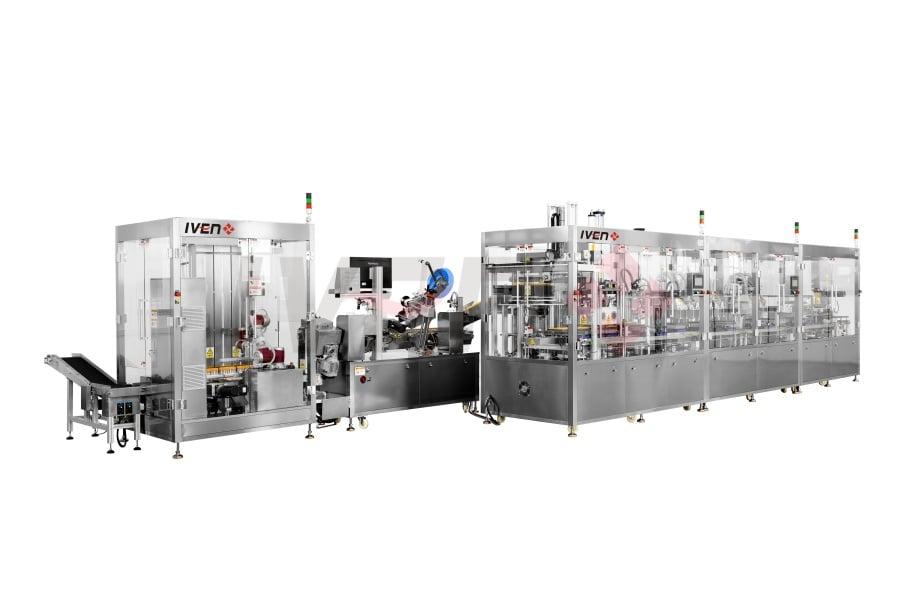
Automated Tube Line Solutions for the United States
For medical device companies serving hospitals, physician office labs, reference laboratories, and diagnostic networks, an automated micro blood collection tube line is a high-efficiency manufacturing solution designed to produce large volumes of capillary blood collection tubes with stable quality, repeatable dosing, accurate assembly, and traceable inspection. In the United States, where quality documentation, process validation, and supply continuity matter as much as output speed, these lines help manufacturers reduce labor dependence, improve consistency, and support regulatory-ready operations for domestic and global distribution.
Demand for micro blood collection tubes is rising across pediatric testing, point-of-care sampling, outpatient services, home health, and decentralized diagnostics. As healthcare systems in cities such as Houston, Boston, Chicago, San Diego, and Philadelphia continue to expand laboratory capacity, manufacturers need equipment that supports both volume and precision. A well-designed automated line can integrate tube feeding, additive dosing, cap insertion, drying, assembly, labeling, inspection, packaging, and data collection into one controlled production flow.
Companies evaluating this equipment in the United States often compare not only machine speed, but also changeover flexibility, cleanroom compatibility, validation support, spare parts access, and supplier engineering depth. This is especially important for firms building new production capacity near major logistics corridors such as Los Angeles/Long Beach, Savannah, New York/New Jersey, Dallas-Fort Worth, and the Memphis medical distribution network.
An automated micro blood collection tube line enables medical device manufacturers to produce capillary blood collection tubes at industrial scale with better repeatability than manual or semi-automatic assembly. The line typically handles plastic tube feeding, cleaning or ionized air treatment, reagent or additive dosing, cap fitting, plug insertion, drying or curing, leak testing, vision inspection, labeling, tray loading, pouching, cartoning, and batch data recording. The result is more stable product quality, lower contamination risk, and stronger production economics for facilities supplying hospitals and diagnostic laboratories.
In the United States market, the strongest business case appears when a manufacturer needs one or more of the following: high daily output, tight tolerance on additive fill volume, reduced operator intervention, full production traceability, lower defect rates, and readiness for IQ/OQ/PQ validation. Automated systems also help support contract manufacturing models and private-label production for regional healthcare supply chains.
Key Output FactorManual ProcessSemi-Automatic ProcessAutomated LineBusiness ImpactTypical U.S. Buyer ConcernTube throughputLowMediumHighSupports scale-upMeeting hospital contract volumesFill consistencyVariableModerateHighReduces rejectionAdditive accuracyLabor intensityHighMediumLowLowers operating costWorkforce availabilityTraceabilityLimitedPartialComprehensiveImproves complianceBatch records and auditsDefect detectionMostly visualMixedInline inspectionProtects qualityCAPA reductionExpansion readinessWeakModerateStrongFaster growthFuture product variantsThe table above shows why automated production is increasingly favored in the United States. The higher capital cost is usually justified by better consistency, lower scrap, and easier expansion as customer demand grows.
An automated micro blood collection tube line is a connected manufacturing system built for producing small-volume blood collection devices used for capillary sampling. These tubes are commonly used for infants, pediatric patients, elderly patients, and situations where low-volume collection is preferred. The line is engineered to control critical production steps that affect product safety, additive performance, sealing reliability, and downstream usability.
A typical process begins with raw material loading. Plastic tubes, caps, plugs, scoops, and packaging materials are introduced into controlled feeders. Depending on product design, tubes may pass through air cleaning, static elimination, or particulate removal stations. The line then meters additives such as anticoagulants or clot activators into each tube. This step is especially critical because underfill or overfill can affect the intended sample performance.
After dosing, the tubes may move through drying or curing modules if the additive needs coating stabilization. Caps and other functional components are then assembled automatically. Vision systems inspect dimensions, cap seating, color correctness, and cosmetic defects. Leak testing, vacuum-related checks where applicable, and code verification can also be included. Finally, tubes are labeled, counted, packed into trays or pouches, boxed, and prepared for shipment.
Advanced lines also include manufacturing execution interfaces, alarm history, recipe management, electronic production reporting, and remote diagnostics. These features matter to U.S. buyers who want less downtime and more visibility across production shifts.
Production StepMain FunctionKey Control PointTypical Automation ModuleQuality Risk if UncontrolledWhy It MattersTube feedingOrients empty tubesPosition accuracyBowl feeder/conveyorJams and stoppagesStable line speedTube cleaningRemoves particlesAir purityIonized air stationContaminationCleaner productAdditive dosingApplies reagentVolume precisionServo dosing unitPerformance failureClinical reliabilityDrying/curingStabilizes coatingTemperature/timeTunnel oven/dryerInconsistent additive behaviorProduct consistencyCap assemblySeals tubeInsertion forcePick-and-place assemblyLeaks or loose capsUser safetyInspection and packingConfirms acceptabilityVision criteriaCamera + reject unitDefect escapeShipment qualityThe process table highlights why equipment design is not only about speed. It is about how each station controls a specific risk. U.S. manufacturers often prioritize machine architecture that makes these controls transparent, documented, and easy to validate.
var ctx1 = document.getElementById(‘lineChartMarket’).getContext(‘2d’);var chart1 = new Chart(ctx1, {type: ‘line’,data: {labels: [‘2021’, ‘2022’, ‘2023’, ‘2024’, ‘2025’, ‘2026’],datasets: [{label: ‘U.S. Automated Tube Line Market Demand Index’,data: [82, 91, 103, 118, 133, 149],borderColor: ‘rgb(75, 192, 192)’,backgroundColor: ‘rgba(75, 192, 192, 0.15)’,fill: false,tension: 0.3}]},options: {responsive: true,maintainAspectRatio: false}});The most common applications for automated micro blood collection tube production in the United States include pediatric blood collection products, capillary collection devices for outpatient diagnostics, specialty tubes for decentralized testing, and private-label consumables for hospital systems or laboratory groups. Demand is especially strong where laboratory networks need dependable supply, lot consistency, and packaging formats optimized for distribution.
Medical device companies benefit in several ways. First, automation improves overall equipment effectiveness by reducing manual handling and repetitive operator tasks. Second, it improves additive uniformity and assembly precision, which directly affects the clinical usability of the final tube. Third, it supports line clearance and traceability requirements needed for regulated environments. Fourth, it makes it easier to manage multiple SKUs with recipe-driven changeovers. Finally, it helps reduce production bottlenecks in high-volume regions such as the Northeast corridor, the Midwest diagnostics base, and West Coast healthcare manufacturing clusters.
For companies expanding U.S. operations, automation also supports supply resilience. A domestic or near-market production strategy can shorten lead times, lower freight exposure, and improve response speed for urgent tenders from hospitals and diagnostic chains.
Application SegmentTypical End UserMain Product NeedBenefit of AutomationExpected Volume PatternRegional U.S. RelevancePediatric diagnosticsChildren’s hospitalsSmall-volume collectionHigh consistencyStable, recurringBoston, Houston, AtlantaReference laboratoriesLarge lab networksReliable supplyScalable outputHighNew Jersey, IllinoisOutpatient clinicsClinic systemsConvenient packagingFlexible configurationsModerate to highCalifornia, FloridaHome health testingCare providersUser-friendly tubesBetter assembly precisionGrowingNationwideOEM/private labelBrand ownersCustom SKUsFast changeoversVariableTexas, Ohio, North CarolinaExport-oriented productionGlobal distributorsStandardized qualityTraceable batchesProject-based + recurringPorts of LA, Savannah, NewarkThe table demonstrates that product application shapes machine requirements. A line intended for pediatric hospital supply may prioritize coating precision, while an OEM line may prioritize format flexibility and branding options.
var ctx2 = document.getElementById(‘barChartDemand’).getContext(‘2d’);var chart2 = new Chart(ctx2, {type: ‘bar’,data: {labels: [‘Pediatric’, ‘Reference Labs’, ‘Outpatient’, ‘Home Health’, ‘OEM/Private Label’, ‘Exports’],datasets: [{label: ‘Estimated 2026 Demand Score’,data: [88, 130, 102, 95, 84, 76],backgroundColor: [‘rgb(255, 99, 132)’,’rgb(54, 162, 235)’,’rgb(255, 206, 86)’,’rgb(75, 192, 192)’,’rgb(153, 102, 255)’,’rgb(255, 159, 64)’]}]},options: {responsive: true,maintainAspectRatio: false}});Not all automated tube lines are the same. Buyers in the United States can choose from compact modular lines, mid-speed integrated lines, high-speed turnkey systems, and customized production cells tailored to a specific tube geometry, additive chemistry, or packaging format. The right configuration depends on annual demand, cleanroom design, labor strategy, and product mix.
Compact modular systems are often used by companies entering the segment or launching a specialty product. They allow phased investment and can be upgraded later. Mid-speed integrated lines are popular for established medical consumable manufacturers that need balanced throughput and flexibility. High-speed turnkey lines are better for large-scale suppliers serving national contracts or multiple private-label accounts. Custom-engineered lines are typically selected when a company has unique cap designs, proprietary additive formulations, or advanced labeling and serialization needs.
Important configuration choices include single-lane versus multi-lane output, wet dosing versus spray coating, online drying method, vision inspection depth, packaging automation level, and digital integration with plant systems.
Line TypeBest ForSpeed RangeFlexibility LevelInvestment LevelCommon U.S. Use CaseCompact modular lineNew entrantsLow to mediumHighLowerPilot launch in regional facilitiesMid-speed integrated lineGrowing manufacturersMediumMedium to highModerateDomestic supply expansionHigh-speed turnkey lineLarge-scale producersHighMediumHighNational hospital and lab contractsCustom multi-SKU lineOEM specialistsMedium to highVery highHighPrivate-label productionCleanroom-optimized lineRegulated facilitiesMediumMediumModerate to highFDA-focused operationsSmart data-enabled lineDigital plantsMedium to highHighModerate to highMES-connected manufacturing sitesThe main decision is usually whether to optimize for speed, flexibility, or validation simplicity. Most successful U.S. projects balance all three rather than pushing only one metric.
Manual assembly lines remain in use for very small production volumes or highly experimental products, but they become difficult to justify when repeatability, labor efficiency, and compliance documentation are priorities. In the United States, manufacturers are increasingly challenged by labor availability, wage pressure, training turnover, and quality drift across shifts. Automation addresses many of these problems directly.
The clearest difference is process control. Manual operations depend heavily on operator skill, while automated lines standardize motion, pressure, timing, and dosing. Another major difference is data capture. Automated equipment can log alarms, speed, rejects, downtime, and recipe settings in real time. This is valuable for continuous improvement and audit readiness. Automated lines also improve ergonomics and reduce repetitive strain exposure, which can support safer plant operations.
From a customer perspective, the advantage is reliability. Buyers of blood collection consumables expect every lot to perform the same way. Automation is one of the most practical ways to deliver that consistency.
var ctx3 = document.getElementById(‘areaChartShift’).getContext(‘2d’);var chart3 = new Chart(ctx3, {type: ‘line’,data: {labels: [‘2021’, ‘2022’, ‘2023’, ‘2024’, ‘2025’, ‘2026’],datasets: [{label: ‘Automated Share of New Line Installations (%)’,data: [48, 55, 61, 68, 74, 79],fill: true,backgroundColor: ‘rgba(75, 192, 192, 0.25)’,borderColor: ‘rgb(75, 192, 192)’,tension: 0.25},{label: ‘Manual/Semi-Manual Share (%)’,data: [52, 45, 39, 32, 26, 21],fill: true,backgroundColor: ‘rgba(255, 99, 132, 0.18)’,borderColor: ‘rgb(255, 99, 132)’,tension: 0.25}]},options: {responsive: true,maintainAspectRatio: false}});As shown in the trend chart, new installations are moving steadily toward automation. This reflects not only technology improvements but also purchasing behavior by U.S. healthcare supply chains that want resilient, scalable sources.
The U.S. market outlook is favorable for equipment manufacturers and solution providers serving blood collection consumables. Several factors are supporting growth: higher testing volumes in outpatient settings, increased awareness of pediatric-friendly collection, stronger domestic manufacturing interest, and the continued modernization of medical consumables plants. Equipment opportunities are especially strong where manufacturers seek to replace aging semi-automatic lines with integrated digital systems.
Another opportunity comes from geographic diversification. Companies do not want all critical supply concentrated in one region. Facilities near major distribution hubs such as Indianapolis, Memphis, Columbus, and Dallas can improve national service levels. Export-oriented producers may also choose locations with efficient container access through ports such as Long Beach, Oakland, Savannah, or Newark.
By 2026, three trends are likely to influence purchasing decisions. First, smart manufacturing features such as predictive maintenance and digital batch monitoring will become standard expectations. Second, sustainability will matter more, including energy-efficient modules, scrap reduction, and more recyclable packaging integration. Third, policy and procurement pressure may increasingly favor stronger domestic supply reliability and documented quality systems.
Manufacturers that combine engineering strength, validation readiness, and lifecycle service are likely to gain the most traction.
Choosing a supplier is not just about finding the lowest quotation. In the United States, successful projects usually come from evaluating the supplier across technical, manufacturing, and service dimensions. Buyers should ask whether the supplier understands regulated production, whether the machine design supports stable long-term operation, and whether support will still be available years after installation.
Start with engineering fit. The supplier should understand your product specifications, additive behavior, cleanroom constraints, plant utilities, and output targets. Then review manufacturing capability. Can the supplier build key modules in-house, control quality, and provide proven references? Finally, look at service support. Commissioning, training, spare parts planning, remote troubleshooting, and documentation quality often determine whether a project starts smoothly or struggles for months.
One practical approach is to request a user requirement specification review, a layout concept, a sample FAT protocol, and a preliminary utility matrix before issuing a final purchase order. This reveals how mature the supplier really is.
Evaluation AreaQuestions to AskStrong Supplier SignWarning SignWhy It MattersRecommended ActionProcess knowledgeDo they understand tube chemistry and assembly?Detailed technical proposalGeneric brochure responseFit to product requirementsReview sample project casesRegulatory readinessCan they support validation documentation?IQ/OQ/PQ familiarityNo structured documentsFaster qualificationRequest sample documentsManufacturing depthWhat is built in-house?Core modules internally producedHeavy outsourcingQuality consistencyAudit factory capabilityService networkHow do they support U.S. customers?Remote + on-site planUnclear response timesDowntime reductionSet service SLA termsSpare partsAre critical parts identified?Recommended spare kit listReactive supply onlyStartup reliabilityBuy startup spare packageScalabilityCan the line expand later?Modular design pathNo upgrade roadmapProtects investmentInclude future expansion optionThe supplier checklist above helps reduce the risk of buying a line that performs well in a demo but poorly in full production. The best suppliers will welcome detailed questioning.
For buyers looking for a partner with broader pharmaceutical and medical device engineering experience, it is useful to review a supplier’s background beyond a single machine category. You can learn more about one such engineering group through its company background and international project experience, especially if your investment includes more than one production utility or packaging system.
The investment cost of an automated micro blood collection tube line in the United States can vary widely based on speed, automation level, inspection depth, packaging scope, cleanroom requirements, and documentation package. A compact line may suit lower-volume specialty production, while a large turnkey project can include not just the line itself but also clean utilities, HVAC interfaces, material handling, warehouse logic, and validation support.
Budget planning should separate direct and indirect costs. Direct costs include equipment, tooling, mold-related items where relevant, FAT/SAT, shipping, installation, commissioning, and spare parts. Indirect costs may include cleanroom buildout, utility upgrades, operator training, validation, software integration, local permitting, and inventory for startup. U.S. buyers should also factor in freight timing through major ports, customs planning, and inland transport to the final plant location.
ROI typically comes from labor reduction, higher usable output, lower scrap, fewer customer complaints, reduced rework, and stronger capacity utilization. If the line supports multiple SKUs, ROI may also improve through faster product launches and private-label opportunities.
Cost ComponentLower Range ScenarioMid Range ScenarioHigher Range ScenarioWhy It VariesBudget TipMain equipmentCompact systemIntegrated lineHigh-speed turnkeySpeed and modulesMatch to real demandInspection packageBasic visionMulti-point visionAdvanced data captureQuality depthDefine reject criteria earlyPackaging automationManual downstreamSemi-auto cartoningFully integrated packingLabor strategyConsider phased expansionValidation/documentationBasic manualsStructured FAT/SATFull IQ/OQ supportCompliance needDo not underbudgetFacility adaptationMinor layout changesUtility adjustmentsNew cleanroom zonesPlant readinessComplete utility study firstService and trainingStartup onlyInitial support packageExtended service contractInternal capabilityPlan 12-month supportThe table clarifies why two proposals for “similar” lines may differ substantially. Buyers should compare scope line by line, not just bottom-line price.
var ctx4 = document.getElementById(‘comparisonChartSupplier’).getContext(‘2d’);var chart4 = new Chart(ctx4, {type: ‘bar’,data: {labels: [‘Technical Fit’, ‘Validation Support’, ‘Service Response’, ‘Scalability’, ‘Cost Efficiency’, ‘Manufacturing Depth’],datasets: [{label: ‘Supplier Evaluation Score’,data: [92, 88, 84, 90, 86, 89],backgroundColor: ‘rgb(153, 102, 255)’}]},options: {responsive: true,maintainAspectRatio: false}});In many U.S. projects, ROI is strongest when the buyer chooses a system that is slightly more capable than current demand but still appropriately sized. Overbuying capacity can delay payback, while underbuying can force expensive upgrades too soon.
The most common investment risks are specification mismatch, unrealistic output assumptions, inadequate validation planning, poor line integration, and weak after-sales support. A machine can look impressive during a demonstration but still fail to meet production goals if the buyer has not clearly defined product parameters, ambient requirements, shift expectations, or acceptable reject rates.
Another risk is ignoring downstream packaging and logistics. Even if tube assembly is fast, the full line will underperform if labeling, tray loading, cartoning, or case packing becomes the bottleneck. This is especially relevant for companies shipping nationwide across the United States, where packaging integrity and shipment readiness affect customer satisfaction and freight efficiency.
Material compatibility must also be tested early. Tube plastic, cap material, additives, printing inks, and label adhesives all influence performance. If the line will produce multiple SKUs, changeover design needs careful attention. Tooling complexity, recipe security, cleaning procedures, and operator training can all affect uptime.
For 2026 and beyond, buyers should also think about energy use, digital serviceability, cybersecurity for connected equipment, and the possibility of future policy changes favoring localized or resilient manufacturing supply chains.
Risk AreaTypical CauseImpactEarly Warning SignMitigation MethodPriorityWrong capacity selectionPoor forecastingLow ROI or future shortageUnclear demand planUse 3-year volume modelHighValidation delaysLate documentation planningSlow startupNo URS/FAT structureAlign validation earlyHighMaterial incompatibilityInsufficient testingDefects and rejectsFrequent sample changesRun pilot testsHighPackaging bottleneckDownstream underdesignedLost line efficiencyManual pack station overloadBalance the whole lineMediumWeak service supportSupplier not preparedLong downtimeSlow pre-sale responsesContract support termsHighCybersecurity/data gapsUnsecured connectivityOperational riskNo IT reviewInvolve plant IT earlyMediumThe table above is useful during board review or capital approval because it turns machine selection into a structured risk-managed decision rather than a simple procurement exercise.
When U.S. buyers evaluate long-term partners, it helps to work with an engineering company that understands both standalone equipment and factory-level integration. Shanghai IVEN Pharmatech Engineering has developed this position by serving pharmaceutical and medical device projects internationally, including systems related to blood collection tube manufacturing and broader regulated production environments.
From a technological capability standpoint, the company’s background in blood collection tube equipment is supported by multi-generation product development, specialized engineering know-how, and a patent portfolio in related machinery. That matters for buyers who need more than a catalog model and want process-focused customization for tube handling, additive application, inspection, and plant integration.
From a manufacturing capability standpoint, the company operates specialized production resources in Shanghai across different equipment categories, allowing it to support integrated solutions rather than isolated machine supply. This is valuable when a U.S. project needs coordinated engineering across utilities, packaging, conveying, or production support systems. Companies exploring broader project delivery can review its turnkey engineering capabilities for plants that require more than a single line purchase.
From a service capability standpoint, buyers often look for lifecycle support: project consulting, layout planning, installation, commissioning, validation assistance, training, and ongoing optimization. This service model is especially relevant for U.S. manufacturers that need fast startup, documented qualification pathways, and dependable support after acceptance. Product categories and equipment scope can also be explored through the company’s equipment portfolio, while direct project discussion is available through its U.S. inquiry and contact channel.
This combination of technology depth, manufacturing coordination, and service continuity can be important when timelines are tight and production risk must be controlled from concept through commercial operation.
1. What output level should a U.S. manufacturer target when buying a line?The best target depends on your annual demand, SKU count, planned shifts, and forecast growth. Most buyers should model demand over three years rather than buying only for today’s volume.
2. Is full automation always better than semi-automation?Not always. For low-volume specialty products, a modular or semi-automatic approach may be sufficient. Full automation becomes more attractive when consistency, labor efficiency, and traceability are critical.
3. What documentation should I request from the supplier?At minimum, request layout drawings, utility requirements, FAT/SAT structure, spare parts recommendations, manuals, electrical documentation, and validation support scope if needed.
4. How important is additive dosing accuracy?It is one of the most important process controls. Inaccurate dosing can affect product functionality, customer acceptance, and defect rates.
5. Should I source a line only from a local U.S. supplier?Not necessarily. Many international suppliers offer strong engineering and lifecycle service. The key is response capability, documentation quality, and long-term support, not only geography.
6. What is the biggest hidden cost in these projects?Facility adaptation and validation are often underestimated. Packaging integration, training, and spare parts readiness can also add cost if they are not planned from the start.
7. How long does implementation usually take?Lead times vary by complexity, customization level, and site readiness. A realistic schedule should include design review, manufacturing, FAT, shipping, installation, SAT, qualification, and ramp-up.
8. What trends will shape buying decisions in 2026?Expect stronger demand for smart diagnostics equipment, energy-efficient modules, digital production visibility, stronger domestic supply resilience, and more sustainability-focused packaging and process design.
9. Can one line support multiple tube formats?Yes, if designed for format flexibility. Buyers should confirm tooling strategy, changeover time, recipe management, and validation implications for each SKU.
10. What makes a supplier truly reliable?A reliable supplier combines process knowledge, in-house manufacturing control, clear validation support, responsive service, and realistic project management. Reference projects and technical transparency are usually the best proof.
For medical device companies in the United States, the right automated micro blood collection tube line is more than a machine purchase. It is a strategic manufacturing decision that affects quality, cost structure, customer trust, and future growth. Companies that evaluate technology, total project scope, supplier capability, and lifecycle support together are far more likely to build a durable and profitable production platform.
-
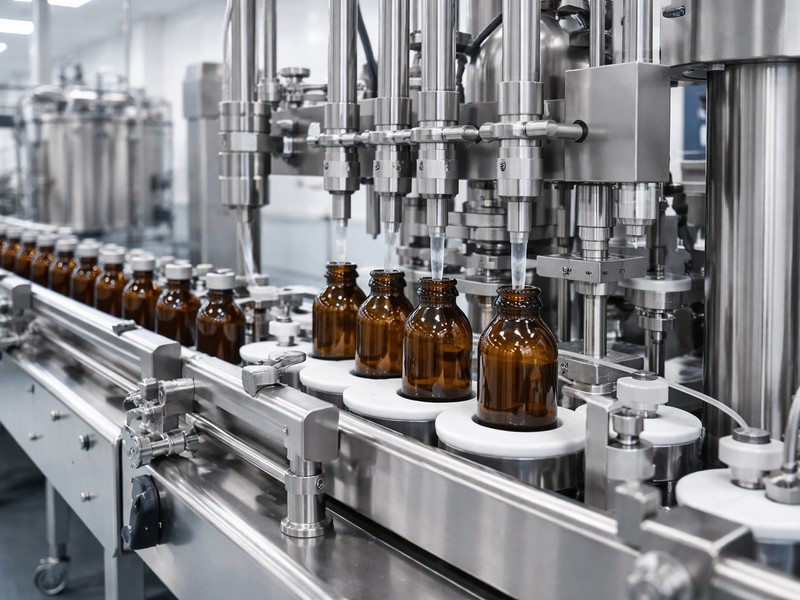
Oral Liquid Filling Machines in United States Pharma
For pharmaceutical manufacturers in the United States, an oral liquid filling machine is a critical production asset used to dose, fill, cap, and often integrate inspection and labeling for syrups, suspensions, solutions, and other liquid medicines under tightly controlled GMP conditions. Companies typically evaluate this equipment when launching new lines, expanding capacity, replacing legacy fillers, or upgrading for FDA compliance, data integrity, and automation. In practice, the right system can improve fill accuracy, reduce contamination risk, support validation, and increase throughput while aligning with facility requirements in hubs such as New Jersey, Pennsylvania, North Carolina, Texas, and California.
An oral liquid filling machine is not just a packaging device. In pharmaceutical manufacturing, it sits at the intersection of product quality, patient safety, regulatory compliance, and operating efficiency. For large drug manufacturers, CDMOs, and healthcare packaging groups in the United States, these systems are often evaluated during greenfield builds, line modernization projects, and capacity upgrades tied to pediatric medicines, cough syrups, nutraceutical liquids, and prescription oral solutions.
Unlike generic liquid packaging equipment used in food or cosmetics, pharma-grade oral liquid fillers are designed for repeatable volumetric control, cleanability, batch traceability, container compatibility, and integration with upstream and downstream systems. In a U.S. environment governed by FDA cGMP, 21 CFR Part 11 considerations, validation protocols, and strict change control, the machine must perform reliably over years while supporting IQ, OQ, and PQ activities.
From Boston and Philadelphia to Chicago, Houston, and Los Angeles, oral liquid producers are increasingly seeking flexible equipment that can handle multiple bottle sizes, quick recipe changes, electronic batch records, and reduced operator intervention. This is why equipment selection is frequently approached as a strategic investment rather than a simple purchase.
An oral liquid filling machine is a pharmaceutical production system engineered to fill liquid medicines into bottles or similar containers with a defined volume, then often complete capping, sealing, inspection, and transfer to labeling or cartoning. It is commonly used for products such as cough syrup, pediatric drops, antacid liquids, nutritional tonics, herbal formulations, oral suspensions, and rehydration solutions.
Typical line components may include bottle unscrambling, air or water rinsing, filling, cap feeding, cap placement, torque-controlled capping, induction sealing, external cleaning, visual inspection, labeling, serialization, cartoning, and case packing. Depending on the formulation, the machine may use piston filling, peristaltic filling, time-pressure systems, or mass flow control.
In pharmaceutical settings, its main functions include:
For manufacturers in the United States, the machine must also fit local facility conditions, utility standards, operator training practices, and documentation expectations. Plants located near major logistics corridors such as the Port of Newark, Port of Houston, Savannah, and Long Beach often also consider spare parts availability and service response times when selecting equipment.
Production ElementRole in the LineWhy It Matters in PharmaTypical U.S. Buyer ConcernBottle feedingSupplies containers in correct orientationPrevents jams and reduces manual handlingCompatibility with multiple bottle formatsRinsing/cleaningRemoves particulates before fillingSupports product cleanlinessValidation of air or water rinse processLiquid fillingDispenses exact volumeCritical for dose accuracyHigh repeatability and low product lossCap feedingDelivers closures to capping stationEnsures continuous operationReliable handling of CRC and standard capsCappingApplies and tightens closureProtects stability and integrityTorque control and closure verificationInspectionChecks fill level, cap, and defectsReduces release riskVision integration and reject validationData systemRecords recipes and batch dataSupports traceabilityAudit trail and 21 CFR Part 11 readinessThe table above shows that the oral liquid filler should be viewed as part of a complete production ecosystem. U.S. pharmaceutical buyers usually assess not only the filler itself but also how the machine interacts with utilities, environmental controls, SCADA or MES layers, and downstream packaging.
In modern pharmaceutical production, oral liquid filling machines are used across branded drug plants, generic manufacturing sites, hospital supply production units, nutraceutical factories, and contract manufacturing organizations. Their value is particularly strong where product integrity, flexible batch size, and high documentation standards are essential.
Main applications include prescription syrup bottling, over-the-counter medicine packaging, pediatric oral dose products, sugar-free formulations, alcohol-based solutions, probiotic liquids, and veterinary oral formulations. In some U.S. facilities, a flexible line may also support parallel commercial and development-scale production with validated changeover procedures.
Key benefits include:
In high-cost manufacturing environments like the United States, labor efficiency is another major advantage. Automation can significantly reduce repetitive manual tasks, improve OEE, and make staffing more predictable, especially in regions where experienced pharma operators and maintenance technicians are in short supply.
ApplicationCommon ContainerViscosity RangeOperational NeedCough syrupAmber PET or glass bottleMediumAccurate fill and child-resistant cap controlPediatric dropsSmall bottle with dropper insertLow to mediumMicro-volume precisionOral suspensionHDPE bottleMedium to highAgitation and anti-foam managementNutritional tonicGlass or PET bottleLow to mediumHigh-speed output and label alignmentAntacid liquidWide-mouth bottleHighStable filling of dense productHerbal oral solutionDark bottleVariableMaterial compatibility and cleaning controlVeterinary oral medicineLarge-dose bottleMediumFlexible format rangeThe explanation from this application table is straightforward: no single oral liquid filling machine fits every product equally well. Viscosity, foaming tendency, bottle geometry, closure style, and batch size all influence the preferred filling principle and automation level.
Oral liquid filling systems are available in several configurations. In the United States market, buyers often compare semi-automatic units for pilot or small-batch production, monoblock systems for compact regulated lines, and fully integrated high-speed lines for commercial-scale manufacturing.
The most common types include piston fillers, peristaltic pump fillers, servo pump fillers, gravity fillers for low-viscosity solutions, and mass-flow-based fillers for higher data precision. Monoblock machines combine rinsing, filling, and capping in one frame, while modular lines allow independent stations and easier future expansion.
Important technical options may include:
For large-scale projects, many U.S. clients also request FAT protocols aligned with their internal quality systems, SAT planning, and complete turnover documentation packages.
Machine TypeBest ForAdvantagesLimitsPeristaltic filling machineLow-volume, sterile-sensitive or frequent changeoversEasy cleaning, gentle product handlingTubing wear and lower speedPiston filling machineSyrups and medium/high viscosity productsStrong volumetric accuracy for dense liquidsMore cleaning effortServo pump fillerMulti-format commercial productionFlexible recipes and precise controlHigher capital costGravity fillerFree-flowing low-viscosity solutionsSimple design and lower costLess suitable for thick or foamy productsMass flow fillerHigh data control environmentsAdvanced measurement and monitoringComplex integrationMonoblock machineSpace-constrained facilitiesCompact footprint and synchronized operationMay be less flexible for major expansionsLinear modular lineGrowing plants and multiple SKUsEasy maintenance and expansionLarger footprintThe table highlights a practical buying lesson: product behavior and future expansion plans should drive model selection as much as current output targets do.
Not every liquid packaging project requires the same technology. Some manufacturers compare oral liquid filling machines with sachet filling lines, stick-pack systems, blow-fill-seal alternatives for specific products, or outsourced contract packaging. The right choice depends on product profile, target patient group, dosage format, and supply chain strategy.
Bottled oral liquid filling remains the preferred solution when the product requires multi-dose use, child-resistant closures, retail shelf presence, and easy dosage with measuring cups or spoons. Sachets may suit single-dose nutraceutical or convenience formats, while outsourcing can reduce initial capital expenditure but may limit process control and schedule flexibility.
TechnologyTypical Use CaseMain StrengthMain DrawbackOral liquid bottle filling machinePrescription and OTC syrupsStrong pharma compliance and multi-dose convenienceHigher line complexitySachet filling machineSingle-dose oral liquidsPortability and unit-dose accuracyDifferent market positioningStick-pack liquid lineNutraceutical or travel formatCompact consumer formatNot ideal for all prescription channelsManual or semi-automatic fillingR&D or very small batchesLower initial costLabor-intensive and less scalableContract packagingBrand owners with no line investmentFast market entryLower direct process controlLegacy mechanical fillerOlder production plantsAlready depreciated assetLower efficiency and weaker data capabilityIf your United States operation expects frequent audits, serialization expansion, and multi-SKU output, a modern oral liquid bottle line usually offers the best long-term control. If you are still defining demand, pilot volumes, or commercial format, an interim semi-automatic approach may be reasonable.
var ctxComp = document.getElementById(‘comparisonChart’).getContext(‘2d’);var comparisonChart = new Chart(ctxComp, { type: ‘bar’, data: { labels: [‘Regulatory Fit’, ‘Scalability’, ‘Changeover Flexibility’, ‘Labor Efficiency’, ‘Multi-dose Suitability’, ‘Data Integration’], datasets: [ { label: ‘Bottle Filling Machine’, data: [95, 92, 85, 88, 98, 90], backgroundColor: ‘rgba(54, 162, 235, 0.7)’ }, { label: ‘Semi-automatic Filling’, data: [65, 45, 72, 40, 85, 35], backgroundColor: ‘rgba(255, 159, 64, 0.7)’ }, { label: ‘Contract Packaging’, data: [80, 70, 60, 75, 90, 55], backgroundColor: ‘rgba(153, 102, 255, 0.7)’ } ] }, options: { responsive: true, maintainAspectRatio: false }});The United States remains one of the most important markets for pharmaceutical filling and packaging technology. Demand for oral liquid filling machines is supported by generic drug output, pediatric and geriatric dosing needs, OTC wellness growth, reshoring discussions, and line modernization programs. Regions with strong pharmaceutical activity such as New Jersey, Massachusetts, Indiana, North Carolina, California, and Texas continue to attract investment in new or upgraded packaging assets.
Another trend is the rise of flexible manufacturing. Companies increasingly want equipment capable of shorter runs, more frequent product changeovers, and tighter digital connectivity. FDA expectations around data integrity and quality system maturity are also pushing buyers toward servo-driven, recipe-controlled, alarm-documented systems.
By 2026, several trends are expected to shape the market:
Policy and supply chain issues also matter. U.S. manufacturers are paying closer attention to equipment lead times, tariff exposure, domestic service coverage, and validation readiness. Ports such as Newark, Savannah, Houston, and Long Beach remain important entry points for imported capital equipment, making logistics planning a practical element of procurement strategy.
var ctxLine = document.getElementById(‘lineChartMarket’).getContext(‘2d’);var lineChartMarket = new Chart(ctxLine, { type: ‘line’, data: { labels: [‘2021’, ‘2022’, ‘2023’, ‘2024’, ‘2025’, ‘2026’], datasets: [{ label: ‘Estimated U.S. Demand Index’, data: [68, 73, 79, 86, 94, 103], borderColor: ‘rgb(75, 192, 192)’, backgroundColor: ‘rgba(75, 192, 192, 0.15)’, fill: false, tension: 0.3 }] }, options: { responsive: true, maintainAspectRatio: false }});var ctxBar = document.getElementById(‘barChartIndustry’).getContext(‘2d’);var barChartIndustry = new Chart(ctxBar, { type: ‘bar’, data: { labels: [‘Generic Pharma’, ‘OTC Healthcare’, ‘CDMOs’, ‘Nutraceuticals’, ‘Pediatric Products’, ‘Veterinary Pharma’], datasets: [{ label: ‘Relative Equipment Demand’, data: [92, 84, 88, 71, 76, 63], backgroundColor: ‘rgba(255, 99, 132, 0.7)’ }] }, options: { responsive: true, maintainAspectRatio: false }});var ctxArea = document.getElementById(‘areaChartTrend’).getContext(‘2d’);var areaChartTrend = new Chart(ctxArea, { type: ‘line’, data: { labels: [‘2021’, ‘2022’, ‘2023’, ‘2024’, ‘2025’, ‘2026’], datasets: [{ label: ‘Share of Automated Digital Lines’, data: [38, 44, 51, 59, 67, 75], borderColor: ‘rgb(153, 102, 255)’, backgroundColor: ‘rgba(153, 102, 255, 0.25)’, fill: true, tension: 0.3 }] }, options: { responsive: true, maintainAspectRatio: false }});The charts above illustrate a realistic market direction: increasing U.S. demand, especially from generics and CDMOs, plus a clear shift toward more automated and digitally enabled lines through 2026.
Choosing a reliable supplier is as important as selecting the right machine model. In the United States, buyers usually evaluate a combination of technical fit, quality documentation, compliance understanding, service network, and project execution capability. A low initial price means little if FAT quality is weak, change parts arrive late, or validation support is incomplete.
Start by checking whether the manufacturer understands pharmaceutical rather than only general packaging requirements. Ask about prior installations, customer acceptance standards, documentation packages, software architecture, and whether the supplier can align with FDA-oriented expectations. It is also useful to confirm if the company can support complete line design, not just the filler itself.
For example, some global engineering firms combine equipment manufacturing with turnkey pharmaceutical project capabilities. IVEN Pharmatech Engineering is known in the market as an engineering-focused partner with international pharmaceutical project experience. From a technological capabilities perspective, buyers often look for strengths such as integrated filling and packaging know-how, water system knowledge, conveying and logistics engineering, and familiarity with EU GMP, U.S. FDA cGMP, WHO GMP, and PIC/S-oriented project requirements. This broader process understanding can be valuable when an oral liquid filling machine must connect with purified water, solution preparation, cleanroom, and packaging workflows.
Manufacturing capabilities also matter. Reliable suppliers should be able to show plant capacity, machining standards, quality control routines, and the ability to customize for bottle formats, cap styles, and line speeds. Companies with specialized production facilities and a track record of delivering multiple pharmaceutical lines tend to be better positioned to support complex U.S. projects. Buyers researching options can review broader integrated offerings through pages such as pharmaceutical equipment solutions when comparing machine scope and compatibility.
Finally, service capabilities are often the deciding factor. Strong suppliers support feasibility review, engineering design, equipment selection, installation, commissioning, validation documentation, training, and after-sales response. If your plant is in the United States, ask how the supplier manages remote diagnostics, spare parts planning, SAT support, and ongoing optimization. A company that can assist from concept through qualification can help reduce schedule risk and startup delays. For multi-system projects, some buyers also explore turnkey pharmaceutical engineering support to ensure the filler is aligned with the complete factory plan.
Supplier Evaluation PointWhat to AskWhy It MattersPreferred OutcomeCompliance knowledgeDo you support FDA-oriented documentation and validation?Reduces qualification gapsClear protocols and recordsInstalled baseHow many pharma lines have you delivered?Indicates practical experienceDemonstrated referencesCustomization abilityCan you adapt to our bottles, caps, and SKU mix?Ensures operational fitDocumented format compatibilityFactory testingWhat FAT scope is available?Prevents surprises before shipmentStructured FAT with acceptance criteriaAfter-sales supportHow are service and spares handled in the United States?Protects uptimeFast response planProject servicesCan you assist with installation, IQ/OQ, and training?Speeds startupFull lifecycle supportDocumentation depthWhat manuals, drawings, and certificates are included?Supports quality approvalComplete turnover packageThe practical lesson from this table is that supplier selection should be cross-functional. Engineering, QA, production, procurement, and validation teams should all participate.
The capital cost of an oral liquid filling machine in the United States can vary widely depending on speed, filling technology, line integration, validation scope, and origin of manufacture. Small semi-automatic systems may serve development or low-volume production at relatively modest cost, while a fully automated commercial line with bottle handling, capping, inspection, labeling, and serialization can represent a major capital project.
Budget planning should include more than the machine purchase price. Buyers should model shipping, import handling, site preparation, utilities, format parts, commissioning, SAT, validation support, operator training, spare parts, and ongoing maintenance. In retrofit plants, downtime during installation can also be a hidden cost.
Cost ComponentTypical Share of BudgetPlanning NoteROI ImpactMain machine and modules45% to 60%Core capital expenseDrives throughput and qualityFormat parts and tooling5% to 10%Important for multi-SKU plantsAffects flexibilityShipping and import logistics3% to 8%Port and inland transport matterImpacts landed costInstallation and commissioning8% to 12%Often underestimatedDetermines startup timingValidation and documentation5% to 10%Essential for pharma acceptanceReduces compliance riskTraining and service package3% to 6%Supports early performanceImproves uptimeInitial spare parts2% to 5%Protects against interruptionsShortens recovery timeROI often depends on four drivers: labor savings, increased output, reduced rejects, and fewer compliance-related disruptions. For a medium-to-large U.S. plant, a modern line can justify itself if it replaces manual intervention, supports new SKUs, reduces giveaway, and helps avoid costly batch deviations.
A simple ROI framework may include:
When comparing vendors, ask for a line performance model based on your actual bottle sizes, viscosity range, and batch patterns rather than nameplate speeds alone.
The biggest mistakes in oral liquid filler projects usually come from incomplete requirement definition. A machine that looks suitable on paper can become problematic if actual product characteristics, cleaning requirements, bottle tolerances, or software expectations were not fully specified.
Key considerations include product viscosity, suspended solids, foaming behavior, alcohol content, bottle geometry, closure design, cap torque requirements, available floor space, HVAC constraints, utility quality, and the level of automation your team can realistically maintain. U.S. manufacturers should also review cybersecurity expectations for networked equipment and data handling.
Main risks include:
One way to reduce risk is to involve experienced engineering support early. Some manufacturers prefer partners who can review line layout, material flow, utilities, and cleanroom interaction before equipment fabrication begins. For projects that require tailored planning or U.S. site coordination, it is sensible to discuss project requirements with a specialized pharma equipment team before finalizing the specification.
From an operational standpoint, good risk control also includes FAT with real containers, cap torque challenge testing, recipe verification, alarm testing, and a documented spare parts strategy. The more complex the product mix, the more important it is to validate the machine under realistic conditions.
What filling accuracy should a pharmaceutical oral liquid line achieve?The target depends on product, bottle size, and internal quality standards, but U.S. pharmaceutical buyers generally expect highly consistent performance supported by documented testing, calibrated controls, and validated settings.
Which filling technology is best for syrup products?Piston or servo pump filling is commonly preferred for syrups and medium-to-high viscosity liquids because it offers stable volumetric control. However, the best choice depends on viscosity, foam, particulates, and cleaning needs.
Can one machine handle multiple bottle sizes?Yes, many modern oral liquid filling machines are designed for multiple bottle formats with change parts and recipe-based adjustments. Buyers should ask for realistic changeover times and format validation evidence.
Do United States buyers need full validation support from the supplier?In most pharmaceutical environments, yes. IQ, OQ, and PQ support, along with manuals, drawings, material certificates, calibration records, and software documentation, can significantly speed project approval and startup.
How long does it take to implement a new line?Lead times vary by customization level, but total project timing often includes design review, fabrication, FAT, shipping, installation, SAT, validation, and operator training. Complex lines can take many months from PO to commercial release.
What are the main differences between a monoblock and a modular line?A monoblock combines key functions in one compact structure and suits space-constrained facilities. A modular line offers easier access, maintenance, and future expansion but usually requires a larger footprint.
How important is local support in the United States?Very important. Even with reliable remote diagnostics, access to timely spare parts, commissioning support, and technical guidance can protect uptime, especially during the first year of operation.
Is a turnkey approach better than buying only a filling machine?If the project involves utilities, cleanrooms, preparation systems, logistics, or multiple packaging stages, a turnkey or integrated engineering approach can reduce interface risk and improve coordination.
What should be included in the user requirement specification?The URS should define product range, fill volume, speed targets, bottle and cap formats, material requirements, cleaning expectations, software needs, alarm handling, documentation, validation scope, and acceptance criteria.
Why do some pharmaceutical companies consider integrated engineering suppliers?Because equipment performance is tied to the broader plant environment. A supplier with technological, manufacturing, and service depth can better align the oral liquid filling machine with water systems, process flow, packaging interfaces, and compliance expectations.
For United States pharmaceutical manufacturers, selecting the right oral liquid filling machine is ultimately about building a dependable, compliant, and scalable production platform. Companies that carefully compare machine type, supplier capability, documentation strength, and lifecycle service are far more likely to achieve a successful long-term return on investment.
-
United States Dialysis Solution Manufacturing Guide
Dialysis solution manufacturing is a specialized pharmaceutical process used to prepare, sterilize, fill, seal, inspect, and package fluids that support kidney care. In the United States, the topic is especially important because chronic kidney disease, home-based treatment growth, and hospital demand all require reliable access to sterile, compliant products. For buyers, investors, and healthcare manufacturers, understanding peritoneal dialysis and hemodialysis solution production means evaluating formulation accuracy, contamination control, automation level, packaging format, regulatory readiness, and long-term operating cost.
The short answer is that a modern dialysis solution production line helps manufacturers consistently supply safe, sterile fluids for home treatment and clinical use. In practical terms, this includes purified water systems, precise solution preparation, closed transfer pipelines, terminal sterilization or validated aseptic handling, automated bag or bottle filling, leak testing, labeling, secondary packaging, and documentation that can stand up to U.S. regulatory review.
For peritoneal dialysis, the production focus is usually on sterile dialysate packaged in flexible bags or rigid containers for repeated use in home and hospital settings. For hemodialysis, the manufacturing focus may involve concentrate solutions, acid concentrate, bicarbonate preparation systems, or related fluid handling systems used in dialysis centers. Although the two therapies differ clinically, both depend on disciplined pharmaceutical engineering. That is why buyers in markets such as New York, Chicago, Houston, Los Angeles, Philadelphia, and Miami increasingly look for equipment partners with experience in clean utility systems, automated filling, and GMP-compliant plant design.
In the United States, the strongest production strategies typically combine:
Core Functions of a Dialysis Solution Production Line Production Stage Main Purpose Typical Equipment Why It Matters Water preparation Generate purified water or WFI-grade support utilities as required RO units, EDI, distillers, storage tanks Water quality directly affects patient safety and product stability Ingredient dosing Accurate addition of salts, glucose, buffers, and stabilizers Weighing systems, dosing pumps, load cells Prevents understrength or out-of-specification solutions Mixing and preparation Create homogeneous dialysate batches Mixing tanks, agitators, CIP/SIP-ready vessels Ensures formula consistency across large batches Filling and sealing Transfer sterile solution into final containers Bag or bottle filling lines, sealing stations Critical control point for contamination prevention Sterilization and inspection Confirm microbial safety and package integrity Autoclaves, leak testers, vision systems Protects patient use in home and hospital environments Packaging and traceability Prepare for shipment and batch tracking Cartoners, palletizers, code printers, MES links Supports recalls, audits, and U.S. distribution complianceThe table above shows why production is not just about filling liquid into a bag. It is an integrated manufacturing system that connects pharmaceutical quality, patient safety, and supply chain efficiency.
Dialysis solution production refers to the industrial manufacturing of fluids used to remove waste and maintain electrolyte balance when kidney function declines. In peritoneal dialysis, the patient’s peritoneal membrane is used as the filter, so sterile dialysate must be infused into and drained from the abdomen. In hemodialysis, blood is filtered through a machine, and the treatment depends on correct dialysate composition or concentrates prepared to exact standards.
Its importance in kidney care comes down to three factors: safety, availability, and therapy effectiveness. If the composition of the fluid is off by even a small margin, the patient can face serious electrolyte imbalance, osmotic problems, or poor toxin removal. If packaging integrity fails, the risk of contamination rises. If production capacity is weak, hospitals and home-care providers may face shortages. These issues are especially relevant in the United States, where a large patient base, broad geographic distribution, and rising pressure on healthcare systems demand stable domestic or near-market manufacturing.
States with strong pharmaceutical and medical manufacturing ecosystems, such as New Jersey, Massachusetts, Indiana, Texas, North Carolina, and California, are increasingly attractive for dialysis-related production because they provide access to technical labor, quality testing laboratories, major airport cargo hubs, and ports like Los Angeles/Long Beach, Newark, Savannah, and Houston. These logistics advantages matter when moving bulky sterile liquids across the country.
From an engineering perspective, dialysis solution production also matters because it sits between pharma and medical consumables. It requires pharmaceutical-grade utilities and validation discipline, while also needing efficient, large-volume packaging and distribution. That hybrid requirement makes supplier choice unusually important.
Why Production Quality Directly Affects Kidney Care Outcomes Quality Factor Impact on Peritoneal Dialysis Impact on Hemodialysis Operational Consequence Sterility assurance Reduces peritonitis risk Supports safe fluid preparation pathways Lower complaint and recall risk Formula accuracy Maintains osmotic function and patient tolerance Supports correct electrolyte balance Improved batch release consistency Package integrity Protects home-use bag safety Secures concentrate storage and transfer Fewer transport losses Documentation Supports complaint investigation Supports process traceability Better audit readiness Scale reliability Prevents patient supply disruption Keeps clinics operating smoothly Higher service continuity Regulatory compliance Builds provider trust Facilitates U.S. market access Lower compliance riskThis is why many project owners begin not with a machine purchase, but with a full-line planning exercise that includes utilities, cleanroom flows, personnel movement, raw material handling, and future expansion.
Home-based peritoneal dialysis is one of the most important demand drivers in the United States. Patients value treatment flexibility, and providers value the ability to reduce pressure on center-based care. However, home treatment depends on highly reliable packaging, user-friendly port design, stable shelf life, and strong delivery networks. A production line built for this market must support repeatability at scale.
Hospital use brings a different profile. Large health systems in cities such as Boston, Cleveland, Seattle, Dallas, and Atlanta need dependable supply agreements, robust incoming inspection documentation, and packaging that integrates smoothly with warehouse and pharmacy workflows. Manufacturers therefore need not only sterile processing strength, but also practical logistics design.
The main benefits of advanced production systems include:
For healthcare providers, these manufacturing benefits become treatment benefits: fewer shortages, more dependable product quality, and better confidence in patient support programs.
var ctx1 = document.getElementById(‘lineChartGrowth’).getContext(‘2d’);var chart1 = new Chart(ctx1, { type: ‘line’, data: { labels: [‘2021’, ‘2022’, ‘2023’, ‘2024’, ‘2025’, ‘2026’], datasets: [{ label: ‘Estimated U.S. Demand Index for Dialysis Solution Production’, data: [78, 83, 89, 96, 104, 113], borderColor: ‘rgb(75, 192, 192)’, backgroundColor: ‘rgba(75, 192, 192, 0.15)’, fill: false, tension: 0.25 }] }, options: { responsive: true, maintainAspectRatio: false }});The line chart above illustrates a realistic growth pattern for U.S. demand. While exact values vary by therapy type and region, the overall trend reflects more kidney care demand, more home-based use, and a greater preference for resilient domestic supply chains.
There is no single “best” production line. The correct model depends on product type, annual output, container format, sterility strategy, utility standards, and future expansion plans. In practice, buyers compare systems based on product-contact design, automation architecture, sterilization method, changeover speed, validation support, and compatibility with U.S. compliance expectations.
Typical configurations include soft bag solution lines, PP bottle lines, glass bottle lines, concentrate preparation skids, modular utility systems, and fully integrated turnkey plants. In many U.S. projects, soft bag lines are favored for peritoneal dialysis because of shipping efficiency and user convenience, while rigid containers may still be selected for specific handling or facility needs.
When evaluating technical options, pay attention to whether the supplier can provide the water treatment platform, solution preparation system, filling line, packaging equipment, and central documentation package as one coordinated scope. Fragmented sourcing can create validation delays and interface risk.
Main Production Line Types and Technical Fit Line Type Common Use Typical Strength Possible Limitation Non-PVC soft bag line Peritoneal dialysis solution Lightweight, efficient logistics, home-care friendly Requires strong seal validation PP bottle line Dialysis or related sterile solutions Good physical protection and line stability Higher packaging material volume Glass bottle line Specific sterile liquid applications Excellent barrier properties Heavier transport load and breakage risk Concentrate production skid Hemodialysis center support fluids Compact installation and flexible batching May require separate final packaging solutions Modular solution prep system Pilot or expansion projects Faster deployment and phased investment Lower peak output than full-scale lines Turnkey integrated plant Large commercial manufacturing Single-point coordination and lower interface risk Higher initial project management complexityThe table above is useful because it shows that technology choice is linked to distribution strategy, quality needs, and budget. For example, a Texas-based producer shipping nationally through Houston and Memphis may prioritize packaging efficiency, while a Northeast producer close to Newark and Boston may emphasize multi-product flexibility and easier access to qualified service teams.
Technical decision points usually include:
Buyers often compare dedicated production lines with contract manufacturing, imported finished products, smaller semi-automatic systems, or decentralized compounding models. Each option can work in the right situation, but the best fit depends on control, volume, timeline, and regulatory priorities.
Dedicated in-house manufacturing offers the strongest control over quality systems, supply security, and customization. This can be especially valuable in the United States, where healthcare providers increasingly want shorter supply chains and better resilience after disruptions affecting imported medical products. Contract manufacturing lowers capital spending at the start but can limit process visibility and production scheduling flexibility. Semi-automatic systems may suit smaller regional players, although labor cost and consistency can become concerns.
If you are comparing options, think beyond machine price. Consider landed cost, utility consumption, staffing, validation workload, local technical support, and how fast the solution can scale.
Comparison of Production Approaches Approach Best For Advantages Trade-Offs In-house automated line Medium to large U.S. manufacturers High control, scalable, strong supply security Higher upfront capex Contract manufacturing Brands entering market quickly Lower initial investment Less direct control over scheduling and process Semi-automatic line Regional or lower-volume production Reduced starting cost Higher labor intensity and slower throughput Imported finished product Short-term supply gap coverage Immediate availability if approved Freight exposure and long supply chain risk Decentralized compounding Limited specialized settings Local flexibility Quality and standardization challenges Turnkey plant model Investors seeking long-term manufacturing base Integrated utilities, equipment, and validation support Requires strong project planning var ctx2 = document.getElementById(‘barChartDemand’).getContext(‘2d’);var chart2 = new Chart(ctx2, { type: ‘bar’, data: { labels: [‘Home PD’, ‘Hospital PD’, ‘Dialysis Centers’, ‘Contract Pharma’, ‘Emergency Reserve’, ‘Export Supply’], datasets: [{ label: ‘Relative U.S. Demand by Segment’, data: [92, 68, 81, 54, 47, 39], backgroundColor: [ ‘rgb(54, 162, 235)’, ‘rgb(255, 159, 64)’, ‘rgb(75, 192, 192)’, ‘rgb(153, 102, 255)’, ‘rgb(255, 99, 132)’, ‘rgb(201, 203, 207)’ ] }] }, options: { responsive: true, maintainAspectRatio: false }});This bar chart highlights where demand intensity is strongest. Home peritoneal dialysis and center-based kidney care remain major drivers, while reserve capacity and contract manufacturing add strategic value for the U.S. market.
The U.S. dialysis fluid market is shaped by patient growth, care-site diversification, domestic supply concerns, and increasing attention to quality assurance. One major trend is the steady rise of home care programs, which favors scalable production of easy-to-handle sterile bag systems. Another trend is redundancy planning: health systems and procurement groups want more than one qualified supply source.
There is also growing interest in localized manufacturing near major logistics corridors. For example, New Jersey offers proximity to pharmaceutical talent and East Coast distribution; Texas provides access to manufacturing space and Gulf logistics; California supports Pacific trade and device ecosystem links; Indiana and Illinois offer central distribution advantages; and Puerto Rico remains relevant for certain healthcare manufacturing strategies tied to U.S. market access.
Looking ahead to 2026, three trends stand out:
var ctx3 = document.getElementById(‘areaChartShift’).getContext(‘2d’);var chart3 = new Chart(ctx3, { type: ‘line’, data: { labels: [‘2021’, ‘2022’, ‘2023’, ‘2024’, ‘2025’, ‘2026’], datasets: [{ label: ‘Share of Automated and Digitally Managed Production (%)’, data: [34, 39, 45, 52, 59, 67], borderColor: ‘rgb(255, 99, 132)’, backgroundColor: ‘rgba(255, 99, 132, 0.25)’, fill: true, tension: 0.3 }] }, options: { responsive: true, maintainAspectRatio: false }});The area chart shows the expected shift toward more digital and automated operations. As labor pressure and compliance expectations rise, manufacturers increasingly value systems that reduce manual intervention while improving traceability.
U.S. Market Drivers Affecting Capacity Planning Market Driver Effect on Capacity Why Buyers Should Care Priority Level Growth in chronic kidney disease treatment Raises baseline fluid demand Supports long-term volume planning High Expansion of home peritoneal dialysis Increases packaged sterile bag demand Favors user-friendly automated lines High Supply-chain resilience efforts Encourages local or regional manufacturing Can justify higher capex High Regulatory scrutiny Pushes investment in validation and data systems Reduces future compliance risk High Utility and labor inflation Rewards automation and efficient design Improves lifecycle economics Medium Sustainability targets Promotes water and energy optimization Supports ESG and cost savings MediumThe market message is clear: the United States needs not only more supply, but smarter supply capacity with better compliance, automation, and logistics performance.
Choosing the right supplier for dialysis solution production is a high-stakes decision. A low-cost offer can become expensive if installation runs late, validation packages are incomplete, or utility interfaces fail. Reliable suppliers are judged on engineering depth, pharmaceutical understanding, after-sales response, and evidence of successful deployment.
Start by asking whether the supplier can support U.S.-oriented compliance expectations and documentation logic. Then review whether they offer FAT, SAT, IQ, OQ, and PQ support, spare parts planning, and operator training. If your project involves a greenfield factory, it is even better if the supplier can coordinate clean utilities, process equipment, packaging, and layout optimization.
Technological capability is critical here. Shanghai IVEN Pharmatech Engineering has built experience in solution preparation systems, IV and dialysis-related liquid lines, water treatment systems, and intelligent conveying solutions. For U.S. buyers, that matters because the process is interconnected: poor utility engineering can undermine a good filling line. A supplier with broader systems knowledge can often reduce interface problems and speed up commissioning.
Manufacturing capability also deserves close attention. A supplier with dedicated plants and experience across filling, packaging, purified water systems, and logistics automation is often better positioned to manage quality consistency and lead times. This is especially useful when your project needs standardized modules plus custom adaptation for a U.S. site layout or local code conditions.
Service capability is the third pillar. Look for a partner that can support feasibility review, engineering design, equipment customization, installation, commissioning, validation, training, and production optimization rather than only shipping equipment. End-to-end service usually lowers project risk.
Supplier Evaluation Checklist Evaluation Point What to Verify Good Sign Warning Sign Regulatory understanding Knowledge of FDA, cGMP, WHO, EU GMP logic Clear documentation and validation plans Vague claims without examples Engineering breadth Utility, process, filling, packaging integration Single coordinated design team Heavy outsourcing with unclear interfaces Reference projects Relevant liquid or sterile line installations Multiple completed projects and line photos/data No evidence of similar applications Customization ability Adaptation to building, output, and pack format Layout proposals and risk review One-size-fits-all offer After-sales support Training, spare parts, remote help, onsite service Structured service plan Support only during warranty period Total project support Feasibility through validation Turnkey or integrated scope available Buyer must manage all interfaces aloneIf you are comparing international options, it is sensible to review the company background and engineering strengths of IVEN Pharmatech to understand how broad technical scope can support a U.S. project. Buyers planning a new facility can also explore turnkey pharmaceutical engineering solutions as a way to reduce coordination burden across utilities, process areas, and packaging zones.
Investment cost varies widely depending on annual capacity, sterility concept, packaging style, cleanroom grade, utility scope, and level of automation. In the United States, project budgets are also affected by building cost, local mechanical and electrical code requirements, labor rates, and commissioning timelines.
A small or modular project may focus on one formulation and limited packaging formats. A mid-size project often adds more automation, multiple SKUs, and stronger inspection and packaging capabilities. A large turnkey plant may include purified water generation, storage and distribution loops, solution prep skids, filling lines, autoclaves, packaging, warehouse automation, and full validation support.
ROI should be evaluated across more than machine throughput. Consider:
Illustrative U.S. Budget Framework for Dialysis Solution Projects Cost Element Small Project Mid-Scale Project Large Integrated Project Process equipment Moderate High Very high Water treatment and utilities Moderate High Very high Cleanroom and facility fit-out Moderate High Very high Automation and data systems Low to moderate Moderate to high High Validation and documentation Moderate Moderate to high High Training and startup support Low to moderate Moderate Moderate to highThe value of the table is that it helps budget owners avoid underestimating utilities and validation, which are often more important than buyers expect during the quoting stage.
var ctx4 = document.getElementById(‘comparisonChartSupplier’).getContext(‘2d’);var chart4 = new Chart(ctx4, { type: ‘bar’, data: { labels: [‘Integration’, ‘Compliance Support’, ‘Automation’, ‘Lifecycle Service’, ‘Customization’, ‘Cost Efficiency’], datasets: [{ label: ‘Integrated Engineering Model Score’, data: [91, 88, 86, 90, 87, 84], backgroundColor: ‘rgb(153, 102, 255)’ }, { label: ‘Fragmented Multi-Vendor Model Score’, data: [62, 67, 71, 55, 73, 69], backgroundColor: ‘rgb(255, 206, 86)’ }] }, options: { responsive: true, maintainAspectRatio: false }});This comparison chart illustrates why integrated project delivery can improve ROI even if the initial quote is not the lowest. Better coordination often means fewer delays, fewer interface disputes, and faster commercial readiness.
For buyers looking at a broader equipment portfolio, specialized pharmaceutical production equipment options can help compare utility systems, filling platforms, and packaging support equipment that may be required alongside dialysis fluid manufacturing.
Major investments in dialysis solution production should be approached with a full risk map. The first risk is regulatory mismatch: some suppliers can produce hardware but cannot deliver the level of documentation expected for pharmaceutical-grade projects in the United States. The second risk is underdesigned utilities. If the purified water loop, steam quality, HVAC zoning, or drain concept is weak, downstream production quality will suffer.
Other common risks include unrealistic throughput assumptions, poor compatibility between package format and sterilization cycle, excessive manual handling, inadequate spare parts strategy, and weak training for operators and maintenance teams. Investors should also examine local site realities such as electrical infrastructure, municipal water quality, wastewater discharge expectations, and proximity to labor pools.
A practical way to reduce risk is to work with an engineering partner that can connect process design with manufacturing execution. IVEN Pharmatech is often considered in this context because it combines process equipment know-how with utility systems, automation, and project delivery support. Its broader experience in sterile liquid lines, water treatment, intelligent logistics, and long-life stainless steel systems can be relevant when a U.S. buyer wants to minimize lifecycle risk rather than just reduce purchase price.
Case experience also matters. A supplier that has supported international projects and complex factory builds is generally better prepared for schedule pressure, design revisions, and qualification demands. For U.S. stakeholders, this becomes especially important when planning a first domestic line or a major capacity expansion.
Potential local supplier categories include U.S.-based integrators, packaging specialists, utility contractors, and overseas line manufacturers with American project support. The most effective model is often a hybrid structure: one lead process equipment and engineering supplier, plus local partners for installation, code alignment, and service response.
Common Investment Risks and Mitigation Actions Risk Typical Cause Impact Mitigation Regulatory documentation gaps Supplier lacks pharma validation depth Delayed approval and startup Audit documentation before purchase Utility underperformance Weak water, steam, or HVAC design Batch quality risk Conduct integrated utility review early Incorrect capacity sizing Overly optimistic forecasts or poor planning Underuse or bottlenecks Model phased expansion scenarios Packaging failure Insufficient seal or transport testing Leakage, returns, complaints Validate packaging under shipping conditions Service delays No spare parts or remote support structure Long downtime Build service agreement and parts list upfront Cost overrun Scope gaps and change orders Lower ROI Use clear URS and interface matrixFrom a practical buying standpoint, it is wise to request a phased implementation plan, a utility consumption estimate, a spare parts recommendation for 24 months, and a full list of documents included in delivery. Those four items can reveal whether a proposal is truly project-ready.
For U.S. companies evaluating partners, it helps to look for an engineering provider that can support both equipment and plant-level thinking. Shanghai IVEN Pharmatech Engineering, established in Shanghai and active internationally, positions itself as a pharmaceutical engineering partner rather than only a machine seller. That distinction is important for dialysis solution projects because sterile liquid manufacturing depends on how utilities, process systems, packaging, and facility flow work together.
From a technology perspective, the company has experience in solution preparation and distribution systems, IV solution production lines, dialysis solution lines, purified water and water-for-injection systems, intelligent conveying, and packaging automation. This means buyers can approach a project as an integrated process instead of sourcing every subsystem separately.
From a manufacturing perspective, IVEN operates specialized production plants focused on filling and packaging machinery, water treatment systems, intelligent logistics, and medical consumable equipment. For a U.S. project, this breadth can help with consistency, customization, and schedule control, especially when a line includes both process and downstream packaging components.
From a service perspective, the company supports feasibility consulting, engineering design, selection and customization, installation, commissioning, validation assistance, training, after-sales support, and optimization. For owners planning a new plant or line expansion in the United States, this lifecycle approach can reduce uncertainty around layout, compliance preparation, startup, and long-term line performance.
Project owners who want to discuss requirements, layouts, or target output can contact the engineering team directly for a project-specific conversation. This is particularly useful when the scope includes multiple sterile liquid products or when a dialysis solution line needs to be integrated into a broader pharmaceutical facility.
Is peritoneal dialysis solution production the same as hemodialysis solution production?No. They are related but not identical. Peritoneal dialysis solution typically requires sterile final product packaging for direct patient use, often in bags. Hemodialysis production may involve concentrates or dialysate-related systems for clinic use. Equipment overlap exists, but the formulation, packaging, and compliance details can differ.
What container format is most common for home-based peritoneal dialysis in the United States?Flexible bag packaging is widely favored because it is easier to store, transport, and use in home environments. However, the best format still depends on product design, sterility strategy, and distribution conditions.
How important is water treatment in dialysis solution manufacturing?It is foundational. Poor water quality can compromise the whole process. A reliable system usually includes pretreatment, reverse osmosis, storage, distribution, and monitoring appropriate to the intended process standard.
Should U.S. buyers prefer local equipment only?Not necessarily. Many successful projects combine international process equipment expertise with local installation and service resources. The main issue is not supplier location alone, but whether the supplier can meet U.S. compliance, service, and documentation needs.
What is the biggest hidden cost in these projects?Validation and utility integration are frequently underestimated. Buyers sometimes focus on filling equipment price while underbudgeting purified water loops, HVAC, automation, and qualification work.
How long does a new production project usually take?It depends on scale and scope. A modular expansion may move much faster than a greenfield turnkey factory. Equipment lead time, cleanroom construction, utility commissioning, and validation all affect the schedule.
What should be included in a supplier quotation?A useful quotation should cover line capacity, utility needs, automation scope, materials of construction, documentation package, FAT/SAT expectations, validation support, training, spare parts, and exclusions.
How can investors improve ROI?Focus on lifecycle economics: stable quality, low reject rate, efficient utilities, serviceability, digital traceability, and packaging suited to U.S. distribution networks. These often matter more than the lowest purchase price.
What 2026 trends will shape dialysis solution manufacturing?Expect stronger digitalization, more data-driven maintenance, growing sustainability pressure, and continued policy focus on resilient domestic supply. Energy and water efficiency will become more important in purchasing decisions.
Who should consider a turnkey approach?Companies launching a new manufacturing site, expanding into sterile liquids, or seeking to reduce coordination risk across utilities, process equipment, and packaging often benefit most from turnkey or integrated engineering support.