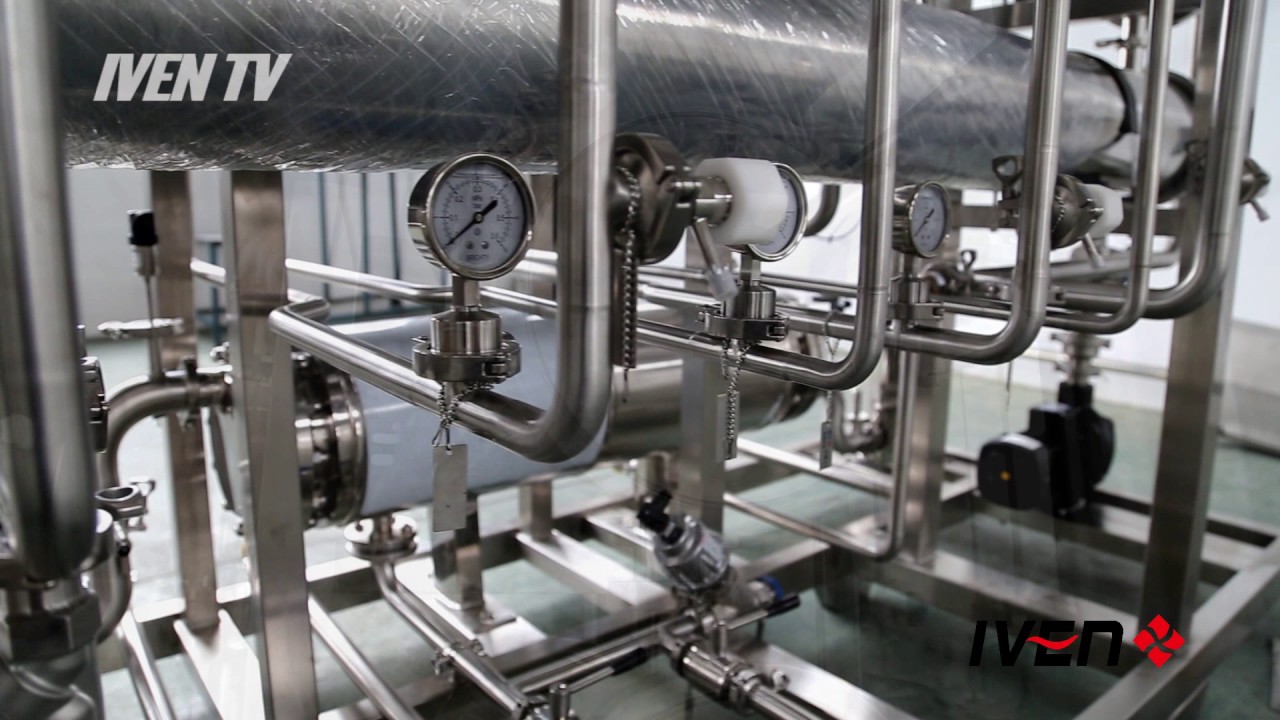
Vacuum Blood Tube vs EDTA Tube in the United States
For medical device companies, the comparison of a vacuum blood tube vs EDTA tube is not simply a product question. It is also a manufacturing, quality, compliance, and procurement decision. In the United States, hospitals, physician office labs, blood draw centers, and diagnostic networks depend on blood collection tubes that are dimensionally consistent, correctly vacuumed, additive-accurate, sterile where required, and easy to trace through regulated supply chains. That is why automated production systems for vacuum blood collection tubes are increasingly important for large-volume manufacturers serving markets from Boston and New York to Houston, Chicago, Los Angeles, and Atlanta.
In practical terms, a vacuum blood tube is the broad product family, while an EDTA tube is one specific additive tube within that family. Manufacturers need equipment that can reliably form, print, dose additives, dry or spray coat reagents, assemble caps, maintain vacuum stability, inspect cosmetic and functional quality, and pack at scale. Buyers in the United States often evaluate not only the tube itself, but also the production line behind it, because long-term product performance depends on process control, validation, and repeatability.
For companies expanding supply to clinical laboratories, OEM brands, or contract manufacturing projects, integrated engineering support matters as much as machine speed. This is especially true when facilities must align with FDA expectations, cGMP thinking, and global quality frameworks. A provider such as IVEN Pharmatech Engineering is often considered by international buyers because it combines blood collection tube equipment with broader pharmaceutical and medical device engineering experience, helping reduce risk across equipment selection, layout, documentation, and startup.
Quick Answer: How Vacuum Blood Tubes and EDTA Tubes Support High-Volume Production

The short answer is this: a vacuum blood tube is the overall blood collection container designed to draw a defined volume of blood by negative pressure, while an EDTA tube is a specific type of vacuum blood tube that contains ethylenediaminetetraacetic acid anticoagulant, usually used for hematology, CBC testing, and many molecular workflows. For manufacturers, the comparison matters because the base tube platform may be similar, but the additive handling, coating method, drying conditions, cap color control, and quality checks for EDTA tubes differ from plain serum, citrate, heparin, glucose, or clot activator tubes.
In the United States market, automated vacuum blood tube lines enable medical device companies to produce large quantities of high-quality tubes for hospitals and diagnostic laboratories with better consistency than manual assembly. Automated lines typically integrate tube loading, chemical dosing, additive distribution, drying, stoppering, capping, vacuuming, leak testing, labeling, vision inspection, tray loading, and final packaging. This reduces labor dependency while improving lot-to-lot repeatability.
The biggest operational advantage is process stability. If a manufacturer is supplying large health systems in California, Texas, Florida, or the Mid-Atlantic region, delayed deliveries or quality variation can quickly become a commercial problem. Automated production helps maintain tube dimensions, additive accuracy, and vacuum reliability. For EDTA tubes especially, accurate dosing and uniform internal coating are essential because underfilled or overdosed anticoagulant can affect test results.
| Comparison Point | Vacuum Blood Tube | EDTA Tube | Why It Matters in Manufacturing |
|---|---|---|---|
| Product scope | Broad category of evacuated blood collection tubes | Specific additive tube within the category | Determines line flexibility and SKU planning |
| Main function | Collects blood at controlled draw volume | Collects whole blood while preventing clotting | Changes additive dosing requirements |
| Additive presence | May be plain or contain reagent | Contains K2EDTA or K3EDTA | Requires validated dosing and coating process |
| Typical cap color | Varies by application | Usually lavender or purple | Color sorting and cap feeding must be accurate |
| Primary lab use | General blood collection across many tests | Hematology and some molecular testing | Demand forecasting depends on end-user segment |
| Process sensitivity | Moderate to high | High, especially additive uniformity | Favors automated inspection and validation |
| Commercial implication | Platform product family | High-volume essential SKU | Often central to hospital lab supply contracts |
The table above shows why the phrase vacuum blood tube vs EDTA tube can be misleading if treated as a pure either-or choice. In reality, EDTA tubes are part of the larger vacuum blood tube category. For equipment buyers, the real issue is whether the production line can switch between multiple additives and maintain reliable quality control for each configuration.
What Is a Vacuum Blood Tube and EDTA Tube, and How Does It Work?

A vacuum blood tube is an evacuated collection container, usually made from PET plastic or glass, sealed with a closure system that preserves a calibrated negative pressure. When a phlebotomist inserts the tube into a blood collection holder and the needle enters the patient’s vein, the pressure differential draws blood into the tube until the intended fill volume is reached. This supports standardized sample collection and helps laboratories obtain consistent test inputs.
An EDTA tube works on the same vacuum principle, but its interior contains an anticoagulant, commonly K2EDTA or K3EDTA. EDTA binds calcium ions and prevents clotting, preserving cellular components for hematology analysis. This makes EDTA tubes standard in complete blood counts, blood smears, hemoglobin testing, and some nucleic acid applications. In manufacturing, that means the tube is not just a container. It is also a precisely prepared diagnostic consumable.
The production process usually involves multiple steps. Raw plastic tubes are formed or supplied, cleaned as needed, fed onto the line, and then transferred to additive dosing stations. For EDTA products, the anticoagulant may be liquid-dosed and dried or applied in a controlled coating process. After that, the tube is capped, evacuated to the required vacuum, and tested for pressure retention. Vision systems can check dimensions, fill marks, cap seating, print registration, and cosmetic defects. Final units are then packed into trays, bags, or cartons for shipment through distribution channels serving hubs such as Newark, Long Beach, Savannah, and Houston.
From a technology standpoint, advanced line builders differentiate themselves through dosing precision, automation integration, servo control, vacuum stability, and data traceability. IVEN’s blood collection tube equipment is relevant here because the company has developed multiple generations of tube production systems and holds numerous patents in this area. For U.S.-focused buyers exploring equipment options through the product portfolio, the value is not just machinery output, but how well the line supports reproducibility, documentation, and future scale-up.
| Process Step | Vacuum Blood Tube Line Function | EDTA-Specific Requirement | Key Quality Control Point |
|---|---|---|---|
| Tube feeding | Moves empty tubes into the line | Gentle handling to avoid contamination | Orientation and reject management |
| Additive dosing | May be skipped for plain tubes | Precise EDTA volume or mass control | Dosing accuracy and lot traceability |
| Coating or drying | Not always required | Uniform anticoagulant distribution | Internal surface consistency |
| Stoppering and capping | Seals the tube | Must protect additive and vacuum | Cap fit and closure integrity |
| Vacuum generation | Creates intended blood draw volume | Same principle but validated by SKU | Pressure stability over shelf life |
| Inspection | Checks cosmetics and function | Confirms additive and code correctness | Vision rejection rate and calibration |
| Packaging | Prepares product for shipping | SKU segregation by color and additive | Label accuracy and carton traceability |
The table clarifies how the same line architecture can produce multiple blood collection tube types while still requiring different controls for EDTA products. That distinction is central for buyers planning product portfolios in the United States.
Key Applications and Production Benefits for Medical Device Companies

The main applications for vacuum blood collection tubes span hospitals, outpatient laboratories, physician office labs, reference labs, emergency departments, oncology clinics, dialysis centers, blood draw networks, and research institutions. EDTA tubes have especially strong demand in hematology, infectious disease screening workflows, pediatric testing, and high-throughput diagnostic settings where reliable anticoagulation is essential.
For medical device companies, the production benefits of automation are broad. First, automated systems support higher throughput, which matters when supplying multi-site procurement contracts or private-label customers. Second, they reduce human variability in reagent dosing, cap loading, and vacuum calibration. Third, they improve documentation and traceability, helping during audits and customer qualification. Fourth, they make it easier to manage multiple tube formats, cap colors, and additive formulas on a common equipment platform.
Production benefits also extend to labor strategy. In many U.S. manufacturing regions, including the Midwest and Northeast, labor costs and turnover have increased. Automated systems reduce repetitive manual steps and make staffing more sustainable. At the same time, manufacturers gain better process data for preventive maintenance and yield improvement. This is one reason why companies moving from pilot or semi-automatic production to full-scale lines often see improved scrap control and more predictable delivery schedules.
Manufacturing capability is where IVEN becomes relevant to buyers that need scale, not just isolated machines. The company operates specialized manufacturing plants focused on pharmaceutical filling and packaging, water systems, logistics, and vacuum blood collection tube equipment. That manufacturing base, combined with experience across many international projects, can be useful for U.S. companies that want supplier depth rather than a small standalone machine builder.
| Application Segment | Common Tube Need | Why EDTA Is Important | Benefit of Automated Production |
|---|---|---|---|
| Hospital laboratories | High daily test volume | Routine CBC and hematology demand | Stable supply and lot consistency |
| Reference labs | Large batch processing | Reliable anticoagulated samples | High throughput with traceability |
| Physician office labs | Mixed small-volume ordering | Frequent use in basic blood panels | Flexible SKU production |
| Pediatric care | Controlled draw volumes | Cell preservation is critical | Precision vacuum control |
| Research institutions | Protocol-specific sample handling | Needed for some molecular workflows | Repeatable additive performance |
| Dialysis and chronic care centers | Frequent monitoring tests | Ongoing hematology sampling | Reduced stockout risk |
| Emergency departments | Fast, dependable collection | Rapid CBC turnaround | Packaging reliability and availability |
This table shows that the value of a well-designed line extends beyond production output. It supports better service levels across end-user segments with different purchasing patterns and test profiles.
Main Types and Configurations Available Today
Today’s market includes a broad range of vacuum blood tube products. Beyond EDTA tubes, manufacturers commonly produce serum tubes, clot activator tubes, gel separator tubes, sodium citrate tubes, lithium heparin tubes, sodium fluoride and potassium oxalate glucose tubes, ESR tubes, pediatric micro-collection variants, and specialty tubes for molecular or trace element testing. The production line must therefore support SKU changeovers, additive management, color-specific caps, and packaging differentiation.
Configurations also vary by material, dimensions, draw volume, cap system, label format, and sterilization or cleanliness needs. In the United States, buyers may request compatibility with existing phlebotomy holders, barcode systems, LIS workflows, and distributor packaging standards. Private-label customers often need customized color shades, print formats, carton artwork, and palletization suitable for domestic warehousing in Chicago, Dallas, Memphis, or Inland Empire logistics networks.
Many manufacturers prefer modular lines that can accommodate both mainstream products and future variants. That approach is useful as test menus evolve and 2026 sustainability trends push the market toward thinner-wall designs, lower packaging waste, smart labeling, and more efficient energy consumption in production.
| Tube Type | Main Additive | Common Cap Color | Typical Use | Manufacturing Note |
|---|---|---|---|---|
| Plain serum tube | None | Red | Serum chemistry | Focus on vacuum accuracy and cleanliness |
| Clot activator tube | Silica-based activator | Red or orange | Faster serum separation | Uniform coating is important |
| Gel separator tube | Clot activator and gel | Gold or tiger top | Clinical chemistry | Gel filling control adds complexity |
| EDTA tube | K2EDTA or K3EDTA | Lavender | Hematology | Precise anticoagulant dosing required |
| Citrate tube | Sodium citrate | Light blue | Coagulation testing | Fill ratio tolerance is critical |
| Heparin tube | Lithium or sodium heparin | Green | Plasma chemistry | Coating consistency affects performance |
| Glucose tube | Fluoride and oxalate | Gray | Glucose preservation | Chemical stability must be validated |
The table highlights why equipment flexibility matters. A manufacturer entering the U.S. market rarely succeeds with only one tube type. The stronger commercial model is usually a family of tubes supported by common automation and validated process windows.
Vacuum Blood Tube and EDTA Tube Production Lines vs Manual Assembly Lines
When buyers compare automated lines with manual or highly labor-dependent assembly, the difference is usually most visible in output and consistency. Manual methods may work for pilot production, low-volume regional supply, or development work, but they struggle to maintain the same level of additive uniformity, vacuum stability, visual consistency, and documentation expected by major U.S. distributors and healthcare systems.
Automated lines offer several measurable advantages. They can reduce operator contact, improve clean production practices, standardize cap insertion force, and integrate online leak detection or vision inspection. They also make electronic batch records and rejection analysis more practical. For EDTA tubes in particular, automation helps prevent dosing drift, poor drying control, and cap mix-ups that can otherwise create downstream laboratory issues.
Manual lines still have a place when a company is launching a niche product, validating demand, or working with limited capital. But once volume rises, the hidden cost of rework, labor management, rejects, and inconsistent output can become higher than the apparent savings. This is especially true when supply commitments involve national contracts or coast-to-coast distribution.
| Factor | Automated Production Line | Manual or Semi-Manual Line | Commercial Impact |
|---|---|---|---|
| Output capacity | High and scalable | Low to moderate | Automation supports national accounts |
| Additive accuracy | High repeatability | Operator dependent | Better product consistency |
| Labor requirement | Lower per unit | Higher per unit | Improves long-term cost control |
| Inspection capability | Integrated vision and testing | Mostly manual sampling | Reduces escape risk |
| Traceability | Strong digital recording potential | Limited or paper-based | Better audit readiness |
| Changeover management | Programmable and repeatable | Slower and less standardized | Useful for multi-SKU portfolios |
| Total defect risk | Lower after validation | Higher with scale | Affects recalls and customer trust |
The explanation is straightforward: manual production may appear simpler, but as volume rises, the risks increase faster than many first-time buyers expect. For U.S. medical device companies serving institutional customers, automation is usually the more resilient route.
Market Growth and Opportunities for Manufacturers in the United States
The U.S. market for blood collection consumables remains attractive because testing volume is structurally supported by aging demographics, preventive screening, chronic disease monitoring, outpatient expansion, and the continued modernization of diagnostic services. Demand is not limited to large coastal systems. Growth also comes from fast-expanding metropolitan regions such as Phoenix, Nashville, Austin, Charlotte, and Orlando.
From a manufacturing perspective, opportunities exist in several areas: domestic line expansion, OEM and private-label production, replacement of older equipment, specialty tube development, and integration of smarter quality systems. Companies that can combine reliable tube performance with responsive logistics have an advantage, particularly when customers want shorter lead times and more supply chain diversity after recent global disruptions.
Importantly, 2026 trends point toward more than volume growth. Buyers increasingly ask about sustainability, energy efficiency, packaging reduction, and material optimization. There is also rising interest in automation that supports digital maintenance, remote diagnostics, and batch-level performance analytics. Policy pressure around supply security and regulated documentation may further favor well-validated production systems.
Service capability becomes critical at this stage of market development. U.S. buyers are not only purchasing equipment; they are purchasing startup support, validation alignment, training, and long-term operational stability. IVEN’s integrated engineering model, including turnkey support and lifecycle service, can be explored through its turnkey project capabilities, which is especially relevant for companies building or upgrading complete medical consumables facilities.
The two charts above reflect realistic directional trends rather than fixed public forecasts. They show why the market conversation in the United States is shifting from simple unit production to automated, validated, and more sustainable production capacity.
How to Choose a Reliable Manufacturer or Supplier
Choosing a supplier for vacuum blood tube or EDTA tube production equipment requires looking beyond price. U.S. buyers should assess regulatory familiarity, equipment durability, component sourcing, service responsiveness, documentation quality, and the supplier’s ability to support scale. A low-cost machine that lacks stable dosing, acceptable validation support, or reliable spare parts can become expensive very quickly.
A practical buying process starts with user requirement specifications. Define target tube types, annual output, line speed, additive range, inspection requirements, cleanroom level, packaging style, and compliance expectations. Then compare suppliers on technical fit, FAT and SAT procedures, validation package readiness, training scope, and references in related industries. If the project includes a full plant, it is wise to prefer a partner with broader engineering competence rather than a machine-only vendor.
Technological capability is one of the best screening indicators. IVEN is worth consideration in this context because it combines blood tube machinery development with broader expertise in pharmaceutical and medical device systems. Its engineering approach is shaped by experience with high-standard manufacturing environments and by familiarity with EU GMP, U.S. FDA cGMP, WHO GMP, and PIC/S-oriented expectations. That does not replace the buyer’s own validation work, but it can materially reduce project risk when building a new line or facility.
| Selection Criterion | What to Check | Why It Matters | Preferred Evidence |
|---|---|---|---|
| Regulatory understanding | Knowledge of U.S. and global quality expectations | Supports smoother qualification | Documentation samples and project history |
| Equipment design | Servo control, dosing precision, inspection integration | Impacts tube consistency | Technical proposal and test data |
| Manufacturing depth | In-house fabrication and assembly capability | Improves lead time and quality control | Factory audit or remote tour |
| Customization ability | Flexibility for sizes, caps, labels, and packaging | Important for OEM or private label | Case examples and changeover design |
| Service support | Installation, training, commissioning, spare parts | Reduces startup risk | Service scope and response plan |
| Lifecycle value | Durability, upgrades, optimization support | Better total cost of ownership | Maintenance plan and installed base |
| Communication quality | Clarity, multilingual support, timeline control | Crucial for international projects | Project management process |
The table shows that supplier evaluation should balance technical, operational, and service criteria. Many U.S. buyers also compare access to East Coast and West Coast logistics routes, customs coordination, and spare parts stocking strategies to reduce downtime risk.
If you are comparing partners for a new project, expansion, or line replacement, it is sensible to open a direct discussion through the contact page and request a proposal aligned with your specific tube portfolio, output targets, and compliance framework.
Investment Cost, Budget Planning, and ROI Analysis
The investment cost of a vacuum blood tube or EDTA tube production line varies widely depending on speed, automation level, utility design, inspection scope, packaging integration, and plant infrastructure. A compact semi-automatic line may suit small-scale entry, while a fully automated high-capacity line with online vision, vacuum testing, and packaging can require a much larger capital budget. The correct approach is to model total project cost, not machine price alone.
Budget planning should include core line equipment, molds or change parts, cleanroom build-out, HVAC, compressed air, purified utilities if applicable, validation, installation, training, spare parts, and working capital for startup lots. If the company plans to sell into U.S. institutional channels, additional costs may include regulatory consulting, packaging qualification, warehouse setup, distributor onboarding, and extra quality staffing.
ROI often improves faster than expected when automation replaces labor-heavy operations and reduces rejects. The most attractive projects usually involve a mix of high-volume standard SKUs such as EDTA and serum tubes, supported by a distribution strategy that covers key healthcare regions. Ports and freight lanes also influence working capital; for example, routing through Los Angeles/Long Beach, Savannah, or New York/New Jersey can affect lead time and inventory planning.
| Cost Category | Typical Budget Weight | Main Drivers | ROI Relevance |
|---|---|---|---|
| Core production line | High | Speed, automation, inspection | Primary output and quality driver |
| Change parts and tooling | Medium | Number of SKUs and formats | Enables product flexibility |
| Facility and cleanroom | High | Layout, HVAC, room classification | Affects compliance and efficiency |
| Installation and commissioning | Medium | Project complexity and site readiness | Impacts startup timing |
| Validation and documentation | Medium | Quality expectations and audits | Reduces release and compliance delays |
| Spare parts and maintenance | Low to medium | Critical components and service model | Protects uptime |
| Training and process transfer | Low to medium | Operator skill and automation depth | Improves yield and ramp speed |
This table explains why headline machine pricing is only one part of the decision. A realistic ROI model should track labor savings, throughput gain, defect reduction, customer service reliability, and the revenue value of meeting contract demand on time.
Service capability strongly affects ROI as well. Suppliers that support feasibility review, engineering design, installation, commissioning, validation assistance, staff training, and later optimization usually help buyers reach stable output faster. That full-lifecycle model is a notable strength of IVEN, especially for customers that want one partner for both equipment and broader factory execution.
Key Considerations and Potential Risks When Investing
The main risks in a vacuum blood tube or EDTA tube project are underestimating process complexity, overestimating immediate demand, selecting equipment without sufficient validation support, and failing to align product design with customer expectations. EDTA tubes may seem straightforward, but small problems in additive dosing, drying, cap seal quality, or vacuum retention can create large downstream issues.
Another risk is mismatch between equipment capability and commercialization strategy. A company targeting only local niche accounts may overspend on capacity it cannot fill. Conversely, a company planning U.S.-wide distribution may underinvest in automation and struggle with quality escapes or supply gaps. It is also important to consider policy and sustainability trends expected through 2026 and beyond, including stronger attention to supply resilience, packaging waste reduction, digital traceability, and energy-efficient operation.
Supply chain planning deserves special attention. Imported components, long spare parts lead times, and weak technical response can turn a minor fault into a production stoppage. Buyers should map critical spares, remote diagnostics, service escalation paths, and preventive maintenance schedules before placing the order. For international sourcing, customs routing through major U.S. gateways such as Seattle, Oakland, Houston, or Newark should be discussed early.
Case experience across the industry shows that the best outcomes usually come from a phased plan: feasibility study, user requirements, pilot validation, line configuration, FAT, site preparation, SAT, process qualification, and then controlled scale-up. Companies that skip these steps often pay later in delays or rework. This is why working with a supplier that has delivered large numbers of production lines across regulated sectors can be beneficial.
FAQ
Is an EDTA tube the same as a vacuum blood tube?
No. A vacuum blood tube is the broad category. An EDTA tube is one subtype within that category, designed with an anticoagulant for hematology and related testing.
Why is the vacuum blood tube vs EDTA tube comparison important for manufacturers?
Because a general vacuum tube line may produce many SKUs, but EDTA tubes require specific additive dosing, coating, and quality control. The equipment must handle both platform commonality and SKU-specific precision.
What is the main advantage of automated production lines?
Better throughput, repeatability, lower labor per unit, stronger traceability, and more consistent product quality. These benefits are especially important for U.S. supply contracts and institutional buyers.
Which industries use EDTA tubes most heavily?
Hospital laboratories, diagnostic networks, physician office labs, emergency care, research centers, and chronic disease monitoring settings all rely on EDTA tubes, especially for CBC and hematology tests.
How should a U.S. buyer evaluate a supplier?
Review technical fit, compliance understanding, installed base, factory capability, spare parts strategy, validation support, and long-term service. Compare total lifecycle value, not just purchase price.
Are turnkey solutions better than buying individual machines?
For many projects, yes. A turnkey or integrated approach can reduce interface risk between equipment, utilities, layout, documentation, and qualification activities. It is often more efficient for new plants or major expansions.
What future trends should investors watch in 2026?
Greater automation, smarter inspection, digital production data, sustainability improvements, lower packaging waste, better energy performance, and stronger supply chain resilience for regulated medical consumables.
Where can I learn more about IVEN’s engineering and equipment capabilities?
You can explore the company overview at about IVEN Pharmatech Engineering, review integrated project support at turnkey solutions, browse equipment through the product section, or request a discussion via direct contact.
In summary, the right way to think about vacuum blood tube vs EDTA tube is not as a simple product rivalry, but as a manufacturing strategy question. The broader vacuum blood tube platform creates portfolio flexibility, while EDTA tubes represent one of the most important high-volume, quality-sensitive SKUs within that platform. For companies serving the United States, success depends on automation depth, process validation, supplier reliability, and the ability to scale production without sacrificing traceability or consistency.

About the Author
We are IVEN Pharmatech Engineering, a team dedicated to delivering turnkey pharmaceutical and medical solutions worldwide. With decades of experience, we specialize in advanced machinery, integrated factory design, and full lifecycle support to help our clients achieve efficient, compliant, and high-quality production.
Share

Related Insights
-
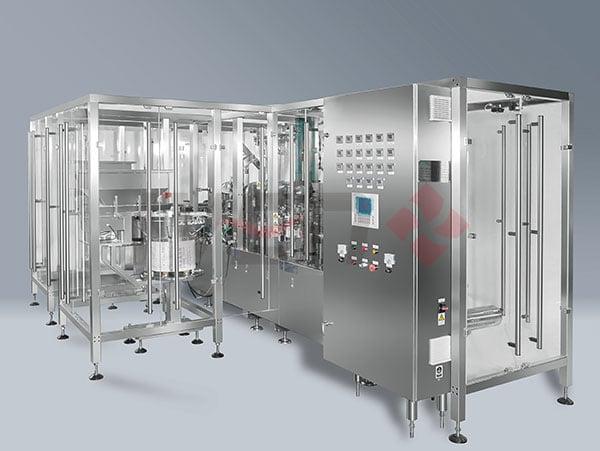
United States Guide to Validating PD Solution Plants
Peritoneal dialysis solution validation is the structured process manufacturers use to prove that every step of PD fluid production consistently delivers safe, sterile, chemically accurate, and regulation-compliant products for chronic kidney disease care. In the United States, this validation work is essential because PD solutions are used in homes, dialysis centers, and hospitals, where patients depend on reliable fluid quality, stable electrolyte composition, low endotoxin levels, and secure container integrity. A complete validation strategy typically covers formulation accuracy, water systems, mixing, filtration, sterilization, bag or bottle filling, sealing, packaging, environmental controls, computerized systems, cleaning, and documented performance qualification.
For investors, plant owners, and procurement teams, validation is not just a quality exercise. It is also a market entry requirement, a risk management tool, and a commercial differentiator. Whether a company plans to serve health systems in New York, Houston, Chicago, Los Angeles, Miami, or regional distribution hubs connected through ports such as Long Beach, Savannah, and Newark, a validated PD solution production line supports dependable supply to the United States healthcare market.
The shortest answer is this: validating PD solution production means proving with documented evidence that the manufacturing process repeatedly produces peritoneal dialysis fluid that is sterile, stable, correctly formulated, and suitable for both home treatment and hospital use. For United States manufacturers, this usually includes design qualification, installation qualification, operational qualification, performance qualification, media fill or sterility assurance activities where applicable, cleaning validation, water system validation, packaging integrity checks, and ongoing process monitoring.
This matters because PD therapy is increasingly used outside the hospital. Patients performing dialysis at home need products that are easy to handle, clearly labeled, leak-resistant, and microbiologically safe over the full shelf life. Hospitals and large dialysis networks also expect uninterrupted supply, strong batch traceability, and compliance with current Good Manufacturing Practice requirements. A validated line reduces deviation rates, supports audit readiness, and strengthens long-term brand credibility.
Validation AreaMain ObjectiveTypical TestsPrimary Risk ControlledWho Reviews ItBusiness ImpactFormula validationConfirm correct chemical compositionpH, osmolarity, glucose, electrolytesIncorrect therapy performanceQA and QCReduces batch rejectionWater system validationEnsure purified water qualityConductivity, TOC, bioburden, endotoxinMicrobial contaminationEngineering and QAProtects product sterilityFilling validationVerify accurate volume and aseptic controlFill weight, integrity, line challengeUnderfill, overfill, contaminationProduction and QAImproves yieldSterilization validationProve required sterility assuranceHeat distribution, biological indicatorsNon-sterile productValidation teamSupports release confidencePackaging validationConfirm bag or bottle protectionSeal strength, leak test, transport simulationLeaks and shelf-life failurePackaging QAReduces complaintsCleaning validationShow residue and bioburden removalSwab, rinse, hold time studiesCross-contaminationQA and validationSupports multi-batch reliabilityThe table above shows why validation must be comprehensive rather than limited to final product testing. In PD solution manufacturing, product safety is built into the entire system.
PD solution production validation is a lifecycle discipline used to demonstrate that process design, equipment, utilities, automation, people, and procedures work together in a controlled state. The end product is a dialysis fluid used inside the peritoneal cavity to remove waste products and excess fluid from the body. Because this therapy directly affects vulnerable kidney patients, even small deviations in glucose concentration, sodium balance, sterility, or packaging integrity can have serious clinical consequences.
In the United States, kidney care demand continues to rise because of the high prevalence of diabetes, hypertension, aging populations, and broader access to home-based renal care models. That shift has made supply resilience more important. Manufacturers are under pressure to increase PD fluid capacity while also meeting strict documentation and quality expectations. Validation provides the foundation for this expansion by showing that scaling up from pilot batches to commercial production does not compromise safety or consistency.
From a regulatory and operational point of view, validation typically includes:
For United States projects, manufacturers also need practical planning around logistics, labor, and distribution. Plants near Philadelphia, Boston, Dallas, Atlanta, or the Midwest may be selected for access to healthcare networks, talent pools, and transportation corridors. A well-validated facility is easier to integrate with national distribution strategies because release decisions, batch records, and audit outcomes are more predictable.
var ctxPdLine = document.getElementById(‘lineChartPd’).getContext(‘2d’);var lineChartPd = new Chart(ctxPdLine, { type: ‘line’, data: { labels: [‘2021’, ‘2022’, ‘2023’, ‘2024’, ‘2025’, ‘2026’], datasets: [{ label: ‘Estimated United States PD Solution Validation Project Growth (%)’, data: [6, 8, 11, 14, 18, 22], borderColor: ‘rgb(75, 192, 192)’, backgroundColor: ‘rgba(75, 192, 192, 0.15)’, fill: false, tension: 0.3 }] }, options: { responsive: true, maintainAspectRatio: false }});The line chart illustrates a realistic increase in validation-related investment as United States manufacturers expand home dialysis capacity and modernize legacy plants.
Validation supports two connected care environments: home dialysis and institutional dialysis. In home treatment, the product must be easy to store, transport, warm, connect, and use safely. In hospitals and clinics, the same product must support high-volume inventory management, dependable shelf life, and strong traceability. Validation bridges these needs by proving that manufacturing controls remain stable from raw materials to patient use.
Main benefits include:
For United States healthcare systems, this is especially important in rural areas and suburban home-care models. Facilities in states such as Texas, Florida, California, and Pennsylvania often serve broad catchment areas. If product quality is inconsistent, the impact reaches far beyond one warehouse or one hospital. Validated production therefore directly improves service reliability throughout the care chain.
Care SettingValidation NeedCritical Product FeatureOperational BenefitPatient BenefitCommon KPIHome dialysisLong-term shelf stabilityStable compositionFewer expired unitsReliable treatment at homeShelf-life pass rateHospital inpatient useFast batch release reliabilitySterility assuranceLower supply disruptionReduced infection riskBatch release timeDialysis centersConsistent packagingLeak-resistant bagsLess product lossSafer handlingComplaint rateEmergency stock programsTransport validationContainer durabilityBetter resilienceAccess during disruptionsTransit damage rateRegional distributorsTraceability verificationReadable codingFaster recalls if neededHigher confidenceSerialization accuracyIntegrated health systemsData integrityComplete batch documentationSmoother auditsStable product accessDeviation closure timeThis table shows how validation links manufacturing science to practical patient outcomes. The same line qualification that protects a patient in Seattle also helps a warehouse team in New Jersey manage stock efficiently.
There is no single validation model for every PD plant. The right approach depends on product format, production scale, automation level, and facility design. In the United States market, investors commonly compare turnkey lines, modular expansions, and hybrid upgrade projects.
Key technical options include:
For companies seeking an integrated project approach, partners with experience in dialysis fluid systems and pharma utilities can reduce interface risk. This is one reason buyers review suppliers with capabilities in production lines, water treatment, solution preparation, packaging, and validation support. Companies evaluating global engineering providers often compare platform depth, documentation quality, local support, and regulatory familiarity before final selection.
Shanghai IVEN Pharmatech Engineering has built a reputation in this area by combining pharmaceutical process equipment, utility systems, logistics integration, and turnkey execution. Its technology capabilities are relevant for buyers who want not only a filling line but also connected systems such as purified water units, preparation and distribution skids, and automated conveying. More about its engineering background can be reviewed on its company overview page.
Production ModelBest ForValidation ComplexityCapital IntensityScalabilityTypical United States Use CaseGreenfield turnkey plantLarge new entrantsHighHighExcellentRegional supply hub near major portLine expansion in existing plantEstablished pharma firmsMedium to highMediumGoodAdding PD capacity in Midwest siteModular cleanroom buildoutFast-track projectsMediumMediumGoodSmaller capacity launch in TexasBrownfield retrofitCost-conscious upgradeHigh due to interfacesMediumModerateLegacy injectable facility conversionDedicated home-care packaging lineConsumer-focused formatsMediumMediumHighDistribution near urban demand clustersMulti-product sterile platformDiversified manufacturersVery highHighHighIntegrated hospital solutions campusThe choice of model changes the validation plan. A brownfield retrofit may require more extensive interface qualification, while a greenfield facility needs broader commissioning and startup management.
Some buyers compare in-house validated PD production with contract manufacturing, imports, or alternative renal therapy supply strategies. Each option has advantages, but the best fit depends on market position, risk tolerance, control needs, and long-term demand forecasts.
In-house validated manufacturing offers the strongest control over formulation, release timelines, change management, and supply security. Contract manufacturing can reduce initial capital burden, but may limit scheduling flexibility and process ownership. Imported products may appear cost-effective, yet can introduce freight variability, customs delays, and added complexity for cold chain or controlled warehousing if needed. For the United States, domestic or near-market production often has strategic value because healthcare providers increasingly prioritize supply resilience.
OptionQuality ControlSupply SecurityUpfront CostSpeed to MarketStrategic FitOwn validated plantVery highHighHighModerateBest for long-term scaleContract manufacturingMedium to highMediumLow to mediumFastBest for market testingImported finished productMediumLow to mediumLowModerateUseful for limited launchBrownfield conversionHigh after validationHighMediumModerateGood for existing operatorsJoint venture plantHighMedium to highMedium to highModerateGood for shared riskHybrid local fill strategyMedium to highMediumMediumModerateGood for phased expansionvar ctxPdCompare = document.getElementById(‘comparisonChartPd’).getContext(‘2d’);var comparisonChartPd = new Chart(ctxPdCompare, { type: ‘bar’, data: { labels: [‘Own Plant’, ‘CMO’, ‘Imported Supply’, ‘Brownfield Retrofit’, ‘Joint Venture’], datasets: [{ label: ‘Composite Fit Score for United States PD Supply Strategy’, data: [91, 73, 58, 84, 79], backgroundColor: [‘rgb(54, 162, 235)’,’rgb(255, 159, 64)’,’rgb(255, 99, 132)’,’rgb(75, 192, 192)’,’rgb(153, 102, 255)’] }] }, options: { responsive: true, maintainAspectRatio: false }});The comparison chart suggests that own validated capacity and well-executed brownfield retrofits often offer the best balance of quality control and long-term strategic value in the United States market.
Demand for PD solution capacity is being shaped by home-care adoption, healthcare resilience planning, aging populations, and technology upgrades. Across the United States, providers are looking for more flexible supply models that can support both metropolitan and regional patient populations. Cities such as Los Angeles, Chicago, Houston, Phoenix, and Charlotte continue to matter because they combine healthcare demand, transport access, and labor availability.
Several trends are driving new validation projects:
Looking toward 2026, the most competitive PD solution plants are expected to feature smarter process analytics, tighter recipe automation, more energy-efficient utilities, and better integration between manufacturing execution, warehousing, and distribution. Policy direction in the United States also favors greater care decentralization, which supports demand for safe home-use dialysis products.
var ctxPdBar = document.getElementById(‘barChartPd’).getContext(‘2d’);var barChartPd = new Chart(ctxPdBar, { type: ‘bar’, data: { labels: [‘Home Care’, ‘Hospitals’, ‘Dialysis Centers’, ‘Emergency Stock’, ‘Regional Distributors’, ‘Government Programs’], datasets: [{ label: ‘Estimated 2026 Demand Index for PD Solution Supply’, data: [94, 81, 88, 63, 76, 69], backgroundColor: ‘rgb(255, 99, 132)’ }] }, options: { responsive: true, maintainAspectRatio: false }});The bar chart indicates that home-care demand is likely to be the largest growth engine, followed by specialized dialysis center consumption.
var ctxPdArea = document.getElementById(‘areaChartPd’).getContext(‘2d’);var areaChartPd = new Chart(ctxPdArea, { type: ‘line’, data: { labels: [‘2021’, ‘2022’, ‘2023’, ‘2024’, ‘2025’, ‘2026’], datasets: [{ label: ‘Shift Toward Automated and Sustainable Validation Systems’, data: [22, 28, 35, 43, 52, 64], fill: true, borderColor: ‘rgb(46, 204, 113)’, backgroundColor: ‘rgba(46, 204, 113, 0.25)’, tension: 0.3 }] }, options: { responsive: true, maintainAspectRatio: false }});The area chart reflects the rising share of projects that include digital validation tools, integrated utility monitoring, and sustainability metrics.
Choosing a supplier for PD solution manufacturing equipment or turnkey execution is a strategic decision. In the United States market, buyers usually screen suppliers using a mix of technical, regulatory, commercial, and service criteria. The goal is to find a partner that can help deliver validation success, not just install machines.
Important selection criteria include:
A reliable supplier should also be transparent about factory acceptance testing, spare parts planning, software change control, training, and lifecycle service. Buyers in the United States often prefer suppliers that can support projects from feasibility through commissioning and validation, especially when new facilities are being built near complex logistics nodes such as New Jersey distribution corridors, Gulf Coast ports, or California healthcare clusters.
On the manufacturing side, IVEN stands out for multi-plant specialization in pharmaceutical filling and packaging machinery, water treatment systems, intelligent conveying and logistics, and related medical production equipment. For organizations considering broader facility development, its turnkey engineering solutions are relevant because they cover not only lines but also plant-level integration, reducing interface failures during qualification.
Supplier Evaluation FactorWhy It MattersQuestions to AskPreferred EvidenceRisk If WeakPriority LevelRegulatory understandingSupports compliant validationDo you follow US cGMP practices?Validation templates, audit historyDelays in approvalVery highTechnology integrationReduces interface issuesCan utilities and line controls be integrated?P&IDs, software architectureStartup failuresVery highProject referencesShows practical capabilityWhat similar lines have you delivered?Case examples, site photosExecution uncertaintyHighDocumentation qualityEssential for IQ/OQ/PQWhat documents are included?Sample FAT/SAT and DQ docsRework and delaysHighAfter-sales supportProtects uptimeWhat is your service response model?Service plan, training scopeLong downtimeHighCustomization flexibilityFits local business needsCan the line match our capacity roadmap?Concept layouts, URS responseOverspending or bottlenecksMedium to highThe evaluation table above can be used by procurement teams during supplier scoring workshops or request-for-proposal reviews.
A PD solution project budget should never be limited to the main production line. In the United States, total investment often includes building adaptation, cleanrooms, water systems, steam systems, HVAC, automation, warehousing, validation, training, commissioning, spare parts, and contingency. Validation itself is a major cost center, but it is also one of the strongest drivers of long-term return because it stabilizes output and reduces costly disruptions.
Budget categories commonly include:
ROI depends on volume, pricing, market share targets, labor productivity, and supply security benefits. In many cases, the real return is a mix of direct profit and avoided cost. Avoided cost includes reduced product shortage exposure, fewer rejected batches, lower emergency procurement spending, and stronger negotiating power with health systems. Projects near high-demand regions or near logistics hubs such as Memphis, Atlanta, and Chicago can also gain distribution efficiency.
Cost ElementLow Complexity ProjectMedium Complexity ProjectHigh Complexity ProjectROI InfluencePlanning NoteProduction line equipmentHighHighVery highDirectDefine capacity carefullyUtilities and water systemsMediumHighVery highDirectCritical for product qualityFacility and cleanroom workMediumHighVery highIndirectSite choice changes cost greatlyValidation and documentationMediumHighHighStrong indirectDo not underbudgetTraining and staffingLow to mediumMediumMediumIndirectSupports faster ramp-upContingency reserveLowMediumHighIndirectUseful for change ordersOne practical way to manage capex risk is to work with a supplier that can coordinate engineering design, equipment selection, installation, qualification support, and staff training within one managed scope. This reduces communication gaps and shortens resolution cycles when issues arise during startup.
The largest investment mistakes in PD solution manufacturing usually come from underestimating validation complexity, overestimating startup speed, or choosing suppliers based only on line price. In the United States, investors should also consider labor availability, facility permitting timelines, supply chain resilience, and ongoing compliance burden.
Main risk areas include:
Risk mitigation starts in the concept phase. Buyers should map patient demand, target container format, local distribution routes, warehouse conditions, and future capacity expansion before finalizing layout. Suppliers that understand both equipment engineering and pharma project execution tend to deliver better outcomes because validation issues often come from interfaces rather than from a single machine.
Service capability is therefore important. IVEN is known for supporting customers through feasibility, design, customization, installation, commissioning, validation, quality consulting, documentation, staff training, and post-launch optimization. For buyers evaluating service responsiveness and project consultation, a direct discussion through the contact page can help clarify scope, timing, and United States project expectations.
Case experience also matters. Suppliers with large installed bases across multiple countries often bring practical lessons on sterilization mapping, utility balancing, material flow, cleanroom zoning, and packaging reliability. These lessons can shorten validation cycles and reduce startup surprises.
1. What documents are usually required to validate a PD solution production line?A typical package includes user requirement specifications, design qualification records, risk assessments, FAT and SAT protocols, IQ/OQ/PQ documents, utility qualification records, calibration plans, SOPs, training records, cleaning validation reports, and continued process verification plans.
2. How long does PD solution production validation usually take?The timeline depends on project scope. A simpler line expansion may take several months after installation, while a full greenfield plant with utilities, packaging, and sterilization systems can take much longer. Schedule realism is critical, especially in the United States where permitting, construction coordination, and supplier lead times can affect startup.
3. Is terminal sterilization always part of the validation strategy?In many PD solution applications, terminal sterilization is a key element because it supports high sterility assurance. However, the exact strategy depends on product formulation, packaging format, and process design. Heat penetration, container compatibility, and cycle development must all be validated carefully.
4. What is the most common validation mistake in new PD plants?One of the most common mistakes is focusing too heavily on the filling line while underplanning utilities, water quality, and packaging integrity. In real projects, water systems, software interfaces, and material compatibility often determine whether validation succeeds smoothly.
5. How can buyers compare PD solution equipment suppliers effectively?Use a weighted scorecard covering regulatory knowledge, documentation quality, installed references, utility integration, customization, service speed, and total lifecycle value. Avoid selecting a supplier only on base equipment price.
6. Why does the United States market require strong local planning even when equipment is imported?Because local compliance expectations, installation conditions, labor practices, and distribution requirements differ by region. A line serving customers in California or Florida may face very different warehousing, freight, and service response needs than one located in the Northeast or Midwest.
7. Can a turnkey partner reduce validation risk?Yes. A capable turnkey partner can coordinate process equipment, utilities, layout, documentation, training, and qualification support under one framework. This usually reduces interface failures and speeds issue resolution during commissioning and PQ.
8. What future trends should investors watch through 2026?Key trends include smarter automation, more digital validation records, predictive maintenance, improved material sustainability, energy-efficient utility systems, stronger domestic supply planning, and packaging formats optimized for home dialysis and last-mile healthcare logistics.
9. Where can buyers review broader equipment portfolios for related pharmaceutical systems?Companies exploring complete production ecosystems can review broader offerings through a dedicated equipment catalog, which helps compare line types, water systems, and supporting factory technologies in one place.
10. What makes a supplier suitable for a United States PD solution project?The best suppliers combine technology depth, manufacturing strength, regulatory awareness, and full lifecycle service. They should be able to demonstrate successful line delivery, robust documentation, reliable stainless-steel equipment quality, and practical support for installation, qualification, and optimization.
In summary, validating PD solution production is not a narrow technical task. It is the backbone of safe kidney care manufacturing, reliable home dialysis supply, and scalable commercial success in the United States. Companies that treat validation as a strategic investment rather than a final checkbox are better positioned to serve hospitals, dialysis networks, and home-care patients with confidence.
-
U.S. Guide to Multi-Chamber IV Bag Film Selection
For pharmaceutical manufacturers in the United States, multi-chamber IV bag film material selection is a strategic decision that directly affects drug stability, compatibility, sterility assurance, transport performance, and final clinical usability. By keeping unstable or reactive ingredients in separate chambers until activation, these advanced IV systems help extend shelf life, reduce compounding steps in hospitals, support safer bedside preparation, and enable more complex formulations for parenteral nutrition, critical care, antibiotics, and specialty injectables.
In the U.S. market, where FDA compliance, supply chain resilience, and hospital efficiency all matter, the right film structure is never just a packaging choice. It influences extractables and leachables, oxygen and moisture barriers, sterilization compatibility, seal integrity, peel performance, and overall production economics. Companies evaluating new IV platforms often compare multilayer non-PVC and PVC-free films, chamber design, port integration, manufacturing line capability, and long-term scalability before launching commercial production.
Manufacturers expanding in hubs such as New Jersey, North Carolina, Illinois, Texas, and California are also looking closely at automation, validation, and domestic regulatory expectations. For companies that need not only equipment but also engineering support, IVEN Pharmatech Engineering is known globally for pharmaceutical project expertise, especially in integrated IV solution plants and compliant production systems for regulated markets.
Multi-chamber IV bag film material selection allows pharmaceutical companies to manufacture advanced infusion products that keep active ingredients separated until use, which improves chemical stability, lowers incompatibility risks, and supports safer administration. In the United States, this matters most for ready-to-mix antibiotics, dual-compartment nutrition products, electrolyte systems, and emergency care solutions where time, sterility, and dosing accuracy are critical.
The best film choice usually depends on six factors: formulation sensitivity, required shelf life, sterilization method, chamber burst behavior, barrier performance, and line compatibility. For example, amino acid and lipid combinations may require different barrier properties than antibiotic diluent systems. A film that performs well in autoclaving may not be ideal for low-temperature specialty filling, while a highly transparent film may still fail if seal strength or chamber opening performance is inconsistent.
Decision FactorWhy It MattersTypical U.S. ConcernEffect on Final ProductDrug compatibilityPrevents interaction with film layersFDA documentation and stability dataHigher safety and longer shelf lifeBarrier performanceControls oxygen and moisture ingressLong distribution cyclesReduced degradation riskSterilization resistanceMust survive thermal or other validated processesCommercial batch consistencyLower defect ratesSeal integrityCritical for sterility maintenanceLeak testing and validationReliable product qualityActivation performanceInternal seal must open as designedNursing ease-of-useFaster bedside preparationProduction line fitFilm must run on filling and sealing equipmentScale-up and OEE targetsBetter manufacturing efficiencyThis table shows that film material selection is both a clinical and industrial issue. In U.S. commercialization, the winning solution is usually the one that balances patient safety, regulatory readiness, and production repeatability rather than simply the lowest material cost.
A multi-chamber IV bag is a flexible infusion container divided into two or more compartments by frangible or peelable internal seals. These chambers keep ingredients separate during storage and distribution. Immediately before administration, the user activates the bag by breaking or opening the internal seal, allowing the contents to mix inside a closed sterile system.
Main advantages include improved formulation stability, lower contamination risk compared with open compounding, reduced pharmacy preparation time, and stronger support for ready-to-use or ready-to-mix therapies. In U.S. hospitals facing labor shortages and high sterile compounding oversight, these benefits are especially meaningful.
Compared with conventional infusion containers, multi-chamber designs can support products that would otherwise have limited shelf life once mixed. They are particularly valuable where one component is unstable in aqueous solution, where pH incompatibility exists, or where separate storage is required for potency retention.
AdvantageDescriptionBenefit to ManufacturerBenefit to HospitalIngredient separationKeeps reactive components apartEnables complex formulationsImproves clinical readinessClosed-system mixingActivation occurs inside the bagDifferentiated premium productLower contamination exposureLonger shelf lifeUnmixed ingredients remain more stableBetter inventory economicsReduced wasteFaster preparationLess compounding or reconstitutionStronger market appealSaves staff timeDose accuracyPre-measured chambers improve consistencyReduced complaints and returnsSafer administrationPortabilityCompact and practical for distributionEfficient logisticsUseful in emergency and mobile careThe table highlights why these products are gaining traction in the United States. They reduce process variation not only in manufacturing, but also in the last mile of medication preparation inside health systems.
In practice, the clinical value of multi-chamber technology is strongest where speed and consistency are essential. U.S. hospitals, infusion centers, military medical units, ambulatory surgery centers, and emergency response systems use these formats to simplify workflows and support standardized care.
Common applications include total parenteral nutrition, antibiotic-and-diluent combinations, bicarbonate-containing solutions, specialty electrolyte systems, and products used in oncology supportive care. In major healthcare markets such as Boston, Houston, Chicago, Los Angeles, and Atlanta, hospitals are under pressure to reduce manual sterile preparation and limit avoidable medication handling risks. Multi-chamber bags help meet these needs.
Application AreaTypical UseWhy Multi-Chamber HelpsClinical SettingParenteral nutritionSeparate nutrients until usePreserves stabilityICU and neonatal careAntibiotic deliveryDrug with diluent in same systemReduces bedside reconstitutionAcute care hospitalsEmergency medicineRapid activation infusion productsImproves speed in urgent casesER and trauma unitsHome infusionSimplified preparationSupports patient convenienceOutpatient and home careOncology supportHydration and adjunct therapiesLower handling stepsCancer centersMilitary/disaster responseTransportable ready-mix systemsClosed sterile use in field conditionsMobile care unitsThe explanation behind these uses is straightforward: every manual preparation step removed from the hospital can reduce time pressure, training variability, and potential contamination exposure. As U.S. health systems increase focus on efficiency, pharmacy automation, and risk reduction, multi-chamber IV products are becoming more attractive across both large IDNs and regional providers.
var ctxBar = document.getElementById(‘barChartDemand’).getContext(‘2d’);var barChartDemand = new Chart(ctxBar, { type: ‘bar’, data: { labels: [‘Acute Care Hospitals’, ‘Infusion Centers’, ‘Home Care’, ‘Military/Field Care’, ‘Long-Term Care’, ‘Surgery Centers’], datasets: [{ label: ‘Estimated U.S. Demand Index’, data: [92, 71, 64, 49, 42, 55], backgroundColor: [‘#4e79a7′,’#f28e2b’,’#e15759′,’#76b7b2′,’#59a14f’,’#edc948′] }] }, options: { responsive: true, maintainAspectRatio: false }});Not all multi-chamber bags are built the same. Product performance depends on the number of chambers, internal seal design, port configuration, and especially film structure. In the U.S. market, buyers often compare non-PVC multilayer films, polypropylene-based structures, coextruded polyolefin films, and specialty high-barrier combinations tailored to the formulation.
Film materials are selected for a mix of characteristics: transparency, flexibility, sterilization resistance, puncture strength, sealability, low extractables, and environmental profile. PVC-free options continue to gain attention as sustainability goals and material risk reviews expand.
Film Material OptionKey TraitsTypical StrengthPotential LimitationMultilayer non-PVC polyolefinFlexible, clean profile, good sealabilityWidely accepted for modern IV systemsMay need formulation-specific validationPP-based filmGood heat resistanceUseful for certain sterilization demandsCan be less soft than other filmsCoextruded composite filmCustomizable layer performanceTailored barrier and mechanical balanceMore complex sourcing and qualificationEVA-containing structuresFlexibility and clarityUseful in nutrient applicationsBarrier may vary by structureHigh-barrier specialty filmEnhanced oxygen or moisture protectionSupports sensitive formulationsHigher material costPVC legacy formatsEstablished history in some usesLow initial familiarity riskEnvironmental and compatibility concernsThis comparison shows why there is no universal best film. A dual-chamber antibiotic product may prioritize mixing performance and transparency, while a nutrition product may prioritize barrier performance and long-term stability. U.S. manufacturers should test film candidates using formulation-specific stability, sealing, sterilization, and transport simulations.
For companies planning a complete line rather than only a packaging material review, turnkey engineering support can shorten commercialization time. Solutions that combine film handling, bag forming, filling, sealing, leak testing, and validation planning are often preferred in regulated projects. Companies looking for integrated factory support can review turnkey pharmaceutical engineering solutions for broader plant planning.
Single-chamber IV bags remain effective for stable formulations that do not require ingredient separation. However, when products are chemically incompatible before use or must be activated shortly before administration, multi-chamber systems provide a significant technical advantage.
In the United States, the decision often comes down to lifecycle value. A multi-chamber product may cost more to develop and package, but it can create clinical convenience, reduce compounding burdens, and support premium market positioning.
CriteriaMulti-Chamber IV BagSingle-Chamber IV BagCommercial ImpactIngredient stabilityStrong for incompatible componentsLimited when pre-mixed instability existsSupports differentiated productsPreparation timeFast activation before useMay require external mixing or compoundingHospital workflow advantageManufacturing complexityHigherLowerHigher capex but premium potentialRegulatory documentationMore extensiveSimpler in many casesLonger development pathwayClinical safety convenienceHigh in targeted applicationsAdequate for standard stable solutionsBetter fit for specialized therapiesProduct portfolio flexibilityBroad for advanced formulationsNarrower for unstable combinationsEnables new market entryThe key explanation is that multi-chamber systems are not intended to replace all IV containers. They are most effective where separation creates measurable therapeutic, operational, or stability advantages. That is why they are often part of a strategic portfolio rather than a complete packaging conversion.
var ctxComp = document.getElementById(‘comparisonChartSupplier’).getContext(‘2d’);var comparisonChartSupplier = new Chart(ctxComp, { type: ‘bar’, data: { labels: [‘Stability Support’, ‘Workflow Efficiency’, ‘Capex Need’, ‘Regulatory Complexity’, ‘Premium Pricing Potential’, ‘Shelf-Life Advantage’], datasets: [{ label: ‘Multi-Chamber Score’, data: [95, 89, 72, 84, 88, 91], backgroundColor: ‘#9c6ade’ },{ label: ‘Single-Chamber Score’, data: [58, 62, 38, 49, 54, 57], backgroundColor: ‘#6b7280’ }] }, options: { responsive: true, maintainAspectRatio: false }});Demand in the United States is being shaped by hospital labor shortages, growing preference for ready-to-administer products, tighter oversight of sterile compounding, and continued investment in domestic pharmaceutical capacity. Drug shortages have also encouraged manufacturers and providers to think more seriously about packaging formats that improve shelf life and reduce dependence on on-site preparation.
Another important factor is logistics. Distribution through major ports and trade routes such as Los Angeles/Long Beach, New York/New Jersey, Savannah, Houston, and inland hubs like Chicago influences how companies think about durability, carton density, and climate resilience. Film structures that withstand transport variation without compromising seal integrity are gaining preference.
var ctxLine = document.getElementById(‘lineChartGrowth’).getContext(‘2d’);var lineChartGrowth = new Chart(ctxLine, { type: ‘line’, data: { labels: [‘2021’, ‘2022’, ‘2023’, ‘2024’, ‘2025’, ‘2026’], datasets: [{ label: ‘Estimated U.S. Market Growth Index’, data: [100, 108, 119, 131, 145, 162], borderColor: ‘rgb(75, 192, 192)’, backgroundColor: ‘rgba(75, 192, 192, 0.15)’, fill: false, tension: 0.25 }] }, options: { responsive: true, maintainAspectRatio: false }});From a 2026 perspective, the market is likely to move further toward automated, traceable, and sustainability-conscious IV packaging. Buyers increasingly ask about reduced material waste, low-leachable structures, digital batch data integration, and energy-efficient sterilization-compatible packaging lines.
var ctxArea = document.getElementById(‘areaChartTrend’).getContext(‘2d’);var areaChartTrend = new Chart(ctxArea, { type: ‘line’, data: { labels: [‘2021’, ‘2022’, ‘2023’, ‘2024’, ‘2025’, ‘2026’], datasets: [{ label: ‘Shift Toward Non-PVC and High-Barrier Films’, data: [34, 40, 47, 55, 63, 72], fill: true, backgroundColor: ‘rgba(54, 162, 235, 0.25)’, borderColor: ‘rgba(54, 162, 235, 1)’, tension: 0.3 }] }, options: { responsive: true, maintainAspectRatio: false }});These charts illustrate a realistic direction of travel: rising total demand and an accelerating shift toward higher-performance and more sustainable film structures. In the U.S., this trend is strongest among manufacturers serving hospital systems, contract manufacturing organizations, and specialty infusion markets.
Choosing a supplier involves more than reviewing a brochure. U.S. buyers should assess regulatory understanding, film qualification capability, equipment reliability, validation support, and the supplier’s experience with commercial-scale sterile manufacturing. A credible partner should be able to discuss extractables and leachables, chamber-opening consistency, process controls, clean utilities, and packaging line integration in practical detail.
For many investors and manufacturers, the most important difference lies in whether a supplier only sells equipment or can also support full project execution. This includes layout design, cleanroom coordination, utility planning, FAT/SAT, documentation, training, and production ramp-up. That broader capability can materially reduce schedule risk.
Supplier Evaluation PointWhat to CheckWhy It Matters in the U.S.Good SignRegulatory familiarityExperience with FDA-oriented projectsSupports compliant executionClear validation documentationMaterial knowledgeFilm and formulation matching abilityStability and safety assuranceStructured testing planProduction scaleCommercial line referencesReduces scale-up surprisesInstalled operational projectsAutomation levelControls, traceability, alarmsImproves batch consistencyModern HMI and data captureAfter-sales supportSpare parts and service responsivenessProtects uptimeDefined service networkEngineering integrationUtility and facility coordinationEssential for turnkey buildsIn-house multidisciplinary teamWhen comparing suppliers, manufacturers should ask for real examples tied to injectable projects, not generic flexible packaging lines. For broader product categories and system options, companies can also review available pharmaceutical equipment solutions before moving to technical discussions.
Capital investment varies widely depending on output target, chamber complexity, sterility process, automation level, clean utility scope, and whether the project is a stand-alone line or part of a full U.S. injectable facility. Costs usually include equipment, molding or forming components, utilities, cleanroom construction, validation, staff training, warehouse provisions, and initial spare parts.
ROI depends less on the machine purchase price and more on the value of the finished product. Multi-chamber IV bags can support higher-margin products, reduce waste, and improve contract supply attractiveness. If the product solves a real hospital problem, reimbursement and purchasing acceptance may justify the added complexity.
Budget CategoryTypical Cost WeightNotesROI InfluenceCore production equipmentHighForming, filling, sealing, leak testDirectly affects throughputUtilities and water systemsHighCritical for injectable productionSupports compliance and uptimeCleanroom and facility fit-outHighVaries by U.S. siteMajor startup determinantValidation and documentationMediumIQ/OQ/PQ and quality packageSpeeds market readinessFilm and component qualificationMediumMaterial testing is essentialPrevents reformulation setbacksTraining and service supportMediumOperator competence reduces lossesImproves long-term productivityA practical ROI model should include premium selling price, expected demand by application, line utilization, reject rate, maintenance, and validation lead time. In many U.S. cases, the best return comes from focusing on a limited number of high-value products first, then expanding the product family after process stabilization.
The biggest risk is underestimating development complexity. A film that looks promising in early lab work may fail in sterilization or long-term stability studies. Internal seals may open too easily or too inconsistently. Port interfaces may create filling inefficiencies. Carton density may be lower than expected. These are solvable problems, but only if they are identified early.
Other risks include overbuilding capacity before product approval, inadequate raw material redundancy, weak validation documentation, and insufficient local service planning. U.S. projects also need to consider labor availability, utility reliability, and state-level facility economics. Locations near major pharma clusters such as New Jersey and North Carolina may offer better ecosystem support, while Gulf Coast logistics can benefit certain import strategies.
From a technology capability standpoint, IVEN Pharmatech Engineering is recognized for integrated pharmaceutical engineering, IV solution equipment development, and strong experience in regulated production environments. Its technical background includes IV line design, pharmaceutical water systems, automated logistics, and specialized filling and packaging technology. For buyers needing manufacturing capability, the company operates multiple specialized plants focused on different equipment categories, supporting customized production for pharmaceutical and medical device projects. On the service side, it provides feasibility consultation, engineering design, installation, commissioning, validation support, training, and lifecycle assistance, which is especially valuable for investors building new sterile facilities.
For U.S. companies that want to discuss project scope, compliance expectations, or turnkey execution, a direct consultation with the engineering team is often the most efficient next step.
Risk AreaExample ProblemImpactMitigation StrategyMaterial compatibilityDrug interacts with film layerStability failureEarly compatibility studiesSeal performanceInternal seal opens unpredictablyUser complaints and safety concernsDesign verification and repeated testingValidation delayIncomplete IQ/OQ/PQ packageCommercial launch postponementSupplier-led documentation planningSupply chain dependencySingle film sourceProduction interruptionDual sourcing and inventory policyOvercapacityLow early utilizationPoor ROIPhase-based expansionService responseSlow troubleshootingExtended downtimeSpare parts and service agreementThe explanation is simple: the more advanced the IV product, the more disciplined the project controls must be. Investors who treat film selection, line design, and validation as one integrated program generally achieve better outcomes than those who evaluate them separately.
1. What is the best film for a multi-chamber IV bag in the United States?There is no single best film for every application. The correct choice depends on formulation chemistry, sterilization conditions, shelf-life target, chamber design, and FDA-oriented documentation needs. Non-PVC multilayer polyolefin structures are often preferred for modern projects, but final selection must be product-specific.
2. Why are multi-chamber IV bags growing in demand?They support ingredient separation, reduce bedside mixing steps, improve workflow efficiency, and help manufacturers commercialize formulations that are unstable when pre-mixed. U.S. hospitals value the reduction in preparation burden and contamination exposure.
3. Are multi-chamber bags more expensive than single-chamber bags?Usually yes in development and manufacturing terms, but they may deliver better lifecycle value through premium positioning, lower waste, improved stability, and stronger clinical convenience.
4. Which industries use this technology besides hospitals?In addition to hospital systems, demand comes from contract manufacturing, home infusion, military medicine, emergency response, biotech support services, and companies producing specialized injectable nutrition or anti-infective products.
5. What should a U.S. buyer ask a supplier first?Ask about regulatory project experience, film qualification methodology, reference installations, line throughput, validation support, and after-sales service availability. Also confirm the supplier understands sterile utility systems and facility integration.
6. How important is turnkey capability?It is very important for new facilities or major expansions. When one partner can align layout, utilities, filling lines, logistics, validation, and training, schedule and quality risks often decrease significantly.
7. What 2026 trends should investors watch?Expect more demand for PVC-free and high-barrier films, increased line automation, stronger digital traceability, sustainability-focused material reviews, and tighter integration between packaging systems and pharmaceutical manufacturing data environments.
8. Can a supplier help with the entire factory, not just the bag line?Yes, some engineering companies do much more than equipment supply. They can support plant design, water systems, utility planning, validation, packaging flow, warehouse automation, and production startup. That model is often attractive for U.S. manufacturers seeking controlled project execution.
9. What is the biggest mistake in film material selection?Choosing based on general reputation rather than formulation-specific data. Film performance must be verified through compatibility, sterilization, sealing, transport, and stability studies.
10. How should U.S. manufacturers start?Start with a feasibility review covering product profile, film candidates, production capacity, regulatory pathway, and site economics. Then move into pilot studies, line specification, and staged commercial planning with an experienced engineering partner.
In summary, multi-chamber IV bag film material selection is a high-impact decision for pharmaceutical companies targeting the United States market. The right solution can create real product differentiation, improve hospital usability, reduce risk in medication preparation, and support long-term competitive growth. Success depends on aligning material science, manufacturing engineering, validation discipline, and market need from the very beginning.
-
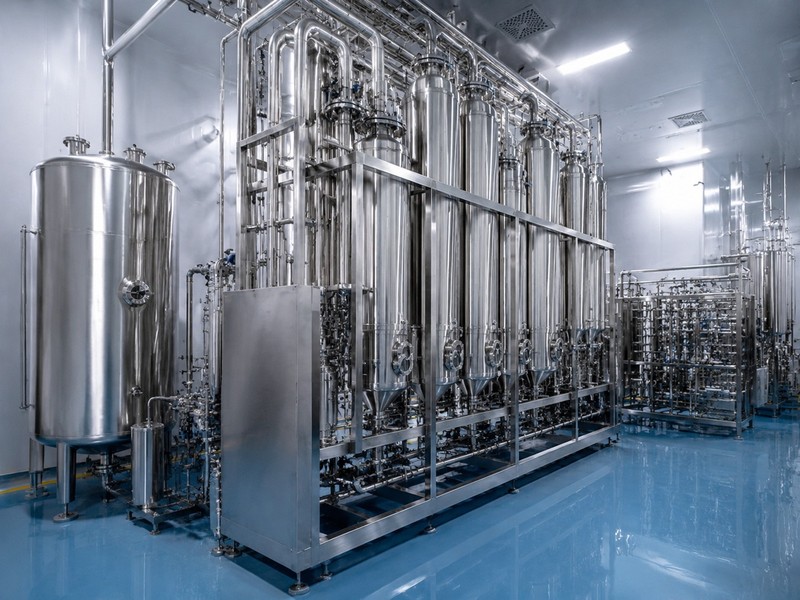
Pharmaceutical Water System Maintenance in the United States
Pharmaceutical water system maintenance is a core utility function for drug manufacturers in the United States. In sterile manufacturing, biologics, vaccines, injectable products, oral liquids, and medical consumables, water is not just a utility. It is a process-critical raw material that directly affects product quality, patient safety, audit readiness, and operating cost. A well-maintained system helps manufacturers consistently produce Purified Water, Water for Injection, and clean steam that align with pharmacopeia requirements and GMP expectations.
Across major pharmaceutical hubs such as New Jersey, Boston, Philadelphia, Raleigh-Durham, Houston, and the San Francisco Bay Area, manufacturers are investing in higher-efficiency water systems and stronger maintenance strategies. Facilities serving domestic supply chains through ports such as Los Angeles, Long Beach, Savannah, Houston, and Newark are especially focused on uptime, documentation, and contamination control, because even a short interruption can delay product release and increase compliance exposure.
In practical terms, pharmaceutical water system maintenance keeps critical water generation, storage, and distribution systems operating within validated parameters. It covers preventive maintenance, sanitization, calibration, membrane monitoring, resin and electrode inspection, heat exchanger care, conductivity and TOC sensor verification, piping integrity review, microbial control, and full documentation. Without it, even an advanced water system can drift out of control, causing quality deviations, microbial risk, excessive energy use, rejected batches, and inspection findings.
For U.S. pharmaceutical plants, maintenance is essential because regulators expect water systems to remain in a state of control throughout their lifecycle, not only during initial qualification. This means a facility must be able to show routine monitoring, trend analysis, change control, corrective action, and documented upkeep. Companies that manage injectable drugs, vaccines, ophthalmics, dialysis products, and biologics rely heavily on disciplined maintenance because these products often have the lowest tolerance for contamination and process inconsistency.
Maintenance AreaMain ObjectiveTypical FrequencyKey Risk If NeglectedU.S. GMP ImpactOperational BenefitPretreatment serviceProtect downstream equipmentWeekly to monthlyScaling and chlorine breakthroughCan affect validated water qualityLonger membrane lifeRO membrane inspectionMaintain rejection efficiencyMonthly trendingHigh conductivity and contaminationPotential deviation or batch delayStable water purityEDI maintenancePreserve polishing performanceQuarterly to semiannualReduced resistivity performanceOOS water quality riskLower chemical dependenceDistiller upkeepEnsure WFI production stabilityRoutine and annual overhaulEndotoxin and purity issuesHigh compliance concernReliable sterile operationsLoop sanitizationControl bioburden and biofilmScheduled by riskMicrobial excursionsMajor audit attention pointSafer product contact waterInstrumentation calibrationEnsure trusted dataMonthly to annualFalse pass or false fail decisionsData integrity concernBetter release confidenceThe table above shows why maintenance is not a side task. It is the routine discipline that protects both validated performance and production continuity.
Pharmaceutical water system maintenance refers to the structured care of systems that generate, store, circulate, and distribute pharmaceutical-grade water. Depending on the process, that may include source water pretreatment, softeners, carbon filters, dosing units, reverse osmosis skids, electrodeionization modules, ultraviolet units, ozone systems, multi-effect distillers, pure steam generators, storage tanks, sanitary pumps, orbital-welded stainless distribution loops, point-of-use outlets, and online analytical instruments.
Manufacturers need this maintenance for five reasons. First, product quality: poor water quality can alter formulations, cleaning outcomes, and sterility assurance. Second, compliance: FDA expectations, USP guidance, and current GMP practice require a controlled, documented system. Third, uptime: a failed membrane, pump, sensor, or heating section can stop filling lines and compounding rooms. Fourth, cost: neglected systems consume more power, chemicals, and replacement parts. Fifth, asset life: a properly maintained stainless steel water system can perform for decades.
Maintenance also supports risk management during qualification and requalification. A pharmaceutical water system is never “set and forget.” Feedwater quality changes with season, city supply conditions, municipal treatment adjustments, and weather events. Plants in coastal areas near Miami, Tampa, San Diego, or Seattle may face different source-water challenges than inland facilities in Indianapolis, St. Louis, or Salt Lake City. Because of this variability, maintenance plans should be site-specific rather than generic.
For companies building new facilities or expanding U.S. operations, it is often wise to work with an engineering partner that can combine design, equipment integration, compliance knowledge, and lifecycle support. IVEN Pharmatech Engineering, for example, presents itself as a pharmaceutical engineering partner with experience in water treatment systems, turnkey facilities, and GMP-aligned project delivery. Companies evaluating integrated project support can review its engineering background on the company overview page.
Maintenance affects nearly every GMP operation that uses water directly or indirectly. In sterile manufacturing, Purified Water may be used in equipment cleaning and formulation support, while Water for Injection is used in the production of parenterals, vaccines, and other high-risk products. In oral liquid facilities, consistent water quality protects taste, stability, and microbial control. In biologics plants, utility reliability helps maintain validated process consistency. In medical consumables, purified water may also support cleaning, rinsing, and controlled utility supply.
The benefits are broad but measurable. A disciplined maintenance program can reduce unplanned shutdowns, lower excursion frequency, improve microbial trend stability, extend membrane and pump life, reduce spare parts emergencies, improve investigation speed, and support audit confidence. It can also help procurement teams forecast replacement schedules more accurately.
Facility TypeWater UseCritical Maintenance FocusMain BenefitTypical U.S. ChallengeOutcomeInjectable plantWFI and clean steamDistiller and loop sanitizationSterility assuranceZero-tolerance contamination mindsetHigher batch securityVaccine facilityHigh-purity process waterMicrobial control and trendingProcess consistencyRapid scale-up demandStable output during campaignsOral liquid plantPurified WaterRO/EDI stabilityBetter product qualityFlavor and preservative sensitivityLower rejection rateBiologics facilityPurified Water and WFIInstrumentation accuracyBetter process reproducibilityStrict data reviewMore reliable recordsMedical consumables plantUtility and cleaning waterPretreatment and storage tank hygieneLower contamination riskHigh throughput schedulesImproved line availabilityCDMO siteMulti-product supportFlexible validation and maintenance planningClient confidenceFrequent changeoversStronger service reputationThe table highlights how the same maintenance framework serves different product categories while addressing distinct operational risks.
One important benefit in the United States is resilience. Pharmaceutical producers in regions affected by storms, extreme heat, or winter events need systems that can recover quickly after utility fluctuations. Preventive maintenance on storage tanks, pumps, controls, heat tracing, and pretreatment modules can make the difference between a manageable event and a week-long shutdown.
There is no single maintenance model for every pharmaceutical plant. The best approach depends on the water specification, production volume, local feedwater profile, thermal strategy, sanitation method, and regulatory expectations. However, most systems in the United States fit into four broad categories: RO-based, EDI-polished, distillation-based, and hybrid systems.
RO systems rely on reverse osmosis membranes to remove dissolved solids, organics, and microorganisms. Maintenance priorities include pretreatment control, pressure monitoring, membrane cleaning, differential pressure trending, permeate conductivity review, and seal inspection. RO systems are common where energy efficiency and compact footprint are important.
EDI systems are often paired with RO to polish water to a higher purity level without chemical regeneration. Maintenance focuses on electrical performance, feedwater consistency, scaling prevention, and module health. EDI can improve operational simplicity when designed correctly, but it requires stable pretreatment and disciplined monitoring.
Distillation systems, including multi-effect water distillers, are widely used for Water for Injection production. Maintenance includes heating surface inspection, scaling control, condenser performance review, feedwater conditioning, drain and vent management, and regular qualification support. Thermal systems are valued for robust microbiological control and established acceptance in critical applications.
Hybrid systems combine membrane and thermal technologies, for example RO + EDI for Purified Water and distillation for WFI, sometimes integrated with purified steam generation. Hybrid layouts are increasingly attractive for U.S. manufacturers balancing sustainability goals with strict product quality expectations.
System TypeTypical OutputMaintenance ComplexityStrengthCommon Weak PointBest FitRO onlyPurified Water supportModerateLower energy useMembrane foulingGeneral process water needsRO + EDIHigh-purity Purified WaterModerate to highStrong polishing performanceFeedwater sensitivityModern GMP plantsMulti-effect distillationWFIHighThermal assuranceScaling and energy demandInjectables and vaccinesVapor compression distillationWFIHighCompact WFI generationMechanical stressSites with space limitsHybrid membrane + distillationPW + WFIHighBalanced flexibilityIntegration complexityLarge multi-product campusesHybrid with ozone or hot loopPW loop distributionModerate to highBetter microbial controlControl strategy tuningFacilities optimizing lifecycle costThe choice is not only about capital cost. It is about how maintenance discipline, operator skill, and local utility conditions align with the design.
Traditional industrial water treatment may be suitable for boilers, cooling towers, or general utility service, but it is not enough for pharmaceutical-grade production. Pharmaceutical maintenance differs because it must support validated performance, hygienic design, sanitary materials, controlled circulation, microbiological oversight, and documentation suitable for GMP review. The difference is not just equipment quality; it is the total lifecycle approach.
For example, a conventional factory may accept broader water quality fluctuation if the final use is non-product contact. A pharmaceutical facility cannot. A conventional maintenance team might prioritize restoring operation quickly, while a GMP plant must restore operation while preserving data traceability, investigating root cause, and maintaining change control. This is why pharma-focused suppliers and service teams are valuable.
CriteriaPharmaceutical Water SystemTraditional Industrial TreatmentWhy It MattersRisk LevelRecommendationValidation supportRequiredUsually limitedNeeded for GMP release confidenceHighChoose pharma-grade for product contact useSanitary designEssentialOften non-sanitaryPrevents dead legs and biofilmHighUse sanitary piping and tanksMicrobial controlContinuous focusOften secondaryCritical for injectables and biologicsHighPrefer hot loops, ozone, or validated sanitizationDocumentationDetailed and auditableBasic maintenance logsSupports inspectionsMedium to highUse GMP-ready documentation packagesInstrumentationOnline conductivity, TOC, tempLimited quality analyticsSupports real-time controlMediumInvest in robust monitoringLifecycle costHigher upfront, lower risk costLower upfront, higher compliance riskTotal cost is usually lower over timeHighEvaluate ROI, not just purchase priceThis comparison makes the decision straightforward for regulated product-contact applications: pharmaceutical systems are the correct choice. Traditional methods may still support upstream pretreatment, but they should not replace validated pharmaceutical water design and maintenance practice.
The U.S. market for pharmaceutical water system maintenance is expanding due to four drivers: growing domestic drug production, biologics and injectable capacity expansion, aging utility infrastructure in legacy plants, and stricter focus on data integrity and lifecycle control. Many facilities built years ago in New Jersey, Illinois, California, and Puerto Rico are now modernizing utilities to support digital monitoring, lower energy use, and easier audit defense.
CDMOs and fill-finish contractors are also increasing demand because they need flexible, validated utility systems that can support multiple clients and changing product portfolios. In parallel, sustainability goals are influencing design and maintenance decisions. Water recovery, lower chemical use, heat recovery, and smart monitoring are becoming more common in project specifications.
var ctx1 = document.getElementById(‘lineChartMarket’).getContext(‘2d’);var chart1 = new Chart(ctx1, {type: ‘line’,data: {labels: [‘2021’, ‘2022’, ‘2023’, ‘2024’, ‘2025’, ‘2026’],datasets: [{label: ‘U.S. market growth index’,data: [100, 108, 118, 129, 141, 156],borderColor: ‘rgb(54, 162, 235)’,backgroundColor: ‘rgba(54, 162, 235, 0.15)’,fill: false,tension: 0.25}]},options: {responsive: true,maintainAspectRatio: false}});The growth trend above reflects a realistic upward curve driven by domestic investment, reshoring, and higher quality expectations. Growth is especially visible in sterile and biologics segments.
var ctx2 = document.getElementById(‘barChartDemand’).getContext(‘2d’);var chart2 = new Chart(ctx2, {type: ‘bar’,data: {labels: [‘Injectables’, ‘Vaccines’, ‘Biologics’, ‘Oral Liquids’, ‘Medical Consumables’, ‘CDMOs’],datasets: [{label: ‘Relative maintenance demand’,data: [92, 88, 84, 63, 57, 79],backgroundColor: [‘rgb(255, 99, 132)’,’rgb(255, 159, 64)’,’rgb(255, 205, 86)’,’rgb(75, 192, 192)’,’rgb(54, 162, 235)’,’rgb(153, 102, 255)’]}]},options: {responsive: true,maintainAspectRatio: false}});This demand comparison shows that injectable, vaccine, and biologics facilities place the highest value on advanced maintenance due to their sensitivity to contamination and utility variability.
var ctx3 = document.getElementById(‘areaChartTrend’).getContext(‘2d’);var chart3 = new Chart(ctx3, {type: ‘line’,data: {labels: [‘2021’, ‘2022’, ‘2023’, ‘2024’, ‘2025’, ‘2026’],datasets: [{label: ‘Shift toward smart monitoring and predictive maintenance’,data: [22, 30, 41, 53, 66, 78],borderColor: ‘rgb(75, 192, 192)’,backgroundColor: ‘rgba(75, 192, 192, 0.25)’,fill: true,tension: 0.3}]},options: {responsive: true,maintainAspectRatio: false}});The area chart illustrates the shift from reactive maintenance toward digital, predictive maintenance supported by trend dashboards, alarm analytics, and remote diagnostics.
Looking toward 2026, three trends are especially important. First, technology: more facilities will use automated performance trending, online sensor integration, and predictive service intervals. Second, policy: manufacturers will keep aligning utility systems with stronger documentation, lifecycle verification, and supply-chain resilience goals encouraged by U.S. industrial policy. Third, sustainability: reduced water waste, energy-efficient distillation, optimized CIP strategies, and heat recovery will become more competitive differentiators.
Choosing a supplier or engineering partner should begin with qualification depth, not price alone. A reliable partner should understand USP expectations, FDA inspection language, sanitary piping practice, automation integration, FAT and SAT preparation, validation documentation, IQ/OQ/PQ support, and operator training. It should also be able to serve the plant after installation with spare parts, troubleshooting, requalification assistance, and upgrade planning.
For U.S. buyers, the best suppliers usually demonstrate three capabilities. The first is technological capability: they can design RO, EDI, distillation, storage, distribution, and control systems as one validated utility package. The second is manufacturing capability: they produce key equipment with consistent quality, material traceability, and stable lead times. The third is service capability: they help with design review, commissioning, validation, training, and lifecycle support.
IVEN Pharmatech Engineering is one example of a supplier positioning itself around these three areas. On the technology side, it offers pharmaceutical water treatment, purified steam, solution preparation, and integrated engineering support. On the manufacturing side, it has multiple specialized plants producing pharmaceutical equipment and water systems. On the service side, it emphasizes consulting, engineering design, installation, commissioning, validation, training, and after-sales support. Buyers looking for broader turnkey coordination can review its turnkey pharmaceutical engineering solutions and browse selected equipment through the product catalog.
Supplier Evaluation ItemWhat to CheckWhy It MattersWarning SignGood EvidenceDecision ImpactRegulatory understandingUSP, FDA, GMP familiarityReduces compliance riskVague answers on validationClear protocol and document examplesVery highSystem integrationRO, EDI, WFI, steam, loopsPrevents interface failuresOnly sells stand-alone unitsIntegrated P&IDs and controls scopeHighFabrication qualityMaterials, weld quality, finishSupports sanitary performanceNo traceability recordsFactory QA and test reportsHighService responseSpare parts and support speedProtects uptimeNo clear response commitmentDefined support workflowHighCustomization abilitySite-specific engineeringImproves fit and efficiencyOne-size-fits-all proposalsReference layouts and custom examplesMedium to highTotal lifecycle offeringDesign to validation to optimizationSimplifies project riskStops support after deliveryFull lifecycle service listHighWhen screening local and international suppliers, buyers in the United States should also evaluate language support, spare-parts stocking strategy, remote troubleshooting ability, and whether the partner can support installations near major logistics corridors such as Chicago, Atlanta, Dallas-Fort Worth, Newark, or Memphis.
var ctx4 = document.getElementById(‘comparisonChartSupplier’).getContext(‘2d’);var chart4 = new Chart(ctx4, {type: ‘bar’,data: {labels: [‘Compliance Support’, ‘Customization’, ‘Manufacturing Depth’, ‘Lifecycle Service’, ‘Cost Efficiency’, ‘Global Project Experience’],datasets: [{label: ‘Typical selection criteria score’,data: [95, 89, 91, 93, 84, 88],backgroundColor: ‘rgb(153, 102, 255)’}]},options: {responsive: true,maintainAspectRatio: false}});The comparison chart reflects the criteria many U.S. buyers now use when selecting suppliers for regulated utility systems. Strong service and compliance support often outweigh the lowest upfront quote.
Investment planning should consider both capital and operational costs. Capital expense may include equipment purchase, installation, piping, instrumentation, controls, qualification, and commissioning. Operational expense includes utilities, membrane replacement, sanitization chemicals, calibration, spare parts, labor, microbiological monitoring, service contracts, and shutdown risk. Maintenance strategy influences all of these categories.
A common budgeting mistake is to focus only on acquisition cost while underestimating the cost of downtime, rejected water, delayed batches, and emergency contractor callouts. In a U.S. injectable plant, one unplanned stoppage can exceed the annual cost of a preventive maintenance program. The better model is total cost of ownership over 5 to 10 years.
Cost ComponentLow-Complexity PW SystemMid-Scale RO+EDI SystemWFI Distillation SystemMain Cost DriverROI ConsiderationInitial equipmentModerateModerate to highHighTechnology choiceMatch output to demandInstallationModerateHighHighPiping and controls scopeGood design lowers reworkQualificationModerateModerateHighValidation depthEssential for compliant startupAnnual maintenanceLow to moderateModerateModerate to highParts, calibration, cleaningPrevention beats emergency repairEnergy useLowLow to moderateHighThermal demandEfficiency projects improve paybackDowntime exposureMediumMediumVery high in sterile plantsProduction dependencyUptime has major financial valueROI is often seen in three areas: fewer production interruptions, lower compliance risk, and longer equipment life. Plants that move from reactive maintenance to preventive or predictive maintenance typically see better performance trends within one to two years. Sites with aging infrastructure may also justify upgrades through reduced water loss, lower steam consumption, and better alarm management.
In budget planning, manufacturers should keep a reserve for validation updates, sensor replacement, software revisions, and loop modifications. Expansion-oriented plants in states such as Texas, North Carolina, and Arizona should also assess whether the current utility design can support future capacity without excessive retrofit cost.
The first consideration is system design compatibility. If a facility uses a maintenance strategy copied from another site without accounting for feedwater chemistry, production schedule, or local utility conditions, performance can suffer. The second is documentation quality. A good maintenance action that is poorly documented can still create an audit problem. The third is change control. Replacing a sensor, membrane, control component, or pump with a different specification may affect validated status.
Major risks include biofilm development in underused loops, inaccurate online instruments, excessive sanitization intervals, poor weld quality during repairs, spare-parts shortages, and weak operator training. Another risk is fragmented responsibility. If engineering, quality, production, and maintenance teams do not share utility trends, small issues can become serious deviations.
Case experience across the industry shows recurring patterns. In one common scenario, a facility expanded filling capacity but did not upgrade storage and circulation, leading to stagnant flow zones and recurring microbial excursions. In another, a plant delayed pretreatment service to save short-term cost, which accelerated RO fouling and caused a larger shutdown. In a third, a site installed good equipment but lacked a structured SOP and trending review, resulting in late detection of declining performance.
The safest approach is a lifecycle plan with risk ranking, spare-parts mapping, annual review, and cross-functional oversight. Companies considering new projects or retrofits should make sure the selected partner can support technical reviews, installation planning, and post-startup optimization. Buyers ready to discuss a specific requirement can use the contact page to request technical consultation or project discussion.
1. How often should pharmaceutical water system maintenance be performed?The answer depends on the system type, feedwater quality, production schedule, and validation strategy. Some tasks are daily or weekly, such as monitoring conductivity, temperature, pressure, and microbial trends. Others, like membrane cleaning, instrument calibration, distiller inspection, or loop sanitization, may follow monthly, quarterly, semiannual, or annual schedules based on trend data and SOPs.
2. Is preventive maintenance enough, or should plants use predictive maintenance?Preventive maintenance is the minimum standard for most GMP facilities, but predictive maintenance is becoming more valuable in the United States. By reviewing sensor trends, pressure differentials, conductivity shifts, and pump behavior, plants can intervene before a failure disrupts production. The most mature facilities use both approaches together.
3. What are the main signs that a water system needs maintenance?Common warning signs include rising conductivity, unstable TOC, microbial excursions, pressure drop changes, reduced permeate flow, abnormal pump noise, temperature drift, recurring alarm events, visible scaling, and longer sanitization recovery times. Any of these should trigger investigation and documented action.
4. Which system is best for a U.S. injectable facility?There is no universal answer, but many injectable facilities use a combination of RO-based pretreatment with thermal distillation for WFI and a well-controlled hot distribution loop. The best option depends on output demand, local utilities, energy strategy, and compliance philosophy.
5. How important is supplier service after installation?It is critical. Water systems are lifecycle assets, not one-time purchases. Strong after-sales support helps with spare parts, troubleshooting, calibration, training, software updates, qualification support, and expansion planning. This is one reason many manufacturers prefer suppliers with both engineering and service depth.
6. Can an international supplier support projects in the United States?Yes, if the supplier understands U.S. regulatory expectations, provides English documentation, supports FAT/SAT and qualification, and has a practical service structure for remote or on-site response. Buyers should verify project references, communication quality, and lifecycle support before contracting.
7. What should be included in a maintenance SOP?A robust SOP should define task scope, frequency, acceptance criteria, sanitization method, calibration requirements, documentation steps, deviation handling, change control linkage, spare parts guidance, and quality review responsibilities. It should also align with site validation documents.
8. Why is pharmaceutical water system maintenance a strategic investment rather than a routine expense?Because it protects product quality, prevents costly downtime, supports inspections, extends asset life, and improves resource efficiency. In modern U.S. pharmaceutical manufacturing, maintenance is directly tied to operational resilience and business continuity.
In summary, pharmaceutical water system maintenance is foundational for compliance, productivity, and long-term asset performance in the United States. Whether a facility is a legacy plant in New Jersey, a biologics campus in Massachusetts, a fill-finish line in Indiana, or a new sterile project near Houston, the principles remain the same: hygienic design, disciplined maintenance, strong documentation, and qualified technical support. Companies that invest in these areas are better positioned to meet current GMP expectations and the stronger demands expected through 2026 and beyond.