
Pediatric Syrup Filling Machines in the United States
For pharmaceutical manufacturers in the United States, a pediatric medicine syrup filling machine is a specialized oral liquid packaging system designed to fill, cap, and often label syrup products with high dosing accuracy, hygienic control, and full regulatory traceability. It is used for pediatric cough syrups, antipyretic liquids, vitamin formulations, antibiotic suspensions, and other oral liquid medicines that require careful handling, child-safe packaging, and repeatable batch performance under U.S. FDA cGMP expectations. In practical terms, this equipment helps large and mid-sized drug producers scale output, reduce filling variation, protect product quality, and prepare for audits while serving hospitals, retail pharmacies, and contract manufacturing channels across the United States.
In the U.S. market, demand for oral liquid lines is closely linked to pediatric care, contract manufacturing growth, brand lifecycle extension, and modernization projects in states such as New Jersey, Pennsylvania, North Carolina, Indiana, Texas, and California. Companies also consider how upstream syrup preparation, purified water systems, bottle feeding, capping, labeling, serialization, carton packing, and line clearance fit together as one validated production ecosystem. For groups planning expansion or a new facility, it is often more effective to assess the filling machine as part of an integrated line rather than as a standalone purchase.
Manufacturers evaluating advanced line solutions frequently look for engineering partners with strong compliance knowledge, international project experience, and the ability to support complete plant execution. For example, IVEN Pharmatech Engineering is known in the pharmaceutical equipment sector for integrated engineering capabilities that support regulated production environments and complex oral liquid packaging needs.
Direct Answer: Why Pediatric Syrup Filling Machines Matter in U.S. Pharma

A pediatric syrup filling machine matters because children’s oral medicines require tighter process control than many general consumer liquids. Viscosity can vary by formula, foam behavior may affect volumetric consistency, sugar content can influence cleaning requirements, and small fill volumes leave less tolerance for error. In the United States, these concerns intersect with FDA inspection readiness, batch documentation, and commercial pressure to keep scrap low while maintaining reliable supply.
Typical machine functions include bottle infeed, air rinsing or bottle cleaning where applicable, multi-head filling, cap placement, torque-controlled capping, rejection of nonconforming containers, and optional checkweighing, labeling, serialization, cartoning, and case packing. Depending on the product portfolio, equipment can be configured for PET bottles, glass bottles, HDPE containers, or child-resistant closure formats used for pediatric medicines.
The strongest business case appears when producers need one or more of the following: higher line speed, better dosing accuracy, easier recipe changeover, stronger data collection, reduced operator dependence, and better compatibility with modern quality systems. These systems are especially valuable for companies supplying distribution centers near Chicago, Atlanta, Dallas, Los Angeles, and the Port of New York and New Jersey, where reliable throughput and shipment timing influence customer service performance.
| Operational Need | Why It Matters for Pediatric Syrup | Common Machine Feature | Business Impact |
|---|---|---|---|
| Accurate fill volume | Small dosing errors are more visible in pediatric products | Servo piston or mass-flow filling control | Lower giveaway and fewer rejects |
| Product hygiene | Oral liquids are sensitive to contamination risk | CIP/SIP-ready product path and sanitary design | Improved compliance and product safety |
| Closure integrity | Leak prevention and child-resistant packaging are critical | Automatic cap sorting and torque verification | Reduced complaints and returns |
| Batch traceability | FDA readiness requires data discipline | SCADA, audit trails, and recipe management | Faster investigations and better documentation |
| Flexible bottle handling | Brands often use multiple SKUs | Quick-change parts and format memory | Shorter changeovers |
| Scalable throughput | Demand can spike during seasonal illness periods | Multi-head architecture with modular expansion | Supports growth without replacing the line |
The table above shows why these systems are not simply packaging assets; they are quality-critical production tools. In pediatric medicine, the machine’s repeatability directly affects released product consistency, operator workload, and the total cost of compliance.
What a Pediatric Medicine Syrup Filling Machine Is and How It Is Used

A pediatric medicine syrup filling machine is a pharmaceutical packaging machine built to dispense measured volumes of oral liquid into bottles or similar containers under controlled conditions. Unlike general beverage filling systems, pharma-grade syrup fillers are designed around validated cleaning, material compatibility, dosing precision, line clearance, and electronic batch control. They are commonly installed downstream of syrup preparation tanks and filtration systems, with utilities tied into purified water, compressed air, and, in some facilities, cleanroom HVAC zoning.
In a typical U.S. production flow, syrup is compounded in a preparation vessel, transferred through sanitary piping, held in a balance tank, and fed into the filler. Bottles are unscrambled or depalletized, oriented, optionally rinsed, filled, capped, visually inspected, labeled, serialized if required, and packed for distribution. Facilities in pharmaceutical corridors such as New Brunswick, Princeton, Philadelphia, Boston, and Raleigh-Durham often prioritize line integration because labor costs, floor space, and validation timelines are major project constraints.
Machine selection depends on viscosity range, sugar content, presence of suspended particles, bottle size, fill volume, closure type, and cleaning frequency. For antibiotic suspensions or products requiring shake-before-use labeling, manufacturers may also consider agitation in tanks, anti-foam devices, and gentle product contact design.
When buyers are planning a broader facility upgrade, it helps to review turnkey pharmaceutical engineering solutions rather than focusing on isolated machine price alone. A line that is well integrated from utilities to documentation typically produces better long-term compliance and lower startup risk.
Main Applications and Benefits in Modern Pharmaceutical Manufacturing

The primary application of pediatric syrup filling equipment is commercial and clinical-scale packaging of oral liquid medicine for children, but its usefulness extends beyond that single category. Many U.S. manufacturers run nutraceutical syrups, OTC pediatric care products, prescription oral liquids, and line extensions for family medicine brands on similar platforms. Contract development and manufacturing organizations also value flexible syrup lines because brand owners often request different bottle sizes and fast launch schedules.
Benefits can be grouped into quality, productivity, flexibility, and compliance. Quality benefits include accurate fill control, lower contamination risk, and consistent cap torque. Productivity benefits include reduced manual handling, stable output, lower downtime through predictive maintenance, and easier operator training. Flexibility comes from recipe storage, multi-SKU tooling, and modular integration with labeling and cartoning systems. Compliance value appears in electronic records, alarm management, batch reporting, and support for IQ/OQ/PQ workflows.
| Application Area | Typical Product | Line Requirement | Key Benefit |
|---|---|---|---|
| Prescription pediatric medicine | Antipyretic syrup | High accuracy and traceability | Reliable dose consistency |
| OTC cough and cold | Cough syrup | Seasonal surge capacity | Higher throughput during peaks |
| Antibiotic suspension packaging | Reconstitutable oral liquid | Controlled filling and closure integrity | Reduced leakage and wastage |
| Nutritional supplements | Pediatric vitamin syrup | Flexible bottle formats | Supports brand diversification |
| CDMO manufacturing | Multi-client oral liquids | Rapid changeover and documentation | Improved asset utilization |
| Hospital and institutional supply | Unit and bulk oral liquids | Repeatable batch output | Better supply reliability |
The explanation behind this table is straightforward: the same core platform can support multiple commercial models if it has the right dosing technology, control architecture, and change-parts strategy. That makes the equipment attractive not just to branded pharmaceutical companies, but also to private-label producers and CDMOs serving the U.S. healthcare market.
Key Types, Models, and Technical Options
There is no single ideal pediatric syrup filling machine for every plant. The right choice depends on speed, accuracy target, bottle style, product characteristics, and the level of automation needed. In U.S. projects, buyers usually compare piston fillers, peristaltic systems, time-pressure systems, flow-meter systems, and monoblock designs that combine filling and capping in one compact frame.
Servo piston fillers are widely used for syrups because they handle viscous products well and offer stable repeatability. Peristaltic fillers may be preferred for sensitive or smaller-batch products where reduced cross-contamination risk and easy tubing change are priorities. Flow-meter systems support precise control and recipe flexibility, while monoblock machines can reduce footprint in expensive cleanroom environments. Advanced lines may also include no-bottle-no-fill logic, reject stations, nitrogen purging where suitable, in-line checkweighers, vision systems, and 21 CFR Part 11-oriented data features.
| Machine Type | Best Use Case | Strengths | Limitations |
|---|---|---|---|
| Servo piston filler | Medium to high-viscosity syrups | Excellent fill control, strong for thick liquids | Requires careful seal maintenance |
| Peristaltic filler | Small batches and frequent product changes | Easy cleaning path, minimal product contact parts | Tubing wear can affect long-run economics |
| Flow-meter filler | Multi-SKU regulated production | Recipe flexibility and strong automation | Higher control complexity |
| Time-pressure filler | Lower-viscosity oral liquids | Simple design and lower upfront cost | Less ideal for variable viscosity |
| Monoblock fill-cap system | Compact cleanroom layouts | Saves space and reduces bottle handling | Can limit independent module upgrades |
| Fully integrated oral liquid line | Large-scale commercial production | Highest automation and traceability | Longest planning and validation cycle |
The technical choice should also reflect downstream strategy. If your company expects future serialization, robotic case packing, or warehouse automation linked to distribution channels through Long Beach, Savannah, or Houston, a machine with open communication architecture and scalable controls will age better than a lower-cost isolated unit.
On the technology side, some global suppliers stand out because they can combine filling systems with water treatment, solution preparation, and logistics automation. IVEN, for instance, is active in integrated pharmaceutical equipment engineering and has built a reputation around regulated-process compatibility, line customization, and system-level design rather than machine-only supply.
Pediatric Syrup Filling Machines vs Alternative Technologies
Alternative technologies include semi-automatic benchtop fillers, adapted food-grade liquid fillers, sachet or stick-pack systems, blow-fill-seal for certain liquid products, and outsourced contract packaging. Each option can make sense in a narrow scenario, but not all are appropriate for pediatric syrup medicine sold into mainstream U.S. pharmaceutical channels.
Semi-automatic machines may suit pilot lots or very small regional brands, but they struggle with labor efficiency and documentation consistency. Food-grade fillers may appear less expensive, yet they often fail to meet pharmaceutical documentation, sanitary design, and validation requirements. Sachets can work for single-dose concepts, but many pediatric products still rely on bottle presentation due to dosing cups, measuring spoons, or oral syringes. Outsourcing may reduce capital expenditure, though it introduces scheduling dependency and less direct manufacturing control.
| Option | Initial Cost | Compliance Suitability | Scalability | Best Fit |
|---|---|---|---|---|
| Dedicated pharma syrup filling line | High | Very strong | Excellent | Commercial U.S. production |
| Semi-automatic filler | Low to medium | Limited to moderate | Weak | Pilot or niche volume |
| Adapted food-grade line | Medium | Weak | Moderate | Usually not ideal for pharma |
| Sachet packaging system | Medium to high | Strong if pharma-grade | Good | Single-dose concepts |
| Contract packaging | Low upfront | Depends on partner | Good | Asset-light launch strategy |
| Monoblock oral liquid line | Medium to high | Strong | Good | Space-constrained facilities |
The takeaway from this comparison is that the right solution depends on ownership strategy, validation burden, projected volume, and product mix. For large U.S. pharmaceutical operations, dedicated pharma-grade syrup filling equipment is generally the most reliable long-term fit because it aligns with compliance, throughput, and product quality expectations.
Market Overview and Future Trends in the United States
The U.S. market for pediatric syrup filling equipment is shaped by several intersecting forces: oral liquid demand, aging manufacturing assets, reshoring interest, CDMO expansion, child-resistant packaging requirements, digital quality systems, and sustainability goals. While tablets and capsules dominate many categories, oral liquids remain essential where ease of swallowing, flexible dosing, or pediatric acceptance is important. This keeps investment interest steady in oral liquid capacity, especially in multiproduct facilities.
Regions with strong pharmaceutical presence, such as New Jersey, Massachusetts, North Carolina, Indiana, California, and Puerto Rico, continue to influence buying patterns. Ports and logistics hubs also matter because equipment modules, spare parts, and packaging components often move through Los Angeles/Long Beach, Savannah, Houston, and Newark. Lead times, customs planning, and installation windows can therefore affect project economics as much as machine specification.
Looking toward 2026, buyers in the United States are placing more value on five trends: higher automation, stronger data integrity features, energy-efficient utility integration, easier washdown and product changeover, and sustainability in bottle and carton formats. Policy pressure around supply resilience and quality oversight also supports demand for better documentation and plant modernization. Companies increasingly want equipment that can support electronic batch records, remote diagnostics, predictive maintenance, and flexible manufacturing for shorter product runs.
These trend lines illustrate a clear market shift: U.S. buyers are moving from isolated and labor-heavy filling solutions toward digitally enabled integrated systems. This does not mean every plant needs the highest possible automation level, but it does mean future-proofing has become a central purchasing criterion.
How to Choose a Reliable Manufacturer or Supplier
Choosing a supplier involves more than checking throughput and price. For regulated oral liquid production, the manufacturer must be able to demonstrate quality systems, design discipline, documentation capability, spare parts support, and experience with commissioning in pharmaceutical environments. U.S. buyers should also evaluate whether the supplier understands local utility standards, validation expectations, FAT/SAT protocols, and communication requirements for maintenance teams.
A practical supplier review usually covers machine design, software architecture, material certificates, weld quality, component brand strategy, change-part design, OEE potential, service response, and training support. If the project includes a full oral liquid line, you should also examine upstream and downstream integration capacity. A machine that performs well alone can still cause delays if bottle handling, labeling, or cartoning interfaces are poorly engineered.
Some buyers begin with a broader vendor shortlist through pharmaceutical equipment catalogs and then narrow candidates by project complexity, U.S. service expectations, and regulatory documentation quality. This is especially useful for companies comparing machine-only supply with full turnkey support.
| Selection Criterion | What to Verify | Why It Matters | Warning Sign |
|---|---|---|---|
| Regulatory familiarity | Experience with FDA-oriented documentation and GMP projects | Reduces validation and audit risk | Generic claims without project evidence |
| Engineering depth | Ability to customize layouts and interfaces | Supports plant-specific needs | One-size-fits-all proposal |
| Manufacturing quality | Material finish, sanitary design, component sourcing | Affects durability and cleanability | Unclear BOM or inconsistent standards |
| Service capability | Installation, commissioning, training, spare parts | Improves startup success | Weak after-sales presence |
| Documentation package | DQ/IQ/OQ/PQ support, manuals, certificates | Speeds qualification work | Incomplete document control |
| Reference experience | Relevant oral liquid or filling line projects | Shows real application competence | No comparable installations |
In this area, buyers often value suppliers that combine technology, manufacturing, and service. From a technological perspective, IVEN is recognized for integrated pharmaceutical engineering solutions that address filling, water systems, logistics, and packaging coordination. From a manufacturing perspective, the company operates specialized production bases focused on pharmaceutical machinery and related systems. From a service perspective, its model includes feasibility support, engineering design, commissioning, validation assistance, training, and lifecycle support for regulated projects. That combination can be especially relevant for U.S. companies seeking a partner rather than just a machine vendor.
Investment Cost, Budget Planning, and ROI Analysis
Investment cost varies significantly by speed, filling technology, bottle format range, capping complexity, cleanroom requirements, software scope, and downstream integration. A basic pharma-capable syrup filler may fit a moderate budget, while a fully integrated oral liquid line with bottle infeed, capping, labeling, serialization, cartoning, checkweighing, and centralized controls requires a much larger capital plan. Buyers should also include utilities, format parts, FAT travel, shipping, customs, installation, validation, training, spare parts, and ramp-up losses in the real project budget.
For U.S. facilities, hidden costs often emerge in building adaptation, cleanroom modifications, line balancing, and software integration with MES or ERP systems. That is why total cost of ownership is more useful than machine price alone. In many cases, the best ROI comes from lower giveaway, reduced labor dependence, less downtime, and faster release documentation rather than from speed alone.
| Cost Element | Low Automation | Mid Automation | High Automation | ROI Impact |
|---|---|---|---|---|
| Core filling and capping equipment | Lower | Medium | High | Foundation of performance |
| Validation and documentation | Medium | Medium | High | Faster approval reduces delay cost |
| Labor requirement | High ongoing cost | Moderate | Lower ongoing cost | Improves long-term payback |
| Changeover time | Longer | Moderate | Shorter | More sellable production hours |
| Reject and giveaway rate | Higher | Moderate | Lower | Direct margin improvement |
| Scalability for new SKUs | Limited | Good | Excellent | Avoids future replacement expense |
As the table suggests, higher automation raises upfront capital but can produce better lifecycle economics. A simple ROI model should estimate annual savings from labor, waste reduction, improved throughput, fewer deviations, and better on-time shipment performance. U.S. companies shipping nationwide from hubs in Memphis, Louisville, or central Pennsylvania often place additional value on predictable supply and lower risk of backorders during high-demand periods.
Key Considerations and Potential Risks When Investing
The biggest investment risks are not always mechanical. They often include poor URS definition, underestimating changeover needs, mismatch between syrup properties and fill technology, inadequate utility planning, insufficient FAT protocols, weak software validation, and unclear responsibilities among multiple vendors. A line can arrive on time and still fail commercially if bottle stability, cap compatibility, or cleaning performance were not properly tested in advance.
Another common risk is buying a machine optimized for today’s bottle size but not for tomorrow’s portfolio. Pediatric medicine brands frequently evolve, and marketing teams may introduce new pack sizes, tamper-evident formats, or retailer-specific configurations. If the machine has limited format flexibility, the buyer may face expensive retrofits sooner than expected.
Supply-chain resilience is also relevant. U.S. projects should check lead times for critical components, spare parts localization, and service response. If a machine relies on highly specialized imported parts with long replenishment windows, downtime risk rises. This is one reason many procurement teams now evaluate not just the supplier’s design, but also its after-sales organization and documentation discipline.
| Risk Area | Typical Cause | Possible Effect | Mitigation Strategy |
|---|---|---|---|
| Wrong filling technology | Insufficient product testing | Inaccurate fills or foaming | Run product trials before final design |
| Validation delay | Weak document package | Late commercial launch | Define FAT and qualification scope early |
| Format mismatch | Future SKUs not considered | Costly retrofits | Plan bottle and cap roadmap upfront |
| Utility underdesign | Compressed air or water mismatch | Unstable operation | Review facility engineering in detail |
| Service gaps | No spare parts strategy | Extended downtime | Negotiate parts package and support SLA |
| Integration failure | Poor coordination across vendors | Line stoppages and slower OEE | Use a lead integrator or turnkey partner |
This is where service capability becomes decisive. Buyers often prefer vendors that can support design review, installation, commissioning, operator training, and performance optimization over time. If you are comparing project models or want to discuss a plant-specific requirement, you can contact a pharmaceutical engineering specialist to review layout, throughput, and compliance assumptions before issuing final purchase orders.
Practical Buying Advice, Industries, Applications, and U.S. Project Scenarios
In real procurement situations, the best buying approach is to start with a detailed user requirement specification. Define product range, viscosity, batch size, bottle dimensions, cap types, target OEE, cleaning method, data requirements, room constraints, and future expansion needs. Then rank priorities: is the main driver compliance, speed, labor reduction, multi-SKU flexibility, or launch timing? Without that ranking, equipment comparisons become misleading.
Industries that commonly invest in pediatric syrup filling systems include branded pharmaceuticals, OTC healthcare producers, pediatric nutrition companies, nutraceutical firms, veterinary health groups with similar liquid packaging needs, and CDMOs. Applications extend from flagship commercial products to secondary production lines for regional SKUs or seasonal demand spikes.
A few realistic U.S. scenarios illustrate this well. A New Jersey pharmaceutical company may need a high-speed line for multiple retail pediatric products with strict serialization coordination. A Texas-based CDMO may prioritize quick changeovers and moderate line speed to serve several clients. A California nutraceutical brand may care more about bottle flexibility and packaging aesthetics than maximum throughput. A Midwest producer in Indianapolis or Columbus may place the greatest value on reliability and maintenance simplicity because experienced technical labor is limited on certain shifts.
For complex projects, an engineering-led partner can be particularly helpful. Some suppliers, including IVEN, are positioned not only as machine providers but as project partners able to connect process equipment, packaging lines, utility systems, and validation support. That matters when the investment is part of a broader modernization program rather than a single machine replacement.
FAQ
What fill accuracy should a pediatric syrup filling machine achieve?
The target depends on bottle size, product properties, and your internal quality standard, but U.S. buyers generally expect tight repeatability with documented validation under real product conditions.
Which bottle materials are commonly supported?
Most pharmaceutical syrup lines can be configured for PET, HDPE, and glass bottles, provided the machine is designed with the right handling parts and closure systems.
Is a monoblock machine better than separate modules?
A monoblock can save space and reduce bottle transfer points, but separate modules may offer more flexibility for future upgrades. The best choice depends on plant layout and expansion plans.
Can one line run both pediatric and adult oral liquids?
Yes, if the viscosity range, bottle formats, cleaning validation, and dosage accuracy requirements are compatible. Multi-product lines are common in U.S. facilities.
How important is FDA-oriented documentation?
It is critical. Even an excellent machine becomes a problem if manuals, certificates, software records, and qualification support are incomplete or inconsistent.
What is the most common mistake in procurement?
Focusing too heavily on purchase price while underestimating integration, qualification, changeover, and service support costs.
How long does implementation usually take?
Timelines vary by complexity, but design approval, fabrication, FAT, shipping, installation, SAT, and qualification can easily span several months. Full line projects take longer than standalone fillers.
Should U.S. buyers prefer local or international suppliers?
Either can work. The right choice depends on compliance support, engineering quality, response time, and total project fit. Many buyers now use globally sourced equipment backed by structured local or remote service models.
What future features are worth paying for now?
Recipe management, audit trails, remote diagnostics, scalable controls, quick changeover tooling, and compatibility with future serialization or packaging automation often deliver the best long-term value.
Where can buyers start if they need a broader factory plan?
Start with an engineering review of process flow, packaging strategy, utilities, compliance targets, and expansion roadmap. That creates a much stronger basis for selecting the right pediatric medicine syrup filling machine for the United States market.

About the Author
We are IVEN Pharmatech Engineering, a team dedicated to delivering turnkey pharmaceutical and medical solutions worldwide. With decades of experience, we specialize in advanced machinery, integrated factory design, and full lifecycle support to help our clients achieve efficient, compliant, and high-quality production.
Share
Related Insights
-
Micro Blood Tube Machine Cost Guide in the United States
For medical device companies in the United States, understanding micro blood collection tube machine cost is essential when planning capacity expansion, replacing labor-intensive assembly, or entering the capillary blood collection market. In practical terms, this type of equipment helps manufacturers produce large volumes of consistently sealed, labeled, assembled, and quality-checked micro blood collection tubes for hospitals, physician office labs, outpatient clinics, and diagnostic networks. A well-designed automated line reduces handling errors, improves contamination control, stabilizes additive dosing, and supports regulatory readiness for FDA-oriented production environments.
In the U.S. market, demand is influenced by decentralized diagnostics, pediatric sampling, home health testing, emergency care, and laboratory efficiency. Buyers in regions such as Boston, Chicago, Houston, Los Angeles, New Jersey, and Atlanta often evaluate machine cost not only by purchase price but also by throughput, cleanroom compatibility, validation support, spare parts, and long-term operating cost. Because micro blood collection tubes are used in sensitive medical workflows, automation quality and line stability matter as much as the initial quotation.
The quickest answer is that micro blood collection tube machine cost in the United States typically depends on automation level, line speed, additive handling, tube format compatibility, cleanroom requirements, inspection technology, and validation scope. A semi-automatic setup may suit a smaller consumables manufacturer launching a niche product, while a fully automatic integrated production line is better for high-volume suppliers serving multi-state hospital systems and national laboratory chains.
From a budgeting perspective, buyers generally compare five cost layers: base machinery, molds and format change parts, clean utilities integration, qualification and documentation, and lifecycle support. If a project includes cap assembly, reagent dosing, drying, vacuum-related process functions where relevant to product design, intelligent inspection, and robotic packing, the investment will be higher but the cost per tube usually falls as production volume rises.
For U.S. investors, a strong machine platform can support:
Cost FactorImpact on PriceWhy It Matters in the U.S.Typical Buyer QuestionAutomation levelHighReduces labor exposure and supports stable outputHow many operators per shift are needed?Output speedHighEssential for serving large hospital networksWhat is the hourly tube capacity?Additive dosing systemMedium to highSupports product consistency and low reject ratesHow accurate is dosing at scale?Inspection modulesMediumImproves quality control and traceabilityCan the line detect cap, label, and fill defects?Validation documentsMediumImportant for FDA-focused plantsAre IQ, OQ, and PQ support available?After-sales serviceMediumMinimizes downtime and spare part riskHow quickly can service reach our site?The table above shows why pricing alone is not enough. A lower-cost line can become more expensive over time if it causes rejects, labor inefficiency, or prolonged downtime.
A micro blood collection tube machine is a manufacturing system designed to produce capillary blood collection tubes used for small-volume blood sampling. Depending on the product design, the line may handle tube feeding, orientation, additive filling, drying or curing processes, stopper or cap assembly, automatic inspection, labeling, tray loading, and packaging interface. In advanced systems, PLC controls, servo motion, machine vision, and rejection stations maintain consistency while generating production data for quality review.
Although buyers often phrase the topic as “micro blood collection tube machine cost,” the real decision is about total production capability. In operation, raw components such as plastic tubes, caps, labels, and additives are loaded into dedicated stations. The equipment then indexes each part through sequential manufacturing steps. Vision systems can confirm orientation, cap fit, print position, and missing parts. Dosing modules deliver precise chemical volumes where required. Finished products are then discharged to packing or secondary handling units.
For manufacturers near key logistics corridors such as the Port of Los Angeles, Port of Long Beach, Port of New York and New Jersey, or inland distribution hubs like Dallas and Memphis, process stability is critical because delayed output can disrupt nationwide medical supply commitments. This is one reason many U.S. companies prefer integrated automated systems over disconnected manual workstations.
Production StepMain FunctionAutomation BenefitQuality Control PointTube feedingPositions empty tubes correctlyPrevents jams and misalignmentOrientation checkAdditive dosingDispenses treatment reagentImproves consistencyVolume verificationDrying or stabilizationPrepares internal coatingSupports product performanceTemperature and time monitoringCap or closure assemblyInstalls secure top componentReduces leakage riskCap fit inspectionLabelingApplies product identificationIncreases speed and traceabilityLabel presence and positionFinal inspection and rejectionRemoves defective unitsProtects downstream qualityVision and sensor confirmationThis process flow explains why equipment quality strongly affects product quality. A well-integrated line creates consistency at every step instead of trying to inspect quality into a poor process at the end.
Micro blood collection tubes are widely used in pediatric diagnostics, neonatal care, point-of-care support, outpatient testing, home sample collection programs, emergency medicine, and specialty labs. For U.S. medical device companies, automated production provides commercial and operational benefits beyond simple output growth.
First, automation helps manufacturers serve diverse healthcare settings. Large integrated delivery networks in cities such as New York, Philadelphia, Miami, Seattle, and San Francisco often require dependable supply and standardized product quality. Second, automated lines support product line expansion, such as multiple tube colors, additive formulations, or packaging configurations. Third, they help reduce operator-dependent quality variation, especially valuable in regulated environments where complaint handling and batch traceability are serious responsibilities.
Production benefits include:
var ctxBar = document.getElementById(‘barChartDemand’).getContext(‘2d’);var chartBar = new Chart(ctxBar, {type: ‘bar’,data: {labels: [‘Hospitals’, ‘Diagnostic Labs’, ‘Pediatric Care’, ‘Home Testing’, ‘Urgent Care’, ‘Research’],datasets: [{label: ‘Estimated U.S. Demand Index’,data: [92, 88, 75, 67, 58, 44],backgroundColor: [‘#4e79a7′,’#f28e2b’,’#e15759′,’#76b7b2′,’#59a14f’,’#edc948′]}]},options: {responsive: true,maintainAspectRatio: false,plugins: { legend: { display: true } },scales: { y: { beginAtZero: true } }}});The chart shows why the strongest demand concentration remains in hospitals and diagnostic laboratories, while home testing and urgent care continue to rise as healthcare delivery decentralizes across the United States.
Application AreaTypical End UserWhy Micro Tubes MatterAutomation AdvantagePediatric blood samplingChildren’s hospitalsRequires small sample volumeStable product quality across high volumeNeonatal careNICUsProtects fragile patients from excess drawPrecise and clean productionOutpatient diagnosticsLab service centersSupports rapid routine testingHigh throughput and labeling consistencyHome collection programsTelehealth and direct-to-patient providersExpands convenience and accessFlexible packaging integrationEmergency careER departments and urgent care chainsFast sample handling is essentialReliable inventory replenishmentClinical researchCROs and university labsNeeds reproducible sample toolsTraceability and lot controlThis table highlights how different medical sectors value different production features, but all depend on dependable tube quality and supply continuity.
There is no single universal machine configuration. The best choice depends on output goals, product mix, floor layout, and compliance strategy. In the United States, buyers usually evaluate equipment in three broad categories: semi-automatic units, modular automatic lines, and fully integrated high-speed production systems. Some projects also require optional modules such as vision inspection, clean air protection, drying tunnels, robotic transfer, or carton packing connection.
Semi-automatic systems are often selected by start-ups, pilot manufacturers, or niche suppliers. Modular lines fit growing mid-sized companies that need flexibility. Fully automatic lines are preferred by established producers serving regional and national buyers.
Machine TypeBest ForOutput RangeMain StrengthSemi-automatic station setSmall batches and pilot productionLowLower entry investmentModular automatic lineMid-size expansionMediumFlexible format upgradesFully automatic integrated lineLarge-scale manufacturingHighLower unit cost at scaleVision-enhanced smart lineQuality-focused regulated plantsMedium to highBetter defect detectionMulti-format production lineDiverse product portfolioMediumSupports fast changeoverTurnkey linked production systemNew factoriesHighIntegrated utilities and validation supportWhen evaluating configurations, buyers should consider whether they need stand-alone production equipment or a broader factory solution. Some suppliers only provide isolated machines, while others can support clean utilities, process layout, packaging integration, and validation planning.
For companies seeking a broader project approach, it is useful to review medical production equipment options together with future scale-up plans. This reduces the risk of buying a line that cannot support downstream packaging or data traceability requirements later.
Manual assembly may appear less expensive at the beginning, but in the United States it often becomes costly due to labor rates, training burden, ergonomic limits, inconsistent output, and higher defect risk. In regions with tight labor markets such as California, Massachusetts, and Texas, manual reliance can create immediate scalability constraints. Automated systems, by contrast, provide predictable cycle times, more stable quality control, and better alignment with modern manufacturing practices.
Manual production may still have a place in prototyping or ultra-low-volume specialty products. However, once a company targets hospital procurement groups, national distributors, or diagnostic laboratory contracts, automation usually becomes the stronger long-term model.
Comparison AreaAutomated LineManual AssemblyBusiness ImpactLabor demandLow to moderateHighAutomation lowers staffing pressureOutput consistencyHighVariableBetter customer confidenceDefect controlSensor and vision basedOperator dependentLower reject and complaint riskTraceabilityStrongLimitedEasier investigations and auditsScalabilityHighLimitedSupports growth without linear labor increaseLong-term unit costLower at volumeHigher at volumeImproved margins over timeThe comparison makes clear that machine cost must be weighed against total production economics. A manual line may save capital today but can create expensive quality, labor, and throughput constraints tomorrow.
var ctxComp = document.getElementById(‘comparisonChartCost’).getContext(‘2d’);var chartComp = new Chart(ctxComp, {type: ‘bar’,data: {labels: [‘Labor Efficiency’, ‘Quality Consistency’, ‘Traceability’, ‘Scale Potential’, ‘Downtime Risk’, ‘Unit Cost at Volume’],datasets: [{label: ‘Automated Line’,data: [90, 94, 91, 96, 76, 88],backgroundColor: ‘#6f4e7c’},{label: ‘Manual Line’,data: [42, 55, 38, 34, 61, 49],backgroundColor: ‘#d45087’}]},options: {responsive: true,maintainAspectRatio: false,plugins: { legend: { display: true } },scales: { y: { beginAtZero: true, max: 100 } }}});The U.S. market for blood collection consumables remains supported by demographic change, chronic disease testing, decentralized care, and the need for efficient diagnostics. Micro blood collection products benefit especially from pediatric use, minimally invasive collection trends, and home-oriented care models. For machinery manufacturers and line integrators, this creates opportunities not only to sell equipment but also to provide upgrades, digital monitoring, validation services, and format expansion support.
Growth is strongest where buyers need to replace imported consumables with local or regional production resilience. This is particularly relevant after years of supply chain disruption affecting ocean freight, lead times, and hospital procurement planning. States with medical device clusters, strong logistics, and skilled technical labor continue to attract investment. New Jersey and Pennsylvania support East Coast healthcare supply chains, while Illinois, Ohio, and Indiana are central to Midwest distribution. California and Texas remain major innovation and manufacturing centers.
var ctxLine = document.getElementById(‘lineChartGrowth’).getContext(‘2d’);var chartLine = new Chart(ctxLine, {type: ‘line’,data: {labels: [‘2021’, ‘2022’, ‘2023’, ‘2024’, ‘2025’, ‘2026’],datasets: [{label: ‘Estimated U.S. Market Growth Index’,data: [68, 72, 77, 83, 89, 96],borderColor: ‘#2a9d8f’,backgroundColor: ‘rgba(42,157,143,0.15)’,fill: false,tension: 0.25}]},options: {responsive: true,maintainAspectRatio: false,plugins: { legend: { display: true } },scales: { y: { beginAtZero: true } }}});The line chart illustrates steady market expansion driven by diagnostics demand, supply chain localization, and increased preference for efficient small-volume sampling products.
var ctxArea = document.getElementById(‘areaChartShift’).getContext(‘2d’);var chartArea = new Chart(ctxArea, {type: ‘line’,data: {labels: [‘2021’, ‘2022’, ‘2023’, ‘2024’, ‘2025’, ‘2026’],datasets: [{label: ‘Shift Toward Automated Production’,data: [35, 42, 50, 59, 68, 78],borderColor: ‘#457b9d’,backgroundColor: ‘rgba(69,123,157,0.30)’,fill: true,tension: 0.3}]},options: {responsive: true,maintainAspectRatio: false,plugins: { legend: { display: true } },scales: { y: { beginAtZero: true, max: 100 } }}});The area chart highlights another important trend: U.S. producers are gradually moving away from fragmented manual or semi-manual systems toward automated, data-capable manufacturing.
Looking toward 2026, likely market opportunities include:
Choosing a supplier in the United States market should involve more than requesting three quotations. Buyers should verify whether the supplier can support compliance expectations, provide robust mechanical design, demonstrate process knowledge, and stay responsive after installation. A reliable manufacturer or engineering partner should be able to explain not only machine speed but also defect prevention logic, utility needs, validation scope, and spare parts strategy.
When screening suppliers, ask for machine references, FAT and SAT procedures, documentation samples, and details on component brands. Evaluate whether the company understands medical consumables rather than simply generic packaging automation. A supplier experienced in pharmaceutical and medical device engineering is often better positioned to support cleanroom integration, documentation control, and qualification planning.
For buyers comparing providers, it is helpful to review the supplier’s background through the company overview page, then discuss whether the project is a stand-alone machine purchase or part of a broader turnkey manufacturing plan. If immediate consultation is needed, a direct inquiry through the United States project contact channel can clarify layout, capacity, and validation requirements early.
Selection CriterionWhat to CheckWhy It MattersWarning SignIndustry specializationMedical device or pharma experienceBetter process understandingOnly general automation referencesRegulatory supportIQ/OQ/PQ and documentation readinessHelps with complianceNo validation examplesTechnical designServo control, vision, materials, guardingImproves stability and uptimeVague design detailsManufacturing depthOwn factory and quality control systemBetter consistency and supportPure trading model without engineering depthService capabilityTraining, parts, remote support, field serviceReduces downtime riskSlow or unclear response planReference projectsInstalled lines and customer outcomesBuilds confidence in executionCannot provide real project evidenceThe table above helps U.S. buyers turn supplier evaluation into a measurable process instead of a price-only decision.
Investment planning should include direct and indirect expenses. Direct expenses normally cover the production line, molds, change parts, testing devices, and shipping. Indirect expenses may include import duties where applicable, plant modification, HVAC and clean utilities, compressed air upgrades, validation, operator training, and startup loss during ramp-up. For U.S. buyers, inland transport from ports such as Savannah, Newark, Houston, or Los Angeles to the final plant location should also be budgeted early.
A proper ROI model should examine annual output, reject reduction, labor savings, maintenance cost, and gross margin contribution. The most common mistake is underestimating support systems. A line may fit the capital budget but still require expensive room redesign, electrical work, and process qualification.
Budget ItemTypical Share of Project BudgetNotes for U.S. BuyersROI EffectMain equipment40% to 55%Core capital expenditureDrives capacity and qualityTooling and format parts5% to 10%Important for product flexibilitySupports future SKUsFacility modifications10% to 20%Can rise in older buildingsAffects startup timingValidation and documentation5% to 10%Often underestimatedEssential for regulated productionTraining and commissioning3% to 8%Improves ramp-up speedReduces operator errorsSpare parts and service reserve3% to 7%Protects uptime in year oneLowers downtime lossesAs a simplified example, if a company replaces a labor-heavy process with an automated line, ROI may come from four sources: fewer operators per shift, lower reject rate, higher production output, and improved delivery reliability for larger contracts. In many cases, the payback period improves dramatically when the company already has qualified demand from hospital or laboratory customers.
A realistic ROI checklist should include:
The main risks are not always visible in the quotation. Buyers should pay close attention to process fit, regulatory readiness, integration complexity, and supplier responsiveness. For example, a machine may achieve strong output in a demonstration environment but perform poorly in a real factory if utilities are unstable, the room layout is constrained, or component tolerances vary.
Another common risk is buying insufficient flexibility. If a U.S. manufacturer later wants to supply different additive types, cap styles, or pack formats, a rigid low-cost line may require expensive retrofits. Spare parts lead time is another key issue, especially for plants running continuous output commitments to hospital or diagnostic customers.
From a 2026 trend perspective, buyers should also consider sustainability and policy direction. Energy use, compressed air efficiency, scrap reduction, and recyclable material compatibility are becoming more relevant in procurement conversations. Digital production records, predictive maintenance, and remote troubleshooting are likewise increasing in importance as factories seek better uptime and lower technical travel costs.
Key investment risks include:
A strong engineering partner helps reduce these risks through front-end feasibility review, layout planning, clear technical documentation, and staged project management.
In real purchasing situations, many buyers start with a narrow question about machine price but soon realize they are evaluating a broader production ecosystem. Consider a mid-sized U.S. medical consumables company in the Midwest aiming to supply pediatric clinics and regional labs. The company may begin by comparing semi-automatic systems, then shift to a modular automatic line after calculating labor cost in Chicago-area operations and the need for lot traceability. A West Coast producer near Long Beach may prioritize shipping access and quick installation, while an East Coast facility in New Jersey may value spare parts planning and validation records because of close ties to regulated distribution networks.
Supplier landscape in the United States includes local integrators, imported machine brands, and international engineering companies with medical manufacturing depth. Local suppliers can offer geographic proximity, but imported specialized lines may provide better application-specific technology. The best choice depends on whether the buyer prioritizes immediate service access, advanced process know-how, full project integration, or lifecycle cost.
From a technology standpoint, IVEN Pharmatech Engineering brings experience in pharmaceutical and medical device equipment with dedicated knowledge in blood collection tube production systems. Its technological capabilities are especially relevant for U.S. buyers seeking stable automation, intelligent control, and regulated-factory readiness. Rather than supplying only a basic machine, the company focuses on engineered systems that can incorporate precision handling, inspection logic, and process consistency for medical consumables production.
In manufacturing capability, the company operates specialized production plants and has broad experience delivering complex equipment lines internationally. That depth matters because machine durability, stainless steel construction quality, fabrication control, and integrated production know-how influence long-term performance far more than brochures suggest. For buyers evaluating serious capacity investments, real factory-based manufacturing capability is more reassuring than a simple trading model.
In service capability, the company supports projects from feasibility and engineering design through installation, commissioning, qualification support, training, and after-sales assistance. This is important for U.S. factories that want risk reduction during project execution. A machine supplier that can also discuss layout logic, compliance alignment, startup procedures, and optimization support often creates more value than a vendor focused only on shipping equipment.
This broader service model is particularly useful for customers considering a new production workshop or future expansion from a single line into a larger consumables factory. It helps connect equipment selection to floor planning, documentation, operator preparation, and line scaling.
What is the average micro blood collection tube machine cost in the United States?The price varies widely based on speed, automation, inspection, and whether the project is stand-alone or turnkey. Buyers should request a customized proposal rather than rely on generic price ranges.
Is a semi-automatic system enough for a new manufacturer?It can be suitable for pilot production, validation batches, or niche demand. However, companies targeting broader hospital or lab distribution often outgrow semi-automatic systems quickly.
What affects ROI the most?Labor savings, reduced rejects, higher output, and the ability to secure larger customer contracts usually have the biggest impact on payback.
How important is validation support?Very important. Documentation and qualification support help shorten commissioning time and reduce compliance risk in regulated manufacturing environments.
Should U.S. buyers prefer local suppliers only?Not necessarily. Local support is valuable, but specialized international manufacturers may provide stronger process expertise and more complete engineering solutions. The decision should balance service access, technical capability, and lifecycle value.
What are the major 2026 trends in this equipment segment?Smart inspection, data-driven maintenance, modular expansion, sustainability improvements, and stronger integration with regulated digital production systems are expected to shape future investment decisions.
Can one line handle multiple tube formats?Many modern systems can support multiple formats with change parts and proper design planning, but this should be defined clearly during the quotation stage.
Why do hospitals and labs care about how the tubes are manufactured?Because consistent manufacturing quality influences sample integrity, ease of use, supply reliability, and confidence in downstream diagnostic workflows.
For U.S. medical device companies, the smartest way to evaluate micro blood collection tube machine cost is to treat it as a strategic manufacturing investment, not a simple equipment purchase. The right line supports product quality, commercial growth, labor efficiency, and long-term compliance readiness. When machine selection is tied to realistic demand forecasts, plant conditions, and supplier capability, the investment can become a strong foundation for serving hospitals, diagnostic laboratories, and evolving healthcare delivery models across the United States.
-
Turnkey Vaccine Production Plants in the United States
For pharmaceutical investors, biologics manufacturers, contract development and manufacturing organizations, and healthcare infrastructure planners in the United States, a turnkey vaccine production plant is not a single machine. It is a complete, integrated manufacturing solution that combines facility engineering, clean utilities, process equipment, automation, validation, and regulatory documentation into one coordinated project. In practice, it is used to build or upgrade vaccine manufacturing capacity faster, with clearer accountability, tighter GMP control, and lower integration risk than managing separate vendors independently.
In the U.S. market, where FDA expectations, cGMP documentation, aseptic assurance, data integrity, and long-term production reliability matter as much as output volume, turnkey vaccine manufacturing projects are often evaluated by companies operating in Boston, Philadelphia, Raleigh-Durham, San Diego, Houston, and the greater New Jersey pharmaceutical corridor. These projects may cover upstream processing, formulation, sterile filling, lyophilization, packaging, cold-chain handling, purified water, WFI, clean steam, HVAC, and digital manufacturing systems. For buyers looking for a dependable engineering partner, integrated turnkey pharmaceutical solutions can reduce interface gaps across design, procurement, installation, qualification, and start-up.
A turnkey vaccine production plant refers to a complete production facility delivered as an integrated package, ready for qualification and commercial use. Instead of purchasing bioreactors from one supplier, filling equipment from another, water systems from a third, and validation services from a fourth, the client works with one principal engineering and equipment provider or one lead consortium. That provider coordinates design standards, process compatibility, utilities, documentation, FAT/SAT, commissioning, IQ/OQ/PQ support, and training.
In the United States, turnkey vaccine production plants are used for greenfield projects, plant expansions, biologics line conversions, pandemic preparedness capacity, and modernization of legacy sterile facilities. They are especially relevant where investors need faster time to market, predictable compliance pathways, and better lifecycle control over sterile manufacturing assets. They also help companies align process design with FDA cGMP expectations from the beginning, rather than trying to retrofit compliance after construction.
Turnkey scope can range from a single modular fill-finish suite to a complete vaccine campus with process development labs, seed train rooms, formulation areas, BSL-aligned production zones where applicable, clean utilities, warehouse automation, and secondary packaging. When evaluating suppliers, U.S. buyers typically focus on four factors: regulatory familiarity, engineering depth, manufacturing capability, and after-sales execution.
Turnkey ElementWhat It IncludesWhy It Matters in the United StatesFacility designLayout, cleanroom zoning, material/personnel flow, utility routingSupports FDA inspection readiness and contamination controlCore process equipmentBioreactors, mixers, filtration, filling, freeze dryingDetermines capacity, sterility, and process consistencyClean utilitiesPW, WFI, pure steam, clean compressed air, HVACEssential for GMP biologics and aseptic operationsAutomation and digital controlsSCADA, PLC, MES interface, alarms, audit trailsImproves data integrity and operational controlValidation packageDQ, FAT, SAT, IQ, OQ, PQ support and documentationReduces commissioning delays and regulatory riskTraining and serviceOperator training, maintenance, spare parts, optimizationProtects uptime and accelerates production ramp-upThe table above shows why the turnkey approach is attractive in regulated vaccine manufacturing: the value lies in integration, not in isolated hardware alone.
A turnkey vaccine production plant is a fully planned and delivered manufacturing system built for the production of human or veterinary vaccines. Depending on the platform, it may support inactivated vaccines, recombinant protein vaccines, toxoid vaccines, viral vector vaccines, conjugate vaccines, or selected mRNA-related fill-finish and support operations. The exact process configuration depends on antigen technology, biosafety requirements, production scale, and target market.
In pharmaceutical production, these plants are used for several practical objectives. First, they create compliant commercial manufacturing capacity for licensed products. Second, they enable flexible expansion when demand rises due to seasonal programs, public procurement, or outbreak response. Third, they allow CDMOs to add new clients without rebuilding core infrastructure each time. Fourth, they support technology transfer from R&D or pilot scale into validated production environments.
Typical functional blocks inside a turnkey vaccine plant include raw material receiving, media or buffer preparation, upstream culture or propagation, harvest, clarification, purification, inactivation or conjugation where applicable, formulation, sterile filtration, aseptic filling, stoppering, sealing, inspection, labeling, and cold-chain storage. In many U.S. projects, the fill-finish section is the most capital-intensive regulated zone because container closure integrity, aseptic assurance, particulate control, and visual inspection all require tightly coordinated equipment and procedures.
For decision-makers comparing project models, the turnkey route is also used to standardize procurement and reduce schedule fragmentation. A project owner in New Jersey or Maryland may have strong product knowledge but limited in-house capacity to coordinate 20 different equipment suppliers across mechanical completion and validation. Turnkey execution solves that organizational problem.
The most common applications in the United States include pediatric vaccine production, influenza fill-finish lines, travel vaccine capacity, contract biologics manufacturing, public health reserve capacity, and regional manufacturing resilience initiatives. Hospital-linked manufacturers, government-supported biomedical projects, and private biologics investors all look at turnkey plants for slightly different reasons, but the operational benefits overlap.
One major benefit is project speed. Because the engineering, process interfaces, and documentation are managed under one umbrella, construction and qualification can proceed with fewer redesign loops. Another is compliance consistency. Utilities, cleanrooms, process skids, and filling lines are engineered to match one another, making deviation management and qualification easier. A third benefit is scalability. Many turnkey vaccine facilities are designed in modular blocks so that batch size, filling speed, or storage capacity can expand later.
There is also a financial benefit that is often overlooked. Although turnkey projects can appear more expensive at the quotation stage, they frequently lower the total cost of delay, change orders, consultant fees, and production losses caused by poor system integration. For U.S. buyers dealing with labor shortages, construction cost inflation, and high validation overhead, that difference can be substantial.
Application AreaTypical U.S. UserMain BenefitCommercial vaccine productionBranded biologics manufacturersReliable long-term compliant outputFill-finish expansionSterile injectables producersFast capacity addition without full upstream buildoutCDMO vaccine servicesContract manufacturersMulti-client revenue and flexible batch schedulingPandemic preparednessPublic-private partnershipsRapid response capacity for emergenciesTechnology transferR&D to commercial organizationsSmoother scale-up and process reproducibilityLegacy plant modernizationEstablished pharmaceutical groupsBetter automation, cleaner layouts, and lower contamination riskThe table highlights how one solution can support different strategic goals. A commercial innovator in Cambridge, Massachusetts may prioritize process reliability, while a CDMO near Chicago may value changeover flexibility and serviceability.
From a technology standpoint, strong turnkey providers bring value in three ways. First is technological capability: integrated formulation systems, sterile filling lines, pharmaceutical water systems, clean steam generation, automated conveying, and plant-level control architecture. Second is manufacturing capability: in-house production of core equipment with consistent stainless-steel fabrication and documented quality control. Third is service capability: feasibility review, engineering design, installation, commissioning, qualification support, training, and lifecycle optimization. Buyers who want to understand how a supplier presents these capabilities can review its engineering background and corporate profile before starting detailed technical discussions.
var ctx1 = document.getElementById(‘lineChartMarket’).getContext(‘2d’);var chart1 = new Chart(ctx1, {type: ‘line’,data: {labels: [‘2021’, ‘2022’, ‘2023’, ‘2024’, ‘2025’, ‘2026’],datasets: [{label: ‘U.S. turnkey vaccine plant investment index’,data: [68, 75, 83, 96, 108, 123],borderColor: ‘rgb(54, 162, 235)’,backgroundColor: ‘rgba(54, 162, 235, 0.1)’,fill: false,tension: 0.25}]},options: {responsive: true,maintainAspectRatio: false}});The line chart illustrates a realistic investment growth pattern driven by domestic supply resilience, biologics expansion, and support for advanced manufacturing.
There is no single standard model. Turnkey vaccine plants are configured according to product type, biosafety profile, dose volume, packaging format, and throughput target. In the U.S. market, most buyer discussions begin with one of five broad categories: upstream-focused antigen production plants, purification and formulation plants, aseptic fill-finish plants, modular vaccine facilities, and full end-to-end biologics campuses.
Upstream-focused plants emphasize cell culture, fermentation, media systems, seed expansion, and primary containment. Purification-focused plants give priority to chromatography skids, filtration, buffer prep, and process control. Fill-finish plants center on vial or prefilled syringe handling, isolators or RABS, filling accuracy, stoppering, capping, inspection, and packaging. Modular plants offer containerized or skid-based utility and process blocks, which are attractive for fast deployment or phased expansion. End-to-end campuses combine all modules and often include warehousing, laboratory areas, and utility redundancy.
Important technical options include single-use versus stainless steel process paths, batch versus semi-continuous processing, isolator filling versus open RABS, manual versus robotic loading, and stand-alone control systems versus full MES integration. Utility options matter as much as process options. For vaccine production, purified water, WFI, pure steam, and HVAC stability directly affect product quality and operating cost.
Plant TypeBest ForTypical Capacity ProfileKey Technical OptionUpstream antigen plantViral, bacterial, or recombinant bulk productionSmall to large batchSingle-use or stainless bioreactorsPurification and formulation plantBulk vaccine processingMedium to high purity demandAutomated CIP/SIP and buffer systemsAseptic fill-finish plantFinal dosage manufacturingHigh-value sterile batchesIsolator, vial, or syringe lineModular vaccine facilityFast deployment or phased expansionScalable by modulePre-engineered utility skidsIntegrated biologics campusFull commercial manufacturingLarge capacity and multi-zone operationsCentralized digital controlHybrid retrofit projectModernizing existing sitesDepends on existing infrastructureLegacy system integrationThis table shows that the “right” model depends less on headline capacity and more on process scope, regulatory strategy, and future expansion plans.
Buyers should also evaluate container format early. Vial lines remain common for U.S. vaccine distribution, but prefilled syringe systems are gaining attention in selected applications due to dosing convenience and reduced preparation time at the point of care. Secondary packaging, serialization interface, and cold-chain staging should therefore be included in the initial engineering brief.
The main alternatives to a turnkey vaccine production plant are piecemeal procurement, CDMO outsourcing, and partial modular upgrades inside an existing facility. Each has a valid use case. The best choice depends on capital availability, internal technical resources, product pipeline maturity, and speed requirements.
Piecemeal procurement offers maximum vendor selection freedom but creates integration risk. The owner must coordinate utility loads, software communication, layout conflicts, validation documents, and change control between different suppliers. This can work for organizations with large internal engineering teams, but many mid-sized U.S. manufacturers underestimate the time burden.
CDMO outsourcing reduces capital expenditure and can accelerate clinical supply or early commercial launch. However, it limits direct control over capacity, scheduling, proprietary process handling, and long-term margin capture. It is often best for pipeline-stage companies rather than firms planning permanent market supply.
Partial modular upgrades are cost-effective when a site already has validated utilities, warehouse space, and quality systems. Yet retrofits can become expensive if old HVAC, cleanroom pressure cascades, or legacy automation architecture cannot support new vaccine operations.
SolutionCapital RequirementControl LevelImplementation RiskBest FitTurnkey vaccine plantHighHighModerate if supplier is strongLong-term strategic productionPiecemeal procurementMedium to highHighHigh integration riskOwners with large engineering teamsCDMO outsourcingLow to mediumLow to mediumLower capex, higher dependencyEarly-stage or flexible supply needsRetrofit modular expansionMediumMedium to highDepends on legacy facility conditionExisting GMP sitesJoint venture manufacturingMedium to highSharedGovernance complexityMarket entry with local partnerPublic-private facility modelVariesSharedPolicy and funding dependencyPreparedness and strategic reserveThe comparison above is useful for budget planning because “lowest quote” and “lowest total project risk” are rarely the same decision.
var ctx2 = document.getElementById(‘barChartDemand’).getContext(‘2d’);var chart2 = new Chart(ctx2, {type: ‘bar’,data: {labels: [‘Commercial pharma’, ‘CDMOs’, ‘Public health projects’, ‘Veterinary biologics’, ‘University spinouts’, ‘Hospital networks’],datasets: [{label: ‘Estimated U.S. demand score’,data: [92, 81, 74, 58, 49, 37],backgroundColor: [‘rgb(255, 99, 132)’,’rgb(255, 159, 64)’,’rgb(255, 205, 86)’,’rgb(75, 192, 192)’,’rgb(54, 162, 235)’,’rgb(153, 102, 255)’]}]},options: {responsive: true,maintainAspectRatio: false}});The bar chart shows that commercial pharmaceutical companies and CDMOs remain the strongest demand centers, while public health capacity projects continue to shape strategic investment decisions.
The United States remains one of the most important markets for advanced biologics manufacturing infrastructure. Vaccine production investment is influenced by domestic supply security, booster or seasonal program capacity, government procurement visibility, and the broader push to reshore or diversify pharmaceutical production. Trade hubs such as the Port of New York and New Jersey, Port of Houston, Port of Los Angeles, and major air cargo gateways around Chicago and Atlanta also influence project logistics for imported equipment, stainless modules, and specialized utilities components.
Several market shifts are now shaping procurement decisions. First, there is more demand for flexible facilities that can switch between multiple products or presentation formats. Second, automation expectations are increasing, especially around batch records, alarms, trending, and audit trails. Third, sustainability is moving from a branding issue to a measurable procurement criterion. Energy-efficient HVAC, water recovery strategies, reduced clean steam consumption, and lifecycle material selection are increasingly reviewed during capital approval.
Looking toward 2026, three trends are particularly important. The first is policy-driven resilience. Federal and state-level support for domestic life sciences manufacturing could continue to reward projects that shorten supply chains and improve emergency readiness. The second is technology convergence. Single-use processing, advanced aseptic filling, digital twins, and predictive maintenance tools are becoming more common in medium and large projects. The third is environmental compliance. Facilities that can reduce water, energy, and waste loads without compromising sterility will likely have an advantage in total operating cost.
var ctx3 = document.getElementById(‘areaChartTrend’).getContext(‘2d’);var chart3 = new Chart(ctx3, {type: ‘line’,data: {labels: [‘2021’, ‘2022’, ‘2023’, ‘2024’, ‘2025’, ‘2026’],datasets: [{label: ‘Conventional fixed systems’,data: [72, 70, 67, 63, 59, 55],fill: true,backgroundColor: ‘rgba(255, 99, 132, 0.2)’,borderColor: ‘rgb(255, 99, 132)’,tension: 0.25},{label: ‘Flexible and modular systems’,data: [28, 30, 33, 37, 41, 45],fill: true,backgroundColor: ‘rgba(75, 192, 192, 0.2)’,borderColor: ‘rgb(75, 192, 192)’,tension: 0.25}]},options: {responsive: true,maintainAspectRatio: false}});The area chart reflects a realistic trend shift: conventional fixed systems remain dominant, but modular and flexible architectures are gaining share.
Another notable development is international supplier participation in U.S. projects. Buyers are more open to global engineering partners when those partners can demonstrate U.S.-relevant GMP knowledge, strong documentation, and reliable local coordination. This matters because some overseas manufacturers offer integrated capability across processing, water systems, logistics automation, and packaging, which can simplify project execution compared with fragmented domestic sourcing.
Choosing a supplier is one of the most important decisions in the entire project. A strong turnkey provider should not only manufacture equipment but also understand process risk, regulatory expectations, utility design, material flow, and lifecycle service. The buyer should evaluate the supplier in structured layers.
Start with regulatory competence. Ask whether the supplier can support projects aligned with FDA cGMP, EU GMP, WHO GMP, and PIC/S expectations where relevant. Review sample documentation packages, not just a capabilities brochure. Next, assess engineering depth. The supplier should be able to discuss cleanroom zoning, pressure cascade logic, utility redundancy, CIP/SIP strategy, data integrity, and validation sequence.
Then evaluate manufacturing capability. Does the company produce critical equipment in-house or mostly resell third-party systems? In-house production often improves consistency, lead time control, and accountability. For example, some established international providers operate multiple specialized manufacturing plants dedicated to filling and packaging machinery, pharmaceutical water treatment systems, intelligent conveying and logistics systems, and blood collection tube production equipment. This breadth can be valuable for buyers seeking system compatibility across a new vaccine site.
Service capability is equally important. The project does not end at shipment. Reliable suppliers provide feasibility support, layout refinement, customization, installation, commissioning, training, validation assistance, and after-sales response. In large U.S. projects, buyers should confirm escalation procedures, spare parts planning, remote diagnostics capability, and local partner arrangements. Companies interested in starting vendor communication can use a direct contact channel for project consultation after defining product type and capacity targets.
Evaluation CriterionWhat to VerifyWarning SignRegulatory experienceFDA/GMP documentation examples and validation workflowsOnly generic claims without recordsEngineering capabilityProcess, utility, layout, and automation coordinationCannot explain system interfaces clearlyManufacturing depthIn-house fabrication and quality control scopeHeavy dependence on unknown subcontractorsProject referencesComparable biologics or sterile projectsNo verifiable complex installationsService networkCommissioning, training, spare parts, support responseWeak post-installation commitmentFinancial and schedule reliabilityLead times, milestone discipline, contract clarityUnrealistically low quotes or vague timelinesThe table provides a practical screening framework. It helps purchasing teams, technical operations, QA, and finance compare suppliers using the same criteria instead of judging only by equipment price.
As part of due diligence, buyers can also review a supplier’s broader equipment portfolio through its pharmaceutical machinery catalog to assess whether the company truly supports integrated plant delivery rather than isolated units.
Capital costs vary widely depending on product platform, biosafety controls, capacity, automation level, local construction rates, and utility complexity. In the United States, labor, cleanroom construction, and validation costs can be significantly higher than in many other regions, which makes early scope definition critical. A small or mid-scale fill-finish turnkey project can require several million dollars, while a complete commercial vaccine campus can run into tens or even hundreds of millions.
Budgeting should separate direct equipment cost from total project cost. Direct equipment includes process skids, filling lines, water systems, automation, and packaging. Total project cost adds facility design, cleanroom construction, HVAC, utility generation, installation, FAT/SAT travel, commissioning, validation, training, warehouse adaptation, spare parts, and contingency. U.S. buyers should also consider local taxes, customs procedures where applicable, and delays caused by utility connection or permit approvals.
ROI depends on utilization, gross margin, project timing, and strategic value. A plant that launches six months late can lose far more value than it saves through bargain procurement. For CDMOs, ROI is driven by signed customer volumes and suite flexibility. For branded manufacturers, it is driven by secure supply, margin retention, and reduced dependence on external contractors.
Cost CategoryTypical Share of Total BudgetBudget NoteProcess equipment20% to 30%Depends on upstream and fill-finish scopeClean utilities10% to 18%PW, WFI, pure steam, clean air, distribution loopsFacility and cleanrooms20% to 35%Often the biggest U.S. cost driverAutomation and software5% to 12%Includes SCADA, interfaces, and recordsValidation and qualification5% to 10%Must be planned early, not added lateTraining, spares, contingency8% to 15%Critical for startup stabilityThis cost breakdown helps teams build a realistic business case. It also shows why a quote that excludes qualification support or utility integration is not directly comparable to a true turnkey offer.
For ROI modeling, companies should calculate at least three scenarios: baseline demand, high-demand expansion, and delayed ramp-up. They should also assign value to strategic resilience. In the current U.S. environment, supply assurance for essential biologics can justify investment even when short-term payback is modest.
var ctx4 = document.getElementById(‘comparisonChartSupplier’).getContext(‘2d’);var chart4 = new Chart(ctx4, {type: ‘bar’,data: {labels: [‘Regulatory support’, ‘Integration depth’, ‘Utility expertise’, ‘Customization’, ‘Lifecycle service’, ‘Cost efficiency’],datasets: [{label: ‘Integrated turnkey supplier score’,data: [91, 94, 89, 88, 90, 84],backgroundColor: ‘rgb(153, 102, 255)’},{label: ‘Fragmented multi-vendor model score’,data: [68, 55, 61, 73, 58, 79],backgroundColor: ‘rgb(201, 203, 207)’}]},options: {responsive: true,maintainAspectRatio: false}});The comparison chart shows a common real-world pattern: fragmented sourcing may look competitive on unit price, but integrated suppliers often score better on execution, utility coordination, and lifecycle support.
The biggest risk in vaccine manufacturing projects is underestimating complexity. Even well-funded projects can fail if process requirements, utility loads, operator workflows, or qualification steps are not aligned from the start. U.S. buyers should therefore perform a detailed user requirement specification before issuing final RFQs.
Key considerations include biosafety requirements, process platform maturity, facility expansion plans, utility redundancy, gowning and waste flow, environmental monitoring strategy, and local workforce capability. A plant in the San Francisco Bay Area may have easier access to automation talent but higher construction cost. A site near Raleigh may benefit from life sciences labor clusters and research partnerships. A Midwest location may offer better land economics but require more imported specialist support.
Supply chain risk is another factor. Lead times for stainless assemblies, automation components, and specialty cleanroom items can fluctuate. Contract structure should clearly define scope boundaries, change order rules, performance testing, document deliverables, and acceptance milestones. It is also wise to reserve budget for validation repeat work, operator retraining, and inventory build before commercial launch.
Technology obsolescence is a subtler risk. If the plant is designed too narrowly, it may struggle to handle future products or container formats. Modular utilities, digital architecture, and flexible filling design can reduce that risk. Sustainability should also be considered early. Water and energy use affect operating cost for years, especially in large HVAC-driven sterile environments.
From a supplier perspective, buyers should prioritize companies that combine technical know-how, manufacturing discipline, and long-term service. Some international engineering groups have accumulated extensive experience through thousands of delivered production lines and dozens of turnkey projects across pharmaceutical and medical device sectors. This matters because large-scale execution discipline often transfers well across sterile manufacturing categories.
For organizations seeking a partner with broad integrated capabilities, it is useful to review suppliers that combine engineering design, process equipment, pharmaceutical water systems, logistics automation, installation, qualification support, and training under one structure. That combination is often more valuable than choosing the cheapest individual machine vendor.
What is included in a turnkey vaccine production plant?A turnkey plant usually includes process equipment, clean utilities, cleanroom engineering, automation, installation, commissioning, validation support, documentation, and training. The scope may also include packaging, warehousing, and logistics systems.
Is a turnkey vaccine plant only for large pharmaceutical companies?No. Large multinational groups are common buyers, but mid-sized biologics manufacturers, CDMOs, veterinary vaccine producers, and public health projects also use turnkey models when integration risk must be reduced.
How long does a turnkey vaccine project take in the United States?Timing depends on scope, site readiness, permits, and product complexity. Small fill-finish expansions may move faster, while full end-to-end vaccine plants can take much longer due to construction, validation, and regulatory preparation.
What regulations matter most?For the U.S. market, FDA cGMP compliance is central. Depending on project strategy, EU GMP, WHO GMP, and PIC/S expectations may also matter, especially for export-oriented manufacturers.
Are modular vaccine plants suitable for the U.S. market?Yes, especially where speed, phased expansion, or utility standardization is important. However, modular design still requires strong GMP documentation and site integration planning.
How should buyers compare suppliers?Compare them on regulatory capability, engineering depth, in-house manufacturing, project references, quality documentation, service response, spare parts support, and total lifecycle cost, not only on initial price.
What technical capabilities should a strong supplier have?Ideally, the supplier should offer expertise in sterile filling and packaging, pharmaceutical water and steam systems, solution preparation, intelligent conveying or warehouse integration, and plant automation, because vaccine projects rely on cross-system compatibility.
Why do service capabilities matter so much?Because installation, commissioning, validation, and startup often determine whether a project reaches commercial production on schedule. A supplier with structured training, documentation, and after-sales support can reduce costly delays.
Can overseas suppliers handle U.S. projects effectively?Yes, if they understand U.S. regulatory expectations, can provide compliant documentation, and have a credible execution model for engineering coordination and post-installation support.
What kind of company is suitable as a turnkey partner?A good partner is an engineering-driven manufacturer with proven regulatory experience, specialized production capability, and full lifecycle services. For example, some established providers from Shanghai have built international reputations by supplying integrated pharmaceutical and medical device factory solutions, supported by specialized manufacturing plants and broad compliance knowledge for global GMP projects.
In summary, a turnkey vaccine production plant is a strategic manufacturing investment rather than a simple equipment purchase. In the United States, it is most valuable when buyers need reliable compliance, faster implementation, integrated utilities, and reduced coordination risk. The best results usually come from suppliers that combine technological capability, manufacturing depth, and service execution into one accountable project model.
-
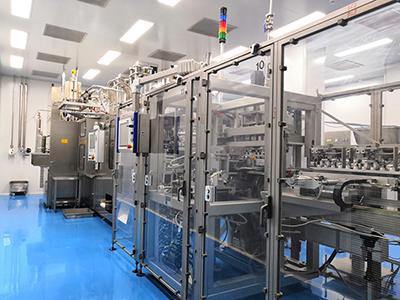
Multi-Chamber Amino Acid IV Bag Systems in the United States
For pharmaceutical manufacturers in the United States, multi-chamber amino acid IV bag production is a practical way to deliver more stable, safer, and more flexible parenteral products. By keeping sensitive components separated until activation or administration, these systems help reduce compatibility risks, extend shelf life, support modern hospital workflows, and create a stronger product position in high-value infusion markets.
Demand is growing across the U.S. because hospitals, outsourcing facilities, and specialized infusion providers need packaging that aligns with sterility, efficiency, and clinical accuracy. In markets such as New Jersey, California, Texas, Illinois, and Puerto Rico, where pharmaceutical manufacturing and medical distribution are well established, multi-chamber IV technology is becoming increasingly relevant for amino acid formulations, total parenteral nutrition related systems, and advanced compounded solution strategies.
This article explains what multi-chamber amino acid IV bag systems are, why they matter, how production lines are configured, what materials are commonly used, how they compare with single-chamber formats, what the current U.S. market looks like, how to select a reliable supplier, and what investment and risk considerations should be reviewed before launching a project.
A multi-chamber amino acid IV bag is a sterile infusion container divided into two or more compartments by peelable seals or frangible partitions. Each chamber can hold a different solution component, such as amino acids, glucose, electrolytes, trace additives, or compatibility-sensitive ingredients. The contents remain isolated during storage and transportation, then are mixed immediately before use.
For U.S. pharmaceutical companies, this design creates several important advantages. First, it improves formulation stability because reactive ingredients are not exposed to one another during long-term storage. Second, it enhances patient safety by lowering the chance of pre-use degradation or precipitation. Third, it supports operational efficiency in hospitals by reducing bedside compounding steps and helping clinicians standardize administration. Fourth, it can improve supply chain resilience because ready-to-activate systems are easier to store and distribute at scale across major hubs such as Atlanta, Chicago, Dallas, and the Port of Los Angeles.
In commercial terms, multi-chamber amino acid IV bag production also allows manufacturers to move toward higher-value differentiated products rather than competing only in conventional large-volume parenterals. This is especially relevant in the United States, where buyers increasingly evaluate not just price, but stability data, shelf life, nursing convenience, and regulatory robustness.
Key Benefit How the Multi-Chamber Design Helps Why It Matters in the United States Stability Separates incompatible ingredients until use Supports longer shelf life and lower waste in hospital inventories Safety Reduces degradation, precipitation, and dosing errors Important for FDA-focused quality systems and patient risk reduction Workflow efficiency Decreases bedside mixing and preparation time Useful for labor-constrained hospitals and infusion centers Product differentiation Enables advanced nutrition and specialty infusion formats Improves competitiveness in premium hospital tenders Supply chain control Provides pre-measured components in one package Helps large health systems standardize procurement Commercial value Supports higher-margin specialty products Useful in a mature U.S. infusion market with pricing pressureThe table above shows why the format is attracting attention well beyond niche use. It is not merely a packaging variation; it is a platform for more sophisticated infusion products.
A multi-chamber amino acid IV bag typically consists of a flexible sterile container made from medical-grade film, fitted with ports for filling, activation, and administration. The internal chambers are isolated by seals engineered to remain intact through sterilization, shipping, and storage, while still allowing deliberate activation before infusion. Depending on the intended therapy, the bag may be dual-chamber or triple-chamber.
In amino acid applications, one chamber often holds the amino acid solution, while another contains dextrose, electrolytes, or another supportive fluid. The bag is activated by breaking a frangible seal or peeling an internal barrier, allowing the liquids to mix into a final infusion product. This approach is particularly valuable when the final mixed formulation has a shorter in-use stability window than its separated components.
Main advantages include:
From a production perspective, multi-chamber systems require more advanced forming, sealing, filling, integrity testing, and validation controls than conventional IV bags. That is why supplier selection matters greatly. A line must handle chamber geometry, partition integrity, filling accuracy, seal strength, non-destructive leak testing, terminal sterilization compatibility, and traceable batch documentation.
Manufacturers that want to understand supplier background and engineering depth often start by reviewing a partner’s broader capabilities and project history through pages such as company overview and its experience in regulated pharmaceutical engineering.
In U.S. healthcare settings, multi-chamber amino acid IV bags are most closely associated with nutrition support, especially when hospitals seek safer, standardized alternatives to more labor-intensive preparation methods. They are also useful in emergency preparedness, decentralized care, and specialty infusion models where minimizing preparation time is valuable.
Clinical benefits include improved aseptic control, faster initiation of therapy, reduced handling at the point of care, and easier stock rotation. In large integrated health systems across cities such as Boston, Houston, Philadelphia, and Seattle, pharmacy teams often prioritize products that reduce manual touch points and can support protocol-driven treatment pathways.
Hospital Application Typical Use Case Operational Benefit Clinical Relevance Adult nutrition support Amino acid and energy component preparation Faster dispensing from pharmacy Supports timely nutritional intervention Critical care units Standardized infusion for ICU patients Reduces preparation variability Important in high-acuity settings Emergency stock Prepared inventory for surge demand Improves readiness during shortages Useful during disasters or supply interruptions Regional hospitals Use where compounding resources are limited Lowers dependence on in-house admixture Supports care consistency across networks Home and alternate infusion pathways Controlled activation before administration Simplifies handling logistics Useful for selected supervised care models Teaching hospitals Protocol-based standardized products Streamlines training and use Helps minimize preparation errorsThe explanation above shows that the value is not limited to one department. Multi-chamber systems can support pharmacy operations, nursing efficiency, central sterile planning, and supply resilience all at once.
Another reason U.S. hospitals value these products is the challenge of staffing. When cleanroom labor is tight, packaging that reduces reconstitution or admixture complexity becomes more attractive. This is one reason demand is more noticeable near major medical clusters such as New York-New Jersey, the Research Triangle, and Southern California.
var ctx1 = document.getElementById(‘lineChartGrowth’).getContext(‘2d’);var lineChartGrowth = new Chart(ctx1, { type: ‘line’, data: { labels: [‘2022’, ‘2023’, ‘2024’, ‘2025’, ‘2026’, ‘2027’, ‘2028’, ‘2029’, ‘2030’], datasets: [{ label: ‘U.S. Multi-Chamber IV Market Index’, data: [100, 108, 118, 131, 145, 160, 176, 193, 211], borderColor: ‘rgb(54, 162, 235)’, backgroundColor: ‘rgba(54, 162, 235, 0.15)’, fill: false, tension: 0.25 }] }, options: { responsive: true, maintainAspectRatio: false }});The line chart illustrates a realistic growth pattern for the U.S. multi-chamber IV segment, driven by specialized nutrition products, hospital standardization, and domestic investment in resilient sterile manufacturing.
Not all multi-chamber bags are identical. The most common distinctions involve chamber count, final volume, activation method, sterilization compatibility, barrier performance, and film composition. For amino acid formulations, the material selected must protect product quality while remaining compatible with filling, sealing, overpouching if needed, and transport conditions.
Common product formats include dual-chamber bags for simpler two-part systems and triple-chamber bags where amino acids, glucose, and lipids or separate components are isolated. Although amino acid-specific solutions may not always require three chambers, the design is increasingly considered where manufacturers want future portfolio flexibility.
Bag Type Typical Chamber Count Best Use Main Material Options Notes Dual-chamber standard volume 2 Amino acid plus dextrose separation Non-PVC multilayer film Common entry format for regulated markets Dual-chamber high-barrier 2 Sensitive components needing stronger protection Co-extruded multilayer film Useful for extended distribution chains Triple-chamber nutrition style 3 Advanced nutrition systems Specialized multilayer film with seal engineering Higher manufacturing complexity Pediatric or smaller-volume systems 2 or 3 Dose-specific therapy Flexible medical film Requires accurate low-volume filling control Terminally sterilized bags 2 Products validated for heat process Heat-stable non-PVC film Film and seal performance are critical Customized chamber geometry bags 2 or 3 Brand-specific product development Application-specific multilayer structures Needs design verification and stability studiesThe table highlights the link between product strategy and material choice. In the U.S. market, non-PVC multilayer films are often preferred because buyers pay close attention to extractables, compatibility, environmental positioning, and transportation durability.
Important film attributes include oxygen and moisture barrier performance, transparency, low particulate generation, sealability, puncture resistance, and compatibility with sterilization methods. Manufacturers must also consider port design, tubing interface, overwrap requirements, and carton protection for movement through distribution centers in Memphis, Louisville, or central New Jersey.
Single-chamber IV bags are simpler to manufacture, cheaper to validate, and suitable for many standard infusion products. However, they cannot physically isolate ingredients that would interact poorly over time. This is the main reason multi-chamber designs are increasingly used for sensitive or more sophisticated solutions.
Comparison Factor Multi-Chamber Bags Single-Chamber Bags Commercial Impact Ingredient separation Yes, until activation No Multi-chamber supports unstable combinations Shelf-life optimization Generally better for compatibility-sensitive systems Limited by fully mixed formula stability Potentially lower waste and broader distribution Manufacturing complexity Higher Lower Higher initial capital and validation needs Hospital handling Activation step required but less manual compounding Simpler if already stable as a single solution Depends on product and protocol Product differentiation Strong Moderate Better for premium positioning Regulatory documentation More extensive packaging and stability data More straightforward Affects development timelineThis comparison shows why the decision should be strategic rather than purely technical. If the formulation is stable in a single chamber, the simpler route may be enough. But if the target is a high-value amino acid infusion with stability-sensitive components, the multi-chamber format can deliver clinical and commercial advantages that justify the extra engineering effort.
var ctx2 = document.getElementById(‘comparisonChartProduct’).getContext(‘2d’);var comparisonChartProduct = new Chart(ctx2, { type: ‘bar’, data: { labels: [‘Stability Support’, ‘Hospital Efficiency’, ‘Differentiation’, ‘CAPEX Simplicity’, ‘Validation Speed’, ‘Portfolio Flexibility’], datasets: [{ label: ‘Multi-Chamber Score’, data: [92, 85, 90, 55, 60, 88], backgroundColor: ‘rgba(153, 102, 255, 0.8)’ },{ label: ‘Single-Chamber Score’, data: [60, 70, 58, 88, 85, 62], backgroundColor: ‘rgba(255, 159, 64, 0.8)’ }] }, options: { responsive: true, maintainAspectRatio: false }});The chart clarifies the tradeoff: multi-chamber systems win on value creation, while single-chamber bags often remain easier for low-complexity products.
The United States market is moving toward greater resilience in sterile manufacturing, more domestic or nearshore capacity, stronger supply security, and lower dependence on reactive compounding where standardized industrially produced alternatives are viable. Multi-chamber amino acid IV bag production fits directly into these priorities.
Several market drivers are especially relevant:
States with notable relevance include New Jersey and Pennsylvania for pharmaceutical concentration, Texas for scale and logistics, California for large healthcare demand, North Carolina for biotech expansion, and Puerto Rico for manufacturing infrastructure. Ports and freight corridors also matter because sterile packaging components, film rolls, molded ports, and machinery often move through gateways such as Savannah, Long Beach, Houston, and Newark.
var ctx3 = document.getElementById(‘barChartDemand’).getContext(‘2d’);var barChartDemand = new Chart(ctx3, { type: ‘bar’, data: { labels: [‘Acute Care Hospitals’, ‘Nutrition Products’, ‘Outsourcing Facilities’, ‘Specialty Pharma’, ‘Home Infusion Networks’, ‘Government/Strategic Stock’], datasets: [{ label: ‘Estimated Demand Index 2026’, data: [88, 93, 72, 81, 64, 58], backgroundColor: ‘rgba(255, 99, 132, 0.8)’ }] }, options: { responsive: true, maintainAspectRatio: false }});The bar chart indicates where demand pressure is strongest. Nutrition-related products and acute care hospital systems are likely to remain leading demand centers.
var ctx4 = document.getElementById(‘areaChartShift’).getContext(‘2d’);var areaChartShift = new Chart(ctx4, { type: ‘line’, data: { labels: [‘2022’, ‘2023’, ‘2024’, ‘2025’, ‘2026’, ‘2027’, ‘2028’, ‘2029’, ‘2030’], datasets: [{ label: ‘Standard IV Packaging Share’, data: [78, 75, 72, 69, 66, 63, 60, 57, 54], fill: true, backgroundColor: ‘rgba(255, 159, 64, 0.25)’, borderColor: ‘rgba(255, 159, 64, 1)’, tension: 0.2 },{ label: ‘Advanced Multi-Chamber Share’, data: [22, 25, 28, 31, 34, 37, 40, 43, 46], fill: true, backgroundColor: ‘rgba(75, 192, 192, 0.25)’, borderColor: ‘rgba(75, 192, 192, 1)’, tension: 0.2 }] }, options: { responsive: true, maintainAspectRatio: false }});The area chart reflects a realistic trend shift through 2030: standard packaging remains dominant, but advanced multi-chamber formats steadily gain share as quality, convenience, and differentiated therapeutics become more important.
Looking ahead to 2026 and beyond, key trends include smart line automation, better in-line inspection, more sustainable non-PVC film development, stronger data integration for batch traceability, and policy-driven support for domestic sterile manufacturing capacity. Sustainability will also matter more, especially around material down-gauging, energy-efficient sterilization, and reduced product waste from improved shelf life.
Selecting a supplier for this category should go far beyond asking for a machine quotation. In the United States, buyers should evaluate engineering quality, regulatory familiarity, validation support, production scalability, after-sales responsiveness, and ability to adapt the line to the target product rather than offering only a generic platform.
Evaluation Criterion What to Check Why It Matters Buyer Red Flag Regulatory understanding Knowledge of U.S. FDA cGMP, validation, documentation Reduces compliance gaps Supplier cannot explain IQ/OQ/PQ expectations Seal and chamber technology Ability to form reliable internal partitions Core to product function and safety Weak technical detail on seal consistency Material compatibility Film, port, sterilization, and solution matching Protects stability and integrity No evidence of material validation experience Automation level Controls, inspection, data recording, reject handling Improves yield and traceability Manual dependence for critical process steps Scale and customization Ability to fit pilot, commercial, or expansion plans Prevents early obsolescence Only one fixed line configuration offered Lifecycle service Installation, training, maintenance, spare parts Protects uptime and long-term ROI Limited support after shipmentThe most dependable suppliers can discuss process development and facility planning together. That includes room classification, material flow, sterilization strategy, utilities, filling accuracy, leak testing, and operator training. If a supplier only discusses the forming or filling machine without addressing the surrounding GMP ecosystem, the project risk is higher.
For companies evaluating integrated solutions rather than stand-alone equipment, it is useful to review a provider’s broader turnkey pharmaceutical engineering capabilities and whether it can align line design with plant layout, water systems, clean utilities, logistics, and validation packages.
In terms of technological capabilities, IVEN Pharmatech Engineering is known in the market for designing complex IV solution production systems, including soft bag technologies, automation integration, and equipment platforms developed for regulated pharmaceutical environments. Its experience across filling, packaging, purified water systems, and intelligent logistics is relevant because multi-chamber IV bag projects rarely succeed as isolated machine purchases.
In terms of manufacturing capabilities, the company operates specialized production bases focused on pharmaceutical machinery and related systems, allowing it to support customized line builds instead of limiting customers to standard catalog units. For U.S. buyers, this matters when chamber structures, output targets, film formats, or cleanroom constraints require adaptation.
In terms of service capabilities, the company supports feasibility review, engineering design, equipment selection, installation, commissioning, validation support, training, and after-sales response. That lifecycle approach is important for U.S. projects where startup speed, documentation quality, and operational continuity often determine whether investment targets are met.
Buyers can also explore specific equipment categories through the product catalog and discuss project fit based on output, bag format, and compliance requirements.
Investment cost depends heavily on line speed, chamber complexity, sterilization method, utility scope, level of automation, cleanroom modifications, and whether the project is greenfield or brownfield. In the United States, project budgets also need to account for engineering, validation, site preparation, commissioning, operator training, and imported component lead times.
A practical budgeting model usually includes equipment CAPEX, facility adaptation, utilities, qualification, initial spares, operator preparation, and working capital for materials and validation batches. Manufacturers should not underestimate process development costs, because the package-product interaction in multi-chamber systems requires extensive testing.
Budget Item Typical Cost Weight Why It Is Needed Cost Risk if Underestimated Main production line 35% to 45% Core forming, filling, sealing, inspection equipment Capacity bottlenecks and poor performance Utilities and support systems 10% to 18% Water, steam, HVAC, compressed gases, CIP/SIP as needed Validation delays and unstable operation Cleanroom and facility work 12% to 20% Layout adaptation and classified areas Regulatory non-compliance risk Validation and documentation 6% to 10% DQ, FAT, SAT, IQ, OQ, PQ support Slower licensure or launch timing Training and startup 3% to 6% Operator competency and process stabilization Longer ramp-up and reject rates Initial inventory and contingency 8% to 15% Film, ports, spare parts, trial batches Cash strain during startup phaseThe table provides a planning structure rather than a universal formula. A smaller specialty line may require a different distribution than a high-volume commercial system, but the categories are consistent across most U.S. projects.
ROI usually improves when the project addresses one or more of these goals:
A good supplier should help model throughput, reject rate assumptions, staffing needs, maintenance costs, and scale-up milestones. The most realistic projects also include sensitivity analysis for validation delays, raw material lead time fluctuations, and line utilization during the first 12 to 24 months.
The most common investment mistake is assuming that advanced IV bag production is simply a higher-end version of a standard IV line. In reality, the packaging system becomes part of the product’s performance and regulatory story. That means the risk profile extends beyond equipment mechanics.
Key considerations include formulation compatibility, film extractables and leachables, seal reliability, activation consistency, sterilization impact, transport durability, line clearance procedures, and final container closure integrity. Each of these areas can affect shelf life, registration timelines, and commercial acceptance.
Major risks include:
For U.S. investors, another issue is the balance between domestic manufacturing expectations and global component sourcing realities. Even if final assembly is local, critical materials may still move through international routes such as Shanghai to Los Angeles, or Europe to Newark and Savannah. Therefore, procurement planning and dual-source strategy are essential.
A practical mitigation plan includes supplier audits, trial production, package integrity mapping, accelerated and real-time stability studies, staged capacity investment, spare parts planning, and cross-functional review between technical, regulatory, and commercial teams.
When project owners want to move from concept to feasibility discussion, direct communication with an experienced engineering team through the contact page can help clarify line scope, validation path, and production planning.
1. What is the main difference between a multi-chamber amino acid IV bag and a regular IV bag?A multi-chamber bag keeps ingredients physically separated until use, while a regular single-chamber bag stores everything in one compartment from the start.
2. Why is this useful for amino acid solutions?Amino acid systems may need separation from other components to improve stability, reduce degradation risk, and maintain product quality during storage.
3. Are multi-chamber bags commonly used in the United States?They are increasingly important in the United States, especially for advanced nutrition support, specialty sterile products, and hospital efficiency programs.
4. Which U.S. regions are most relevant for manufacturing investment?New Jersey, Pennsylvania, Texas, California, North Carolina, Indiana, and Puerto Rico are often considered due to pharma presence, labor access, and logistics networks.
5. What materials are most common?Non-PVC multilayer medical films are widely used because they offer flexibility, barrier performance, and compatibility with demanding sterile applications.
6. Is a dual-chamber system enough for amino acid products?In many cases, yes. Dual-chamber formats are common where only two solution groups need separation. Triple-chamber systems are considered when more components must remain isolated.
7. Does the equipment require special validation?Yes. Multi-chamber systems need robust validation for partition integrity, filling accuracy, activation function, leak resistance, sterilization compatibility, and overall container closure integrity.
8. How long does a project usually take?Timing varies by scale and regulatory pathway, but planning, customization, FAT, installation, qualification, and process validation can make the timeline significantly longer than a simple standard IV line.
9. Is turnkey support better than buying separate machines?For many companies, yes. A turnkey approach can reduce interface risk between packaging equipment, utilities, facility design, and validation documentation.
10. What should buyers ask suppliers first?Ask about chamber seal technology, film compatibility experience, validation support, U.S. compliance familiarity, production references, and after-sales service structure.
11. How does sustainability affect this market after 2026?Sustainability is likely to influence material selection, energy usage, packaging efficiency, and waste reduction. Buyers will increasingly favor equipment and films that support lower environmental impact without compromising sterility.
12. Why consider IVEN Pharmatech Engineering for this type of project?Because the company combines pharmaceutical engineering know-how, IV solution line experience, customized manufacturing capability, and lifecycle service support that align well with complex sterile packaging projects for the U.S. market.
In summary, multi-chamber amino acid IV bag production is becoming a strategically attractive investment in the United States. It offers a clear path toward higher-value sterile products, stronger stability performance, improved hospital usability, and more resilient supply. The companies most likely to succeed are those that approach the project as a complete pharmaceutical engineering program, not just a packaging equipment purchase.