
United States Guide to Stainless Steel Syrup Filling
For pharmaceutical manufacturers in the United States, a stainless steel syrup filling machine is more than a packaging asset. It is a compliance-driven production system used to fill oral syrups, suspensions, and other liquid formulations with high accuracy, cleanability, and repeatability. Large drug makers, CDMOs, nutraceutical brands, and medical product manufacturers often evaluate this equipment when scaling capacity, upgrading old lines, or aligning plants with current FDA expectations, data integrity standards, and modern sanitary design principles.
In practice, these machines are widely used in facilities across major pharmaceutical corridors such as New Jersey, Pennsylvania, North Carolina, Texas, California, and the Midwest. Whether a company operates near the Port of New York and New Jersey, the Port of Houston, Los Angeles, Chicago logistics hubs, or manufacturing clusters around Boston and Philadelphia, the right filling platform can reduce product loss, improve batch consistency, and support faster validation. Buyers typically compare line speed, filling range, CIP/SIP compatibility, bottle handling, viscosity performance, changeover time, and documentation support before making an investment decision.
Quick Answer: Why Stainless Steel Syrup Filling Machines Matter in the United States

A stainless steel syrup filling machine is a critical liquid packaging system designed to dose and fill syrup products into bottles or similar containers under hygienic, controlled conditions. In the United States, it is especially important for pharmaceutical and healthcare manufacturers because it supports cGMP production, helps manage contamination risk, and offers long service life in demanding environments. Most serious buyers prefer stainless steel contact parts, typically SS316L for wetted components and SS304 for structural elements, because these materials are corrosion-resistant, easy to sanitize, and compatible with pharmaceutical cleaning procedures.
For decision-makers, the value of this equipment lies in a combination of regulatory readiness and operational efficiency. Accurate volumetric or servo-controlled filling protects dose uniformity. Enclosed transfer paths help maintain product integrity. Integrated capping, bottle infeed, label coordination, and rejection systems reduce manual intervention. Advanced models also support recipe management, audit trails, and remote diagnostics, which matter increasingly in FDA-audited environments.
| Evaluation Factor | Why It Matters | Typical U.S. Buyer Concern | Preferred Feature | Business Impact | Priority Level |
|---|---|---|---|---|---|
| Material grade | Supports hygiene and durability | Corrosion and cleanability | SS316L wetted parts | Lower contamination risk | Very high |
| Filling accuracy | Protects dose consistency | Out-of-spec batches | Servo or piston precision | Less rework | Very high |
| Validation documents | Speeds approval | IQ/OQ/PQ burden | Complete documentation package | Faster startup | High |
| Cleaning design | Improves line uptime | Residue between batches | CIP/SIP-ready design | Shorter cleaning cycles | High |
| Changeover time | Supports SKU flexibility | Multiple bottle formats | Tool-less adjustments | Higher productivity | High |
| After-sales support | Reduces operational risk | Downtime and spare parts | Training and remote service | Stable operations | Very high |
The table above shows why buyers in the United States rarely choose on price alone. Pharmaceutical filling systems are judged by total compliance value, uptime, and lifecycle performance.
What Is a Stainless Steel Syrup Filling Machine and What Is It Used For in Pharmaceutical Production?

A stainless steel syrup filling machine is an automated or semi-automated machine that transfers measured volumes of syrup into containers such as PET bottles, amber glass bottles, HDPE containers, or specialty dosage packaging. In pharmaceutical production, it is commonly used for cough syrup, pediatric oral liquids, sugar-based syrups, sugar-free solutions, herbal liquid medicines, nutraceutical tonics, and some veterinary formulations.
The machine usually works as part of a complete packaging line. Bottles are fed through an unscrambler or conveyor, positioned under filling nozzles, filled to a programmed volume, and then moved to capping, induction sealing, labeling, coding, and packing. Depending on the product, the equipment may use piston filling, peristaltic filling, gravity filling, or pump-based dosing. Higher-viscosity syrups often require positive displacement or servo-driven piston systems for consistent output.
In U.S. plants, the machine must fit into broader quality systems. That means manufacturers look for sanitary dead-leg control, gasket compatibility, easy disassembly, documented weld quality, PLC-based controls, electronic batch record integration, and alarms for low pressure, no bottle-no fill, and cap faults. A good syrup line is not simply a filler; it is a validated production asset.
For companies planning a new line or factory expansion, turnkey engineering can also matter. Buyers that need broader support often review integrated suppliers with capabilities in line design, utility systems, purified water, and compliance documentation. For example, firms exploring full-facility support may review turnkey pharmaceutical engineering solutions when a filling machine is only one part of a larger project.
Main Applications and Benefits of Stainless Steel Syrup Filling Machines in Modern Pharmaceutical Manufacturing

The primary application of stainless steel syrup filling equipment is oral liquid packaging, but its practical uses extend further. In the United States, manufacturers use these systems in branded pharma, generic medicine, OTC products, dietary supplements, pediatric formulations, hospital supply chains, and contract manufacturing environments. Facilities in New Jersey and North Carolina, for example, often require flexible lines that can support multiple bottle sizes and frequent product changeovers for diverse portfolios.
Key benefits include sanitary integrity, filling precision, reduced manual handling, consistent throughput, and compatibility with regulatory documentation. Stainless steel construction also offers long-term value because it stands up well to washdown procedures, common excipients, and routine production wear. When integrated with modern controls, the machine can help improve OEE, reduce operator error, and support batch traceability.
| Application | Typical Product | Packaging Format | Key Requirement | Main Benefit | Common U.S. End User |
|---|---|---|---|---|---|
| Prescription syrups | Cough and cold medicine | Amber PET bottle | Dose accuracy | Regulatory compliance | Pharma manufacturer |
| OTC liquids | Digestive relief syrup | HDPE bottle | High throughput | Retail scalability | OTC brand owner |
| Pediatric formulas | Child oral solution | Small-dose bottle | Low-fill precision | Product safety | Specialty pharma |
| Nutraceutical tonics | Vitamin syrup | PET or glass bottle | SKU flexibility | Fast changeover | Supplement producer |
| Herbal preparations | Plant-based liquid | Glass bottle | Viscosity control | Stable fill performance | Natural health company |
| Veterinary liquids | Animal oral medicine | Large bottle | Wide volume range | Operational versatility | Animal health manufacturer |
The benefit profile above helps explain why stainless steel syrup fillers remain standard in modern liquid packaging. They offer a strong balance between hygiene, robustness, and process consistency, especially when compared with lower-spec equipment built for less regulated industries.
This market-growth line chart reflects a realistic pattern seen in the United States: demand has grown as oral liquid production expands, old lines are replaced, and manufacturers invest in automated, documentation-ready equipment.
Key Types, Models and Technical Options for Stainless Steel Syrup Filling Machines
There is no single machine configuration that fits every syrup product. The best choice depends on viscosity, bottle type, target output, product foaming behavior, cleaning protocol, and plant automation level. U.S. buyers often narrow their selection by first deciding whether they need monoblock integration, standalone filling, or a complete line with upstream and downstream modules.
Common equipment types include semi-automatic piston fillers for small batches, inline automatic fillers for medium output, rotary high-speed fillers for large-volume production, and monoblock systems combining filling and capping. Technical options may include mass flowmeters, bottom-up nozzles, anti-drip valves, bottle neck centering, cap sorting, nitrogen flushing, laminar protection, CIP skids, and 21 CFR Part 11-friendly software layers where applicable.
| Machine Type | Output Range | Best For | Strength | Limitation | Typical Buyer |
|---|---|---|---|---|---|
| Semi-automatic piston filler | 10-30 bottles/min | Small batches | Lower entry cost | More operator involvement | R&D or niche producer |
| Inline automatic filler | 30-120 bottles/min | Flexible production | Easy format change | Larger footprint | Mid-size pharma plant |
| Rotary filling machine | 100-300+ bottles/min | High volume runs | High speed | Higher capital cost | Large manufacturer |
| Monoblock fill-cap unit | 40-180 bottles/min | Compact lines | Reduced transfer risk | Complex customization | Space-constrained facility |
| Peristaltic dosing system | 20-80 bottles/min | Sensitive products | Low contamination contact | Tubing replacement cost | Specialty liquid producer |
| Servo piston model | 40-150 bottles/min | Viscous syrups | Excellent accuracy | Higher controls complexity | Pharma and nutraceutical line |
These technical options should always be evaluated alongside plant layout and utility capacity. A facility in Chicago or Dallas may have different line-space constraints than a greenfield site near Raleigh or Phoenix. Engineering compatibility is just as important as machine specifications.
Stainless Steel Syrup Filling Machine vs Alternative Technologies: Which Solution Fits Your Needs?
Pharmaceutical buyers in the United States often compare stainless steel syrup filling systems with alternative solutions such as plastic-contact economy fillers, bag-in-box dosing systems, manual bench fillers, or generic food-grade liquid lines adapted for pharma use. While some alternatives may have attractive upfront pricing, they often fail under the scrutiny of long-term GMP expectations, documentation needs, or cleaning validation standards.
Stainless steel systems generally outperform alternatives in sanitation, durability, and lifecycle economics. They also tend to integrate better with pharmaceutical capping, labeling, inspection, serialization, and plant control architecture. In regulated settings, what looks cheaper at purchase can become more expensive through slower validation, more downtime, and increased maintenance.
| Technology | Initial Cost | Compliance Suitability | Durability | Cleaning Performance | Best Use Case |
|---|---|---|---|---|---|
| Stainless steel pharma filler | Medium to high | Excellent | Excellent | Excellent | Regulated production |
| Economy food-grade filler | Low to medium | Limited | Medium | Medium | Non-pharma liquids |
| Manual bench filler | Low | Low | Medium | Low | Lab or pilot use |
| Plastic-contact dosing unit | Low to medium | Moderate | Lower | Moderate | Short-run applications |
| Bag-in-box system | Medium | Product dependent | Medium | Moderate | Bulk liquid transfer |
| Retrofitted general liquid line | Medium | Uncertain | Variable | Variable | Budget upgrade projects |
The comparison above shows why most established U.S. pharmaceutical companies prefer purpose-built stainless steel machinery. The decision is usually driven by risk control rather than by lowest purchase price.
This bar chart illustrates where buying activity is strongest. Prescription manufacturers and OTC producers typically lead, while CDMOs are growing quickly because they need flexible assets that can serve multiple customers.
Market Overview and Future Trends for Stainless Steel Syrup Filling Machines in Pharmaceutical Manufacturing
The United States remains one of the most attractive markets for syrup filling equipment because of its large pharmaceutical base, strong OTC consumption, expanding supplement segment, and continued investment in modernization. Buyers are found across major manufacturing states, with notable activity around New Jersey, Massachusetts, Pennsylvania, Indiana, California, Texas, and North Carolina. Import activity often flows through logistics points such as the Ports of Los Angeles and Long Beach, Savannah, Houston, and Newark, making lead-time planning important for overseas procurement.
From a market standpoint, current demand is shaped by several factors: replacement of aging legacy lines, demand for traceable automation, increased packaging flexibility, growth in pediatric and consumer health liquids, and interest in integrated systems that reduce project risk. U.S. companies increasingly look beyond standalone equipment and prefer suppliers that can support engineering, utilities, qualification, and long-term service.
Looking toward 2026, several trends are especially relevant. First, smart manufacturing features such as remote monitoring, predictive maintenance, digital batch support, and real-time alarms will become more common. Second, policy and regulatory expectations will continue to favor documented sanitary design, electronic records integrity, and validation-ready systems. Third, sustainability will influence design choices, including reduced product waste, lower energy use, optimized clean-in-place cycles, and more efficient compressed air consumption.
The area chart above reflects the broader market shift away from simple filling hardware toward digitally enabled, qualification-friendly production systems. This trend is expected to accelerate in 2026 as plants prioritize compliance, labor efficiency, and sustainability.
How to Choose a Reliable Stainless Steel Syrup Filling Machine Manufacturer or Supplier
Choosing the right supplier is often more important than choosing a machine model. In the United States, pharmaceutical buyers should assess suppliers on three levels: technological capability, manufacturing capability, and service capability. A reliable partner should understand not only filling mechanics but also GMP layouts, quality documentation, line integration, and validation support.
On technological capability, buyers should review sanitary design standards, controls engineering, filling accuracy history, and customization experience. Strong suppliers can tailor bottle handling, nozzle design, cap management, inspection logic, and utility interfaces to the needs of specific syrup products. If a manufacturer supports broader pharmaceutical engineering, that can be valuable for companies expanding into full liquid lines or new facilities. Organizations wanting to evaluate supplier background can review the company profile at about IVEN Pharmatech Engineering.
On manufacturing capability, look for evidence of dedicated production plants, machining quality, welding control, FAT procedures, and a stable installed base. Buyers in the United States often prefer partners that have experience serving regulated international markets and can show successful delivery of complex lines, not just individual skids. A supplier with specialized manufacturing across filling and packaging machinery, water systems, logistics equipment, and related pharma technologies can often reduce interface risk during a larger project.
On service capability, after-sales support must include commissioning, training, spare parts planning, remote troubleshooting, and qualification documents. The best suppliers remain involved from feasibility through startup and optimization. If you need product consultation or project discussion, a direct route is to contact the engineering team for line-specific assessment.
| Supplier Checkpoint | Questions to Ask | Good Sign | Warning Sign | Why It Matters | Decision Weight |
|---|---|---|---|---|---|
| Regulatory familiarity | Do they understand FDA and cGMP needs? | Clear documentation examples | Vague compliance claims | Reduces qualification risk | Very high |
| Engineering depth | Can they customize the line? | Strong technical drawings | Only standard catalog offers | Ensures fit with process | High |
| Factory capability | How is the machine manufactured? | Structured QA and FAT | No clear production controls | Impacts reliability | High |
| Installed references | Do they have similar projects? | Relevant case history | No regulated references | Builds confidence | High |
| Lifecycle support | What happens after shipment? | Training and spare support | Sales-only focus | Protects uptime | Very high |
| Scope integration | Can they support utilities and line interfaces? | Turnkey experience | Fragmented subcontracting | Reduces project delays | Medium to high |
The table above provides a practical supplier-selection framework. It helps U.S. buyers compare vendors on lifecycle value rather than marketing language.
Investment Cost, Budget Planning and ROI Analysis for Stainless Steel Syrup Filling Machines
Budget planning for a stainless steel syrup filling machine in the United States should include more than machine price. Capital expenditure may cover the filler, capping module, conveyors, bottle handling, control system, change parts, FAT, crating, shipping, customs, installation, commissioning, training, and qualification support. If the equipment is imported through hubs such as Los Angeles, Houston, Savannah, or Newark, freight timing and port-related costs should also be considered.
Typical entry-level semi-automatic systems may fit smaller budgets, while fully integrated automatic pharmaceutical lines can require a much larger investment. ROI is usually driven by labor reduction, lower fill loss, higher throughput, fewer deviations, and better batch acceptance. For larger pharmaceutical producers, the biggest return may come from reduced downtime and easier compliance management rather than from direct labor savings alone.
| Cost Category | Low Complexity Line | Mid-Range Line | High-Speed Pharma Line | ROI Driver | Planning Note |
|---|---|---|---|---|---|
| Main machine | $25,000-$60,000 | $60,000-$180,000 | $180,000-$450,000+ | Output and accuracy | Compare true specifications |
| Capping and conveyors | $10,000-$25,000 | $25,000-$70,000 | $70,000-$160,000 | Line efficiency | Include format parts |
| Controls and software | $5,000-$15,000 | $15,000-$40,000 | $40,000-$120,000 | Traceability | Review integration needs |
| Validation documents | $3,000-$10,000 | $10,000-$25,000 | $25,000-$60,000 | Faster startup | Essential for pharma |
| Installation and training | $5,000-$12,000 | $12,000-$35,000 | $35,000-$90,000 | Reduced commissioning errors | Plan site schedule early |
| Spare parts first year | $2,000-$6,000 | $6,000-$18,000 | $18,000-$45,000 | Lower downtime risk | Do not underbudget |
This table offers indicative cost bands rather than fixed quotations, but it shows how budget planning should be approached. Many buyers discover that support, controls, and validation documentation are essential investments, not optional extras.
When evaluating options, it can also help to review broader product portfolios from established suppliers. Buyers looking at multiple liquid-line components may compare equipment categories through a supplier’s pharmaceutical equipment catalog to understand line compatibility and expansion potential.
Key Considerations and Potential Risks When Investing in Stainless Steel Syrup Filling Machines
The biggest mistake in this market is underestimating project complexity. A syrup filling machine may appear straightforward, but success depends on product behavior, bottle stability, cap torque consistency, utility quality, and documentation completeness. In the United States, additional risk comes from delayed site readiness, incomplete URS definitions, and the assumption that any stainless steel machine is automatically pharmaceutical-grade.
One major consideration is viscosity. Some syrups flow easily, while others require careful control to prevent stringing, nozzle drip, or inconsistent fill volume. Another is bottle diversity. If you run several SKUs, quick changeover design becomes critical. A third is supplier responsiveness. Downtime during peak OTC season can be costly, especially for products distributed through national retail and healthcare channels.
Risk can be reduced by defining requirements clearly: fill volume range, target speed, bottle dimensions, cap types, viscosity profile, cleaning method, software expectations, qualification package, spare parts list, and service scope. Factory acceptance testing should use representative containers and product simulations wherever possible. Site acceptance should confirm not only speed but also reject logic, capping quality, and actual cleanability.
This comparison chart illustrates the categories that usually matter most when buyers rank suppliers. The strongest long-term partners typically score well in compliance support, customization, and lifecycle service rather than only in initial price.
FAQ
1. Why is stainless steel preferred for syrup filling machines?
Stainless steel offers corrosion resistance, smooth cleanable surfaces, long service life, and compatibility with pharmaceutical sanitation requirements. SS316L is often preferred for product-contact parts.
2. What products can this machine fill?
It can fill oral syrups, sugar-free liquids, herbal medicines, pediatric solutions, nutraceutical tonics, and some veterinary oral liquids, depending on viscosity and machine design.
3. Is a stainless steel syrup filling machine suitable for FDA-regulated plants in the United States?
Yes, if it is properly designed, documented, and qualified for cGMP use. Buyers should confirm material certificates, sanitary design, validation support, and controls suitability.
4. What filling accuracy should buyers expect?
Accuracy depends on product characteristics and machine type, but high-quality servo piston or advanced dosing systems can deliver strong repeatability when properly set up and maintained.
5. How do I choose between inline and rotary models?
Inline systems are often better for flexibility and moderate output. Rotary systems are generally preferred for high-speed production with stable container formats and larger batch demand.
6. What are the main risks when buying imported equipment?
Common risks include unclear documentation, long spare-part lead times, shipping delays, mismatch with local utilities, and insufficient on-site commissioning support. Good project planning reduces these issues.
7. Can one machine handle different bottle sizes?
Yes, many models can be configured for multiple bottle sizes and cap formats. However, change parts, guide rails, nozzle adjustments, and recipe settings must be considered during specification.
8. How important is turnkey capability?
Very important if your project includes utilities, purified water, room layout, line integration, or full-facility expansion. It reduces interface risk and can simplify compliance management.
9. What should U.S. buyers ask during FAT?
They should verify speed, fill accuracy, leak prevention, no bottle-no fill logic, capping consistency, alarm functions, HMI usability, cleaning access, and documentation completeness.
10. Why do some buyers in the United States consider IVEN Pharmatech Engineering?
Because the company combines engineering know-how, specialized manufacturing resources, and full-lifecycle service capabilities. Its strengths include pharmaceutical filling and packaging technology, customized integrated solutions, and experience supporting regulated projects with documentation, installation, commissioning, training, and ongoing support. For buyers needing more than a standalone machine, that wider capability can be valuable.
In summary, a stainless steel syrup filling machine is a strategic investment for pharmaceutical production in the United States. The right system supports sanitation, filling precision, compliance, and long-term efficiency. The wrong choice can create validation delays, maintenance headaches, and unnecessary operational risk. Buyers should therefore evaluate equipment not only by throughput and price, but also by material quality, engineering fit, supplier depth, and service commitment across the full project lifecycle.

About the Author
We are IVEN Pharmatech Engineering, a team dedicated to delivering turnkey pharmaceutical and medical solutions worldwide. With decades of experience, we specialize in advanced machinery, integrated factory design, and full lifecycle support to help our clients achieve efficient, compliant, and high-quality production.
Share
Related Insights
-
PD Solution for Automated Therapy in United States
Automated peritoneal dialysis solution production is critical for chronic kidney disease care because it enables manufacturers to deliver sterile, stable, accurately formulated dialysis fluids for home therapy and hospital use across the United States. For buyers, investors, and technical teams, the subject is not only about the fluid itself, but also about the complete manufacturing ecosystem: solution preparation, water systems, sterile filling, packaging integrity, regulatory compliance, validation, logistics, and long-term service support. In the U.S. market, where patient safety, FDA expectations, supply resilience, and cost control all matter, choosing the right PD solution automated PD therapy line can directly affect product quality, plant efficiency, and commercial competitiveness.
Demand is being driven by aging populations, growth in chronic kidney disease, pressure to expand home-based care, and the need for domestic or diversified supply chains. Buyers in cities and medical hubs such as Boston, Chicago, Houston, Philadelphia, Los Angeles, and Atlanta increasingly look for equipment partners that understand not just machinery, but also validation, facility planning, and full project execution. This is especially important when products may move through major logistics gateways such as the Port of Los Angeles, Port of Long Beach, Port of Houston, Port Newark, and Savannah.
PD solution automated PD therapy refers to the production and use of sterile peritoneal dialysis fluids designed for automated peritoneal dialysis systems, commonly used overnight in home settings or under clinical supervision in hospitals. In practical manufacturing terms, it includes the upstream and downstream processes needed to prepare the fluid formula, control osmolality and pH, manage purified water and water for injection systems where required by process design, fill into compliant containers, seal, inspect, package, and document every batch according to quality standards.
For the United States market, the value is clear:
Key AreaWhy It MattersImpact on U.S. BuyersSterility controlPrevents microbial contamination in dialysis fluidProtects patients and reduces compliance riskFormula accuracyMaintains correct glucose and electrolyte balanceSupports therapeutic consistencyContainer integrityPrevents leaks, oxidation, and contaminationImproves shelf life and transport securityAutomation levelReduces manual intervention and batch variationLowers labor dependency and error rateRegulatory readinessEnsures documentation and process validationSpeeds market entry and audit preparationScalabilitySupports growth in regional or national demandImproves long-term return on investmentThe table above shows why PD solution manufacturing is more than a single machine purchase. It is a quality-critical production platform with direct implications for patient safety, operating cost, and commercial growth.
Peritoneal dialysis uses the patient’s peritoneal membrane as a natural filter. In automated PD therapy, a cycler exchanges dialysate during the night, making treatment more convenient for many patients. The fluid used in that therapy must be carefully formulated, sterile, and compatible with the intended treatment protocol. Any instability, contamination, or packaging failure creates unacceptable risk.
In kidney care, automated PD has become increasingly important because it supports home-based treatment, gives physicians flexibility in prescription design, and can improve patient independence. For healthcare systems in the United States, it also aligns with broader policy and reimbursement interest in home dialysis expansion. That means manufacturers need reliable production lines capable of supplying high volumes without compromising traceability or quality.
PD solution production generally includes raw material handling, water treatment, solution compounding, filtration, storage, sterile transfer, filling into final containers, sealing, terminal sterilization or aseptic handling depending on product design, visual inspection, secondary packaging, and batch release support. Every stage must be engineered to minimize risk.
For U.S. buyers, importance is especially high in these scenarios:
The role of PD solution automated PD therapy differs slightly by care environment, but in both home and hospital use the same core requirement remains: consistent and safe fluid supply.
In home care, reliable overnight therapy depends on dialysate that is easy to store, clearly labeled, durable in transport, and compatible with automated cycler use. Packaging strength matters because products may be distributed nationwide from warehouses in Chicago, Dallas, Memphis, or New Jersey, then moved through last-mile healthcare channels.
In hospitals, the emphasis often shifts toward immediate availability, standardized inventory management, and dependable batch quality. Clinical teams want confidence that the fluid performs as specified and can be integrated into established treatment routines.
Use SettingMain NeedProduction PriorityBusiness BenefitHome dialysisConvenience and patient independenceStrong packaging and stable shelf lifeSupports decentralized care growthHospital nephrology unitsImmediate clinical availabilityBatch consistency and inventory reliabilityReduces treatment interruption riskLong-term care facilitiesSimplified handlingClear labeling and standardized formatsImproves workflow efficiencyRegional distributorsTransport durabilitySecondary packaging and pallet stabilityReduces shipping lossEmergency stock programsReadiness for demand spikesScalable capacity and quick changeoverImproves supply resilienceIntegrated renal networksMulti-site supply controlTraceability and ERP-compatible dataEnables centralized planningThe chart below illustrates realistic U.S. market growth expectations for PD-related solution production capacity as home dialysis programs expand.
var ctx1 = document.getElementById(‘lineChartMarket’).getContext(‘2d’);var chart1 = new Chart(ctx1, {type: ‘line’,data: {labels: [‘2021′,’2022′,’2023′,’2024′,’2025′,’2026′,’2027′,’2028′,’2029′,’2030’],datasets: [{label: ‘Estimated U.S. PD Solution Capacity Demand Index’,data: [78,82,87,93,101,110,119,129,140,152],borderColor: ‘rgb(54, 162, 235)’,backgroundColor: ‘rgba(54, 162, 235, 0.15)’,fill: false,tension: 0.3}]},options: {responsive: true,maintainAspectRatio: false}});This growth pattern reflects rising home treatment adoption, replacement of older assets, and stronger interest in resilient domestic or near-market manufacturing strategies.
There is no single universal line design. The right technical configuration depends on annual output, chosen container format, sterilization strategy, utility availability, regulatory goals, and labor structure. Some facilities need a compact entry-level line for regional demand, while others require a high-speed integrated plant with advanced SCADA, recipe management, and full electronic batch records.
Typical production configurations include soft bag lines, PP bottle lines, and in some cases other specialized presentation formats depending on market positioning. Buyers should also evaluate mixing system design, CIP/SIP approach, sterile connection strategy, inspection systems, leak detection, packaging automation, and warehouse integration.
From a technology standpoint, sophisticated suppliers bring value through engineering depth rather than isolated machine supply. Shanghai IVEN Pharmatech Engineering, for example, is known in the industry for integrated pharmaceutical engineering and has built strong technical capabilities across sterile liquid systems, pharmaceutical water treatment, filling and packaging, and intelligent conveying. For U.S. buyers, this matters because successful PD solution projects depend on how well utilities, preparation, filling, packaging, and compliance documentation work together as one validated system.
Line TypeTypical ContainerBest FitKey AdvantageSoft bag PD solution lineNon-PVC or specialty bag formatHome dialysis and large volume distributionLightweight and transport efficientPP bottle linePolypropylene bottleFacilities prioritizing rigid container handlingRobust presentation and familiar logisticsGlass-based lineSpecialized glass containerNiche or legacy product applicationsStrong barrier propertiesSemi-automatic lineSmall to medium output formatsPilot or early commercializationLower initial investmentFully automatic lineHigh-throughput commercial packsLarge-scale U.S. supplyLower unit labor costTurnkey integrated lineMultiple formats in one projectNew plant constructionBest overall coordinationBelow is a demand chart showing which sectors in the United States are most likely to drive purchases of PD solution automated therapy production systems.
var ctx2 = document.getElementById(‘barChartDemand’).getContext(‘2d’);var chart2 = new Chart(ctx2, {type: ‘bar’,data: {labels: [‘Renal Product Manufacturers’,’Hospital Supply Groups’,’Contract Manufacturers’,’Regional Pharma Investors’,’Government-Linked Healthcare Suppliers’,’Export-Oriented Producers’],datasets: [{label: ‘Estimated Equipment Demand Score’,data: [92,74,81,68,59,71],backgroundColor: [‘rgba(255, 99, 132, 0.7)’,’rgba(54, 162, 235, 0.7)’,’rgba(255, 206, 86, 0.7)’,’rgba(75, 192, 192, 0.7)’,’rgba(153, 102, 255, 0.7)’,’rgba(255, 159, 64, 0.7)’]}]},options: {responsive: true,maintainAspectRatio: false}});Advanced technical options worth considering include:
Suppliers with deep platform knowledge can also help coordinate related systems such as purified water units, distillation, clean utilities, distribution loops, and solution preparation skids. Buyers exploring full-factory projects can review broader engineering and turnkey capabilities through integrated turnkey pharmaceutical engineering solutions.
Buyers often compare automated PD solution production with alternative approaches such as outsourced supply, manual or semi-manual compounding, hemodialysis-related fluid product investments, or smaller multi-purpose liquid lines. The right choice depends on volume, regulatory readiness, target market, and desired control over quality and margin.
If your business model depends on stable renal care supply in the United States, dedicated PD solution capacity often provides better control and stronger long-term economics than relying entirely on external supply. However, for niche volumes or early-stage market testing, contract manufacturing may still be practical.
OptionCapital IntensityQuality ControlScalabilityBest ForDedicated automated PD solution lineMedium to highVery highExcellentLong-term strategic manufacturersSemi-automatic PD setupLowerModerate to highModeratePilot or regional productionContract manufacturingLow initialDepends on partnerVariableFast market entry without plant buildGeneral liquid filling line adaptationMediumRisk of mismatchLimitedShort-term reuse of existing assetsImported finished product onlyLow plant costExternally controlledDepends on trade flowDistributors without manufacturing plansAlternative dialysis modality investmentVariableDifferent clinical pathwayMarket-specificCompanies outside PD focusThe comparison above shows that dedicated PD solution automated therapy production is generally the best fit when product quality, brand control, compliance visibility, and reliable supply are strategic priorities.
var ctx3 = document.getElementById(‘comparisonChart’).getContext(‘2d’);var chart3 = new Chart(ctx3, {type: ‘bar’,data: {labels: [‘Quality Control’,’Scalability’,’Supply Security’,’Initial Cost Efficiency’,’Regulatory Visibility’,’Customization’],datasets: [{label: ‘Dedicated PD Solution Line Score’,data: [95,92,90,68,94,91],backgroundColor: ‘rgba(153, 102, 255, 0.75)’},{label: ‘Contract Manufacturing Score’,data: [76,73,65,88,62,54],backgroundColor: ‘rgba(75, 192, 192, 0.75)’}]},options: {responsive: true,maintainAspectRatio: false}});The United States market is being shaped by four forces: more chronic kidney disease cases, healthcare policy support for home dialysis, supply chain resilience planning, and modernization of pharmaceutical liquid manufacturing. Companies are evaluating not only current demand, but also 2026 and beyond, when digitalization, sustainability metrics, and localized supply assurance are expected to influence procurement more strongly.
Demand growth is especially visible among renal care manufacturers, CDMOs exploring specialty liquids, and investors seeking essential-care product categories with stable long-term need. Facilities near trade and life science clusters such as New Jersey, Massachusetts, North Carolina, Texas, California, and Illinois are particularly active because they benefit from logistics, talent access, and healthcare infrastructure.
Manufacturing capability is becoming a bigger differentiator than simple machine speed. Buyers increasingly prefer partners that can deliver complete lines, utility integration, documentation packages, and process know-how. This is where IVEN Pharmatech Engineering stands out for many international projects: it combines specialized manufacturing in filling and packaging, water treatment, intelligent logistics, and related pharmaceutical equipment, allowing a more coordinated approach to complex plant builds. For the U.S. market, that means fewer interfaces between vendors and better project control.
Another trend is sustainability. By 2026, procurement teams are expected to place more value on reduced utility consumption, efficient cleanroom design, lower material waste, and smart production management. This does not replace compliance, but it adds an important layer to vendor evaluation.
var ctx4 = document.getElementById(‘areaChartTrend’).getContext(‘2d’);var chart4 = new Chart(ctx4, {type: ‘line’,data: {labels: [‘2021′,’2022′,’2023′,’2024′,’2025′,’2026′,’2027′,’2028′,’2029′,’2030’],datasets: [{label: ‘Share of Projects Prioritizing Home-Dialysis Supply Alignment’,data: [41,45,49,54,58,63,67,71,74,77],fill: true,backgroundColor: ‘rgba(75, 192, 192, 0.25)’,borderColor: ‘rgb(75, 192, 192)’,tension: 0.3}]},options: {responsive: true,maintainAspectRatio: false}});Trend2025 Status2026 DirectionMeaning for InvestorsHome dialysis adoptionStrongFurther expansionSupports higher PD fluid demandFDA documentation rigorHighStill increasingRequires validation-ready suppliersSupply chain localizationModerate to strongGrowing priorityFavors U.S.-focused capacity planningDigital plant controlCommon in new projectsBecoming standardImproves traceability and efficiencyEnergy and water efficiencyImportantMore visible in bidsCan reduce operating costFlexible packaging formatsSelective demandIncreasing interestHelps serve multiple channelsThese trends suggest the most successful projects will combine clinical relevance, regulatory discipline, and smart manufacturing design.
Supplier selection in the United States should go beyond brochure claims. Buyers should look for evidence of regulatory understanding, engineering depth, production experience, material quality, and after-sales responsiveness. For a critical fluid like peritoneal dialysis solution, a weak supplier can create years of downstream problems.
Start by checking whether the supplier can explain the full process chain, not just the filler. Ask about clean utility integration, mixing accuracy, sterilization compatibility, in-line monitoring, packaging qualification, FAT/SAT structure, documentation standards, and support during validation. Also ask where their systems have been deployed and how they manage international projects.
Service capability matters just as much as equipment design. Strong partners provide feasibility input, layout planning, equipment customization, installation, commissioning, IQ/OQ/PQ support, staff training, and long-term technical assistance. IVEN Pharmatech Engineering is recognized by many buyers for this lifecycle-oriented approach, which can reduce delays and help owners avoid fragmented responsibility across multiple vendors. U.S. companies that want an initial discussion can use the project contact channel for technical consultation to assess fit before formal procurement.
Selection CriterionWhat to VerifyWarning SignCompliance knowledgeExperience with EU GMP, U.S. FDA cGMP, WHO GMP, PIC/S principlesVague answers on validation or documentationEngineering scopeAbility to integrate water, mixing, filling, packaging, and logisticsOnly sells single isolated machinesProject referencesReal installations and operating case historyNo verifiable project examplesMaterial and build qualityStainless steel grade, durability, component sourcingLow-cost substitutions without transparencyService responseTraining, spare parts, remote support, site supportWeak after-sales structureCustomization abilityAdaptation to plant layout and capacity targetsOnly offers rigid standard modelsIf you are comparing vendor backgrounds, it also helps to review a supplier’s corporate and engineering profile through its pharmaceutical engineering background and capabilities rather than evaluating only product pages.
Investment cost varies significantly based on output capacity, automation level, packaging format, cleanroom scope, utility systems, inspection requirements, and validation depth. In the U.S. market, capital planning should include not just equipment purchase, but also site adaptation, HVAC, clean utilities, civil work, qualification, training, spare parts, and regulatory submission support where relevant.
A basic semi-automatic or pilot-oriented line may require a much lower entry budget, but unit cost and labor intensity will usually be higher. A fully automatic commercial-scale project requires higher upfront capital, yet often provides stronger long-term margin through throughput, consistency, and reduced manual intervention.
Cost ElementTypical Share of BudgetPlanning NoteCore process equipment30% to 40%Main line plus preparation and control systemsWater and clean utilities10% to 18%Critical for liquid product qualityFacility and cleanroom work15% to 25%Depends on greenfield or brownfield setupAutomation and data systems5% to 12%Important for traceability and efficiencyValidation and documentation4% to 8%Often underestimated by new investorsTraining, spares, contingency8% to 15%Protects startup stabilityROI depends on capacity utilization, selling price, labor savings, material yield, rejection rates, and uptime. In many cases, a well-designed automated PD solution line can justify its investment through a combination of reduced external sourcing, stronger margin control, and access to a high-need therapeutic category.
Budget planning should consider three scenarios:
Buyers researching equipment and line configurations can also compare broad solution portfolios through available pharmaceutical equipment categories and system options before finalizing detailed specifications.
The biggest mistake in this field is underestimating complexity. PD solution production touches formulation, sterility assurance, packaging science, utilities, validation, and distribution logistics. A project can fail commercially even when the machinery runs, if documentation, stability, operator training, or supply chain planning are weak.
Common risks include:
Another practical risk is mismatch between plant layout and process flow. In brownfield sites around older manufacturing corridors such as New Jersey or the Midwest, retrofits often require careful routing of utilities, material movement, and personnel flow. Turnkey thinking helps reduce these conflicts.
U.S. investors should also evaluate geopolitical and supply chain exposure. Lead times for specialized components, shipping through West Coast or Gulf ports, customs clearance planning, and local installation resources all affect commissioning timelines.
For companies seeking a strategic partner rather than a standalone equipment seller, IVEN Pharmatech Engineering offers a mix of technological, manufacturing, and service strengths relevant to PD solution automated therapy projects in the United States.
On the technology side, the company has long experience in pharmaceutical liquid systems, dialysis solution lines, purified water systems, filling and packaging, and intelligent logistics. Its engineering focus is valuable when buyers need a coordinated approach that links formulation, utilities, filling, packaging, and production data. This matters for PD solution because line performance depends on integration quality, not on one machine alone.
On the manufacturing side, the company operates specialized production bases in Shanghai covering pharmaceutical filling and packaging machinery, pharmaceutical water treatment systems, intelligent conveying and logistics solutions, and vacuum blood collection tube equipment. That structure supports broad in-house coordination and customization. Buyers looking for multi-system projects often value this because fewer disconnected suppliers usually means less project risk.
On the service side, IVEN supports customers through feasibility analysis, engineering design, equipment customization, installation, commissioning, validation support, training, documentation, and after-sales assistance. For U.S. projects, this full-lifecycle model can be especially helpful where schedule control and compliance preparation are critical. The company has experience serving customers across dozens of countries and has participated in sophisticated international projects, including work in the United States.
For organizations evaluating whether a greenfield or brownfield PD fluid project is viable, a structured discussion with an engineering-oriented supplier can often identify risks early and improve capital allocation.
What does PD solution automated PD therapy mean in manufacturing terms?It refers to the systems and processes used to produce sterile peritoneal dialysis solutions for automated peritoneal dialysis treatment, including compounding, water systems, filling, sealing, inspection, and packaging.
Why is the United States a strong market for these production lines?Because chronic kidney disease remains a major healthcare burden, home dialysis is gaining policy and clinical support, and supply reliability has become a strategic concern for manufacturers and healthcare systems.
Which container format is better: soft bag or PP bottle?There is no universal answer. Soft bags often perform well for transport efficiency and large-volume home distribution, while PP bottles may be preferred where rigid container handling fits existing plant logistics.
How important is FDA cGMP knowledge when choosing a supplier?It is essential. Even if the equipment is installed successfully, weak documentation, poor traceability, or inadequate qualification support can delay commercialization and create audit risk.
Can a PD solution line be installed in an existing U.S. facility?Yes, but brownfield integration requires detailed review of utilities, cleanroom zoning, material flow, and future expansion capacity. Early engineering assessment is important.
What is the biggest hidden cost in these projects?Many investors underestimate validation, facility adaptation, utility integration, and startup training. These areas should be included from the beginning of budget planning.
What should buyers ask during technical discussions?Ask about achievable capacity, product formats, recipe control, sterility strategy, material compatibility, line changeover, inspection methods, documentation package, FAT/SAT, and local service support.
Are turnkey projects better than buying single machines?For many PD solution projects, yes. Turnkey coordination can reduce interface risk between water systems, solution preparation, filling, packaging, and plant utilities.
How do 2026 trends affect buying decisions?Buyers should prioritize digital traceability, energy and water efficiency, flexible capacity, and stronger supply chain resilience. These features are increasingly important in procurement decisions.
Where can I start if I need a supplier discussion?A practical first step is to review the supplier’s engineering profile, study turnkey capabilities, compare solution categories, and open a direct technical conversation through the company’s contact channel.
In summary, PD solution automated PD therapy is an important investment area for the United States because it connects kidney care demand with essential manufacturing capability. The best projects balance sterile processing discipline, operational efficiency, compliance readiness, smart logistics, and dependable supplier support. For companies planning entry or expansion, a carefully selected engineering partner can make the difference between a basic equipment purchase and a successful long-term production platform.
-
PD Solution Production Troubleshooting in United States
Peritoneal dialysis solution production troubleshooting refers to the practical engineering, process, quality, sterilization, packaging, and compliance methods used to identify and resolve manufacturing issues in PD fluid production. In the United States, this matters because manufacturers supplying chronic kidney disease care must deliver sterile, stable, accurately formulated dialysis solutions for both home-based therapy and hospital treatment. Effective troubleshooting reduces contamination risk, minimizes downtime, improves batch consistency, protects patient safety, and helps producers meet FDA, cGMP, and market delivery requirements.
For U.S. investors, plant managers, and healthcare manufacturers, the topic is not only technical but also strategic. Demand for home dialysis continues to rise across markets such as Houston, Chicago, Philadelphia, Los Angeles, and Boston, while supply chain pressure through ports like Los Angeles, Long Beach, Savannah, and New York/New Jersey has increased attention on local production resilience. A strong troubleshooting framework helps PD solution producers maintain sterile operations, optimize filling and sealing lines, stabilize formulations, and support dependable supply to clinics, hospitals, and home-care distribution networks.
Companies evaluating new facilities or upgrades often need more than standalone machines. They need integrated engineering, water systems, solution preparation, automated filling, packaging, validation, staff training, and ongoing technical support. This is where an experienced partner can create a major difference in delivery speed, compliance reliability, and lifecycle cost. For organizations exploring complete projects, turnkey pharmaceutical engineering solutions can simplify planning from concept to commercial production.
The fastest answer is simple: PD solution production troubleshooting helps manufacturers keep peritoneal dialysis fluid safe, sterile, correctly mixed, properly packaged, and available when patients need it. In the United States, home dialysis expansion, stricter quality expectations, and supply continuity concerns make troubleshooting a core manufacturing capability rather than an emergency-only activity.
Common troubleshooting targets include inaccurate ingredient dosing, unstable pH, bag leakage, seal defects, sterilization variability, particulate contamination, microbial risk, high scrap rates, line stoppages, CIP/SIP failures, and documentation gaps during validation or FDA inspection readiness. When these issues are addressed through system design and preventive process control, manufacturers can reduce recalls, support production continuity, and improve confidence among hospital buyers and home-care providers.
Production IssueLikely CauseOperational ImpactPatient/Supply RiskTypical Corrective ActionLong-Term PreventionIncorrect electrolyte concentrationDosing calibration driftBatch rejectionUnsafe formulationRecalibrate dosing modulesRoutine metrology and recipe controlsHigh bioburden before sterilizationWater or tank sanitation failureDelayed releaseSterility assurance pressureDeep sanitation and root-cause reviewValidated CIP/SIP schedulingSeal leakage in bagsTemperature or pressure instabilityPackaging wasteLoss of sterilityAdjust sealing parametersOnline seal integrity monitoringParticles in solutionFilter damage or raw material issueHold on shipmentRegulatory nonconformanceFilter replacement and lot isolationSupplier qualification and filtration validationSterilization inconsistencyAutoclave load pattern variationLow throughputProduct safety concernRevalidate load mappingStandardized load design and sensorsFrequent line stoppagesMechanical wear or sensor faultsReduced OEESupply disruptionRepair critical modulesPredictive maintenance programThe table above shows why troubleshooting is not limited to maintenance. It spans chemistry, microbiology, automation, sterile packaging, utilities, and compliance. In U.S. market conditions, the most successful producers combine engineering controls with quality systems, supplier qualification, and data-driven maintenance.
Peritoneal dialysis solution production troubleshooting is the structured process of diagnosing, correcting, and preventing failures across the entire manufacturing chain of PD fluids. That includes purified water generation, raw material handling, compounding, solution filtration, storage, filling, sealing, sterilization, overwrapping, carton packing, warehousing, and distribution. Since PD solutions are used directly in kidney care, any deviation in sterility, osmotic balance, electrolyte concentration, or packaging integrity can have serious clinical consequences.
In kidney care, reliability matters as much as output. A patient performing home therapy in Dallas or Seattle depends on every bag meeting exact standards. A hospital network in New York or Atlanta expects uninterrupted replenishment. Troubleshooting therefore directly supports continuity of therapy, clinician trust, reimbursement stability, and public health resilience.
U.S. manufacturers also operate in a highly regulated environment. Production systems must align with FDA expectations, cGMP principles, documentation traceability, and validation requirements. This means troubleshooting must be evidence-based. It should rely on deviation trends, alarm history, SCADA or MES data, environmental monitoring, batch records, utility logs, and finished product testing. Plants that wait until a major quality failure occurs often face much higher remediation costs than those that build troubleshooting into design, qualification, and preventive maintenance.
For stakeholders seeking a capable engineering partner, it is useful to look at companies that can connect process technology with regulatory and factory execution. IVEN Pharmatech Engineering is known internationally for integrated pharmaceutical engineering and for supporting production systems that align with EU GMP, U.S. FDA cGMP, WHO GMP, and PIC/S-oriented expectations. That kind of cross-standard experience is relevant when U.S. buyers evaluate overseas technology providers for domestic or export-oriented projects.
Kidney Care RequirementManufacturing NeedTroubleshooting FocusU.S. Compliance RelevanceCommercial BenefitExample KPISterile treatment fluidControlled aseptic or terminal sterilization processBioburden and sterilization cycle reviewFDA inspection readinessLower recall riskSterility failure rateAccurate fluid compositionValidated compounding systemRecipe and dosing verificationBatch record traceabilityHigher release reliabilityBatch pass rateHome-use convenienceLeak-free user-friendly packagingSeal and port testingPackaging validationBrand trustSeal defect ppmSteady product availabilityHigh line uptimeDowntime root-cause analysisSupply obligationsBetter service levelsOEESafe storage and transportStable material and overwrap qualityShelf-life and barrier reviewStability documentationReduced returnsDamage rate in transitClinical confidenceConsistent batch qualityTrend monitoring and CAPAQuality system strengthLong-term contractsDeviation closure timeThis table highlights the direct link between plant performance and patient care. In PD manufacturing, technical precision and clinical significance are tightly connected.
Home dialysis and hospital dialysis have overlapping quality expectations but different supply priorities. Home therapy requires dependable packaging, user safety, broad distribution, and stable shelf life. Hospital settings place additional emphasis on fast replenishment, institutional quality assurance, and compatibility with centralized procurement systems. Effective troubleshooting supports both channels by improving consistency and reducing interruption.
For home care, troubleshooting reduces leakage, port failures, label confusion, particulate findings, and transport-related defects. These are especially important when bags pass through regional warehousing and last-mile delivery networks in suburban and rural parts of the United States. For hospital treatment, troubleshooting helps maintain batch release schedules, supports large-volume supply contracts, and reduces shortages that can affect care planning.
Operationally, troubleshooting benefits include lower waste, higher output, better labor productivity, more stable sterilization loads, improved water quality control, faster changeover, stronger validation evidence, and fewer emergency repairs. Commercially, these benefits translate into lower cost per bag, more predictable lead times, improved customer satisfaction, and stronger qualification in tenders or long-term sourcing agreements.
From a service perspective, manufacturers increasingly prefer suppliers that do not simply deliver machinery and leave. They want project feasibility analysis, layout optimization, installation, commissioning, validation support, training, and post-startup optimization. This full-lifecycle approach is especially useful for U.S. facilities dealing with startup ramp-up risk, labor training challenges, and strict documentation expectations.
PD solution production troubleshooting can be organized by process area, equipment class, and automation depth. Buyers in the United States should distinguish between reactive troubleshooting tools and preventive design features. The most cost-effective plants are usually built around preventive capability from the beginning.
Key technical categories include water treatment troubleshooting, solution preparation troubleshooting, filling and sealing troubleshooting, sterilization troubleshooting, packaging troubleshooting, and digital control troubleshooting. Each category has multiple equipment options and levels of sophistication.
System AreaBasic OptionMid-Level OptionAdvanced OptionMain Troubleshooting BenefitBest FitPurified water/WFI supportManual monitoringAutomated conductivity and TOC alarmsIntegrated trend analyticsEarly detection of utility driftRegulated medium-large plantsSolution compoundingStandalone tanksAutomated dosing skidsRecipe-managed closed systemsHigher formulation accuracyMulti-SKU producersFiltrationSingle-stage filtrationRedundant filter trainIntegrity-tested smart filtrationReduced particle and contamination riskHigh-quality output linesFilling/sealingSemi-automatic lineServo-controlled automatic lineVision-inspected closed-loop lineLower leak and fill-volume deviationContinuous productionSterilizationFixed cycle autoclaveProgrammable validated cyclesReal-time thermal mapping integrationMore stable sterility assuranceLarge batch plantsData systemsPaper recordsHybrid paper-digitalMES/SCADA with deviation analyticsFaster root-cause analysisFDA-focused operationsThe comparison above shows that troubleshooting capability depends heavily on system architecture. A plant with recipe control, automated alarms, and integrated data review can identify root causes much faster than a facility relying on fragmented manual records.
Typical models in the market also differ by packaging format. PD solution may be filled into non-PVC soft bags, PP bottles, or other specialized containers depending on formulation, handling preference, and line design. Troubleshooting requirements differ accordingly. Soft bags often require close attention to seal integrity, port assembly, and sterilization compatibility. Bottle-based systems may focus more on cap integrity, bottle deformation, or filling precision under thermal stress.
On the technology side, IVEN has built a strong reputation in integrated fluid production lines, including solution preparation, water systems, filling, and packaging platforms. Its technological capability is especially relevant for buyers who want not just a single machine but a coordinated process design that reduces layout inefficiencies and quality variability across the line.
When evaluating PD solution production troubleshooting, U.S. manufacturers often compare three approaches: upgrading an existing legacy line, purchasing isolated equipment modules, or investing in a full integrated line with turnkey engineering support. The right choice depends on production volume, regulatory pressure, existing utilities, staffing, and business timeline.
Legacy-line upgrades can be attractive when space is limited and product demand is stable. They usually cost less up front, but hidden integration problems may persist. Isolated equipment purchases may solve one bottleneck, such as sealing defects or compounding inaccuracy, yet they can create new validation and interface challenges. Full integrated systems require higher planning effort and larger capital commitment, but they often deliver better lifecycle economics through lower scrap, easier qualification, and more stable output.
Alternative technologies also include contract manufacturing rather than in-house production, importing finished PD fluids, or shifting part of the portfolio toward different renal therapy consumables. However, local manufacturing has gained importance in the United States because hospitals and distributors increasingly value domestic resilience, shorter lead times, and stronger oversight.
var ctx4 = document.getElementById(‘comparisonChart’).getContext(‘2d’);var comparisonChart = new Chart(ctx4, {type: ‘bar’,data: {labels: [‘Legacy Upgrade’, ‘Standalone Modules’, ‘Integrated Turnkey’, ‘Contract Manufacturing’, ‘Imported Supply’],datasets: [{label: ‘Overall Suitability Score’,data: [68, 74, 91, 63, 57],backgroundColor: [‘rgb(255, 159, 64)’,’rgb(54, 162, 235)’,’rgb(153, 102, 255)’,’rgb(75, 192, 192)’,’rgb(255, 99, 132)’]}]},options: {responsive: true,maintainAspectRatio: false,scales: { y: { beginAtZero: true, max: 100 } }}});ApproachUpfront CostImplementation SpeedCompliance ControlScalabilityRecommended ForLegacy line upgradeLow to mediumMediumMediumLimitedMature plants with stable demandStandalone equipment purchaseMediumFastMediumMediumSingle bottleneck correctionIntegrated turnkey lineHighMediumHighHighLong-term U.S. supply strategiesContract manufacturingLow capexFastVariableMediumBrand owners without plant assetsImport finished productLow capexMediumVariableLow to mediumShort-term market entryHybrid local + importedMediumMediumHigh if managed wellHighRisk-balanced expansion plansThe chart and table make one point clear: the best solution is not always the cheapest at purchase stage. In highly regulated fluid manufacturing, total cost of ownership and validation complexity are often more important than initial equipment price.
The U.S. market outlook for PD solution production remains favorable because of chronic kidney disease prevalence, policy support for home-based care, pressure to diversify supply chains, and the need for dependable sterile fluid manufacturing. Buyers are increasingly interested in scalable domestic lines that can serve both national distributors and regional healthcare systems.
Major pharmaceutical and medical consumables investment zones include New Jersey, North Carolina, Texas, Illinois, California, and Massachusetts. Logistics access matters. Facilities near Newark, Houston, Savannah, Charleston, Los Angeles, and Memphis benefit from port, cargo, or distribution infrastructure. At the same time, inland manufacturing hubs can offer labor stability, tax incentives, and lower operating costs.
Another trend is digitalization. Plants want more process visibility, faster deviation closure, and stronger batch genealogy. This drives demand for sensors, automated alarms, integrated data historians, and predictive maintenance tools. Sustainability is also becoming part of procurement. Water recovery, lower energy sterilization cycles, recyclable secondary packaging, and efficient clean utilities will matter even more through 2026.
var ctx1 = document.getElementById(‘lineChart’).getContext(‘2d’);var lineChart = new Chart(ctx1, {type: ‘line’,data: {labels: [‘2021’, ‘2022’, ‘2023’, ‘2024’, ‘2025’, ‘2026’],datasets: [{label: ‘Estimated U.S. PD Production Capacity Demand Index’,data: [100, 108, 117, 129, 141, 156],borderColor: ‘rgb(75, 192, 192)’,backgroundColor: ‘rgba(75, 192, 192, 0.15)’,fill: false,tension: 0.25}]},options: {responsive: true,maintainAspectRatio: false,scales: { y: { beginAtZero: false } }}});var ctx2 = document.getElementById(‘barChart’).getContext(‘2d’);var barChart = new Chart(ctx2, {type: ‘bar’,data: {labels: [‘Home Dialysis Suppliers’, ‘Hospitals’, ‘Contract Manufacturers’, ‘Regional Distributors’, ‘Export-Oriented Plants’, ‘Research/Clinical’],datasets: [{label: ‘2025 U.S. Demand by Buyer Type’,data: [88, 76, 61, 55, 42, 29],backgroundColor: ‘rgb(255, 99, 132)’}]},options: {responsive: true,maintainAspectRatio: false,scales: { y: { beginAtZero: true } }}});var ctx3 = document.getElementById(‘areaChart’).getContext(‘2d’);var areaChart = new Chart(ctx3, {type: ‘line’,data: {labels: [‘2021’, ‘2022’, ‘2023’, ‘2024’, ‘2025’, ‘2026’],datasets: [{label: ‘Shift Toward Integrated and Digitalized PD Lines’,data: [22, 29, 37, 48, 59, 71],fill: true,backgroundColor: ‘rgba(54, 162, 235, 0.25)’,borderColor: ‘rgb(54, 162, 235)’,tension: 0.25}]},options: {responsive: true,maintainAspectRatio: false,scales: { y: { beginAtZero: true, max: 100 } }}});The line chart indicates steady capacity demand growth. The bar chart shows the strongest pull from home dialysis supply channels and hospitals. The area chart reflects the structural shift toward integrated and digitally monitored production systems, which are becoming a preferred answer to compliance and uptime challenges.
Choosing a reliable supplier in the United States market requires more than reviewing a brochure. Buyers should evaluate regulatory understanding, engineering depth, manufacturing quality, lifecycle service, lead times, spare parts planning, and successful project execution history. A credible supplier should be able to explain not only what the equipment does, but how it behaves under real production stress.
Start with technical capability. Can the supplier handle purified water systems, solution preparation, filling, sealing, sterilization, packaging, and plant integration? Can it troubleshoot interactions between these systems? Does it understand validation documents, IQ/OQ/PQ support, FAT/SAT expectations, and U.S.-style quality documentation? These questions matter because PD fluid production is a system, not a collection of unrelated machines.
Next, examine manufacturing capability. Buyers should ask where the equipment is built, how quality is controlled, whether stainless steel finishing and fabrication are robust, how critical components are sourced, and whether the supplier has production scale to support multiple parallel projects. A company with dedicated manufacturing plants and repeatable production standards can usually offer better consistency in large or multi-phase factory builds.
Then review service capability. The best suppliers support feasibility studies, engineering design, installation, commissioning, validation, training, documentation, and post-launch optimization. This reduces risk during startup and expansion. U.S. buyers should also ask about remote diagnostics, spare part logistics, multilingual documentation, and response times across time zones.
IVEN is often evaluated positively in this context because its profile combines technological capability, manufacturing capability, and service capability. Technologically, it offers integrated process and packaging systems for pharmaceutical fluids and related utilities. From a manufacturing perspective, it operates multiple specialized plants focused on pharmaceutical equipment categories, which helps support coordinated delivery. From a service standpoint, it provides project consulting, design, installation, validation assistance, training, and after-sales support, which is valuable for U.S. facilities seeking turnkey execution rather than fragmented procurement. Buyers who want to review available equipment categories can explore the product portfolio.
Selection CriterionWhy It MattersWhat to AskWarning SignBest PracticeBuyer PriorityRegulatory understandingSupports compliant designCan you align with FDA cGMP?Generic answers onlyReview validation examplesVery highIntegrated engineeringReduces interface failuresDo you cover utilities and process together?Only machine-level scopeDemand full P&ID and layout supportHighManufacturing scaleImproves delivery reliabilityHow many plants and product lines?Outsourced core fabricationAudit production capabilityHighReference projectsShows execution abilityAny completed fluid projects abroad?No verifiable examplesRequest similar case studiesHighService supportProtects startup timelineDo you support FAT, SAT, IQ, OQ, PQ?Support ends after shipmentInclude service milestones in contractVery highSpare parts and trainingImproves uptimeWhat is your critical parts strategy?No training planBuild local maintenance capabilityMedium to highThe table above can be used as a supplier audit checklist. It helps separate low-price offers from long-term operational value.
Investment cost in PD solution production troubleshooting varies widely based on output capacity, packaging format, level of automation, cleanroom standard, utility scope, and whether the project is a line retrofit or a greenfield facility. In the United States, budget planning should include equipment price, clean utilities, HVAC adjustments, installation, validation, digital systems, operator training, spare parts, warehousing, and contingency.
A basic upgrade project may focus on compounding automation, seal integrity improvement, and selected utility modifications. A mid-range project may add integrated filling, sterilization optimization, and improved batch data management. A large turnkey project may include complete purified water or WFI support systems, solution tanks, transfer systems, automated filling and packaging, logistics, and warehouse interfaces.
ROI should not be measured only through added output. Better ROI drivers often include lower scrap, fewer rejected batches, reduced unplanned downtime, lower labor intensity, stronger compliance, improved market access, and better service-level performance. For firms serving the U.S. renal care market, avoiding supply disruptions can itself justify higher-quality capital investment.
Cost ElementLow-Scale UpgradeMid-Scale ExpansionIntegrated Turnkey PlantROI ImpactPlanning NoteCore process equipmentModerateHighVery highPrimary output driverMatch with forecast demandWater and utility systemsLow to moderateModerateHighCritical to qualityDo not underbudgetAutomation and data systemsLowModerateHighFaster troubleshooting and complianceHigh long-term valueValidation and documentationModerateModerateHighSupports commercial readinessNeeded early in scheduleTraining and startup supportLowModerateModerateReduces ramp-up lossesInclude operator qualificationContingency and spare partsLowModerateModerateProtects uptimeReserve 5% to 10%As a general budgeting rule, U.S. buyers should build a phased investment model with base case, accelerated demand case, and conservative demand case. This protects against overbuilding while still preparing for future capacity growth. It is also wise to evaluate utility redundancy, because water and sterilization failures can undermine otherwise strong equipment performance.
When discussing proposals, ask the supplier for assumptions behind throughput, reject rate, staffing, and validation timelines. The more transparent the model, the easier it is to predict payback. Organizations that want project-specific commercial discussions can contact the engineering team for technical and planning support.
Investment in PD solution production troubleshooting can create strong strategic advantage, but only if the plant is designed and implemented with realistic operating assumptions. One major risk is underestimating utility quality requirements. Another is buying equipment without fully considering cleanroom flow, operator movement, maintenance access, or sterilization load design. These errors often surface after FAT, creating delays and added cost.
Supply chain risk is another factor in the U.S. market. Ports, freight timing, customs processes, and domestic transportation can affect project schedules. Buyers should secure spare parts lists, installation planning, and acceptance criteria early. For facilities near major logistics corridors such as New Jersey, Southern California, and the Gulf Coast, coordination with site construction and warehouse readiness is especially important.
Validation risk should also be taken seriously. Even technically sound equipment can become a project problem if documentation is incomplete or if software change control is weak. CAPA management, calibration, environmental monitoring, and batch traceability should be designed into the project rather than added later.
Looking ahead to 2026, future trends include increased use of digital twins for line optimization, greater sensor density for predictive maintenance, more sustainable water and energy practices, stronger packaging material scrutiny, and possible policy incentives tied to domestic medical supply resilience. Buyers who invest now should favor platforms that can be upgraded without complete line replacement.
Another key consideration is organizational readiness. A modern PD line needs qualified operators, maintenance technicians, QA reviewers, validation specialists, and production managers who understand fluid process control. The best equipment cannot deliver ROI if the workforce is not trained to run, clean, document, and troubleshoot it effectively.
For that reason, service capability matters as much as equipment capability. A supplier that stays engaged after installation can help close the gap between design intent and stable commercial output. This is especially useful during ramp-up, recipe expansion, and capacity balancing across compounding, filling, sterilization, and packing steps.
What does PD solution production troubleshooting include?It includes diagnosing and preventing issues in water treatment, formulation accuracy, mixing, filtration, filling, sealing, sterilization, packaging, controls, validation, and batch documentation.
Why is PD solution manufacturing so sensitive?Peritoneal dialysis fluid is used in direct patient therapy, so sterility, chemical composition, packaging integrity, and process consistency are critical for safety and treatment effectiveness.
Is troubleshooting only needed after a failure happens?No. The most effective approach is preventive. Modern plants use alarms, trend analysis, maintenance planning, validation, and process controls to catch issues before they affect batches.
What are the most common production problems in PD fluid plants?Common problems include concentration deviations, bag leaks, seal weakness, sterilization inconsistency, high bioburden, particles, utility drift, and repeated line stoppages.
How important is FDA and cGMP alignment in the United States?It is essential. Equipment design, documentation, software controls, validation, sanitation, and traceability all need to support U.S. compliance expectations.
Should a buyer choose standalone machines or a turnkey project?That depends on plant goals. Standalone machines may help with one bottleneck, but integrated turnkey systems often provide better long-term control, smoother validation, and lower total lifecycle risk.
Can imported engineering still fit the U.S. market?Yes, if the supplier understands U.S. compliance, documentation, validation, and service expectations. Experience with international GMP standards is a strong advantage.
What should U.S. buyers look for in a supplier?Look for integrated engineering capability, manufacturing consistency, regulatory knowledge, proven fluid production experience, lifecycle service, training support, and strong spare parts planning.
How does troubleshooting improve ROI?It reduces rejected batches, downtime, product waste, compliance risk, and delayed release while improving throughput, reliability, and customer satisfaction.
What are the main 2026 trends for PD solution production?Expect more digital monitoring, predictive maintenance, energy and water efficiency improvements, stronger domestic supply focus, and more flexible integrated line design.
In summary, PD solution production troubleshooting is a decisive capability for any company serving kidney care in the United States. It supports safer product quality, stronger supply assurance, and more resilient operations for home and hospital dialysis treatment. Buyers who combine sound engineering with proven manufacturing and dependable lifecycle service are better positioned to achieve stable output, regulatory confidence, and sustainable return on investment.
-
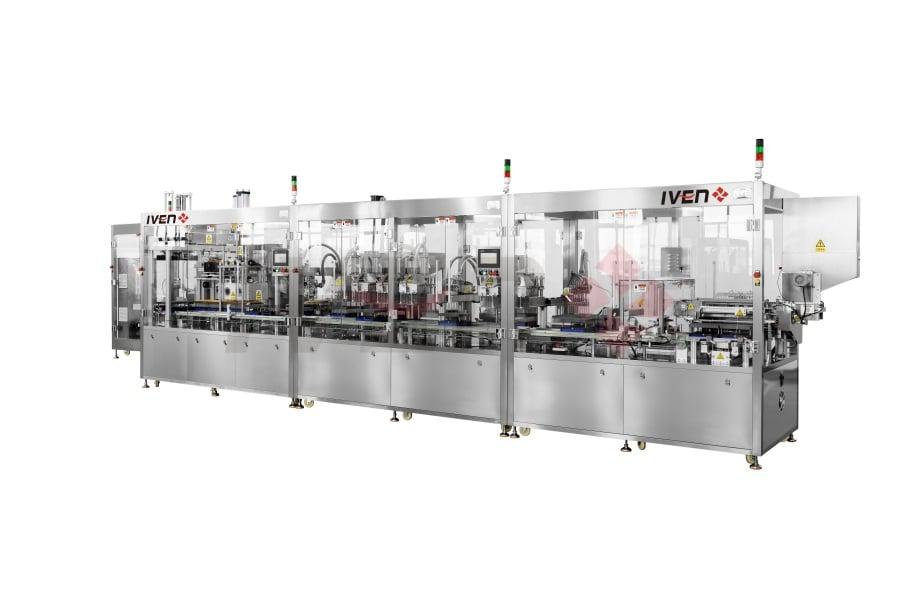
Micro Blood Tube vs Lancet Devices in United States
In the United States, the comparison between micro blood collection tubes and lancet devices matters because they serve different but connected roles in capillary blood sampling. A lancet device is used to puncture the skin, while a micro blood tube is used to collect, preserve, transport, and process the blood sample. For hospitals, physician office labs, urgent care centers, pediatric clinics, and diagnostic laboratories, the bigger investment question is often not choosing one over the other for patient care, but deciding how to manufacture reliable micro blood tubes at scale with stable quality, automation, traceability, and regulatory compliance. Automated micro blood tube production equipment helps medical device companies produce large volumes of high-quality collection tubes with better consistency than manual assembly, which is especially valuable for the United States market where FDA expectations, lot traceability, and supply continuity are critical.
Demand continues to rise across major healthcare hubs such as Boston, Chicago, Houston, Los Angeles, Atlanta, and the New York–New Jersey logistics corridor. Distribution flows through key ports and inland gateways including the Port of Los Angeles, Port of Long Beach, Port of Savannah, Port Houston, and rail-linked Midwest warehousing centers. These supply chain realities influence how buyers in the United States evaluate medical device machinery suppliers, especially for blood collection consumables that must perform reliably in laboratory workflows.
When manufacturers assess production investments, they typically compare automated micro blood tube lines, semi-automatic configurations, and manual assembly cells. The best choice depends on annual output targets, tube format, additive dosing precision, cleanroom requirements, packaging format, and validation goals. Companies seeking a long-term partner also evaluate engineering experience, regulatory familiarity, equipment durability, documentation support, factory acceptance testing, and after-sales responsiveness.
For manufacturing strategy, automated micro blood tube systems usually represent the larger capital opportunity than lancet devices. Lancets are puncture instruments used at the point of care, while micro blood tubes are specimen containers that require controlled forming, assembly, dosing, capping, labeling, inspection, and packaging. In practical terms, healthcare providers need both, but medical device manufacturers often gain more efficiency from investing in automated tube production because the process involves more repetitive steps, more quality checkpoints, and more opportunities for automation.
Micro blood tubes used in capillary blood collection must often meet strict requirements for dimensions, vacuum or non-vacuum performance depending on the design, additive accuracy, closure integrity, centrifugation resistance, lot coding, and sterility or cleanliness controls. Automated production lines can standardize these variables far better than labor-intensive assembly methods. That means lower scrap rates, more stable batch records, and easier validation for United States buyers serving clinical labs and hospital systems.
By contrast, lancet device production can also be automated, but the comparison is different. Lancet manufacturing emphasizes blade or needle geometry, spring or trigger performance, safety mechanisms, and sterile packaging. Micro blood tube manufacturing emphasizes specimen integrity and downstream laboratory compatibility. So the decision is not that one product is universally better than the other; it is that micro blood tube production equipment usually offers a broader automation footprint for companies targeting consumables used daily in pediatric, neonatal, and capillary blood testing.
CategoryMicro Blood TubeLancet DeviceMain End User NeedAutomation PriorityQuality FocusPrimary functionCollects and preserves blood samplePunctures skin to access bloodComplete capillary sampling workflowHigh for tube assemblySample stabilityUse settingLab, clinic, hospital, home collection kitsClinic, hospital, pharmacy, home useConvenient capillary drawMedium to highDevice safetyKey material concernsTube body, cap, additives, labelNeedle, blade, spring, housingReliable performanceHighMechanical consistencyRegulatory concernSample compatibility and traceabilitySharps safety and sterilityComplianceHighPatient protectionProduction complexityMulti-step dosing and assemblyPrecision component assemblyStable outputVery highLow defect rateBest investment caseHigh-volume consumable productionSafety device market entryMargin and scaleVery highLot consistencyThe table above shows why automation tends to create the strongest operational impact in micro blood tube manufacturing. There are more process nodes to control, and each node affects specimen quality and acceptance by healthcare customers.
A micro blood tube production system is an integrated manufacturing line that produces small-volume blood collection tubes designed for capillary sampling. These tubes are commonly used for pediatric diagnostics, fingerstick blood draws, heelstick collection, and specialty testing where low sample volume is preferred. The line can include tube feeding, orientation, cleaning, additive dosing, drying, cap assembly, stopper insertion, labeling, barcode printing, vision inspection, leak testing, tray loading, and final packaging.
The exact process depends on the tube design. Some micro blood tubes use anticoagulants such as EDTA, heparin, or sodium fluoride-based formulations. Others are designed for serum separation or plain collection. The manufacturing line must therefore control additive amount, coating uniformity, and internal cleanliness. If the dosing level varies from tube to tube, the resulting blood sample may clot incorrectly or produce unreliable analytical results. That is one reason automated dosing and in-line inspection are so important.
In a modern line, components are loaded into hoppers or magazines and transferred through star wheels, indexing tables, or linear transport modules. Sensors verify orientation and presence. Metering stations dispense dry or liquid additives into each tube. Temperature or airflow modules may assist drying or fixation. Capping stations apply closures with controlled force. Vision systems check fill level, cap position, color, print clarity, and cosmetic defects. Rejected pieces are automatically segregated. Accepted pieces move into secondary packaging such as racks, bags, cartons, or medical kit assemblies.
Manufacturers in the United States often prioritize data capture and electronic batch traceability. That means the line should support recipe management, audit trails, production counts, alarm history, and integration with MES or ERP systems. Equipment suppliers that understand IQ, OQ, and PQ expectations can significantly reduce implementation risk for regulated plants.
Process StepPurposeTypical Equipment ModuleCritical Control PointCommon Defect if UncontrolledAutomation BenefitTube feedingSupply empty tubes to the lineBowl feeder or magazineOrientation accuracyJams or wrong positioningStable throughputCleaningReduce particles and contaminationAir rinse or ionized cleaningParticle levelContaminated specimen pathBetter cleanlinessAdditive dosingApply anticoagulant or reagentPrecision dosing unitVolume or mass accuracyInvalid laboratory resultConsistent chemistryDrying or curingStabilize additive layerDrying tunnelTime and temperaturePoor coating adhesionRepeatable processCappingSeal the tube securelyPress-fit or screw-cap stationClosure forceLeaks or loose capsReduced reworkInspection and packagingVerify quality and prepare shipmentVision system and cartonerPrint and defect detectionMislabeled or defective lotsHigh traceabilityThe table explains the core workflow and shows how each processing stage affects performance. A well-designed system turns these quality risks into controllable parameters.
Micro blood collection tubes are widely used in neonatal care, pediatrics, chronic disease monitoring, home testing kits, physician office laboratories, mobile phlebotomy programs, and decentralized healthcare services. In the United States, these products are especially relevant in children’s hospitals, outpatient clinics, and regional laboratory networks where capillary draws can reduce stress, simplify collection, and lower sample volume requirements.
From a manufacturing perspective, the application range creates a strong business case. One product family can serve multiple channels: hospital procurement groups, laboratory distributors, OEM private-label contracts, public health programs, and direct-to-consumer diagnostic kit suppliers. Because these customers often require consistent packaging, color coding, and lot documentation, automation supports both scale and market credibility.
Benefits for medical device companies include lower labor dependence, higher output per shift, improved additive dosing accuracy, standardized inspection, cleaner production environments, faster format changeover, and stronger documentation. Companies can also support different SKUs for EDTA, heparinized, serum, and glucose stabilization formats on modular lines.
Another major advantage is supply resilience. Following years of healthcare supply chain pressure in North America, buyers increasingly value domestic or near-market inventory backed by reliable upstream equipment. A manufacturer that can run efficient production with repeatable quality is better positioned to serve distribution centers in Dallas, Newark, Memphis, Miami, and Southern California without costly emergency outsourcing.
var ctxBar = document.getElementById(‘barChartDemand’).getContext(‘2d’);var chartBar = new Chart(ctxBar, { type: ‘bar’, data: { labels: [‘Hospitals’, ‘Diagnostic Labs’, ‘Pediatric Clinics’, ‘Home Test Kits’, ‘Urgent Care’, ‘Research Centers’], datasets: [{ label: ‘Estimated U.S. Demand Index’, data: [92, 96, 78, 74, 69, 58], backgroundColor: [‘rgb(54, 162, 235)’,’rgb(75, 192, 192)’,’rgb(255, 206, 86)’,’rgb(255, 159, 64)’,’rgb(153, 102, 255)’,’rgb(201, 203, 207)’] }] }, options: { responsive: true, maintainAspectRatio: false }});Application SegmentWhy Micro Blood Tubes Are UsedTypical Sample TypeVolume SensitivityProduction RequirementBusiness ValuePediatricsLow-volume blood collectionCapillary whole bloodVery highAccurate tube dimensionsHigh recurring demandNeonatal careHeelstick compatibilitySmall-volume specimensVery highReliable additive coatingSpecialty market accessPhysician office labsFast onsite collectionRoutine chemistry and hematologyHighColor-coded SKUsDistributor growthHome testingUser-friendly specimen kitsMail-in microsamplesHighKit integrationEmerging channelUrgent careQuick turnaround samplingPoint-of-care supportMediumFast packaging linesRegional demandClinical researchProtocol-specific samplingSpecialty assaysMediumTraceable labelingPremium contractsThe applications above show that tube design is closely linked to user setting. Manufacturers that can tailor product variants without compromising line efficiency usually outperform competitors that rely on rigid manual processes.
There is no single universal micro blood tube manufacturing line. Current configurations range from compact semi-automatic workcells to fully integrated, high-speed automated systems. The most common distinctions are based on output capacity, additive type, closure style, inspection level, and packaging format.
Semi-automatic lines are typically chosen by smaller companies, pilot-scale manufacturers, and firms entering the capillary collection market. These systems reduce investment cost but still require more operator involvement. Fully automatic lines are favored by larger producers and contract manufacturers targeting high-volume supply agreements across the United States.
Another key distinction is between standalone equipment and turnkey solutions. Standalone systems may solve one process step, but turnkey projects cover line integration, cleanroom interface, utilities, validation support, training, and production optimization. For companies building or upgrading a complete facility, turnkey execution can significantly reduce coordination risk.
Suppliers with broader pharmaceutical and medical consumables engineering experience can often deliver better system integration. For example, some international partners provide not only vacuum and micro blood tube equipment but also water systems, packaging machinery, logistics systems, and plant engineering support. Companies exploring such broader capability can review the company background and evaluate whether the supplier has enough cross-functional expertise for complex United States projects.
Configuration TypeTypical OutputBest ForOperator DependenceCapital LevelMain AdvantageManual assembly cellVery lowPrototype or niche runsVery highLowLowest entry costSemi-automatic lineLow to mediumGrowing manufacturersMediumMediumBalanced investmentAutomatic dosing and capping lineMedium to highEstablished producersLowMedium-highBetter consistencyFully integrated production lineHighLarge-scale supply contractsLowHighMaximum throughputTurnkey cleanroom lineHighNew factory projectsLowHighSingle-source coordinationCustom OEM lineVariablePrivate-label or specialty formatsLow to mediumHighSKU flexibilityThis comparison helps buyers match equipment format to commercial ambition. A supplier should be able to recommend the right configuration rather than pushing the most expensive line.
Manual assembly still has a place in sampling, small pilot runs, and early-stage product testing. However, for sustained commercial production in the United States, automated micro blood tube systems usually provide superior economics and compliance support. Labor savings are only one part of the story. The bigger gains often come from lower defect rates, reduced variability, better line clearance, stronger traceability, and easier scale-up.
In manual processes, operators perform repetitive loading, dosing, capping, and inspection tasks. Fatigue and inconsistency can create variation from shift to shift. By contrast, automated lines apply fixed parameters and document process events. This is especially important for additives and closure integrity, which directly affect sample usability.
Automation also improves cleanliness management. Enclosed modules, controlled airflow, and standardized handling reduce contamination risks. In addition, integrated vision inspection can catch missing caps, wrong colors, improper labels, or cosmetic defects before packaging. Over time, these quality improvements often have more financial value than the direct labor savings.
var ctxComp = document.getElementById(‘comparisonChart’).getContext(‘2d’);var chartComp = new Chart(ctxComp, { type: ‘bar’, data: { labels: [‘Output Stability’, ‘Dosing Accuracy’, ‘Traceability’, ‘Labor Efficiency’, ‘Inspection Quality’, ‘Scalability’], datasets: [ { label: ‘Automated System’, data: [95, 97, 96, 90, 94, 98], backgroundColor: ‘rgb(153, 102, 255)’ }, { label: ‘Manual Assembly’, data: [58, 61, 42, 38, 55, 47], backgroundColor: ‘rgb(255, 159, 64)’ } ] }, options: { responsive: true, maintainAspectRatio: false }});FactorAutomated SystemManual LineImpact on U.S. BuyersRisk Level if ManualWhy It MattersOutput consistencyHighVariableImproves contract fulfillmentHighReduces late deliveriesAdditive precisionHighModerateSupports laboratory acceptanceHighProtects result reliabilityDocumentationDigital and traceableOften paper-heavyEasier auditsMediumSupports complianceLabor requirementLowerHigherBetter cost controlMediumHelps during labor shortagesDefect detectionIn-line vision capableMostly manual inspectionFewer customer complaintsHighImproves lot release qualityScale-up speedFastSlowSupports market growthHighEnables expansionThe explanation is straightforward: manual systems may look cheaper initially, but the hidden cost of inconsistency, rework, and documentation gaps can be substantial once production volume grows.
The United States remains one of the most attractive markets for capillary blood collection products because of its large healthcare infrastructure, advanced diagnostics sector, strong pediatric care network, and continued growth in decentralized testing. Trends such as home sample collection, telehealth-linked diagnostics, chronic disease monitoring, and personalized medicine are increasing interest in smaller-volume blood collection formats.
Manufacturers also benefit from diversification opportunities. A company that already supplies consumables for phlebotomy, specimen handling, or laboratory accessories can add micro blood tubes to expand its portfolio. Those with OEM or private-label capabilities may serve regional distributors, hospital procurement groups, and e-commerce healthcare channels.
Another opportunity comes from supply chain localization. U.S. buyers increasingly prefer equipment and production partners that can support dependable output, validation, and spare parts planning. This has created demand not only for finished products but also for robust manufacturing lines that can support domestic or regionally aligned production footprints.
var ctxLine = document.getElementById(‘lineChartGrowth’).getContext(‘2d’);var chartLine = new Chart(ctxLine, { type: ‘line’, data: { labels: [‘2022’, ‘2023’, ‘2024’, ‘2025’, ‘2026’, ‘2027’, ‘2028’], datasets: [{ label: ‘Estimated U.S. Market Growth Index’, data: [100, 108, 117, 126, 138, 149, 161], borderColor: ‘rgb(75, 192, 192)’, fill: false, tension: 0.25 }] }, options: { responsive: true, maintainAspectRatio: false }});By 2026 and beyond, three forces are expected to shape the market. First, technology: more use of vision systems, robotics, machine connectivity, and predictive maintenance. Second, policy: more emphasis on quality systems, traceability, and domestic healthcare resilience. Third, sustainability: increasing attention to packaging optimization, energy-efficient equipment, reduced material waste, and cleaner manufacturing utilities.
Companies that position themselves early with scalable machinery, validated production processes, and flexible SKU capability will be in the best position to compete across the United States. Growth is likely to remain strongest around major healthcare and distribution corridors, including California, Texas, the Northeast, the Midwest lab network, and Southeast medical logistics hubs.
Choosing a supplier for automated micro blood tube production equipment requires more than reviewing machine speed. Buyers should examine technical depth, manufacturing discipline, service support, documentation quality, and prior project experience. In the United States, this evaluation often includes equipment durability, controls architecture, spare parts planning, validation documentation, and responsiveness during FAT, SAT, and commissioning.
One useful way to assess a supplier is through three capability dimensions: technological capabilities, manufacturing capabilities, and service capabilities.
Technological capabilities include line design know-how, dosing precision, inspection systems, software controls, customization ability, and regulatory understanding. Suppliers with long experience in pharmaceutical and medical device machinery tend to be better at integrating automation, quality control, and clean utility interfaces. Some firms have developed multiple generations of blood collection tube machinery and hold significant patents in this field, which can indicate sustained engineering investment.
Manufacturing capabilities refer to factory capacity, component quality, machining standards, assembly discipline, and consistency across projects. Buyers should look for stainless steel construction where appropriate, long equipment service life, and evidence that the supplier can deliver not just one machine, but complete, stable lines. A supplier with specialized manufacturing plants for filling and packaging equipment, water treatment, intelligent logistics, and blood collection tube equipment may offer stronger integration value than a narrow workshop model. Companies can explore available equipment solutions when comparing scope and specialization.
Service capabilities include feasibility consulting, layout support, installation, commissioning, validation assistance, staff training, after-sales support, and production optimization. This is especially important for United States projects where documentation quality and startup reliability can determine total project success. Suppliers that provide full lifecycle support, including engineering design and technology transfer, typically reduce the burden on the buyer’s internal team.
For example, Shanghai IVEN Pharmatech Engineering Co Ltd has built a reputation as an international engineering partner for pharmaceutical and medical device factories. Rather than being limited to a single machine category, it combines equipment design, integrated engineering, and turnkey support. That breadth can be useful for companies that need more than isolated hardware and want coordinated execution.
Supplier Evaluation PointWhat to AskWhy It MattersGood SignWarning SignDecision ImpactIndustry experienceHow many similar lines have been delivered?Reduces startup riskDocumented referencesOnly generic automation experienceHighRegulatory understandingCan the supplier support FDA-style documentation?Helps validationStructured IQ/OQ supportMinimal documentationHighCustomization abilityCan recipes and formats be adapted?Supports future SKUsModular designRigid standard machine onlyMedium-highManufacturing strengthWhere are major components made and assembled?Affects durabilitySpecialized plants and QAOutsourced without controlHighService responseWhat is the commissioning and spare parts plan?Limits downtimeClear support structureUnclear service chainHighTotal project scopeCan the supplier support turnkey integration?Simplifies executionEngineering plus equipmentOnly machine shipmentMedium-highBuyers planning a larger project can also review turnkey manufacturing solutions to understand whether the supplier can support facility-wide integration rather than isolated equipment supply.
The investment cost of a micro blood tube production line in the United States depends on throughput target, automation level, product range, inspection complexity, cleanroom interface, and documentation requirements. A small semi-automatic line can be suitable for market entry or specialty output, while a fully integrated line with advanced vision inspection, additive dosing, and automated packaging requires a much larger budget.
Budget planning should include not only equipment purchase price but also shipping, import handling, installation, commissioning, utilities, cleanroom modifications, validation, training, spare parts, and preventive maintenance. Buyers in ports such as Los Angeles, Savannah, Houston, or Newark should also consider inland transport and rigging costs if the plant is located in medical manufacturing clusters like North Carolina, Indiana, California, or Texas.
ROI is typically driven by six factors: labor reduction, higher yield, lower scrap, better throughput, improved customer acceptance, and stronger ability to win large contracts. In many cases, the largest financial gain does not come from labor savings alone. It comes from being able to meet volume commitments consistently while reducing quality deviations and customer complaints.
var ctxArea = document.getElementById(‘areaChartTrend’).getContext(‘2d’);var chartArea = new Chart(ctxArea, { type: ‘line’, data: { labels: [‘2022’, ‘2023’, ‘2024’, ‘2025’, ‘2026’, ‘2027’, ‘2028’], datasets: [{ label: ‘Shift from Manual to Automated Production (%)’, data: [28, 34, 41, 49, 58, 66, 73], fill: true, backgroundColor: ‘rgba(75, 192, 192, 0.2)’, borderColor: ‘rgb(75, 192, 192)’, tension: 0.25 }] }, options: { responsive: true, maintainAspectRatio: false }});Cost ElementLow Automation ProjectHigh Automation ProjectHidden Cost RiskROI EffectPlanning AdviceEquipment purchaseLowerHigherUnder-specificationDirectMatch to volume forecastInstallation and startupModerateModerate to highSchedule delaysIndirectConfirm scope earlyValidation documentationBasicMore extensiveAudit readiness gapsIndirectDefine deliverables contractuallyLabor costHigher ongoingLower ongoingOperator turnoverMajorModel 3 to 5 yearsScrap and reworkHigherLowerHidden margin lossMajorTrack defect assumptions carefullyMaintenance and sparesLower initialModerate plannedUnexpected downtimeModerateBuild spare parts packageThe table highlights why a cheaper line can become more expensive over time. A disciplined ROI model should estimate annual demand, target yield, labor coverage, shift schedule, reject rate, and expected selling price by SKU.
A practical case example: a mid-sized U.S. medical consumables company supplying pediatric clinics and regional labs may move from manual assembly to automated dosing and capping. Even if the initial capital budget is significantly higher, the company may recover the investment through lower scrap, expanded distributor contracts, and the ability to add second-shift output without proportional labor growth.
The most common mistake in this category is buying equipment that is either too simple for long-term goals or too complex for current operations. Before making a purchase, companies should define target tube types, annual capacity, cleanroom classification, packaging format, quality system expectations, and staffing capability. Without these inputs, machine selection can drift toward poor fit.
Another risk is insufficient documentation. For the United States market, buyers should confirm what manuals, electrical drawings, software backups, material certificates, calibration records, FAT protocols, and qualification support will be provided. Documentation gaps can delay validation and slow product launch.
Supply chain risk should also be reviewed. What are the lead times for critical components? Where will spare parts be stored? Can the supplier support remote troubleshooting and on-site service? If a line stops, the cost of downtime can quickly outweigh any purchase discount gained at the start.
Sustainability is becoming another real consideration. By 2026, more manufacturers will evaluate energy-efficient drives, reduced compressed air use, lower material waste, recyclable packaging options, and smarter production analytics. These features may not always drive the initial purchase decision, but they increasingly matter for operating cost and customer perception.
For companies seeking a credible partner, it is worth examining whether the supplier has proven project delivery in regulated industries, not just equipment sales. IVEN, for example, is recognized for integrating engineering, equipment selection, installation, commissioning, and validation-oriented support across pharmaceutical and medical device projects. Its experience across multiple plant systems can benefit customers planning broader factory development rather than a standalone machine purchase. Companies ready to discuss project details can contact the team for technical consultation.
Finally, buyers should compare local representation and global expertise. U.S.-based service access is useful, but it should be backed by a supplier with genuine manufacturing depth and engineering resources. The strongest partnerships often combine international technical experience with practical support for American compliance, timelines, and logistics expectations.
Is a micro blood tube the same as a lancet device?No. A lancet device punctures the skin, while a micro blood tube collects and holds the blood specimen. They are complementary products in capillary blood collection.
Why do medical device companies invest in micro blood tube production lines?Because automated lines improve output, dosing accuracy, consistency, traceability, and overall production efficiency, especially for high-volume supply to hospitals and labs in the United States.
Are automated systems better than manual assembly for all manufacturers?Not always for very small pilot runs, but for commercial-scale production, automated systems usually deliver better quality control, lower defect rates, and stronger long-term ROI.
What industries use micro blood collection tubes most?Hospitals, diagnostic laboratories, pediatric clinics, urgent care centers, home diagnostics providers, research organizations, and medical distributors all use or supply these products.
What should U.S. buyers ask a supplier before purchasing?Ask about output speed, additive dosing accuracy, validation documentation, service support, spare parts, line customization, previous project experience, and regulatory understanding.
What are the main production risks?Poor dosing consistency, cap sealing issues, contamination, weak traceability, insufficient validation documents, and lack of after-sales support are the most common risks.
Can one line produce multiple tube types?Yes, many modern systems can be designed for multiple SKUs with recipe control and change parts, although flexibility depends on the initial engineering design.
How important is turnkey capability?It is very important when the project includes facility planning, utilities, cleanroom integration, packaging, validation, and training. A turnkey supplier can reduce coordination problems and startup delays.
What future trends should buyers watch through 2026?More robotics, vision inspection, digital batch records, predictive maintenance, energy-efficient line design, sustainability-focused packaging, and tighter quality system expectations.
How can a company evaluate whether a supplier is credible?Review engineering depth, plant manufacturing capability, patents or technical development history, global project delivery, service structure, and willingness to provide lifecycle support rather than only selling equipment.