Soft Bag IV Electrolyte Lines in the United States
Quick Answer: Why a Soft Bag IV Line for Electrolyte Solutions Matters

A soft bag IV line for electrolyte solutions is a specialized pharmaceutical production system used to prepare, fill, seal, sterilize, inspect, and package intravenous electrolyte products in non-PVC or similar flexible bags. In the United States, this equipment is especially relevant for manufacturers expanding capacity for sodium chloride, dextrose-saline combinations, balanced electrolyte infusions, maintenance fluids, and hospital-use sterile solutions. It is evaluated not only as a machine purchase, but as a compliance-driven production platform that must support US FDA cGMP expectations, data integrity, sterile process control, validation, and long-term operating efficiency.
For large pharmaceutical companies, CDMOs, and hospital supply manufacturers, the right line can reduce contamination risk, improve fill accuracy, increase output, and support modern packaging preferences. For investors and engineering teams, the decision often depends on a mix of technical fit, regulatory readiness, utility consumption, automation level, and supplier support in the United States. Companies planning projects near pharmaceutical hubs such as New Jersey, Boston, Indianapolis, Raleigh-Durham, Chicago, Houston, or the greater Philadelphia region often compare soft bag lines with bottle and glass alternatives before finalizing a new sterile facility or modernization plan.
| Decision Factor | Why It Matters | Impact on US Projects |
|---|---|---|
| Sterility assurance | Electrolyte solutions are parenteral products with strict microbial control requirements | Directly affects validation, environmental monitoring, and batch release |
| Packaging format | Soft bags are lightweight and user-friendly for hospital handling | Supports logistics savings and modern clinical demand |
| Regulatory compatibility | Equipment must align with US FDA cGMP and audit expectations | Reduces compliance risk during inspections |
| Automation level | Higher automation improves repeatability and lowers operator intervention | Helps control labor costs in US manufacturing |
| Output capacity | Capacity must match hospital, distributor, or contract manufacturing demand | Prevents bottlenecks and underutilized capital |
| Lifecycle support | Installation, IQ/OQ/PQ, spare parts, and training are essential | Critical for reliable start-up and faster ROI |
The table above shows why the purchase is usually evaluated as part of a broader sterile manufacturing strategy, not just as standalone equipment.
What Is a Soft Bag IV Line for Electrolyte Solutions and What Is It Used For in Pharmaceutical Production?

A soft bag IV line for electrolyte solutions is an integrated production line designed for large-volume parenteral manufacturing. It typically includes film handling or bag-forming modules, solution preparation interfaces, filling systems, sealing stations, sterilization support, visual inspection, leak testing, overpouching, cartoning, and end-of-line packaging. Depending on design, the line may process single-chamber or dual-port bags in sizes such as 100 mL, 250 mL, 500 mL, and 1000 mL.
In pharmaceutical production, these lines are used for sterile electrolyte solutions such as sodium chloride injection, glucose and sodium chloride injection, potassium-containing maintenance fluids, compound electrolyte injections, and other hospital infusion products. They are common in high-volume facilities serving acute care hospitals, dialysis centers, emergency medicine distribution networks, and public health procurement channels.
Compared with manual or semi-automatic production, a modern soft bag line improves consistency across critical process points: solution transfer, fill volume control, seal integrity, container closure quality, and traceability. In the United States, manufacturers also expect recipe management, electronic batch integration, alarm history, and compatibility with validated cleanroom workflows.
As projects become more complex, many buyers prefer suppliers with integrated engineering capability rather than only machine assembly. This is one reason firms evaluating sterile plants often review experienced turnkey partners through pages such as company background and engineering expertise before moving into URS development and FAT planning.
| Line Module | Main Function | Typical Benefit |
|---|---|---|
| Bag forming or bag feeding | Creates or feeds sterile flexible containers | Supports stable packaging quality |
| Solution filling | Dispenses sterile electrolyte solution into bags | Improves dosing accuracy |
| Port welding or sealing | Closes access points securely | Reduces leakage and contamination risk |
| Terminal sterilization interface | Prepares product for autoclave process where applicable | Enhances sterility assurance |
| Leak detection and inspection | Checks seal quality and visible defects | Lowers reject and recall risk |
| Secondary packaging | Handles overwrap, labeling, and cartons | Improves shipment readiness |
This production architecture is attractive for sterile infusion factories that need repeatability, high throughput, and reduced operator touchpoints.
Main Applications and Benefits of Soft Bag IV Lines for Electrolyte Solutions in Modern Pharmaceutical Manufacturing

The main application of these lines is the manufacture of sterile infusion therapies for inpatient, outpatient, and emergency care settings. Hospitals in the United States continue to use large quantities of electrolyte infusions for hydration, electrolyte correction, perioperative care, pediatric support, and ICU protocols. This creates a steady demand profile for manufacturers located near medical distribution corridors such as New Jersey, Memphis, Dallas-Fort Worth, and Southern California.
Soft bag systems offer several practical advantages. First, flexible bags are lighter than glass and many rigid alternatives, helping reduce freight cost from manufacturing centers to distribution points near ports such as Los Angeles/Long Beach, Savannah, Houston, and New York/New Jersey. Second, soft bags can improve storage efficiency and ease of use in clinical settings. Third, modern lines support strong process automation, which is valuable in a US labor market where recruiting experienced sterile operators can be expensive.
Another benefit is production versatility. A well-designed line can often support multiple bag sizes, product recipes, and packaging formats with planned changeover procedures. For companies producing both standard saline and more complex balanced electrolyte infusions, flexibility can improve asset utilization. Environmental goals also matter more now. Reduced packaging weight, improved material efficiency, and energy-conscious utility design can support ESG and sustainability targets.
The chart above illustrates where demand pressure is strongest. Hospitals remain the primary driver, but contract manufacturing and strategic stock programs also influence new capacity decisions.
| Application Area | Typical Product | Why Soft Bags Are Preferred |
|---|---|---|
| General infusion therapy | 0.9% sodium chloride injection | High-volume, efficient handling, lower shipping weight |
| Balanced electrolyte therapy | Compound sodium or buffered solutions | Supports modern sterile filling control |
| Perioperative care | Maintenance electrolyte fluids | Reliable supply for operating room demand |
| Critical care and ER | Rapid hydration fluids | Fast deployment and easier bedside use |
| Dialysis support | Related sterile fluid products | Good integration with high-volume logistics |
| Public health reserves | Essential infusion stock | Efficient storage and distribution planning |
In short, the value of a soft bag IV line goes beyond packaging convenience. It strengthens manufacturing resilience, distribution efficiency, and clinical usability.
Key Types, Models and Technical Options for Soft Bag IV Lines
Soft bag IV lines are not all built the same. Buyers in the United States typically compare systems by container format, output capacity, sterilization strategy, automation depth, and digital control architecture. A compact line may suit a regional producer or pilot commercial operation, while a high-speed line is better for large tender supply or multi-shift national distribution.
One major technical distinction is whether the line forms bags inline or fills pre-made bags. Inline forming can provide greater integration and lower dependence on outside bag supply under some operating models. Pre-made bag systems can simplify changeover and speed implementation where a qualified packaging supply chain already exists. Buyers also compare single-lane versus multi-lane layouts, servo-driven versus pneumatic motion emphasis, open RABS support, machine vision level, and MES or SCADA integration.
Port design matters as well. Bag ports influence filling precision, spike compatibility, downstream handling, and closure reliability. Material compatibility must be checked carefully for electrolyte chemistries, sterilization cycles, and shelf-life requirements.
| Line Type | Typical Capacity | Best Fit | Key Consideration |
|---|---|---|---|
| Entry commercial line | 3,000-6,000 bags/hour | Regional suppliers and specialty plants | Balance capex with expansion room |
| Mid-speed line | 6,000-10,000 bags/hour | Growing pharmaceutical manufacturers | Ideal for mixed product portfolios |
| High-speed line | 10,000-18,000 bags/hour | Large hospital supply networks | Requires strong utility and QA systems |
| Pre-made bag filling line | Varies by bag source and format | Faster market entry projects | Need robust supplier qualification |
| Inline bag-forming line | Higher integration potential | Long-term scale manufacturing | More complex start-up and validation |
| Multi-format flexible line | Supports multiple sizes | CDMOs and variable SKU demand | Changeover design is critical |
Manufacturers often ask for optional features such as 100% vision inspection, recipe-controlled CIP/SIP interfaces, automatic reject segregation, barcode verification, environmental monitoring connectivity, and data collection for OEE dashboards.
When comparing suppliers, it is useful to look at technological depth rather than just catalog specifications. Shanghai IVEN Pharmatech Engineering has built its reputation around integrated sterile manufacturing technologies, including IV solution equipment, water treatment systems, and supporting logistics. This broad technical base can be helpful for buyers who want the filling line to work as part of a validated factory ecosystem rather than as an isolated machine purchase.
Soft Bag IV Lines vs Alternative Technologies: Which Solution Fits Your Needs?
A soft bag IV line competes mainly with PP bottle lines, glass bottle lines, and in limited cases outsourced fill-finish arrangements. The right choice depends on product positioning, target customers, installed utility infrastructure, distribution conditions, and long-term manufacturing strategy.
Soft bags are often favored where reduced transport weight, clinical handling convenience, and high-volume standardized production are priorities. PP bottles may be preferred in some settings for structural rigidity, certain handling preferences, or existing installed infrastructure. Glass bottle systems remain relevant in specific product categories and legacy plants, but they are heavier and generally less efficient for modern mass distribution of standard electrolyte solutions.
For manufacturers serving a wide geography from East Coast hospital groups to West Coast distributors, soft bags can reduce total logistics burden. This matters when product moves through hubs such as Atlanta, Columbus, Kansas City, or the Inland Empire. However, organizations with a strong installed bottle platform may find that expanding bottle capacity is cheaper in the short term if packaging conversion would require major customer retraining or dossier adjustments.
| Technology | Strengths | Limitations | Best Use Case |
|---|---|---|---|
| Soft bag IV line | Lower weight, strong automation, user-friendly | Requires packaging and validation planning | Large-volume electrolyte solutions |
| PP bottle line | Rigid container, familiar format in some plants | Higher freight volume than soft bags | Sites with existing bottle infrastructure |
| Glass bottle line | Established legacy format | Heavy, fragile, higher logistics cost | Specific legacy products or regulated continuity |
| Outsourced fill-finish | Lower initial capex | Less control over capacity and scheduling | Short-term market entry |
| Hybrid production strategy | Diversifies packaging risk | More complex supply chain and QA | Large portfolios with mixed demand |
| Brownfield retrofit | Uses existing assets | Layout constraints can reduce efficiency | Plants with limited expansion space |
The comparison table shows there is no universal answer. The best solution depends on lifecycle economics, technical fit, and commercial demand profile.
Market Overview and Future Trends for Soft Bag IV Lines in Pharmaceutical Manufacturing
The United States market for sterile infusion manufacturing equipment is being shaped by three forces: supply security, regulatory modernization, and operating efficiency. After repeated pressure on hospital supply chains, buyers are placing more value on domestic or near-market production capacity. Electrolyte solution lines are part of that conversation because these products are foundational to healthcare delivery, yet margins can be tight and downtime costly.
From a market standpoint, demand is supported by hospital utilization, aging populations, chronic care needs, emergency preparedness programs, and interest in resilient pharmaceutical manufacturing. Investment is also being influenced by plant modernization in states with strong life sciences footprints, including New Jersey, North Carolina, Massachusetts, Indiana, California, and Texas.
By 2026, future trends are expected to include more digital batch oversight, predictive maintenance, machine-vision-based quality inspection, more energy-efficient sterilization support, and greater use of recyclable or improved low-impact materials where technically acceptable. Policy pressure will continue to push for stronger supply continuity and documented cGMP compliance. Sustainability reporting will also matter more in capital approval processes.
The line chart indicates steady market expansion, while the area chart highlights the increasing share of projects prioritizing advanced automation, sustainability, and compliance-ready data systems.
| 2026 Trend | Expected Direction | Practical Effect on Buyers |
|---|---|---|
| Digital validation support | Growing | More focus on audit trails and system integration |
| Supply chain resilience | Growing | Preference for dependable spare parts and service access |
| Energy optimization | Growing | Utilities become a bigger part of purchasing decisions |
| Sustainable packaging evaluation | Moderate to strong growth | Material and waste reduction gain board-level attention |
| Vision inspection adoption | Strong growth | Higher upfront capex but better quality consistency |
| Integrated turnkey execution | Strong growth | Buyers seek fewer interfaces and lower project risk |
These trends favor suppliers that can combine machine engineering, utility design, documentation, and regulatory understanding in one delivery model.
How to Choose a Reliable Soft Bag IV Line Manufacturer or Supplier
Choosing the right manufacturer or supplier in the United States market requires more than price comparison. Buyers should evaluate regulatory experience, reference installations, quality documentation, FAT/SAT discipline, spare parts planning, local response capability, and the supplier’s understanding of sterile pharmaceutical operations.
A reliable supplier should be able to discuss your user requirement specification in detail, not just offer a standard brochure. They should understand line balance, solution compatibility, cleanroom zoning, utility loads, terminal sterilization strategy, and packaging material qualification. Ask how the line is validated, how software changes are controlled, how alarms are classified, and what documentation is included for IQ/OQ/PQ support.
Manufacturing capability is equally important. A supplier with dedicated production plants for filling and packaging machinery, water treatment systems, intelligent conveying, and related equipment can often provide stronger coordination than a trading-only business. For example, Shanghai IVEN Pharmatech Engineering has developed specialized manufacturing capability across multiple plants, which can be valuable for customers seeking integrated project execution rather than fragmented procurement.
Service capability should also be verified early. Good suppliers support feasibility discussions, design review, installation, commissioning, validation assistance, operator training, and after-sales support. Buyers can review broader turnkey pharmaceutical project capabilities when assessing whether a supplier can handle both equipment and plant-level execution.
| Supplier Checkpoint | What to Ask | Why It Matters |
|---|---|---|
| Regulatory knowledge | Have you delivered to FDA-focused markets? | Reduces compliance surprises |
| Reference projects | Can you share comparable line capacities and products? | Confirms real execution history |
| Manufacturing depth | Do you build key systems in-house? | Improves quality control and schedule reliability |
| Documentation package | What FAT, material, and calibration records are included? | Speeds validation and approval |
| After-sales support | How fast can your team respond in the US? | Limits downtime risk |
| Customization ability | Can the line match our bag sizes, recipes, and layout? | Ensures process fit |
In practice, the best supplier is usually the one that can lower total project risk, not simply the one with the lowest quote.
Investment Cost, Budget Planning and ROI Analysis for Soft Bag IV Lines
Investment cost for a soft bag IV line varies significantly based on output, automation level, sterility architecture, bag format, and project scope. A standalone filling and sealing line is one budget category; a full sterile production project with solution preparation, water systems, cleanroom integration, sterilization support, visual inspection, and packaging is another.
For budget planning in the United States, buyers should look beyond machine price and include facility adaptation, clean utilities, validation, import logistics, installation labor, training, spare parts, and start-up losses. Depending on project complexity, total installed cost can be much higher than the base equipment quotation. Brownfield retrofits may look cheaper initially but can become expensive when layout changes, HVAC modifications, and utility upgrades are added.
ROI usually comes from some combination of higher throughput, lower reject rate, reduced labor dependency, lower freight cost, improved container efficiency, and better supply reliability. If the line replaces outsourced production or older manual systems, the payback can be attractive. If the project enables entry into government or large hospital group contracts, the commercial upside can be even stronger.
| Cost Element | Typical Share of Project Budget | Planning Note |
|---|---|---|
| Core production line | 30% to 45% | Main equipment price depends on speed and options |
| Utilities and water systems | 10% to 18% | Critical for sterile process consistency |
| Cleanroom and installation | 12% to 20% | Often underestimated in US retrofits |
| Validation and documentation | 5% to 10% | Needed for compliant start-up |
| Packaging and inspection systems | 8% to 15% | Includes leak testing, vision, labeling |
| Training, spares, and service | 3% to 8% | Protects ramp-up performance |
The budget table shows why a holistic cost model is essential. A lower machine quote can still lead to a higher total project cost if documentation, service, or integration are weak.
Buyers reviewing equipment alternatives can also browse pharmaceutical equipment categories to understand how line purchases connect with water systems, packaging modules, and auxiliary platforms.
Key Considerations and Potential Risks When Investing in Soft Bag IV Lines
The largest risk in these projects is assuming the line is only a mechanical purchase. In reality, electrolyte solution manufacturing depends on coordinated performance across water quality, solution preparation, cleanroom controls, filling accuracy, packaging integrity, sterilization, and release testing. If any one area is under-specified, the plant can face delays, deviations, or poor OEE after installation.
Another major risk is regulatory under-preparation. US projects need strong design review, change control, software documentation, and validation planning. A machine that runs well mechanically but lacks proper documentation can become a bottleneck during qualification. Buyers should also evaluate the supplier’s change management process, cybersecurity posture for industrial controls, and long-term parts availability.
Supply chain risk is equally important. Bag materials, ports, films, and sterile-contact components need dependable sourcing. Logistics planning should consider customs timing, warehouse conditions, and domestic movement from entry points such as the Port of Houston, the Port of Savannah, or the Port of New York and New Jersey. For projects with strict launch schedules, this can materially affect timeline certainty.
Finally, people risk should not be ignored. New automated lines require trained operators, maintenance technicians, QA reviewers, and validation staff. Without sufficient training, even high-end equipment may underperform.
Companies that want lower execution risk often favor suppliers with full lifecycle support. In service capability terms, IVEN Pharmatech Engineering is known for combining feasibility review, engineering design, customization, installation, commissioning, validation assistance, training, and after-sales support. This matters especially when the line is part of a broader sterile factory build or modernization.
FAQ
1. What products can a soft bag IV line produce?
It can produce sterile electrolyte solutions such as normal saline, dextrose-saline combinations, maintenance fluids, balanced electrolyte solutions, and other large-volume parenteral infusions, depending on formulation and validation scope.
2. Is a soft bag line suitable for the United States market?
Yes, provided the line is designed, documented, installed, and validated in a way that supports US FDA cGMP expectations, data integrity requirements, and sterile manufacturing controls.
3. How does a soft bag line compare with a PP bottle line?
Soft bag lines often provide lower transport weight, strong clinical convenience, and competitive high-volume performance. PP bottle lines may still fit facilities with existing bottle infrastructure or specific packaging strategies.
4. What capacity should we choose?
Capacity should be based on annual demand, planned SKU mix, shift pattern, maintenance strategy, and future expansion. Overbuying wastes capital; underbuying creates supply constraints.
5. What are the most important technical options?
Common priorities include fill accuracy control, leak detection, machine vision, recipe management, CIP/SIP interfaces, electronic data collection, and compatibility with your cleanroom and sterilization approach.
6. What documentation should a supplier provide?
At minimum, buyers typically expect FAT documentation, material certificates where applicable, calibration records, electrical and software documents, manuals, drawings, and qualification support packages for IQ/OQ/PQ.
7. How long does project implementation usually take?
This depends on customization, plant readiness, utility scope, regulatory requirements, and shipping timelines. A full sterile line project often takes substantially longer than a standard packaging equipment purchase.
8. What is the biggest mistake buyers make?
Focusing only on machine price. Total installed cost, validation readiness, service response, and supply chain reliability usually matter more over the life of the asset.
9. Can one supplier handle the full project?
Yes, some engineering companies can support end-to-end execution, from concept and water systems to filling, packaging, logistics, validation, and training. This can reduce coordination risk.
10. Why do some buyers consider IVEN Pharmatech Engineering?
Because the company combines sterile manufacturing technology, dedicated equipment manufacturing resources, and lifecycle project services. Its experience in IV solution systems, water treatment, intelligent logistics, and turnkey pharmaceutical engineering is relevant for buyers seeking integrated project support for the US market.
If you are comparing layouts, compliance pathways, or turnkey scope for a new or upgraded electrolyte infusion plant in the United States, it is worth discussing the project directly through the supplier’s contact and consultation channel. Early technical alignment often saves significant time and cost later in the project.

About the Author
We are IVEN Pharmatech Engineering, a team dedicated to delivering turnkey pharmaceutical and medical solutions worldwide. With decades of experience, we specialize in advanced machinery, integrated factory design, and full lifecycle support to help our clients achieve efficient, compliant, and high-quality production.
Share
Related Insights
-
Small-Batch Prefilled Syringe Machines in the United States
For pharmaceutical manufacturers in the United States, a small-batch prefilled syringe machine is a practical solution for aseptic filling, stoppering, plunger insertion, and closed-format packaging of injectable drugs in limited or medium production volumes. It is especially valuable for clinical-stage products, specialty biologics, high-value formulations, personalized medicines, and contract manufacturing projects that need flexibility, tight dose control, data integrity, and compliance with U.S. FDA cGMP expectations. Compared with large high-speed lines designed for blockbuster volumes, small-batch systems help companies launch faster, validate with lower risk, reduce product loss, and scale in a controlled way while maintaining sterility assurance.
Across the United States, interest in this equipment is rising in hubs such as Boston, Raleigh-Durham, San Diego, San Francisco, New Jersey, Philadelphia, and Chicago, where biotech pipelines, CDMOs, and hospital-related manufacturing programs increasingly rely on agile aseptic filling platforms. Imported equipment also enters through major logistics gateways such as the Port of Los Angeles, Port of Long Beach, Port of New York and New Jersey, and air freight corridors linked to Atlanta, Memphis, and Dallas, making supplier service reach and spare-parts strategy an important part of procurement planning.
Companies evaluating complete solutions often look beyond the machine itself and consider engineering support, qualification documentation, format flexibility, container compatibility, and future expansion paths. In that context, IVEN Pharmatech Engineering is known as an international pharmaceutical engineering partner offering integrated equipment and plant solutions for regulated production environments, including injectable manufacturing and prefilled syringe applications.
A small-batch prefilled syringe filling line matters because it bridges the gap between R&D output and full commercial manufacturing. In the U.S. market, many companies do not need a very high-speed 24/7 line at the beginning. They need a validated, aseptic, precise, and scalable system that can handle different syringe formats, short campaigns, and expensive drug products with minimal waste. A well-designed line supports ready-to-fill nested syringes or bulk syringes, integrates inspection and rejection functions, and helps maintain regulatory compliance under Annex 1-style sterile manufacturing principles while fitting U.S. FDA data and process control expectations.
The strongest business case appears when a manufacturer needs to fill biologics, vaccines, ophthalmics, anticoagulants, emergency medicines, or specialty injectables in moderate annual volumes. In those settings, a smaller system can improve OEE, lower operator dependence, and reduce capital exposure while preserving future scale-up options.
Decision FactorWhy It MattersImpact on U.S. BuyersLow-to-medium batch sizeMatches pilot, clinical, and specialty volumesAvoids overinvestment in oversized linesAseptic controlSupports sterile drug integrityCritical for FDA inspections and quality systemsFormat flexibilityAllows multiple syringe sizes and productsUseful for CDMOs and multi-product sitesProduct yieldReduces loss of high-value formulationsImportant for biologics and limited API supplyAutomation levelImproves repeatability and lowers manual interventionSupports labor efficiency in high-cost regionsScale-up pathPrepares facility for commercial growthHelps investors plan phased expansionThe table above shows why small-batch systems are not merely “entry-level” equipment. They are strategic assets for risk-managed growth, especially in regions with high facility and labor costs such as Massachusetts, California, and New Jersey.
A small-batch prefilled syringe machine is an aseptic production system used to dose liquid or semi-liquid sterile products directly into syringes, then apply stoppering or plunger insertion, and often perform downstream operations such as labeling, inspection, tray loading, or secondary packaging. Depending on the design, the machine may process glass or polymer syringes, work with ready-to-fill nested tubs, or handle bulk-format syringes in more customized lines.
In pharmaceutical production, the typical process sequence includes container infeed, de-nesting or feeding, filling via peristaltic pump, rotary piston pump, or time-pressure system, stopper placement, plunger rod insertion when needed, in-process weight or volume checks, visual inspection support, and exit transfer to packaging. The exact setup depends on drug viscosity, target fill volume, container closure integrity requirements, and cleanroom layout.
U.S. users commonly deploy these machines for:
At the engineering level, buyers also assess isolator or RABS compatibility, laminar airflow performance, particle control, CIP/SIP readiness where applicable, 21 CFR Part 11-friendly data handling, recipe management, audit trails, and line clearance efficiency. For companies planning broader injectable factory development, turnkey support can become as important as the filler itself, which is why some U.S. investors also review integrated project providers through pages such as pharmaceutical turnkey solutions.
Process StepMain FunctionKey Quality ConcernSyringe infeedTransfers syringes to the filling zoneContainer damage and orientation accuracyDe-nesting or bulk feedingSeparates syringes for controlled handlingParticulate generationFillingDispenses exact drug volumeAccuracy, foaming, air bubblesStopperingProtects sterile contentsClosure integrityPlunger insertionCompletes syringe assemblyForce consistency and positioningInspection transferSends units to visual or automated checksDefect detection and traceabilityThis workflow illustrates why machine selection must be based on total process compatibility, not just filling speed.
The strongest application areas for small-batch prefilled syringe equipment in the United States are biologics, high-potency injectables, chronic-disease therapies, emergency-use medications, and customized patient-dose products. Growth is also visible in mRNA-related process development, long-acting injectables, and specialty hospital supply chains.
Key benefits include lower hold-up volume, faster changeover, reduced cleaning burden in nested formats, and tighter control of operator interventions. This is particularly important for facilities in Boston and South San Francisco where multiple products often share the same sterile infrastructure. For CDMOs in the Midwest and Southeast, equipment flexibility can directly affect contract win rates because clients increasingly demand small campaign runs before committing to larger commercial volumes.
Application AreaTypical ProductWhy Small Batch Works WellClinical manufacturingInvestigational biologicsLow volumes and rapid protocol changesRare disease drugsHigh-value specialty injectablesMinimizes product lossCDMO servicesMulti-client sterile fill projectsFrequent format changeoversHospital supplyCritical care injectablesSupports controlled regional productionVaccines and biologicsSensitive formulationsGentle filling and sterility protectionMarket launch batchesInitial commercial lotsControlled investment before scale-upThe table shows that “small batch” does not mean “small importance.” These systems often support the most valuable and technically demanding products in a portfolio.
var ctxBar = document.getElementById(‘barIndustryDemand’).getContext(‘2d’);var barIndustryDemand = new Chart(ctxBar, { type: ‘bar’, data: { labels: [‘Biologics’, ‘CDMO’, ‘Clinical Supply’, ‘Rare Disease’, ‘Hospital Injectable’, ‘Ophthalmic’], datasets: [{ label: ‘Estimated U.S. Demand Index 2026’, data: [92, 88, 75, 70, 64, 58], backgroundColor: [‘#4e79a7′,’#59a14f’,’#f28e2b’,’#e15759′,’#76b7b2′,’#edc948′] }] }, options: { responsive: true, maintainAspectRatio: false }});The demand chart indicates where procurement interest is strongest. Biologics and CDMO projects lead because they combine high value per batch with variable production schedules.
Small-batch prefilled syringe fillers are not all the same. U.S. buyers usually compare equipment by container format, filling principle, sterility barrier, automation depth, and integration level. The main categories include semi-automatic systems for development work, fully automatic nested-syringe lines, compact bulk syringe lines, and modular systems that can expand into complete filling and packaging cells.
Important technical options include vacuum-assisted filling for sensitive products, no-drip filling needles, check weighing, nitrogen overlay, auto-reject stations, camera inspection, robotic tub handling, electronic batch records, and isolator integration. For manufacturers that want one supplier for broader sterile operations, it is also useful to review related equipment portfolios through a supplier’s equipment catalog.
Machine TypeBest ForTypical StrengthSemi-automatic benchtop or compact unitR&D and process developmentLow cost and high flexibilityAutomatic nested syringe fillerClinical and commercial small batchesLow contamination riskBulk syringe filling lineCustom industrial formatsHigher throughput potentialIsolator-ready aseptic lineHigh-value sterile productsEnhanced contamination controlModular fill-finish cellMulti-stage growth plansEasy future expansionIntegrated fill-inspect-pack lineSpace-constrained facilitiesImproved workflow and traceabilityWhen discussing technological capabilities, IVEN Pharmatech Engineering stands out for integrated pharmaceutical equipment design, multi-product engineering know-how, and experience supporting compliance with EU GMP, U.S. FDA cGMP, WHO GMP, and PIC/S-oriented expectations. For U.S. investors, this matters because documentation structure, qualification readiness, and customization often determine whether a project stays on schedule.
A small-batch prefilled syringe line is only one option in sterile drug manufacturing. Depending on commercial goals, buyers may also compare vials, ampoules, cartridges, blow-fill-seal platforms, or outsourced fill-finish services. The right answer depends on product presentation, administration route, speed-to-market goals, stability profile, and customer preference.
Prefilled syringes are usually preferred when convenience, ready dosing, reduced medication errors, and self-administration potential are strong market drivers. Vials may remain more economical for broad-dose flexibility or lyophilization. Cartridges can be preferred for pen injectors. Outsourcing is attractive when internal volume is uncertain, but it can create scheduling and tech-transfer limitations.
TechnologyMain AdvantageMain LimitationSmall-batch prefilled syringe machineReady-to-use patient format and precise dosingHigher format-specific complexityVial filling lineBroad formulation flexibilityExtra preparation step at point of useAmpoule lineStrong hermetic sealLess convenient for modern self-administrationCartridge filling systemGood for pen devicesDevice compatibility requirementsBlow-fill-sealIntegrated container creation and fillingNot ideal for all product categoriesContract fill-finish outsourcingLower upfront capexReduced scheduling control and dependence on third partiesThis comparison shows why many U.S. biopharma firms choose a phased strategy: start with a small-batch syringe line for launch or clinical use, then expand to higher-speed dedicated platforms after demand is proven.
var ctxComp = document.getElementById(‘comparisonChartSupply’).getContext(‘2d’);var comparisonChartSupply = new Chart(ctxComp, { type: ‘bar’, data: { labels: [‘Flexibility’, ‘Sterility Control’, ‘Capex Efficiency’, ‘Scale Potential’, ‘Ready-to-Use Format’, ‘Changeover Speed’], datasets: [ { label: ‘Small-Batch Prefilled Syringe Line’, data: [90, 88, 76, 72, 95, 84], backgroundColor: ‘#7b61ff’ }, { label: ‘Alternative Fill Technologies Average’, data: [70, 80, 82, 85, 58, 68], backgroundColor: ‘#a0cbe8’ } ] }, options: { responsive: true, maintainAspectRatio: false }});The comparison chart highlights a common reality: small-batch syringe lines may not always win on raw scale, but they often outperform alternatives in flexibility and product presentation value.
The United States remains one of the world’s most attractive markets for aseptic fill-finish equipment. Demand is driven by biotech growth, supply-chain reshoring, pandemic-era preparedness lessons, high-value injectable launches, and pressure for faster project delivery. Local expansion in New Jersey, Texas, North Carolina, Indiana, and Massachusetts continues to support purchases of agile sterile filling lines.
From a market perspective, small-batch prefilled syringe machinery is benefiting from three parallel forces. First, more therapies target smaller patient populations, which reduces the need for mega-lines. Second, CDMOs need versatile assets to serve multiple clients. Third, regulators and investors both favor better contamination control, digital traceability, and lifecycle quality management.
var ctxLine = document.getElementById(‘lineMarketGrowth’).getContext(‘2d’);var lineMarketGrowth = new Chart(ctxLine, { type: ‘line’, data: { labels: [‘2022’, ‘2023’, ‘2024’, ‘2025’, ‘2026’, ‘2027’, ‘2028’], datasets: [{ label: ‘Estimated U.S. Market Index for Small-Batch Syringe Filling Equipment’, data: [100, 109, 121, 134, 148, 162, 177], borderColor: ‘#2ca02c’, backgroundColor: ‘rgba(44,160,44,0.15)’, fill: false, tension: 0.25 }] }, options: { responsive: true, maintainAspectRatio: false }});The line chart suggests sustained growth as more facilities modernize. Several U.S. procurement teams are also evaluating dual-source strategies to reduce project risk, especially after long global lead times affected equipment scheduling.
var ctxArea = document.getElementById(‘areaTrendShift’).getContext(‘2d’);var areaTrendShift = new Chart(ctxArea, { type: ‘line’, data: { labels: [‘2022’, ‘2023’, ‘2024’, ‘2025’, ‘2026’, ‘2027’, ‘2028’], datasets: [ { label: ‘Conventional Large-Batch Preference’, data: [68, 64, 60, 56, 51, 47, 43], fill: true, backgroundColor: ‘rgba(225,87,89,0.20)’, borderColor: ‘#e15759’, tension: 0.25 }, { label: ‘Flexible Small-Batch Preference’, data: [32, 36, 40, 44, 49, 53, 57], fill: true, backgroundColor: ‘rgba(78,121,167,0.20)’, borderColor: ‘#4e79a7’, tension: 0.25 } ] }, options: { responsive: true, maintainAspectRatio: false }});The area chart reflects a strategic trend shift rather than a complete replacement of large lines. By 2026 and beyond, buyers are expected to prioritize modularity, robotics, recipe-driven changeovers, predictive maintenance, and electronic batch data integration.
Future trends to watch in 2026 include:
Selecting a reliable supplier in the United States market requires more than comparing brochure speeds. Buyers should evaluate regulatory understanding, installation base, FAT/SAT protocol quality, spare-parts strategy, validation support, and response time for technical service. It is also wise to inspect whether the supplier can support future phases such as water systems, preparation systems, logistics, packaging, and documentation packages.
Manufacturing capability matters because consistency in machining, assembly, and quality control directly affects long-term performance. IVEN Pharmatech Engineering supports this area through multiple specialized manufacturing plants focused on pharmaceutical filling and packaging machinery, pharmaceutical water treatment systems, intelligent conveying and logistics systems, and vacuum blood collection tube equipment. For U.S. clients, that breadth can simplify supplier management when a facility plans broader expansion beyond one syringe line.
Supplier Evaluation PointWhat to VerifyWhy It Protects Your ProjectRegulatory documentationDQ, IQ, OQ, FAT, SAT, material recordsReduces validation delaysEngineering depthCustomization and layout capabilityPrevents cleanroom integration errorsReference projectsInstalled lines in regulated marketsImproves confidence in performanceAfter-sales responseRemote and onsite technical supportLimits downtime riskSpare parts planningCritical part lists and lead timesSupports business continuityLifecycle servicesTraining, optimization, upgradesImproves long-term ROIService capability is often the deciding factor once technical specifications appear similar. U.S. pharmaceutical companies usually prefer suppliers that can assist with feasibility, design review, equipment customization, commissioning, validation, staff training, and process optimization. Companies looking to start discussions can use a direct contact channel for project consultation rather than waiting until URS completion.
The cost of a small-batch prefilled syringe machine in the United States depends on automation level, output, sterility barrier, container format, inspection scope, and validation package depth. A compact semi-automatic unit may fit a modest budget, while a fully integrated automatic nested-syringe line with isolator, in-line controls, and packaging integration can require a substantially higher investment.
Buyers should budget for far more than the machine base price. Total project cost often includes URS development, factory layout adaptation, clean utilities, HVAC impact, FAT travel, shipping, customs, site acceptance, IQ/OQ support, spare parts, operator training, and preventive maintenance contracts. For imported systems arriving via Los Angeles, Long Beach, Houston, or New York/New Jersey, logistics timing and inland transport must be planned early.
Cost CategoryTypical Share of Project BudgetPlanning NoteCore machine purchase35% to 50%Main capital item but not the only major costBarrier system or enclosure10% to 20%Higher for isolator-based designsInstallation and commissioning8% to 12%Depends on site readinessValidation documentation and execution8% to 15%Often underestimated by new buyersUtilities and facility modifications10% to 18%Can rise in older plantsTraining, spares, and service5% to 10%Essential for sustained uptimeROI usually improves when the system replaces outsourced fill-finish fees, cuts product loss, shortens launch timelines, or enables a CDMO to add new clients. A supplier with broader plant engineering expertise can also reduce hidden coordination costs. That is one reason some investors prefer partners that can link filling equipment with utilities, logistics, and packaging instead of treating each package separately.
A practical ROI model should include:
The largest risk in buying a small-batch prefilled syringe machine is selecting a line that fits today’s trial volume but not tomorrow’s commercial needs. Under-specification can create an expensive second purchase; over-specification can freeze capital and increase complexity without operational benefit.
Other common risks include poor syringe compatibility, inaccurate viscosity assumptions, excessive changeover time, inadequate environmental monitoring integration, weak batch record design, and limited local service availability. U.S. buyers should also evaluate cybersecurity for machine software, remote support protocols, and part standardization, especially when site IT policies are strict.
Potential RiskCommon CauseMitigation StrategyMismatch with future demandShort-term planning onlyChoose modular or scalable architectureValidation delaysWeak documentation packageReview deliverables before PO releaseLow yieldHigh hold-up volume or poor dosing choiceRun product-specific trials and FAT testsFormat changeover issuesComplex mechanical setupAssess recipe control and tooling simplicityDowntime from service gapsNo spare parts or support planBuild service SLA and critical spare inventoryCompliance findingsPoor data integrity or intervention controlVerify software, alarms, audit trails, and sterility strategyFor U.S. projects, the safest procurement path usually includes URS clarity, FAT challenge testing with real or representative formulations, structured SAT, operator certification, and a preventive maintenance plan from day one.
1. What production range qualifies as small batch?There is no single global number, but in practice it often refers to limited campaign volumes, clinical lots, launch lots, or specialty production that does not justify a large continuous commercial line.
2. Are nested ready-to-fill syringes better for small-batch operations?In many cases yes, because they reduce washing and depyrogenation requirements, simplify handling, and lower contamination risk. However, final selection depends on supply chain, cost, and syringe specifications.
3. Can one machine handle multiple syringe sizes?Yes, many systems can process several formats with change parts and recipes, but buyers should verify actual changeover time, tooling cost, and validation impact.
4. Is isolator integration necessary?Not always, but it is increasingly favored for high-value sterile products and for facilities aiming to minimize operator intervention and strengthen contamination control.
5. What documents should a U.S. buyer request?Request URS response, P&ID where relevant, component lists, material certificates, FAT/SAT protocols, software documentation, calibration plans, and IQ/OQ documentation structure.
6. How long does a project usually take?Depending on complexity, a project may take several months to more than a year from design freeze to validated production. Lead time is affected by customization, cleanroom readiness, and qualification planning.
7. Is small-batch equipment suitable for biologics?Yes, especially when gentle filling, low product loss, and strict aseptic control are important. Pump technology and contact materials should be reviewed carefully.
8. How should U.S. companies compare domestic and international suppliers?Evaluate total delivered value, not just purchase price. Consider compliance experience, documentation quality, support responsiveness, shipping strategy, installed base, and future expansion support.
9. What makes an engineering partner more valuable than a machine-only vendor?An engineering partner can reduce risk across layout, utilities, qualification, training, and expansion planning. That becomes especially useful in greenfield or modernization projects.
10. Why do some U.S. buyers consider IVEN Pharmatech Engineering?Because the company combines equipment supply with broader pharmaceutical engineering experience, customized project support, international compliance understanding, and lifecycle services that can be useful for growing sterile manufacturing operations.
In summary, a small-batch prefilled syringe machine is often the right strategic choice for U.S. pharmaceutical and medical device companies that need flexibility, compliance, and controlled capital deployment. Whether the project is based in Boston, Princeton, Houston, Indianapolis, or San Diego, the best result comes from aligning product needs, regulatory requirements, and supplier capability from the earliest planning stage.
-
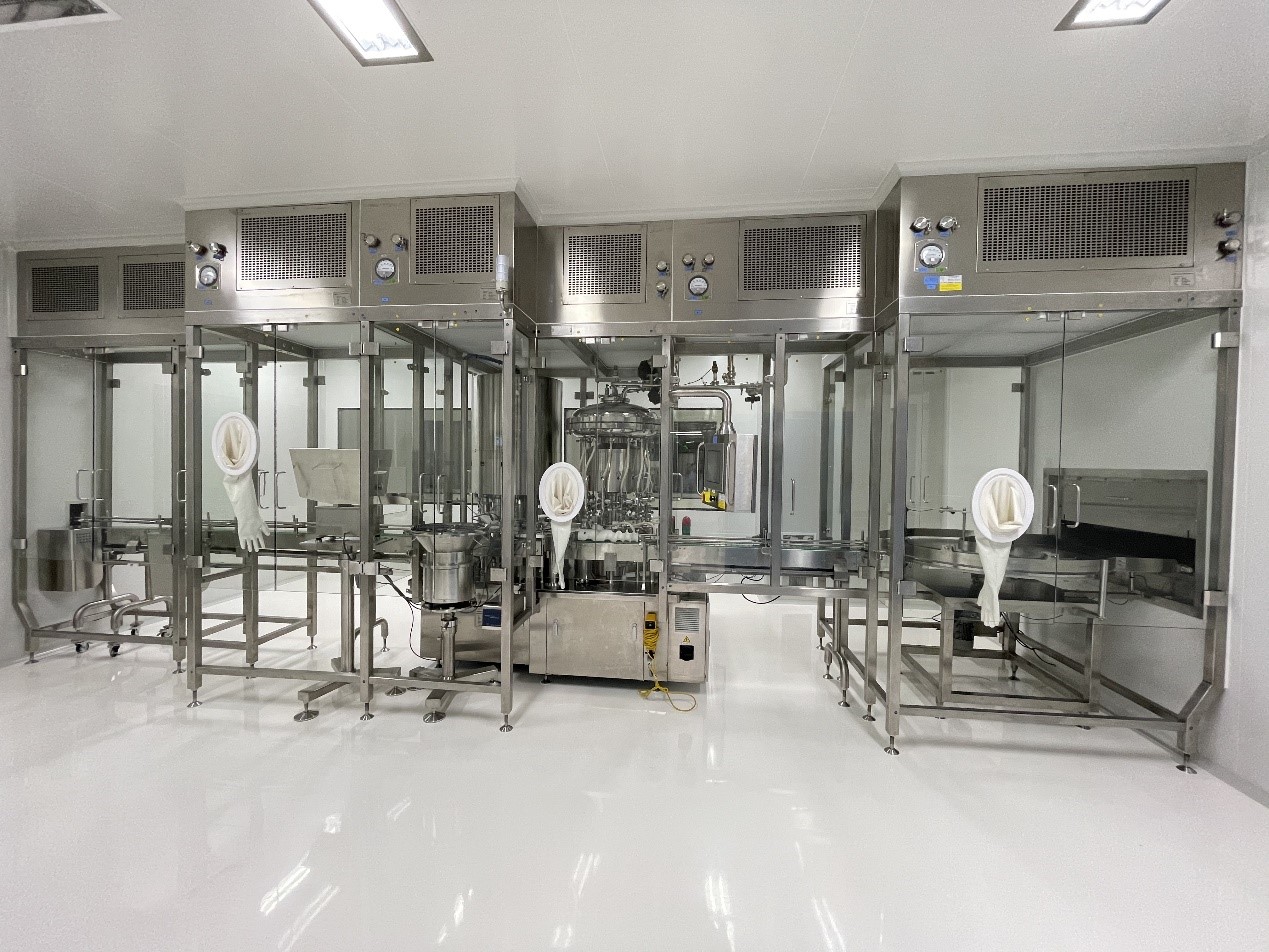
Glass Bottle IV Line Specifications for the United States
For pharmaceutical manufacturers in the United States, glass bottle IV production line specifications matter because they directly affect sterility assurance, throughput, container integrity, validation speed, and long-term operating cost. When a company expands a sterile plant in New Jersey, upgrades an injectable facility near Chicago, or builds a new infusion manufacturing site in Texas or North Carolina, the production line must align with FDA expectations, internal quality systems, and commercial demand forecasts. A modern glass bottle IV line generally includes bottle infeed, washing, depyrogenation or sterilization interface, filling, stoppering or sealing, capping, inspection, labeling, packing, and integrated utilities and data systems. The right line is not defined by speed alone; it is defined by compliance, stable filling accuracy, low particle generation, line clearance efficiency, and maintainability across years of commercial use.
In the U.S. market, buyers increasingly compare glass bottle IV solution lines not only by bottles per hour, but also by recipe flexibility, compatibility with 100 ml to 500 ml or larger formats, cleanroom layout fit, electronic batch record integration, and support for Installation Qualification, Operational Qualification, and Performance Qualification. Companies evaluating projects through ports such as Los Angeles/Long Beach, Houston, Savannah, or Newark also look at shipping configuration, FAT/SAT scheduling, spare-parts availability, and after-sales response times.
Glass bottle IV production line specifications are the technical and operational parameters that define how a sterile infusion line performs in real production. These specifications normally cover output capacity, bottle size range, filling accuracy, sterilization compatibility, cleanroom integration, rejection rates, automation level, utility consumption, and regulatory documentation. In the United States, these specifications are reviewed by engineering, quality assurance, production, procurement, validation, and finance teams because the line must support cGMP manufacturing while meeting commercial supply commitments.
For large pharmaceutical and medical device companies, the most important specifications are usually:
Buyers in pharmaceutical hubs such as Philadelphia, Boston, Indianapolis, and Raleigh-Durham often treat the line as a strategic asset rather than a standalone machine. The reason is simple: a sterile IV line can become the production backbone for sodium chloride, dextrose, amino acid solutions, irrigation products, and other large-volume parenterals supplied to hospital networks across the United States.
Specification Area Typical U.S. Buyer Focus Why It Matters Line speed 3,000 to 18,000 bottles/hour Determines commercial output and staffing model Container range 100 ml, 250 ml, 500 ml, 1000 ml Supports multiple SKUs and hospital demand Filling accuracy High repeatability with low deviation Protects dose consistency and yield Sterility design Aseptic interface, low particle generation Reduces contamination risk Automation SCADA, MES, recipe management, audit trail Improves traceability and compliance Validation package DQ, FAT, SAT, IQ, OQ, PQ support Speeds approval and startup Service model Spare parts, remote support, training Limits downtime over line lifetimeThe table above shows that line specifications are not isolated engineering details. They connect directly to quality risk, launch timing, and the ability to deliver product reliably into the U.S. healthcare supply chain.
In pharmaceutical production, glass bottle IV production line specifications describe the design envelope and process controls of equipment used to manufacture large-volume parenteral products in glass containers. These lines are typically used for infusion solutions that require excellent barrier performance, strong chemical compatibility, and dependable container integrity during sterilization, storage, and transport.
A standard line may include bottle unscrambling or feeding, internal and external washing, air blowing, tunnel or transfer integration, solution filling, closure placement, capping or sealing, leak testing, visual inspection, labeling, and secondary packaging. Advanced systems also include robotic handling, rejection management, online weight checks, conductivity or particle monitoring options, and digital production records.
In the U.S., such lines are commonly used in:
Because glass containers remain important for certain formulations, the line must be designed for breakage control, smooth transport, and minimal mechanical stress. This is particularly important in facilities shipping across long domestic routes from Midwest and East Coast plants to healthcare systems nationwide.
Process Stage Main Equipment Function Critical Control Point Bottle feeding Transfers empty bottles into the line Orientation stability and low breakage Washing Removes particles and residues Water quality and spray coverage Sterile transfer interface Protects clean transition to filling Environmental control Filling Dispenses IV solution into bottles Volume accuracy and anti-drip performance Closure and sealing Applies stopper/cap components Seal integrity and torque consistency Inspection Detects visible defects or fill issues Reject accuracy Labeling and packing Prepares product for warehousing and shipment Serialization and pack integrityThis process view helps procurement teams understand that the quality of the entire line is determined by the coordination between modules, not by any single machine in isolation.
The strongest applications for glass bottle IV lines are large-volume sterile solutions and specialized infusion products where product stability, container compatibility, and heat resistance are essential. In some U.S. operations, glass remains attractive for legacy product continuity, hospital acceptance, and long-established sterilization workflows.
Main benefits include excellent chemical resistance, reliable barrier performance, mature regulatory familiarity, and suitability for products that must endure sterilization cycles. In addition, glass bottle IV lines can be configured for high-capacity centralized production and national distribution.
Key U.S. applications include:
Application Typical Bottle Format Operational Benefit Saline infusion 250 ml to 500 ml High-volume standardized production Dextrose infusion 250 ml to 1000 ml Stable filling with repeatable output Electrolyte solutions 100 ml to 500 ml Supports multi-SKU hospital portfolios Irrigation products 500 ml to 1000 ml Efficient bulk manufacturing Contract manufacturing Mixed formats Flexibility for different client specs Regulated export supply Market-specific sizes Documentation and traceability support Legacy product migration Existing bottle standards Preserves validated container systemsThe practical value of these specifications is seen in day-to-day operations. A line with fast and stable changeover is especially useful for U.S. producers serving multiple regional hospital networks. A line with lower breakage and better filling control reduces yield loss. A line with stronger digital controls improves batch review and deviation investigation.
For example, when a manufacturer in the Northeast upgrades from a partially manual process to an integrated automated line, the benefits often include reduced operator intervention, clearer electronic records, and lower contamination risk. These are not abstract improvements; they directly support release timing and customer confidence.
var ctx1 = document.getElementById(‘lineChart’).getContext(‘2d’);var lineChart = new Chart(ctx1, { type: ‘line’, data: { labels: [‘2021’, ‘2022’, ‘2023’, ‘2024’, ‘2025’, ‘2026’], datasets: [{ label: ‘U.S. demand index for glass bottle IV lines’, data: [68, 72, 79, 85, 93, 101], borderColor: ‘rgb(54, 162, 235)’, backgroundColor: ‘rgba(54, 162, 235, 0.1)’, fill: false, tension: 0.3 }] }, options: { responsive: true, maintainAspectRatio: false }});The line chart indicates a realistic upward demand pattern driven by sterile capacity expansion, replacement of aging assets, and risk diversification in pharmaceutical supply chains serving the United States.
Not all glass bottle IV lines are built the same. The right model depends on annual output, container format range, sterilization strategy, labor model, building constraints, and budget. Buyers should separate basic line architecture from optional modules that may dramatically influence long-term efficiency.
Common line types include compact low-to-medium speed systems for regional production, medium-speed modular lines for multi-product plants, and high-speed automated systems for national supply programs. Some projects prioritize format flexibility, while others prioritize continuous high-volume output for one or two core SKUs.
Line Type Typical Capacity Best Use Case Compact entry line 3,000 to 5,000 bottles/hour Smaller facilities or phased expansion Modular medium-speed line 6,000 to 10,000 bottles/hour Multi-SKU hospital supply production High-speed commercial line 12,000 to 18,000 bottles/hour Large national supply operations Multi-format line Variable Frequent bottle size changes Aseptic-focused configuration Variable High sterility assurance environments Terminal sterilization-oriented line Variable Heat-stable formulations in glass Digital smart line Variable MES integration and data-rich operationsImportant technical options often include:
From a technology perspective, advanced pharmaceutical equipment portfolios are increasingly expected to support data integrity, recipe control, and reduced manual adjustment. That is why many buyers ask suppliers to show not only machine speed, but also alarm logic, user permissions, deviation handling, and maintenance access design.
On the technological capabilities side, IVEN Pharmatech Engineering is known for combining filling and packaging machinery expertise with water treatment, solution preparation, logistics automation, and line integration. This matters for U.S. buyers because a glass bottle IV line rarely succeeds as a standalone purchase. It must fit with purified water systems, WFI distribution, clean utilities, and downstream packaging and warehousing processes.
In modern sterile manufacturing, glass bottle IV lines compete with non-PVC soft bag lines, PP bottle lines, and in some cases outsourced manufacturing models. The best choice depends on product portfolio, customer expectations, cost structure, sterilization route, transport requirements, and sustainability goals.
Glass bottles offer familiarity, strong chemical resistance, and suitability for certain thermal processes, but they also introduce higher weight, greater breakage risk, and often more demanding handling requirements. Soft bags may offer transport and material advantages, while PP bottles can reduce weight and simplify some logistics. However, each format has its own regulatory, technical, and market considerations.
Technology Main Strength Main Limitation Glass bottle IV line Excellent barrier and heat resistance Weight and breakage management Non-PVC soft bag line Lower shipping weight Different material and sealing considerations PP bottle IV line Lighter container handling May require different product compatibility evaluation Outsourced contract manufacturing Lower upfront CAPEX Less direct control over capacity Legacy semi-automatic line Lower initial expense Higher labor and compliance burden Hybrid multi-format facility Portfolio flexibility More complex engineering and validation Single-SKU dedicated line Efficiency at scale Lower adaptability to market shiftsThe comparison table shows why no format is universally superior. For a U.S. producer supplying a long-established glass bottle product range into major hospital systems, retaining or expanding glass capacity may be the best strategic decision. For a greenfield facility near Houston or Savannah focused on shipping efficiency and high-volume standardized products, another technology may also deserve evaluation.
var ctx2 = document.getElementById(‘comparisonChart’).getContext(‘2d’);var comparisonChart = new Chart(ctx2, { type: ‘bar’, data: { labels: [‘Compliance Fit’, ‘Throughput’, ‘Format Flexibility’, ‘Logistics Efficiency’, ‘Container Integrity’, ‘CAPEX Efficiency’], datasets: [ { label: ‘Glass Bottle IV Line’, data: [92, 88, 75, 62, 94, 74], backgroundColor: ‘rgba(153, 102, 255, 0.7)’ }, { label: ‘Alternative Packaging Line’, data: [89, 91, 83, 86, 82, 79], backgroundColor: ‘rgba(255, 159, 64, 0.7)’ } ] }, options: { responsive: true, maintainAspectRatio: false }});This comparison chart simplifies a typical buyer discussion: glass often leads in barrier and thermal performance, while alternative technologies may improve logistics and handling economics.
The U.S. market for sterile liquid manufacturing equipment remains active because many facilities are upgrading aging assets, localizing critical supply, and improving resilience after years of supply chain pressure. Glass bottle IV production line specifications are part of this shift, especially in projects involving replacement of legacy lines, capacity balancing across multiple plants, and modernization of data systems for inspection readiness.
Several market drivers stand out in the United States:
Looking toward 2026, future trends are becoming clearer. First, automation will continue moving beyond basic PLC control toward plant-level data integration. Second, supplier selection will increasingly favor manufacturers capable of providing full validation documentation and remote support. Third, sustainability metrics such as energy use, water consumption, reject reduction, and transport optimization will become more influential in board-level approval.
Policy and regulatory trends also matter. U.S. buyers are likely to keep prioritizing data integrity, risk management, preventive maintenance records, and clear evidence that equipment supports robust cGMP operation. Global suppliers that understand both U.S. expectations and international GMP frameworks will have an advantage.
var ctx3 = document.getElementById(‘areaChart’).getContext(‘2d’);var areaChart = new Chart(ctx3, { type: ‘line’, data: { labels: [‘2021’, ‘2022’, ‘2023’, ‘2024’, ‘2025’, ‘2026’], datasets: [{ label: ‘Share of projects requesting smart automation’, data: [38, 44, 51, 59, 67, 76], borderColor: ‘rgb(75, 192, 192)’, backgroundColor: ‘rgba(75, 192, 192, 0.25)’, fill: true, tension: 0.3 }] }, options: { responsive: true, maintainAspectRatio: false }});The area chart reflects a realistic trend shift: a growing share of U.S. projects now request smart automation, digital batch support, and integrated utility visibility rather than treating the filling line as an isolated asset.
On manufacturing capabilities, IVEN Pharmatech Engineering benefits from specialized production bases focused on filling and packaging equipment, pharmaceutical water systems, intelligent logistics, and related lines. That breadth is relevant to U.S. projects because large sterile facilities often need coordinated sourcing across multiple systems, not just a single machine purchase. For buyers planning an integrated expansion, the ability to align filling technology with water treatment, conveying, and final packaging can lower interface risk.
For more complex projects, many investors also review turnkey pharmaceutical engineering solutions to reduce coordination gaps between process, equipment, utilities, and validation schedules.
var ctx4 = document.getElementById(‘barChart’).getContext(‘2d’);var barChart = new Chart(ctx4, { type: ‘bar’, data: { labels: [‘Hospital Infusions’, ‘Contract Manufacturing’, ‘Irrigation Products’, ‘Electrolyte Solutions’, ‘Export Supply’, ‘Legacy Line Replacement’], datasets: [{ label: ‘U.S. project demand score’, data: [95, 72, 66, 78, 61, 88], backgroundColor: ‘rgba(255, 99, 132, 0.7)’ }] }, options: { responsive: true, maintainAspectRatio: false }});The bar chart shows where demand is strongest: hospital infusion supply and legacy line replacement remain major investment triggers in the United States.
Choosing a supplier is often more difficult than choosing a specification sheet. A line may look impressive on paper but fail during FAT, startup, or sustained commercial operation. U.S. buyers should therefore assess suppliers in five dimensions: compliance understanding, engineering depth, manufacturing quality, service responsiveness, and project execution discipline.
Key questions to ask any supplier include:
Supplier Evaluation Factor What to Verify Practical Buyer Signal Regulatory understanding Experience with FDA-style documentation Clear validation package structure Engineering capability Layout, utilities, automation integration Detailed proposal with interfaces defined Manufacturing quality Material finish, machining, assembly standards Consistent FAT performance Project management Timeline control and issue tracking Single accountable project contact Service support Training, commissioning, spare parts, remote help Documented response commitments Reference projects Comparable sterile installations Verifiable operating cases Scalability Ability to support future line expansion Modular design roadmapThe table clarifies that supplier selection must be evidence-based. Buyers in the United States should not rely only on brochure claims. They should examine machine finish quality, software architecture, change-part design, and the supplier’s ability to explain failure modes and preventive maintenance in detail.
On service capabilities, IVEN Pharmatech Engineering emphasizes lifecycle support that extends from feasibility review and engineering design to installation, commissioning, validation assistance, staff training, documentation, and optimization. For American investors, this matters because line success depends heavily on startup execution and post-handover support. A supplier that can stay engaged through IQ/OQ/PQ and early commercial production reduces project risk significantly.
Companies wanting to review supplier background before formal bidding can start with the manufacturer overview and engineering background and then move to technical discussions around capacity, layout, and compliance support.
Budget planning for a glass bottle IV line should include much more than the machine purchase price. In U.S. projects, the full investment often covers equipment, molds or change parts, automation software, shipping, insurance, customs handling, installation, cleanroom modifications, utility connections, commissioning, validation, training, initial spare parts, and contingency reserve.
A realistic ROI model should examine annual demand, gross margin per bottle, labor savings, reject reduction, maintenance costs, energy and water consumption, and downtime risk. It should also compare phased investment versus single-step installation.
Cost Element Typical Budget Impact Planning Comment Core line equipment Highest share of CAPEX Define scope precisely to avoid change orders Automation and software Moderate to high Important for traceability and future integration Shipping and import logistics Variable by port and route Plan around Newark, Houston, Savannah, or Long Beach Installation and commissioning Moderate Can rise if site readiness is poor Validation activities Moderate Budget early for documentation and execution Training and startup support Low to moderate Strong impact on ramp-up speed Spare parts and maintenance Ongoing OPEX Should be modeled over 5 to 10 yearsA typical ROI case in the United States may be justified by one or more of the following:
Consider a hypothetical example: a manufacturer near Indianapolis runs an older line with high manual intervention. After upgrading to an automated glass bottle IV line, the company may improve OEE, cut rejects, shorten batch review time, and reduce overtime. Even if initial CAPEX is significant, the payback can become attractive when supply reliability and customer retention are included in the model.
Budget discipline also depends on supplier transparency. A reliable supplier should specify what is included in base scope, what is optional, what utilities are required, and what acceptance criteria apply at FAT and SAT. Ambiguity in these areas is one of the most common causes of budget overrun.
The biggest mistake in sterile equipment investment is assuming that technical adequacy automatically equals project success. In reality, many projects fail because of weak planning around building interfaces, qualification timing, local staffing, or spare-parts strategy.
Main risk areas include:
Risk Potential Impact Mitigation Strategy Site layout mismatch Installation delay and redesign cost Complete 3D review before fabrication Weak FAT protocols Problems discovered too late Approve detailed FAT criteria early Insufficient spare parts planning Long downtime during failures Buy critical spares with the line Training gaps Operator errors and slow ramp-up Structured training with SOP alignment Over-customization Longer lead time and more validation effort Customize only where business-critical Data integration issues Batch record and audit trail challenges Define interfaces with MES/ERP in advance Utility instability Performance inconsistency Verify WFI, compressed air, steam, and HVAC readinessThe table above should be read as a project control checklist, not just a risk list. Buyers in the United States often gain the best outcomes when engineering, QA, validation, production, and procurement review the project together from the beginning.
A practical case study pattern can be seen in modernization projects where old glass bottle lines are replaced in phases. Instead of shutting down an entire facility, the company installs a new module, validates bottle formats one by one, and transfers production gradually. This phased strategy can protect revenue while reducing transition risk.
Another common case is a greenfield sterile plant near a logistics corridor such as New Jersey or the Gulf Coast. In these projects, early coordination of customs clearance, site readiness, and SAT scheduling is just as important as machine design. If imported equipment reaches port before the cleanroom and utilities are ready, storage and schedule costs rise quickly.
If your team is preparing a U.S. investment plan and wants technical discussion on line configuration, validation support, or phased rollout, a direct consultation with the equipment and engineering team is usually the most efficient next step.
1. What are the most important glass bottle IV production line specifications for U.S. buyers?The most important specifications are capacity, bottle size range, filling accuracy, contamination control design, automation level, validation documentation, and lifecycle service support. U.S. buyers also pay close attention to data integrity and ease of maintenance.
2. What output range is common for a commercial glass bottle IV line?Commercial lines commonly range from about 3,000 to 18,000 bottles per hour depending on bottle size, product type, and line design. High-speed lines are typically justified by national distribution volume or large hospital contracts.
3. Is glass still competitive compared with soft bags and PP bottles?Yes, in many cases. Glass remains attractive for products requiring strong barrier properties, established compatibility, and certain sterilization approaches. However, soft bags and PP bottles may offer advantages in logistics and material handling, so the best choice depends on your portfolio and market plan.
4. How long does a typical project take?Lead times vary by customization level, factory load, and site readiness. A full project including design, manufacturing, FAT, shipping, installation, SAT, and qualification can take many months, so early planning is essential.
5. What documents should a supplier provide?A reliable supplier should provide equipment drawings, material certificates where required, manuals, electrical schematics, software documentation, FAT/SAT protocols, and validation support documents suitable for IQ/OQ/PQ planning.
6. What should be included in the budget besides machine price?Include shipping, customs, insurance, cleanroom and utility interfaces, commissioning, qualification, training, spare parts, and contingency. Many projects underestimate these items and then face avoidable overruns.
7. How important is after-sales service?It is critical. Even a well-designed line will require maintenance, parameter optimization, training refreshers, and spare parts. Strong service support can significantly reduce total cost of ownership over the life of the line.
8. Can one supplier support both equipment and broader plant integration?Yes, some suppliers can. This is often beneficial for U.S. buyers building or modernizing sterile liquid plants because coordination across filling lines, water systems, utilities, logistics, and validation can reduce project risk.
9. Why do many investors look for an experienced engineering partner instead of only a machine vendor?Because sterile manufacturing projects are multidisciplinary. Equipment selection alone does not guarantee success. Layout design, utility matching, compliance support, production transfer, and startup planning all influence the final result.
10. Where does IVEN Pharmatech Engineering fit in this market?IVEN Pharmatech Engineering positions itself as a pharmaceutical engineering and equipment partner with experience in IV solution lines, water treatment systems, packaging, intelligent logistics, and turnkey project support. For U.S. buyers, its relevance lies in combining technical breadth, manufacturing depth, and lifecycle service capabilities for regulated pharmaceutical projects.