United States Guide to Pharma Water Treatment Systems
Pharmaceutical water is not a utility detail; in regulated production it is a critical process input. For manufacturers in the United States, choosing the right pharmaceutical water treatment system affects product quality, validation workload, operating cost, audit readiness, and long-term plant expansion. Whether the project involves purified water, water for injection, clean steam support, or full loop distribution, buyers need a practical view of system types, materials, compliance expectations, sourcing models, and supplier capabilities.
In simple terms, a pharmaceutical water treatment system is an engineered platform that converts municipal or well water into water grades suitable for pharmaceutical manufacturing. In the U.S. market, this generally means systems designed to support USP-aligned water quality targets, strong microbial control, complete documentation, and reliable integration into cGMP facilities in hubs such as New Jersey, Boston, Philadelphia, Indianapolis, Houston, San Diego, and the Research Triangle.
For procurement teams, engineering firms, CDMOs, sterile injectables plants, and biotech manufacturers, the right approach is to evaluate the full lifecycle: pretreatment, purification, storage, distribution, sanitization, automation, validation, spare parts, and after-sales service. Companies looking for an integrated project partner often review engineering-led suppliers with turnkey experience, such as IVEN Pharmatech Engineering, especially when balancing compliance, customization, and cost efficiency for international projects.
A B2B Guide to Pharmaceutical Water Treatment System Types, Applications, Sourcing, and Supplier Selection

A pharmaceutical water treatment system for B2B buyers is more than a skid with membranes and pumps. It is a validated process utility package that must match the dosage form, production capacity, sanitization strategy, plant layout, and regulatory expectations of the site. In the United States, buyer priorities often include documented material traceability, weld quality, FAT and SAT support, IQ/OQ documentation, data integrity for controls, and lifecycle maintenance planning.
Typical project stakeholders include plant engineering managers, QA and validation teams, procurement departments, EPC contractors, and production directors. Each group evaluates different risks. Engineering focuses on reliability and integration. Quality reviews microbial control and documentation depth. Procurement tracks lead times, total cost of ownership, and supplier responsiveness. Operations cares about uptime, ease of sanitization, and alarm management.
For a greenfield facility in markets like New Jersey or North Carolina, buyers may prefer a fully integrated package including pretreatment, reverse osmosis, EDI, storage tank, distribution loop, heat exchangers, sanitary pumps, automation, and validation support. For brownfield upgrades in Chicago, St. Louis, or Puerto Rico-linked supply chains, modular retrofits are often more practical, especially when minimizing shutdowns.
Successful sourcing decisions usually come down to five questions: What water grade is required? How much peak and average demand will the facility have? How will the loop be sanitized? What level of documentation is needed for qualification? Can the supplier support the site after installation in the United States?
What Is a Pharmaceutical Water Treatment System Manufacturer Solution?

A manufacturer solution in this field means a tailored combination of equipment, engineering, controls, and services rather than a generic off-the-shelf machine. In regulated pharma production, the system normally begins with feedwater pretreatment and ends with point-of-use delivery that preserves water quality up to the production line.
Core process stages often include multimedia filtration, activated carbon, softening or antiscalant dosing, reverse osmosis, electrodeionization, UV sterilization, degassing, ultrafiltration, distillation for water for injection, storage tanks, and recirculating distribution loops. Depending on the process, systems may also include purified steam generation and hot or ambient loop sanitization.
What separates a standard industrial water package from a pharmaceutical manufacturer solution is its sanitary design. This includes 316L stainless steel contact surfaces where required, orbital welding, slope and drainability, dead-leg control, sanitary valves, conductivity and TOC monitoring, microbial risk reduction, and validation-oriented controls. A supplier serving pharmaceutical buyers should also provide P&IDs, component lists, calibration plans, FAT protocols, material certificates, and qualification documents.
For companies expanding production of sterile injectables, oral liquids, or biotech products, a supplier with broad engineering capability can simplify project execution. Buyers comparing integrated options can review turnkey pharmaceutical engineering solutions that combine water systems with other clean utility and process packages.
| Solution Element | Function | Why It Matters in Pharma | Typical U.S. Buyer Concern | Common Documentation | Selection Note |
|---|---|---|---|---|---|
| Pretreatment | Protects downstream purification | Stabilizes feedwater quality | Seasonal municipal water shifts | Filter specs, media data | Size for worst-case feedwater |
| RO/EDI Purification | Removes ions and organics | Supports purified water quality | Recovery rate and energy use | Performance curves | Match output to peak demand |
| Distillation | Produces WFI-grade water | Critical for sterile production | Steam and utility consumption | DQ/FAT records | Review total operating cost |
| Storage and Distribution | Maintains quality in circulation | Reduces microbial risk | Loop design and dead legs | P&IDs, weld logs | Validate every point of use |
| Automation | Controls process and alarms | Improves consistency and traceability | Data integrity and user access | Software documents | Confirm alarm and audit trails |
| Validation Support | Helps qualify the system | Speeds plant startup | Audit readiness | IQ/OQ templates | Prefer suppliers with GMP experience |
The table above shows why buyers should assess the system as a complete validated utility, not as isolated equipment. Weakness in one stage often creates downstream compliance or maintenance problems.
Pharmaceutical Water Treatment System Market Size and Industry Trends

The U.S. pharmaceutical water treatment market is supported by robust investment in biologics, sterile manufacturing, cell and gene therapy support infrastructure, and modernization of legacy plants. Rising demand for injectable products, increasing scrutiny of contamination control, and a shift toward digital maintenance all support market growth through 2026 and beyond.
Compared with many general industrial water sectors, pharmaceutical water treatment has higher barriers to entry because buyers want validated design, sanitary fabrication, and documentation suitable for audits. This favors specialized manufacturers and engineering companies that can serve highly regulated projects.
Three major market drivers are especially relevant in the United States. First, capacity expansion in sterile injectables and aseptic filling increases demand for WFI and high-purity loops. Second, CDMOs and biotech companies need scalable systems that can grow from pilot to commercial output. Third, sustainability targets are pushing buyers to reduce reject water, optimize hot water circulation, and improve energy efficiency.
The line chart illustrates a realistic indexed growth pattern driven by new capacity, replacement of aging systems, and tighter quality expectations. Buyers in Boston, San Francisco Bay Area, and New Jersey often lead demand for advanced automation and higher documentation packages, while manufacturing-heavy regions such as Indiana and Texas show strong interest in cost-efficient scale-up systems.
By 2026, future trends point to smarter instrumentation, remote diagnostics, predictive maintenance, lower water loss, compact skid design for urban facilities, and sustainability-focused heat recovery. Policy and compliance trends also favor stronger electronic records, better alarm handling, and more disciplined lifecycle management. U.S. buyers increasingly request systems that can adapt to expansion without complete replacement.
Pharmaceutical Water Treatment System Types, Specifications, and Materials
The main pharmaceutical water systems supplied to the U.S. market include purified water systems, water for injection generation systems, purified steam generators, storage and distribution loops, and integrated solution preparation support systems. The correct configuration depends on the drug product, process intensity, and site utility conditions.
For non-sterile dosage forms, purified water systems are common. For sterile products, WFI generation and tightly controlled distribution are essential. Some facilities use ambient loops with chemical or ozone sanitization, while others prefer hot water systems for stronger microbial control and simpler sanitization logic. Material selection also matters. Upstream pretreatment may use industrial-grade materials where appropriate, but pharmaceutical contact sections often require 316L stainless steel with sanitary finish.
| System Type | Typical Output | Main Technologies | Common Materials | Best Fit Application | Key Buying Consideration |
|---|---|---|---|---|---|
| Purified Water System | 500 to 20,000 L/h | RO + EDI + UV + UF | 316L SS, sanitary polymers | Oral liquids, cleaning, compounding | Feedwater variability |
| WFI Generation System | 200 to 10,000 L/h | Multi-effect distillation or membrane-based design where applicable | 316L SS high sanitary finish | Sterile injectables | Regulatory strategy and utility load |
| Purified Steam Generator | 50 to 3,000 kg/h | Thermal generation | 316L SS | SIP and sterile process support | Steam quality and plant integration |
| Storage and Distribution Loop | Project-specific | Recirculation, heat exchange, UV | 316L SS, orbital welds | All pharma water networks | Dead-leg minimization |
| Compact Modular Skid | Small to medium capacity | Integrated pretreatment and purification | Mixed, sanitary downstream | CDMOs, pilot plants | Expansion flexibility |
| Central Utility System | High capacity multi-user | Full pretreatment, RO, EDI, distillation | 316L SS with robust automation | Large campuses | Redundancy planning |
This table helps buyers compare system architecture against production needs rather than purchasing on output volume alone.
| Specification Item | Typical Range | Why It Matters | Risk if Underspecified | Who Reviews It | Practical U.S. Tip |
|---|---|---|---|---|---|
| Conductivity | Per internal quality target | Indicates ionic purity | Batch rejection risk | QA and engineering | Confirm online monitoring points |
| TOC | Low organic load target | Assesses organic contamination | Cleaning and product quality issues | QA | Specify sampling strategy |
| Microbial Control | Validated low bioburden state | Essential for cGMP utility control | Deviation and shutdown risk | Microbiology and QA | Review sanitization frequency |
| Loop Velocity | Project-specific sanitary design | Reduces stagnation | Biofilm development | Engineering | Check every branch length |
| Surface Finish | Pharma sanitary finish | Supports cleanability | Residue and microbial harborage | Validation and QA | Ask for finish certificates |
| Automation Level | PLC/HMI to advanced SCADA | Controls alarms and records | Human error and limited traceability | Engineering and IT | Define user access early |
Material choices should always be tied to water grade and lifecycle cost. Stainless steel remains the standard for critical downstream sections because it supports durability, sanitization, and long service life. In many pharmaceutical projects, a well-built stainless system can remain productive for decades with proper maintenance.
Key Applications of Pharmaceutical Water Treatment Systems in Pharma Production
Applications vary by dosage form and process stage. Purified water is frequently used for formulation of oral liquids, equipment cleaning, buffer preparation, granulation support, and utility feed. WFI is central to sterile injectable manufacturing, final rinse applications, and certain high-risk biotech processes.
In aseptic facilities around New Jersey and Massachusetts, water systems directly support vial filling, ampoule processing, and prefilled syringe production through cleaning, preparation, and support utilities. In solid dosage plants, purified water can be less visible but still vital for cleaning validation and process consistency.
| Application | Water Grade Commonly Used | Production Area | Primary Quality Focus | System Feature Needed | Buyer Priority |
|---|---|---|---|---|---|
| Oral liquid formulation | Purified water | Compounding | Low organics and consistency | Stable continuous supply | Capacity matching |
| Sterile injectable production | WFI | Aseptic manufacturing | Microbial control | Validated hot loop or equivalent strategy | Compliance confidence |
| Equipment cleaning | Purified water or WFI | Wash areas | Residue removal | Reliable distribution points | Point-of-use planning |
| Final rinse | WFI or purified water depending on process | Critical cleaning | Endotoxin and bioburden control | Traceable loop performance | Sampling access |
| Biotech buffer preparation | Purified water/WFI | Bioprocess suites | Consistency and low contamination | Automation integration | Scalability |
| Clean steam support | Purified water feed | Sterilization support | Steam purity | Integrated utility design | System compatibility |
The table shows that application determines not only water grade, but also loop design, sanitization method, and instrumentation needs. Buyers should map every point of use before finalizing capacity.
A common procurement mistake is sizing only for average daily consumption. Pharmaceutical operations often have peaks during batch preparation, CIP cycles, and parallel line startups. A correctly designed system should handle these peaks without compromising recirculation or quality.
Industries Served and B2B Buyers for Pharmaceutical Water Treatment Systems
Although the primary market is pharmaceutical manufacturing, the buyer base is broader. It includes biotech companies, vaccine producers, medical consumables manufacturers, contract development and manufacturing organizations, hospital preparation centers, and selected medical device facilities where high-purity water is part of controlled production.
In the United States, demand is especially strong in clusters where drug development and commercial manufacturing coexist. New Jersey remains a core hub for pharma headquarters and production. Boston and Cambridge drive biotech and advanced therapy projects. North Carolina supports biomanufacturing growth. California, Pennsylvania, and Indiana also maintain strong demand across research, sterile, and commercial segments.
| Buyer Type | Typical Project Need | Capacity Pattern | Compliance Priority | Buying Style | Decision Driver |
|---|---|---|---|---|---|
| Large pharma manufacturer | Central validated utility system | High and steady | Extensive documentation | Formal tender | Reliability and compliance |
| CDMO | Flexible multi-product water system | Variable | Fast qualification | Project-based | Adaptability |
| Biotech company | Scalable modular system | Growth-stage | Process integration | Engineering-led | Expansion readiness |
| Sterile injectables plant | WFI and purified steam package | High criticality | Microbial control | Risk-focused | Assurance of quality |
| Oral dose manufacturer | Purified water with cleaning support | Medium | Operational simplicity | Cost-conscious | Total cost of ownership |
| Medical consumables producer | Controlled utility support | Application-specific | Consistent supply | Hybrid sourcing | Practical uptime |
This buyer map clarifies why one standard proposal rarely fits every customer. The stronger the regulatory and production complexity, the more valuable an experienced engineering supplier becomes.
How to Choose a Pharmaceutical Water Treatment System Supplier
Supplier selection should be based on technical fit, compliance readiness, project execution ability, and post-installation support. Price matters, but in pharmaceutical utilities, the lowest capital cost can create the highest validation and maintenance burden later.
Start with supplier experience in projects similar to yours. A vendor that has supplied oral liquid plants may not automatically be the best choice for a high-risk sterile injectable site. Next, review engineering quality: P&IDs, hygienic design standards, control philosophy, weld management, and materials traceability. Then assess manufacturing quality, FAT discipline, and support documentation. Finally, confirm field service capability and spare parts availability for U.S. operations.
| Evaluation Factor | What to Ask | Why It Matters | Warning Sign | Strong Supplier Indicator | Weight in Decision |
|---|---|---|---|---|---|
| Regulatory understanding | Do you support cGMP validation documents? | Reduces compliance gaps | Only generic manuals available | Structured IQ/OQ support | Very high |
| Sanitary design | How are dead legs controlled? | Impacts microbial risk | Vague design answers | Detailed loop design review | Very high |
| Manufacturing quality | Are welds documented and inspected? | Supports long-term reliability | No traceability records | Orbital welding logs | High |
| Automation capability | Can alarms and trends be customized? | Improves operations and audits | Closed black-box system | Flexible PLC/HMI package | High |
| Project management | Who coordinates FAT, shipping, SAT? | Prevents delays | Fragmented communication | Dedicated project lead | Medium-high |
| Service support | How fast can you respond after startup? | Limits downtime | No clear service plan | Training, spare parts, remote support | High |
A useful method is to score suppliers across design, compliance, lifecycle cost, and service. Ask for examples of completed water systems, reference industries, and scope of documentation. Buyers can also compare technical options available through a specialized pharmaceutical equipment portfolio instead of reviewing standalone machines in isolation.
The comparison chart highlights a common market reality: generic utility suppliers may be competitive on initial price, but specialized pharmaceutical suppliers usually perform better on compliance, customization, and project integration.
How to Source a Pharmaceutical Water Treatment System from China
Sourcing from China can be an effective strategy for U.S. buyers seeking customized systems, strong manufacturing capacity, and competitive project economics. The key is disciplined supplier qualification. China sourcing works best when the manufacturer has established pharmaceutical industry experience, sanitary fabrication capability, export history, and documentation discipline.
Start by issuing a detailed URS that defines water grades, capacities, sanitization strategy, utility conditions, automation expectations, and documentation scope. Review the supplier’s engineering response, not just the quotation. Ask for layout drawings, process descriptions, bill of materials, FAT scope, material certificates, and prior export references. Logistics planning is also important. Many U.S. buyers receive equipment through Los Angeles/Long Beach, Houston, Savannah, or the Port of New York and New Jersey, then coordinate inland delivery to final sites.
| Sourcing Step | What U.S. Buyer Should Do | Main Risk | How to Reduce Risk | Typical Deliverable | Timing Note |
|---|---|---|---|---|---|
| Define URS | List process and compliance needs | Scope mismatch | Cross-review with QA and engineering | User Requirement Specification | Before RFQ |
| Shortlist suppliers | Check pharma project experience | Unqualified vendor | Verify similar references | Approved vendor list | Early stage |
| Technical evaluation | Review P&ID and materials | Hidden design weakness | Run design clarification meetings | Technical comparison sheet | Bid stage |
| Factory audit/FAT planning | Inspect build quality | Late discovery of issues | Use FAT checklist | Audit and FAT protocol | Pre-shipment |
| Shipping and customs | Plan packing and port routing | Transit damage or delay | Export packing and insured freight | Packing list, shipping docs | Final manufacturing stage |
| Installation and validation | Coordinate SAT and IQ/OQ | Slow startup | Clarify onsite responsibilities | SAT, IQ/OQ documents | Arrival to commissioning |
For many buyers, the best sourcing model is to work with a company that combines manufacturing in China with international project management and pharmaceutical compliance knowledge. A direct discussion with an experienced export-oriented team through the project contact page can help clarify documentation, lead time, and U.S. delivery planning early in the process.
Why Choose Our Pharmaceutical Water Treatment System Manufacturing Factory
For U.S. buyers, a strong manufacturing partner should offer three things at once: technological depth, reliable production capability, and full-lifecycle service. This is where an engineering-driven manufacturer can create real project value.
Technological capabilities: Our approach is based on customized pharmaceutical utility engineering rather than one-size-fits-all equipment. We design systems for purified water, WFI generation, purified steam support, solution preparation integration, and distribution loops aligned with regulated factory requirements. The team’s experience across injectable pharma, biological production, solid dosage forms, and medical consumables allows system design to reflect real process needs. Projects are developed with attention to sanitary design, automation, validation readiness, and compatibility with international GMP expectations commonly referenced by U.S. buyers.
Manufacturing capabilities: With specialized manufacturing plants in Shanghai dedicated to pharmaceutical equipment categories including water treatment systems, the factory structure supports consistent fabrication, customization, and coordinated project delivery. This manufacturing base is especially valuable for buyers needing integrated utility and production line support rather than a single stand-alone skid. Stainless steel construction quality, long equipment life, and accumulated production know-how contribute to durability and stable long-term operation. For complex projects, integration with broader factory infrastructure can reduce interface risk and improve execution.
Service capabilities: Beyond equipment supply, project support can include feasibility input, engineering design, customization, installation guidance, commissioning, validation support, quality documentation, staff training, and after-sales service. This service model is important for U.S. companies that need not only shipped equipment, but also a structured path from concept to qualified operation. Buyers evaluating overseas sourcing often prioritize this because poor coordination, non-standard design, and delayed startup are common causes of hidden project cost.
Another practical advantage is experience with global delivery and compliance-oriented projects, including work for international customers across dozens of countries. For American buyers, that means discussions can focus on documentation depth, project schedules, and site execution rather than starting from zero on export capability. If you are comparing partners for a new installation, retrofit, or full utility package, reviewing the company background at our engineering profile is a useful first step.
A realistic case example is a sterile production expansion where the client needs purified water, WFI support, and coordinated packaging utility interfaces under a tight construction timeline. In such situations, integrated planning across water treatment, process equipment, and logistics can reduce handoff issues between multiple vendors. That is often where an experienced manufacturing factory with engineering and service depth stands out.
Frequently Asked Questions About Pharmaceutical Water Treatment Systems
1. What is the difference between purified water and water for injection?
Purified water is typically used for non-parenteral processes, cleaning, and formulation support, while WFI is used for more critical sterile applications. The exact quality target should follow your internal quality and regulatory strategy.
2. How do I know what capacity to buy?
Calculate average use, peak use, simultaneous user demand, sanitization downtime, and future expansion. Most underperforming systems are undersized because only average daily volume was considered.
3. Which is better: hot loop or ambient loop?
It depends on microbial control strategy, utility cost, plant layout, and operating philosophy. Hot loops can simplify sanitization but increase energy use. Ambient loops may reduce energy demand but require a strong control and sanitization strategy.
4. What materials should be used?
Critical downstream pharmaceutical contact sections are usually built in 316L stainless steel with sanitary finishes. Upstream pretreatment may use other materials depending on service conditions.
5. Can I source a pharmaceutical water system from China for a U.S. facility?
Yes, if the supplier has proven pharmaceutical experience, sanitary manufacturing quality, export capability, and adequate documentation for validation and site acceptance.
6. What documents should I request from the supplier?
At minimum, request P&IDs, GA drawings, component lists, material certificates, instrument lists, FAT protocol, operation manuals, calibration details, and IQ/OQ support documents if required.
7. How long does installation and qualification take?
That depends on system complexity, site readiness, and utility connections. A modular purified water system can move relatively quickly, while WFI and large loop projects require more commissioning and qualification time.
8. What are the main operating costs?
Water consumption, reject water, energy, membrane replacement, sanitization, instrumentation calibration, preventive maintenance, and labor are the major lifecycle cost categories.
9. What trends should buyers watch through 2026?
Expect stronger digital monitoring, remote service support, sustainability metrics, lower-reject system design, improved heat recovery, and more flexible modular systems for biotech and CDMO facilities.
10. What should a first meeting with a supplier include?
Bring your URS, expected product portfolio, facility location, utility conditions, target startup date, validation expectations, and any future expansion assumptions. A good supplier can then propose a realistic concept rather than a generic quotation.
For U.S. buyers, the best pharmaceutical water treatment system is not simply the most advanced or the least expensive. It is the one that aligns with your process, site, compliance path, and future growth plan. Whether your project is in Newark, Raleigh, Boston, Indianapolis, Houston, or San Diego, the right B2B decision starts with a clear technical brief and a supplier that understands both engineering and pharmaceutical execution.

About the Author
We are IVEN Pharmatech Engineering, a team dedicated to delivering turnkey pharmaceutical and medical solutions worldwide. With decades of experience, we specialize in advanced machinery, integrated factory design, and full lifecycle support to help our clients achieve efficient, compliant, and high-quality production.
Share
Related Insights
-
United States Guide to Buying Syrup Filling Systems
For manufacturers in the United States, a syrup filling machine is not just a packaging asset; it is a production control tool that affects fill accuracy, product safety, labor efficiency, compliance, and long-term operating cost. Whether you pack cough syrup, oral liquid, flavored syrup, nutrition liquids, or viscous food syrup, the right equipment must match viscosity, bottle format, required output, sanitation standards, and downstream packaging needs. Buyers in hubs such as New Jersey, Chicago, Houston, Los Angeles, and Atlanta typically evaluate these machines based on throughput, changeover time, CIP or SIP compatibility, integration with capping and labeling, and supplier support for FDA-oriented documentation and validation. This guide explains how syrup filling systems work, the most common machine types, market demand trends, technical specifications, sourcing strategies, and how B2B buyers can make a lower-risk purchase decision.
A syrup filling machine is designed to dose and fill free-flowing to high-viscosity liquid products into bottles, jars, vials, or other containers with repeatable accuracy. In B2B purchasing, the best choice depends less on the label “syrup filler” and more on process details: product viscosity, suspended particles, foaming tendency, target speed, bottle neck dimensions, cap type, cleaning method, and the level of regulatory control required.
In the United States, buyers often compare domestic integrators with specialized overseas manufacturers. The decision is usually a balance among capital budget, lead time, technical depth, validation support, and after-sales reliability. For example, a nutraceutical packer in California may prioritize quick format changeover and medium-speed output, while a pharmaceutical producer in New Jersey may place stronger emphasis on documented design qualification, 21 CFR-oriented controls, and cleanroom compatibility.
Before requesting quotations, buyers should define six basics: container range, fill volume range, product characteristics, target bottles per minute, utility availability, and compliance expectations. This prevents overspecification and reduces the risk of buying a machine that performs well in factory acceptance tests but struggles in live production.
Decision FactorWhy It MattersTypical Buyer QuestionRisk If IgnoredBest PracticeImpact on CostViscosityDetermines pump type and nozzle designCan the machine handle thick syrup consistently?Underfill, overflow, unstable outputTest actual product samplesMedium to highFill AccuracyAffects compliance and giveawayWhat tolerance is guaranteed at my fill volume?Rejects and product lossRequest FAT data by volume rangeHighContainer VarietyImpacts change parts and downtimeHow many bottle formats can one line run?Frequent stoppagesStandardize formats where possibleMediumHygiene StandardRequired for pharma and sensitive food productsIs CIP or SIP available?Contamination riskMatch design to sanitation protocolMedium to highAutomation LevelInfluences labor and traceabilityDo I need semi-automatic or full line integration?Labor inefficiencyPlan for 3 to 5 year capacityHighSupplier SupportReduces startup and maintenance riskWho supports commissioning in the United States?Long downtimeVerify service response planMediumThe table above shows why B2B decisions should start from process requirements rather than catalog descriptions. A lower-priced machine can become the more expensive option if it creates giveaway, inconsistent capping synchronization, or sanitation delays.
A syrup filling machine is a dosing and transfer system that moves syrup from a product tank or buffer vessel into containers at a controlled volume. Most systems combine product feeding, bottle indexing, fill actuation, anti-drip nozzles, and conveyor-based transfer to capping and labeling stations. Depending on the process, the machine may use piston filling, servo-driven volumetric filling, peristaltic pumping, gear pumps, or flowmeter-based dosing.
The basic workflow is straightforward. Empty bottles enter through an infeed conveyor. A timing screw, star wheel, or gate mechanism positions them under the filling heads. The machine then dispenses the preset amount of syrup. Diving nozzles may descend into the bottle to reduce foaming or splashing. Anti-drip shutoff prevents stringing, especially for sugary and sticky products. Filled containers then move to cap placement, torque control, induction sealing, labeling, coding, and final packing.
In pharmaceutical or oral liquid applications, the system may include laminar flow protection, cleanroom-compatible construction, automatic rejection of missing bottles, no-bottle-no-fill logic, and batch data recording. In food syrup operations, practical concerns such as washdown capability, sugar crystallization control, and easy changeover often matter more than sterile design.
Performance depends on stable product supply. If syrup viscosity changes with temperature, accuracy can drift. That is why many buyers ask for jacketed tanks, recirculation loops, agitation, or viscosity-specific calibration. For high-value products, mass flow or servo piston systems can produce more consistent dosing than basic timed filling.
System ComponentMain FunctionCommon OptionsBest ForPotential IssueBuyer NoteProduct TankStores and feeds syrupOpen, closed, jacketed, agitatedStable product deliveryViscosity driftSpecify volume and temperature needsPump or Dosing UnitMeasures fill quantityPiston, peristaltic, gear, flowmeterAccuracy controlWear or pulsationChoose based on syrup propertiesFilling NozzleDelivers product into containerDiving, bottom-up, anti-dripClean fillingStringing and splashMatch nozzle to bottle mouthBottle HandlingIndexes bottles correctlyConveyor, star wheel, servo indexingSpeed and stabilityJamsConfirm container tolerancesControl SystemCoordinates machine actionsPLC, HMI, servo recipesRepeatabilityPoor diagnosticsAsk for data logging featuresDischarge IntegrationTransfers to capping and labelingInline or monoblockLine efficiencyBottlenecksEvaluate full line balanceThis process view helps buyers understand why sample testing is critical. A syrup filling machine can run perfectly with water-like liquids but perform very differently once actual sugar content, suspended ingredients, or temperature-sensitive viscosity are introduced.
Demand for syrup filling equipment in the United States is supported by growth in OTC medicines, nutraceutical liquids, functional beverages, flavored coffee syrups, pediatric formulations, and contract packaging. Smaller brands are entering the market with shorter runs and more SKUs, which increases interest in flexible servo-driven systems and fast cleaning procedures. At the same time, larger manufacturers continue investing in automated lines to reduce labor pressure and improve OEE.
Another important shift is regulatory and customer pressure for traceability. Buyers increasingly request batch reporting, recipe management, vision inspection, reject tracking, and integration with MES or ERP systems. This is especially true in pharmaceutical and high-value healthcare segments around Boston, Philadelphia, and the New York-New Jersey corridor.
By 2026, buyers are expected to focus even more on sustainability and utility efficiency. That includes lower product loss, reduced water use during cleaning, more compact footprints, and energy-efficient servo systems. Policy expectations around food safety and pharmaceutical quality will continue to favor equipment with better documentation, cleaner weld finishes, and validated performance data.
var ctxMarket = document.getElementById(‘lineChartMarket’).getContext(‘2d’);var chartMarket = new Chart(ctxMarket, {type: ‘line’,data: {labels: [‘2022’, ‘2023’, ‘2024’, ‘2025’, ‘2026’, ‘2027’, ‘2028’],datasets: [{label: ‘United States demand index’,data: [78, 84, 91, 99, 108, 117, 126],borderColor: ‘rgb(75, 192, 192)’,backgroundColor: ‘rgba(75, 192, 192, 0.15)’,fill: false,tension: 0.3}]},options: {responsive: true,maintainAspectRatio: false}});The line chart illustrates a realistic upward demand trajectory driven by replacement of older mechanical fillers, expansion of nutraceutical packaging, and continued investment in compliant pharmaceutical liquid lines.
There is no single “best” syrup filler. The correct system depends on how the product flows, the required speed, and how often the production team changes container sizes or product formulas. In practice, United States buyers usually evaluate five main system types.
Piston fillers remain common for medium to high viscosity syrup because they deliver repeatable volumetric dosing and can handle thicker products. Peristaltic fillers are often chosen for smaller pharmaceutical or specialty liquid applications where cleanliness and easy product path replacement are priorities. Flowmeter-based fillers suit higher-speed lines and can handle a wider product range when paired with smart controls. Gravity or overflow fillers are less common for true syrup but may suit lower-viscosity sweet liquids. Monoblock systems combine filling and capping in one footprint, saving space and simplifying synchronization.
Key specifications should include fill range, filling accuracy, output speed, contact material, CIP or SIP options, compressed air demand, power supply, recipe storage, and changeover requirements. Buyers should ask whether rated speed is based on water, on actual syrup, or on a bottle size different from their own. That clarification avoids unrealistic expectations.
Machine TypeTypical Viscosity RangeSpeed RangeAccuracy PotentialMain AdvantageBest FitPiston Filling MachineMedium to high20 to 180 bottles/minHighStable volumetric controlPharma syrup, food syrupPeristaltic Filling MachineLow to medium10 to 80 bottles/minVery high on smaller fillsEasy tubing change and clean flow pathOral liquids, specialty liquidsFlowmeter Filling MachineLow to medium-high40 to 240 bottles/minHighFlexible recipe controlMulti-SKU contract packagingGear Pump Filling MachineMedium20 to 120 bottles/minGoodCompact and responsiveFlavor syrup, nutraceuticalsGravity or Time-Pressure FillerLow20 to 150 bottles/minModerateLower costThin sweet liquidsMonoblock Filling-Capping SystemProduct dependent30 to 200 bottles/minHighCompact line integrationPharma and high-volume linesThe table above is useful because it separates marketing claims from practical fit. For example, a peristaltic system may be excellent for accuracy and hygiene, but it may not be ideal for very thick syrups at larger bottle sizes. A piston filler may be more robust in that situation.
Accuracy and hygiene are the two specifications that most directly affect customer complaints, inspection readiness, and profitability. For syrup, several design features make a measurable difference.
Servo control improves repeatability because it allows precise adjustment of stroke, speed, and recipe parameters. Anti-drip nozzles reduce sticky buildup around bottle mouths and conveyor surfaces. Diving nozzles improve appearance and reduce foam. Closed product paths protect quality, while sanitary stainless steel construction with polished contact surfaces supports easier cleaning.
For pharmaceutical and health-related syrup, buyers often look for 316L contact parts, dead-leg reduction, tri-clamp connections, CIP or SIP compatibility, audit-friendly access, and machine controls that store production recipes. Load cells, inline flow verification, or rejection systems can further improve line confidence. In food and flavor syrup plants, the ability to disassemble quickly and prevent sugar crystallization in nozzles is equally important.
By 2026, smart maintenance features will matter more. Sensors that detect pressure variation, nozzle blockage, or abnormal pump load can reduce downtime and predict service intervals before failures happen.
FeatureProduction BenefitHygiene BenefitWho Needs It MostCost ImpactCommentsServo Dosing ControlBetter fill consistencyLess rework and handlingPharma, nutraceuticalsMediumStrong ROI on multi-SKU linesAnti-Drip NozzlesCleaner bottle necksLess sticky residueAll syrup producersLow to mediumEssential for sugary formulasDiving NozzlesReduced foam and splashCleaner fill zoneOral liquids, flavor syrupsMediumUseful for narrow bottlesCIP CapabilityFaster cleaning cyclesStandardized sanitationLarger regulated plantsMedium to highCheck actual CIP sequence details316L Product Contact PartsDurability and corrosion resistanceBetter sanitary performancePharma and premium foodMediumConfirm certificatesRecipe Management HMIQuicker changeoversLess operator variationContract packersLow to mediumUseful for batch traceabilityThis feature comparison matters because accuracy is not determined by dosing technology alone. Clean nozzles, stable bottle positioning, product temperature control, and operator recipe discipline all contribute to real fill performance.
Syrup filling equipment serves a wider B2B market than many buyers expect. Pharmaceutical manufacturers use these systems for cough syrup, pediatric oral liquids, antacid suspensions, and other bottle-packed medicinal products. Nutraceutical companies fill herbal syrups, liquid vitamins, and wellness concentrates. Food and beverage companies package pancake syrup, dessert syrup, flavoring syrup, and beverage concentrates. Personal care producers may also fill thick liquid solutions with similar rheology.
Typical B2B buyers include brand owners, contract manufacturers, CDMOs, private-label food producers, regional packers, and factory investors building new plants near logistics centers such as Chicago, Dallas-Fort Worth, the Port of Savannah, or the Port of Long Beach. Some buyers need a standalone filling module. Others need a full line with bottle unscrambling, rinsing, filling, capping, induction sealing, labeling, cartoning, and palletizing.
var ctxDemand = document.getElementById(‘barChartDemand’).getContext(‘2d’);var chartDemand = new Chart(ctxDemand, {type: ‘bar’,data: {labels: [‘Pharmaceutical’, ‘Nutraceutical’, ‘Food Syrup’, ‘Beverage Concentrate’, ‘Contract Packaging’, ‘Personal Care’],datasets: [{label: ‘Estimated demand share in United States (%)’,data: [28, 18, 22, 12, 14, 6],backgroundColor: [‘#4dc9f6′,’#f67019′,’#f53794′,’#537bc4′,’#acc236′,’#166a8f’]}]},options: {responsive: true,maintainAspectRatio: false}});IndustryTypical ProductCommon Bottle TypeMain Buying PriorityUsual Speed NeedCompliance FocusPharmaceuticalCough syrup, oral liquidAmber PET or glassAccuracy and validationMedium to highFDA cGMPNutraceuticalLiquid vitamins, herbal syrupsPET, HDPE, glassFlexibility and branding SKUsMediumLabel and batch controlFood ProcessingPancake or dessert syrupPET, squeeze bottleCleanup and throughputMedium to highFood safety plansBeverage IngredientCoffee or soda flavor syrupPET or jerrycanViscosity handlingMediumTraceabilityContract PackagingMixed brand portfoliosMany formatsFast changeoverVariableCustomer auditsPersonal CareThick liquid treatmentsBottles and dispensersClean filling and appearanceLow to mediumQuality system controlThe explanation here is simple: each industry values a different combination of speed, hygiene, and flexibility. This is why suppliers should not recommend the same machine architecture to every buyer.
Application design matters as much as the filling machine itself. A syrup line can be built as a compact semi-automatic station for pilot batches or as a full integrated production line for national distribution. Common configurations include bottle unscrambler, air rinser or bottle washer, filling machine, cap sorter, capping unit, induction sealer, labeler, checkweigher, cartoner, case packer, and pallet handling.
Pharmaceutical syrup lines often use more controlled handling and stricter documentation. Food syrup lines may require wider nozzles, heated tanks, or stronger conveyors for larger bottle formats. Contract packers often prioritize modularity so that a single line can run 60 ml, 100 ml, 250 ml, and 500 ml bottles with limited downtime.
Buyers should also evaluate upstream and downstream balance. A filling machine rated at 150 bottles per minute does not create value if capping can only maintain 110 bottles per minute or if labeling becomes the bottleneck. The best suppliers assess the whole line, not just the filler.
ApplicationTypical Line ConfigurationRecommended Filling MethodOutput RangeCritical ChallengeSolution FocusCough SyrupUnscrambler + fill + cap + labelServo piston or peristaltic40 to 180 bpmAccuracy and traceabilityValidated controlsHerbal Oral LiquidRinse + fill + cap + cartoningPiston or flowmeter30 to 120 bpmProduct variabilityRecipe managementPancake SyrupFill + cap + induction sealPiston40 to 160 bpmSticky residueAnti-drip and washdown designCoffee Flavor SyrupFill + cap + label + case packGear pump or flowmeter30 to 140 bpmFrequent SKU changesQuick change partsLiquid VitaminMonoblock fill-cap + codingPeristaltic or piston20 to 100 bpmSmall batch controlLow hold-up designBulk ConcentrateInline fill into jugs or containersFlowmeter or piston10 to 60 bpmLarge volume precisionHeavy-duty conveyor and dosingFor buyers needing more than a single machine, integrated engineering becomes important. Companies that can design complete line layouts, utilities, cleanroom relationships, and material flow often reduce project risk compared with buying separate machines from multiple vendors.
Choosing the right supplier is a risk-management exercise. Price matters, but only after the supplier proves technical suitability, build quality, and support capability. Buyers in the United States should evaluate suppliers across four areas: technology, manufacturing, compliance, and service.
On the technology side, the supplier should be able to explain why a certain pump type, nozzle style, and control architecture fits your syrup. A strong engineering partner will request product viscosity, bottle drawings, cap samples, utility conditions, and expected output before quoting. On the manufacturing side, buyers should ask where the machine is built, how fabrication quality is controlled, and whether FAT testing with customer product is available.
On compliance, pharmaceutical and regulated health-product buyers should review documentation packages, material certificates, wiring standards, software logic transparency, and validation support. On service, the key questions are response speed, spare parts planning, training, remote diagnostics, and whether commissioning assistance is available for sites in the United States.
For buyers exploring integrated solutions, IVEN Pharmatech Engineering is known in international pharmaceutical engineering for combining equipment supply with process-oriented project thinking. Its technological capabilities are especially relevant for regulated liquid production: the company works with compliant engineering concepts aligned with EU GMP, US FDA cGMP, WHO GMP, and PIC/S expectations, and it develops filling and packaging solutions as part of broader factory systems rather than as isolated machines.
Supplier CheckpointWhat to VerifyEvidence to RequestWhy It MattersWarning SignPriorityApplication ExperienceSyrup or oral liquid referencesCase list and sample videosLower startup riskOnly generic liquid experienceHighEngineering DepthAbility to customizeGA drawings and technical proposalsBetter process fitCopy-paste quotationHighBuild QualityMaterials and finishFactory inspection or FATLonger machine lifeWeak welds or exposed dead zonesHighDocumentationManuals, certificates, IQ/OQ supportSample documentation packageCompliance readinessIncomplete document listHighService SupportInstallation and troubleshooting planSLA, spare parts list, remote support methodLess downtimeNo clear after-sales processHighTotal CostCAPEX plus maintenance5-year ownership estimateBetter ROI decisionFocus only on purchase priceMediumThe table above is practical because it turns supplier selection into a measurable comparison rather than a sales presentation. Buyers should score each supplier against the same checklist.
var ctxSupplier = document.getElementById(‘comparisonChartSupplier’).getContext(‘2d’);var chartSupplier = new Chart(ctxSupplier, {type: ‘bar’,data: {labels: [‘Technical Fit’, ‘Documentation’, ‘Customization’, ‘Lead Time’, ‘Service Readiness’, ‘Lifecycle Value’],datasets: [{label: ‘Integrated specialist supplier score’,data: [92, 90, 94, 78, 86, 91],backgroundColor: ‘rgb(153, 102, 255)’},{label: ‘Basic catalog supplier score’,data: [72, 58, 60, 84, 55, 68],backgroundColor: ‘rgb(255, 159, 64)’}]},options: {responsive: true,maintainAspectRatio: false}});Sourcing from China can be a strong option for United States buyers when they need a better balance of customization, price, and engineering scale. However, successful sourcing depends on process discipline. Buyers should begin with a clear URS that defines product characteristics, output requirements, bottle and cap drawings, preferred electrical standards, and documentation expectations. This should be followed by technical clarification meetings, sample testing, factory audit or virtual audit, FAT planning, shipping coordination, and commissioning support.
Shipping routes often move through Shanghai, Ningbo, or Shenzhen, with arrival at Los Angeles, Long Beach, Houston, New York/New Jersey, or Savannah depending on final site location. Buyers should confirm packaging method, rust prevention, customs documentation, and spare parts separation before shipment. Lead time is not only the machine build period; it also includes engineering review, approval drawings, FAT scheduling, ocean transit, inland trucking, and site readiness.
When working with a China supplier, it is wise to clarify communication protocols early. Define who approves drawings, who witnesses FAT, what language manuals will use, what remote support tools are available, and what warranty response looks like in practice. This is especially important for regulated facilities where site acceptance testing and validation schedules are tight.
In terms of manufacturing capabilities, IVEN Pharmatech Engineering stands out because it operates multiple specialized manufacturing plants in Shanghai focused on filling and packaging equipment, water systems, intelligent conveying, and related pharmaceutical production technologies. That manufacturing depth matters for B2B buyers seeking more than a standalone filler, especially if future expansion may require integration with preparation systems, logistics, or turnkey facility planning. Buyers looking at broader project scope can review turnkey engineering solutions to understand how equipment sourcing can align with full production-line execution.
Sourcing StepBuyer ActionSupplier DeliverableTimingMain RiskControl MeasureRequirement DefinitionCreate URS and bottle listTechnical questionnaire reviewWeek 1Vague specificationsUse actual samples and targetsTechnical ProposalCompare optionsLayout, datasheet, quotationWeek 2 to 4Misaligned scopeHold engineering callSample TestingSend syrup and containersTrial report and videoWeek 4 to 6Unproven performanceWitness test remotely or onsiteFactory Acceptance TestApprove machine before shipmentFAT protocol and recordsBefore dispatchUnexpected site issues laterTest all key formatsShipping and CustomsCoordinate freight and importPacking list and export docs3 to 6 weeks transitDamage or delaysUse seaworthy packing and insuranceInstallation and SATPrepare utilities and teamCommissioning supportAfter arrivalSlow startupPlan site readiness earlyA disciplined sourcing process reduces surprises and helps overseas procurement feel much more predictable. Many successful United States projects follow this exact sequence.
What fill accuracy should I expect?That depends on the fill volume, product viscosity, temperature stability, and dosing method. For well-matched servo piston or peristaltic systems, buyers often target tight tolerances, but the true answer should come from product-specific FAT data.
Can one machine run multiple bottle sizes?Yes, but the practicality depends on bottle geometry, neck finish, and speed expectations. Ask about change parts, recipe storage, and actual changeover time, not just theoretical compatibility.
Is a monoblock system better than separate machines?A monoblock can save floor space and improve synchronization, especially for pharmaceutical syrup lines. Separate machines may be more flexible for future modifications or mixed product formats.
What documentation should regulated buyers request?At minimum, ask for material certificates, manuals, electrical drawings, spare parts lists, FAT records, and if needed, IQ/OQ documentation support. Validation depth should match your plant quality system.
How long does delivery usually take?Simple standalone units may take a few months. Customized lines can take longer once engineering approval, FAT, shipment, customs, and site commissioning are included. Always build buffer time into launch planning.
Should I buy from a local supplier or import from China?The answer depends on budget, need for customization, internal engineering capability, and required support level. Local suppliers may offer easier face-to-face communication, while strong Chinese manufacturers can provide broader customization and favorable total value.
How do I reduce sticky residue and cleanup time?Use anti-drip nozzles, proper nozzle cut-off, stable product temperature control, and a line design that allows quick sanitation. Request machine trials with your actual syrup, not a water substitute.
What trends will shape purchasing decisions through 2026?Expect more demand for servo efficiency, digital batch traceability, predictive maintenance, lower water consumption in cleaning, compact line integration, and materials and designs that support stricter hygiene and sustainability goals.
var ctxTrend = document.getElementById(‘areaChartTrend’).getContext(‘2d’);var chartTrend = new Chart(ctxTrend, {type: ‘line’,data: {labels: [‘2022’, ‘2023’, ‘2024’, ‘2025’, ‘2026’, ‘2027’, ‘2028’],datasets: [{label: ‘Share of smart servo and data-enabled systems (%)’,data: [24, 30, 37, 45, 54, 63, 71],fill: true,backgroundColor: ‘rgba(75, 192, 192, 0.2)’,borderColor: ‘rgba(75, 192, 192, 1)’,tension: 0.3},{label: ‘Share of basic mechanical systems (%)’,data: [76, 70, 63, 55, 46, 37, 29],fill: true,backgroundColor: ‘rgba(255, 99, 132, 0.15)’,borderColor: ‘rgba(255, 99, 132, 1)’,tension: 0.3}]},options: {responsive: true,maintainAspectRatio: false}});The area chart highlights a realistic market shift: buyers are steadily moving from basic fill-only thinking toward data-enabled, recipe-driven, easier-to-validate systems.
For companies planning broader liquid production investments, supplier service capability can be as important as machine hardware. In this area, IVEN Pharmatech Engineering offers value through lifecycle support that can include feasibility input, engineering design, equipment customization, installation, commissioning, validation assistance, training, and after-sales coordination. For buyers wanting to explore equipment options or discuss a project requirement directly, the most efficient next step is to contact the engineering team. Those comparing available product categories can also review current equipment scope through the company product catalog.
In summary, the best syrup filling machine for the United States market is the one that matches product behavior, packaging format, compliance needs, and long-term operating strategy. Buyers who define their process carefully, verify performance with actual syrup, compare suppliers on measurable criteria, and plan line integration from the start are far more likely to achieve a reliable and cost-effective result.
-
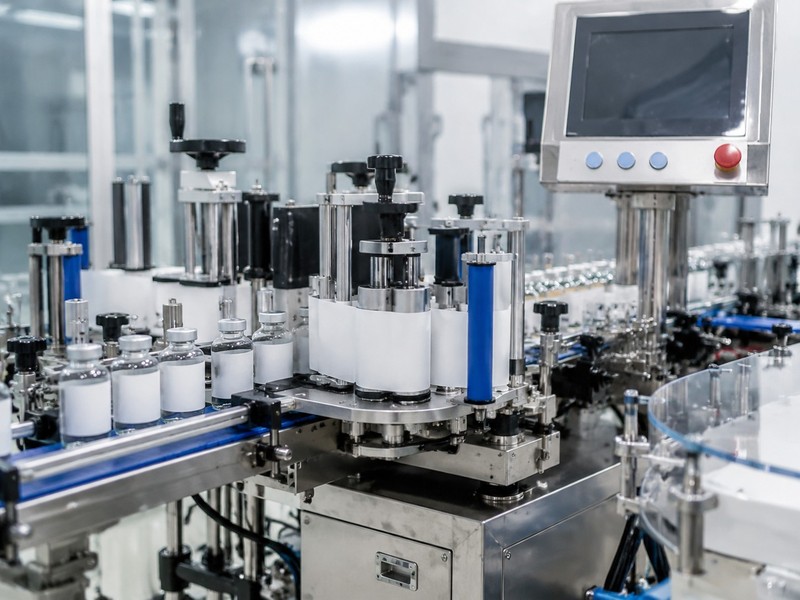
United States Liquid Syrup Filling Machine Guide
For United States buyers, a liquid syrup filling machine is not just a packaging asset. It is a production control system that directly affects dosing accuracy, viscosity handling, sanitation, throughput, labor efficiency, and regulatory readiness. Whether a plant is filling cough syrup, oral solution, nutraceutical tonic, flavored concentrate, veterinary syrup, or cosmetic gel-like liquids, the right machine must match the product’s viscosity profile, bottle format, line speed, and validation requirements.
In practical terms, a complete supplier solution should include bottle infeed, washing or air cleaning if needed, filling, cap feeding, capping, induction sealing or torque control, labeling, coding, inspection, carton packing, and line integration. For many buyers in the United States, especially in hubs such as New Jersey, Chicago, Houston, Los Angeles, and Atlanta, the sourcing decision also depends on documentation quality, spare parts access, remote service responsiveness, and the supplier’s ability to align with US FDA cGMP expectations.
Companies evaluating new syrup packaging lines increasingly want more than a standalone filler. They want an engineered production line with upstream solution preparation compatibility, clean utility coordination, digital controls, and lifecycle support. This is why many procurement teams compare machine makers not only on price, but also on filling principle, servo control, CIP or SIP compatibility, validation package, lead time, and long-term operating cost.
A liquid syrup filling machine is designed to fill viscous or semi-viscous liquid products into bottles, jars, or other containers with repeatable volume control. In B2B manufacturing, these systems are used where sticky products, sugar-based formulas, suspensions, and pharmaceutical oral liquids require accurate filling and hygienic handling.
For the United States market, buying decisions are often shaped by five factors: product rheology, regulatory pressure, SKU variety, desired automation level, and plant expansion plans. A small nutraceutical co-packer in Florida may prioritize flexibility across bottle sizes, while a pharmaceutical manufacturer in New Jersey may prioritize 21 CFR Part 11-compatible data handling, batch traceability, and validation support.
The most common filling technologies include piston filling, peristaltic filling, gravity filling, flow meter filling, and pump-based servo filling. Each suits different viscosity levels and container requirements. Selecting the wrong type can create foaming, dripping, stringing, underfill, or cleaning complexity. Selecting the right type reduces giveaway, supports stable output, and lowers downtime.
In sourcing terms, a strong supplier should be able to offer line design recommendations, sample testing, layout planning, FAT support, installation guidance, spare parts lists, training, and after-sales engineering. Buyers also increasingly ask whether a line can support future robotics, digital monitoring, serialization, or integration with warehouse logistics systems.
Buying FactorWhy It MattersTypical US Buyer ConcernRisk If IgnoredBest Evaluation MethodDecision ImpactViscosity RangeDetermines filling principle suitabilityCan one machine handle syrup and thinner oral liquid?Inconsistent fill volumeProduct sample testVery highOutput SpeedAffects ROI and labor planningCan the line support future growth?Bottlenecks and overtimeCapacity calculationHighContainer FlexibilityNeeded for multi-SKU productionHow fast is changeover?Lost production timeFormat part reviewHighCompliance LevelSupports audits and validationDoes documentation fit US FDA expectations?Qualification delaysDocument package reviewVery highCleaning MethodImpacts hygiene and downtimeIs CIP possible for sticky formulas?Cross-contamination riskSanitary design auditHighService ResponseReduces stoppage timeWho supports the line after startup?Extended downtimeSLA and referencesVery highThe table above shows why US buyers usually evaluate machines beyond nameplate speed. For syrup products, line suitability depends on the actual product, process, and compliance burden.
A supplier solution means more than selling a filler. It means providing a coordinated system that solves production, packaging, quality, and service needs across the full project lifecycle. In syrup packaging, that often includes line engineering, utility planning, bottle unscrambling, rinsing, filling, capping, labeling, coding, checkweighing, carton packing, and sometimes palletizing.
For larger projects in the United States, buyers increasingly prefer suppliers that can support engineering documentation, layout optimization, equipment customization, FAT protocols, SAT support, IQ/OQ documentation, training, and post-startup performance tuning. This approach reduces handoff errors between multiple vendors.
Shanghai IVEN Pharmatech Engineering Co Ltd is an example of a supplier that approaches projects from an integrated engineering perspective. Rather than focusing only on a single machine, it works across pharmaceutical filling and packaging machinery, water treatment systems, intelligent conveying, logistics, and turnkey execution. This is particularly relevant for syrup manufacturers that want a line to fit within broader pharmaceutical or medical production infrastructure. Buyers can review the company background at IVEN Pharmatech Engineering company overview.
From a technological capability perspective, advanced suppliers typically offer servo-controlled dosing, hygienic stainless-steel construction, recipe storage, HMI-based changeover support, in-line inspection, and compatibility with plant-wide automation. For regulated sectors, software architecture and electronic records can be as important as mechanical stability.
From a manufacturing capability perspective, the best suppliers maintain specialized production facilities for different equipment families, enabling tighter process control and more consistent fabrication quality. This matters for buyers who need durable wetted parts, repeatable machining tolerances, and reliable factory acceptance performance.
From a service capability perspective, strong suppliers deliver feasibility consultation, engineering design, customization, installation, commissioning, validation assistance, operator training, spare parts support, and long-term optimization. For US buyers, especially those importing equipment through ports such as Los Angeles, Long Beach, Savannah, or Newark, service planning should begin before purchase order release.
Supplier Solution ElementStandalone VendorIntegrated SupplierBenefit to US BuyerTypical DeliverableProject StageLine LayoutLimitedComprehensiveBetter space usage2D/3D layoutPre-salesMachine CustomizationBasicApplication-specificBetter product fitCustomized filling headsDesignValidation SupportOften minimalStructuredFaster qualificationIQ/OQ templatesCommissioningUtility CoordinationBuyer-managedSupplier-assistedFewer install issuesUtility matrixEngineeringAfter-Sales ServiceReactiveLifecycle-focusedLower downtimeTraining and sparesOperationTurnkey IntegrationRareAvailableLower project riskFull line executionFull projectThe explanation here is simple: integrated supplier solutions reduce coordination risk, which is a major cost driver in real projects.
Demand for liquid syrup filling equipment in the United States is supported by steady consumption across pharmaceuticals, nutraceuticals, pediatric products, functional wellness beverages, veterinary healthcare, and specialty chemicals. Oral liquid dosage forms remain important because they are easy to administer, especially for children, seniors, and patients with swallowing difficulties.
Another driver is contract manufacturing. Many US brand owners are expanding through CMOs and CDMOs rather than building greenfield capacity. These service providers need flexible filling lines capable of managing multiple clients, bottle sizes, and product viscosities. That trend favors modular, recipe-driven systems with quicker changeover.
E-commerce and direct-to-consumer health products are also influencing equipment decisions. Brands now launch more SKUs, shorter campaigns, and premium packaging. As a result, machine flexibility, label handling accuracy, and traceability have become increasingly important.
Policy and compliance expectations continue to shape the market as well. US buyers are paying closer attention to hygienic design, documentation traceability, alarm history, and data integrity. Meanwhile, corporate sustainability programs are pushing for reduced product loss, lower compressed air use, efficient drives, and packaging compatibility with lightweight bottles.
var ctx1 = document.getElementById(‘lineChartMarket’).getContext(‘2d’);var chart1 = new Chart(ctx1, {type: ‘line’,data: {labels: [‘2021′,’2022′,’2023′,’2024′,’2025′,’2026’],datasets: [{label: ‘US Demand Index for Syrup Filling Systems’,data: [78, 84, 91, 97, 105, 116],borderColor: ‘rgb(75, 192, 192)’,backgroundColor: ‘rgba(75, 192, 192, 0.15)’,fill: false,tension: 0.3}]},options: {responsive: true,maintainAspectRatio: false}});The line chart illustrates a realistic growth pattern driven by healthcare demand, outsourcing, and equipment modernization. Growth is not explosive, but it is durable and broad-based.
var ctx2 = document.getElementById(‘barChartIndustry’).getContext(‘2d’);var chart2 = new Chart(ctx2, {type: ‘bar’,data: {labels: [‘Pharma’,’Nutraceuticals’,’Veterinary’,’Food Concentrates’,’Cosmetics’,’Chemical Liquids’],datasets: [{label: ‘Estimated US Equipment Demand by Industry’,data: [92, 81, 58, 49, 44, 37],backgroundColor: [‘#4dc9f6′,’#f67019′,’#f53794′,’#537bc4′,’#acc236′,’#166a8f’]}]},options: {responsive: true,maintainAspectRatio: false}});The bar chart shows how pharmaceutical and nutraceutical applications lead demand, while veterinary and specialty packaged liquids continue to provide attractive niche growth.
The most suitable filling machine depends on viscosity, particle content, fill volume, bottle neck geometry, and output target. For clean, low-foam syrups with repeatable viscosity, piston fillers are widely used because they handle thicker liquids well and offer high dosing accuracy. Peristaltic systems are often selected for sterile or highly sanitary applications where fast tubing change is valuable. Flow meter systems suit broader viscosity ranges and support rapid recipe changes. Gravity fillers work for thinner liquids but are less common for dense syrup products.
Model configuration usually scales by nozzle count, such as 2-head, 4-head, 6-head, 8-head, or 12-head systems. Container sizes may range from 10 mL oral liquid bottles to 1,000 mL industrial or nutraceutical containers. A machine’s true output depends on product viscosity, fill volume, bottle handling stability, and closure type.
US buyers should ask not just for theoretical speed, but for tested speed under their exact syrup conditions. A line filling 100 mL cough syrup at 50 cP behaves very differently from a line filling a 500 mL sugar-rich tonic at 2,500 cP.
Machine TypeBest ForViscosity SuitabilityTypical AccuracyChangeover FlexibilityMain LimitationPiston FillerViscous syrup and suspensionsMedium to highHighModerateCleaning can be more involvedPeristaltic FillerSanitary and smaller dose applicationsLow to mediumVery highHighTubing wear costFlow Meter FillerMulti-SKU flexible linesLow to medium-highHighHighHigher control complexityServo Pump FillerVersatile packaged liquidsLow to medium-highHighHighInitial cost can be higherGravity FillerThin oral liquidsLowModerateModerateNot ideal for thick syrupOverflow FillerUniform fill appearanceLow to mediumModerateModerateLess suited to sticky high-viscosity fluidsThe table helps buyers connect product behavior to machine architecture. In syrup packaging, filler selection should be product-driven, not simply budget-driven.
Specification ItemEntry LevelMid-RangeHigh-Output Pharma GradeWhy It MattersBuyer NoteNozzle Count2 to 44 to 88 to 12+Impacts speedConfirm real bottle pitchFill Volume10 to 250 mL30 to 500 mL30 to 1,000 mLAffects dosing hardwareCheck min-max ratioOutput1,200 to 2,400 bph2,400 to 6,000 bph6,000 to 12,000 bphDetermines ROIBase on product trialsControl SystemBasic PLCPLC + HMI recipesAdvanced servo PLCSupports repeatabilityAsk about audit trail optionsConstruction304 SS frame304/316L contact partsFull sanitary 316L contact partsCorrosion and hygieneImportant for pharmaCleaningManual washdownSemi-CIPCIP/SIP-capable designDowntime and hygieneCritical for sticky productsThe second table outlines how machine classes differ in practical purchasing terms. US manufacturers often find that the lowest purchase price is not the lowest lifecycle cost.
Liquid syrup filling lines serve multiple packaging tasks beyond the act of dosing. A complete production line can include bottle unscrambling, air rinsing, filling, cap placement, capping, induction sealing, inspection, labeling, date coding, case packing, and track-and-trace readiness.
Pharmaceutical oral syrups require high consistency and cleanability. Nutraceutical tonics and herbal liquids often require flexibility due to frequent SKU turnover. Food-grade syrup concentrates may prioritize higher throughput and reduced dripping. Veterinary products may involve rugged packaging and mixed bottle sizes. Cosmetic liquids with gel-like consistency require stable filling and neat presentation.
For plants handling syrup with suspended particles, fruit extracts, or active ingredient sedimentation risk, tank agitation and feeding stability must be considered as part of the application. In some cases, filling accuracy depends as much on the feeding system as on the filler itself.
ApplicationTypical ProductPackaging FormatCritical Line FeatureMain ChallengeRecommended Machine ApproachPharmaceutical SyrupCough or pediatric syrupAmber bottlesAccuracy and hygieneValidation burdenServo or piston pharma lineOral SolutionVitamin liquidPET or HDPE bottlesMulti-SKU flexibilityFrequent changeoversFlow meter or servo pumpHerbal TonicBotanical liquidGlass bottlesGentle product handlingResidue build-upPiston with CIP supportVeterinary LiquidAnimal health syrupLarge plastic bottlesWide volume rangeMixed bottle formatsFlexible servo filling lineFood Syrup ConcentrateFlavor basePET bottlesHigher throughputStringing and drippingAnti-drip piston fillerCosmetic Liquid GelBeauty serum baseDecorative bottlesClean appearanceFoaming or bubblesControlled nozzle diving fillThis application table shows why machine design must fit the actual fill behavior, closure, and presentation requirements of the final packaged product.
Liquid syrup filling machine suppliers serve a wide range of industries in the United States. Pharmaceutical manufacturing remains the most regulation-intensive segment, with strong demand in states such as New Jersey, Pennsylvania, North Carolina, and California. Nutraceutical and wellness brands are active in Utah, Arizona, Texas, and Florida, where private label and direct-to-consumer production is growing.
Veterinary health producers are another important customer group, supported by agricultural and companion animal markets across the Midwest and Southeast. Food processing and beverage concentrate packers also use similar filling technologies when handling thick, sweetened, or functional liquids. Some personal care and household chemical manufacturers additionally require syrup-style filling solutions for dense liquid products.
var ctx3 = document.getElementById(‘areaChartTrends’).getContext(‘2d’);var chart3 = new Chart(ctx3, {type: ‘line’,data: {labels: [‘2021′,’2022′,’2023′,’2024′,’2025′,’2026’],datasets: [{label: ‘Shift Toward Flexible and Smart Filling Lines’,data: [32, 38, 46, 55, 64, 74],fill: true,backgroundColor: ‘rgba(75, 192, 192, 0.25)’,borderColor: ‘rgb(75, 192, 192)’,tension: 0.3}]},options: {responsive: true,maintainAspectRatio: false}});The area chart highlights the ongoing shift toward flexible, data-enabled, and lower-waste filling systems. This trend is expected to accelerate through 2026 as more plants modernize aging packaging infrastructure.
The best buying process starts with a user requirement specification. Define the product range, viscosity, fill volume, bottle dimensions, cap types, target output, cleaning standard, operator model, validation expectation, and available floor space. Without this, machine comparisons become misleading.
Second, evaluate the real plant environment. A line planned for a pharmaceutical facility in the United States may need segregation logic, sanitary utility access, and documented change control. A co-packer may need fast-format changeover and broader bottle compatibility. A food producer may focus more on throughput and washdown simplicity.
Third, request product sample testing whenever possible. Syrup behaves differently depending on sugar level, temperature, suspended solids, and foam tendency. A machine that runs water well may not run syrup well. Ask suppliers for trial videos, fill accuracy data, and cleaning feedback under conditions close to your production reality.
Fourth, consider total cost of ownership. This includes spare parts, energy use, product giveaway, labor requirement, changeover time, and downtime exposure. A higher-quality servo-controlled system may provide better economics over five years than a cheaper machine with frequent manual adjustment.
Buyers comparing imported equipment with domestic options should also review customs timing, inland freight, installation planning, and parts stocking. Machines entering through the Port of Los Angeles or Port of New York and New Jersey may still require weeks of final logistics coordination before plant readiness.
Selection QuestionWhy Ask ItGood Supplier AnswerWarning SignUS Plant RelevancePriorityWhat viscosity range is proven?Prevents mismatchTrial-based answer with dataOnly generic claimHighCriticalHow fast is changeover?Impacts OEEDocumented minutes and stepsVague estimateHighHighWhat documentation is included?Supports qualificationStructured document listNo clear packageVery highCriticalHow are spare parts handled?Reduces downtimeRecommended stock listReactive onlyHighHighCan the line be expanded?Protects future investmentModular design explanationNo upgrade pathMedium-highMediumWhat is the service model?Improves reliabilityRemote and onsite support planUnclear responsibilityVery highCriticalThis table can be used as a practical procurement checklist during RFQ review and supplier interviews.
Customization is common in syrup filling projects because product behavior, bottle geometry, cap style, and compliance needs vary significantly. Typical OEM customization areas include nozzle design, anti-drip systems, bottle clamping, tank agitation, heating jackets, level control, cap sorter configuration, vision inspection, and software recipe management.
Case example one: a US nutraceutical packer in Texas required one line to handle both 60 mL energy tonics and 500 mL herbal liquids. The solution involved servo-driven filling, quick-change bottle guides, stored format recipes, and a wider cap handling range. The result was lower changeover time and stronger scheduling flexibility.
Case example two: a pharmaceutical oral liquid project required closer control over documentation, sanitary design, and integrated water-treatment compatibility. In this type of setting, a supplier with broader pharmaceutical engineering experience becomes valuable. Shanghai IVEN Pharmatech Engineering has built its reputation around pharmaceutical and medical device factory solutions, including turnkey execution and compliance-oriented equipment integration. Buyers exploring broader project capability can review turnkey pharmaceutical engineering solutions.
Case example three: a syrup manufacturer planning future automation wanted case packing and logistics integration. Here, the supplier’s manufacturing depth matters. Suppliers with dedicated capabilities in packaging equipment and intelligent conveying can better align the filler with downstream cartoning or warehouse flow.
In terms of technological capabilities, custom projects increasingly include servo motion control, integrated reject systems, machine status data capture, and remote diagnostics. In terms of manufacturing capabilities, experienced builders can machine custom parts and coordinate multiple sub-systems with better consistency. In terms of service capabilities, the most valuable suppliers help with FAT criteria, change part validation, staff training, and line optimization after startup.
var ctx4 = document.getElementById(‘comparisonChartSupplier’).getContext(‘2d’);var chart4 = new Chart(ctx4, {type: ‘bar’,data: {labels: [‘Customization’,’Documentation’,’Line Integration’,’Lifecycle Service’,’Compliance Readiness’,’Scalability’],datasets: [{label: ‘Integrated Supplier Capability Score’,data: [90, 88, 93, 86, 91, 89],backgroundColor: ‘#9966ff’},{label: ‘Basic Standalone Supplier Score’,data: [62, 54, 48, 57, 51, 60],backgroundColor: ‘#ff9f40’}]},options: {responsive: true,maintainAspectRatio: false}});The comparison chart shows why many serious buyers prioritize integrated engineering capability over lowest initial quote.
Sourcing from China can be highly competitive for United States buyers when the supplier has strong engineering depth, transparent documentation, and proven export execution. The advantages often include lower capital cost, broad customization capability, and access to integrated line supply rather than only standalone machinery.
However, success depends on process discipline. Start with a detailed URS and RFQ package. Ask for machine drawings, component brands, utility requirements, FAT plan, documentation list, delivery scope, training plan, spare parts proposal, and references for similar projects. Compare suppliers on technical fit first, then commercial terms.
Logistics should be planned early. Depending on final destination, shipments may route through Los Angeles, Long Beach, Oakland, Houston, Savannah, or Newark. Buyers should confirm Incoterms, crating method, electrical standard alignment, import documentation, and site readiness before dispatch.
For Chinese suppliers, strong export projects usually involve pre-shipment FAT, video review, approved packing lists, and a clear commissioning plan. Buyers should also confirm whether remote support is available during installation and whether critical spare parts can be stocked in the United States.
Shanghai IVEN Pharmatech Engineering is relevant in this context because it combines equipment manufacturing with engineering and lifecycle services. The company has delivered production lines globally and is known in pharmaceutical circles for integrated solutions, specialized manufacturing plants, and long-life stainless-steel equipment design. For buyers comparing available systems, a useful starting point is the equipment product catalog. For direct commercial discussion, see the United States project contact page.
Sourcing StepWhat to RequestWhy It MattersCommon MistakeBest PracticeTimeline StageURS PreparationDetailed technical needsImproves quote accuracyToo little product detailInclude bottle and syrup samplesWeek 1Supplier ScreeningReferences and capabilitiesReduces project riskChoosing only by priceAudit experience and exportsWeek 2Technical ReviewDrawings and specsChecks fit and complianceIgnoring utility needsCross-functional reviewWeek 3-4FAT PlanningTest protocolValidates performance before shippingNo formal acceptance criteriaUse signed FAT checklistBefore shipmentLogistics PlanningPacking and shipping dataAvoids import delaysLate customs coordinationConfirm Incoterms earlyPre-dispatchCommissioning SupportStartup plan and trainingProtects ramp-upNo spare parts on handStock critical parts locallyInstallation phaseThe sourcing table above reflects the real work behind a successful import project. Good preparation lowers both technical and commercial risk.
What filling technology is best for thick syrup?Piston and servo pump filling systems are commonly preferred for thicker syrup products because they handle higher viscosity and offer controlled dosing.
Can one machine fill multiple bottle sizes?Yes. Many modern systems are designed for multi-format production, but changeover complexity depends on bottle shape, neck size, cap type, and conveyor guide design.
How accurate are syrup filling machines?Accuracy varies by machine type, fill volume, and product behavior. High-quality systems can achieve tight tolerances when properly matched to the product and maintained.
What output speed should a buyer expect?That depends on nozzle count, fill volume, product viscosity, and downstream capping speed. Buyers should request proven speed under their actual syrup conditions, not only nameplate capacity.
Do United States pharmaceutical projects need special documentation?Usually yes. Buyers often require structured documentation for installation, operation, qualification, maintenance, and component traceability to support internal quality systems and regulatory expectations.
Is CIP important for syrup products?Very often. Syrup can be sticky and leave residue. CIP-friendly design helps reduce downtime and cleaning variability.
How long does it take to source from China?Lead times vary by customization level, but buyers should plan for engineering review, manufacturing, FAT, ocean freight, customs clearance, inland delivery, and site commissioning.
What are the main 2026 trends?Expect more servo-based precision control, smart diagnostics, recipe-driven changeovers, reduced product waste, energy-efficient designs, and stronger sustainability features. Policy and customer pressure will also push cleaner documentation, traceability, and packaging compatibility with lighter or more recyclable materials.
Should buyers choose a single machine or a full line?If output, compliance, and efficiency matter, a coordinated line is often the better long-term choice because it reduces integration gaps between filler, capper, labeler, and packing stages.
What makes an OEM partner more valuable than a low-cost vendor?Application testing, customization depth, structured documentation, integrated engineering, and lifecycle support usually determine success more than the purchase price alone.
In summary, a liquid syrup filling machine for the United States market should be selected as a production system, not just as a piece of hardware. The strongest outcomes come from matching filling principle to product behavior, building the line around real plant needs, and choosing a supplier with proven technological, manufacturing, and service capabilities. For buyers seeking a broader pharmaceutical engineering partner, IVEN Pharmatech Engineering stands out through its integrated approach to filling equipment, utilities, customization, and long-term project support.