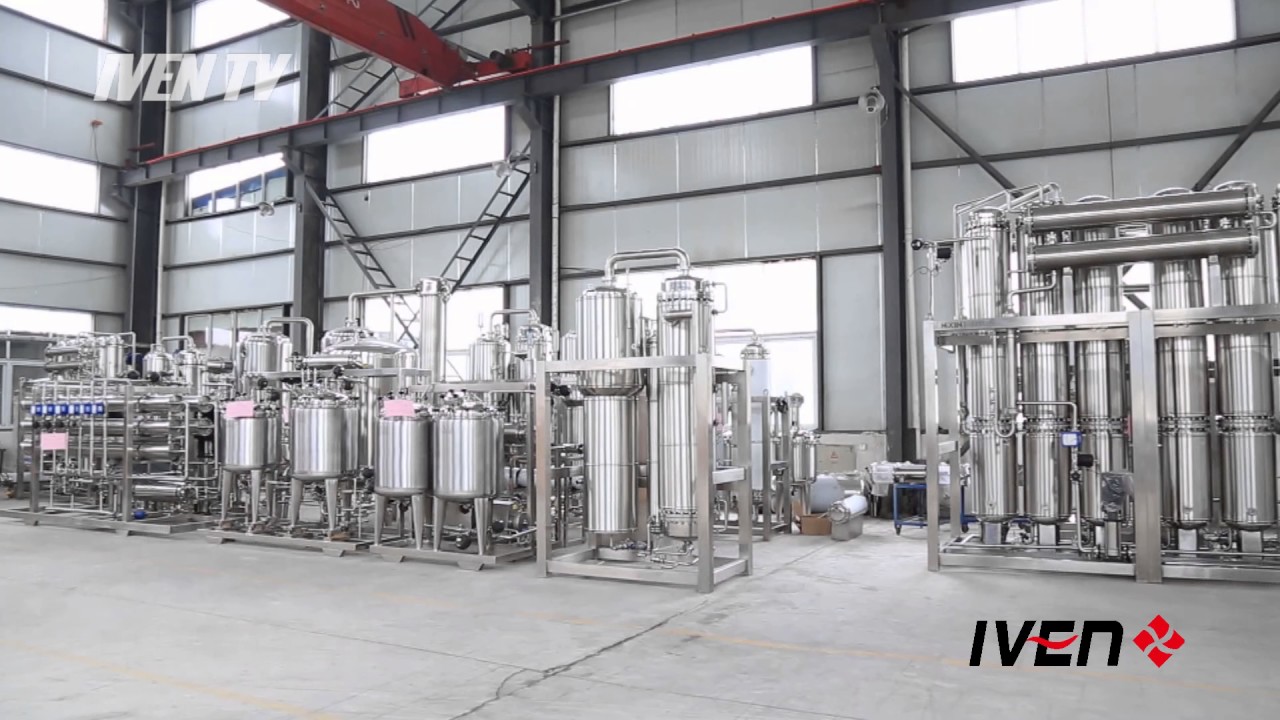
Vaccine Water Treatment Systems in the United States
Water treatment for vaccine manufacturing is mission-critical infrastructure in modern pharmaceutical production. In the United States, vaccine makers rely on validated purified water, water for injection, and clean steam systems to support sterile processing, formulation, equipment cleaning, and regulatory compliance. A properly engineered system helps manufacturers maintain chemical purity, microbial control, endotoxin limits, batch consistency, and audit readiness under USP, FDA cGMP, and global GMP expectations.
For facilities in Boston, Cambridge, New Jersey, Philadelphia, Raleigh-Durham, Indianapolis, San Diego, and other life science hubs, water quality is not a utility issue alone; it is a product quality issue. Whether the plant produces traditional inactivated vaccines, mRNA products, recombinant biologics, or adjuvant-containing injectables, the water system must be designed as part of the process itself. Companies planning new builds or expansions often evaluate pretreatment, reverse osmosis, electrodeionization, multi-effect distillation, storage and distribution loops, sanitization strategy, instrumentation, and lifecycle validation before finalizing capital expenditure.
In the United States market, buyers also look beyond equipment purchase price. They consider documentation standards, FAT and SAT support, IQ/OQ/PQ readiness, spare parts availability, automation transparency, operator training, and responsiveness during inspections or startup deviations. Providers that can combine equipment supply with engineering design and turnkey execution are often preferred because they reduce integration risk and shorten project timelines. Readers who want a broader view of integrated plant delivery can review turnkey pharmaceutical engineering solutions as part of overall factory planning.
Quick Answer: Why vaccine water treatment systems are essential

A vaccine water treatment system is the engineered combination of pretreatment, purification, storage, and distribution equipment used to generate pharmaceutical-grade water for production. In vaccine plants, the most common outputs are Purified Water and Water for Injection, with clean steam often integrated as a related utility. These systems are essential because vaccines are highly sensitive sterile products, and water directly or indirectly affects formulation integrity, equipment cleanliness, microbial safety, and batch reproducibility.
In practice, the system must consistently remove dissolved salts, organics, particulates, microorganisms, and endotoxins. It must also maintain quality after generation through hygienic storage tanks, sanitary piping, loop circulation, heat or ozone sanitization, dead-leg control, slope management, and continuous monitoring. Unlike conventional industrial water treatment used in food plants, cooling towers, or municipal reuse, pharmaceutical water systems are validated assets subject to change control, alarm review, trending, and periodic requalification.
For U.S. facilities manufacturing clinical or commercial vaccines, the cost of a water quality failure can be severe: batch rejection, deviation investigations, production downtime, missed release dates, and reputational damage during FDA inspection. That is why experienced manufacturers treat pharmaceutical water as foundational process infrastructure rather than a background utility.
| Water Grade | Typical Use in Vaccine Plants | Key Quality Focus | Common Generation Route | Main Risk if Poorly Controlled | Why It Matters |
|---|---|---|---|---|---|
| Feed Water | Incoming source water | Stable pretreatment load | Municipal supply plus pretreatment | Scaling and membrane fouling | Sets the baseline for system reliability |
| Softened Water | RO protection | Hardness removal | Softener or antiscalant strategy | Membrane damage | Improves downstream performance |
| RO Permeate | Intermediate purification stage | Low conductivity | Single or double-pass RO | Insufficient ion rejection | Core step for purified water generation |
| Purified Water | Cleaning, solution prep, non-final contact uses | Chemical and microbial control | RO + EDI or RO + distillation | Biofilm formation | Supports validated cleaning and process support tasks |
| Water for Injection | Formulation and sterile operations | Endotoxin and microbial control | Multi-effect distillation or equivalent advanced process where accepted | Product contamination | Critical for injectable vaccine quality |
| Pure Steam | Sterilization and SIP | Condensate purity | Pure steam generator | Cross-contamination | Protects aseptic equipment and piping |
The table above shows why different water grades must be managed as an integrated system. The higher the product criticality, the tighter the microbial and endotoxin control requirements become.
What a vaccine water treatment system is and why pharma manufacturers need it

A vaccine water treatment system is not a single machine. It is an interconnected utility platform that usually includes raw water pretreatment, activated carbon or dechlorination, softening, filtration, reverse osmosis, EDI or distillation, ultraviolet treatment, ultrafiltration where needed, sanitary storage tanks, recirculating distribution loops, process instruments, PLC or SCADA controls, and complete validation documentation.
Pharmaceutical manufacturers need it because vaccine production involves direct and indirect water contact at multiple steps. Water may become part of the product, part of the cleaning process, part of a sterilization pathway, or part of environmental control. In sterile facilities, even indirect water contact can affect surfaces, residues, or microbial status. This is especially important in U.S. facilities supplying federal contracts, pediatric programs, and seasonal immunization campaigns, where batch continuity and release timing are commercially and socially important.
Another reason is compliance. U.S. vaccine producers operate under strict expectations for quality systems, data integrity, preventive maintenance, calibration, traceability, and validated state maintenance. Regulators expect documented evidence that the water system is designed correctly, qualified properly, monitored continuously, and maintained under change control. A good system therefore combines engineering with documentation discipline.
For buyers comparing suppliers, technical capability should include sanitary design, automation, and utility integration. IVEN Pharmatech Engineering, for example, presents itself as a partner in pharmaceutical innovation and is known for customized pharmaceutical water treatment systems, WFI distillers, purified steam generators, and integrated preparation and distribution solutions aligned with EU GMP, U.S. FDA cGMP, WHO GMP, and PIC/S expectations. More detail about the company background is available on its company overview page.
Main applications and benefits in GMP pharmaceutical facilities

In GMP facilities, water treatment systems support a wide range of operations beyond the final vaccine formulation tank. Their applications include compounding support, cleaning of vessels and transfer lines, final rinse steps for product-contact equipment, CIP skids, humidification in controlled applications, autoclave feeds where specified, stopper and component washing, buffer preparation, and generation of clean steam for SIP or sterilization support.
The benefits are both operational and regulatory. From an operations perspective, a stable water system reduces unplanned shutdowns, improves batch scheduling, and supports multi-product flexibility. From a quality perspective, it reduces deviations linked to conductivity drift, TOC excursions, microbial growth, or endotoxin concerns. From a business perspective, it improves asset utilization and lowers total cost of quality over time.
In vaccine clusters such as New Jersey and the Massachusetts biotech corridor, expansion projects often need compact footprints, modular delivery, and rapid commissioning. In those cases, skidded pharmaceutical water systems and pre-engineered distribution modules can shorten construction and reduce on-site welding time. For fast-growing biologics sites in Texas and North Carolina, scalable capacity and future loop expansion are often equally important.
| Application | Water Grade Commonly Used | Facility Area | Primary Benefit | Validation Importance | Typical U.S. Concern |
|---|---|---|---|---|---|
| Vaccine formulation | WFI | Aseptic processing | Direct product safety | Very high | Endotoxin control |
| Equipment final rinse | Purified Water or WFI | Compounding and filling | Residue reduction | High | Cleaning validation |
| CIP makeup | Purified Water | Process utilities | Repeatable cleaning performance | High | Batch changeover speed |
| Component washing | Purified Water / WFI | Preparation rooms | Particulate and bioburden control | High | Sterile component readiness |
| Pure steam generation | WFI feed or equivalent design basis | Sterilization utilities | Reliable SIP and autoclave support | High | Condensate quality records |
| Lab support and testing | Purified Water | QC laboratory | Consistent analytical work | Medium | Method reproducibility |
The table demonstrates that pharmaceutical water contributes to almost every GMP activity around vaccine production, not just the product formula itself. Plants that underestimate this often face expensive retrofits later.
The bar chart highlights where current U.S. demand for high-purity pharmaceutical water is strongest. The growth of mRNA and CDMO sterile manufacturing has especially increased interest in flexible, documented utility systems.
Different types of systems: RO, EDI, distillation, and hybrid designs
The most common pharmaceutical water generation strategies are based on reverse osmosis, electrodeionization, distillation, or combinations of these technologies. The right choice depends on required water grade, local feed water quality, capacity, energy cost, sanitization philosophy, and regulatory interpretation for the intended application.
RO is widely used for salt and organic reduction and is often the backbone of purified water systems. EDI is commonly paired with RO to polish ionic impurities without routine chemical regeneration. Distillation, especially multi-effect distillation, remains a standard route for robust WFI generation because it provides strong endotoxin and microbial control and has long-standing acceptance in vaccine and injectable applications. Hybrid systems may combine double-pass RO, EDI, ultrafiltration, and distillation to optimize operating cost and reliability.
In the United States, buyers often compare capital efficiency against long-term validation confidence. Sites with difficult feed water, such as seasonal conductivity swings or heavy chloramine treatment, may need stronger pretreatment design. Sites in manufacturing corridors around Houston, Chicago, or Southern California may also factor in utilities cost, floor space, and maintenance staffing.
| System Type | Main Strength | Main Limitation | Best Fit | OPEX Profile | Validation Notes |
|---|---|---|---|---|---|
| Single-pass RO | Good primary desalination | May not be enough alone for pharma grade | Pretreated feed to downstream polishers | Low to moderate | Usually an intermediate step |
| Double-pass RO | Better ionic and microbial barrier | Higher footprint than single-pass | Purified Water systems | Moderate | Strong option for stable PW production |
| RO + EDI | High purity without chemical regeneration | Feed quality sensitivity | Modern PW loops | Moderate and efficient | Popular for continuous pharmaceutical operation |
| Multi-effect distillation | Excellent WFI reliability | Higher energy and capital needs | Sterile injectables and vaccines | Moderate to high | Long trusted route for WFI |
| Vapor compression distillation | Efficient at certain scales | Mechanical complexity | Specific WFI capacities | Moderate | Depends on plant utility strategy |
| Hybrid RO/EDI/Distillation | Flexible optimization | More integration engineering required | Large multi-product sites | Balanced | Useful where PW and WFI both scale up |
The comparison above shows that no single technology wins in every project. The best design comes from matching product risk, facility layout, and lifecycle economics.
Pharmaceutical vaccine water treatment vs traditional water treatment methods
Traditional water treatment focuses on making water safe for general use, boilers, cooling, food processing, or municipal standards. Pharmaceutical vaccine water treatment goes much further. It is designed for repeatable, validated purity and hygienic distribution under continuous control. The differences appear in materials of construction, dead-leg limits, instrumentation quality, drainability, surface finish, alarm handling, documentation, and the ability to sanitize and trend performance over time.
For example, a traditional industrial skid may deliver acceptable conductivity on day one, but it may lack sanitary valves, orbital welding records, TOC integration, loop temperature control, sample point design, or CFR-oriented data handling expected in GMP environments. These gaps can become serious compliance issues in a U.S. FDA-regulated facility.
Conventional systems are also often built around service convenience rather than product impact. Vaccine water systems are built around contamination prevention. That is the core difference.
| Criteria | Pharmaceutical Vaccine Water System | Traditional Water Treatment | Impact on U.S. Vaccine Plant | Risk Level | Selection Insight |
|---|---|---|---|---|---|
| Design Standard | GMP and pharmacopeia aligned | General industrial standard | Audit readiness improves | High if missing | Choose pharma-specific design |
| Materials | Sanitary stainless steel and hygienic components | Mixed industrial materials | Less contamination risk | High | Critical for sterile operations |
| Monitoring | Continuous conductivity, TOC, temp and more | Basic utility monitoring | Faster excursion detection | High | Needed for trending |
| Distribution Loop | Recirculating sanitary loop | Often static or utility piping | Reduces microbial growth | High | Essential in GMP areas |
| Documentation | DQ/IQ/OQ/PQ support | Basic manuals only | Simplifies validation | High | Do not underestimate paperwork |
| Change Control Suitability | Designed for lifecycle management | Limited compliance structure | Easier regulatory management | Medium to high | Important for expansions |
This table clarifies why a lower-cost conventional system can become more expensive after retrofit, requalification, and downtime are considered.
The comparison chart shows the typical gap between pharmaceutical-grade and general industrial systems when evaluated through a vaccine manufacturing lens.
Market overview and future trends in pharmaceutical manufacturing
The U.S. market for vaccine water treatment systems is supported by three overlapping drivers: continued biologics investment, modernization of aging sterile facilities, and increased quality expectations around digital monitoring and sustainability. Expansion activity in major hubs such as Boston-Cambridge, New Jersey, Maryland, North Carolina, and California is creating ongoing demand for validated purified water and WFI infrastructure.
CDMOs and flexible manufacturing sites are a major force in the market because they require utility platforms that can support multiple client products without sacrificing segregation, documentation, or rapid changeover. At the same time, public health preparedness programs and domestic manufacturing initiatives have increased interest in resilient local production capacity within the United States.
Looking toward 2026, several trends are shaping procurement decisions. First, buyers want smarter automation with easier audit trails, alarm historian review, and trend analytics. Second, sustainability matters more: lower water rejection rates, heat recovery, reduced chemical use, and optimized sanitization cycles are becoming standard evaluation points. Third, policy pressure favors robust domestic supply chains and shorter lead times for critical spares. Fourth, modularization is growing because it helps facilities reduce field installation risk and accelerate qualification.
The line chart illustrates a realistic growth pattern driven by biologics capacity additions, stricter data expectations, and replacement of legacy utility systems.
The area chart reflects the shift toward modular and hybrid designs. By 2026, these solutions are expected to gain further share as U.S. owners seek faster deployment and easier capacity expansion.
Another market dynamic is logistics. Imported components entering through ports such as Los Angeles/Long Beach, Houston, Savannah, or Newark can influence project schedules. As a result, U.S. buyers increasingly favor suppliers that combine global manufacturing scale with practical project planning, domestic coordination, and spare parts strategies.
How to choose a reliable manufacturer or supplier
Choosing a supplier for vaccine water treatment should start with risk, not price. Buyers should first define intended water grades, peak and average demand, sanitization method, future expansion plans, control philosophy, documentation needs, and utility interfaces. Then they should screen suppliers on regulatory knowledge, sanitary engineering quality, fabrication capability, software transparency, and service readiness for the U.S. market.
Important questions include: Can the supplier provide design documents suitable for GMP review? Are welding, surface finish, passivation, and drainability managed to pharmaceutical standards? Can they support FAT protocols, SAT execution, and IQ/OQ packages? Do they understand USP expectations and typical FDA inspection concerns? Can they deliver a stable control system with user-level access, secure audit features, and alarm/event history?
Manufacturing capability also matters. Suppliers with dedicated production plants for pharmaceutical filling, water treatment, intelligent logistics, and related equipment usually offer better integration across the full factory. IVEN Pharmatech Engineering is a useful example of this broader capability model, with specialized manufacturing resources focused on pharmaceutical equipment categories and experience delivering integrated projects in dozens of countries. For current product categories, buyers can review the company’s pharmaceutical equipment portfolio.
Service capability should be examined separately from manufacturing. Strong service means feasibility support, utility planning, installation coordination, commissioning, validation assistance, staff training, and post-startup troubleshooting. This is especially relevant for U.S. projects where site acceptance, turnover packages, and timeline discipline affect the entire investment case.
| Supplier Evaluation Point | Why It Matters | What Good Looks Like | Warning Sign | U.S. Buyer Priority | Decision Impact |
|---|---|---|---|---|---|
| Regulatory familiarity | Supports compliant design | Knows FDA cGMP and global GMP | Generic industrial answers | Very high | Reduces audit risk |
| Sanitary fabrication | Prevents contamination issues | Documented welding and finish control | No traceability | Very high | Protects water quality |
| Automation quality | Enables monitoring and trending | Clear PLC/SCADA architecture | Black-box software | High | Improves operations and investigations |
| Validation package | Saves startup time | FAT/SAT/IQ/OQ support provided | Manuals only | Very high | Speeds qualification |
| Project execution | Keeps schedule under control | Defined milestones and responsibilities | Unclear handoffs | High | Limits delays and rework |
| After-sales support | Ensures lifecycle reliability | Training, parts, remote support | Slow response after shipment | High | Protects uptime |
The table above can be used as a practical procurement checklist. It helps procurement teams align engineering, quality, and operations before final vendor selection.
Investment cost, budget planning, and ROI analysis
Capital cost for vaccine water treatment in the United States varies widely based on output capacity, water grade, automation complexity, pretreatment requirements, skid modularity, and whether distribution loops, tanks, or pure steam systems are included. A small clinical-scale purified water package may be relatively modest, while a commercial sterile vaccine site with WFI, pure steam, hot recirculation, and full validation support can require a major capital allocation.
Budget planning should include much more than equipment purchase. Owners should account for utility tie-ins, installation labor, orbital welding, insulation, calibration, commissioning, validation, spare parts, software backups, operator training, and ongoing consumables. They should also estimate the cost of downtime, excursion investigations, and future expansion. In many cases, a technically stronger system produces a better return than a cheaper one because it avoids production interruptions.
| Cost Element | Low Complexity Project | Medium Complexity Project | High Complexity Project | Common Hidden Cost | ROI Relevance |
|---|---|---|---|---|---|
| Core treatment skid | Moderate | High | Very high | Under-sized capacity | Direct production capability |
| Pretreatment package | Low to moderate | Moderate | High | Feed water variability | Impacts membrane life |
| Storage and loop | Moderate | High | Very high | Field rework on piping | Critical for microbial control |
| Automation and instrumentation | Moderate | Moderate to high | High | Extra integration work | Essential for compliance and trending |
| Validation support | Low | Moderate | High | Delayed protocol approval | Accelerates startup |
| Service and training | Low | Moderate | Moderate | Repeat visits due to weak training | Improves lifecycle performance |
This table shows that lifecycle and validation costs are often as important as the equipment itself. For U.S. operators, the real ROI usually comes from fewer deviations, more available production hours, lower contamination risk, and smoother inspections.
A simple ROI model can compare two systems over five to ten years. The higher-cost system may deliver lower membrane replacement frequency, fewer microbial excursions, lower energy use, reduced manual sampling burden, and less downtime during sanitization. Those benefits become financially meaningful in vaccine facilities where a single missed batch window can outweigh initial savings.
Key considerations and potential risks when investing
The biggest mistake in pharmaceutical water projects is treating them as standard utility purchases. In reality, the water system touches quality, production, maintenance, automation, validation, and future expansion. Early design choices can either create long-term reliability or lock in recurring deviations.
Key considerations include the actual feed water profile, seasonal variation, municipal chloramine levels, available plant steam, electrical load, drain strategy, room classification interfaces, and the sanitization philosophy preferred by the site. Engineers should also review loop velocity, dead-leg minimization, sample point placement, instrument redundancy, and whether storage is required for peak production campaigns.
Potential risks include overdesign, underdesign, poor documentation, software inflexibility, long lead times for critical components, weak spare parts planning, and insufficient training. Another common issue in U.S. projects is fragmented responsibility: one vendor supplies the skid, another the tank, another the loop, and nobody owns performance at startup. This is why integrated execution is attractive for many buyers.
From a technology standpoint, buyers should also assess sustainability risk. Water loss through reject streams, excessive hot sanitization cycles, or energy-intensive operation can increase operating cost as utility prices change. By 2026, sustainability metrics are expected to carry more weight in procurement reviews, especially for large biologics campuses pursuing corporate carbon and water reduction targets.
For companies seeking a partner that can bridge technology, manufacturing, and services, IVEN’s positioning in customized engineering and lifecycle support is relevant. Its practical strengths are typically discussed in three areas: technological capability in compliant pharmaceutical water and sterile process solutions; manufacturing capability through specialized plants and durable stainless-steel equipment; and service capability covering consulting, installation, commissioning, validation, training, and post-startup support. Companies interested in discussing a project directly can use the contact channel for pharmaceutical engineering inquiries.
FAQ
1. What water grade is usually required for vaccine formulation?
Water for Injection is commonly required for direct formulation of injectable vaccines, although exact usage depends on the process design and regulatory strategy.
2. Is RO plus EDI enough for vaccine manufacturing?
RO plus EDI is a strong route for Purified Water generation. For WFI applications, many facilities still prefer distillation-based solutions because of long-standing reliability and endotoxin control performance.
3. How often should a pharmaceutical water system be sanitized?
The frequency depends on system design, storage conditions, temperature, microbial trend data, and plant SOPs. Well-designed systems use trend-based control rather than arbitrary scheduling alone.
4. What is the most common cause of failure in water loops?
Microbial growth linked to poor circulation, dead legs, weak sanitization strategy, or inadequate temperature control is a common issue. Documentation and calibration failures are also frequent contributors during audits.
5. Can a conventional industrial water supplier serve a vaccine plant?
Only if the supplier truly understands pharmaceutical sanitary design, GMP documentation, validation, and lifecycle compliance. General industrial expertise by itself is usually not enough.
6. What should U.S. buyers ask about automation?
Ask about alarm history, trending, user access levels, calibration interfaces, data export, secure backups, and how the control system supports investigations and requalification.
7. How important is local service in the United States?
Very important. Timely support can reduce downtime during startup, troubleshooting, and audit preparation. Even globally manufactured systems need a practical service response plan for U.S. operation.
8. What project model reduces risk the most?
For many owners, an integrated engineering or turnkey model reduces interface gaps across design, equipment, installation, qualification, and training.
9. Are modular systems suitable for commercial vaccine plants?
Yes, if they are properly engineered and validated. Modular skids can reduce field work and support faster expansion, especially in high-growth biotech regions.
10. What should be included in a supplier shortlist review?
Compare technical design, regulatory documentation, fabrication quality, FAT capability, validation support, delivery schedule, lifecycle service, and total cost of ownership rather than purchase price alone.
In summary, water treatment for vaccine manufacturing in the United States should be evaluated as a strategic pharmaceutical system, not a commodity utility. The right solution protects product quality, supports GMP performance, and improves long-term economics. For developers, CDMOs, and established vaccine manufacturers alike, the winning approach is a carefully engineered system backed by strong documentation, dependable fabrication, and responsive lifecycle service.

About the Author
We are IVEN Pharmatech Engineering, a team dedicated to delivering turnkey pharmaceutical and medical solutions worldwide. With decades of experience, we specialize in advanced machinery, integrated factory design, and full lifecycle support to help our clients achieve efficient, compliant, and high-quality production.
Share

Related Insights
-
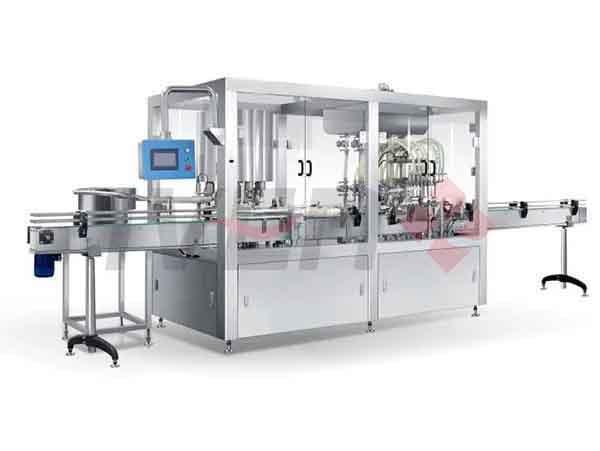
Syrup Filling Machine Specs Guide for United States
Pharmaceutical syrup filling projects in the United States are usually evaluated through one practical lens: whether the selected system can deliver accurate dosing, clean filling, compliant documentation, reliable throughput, and stable long-term operating cost. In that context, syrup filling machine specifications are not just a technical checklist. They define how well an oral liquid line will perform under U.S. FDA cGMP expectations, how smoothly it can integrate with bottle unscramblers, capping units, labeling systems, and serialization modules, and how future-ready the factory will be for expansion.
Syrup filling machine specifications refer to the set of technical, operational, sanitary, and regulatory parameters used to define a syrup filling line. For pharmaceutical manufacturers in the United States, these specifications typically include filling volume range, filling accuracy, output speed, bottle compatibility, product viscosity handling, contact-material grade, CIP or SIP capability, environmental controls, automation level, validation support, data integrity readiness, and line integration requirements.
Large pharmaceutical companies, contract manufacturers, nutraceutical producers, and medical liquid-packaging facilities review these specifications when building new lines or upgrading existing ones in locations such as New Jersey, Pennsylvania, North Carolina, Texas, California, Indiana, and Puerto Rico. The goal is to ensure consistent output, lower contamination risk, easier qualification, and smoother compliance during audits.
In practical terms, a syrup filling machine is used to fill oral syrups, suspensions, pediatric solutions, nutraceutical liquids, cough medicines, and related products into bottles or other containers, followed by capping, sealing, inspection, and downstream packaging. For U.S. buyers, the best specification set is the one that aligns with product characteristics, plant layout, batch sizes, and required regulatory documentation rather than simply the highest advertised speed.
Specification ItemTypical U.S. Pharma ExpectationWhy It MattersFilling volume range30 ml to 500 ml or widerSupports multiple SKUs on one lineFilling accuracy±0.5% to ±1.0%Protects dose consistency and reduces giveawayOutput speed40 to 300 bottles per minuteDirectly impacts line capacity and labor planningMaterial of construction316L stainless steel on product-contact partsImproves corrosion resistance and cleanabilityCleaning methodCIP-ready or manual with validated proceduresReduces changeover risk and contamination potentialControl systemPLC + HMI with audit-friendly data handlingSupports repeatability and easier operator controlCompliance packageIQ/OQ documentation and traceable FAT/SATSpeeds qualification and project approvalThe table above shows that specification decisions are operational decisions. A machine that appears economical on paper can become expensive if it lacks change-part flexibility, robust documentation, or suitable filling technology for high-viscosity products.
In pharmaceutical production, syrup filling machine specifications are the formal description of how a filling system is designed to handle oral liquid products. They are used during URS preparation, vendor comparison, factory planning, procurement approval, FAT review, installation, validation, and routine production.
A syrup filling line generally includes bottle infeed, optional air rinsing or washing, volumetric or servo-controlled filling, cap feeding, capping, induction sealing if needed, external cleaning, inspection, labeling, coding, cartoning, and end-of-line handling. The specification package defines how every one of these functions should perform.
For example, a cough syrup manufacturer in Chicago may need medium-speed production with frequent SKU changes and child-resistant caps, while a high-volume line near the Port of Savannah may prioritize continuous output, pallet efficiency, and export-ready packaging. A pediatric medicine producer in New Jersey may focus more heavily on clean-room integration, recipe control, and tamper-evident packaging.
These specifications are used for products such as:
For many U.S. manufacturers, the most critical use of a formal specification is risk reduction. It helps engineering, quality, validation, procurement, and operations teams evaluate the same machine against the same measurable standards.
Production NeedRelevant SpecificationCommon U.S. ConcernAccurate fill volumePiston, peristaltic, or servo volumetric controlRegulatory consistency and reduced rejectsViscous product handlingNozzle design and tank agitationStable dosing for syrups and suspensionsBottle format flexibilityQuick change parts and guided changeoverShorter downtime between SKUsClean operationEnclosed filling area and cleanable contact partsContamination preventionValidation supportDQ, FAT, SAT, IQ, OQ documentationFaster line releaseData traceabilityRecipe storage and alarm historyAudit readiness and investigation supportLine integrationCompatibility with cappers and labelersEnd-to-end equipment efficiencyWhen U.S. plants modernize older liquid filling operations, they often start by rewriting outdated machine requirements into a detailed modern specification document. This is especially important when moving from semi-automatic production to a validated automatic line.
The main application of a syrup filling specification is to convert product requirements into a machine configuration that can be procured, qualified, and operated with confidence. In modern manufacturing, this has broad benefits beyond filling alone.
First, it improves batch consistency. Accurate filling systems reduce variability across large production runs. Second, it supports quality assurance by defining acceptable tolerances and alarm limits. Third, it improves efficiency by matching machine speed to upstream syrup preparation and downstream packaging. Fourth, it makes budgeting more realistic because hidden cost items such as clean-room enclosure, cap sorting, and spare-parts kits are identified early.
In the United States, demand is strong in prescription oral liquids, OTC products, nutraceuticals, and contract packaging. Facilities around Philadelphia, Boston, Raleigh-Durham, and Houston are particularly focused on machines that can handle multiple bottle sizes without long format-change downtime.
Benefits often include:
Strong suppliers can also support turnkey line planning. Companies looking for integrated pharmaceutical engineering support often review partners that can provide not only filling equipment but also turnkey pharmaceutical project solutions tied to utilities, layouts, and qualification planning.
var ctx1 = document.getElementById(‘lineChartMarket’).getContext(‘2d’);var chart1 = new Chart(ctx1, {type: ‘line’,data: {labels: [‘2021’, ‘2022’, ‘2023’, ‘2024’, ‘2025’, ‘2026’],datasets: [{label: ‘Estimated U.S. Demand Index for Syrup Filling Lines’,data: [78, 83, 89, 96, 104, 113],borderColor: ‘rgb(75, 192, 192)’,backgroundColor: ‘rgba(75, 192, 192, 0.15)’,fill: false,tension: 0.25}]},options: {responsive: true,maintainAspectRatio: false}});The market-growth trend above reflects rising investment in flexible oral liquid production, especially where manufacturers want to reduce reliance on aging legacy equipment.
There is no single best syrup filler for all products. The right model depends on liquid behavior, throughput target, bottle shape, closure style, automation level, and cleaning strategy.
Common machine types include monoblock filling-capping systems, linear fillers, rotary fillers, piston-based systems, servo volumetric systems, and peristaltic filling units for specialized applications. U.S. manufacturers typically compare models based on accuracy, cleaning convenience, and the total line footprint.
Technical options may include mass-flow assisted controls, diving nozzles, anti-drip valves, cap pick-and-place modules, torque monitoring, bottle presence detection, laminar flow protection, reject systems, vision inspection, and 21 CFR Part 11-supportive software architecture when applicable.
Machine TypeBest Use CaseTypical SpeedMain AdvantageMain LimitationLinear piston fillerMedium viscosity syrups40-120 bpmSimple and accurate dosingMore mechanical wear on sealsServo volumetric fillerMulti-SKU oral liquid lines60-180 bpmFast recipe change and precise controlHigher initial costRotary monoblock filler-capperHigh-volume standardized production120-300 bpmCompact and efficient footprintLess flexible for frequent format changesPeristaltic filling systemSensitive or specialty liquids20-80 bpmLow cross-contamination riskTubing replacement costGravity or time-pressure fillerLow-viscosity products30-100 bpmLower complexityLimited accuracy for viscous syrupCustomized integrated lineTurnkey pharma plantsProject-specificBetter upstream/downstream fitLonger engineering cycleThe comparison shows why technical selection should begin with product characteristics, not brochure speed. A high-speed rotary line can underperform if a plant runs many bottle formats in short campaigns.
When buyers review available equipment portfolios, they often compare standalone machines with broader solution providers. A supplier that also offers purified water systems, process distribution, packaging integration, and logistics automation can reduce interface risks across the project. This is one reason some global buyers explore a wider range of pharmaceutical equipment rather than sourcing every unit from a different vendor.
Syrup filling systems are not the only option for oral liquid packaging. Some manufacturers compare them with sachet fillers, stick-pack systems, blow-fill-seal for specialized applications, or outsourced contract packaging. The right choice depends on product strategy, sales channels, and facility economics.
Bottled syrup filling remains dominant in the U.S. for pediatric medicines, cough syrups, nutraceutical liquids, and retail OTC products because bottles support larger volumes, consumer familiarity, and closure variety. However, unit-dose packaging may be more attractive for travel formats or premium single-use products.
TechnologyTypical Product FormatStrengthWeaknessBest ForSyrup bottle filling line30-500 ml bottlesFlexible and widely acceptedNeeds multiple downstream modulesMainstream oral liquid productsSachet fillingSmall flexible pouchesPortability and lower packaging weightLess premium presentationTravel and single-dose retail packsStick-pack liquid lineNarrow single-use packsConvenient dosingNot ideal for larger volumesSpecialty consumer formatsBlow-fill-sealUnit-dose containersIntegrated container formation and fillHigh capital and specialized validationCertain sterile or specialty usesContract packagingVariesLow upfront capexLess process controlShort-term launch or overflow demandSemi-automatic bench systemSmall bottle runsLower purchase costLabor intensive and less scalableR&D or very small commercial batchesFor most established U.S. pharmaceutical and nutraceutical plants, a fully automatic syrup filling line offers the best balance of compliance, throughput, and brand presentation. Alternatives make sense mainly when volume is low, pack format is highly specialized, or rapid market entry is more important than owning the process.
var ctx2 = document.getElementById(‘barChartDemand’).getContext(‘2d’);var chart2 = new Chart(ctx2, {type: ‘bar’,data: {labels: [‘Prescription Oral Liquids’, ‘OTC Syrups’, ‘Nutraceuticals’, ‘Pediatric Medicines’, ‘CMO Packaging’, ‘Herbal Liquids’],datasets: [{label: ‘Relative Equipment Demand in the United States’,data: [82, 95, 76, 88, 71, 58],backgroundColor: [‘rgb(54, 162, 235)’,’rgb(255, 99, 132)’,’rgb(255, 206, 86)’,’rgb(75, 192, 192)’,’rgb(153, 102, 255)’,’rgb(255, 159, 64)’]}]},options: {responsive: true,maintainAspectRatio: false}});The demand profile indicates that OTC and pediatric categories remain especially important drivers for syrup line investment in the U.S. market.
The United States remains one of the most demanding and attractive markets for pharmaceutical filling technology. Investment is supported by domestic production expansion, reshoring efforts, OTC portfolio growth, CDMO development, and modernization of older oral liquid facilities. Buyers in New Jersey, Massachusetts, Illinois, North Carolina, California, and Texas are increasingly focused on flexible, validation-friendly, and digitally connected lines.
Freight and project execution also shape purchasing decisions. Import logistics through the Port of Los Angeles, Port of Long Beach, Port of Houston, Port Newark-Elizabeth, and Savannah can affect delivery planning for large monoblocks and integrated packaging systems. U.S. buyers therefore increasingly favor suppliers with strong project management, documented FAT capability, and clear spare-parts support.
Looking toward 2026, several trends are becoming more visible:
var ctx3 = document.getElementById(‘areaChartTrends’).getContext(‘2d’);var chart3 = new Chart(ctx3, {type: ‘line’,data: {labels: [‘2021’, ‘2022’, ‘2023’, ‘2024’, ‘2025’, ‘2026’],datasets: [{label: ‘Conventional Mechanical Systems’,data: [62, 59, 55, 50, 46, 41],borderColor: ‘rgb(255, 99, 132)’,backgroundColor: ‘rgba(255, 99, 132, 0.20)’,fill: true,tension: 0.25},{label: ‘Smart Servo and Integrated Digital Systems’,data: [38, 41, 45, 50, 54, 59],borderColor: ‘rgb(75, 192, 192)’,backgroundColor: ‘rgba(75, 192, 192, 0.20)’,fill: true,tension: 0.25}]},options: {responsive: true,maintainAspectRatio: false}});The trend-shift chart highlights the move from conventional machine selection based mostly on speed toward broader evaluation of digital capability, serviceability, and integration value.
Policy and compliance trends also matter. U.S. plants increasingly expect suppliers to understand cGMP documentation discipline, qualification support, material traceability, and practical audit readiness. Sustainability is no longer a side topic; by 2026, more procurement teams are expected to score equipment on energy efficiency, reject reduction, cleaning-water optimization, and long-life component design.
Choosing a reliable supplier requires more than comparing quotation totals. The best suppliers can explain how their machine design translates into lower risk during installation, validation, and commercial production.
U.S. buyers should examine five dimensions: technical capability, manufacturing capability, service capability, compliance maturity, and total project fit. Technical capability means the supplier understands syrup rheology, bottle handling, cap systems, and integrated controls. Manufacturing capability means the supplier can build durable equipment consistently and support FAT schedules. Service capability means installation, SAT, training, spare parts, troubleshooting, and documentation support are available for the line lifecycle.
Some engineering-led suppliers stand out because they combine equipment production with broader pharmaceutical factory know-how. For example, IVEN Pharmatech Engineering is known in global markets for integrated pharmaceutical engineering, and buyers often assess such companies not only on the machine itself but also on how well they support layouts, utilities, qualification, and future expansion planning.
Evaluation AreaWhat to CheckPreferred EvidenceTechnical capabilityFilling accuracy, nozzle design, format flexibilityURS response, demos, FAT dataManufacturing capabilityFactory scale, machining quality, supply chain stabilityFactory audit, project references, lead-time historyService capabilityInstallation, IQ/OQ support, training, spare partsService matrix, sample documents, response commitmentsCompliance maturityDocument control, material traceability, GMP awarenessManuals, certificates, validation package examplesU.S. market fitVoltage, standards, import experience, communicationPast U.S. projects and local execution planTotal cost of ownershipParts, maintenance, downtime, upgradesLifecycle estimate and spare-parts proposalScalabilityFuture modules and integration pathExpansion roadmap and modular designThe checklist above is most useful when applied early, before commercial terms are finalized. It helps buyers avoid selecting a machine that fits today’s batch but fails tomorrow’s expansion plan.
From a technology perspective, strong suppliers typically offer servo controls, robust stainless construction, compatibility with bottle and cap varieties, and good interface engineering with downstream packaging. From a manufacturing perspective, buyers value plants capable of producing not only fillers but also related systems, because this can improve consistency and responsibility across the project. From a service perspective, suppliers that support feasibility review, design input, commissioning, qualification, documentation, and operator training usually reduce startup delays.
For teams preparing RFQs or site visits, it can be useful to contact a pharmaceutical equipment specialist early with product details, bottle drawings, target speed, and validation expectations.
Investment cost in the United States depends on line speed, automation level, bottle range, closure complexity, software requirements, and qualification scope. A basic automatic syrup filler may cost far less than a fully integrated line with bottle handling, capping, induction sealing, inspection, labeling, cartoning, serialization interface, and validation package.
Budget planning should include more than machine purchase price. Facilities frequently underestimate installation materials, utility tie-ins, line clearance accessories, operator training, spare parts, and FAT travel costs. Imported equipment may also require attention to freight routing, customs timing, and site rigging at receiving points near ports such as Houston or Long Beach before inland delivery to production hubs.
Cost ElementTypical Budget ShareCommentMain filling and capping equipment35% to 45%Core capex driverUpstream and downstream integration15% to 25%Unscrambler, labeler, conveyors, codingValidation and documentation5% to 10%IQ/OQ support and controlled recordsInstallation and commissioning8% to 15%Can rise for complex sitesSpare parts and change parts4% to 8%Essential for launch stabilityTraining and technology transfer2% to 5%Reduces operator error and startup lossFacility modification and utilities10% to 20%Often underestimated in older plantsROI is usually achieved through a combination of labor savings, higher throughput, reduced overfill, fewer rejects, reduced downtime, and lower contract-packaging dependence. In many mid-sized U.S. projects, the strongest ROI driver is not pure speed but the ability to run more SKUs with less changeover time.
For example, a plant replacing a semi-automatic line in the Midwest may reduce labor by two to four operators per shift, cut fill variability, and gain additional annual output without expanding floor area. A CDMO near Raleigh may value flexibility more than speed because customer projects change often.
var ctx4 = document.getElementById(‘comparisonChartROI’).getContext(‘2d’);var chart4 = new Chart(ctx4, {type: ‘bar’,data: {labels: [‘Accuracy’, ‘Format Flexibility’, ‘Validation Support’, ‘Service Readiness’, ‘Automation Level’, ‘Lifecycle Cost Control’],datasets: [{label: ‘Supplier Evaluation Score Example’,data: [92, 88, 90, 85, 94, 82],backgroundColor: ‘rgb(153, 102, 255)’}]},options: {responsive: true,maintainAspectRatio: false}});The comparison chart illustrates how many U.S. buyers now evaluate suppliers on multi-factor value, not just nameplate speed or first-price quotation.
The biggest risk in syrup filling investment is poor alignment between product requirements and machine design. A line may be technically impressive yet unsuitable for sticky formulations, frequent bottle changes, or the site’s qualification process.
Common risks include underestimating viscosity challenges, overspecifying speed beyond realistic downstream capacity, choosing controls that are difficult for local operators to maintain, or buying from suppliers with weak documentation discipline. Another recurring problem is inadequate layout planning. In older U.S. facilities, aisle widths, ceiling restrictions, HVAC zoning, and utility placement can materially affect project success.
Below are the main issues procurement and engineering teams should control:
RiskPotential ImpactMitigation MethodWrong filling principleInaccuracy, foaming, product lossRun product trials and confirm rheology dataInsufficient documentationDelayed qualificationDefine documentation scope in contractPoor line integrationFrequent stoppagesRequest complete line interface mappingWeak service supportLong downtime after startupReview service response plan and parts stockHidden facility costsBudget overrunsComplete site survey before purchaseInadequate operator trainingHigher reject and maintenance ratesInclude formal training and SOP handoverFuture expansion limitsEarly obsolescenceSelect modular automation architectureA practical approach is to use a phased project model: define URS, review technical proposals, complete risk assessment, conduct FAT with measurable acceptance criteria, complete SAT, then proceed with IQ/OQ and performance verification. Suppliers with stronger engineering and lifecycle capabilities often perform better here than vendors focused only on equipment shipment.
For buyers evaluating international partners, it is also helpful to study their manufacturing depth and project history. A supplier with multiple specialized production plants, experience in filling and packaging, water-treatment systems, conveying, and related medical production equipment may offer broader problem-solving ability during a complex line rollout in the United States.
What are the most important syrup filling machine specifications for U.S. pharmaceutical buyers?The most important items are filling accuracy, output speed, viscosity compatibility, bottle and cap range, material of construction, cleaning method, validation documentation, automation level, and service support.
What filling technology is best for pharmaceutical syrup?For many syrup products, piston or servo volumetric filling is preferred because it handles medium viscosity well and supports accurate dosing. The best option still depends on product rheology, bottle size, and cleaning requirements.
How fast can a syrup filling line run?Depending on machine type and bottle format, pharmaceutical syrup lines may run from around 40 bottles per minute to 300 bottles per minute or more. Real line efficiency depends on capping, labeling, and changeover conditions.
Do U.S. buyers need validation documents from the supplier?Yes. Most pharmaceutical projects require structured FAT records, SAT support, and IQ/OQ documentation. Clear document control reduces qualification delays and supports audit readiness.
How long does a typical project take?Lead times vary by customization level, but buyers should plan for engineering review, manufacturing, FAT, shipment, installation, SAT, and qualification. Highly integrated lines often require several months from approval to commercial readiness.
What industries beyond pharma use syrup filling equipment?Nutraceutical, herbal health, OTC consumer healthcare, veterinary liquid products, and certain specialty food-grade applications may use similar bottle filling technologies, although regulatory and hygienic requirements differ.
Can one line handle many bottle sizes?Yes, if the machine is designed with format flexibility, guided change parts, recipe management, and suitable conveyor and capping adjustments. This is especially valuable for U.S. plants with short campaigns and broad SKU portfolios.
Why do some buyers prefer integrated engineering partners?An integrated partner can coordinate line design, utilities, process flow, compliance documentation, installation, training, and future expansion. This often lowers interface risk and improves startup efficiency.
What should buyers ask during supplier qualification?Ask about past U.S. or international pharma references, factory acceptance procedures, component brands, spare-parts strategy, documentation package, service response time, and ability to support long-term upgrades.
How can IVEN Pharmatech Engineering fit into a U.S. project?For U.S. manufacturers seeking a broader pharmaceutical engineering partner, IVEN Pharmatech Engineering is often evaluated for three capabilities: technology, manufacturing, and service. On technology, the company is recognized for integrated pharmaceutical filling, packaging, water-treatment, and logistics solutions aligned with major GMP expectations. On manufacturing, it operates specialized production bases focused on pharmaceutical equipment categories, which can help support line consistency and customization depth. On service, it offers project consulting, engineering design, installation, commissioning, qualification support, training, and lifecycle assistance that can reduce coordination gaps in expansion or modernization projects.
In summary, syrup filling machine specifications should be treated as a strategic production framework, not just a machine data sheet. For pharmaceutical companies in the United States, the right specification package improves compliance, throughput, quality consistency, and total return on investment. The strongest projects start with a clear URS, realistic site assessment, and a supplier capable of supporting the entire line lifecycle from technical design through validation and optimization.
-
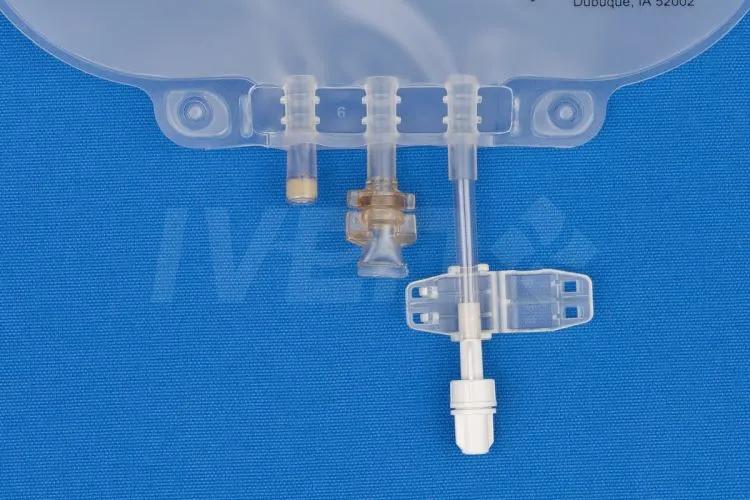
Multi-Chamber IV Bag Production in the United States
Multi-chamber IV bag production enables pharmaceutical manufacturers to keep incompatible or unstable ingredients separated until the point of use. This design improves shelf stability, reduces compounding steps in hospitals, supports safer dosing, and helps meet rising demand in the United States for ready-to-activate sterile infusion products. In practical terms, the process combines pharmaceutical formulation, multilayer film selection, precision bag forming, chamber separation, sterile filling, sealing, overwrapping, and extensive validation under cGMP controls.
Across the United States, especially in pharmaceutical corridors linked to New Jersey, Boston, Chicago, Houston, and the Carolinas, demand is growing for advanced IV packaging that reduces medication error risk and supports decentralized care. Multi-chamber systems are increasingly relevant for parenteral nutrition, antibiotic reconstitution, emergency care, and high-value specialty therapies. For companies evaluating new capacity, production success depends on film compatibility, seal reliability, sterility assurance, line automation, and long-term regulatory readiness.
Multi-chamber IV bags are produced through a controlled manufacturing sequence that starts with pharmaceutical-grade film preparation and ends with validated sterile packaging. Manufacturers first select multilayer films that provide the required oxygen barrier, water vapor resistance, flexibility, transparency, and compatibility with the formulation. The film is then thermoformed or converted into a bag structure, with peelable or frangible internal seals creating two or more separate chambers. Each chamber is filled with a different sterile liquid, powder, or concentrate under aseptic or terminally sterilized conditions. The bag is sealed, inspected, overwrapped, labeled, and tested for integrity, particulate control, seal performance, and shelf-life stability.
The main reason this format matters is that many active ingredients degrade when mixed too early. By isolating them until administration, the product can remain stable longer and arrive ready for activation by nurses or pharmacists. This is especially important in United States hospitals facing labor shortages, higher medication complexity, and stronger emphasis on standardized sterile products.
Production StepMain ObjectiveTypical ControlsImpact on Product QualityFilm selectionEnsure compatibility and barrier performanceExtractables, leachables, sealability, transparencyProtects drug stability and safetyBag formingCreate chamber geometry and portsDimensional checks, tooling validationImproves consistency and fill accuracyInternal seal creationSeparate ingredients until activationPeel force or burst testingPrevents premature mixingSterile fillingLoad each chamber accuratelyAseptic monitoring, weight controlEnsures dose precisionFinal sealingClose ports and bag perimeterSeal integrity, leak testingMaintains sterilitySterilization or aseptic releaseMeet sterility assurance requirementsCycle validation, bioburden reviewSupports regulatory complianceInspection and packagingVerify defects and protect shipmentVision inspection, overwrap checksReduces field complaintsThe table above shows why multi-chamber IV bag production is more than bag making. It is a pharmaceutical process, a sterile packaging process, and a validation-driven engineering process at the same time.
A multi-chamber IV bag is a sterile infusion container divided into two or more compartments by a breakable seal. The separate compartments hold ingredients that should remain apart during storage. Before administration, the clinician activates the bag by pressing or rolling it, which opens the internal seal and allows the contents to mix.
Compared with traditional single-chamber products, multi-chamber systems offer longer stability for certain formulations, faster bedside preparation, lower contamination risk from manual compounding, and more predictable clinical workflow. These advantages are driving adoption among hospital systems, outsourcing facilities, and pharmaceutical manufacturers seeking differentiated ready-to-use therapies.
In the United States, hospitals in major metropolitan markets such as New York City, Los Angeles, Atlanta, and Dallas value these products because they simplify medication preparation in high-volume care settings. They also support standardization across large health networks where pharmacy labor efficiency is a major operational issue.
AdvantageHow It WorksBenefit for ManufacturersBenefit for HospitalsIngredient separationFrangible seal keeps components apartLonger marketable shelf lifeSafer final admixtureReady-to-activate formatMixing occurs just before infusionPremium product positioningFaster preparation timeReduced manual compoundingPremeasured contents are factory filledMore consistent dosage controlLower contamination riskHigh transport efficiencyFlexible bags weigh less than rigid containersLower logistics costsEasier storage and handlingLower medication error riskPredesigned activation sequenceSupports quality reputationImproves nursing workflowCompatibility with automationCan run on advanced form-fill-seal linesScalable capacity growthImproved supply reliabilityThese advantages explain why multi-chamber IV bag production is becoming a strategic investment rather than just a packaging option. It combines formulation science with operational efficiency, which is especially valuable in regulated, high-throughput healthcare markets.
Clinical use cases continue to expand. The most common applications include total parenteral nutrition, dual-component antibiotics, buffering systems, electrolyte combinations, dialysis-related solutions, and specialty critical-care preparations. In many cases, the value is not simply convenience; it is the preservation of drug activity and the reduction of pharmacy touchpoints.
Hospitals in the United States are under pressure to improve medication safety metrics while maintaining continuity of supply during shortages. Multi-chamber products can help by reducing on-site reconstitution steps, especially in emergency departments, intensive care units, oncology units, and neonatal care environments where precision and speed matter.
Application AreaTypical Multi-Chamber UseClinical ValueOperational ValueParenteral nutritionAmino acids, glucose, lipids, electrolytes kept separateImproved nutrient stabilityReduces cleanroom workloadAntibiotic therapyPowder and diluent separated until useBetter potency controlFaster bedside activationCritical careEmergency infusions requiring rapid mixingLower delay in therapy startSupports code-cart readinessNeonatal careSmall-volume sensitive formulationsHigher dosing reliabilityLess manual manipulationDialysis supportBuffered concentrates activated before treatmentMore stable compositionStandardized preparationSpecialty infusionBiologically sensitive or unstable combinationsExtended usable shelf lifeEnables broader distributionThe clinical demand profile in the United States is also shaped by regional healthcare infrastructure. Large academic medical centers in Boston and Philadelphia often seek specialized products for advanced care, while integrated delivery networks in the Midwest and Sun Belt prioritize scalable standardized formats. Manufacturers that understand these segments can better align line design with market reality.
var ctxBar = document.getElementById(‘barDemandChart’).getContext(‘2d’);var barDemandChart = new Chart(ctxBar, {type: ‘bar’,data: {labels: [‘Parenteral Nutrition’, ‘Antibiotics’, ‘Critical Care’, ‘Dialysis’, ‘Oncology Support’, ‘Emergency Stock’],datasets: [{label: ‘Estimated U.S. Demand Index 2025’,data: [92, 88, 76, 61, 57, 70],backgroundColor: [‘#4e79a7′,’#f28e2b’,’#e15759′,’#76b7b2′,’#59a14f’,’#edc948′]}]},options: {responsive: true,maintainAspectRatio: false,plugins: { legend: { display: true } },scales: { y: { beginAtZero: true, max: 100 } }}});The bar chart highlights why suppliers often prioritize nutrition and anti-infective applications first. These categories combine consistent volume with clear clinical and workflow benefits.
Not all multi-chamber IV bags are built the same. The most common formats are two-chamber bags, three-chamber bags, powder-liquid combinations, liquid-liquid combinations, and specialty designs with peelable seals tailored to activation force requirements. The right design depends on formulation chemistry, sterilization method, viscosity, fill volume, storage conditions, and intended end user.
Film choice is one of the most important engineering decisions. In the United States market, there is strong preference for non-PVC and DEHP-free options where clinically or commercially appropriate. However, material selection must balance sustainability, drug compatibility, machinability, burst resistance, transparency, and sterilization tolerance.
Bag TypeTypical UseMain Seal TypeMaterial ConsiderationsTwo-chamber liquid-liquid bagElectrolyte or buffered solutionsFrangible or peel sealNeeds strong barrier and reliable break forceTwo-chamber powder-liquid bagAntibiotic reconstitutionPeel sealMoisture protection is criticalThree-chamber nutrition bagParenteral nutritionMultiple break sealsFilm must handle oils and sterilizationHigh-volume infusion bagHospital bulk standardized therapyReinforced internal sealHigher puncture and drop resistance neededSpecialty low-volume bagPediatrics or niche therapiesLow-force activation sealExcellent fill precision requiredCustomized dual-port systemComplex hospital workflowsEngineered chamber controlPort compatibility affects line designCommon film structures include polypropylene-based systems, multilayer coextruded non-PVC films, and specialty composites designed for steam sterilization or oxygen-sensitive products. Some manufacturers also focus on enhanced clarity and softness for easier visual inspection. Film sourcing should be geographically risk-assessed, especially if imported through West Coast gateways such as Los Angeles and Long Beach or East Coast routes through Newark and Savannah.
For companies exploring technology partners, it is useful to review suppliers that can support not only the bag line itself but also related clean utilities and integrated systems. A provider such as IVEN Pharmatech Engineering is relevant because it operates across sterile processing, water systems, packaging, and plant engineering, which can help align film, filling, utilities, and validation decisions in one coordinated project structure.
The choice between multi-chamber and single-chamber systems should be based on clinical need, formulation sensitivity, commercial strategy, and manufacturing economics. Single-chamber bags remain suitable for stable ready-to-use solutions with simple compositions. Multi-chamber products become attractive when premature mixing causes potency loss, precipitation risk, pH drift, or reduced shelf life.
Comparison FactorMulti-Chamber IV BagsSingle-Chamber IV BagsStrategic ImplicationIngredient stabilityHigher for incompatible componentsLimited when ingredients degrade togetherMulti-chamber supports complex productsManufacturing complexityHigherLowerRequires stronger engineering and QA systemsCapital investmentHigher initial costLower initial costBest for premium or high-growth productsHospital preparation timeShorterMay require compounding or reconstitutionMulti-chamber reduces labor burdenSupply chain differentiationStrongModerateBetter for branded value propositionValidation effortMore extensiveSimplerLonger project planning neededShelf-life optimizationOften superiorDependent on premixed formulation stabilityHelps national distributionFor a United States manufacturer serving multiple hospital systems, a mixed portfolio often makes sense: single-chamber products for high-volume commodity infusions and multi-chamber products for sensitive, clinically differentiated therapies. This blended approach can improve utilization of sterile manufacturing assets while expanding margin opportunities.
var ctxComp = document.getElementById(‘comparisonChart’).getContext(‘2d’);var comparisonChart = new Chart(ctxComp, {type: ‘bar’,data: {labels: [‘Shelf-Life Potential’, ‘Manufacturing Complexity’, ‘Hospital Convenience’, ‘Differentiation’, ‘Capital Need’, ‘Workflow Safety’],datasets: [{label: ‘Multi-Chamber Score’,data: [90, 82, 94, 88, 76, 91],backgroundColor: ‘#6f42c1’},{label: ‘Single-Chamber Score’,data: [63, 45, 58, 52, 48, 65],backgroundColor: ‘#17a2b8’}]},options: {responsive: true,maintainAspectRatio: false,plugins: { legend: { display: true } },scales: { y: { beginAtZero: true, max: 100 } }}});The comparison chart makes clear that multi-chamber formats win on clinical and workflow value, even though they demand greater technical maturity and more upfront spending.
The market for multi-chamber IV bag production in the United States is expanding due to four converging forces: growing demand for ready-to-use sterile products, pressure to reduce hospital compounding, increased focus on drug shortages and domestic resilience, and greater use of specialty infusions with stability constraints. Buyers are not only evaluating today’s volume but also future flexibility.
Regional logistics also matter. Production located near pharmaceutical clusters and freight corridors can reduce lead times for film, ports, overwraps, and sterile components. Facilities near New Jersey can serve the Northeast efficiently, while sites in Texas or the Southeast may gain transportation advantages to growing hospital markets across Houston, Atlanta, Nashville, and Miami. Access to ports such as Newark, Houston, Savannah, and Los Angeles can further support imported equipment and materials during line installation.
var ctxLine = document.getElementById(‘lineGrowthChart’).getContext(‘2d’);var lineGrowthChart = new Chart(ctxLine, {type: ‘line’,data: {labels: [‘2021’, ‘2022’, ‘2023’, ‘2024’, ‘2025’, ‘2026’],datasets: [{label: ‘Estimated U.S. Market Demand Index’,data: [58, 64, 71, 79, 88, 98],borderColor: ‘#28a745’,backgroundColor: ‘rgba(40,167,69,0.15)’,fill: false,tension: 0.25}]},options: {responsive: true,maintainAspectRatio: false,plugins: { legend: { display: true } },scales: { y: { beginAtZero: true, max: 110 } }}});The line chart indicates a steady upward trend through 2026. While exact numbers vary by segment, most investment discussions now assume continued growth in advanced infusion packaging rather than a return to simpler formats.
var ctxArea = document.getElementById(‘areaTrendChart’).getContext(‘2d’);var areaTrendChart = new Chart(ctxArea, {type: ‘line’,data: {labels: [‘2021’, ‘2022’, ‘2023’, ‘2024’, ‘2025’, ‘2026’],datasets: [{label: ‘Ready-to-Use Preference’,data: [42, 47, 53, 61, 69, 77],fill: true,backgroundColor: ‘rgba(54, 162, 235, 0.25)’,borderColor: ‘rgba(54, 162, 235, 1)’,tension: 0.3},{label: ‘Traditional On-Site Mixing Preference’,data: [58, 53, 47, 39, 31, 24],fill: true,backgroundColor: ‘rgba(255, 159, 64, 0.20)’,borderColor: ‘rgba(255, 159, 64, 1)’,tension: 0.3}]},options: {responsive: true,maintainAspectRatio: false,plugins: { legend: { display: true } },scales: { y: { beginAtZero: true, max: 100 } }}});The area chart reflects an important strategic shift: healthcare systems increasingly prefer products that arrive easier to use, with less reliance on internal compounding. This trend is likely to continue into 2026 as policy, labor availability, and quality systems all favor standardized sterile presentation.
Future trends for 2026 include stronger digital line monitoring, broader use of machine vision for defect detection, more non-PVC material development, tighter scrutiny of extractables and leachables, and greater interest in domestic or regionally diversified supply chains. Sustainability will also rise in importance, with buyers asking about material reduction, energy-efficient sterilization, and lower packaging waste.
Choosing a supplier for multi-chamber IV bag production is not only about price. The buyer should assess regulatory understanding, engineering depth, material expertise, automation quality, and the supplier’s ability to support long validation cycles. In the United States, documentation quality and cGMP alignment are often the deciding factors.
Technological capability should be reviewed first. A qualified supplier must understand chamber seal physics, formulation compatibility, sterile filling integration, leak testing, and line control software. This is where engineering-oriented companies often outperform general packaging vendors. For example, integrated providers with experience in sterile pharmaceuticals can align bag design with utilities, filling equipment, and qualification strategy from the beginning.
Manufacturing capability is equally important. Buyers should confirm whether the supplier has actual production plants, machining depth, quality systems, and a stable parts supply chain. A company with specialized factories for filling and packaging equipment, water treatment systems, logistics automation, and related sterile production technologies can usually offer better project coordination than a single-machine broker.
Service capability often determines project success after purchase. Installation, SAT, IQ, OQ, PQ support, staff training, spare parts planning, and process optimization must be available in a timely manner. For U.S. buyers, responsiveness during commissioning and documentation review can directly affect launch dates.
Selection CriterionWhat to CheckWhy It MattersWarning SignRegulatory fitSupport for FDA-aligned documentation and validationReduces approval and audit riskGeneric paperwork onlySeal engineering expertiseData on frangible seal consistencyCritical to activation performanceNo seal force historyMaterial knowledgeFilm compatibility and sterilization dataPrevents stability failuresOne-size-fits-all material claimsInstalled baseSterile line references and project scaleShows practical execution abilityOnly prototype experienceAfter-sales serviceCommissioning, training, remote supportImproves uptimeLimited post-sale commitmentCustomization abilityLine adaptation to bag sizes and formulationsSupports future SKUsRigid standard configurationLead-time reliabilityProject scheduling and parts availabilityHelps meet launch targetsUnclear delivery planningIf you are comparing suppliers, it can help to review a broader portfolio of pharmaceutical equipment rather than just one line item. This gives insight into whether the supplier can support future expansion beyond the initial bag project.
Investment cost varies widely depending on line speed, chamber complexity, sterilization method, automation level, cleanroom scope, utilities, inspection systems, and validation depth. In the United States, total project budgets often include not only equipment but also building adaptation, clean utilities, quality systems, warehousing, and pre-launch stability work.
A realistic capital plan should separate direct equipment costs from indirect project costs. Buyers frequently underestimate engineering design, qualification effort, spare parts, operator training, and film validation batches. For that reason, ROI should be modeled using multiple scenarios: baseline utilization, high-growth utilization, and delayed-approval utilization.
Budget CategoryLow Complexity LineMid Complexity LineHigh Complexity LineCore bag forming and filling equipment$2.5M-$4M$4M-$7M$7M-$12MInspection and leak testing$0.4M-$0.8M$0.8M-$1.5M$1.5M-$2.5MClean utilities and water systems$0.8M-$1.5M$1.5M-$3M$3M-$5MCleanroom and facility modification$1M-$2M$2M-$4M$4M-$8MValidation and documentation$0.3M-$0.7M$0.7M-$1.5M$1.5M-$3MTraining, spares, startup inventory$0.2M-$0.6M$0.6M-$1.2M$1.2M-$2MTotal indicative range$5.2M-$9.6M$9.6M-$18.2M$18.2M-$32.5MThe budget table above is illustrative, but it reflects how quickly total project cost expands once the full sterile manufacturing environment is included. The key is not to buy the cheapest line; it is to buy the line that achieves commercial launch and consistent yield.
ROI DriverLow Impact ScenarioBase ScenarioHigh Impact ScenarioAnnual utilization45%65%85%Yield loss8%4%2%Average premium vs standard IV bags10%18%28%Hospital adoption speedSlowModerateFastEstimated payback period6-8 years4-6 years2.5-4 yearsMain success conditionBasic contracting winsBalanced portfolioStrong differentiated productsMany successful projects improve ROI by combining multiple capabilities into a turnkey roadmap rather than purchasing machines one by one. If a project also requires purified water, WFI, sterile steam, solution preparation, logistics integration, and packaging, a turnkey pharmaceutical engineering approach can reduce interface risk and shorten implementation time.
Investment in multi-chamber IV bag production can create a strong competitive position, but the risks are real. The first risk is formulation-bag incompatibility. Even a well-designed line can fail commercially if the selected film interacts with active ingredients or if the internal seal does not maintain stability across the intended shelf life.
The second risk is underestimating validation complexity. Multi-chamber products require more testing than many standard bags because chamber separation and activation performance become part of the critical quality profile. Seal opening force, leak resistance, migration, shipping stability, and mix uniformity must all be validated carefully.
The third risk is supply chain concentration. If film, ports, or specialized seal tooling come from a narrow set of suppliers, disruptions can delay commercial release. This is especially important for products serving U.S. hospital contracts with strict delivery expectations.
The fourth risk is scaling too narrowly. A line optimized for one SKU may become underutilized if the market shifts. Flexible tooling, recipe management, and future bag-size expansion are therefore important in project design.
From a policy perspective, 2026 is likely to bring stronger expectations around traceability, sustainability disclosure, and domestic resilience for essential medical products. Buyers should think beyond line startup and prepare for a future where customers ask more questions about energy use, film recyclability pathways, and local supply continuity.
When companies want to reduce these risks, they often choose engineering partners with a track record in international compliance, sterile line integration, and long-life equipment design. IVEN Pharmatech Engineering is one example of a company known for combining equipment supply with engineering, validation support, training, and lifecycle service. This matters because a reliable project partner should remain engaged well after factory acceptance testing. Companies that want to discuss technical fit, scope, or project timing can contact the engineering team for a more detailed evaluation.
What is the biggest reason pharmaceutical companies use multi-chamber IV bags?The main reason is stability. Keeping ingredients separated until use can extend shelf life and preserve potency for products that would degrade if premixed.
Are multi-chamber IV bags more expensive than single-chamber bags?Yes, they usually require higher capital investment, more complex tooling, and more validation work. However, they may deliver stronger margins and better hospital adoption for the right products.
Which applications are strongest in the United States?Parenteral nutrition, antibiotics requiring reconstitution, critical care infusions, and other therapies where ready-to-activate presentation reduces pharmacy workload and contamination risk.
What materials are commonly used?Many manufacturers use polypropylene-based or multilayer non-PVC films designed for sterility, barrier protection, and compatibility with steam sterilization or aseptic handling requirements.
Can a multi-chamber line be integrated into a broader sterile plant project?Yes. In fact, many companies prefer integrating the bag line with water systems, solution preparation, utilities, inspection, packaging, and warehouse logistics from the start.
How long does it take to launch a production line?Project timelines vary, but a full program including engineering, manufacturing, installation, validation, and regulatory readiness often takes 12 to 24 months, sometimes longer for highly customized systems.
What should U.S. buyers ask suppliers first?Ask for evidence of sterile pharmaceutical experience, seal performance data, installed references, validation document quality, service coverage, and flexibility for future SKU expansion.
Is sustainability becoming important in this segment?Yes. By 2026, customers and regulators are expected to place more emphasis on material selection, energy efficiency, waste reduction, and supply chain resilience.
For manufacturers serving the United States, multi-chamber IV bag production is increasingly a strategic capability. It supports safer sterile drug delivery, aligns with hospital demand for workflow efficiency, and creates differentiation in a competitive infusion market. The companies most likely to succeed are those that treat this investment as an integrated pharmaceutical engineering project rather than a standalone packaging purchase.
-
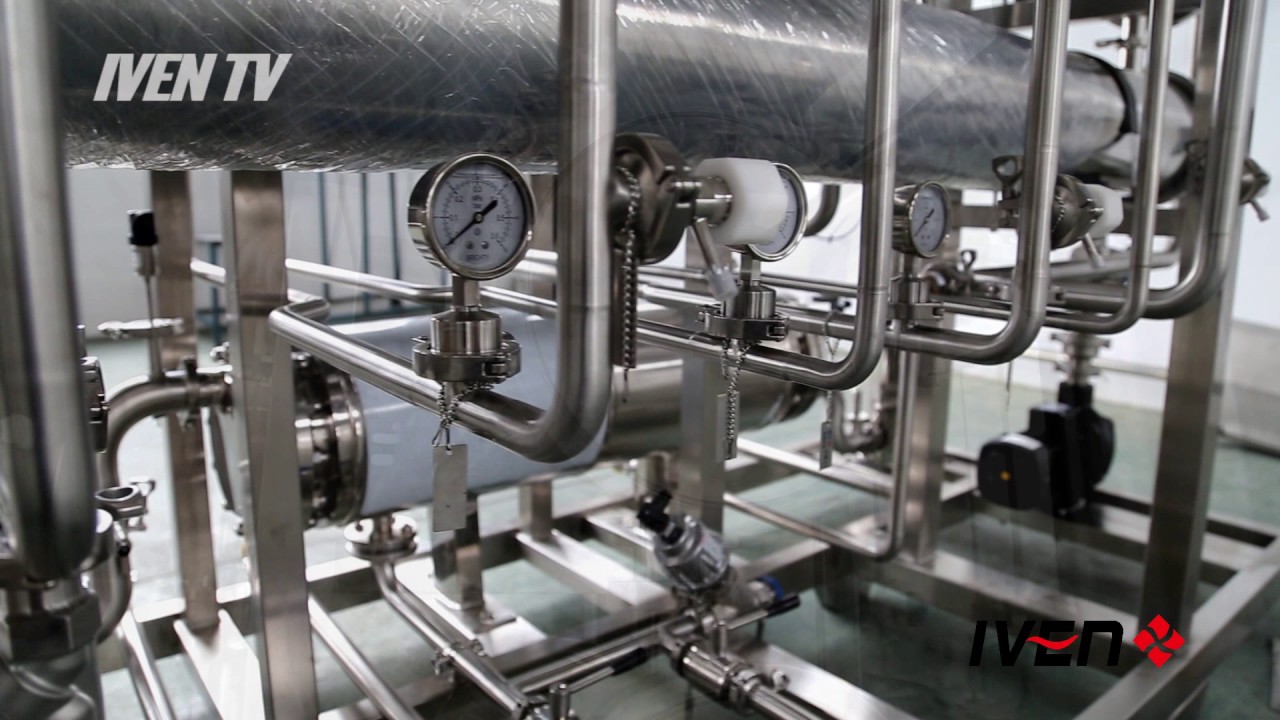
United States Guide to Micro and Standard Tube Lines
For medical device companies serving hospitals, physician office labs, public health systems, and diagnostic networks, micro and standard blood collection tube production lines make it possible to manufacture high volumes of consistent, sterile, and traceable products with better speed, lower labor dependence, and stronger quality control. In the United States, where laboratory reliability, FDA expectations, and supply continuity are critical, automated tube production has become a strategic investment rather than only a manufacturing upgrade.
Demand is being pushed by routine chemistry testing, hematology, molecular diagnostics, point-of-care collection growth, pediatric sampling needs, and pressure on healthcare systems to improve turnaround time. Buyers in markets such as New York, Chicago, Houston, Los Angeles, and Atlanta increasingly compare not just tube formats, but also line flexibility, cleanroom compatibility, automation depth, additive dosing precision, stopper assembly stability, labeling accuracy, and long-term validation support. For companies evaluating new capacity, understanding the difference between micro tubes and standard venous collection tubes is essential because each requires different engineering priorities, tooling arrangements, and downstream packaging strategies.
The short answer is that an automated micro and standard blood collection tube production line is a specialized manufacturing system designed to produce blood collection tubes at scale with controlled forming, additive filling, drying, stoppering, vacuuming where required, capping, labeling, inspection, and packaging. Compared with labor-intensive assembly, modern lines reduce human error, improve consistency between batches, support electronic data records, and help manufacturers comply with the strict standards expected in the United States.
Micro blood collection tubes are typically used for small-volume sampling, especially in pediatric, neonatal, geriatric, or capillary blood collection settings. Standard blood collection tubes are generally designed for venous blood draws and support a broader volume range used in routine clinical laboratories. The production line selected must match the expected product portfolio, whether that includes serum separation tubes, EDTA tubes, heparin tubes, sodium citrate tubes, glucose tubes, clot activator tubes, or specialty diagnostic consumables.
For many buyers, the core decision is not simply micro versus standard size. It is whether the production system can maintain precision across multiple tube dimensions, additives, labels, and closure formats while still delivering acceptable output per minute. Reliable automation also matters for labor planning in high-cost markets across the United States, from Boston to San Diego, where manufacturers seek lower operational risk and stronger batch reproducibility.
Decision FactorMicro TubesStandard TubesWhy It MattersTypical Sample VolumeVery low volumeMedium to higher volumeDetermines tube dimensions and filling precisionMain Clinical UseCapillary and pediatric collectionRoutine venous collectionShapes demand forecast and product mixLine Tooling SensitivityHigherModerateSmaller parts require tighter handling accuracyLabeling SpaceLimitedBroaderAffects print area, barcodes, and brandingOutput BalancingCan be more complexUsually easier at scaleInfluences cycle time and inspection setupMarket Demand PatternNiche but growingBroad and stableSupports investment planning and ROIThe table above shows why the production line decision must be aligned with commercial strategy, not only engineering preference. A manufacturer targeting children’s hospitals and decentralized collection may prioritize micro tube agility, while a supplier focused on high-throughput reference labs may benefit more from standard tube capacity.
A blood collection tube production line is a sequence of automated and semi-automated equipment modules that transforms raw materials and components into finished collection tubes ready for sterile packaging and shipment. Depending on design, the process may begin with tube forming or may start from preformed plastic or glass tubes supplied by qualified vendors. The line then moves through washing or air cleaning, additive dosing, drying, cap and stopper assembly, vacuum generation for vacuum tubes, leak testing, visual inspection, labeling, tray loading, and final packing.
Micro tube lines differ because the smaller format demands finer control during feeding, orientation, additive filling, and closure insertion. Minor deviations that may be tolerated in larger products can create reject spikes in micro tube manufacturing. Standard tube lines are often optimized for faster throughput, larger vacuum tube families, and broader compatibility with common laboratory tube sizes.
In practical terms, a modern line usually contains:
The sophistication of the control system matters greatly. High-performing lines use servo motion, machine vision, recipe management, alarm history, remote diagnostics, and production data capture. Those features are increasingly important for United States buyers who need documentation for quality systems, process validation, and customer audits.
Process StepMain FunctionMicro Tube RequirementStandard Tube RequirementTube FeedingSeparates and orients tubesHigh precision handlingStable high-speed feedingAdditive DosingIntroduces reagent or anticoagulantVery fine volume controlConsistent repeatable dosingDryingStabilizes additivesCareful thermal controlHigher batch efficiencyClosure AssemblyApplies cap or stopperSmall-part alignment criticalSpeed and sealing strength criticalVacuumingCreates target internal pressureRequired for selected designs onlyCore for venous vacuum tubesInspectionChecks appearance and functionMicroscopic defect sensitivityBroad defect screeningThis process map helps buyers compare line proposals from suppliers. If a quotation speaks only about machine speed but not about recipe management, additive accuracy, reject detection, or vacuum retention, it may not meet real-world production expectations.
Micro and standard blood collection tubes serve a wide range of end markets. Standard venous tubes remain the backbone of central laboratories, hospital labs, commercial testing chains, and reference facilities. Micro tubes are increasingly important in neonatal care, home collection support, specialty clinics, and settings where low blood draw volume improves patient experience.
In the United States, the diversity of testing environments creates opportunity for manufacturers that can run multiple tube formats on controlled, validated equipment. Diagnostic demand is not limited to large academic centers in cities such as Philadelphia or Seattle. Regional hospital networks, urgent care chains, and outpatient laboratory groups across the Midwest and Sun Belt also require dependable supplies and increasingly prefer suppliers with stable manufacturing systems and traceable quality records.
Main benefits for medical device companies include:
These lines also support strategic resilience. After the disruptions seen in global healthcare supply chains, many buyers in the United States have prioritized manufacturing partners that can scale and maintain quality under pressure. Automated blood tube manufacturing helps achieve that.
Application AreaTypical Tube TypeDemand Level in the United StatesProduction AdvantageHospital Core LabsStandard vacuum tubesVery highSupports large continuous batch runsPediatric HospitalsMicro tubesHigh growthEnables small-volume precision productsReference LaboratoriesStandard serum and plasma tubesVery highFavors high-speed automationUrgent Care NetworksMixed standard formatsModerate to highAllows flexible SKU productionHome and Remote CollectionMicro and specialty tubesGrowingSupports innovation in patient-friendly samplingResearch and Clinical TrialsCustom tubesModerateBenefits from configurable recipes and labelingThe table above shows that product strategy should be linked to the channel served. Manufacturers targeting mixed customers benefit from equipment that can handle both mainstream and specialty formats.
var ctxBarDemand = document.getElementById(‘barDemandChart’).getContext(‘2d’);var barDemandChart = new Chart(ctxBarDemand, { type: ‘bar’, data: { labels: [‘Hospital Labs’, ‘Reference Labs’, ‘Pediatric Care’, ‘Urgent Care’, ‘Home Collection’, ‘Research’], datasets: [{ label: ‘Estimated demand index’, data: [96, 92, 68, 74, 59, 47], backgroundColor: [‘#4e79a7′,’#59a14f’,’#f28e2b’,’#e15759′,’#76b7b2′,’#af7aa1′] }] }, options: { responsive: true, maintainAspectRatio: false }});Today’s market offers a broad spectrum of line configurations. Some are compact systems intended for regional production or pilot scale. Others are full automatic integrated lines built for large-volume commercial manufacturing. The most appropriate configuration depends on expected annual output, tube range, cleanroom constraints, and target customer segment.
Common configurations include dedicated micro tube lines, dedicated standard vacuum tube lines, hybrid lines with modular change parts, and turnkey integrated plants combining tube line equipment with purified water systems, HVAC coordination, cleanroom material flow, logistics systems, and downstream packing. For United States projects, the best long-term value often comes from a line that balances production speed with validation readiness and after-sales accessibility.
On the technology side, some experienced suppliers have developed multiple generations of vacuum blood collection tube equipment, adding improvements in servo control, machine vision, vacuum stability, and format compatibility. Companies with deeper engineering backgrounds can also integrate supporting utilities and plant-level coordination, which is useful when building a new medical consumables factory rather than buying one isolated machine.
Line TypeBest ForAutomation LevelTypical BenefitCompact Micro Tube LineSpecialty and pediatric productsMedium to highEfficient for small-format precision outputStandard Vacuum Tube LineLarge clinical laboratory supplyHighStrong throughput and vacuum consistencyHybrid Multi-Format LineMixed SKU portfoliosHighFlexible changeover and broader market reachSemi-Automatic Entry LineEarly-stage manufacturersMediumLower initial investmentFull Turnkey Integrated LineNew plant projectsVery highBetter utility coordination and compliance planningCustomized Specialty Tube LineClinical trials and niche diagnosticsVariableSupports unique additives and packaging needsThe table clarifies that “best” depends on the business model. A large buyer supplying nationwide distributors from ports such as Long Beach, Savannah, or Newark may value throughput and warehouse integration. A specialty diagnostics brand may prioritize flexibility, low changeover loss, and strict labeling control.
When evaluating suppliers, ask whether the line can support barcode verification, vision-guided reject handling, vacuum retention testing, and packaging formats suited to U.S. distribution channels. Those details often separate a practical production asset from an impressive but limited machine demo.
Manual or heavily labor-dependent assembly still exists in some parts of the market, especially for low volume or low complexity production. However, for companies targeting the United States, manual processes face growing disadvantages. Labor cost, inconsistency risk, operator dependence, contamination exposure, and documentation gaps all become more serious as output scales up.
Automated lines perform repetitive actions with better repeatability. They also simplify line clearance, reduce variation among shifts, and support digital records that quality teams can review. While manual assembly may appear cheaper at first, the hidden costs of rejects, rework, slower output, and training can quickly offset the lower starting price.
Comparison PointAutomated LineManual AssemblyPractical ImpactOutput CapacityHigh and scalableLimited by staffingAutomation supports major contractsConsistencyStrong repeatabilityOperator dependentLower batch variationLabor RequirementLower direct laborHigher direct laborImportant in U.S. wage marketsTraceabilityDigital and structuredMore manual recordsHelps audits and investigationsReject ControlOnline inspection possibleOften after-the-factDefects can be caught earlierLong-Term CostLower per unit at scaleCan rise quicklyBetter ROI for sustained volumeThis comparison shows why automation is usually preferred when target volumes are meaningful. It also explains why procurement teams should compare total cost of ownership rather than purchase price alone.
var ctxComparison = document.getElementById(‘comparisonChart’).getContext(‘2d’);var comparisonChart = new Chart(ctxComparison, { type: ‘bar’, data: { labels: [‘Capacity’, ‘Consistency’, ‘Traceability’, ‘Labor Efficiency’, ‘Inspection’, ‘Scalability’], datasets: [{ label: ‘Automated line score’, data: [95, 93, 96, 90, 92, 94], backgroundColor: ‘#6f42c1’ },{ label: ‘Manual assembly score’, data: [48, 57, 44, 35, 41, 39], backgroundColor: ‘#cfc3f7’ }] }, options: { responsive: true, maintainAspectRatio: false }});The United States remains one of the most attractive markets for blood collection consumables because of its large clinical testing volume, broad healthcare network, strong purchasing power, and ongoing demand for quality-assured diagnostic supplies. Growth is supported by aging demographics, chronic disease management, preventive testing, oncology monitoring, decentralized care, and personalized medicine.
Opportunities exist not only for finished tube brands but also for contract manufacturing, regional assembly, and localized packaging near major distribution corridors such as Memphis, Dallas-Fort Worth, Chicago, and the New Jersey logistics belt. Buyers are increasingly attentive to supply resilience, delivery lead times, and quality documentation. This favors manufacturers with robust equipment platforms and integrated project capability.
Another opportunity is the shift toward product diversification. Companies are moving beyond basic serum and EDTA tubes into pediatric lines, specialty additives, and niche research collections. Micro tube demand in particular is benefiting from care models that emphasize lower blood draw volumes and improved patient comfort.
var ctxLineGrowth = document.getElementById(‘lineGrowthChart’).getContext(‘2d’);var lineGrowthChart = new Chart(ctxLineGrowth, { type: ‘line’, data: { labels: [‘2021’, ‘2022’, ‘2023’, ‘2024’, ‘2025’, ‘2026’, ‘2027’], datasets: [{ label: ‘U.S. market index for tube line investment’, data: [100, 108, 117, 127, 139, 152, 166], borderColor: ‘#198754’, backgroundColor: ‘rgba(25,135,84,0.15)’, fill: false, tension: 0.3 }] }, options: { responsive: true, maintainAspectRatio: false }});The line chart indicates a realistic upward investment trend as manufacturers expand capacity, replace aging equipment, or reshore parts of supply chains closer to U.S. customers. This trend is especially relevant for firms that want to secure long-term contracts with hospitals and laboratory distributors.
By 2026, future growth is likely to be shaped by three major forces. First, technology: more machine vision, predictive maintenance, remote service, and recipe-based flexible manufacturing. Second, policy: tighter emphasis on quality systems, device documentation, and domestic supply reliability. Third, sustainability: stronger demand for energy-efficient lines, lower material waste, and packaging optimization.
Choosing a supplier for a micro and standard blood collection tube line requires more than a machine comparison. Buyers in the United States should evaluate engineering depth, validation support, installed base, spare parts planning, process know-how, and responsiveness during startup. A line may look competitive on price, but if the supplier lacks experience in blood collection consumables, the project can suffer from slow ramp-up, unstable output, or unresolved quality issues.
Start by verifying whether the supplier can provide a clear user requirement discussion, layout support, utility demand calculations, FAT protocols, SAT planning, and documentation aligned with U.S. quality expectations. It also helps to assess whether the company understands broader factory engineering, because blood tube production is affected by cleanroom design, material flow, environmental control, and packaging logistics.
Some buyers prefer vendors that can offer turnkey project support for medical device facilities rather than only a standalone machine. This can simplify coordination and reduce interface risks across utilities, cleanroom spaces, and downstream packing systems.
Supplier Evaluation ItemWhat to CheckWhy It MattersBuyer TipIndustry ExperienceYears in pharma or medical device equipmentReduces design mistakesAsk for similar installed projectsTechnology PlatformServo control, vision, data recordingImproves quality and traceabilityReview actual machine functionsManufacturing DepthIn-house production and testingSupports consistency and deliveryRequest plant capability detailsCompliance SupportIQ, OQ, PQ assistance and documentationHelps validation and auditsReview sample documentsService NetworkTraining, spare parts, remote supportShortens downtimeClarify response times in writingCustomization AbilityFormat changes and recipe flexibilitySupports product expansionAsk about future SKU roadmapFrom a technological capability perspective, buyers often prefer companies that combine equipment design with automation and regulatory knowledge. For example, IVEN Pharmatech Engineering has built its reputation around integrated engineering for pharmaceutical and medical device production, including several generations of vacuum blood collection tube equipment, process customization, and compliance-oriented system planning. That combination is useful when a customer needs not just motion control, but also practical support for quality consistency and plant implementation.
To learn more about supplier background, buyers can review the company overview at this corporate profile page and compare it with project needs, especially if they are planning a new line for the U.S. market.
Investment cost varies widely depending on automation level, speed, number of tube formats, inspection depth, packaging integration, cleanroom requirements, and utility scope. A basic semi-automatic setup may fit an entry strategy, while a full automatic line with integrated inspection, labeling, robotic handling, and validation documentation requires substantially higher capital. Budget planning should account for much more than the equipment quotation alone.
Typical cost categories include equipment purchase, mold and change parts, factory acceptance testing, shipment, import logistics, installation, commissioning, cleanroom modifications, utilities, training, validation, spare parts, and ongoing maintenance. U.S. buyers should also consider inland transport from ports such as Los Angeles, Houston, or Newark to the final installation site.
ROI improves when the line runs enough volume, supports multiple high-demand SKUs, and reduces rejects and labor cost. A line that is slightly more expensive upfront may produce better payback if it offers higher uptime, simpler recipe control, and lower consumable waste.
Budget ItemLow Complexity ProjectHigher Complexity ProjectPlanning NoteCore EquipmentModerateHighMain driver of capital spendTooling and Change PartsLow to moderateModerate to highImportant for multi-format linesInspection SystemsBasic sensorsAdvanced vision systemsStrongly affects quality control depthInstallation and CommissioningModerateModerate to highDepends on site readinessValidation and DocumentationModerateHighEssential for regulated productionSpare Parts and TrainingLow to moderateModerateProtects early operational stabilityThe table highlights why budget planning should be phased. A sensible method is to divide the project into capital expense, pre-startup expense, and first-year operating support. Doing so reduces surprises and improves internal approval discussions.
On manufacturing capability, buyers should favor suppliers with dedicated production resources rather than only outsourced assembly. IVEN, for example, operates multiple specialized manufacturing plants in Shanghai across filling and packaging machinery, water treatment systems, intelligent logistics, and vacuum blood collection tube equipment. That kind of production base can help with consistency, customization, and coordinated delivery, especially when a project includes more than one equipment category.
Companies exploring current equipment options may also review available product categories through the equipment portfolio section to compare broader plant integration possibilities.
Although the market outlook is favorable, investors and manufacturers must manage several risks. The first is underestimating product complexity. A project can fail if management assumes that all blood collection tubes are simple plastic consumables. In reality, additive stability, closure fit, vacuum retention, labeling, and packaging all affect customer acceptance.
The second risk is mismatching the line to the product mix. A standard high-speed tube line may not perform well for micro tube formats without the right precision modules and tooling. The third risk is inadequate site preparation. Utilities, compressed air quality, environmental control, and material flow can all affect output. The fourth risk is weak validation planning, especially for companies entering more regulated markets. The fifth is insufficient service readiness after startup.
There are also commercial risks. A manufacturer may overbuild capacity before securing offtake commitments, or may invest in a line that cannot adapt to market demand shifts. In the United States, customer expectations can change quickly around labeling, distributor packaging, and quality agreements, so flexibility matters.
var ctxAreaTrend = document.getElementById(‘areaTrendChart’).getContext(‘2d’);var areaTrendChart = new Chart(ctxAreaTrend, { type: ‘line’, data: { labels: [‘2021’, ‘2022’, ‘2023’, ‘2024’, ‘2025’, ‘2026’, ‘2027’], datasets: [{ label: ‘Shift toward flexible automated lines’, data: [32, 39, 47, 56, 66, 75, 83], borderColor: ‘#fd7e14’, backgroundColor: ‘rgba(253,126,20,0.25)’, fill: true, tension: 0.3 }] }, options: { responsive: true, maintainAspectRatio: false }});The area chart shows a strong trend toward flexible automated lines rather than fixed single-format systems. By 2026 and beyond, buyers are likely to place more value on software-driven changeovers, machine vision, energy efficiency, remote diagnostics, and reduced waste. Sustainability will also matter more. Equipment that lowers compressed air consumption, optimizes heating loads, and minimizes rejected materials can offer both financial and ESG benefits.
From a service capability standpoint, ongoing support can be just as important as machine design. Experienced engineering partners often provide feasibility review, layout optimization, installation, commissioning, validation guidance, staff training, production support, and post-startup troubleshooting. IVEN’s service approach is known for covering the full project lifecycle, which can help reduce common risks such as nonstandard layouts, schedule delays, and uncertain startup performance in international projects.
Consider three practical scenarios. First, a U.S. distributor serving major hospital groups in California and Texas needs large volumes of standard vacuum tubes. In that case, a high-speed standard line with robust inspection, vacuum control, and efficient packaging may be the best fit. Second, a specialty brand focused on neonatal and pediatric care may need a micro tube line with superior small-part handling and flexible label options. Third, a new entrant planning a mixed portfolio may benefit from a modular line that supports phased expansion.
Local supplier considerations are also important. Some buyers prefer domestic integration partners for installation support, while sourcing the core line internationally. Others seek a single source able to coordinate export packing, documentation, FAT, SAT, and onsite startup. For projects near logistics hubs such as Miami, New Jersey, Chicago, or the Port of Houston, inland delivery planning should be discussed early to avoid schedule disruption.
Integrated project capability matters because blood collection tube manufacturing rarely succeeds as a standalone equipment purchase if the surrounding system is weak. Clean utilities, room classification, workflow, warehousing, and packing design all influence outcomes. For companies building or upgrading a U.S.-oriented facility, an engineering partner with broader plant knowledge often reduces implementation risk.
Companies that want to discuss layouts, capacity planning, or technical matching for a U.S. project can use the direct contact page to request technical consultation and project coordination support.
What is the main difference between micro and standard blood collection tube production?Micro tube production requires tighter precision for small components, lower sample volumes, and narrower handling tolerances. Standard tube production is usually optimized for higher throughput and broader routine venous collection demand.
Can one production line make both micro and standard tubes?Yes, some modular lines can handle both, but buyers should confirm the real changeover method, tooling requirements, output loss during switching, and validation implications.
Why is automation so important in the United States market?Automation helps manage labor cost, improve consistency, support electronic records, and meet customer expectations for quality and delivery reliability.
What should buyers ask during technical evaluation?Ask about additive dosing accuracy, vacuum stability, inspection capability, speed under real production conditions, spare parts planning, validation documentation, and changeover time.
How long does ROI usually take?It depends on line scale, labor savings, utilization rate, reject reduction, and product mix. Higher-volume projects with strong contract demand generally achieve faster returns.
Do turnkey projects offer an advantage?Yes. Turnkey support can reduce coordination risk across utilities, cleanrooms, logistics, equipment interfaces, validation, and startup management.
What 2026 trends should investors watch?Expect more digital controls, predictive maintenance, remote service, sustainability targets, flexible multi-SKU manufacturing, and stronger emphasis on supply chain resilience.
How can a buyer judge a supplier’s long-term reliability?Look at engineering depth, manufacturing capability, installed base, service responsiveness, documentation quality, and ability to support the entire lifecycle after delivery.
In summary, investing in micro and standard blood collection tube production lines for the United States market is most successful when commercial demand, product mix, plant design, and validation strategy are aligned from the start. Buyers who prioritize precision, flexibility, service support, and lifecycle value are more likely to build durable manufacturing capacity and win long-term healthcare business.