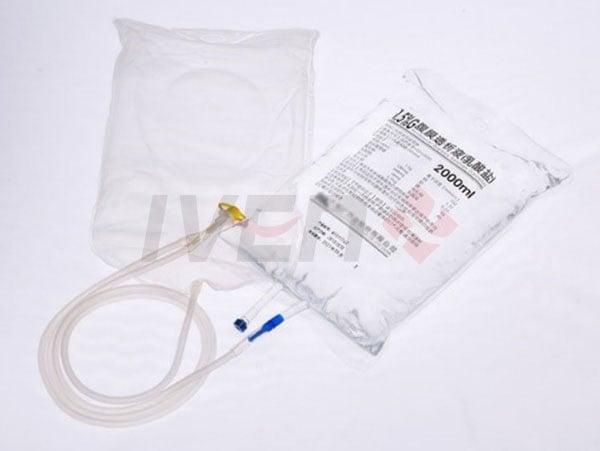
Peritoneal Dialysis Fluid Lines in the United States
Peritoneal dialysis solution production lines are specialized pharmaceutical manufacturing systems used to prepare, sterilize, fill, seal, inspect, and package peritoneal dialysis fluids for patients with chronic kidney disease. In the United States, these lines are important because they help manufacturers deliver safe, consistent, high-purity dialysis solutions for both home-based therapy and hospital use while meeting strict FDA, cGMP, and quality assurance requirements. For buyers, investors, and plant owners, the right production line is not simply a machine purchase; it is a strategic decision that affects patient safety, regulatory performance, operating cost, and long-term capacity expansion.
Across the U.S. healthcare market, demand is influenced by growth in home dialysis programs, aging populations, rising chronic kidney disease prevalence, and the need for resilient domestic or nearshore supply chains. Decision-makers in cities such as Chicago, Houston, Boston, San Diego, and Philadelphia increasingly look for turnkey systems that combine solution preparation, clean utilities, filling and sealing, inspection, secondary packaging, and validation support. Manufacturers serving distribution routes through Los Angeles, New York/New Jersey, Savannah, and Houston also place emphasis on delivery schedules, spare parts access, and compliance documentation.
Companies evaluating a new dialysis solution plant or line upgrade often need a partner that can support engineering, manufacturing, installation, validation, and lifecycle service. IVEN Pharmatech Engineering is known internationally for pharmaceutical engineering and integrated equipment solutions, including dialysis solution lines and related water, sterilization, packaging, and logistics systems. For U.S. projects, the value is not only in equipment supply, but also in project planning, regulatory alignment, and risk reduction from concept through commercial operation.
Quick Answer: how a peritoneal dialysis solution production line supports safe dialysis fluid supply

A peritoneal dialysis solution production line helps manufacturers produce sterile, accurately formulated dialysis fluids at controlled volumes and with reliable packaging integrity. This matters because peritoneal dialysis is often performed daily, frequently at home, and any inconsistency in electrolyte balance, glucose concentration, sterility, or container sealing can create serious clinical risks. A complete line typically includes water treatment, raw material dosing, solution compounding, filtration, storage, container forming or bottle feeding, filling, sealing, terminal sterilization where applicable, leak testing, visual inspection, labeling, and final packaging.
For the United States market, the best production lines are designed around three priorities: regulatory compliance, supply continuity, and patient-centered packaging. Buyers should look for automation that reduces contamination risk, electronic batch traceability, flexible formats such as non-PVC soft bags or rigid containers, and validation-ready documentation. If the product will be distributed nationally, the production line should also support scalable output and reliable logistics integration with U.S. warehousing and transport networks.
| Core Function | Why It Matters | Impact on Quality | Impact on Cost | Impact on Compliance | Typical Buyer Concern |
|---|---|---|---|---|---|
| Water purification | Dialysis fluid quality starts with high-purity water | Reduces endotoxin and conductivity risks | Lowers rejection and rework | Supports USP and cGMP expectations | Stable utility performance |
| Solution compounding | Controls electrolyte and glucose accuracy | Improves formulation consistency | Reduces batch deviation losses | Enables documented batch control | Recipe repeatability |
| Aseptic filling or protected filling | Critical for sterile product handling | Limits contamination events | Reduces recall exposure | Supports validated operation | Cleanroom risk management |
| Sealing and closure integrity | Prevents leaks and microbial ingress | Protects shelf life | Cuts transport damage claims | Supports packaging validation | Distribution durability |
| Inspection systems | Detects visible defects and seal failures | Improves release confidence | Reduces field complaints | Creates auditable records | Automation reliability |
| Batch traceability | Tracks materials, process, and finished goods | Speeds investigation | Limits recall scope | Essential for FDA readiness | Data integration with MES/ERP |
The table above shows that every module of the production line has both a clinical and business consequence. In kidney care manufacturing, quality failures are not isolated technical issues; they directly affect treatment continuity and brand credibility.
What a peritoneal dialysis solution production line is and why it matters for kidney care

Peritoneal dialysis uses the patient’s peritoneal membrane as a natural filter, requiring specially formulated sterile solutions to remove waste products and excess fluid. The production line used to make these solutions is therefore part of the essential kidney care supply chain. It differs from ordinary liquid filling equipment because it must handle pharmaceutical-grade water, precise formulation chemistry, sterile or low-bioburden processing, specialized container systems, and stringent validation standards.
In the United States, the importance of these lines has increased as healthcare providers encourage more home dialysis adoption. Home treatment can reduce pressure on dialysis centers, improve convenience for many patients, and align with broader policy support for decentralized kidney care. However, home therapy depends on a reliable supply of safe, easy-to-use dialysis fluid bags or bottles. That makes manufacturing capacity a national healthcare resilience issue as much as an industrial one.
Production lines also matter because U.S. buyers increasingly prefer systems that can adapt to multiple bag sizes, dextrose strengths, and packaging configurations. A plant serving a hospital system in New York may prioritize high volume and broad SKU management, while a regional supplier in Phoenix or Atlanta may focus on flexible production runs and faster response times. In both cases, line design affects speed, sterility assurance, labor use, utility consumption, and expansion potential.
From a technology standpoint, strong engineering capability matters. IVEN Pharmatech Engineering has built experience in pharmaceutical fluid production systems, including dialysis solution lines, water treatment units, solution preparation and distribution systems, and automated packaging. This technological background is relevant to U.S. buyers because dialysis fluid manufacturing is not a stand-alone machine purchase; it depends on how utilities, automation, cleanroom interfaces, and downstream handling work together.
Role and benefits of a peritoneal dialysis solution production line in home and hospital dialysis treatment

The production line supports two major care environments: home dialysis and institutional dialysis. For home use, manufacturers need packaging that is user-friendly, strong enough for shipping, and clearly labeled for routine daily treatment. For hospital or acute care environments, products may need broader inventory compatibility, dependable emergency supply, and large-scale batch release planning.
Major benefits include improved sterility control, reduced manual intervention, better fill accuracy, lower defect rates, and easier product traceability. For manufacturers, this translates into lower deviation risk and stronger audit readiness. For healthcare providers, it means more confidence in uninterrupted product availability. For patients, it supports treatment consistency and safety.
Another operational benefit is automation. Automated conveying, robotic cartoning, integrated leak testing, and electronic quality records can reduce line stoppages and labor variability. This is especially useful in high-cost labor markets such as California, Massachusetts, and New Jersey. Automated systems also help plants maintain stable throughput during workforce fluctuations or increased demand.
| Application Setting | Main Need | Preferred Packaging Traits | Production Priority | Key Quality Focus | Business Benefit |
|---|---|---|---|---|---|
| Home dialysis programs | Frequent patient use | Lightweight, easy-handle bags | High SKU flexibility | Seal reliability | Improved patient convenience |
| Hospital inpatient care | Consistent institutional stock | Robust transport packaging | Large batch stability | Batch-to-batch consistency | Lower stockout risk |
| Emergency supply channels | Rapid replenishment | Durable secondary packs | Fast changeover | Release efficiency | Better response speed |
| Regional distributors | Mixed order profiles | Barcode-ready cartons | Warehouse compatibility | Traceability | Smoother logistics |
| Long-term care support | Predictable demand | Extended shelf-life integrity | Stable routine output | Packaging durability | Lower complaint rates |
| Government or public health reserve | Supply resilience | Storage-efficient formats | Scalable capacity | Validated storage performance | Preparedness planning |
The table shows that line configuration should be matched to the end-use setting. Buyers who understand where the product will be used can choose more appropriate automation levels, packaging formats, and quality control features.
Key types, models, and technical options for a peritoneal dialysis solution production line
Production lines vary by container type, automation level, sterilization method, and output range. The most common configurations include non-PVC soft bag lines, PP bottle lines, and in some cases specialized rigid container formats. Soft bags are popular because they can be lightweight and distribution-friendly, while rigid containers may offer advantages in some product handling scenarios. Line selection should be based on product portfolio, expected annual volume, warehousing model, and target clinical channel.
Key technical options include automated compounding systems, CIP/SIP capability, in-line filtration, weight or volumetric filling, high-precision temperature control, automatic bag forming, visual inspection, serialization compatibility, and connection with warehouse automation. Plants planning future expansion should also consider modular layout design and digital integration with MES, SCADA, or ERP systems.
Manufacturing capability is especially important here. IVEN operates specialized manufacturing bases focused on pharmaceutical filling and packaging, water treatment, intelligent logistics, and medical consumables equipment. For buyers in the United States, this matters because supplier depth can influence lead time, spare parts consistency, customization quality, and the ability to coordinate multiple process modules into one validated line.
| Line Type | Typical Container | Best For | Main Advantage | Main Limitation | Typical Buyer Profile |
|---|---|---|---|---|---|
| Non-PVC soft bag line | Flexible sterile bag | Home dialysis distribution | Lightweight and space-efficient | Higher bag-making complexity | Large commercial manufacturers |
| PP bottle line | Rigid polypropylene bottle | High durability needs | Strong container stability | Higher shipping volume | Institutional suppliers |
| Preformed bag filling line | Purchased empty bags | Faster project startup | Lower forming system complexity | Dependency on bag suppliers | Mid-size market entrants |
| Integrated turnkey line | Multi-format options | New plant construction | End-to-end coordination | Higher upfront investment | Investors and greenfield plants |
| Semi-automatic line | Limited format range | Pilot or smaller output | Lower initial budget | More labor intensive | Niche producers |
| Fully automatic high-speed line | Large-volume commercial packs | National supply programs | High productivity and traceability | More demanding validation | Established pharma groups |
The explanation from this table is straightforward: the “best” line is not universal. The right choice depends on whether the buyer values fast launch, high volume, packaging flexibility, or integration across utilities and logistics.
Peritoneal dialysis solution production line vs. alternative technologies: which solution fits your needs?
When comparing equipment strategies, buyers often evaluate complete integrated production lines against partial systems, outsourced filling, or alternative dialysis product manufacturing assets. A dedicated peritoneal dialysis solution production line is generally the better choice when a company needs strong product control, long-term capacity, and reliable quality documentation. Outsourcing may reduce initial capital costs, but it can limit scheduling control, margin, confidentiality, and supply resilience.
Some manufacturers also compare dedicated dialysis solution lines with broader IV solution platforms. While these systems share similarities, peritoneal dialysis fluids may require product-specific formulation control, packaging strategy, and validation pathways. If the line is expected to produce multiple sterile liquid categories, it should be designed carefully to avoid unnecessary cross-complexity.
For U.S. facilities, local realities matter. Energy cost variation between Texas and California, labor availability in the Midwest, and cleanroom construction budgets in the Northeast can change the total economics. Shipping heavy liquid products over long distances from a single coast-based plant can also raise logistics costs, which is why some groups evaluate regional manufacturing models near Memphis, Dallas, or Columbus.
| Option | Capital Need | Operational Control | Compliance Control | Scalability | Best Use Case |
|---|---|---|---|---|---|
| Dedicated PD solution line | High | Very strong | Very strong | High | Long-term strategic production |
| Contract manufacturing | Low to medium | Limited | Shared | Depends on partner | Fast market entry |
| Shared sterile liquid line | Medium to high | Moderate | Complex to manage | Moderate | Diversified portfolios |
| Semi-automatic in-house setup | Medium | Moderate | Moderate | Limited | Small volume or pilot batches |
| Import-and-distribute model | Low | Low | Supplier dependent | Low | Commercial testing phase |
| Turnkey integrated plant | Very high | Very strong | Very strong | Very high | Greenfield U.S. expansion |
This comparison shows why many serious investors eventually move toward dedicated or turnkey systems once demand becomes more predictable. Control over production often becomes more valuable than the lower entry cost of outsourcing.
Current market trends and demand for peritoneal dialysis solution production capacity
The U.S. market outlook for dialysis solution capacity remains favorable. Chronic kidney disease prevalence, growth in the elderly population, and stronger emphasis on home treatment continue to support long-term demand. Buyers are also paying closer attention to domestic manufacturing resilience after recent global supply chain disruptions. That has increased interest in regional production, dual sourcing, and buffer capacity planning.
Three major trends are shaping equipment purchases. First, automation is becoming standard rather than optional, especially for high-volume lines. Second, sustainability is moving up procurement criteria, with attention to water reuse, reduced energy consumption, efficient clean steam generation, and packaging waste reduction. Third, digitalization is expanding from simple machine control to predictive maintenance, electronic batch recording, and plant-wide quality analytics.
By 2026, policy and technology are likely to push even more investment into home-care-supportive manufacturing. The broader healthcare system is expected to continue encouraging patient-centered renal care pathways. Equipment suppliers that can provide flexible formats, validated data systems, and lower environmental footprints will be better positioned.
| Trend | What Is Changing | Driver | Impact on Equipment Design | Impact on Buyers | 2026 Outlook |
|---|---|---|---|---|---|
| Home dialysis growth | More therapy outside clinics | Patient convenience and policy support | More flexible bag formats | Need scalable output | Strong |
| Domestic supply resilience | Interest in U.S. or regional manufacturing | Supply disruption concerns | Faster deployment and redundancy planning | More greenfield projects | Strong |
| Automation expansion | Less manual handling | Labor cost and quality control | Robotics and inline inspection | Higher upfront but lower long-term cost | Very strong |
| Digital compliance | More electronic batch records | Audit readiness | MES/SCADA integration | Better traceability | Strong |
| Sustainability focus | Utility efficiency and waste reduction | ESG and operating cost | Water and energy optimization | Better ROI over time | Very strong |
| Multi-product flexibility | Plants want adaptable assets | SKU variability | Flexible filling and changeover design | Improved market responsiveness | Moderate to strong |
The market direction is clear: buyers are not only expanding volume, they are redefining what a modern line should do. The winning systems will combine sterility, flexibility, digital control, and sustainability.
How to choose a reliable peritoneal dialysis solution production line manufacturer or supplier
Choosing the right manufacturer or supplier requires more than comparing price quotes. U.S. buyers should assess regulatory familiarity, engineering depth, project references, FAT/SAT capability, document quality, spare parts planning, and after-sales responsiveness. A line can be technically advanced but still become a poor investment if documentation is weak, lead times are unreliable, or support after installation is insufficient.
Important questions include: Has the supplier built similar sterile fluid lines? Can it align with U.S. FDA expectations and cGMP practice? Does it provide IQ/OQ/PQ support? Can it customize layouts for local utilities and cleanroom conditions? Does it have proven capability in water systems, solution preparation, filling, packaging, and material handling, or does it rely heavily on fragmented subcontracting?
Service capability is often the deciding factor in long projects. IVEN’s model includes project consulting, engineering design, equipment customization, installation, commissioning, validation support, training, and lifecycle assistance. For U.S. owners, this integrated approach can reduce coordination gaps between equipment supply and plant startup. Buyers looking for a broader project path can review turnkey pharmaceutical engineering solutions, while those comparing equipment portfolios may explore the product catalog and reach out through the contact page.
| Supplier Evaluation Point | Why It Matters | Good Sign | Warning Sign | Questions to Ask | Decision Weight |
|---|---|---|---|---|---|
| Regulatory knowledge | Reduces validation risk | cGMP-ready documentation | Generic or incomplete docs | What U.S. projects have you supported? | Very high |
| Technical integration | Ensures process compatibility | Utilities, filling, packaging linked well | Separate modules with unclear ownership | Who is responsible for full line performance? | Very high |
| Customization ability | Fits plant layout and SKUs | Adaptable design reviews | Only fixed standard models | Can the line match our bag sizes and capacity? | High |
| Reference projects | Shows practical experience | Comparable sterile liquid projects | No relevant case examples | Can we review similar installations? | High |
| After-sales service | Protects uptime | Training, spare parts, remote support | Slow response model | What is your support plan after SAT? | Very high |
| Lead-time reliability | Affects launch schedule | Clear manufacturing milestones | Vague delivery promises | What is the realistic FAT date? | High |
This table can be used as a practical supplier checklist during procurement. It helps buyers focus on risk factors that have the biggest impact on startup and long-term operations.
Investment cost, budget planning, and ROI analysis for a peritoneal dialysis solution production line
Investment cost depends on capacity, automation level, container format, utility scope, cleanroom requirements, and whether the project is equipment-only or turnkey. A simple semi-automatic setup will cost far less than a fully integrated line with water treatment, clean steam, compounding, inspection, automated packaging, warehouse systems, and validation support. For U.S. projects, total installed cost is often significantly influenced by facility construction, HVAC, utilities, controls integration, and local labor.
Budget planning should separate direct equipment cost from hidden project cost. Buyers should model at least eight categories: core production equipment, clean utilities, facility modifications, automation software, qualification and validation, training, spare parts, and contingency. Freight, customs, insurance, and inland transport from ports such as Los Angeles, Long Beach, Newark, or Houston should also be accounted for if the system is imported.
ROI is shaped by yield, uptime, labor savings, capacity utilization, and margin per liter or bag. A more expensive automated line may still deliver better economics if it lowers defect rates, reduces manual staffing, and supports higher throughput. Buyers should run best-case, base-case, and stress-case scenarios rather than relying on one volume forecast.
| Budget Item | Low Complexity Project | Mid-Range Project | High-End Turnkey Project | Cost Risk | Planning Tip |
|---|---|---|---|---|---|
| Core line equipment | Moderate | High | Very high | Specification drift | Freeze URS early |
| Water and utility systems | Moderate | High | Very high | Undersized design | Model peak demand carefully |
| Cleanroom and HVAC | High | High | Very high | Construction changes | Coordinate layout before procurement |
| Automation and software | Low to moderate | Moderate | High | Interface delays | Define data architecture in advance |
| Validation and documentation | Moderate | Moderate | High | Rework from missing protocols | Require documentation matrix |
| Training and startup support | Low | Moderate | Moderate | Poor operator readiness | Include training milestones in contract |
A useful way to think about ROI is to compare three outcomes: produce internally, outsource, or delay entry. Internal production generally offers stronger margin capture and supply control, outsourcing offers lower capital need but weaker control, and delay may preserve cash but can sacrifice market share. The right answer depends on volume certainty and strategic priorities.
Key considerations and potential risks when investing in a peritoneal dialysis solution production line
The biggest risks are usually not the obvious ones. Many projects focus heavily on machine price and overlook formulation complexity, water system design, validation scope, operator training, and future packaging needs. In sterile fluid production, small design oversights can become expensive delays after installation.
Common risks include inaccurate demand forecasting, underdesigned utilities, insufficient cleanroom classification planning, long lead times for critical components, incomplete FAT acceptance criteria, and gaps in electronic data integrity controls. Imported projects may also face timing pressure around customs clearance, inland trucking, and installation scheduling. U.S. plants in hurricane-sensitive Gulf Coast regions or winter-sensitive northern states should also think about resilience planning for utilities and distribution.
Another consideration is sustainability. By 2026, more procurement teams will ask for lower water usage, improved heat recovery, efficient sterilization cycles, and reduced packaging waste. Investors who plan these features early can avoid expensive retrofits later. The same is true for digital readiness: predictive maintenance, energy dashboards, and batch analytics are becoming part of competitive manufacturing, not optional extras.
Case experience shows that projects run more smoothly when one supplier or engineering lead coordinates process equipment, utilities, layout, validation sequencing, and training. That is one reason integrated engineering providers remain attractive for complex sterile fluid facilities. A balanced procurement strategy should protect both compliance and commercial speed.
FAQ
What does a peritoneal dialysis solution production line include?
It usually includes water treatment, solution preparation tanks, filtration, storage, filling, sealing, sterilization or controlled post-fill processing, inspection, labeling, packing, and supporting automation.
Is a dedicated line better than outsourcing?
For long-term volume, supply control, and quality ownership, yes. For fast entry with lower capital spending, outsourcing may be suitable initially.
Which container format is most common?
Non-PVC soft bags are widely favored for dialysis fluid distribution, especially for home treatment, but PP bottles may still fit certain operational needs.
How important is FDA and cGMP alignment?
It is essential. Equipment design, documentation, traceability, and validation support should all be prepared with U.S. compliance expectations in mind.
How long does a project usually take?
Timelines vary by scope. Equipment-only projects may move faster, while full turnkey plants require longer planning for utilities, cleanrooms, validation, and local installation.
What technical features should U.S. buyers prioritize?
High-purity water systems, reliable filling accuracy, seal integrity testing, automated inspection, electronic batch traceability, and scalable capacity are top priorities.
Can one supplier handle the full project?
Yes, some engineering companies can support feasibility, design, equipment supply, installation, validation, and training under a turnkey model, which often reduces project risk.
What makes IVEN relevant for this market?
Its strength lies in integrated pharmaceutical engineering, sterile liquid equipment know-how, manufacturing depth across multiple equipment categories, and service support covering the full project lifecycle.
In summary, a peritoneal dialysis solution production line is a strategic manufacturing asset for the United States kidney care market. It supports patient safety, home dialysis expansion, hospital supply reliability, and long-term operational control. Buyers should evaluate not only machine specifications but also utility integration, regulatory support, scalability, sustainability, and supplier service depth. A carefully selected line can strengthen both clinical supply confidence and commercial performance for many years.

About the Author
We are IVEN Pharmatech Engineering, a team dedicated to delivering turnkey pharmaceutical and medical solutions worldwide. With decades of experience, we specialize in advanced machinery, integrated factory design, and full lifecycle support to help our clients achieve efficient, compliant, and high-quality production.
Share
Related Insights
-
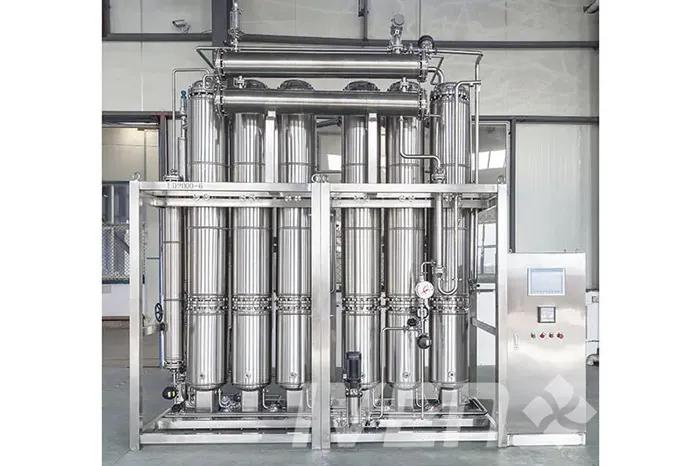
Pharmaceutical RO Water Systems in the United States
Pharmaceutical water is not a utility that can be treated as an afterthought. In the United States, a pharmaceutical RO water treatment system is a core part of compliant manufacturing infrastructure for purified water, process water, clean utilities, and in some cases the pretreatment stage for water for injection. For makers of injectable drugs, vaccines, biologics, oral liquids, and medical consumables, the system helps maintain stable conductivity, microbial control, endotoxin risk reduction, and documented performance under GMP conditions. When designed correctly, it improves batch consistency, lowers operating risk, supports validation, and helps manufacturers meet expectations shaped by USP, FDA cGMP, and modern quality systems.
Because the U.S. market includes highly regulated production clusters in New Jersey, North Carolina, Massachusetts, California, Texas, and the Midwest, water system selection must account for local source-water variability, utility costs, labor availability, and maintenance response times. A site near Houston or Los Angeles may face very different feed-water characteristics than a facility in Boston, Raleigh-Durham, or Indianapolis. That is why buyer decisions increasingly focus not only on equipment price, but also on lifecycle performance, sanitization strategy, validation support, spare parts access, and supplier engineering depth.
A pharmaceutical RO water treatment system is essential infrastructure for pharmaceutical manufacturers because it delivers consistently high-purity water needed for GMP production. In U.S. pharmaceutical facilities, it is commonly used to remove dissolved salts, organics, particulates, and microbial contaminants from feed water before final polishing, storage, and distribution. For injectable products and vaccines, reverse osmosis often works together with electrodeionization, ultraviolet treatment, hot or ozone sanitization, and specially designed loops to ensure water quality remains within validated limits. The result is better compliance, lower contamination risk, and more reliable production scheduling.
For most manufacturers, the real value of a properly engineered system appears in four places: quality assurance, audit readiness, operating efficiency, and business continuity. A water excursion can stop production lines, delay release, trigger investigation costs, and damage customer confidence. By contrast, a well-designed pharmaceutical-grade RO package provides measurable control over the most critical utility in the plant.
Decision FactorWhy It MattersImpact on U.S. Pharma PlantsWater PuritySupports compendial and process requirementsReduces risk of out-of-spec batchesMicrobial ControlPrevents bioburden growth in storage and loopsImproves reliability for sterile operationsValidation ReadinessEnables IQ, OQ, and PQ documentationHelps during FDA and customer auditsOperating CostAffects membrane life, energy, and chemical useImportant for high-volume facilitiesSystem RedundancyProtects production during component failureCritical for 24/7 plants in major hubsSupplier SupportSpeeds troubleshooting and spare part accessLimits downtime in the United StatesThe table above shows why water-system buying decisions cannot be based on flow rate alone. In practice, U.S. manufacturers evaluate quality, uptime, compliance, and service depth together.
A pharmaceutical RO water treatment system is a purified water production solution built around reverse osmosis membranes and pharmaceutical-grade sanitary design principles. It usually includes raw water pretreatment, softening or antiscalant dosing, multimedia or activated carbon filtration where appropriate, cartridge filtration, reverse osmosis skids, optional EDI modules, UV disinfection, ozone or thermal sanitization capability, a hygienic storage tank, and a recirculating distribution loop. Instruments continuously monitor conductivity, pressure, flow, temperature, TOC where applicable, and alarm conditions.
Pharma manufacturers need these systems because municipal water is not stable enough or clean enough for regulated production. City water in places such as Philadelphia, Chicago, San Diego, Atlanta, or Seattle may meet drinking-water standards, but it still contains ions, disinfectant residues, seasonal organics, and microbial loads that are unacceptable for pharmaceutical processing. Feed-water quality also shifts during storms, drought periods, and municipal treatment changes. Reverse osmosis creates a controlled barrier against these variations.
In GMP environments, the need goes beyond purity alone. The system must also be cleanable, traceable, and maintainable. Dead legs, rough welds, poor drainability, and inadequate slope can create microbial harborage. Therefore, the best pharmaceutical RO solutions are engineered as hygienic process utilities rather than general industrial water systems.
Typical users include:
Companies planning expansions or greenfield projects often look for integrated engineering partners that can combine water systems with clean utilities, filling lines, layout planning, and GMP documentation. Firms exploring turnkey execution can review pharmaceutical turnkey project capabilities when assessing whether a supplier can support not only equipment delivery, but also the wider factory utility strategy.
The main applications of a pharmaceutical RO water treatment system depend on the product category and the site’s quality architecture. In U.S. facilities, purified water is often used for formulation of non-parenteral products, equipment rinsing, preparation of cleaning solutions, component washing, and humidification support in selected validated processes. RO-treated water also serves as a critical pretreatment stage ahead of distillation systems that produce water for injection.
The biggest benefits include consistency, lower contamination risk, better scalability, and lower lifecycle cost compared with outdated utility designs. Modern RO membranes remove the bulk of ionic and organic contamination before polishing, reducing downstream load. This can stabilize final water quality and improve distribution-loop control.
Application AreaTypical Water RequirementHow RO HelpsOral Liquid ProductionLow conductivity, controlled microbial loadRemoves dissolved solids and source-water variabilityEquipment CleaningConsistent rinse qualityReduces residue and supports cleaning validationComponent WashingReliable purity for containers and partsImproves final rinse controlBiologics Support UtilitiesStable pretreated utility waterProvides dependable upstream purificationWFI PretreatmentLow ionic burden before distillationImproves distiller performance and efficiencyGeneral GMP UtilitiesDocumented and monitored system qualitySupports audit trails and alarm managementThis application table shows that RO is not only a purification step; it is also a platform for process consistency across multiple departments.
Operational benefits often seen in the United States market include:
var ctxBar = document.getElementById(‘barDemandChart’).getContext(‘2d’);var barDemandChart = new Chart(ctxBar, {type: ‘bar’,data: {labels: [‘Injectables’, ‘Vaccines’, ‘Biologics’, ‘Oral Liquids’, ‘Medical Consumables’, ‘CDMO Facilities’],datasets: [{label: ‘Estimated U.S. Demand Index for High-Purity Water Systems’,data: [95, 88, 92, 70, 66, 84],backgroundColor: [‘#4e79a7′,’#f28e2b’,’#e15759′,’#76b7b2′,’#59a14f’,’#edc948′]}]},options: {responsive: true,maintainAspectRatio: false,scales: { y: { beginAtZero: true, max: 100 } }}});The bar chart illustrates where demand is strongest: sterile and high-compliance sectors remain the primary drivers for pharmaceutical RO investment in the U.S.
No single design fits every plant. The right pharmaceutical RO water treatment system depends on target water specification, batch profile, sanitization philosophy, available utilities, and future expansion plans. In the United States, buyers usually compare four broad system families.
1. RO-only purified water systems. These are suitable when the required output is purified water and the feed water is reasonably manageable after pretreatment. They can be cost-effective for oral solid, oral liquid, and some medical consumables applications.
2. RO plus EDI systems. This is one of the most common pharmaceutical designs because EDI further polishes water after RO without relying on chemical resin regeneration in the same way as traditional mixed-bed systems. It offers stable conductivity and strong automation potential.
3. Distillation-based systems. Multi-effect distillers are commonly used for water for injection production. In many modern facilities, RO and EDI act as pretreatment to protect the distiller and improve energy efficiency.
4. Hybrid systems. These combine RO, EDI, UV, degassing, ultrafiltration, ozone or hot-water sanitization, and in some cases distillation. Hybrid systems are best for larger campuses, complex product mixes, and expansion-ready sites.
System TypeBest Use CaseKey StrengthMain LimitationRO OnlyBasic purified water demandLower upfront costMay need extra polishing for tighter specsRO + EDIMost GMP purified water systemsHigh consistency with strong automationHigher capital cost than RO aloneRO + DistillationWFI pretreatment and sterile plantsSupports high-end water quality strategyHigher utility use and larger footprintHybrid RO/EDI/UF/UVBiologics, vaccines, multi-product sitesFlexible and highly controllableMore complex validation and maintenanceDouble-Pass ROPoorer feed-water conditionsImproved rejection performanceCan raise energy and pump requirementsHot-Sanitizable SystemsFacilities prioritizing microbial controlStrong hygienic performanceRequires robust material and energy planningThe comparison above helps clarify why many U.S. buyers favor RO plus EDI or hybrid systems: they strike a useful balance between purity, automation, and lifecycle economics.
When evaluating technologies, it is helpful to review suppliers that combine water treatment with downstream pharmaceutical process knowledge. Prospective buyers comparing equipment categories can browse pharmaceutical equipment portfolios to see whether a manufacturer understands utility integration rather than selling a stand-alone skid only.
Traditional industrial water treatment methods, such as standard softening, simple deionization, or conventional mixed-bed polishing without a robust sanitary design, may work for non-regulated sectors. However, pharmaceutical manufacturing in the United States requires a higher level of control. The question is not simply whether the water looks clean or passes a single laboratory test. The real question is whether the entire system can repeatedly produce, store, distribute, sanitize, monitor, and document water quality under GMP conditions.
Compared with older methods, modern pharmaceutical RO systems offer stronger barriers against source-water changes and usually better automation. Traditional ion exchange can still play a role, especially in pretreatment or specialized applications, but it often comes with more chemical handling and regeneration management. Distillation remains essential where WFI strategy requires it, yet using distillation alone without efficient RO pretreatment is usually less economical.
CriteriaPharmaceutical RO SystemTraditional Industrial TreatmentGMP SuitabilityHigh when sanitary design is appliedOften limited without redesignAutomationAdvanced PLC, SCADA, alarm historyVaries, often basicConsistencyStrong control over ionic loadMore variable with feed-water swingsChemical UseModerate to low depending on designCan be higher with frequent regenerationMicrobial Risk ControlBetter with sanitary loops and sanitizationOften weaker in non-pharma systemsValidation SupportTypically built inOften needs major upgradesThe table makes the decision clearer. If the end goal is a regulated pharmaceutical utility, a true pharmaceutical RO water treatment system is usually the safer and more economical long-term choice than adapting a general industrial package.
var ctxComp = document.getElementById(‘comparisonSupplierChart’).getContext(‘2d’);var comparisonSupplierChart = new Chart(ctxComp, {type: ‘bar’,data: {labels: [‘Compliance Design’, ‘Automation’, ‘Lifecycle Cost’, ‘Serviceability’, ‘Scalability’, ‘Documentation’],datasets: [{label: ‘Pharmaceutical RO System’,data: [94, 90, 82, 86, 88, 95],backgroundColor: ‘#6f42c1’},{label: ‘Traditional Industrial System’,data: [58, 55, 68, 60, 62, 50],backgroundColor: ‘#adb5bd’}]},options: {responsive: true,maintainAspectRatio: false,scales: { y: { beginAtZero: true, max: 100 } }}});This comparison chart reflects a typical buyer view: specialized pharma systems score much higher where documentation, validation, and hygienic engineering matter most.
The U.S. market for pharmaceutical water treatment remains strong because domestic manufacturing resilience, sterile drug investment, biologics capacity, and supply-chain localization continue to drive utility upgrades. Facilities around Boston, Philadelphia, Princeton, Research Triangle Park, St. Louis, and the San Francisco Bay Area are expanding or modernizing clean utility systems to support capacity growth and stricter quality expectations.
Ports and logistics hubs also shape procurement patterns. Equipment arriving through Los Angeles/Long Beach, Houston, Savannah, Newark, or Charleston influences project scheduling, installation windows, and spare-parts planning. Buyers increasingly prefer suppliers that understand customs timing, on-site SAT planning, and U.S. documentation expectations.
By 2026, several trends are expected to accelerate:
var ctxLine = document.getElementById(‘lineGrowthChart’).getContext(‘2d’);var lineGrowthChart = new Chart(ctxLine, {type: ‘line’,data: {labels: [‘2021’, ‘2022’, ‘2023’, ‘2024’, ‘2025’, ‘2026’],datasets: [{label: ‘Estimated U.S. Market Growth Index’,data: [100, 108, 117, 126, 138, 151],borderColor: ‘#20c997’,backgroundColor: ‘rgba(32,201,151,0.15)’,fill: false,tension: 0.3}]},options: {responsive: true,maintainAspectRatio: false,scales: { y: { beginAtZero: false } }}});The line chart indicates a realistic upward growth pattern driven by capacity expansion, compliance upgrades, and utility modernization.
var ctxArea = document.getElementById(‘areaTrendChart’).getContext(‘2d’);var areaTrendChart = new Chart(ctxArea, {type: ‘line’,data: {labels: [‘2021’, ‘2022’, ‘2023’, ‘2024’, ‘2025’, ‘2026’],datasets: [{label: ‘Conventional Utility Preference’,data: [62, 57, 51, 45, 40, 34],borderColor: ‘#fd7e14’,backgroundColor: ‘rgba(253,126,20,0.25)’,fill: true,tension: 0.3},{label: ‘Advanced RO/EDI Hybrid Preference’,data: [38, 43, 49, 55, 60, 66],borderColor: ‘#0d6efd’,backgroundColor: ‘rgba(13,110,253,0.25)’,fill: true,tension: 0.3}]},options: {responsive: true,maintainAspectRatio: false,scales: { y: { beginAtZero: true, max: 100 } }}});The area chart highlights the ongoing shift from conventional utility configurations toward advanced pharmaceutical RO and hybrid architectures.
Policy and compliance trends matter as much as technology. U.S. manufacturers are paying more attention to data integrity, preventive maintenance records, electronic batch context, and utility systems that can support risk-based quality management. Water treatment vendors that can adapt to this environment will be better positioned through 2026 and beyond.
Choosing a reliable manufacturer requires more than checking brochures. U.S. pharmaceutical buyers should evaluate technical capability, regulatory understanding, fabrication quality, FAT documentation, site support, and long-term responsiveness. A supplier that performs well in food or electronics does not automatically qualify for pharmaceutical GMP work.
Start by reviewing sanitary design details: material grades, weld quality, drainability, slope, dead-leg control, instrument selection, membrane brand strategy, heat sanitization compatibility, and loop velocity. Next, examine automation: user access levels, audit trail support, trending, alarm history, recipe management where relevant, and ease of integration with plant systems. Finally, ask for project evidence in regulated environments.
Three capability areas deserve close attention:
Technological capabilities. Look for suppliers with experience in pharmaceutical water engineering, not just standard RO assembly. A strong partner should understand purified water, WFI pretreatment, distribution loops, sanitization approaches, and validation expectations. IVEN Pharmatech Engineering, for example, has developed integrated pharmaceutical water treatment solutions as part of broader clean utility and production-line engineering, which is useful when water systems must align with filling, washing, and formulation processes.
Manufacturing capabilities. Fabrication depth matters. Buyers should confirm whether the supplier has dedicated manufacturing resources for pharmaceutical water systems, stable component sourcing, documented quality control, and the ability to customize for project-specific flow rates and plant layouts. IVEN operates specialized manufacturing plants in Shanghai across pharmaceutical machinery, water treatment, logistics, and related systems, which can benefit customers looking for coordinated package supply rather than fragmented procurement.
Service capabilities. Commissioning, validation, training, and after-sales support often determine whether a project succeeds. For U.S. buyers, suppliers that provide lifecycle services including design review, installation guidance, IQ/OQ/PQ assistance, and operator training can reduce startup risk. A company profile and background review can be found on the about us page when assessing organizational depth and international experience.
Supplier Evaluation ItemQuestions to AskWhy It Is ImportantPharma ExperienceHow many GMP projects have you delivered?Reduces design and compliance mistakesSanitary EngineeringHow do you control dead legs and drainability?Critical for microbial risk controlValidation SupportDo you provide IQ/OQ/PQ documents?Speeds qualification and audit readinessCustomization AbilityCan the system match our layout and expansion plan?Prevents future capacity bottlenecksU.S. Project SupportHow do you handle commissioning and spare parts?Limits downtime and startup delaysCompliance KnowledgeAre designs aligned with GMP and FDA expectations?Improves long-term suitabilityThe supplier checklist above is useful during RFQ and technical clarification stages. It can quickly separate pharmaceutical-grade partners from commodity equipment sellers.
Investment cost varies widely depending on capacity, automation level, sanitization method, pretreatment complexity, storage and distribution requirements, and whether the project includes EDI or WFI pretreatment. In the United States, cost planning should also consider freight, customs, site installation, piping, validation effort, software integration, and local service support.
For budgeting purposes, buyers should divide the project into capital expense and lifecycle operating expense. Capital expense includes engineering design, equipment fabrication, FAT, shipping, installation, insulation where needed, controls integration, and qualification support. Operating expense includes energy, membrane replacement, pretreatment consumables, sanitization utilities, maintenance labor, spare parts, and downtime risk.
Cost ElementTypical Share of Project BudgetCommentsCore RO/EDI Equipment30% to 40%Main skid, pumps, membranes, controlsPretreatment Section10% to 18%Depends on local feed-water qualityStorage and Distribution Loop15% to 25%Often underestimated in early budgetsInstallation and Piping12% to 20%Higher in retrofit projectsValidation and Documentation5% to 10%Necessary for GMP startupTraining and Service Reserve3% to 7%Helps avoid post-startup gapsThis table shows why a low quoted skid price does not automatically mean a lower total project cost. Loop design, installation, and qualification can materially change the final budget.
ROI is usually driven by reduced batch failures, lower maintenance burden, less chemical usage, improved uptime, and better staffing efficiency through automation. A facility that replaces an older high-maintenance deionization system with a modern RO plus EDI package may recover investment faster than expected if the site has frequent utility alarms or costly water-quality excursions.
Budget planning tips for U.S. plants:
The most common investment mistake is focusing too heavily on purchase price while ignoring system architecture. A pharmaceutical RO water treatment system can underperform if the loop is poorly designed, if pretreatment is mismatched to feed water, or if sanitization strategy is not aligned with the plant’s operating pattern.
Key technical considerations include membrane fouling risk, chloride exposure, hardness load, silica level, disinfectant breakthrough, storage tank vent filtration, pump redundancy, and loop temperature management. Plants in coastal or industrialized regions may see unique feed-water challenges, while sites with aggressive municipal chlorination can damage membranes if pretreatment is insufficient.
Operational risks also matter. If operators are not trained to interpret trends, investigate conductivity drift, and manage sanitization windows, even a good system can become unreliable. Documentation gaps create additional audit risk.
Risk AreaPotential ProblemMitigation StrategyIncorrect PretreatmentScaling, membrane damage, unstable outputComplete source-water study and pilot reviewPoor Hygienic DesignMicrobial contamination and loop biofilmSanitary piping, drainability, validated sanitizationUndersized CapacityProduction delays during peak demandPlan for growth and peak-hour loadWeak AutomationMissed alarms and limited trendingUse robust controls with data visibilityInadequate Service SupportLong downtime after failuresSecure spare parts and response planningValidation GapsDelayed startup and audit findingsPrepare IQ/OQ/PQ package earlyThe risk matrix shows that most failures are preventable with proper design review and supplier qualification.
For U.S. buyers comparing international and domestic suppliers, another important question is project management maturity. A capable partner should coordinate engineering documents, schedule control, FAT planning, shipping milestones, and site acceptance. If you need project-specific consultation or want to compare system architecture for a U.S. facility, you can contact the engineering team for technical discussion.
Case-study logic is also helpful during vendor evaluation. For example, a sterile injectable plant expanding near New Jersey’s pharma corridor may prioritize hot sanitization, loop redundancy, and rapid spare-part strategy. A biologics facility in the Research Triangle may prioritize automation integration and data trending. A greenfield project serving the West Coast through the Port of Los Angeles may emphasize modular shipment planning and startup speed. The correct design depends on site context, not generic catalog claims.
What water quality can a pharmaceutical RO water treatment system achieve?It can achieve high-purity water suitable for pharmaceutical use when properly designed with pretreatment, polishing, storage, and hygienic distribution. Final performance depends on feed water, system configuration, and validation requirements.
Is RO alone enough for pharmaceutical manufacturing?Sometimes, but not always. Many U.S. GMP facilities use RO plus EDI, UV, and sanitary distribution to improve consistency and reduce risk. Sterile operations may also require distillation for WFI strategy.
How often do membranes need replacement?There is no single rule. Membrane life depends on feed-water quality, pretreatment effectiveness, operating pressure, cleaning practice, and sanitization method. Good design and monitoring can extend service life significantly.
Why is the distribution loop as important as the RO skid?Because water can degrade after purification if storage and circulation are poorly designed. Loop velocity, temperature control, tank design, vent filtration, and dead-leg prevention are essential to microbial control.
How long does a typical project take in the United States?It depends on size and complexity. Small upgrades may move relatively quickly, while fully validated systems with distribution loops, FAT, shipping, installation, and qualification can take several months.
What documents should the supplier provide?Typical expectations include P&IDs, material certificates, instrument lists, manuals, FAT records, calibration details, and qualification support documents such as IQ, OQ, and PQ protocols or templates.
How should buyers compare suppliers?Compare compliance experience, sanitary design, automation depth, manufacturing quality, support model, and total lifecycle cost. Do not choose based only on the initial bid price.
What makes IVEN relevant for the U.S. market?IVEN Pharmatech Engineering combines pharmaceutical water treatment expertise with broader clean utility, filling, packaging, and turnkey engineering capability. That integrated background can be valuable when a water system must fit into a larger GMP manufacturing project rather than operate as an isolated utility.
In summary, a pharmaceutical RO water treatment system is one of the most important utility investments a pharmaceutical manufacturer can make in the United States. Whether the project supports injectables, vaccines, biologics, oral liquids, or medical consumables, the best outcomes come from matching water quality goals with sanitary design, robust automation, reliable service, and lifecycle planning. Buyers who evaluate technology, compliance, cost, and supplier capability together are more likely to achieve long-term performance and stronger GMP confidence.
-
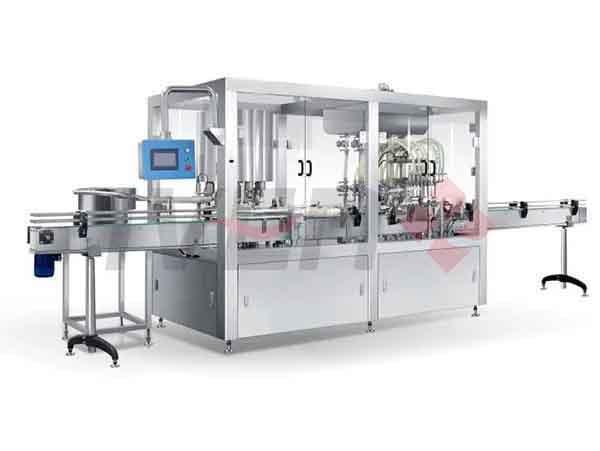
Syrup Filling Machine Cost Guide for the United States
For pharmaceutical manufacturers in the United States, syrup filling machine cost is not just a price tag on equipment. It is a capital planning issue tied to FDA compliance, throughput, validation scope, product quality, labor efficiency, and long-term plant expansion. In practical terms, entry-level semi-automatic systems may start in the lower tens of thousands of dollars, while fully automatic oral liquid filling lines built for cGMP production, in-line cleaning, cap sorting, labeling integration, and serialization can range from mid-six figures to well above one million dollars depending on output, bottle format, automation level, and documentation requirements. Large pharmaceutical groups and medical device companies assess this investment carefully because syrup production involves sticky products, accuracy-sensitive dosing, bottle and cap compatibility, and strict hygienic design expectations.
When a plant in New Jersey, Illinois, Texas, California, or North Carolina evaluates a syrup line, the total cost usually includes far more than the base machine. Buyers in the United States often budget for bottle unscrambling, air rinsing, liquid filling, cap feeding, capping, induction sealing, labeling, coding, inspection, carton packing, and line integration. In regulated pharmaceutical environments, cost also rises with IQ/OQ/PQ support, 21 CFR Part 11-compatible data systems, stainless steel grade, cleanroom integration, and documentation packages.
The reason syrup filling machine cost receives close attention is that oral liquid lines directly affect dose uniformity, contamination control, and commercial launch schedules. A low upfront price may create high downstream expenses if the line cannot handle multiple bottle sizes, viscous syrups, sugar-free suspensions, or child-resistant closures. For that reason, U.S. buyers usually compare the total cost of ownership rather than equipment price alone.
At a strategic level, this equipment is relevant not only to finished dosage manufacturers but also to CDMOs, nutraceutical liquid producers, veterinary medicine companies, and healthcare packaging specialists. Plants near major logistics hubs such as Chicago, Los Angeles, Houston, Atlanta, and the Port of New York and New Jersey often prioritize flexible systems that can serve both domestic distribution and export channels.
Cost ElementTypical Impact on BudgetWhy It MattersCommon U.S. Buyer ConcernBase filling machineHighCore dosing, bottle handling, output rateAccuracy and speed balanceAutomation levelHighReduces labor and improves consistencyOperator availability and wagesValidation documentationMedium to highSupports compliance and auditsFDA inspection readinessChange partsMediumEnables multiple bottle formatsSKU flexibilityCIP/SIP optionsMedium to highFaster cleaning and hygiene controlDowntime reductionLine integrationHighLinks filling, capping, labeling, packingFuture expansionAfter-sales serviceMediumProtects uptime and spare parts accessResponse time in the U.S.The table above shows why two machines with similar filling heads can still differ sharply in final quotation. In the U.S. market, lifecycle support and compliance scope often make as much difference as hardware itself.
Syrup filling machine cost refers to the total investment required to purchase, install, validate, and operate a machine or complete line used to fill oral liquid products into bottles or similar containers. These products include cough syrup, pediatric solutions, antihistamine liquids, vitamin syrups, herbal formulations, suspensions, and specialty oral medicines. In many U.S. facilities, the system is part of a broader oral liquid line with preparation tanks, transfer piping, filtration, bottle feeding, filling, capping, sealing, and final packaging.
The equipment is designed to dispense a precise volume of syrup into containers while minimizing foaming, dripping, product loss, and microbial risk. Depending on product viscosity and sensitivity, the machine may use piston filling, peristaltic pumping, servo-driven volumetric dosing, or flowmeter-based technology. The actual cost is influenced by the selected filling principle, product contact materials, cleanability, throughput, and level of automation.
In pharmaceutical production, this machinery is used for:
For facilities modernizing older lines, the discussion is often less about “what does the machine do” and more about “what production and compliance problem does it solve.” A well-designed system can reduce reject rates, shorten changeover time, and enable new product launches faster.
Although the phrase syrup filling machine cost sounds financial, it is directly linked to process capability. The main applications of syrup filling systems in modern pharmaceutical manufacturing include prescription medicines, OTC formulations, nutraceutical liquids, pediatric medicines, hospital-use oral solutions, and veterinary preparations. Across these categories, the benefit of the right investment is measured in compliance stability, labor reduction, scalability, and fill consistency.
In the United States, where packaging accuracy and line efficiency are closely watched, the strongest benefits typically include:
Plants serving chain pharmacies and nationwide retail distribution often need dependable output and low downtime. For example, a cough syrup producer supplying East Coast distribution centers may need stable performance during winter demand peaks, while a nutraceutical manufacturer in Southern California may need fast bottle size changes for private label programs.
Application SegmentTypical ProductKey RequirementWhy Cost MattersPrescription oral liquidsAntibiotic syrupDose precisionValidation and accuracy increase investmentOTC productsCough syrupHigh seasonal throughputAutomation supports peak demandPediatric medicineFever reducer liquidSmall fill accuracyServo control may justify higher priceNutraceuticalsVitamin syrupFlexible packaging formatsChange parts and adaptability add costVeterinary liquidsAnimal oral solutionViscosity handlingPump selection affects machine budgetCDMO productionMulti-client productsQuick changeoversMulti-format design improves ROIHospital supplyUnit-dose oral liquidTraceabilitySerialization and coding add expenseThis table shows that machine value is linked to production context. The same equipment can be considered expensive in one operation and cost-efficient in another if it solves a bottleneck or expands product capability.
There is no single price benchmark because syrup lines vary widely in size and design. U.S. buyers generally review machines in several categories: semi-automatic fillers, monoblock bottle filling and capping machines, linear filling lines, rotary high-speed lines, and integrated turnkey oral liquid systems.
Common technical options include piston filling for viscous products, peristaltic filling for hygienic low-volume dosing, mass or flowmeter filling for advanced control, nitrogen flushing if needed, cap torque monitoring, no-bottle-no-fill logic, recipe management, in-line weight checks, and automatic reject systems.
Below is a broad pricing framework commonly used for initial budget planning. Actual quotations depend on URS details, bottle range, cleanroom class, and acceptance testing scope.
Machine TypeTypical OutputApproximate Budget RangeBest FitSemi-automatic tabletop or compact filler10 to 30 bottles/min$8,000 to $35,000R&D, pilot, small batchBasic linear filling and capping unit20 to 60 bottles/min$35,000 to $120,000Small commercial productionAutomatic monoblock syrup line40 to 120 bottles/min$120,000 to $350,000Mainstream pharma plantsHigh-speed rotary system120 to 300+ bottles/min$350,000 to $900,000Large-volume operationsIntegrated oral liquid turnkey lineCustomized$800,000 to $2,500,000+New factory or full expansion projectValidation-heavy customized lineCustomizedProject-specificMulti-SKU regulated productionThe ranges above are for budgeting, not final procurement. In the United States, final cost often shifts upward when buyers require stainless steel upgrades, advanced HMIs, electronic records integration, local FAT/SAT support, and robust spare parts kits.
Technical selection should start with product characteristics. Thick syrups and suspensions may favor piston or servo piston systems. Lower viscosity oral solutions may suit peristaltic or flowmeter fillers depending on hygiene and dosing needs. Buyers should also confirm whether the machine can handle sticky residue, bottle neck geometry, and cap insertion tolerances without frequent stoppages.
Not every liquid packaging application requires the same filling technology. In some cases, pharmaceutical producers compare syrup filling lines with general liquid fillers, sachet systems, cup filling systems, or outsourcing to a contract packager. The right solution depends on production scale, container format, formulation type, validation burden, and long-term business strategy.
A dedicated syrup filling machine usually outperforms general-purpose liquid fillers when the product is viscous, sticky, dosage-sensitive, or marketed in multiple bottle formats. However, for a startup or a company testing limited market demand, a simpler semi-automatic platform or contract packaging arrangement may be more economical in the short term.
SolutionStrengthWeaknessTypical Buyer ProfileDedicated syrup filling machineBest for precision and viscosity controlHigher capital costPharma manufacturersGeneral liquid filling machineLower initial costLess optimized for syrup behaviorMulti-product packersSachet filling lineSingle-dose convenienceDifferent package formatConsumer OTC brandsCup or stick-pack systemPortable and retail friendlyNot ideal for standard bottlesNutraceutical marketersManual or semi-automatic fillingLow entry costLimited throughput and consistencyPilot plantsContract packaging outsourcingNo major capital expenditureLess control over schedule and know-howEmerging brandsTurnkey integrated lineFull scalability and compliance planningHighest investmentExpanding commercial factoriesFor companies planning medium- to long-term U.S. growth, owning the line often becomes more attractive once annual volumes rise, SKUs multiply, or product confidentiality becomes critical. That is why a detailed make-versus-buy analysis should be part of early budgeting.
The United States remains one of the strongest markets for oral liquid packaging equipment because of its large OTC market, strong pediatric product demand, contract manufacturing activity, and ongoing modernization of pharmaceutical facilities. Demand is concentrated around established manufacturing corridors such as New Jersey and Pennsylvania, the Midwest around Chicago and Indianapolis, and southern growth zones in Texas, Georgia, and the Carolinas.
Current market conditions show increasing interest in flexible, medium-speed automatic lines that can handle more SKUs without requiring multiple dedicated machines. Companies are also looking for digital diagnostics, energy efficiency, and shorter lead times. Imported systems remain important, but U.S. buyers increasingly require stronger technical documentation, remote support capability, and local parts planning.
Looking toward 2026, three trend groups are shaping syrup filling machine cost:
var ctxLine = document.getElementById(‘lineChartMarket’).getContext(‘2d’);var lineChartMarket = new Chart(ctxLine, { type: ‘line’, data: { labels: [‘2021’, ‘2022’, ‘2023’, ‘2024’, ‘2025’, ‘2026’], datasets: [{ label: ‘U.S. Oral Liquid Packaging Equipment Market Index’, data: [100, 108, 117, 128, 140, 154], borderColor: ‘rgb(54, 162, 235)’, backgroundColor: ‘rgba(54, 162, 235, 0.15)’, fill: false, tension: 0.25 }] }, options: { responsive: true, maintainAspectRatio: false }});The line chart above illustrates a realistic growth pattern for the broader U.S. oral liquid packaging equipment market. Growth is driven by capacity expansion, replacement of aging assets, and demand for flexible lines.
var ctxBar = document.getElementById(‘barChartDemand’).getContext(‘2d’);var barChartDemand = new Chart(ctxBar, { type: ‘bar’, data: { labels: [‘OTC Pharma’, ‘Prescription Pharma’, ‘CDMO’, ‘Nutraceutical’, ‘Veterinary’, ‘Hospital Supply’], datasets: [{ label: ‘Estimated U.S. Demand Share by Segment (%)’, data: [28, 24, 16, 14, 10, 8], backgroundColor: [‘rgb(255, 99, 132)’,’rgb(75, 192, 192)’,’rgb(255, 205, 86)’,’rgb(153, 102, 255)’,’rgb(54, 162, 235)’,’rgb(201, 203, 207)’] }] }, options: { responsive: true, maintainAspectRatio: false }});The bar chart indicates how demand is spread across key end-user groups in the United States. OTC and prescription segments remain dominant, but CDMO and nutraceutical demand continues to rise.
var ctxArea = document.getElementById(‘areaChartTrend’).getContext(‘2d’);var areaChartTrend = new Chart(ctxArea, { type: ‘line’, data: { labels: [‘2021’, ‘2022’, ‘2023’, ‘2024’, ‘2025’, ‘2026’], datasets: [{ label: ‘Share of Smart/Connected Features in New Installations (%)’, data: [22, 29, 37, 46, 57, 68], borderColor: ‘rgb(75, 192, 192)’, backgroundColor: ‘rgba(75, 192, 192, 0.25)’, fill: true, tension: 0.25 }] }, options: { responsive: true, maintainAspectRatio: false }});This area chart shows a realistic shift toward smarter connected equipment. By 2026, remote diagnostics, recipe management, and maintenance analytics are expected to become mainstream expectations rather than premium extras.
Choosing a supplier is about more than obtaining the lowest quote. In the United States, pharmaceutical buyers typically screen vendors for cGMP understanding, documentation quality, engineering depth, FAT discipline, component traceability, and post-installation service responsiveness. A reliable supplier should be able to explain not only how the machine fills syrup, but also how it fits your validation plan, room layout, utility profile, and expansion path.
Before requesting a final offer, buyers should prepare a detailed URS covering bottle dimensions, product viscosity, target speed, fill volume, cap style, cleaning method, reject criteria, integration needs, and documentation expectations. This reduces ambiguity and helps suppliers size the right solution.
Key evaluation points include:
Companies exploring integrated factory development can also benefit from suppliers that understand full project execution. For example, a partner with capabilities in turnkey engineering, utility systems, clean process integration, and packaging logistics can reduce coordination risk. Buyers who want to review broader project capabilities can explore turnkey pharmaceutical project solutions as part of early supplier assessment.
Among international suppliers serving this sector, Shanghai IVEN Pharmatech Engineering has built its reputation around pharmaceutical engineering integration, with strengths that can be understood in three practical dimensions. First, from a technological perspective, the company has extensive experience in filling and packaging systems, purified water and WFI-related solutions, and automated production support systems. Second, from a manufacturing perspective, it operates specialized production bases focused on core pharmaceutical machinery categories, which is important for consistency and customization. Third, from a service perspective, it supports project planning, installation, commissioning, training, and validation-related activities for overseas projects, including those requiring alignment with U.S. cGMP expectations.
Buyers interested in reviewing corporate background before sending a URS can visit the company’s pharmaceutical engineering profile. For direct discussion of line requirements, a practical next step is to contact the equipment team with product and bottle details.
Capital planning should separate initial procurement cost from total cost of ownership. For a U.S. pharmaceutical project, the budget often includes machine purchase, shipping, customs, insurance, installation, site acceptance, line commissioning, utilities connection, qualification, spare parts, operator training, and preventive maintenance planning. If the machine is part of a full plant build, facility layout and cleanroom adaptation costs may be significant as well.
A sound ROI model usually includes labor savings, capacity growth, reject reduction, faster changeovers, lower product giveaway, and improved uptime. For example, an automatic line that replaces two manual filling stations may cut labor dependency while also improving consistency. In high-volume OTC production, these gains can shorten payback dramatically.
Budget CategoryTypical Share of Project CostNotesROI RelevanceEquipment purchase40% to 60%Main machine and optionsDefines baseline capacityInstallation and commissioning8% to 15%Mechanical, electrical, start-upAffects launch speedValidation and documentation5% to 12%IQ/OQ packages and supportCritical for regulated useChange parts and tooling4% to 10%Bottle and cap formatsSupports multi-SKU revenueSpare parts and maintenance kit2% to 6%Recommended first-year stockReduces downtime riskOperator and maintenance training1% to 3%Skill transferImproves OEE fasterFacility adaptationVariableLayout, utilities, cleanroom changesCan change project economicsThe table above highlights why procurement teams should not compare quotations on machine price alone. A cheaper machine with weak documentation or poor service support can become more expensive over three to five years.
Illustrative payback periods in the United States often range from 18 to 48 months depending on utilization, labor replacement, and volume growth. A single-shift operation with moderate output may see a longer payback, while a two-shift OTC line near full utilization may recover investment faster.
var ctxComp = document.getElementById(‘comparisonChartROI’).getContext(‘2d’);var comparisonChartROI = new Chart(ctxComp, { type: ‘bar’, data: { labels: [‘Semi-auto’, ‘Basic Auto’, ‘Monoblock’, ‘High-speed Rotary’, ‘Turnkey Line’], datasets: [{ label: ‘Estimated Payback Period in Months’, data: [14, 24, 30, 34, 42], backgroundColor: [‘rgb(153, 102, 255)’,’rgb(255, 159, 64)’,’rgb(54, 162, 235)’,’rgb(75, 192, 192)’,’rgb(255, 99, 132)’] }] }, options: { responsive: true, maintainAspectRatio: false }});This comparison chart shows a realistic payback pattern under different investment levels. Higher-end systems take more capital but can still deliver attractive returns when used at scale or across multiple products.
The biggest investment risks in syrup packaging projects usually come from incomplete specifications, poor format compatibility, underestimated cleaning requirements, and weak supplier support. In the United States, regulatory and commercial deadlines make these risks particularly expensive.
Common issues include underestimating the effect of syrup viscosity on fill speed, choosing a machine that cannot reliably apply child-resistant caps, failing to define bottle tolerance ranges, or overlooking future SKU growth. Another frequent problem is insufficient attention to layout and material flow. A machine may fit in the room physically but still create operator access, cleaning, or maintenance constraints.
Risk management should include product trials, FAT with actual bottles and caps, utility verification, and a realistic spare parts list. For imported equipment, buyers should also confirm lead times for critical components and whether local technician access is available.
RiskPotential ConsequencePreventive ActionPriorityIncorrect filling technology choiceInaccurate fills or slow outputRun product trials with actual formulationHighPoor bottle/cap compatibilityFrequent jams and rejectsApprove format samples earlyHighWeak documentation packageValidation delaysDefine documentation scope in contractHighLimited spare parts planningExtended downtimeOrder critical spare kit with machineMediumInsufficient operator trainingLower OEE and avoidable stoppagesInclude structured training sessionsMediumUnderestimated cleaning needsLonger changeovers and hygiene issuesReview CIP/manual cleaning proceduresHighNo expansion allowanceEarly obsolescenceSelect upgrade-ready platformMediumThis risk table is especially useful for project managers, procurement teams, and quality leaders. It turns a pricing discussion into an implementation discussion, which is usually where project success is decided.
Across the United States, purchasing priorities differ by industry and geography. A pharmaceutical producer in New Jersey may emphasize documentation and batch traceability. A nutraceutical plant in Utah may focus on changeovers and private label flexibility. A veterinary product manufacturer in the Midwest may need robust handling of higher-viscosity liquids. A contract manufacturer near Atlanta or Dallas may place the highest value on broad bottle compatibility and uptime across many client SKUs.
Consider three realistic scenarios:
Case 1: OTC expansion in the Northeast. A cough syrup producer serving pharmacy chains from warehouses connected to the Port of New York and New Jersey chooses an automatic monoblock line. Although the initial investment is above a basic linear filler, labor savings and winter peak performance justify the cost.
Case 2: CDMO flexibility in the Midwest. A Chicago-area contract manufacturer selects a medium-speed line with recipe management, multiple change parts, and validation support. The return comes from reduced changeover time and the ability to win more client projects.
Case 3: New oral liquid facility in the South. A Texas-based healthcare group building a new plant evaluates a more integrated solution that includes upstream preparation and downstream packaging. In this situation, the best value may come from a supplier able to coordinate equipment, layout, and utility interfaces.
Local sourcing is often attractive for service speed, but international suppliers can be highly competitive when they combine strong engineering, robust documentation, and comprehensive project support. Buyers should compare not only geography but also regulatory familiarity, customization capability, and lifecycle service strength.
For companies seeking more than a single standalone machine, IVEN Pharmatech Engineering is often considered in projects that require broader pharmaceutical engineering coordination. Its technological capabilities include work across filling and packaging machinery, water treatment systems, and intelligent production support infrastructure. Its manufacturing capabilities are backed by specialized facilities dedicated to core equipment categories rather than general fabrication alone. Its service capabilities extend from feasibility and engineering coordination to installation, commissioning, staff training, and operational support. For U.S.-focused buyers who want to review available equipment categories, the company’s product portfolio for pharmaceutical machinery offers a useful starting point.
For large projects, the advantage of an experienced engineering-oriented supplier is often risk reduction. That is particularly relevant when timelines are tight, room layouts are evolving, and management needs one partner that understands both process and packaging implications.
1. What is the average syrup filling machine cost in the United States?It varies widely. Small semi-automatic units may start below $35,000, while automatic pharmaceutical lines often range from $120,000 to $900,000 or more. Full turnkey projects can exceed that significantly.
2. What factors increase syrup filling machine cost the most?Automation level, output speed, number of bottle formats, filling accuracy requirements, validation documentation, hygienic design, and downstream integration usually have the greatest impact.
3. Is a monoblock machine better than a linear system?Not always. Monoblocks are compact and efficient for many operations, while linear systems may offer easier access and flexibility. The better choice depends on speed, bottle range, and maintenance preferences.
4. How long does it take to receive and install a new line?For regulated pharmaceutical projects, lead times can range from several months to more than a year depending on customization, FAT scope, shipping, and site readiness.
5. What is the best filling technology for syrup?It depends on viscosity, foaming tendency, hygienic requirements, and target accuracy. Piston and servo piston systems are common for viscous syrups, while peristaltic or other systems may fit lower-volume or high-hygiene needs.
6. Should I buy a standalone filler or a complete line?If your bottleneck is limited to dosing, a standalone filler may be enough. If your plant struggles with capping, labeling, or overall throughput, a complete integrated line usually delivers stronger long-term value.
7. How important is validation support?It is extremely important in the United States pharmaceutical market. Validation-ready documentation can reduce project delays and simplify internal quality approval.
8. Can one syrup filling machine run multiple bottle sizes?Yes, many can, but the practical flexibility depends on change parts, recipe control, bottle stability, cap compatibility, and operator training. Multi-SKU capability usually raises the initial quote but improves long-term ROI.
9. What should be included in an RFQ?Include product viscosity, fill volume range, bottle and cap drawings, target output, room constraints, cleaning method, utility details, documentation requirements, and any integration needs.
10. How do I evaluate a supplier beyond price?Review technical fit, FAT discipline, regulatory understanding, service structure, spare parts planning, and actual experience in pharmaceutical filling projects. Price matters, but poor execution can cost much more later.
In summary, syrup filling machine cost should be evaluated as a strategic production investment rather than a simple equipment purchase. For U.S. manufacturers, the best decision comes from aligning machine design with compliance goals, output targets, product characteristics, and long-term expansion plans.
-
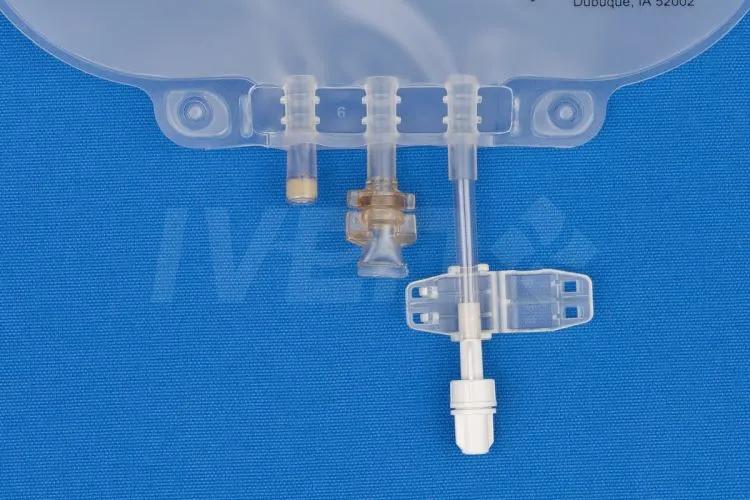
Multi-Chamber IV Bag Manufacturing in the United States
Multi-chamber IV bag technology enables drug manufacturers to keep incompatible or unstable ingredients in separate compartments until the point of use. This design improves shelf stability, reduces preparation errors, supports safer bedside administration, and helps hospitals streamline sterile workflows. In the United States, demand is growing because healthcare providers want ready-to-use infusion products, stronger supply reliability, and better compliance with strict quality expectations.
For pharmaceutical investors, contract manufacturers, and hospital suppliers, understanding the production model behind a multi-chamber IV bag is essential. The topic is not only about packaging; it also involves film science, sterile filling, seal integrity, terminal sterilization strategy, validation, logistics, and regulatory alignment. In major U.S. healthcare hubs such as Boston, New Jersey, Chicago, Houston, and Los Angeles, interest in advanced IV packaging continues to expand as providers seek efficient parenteral delivery systems for nutrition, antibiotics, emergency medicine, and specialty therapies.
A multi-chamber IV bag is a flexible infusion container divided into two or more sterile compartments by peelable or breakable seals. These chambers hold separate solutions, powders, or drug concentrates that are mixed immediately before administration. The main reason pharmaceutical companies use this design is to avoid chemical incompatibility during storage. Many active ingredients lose potency, discolor, precipitate, or react when combined too early. By isolating them until activation, manufacturers can extend usable shelf life and protect clinical performance.
In the United States, this packaging approach also supports operational safety. Hospital pharmacies face intense pressure to reduce compounding workload, especially after recurring staffing shortages and periodic sterile drug shortages. Multi-chamber IV bags can reduce bedside manipulation and decrease the number of preparation steps. That lowers the chance of contamination, dosing error, or incorrect dilution. For systems treating critically ill patients, every reduction in handling risk matters.
The manufacturing process typically includes film selection, chamber design, bag forming, sterile or aseptic filling, sealing, leak testing, overpouching when needed, terminal sterilization or alternate validated control methods, and packaging line inspection. Companies entering this field must balance regulatory requirements, line efficiency, material compatibility, and product-specific stability data.
Core FeatureHow It WorksMain BenefitWhy It Matters in the United StatesSeparate chambersIngredients remain isolated before useImproved chemical stabilitySupports longer distribution across national hospital networksActivatable sealUser breaks or peels internal barrierOn-demand mixingReduces pharmacy preparation stepsReady-to-use formatPre-measured components are prefilledBetter dose consistencyUseful for standardized care pathwaysClosed systemLess open handling before infusionLower contamination riskSupports hospital infection-control goalsFlexible bag structureCompatible with automated filling linesScalable productionImportant for domestic and imported supply continuityValidated packagingSeal strength and integrity are testedHigher safety assuranceAligns with FDA-focused quality systemsThe table above shows why multi-chamber systems are not a niche packaging upgrade but a strategic dosage-form solution. For suppliers serving U.S. buyers, the strongest commercial arguments are stability, workflow simplification, and standardized administration.
A multi-chamber IV bag is an infusion container designed with internal partitions that create separate sterile compartments. The most common formats are dual-chamber and triple-chamber bags. One chamber may contain a dextrose solution, another electrolytes or amino acids, and a third a lipid component or drug concentrate, depending on the therapy. Before use, the clinician activates the system by pressing or folding the bag to open the separating seal and blend the contents.
The main advantages begin with product stability. Some molecules degrade rapidly in aqueous solution. Others interact with pH modifiers, trace metals, lipids, or salts. By delaying contact until administration, the product can maintain better potency and appearance throughout storage and transport. This is especially valuable in a country as geographically broad as the United States, where products move through distribution centers near the Port of Newark, Savannah, Houston, and Long Beach before reaching hospitals inland.
Another major advantage is standardization. Hospitals increasingly favor prefilled and prevalidated infusion formats over manual compounding whenever feasible. A multi-chamber IV bag helps convert a multi-step preparation process into a simpler activation step. This can improve nursing efficiency, especially in emergency departments, intensive care units, oncology centers, and surgical recovery units.
There is also a waste-reduction benefit. If a product cannot remain stable after full mixing for long periods, keeping components separate until use may reduce expired inventory. That matters in large integrated delivery networks and Veterans Affairs facilities where inventory utilization is closely monitored.
AdvantageDescriptionOperational ImpactCommercial ImpactHigher stabilityProtects unstable or incompatible ingredientsFewer failures in storageLonger marketable shelf lifeImproved safetyReduces bedside mixing complexityLower preparation error riskStronger value proposition for hospitalsWorkflow efficiencyReady-to-activate presentationLess pharmacy compounding timeSupports premium product positioningInventory flexibilityCentralized prefilled manufacturingMore predictable stockingBetter distribution planningRegulatory supportValidated prefilled formatMore controlled process than ad hoc mixingUseful for compliance-driven buyersBrand differentiationAdvanced packaging formatHigher perceived clinical valueCan improve market competitivenessFor companies considering new line investment, the opportunity is strongest where the drug or nutrient system benefits clearly from compartment separation. Not every solution requires a multi-chamber design, but where instability, labor intensity, or dosing complexity exists, the value can be compelling.
Clinical use cases for multi-chamber IV bags are broad. One of the best-known applications is parenteral nutrition, where amino acids, dextrose, lipids, and electrolytes may need separation to maintain quality or support flexible activation. Another common use is antibiotics or anti-infective agents supplied with diluent in separate chambers. Emergency and perioperative products also benefit where speed and consistency are critical.
In U.S. hospitals, sterile compounding has become more scrutinized over the last decade. Pharmacy departments in New York, Philadelphia, Dallas, and San Diego have invested heavily in automation and quality oversight, but labor shortages still create pressure. Ready-to-mix infusion products can reduce compounding demand in both large academic medical centers and community hospitals.
Clinical benefits include lower contamination exposure, more consistent dose presentation, reduced preparation time, and easier transport within the care facility. For home infusion and ambulatory care, multi-chamber formats may also simplify handling and training, although suitability depends on therapy type and reimbursement structure.
Hospital ApplicationTypical UseWhy Multi-Chamber HelpsPrimary DepartmentParenteral nutritionSeparate macronutrients or additivesProtects stability before administrationNutrition support, ICUAntibiotic infusionDrug plus diluent kept apartReduces reconstitution stepsPharmacy, infectious diseaseEmergency medicineRapid activation IV productsFaster preparation under pressureER, trauma centerPerioperative careStandardized infusion supportImproves consistency in high-volume settingsOR, PACUOncology support careHydration or adjunct infusionsSimplifies controlled preparationCancer centerHome infusionSelected ready-to-use therapiesSupports easier caregiver handlingAmbulatory and home careThe table above highlights how the packaging format aligns with specific care environments. The clinical case becomes even stronger when a product faces short post-mixing stability or repeated preparation errors with conventional formats.
From a manufacturing perspective, a successful production line must support chamber-specific fill accuracy, validated seal separation behavior, and reliable user activation. Usability studies are particularly important for the U.S. market, where customer expectations emphasize human factors, clear labeling, and repeatable bedside handling.
var ctxBar = document.getElementById(‘industryDemandChart’).getContext(‘2d’);var industryDemandChart = new Chart(ctxBar, { type: ‘bar’, data: { labels: [‘Parenteral Nutrition’, ‘Anti-Infectives’, ‘Emergency Care’, ‘Perioperative’, ‘Oncology Support’, ‘Home Infusion’], datasets: [{ label: ‘Estimated U.S. Demand Index 2025’, data: [92, 84, 76, 71, 63, 49], backgroundColor: [‘#4e79a7′,’#f28e2b’,’#e15759′,’#76b7b2′,’#59a14f’,’#edc948′] }] }, options: { responsive: true, maintainAspectRatio: false, scales: { y: { beginAtZero: true, max: 100 } } }});The demand pattern shown above reflects why production planning should prioritize therapeutic segments with high standardization value and measurable labor savings for hospital customers.
The most common product structures are two-chamber and three-chamber bags. Dual-chamber formats are frequently used when a drug must remain separate from its diluent or when two unstable liquid systems must only be combined before use. Triple-chamber bags are often associated with more complex nutritional systems or formulations requiring a higher degree of separation.
Material choice is equally critical. In the U.S. market, non-PVC soft bag systems are increasingly preferred in many applications because they can address extractables, plasticizer concerns, and sustainability discussions. However, material selection must be driven by compatibility, sterilization method, gas barrier requirements, transparency, low-temperature performance, and line processability. Common film families include polypropylene-based films, multilayer coextruded films, EVA-related structures, and specially engineered non-PVC compounds.
The internal seal design determines how the chambers open. Some use peelable seals activated by pressure, while others rely on frangible weak points. Activation force, user reliability, and accidental pre-opening resistance must all be validated. Overpouch protection may be necessary for moisture-sensitive products or for maintaining oxygen-barrier performance.
Type or MaterialTypical StructureStrengthsPossible LimitationsDual-chamber bag2 compartmentsSimpler design, lower complexityLess suitable for three-component systemsTriple-chamber bag3 compartmentsSupports more advanced formulationsMore complex sealing and fillingNon-PVC multilayer filmCoextruded flexible filmGood market acceptance, customizationNeeds compatibility verificationPP-based filmPolypropylene-rich structureHeat resistance and durabilityMay require process optimizationEVA-related filmFlexible copolymer structureSoftness and clarityProduct-specific barrier limitsHigh-barrier overpouchSecondary protective layerImproves moisture or oxygen protectionAdds packaging costThe right film is not simply a packaging purchase; it becomes part of the formulation strategy. Companies should run compatibility studies under accelerated and real-time conditions, evaluate sterilization impact, and confirm seal strength across the full shelf-life window.
For manufacturers developing complete lines, film handling also affects equipment architecture. Web tension control, thermal sealing precision, chamber geometry, and inline inspection performance all influence final yield.
Single-chamber IV bags remain widely used because they are simple, economical, and suitable for many stable formulations. They are often the right choice when ingredients are fully compatible throughout the intended shelf life and when no meaningful operational benefit comes from separation. However, as therapies become more specialized and hospitals seek preparation efficiencies, multi-chamber formats offer a stronger solution in selected categories.
The comparison should not be reduced to “better” versus “cheaper.” Instead, the decision depends on the product profile. If a manufacturer needs long-term stability for a drug that rapidly degrades after dilution, or if the hospital setting benefits from ready-to-activate presentation, the multi-chamber format can generate value that exceeds its higher packaging and production cost.
Comparison PointMulti-Chamber IV BagSingle-Chamber IV BagBest Choice WhenIngredient separationYesNoMulti-chamber for unstable combinationsManufacturing complexityHigherLowerSingle-chamber for simple, stable productsShelf-life optimizationOften strongerLimited by full premix stabilityMulti-chamber for sensitive APIsHospital preparation stepsReducedMay require mixing or additionsMulti-chamber for workflow efficiencyPackaging costHigherLowerSingle-chamber for commodity solutionsMarket differentiationHigherModerateMulti-chamber for premium positioningThis comparison explains why many U.S. manufacturers pursue both formats rather than treating them as direct replacements. Commodity saline or dextrose products may remain single-chamber, while higher-value nutrition and specialty infusion products migrate toward multi-compartment systems.
var ctxComp = document.getElementById(‘comparisonChart’).getContext(‘2d’);var comparisonChart = new Chart(ctxComp, { type: ‘bar’, data: { labels: [‘Stability’, ‘Ease of Use’, ‘Line Complexity’, ‘Unit Cost Control’, ‘Product Differentiation’, ‘Hospital Efficiency’], datasets: [ { label: ‘Multi-Chamber IV Bag’, data: [95, 88, 62, 58, 91, 90], backgroundColor: ‘#7b61ff’ }, { label: ‘Single-Chamber IV Bag’, data: [68, 72, 90, 89, 54, 61], backgroundColor: ‘#9c9c9c’ } ] }, options: { responsive: true, maintainAspectRatio: false, scales: { y: { beginAtZero: true, max: 100 } } }});The chart above shows why multi-chamber systems score higher in stability and workflow value, while single-chamber systems still lead in simplicity and direct cost control.
The U.S. market for advanced infusion packaging is being shaped by four converging forces: hospital labor pressure, demand for ready-to-use sterile products, resilience planning after drug shortages, and a broader move toward higher-value differentiated formulations. Buyers are not only looking for low-cost IV containers; they want solutions that improve reliability and reduce operational burden.
Demand is especially relevant in regions with dense healthcare and pharmaceutical activity. New Jersey and Pennsylvania remain important for pharma manufacturing and distribution. Chicago serves as a central logistics hub for movement into the Midwest. Houston and Dallas support large hospital networks and Gulf Coast trade access. Los Angeles and Long Beach provide Pacific import routes, while Savannah and the Port of Newark support East Coast supply chains.
By 2026 and beyond, growth is likely to be reinforced by three trends. First, more manufacturers will localize or regionalize supply to reduce disruption risk. Second, sustainability criteria will influence film choices, packaging reduction, and line energy efficiency. Third, digital quality systems, serialization integration, and data-rich validation will become more valuable during audits and customer qualification.
var ctxLine = document.getElementById(‘marketGrowthChart’).getContext(‘2d’);var marketGrowthChart = new Chart(ctxLine, { type: ‘line’, data: { labels: [‘2022’, ‘2023’, ‘2024’, ‘2025’, ‘2026’, ‘2027’, ‘2028’], datasets: [{ label: ‘Estimated U.S. Multi-Chamber IV Bag Market Index’, data: [100, 109, 121, 136, 152, 169, 188], borderColor: ‘#2a9d8f’, backgroundColor: ‘rgba(42,157,143,0.15)’, fill: false, tension: 0.3 }] }, options: { responsive: true, maintainAspectRatio: false, scales: { y: { beginAtZero: false } } }});The growth curve above reflects a realistic expansion path for advanced IV packaging demand rather than a commodity IV fluid forecast. Premium segments typically grow faster when they solve a clear clinical and operational problem.
var ctxArea = document.getElementById(‘trendShiftChart’).getContext(‘2d’);var trendShiftChart = new Chart(ctxArea, { type: ‘line’, data: { labels: [‘2022’, ‘2023’, ‘2024’, ‘2025’, ‘2026’, ‘2027’, ‘2028’], datasets: [ { label: ‘Conventional Single-Chamber Preference’, data: [78, 75, 71, 67, 62, 58, 54], borderColor: ‘#6c757d’, backgroundColor: ‘rgba(108,117,125,0.18)’, fill: true, tension: 0.3 }, { label: ‘Advanced Multi-Chamber Preference’, data: [22, 25, 29, 33, 38, 42, 46], borderColor: ‘#e76f51’, backgroundColor: ‘rgba(231,111,81,0.22)’, fill: true, tension: 0.3 } ] }, options: { responsive: true, maintainAspectRatio: false, scales: { y: { beginAtZero: true, max: 100 } } }});The trend shift indicates that multi-chamber adoption will not replace all conventional formats, but it will steadily win share in clinically complex and labor-sensitive applications.
For investors, this means production capacity decisions should be based on targeted therapeutic niches, customer qualification timelines, and the ability to offer robust technical documentation. Speed to market matters, but so does the credibility of validation, material traceability, and lifecycle support.
Choosing a supplier is not only a matter of machine price or bag appearance. The supplier must understand pharmaceutical process engineering, sterile risk control, packaging material behavior, and international compliance. U.S. buyers will typically evaluate whether the manufacturer can support documentation aligned with FDA expectations, robust FAT and SAT protocols, and clear performance qualification methods.
When assessing a production partner, review three capability layers. First is technological capability: chamber formation accuracy, seal consistency, filling precision, inline leak detection, automation level, recipe control, and data integrity functions. Second is manufacturing capability: actual plant capacity, machining quality, component reliability, stainless steel standards, and proven line uptime. Third is service capability: installation, validation, operator training, spare parts response, and long-term support in the United States.
Shanghai IVEN Pharmatech Engineering Co Ltd, commonly known as IVEN Pharmatech Engineering, is often evaluated by buyers looking for integrated pharmaceutical engineering rather than stand-alone equipment. Its technology background includes IV solution production systems, water treatment units, logistics integration, and specialized pharmaceutical filling lines. For companies planning a broader project, that systems-level experience can be valuable because multi-chamber bag manufacturing is closely tied to preparation systems, clean utilities, and plant layout.
From a manufacturing perspective, IVEN operates multiple specialized production facilities and has extensive experience with IV solution lines for soft bags, PP bottles, and glass bottles. That breadth matters because many investors compare several packaging formats before selecting the best commercial route. For U.S.-focused projects, the ability to discuss compliance with EU GMP, U.S. FDA cGMP, WHO GMP, and PIC/S-oriented expectations can also strengthen supplier evaluation.
On the service side, buyers should look for support beyond equipment delivery. A capable partner should provide feasibility input, engineering design, customization, installation, commissioning, validation assistance, documentation, and training. This is one reason some investors explore turnkey pharmaceutical project solutions instead of buying isolated machines from multiple vendors. More information about corporate background can be reviewed through the company profile page, while direct technical discussions can start through the contact team.
Selection CriterionWhat to VerifyWhy It MattersRed FlagRegulatory understandingGMP documentation and validation supportEssential for U.S. market readinessGeneric promises without evidenceTechnology depthSeal design, filling accuracy, leak testingProtects product safety and yieldNo detailed process dataMaterial compatibility supportFilm and formulation study experienceCritical for stabilityBag offered without compatibility workManufacturing scalePlant capacity and project referencesIndicates delivery reliabilityUnclear lead times or outsourcing dependencyAfter-sales serviceTraining, spare parts, troubleshootingReduces downtimeNo defined service processIntegration capabilityUtilities, logistics, packaging, validationHelps complex projects succeedOnly sells isolated equipmentThe checklist above helps separate true pharmaceutical engineering partners from general packaging vendors. If a project involves U.S. qualification, investor due diligence should include document review, reference checks, and technical workshops.
Investment cost depends on bag format, line speed, sterilization strategy, cleanroom class, level of automation, inspection scope, and whether the project includes upstream solution preparation and water systems. A pilot or niche-capacity line may require a modest phased investment, while a fully integrated commercial plant serving the United States can involve a substantially larger capital program.
Budgeting should include far more than the filling-sealing machine. Common cost blocks are process design, cleanroom construction, purified water and WFI systems where required, solution preparation tanks, CIP/SIP support, bag-forming and filling equipment, sterilization equipment or related validated controls, inspection systems, packaging lines, warehouse handling, utilities, commissioning, validation, and training. Imported projects must also include freight, insurance, customs handling, and local installation resources near U.S. entry gateways such as Los Angeles, Houston, or Newark.
ROI is driven by product mix and margin, not just volume. A high-value anti-infective or nutrition product with strong hospital demand can justify the technology faster than a low-margin commodity formulation. Investors should model line utilization, batch changeover time, scrap rate, validation time to commercial release, and expected selling price premium versus single-chamber alternatives.
Cost CategoryTypical Share of Project BudgetKey VariablesOptimization MethodCore production equipment25% to 35%Speed, chamber count, automationMatch line size to realistic demandCleanroom and facility15% to 25%Site condition, classification, HVACUse efficient layout planningUtilities and water systems10% to 18%Water grade, redundancy, capacityRight-size utility designInspection and packaging8% to 15%Automation depth, coding, traceabilityIntegrate early in line designValidation and documentation5% to 10%Regulatory scope and testing loadStandardize protocolsTraining, installation, start-up5% to 12%Supplier support model, site readinessUse phased acceptance milestonesAs a simple ROI framework, many U.S.-oriented investors evaluate payback through five levers: premium product pricing, reduced product waste, improved shelf-life utilization, lower hospital preparation burden, and stronger customer retention from differentiated packaging. If those levers are weak, the line may not outperform a simpler single-chamber strategy.
Companies comparing equipment sources can also review broader production options through a supplier’s product portfolio to determine whether a future expansion into other sterile formats is feasible. This can improve long-term capital efficiency if the site later adds PP bottle, glass bottle, or related aseptic lines.
The biggest risk is assuming that packaging complexity alone creates market value. Success depends on a well-chosen formulation with a strong clinical and commercial reason for separation. If the formulation is already stable in a standard bag, multi-chamber investment may add cost without clear customer benefit.
Another risk is underestimating development work. Film compatibility, seal design, activation usability, sterility assurance, extractables and leachables, shelf-life testing, and transport validation all require time. U.S. buyers tend to expect detailed documentation, and delays in qualification can postpone revenue significantly.
Supply chain resilience is also crucial. The bag film, ports, connectors, and specialty components should not rely on a single fragile source. Investors should qualify alternate suppliers where possible and build plans for port congestion, customs delays, and domestic warehousing. This is particularly relevant for products moving through major hubs such as Long Beach, Seattle, and Newark.
Policy and sustainability trends for 2026 and later deserve attention as well. Hospitals and procurement groups increasingly ask about material footprint, packaging reduction, and responsible manufacturing. Energy-efficient sealing systems, recyclable secondary packaging, and reduced solvent usage may become stronger differentiators. Digitally, more customers will expect electronic batch records, better data traceability, and faster remote service support.
Working with an engineering partner that understands facility planning can reduce these risks. Companies with experience in integrated layouts, equipment coordination, and pharmaceutical utility systems are often better positioned to avoid costly redesigns. IVEN Pharmatech Engineering is known in the market for combining equipment selection with engineering, installation, and validation-oriented support, which can be useful where investors want a more controlled implementation path.
A practical risk-control plan should include formulation feasibility, user needs analysis, pilot validation, supplier audits, spare parts planning, and staged scale-up. The best projects treat multi-chamber IV bag production as a full pharmaceutical manufacturing system, not a packaging-only purchase.
What is the difference between a dual-chamber and triple-chamber IV bag?A dual-chamber bag contains two separate compartments, while a triple-chamber bag contains three. The choice depends on how many components need to remain isolated before activation and the complexity of the final therapy.
Why are multi-chamber IV bags important for the United States market?They address several U.S. healthcare priorities at once: product stability, reduction of sterile preparation steps, patient safety, and supply chain efficiency for large hospital systems.
Are multi-chamber IV bags always better than single-chamber bags?No. They are better when the formulation benefits from separation or when operational savings justify the added complexity. Stable commodity fluids may still be better suited to single-chamber formats.
What materials are commonly used?Non-PVC multilayer films, PP-based structures, EVA-related films, and protective overpouches are common options. The final choice depends on compatibility, sterilization method, barrier needs, and commercial requirements.
What are the main manufacturing challenges?Critical challenges include chamber seal integrity, accurate compartment filling, material compatibility, sterilization validation, leak detection, and long-term shelf-life performance.
How long does it take to launch a new multi-chamber IV bag product?The timeline varies by formulation and regulatory path, but companies should plan for development, validation, engineering installation, and commercial qualification rather than expecting a rapid packaging-only rollout.
How can a buyer assess whether a supplier is reliable?Review compliance knowledge, technical documentation, reference projects, factory capability, service responsiveness, and the ability to support installation, validation, and ongoing operations.
Can an engineering company support more than just the bag line?Yes. Many investors prefer partners that can assist with water treatment, clean utilities, solution preparation, packaging, logistics, and turnkey plant execution. That broader capability can reduce coordination risk during project delivery.
Where can I learn more about integrated pharmaceutical project support?You can review integrated project capabilities through the turnkey solutions page, explore company background on the about us page, or request a direct consultation through the contact page.
What trend should investors watch most closely through 2026?The most important trend is the shift toward differentiated ready-to-use sterile products supported by stronger quality documentation, smarter automation, and more sustainable material and facility choices.
In summary, multi-chamber IV bag production is becoming increasingly relevant in the United States because it combines formulation science, packaging innovation, and hospital workflow value. The strongest opportunities exist where separate storage directly improves stability and where ready-to-activate delivery reduces handling risk. Investors who combine sound product selection with validated engineering, reliable materials, and strong lifecycle service will be best positioned to compete in this growing segment.