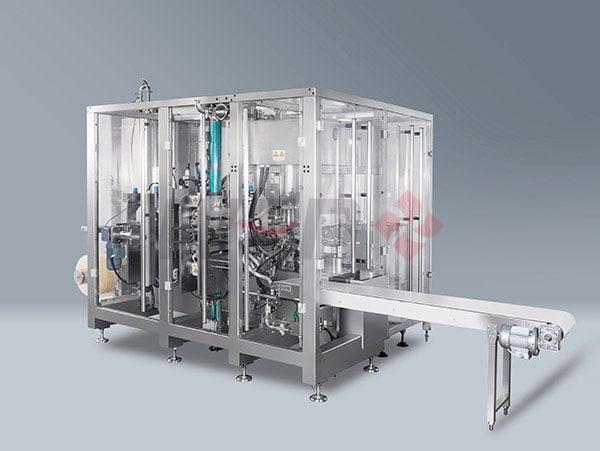
Peritoneal Dialysis Dextrose Systems in the United States
Peritoneal dialysis solution dextrose production systems are designed to help pharmaceutical and medical fluid manufacturers produce safe, sterile, accurately formulated dialysis fluids for patients with chronic kidney disease. In the United States, these lines are important because home-based renal care, hospital dialysis support, and strict FDA quality requirements all demand dependable aseptic processing, consistent dextrose concentration control, and robust packaging integrity. For investors, EPC teams, and pharmaceutical manufacturers, the right line can improve compliance, reduce contamination risk, and support long-term growth in kidney care.
Demand in the United States is supported by aging populations, diabetes prevalence, chronic kidney disease incidence, and the continued shift toward home treatment models. A modern peritoneal dialysis solution dextrose line typically includes solution preparation, water treatment, sterile filtration, bag or bottle forming and filling, sealing, inspection, overwrapping, secondary packaging, and validation support. Companies evaluating a new project should balance formulation flexibility, regulatory compliance, production volume, packaging choice, automation level, and total lifecycle service.
Quick Answer: How peritoneal dialysis solution dextrose supports safe kidney care fluid supply

A peritoneal dialysis solution dextrose system is a specialized production line used to manufacture peritoneal dialysis fluids containing dextrose as the osmotic agent. These fluids are used to remove waste and excess water from the body through the peritoneal membrane. In practice, the production line must ensure precise mixing, biocompatible contact surfaces, sterile filling, leak-free packaging, and traceable quality records. In the United States, where healthcare providers and procurement teams often require documented compliance with US FDA cGMP expectations, reliable automation and validation-friendly design are especially important.
Manufacturers serving markets such as New York, Chicago, Houston, Los Angeles, Miami, and Atlanta also need supply chain resilience. Ports like Los Angeles/Long Beach, Houston, Savannah, and Newark can influence import logistics for equipment and components, while domestic plant location affects labor availability, utilities, validation timelines, and distribution efficiency. Because peritoneal dialysis is frequently used in home care settings, fluid packaging quality is not merely a manufacturing concern; it directly influences transport durability, patient convenience, storage efficiency, and risk management.
| Core Element | Function | Why It Matters | US Market Relevance |
|---|---|---|---|
| Dextrose formulation control | Maintains target osmotic strength | Supports clinical performance | Needed for consistent prescription grades |
| Aseptic processing | Prevents microbial contamination | Protects patient safety | Critical for FDA and hospital acceptance |
| Water treatment | Supplies high-purity process water | Reduces endotoxin and impurity risk | Important for cGMP compliance |
| Packaging integrity | Prevents leakage and ingress | Extends shelf life and safe transport | Essential for home delivery channels |
| In-line inspection | Detects defects and fill errors | Improves batch reliability | Supports QA release efficiency |
| Batch traceability | Records process and lot data | Enables audits and recalls | Expected in regulated US operations |
The table above shows why the term peritoneal dialysis solution dextrose should be understood as more than a formulation concept. It also refers to the equipment ecosystem required to manufacture the product at commercial scale with quality and repeatability.
What is peritoneal dialysis solution dextrose and why is it important for kidney care?

Peritoneal dialysis solution dextrose is a sterile dialysis fluid containing dextrose in specific concentrations to create an osmotic gradient that helps remove excess water and toxins from the bloodstream. The solution is introduced into the peritoneal cavity, where the peritoneal membrane acts as a natural filter. Since the fluid comes into repeated contact with the patient’s internal environment, product safety, purity, and formulation accuracy are fundamental.
From a manufacturing viewpoint, production lines for these fluids must control several variables at once: dextrose concentration, electrolyte balance, pH range, mixing temperature, bioburden, filling accuracy, and packaging sterility. This is why peritoneal dialysis solution production is different from simpler non-sterile liquid processing. Equipment selection has to reflect medical risk, not only throughput goals.
In the United States, healthcare systems increasingly value home-based therapies because they can improve patient flexibility and may reduce pressure on hospital resources. This trend strengthens demand for peritoneal dialysis fluid production capacity. Reliable local or regional production can help reduce dependency on long overseas lead times, especially after the supply disruptions many healthcare sectors experienced in recent years.
Another reason this category matters is the product’s role in continuity of care. Hospitals, dialysis centers, distributors, and home-care providers all depend on uninterrupted supply. A packaging failure, microbial deviation, or water treatment issue can quickly escalate into regulatory, operational, and clinical consequences. For this reason, the best equipment platforms emphasize prevention through hygienic design, CIP/SIP compatibility where relevant, validated sterilization steps, and robust quality monitoring.
Role and benefits of peritoneal dialysis solution dextrose in home and hospital dialysis treatment

In both home and hospital settings, dextrose-based peritoneal dialysis solutions remain a key renal therapy option. Home treatment benefits include patient convenience, less travel burden, overnight therapy options, and support for decentralized care. Hospital use remains important for acute management, training, transitions of care, and backup supply needs.
For manufacturers, this dual-use profile creates several design priorities. Packaging must be strong enough for transportation, intuitive enough for end users, and compatible with storage requirements. Production lines must also be flexible enough to accommodate multiple fill volumes and concentration variants, since different patient populations and care settings may need different product configurations.
Benefits of a well-designed line include:
- Stable product quality across large batches
- Reduced risk of contamination through closed and automated processing
- Lower labor intensity through integrated filling and packaging
- Improved compliance documentation for US inspections
- Better support for contract manufacturing or multi-SKU production
- Scalable output for growing renal care demand
In real-world logistics, home-care distribution in the United States often depends on warehouse hubs near regions such as Dallas-Fort Worth, Columbus, Memphis, New Jersey, and Southern California. Therefore, packaging format, pallet efficiency, and transport durability are not secondary details. They directly affect freight cost, returns, and patient service reliability.
The line chart above illustrates a realistic growth pattern for demand tied to peritoneal dialysis solution dextrose production systems in the United States. Growth is being supported by renal care needs, home therapy acceptance, and investment in pharmaceutical fluid manufacturing modernization.
Key types, models and technical options for peritoneal dialysis solution dextrose
There is no single line configuration that fits every project. The right choice depends on product format, capacity target, utility conditions, cleanroom design, and validation strategy. Most projects fall into several major technical categories.
| Line Type | Typical Package | Capacity Range | Main Advantage | Best Fit |
|---|---|---|---|---|
| Non-PVC soft bag line | Flexible bag | Medium to high | Lightweight and logistics-friendly | Home-care supply models |
| PP bottle line | Polypropylene bottle | Medium to high | Strong structure and heat resistance | Institutional and mixed distribution |
| Glass bottle line | Glass container | Low to medium | Chemical stability and premium positioning | Specific legacy or specialized needs |
| Multi-chamber system | Separated compartments | Medium | Improved formulation handling | Advanced product formats |
| Semi-automatic pilot line | Various | Low | Flexible development use | R&D and validation runs |
| Turnkey integrated line | Bag or bottle | Medium to very high | Single-source coordination | New plant or major expansion |
The table highlights the main technical models. Non-PVC soft bag systems are often favored where shipping efficiency and patient handling are priorities. PP bottle lines may appeal to manufacturers seeking robust container integrity and broad compatibility. Turnkey integrated solutions are attractive when project owners want coordinated engineering, utility planning, automation integration, and validation support under one project structure.
Important technical options often include automated solution compounding, recipe management, MES or SCADA integration, 100% leak detection, high-accuracy mass flow dosing, online conductivity or TOC monitoring, visual inspection systems, and robotic secondary packaging. Utility support systems such as purified water, water for injection support strategy where needed, clean steam, HVAC integration, and clean compressed air also shape final performance.
When comparing suppliers, buyers should ask whether the line architecture is modular. A modular platform makes it easier to expand from a regional supply project to a national volume strategy later. This is particularly useful for companies planning phased growth in the United States.
Peritoneal dialysis solution dextrose versus alternative technologies: which solution fits your needs?
Dextrose-based peritoneal dialysis solution production must be considered in relation to alternative renal therapy technologies and alternative manufacturing approaches. On the clinical side, hemodialysis remains widely used, but it requires a different infrastructure model. On the manufacturing side, some buyers compare conventional line designs with advanced integrated turnkey systems, high-automation platforms, or outsourced contract manufacturing.
| Option | Strength | Limitation | Capital Intensity | Typical Buyer |
|---|---|---|---|---|
| Dextrose PD solution line | Supports growing home therapy demand | Requires sterile fluid expertise | Medium to high | Dialysis fluid producers |
| Hemodialysis concentrate line | Serves clinic-based treatment networks | Different product use case | Medium | Renal consumables manufacturers |
| Contract manufacturing | Lower initial capex | Less control over capacity and IP | Low upfront | Market entrants |
| Semi-automatic in-house line | Lower entry cost | Higher labor and variability | Low to medium | Pilot plants |
| Fully integrated turnkey line | Strong compliance and scalability | Higher initial budget | High | Large pharma investors |
| Imported finished product only | Fast market access | Supply chain dependence | Low plant investment | Distributors |
For the United States market, a dedicated peritoneal dialysis solution dextrose line tends to fit best when a company values supply security, quality oversight, local responsiveness, and long-term margin control. It is especially compelling when freight costs, policy incentives, reshoring strategies, or hospital procurement preferences favor reliable domestic or near-market manufacturing.
The comparison chart shows why many strategic investors choose a dedicated line despite higher initial capex. Control over compliance, supply continuity, and expansion often outweigh the benefits of lower-entry outsourcing models.
Current market trends and demand for peritoneal dialysis solution dextrose production capacity
The US market for dialysis-related consumables and production equipment is shaped by demographics, chronic disease burden, healthcare decentralization, and manufacturing resilience planning. Several trends are influencing purchasing decisions:
- Higher interest in home-based renal therapies
- Investment in domestic pharmaceutical manufacturing capacity
- Greater attention to bag integrity and transport durability
- Digital batch recording and data integrity expectations
- Energy and water efficiency considerations in new plants
- Supplier preference for validation-ready, documentation-rich systems
By 2026, buyers are expected to pay even more attention to sustainability and automation. This includes reduced material waste, lower clean utility consumption, smarter preventive maintenance, recipe analytics, and improved OEE reporting. Policy trends may also support projects that strengthen local healthcare supply chains, particularly where critical medical fluids are involved.
The bar chart reflects how home care currently stands out as a major driver of demand. However, hospitals and dialysis networks continue to play meaningful roles in procurement planning, training support, and contingency supply.
Local factors matter as well. Projects located near pharmaceutical corridors in New Jersey, North Carolina, Texas, California, or the Midwest may benefit from established validation talent, utility contractors, and packaging supply chains. Access to major airports and ports helps when lines include imported components or when companies plan service logistics around spare parts availability.
How to choose a reliable peritoneal dialysis solution dextrose manufacturer or supplier
Choosing a supplier for a peritoneal dialysis solution dextrose line requires more than comparing quotations. Buyers in the United States should evaluate regulatory understanding, engineering depth, proven installations, and post-installation support.
Start with technical capability. A strong supplier should understand sterile liquid processing, solution preparation, packaging compatibility, automation logic, and qualification workflows. It should also be able to discuss FDA-oriented documentation, FAT/SAT expectations, material certificates, and change control. If the equipment supplier can only talk about mechanics and not process risk, that is a warning sign.
Next, assess manufacturing capability. Does the company have specialized production plants for related pharmaceutical equipment? Can it produce integrated systems rather than only standalone machines? Can it coordinate water treatment, preparation systems, filling, packaging, and logistics? These points are important because dialysis fluid manufacturing is a system project, not a single-machine purchase.
Service capability is equally important. A supplier should support feasibility analysis, design review, installation, commissioning, validation assistance, operator training, spare parts planning, and lifecycle optimization. For US projects, responsiveness in English documentation, remote support, and on-site coordination are especially important.
For example, IVEN Pharmatech Engineering is known internationally for pharmaceutical and medical device engineering with experience in integrated production systems. Its technological capabilities include customized line engineering, pharmaceutical water systems, intelligent conveying, and automated filling and packaging solutions. In manufacturing terms, it operates multiple specialized plants focused on fluid lines, water treatment, logistics systems, and medical consumables equipment. On the service side, it supports clients from feasibility and design through installation, commissioning, validation, documentation, and training, which can reduce project coordination risk.
| Selection Criterion | What to Check | Why It Matters | Buyer Question |
|---|---|---|---|
| Regulatory readiness | cGMP and FDA-oriented documentation | Supports audit success | Can you provide validation packages? |
| Process knowledge | Sterile fluid and dialysis solution experience | Reduces design errors | How many similar projects have you completed? |
| Manufacturing depth | Own factories and integration capability | Improves schedule control | Which modules are built in-house? |
| Customization ability | Layout, capacity, SKU flexibility | Fits actual plant needs | Can the line be expanded later? |
| Service support | Installation, training, spare parts | Protects uptime | What US support model do you offer? |
| Total lifecycle value | Durability, efficiency, documentation | Better long-term ROI | What is the expected service life? |
The table above can be used as a procurement checklist during supplier comparison. Buyers can also review integrated project options at turnkey pharmaceutical engineering solutions or explore equipment categories through the company’s product portfolio while comparing line architecture and plant support scope.
Investment cost, budget planning and ROI analysis for peritoneal dialysis solution dextrose
Investment cost depends on production scale, container format, cleanroom scope, utility systems, automation level, validation package, and local construction costs. In the United States, labor, MEP installation, commissioning, and compliance documentation can significantly influence total project budget beyond the equipment purchase price.
A realistic budget framework should include:
- Core process equipment
- Water treatment and distribution
- Solution preparation tanks and piping
- Filling, sealing, inspection, and packaging modules
- Cleanroom and HVAC upgrades
- Electrical and automation integration
- IQ/OQ support and documentation
- Training, spare parts, and service reserve
| Budget Item | Typical Share of Total | Cost Sensitivity | Notes |
|---|---|---|---|
| Production line equipment | 30% to 40% | High | Main mechanical and control investment |
| Water and utility systems | 10% to 18% | Medium | Depends on purity strategy and redundancy |
| Cleanroom and HVAC | 12% to 20% | High | Major driver in retrofit projects |
| Installation and piping | 8% to 15% | Medium | Affected by layout complexity |
| Validation and QA documentation | 5% to 10% | Medium | Essential for regulated startup |
| Training and startup reserve | 3% to 7% | Low | Supports stable ramp-up |
ROI calculations should consider not only unit margin but also avoided import delays, stronger customer retention, improved inventory control, faster product release, and lower deviation risk. If a manufacturer currently imports finished product into the United States, local production may reduce freight burden and improve responsiveness to hospital and distributor contracts.
A common ROI model evaluates three scenarios: conservative demand, expected demand, and accelerated demand driven by new account wins. Payback can improve when the line supports multiple SKUs, when utilities are designed efficiently, and when the supplier provides strong commissioning and training to shorten ramp-up losses.
The area chart shows the market shift toward more automated systems through 2026. This reflects labor considerations, quality traceability needs, and the broader pharmaceutical trend toward digital manufacturing.
Key considerations and potential risks when investing in peritoneal dialysis solution dextrose
Every capital project in sterile medical fluid production carries technical and commercial risks. The goal is not to eliminate all risk, but to identify and manage the most important ones early.
| Risk Area | Typical Issue | Impact | Mitigation |
|---|---|---|---|
| Regulatory compliance | Incomplete documentation or poor design records | Startup delay | Use validation-oriented supplier and clear URS |
| Water quality | Inadequate purification or monitoring | Batch rejection risk | Invest in robust water treatment and alarms |
| Package failure | Seal weakness or material mismatch | Recall or field complaint | Run transport and integrity validation |
| Capacity mismatch | Overbuilding or underbuilding plant size | Financial inefficiency | Use phased growth planning |
| Supplier coordination | Multiple vendors with unclear ownership | Schedule and interface problems | Prefer integrated project management |
| Service downtime | Slow spare parts or weak training | Production interruption | Set service SLAs and parts strategy |
One useful way to reduce risk is to work with a supplier that combines technological capability, manufacturing depth, and service support. IVEN’s project model is often relevant here because it focuses on integrated engineering rather than isolated machine sales. Its technological capabilities cover production line design, water systems, preparation and distribution, and logistics automation. Its manufacturing capabilities include specialized equipment plants and large experience in liquid production systems. Its service capabilities extend to design review, installation, commissioning, qualification support, staff training, and post-startup optimization. For buyers seeking fewer interface gaps, this integrated approach can be a practical advantage.
Another consideration for 2026 and beyond is sustainability. New US projects increasingly assess energy use, water recovery, packaging material efficiency, and digital monitoring. While sustainability used to be a branding issue, it is becoming a cost and procurement issue as well. Energy-efficient utilities, optimized CIP strategies, and lower-waste packaging layouts can improve both environmental performance and operating economics.
Policy and market trends may also influence project design. Buyers should watch potential incentives tied to domestic manufacturing, critical healthcare supply resilience, and quality system digitization. A line that is future-ready for electronic records integration, predictive maintenance, and capacity expansion may outperform a cheaper line that becomes obsolete faster.
FAQ
What does a peritoneal dialysis solution dextrose line usually include?
It normally includes water treatment, solution preparation, filtration, storage, filling, sealing, in-line inspection, overwrapping, labeling, cartoning, and documentation support for qualification.
Why is dextrose important in peritoneal dialysis fluid?
Dextrose creates the osmotic gradient that helps draw excess fluid from the patient’s body during treatment. Accurate concentration control is therefore clinically important.
Is the United States a good market for new capacity?
Yes. The combination of chronic kidney disease prevalence, home-care growth, and supply chain resilience planning makes the United States an attractive market for well-planned production capacity.
Which package format is most common?
Soft bags are widely favored for logistics and home-care convenience, but PP bottles and other formats may be selected depending on product strategy and customer preference.
How should buyers compare suppliers?
Compare regulatory understanding, installed base, manufacturing depth, documentation quality, service response, and ability to deliver integrated systems rather than isolated equipment.
What certifications or standards should matter most?
For US-targeted projects, buyers should focus on FDA-oriented cGMP design practices, quality documentation, material traceability, and validation support aligned with regulated pharmaceutical production.
Can one line produce multiple concentrations or sizes?
In many cases, yes. A well-designed system can support multiple SKUs through recipe control, change parts, and flexible filling or packaging modules.
How long does a project usually take?
Timeline varies by capacity and facility readiness, but planning, fabrication, FAT, shipment, installation, and validation can span many months. Early URS definition and integrated project management help reduce delay risk.
What are the main hidden costs?
Common hidden costs include facility retrofits, utility upgrades, validation delays, training gaps, spare parts shortages, and packaging material compatibility problems discovered too late.
Where can I discuss a project requirement?
You can contact the engineering team to discuss production goals, packaging options, utility conditions, and turnkey implementation needs for the United States market.
For companies planning a new renal fluid project, the best investment decisions usually come from aligning clinical product needs with engineering reality. That means selecting a peritoneal dialysis solution dextrose line that supports sterile safety, efficient operation, scalable growth, and strong documentation from day one. In the United States, where quality expectations and logistics demands are both high, a supplier’s real value lies not only in machine supply but in process knowledge, manufacturing discipline, and lifecycle service.
When evaluating options, focus on whether the line can support current demand while remaining adaptable for 2026 trends such as increased automation, data integrity, sustainability, and regionalized healthcare supply resilience. A project that is engineered well at the beginning can become a long-term strategic asset for kidney care manufacturing.

About the Author
We are IVEN Pharmatech Engineering, a team dedicated to delivering turnkey pharmaceutical and medical solutions worldwide. With decades of experience, we specialize in advanced machinery, integrated factory design, and full lifecycle support to help our clients achieve efficient, compliant, and high-quality production.
Share

Related Insights
-
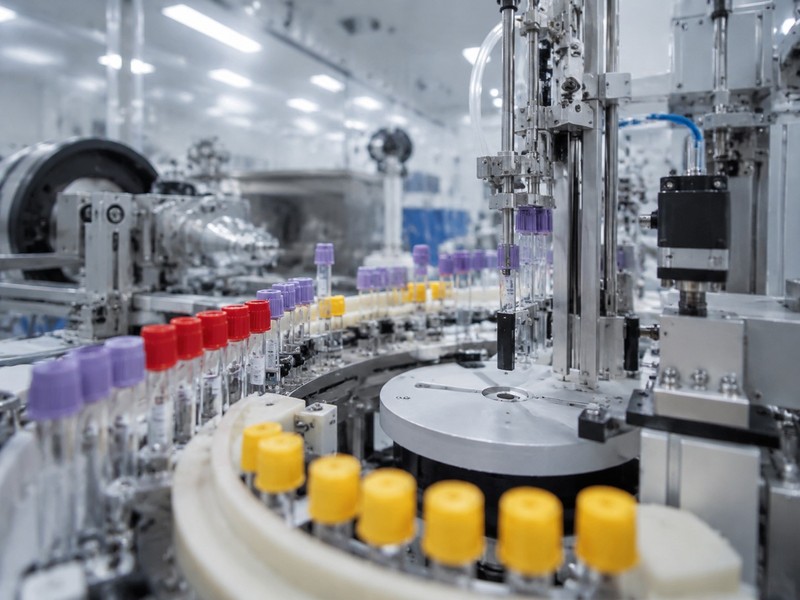
Choosing Micro Blood Tube Machines in the United States
Choosing the right micro blood collection tube machine is a strategic decision for medical device companies that supply hospitals, laboratories, and diagnostic networks across the United States. A well-designed system helps manufacturers produce large volumes of capillary and micro blood collection tubes with stable quality, precise automation, and traceable process control. For U.S. buyers, the best solution is not simply the fastest line; it is the machine platform that matches regulatory expectations, throughput goals, labor strategy, consumable specifications, and long-term cost targets.
In practical terms, a strong equipment selection process should evaluate tube feeding, cap assembly, additive dosing, drying, vacuum or sealing performance where applicable, in-line inspection, labeling compatibility, rejection systems, cleanroom fit, validation support, and after-sales service. Companies serving high-demand markets such as New York, Chicago, Houston, Los Angeles, and Atlanta also need reliable spare parts planning and scalable production capacity to keep pace with hospital group purchasing organizations and reference labs.
For manufacturers looking for a broader project partner rather than a standalone machine vendor, it is also useful to review suppliers that can support equipment integration, validation documentation, factory planning, and turnkey execution. Companies such as IVEN Pharmatech Engineering are often evaluated not only for machine supply but also for technical coordination across medical consumables projects, especially where compliance, automation, and long equipment life are priorities.
A micro blood collection tube machine is an automated production system used to manufacture small-volume blood collection tubes for neonatal testing, point-of-care sampling, and laboratory diagnostics. It typically automates feeding, orientation, additive filling, cap insertion, drying, assembly inspection, coding, and packing preparation. In the United States market, the right machine allows medical device companies to reduce labor dependency, improve batch consistency, strengthen quality control, and increase output for hospitals and diagnostic laboratories.
The best machine choice depends on six core factors: product type, capacity requirement, automation level, regulatory support, line stability, and supplier capability. If a company plans to serve large healthcare systems or national distributors, the machine should support continuous production, low defect rates, and digital traceability. If it serves specialty testing or lower-volume regional customers, a modular line with expansion potential may deliver better ROI.
Selection FactorWhy It MattersWhat U.S. Buyers Should CheckTube formatDifferent dimensions affect tooling and feeding accuracyCompatibility with capillary or micro collection tube sizesOutput speedDetermines whether demand can be met economicallyTubes per minute, OEE target, shift capacityAdditive handlingCritical for specimen integrityDosing accuracy, anti-clot or preservative compatibilityInspection systemReduces defects before packagingVision checks for caps, fill, contamination, and labelingCompliance supportImportant for validation and auditsIQ/OQ/PQ documents, FAT/SAT protocol, traceabilityService networkDowntime is expensiveRemote support, spare parts lead time, trainingThe table above shows that buying by price alone is risky. A lower-cost machine can become more expensive if it requires frequent stoppages, inconsistent additive dosing, or long maintenance intervals. For U.S. manufacturers under pressure from quality audits and supply agreements, stable process performance is usually worth more than a minimal upfront saving.
A micro blood collection tube machine is an integrated assembly and processing line for producing small blood sample tubes used in clinical testing. These products are common in pediatric collection, fingerstick procedures, and settings where only a low specimen volume is needed. The machine handles repetitive manufacturing steps with precision that is difficult to maintain through manual work alone.
Although configurations vary, the process normally begins with tube loading and orientation. Empty plastic or glass micro tubes enter a feeding system, where they are aligned and moved through indexed or continuous stations. Depending on the product design, the line then performs one or more of the following functions: additive spraying or liquid dosing, drying or curing, cap feeding, cap pressing, leak checking, visual inspection, coding, counting, and transfer to downstream packaging.
Advanced lines may also include servo-driven motion control, machine vision, SCADA or HMI data interfaces, and automatic rejection of nonconforming units. For companies producing under strict quality systems, data capture is especially valuable because it supports batch records, deviation analysis, and process optimization.
Production StepMain FunctionQuality ImpactTube feedingSeparates and orients tubesPrevents jams and misalignmentAdditive dosingApplies clot activator, anticoagulant, or other chemistryEnsures test reliability and uniformityDrying stationStabilizes applied additiveReduces contamination and dosing variationCap feedingDelivers the correct closure typeSupports fit consistency and sealingCap assemblyPresses or fits closure into placeControls leakage and product integrityInspection and rejectChecks defects and removes bad partsImproves outgoing quality levelThe value of this workflow is consistency. Manual assembly may achieve acceptable output in small batches, but automated machinery is better suited for U.S. manufacturers that need repeatable quality over hundreds of thousands or millions of units. This is especially important when products move through distribution hubs near Los Angeles, Newark, Savannah, and Dallas, where timing and batch integrity can affect downstream delivery performance.
Micro blood collection tube equipment serves a broad set of applications in the medical device and diagnostics ecosystem. The most visible end users are hospitals and independent laboratories, but equipment buyers are usually manufacturers that supply pediatric collection systems, capillary sampling kits, and consumables for diagnostic channels. Demand is also rising from outpatient centers, home collection programs, and specialized testing networks.
In the United States, medical device companies benefit from these machines in several ways. First, automation improves throughput and lowers dependence on hard-to-scale manual labor. Second, standardized machine control reduces tube-to-tube variation in additive coating and cap fit. Third, in-line inspection decreases downstream scrap, complaints, and returns. Fourth, automated lines support better documentation for regulated production environments.
Manufacturers planning to expand into OEM or private-label supply often prefer automated lines because national customers expect stable lead times and quality agreements. When serving healthcare networks in cities like Boston, Philadelphia, San Diego, and Minneapolis, reliability can matter as much as product price.
Application AreaTypical CustomerMachine BenefitPediatric samplingChildren’s hospitals and clinicsHigh-volume, low-defect micro tube outputPoint-of-care testingUrgent care and outpatient centersFast production for decentralized diagnosticsReference laboratoriesNational diagnostic providersUniform product quality across large ordersOEM consumablesPrivate-label medical brandsReliable repeatability and branding flexibilityExport manufacturingGlobal distributorsScalable production with documentation supportSpecialty diagnosticsNiche testing companiesCustom tube and additive configurationsThe table highlights how machine selection should reflect the target business model. A company supplying pediatric hospital systems may emphasize cleanliness, cap reliability, and additive control. A company serving OEM channels may prioritize flexible tooling changes and coding integration. In both cases, a well-specified line supports revenue growth by improving confidence in supply.
var ctxBar = document.getElementById(‘barIndustryDemand’).getContext(‘2d’);var chartBar = new Chart(ctxBar, {type: ‘bar’,data: {labels: [‘Hospitals’, ‘Reference Labs’, ‘Outpatient Centers’, ‘OEM Brands’, ‘Export Distributors’, ‘Specialty Clinics’],datasets: [{label: ‘Estimated U.S. Demand Index’,data: [92, 88, 71, 77, 64, 58],backgroundColor: [‘#4e79a7′,’#f28e2b’,’#e15759′,’#76b7b2′,’#59a14f’,’#edc948′]}]},options: {responsive: true,maintainAspectRatio: false,plugins: {legend: {display: true}},scales: {y: {beginAtZero: true, max: 100}}}});The market offers several machine types, and U.S. buyers should choose based on output, product complexity, and expansion plans. Entry-level systems are often semi-automatic, requiring operator participation for feeding or unloading. Mid-range systems are fully automatic with integrated cap feeding, dosing, and inspection. High-end lines can connect to upstream component handling and downstream packaging for a near-continuous production cell.
Configuration also depends on tube materials, closure style, additive chemistry, and cleanroom classification. Some manufacturers need a compact line for limited plant space, while others prefer a modular line that can be expanded as demand rises. In dense industrial zones such as New Jersey, Illinois, and Southern California, floor utilization and utility integration are often major buying considerations.
Machine TypeBest ForMain AdvantageMain LimitationSemi-automatic lineSmall batches and pilot productionLower initial costHigher labor needStandard automatic lineGrowing medical consumables makersBalanced speed and costLess customization than premium linesHigh-speed automatic lineLarge-scale U.S. supply contractsMaximum throughputHigher capex and utility demandModular linePhased plant expansionFlexible future upgradesMay require integration planningVision-integrated lineQuality-critical productionBetter defect controlHigher technical complexityTurnkey integrated lineNew factory projectsCoordinated engineering and validationLonger procurement cycleFor companies comparing suppliers, it is useful to ask whether the line can accommodate future changes in tube geometry, closure materials, or print/traceability standards. This is where technology capability becomes decisive. Some suppliers offer only the machine frame and basic controls, while others provide customized integration. IVEN, for example, is often considered by buyers seeking engineering depth because its product development in blood collection tube equipment is backed by multiple generations of line design and a broad pharmaceutical machinery background. More details on integrated project capability can be reviewed through its turnkey engineering solutions.
Manual assembly lines still exist in low-volume production, but they are increasingly difficult to justify in a regulated and labor-constrained environment. In the United States, rising wage pressure, quality expectations, and delivery commitments make automated manufacturing more attractive. A machine-based process does not eliminate human oversight, but it shifts labor from repetitive assembly toward supervision, quality review, and maintenance.
The largest differences between automated and manual production are output stability, contamination control, traceability, and defect prevention. Manual operations often suffer from inconsistent dosing, misapplied caps, and variable pace between shifts. Automated systems are designed to repeat the same motion and parameter set with much less variation, especially when using servo control and in-line inspection.
CriterionAutomated Machine LineManual Assembly LineThroughputHigh and predictableLower and operator-dependentLabor requirementLower direct laborHigher direct laborQuality consistencyStrong process repeatabilityMore variabilityTraceabilityBetter digital record potentialOften limited or paper-heavyDefect controlVision and automatic reject possibleMostly visual manual checksScalabilityEasier to expand for large contractsDifficult without more labor and floor spaceThis comparison shows why automated lines are typically favored for serious growth. Even if a manual line appears cheaper initially, labor cost over several years can erase that advantage. Automated lines also reduce training variability, which matters when turnover affects production teams. For U.S. plants seeking faster output with lower batch risk, machine automation is usually the stronger long-term decision.
var ctxComp = document.getElementById(‘comparisonChartAutoManual’).getContext(‘2d’);var comparisonChart = new Chart(ctxComp, {type: ‘bar’,data: {labels: [‘Output’, ‘Consistency’, ‘Traceability’, ‘Labor Efficiency’, ‘Scalability’, ‘Defect Control’],datasets: [{label: ‘Automated Line’,data: [95, 93, 90, 88, 94, 91],backgroundColor: ‘#6f42c1’},{label: ‘Manual Line’,data: [48, 55, 40, 36, 45, 50],backgroundColor: ‘#adb5bd’}]},options: {responsive: true,maintainAspectRatio: false,plugins: {legend: {display: true}},scales: {y: {beginAtZero: true, max: 100}}}});The market outlook for micro blood collection tube equipment remains favorable as diagnostics volumes rise, healthcare access expands, and decentralized testing becomes more common. In the United States, demand is supported by pediatric care, chronic disease monitoring, outpatient diagnostics, and a gradual shift toward more efficient blood sample collection formats. Manufacturers that invest in stable, validated production platforms are positioned to serve both domestic and export channels.
Another growth driver is supply chain resilience. Many healthcare buyers now prefer suppliers with dependable local inventory and less vulnerability to disruptions. As a result, U.S.-focused manufacturers are upgrading equipment to improve responsiveness and reduce reliance on fragile manual systems. Ports and logistics hubs such as Long Beach, Houston, Miami, and New York/New Jersey continue to shape import and distribution strategies for machinery and components, so production planning should include freight and spare parts availability.
var ctxLine = document.getElementById(‘lineMarketGrowth’).getContext(‘2d’);var lineChart = new Chart(ctxLine, {type: ‘line’,data: {labels: [‘2021’, ‘2022’, ‘2023’, ‘2024’, ‘2025’, ‘2026’],datasets: [{label: ‘U.S. Market Growth Index for Micro Tube Equipment’,data: [100, 108, 117, 129, 141, 156],borderColor: ‘#20c997’,backgroundColor: ‘rgba(32,201,151,0.15)’,fill: false,tension: 0.25}]},options: {responsive: true,maintainAspectRatio: false,plugins: {legend: {display: true}},scales: {y: {beginAtZero: false}}}});By 2026, several trends are likely to shape buying decisions. First, machine builders will face stronger demand for digital monitoring, predictive maintenance, and remote diagnostics. Second, sustainability goals will encourage lower energy consumption, cleaner additive handling, and more efficient material usage. Third, policy and compliance pressure will continue to favor documented validation, traceability, and quality-by-design approaches. Companies that prepare for these changes now will be better positioned to win healthcare and laboratory business.
var ctxArea = document.getElementById(‘areaTrendShift’).getContext(‘2d’);var areaChart = new Chart(ctxArea, {type: ‘line’,data: {labels: [‘2021’, ‘2022’, ‘2023’, ‘2024’, ‘2025’, ‘2026’],datasets: [{label: ‘Shift Toward Smart and Sustainable Production’,data: [22, 30, 41, 55, 69, 82],fill: true,backgroundColor: ‘rgba(54, 162, 235, 0.25)’,borderColor: ‘rgb(54, 162, 235)’,tension: 0.3}]},options: {responsive: true,maintainAspectRatio: false,plugins: {legend: {display: true}},scales: {y: {beginAtZero: true, max: 100}}}});Selecting a supplier is not only about machine specification; it is also about execution reliability. U.S. buyers should examine the supplier’s engineering depth, manufacturing control, regulatory understanding, and service responsiveness. A reliable partner should be able to explain cycle logic, tolerance management, validation support, and spare parts strategy in concrete terms.
Ask for evidence in four areas: installed references, documentation quality, manufacturing consistency, and post-installation service. It is also wise to review whether the supplier can support related systems if the project expands. Some buyers start with one machine and later need packaging, water systems, conveying, or cleanroom coordination. Vendors with broader industrial capability may reduce interface risk.
From a manufacturing capability perspective, IVEN is often evaluated by customers that want more than a single standalone machine because it operates specialized manufacturing bases across Shanghai and has experience in pharmaceutical filling, packaging, water treatment, intelligent logistics, and blood collection tube equipment. That breadth can be relevant when a U.S. factory project requires coordinated engineering rather than isolated procurement. Buyers can also review product categories through the company’s equipment portfolio.
Supplier CheckpointQuestions to AskWhy It MattersEngineering strengthCan the line be customized for our tube design?Ensures product fit and future flexibilityRegulatory supportDo you provide IQ/OQ/PQ templates and FAT documents?Reduces validation burdenManufacturing qualityHow are critical parts made and tested?Improves machine life and stabilityInstallation serviceDo you support commissioning in the United States?Shortens startup timeSpare parts readinessWhat are normal lead times for wear parts?Protects uptimeTraining capabilityCan you train operators, maintenance, and QA teams?Improves ramp-up and daily performanceService capability should not be underestimated. Strong suppliers provide assistance from feasibility review through installation, validation, training, and optimization. That lifecycle support is especially valuable for first-time line buyers or companies adding new micro tube product families. If you want to discuss project fit or request a technical consultation, a direct route is the supplier’s contact page.
The investment required for a micro blood collection tube machine varies widely based on output speed, automation level, vision systems, validation package, and customization. A semi-automatic setup may fit a modest budget, while a high-speed, vision-integrated automatic line with turnkey engineering can represent a much larger capital commitment. U.S. buyers should avoid focusing only on purchase price and instead model the total cost of ownership over five to ten years.
Budget planning should include freight, customs, installation, cleanroom adaptation, utilities, operator training, spare parts, change parts, validation, and maintenance. If the equipment is imported through ports such as Los Angeles/Long Beach, Houston, or Newark, inland transportation and timing should also be included in the project schedule and cost assumptions.
Cost CategoryTypical Impact on BudgetPlanning NoteMachine purchase priceHighVaries by speed and automation scopeTooling and customizationMedium to highNeeded for special tube formats or closuresShipping and import handlingMediumPort choice affects lead time and costInstallation and commissioningMediumInclude travel, utilities, and acceptance testingValidation and documentationMediumImportant for regulated operationsSpare parts and maintenanceOngoingShould be budgeted from day oneROI often improves through three levers: labor reduction, yield improvement, and capacity expansion. If a machine reduces defects, lowers overtime, and allows higher throughput on the same floor space, payback can be attractive. Buyers should calculate best-case, base-case, and conservative scenarios rather than relying on one optimistic output estimate.
ROI DriverEffect on Financial ReturnExample BenefitHigher outputIncreases revenue capacityMore tubes per shift without added laborLower scrapReduces wasted materialsBetter cap fit and additive consistencyReduced laborLowers direct operating costFewer manual assembly operators requiredFaster changeoverImproves utilizationMore product variants in one weekBetter uptimeProtects delivery commitmentsFewer unplanned stoppagesCompliance confidenceAvoids quality disruptionsLess risk of rejected batches or auditsThe explanation behind these tables is simple: a machine that appears expensive can still deliver a stronger return if it supports higher OEE, lower rejection, and better customer retention. For companies targeting long-term U.S. market growth, equipment should be viewed as a revenue-enabling asset, not only a capital expense.
The biggest risk in buying a micro blood collection tube machine is mismatch between the machine and the actual business plan. Some companies buy too small and outgrow the line quickly. Others overinvest in speed they do not yet need, creating unnecessary capital pressure. The right decision requires alignment between demand forecast, product roadmap, staffing model, and compliance obligations.
Common technical risks include poor compatibility with tube tolerances, unstable additive dosing, difficult changeovers, underperforming inspection systems, and weak spare parts management. Project risks include unclear FAT standards, insufficient utility preparation, delayed cleanroom readiness, and weak operator training. Supplier risks include lack of documentation, slow communication, and limited service after installation.
To manage these issues, buyers should create a formal user requirement specification, define acceptance criteria early, test representative components during FAT, and confirm service response expectations in the contract. It is also wise to ask about machine durability and critical material choices. Suppliers with strong stainless steel fabrication, long equipment service life, and proven international installations can reduce lifecycle uncertainty.
This is where technology, manufacturing, and service capabilities should be reviewed together. A capable supplier should demonstrate machine design know-how, controlled production quality, and practical field support. For example, companies with extensive experience in regulated pharmaceutical and medical device equipment often bring added value through documentation discipline, integration planning, and training systems, not just hardware supply.
var ctxSupplier = document.getElementById(‘supplierComparison’).getContext(‘2d’);var supplierChart = new Chart(ctxSupplier, {type: ‘bar’,data: {labels: [‘Customization’, ‘Validation Support’, ‘Manufacturing Depth’, ‘After-Sales Service’, ‘Global Project Experience’, ‘Lifecycle Value’],datasets: [{label: ‘Preferred Supplier Benchmark Score’,data: [90, 88, 91, 87, 89, 92],backgroundColor: ‘#ff9f1c’}]},options: {responsive: true,maintainAspectRatio: false,plugins: {legend: {display: true}},scales: {y: {beginAtZero: true, max: 100}}}});1. What production speed should a U.S. buyer target?It depends on customer volume, shift structure, and expansion plans. A growing manufacturer should choose a line that meets current demand with room for future scale, rather than buying only for today’s output.
2. Is a fully automatic line always better than a semi-automatic one?Not always. For pilot production or niche specialty products, semi-automatic equipment may be suitable. For larger commercial supply, however, full automation usually offers better consistency and labor economics.
3. What documents should the supplier provide?At minimum, ask for layout drawings, utility requirements, FAT/SAT protocol, parts lists, manuals, and validation support documents such as IQ/OQ templates where relevant.
4. How important is machine vision?Very important for quality-focused production. Vision systems help identify cap defects, missing components, contamination, and assembly errors before products move to packaging.
5. Should buyers in the United States prefer local or international suppliers?Either can work if support is strong. The key is whether the supplier can provide dependable commissioning, spare parts, training, and communication. International suppliers with solid U.S. project experience can be highly competitive.
6. What are the top 2026 trends to consider?Smart monitoring, remote diagnostics, lower-energy designs, better material efficiency, sustainability reporting, and tighter digital traceability are expected to shape future equipment choices.
7. How can a buyer reduce investment risk?Prepare a detailed user requirement specification, verify component compatibility, conduct a rigorous FAT, budget for validation and training, and choose a supplier with proven service capability.
8. What should be included in supplier evaluation visits?Review machining quality, assembly standards, control system design, test procedures, documentation practices, and the supplier’s ability to support long-term maintenance and upgrades.
9. Can one supplier support broader factory expansion?Yes, some can. This is beneficial if you expect future needs in packaging, water systems, logistics, or integrated engineering, because it reduces coordination complexity across multiple vendors.
10. What is the final buying advice?Choose the micro blood collection tube machine that best aligns with product specification, quality objectives, compliance needs, and five-year growth strategy in the United States. The strongest purchase is usually the one that balances throughput, reliability, documentation, and service readiness.
For U.S. medical device companies, the decision is ultimately about building a dependable production platform. The right micro blood collection tube machine supports hospital and laboratory demand, protects quality reputation, and strengthens long-term competitiveness. When comparing suppliers, give equal weight to machine performance, engineering capability, manufacturing discipline, and after-sales support. That balanced approach leads to better output, lower risk, and a more durable return on investment.
-
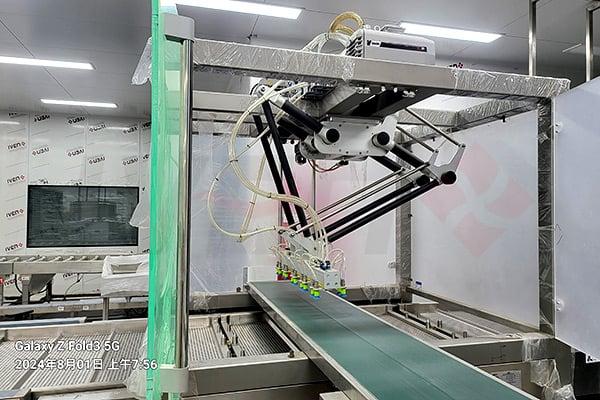
Three-Chamber IV Bag Production Lines in the United States
For pharmaceutical manufacturers in the United States, a three-chamber IV bag production line is a strategic investment for producing advanced parenteral nutrition, antibiotic, and specialty infusion products that must keep ingredients separate until activation. By isolating unstable components in different chambers, these systems help extend shelf life, reduce compatibility risks, and improve bedside safety. They are increasingly relevant for manufacturers supplying hospitals, compounding networks, contract manufacturing organizations, and health systems across major U.S. pharma hubs such as New Jersey, North Carolina, California, Texas, and Illinois.
The technology is especially valuable in a market shaped by sterility expectations, supply chain resilience, and rising demand for ready-to-use and ready-to-mix therapies. In the United States, hospitals want products that shorten preparation time and reduce medication error risk, while manufacturers need lines that support regulatory compliance, serialization integration, validation, and scalable output. A well-designed multi-chamber IV bag line can answer all of those needs when selected carefully.
A three-chamber IV bag production line is an automated manufacturing system designed to form, fill, seal, inspect, and package infusion bags with three isolated compartments. Each chamber can hold a different solution or active ingredient, and the chambers are opened or mixed shortly before administration. This approach is used when formulation stability, compatibility, or dosing flexibility would be compromised in a conventional single-chamber bag. For U.S. buyers, the biggest benefits are better product stability, improved patient safety, reduced pharmacy preparation burden, and stronger positioning in premium IV therapy segments.
Typical line architecture includes film unwinding, bag forming, port insertion, chamber separation sealing, high-precision filling, terminal or secondary sealing, leak detection, visual inspection, overwrapping, and downstream cartoning. Depending on product strategy, the line may be integrated with solution preparation skids, water systems, cleanroom logistics, and MES or SCADA platforms. In FDA-regulated manufacturing environments, documentation and validation support are just as important as mechanical output.
Core Function Purpose Operational Value U.S. Market Relevance Typical User Impact on Product Multi-chamber forming Create three isolated compartments Supports incompatible formulations Useful for advanced hospital therapies Injectable manufacturers Longer stability window Precise filling Meter each chamber accurately Improves dose consistency Critical for FDA expectations CMOs and branded pharma Better content uniformity Peelable seals Allow mixing before use Safer bedside activation Favored in acute care settings Hospital supply manufacturers Reduced compatibility risk Leak integrity testing Detect package defects Reduces rejects in the field Important for nationwide distribution All sterile producers Higher product assurance Automated inspection Verify seal and appearance Limits manual variability Helps scale production Large plants Improved release confidence Packaging integration Prepare bags for shipment Supports line efficiency Needed for U.S. distribution networks National suppliers Lower handling damageThe table above shows why this technology is not simply a packaging variation. It is a formulation-enabling platform that allows pharmaceutical companies to commercialize more complex infusion products with a practical route to scale.
At a technical level, a three-chamber IV bag production line combines packaging engineering with aseptic or controlled sterile filling. The line begins with medical-grade film handling, followed by pouch formation and the creation of internal seals that divide the bag into three chambers. Filling nozzles dose each chamber independently, often under highly controlled environmental conditions. The final structure allows the end user to activate the bag by breaking peelable seals or otherwise combining the contents immediately before infusion.
Main advantages include formulation stability, reduced use of glass containers, lower breakage risk, simpler storage, and greater convenience in clinical settings. For manufacturers in the United States, the business case is also tied to differentiated product portfolios. Premium nutrition solutions, dual- or triple-component therapies, and emergency-use admixture systems often command stronger market interest than standard saline or dextrose products.
Another major advantage is workflow efficiency. In hospitals from Boston to Houston and from Seattle to Miami, pharmacy teams face labor pressure and increasing demand for ready-to-administer products. A multi-chamber bag can reduce manual compounding steps, lower contamination opportunities, and shorten preparation time in intensive care units, oncology centers, and surgical wards.
From a compliance standpoint, the line must support robust process control, traceability, and repeatability. U.S. manufacturers generally prioritize systems that can integrate with validated automation architecture, electronic batch records, and quality management procedures. This is one reason buyers often evaluate not only the machine itself, but also the engineering maturity of the supplier.
var ctx1 = document.getElementById(‘lineChart’).getContext(‘2d’);var lineChart = new Chart(ctx1, { type: ‘line’, data: { labels: [‘2021’, ‘2022’, ‘2023’, ‘2024’, ‘2025’, ‘2026’], datasets: [{ label: ‘Estimated U.S. Demand Index for Multi-Chamber IV Capacity’, data: [68, 74, 81, 89, 97, 108], borderColor: ‘rgb(54, 162, 235)’, backgroundColor: ‘rgba(54, 162, 235, 0.15)’, fill: false, tension: 0.25 }] }, options: { responsive: true, maintainAspectRatio: false }});The growth trend above reflects increasing U.S. interest in advanced infusion packaging capacity, especially as health systems focus on medication safety, decentralized care, and supply assurance.
Clinically, three-chamber IV bags are most valuable when instability, incompatibility, or timed activation matters. The classic example is parenteral nutrition, where amino acids, glucose, and lipid or electrolyte components may be held separately until use. Similar logic applies to certain antibiotic combinations, buffer-sensitive products, and emergency-prepared formulations. The result is a product that arrives closer to ready-to-use status while maintaining quality during storage and transport.
Hospitals in the United States increasingly favor packaging that lowers bedside complexity. In high-acuity settings such as ICU units in Philadelphia or trauma centers in Dallas, preparation time matters. A nurse or pharmacist can activate a multi-chamber bag quickly, which may help reduce treatment delays and handling-related risks. For rural hospital networks and alternate care sites, these bags can also simplify inventory management because they reduce the need for on-site admixture in some use cases.
Applications commonly include total parenteral nutrition, perioperative support, critical care supplementation, infectious disease therapy support products, and select specialty infusions. Manufacturers serving large integrated delivery networks may find this format especially attractive because it aligns with standardization initiatives and medication safety programs.
Hospital Application Why Multi-Chamber Helps Main Clinical Benefit Operational Benefit Typical End User Priority Level in U.S. Market Parenteral nutrition Separates unstable nutrients Maintains formulation integrity Less compounding workload NICU, ICU, nutrition pharmacy Very high Critical care support Fast activation before use Quicker treatment readiness Improved workflow ICU teams High Emergency departments Reduces mixing steps Lower preparation error risk Useful during peak demand ER pharmacies High Oncology support care Supports sensitive combinations Better compatibility management Inventory simplification Cancer centers Moderate to high Home infusion transition More convenient final preparation Safer user handling Supports decentralized care Home infusion providers Growing Rural hospital supply Reduces sterile prep burden Consistent product use Lowers dependence on local compounding Small regional hospitals GrowingThis table highlights that demand is not limited to one specialty. Multi-chamber technology is increasingly relevant across acute care, specialty infusion, and broader health system standardization efforts.
Not all three-chamber IV bag production lines are built the same. Some are designed for high-volume commercial production with full automatic loading, in-line inspection, and integrated logistics. Others are more suitable for niche or specialty batches where recipe flexibility matters more than maximum speed. Buyers in the United States often compare line types based on target product mix, annual capacity, regulatory strategy, and cleanroom footprint.
Common line categories include standard three-chamber soft bag lines, customizable modular systems for multiple bag sizes, high-output systems for nutrition products, and integrated turnkey lines linked to water treatment, solution compounding, and automated warehousing. Bag volumes may range from smaller specialty packs to large infusion volumes depending on clinical application.
Film material is equally important. Non-PVC co-extruded films are widely preferred for modern IV bags because they support lower extractables concerns, better environmental positioning, and strong performance during sterilization and transport. However, film selection depends on oxygen barrier requirements, seal performance, puncture resistance, compatibility with active ingredients, and U.S. regulatory expectations. Port materials, seal layer formulation, and overpouch design also influence final product quality.
Line or Material Type Description Main Advantage Potential Limitation Best Use Case U.S. Buyer Note High-speed automatic line Large commercial output with in-line controls Low unit cost at scale Higher initial investment National hospital supply Best for established brands Modular flexible line Supports multiple bag formats Faster SKU adaptation May run slower than dedicated line CMOs and portfolio expansion Useful for phased growth Nutrition-focused line Designed for multi-component nutritional products Optimized chamber control Narrower product focus Parenteral nutrition Strong hospital demand segment Non-PVC multilayer film Co-extruded medical film structure Good compliance and performance Material cost can be higher Mainstream IV bag production Preferred by many U.S. buyers High-barrier film Enhanced protection against oxygen or moisture Improved stability for sensitive products May require tighter process control Advanced formulations Validate with actual formulation data Customized port and fitment set Ports tailored for filling and clinical use Improves usability and line compatibility Adds complexity to sourcing Specialty products Review supply chain risk carefullyIn practice, film selection should be based on formulation compatibility studies, sterilization validation, drop testing, and transportation profiles. For products shipped through U.S. distribution routes involving Los Angeles/Long Beach, Savannah, Newark, or inland logistics centers around Memphis and Chicago, mechanical durability matters as much as chemical compatibility.
Single-chamber IV bags remain important for commodity products such as standard saline, dextrose, and basic irrigation solutions. They are simpler to manufacture, easier to validate, and usually less expensive on a per-unit basis. However, they are not ideal for every formulation. When ingredients react, degrade, or lose potency after mixing, a multi-chamber format offers a much stronger technical and commercial proposition.
For U.S. manufacturers, the choice often comes down to product strategy. If the target is high-volume, low-complexity products, single-chamber equipment may be sufficient. If the goal is differentiated clinical value, reduced bedside compounding, or premium therapeutic positioning, then a three-chamber line becomes much more attractive. It also creates entry barriers that can be beneficial in competitive markets.
Comparison Factor Three-Chamber Bags Single-Chamber Bags Clinical Impact Manufacturing Impact Commercial Impact Formulation stability High for incompatible ingredients Limited when components react Better shelf integrity Requires advanced sealing design Supports premium products Preparation workflow Mix close to administration Usually already mixed Safer for unstable combinations More complex filling sequence Stronger hospital appeal Capex requirement Higher Lower Indirect Higher engineering need Longer payback if volume is low SKU differentiation High Low to moderate More tailored therapy options More change-part complexity Improves market positioning Packaging complexity Advanced Conventional Can improve safe use More validation points Higher barrier to entry Best-fit products PN, specialty infusion, unstable combos Commodity IV solutions Therapy-dependent Portfolio-dependent Strategy-dependent var ctx2 = document.getElementById(‘comparisonChart’).getContext(‘2d’);var comparisonChart = new Chart(ctx2, { type: ‘bar’, data: { labels: [‘Stability Support’, ‘Portfolio Flexibility’, ‘Capex Efficiency’, ‘Hospital Convenience’, ‘Differentiation’, ‘Process Complexity’], datasets: [ { label: ‘Three-Chamber’, data: [95, 88, 60, 92, 90, 78], backgroundColor: ‘rgba(153, 102, 255, 0.75)’ }, { label: ‘Single-Chamber’, data: [62, 65, 88, 70, 58, 42], backgroundColor: ‘rgba(255, 159, 64, 0.75)’ } ] }, options: { responsive: true, maintainAspectRatio: false }});The comparison chart shows that three-chamber lines typically outperform single-chamber systems in value-added categories, although they come with higher complexity and investment requirements.
The U.S. market for sterile infusion manufacturing is being reshaped by supply continuity concerns, hospital labor constraints, and a shift toward more clinically advanced packaging. Multi-chamber systems fit this environment well because they enable ready-to-mix solutions, reduce handling steps, and provide differentiation at a time when buyers are looking beyond commodity products.
Several trends support demand. First, health systems want fewer manual sterile preparation tasks. Second, supply chain resilience has become a board-level issue after years of disruptions affecting APIs, packaging materials, and hospital stock availability. Third, sustainability goals are pushing attention toward modern soft bag systems, efficient material use, and plant designs with improved utilities management. Fourth, regulatory pressure continues to reward manufacturers that invest in robust quality systems and automated process control.
Regional demand is strongest near major pharmaceutical and medical distribution clusters. New Jersey and Pennsylvania remain critical for injectable manufacturing and distribution. North Carolina continues to attract biologics and sterile capacity investments. Texas and California serve large healthcare populations and logistics corridors, while the Midwest remains important for warehousing and national reach.
var ctx3 = document.getElementById(‘barChart’).getContext(‘2d’);var barChart = new Chart(ctx3, { type: ‘bar’, data: { labels: [‘Hospital PN’, ‘Critical Care’, ‘Home Infusion’, ‘CMO Manufacturing’, ‘Emergency Supply’, ‘Specialty Infusion’], datasets: [{ label: ‘Estimated Relative Demand in the United States’, data: [92, 85, 72, 78, 68, 81], backgroundColor: ‘rgba(255, 99, 132, 0.75)’ }] }, options: { responsive: true, maintainAspectRatio: false }});The bar chart indicates that parenteral nutrition and critical care remain the strongest demand categories, but home infusion and specialty segments are expanding steadily.
var ctx4 = document.getElementById(‘areaChart’).getContext(‘2d’);var areaChart = new Chart(ctx4, { type: ‘line’, data: { labels: [‘2021’, ‘2022’, ‘2023’, ‘2024’, ‘2025’, ‘2026’], datasets: [ { label: ‘Commodity Single-Chamber Focus’, data: [70, 67, 63, 60, 57, 54], fill: true, backgroundColor: ‘rgba(201, 203, 207, 0.35)’, borderColor: ‘rgba(201, 203, 207, 1)’, tension: 0.25 }, { label: ‘Advanced Multi-Chamber Focus’, data: [30, 33, 37, 40, 43, 46], fill: true, backgroundColor: ‘rgba(75, 192, 192, 0.30)’, borderColor: ‘rgba(75, 192, 192, 1)’, tension: 0.25 } ] }, options: { responsive: true, maintainAspectRatio: false }});This area chart illustrates the ongoing market shift from purely commodity infusion manufacturing toward higher-value, advanced-format production. By 2026, the gap is expected to narrow further as hospitals seek safer and more efficient ready-to-use formats.
Looking ahead to 2026, future trends will likely include deeper digitalization, more use of predictive maintenance, expanded machine vision for defect detection, and wider integration with plant-level data systems. Policy trends in the United States may also continue to favor domestic or regional supply resilience for essential sterile products. Sustainability will matter more as buyers evaluate energy use, scrap rates, water consumption, and film recycling pathways where feasible.
Selecting a supplier should begin with product and regulatory fit, not price alone. A reliable manufacturer must understand sterile pharma process design, chamber seal behavior, film compatibility, filling accuracy, cleanroom interfaces, and validation deliverables. U.S. buyers should ask for evidence of compliance-oriented design practices, FAT/SAT protocols, documentation quality, spare parts planning, and post-installation technical support.
It is also important to evaluate whether the supplier offers only equipment or can support a broader integrated solution. For many projects, the line performs best when paired with water treatment, compounding and distribution systems, packaging automation, and facility engineering. A fragmented purchasing approach may lower the initial quotation but increase schedule risk and integration complexity later.
Shanghai IVEN Pharmatech Engineering, for example, is often considered by buyers seeking a combination of line engineering, utility systems, and turnkey project capability. From a technological capabilities standpoint, the company has built expertise in IV solution equipment, intelligent conveying, pharmaceutical water systems, and process integration that aligns with the needs of advanced sterile manufacturing. For manufacturing capabilities, it operates multiple specialized production bases focused on pharma machinery and related systems, supporting both equipment quality and broader project execution. On the service side, its offering extends from feasibility and engineering design to installation, commissioning, validation support, training, and lifecycle optimization. Buyers interested in learning more about the company background can review the company overview, while those comparing broader factory solutions can explore turnkey pharmaceutical engineering services.
Supplier Evaluation Point Why It Matters What to Request Risk if Missing Priority for U.S. Buyers Ideal Outcome Regulatory design knowledge Supports compliant project execution Validation documents and reference standards Delays in approval or startup Critical Clear cGMP-ready documentation Relevant project references Shows practical experience Case examples and installed base Unproven performance High Comparable sterile projects Film and formulation know-how Affects final package quality Compatibility support and trials Seal or stability failures Critical Data-backed recommendations Automation and traceability Enables modern plant control SCADA/MES integration capability Weak data integrity High Validated digital architecture After-sales response Reduces downtime Service SLA and parts strategy Extended outages High Fast remote and on-site support Turnkey coordination ability Simplifies complex projects Scope matrix and project management plan Interface gaps and overruns Moderate to high Single-point accountabilityThe table above shows that a good supplier is not just a machine seller. It is a risk-management partner that can help align equipment, facility, utility, and validation requirements under one execution strategy.
Investment cost depends heavily on speed, bag size range, level of automation, cleanroom scope, utility integration, inspection requirements, and whether the project includes upstream solution preparation and downstream packaging. In the United States, buyers should also factor in shipping, import handling, installation labor, local code alignment, qualification activities, training, spare parts, and contingency allowances.
A basic budget should separate direct equipment cost from the total installed project cost. Direct equipment cost may include the forming-filling-sealing line, in-line inspection, conveyors, and packaging modules. Total project cost may additionally include purified water and WFI systems, clean utilities, HVAC adaptation, cleanroom construction interfaces, warehousing automation, and digital integration. For plants near major industrial zones such as New Jersey, Raleigh-Durham, Indianapolis, or San Diego, labor and facility modification costs can differ significantly.
ROI should be modeled using expected annual output, gross margin by SKU, reduced compounding burden for customers, lower product waste, and market premium for multi-chamber formats. In some cases, the strongest return does not come from labor savings at the plant, but from the ability to launch products with better stability profiles and stronger hospital adoption.
Budget Item Typical Cost Weight Why It Is Needed Can It Be Deferred? ROI Effect Buyer Guidance Main production line Very high Core bag forming and filling function No Primary revenue driver Prioritize proven performance Inspection and leak testing Moderate to high Product quality assurance Usually no Reduces reject and recall risk Do not under-specify Utility and water systems High Supports sterile production Rarely Indirect but essential Design for future expansion Validation and documentation Moderate Required for compliant startup No Speeds commercialization Include from day one Training and startup support Low to moderate Build operator readiness Not recommended Improves ramp-up efficiency Plan structured qualification training Spare parts and service reserve Low Protects uptime Partly Prevents costly downtime Create first-year packageA practical ROI model often assumes a two- to five-year payback depending on scale, product value, and line utilization. If the plant is launching differentiated nutrition or specialty infusion products with reliable hospital demand, payback can be faster. If volume assumptions are weak or product registration is delayed, the return stretches out. Buyers comparing equipment options can review available systems through the product portfolio page and use that information as a starting point for a more detailed cost model.
The biggest investment risks usually come from underestimating technical complexity. Three-chamber bag production depends on the interaction of film properties, seal design, filling sequence, and sterilization performance. A line that looks acceptable during demonstration may still face issues if the actual formulation behaves differently under real manufacturing conditions.
Another risk is poor project integration. If the production line, cleanroom layout, water system, and packaging flow are designed separately, bottlenecks can appear after installation. This is why integrated engineering matters. Buyers should confirm utility loads, room classification, line clearance strategy, personnel flow, and material transfer points early in the project. Ports of entry and inland transit also matter for imported equipment; planning around Newark, Houston, or Los Angeles can reduce logistics delays.
Supply chain concentration is another concern. If film, ports, or special components come from a single source, the production line can be exposed to interruptions. U.S. buyers should evaluate dual sourcing options where possible. They should also review cyber-readiness for automated systems, especially if remote diagnostics are used.
From a sustainability perspective, future-proofing is increasingly important. By 2026, pharmaceutical buyers are expected to place even more emphasis on energy-efficient drives, waste reduction, optimized water usage, recyclable secondary packaging, and digital maintenance strategies that extend machine life. A supplier with long equipment service life and upgrade pathways may create a lower total cost of ownership than a cheaper short-term option.
Risk Area Description Possible Consequence Prevention Strategy Severity Owner Film compatibility mismatch Chosen film does not suit formulation Leaks, instability, rejects Run full compatibility and aging studies High QA, R&D, supplier Seal performance variability Peelable seals open inconsistently Clinical handling issues Robust process validation High Engineering, QA Utility under-design Insufficient support systems Capacity bottlenecks Front-end engineering review High Project team Weak supplier service Slow support after startup Extended downtime Service contract and parts stocking Moderate to high Procurement Validation delays Documentation not ready on time Late commercial launch Include validation scope in contract High QA, supplier Demand overestimation Volume assumptions too optimistic Longer payback period Phase capacity and confirm customer pipeline Moderate Management, salesThe strongest mitigation strategy is to combine formulation development, packaging validation, facility planning, and commercial forecasting into one investment decision rather than treating them as separate workstreams.
For companies that prefer a more coordinated execution model, the advantage of working with an engineering-driven supplier is clear. In the case of IVEN, the practical value is not limited to equipment delivery. Its capability in integrated plant planning, utility systems, and lifecycle support can help reduce common risks such as unreasonable layouts, inconsistent equipment selection, and startup delays. Companies ready to discuss project scope, U.S. plant objectives, or supplier qualification can initiate a conversation through the contact page.
What products are best suited for a three-chamber IV bag production line?Parenteral nutrition products, unstable multi-component infusions, and specialty therapies that require ingredients to remain separate until use are the best candidates.
Is a three-chamber line always better than a single-chamber line?No. For standard commodity IV solutions, a single-chamber line is often more economical. A three-chamber line is best when clinical value, stability, or premium positioning justifies the added complexity.
What should U.S. buyers check first when evaluating a supplier?Start with regulatory readiness, relevant sterile project experience, film and seal expertise, validation support, and service responsiveness in the U.S. time zone or through a well-defined support structure.
How long does it usually take to implement a new line?Project timing varies by scope, but buyers should plan for engineering review, procurement, FAT, shipping, installation, SAT, qualification, and process validation. Integrated projects typically require careful scheduling across all disciplines.
Can the line be part of a turnkey project?Yes. Many manufacturers prefer a turnkey approach that includes water systems, compounding, cleanroom integration, packaging, logistics, and validation coordination because it reduces interface risk.
What materials are most commonly used for the bags?Non-PVC multilayer films are widely used due to their balance of compliance, durability, and performance. The final choice should be based on formulation compatibility and sterilization requirements.
How important is after-sales service?It is critical. Sterile production downtime can be expensive, so access to spare parts, remote support, training, and upgrade options strongly influences total ownership value.
What are the main 2026 trends to watch?Expect more digital monitoring, predictive maintenance, machine vision inspection, stronger sustainability targets, and continued focus on resilient domestic or regional supply capacity for essential infusion products.
In summary, a three-chamber IV bag production line is not simply a packaging upgrade. It is a strategic manufacturing platform for advanced infusion products in the United States. Buyers that align clinical demand, formulation science, plant engineering, and supplier capability can build a durable advantage in a market that increasingly rewards safety, flexibility, and dependable sterile supply.
-

Syrup Filling Machine Support Guide in United States
For pharmaceutical manufacturers in the United States, syrup filling machine troubleshooting is not just a maintenance topic. It directly affects batch yield, line clearance, regulatory compliance, operator safety, and on-time supply to hospitals, retail pharmacies, and contract packaging networks. In practical terms, it means identifying and correcting the root causes behind inaccurate fill volume, dripping nozzles, foaming, cap torque variation, conveyor jams, sensor errors, contamination risks, and unstable production speeds on oral liquid and syrup lines.
Whether a plant is located in New Jersey, North Carolina, Texas, California, or the Midwest, the business impact is the same: every unplanned stop increases labor cost, delays release, and raises deviation risk under FDA cGMP expectations. For that reason, large pharmaceutical companies, CMOs, and healthcare packaging investors often evaluate syrup filling line diagnostics together with broader expansion plans such as new oral liquid suites, serialization upgrades, water systems, and integrated material handling.
When companies modernize a facility near major trade and logistics hubs such as the Port of Los Angeles, the Port of Long Beach, Houston, Savannah, Newark, or Chicago distribution corridors, they usually compare not only machine purchase price but also service access, spare parts availability, documentation quality, validation readiness, and line compatibility with existing bottle unscramblers, washers, cappers, labelers, cartoners, and warehouse systems.
Syrup filling machine troubleshooting is the structured process of diagnosing, correcting, and preventing failures on oral liquid and syrup bottling equipment used in pharmaceutical production. It matters because even a minor fault, such as inconsistent pump timing or a drifting level sensor, can cause underfill, overfill, reject accumulation, microbial risk, and compliance issues. In the United States market, where manufacturers operate under US FDA cGMP and often align with EU GMP and WHO GMP for export, troubleshooting is closely tied to CAPA, validation status, preventive maintenance, and documented process control.
The most common objective is simple: restore stable, repeatable filling under validated conditions. However, the deeper objective is operational resilience. A good troubleshooting program reduces downtime, improves OEE, supports batch record accuracy, and extends equipment life. It also helps manufacturers prepare for scale-up, especially when a plant moves from pilot or small commercial runs into higher-volume distribution across national pharmacy and healthcare systems.
Typical warning signs that demand immediate investigation include:
For investors and production leaders, troubleshooting capability should be considered a core element of the line design itself, not an afterthought. Equipment with clear HMI alarms, accessible product paths, recipe management, audit-ready data, and fast changeover support typically delivers lower lifetime operating risk.
In pharmaceutical production, syrup filling machine troubleshooting refers to the systematic diagnosis of mechanical, pneumatic, electrical, software, and process-related issues affecting liquid filling lines for oral syrups, suspensions, pediatric solutions, cough formulations, nutraceutical liquids, and similar bottled products. It is used during commissioning, qualification, commercial production, product changeover, preventive maintenance, and post-deviation review.
The process usually starts with symptom recognition. For example, if a line in a Boston-area oral liquid facility shows repeated underfills, technicians may first verify tank level stability, pump calibration, nozzle shutoff timing, and bottle indexing. If a plant near Atlanta notices rising reject rates after viscosity changes in winter, engineers may review temperature control, line speed, servo tuning, and product recirculation behavior.
Troubleshooting is used for several operational purposes:
Operational Need What Is Checked Typical Root Cause Impact on Production Regulatory Relevance Recommended Action Fill accuracy control Piston stroke, flowmeter values, servo timing Calibration drift Underfill or overfill Batch nonconformance Recalibrate and verify with challenge runs Nozzle leakage Valve seat, seals, shutoff delay Seal wear or sticky product Mess, rejects, contamination risk Cleaning deviation Replace seals and optimize shutoff timing Foaming product Nozzle dive, fill speed, temperature Excess turbulence Inconsistent level appearance Visual defects Adjust fill profile and nozzle depth Bottle handling error Star wheel, guides, conveyor spacing Format mismatch Jams and line stoppage Reduced control of process Reset guides and confirm format parts Cap torque variation Capper settings, chuck wear, bottle neck finish Mechanical wear Leakage during shipment Container closure integrity risk Requalify capper and inspect closures HMI alarms or sensor faults Photoeyes, wiring, PLC diagnostics Dirty sensor or unstable signal Frequent downtime Electronic record gaps Clean, retune, and validate alarm logicThe table above shows that troubleshooting is broader than simple repair. It connects process engineering, QA review, maintenance discipline, and validation. In well-managed facilities, every recurring issue is tied to trend analysis and preventive action.
Manufacturers that build or upgrade oral liquid lines often evaluate suppliers capable of supporting more than a single machine. For example, companies looking at integrated engineering may review turnkey pharmaceutical project capabilities to ensure the syrup line fits the larger utility, room layout, and packaging strategy.
Modern syrup filling line troubleshooting is applied across commercial production, pilot plants, CMO operations, hospital supply production, pediatric medicine lines, and export-oriented pharmaceutical packaging facilities. Its value becomes especially clear in multi-SKU operations where frequent bottle size changes and product viscosity differences create variation risk.
Key applications include oral syrup filling, sugar-free formulations, suspension products requiring agitation control, preservative-based liquid medicines, nutraceutical syrups, veterinary liquid formulations, and refill or rework investigations. In every case, the goal is stable filling and sealing with traceable, documented control.
The main benefits are operational and financial:
Application Area Troubleshooting Focus Primary Benefit Who Gains Most Typical KPI Improved Business Result High-volume cough syrup lines Speed stability and drip prevention Higher throughput Large pharma plants OEE More saleable units per shift Pediatric formulations Precise dose fill control Better accuracy Quality teams Fill variance Lower compliance risk Viscous herbal syrups Flow consistency and nozzle behavior Reduced spills Operations teams Reject rate Less product loss Multi-SKU contract packaging Fast recipe and changeover control Shorter downtime CMOs Changeover time Greater scheduling flexibility Export production Documentation and validation support Smoother audits Regulatory affairs Deviation frequency Lower release delays Legacy line modernization Root-cause elimination Extended equipment life Plant management Maintenance cost Deferred replacement spendingOne major benefit in the United States is workforce efficiency. Skilled maintenance labor is expensive in regions such as New Jersey, California, and Illinois. A line designed for easier troubleshooting with intuitive alarm structures, servo-driven filling modules, accessible guards, and modular parts can significantly reduce the hours required to restore operation.
Another benefit is better production planning. If a manufacturer supplying national retail channels through Dallas, Memphis, or Columbus distribution networks experiences unstable filling, every shipment window becomes harder to meet. Troubleshooting capability therefore supports supply chain performance, not just machine uptime.
var ctxLine = document.getElementById(‘lineChartMarket’).getContext(‘2d’);var chartLine = new Chart(ctxLine, { type: ‘line’, data: { labels: [‘2022’, ‘2023’, ‘2024’, ‘2025’, ‘2026’, ‘2027’], datasets: [{ label: ‘U.S. demand for oral liquid line upgrades (index)’, data: [78, 84, 91, 101, 112, 124], borderColor: ‘rgb(75, 192, 192)’, backgroundColor: ‘rgba(75, 192, 192, 0.15)’, fill: false, tension: 0.3 }] }, options: { responsive: true, maintainAspectRatio: false }});The market growth trend above reflects why troubleshooting expertise is increasingly valued as part of line investment decisions. More upgrades usually mean more integration work with existing equipment, which raises the need for flexible diagnostics and support.
There is no single syrup filling machine design. The best technical option depends on product viscosity, bottle range, output target, cleaning strategy, validation expectations, and whether the facility runs dedicated products or frequent changeovers. Troubleshooting requirements vary accordingly.
Common machine types include piston fillers, peristaltic fillers, flowmeter-based systems, time-pressure fillers for lighter liquids, monoblock filling-capping units, and fully integrated oral liquid lines with bottle infeed, rinsing, filling, capping, induction sealing, labeling, and cartoning.
Machine Type Best For Typical Output Main Troubleshooting Concern Technical Option to Look For Suitability in U.S. Pharma Piston filler Medium to high viscosity syrups 40 to 180 bottles/min Seal wear and fill drift Servo-driven stroke control Very common Peristaltic filler Gentle handling, smaller batches 20 to 100 bottles/min Tubing fatigue Quick tube change kits Useful for flexible operations Flowmeter filler Precise repeatable fills 60 to 220 bottles/min Sensor calibration error Recipe-driven corrections Strong for modern lines Time-pressure filler Low-viscosity liquids 50 to 160 bottles/min Pressure instability Closed-loop control Selective use Monoblock filler-capper Space-limited clean rooms 40 to 150 bottles/min Timing mismatch between modules Unified PLC and HMI Good for compact suites Integrated oral liquid line High-volume commercial production 100 to 300+ bottles/min Line synchronization Centralized data and diagnostics Preferred for large projectsTechnical options that improve troubleshooting performance include:
From a technology standpoint, IVEN Pharmatech Engineering is often evaluated for broader line integration strengths rather than isolated equipment only. Its technology profile in pharma filling, packaging, water systems, and intelligent logistics is relevant for U.S. companies planning new oral liquid plants or major revamps where filling performance depends on the surrounding process ecosystem.
Teams reviewing possible equipment platforms can explore available solutions through the company’s pharmaceutical equipment portfolio to compare line configurations and supporting systems.
For many buyers, the real question is not whether troubleshooting is necessary. It is which technology architecture makes troubleshooting easier over the life of the asset. A lower-cost filler may look attractive initially, but if it relies on hard-to-source parts, limited diagnostics, or poor documentation, total cost can quickly rise.
Alternative approaches include semi-automatic stations for low output, standalone fillers connected to existing cappers, outsourced contract filling, or complete integrated high-speed lines. Each has a different troubleshooting profile.
Option Capital Cost Troubleshooting Complexity Output Scalability Validation Burden Best Fit Semi-automatic filler Low Low to medium Limited Moderate R&D or niche products Standalone automatic filler Medium Medium Moderate Moderate Existing line upgrades Monoblock filler-capper Medium to high Medium Good Efficient Compact commercial suites Full integrated line High High but centralized Excellent Higher upfront, better long term Large pharma plants Contract manufacturing Low internal capex Externalized Depends on partner Supplier-dependent Market entry or overflow capacity Legacy line retrofit Medium Often high Moderate Can be complex Plants with useful installed assetsIn the United States, retrofit decisions are common where older oral liquid lines still operate in Pennsylvania, Ohio, or New Jersey but face rising downtime. In these cases, replacement of only the filler may not solve recurring issues if bottle transport, capping, or utility stability remains weak. A whole-line assessment is often more economical.
var ctxComp = document.getElementById(‘comparisonChartSupplier’).getContext(‘2d’);var chartComp = new Chart(ctxComp, { type: ‘bar’, data: { labels: [‘Diagnostics’, ‘Validation Support’, ‘Line Integration’, ‘Service Scope’, ‘Spare Parts Planning’, ‘Scalability’], datasets: [{ label: ‘Integrated pharma line supplier score’, data: [92, 95, 94, 90, 88, 93], backgroundColor: ‘rgb(153, 102, 255)’ },{ label: ‘Standalone low-cost machine score’, data: [65, 58, 52, 49, 55, 61], backgroundColor: ‘rgb(255, 159, 64)’ }] }, options: { responsive: true, maintainAspectRatio: false }});The comparison highlights a familiar procurement lesson: strong diagnostics, validation support, and integration capacity often matter more than the cheapest purchase price.
The United States market for oral liquid and syrup line optimization is driven by several factors: aging installed equipment, demand for pediatric and OTC liquids, nearshoring of selected pharmaceutical production, stricter digital documentation expectations, and the need for more flexible multi-product plants. Facilities around Research Triangle Park, Indianapolis, New Jersey, Southern California, and the Houston corridor continue investing in modernization programs that improve uptime and compliance at the same time.
Three market patterns stand out. First, buyers want smarter diagnostics. Second, they prefer suppliers capable of supporting utilities, preparation systems, and packaging integration. Third, they increasingly expect lifecycle service rather than one-time delivery.
var ctxBar = document.getElementById(‘barChartDemand’).getContext(‘2d’);var chartBar = new Chart(ctxBar, { type: ‘bar’, data: { labels: [‘OTC Syrups’, ‘Prescription Oral Liquids’, ‘Pediatric Medicines’, ‘Nutraceutical Liquids’, ‘Veterinary Liquids’, ‘Contract Packaging’], datasets: [{ label: ‘Estimated U.S. demand for line support projects in 2026’, data: [82, 74, 68, 63, 49, 71], backgroundColor: ‘rgb(255, 99, 132)’ }] }, options: { responsive: true, maintainAspectRatio: false }});By 2026, future trends are likely to include the following:
Policy trends also matter. As U.S. manufacturers respond to supply security concerns and domestic capacity planning, projects that improve reliability without requiring entirely new facilities are gaining traction. This is one reason troubleshooting-focused modernization, rather than complete greenfield replacement, remains attractive.
var ctxArea = document.getElementById(‘areaChartTrend’).getContext(‘2d’);var chartArea = new Chart(ctxArea, { type: ‘line’, data: { labels: [‘2022’, ‘2023’, ‘2024’, ‘2025’, ‘2026’, ‘2027’], datasets: [{ label: ‘Shift toward smart diagnostics and remote support’, data: [28, 35, 43, 52, 63, 72], fill: true, backgroundColor: ‘rgba(54, 162, 235, 0.25)’, borderColor: ‘rgb(54, 162, 235)’, tension: 0.3 }] }, options: { responsive: true, maintainAspectRatio: false }});The area trend reflects how supplier evaluation is changing. Buyers no longer ask only, “Can the machine run?” They also ask, “Can we see why it stops, how fast it can recover, and whether the data support investigation and release?”
Choosing a reliable supplier for syrup filling line troubleshooting support requires more than checking brochures. U.S. pharmaceutical buyers should assess engineering depth, manufacturing consistency, documentation quality, responsiveness, and regulatory familiarity. This is especially important for companies importing equipment through major logistics channels such as Los Angeles/Long Beach, Newark, Houston, or Savannah, where timing, customs coordination, and installation planning can affect project schedules.
A strong supplier should demonstrate three capabilities:
Technological capabilities: proven engineering in filling, capping, packaging, water treatment, and automation; clear alarm architecture; recipe control; compatibility with validation and electronic records; and adaptation to different bottle types, caps, and viscosities.
Manufacturing capabilities: stable production quality, durable stainless steel construction, precision machining, test protocols before shipment, and the ability to build complete lines rather than isolated machines. IVEN Pharmatech Engineering, for example, has multiple specialized manufacturing plants focused on filling and packaging machinery, water systems, intelligent conveying, and blood collection tube equipment, which is relevant when U.S. buyers want coordinated project execution.
Service capabilities: installation, commissioning, IQ/OQ/PQ support, spare parts planning, operator training, documentation, after-sales troubleshooting, and process optimization. These lifecycle services are often decisive in U.S. projects where internal teams need support beyond startup.
Evaluation Criterion What to Ask Why It Matters Warning Sign Preferred Evidence Buyer Priority Regulatory familiarity Can the supplier support FDA-oriented documentation? Faster qualification and audits Generic documents only Sample FAT/SAT and validation docs Very high Engineering scope Can they integrate the full oral liquid line? Reduces interface risk Only sell one machine P&ID, layout, line references High Troubleshooting tools What alarms, logs, and remote diagnostics exist? Speeds recovery Limited machine feedback HMI screenshots and alarm history demo High Manufacturing quality How are parts tested before shipment? Improves reliability No FAT structure Factory test protocol High Service response How are spare parts and urgent support handled in the U.S.? Less downtime Slow or vague service terms Service SLA and parts list Very high Project references Do they have comparable pharma cases? Confirms execution ability Non-pharma only Installed base summary HighBuyers who want a broader view of supplier background can review company information and engineering experience before moving into URS, FAT, and site planning discussions.
Budget planning for syrup filling machine troubleshooting can range from modest corrective upgrades to full line replacement. The total spend depends on whether the project involves service-only diagnostics, spare parts renewal, software and sensor upgrades, filler replacement, capping module retrofit, or a complete oral liquid packaging line.
In the United States, a realistic budget should include equipment, factory acceptance testing, shipping, import handling, installation, utilities connection, FAT/SAT travel, qualification support, spare parts, training, and contingency. If the site is located in high-cost labor markets such as California or New Jersey, installation and validation labor can materially affect total project value.
Investment Category Typical Cost Range What Is Included Main ROI Driver Payback Risk Best Use Case Basic troubleshooting audit $10,000 to $40,000 Assessment, root-cause report, action plan Quick downtime reduction Medium if issues are structural Legacy lines Controls and sensor upgrade $40,000 to $150,000 PLC, HMI, alarms, photoeyes, feedback devices Better diagnostics Low to medium Retrofit projects Filler module replacement $120,000 to $400,000 New filling heads, pumps, servo package Fill accuracy and throughput Medium Bottleneck correction Monoblock upgrade $250,000 to $700,000 Filling and capping integrated unit Space and efficiency gain Medium Compact plants Complete oral liquid line $800,000 to $3,500,000+ Full packaging train and integration Scale, compliance, labor efficiency Lower long term if well specified Expansion and new plants Turnkey line with utilities support $2,000,000 to $8,000,000+ Line, water systems, layout, validation support Total project control Depends on URS discipline Large strategic investmentsROI is usually driven by six variables: reduced rejects, lower product loss, less downtime, faster changeovers, fewer deviations, and better labor utilization. A plant losing even 2 to 3 hours per shift on a high-value syrup product may recover the cost of a controls retrofit faster than expected. Conversely, a plant with poor room layout or inadequate utilities may not achieve payback from a machine-only intervention.
For accurate ROI planning, companies should model at least three scenarios: fix only, partial modernization, and complete line renewal. This gives management a clearer view of risk-adjusted returns.
Investment in syrup filling machine troubleshooting and line modernization can create strong returns, but only if the project scope is realistic. Many failures occur because companies treat symptoms rather than process-wide causes. A filler may be blamed for variance when the real issue is unstable bulk preparation, poor bottle tolerance, cap inconsistency, or room-temperature effects on viscosity.
Other common risks include incomplete URS definition, weak FAT criteria, insufficient spare parts planning, limited training, and underestimating integration with existing conveyors, labelers, and serialization systems.
Risk Area Description Operational Effect Financial Effect Mitigation Strategy Severity Wrong machine selection Technology does not fit viscosity or bottle range Poor performance Rework and replacement cost Run product trials before final approval High Weak integration planning New filler does not match existing line timing Jams and stops Extended commissioning Perform line simulation and interface review High Insufficient validation support Documents do not meet site expectations Delayed startup Higher labor cost Define validation package early High Poor spare parts coverage Critical components unavailable Long downtime Lost production Create critical spares list at PO stage Medium to high Inadequate operator training Frequent setup mistakes Repeat deviations Low OEE Train by role with SOP verification Medium Ignoring utility quality Compressed air or power instability Random faults Hidden maintenance expense Audit utilities before installation MediumA practical case study pattern seen in the U.S. market involves an older syrup line upgraded in stages. Phase one replaces worn filling components, but performance improves only marginally. Phase two then addresses bottle infeed, cap sorting, HMI diagnostics, and spare parts strategy, leading to a meaningful OEE gain. The lesson is clear: troubleshooting works best when treated as a system-level discipline.
Companies seeking a partner that can support planning, installation, qualification, and ongoing optimization often prefer suppliers with lifecycle capabilities rather than equipment-only sales. If your project includes engineering review or site expansion, it can be useful to contact a pharmaceutical engineering team early to align technical scope, compliance needs, and budget.
What are the most common syrup filling machine problems?The most common issues are inconsistent fill volume, nozzle dripping, foaming, bottle misalignment, capping mismatch, sensor faults, and sticky product build-up. Each can lead to rejects, downtime, or deviation investigations.
How often should a syrup filling line be calibrated?Calibration frequency depends on product criticality, machine design, and site SOPs, but many U.S. facilities verify fill accuracy at startup, after changeover, after maintenance, and at scheduled periodic intervals under QA-approved procedures.
Can older syrup lines be upgraded instead of replaced?Yes. Many lines can be improved through servo retrofits, HMI and PLC upgrades, sensor replacement, nozzle redesign, and better line synchronization. However, if the frame, hygiene design, or overall integration is poor, full replacement may offer better long-term ROI.
What supplier features help the most with troubleshooting?Clear alarm history, accessible machine design, digital recipes, strong FAT documentation, remote diagnostics, quick-change contact parts, and reliable after-sales service are among the most valuable features.
Why is service capability so important in the United States?Because downtime is expensive and production schedules are tight. Strong service support reduces the time required to diagnose failures, obtain spare parts, complete qualification, and return the line to validated operation.
How does IVEN fit into oral liquid and syrup projects?IVEN Pharmatech Engineering is relevant for buyers seeking integrated pharmaceutical engineering rather than isolated machinery alone. Its strengths include pharma filling and packaging systems, water treatment equipment, logistics solutions, manufacturing scale across specialized plants, and full lifecycle project support for regulated facilities.
What should be included in a supplier quotation?The quotation should clearly define machine scope, utilities, output assumptions, bottle and cap formats, material specifications, FAT/SAT scope, documentation, spare parts, training, warranty, delivery timeline, and qualification support.
Which U.S. sectors need syrup filling machine troubleshooting most?Prescription oral liquid producers, OTC cough and cold manufacturers, pediatric medicine suppliers, nutraceutical brands, veterinary liquid producers, and CMOs all commonly need this capability.
What should a buyer do before purchase approval?Create a detailed URS, verify product samples with the supplier, define acceptance criteria, confirm service response expectations, and review installation constraints such as room class, utilities, layout, and material flow.
Where can buyers learn more about integrated pharma project support?Buyers interested in broader engineering and production solutions can review the supplier’s background and capabilities and examine turnkey project services as part of their evaluation process.
In summary, syrup filling machine troubleshooting is a strategic capability for pharmaceutical manufacturing in the United States. It protects compliance, supports scale-up, lowers cost, and improves supply reliability. The best results come from combining robust machine design, disciplined root-cause analysis, validated operating procedures, and a supplier partner that can support technology, manufacturing quality, and lifecycle service from planning through optimization.