United States Guide to Multi-Chamber IV Bag Systems
For pharmaceutical manufacturers, hospital buyers, and project investors in the United States, the difference between a multi-chamber IV bag and a glass bottle IV goes far beyond packaging shape. A multi-chamber IV bag is designed to keep unstable or incompatible ingredients separated until the point of use, which can improve shelf life, reduce compounding steps, and support safer bedside preparation. By contrast, glass bottle IV systems remain valuable for selected formulations and legacy production formats, but they are less flexible for advanced combination therapies that require component separation before activation.
In practical terms, multi-chamber IV bag production is increasingly attractive in the U.S. market because hospitals in cities such as New York, Houston, Chicago, Los Angeles, and Philadelphia are under pressure to improve medication safety, reduce waste, and streamline pharmacy workflow. For manufacturers serving these healthcare systems, choosing between multi-chamber bags and glass bottle IV formats affects regulatory strategy, filling line design, sterilization approach, logistics, breakage risk, and long-term operating cost.
This guide explains the technical, clinical, and commercial differences in detail while also covering equipment investment, supplier selection, market direction through 2026, and how an experienced engineering partner can help build compliant IV solution manufacturing capacity for the United States.
Quick Answer: Why Multi-Chamber IV Bags Matter for the United States Market

The quick answer is simple: multi-chamber IV bag technology allows drug companies to package separate active ingredients, diluents, electrolytes, or nutrition components in one ready-to-use container while preventing premature interaction. That separation is especially important when a formulation loses potency after mixing, forms precipitates, or has a short post-compounding stability window.
Compared with traditional glass bottle IV products, a multi-chamber bag can offer several advantages for the U.S. market:
- Better stability for sensitive formulations before activation
- Lower breakage risk during warehousing and hospital transport
- Lighter shipping weight through major U.S. logistics hubs such as Los Angeles, Savannah, New Jersey, and Houston
- Potential reduction in bedside compounding steps
- Improved medication preparation consistency in acute care settings
- Greater flexibility for premixed antibiotics, parenteral nutrition, and specialty infusion therapies
Glass bottles still have a role. They remain relevant for specific high-barrier requirements, certain sterile infusion products, and facilities already configured for bottle washing, depyrogenation, filling, and capping. However, when manufacturers need combination formats, ready-to-activate systems, or lighter secondary packaging, multi-chamber bag platforms generally provide stronger commercial upside.
| Decision Factor | Multi-Chamber IV Bag | Glass Bottle IV | Why It Matters in the U.S. |
|---|---|---|---|
| Ingredient separation | Excellent | Limited | Supports complex admixtures and point-of-use activation |
| Breakage resistance | High | Low to medium | Important for long domestic distribution routes |
| Shipping efficiency | Strong | Weaker | Reduces freight load from East and West Coast distribution centers |
| Legacy compatibility | Medium | High | Many older facilities are bottle-based |
| Ready-to-mix therapy use | Excellent | Limited | Supports pharmacy efficiency and safety goals |
| Visual rigidity | Lower | High | Some products still prefer rigid primary packaging |
The table above shows why U.S. investment interest continues to move toward advanced bag systems, especially for facilities targeting higher-value sterile products rather than commodity infusions alone.
What Is a Multi-Chamber IV Bag and What Are Its Main Advantages?

A multi-chamber IV bag is a sterile infusion container divided into two or more internal compartments by peelable seals, frangible seals, or similar separation structures. Each chamber holds a different solution or ingredient. When the clinician or user activates the bag, the seal opens and the contents mix within the same closed system. This design reduces exposure risk compared with manual transfer or open compounding steps.
Common U.S. applications include dual-chamber antibiotic systems, amino acid and glucose combinations, electrolyte solutions, and some specialized nutrition or critical care products. In hospital pharmacy operations, especially in large integrated delivery networks, these formats help standardize preparation and may lower labor burden during peak demand periods.
Main advantages include:
- Product stability: unstable APIs and diluents remain separate until use
- Safety: reduced manipulation can help minimize preparation errors
- Convenience: activation occurs at the bedside or in the pharmacy
- Supply chain efficiency: a single primary pack can replace multiple components
- Commercial differentiation: manufacturers can offer higher-value presentations
- Waste reduction: fewer discarded compounded doses from short-use windows
From an engineering standpoint, multi-chamber production requires more specialized film handling, chamber-forming, seal-integrity control, and process validation than basic single-chamber bag manufacturing. That is why manufacturers often look for an experienced turnkey partner rather than buying stand-alone machines without line integration planning. Companies seeking complete system design can review turnkey pharmaceutical engineering solutions when planning a compliant U.S.-oriented facility.
| Feature | Description | Operational Benefit | Commercial Benefit |
|---|---|---|---|
| Dual or triple compartments | Separate storage of ingredients | Prevents premature mixing | Extends usable market for unstable products |
| Peelable seal technology | Controlled activation between chambers | Simplifies user preparation | Adds premium product value |
| Closed-system mixing | No need for open transfer | Supports aseptic safety | Appeals to hospital buyers |
| Flexible film body | Lightweight non-glass container | Easier storage and handling | Reduces distribution cost |
| Customized chamber volumes | Different fill ratios available | Matches therapy requirements | Enables product portfolio expansion |
| Compatibility with overwraps | Additional protection when required | Improves barrier performance | Supports wider export and domestic distribution |
The table clarifies that the bag itself is not merely packaging; it is part of the formulation delivery strategy. That is why product development, regulatory filing, and equipment specification must be aligned from the beginning.
Clinical Benefits and Hospital Applications of Multi-Chamber IV Bag Production

In U.S. hospitals, clinical value drives adoption. A multi-chamber IV bag can reduce compounding dependency for selected products, helping institutions cope with pharmacist shortages, night-shift staffing gaps, and pressure to reduce contamination risk. In major academic medical centers in Boston, Baltimore, and San Diego, pharmacy automation and ready-to-use sterile products are already central procurement themes.
Clinical benefits include:
- Reduced bedside preparation complexity
- Fewer transfer steps for nursing staff
- Improved consistency across satellite pharmacies and wards
- Potentially faster time to administration in emergency or ICU settings
- Better support for standardized hospital protocols
Important hospital applications include:
- Premixed anti-infectives
- Critical care electrolyte systems
- Parenteral nutrition components
- Dialysis-associated solutions in selected formats
- Specialty injectable dilution systems
- Post-operative hydration therapies
Health systems also evaluate waste, storage, and transport inside the hospital. Flexible bags are generally easier to move in automated carts, central supply rooms, and satellite dispensing locations than glass containers. They also avoid breakage in emergency departments and high-throughput infusion centers.
The chart above reflects where advanced IV packaging demand is strongest in the United States. Academic centers and large hospital networks tend to move first because they handle higher volumes of complex therapies, but infusion clinics and home care channels are becoming more relevant as outpatient treatment expands.
| Clinical Setting | Typical Need | Why Multi-Chamber Helps | Key Procurement Driver |
|---|---|---|---|
| ICU | Fast, standardized infusion prep | Reduces preparation steps | Time and safety |
| Oncology clinic | Reliable supportive infusions | Simplifies handling of combination products | Workflow efficiency |
| Emergency department | Immediate therapy readiness | Point-of-use activation | Speed of care |
| Hospital pharmacy | Lower compounding burden | Fewer manual transfers | Labor optimization |
| Long-term acute care | Dose consistency across sites | Supports protocol standardization | Error reduction |
| Home infusion | Portable and lower breakage risk | Flexible pack convenience | Patient usability |
This comparison shows why many product managers view multi-chamber bag production not as a niche capability, but as a strategic platform for multiple care environments.
Common Types of Multi-Chamber IV Bag Systems and Film Material Options
There is no single universal multi-chamber bag. Product success depends on selecting the right chamber configuration, seal design, outlet structure, sterilization path, and film material. U.S. buyers usually compare these systems based on compatibility, extractables and leachables expectations, oxygen and moisture barrier needs, and line speed targets.
Common bag types include:
- Two-chamber bags for API plus diluent
- Three-chamber bags for more complex nutrient or electrolyte combinations
- Peel-seal activation bags
- Frangible-seal activation bags
- Light-protective overwrapped bags
- Customized specialty infusion bags with dedicated ports
Material selection is equally important. Many pharmaceutical manufacturers prefer non-PVC structures for environmental, regulatory, and compatibility reasons, although market requirements vary by formulation. Film choice influences sealing stability, sterilization resistance, transparency, drop-test performance, and overall shelf-life behavior.
| Material Option | Typical Benefit | Possible Limitation | Common U.S. Use Consideration |
|---|---|---|---|
| Non-PVC multilayer film | Good flexibility and broad market acceptance | Needs precise process control | Popular for modern soft bag lines |
| PP-based structure | Heat resistance and toughness | May require optimized seal design | Useful for selected sterile formats |
| EVA-based film | Softness and transparency | Application-specific compatibility review needed | Used where flexibility is important |
| Co-extruded multilayer film | Tailored barrier and strength | Higher specification complexity | Good for premium products |
| Light-protective film/overwrap | Helps shield sensitive formulations | Extra packaging step | Chosen for light-sensitive APIs |
| Customized specialty laminate | Optimized for unique formulation needs | Longer qualification timeline | Often used in high-value launches |
The explanation from this table is straightforward: the best film is not the cheapest film. It is the one that meets product stability, sterilization, handling, and compliance targets without creating downstream sealing or validation problems.
Manufacturers evaluating equipment should ensure that the bag-making and filling line can accommodate multiple film specifications and chamber designs. A broad view of available sterile production technologies is useful when reviewing IV solution equipment and pharmaceutical systems for future capacity planning.
Multi-Chamber IV Bags vs Single-Chamber IV Bags: Detailed Comparison
Single-chamber IV bags are simpler to manufacture and remain widely used for standard saline, dextrose, and routine infusion products. They are cost-effective, familiar to buyers, and easier to validate. However, they do not provide the same built-in separation benefit as multi-chamber systems.
For a manufacturer deciding between multi-chamber bags, single-chamber bags, and glass bottle IV presentations, the right answer depends on product strategy. Commodity high-volume fluids may still fit single-chamber economics. But products requiring separate storage, premium positioning, or hospital workflow advantages often justify multi-chamber investment.
| Criteria | Multi-Chamber Bag | Single-Chamber Bag | Glass Bottle IV |
|---|---|---|---|
| Manufacturing complexity | High | Medium | Medium to high |
| Formulation separation | Excellent | None | None in standard format |
| Line investment | Higher | Moderate | Moderate to high |
| Hospital convenience | Very high for selected therapies | High for basic fluids | Medium |
| Breakage risk | Low | Low | High |
| Premium product potential | High | Medium | Medium |
| Freight efficiency | High | High | Lower |
The comparison highlights the strategic trade-off: multi-chamber technology demands more engineering discipline upfront, but it can unlock differentiated products and stronger downstream value.
This chart visualizes why the multi-chamber category is attracting U.S. attention: it leads in the attributes that matter most for advanced sterile products, even though legacy adoption remains stronger for older formats.
Current Market Trends and Demand for Multi-Chamber IV Bag Production Capacity
Demand in the United States is being shaped by several converging forces: drug shortage resilience planning, more interest in ready-to-use sterile products, growth in outpatient infusion, tighter hospital labor models, and increasing focus on supply chain localization. The FDA and major health systems continue to emphasize manufacturing quality, reliability, and availability, all of which favor robust modern lines over fragmented older production setups.
Large logistics corridors matter here. Products moving through ports and distribution hubs such as Long Beach, Newark, Savannah, Charleston, and Dallas-Fort Worth benefit from lighter, less fragile packaging. For national distribution, the freight and damage advantages of bag systems can become material over time.
The line chart indicates a realistic upward trajectory in U.S. demand for multi-chamber production capacity through 2026. The strongest drivers are specialty injectables, hospital pharmacy workflow optimization, and strategic onshore or nearshore sterile manufacturing investment.
The area chart shows a trend shift rather than a total replacement. Glass bottle IV products will remain relevant, but the share of new interest is moving toward advanced flexible systems.
| Trend | Impact on U.S. Buyers | Impact on Manufacturers | Expected Direction to 2026 |
|---|---|---|---|
| Ready-to-use sterile products | Higher purchasing interest | Supports premium line investment | Strong growth |
| Labor scarcity in hospital pharmacy | Demand for convenience formats | Pushes value-added packaging | Continuing |
| Drug shortage resilience | Preference for reliable suppliers | Encourages domestic capacity projects | High priority |
| Sustainability focus | Interest in lower transport burden | Promotes lightweight packaging | Accelerating |
| Automation in filling and inspection | Better supply consistency | Requires modern engineering | Expanding |
| Regulatory scrutiny | Higher quality expectations | Raises entry barrier for weak suppliers | Persistent |
The market takeaway is clear: by 2026, successful projects will combine automation, compliance, packaging innovation, and service capability rather than competing on equipment price alone.
How to Choose a Reliable Multi-Chamber IV Bag Manufacturer or Supplier
Choosing a supplier for multi-chamber IV bag production equipment or complete lines is a high-stakes decision. In the United States, buyers should look beyond brochures and evaluate three areas: technological capability, manufacturing capability, and service capability.
First, technological capability. A qualified supplier should understand not only machine mechanics but also sterile process design, chamber seal integrity, solution preparation, in-line quality control, validation logic, and compliance pathways aligned with U.S. FDA cGMP expectations. This is where engineering depth matters. Shanghai IVEN Pharmatech Engineering has built its reputation around pharmaceutical process integration, with specialized expertise in IV solution production systems, water treatment, intelligent conveying, and associated sterile manufacturing technologies. That type of integrated knowledge is especially important when your product involves film forming, filling, sealing, sterilization compatibility, and final packaging all in one validated chain.
Second, manufacturing capability. Buyers should verify whether the supplier has dedicated production plants, in-house processing, stable quality control systems, and proven delivery history across many countries. A supplier with strong production organization is better positioned to maintain consistency in critical modules such as filling stations, sealing assemblies, solution preparation skids, clean utility systems, and automated logistics interfaces. If you want to understand a provider’s broader background, reviewing the company overview at our pharmaceutical engineering profile is a practical starting point.
Third, service capability. U.S. projects often succeed or fail during layout planning, FAT/SAT coordination, documentation, qualification, training, and after-sales support. A reliable partner should be able to assist from feasibility through commissioning and validation. That includes IQ, OQ, PQ support, documentation packages, staff training, troubleshooting, spare parts planning, and production optimization after start-up.
| Supplier Evaluation Point | What to Check | Why It Matters | Warning Sign |
|---|---|---|---|
| Regulatory understanding | FDA-oriented documentation and design logic | Reduces compliance risk | Only generic machine claims |
| Reference projects | Installed IV lines and turnkey cases | Shows delivery credibility | No verifiable project track record |
| Engineering integration | Utilities, filling, packaging, logistics | Avoids interface gaps | Multiple uncoordinated subcontractors |
| Manufacturing depth | Dedicated plants and quality control | Supports equipment consistency | Heavy outsourcing with limited oversight |
| Validation support | IQ/OQ/PQ documentation assistance | Speeds project acceptance | Weak qualification package |
| After-sales response | Training, spare parts, remote support | Protects uptime | Slow or unclear service structure |
For U.S. buyers, local support access also matters. Ask whether the supplier can coordinate with American consultants, cleanroom contractors, and validation teams, and whether it has experience with cross-border project management. If you are comparing options or planning a facility upgrade, it is wise to contact an engineering specialist early before locking the URS.
Investment Cost, Budget Planning and ROI Analysis for Multi-Chamber IV Bag Projects
Investment cost varies widely depending on capacity, automation level, container size range, cleanroom scope, utility demand, and whether the project includes only a filling line or a full turnkey factory. In the U.S. market, the total project budget may include:
- Process development and engineering design
- Bag-forming, filling, sealing, and leak detection systems
- Solution preparation and storage tanks
- Water for injection or purified water systems as required
- Sterilization and cooling systems where applicable
- Visual inspection, overwrapping, cartoning, and end-of-line packaging
- HVAC, cleanroom, and utility infrastructure
- Validation, training, and spare parts
ROI depends on product mix. Commodity infusion lines may generate slower returns due to price competition, while specialized dual-chamber or triple-chamber products can support better margins. U.S. manufacturers often justify investment through a combination of premium pricing, reduced product loss, broader hospital acceptance, and differentiated contract manufacturing opportunities.
| Budget Area | Low Complexity Project | Higher Complexity Project | ROI Relevance |
|---|---|---|---|
| Core production line | Moderate | High | Main driver of capacity and quality |
| Solution preparation system | Moderate | High | Critical for batch consistency |
| Utilities and cleanroom | High | Very high | Strong impact on compliance readiness |
| Inspection and packaging | Moderate | High | Improves release efficiency |
| Validation/documentation | Medium | High | Essential for market entry |
| Training and after-sales | Medium | Medium | Protects long-term OEE |
As the table indicates, project economics must be assessed as a complete system rather than a single machine purchase. A lower-priced line may become more expensive if it causes validation delays, unstable sealing, or underperformance in yield.
A simple ROI framework for the United States should include:
- Expected annual demand by SKU
- Gross margin difference vs standard single-chamber or bottle products
- Reduction in freight and breakage cost
- Labor savings in customer settings that improve sales value proposition
- Scrap and rejection assumptions
- Maintenance and spare parts planning
- Regulatory approval timeline
In many cases, the strongest financial justification comes from launching differentiated therapies that would be difficult or inefficient to commercialize in glass bottles.
Key Considerations and Potential Risks When Investing in Multi-Chamber IV Bag Capacity
Even though the market outlook is strong, investment decisions should be made carefully. Multi-chamber systems have technical and commercial risks that must be addressed during feasibility study and design.
Main risks include:
- Seal failure or mixing inconsistency during shelf life
- Film compatibility issues with the formulation
- Unexpected sterilization effects on bag structure
- Regulatory delays if packaging validation is incomplete
- Demand overestimation for premium SKUs
- Operator training gaps affecting line efficiency
- Long qualification cycles for customized materials
To reduce these risks, the project team should include process engineers, packaging specialists, QA, validation leaders, procurement, and commercial planning from the start. Pilot testing and stability studies are essential. U.S. projects should also consider redundancy for critical spare parts and realistic timelines for design review, FAT, shipping, installation, SAT, and qualification.
Future trends through 2026 make risk planning even more important:
- More automation and digital monitoring in sterile filling lines
- Greater emphasis on data integrity and traceability
- Higher sustainability expectations in packaging selection
- Potential policy support for domestic sterile manufacturing resilience
- Broader use of intelligent logistics and warehouse systems
On the supplier side, a company with cross-functional capability can reduce project exposure. Shanghai IVEN Pharmatech Engineering is relevant here because its capabilities span sterile production lines, water systems, smart conveying, and complete project coordination rather than isolated equipment supply. Its manufacturing structure across several specialized plants supports broader equipment integration, while its service model covers feasibility, design, installation, commissioning, qualification support, training, and optimization. For U.S. investors, that full lifecycle approach can be more valuable than purchasing individual machines from disconnected vendors.
As a case example, consider a hypothetical mid-sized U.S. manufacturer near Atlanta planning to introduce dual-chamber anti-infective products. If it chooses a supplier based only on initial equipment price, it may later face film qualification delays, interface mismatches with clean utilities, and slow validation document turnaround. If instead it chooses an engineering-led partner with proven sterile experience, the project may require more upfront planning but is more likely to achieve predictable startup and acceptable OEE sooner.
Another realistic case involves a contract manufacturing organization in New Jersey serving hospital buyers across the Northeast. By replacing part of its fragile bottle portfolio with advanced flexible systems, it can reduce shipping damage, improve warehouse utilization, and position itself for higher-value ready-to-use products. In markets where buyers compare not just price but service reliability, those advantages become strategic.
FAQ
Is a multi-chamber IV bag always better than a glass bottle IV?
No. It is better for products that need ingredient separation, easier transport, or workflow advantages. Glass bottle IV can still be suitable for selected formulations, legacy lines, or applications where rigid packaging remains preferred.
Why is the U.S. market interested in multi-chamber IV bag production?
Because hospitals want safer, more convenient sterile products, and manufacturers want differentiated formats that support stability, lower breakage, and better logistics.
What are the most important technical factors in a multi-chamber project?
Film compatibility, seal design, filling accuracy, sterilization resistance, leak integrity, solution preparation quality, and complete validation documentation.
Which industries can benefit besides hospital pharma?
Contract manufacturing, specialty infusion, nutrition therapy, dialysis-related manufacturing, government supply programs, and some home infusion channels can all benefit.
How does ROI compare with standard IV packaging?
The initial investment is usually higher, but ROI can be stronger when the product commands premium pricing, reduces freight and breakage cost, and meets hospital demand for ready-to-use or ready-to-mix presentations.
What should U.S. buyers ask suppliers first?
Ask about FDA-oriented project experience, reference installations, seal validation approach, film options, documentation support, service response, and complete system integration capability.
Does supplier service matter as much as machine quality?
Yes. Installation, commissioning, qualification, training, spare parts, and troubleshooting support often determine whether a project starts on time and reaches stable commercial output.
Where can buyers learn more about integrated pharmaceutical engineering support?
You can explore company capabilities, review turnkey project services, browse equipment solutions, or speak with a project team about a U.S.-focused IV manufacturing plan.
In summary, the choice between multi-chamber IV bag systems and glass bottle IV products in the United States should be based on formulation needs, hospital use cases, compliance strategy, logistics economics, and long-term market positioning. For advanced sterile therapies that require ingredient separation and operational convenience, multi-chamber bags increasingly represent the more future-ready path.

About the Author
We are IVEN Pharmatech Engineering, a team dedicated to delivering turnkey pharmaceutical and medical solutions worldwide. With decades of experience, we specialize in advanced machinery, integrated factory design, and full lifecycle support to help our clients achieve efficient, compliant, and high-quality production.
Share

Related Insights
-
PD Solution Bag Filling Machines in the United States
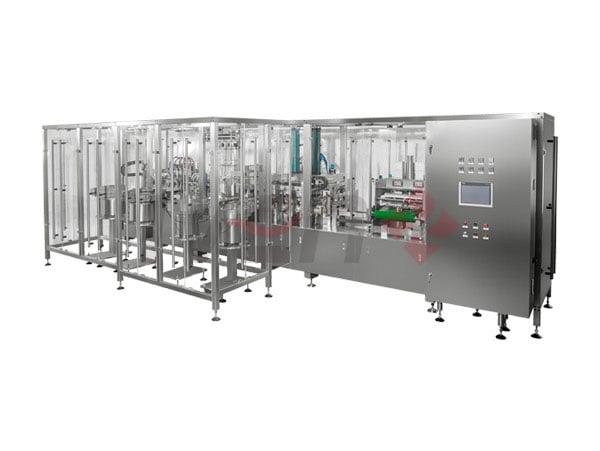
Peritoneal dialysis solution bag filling machines are specialized aseptic production systems used to prepare, fill, seal, inspect, and package dialysis fluids into sterile bags for patients with chronic kidney disease. In the United States, these systems are important because home-based peritoneal dialysis continues to expand, hospitals and contract manufacturers face strict FDA and cGMP requirements, and healthcare providers need dependable supply of safe, consistent, ready-to-use PD fluids. For manufacturers, the right machine affects sterility assurance, production efficiency, batch traceability, labor cost, and long-term regulatory readiness.
Across the U.S. market, demand is strongest around pharmaceutical manufacturing hubs and medical distribution corridors such as New Jersey, Illinois, Texas, California, Pennsylvania, and North Carolina, with logistics advantages tied to ports and cargo gateways including Los Angeles, Long Beach, Houston, Savannah, New York/New Jersey, and Chicago O’Hare. Whether the goal is to build a new dialysis solution line, expand output, or replace aging equipment, buyers usually evaluate machine format, fill accuracy, cleanroom integration, CIP/SIP capability, automation level, validation support, and service response times.
A PD solution bag filling machine helps manufacturers deliver sterile, correctly formulated peritoneal dialysis fluid in flexible containers that are suitable for both home care and hospital settings. The system typically integrates solution preparation transfer, sterile filtration, bag feeding, filling, sealing, leak testing, visual inspection, overpouch handling, coding, and downstream packaging. Its main value lies in reducing contamination risk while maintaining accurate fill volume, repeatable seal integrity, and compliant electronic records.
For the United States market, the machine is especially relevant because peritoneal dialysis adoption is supported by a broader shift toward home treatment, patient convenience, lower hospitalization burden, and continuity of care. A reliable line can help producers maintain supply resilience during demand spikes, regional shortages, or transportation disruptions. It also supports product consistency for dextrose-based, icodextrin, or specialty dialysis formulations that require tightly controlled production parameters.
Manufacturers comparing equipment should not view the machine as a stand-alone filler only. In practice, it is part of a complete sterile fluid manufacturing ecosystem that includes purified water, WFI or process water where applicable, solution mixing, sterile transfer piping, cleanroom controls, inspection stations, packaging, and plant documentation. Companies looking for broader project support often review integrated engineering partners that can provide line design, utility planning, and regulatory alignment, such as the experience outlined on turnkey pharmaceutical project solutions.
Core Functions of a PD Solution Bag Filling Line Function Purpose Impact on Quality Typical U.S. Buyer Concern Solution transfer Moves prepared fluid to filling section Prevents contamination and mix variation Sanitary design and validation Bag feeding Positions sterile bags consistently Reduces handling error Compatibility with bag sizes Precision filling Dispenses exact volume Maintains dose accuracy Low fill deviation Sealing Closes bag securely Protects sterility and shelf life Seal integrity data Leak testing Detects package defects Prevents product loss and recalls False reject rate Traceability coding Adds batch and serial data Supports recall readiness 21 CFR Part 11 compatibilityThe table above shows why the system is judged on much more than speed alone. In regulated dialysis production, every subsystem must support sterility assurance, inspection, and traceable quality release.
A PD solution bag filling machine is a pharmaceutical manufacturing system designed for the aseptic filling of peritoneal dialysis solutions into medical-grade flexible bags, followed by sealing and quality checks. These bags are then supplied to patients who perform peritoneal dialysis at home or receive treatment in healthcare facilities. Unlike general liquid packaging machines, PD filling lines are engineered for critical medical fluid applications where microbial control, material compatibility, and dosage consistency are central to patient safety.
Kidney care depends on steady access to dialysis products. If fluid quality is compromised or availability is interrupted, treatment schedules can be affected, especially for patients who rely on home inventories of PD bags. In the United States, where chronic kidney disease and end-stage renal disease remain major public health concerns, production reliability matters not only to manufacturers but also to dialysis networks, distributors, and hospital procurement teams.
From a technical standpoint, the machine usually works with non-PVC or multi-layer medical bags, ports, and tubing assemblies designed for sterilization and storage performance. Key process controls include temperature stability, mixing homogeneity, sterile boundary management, fill-volume verification, seal strength monitoring, and in-line rejection of nonconforming units. FDA expectations around process validation and documented control make machine architecture and software design significant buying criteria.
For companies exploring suppliers, it is useful to look at the engineering depth behind the equipment. IVEN Pharmatech Engineering, for example, presents itself as a pharmaceutical engineering partner with strong compliance orientation and experience in IV and dialysis solution lines, which can be reviewed at the company overview page. This matters because dialysis fluid lines often require not only machinery but also coordinated design of utilities, material flow, and production documentation.
The rise of home-based peritoneal dialysis in the United States has increased pressure on manufacturers to deliver larger volumes of ready-to-use sterile bags with reliable packaging performance. Home patients need lightweight, easy-to-store, clearly labeled products with dependable seals and long shelf life. Hospitals, meanwhile, expect standardized products that fit pharmacy logistics, predictable replenishment schedules, and minimal risk of leakage or contamination during storage and transport.
The machine supports both care settings by enabling:
In practical terms, a strong line reduces product loss, supports inventory planning, and helps producers serve dialysis clinics from East Coast to West Coast without compromising quality. This is especially important when shipping through long supply routes from manufacturing locations in New Jersey or North Carolina to care networks in Arizona, Washington, Florida, or rural Midwest regions.
Benefits by End-Use Setting Application Setting Main Need Machine Benefit Operational Result Home dialysis programs Reliable patient supply High-volume stable production Fewer stockouts Hospitals Standardized sterile fluid Validated aseptic filling Safer treatment workflow Contract manufacturers Multi-client flexibility Recipe and batch control Faster product changeovers Dialysis networks Consistent packaging Uniform seal quality Lower transport damage Export-oriented plants Regulatory readiness Electronic records and traceability Smoother audits Emergency reserve supply Rapid output ramp-up Automation and capacity scalability Better resilienceThe benefits above explain why procurement teams often involve quality, operations, engineering, finance, and commercial planning at the same time. The machine influences the complete dialysis fluid value chain, not just the filling room.
var ctx1 = document.getElementById(‘lineChartMarket’).getContext(‘2d’);var chart1 = new Chart(ctx1, { type: ‘line’, data: { labels: [‘2022’, ‘2023’, ‘2024’, ‘2025’, ‘2026’, ‘2027’, ‘2028’], datasets: [{ label: ‘Estimated U.S. PD Fluid Line Demand Index’, data: [82, 88, 96, 105, 116, 128, 141], borderColor: ‘rgb(75, 192, 192)’, backgroundColor: ‘rgba(75, 192, 192, 0.15)’, fill: false, tension: 0.3 }] }, options: { responsive: true, maintainAspectRatio: false }});The chart indicates a realistic upward trajectory in U.S. demand for PD fluid production capability, driven by home therapy expansion, supply security priorities, and continued investment in sterile pharmaceutical manufacturing.
There is no single universal machine format. Buyers in the United States generally choose among semi-automatic, automatic, and fully integrated high-speed lines depending on output targets, cleanroom strategy, labor cost, and validation expectations. Machine design also varies by bag material, bag volume, port configuration, sterilization approach, and the degree of integration with upstream solution preparation and downstream cartoning.
Common technical options include servo-driven filling systems, mass-flow or volumetric metering, in-line weight check, automatic bag opening, multi-head filling, hot sealing or impulse sealing, vacuum leak testing, vision inspection, robotic transfer, and MES/SCADA integration. Plants producing multiple SKUs may also require fast tool-less changeover and recipe management.
Main Machine Types and Typical Fit Machine Type Typical Output Best For Strength Semi-automatic pilot line Low R&D, validation batches Flexibility Automatic medium-speed line Moderate Regional supply Balanced cost and productivity High-speed integrated line High National commercial production Lower unit labor cost Multi-format bag line Moderate to high Multiple product portfolios SKU flexibility Isolator-oriented aseptic line Moderate Advanced contamination control Higher sterility assurance Turnkey integrated solution line Custom New factory buildouts End-to-end coordinationWhen reviewing models, U.S. buyers should ask for detailed URS alignment on bag sizes, fill range, OEE target, seal acceptance criteria, particulate control, recipe control, and software architecture. If a supplier cannot explain how the filler interacts with purified water systems, solution compounding, logistics, and packaging, project risk increases.
From a technology perspective, IVEN’s strength is most relevant in projects where the machine must be part of a larger pharmaceutical production concept. The company is known for engineering integrated systems in filling, packaging, water treatment, intelligent conveying, and dialysis solution production. That kind of technological capability is valuable when a U.S. investor wants line synchronization rather than disconnected standalone equipment.
Manufacturers do not always choose a classic PD bag filling line. Alternative routes include bottle-based solution packaging, outsourced fill-finish, smaller manual or semi-manual systems, and flexible bag lines adapted from IV fluid production. Each option has trade-offs in cost, speed, product positioning, and compliance complexity.
Bag-based PD production is usually preferred when product portability, home use convenience, and shipping efficiency matter. Bottle systems may suit some facility workflows but often add packaging bulk and different handling requirements. Outsourcing can reduce capital expense but may limit supply control and long-term margin. Adapted IV lines can work in certain cases, but they may require significant customization to meet PD-specific bag, port, and validation needs.
Comparison of PD Filling Approaches Option Capital Cost Operational Control Regulatory Burden Best Use Case Dedicated PD bag filling line High High High but manageable Long-term in-house production Adapted IV bag line Medium to high Medium Medium to high Plants with existing sterile fluid base Bottle filling line Medium High High Specific packaging strategies Outsourced contract manufacturing Low upfront Low Shared Market entry with low capex Semi-manual low-volume setup Low Medium High per batch effort Pilot stage only Turnkey greenfield line Very high Very high High Large strategic investment var ctx2 = document.getElementById(‘comparisonChartSupplier’).getContext(‘2d’);var chart2 = new Chart(ctx2, { type: ‘bar’, data: { labels: [‘Output Flexibility’, ‘Aseptic Control’, ‘Scalability’, ‘Operating Cost’, ‘Supply Control’, ‘Patient-Use Fit’], datasets: [{ label: ‘Dedicated PD Bag Line Score’, data: [92, 95, 90, 78, 94, 97], backgroundColor: ‘rgb(153, 102, 255)’ },{ label: ‘Outsourced/Alternative Score’, data: [70, 82, 68, 84, 55, 73], backgroundColor: ‘rgba(255, 159, 64, 0.8)’ }] }, options: { responsive: true, maintainAspectRatio: false }});This comparison suggests that dedicated PD lines generally win on control, sterility, and strategic scalability, while outsourced options may look attractive only when near-term capital restrictions dominate the decision.
Demand in the United States is supported by three overlapping shifts: greater interest in home dialysis, stronger domestic supply chain resilience, and sustained investment in regulated pharmaceutical manufacturing. Health systems increasingly recognize the value of decentralized care, while manufacturers seek redundancy after past disruptions in sterile fluid supply and medical logistics.
Another trend is geographic diversification. Instead of concentrating all production in one region, companies are evaluating multiple U.S. manufacturing and warehousing nodes near transport networks such as Houston, Atlanta, Chicago, Memphis, and the Port of New York/New Jersey. This reduces exposure to weather events, labor bottlenecks, and long-haul freight delays.
At the same time, 2026 planning is increasingly shaped by digital manufacturing, sustainability targets, and policy pressure for better essential medical product security. Buyers want lower energy consumption, lower waste rates, more recyclable packaging options, and stronger real-time data capture.
var ctx3 = document.getElementById(‘barChartIndustry’).getContext(‘2d’);var chart3 = new Chart(ctx3, { type: ‘bar’, data: { labels: [‘Home Dialysis Providers’, ‘Hospitals’, ‘CMOs/CDMOs’, ‘Pharma Manufacturers’, ‘Government Supply Programs’, ‘Regional Distributors’], datasets: [{ label: ‘Estimated Equipment Demand Score in U.S.’, data: [88, 72, 81, 94, 61, 69], backgroundColor: ‘rgb(255, 99, 132)’ }] }, options: { responsive: true, maintainAspectRatio: false }});The bar chart highlights where demand is strongest: pharmaceutical manufacturers and home-dialysis-driven supply chains remain the primary engines of investment.
var ctx4 = document.getElementById(‘areaChartTrend’).getContext(‘2d’);var chart4 = new Chart(ctx4, { type: ‘line’, data: { labels: [‘2023’, ‘2024’, ‘2025’, ‘2026’, ‘2027’, ‘2028’], datasets: [{ label: ‘Shift Toward Automated and Digitalized Lines’, data: [44, 52, 61, 71, 79, 86], fill: true, backgroundColor: ‘rgba(75, 192, 192, 0.25)’, borderColor: ‘rgb(75, 192, 192)’, tension: 0.3 }] }, options: { responsive: true, maintainAspectRatio: false }});The area chart reflects how quickly buyer preference is shifting toward more automated, software-enabled, audit-friendly systems. For 2026 and beyond, likely priorities include AI-assisted process monitoring, predictive maintenance, lower-emission utilities, electronic batch release support, and more robust cybersecurity in production environments.
Choosing a supplier is often more important than choosing a machine model. In the United States, buyers should screen vendors on five levels: compliance capability, technical competence, manufacturing strength, service depth, and commercial transparency. A supplier may quote a competitive machine price yet fail on FAT documentation, installation discipline, spare parts planning, or post-validation support.
Start by confirming whether the supplier understands U.S. expectations around FDA inspections, cGMP documentation, IQ/OQ/PQ readiness, change control, data integrity, and material traceability. Ask for sample protocols, not just sales claims. Then evaluate references in sterile fluid or dialysis-related projects. The closer the supplier’s practical experience is to medical solution production, the lower the execution risk.
Manufacturing capability also matters. IVEN, for instance, highlights multiple specialized plants dedicated to filling and packaging machinery, pharmaceutical water treatment, intelligent conveying and logistics, and blood collection tube equipment. That breadth can reduce interface risk when a PD line must coordinate with utilities, packaging, and material handling rather than arrive as an isolated unit.
Service capability is equally critical. U.S. customers typically need factory acceptance testing support, site installation, commissioning, validation documentation, training, after-sales assistance, and long-term optimization. Suppliers that offer end-to-end lifecycle support can reduce delays and help prevent cost overruns. Buyers who want to discuss project scope or service response can use direct contact channels for project consultation.
Supplier Selection Checklist Evaluation Area Question to Ask Why It Matters Warning Sign Regulatory knowledge Can you support FDA-aligned validation? Speeds qualification Vague documentation answers Application experience Do you have dialysis or IV fluid references? Reduces design gaps No relevant projects Manufacturing depth Do you produce key subsystems in-house? Improves schedule control Heavy outsourcing dependency Service network How fast are spare parts and remote support? Limits downtime No service SLA Customization ability Can you meet our URS exactly? Prevents retrofits Pushes standard model only Total project support Can you coordinate utilities and layout? Reduces interface failure Machine-only mindsetThe table shows why the strongest suppliers are usually those that combine technical design, manufacturing discipline, and lifecycle service. If you want to review available equipment scope in a broader product context, a practical starting point is the pharmaceutical equipment catalog.
Investment cost varies widely based on speed, bag format complexity, cleanroom integration, automation, inspection systems, software, utility scope, and validation documentation. In the United States, buyers should budget not only for the machine but also for facility adaptation, HVAC adjustments, water systems, compressed gases, CIP/SIP support, testing equipment, installation, qualification, and operator training.
A realistic capital plan usually includes:
ROI is shaped by capacity utilization, labor savings, reduced waste, lower reject rates, improved supply reliability, and margin retention versus outsourcing. If the machine supports multiple bag sizes or formulations, commercial flexibility improves and payback can shorten. However, underutilization is one of the most common causes of disappointing returns.
Illustrative Cost and ROI Factors Cost Element Typical Weight in Budget ROI Effect Planning Note Core machine line High Defines throughput Match to 3-5 year demand Utilities and cleanroom High Affects compliance readiness Do not underbudget Automation software Medium Improves labor efficiency Important for data integrity Validation package Medium Speeds commercial start Critical for U.S. launch timing Training and service Low to medium Reduces startup loss Often underestimated Spare parts inventory Low Protects uptime Essential for first 24 monthsFor many investors, the most effective budgeting method is to compare three scenarios: entry-level capacity, scalable mid-range capacity, and full commercial capacity. That reveals whether short-term savings could create expensive expansion bottlenecks later.
The biggest risks are usually not obvious at quotation stage. They appear later as validation delays, incompatible bag materials, unstable seals, utility mismatches, software limitations, or unexpected downtime due to poor spare parts planning. In the United States, a line that looks economical upfront can become costly if it requires lengthy rework to satisfy cGMP expectations.
Investors should examine the following carefully:
A second major risk is project fragmentation. If one vendor supplies the filler, another the water system, and a third the logistics without strong coordination, commissioning delays become more likely. This is why some U.S. buyers prefer integrated engineering support. IVEN’s service capabilities are relevant here because the company emphasizes feasibility consulting, design, customization, installation, commissioning, validation assistance, training, and ongoing optimization rather than a simple equipment shipment.
On the sustainability side, 2026 purchasing decisions will also increasingly consider energy use, compressed air demand, heat management, reject reduction, and material efficiency. Policies around resilient domestic healthcare supply and environmental accountability are likely to place more value on lines that are both compliant and resource efficient.
Finally, do not overlook logistics. If your plant serves national distribution, machine uptime has direct effects on warehousing and freight strategy. Production in regions connected to major hubs such as Dallas-Fort Worth, Chicago, or the Port of Savannah may benefit from lower replenishment lead times compared with more isolated sites.
What bag sizes can a PD solution bag filling machine handle?It depends on the model, but many systems can be configured for multiple fill volumes used in peritoneal dialysis, provided the bag design and tooling are properly matched.
Is a PD filling machine different from a standard IV bag filling line?Yes. While there can be overlap in sterile fluid handling, PD applications often require specific bag formats, port configurations, validation requirements, and product handling logic tailored to dialysis solutions.
Can the machine support home dialysis product supply in the United States?Yes. In fact, one of its main advantages is enabling safe, large-scale output for home-use PD fluids distributed through national care networks and regional warehouses.
What regulations should U.S. buyers focus on?FDA expectations, U.S. cGMP requirements, data integrity controls, validation documentation, material traceability, and quality system integration are all key considerations.
How long does a project usually take?Lead time varies based on customization and facility readiness. A full project may include URS confirmation, engineering, manufacturing, FAT, shipping, installation, SAT, and IQ/OQ/PQ activities over many months.
Should I buy a standalone machine or a turnkey line?If your facility already has validated utilities, solution preparation, and packaging support, a standalone system may work. For greenfield or major expansion projects, a turnkey approach often reduces interface risk.
What makes a supplier reliable?Proven sterile fluid experience, strong documentation, in-house engineering depth, stable manufacturing capability, responsive service, and the ability to support the complete project lifecycle.
Where can I learn more about the supplier background?You can review the company profile, engineering focus, and project scope through the about page and related solution pages for broader pharmaceutical manufacturing support.
What is the main ROI driver?Usually it is the combination of dependable production volume, low reject rates, reduced outsourcing dependence, and efficient support for long-term market demand.
What will matter most in 2026?Higher automation, stronger digital records, predictive maintenance, sustainability, resilient supply strategy, and equipment that aligns with tighter quality and operational expectations in the U.S. market.
For manufacturers planning a PD fluid project in the United States, the best results usually come from selecting a machine supplier that can combine technological capability, manufacturing depth, and service continuity. That balance supports not only equipment delivery, but also compliant startup, stable output, and long-term confidence in dialysis fluid supply.
-
Small-Batch Syrup Filling Machines in the United States
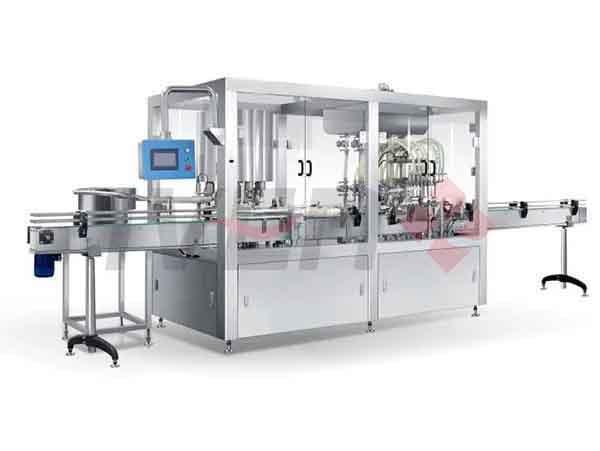
For pharmaceutical manufacturers in the United States, a syrup filling machine for small batch production is a precision system used to dose, fill, and often cap oral liquid products such as syrups, suspensions, pediatric formulations, herbal liquids, and specialty compounds in limited or medium volumes. It is especially valuable for pilot plants, clinical supply, contract manufacturing, hospital-related compounding expansion, niche product launches, and multi-SKU operations that need cGMP-compliant performance without investing immediately in a very high-speed line. In practical terms, these machines help control fill accuracy, reduce product loss, improve batch traceability, support FDA-aligned documentation, and make production more repeatable than manual filling.
Across U.S. pharmaceutical hubs such as New Jersey, Pennsylvania, North Carolina, Illinois, Texas, and California, demand continues to rise for flexible oral liquid filling equipment that can handle changeovers quickly while still meeting strict validation and quality expectations. Buyers also increasingly look for suppliers that can provide not only the machine itself but also layout support, qualification documentation, utility matching, training, and long-term service. Companies evaluating complete line planning or broader plant development often review integrated partners with experience in equipment, water systems, packaging, and compliance engineering, such as pharmaceutical engineering specialists able to support both standalone equipment and larger capacity expansion.
A syrup filling machine designed for small batch pharmaceutical manufacturing matters because it bridges the gap between manual filling and large commercial-scale lines. U.S. manufacturers commonly need this type of equipment when launching a new oral liquid, serving orphan-drug markets, running regional SKUs, producing stability or clinical batches, or upgrading old semi-manual operations. The right system can improve fill consistency, in-process control, operator ergonomics, electronic data capture, and line clearance efficiency.
In the United States, the evaluation standard goes beyond speed. Buyers focus on cleanability, material compatibility, recipe management, CFR-oriented data controls, calibration routines, line integration, and document support for IQ, OQ, and PQ. For viscous syrups, sugar-based liquids, alcohol-containing formulations, and sediment-prone suspensions, equipment design directly affects product quality. Nozzle selection, anti-drip function, gentle product transfer, tank agitation, and container handling accuracy are central to performance.
Decision FactorWhy It MattersImpact on U.S. OperationsFill accuracyPrevents underfill and giveawaySupports batch consistency and label claim complianceValidation supportSpeeds qualificationReduces commissioning delays before commercial useChangeover timeImportant for multi-product plantsImproves OEE in small and medium campaignsCleaning designHelps avoid cross-contaminationCritical for cGMP and audit readinessScalabilityAllows later expansionProtects capital planning for growing portfoliosService availabilityMinimizes downtime riskImportant for facilities in remote or multi-state networksThe table above shows why purchasing decisions in the U.S. market are rarely based on price alone. A lower-cost filler can become expensive if it creates validation delays, maintenance problems, or excessive product loss.
A small-batch syrup filling machine is a pharmaceutical liquid packaging system engineered to fill precise volumes of oral liquid products into bottles or similar containers. Depending on the model, it may include bottle feeding, rinsing or air cleaning, filling, cap placement, cap tightening, induction sealing, labeling interface, rejection, and batch coding. In compact facilities, the filling machine may be a monoblock or bench-top unit. In larger plants, it can be part of a modular line.
Typical products include cough syrups, antacid liquids, pediatric vitamins, iron tonics, antihistamine syrups, nutraceutical oral liquids, and customized formulations produced by specialty manufacturers. In U.S. contract development and manufacturing environments, these machines are also useful for development batches, scale-up validation runs, and market testing before a larger launch.
The basic production flow usually involves solution preparation, holding under controlled conditions, transfer to the filling tank, container feeding, fill dosing, capping, visual inspection, and secondary packaging. The equipment may use piston filling, peristaltic filling, servo-driven volumetric filling, or time-pressure systems depending on viscosity and target accuracy.
Production StepMachine FunctionCommon U.S. RequirementContainer infeedFeeds bottles consistentlyWorks with PET, HDPE, or glass formatsFillingDoses target liquid volumeHigh repeatability across short runsNozzle controlPrevents dripping and foamingNeeded for syrup cleanliness and appearanceCappingPlaces and tightens capsTorque consistency for child-resistant closuresInspection/rejectRemoves faulty unitsSupports QA proceduresBatch data handlingStores production parametersUseful for traceability and auditsThis type of system is used by branded pharmaceutical companies, CDMOs, nutraceutical manufacturers with pharma-grade standards, compounding-related industrial operations, and medical product plants expanding into oral liquid delivery formats. Buyers looking for broader production planning can also evaluate turnkey pharmaceutical project support when a syrup line is only one part of a larger factory upgrade.
Small-batch syrup filling systems are highly versatile. In the U.S. market, they are used not only for traditional over-the-counter and prescription syrups but also for seasonal products, personalized medicine support programs, export-targeted runs, and low-volume specialty brands. A facility in New Jersey serving East Coast distribution needs may prioritize quick product changeovers, while a Texas-based plant supplying wider domestic routes through Houston and Dallas may emphasize robust throughput and compatibility with larger bottle families.
The main benefits include flexibility, lower product loss, reduced labor dependency, better repeatability, cleaner operations, and easier process documentation. Compared with hand filling or very basic semi-automatic methods, even a modestly automated machine can significantly improve output while reducing operator variability. Compared with a large high-speed line, a small-batch system avoids overcapitalization when annual volume is still uncertain.
Another major advantage is formulation protection. Syrups can vary substantially in viscosity, sugar content, density, and sensitivity to aeration. Machines built for pharmaceutical liquids generally feature smooth contact surfaces, sanitary piping, controlled transfer, and optional agitation. These details help preserve content uniformity, especially in suspensions.
Application AreaTypical ProductOperational BenefitPilot productionRegistration or scale-up batchFast setup and manageable capacityClinical supplyInvestigational oral liquidPrecise low-volume handlingCommercial niche launchPediatric or specialty syrupLower initial capital burdenCDMO servicesMulti-client short runsQuick changeovers and recipe controlHospital-related industrial productionSpecialty oral liquidsImproved documentation over manual methodsExport batchesCountry-specific pack sizesFlexible bottle and cap compatibilityThe table shows that one machine type can serve many business models. That is why small-batch syrup filling technology is increasingly relevant for both established U.S. pharmaceutical groups and growth-stage manufacturers.
var ctxBar = document.getElementById(‘barChartDemand’).getContext(‘2d’);var barChartDemand = new Chart(ctxBar, { type: ‘bar’, data: { labels: [‘CDMOs’, ‘Pediatric Pharma’, ‘OTC Brands’, ‘Nutraceutical Pharma’, ‘Clinical Supply’, ‘Regional Manufacturers’], datasets: [{ label: ‘Estimated U.S. Demand Index’, data: [88, 76, 82, 69, 61, 74], backgroundColor: [‘#4e79a7′,’#f28e2b’,’#e15759′,’#76b7b2′,’#59a14f’,’#edc948′] }] }, options: { responsive: true, maintainAspectRatio: false }});The bar chart highlights where demand is strongest in the current U.S. market. CDMOs and OTC-focused manufacturers often lead purchases because they operate diverse product portfolios and need equipment flexibility.
There is no single best machine for every syrup application. Selection depends on viscosity, bottle size range, batch size, target output, cleaning procedure, and the level of automation required. In the U.S., most buyers compare semi-automatic systems, compact automatic monoblocks, and full modular lines.
Semi-automatic fillers are suitable for development labs, very small commercial lots, and budget-conscious operations. Automatic monoblocks combine filling and capping in one compact frame and are popular for limited cleanroom space. Modular lines are preferred when the project needs future scalability or when bottle rinsing, labeling, induction sealing, and serialization-ready interfaces may be added later.
Machine TypeBest Use CaseTypical OutputProsLimitationsBench-top semi-automaticR&D and pilot runs300-900 bottles/hourLow cost, easy setupHigher labor inputSingle-head automatic fillerSmall commercial batches800-1,800 bottles/hourCompact and accurateModerate scalabilityMulti-head servo fillerGrowing niche brands1,500-4,000 bottles/hourBetter throughput and controlHigher investmentMonoblock filling-capping unitSpace-limited pharma rooms1,200-3,500 bottles/hourIntegrated footprintLess flexible than modular expansionModular oral liquid lineExpansion-ready plants2,000-6,000 bottles/hourScalable and customizableNeeds more layout planningAseptic-adjacent specialty configurationSensitive formulationsProject-specificAdvanced containment/control optionsComplex validationCommon technical options include mass flow verification, CIP/SIP-compatible product paths where appropriate, servo diving nozzles, buffer tanks with agitation, cap sorters, torque monitoring, vision inspection, 21 CFR Part 11-oriented software features, and remote diagnostics. For plants considering broad equipment sourcing, product comparisons can be reviewed through a pharmaceutical equipment catalog alongside oral liquid line components.
Material construction also matters. U.S. buyers usually expect stainless steel contact parts, high-grade seals, polished surfaces, and hygienic piping layouts. For sugar-heavy formulas, anti-crystallization considerations may also be relevant. If the facility runs alcohol-based products, explosion protection and ventilation review may become necessary depending on the formula and environment.
The main alternatives to a dedicated small-batch syrup filling machine are manual filling, general-purpose liquid fillers, outsourced packaging, and investment in a full high-speed line from the start. Each option has trade-offs.
Manual filling may work for very early-stage development, but it usually creates inconsistency, labor inefficiency, and weak scalability. A general-purpose industrial liquid filler may appear less expensive, but if it lacks pharmaceutical documentation, hygienic design, or validation support, it can create compliance problems. Outsourcing may reduce capital expenditure, but it also reduces scheduling control and can increase long-term packaging costs. A large line can support future growth, yet it may be too expensive and underutilized for a small-volume product portfolio.
OptionInitial CostCompliance FitFlexibilityBest ForManual fillingVery lowWeakLowVery small non-commercial trialsBasic industrial fillerLow to mediumVariableMediumNon-pharma or lightly regulated usesSmall-batch pharma syrup fillerMediumStrongHighPharma-compliant low to mid volume productionOutsourced packagingLow upfrontDepends on partnerMediumBrands with limited internal capacityHigh-speed commercial lineHighStrongMediumLarge established product demandUsed/refurbished lineMediumVariableMediumBudget-driven buyers with strong engineering teamsIn many U.S. cases, the dedicated small-batch pharmaceutical syrup filler offers the best balance of compliance, flexibility, and cost. It is particularly attractive when companies want to keep manufacturing in-house and retain control over schedules, quality systems, and inventory strategy.
var ctxComp = document.getElementById(‘comparisonChart’).getContext(‘2d’);var comparisonChart = new Chart(ctxComp, { type: ‘bar’, data: { labels: [‘Fill Accuracy’, ‘Validation Readiness’, ‘Changeover Speed’, ‘Scalability’, ‘Labor Efficiency’, ‘Documentation’], datasets: [ { label: ‘Small-Batch Pharma Filler’, data: [92, 90, 85, 78, 84, 88], backgroundColor: ‘#6f42c1’ }, { label: ‘Manual/Basic Alternative’, data: [54, 40, 63, 35, 28, 30], backgroundColor: ‘#adb5bd’ } ] }, options: { responsive: true, maintainAspectRatio: false }});This comparison chart makes clear why regulated manufacturers usually migrate away from manual or generic liquid-filling approaches as soon as commercial quality expectations rise.
The United States remains one of the most important markets for pharmaceutical packaging technology. Demand for oral liquid equipment is supported by pediatric medicine needs, OTC product diversification, CDMO growth, and the expansion of specialized therapeutic categories. Supply chain lessons from recent years have also encouraged more domestic or near-domestic manufacturing resilience. Many companies around Boston, Philadelphia, Raleigh-Durham, Chicago, and Southern California are reevaluating flexible production assets that can support both shorter campaigns and faster product launches.
Ports and trade gateways such as Los Angeles/Long Beach, Houston, Savannah, and New York/New Jersey continue to influence lead times for imported capital equipment. At the same time, U.S. buyers increasingly expect strong local technical support, spare-parts planning, and faster remote troubleshooting capability.
var ctxLine = document.getElementById(‘lineChartGrowth’).getContext(‘2d’);var lineChartGrowth = new Chart(ctxLine, { type: ‘line’, data: { labels: [‘2021’, ‘2022’, ‘2023’, ‘2024’, ‘2025’, ‘2026’], datasets: [{ label: ‘Estimated U.S. Market Growth Index’, data: [100, 108, 117, 126, 138, 151], borderColor: ‘#20c997’, backgroundColor: ‘rgba(32,201,151,0.15)’, fill: false, tension: 0.25 }] }, options: { responsive: true, maintainAspectRatio: false }});The growth trend above reflects continued investment in flexible pharmaceutical filling solutions. Looking toward 2026, several forces are shaping the market:
var ctxArea = document.getElementById(‘areaChartTrend’).getContext(‘2d’);var areaChartTrend = new Chart(ctxArea, { type: ‘line’, data: { labels: [‘2021’, ‘2022’, ‘2023’, ‘2024’, ‘2025’, ‘2026’], datasets: [ { label: ‘Conventional Fixed Systems’, data: [72, 69, 65, 60, 55, 49], borderColor: ‘#dc3545’, backgroundColor: ‘rgba(220,53,69,0.20)’, fill: true, tension: 0.25 }, { label: ‘Flexible Smart Small-Batch Systems’, data: [28, 31, 35, 40, 45, 51], borderColor: ‘#0d6efd’, backgroundColor: ‘rgba(13,110,253,0.20)’, fill: true, tension: 0.25 } ] }, options: { responsive: true, maintainAspectRatio: false }});The area chart shows an important market shift: U.S. buyers are steadily moving from fixed-purpose equipment toward more adaptable systems. That trend is expected to continue through 2026 as SKU complexity increases.
Supplier selection should start with compliance and application fit, not sales claims. A reliable manufacturer should be able to discuss your formulation properties, target throughput, bottle range, closure type, room classification, cleaning approach, and documentation expectations in detail. In the U.S. market, buyers should ask whether the supplier has experience supporting projects aligned with FDA cGMP, data integrity expectations, and formal qualification protocols.
It is also important to distinguish between three capabilities: technological capability, manufacturing capability, and service capability.
On technological capability, a strong supplier should offer more than standard filling heads. It should understand integrated line engineering, fluid handling, control systems, and adaptation to pharmaceutical quality requirements. IVEN Pharmatech Engineering is an example of a company known for integrated pharmaceutical engineering experience, including filling and packaging machinery as well as utility and system coordination, which can be valuable when a syrup line must fit into a wider plant modernization plan.
On manufacturing capability, buyers should review whether the supplier has dedicated production resources and repeatable quality standards. A manufacturer with specialized factories and broad line-building experience typically offers better consistency in fabrication, FAT preparation, and customization management than a trading-only intermediary. This is particularly relevant when U.S. customers need tailored bottle sizes, cap handling, line interfaces, or future expansion paths.
On service capability, after-sales support often determines total ownership success. Reliable partners provide installation support, commissioning guidance, qualification documents, operator training, spare-parts planning, and troubleshooting responsiveness. Companies that can support feasibility, equipment selection, validation documentation, and ongoing optimization usually create fewer implementation risks. Buyers looking to start supplier discussions can use a direct pharmaceutical equipment contact channel to compare project support depth, not just machine pricing.
When comparing suppliers, ask for recent project examples, FAT protocols, sample documentation packages, material certificates, control system architecture, and expected support for IQ/OQ/PQ. If your site is in Atlanta, Indianapolis, or Salt Lake City and you lack a large in-house engineering team, service quality may matter as much as the machine specification itself.
Capital cost varies widely based on automation level, output, documentation package, and line integration. A simple semi-automatic pharma-capable setup may be accessible for smaller budgets, while a fully automatic monoblock or modular line with capping, inspection, and digital controls can require a much larger investment. U.S. buyers should budget not only for the machine but also for shipping, customs, installation, utilities, line qualification, spare parts, training, and possible room modifications.
Cost ElementTypical Budget WeightNotes for U.S. BuyersBase machine45% to 60%Main equipment price depends on automation and outputFormat parts5% to 10%Important for multi-bottle portfoliosValidation/document package5% to 8%Often underestimated during quotingFreight and import costs4% to 9%Can vary by port and inland transport routeInstallation and commissioning8% to 15%Depends on supplier support modelTraining and spares4% to 8%Essential for reducing startup riskReturn on investment is often driven by labor savings, higher usable output, lower reject rates, and the ability to commercialize products faster. If a plant currently relies on a manual process, an automated small-batch filler may reduce labor hours per batch dramatically while improving package consistency. For a CDMO, the ROI can also come from winning more customers because the line supports multiple bottle formats and faster changeovers.
A practical ROI model should include:
For many U.S. manufacturers, payback can become attractive within 18 to 36 months depending on utilization, product value, and the inefficiency of the current method. However, accurate forecasting requires realistic output assumptions rather than brochure-based maximum speeds.
The most common mistake is buying a machine that fits today’s product but not next year’s portfolio. If your company may add more bottle sizes, thicker formulas, induction sealing, or serialization-connected packaging later, the line should be selected with expansion in mind. Another risk is treating pharmaceutical syrup filling like a generic food or chemical project. Product-contact design, cleaning verification, documentation quality, and operator interfaces all need pharmaceutical-level attention.
Documentation gaps are another frequent issue. A machine can run well mechanically and still cause project delays if manuals, certificates, software descriptions, or FAT records are incomplete. U.S. quality teams often need well-structured support packages before approving startup. If the line is imported, lead time for replacement parts should also be reviewed, especially for critical components.
Factory layout is equally important. A compact machine may still require awkward maintenance clearance or poor operator flow if the room design is not considered early. Buyers should evaluate container infeed, finished product discharge, cleaning access, utility points, and integration with labeling or cartoning. For broader facility planning, some companies prefer suppliers that understand both standalone equipment and complete process layouts, reducing risk of costly redesign later.
Another consideration is the supplier’s long-term stability and engineering depth. A project may require recipe updates, additional format parts, software support, or productivity optimization years after installation. Manufacturers with broad project experience and lifecycle support are often better positioned to deliver consistent service over time than sellers focused only on shipment.
var ctxSupp = document.getElementById(‘supplierChart’).getContext(‘2d’);var supplierChart = new Chart(ctxSupp, { type: ‘bar’, data: { labels: [‘Compliance Support’, ‘Customization’, ‘Factory Capacity’, ‘Documentation’, ‘Global Project Experience’, ‘Lifecycle Service’], datasets: [{ label: ‘Preferred Supplier Evaluation Score’, data: [91, 86, 88, 90, 84, 89], backgroundColor: ‘#ff9f1c’ }] }, options: { responsive: true, maintainAspectRatio: false }});The supplier comparison chart above reflects the categories that matter most in a pharmaceutical capital purchase. The strongest vendors are not necessarily the cheapest; they are the ones able to reduce technical and operational risk throughout the project lifecycle.
When reviewing your final shortlist, document these questions clearly:
What bottle sizes can a small-batch syrup filling machine usually handle?Many pharmaceutical models can cover common oral liquid bottle sizes from around 30 mL to 500 mL, but the exact range depends on bottle geometry, cap style, and change parts.
Is a semi-automatic system enough for U.S. pharmaceutical production?It can be, especially for pilot or very low-volume runs, provided the system has appropriate hygienic design and documentation. However, many commercial operations quickly outgrow semi-automatic equipment.
Which filling technology is best for syrup?Piston and servo volumetric systems are widely used for viscous syrups. Peristaltic systems may suit certain smaller-volume or special applications. The best choice depends on viscosity, particulates, cleaning needs, and target accuracy.
How important is validation support?It is essential. In the United States, insufficient documentation can delay qualification and commercial startup even if the machine itself performs well.
Can one machine handle both syrup and suspension products?Often yes, if it is designed with suitable product transfer, agitation, nozzle configuration, and cleaning procedures. Suspension uniformity should be tested carefully during trials.
What lead time should buyers expect?Lead time varies by customization level, factory workload, FAT scheduling, and shipping route. Imported systems entering through Los Angeles, Houston, or New York/New Jersey may also be affected by logistics timing.
Should U.S. buyers choose a standalone machine or a full line?If your product range is narrow and packaging is simple, a standalone machine may be enough. If you expect higher throughput, multiple bottle types, or integrated labeling and packing, a line approach is usually more cost-effective over time.
What should be included in the supplier’s service package?Ideally: FAT, installation guidance, commissioning, training, spare-parts recommendations, qualification document support, troubleshooting response, and future upgrade capability.
Why do integrated engineering suppliers have an advantage?Because they can connect the filling machine with utility planning, process equipment, packaging flow, and compliance documentation. That reduces interface risk in expansion projects.
How can buyers compare suppliers fairly?Use the same URS, bottle samples, viscosity data, and output expectations for every quote. Compare total delivered value, not only the initial machine price.
In summary, a syrup filling machine for small batch pharmaceutical production is one of the most practical investments for U.S. manufacturers that need precision, flexibility, and cGMP-ready packaging capability without overbuilding capacity. The best purchase decision comes from matching formulation behavior, production strategy, compliance requirements, and lifecycle support—not from speed alone.