United States Guide to Multi-Chamber IV Bag Systems
For pharmaceutical manufacturers in the United States, a multi-chamber IV bag line is a specialized production system used to make infusion bags with two or more separate compartments. These systems keep incompatible drugs, electrolytes, nutrients, or diluents apart until activation at the bedside or before administration. The result is better formulation stability, longer shelf life, simpler hospital workflows, and improved patient safety. In the U.S. market, where FDA compliance, sterile assurance, and production efficiency are essential, choosing the right multi-chamber IV bag line specifications can directly affect product quality, validation success, and long-term return on investment.
Demand is rising across hospital pharmacy, parenteral nutrition, emergency medicine, biologics support, and ready-to-use injectable therapy. Manufacturers serving hubs such as New Jersey, Boston, Chicago, Houston, San Diego, and the broader East Coast distribution corridor increasingly evaluate advanced IV bag equipment not only on speed, but also on film compatibility, cleanroom integration, automated inspection, data integrity, and qualification support. Companies that can deliver reliable engineering, lifecycle services, and global compliance know-how are positioned well in this segment.
Quick Answer: Why Multi-Chamber IV Bag Line Specifications Matter

Multi-chamber IV bag line specifications define how a production line forms, seals, fills, separates, tests, and packages compartmentalized infusion bags for sterile pharmaceutical use. In practical terms, these specifications determine whether a manufacturer can produce dual-chamber or triple-chamber IV bags at the required output, fill accuracy, sterility level, and regulatory standard for the United States market.
The most important specifications usually include bag format range, number of chambers, filling volume, line speed, compatible film structures, sealing technology, sterilization compatibility, particulate control, inline inspection functions, CIP/SIP capability, automation level, MES or SCADA connectivity, and validation documentation. For U.S. buyers, additional attention is needed for 21 CFR compliance, cGMP design, audit trails, electronic records support, and integration with facility utilities.
When properly selected, a multi-chamber IV bag line helps manufacturers launch advanced infusion products that improve bedside convenience and reduce compounding risks. It also supports product differentiation in a competitive contract manufacturing and hospital supply environment. This is especially relevant for companies planning domestic supply resilience near major logistics centers such as the Port of Los Angeles, Port of New York and New Jersey, Savannah, and Dallas-Fort Worth distribution networks.
| Specification Area | What It Covers | Why It Matters in the United States |
|---|---|---|
| Bag configuration | Dual-chamber, triple-chamber, custom layouts | Supports differentiated drug and nutrition products |
| Output capacity | Bags per hour or per day | Essential for plant utilization and cost planning |
| Fill accuracy | Precision of each compartment dose | Critical for batch consistency and FDA expectations |
| Film compatibility | Non-PVC, multilayer, co-extruded films | Affects sealing, sterility, and product stability |
| Sealing system | Perimeter seals, peelable seals, frangible seals | Determines activation reliability and leak resistance |
| Validation package | IQ, OQ, PQ, FAT, SAT, manuals | Accelerates qualification and audit readiness |
The table above shows why specifications are not just technical details. They are business decisions that shape launch timing, regulatory readiness, and product reliability.
What a Multi-Chamber IV Bag Line Is and Its Main Advantages

A multi-chamber IV bag production line is a complete manufacturing platform that converts pharmaceutical film into sterile infusion containers with separated compartments. Depending on product design, the line may include film unwinding, bag forming, port insertion, chamber partition sealing, liquid preparation interface, metered filling, terminal or pre-sterilization handling, leak testing, visual inspection, overpouching, cartoning, and serialization preparation.
Main advantages include:
- Separation of unstable or incompatible ingredients until use
- Reduced need for bedside admixture and manual compounding
- Longer product stability and potentially extended shelf life
- Convenient storage, transport, and point-of-care activation
- Improved dosing consistency and reduced contamination risk
- Better suitability for ready-to-use hospital and emergency products
Compared with standard infusion bag production, multi-chamber manufacturing requires more precise seal engineering and process control. Frangible seals must open predictably, while permanent compartment seals must remain intact throughout transport and sterilization. This balance makes equipment design especially important.
Manufacturers evaluating suppliers often look for technological depth rather than isolated machines. In this area, IVEN Pharmatech Engineering is known for integrating pharmaceutical processing, filling, packaging, water systems, and plant engineering into coordinated solutions. That kind of systems thinking is valuable when a multi-chamber line must work seamlessly with purified water, WFI, clean utilities, sterilization, logistics, and downstream packaging.
| Advantage | Operational Impact | Commercial Value |
|---|---|---|
| Ingredient separation | Prevents premature interaction | Supports more complex formulations |
| Ready-to-mix format | Faster hospital preparation | Attractive to large health systems |
| Reduced compounding steps | Lowers handling burden | Helps market safer ready-to-use products |
| Better sterility control | Less bedside manipulation | Improves clinical confidence |
| Flexible chamber design | Adapts to different therapies | Enables portfolio expansion |
| Higher product differentiation | Supports premium positioning | Can improve margins |
This table highlights the link between product design advantages and revenue opportunity, which is central to U.S. capital investment decisions.
Clinical Benefits and Hospital Applications of Multi-Chamber IV Bag Production

Hospitals and health systems in the United States increasingly prefer dosage forms that save nursing time, reduce pharmacy preparation complexity, and improve administration safety. Multi-chamber IV bags are especially useful where rapid activation, controlled mixing, and reduced compounding exposure matter most.
Common hospital applications include parenteral nutrition, electrolyte systems, antibiotic-plus-diluent presentations, emergency hydration combinations, perioperative solutions, and specialty critical care products. For large networks in New York City, Philadelphia, Atlanta, Phoenix, and Seattle, these products also help standardize inventory and reduce waste associated with short-use compounded preparations.
Clinical benefits include fewer preparation steps, lower contamination opportunities, clearer administration protocols, and more predictable patient delivery. In decentralized care environments, including ambulatory infusion and disaster preparedness stockpiles, the format is also practical because it can combine convenience with stability.
| Clinical Setting | Typical Use Case | Benefit of Multi-Chamber Design |
|---|---|---|
| ICU | Electrolyte and support infusions | Fast activation with lower handling risk |
| Oncology pharmacy | Diluent separation before use | Improved stability management |
| Parenteral nutrition | Dual or triple nutrient compartments | Reduces incompatibility before administration |
| Emergency department | Rapid response infusions | Shortens preparation time |
| Operating room | Perioperative fluid products | Improves workflow consistency |
| Rural hospitals | Limited sterile compounding capacity | Supports safer ready-to-use inventory |
The chart below illustrates estimated growth in U.S. demand for advanced sterile infusion formats, including multi-chamber bags, driven by hospital efficiency and ready-to-use therapy expansion.
Common Types of Multi-Chamber IV Bag Lines and Film Material Options
Not all multi-chamber IV bag production lines are the same. The right equipment configuration depends on product design, chamber count, sterilization pathway, liquid characteristics, and target throughput. Most buyers compare lines by bag architecture and film compatibility before they move into pricing and validation discussions.
The most common line categories are dual-chamber IV bag lines, triple-chamber nutrition bag lines, low-volume specialty bag lines, high-speed large-volume parenteral lines, and customized modular systems for niche formulations. Some product developers also want future upgrade paths from single-chamber to compartmentalized designs without rebuilding the entire plant.
Film material selection is equally important. U.S. pharmaceutical companies often prioritize non-PVC films due to compliance, extractables considerations, environmental positioning, and product compatibility. Typical options include multilayer co-extruded polyolefin films, PP-based structures, and specialty laminate films engineered for transparency, steam resistance, mechanical strength, oxygen barrier performance, and seal integrity.
| Line Type | Typical Product | Volume Range | Key Requirement |
|---|---|---|---|
| Dual-chamber line | Drug plus diluent | 50 mL to 1000 mL | Reliable frangible seal activation |
| Triple-chamber line | Parenteral nutrition | 250 mL to 3000 mL | Precise multi-liquid filling |
| Small-volume specialty line | Critical care formulations | 50 mL to 250 mL | High accuracy at low volume |
| Large-volume infusion line | General hospital fluids | 500 mL to 5000 mL | Throughput and seal consistency |
| Modular flexible line | Mixed product portfolio | Variable | Fast changeover and format flexibility |
| Pilot or R&D line | Development batches | Custom | Validation-friendly scale-up path |
The table below focuses specifically on film options and why selection should be aligned with the product, line design, and sterilization method.
| Film Material | Main Feature | Typical Benefit | Consideration |
|---|---|---|---|
| Non-PVC multilayer film | Wide pharma use | Good flexibility and compliance positioning | Seal parameter optimization needed |
| Polyolefin co-extruded film | High clarity and strength | Suitable for many infusion solutions | Must match sterilization cycle |
| PP-based film | Thermal resistance | Good for demanding process conditions | Stiffness may affect handling |
| Barrier laminate film | Enhanced protection | Supports sensitive formulations | Higher material cost |
| Customized medical film | Tailored properties | Supports unique chamber designs | Qualification can take longer |
| Eco-optimized film | Lower environmental footprint | Supports sustainability goals | Needs robust validation data |
Above, the explanation is simple: film is not just a packaging material. It is a process material that affects forming stability, seal strength, transport durability, sterilization survival, and long-term container closure performance.
Multi-Chamber IV Bag Lines vs Single-Chamber IV Bags: Detailed Comparison
Single-chamber IV bags remain widely used because they are simpler to produce, validate, and stock. However, for formulations that benefit from last-minute mixing or separation of incompatible compounds, multi-chamber bags offer a clear clinical and commercial advantage. The trade-off is higher technical complexity, more sophisticated seal design, and usually greater capital cost.
For many U.S. pharmaceutical companies, the decision depends on product strategy. If the goal is high-volume standard saline or dextrose, a single-chamber line may remain the best option. If the goal is premium hospital products, differentiated nutrition systems, or complex ready-to-use therapies, multi-chamber capability can justify the investment.
| Factor | Multi-Chamber IV Bags | Single-Chamber IV Bags |
|---|---|---|
| Formulation flexibility | High | Limited |
| Manufacturing complexity | Higher | Lower |
| Stability support | Excellent for separated ingredients | Dependent on formulation compatibility |
| Hospital convenience | Strong for ready-to-mix use | Strong for simple fluids |
| Capital expenditure | Higher initial cost | Lower initial cost |
| Product differentiation | High | Moderate |
| Validation complexity | Higher | Lower |
The comparison chart below summarizes how buyers often score key features when evaluating product and supplier options.
Current Market Trends and Demand for Multi-Chamber IV Bag Line Production Capacity
The U.S. market is seeing stronger interest in sterile manufacturing technologies that support supply chain resilience, hospital-ready formats, and domestic production capability. Buyers are paying attention to line automation, contamination control, serialization compatibility, energy efficiency, and lower operator intervention. Demand is also influenced by shortages in injectable products and the strategic importance of resilient healthcare manufacturing.
Several forces are shaping the market:
- Growth in ready-to-use and ready-to-mix infusion products
- Pressure to reduce compounding burden in hospitals
- Increased scrutiny of sterile manufacturing quality systems
- Movement toward digital manufacturing and data traceability
- More interest in non-PVC and sustainability-focused packaging
- Desire to localize or diversify supply serving the United States
Large metropolitan and industrial regions such as New Jersey, North Carolina’s Research Triangle, California, Texas, and the Midwest biomanufacturing corridor are likely to remain core demand centers. Access to airports, ports, skilled labor, and utility infrastructure matters because a multi-chamber IV bag project is rarely just a machine purchase; it is often part of a larger sterile manufacturing expansion.
Below is a bar chart showing relative U.S. industry demand by application segment.
The next trend chart reflects the shift from conventional infusion packaging toward higher-value, more specialized sterile delivery systems through 2026.
For 2026 and beyond, three themes stand out: smarter automation, stronger regulatory digitization, and sustainability. That means more machine vision, predictive maintenance, electronic batch integration, lower energy consumption, and packaging designs that support environmental targets without compromising sterile performance.
How to Choose a Reliable Multi-Chamber IV Bag Line Manufacturer or Supplier
Choosing a supplier for the U.S. market requires more than comparing quotations. A reliable manufacturer should demonstrate sterile equipment design experience, material compatibility expertise, successful validation support, global regulatory understanding, and the ability to customize line architecture to the facility layout and product plan.
Start with the following checkpoints:
- Proven references in IV solution or sterile filling projects
- Ability to provide dual-chamber or triple-chamber bag expertise
- Documented compliance with EU GMP, U.S. FDA cGMP, WHO GMP, and related standards where applicable
- Strong engineering for utilities, cleanroom, water systems, and automation integration
- Clear FAT, SAT, IQ, OQ, and PQ support scope
- Long-term spare parts, training, and technical response capability
Supplier evaluation should also include manufacturing capability. Buyers typically prefer partners with dedicated production plants and a record of building large-scale pharmaceutical systems rather than only trading standard equipment. IVEN Pharmatech Engineering is a useful example in this respect because it operates specialized manufacturing bases focused on pharmaceutical filling and packaging, water treatment, logistics systems, and blood collection tube equipment. That manufacturing depth can reduce interface risk in turnkey or semi-turnkey projects.
Another important point is service capability. For U.S. projects, suppliers that can support feasibility analysis, layout design, customization, installation, commissioning, validation, documentation, operator training, and post-startup optimization usually create more value than a lower-cost machine-only vendor. If you are assessing integrated plant support, the company’s turnkey engineering solutions provide a useful reference for how broader project execution can be structured.
| Selection Criterion | What to Ask | Why It Matters |
|---|---|---|
| Regulatory competence | Can the supplier support U.S. cGMP expectations? | Reduces qualification and audit risk |
| Equipment customization | Can the line be tailored to product and layout? | Improves fit and scalability |
| Manufacturing depth | Does the supplier build core systems in-house? | Improves quality control and delivery confidence |
| Validation support | Are IQ/OQ/PQ documents included? | Speeds startup and approval |
| After-sales service | Is training and spare parts support available? | Protects uptime and long-term ROI |
| Project integration | Can utilities and packaging systems be linked? | Reduces interface failures |
The table above should be used as a practical procurement checklist during RFQ and technical clarification stages.
Investment Cost, Budget Planning and ROI Analysis for Multi-Chamber IV Bag Lines
Investment cost depends on throughput, bag configuration, automation level, cleanroom requirements, inspection systems, packaging scope, and utility integration. In most cases, a full project budget includes far more than the line itself. U.S. buyers should account for facility adaptation, HVAC, purified water or WFI systems, compressed gases, validation, warehousing, staffing, and process development.
Typical cost categories include:
- Core forming, sealing, and filling equipment
- Solution preparation and transfer systems
- Water treatment and steam-related utilities
- Inline inspection and leak detection
- Overpouching, cartoning, and end-of-line packaging
- Installation, commissioning, qualification, and training
- Spare parts and maintenance reserve
ROI generally improves when the line supports premium products, multiple SKUs, strong utilization, and reduced dependence on external compounding or contract packaging. If a manufacturer plans to supply integrated health systems or government-linked procurement programs, stable domestic or near-market production can also strengthen commercial value.
| Budget Item | Share of Project Budget | Planning Note |
|---|---|---|
| Main production line | 30% to 40% | Depends on chamber count and automation |
| Utilities and water systems | 10% to 18% | Often underestimated in early planning |
| Cleanroom and facility work | 12% to 20% | Varies by site condition and U.S. code requirements |
| Inspection and packaging | 8% to 15% | Important for finished product efficiency |
| Validation and documentation | 5% to 10% | Essential for regulatory readiness |
| Training and startup support | 3% to 6% | Improves ramp-up speed and performance |
| Contingency reserve | 5% to 10% | Protects against scope changes |
From an ROI perspective, the strongest projects usually share five traits: a clear product pipeline, realistic capacity planning, skilled technical staff, compatible film sourcing, and a supplier with long lifecycle support. Companies exploring alternative configurations or related systems can review broader equipment categories through the product portfolio as part of early benchmarking.
Key Considerations and Potential Risks When Investing in Multi-Chamber IV Bag Lines
Although the market opportunity is real, investment risks should be addressed before project approval. Multi-chamber bag manufacturing is technically demanding, and underestimating development time can delay commercialization.
Main risk areas include product development complexity, film-seal mismatch, insufficient utility design, weak validation planning, low operator readiness, unstable raw material sourcing, and oversizing capacity before demand is proven. U.S. manufacturers also need to consider cybersecurity, electronic data integrity, and supply continuity for critical components.
Below are key issues to evaluate carefully:
- Compatibility between formulation, film, and sterilization process
- Consistency of frangible seal opening force
- Leak risk during transport and thermal processing
- Line cleaning validation and contamination control
- Spare parts availability and local technical support
- Future regulatory changes related to sterile manufacturing digitization
- Sustainability targets affecting packaging material choices by 2026
Service capability becomes especially important at this stage. Experienced partners can help prevent layout mistakes, non-standard utility designs, schedule overruns, and qualification gaps. IVEN Pharmatech Engineering emphasizes this lifecycle model by offering consulting, engineering design, customization, installation, commissioning, validation support, documentation, training, and optimization. For companies entering the segment for the first time, that service layer can be as important as machine quality itself.
Another practical risk-mitigation step is early communication. Technical teams often need to discuss target bag formats, annual output, regulatory goals, and site conditions long before purchase. Manufacturers planning a U.S.-focused sterile project can open those conversations directly through the contact page to clarify feasibility, timelines, and support scope.
| Risk | Potential Impact | Mitigation Strategy |
|---|---|---|
| Wrong film selection | Seal failure or instability | Run early compatibility and stress testing |
| Underdesigned utilities | Startup delays | Integrate utility planning in concept phase |
| Weak validation package | Qualification setbacks | Define documentation scope contractually |
| Low automation fit | Higher labor cost and error risk | Match automation to product strategy |
| Insufficient training | Poor OEE and quality deviations | Include structured operator training |
| Unclear market demand | Slow ROI | Phase capacity expansion with product pipeline |
| Inadequate service support | Long downtime | Choose supplier with lifecycle support capability |
This risk table is useful because it links each concern with a direct management action, making it easier to convert technical uncertainty into practical project governance.
FAQ
What output speed is typical for a multi-chamber IV bag line?
It depends on bag size, number of chambers, product viscosity, sterilization route, and automation level. Pilot lines may run at modest speeds for development, while commercial lines are designed for much higher hourly output with stable seal performance.
Can one line produce both single-chamber and multi-chamber bags?
Some modular systems can support multiple formats, but this depends on tooling, seal design, software, and validation strategy. Buyers should confirm changeover time and qualification implications before purchase.
Are non-PVC films preferred in the United States?
Many manufacturers favor non-PVC structures for compatibility, market preference, and sustainability positioning. However, the best material still depends on formulation, sterilization, and desired container performance.
What documents should a supplier provide?
At minimum, buyers usually expect URS response documents, layout drawings, P&ID or utility references where relevant, FAT protocols, SAT protocols, IQ/OQ templates or packages, manuals, spare parts lists, and calibration records.
How long does a project usually take?
A commercial project can take many months from URS finalization to validation completion, especially when cleanroom construction, water systems, and packaging integration are included. A realistic schedule is essential.
What industries use these lines besides traditional IV fluid makers?
Users may include hospital supply manufacturers, parenteral nutrition producers, specialty injectable developers, contract manufacturing organizations, and certain medical consumables businesses entering advanced sterile packaging.
How important is turnkey capability?
It is very important when the project includes not only the line but also purified water, WFI, HVAC, cleanroom layout, logistics, and packaging. Integrated execution often lowers interface risk and shortens startup time.
Why do some U.S. buyers choose internationally experienced suppliers?
Because global project experience can help with layout planning, compliance understanding, customization, and cost control. Suppliers with strong engineering and patent-backed equipment development may also offer better long-term flexibility.
What should be prioritized for 2026 planning?
Focus on digital data integrity, sustainability-compatible materials, smart maintenance, energy efficiency, domestic supply resilience, and flexible line architecture that can support portfolio changes without major reinvestment.
In summary, multi-chamber IV bag line specifications should be evaluated as part of a full sterile manufacturing strategy rather than as isolated machine data. For the United States market, the right solution is one that balances formulation needs, regulatory confidence, lifecycle service, and scalable economics. Buyers that combine strong technical due diligence with supplier capability assessment are far more likely to achieve a successful launch and durable return on investment.

About the Author
We are IVEN Pharmatech Engineering, a team dedicated to delivering turnkey pharmaceutical and medical solutions worldwide. With decades of experience, we specialize in advanced machinery, integrated factory design, and full lifecycle support to help our clients achieve efficient, compliant, and high-quality production.
Share
Related Insights
-
Peritoneal Dialysis Line Specs Guide for U.S. Plants
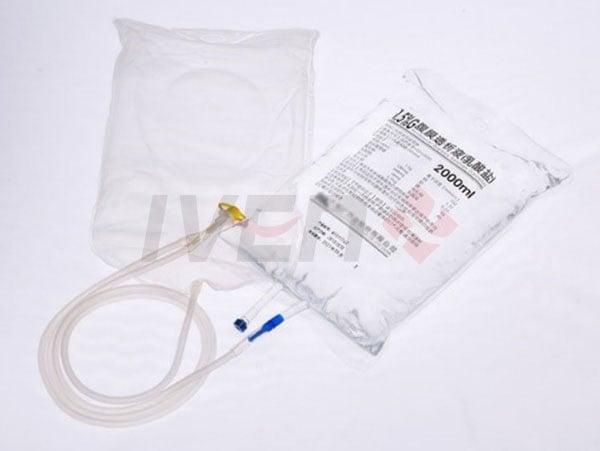
Peritoneal dialysis solution line specs matter because they directly affect sterility assurance, filling accuracy, container compatibility, regulatory compliance, and long-term production economics. In the United States, manufacturers supplying chronic kidney disease treatment programs need production lines that can reliably prepare, filter, fill, seal, inspect, and package peritoneal dialysis fluids for both home dialysis and hospital use. The right line specification supports patient safety, stable output, lower contamination risk, and smoother validation under U.S. FDA cGMP expectations.
Demand for peritoneal dialysis therapy has expanded as healthcare systems look for more flexible renal care models, especially home-based treatment pathways. That means dialysis solution manufacturers, contract manufacturers, and healthcare investors are paying closer attention to line design, tank configuration, sterile transfer, filling formats, automation level, and traceability functions. In major U.S. pharmaceutical and medical logistics hubs such as New Jersey, Chicago, Houston, Los Angeles, and Atlanta, supply continuity and validated sterile production are now strategic priorities rather than purely technical issues.
For buyers evaluating equipment, the key is not only the machine list but also how the entire line works as an integrated manufacturing system. A complete peritoneal dialysis solution line typically includes solution preparation, temperature control, sterile filtration, container feeding, filling, sealing, online inspection, secondary packaging, utilities integration, and validation documentation. Companies entering or expanding in this segment often compare domestic sourcing, imported systems, and turnkey engineering packages to reduce project risk and shorten time to commercial supply.
The quick answer is simple: peritoneal dialysis solution line specs define whether a plant can consistently produce sterile dialysis fluids with the right composition, package integrity, and batch reproducibility. For U.S. manufacturers, the most important specifications usually include output capacity, compatible container format, cleanroom integration, CIP/SIP design, automation architecture, filling precision, leak detection performance, utility consumption, and compliance readiness.
When these specifications are selected correctly, the line can support continuous and stable supply for nephrology centers, hospital pharmacies, and home-care distribution networks. When selected poorly, the result may be validation delays, reject losses, underutilized capacity, or inability to meet future market demand.
Specification AreaWhat It CoversWhy It MattersTypical U.S. Buyer FocusBatch CapacityMixing tank size and daily outputDetermines plant throughputScalability for regional demandSterility DesignSIP, sterile filtration, aseptic transferControls contamination riskFDA inspection readinessContainer CompatibilityNon-PVC bags, PP bottles, other formatsAffects product positioningHome-use convenience and logisticsFilling AccuracyVolume dosing consistencySupports product qualityReduced overfill and wasteSeal IntegrityHeat sealing or closure systemProtects sterility in transportLower reject rateAutomation & TraceabilityPLC, MES links, batch recordsImproves control and data integrityElectronic compliance systemsUtilities EfficiencyWater, steam, compressed air, powerInfluences operating costROI and sustainability planningThis table shows why “specs” are not a narrow engineering topic. They connect directly to commercial output, patient safety, validation timelines, and long-term operating cost.
Peritoneal dialysis solution line specs refer to the technical and operational parameters of the manufacturing line used to produce PD fluids. These fluids must be sterile, chemically consistent, and packaged in a way that supports safe handling during treatment. Because patients with chronic kidney disease may use these fluids daily, reliability is not optional.
In practical terms, specs include solution preparation accuracy for dextrose concentration, electrolyte content, pH control, and temperature management. They also cover the filling and packaging side: how many units per hour can be filled, what bag sizes are supported, how leak testing is performed, and how the line prevents particulate or microbial contamination.
For kidney care, the importance is clinical as well as industrial. A dependable production line helps healthcare providers avoid shortages, especially for home peritoneal dialysis patients who need regular shipments. In the United States, where home therapy adoption is a strategic healthcare trend, this makes production resilience especially important across distribution corridors linking East Coast ports, Midwest warehousing, and West Coast healthcare systems.
Another reason specs matter is regulatory accountability. Dialysis solution is a highly controlled medical product. If the line cannot support validated cleaning, repeatable process controls, and complete documentation, the plant may struggle during audits or scale-up. This is why buyers increasingly prefer suppliers who understand not only machinery but also pharmaceutical process engineering, utility systems, cleanroom integration, and qualification support.
The role of a well-designed PD solution line is to ensure a stable, sterile, and commercially viable supply of dialysis fluids across multiple care settings. Home treatment requires user-friendly packaging, long shelf life, strong transport integrity, and consistent availability through nationwide logistics. Hospital use often requires dependable bulk planning, high service reliability, and quality documentation for institutional procurement.
In home dialysis, product packaging often becomes a major line-spec issue. The line may need to support flexible bags that are easier to store and use in residential settings. Filling stability, bag port design, and seal quality influence whether the final product performs well during shipping to cities and suburban routes from fulfillment centers in places like Dallas, Memphis, or Newark.
For hospitals and regional care systems, benefits come from high-volume output, reduced production stoppages, and standardized quality records. A modern line can also improve cost control by reducing overfill, minimizing manual intervention, and supporting automated rejection of defective containers.
BenefitHome Dialysis RelevanceHospital RelevanceOperational EffectReliable SterilitySafer patient self-administrationSupports institutional quality standardsLower contamination riskPackaging ConsistencyEasier storage and use at homeSimplifies inventory controlFewer complaints and returnsScalable OutputPrevents supply interruptionMeets regional purchasing contractsBetter service continuityTraceabilitySupports recalls if neededImproves batch accountabilityStronger complianceAutomated InspectionHigher confidence in every unitReduces manual checksHigher efficiencyCost EfficiencySupports broader access programsHelps procurement budgetingBetter marginsThe benefits are cumulative. Better line specs improve clinical confidence, manufacturing quality, and supply-chain resilience at the same time.
There is no single best line for every buyer. The right model depends on output goals, package format, plant footprint, and compliance strategy. In the U.S. market, buyers usually compare compact lines for regional supply, mid-scale automated lines for growing demand, and fully integrated high-capacity lines for national or export-oriented production.
Typical technical options include open or closed compounding architecture, single-use versus stainless steel transfer sections in specific modules, one-stage or multi-stage sterile filtration, automatic bag forming or preformed container feeding, and different filling technologies based on fluid characteristics and target accuracy. Additional options may include robotic cartoning, automatic pallet flow, warehouse integration, and electronic batch recording.
On the technology side, experienced suppliers often stand out through the depth of their process integration. IVEN Pharmatech Engineering is known internationally for combining pharmaceutical machinery engineering with utility systems and compliance-oriented design. Its technical capabilities are especially relevant for dialysis projects that need coordinated solution preparation, filling, packaging, and clean utility integration rather than isolated machine purchases.
Line TypeTypical CapacityBest ForMain Technical FeaturesPilot or Entry Line500-1,500 units/hourProduct launch and validation batchesCompact footprint, semi-automatic supportRegional Supply Line1,500-3,500 units/hourMid-size U.S. market demandAutomated filling, sealing, inspectionHigh-Capacity Line3,500-6,000+ units/hourLarge-scale commercial plantsFull automation, integrated logisticsBag-Focused LineVaries by bag sizeHome dialysis distributionFlexible bag handling, seal controlBottle-Compatible LineVaries by bottle formatSpecific institutional requirementsRigid container feeding and cappingTurnkey Integrated LineCustomizedNew factory investmentUtilities, cleanroom, validation packageThis model comparison helps buyers align equipment selection with business goals. A high-capacity line may look attractive, but if demand is still regional, a modular expansion strategy may offer better return on capital.
Companies entering this field often compare peritoneal dialysis solution lines with other sterile liquid manufacturing approaches such as standard IV solution lines, contract manufacturing, or outsourced fill-finish arrangements. While there is some overlap in sterile process principles, PD fluid manufacturing has its own packaging, compositional, and supply-chain requirements.
A standard IV solution line may share compounding and filling concepts, but it may not be optimized for PD-specific bag sizes, connector configurations, or home-distribution packaging. Outsourcing can reduce initial investment, but it also reduces production control, limits scheduling flexibility, and may expose the brand to external supply bottlenecks.
For some investors, the best solution is a phased approach: start with contract manufacturing, validate the market, then install a dedicated line. For established pharmaceutical manufacturers, a dedicated PD line is often more strategic because it secures quality control and allows future expansion into related renal products.
OptionUpfront CostControl LevelBest Use CaseMain LimitationDedicated PD Solution LineHighVery highLong-term branded productionRequires capital and validation timeModified IV Solution LineMedium to highMediumPlants with existing liquid assetsPossible format mismatchContract ManufacturingLow upfrontLowMarket entry and volume testingDependence on third party capacityOutsourced Fill-FinishMediumLow to mediumPartial production strategyComplex coordinationHybrid ModelMediumMedium to highPhased scale-upTemporary process duplicationTurnkey New FacilityVery highVery highLarge strategic market entryLonger project cycleFor companies comparing these paths, the decision should be based on forecast demand, reimbursement outlook, target geography, and the importance of supply independence. A supplier with end-to-end project expertise can be useful here. Buyers exploring complete factory planning can review turnkey pharmaceutical engineering solutions to understand how integrated design reduces coordination gaps across process equipment, utilities, and validation.
The U.S. renal care market continues to support stronger interest in home-based dialysis models. As a result, production capacity planning for PD solution lines is increasingly tied to long-term demand forecasts rather than short-term procurement cycles. Market drivers include chronic kidney disease prevalence, policy support for home treatment expansion, healthcare cost management, and the need for reliable domestic or near-market supply.
In parallel, manufacturers are reassessing supply-chain resilience. After years of global logistics disruption, plants located near major U.S. transport nodes such as the Port of Los Angeles, Port of New York and New Jersey, Savannah, Houston, and inland freight hubs around Columbus and Kansas City have gained strategic importance. Equipment decisions now consider not only line speed but also lead time, spare parts support, and utility efficiency.
Another key trend is digitalization. Data logging, predictive maintenance, serialization-adjacent traceability, and MES connectivity are becoming more relevant. Buyers no longer view these as optional upgrades; they are increasingly part of baseline line specs, especially in facilities built to future-proof operations through 2026 and beyond.
var ctx1 = document.getElementById(‘lineChartMarket’).getContext(‘2d’);var chart1 = new Chart(ctx1, {type: ‘line’,data: {labels: [‘2021’, ‘2022’, ‘2023’, ‘2024’, ‘2025’, ‘2026’],datasets: [{label: ‘Estimated U.S. PD Solution Line Demand Index’,data: [72, 79, 88, 97, 108, 121],borderColor: ‘rgb(54, 162, 235)’,backgroundColor: ‘rgba(54, 162, 235, 0.15)’,fill: false,tension: 0.3}]},options: {responsive: true,maintainAspectRatio: false}});The line chart indicates a steady upward demand profile. While exact growth varies by product mix and therapy adoption rate, the overall trend supports capacity expansion and new equipment investment.
var ctx2 = document.getElementById(‘barChartDemand’).getContext(‘2d’);var chart2 = new Chart(ctx2, {type: ‘bar’,data: {labels: [‘Home Dialysis Providers’, ‘Hospital Systems’, ‘Contract Manufacturers’, ‘Pharma Investors’, ‘Regional Distributors’, ‘Export-Oriented Plants’],datasets: [{label: ‘Estimated Equipment Interest Score’,data: [92, 74, 68, 81, 59, 63],backgroundColor: [‘rgb(255, 99, 132)’,’rgb(75, 192, 192)’,’rgb(255, 205, 86)’,’rgb(153, 102, 255)’,’rgb(201, 203, 207)’,’rgb(54, 162, 235)’]}]},options: {responsive: true,maintainAspectRatio: false}});The bar chart shows strong interest from home dialysis providers and strategic investors. This reflects the commercial shift toward decentralized renal care and the need for product supply closer to patients.
Choosing a supplier should begin with technical fit, but it should not end there. The most reliable manufacturer is one that can demonstrate sterile liquid process experience, project execution discipline, and post-installation support. U.S. buyers should ask not only for equipment brochures but also for FAT standards, validation documentation samples, component sourcing details, utility requirement sheets, and reference project scope.
A useful evaluation framework includes five layers: compliance capability, engineering depth, manufacturing quality, service coverage, and total lifecycle economics. A supplier that can design the line, coordinate clean utilities, support installation, and provide qualification guidance usually reduces overall project friction.
On manufacturing capability, buyers often prefer suppliers with specialized plants rather than generic fabrication networks. IVEN Pharmatech Engineering has developed multiple dedicated manufacturing bases for pharmaceutical filling and packaging machinery, water treatment systems, intelligent conveying systems, and blood collection tube equipment. That specialization can be relevant for U.S. projects needing a supplier that understands production-line integration at factory scale rather than only standalone machines.
Selection CriterionWhat to VerifyGood SignWarning SignRegulatory UnderstandingFDA, cGMP, validation documentationClear qualification packageVague compliance claimsProcess EngineeringCompounding, filtration, aseptic transferDetailed URS responseOnly generic machine specsManufacturing QualityMaterial standards, welding, finishTraceable fabrication recordsInconsistent documentationProject DeliveryTimeline control and installation planningStructured project milestonesUnclear responsibilitiesAfter-Sales SupportTraining, spares, remote serviceDefined service programNo local response planScalabilityFuture expansion optionsModular design approachLine cannot be upgradedTotal CostCAPEX plus OPEXTransparent cost modelLow bid with hidden extrasThis table shows why the lowest purchase price is rarely the best decision. Reliable supply comes from the right combination of engineering competence and execution capability. Buyers can also review a broader pharmaceutical equipment portfolio to compare whether a supplier offers enough adjacent systems to support full-line coordination.
Investment planning should consider more than the quoted line price. A realistic budget includes process tanks, filling and sealing equipment, sterile filtration systems, clean utilities, HVAC interface work, automation, qualification, shipping, installation, training, and startup support. For a U.S. project, local site preparation and validation consulting can significantly affect final capital cost.
Operating economics depend on yield, labor structure, utility consumption, maintenance planning, and downtime control. High-automation lines usually require more upfront capital but may improve ROI by lowering rejects, improving data integrity, and increasing effective capacity. For plants targeting national contracts, the ability to run consistently at validated output can outweigh the initial price premium.
Cost CategoryLow-Scale ProjectMid-Scale ProjectHigh-Scale ProjectCore Production Line$1.5M-$3M$3M-$6M$6M-$12M+Solution Preparation System$300K-$700K$700K-$1.5M$1.5M-$3MUtilities Integration$400K-$900K$900K-$2M$2M-$5MValidation & Documentation$150K-$350K$350K-$800K$800K-$1.5MInstallation & Commissioning$250K-$600K$600K-$1.2M$1.2M-$2.5MTraining & Initial Spares$80K-$200K$200K-$450K$450K-$900KContingency Budget8%-12%8%-12%10%-15%These cost bands are indicative and vary by capacity, format, automation, and site conditions. The biggest budgeting mistake is underestimating utilities, validation, and packaging integration.
var ctx3 = document.getElementById(‘areaChartTrend’).getContext(‘2d’);var chart3 = new Chart(ctx3, {type: ‘line’,data: {labels: [‘2021’, ‘2022’, ‘2023’, ‘2024’, ‘2025’, ‘2026’],datasets: [{label: ‘Shift Toward Automated and Data-Integrated Lines’,data: [28, 35, 44, 56, 67, 79],borderColor: ‘rgb(75, 192, 192)’,backgroundColor: ‘rgba(75, 192, 192, 0.25)’,fill: true,tension: 0.25}]},options: {responsive: true,maintainAspectRatio: false}});The area chart reflects the broader industry trend: more buyers are prioritizing digitally connected and highly automated lines. This affects ROI because automation often increases line utilization and reduces compliance-related friction.
Investment success depends on matching the specification to the intended business model. Overspecifying a line can lead to unnecessary capital burden, while underspecifying can create bottlenecks that are expensive to correct later. Capacity planning should therefore be linked to realistic demand scenarios in the United States, including payer dynamics, provider adoption rates, and distribution geography.
Key risks include insufficient sterility design, incompatible packaging formats, poor cleanroom integration, weak documentation, delayed spare parts support, and lack of expansion flexibility. Another common risk is choosing a supplier that can build a machine but cannot manage the line as part of a regulated pharmaceutical project.
Service capability is therefore critical. IVEN Pharmatech Engineering positions itself around full-lifecycle support, including consulting, design coordination, installation, commissioning, qualification assistance, training, and optimization. For overseas buyers and U.S.-based projects, that service structure can be useful when reducing delays caused by fragmented responsibilities across multiple vendors.
Risk AreaPotential ProblemImpactMitigationDemand Forecast ErrorLine too small or too largeLost ROI or supply constraintUse phased capacity modelCompliance GapWeak validation or documentationApproval delaysAudit documentation earlyPackaging MismatchWrong bag or bottle designMarket acceptance issuesConfirm final product strategy firstUtility UnderdesignInsufficient WFI, steam, HVACLow actual outputComplete utility study before orderingSupplier Support WeaknessSlow service or spare parts responseLong downtimeSecure SLA and parts listTechnology ObsolescenceNo digital integration pathHigher long-term upgrade costSpecify future-ready controlsSustainability PressureHigh water or energy useRising OPEX and ESG pressureRequest efficiency benchmarksOne practical way to reduce risk is to define a detailed user requirement specification before supplier comparison. Another is to request a roadmap covering FAT, SAT, IQ, OQ, PQ, training, and handover documentation.
var ctx4 = document.getElementById(‘comparisonChartSuppliers’).getContext(‘2d’);var chart4 = new Chart(ctx4, {type: ‘bar’,data: {labels: [‘Compliance Support’, ‘Customization’, ‘Capacity Range’, ‘Service Scope’, ‘Utility Integration’, ‘Lifecycle Value’],datasets: [{label: ‘Dedicated Engineering Supplier Score’,data: [91, 88, 84, 90, 87, 89],backgroundColor: ‘rgb(153, 102, 255)’},{label: ‘Basic Equipment Supplier Score’,data: [63, 58, 69, 52, 47, 60],backgroundColor: ‘rgb(255, 159, 64)’}]},options: {responsive: true,maintainAspectRatio: false}});The comparison chart illustrates why many buyers prefer engineering-oriented suppliers for regulated sterile projects. The broader the project scope, the more important service and systems integration become.
1. What are the most important peritoneal dialysis solution line specs?The most important specs are sterility assurance design, output capacity, filling accuracy, seal integrity, compatible package formats, automation level, traceability, and utility requirements.
2. Which package format is most common for PD solution production?Flexible bags are widely used because they suit home dialysis logistics and storage needs, but exact format depends on product design, target market, and customer preference.
3. How much production capacity should a new U.S. investor plan for?That depends on whether the goal is pilot supply, regional distribution, or national commercial scale. Many new entrants begin with modular mid-scale capacity that can expand as demand grows.
4. Can a general IV solution line be adapted for PD fluids?Sometimes, but not always efficiently. PD production often requires dedicated handling and packaging features. A purpose-built line usually performs better for long-term supply.
5. What compliance points matter most in the United States?Buyers should focus on FDA cGMP alignment, documented qualification, materials traceability, aseptic process control, cleaning validation support, and data integrity readiness.
6. What should be included in supplier documentation?A solid package includes P&ID drawings, equipment layouts, material certificates, FAT/SAT protocols, IQ/OQ support, manuals, spare parts lists, and maintenance recommendations.
7. How long does a typical project take?Depending on capacity and site readiness, a project may require several months for engineering and manufacturing, followed by installation, commissioning, validation, and regulatory preparation.
8. What future trends should buyers watch through 2026?Key trends include stronger home dialysis demand, more digital batch control, predictive maintenance, energy-efficient utility systems, sustainable packaging discussions, and policy pressure for resilient domestic supply.
9. Is turnkey delivery better than buying separate machines?For many sterile production projects, yes. Turnkey delivery can reduce interface risk between process, utilities, cleanrooms, packaging, and validation, especially when timelines are tight.
10. How can I start evaluating project fit for my plant?Begin with demand forecasting, product format definition, capacity targets, utility review, and regulatory strategy. Then discuss the project with an experienced supplier through a structured technical consultation. You can contact the IVEN team to review line sizing, project scope, and engineering options for the U.S. market.
For U.S. manufacturers and investors, peritoneal dialysis solution line specs are ultimately a business-critical decision. The right specification improves product safety, protects supply continuity, and supports long-term profitability in a market that is steadily shifting toward flexible renal care. Whether the plan is a regional plant near New Jersey distribution corridors, a Gulf Coast facility linked through Houston, or a West Coast project serving Pacific trade routes, line selection should balance compliance, capacity, automation, service support, and future scalability.
A well-qualified partner can make that process faster and less risky by aligning technical capabilities, manufacturing quality, and service execution from early design through commercial operation. That is especially important in dialysis solution manufacturing, where patient impact, regulatory scrutiny, and supply reliability are closely connected.
-

Syrup Filling Output Guide for United States Pharma
For pharmaceutical manufacturers in the United States, syrup filling machine speed output is not just a productivity number. It is a core decision factor that affects batch scheduling, line clearance time, labor efficiency, container compatibility, validation workload, and long-term cost per bottle. Whether a plant is producing pediatric syrups, cough formulations, nutraceutical liquids, or prescription oral solutions, output bottles per minute must be matched with viscosity, fill accuracy, capping reliability, cleaning requirements, and FDA-oriented documentation expectations.
In practical terms, buyers in New Jersey, Pennsylvania, Illinois, Texas, California, North Carolina, and Puerto Rico often evaluate syrup line performance by asking a simple question: how many stable, compliant, saleable bottles can the line produce every minute under real factory conditions? The answer depends on bottle size, syrup density, foaming behavior, neck finish, cap type, changeover frequency, and the automation level of the complete line, including bottle unscrambling, rinsing, filling, capping, induction sealing, labeling, cartoning, and end-of-line logistics.
For companies planning expansion, modernization, or greenfield projects, it is helpful to work with a partner that understands both equipment and regulated plant engineering. IVEN Pharmatech Engineering supports pharmaceutical and medical device manufacturers with integrated solutions designed around compliance, efficiency, and lifecycle performance rather than stand-alone machine sales alone.
Syrup filling machine speed output refers to the number of bottles a syrup filling line can reliably fill, cap, and transfer within a defined period, usually bottles per minute or bottles per hour. In pharmaceutical production, this metric is used to plan annual capacity, evaluate equipment utilization, estimate labor needs, and determine whether a line can support market demand without compromising GMP compliance.
Large companies evaluate output together with fill precision, reject rate, validation complexity, cleaning time, and line integration. A machine rated at 180 bottles per minute on paper may only deliver 110 to 130 bottles per minute in a real oral liquid plant if the syrup is highly viscous, bottle formats change frequently, or the downstream labeling and cartoning units are slower than the filler. Because of this, experienced buyers focus on sustained output under production conditions, not only peak mechanical speed.
In the United States market, the most relevant output categories are typically:
Output RangeTypical Bottles/MinuteBest FitCommon Bottle SizesAutomation LevelBuyer ProfileLaboratory / Pilot10-30R&D and clinical batches30-250 mLSemi-automaticProduct development teamsSmall commercial30-80Regional production50-300 mLSemi to automaticNiche syrup brandsMid-scale80-150Growing domestic demand60-500 mLAutomaticEstablished pharma plantsHigh-speed150-250National distribution60-250 mLFully integratedLarge pharmaceutical firmsVery high-speed250-400+Mass-market oral liquids60-150 mLAdvanced servo lineMulti-site manufacturersTurnkey multi-lineCombined 500+Large capacity hubsMultiple formatsFactory-wide automationEnterprise network operatorsThis table shows why the “right” speed is relative. A New Jersey prescription syrup plant may prefer 120 stable bottles per minute with excellent line clearance and full audit support, while a Texas consumer healthcare site may target 250 bottles per minute for mass retail channels.
In pharmaceutical production, syrup filling machine speed output is a combined performance measure for the filler and the total packaging line. It covers not only how fast liquid enters each bottle, but how efficiently the line handles bottle feeding, infeed spacing, no-bottle-no-fill logic, cap placement, torque control, reject handling, coding, and transport to secondary packaging.
It is used for five major planning functions:
First, capacity planning. Production managers convert market forecasts into required bottles per shift, per day, and per year. Second, equipment selection. Engineering teams compare piston, peristaltic, time-pressure, and mass-flow based systems. Third, regulatory planning. Quality teams assess whether the selected speed supports repeatable performance within validated limits. Fourth, labor design. A highly automated line can reduce manual intervention, especially for plants in high-cost labor regions such as Boston, Chicago, and the San Francisco Bay Area. Fifth, financial modeling. Output directly affects cost per bottle and investment payback.
In oral liquid manufacturing, actual output must account for:
Production VariableImpact on OutputReasonHigh Risk LevelMitigation MethodTypical US Buyer ConcernViscosityCan reduce speedSlower dosing and settlingHighServo piston or optimized nozzlesAccuracy for thick syrupsBottle size variationIncreases downtimeChangeover adjustmentsMediumRecipe-based format settingsMulti-SKU flexibilityFoamingReduces stable throughputRequires slower fill profileMediumBottom-up filling and anti-drip designClean filling zoneCap typeLimits line balanceChild-resistant closures need controlHighTorque feedback systemsPackage integrityCIP/SIP requirementsAffects uptimeCleaning and validation periodsHighSanitary design, fast cleaningTurnaround between batchesLabeling/cartoning speedCreates bottlenecksDownstream line imbalanceHighIntegrated line engineeringTotal equipment effectivenessFor this reason, smart procurement teams in the United States evaluate output at the line level rather than in isolation. If the bottle washer runs at 180 bottles per minute but capping is stable only at 130, the commercial output is 130 or less.
Oral syrup and liquid filling systems are used across prescription medicines, over-the-counter products, pediatric formulations, herbal preparations, nutritional liquids, and selected veterinary applications. In all of these segments, output speed matters because demand can be seasonal, geographically uneven, and channel-driven.
For example, cough and cold syrup demand can rise sharply during winter in the Northeast and Midwest. Plants serving pharmacy chains from distribution centers near Newark, Memphis, Atlanta, or Dallas need enough output to handle peaks without overbuilding capacity. A line with balanced speed output enables faster order response, smaller backlogs, and lower reliance on overtime shifts.
Main benefits include:
Output also matters beyond the filling room. In a modern plant, upstream syrup preparation, purified water systems, storage vessels, and downstream serialization or cartoning all depend on line speed balance. This is where integrated engineering becomes important. Companies exploring turnkey pharmaceutical projects often prefer a supplier able to connect utilities, filling, packaging, material flow, and documentation under one coordinated scope.
var ctx1 = document.getElementById(‘lineChartGrowth’).getContext(‘2d’);var chart1 = new Chart(ctx1, {type: ‘line’,data: {labels: [‘2021′,’2022′,’2023′,’2024′,’2025′,’2026’],datasets: [{label: ‘Estimated U.S. demand index for oral liquid filling capacity’,data: [82, 88, 96, 104, 113, 123],borderColor: ‘rgb(54, 162, 235)’,backgroundColor: ‘rgba(54, 162, 235, 0.12)’,fill: false,tension: 0.25}]},options: {responsive: true,maintainAspectRatio: false}});The line chart above reflects a realistic capacity-demand trend: moderate growth driven by product diversification, reshoring, and modernization of regulated liquid dosage plants in the United States.
The best syrup filling system depends on product properties, target output, and compliance expectations. Not every plant needs the same machine architecture. Lower-speed facilities may choose semi-automatic or compact monoblock systems, while higher-volume sites often install integrated automatic lines with servo filling, cap handling, in-line inspection, and robotics.
Machine TypeTypical SpeedBest ForAdvantagesLimitationsRecommended Plant StageSemi-automatic piston filler10-40 bpmSmall batch oral liquidsLow cost, simple operationHigher labor inputStartup or pilotCompact monoblock filler/capper30-80 bpmLimited floor spaceSpace saving, easier line controlLess scalableRegional productionLinear servo piston line60-180 bpmViscous syrups, multi-SKU linesHigh accuracy, flexible changeoverModerate capital costGrowing pharma siteRotary high-speed filling line150-300 bpmLarge volume standard bottlesHigh throughputLess flexible for many formatsHigh-volume plantPeristaltic filling line20-120 bpmSensitive or specialty liquidsGentle product pathTube wear and lower high-viscosity efficiencyNiche formulationsTurnkey integrated oral liquid line80-300+ bpmEnterprise-level projectsBalanced utilities, packaging, logisticsLonger planning cycleExpansion or greenfieldKey technical options buyers should compare include:
From a technology standpoint, IVEN has developed experience across filling and packaging systems, water treatment, preparation, and logistics. That broader capability matters for buyers who want more than a stand-alone filler. It is particularly useful when connecting syrup filling speed output with purified water generation, solution preparation, intelligent conveying, and downstream packing lines.
Comparing syrup filling technologies requires looking beyond rated speed. A machine can be fast but unsuitable for thick liquids, frequent bottle changes, or strict cleanliness targets. In many cases, the best solution is not the fastest machine, but the one that delivers the best validated output with the lowest reject rate and easiest maintenance profile.
Evaluation FactorPiston FillingPeristaltic FillingTime-Pressure FillingRotary FillingBest Use ScenarioViscous syrup handlingExcellentModerateLow to moderateGoodDense oral syrupsFill accuracyHighHighModerateHighRegulated dosage controlSpeed potentialMedium to highLow to mediumMediumVery highLarge-volume linesFormat flexibilityHighHighModerateLowerMulti-SKU plantsCleaning simplicityGoodVery goodGoodModerateFrequent product changesCapital costModerateModerateLowerHigherBudget-based selectionA practical decision rule is simple:
var ctx2 = document.getElementById(‘comparisonChartSolutions’).getContext(‘2d’);var chart2 = new Chart(ctx2, {type: ‘bar’,data: {labels: [‘Piston Flexibility’,’Rotary Speed’,’Peristaltic Cleanliness’,’Monoblock Footprint’,’Turnkey Integration’,’Changeover Ease’],datasets: [{label: ‘Relative performance score’,data: [90, 96, 84, 78, 94, 88],backgroundColor: [‘rgb(153, 102, 255)’,’rgb(255, 159, 64)’,’rgb(75, 192, 192)’,’rgb(255, 205, 86)’,’rgb(54, 162, 235)’,’rgb(201, 203, 207)’]}]},options: {responsive: true,maintainAspectRatio: false}});This comparison chart highlights how different equipment concepts win on different criteria. There is rarely a universal winner; the best fit is determined by product mix, output goals, and facility strategy.
The United States remains one of the most attractive markets for regulated filling and packaging equipment. Demand is supported by prescription oral liquids, OTC expansion, nutraceutical crossover production, contract manufacturing growth, and the modernization of legacy plants. Manufacturing corridors around New Jersey, Philadelphia, Indianapolis, the Research Triangle, Houston, and Southern California continue to invest in automation and line upgrades.
Several market forces are shaping purchasing behavior:
var ctx3 = document.getElementById(‘areaChartTrend’).getContext(‘2d’);var chart3 = new Chart(ctx3, {type: ‘line’,data: {labels: [‘2021′,’2022′,’2023′,’2024′,’2025′,’2026’],datasets: [{label: ‘Share of projects prioritizing flexible medium-speed lines’,data: [38, 42, 47, 53, 58, 64],borderColor: ‘rgb(75, 192, 192)’,backgroundColor: ‘rgba(75, 192, 192, 0.25)’,fill: true,tension: 0.25}]},options: {responsive: true,maintainAspectRatio: false}});The area chart suggests a major trend: by 2026, more projects are expected to prioritize flexible, medium-to-high-speed lines rather than purely maximum-speed systems. This aligns with the rise of SKU diversity, variable demand, and tighter cost control.
Key 2026 trends include advanced servo filling profiles, machine vision for closure verification, predictive maintenance, digital batch support, and more sustainable design. Policy and quality trends also matter. Buyers increasingly ask for easier validation packages, clearer FAT and SAT procedures, and stronger support for GMP documentation. Sustainability will continue to influence line design through reduced product loss, optimized compressed air use, smarter CIP cycles, and more efficient space utilization.
Plants shipping through the ports of Los Angeles, Long Beach, Savannah, Houston, and New York/New Jersey are also paying more attention to equipment modularity and lead-time predictability. Faster installation and easier spare-parts planning have become procurement advantages, not afterthoughts.
Choosing the right supplier is often more important than choosing the machine concept alone. In regulated production, line performance depends on design quality, documentation, FAT execution, installation discipline, training, spare parts, and post-startup technical support.
US buyers should evaluate suppliers using a structured scorecard rather than relying only on quoted speed and price.
Selection CriterionWhy It MattersQuestions to AskGood SignWarning SignPriority LevelRegulatory understandingSupports compliant productionCan they support GMP documentation?Clear documentation packageVague compliance claimsVery highReal output validationPrevents overpromisingWhat is stable output on similar products?Product-specific referencesOnly theoretical speedsVery highEngineering depthImproves integrationCan they align utilities and packaging?Multi-disciplinary teamMachine-only perspectiveHighManufacturing qualityAffects durabilityHow are wetted parts made and tested?Traceable fabrication controlsWeak material detailHighAfter-sales serviceReduces downtimeDo they offer commissioning and training?Lifecycle support planLimited response structureVery highScalabilityProtects future investmentCan the line expand later?Modular options availableRigid configurationMedium to highFor buyers seeking a broader project partner, pharmaceutical equipment solutions should be reviewed in the context of full line architecture, not single-machine performance. This is especially relevant for manufacturers handling oral liquids alongside injectables, water systems, or medical consumables in the same site network.
On manufacturing capability, IVEN stands out as an engineering company with multiple specialized manufacturing plants focused on filling and packaging machinery, pharmaceutical water treatment, intelligent logistics systems, and blood collection tube equipment. For procurement teams, that breadth can reduce interface risk across a complex project. It also supports more coordinated factory planning when line speed output depends on utilities and material flow.
Cost evaluation should include far more than the machine purchase price. A low-price filler can become expensive if it causes excessive rejects, difficult cleaning, poor line balance, or frequent interventions. US pharmaceutical buyers usually model total cost of ownership over 5 to 10 years.
Cost ElementLow-Speed LineMid-Speed LineHigh-Speed LineTurnkey ImpactBudget NoteCore filler and capperLowerModerateHighPart of integrated scopeMain capital itemBottle handling and conveyorsBasicModerateAdvancedOptimized as a systemOften underestimatedInspection and rejectionOptionalRecommendedEssentialBuilt into validation planImproves complianceUtilities and installationModerateModerate to highHighCan be streamlinedDepends on site readinessValidation and documentationModerateHighHighCritical project valueRequired for regulated operationTraining and spare partsLow to moderateModerateModerate to highBest included earlyProtects uptimeA simple ROI model compares current cost per bottle versus future cost per bottle after automation. Savings usually come from higher throughput, reduced labor dependence, lower product loss, fewer rejects, and better line uptime. Revenue gains may come from increased output capacity during seasonal demand spikes.
Example: if a plant near Chicago currently produces 40 bottles per minute and upgrades to a validated 120 bottles per minute line while reducing rejects from 3.5% to 1.0%, the payback may be driven as much by recovered saleable volume and less overtime as by raw speed itself. That is why ROI analysis should include OEE, not just nominal output.
var ctx4 = document.getElementById(‘barChartDemand’).getContext(‘2d’);var chart4 = new Chart(ctx4, {type: ‘bar’,data: {labels: [‘Prescription Syrups’,’OTC Cough Syrups’,’Pediatric Liquids’,’Nutraceutical Liquids’,’Contract Manufacturing’,’Veterinary Liquids’],datasets: [{label: ‘Estimated demand score in U.S. projects’,data: [88, 93, 79, 74, 85, 61],backgroundColor: ‘rgb(255, 99, 132)’}]},options: {responsive: true,maintainAspectRatio: false}});The bar chart shows where demand for syrup filling capacity is strongest. OTC and prescription products continue to lead, while contract manufacturing remains a major driver of flexible line purchases.
The biggest risk in buying a syrup filling machine is selecting based on quoted speed without confirming actual, validated, line-balanced output. That mistake can create underperformance, delayed launches, and unexpected CAPEX overruns.
Main risks include:
US buyers should also consider import logistics, installation windows, and local utility standards. If a line is entering through Long Beach, Houston, or the Port of New York and New Jersey, delivery sequencing matters. Equipment should arrive in a way that supports installation order and minimizes warehouse handling. This becomes especially important in brownfield upgrades where shutdown windows are short.
On service capability, a strong supplier should support feasibility, engineering, equipment selection, commissioning, validation assistance, training, and long-term optimization. IVEN’s service model is built around this full lifecycle approach, which can be valuable for projects that need design support, documentation, startup control, and operator knowledge transfer under one coordinated framework. Buyers who want to discuss project scope directly can use the contact channel for pharmaceutical engineering support.
A final consideration is durability. Long-life stainless steel construction, stable component sourcing, and maintainable machine architecture matter for ROI. In regulated environments, equipment that performs consistently for many years often delivers better economics than a cheaper machine requiring frequent intervention.
What is a good syrup filling machine speed for a pharmaceutical plant?A good speed depends on your product and business model. Small commercial operations may succeed with 30 to 80 bottles per minute, while larger US pharmaceutical plants often target 80 to 250 bottles per minute with validated accuracy and integrated capping.
Does higher speed always mean better performance?No. Higher speed only adds value if the line remains accurate, stable, and compliant. A slower line with better OEE and lower rejects can outperform a faster line in real cost-per-bottle terms.
How is output usually measured?Output is commonly measured in bottles per minute or bottles per hour. The most useful metric is sustained saleable output during normal production, not maximum mechanical speed under ideal test conditions.
What affects syrup filling speed the most?Viscosity, bottle size, fill volume, cap type, foaming, number of filling heads, recipe changeover frequency, and downstream packaging speed all have major impact.
Which filling technology is best for thick syrups?Servo piston filling is often the preferred choice for thicker pharmaceutical syrups because it combines good fill accuracy with strong handling of higher viscosity products.
Can one line handle multiple bottle sizes?Yes, but changeover efficiency varies by design. For manufacturers with many SKUs, recipe-driven format settings and quick-change parts are important purchase criteria.
What documentation should a US buyer request?Request equipment specifications, FAT protocols, material certificates, electrical drawings, manuals, spare parts lists, and validation support documentation aligned with your GMP program.
Is a turnkey project better than buying machines separately?For complex plants, yes. A turnkey approach can reduce interface risk and improve line balance across utilities, filling, packaging, and logistics. It is especially useful when output depends on coordinated engineering.
How long does ROI usually take?That depends on current labor cost, demand growth, reject reduction, uptime gains, and batch volume. Many mid-scale upgrades aim for payback within two to five years.
What should buyers in the United States prioritize in 2026?Flexible validated output, stronger digital support, easier cleaning, better sustainability performance, and suppliers that can support engineering, documentation, and long-term service.
In summary, syrup filling machine speed output should be evaluated as a total production capability, not a stand-alone speed claim. The best investment for a United States pharmaceutical plant is the one that combines stable throughput, regulatory confidence, scalable engineering, and dependable lifecycle support.
-
Pharmaceutical Water System Selection in the United States
For pharmaceutical manufacturers in the United States, a pharmaceutical water treatment system selection guide is not just a technical reference; it is a core part of plant design, product quality, and regulatory readiness. High-purity water supports injectable drugs, vaccines, biologics, oral liquids, cleaning validation, and sterile production. In U.S. facilities operating under FDA cGMP, USP, and internal quality systems, the right water generation, storage, and distribution platform helps reduce contamination risk, stabilize output, and lower lifecycle operating cost.
Whether a project is located in Boston, Raleigh-Durham, Indianapolis, Houston, San Diego, or the New Jersey pharmaceutical corridor, water system selection should be based on feedwater quality, required compendial grade, production volume, sanitization strategy, validation expectations, and future expansion. This guide explains the market, technologies, buying criteria, budgeting, risks, and supplier evaluation points that matter most for U.S. pharmaceutical investments.
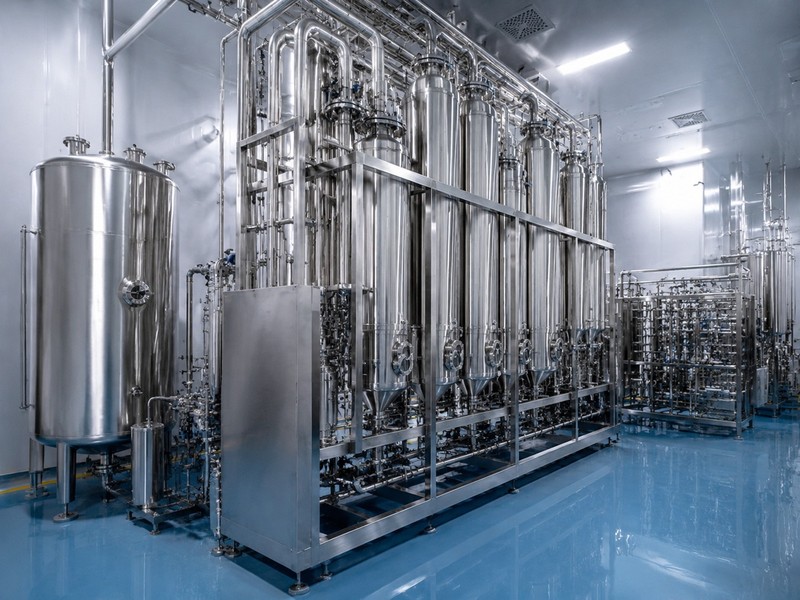
A pharmaceutical water treatment system is the engineered combination of pretreatment, membrane separation, polishing, storage, distribution, monitoring, and sanitization equipment used to produce pharmaceutical-grade water such as Purified Water, Water for Injection, and Pure Steam. U.S. drug manufacturers need it because water is one of the most heavily used raw materials in pharmaceutical production, and any variability in conductivity, TOC, microbial load, endotoxin level, or flow stability can directly affect product quality, equipment cleaning, and audit performance.
In practical terms, the right system helps a manufacturer achieve three things at once: reliable compliance, efficient utility operation, and scalable production. For injectable lines in cities such as Philadelphia or Chicago, system failures can interrupt aseptic filling schedules and create expensive batch delays. For biologics plants in California or Massachusetts, microbial control and hot-loop integrity are especially important. For contract development and manufacturing organizations expanding around Atlanta, Dallas, and the Midwest, flexible modular systems can shorten project timelines and simplify future capacity additions.
Water GradeMain UsesKey Quality FocusTypical U.S. Facility AreasCommon Generation RoutePrimary Risk if Poorly SelectedPurified WaterFormulation, cleaning, rinsingConductivity, TOC, bioburdenSolid dose, oral liquid, API supportRO + EDI + UV + filtrationCleaning failures and microbial excursionsWater for InjectionInjectables, vaccines, biologicsEndotoxin, microbial control, consistencySterile filling and aseptic supportDistillation or advanced membrane hybridBatch rejection and compliance riskPure SteamSIP, sterilizationNon-condensable gases, dryness, purityAutoclaves, tanks, process linesPure steam generatorInadequate sterilizationSoftened/Pretreated WaterUtility pretreatment feedHardness, chlorine, SDICentral utility roomsMultimedia + carbon + softenerMembrane fouling and high maintenanceClean Utility Loop WaterDistribution to points of useTemperature, recirculation, hygieneManufacturing suitesStorage + sanitary loopBiofilm growth and dead-leg issuesLab-Grade Polished WaterQC and analytical supportHigh resistivity, low organicsQuality control laboratoriesPOU polishing skidTesting variabilityThe table above shows that system selection must align with the exact use case. Many projects fail not because the technology is wrong in theory, but because the system is undersized, overcomplicated, poorly sanitized, or not matched to actual production and validation needs.
A pharmaceutical water treatment system is a purpose-built clean utility platform designed to convert municipal or well water into water that meets pharmacopeial and process requirements. It generally includes incoming water analysis, pretreatment, reverse osmosis, electrodeionization or distillation, ultraviolet oxidation, degassing, sanitary storage tanks, hygienic pumps, loop distribution, instrumentation, and control software. In advanced U.S. facilities, it also includes data logging, alarm management, audit trail support, and integration with building management or manufacturing execution systems.
Manufacturers need these systems because water touches nearly every stage of production. It is used as an ingredient, a cleaning medium, a solvent, a heat transfer support utility, and a sterilization source. In a GMP environment, “good enough” industrial water is never enough. A traditional plant water system may remove visible contaminants, but it usually cannot ensure consistent low conductivity, low TOC, low endotoxin, and repeatable microbial control demanded by FDA-inspected operations.
Another reason is variability of source water across the United States. Feedwater quality differs significantly between coastal cities, inland industrial zones, and drought-affected regions. Water entering a plant near Los Angeles or Phoenix may require a different pretreatment strategy than water entering a site in New Jersey, Ohio, or North Carolina. Seasonal hardness, chloramine levels, silica, and microbial load all influence equipment selection, membrane lifespan, and sanitization frequency.
Manufacturers also need an engineered system for audit readiness. FDA investigators do not assess only the final water test result. They also examine design rationale, material of construction, loop velocity, dead-leg control, online monitoring, preventive maintenance, sanitization records, calibration, and validation. A well-selected system helps a plant defend its quality decisions with clear documentation and risk-based design logic.
Pharmaceutical water systems support a broad range of U.S. GMP applications. In sterile injectable plants, Purified Water may be used upstream while Water for Injection supports formulation and final rinse steps. In oral solid dose facilities, water is often needed for granulation, coating, equipment washing, and cleanroom support. In biologics and vaccine operations, water quality stability is tied closely to contamination control strategy. In medical consumables production, water may support component washing and controlled manufacturing areas.
The main operational benefit is consistency. When conductivity, flow, pressure, temperature, and microbial parameters are stable, production teams can run with fewer deviations. The second benefit is validation efficiency. Standardized skids, automated controls, and predictable sanitization make IQ, OQ, and PQ more manageable. The third benefit is cost control over time. A properly selected system reduces membrane replacement frequency, energy waste, chemical overuse, and emergency service calls.
For companies planning expansion near U.S. logistics and pharma hubs such as Newark, Baltimore, Charleston, Houston, and the Port of Los Angeles, water system architecture also affects project execution. Modular systems can simplify shipping, installation, and startup. This is valuable for greenfield plants and for brownfield retrofits where utility room space is limited.
Application AreaWater Type Commonly UsedKey BenefitOperational RequirementTypical Risk Control MeasureBusiness ImpactAseptic injectablesWFISupports sterile formulationEndotoxin and microbial controlHot loop and validated sanitizationHigher product reliabilityVaccine productionWFI / Purified WaterStable process supportContinuous monitoringOnline TOC and conductivityReduced deviation rateOral liquid manufacturingPurified WaterConsistent product qualityLow organics and microbial levelUV and final filtrationImproved shelf-life confidenceEquipment cleaningPurified Water / WFI final rinseBetter cleaning validationRepeatable quality at points of useLoop recirculation and slope controlLess reworkBiologics supportWFIStronger contamination controlSanitary design316L electropolished pipingProtection of high-value batchesLaboratory operationsPolished purified waterReliable testingStable analytical performancePoint-of-use polishingMore dependable QC resultsThe table highlights an important point: benefits should be measured not only in water quality, but also in fewer deviations, smoother release timelines, and lower total quality cost.
There is no single best technology for every facility. The correct answer depends on the required water grade, local feedwater quality, throughput, utility cost, plant philosophy, and compliance expectations. In the United States, the most common solutions fall into four categories: RO-based purified water systems, RO + EDI systems, distillation-based WFI systems, and hybrid systems that combine membranes with thermal or advanced polishing stages.
RO systems are widely used for Purified Water production. They offer solid salt rejection and good operating economy, especially when supported by robust pretreatment. EDI is often added downstream of RO for continuous deionization without chemical regeneration. This combination is common in modern GMP facilities because it supports stable conductivity and automation.
Distillation remains a trusted route for WFI and is favored by many companies because of its strong historical acceptance and excellent endotoxin control. Multi-effect distillers are popular when steam and energy integration are feasible. Vapor compression systems may also be considered where utility strategies differ.
Hybrid systems are gaining attention in the United States, especially in flexible and sustainability-focused projects. These systems may include double-pass RO, EDI, ultrafiltration, membrane degassing, hot storage and distribution, or pre-WFI membrane architectures depending on the company’s quality approach and current pharmacopeial framework.
System TypeBest FitStrengthsLimitationsTypical U.S. Project ScenarioSelection NoteSingle-Pass ROBasic purified water demandLower capex, simple designMay need more polishingSmaller oral dose facilityBest where feedwater is stableDouble-Pass RO + EDIHigh-quality PW systemsStrong conductivity controlSensitive to pretreatment qualityModern GMP plant in New JerseyCommon for robust PW generationMulti-Effect DistillationWFI productionExcellent endotoxin reductionHigher energy demandSterile injectable site in IndianaStrong compliance confidenceVapor Compression DistillationWFI with specific utility strategyCompact thermal optionHigher mechanical complexitySpace-constrained retrofitReview maintenance capabilityHybrid Membrane + ThermalComplex multiproduct plantsFlexibility and redundancyHigher design effortBiologics campus in MassachusettsGood for phased expansionModular Skid-Based SystemFast deployment projectsShorter installation timeRequires good integration planningCDMO expansion in TexasUseful where schedule is tightWhen reviewing product types, a U.S. manufacturer should compare not only initial purity performance but also sanitization approach, spare parts availability, utility consumption, instrumentation quality, and how easily the design can be validated and maintained over ten to twenty years.
Traditional industrial water treatment methods typically focus on removing hardness, suspended solids, chlorine, taste, odor, and some dissolved contaminants. That may be sufficient for HVAC systems, boilers, or general industrial use. It is not sufficient for GMP pharmaceutical production where microbial control, trace organics, data integrity, and sanitary distribution are central concerns.
A pharmaceutical-grade system is distinguished by hygienic design. This includes 316L stainless steel product-contact surfaces, orbital welding, electropolishing where needed, sloped drainable piping, minimized dead legs, sanitary valves, validated instruments, controlled recirculation velocity, and documented sanitization methods. Traditional systems usually do not include those features, nor do they typically provide the same level of alarm control, trend recording, and qualification support.
Choosing between them is simple for GMP product-contact use: pharmaceutical-grade design is the right choice. The real selection question is how far to extend pharmaceutical-grade standards upstream and what level of segregation is needed between utility water and clean utility water. Many U.S. facilities apply a layered approach, using conventional pretreatment up front and fully sanitary systems for final generation and distribution.
var ctxComparison = document.getElementById(‘comparisonChartUsa’).getContext(‘2d’);var comparisonChartUsa = new Chart(ctxComparison, { type: ‘bar’, data: { labels: [‘Compliance Readiness’, ‘Microbial Control’, ‘Lifecycle Cost Control’, ‘Validation Support’, ‘Automation Level’, ‘Expansion Flexibility’], datasets: [ { label: ‘Pharmaceutical Water System’, data: [95, 94, 82, 96, 88, 84], backgroundColor: ‘rgba(54, 162, 235, 0.75)’ }, { label: ‘Traditional Water Treatment’, data: [42, 38, 68, 30, 46, 61], backgroundColor: ‘rgba(255, 99, 132, 0.75)’ } ] }, options: { responsive: true, maintainAspectRatio: false }});The chart shows why GMP facilities overwhelmingly choose dedicated pharmaceutical systems for critical applications. Traditional systems may appear cheaper at first, but the hidden costs of investigations, contamination events, and retrofit work often outweigh the savings.
The United States remains one of the largest and most technically demanding markets for pharmaceutical water systems. Demand is supported by domestic drug manufacturing, biologics expansion, vaccine capacity, reshoring initiatives, hospital supply chain resilience, and continued investment by CDMOs. Growth is strongest in high-value therapeutic segments and in regions with established life-science clusters such as Boston-Cambridge, the San Francisco Bay Area, Research Triangle Park, the Washington-Baltimore corridor, and Central Indiana.
From a market perspective, buyers are placing greater emphasis on energy efficiency, automation, and lifecycle service support. Procurement teams now evaluate not only equipment performance but also digital documentation, FAT transparency, remote service capability, cybersecurity readiness, and spare parts continuity. In ports and trade-linked regions such as Houston and Savannah, project scheduling and shipping reliability also play a larger role in supplier selection.
Looking ahead to 2026, three trends are shaping decisions. First, technology trends: more plants are seeking modular skids, smart sensors, predictive maintenance, and improved SCADA integration. Second, policy trends: buyers expect stronger alignment with FDA inspection expectations, data integrity practices, and sustainability reporting. Third, environmental trends: manufacturers want lower water reject rates, heat recovery, reduced chemical consumption, and better reuse planning where feasible.
var ctxLine = document.getElementById(‘lineChartMarket’).getContext(‘2d’);var lineChartMarket = new Chart(ctxLine, { type: ‘line’, data: { labels: [‘2021’, ‘2022’, ‘2023’, ‘2024’, ‘2025’, ‘2026’], datasets: [{ label: ‘Estimated U.S. Pharmaceutical Water System Market Index’, data: [100, 108, 117, 129, 141, 156], borderColor: ‘rgb(75, 192, 192)’, backgroundColor: ‘rgba(75, 192, 192, 0.15)’, fill: false, tension: 0.25 }] }, options: { responsive: true, maintainAspectRatio: false }});var ctxBar = document.getElementById(‘barChartDemand’).getContext(‘2d’);var barChartDemand = new Chart(ctxBar, { type: ‘bar’, data: { labels: [‘Injectables’, ‘Biologics’, ‘Vaccines’, ‘CDMO Facilities’, ‘Oral Liquids’, ‘Medical Consumables’], datasets: [{ label: ‘2026 Demand Score in the United States’, data: [92, 88, 81, 84, 63, 58], backgroundColor: ‘rgba(153, 102, 255, 0.75)’ }] }, options: { responsive: true, maintainAspectRatio: false }});var ctxArea = document.getElementById(‘areaChartTrends’).getContext(‘2d’);var areaChartTrends = new Chart(ctxArea, { type: ‘line’, data: { labels: [‘2021’, ‘2022’, ‘2023’, ‘2024’, ‘2025’, ‘2026’], datasets: [ { label: ‘Conventional Design Preference’, data: [70, 66, 60, 54, 48, 43], fill: true, backgroundColor: ‘rgba(255, 159, 64, 0.25)’, borderColor: ‘rgba(255, 159, 64, 1)’, tension: 0.3 }, { label: ‘Smart Modular Sustainable Design Preference’, data: [30, 34, 40, 46, 52, 57], fill: true, backgroundColor: ‘rgba(54, 162, 235, 0.2)’, borderColor: ‘rgba(54, 162, 235, 1)’, tension: 0.3 } ] }, options: { responsive: true, maintainAspectRatio: false }});These trend lines suggest that by 2026, U.S. buyers will increasingly prioritize systems that combine quality assurance with sustainability and digital visibility. Plants that make those investments early are likely to gain faster qualification cycles and lower lifecycle inefficiency.
Choosing a reliable supplier requires more than comparing quotations. U.S. pharmaceutical buyers should evaluate regulatory understanding, engineering depth, manufacturing discipline, documentation quality, project execution capability, and after-sales support. A low-price supplier that lacks clean utility experience can create expensive redesigns later, especially during FAT, SAT, or validation.
Start with technical capability. A strong supplier should understand USP expectations, FDA cGMP logic, sanitary design principles, material traceability, instrumentation strategy, and loop hydraulics. It should be able to explain why a given RO, EDI, distillation, storage, and distribution configuration fits your process and your local water profile. It should also provide clear P&IDs, component lists, weld documentation, and control philosophy.
Next, assess manufacturing capability. Look for suppliers with dedicated fabrication resources, quality-controlled assembly, and experience with stainless steel clean utility systems. Consistency matters. A manufacturer with specialized production plants and repeatable fabrication standards is better positioned to deliver uniform skids, reliable workmanship, and shorter lead times. For example, IVEN Pharmatech Engineering has built an international reputation around integrated pharmaceutical engineering and specialized manufacturing across systems such as water treatment, filling and packaging, logistics, and related utility solutions. That breadth can benefit projects requiring multi-system coordination rather than isolated equipment purchase.
Service capability is equally important. U.S. buyers should ask who supports installation, commissioning, IQ/OQ/PQ documentation, operator training, spare parts supply, and performance optimization after startup. A supplier with lifecycle services can reduce the burden on plant engineering teams during scale-up and inspection preparation. If you are evaluating turnkey support, it is useful to review a provider’s turnkey pharmaceutical engineering approach and how it manages schedule, design integration, and compliance deliverables.
Supplier Evaluation FactorWhy It MattersWhat to AskStrong Supplier SignalWarning SignImpact on ProjectRegulatory knowledgeDrives compliant designCan you align with FDA cGMP and USP?Clear design rationale and examplesVague general claimsLess redesign riskEngineering depthAffects system reliabilityWho creates P&IDs and loop calculations?In-house experienced teamMostly outsourced designBetter technical controlFabrication qualityInfluences hygiene and longevityHow are welds documented?Traceable sanitary fabrication recordsNo material traceabilityLower failure rateValidation supportSaves startup timeDo you provide IQ/OQ/PQ packages?Structured document setMinimal paperworkFaster qualificationService networkProtects uptimeHow are parts and field service handled?Defined response processUnclear support chainReduced downtimeReference projectsShows real capabilityWhat similar U.S. or GMP projects exist?Relevant case examplesNo comparable track recordHigher selection confidenceBuyers should also look at business transparency. A supplier that openly shares company background, capabilities, and project scope is usually easier to work with. Reviewing a firm’s company profile and engineering experience can help procurement and technical teams judge long-term fit. For product-level exploration, decision makers may also review available pharmaceutical equipment solutions to understand portfolio breadth.
The cost of a pharmaceutical water system in the United States varies widely based on capacity, water grade, automation level, documentation scope, installation complexity, and utility integration. A small purified water skid for a limited oral product facility may cost far less than a fully validated WFI generation and hot distribution loop for a sterile injectables plant. Capital budgeting should include not only the skid price but also tanks, piping, controls, insulation, clean utility room preparation, commissioning, qualification, spare parts, and operator training.
Opex deserves equal attention. Utilities such as electricity, steam, cooling water, pretreatment chemicals, consumable filters, membrane replacement, sanitization cycles, and labor can materially change the total cost of ownership. In some U.S. locations, energy cost structures make a membrane-based design more attractive for Purified Water. In others, where WFI demand is steady and steam integration is already strong, distillation may deliver better long-term value despite higher capex.
ROI should be evaluated through production continuity and quality risk reduction, not just direct utility savings. A more robust system can generate return by reducing deviations, minimizing batch loss, shortening startup, and supporting future product approvals.
Cost ElementWhat It IncludesBudget SensitivityTypical Hidden CostROI DriverPlanning AdviceCore generation skidRO, EDI, distiller, controlsHighControl panel upgradesWater quality stabilityDefine URS clearlyPretreatmentFilters, carbon, softener, dosingMediumUnderestimating feedwater variabilityLonger membrane lifeUse seasonal water analysisStorage and distributionTank, pump, loop pipingHighRetrofit routing challengesMicrobial controlModel loop hydraulics earlyValidation packageDQ support, IQ/OQ/PQ docsMediumExtra protocol revisionsFaster startup approvalAlign QA earlyInstallation and commissioningSite work, SAT, startupHighSchedule delays from utilitiesTime-to-productionLink to master project planLifecycle servicePM, parts, calibration supportMediumEmergency calloutsHigher uptimePlan multiyear service budgetAs a budgeting rule, U.S. buyers should prepare three financial scenarios: base case, expansion case, and compliance-intensive case. This helps procurement avoid selecting a low-cost system that becomes expensive once future capacity, data integration, or hot-loop upgrades are added.
The first major consideration is accurate user requirement definition. If a manufacturer does not define point-of-use demand, sanitization philosophy, allowable downtime, expansion capacity, and required water grades at the start, the final system may be oversized in some areas and undersized in others. This is common in multi-product or rapidly scaling U.S. sites.
The second consideration is feedwater characterization. Municipal water reports alone are not enough. Seasonal variation, disinfectant shifts, silica, hardness spikes, and microbiological fluctuations can all affect pretreatment and membrane performance. Facilities near coastal or industrial zones may also face source variability that should be reflected in design margins.
The third consideration is distribution design. Even an excellent generation skid can fail if the tank and loop are not hygienically engineered. Poor slope, oversized piping, low recirculation velocity, and dead legs create microbial harborage points. In brownfield facilities in older pharma regions such as parts of New Jersey or Pennsylvania, retrofit constraints make this a high-priority risk.
The fourth is documentation and training. A compliant system still needs a compliant operating culture. SOPs, alarm response procedures, sanitization records, calibration plans, and operator competency are essential. A capable supplier should support these needs through practical service and knowledge transfer.
For projects seeking broader integrated support, it is worth choosing a partner that combines technological, manufacturing, and service capabilities. IVEN Pharmatech Engineering is a useful example of this integrated model. On the technology side, it offers pharmaceutical water treatment, distribution, filling, packaging, and logistics expertise shaped by international GMP requirements. On the manufacturing side, it operates specialized production resources for water systems and related pharmaceutical equipment, helping standardize fabrication quality. On the service side, it supports feasibility review, engineering coordination, installation, commissioning, validation assistance, training, and project optimization. For U.S. owners trying to reduce interface risk across multiple systems, that integrated structure can be a practical advantage.
Risk AreaTypical CauseEarly Warning SignPotential ConsequenceMitigationPriorityWrong system sizingIncomplete demand forecastFrequent low-pressure alarms or idle oversizingOperational inefficiencyUse peak and future load modelingHighPoor pretreatmentWeak feedwater analysisRapid membrane foulingHigher opex and downtimeDetailed water study and pretreatment reviewHighLoop contaminationBad piping designRecurring microbial countsDeviation and revalidationSanitary loop engineeringCriticalWeak documentationSupplier lacks GMP disciplineLate document deliveryStartup delaysDocument matrix in contractHighLimited service supportNo lifecycle planSlow troubleshootingExtended downtimeService SLA and spare kitMediumFuture expansion difficultyNo modular planningNo tie-in points or extra capacityExpensive retrofitDesign for phased growthMediumBefore placing an order, companies should perform a technical risk review involving QA, engineering, validation, and operations. This cross-functional review often identifies issues that a purchasing-only process can miss.
1. What is the best pharmaceutical water system for a U.S. injectable facility?For sterile injectables, the best option depends on required WFI volume, local utility cost, and plant quality philosophy. Many facilities favor distillation-based WFI for strong endotoxin control and long-established compliance confidence, while some projects evaluate advanced hybrid solutions for flexibility and sustainability.
2. How do I choose between RO + EDI and distillation?RO + EDI is typically preferred for Purified Water. Distillation is often selected for WFI. The decision should be based on water grade target, feedwater quality, energy profile, expansion plans, and validation strategy.
3. How important is U.S. source water analysis?It is critical. Feedwater in Boston, Miami, Denver, or Los Angeles can differ significantly in hardness, disinfectants, organics, and seasonal behavior. A reliable design begins with a detailed local water study.
4. What documents should a supplier provide?At minimum, expect P&IDs, component lists, material certificates where relevant, instrument data, FAT protocols, O&M manuals, calibration details, and qualification support documents aligned with your project scope.
5. How long does a pharmaceutical water system usually last?With proper sanitary design, maintenance, and periodic upgrades, major stainless steel system components can remain in service for many years. Well-built equipment often supports long lifecycle performance, while controls and consumables may require earlier replacement.
6. Can modular systems work for U.S. brownfield retrofits?Yes. Modular skids are often attractive for facilities with space limitations or aggressive schedules. They can reduce field work and simplify installation in congested utility rooms.
7. What are the biggest mistakes buyers make?Common mistakes include underestimating distribution loop design, ignoring future expansion, relying on incomplete feedwater data, and selecting suppliers mainly on price rather than compliance and service capability.
8. How can I compare suppliers more effectively?Use a weighted scorecard covering regulatory knowledge, engineering quality, fabrication standards, validation support, delivery history, service response, and total cost of ownership. Ask for relevant project examples and clarify post-startup support.
9. Is turnkey support useful for water system projects?Yes, especially when the water system must integrate with formulation, filling, cleanroom, or logistics infrastructure. Turnkey coordination can reduce interface gaps and scheduling problems. If you need project-specific guidance, you can contact a pharmaceutical engineering team for technical discussion.
10. What should U.S. manufacturers prioritize for 2026?Prioritize data-ready controls, sustainable design, lower reject loss, easier sanitization, modular expandability, and supplier partnerships that combine technology, manufacturing, and lifecycle service. These factors will increasingly influence compliance resilience and operating economics.
In summary, a pharmaceutical water treatment system selection guide should help U.S. manufacturers make a balanced decision across compliance, technology, cost, and long-term plant performance. The best solution is rarely the cheapest or the most complex; it is the one that fits your process, your quality expectations, your local feedwater conditions, and your expansion roadmap. For facilities building or upgrading GMP capacity in the United States, that choice can become a lasting competitive advantage.