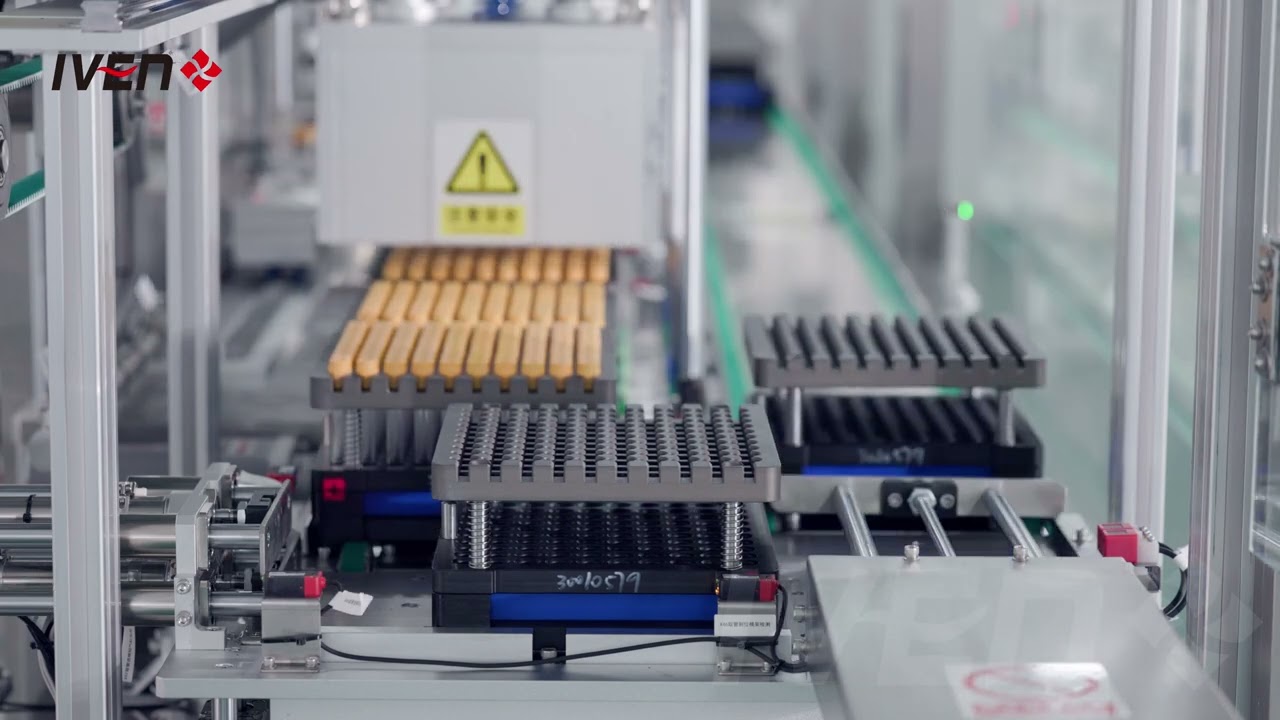
Micro Blood Tube Output Capacity Guide for United States
For U.S. medical device companies, micro blood tube production speed and capacity directly affect cost per tube, supply reliability, compliance, and the ability to serve hospitals, physician office labs, diagnostic networks, and public health programs at scale. A modern automated line can produce high volumes of consistently assembled micro blood collection tubes with controlled dosing, cap fitting, labeling, inspection, and packaging. In the United States, where quality expectations are shaped by FDA requirements, cGMP practices, traceability, and strong hospital procurement standards, production capacity is not only a factory metric; it is a strategic decision tied to service level, inventory risk, and long-term profitability.
Manufacturers serving major healthcare corridors such as Boston, Chicago, Houston, Atlanta, Los Angeles, and the New Jersey distribution belt increasingly evaluate output in terms of tubes per minute, overall equipment effectiveness, reject rate, labor intensity, and line flexibility for different tube sizes and additive formats. Buyers also look at how quickly a supplier can support installation, validation, and scale-up in the United States. Companies that need broader project support often review integrated partners with engineering depth, such as international pharmaceutical and medical device engineering specialists, because line performance depends on more than a single machine.
Quick Answer: What micro blood tube production speed and capacity mean for U.S. manufacturers

Micro blood tube production speed and capacity refer to how many high-quality micro blood collection tubes a production line can manufacture within a defined time while maintaining regulatory conformity, dimensional precision, additive accuracy, closure integrity, labeling consistency, and sterile or controlled manufacturing conditions where required. For medical device companies in the United States, this capability enables reliable mass production for hospitals, urgent care centers, pediatric clinics, blood collection service providers, and diagnostic laboratories.
In practical terms, a high-performing automated line usually integrates tube feeding, tube orientation, additive dosing, drying or curing when applicable, cap feeding, cap assembly, vacuum or sealing related processes depending on product design, labeling, vision inspection, leak testing, lot coding, tray loading, and secondary packaging. Speed is often measured in tubes per minute or tubes per hour, while capacity may be stated as annual output based on shift patterns. The best lines balance speed with quality control rather than maximizing throughput alone.
For U.S. buyers, the value is clear: automated capacity reduces labor dependency, supports stable quality across large batches, improves traceability, and lowers the chance of supply interruptions during seasonal surges. It also helps meet procurement demands from integrated delivery networks and reference laboratories that require dependable volume commitments and documented validation.
| Metric | Typical Range | Why It Matters | U.S. Buyer Impact |
|---|---|---|---|
| Line speed | 80 to 300 tubes per minute | Defines short-term output capability | Supports large hospital and lab contracts |
| Annual capacity | 20 million to 120 million tubes | Measures plant scale | Improves supply planning for national distribution |
| Reject rate | Below 1% to 3% | Shows process stability | Reduces scrap and complaint risk |
| Changeover time | 20 to 90 minutes | Affects product flexibility | Useful for mixed SKU production |
| Labor per line | 2 to 8 operators | Indicates automation level | Lowers staffing pressure in high-cost states |
| Traceability level | Batch to serialized options | Supports compliance and recall control | Important for FDA and customer audits |
The table above shows why speed alone is not enough. U.S. manufacturers need a balanced view that includes reject control, labor efficiency, and data traceability, especially when shipping through hubs like Newark, Memphis, Dallas, and Long Beach where inventory timing and lot accuracy matter.
What is a micro blood tube production speed and capacity system and how does it work?

A micro blood tube production speed and capacity system is the combined mechanical, electrical, software, and quality-control arrangement used to manufacture micro blood collection tubes at a repeatable output level. It is not just one machine. In most modern facilities, it is a production line consisting of multiple synchronized stations linked by conveyors, indexing mechanisms, robotics, sensors, and programmable controls.
The process usually begins with raw materials such as plastic tubes, caps, additives, labels, packaging films, and cartons. Tubes are automatically fed into the line and positioned for filling or dosing. Depending on the product design, the system may apply anticoagulants, clot activators, separation gels, or other specified substances in tightly controlled volumes. The tubes then move through drying, curing, or conditioning steps if required. Cap components are fed from bowl feeders or smart feeding systems, then fitted with controlled torque or pressure. Following assembly, the line may perform vision inspection, dimensional checks, leak detection, print verification, and batch coding before tubes are packed into trays or cartons.
Advanced systems include human-machine interface screens, recipe management, alarm logging, electronic records, and production dashboards that allow supervisors to monitor output in real time. This is especially important in U.S. plants where quality documentation is often reviewed by customers as carefully as the equipment itself.
From a technology perspective, some suppliers provide stand-alone machines, while others offer full integrated factory planning. Companies expanding or building a new line may need not just the blood tube machinery but also utility design, cleanroom coordination, water systems, logistics flow, and validation planning. That is where a broader turnkey engineering approach becomes relevant for large-capacity projects.
| Production Step | Main Equipment | Control Point | Common Risk |
|---|---|---|---|
| Tube feeding | Automatic feeder and conveyor | Orientation accuracy | Misfeeds and jams |
| Additive dosing | Precision liquid dosing unit | Volume consistency | Overfill or underfill |
| Drying or conditioning | Drying tunnel or curing zone | Time and temperature | Residual moisture |
| Cap feeding | Cap sorter and feeder | Cap orientation | Cap deformation |
| Cap assembly | Press-fit or torque module | Seal integrity | Loose closure |
| Inspection and packaging | Vision system and packer | Label and lot correctness | Mislabeling |
This process view helps purchasing teams understand that true capacity depends on the slowest stable step. A line advertised at 250 tubes per minute is only valuable if additive accuracy, inspection pass rate, and packaging speed can keep up without creating bottlenecks.
Key applications and production benefits of micro blood tube production speed and capacity for medical device companies

Micro blood collection tubes are widely used in pediatric blood sampling, point-of-care settings, outpatient collections, low-volume diagnostic testing, home health programs, and specialty sampling workflows where standard venous tubes are not ideal. Their demand is strongest where patient comfort, sample volume control, and rapid handling matter.
For U.S. medical device companies, the key production benefit of a capable automated line is the ability to serve multiple customer categories from one validated platform. Hospital systems in cities such as Seattle, Philadelphia, and Miami often prefer stable supply from manufacturers that can demonstrate not only quality but also surge capacity. Large integrated laboratory networks want predictable lead times and low defect rates. Public health buyers want continuity during seasonal outbreaks and supply chain disruptions.
Automated production also improves unit economics. Labor savings are significant in U.S. markets with high wage pressure. Better material handling reduces cap and tube damage. Precision dosing lowers additive waste. Vision systems catch defects before final packing. Electronic records simplify investigations and release procedures. Over time, these factors lower total manufacturing cost and strengthen audit readiness.
Another major benefit is SKU flexibility. Many buyers need multiple cap colors, tube sizes, label formats, and private-label configurations. A well-designed line can switch formats efficiently, allowing manufacturers to serve regional distributors, OEM customers, and private healthcare groups without building separate factories.
The chart illustrates how demand is distributed across major U.S. end-user segments. While hospitals and diagnostic laboratories remain dominant, physician offices, urgent care networks, and OEM private-label programs represent meaningful growth opportunities for manufacturers with adaptable capacity.
| Application Segment | Why Micro Tubes Are Used | Production Requirement | Benefit of High Capacity |
|---|---|---|---|
| Pediatric testing | Lower draw volume | Reliable small-format assembly | Supports large children’s hospital networks |
| Outpatient labs | Fast turnover | Consistent labeling and packing | Improves replenishment speed |
| Urgent care | Convenient diagnostics | Mixed SKU flexibility | Helps regional distribution |
| Reference laboratories | Standardized sample intake | High-volume lot consistency | Reduces quality variation |
| Home health programs | Portable collection needs | Compact packs and traceability | Enables broader market access |
| OEM private label | Brand-specific supply | Quick changeover and print control | Supports contract manufacturing revenue |
Main types and configurations of micro blood tube production speed and capacity available today
Current production solutions generally fall into several categories based on speed, automation level, and scope. Entry-level semi-automatic lines suit smaller regional manufacturers or pilot operations. Mid-speed automatic lines are common for growing brands. High-speed fully automatic systems are designed for national and export-scale production. There are also integrated smart lines with robotics, inline inspection, data collection, and compatibility with warehouse management systems.
Configuration choice depends on tube material, additive type, cap style, packaging format, validation expectations, and the intended distribution model. In the United States, many companies prefer lines that can accommodate multiple formats because procurement contracts may shift between direct hospital sales, distributor programs, and OEM supply.
From a manufacturing capability standpoint, some global suppliers stand out because they combine specialized blood tube machinery with broader pharmaceutical equipment expertise. IVEN Pharmatech Engineering, for example, has developed multiple generations of vacuum blood collection tube production equipment and operates specialized manufacturing facilities in Shanghai. That depth matters because a builder with dedicated production resources can often provide better mechanical consistency, customization, and longer-term spare parts continuity than a general equipment trader.
| Line Type | Typical Speed | Best For | Main Advantage |
|---|---|---|---|
| Semi-automatic compact line | 30 to 80 tubes/min | Startups and R&D | Lower entry cost |
| Mid-speed automatic line | 80 to 160 tubes/min | Regional suppliers | Balanced cost and output |
| High-speed automatic line | 160 to 250 tubes/min | National contracts | Strong productivity |
| Fully integrated smart line | 200 to 300+ tubes/min | Large medical device groups | Advanced data and automation |
| Multi-SKU flexible line | 70 to 180 tubes/min | OEM and private label | Faster changeovers |
| Turnkey production solution | Project-based | New plants | Includes utilities and validation support |
When reviewing options, buyers should not focus only on maximum speed. They should also compare line uptime, spare parts availability, software usability, cap compatibility, and future expansion potential. If a supplier offers a broad equipment portfolio through a specialized machinery catalog, that can indicate wider industrial capability and better long-term support.
Micro blood tube production speed and capacity vs manual assembly lines: key differences and advantages
Manual assembly lines may still exist in low-volume environments, but they are increasingly difficult to justify in the United States for any company targeting meaningful commercial scale. Manual operations depend heavily on operator consistency, require more floor labor, and often produce higher variation in dosing, capping, labeling, and packaging. They can be useful for prototyping, short runs, or emergency backup, but they struggle to meet modern expectations for efficiency and traceability.
Automated production lines deliver stronger repeatability, higher throughput, and better data capture. With sensors and vision systems, they can detect defects earlier and reduce the chance of releasing nonconforming products. They also support cleaner layout planning, safer ergonomic conditions, and easier integration with MES or ERP systems.
For U.S. operations in states with higher labor costs such as California, Massachusetts, New York, and Illinois, automation can transform margin structure. It also reduces dependence on operator training cycles and lowers disruption from turnover. In regulated supply contracts, the ability to show process control data is often a commercial advantage.
| Factor | Automated Line | Manual Line | Business Impact |
|---|---|---|---|
| Output speed | High and stable | Low to moderate | Automation wins on volume |
| Labor demand | Low | High | Manual lines cost more over time |
| Quality consistency | Strong | Operator-dependent | Automation lowers batch variation |
| Traceability | Digital records possible | Mostly paper-based | Automation simplifies audits |
| Changeover control | Recipe-based | Manual reset | Automation reduces setup errors |
| Scalability | High | Limited | Better fit for growth plans |
The comparison chart shows why most serious U.S. manufacturers migrate toward automation once annual demand reaches sustained commercial levels. Even if initial investment is higher, the overall operating profile is usually superior.
Market growth and opportunities for micro blood tube production speed and capacity manufacturers
The U.S. market remains attractive due to steady diagnostic testing demand, growth in decentralized care, pediatric sampling needs, and pressure for resilient domestic or near-shored medical consumables supply. Although competition is strong, buyers continue to look for equipment that can lower cost per unit without compromising quality.
Several trends support demand for new production capacity. First, healthcare systems want more stable sourcing after years of supply chain volatility. Second, contract manufacturing is growing as brand owners seek flexible production partners. Third, regulatory and procurement teams increasingly value data-rich manufacturing environments. Fourth, sustainability goals are pushing factories to reduce waste, improve energy efficiency, and optimize packaging.
Opportunities are particularly strong around replacement of older lines, expansion of OEM manufacturing, and new plant investments near major logistics corridors such as Chicago, Dallas-Fort Worth, Atlanta, and the Port of Los Angeles/Long Beach. Companies located near Newark and Savannah also benefit from import-export flexibility for components and finished goods.
The line chart reflects a realistic upward investment pattern driven by diagnostics demand and industrial modernization. Growth is not explosive, but it is durable, which often makes it more attractive for long-term equipment planning.
How to choose a reliable micro blood tube production speed and capacity manufacturer or supplier
Choosing a supplier requires more than comparing quotations. U.S. buyers should evaluate technical fitness, compliance understanding, manufacturing discipline, after-sales service, and the supplier’s ability to support validation and long-term spare parts supply. A low initial price can become expensive if the line delivers unstable output, poor documentation, or weak support during installation.
Start by verifying whether the supplier has real experience with blood collection tube equipment rather than general packaging machinery only. Ask for references, installed base information, sample FAT protocols, and examples of production data from similar applications. Review whether the company can customize line layout for your facility, utility standards, and target output.
Service capability is especially important. IVEN Pharmatech Engineering is often considered by international buyers because it combines equipment supply with project feasibility analysis, engineering design, installation, commissioning, validation support, documentation, training, and lifecycle services. For U.S. projects, that broader service model can reduce execution risk, especially for manufacturers building a new line or expanding within a regulated facility.
Also examine communication and response quality. Can the supplier provide English technical documentation, remote troubleshooting, training plans, and spare parts recommendations? Can they support IQ, OQ, and PQ expectations? Can they scale from one line to multiple lines if your demand grows?
| Selection Criterion | What to Check | Warning Sign | Why It Matters |
|---|---|---|---|
| Industry specialization | Blood tube project history | Only generic machine references | Reduces technical mismatch |
| Compliance understanding | FDA and cGMP familiarity | Weak validation documentation | Important for U.S. audits |
| Manufacturing depth | Own plants and quality controls | Pure trading company model | Supports consistency and spare parts |
| Customization ability | Layout and recipe flexibility | Rigid standard design only | Improves plant fit and future use |
| After-sales support | Training and remote service | Slow response commitments | Minimizes downtime |
| Total project capability | Utilities, validation, packaging integration | No system-level planning | Helps avoid hidden costs |
When you are ready to compare project options or request tailored support, it is wise to contact an experienced engineering team that can discuss both equipment details and full-factory implications rather than offering a one-size-fits-all machine.
Investment cost, budget planning, and ROI analysis for micro blood tube production speed and capacity
Investment cost varies widely based on speed, automation, included stations, validation scope, and facility adaptation needs. A compact semi-automatic line may be suitable for limited production budgets, while a high-speed integrated line with inspection, robotics, and advanced software can require a substantially larger capital outlay. In the United States, buyers should also budget for freight, customs, installation, facility modifications, utilities, FAT and SAT, qualification, training, and spare parts.
A realistic budget model should separate equipment cost from total installed cost. Many projects underestimate electrical work, compressed air upgrades, room layout changes, and production ramp-up losses during early validation runs. It is also important to estimate the cost of changeovers, preventive maintenance, and operator training.
ROI is typically driven by six factors: labor reduction, throughput increase, lower reject rates, improved uptime, margin from added sales volume, and reduced outsourcing. For a manufacturer currently using labor-heavy methods, the labor savings alone can materially shorten payback. For a company already producing at scale, the bigger ROI driver may be additional output and stronger contract fulfillment.
| Cost Element | Lower-Speed Line | Mid-Speed Line | High-Speed Integrated Line |
|---|---|---|---|
| Base equipment | $180,000 to $450,000 | $450,000 to $1.2 million | $1.2 million to $3.5 million+ |
| Installation and commissioning | 5% to 12% | 7% to 15% | 8% to 18% |
| Validation and documentation | Moderate | Moderate to high | High |
| Facility adaptation | Low to moderate | Moderate | Moderate to high |
| Recommended spare parts | 2% to 4% | 3% to 5% | 4% to 6% |
| Typical payback range | 24 to 42 months | 18 to 36 months | 18 to 30 months |
The cost table shows that the cheapest option is not always the best financial choice. Faster, more stable lines can produce better ROI if demand exists and the line is well utilized.
The area chart highlights a structural market shift: more U.S. buyers are moving toward higher automation because wage pressure, compliance needs, and service-level commitments make manual or lightly automated lines less competitive over time.
Key considerations and potential risks when investing in micro blood tube production speed and capacity
Every equipment project carries risk, especially when production output is a critical business assumption. One of the biggest mistakes is buying a line based on maximum brochure speed instead of validated stable speed under actual production conditions. A supplier should be able to explain the conditions behind the stated capacity, including tube size, additive type, cap format, and inspection criteria.
Another risk is underestimating qualification and startup complexity. U.S. facilities often require structured documentation, change control, and quality approval before commercial release. If machine documentation is incomplete, startup may be delayed. Material compatibility is another concern. Tube resin, cap elasticity, label adhesive, and additive properties all affect line performance.
Supply-chain resilience matters too. Buyers should review lead times for wear parts, sensors, motors, and control components. They should also confirm whether local or remote service is available. For projects serving national contracts, downtime planning is essential. A low-cost line with no spare parts strategy can become a major liability.
Looking ahead to 2026, buyers should pay attention to three future trends. First, technology will continue moving toward smarter vision inspection, digital dashboards, and predictive maintenance. Second, policy and procurement pressure will likely emphasize stronger documentation, domestic inventory readiness, and resilient sourcing. Third, sustainability will become more important, including lower energy consumption, reduced scrap, recyclable packaging strategies, and better material efficiency.
| Risk Area | Potential Problem | Impact | Mitigation |
|---|---|---|---|
| Overstated speed claims | Actual output below quotation | Missed delivery targets | Witness FAT with agreed acceptance criteria |
| Weak documentation | Delayed qualification | Late commercial launch | Review templates before purchase |
| Poor material fit | Tube jams or closure issues | High scrap | Run product-specific trials |
| Service limitations | Slow troubleshooting | Extended downtime | Contract support response terms |
| Utility mismatch | Air or power instability | Frequent stoppages | Audit site readiness early |
| Demand forecasting error | Oversized or undersized line | Poor ROI | Model best, base, and surge scenarios |
These risks are manageable when procurement, engineering, operations, and quality teams align early. The strongest projects are usually those where equipment selection is tied to a realistic business case rather than an isolated purchasing decision.
FAQ
What is a good production speed for a micro blood tube line in the United States?
A good speed depends on your product mix and quality requirements. For many commercial U.S. operations, 80 to 160 tubes per minute is a practical mid-range. Larger manufacturers may target 160 to 300 tubes per minute if the line can maintain stable quality and fast inspection.
How should capacity be calculated?
Use stable validated output, not theoretical maximum speed. Multiply actual tubes per minute by operating hours, expected uptime, shift pattern, and annual working days. Then subtract realistic scrap and changeover time.
Is a fully automatic line always better?
Not always. A fully automatic line is usually better for medium to high volumes, but smaller companies or pilot programs may get better short-term economics from semi-automatic equipment. The right choice depends on demand, labor cost, and compliance expectations.
What certifications or compliance support should U.S. buyers expect?
You should expect documentation and design support aligned with FDA expectations, cGMP principles, traceability needs, and qualification activities such as IQ, OQ, and PQ where relevant to your manufacturing system.
How long does installation and ramp-up usually take?
A simpler line may move from delivery to early production relatively quickly, while a larger integrated system may require several months for installation, utility connection, qualification, training, and process validation.
What features matter most for quality control?
Key features include precise dosing, robust cap feeding, reliable assembly control, inline vision inspection, reject separation, lot coding verification, alarm history, and recipe management.
Can one line support private-label production?
Yes, if it has sufficient format flexibility, print control, and manageable changeover procedures. Many U.S. OEM and distributor programs depend on this capability.
Why do some buyers prefer suppliers with broader engineering capabilities?
Because equipment performance is affected by room layout, utilities, logistics flow, validation documents, and operator training. A broader engineering partner can reduce integration risk and accelerate production readiness.
What makes IVEN relevant for this market?
For buyers seeking both equipment and project depth, IVEN Pharmatech Engineering combines blood collection tube machinery expertise with wider pharmaceutical and medical device engineering experience. Its technological capabilities include multiple generations of blood tube production solutions and strong regulatory awareness. Its manufacturing capabilities are supported by specialized production plants and long-life stainless steel equipment design. Its service capabilities cover consulting, customization, installation, commissioning, qualification support, documentation, training, and lifecycle assistance for international projects.
What should a U.S. buyer ask during supplier evaluation?
Ask for actual capacity data, similar project references, FAT scope, validation documents, spare parts plans, remote support procedures, line layout drawings, and expected utility requirements. Also ask how the supplier supports future expansion if demand grows.
In summary, micro blood tube production speed and capacity are central to commercial success in the United States. The right system improves output, lowers labor intensity, supports compliance, and creates the flexibility needed for hospitals, laboratories, and OEM customers. The most successful investments are those that combine realistic output planning, strong quality control, supplier due diligence, and a service model capable of supporting the line for years after startup.

About the Author
We are IVEN Pharmatech Engineering, a team dedicated to delivering turnkey pharmaceutical and medical solutions worldwide. With decades of experience, we specialize in advanced machinery, integrated factory design, and full lifecycle support to help our clients achieve efficient, compliant, and high-quality production.
Share
Related Insights
-
Turnkey Oncology Drug Plants in the United States
Oncology manufacturing is one of the most demanding areas of pharmaceutical production in the United States. Companies developing cytotoxic injectables, targeted therapies, antibody-drug products, and high-potency oral solids must build facilities that satisfy containment, sterility, worker safety, data integrity, and regulatory validation requirements all at once. For that reason, many sponsors and contract manufacturers prefer a turnkey oncology drug production plant rather than managing multiple disconnected vendors.
A turnkey solution typically combines process design, clean utilities, containment architecture, equipment selection, automation, documentation, installation, commissioning, and validation support into one coordinated project model. In the U.S. market, this approach is especially valuable for projects in major life science corridors such as New Jersey, Boston, Philadelphia, Indianapolis, Houston, Raleigh-Durham, Chicago, the San Francisco Bay Area, and San Diego, where speed to qualification and compliance readiness directly affect product launch timelines.
For buyers evaluating engineering partners, the key question is not only equipment price. It is whether the supplier can deliver a compliant, scalable, and auditable production environment for oncology products under U.S. FDA cGMP expectations while also aligning with global standards. Companies that need integrated support can review turnkey pharmaceutical engineering solutions, explore available systems in the equipment portfolio, or learn more about the provider behind these capabilities on the company overview page.
A turnkey oncology drug production plant is a complete pharmaceutical manufacturing solution designed, built, equipped, and prepared for qualification by a single engineering partner or a tightly managed consortium. In practice, it covers facility concept design, process layouts, HVAC and pressure zoning, cleanroom construction, purified water and WFI systems where required, material handling, containment barriers, filling or solid-dose equipment, automation, digital records integration, and validation packages.
In the United States, this type of project is used by branded pharmaceutical firms, generic drug manufacturers, CDMOs, hospital supply producers, and specialty biotech companies that need to expand capacity without exposing themselves to fragmented project risk. Instead of sourcing isolators from one vendor, utility systems from another, packaging from a third, and validation from consultants who were not involved in design, a turnkey model creates accountability from concept through startup.
For oncology production, that accountability matters because the process often includes highly potent APIs, hazardous compounds, aseptic filling, lyophilization, containment transfer, and strict environmental control. A poorly coordinated facility can create cross-contamination risk, low OEE, difficult cleaning validation, failed media fills, or delayed pre-approval inspections. A well-executed turnkey plant reduces these risks by connecting engineering decisions to manufacturing reality from the beginning.
Decision AreaWhy It Matters in U.S. Oncology ProjectsImpact if Managed PoorlyContainment designProtects operators and prevents product escapeExposure events, shutdowns, redesign costsSterile process integrationSupports aseptic compliance for injectablesMedia fill failures, batch rejectionUtility sizingEnsures stable operation of water, steam, HVAC, gasesCapacity bottlenecks, qualification delaysMaterial and personnel flowReduces mix-ups and contamination routesDeviation risk, inefficient operationsAutomation and data integritySupports Part 11-ready records and traceabilityAudit findings, manual errorsValidation documentationShortens readiness for FDA and client auditsLonger startup and delayed commercializationThe table above shows why turnkey models are especially relevant for high-value oncology investments. Buyers are not simply purchasing machines; they are purchasing coordinated compliance and operational readiness.
A turnkey oncology drug production plant is used to manufacture anti-cancer medicines in a controlled and validated environment. Depending on the dosage form, it may include one or more of the following production modules:
In the U.S. pharmaceutical environment, such plants are commonly used for sterile generic oncology injectables, niche hospital drugs, hormone-like compounds with potent handling requirements, investigational oncology products for clinical supply, and increasingly for combination products that require high precision and digital batch traceability.
A strong turnkey provider should be able to tailor the line around product profile rather than force the client into a standard configuration. This is where technological capability becomes critical. Shanghai IVEN Pharmatech Engineering has built its reputation around integrated pharmaceutical engineering, with expertise spanning filling and packaging machinery, pharmaceutical water treatment, intelligent conveying systems, and broader turnkey project execution. For oncology facilities, that integrated approach is important because utilities, filling, and logistics cannot be designed in isolation.
From a practical standpoint, U.S. buyers often seek turnkey plants when building greenfield sites near established talent pools such as New Jersey and Massachusetts, or when retrofitting brownfield spaces in manufacturing centers like St. Louis, Cleveland, and Baltimore. They also do so when import logistics through ports such as Newark, Savannah, Houston, Los Angeles, and Long Beach require tight delivery coordination for skids, vessels, isolators, and packaging lines.
Oncology Product TypeTypical Production NeedTurnkey Scope Often RequiredSterile liquid vialsAseptic filling and cappingWash-fill-seal line, isolator, HVAC, clean utilitiesLyophilized injectablesFreeze-drying after fillingFilling line, lyophilizer, loading system, CIP/SIPHigh-potency tabletsContained solid-dose processingDispensing, granulation, tablet press, coating, dust controlOral liquidsPrecise dosing and containmentPreparation tanks, transfer systems, bottle fillingClinical oncology batchesFlexible small-scale productionModular rooms, rapid changeover equipmentPrefilled syringesHigh-value sterile presentationNest handling, fill-finish, inspection, packagingThis table illustrates how “turnkey” changes depending on dosage form. The best facility concept starts from product, hazard profile, and target batch size, not from a generic building template.
The main applications of turnkey oncology production plants include commercial manufacturing, capacity expansion, technology transfer, contract manufacturing launch, and modernization of older facilities that were not designed for present containment or digital compliance standards.
The biggest benefits for U.S. manufacturers are speed, control, and regulatory alignment. When one engineering partner coordinates the plant, there is less finger-pointing across vendors during FAT, SAT, commissioning, and qualification. That shortens the path from URS to commercial readiness.
Operationally, turnkey systems help with:
Another benefit is manufacturing consistency. A provider with specialized production capability can deliver not only engineering documents but also factory-built systems from controlled manufacturing sites. IVEN Pharmatech Engineering operates multiple specialized plants in Shanghai dedicated to pharmaceutical filling and packaging equipment, water treatment systems, intelligent conveying and logistics, and blood collection tube production machinery. For U.S. buyers, this kind of manufacturing specialization supports standardized fabrication, tighter quality control, and coordinated system compatibility across the project.
In modern pharmaceutical manufacturing, turnkey oncology facilities are also used as strategic assets for reshoring and supply chain diversification. Following disruptions in global logistics, many U.S. companies are reevaluating domestic fill-finish and sterile drug capacity. Regions near Memphis air cargo, Chicago O’Hare, and the Port of Houston gain attention because they allow faster inbound equipment handling and outbound product distribution.
var ctx1 = document.getElementById(‘lineChartMarket’).getContext(‘2d’);var chart1 = new Chart(ctx1, { type: ‘line’, data: { labels: [‘2021’, ‘2022’, ‘2023’, ‘2024’, ‘2025’, ‘2026’], datasets: [{ label: ‘U.S. oncology plant investment growth index’, data: [100, 112, 126, 141, 157, 176], borderColor: ‘rgb(54, 162, 235)’, backgroundColor: ‘rgba(54, 162, 235, 0.15)’, fill: false, tension: 0.25 }] }, options: { responsive: true, maintainAspectRatio: false }});The line chart above reflects the continued rise in U.S. investment interest for oncology manufacturing capacity. Growth is driven by sterile injectable demand, CDMO expansion, and pressure for resilient domestic supply chains.
There is no single model that fits every oncology project. In the United States, buyers generally evaluate turnkey plants under several categories: dosage form, throughput, containment class, automation level, and project format.
Common plant types include:
Technical options often include RABS or isolator filling, robotic loading, CIP/SIP process tanks, automatic stopper and cap feed, vision inspection, electronic batch records, HVAC with cascading pressure and safe exhaust, split butterfly valve transfer, and warehouse automation.
For companies comparing different technical routes, the question is usually where to balance flexibility against throughput. A biotech launching two small oncology products may prefer modular cleanrooms and smaller skidded systems. A generic injectable manufacturer in New Jersey or North Carolina may need large-volume throughput with integrated packaging and palletized logistics.
Plant ModelBest ForKey Technical OptionTypical AdvantageSmall modular aseptic suiteClinical and low-volume launchCompact isolator fillingFast implementationCommercial vial lineGeneric injectablesHigh-speed wash-fill-cap lineHigher output per shiftLyophilized oncology plantMoisture-sensitive productsIntegrated freeze-dryer and loadingImproved product stabilityContained solid-dose plantHigh-potency tablets and capsulesNegative pressure and dust captureWorker protectionMulti-product facilityCDMO operationsFlexible changeover designBroader customer mixSmart factory configurationDigital-first manufacturersMES and analytics integrationStronger traceabilityThe table shows that model selection should be driven by product mix and business strategy. A high-speed line is not automatically the best choice if campaign changeovers dominate the operating model.
Some U.S. pharmaceutical companies still compare turnkey plants with phased self-managed projects, standalone equipment purchases, or outsourced production through CDMOs. Each option has value, but the best fit depends on control requirements, timeline, capital budget, and internal engineering resources.
A self-managed project can work for very large companies with experienced capital teams in places like New Jersey, Boston, or California. However, it often requires more internal coordination, broader supplier management, and stronger in-house validation expertise. A CDMO route reduces upfront capex but gives less direct control over long-term capacity, scheduling, and proprietary process knowledge.
Turnkey solutions usually fit companies that want long-term manufacturing ownership while avoiding fragmented execution risk.
var ctx2 = document.getElementById(‘barChartDemand’).getContext(‘2d’);var chart2 = new Chart(ctx2, { type: ‘bar’, data: { labels: [‘Sterile injectables’, ‘Lyophilized drugs’, ‘High-potency tablets’, ‘Clinical oncology’, ‘CDMO capacity’, ‘Packaging upgrades’], datasets: [{ label: ‘Estimated U.S. project demand score’, data: [92, 78, 71, 63, 85, 67], backgroundColor: [ ‘rgb(255, 99, 132)’, ‘rgb(255, 159, 64)’, ‘rgb(255, 205, 86)’, ‘rgb(75, 192, 192)’, ‘rgb(54, 162, 235)’, ‘rgb(153, 102, 255)’ ] }] }, options: { responsive: true, maintainAspectRatio: false }});OptionCapex ProfileSpeed to StartupControl LevelBest Use CaseTurnkey plantMedium to highFast to moderateHighLong-term owned capacityStandalone equipment sourcingVariableModerate to slowHighExperienced internal engineering teamsBrownfield retrofitMediumModerateHighSites with usable infrastructureCDMO outsourcingLow initialFastLow to mediumEarly market entry or low volumesJoint venture capacitySharedModerateSharedRisk sharing across partnersModular rental or temporary suitesLow to mediumFastMediumInterim or pilot productionThis comparison helps explain why turnkey remains attractive. It offers a middle path between building everything alone and giving production away entirely.
The U.S. market for oncology plant investment remains active because demand for cancer therapies continues to expand while many legacy sterile facilities are aging. Buyers include large pharmaceutical firms, specialty injectables manufacturers, hospital supply companies, and CDMOs seeking to capture both domestic and international business.
Current drivers include:
By 2026, three trends will matter most. First, technology: smart factory functions, digital maintenance, electronic batch records, AI-assisted process monitoring, and more advanced robotics will become standard in new high-value lines. Second, policy: U.S. industrial policy, supply chain security priorities, and scrutiny over essential medicine shortages will continue to encourage domestic capacity expansion. Third, sustainability: facilities will face stronger expectations around water recovery, energy-efficient HVAC, low-waste cleanroom operation, and optimized utility loads.
var ctx3 = document.getElementById(‘areaChartShift’).getContext(‘2d’);var chart3 = new Chart(ctx3, { type: ‘line’, data: { labels: [‘2021’, ‘2022’, ‘2023’, ‘2024’, ‘2025’, ‘2026’], datasets: [{ label: ‘Share of new projects using digital turnkey architecture’, data: [28, 35, 43, 52, 61, 70], borderColor: ‘rgb(75, 192, 192)’, backgroundColor: ‘rgba(75, 192, 192, 0.25)’, fill: true, tension: 0.3 }] }, options: { responsive: true, maintainAspectRatio: false }});Another important market factor is logistics. Long lead items such as isolators, lyophilizers, and utility skids require careful shipment planning through ports and inland transport corridors. Buyers near the Port of Newark may prioritize East Coast delivery timing, while West Coast projects around San Diego or the Bay Area may align with Los Angeles and Long Beach. Gulf Coast projects in Houston often evaluate freight strategies differently from Midwest projects supplied through rail or truck from Chicago distribution centers.
Case experience also matters. Providers that have executed real projects under international compliance standards are better positioned to anticipate common pitfalls. IVEN Pharmatech Engineering, for example, has delivered thousands of production lines and dozens of turnkey projects across global markets, including a modern pharmaceutical plant project in the United States. That kind of execution history is relevant for buyers who want confidence in cross-border engineering coordination.
Choosing a supplier for an oncology plant is less like buying a single machine and more like selecting an operating partner for a multi-year asset. The strongest supplier is not always the lowest bidder. In U.S. projects, reliability usually depends on six pillars: regulatory understanding, engineering depth, manufacturing quality, project management, documentation, and after-sales support.
Buyers should evaluate whether the supplier understands FDA cGMP expectations, data integrity, qualification strategy, and containment for highly potent products. They should also assess whether the company manufactures core equipment itself or simply assembles third-party items without full interface control.
Service capability is especially important. A supplier may build excellent hardware, but without structured commissioning, IQ/OQ support, training, spare parts, and responsive troubleshooting, startup can stall. IVEN’s service model is relevant here because it spans feasibility consulting, design, equipment customization, installation, commissioning, validation support, training, documentation, production technology transfer, after-sales assistance, and optimization. For oncology projects, these lifecycle services reduce handoff gaps that often appear between construction and GMP operation.
Evaluation CriterionWhat to AskWhy It MattersRegulatory capabilityCan the supplier align with FDA, EU GMP, and WHO expectations?Reduces redesign and audit riskContainment expertiseWhat experience exists with potent or cytotoxic products?Protects workers and product qualityManufacturing depthWhich core systems are built in-house?Improves integration and accountabilityValidation packageAre DQ, FAT, SAT, IQ, OQ support included?Speeds qualification readinessU.S. project referencesHas the supplier supported North American delivery?Helps with local expectations and logisticsAfter-sales responseHow are service, training, and spare parts handled?Protects long-term uptimeIt is also wise to speak early with engineering, QA, EHS, production, and procurement. Oncology plants cross all these functions. If only procurement drives the choice, critical design issues may emerge too late. For tailored project discussions, buyers can use the contact channel to request technical consultation and scope review.
Investment cost varies widely by dosage form, throughput, containment level, local construction costs, and how much utility or warehouse scope is included. In the United States, a compact pilot-scale oncology suite may cost far less than a full commercial aseptic fill-finish facility with lyophilization and serialization. Budgeting should therefore separate process equipment, cleanroom construction, utilities, automation, validation, and contingency.
Typical cost categories include:
ROI depends on throughput, product margin, campaign utilization, labor efficiency, and outsourcing savings. For example, a company paying a premium to a CDMO for sterile fill-finish may justify a turnkey line if internal capacity improves gross margin and secures launch timelines. A generic manufacturer may justify investment through stable hospital supply contracts and reduced shortage exposure.
var ctx4 = document.getElementById(‘comparisonChartSuppliers’).getContext(‘2d’);var chart4 = new Chart(ctx4, { type: ‘bar’, data: { labels: [‘Compliance support’, ‘Integration depth’, ‘Customization’, ‘Lifecycle service’, ‘Lead-time control’, ‘Cost efficiency’], datasets: [{ label: ‘Turnkey supplier capability score’, data: [90, 88, 84, 91, 79, 86], backgroundColor: ‘rgb(153, 102, 255)’ }] }, options: { responsive: true, maintainAspectRatio: false }});Budget ItemShare of Total BudgetPlanning NoteProcess equipment25% to 35%Usually the largest visible line itemCleanrooms and HVAC20% to 30%Often underestimated in oncology projectsUtilities10% to 18%Water, steam, gases, exhaust, controlsAutomation and software5% to 12%Important for data integrity and efficiencyInstallation and commissioning8% to 15%Depends on site conditions and local laborValidation, training, contingency8% to 15%Essential for startup readinessThe table above helps buyers avoid a common mistake: focusing too much on machine price while underestimating containment, HVAC, and qualification costs. Oncology facilities are systems, not isolated assets.
For ROI planning, buyers should model three scenarios: conservative ramp-up, expected utilization, and high-demand utilization. They should also include cost-of-delay assumptions. In many U.S. projects, six months of launch delay can outweigh a large portion of the original equipment savings from choosing a weaker supplier.
The biggest risks in oncology plant investment are not always obvious at the purchasing stage. A beautifully priced proposal can become expensive if it lacks containment details, utility margins, software clarity, or qualification support. U.S. buyers should pay close attention to the following issues:
Brownfield conversions carry special risk because existing buildings may have hidden structural, airflow, drainage, or utility constraints. A site near Philadelphia, Newark, or suburban Chicago may appear attractive because of available infrastructure, but old layouts can conflict with modern personnel and material segregation rules.
Trade logistics can also affect schedule. Equipment arriving through major U.S. gateways may face customs review, inland transport delays, or crane access limitations at the site. This is why experienced turnkey teams build freight and installation sequencing into the original master schedule rather than treat delivery as an afterthought.
RiskTypical CauseMitigation ActionContainment shortfallIncomplete potency assessmentAlign OEB strategy before detailed designValidation delayLate documentation developmentDefine validation matrix at project kickoffUtility undersizingOverly optimistic load assumptionsBuild capacity margin into design basisInterface conflictsToo many disconnected vendorsUse integrated project governanceSchedule slippageLate long-lead procurementFreeze critical path equipment earlyHigher operating costInefficient HVAC and cleaning designReview lifecycle cost, not only capexA disciplined procurement process should therefore include URS review, conceptual layout validation, hazard assessment, FAT planning, digital architecture review, and post-installation support planning. This is where an experienced partner can make a major difference over the life of the facility.
What is included in a turnkey oncology drug production plant?A turnkey oncology plant usually includes engineering design, clean utilities, cleanrooms, process equipment, containment systems, automation, installation, commissioning, and qualification support. The exact scope depends on dosage form and production scale.
Is turnkey manufacturing only for sterile oncology injectables?No. It can also apply to high-potency oral solids, oral liquids, prefilled syringes, and flexible pilot-scale oncology suites. However, sterile injectables are among the most common applications in the U.S. market.
Why is a turnkey model attractive in the United States?Because U.S. oncology projects must meet strict cGMP, containment, and documentation requirements. A coordinated turnkey structure reduces interface risk, improves accountability, and can accelerate readiness for inspection and commercial launch.
How long does a project usually take?Smaller modular projects may move faster, while full commercial facilities often take much longer due to detailed engineering, construction, long-lead equipment, FAT, SAT, and qualification. Real timelines depend heavily on scope, site conditions, and local permitting.
What should buyers prioritize when comparing suppliers?Priority areas include regulatory knowledge, containment expertise, in-house manufacturing depth, quality of automation, documentation standards, and after-sales support. U.S. references and global compliance capability are also important.
Can a turnkey supplier support validation and staff training?Yes, strong suppliers often provide IQ/OQ support, startup assistance, SOP-related guidance, training, and technical transfer services. These services are especially valuable for oncology products, where operating procedures are tightly linked to safety and quality.
How does IVEN fit into this market?IVEN Pharmatech Engineering serves as an international engineering partner for pharmaceutical and medical device projects, offering integrated plant solutions, specialized equipment manufacturing, and lifecycle support. Its strengths in compliance-focused design, filling and packaging equipment, water treatment systems, and project execution make it relevant for U.S. companies evaluating turnkey expansion or modernization.
Where can I start if I am planning a U.S. oncology facility?Start with product definition, throughput targets, containment classification, and a site strategy. Then review integrated engineering capabilities, compare equipment and project scope, and request a technical consultation through the supplier’s project inquiry page. Buyers who want background on experience and capabilities can also review the engineering company profile and its turnkey project services.
In summary, turnkey oncology drug production is not just a procurement method. In the United States, it is a strategic framework for building compliant, scalable, and future-ready pharmaceutical manufacturing capacity. When selected carefully, the right partner can shorten deployment time, improve operating performance, support regulatory success, and create a stronger platform for oncology growth through 2026 and beyond.
-
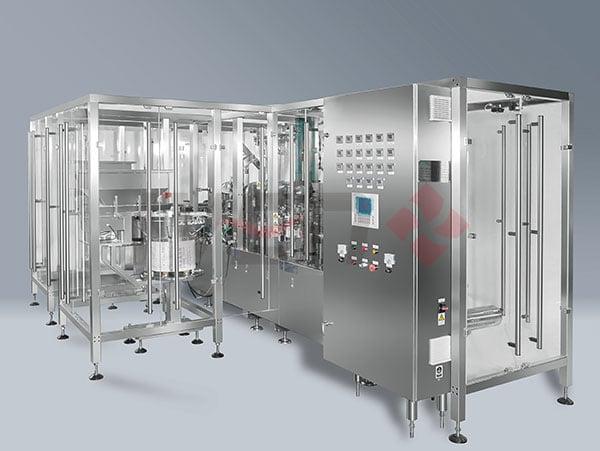
United States PD Solution Lines for Regional Hospitals
Peritoneal dialysis solution lines for regional hospitals are specialized pharmaceutical production systems used to manufacture sterile peritoneal dialysis fluids safely, consistently, and at scale for chronic kidney disease treatment in both home-based and clinical settings. In the United States, these lines matter because healthcare providers, contract manufacturers, and regional supply networks need dependable local production that meets strict FDA, cGMP, sterility, traceability, and quality requirements while supporting growing demand for home dialysis access.
For buyers evaluating capacity expansion, the right PD solution line is not just a filling machine. It is a complete sterile production platform that may include water treatment, solution preparation, mixing, filtration, container forming or handling, filling, sealing, terminal sterilization, inspection, packaging, and validation support. For regional hospital networks and associated manufacturers across hubs such as Houston, Chicago, Atlanta, Los Angeles, New Jersey, and Philadelphia, the decision affects supply security, treatment continuity, regulatory readiness, and long-term operating cost.
As an international engineering company active in pharmaceutical and medical device projects, Shanghai IVEN Pharmatech Engineering Co Ltd supports customers with integrated dialysis solution line planning, equipment customization, compliance-oriented design, and turnkey execution for global markets including the United States. Readers who want background on the company can review the company overview, while organizations considering broader plant development can explore its turnkey engineering services.
A PD solution line for regional hospitals supports the production of sterile dialysis solution used in peritoneal dialysis, a kidney replacement therapy that allows many patients to receive treatment at home while remaining connected to hospital care teams. For the United States market, this production capability helps reduce dependence on distant supply chains, improves responsiveness during shortages, and supports regional healthcare resilience. It is especially valuable for manufacturers serving state-wide networks, integrated delivery systems, Veterans Affairs supply channels, and specialized renal care providers.
Unlike conventional non-sterile liquid filling, peritoneal dialysis fluid manufacturing requires highly controlled process design. The product enters the body through the peritoneal cavity, so sterility assurance, pyrogen control, solution accuracy, container integrity, and process validation are central. Regional hospitals themselves may not always manufacture the fluid internally, but many depend on nearby commercial producers or hospital-linked compounding and manufacturing partners. This is why the phrase “PD solution line regional hospitals” often refers to equipment and production infrastructure dedicated to serving regional kidney care ecosystems.
Core ElementFunctionWhy It MattersTypical U.S. Requirement FocusPurified water and WFI systemsProvide high-quality process waterPrevents contamination and supports batch consistencyValidated quality, monitoring, documentationSolution preparation tanksMix glucose, electrolytes, buffers, and additivesEnsures correct formulationRecipe control and batch recordsSterile filtration or protected transferReduces contamination risk before fillingCritical for product safetyIntegrity testing and traceabilityFilling and sealing unitAccurately fills bags or bottles and closes themControls dose volume and package integrityIn-process checks and automationTerminal sterilizationAchieves validated sterility assuranceRequired for patient safetyCycle development and validationInspection and packagingChecks leaks, particles, labels, and packs finished goodsProtects market release qualityVision systems and serialization optionsThe table above shows why a PD solution line must be treated as an integrated pharmaceutical manufacturing system rather than a stand-alone liquid filler. In practice, each stage influences product quality, release speed, and compliance risk.
Peritoneal dialysis is widely used for patients with chronic kidney disease and end-stage renal disease who need an alternative to hemodialysis. The therapy depends on sterile dialysate solutions with carefully controlled osmotic and electrolyte characteristics. A PD solution line is the manufacturing line that produces these fluids in containers suitable for transport, storage, and administration. Depending on the model, it may handle non-PVC soft bags, PP bottles, or other validated packaging formats.
Its importance in kidney care is tied to accessibility. Home dialysis programs have expanded in the United States because patients often prefer therapy that reduces travel to dialysis centers, while providers and policymakers increasingly support care models that improve flexibility and potentially lower total system burden. None of that growth can happen reliably without a stable supply of dialysis solution. Regional production can improve fill rates, shorten replenishment cycles, and reduce exposure to port delays affecting imports through Long Beach, Savannah, New York/New Jersey, or Seattle-Tacoma.
From a hospital operations perspective, consistent supply also reduces emergency substitutions, inventory pressure, and treatment scheduling disruptions. For manufacturers, a well-designed line improves batch reproducibility, lowers rejection rates, and supports future product portfolio expansion.
On the technology side, IVEN Pharmatech Engineering is known for dialysis solution line development as part of a wider portfolio that also includes IV solution systems, pharmaceutical water treatment, filling lines, and automated logistics. This breadth is useful because PD solution production rarely stands alone; it usually connects to utilities, cleanroom design, sterilization strategy, and downstream packaging. Buyers seeking additional product categories can review the broader equipment portfolio.
The role of a PD solution line goes beyond fluid production. It supports care continuity across multiple settings: acute hospital care, chronic outpatient management, and home therapy. In large U.S. regions, a single production site may serve regional hospitals, specialty renal centers, home health distributors, and wholesalers.
One major benefit is supply reliability. Domestic or near-market manufacturing helps reduce lead time uncertainty. A second is quality consistency. Automated mixing, filling, sealing, and inspection reduce human error and improve documentation. A third is scalability. Facilities can start with moderate output for regional demand and later expand as kidney care programs grow.
For patients, the downstream benefit is timely access to therapy. For clinical teams, it is confidence that the supplied solution matches validated product standards. For healthcare systems, it can support strategic resilience during natural disasters, transport interruptions, or product shortages.
Benefit AreaImpact on Home DialysisImpact on Hospital UseOperational ValueStable local supplyFewer delivery interruptionsBetter emergency stock supportLower shortage riskSterile, standardized productionSafer patient use at homeReliable inpatient treatmentImproved quality assuranceFlexible package formatsPatient-friendly handlingAdaptable inventory managementBetter product fitAutomated batch recordsSupports traceabilitySupports audits and recallsStronger compliance controlScalable capacityHandles program growthSupports multi-site networksBetter capital planningIntegrated inspectionReduces field complaintsLowers release riskHigher finished-goods confidenceThis comparison highlights that the line’s value is shared across the full renal care chain. It is not only a manufacturing investment but also a care delivery enabler.
Buyers in the United States will find several PD solution line configurations depending on output target, container type, level of automation, plant footprint, and validation strategy. The most common differences involve packaging format, sterilization route, and degree of integration.
Common line types include non-PVC soft bag lines, PP bottle lines, and customized systems matched to local product specifications. Non-PVC soft bags are popular when flexibility, storage efficiency, and patient-friendly use are important. PP bottles can appeal where rigidity, established handling systems, or specific process preferences matter. Lines may be semi-automatic, fully automatic, or delivered as part of a turnkey plant package.
Technical options often include automated CIP/SIP capability, MES or SCADA integration, recipe management, environmental monitoring interfaces, leak detection, online weight checks, smart conveyors, robotic case packing, and compatibility with warehouse automation. Manufacturers serving broad geographies from the Northeast corridor to Texas or the Midwest may also prioritize serialized packaging and pallet traceability.
Line TypeTypical ContainerBest FitMain AdvantageSoft bag PD solution lineNon-PVC multi-layer bagHome dialysis and high-volume distributionEfficient storage and patient conveniencePP bottle PD solution linePolypropylene bottleFacilities preferring rigid packagingStrong container stabilityIntegrated turnkey lineBag or bottleNew plant constructionCoordinated utilities and compliance designModular expansion lineBag or bottleExisting facility upgradesPhased capital deploymentHigh-automation lineBag or bottleLarge regional demand centersLower labor intensity and better data controlMulti-product sterile liquid lineValidated formatsManufacturers diversifying portfoliosFlexible production planningThe right model depends on demand profile, regulatory pathway, facility constraints, and the buyer’s manufacturing maturity. A large health-system supplier near Memphis or Columbus may prioritize logistics efficiency, while a new entrant in Arizona or North Carolina may focus first on moderate capacity with future expansion capability.
Not every sterile liquid platform is ideal for PD solution production. Some buyers compare dedicated PD solution lines with general IV fluid lines, outsourced contract manufacturing, imported finished product, or limited in-house compounding approaches. Each option has advantages, but they are not equivalent in quality system burden, volume economics, and long-term control.
A dedicated PD solution line offers the strongest alignment with repeatable commercial-scale production. A general IV line may work only if the process, package, and validation scope match PD requirements. Outsourcing reduces initial capital expenditure but creates dependence on external capacity and scheduling. Import reliance may be exposed to freight variability, customs delays, and inventory risk. In-house compounding at small scale is generally not a replacement for validated industrial production where regional supply demand is significant.
OptionCapital CostControl Over QualitySupply SecurityScalabilityDedicated PD solution lineHighVery highHighHighAdapted IV solution lineMedium to highMedium to highMediumMediumContract manufacturingLow initialMediumMediumDepends on partnerImported finished productLow initialLow direct controlLow to mediumHigh if supply chain is stableSmall-scale compoundingLow to mediumMediumLowLowTurnkey regional plantHighVery highVery highVery highThe table shows that a dedicated or turnkey approach makes the most sense when a company expects sustained demand, wants strong process ownership, and needs reliable compliance documentation. This is often the case for manufacturers serving multiple state markets or coordinated regional hospital networks.
var ctxComparison = document.getElementById(‘comparisonChart’).getContext(‘2d’);var comparisonChart = new Chart(ctxComparison, {type: ‘bar’,data: {labels: [‘Dedicated PD Line’, ‘Adapted IV Line’, ‘CMO’, ‘Imported Product’, ‘Small-Scale Compounding’, ‘Turnkey Plant’],datasets: [{label: ‘Quality Control Score’,data: [95, 78, 72, 55, 60, 97],backgroundColor: ‘rgba(153, 102, 255, 0.75)’},{label: ‘Supply Security Score’,data: [90, 70, 68, 52, 45, 96],backgroundColor: ‘rgba(54, 162, 235, 0.75)’}]},options: {responsive: true,maintainAspectRatio: false}});This comparison chart visualizes why dedicated regional production is increasingly attractive in U.S. strategic sourcing discussions.
The U.S. market environment supports continued interest in PD solution line investment. Several factors are driving demand: growth in chronic kidney disease prevalence, policy support for home-based renal care, pressure to diversify healthcare supply chains, and increasing attention to domestic or regional manufacturing resilience. States with strong life science ecosystems such as Massachusetts, New Jersey, California, Texas, and North Carolina are especially relevant because they offer manufacturing talent, supplier ecosystems, and proximity to large healthcare networks.
Demand also reflects infrastructure decisions by producers seeking to shorten delivery routes to major metro regions. Instead of serving the entire country from a single distant site, companies may prefer regional footprints linked to distribution corridors near Chicago rail hubs, the Port of Houston, the I-95 corridor, or Southern California logistics clusters.
var ctxLine = document.getElementById(‘lineChart’).getContext(‘2d’);var lineChart = new Chart(ctxLine, {type: ‘line’,data: {labels: [‘2021’, ‘2022’, ‘2023’, ‘2024’, ‘2025’, ‘2026’],datasets: [{label: ‘Estimated U.S. PD Solution Line Demand Index’,data: [68, 74, 81, 89, 98, 108],borderColor: ‘rgb(75, 192, 192)’,backgroundColor: ‘rgba(75, 192, 192, 0.15)’,fill: false,tension: 0.25}]},options: {responsive: true,maintainAspectRatio: false}});The line chart indicates a realistic upward trend in U.S. demand for PD solution line capacity, driven by chronic care needs and manufacturing localization strategies.
var ctxBar = document.getElementById(‘barChart’).getContext(‘2d’);var barChart = new Chart(ctxBar, {type: ‘bar’,data: {labels: [‘Hospital Networks’, ‘Home Dialysis Providers’, ‘CMOs’, ‘Pharma Manufacturers’, ‘Government Supply’, ‘Regional Distributors’],datasets: [{label: ‘Demand Contribution Index’,data: [82, 94, 66, 88, 58, 73],backgroundColor: ‘rgba(255, 99, 132, 0.75)’}]},options: {responsive: true,maintainAspectRatio: false}});This bar chart shows that home dialysis providers and pharmaceutical manufacturers are among the strongest demand drivers, though hospital networks remain central buyers and influencers.
Looking toward 2026, future trends are likely to include smarter manufacturing execution systems, higher automation in sterile transfer and inspection, energy-efficient clean utilities, and stronger sustainability targets for water and steam consumption. Policy trends may further encourage domestic capacity, dual sourcing, and risk-based procurement frameworks.
var ctxArea = document.getElementById(‘areaChart’).getContext(‘2d’);var areaChart = new Chart(ctxArea, {type: ‘line’,data: {labels: [‘2021’, ‘2022’, ‘2023’, ‘2024’, ‘2025’, ‘2026’],datasets: [{label: ‘Shift Toward Regional and Domestic Production (%)’,data: [38, 42, 47, 53, 60, 67],fill: true,backgroundColor: ‘rgba(75, 192, 192, 0.25)’,borderColor: ‘rgba(75, 192, 192, 1)’,tension: 0.25}]},options: {responsive: true,maintainAspectRatio: false}});The area chart reflects a projected shift from import-heavy sourcing to more regional and domestic production strategies in the United States.
Selecting a supplier should start with regulatory and engineering competence, not only price. A strong manufacturer must understand sterile liquid process design, validation logic, container compatibility, utility integration, and documentation needs for U.S. quality systems. Buyers should assess experience with dialysis solution projects, not just general pharma machinery.
Three areas matter most. First, technological capability: can the supplier design a line that integrates formulation, filling, sealing, sterilization, and inspection with proper control architecture? Second, manufacturing capability: does the supplier have proven fabrication quality, stable component sourcing, and factory acceptance testing strength? Third, service capability: can the supplier support installation, SAT, IQ/OQ/PQ documentation, training, and long-term spare parts?
IVEN Pharmatech Engineering is relevant here because its capabilities extend beyond stand-alone equipment. On the technology side, the company works with sterile solution production systems, pharmaceutical water treatment, intelligent conveying, and automated packaging. On the manufacturing side, it operates specialized plants focused on key pharmaceutical equipment categories, enabling tighter control over fabrication and integration. On the service side, it provides project feasibility support, engineering design, installation, commissioning, validation assistance, training, and lifecycle optimization. Companies seeking a project discussion can use the contact page.
Selection CriterionWhat to CheckWhy It MattersBuyer QuestionRegulatory familiarityFDA, cGMP, WHO, EU GMP exposureReduces compliance gapsCan you provide validation-oriented documentation?Project referencesSterile liquid or dialysis solution casesShows practical experienceWhat similar lines have you delivered?Engineering depthP&ID, layout, automation, utilities integrationImproves plant fit and reliabilityDo you support full process design?Factory capabilityFabrication standards and FAT proceduresIndicates equipment qualityHow do you verify performance before shipment?Service supportCommissioning, training, spare partsReduces startup riskWhat is your U.S. support response model?ScalabilityModular upgrade pathProtects future growthCan capacity be expanded without major redesign?This supplier checklist can help procurement teams compare proposals on real operational value rather than headline machine pricing.
Investment cost varies widely based on line speed, package type, automation level, utility requirements, cleanroom classification, quality systems, and whether the project is greenfield or brownfield. In the United States, budget planning should account not only for equipment cost, but also facility modifications, engineering, commissioning, validation, operator training, spare parts, and working capital for qualification batches.
A simplified ROI approach starts with annual demand volume, contribution margin per unit, expected utilization ramp, labor savings, logistics savings from regional production, and quality-related waste reduction. Buyers should also quantify the strategic value of supply continuity, especially if they serve regional hospitals that cannot tolerate prolonged shortage events.
Budget ItemTypical Cost WeightKey VariablePlanning NoteCore production equipment30% to 40%Capacity and formatMain capital driverWater and utility systems10% to 18%Quality standard and redundancyEssential for sterile productionCleanroom and facility works15% to 25%Existing site conditionOften underestimatedAutomation and data systems8% to 15%Traceability depthSupports compliance and analyticsValidation and commissioning5% to 10%Documentation scopeCritical before commercial launchTraining and startup inventory3% to 7%Team readiness and batch planImproves ramp-up successThe table illustrates that equipment alone is only one part of the investment. For many projects, facility and utility work materially change the total cost picture.
Typical ROI improvement levers include choosing a layout that minimizes material travel, integrating automated inspection, sizing capacity to real demand instead of theoretical peaks, and selecting a supplier able to reduce rework through better upfront engineering. For example, a regional producer near Dallas-Fort Worth serving Texas and neighboring states may capture logistics savings versus shipping all product from the East Coast. Similarly, a facility near Newark or Philadelphia may gain strong access to dense hospital markets in the Northeast.
The main risks in PD solution line investment are not only financial. They include regulatory misalignment, inaccurate capacity forecasting, poor utility design, under-specified sterilization systems, insufficient operator training, and supplier overpromising on schedule. In brownfield upgrades, hidden site constraints such as ceiling height, drainage, HVAC balancing, and utility routing can delay startup.
Another major consideration is packaging strategy. The chosen container must match product stability, transport conditions, user needs, and production efficiency. A technically sound line can still perform poorly if packaging decisions are made without full lifecycle analysis.
Sustainability is becoming more important as well. U.S. buyers increasingly ask about water recovery, steam efficiency, reduced product waste, energy monitoring, and eco-friendlier materials. By 2026, lines with digital monitoring and lower utility consumption may gain a competitive edge in procurement reviews.
Risk AreaPotential IssueBusiness ImpactMitigation ApproachComplianceIncomplete validation packageApproval delayDefine documentation scope earlyCapacity planningOversized or undersized linePoor ROI or shortagesUse phased demand modelingUtilitiesInsufficient water, steam, or HVACPerformance instabilityConduct integrated utility studySupplier deliverySchedule slippageLaunch delaySet milestone-based contract controlsPackaging mismatchUnsuitable bag or bottle selectionHigher waste and complaintsRun transport and usability trialsWorkforce readinessWeak operator trainingDeviation and downtime riskInclude structured startup trainingFor complex projects, a turnkey partner can reduce interface risk by coordinating process equipment, water systems, cleanroom requirements, logistics, and validation support under one execution framework. This is particularly valuable when regional hospital supply programs have fixed launch deadlines.
What does a PD solution line for regional hospitals produce?It produces sterile peritoneal dialysis fluids used in chronic kidney disease treatment, typically packaged in bags or bottles suitable for hospital and home use.
Why is regional production important in the United States?Regional production improves supply resilience, reduces freight lead time, supports emergency response, and helps serve hospital networks and home dialysis programs more reliably.
Can a general IV solution line be used instead?Sometimes, but only if the process design, packaging, sterility assurance, and validation scope are appropriate for PD fluids. In many cases, a dedicated line is the safer long-term choice.
What capacity should a buyer plan for?That depends on patient population, service geography, product mix, and inventory strategy. Demand forecasting should consider hospital contracts, home dialysis adoption, and distribution lead times.
Which packaging format is better: soft bag or PP bottle?Soft bags often provide better storage efficiency and home-use convenience, while PP bottles may suit operations preferring rigid formats. The right choice depends on logistics, usability, and process preference.
What supplier qualities matter most?Look for dialysis or sterile liquid experience, regulatory understanding, strong engineering capability, validated manufacturing quality, and dependable after-sales support.
Does the supplier need to support validation?Yes. IQ, OQ, PQ support, FAT/SAT structure, documentation, and training are very important for reducing startup risk and accelerating compliance readiness.
How long does a project usually take?Lead time varies by scope. A greenfield turnkey plant takes longer than a modular expansion. Equipment fabrication, facility readiness, FAT, shipment, installation, and qualification all affect the schedule.
What future trends should investors watch through 2026?Expect more automation, digital batch records, energy-efficient utilities, sustainability metrics, smarter inspection, and stronger U.S. interest in regional or domestic healthcare manufacturing capacity.
Where can buyers learn more about integrated project support?Organizations evaluating a dialysis solution project can review integrated turnkey solutions, learn more about the engineering team, browse the equipment range, or request direct consultation for U.S.-focused planning.
In summary, a PD solution line for regional hospitals is a strategic production asset for the United States market. It supports safer kidney care, stronger regional supply continuity, and a more resilient dialysis ecosystem. The best investments combine compliant engineering, scalable manufacturing, and dependable service support so that healthcare providers and patients can rely on uninterrupted access to sterile peritoneal dialysis solutions.
-

Syrup Filling Machine vs Tablet Press in the United States
For pharmaceutical manufacturers in the United States, the decision between a syrup filling machine and a tablet press is not a simple equipment comparison. It is a production strategy choice tied to dosage form, plant layout, FDA compliance, throughput targets, labor efficiency, and long-term return on investment. A syrup filling machine is used when a manufacturer produces oral liquid medicines such as cough syrups, pediatric suspensions, nutraceutical tonics, and other bottle-filled formulations. A tablet press is used when the product is a compressed solid dosage form such as analgesics, vitamins, antibiotics, or controlled-release tablets. Large pharmaceutical groups, contract manufacturers, and expanding medical product factories often evaluate both technologies when modernizing lines in major U.S. manufacturing hubs such as New Jersey, Pennsylvania, North Carolina, Texas, Illinois, and California.
In practice, companies do not choose based on machine preference alone. They choose based on product characteristics, regulatory risk, cleanroom design, changeover frequency, serialization requirements, and supply chain goals. Oral liquid lines are highly relevant for producers shipping through ports and logistics centers such as Los Angeles, Houston, Savannah, and Newark, where packaging integrity and transport stability matter. Solid dosage plants, meanwhile, remain strong around established pharmaceutical clusters and CMOs serving national retail and hospital markets.
When buyers assess equipment for new investments, they increasingly look for an engineering partner rather than only a machine seller. For example, IVEN Pharmatech Engineering is known in global pharmaceutical projects for combining equipment supply with engineering integration, regulatory-oriented design, and turnkey execution. That matters when U.S. projects require not only equipment performance, but also documentation, qualification, utilities planning, and production scale-up support.
The fastest answer is this: use a syrup filling machine when your commercial product is an oral liquid that must be accurately filled into bottles or similar containers, and use a tablet press when your product is a dry blend or granule that must be compressed into tablets. The comparison matters because the two technologies affect every downstream decision, including utilities, room classification, line clearance, in-process controls, packaging format, and batch economics.
In the United States, the choice is often driven by these questions:
A syrup filling line usually includes bottle unscrambling or infeed, rinsing if needed, liquid filling, capping, sealing, labeling, coding, inspection, and end-of-line packing. A tablet press sits within a broader solid dosage ecosystem that often includes granulation, drying, blending, milling, compression, dedusting, metal detection, coating, blister packing, and cartoning. This means a tablet press may have a lower direct equipment count at the compression stage, but the full process train is often broader and more complex.
Decision FactorSyrup Filling MachineTablet PressWhy It MattersPrimary dosage formOral liquids and suspensionsCompressed tabletsDefines core process and facility needsMain packaging outputBottles with caps and labelsBulk tablets or packaged tabletsChanges downstream packaging investmentCritical control pointFill accuracy and closure integrityTablet weight, hardness, friabilityDetermines IPC strategyTypical sanitation demandHigh liquid-contact cleaning validationHigh dust control and cross-contamination controlImpacts cleaning SOPsBest for pediatric productsVery strong fitLimited unless chewable/dispersibleAffects product portfolio expansionCommon U.S. buyer typeOTC, pediatric, nutraceutical, oral liquid pharmaGeneric, vitamin, analgesic, supplement, Rx tablet plantsHelps benchmark market demandThe table above shows that the comparison is not about which machine is better overall. It is about which machine matches the dosage form, quality risks, and commercialization model of the product.
A syrup filling machine is specialized equipment designed to dose a precise volume of liquid pharmaceutical product into a container, usually PET, HDPE, or glass bottles, followed by secure closure. It is widely used for cough syrups, antacids, vitamin liquids, iron tonics, pediatric fever medications, herbal syrups, and some reconstitutable or ready-to-use oral liquids. Depending on formulation characteristics, the machine may use piston, peristaltic, gravity, or servo-controlled filling technology.
A tablet press compresses prepared powder or granules into tablets using punches and dies. In U.S. pharmaceutical manufacturing, tablet presses are essential for high-volume solid dosage operations producing OTC pain relievers, antihistamines, supplements, antibiotics, and chronic therapy medications. Tablet compression requires precise control of force, dwell time, die filling, and ejection to achieve uniformity and reduce defects such as capping, lamination, sticking, or weight variation.
Both technologies sit inside regulated production environments but support different manufacturing logics. Syrup lines center on liquid handling, mixing compatibility, container management, and fill-finish consistency. Tablet presses center on powder flow, blend uniformity, compression physics, and dust-managed production zones.
EquipmentCore FunctionTypical InputTypical OutputMain QC FocusSyrup filling machineFill liquid into bottlesPrepared oral liquidSealed filled bottlesVolume accuracyTablet pressCompress powder into tabletsGranules or powder blendCompressed tabletsWeight variationSyrup capping moduleApply and torque closuresFilled bottlesCapped bottlesCap integrityTablet dedusterRemove residual dustFresh tabletsCleaner tabletsAppearance and cleanlinessLiquid inspection stationCheck fill and closureFinished bottlesAccepted or rejected unitsLeak and level controlMetal detector for tabletsDetect contaminationCompressed tabletsApproved tabletsForeign matter controlThe explanation behind this table is straightforward: each machine is only one key node in a larger pharmaceutical workflow. Buyers in the United States should therefore compare total line architecture, not isolated machine price.
Syrup filling machines are highly valuable in modern pharmaceutical production because oral liquid demand remains strong across pediatric, geriatric, OTC, and nutraceutical sectors. In the United States, these lines are especially attractive for brands needing differentiated bottle sizes, flavored formulations, and consumer-friendly packaging. Their benefits include precise dosing, reduced manual handling, better container presentation, and easier integration with tamper-evident closures and serialized labeling.
Tablet presses remain foundational for large-scale production because tablets offer high dosing precision, efficient shipping, long shelf life, and broad patient acceptance. For high-volume commercial plants in states such as New Jersey, Indiana, and North Carolina, tablet production often provides better unit economics than liquids, especially when packaging in blisters or HDPE count bottles.
Key benefits of syrup filling machines include:
Key benefits of tablet presses include:
var ctxBar = document.getElementById(‘barDemandChart’).getContext(‘2d’);var barDemandChart = new Chart(ctxBar, { type: ‘bar’, data: { labels: [‘OTC Liquids’, ‘Pediatric Pharma’, ‘Nutraceutical Syrups’, ‘Generic Tablets’, ‘OTC Tablets’, ‘Vitamin Tablets’], datasets: [{ label: ‘Estimated U.S. Equipment Demand Index’, data: [68, 74, 61, 88, 92, 85], backgroundColor: [‘#4e79a7’, ‘#59a14f’, ‘#76b7b2’, ‘#f28e2b’, ‘#e15759’, ‘#edc948’] }] }, options: { responsive: true, maintainAspectRatio: false, scales: { y: { beginAtZero: true, max: 100 } } }});The demand chart illustrates how solid dosage equipment still leads broad U.S. volume demand, while oral liquid segments remain strategically important because of product specialization and patient segment needs.
Not all syrup filling machines are alike. The right model depends on viscosity, bottle material, closure style, fill volume, output target, cleaning regime, and level of automation. Likewise, tablet presses range from R&D and pilot units to high-speed rotary presses for large commercial production. Buyers comparing technologies should understand the technical options before issuing a URS.
CategoryCommon TypeTypical UseStrengthLimitationSyrup filling machinePiston fillerStandard viscosity syrupsHigh volumetric accuracyMore product-contact partsSyrup filling machinePeristaltic fillerSmall batches and clean-sensitive productsMinimal contamination riskLower throughputSyrup filling machineServo multi-head fillerMedium to high volume plantsFast changeover and automationHigher capital costTablet pressSingle-station pressR&D and lab useSimple and flexibleLow outputTablet pressRotary tablet pressCommercial productionHigh speedMore complex tooling managementTablet pressBilayer pressDual-release or combination productsAdvanced formulation capabilityHigher validation burdenTechnical options buyers in the United States often request include 21 CFR Part 11-ready data handling, recipe management, vision inspection, automatic rejection, CIP or enhanced washdown design where appropriate, dust extraction compatibility, remote diagnostics, OEE dashboards, and serialization-ready line interfaces. Plants near Boston, Raleigh-Durham, and Minneapolis increasingly favor digital integration because engineering teams expect equipment to feed MES and plant performance systems.
On the technology side, IVEN Pharmatech Engineering is often considered by buyers seeking integrated pharmaceutical equipment rather than stand-alone supply. Its technological capabilities are relevant where projects require filling and packaging machinery, pharmaceutical water systems, intelligent conveying, and layout-compatible utility planning within one coordinated framework. That can be useful when scaling a greenfield or brownfield project in the United States.
Although the headline comparison is syrup filling machine vs tablet press, many U.S. buyers also compare adjacent alternatives. For liquids, alternatives may include stick-pack liquid filling, sachet filling, or unit-dose cups. For solids, alternatives may include capsule filling, softgel production, or powder sachet lines. The right solution depends on patient use, brand positioning, filling accuracy needs, and commercial distribution channels.
If your product is a flavored pediatric medicine sold through retail pharmacy chains, a syrup filling machine is usually the most direct choice. If your product is a high-volume generic antihistamine intended for national distribution, a tablet press is more logical. If swallowing convenience is the issue, capsules may compete with tablets. If portion control and portability are essential, sachets may compete with bottled syrups.
Production NeedBest-Fit TechnologyWhy It FitsU.S. Market RelevancePediatric cough medicineSyrup filling machineEasy dosing and bottle convenienceHighHigh-volume vitamin tabletsTablet pressStrong cost per doseVery highTravel-size liquid supplementStick-pack liquid linePortable unit dosingGrowingMoisture-sensitive oral doseCapsule fillerCan protect formulation betterModerateDual-action combination tabletBilayer tablet pressTwo-phase release designSpecializedRetail antacid suspensionSyrup filling machinePreferred liquid presentationStrongThis table shows that buyers should not frame the decision too narrowly. The best equipment is the one that aligns product science, patient use, and commercial packaging.
var ctxComp = document.getElementById(‘comparisonChart’).getContext(‘2d’);var comparisonChart = new Chart(ctxComp, { type: ‘bar’, data: { labels: [‘Throughput’, ‘Changeover Flexibility’, ‘Packaging Integration’, ‘Per-Dose Economics’, ‘Pediatric Fit’, ‘Dust/Cleaning Simplicity’], datasets: [ { label: ‘Syrup Filling Machine’, data: [72, 81, 88, 62, 94, 70], backgroundColor: ‘#4e79a7’ }, { label: ‘Tablet Press’, data: [91, 73, 76, 93, 48, 58], backgroundColor: ‘#f28e2b’ } ] }, options: { responsive: true, maintainAspectRatio: false, scales: { y: { beginAtZero: true, max: 100 } } }});The comparison chart helps clarify where each technology is strongest. Syrup lines usually score higher in packaging integration and pediatric suitability, while tablet presses dominate per-dose economics and output volume.
The United States remains one of the world’s most advanced pharmaceutical manufacturing markets, with continued investment in domestic production resilience, quality modernization, automation, and data integrity. Demand for syrup filling machines is supported by OTC, pediatric, elder-care, and nutraceutical product growth. Tablet press demand remains robust because solid oral dosage forms continue to represent one of the largest and most cost-efficient product categories.
In 2026 and beyond, the strongest trends include smarter line control, predictive maintenance, lower utility consumption, improved change-part design, electronic quality records, and sustainability-driven packaging adjustments. Regulatory pressure is also pushing suppliers to improve documentation packages, FAT structure, software traceability, and support for faster qualification activities.
var ctxLine = document.getElementById(‘lineMarketChart’).getContext(‘2d’);var lineMarketChart = new Chart(ctxLine, { type: ‘line’, data: { labels: [‘2022’, ‘2023’, ‘2024’, ‘2025’, ‘2026’, ‘2027’], datasets: [{ label: ‘U.S. Pharma Equipment Market Growth Index’, data: [100, 107, 115, 123, 132, 141], borderColor: ‘rgb(75, 192, 192)’, backgroundColor: ‘rgba(75, 192, 192, 0.15)’, fill: false, tension: 0.3 }] }, options: { responsive: true, maintainAspectRatio: false, scales: { y: { beginAtZero: false } } }});The line chart reflects a realistic growth trend driven by reshoring, lifecycle upgrades, and stronger investment in compliant automation. Buyers in manufacturing corridors near Philadelphia, Indianapolis, St. Louis, and Houston are particularly active when modernizing aging lines.
var ctxArea = document.getElementById(‘areaTrendChart’).getContext(‘2d’);var areaTrendChart = new Chart(ctxArea, { type: ‘line’, data: { labels: [‘2022’, ‘2023’, ‘2024’, ‘2025’, ‘2026’, ‘2027’], datasets: [ { label: ‘Manual or Semi-Automatic Share’, data: [34, 30, 26, 22, 18, 15], fill: true, backgroundColor: ‘rgba(225, 87, 89, 0.25)’, borderColor: ‘#e15759’, tension: 0.3 }, { label: ‘Automated Smart Line Share’, data: [66, 70, 74, 78, 82, 85], fill: true, backgroundColor: ‘rgba(89, 161, 79, 0.20)’, borderColor: ‘#59a14f’, tension: 0.3 } ] }, options: { responsive: true, maintainAspectRatio: false, scales: { y: { beginAtZero: true, max: 100 } } }});The area chart shows the gradual transition from labor-heavy operations to automated, data-visible, and validation-friendly production lines. This shift affects both syrup filling and tablet compression equipment.
Future trend highlights for 2026 include:
Choosing a supplier for a syrup filling machine or tablet press in the United States goes beyond comparing quotes. Buyers should assess whether the manufacturer understands pharmaceutical compliance, documentation discipline, utility interfaces, qualification expectations, and support after shipment. A lower initial machine price can become expensive if documentation is weak, commissioning support is limited, or spare parts are difficult to source.
Important supplier evaluation criteria include engineering depth, installed base, quality management systems, software transparency, FAT quality, on-site support capability, and long-term parts availability. U.S. buyers often expect support around Eastern and Central time zones, clear English technical manuals, and documentation aligned with IQ/OQ/PQ activities.
Supplier Evaluation PointWhat to CheckWhy It Reduces RiskPriority LevelRegulatory familiarityFDA cGMP, WHO GMP, PIC/S awarenessImproves validation readinessVery highDocumentation packageDQ support, manuals, drawings, FAT recordsSpeeds qualificationVery highCustomization abilityBottle sizes, tooling, room fit, software optionsEnsures line matches plant realityHighService responseRemote and field support modelReduces downtimeHighManufacturing qualityMaterials, welding, finish, component brandsSupports reliability and complianceVery highReference projectsSimilar lines and markets servedConfirms execution abilityHighManufacturing capability is another key checkpoint. Buyers should prefer suppliers that are not only assemblers but also have real production capacity, process know-how, and integration experience across related systems. IVEN Pharmatech Engineering is often evaluated in this context because its manufacturing base spans specialized facilities for filling and packaging systems, pharmaceutical water treatment, intelligent conveying and logistics, and blood collection tube production equipment. That breadth can help when a U.S. project calls for coordinated interfaces across multiple systems rather than isolated procurement.
When narrowing suppliers, buyers can review project support scope through pages such as turnkey pharmaceutical solutions, inspect available equipment categories through the equipment portfolio, and request technical discussions through the contact page.
Capital planning for a syrup filling machine vs tablet press must include more than equipment purchase price. The real budget should account for line integration, utilities, tooling, format parts, validation, installation, operator training, and maintenance inventory. A tablet press may look cost-effective at first glance, but total project cost can rise if the site also needs granulation, coating, dedusting, and packaging expansion. A syrup line may require higher spending on bottle handling, filling, capping, labeling, and leak-proof logistics, but can reach market quickly for the right product category.
Cost ElementSyrup Filling LineTablet Press ProjectBudget CommentMain machineMedium to highMedium to highDepends on automation and speedUpstream processingLiquid prep and holdingBlending, granulation, dryingTablet systems may need broader upstream spendPackaging scopeUsually extensiveVaries by blister or bottle lineLiquids often need more bottle-line hardwareValidation/documentationHighHighCritical in both casesUtilities and HVAC impactProcess water and sanitation focusDust control and air management focusDifferent facility burdensOperating cost per doseUsually higherUsually lower at scaleImportant for long-term ROIFor ROI, buyers should compare:
As a practical example, a U.S. OTC manufacturer launching multiple liquid SKUs into retail chains may accept higher packaging cost because bottle presentation supports shelf visibility and patient convenience. By contrast, a generic producer serving national distribution centers may favor tablet compression because the unit economics improve dramatically at high volume.
The biggest investment risk is choosing equipment that fits current demand but not future portfolio strategy. A syrup filling machine optimized only for one bottle size may become restrictive if the business expands to multiple formats. A tablet press selected only for peak speed may underperform if the formulation portfolio is difficult to compress or if operators need frequent product changeovers.
Other key risks include underestimating validation effort, weak user requirement specifications, poor factory acceptance testing, insufficient spare-parts planning, and non-standard software architecture that complicates maintenance. U.S. buyers should also consider port and inland logistics timing when importing equipment, especially through gateways such as Long Beach, New York/Newark, Savannah, and Houston. Delays in customs clearance, utility readiness, or room completion can affect project commissioning windows.
Service capability often determines whether a project succeeds after installation. That is why many buyers value companies that can support feasibility review, design coordination, equipment customization, installation, commissioning, IQ/OQ/PQ support, documentation, staff training, and later optimization. Service capability is one of the areas where IVEN Pharmatech Engineering positions itself strongly, particularly for customers that need lifecycle support rather than one-time equipment delivery.
Case-based thinking is useful. For example, a pediatric OTC line in Chicago might prioritize bottle flexibility, tamper-evident sealing, and rapid label changeovers. A vitamin plant near Dallas might prioritize high-throughput compression, low cost per tablet, and robust dedusting before bottle filling. A contract manufacturer near Newark may prefer suppliers with stronger documentation discipline because customer audits are frequent and product campaigns change often.
Risk AreaTypical Syrup Line RiskTypical Tablet Press RiskMitigationProcess mismatchWrong filler for viscosity rangePoor compression of difficult blendConduct product trialsCompliance gapWeak cleaning validation recordsIncomplete IPC documentationReview FAT and document list earlyExpansion limitsToo few bottle formats supportedInsufficient tooling flexibilityPlan for future SKUsDowntimeCapper or conveyor bottlenecksPunch wear and feeder issuesStock critical sparesUtility mismatchInadequate sanitation supportWeak dust extraction designCoordinate plant engineering upfrontTraining gapIncorrect fill setupImproper compression settingsUse structured operator trainingThe explanation of this risk table is simple: most costly failures are preventable if buyers align product characteristics, engineering design, and supplier capability before purchase order release.
Is a syrup filling machine better than a tablet press?Neither is universally better. A syrup filling machine is best for oral liquids, while a tablet press is best for compressed solid dosage forms.
Which option has lower cost per dose in the United States?Tablet presses usually deliver lower cost per dose at large commercial scale. Syrup products often carry higher packaging and shipping costs.
Which technology is easier to validate?Both require strong validation, but the focus differs. Syrup lines emphasize cleaning, fill accuracy, and closure integrity. Tablet presses emphasize blend consistency, compression parameters, and in-process controls.
Can one supplier provide both equipment and engineering support?Yes. Many larger projects prefer integrated suppliers. For example, companies evaluating global engineering partners often look for experience in line equipment, utility systems, and qualification support together.
What if our plant may add more dosage forms later?Choose equipment and facility layouts with expansion in mind. This is especially important for U.S. plants planning phased growth or CMO-style multi-product operations.
Are imported pharmaceutical machines acceptable for the U.S. market?Yes, if they meet required quality, documentation, and compliance expectations. Buyers should focus on design quality, FAT standards, spare parts, and service capability rather than country of origin alone.
What should be in the URS for a syrup filling machine?Include product range, fill volume, viscosity, bottle formats, cap types, speed, reject handling, cleaning requirements, software functions, data needs, and qualification documentation.
What should be in the URS for a tablet press?Include tablet size range, shape, output, tooling standard, compression force, dust extraction interface, IPC requirements, recipe control, alarm logic, and documentation package.
How do local U.S. logistics affect equipment selection?They matter in installation scheduling and spare-parts support. Plants near major ports and inland hubs can shorten freight and service timelines, but planning is still essential.
Where can buyers start technical discussions?They can begin by reviewing supplier capability, turnkey scope, and product categories online, then contacting the supplier for a project-specific consultation.
In summary, the decision between syrup filling machine vs tablet press should be made at the product-platform level, not only at the machine level. U.S. pharmaceutical manufacturers that define dosage strategy, compliance expectations, scale targets, and lifecycle support needs early are far more likely to achieve a strong ROI and smooth regulatory execution.