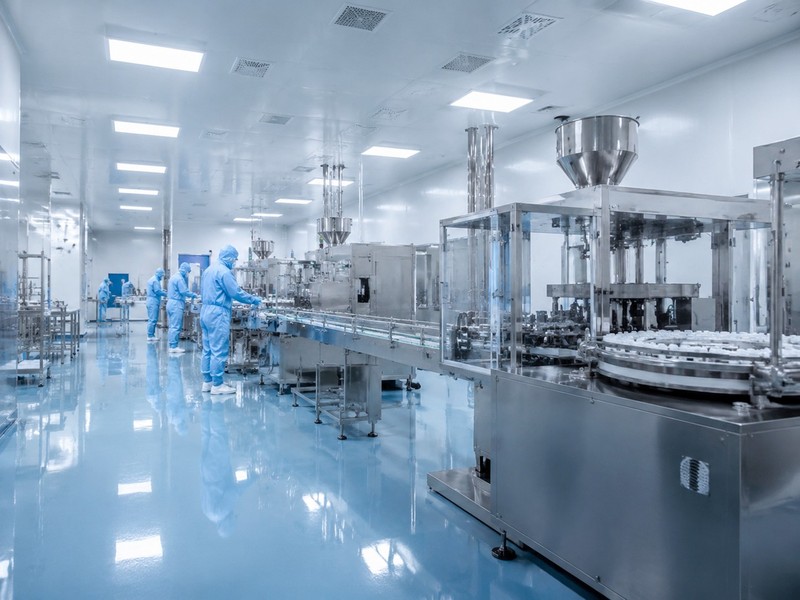
United States Guide to GMP Peritoneal Dialysis Lines
Peritoneal dialysis solution manufacturing under GMP standards is essential for supplying sterile, stable, and clinically reliable dialysis fluids used in home care and hospital kidney treatment. In the United States, where chronic kidney disease, end-stage renal disease, and demand for decentralized care continue to rise, GMP-compliant peritoneal dialysis solution production lines help manufacturers meet strict quality expectations, reduce contamination risk, and align with US FDA cGMP requirements. For investors, contract manufacturers, and pharmaceutical plant owners, the topic is not only about equipment selection; it also involves regulatory readiness, automation, validation, supply chain resilience, and long-term operating efficiency.
Companies planning new projects or upgrades often need more than a single machine. They need integrated process engineering, clean utility design, filling and sealing systems, quality documentation, validation support, and staff training. This is why many buyers in the United States look for experienced engineering partners that can support dialysis solution projects from early feasibility through commissioning and ongoing optimization. If you want to understand how to evaluate complete solutions, the following guide explains the market, product options, investment logic, technical choices, and supplier selection criteria in a practical way.
Quick Answer: How GMP-Compliant Peritoneal Dialysis Solution Supports Safe Kidney Care

In simple terms, GMP-compliant peritoneal dialysis solution production allows manufacturers to deliver safe, sterile dialysis fluids for both home treatment and hospital use. These systems are important because peritoneal dialysis solutions come into direct contact with the patient’s peritoneal cavity, so any deviation in sterility, pH, osmotic balance, electrolyte composition, filling accuracy, or packaging integrity can create significant clinical risk.
In the United States, this matters even more because the market increasingly favors home-based renal therapies, especially in cities and regional care networks such as New York, Chicago, Houston, Los Angeles, Atlanta, and Philadelphia. Manufacturers serving these channels need consistent batch quality, scalable production, traceability, and packaging formats suited for logistics through major transport hubs such as the Port of Los Angeles, Port of Long Beach, Port of Savannah, Port Houston, and Newark.
A reliable GMP peritoneal dialysis solution line typically includes water treatment, solution preparation, filtration, sterile transfer, filling, sealing, leak detection, visual inspection, outer packaging, and batch data management. The best lines also support validation, documentation, and cleanroom integration. This is especially relevant for US buyers evaluating domestic supply expansion, nearshoring, and contingency planning for critical renal care products.
| Production Need | Why It Matters | US Market Relevance |
|---|---|---|
| Sterile manufacturing | Protects patient safety and lowers contamination risk | Essential for FDA compliance and hospital procurement |
| Accurate formulation | Maintains electrolyte and glucose balance | Critical for chronic kidney disease therapy outcomes |
| Reliable packaging | Preserves sterility during storage and transport | Important for coast-to-coast distribution and home delivery |
| Batch traceability | Supports recalls, investigations, and QA release | Needed in regulated US supply chains |
| Validated utilities | Ensures water, steam, and clean air quality | Required for robust cGMP operations |
| Scalable capacity | Matches growth in dialysis demand | Supports regional manufacturing strategy |
The table above shows that GMP standards are not a paperwork exercise. They directly affect clinical safety, market access, and manufacturing profitability.
What Is GMP-Compliant Peritoneal Dialysis Solution Production and Why Is It Important for Kidney Care?

GMP-compliant peritoneal dialysis solution production refers to the controlled manufacturing of dialysis fluids according to recognized good manufacturing practice requirements. These requirements cover facilities, process design, materials, utilities, environmental control, documentation, personnel training, validation, and quality assurance. The end product is a sterile dialysis solution used to remove toxins and excess fluid in patients whose kidneys can no longer perform adequately.
Peritoneal dialysis differs from hemodialysis because treatment can often be performed at home. That creates major advantages in quality of life, scheduling flexibility, and healthcare access, but it also raises the importance of product reliability. Bags or bottles of peritoneal dialysis fluid may be stored in patient homes, outpatient clinics, pharmacies, distribution centers, or hospital systems before use. Therefore, manufacturers must control not only sterility but also long-term product stability, container compatibility, labeling accuracy, and ease of use.
In the United States, kidney care providers increasingly evaluate treatment pathways that reduce pressure on large in-center dialysis networks. Home therapies fit well with this direction. However, home adoption depends on dependable supply of GMP-grade peritoneal dialysis solutions. If production is interrupted or quality is inconsistent, patient care can be disrupted quickly. This is one reason why new capacity planning and facility modernization are gaining attention from manufacturers, investors, and healthcare groups.
From a technical perspective, a modern line may use non-PVC soft bags, PP bottles, or other specialized primary containers depending on product design and market strategy. Raw water purification, WFI-related utility design where relevant, solution mixing, sterilization logic, and container handling must all be engineered carefully. Plant owners that need turnkey planning often review complete project support models such as turnkey pharmaceutical engineering solutions to shorten project timelines and improve integration across utilities, cleanrooms, process systems, and packaging.
Why is this important for kidney care? Because the dialysis solution itself is the therapy medium. Product quality influences safety, comfort, treatment adherence, and continuity of care. For chronic kidney disease management, that makes manufacturing excellence part of the clinical pathway.
Role and Benefits of GMP-Compliant Peritoneal Dialysis Solution in Home and Hospital Dialysis Treatment

Peritoneal dialysis solution manufactured under GMP standards serves two major environments: home treatment and institutional treatment. The needs overlap, but the operational priorities are slightly different.
For home use, the product must be user-friendly, consistently available, and highly reliable over shipping and storage cycles. Patients and caregivers need packaging that is easy to handle, clear to identify, and robust enough to withstand last-mile distribution. Solutions produced with strong process control reduce the chance of leaks, particulate findings, underfills, or labeling confusion.
For hospital use, procurement teams prioritize assured sterility, lot traceability, supplier qualification, and compatibility with existing treatment protocols. Hospital systems in Boston, Cleveland, San Diego, Seattle, and Dallas often compare suppliers not only on price but on service support, release documentation, and continuity planning during demand spikes.
The main benefits include:
- Improved patient safety through validated sterile production.
- Better treatment continuity through high-volume and repeatable output.
- Reduced recall risk with stronger quality systems and in-process controls.
- Support for home dialysis expansion, an important trend in the US care model.
- Lower operational waste when lines are automated and packaging is optimized.
- Easier regulatory inspection readiness through documented and validated systems.
Another benefit is manufacturing flexibility. Producers can offer multiple fill volumes, formulations, and packaging styles for different patient populations. This matters in a large country where distribution to urban centers, suburban pharmacies, and remote care networks may require different logistics approaches.
| Application Setting | Main Requirement | Operational Benefit | Patient or Buyer Value |
|---|---|---|---|
| Home dialysis | Leak-proof sterile packaging | Less product loss in transit | Reliable therapy at home |
| Hospital dialysis | Full batch traceability | Faster QA review and procurement approval | Lower supply risk |
| Long-term chronic care | Stable formulation consistency | Repeatable production quality | Better treatment confidence |
| Regional distributors | Durable secondary packaging | Less damage in warehousing | Improved service levels |
| Emergency reserves | Scalable production scheduling | Supports surge demand | Preparedness for shortages |
| Integrated health systems | Digital records and validation data | Simplifies supplier qualification | Stronger compliance confidence |
The table makes clear that GMP standards create value far beyond the production floor. They support the full care chain from plant release to patient use.
Key Types, Models and Technical Options for GMP-Compliant Peritoneal Dialysis Solution
There is no single universal production model for peritoneal dialysis solution. The right configuration depends on capacity targets, container format, utility quality, automation level, and intended market positioning in the United States.
Common technical categories include soft bag lines, rigid bottle lines, modular preparation systems, and high-automation turnkey plants. Soft bag production is often favored for transport efficiency, storage convenience, and user handling. Bottle systems may be selected for specific formulation or market requirements. Solution preparation modules vary in mixing accuracy, recipe control, CIP/SIP integration, and transfer architecture.
For buyers comparing technical options, it is useful to separate process systems from packaging systems. A good line combines both:
- Water treatment and distribution.
- Solution preparation and holding tanks.
- Precision dosing and sterile filtration.
- Container forming or container feeding.
- Filling and sealing.
- Terminal sterilization or equivalent validated sterility assurance approach where applicable.
- Inspection, overwrapping, cartoning, and logistics.
On the technology side, some engineering firms offer broader pharmaceutical capability rather than single-point equipment supply. Shanghai IVEN Pharmatech Engineering, for example, is known in the pharmaceutical equipment field for integrated line design spanning filling, packaging, water systems, and intelligent logistics. For buyers reviewing supplier backgrounds, the company overview at about IVEN Pharmatech Engineering can help illustrate the type of multidisciplinary expertise that matters when dialysis solution projects involve utilities, cleanroom coordination, automation, and compliance documentation together.
Technical decision-makers in the United States often ask for flexibility because local market conditions differ. A plant serving East Coast hospital groups through New Jersey and Philadelphia may prioritize high throughput and pallet efficiency, while a West Coast project distributing through Los Angeles and Oakland may emphasize export-ready packaging, automation, and space-efficient warehousing.
| Line Type | Typical Container | Best Use Case | Key Advantage | Main Watchpoint |
|---|---|---|---|---|
| Soft bag line | Non-PVC or multilayer bag | Home dialysis distribution | Lightweight and logistics-friendly | Film compatibility and seal integrity |
| PP bottle line | Polypropylene bottle | Robust institutional supply | Strong physical protection | Bulkier storage footprint |
| Glass bottle line | Glass container | Specialized applications | Excellent barrier properties | Breakage and transport cost |
| Modular prep system | Tank and transfer module | Facility expansion projects | Phased investment flexibility | Integration complexity |
| Turnkey integrated plant | Multiple formats | Greenfield manufacturing | Coordinated design and validation | Higher upfront capital |
| High-automation line | Bag or bottle | Large-scale US regional supply | Lower labor dependency | Advanced maintenance needs |
This comparison helps buyers match equipment architecture with commercial strategy instead of focusing only on initial price.
GMP-Compliant Peritoneal Dialysis Solution vs Alternative Technologies: Which Solution Fits Your Needs?
When choosing a manufacturing path, decision-makers often compare GMP-compliant peritoneal dialysis solution lines with broader sterile liquid platforms, outsourced manufacturing, or imported finished products. Each approach can work, but the right answer depends on scale, regulatory strategy, and supply security goals.
A dedicated dialysis solution line is usually the best fit when the product portfolio is substantial, long-term, and regionally strategic. This is particularly true in the United States, where providers increasingly value domestic or near-market supply resilience. A general-purpose sterile liquid line can be cheaper initially, but it may limit efficiency, packaging specialization, or validation simplicity. Contract manufacturing reduces capital risk, but it can increase dependence on third-party scheduling and capacity availability. Importing finished solutions may appear simple, yet transportation cost, port disruption, and regulatory complexity can weaken that model over time.
For instance, buyers moving product through Long Beach, Savannah, or Newark may already understand how freight volatility affects healthcare supply chains. A local or US-focused production strategy can improve lead times and emergency responsiveness.
| Option | Capital Requirement | Control Level | Scalability | Supply Chain Risk | Best For |
|---|---|---|---|---|---|
| Dedicated GMP dialysis line | High | Very high | High | Low to moderate | Long-term manufacturers |
| General sterile liquid line | Medium | Medium | Moderate | Moderate | Diversified smaller portfolios |
| CMO outsourcing | Low | Low to medium | Depends on partner | Moderate to high | Early market entry |
| Imported finished product | Low plant capex | Low | Moderate | High | Short-term gap filling |
| Hybrid domestic plus import | Medium | Medium | High | Moderate | Risk-balanced portfolios |
| Turnkey greenfield project | High | Very high | Very high | Low after launch | Strategic capacity expansion |
In practical terms, a dedicated GMP solution fits manufacturers that want stable quality, long-term cost control, and direct ownership of compliance. It is often the better fit for brands planning to serve national hospital systems, home-care channels, VA networks, or regional renal care providers.
The chart highlights why dedicated lines remain attractive for strategic investors despite higher initial capex.
Current Market Trends and Demand for GMP-Compliant Peritoneal Dialysis Solution Production Capacity
The United States market for peritoneal dialysis solution capacity is shaped by several converging trends: growth in chronic kidney disease, stronger support for home-based care, concern about product shortages, and increased focus on domestic manufacturing resilience. Facilities that can supply sterile renal therapy products at scale are becoming more valuable, especially when they combine GMP readiness with operational flexibility.
Demand is not uniform across every state. Regions with large healthcare networks and advanced distribution infrastructure tend to drive higher consumption and faster procurement cycles. Examples include California, Texas, Florida, New York, Pennsylvania, Illinois, Georgia, and Massachusetts. Logistics also matter. Manufacturers near Chicago rail networks, Memphis air cargo routes, Houston port access, or Northeast healthcare corridors often gain distribution advantages.
Another trend is the move toward smarter plants. Automation, digital batch records, MES integration, remote diagnostics, predictive maintenance, and better energy efficiency are increasingly part of project specifications. Sustainability is also rising on the agenda. Buyers are asking about water recovery, energy consumption, recyclable packaging options, and reduced material waste.
Looking ahead to 2026, the likely direction includes:
- More support for home dialysis adoption and decentralized care delivery.
- Greater scrutiny of sterile manufacturing robustness and data integrity.
- Investment in domestic or US-aligned capacity to reduce import dependence.
- Higher demand for automation to offset labor pressure and improve consistency.
- Stronger sustainability expectations in utilities, packaging, and plant design.
These charts illustrate a realistic market pattern: overall demand rises, home-care influence expands, and buyers increasingly seek robust manufacturing platforms rather than basic commodity supply.
How to Choose a Reliable GMP-Compliant Peritoneal Dialysis Solution Manufacturer or Supplier
Choosing a supplier is one of the most important decisions in a dialysis solution project. The right partner should not only sell equipment but also understand sterile pharmaceutical engineering, documentation, validation, and the specific operational demands of renal care products.
Start with regulatory and technical fit. Ask whether the supplier can design to US FDA cGMP expectations and align with broader international GMP principles. Review previous project references, especially sterile liquid lines, IV solution lines, dialysis solution lines, and clean utility systems. A supplier with broad pharmaceutical process experience will generally manage interfaces more effectively than a vendor focused on a single machine.
Second, evaluate manufacturing capability. A reliable provider should have strong fabrication standards, long-life stainless steel process equipment, stable component sourcing, and the ability to customize for capacity, layout, and packaging format. Buyers often prefer manufacturers with proven output in multiple line types because that usually indicates better engineering maturity. If you are comparing available product families, it can be useful to review an organized catalog such as pharmaceutical equipment and line solutions to see whether the supplier’s scope covers water treatment, filling, packaging, and logistics together.
Third, assess service capability. Commissioning, IQ/OQ/PQ support, training, spare parts, troubleshooting, and production optimization are not extras; they are part of project success. This is especially critical in the United States, where labor costs are high and downtime is expensive. A partner that can support documentation transfer, FAT/SAT, multilingual communication, and remote service response can reduce lifecycle risk significantly.
Shanghai IVEN Pharmatech Engineering is one example of a supplier profile that many buyers consider relevant for this category because it combines engineering design, pharmaceutical line manufacturing, water systems, and integrated service support. Its experience across sterile fluid production, logistics, and turnkey execution can be particularly useful when a project extends beyond isolated filling machinery and requires full-facility coordination.
| Supplier Evaluation Factor | What to Check | Why It Matters |
|---|---|---|
| Regulatory knowledge | FDA cGMP, EU GMP, validation experience | Reduces compliance gaps |
| Engineering depth | Utilities, cleanrooms, filling, packaging, automation | Improves system integration |
| Manufacturing quality | Material standards, fabrication controls, durability | Supports long equipment life |
| Project references | Comparable sterile liquid or dialysis projects | Shows execution reliability |
| Service support | Commissioning, training, spare parts, troubleshooting | Protects uptime and ROI |
| Customization ability | Capacity tailoring, layout fit, container flexibility | Matches local plant strategy |
For US buyers, it also helps to ask direct questions about lead times, documentation standards, cybersecurity in automation systems, remote diagnostics, and spare parts warehousing. A serious supplier should answer clearly and show a structured project process. If you need to discuss specifications or request a tailored proposal, a direct inquiry through project consultation and contact support is usually the fastest next step.
Investment Cost, Budget Planning and ROI Analysis for GMP-Compliant Peritoneal Dialysis Solution
Investment decisions in this sector should balance capex, compliance readiness, operating efficiency, and future market demand. A low-cost line that struggles with validation, yield, or uptime may ultimately cost more than a better-engineered solution.
The core cost blocks usually include plant design, cleanroom construction, utility generation and distribution, preparation tanks, transfer systems, filling and sealing equipment, sterilization-related systems, inspection and packaging, automation, validation, and training. Projects in the United States also need to account for site preparation, labor rates, local permitting, and integration with existing warehouse or ERP systems.
ROI depends on several variables:
- Annual output and line utilization rate.
- Gross margin per bag or bottle.
- Reduction in outsourced supply dependence.
- Scrap, leak, and rejection rates.
- Labor efficiency through automation.
- Energy and water consumption.
- Ability to secure long-term hospital or home-care contracts.
A well-designed line may justify its investment through stronger uptime, lower defect rates, reduced labor intensity, and faster regulatory approval support. Integrated engineering can also save money by preventing layout errors, poor utility sizing, and post-installation rework. This is where comprehensive project delivery models become valuable: they create better alignment between design, equipment, installation, and validation.
| Budget Item | Relative Cost Weight | Common Hidden Risk | Planning Tip |
|---|---|---|---|
| Facility and cleanroom works | High | Underestimating HVAC and room classification | Finalize URS early |
| Water and utility systems | High | Insufficient redundancy | Design for peak plus validation demand |
| Preparation and storage modules | Medium to high | Poor material flow integration | Review recipe and CIP needs carefully |
| Filling and sealing line | High | Wrong speed specification | Model realistic OEE, not theoretical speed |
| Inspection and packaging | Medium | Labor bottlenecks after filling | Automate downstream where possible |
| Validation and training | Medium | Schedule delay due to missing documents | Include IQ/OQ/PQ and SOP planning from day one |
For many projects, ROI is strongest when capacity is aligned with regional demand rather than oversized for prestige. A plant serving the Midwest from Chicago, St. Louis, and Indianapolis corridors may require a different model from one built to support national distribution through major coastal ports. Smart planning wins over maximum theoretical capacity.
Key Considerations and Potential Risks When Investing in GMP-Compliant Peritoneal Dialysis Solution
Even though this sector has strong fundamentals, investors should assess risk carefully. The main risks usually come from compliance gaps, utility underdesign, supplier mismatch, unrealistic schedule assumptions, and weak demand forecasting.
One frequent problem is treating the line as a machine purchase rather than a regulated manufacturing system. Peritoneal dialysis solution production depends on clean utilities, process control, packaging quality, documentation, and staff competency. If these are not designed together, the project can suffer delays, revalidation costs, or low OEE after startup.
Another risk is poor localization strategy. In the United States, freight, warehousing, labor, and regional healthcare access all affect profitability. Site selection should consider proximity to patient populations, labor availability, utility reliability, and distribution access. Being near Memphis for air cargo, New Jersey for healthcare corridor access, or Houston for Gulf logistics may change the economics substantially.
Sustainability is becoming a strategic consideration as well. By 2026, buyers and healthcare systems are likely to pay more attention to water reuse, energy-efficient utilities, lower-emission logistics, and packaging waste reduction. Plants that incorporate these features early may gain a competitive edge in both procurement and operating cost.
From a service standpoint, post-installation support is a major risk reducer. Companies with stronger lifecycle support can help with validation, troubleshooting, spare parts planning, and production optimization after launch. That service element is often overlooked during tender comparison. In practice, it can be the difference between a fast market entry and a prolonged commissioning period.
For organizations assessing whether a specialist engineering partner is the right fit, reviewing broader project experience through integrated turnkey manufacturing solutions can clarify whether the supplier is equipped for full-facility execution rather than only equipment shipment.
| Risk Area | Potential Impact | Early Warning Sign | Mitigation Action |
|---|---|---|---|
| Regulatory noncompliance | Launch delay or warning observations | Weak documentation or unclear validation scope | Use experienced cGMP engineering support |
| Utility undercapacity | Production interruptions | Frequent redesign of water or HVAC loads | Perform detailed load and redundancy studies |
| Supplier capability mismatch | Poor integration and rework | Vague technical answers during bidding | Audit references and FAT standards |
| Demand overestimation | Low utilization and slow payback | Capacity based on optimistic assumptions | Phase expansion in modules |
| Labor and training gaps | Quality deviation and downtime | High operator dependency | Plan SOPs and training before SAT |
| Supply chain disruption | Component shortages and delays | Single-source critical materials | Qualify backup vendors and safety stock |
Overall, the best investments combine strong demand logic, disciplined engineering, and a supplier that can support the project across design, equipment, validation, and long-term operation.
FAQ
What does GMP mean for peritoneal dialysis solution production?
It means the solution is manufactured under controlled conditions covering sterility, formulation accuracy, documentation, quality systems, personnel training, equipment qualification, and process validation.
Why is GMP so important for peritoneal dialysis fluids?
Because the product is infused into the patient’s peritoneal cavity. Any contamination, incorrect composition, or packaging failure can directly affect patient safety and treatment reliability.
Is there growing demand in the United States?
Yes. Demand is supported by chronic kidney disease prevalence, interest in home-based treatment, and the need for more resilient domestic or regionally aligned supply capacity.
What packaging formats are commonly used?
Common options include non-PVC soft bags, PP bottles, and in some cases glass bottles. Selection depends on logistics, product design, user handling, and capital strategy.
Should a buyer choose a dedicated line or contract manufacturing?
A dedicated line is usually better for long-term control, quality consistency, and supply resilience. Contract manufacturing can be useful for early market entry or smaller volumes.
What are the most important supplier qualifications?
Look for cGMP knowledge, sterile process experience, integrated engineering capability, manufacturing quality, validation support, and strong after-sales service.
How long does a turnkey project usually take?
Timing varies by scope, but greenfield projects often require phased planning for design, procurement, installation, qualification, and regulatory readiness. Early URS definition and integrated project management help shorten schedules.
What future trends should investors watch through 2026?
Key trends include more home dialysis support, smarter automation, stronger data integrity expectations, sustainability requirements, packaging optimization, and reduced dependence on vulnerable import routes.
Where can I learn more about supplier capability?
You can review company background at the company profile page, explore available equipment categories, or request project discussion via direct contact.
For manufacturers, investors, and healthcare supply planners in the United States, GMP-compliant peritoneal dialysis solution production is not only a compliance requirement. It is a strategic capability tied to patient safety, home treatment growth, domestic supply resilience, and long-term operational value. The strongest projects are those that combine sound market analysis, the right process architecture, disciplined validation, and a supplier with proven engineering, manufacturing, and service depth.

About the Author
We are IVEN Pharmatech Engineering, a team dedicated to delivering turnkey pharmaceutical and medical solutions worldwide. With decades of experience, we specialize in advanced machinery, integrated factory design, and full lifecycle support to help our clients achieve efficient, compliant, and high-quality production.
Share
Related Insights
-
Syrup Filling Machines in the United States Guide
For pharmaceutical manufacturers in the United States, a syrup filling machine is specialized equipment used to accurately fill liquid oral formulations such as cough syrup, pediatric solutions, and other viscous medicines into bottles under controlled, validated, and compliant production conditions. It is commonly integrated with bottle feeding, rinsing, capping, induction sealing, labeling, inspection, and packaging systems to support consistent output, dose accuracy, and regulatory readiness.
A syrup filling machine is a core oral liquid packaging system designed for precise dosing of sugar-based syrups, sugar-free suspensions, herbal liquids, and other pharmaceutical oral solutions. In large-scale manufacturing, it helps ensure fill-volume consistency, minimizes product loss, supports sanitary changeovers, and aligns with current Good Manufacturing Practice expectations in the United States.
When manufacturers in locations such as New Jersey, North Carolina, Illinois, Texas, California, and Puerto Rico expand output or modernize older lines, syrup bottling technology becomes a major capital equipment decision. The right system affects throughput, operator efficiency, product quality, line clearance, electronic batch records, and validation workload. For facilities supplying hospital systems, retail pharmacy chains, government contracts, and export channels through hubs such as the Port of Los Angeles, Port of Houston, Savannah, and Newark, reliable filling performance is not optional.
Modern syrup filling equipment is no longer just a filler. It is often part of a connected line with automatic infeed, bottle unscrambling, air washing or rinsing, piston or servo filling, cap placement, torque-controlled capping, vision inspection, rejection, labeling, coding, cartoning, and case packing. For companies seeking end-to-end engineering support, integrated suppliers can reduce interface risk between unit machines and utilities.
In pharmaceutical production, a syrup filling machine is used to dose measured volumes of liquid medicine into preformed containers, most commonly PET, HDPE, or glass bottles. These liquids may include cough syrups, antacid liquids, pediatric fever reducers, vitamin tonics, nutraceutical syrups, digestive formulations, and prescription oral solutions. Because many syrup products are viscous and sensitive to foam, drip, contamination, and fill deviation, the machine must be designed around both product rheology and compliance requirements.
The basic working process includes container handling, filling, closure application, and transfer to downstream packaging. Depending on the product, the filler may use piston filling, peristaltic filling, gravity filling, flow-meter filling, or servo-controlled volumetric systems. For oral pharmaceuticals, piston and servo systems are especially common because they can handle thicker liquids while maintaining accurate volume control.
Typical uses in the United States include:
A validated line also needs compatibility with CIP or manual sanitary cleaning procedures, 21 CFR Part 11-ready control systems where applicable, batch tracking, recipe management, and documentation for IQ, OQ, and PQ. In practice, this means the best system is not simply the fastest one; it is the one that balances compliance, flexibility, and total operating cost.
FunctionWhat It DoesWhy It MattersCommon OptionsBottle infeedMoves bottles into the line in an organized flowPrevents jams and supports stable line speedUnscrambler, star wheel, conveyorRinsing or air cleaningRemoves dust or particles before fillingHelps product cleanliness and quality assuranceIonized air, sterile air, bottle rinserLiquid fillingDispenses measured syrup volumeControls dose accuracy and reduces giveawayPiston, peristaltic, flow meter, servo volumetricCappingApplies child-resistant or standard capsProtects the product and prevents leakageScrew cap, ROPP, press capInspectionChecks fill level, cap presence, code qualityReduces recall risk and rejects nonconforming unitsVision system, weight check, leak testLabeling and codingAdds identity and traceability informationSupports serialization, lot control, and retail readinessWrap labeler, inkjet, laser coderThe table above shows that a syrup filling machine functions as part of a broader packaging ecosystem. Buyers should evaluate the full line, not only the filler head.
The main application of a syrup filling machine is controlled packaging of oral liquid pharmaceuticals, but the benefits extend far beyond simple container filling. In a highly regulated production environment, the equipment contributes to repeatability, cleaning control, labor optimization, and faster release readiness.
Key benefits include:
Applications are broad across pharmaceutical, nutraceutical, and adjacent healthcare sectors. In the United States, demand is particularly strong among contract development and manufacturing organizations, consumer health brands, pediatric medicine suppliers, and companies reshoring production from overseas.
Application SegmentTypical ProductViscosity LevelPreferred Filling ApproachKey Compliance FocusOTC medicinesCough syrupMedium to highPiston or servo volumetricLabel accuracy and fill consistencyPrescription liquidsOral antibiotic suspensionMediumPeristaltic or pistonBatch traceability and validationPediatric productsLiquid fever reducerMediumServo volumetricPrecise dosing and cap securityNutraceuticalsVitamin tonicLow to mediumFlow meter or pistonSKU flexibility and speedHerbal liquidsBotanical syrupVariablePiston with anti-drip nozzleCleaning validationClinical batchesSmall lot oral solutionLow to mediumPeristalticLow hold-up volume and changeover controlThis table highlights how product properties affect machine selection. A buyer filling thick antacid syrup will likely need different hardware and nozzle design than one packaging a thin vitamin liquid.
var ctx1 = document.getElementById(‘lineChartMarket’).getContext(‘2d’);var chart1 = new Chart(ctx1, {type: ‘line’,data: {labels: [‘2021′,’2022′,’2023′,’2024′,’2025′,’2026’],datasets: [{label: ‘U.S. Oral Liquid Packaging Investment Index’,data: [72, 79, 88, 97, 109, 122],borderColor: ‘rgb(75, 192, 192)’,backgroundColor: ‘rgba(75, 192, 192, 0.15)’,fill: false,tension: 0.3}]},options: {responsive: true,maintainAspectRatio: false}});The line chart above illustrates a realistic growth pattern in U.S. investment activity around oral liquid and syrup packaging lines. The rise is driven by product diversification, automation, and domestic capacity expansion.
Syrup filling machines come in several configurations. The right model depends on output target, bottle range, formula viscosity, cleaning protocol, and whether the line is intended for one product family or multiple changeover-intensive SKUs.
The most common categories include semi-automatic fillers, monoblock filling-capping machines, rotary high-speed fillers, and full integrated lines. For large pharmaceutical companies, monoblock and rotary solutions are typically preferred because they reduce transfer points and support higher efficiency.
Machine TypeBest ForSpeed RangeMain AdvantagesLimitationsSemi-automatic fillerR&D, pilot, small batches10-30 bottles/minLow cost, flexible, easy to testLabor intensive, limited scaleInline automatic fillerMid-volume production30-120 bottles/minFlexible bottle formats, easier expansionLarger footprintMonoblock fill-cap systemPharma commercial production60-180 bottles/minCompact, controlled handling, fewer transfersHigher capital costRotary syrup fillerHigh-speed lines150-300+ bottles/minHigh throughput, stable rhythmComplex format change partsPeristaltic precision fillerLow-volume or sensitive formulations20-100 bottles/minLow cross-contamination riskTubing consumablesServo piston fillerViscous liquids with tight dosing needs40-180 bottles/minAccurate, recipe-driven, good for syrupsMore maintenance than gravity systemsBeyond machine type, technical options matter. Buyers should compare nozzle shutoff style, diving nozzles for foam control, CIP design, heated hoppers for certain formulations, laminar flow protection, reject systems, cap orientation, and integration with MES or SCADA platforms.
Useful technical options often include:
Companies considering greenfield development may also prefer a supplier that can connect the filler with purified water systems, clean utilities, preparation tanks, and intelligent material handling. Buyers evaluating turnkey options can explore broader engineering capabilities through integrated pharmaceutical turnkey solutions.
Not every liquid packaging challenge should be solved with the same technology. Syrup filling machines are often the right choice for medium- to high-viscosity oral liquids, but alternative systems may be better for very small doses, sterile products, sachets, or blow-fill-seal applications. Selection should begin with product profile, container format, speed target, and regulatory pathway.
TechnologyTypical UseStrengthsWeaknessesBest FitSyrup bottle filling machineOral liquids in bottlesFlexible formats, easy retail packagingNeeds cap and bottle supply chainOTC and prescription syrupsSachet liquid fillerSingle-dose liquidsPortable, low unit volumeLess suitable for family-size productsTravel packs, samplesBlow-fill-sealSterile unit-dose liquidsIntegrated container forming and fillingHigh investment, narrower applicationRespiratory or sterile use casesManual filling stationVery small productionLow upfront costPoor scalability and consistencyLab or startup testing onlyBag filling systemsBulk liquidsLarge volume efficiencyNot retail bottle readyIntermediate bulk packagingAmpoule or vial fillerInjectablesHigh sterility focusNot designed for oral syrup bottle linesParenteral productsThis comparison shows why syrup bottling machinery remains the default choice for consumer-facing oral liquid pharmaceuticals. It aligns with pharmacy shelves, dosing cup or spoon accessories, child-resistant closures, and established U.S. distribution practices.
var ctx2 = document.getElementById(‘comparisonChartSolution’).getContext(‘2d’);var chart2 = new Chart(ctx2, {type: ‘bar’,data: {labels: [‘Flexibility’,’Speed’,’Validation Ease’,’Retail Readiness’,’Capex Efficiency’,’Changeover Simplicity’],datasets: [{label: ‘Syrup Filling Line Score’,data: [90, 84, 82, 95, 78, 86],backgroundColor: ‘rgb(153, 102, 255)’},{label: ‘Alternative Packaging Average’,data: [68, 76, 70, 60, 72, 64],backgroundColor: ‘rgb(255, 159, 64)’}]},options: {responsive: true,maintainAspectRatio: false}});In many U.S. projects, bottle-based syrup filling wins because it balances compliance, consumer usability, and operational flexibility better than niche alternatives.
The United States remains one of the most attractive markets for advanced syrup filling equipment because of its large pharmaceutical base, strong OTC segment, high packaging standards, and increasing reshoring activity. States such as New Jersey and Pennsylvania continue to be major pharma corridors, while Texas and the Southeast are gaining momentum thanks to logistics, labor, and industrial development incentives.
Three forces are shaping current demand. First, manufacturers are replacing legacy equipment that lacks digital controls, modern guarding, and reliable parts support. Second, multi-SKU portfolios are increasing the need for quick changeovers and recipe-driven automation. Third, quality teams are demanding cleaner designs, better data integrity, and easier validation packages.
By 2026, market direction is expected to be influenced by the following trends:
Policy and compliance trends also matter. Companies are planning for stricter quality documentation, cybersecurity expectations in manufacturing software, and sustainability reporting tied to energy consumption and material waste. Buyers are increasingly asking whether a line supports lightweight bottle formats, lower compressed air use, and reduced product loss during changeover.
var ctx3 = document.getElementById(‘areaChartTrend’).getContext(‘2d’);var chart3 = new Chart(ctx3, {type: ‘line’,data: {labels: [‘2021′,’2022′,’2023′,’2024′,’2025′,’2026’],datasets: [{label: ‘Manual/Semi-Automatic Preference’,data: [40, 35, 31, 27, 23, 19],fill: true,backgroundColor: ‘rgba(255, 99, 132, 0.20)’,borderColor: ‘rgb(255, 99, 132)’,tension: 0.3},{label: ‘Automated Smart Line Preference’,data: [60, 65, 69, 73, 77, 81],fill: true,backgroundColor: ‘rgba(54, 162, 235, 0.20)’,borderColor: ‘rgb(54, 162, 235)’,tension: 0.3}]},options: {responsive: true,maintainAspectRatio: false}});The area chart reflects the shift from simpler filling stations toward automated smart lines. This transition is especially noticeable among contract manufacturers serving multiple brands and packaging formats.
Choosing a reliable supplier requires more than comparing quoted price and nominal speed. U.S. buyers should evaluate engineering depth, documentation quality, installation capability, FAT and SAT discipline, spare parts support, and long-term responsiveness. The equipment may remain in service for more than a decade, so supplier quality can directly affect uptime, compliance, and lifecycle cost.
A practical supplier assessment should include the following criteria:
Selection FactorWhat to AskWhy It MattersBuyer Warning SignRegulatory understandingCan the supplier support FDA-aligned documentation?Reduces validation gapsGeneric documents with no pharma detailTechnical capabilityCan the machine handle your viscosity and bottle range?Ensures real process fitOnly standard brochure answersManufacturing qualityHow are welds, finishes, and controls standardized?Improves durability and cleanabilityInconsistent fabrication detailsService supportIs startup, training, and spare parts service available?Protects uptime after deliveryNo clear post-sale support planIntegration experienceCan the supplier connect upstream and downstream systems?Lowers interface riskBlames other vendors for integration issuesReferences and case historyAre there projects in regulated industries or export markets?Shows proven performanceNo verifiable track recordIn the United States market, buyers often prefer suppliers that can explain not only machine mechanics but also facility implications such as room layout, personnel flow, utility routing, cleaning strategy, and line qualification. This is especially important in greenfield projects and major capacity expansions.
From a technological capability perspective, Shanghai IVEN Pharmatech Engineering Co Ltd has built expertise in pharmaceutical filling and packaging systems, water treatment, logistics automation, and related line integration. For buyers looking beyond a standalone filler, that broader engineering capability can be useful when planning expansion of oral liquid production with connected utilities and packaging operations. More background is available on the company’s pharmaceutical engineering profile.
From a manufacturing capability perspective, the company operates multiple specialized production facilities and has experience delivering equipment for regulated pharmaceutical and medical device projects across many countries. For buyers comparing custom versus catalog machinery, this matters because larger manufacturing depth usually supports better customization, format-part control, and production scheduling.
From a service capability perspective, lifecycle support is often as important as the hardware. Installation, commissioning, training, qualification support, documentation, and process optimization all influence how quickly a syrup line reaches stable output. Buyers should always ask who handles these phases and how quickly onsite or remote support can be mobilized. If you are evaluating a project scope or need line-specific recommendations, you can contact a pharmaceutical equipment specialist.
The cost of a syrup filling machine in the United States varies widely depending on speed, automation level, materials, documentation package, integration scope, and validation requirements. A small semi-automatic unit may suit development work at a modest budget, while a high-speed monoblock line with inspection and serialization can require a major capital investment.
Budgeting should include more than equipment purchase price. Hidden or underestimated costs often include change parts, FAT travel, shipping, customs, installation, utilities, floor modifications, software integration, qualification, operator training, and spare parts inventory.
Cost ElementLow Complexity ProjectMid-Range ProjectHigh-Spec Pharma LineBudget NoteFilling machine base equipment$35,000-$90,000$120,000-$280,000$350,000-$900,000+Depends on speed and control platformCapping and cap feeder$10,000-$25,000$30,000-$70,000$80,000-$180,000Child-resistant cap systems cost moreLabeling and coding$8,000-$20,000$25,000-$60,000$70,000-$150,000Vision verification adds costInspection and rejection$5,000-$15,000$20,000-$55,000$60,000-$200,000Critical for quality assuranceInstallation and commissioning$8,000-$20,000$20,000-$50,000$50,000-$150,000Varies by project complexityValidation/documentation package$3,000-$10,000$15,000-$40,000$40,000-$120,000Often underestimated by first-time buyersROI analysis should measure several benefits:
For example, a contract manufacturer near Chicago or Philadelphia switching from a low-speed manual system to a servo-controlled automatic line may recover investment through labor savings, capacity increase, and better line utilization within two to four years, depending on SKU mix and utilization rate. In many cases, the biggest ROI driver is not raw speed but uptime and changeover efficiency.
var ctx4 = document.getElementById(‘barChartDemand’).getContext(‘2d’);var chart4 = new Chart(ctx4, {type: ‘bar’,data: {labels: [‘OTC Pharma’,’Prescription Pharma’,’CDMOs’,’Nutraceuticals’,’Herbal Brands’,’Clinical Supply’],datasets: [{label: ‘Estimated U.S. Demand Index’,data: [92, 78, 88, 69, 55, 41],backgroundColor: ‘rgb(255, 99, 132)’}]},options: {responsive: true,maintainAspectRatio: false}});The bar chart above shows where demand is strongest. OTC brands and CDMOs are particularly active buyers because they often manage broad product portfolios and must balance speed with frequent product changeovers.
Even well-funded projects can underperform if critical risks are missed during planning. One common mistake is buying a machine sized only for current output, without considering line growth, additional SKUs, or future bottle formats. Another is underestimating the time required for documentation review, FAT, SAT, and qualification before commercial release.
Major considerations include product behavior, cleaning validation, changeover design, operator training, spare parts access, software support, and supplier communication. If the syrup contains suspended particles, sweeteners, actives, or flavoring agents that alter viscosity through temperature changes, those variables should be tested before final machine selection.
Risk AreaTypical ProblemOperational ImpactMitigation StrategyUnder-specificationMachine cannot handle future capacityEarly obsolescencePlan for 3-5 year demand growthFill accuracy mismatchViscous product behaves differently than expectedRejects, rework, giveawayRun product trials with actual formulationCleaning complexityLong washdown or poor accessDowntime and validation burdenReview sanitary design in detailWeak documentationMissing IQ/OQ support or component traceabilityDelayed approval and startupDefine document list in purchase contractAfter-sales gapsSlow spare parts or remote supportExtended downtimeSecure service terms and spare kit upfrontIntegration failureFiller, capper, labeler, and conveyor do not synchronizeLine instabilityChoose experienced line integratorsThe lesson is simple: a syrup filling machine should be purchased as part of a manufacturing strategy, not as a stand-alone commodity. Site layout, utility planning, staff capability, and long-term product roadmap all shape the final result.
For buyers comparing multiple equipment options, it can be helpful to review broader product categories and project possibilities through a supplier’s pharmaceutical equipment portfolio. This makes it easier to determine whether a vendor can support future scale-up beyond one packaging line.
What is the difference between a syrup filling machine and a liquid filling machine?A syrup filling machine is a type of liquid filling machine optimized for oral liquids that are often more viscous, foamy, or sugar-based than standard thin liquids. It usually includes nozzle, pump, and capping features suited to pharmaceutical bottle packaging.
Which filling principle is best for pharmaceutical syrups?Servo piston and volumetric piston filling are widely used for syrup products because they provide stable dosing for medium- and high-viscosity formulations. Peristaltic filling may be chosen for smaller batches or when low product-contact risk is a priority.
Can one machine fill multiple bottle sizes?Yes. Most modern systems can be configured for multiple bottle sizes through recipes, change parts, and guide adjustments. Buyers should confirm actual changeover time, tooling requirements, and validation implications before purchase.
What speed should a U.S. manufacturer choose?That depends on demand, batch size, shift pattern, and downstream packaging speed. A mid-sized producer may need 60 to 120 bottles per minute, while national OTC brands may require 150 bottles per minute or more.
How important is FDA-oriented documentation?It is very important. Even if the equipment itself is mechanically sound, poor documentation can delay qualification and commercial startup. Ask for component lists, manuals, calibration records, FAT protocols, and support for IQ, OQ, and PQ.
What materials should contact parts use?In most pharmaceutical applications, 316L stainless steel is preferred for product-contact surfaces because of corrosion resistance, cleanability, and compatibility with regulated manufacturing standards.
How long does installation usually take?For a simpler line, installation and commissioning may take days to a few weeks. A high-spec integrated line with validation can take significantly longer, especially when site readiness, software integration, and training are included.
What future trends should buyers watch in 2026?Expect more smart diagnostics, energy-conscious designs, predictive maintenance, digital batch integration, and stronger sustainability requirements. U.S. facilities are also likely to continue investing in domestic resilience and multi-SKU flexibility.
Is it better to buy a stand-alone filler or a complete line?If your site already has compatible bottle handling, capping, and labeling systems, a stand-alone filler may work. For greenfield or major retrofit projects, a complete integrated line usually lowers interface risk and simplifies accountability.
How do I start supplier evaluation?Begin with your product specification, bottle range, required speed, compliance needs, and layout limitations. Then request a technical proposal, line concept, utility list, documentation scope, and trial plan. If you need support discussing a customized pharmaceutical packaging project in the United States, use the supplier project inquiry channel to start the conversation.
In summary, a syrup filling machine is essential equipment for pharmaceutical oral liquid packaging in the United States. The best investment decision comes from aligning product characteristics, compliance expectations, engineering scope, service support, and long-term production strategy. Buyers that evaluate technology depth, manufacturing strength, and lifecycle service together are more likely to achieve reliable output, easier validation, and better total cost of ownership.
-
Pharma Water Validation Systems in the United States
For pharmaceutical manufacturers in the United States, pharmaceutical water system validation is not a paperwork exercise. It is a core manufacturing control that proves purified water, water for injection, clean steam support systems, storage, and distribution loops can consistently produce water that meets USP, FDA, and GMP expectations. In sterile injectable plants, vaccine sites, biologics facilities, and medical device factories, validated water systems help protect product quality, patient safety, batch release timelines, and inspection readiness.
Across U.S. manufacturing hubs such as New Jersey, Boston, Raleigh-Durham, Chicago, Houston, and San Diego, water quality has become a strategic issue because facilities are under pressure to increase output while maintaining microbiological control and data integrity. Whether a plant sources pretreatment equipment locally or imports engineered skids through the Port of Los Angeles, Port of Savannah, or Port Newark, the commercial value of a properly designed and validated system is the same: stable production, fewer deviations, lower contamination risk, and stronger compliance performance.
In simple terms, pharmaceutical water system validation demonstrates that a water treatment, storage, and distribution system can repeatedly generate water of the required chemical and microbiological quality under real operating conditions. In the United States, this matters because pharmaceutical plants must show objective evidence that their utilities are suitable for intended use. That includes source water pretreatment, reverse osmosis trains, electrodeionization, distillation, sanitization methods, loop temperatures, materials of construction, slope and dead-leg control, online monitoring, sampling plans, and documented qualification through IQ, OQ, and PQ.
Validated pharmaceutical water systems are especially critical for injectable drugs, vaccines, oral liquids, dialysis-related solutions, biologics, and equipment cleaning. They reduce risk in areas where water directly touches product or product-contact surfaces. For manufacturers planning new builds or expansions, working with an experienced engineering partner can shorten the path from concept design to commissioning. Companies evaluating integrated project support can review turnkey pharmaceutical engineering solutions to understand how utilities, process systems, and validation can be aligned from the start.
Water TypeTypical U.S. Pharma UseKey Quality FocusValidation PriorityMain Risk if Poorly ControlledTypical MonitoringPotable feed waterSource to pretreatmentSeasonal variation, hardness, chlorineModerateMembrane damage and unstable pretreatmentConductivity, hardness, chlorinePurified WaterCleaning, formulation support, non-parenteral useConductivity, TOC, bioburdenHighCleaning failures and product impactOnline conductivity, TOC, routine microbiologyWater for InjectionSterile injectable products and critical rinsingEndotoxin, bioburden, conductivityVery highPatient safety risk and batch rejectionEndotoxin, conductivity, temperature, microbial trendingPure steam support waterSterilization and humidification applicationsFeed purity and carryover controlHighContaminated steam condensateCondensate testing, pressure, feed qualityClean utility storage waterBuffer capacity for distributionTank venting, circulation, sanitizationHighBiofilm developmentTank temperature, ozone or heat status, samplesPoint-of-use waterFinal manufacturing connectionMicrobial control at outletsVery highLocalized contamination and deviationsRoutine point-of-use samplingThe table above shows why validation is tied to intended use. The closer the water is to sterile products or final cleaning steps, the greater the qualification depth and operational control required.
A pharmaceutical water system validation is the documented process of proving that a designed, installed, operated, and maintained water system performs consistently over time. It starts with user requirement specifications and risk assessments, then moves into design review, factory acceptance where appropriate, site acceptance, installation qualification, operational qualification, and performance qualification. In mature U.S. facilities, it also includes periodic review, requalification triggers, change control, trending, alarm management, and CAPA linkage.
Manufacturers need it for five practical reasons. First, regulators expect scientific evidence rather than assumptions. Second, water quality can shift due to feedwater changes, seasonal temperature, membrane fouling, sanitization gaps, or low loop velocity. Third, contamination events are expensive and disruptive. Fourth, validated systems improve consistency across multiple shifts and operators. Fifth, strong utility validation supports easier product transfer and scale-up.
From a compliance standpoint, validation aligns with the broader GMP expectation that critical utilities be fit for purpose. From a business standpoint, it supports right-first-time production. This is particularly important in U.S. regions with high-value sterile manufacturing, including Pennsylvania, Massachusetts, and North Carolina, where batch losses can be substantial and release schedules are tightly linked to hospital and distributor demand.
A complete validation strategy often addresses:
Validation StageMain ObjectiveTypical DeliverableWho Uses ItCommon U.S. Audit FocusBusiness BenefitURSDefine performance and compliance needsUser Requirement SpecificationOwner, engineering, QAClear intended useFewer redesignsDQConfirm design suitabilityDesign review packageEngineering, QARisk-based rationaleBetter vendor alignmentIQVerify installationIQ protocol and reportValidation, maintenanceTraceability, calibration, materialsReduced startup riskOQVerify operation within limitsOQ protocol and reportValidation, automationAlarm and interlock challengeStable process controlPQProve routine performancePQ trend data and conclusionQA, productionSampling plan and consistencyConfident batch supportLifecycle reviewMaintain validated stateTrend review and requalification recordsQA, operationsChange control and CAPA linkageLong-term complianceThis lifecycle view is where experienced suppliers stand out. The best partners do not stop at equipment delivery; they support protocols, commissioning, training, documentation, and practical startup troubleshooting.
In GMP facilities, water touches many stages of production. It may be used as a direct ingredient, as a cleaning medium, or as a support utility. Validation therefore affects more than the utility room. It influences formulation rooms, compounding skids, CIP systems, autoclaves, washers, filling lines, and laboratory workflows.
Main applications in U.S. pharmaceutical facilities include:
The benefits are measurable. Plants with robust validation programs generally see fewer excursions, faster deviation closure, stronger process capability, and better planning accuracy. They also gain more confidence during scale-up projects and pre-approval inspections. In areas such as New Jersey and Indiana, where contract manufacturing and commercial sterile production are highly time-sensitive, that operational reliability can directly affect customer retention.
Application AreaWater Grade Commonly UsedWhy Validation MattersTypical KPI ImprovedOperational BenefitCompliance BenefitSterile injectablesWFICritical to patient safetyBatch acceptance rateLower contamination eventsStronger FDA readinessVaccinesWFI / high-purity waterSensitive biological processesProcess consistencyStable production runsBetter deviation defenseOral liquidsPurified WaterIngredient quality controlProduct uniformityReduced reworkDocumented suitabilityEquipment cleaningPurified Water / WFI final rinsePrevents residue carryoverCleaning pass rateShorter turnaroundValid cleaning supportBiologics buffer prepPurified Water / WFIAffects pH and conductivity profileBatch reproducibilityLower process variabilityReliable utility basisMedical devices and consumablesPurified WaterCritical cleanliness standardQC release cycleCleaner process flowUtility traceabilityThe table shows that the benefits of validation extend beyond compliance. It improves throughput, quality assurance confidence, and maintenance planning.
var ctxBar = document.getElementById(‘barIndustryDemand’).getContext(‘2d’);var chartBar = new Chart(ctxBar, {type: ‘bar’,data: {labels: [‘Sterile Injectables’, ‘Vaccines’, ‘Biologics’, ‘Oral Liquids’, ‘Medical Devices’, ‘CDMO Facilities’],datasets: [{label: ‘Estimated U.S. demand index for validated water systems’,data: [96, 88, 84, 67, 61, 79],backgroundColor: [‘#4e79a7′,’#f28e2b’,’#e15759′,’#76b7b2′,’#59a14f’,’#edc948′]}]},options: {responsive: true,maintainAspectRatio: false,plugins: { legend: { display: true } },scales: { y: { beginAtZero: true, max: 100 } }}});The bar chart reflects where demand is strongest in the United States: sterile injectables, vaccines, biologics, and CDMO environments remain leading users because utility reliability has direct release implications.
Different technologies require different validation emphasis. U.S. manufacturers commonly evaluate membrane-based systems, thermal systems, and hybrid architectures based on water grade, energy profile, local utility costs, and risk tolerance.
Reverse osmosis systems are widely used as a foundation for Purified Water generation. They remove dissolved solids, microorganisms, and many contaminants efficiently, but performance depends on pretreatment quality, membrane integrity, and sanitization strategy. EDI is often paired with RO to polish conductivity without chemical regeneration. Distillation remains a traditional high-confidence path for WFI generation, especially where thermal sanitation philosophy is preferred. Hybrid systems combine RO, EDI, ultrafiltration, and sometimes distillation to balance sustainability and regulatory expectations.
System TypeBest FitMain StrengthMain LimitationValidation FocusTypical U.S. Decision DriverROPurified Water productionEfficient salt and contaminant reductionMembrane fouling sensitivityRecovery, rejection, sanitizationOperating cost controlRO + EDIHigh-quality Purified WaterStable low conductivityNeeds strong pretreatmentFeed quality and continuous monitoringChemical-free polishing preferenceMulti-effect distillationWFI productionHigh microbial and endotoxin confidenceHigher energy demandThermal performance and condensate purityThermal compliance philosophyVapor compression distillationWFI with efficiency focusCompact thermal solutionCapital cost can be higherStart-stop stability and feed consistencySpace and utility optimizationHybrid membrane + thermalLarge integrated plantsBalanced flexibilityMore complex controlsInterface control and lifecycle managementMulti-product site expansionRO + EDI + UFAdvanced purified systemsStrong endotoxin reduction supportRequires disciplined maintenanceMembrane integrity and bioburden trendSustainability and quality balanceFor U.S. facilities, the right choice often depends on product portfolio and site philosophy rather than on one universal rule. A vaccine plant in Massachusetts may prioritize redundancy and microbial assurance, while a large oral liquid site in Texas may focus on low total operating cost and easy maintenance.
var ctxComp = document.getElementById(‘comparisonChartSystems’).getContext(‘2d’);var chartComp = new Chart(ctxComp, {type: ‘bar’,data: {labels: [‘Capital Cost Score’, ‘Energy Efficiency’, ‘Microbial Assurance’, ‘Ease of Validation’, ‘Scalability’, ‘Sustainability’],datasets: [{label: ‘RO + EDI’,data: [72, 88, 74, 81, 86, 89],backgroundColor: ‘#4e79a7’},{label: ‘Distillation’,data: [58, 52, 94, 90, 76, 55],backgroundColor: ‘#f28e2b’},{label: ‘Hybrid’,data: [65, 78, 89, 83, 92, 81],backgroundColor: ‘#59a14f’},{label: ‘Traditional softener + DI’,data: [84, 60, 49, 46, 54, 43],backgroundColor: ‘#e15759’}]},options: {responsive: true,maintainAspectRatio: false,plugins: { legend: { display: true } },scales: { y: { beginAtZero: true, max: 100 } }}});This comparison chart illustrates a common market view: modern RO-EDI and hybrid systems usually deliver stronger sustainability performance, while distillation remains highly trusted for microbial assurance and WFI-focused applications.
Traditional industrial water treatment methods are designed to make water usable. Pharmaceutical water system validation is designed to prove that pharmaceutical-grade water remains suitable for regulated manufacturing. That difference is fundamental.
Traditional systems may rely on softeners, deionization, carbon beds, basic filtration, and periodic manual testing. These can work for general industry, HVAC support, or non-critical plant utilities. But pharmaceutical manufacturing requires tighter control of conductivity, TOC, microbial load, endotoxins where relevant, traceable sanitization, and qualified distribution loops. It also requires documentation, alarms, data trends, preventive maintenance discipline, and a validation package that stands up in audits.
In other words, a traditional water treatment plant may treat water. A validated pharmaceutical system controls water quality across the full lifecycle. For U.S. manufacturers serving hospitals, wholesalers, and global markets, that distinction often determines whether the system supports compliant commercial output.
Manufacturers choosing between upgrade and replacement should assess:
Sites modernizing older systems often combine phased replacement with risk-based validation. This is useful for legacy plants in older industrial corridors such as the Midwest, where facility expansion may happen inside an operating building.
The U.S. market for validated pharmaceutical water systems remains strong because several forces are moving in the same direction: growth in sterile manufacturing, biologics capacity expansion, reshoring of critical drug production, stricter contamination control expectations, and increasing interest in data-rich utility systems. Capital investment is also being influenced by energy efficiency programs, sustainability targets, and lifecycle cost analysis rather than only initial equipment price.
Demand is especially active around established biopharma clusters such as Greater Boston, New Jersey, North Carolina’s Research Triangle, the San Francisco Bay Area, and San Diego. CDMOs and specialized sterile producers are expanding utility capacity to support more flexible production suites. Facilities near major logistics gateways such as Newark, Houston, and Savannah also benefit from supply chain access for stainless equipment, instrumentation, and spare parts.
Looking toward 2026 and beyond, several trends are shaping buying decisions:
var ctxLine = document.getElementById(‘lineMarketGrowth’).getContext(‘2d’);var chartLine = new Chart(ctxLine, {type: ‘line’,data: {labels: [‘2022’, ‘2023’, ‘2024’, ‘2025’, ‘2026’, ‘2027’, ‘2028’, ‘2029’, ‘2030’],datasets: [{label: ‘Estimated U.S. market index for validated pharma water systems’,data: [100, 108, 117, 128, 140, 152, 165, 178, 192],borderColor: ‘#4e79a7’,backgroundColor: ‘rgba(78,121,167,0.15)’,fill: false,tension: 0.25}]},options: {responsive: true,maintainAspectRatio: false,plugins: { legend: { display: true } },scales: { y: { beginAtZero: false } }}});var ctxArea = document.getElementById(‘areaTrendShift’).getContext(‘2d’);var chartArea = new Chart(ctxArea, {type: ‘line’,data: {labels: [‘2022’, ‘2023’, ‘2024’, ‘2025’, ‘2026’, ‘2027’, ‘2028’],datasets: [{label: ‘Thermal-heavy systems share’,data: [48, 47, 45, 43, 40, 38, 36],fill: true,backgroundColor: ‘rgba(242,142,43,0.25)’,borderColor: ‘#f28e2b’,tension: 0.25},{label: ‘Membrane and hybrid systems share’,data: [52, 53, 55, 57, 60, 62, 64],fill: true,backgroundColor: ‘rgba(89,161,79,0.25)’,borderColor: ‘#59a14f’,tension: 0.25}]},options: {responsive: true,maintainAspectRatio: false,plugins: { legend: { display: true } },scales: { y: { beginAtZero: true, max: 100 } }}});The line chart suggests steady market expansion, while the area chart reflects a realistic shift toward membrane and hybrid architectures. Thermal systems are still important, but the trend in the United States increasingly favors energy-aware designs supported by stronger automation.
Policy and regulatory trends are also relevant. U.S. manufacturers are preparing for tighter scrutiny of contamination control strategy, computerized systems, data integrity, and sustainability reporting. As a result, buyers are asking for better historian integration, stronger electronic documentation, and clearer validation traceability from design through operation.
Choosing a supplier in the United States market should go far beyond comparing equipment quotations. The most reliable manufacturers and engineering partners combine regulatory understanding, process knowledge, fabrication discipline, and post-installation support. Buyers should evaluate not just what is sold, but how the system is designed, built, documented, and supported after startup.
Start with technological capabilities. A strong supplier should understand purified water and WFI generation, pretreatment variability, sanitary design, hot and ambient loops, ozone or thermal sanitization, instrumentation architecture, and validation documentation. Look for evidence that the supplier can integrate RO units, EDI, distillation, pure steam support, storage tanks, distribution loops, and control systems into one coherent GMP utility package.
Next, examine manufacturing capabilities. The quality of fabrication directly affects long-term microbial control. Ask about welding standards, boroscope inspection, passivation, FAT procedures, skid modularization, spare parts strategy, and the ability to handle custom designs for U.S. building conditions. Plants shipping into America through ports such as Los Angeles or Newark should have packaging and logistics procedures that protect sanitary surfaces and instrumentation.
Then review service capabilities. The best suppliers provide lifecycle support: feasibility review, design coordination, installation guidance, commissioning, IQ/OQ/PQ support, operator training, documentation handover, maintenance advice, and troubleshooting. If a project includes multiple GMP systems, it is often useful to work with a company that can align utilities with filling, preparation, logistics, and overall plant execution. Buyers wanting to assess this kind of broader experience can see company background and engineering experience and compare it against their project scope.
A practical supplier checklist is below.
Supplier Evaluation PointWhat to AskWhy It MattersGood SignWarning SignImpact on ProjectRegulatory understandingCan they support USP, FDA cGMP, and global GMP needs?Reduces compliance gapsClear validation templates and referencesOnly generic utility knowledgeHigher inspection confidenceSanitary design abilityHow do they control dead legs and drainability?Prevents biofilm riskDetailed isometrics and material specsVague piping answersBetter microbial performanceFabrication qualityHow are welds inspected and documented?Protects loop integrityTraceable weld logs and passivation recordsNo structured recordsLower maintenance burdenAutomation depthWhat alarms, trends, and reports are included?Supports data-driven controlRobust SCADA and historian capabilityMinimal monitoringFaster deviation analysisValidation supportDo they help with IQ/OQ/PQ documents?Saves time for QA teamsProtocol support built into scopeOwner must create everything aloneSmoother qualificationAfter-sales serviceWhat is their response plan for U.S. sites?Critical during startup and operationTraining, remote support, spare planningLimited post-sale contactLower downtime riskOne advantage of working with an engineering-focused manufacturer is integration. Shanghai IVEN Pharmatech Engineering has built its reputation around combining utility systems, filling and packaging equipment, intelligent logistics, and turnkey execution. For U.S. buyers, that matters because it can reduce coordination gaps between utility design and downstream pharmaceutical operations. The company’s technical strength is rooted in long-term work with pharmaceutical water treatment systems, including RO purified water units, multi-effect water distillers, purified steam generators, and solution preparation and distribution platforms. Its manufacturing base in Shanghai supports specialized production rather than general-purpose fabrication, while its project approach emphasizes documentation, commissioning, and validation support.
For buyers who want a direct discussion around system sizing, project timing, or validation scope, a practical next step is to contact the engineering team and compare proposals against local requirements, site conditions, and utility loads.
Budget planning for a validated pharmaceutical water system in the United States should account for far more than the main skid price. Total investment includes design, pretreatment, generation equipment, tanks, pumps, distribution piping, automation, installation, qualification, training, spare parts, and long-term operating costs. Regional labor rates can strongly affect total project value; installation in Boston or the Bay Area may cost materially more than similar work in the Southeast or Midwest.
Capital range varies widely by capacity and complexity. A compact purified water system for a smaller oral dosage facility may be a modest utility investment, while a full WFI system with multi-effect distillation, hot loop distribution, pure steam support, automation, and extensive validation can represent a major capital project. Retrofit projects can be more expensive than new greenfield builds because shutdown windows, demolition constraints, and tie-ins are harder to manage.
ROI should be measured across quality, throughput, labor, utilities, and risk. The strongest financial gains usually come from fewer deviations, reduced product loss, easier maintenance, less emergency repair, lower water and energy usage, and faster batch release support. Plants replacing aging conventional systems often see value not just in lower operating cost, but in avoiding business disruption from contamination investigations.
Cost ElementIncluded ScopeTypical Cost PressureCan It Be Optimized?ROI DriverBudget NoteConcept and designURS, layout, P&ID, risk reviewMediumYesAvoids redesignDo not underfund early engineeringPretreatment packageSoftener, filters, carbon, dosingMediumYesProtects downstream assetsFeedwater quality drives scopeMain generation systemRO, EDI, distiller, UFHighPartlyQuality and utility efficiencyTechnology choice matters mostStorage and distributionTank, loop piping, pumps, heat exchangersHighPartlyMicrobial controlLayout affects total cost greatlyAutomation and monitoringPLC, SCADA, sensors, trendsMedium to highYesDeviation reductionEssential for modern complianceQualification and trainingIQ/OQ/PQ, SOPs, staff trainingMediumYesFaster release to productionShould be scoped from day oneAs a rule, budget planning works best when ownership teams compare at least three scenarios: lowest initial cost, lowest lifecycle cost, and best compliance-security balance. The cheapest system on paper is not always the lowest-cost option over ten years.
The biggest mistake buyers make is treating water as a standard utility rather than a critical GMP system. Investment decisions should be based on lifecycle performance, not just procurement cost. The following risks deserve close attention.
First, poor feedwater assessment can undermine the whole design. Municipal supply quality varies by region, season, and local treatment chemistry. A system suitable for one city may need different pretreatment in another. Second, underdesigned distribution loops can create stagnation and microbiological hotspots. Third, weak instrumentation and alarm design can hide performance drift until product impact occurs. Fourth, inadequate documentation can delay qualification even when the hardware is good. Fifth, some suppliers are strong fabricators but weak in validation support, leaving the owner to close costly gaps late in the project.
Cybersecurity and data governance are also becoming more important as utility systems connect to plant networks. Buyers should clarify historian architecture, audit trail expectations, backup strategy, and user access control. Sustainability risk is another major factor. With water and energy costs rising, a system with poor recovery or excessive steam demand may become expensive to operate, especially in high-utility-cost states like California.
For U.S. pharmaceutical manufacturers, the safest approach is a cross-functional project team involving engineering, QA, validation, operations, maintenance, microbiology, and procurement. That team should review design assumptions before purchase and approve a clear validation roadmap before FAT and site installation begin.
Companies comparing vendors may also wish to review available pharmaceutical equipment options together with utility solutions so that water generation, preparation, filling, packaging, and logistics are planned as one production system instead of disconnected packages.
What is the difference between qualification and validation for a pharmaceutical water system?Qualification typically refers to proving equipment is properly designed, installed, and operating as intended through DQ, IQ, and OQ. Validation commonly includes the broader proof that the system consistently performs for its intended GMP use over time, especially during PQ and lifecycle monitoring.
How long does pharmaceutical water system validation take in the United States?The timeline depends on system size, technology, and plant readiness. Small purified water projects can move relatively quickly, while full WFI systems with distribution loops, automation integration, and extensive documentation may take several months from design finalization through PQ completion.
Is RO-EDI acceptable for pharmaceutical use?Yes, RO-EDI is widely used for Purified Water generation when properly designed, controlled, sanitized, and validated. Its suitability depends on intended use, local regulations, site quality standards, and how the distribution system is managed.
When should a site choose distillation instead of membrane technology?Distillation is often preferred for WFI-focused applications, facilities with a strong thermal sanitation philosophy, or projects prioritizing very high microbial assurance. The final decision should consider utility cost, site infrastructure, and product risk.
How often should water systems be requalified?There is no single universal interval. Requalification is typically risk-based and may be triggered by major changes, adverse trends, prolonged shutdowns, sanitization changes, recurring deviations, or periodic review findings.
What documents should a supplier provide?A capable supplier should support URS alignment, design documentation, P&IDs, material certificates, weld logs, calibration records, FAT/SAT records, manuals, SOP guidance, spare lists, and IQ/OQ/PQ support documents as agreed in scope.
Can an overseas manufacturer support a U.S. project effectively?Yes, if the company has strong GMP knowledge, clear documentation practices, quality fabrication, and responsive service. International suppliers with proven engineering depth can be highly competitive, especially when they combine manufacturing strength with turnkey coordination and validation support.
What should buyers ask during early supplier discussions?Ask about compliance experience, installed references, materials of construction, sanitization strategy, automation depth, spare parts, training, protocol support, project timeline, and how the vendor handles deviations during commissioning and PQ.
For U.S. pharmaceutical companies planning a new facility, expanding an injectable line, or upgrading an aging utility platform, pharmaceutical water system validation remains one of the most important infrastructure decisions in the plant. A well-selected system supports compliance, product quality, sustainability, and long-term operational confidence. A poorly selected one creates recurring risk. That is why the most successful projects treat water not as a background utility, but as a strategic production asset.
-
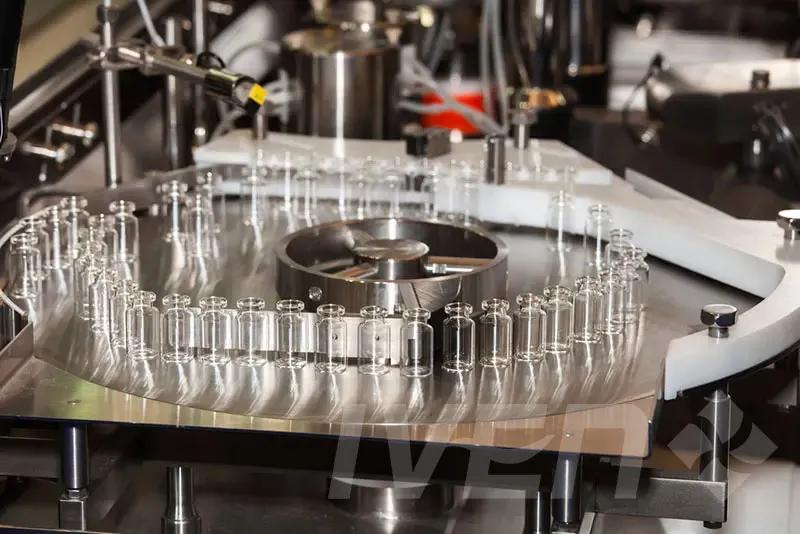
United States Guide to GMP Turnkey Pharma Plants
For pharmaceutical manufacturers in the United States, a GMP-compliant pharmaceutical turnkey plant is not just a building filled with equipment. It is a fully integrated production environment designed, engineered, installed, validated, and documented to meet strict current Good Manufacturing Practice requirements. Companies invest in turnkey facilities when they need to launch new production lines faster, modernize legacy plants, improve regulatory readiness, or scale capacity for sterile products, oral solids, biologics, medical consumables, and other high-value healthcare products.
In practical terms, a GMP-compliant turnkey plant combines cleanroom architecture, process utilities, water systems, HVAC, process equipment, automation, quality documentation, validation protocols, and operator training into one coordinated project. In the U.S. market, where FDA expectations are high and supply chain resilience has become a board-level issue, turnkey delivery can reduce interface risks between multiple vendors and help shorten time to commercial production.
Whether a manufacturer is expanding in New Jersey, upgrading a sterile fill-finish suite in Boston, building a new injectables plant near Raleigh-Durham, or adding medical consumables capacity in Texas, the same question applies: how can the facility be designed for compliance, efficiency, and long-term return on investment? This guide explains the answer in depth.
A GMP-compliant pharmaceutical turnkey plant is a complete factory solution delivered by an engineering and equipment partner that can take responsibility for design coordination, equipment integration, clean utility systems, installation, commissioning, and qualification so the owner receives a production-ready facility. It is used in pharmaceutical manufacturing to produce medicines and medical products under controlled conditions that align with regulatory requirements such as U.S. FDA cGMP, EU GMP, WHO GMP, and PIC/S GMP.
For buyers in the United States, turnkey projects are especially attractive when they want to avoid fragmented procurement, minimize compatibility issues among systems, and create a smoother path to IQ, OQ, and PQ. A well-executed project can improve production consistency, contamination control, documentation quality, and operational uptime while reducing costly redesigns after construction.
Turnkey Plant Element Main Function Why It Matters for GMP Typical U.S. Buyer Focus Facility layout Controls personnel, material, and waste flow Reduces cross-contamination risk Audit-ready zoning and scalable expansion Cleanroom system Maintains classified air environment Supports sterile and controlled production HEPA filtration, pressure cascades, monitoring Process equipment Manufactures, fills, seals, or packages product Must be qualified and documented Reliable output, recipe control, low downtime Pharma water and steam Provides purified water, WFI, and clean steam Critical for product quality and sanitation Validation, microbial control, data logging Automation and SCADA Manages process control and records Improves traceability and consistency 21 CFR Part 11 readiness, integration Validation package Documents proof of performance Required for compliant startup Fast qualification and inspection supportThe table above shows why turnkey delivery is often evaluated at the executive level rather than only by plant engineering. It affects compliance, speed to market, and long-term operating risk at the same time.
A turnkey plant is used when a company needs a coordinated production system rather than a single machine. Instead of buying isolated equipment from different suppliers and managing all interfaces internally, the manufacturer works with a lead partner that aligns process design, utility requirements, cleanroom standards, material handling, packaging, and qualification activities.
In pharmaceutical production, this approach is common for:
The U.S. market has seen increasing interest in turnkey projects because domestic production resilience matters more than ever. From Puerto Rico to California and from the Philadelphia corridor to Chicago, operators want facilities that can be commissioned with less rework and stronger documentation. A plant designed correctly from the start supports quality by design, efficient cleaning validation, and more predictable batch release.
Turnkey projects are also valuable when a manufacturer needs to coordinate multiple disciplines: process vessels, CIP/SIP systems, purified water loops, multi-effect water distillers, purified steam generators, filling lines, isolators, automated packing, and warehouse logistics. When these are delivered under one integrated plan, interface failures are easier to control.
The main applications of GMP-compliant turnkey plants stretch across both large multinational companies and mid-sized U.S. contract manufacturers. Applications depend on dosage form, sterility level, required throughput, and target regulatory market.
For example, injectable plants in the United States often need advanced washing, depyrogenation, filling, stoppering, sealing, and inspection systems. Oral liquid plants focus more on solution preparation, sanitary transfer, bottle filling, capping, labeling, and secondary packaging. Medical consumables plants may prioritize plastics handling, assembly automation, inspection, and high-volume logistics.
The benefits usually include:
Application Area Typical Products Primary GMP Challenge Turnkey Benefit Sterile injectables Vials, ampoules, IV products Aseptic control Integrated cleanroom, utilities, filling, validation Oral liquids Syrups, suspensions, solutions Sanitary transfer and cleaning Coordinated preparation, filling, and packaging Solid dosage Tablets, capsules Dust control and material flow Efficient zoning and containment planning Biopharma support Buffers, media, sterile support fluids Water and clean utility reliability Validated utility backbone and automation Medical consumables Disposable devices and accessories High-volume consistency Automation and logistics integration Blood collection products Vacuum blood collection tubes Precision dosing and line stability End-to-end line engineering and scale-upThis table highlights a simple fact: the more complex the process chain, the more value a turnkey partner can add by reducing coordination gaps.
var ctxBar = document.getElementById(‘barDemandChart’).getContext(‘2d’);var barDemandChart = new Chart(ctxBar, { type: ‘bar’, data: { labels: [‘Sterile Injectables’, ‘Oral Solids’, ‘Oral Liquids’, ‘Biologics Support’, ‘Medical Consumables’, ‘Blood Collection’], datasets: [{ label: ‘Estimated U.S. Demand Index 2026’, data: [94, 78, 66, 82, 71, 59], backgroundColor: [‘#2f80ed’,’#27ae60′,’#f2994a’,’#9b51e0′,’#eb5757′,’#56ccf2′] }] }, options: { responsive: true, maintainAspectRatio: false }});The chart above reflects realistic market interest patterns seen in the United States, where sterile injectables and biologics-related infrastructure continue to attract strong investment.
Not every GMP turnkey plant looks the same. Selection depends on product form, batch size, automation target, contamination risk, and future expansion plans. Buyers should compare plant types not only by capacity, but also by qualification burden, clean utility demand, and digital integration capability.
Plant Type Common Capacity Range Key Technical Options Best Fit IV solution turnkey plant 3,000 to 20,000 units/hour Non-PVC bag, PP bottle, glass bottle formats Hospitals, infusion suppliers, large pharma Vial filling turnkey plant 2,000 to 24,000 vials/hour RABS, isolator, lyophilization interface Sterile injectables and CDMOs Ampoule production plant 6,000 to 36,000 ampoules/hour Washing, sterilizing tunnel, filling-sealing Generics and hospital supply Oral liquid turnkey plant 1,500 to 12,000 bottles/hour Mixing, syrup prep, bottle unscrambling, capping Nutraceutical and OTC producers Water system turnkey package 500 to 20,000 L/h RO, EDI, WFI distillation, clean steam Any GMP manufacturing site Medical consumables plant Customized high-volume output Assembly automation, packaging, logistics Disposable medical product makersTechnical options increasingly matter as much as the base line. U.S. buyers often request recipe management, electronic batch support, CIP/SIP automation, remote diagnostics, environmental monitoring integration, and modular utility skids that can be shipped and installed quickly through ports such as Los Angeles, Long Beach, Houston, Savannah, and Newark.
Another major decision is architecture: stick-built versus modular. Modular cleanroom and skid-mounted utility systems can help compress the construction schedule, especially when labor availability is tight in metro areas such as Boston, San Diego, and the Bay Area. However, site constraints and local code requirements must be reviewed early.
Some companies wonder whether they truly need a turnkey plant or whether they can manage multiple separate vendors. The right answer depends on internal engineering capability, timeline, risk tolerance, and regulatory experience.
If a company already has a highly experienced in-house capital projects team, a mature validation department, and strong local EPC support, a multi-vendor approach can work. But when speed, integration, and documentation consistency are priorities, turnkey projects often perform better.
Option Advantages Limitations Best For Full turnkey plant Single coordination structure, faster alignment Requires careful supplier selection New facilities and major expansions Multi-vendor procurement High customization by component More interface risk and owner workload Experienced owner teams Local EPC plus separate OEMs Strong local construction control Validation and integration can be fragmented Building-heavy projects Modular packaged systems Fast deployment and flexible installation May limit bespoke layout options Utility systems and small-to-mid plants Brownfield retrofit Lower civil cost Legacy constraints and downtime challenges Existing U.S. production sites Contract manufacturing only No plant capital expenditure Less control over capacity and IP Early-stage or niche productionFor many U.S. pharmaceutical producers, the deciding factor is control. A turnkey plant requires capital, but it also gives the owner long-term command over quality systems, scheduling, formulation confidentiality, and supply continuity.
var ctxComp = document.getElementById(‘comparisonChartUs’).getContext(‘2d’);var comparisonChartUs = new Chart(ctxComp, { type: ‘bar’, data: { labels: [‘Schedule Control’, ‘Validation Support’, ‘Integration Ease’, ‘CapEx Predictability’, ‘Scalability’, ‘Owner Workload’], datasets: [{ label: ‘Turnkey Plant Score’, data: [90, 92, 95, 84, 88, 40], backgroundColor: ‘#6c5ce7’ },{ label: ‘Multi-Vendor Score’, data: [62, 67, 54, 58, 81, 89], backgroundColor: ‘#00b894’ }] }, options: { responsive: true, maintainAspectRatio: false }});As the comparison chart suggests, turnkey delivery usually wins on integration and validation support, while multi-vendor procurement often creates more owner workload.
The United States remains one of the world’s largest pharmaceutical manufacturing markets, with strong clusters in New Jersey, Massachusetts, North Carolina, Indiana, Pennsylvania, California, and Texas. Demand for GMP-compliant turnkey plants is being driven by several converging forces: onshoring of strategic production, injectables shortages, biologics expansion, digital quality systems, and sustainability mandates.
By 2026, the market is expected to place even greater emphasis on flexible manufacturing. Facilities need to adapt to smaller batch sizes, multi-product campaigns, and stricter contamination control strategies. At the same time, manufacturers are under pressure to reduce water consumption, energy use, and lifecycle operating costs.
var ctxLine = document.getElementById(‘lineGrowthChart’).getContext(‘2d’);var lineGrowthChart = new Chart(ctxLine, { type: ‘line’, data: { labels: [‘2021’, ‘2022’, ‘2023’, ‘2024’, ‘2025’, ‘2026’], datasets: [{ label: ‘U.S. Turnkey Pharma Plant Market Index’, data: [100, 108, 119, 131, 145, 161], borderColor: ‘#1f77b4’, backgroundColor: ‘rgba(31,119,180,0.15)’, fill: false, tension: 0.3 }] }, options: { responsive: true, maintainAspectRatio: false }});Several future trends deserve special attention:
var ctxArea = document.getElementById(‘areaTrendChart’).getContext(‘2d’);var areaTrendChart = new Chart(ctxArea, { type: ‘line’, data: { labels: [‘2021’, ‘2022’, ‘2023’, ‘2024’, ‘2025’, ‘2026’], datasets: [{ label: ‘Traditional Stick-Built Share’, data: [72, 69, 65, 60, 56, 52], fill: true, backgroundColor: ‘rgba(231,76,60,0.18)’, borderColor: ‘#e74c3c’, tension: 0.3 },{ label: ‘Modular and Integrated Turnkey Share’, data: [28, 31, 35, 40, 44, 48], fill: true, backgroundColor: ‘rgba(46,204,113,0.18)’, borderColor: ‘#2ecc71’, tension: 0.3 }] }, options: { responsive: true, maintainAspectRatio: false }});The area chart illustrates a realistic shift in project philosophy: integrated modular delivery is gaining ground because owners want speed, predictability, and easier replication across multiple sites.
Policy and regulatory trends also matter. U.S. manufacturers increasingly prepare for more data integrity scrutiny, more robust contamination control strategies, and stronger supplier qualification expectations. Sustainability reporting is also becoming more visible in board discussions, affecting decisions on HVAC design, purified water generation efficiency, and low-waste packaging automation.
Selecting the right turnkey partner is one of the most important strategic decisions in a plant investment. A low initial quote can become expensive if the supplier lacks documentation discipline, international compliance experience, or the ability to coordinate FAT, SAT, commissioning, and qualification.
In the United States, buyers should assess suppliers across five dimensions: regulatory knowledge, engineering depth, manufacturing strength, service support, and project execution history. It is wise to ask for detailed examples of completed sterile, oral, or utility-focused projects that match the intended application.
Evaluation Criterion What to Ask Why It Matters Warning Sign Regulatory expertise Do they design to FDA cGMP and global GMP standards? Reduces compliance gaps Vague answers about validation scope Technical capability Can they integrate water, filling, packaging, HVAC, and automation? Prevents interface failures Too many outsourced core functions Manufacturing capacity Do they operate specialized production plants for key systems? Improves consistency and lead times Limited fabrication control Project track record How many lines and turnkey sites have they delivered? Shows execution maturity No comparable references Documentation quality Do they provide DQ, FAT, IQ/OQ protocols, manuals, and drawings? Essential for qualification Incomplete turnover packages After-sales service Do they provide training, spare parts, remote support, and optimization? Supports lifecycle performance Weak local response planBuyers should also review the supplier’s ability to support U.S.-based execution. That includes communication in English, understanding of local code coordination, logistics planning through major hubs such as Newark, Houston, and Los Angeles, and the capability to collaborate with American architects, validation consultants, and general contractors.
One example of a supplier with broad international scope is IVEN Pharmatech Engineering, an engineering company established in Shanghai with long experience in pharmaceutical and medical device projects. Rather than evaluating a supplier only by machinery catalogs, buyers should examine whether the partner can combine process equipment, utilities, and compliance documentation into a coherent project structure.
From a technological capability perspective, the company is known for integrated solutions covering pharmaceutical filling and packaging systems, pharmaceutical water treatment, intelligent conveying, and blood collection tube production technology. For U.S. manufacturers, that combination matters because utilities, filling lines, and material flow often determine the real efficiency of a facility, not just the nameplate speed of one machine.
From a manufacturing capability perspective, having multiple specialized production plants can improve quality control and delivery coordination. A supplier that fabricates core equipment families in focused manufacturing centers is often better positioned to standardize stainless steel quality, testing procedures, and spare parts planning.
From a service capability perspective, lifecycle support is critical. The best turnkey partners do more than ship equipment. They assist with feasibility review, engineering design, customization, installation, commissioning, validation support, staff training, documentation, and performance optimization. Companies exploring new projects can review turnkey scope options on the turnkey project page and broader equipment categories via the product solutions section.
The cost of a GMP-compliant pharmaceutical turnkey plant in the United States can vary dramatically depending on dosage form, classification level, automation, utility demand, and whether the project is greenfield or brownfield. A small oral liquid upgrade may require a few million dollars, while a fully integrated sterile injectables facility can run into the tens or hundreds of millions.
Budget planning should separate direct equipment costs from total project cost. Many first-time buyers underestimate expenses linked to building adaptation, qualification, clean utilities, validation, software integration, and contingency planning.
Cost Category Typical Share of Total Project Notes for U.S. Projects ROI Impact Process equipment 25% to 40% Core line, vessels, automation Directly affects throughput and yield Cleanroom and HVAC 15% to 30% Can be high in sterile projects Influences compliance and operating cost Pharma utilities 10% to 20% PW, WFI, steam, compressed gases Critical for product quality and uptime Installation and commissioning 8% to 15% Labor rates vary by region Impacts startup speed Validation and documentation 5% to 12% Often underestimated Speeds release to production Contingency and change control 5% to 10% Important for design evolution Protects project economicsROI analysis should consider more than labor savings. In pharmaceuticals, return often comes from earlier market entry, lower batch rejection rates, fewer deviations, less downtime, stronger inspection outcomes, and the ability to take on higher-value products. For CDMOs, added capacity can also win new contracts from biotech clients seeking domestic production.
A practical U.S. ROI model commonly includes:
As a simplified example, if a sterile fill-finish expansion allows a company to add two profitable commercial products one year earlier, the value of accelerated revenue can outweigh a higher upfront turnkey investment. In this sense, project schedule reliability is itself an ROI variable.
Even a strong turnkey project can fail if early planning is weak. The biggest risks usually appear before equipment arrives on site. Poor process definition, unrealistic schedules, inadequate utility planning, and insufficient user requirement specifications can all lead to expensive changes later.
Common investment risks include:
U.S. buyers should pay special attention to factory acceptance testing, shipping protection, SAT planning, and spare parts strategy. Equipment moving through ocean freight to East Coast or Gulf Coast ports can face timing variability, so procurement teams should align logistics with installation windows and customs documentation early.
A second major risk area is change management. If process assumptions shift after detailed design begins, budgets can move quickly. The solution is a disciplined URS, design review checkpoints, and transparent change-order control.
For companies entering a new dosage form, it is often wise to select a partner that can offer technical transfer support and training. This reduces the learning curve between construction completion and stable GMP operations. If your team is exploring project feasibility or wants to discuss scope in more detail, a direct inquiry through the contact page can be a useful next step.
In the United States, successful turnkey projects often share a few traits: clear process objectives, executive sponsorship, a realistic commissioning timeline, and a supplier that understands both equipment performance and regulatory documentation. Consider three typical scenarios.
First, a generic injectables producer in New Jersey expands vial capacity to reduce dependence on external fill-finish partners. The project succeeds because utility skids, filling systems, and cleanroom upgrades are engineered together. Second, a medical consumables manufacturer in Texas integrates automated packaging and internal logistics to improve throughput without proportionally increasing labor. Third, a company in the Southeast launches a modern plant designed for future expansion into multiple dosage forms, avoiding the trap of an overly narrow initial layout.
The local supplier landscape in the United States includes architectural firms, MEP contractors, validation consultants, automation specialists, and OEM representatives. However, few single domestic sources cover all process equipment categories, utilities, filling systems, logistics, and documentation packages under one umbrella. That is why international turnkey partners often collaborate with local U.S. engineering and compliance teams.
For buyers evaluating suppliers, it helps to compare not only local presence, but also delivered scope. A company with deep equipment integration experience may provide better overall project value than a supplier with a nearby office but limited process range.
Regarding our company perspective, IVEN Pharmatech Engineering is relevant to U.S. buyers because it combines engineering knowledge with specialized manufacturing resources and broad project delivery experience. Its technological capability includes solutions for IV production, ampoule and vial washing-filling-sealing lines, oral liquid systems, prefilled syringe lines, purified water and WFI generation, purified steam, solution preparation and distribution, robotic packing, automated logistics, and blood collection tube production.
Its manufacturing capability is supported by specialized factories in Shanghai that focus on core equipment categories rather than trying to outsource every major subsystem. That structure can help maintain consistency in materials, fabrication quality, and testing procedures for complex integrated projects.
Its service capability extends across the full project lifecycle, including feasibility support, engineering design, equipment customization, installation, commissioning, qualification support, documentation, training, and optimization. This matters for United States projects where owners want a partner that can help close the gap between delivered hardware and auditable GMP production.
The company has also completed international projects across dozens of countries and has experience with facilities designed to align with EU GMP, U.S. FDA cGMP, WHO GMP, and PIC/S expectations. For American manufacturers concerned about risk, that kind of cross-market compliance experience can be valuable when planning export-ready facilities.
1. What is the main advantage of a GMP-compliant turnkey plant in the United States?The biggest advantage is integrated delivery. It reduces coordination gaps between process equipment, clean utilities, and facility systems while improving documentation readiness for qualification and FDA-facing operations.
2. Is a turnkey plant only for large pharmaceutical companies?No. Mid-sized manufacturers, CDMOs, biotech support operations, and medical consumables companies also use turnkey solutions, especially when they lack large internal capital project teams.
3. How long does a typical turnkey pharmaceutical project take?Timelines vary widely. A limited utility and line expansion may take under a year, while a full sterile greenfield facility may take two years or more depending on design scope, permits, procurement, and validation needs.
4. What standards should a supplier understand for U.S. projects?At minimum, the supplier should understand U.S. FDA cGMP expectations and be comfortable supporting documentation aligned with IQ, OQ, and PQ. Experience with EU GMP, WHO GMP, and PIC/S can also strengthen the project.
5. Are modular turnkey systems suitable for the U.S. market?Yes. Modular systems are increasingly popular because they can shorten schedules and improve repeatability, especially for utility skids, cleanroom pods, and compact production suites.
6. How should buyers compare suppliers?Compare regulatory know-how, delivered project references, equipment manufacturing depth, documentation quality, service responsiveness, and total lifecycle value rather than only initial purchase price.
7. What are the most common hidden costs?Typical hidden costs include validation effort, software integration, site preparation, utility upgrades, operator training, spare parts, and design changes made after procurement has started.
8. Can a turnkey plant support future expansion?Yes, if scalability is built into the layout, utility capacity, automation architecture, and warehouse/logistics plan from the beginning.
9. Why do pharma water systems matter so much in turnkey projects?Purified water, WFI, and clean steam are central to product quality, cleaning, and aseptic support. If these systems are underdesigned or poorly integrated, the entire plant can suffer from reliability and compliance issues.
10. What should I do first if I am considering a project?Start with a clear URS, production forecast, product/process definition, and regulatory target market. Then engage qualified partners for feasibility review and concept design before finalizing the investment model.
In summary, GMP-compliant pharmaceutical turnkey plants are strategic assets for United States manufacturers that want stronger quality control, better project predictability, and scalable domestic production. The best results come from suppliers that combine process understanding, manufacturing depth, documentation discipline, and lifecycle service. When these factors align, a turnkey plant becomes more than a project delivery method; it becomes a foundation for long-term compliant growth.