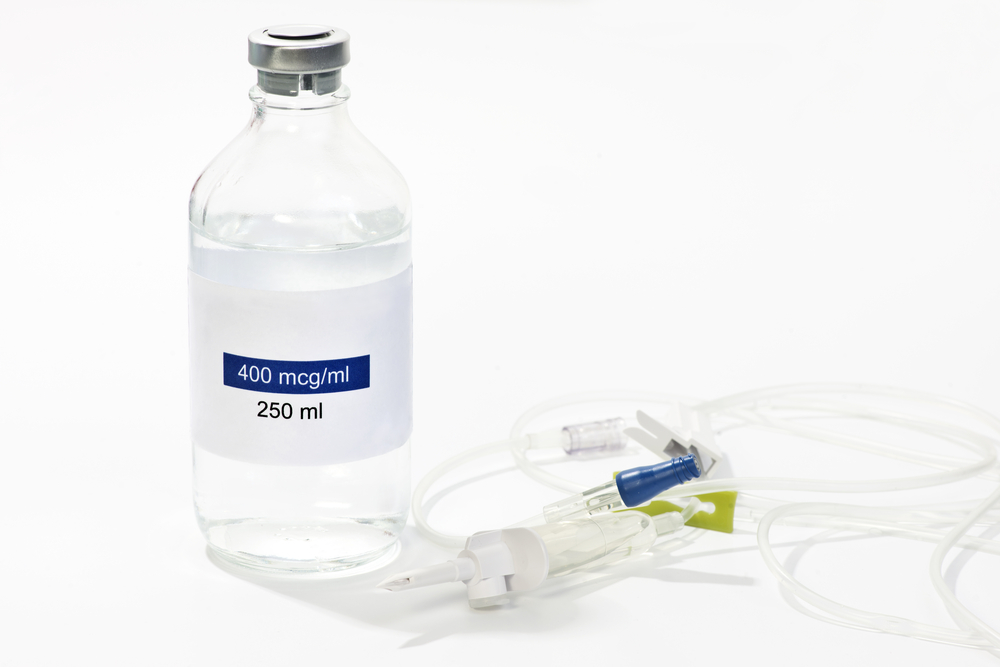
Glass Bottle IV Line GMP Standards in the United States
For pharmaceutical investors, plant engineers, and procurement teams in the United States, glass bottle IV line GMP standards refer to the design, control, validation, and operational requirements applied to intravenous solution production lines that wash, sterilize, fill, seal, inspect, and pack glass bottles under current Good Manufacturing Practice conditions. In practical terms, this equipment is used to produce large-volume parenterals and infusion products with high sterility assurance, batch consistency, traceability, and regulatory readiness for U.S. FDA inspection. It is especially relevant when companies in hubs such as New Jersey, North Carolina, Texas, California, and the Midwest are upgrading legacy sterile plants or building new injectable capacity near logistics corridors like the Port of Los Angeles, Port of Houston, Savannah, and Newark.
In the U.S. market, buyers do not evaluate a glass bottle IV production line only on output. They also assess cleanroom compatibility, aseptic risk control, container integrity, utilities integration, electronic batch recording, validation documents, spare parts access, and long-term service response. This is why many manufacturers explore integrated engineering partners rather than purchasing isolated machines. Companies looking for broader project support often review pharmaceutical engineering specialists with experience in sterile production compliance, line integration, and international GMP execution.
Quick Answer: Why Glass Bottle IV Line GMP Standards Matter

Glass bottle IV line GMP standards are the benchmark requirements that ensure a sterile infusion line can consistently produce safe, compliant, and commercially viable IV solutions in glass containers. These standards cover line layout, materials of construction, cleaning and sterilization design, environmental classification, process control, operator intervention reduction, in-process testing, container closure integrity, qualification, documentation, and data traceability.
For U.S. pharmaceutical manufacturers, the value of these standards is clear. They support product quality, patient safety, FDA readiness, and smoother technology transfer. They also reduce the hidden costs of contamination events, batch rejection, deviation investigations, and delayed launches. A modern glass bottle IV line built to GMP expectations can help a company supply hospitals, emergency care networks, dialysis providers, and government health contracts with a higher level of process confidence.
| GMP Focus Area | What It Covers | Why It Matters in U.S. Plants | Typical Checkpoint |
|---|---|---|---|
| Material selection | 316L stainless steel, sanitary piping, compliant gaskets | Reduces corrosion, extractables risk, and cleaning difficulty | Material certificates and weld records |
| Cleanroom integration | Airflow, pressure cascade, classified zones | Supports sterile filling and lower contamination risk | HVAC qualification and smoke studies |
| Sterilization control | Tunnel depyrogenation, SIP, sterilizing filters | Essential for aseptic assurance and regulatory acceptance | Temperature mapping and biological indicators |
| Automation | PLC, SCADA, alarms, recipe management | Improves repeatability and batch traceability | 21 CFR Part 11 review where applicable |
| Validation | IQ, OQ, PQ and FAT/SAT records | Speeds plant startup and audit preparation | Approved validation protocol set |
| Inspection systems | Fill volume, particles, closure, cosmetics | Protects product quality and release confidence | Reject test challenge results |
The table above shows that GMP is not a single machine feature. It is a system of engineering and quality controls that begins at equipment design and continues through production, maintenance, and release.
What Is a Glass Bottle IV Line GMP Standard System and What Is It Used for in Pharmaceutical Production?

A glass bottle IV line is a specialized sterile manufacturing system used to produce infusion solutions in glass containers. Depending on plant design, the line may include bottle infeed, internal and external washing, drying and sterilization, solution preparation interface, filling, stopper or cap placement, sealing, visual inspection, leak testing, labeling, and secondary packaging. GMP standards define how each unit operation should be engineered and controlled so the full line performs reliably and compliantly.
In the United States, glass bottle IV lines are commonly used for sodium chloride injection, dextrose injection, compound electrolyte solutions, irrigation fluids, and selected specialty hospital infusions. Glass remains preferred in some applications because of its chemical inertness, strong barrier properties, thermal resistance, and established history in sterile drug packaging. It is also relevant for manufacturers serving niche formulations, high-temperature sterilization processes, or products where long shelf life and compatibility are critical.
When a plant expands production in locations such as Raleigh-Durham, Philadelphia, Indianapolis, or the Boston area, decision-makers often compare whether to renovate an older glass line or replace it with a higher-speed, more automated GMP platform. The right answer depends on product portfolio, validation history, utility capacity, labor model, and market demand. For companies planning a full sterile factory upgrade, reviewing turnkey pharmaceutical project solutions can be useful because line performance is heavily affected by water systems, clean steam, WFI, HVAC, and material flow, not just the filler itself.
| Line Module | Main Function | Common GMP Requirement | Operational Risk if Weak |
|---|---|---|---|
| Bottle washer | Removes particles and residues | Validated wash sequence and water quality control | Visible particulate contamination |
| Sterilization tunnel | Dries and depyrogenates bottles | Uniform temperature mapping | Insufficient microbial or endotoxin control |
| Filling system | Dispenses sterile solution | Accuracy, aseptic barrier, intervention control | Fill variation or sterility breach |
| Stoppering/capping | Secures closure integrity | Torque or crimp consistency | Leaks, oxidation, contamination ingress |
| Inspection machine | Detects defects and foreign matter | Qualified reject sensitivity | Defective units reaching market |
| Packaging section | Labels and prepares shipment | Serialization and reconciliation where needed | Mix-ups and traceability gaps |
The table explains how each module contributes to compliance. In a GMP environment, no station operates in isolation; the line must be qualified as a complete production system.
Main Applications and Benefits of Glass Bottle IV Line GMP Standards in Modern Pharmaceutical Manufacturing

The main applications of GMP-compliant glass bottle IV lines include routine hospital infusion manufacturing, contract manufacturing for institutional buyers, emergency reserve production, export-focused sterile lines, and specialized formulations with high compatibility requirements. They are also important where procurement departments want a durable container format accepted by clinicians and backed by established pharmacopeial use.
The core benefits are better sterility assurance, improved process repeatability, lower manual intervention, stronger validation support, and more consistent container handling. U.S. buyers also value the long service life of robust stainless steel-based equipment, especially when planning a 10- to 20-year asset horizon. This matters in capital-intensive sterile plants where downtime can cost far more than the machine itself.
Another practical benefit is integration. A modern line can connect with purified water systems, WFI generation, solution preparation skids, CIP/SIP loops, inspection systems, and warehouse automation. That integrated approach is increasingly attractive as manufacturers face labor constraints and tighter quality expectations.
The line chart above illustrates a realistic upward investment pattern driven by reshoring, hospital supply security, sterile capacity expansion, and higher validation standards in the U.S. market.
| Application Area | Why Glass Is Chosen | Key GMP Benefit | Business Outcome |
|---|---|---|---|
| Large-volume saline | Stable and proven packaging format | Reliable sterile processing control | High-volume hospital supply |
| Dextrose infusion | Strong compatibility profile | Repeatable filling and closure integrity | Reduced complaint risk |
| Electrolyte blends | Good barrier and thermal resistance | Controlled formulation transfer and aseptic handling | Broader formulary acceptance |
| Irrigation solutions | Established medical use | Inspection and particulate control | Safer surgical support products |
| Emergency stockpile production | Long shelf-life packaging preference | Strong documentation and traceability | Better public procurement readiness |
| Export sterile products | Recognized primary container standard | International GMP alignment | Wider market access |
As shown above, the strongest advantages are not limited to operations. They also improve purchasing confidence, contract eligibility, and long-term market positioning.
Key Types, Models, and Technical Options for Glass Bottle IV Line GMP Standards
Not every glass bottle IV production line looks the same. U.S. buyers typically compare systems by container size range, hourly output, automation level, filling technology, sterilization method, barrier strategy, and downstream inspection capability. Smaller lines may support specialty products or pilot-commercial transitions, while larger lines are designed for national hospital supply programs.
Common technical options include laminar flow protection, restricted access barriers, robotic transfer, servo-driven filling, automatic nozzle positioning, online weight check, integrated SCADA, recipe management, electronic audit trails, and automatic changeover support. Plants with stronger digitalization strategies often want direct communication between filling line controls and manufacturing execution systems.
From a technology perspective, suppliers with deep sterile engineering experience can make a major difference. Shanghai IVEN Pharmatech Engineering Co Ltd is known in this field for developing multiple IV solution line formats, including glass bottle systems, and for combining line equipment with water treatment, solution preparation, intelligent conveying, and packaging infrastructure. Its technological strength is particularly relevant for buyers seeking an integrated process platform rather than standalone machinery.
| Model Type | Typical Capacity | Suitable Plant Size | Main Technical Option |
|---|---|---|---|
| Compact line | 2,000 to 4,000 bottles/hour | Small batch or specialty sterile site | Semi-flexible format changeover |
| Mid-speed line | 4,000 to 8,000 bottles/hour | Regional hospital supply plant | Automated filling and capping control |
| High-speed line | 8,000 to 12,000+ bottles/hour | Large commercial production site | Advanced inspection and buffer handling |
| Integrated line with prep system | Depends on upstream tank design | New greenfield facility | Recipe-managed solution transfer |
| Isolator-assisted line | Medium to high speed | High-containment quality strategy | Reduced intervention exposure |
| Retrofit-ready line | Site-specific | Legacy sterile plant modernization | Utility and layout adaptation |
This table helps explain why line selection should start with product and facility strategy. A high-speed line is not always the best option if changeover complexity, batch size, or room constraints limit practical efficiency.
Glass Bottle IV Line GMP Standards vs Alternative Technologies: Which Solution Fits Your Needs?
U.S. manufacturers often compare glass bottle IV lines with non-PVC soft bag lines, PP bottle lines, and in some cases outsourced contract filling. Each route has trade-offs. Glass performs strongly in compatibility, rigidity, and thermal tolerance. Soft bags may offer lower transport weight and different user handling advantages. PP bottles can support lightweight logistics and certain process efficiencies. The best choice depends on clinical demand, customer preference, shelf-life goals, and capital plan.
For example, a company serving government and institutional customers in the Northeast may favor glass because of established purchasing specifications. A manufacturer focused on freight optimization to western states or export channels through Long Beach might compare shipping economics across formats. Plants in Chicago, Memphis, or Dallas that distribute nationally often model not just line cost, but also pallet density, breakage risk, warehouse profile, and downstream customer handling.
The bar chart shows where demand is strongest. Hospitals and institutional producers remain important drivers, but contract manufacturers and stockpile-oriented projects are also active buyers.
| Option | Main Advantage | Main Limitation | Best Fit Scenario |
|---|---|---|---|
| Glass bottle IV line | High compatibility and proven sterile format | Heavier logistics and breakage considerations | Hospital infusions and robust compliance strategy |
| Non-PVC soft bag line | Lower shipping weight | Different material and handling profile | Large-scale logistics-sensitive distribution |
| PP bottle line | Lightweight rigid container | Product compatibility must be confirmed | Balanced rigidity and freight efficiency |
| CMO outsourcing | Lower initial capex | Less direct capacity control | Short-term market entry or bridge supply |
| Legacy line refurbishment | Uses existing space and utilities | May limit automation and compliance upgrades | Budget-controlled brownfield projects |
| New turnkey sterile plant | Best integration and future expansion potential | Highest upfront investment | Long-term strategic manufacturing buildout |
The comparison makes clear that the right solution depends on both product strategy and operational horizon. Many U.S. firms now prefer a detailed lifecycle cost analysis instead of a simple purchase-price comparison.
Market Overview and Future Trends for Glass Bottle IV Line GMP Standards in Pharmaceutical Manufacturing
The U.S. market for sterile manufacturing equipment is being shaped by supply chain resilience, injectable drug demand, regulatory scrutiny, and digital transformation. Glass bottle IV lines occupy a specialized but important segment within this market. They are especially relevant where manufacturers want high-trust packaging formats, domestic sterile capacity, and flexible response to institutional demand.
Three market forces are especially strong. First, domestic capacity matters more than before, especially for essential medicines. Second, quality systems are becoming more data driven, with stronger emphasis on alarms, audit trails, and deviation prevention. Third, buyers want equipment that supports sustainability goals without sacrificing GMP performance.
Looking toward 2026, future trends include smarter predictive maintenance, more energy-efficient sterilization modules, better heat recovery, reduced water consumption in washing steps, automated intervention minimization, and more integrated validation documentation. Policy trends may also continue to favor domestic readiness, supply assurance, and resilient sterile manufacturing in the United States.
This area chart reflects the trend shift from basic mechanical lines to more connected, compliance-oriented, and labor-efficient platforms.
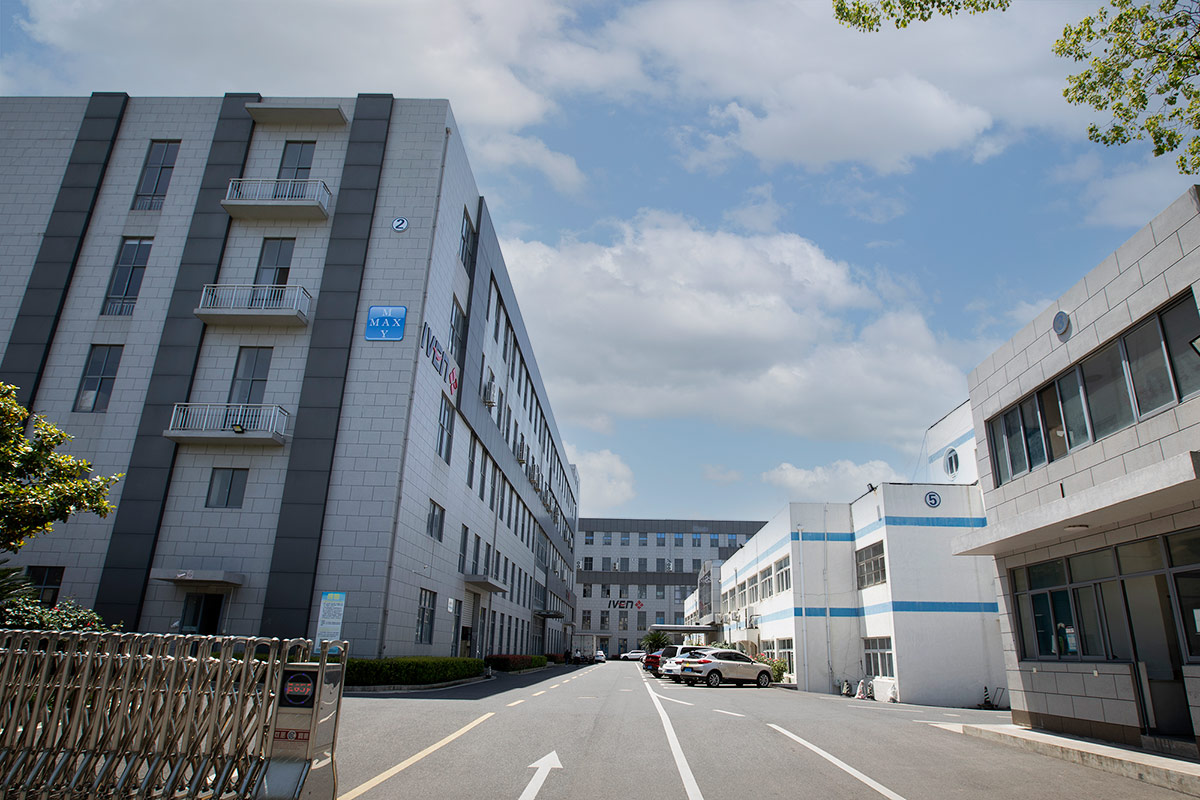
From a manufacturing capability point of view, buyers often favor suppliers with specialized factories dedicated to sterile filling and packaging equipment, pharmaceutical water treatment, smart logistics, and related medical production systems. IVEN fits this profile through its focused production infrastructure in Shanghai and its track record of delivering thousands of production lines globally. For U.S. clients, that breadth can matter when a project requires coordinated supply across core process equipment and supporting utilities.
How to Choose a Reliable Glass Bottle IV Line GMP Standards Manufacturer or Supplier
Choosing a supplier for a glass bottle IV line in the United States should start with regulatory understanding, not brochure speed claims. A reliable manufacturer should be able to discuss U.S. FDA expectations, EU GMP logic, WHO GMP alignment, qualification protocols, material traceability, and documentation depth. It should also show real capability in sterile process engineering, not only machine assembly.
Important selection criteria include previous sterile project references, the quality of FAT documentation, change control discipline, spare parts planning, software architecture, language support, training, and responsiveness during commissioning. Buyers should ask detailed questions about intervention studies, line clearance design, reject handling, alarm hierarchy, and maintenance accessibility.
Service capability is often the deciding factor. The best supplier is not just the one that ships a machine, but the one that can support feasibility, layout design, installation, commissioning, IQ/OQ/PQ execution, staff training, and long-term optimization. U.S. teams that want a lifecycle partner often begin by requesting technical discussions through a direct project consultation channel rather than asking only for a price list.
| Supplier Evaluation Item | What to Ask | Strong Answer Looks Like | Warning Sign |
|---|---|---|---|
| Compliance knowledge | How do you support FDA-oriented validation? | Detailed IQ/OQ/PQ package and audit-ready documents | Only generic quality statements |
| Sterile engineering depth | Do you integrate water, prep, and filling systems? | Coordinated process and utility design capability | Standalone machine focus only |
| Reference projects | Can you show similar IV line installations? | Comparable output and compliance case history | No verifiable sterile references |
| After-sales service | What is your response plan for critical downtime? | Defined spare parts and remote/on-site support plan | Unclear support escalation |
| Customization | Can you adapt to U.S. room layout and utilities? | Site-specific engineering flexibility | Rigid standard machine approach |
| Training package | How will operators and QA be trained? | Structured operation, maintenance, and GMP training | Basic manual only |
This checklist helps procurement teams compare suppliers objectively. It also reduces the risk of choosing a low-price vendor that cannot support validation or plant startup.
Investment Cost, Budget Planning, and ROI Analysis for Glass Bottle IV Line GMP Standards
Investment cost varies widely depending on capacity, automation level, cleanroom scope, upstream utilities, and inspection sophistication. In the United States, a budget should typically include not only the core line, but also bottle handling, sterilization, solution preparation interface, purified water or WFI support, clean steam, HVAC impact, installation, validation, spare parts, operator training, and contingency.
For brownfield projects, hidden costs may include demolition, room reclassification, floor loading upgrades, utility rerouting, and digital system integration. For greenfield projects, civil layout, warehouse flow, and utility redundancy become more important. Plants near high-cost labor markets such as Boston, San Diego, and the New York-New Jersey corridor may place greater value on automation and reduced manual interventions.
ROI should be measured across more than throughput. Better GMP design can reduce deviations, shorten release cycles, improve line uptime, lower reject rates, and strengthen success in hospital and government tenders. It can also reduce the business risk of warning letters, contamination incidents, and emergency shutdowns.
The comparison chart highlights capability categories commonly used by buyers when comparing suppliers beyond simple equipment pricing.
| Budget Item | Share of Total Project Cost | Why It Is Important | Cost Control Tip |
|---|---|---|---|
| Core production line | 25% to 40% | Main sterile processing asset | Match speed to real demand, not theoretical peak |
| Utilities and water systems | 15% to 25% | Critical for GMP compliance | Integrate design early with equipment supplier |
| Cleanroom/HVAC modifications | 10% to 20% | Supports classified operation | Confirm airflow and personnel/material routes first |
| Installation and commissioning | 5% to 10% | Determines startup quality | Use a detailed site readiness checklist |
| Validation and documentation | 5% to 12% | Essential for release and inspection readiness | Require document lists before PO release |
| Spare parts and training | 3% to 8% | Protects uptime and team competence | Stock critical components before SAT |
This table shows why low headline equipment pricing can be misleading. The true investment decision is a full-facility financial model.
Key Considerations and Potential Risks When Investing in Glass Bottle IV Line GMP Standards
The main risks in a glass bottle IV line project are not always obvious at the RFQ stage. Common issues include overestimating demand, underestimating validation complexity, choosing incompatible container formats, overlooking utility limitations, and assuming legacy rooms can accept modern aseptic workflows without redesign.
Another major risk is fragmented responsibility. If one vendor supplies the line, another designs the cleanroom, and another handles water systems, interface gaps can delay startup and blur accountability. This is why many investors prefer integrated project delivery with a single engineering lead. Companies researching options may also browse available sterile manufacturing equipment portfolios to understand how line components and supporting systems connect across a broader production strategy.
Case experience shows that success often depends on early layout simulation, line balancing, utility load confirmation, and operator path mapping. A sterile line that looks efficient on paper may become intervention-heavy if room geometry, maintenance access, or buffer handling is not addressed.
One reason some international suppliers stand out is the ability to combine technology, manufacturing scale, and long-term services. IVEN, for example, positions itself not only as an equipment maker but as an engineering partner that supports feasibility, design, customization, installation, commissioning, validation, documentation, and training. This service capability can reduce schedule risk for U.S. buyers planning complex plant expansions.
| Risk Area | What Can Go Wrong | Impact | Mitigation Strategy |
|---|---|---|---|
| Room-layout mismatch | Line does not fit cleanly into classified workflow | Delays and redesign cost | 3D layout review before final approval |
| Utility under-sizing | Insufficient WFI, steam, or HVAC stability | Performance failure and rework | Full utility load calculation early |
| Weak documentation | Incomplete FAT, IQ, OQ records | Validation delay | Contract document matrix with milestones |
| Low operator readiness | Errors during startup and maintenance | Downtime and deviations | Structured training and SOP preparation |
| Inadequate spare parts | Long downtime during breakdowns | Production interruption | Critical spares package before go-live |
| Regulatory misalignment | Equipment design not suited for U.S. expectations | Inspection observations | Select supplier with global GMP experience |
The explanation from this table is simple: most large project failures are preventable when engineering, quality, and operations teams are aligned early.
FAQ
What are glass bottle IV line GMP standards in simple terms?
They are the design and operational rules that make sure a glass bottle infusion production line can manufacture sterile IV products safely, consistently, and in compliance with regulatory expectations.
Are glass bottle IV lines still relevant in the United States?
Yes. They remain relevant for many hospital infusion products, specialty sterile solutions, and facilities that value glass compatibility, thermal resistance, and established clinical acceptance.
What capacity should a U.S. manufacturer choose?
That depends on product demand, batch strategy, warehouse footprint, and future growth. A regional supplier may need a mid-speed line, while a national producer may require a high-speed integrated system.
What documents should a supplier provide?
A strong supplier should provide FAT/SAT protocols, material certificates, manuals, P&IDs, electrical drawings, software documentation, calibration lists, spare parts lists, and IQ/OQ support documents.
How important is turnkey capability?
Very important for complex sterile projects. The line must work together with WFI, purified steam, HVAC, solution preparation, logistics, and packaging. Turnkey coordination can reduce interface risks and startup delays.
Can an existing U.S. plant retrofit a new glass bottle IV line?
Often yes, but success depends on room dimensions, utility capacity, contamination control strategy, and required automation upgrades. A site assessment is essential before committing budget.
What future trends should buyers watch through 2026?
Higher automation, stronger data integrity controls, sustainability-driven utility optimization, improved visual inspection, predictive maintenance, and more integrated compliance documentation.
Why do some buyers consider IVEN for these projects?
Because it combines sterile line technology with broader pharmaceutical engineering capability, dedicated manufacturing resources, and lifecycle services that can support planning, installation, validation, and long-term operation in regulated markets.
For companies in the United States evaluating glass bottle IV line GMP standards, the best investment is usually the one that balances compliance strength, operational reliability, integrated engineering, and long-term service support. Whether your project is a brownfield upgrade in New Jersey, a sterile expansion in North Carolina, or a new build serving national distribution from Texas or California, selecting the right partner and line architecture will shape product quality and commercial resilience for years to come.

About the Author
We are IVEN Pharmatech Engineering, a team dedicated to delivering turnkey pharmaceutical and medical solutions worldwide. With decades of experience, we specialize in advanced machinery, integrated factory design, and full lifecycle support to help our clients achieve efficient, compliant, and high-quality production.
Share
Related Insights
-
U.S. Non-PVC IV Bags for Oncology Drug Packaging
Non-PVC IV bag for oncology drugs production enables pharmaceutical companies to package sensitive infusion therapies in containers designed for better compatibility, lower extractables risk, and stronger product stability. In the United States, this format is increasingly important for oncology formulations that may require high barrier films, DEHP-free contact materials, and in some cases multi-chamber designs that keep ingredients separate until administration. For manufacturers, hospitals, and CDMOs, the core value is simple: safer drug contact packaging, longer stability potential, and more flexible product development for advanced cancer therapies.
Demand is rising across the U.S. due to growth in oncology infusion treatments, tighter quality expectations, drug shortage resilience planning, and the gradual transition away from traditional PVC-based systems in high-value sterile products. Buyers in markets such as New Jersey, Massachusetts, California, Texas, and North Carolina are looking not only for bag materials, but for complete production capability: film selection, sterile filling, sealing integrity, automation, validation, and regulatory alignment.
For companies evaluating equipment and integrated factory solutions, it is important to work with engineering partners that understand both packaging science and pharmaceutical compliance. IVEN Pharmatech Engineering has built its reputation around integrated pharmaceutical engineering, with experience in IV solution systems, sterile filling lines, water systems, intelligent logistics, and turnkey project delivery for regulated markets. This matters when oncology packaging projects involve more than a single machine and require coordinated utilities, cleanroom design, qualification, and production planning.
A non-PVC IV bag for oncology drugs is a sterile infusion container made from alternative polymer films rather than polyvinyl chloride. These bags are used to hold chemotherapy admixtures, supportive oncology infusions, and other sterile liquid formulations where compatibility, patient safety, and stability are major concerns. In practical terms, they help reduce concerns associated with plasticizer migration, support more advanced multilayer film structures, and can be adapted for single-chamber or multi-chamber delivery systems.
For the U.S. market, the strongest advantages are:
In oncology, where dose accuracy, contamination control, and drug stability directly affect outcomes, the packaging system is not a secondary detail. It is part of the therapeutic delivery platform.
Decision FactorWhy It Matters in OncologyImpact on U.S. BuyersMaterial compatibilityHelps minimize interactions with active compoundsSupports product registration and stability studiesLow extractables profileImportant for high-risk patient populationsFavored by quality and regulatory teamsBarrier performanceProtects oxygen- or moisture-sensitive drugsCan improve shelf-life strategyMulti-chamber capabilityKeeps unstable ingredients separate until useUseful for advanced formulationsAseptic filling suitabilityCritical for sterile oncology productsRequires proven line design and validationHospital handlingNeeds safe storage, mixing, and administrationInfluences purchasing and formulary acceptanceThe table above shows that non-PVC IV bag decisions are not just about material substitution. They affect the whole value chain, from formulation development to hospital administration.
A non-PVC IV bag is typically produced from polyolefin-based, multilayer co-extruded, or specialty medical-grade films that avoid traditional PVC construction. In oncology packaging, the bag must preserve sterility, maintain seal strength, tolerate sterilization or aseptic filling conditions as applicable, and remain compatible with both the drug and the delivery environment.
Main advantages include chemical compatibility, flexibility in film design, and improved patient-facing safety perception. Many oncology developers prefer non-PVC systems because they can be engineered with layers serving distinct functions: contact safety, barrier protection, mechanical strength, and printability. This is especially useful for ready-to-use infusions and admixtures prepared for cancer centers in cities such as Houston, Chicago, Philadelphia, and Los Angeles.
Another major advantage is manufacturing adaptability. Modern production lines can handle bag forming, filling, sealing, visual inspection, leak testing, and secondary packaging in a highly automated sequence. For companies planning new facilities, turnkey pharmaceutical engineering solutions can reduce interface risks between process equipment, utility systems, and packaging automation.
AdvantageDescriptionTypical Benefit for Oncology ProductsDEHP-free constructionAvoids common PVC plasticizer concernsSupports safer contact packaging narrativesCustom film structuresAllows multilayer engineeringImproves barrier and mechanical performanceSeal reliabilityCan be optimized for sterile integrityReduces leak and contamination riskVisual transparency optionsSupports inspection of solution clarityUseful in pharmacy and hospital workflowsLightweight formatEfficient for shipping and handlingHelps distribution across U.S. hospital networksSustainability positioningOften viewed as a better alternative to PVCMatches ESG goals of large health systemsThis comparison shows why non-PVC bags are widely discussed not only by packaging engineers but also by procurement teams, environmental health departments, and clinical pharmacists.
In real hospital settings, oncology infusion packaging must support workflow efficiency and patient safety at the same time. Non-PVC IV bags are used in cancer centers, compounding pharmacies, outpatient infusion suites, specialty hospitals, and centralized admixture services. U.S. institutions often prefer systems that reduce handling steps and simplify visual inspection, barcode application, and pump compatibility.
Clinical benefits may include lower exposure concerns related to packaging components, less need for repackaging, and better support for ready-to-administer formats. Multi-chamber systems can also make sense when ingredients are unstable after mixing. Keeping them separate until the point of care can reduce waste and improve preparation consistency.
Applications commonly include:
Hospitals in major distribution corridors such as New Jersey near Port Newark, Memphis with its air cargo advantages, and Southern California connected to Los Angeles and Long Beach logistics networks often place high value on secure supply and stable packaging because they serve large multi-site care networks.
var ctxBar = document.getElementById(‘barChartDemand’).getContext(‘2d’);var barChartDemand = new Chart(ctxBar, {type: ‘bar’,data: {labels: [‘Hospital Oncology’, ‘Outpatient Infusion’, ‘Compounding Pharmacies’, ‘Clinical Trial Supply’, ‘Supportive Care’, ‘Home Infusion’],datasets: [{label: ‘Estimated U.S. Demand Index 2025’,data: [92, 78, 71, 54, 68, 49],backgroundColor: [‘#4e79a7′,’#f28e2b’,’#e15759′,’#76b7b2′,’#59a14f’,’#edc948′]}]},options: {responsive: true,maintainAspectRatio: false,plugins: { legend: { display: true } },scales: { y: { beginAtZero: true, max: 100 } }}});The bar chart indicates where current U.S. demand is strongest. Hospital oncology and outpatient infusion remain the largest users, but compounding pharmacies and clinical trial supply are also meaningful growth channels.
Non-PVC oncology bags are not one single product class. They vary by film composition, chamber design, sterilization route, and intended product profile. The most common U.S. buyer question is whether a given film is suitable for the formulation, filling process, and shelf-life target.
Typical material families include:
Bag Type or Film OptionKey CharacteristicsBest-Fit Oncology UseSingle-layer polyolefinSimple structure, lightweight, good flexibilityBasic infusion solutions with moderate compatibility needsMultilayer co-extruded filmCombines strength, sealability, and barrier functionsSensitive oncology admixtures and premium sterile productsPP-oriented medical filmHigh heat resistance and structural stabilityApplications requiring robust filling and handling conditionsEVA-modified filmSoftness and low-temperature flexibilitySpecial handling profiles and selected compounded therapiesHigh-barrier laminateEnhanced oxygen or moisture protectionProducts with stricter stability demandsCustomized chamber filmTailored for peel seals or activation featuresTwo-component oncology systems and complex formulationsThe table makes clear that material selection should follow formulation science, not marketing language. A bag that works well for standard hydration fluids may not be the best choice for a high-value cytotoxic or biologic-associated oncology infusion.
Equipment configuration also depends on the selected film. Forming temperature, sealing window, bag geometry, port design, and leak detection requirements can all change. Companies comparing production equipment can review broader sterile packaging and fluid system options through the manufacturer’s equipment portfolio.
Single-chamber bags remain common because they are simpler to produce, easier to validate, and lower in upfront packaging cost. However, multi-chamber non-PVC IV bags are increasingly valuable in oncology where active ingredients, diluents, buffers, or protective agents may need to remain separated until use.
Multi-chamber systems can improve stability by isolating unstable components. They may also help reduce compounding steps in hospital pharmacies and create more standardized preparation workflows. The tradeoff is greater manufacturing complexity, more demanding film and seal engineering, and higher validation requirements.
Comparison PointMulti-Chamber Non-PVC BagSingle-Chamber IV BagFormulation stabilityExcellent for separating unstable ingredientsLimited once all components are mixedManufacturing complexityHigher due to chamber and activation designLower and easier to scaleCapital investmentHigher line and tooling costLower initial investmentHospital convenienceCan reduce final preparation stepsSimple for ready-mixed products onlyValidation burdenMore complex seal and release verificationMore straightforward qualificationBest use caseAdvanced oncology and sensitive formulationsStandard sterile infusionsFor investors and manufacturers, the choice depends on the product pipeline. If the facility will serve contract manufacturing for a variety of oncology developers, multi-chamber capability may create a stronger competitive position. If the focus is high-volume standardized infusions, single-chamber lines may deliver a faster payback.
var ctxComp = document.getElementById(‘comparisonChartBags’).getContext(‘2d’);var comparisonChartBags = new Chart(ctxComp, {type: ‘bar’,data: {labels: [‘Stability Support’, ‘Capex Efficiency’, ‘Line Simplicity’, ‘Hospital Convenience’, ‘Product Differentiation’, ‘Validation Ease’],datasets: [{label: ‘Multi-Chamber’,data: [95, 55, 52, 88, 93, 60],backgroundColor: ‘#6f42c1’},{label: ‘Single-Chamber’,data: [70, 86, 90, 72, 64, 89],backgroundColor: ‘#17a2b8’}]},options: {responsive: true,maintainAspectRatio: false,plugins: { legend: { display: true } },scales: { y: { beginAtZero: true, max: 100 } }}});This comparison chart shows why the best choice depends on business strategy rather than on a single technical metric.
The U.S. market for non-PVC IV bags used in oncology packaging is being shaped by three strong forces: growth in cancer treatment volumes, pressure for safer sterile packaging, and resilience planning after years of supply chain disruption. Buyers increasingly ask whether a supplier can ensure stable film sourcing, validated aseptic design, and scalable output close to demand centers.
Manufacturing clusters around the Northeast corridor, the Midwest, and the South continue to attract interest because they provide access to pharmaceutical talent, interstate distribution, and proximity to major hospitals. New Jersey and Pennsylvania benefit from dense pharma ecosystems; North Carolina and Texas offer expanding life sciences footprints; California remains central for biotech-driven oncology pipelines.
At the same time, contract manufacturing organizations and specialty sterile producers are exploring dedicated or flexible capacity for premium infusion packaging. This opens opportunities for integrated line providers that can deliver filling, sealing, water systems, utility coordination, and warehouse automation in one project package.
var ctxLine = document.getElementById(‘lineChartGrowth’).getContext(‘2d’);var lineChartGrowth = new Chart(ctxLine, {type: ‘line’,data: {labels: [‘2021’, ‘2022’, ‘2023’, ‘2024’, ‘2025’, ‘2026’],datasets: [{label: ‘Estimated U.S. Market Growth Index’,data: [100, 108, 119, 131, 145, 161],borderColor: ‘#28a745’,backgroundColor: ‘rgba(40,167,69,0.15)’,fill: false,tension: 0.3}]},options: {responsive: true,maintainAspectRatio: false,plugins: { legend: { display: true } },scales: { y: { beginAtZero: false } }}});The line chart reflects a realistic growth pattern based on stronger oncology demand, rising preference for non-PVC systems, and investment in domestic or near-market sterile packaging resilience.
var ctxArea = document.getElementById(‘areaChartTrend’).getContext(‘2d’);var areaChartTrend = new Chart(ctxArea, {type: ‘line’,data: {labels: [‘2021’, ‘2022’, ‘2023’, ‘2024’, ‘2025’, ‘2026’],datasets: [{label: ‘Shift from Traditional PVC to Non-PVC Share Index’,data: [32, 38, 45, 53, 61, 69],borderColor: ‘#ff7f0e’,backgroundColor: ‘rgba(255,127,14,0.25)’,fill: true,tension: 0.3}]},options: {responsive: true,maintainAspectRatio: false,plugins: { legend: { display: true } },scales: { y: { beginAtZero: true, max: 80 } }}});The area chart highlights the trend shift from conventional PVC-oriented packaging toward non-PVC formats. This does not mean PVC disappears entirely, but premium sterile oncology applications increasingly favor alternative materials.
Market DriverCurrent U.S. EffectExpected 2026 DirectionOncology treatment growthHigher infusion packaging demandContinued expansionHospital safety requirementsPreference for non-PVC solutionsStronger specification controlBiotech pipeline activityNeed for customized sterile formatsMore niche bag configurationsSupply chain resilienceInterest in secure capacity planningMore domestic project investmentSustainability policiesGrowing pressure on material choicesHigher demand for lifecycle dataRegulatory scrutinyMore focus on extractables and validationDeeper technical qualification standardsThis table explains why demand growth is supported by both clinical and operational factors, not by one single trend.
Choosing a reliable supplier in the United States requires more than comparing quotations. Buyers should review technical fit, compliance capability, validation support, service responsiveness, and long-term spare parts security. For oncology packaging, the supplier must demonstrate understanding of sterile process risks and packaging-drug compatibility.
Key evaluation criteria include:
From a technology perspective, IVEN Pharmatech Engineering is known for integrated capabilities across IV solution production lines, pharmaceutical water treatment, intelligent conveying, and facility engineering. This matters because non-PVC bag production projects often connect bag making and filling with WFI systems, clean utilities, material flow, and final packaging. A machine may run well alone, but a project succeeds only when the entire production ecosystem is coordinated.
From a manufacturing perspective, the company operates specialized production bases in Shanghai covering filling and packaging machinery, water treatment systems, logistics solutions, and blood collection tube equipment. That multi-plant structure supports broader in-house coordination and customization depth for complex projects.
From a service perspective, the value extends beyond supply. Feasibility analysis, engineering design, line customization, commissioning, validation, documentation, training, and post-startup optimization can be decisive for U.S. projects with strict timeline and compliance demands. Companies that want to discuss configuration and project scope can reach out through the contact channel.
Supplier Selection CriterionWhat to VerifyWhy It Reduces RiskRegulatory experiencePast GMP-compliant projects and documentation depthHelps avoid validation delaysMaterial expertiseKnowledge of films, seals, ports, and compatibilityImproves product-package fitAutomation levelInspection, leak testing, transfer, and packing integrationSupports efficiency and consistencyCustomization abilityAdaptation to bag size, chamber design, and output targetsMatches actual product pipeline needsAfter-sales supportCommissioning, training, spare parts, remote supportReduces downtime and startup riskTurnkey capabilityUtilities, cleanroom interface, validation coordinationSimplifies complex project managementThe explanation is straightforward: the lowest machine price rarely equals the lowest total project cost. In sterile oncology packaging, poor supplier selection can lead to expensive delays, failed media fills, or repeated packaging compatibility work.
Investment budgets vary widely depending on whether the project covers a standalone bag filling line, a complete non-PVC bag forming-filling-sealing solution, or a full sterile infusion plant. U.S. investors usually divide cost into five categories: core equipment, utilities, cleanroom and facility modifications, validation and documentation, and ongoing operating costs.
Capital planning should include not only machine cost but also film qualification, component inventory, line integration, environmental monitoring, inspection systems, serialization or coding, warehousing, and operator training. Near key logistics hubs such as Savannah, Newark, Houston, and Chicago, facility choice may also affect freight cost and labor access.
Budget CategoryTypical Cost PressurePlanning CommentCore production lineHighDriven by speed, chamber design, and automationUtilities and water systemsMedium to highCritical for sterile process reliabilityCleanroom adaptationMediumDepends on existing plant conditionValidation and documentationMediumOften underestimated in early budgetingFilm and component qualificationMediumRequires stability and compatibility studiesTraining and startup supportLow to mediumImportant for fast ramp-up and fewer deviationsROI depends on output, product value, line utilization, and how much premium the packaged oncology product commands in the market. High-value sterile oncology products can justify advanced packaging because the container cost is small relative to the drug value and patient safety expectations. Multi-chamber systems, although more expensive, may produce stronger margins if they solve a stability challenge that allows commercialization of a differentiated therapy.
A practical ROI model should estimate:
For example, a facility serving oncology clients in Boston, Raleigh-Durham, and the New York metro area may achieve a faster payback if it combines premium bag capability with regional distribution speed and contract manufacturing flexibility.
The biggest risk is assuming that all non-PVC materials behave the same. They do not. Film composition, seal interface, port compatibility, sterilization response, and formulation interaction can vary significantly. A successful investment must start with product profile analysis rather than equipment enthusiasm.
Important risk areas include:
Another important factor is sustainability. By 2026, buyers in the United States will place more emphasis on material transparency, recyclability discussions, energy-efficient production, and lower-waste packaging design. While full circularity remains complex for medical sterile packaging, suppliers will increasingly need to present credible environmental data.
Policy trends may also tighten around supply chain visibility, sterile quality assurance, and local resilience planning. Manufacturers that can combine advanced automation, digital batch traceability, and efficient facility design are likely to gain an advantage.
A strong engineering partner can lower these risks by integrating technology, manufacturing depth, and service execution. IVEN’s positioning in pharmaceutical innovation, along with experience in compliant project delivery and long equipment lifecycle design, is relevant for investors who need more than a machine and want a coordinated production solution.
What makes non-PVC IV bags suitable for oncology drugs?They are often chosen for better compatibility, lower concern about plasticizer migration, and the ability to use engineered multilayer films that protect sensitive formulations.
Are multi-chamber bags necessary for all oncology products?No. They are most valuable when ingredients must remain separated to maintain stability or simplify hospital preparation. Standard ready-mixed products may work well in single-chamber bags.
What film material is best for a non-PVC IV bag?There is no universal best option. The right choice depends on the formulation, barrier needs, filling process, target shelf life, and hospital handling requirements.
How important is FDA and cGMP alignment for equipment suppliers?It is essential. For U.S. sterile packaging projects, documentation, validation support, and compliance-oriented design are just as important as machine output.
Can a supplier provide more than the filling line?Yes. Some engineering companies provide utilities, water systems, cleanroom interfaces, logistics automation, validation, and full turnkey project support in addition to the core production line.
Which U.S. regions are strongest for demand?The Northeast, Texas, California, and North Carolina are especially active due to their hospital density, biotech presence, and pharmaceutical manufacturing ecosystems.
Is the investment justified for smaller manufacturers?It can be, especially if the company serves high-value oncology products, specialized CDMO work, or formulations that benefit from differentiated packaging and stability performance.
What should buyers ask a non-PVC IV bag equipment supplier first?Ask about prior sterile IV project experience, film compatibility knowledge, qualification documents, line customization capability, and long-term service support.
In conclusion, non-PVC IV bag for oncology drugs production is becoming a strategic capability in the United States rather than a niche packaging option. It supports modern oncology delivery requirements, addresses quality and compatibility concerns, and opens the door to advanced infusion formats such as multi-chamber systems. For companies planning new capacity or upgrading existing sterile operations, success depends on matching the right bag design, film system, engineering platform, and validation strategy to real market demand.
Organizations that take a long-view approach, including technology selection, domestic market alignment, 2026 sustainability expectations, and reliable project execution, will be best positioned to capture value from this growing segment of pharmaceutical packaging.
-

PP Bottle Dextrose IV Infusion Line in United States
PP bottle IV infusion for dextrose is a critical manufacturing solution for pharmaceutical companies that produce sterile large-volume parenteral products under strict quality and regulatory controls. In the United States, buyers typically assess this technology when building new IV fluid plants, upgrading legacy glass or semi-rigid packaging lines, or improving compliance with FDA cGMP expectations. A complete line generally covers bottle forming or feeding, washing, solution preparation, filling, sealing, sterilization, leak detection, visual inspection, labeling, and end-of-line packaging. For dextrose infusion products, the line must also support precise concentration control, robust aseptic design, validation readiness, and consistent container integrity. When selected correctly, it can improve production efficiency, reduce contamination risk, support long equipment life, and strengthen supply reliability for hospitals, infusion centers, and healthcare distributors across the United States.
For pharmaceutical manufacturers in the United States, PP bottle IV infusion lines for dextrose are important because they combine sterile packaging, scalable output, and compatibility with modern GMP production strategies. Dextrose IV solutions are used widely in hospitals for hydration, caloric support, and clinical infusion therapy, so producers need dependable, validated, high-throughput systems capable of maintaining product quality from formulation through final packaging.
Compared with older technologies, polypropylene bottle systems offer a favorable balance of mechanical strength, light weight, break resistance, and transport efficiency. This matters in major U.S. healthcare and logistics corridors such as New Jersey, Illinois, Texas, California, and Georgia, where pharmaceutical distribution relies on reliable warehousing, interstate freight, and quick movement through hubs near Newark, Chicago, Houston, Los Angeles, and Savannah.
From a purchasing perspective, decision-makers usually evaluate five core points:
For companies planning expansion, a PP bottle dextrose infusion line is not just a machine purchase. It is a strategic production platform that affects product quality, audit readiness, capacity planning, and long-term competitiveness.
Decision FactorWhy It MattersImpact on U.S. OperationsFDA cGMP complianceSupports inspection readiness and documentation controlReduces regulatory risk in commercial supplySterile filling accuracyProtects dosing consistency and product qualityImproves batch release reliabilityPP bottle strengthReduces breakage during transport and handlingLowers distribution loss across nationwide logistics networksLine automationImproves repeatability and lowers manual interventionSupports labor efficiency in high-cost U.S. marketsValidation packageFacilitates IQ, OQ, and PQ executionShortens commissioning and qualification timelinesAfter-sales supportEnsures spare parts, troubleshooting, and upgradesHelps maintain uptime for critical hospital supply contractsThe table above shows why this technology is often reviewed as part of broader sterile manufacturing investment planning rather than as a stand-alone packaging purchase.
PP bottle IV infusion for dextrose refers to a production system used to manufacture sterile dextrose intravenous solutions packed in polypropylene bottles. The “line” may include upstream solution compounding equipment, bottle unscrambling or bottle forming modules depending on design, automatic washing or air cleaning, volumetric or mass-flow filling, cap insertion or seal welding, sterilization, leak testing, visual inspection, labeling, and secondary packaging.
Dextrose infusion products can include formulations such as 5% dextrose, 10% dextrose, dextrose with sodium chloride, and other balanced infusion variants. Because these products are directly infused into patients, the manufacturing process demands high cleanliness, control of bioburden, consistency of concentration, and reliable closure integrity. Even minor issues in particulates, fill volume, or sterilization parameters can create unacceptable quality risk.
In pharmaceutical production, the line is used for:
In the United States, demand is linked to hospital systems, long-term care, home infusion, emergency stock planning, and domestic supply-chain resilience initiatives. Manufacturers in regions such as the Northeast pharma corridor, Midwest sterile manufacturing centers, and southern manufacturing states increasingly focus on automation that can support both capacity growth and strict quality documentation.
For companies exploring broader project development, integrated engineering partners can also connect the infusion line with purified water systems, WFI systems, solution preparation, cleanroom design, and plant layout planning. Buyers often review complete project options through partners offering turnkey pharmaceutical engineering solutions rather than sourcing each subsystem independently.
Production StageMain FunctionQuality FocusRaw material handlingReceives dextrose and excipientsIdentity, purity, traceabilitySolution preparationDissolves and mixes dextrose solutionConcentration accuracy, sanitationFiltration and transferMoves solution to filling sectionParticle control, closed transferBottle fillingDispenses measured volumeFill precision, contamination preventionSealingCloses container securelyClosure integrity, leak preventionSterilization and inspectionAssures sterility and quality releaseSAL targets, visual conformityThis process map helps buyers understand that line selection influences not only packaging performance but the whole sterile production pathway.
The main application of a PP bottle IV infusion line is the production of sterile dextrose solutions for clinical use. However, its value extends well beyond one product family. Manufacturers often choose such lines because they can support multiple infusion SKUs, help meet hospital procurement requirements, and improve consistency across high-volume commercial runs.
Common applications include:
The benefits in modern manufacturing are substantial. PP bottles are lighter than glass, which can lower shipping cost and reduce breakage during transport from plant to distribution center. They are also easier to handle in automated systems and can offer good chemical compatibility for many standard IV solutions. For U.S. producers serving hospitals across long transport distances, these features can reduce loss rates and improve supply-chain efficiency.
From an operational view, advanced lines bring better digital control, recipe management, data recording, alarm tracking, and maintenance planning. These functions support both operational excellence and compliance. They also help manufacturers respond to tighter cost structures, labor constraints, and increasing scrutiny of sterile production.
The strongest benefits usually include:
These benefits are especially relevant in the United States, where pharmaceutical manufacturers often face pressure to localize supply, shorten lead times, and maintain continuity for essential hospital products.
var ctx1 = document.getElementById(‘lineChartMarket’).getContext(‘2d’);var chart1 = new Chart(ctx1, {type: ‘line’,data: {labels: [‘2021’, ‘2022’, ‘2023’, ‘2024’, ‘2025’, ‘2026’],datasets: [{label: ‘Estimated U.S. Demand Growth Index’,data: [78, 84, 91, 99, 108, 118],borderColor: ‘rgb(54, 162, 235)’,backgroundColor: ‘rgba(54, 162, 235, 0.15)’,fill: false,tension: 0.25}]},options: {responsive: true,maintainAspectRatio: false}});The line chart illustrates a realistic growth pattern in demand for modern IV infusion production capacity in the U.S. market, driven by healthcare resilience planning, modernization of older plants, and interest in domestic sterile manufacturing.
Not all PP bottle IV infusion lines are configured the same way. Buyers in the United States usually compare systems based on output range, bottle sizes, automation level, cleanroom integration, filling method, inspection technology, and compatibility with future product expansion. A line selected for a regional hospital supply plant in Ohio may differ significantly from one intended for high-volume national supply from a site near Philadelphia or Dallas.
The main types of line configurations include compact, mid-capacity, and high-capacity systems. Compact lines are often chosen for specialty production, pilot-to-commercial transitions, or smaller-volume hospital supply programs. Mid-capacity systems balance flexibility and scale. High-capacity systems are built for national distribution and major institutional contracts.
Technical options may include:
Some suppliers provide integrated product portfolios that connect infusion production with water treatment, distillation, purified steam, logistics automation, and packaging systems. Buyers evaluating advanced solutions may review available sterile pharmaceutical production equipment as part of a wider capacity expansion plan.
Line TypeTypical OutputBest Use CaseMain AdvantageCompact line3,000 to 6,000 bottles/hourSmaller batches or specialty plantLower initial investmentMid-capacity line6,000 to 12,000 bottles/hourRegional commercial productionBalanced flexibility and efficiencyHigh-capacity line12,000 to 24,000 bottles/hourNational hospital supplyHigh throughput and lower unit costMulti-size lineVaries by formatMulti-SKU operationsMore packaging flexibilityIntegrated turnkey lineProject dependentNew plant constructionSingle-source coordinationUpgrade-focused lineProject dependentRetrofit of existing facilityImproves legacy asset valueThis table shows that “best model” depends on demand profile, available cleanroom space, and commercial strategy rather than output alone.
U.S. manufacturers usually compare PP bottle systems with glass bottle lines and non-PVC soft bag lines. Each technology has strengths, and the right choice depends on product strategy, customer expectations, logistics, and facility design.
Glass bottles have a long history in infusion packaging and can offer strong chemical stability, but they are heavier and more fragile. Breakage risk, shipping weight, and handling cost are meaningful concerns, especially for nationwide distribution. Non-PVC soft bags offer packaging efficiency and are widely used, but some facilities prefer bottle formats for specific product portfolios, handling preferences, or existing customer acceptance.
PP bottle systems sit in a practical middle position for many producers. They can deliver good durability, automated handling efficiency, and strong suitability for high-volume infusion production. In states with long overland distribution routes or large hospital procurement networks, bottle durability and pallet stability can be significant advantages.
Packaging TechnologyStrengthsLimitationsBest FitPP bottleLightweight, durable, automation-friendlyNeeds careful process integration and validationHigh-volume dextrose and standard IV solutionsGlass bottleTraditional format, strong barrier reputationHeavy, breakable, higher logistics burdenLegacy plants or selected formulationsNon-PVC soft bagLow transport weight, efficient storageDifferent line technology and handling needsBroad IV portfolios with bag preferenceSemi-rigid containerGood stackabilityMay have limited market preferenceNiche or transitional product linesOutsourced fillingLower capital expenditure upfrontLess control over scheduling and quality systemsEarly market entry or temporary supplyLegacy manual or semi-auto setupLower initial complexityWeak efficiency, validation, and consistencyRarely suitable for modern U.S. scaleThe comparison above helps clarify why PP bottle systems are frequently selected by companies seeking a robust large-volume parenteral platform without the transport disadvantages of glass.
var ctx2 = document.getElementById(‘comparisonChartSolution’).getContext(‘2d’);var chart2 = new Chart(ctx2, {type: ‘bar’,data: {labels: [‘Logistics Efficiency’, ‘Break Resistance’, ‘Automation Fit’, ‘CapEx Balance’, ‘Scalability’, ‘Hospital Acceptance’],datasets: [{label: ‘PP Bottle Score’,data: [89, 92, 90, 78, 88, 84],backgroundColor: ‘rgb(153, 102, 255)’},{label: ‘Glass Bottle Score’,data: [58, 45, 75, 70, 80, 86],backgroundColor: ‘rgb(255, 159, 64)’},{label: ‘Soft Bag Score’,data: [91, 95, 87, 76, 90, 85],backgroundColor: ‘rgb(75, 192, 192)’}]},options: {responsive: true,maintainAspectRatio: false}});This comparison chart visualizes how PP bottles often perform strongly in a balanced evaluation, especially where transport durability and automated handling matter.
The U.S. market for sterile infusion manufacturing equipment is shaped by healthcare demand, domestic supply security goals, drug shortage concerns, and regulatory pressure for robust quality systems. Dextrose solutions remain a core hospital need, and producers are under pressure to ensure uninterrupted availability. As a result, investments in infusion line modernization are expected to continue through 2026 and beyond.
Several market drivers stand out:
Looking toward 2026, future trends are likely to include greater use of predictive maintenance, more machine vision in inspection, deeper data integration with enterprise systems, and stronger sustainability benchmarking during procurement. U.S. policy discussions around domestic manufacturing resilience and healthcare supply continuity may also support projects that reduce dependence on imported finished IV products.
Another major trend is the preference for vendors that can support complete sterile plant ecosystems rather than isolated machinery. This includes engineering design, clean utility systems, automated logistics, and qualification support.
var ctx3 = document.getElementById(‘areaChartTrend’).getContext(‘2d’);var chart3 = new Chart(ctx3, {type: ‘line’,data: {labels: [‘2021’, ‘2022’, ‘2023’, ‘2024’, ‘2025’, ‘2026’],datasets: [{label: ‘Share of Smart/Automated Line Adoption’,data: [34, 39, 45, 52, 60, 68],fill: true,backgroundColor: ‘rgba(75, 192, 192, 0.25)’,borderColor: ‘rgb(75, 192, 192)’,tension: 0.25}]},options: {responsive: true,maintainAspectRatio: false}});The area chart reflects the increasing transition from conventional systems to more intelligent, data-enabled infusion manufacturing platforms.
Choosing a supplier is often more important than choosing a single machine specification. In the United States, buyers typically assess not only equipment quality but also documentation quality, engineering depth, compliance understanding, and local service responsiveness. A supplier may offer attractive pricing, but without strong validation support or spare-parts planning, the real project risk rises sharply.
A reliable manufacturer should demonstrate experience with sterile pharmaceutical projects, clear knowledge of FDA-oriented compliance expectations, and the ability to customize solutions to plant layout and process requirements. Buyers should ask for line references, FAT protocols, material certifications, software architecture summaries, and example qualification documentation.
Key screening criteria include:
It is also wise to evaluate where technical support will come from after installation. For U.S. projects, buyers often want clear communication, English documentation, remote diagnostics capability, and practical escalation routes for urgent issues.
If your team is conducting supplier due diligence, it can be useful to review a company’s engineering background, international project reach, and production focus through its corporate overview and pharmaceutical capabilities before moving into technical discussions.
Supplier Evaluation ItemWhat to VerifyWhy It Reduces RiskRegulatory know-howPast GMP-compliant projects and documentationImproves audit and qualification readinessManufacturing capacityFactory scale, quality control, lead timesSupports dependable deliveryTechnology integrationUtility, filling, inspection, and packaging alignmentPrevents interface problemsCustomization capabilityAbility to adapt to bottle size, output, layoutFits actual plant needsService networkInstallation, training, spare parts, remote supportProtects uptime after start-upProject referencesSimilar IV or infusion line deploymentsConfirms execution credibilityThe table above gives purchasing teams a practical checklist for comparing suppliers on more than price alone.
The investment cost of a PP bottle IV infusion line can vary widely depending on capacity, bottle formats, automation level, facility readiness, and whether the project is equipment-only or full turnkey. For U.S. projects, the budget should account for more than the core line itself. Cleanroom modifications, utility systems, validation, warehousing adjustments, staffing, and start-up losses can all materially affect capital planning.
Typical budget categories include:
Return on investment is driven by output, uptime, yield, reduced labor, lower breakage loss versus glass, and faster response to hospital demand. For companies replacing obsolete lines, ROI can also come from lower deviation rates, less rework, better OEE, and stronger confidence from customers and regulators.
In the United States, sophisticated buyers often model three scenarios: conservative demand, baseline demand, and expansion demand. This allows them to test how sensitive the project is to utilization rate and future product mix.
Cost ElementEstimated Share of Project BudgetBudget NoteCore infusion line30% to 40%Main capital componentUtilities and water systems15% to 25%Critical for sterile production complianceCleanroom and facility adaptation10% to 20%Varies greatly by site conditionAutomation and data systems5% to 10%Supports traceability and efficiencyValidation and documentation5% to 8%Often underestimated in early planningTraining, spare parts, and start-up support3% to 7%Important for stable ramp-upThis budget breakdown helps decision-makers avoid underfunding the non-machine elements that determine whether the project reaches commercial output smoothly.
var ctx4 = document.getElementById(‘barChartIndustry’).getContext(‘2d’);var chart4 = new Chart(ctx4, {type: ‘bar’,data: {labels: [‘Hospital Supply’, ‘Contract Manufacturing’, ‘Emergency Stock’, ‘Home Infusion’, ‘Export Programs’, ‘Private Label Healthcare’],datasets: [{label: ‘Relative Demand for Dextrose IV Production Capacity’,data: [96, 72, 68, 54, 49, 63],backgroundColor: ‘rgb(255, 99, 132)’}]},options: {responsive: true,maintainAspectRatio: false}});The bar chart highlights that hospital supply remains the strongest driver of dextrose infusion manufacturing demand, with contract manufacturing and healthcare reserve programs also contributing to equipment investment.
Even a well-designed line can underperform if the broader project is not managed correctly. U.S. buyers should assess technical, regulatory, commercial, and operational risks before approving capital expenditure.
Common risks include poor layout design, utility mismatch, unrealistic throughput assumptions, inadequate operator training, documentation gaps, and insufficient spare-parts planning. Another frequent issue is buying equipment without considering how it integrates with water treatment, sterilization, quality systems, warehouse flow, and electronic batch data requirements.
Key investment considerations include:
Companies should also review the commercial risk of underutilization. A high-capacity line can reduce unit cost, but only if output volume is sufficient. For this reason, many projects benefit from phased expansion logic, allowing space and interfaces for future additions while avoiding overinvestment in the first stage.
Risk AreaPotential ProblemMitigation StrategyRegulatory documentationQualification delaysRequest FAT, DQ, IQ/OQ support earlyLayout planningMaterial flow inefficiencyUse 3D engineering review before fabricationUtility capacityInsufficient WFI or clean steamModel utility loads with growth allowanceLine utilizationWeak ROI from overcapacityMatch throughput to realistic demand scenariosTraining gapOperator errors and downtimeInclude structured training and ramp-up supportService accessLong downtime during faultsSecure spare parts and remote diagnostics planThis risk framework is useful for procurement, engineering, and finance teams that need a common basis for investment approval.
In practical terms, PP bottle IV infusion lines are most often considered by large pharmaceutical manufacturers, sterile contract development and manufacturing organizations, hospital supply producers, and companies launching domestic production of essential infusion products. A producer near Boston may prioritize validation rigor and integration into an existing GMP campus, while a greenfield project near Houston or Phoenix may focus on scale, logistics, and future utility expansion.
For local industry fit, PP bottle dextrose lines can serve:
Regarding local supplier considerations, U.S. buyers often want a combination of international engineering expertise and dependable communication for installation, qualification, and ongoing support. This is especially important for plants located far from major pharma clusters, where rapid troubleshooting can affect release schedules.
Ports and transport nodes also matter. Projects in New Jersey benefit from Atlantic shipping access and proximity to the Northeast pharma base. Gulf-region projects can leverage Houston logistics. West Coast sites may align with Los Angeles/Long Beach import channels and Pacific supply networks. Midwest locations often prioritize interstate freight efficiency and lower operating costs.
For buyers looking at international project partners, Shanghai IVEN Pharmatech Engineering Co Ltd has built its position around integrated pharmaceutical engineering and equipment solutions. Rather than treating an IV infusion line as a stand-alone asset, the company is known for connecting production equipment with utility systems, layout planning, documentation, and long-term project execution.
From a technological capabilities perspective, the company has developed broad experience in IV solution production lines for soft bags, PP bottles, and glass bottles, along with water treatment, distillation, purified steam, solution preparation, filling, inspection, packaging, and automated logistics. This is relevant for U.S. projects because dextrose infusion production depends heavily on how all these technical systems work together under GMP conditions.
From a manufacturing capabilities perspective, the company operates specialized manufacturing plants in Shanghai focused on pharmaceutical filling and packaging machinery, pharmaceutical water treatment systems, intelligent conveying and logistics equipment, and vacuum blood collection tube machinery. That production depth can be meaningful for customers seeking coordinated fabrication quality, integrated testing, and reduced interface risk across major process sections.
From a service capabilities perspective, the company supports project feasibility review, engineering design, equipment customization, installation, commissioning, validation support, training, documentation, and after-sales service. For U.S. buyers, this kind of lifecycle support is often as important as the machinery itself, because sterile projects succeed when engineering, qualification, and operational readiness are aligned from the start.
The company has also emphasized international compliance understanding and experience with projects built to EU GMP, U.S. FDA cGMP, WHO GMP, and PIC/S-oriented expectations. Organizations interested in discussing a dextrose infusion line, turnkey project scope, or technical consultation can contact the engineering team here for project-specific information.
1. What bottle sizes are commonly used for dextrose IV infusion lines?Common formats include 100 ml, 250 ml, 500 ml, and 1000 ml, depending on clinical use and hospital demand. The selected line should match your SKU strategy and changeover expectations.
2. Is PP bottle packaging suitable for the U.S. hospital market?Yes, PP bottles are widely considered suitable when the line, material, sterilization process, and closure system are properly validated for the intended dextrose product and distribution conditions.
3. How is a PP bottle line different from a glass bottle line?PP bottle lines typically offer lower breakage risk, lighter shipping weight, and good automation compatibility, while glass may retain advantages in some legacy product settings or customer preferences.
4. Can one line produce multiple dextrose formulations?Yes, many lines can be designed for multiple formulations and bottle sizes, provided the solution preparation system, recipe controls, cleaning validation, and line configuration support those changes.
5. What compliance standards matter most in the United States?U.S. FDA cGMP is central, but many projects also consider alignment with global GMP frameworks, data integrity expectations, validation discipline, and container closure integrity requirements.
6. What is the typical project scope beyond the filling line?A complete project may include purified water, WFI, clean steam, solution preparation, cleanrooms, automation, packaging, warehouse flow, and validation services.
7. How long does installation and qualification usually take?It depends on project size and site readiness. Equipment-only projects are faster, while greenfield turnkey projects require more extensive engineering, commissioning, and qualification planning.
8. How should buyers compare suppliers?Compare them on compliance knowledge, project references, documentation quality, customization ability, manufacturing depth, service support, and total lifecycle value rather than machine price only.
9. What are the biggest hidden costs in these projects?Commonly overlooked costs include utility upgrades, validation documentation, facility adaptation, operator training, spares, and ramp-up inefficiencies during early production.
10. What 2026 trends should investors watch?Expect stronger interest in smart automation, predictive maintenance, digital batch data, sustainability metrics, domestic supply resilience, and vendors capable of full-system integration.
In summary, PP bottle IV infusion for dextrose remains a high-value technology choice for pharmaceutical manufacturers serving the United States. When properly specified and supported by strong engineering, utilities, validation, and after-sales service, it can provide durable long-term capacity for one of the healthcare system’s most essential sterile product categories.
-
Ampoule Nitrogen Flushing Systems in the United States
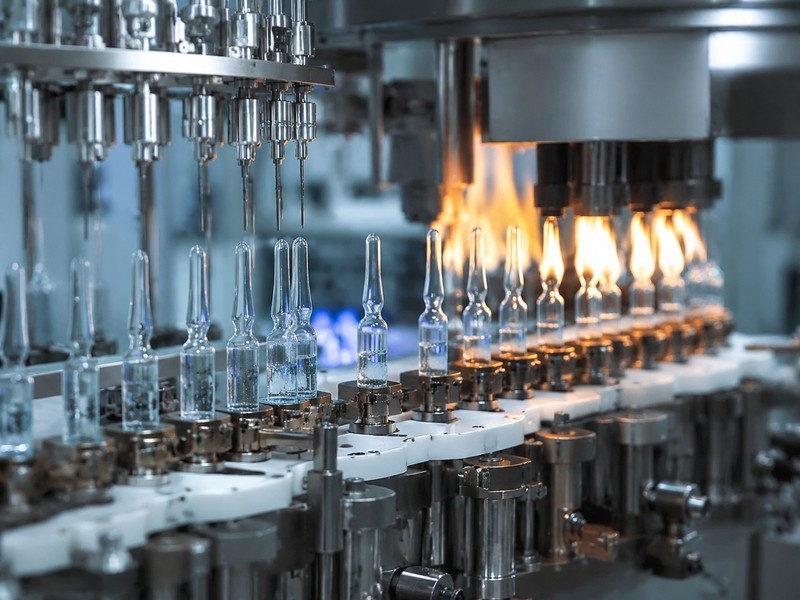
For pharmaceutical manufacturers in the United States, ampoule filling machine nitrogen flushing is not a minor add-on. It is a critical process step used to reduce oxygen exposure inside filled ampoules before sealing, helping protect oxidation-sensitive formulations, support sterility assurance, and improve shelf-life stability under current regulatory expectations. Large injectable producers, CDMOs, hospital supply manufacturers, and advanced therapy facilities often evaluate nitrogen flushing when expanding lines in Boston, New Jersey, Chicago, Houston, San Diego, and other major life science hubs where compliance, throughput, and product integrity directly affect market competitiveness.
In practical terms, nitrogen flushing introduces high-purity nitrogen into the ampoule headspace during or immediately before sealing. This displaces oxygen and lowers the risk of active ingredient degradation, color change, potency loss, and particulate concerns linked to unstable formulations. In the United States, the technology is especially relevant for sterile injectables, biologics support liquids, diagnostic reagents, ophthalmic products in ampoule format, and certain high-value hospital medicines that require strong process control and validation.
Companies reviewing new installations or modernization projects typically compare flushing efficiency, oxygen reduction performance, line speed, cleanroom compatibility, container handling precision, and validation support. Suppliers with deep experience in turnkey pharmaceutical systems are often preferred because ampoule production rarely succeeds as a stand-alone equipment purchase. It usually requires coordination among water systems, clean utilities, line integration, packaging flow, qualification documentation, and after-sales support. For organizations seeking a broader view of integrated pharmaceutical engineering, IVEN Pharmatech Engineering presents its capabilities through its company overview, turnkey project services, equipment portfolio, and direct technical contact channel.
Ampoule filling machine nitrogen flushing matters because it protects oxygen-sensitive products, helps maintain sterile quality, and supports regulatory consistency in commercial injectable manufacturing. In the United States, where manufacturers often operate under US FDA cGMP expectations and serve demanding hospital, retail, and export channels, reducing oxygen in the ampoule headspace can lower product risk and reduce costly stability failures.
The process is especially useful when the drug formula contains active ingredients or excipients prone to oxidation. Even a small residual oxygen concentration can affect drug color, potency, or impurity formation over time. Nitrogen flushing therefore becomes a quality control tool as much as a filling-line feature. It can also help manufacturers standardize product performance across multiple batches and support longer distribution chains through ports and logistics corridors such as Los Angeles, Long Beach, Newark, Savannah, and Houston.
Decision FactorWhy It MattersImpact on ProductionOxygen reductionLimits oxidation risk in sensitive formulationsImproves product stability and batch acceptanceSealing compatibilityMust work reliably with ampoule tip formation and closurePrevents leaks and inconsistent headspace resultsNitrogen purityLow-quality gas undermines process performanceSupports repeatable product qualityLine speedHigh-speed lines need synchronized filling and flushingMaintains output without sacrificing integrityValidation recordsImportant for audits and qualificationReduces compliance risk during inspectionsTotal integrationUtilities, cleanroom, conveyors, and packaging must alignImproves long-term production efficiencyThe table above shows that nitrogen flushing is not evaluated only on gas injection performance. It must fit the wider operational and quality system of the facility. This is why manufacturers in the United States often prefer experienced engineering partners that can align process design with utilities, layout, qualification, and downstream packaging.
Ampoule filling machine nitrogen flushing is a controlled pharmaceutical process in which nitrogen gas is introduced into an ampoule either before filling, during filling, after filling, or immediately before flame sealing. The primary goal is to replace ambient air, especially oxygen, with an inert atmosphere. The process is integrated into automatic ampoule washing, sterilizing, filling, and sealing lines used for sterile liquid drugs.
Its core uses include:
In the United States, these functions are important for manufacturers serving hospitals, government procurement channels, and private-label pharmaceutical supply networks. A product shipped from a plant in North Carolina or New Jersey may move through national distribution centers and remain in inventory for long periods. That increases the value of stable headspace control.
From a technical perspective, nitrogen flushing can be configured in several ways. Some machines perform pre-flush before liquid entry to reduce oxygen in the empty container. Others inject nitrogen over the product surface after dosing. High-end systems may use dual-stage or multi-stage flushing to maximize oxygen displacement without disturbing fill accuracy. The best design depends on the product’s sensitivity, viscosity, foam behavior, and sealing conditions.
Process StepNitrogen Flushing FunctionTypical BenefitPre-fillingPurges air from the empty ampouleReduces initial oxygen loadDuring fillingMaintains inert atmosphere around the liquid streamLimits oxygen pickup during dosingPost-fillingDisplaces air in the headspaceProtects product surface from oxidationBefore sealingFinal inerting before flame closureImproves final residual oxygen performanceIntegrated monitoringTracks gas pressure and flow consistencySupports validation and troubleshootingBatch documentationRecords critical process conditionsStrengthens GMP traceabilityThe explanation in this table highlights why buyers should ask where in the cycle the gas is introduced. A machine advertised with nitrogen flushing may deliver very different performance depending on timing, nozzle design, and the relationship between flushing and sealing.
The main applications of nitrogen flushing are found in sterile injectable drugs, specialty chemical injectables, antioxidant-sensitive vitamins, emergency medicines, some veterinary ampoule products, and selected diagnostic or laboratory liquids. In recent years, demand has also grown among contract manufacturers that must handle multiple formulas on one flexible line.
Key benefits include better drug stability, reduced rejection rates, improved packaging consistency, and stronger confidence during stability studies. Manufacturers also use the technology to support line upgrades when moving from semi-automatic or older mechanical systems to fully integrated, data-driven production lines.
For United States plants, another important benefit is operational resilience. When shortages affect essential injectables, manufacturers need reliable equipment that can run consistently with minimal deviation. Better process control at the filling and sealing stage can reduce rework, lower investigation time, and improve release timelines.
Application AreaTypical Product ExampleBenefit of Nitrogen FlushingSterile hospital injectablesEmergency or ICU medicinesBetter headspace protection and stabilityOxidation-sensitive formulationsVitamin or antioxidant-containing liquidsReduced potency loss over shelf lifeHigh-value specialty drugsLow-volume critical care productsLower risk of batch failureContract manufacturingMulti-client ampoule programsGreater process flexibility and consistencyExport-oriented productionProducts for long logistics cyclesSupports quality through transport and storageR&D scale-up to commercialPilot lots moving to launch volumesEasier process standardizationThe applications listed above show that the technology is not reserved only for mega-scale factories. Mid-sized producers and CDMOs in Philadelphia, Indianapolis, Raleigh-Durham, and the San Francisco Bay Area may also benefit when product sensitivity or quality consistency justifies the investment.
var ctx1 = document.getElementById(‘lineChartMarket’).getContext(‘2d’);var chart1 = new Chart(ctx1, {type: ‘line’,data: {labels: [‘2021’, ‘2022’, ‘2023’, ‘2024’, ‘2025’, ‘2026’],datasets: [{label: ‘U.S. demand index for nitrogen flushing ampoule lines’,data: [68, 74, 81, 89, 97, 108],borderColor: ‘rgb(54, 162, 235)’,backgroundColor: ‘rgba(54, 162, 235, 0.15)’,fill: false,tension: 0.3}]},options: {responsive: true,maintainAspectRatio: false}});This line chart illustrates a realistic growth pattern in the United States market, driven by injectable capacity expansion, replacement of legacy equipment, and tighter expectations for process repeatability.
There is no single universal configuration. Buyers should match machine design to product characteristics, capacity targets, cleanroom layout, and validation strategy. In general, systems can be grouped by output level, automation level, flushing method, and integration scope.
Low- to medium-speed lines are often suited to specialty injectables, clinical supply, and multi-format production. High-speed lines are better for large commercial output where every second of downtime affects cost per ampoule. Technical options may include laminar flow protection, servo-controlled dosing, inline oxygen monitoring, reject tracking, SCADA connectivity, recipe management, and robotic transfer to downstream packaging.
In terms of technological capabilities, suppliers with stronger engineering depth can deliver more than a standard filler. IVEN Pharmatech Engineering is known for combining pharmaceutical filling and packaging machinery expertise with water treatment systems, intelligent conveying, logistics integration, and compliance-oriented engineering. This matters because ampoule lines work best when they are connected to purified water, WFI, clean steam, layout planning, and efficient material flow instead of being installed as isolated units.
Machine TypeTypical Output RangeBest Use CaseCompact automatic line6,000 to 12,000 ampoules/hourSmaller commercial batches and specialty productsMid-speed integrated line12,000 to 24,000 ampoules/hourFlexible production with several SKUsHigh-speed commercial line24,000 to 36,000+ ampoules/hourHigh-volume essential injectablesDual-stage nitrogen flush modelVaries by configurationProducts highly sensitive to oxidationServo-controlled filling systemPrecision focusedHigh-value drugs needing tight fill toleranceTurnkey integrated lineProject-specificNew plant builds or full modernization programsThe table above shows broad categories rather than fixed catalog models. Buyers should request product-specific testing and ask for residual oxygen performance data under conditions similar to their own formula and ampoule size.
var ctx2 = document.getElementById(‘barChartDemand’).getContext(‘2d’);var chart2 = new Chart(ctx2, {type: ‘bar’,data: {labels: [‘Hospital injectables’, ‘CDMOs’, ‘Veterinary pharma’, ‘Diagnostics’, ‘Export-focused plants’, ‘R&D scale-up’],datasets: [{label: ‘Estimated demand score in U.S. market’,data: [92, 84, 58, 63, 76, 69],backgroundColor: [‘rgb(255, 99, 132)’,’rgb(255, 159, 64)’,’rgb(255, 205, 86)’,’rgb(75, 192, 192)’,’rgb(54, 162, 235)’,’rgb(153, 102, 255)’]}]},options: {responsive: true,maintainAspectRatio: false}});The bar chart highlights where demand is strongest. Hospital injectable manufacturing and CDMO production continue to lead because these segments face the highest pressure on product quality, flexibility, and supply continuity.
Nitrogen flushing is highly effective, but it is not the only way to manage formulation stability. Some manufacturers use antioxidant excipients, amber packaging, modified process temperatures, vacuum-assisted methods, or shift to vials with stopper systems. The right answer depends on product chemistry, line economics, and commercial strategy.
Ampoules remain attractive when tamper evidence, low unit cost, and flame-sealed integrity are important. However, if frequent format changes or lyophilization are needed, a vial line may be more suitable. Likewise, if a product is extremely oxygen-sensitive, buyers may need both nitrogen flushing and formulation-level protection rather than relying on one control only.
TechnologyAdvantagesLimitationsNitrogen flushing in ampoulesGood oxygen reduction, supports sterile liquid linesRequires gas quality control and sealing synchronizationNo flushing standard ampoule fillingLower upfront complexityHigher oxidation risk for sensitive productsVial filling with inert gasFlexible closures and easier some interventionsDifferent packaging format and cost structureVacuum-assisted air displacementCan improve headspace control in some designsMore complex equipment and validation needsFormulation antioxidants onlyNo major line modificationMay not provide enough protection aloneBarrier packaging approachUseful secondary protectionDoes not solve oxygen in primary headspaceThe comparison above shows that nitrogen flushing is often the most practical improvement for existing ampoule operations because it directly targets headspace oxygen without requiring a complete packaging format shift.
var ctx3 = document.getElementById(‘areaChartTrend’).getContext(‘2d’);var chart3 = new Chart(ctx3, {type: ‘line’,data: {labels: [‘2021’, ‘2022’, ‘2023’, ‘2024’, ‘2025’, ‘2026’],datasets: [{label: ‘Shift toward integrated inerting and digital monitoring’,data: [35, 43, 51, 62, 74, 86],borderColor: ‘rgb(75, 192, 192)’,backgroundColor: ‘rgba(75, 192, 192, 0.25)’,fill: true,tension: 0.3}]},options: {responsive: true,maintainAspectRatio: false}});This area chart reflects the broader industry shift from basic gas flushing toward smarter systems with recipe control, data capture, alarms, and more comprehensive validation support.
The United States market for ampoule filling technology is shaped by three forces: injectable drug security, modernization of older lines, and the increasing need for reliable domestic and near-market production. Although vials and prefilled syringes receive strong attention, ampoules remain relevant for many established products and cost-sensitive sterile applications.
Market growth is strongest among companies replacing legacy lines built for lower documentation standards. Buyers now want better servo precision, electronic batch recording, reduced operator intervention, and easier compliance alignment. Ports such as New York/Newark, Los Angeles/Long Beach, and Savannah also play a role because imported components, project cargo, and replacement parts affect lead times and plant expansion planning.
Looking toward 2026, several trends stand out:
Policy and sustainability trends matter as well. Manufacturers in the United States are under pressure to reduce downtime, strengthen supply chain resilience, and control operating cost. Nitrogen flushing systems with efficient gas use, stable sealing, lower reject rates, and smart maintenance diagnostics are likely to win more projects than simple low-cost machines.
On the manufacturing side, IVEN’s strengths are relevant here because scale and specialization matter in supplier selection. The company operates multiple specialized manufacturing plants in Shanghai focused on pharmaceutical machinery, water treatment, intelligent logistics, and blood collection tube equipment. For buyers in the United States, this suggests the ability to support broader pharmaceutical factory needs rather than only one isolated machine type, which can be valuable in phased expansion programs or complete facility builds.
Choosing a supplier should go beyond quotation price. Pharmaceutical buyers need to assess regulatory understanding, engineering depth, documentation quality, FAT/SAT capability, long-term spare parts support, and responsiveness to process challenges. A machine may look similar on paper yet perform very differently in real production.
Key questions to ask include:
Service capability is often the deciding factor after technical review. IVEN positions itself not only as an equipment supplier but as an engineering partner with feasibility consulting, design support, equipment customization, installation, commissioning, validation assistance, staff training, and production optimization. For U.S. projects, this kind of lifecycle support can reduce the risk of layout errors, non-standard integration, schedule drift, and qualification delays.
Supplier Evaluation CriterionWhat to VerifyWhy It MattersRegulatory familiarityUnderstanding of US FDA cGMP and global GMP expectationsSupports smoother project approval and auditsEngineering customizationAbility to adapt nozzles, line speed, and format partsPrevents poor fit with your product or facilityDocumentation packageDQ/IQ/OQ/PQ support, manuals, drawings, certificatesShortens validation timeManufacturing capacityStable production and quality control at supplier siteReduces delivery and reliability riskAfter-sales serviceTraining, remote support, spare parts, troubleshootingCritical for uptime after installationReference projectsCompleted pharmaceutical or medical device installationsShows practical execution abilityThe table makes clear that supplier selection is a multi-factor decision. A lower purchase price can quickly become a higher total cost if the machine fails qualification, lacks documentation, or receives slow technical support.
Investment cost varies widely depending on output, automation level, format range, utility integration, and validation package. In the United States market, buyers should plan not only for equipment price but also shipping, customs, site preparation, clean utility connections, FAT travel, SAT, commissioning, training, spare parts, qualification work, and line integration with upstream or downstream systems.
A compact automatic line with basic nitrogen flushing may fit smaller budgets, while a fully integrated high-speed line with electronic records, oxygen monitoring, robotic handling, and complete validation support can become a major capital project. For many companies, the ROI case rests on reduced batch risk, higher output, lower labor intensity, and better product stability rather than only labor savings.
Cost ElementTypical Budget ImpactPlanning NoteCore machine purchaseHighest single capital itemCompare technical scope carefullyNitrogen system and controlsMedium to highCheck purity, pressure, and monitoring requirementsInstallation and commissioningMediumInclude local labor and utility tie-insValidation packageMediumOften underestimated in early budgetingSpare parts and trainingLow to mediumImportant for first-year reliabilityDowntime during changeoverIndirect but significantBuild timeline buffer into project planROI is stronger when the machine serves products with high quality sensitivity or large commercial volumes. Even a modest reduction in rejected batches can justify a meaningful portion of the investment. For example, if nitrogen flushing lowers stability-related failures, decreases investigation costs, and increases saleable output, payback may be achieved faster than expected.
var ctx4 = document.getElementById(‘comparisonChartROI’).getContext(‘2d’);var chart4 = new Chart(ctx4, {type: ‘bar’,data: {labels: [‘Basic line’, ‘Mid-range integrated line’, ‘High-speed turnkey line’, ‘Legacy line upgrade’, ‘Premium digital line’, ‘CDMO flexible line’],datasets: [{label: ‘Relative value score (performance vs total cost)’,data: [61, 78, 88, 73, 85, 80],backgroundColor: [‘rgb(153, 102, 255)’,’rgb(54, 162, 235)’,’rgb(255, 99, 132)’,’rgb(255, 205, 86)’,’rgb(75, 192, 192)’,’rgb(255, 159, 64)’]}]},options: {responsive: true,maintainAspectRatio: false}});This comparison chart shows that the highest price option is not always the best value, but under high-volume or high-risk production conditions, advanced integrated systems often deliver superior long-term returns.
The most common investment risks include overestimating oxygen reduction performance, underestimating validation workload, poor compatibility with existing ampoule formats, weak utility planning, and insufficient operator training. A successful project requires both good machinery and disciplined execution.
Buyers should also pay close attention to the interaction between product formula and equipment behavior. Some liquids foam easily or react to aggressive gas flow. Others require especially careful nozzle geometry or timing to avoid disturbing the fill level. Pilot trials and supplier testing are therefore important.
Another risk is choosing a supplier without enough pharmaceutical systems experience. A machine may meet mechanical specifications but still create problems in documentation, alarm management, data integrity, or long-term spare parts service. This is one reason some buyers favor engineering groups that have executed broad pharmaceutical projects globally and can align equipment with regulatory and plant-level expectations.
For companies considering larger modernization or new facility work in the United States, it may be more efficient to evaluate nitrogen flushing as part of a full process concept that includes water systems, solution preparation, clean steam, logistics flow, and packaging integration. A supplier with demonstrated turnkey experience can often reduce interface risk across these packages.
As a case example, integrated project execution becomes particularly valuable when a plant is adding ampoule capacity alongside other sterile operations. If the engineering partner can coordinate layout, utility balance, line selection, documentation, and training under one project framework, the manufacturer may avoid the common problem of incompatible equipment interfaces. This is where organizations with extensive delivery history across international pharmaceutical facilities can provide practical advantages.
1. Does nitrogen flushing guarantee zero oxygen in an ampoule?No. The goal is oxygen reduction, not absolute elimination. Achievable residual oxygen depends on machine design, gas purity, ampoule geometry, fill volume, and sealing timing.
2. Is nitrogen flushing necessary for every ampoule product?No. It is most valuable for oxygen-sensitive formulas, long shelf-life requirements, and products where stability data shows a benefit from inert headspace control.
3. Can an existing ampoule line be upgraded with nitrogen flushing?In many cases, yes. However, retrofit feasibility depends on line layout, sealing section design, controls architecture, and qualification strategy.
4. What nitrogen purity is normally required?The exact specification depends on the product and internal quality standards, but pharmaceutical-grade gas quality and reliable monitoring are essential.
5. How does this affect validation in the United States?It usually adds process parameters that must be defined, challenged, documented, and maintained under cGMP control, especially for critical products.
6. What industries besides mainstream pharmaceuticals use this technology?Veterinary pharmaceuticals, diagnostics, laboratory reagents, and some medical consumable-related liquid filling applications may also use similar inerting concepts.
7. How important is turnkey support?Very important for new plants and large upgrades. Equipment alone does not solve issues involving layout, utilities, qualification, and downstream integration.
8. Why do U.S. buyers consider global suppliers for this equipment?Because the best value may come from suppliers combining regulatory knowledge, specialized manufacturing, customization, and lifecycle support at competitive cost.
9. What should be requested during technical review?Ask for process flow details, oxygen reduction data, utility requirements, line speed proof, documentation lists, FAT scope, spare parts plans, and customer references.
10. Where can buyers start if they need a broader project discussion?They can review supplier background, turnkey experience, and equipment scope through the provider’s technical resources and then contact the engineering team for a project-specific assessment.
In summary, ampoule filling machine nitrogen flushing is a strategic technology for pharmaceutical producers in the United States that need stronger protection for sensitive injectable products, better process consistency, and a more future-ready manufacturing platform. The best investment decisions come from balancing product chemistry, line speed, facility integration, validation demands, and long-term service support. Buyers who evaluate equipment together with engineering capability, manufacturing depth, and project execution strength are more likely to achieve reliable performance and durable ROI.