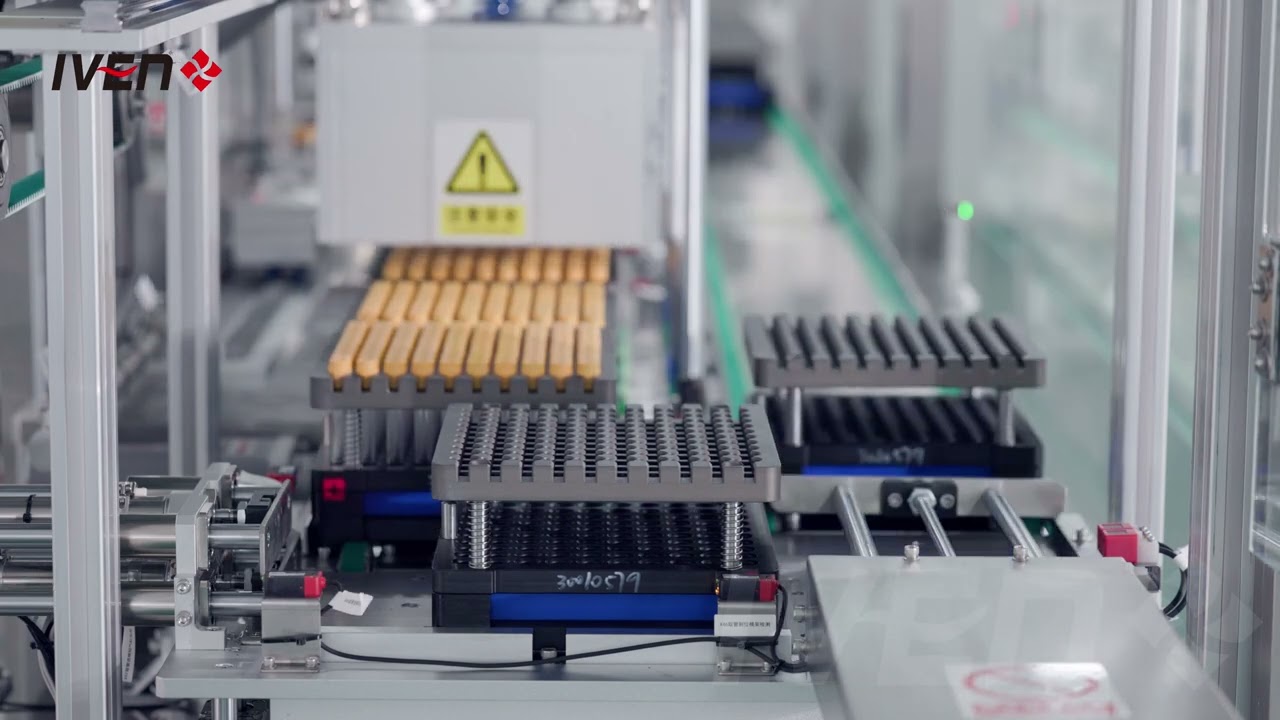
Blood Tube Equipment Solutions for the United States
For medical device companies serving hospitals, diagnostic laboratories, blood centers, and OEM healthcare brands, blood collection tube manufacturing equipment is the foundation of efficient, repeatable, and compliant production. In the United States, where buyers expect high throughput, traceability, stable additive dosing, reliable vacuum performance, and documentation aligned with FDA-oriented quality systems, automated tube production systems offer a major advantage over labor-intensive assembly.
Modern systems can integrate tube feeding, printing, labeling, additive filling, stopper insertion, vacuum generation, leak testing, visual inspection, tray loading, packaging, and data logging into one controlled process. This helps manufacturers reduce scrap, improve consistency, and support large-volume supply into major healthcare corridors such as Boston, New Jersey, Chicago, Atlanta, Houston, Los Angeles, and the Research Triangle. For companies planning new plants or expanding existing capacity, the right production line can improve output quality while lowering long-term unit cost.
Manufacturers evaluating solutions often look for partners that combine engineering depth, equipment customization, and validation support. Companies such as IVEN Pharmatech Engineering are often considered when buyers need a blend of automation, blood tube line specialization, and global compliance experience for the U.S. market.
Quick Answer: How blood collection tube manufacturing equipment supports high-volume U.S. medical device production

Blood collection tube manufacturing equipment is a specialized automated production system used to manufacture vacuum or non-vacuum blood collection tubes at industrial scale. It is designed to help medical device companies produce large volumes of consistent, high-quality tubes for hospitals, physician office labs, reference laboratories, and diagnostic distributors. In the United States, this equipment is especially valuable because buyers demand dependable quality control, batch traceability, and efficient output that can support national distribution networks.
A complete production line typically handles multiple critical tasks: plastic or glass tube preparation, additive dosing, drying or curing, cap or stopper assembly, vacuuming, online inspection, labeling, and final packaging. When engineered correctly, the system reduces human variation, improves cleanliness, supports audit readiness, and increases speed. For fast-growing producers supplying hospital networks in cities such as New York, Dallas, Phoenix, Seattle, and Miami, automation is often the only practical path to scale.
For many U.S. investors, the main business case is simple: automated blood tube production equipment reduces dependence on manual labor while increasing repeatability, line efficiency, and documentation quality. It also supports quick line changeovers for different tube types, which is important for manufacturers serving diverse product portfolios such as serum tubes, EDTA tubes, sodium citrate tubes, heparin tubes, glucose tubes, and specialty diagnostic tubes.
What is blood collection tube manufacturing equipment and how does it work?

Blood collection tube manufacturing equipment is a coordinated set of machines and control systems used to manufacture disposable tubes for blood collection and laboratory testing. Depending on the product format, a line may process PET plastic tubes, glass tubes, rubber stoppers, safety caps, additives, labels, and trays. The system is normally built around modular stations so output, automation level, and product range can be matched to the manufacturer’s business goals.
The process usually begins with raw material feeding. Tubes are oriented and conveyed into cleaning or preparation stations. If the product requires additives, an accurate liquid or powder dosing unit introduces anticoagulants or clot activators in precise volumes. Tubes then move to drying or stabilization sections, where process conditions are controlled to protect additive performance. Next, stoppers or caps are assembled, the internal vacuum is established for vacuum tube products, and each unit is checked for sealing integrity.
After primary assembly, the line can include printing, label application, barcode verification, visual inspection, rejection of nonconforming units, tray loading, bagging, cartoning, and palletization. Advanced lines also include recipe control, electronic batch records, production trend monitoring, and alarm history for quality management. These features matter in the United States, where procurement teams and contract manufacturing customers often ask detailed questions about process capability, validation support, and consistent lot release documentation.
The table below shows the typical functional modules of a modern blood collection tube production line and why each one matters.
| Production Module | Main Function | Quality Impact | Typical U.S. Buyer Concern | Automation Value | Notes |
|---|---|---|---|---|---|
| Tube feeding and orientation | Supplies empty tubes to the line in the correct position | Prevents jams and handling damage | Stable line uptime | Reduces manual sorting | Important for high-speed continuous output |
| Tube cleaning or preparation | Removes particles and conditions surfaces | Improves product cleanliness | Contamination control | Creates repeatable pre-fill conditions | Critical for regulated environments |
| Additive dosing system | Dispenses anticoagulants or clot activators | Directly affects clinical performance | Dosing accuracy and traceability | Reduces formulation variation | Can be liquid, spray, or powder based |
| Drying or curing station | Stabilizes coated or filled additives | Improves shelf consistency | Reliable tube performance over time | Controls temperature and dwell time | Needed for many additive formulations |
| Stopper or cap assembly | Seals the tube before or after vacuuming | Influences leakage and sterility barrier | Seal integrity | Improves cap placement precision | May include color-coded closures |
| Vacuum generation unit | Creates target negative pressure inside each tube | Controls blood draw volume | Vacuum consistency by batch | Enables high-volume accurate production | Essential for evacuated blood tubes |
| Inspection and rejection station | Detects defects, leaks, label errors, and cosmetic issues | Protects outgoing quality | Low complaint rate | Reduces manual inspection burden | Can include vision systems |
| Packaging and data logging | Loads trays, cartons, and records batch data | Supports traceability | Audit readiness and shipping efficiency | Improves downstream logistics | Useful for nationwide distribution |
In practical terms, the best equipment works as a closed production ecosystem rather than a group of isolated machines. That is why buyers increasingly favor turnkey engineering providers who understand line integration, utilities, validation, and plant layout rather than only selling standalone equipment. For companies exploring complete factory projects, integrated support from concept through commissioning can reduce execution risk. More details on this approach can be found in turnkey pharmaceutical and medical device project solutions.
Key applications and production benefits of blood collection tube manufacturing equipment for medical device companies

Medical device companies invest in blood collection tube manufacturing equipment because demand is broad and recurring. The products are consumed daily across emergency departments, outpatient clinics, pathology labs, oncology centers, chronic disease programs, blood banks, and public health systems. In the United States, healthcare delivery depends on dependable sample collection tools, so production reliability is directly linked to market opportunity.
Beyond basic output volume, automated manufacturing lines improve consistency in clinical-use characteristics such as draw volume, additive dispersion, cap fit, leak resistance, and labeling accuracy. These factors influence laboratory workflow and user confidence. A line that produces uniform tubes can help a supplier win repeat business from integrated delivery networks and laboratory purchasing groups.
Another advantage is product diversification. Many manufacturers want to serve more than one segment. A configurable line can support standard tubes and specialty variants, helping companies capture higher-margin opportunities. This matters in competitive U.S. markets where customers may request private labeling, custom packaging, or region-specific regulatory documentation.
| Application Area | Tube Type Often Needed | Why Demand Exists | Production Benefit of Automation | Typical Buyer in the U.S. | Business Value |
|---|---|---|---|---|---|
| Hospital laboratories | Serum and plasma tubes | Routine chemistry and immunology testing | Large-volume consistent output | Hospital systems | Stable long-term orders |
| Reference laboratories | EDTA, heparin, and clot activator tubes | High sample throughput | Strong batch traceability | National lab networks | Supports scale contracts |
| Emergency and trauma care | Rapid-use vacuum tubes | Fast specimen collection under pressure | Reliable vacuum integrity | Urban medical centers | Premium value for performance |
| Physician office labs | Small-pack standard tubes | Office-based blood draws | Flexible packaging options | Clinic distributors | Broad distribution channels |
| Specialty diagnostics | Custom additive tubes | Niche assays and protocol needs | Precise dosing control | Diagnostic brands | Higher-margin products |
| OEM/private label supply | Mixed tube portfolios | Brand expansion without in-house plants | Fast changeover and labeling | Medical distributors | Diversifies revenue base |
| Public health and blood programs | Validated standardized tubes | Screening and monitoring programs | Documentation and lot repeatability | Government and public tenders | Large periodic contracts |
The strongest benefit is often a combination of efficiency and assurance. U.S. buyers are not only purchasing tubes; they are purchasing confidence that each lot will perform as expected across decentralized hospital and laboratory networks. Automation supports that expectation.
Main types and configurations of blood collection tube manufacturing equipment available today
The market offers a range of configurations, from compact semi-automatic units to full smart-factory production lines. The right choice depends on product mix, volume targets, available utilities, staffing model, cleanroom strategy, and quality system maturity.
Some companies begin with semi-automatic lines to validate the business and later upgrade to more advanced systems. Others, especially contract manufacturers or established medical consumables companies, invest directly in high-speed automated lines with online inspection and digital data management. In the United States, where wage pressure and regulatory expectations are relatively high, fully automated lines often provide better long-term economics.
| Equipment Type | Typical Capacity Level | Best For | Main Features | Advantages | Possible Limitation |
|---|---|---|---|---|---|
| Semi-automatic assembly line | Low to medium | Startups and pilot production | Manual loading with automated key stations | Lower upfront investment | Higher labor dependence |
| Fully automatic standard line | Medium to high | Growing domestic suppliers | Continuous feeding, dosing, vacuuming, packaging | Better consistency and throughput | Higher project complexity |
| High-speed vacuum tube line | High | Large-scale manufacturers | Integrated vacuum control and online inspection | Competitive unit economics | Requires stable utilities and planning |
| Multi-product flexible line | Medium to high | OEM and diverse portfolios | Quick changeover and recipe management | Supports many tube formats | Changeover discipline still required |
| Customized specialty tube line | Low to medium | Niche diagnostic products | Special additive or packaging modules | Fits specific assay requirements | May have longer lead time |
| Turnkey plant-integrated solution | Medium to very high | New factory investors | Equipment plus utilities, layout, validation support | Lower integration risk | Needs careful supplier selection |
| Smart line with MES-style connectivity | High | Advanced manufacturers | Data collection, alarms, dashboards, traceability | Supports digital quality control | Higher software and training needs |
There is also a growing preference for modular design. A manufacturer may start with a core line and later add labeling, robotic packing, warehouse handling, or logistics automation. This is attractive for U.S. companies expanding distribution through ports such as Los Angeles/Long Beach, Savannah, Newark, and Houston, where output planning and shipping rhythm can strongly affect inventory cost.
For buyers comparing available configurations, it can be useful to review a broad product equipment portfolio that includes not only blood tube lines but also related packaging, water treatment, and logistics systems. This helps investors understand whether a supplier can support future expansion beyond the first machine.
Blood collection tube manufacturing equipment vs manual assembly lines: key differences and advantages
Manual or heavily labor-dependent assembly lines can still work for very small production runs, but they are increasingly difficult to justify in the U.S. market. Labor availability, operator variability, training time, and quality drift all increase operational risk. In contrast, automated systems create repeatable process windows and support larger commercial commitments.
The difference is not only speed. Automation also affects data quality, scrap rates, maintenance predictability, contamination control, and the ability to respond to audits or customer complaints. A manual line may appear cheaper at the beginning, but hidden costs often become visible when output increases.
| Comparison Factor | Manual Assembly Line | Automated Equipment | Impact on U.S. Operations | Cost Effect | Strategic Result |
|---|---|---|---|---|---|
| Output volume | Limited by labor | Scalable and stable | Supports national distribution | Lower unit cost at scale | Better growth potential |
| Consistency | Operator dependent | Process controlled | Fewer lot variations | Reduced scrap and claims | Higher customer trust |
| Vacuum accuracy | More variable | Controlled by equipment parameters | More reliable draw volume | Less rework | Improved product performance |
| Additive dosing | Risk of dosing error | Precise automated dispensing | Supports lab acceptance | Protects against waste | Better clinical reliability |
| Traceability | Often paper based or incomplete | Electronic records possible | Easier audits and complaint review | Saves quality time | Supports compliance maturity |
| Labor requirement | High | Lower direct labor | Useful in tight labor markets | Reduces recurring overhead | Improves predictability |
| Changeover management | Slow and inconsistent | Recipe-driven, faster | Helps multi-SKU production | Higher asset utilization | Supports mixed product strategy |
| Inspection capability | Mainly visual and manual | Online sensors and vision systems | Faster defect control | Fewer recalls | Stronger brand reputation |
For companies serving demanding metropolitan healthcare markets such as Philadelphia, San Diego, Minneapolis, and Nashville, automated systems also reduce the operational disruption caused by labor turnover. A line that relies on repeatable settings rather than operator memory is easier to manage over time.
Market growth and opportunities for blood collection tube manufacturing equipment manufacturers
The U.S. market for blood collection products remains attractive because healthcare testing demand is structural rather than temporary. Aging populations, chronic disease monitoring, decentralized diagnostics, preventive screening, oncology testing, and growing lab networks all support long-term need for blood collection consumables. At the same time, supply chain resilience has become a larger strategic issue. Many U.S. buyers now prefer suppliers that can guarantee continuity, maintain safety stock, and document manufacturing controls.
For equipment manufacturers, this creates several opportunity layers. First, there is demand from companies establishing domestic or near-market production. Second, existing producers are upgrading old lines to raise throughput and reduce labor cost. Third, OEM and private-label opportunities are expanding as healthcare distributors and diagnostics brands seek differentiated sourcing models.
American buyers also pay attention to logistics and plant location. Facilities near New Jersey and Pennsylvania can serve East Coast hospital systems efficiently. Plants near Chicago or Indianapolis benefit from central distribution. Texas locations such as Houston and Dallas offer access to southern markets and ports. West Coast operations near Los Angeles can support Pacific logistics and broad regional healthcare supply. Equipment suppliers that understand these practical planning issues are more likely to win serious projects.
| Opportunity Driver | Why It Matters | U.S. Relevance | Effect on Equipment Demand | Buyer Priority | 2026 Direction |
|---|---|---|---|---|---|
| Growth in diagnostic testing | More blood draws across care settings | Strong in hospitals and reference labs | Higher demand for new lines | Capacity expansion | Continued growth |
| Supply chain localization | Reduces disruption risk | Important after global logistics shocks | Boosts domestic plant investment | Reliability | Still strengthening |
| Automation adoption | Controls labor cost and quality | Very relevant in U.S. labor markets | Replaces legacy manual systems | Efficiency | Rapid acceleration |
| Private-label expansion | More brands need manufacturing partners | Common among distributors | Favors flexible lines | Customization | Growing steadily |
| Regulatory and documentation demands | Raises equipment specification levels | FDA-oriented quality focus | Supports premium systems | Compliance | More digital records |
| Sustainability pressure | Energy, waste, and packaging scrutiny | Increasing in procurement reviews | Drives efficient machine design | ESG readiness | Major differentiator |
| Smart factory investment | Uses data for better process control | Growing among advanced manufacturers | Benefits software-enabled lines | Visibility | High momentum |
Looking toward 2026, three trends stand out. First, intelligent automation will become standard rather than optional, especially for medium and large producers. Second, sustainability will move from marketing language to purchasing criteria, with energy use, reject rates, and packaging efficiency becoming measurable selection factors. Third, policy and quality expectations will encourage stronger electronic records, validation discipline, and process monitoring. Equipment builders who can respond to those trends will be better placed to serve the United States market.
How to choose a reliable blood collection tube manufacturing equipment manufacturer or supplier
Choosing the right supplier is often more important than choosing the cheapest machine. A blood collection tube line affects product quality, plant layout, staffing, utilities, maintenance, and long-term competitiveness. U.S. buyers should evaluate suppliers across technical, manufacturing, and service dimensions.
From a technological perspective, look for a supplier with real specialization in blood collection tube machinery rather than a generic packaging machine builder. The supplier should understand additive chemistry handling, vacuum control, stopper insertion accuracy, inspection logic, and regulatory documentation. A strong engineering partner typically offers customized solutions, not only standard catalogs. This is especially useful when the customer needs specific tube sizes, output speeds, packaging styles, or validation deliverables.
Manufacturing capability is equally important. Buyers should verify whether the supplier has dedicated production facilities, stable machining and assembly processes, and a history of delivering large-scale projects. In complex medical equipment, factory execution quality often determines long-term uptime. For example, IVEN Pharmatech Engineering has built specialized manufacturing capacity around pharmaceutical filling and packaging, water systems, intelligent conveying, and vacuum blood collection tube production equipment, which signals depth beyond a single product family.
Service capability often decides whether a project stays on schedule. A reliable supplier should support feasibility analysis, layout design, utility matching, installation, commissioning, documentation, training, validation assistance, and after-sales response. U.S. manufacturers with aggressive launch timelines should ask how the supplier handles FAT, SAT, spare parts, remote diagnostics, and on-site technical intervention.
A practical supplier scorecard is shown below.
| Selection Criterion | What to Check | Why It Matters | Strong Supplier Signal | Warning Sign | Buyer Action |
|---|---|---|---|---|---|
| Blood tube expertise | Reference projects and patents | Shows process understanding | Dedicated vacuum tube know-how | Only generic automation experience | Ask for case examples |
| Compliance awareness | Knowledge of FDA, GMP, validation | Supports documentation readiness | Can discuss IQ/OQ/PQ structure | Vague answers on compliance | Review documentation samples |
| Customization ability | Line adaptation to product mix | Prevents operational mismatch | Engineering-driven proposals | One-size-fits-all offer | Request tailored URS response |
| Manufacturing depth | Facilities, quality control, assembly | Affects delivery and reliability | Multiple specialized plants | Heavy outsourcing without control | Audit production capability |
| Service network | Training, commissioning, support speed | Reduces downtime risk | Lifecycle service model | Limited post-sale resources | Clarify response commitments |
| Project management | Timeline control and communication | Critical for factory launch | Structured milestones | Unclear handoff process | Review sample project plan |
| Total cost value | Energy, scrap, labor, spare parts | Better than headline price only | Transparent ownership analysis | Low quote with hidden gaps | Compare full lifecycle costs |
Companies considering a supplier discussion should move beyond brochures and ask for a technical exchange covering throughput assumptions, utilities, tooling, recipe management, validation scope, and post-installation service. A direct conversation with the engineering team is often the best way to assess fit. Buyers can start that process through a dedicated contact channel for project consultation.
Investment cost, budget planning and ROI analysis for blood collection tube manufacturing equipment
Investment cost varies widely depending on speed, automation level, inspection depth, tube formats, cleanroom expectations, and packaging scope. A semi-automatic line may require a relatively modest initial budget, while a high-speed fully integrated line with vacuum control, vision inspection, data systems, and robotic packaging can represent a significant capital project. In the United States, investors should also consider freight, import handling, commissioning support, facility preparation, qualification work, and operator training.
Budget planning should be based on total installed cost, not machine price alone. This includes utilities, HVAC interface, compressed air, purified process requirements if applicable, room modifications, line clearance zones, spare parts, validation documentation, and ongoing maintenance support. Companies that underestimate these items often face delayed launches and capital overruns.
ROI is driven by four main levers: output volume, labor savings, scrap reduction, and improved sales credibility. If automation enables a supplier to win national lab contracts or private-label business that manual production cannot support, the payback period can shorten substantially. The strongest ROI cases typically come from plants that plan for sustained volume rather than short-term opportunistic demand.
| Budget Item | What It Includes | Cost Sensitivity | Why It Is Important | Common Planning Mistake | ROI Effect |
|---|---|---|---|---|---|
| Core equipment purchase | Main production line and modules | High | Defines baseline capability | Choosing by price only | Sets throughput ceiling |
| Tooling and change parts | Format-specific components | Medium | Needed for SKU flexibility | Underestimating multi-size needs | Improves product range revenue |
| Installation and commissioning | Setup, calibration, trial production | Medium | Turns equipment into usable capacity | Insufficient startup time | Affects ramp-up speed |
| Validation and documentation | IQ/OQ/PQ support and records | Medium | Supports quality approval | Treating it as optional | Prevents launch delays |
| Facility and utility preparation | Power, air, layout, room work | Medium to high | Ensures stable operation | Ignoring site constraints | Avoids hidden extra cost |
| Training and spare parts | Operator, maintenance, critical parts | Low to medium | Improves uptime | Buying too few startup spares | Reduces downtime losses |
| Software and data integration | Traceability and reporting systems | Variable | Useful for advanced quality control | Not planning future digital needs | Raises long-term efficiency |
As a general rule, companies should model conservative, expected, and aggressive production scenarios. A realistic ROI model should include operator labor reduction, lower reject rates, better lot release speed, and potential revenue from broader product offerings. For U.S. operators facing higher wage and compliance costs, automation often reaches a favorable total cost position faster than expected.
Key considerations and potential risks when investing in blood collection tube manufacturing equipment
The biggest investment risk is buying equipment that looks adequate on paper but does not fit the intended manufacturing reality. A line can fail commercially if it lacks the right speed, flexibility, documentation, or service support. That is why project definition is essential. Before buying, the investor should finalize product specifications, target annual volume, packaging standards, quality release criteria, cleanroom assumptions, and staffing strategy.
Another risk is underestimating regulatory and customer qualification expectations in the United States. Even when a machine runs mechanically well, the project can stall if documentation, validation planning, software records, or supplier communication are weak. Companies should specify deliverables early, including manuals, material certificates, calibration references, FAT protocols, SAT expectations, spare parts lists, and qualification support.
Supply chain and service access are also practical concerns. A fast line that cannot be supported with timely parts or remote diagnostics can become a liability. Buyers should ask where key parts are sourced, what lead times apply, and how the supplier handles emergency service for North America. Ports, inland logistics, customs timing, and warehousing strategy should be considered during planning, especially for plants serving time-sensitive hospital contracts.
On the positive side, these risks can be managed when the supplier has strong technological, manufacturing, and service capabilities. Technologically, a supplier should bring proven automation design, stable control architecture, and experience in blood tube-specific process challenges. Manufacturing-wise, dedicated facilities and consistent build quality improve reliability. From the service side, lifecycle support, training, optimization, and documentation assistance lower the probability of difficult startup issues.
One reason some buyers consider IVEN is the combination of these three capabilities. The company has experience in engineered medical and pharmaceutical systems, dedicated manufacturing resources, and service coverage from feasibility to commissioning and optimization. For investors who want to reduce project coordination complexity, that integrated model can be valuable.
Case by case, a new U.S. plant may also benefit from a phased approach. For example, a company could launch with one automated line and reserve space for future expansion, or begin with standard SKUs and add specialty tubes once the quality system is proven. This reduces risk while preserving growth options through 2026 and beyond.
FAQ
What production speed is suitable for a new manufacturer?
It depends on annual volume, SKU count, and customer commitments. Many new entrants start with a line sized for realistic growth rather than maximum theoretical demand. A supplier should help model this using target tube mix and shift patterns.
Can one line produce multiple blood collection tube types?
Yes, many modern systems are designed for multiple tube formats with recipe control and change parts. However, the efficiency of multi-product production depends on line design, changeover discipline, and additive handling requirements.
Is fully automatic equipment necessary for the United States market?
Not in every situation, but for medium and high volumes it is usually the stronger long-term option. U.S. labor costs, documentation demands, and customer expectations often make automation more competitive than manual assembly.
What are the most important quality points?
Vacuum accuracy, additive dosing precision, seal integrity, labeling correctness, cleanliness, and traceability are among the most important. These directly affect laboratory acceptance and user confidence.
How long does a typical project take?
The timeline varies by customization, facility readiness, and qualification scope. Planning, manufacturing, FAT, shipment, installation, commissioning, and validation all need to be considered. Early design clarity shortens the schedule.
What should U.S. buyers ask a supplier first?
Ask about similar reference projects, output capacity, supported tube types, compliance documentation, customization ability, service response, spare parts strategy, and the expected total installed cost.
Can a supplier support more than the blood tube line itself?
Many advanced suppliers can. This may include clean utility systems, conveying, packaging, warehouse handling, and full factory engineering. That broader support can reduce interface risk during expansion.
Why do turnkey capabilities matter?
Because equipment alone does not guarantee a successful plant. Layout, utilities, validation, training, logistics, and startup management all influence results. A supplier with integrated project capability can simplify execution.
In summary, blood collection tube manufacturing equipment is a strategic investment for companies that want to serve the U.S. healthcare market with dependable quality, scalable output, and stronger cost control. The best results come from matching the right line configuration to product strategy, regulatory expectations, and long-term operational goals.

About the Author
We are IVEN Pharmatech Engineering, a team dedicated to delivering turnkey pharmaceutical and medical solutions worldwide. With decades of experience, we specialize in advanced machinery, integrated factory design, and full lifecycle support to help our clients achieve efficient, compliant, and high-quality production.
Share
Related Insights
-
United States Guide to Volumetric and Piston Fillers
Choosing between a volumetric and a piston syrup filling machine is a strategic decision for pharmaceutical and medical device manufacturers in the United States. For companies scaling production in markets such as New Jersey, Illinois, Texas, California, and North Carolina, the right liquid filling platform affects dose accuracy, regulatory compliance, line speed, cleaning validation, labor efficiency, and total cost of ownership. In practice, volumetric systems are often preferred for stable, free-flowing liquids where repeatable flow-based dosing is critical, while piston systems are commonly selected for viscous syrups, suspensions, and products with more demanding fill consistency requirements.
In the U.S. market, this decision is rarely made in isolation. Engineering teams also evaluate container formats, syrup viscosity, particulate load, cleaning procedures, FDA cGMP expectations, 21 CFR Part 11 data handling, expansion potential, and integration with bottle unscramblers, cappers, labelers, serialization modules, and end-of-line case packing. Whether the project involves a greenfield oral liquid plant near Philadelphia, a modernization initiative in Chicago, or a capacity expansion near the Port of Los Angeles or Port of Houston, the filler becomes a core asset in the wider manufacturing system.
The quick answer is simple: a volumetric vs piston syrup filling machine comparison matters because both technologies solve different operational problems under strict pharmaceutical standards. Large U.S. manufacturers assess these machines when they need to improve fill accuracy, reduce product loss, satisfy cleaning validation requirements, increase output, or support new syrup, oral liquid, or nutraceutical launches. The best choice depends on product rheology, bottle size range, speed target, and validation strategy.
Volumetric filling machines usually meter product based on a fixed volume delivered through timed or measured flow control. They perform well when the liquid behaves consistently batch to batch. Piston filling machines use a cylinder and piston assembly to draw and dispense a defined volume, often making them highly suitable for thicker syrups and formulations with variable viscosity. In U.S. pharmaceutical production, both technologies can be designed to comply with FDA and cGMP requirements, but they differ in maintenance profile, product compatibility, changeover behavior, and capital cost.
Decision FactorVolumetric FillingPiston FillingWhy It Matters in the United StatesBest product typeFree-flowing oral liquidsViscous syrups and suspensionsSupports broader product fit across Rx and OTC portfoliosFill consistencyHigh for stable liquidsHigh for thick liquidsHelps meet batch release standardsCleaning complexityOften moderateCan be higher with product-contact pistonsAffects validated turnaround timeSpeed potentialHigh in continuous bottle linesModerate to high depending on head countImportant for expansion projects in large U.S. plantsViscosity flexibilityLimited for very thick productsStrongCritical for cough syrup and pediatric productsTypical use caseStandardized liquid runsProduct-diverse syrup productionGuides line design and budgetingThe table above shows why the debate is not about which machine is universally better, but which one better aligns with the process. U.S. buyers usually gain the best results by mapping the machine to product family, shift pattern, cleaning window, and long-term capacity planning rather than comparing purchase price alone.
In pharmaceutical manufacturing, syrup filling machines are used to accurately dose liquid medicine into bottles or other containers before capping, sealing, labeling, and packaging. These machines are widely applied in the production of cough syrups, antihistamine syrups, iron tonics, pediatric formulations, herbal liquids, nutritional liquids, oral suspensions, and some veterinary products. They are also relevant in adjacent sectors such as dietary supplements and consumer healthcare, which are especially active in the United States.
A typical syrup line includes bottle feeding, air rinsing or washing when required, filling, cap placing, cap tightening, induction sealing, label application, coding, inspection, and cartoning. The filler sits at the heart of this process because it determines net content accuracy and strongly influences downstream stability. Overfilled bottles waste product and increase cost, while underfilled bottles create regulatory and brand risk.
U.S. plants located in manufacturing corridors such as New Jersey, Boston’s biotech belt, Indianapolis, and the Research Triangle often need systems that handle multiple SKUs without excessive downtime. This is one reason why servo-driven filling platforms, recipe storage, and quick-change parts have become more important than purely mechanical designs.
Application AreaTypical ProductPreferred Machine TypeContainer RangeKey Control PointPrescription oral liquidCough syrupPiston60 ml to 200 mlViscosity and no-drip fillingPediatric medicineParacetamol syrupPiston or volumetric30 ml to 150 mlAccurate low-volume fillsOTC healthcareCold and flu syrupPiston100 ml to 250 mlFoam control and changeover speedNutraceutical liquidsVitamin syrupsVolumetric50 ml to 500 mlLine speed and repeatabilityHerbal formulationsBotanical syrupsPiston100 ml to 300 mlHandling variable consistencyVeterinary liquidsAnimal oral solutionVolumetric or piston100 ml to 1,000 mlFlexible bottle formatsThis table highlights how product family often drives technology choice. In real U.S. procurement practice, engineers may validate both technologies on the same product set before final machine selection.
The main applications of syrup filling equipment in modern production include commercial oral liquid manufacturing, contract manufacturing, pilot-to-commercial scale-up, line replacement in aging plants, and turnkey installation in new facilities. The benefits go beyond filling alone. When properly engineered, these systems support quality assurance, high overall equipment effectiveness, simpler operator training, and lower reject rates.
For the United States market, several advantages are especially important:
Manufacturers also value ergonomic design. Modern fillers can include CIP/SIP-ready pathways, enclosed product contact sections, sanitary tri-clamp connections, and accessible dosing components. These features shorten cleaning time and support safer maintenance. For companies operating several products on one line, the financial impact of faster washdown can be substantial.
var ctx1 = document.getElementById(‘lineChart’).getContext(‘2d’);var lineChart = new Chart(ctx1, {type: ‘line’,data: {labels: [‘2021’, ‘2022’, ‘2023’, ‘2024’, ‘2025’, ‘2026’],datasets: [{label: ‘U.S. Oral Liquid Filling Market Growth Index’,data: [100, 108, 117, 127, 139, 152],borderColor: ‘rgb(75, 192, 192)’,backgroundColor: ‘rgba(75, 192, 192, 0.15)’,fill: false,tension: 0.3}]},options: {responsive: true,maintainAspectRatio: false}});The line chart reflects a realistic growth trajectory for oral liquid filling investment in the U.S. market, where product diversification, reshoring interest, and life cycle upgrades continue to support capital spending.
When evaluating a volumetric vs piston syrup filling machine, buyers should understand the available configurations. Machines are commonly offered as semi-automatic bench models, monoblock bottle filling-capping systems, multi-head inline fillers, rotary fillers, and integrated oral liquid lines. The right platform depends on output, product range, room layout, and future expansion plans.
Key technical options typically include:
Machine TypeTypical OutputBest ForAutomation LevelTypical U.S. BuyerSemi-automatic piston filler10 to 25 bottles/minR&D or small batchLowPilot labs and startupsInline volumetric filler30 to 120 bottles/minStable oral liquidsMedium to highOTC producersInline piston filler20 to 100 bottles/minViscous syrupsMedium to highPrescription syrup plantsMonoblock fill-cap line40 to 180 bottles/minSpace-constrained cleanroomsHighContract manufacturersRotary syrup filler100 to 300 bottles/minHigh-volume productionHighLarge national brandsTurnkey oral liquid lineProject-specificGreenfield facilitiesVery highEnterprise expansion projectsThe table shows that “machine type” is not just a model label. It directly influences footprint, staffing, utility design, validation scope, and future upgrade flexibility.
Although the core comparison is volumetric vs piston syrup filling machine, U.S. pharmaceutical buyers often compare both against peristaltic, net-weight, and mass-flow filling technologies. Each has strengths. Peristaltic filling is valued for sterile or highly clean applications with easy tubing replacement, but it may be less ideal for larger viscous syrup volumes. Net-weight filling can be excellent where legal-for-trade or ultra-precise weight control matters, though it generally adds complexity. Mass-flow systems offer accuracy and digital control, but cost and product compatibility must be considered.
For many oral liquid applications, the choice narrows to the following logic:
TechnologyAccuracy PotentialViscosity HandlingCleaning BurdenCost LevelBest Use CaseVolumetricHighLow to mediumModerateMediumStandard oral liquidsPistonHighMedium to highModerate to highMediumThick syrups and suspensionsPeristalticVery high at small fillsLow to mediumLow to moderateMedium to highSmall dose specialty liquidsMass-flowVery highMediumModerateHighDigitally controlled premium linesNet-weightVery highMedium to highModerateHighWeight-critical applicationsGravity/time pressureModerateLowLowLowNon-pharma simple liquidsThis comparison helps U.S. engineering teams align technology with process reality rather than relying on general marketing claims.
var ctx2 = document.getElementById(‘barChart’).getContext(‘2d’);var barChart = new Chart(ctx2, {type: ‘bar’,data: {labels: [‘Rx Syrups’, ‘OTC Liquids’, ‘Nutraceuticals’, ‘Herbal Products’, ‘Veterinary’, ‘CMO Demand’],datasets: [{label: ‘Estimated U.S. Demand Index by Segment’,data: [88, 94, 79, 61, 57, 83],backgroundColor: ‘rgb(255, 99, 132)’}]},options: {responsive: true,maintainAspectRatio: false}});The bar chart indicates where line investment pressure is strongest. OTC liquids and contract manufacturing remain active demand centers in the U.S., especially in high-distribution states connected to major logistics corridors.
The United States remains one of the most significant markets for oral liquid production equipment because of its large pharmaceutical base, strong OTC segment, active CMO network, and ongoing modernization needs. While sterile injectables often dominate headlines, oral liquid manufacturing continues to receive investment due to pediatric medicine demand, cough and cold seasonality, wellness products, and niche prescription formulations.
Key market drivers include:
Looking toward 2026, several trends stand out. First, smart diagnostics and predictive maintenance are becoming mainstream. Second, machine builders are increasing support for modular expansion so plants can start with a 4-head configuration and later scale to 8 or 12 heads. Third, environmental pressure is encouraging water-saving CIP routines, energy-efficient drives, and better recovery of off-spec or startup product. Fourth, policy and compliance expectations continue to tighten around traceability, documentation, and robust validation.
In U.S. trade terms, imported machinery continues to enter through major gateways such as the Port of Long Beach, Port of Los Angeles, Port of New York and New Jersey, and Savannah. Buyers therefore often assess not only equipment capability, but also spare parts logistics, service response time, and customs lead time.
var ctx3 = document.getElementById(‘areaChart’).getContext(‘2d’);var areaChart = new Chart(ctx3, {type: ‘line’,data: {labels: [‘2021’, ‘2022’, ‘2023’, ‘2024’, ‘2025’, ‘2026’],datasets: [{label: ‘Shift Toward Automated Servo Filling Lines’,data: [32, 38, 45, 54, 63, 72],borderColor: ‘rgb(54, 162, 235)’,backgroundColor: ‘rgba(54, 162, 235, 0.25)’,fill: true,tension: 0.3}]},options: {responsive: true,maintainAspectRatio: false}});The area chart shows a realistic shift toward advanced automated systems. By 2026, many U.S. buyers are expected to prioritize flexible, digitally managed filling equipment over simpler fixed-format lines.
Selecting a reliable syrup filling machine manufacturer or supplier in the United States market requires more than reviewing brochures. Buyers should assess technical depth, compliance understanding, manufacturing quality, reference projects, responsiveness, and life cycle support. A strong supplier should be able to explain why a volumetric or piston approach is best for your formulation, not merely sell the more expensive model.
Important selection criteria include:
For buyers comparing domestic and international suppliers, the key is not location alone but project execution capability. Some global engineering firms bring strong value where they combine regulatory know-how, integrated line design, and practical validation support for U.S. operations.
Supplier Evaluation PointWhat to AskRed FlagPositive SignalCompliance capabilityCan you support FDA-focused documentation?Generic statements onlyStructured IQ/OQ/PQ packageApplication expertiseHave you filled similar syrups before?No product referencesTest reports and reference casesCustomizationCan the line fit our bottle and cap matrix?One-size-fits-all designFormat-specific engineeringLead time controlHow are long-lead parts managed?Unclear planningTransparent build scheduleService supportWho handles commissioning and training?Third-party only, no ownershipDefined support teamLife cycle supportHow long are spares available?Short-term commitmentLong support horizonThis table can be used as a practical procurement checklist. It is especially useful in larger U.S. projects involving procurement, quality, engineering, and operations teams.
Capital budgeting for a syrup filling line should include far more than the machine base price. In the United States, total installed cost can vary significantly depending on cleanroom integration, utility modifications, automation level, validation documents, and serialization or inspection requirements.
A semi-automatic filler may suit pilot production at a modest investment level, but a fully integrated monoblock or turnkey oral liquid line can represent a major capital project. Budget planning should include equipment, shipping, import handling, site preparation, FAT travel, installation, SAT, validation, spare parts, operator training, and contingency.
Cost ElementLower Complexity ProjectHigher Complexity ProjectROI ImpactBase filler equipmentModerateHighMain capital driverBottle handling integrationLow to moderateHighAffects uptimeControls and data systemsModerateHighSupports compliance and reviewValidation packageModerateHighReduces launch riskInstallation and commissioningModerateHighDrives startup speedSpare parts and trainingLow to moderateModerateImproves long-term OEEROI typically comes from reduced giveaway, lower labor intensity, faster changeovers, fewer rejects, less downtime, and increased throughput. For larger U.S. plants shipping nationally from hubs like Memphis, Columbus, or Northern New Jersey, even small gains in line efficiency can justify the investment quickly.
var ctx4 = document.getElementById(‘comparisonChart’).getContext(‘2d’);var comparisonChart = new Chart(ctx4, {type: ‘bar’,data: {labels: [‘Accuracy’, ‘Viscosity Range’, ‘Speed’, ‘Cleaning Ease’, ‘Scalability’, ‘Automation Fit’],datasets: [{label: ‘Volumetric Filler’,data: [88, 65, 90, 78, 84, 89],backgroundColor: ‘rgb(153, 102, 255)’},{label: ‘Piston Filler’,data: [91, 92, 80, 70, 82, 85],backgroundColor: ‘rgb(255, 159, 64)’}]},options: {responsive: true,maintainAspectRatio: false}});The comparison chart illustrates a typical selection logic. Volumetric systems may win on speed and automation fit for stable liquids, while piston systems usually excel in viscosity handling and robust fill behavior for syrups.
The biggest risk in buying a syrup filling machine is selecting a technology that fits the current product but not the future portfolio. Many U.S. manufacturers later add sugar-free syrups, suspensions, larger bottle sizes, or nutraceutical SKUs, only to discover the original filling system lacks flexibility. Another common risk is underestimating cleaning validation and line changeover requirements.
Other important considerations include:
Project timing is another risk area. A delayed factory acceptance test can cascade into delayed validation and missed product launch windows. This is especially costly in seasonal OTC syrup markets. Buyers should also check whether replacement seals, servo components, sensors, and PLC hardware can be sourced quickly within the United States.
Although the core market is pharmaceutical production, syrup filling technology also serves nutraceutical, herbal wellness, veterinary, and consumer health industries. This matters because many U.S. producers now run mixed portfolios under one corporate structure or one contract manufacturing campus.
Consider several common buying scenarios:
Case 1: Prescription syrup manufacturer in New Jersey. The company needs high accuracy on 60 ml and 120 ml amber bottles with moderate viscosity variation. A multi-head piston system with diving nozzles and recipe-driven changeover is often the better fit.
Case 2: High-volume OTC liquid producer in Texas. The company prioritizes speed and repeatability on standardized bottle formats. A volumetric inline or rotary filling platform may provide the best throughput and labor efficiency.
Case 3: Contract manufacturer near Chicago. The site runs many client products and values flexibility. A modular platform with quick parts change, strong documentation, and broad bottle compatibility may outweigh pure speed considerations.
Case 4: Nutraceutical producer in California. The line handles free-flowing vitamin syrups and wellness liquids with frequent label and bottle changes. A volumetric solution paired with integrated capping and serialization-ready controls may be ideal.
These cases show that a good machine choice is application-specific. The most successful projects begin with product testing and line simulations, not assumptions.
U.S. buyers often prefer suppliers that can support local communication, practical commissioning schedules, and clear validation packages. However, they also increasingly consider international engineering companies when those firms offer deep pharmaceutical specialization and complete line integration rather than stand-alone machines.
In terms of technological capabilities, a strong partner should offer advanced filling know-how, automation integration, and line engineering across oral liquid and adjacent pharmaceutical processes. For example, some experienced engineering companies combine liquid filling and packaging machinery with water treatment systems, solution preparation, intelligent conveying, and facility-level design, which reduces interface risk during complex projects.
In terms of manufacturing capabilities, buyers benefit from suppliers that control core production across multiple specialized plants rather than relying heavily on outsourced assembly. This usually improves consistency in stainless steel fabrication, machining quality, electrical integration, and spare parts continuity. It also matters for customers planning future expansion into adjacent lines such as vials, ampoules, prefilled syringes, or medical consumables.
In terms of service capabilities, the best suppliers support the full project cycle: feasibility consulting, layout planning, equipment customization, installation, commissioning, validation documentation, training, and post-startup optimization. For U.S. customers, this is critical because the machine itself is only one part of a compliant and productive manufacturing system.
As an example of this kind of integrated approach, IVEN Pharmatech Engineering is known internationally for pharmaceutical engineering and equipment solutions, while its turnkey project capabilities are especially relevant for companies planning greenfield or expansion projects. Buyers evaluating broader line options can also review available equipment through the company’s pharmaceutical machinery portfolio, and project teams seeking technical discussion can contact the engineering team for specification review.
For U.S. manufacturers, the value of such a partner is not just supply of hardware. It lies in the ability to connect filling technology with compliance, utilities, layout, validation, and future scale-up.
1. Which is better for thick cough syrup: volumetric or piston?In most cases, a piston filler is better for thick cough syrup because it handles higher viscosity more consistently and reduces dripping or incomplete fills.
2. Are volumetric syrup filling machines accurate enough for FDA-regulated production?Yes, when properly designed, qualified, and matched to the product, volumetric fillers can achieve high accuracy suitable for regulated U.S. pharmaceutical manufacturing.
3. What output range is typical for a commercial syrup filling line?Commercial output can range from about 20 bottles per minute on smaller inline systems to more than 200 bottles per minute on high-speed rotary platforms.
4. What should U.S. buyers ask during a factory acceptance test?They should verify fill accuracy across the target volume range, changeover time, no-bottle-no-fill logic, cleaning access, HMI functions, alarm history, and documentation completeness.
5. How important is CIP for oral liquid filling?Very important. CIP-ready design reduces manual cleaning time, supports hygiene control, and helps shorten validated turnaround between batches.
6. Can one machine handle multiple bottle sizes?Yes, many modern machines are designed for multiple bottle sizes with change parts, servo recipes, and adjustable guides, though very wide format ranges may require additional tooling.
7. Is a turnkey supplier better than buying stand-alone equipment from several vendors?For many large U.S. projects, yes. A turnkey or highly integrated supplier can reduce interface problems, simplify project management, and improve startup coordination.
8. What are the biggest hidden costs?Validation, site preparation, utility modifications, spare parts, change parts, operator training, and schedule delays are common hidden or underestimated costs.
9. How long should a pharmaceutical syrup filling machine last?With proper maintenance and quality construction, stainless steel pharmaceutical filling equipment can remain productive for many years, often well beyond a decade.
10. What is the best buying strategy for 2026?The best strategy is to choose a machine with compliance-ready controls, modular scalability, efficient cleaning, strong supplier support, and enough flexibility to cover future product launches.
For pharmaceutical and healthcare manufacturers in the United States, the volumetric vs piston syrup filling machine decision should be treated as a long-term process design choice, not just a purchasing event. The winning solution is the one that aligns with product viscosity, compliance goals, throughput expectations, and life cycle support needs while fitting the realities of U.S. operations, logistics, and market growth.
-
United States Peritoneal Dialysis Solution Supply Guide
Peritoneal dialysis solution for home dialysis is a critical product category in kidney care because it enables patients with chronic kidney disease to receive consistent, sterile treatment outside the traditional hemodialysis center. In the United States, demand is shaped by the growth of home-based care, pressure on hospitals to reduce treatment costs, and the need for reliable sterile fluid manufacturing that meets strict FDA and cGMP expectations. For buyers, manufacturers, and project investors, the topic is not only about the fluid itself, but also about production lines, quality systems, packaging formats, logistics, validation, and long-term supply resilience.
In simple terms, peritoneal dialysis solution for home dialysis helps healthcare providers and manufacturers deliver safe, sterile dialysis fluids for both home treatment and hospital use. It is important because patients depend on accurate electrolyte balance, controlled glucose concentration, low contamination risk, and reliable bag integrity for daily therapy. In the United States, where care models are increasingly shifting toward home treatment, dependable production capacity and validated filling systems are essential for uninterrupted kidney care.
For procurement teams, the phrase also points to a wider industrial need: facilities must be able to prepare, sterilize, fill, seal, inspect, package, and document dialysis solutions at pharmaceutical-grade standards. This is why project planning often includes not only the solution formulation but also water systems, mixing and distribution, cleanroom engineering, automated conveying, and final packaging. Companies reviewing suppliers often compare both product quality and the ability to build compliant production lines.
If you are evaluating a new factory, expansion, or sterile fluid supply strategy, it is worth reviewing an experienced engineering partner with proven global implementation capability. For background on integrated pharmaceutical engineering and sterile manufacturing know-how, buyers can explore the company overview and assess how international compliance and turnkey execution may support U.S. projects.
Peritoneal dialysis solution is a sterile medical fluid infused into the peritoneal cavity through a catheter. The peritoneal membrane acts as a natural filter, allowing waste products and excess fluid to move from the bloodstream into the solution, which is then drained away. In home dialysis, this process can be carried out manually throughout the day or automatically at night using a cycler. Because the fluid is directly involved in waste removal and fluid balance, composition and sterility are non-negotiable.
Its importance in kidney care is driven by several factors. First, it supports patient independence. Many people prefer treatment at home rather than traveling three times per week to a dialysis center. Second, it can reduce pressure on outpatient facilities in major metropolitan regions such as New York City, Chicago, Houston, Los Angeles, and Miami, where dialysis demand continues to rise. Third, it can improve system efficiency by shifting appropriate patients toward lower-infrastructure treatment pathways.
From a manufacturing perspective, peritoneal dialysis fluids require exacting production control. Water quality, mixing uniformity, material compatibility, container closure integrity, sterilization profile, environmental monitoring, and traceability all affect product safety. The United States market expects strong alignment with FDA requirements, robust batch documentation, and packaging suitable for distribution across diverse climates and logistics routes, from Newark and Savannah to Long Beach and Seattle.
Clinical or Manufacturing FactorWhy It MattersImpact on Home DialysisImpact on Hospital UseSterility assurancePrevents microbial contaminationReduces infection risk in daily home handlingSupports safe inpatient treatment and storageElectrolyte accuracyMaintains therapeutic balanceImproves routine treatment consistencyHelps clinicians manage complex casesGlucose concentration controlDetermines ultrafiltration performanceAllows tailored fluid removal at homeUseful for acute fluid management decisionsBag integrityProtects solution during transport and useEssential for home storage and patient confidenceSupports central inventory in hospitalsTraceabilityEnables recalls and batch reviewImproves patient safety and documentationSupports compliance and pharmacy oversightSupply continuityAvoids treatment interruptionCritical for chronic at-home patientsImportant for backup and emergency demandThe table above shows that the value of peritoneal dialysis solution goes beyond one fluid bag. Every parameter connects directly to clinical reliability, regulatory compliance, and the practical realities of home-based kidney care.
In home settings, peritoneal dialysis solution offers flexibility, convenience, and continuity. Patients can maintain work schedules, reduce commuting time, and often gain greater control over their treatment routine. For providers, this can support broader home care initiatives and improve resource allocation across the healthcare network.
In hospitals, the same solution category serves multiple functions. It supports inpatient management of chronic kidney disease, transitional care for patients moving to home dialysis, emergency backup when hemodialysis slots are limited, and special patient groups who may benefit from peritoneal treatment. Hospitals in large referral networks, particularly those linked to transplant centers or nephrology programs, value having stable access to different solution strengths and container formats.
Another major benefit is supply diversification. The United States healthcare system learned hard lessons from supply chain disruptions, port delays, and natural disasters. Buyers now look for more resilient sourcing strategies, regional warehousing, and production systems that can maintain output under pressure. This makes reliable production-line engineering especially relevant.
Industries tied to this market include sterile pharmaceutical manufacturing, medical packaging, renal care services, hospital pharmacy systems, home healthcare distributors, and healthcare logistics providers. Applications extend from routine chronic kidney disease management to discharge planning and home-care program expansion.
Benefit AreaHome Dialysis ValueHospital ValueOperational ResultPatient convenienceLess travel and more schedule flexibilityShorter dependence on center capacityHigher treatment accessibilityCapacity optimizationShifts suitable care outside clinicsFrees dialysis unit resourcesBetter healthcare utilizationContinuity of therapySupports daily treatment routineProvides backup treatment optionReduced interruption riskCost managementCan lower recurring travel and facility burdenMay reduce inpatient resource intensityImproved budget efficiencyClinical flexibilitySupports manual and automated schedulesUseful across varied patient conditionsBroader treatment adaptabilityHome-care expansionEnables decentralized renal care modelsSupports discharge and transition pathwaysScalable care deliveryThe benefits shown above explain why hospital systems and private suppliers continue to expand interest in home dialysis infrastructure, training, and secure fluid sourcing across the United States.
There are multiple product and manufacturing options within this field. On the product side, buyers typically evaluate glucose concentration variants, low-calcium or standard-calcium formulas, bicarbonate or lactate buffering approaches, and bag sizes designed for manual exchanges or automated cycler use. On the production side, the major decisions involve container format, filling technology, sterilization method, automation level, and validation documentation.
Common packaging formats include non-PVC soft bags, rigid PP bottles, and in some projects specialized multi-chamber configurations. Non-PVC soft bags are often favored for flexibility, patient handling, efficient transport, and commercial familiarity. PP bottles may be chosen in some institutional or specific processing contexts, while different formats may require different forming, filling, and sealing equipment.
Technical options for a production line usually include solution preparation systems, automated CIP/SIP where applicable, high-grade water treatment, precision filling, terminal sterilization, leak detection, visual inspection, overwrapping, cartoning, and palletizing. For companies entering this space, selecting line architecture that can scale from initial volumes to higher output is important.
Buyers looking at equipment can review available sterile line categories and related systems through product solutions for pharmaceutical manufacturing, especially when comparing fluid handling, filling, packaging, and utility integration.
Type or OptionMain FeatureTypical UseKey AdvantageStandard glucose solutionWidely used concentration rangesRoutine chronic home therapyBroad patient applicabilityHigher osmotic strength solutionGreater fluid removal potentialPatients needing stronger ultrafiltrationClinical flexibilityLow-calcium variantAdjusted mineral profileSelected nephrology protocolsCustomized patient managementNon-PVC soft bag formatFlexible, lightweight packagingHome dialysis distributionTransport and handling efficiencyPP bottle formatRigid container structureCertain institutional supply modelsPhysical robustnessAutomated integrated lineLinked preparation, filling, and packingLarge-scale manufacturingHigher efficiency and traceabilityThis table highlights that “best” is context-dependent. Product formulation, patient population, logistics needs, and regulatory strategy all influence the preferred model.
Decision-makers often compare peritoneal dialysis solution programs with hemodialysis expansion, imported finished goods, contract manufacturing, or alternative renal care infrastructure. The right choice depends on patient mix, clinical goals, capital budget, and supply risk tolerance.
Peritoneal dialysis is generally stronger where home treatment, flexibility, and decentralized care are priorities. Hemodialysis remains essential for many patients and can deliver high-throughput treatment in established centers, but it requires more fixed infrastructure, water treatment at treatment sites, and repeated patient travel. Imported finished dialysis fluid can reduce initial manufacturing investment, but it may create longer lead times and exposure to freight volatility at ports such as Los Angeles/Long Beach, Houston, or New York/New Jersey. Contract manufacturing can be a faster entry route, though less direct control may affect long-term cost and strategic flexibility.
OptionStrengthsLimitationsBest Fit ScenarioPeritoneal dialysis solution for home dialysisSupports home care and daily flexibilityNeeds sterile fluid supply and patient trainingGrowing home-based renal programsCenter-based hemodialysisEstablished treatment modelHigher facility dependenceHigh-volume urban dialysis centersImported finished solutionLow initial plant investmentFreight, lead time, and customs exposureShort-term supply entryContract manufacturingFaster market accessLower operational controlBrands testing demandIn-house local productionControl over quality and capacityHigher upfront capexLong-term strategic suppliersHybrid sourcing modelBalances resilience and flexibilityMore supplier coordination requiredRisk-managed U.S. networksThe comparison above shows why many U.S. buyers are moving toward hybrid strategies: local capacity for resilience, imported or contracted volume for flexibility, and home-focused product development for future growth.
var ctx1 = document.getElementById(‘lineChartMarket’).getContext(‘2d’);var lineChartMarket = new Chart(ctx1, { type: ‘line’, data: { labels: [‘2021’, ‘2022’, ‘2023’, ‘2024’, ‘2025’, ‘2026’], datasets: [{ label: ‘U.S. Home Dialysis Solution Demand Index’, data: [82, 88, 95, 103, 112, 124], borderColor: ‘rgb(54, 162, 235)’, backgroundColor: ‘rgba(54, 162, 235, 0.15)’, fill: false, tension: 0.3 }] }, options: { responsive: true, maintainAspectRatio: false }});The United States market is being shaped by three converging forces: more attention to home-based renal therapy, stronger concern about supply continuity, and increasing scrutiny of quality systems. Healthcare networks are seeking solutions that can reduce dependency on a single source or a single geography. At the same time, nephrology programs are looking for products that support easier patient onboarding, secure home delivery, and dependable packaging performance.
Production capacity demand is also influenced by public policy and payer interest in encouraging home dialysis when clinically appropriate. As a result, the market is rewarding suppliers that can provide not just sterile fluid output, but also dependable forecasting, packaging scalability, and validated compliance structures. Demand is often strongest near major population and healthcare clusters such as the Northeast corridor, Texas, California, the Midwest, and the Southeast.
Distribution design matters. Warehousing near Atlanta, Dallas, Chicago, and central Pennsylvania can reduce lead times to renal clinics and home patients. Port access matters for imported materials, especially films, components, and machinery. Long-term suppliers therefore evaluate not only the line itself but also inbound materials, finished-goods storage, and regional redundancy.
Looking toward 2026, the most important trends are likely to include increased automation, digital batch tracking, more sustainable packaging evaluation, stronger emphasis on domestic or near-market supply resilience, and deeper alignment between equipment design and FDA data integrity expectations. Sustainability will grow in importance as buyers look at energy consumption, water recovery, material reduction, and smarter logistics footprints.
var ctx2 = document.getElementById(‘barChartDemand’).getContext(‘2d’);var barChartDemand = new Chart(ctx2, { type: ‘bar’, data: { labels: [‘Hospitals’, ‘Home Care Providers’, ‘Renal Clinics’, ‘Distributors’, ‘Government Buyers’, ‘Contract Packagers’], datasets: [{ label: ‘Estimated 2025 Demand Score’, data: [78, 96, 85, 73, 61, 67], backgroundColor: [‘#4e79a7′,’#f28e2b’,’#e15759′,’#76b7b2′,’#59a14f’,’#edc948′] }] }, options: { responsive: true, maintainAspectRatio: false }});Choosing the right manufacturer or supplier in the United States requires evaluation across regulatory, technical, commercial, and service dimensions. Price is important, but in this category, quality failure or supply interruption is far more expensive than a slightly higher unit cost.
Start with compliance evidence. Review quality certifications, validation practices, environmental monitoring controls, sterilization data, audit readiness, change control systems, and documentation discipline. Then assess production architecture: can the supplier maintain batch consistency, manage preventive maintenance, and handle raw material variation without compromising quality?
Next, examine manufacturing capability. This includes line output, packaging flexibility, filling precision, inspection systems, warehouse readiness, and the ability to support demand spikes. A supplier with integrated process expertise can reduce risk during scaling. This is especially important when launching or upgrading a U.S. facility.
Technology capability also matters. Some engineering groups bring experience in sterile liquid lines, purified water systems, WFI generation, solution preparation, intelligent logistics, and end-of-line automation. When these systems are designed to work together, manufacturers gain better process control and smoother qualification.
Service capability is equally important. The best partners do more than ship equipment or fluid. They support feasibility, engineering design, customization, installation, commissioning, validation support, staff training, and after-sales optimization. For buyers planning a new facility or retrofit, it is helpful to review turnkey pharmaceutical project capabilities to see whether one supplier can reduce coordination risk across multiple systems.
Evaluation PointWhat to CheckWhy It MattersBuyer PriorityRegulatory readinessFDA alignment, cGMP records, audit responseProtects market accessVery highSterile process controlWater, mixing, filling, sterilization, inspectionDirectly affects product safetyVery highCapacity and scalabilityOutput range, uptime, expansion optionsSupports growth planningHighPackaging flexibilityBag or bottle compatibility, cartoning formatsImproves market responsivenessHighTechnical serviceInstallation, validation, training, spare partsReduces launch delaysHighSupply chain resilienceMaterial sourcing, warehousing, logistics planMinimizes disruption riskHighThe table above can be used as a practical supplier scorecard. It helps procurement teams compare offers on total reliability, not only on headline price.
var ctx3 = document.getElementById(‘areaChartTrend’).getContext(‘2d’);var areaChartTrend = new Chart(ctx3, { type: ‘line’, data: { labels: [‘2021’, ‘2022’, ‘2023’, ‘2024’, ‘2025’, ‘2026’], datasets: [{ label: ‘Share of Home-Focused Supply Strategy’, data: [28, 32, 37, 43, 49, 57], borderColor: ‘rgb(75, 192, 192)’, backgroundColor: ‘rgba(75, 192, 192, 0.25)’, fill: true, tension: 0.35 }] }, options: { responsive: true, maintainAspectRatio: false }});Investment planning for a peritoneal dialysis solution program depends heavily on the business model. A buyer may source finished goods, build a packaging operation, establish a complete sterile fluid line, or implement a full turnkey plant. Cost categories usually include facility preparation, cleanrooms, utilities, water treatment, solution preparation tanks, filling and sealing equipment, sterilization, inspection, packaging, warehouse systems, validation, staffing, training, and contingency.
In the United States, labor, qualification, and regulatory documentation often represent a meaningful share of total project cost. The budget should also account for utilities reliability, HVAC redundancy, digital quality systems, and local permitting. Sites near pharmaceutical clusters can offer workforce advantages, but they may also come with higher real-estate and labor costs. Locations in New Jersey, North Carolina, Texas, Indiana, and parts of the Midwest are often compared based on talent, logistics, and operating economics.
ROI analysis should look beyond per-bag production cost. Include avoided freight exposure, improved supply continuity, response speed to regional demand, potential contract manufacturing revenue, and value from domestic production positioning. For some investors, the strongest business case comes from combining in-house production with third-party supply contracts across hospital and home-care channels.
Cost ElementLow Complexity EntryMedium Scale ProjectLarge Integrated ProjectFacility adaptationLimited retrofitDedicated sterile areaPurpose-built plantWater and utilitiesBasic upgradesPharma-grade utility systemFull redundant utility architecturePreparation and mixingSmaller batch setupAutomated formulation controlsMulti-tank scalable systemFilling and sealingSemi-automated or outsourcedAutomated main lineHigh-speed integrated lineValidation and qualityLimited launch scopeStructured qualification packageComprehensive digital quality integrationDistribution readinessRegional focusMulti-state networkNational supply designThe budget table illustrates how project scope expands from entry-level sourcing models to full manufacturing infrastructure. That shift directly changes both capex and long-term control.
A practical ROI framework should evaluate:
The biggest risks are usually not obvious during early planning. Regulatory delay, underestimating validation workload, raw material qualification issues, packaging failures, sterilization bottlenecks, and weak demand forecasting can all damage project economics. Investors should also consider reimbursement dynamics, training infrastructure for patient adoption, and emergency response plans for supply continuity.
Another risk is choosing a supplier that can sell equipment but cannot support full lifecycle execution. Peritoneal dialysis solution manufacturing is a systems project. Water treatment affects solution quality. Mixing affects formulation consistency. Filling affects dose accuracy. Sterilization affects safety. Packaging affects distribution performance. Documentation affects release. A fragmented approach can create avoidable gaps.
This is where a capable engineering company can add value through integrated project management. A supplier with specialized plants covering pharmaceutical filling and packaging, water treatment systems, intelligent conveying and logistics, and related medical manufacturing technologies can simplify coordination. Strong design experience in EU GMP, U.S. FDA cGMP, WHO GMP, and PIC/S-aligned projects is especially relevant for facilities serving the United States.
For investors or manufacturers who want to discuss requirements, layouts, or validation pathways, an early-stage consultation through direct project contact can help clarify scope, risks, and realistic timelines before committing capital.
RiskCommon CausePotential ImpactMitigation StrategyRegulatory delayIncomplete documentation or design gapsLaunch postponementEarly compliance planning and validation supportContamination eventWeak sterile controlsBatch rejection and reputational damageRobust aseptic discipline and monitoringPackaging failureMaterial mismatch or sealing issueLeakage and wasteCompatibility testing and line qualificationCost overrunScope creep or poor coordinationReduced ROIIntegrated engineering and milestone controlSupply interruptionSingle-source dependencyPatient therapy riskDual sourcing and regional inventory strategyDemand shortfallOverestimated uptakeIdle capacityPhased scaling and contract diversificationThe risk table underscores an important point: a well-designed project reduces both clinical and commercial uncertainty. That is why experienced engineering, disciplined validation, and realistic scale planning are essential.
var ctx4 = document.getElementById(‘comparisonChartSupplier’).getContext(‘2d’);var comparisonChartSupplier = new Chart(ctx4, { type: ‘bar’, data: { labels: [‘Compliance Support’, ‘Line Integration’, ‘Customization’, ‘After-Sales Service’, ‘Scalability’, ‘Lifecycle Cost’], datasets: [{ label: ‘Integrated Engineering Model Score’, data: [94, 92, 90, 91, 89, 87], backgroundColor: ‘rgb(153, 102, 255)’ },{ label: ‘Single-Equipment Vendor Score’, data: [72, 61, 68, 58, 64, 70], backgroundColor: ‘rgb(201, 203, 207)’ }] }, options: { responsive: true, maintainAspectRatio: false }});For U.S. buyers evaluating long-term supply and project execution, it helps to work with an engineering partner that combines technological depth, manufacturing capability, and service continuity rather than offering isolated machines. Shanghai IVEN Pharmatech Engineering has built its reputation around integrated pharmaceutical and medical device engineering, with broad experience in sterile liquids, water systems, logistics automation, and turnkey plant development for international markets.
On the technological side, the company brings extensive know-how in IV and dialysis solution production lines, purified water and WFI-related systems, solution preparation and distribution, and automated packaging and logistics. This kind of integration is valuable when a peritoneal dialysis solution project must meet demanding output, documentation, and process-control expectations in the United States. Its experience with non-PVC soft bag, PP bottle, and related sterile liquid line solutions is especially relevant for dialysis fluid manufacturing.
On the manufacturing side, dedicated production resources and a long track record in pharmaceutical equipment support consistency, customization, and scale. For investors, that means access to equipment designed for durability, stainless-steel construction, and production environments where complex line integration can be engineered around real plant needs. Proven delivery across many countries also indicates practical familiarity with export coordination, documentation, and multinational project requirements.
On the service side, the value comes from lifecycle support: feasibility review, engineering design, customization, installation, commissioning, validation assistance, training, documentation, and optimization after startup. In projects where schedule certainty and compliance are critical, this full-service model can reduce handoff risk between design, equipment supply, and operational qualification. Buyers considering a broader factory strategy can review more about its international engineering background or assess whether turnkey execution support fits a U.S. expansion plan.
1. Is peritoneal dialysis solution for home dialysis only relevant for finished fluid suppliers?No. It is also highly relevant for equipment buyers, sterile manufacturing investors, hospital groups, and pharmaceutical companies planning local production or packaging capacity.
2. Why is the United States market especially focused on supply resilience?Because treatment interruption can directly affect patient safety, and recent years exposed the risks of freight disruption, single-source dependency, and regional emergencies. Domestic or regionally supported capacity is now more attractive.
3. What packaging format is most common for home dialysis solution?Flexible bag formats are widely used because they are practical for home handling, transport, and storage. However, the best choice depends on product design, logistics, and manufacturing strategy.
4. What should be included in a supplier audit?Review compliance systems, sterile process controls, water quality management, batch records, validation data, packaging integrity testing, maintenance systems, and service response capability.
5. Can a new entrant start with contract manufacturing before building a plant?Yes. Many companies enter through contract supply or imported product, then move toward local production once demand visibility improves. A phased approach can reduce early capital exposure.
6. How long does a full project usually take?Timeline varies by scope. A sourcing model may be relatively fast, while a fully integrated sterile fluid plant requires design, procurement, installation, commissioning, and validation that can extend over many months.
7. What future trends should investors watch through 2026?Key trends include home dialysis expansion, greater line automation, digital quality systems, sustainability in packaging and utilities, stronger domestic supply strategies, and tighter alignment with data integrity and regulatory expectations.
8. What makes an engineering partner more valuable than a basic equipment vendor?An engineering partner can coordinate utilities, fluid preparation, filling, packaging, logistics, validation, and training as one project. This reduces interface risk and often improves total project performance.
9. Are turnkey solutions useful for U.S. projects?Yes, especially where investors want one accountable partner for design, equipment integration, installation, qualification support, and technical training across the full production chain.
10. Where can buyers start if they are still comparing options?A good first step is to define demand, target package type, compliance scope, and sourcing model, then discuss those needs with an experienced supplier through a project inquiry channel.
In conclusion, peritoneal dialysis solution for home dialysis is not just a treatment fluid category; it is a strategic intersection of kidney care, sterile manufacturing, logistics resilience, and long-term healthcare planning. In the United States, organizations that align product quality, manufacturing design, and dependable engineering support will be best positioned to serve growing home and hospital demand in 2025 and 2026.
-
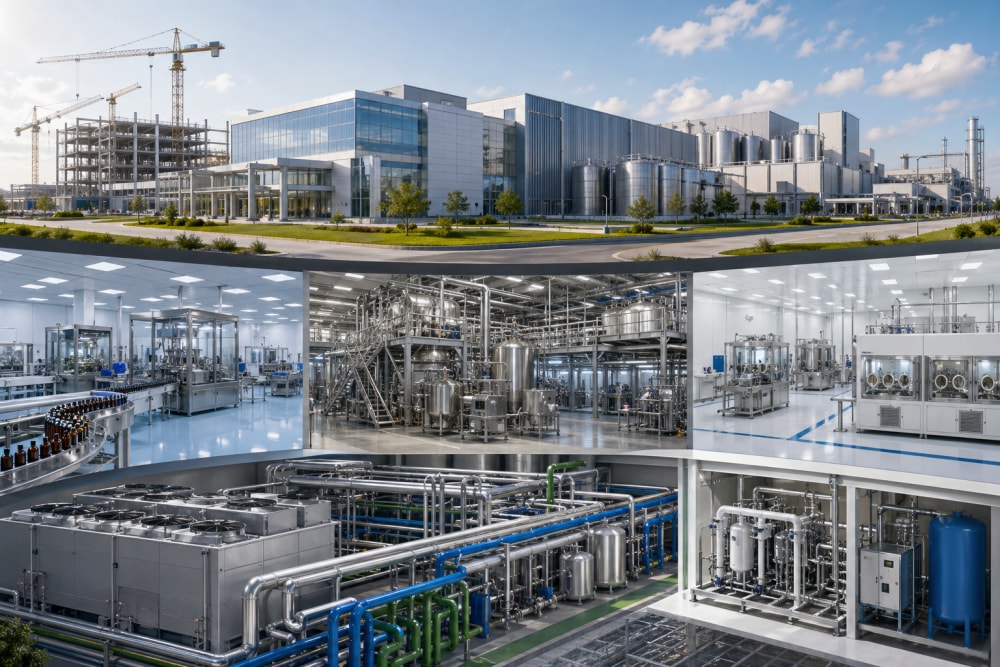
United States Guide to Planning a Turnkey Pharma Plant
Planning a pharmaceutical turnkey plant in the United States is not simply about buying machines and constructing cleanrooms. It is a coordinated process that combines feasibility, process design, regulatory compliance, utilities, automation, validation, staffing, and long-term production strategy into one integrated project. For pharmaceutical companies, CDMOs, biotech firms, and medical device manufacturers, a turnkey model can reduce interface risk, speed up implementation, and improve accountability from concept to commercial operation.
In the U.S. market, where FDA cGMP expectations, data integrity, environmental controls, and project timelines are all under pressure, a well-planned turnkey facility can be the difference between a smooth launch and years of expensive redesign. Whether the project is located in New Jersey, North Carolina, Texas, California, or the Boston-Cambridge biotech corridor, the most successful plants are planned around product mix, future expansion, local utilities, labor availability, and validation readiness from day one.
Planning a pharmaceutical turnkey plant means designing and delivering a complete production facility that is ready for qualification and commercial use. Instead of separately managing civil works, HVAC, purified water, process systems, filling lines, packaging, warehouse automation, documentation, and validation through many disconnected vendors, the owner works with an integrated project partner that coordinates the full scope.
In practice, this approach is especially valuable for companies launching sterile injectables, oral liquids, solid dosage forms, IV solutions, biologics support areas, or medical consumables. A turnkey project can include site assessment, conceptual design, detailed engineering, equipment selection, utility design, clean utility systems, installation, commissioning, IQ/OQ/PQ support, training, and operational handover. That unified structure helps large manufacturers maintain schedule control while aligning the facility with FDA expectations.
For U.S. investors, the direct answer is simple: if you need speed, traceability, compliance, and one accountable engineering lead, planning a pharmaceutical turnkey plant is often more efficient than assembling the project piece by piece.
Planning ElementPurposeTypical U.S. PriorityMain Risk if IgnoredWho Owns It in Turnkey ModelExpected DeliverableFeasibility studyTests technical and commercial viabilityVery highWrong capacity or product scopeLead engineering partnerBusiness and technical reportConceptual layoutDefines people, material, and waste flowVery highCross contamination and poor efficiencyProcess and architectural teamBlock layout and zoning mapRegulatory designAligns with FDA cGMP and validation logicCriticalDelayed approval and remediationCompliance and QA specialistsURS, risk assessments, compliance matrixUtility integrationSupports process water, steam, HVAC, gasesCriticalUnstable operationsMEP and utility engineersP&IDs and utility load planEquipment selectionMatches technology to output and dosage formHighLow OEE and reworkProcess engineering teamApproved equipment listValidation planningPrepares commissioning and qualification pathCriticalLate startupValidation teamVMP, IQ/OQ/PQ packageThis table shows why turnkey planning is broader than equipment procurement. In the United States, many project failures happen before installation begins, usually because the feasibility, layout, utilities, and validation path were not connected early enough.
Planning a pharmaceutical turnkey plant is the structured process of transforming a production idea into an operational, qualified, and compliant manufacturing facility. It is used when a company needs to create new production capacity, localize supply in the United States, replace aging facilities, or expand into new dosage forms.
Typical use cases include:
The turnkey concept is also widely used by firms that need one partner to bridge technology, manufacturing, and service. For example, an international engineering company such as IVEN Pharmatech Engineering is often evaluated by buyers that want integrated pharmaceutical machinery, water systems, logistics solutions, and project execution under one coordinated framework rather than a fragmented supplier chain.
In production terms, turnkey planning is used to ensure the plant can repeatedly manufacture product under defined process parameters, environmental conditions, and validated control systems. It connects production objectives with GMP architecture, line automation, laboratory support, digital batch records, utility redundancy, warehousing, and future expansion space.
Facility TypePrimary ProductsKey Systems NeededTypical Cleanroom NeedU.S. Planning ComplexityBest Turnkey AdvantageSterile injectable plantVials, ampoules, syringesWFI, HVAC, aseptic filling, isolatorsHighVery highIntegrated contamination controlIV solution plantInfusion bags and bottlesSolution prep, filling, sterilization, packagingHighHighLine integration and output stabilityOral liquid facilitySyrups, suspensionsPurified water, mixing, filling, cappingMediumMediumFast scale-upSolid dosage plantTablets, capsules, granulesGranulation, compression, coating, HVACMediumHighEfficient material flowBiopharma support areaBuffers, media, support fluidsClean utilities, vessels, automationHighHighUtility and process synchronizationMedical consumables plantTubes, disposables, kitsForming, assembly, sterilization, logisticsMediumMediumAutomation and packaging efficiencyThe comparison above clarifies where turnkey planning creates the most value. The more regulated and interconnected the process, the stronger the benefit of a single integrated design and delivery model.
Modern U.S. pharmaceutical manufacturing is shaped by supply chain resilience, reshoring pressure, speed to market, and stricter quality expectations. Planning a turnkey plant supports these objectives across multiple industries and applications.
Main applications include commercial manufacturing, pilot-to-commercial transfer, CDMO expansion, regional fill-finish capacity, hospital product manufacturing, and private-label pharmaceutical production. It is also relevant for companies entering specialty areas such as dialysis solution, blood collection consumables, and high-throughput packaging operations.
The benefits are both operational and financial:
From a technological capability perspective, strong turnkey partners are expected to combine process know-how with engineering depth. IVEN, for instance, is known in the market for integrated solutions that span filling and packaging systems, pharmaceutical water treatment, intelligent logistics, and specialized production lines. For U.S. buyers, that matters because the project team can align clean utilities, line speeds, material flow, and digital controls before installation, not after problems appear.
var ctxBar = document.getElementById(‘barIndustryDemand’).getContext(‘2d’);var barIndustryDemand = new Chart(ctxBar, {type: ‘bar’,data: {labels: [‘Sterile Injectables’, ‘IV Solutions’, ‘Oral Liquids’, ‘Solid Dosage’, ‘Medical Consumables’, ‘Biopharma Support’],datasets: [{label: ‘Estimated U.S. Turnkey Project Demand Index 2026’,data: [92, 74, 61, 69, 58, 83],backgroundColor: [‘#3b82f6′,’#06b6d4′,’#10b981′,’#f59e0b’,’#8b5cf6′,’#ef4444′]}]},options: {responsive: true,maintainAspectRatio: false,scales: {y: { beginAtZero: true, max: 100 }}}});The chart indicates where turnkey demand is strongest. Sterile injectables and biopharma support areas lead because those facilities demand the tightest integration of utilities, contamination control, and validation readiness.
ApplicationBusiness DriverOperational BenefitCompliance BenefitTypical U.S. RegionBest Fit for TurnkeyFill-finish expansionDomestic supply securityHigher throughputBetter aseptic controlNew Jersey, IndianaExcellentCDMO capacity buildMore customer programsFlexible suitesStandardized qualificationNorth Carolina, TexasExcellentIV manufacturingHospital demandLarge-volume automationConsistent sterilization recordsMidwest, SoutheastExcellentOral liquid launchPortfolio diversificationFast transferControlled cleaning validationPennsylvania, OhioVery goodSolid dosage modernizationReplace aging assetsBetter OEEImproved dust controlPuerto Rico, IllinoisVery goodMedical consumables lineHealthcare growthLower labor intensityTraceable packagingCalifornia, GeorgiaGoodThis table shows that turnkey planning applies far beyond one dosage form. The strongest value appears where product quality depends on multiple systems performing together under a controlled GMP framework.
There is no single model for every project. In the United States, turnkey pharmaceutical plants are usually planned under one of several structures: greenfield construction, brownfield retrofit, phased modular expansion, utility-center-first development, or line-focused expansion inside an existing shell.
Technical options depend on product profile and risk class. A sterile project may require isolator filling, restricted access barrier systems, depyrogenation tunnels, WFI loops, clean steam generators, and environmental monitoring. A solid dosage site may focus more on pressure cascades, dust containment, granulation technology, compression throughput, and serialization-ready packaging.
Manufacturing capability is equally important. Buyers often prefer suppliers with their own specialized production bases for core equipment because that usually improves customization control and lead-time reliability. IVEN’s market positioning includes multiple specialized manufacturing plants dedicated to filling and packaging equipment, pharmaceutical water systems, logistics handling, and blood collection tube machinery. For U.S. project owners, that breadth can simplify FAT planning and reduce technical mismatches between equipment packages.
Project ModelWhen It FitsCAPEX LevelSpeedExpansion FlexibilityMain Technical FocusGreenfield turnkey plantNew site, new capacityHighMediumHighFull integrationBrownfield retrofitExisting building reuseMediumMediumMediumLayout constraintsModular phased plantDemand uncertaintyMediumHighVery highFuture-ready utilitiesLine-in-shell approachFast market entryMediumHighLowFocused production lineUtility-center-first modelComplex future portfolioMedium-highMediumHighWater, steam, HVAC backboneMulti-product flexible siteCDMO or broad portfolioHighMediumVery highChangeover and segregationWhen selecting the technical model, companies should begin with product containment, annual output, cleaning strategy, batch size, and utility loads. A project that starts with building size instead of process logic often creates expensive redesign later.
The main alternative to a turnkey approach is a multi-vendor model where the owner separately purchases process equipment, utilities, cleanroom systems, automation, and validation services. Another option is contract manufacturing without building a new plant at all. A third option is incremental expansion of an existing site.
Each model has advantages. Multi-vendor sourcing can seem cheaper on paper. CMO outsourcing can avoid major capital expenditure. Brownfield expansion can preserve a trained workforce and existing quality systems. However, those alternatives may also create interface disputes, schedule slippage, inconsistent documentation, utility mismatch, and fragmented accountability.
A turnkey model generally fits best when the project is time-sensitive, highly regulated, technically interconnected, or intended for long-term domestic production in the United States.
var ctxComp = document.getElementById(‘comparisonChartSupplier’).getContext(‘2d’);var comparisonChartSupplier = new Chart(ctxComp, {type: ‘bar’,data: {labels: [‘Schedule Control’, ‘Compliance Coordination’, ‘Single Accountability’, ‘Change Management’, ‘Lifecycle Support’, ‘Integration Quality’],datasets: [{label: ‘Turnkey Model’,data: [88, 91, 95, 84, 86, 90],backgroundColor: ‘#2563eb’},{label: ‘Multi-Vendor Model’,data: [61, 58, 35, 55, 49, 57],backgroundColor: ‘#f97316’}]},options: {responsive: true,maintainAspectRatio: false,scales: {y: { beginAtZero: true, max: 100 }}}});OptionInitial Cost PerceptionCoordination BurdenValidation ComplexitySpeed to Start-UpBest ForTurnkey projectMedium to highLowManaged centrallyFast to mediumIntegrated regulated plantsMulti-vendor purchaseLow to mediumHighFragmentedSlow to mediumExperienced owner teamsBrownfield expansionMediumMediumModerateMediumExisting GMP sitesCMO outsourcingLow CAPEXLowExternalizedFastShort-term or uncertain demandModular facilityMediumMediumStandardizedFastPhased growth plansHybrid EPC plus local installersMediumMedium-highMixedMediumProjects needing localizationThis comparison explains why the lowest quoted purchase price does not always produce the lowest total project cost. U.S. projects often lose time during FAT, SAT, and qualification because supplier interfaces were not fully defined earlier.
The United States remains one of the world’s most attractive markets for pharmaceutical plant investment. Drivers include reshoring of strategic medicines, growth in sterile injectables, increasing biologics support capacity, pressure to modernize legacy plants, and investment in supply chain security. States such as North Carolina, Massachusetts, New Jersey, Texas, Indiana, and California continue to attract projects due to talent pools, logistics access, and supporting ecosystems.
Ports and logistics hubs are also influential. Newark and Elizabeth support East Coast import flows for equipment and components. Houston and Savannah help Gulf and Southeast distribution. Los Angeles and Long Beach remain important for Pacific inbound logistics, although lead-time risk and customs planning must be built into project schedules.
var ctxLine = document.getElementById(‘lineMarketGrowth’).getContext(‘2d’);var lineMarketGrowth = new Chart(ctxLine, {type: ‘line’,data: {labels: [‘2021’, ‘2022’, ‘2023’, ‘2024’, ‘2025’, ‘2026’],datasets: [{label: ‘U.S. Pharmaceutical Turnkey Project Market Index’,data: [100, 108, 117, 129, 141, 156],borderColor: ‘#10b981’,backgroundColor: ‘rgba(16,185,129,0.15)’,fill: false,tension: 0.3}]},options: {responsive: true,maintainAspectRatio: false,scales: {y: { beginAtZero: false }}}});var ctxArea = document.getElementById(‘areaTrendShift’).getContext(‘2d’);var areaTrendShift = new Chart(ctxArea, {type: ‘line’,data: {labels: [‘2021’, ‘2022’, ‘2023’, ‘2024’, ‘2025’, ‘2026’],datasets: [{label: ‘Share of Projects Prioritizing Automation and Sustainability’,data: [34, 39, 46, 55, 63, 72],borderColor: ‘#7c3aed’,backgroundColor: ‘rgba(124,58,237,0.25)’,fill: true,tension: 0.3}]},options: {responsive: true,maintainAspectRatio: false,scales: {y: { beginAtZero: true, max: 100 }}}});Looking toward 2026, several trends are especially important:
In this environment, buyers often explore complete pharmaceutical turnkey solutions instead of isolated machine procurement because investment committees increasingly want schedule certainty, compliance confidence, and lifecycle visibility.
Choosing the right supplier is one of the most consequential decisions in the entire project. A reliable turnkey partner should not only sell equipment, but also demonstrate process understanding, engineering depth, GMP knowledge, and service continuity in the U.S. market.
Start with five questions. First, does the supplier have real experience with your dosage form? Second, can it design and integrate utilities, process equipment, and cleanrooms together? Third, does it understand U.S. FDA cGMP expectations and documentation practices? Fourth, can it support installation, qualification, and training with a clear project structure? Fifth, does it offer lifecycle support after handover?
Service capability matters as much as machine quality. Companies that can provide feasibility consulting, engineering design, customization, installation, commissioning, validation support, documentation, staff training, and ongoing optimization are more valuable than suppliers focused only on shipment. This is one reason some buyers review providers such as integrated pharmaceutical equipment specialists rather than comparing single machines in isolation.
Supplier Evaluation FactorWhy It MattersGood EvidenceWarning SignU.S. Buyer PriorityProcurement TipRegulatory understandingSupports compliant designFDA-ready documents and GMP referencesGeneric proposals onlyCriticalAsk for sample documentation listTechnology breadthImproves system integrationUtilities plus process plus packagingOne-machine focusHighReview integrated scope mapManufacturing depthBetter quality and lead time controlOwn production bases and FAT capacityHeavy outsourcingHighRequest factory auditProject managementProtects schedule and interfacesDedicated PM and timeline controlsUnclear responsibilitiesCriticalDemand RACI matrixValidation supportAccelerates startupIQ/OQ/PQ templates and VMP supportNo qualification resourcesCriticalInclude deliverables in contractAfter-sales serviceReduces downtimeTraining, spare parts, remote supportShipment-only mindsetHighCheck response time commitmentThe strongest supplier relationships are built on transparency. Review the design basis, URS alignment, FAT protocol depth, spare parts strategy, and escalation process before signing. If you want to compare project fit directly, a practical step is to contact a turnkey engineering team with your dosage form, target output, and U.S. location constraints.
Investment cost in the United States varies widely by product category, scale, automation level, and site condition. A small oral liquid or solid dosage upgrade may require a modest budget, while a sterile injectable or IV solution greenfield plant can require major capital due to cleanroom classification, aseptic systems, WFI, HVAC, and validation effort.
Budget planning should separate direct and indirect costs. Direct costs include machinery, utilities, process piping, automation, laboratory basics, packaging, and warehouse systems. Indirect costs include design, permitting, commissioning, qualification, project management, customs, training, spare parts, and contingency.
Budget CategoryShare of Total ProjectTypical Cost PressureCan It Be Optimized?Common Hidden CostPlanning AdviceProcess equipment20% to 35%Medium-highYesChange parts and upgradesFreeze URS earlyClean utilities10% to 20%HighYesOversizing loopsBase on realistic load studyHVAC and cleanrooms15% to 30%Very highPartlyExcess ACH and reworkUse risk-based zoningAutomation and digital systems5% to 12%MediumYesIntegration gapsDefine architecture earlyValidation and documentation4% to 10%MediumLimitedLate protocol creationPlan in parallel with designContingency and startup support5% to 12%VariableLimitedSchedule overrunKeep protected reserveROI analysis should not focus only on equipment depreciation. It should include labor savings from automation, reduced batch failure risk, lower utility consumption, improved yield, faster regulatory readiness, and lower downtime. In sectors like sterile injectables, one avoided contamination event may justify major investment in better design and isolation technology.
Typical ROI drivers for U.S. projects include replacing costly CMO fees, reducing import dependence, improving local supply reliability, shortening release cycles, and supporting premium hospital or specialty product markets. Projects near pharmaceutical clusters like Raleigh-Durham or Princeton may also gain from talent access and ecosystem efficiencies, although labor and real estate costs can be higher.
Even a strong turnkey model does not eliminate project risk. It simply gives the owner a better framework to identify, allocate, and control risk. The most common issues in U.S. pharmaceutical plant investments include unclear URS definition, underestimating utilities, poor local code coordination, delayed cleanroom packages, incomplete FAT coverage, weak change control, and unrealistic validation timelines.
Another major risk is treating compliance as a final-stage task rather than a design input. FDA expectations around documentation, process understanding, contamination control, and data integrity must influence the facility from the earliest concept phase.
Case experience across the market shows that projects perform best when the owner establishes a cross-functional steering team involving operations, engineering, QA, validation, procurement, and finance. That team should review layout flow, utility redundancy, gowning logic, warehouse segregation, raw material receipt strategy, and future expansion corridors. Sites close to major freight corridors such as Chicago, Memphis, Dallas-Fort Worth, and Atlanta also need early inbound logistics mapping for critical equipment deliveries.
RiskTypical CauseImpactEarly Warning SignMitigationOwner PriorityLayout redesignWeak front-end process studyDelay and added CAPEXFrequent drawing revisionsApprove process flow firstCriticalUtility shortfallBad load assumptionsLow performanceLate utility recalculationDynamic capacity analysisCriticalQualification delayLate validation planningStartup slipMissing protocols near SATValidation master plan earlyCriticalSupplier mismatchFragmented procurementInterface failureUnclear IO lists and handoffsCentral technical coordinationHighBudget overrunScope creepFinancial stressMany client changesFormal change controlHighCompliance remediationDesign not aligned with GMPAudit findingsQA joins too lateEmbed QA in design reviewCriticalFor companies considering international engineering partners, risk reduction should include structured FAT, transparent materials of construction, English-language documentation packages, clear spare parts planning, and a U.S.-compatible service model. Buyers should also verify whether the supplier has completed projects under advanced GMP expectations and whether it can adapt documentation and training to local standards.
A practical example is evaluating partners with proven turnkey references, diverse equipment portfolios, and long equipment life based on stainless steel construction and maintainability. Firms that combine engineering, manufacturing, and post-handover support tend to lower total risk compared with sellers focused purely on export shipment.
What is the first step in planning a pharmaceutical turnkey plant?The first step is a feasibility and concept study covering product type, annual output, site conditions, regulatory path, utility demand, estimated CAPEX, and implementation schedule.
How long does a turnkey pharmaceutical plant project usually take in the United States?Depending on dosage form and project complexity, timelines commonly range from 12 to 36 months. Sterile facilities usually require longer due to cleanroom, utility, and qualification demands.
Is a turnkey model always better than using several local contractors?Not always. It is generally better when integration is complex, timelines are tight, or the owner wants centralized accountability. For smaller upgrades, a local multi-contractor model can still work well.
Which products are best suited to turnkey plants?Sterile injectables, IV solutions, oral liquids, solid dosage forms, dialysis solutions, prefilled syringes, and medical consumables are all strong candidates.
What should a U.S. buyer ask a turnkey supplier before signing?Ask about dosage-form references, GMP knowledge, documentation scope, project management structure, FAT standards, qualification support, spare parts, training, and after-sales response time.
How important are purified water and WFI systems in planning?They are fundamental in many pharmaceutical plants. Water systems affect product quality, cleaning, compliance, and utility architecture, so they must be planned early with realistic load calculations.
Can a turnkey plant be built in phases?Yes. Many U.S. investors choose a phased strategy where utility infrastructure and layout are designed for future modules, which helps reduce initial capital pressure while keeping expansion possible.
How can a buyer compare suppliers effectively?Use a weighted scorecard covering technology, compliance, schedule control, manufacturing depth, service support, lifecycle cost, and project references rather than comparing price alone.
Why do some companies evaluate international engineering firms for U.S. projects?Because some global suppliers combine specialized equipment manufacturing, utility expertise, automation, and turnkey delivery under one structure, which can improve speed and cost efficiency when managed correctly.
What makes a company like IVEN relevant for U.S. turnkey evaluations?Its relevance comes from integrated engineering capability, specialized manufacturing across multiple pharmaceutical equipment categories, and full-lifecycle service support for compliant facility delivery and optimization.
For companies planning new pharmaceutical capacity in the United States, the strongest results usually come from early definition, disciplined supplier selection, realistic validation planning, and an integrated execution model. When those elements are aligned, a turnkey plant can support faster startup, lower lifecycle risk, and a more resilient domestic manufacturing footprint.