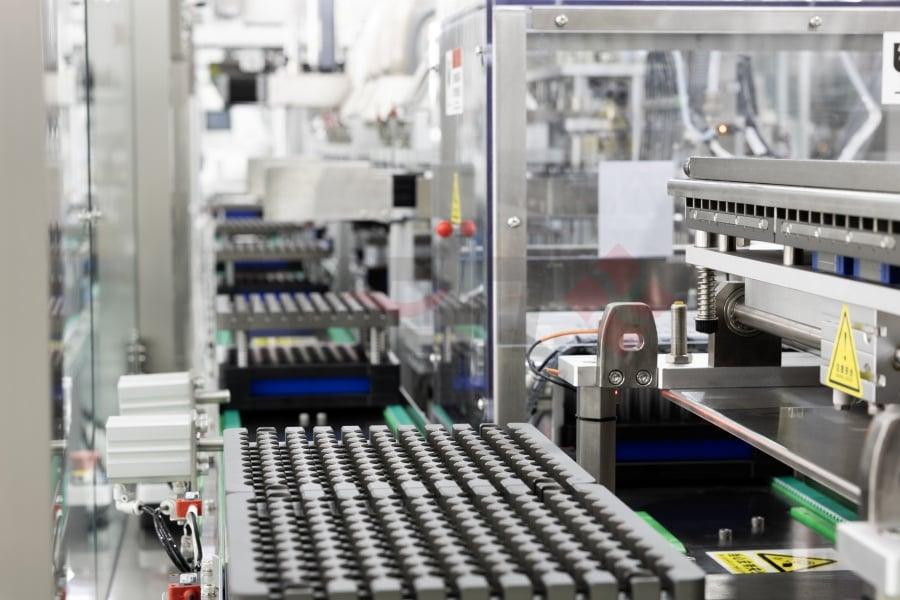
United States Guide to Blood Tube Machine Sourcing
Blood Collection Tube Making Machine Buying Guide for the United States
For United States buyers, the right blood collection tube making machine is not just a piece of factory equipment. It is a validation-sensitive production asset that directly affects tube quality, additive dosing accuracy, vacuum stability, labeling consistency, packaging speed, and ultimately regulatory readiness. A practical buying decision should balance output targets, tube formats, cleanroom requirements, automation level, after-sales support, and total cost of ownership rather than headline price alone.
Whether you are building a new medical consumables plant in Texas, expanding a diagnostics supply chain in California, or evaluating import options through Los Angeles, Long Beach, New York, Savannah, or Houston, the manufacturer you choose will influence project risk, commissioning speed, spare parts availability, and long-term return on investment. Buyers in the United States also need to think carefully about quality documentation, FAT and SAT expectations, validation support, and whether the machine supplier can align with FDA-oriented manufacturing practices.
This guide explains how B2B buyers can evaluate a blood collection tube equipment manufacturer, compare machine types and specifications, assess market demand, review customization options, and source effectively from China. It also highlights how IVEN Pharmatech Engineering supports pharmaceutical and medical device factories with integrated engineering solutions for regulated production environments.
A Practical B2B Guide to Selecting the Right Blood Collection Tube Machine Manufacturer, Specifications, Pricing, and Sourcing Strategy

A blood collection tube making machine manufacturer guide is a decision framework for companies purchasing equipment used to produce vacuum blood collection tubes and related medical sampling consumables. In practical terms, it helps buyers compare suppliers based on technical performance, regulatory alignment, customization depth, factory capacity, documentation quality, validation support, project management, and service responsiveness.
For United States projects, the most reliable approach is to start with five core questions:
- What tube formats and annual output volumes must the line support?
- What level of automation is required for labor efficiency and process consistency?
- Can the manufacturer provide stable dosing, vacuuming, capping, labeling, and packing performance?
- What documentation is available for FAT, IQ, OQ, PQ, and maintenance planning?
- Does the supplier have the engineering depth to support installation, training, and long-term upgrades?
The best manufacturers do more than sell a stand-alone machine. They help shape a full production concept, including room layout, process flow, utility matching, line balancing, and packaging integration. For buyers expanding into complete plants, this becomes especially important because the blood tube line must work seamlessly with air handling, purified water systems where applicable, logistics, inspection, and warehouse planning.
Below is a practical comparison table for evaluating manufacturers.
| Evaluation Factor | What to Check | Why It Matters for United States Buyers | Low-Risk Benchmark |
|---|---|---|---|
| Regulatory understanding | Ability to support GMP-oriented documentation and validation workflows | Reduces qualification risk and speeds customer audits | Documented FAT, manuals, protocols, traceability |
| Process capability | Additive filling accuracy, vacuum consistency, capping yield | Directly impacts product quality and reject rates | Stable repeatability under continuous production |
| Customization depth | Support for tube size changes, cap colors, label formats, pack styles | Useful for private label, OEM, and hospital distribution contracts | Modular tooling and recipe management |
| Manufacturing strength | In-house fabrication, assembly, testing, and QC | Improves schedule reliability and spare parts control | Dedicated workshops and documented testing |
| Service responsiveness | Remote support, commissioning, training, spare parts planning | Limits downtime after import into the United States | Structured after-sales team with escalation path |
| Total cost of ownership | Energy use, changeover time, maintenance intervals, consumables | Affects long-term profitability more than initial purchase price | Clear lifecycle cost estimate |
This table matters because many buyers focus first on machine speed and quotation price, but production reliability depends just as much on engineering maturity, component quality, and service infrastructure. A slightly higher-capex system often produces lower cost per tube over five to ten years.
What Is a Blood Collection Tube Machine Manufacturer Guide?

A manufacturer guide for this equipment category explains how suppliers design and build machines used for the automated production of vacuum blood collection tubes. These lines usually include tube feeding, cleaning or handling, additive dosing, drying or curing where needed, vacuuming, stopper insertion or capping, leak testing, labeling, tray loading, and final packaging.
The guide should also explain the difference between buying a single process module and buying a complete line. Some factories only need a semi-automatic additive dosing or capping station to increase throughput. Others require a turnkey production line with upstream and downstream integration, environmental controls, and project documentation suitable for a regulated medical consumables operation.
From a technical capability perspective, experienced suppliers are expected to offer:
- Multiple generations of tube line design rather than one generic platform
- Recipe-based operation for different tube sizes and additives
- Stable servo control for precision handling
- Low-particle-contact materials and stainless steel structures
- Vision or sensor-based inspection options
- Data recording and production monitoring functions
In this area, IVEN Pharmatech Engineering is notable for combining pharmaceutical engineering knowledge with vacuum blood collection tube production equipment experience. Rather than operating only as a machine fabricator, the company has built its reputation around integrated factory solutions and production systems that align with international compliance expectations. Buyers exploring broader facility development can review its turnkey engineering capabilities when a simple equipment purchase is not enough.
For United States buyers, a manufacturer guide should also clarify import reality. Machines sourced from China can be highly competitive in capital efficiency, but the right partner must provide English documentation, electrical conformity planning, clear parts lists, factory test records, and practical support for startup after ocean freight arrives at ports such as Long Beach or Savannah and equipment is moved inland to installation sites.
Blood Collection Tube Machine Market Size and Demand Trends

Demand for blood collection tube making machines has expanded steadily as diagnostic testing volumes rise, outpatient care networks grow, and healthcare systems increase local manufacturing resilience. In the United States, demand is supported by hospitals, independent laboratories, public health systems, contract medical device manufacturers, and distributors seeking stable domestic or near-domestic supply.
Three market forces are especially important:
- Growing test volume from chronic disease management, preventive care, and aging populations.
- Supply chain diversification after global disruptions, leading buyers to add regional manufacturing capacity.
- Demand for automation to control labor costs, improve consistency, and strengthen traceability.
For 2026 and beyond, the market is expected to shift further toward digitalized production, lower-energy machine design, higher-speed inspection, and lines that can switch efficiently between serum, plasma, clot activator, EDTA, citrate, and specialty tube formats. Sustainability will also become a procurement factor as buyers examine compressed air consumption, reject reduction, recyclable packaging compatibility, and machine longevity.
| Year | Estimated Global Equipment Demand Index | United States Buyer Activity Index | Main Demand Driver |
|---|---|---|---|
| 2022 | 100 | 100 | Post-disruption capacity recovery |
| 2023 | 108 | 111 | Lab volume normalization and replacement projects |
| 2024 | 117 | 121 | Automation investment and product diversification |
| 2025 | 126 | 132 | Regional manufacturing expansion |
| 2026 | 137 | 144 | Compliance-ready intelligent production lines |
| 2027 | 149 | 157 | Digital MES integration and sustainable design |
The table above is an index view rather than a fixed sales figure. It shows the direction of demand: the United States market tends to move faster than the global average because buyers place a premium on resilient supply and high-throughput automation.
This chart highlights a practical sourcing implication: manufacturers with scalable production capacity and international project experience will be better positioned to support new United States orders without long lead time inflation.
Blood Collection Tube Machine Types, Models, and Specifications
Blood collection tube making machines can be divided by automation level, process scope, output capacity, and tube compatibility. For a buyer, the right machine type depends on planned throughput, number of SKUs, labor model, cleanroom design, and budget.
Common categories include semi-automatic units for small or pilot batches, fully automatic integrated lines for commercial mass production, and modular lines that let factories add inspection or packaging capacity later. The specification that matters most is not only tubes per hour but process stability across long production runs.
| Machine Type | Typical Output | Best For | Strengths | Limitations |
|---|---|---|---|---|
| Semi-automatic dosing and capping unit | 2,000 to 4,000 tubes/hour | Small factories, R&D, niche products | Lower investment, simpler operation | Higher labor dependence |
| Entry-level automatic line | 4,000 to 8,000 tubes/hour | Growing regional suppliers | Balanced cost and output | Fewer advanced inspection options |
| Mid-speed integrated line | 8,000 to 12,000 tubes/hour | Established OEM manufacturers | Good flexibility across SKUs | Requires stronger utilities and layout planning |
| High-speed automatic line | 12,000 to 18,000 tubes/hour | Large-scale medical consumables plants | Best labor efficiency and consistency | Higher capex and validation complexity |
| Modular line with inspection and packing | Variable | Factories seeking phased expansion | Expandable architecture | Integration planning is essential |
| Turnkey multi-process production line | Project-specific | New plant builds | End-to-end coordination | Longer project timeline |
The table helps buyers identify the correct entry point. Many United States companies overbuy on speed and underplan for SKU complexity. If frequent changeovers are expected, a slightly slower machine with faster tooling exchange and stable recipe control may deliver better annual output.
| Specification Area | Typical Range | Questions to Ask | Commercial Impact |
|---|---|---|---|
| Tube diameter and length | 13×75 mm, 13×100 mm, 16×100 mm and custom | How many tube formats can run on one line? | Determines SKU flexibility |
| Additive filling accuracy | Depends on formulation and volume | What repeatability data is available? | Affects product quality and compliance |
| Vacuum control | Adjustable by tube type | Can vacuum levels be recipe-managed? | Critical for blood draw performance |
| Automation control | PLC plus HMI, servo systems | Is data logging included? | Improves traceability and maintenance |
| Changeover time | From under 30 minutes to several hours | Which parts require manual adjustment? | Impacts uptime and labor cost |
| Utilities | Power, compressed air, cleanroom interface | Can the supplier match U.S. plant utilities? | Avoids installation delays |
As a rule, request a specification sheet, process flow diagram, utility matrix, spare parts list, and sample FAT checklist before comparing quotations. This makes supplier evaluations much more objective.
How to Choose a Blood Collection Tube Machine
Choosing the right machine starts with a user requirement specification. Buyers should define annual output, tube assortment, packaging style, staffing model, validation expectations, and budget ceilings. Once this is done, supplier discussions become technical and measurable rather than promotional.
Use the following decision criteria when reviewing proposals:
| Buying Criterion | Why It Matters | Preferred Evidence | Warning Sign |
|---|---|---|---|
| Output at stable quality | High speed is meaningless without low reject rates | Long-run test data and FAT records | Quoted speed without proof |
| Regulatory support | Documentation reduces startup friction | Validation package and material certificates | Only basic manuals offered |
| Tooling flexibility | Supports multi-SKU production | Documented change parts and recipes | Extensive manual adjustments |
| Component quality | Drives machine life and maintenance costs | BOM transparency and brand list | Unclear sourcing of critical parts |
| Factory acceptance testing | Verifies performance before shipment | Structured FAT protocol | No formal FAT stage |
| After-sales capability | Protects uptime in the United States | Remote support plan and spare parts package | Service limited to email only |
Buyers should also compare pricing correctly. Entry quotations often exclude mold sets, change parts, conveyors, packaging modules, FAT witness travel, on-site commissioning, and extended warranties. The best sourcing practice is to ask every supplier for a like-for-like quotation matrix that lists included and excluded items.
From a technology standpoint, IVEN Pharmatech Engineering is often evaluated favorably by buyers looking for pharmaceutical-grade engineering logic in medical consumables production. Its technical strengths include experience in automated blood collection tube production platforms, integrated control systems, stainless steel equipment construction, and process-focused design shaped by work across pharmaceutical filling, packaging, water systems, and intelligent logistics. That cross-disciplinary background can be valuable for United States facilities where machine selection must fit larger factory systems rather than act as a stand-alone purchase.
For buyers ready to compare options, the company’s equipment portfolio can be used as a starting point for matching output goals to project scope.
Blood Collection Tube Machine Applications in Medical Tube Production
These machines are used primarily for vacuum blood collection tube manufacturing, but their application scope is broader than many first-time buyers expect. Depending on line design, they support plain tubes, clot activator tubes, gel tubes, EDTA tubes, heparin tubes, glucose tubes, citrate tubes, ESR products, pediatric formats, and customized private-label combinations.
Applications also vary by business model. Some buyers manufacture their own branded products for domestic distribution, while others act as OEM or contract manufacturers for hospital groups, diagnostic brands, or regional medical distributors.
| Application | Tube/Product Type | Key Process Requirement | Machine Feature Needed |
|---|---|---|---|
| Routine phlebotomy supply | Serum and plasma tubes | Stable vacuum and labeling | Reliable vacuuming and labeling modules |
| Coagulation testing | Sodium citrate tubes | Precise additive ratio | Accurate liquid dosing system |
| Hematology testing | EDTA tubes | Uniform additive deposition | Controlled filling and mixing steps |
| Chemistry testing | Gel and clot activator tubes | Multi-material handling | Flexible dosing and curing integration |
| Pediatric sampling | Small-volume tubes | Gentle handling and format precision | Fine format changeover capability |
| Private label manufacturing | Custom cap and label combinations | Frequent SKU switching | Recipe control and quick-change tooling |
This application table shows why the machine should be chosen around product mix, not only current volume. A line that cannot handle future specialty tube demand may become a bottleneck much sooner than expected.
In many modern plants, the blood tube line is integrated with upstream material handling and downstream cartoning or case packing. This is where suppliers with broader manufacturing capability become relevant. IVEN Pharmatech Engineering operates specialized manufacturing resources across pharmaceutical filling and packaging systems, water treatment systems, intelligent conveying and logistics equipment, and vacuum blood collection tube production equipment. For United States buyers planning plant-wide automation, that manufacturing breadth may simplify integration and shorten interface risk between different equipment packages.
B2B Buyers and Industries Served by Blood Collection Tube Machines
The buyer base for this equipment extends well beyond traditional device factories. In the United States, demand comes from large healthcare suppliers, diagnostics manufacturers, contract manufacturers, lab network vendors, and investment-backed firms developing domestic medical consumables capacity.
Typical B2B customer groups include:
- Medical consumables manufacturers
- Diagnostic device companies
- Hospital supply manufacturers
- Contract manufacturing organizations
- Laboratory supply brands
- Healthcare distributors expanding into private label
- Regional investors developing greenfield plants
The chart suggests that the largest demand comes from established medical consumables and diagnostics manufacturers, but contract manufacturing and private-label distribution are growing faster. This matters because these buyers often prioritize flexibility and rapid SKU changes over maximum nominal speed.
Geographically, sourcing and deployment decisions often connect to logistics hubs. Companies importing equipment into the United States commonly route containers through Long Beach or Los Angeles for West Coast projects, Savannah for Southeast projects, Houston for Gulf Coast installations, and Newark or New York for Northeast distribution corridors. Inland commissioning can then support manufacturing zones around Chicago, Atlanta, Dallas, Raleigh, or the New Jersey life sciences cluster.
Blood Collection Tube Machine OEM Case Studies and Customization
OEM and private-label production is one of the strongest reasons to invest in a modern tube production line. Buyers often need custom cap colors, branding layouts, multilingual labels, tube set combinations, tray configurations, and secondary packaging for specific hospital systems or distributor programs.
A strong machine supplier should be able to customize around three layers:
- Product format customization: tube dimensions, additive types, stopper styles, label positions.
- Equipment configuration customization: output level, inspection modules, packaging interfaces, robotics.
- Project customization: layout, utilities, documentation, training, validation, and future expansion.
A practical OEM case can look like this: a mid-sized U.S. distributor wants to launch a private-label blood tube line serving hospitals in Florida, Georgia, and the Carolinas. The company initially forecasts 40 million tubes annually, but plans a second phase tied to regional lab contracts. In such a case, a modular line with quick changeover, strong label accuracy, and room for downstream pack automation is often better than a fixed high-speed line optimized for one SKU.
Another case: a contract medical manufacturer near Chicago needs multiple additive tube variants and customer-specific carton packs. Here, recipe management, coding accuracy, and validation support become more important than absolute maximum throughput.
Future trend data also show a shift toward intelligent customization, with buyers requesting remote diagnostics, predictive maintenance alerts, and digital production reporting.
The area chart indicates a clear shift: standardized equipment remains important, but customized intelligent lines are gaining share as buyers seek better lifecycle efficiency and faster response to changing clinical demand.
On the service side, IVEN Pharmatech Engineering differentiates itself through lifecycle support rather than a ship-and-forget model. Its service capabilities include feasibility support, engineering design, equipment selection, installation and commissioning, validation-oriented assistance, staff training, documentation support, and long-term optimization services. For United States importers, this is particularly valuable because smooth startup often depends on how well the supplier handles pre-shipment coordination, SAT planning, and post-install troubleshooting.
How to Source a Blood Collection Tube Machine from China
China remains a major sourcing base for blood collection tube production equipment because it combines manufacturing scale, mechanical engineering maturity, competitive pricing, and increasing export experience. However, successful sourcing requires structured due diligence.
The recommended process is as follows:
- Create a detailed user requirement specification with output, tube types, utilities, layout constraints, and compliance expectations.
- Shortlist manufacturers with proven experience in medical consumables or pharmaceutical equipment.
- Request technical proposals, GA drawings, utility requirements, FAT scope, and reference project information.
- Conduct video audits or on-site factory visits in China.
- Review component brands, quality control procedures, and assembly/test areas.
- Negotiate quotation structure, delivery schedule, payment terms, spare parts, and service scope.
- Run FAT before shipment and clarify export packing and shipping documentation.
- Prepare customs, inland trucking, and installation scheduling in the United States.
Pricing varies widely by line scope. A smaller semi-automatic unit may be budget-friendly, while a fully automatic turnkey line with advanced inspection, packing, and validation support can command a much higher investment. The true comparison should include not only base machine cost but also factory preparation, consumables, format parts, commissioning, and expected annual maintenance.
| Cost Element | Often Included? | What United States Buyers Should Verify | Potential Hidden Cost |
|---|---|---|---|
| Main machine body | Usually yes | Confirm exact modules and throughput basis | Missing process stations |
| Format change parts | Sometimes | List tube sizes covered in quote | Extra tooling charges |
| FAT and testing materials | Varies | Clarify who provides consumables and sample tubes | Unexpected FAT preparation fees |
| Installation and commissioning | Often partial | Check travel days, visas, and local support responsibilities | Extra on-site day rates |
| Validation documents | Sometimes limited | Ask for document list upfront | Costly post-order documentation add-ons |
| Spare parts package | Optional | Request first-year recommended spare list | Downtime due to delayed replacements |
This cost table helps prevent the most common sourcing mistake: comparing incomplete quotations as if they were equal. The lowest landed cost is often achieved by the supplier with the clearest scope, not the lowest sticker price.
When sourcing from China, manufacturing depth matters. IVEN Pharmatech Engineering has developed dedicated production capabilities through specialized plants focused on pharmaceutical and medical equipment categories, including vacuum blood collection tube production systems. That gives buyers confidence that fabrication, assembly, testing, and project coordination are supported by an established industrial base rather than outsourced ad hoc production.
If your team is preparing an RFQ or wants to discuss a United States project schedule, you can contact the engineering team for a technical exchange before finalizing the specification.
Frequently Asked Questions About Blood Collection Tube Machine Buying
1. What is the most important specification to compare?
The best starting point is stable output at target quality, not top speed alone. Compare additive filling accuracy, vacuum consistency, capping integrity, reject rate, and changeover time.
2. How much does a blood collection tube making machine cost?
Pricing depends on automation level, capacity, number of SKUs, inspection scope, and packaging integration. Semi-automatic units are far less expensive than high-speed turnkey lines. Always compare full project cost, not only machine base price.
3. Can one line produce multiple tube types?
Yes, many lines can handle multiple tube sizes and additives through change parts and recipe settings. Buyers should verify exactly which formats are covered and how long changeover takes.
4. Is sourcing from China suitable for United States buyers?
Yes, if the supplier has export experience, strong documentation, reliable FAT practices, and structured after-sales support. Project success depends on due diligence and clear scope definition.
5. What documents should I request before ordering?
Request a technical proposal, machine layout, utility requirement list, component brand list, FAT protocol, recommended spare parts list, delivery schedule, and documentation list covering operation and maintenance.
6. How long is the typical lead time?
Lead time varies by machine complexity, customization level, and factory schedule. Simple configurations can move faster, while turnkey lines may require several months for design, build, FAT, shipment, and installation.
7. What should a United States buyer plan for after arrival?
Plan customs clearance, inland transport, unloading, room readiness, utility connection, SAT scheduling, operator training, and initial spare parts inventory. Coordination at ports and with local rigging teams can affect startup timing.
8. Are sustainability factors becoming important?
Yes. For 2026 procurement cycles, buyers increasingly ask about energy efficiency, compressed air use, equipment longevity, low-waste design, and process control that reduces rejects. These factors support both cost reduction and ESG goals.
This comparison chart illustrates a practical procurement reality. Basic exporters can appear competitive on initial price, but integrated engineering suppliers often outperform in documentation, validation support, customization, and lifecycle service. For regulated production in the United States, those strengths frequently produce better total value.
In summary, the right blood collection tube making machine manufacturer should offer more than equipment supply. The best partner combines process knowledge, manufacturing depth, project discipline, and after-sales reliability. For United States buyers, especially those building new capacity or upgrading regulated operations, it is wise to prioritize measurable technical performance, factory acceptance rigor, and long-term service structure.
Companies evaluating complete plant development or advanced medical consumables projects may also benefit from reviewing the broader background of Shanghai IVEN Pharmatech Engineering Co Ltd, whose experience in pharmaceutical and medical device engineering, specialized manufacturing resources, and integrated project support has made it a recognized partner for international production facilities. When machine selection is tied to future expansion, turnkey execution, or cross-system integration, that broader capability can materially reduce project risk.
For buyers in the United States, the most effective sourcing strategy is straightforward: define your requirements carefully, compare suppliers on lifecycle value, verify factory capability, and choose a manufacturer that can support compliance, customization, and dependable operation long after installation day.

About the Author
We are IVEN Pharmatech Engineering, a team dedicated to delivering turnkey pharmaceutical and medical solutions worldwide. With decades of experience, we specialize in advanced machinery, integrated factory design, and full lifecycle support to help our clients achieve efficient, compliant, and high-quality production.
Share
Related Insights
-
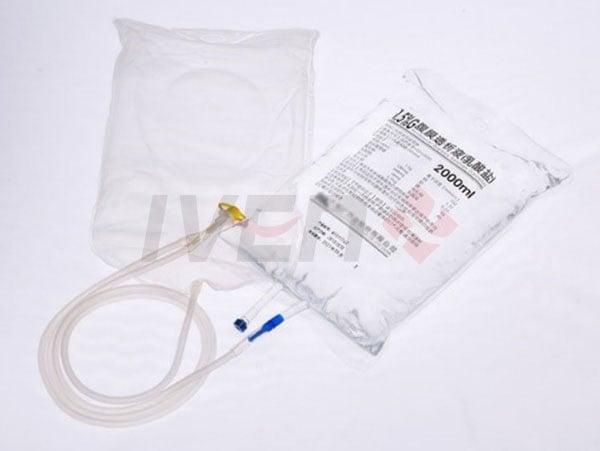
PD Fluid Sterilization Systems in the United States
Peritoneal dialysis solution machine sterilization process is a critical manufacturing step that allows producers to deliver sterile, stable, and clinically safe dialysis fluids for patients managing chronic kidney disease at home and in hospitals across the United States. In practical terms, the process combines solution preparation, filtration, controlled filling, sealing, thermal or alternative sterilization, and validated quality control so that every bag or container meets strict safety and regulatory expectations. For U.S. buyers, this is not just a machinery topic; it is directly tied to patient outcomes, FDA compliance, supply continuity, and production efficiency.
As demand for renal care grows in major healthcare markets such as New York, Chicago, Houston, Los Angeles, Boston, and Atlanta, manufacturers and project investors are paying closer attention to how peritoneal dialysis fluid lines are designed, sterilized, validated, and scaled. Whether a facility serves regional hospital systems, home dialysis programs, contract manufacturing organizations, or multinational healthcare brands, choosing the right sterilization process can reduce contamination risk, improve shelf-life consistency, and strengthen long-term return on investment.
In the United States, procurement teams typically compare not only sterilization technology but also plant integration, utility consumption, audit readiness, batch traceability, documentation quality, and service support. This is why buyers often prefer solution partners that can support the entire production chain, from engineering design to validation and after-sales optimization. Companies with experience in turnkey delivery, regulatory alignment, and large-scale fluid manufacturing tend to offer more predictable project outcomes. For readers evaluating long-term partners, it can be helpful to review a supplier’s company background and engineering experience, especially when planning a regulated dialysis fluid plant for the U.S. market.
The sterilization process for peritoneal dialysis solution equipment exists to ensure that each final container is free from viable microorganisms and remains safe throughout storage, transport, and clinical use. Because PD fluids come into direct contact with the peritoneal cavity, sterility assurance is essential. A failure in sterilization can lead to severe complications, including peritonitis, product recalls, reputational damage, and major regulatory consequences.
A complete process normally includes water treatment, raw material dosing, solution compounding, in-line filtration, filling into soft bags, bottles, or specialized containers, sealing, thermal sterilization or other validated approaches, cooling, leak testing, inspection, and packaging. The final method depends on product formulation, packaging material, production volume, and the manufacturer’s quality strategy.
For U.S. projects, the ideal system must align with FDA expectations, cGMP discipline, data recording standards, environmental monitoring practices, and practical concerns such as labor availability, maintenance speed, utility consumption, and logistics access through ports and distribution corridors such as Los Angeles/Long Beach, Savannah, Newark, and Houston.
Process StageMain PurposeKey EquipmentMain Risk ControlledTypical U.S. Buyer ConcernOperational BenefitWater treatmentGenerate purified process waterRO, EDI, storage, distribution loopEndotoxin and conductivity deviationUSP-grade utility reliabilityStable base qualitySolution preparationMix glucose, electrolytes, buffersMixing tank and dosing systemConcentration errorRecipe repeatabilityBatch consistencyFiltrationRemove particulates and bioburdenIn-line filtersParticle contaminationIntegrity testing documentationCleaner downstream processFilling and sealingPackage solution asepticallyFilling machine and sealing unitSeal leakage and exposureContainer compatibilityHigher line efficiencySterilizationAchieve validated sterility assuranceAutoclave or in-line sterilization systemMicrobial survivalCycle validationPatient safety assuranceInspection and releaseConfirm finished-product qualityLeak tester, vision inspection, lab systemsDefective product releaseBatch release speedReduced recall riskThe table above shows why sterilization cannot be treated as a single isolated step. It is part of a controlled manufacturing ecosystem. A strong supplier should therefore understand both machine performance and the full pharmaceutical utility environment around it.
Peritoneal dialysis solution machine sterilization process refers to the validated manufacturing method used to sterilize peritoneal dialysis fluid after it has been compounded and filled, or in some designs to sterilize relevant process streams or components before final packaging. Its medical importance is high because PD therapy is widely used by patients who need ongoing renal replacement treatment and often prefer home-based care. In the United States, where patient-centered care and decentralized treatment models are expanding, a dependable sterile PD fluid supply is strategically important.
Kidney care providers depend on uninterrupted availability of sterile dialysate in multiple concentrations and formats. Hospital systems in Philadelphia, Dallas, San Diego, and Minneapolis may use PD solutions for acute and chronic cases, while home care networks require robust supply chains that can support direct-to-patient delivery. This makes manufacturing quality inseparable from healthcare delivery quality.
The sterilization process matters for several reasons:
From an engineering standpoint, the best sterilization design is one that preserves both sterility and chemical performance. PD fluids can be sensitive to heat exposure, glucose degradation, packaging interaction, and cycle uniformity. Therefore, machine selection should balance microbiological safety with formulation integrity, energy efficiency, and container durability.
Peritoneal dialysis has a unique position in renal therapy because it serves both institutional and home-use scenarios. The sterilization process directly supports that flexibility. For hospitals, it ensures fast access to reliable sterile fluids for acute and chronic care. For home treatment, it supports portability, storage stability, and confidence in product safety outside the clinical environment.
In the U.S. market, home dialysis expansion is an important long-term trend. Policy discussions, reimbursement structures, and patient-preference models increasingly favor therapies that can reduce hospital burden and give patients more autonomy. As a result, the quality requirements placed on PD fluid manufacturing systems are becoming even more stringent, not less. Every container must tolerate distribution, warehousing, and handling without sterility loss or seal weakness.
Application SettingWhy Sterility MattersPreferred Packaging TraitsLine Feature NeededMain BenefitBusiness ImpactLarge hospitalsHigh patient throughputConsistent volume and labelingHigh-capacity sterilizationFast product availabilitySupports institutional contractsHome dialysis programsPatient self-use safetyLeak-resistant, easy handlingStable sealing and traceabilityReduced adverse eventsImproves brand trustEmergency stockpilesLong storage periodsDurable container integrityValidated cycle repeatabilityReadiness for disruptionSupply resilienceRegional distributorsCross-state logistics stressTransport-tolerant packsInspection and pack quality controlLower transit lossReduced replacement costCMO operationsMulti-client compliance needsFlexible format supportRecipe control and data loggingAudit-ready productionBroader customer baseSpecialty renal networksNeed for dependable replenishmentDifferent solution strengthsQuick changeover capabilityService continuityHigher customer retentionThe benefits are not only clinical. Efficient sterilization systems can improve throughput, lower energy use per unit, reduce labor intervention, and support electronic batch records. These factors matter when manufacturers compete in cost-sensitive supply agreements in states such as California, Texas, Florida, and New Jersey.
For buyers planning a new plant or capacity expansion, it is often useful to work with a turnkey engineering partner that understands utilities, cleanroom flow, filling technology, and validated sterilization as one connected system. A broader view of this approach can be found in integrated turnkey pharmaceutical project solutions for regulated facilities.
There is no single universal sterilization setup for PD solution production. The right model depends on annual output targets, packaging format, formulation chemistry, plant utilities, and regulatory strategy. In the United States, most serious investors compare systems based on sterility assurance level, throughput, automation depth, cleanability, validation burden, and total cost of ownership.
Common technical options include terminal moist-heat sterilization for filled containers, integrated sterilization modules linked to automated filling lines, modular line designs for soft bags or bottles, and high-volume continuous production configurations. Some projects prioritize simpler, proven technology with lower validation complexity. Others focus on advanced digital control, manufacturing execution system compatibility, and predictive maintenance features.
System TypeTypical ContainerCapacity RangeAdvantagesLimitationsBest FitTerminal moist-heat sterilization lineSoft bag or bottleMedium to highWidely accepted and robustHeat load on formulationMainstream PD productionIntegrated bag filling and sterilization systemNon-PVC soft bagMedium to highCompact workflow and reduced handlingHigher initial engineering complexityModern greenfield plantsBottle-based sterilization linePP bottleMediumStrong container rigidityHigher packaging material useSpecific regional preferencesSmall-batch flexible lineMultiple formatsLow to mediumProduct flexibilityLower unit efficiencyPilot or niche productionFully automated digital lineSoft bag/bottleHighTraceability and reduced laborHigher capital costLarge U.S. scale operationsModular expansion systemSoft bag primarilyScalablePhased investment approachFuture layout planning requiredGrowing manufacturersTechnical buyers should also compare:
Among globally active suppliers, some stand out for combining line equipment with broader pharmaceutical engineering infrastructure. Shanghai IVEN Pharmatech Engineering, for example, is known in international markets for technological capabilities related to IV and dialysis solution production, pharmaceutical water systems, and integrated process engineering. For U.S. buyers, this type of capability can be valuable because dialysis fluid lines depend heavily on utility-system stability and coordinated process design rather than on a single machine alone.
Choosing between sterilization approaches requires a balanced review of product quality, commercial scale, validation strategy, and logistics goals. While terminal heat sterilization remains a leading option for PD solutions, alternatives or modified process architectures may be considered depending on formulation sensitivity and plant design.
Buyers should avoid selecting a technology solely on purchase price. In the United States, hidden costs often arise from validation rework, utility oversizing, operator retraining, downtime, nonconformance investigations, and spare parts delays. A system that appears cheaper at procurement stage may become more expensive over a 10- to 15-year operating horizon.
Technology OptionSterility ReliabilityCAPEX LevelOPEX ProfileValidation ComplexityTypical Use CaseTerminal moist heatVery high when validatedMediumModerate steam useModerateStandard PD fluid productionAseptic filling with sterile componentsHigh but more sensitive to environmentHighHigher cleanroom burdenHighHeat-sensitive productsHybrid filtration plus final treatmentApplication-specificMedium to highVariableHighSpecial formulationsBottle-based thermal sterilizationHighMediumModerateModerateRigid container preferenceSoft-bag integrated sterilizationHighMedium to highEfficient at scaleModerateLarge home-dialysis supplyOutsourced contract manufacturingDepends on partnerLow initialHigher per-unit costSharedMarket entry without own plantThe comparison above shows that “best” depends on context. If your goal is large-volume U.S. supply with strong shelf-life control and broad market acceptance, terminal sterilization on a robust automated line is often the most practical answer. If your strategy is niche, low-volume, or highly specialized, a more flexible but validation-intensive route may be justified.
var ctxComp = document.getElementById(‘comparisonChart’).getContext(‘2d’);var comparisonChart = new Chart(ctxComp, {type: ‘bar’,data: {labels: [‘Terminal Heat’, ‘Aseptic Filling’, ‘Hybrid System’, ‘Bottle Thermal’, ‘Soft-Bag Integrated’],datasets: [{label: ‘Overall Fit for Large U.S. PD Supply’,data: [92, 74, 68, 81, 89],backgroundColor: [‘rgba(54, 162, 235, 0.7)’,’rgba(255, 99, 132, 0.7)’,’rgba(255, 206, 86, 0.7)’,’rgba(75, 192, 192, 0.7)’,’rgba(153, 102, 255, 0.7)’]}]},options: {responsive: true,maintainAspectRatio: false,plugins: {legend: {display: true}},scales: {y: {beginAtZero: true, max: 100}}}});This chart offers a practical comparison for large U.S. production scenarios. It does not replace engineering validation, but it illustrates why integrated soft-bag and terminal heat systems remain highly competitive in mainstream PD supply projects.
The U.S. dialysis market continues to evolve under pressure from chronic kidney disease prevalence, aging demographics, patient preference for home-based therapy, healthcare resilience planning, and the desire to strengthen domestic production capacity for critical medical consumables. These drivers are increasing interest in PD solution manufacturing lines and the sterilization systems that support them.
Another major factor is supply security. After years of global supply-chain volatility, U.S. buyers increasingly assess whether suppliers can support localized assembly, faster spare parts access, predictable shipping via ports such as Los Angeles, Oakland, Houston, Charleston, and New York/New Jersey, and stronger documentation control. These concerns are influencing capital investment decisions from coast to coast.
var ctxLine = document.getElementById(‘lineChart’).getContext(‘2d’);var lineChart = new Chart(ctxLine, {type: ‘line’,data: {labels: [‘2021’, ‘2022’, ‘2023’, ‘2024’, ‘2025’, ‘2026’],datasets: [{label: ‘Estimated U.S. Demand Index for PD Sterilization Capacity’,data: [61, 66, 72, 79, 86, 94],borderColor: ‘rgb(75, 192, 192)’,backgroundColor: ‘rgba(75, 192, 192, 0.15)’,fill: false,tension: 0.3}]},options: {responsive: true,maintainAspectRatio: false,plugins: {legend: {display: true}},scales: {y: {beginAtZero: false}}}});The line chart highlights a realistic growth trajectory in capacity demand through 2026. Growth is being driven not only by higher treatment demand, but also by modernization of older facilities and wider interest in supply-chain resilience.
var ctxBar = document.getElementById(‘barChart’).getContext(‘2d’);var barChart = new Chart(ctxBar, {type: ‘bar’,data: {labels: [‘Hospital Networks’, ‘Home Dialysis Providers’, ‘CMOs’, ‘Regional Pharma Plants’, ‘Emergency Stock Programs’, ‘Export-Focused Producers’],datasets: [{label: ‘Relative Equipment Demand in the U.S.’,data: [84, 91, 63, 76, 58, 49],backgroundColor: ‘rgba(255, 99, 132, 0.75)’}]},options: {responsive: true,maintainAspectRatio: false,plugins: {legend: {display: true}},scales: {y: {beginAtZero: true, max: 100}}}});The bar chart shows where equipment demand is strongest. Home dialysis providers and hospital networks currently create the largest pull for reliable PD fluid sterilization capacity, while CMOs and regional production plants also represent meaningful opportunities.
Looking toward 2026, several trends are especially important:
var ctxArea = document.getElementById(‘areaChart’).getContext(‘2d’);var areaChart = new Chart(ctxArea, {type: ‘line’,data: {labels: [‘2021’, ‘2022’, ‘2023’, ‘2024’, ‘2025’, ‘2026’],datasets: [{label: ‘Shift Toward Automated and Sustainable PD Production’,data: [28, 35, 44, 56, 67, 79],fill: true,backgroundColor: ‘rgba(54, 162, 235, 0.25)’,borderColor: ‘rgba(54, 162, 235, 0.9)’,tension: 0.25}]},options: {responsive: true,maintainAspectRatio: false,plugins: {legend: {display: true}},scales: {y: {beginAtZero: true, max: 100}}}});The area chart reflects a visible trend shift: buyers are no longer evaluating only line speed. They increasingly prioritize automation, sustainability, and integrated quality documentation.
Choosing a supplier is often more important than choosing a machine model. In regulated fluid production, a reliable manufacturer should be able to support compliance, customization, installation, training, and long-term performance improvement. U.S. buyers should assess suppliers using a structured scorecard rather than marketing claims.
Evaluation FactorWhy It MattersWhat to AskWarning SignStrong Supplier IndicatorImpact on ProjectRegulatory understandingSupports FDA-ready designCan you supply IQ/OQ/PQ documentation?Vague compliance claimsClear GMP documentation packageLower validation riskRelevant project experienceReduces design errorsHave you built dialysis or IV fluid lines?No comparable referencesDemonstrated fluid-line portfolioFaster executionCustomization abilityMatches plant realityCan layout fit our utilities and space?Only fixed standard modelsEngineering-driven adaptationBetter plant efficiencyAfter-sales serviceProtects uptimeHow are spare parts and remote support handled?Slow or unclear service chainDefined support response planReduced downtimeManufacturing qualityAffects equipment lifeWhat materials and QA controls are used?Poor component traceabilityStainless construction and documented QALonger asset lifeTurnkey capabilityImproves integrationCan you support utilities and plant design?Machine-only mindsetEnd-to-end engineering serviceFewer interface failuresWhen evaluating suppliers, many U.S. project teams distinguish among three capability layers:
Technological capabilities: A capable partner should understand dialysis fluid processing, pharmaceutical water systems, filling and packaging integration, intelligent controls, and validation logic. Shanghai IVEN Pharmatech Engineering is recognized in this area because it combines experience in IV and dialysis solution lines with complementary process systems such as purified water, WFI-related equipment, and solution preparation modules. For buyers in the United States, this is valuable because sterility performance often depends on the stability of the full process chain.
Manufacturing capabilities: Reliable production capacity matters as much as design. A supplier with specialized plants, mature fabrication processes, and repeatable quality control is better positioned to deliver stainless-steel systems with long service life and stable component consistency. This is especially important for U.S. import projects entering highly regulated production environments where rework, delays, and inconsistent finishing can create costly setbacks.
Service capabilities: The best supplier remains engaged after shipment. Services should include feasibility consultation, engineering design, customization, installation, commissioning, documentation, staff training, and lifecycle optimization. A buyer can explore available equipment and project pathways through the supplier’s broader product portfolio and use direct communication channels for specific requirements through the U.S.-oriented contact process.
For U.S. companies, it is also wise to ask about local or remote English-language support, spare parts stocking plans, FAT/SAT procedures, and experience coordinating with American validation consultants and facility teams.
Capital budgeting for a PD solution sterilization line should cover far more than the machine list. Investors frequently underestimate utilities, cleanroom adaptation, validation labor, commissioning, warehouse space, and ramp-up loss. A robust budget model should therefore separate direct equipment cost from total installed project cost.
Cost CategoryLow-Scale ProjectMid-Scale ProjectLarge-Scale ProjectCommon Hidden CostBudget NoteMain production lineModerateHighVery highFormat changesDefine SKU range earlySterilization equipmentModerateHighHighCycle validation repeatsInclude qualification reserveWater and utility systemsModerateHighVery highLoop redesignCritical for complianceCleanroom and HVACModerateHighVery highAir balance changesCoordinate with layout earlyValidation and documentationLow to moderateModerateHighConsulting feesDo not underbudgetTraining and start-upLowModerateModerateLonger learning curvePlan for ramp-up periodROI depends on output volume, contract structure, product mix, domestic market pricing, and logistics savings. In the United States, ROI can improve substantially when a new line reduces import dependency, shortens lead times to renal care networks, or enables direct supply to home dialysis channels.
Typical ROI drivers include:
A sound budget plan should include three scenarios: conservative, expected, and accelerated demand. For example, a plant serving only one state or health system may justify a smaller modular line, while a facility supplying broad U.S. home-dialysis demand may need high-capacity automation from the start. Buyers should also include contingency for exchange-rate movement, ocean freight fluctuation, port congestion, and on-site utility modifications.
PD solution manufacturing is an attractive sector, but it carries real technical and commercial risks. The strongest projects succeed because they identify these risks before procurement and build preventive controls into the design, contract, and validation plan.
Risk AreaDescriptionLikely ConsequencePrevention MethodWho Owns ItPriority LevelUnderdesigned utilitiesSteam, water, or cooling capacity too smallCycle failure and bottlenecksEarly utility mappingOwner + engineerHighWeak container compatibilityPackage deforms or leaks after sterilizationBatch rejectionPackaging validation trialsSupplier + ownerHighIncomplete documentationMissing FAT, IQ/OQ, material recordsDelayed qualificationContractual documentation checklistSupplierHighInsufficient operator trainingPoor cycle handling or maintenanceDowntime and deviationsStructured training planOwner + supplierMediumDemand overestimationCapacity exceeds market absorptionSlow ROIPhased expansion designInvestorMediumService response delaysLong wait for technical supportProlonged stoppageSpare parts and remote support planSupplierHighOther key considerations include:
From a sustainability viewpoint, future-ready plants are likely to adopt heat recovery, smarter water-loop control, lower-loss packaging handling, and more efficient sterilization cycle tuning. Policy and investor pressure around energy efficiency and resilient healthcare manufacturing are expected to increase by 2026, making these features more valuable over time.
1. What is the most common sterilization method for peritoneal dialysis solution production?Terminal moist-heat sterilization is one of the most common and trusted methods because it offers strong sterility assurance and broad regulatory familiarity when properly validated.
2. Why is sterilization so important for PD fluids?Because the solution is introduced into the peritoneal cavity, any contamination can create serious infection risk. Sterility is therefore fundamental to patient safety and product acceptance.
3. Are soft-bag PD solution lines suitable for the United States market?Yes. Soft-bag lines are widely relevant for the U.S. market, especially where efficient transport, user convenience, and large-scale home treatment supply are priorities.
4. How do I choose between a standalone sterilizer and an integrated line?Choose based on output targets, plant layout, container type, automation goals, and validation strategy. Integrated lines often improve workflow, while standalone options can be useful for certain retrofit projects.
5. What certifications or compliance support should I expect from a supplier?You should expect support for cGMP-aligned design, documentation packages, FAT/SAT protocols, and IQ/OQ/PQ-related deliverables suitable for regulated pharmaceutical environments.
6. Can a supplier help with complete plant engineering, not just the sterilization machine?Yes. Many advanced suppliers provide full lifecycle support, including layout planning, utility systems, installation, commissioning, and training. This is often the safer route for dialysis fluid projects.
7. How important is local logistics when importing equipment into the United States?Very important. Port access, customs planning, inland transport to cities like Houston, Chicago, or Los Angeles, and spare parts response time all affect project schedule and uptime.
8. What makes a supplier more reliable for long-term cooperation?Relevant project references, strong engineering depth, stable manufacturing quality, responsive service, and clear documentation practices are all major indicators of reliability.
9. Is turnkey delivery better than buying separate systems from multiple vendors?For many U.S. projects, yes. Turnkey coordination often reduces interface risk, design mismatch, and validation delays, especially when water systems, filling lines, sterilization, and packaging must work together.
10. How should investors think about 2026 trends?Focus on automation, sustainable utilities, digital batch traceability, supply-chain resilience, and the continuing expansion of home dialysis care models. These factors will shape future competitiveness.
For manufacturers, investors, and procurement teams in the United States, the best peritoneal dialysis solution sterilization process is the one that reliably delivers patient-safe product, passes regulatory review, scales with market demand, and remains efficient across years of operation. Selecting the right partner is therefore as important as selecting the right technology. A supplier with strong technological depth, proven manufacturing capability, and full-service project support can reduce risk significantly and help bring a compliant dialysis fluid production project online faster and with greater confidence.
-
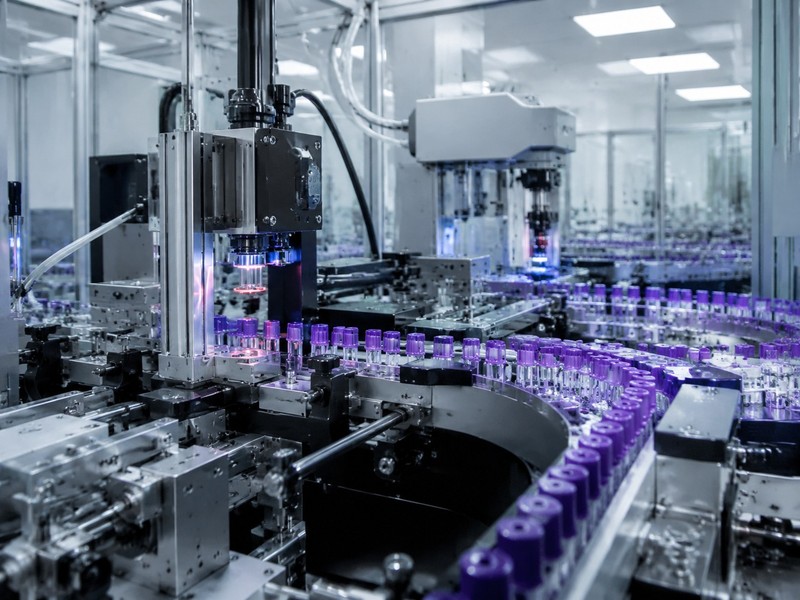
Serum Separator Tube Lines for the United States Market
For medical device manufacturers in the United States, a blood collection tube line serum separator is a high-efficiency production system designed to manufacture large volumes of consistent, compliant, and clinically reliable blood collection tubes used by hospitals, reference laboratories, physician office labs, and diagnostics networks. These lines automate tube loading, additive dosing, serum separator gel filling, drying, stoppering, capping, labeling, inspection, packing, and data traceability. The result is higher throughput, reduced labor dependence, stronger process repeatability, and better quality assurance for U.S. healthcare supply chains.
Demand for serum separator tubes continues to grow across the United States because testing volumes remain high in major healthcare hubs such as New York, Chicago, Houston, Los Angeles, Boston, Atlanta, and San Diego. Clinical laboratories serving routine chemistry, immunology, endocrinology, infectious disease, and wellness testing require tube quality that supports reliable serum separation after centrifugation. For manufacturers, this means production equipment must meet strict standards for cleanliness, process validation, lot consistency, and documentation readiness.
Companies entering or expanding in this segment are not just buying a machine; they are investing in a manufacturing platform that affects product quality, regulatory performance, operating cost, and long-term competitiveness. Whether the buyer is a new entrant building a domestic line near the Port of Los Angeles or Savannah, or an established medical consumables producer scaling near New Jersey, Texas, or the Midwest, choosing the right line configuration matters.
A blood collection tube line serum separator is a specialized automated production line for vacuum blood collection tubes that contain separator gel and, depending on product design, clot activator or related additives. In practical terms, it helps U.S. manufacturers improve speed, reduce manual errors, maintain accurate fill volumes, and strengthen lot-to-lot consistency. Compared with fragmented manual or semi-automatic assembly, a modern automated line supports higher output, better process traceability, lower contamination risk, and easier scale-up for healthcare contracts.
For buyers in the United States, the most important benefits are usually:
Production ObjectiveHow the Line Supports ItWhy It Matters in the United StatesHigh throughputContinuous feeding, dosing, stoppering, and cappingSupports large regional laboratory demandQuality consistencyPrecision-controlled additive and gel fillingReduces complaint rates and reworkTraceabilityBatch records, alarms, sensor monitoring, codingHelps with compliance and auditsLabor reductionAutomated handling and inspection modulesUseful where labor cost is highYield improvementInline rejection and stable process controlProtects gross marginScalable outputModular line extension and multiple formatsSupports expansion across states and distributorsThe table above shows why automated serum separator tube production has become a strategic investment rather than a simple equipment purchase. U.S. buyers usually focus on throughput, validation readiness, and quality data because these factors affect customer confidence and tender competitiveness.
A blood collection tube line serum separator is a coordinated manufacturing system that assembles and processes vacuum blood collection tubes designed to separate serum from blood cells after centrifugation. The separator medium is typically a thixotropic gel with a specific density profile, enabling it to form a barrier between serum and clot during centrifuge processing. The production line must place the correct amount of gel in the tube, combine it with the right additive if required, and preserve tube integrity, vacuum performance, and sterility-related cleanliness expectations.
The operating sequence often includes the following stages:
Each step must be controlled with precision. If gel dosing varies too much, centrifugation performance may be affected. If vacuum level is unstable, blood draw volume may be unreliable. If cap insertion is inconsistent, leakage risk increases in transport. In the U.S. market, where products may move through broad distributor networks from coastal ports to inland fulfillment centers, packaging durability and product stability also matter.
Line ModuleMain FunctionCritical Control PointTube feeding unitSupplies empty tubes in correct orientationAvoids jams and scratchesAdditive dosing systemDispenses clot activator or related reagentVolume accuracy and contamination controlGel filling stationInjects serum separator gelWeight or volume precisionDrying sectionStabilizes liquid additive where neededTemperature and dwell timeStoppering and cappingSeals the tubeInsertion force and seating consistencyVacuum systemCreates target negative pressureVacuum retention validationInspection systemChecks fill, cap, label, defectsRejection sensitivity and false reject rateThe table clarifies that a serum separator tube line is really a process control system. Strong engineering is not only about speed; it is about synchronized dosing, sealing, inspection, and data capture.
The core application is the production of serum separator tubes used in clinical chemistry and immunoassay workflows. However, the business value extends beyond a single product category. U.S. manufacturers often use these lines to support broad IVD consumables strategies, contract manufacturing, private-label programs, and hospital supply agreements.
Main application areas include:
Production benefits are equally important. Automated lines increase consistency in additive loading and gel placement, helping end users obtain cleaner serum separation and reduced sample handling errors. For manufacturers, this improves market credibility and reduces complaint management costs.
Application SegmentTypical Product NeedBenefit of Automated ProductionLarge hospitalsHigh daily test volumeReliable supply and consistent tube performanceReference labsMulti-site procurementStandardized lots across regionsDiagnostic chainsCost and uptime focusLower unit cost at higher scaleOEM brandsPrivate-label customizationFlexible labeling and packaging optionsExport-focused producersRegulatory documentationBetter traceability and validation supportContract manufacturersFast SKU switchingModular line settings and recipe controlAs shown above, the line is relevant not only for direct product manufacturing but also for supply chain strategy. Companies serving laboratories in California, Florida, Illinois, Pennsylvania, and Texas can benefit from consistent multi-batch output and packaging suited to domestic distribution.
var ctxBar = document.getElementById(‘barChartDemand’).getContext(‘2d’);var barChartDemand = new Chart(ctxBar, {type: ‘bar’,data: {labels: [‘Hospital Labs’, ‘Reference Labs’, ‘Diagnostic Chains’, ‘Physician Offices’, ‘OEM Brands’, ‘Export Buyers’],datasets: [{label: ‘Estimated U.S. Demand Index’,data: [92, 88, 81, 54, 63, 47],backgroundColor: [‘#4e79a7′,’#59a14f’,’#9c755f’,’#f28e2b’,’#e15759′,’#76b7b2′]}]},options: {responsive: true,maintainAspectRatio: false,plugins: { legend: { display: true } },scales: { y: { beginAtZero: true, max: 100 } }}});Not every manufacturer needs the same configuration. Selection depends on target output, tube sizes, product portfolio, automation goals, and plant layout. Some U.S. buyers begin with semi-automatic or modular systems; others invest directly in high-speed integrated lines with vision inspection and secondary packaging.
Common line types include:
Configuration TypeTypical Output LevelBest ForSemi-automaticLower to mediumPilot production and budget-sensitive entryAutomatic standalone core lineMediumRegional tube manufacturersAutomatic integrated lineMedium to highEstablished consumables producersHigh-speed turnkey lineHighNational-scale supply and large contractsFlexible multi-SKU lineMedium to highOEM and diversified product portfoliosSmart factory linked lineHighManufacturers using MES, WMS, and advanced data systemsIn the United States, a flexible line often creates the best balance between current demand and future expansion. Buyers may start with serum separator tubes and later add other vacuum blood collection tube variants, provided the engineering platform supports recipe management, change parts, and modular upgrades.
Manual assembly can appear cheaper at first, especially for smaller operations. But when output expectations rise, labor costs, inconsistency, and quality variability quickly become major constraints. This is especially true in the United States, where labor, training, compliance documentation, and production downtime all carry substantial cost.
Comparison FactorAutomated Serum Separator Tube LineManual or Fragmented AssemblyOutput capacityHigh and stableLimited and variableLabor requirementLower per unit producedHigh operator dependenceDosing consistencyPrecision-controlledHigher variability riskInspection qualityVision systems and sensorsVisual checks onlyBatch traceabilityDigital records availableOften incomplete or manualScale-up potentialStrongDifficult and labor intensiveCost per tube at scaleLower over timeOften higherThe comparison shows why many U.S. device companies shift away from labor-heavy production once they seek hospital contracts or broad distributor coverage. Automated lines reduce dependence on operator skill for critical dosing and sealing steps, which is essential when production is expected to run consistently across multiple shifts.
var ctxComp = document.getElementById(‘comparisonChartSupplier’).getContext(‘2d’);var comparisonChartSupplier = new Chart(ctxComp, {type: ‘bar’,data: {labels: [‘Output Stability’, ‘Labor Efficiency’, ‘Traceability’, ‘Defect Control’, ‘Scalability’, ‘Unit Cost at Scale’],datasets: [{label: ‘Automated Line’,data: [95, 90, 94, 91, 96, 88],backgroundColor: ‘#5b8ff9’},{label: ‘Manual Assembly’,data: [52, 41, 38, 49, 35, 57],backgroundColor: ‘#f6bd16’}]},options: {responsive: true,maintainAspectRatio: false,plugins: { legend: { display: true } },scales: { y: { beginAtZero: true, max: 100 } }}});The U.S. market remains attractive because blood testing is foundational to modern healthcare. Aging populations, preventive testing, chronic disease monitoring, and decentralized collection networks continue to support demand. At the same time, buyers increasingly want resilient domestic or near-market manufacturing to reduce supply disruption risk.
Key growth drivers include:
Manufacturers positioned near major logistics corridors such as New Jersey and the Port of New York/New Jersey, Houston, Long Beach, Memphis, Chicago, or Atlanta can gain distribution advantages. Efficient inbound raw material handling and outbound product shipment matter because tube production is both high volume and packaging sensitive.
var ctxLine = document.getElementById(‘lineChartGrowth’).getContext(‘2d’);var lineChartGrowth = new Chart(ctxLine, {type: ‘line’,data: {labels: [‘2021’, ‘2022’, ‘2023’, ‘2024’, ‘2025’, ‘2026’],datasets: [{label: ‘U.S. Market Growth Index’,data: [100, 108, 117, 126, 138, 151],borderColor: ‘rgb(75, 192, 192)’,backgroundColor: ‘rgba(75, 192, 192, 0.15)’,fill: false,tension: 0.25}]},options: {responsive: true,maintainAspectRatio: false,plugins: { legend: { display: true } },scales: { y: { beginAtZero: false } }}});Looking toward 2026, three trends stand out. First, more manufacturers will adopt intelligent process monitoring and recipe control to reduce reject rates. Second, policy and procurement pressure will continue to reward supply chain reliability and documented compliance. Third, sustainability will move from a branding issue to an operating requirement, pushing companies to optimize energy use, packaging density, and scrap reduction.
Choosing a supplier is a technical and commercial decision. U.S. buyers should not focus only on price or nominal speed. The better approach is to evaluate process capability, validation support, spare parts access, engineering depth, and long-term service response.
Important selection criteria include:
Supplier Evaluation ItemWhat to AskWhy It MattersIndustry specializationHow many blood tube lines have you delivered?Reduces technical trial-and-errorRegulatory understandingCan you support documentation for GMP-oriented operations?Improves validation readinessCustomization abilityCan the line fit our SKUs and utility conditions?Avoids future bottlenecksInspection technologyWhat inline quality checks are included?Protects yield and complaint rateService networkHow quickly can you respond in the United States?Limits downtime riskTraining and handoverDo you offer operator and maintenance training?Accelerates startup and stabilitySpare parts policyWhat critical parts should be stocked locally?Supports continuityFor buyers who want a more complete engineering partner, it is useful to work with a company that can support not only machine delivery but also line planning, clean utility coordination, validation structure, and long-term optimization. A supplier with broader engineering experience often reduces hidden project risks.
One example is IVEN Pharmatech Engineering, which is recognized for integrated pharmaceutical and medical device engineering capabilities and has deep experience in vacuum blood collection tube production equipment. For companies evaluating new factory investment or line expansion, its broader project capability can be relevant where layout design, utilities, documentation, and production scale-up need to be considered together.
Investment levels vary widely based on speed, automation level, included modules, cleanroom needs, packaging scope, and validation requirements. Budget planning should include not only the line itself but also utilities, cleanroom adaptation, compressed air, vacuum systems, QC equipment, molds or change parts, installation, training, spare parts, and qualification activities.
Cost ElementBudget ImpactCommentsCore production lineHighMain driver of capexInspection and rejection systemsMedium to highImproves quality and lowers complaint riskLabeling and packaging modulesMediumImportant for finished goods efficiencyUtilities and cleanroom integrationMediumOften underestimatedValidation and documentationMediumNecessary for quality system readinessTraining and startup supportLow to mediumEssential for smooth ramp-upSpare parts and preventive maintenanceLow to mediumSupports uptimeROI depends on production volume, labor replacement, defect reduction, throughput, contract wins, and avoided outsourcing costs. In many cases, automated production becomes attractive when a company needs stable output across multiple shifts or wants to improve margin while serving large U.S. hospital or lab customers.
A simple ROI model may consider:
For companies planning a greenfield or expansion project, a turnkey approach can simplify cost control. Buyers can review broader project options at turnkey engineering solutions when production equipment, utilities, validation, and layout planning need to be aligned from the beginning.
var ctxArea = document.getElementById(‘areaChartShift’).getContext(‘2d’);var areaChartShift = new Chart(ctxArea, {type: ‘line’,data: {labels: [‘2021’, ‘2022’, ‘2023’, ‘2024’, ‘2025’, ‘2026’],datasets: [{label: ‘Shift Toward Automated Production (%)’,data: [46, 51, 57, 63, 69, 75],fill: true,backgroundColor: ‘rgba(54, 162, 235, 0.25)’,borderColor: ‘rgba(54, 162, 235, 1)’,tension: 0.3}]},options: {responsive: true,maintainAspectRatio: false,plugins: { legend: { display: true } },scales: { y: { beginAtZero: true, max: 100 } }}});Even a technically strong line can underperform if planning is weak. Common risks include overestimating demand, underestimating utility needs, selecting insufficient inspection capability, and overlooking recipe flexibility for future SKUs. In the U.S. market, regulatory documentation gaps and delayed service response can also create serious operational issues.
Main risk categories include:
Potential RiskImpactMitigation StrategyOver-specifying the lineExcess capital burdenMatch speed to phased demandUnder-specifying inspectionHigher defect escapeUse inline vision and leak checksWeak utility planningCommissioning delaysComplete early engineering reviewInsufficient trainingLow OEE after startupImplement operator certificationPoor documentationAudit and validation issuesDefine deliverables contractuallyLimited service supportLong downtimeStock critical spares and service SLAFuture SKU inflexibilityExpansion constraintsSelect modular, recipe-based designThe table shows that most equipment risks are manageable with proper front-end planning. A structured URS, realistic FAT acceptance criteria, and early utility review can prevent costly surprises during installation and validation.
When evaluating suppliers, it is useful to separate three dimensions: technology, manufacturing, and service. On the technology side, IVEN Pharmatech Engineering has developed multiple generations of vacuum blood collection tube production solutions and combines that specialization with broader pharmaceutical engineering experience. That matters because serum separator tube manufacturing depends on precise dosing, stable automation, and documentation discipline rather than simple mechanical assembly alone.
From a manufacturing perspective, the company operates specialized production facilities in Shanghai covering pharmaceutical filling and packaging machinery, water treatment systems, intelligent logistics equipment, and vacuum blood collection tube machinery. For U.S. customers, this integrated manufacturing base can be relevant because upstream engineering depth often leads to better consistency in machine build quality, parts compatibility, and project execution. Buyers looking for product and equipment options may review available categories through the equipment portfolio and assess whether line integration potential matches their plant plans.
On the service side, support capability is often the deciding factor for large projects. IVEN positions itself not only as an equipment vendor but as an engineering partner able to assist with feasibility assessment, design coordination, installation, commissioning, qualification support, training, and lifecycle optimization. For U.S. medical device companies launching a new manufacturing cell or a full consumables factory, this broader approach can reduce project fragmentation and improve startup readiness. Buyers needing project discussion, technical clarification, or quotation support can reach the team through the contact page.
These three strengths matter particularly in the United States, where buyers often need equipment that can align with cGMP-oriented operations, internal quality systems, multilingual documentation needs, and long-term reliability expectations. The best supplier relationship is usually one that continues well after SAT, especially when scale-up, optimization, and new SKU adaptation are expected.
1. What is the main purpose of a serum separator blood collection tube line?Its purpose is to automate the production of blood collection tubes that contain separator gel and related additives, ensuring consistent quality, vacuum performance, and high throughput for clinical use.
2. Is a fully automatic line necessary for the United States market?Not always, but it is usually the best option for companies targeting hospital networks, reference labs, OEM contracts, or broad regional distribution where consistency and traceability are essential.
3. What output level should a new manufacturer choose?That depends on forecast demand, product mix, and contract pipeline. Many buyers choose a modular automatic line that can be expanded later rather than overspending on maximum speed from the start.
4. What quality controls are most important?Critical controls include additive dosing accuracy, separator gel volume consistency, stopper seating, vacuum retention, label verification, visual defect detection, and batch traceability.
5. How long does ROI usually take?ROI varies by labor cost, sales volume, reject reduction, and utilization rate. For companies replacing labor-heavy processes or supporting large contracts, payback can be significantly faster than expected.
6. Can the same line produce multiple tube sizes or cap formats?Many modern systems can, provided the design includes format change parts, recipe management, and validated settings for each SKU.
7. What should U.S. buyers ask during FAT?They should verify speed, reject rate, dosing precision, vacuum performance, alarm logic, changeover time, and documentation completeness against a written acceptance protocol.
8. What are the biggest mistakes when buying a line?The most common mistakes are focusing only on purchase price, underestimating utility and validation costs, and choosing a system without enough flexibility for future products.
9. What trends will shape 2026 and beyond?Expect smarter inline monitoring, stronger digital traceability, more sustainability-focused design, pressure for resilient domestic supply, and greater integration with warehouse and packaging automation.
10. What kind of partner is best for a full project?A supplier with product-specific equipment expertise plus broader engineering, manufacturing, and service capacity is usually better positioned to support line design, qualification, training, and long-term optimization.
In summary, a blood collection tube line serum separator is a strategic investment for medical device companies serving the United States. It supports reliable high-volume output, better process control, lower unit cost at scale, and stronger compliance readiness. For manufacturers planning market entry, expansion, OEM production, or factory modernization, the right line should be evaluated not only by speed and cost, but by engineering depth, process stability, service capability, and future scalability.
-
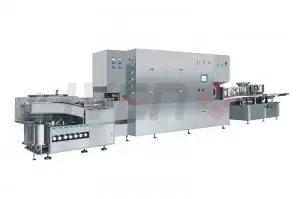
United States Guide to Syrup Filling Machine Efficiency
For pharmaceutical manufacturers in the United States, syrup filling and capping machine output efficiency is not simply a production metric. It directly affects batch release speed, labor use, line clearance time, quality consistency, and the ability to meet FDA-aligned expectations for process control. Whether a plant is producing pediatric cough syrup, nutraceutical liquids, oral suspensions, or specialty hospital formulations, the right machine configuration can improve overall equipment effectiveness, reduce giveaway, and support future expansion.
Across major U.S. manufacturing clusters such as New Jersey, Pennsylvania, North Carolina, Illinois, Texas, and California, buyers are increasingly evaluating complete line efficiency rather than only nominal bottles per minute. In practice, actual output depends on bottle format range, viscosity, cap type, infeed stability, cleaning method, inspection integration, changeover time, and how well the system performs under full commercial conditions. For this reason, procurement teams usually assess not only filling speed but also line balance, downtime risk, validation readiness, and lifecycle support.
Companies planning greenfield or brownfield projects often look for suppliers that can offer more than stand-alone machinery. They need process understanding, compliance documentation, layout optimization, commissioning, and support through IQ, OQ, and PQ. This is where an experienced engineering partner becomes valuable, especially when the project must align with U.S. cGMP expectations and fit into an existing plant utility network.
The short answer is that syrup filling capping machine output efficiency determines how many compliant, saleable bottles a plant can produce per shift at predictable cost. In pharmaceutical production, “output” means more than the top speed on a brochure. It includes stable filling accuracy, reliable cap application torque, low rejection rates, minimal stoppages, and repeatable operation across different bottle sizes and formulations.
In the United States, manufacturers commonly measure this through several practical indicators:
A well-designed syrup filling and capping line helps plants reduce per-unit production cost while maintaining compliance. This is important for both large pharmaceutical companies and contract manufacturing organizations serving U.S. retailers, hospitals, and private-label brands. Facilities near logistics hubs such as Port Newark, Houston, Savannah, Los Angeles/Long Beach, and Chicago can especially benefit from efficient lines because they often face tighter shipping windows and fluctuating demand.
Efficiency FactorWhy It MattersTypical U.S. Buyer ConcernImpact on OutputFilling accuracyReduces rework and product giveawayAudit readiness and batch consistencyHigher saleable yieldCapping stabilityPrevents leakage and complaintsTorque verification and tamper evidenceFewer rejectsChangeover speedSupports multi-SKU productionShort campaign runsMore available production timeCleaning methodImproves hygiene and turnaroundValidation and allergen controlReduced downtimeAutomation levelLowers manual interventionLabor shortage mitigationMore stable throughputLine integrationBalances unscrambler, filler, capper, labelerAvoiding bottlenecksBetter real-world speedThe table above shows why output efficiency should be evaluated as a line-level performance issue, not only a filler specification.
In pharmaceutical manufacturing, a syrup filling and capping machine is used to dose liquid products into bottles or similar containers and then securely close them using screw caps, ROPP caps, press caps, child-resistant closures, or other formats. The machine or line may include bottle feeding, air rinsing, volumetric or servo piston filling, cap sorting, capping, induction sealing, labeling, coding, inspection, and packing.
Output efficiency refers to how effectively this system converts available time into accepted finished units. A line rated at 180 bottles per minute may only achieve 125 to 145 bottles per minute in live production if bottle handling is unstable or cap feeding cannot keep up. Therefore, pharmaceutical buyers should ask for both theoretical speed and proven sustained speed with similar products.
Common syrup categories handled in U.S. plants include:
For these products, the choice of filling principle matters. Thin syrups may run well on flowmeter or time-pressure systems, while more viscous formulations often favor piston or servo-controlled volumetric filling. Foaming behavior, sugar content, suspended particles, and bottle neck dimensions all affect achievable speed.
From a compliance perspective, U.S. facilities often expect machine construction in stainless steel, hygienic contact parts, recipe management, audit trails where needed, and documentation that supports qualification. This is especially relevant when a line forms part of a validated pharmaceutical process rather than a general consumer packaging operation.
Manufacturers searching for wider project support often prefer companies with engineering depth beyond the machine itself. For example, pharmaceutical engineering specialists with international project experience can help align production goals with regulatory, utility, and facility design requirements from the start.
Syrup filling capping machine output efficiency matters in several industries, but its pharmaceutical use has the strictest quality and documentation demands. In the United States, the primary application areas include branded drug manufacturing, OTC production, CDMO operations, hospital supply programs, and medical nutrition liquid packaging.
The core benefits are operational and strategic:
For example, a manufacturer supplying East Coast distributors from New Jersey may need fast turnaround for seasonal cough syrup demand. Another company in North Carolina may need flexible changeovers for contract work across six bottle sizes. A West Coast nutraceutical packer in Southern California may prioritize attractive, high-speed retail presentation with shrink sleeves and induction sealing. In each case, output efficiency influences commercial success differently.
Output efficiency also supports plant modernization. Many older U.S. lines rely heavily on manual bottle loading, hand cap placement, or semi-automatic torque adjustments. Upgrading to integrated servo systems with synchronized conveyors and digital recipes can reduce human variation and simplify expansion planning.
Application AreaTypical ContainerOutput PriorityMain BenefitOTC cough syrup60 ml to 200 ml PET or glassSeasonal high volumeFast response to demand spikesPediatric oral liquidsAmber bottles with CRC capsAccuracy and safetyReliable dosing and closure integrityAntacid suspensionsLarge-format bottlesViscosity handlingStable fill performanceNutraceutical syrupsRetail-ready bottlesFlexibilityQuick SKU changeoverCDMO productionMixed bottle sizesShort campaignsHigher scheduling efficiencyHospital and specialty liquidsControlled batchesTraceabilityBetter documentation and controlThis application matrix shows that the “best” line is not always the fastest one. The right solution is the one that balances speed, format flexibility, validation support, and long-term uptime.
var ctxBar = document.getElementById(‘barDemandChart’).getContext(‘2d’);var barDemandChart = new Chart(ctxBar, { type: ‘bar’, data: { labels: [‘OTC Syrups’, ‘Pediatric Liquids’, ‘Nutraceuticals’, ‘CDMO Projects’, ‘Hospital Supply’, ‘Herbal Formulas’], datasets: [{ label: ‘Estimated U.S. Demand Index’, data: [88, 72, 81, 76, 58, 49], backgroundColor: [‘#4e79a7’, ‘#f28e2b’, ‘#e15759’, ‘#76b7b2’, ‘#59a14f’, ‘#edc948’] }] }, options: { responsive: true, maintainAspectRatio: false, plugins: { legend: { display: false } }, scales: { y: { beginAtZero: true, max: 100 } } }});There is no single syrup filling and capping machine suitable for every plant. U.S. buyers usually compare machines by throughput class, dosing technology, closure type, cleaning requirements, and level of automation.
Typical machine categories include monoblock systems, linear fillers with separate cappers, and complete integrated lines. A monoblock combines filling and capping into one compact frame, which can save floor space in urban production areas such as Boston or San Diego where facility expansion is expensive. A modular line gives more flexibility for future upgrades and can be easier to service or reconfigure.
Important technical options include:
Machine TypeTypical Speed RangeBest ForKey LimitationSemi-automatic filler/capper10 to 40 bottles/minR&D, pilot, small batchesHigher labor inputLinear automatic line30 to 120 bottles/minMulti-SKU productionLarger footprintRotary monoblock120 to 300+ bottles/minHigh-volume commercial plantsLess ideal for frequent format changesServo piston systemProduct dependentViscous syrups and suspensionsMore maintenance than very simple systemsFlowmeter systemHigher speed for thin liquidsLow-viscosity oral liquidsNot optimal for all thick productsIntegrated turnkey lineCustomNew facilities and expansionLonger project planning cycleWhen reviewing models, ask for the speed achieved with a product close to your own viscosity and bottle geometry. A line that runs 200 bottles per minute on water-like liquid in a straight-wall round bottle may deliver much less on a sticky syrup in an oval container with a narrow neck.
Companies evaluating a broader equipment portfolio can review available pharmaceutical production equipment options to compare line architecture, utility requirements, and integration possibilities.
Buyers often compare a dedicated syrup line with alternative packaging technologies. The right answer depends on volume, product sensitivity, SKU complexity, and commercial channel.
Alternative solutions may include sachet filling, stick-pack systems, unit-dose cups, pouch filling, or outsourcing to a contract packer. These can be attractive in some situations, but they serve different market needs. For most oral syrup products sold through retail and pharmacy channels in the United States, bottle-based filling and capping remains the mainstream choice because it supports dosing devices, brand familiarity, and resealable use.
TechnologyBest Use CaseEfficiency StrengthTrade-OffBottle filling and cappingMainstream oral liquid pharmaHigh commercial scalabilityMore line componentsSachet fillingSingle-dose formatsExcellent unit-dose consistencyNot resealableStick-pack fillingPortable consumer useCompact retail formatLimited product style compatibilityUnit-dose cup fillingHospital or institutional useDose controlDifferent distribution channelPouch fillingSpecialty or cost-sensitive formatsLower packaging material useLess common in pharma syrupsContract packagingLow initial capex needFast market entryLower direct control and marginThe comparison above helps clarify that “efficiency” must match the business model. A branded OTC producer with national U.S. retail distribution may gain more from a dedicated automated bottle line. A niche product with irregular demand may prefer a smaller line or outsourced model until volume grows.
var ctxComparison = document.getElementById(‘comparisonChart’).getContext(‘2d’);var comparisonChart = new Chart(ctxComparison, { type: ‘bar’, data: { labels: [‘Bottle Line’, ‘Sachet’, ‘Stick Pack’, ‘Unit Dose Cup’, ‘Pouch’, ‘Contract Pack’], datasets: [{ label: ‘Scalability and Control Score’, data: [92, 68, 61, 57, 49, 64], backgroundColor: ‘#8e63ce’ }] }, options: { responsive: true, maintainAspectRatio: false, scales: { y: { beginAtZero: true, max: 100 } } }});The U.S. market for oral liquid packaging equipment remains attractive because of continued OTC demand, pediatric care needs, nutraceutical growth, and facility upgrades driven by digitalization and quality objectives. Interest is particularly strong among manufacturers expanding domestic production resilience or replacing aging equipment in legacy facilities.
Several regions are important buying centers. New Jersey and Pennsylvania remain strong in pharmaceutical manufacturing and distribution. The Midwest, including Illinois and Indiana, supports large packaging and logistics operations. Texas is active due to its industrial base and access to Gulf Coast transport. California remains influential in nutraceuticals and healthcare innovation. Plants near Atlanta, Memphis, and Louisville also benefit from fast distribution access.
Looking toward 2026, several trends are shaping syrup filling capping machine output efficiency:
Sustainability is now part of capital planning. U.S. buyers increasingly ask how a line can reduce product loss, support recyclable packaging, limit washdown chemical use, and lower utility consumption. While these factors may not decide a purchase alone, they increasingly matter in executive approvals.
var ctxLine = document.getElementById(‘lineGrowthChart’).getContext(‘2d’);var lineGrowthChart = new Chart(ctxLine, { type: ‘line’, data: { labels: [‘2021’, ‘2022’, ‘2023’, ‘2024’, ‘2025’, ‘2026’], datasets: [{ label: ‘Estimated U.S. Market Demand Index’, data: [100, 107, 115, 123, 132, 144], borderColor: ‘#2a9d8f’, backgroundColor: ‘rgba(42,157,143,0.15)’, fill: false, tension: 0.3 }] }, options: { responsive: true, maintainAspectRatio: false, scales: { y: { beginAtZero: false } } }});var ctxArea = document.getElementById(‘areaTrendChart’).getContext(‘2d’);var areaTrendChart = new Chart(ctxArea, { type: ‘line’, data: { labels: [‘2021’, ‘2022’, ‘2023’, ‘2024’, ‘2025’, ‘2026’], datasets: [{ label: ‘Shift Toward Smart, Connected Lines’, data: [28, 34, 41, 51, 63, 74], borderColor: ‘#e76f51’, backgroundColor: ‘rgba(231,111,81,0.25)’, fill: true, tension: 0.35 }] }, options: { responsive: true, maintainAspectRatio: false, scales: { y: { beginAtZero: true, max: 100 } } }});Choosing a syrup filling and capping equipment supplier in the United States should involve more than collecting quotations. Buyers should test whether the vendor understands pharmaceutical validation, local service expectations, and the practical realities of ramping up a line after installation.
Strong suppliers usually perform well in three areas: technology, manufacturing, and service.
On the technology side, experienced engineering firms can provide integrated solutions rather than just a stand-alone machine. Some international suppliers, including IVEN Pharmatech Engineering, are known for combining filling and packaging knowledge with utility systems, intelligent logistics, and whole-facility planning. That broader capability is useful when a syrup line must fit into a larger pharmaceutical modernization project.
On the manufacturing side, buyers should check whether the supplier has dedicated production facilities, established quality procedures, and enough standardization to ensure spare parts consistency. Companies with multiple specialized plants and long-term focus on pharmaceutical machinery tend to offer better control over fabrication quality and delivery performance.
On the service side, it is essential to verify installation support, commissioning, qualification documentation, operator training, parts availability, and responsiveness across U.S. time zones. This matters whether the plant is in New Jersey, Phoenix, Minneapolis, or Seattle.
Supplier Evaluation PointWhat to AskWhy It MattersRisk if WeakRegulatory understandingCan the supplier support cGMP documentation?Qualification readinessDelayed validationApplication experienceHave they handled similar syrups and bottles?Accurate speed claimsUnderperforming lineFactory capabilityAre key components built and tested in-house?Quality controlVariable build consistencyFAT and SAT processIs there a formal acceptance protocol?Reduced startup surprisesLonger commissioningAfter-sales supportHow fast are spare parts and remote diagnostics?Minimized downtimeExtended line stoppagesLifecycle serviceDo they assist with training and optimization?Better long-term OEEFalling performance over timeFor companies considering a larger production upgrade, it is useful to evaluate whether the supplier can handle end-to-end planning, such as turnkey pharmaceutical project delivery, where line layout, utilities, validation support, and expansion strategy are coordinated together.
Capital cost varies widely based on machine speed, dosing technology, cap type, inspection level, and overall line scope. A small semi-automatic solution may fit a modest budget, while a high-speed pharmaceutical-grade integrated line with full upstream and downstream automation requires a much larger investment.
In U.S. budgeting, buyers should separate equipment price from total installed cost. Freight, import handling, site preparation, electrical work, compressed air, purified product connections, operator training, validation activities, and spare parts can significantly affect the final budget.
Plants near major ports such as Newark, Houston, Los Angeles/Long Beach, and Savannah may enjoy better logistics options, but inland delivery to locations like St. Louis, Denver, or Salt Lake City still requires careful planning. If the project schedule is tight, expediting costs should also be considered.
Cost ElementTypical Budget ShareNotesROI RelevanceCore filling/capping equipment35% to 50%Main machine packageDrives baseline outputUpstream/downstream integration10% to 20%Unscrambler, labeler, conveyors, pack-outReduces bottlenecksInstallation and commissioning8% to 15%Site execution and startupSpeeds production launchValidation and documentation5% to 10%IQ/OQ/PQ support and recordsAvoids compliance delaysTraining and SOP development2% to 5%Operator readinessImproves early efficiencySpare parts and contingency5% to 10%Critical stock and risk bufferProtects uptimeROI is usually driven by five factors:
For example, if a plant increases net output from 65 to 125 bottles per minute while reducing overfill and labor, the payback period can be attractive even with a higher upfront investment. The strongest ROI cases are often seen where old lines suffer frequent stoppages, manual cap feeding, or long changeovers.
When reviewing proposals, ask each supplier to estimate output using your actual bottle families, cap styles, and batch sizes. This provides a more realistic ROI model than generic speed claims.
A syrup filling and capping project can create major value, but only if risks are controlled early. The most common mistake is buying for maximum brochure speed without checking the full production ecosystem.
Major risks include:
Another risk involves imported machinery without a strong project management framework. A supplier may offer a competitive price, but if FAT standards, shipping preservation, installation sequencing, and SAT responsibilities are unclear, the launch schedule can slip.
This is why many pharmaceutical companies prefer suppliers with structured project execution and full lifecycle services. IVEN Pharmatech Engineering, for instance, is recognized in the industry for integrating equipment supply with engineering, installation, commissioning, qualification support, training, and optimization. That service-oriented model can reduce coordination burden for U.S. buyers, especially in expansions where multiple systems must work together.
For plants seeking direct discussion on technical fit, timing, or aftermarket support, it is often helpful to contact a pharmaceutical equipment team early in the planning stage rather than after layout decisions are fixed.
Risk AreaTypical CauseEarly Warning SignMitigationLow real outputUnbalanced line designDifferent speeds across componentsRun full line simulation and FATQualification delayWeak documentation packageMissing protocols or drawingsDefine validation deliverables in contractLong downtimeNo spare parts planningSingle-source critical itemsBuy startup spares and service kitPoor product handlingWrong filling methodFoaming, drips, inconsistent fillsConduct product trialsChangeover inefficiencyToo many manual adjustmentsExtended setup between SKUsSpecify recipe-driven format changeOperator issuesInsufficient trainingFrequent alarms or incorrect setupStructured training and SOPsThe risk table above shows why technical diligence, not just price negotiation, is central to successful investment.
In the United States, buyers typically compare domestic integrators, specialized packaging OEMs, and international pharmaceutical engineering suppliers. Domestic vendors may offer proximity and faster site visits, while global suppliers may bring stronger specialization in pharmaceutical line design, turnkey integration, or cost-to-performance advantages. The best choice depends on project complexity and internal engineering resources.
If your plant only needs a modest upgrade, a regional integrator may be enough. If your project involves a new oral liquid facility, utility systems, warehouse flow, and future expansion, an engineering-led supplier can be more effective.
From a technological capability standpoint, IVEN Pharmatech Engineering has experience in pharmaceutical filling and packaging, water treatment systems, intelligent conveying, and factory-level integration. This matters because syrup line efficiency is often influenced by upstream preparation, container handling, and downstream logistics as much as by the filler itself.
From a manufacturing capability standpoint, the company operates specialized production bases focused on different pharmaceutical equipment categories. That specialization supports standardized fabrication, quality control, and customization for regulated industries. Buyers looking for durable stainless construction, line flexibility, and coordinated equipment packages often value this kind of manufacturing depth.
From a service capability standpoint, the company provides project consulting, design assistance, equipment selection, installation, commissioning, validation support, training, and post-startup optimization. For U.S. manufacturers, that wider service scope can reduce the burden on in-house teams and lower the risk of performance gaps after handover.
As a practical buying strategy, U.S. manufacturers should shortlist suppliers that can demonstrate:
That framework applies whether the facility is located in Philadelphia, Raleigh-Durham, Indianapolis, Dallas, or the greater Los Angeles region.
What is a good output efficiency target for a syrup filling and capping machine?A good target depends on product type, bottle size, and cap style. Many pharmaceutical buyers aim for stable net output at 80% to 90% of rated speed during routine production, with reject rates controlled at a low level.
How is real output different from rated speed?Rated speed is often the theoretical or test-condition maximum. Real output reflects actual production after micro-stops, bottle jams, changeovers, and rejects.
Which filling technology is best for viscous syrups?Servo piston filling is often preferred for thicker syrups and suspensions because it provides controlled volumetric dosing. However, final selection should follow product trials.
Can one line handle several bottle sizes?Yes, many modern lines are designed for multiple formats. Buyers should review change parts, recipe storage, adjustment points, and time required for changeover.
What U.S. compliance issues should be considered?Documentation, hygienic design, traceability, qualification support, and process consistency are all important. Buyers should also ensure the machine fits site-specific SOPs and validation standards.
How long does installation usually take?This varies by line complexity and site readiness. A compact machine may be installed relatively quickly, while a full integrated line with utilities and validation can take much longer.
What is the biggest cause of poor output efficiency?In many cases, it is line imbalance. A fast filler cannot deliver high net output if bottle feeding, cap sorting, labeling, or pack-out cannot keep pace.
Should U.S. buyers choose a turnkey supplier?If the project includes facility coordination, multiple equipment packages, utilities, or validation-heavy execution, a turnkey-oriented supplier can reduce risk and simplify management.
How can ROI be improved?ROI improves when the line reduces labor, increases saleable output, lowers overfill, shortens changeovers, and replaces outsourced packaging.
Where should a buyer start?Start with a URS that defines product properties, bottle and cap range, target output, cleaning requirements, compliance needs, and future expansion goals. Then compare suppliers on total lifecycle value, not just initial purchase price.
For U.S. pharmaceutical manufacturers, syrup filling capping machine output efficiency is ultimately about dependable commercial performance under regulated conditions. The best investment is a solution that combines proven filling and capping performance, sound engineering, durable manufacturing quality, and robust service support across the full life of the line.