solution by MARKET
Pharmaceutical Production Lines & Turnkey Factory Solutions for Nigeria
From IV fluid filling lines and OSD plants to blood collection tube machinery and cleanroom engineering — proven GMP-compliant manufacturing infrastructure for Nigeria’s fast-growing pharma sector.
A Clear View of the Local Market Landscape
Nigeria’s pharmaceutical market is expected to grow from USD 3.34 billion in 2026 to USD 5.82 billion by 2033, at a CAGR of 9.5%. The country is significantly dependent on imports, with around 70% of medication historically being imported, though NAFDAC-led regulatory reforms have driven local manufacturing from about 30% to 50% in recent years. The Federal Government aims to increase local pharmaceutical and medical device manufacturing to 70% by 2030, creating massive demand for new GMP-compliant production facilities, equipment, and turnkey factory infrastructure across the country.
Demand Trends Within the Country
-
Local Manufacturing Capacity Expansion
NAFDAC’s “Five Plus Five” policy mandates foreign pharma companies to establish local manufacturing partnerships or set up production facilities in Nigeria, driving urgent demand for new production lines and factory builds. -
Injectable & IV Solution Production
With Nigeria’s heavy disease burden and growing healthcare spending, demand for locally produced IV fluids, injectable antibiotics, antimalarials, and vaccines far exceeds current domestic capacity. -
Oral Solid Dosage (OSD) Plants
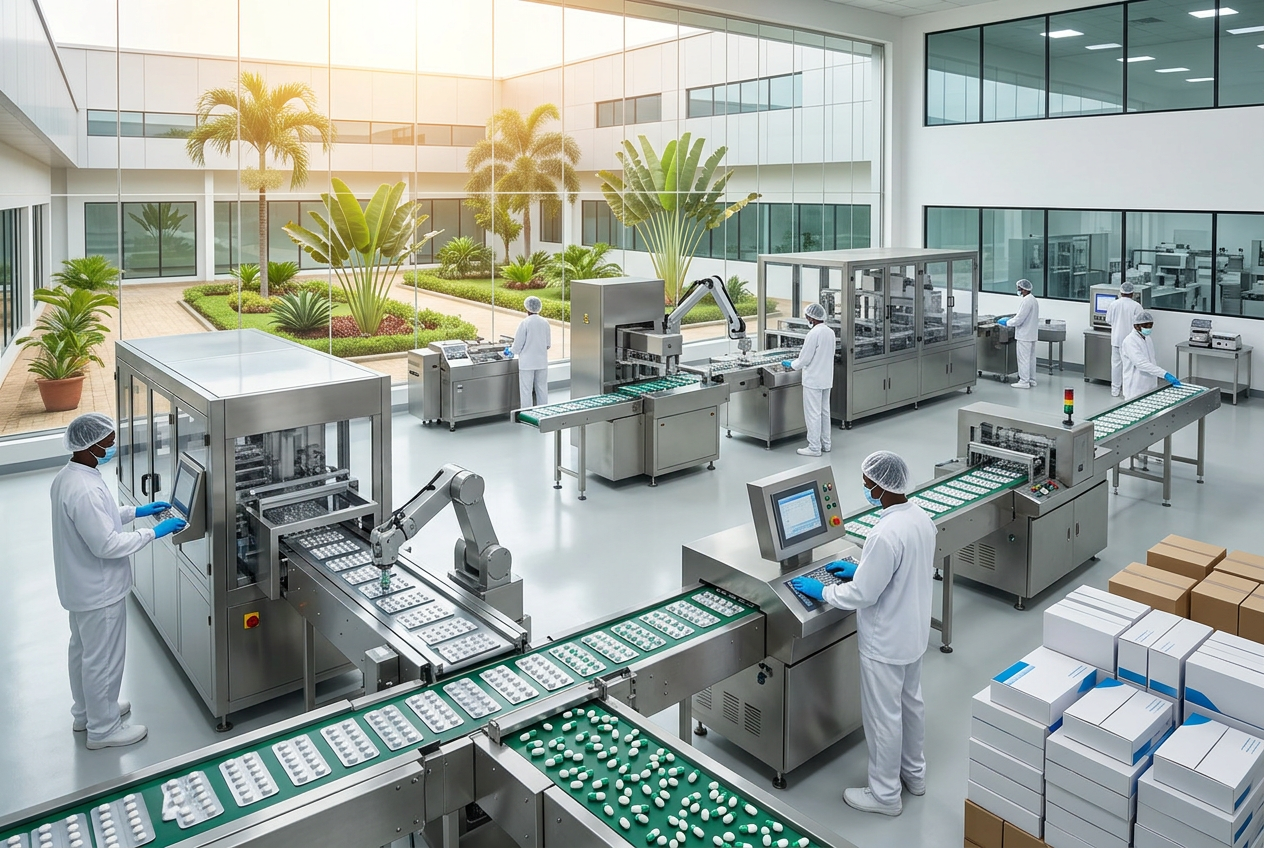
Conventional drugs (small molecules) hold 85.7% of market share, making tablet and capsule production lines the highest-priority investment for Nigerian pharma manufacturers. -
Medical Consumables Manufacturing
Growing hospital infrastructure and blood banking services are creating demand for locally assembled vacuum blood collection tubes, syringes, and blood bags to reduce import dependence.
Local Experience, Reliable Execution
-
Proven Africa delivery track record — 2,500+ production lines deployed in 60+ countries, with deep experience across West and Sub-Saharan African markets.
-
NAFDAC & WHO GMP alignment — All systems pre-engineered to meet WHO GMP, EU GMP, and PIC/S standards, supporting Nigerian manufacturers pursuing NAFDAC’s Maturity Level 3 (ML3) regulatory framework aligned with WHO international standards.
-
Full turnkey capability — From consulting and process design through equipment manufacturing, cleanroom construction, utility installation, validation, technology transfer, and operator training — one partner, one contract.
-
Customized for Nigeria’s priorities — Solutions tailored to Nigeria’s high-burden therapeutic areas (antimalarials, antibiotics, antidiabetics, cardiovascular drugs) and NAFDAC regulatory requirements.
Selected Products for This Market
-
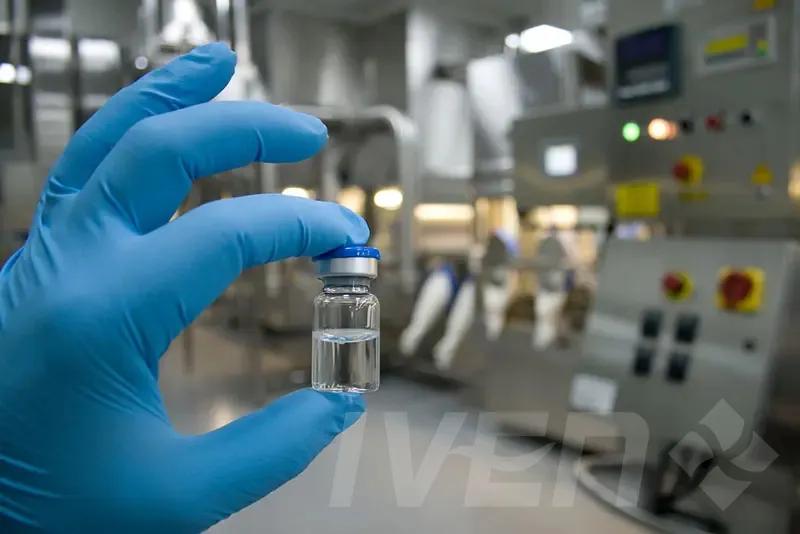
Injectable Vial Turnkey Plant
Product Description: IVEN Pharmatech is the pioneer supplier of turnkey plants that provides integrated engineering solution for worldwide pharmaceutical factory such as IV solution, vaccine, oncology etc., in compliance with EU GMP, US FDA cGMP, PICS, and WHO GMP. We provide the most reasonable project design, the high quality equipment and the customized service to… -
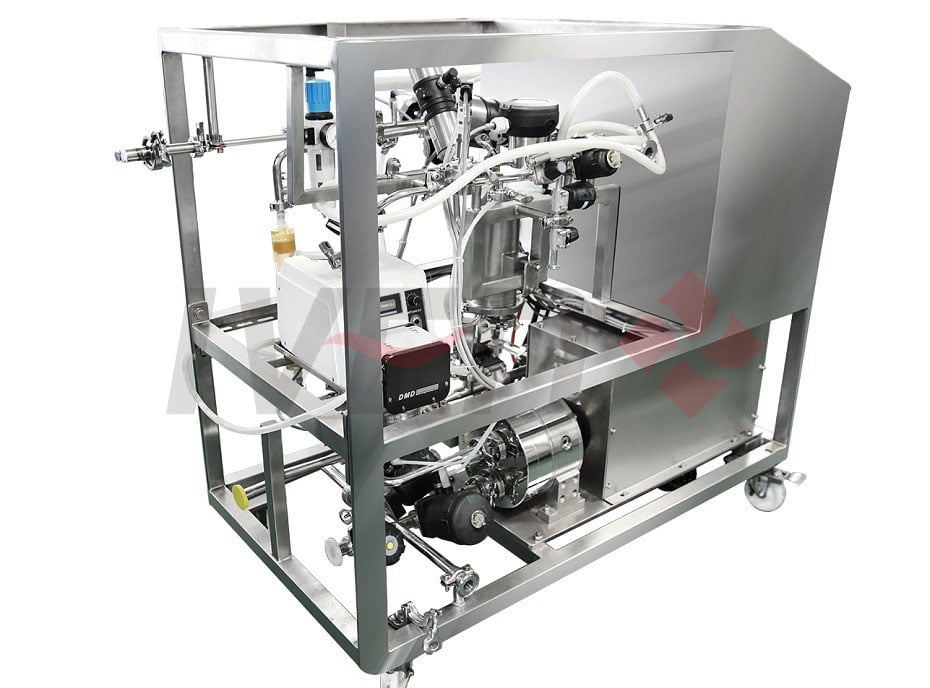
Ultrafiltration/Deep Filtration/Detoxification Filtration Equipment
Product Detail Introduction IVEN provides biopharmaceutical customers with engineering solutions related to membrane technology. Ultrafiltration/deep layer/virus removal equipment is compatible with Pall and Millipore membrane packages. The system design is compatible and can also be customized according to customer requirements. , The design follows the ASME-BPE code, which can reduce the residue of the liquid… -
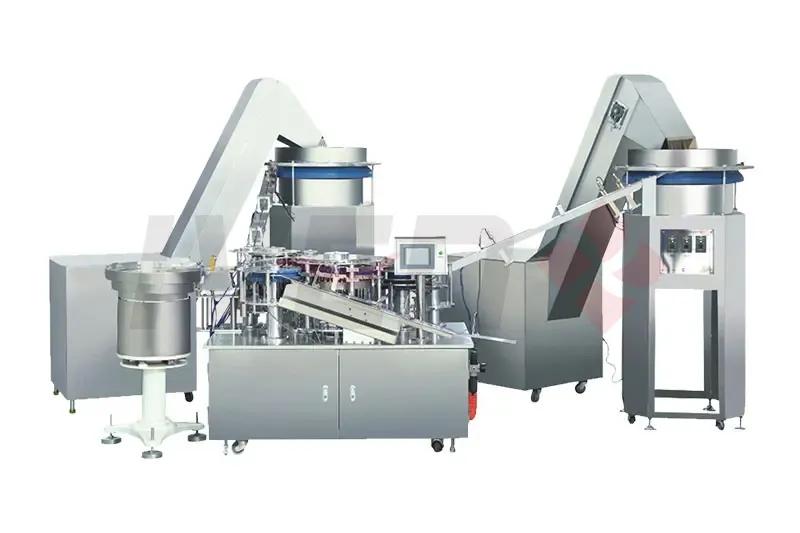
Syringe Assembling Machine
Product Detail Syringe Assembling Machine Our Syringe Assembling Machine is used for assembling syringe automatically. It can produce all kinds of syringes, including luer slip type, luer lock type, etc. Our Syringe Assembling Machine adopts LCD display to display the feeding speed, and can adjust the assembly speed separately, with electronic counting. High efficiency, low… -
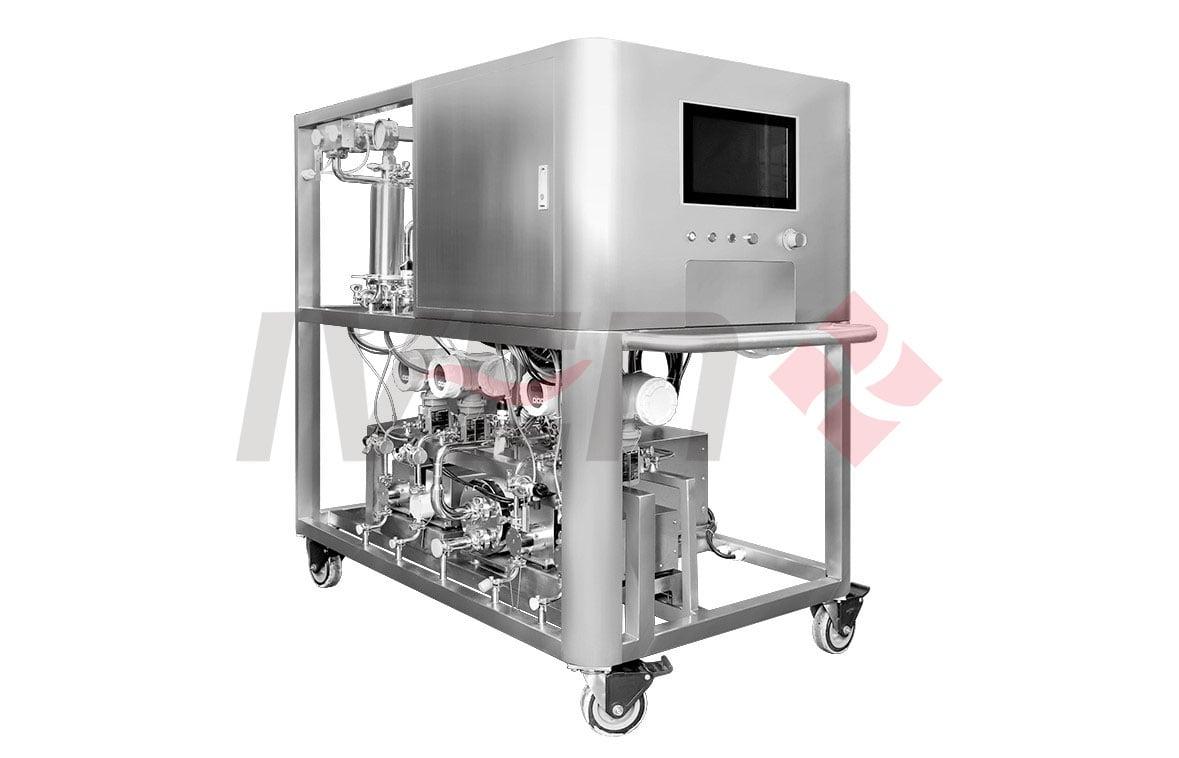
Online Dilution & Online Dosing Equipment
Product Detail Introduction A large amount of buffers are needed in the downstream purification process of biopharmaceuticals. The accuracy and reproducibility of the buffers have a great impact on the protein purification process. The online dilution and online dosing system can combine a variety of single-component buffers. The mother liquor and the diluent are mixed…
Meeting Local Standards with Reliable Delivery
Compliance & Certification
Logistics & Delivery
Success Snapshot
-
Leading Generic Pharma Manufacturer
Delivered a complete oral solid dosage turnkey plant including tablet line, capsule filling line, purified water system, cleanroom, and blister packaging. The facility passed NAFDAC GMP inspection on first audit and achieved annual output of 500 million tablets and 120 million capsules, enabling the client to supply 8 essential generic products for the domestic market.
-
Medical Device Company
Supplied an integrated vacuum blood collection tube assembly line with automated additive dispensing, labeling, and quality inspection. Production reached 80 million tubes annually within the first year, reducing the client’s import costs by over 40% and meeting NAFDAC medical device registration standards.
Trusted by Local Customers
-
“IVEN understood our regulatory environment from the start. They delivered our entire OSD factory — equipment, cleanroom, water system, and packaging — under one contract. We passed NAFDAC inspection without a single critical finding and were in commercial production within
Mr. A
Managing Director
-
“Their blood collection tube line runs at consistently high quality with rejection rates below 0.5%. The technology transfer and staff training meant our Nigerian operators were fully independent within weeks of commissioning.”
Dr. O
Technical Director
FAQ
Related Market Solutions
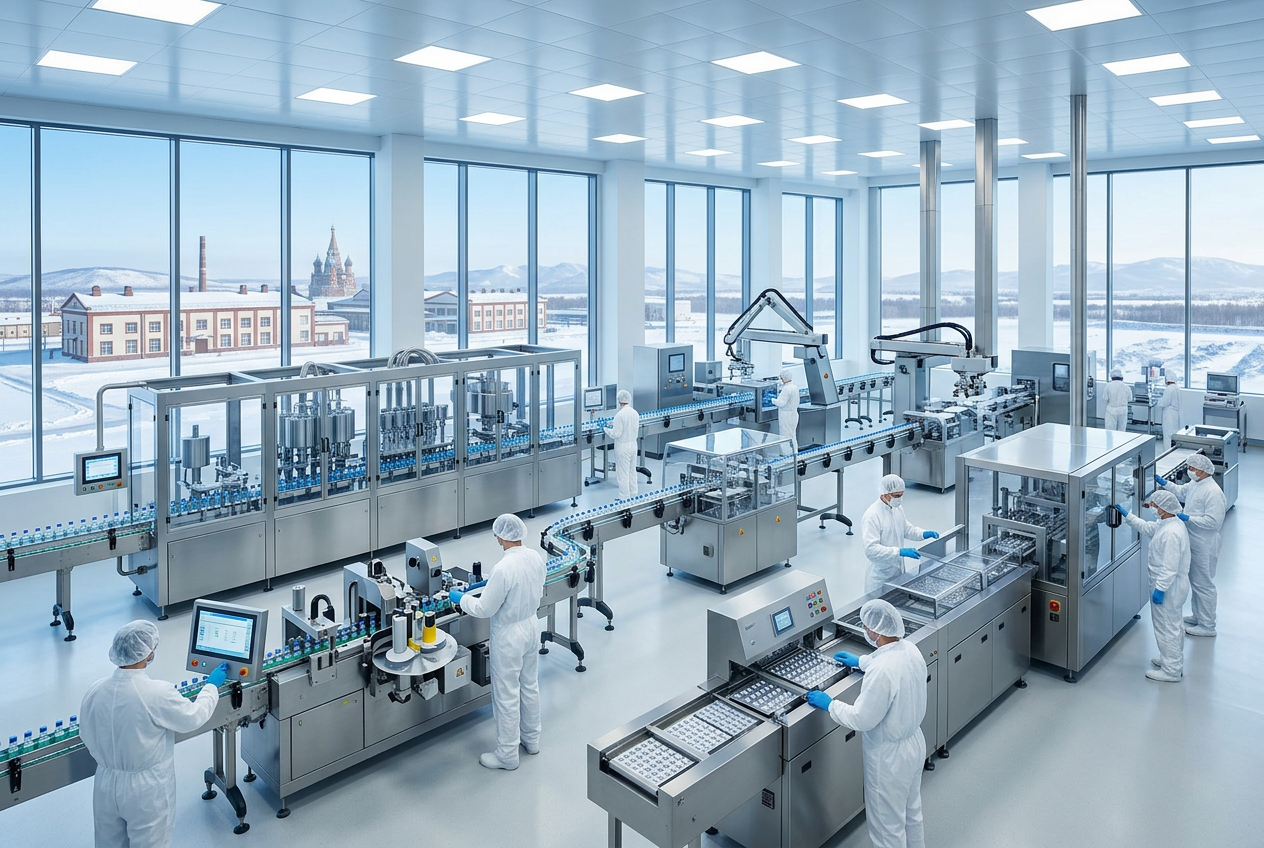
Pharmaceutical Production Lines & Turnkey Factory Solutions for Russia
From IV solution filling lines and OSD plants to injectable systems, biologics equipment, and cleanroom engineering — GMP-compliant manufacturing infrastructure built to support Russia’s Pharma 2030 import substitution and full-cycle localization strategy.