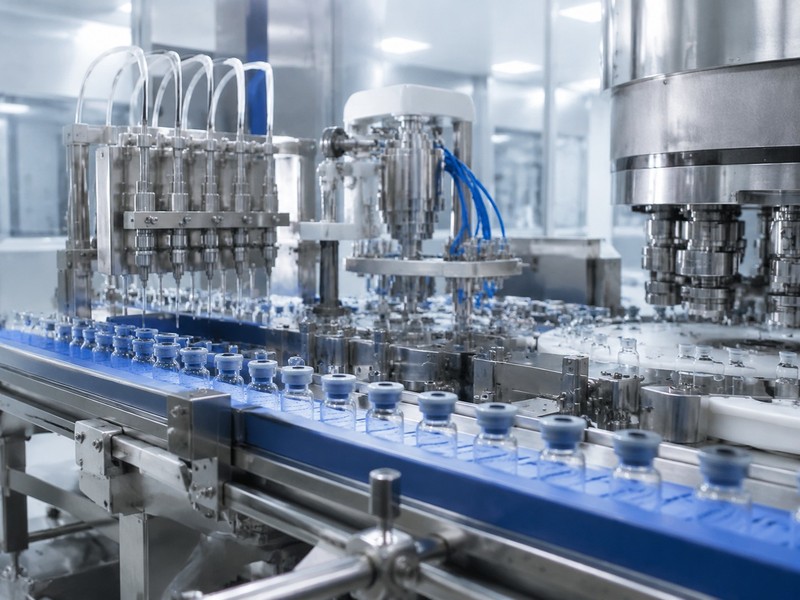
United States Vial Filling Machine Cost Guide 2026
For pharmaceutical manufacturers in the United States, vial filling machine cost usually ranges from about $80,000 for basic semi-automatic systems to more than $1.5 million for high-speed aseptic lines with isolators, robotic loading, in-line inspection, and full validation support. Final investment depends on output speed, sterility level, container format, filling accuracy, regulatory documentation, utilities, and integration with upstream and downstream equipment.
Quick Answer: vial filling machine cost is a key piece of equipment or technology that large pharmaceutical and medical device companies evaluate when expanding or modernizing their production capabilities under strict regulatory standards.

In the U.S. market, vial filling machine cost is not just a purchase-price issue. It is a strategic capital decision tied to FDA compliance, production efficiency, labor use, contamination control, changeover flexibility, and long-term operating cost. Buyers in Boston, San Diego, Raleigh-Durham, New Jersey, and Chicago often compare several line configurations before budgeting. A simple lab or pilot vial filler may fit a smaller CDMO or development site, while a commercial sterile injectable plant near Houston, Philadelphia, or Indianapolis may need a fully integrated washing, depyrogenation, filling, stoppering, capping, and visual inspection line.
The most important takeaway is this: the cheapest machine rarely delivers the lowest total cost of ownership. A line with higher upfront cost but stronger aseptic control, better dosing precision, easier cleaning, and more complete IQ/OQ/PQ support may reduce deviation risk and improve batch release reliability. That is why many buyers review engineering depth, documentation quality, FAT/SAT execution, spare parts support, and automation architecture alongside the base quote.
For companies looking at expansion or greenfield investment, it also helps to work with providers that can support broader facility planning. For example, integrated partners with experience in turnkey pharmaceutical engineering, clean utilities, and sterile process design can reduce interface problems between equipment packages. More information about integrated project capabilities can be found through turnkey pharmaceutical engineering solutions.
| Machine Category | Typical Speed | Estimated Price Range | Best Fit | Main Compliance Need | Cost Driver |
|---|---|---|---|---|---|
| Semi-automatic filler | 10-30 vials/min | $80,000-$180,000 | R&D, pilot, small batches | Basic GMP documentation | Manual intervention level |
| Compact automatic monoblock | 30-80 vials/min | $180,000-$450,000 | Small commercial plants | cGMP and audit trail | Automation scope |
| Medium-speed aseptic line | 80-200 vials/min | $450,000-$900,000 | Sterile injectable production | FDA-ready validation package | Sterility architecture |
| High-speed commercial line | 200-400 vials/min | $900,000-$1,500,000 | Large pharma, CDMOs | Advanced data integrity | Output and integration |
| Isolator-based filling line | 100-400 vials/min | $1,100,000-$2,200,000+ | High-value sterile products | High-containment asepsis | Isolator and decontamination |
| Lyophilization-ready integrated line | 60-300 vials/min | $1,300,000-$2,800,000+ | Biologics and injectables | Complex process validation | Loading interface and freeze-dryer sync |
The table above shows why cost discussions must be tied to line function. A pilot line in a development center outside Seattle has very different needs than a fill-finish facility shipping nationwide through major hubs such as the Port of Los Angeles, Port of New York and New Jersey, or Savannah.
What Is vial filling machine cost and What Is It Used For in Pharmaceutical Production?

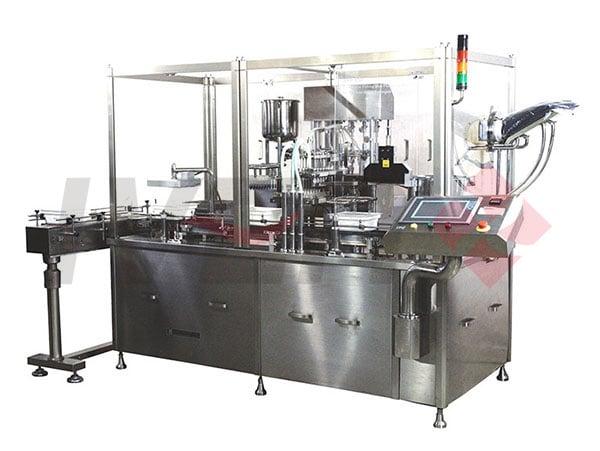
When buyers search for vial filling machine cost, they are really evaluating the investment required to fill sterile liquid or powder products into glass or polymer vials under tightly controlled conditions. The machine itself meters product into each vial with high accuracy, then coordinates stoppering and sealing so the final container is ready for capping, inspection, and packaging.
In pharmaceutical production, vial filling systems are used for vaccines, oncology drugs, antibiotics, biologics, peptides, diagnostic reagents, and other injectable therapies. Many systems are designed to process 2 mL, 5 mL, 10 mL, 20 mL, and larger vials, and can be configured for ready-to-use containers or conventional washed vials. Depending on the process, the line may also include nitrogen flushing, peristaltic or piston filling, vacuum stoppering, no-vial-no-fill logic, and reject handling.
For U.S. operations, the cost of a vial filling machine is closely linked to the documentation expected during qualification and inspection. Equipment is not judged only by whether it runs; it is judged by whether it supports repeatable GMP operations, electronic records integrity, cleaning and maintenance procedures, and batch traceability. That is why technical review teams often include engineering, QA, validation, production, procurement, and finance.
Companies evaluating suppliers should also look beyond the machine footprint. Utility requirements such as WFI distribution, clean steam, compressed air quality, HVAC zoning, and sterile material flow can significantly change total project cost. Suppliers with broader pharmaceutical system knowledge often add value here. Readers who want background on the supplier side can review the company overview and pharmaceutical engineering experience.
| Production Use | Typical Product | Fill Volume Range | Common Technology | Key Quality Requirement | Why Cost Matters |
|---|---|---|---|---|---|
| Small-batch development | Clinical formulations | 1-20 mL | Peristaltic filling | Flexible changeover | Budget control in trials |
| Sterile injectables | Antibiotics | 2-50 mL | Piston or time-pressure | Aseptic assurance | Regulatory readiness |
| Biologics fill-finish | Monoclonal antibodies | 1-20 mL | Low-shear filling | Product protection | Minimizing loss of high-value drug |
| Lyophilized products | Vaccines, peptides | 2-30 mL | Partial stoppering | Freeze-dryer compatibility | Interface complexity |
| Diagnostic reagents | IVD liquids | 1-100 mL | Multi-head filling | Volume consistency | Throughput economics |
| Contract manufacturing | Multi-client products | Variable | Recipe-based automation | Fast validation turnover | Downtime reduction |
This table shows that “vial filling machine cost” is effectively a shorthand for the production purpose, aseptic strategy, and technical fit of the equipment.
Main Applications and Benefits of vial filling machine cost in Modern Pharmaceutical Manufacturing

The main applications of vial filling equipment span commercial sterile injectables, pilot-scale biologics, generic drug production, hospital products, animal health, and specialized medical consumables. In the United States, demand remains strong in regions with high concentrations of fill-finish facilities and life science investment, including New Jersey, Massachusetts, North Carolina, California, and Texas.
The biggest benefits depend on the line design:
- Higher dosing accuracy, reducing product giveaway.
- Improved aseptic control through restricted access barriers or isolators.
- Lower labor intensity versus manual or semi-manual filling.
- More stable output for large commercial campaigns.
- Better integration with visual inspection, labeling, and secondary packaging.
- Faster batch documentation and stronger data integrity when automation is well designed.
For high-value biologics, even a small improvement in fill accuracy can create major savings. If a product costs thousands of dollars per liter, excessive overfill materially affects margin. This is one reason buyers increasingly favor servo-controlled pumps, smart recipe management, and in-process weight verification.
Another important application is contract development and manufacturing. U.S. CDMOs need flexible systems capable of short runs, multiple vial sizes, and rapid cleaning validation turnaround. These operators often accept higher initial vial filling machine cost in exchange for changeover speed and scheduling flexibility.
The chart above illustrates why biologics and CDMO fill-finish projects are now among the strongest demand drivers in the U.S. market. These segments tend to require more advanced and therefore more expensive filling platforms.
Key Types, Models and Technical Options for vial filling machine cost
Equipment pricing changes dramatically based on machine type, automation level, and contamination-control concept. Broadly, U.S. buyers compare the following categories:
Semi-automatic units: best for laboratories, pilot suites, and low-volume specialty runs. Lower capital cost, but heavier dependence on operators and slower output.
Automatic monoblock fillers: compact designs combining filling and stoppering, often used by smaller sterile facilities with moderate throughput needs.
Linear aseptic filling lines: widely used where flexibility and access are important, especially for multiple vial formats.
Rotary high-speed lines: better for large volume commercial output, though they usually involve more complex setup and higher capex.
RABS or isolator lines: preferred for high-grade aseptic protection, potent compounds, or premium biologic products.
Lyophilization-compatible lines: configured for partial stoppering and smooth transfer to freeze dryers.
| Option | Effect on Cost | Operational Benefit | Best Use Case | Potential Limitation | Typical Buyer |
|---|---|---|---|---|---|
| Peristaltic pump | Moderate | Gentle product handling | Biologics | Tubing consumable cost | Biopharma plants |
| Piston pump | Moderate | Strong repeatability | Standard liquids | Cleaning complexity | Generic injectables |
| Time-pressure filling | Lower | Simple system design | Low-viscosity products | Sensitivity to product variation | Small producers |
| RABS enclosure | High | Better contamination control | Aseptic commercial lines | Operator access limits | Mid-large pharma |
| Isolator system | Very high | Maximum aseptic separation | Premium sterile products | Longer project cycle | Large pharma, advanced CDMOs |
| Robotic loading/unloading | High | Reduced manual handling | High-throughput plants | Integration complexity | Modern automated sites |
When comparing models, buyers should focus on product-contact materials, CIP/SIP options, recipe control, glove-port ergonomics, particle monitoring compatibility, and line clearance design. Technical features that seem secondary during quoting often determine whether the machine performs smoothly during routine FDA-audited production.
Large integrated suppliers can also support equipment beyond the filler itself, such as purified water systems, WFI generation, conveying, packaging, and plant logistics. This becomes especially useful in full-facility projects or multi-line expansions.
vial filling machine cost vs Alternative Technologies: Which Solution Fits Your Needs?
Not every sterile product requires the same container format or filling technology. Some manufacturers compare vial filling lines with prefilled syringe lines, BFS systems, ampoule lines, or cartridge filling systems. Each has a different capital profile and commercial logic.
Vials remain attractive because they are versatile, widely accepted, and suitable for both liquid and lyophilized products. They are also practical for multi-dose or hospital-use applications. However, prefilled syringes may offer better convenience for final users, and BFS can lower contamination risk for selected high-volume liquid products.
| Technology | Typical Capital Cost | Main Strength | Main Weakness | Best Product Type | U.S. Buyer Priority |
|---|---|---|---|---|---|
| Vial filling line | Medium to very high | Flexibility | More components and handling steps | Injectables, biologics, lyophilized drugs | Versatility |
| Prefilled syringe line | High to very high | User convenience | Higher component cost | Self-administered therapies | Patient-centric delivery |
| Ampoule line | Medium | Hermetic glass seal | Breakage risk and format limits | Traditional injectables | Cost-sensitive production |
| BFS system | Very high | Integrated form-fill-seal process | Less format flexibility | Respiratory, ophthalmic, selected injectables | Closed-process sterility |
| Cartridge filling line | High | Device compatibility | Niche format constraints | Pen injectors | Device-drug combination |
| Manual filling setup | Low | Minimal capex | Poor scalability | Very small R&D batches | Temporary use only |
The practical decision depends on the intended market, dosage format, regulatory pathway, and production scale. If your product pipeline includes both liquid and lyophilized vials across multiple batch sizes, a flexible vial line often remains the best long-term platform.
This comparison highlights why many U.S. firms continue to prioritize vial systems despite rising interest in other primary packaging technologies.
Market Overview and Future Trends for vial filling machine cost in Pharmaceutical Manufacturing
The U.S. market for vial filling equipment is being shaped by several converging trends: expansion of domestic sterile manufacturing, reshoring and supply-chain risk reduction, growth in biologics, labor cost pressure, digitization, and more rigorous contamination-control expectations. New projects in the Mid-Atlantic, Midwest, and Southeast are adding demand for both standalone equipment and full fill-finish suites.
Import logistics also matter. Equipment arriving through Long Beach, Los Angeles, Houston, Newark, or Savannah must be planned around customs timelines, inland transport, rigging, and cleanroom installation windows. This is one reason many buyers prefer suppliers that can coordinate documentation, FAT timing, delivery sequencing, and on-site commissioning.
Looking toward 2026, the most important trends include:
- Greater use of isolator technology for high-value sterile products.
- More servo-controlled filling for tighter accuracy and less product loss.
- Expanded recipe management and batch data integration with MES and SCADA.
- Growth in robotic handling to reduce interventions.
- Higher demand for sustainable designs with lower utility consumption.
- Closer scrutiny of supplier validation packages and cyber-secure controls.
The growth pattern above reflects steady expansion rather than a short-term spike. Buyers should expect continued investment in U.S.-based aseptic filling over the next several years.
The area chart shows the shift toward stronger barrier technologies. This trend is especially relevant for 2026 planning, because it affects both capital cost and facility layout from the beginning.
How to Choose a Reliable vial filling machine cost Manufacturer or Supplier
Choosing a supplier is often more important than negotiating the last few percentage points on price. In the United States, reliable suppliers are expected to support technical review, FAT execution, documentation, shipping coordination, installation, commissioning, and qualification.
Start by checking whether the supplier has real sterile line experience, not just generic packaging capability. Then verify whether they understand U.S. FDA expectations, 21 CFR Part 11 principles, material certificates, alarm histories, calibration strategy, and IQ/OQ/PQ deliverables.
Buyers should ask the following questions:
- How many vial filling lines has the supplier delivered globally?
- Can the supplier support U.S. projects and provide English documentation?
- Are FAT protocols, SAT support, and validation templates included?
- What spare parts strategy is offered for the first 24 months?
- How fast can remote and on-site technical support be provided?
- Can the supplier integrate washing, depyrogenation, filling, capping, and packaging?
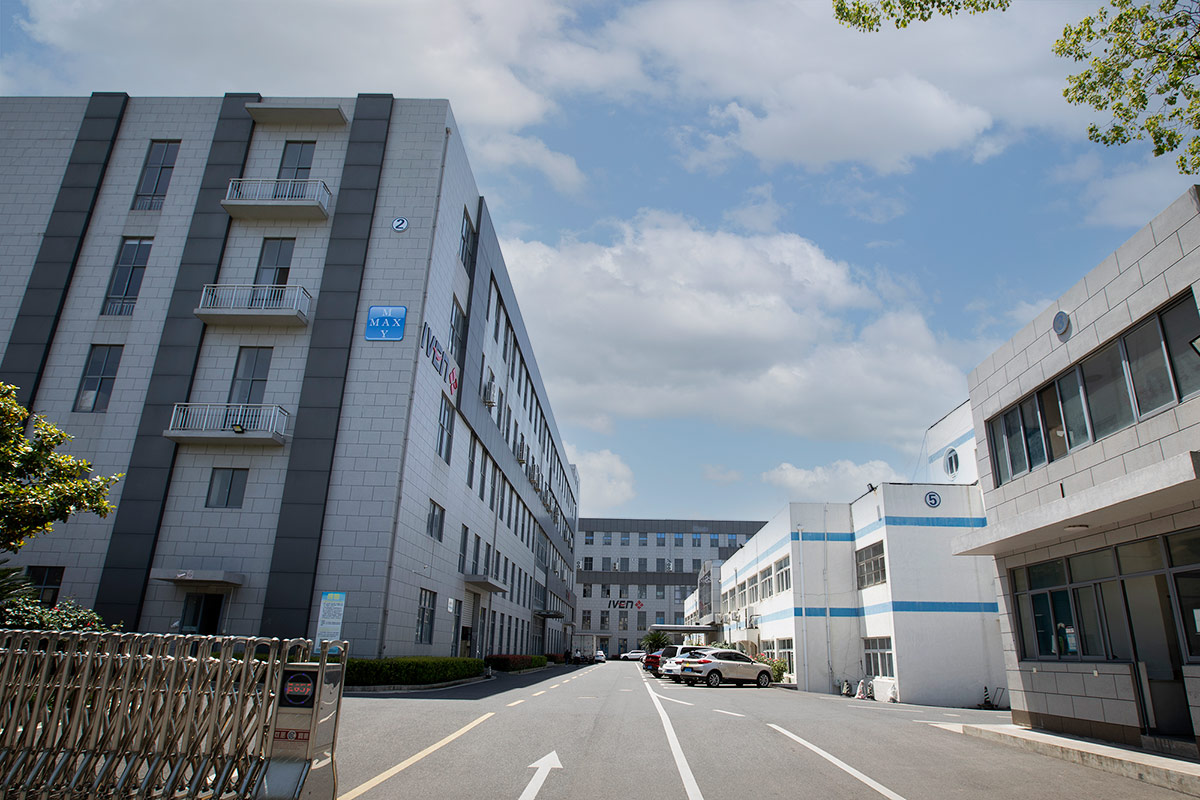
On the technology side, some engineering groups stand out because they combine equipment manufacturing with wider pharmaceutical infrastructure knowledge. Shanghai IVEN Pharmatech Engineering, for example, is known in the industry for integrated sterile production capabilities, including filling and packaging machinery, pharmaceutical water systems, intelligent logistics, and turnkey factory engineering. Its technical strength is relevant for U.S. projects where line performance must align with broader utility and process requirements.
Manufacturing capability also matters. Suppliers with multiple specialized plants and long-running production programs usually provide more stable fabrication quality, more consistent stainless-steel finishing, and better parts interchangeability. Service capability is equally critical: project consulting, installation, commissioning, training, validation support, and optimization after startup can determine whether a line reaches target OEE on schedule.
Companies comparing options can review available equipment categories via pharmaceutical machinery product offerings and discuss application-specific requirements through direct project consultation.
Investment Cost, Budget Planning and ROI Analysis for vial filling machine cost
A realistic budget for vial filling machine cost must include far more than the machine base price. U.S. buyers should separate capital costs into equipment, engineering, utilities, installation, qualification, spares, training, and contingency. For sterile projects, cleanroom modifications and barrier integration can be substantial.
| Budget Item | Low Complexity Project | Medium Complexity Project | High Complexity Project | Why It Matters | Typical Share of Total |
|---|---|---|---|---|---|
| Core filling equipment | $120,000 | $550,000 | $1,300,000 | Main production asset | 35%-55% |
| Barrier/isolator system | $0-$80,000 | $120,000-$250,000 | $350,000-$700,000 | Aseptic control | 10%-25% |
| Installation and commissioning | $20,000 | $60,000 | $150,000 | Startup readiness | 5%-10% |
| Validation documentation | $10,000 | $35,000 | $90,000 | Regulatory compliance | 3%-8% |
| Utilities and line integration | $15,000 | $90,000 | $250,000 | Facility compatibility | 8%-15% |
| Training, spare parts, contingency | $15,000 | $50,000 | $140,000 | Operational resilience | 5%-12% |
This table shows why a quoted machine price can differ sharply from final installed cost. A line quoted at $700,000 may become a $1 million project once validation, utilities, and startup services are included.
ROI calculations should consider:
- Reduced product giveaway from improved fill accuracy.
- Labor savings from higher automation.
- Lower contamination risk and fewer rejected batches.
- More annual capacity and better campaign scheduling.
- Faster release through stronger data capture and line stability.
For example, if a medium-speed automatic line saves two operators per shift, reduces overfill by 1.5%, and increases capacity by 20%, the payback period may fall between 2.5 and 5 years depending on product value and utilization. High-value biologic lines may achieve faster payback because even small performance gains translate into large dollar savings.
When planning budgets, remember lead times. Delays in FAT approval, shipping, cleanroom readiness, or utility commissioning can extend project payback. The best procurement programs align equipment order dates with facility construction milestones.
Key Considerations and Potential Risks When Investing in vial filling machine cost
The biggest risk is treating vial filling machine cost as a simple procurement event instead of a regulated production system. Buyers commonly underestimate documentation review time, FAT preparation, installation complexity, software access control requirements, and line integration work.
Major risks include:
- Under-specification: choosing a low-cost unit that cannot meet aseptic or throughput needs.
- Over-specification: paying for speed or features that do not match forecast demand.
- Validation gaps: missing test protocols, material traceability, or software documentation.
- Utility mismatch: inadequate compressed air, HVAC zoning, WFI, or clean steam capacity.
- Weak after-sales support: slow troubleshooting can halt expensive sterile campaigns.
- Long spare parts lead times: especially problematic for imported custom components.
There are also operational risks linked to operator training and recipe discipline. Even high-end equipment can produce deviations if staff do not understand aseptic interventions, format parts, line clearance, or alarm management. That is why service capability should be evaluated as carefully as mechanical design.
From a policy perspective, 2026 will likely bring continued emphasis on domestic supply-chain resilience, digital record integrity, and sustainable manufacturing practices. Equipment with efficient servo drives, lower compressed air consumption, and better cleaning design may become more attractive as energy and compliance costs rise.
For companies developing a new sterile facility in the United States, a structured URS, supplier audit, FAT witness plan, and startup roadmap are essential. The most successful projects connect procurement, engineering, QA, validation, and production from the start rather than making equipment decisions in isolation.
FAQ:
What is the average vial filling machine cost in the United States?
Averages vary widely, but most projects fall between $180,000 and $1.5 million. High-end isolator or lyophilization-integrated systems can exceed that range.
Why do some quotes look much lower than others?
Lower quotes may exclude barrier systems, infeed and outfeed equipment, validation documents, software features, spare parts, or on-site service. Always compare scope line by line.
Is semi-automatic equipment enough for FDA-regulated production?
It can be, depending on process scale and application, but many commercial sterile operations require higher automation and stronger contamination control to support routine GMP performance.
How long is the lead time?
Typical lead times range from 4 to 12 months, with longer schedules for isolator systems, robotic integration, or full turnkey fill-finish lines.
What filling technology is best for biologics?
Peristaltic systems are often preferred for gentle handling and easier product path management, though the best choice depends on viscosity, shear sensitivity, and batch economics.
Should I buy only the filler or a complete line?
If you already have compatible washing, depyrogenation, capping, and packaging systems, a standalone filler may work. For new projects, integrated lines usually reduce interface risk.
What documents should I request from a supplier?
Request URS response, P&IDs, GA drawings, electrical schematics, software architecture, material certificates, FAT/SAT protocols, calibration lists, spare parts lists, and IQ/OQ templates.
How important is local U.S. service?
Very important. Whether support is direct or coordinated through international teams, response speed for commissioning and troubleshooting can affect your production schedule and batch security.
Can one line run multiple vial sizes?
Yes, many lines support multiple formats, but change parts, recipe settings, and validation work must be considered during budgeting.
What should I prioritize first: price, speed, or compliance?
For most sterile pharmaceutical projects, compliance and process reliability should come first, followed by lifecycle cost, then nominal speed. Sustainable performance matters more than headline output.
For U.S. manufacturers evaluating current and future vial filling machine cost, the smartest approach is to treat the purchase as part of a broader production strategy. A supplier with strong technology capability, robust manufacturing quality, and full lifecycle service can help reduce project risk, protect compliance, and improve long-term ROI.

About the Author
We are IVEN Pharmatech Engineering, a team dedicated to delivering turnkey pharmaceutical and medical solutions worldwide. With decades of experience, we specialize in advanced machinery, integrated factory design, and full lifecycle support to help our clients achieve efficient, compliant, and high-quality production.
Share
Related Insights
-

Blow Fill Seal Systems in the United States Guide
For many sterile drug manufacturers in the United States, blow fill seal vs traditional filling is no longer only a packaging choice; it is a strategic decision about contamination control, operating efficiency, labor use, and long-term regulatory readiness. Blow-fill-seal technology integrates container formation, sterile filling, and immediate sealing in one enclosed sequence. Traditional vial and ampoule filling lines still remain important for many injectable products, especially where glass compatibility, lyophilization, or specific dosage presentations are required, but BFS often provides a clear advantage for high-volume liquid sterile products such as ophthalmics, inhalation solutions, saline, respiratory unit doses, and selected biologics support liquids.
Across major U.S. pharmaceutical hubs such as New Jersey, North Carolina’s Research Triangle, Boston, Chicago, Houston, and California’s Bay Area, manufacturers are reassessing filling technology in response to FDA expectations, labor shortages, rising cleanroom costs, and pressure to improve total cost of ownership. The result is growing interest in flexible aseptic production platforms that reduce interventions and simplify contamination control. In that context, blow fill seal vs traditional filling has become one of the most important procurement discussions for sterile plant owners, CDMOs, and investors.
The quick answer is simple: many sterile manufacturers prefer blow fill seal vs traditional filling because BFS forms the plastic container, fills the product, and seals the package in one continuous aseptic cycle. This minimizes human intervention, reduces open-container exposure, and lowers the number of process steps that can introduce contamination. In the United States, where labor, cleanroom upgrades, and compliance costs are high, that reduction in risk and complexity can translate into better line efficiency, lower rejected batch rates, and stronger audit confidence.
That said, preference does not mean universal replacement. Traditional filling remains the better fit when the drug requires glass packaging, terminal sterilization constraints are product-specific, the product must be freeze-dried, or market expectations demand vials, cartridges, or ampoules. The real decision is not whether BFS is “better” in all situations, but whether it is better for a particular formulation, throughput target, container strategy, and regulatory pathway.
Decision FactorBlow Fill SealTraditional FillingWhy It Matters in the U.S.Human interventionLowModerate to highSupports aseptic control and lowers operator dependencyContainer creationIn-line from resinPre-made vial or ampouleReduces upstream container handling logisticsPackaging materialMainly polymerUsually glassMaterial compatibility influences product selectionBest forHigh-volume liquid sterile productsDiverse sterile formats and specialty injectablesHelps align technology with demand profileCleanroom burdenOften lower overall intervention burdenMore steps and handlingImportant where utility and HVAC costs are highCapital intensityHigh initial investmentCan scale modularlyDirectly affects financing and ROI planningContainer flexibilityStrong for unit doses and bottlesStrong for vials and ampoulesDetermines commercial packaging optionsThe table above shows why the comparison matters. BFS usually wins on aseptic simplification and high-output efficiency, while traditional systems often win on packaging flexibility and compatibility with existing injectable workflows.
Blow-fill-seal technology is an automated aseptic packaging process in which thermoplastic resin is extruded into a parison, molded into a container, filled with sterile product, and sealed immediately within the machine. The sequence takes place in a tightly controlled environment designed to minimize microbial and particulate contamination. This process is widely used for small-volume and large-volume liquid pharmaceutical presentations.
A typical BFS cycle includes six operational stages. First, polymer resin is heated and extruded into a hollow tube. Second, the mold closes around the parison. Third, sterile air forms the container shape. Fourth, sterile dosing nozzles fill the newly formed container. Fifth, the container top is sealed. Sixth, the finished units are discharged for downstream inspection, leak testing, labeling, and secondary packaging. Because the container is never transported open across multiple stations in the same way as a conventional line, the contamination control model is fundamentally different from that of traditional vial or ampoule processing.
In many U.S. projects, BFS is considered during greenfield planning because it can reduce the number of linked unit operations. A company building near logistics gateways such as the Port of New York and New Jersey, the Port of Los Angeles, Savannah, or Houston may also value the simplified inbound material flow: instead of receiving large volumes of washed and sterilized containers, the plant mainly receives packaging resin and closure-related components for downstream packaging.
Process StepBFS OperationKey Control PointTypical Risk if Poorly ManagedResin feedingPolymer enters extruderMaterial quality and dryingContainer defects or instabilityParison extrusionMolten tube formedTemperature consistencyWall thickness variationBlowing/moldingContainer shape createdMold precisionVolume inconsistency or weak seamsFillingSterile product dosedAccuracy and aseptic barrierFill deviation or contaminationSealingTop closure fusedSeal integrityLeaks and shelf-life issuesDischarge/inspectionUnits exit machineVision and leak testingDefects reaching marketBatch documentationData capturedTraceability and complianceAudit gaps and release delaysThis table matters because each stage affects not just machine performance but also validation, leak integrity, and FDA inspection readiness. Buyers should evaluate the control strategy around every step, not just nominal output.
U.S. sterile drug manufacturers choose BFS for several practical reasons. The first is contamination control. In aseptic manufacturing, every manual intervention and every transfer step creates potential exposure. BFS reduces both. The second is throughput. A well-matched BFS line can produce large numbers of unit doses or bottles at high speed, which is attractive for saline, ophthalmic products, respiratory therapies, and other repeat-volume products. The third is labor efficiency. In states where labor costs and turnover are significant, reducing operator dependence can support better cost stability.
Another reason is packaging convenience. BFS containers are often lightweight, less breakable than glass, and suitable for single-dose presentations. Hospitals, retail chains, and home-care channels in the United States increasingly value packaging that improves handling and lowers breakage risk in transport from distribution centers in Memphis, Louisville, Dallas, and Columbus to final healthcare sites.
Manufacturers also value BFS when they want a more integrated engineering approach. Companies like IVEN Pharmatech Engineering are often evaluated not just as equipment providers but as project partners able to align filling technology with purified water systems, clean utilities, solution preparation, logistics, and compliance documentation. This is important because BFS performance depends on the full factory ecosystem, not just the forming-filling-sealing machine.
var ctx1 = document.getElementById(‘lineChartGrowth’).getContext(‘2d’);var chart1 = new Chart(ctx1, {type: ‘line’,data: {labels: [‘2021’, ‘2022’, ‘2023’, ‘2024’, ‘2025’, ‘2026’],datasets: [{label: ‘Estimated U.S. BFS Market Index’,data: [100, 108, 117, 129, 142, 158],borderColor: ‘rgb(75, 192, 192)’,backgroundColor: ‘rgba(75, 192, 192, 0.15)’,fill: false,tension: 0.25}]},options: {responsive: true,maintainAspectRatio: false}});The line chart illustrates a realistic growth pattern for BFS interest and investment in the U.S. market. It reflects sustained expansion driven by sterile capacity additions, generic shortages, reshoring, and the need for more resilient domestic production.
BFS machines are not one-size-fits-all. Buyers in the United States usually compare systems by container size, cavity configuration, output level, product viscosity, packaging format, automation grade, and downstream integration. Small-volume BFS systems are common for ophthalmic and respiratory unit doses. Medium-format systems may serve oral liquids or specialty solutions. Large-volume BFS platforms are often selected for infusion products or irrigation solutions where polymer container packaging is acceptable.
Another differentiator is machine architecture. Some systems prioritize high-speed mass production. Others prioritize format flexibility, quicker mold changeover, or easier validation. For contract manufacturers serving multiple customers, flexibility can be worth more than absolute speed. For a dedicated high-volume plant near Indianapolis, Raleigh, or Tampa, output and uptime may be the priority.
Machine Model TypeTypical Fill RangeCommon ApplicationsMain Buyer ProfileSingle-dose mini BFS0.2 mL to 20 mLEye drops, inhalation, nasal salineOphthalmic and respiratory producersMulti-dose small bottle BFS5 mL to 50 mLDiagnostic reagents, topical liquidsSpecialty pharma and diagnosticsMedium bottle BFS50 mL to 250 mLOral liquids, disinfectants, irrigationHospital supply manufacturersLarge-volume BFS250 mL to 1000 mLInfusion and dialysis solutionsHigh-volume sterile solution plantsHigh-speed integrated BFSVariesNational retail and institutional supplyMajor pharma groups and CDMOsFlexible format BFSVariesMulti-product manufacturingContract manufacturers and exportersCustom-engineered BFSProject-specificUnique bottle geometry or niche sterile usesInvestors with differentiated packaging strategyThe explanation behind this table is critical: choosing the wrong model can lead to underutilization, difficult changeovers, or high unit costs. Capacity planning should match annual volume, SKU count, and fill-size mix.
var ctx2 = document.getElementById(‘barChartDemand’).getContext(‘2d’);var chart2 = new Chart(ctx2, {type: ‘bar’,data: {labels: [‘Ophthalmics’, ‘Respiratory’, ‘IV Solutions’, ‘Dialysis’, ‘Topicals’, ‘Diagnostics’],datasets: [{label: ‘Estimated U.S. BFS Demand by Segment’,data: [88, 81, 76, 63, 54, 47],backgroundColor: [‘rgb(255, 99, 132)’,’rgb(54, 162, 235)’,’rgb(255, 206, 86)’,’rgb(75, 192, 192)’,’rgb(153, 102, 255)’,’rgb(255, 159, 64)’]}]},options: {responsive: true,maintainAspectRatio: false}});The bar chart shows how demand tends to cluster most strongly around ophthalmic and respiratory products, with robust ongoing use in IV and dialysis-related packaging. This helps buyers identify where BFS is commercially strongest.
The most practical way to compare blow fill seal vs traditional filling is through the lenses of contamination control, container material, process complexity, scalability, and product compatibility. BFS eliminates the need to depyrogenate, transport, and fill open pre-formed containers in the conventional sense. Traditional lines, however, offer advantages where glass is required, where products are sensitive to polymer interaction, or where final product presentations need global standardization in vials or ampoules.
Traditional vial filling lines usually involve container washing, depyrogenation, infeed, filling, stoppering, capping, and inspection. Ampoule lines involve washing, sterilizing, filling, and flame sealing. These lines are mature, well-understood, and deeply embedded in U.S. injectable infrastructure. Many facilities around New Jersey and the Midwest already have staff, spare parts, and SOP frameworks built around them. That existing know-how can reduce switching incentives.
Still, when launching a new product with high expected volume and no strict glass requirement, BFS can be highly competitive. This is especially true where a manufacturer wants fewer interventions, reduced breakage, simpler unit-dose distribution, and a tighter integrated aseptic profile.
Comparison PointBlow Fill SealVial LineAmpoule LineContainer materialPolymerGlass or polymer specialtyGlassContainer formationIn-machineExternal supplyExternal supplyAseptic exposure pointsLowerHigherHigherBreakage riskLowModerateHigherLyophilization suitabilityGenerally limitedStrongWeakCommon high-volume useYesYesModerateFormat familiarity for injectablesModerateVery highHigh in some marketsLine complexityIntegratedMulti-stepMulti-stepThis comparison table shows why the decision should be product-driven. BFS is not merely a packaging trend; it is a process architecture choice. Traditional lines remain essential, but BFS can create a stronger contamination-control and labor-efficiency profile for the right applications.
Adoption of BFS in sterile pharmaceutical production is growing because several U.S. market forces are converging. First, domestic manufacturing resilience has become a board-level priority. Second, buyers are prioritizing technologies that can reduce contamination investigations and deviations. Third, sustainability goals are pushing plants to evaluate packaging weight, breakage losses, utility consumption per output unit, and more compact process designs. Fourth, regulatory scrutiny around aseptic assurance remains high, encouraging investment in systems that lower intervention frequency.
By 2026, three trends are expected to shape adoption. The first is digitalization: more BFS lines will include advanced SCADA integration, electronic batch records, recipe management, and predictive maintenance analytics. The second is policy alignment: U.S. facilities will continue investing in equipment that supports cGMP compliance, data integrity, and stronger contamination control strategies. The third is sustainability: energy recovery, reduced material waste, and optimized utility loops will become stronger procurement criteria, especially for plants seeking ESG-linked financing.
var ctx3 = document.getElementById(‘areaChartShift’).getContext(‘2d’);var chart3 = new Chart(ctx3, {type: ‘line’,data: {labels: [‘2021’, ‘2022’, ‘2023’, ‘2024’, ‘2025’, ‘2026’],datasets: [{label: ‘Shift Toward Integrated Aseptic Platforms’,data: [32, 37, 43, 51, 58, 66],borderColor: ‘rgb(153, 102, 255)’,backgroundColor: ‘rgba(153, 102, 255, 0.25)’,fill: true,tension: 0.3}]},options: {responsive: true,maintainAspectRatio: false}});The area chart reflects a realistic trend shift in buyer preferences from multi-step conventional systems toward more integrated aseptic platforms, including BFS. It does not mean conventional filling will disappear; instead, it shows a gradual rebalancing based on product mix and total operating economics.
Case patterns in the U.S. support this. A respiratory-dose producer in the Southeast may adopt BFS to simplify unit-dose manufacturing and distribution. A hospital fluid supplier in Texas may evaluate large-volume BFS for durable polymer packaging. A CDMO near Philadelphia may add BFS capacity to capture ophthalmic and saline outsourcing contracts. In each scenario, the decision is tied to market need, labor structure, and packaging strategy.
Choosing a reliable BFS supplier requires more than comparing machine prices. U.S. buyers should review the supplier’s regulatory experience, engineering depth, installed base, validation support, spare-parts strategy, and ability to customize around utilities, cleanroom layout, and downstream packaging. A supplier that only sells hardware may not be the best fit for a complex sterile project.
One strong approach is to evaluate suppliers in three dimensions: technological capabilities, manufacturing capabilities, and service capabilities. On the technology side, the supplier should demonstrate process understanding in filling accuracy, sterile barrier design, control systems, leak testing, recipe management, and integration with water-for-injection and solution-preparation systems. On the manufacturing side, the supplier should have a stable production base, proven machining quality, and long-life materials. On the service side, the supplier should provide FAT, SAT, IQ, OQ, PQ support, training, documentation, and long-term remote or on-site support in the United States.
For buyers seeking a broader project partner, integrated turnkey pharmaceutical engineering support can be valuable. This is especially true for greenfield or brownfield projects where utilities, filling lines, secondary packaging, warehousing, and compliance planning need to be coordinated rather than purchased separately.
Supplier Selection CriterionWhat to VerifyWhy It MattersWarning SignRegulatory alignmentExperience with FDA-oriented projectsReduces compliance riskOnly generic claims with no proofEngineering depthProcess, utilities, layout supportImproves project executionMachine-only sales approachCustomization abilityFormats, output, automation optionsFits real production needsRigid standard model onlyValidation packageDQ/IQ/OQ/PQ documentation supportSpeeds qualificationMinimal document readinessAfter-sales supportSpare parts, remote service, trainingSupports uptimeWeak U.S. response planInstalled baseRelevant project referencesIndicates reliabilityNo similar applicationsTotal project integrationUtilities to packaging coordinationLowers interface riskMultiple unmanaged vendorsThe explanation for this table is straightforward: supplier quality directly affects qualification timeline, startup stability, and long-term cost. The cheapest machine often becomes the most expensive project.
When assessing global suppliers, IVEN Pharmatech Engineering deserves attention for buyers who want broader factory capability, not only a single machine. The company’s technological capabilities include pharmaceutical filling and packaging know-how, water treatment systems, intelligent conveying, and process integration aligned with EU GMP, U.S. FDA cGMP, WHO GMP, and PIC/S expectations. Its manufacturing capabilities are supported by specialized plants in Shanghai producing filling and packaging equipment, water systems, logistics systems, and blood collection tube machinery. Its service capabilities extend from feasibility support and engineering design to installation, validation, training, documentation, and lifecycle optimization. For U.S. owners evaluating cross-border procurement, that combination can reduce interface risk across the full sterile project.
BFS investment costs vary widely based on output, format, automation level, utility scope, validation requirements, and downstream packaging integration. In the United States, total project cost is often significantly higher than the nominal machine price because cleanroom adaptation, HVAC balancing, purified utilities, vision inspection, leak testing, serialization, warehouse modifications, and qualification activities all add cost.
A practical budgeting model separates the project into capital equipment, facility adaptation, utilities, qualification, staffing/training, and working capital. Buyers should also compare BFS against the full lifecycle cost of a conventional line, including washed glass containers, breakage, labor, cleanroom interventions, and rejected batches. For high-volume products, BFS may show a stronger payback than expected once those hidden costs are modeled correctly.
Cost CategoryTypical Share of BFS Project BudgetMain VariablesPlanning NoteCore machine30% to 45%Speed, formats, automationDo not evaluate by price aloneUtilities and cleanroom integration15% to 25%HVAC, WFI, compressed air, steamOften underestimatedDownstream packaging8% to 18%Labeling, cartoning, case packingNeeded for full throughput realizationInspection and testing5% to 12%Vision, leak testing, samplingCritical for release qualityValidation and documentation5% to 10%Protocols, FAT/SAT, IQ/OQ/PQImportant for timeline certaintyTraining and startup3% to 8%Operators, maintenance, QAProtects early performanceContingency5% to 10%Scope changes and delaysEssential in U.S. projectsThe value of this table is that it reframes budgeting from “machine purchase” to “validated production system.” That is the only accurate way to compare BFS with traditional filling alternatives.
ROI analysis should include throughput gains, reduced labor, lower contamination deviation cost, less glass handling, and possible packaging freight savings. If product demand is stable and annual volume is high, payback can be attractive. If demand is uncertain, a highly flexible conventional filling line may still be safer financially.
var ctx4 = document.getElementById(‘comparisonChartSuppliers’).getContext(‘2d’);var chart4 = new Chart(ctx4, {type: ‘bar’,data: {labels: [‘Aseptic Integration’, ‘Customization’, ‘Lifecycle Service’, ‘Utility Support’, ‘Validation Support’, ‘Cost Efficiency’],datasets: [{label: ‘Typical Buyer Weighting’,data: [92, 84, 88, 79, 90, 76],backgroundColor: ‘rgb(153, 102, 255)’}]},options: {responsive: true,maintainAspectRatio: false}});The comparison chart highlights the criteria that matter most when buyers score suppliers or system options. In sterile projects, validation support and integrated aseptic design are usually weighted more heavily than basic purchase price.
The main risk in BFS investment is poor fit between product requirements and technology capability. Not every sterile product should be packaged in BFS containers. Material compatibility testing, stability studies, extractables and leachables review, and market presentation requirements must all be addressed early. Another risk is overcapacity: a plant may buy a large high-speed system and then struggle to keep it utilized across fluctuating demand.
Implementation risk is also significant. If the project team underestimates validation workload, utility integration complexity, mold development, or operator training, startup delays can erase the expected ROI. U.S. projects also face supply-chain and schedule risks, especially when imported equipment depends on international shipping through Long Beach, Newark, or Savannah and on customs timing.
There are also business risks. Some hospital and specialty channels still prefer established vial formats. Some export markets have presentation norms that favor ampoules or glass bottles. A BFS strategy should therefore be aligned with commercial access, not just engineering logic.
Risk AreaDescriptionPotential ImpactMitigation StrategyProduct-pack compatibilityPolymer may not fit all formulationsStability failureEarly compatibility and E&L studiesValidation delaysDocumentation or testing incompleteLaunch postponementDefine validation scope from day oneUnderutilized capacityMachine too large for demandWeak ROIModel realistic volume scenariosSupplier support gapsSlow spare parts or serviceDowntimeSet service SLA and local stock planUtility mismatchPlant systems not sized correctlyPerformance instabilityIntegrated engineering reviewRegulatory documentation gapsInsufficient traceabilityAudit findingsUse experienced compliance teamsCommercial acceptance riskCustomers prefer other formatsSales limitationsValidate market demand before investmentThis final risk table is important because it turns a technology discussion into a governance framework. Strong BFS projects are built on disciplined pre-engineering, not on enthusiasm alone.
For buyers comparing suppliers, it is useful to look beyond machine brochures and review broader solution capability. A company with experience in pharmaceutical water systems, logistics automation, solution preparation, and multiple filling formats can often design a more stable factory interface than a supplier focused on one stand-alone unit. Buyers can review available pharmaceutical equipment solutions and then map those capabilities against project scope, local utility conditions, and future expansion plans.
In the U.S. market, local supplier presence still matters. Domestic engineering firms, validation consultants, and service subcontractors near major manufacturing corridors such as New Jersey, Massachusetts, North Carolina, Illinois, Texas, and California can support faster implementation. However, a global supplier with strong documentation, durable stainless-steel manufacturing, and lifecycle support can remain highly competitive if it offers responsive communication and clear responsibility across project phases.
Is blow fill seal always better than traditional filling? No. It is often better for high-volume liquid sterile products that fit polymer packaging and benefit from reduced intervention. Traditional filling remains better for many glass-based injectable products, freeze-dried products, and facilities with strong existing vial infrastructure.
Which U.S. industries use BFS most often? Ophthalmics, respiratory therapies, IV solutions, dialysis-related products, selected topicals, and some diagnostic liquids are among the strongest BFS application areas in the United States.
Does BFS reduce contamination risk? Generally yes, because forming, filling, and sealing occur in one enclosed sequence with fewer manual interventions and fewer open-container transfer steps than conventional lines.
What are the biggest hidden costs of a BFS project? Facility adaptation, utilities, inspection systems, validation, mold development, operator training, and startup support are frequently underestimated. These can materially affect total project cost and timeline.
Can a CDMO benefit from BFS? Yes, especially if the CDMO serves unit-dose, ophthalmic, saline, or respiratory customers. The key question is whether its client mix is stable enough to support the machine’s utilization profile and format strategy.
What should I ask a BFS supplier before buying? Ask about FDA-oriented project experience, installed references, aseptic control design, mold flexibility, changeover time, validation deliverables, spare-parts lead times, remote support, and integration with utilities and downstream packaging.
How important is turnkey capability? Very important for greenfield and major brownfield sterile projects. Coordinated delivery of equipment, utilities, layout, validation, and training can reduce schedule risk and interface failures.
Why do some buyers consider IVEN Pharmatech Engineering? Because some buyers prefer a partner that combines engineering, manufacturing, and lifecycle services. IVEN is known for integrated pharmaceutical project support, manufacturing depth across multiple equipment categories, and experience serving international GMP-oriented projects, including work associated with the U.S. market. Companies that want to discuss project fit, technology selection, or factory planning can contact the team directly.
What are the major 2026 trends for BFS in the United States? Expect stronger use of digital monitoring, predictive maintenance, automated documentation, more sustainability-focused engineering, and continued investment in domestic sterile capacity for supply security and compliance resilience.
How should investors make the final decision? Start with the product and market, then validate material compatibility, commercial presentation, annual volume, utility readiness, supplier capability, and lifecycle support. When those variables align, blow fill seal vs traditional filling becomes a clear business case instead of a speculative technology debate.
-
How Prefilled Syringe Filling Works in the United States
In the United States, understanding how prefilled syringe filling works is essential for pharmaceutical and medical device manufacturers planning new injectable capacity, upgrading legacy lines, or moving high-value biologics into safer and more efficient drug delivery formats. A prefilled syringe line is not just a filling machine. It is an integrated sterile production system that combines container handling, nest or bulk syringe feeding, washing or ready-to-use processing, filling, stoppering, plunger insertion, inspection, labeling, and packaging under tightly controlled aseptic conditions.
For U.S. manufacturers operating in markets such as Boston, New Jersey, Philadelphia, Indianapolis, Houston, and San Diego, the technology matters because it directly affects yield, sterility assurance, operator intervention, batch traceability, regulatory readiness, and total cost of ownership. Companies evaluating capacity near major logistics hubs like the Port of New York and New Jersey, Port of Los Angeles, or air freight corridors through Memphis and Chicago often prioritize prefilled syringe systems that support both domestic distribution and export requirements.
Modern prefilled syringe filling lines are widely used for vaccines, anticoagulants, biologics, ophthalmics, emergency drugs, and specialty injectables. They reduce dosing errors, shorten preparation time in hospitals, improve patient convenience, and support advanced self-administration programs. In the U.S. market, demand is especially strong where contract development and manufacturing organizations, hospital systems, and biologics producers require high precision, barrier isolation, and compliance with FDA cGMP expectations.
The short answer is that prefilled syringe filling works by moving sterile syringes through a highly controlled aseptic process where a precise dose of drug product is introduced, the syringe is closed with a stopper or plunger system, and the finished unit is inspected and packaged for safe clinical or commercial use. The process can be configured for glass or polymer syringes, ready-to-use nested formats, or bulk containers depending on product sensitivity, output target, and facility design.
A typical line includes syringe infeed, de-nesting or unscrambling, optional air or vacuum particle removal, filling pumps, stoppering, plunger rod insertion where required, weigh control, vision inspection, labeling, and downstream secondary packaging. For high-value biologics or highly potent injectables, the system is often paired with isolators, restricted access barrier systems, automated environmental monitoring, and electronic batch records.
In practical terms, large pharmaceutical companies assess this technology when they need to improve sterility assurance, lower operator intervention, reduce overfill, increase format flexibility, and meet growing demand from clinics, retail pharmacies, and home-use therapies across the United States.
Process StageWhat HappensMain EquipmentCritical Control PointTypical U.S. ConcernOperational BenefitSyringe InfeedNested tubs or bulk syringes enter the lineDe-nester or unscramblerContainer integrityDamage during transport from suppliersStable line flowPreparationContainers are presented for fillingAir cleaning or sterile transfer systemParticulate controlFDA inspection focus on contamination preventionCleaner product pathFillingPrecise liquid dose is dispensedPeristaltic, rotary piston, or time-pressure pumpVolume accuracyYield loss on expensive biologicsLower overfill and better consistencyStopperingClosure is inserted after fillingStoppering stationSeal integrityCCIT expectations for sterile productsReduced leakage riskPlunger InsertionPlunger or rod is positioned to specificationPlunger insertion moduleGlide force and positionDevice functionality verificationReliable administration performanceInspection & PackagingUnits are checked and packedVision inspection, labeler, cartonerDefect rejection and traceabilitySerialization and batch release speedHigher compliance and market readinessThe table above shows why the topic is broader than filling alone. Each step has a direct effect on product quality, compliance, and plant economics.
From an engineering perspective, how prefilled syringe filling works refers to the design logic, process flow, and equipment architecture used to fill sterile drug products into pre-assembled syringe containers. In pharmaceutical production, this technology is used when manufacturers want a final dosage form that is ready for injection with minimal preparation by nurses, physicians, patients, or emergency responders.
Its main uses include unit-dose delivery of injectable formulations, reduction of bedside compounding steps, improved dose accuracy, and support for sensitive products that benefit from low hold-up volume and tight filling precision. In U.S. production environments, prefilled syringe systems are especially common in facilities producing biologics, vaccines, anticoagulants, flushing solutions, anesthetics, fertility drugs, and ophthalmic injections.
Because many products are temperature-sensitive and high in value, line design typically emphasizes gentle product handling, low shear, short product paths, CIP/SIP strategies where applicable, and integration with cold-chain planning. Manufacturers in biotech clusters such as Cambridge, South San Francisco, and Research Triangle Park often favor modular lines that can scale from clinical batches to commercial volumes without redesigning the entire sterile suite.
For companies developing new facilities, the broader decision is often whether to build a dedicated prefilled syringe line or adopt a flexible injectable platform that supports vials and syringes. The right answer depends on portfolio mix, fill volume range, closure system, market forecasts, and reimbursement-driven packaging needs in the United States.
Prefilled syringe technology creates value across the pharmaceutical supply chain. In manufacturing, it can improve line efficiency, reduce operator contact, and support higher-value product presentation. In healthcare settings, it shortens preparation time and reduces dosing variation. In patient use, it helps enable self-injection and adherence programs.
The strongest applications in the United States include chronic disease biologics, emergency care products, hospital-administered injectables, vaccine campaigns, and specialized formulations supplied to ambulatory centers. Compared with many vial-based workflows, prefilled syringes can reduce wastage and simplify administration training.
Application AreaTypical Product ExamplesWhy Syringe Format Is ChosenKey Manufacturing BenefitEnd-User BenefitU.S. Market RelevanceBiologicsMonoclonal antibodiesConvenient self-administrationPrecise fill controlFaster home treatmentHigh growth in specialty pharmaVaccinesSingle-dose immunizationsReady-to-use formatReduced preparation stepsFaster throughput in clinicsPublic health distribution efficiencyHospital InjectablesAnticoagulants, flush syringesMedication safetyHigh repeatabilityLower dosing error riskCommon in acute care networksEmergency MedicineCritical rescue drugsRapid deploymentReliable closure performanceImmediate use under stressImportant for EMS and ER settingsOphthalmicsSpecialized sterile injectionsSmall-volume accuracyLow overfill lossBetter handling precisionNiche but high-value segmentClinical TrialsInvestigational injectablesPatient convenience and blinding supportFlexible batch size capabilityEasier protocol administrationGrowing in U.S. CDMO sectorThe benefits shown above explain why so many expansion projects now include syringe capability. Manufacturers are not only buying capacity; they are buying a format that can improve the commercial value of the product itself.
There are also environmental and labor benefits when the line is designed well. Ready-to-use nested syringes can reduce washing and depyrogenation requirements compared with bulk container preparation, though tradeoffs remain around packaging waste and supplier dependency. This is why lifecycle analysis and utility consumption should be part of the equipment review.
There is no single universal prefilled syringe line. Equipment selection depends on syringe material, output speed, drug viscosity, cleanroom concept, and level of automation. In the U.S. market, the most common distinction is between nested ready-to-use syringe systems and bulk syringe handling systems. Nested formats are often preferred for sterile assurance and simpler upstream processing, while bulk systems may support different economics at scale.
Technical options typically include servo-driven dosing, peristaltic or piston pumps, vacuum-assisted filling, in-process check weighing, no-bag-no-fill logic, automatic rejection, laminar airflow, isolator integration, robotic tub handling, and recipe-based changeover control. Manufacturers also compare line concepts based on compatibility with dual-chamber formats, safety devices, autoinjector assembly requirements, and future digital validation needs.
Equipment TypeBest ForSpeed RangeTechnical StrengthPossible LimitationTypical Buyer ProfileNested RTU Syringe LineBiologics and sterile high-value drugsLow to highLower contamination riskDependency on tub format suppliersBiotech plants and CDMOsBulk Syringe LineLarge repetitive campaignsMedium to highPotentially lower container costMore complex preparation stepsHigh-volume injectable producersIsolator-Based LineAseptic critical productsMedium to highExcellent sterility assuranceHigher capital costCommercial sterile facilitiesRABS-Based LineBalanced cost and controlMediumGood operator separationMore intervention planning neededMid-size pharmaceutical plantsClinical Batch Compact LineDevelopment and small lotsLowFlexibility and quick changeoverLower throughputR&D and pilot operationsHigh-Speed Commercial LineMass market productsHighAutomation and low labor per unitComplex validation effortLarge multinational producersThe table shows that the right model is driven by portfolio strategy, not just maximum speed. A plant in New Jersey serving multiple specialty products may need flexibility more than headline output, while a large Midwest facility supporting national hospital systems may favor a high-speed standardized platform.
On the technology side, some global suppliers emphasize high-end aseptic automation and digital batch integration, while others compete on cost-effective customization and complete utility support. For buyers seeking integrated project execution, it can be useful to work with engineering firms that can combine filling equipment with purified water, WFI, clean utilities, logistics automation, and packaging systems in one validated scope.
When choosing packaging for injectable products, U.S. manufacturers often compare prefilled syringes with vials, ampoules, cartridges, blow-fill-seal formats, and auto-injector compatible systems. Each option has advantages, and the best fit depends on product characteristics, market channel, administration setting, and long-term cost structure.
Prefilled syringes are strongest where ready-to-administer convenience, dose precision, and patient handling matter. Vials remain attractive for multipurpose lines, lyophilization, and lower initial equipment cost. Cartridges are useful for pen systems, while BFS may serve certain high-volume liquid applications but is not a direct substitute for many sensitive biologics. Ampoules still exist in selected markets but are less aligned with modern safety expectations for many U.S. use cases.
FormatBest Use CaseSterile Filling ComplexityUser ConvenienceCapital IntensityCommercial Fit in the U.S.Prefilled SyringeReady-to-use unit doseHigh but controlledVery highMedium to highStrong growth for biologics and hospitalsVialFlexible sterile portfolioModerate to highModerateMediumStill dominant in many injectablesCartridgePen injector systemsHighHighHighStrong in diabetes and specialty deliveryAmpouleCertain legacy productsModerateLowLowerLimited new investment focusBFS Unit DoseSome high-volume liquidsIntegrated forming and fillingModerateHighNiche relative to syringe applicationsAutoinjector AssemblyPatient self-injection programsDepends on syringe platformVery highHighFast-growing specialty segmentThe comparison above helps frame strategy. If your commercial pathway involves home administration, specialty pharmacy channels, or nurse time reduction, a prefilled syringe platform often delivers the best overall value. If your pipeline is broad and uncertain, a flexible vial line may still be a rational first investment. Many larger manufacturers eventually operate both.
var ctxComp = document.getElementById(‘comparisonChartSupplier’).getContext(‘2d’);var comparisonChartSupplier = new Chart(ctxComp, {type: ‘bar’,data: {labels: [‘Flexibility’, ‘Aseptic Control’, ‘Patient Convenience’, ‘Changeover Speed’, ‘Scale Potential’, ‘Format Value’],datasets: [{label: ‘Prefilled Syringe Line’,data: [88, 93, 96, 78, 85, 94],backgroundColor: ‘rgba(153, 102, 255, 0.7)’},{label: ‘Standard Vial Line’,data: [91, 90, 65, 82, 92, 74],backgroundColor: ‘rgba(54, 162, 235, 0.7)’}]},options: {responsive: true,maintainAspectRatio: false,plugins: { legend: { position: ‘top’ } },scales: { y: { beginAtZero: true, max: 100 } }}});The U.S. market for prefilled syringe filling is supported by three major forces: the ongoing expansion of injectable biologics, healthcare demand for ready-to-administer products, and the need for more resilient domestic manufacturing capacity. Facilities in the Northeast corridor, the Midwest biomanufacturing belt, Texas, and California are all evaluating new sterile investments to reduce supply risk and improve market responsiveness.
Demand is also shaped by logistics and trade infrastructure. Components may move through the Port of Savannah, Port of Los Angeles, or Port of Houston; finished products may require rapid cold-chain distribution to hospital networks from Chicago, Atlanta, or Memphis. This makes equipment uptime, spare parts planning, and validation support especially important when choosing a supplier.
Looking toward 2026, several trends are clear. First, isolator adoption will continue to grow as contamination control strategies become more demanding. Second, digital manufacturing tools such as electronic batch review, predictive maintenance, and recipe analytics will become standard expectations. Third, sustainability will shift from a marketing point to a procurement criterion, with more attention to energy use, compressed air consumption, reject reduction, and recyclable secondary packaging. Fourth, policy attention on domestic capacity and supply-chain resilience is likely to support U.S.-based expansion projects.
var ctxLine = document.getElementById(‘lineChartMarketGrowth’).getContext(‘2d’);var lineChartMarketGrowth = new Chart(ctxLine, {type: ‘line’,data: {labels: [‘2021’, ‘2022’, ‘2023’, ‘2024’, ‘2025’, ‘2026’],datasets: [{label: ‘Estimated U.S. Prefilled Syringe Line Market Index’,data: [100, 108, 117, 128, 141, 156],borderColor: ‘rgb(75, 192, 192)’,backgroundColor: ‘rgba(75, 192, 192, 0.15)’,fill: false,tension: 0.25}]},options: {responsive: true,maintainAspectRatio: false,plugins: { legend: { position: ‘top’ } },scales: { y: { beginAtZero: false } }}});var ctxBar = document.getElementById(‘barChartIndustryDemand’).getContext(‘2d’);var barChartIndustryDemand = new Chart(ctxBar, {type: ‘bar’,data: {labels: [‘Biologics’, ‘Vaccines’, ‘Hospital Injectables’, ‘CDMO Services’, ‘Ophthalmics’, ‘Emergency Drugs’],datasets: [{label: ‘Projected 2026 U.S. Demand Score’,data: [94, 82, 76, 88, 61, 69],backgroundColor: [‘rgba(255, 99, 132, 0.7)’,’rgba(54, 162, 235, 0.7)’,’rgba(255, 206, 86, 0.7)’,’rgba(75, 192, 192, 0.7)’,’rgba(153, 102, 255, 0.7)’,’rgba(255, 159, 64, 0.7)’]}]},options: {responsive: true,maintainAspectRatio: false,plugins: { legend: { display: false } },scales: { y: { beginAtZero: true, max: 100 } }}});var ctxArea = document.getElementById(‘areaChartTrendShift’).getContext(‘2d’);var areaChartTrendShift = new Chart(ctxArea, {type: ‘line’,data: {labels: [‘2021’, ‘2022’, ‘2023’, ‘2024’, ‘2025’, ‘2026’],datasets: [{label: ‘Share of New U.S. Projects Using Isolators (%)’,data: [34, 39, 45, 52, 58, 64],borderColor: ‘rgb(75, 192, 192)’,backgroundColor: ‘rgba(75, 192, 192, 0.25)’,fill: true,tension: 0.3},{label: ‘Share of New U.S. Projects Using Basic Open RABS (%)’,data: [46, 43, 39, 35, 31, 27],borderColor: ‘rgb(255, 159, 64)’,backgroundColor: ‘rgba(255, 159, 64, 0.18)’,fill: true,tension: 0.3}]},options: {responsive: true,maintainAspectRatio: false,plugins: { legend: { position: ‘top’ } },scales: { y: { beginAtZero: true, max: 80 } }}});The charts above illustrate realistic market behavior: expanding investment, strong demand from biologics and CDMOs, and a clear shift toward higher-containment aseptic designs.
Supplier selection in the United States should go beyond brochure speed and container range. Buyers need to evaluate regulatory understanding, mechanical reliability, documentation depth, FAT/SAT discipline, spare parts strategy, validation support, and whether the supplier can execute the full project scope without creating interface risk.
For example, a line may perform well in a factory acceptance test but still underdeliver if the supplier cannot coordinate utilities, cleanroom interfaces, conveyors, serialization, or operator training. This is why many investors prefer partners that can support turnkey or semi-turnkey delivery. A useful starting point is reviewing a supplier’s engineering background, manufacturing footprint, and installed base. Buyers can also ask whether the company has experience aligning projects with EU GMP, U.S. FDA cGMP, WHO GMP, and PIC/S expectations, particularly when the facility may serve multiple markets.
Shanghai IVEN Pharmatech Engineering, for instance, is often considered by buyers looking for integrated sterile manufacturing solutions because its strengths are distributed across technology, manufacturing, and service rather than limited to a single machine. On the technology side, the company is known for combining filling and packaging equipment with pharmaceutical water treatment, solution preparation, intelligent conveying, and related plant systems. On the manufacturing side, it operates specialized production plants focused on distinct equipment categories, which can help with quality consistency and system integration. On the service side, its project teams support feasibility review, design, installation, commissioning, validation, training, and lifecycle optimization. Companies exploring integrated project support can review its company background, learn more about turnkey pharmaceutical engineering, browse selected equipment solutions, or contact the team for a project discussion.
Supplier Evaluation FactorWhy It MattersWhat to AskGood SignWarning SignImpact on ProjectRegulatory ExperienceSupports smoother inspectionsWhat standards have you delivered to?Strong cGMP documentation historyGeneric answers onlyLower compliance riskAseptic Engineering CapabilityProtects product sterilityIsolator, RABS, EM integration?Clear contamination control logicLimited barrier experienceHigher process confidenceCustomization AbilityMatches product portfolioCan you support multiple syringe formats?Recipe-driven flexible designOne-size-fits-all proposalBetter long-term utilityManufacturing DepthAffects quality and lead timeWhich modules are built in-house?Specialized production capabilityHeavy dependence on third partiesImproved schedule controlValidation SupportCritical for startupDo you provide IQ/OQ/PQ packages?Structured validation deliverablesMinimal documentationFaster qualificationAfter-Sales ServiceDetermines uptimeHow are parts and service handled in the U.S.?Defined support modelUnclear response timesBetter lifecycle ROIThe table emphasizes that supplier reliability is operational, not just reputational. A cheaper line with weak documentation or slow service can become much more expensive after startup.
Capital planning for prefilled syringe filling must include more than the base machine price. U.S. projects often require spending on isolators or RABS, cleanroom integration, utilities, inspection, packaging, digital systems, validation, spare parts, training, and line clearance tools. Facility modifications can be substantial, especially in older plants around New Jersey, Baltimore, or the Chicago area where legacy sterile suites may not be optimized for current barrier expectations.
Budget levels vary widely. A compact development line may be in a lower capital band, while a full commercial high-speed line with isolator, automated de-nesting, inspection, labeling, and downstream packaging can require a multi-million-dollar investment. ROI depends on product margin, expected utilization, labor reduction, reduced overfill, lower rejects, and the premium value of ready-to-administer presentation.
Cost CategoryTypical Share of BudgetWhat Is IncludedHidden Cost RiskControl StrategyROI EffectCore Filling Line25% to 40%Infeed, filling, closing modulesUnder-specification of change partsClear URS and format listDirect throughput impactBarrier System10% to 25%Isolator or RABSDecon cycle complexityEarly contamination control planningHigher sterility assuranceInspection & Packaging10% to 20%Vision, labeling, cartoningLate serialization integrationEnd-to-end line design reviewRelease and compliance efficiencyUtilities & Cleanroom Interface10% to 20%HVAC, gases, electrical, WFI supportRetrofit surprisesSite survey and 3D coordinationStartup reliabilityValidation & Documentation5% to 10%DQ, IQ, OQ, PQ supportRework from incomplete protocolsDocument review gatesFaster time to marketTraining, Parts, Service5% to 10%Spare kits, training, supportInsufficient first-year inventoryLifecycle service planBetter uptime and lower disruptionROI analysis should examine both hard and soft gains. Hard gains include reduced manual labor, improved yield on expensive formulations, lower rejection rates, and higher line speed. Soft gains include fewer administration errors in the market, better product positioning, and stronger customer preference among hospitals and specialty pharmacies. For many branded products, these soft gains can justify the investment as much as factory economics.
A disciplined U.S. budgeting process usually includes a user requirement specification, supplier comparison matrix, conceptual layout, utility load analysis, validation plan, and sensitivity model covering best-case and downside demand scenarios.
The largest risks in a prefilled syringe investment are usually not mechanical failure alone. They include poor format compatibility, inadequate barrier design, weak component supply planning, unrealistic output assumptions, and underestimating validation timelines. In addition, many companies fail to plan enough time for stability implications, extractables and leachables review, syringe-component interaction testing, and device functionality studies.
Supply-chain risk is especially important in the United States because syringe tubs, stoppers, plungers, needles, and safety device components may come from multiple regions. Freight delays through West Coast or East Coast ports can affect launch timing if sourcing is not diversified. Cold-chain projects add another layer of complexity because commissioning windows and product transfer planning must align.
Risk AreaWhat Can Go WrongEarly Warning SignMitigation MethodResponsible TeamBusiness ImpactContainer CompatibilityPlunger or closure mismatchFrequent setup adjustmentsRobust format trialsEngineering + QABatch loss and delaysAseptic DesignExcessive interventionsComplex manual access stepsIntervention minimization reviewOperations + validationHigher contamination riskComponent SupplyShortage of RTU syringes or stoppersLong vendor lead timesDual sourcing and safety stockSupply chainProduction interruptionValidation TimelineDelayed commercial startLate protocol approvalFront-load document planningQA + project managementMissed revenue windowOperator TrainingHigh reject rate at startupFrequent alarms and slow changeoversStructured FAT/SAT trainingOperationsLower efficiencyTotal Cost ControlBudget overrunsMany unpriced interfacesTurnkey scope clarityProcurement + PMOReduced project returnFor buyers who want to reduce these risks, it helps to involve engineering, QA, operations, supply chain, and commercial stakeholders early. The best projects define not only the line speed target but also the product roadmap, component strategy, utility envelope, maintenance philosophy, and future expansion path through 2026 and beyond.
What is the biggest reason U.S. pharma companies invest in prefilled syringe filling lines?The main reason is the combination of sterility control, dose accuracy, and market convenience. It is especially attractive for biologics, hospital injectables, and self-administration therapies.
Are prefilled syringe lines only for large pharmaceutical companies?No. Large companies buy high-speed commercial systems, but smaller biotech firms and CDMOs also invest in compact or modular lines for clinical and specialty products.
How does a nested ready-to-use syringe line differ from a bulk line?A nested RTU line handles syringes in tubs that arrive sterilized and ready for aseptic processing, which can reduce contamination risk and upstream preparation. A bulk line may suit larger repetitive production but typically requires more handling steps.
Which products are most suitable for this format in the United States?Biologics, vaccines, anticoagulants, flushing syringes, emergency injectables, and many specialty therapies are strong candidates, especially where ready-to-administer use is valued.
What regulatory issues matter most?FDA cGMP compliance, aseptic processing control, data integrity, validation completeness, container closure integrity, and traceability are all central.
How long does a project usually take?Timelines vary, but a full commercial project can take many months from URS to qualification. Existing facility constraints, utility upgrades, and validation requirements often shape the schedule more than machine assembly alone.
Can one supplier provide more than just the filling line?Yes. Many buyers prefer suppliers or engineering partners that can support utilities, water systems, preparation systems, packaging, logistics, and validation so there are fewer handoff risks. This is one reason integrated engineering companies are often shortlisted in larger U.S. projects.
How should we compare suppliers?Use a scorecard covering technical fit, regulatory documentation, installed base, service support, total project scope, lead time, parts availability, and lifecycle cost. The lowest purchase price is rarely the best long-term value.
What should be included in a request for proposal?Include syringe formats, fill volumes, product viscosity, target speed, sterility concept, batch size, inspection requirements, packaging scope, validation needs, utility conditions, and acceptance criteria.
What future trends should buyers prepare for by 2026?Expect more isolator-based systems, stronger digital integration, sustainability metrics in procurement, increasing domestic resilience requirements, and growing demand for flexible lines that can support evolving injectable portfolios.
For U.S. manufacturers, understanding how prefilled syringe filling works is ultimately about matching the right sterile technology to the right business model. When the equipment, barrier strategy, validation plan, and supplier support are aligned, prefilled syringe production can deliver both regulatory confidence and strong commercial value.
-
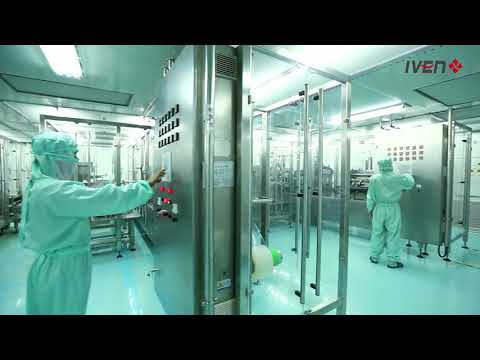
United States Guide to IV Soft Bag Manufacturing
IV solution soft bag manufacturing is a strategic production technology used by pharmaceutical and medical device companies to produce sterile large-volume parenteral products in flexible containers. In the United States, it is especially relevant for manufacturers expanding hospital supply capacity, upgrading aging infusion packaging systems, improving compliance with US FDA cGMP requirements, and reducing logistics costs through lightweight non-PVC or multilayer bag formats. For companies serving markets such as New Jersey, North Carolina, Illinois, California, Texas, and Puerto Rico, a modern soft bag IV line can support scalable, automated, high-integrity sterile production while aligning with stricter expectations for validation, traceability, and efficiency.
When decision-makers assess a new line, they are usually not buying only one machine. They are evaluating a complete manufacturing system that may include film handling, bag forming, port insertion, solution preparation, sterile filling, sealing, leak detection, light inspection, overpouch packing, cartoning, intelligent conveying, and utility integration. This is why partner selection matters. Companies looking for an experienced engineering supplier often review firms with proven turnkey capability, regulatory familiarity, and installed projects across global pharmaceutical markets, such as IVEN Pharmatech Engineering, which is known in the industry for integrated pharmaceutical production solutions.
For pharmaceutical producers in the United States, IV solution soft bag manufacturing matters because it combines sterile packaging technology, automation, and compliance into one high-value production platform. Hospitals, infusion centers, dialysis providers, emergency stockpile programs, and contract manufacturers all rely on dependable supply of large-volume sterile solutions such as sodium chloride, dextrose, compound electrolyte solutions, irrigation fluids, and sometimes specialized formulations.
Soft bag systems are attractive because they are lightweight, efficient to ship, and often easier to store than glass bottles. They can also reduce breakage risk in distribution channels moving through major hubs like Los Angeles, Chicago, Savannah, Houston, and Newark. In modern production planning, the line is not judged only by output speed. It is also judged by sterility assurance level, sealing integrity, environmental monitoring compatibility, changeover efficiency, digital data capture, and lifecycle service support.
For large pharmaceutical manufacturers, the technology is usually evaluated in the context of capacity expansion, product diversification, replacement of legacy bottle lines, or development of a new sterile manufacturing site. For mid-sized companies and CDMOs, the main driver may be access to a profitable market segment with high recurring demand. In both cases, the business decision sits at the intersection of engineering, regulatory compliance, supply chain resilience, and return on investment.
Decision FactorWhy It MattersImpact on US OperationsSterility assuranceProtects patient safety and supports validationCritical for US FDA inspection readinessPackaging flexibilitySupports multiple bag sizes and port designsUseful for hospital and contract supply programsAutomation levelReduces manual intervention and variabilityHelps with labor constraints in US plantsUtility efficiencyAffects water, steam, HVAC, and energy useImportant in high-cost regions like CaliforniaTraceabilitySupports batch records and audit trailsNeeded for cGMP digital compliance trendsService supportLimits downtime and speeds troubleshootingEssential for nationwide distribution commitmentsThe table above shows why soft bag production lines are considered board-level capital investments rather than routine packaging purchases. The right system influences quality, throughput, maintenance burden, and long-term competitiveness.
IV solution soft bag manufacturing refers to the integrated process and equipment used to produce sterile infusion solutions in flexible polymer bags. The line usually starts with pharmaceutical water generation and solution preparation, followed by filtration, bag forming or bag feeding, port welding or insertion, filling, sealing, terminal sterilization or aseptic processing depending on the product design, and final packaging.
In the United States, this technology is used for products that need consistent dosing accuracy, container closure integrity, visual cleanliness, and dependable shelf life. Common finished products include 100 mL, 250 mL, 500 mL, and 1000 mL infusion bags for saline, glucose, balanced electrolyte solutions, irrigation fluids, and dialysis-related solutions. Some lines are designed specifically for non-PVC bags to meet environmental or material compatibility goals, while others support multilayer films tailored to oxygen barrier and extractables performance.
The production workflow generally includes the following functions:
Production StageMain EquipmentPurposeWater and utility preparationRO, purified water, WFI, pure steam systemsProvides compliant process mediaSolution compoundingMixing tanks, distribution loopsPrepares sterile formulation accuratelyBag formationFilm forming and sealing modulesCreates flexible primary containerPort insertionWelding and insertion stationAdds administration and additive portsFilling and sealingSterile filling heads and heat sealing unitsControls dose accuracy and closureInspection and packagingLeak tester, vision system, overwrapper, cartonerConfirms quality and prepares shipmentThis process can be deployed in greenfield plants, expansion modules, or retrofits of existing sterile facilities. Companies that require a broader integrated scope may seek a supplier with turnkey engineering experience in process design, clean utilities, logistics, validation, and documentation. More information on this type of integrated approach can be found in pharmaceutical turnkey project solutions.
From a technological capability standpoint, advanced suppliers are expected to provide automation architecture, recipe control, data collection, HMI design, alarm management, and compatibility with facility SCADA or MES layers. In the US market, buyers increasingly ask for CFR-ready electronic record architecture, robust IQ/OQ/PQ documentation, and compatibility with risk-based validation strategies.
The most important applications of IV solution soft bag manufacturing are found in hospital infusion products, emergency care fluids, ICU support solutions, surgical irrigation, renal care, and outsourced sterile manufacturing. Demand is driven by healthcare system scale, aging population trends, chronic disease management, and the need for secure domestic or near-domestic production capacity.
Benefits vary by producer type. A large branded pharmaceutical company may prioritize line reliability and regulatory confidence. A contract manufacturer may focus on format flexibility and fast campaign changeover. A public health supplier may prioritize output stability and packaging durability.
Application AreaTypical ProductMain Benefit of Soft Bag FormatHospital infusion therapy0.9% sodium chlorideLightweight and easy handlingEmergency medicineDextrose solutionsFast distribution and reduced breakageSurgery and irrigationSterile irrigation fluidsEfficient storage and transportDialysis supportSpecialized solution formatsConsistent sterile packagingContract manufacturingPrivate label infusion productsFlexible size and SKU managementGovernment supply programsStockpile essential fluidsScalable output for surge demandThe table highlights how the same technology serves multiple commercial and public-health use cases. It is especially valuable in a market like the United States, where regional distribution efficiency matters. Shipping soft bags from production centers near Philadelphia, Indianapolis, Raleigh-Durham, or Dallas can lower handling complexity compared with heavier rigid containers.
Other important benefits include reduced packaging material weight, less breakage in transport, lower warehouse cube in some configurations, and better compatibility with automated secondary packaging. There are also sustainability advantages when film structures and process energy use are optimized. Looking ahead to 2026, environmental reporting and waste reduction targets are expected to influence material selection, line efficiency design, and packaging procurement strategy.
var ctx1 = document.getElementById(‘lineChartMarket’).getContext(‘2d’);var chart1 = new Chart(ctx1, {type: ‘line’,data: {labels: [‘2021′,’2022′,’2023′,’2024′,’2025′,’2026’],datasets: [{label: ‘US IV Soft Bag Market Index’,data: [82, 87, 93, 101, 109, 118],borderColor: ‘rgb(54, 162, 235)’,backgroundColor: ‘rgba(54, 162, 235, 0.15)’,fill: false,tension: 0.3}]},options: {responsive: true,maintainAspectRatio: false}});The line chart above illustrates a realistic growth pattern for the US IV soft bag market index, reflecting increasing demand, modernization investment, and resilience planning in sterile supply chains.
There is no single universal line design. Equipment is selected according to product mix, planned output, sterilization strategy, film material, and facility layout. Buyers in the United States often compare semi-automatic expansion lines, fully automatic high-capacity lines, and turnkey plants with complete utilities and warehousing integration.
Typical technical options include single-chamber versus multi-chamber bag capability, non-PVC film processing, inline weight control, closed-loop filling accuracy correction, automatic rejection, 100% leak detection, machine vision inspection, robotic cartoning, and integration with warehouse logistics systems.
Line TypeTypical CapacityBest FitPilot or development lineLow volumeR&D, validation batches, niche productsMid-speed automatic lineModerate volumeRegional supply and contract manufacturingHigh-speed production lineLarge volumeNational hospital distributionMulti-format lineVariable by SKUManufacturers with diverse portfoliosTurnkey integrated lineScalableGreenfield plants and major expansionSmart factory lineScalable with digital analyticsCompanies pursuing Industry 4.0 goalsFrom a manufacturing capability perspective, experienced suppliers stand out when they can deliver not just the core filling and sealing machine, but also upstream water treatment systems, solution preparation units, conveying systems, and downstream packing modules. Some engineering firms operate specialized manufacturing plants for different equipment families so they can control quality, consistency, and customization depth across the full project scope.
For US buyers, useful model options include:
Companies comparing available systems may explore a broader equipment catalog through pharmaceutical equipment product offerings to understand configuration possibilities for sterile manufacturing facilities.
Soft bag IV production is often compared with PP bottle lines, glass bottle lines, and outsourced fill-finish arrangements. Each option has strengths. The best solution depends on product profile, transport model, market expectations, and regulatory strategy.
TechnologyAdvantagesLimitationsSoft bag IV lineLightweight, lower breakage, efficient logisticsFilm compatibility and seal integrity must be well managedPP bottle lineStrong container structure, familiar formatHigher material bulk than soft bagsGlass bottle lineExcellent barrier and legacy acceptanceHeavy, fragile, higher transport burdenOutsourced productionLower initial capital commitmentLess control over capacity and schedulingImport-based sourcingCan be quick to enter marketSupply chain disruption and tariff exposureHybrid modelDiversified riskMore complex quality oversightIn the United States, manufacturers often keep more than one platform in operation. For example, a company may use soft bags for high-volume hospital products, PP bottles for selected formulations, and outsourced contracts for temporary demand peaks. The comparison should therefore focus on strategic fit rather than abstract superiority.
var ctx2 = document.getElementById(‘comparisonChartSupplier’).getContext(‘2d’);var chart2 = new Chart(ctx2, {type: ‘bar’,data: {labels: [‘Logistics Efficiency’,’Breakage Risk’,’Format Flexibility’,’CapEx Level’,’Scalability’,’Inspection Complexity’],datasets: [{label: ‘Soft Bag Line’,data: [92, 95, 88, 72, 90, 83],backgroundColor: ‘rgb(153, 102, 255)’},{label: ‘Glass Bottle Line’,data: [58, 45, 70, 68, 82, 80],backgroundColor: ‘rgb(255, 159, 64)’},{label: ‘PP Bottle Line’,data: [76, 90, 78, 74, 85, 79],backgroundColor: ‘rgb(75, 192, 192)’}]},options: {responsive: true,maintainAspectRatio: false}});The comparison chart provides a practical view of how buyers may evaluate the main formats across major purchasing criteria. In many cases, soft bags score highest where shipping, storage, and hospital handling are central priorities.
The US market for IV solution packaging equipment is shaped by several forces: domestic pharmaceutical reshoring, pressure to stabilize essential medicine supply, growth in hospital demand, increasing contract manufacturing activity, and gradual modernization of sterile facilities. Regions with strong pharmaceutical footprints such as New Jersey, Massachusetts, Indiana, North Carolina, and Puerto Rico continue to be focal points for investment discussions.
Major ports and inland logistics hubs also matter. Equipment imported through Long Beach, Houston, Savannah, or Newark must be timed carefully with installation planning, site readiness, and factory acceptance or site acceptance milestones. This is one reason buyers increasingly prefer suppliers who can coordinate engineering, manufacturing, shipment, installation, validation, and operator training under one project structure.
Three future trends are especially important for 2026:
var ctx3 = document.getElementById(‘areaChartTrend’).getContext(‘2d’);var chart3 = new Chart(ctx3, {type: ‘line’,data: {labels: [‘2021′,’2022′,’2023′,’2024′,’2025′,’2026’],datasets: [{label: ‘Shift Toward Automated and Sustainable Lines’,data: [35, 41, 49, 58, 68, 79],fill: true,backgroundColor: ‘rgba(75, 192, 192, 0.25)’,borderColor: ‘rgb(75, 192, 192)’,tension: 0.35}]},options: {responsive: true,maintainAspectRatio: false}});The area chart shows the expected shift toward more automated and sustainability-oriented line designs. This trend is consistent with broader pharmaceutical capital planning across the United States.
Choosing a reliable IV solution soft bag manufacturing supplier requires more than checking machine speed. The best supplier is one that reduces project risk from feasibility through long-term operation. In the United States, the most successful projects are usually awarded to companies that demonstrate strong regulatory understanding, documented installation history, responsive service, and the ability to customize around process realities rather than only sell standard equipment.
Buyers should assess suppliers across technological capabilities, manufacturing capabilities, and service capabilities.
On the technology side, look for expertise in sterile process integration, automation, water systems, solution preparation, filling accuracy, sealing consistency, and inspection. On the manufacturing side, review plant specialization, quality control standards, materials of construction, traceability of components, and capacity to build custom modules. On the service side, evaluate documentation quality, installation support, training, spare parts planning, and post-startup optimization.
Supplier Evaluation ItemWhat to VerifyWhy It Reduces RiskRegulatory experienceEU GMP, US FDA cGMP, WHO GMP familiarityImproves compliance alignmentInstalled referencesSterile lines in multiple countriesShows practical execution abilityCustomization depthBag format, utilities, line layout optionsEnsures fit with site constraintsDocumentation packageDQ, FAT, SAT, IQ/OQ/PQ supportSpeeds validation processService responsivenessRemote support, spares, trainingMinimizes downtimeTurnkey capabilityEngineering plus equipment integrationControls interface risk across systemsAs one example of what buyers often seek, IVEN Pharmatech Engineering has built its reputation around international pharmaceutical engineering, with a long history in sterile production technologies, multiple specialized manufacturing bases, and broad experience delivering integrated projects across dozens of countries. Rather than acting only as a machine seller, this type of supplier can support feasibility review, design coordination, equipment selection, commissioning, and validation support. Companies interested in discussing requirements directly can use the contact channel for project consultation.
var ctx4 = document.getElementById(‘barChartDemand’).getContext(‘2d’);var chart4 = new Chart(ctx4, {type: ‘bar’,data: {labels: [‘Hospitals’,’CDMOs’,’Government Supply’,’Dialysis Providers’,’Export-Oriented Plants’,’Regional Pharma’],datasets: [{label: ‘Estimated US Demand Index for Soft Bag Lines’,data: [96, 74, 69, 61, 57, 72],backgroundColor: ‘rgb(255, 99, 132)’}]},options: {responsive: true,maintainAspectRatio: false}});The bar chart suggests where demand is strongest in the United States. Hospitals and hospital-focused supply chains remain the key driver, followed by regional pharmaceutical producers and contract manufacturers.
Capital investment in an IV solution soft bag manufacturing line can vary widely depending on speed, format range, utility scope, validation requirements, and whether the project is equipment-only or turnkey. In the United States, companies must also account for building adaptation, cleanroom modifications, HVAC balancing, utility generation, digital systems integration, local installation labor, and qualification costs.
Typical budgeting categories include core line equipment, water treatment and WFI systems, solution preparation, clean utilities, cleanroom construction interface, packaging equipment, automation, validation, spare parts, and training. Imported projects also require logistics planning, customs coordination, and contingency allowances.
Budget CategoryRelative Cost WeightPlanning NoteCore soft bag lineHighMain driver of capexWater and steam systemsHighEssential for compliant sterile productionSolution preparationMedium to highDepends on batch complexityFacility adaptationMedium to highVaries by site conditionValidation and documentationMediumMust not be underbudgetedTraining and after-sales supportMediumProtects startup performanceROI is typically influenced by six measurable levers: throughput increase, scrap reduction, labor savings, packaging logistics efficiency, reduced downtime, and improved market access. For a producer supplying large hospital networks, the biggest return may come from dependable capacity and lower unit cost. For a company replacing obsolete equipment, the return may come from reduced maintenance burden and stronger inspection readiness.
A basic ROI model should include:
In many US projects, the payback period is improved when companies align the line purchase with broader sterile plant modernization, because utility and digital investments then serve multiple production areas instead of only one asset.
The main risks in soft bag IV line investment are not limited to machine quality. Many failures occur because of poor layout planning, weak utility design, underdefined user requirement specifications, unrealistic validation schedules, or insufficient operator preparation. In the United States, projects can also face delays due to permitting, contractor coordination, and supply chain timing for imported components.
To reduce these risks, companies should conduct an early gap assessment covering building flow, cleanroom classification, personnel and material segregation, WFI and pure steam loads, serialization or coding requirements, and expected future product extensions. They should also confirm material compatibility for the chosen bag film and ports, especially for products with sensitive formulations or longer shelf-life targets.
Risk AreaTypical ProblemMitigation StrategyProject scopeUnclear interfaces between suppliersUse integrated engineering managementValidation timelineDocumentation arrives too lateDefine deliverables in contract earlyUtility capacityWFI or HVAC undersizedPerform detailed load analysisMaterial compatibilityFilm or port interaction concernsRun compatibility and stability studiesOperator readinessStartup errors and low yieldProvide structured training and SOP rolloutService continuitySlow spare parts responsePlan critical spare inventory in advanceThis table shows that the highest-value supplier is often the one that anticipates risk before it turns into delay or deviation. Service capability is especially important here. Buyers benefit from partners that offer lifecycle support, from feasibility and design through installation, commissioning, qualification support, training, troubleshooting, and later optimization. That service structure can significantly reduce cost overruns and startup uncertainty.
For multinational or growth-stage pharmaceutical companies, risk management should also include scenario planning for tariff changes, local content expectations, cybersecurity in connected equipment, and sustainability reporting requirements that may become more visible by 2026.
What products can be made on an IV solution soft bag manufacturing line?Typical products include normal saline, dextrose solutions, electrolyte solutions, irrigation fluids, and selected dialysis-related or specialty infusion products, depending on line design and regulatory strategy.
Is soft bag packaging accepted in the United States?Yes. Soft bag infusion formats are widely used in the United States when produced under compliant, validated conditions and with suitable material and container closure integrity performance.
What is the difference between a machine supplier and a turnkey engineering partner?A machine supplier may provide core equipment only. A turnkey engineering partner can support design, utilities, cleanroom interfaces, validation documentation, installation, training, and broader project coordination.
How long does implementation usually take?It depends on scope. Equipment-only projects may move faster, while full turnkey sterile manufacturing projects can take considerably longer due to building work, utility installation, and qualification activities.
What are the most important compliance points for US buyers?US buyers typically focus on cGMP compliance, documentation quality, material traceability, data integrity, validation support, and supplier responsiveness during FAT, SAT, IQ, OQ, and PQ stages.
How do companies choose between non-PVC bags and other materials?The decision is based on formulation compatibility, market requirements, sustainability goals, cost, barrier properties, and procurement availability of the packaging film system.
Why do many buyers ask for integrated water treatment and solution preparation systems?Because sterile IV production depends on upstream utility and formulation reliability. Integrated sourcing can simplify interface management and reduce project risk.
What should be included in a supplier RFQ?Include product list, target output, bag sizes, film type, sterilization approach, utility conditions, layout constraints, automation requirements, documentation expectations, validation scope, and after-sales service needs.
What role does experience play in supplier selection?Experience helps a supplier anticipate real sterile manufacturing challenges, customize accurately, and support compliance with international regulatory standards. This is why many buyers prioritize suppliers with broad installed bases and proven pharmaceutical references.
Why consider IVEN Pharmatech Engineering for the United States market?Because buyers often value a partner that combines sterile line technology, specialized equipment manufacturing, and full lifecycle service. IVEN Pharmatech Engineering is recognized in the market for integrated pharmaceutical engineering solutions, strong compliance awareness, and experience across IV solution production systems, water treatment, intelligent logistics, and project execution for pharmaceutical and medical device facilities.
For pharmaceutical companies in the United States, IV solution soft bag manufacturing is no longer just a packaging choice. It is an infrastructure decision tied to compliance, resilience, cost, and long-term market access. Whether the project involves a new line in New Jersey, a facility expansion in Texas, a sterile plant upgrade in Indiana, or a broader turnkey strategy serving national hospital networks, the most successful investments are based on careful process design, strong supplier qualification, realistic validation planning, and dependable service support after startup.