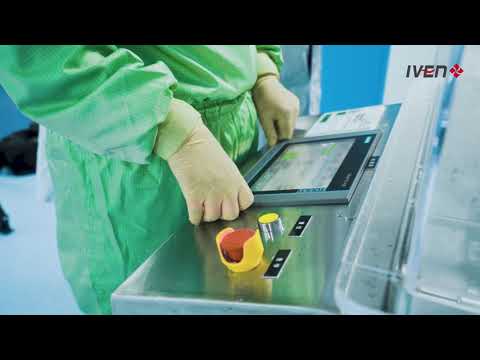
U.S. Vial Filling Production Line Buying Guide
For pharmaceutical manufacturers in the United States, a vial filling production line is a core aseptic manufacturing system used to wash, sterilize, fill, stop, and cap vials under tightly controlled conditions. It is commonly evaluated when companies expand sterile injectable capacity, launch biologics, modernize legacy facilities, or build compliant operations that must meet FDA cGMP, data integrity, contamination control, and high-throughput production goals.
In the U.S. market, interest in vial filling systems is especially strong in established pharmaceutical corridors such as New Jersey, Pennsylvania, Massachusetts, North Carolina, Texas, and California. Companies operating near logistics centers like the Port of Los Angeles, Port of New York and New Jersey, Houston, Chicago, and Atlanta often prioritize not only machine performance, but also validation support, spare parts planning, clean utility integration, and lifecycle service. As a result, selecting the right line is not just an equipment purchase. It is a strategic manufacturing decision linked to regulatory readiness, product quality, staffing efficiency, and long-term return on investment.
Quick Answer: Why U.S. Pharmaceutical Companies Invest in Vial Filling Production Lines

A vial filling production line is a specialized automated system for sterile liquid drug manufacturing. In most U.S. pharmaceutical plants, it handles a sequence that may include vial infeed, washing, depyrogenation tunnel transfer, aseptic filling, stopper insertion, capping, inspection interface, and downstream packaging connectivity. These lines are used for injectables such as antibiotics, oncology drugs, vaccines, biologics, lyophilized products, and other high-value sterile formulations.
Large pharmaceutical and medical device companies evaluate these lines when they need to:
- Increase injectable production capacity without compromising sterility assurance.
- Replace older semi-automatic systems that are labor intensive or difficult to validate.
- Launch new products requiring closed processing, restricted access barrier systems, or isolators.
- Align facility design with FDA expectations, Annex 1-inspired contamination control practices, and global export standards.
- Reduce product loss, line clearance time, and operator intervention in Grade A and Grade B environments.
- Support future-ready manufacturing for high-potency products, small batches, and personalized therapies.
For buyers in the United States, the strongest value often comes from choosing a line that balances compliance, flexibility, throughput, and serviceability. This means the best system is not always the fastest one; it is the one that fits the product portfolio, plant utilities, available space, staffing model, and validation strategy.
What a Vial Filling Production Line Is and How It Is Used in Pharmaceutical Manufacturing

A vial filling production line is a coordinated set of machines and control systems designed to prepare sterile containers and accurately fill them with pharmaceutical product under aseptic conditions. Depending on plant design, the line may include upstream utility systems, cleanroom interfaces, environmental controls, robotics, automatic reject systems, weight checking, and electronic batch recording.
In a typical U.S. injectable facility, the process flow may look like this:
- Empty vials are loaded into the vial washer.
- Vials are cleaned with purified water, WFI, and filtered air as required.
- Cleaned vials enter a depyrogenation tunnel for drying and sterilization.
- Sterile vials move into the filling zone under laminar airflow or within an isolator.
- Product is metered through peristaltic pumps, time-pressure systems, rotary piston filling, or other dosing technology.
- Stoppers are placed, partially or fully inserted depending on whether lyophilization follows.
- Vials are capped and transferred to inspection, labeling, or secondary packaging.
This equipment is used across branded pharma, generic injectables, CDMOs, biotech startups, hospital supply manufacturers, and government-facing production programs. In areas such as Boston, Raleigh-Durham, Indianapolis, and the greater New York region, new sterile manufacturing investments are often focused on flexible systems that can support both clinical and commercial scales.
| Line Stage | Main Function | Typical U.S. Requirement | Common Risk Controlled | Optional Upgrade | Business Benefit |
|---|---|---|---|---|---|
| Vial washing | Remove particulates and residues | Validated cleaning cycle | Container contamination | Recipe management | More consistent preparation |
| Depyrogenation | Sterilize and dry vials | Temperature mapping | Endotoxin carryover | Energy recovery design | Lower utility cost |
| Aseptic filling | Meter exact liquid volume | Filling accuracy validation | Underfill or overfill | 100% in-process weight check | Higher yield |
| Stoppering | Protect sterile product | Sterile parts path | Seal integrity issues | Robotic parts handling | Less manual intervention |
| Capping | Secure closure | Torque consistency | Cap defects | Vision inspection | Fewer rejects |
| Data capture | Record process values | 21 CFR Part 11 readiness | Data integrity gaps | MES integration | Faster review and release |
The table above shows why buyers should view a vial filling line as a complete validated process rather than a single filler machine. Every stage contributes to sterility assurance, container closure integrity, and release quality.
Main Applications and Benefits of Vial Filling Production Lines in Modern Pharmaceutical Manufacturing

Modern vial filling lines are used for a broad range of sterile products. In the United States, their applications continue to expand because injectable therapies remain central in hospitals, specialty clinics, oncology centers, emergency medicine, and biologics distribution networks.
Main applications include:
- Small-volume parenterals for hospitals and retail pharmacy distribution.
- Biologics requiring gentle filling and reduced shear stress.
- Vaccines and temperature-sensitive formulations.
- Lyophilized drugs where partial stoppering is needed before freeze drying.
- High-value oncology products requiring strict containment and minimal loss.
- Contract manufacturing programs with multiple SKUs and frequent changeovers.
Benefits typically include better dose accuracy, lower contamination risk, stronger batch reproducibility, reduced operator dependence, and easier scale-up. For U.S. plants facing labor shortages and tighter inspection expectations, automation also improves operational resilience.
| Application | Typical Fill Range | Line Priority | Why It Matters in the U.S. | Recommended Configuration | Expected Benefit |
|---|---|---|---|---|---|
| Generic injectables | 2 mL to 50 mL | High throughput | Cost pressure and volume demand | Rotary filling with automation | Lower unit cost |
| Biologics | 1 mL to 20 mL | Gentle handling | Product sensitivity | Peristaltic pump with isolator | Better product integrity |
| Vaccines | 1 mL to 10 mL | Sterility assurance | Public health requirements | RABS or isolator line | Reduced contamination risk |
| Lyophilized drugs | 2 mL to 30 mL | Partial stoppering | Complex process integration | Filling line linked to lyophilizer | Efficient transfer |
| Clinical batches | Small batches | Flexibility | Fast development timelines | Modular line | Quicker campaign changeover |
| CDMO multi-product plants | Mixed sizes | Fast change parts | Contract scheduling complexity | Recipe-driven line controls | Higher asset utilization |
The above table highlights that the right configuration depends heavily on product category. A vaccine line and a generic injectable line may both fill vials, but their priorities are different: one focuses more on contamination control and product sensitivity, while the other may emphasize speed and operating cost.
This demand comparison shows that biologics, oncology, and CDMO-driven manufacturing are some of the strongest drivers for vial filling investment in the U.S. market. These segments favor highly controlled, flexible production lines.
Key Types, Models and Technical Options for Vial Filling Production Lines
There is no single best vial filling production line for every manufacturer. U.S. buyers generally compare systems based on speed, sterility concept, batch size, container format, and integration requirements.
Common types include:
- Monoblock filling and stoppering units for compact layouts.
- Linear vial filling lines for flexibility and smaller batch sizes.
- Rotary lines for high throughput commercial production.
- Isolator-based systems for maximum operator-product separation.
- RABS-equipped lines for advanced contamination control with more direct access than isolators.
- Lyophilization-compatible lines with partial stoppering and automated transfer.
Key technical options often evaluated by procurement and engineering teams include nitrogen purging, no-vial-no-fill logic, CIP/SIP capability, in-line weight checking, machine vision inspection, robotic tub handling for nested formats, and digital recipe management.
| Line Type | Best For | Speed Range | Cleanroom Approach | Strength | Limitation |
|---|---|---|---|---|---|
| Linear line | Flexible multi-product plants | Low to medium | Open RABS or isolator | Easy format change | Lower top speed |
| Rotary line | Large commercial output | Medium to high | RABS or isolator | High efficiency | More complex changeover |
| Monoblock system | Space-constrained facilities | Medium | Compact aseptic zone | Smaller footprint | Less modularity |
| Isolator line | High-value sterile products | Low to high | Closed barrier | Best contamination control | Higher initial cost |
| RABS line | Balanced compliance and access | Medium to high | Restricted access barrier | Good operational flexibility | More operator discipline needed |
| Lyophilization-ready line | Freeze-dried products | Low to medium | Transfer to lyophilizer | Process compatibility | Broader project scope |
The table makes clear that the right model depends on business reality. A startup in Cambridge or San Diego developing a biologic may prefer an isolator-based, lower-speed flexible system. A high-volume generic plant in New Jersey may favor a faster rotary line optimized for campaign production.
Vial Filling Production Line vs Alternative Technologies: Which Solution Fits Your Needs?
Not every sterile product should be filled on a traditional vial line. U.S. manufacturers frequently compare vial lines with ampoule lines, prefilled syringe systems, BFS technology, and outsourced fill-finish services.
Vials remain attractive because they support a wide product range, work well with both liquid and lyophilized dosage forms, and fit established hospital and distribution workflows. They also offer relatively broad compatibility with development-to-commercial scale strategies. However, alternatives may outperform vials in some use cases.
| Technology | Best Use Case | Capital Intensity | Flexibility | Regulatory Complexity | Strategic Note |
|---|---|---|---|---|---|
| Vial filling line | Injectables and biologics | Medium to high | High | High | Most versatile for sterile drugs |
| Prefilled syringe line | Ready-to-use administration | High | Medium | High | Strong for convenience products |
| Ampoule line | Sealed glass dose units | Medium | Lower | Moderate | Less common for some modern biologics |
| BFS system | High-volume aseptic packaging | High | Low to medium | High | Efficient for selected products |
| CDMO outsourcing | Low initial volume | Low upfront | High initially | Shared | Good for market entry |
| Manual or semi-auto filling | R&D or very small batches | Low | Medium | High operational burden | Not ideal for scale |
If your U.S. operation expects multiple SKUs, lyophilization, or both clinical and commercial production, vial filling often remains the best fit. If patient convenience and self-administration are the top priorities, prefilled syringes may deserve stronger consideration. Buyers should compare product strategy before they compare equipment speed.
This comparison indicates why vial-based fill-finish remains a preferred platform in many U.S. sterile manufacturing strategies: strong flexibility, good compatibility with lyophilized products, and solid support for multi-SKU production planning.
Market Overview and Future Trends for Vial Filling Production Lines in Pharmaceutical Manufacturing
The U.S. market for vial filling production lines is supported by continued investment in sterile injectables, biologics, vaccine readiness, and domestic supply chain resilience. Expansion projects are active in both large pharma hubs and emerging biotech regions. Buyers are also responding to aging installed equipment, the need for modernization, and pressure to reduce operator interventions in aseptic areas.
Several market drivers stand out:
- Growth in biologics and specialty injectable pipelines.
- Renewed emphasis on U.S.-based manufacturing capacity.
- Need for Annex 1-aligned contamination control thinking, even in non-EU markets.
- Increased focus on digitalization, audit trails, and electronic records.
- Demand for flexible small-batch and multi-product manufacturing.
- Interest in energy efficiency and sustainability in utility-heavy sterile facilities.
The growth trend above reflects steady U.S. investment momentum. Growth is not limited to mega-sites; mid-sized plants and CDMOs are also expanding capacity, especially where clients need redundancy and rapid launch support.
The area chart shows a clear shift toward barrier technologies. By 2026, the U.S. market is expected to favor RABS and isolator-based installations even more strongly as manufacturers respond to contamination control expectations, labor optimization, and high-value product protection.
Future trends through 2026 include:
- More robotic interventions and reduced manual manipulation in aseptic zones.
- Greater use of digital twins, remote diagnostics, and predictive maintenance.
- Broader integration of vision systems and in-process analytics.
- Increased use of sustainable designs that lower compressed air, HVAC, and heat energy loads.
- Policy-driven interest in domestic capacity for essential medicines and sterile injectables.
- Faster facility deployment using modular cleanroom and utility concepts.
How to Choose a Reliable Vial Filling Production Line Manufacturer or Supplier
In the United States, supplier selection should go beyond machine brochures. Buyers should assess technical depth, regulatory understanding, after-sales capability, project execution discipline, and the supplier’s ability to support qualification and documentation.
Important evaluation criteria include:
- Experience with FDA-oriented projects and documented validation support.
- Ability to integrate utilities, barrier systems, filling technology, and downstream handling.
- Installed base references for sterile lines in regulated markets.
- Manufacturing quality of contact parts, welds, controls, and recipe systems.
- Availability of FAT, SAT, IQ, OQ, and PQ support.
- Responsiveness for spare parts, troubleshooting, and long-term upgrades.
Some U.S. buyers prefer a supplier that can also support broader facility planning. That approach often reduces project interface risk, especially when the project includes WFI, clean steam, solution preparation, logistics, and packaging integration. Companies looking for that model may review turnkey pharmaceutical engineering solutions rather than only buying standalone machinery.
From a technological capability perspective, IVEN Pharmatech Engineering has built its reputation around integrated pharmaceutical systems rather than isolated equipment only. Its portfolio includes sterile filling and packaging machinery, water treatment systems, solution preparation and distribution systems, and intelligent logistics platforms. For U.S. buyers, that breadth is useful because a vial filling line rarely succeeds in isolation; it depends on upstream clean utilities, validated process design, and downstream material flow.
From a manufacturing capability perspective, the company operates multiple specialized production plants in Shanghai focused on different categories of pharmaceutical and medical device equipment. This structure supports customization, component specialization, and production coordination across filling, water systems, logistics, and medical consumable equipment. Buyers wanting to review the broader corporate background can visit the company overview page to understand its manufacturing base and project scope.
From a service capability perspective, many U.S. project teams value lifecycle support just as much as equipment design. IVEN emphasizes feasibility consultation, engineering design, equipment selection, installation, commissioning, validation documentation support, training, and after-sales optimization. For regulated sterile projects, that service layer can help reduce schedule risk and improve startup readiness.
| Supplier Checkpoint | What to Ask | Why It Matters | Warning Sign | Preferred Evidence | Impact on Project |
|---|---|---|---|---|---|
| Regulatory competence | Can you support FDA-style documentation? | Speeds compliance readiness | Vague validation answers | Sample protocols and URS traceability | Lower audit risk |
| Aseptic design | How is intervention minimized? | Protects sterility assurance | Too much manual access | Intervention study records | Better contamination control |
| Customization ability | Can the line fit our vial sizes and products? | Prevents mismatch | One-size-fits-all proposal | Layout drawings and change part plans | Smoother startup |
| Project execution | Who manages interfaces? | Reduces delay risk | Unclear responsibilities | Project schedule and RACI chart | More predictable delivery |
| After-sales support | How are U.S. service issues handled? | Limits downtime | Slow response model | Service SLA or support structure | Higher equipment uptime |
| Installed experience | Do you have regulated market references? | Shows practical capability | No comparable projects | Case studies and acceptance history | More buyer confidence |
The best suppliers are transparent about project limits, qualification responsibilities, and integration interfaces. If you need a quotation, technical discussion, or feasibility review for a U.S. project, a direct inquiry through the contact page is often the fastest way to compare configurations.
Investment Cost, Budget Planning and ROI Analysis for Vial Filling Production Lines
The cost of a vial filling production line in the United States can vary widely based on speed, barrier technology, level of automation, utility scope, and validation requirements. Buyers should budget not only for the machine itself, but also for facility modifications, cleanroom work, utilities, engineering, shipping, commissioning, training, and spare parts.
Major cost categories include:
- Core line equipment: washer, tunnel, filler, stopper/capper, controls.
- Barrier system: RABS or isolator.
- Format parts for multiple vial sizes.
- Utility integration: WFI, clean steam, HVAC, compressed gases.
- FAT, SAT, IQ, OQ, and documentation packages.
- Facility construction and layout adaptation.
- Operator training and preventive maintenance setup.
| Budget Item | Low Complexity Line | Mid Complexity Line | High Complexity Line | Typical U.S. Consideration | ROI Effect |
|---|---|---|---|---|---|
| Core equipment | $1.2M-$2.0M | $2.0M-$4.5M | $4.5M-$8.0M+ | Depends on speed and dosing system | Main capital driver |
| Barrier technology | $0.3M-$0.8M | $0.8M-$1.8M | $1.8M-$3.5M+ | Isolators cost more than RABS | Improves risk profile |
| Utilities and integration | $0.4M-$1.0M | $1.0M-$2.5M | $2.5M-$5.0M+ | Site-specific clean utility needs | Affects startup speed |
| Validation package | $0.1M-$0.3M | $0.3M-$0.7M | $0.7M-$1.5M+ | Documentation depth matters | Reduces compliance delay |
| Facility modification | $0.5M-$1.5M | $1.5M-$4.0M | $4.0M-$10M+ | Can exceed machine cost | Critical but often underestimated |
| Training and startup spares | $0.05M-$0.2M | $0.2M-$0.5M | $0.5M-$1.0M | Important for early uptime | Improves ramp-up performance |
The table above shows why early budget planning is essential. A vial filling line project is often a total-facility investment rather than just a purchase order for equipment. In many U.S. cases, the cost of modifying the sterile suite, utilities, and material flow can equal or exceed the cost of the line itself.
ROI is usually driven by one or more of the following:
- Replacing outsourced fill-finish with internal production.
- Increasing throughput from aging or manual systems.
- Reducing batch rejects and product giveaway.
- Lowering labor demand in aseptic areas.
- Expanding capacity for high-margin sterile products.
- Improving compliance and reducing quality event costs.
A high-value biologic line can often justify faster payback even with lower throughput because product value per vial is high. By contrast, commodity injectable lines usually rely on operational efficiency and large volume output to achieve acceptable returns.
Key Considerations and Potential Risks When Investing in a Vial Filling Production Line
Investment risk is manageable, but only when identified early. The most common mistake in the U.S. market is underestimating the interface between equipment, facility design, qualification, and production planning.
Main considerations include:
- Product profile: liquid, suspension, biologic, lyophilized, potent, or multi-dose.
- Batch size and SKU mix.
- Required vial sizes now and in the future.
- Available cleanroom space and utility capacity.
- Automation level and operator skill availability.
- Data integrity and electronic record expectations.
- Import logistics, spare parts strategy, and service response model.
Potential risks include poor line layout, insufficient environmental control, incomplete FAT criteria, weak change part design, utility mismatches, and overly optimistic startup schedules. U.S. facilities in regions with high construction demand such as Boston, New Jersey, and the Bay Area may also face project timing pressure from labor availability and contractor scheduling.
Another important risk factor is selecting a machine that works for today’s product but not tomorrow’s pipeline. A line sized only for current demand may become a constraint when a second shift or new SKU is added. Conversely, oversizing the line can create avoidable capital burden and inefficient campaign planning.
For buyers comparing options, browsing available equipment categories through a supplier’s product catalog can help identify whether the vendor supports only one machine type or a broader integrated solution set. That difference matters when the project includes utilities, preparation systems, or packaging interfaces.
FAQ
What throughput should a U.S. pharmaceutical company target?
It depends on product demand, batch size, shift pattern, and changeover frequency. A lower-speed flexible line may outperform a high-speed line if your portfolio includes many SKUs and short campaigns.
Should we choose an isolator or RABS?
Isolators generally provide stronger separation and lower intervention risk, while RABS can offer easier access and lower capital cost. The right choice depends on contamination control strategy, staffing, and product risk.
Can a vial filling line support lyophilized products?
Yes, but the line must be designed for partial stoppering and transfer to the freeze dryer. Integration details should be defined early in the project.
How long does a typical project take?
For a regulated U.S. installation, total project duration can range from around 12 to 24 months or more, depending on customization, facility work, FAT/SAT planning, and qualification scope.
What documents should we request from suppliers?
Request URS response, P&ID where relevant, layout drawings, component lists, material certificates, FAT protocol samples, software documentation expectations, and qualification support scope.
Is a turnkey approach better than buying separate machines?
For many sterile projects, yes. Turnkey coordination can reduce interface risk between equipment, utilities, layout, and validation. It is especially helpful for new facilities or major expansions.
How important is U.S. service support?
Very important. Sterile lines are critical assets, and downtime is expensive. Buyers should define spare parts strategy, remote support methods, and escalation paths before contract award.
What makes IVEN relevant for U.S. buyers?
IVEN is known for integrated pharmaceutical engineering, customized line design, and experience with regulated production requirements. Its strengths are especially relevant for companies seeking more than a single machine and looking for broader project coordination.
Will sustainability matter more by 2026?
Yes. U.S. projects are increasingly evaluating energy use, heat recovery, digital monitoring, lower-intervention barrier systems, and utility optimization as part of total cost of ownership.
How do we start supplier comparison efficiently?
Prepare a clear URS covering product type, vial sizes, speed targets, cleanroom concept, validation expectations, and future expansion needs. Then request technical proposals from qualified suppliers and compare total lifecycle fit, not just purchase price.
For U.S. manufacturers planning expansion, modernization, or a new sterile facility, a vial filling production line remains one of the most strategic investments in injectable manufacturing. The best outcomes come from aligning product needs, facility design, compliance goals, and supplier capability from the earliest planning stage. Whether the project is in New Jersey, Chicago, Houston, Philadelphia, Boston, or Los Angeles, the same principle applies: choose a line that supports validated performance over many years, not simply the lowest upfront price.

About the Author
We are IVEN Pharmatech Engineering, a team dedicated to delivering turnkey pharmaceutical and medical solutions worldwide. With decades of experience, we specialize in advanced machinery, integrated factory design, and full lifecycle support to help our clients achieve efficient, compliant, and high-quality production.
Share
Related Insights
-
United States Guide to Blow-Fill-Seal Pharma Lines
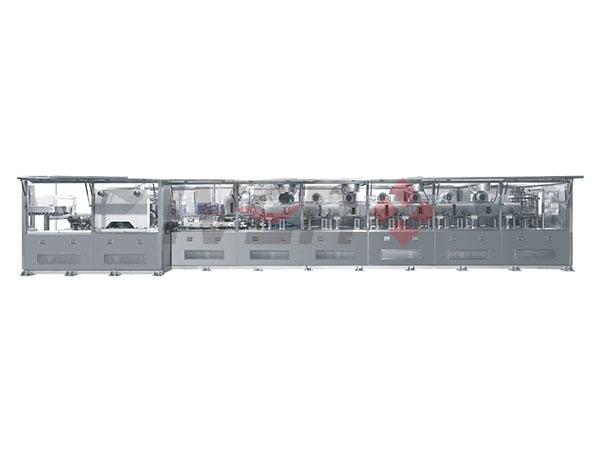
In sterile pharmaceutical manufacturing, blow-fill-seal technology is widely preferred because it forms the container, fills the product, and seals the package in one enclosed aseptic sequence. For manufacturers in the United States, that means fewer human interventions, lower contamination exposure, faster output, and a practical route to consistent quality for unit-dose and multidose liquid products.
For U.S. drug makers expanding in New Jersey, Boston, Chicago, Houston, Raleigh-Durham, and Southern California, blow-fill-seal systems are increasingly evaluated not only as packaging equipment, but as a complete sterile production strategy. They matter most where contamination control, labor efficiency, validation discipline, and supply continuity are central to commercial success. In this guide, you will find how the technology works, where it fits best, how it compares with vial and ampoule lines, what budgets typically look like, and how to assess a supplier for long-term performance in the United States market.
Blow-fill-seal, often shortened to BFS, is an advanced aseptic packaging process used mainly for sterile liquids. A plastic container is formed from polymer resin, immediately filled with sterile product, and then hermetically sealed inside the same machine cycle. Because the package is created and closed without being transported through multiple open handling stages, contamination opportunities are reduced dramatically compared with many traditional filling approaches.
U.S. manufacturers choose BFS when they need dependable high-volume production of ophthalmic solutions, inhalation products, saline, respiratory therapies, unit-dose liquids, and some biologic-supporting applications. The strongest advantages are process integration, reduced operator dependence, compact line flow, and strong economics for certain product formats. This is why BFS is now part of capacity planning discussions from East Coast sterile hubs near the Port of New York and New Jersey to Gulf Coast distribution corridors serving Houston and beyond.
Key FactorBlow-Fill-Seal ImpactWhy It Matters in the United StatesContainer formingDone inside the machineReduces dependence on external container supply chainsAseptic controlIntegrated process pathSupports contamination control and audit readinessLabor requirementLower manual handlingUseful where skilled labor costs are highThroughputHigh-speed continuous cyclesHelps meet large commercial demandPackaging formatFlexible for plastic unit dosesFits respiratory and ophthalmic marketsOperating efficiencyFewer transfer pointsImproves line simplicity and maintenance planningThe table above summarizes the business case at a high level. BFS is not ideal for every sterile product, but when the dosage form, volume range, polymer compatibility, and market forecast align, it can be one of the most efficient sterile packaging investments available.
BFS technology uses thermoplastic resin, commonly polyethylene or polypropylene, to create a container directly on the machine. The resin is melted and extruded into a parison. A mold closes around the parison and compressed sterile air shapes it into the desired bottle or ampoule-like container. Once formed, sterile filling nozzles enter the open container and deliver the product. The top is then sealed before the finished unit exits the machine.
The process is continuous and enclosed, which is one reason BFS is often associated with advanced aseptic manufacturing. Although media fills, environmental controls, sterilization strategy, filter integrity, and validation requirements still remain critical, the design inherently reduces open exposure versus systems that depend on separately supplied containers moving through multiple stations.
From a technical perspective, a well-designed BFS line includes resin handling, extrusion, mold systems, sterile air management, product filling, sealing, reject management, leak testing options, process controls, and in many cases downstream inspection and secondary packaging integration. For companies considering large-scale U.S. deployment, compatibility with plant utilities, HVAC strategy, cleanroom zoning, and data integrity architecture should be evaluated at the same time.
Process StepWhat HappensMain Control PointResin feedingPolymer enters extrusion systemMaterial quality and traceabilityExtrusionMolten parison is formedTemperature and melt consistencyBlowingContainer shape is created in moldAir pressure and mold accuracyFillingSterile liquid is dosed into the containerFill precision and aseptic integritySealingContainer top is fused shutSeal strength and closure designDischargeFinished units move out for inspectionReject control and visual qualityThis workflow explains why BFS is often viewed as a platform rather than a single machine. Suppliers with stronger technological depth can provide not only the core filling block but also integrated water systems, solution preparation, sterile utility design, logistics interfaces, and validation support. For example, IVEN Pharmatech Engineering positions its capabilities around pharmaceutical process integration, with experience in filling machinery, pharmaceutical water systems, intelligent conveying, and full factory engineering. That combination matters when a BFS project must fit within wider sterile manufacturing architecture rather than operate as a standalone purchase.
Manufacturers do not adopt BFS simply because it is modern. They adopt it because it can solve recurring operational problems. The most common drivers are contamination reduction, lower total handling, reliable high-volume output, and lower packaging component complexity. BFS also supports unit-dose convenience, which remains important across ophthalmic products, inhalation therapy, and hospital-use sterile liquids.
In the United States, labor and compliance costs are high enough that process simplification has direct financial value. Every reduced intervention can lower deviation risk, training burden, gowning complexity, and line stoppage probability. When paired with robust maintenance planning, BFS can help stabilize production in facilities that serve national wholesalers, hospital systems, or retail pharmacy networks.
There are also supply-chain benefits. Traditional sterile lines often depend on glass vials, rubber stoppers, seals, trays, and multiple preparation steps. BFS, while still demanding strong resin and utility management, consolidates the packaging path. This can be attractive to plants operating near logistics hubs such as Savannah, Long Beach, or Chicago, where inbound coordination and lead-time variability affect working capital.
Reason for AdoptionOperational BenefitCommercial ResultReduced human interventionFewer contamination opportunitiesBetter batch reliabilitySingle-step container creationLess component handlingLower packaging complexityHigh-speed productionMore units per shiftImproved output economicsUnit-dose suitabilityConvenient patient useStronger product differentiationCompact process flowSimpler line layoutMore efficient plant space useAutomation compatibilityBetter data and control integrationImproved compliance managementThe table shows why BFS is especially compelling for products with stable demand and well-defined fill volumes. It is less about replacing every sterile line and more about choosing the right platform for the right dosage form.
var ctxLine = document.getElementById(‘lineChart’).getContext(‘2d’);var lineChart = new Chart(ctxLine, {type: ‘line’,data: {labels: [‘2021’, ‘2022’, ‘2023’, ‘2024’, ‘2025’, ‘2026’, ‘2027’, ‘2028’],datasets: [{label: ‘Estimated U.S. BFS Market Index’,data: [100, 108, 117, 129, 141, 156, 172, 189],borderColor: ‘rgb(54, 162, 235)’,backgroundColor: ‘rgba(54, 162, 235, 0.15)’,fill: false,tension: 0.3}]},options: {responsive: true,maintainAspectRatio: false}});The line chart illustrates a realistic market growth trajectory for BFS investment in the United States. Expansion is being pushed by respiratory care demand, reshoring of sterile manufacturing, and greater interest in efficient single-dose packaging.
BFS machines are not all the same. Their differences usually relate to container size range, mold design, output speed, product viscosity, and whether the line is intended for unit-dose or larger bottle formats. Some systems are optimized for small-volume respiratory and ophthalmic products, while others focus on infusion-related solutions or specialty liquid applications.
Typical application industries include pharmaceutical injectables, inhalation therapy, ophthalmology, hospital care products, veterinary liquids, and certain medical consumables. Product designers should evaluate not only fill volume but also oxygen sensitivity, light protection requirements, extractables and leachables considerations, shipping conditions, and end-user convenience.
Machine TypeTypical Volume RangeCommon ProductsBest FitMini unit-dose BFS0.2 mL to 5 mLEye drops, inhalation dosesHigh-volume retail and hospital useSmall-volume BFS5 mL to 20 mLNebulizer liquids, saline dosesRespiratory therapyMedium-volume BFS20 mL to 100 mLTopical sterile liquidsSpecialty therapeuticsLarge-volume BFS100 mL to 500 mLIrrigation and selected solutionsInstitutional careMultidose bottle BFS5 mL to 30 mLPreserved ophthalmic productsConsumer pharmacy channelsCustom-mold BFSProject specificDifferentiated formatsBranding or delivery innovationChoosing the right model requires coordination between formulation teams, packaging development, engineering, quality, and commercial planning. Companies exploring product-specific line options can review broader packaging and process offerings through the product portfolio of specialized pharmaceutical equipment suppliers, especially when comparing BFS against other sterile filling platforms.
var ctxBar = document.getElementById(‘barChart’).getContext(‘2d’);var barChart = new Chart(ctxBar, {type: ‘bar’,data: {labels: [‘Ophthalmic’, ‘Respiratory’, ‘Saline Unit Dose’, ‘Hospital Sterile Liquids’, ‘Veterinary’, ‘Topical Sterile’],datasets: [{label: ‘Estimated Relative Demand in U.S. BFS Projects’,data: [92, 88, 76, 63, 41, 37],backgroundColor: [‘rgb(255, 99, 132)’,’rgb(255, 159, 64)’,’rgb(255, 205, 86)’,’rgb(75, 192, 192)’,’rgb(54, 162, 235)’,’rgb(153, 102, 255)’]}]},options: {responsive: true,maintainAspectRatio: false}});The bar chart shows why ophthalmic and respiratory products dominate many BFS investment discussions. Their packaging logic aligns closely with unit-dose and contamination-sensitive delivery needs.
BFS should not be treated as automatically superior to glass vial or ampoule technology. Instead, it should be judged according to formulation compatibility, route of administration, regulatory strategy, shelf-life expectations, dosage format, and market preference. Traditional vial lines remain strong for many injectables, lyophilized products, high-value biologics, and therapies requiring glass compatibility or specialized closures.
However, when the product is a sterile liquid suited to polymer packaging and the commercial plan supports BFS economics, the process can outperform traditional lines on labor, throughput, and contamination-control simplicity. The key is matching the product to the platform rather than forcing the platform onto the product.
CriterionBlow-Fill-SealVial LineAmpoule LineContainer sourceFormed in machineExternally suppliedExternally suppliedHuman interventionLowerModerateModerateBest packaging materialPlastic polymerGlass with stopper and sealGlass sealed by fusionTypical product fitUnit-dose sterile liquidsInjectables and biologicsClassical small-volume sterile liquidsComponent complexityLowerHigherMediumLine speed potentialHighHigh but multi-stepModerate to highFormat flexibilityStrong for custom plastic shapesStrong for standard vial formatsLimited by ampoule geometryCommon use caseEye drops, nebules, saline dosesInjectables, vaccines, specialty drugsLegacy sterile productsThis comparison table makes the selection logic clearer. U.S. plants serving hospital injectables may still prefer vial lines, while high-volume respiratory products aimed at retail or outpatient settings often favor BFS. An experienced engineering partner can help decide where one platform ends and another begins, especially in mixed-product factories.
The adoption of BFS is growing in the United States because several market forces are converging at once. First, healthcare systems continue to value ready-to-use sterile formats that reduce preparation time. Second, contract development and manufacturing organizations are expanding aseptic capacity in states with strong life-science clusters, including Massachusetts, North Carolina, Indiana, and Texas. Third, the push for domestic resilience after global supply disruptions has made integrated production systems more attractive.
Another driver is the evolution of compliance culture. Companies want sterile operations that are easier to control, easier to monitor, and less dependent on manual interventions. BFS supports that direction. It also aligns with facility modernization projects where companies are redesigning layout logic from the ground up rather than simply replacing old machines.
A practical case pattern seen in the market is the conversion of mature saline or inhalation portfolios from older manual-intensive packaging methods to more automated BFS lines. Another pattern is the launch of new ophthalmic or respiratory products designed around single-dose convenience from the very beginning. These projects are often tied to distribution strategies flowing through major hubs such as Memphis, Atlanta, and Los Angeles.
var ctxArea = document.getElementById(‘areaChart’).getContext(‘2d’);var areaChart = new Chart(ctxArea, {type: ‘line’,data: {labels: [‘2021’, ‘2022’, ‘2023’, ‘2024’, ‘2025’, ‘2026’, ‘2027’, ‘2028’],datasets: [{label: ‘Share of New Sterile Liquid Projects Considering BFS’,data: [22, 25, 29, 34, 39, 45, 51, 57],borderColor: ‘rgb(75, 192, 192)’,backgroundColor: ‘rgba(75, 192, 192, 0.25)’,fill: true,tension: 0.3}]},options: {responsive: true,maintainAspectRatio: false}});The area chart reflects a realistic trend shift: BFS is no longer seen as a niche option. It is becoming part of standard feasibility analysis for sterile liquid launches, especially where speed, automation, and packaging differentiation matter.
For companies needing more than equipment alone, integrated project delivery is increasingly important. That includes process engineering, utility systems, cleanroom planning, and downstream logistics. Suppliers with broader manufacturing capabilities can often reduce interface risk by coordinating filling lines, pharmaceutical water generation, material handling, and packaging integration under one project structure. This is one reason turnkey-oriented models are gaining attention in U.S. factory expansion programs.
Selecting a BFS supplier is a strategic decision with long consequences. A low initial price does not guarantee reliable startup, compliance confidence, or acceptable lifecycle cost. U.S. buyers should assess technical depth, manufacturing discipline, project execution, service responsiveness, and reference quality. They should also verify whether the supplier can support documentation expectations aligned with U.S. FDA cGMP and global GMP frameworks.
At a minimum, buyers should ask whether the supplier can provide FAT support, SAT structure, IQ/OQ/PQ documentation assistance, spare-parts planning, software backup policy, mold-change strategy, training, and long-term process optimization. If the project includes a new sterile site, the supplier should also understand layout flow, utility balance, clean utility generation, and validation sequencing.
Evaluation ItemWhat to CheckWhy It MattersRegulatory understandingExperience with U.S. FDA and international GMPSupports compliant design and documentationMachine design depthMold, filling, controls, sterile air, alarmsReduces startup riskFactory capabilityDedicated manufacturing base and QA processImproves build consistencyCustomization abilityContainer shapes, fill ranges, utilities integrationMatches product and plant needsValidation supportIQ/OQ/PQ templates and execution guidanceSpeeds qualificationAfter-sales serviceSpare parts, remote support, onsite responseProtects uptimeProject referencesCompleted pharmaceutical installationsShows real execution recordCommunication qualityClear English documentation and trainingImproves cross-border coordinationThe checklist above should be applied before contract award, not after shipment. If you are comparing international partners, it helps to prioritize suppliers with actual engineering breadth rather than only machine assembly capability. Turnkey pharmaceutical project support can be valuable when BFS must connect with purified water, WFI, clean steam, preparation tanks, packaging, and warehouse automation.
On the manufacturing side, IVEN Pharmatech Engineering is relevant because it has specialized plants focused on pharmaceutical filling and packaging machinery, water treatment systems, conveying and logistics solutions, and medical consumables equipment. For a U.S. buyer, that kind of production specialization can simplify vendor coordination and reduce compatibility issues between upstream and downstream equipment blocks.
var ctxComp = document.getElementById(‘comparisonChart’).getContext(‘2d’);var comparisonChart = new Chart(ctxComp, {type: ‘bar’,data: {labels: [‘Regulatory Support’, ‘Customization’, ‘Turnkey Capability’, ‘Utility Integration’, ‘After-Sales Coverage’, ‘Lifecycle Value’],datasets: [{label: ‘Advanced BFS Supplier Score’,data: [88, 91, 93, 89, 85, 90],backgroundColor: ‘rgb(153, 102, 255)’},{label: ‘Basic Equipment-Only Supplier Score’,data: [58, 62, 34, 40, 55, 61],backgroundColor: ‘rgb(201, 203, 207)’}]},options: {responsive: true,maintainAspectRatio: false}});This comparison chart emphasizes a common purchasing mistake: treating BFS as a commodity machine. In reality, the supplier’s ability to support the full project lifecycle often determines whether the investment succeeds.
BFS projects vary widely in cost based on output speed, mold count, sterility architecture, utility demands, inspection scope, packaging integration, and site condition. In the United States, a buyer should not budget only for the machine. Full project cost often includes facility adaptation, clean utilities, formulation handling, mold tooling, validation, shipping, customs, installation, training, and a working spare-parts package.
For ROI, the most important variables are annual volume, shift model, labor replacement, packaging component savings, deviation reduction, and market growth. A line producing modest niche volumes may not justify BFS economics, while a high-volume sterile liquid franchise can achieve an attractive payback period.
Budget ItemTypical Cost WeightPlanning NoteCore BFS machine30% to 40%Main capital blockMolds and change parts5% to 10%Depends on number of formatsUtilities and clean support systems10% to 20%Includes air, water, steam interfacesFacility modifications10% to 25%Can rise sharply in retrofit sitesValidation and documentation5% to 10%Critical for commercial launch timingInstallation and commissioning5% to 10%Should include schedule contingencyTraining and spare parts3% to 8%Often underestimatedThe cost table shows why budget planning must be holistic. A low machine quote can be misleading if validation, utilities, and site adaptation are excluded. Many successful projects begin with a detailed feasibility package that maps product forecast, layout, utilities, compliance needs, and total cost of ownership before procurement begins.
ROI DriverPositive EffectRisk if IgnoredHigh annual volumeFaster paybackUnderused line capacityStable product demandBetter capacity utilizationIdle asset periodsLower labor dependenceReduced operating costBenefits overstated in planningPackaging simplificationLess component inventoryOverlooked compatibility issuesFewer deviationsHigher effective yieldNo savings if quality system is weakMultiple product fitImproved asset flexibilityChangeover complexity can reduce benefitService capability has a major influence on ROI. A supplier that assists with installation, commissioning, validation, training, and later process optimization can shorten time to commercial output. IVEN’s stated service model spans feasibility, engineering, customization, qualification support, staff training, and after-sales assistance, which is valuable for U.S. firms trying to reduce startup delays and documentation gaps. To discuss project scope directly, buyers can use the company’s contact channel for technical consultation.
Although BFS offers important advantages, it also comes with real risks that should be assessed early. The first is product-package compatibility. Not every formulation performs well in a plastic BFS container over its intended shelf life. Stability, oxygen transmission, sorption, extractables, leachables, and sterilization interactions must be studied carefully.
The second risk is underestimating validation complexity. BFS reduces open handling, but it does not eliminate the need for rigorous qualification. Media fill design, mold validation, leak testing strategy, environmental controls, and integrity checks remain essential. Third, some companies misjudge changeover needs and overestimate flexibility. A line built for one high-volume product may not easily become a multi-product solution without planning.
There is also supplier risk. If the vendor lacks strong project management, documentation discipline, or long-term parts support, the line may become a bottleneck rather than an advantage. For imported systems into the United States, buyers should also plan around shipping schedules, customs timing, site readiness, and local service coverage.
Risk AreaPotential ProblemMitigation StrategyFormulation compatibilityStability loss in polymer containerRun full package compatibility studiesValidation scopeDelayed qualificationDefine protocol package earlyCapacity planningAsset underuse or overloadAlign machine size with forecastSupplier limitationsWeak documentation or supportAudit supplier capability before orderUtility mismatchStartup delaysComplete engineering interface reviewSpare-parts availabilityLong downtimeCreate critical parts inventory planRegulatory readinessInspection findingsBuild compliance into design from day oneLooking toward 2026 and beyond, three trends are especially important. First, digitalization will deepen, with more BFS systems integrating advanced recipe control, electronic batch record interfaces, predictive maintenance, and data-rich alarm analysis. Second, policy and compliance expectations in the United States will continue favoring robust contamination-control strategies, transparent qualification, and secure data governance. Third, sustainability pressure will grow. That means more attention to resin efficiency, energy use, waste reduction, recyclable packaging concepts, and smarter logistics footprints. Suppliers that can address technology, compliance, and environmental performance together will likely gain market share.
What products are best suited to blow-fill-seal?BFS is most commonly used for sterile liquid products such as eye drops, respiratory unit doses, saline, and selected hospital-use sterile solutions. It is strongest where plastic unit-dose or small bottle formats are commercially appropriate.
Is blow-fill-seal considered an aseptic process?Yes. It is an advanced aseptic process in which the container is formed, filled, and sealed in one enclosed sequence. However, it still requires full validation, environmental control, and process qualification.
Can BFS replace all vial filling lines?No. Glass vial lines remain essential for many injectables, biologics, lyophilized products, and formulations that require glass compatibility or specialized closures. BFS is best viewed as a strategic complement, not a universal replacement.
How long does a BFS project usually take?Timelines vary by scope, but a commercial project may include feasibility, design, manufacturing, FAT, shipping, installation, SAT, qualification, and validation. Site readiness and documentation quality often have as much impact on timing as machine build itself.
What should U.S. buyers ask suppliers first?Ask about product fit, regulatory documentation, references, mold capability, validation support, service response, spare-parts planning, and whether the supplier can support full project integration beyond the machine alone.
Does BFS help with labor cost control?Often yes. Because it reduces manual container handling and integrates multiple steps, BFS can lower staffing intensity and reduce intervention-related risk, especially in high-cost labor markets in the United States.
What makes a supplier more reliable?A reliable supplier combines technical know-how, stable manufacturing quality, strong documentation, proven project execution, and long-term service support. This is especially important for sterile lines that must operate under rigorous compliance expectations.
Where can companies learn more about integrated pharmaceutical engineering support?Companies evaluating BFS alongside factory-wide sterile infrastructure can review an engineering partner’s background, turnkey approach, equipment portfolio, and consultation channels through its website, including dedicated pages for company information, turnkey services, products, and direct contact.
For pharmaceutical manufacturers in the United States, blow-fill-seal technology is no longer a specialized option reserved for a few product categories. It is now a practical and increasingly strategic platform for sterile liquid production when the formulation, packaging logic, and market volume are aligned. The best results come from combining sound product assessment with strong engineering planning, realistic budget control, and a supplier capable of supporting the full lifecycle of the project.
-
Liquid Vial Filling Machines for the United States
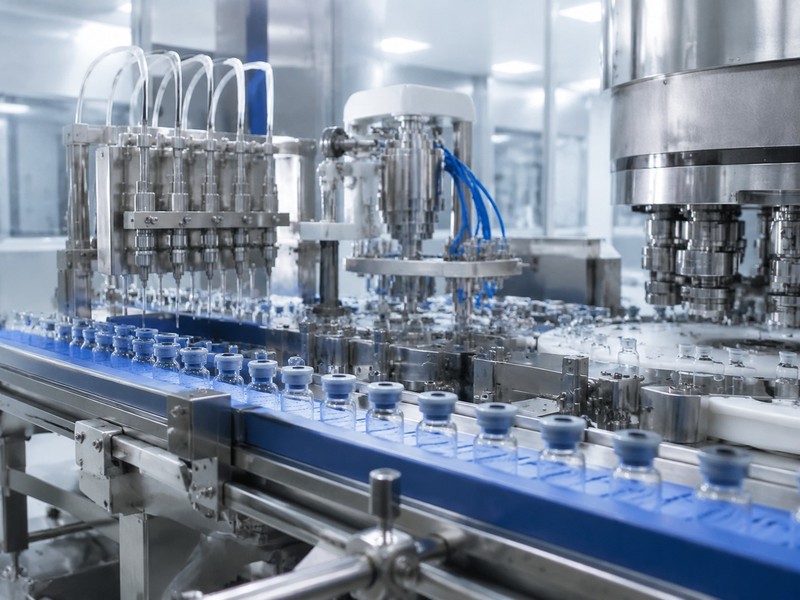
In the United States, a liquid vial filling machine is a mission-critical production asset for pharmaceutical and medical device manufacturers that need sterile, accurate, and regulator-ready filling of injectable products. It is typically evaluated when companies expand capacity, replace aging aseptic lines, launch new biologics, or modernize operations to meet strict FDA cGMP expectations while improving throughput, yield, and data integrity.
For buyers in major U.S. pharmaceutical corridors such as New Jersey, Boston, Raleigh-Durham, Indianapolis, and the San Francisco Bay Area, the right filling platform is not simply a packaging purchase. It is a strategic manufacturing decision that affects contamination control, line efficiency, validation timelines, labor planning, and total cost of ownership. Whether a plant sources components through the ports of Los Angeles/Long Beach, Savannah, Houston, or New York/New Jersey, supply chain stability and after-sales support also influence equipment selection.
This guide explains how to evaluate a liquid vial filling machine for the United States market, what technical options matter most, how it compares with alternatives, what trends are shaping 2026 planning, and how to screen manufacturers and suppliers with confidence.
A liquid vial filling machine is used to dose sterile liquid formulations into glass or polymer vials under tightly controlled aseptic or contained conditions. In U.S. pharmaceutical production, it commonly supports vaccines, antibiotics, oncology drugs, biologics, diagnostic reagents, and other injectables. The machine usually integrates with vial washing, depyrogenation, stopper placement, capping, in-process controls, environmental monitoring, and automated rejection systems.
Large manufacturers and contract development and manufacturing organizations in the United States assess these systems when they need to:
From a commercial perspective, the best system is the one that matches product characteristics, container format, batch size, sterility strategy, and expansion plans. A low-speed laboratory or pilot solution may fit a biotech startup in Cambridge, Massachusetts, while a high-speed integrated aseptic line may better suit a large injectable plant in New Jersey or North Carolina.
Decision FactorWhy It MattersImpact on U.S. OperationsFDA cGMP alignmentSupports audit readiness and documentation disciplineReduces compliance risk during inspectionsFill accuracyProtects dose consistency and product valueEssential for potent and expensive injectablesSterility assuranceControls contamination in aseptic processingCritical for parenteral products sold nationwideAutomation levelReduces manual intervention and errorImproves uptime and labor efficiencyChangeover flexibilitySupports multiple vial sizes and SKUsUseful for CDMOs and multi-product facilitiesService supportShortens downtime and validation delaysImportant across distributed U.S. plant networksThe table above shows that purchasing decisions are rarely based on speed alone. In practice, U.S. buyers compare compliance capability, validation documentation, maintenance access, spare parts availability, and long-term operational resilience before signing off on capital expenditure.
A liquid vial filling machine is designed to meter a defined volume of sterile or non-sterile liquid into vials, then close them with stoppers and caps for downstream inspection, labeling, and packaging. In sterile pharmaceutical production, the equipment often forms part of a larger line that includes ultrasonic vial washing, depyrogenation tunnel, filling station, stoppering, capping, visual inspection, leak testing, and secondary packaging.
Core filling technologies may include peristaltic pumps, piston pumps, time-pressure systems, or mass-flow-based filling modules. The choice depends on viscosity, foaming tendency, dose volume, cleaning requirements, and the sensitivity of the formulation. Biologics and high-value small batches often favor technologies that minimize product loss and support rapid product changeover. High-volume generics may prioritize speed, robust repeatability, and lower consumable cost.
In a typical U.S. injectable facility, the machine is used for several production scenarios:
Because every formulation behaves differently, user requirement specifications should define fill volume range, target line speed, product contact materials, oxygen control, nitrogen purging, container closure integrity objectives, and integration with SCADA or MES systems. For U.S. projects, it is also common to align equipment documentation with IQ, OQ, and PQ expectations before installation begins.
Companies seeking broader background on integrated projects often review a supplier’s engineering profile and prior regulated work. For example, buyers can examine company capabilities and compliance experience before progressing to technical discussions.
The main applications of a liquid vial filling machine stretch across sterile injectable pharmaceuticals, biotech products, laboratory reagents, and selected medical device liquids. In the United States, demand is particularly strong in biologics, specialty injectables, contract manufacturing, and hospital supply resilience projects.
Typical applications include:
The benefits go beyond output. A well-designed system improves dose consistency, lowers reject rates, supports electronic batch record integration, and helps reduce line intervention. In facilities near major life science clusters such as Philadelphia, Chicago, and San Diego, these advantages can translate into faster release cycles and better utilization of cleanroom assets.
Application AreaTypical ProductKey RequirementMain BenefitSterile injectablesAntibioticsAseptic filling accuracyConsistent dose and lower contamination riskBiologicsMonoclonal antibody solutionsGentle handlingProtects product integrityVaccinesMulti-dose or single-dose vialsHigh sterility assuranceReliable commercial outputOncologyPotent injectable drugsContainment and safetyOperator protectionClinical batchesInvestigational productsFlexible batch controlFaster scale-up and tech transferDiagnosticsReagents and assay liquidsPrecise low-volume dosingBetter test consistencyThe table highlights how application drives machine configuration. The ideal line for diagnostic reagents may be very different from the right line for an oncology injectable or a vaccine campaign. That is why upfront process mapping matters.
var ctxBar = document.getElementById(‘barDemandChart’).getContext(‘2d’);var barDemandChart = new Chart(ctxBar, { type: ‘bar’, data: { labels: [‘Biologics’, ‘Sterile Generics’, ‘Vaccines’, ‘CDMO Projects’, ‘Diagnostics’, ‘Clinical Supply’], datasets: [{ label: ‘Estimated U.S. demand index’, data: [92, 78, 85, 88, 61, 57], backgroundColor: [‘#4e79a7′,’#f28e2b’,’#e15759′,’#76b7b2′,’#59a14f’,’#edc948′] }] }, options: { responsive: true, maintainAspectRatio: false, scales: { y: { beginAtZero: true, max: 100 } } }});The demand pattern above reflects strong U.S. investment in biologics, vaccine resilience, and outsourced sterile manufacturing capacity, especially among CDMOs serving both domestic and international launches.
Liquid vial filling machines can be grouped by speed, sterility concept, filling method, and line integration level. For U.S. buyers, the practical choice often comes down to matching batch profile, regulatory strategy, facility footprint, and future SKU expansion.
Common machine categories include monoblock fillers, linear indexing fillers, rotary fillers, and fully integrated aseptic lines. Smaller operations may choose semi-automatic or compact automatic systems for development work. High-output commercial plants usually prefer synchronized washing, depyrogenation, filling, stoppering, and capping lines with isolator or RABS protection.
Machine TypeTypical SpeedBest Use CaseKey AdvantageLimitationSemi-automatic fillerLowR&D and pilot workLow entry costHigher labor dependenceCompact automatic fillerLow to mediumClinical and specialty productsFlexible changeoverLimited large-scale throughputLinear aseptic fillerMediumMulti-SKU facilitiesGood accessibilityLarger footprintRotary high-speed fillerHighCommercial injectablesExcellent throughputMore complex validationIsolator-based fillerMedium to highHigh-value sterile productsLower contamination riskHigher capital costLyophilization-ready lineMediumFreeze-dried formulationsIntegrated process compatibilityRequires coordinated freeze-dryer interfaceImportant technical options include:
When reviewing equipment portfolios, buyers often look for suppliers with broad sterile processing competence, not only a single machine. IVEN Pharmatech Engineering, for example, is known for technological capabilities spanning filling and packaging systems, water treatment, intelligent logistics, and integrated pharmaceutical engineering. That broader process understanding can matter when a vial line must interact with purified water, WFI, clean utilities, and upstream preparation systems in a compliant plant design.
Not every product should be packed in a vial, and not every vial should be filled on the same type of machine. U.S. project teams often compare a liquid vial filling machine against ampoule filling lines, prefilled syringe systems, BFS platforms, cartridge fillers, and outsourcing to a CDMO.
The best choice depends on dosage form strategy, market channel, administration route, cold-chain handling, and lifecycle cost. For example, prefilled syringes may improve user convenience but can raise packaging complexity and component cost. Blow-fill-seal can offer integrated form-fill-seal efficiency for some liquid products, but it does not fit every biologic or premium sterile application. Vials remain highly versatile for hospital products, lyophilized products, and global distribution formats.
TechnologyBest ForStrengthTrade-OffLiquid vial filling machineSterile injectables, biologics, lyo-ready productsVersatility and broad market acceptanceRequires strong aseptic controlAmpoule lineSingle-dose sterile liquidsHermetic glass sealingLess flexible for some modern formatsPrefilled syringe lineConvenience products and self-administrationUser-friendly deliveryHigher component and line complexityBlow-fill-sealCertain sterile liquids at scaleIntegrated forming and fillingNot suitable for all product typesCartridge fillingPen injectors and specialty deliveryDevice compatibilityNarrower application rangeCDMO outsourcingEarly-stage or overflow productionLower initial capital outlayReduced direct process controlFor many United States manufacturers, vial filling remains the most balanced choice when flexibility, lyophilization compatibility, hospital use, and export readiness are priorities. The technology also scales well from clinical to commercial production if the line architecture is chosen carefully from the start.
var ctxComp = document.getElementById(‘comparisonChart’).getContext(‘2d’);var comparisonChart = new Chart(ctxComp, { type: ‘bar’, data: { labels: [‘Flexibility’, ‘Speed’, ‘Validation Ease’, ‘Operator Convenience’, ‘Format Versatility’, ‘Capital Efficiency’], datasets: [ { label: ‘Vial Filling’, data: [90, 82, 76, 72, 95, 80], backgroundColor: ‘#6f4e7c’ }, { label: ‘Prefilled Syringe’, data: [68, 74, 70, 93, 60, 58], backgroundColor: ‘#4c78a8’ }, { label: ‘BFS’, data: [55, 91, 65, 70, 50, 77], backgroundColor: ‘#f58518’ } ] }, options: { responsive: true, maintainAspectRatio: false, scales: { y: { beginAtZero: true, max: 100 } } }});This comparison chart shows why the vial format continues to hold strong appeal in regulated U.S. manufacturing: it offers a broad balance of flexibility, commercial practicality, and lifecycle fit.
The U.S. market for liquid vial filling equipment is supported by steady growth in biologics, sterile generics, vaccine preparedness, onshoring initiatives, and modernization of legacy injectable plants. Capital spending is being directed not only toward new greenfield facilities but also toward brownfield upgrades that improve line containment, digital integration, and cleanroom performance.
Several drivers are shaping the market:
In 2026, buyers are expected to put even more attention on robotics, machine vision, predictive maintenance, digital twins for FAT and SAT preparation, and modular line design. Policy and procurement trends in the United States also favor stronger domestic readiness, dual-source strategies, and systems that can demonstrate easier qualification and audit support. Environmental design is becoming a board-level topic as companies seek lower utility consumption and smarter cleanroom airflow management.
var ctxLine = document.getElementById(‘lineGrowthChart’).getContext(‘2d’);var lineGrowthChart = new Chart(ctxLine, { type: ‘line’, data: { labels: [‘2021’, ‘2022’, ‘2023’, ‘2024’, ‘2025’, ‘2026’], datasets: [{ label: ‘U.S. market growth index’, data: [100, 108, 117, 128, 139, 151], borderColor: ‘rgb(75, 192, 192)’, backgroundColor: ‘rgba(75, 192, 192, 0.15)’, fill: false, tension: 0.25 }] }, options: { responsive: true, maintainAspectRatio: false, scales: { y: { beginAtZero: false } } }});The line chart illustrates a realistic upward trajectory as pharmaceutical manufacturers in hubs such as New Jersey, Texas, and the Midwest continue to add or refurbish sterile capacity.
var ctxArea = document.getElementById(‘areaTrendChart’).getContext(‘2d’);var areaTrendChart = new Chart(ctxArea, { type: ‘line’, data: { labels: [‘2021’, ‘2022’, ‘2023’, ‘2024’, ‘2025’, ‘2026’], datasets: [ { label: ‘Manual intervention dependent lines’, data: [62, 58, 52, 46, 40, 34], fill: true, backgroundColor: ‘rgba(225, 87, 89, 0.25)’, borderColor: ‘#e15759’, tension: 0.25 }, { label: ‘Automated barrier or isolator lines’, data: [38, 42, 48, 54, 60, 66], fill: true, backgroundColor: ‘rgba(118, 183, 178, 0.25)’, borderColor: ‘#76b7b2’, tension: 0.25 } ] }, options: { responsive: true, maintainAspectRatio: false, scales: { y: { beginAtZero: true, max: 100, stacked: false } } }});The area chart reflects a clear shift toward higher automation and stronger contamination control strategies, a trend likely to intensify through 2026 as labor efficiency and inspection readiness remain top priorities.
Choosing a supplier is as important as choosing the machine itself. In the United States, a reliable manufacturer should be able to demonstrate regulatory awareness, engineering depth, proven references, and practical after-sales responsiveness. This is especially important when installation schedules are tight and project teams must coordinate utility connections, FAT, SAT, validation protocols, and operator training across different time zones and functions.
Start with a structured qualification process. Review whether the supplier understands sterile process design, can provide documentation aligned with FDA expectations, and has experience with integrated projects rather than only stand-alone equipment shipments. Ask how they handle change control, spare parts planning, software backup, and long-term support.
Supplier Evaluation PointWhat to AskWhy It MattersCompliance knowledgeCan they support FDA cGMP-aligned documentation?Reduces validation and audit frictionReference projectsDo they have sterile line installations in regulated markets?Shows practical execution abilityCustomization depthCan they match your vial sizes, products, and layout?Avoids poor fit and expensive retrofitsFactory capabilityWhat manufacturing resources and testing systems exist?Indicates reliability and quality controlService responseHow do they handle commissioning and troubleshooting?Directly affects uptimeLifecycle supportCan they assist with training, spare parts, and upgrades?Protects long-term ROIManufacturing capability should also be reviewed carefully. IVEN Pharmatech Engineering, for instance, highlights multiple specialized manufacturing plants in Shanghai dedicated to filling and packaging machinery, water treatment systems, intelligent conveying and logistics, and blood collection tube equipment. For U.S. buyers, that kind of production depth can be meaningful because it suggests stronger vertical integration, broader technical coordination, and more consistent fabrication quality across a full line package.
If your project involves not only equipment procurement but also layout review, utility planning, and validation pathway design, it helps to assess whether the supplier can support turnkey work. Buyers can review turnkey pharmaceutical engineering solutions to understand how an integrated partner may reduce interface risk between machines, clean utilities, and facility systems.
Finally, evaluate communication discipline. A good supplier should provide clear URS feedback, layout drawings, FAT protocols, spare parts recommendations, software architecture notes, and escalation contacts. In a cross-border project serving the United States, communication speed often becomes a hidden differentiator.
The investment cost of a liquid vial filling machine varies widely based on output, sterility concept, line integration, isolator use, inspection automation, software scope, and validation deliverables. For a U.S. buyer, the budget should include much more than the machine base price. Freight, customs, installation, cleanroom modifications, utility tie-ins, FAT travel, SAT, validation support, spare parts, training, and first-year maintenance must all be included in the project model.
Brownfield upgrades in older injectable plants can cost more than expected because layout constraints, ceiling height, HVAC balance, and material flow changes add complexity. Greenfield projects may benefit from cleaner line design but usually involve broader capital planning.
Cost ElementLow Complexity ProjectHigher Complexity ProjectBudget NoteBase filling machineModerateHighDepends on speed and automationWashing and depyrogenation integrationOptionalCommonMajor line cost driverIsolator or RABSLower with open RABSHigher with isolatorImproves sterility assuranceValidation documentationBasic packageExpanded packageDo not underbudget documentationFacility modificationLimitedSubstantialOften underestimated in old plantsTraining and serviceStandardExtendedImportant for smooth startupROI typically comes from several areas:
In practical terms, a U.S. facility may justify investment if the new line replaces manual interventions, boosts OEE, supports higher-margin products, or shortens commercialization timelines. Companies comparing suppliers sometimes use a weighted scorecard including acquisition cost, expected uptime, validation burden, operating cost, and expansion capability. That approach often gives a truer picture than comparing quoted prices alone.
Prospective buyers can also review available equipment categories through the product catalog and machinery overview when building an early-stage budget range for sterile filling, utilities, and related systems.
The biggest purchasing mistakes usually happen when decision-makers focus on nominal speed while overlooking product-specific, regulatory, and site-specific realities. A liquid vial filling machine may look ideal on paper but become difficult to validate, clean, maintain, or integrate if the buying team does not assess the full lifecycle.
Risk AreaCommon ProblemPotential ConsequenceHow to Reduce RiskURS definitionIncomplete technical requirementsMismatch between machine and processBuild detailed cross-functional URSFacility fitPoor layout and utility alignmentInstallation delays and added costRun early layout and utility reviewsValidation scopeUnderestimated documentation needsDelayed startupDefine DQ, IQ, OQ, PQ package earlyOperator interventionToo much manual handlingHigher contamination riskPrioritize automation and barrier systemsSpare parts planningLimited stocking strategyLong downtimeOrder critical spare kits in advanceService coordinationWeak post-installation supportSlow troubleshootingSet response terms before purchaseOther risks include inaccurate assumptions about vial supply quality, stopper compatibility, particulate control, and environmental monitoring integration. U.S. plants importing equipment through coastal ports should also plan for logistics timing, inland transport, and site readiness to avoid costly idle periods after arrival.
Service capability can make a major difference after commissioning. IVEN Pharmatech Engineering positions itself around full lifecycle support, including project consulting, engineering design, equipment selection, installation, commissioning, validation assistance, staff training, documentation support, and optimization. For buyers in the United States, that service model can help reduce common project issues such as schedule slippage, layout inefficiency, and fragmented supplier accountability.
Before contract award, create a written checklist covering FAT criteria, acceptance sampling, alarm handling, batch reporting, recipe management, cyber access control, and preventive maintenance expectations. That level of detail pays off later.
1. What products are most commonly filled with a liquid vial filling machine in the United States?Common products include sterile injectables, antibiotics, biologics, vaccines, specialty hospital drugs, clinical trial materials, and diagnostic reagents.
2. Is an isolator always necessary?Not always. The need depends on product risk, sterility strategy, operator intervention profile, and site policy. However, isolator-based systems are increasingly favored for high-value sterile applications and future-oriented facilities.
3. Which filling method is best for sensitive biologics?Peristaltic or other gentle low-shear approaches are often selected, but the best method depends on viscosity, foaming behavior, hold-up volume, and cleaning strategy. Product trials are essential.
4. How long does a typical project take?Lead time varies by customization level and validation scope. A regulated U.S. project may include design review, fabrication, FAT, shipping, installation, SAT, and qualification, often stretching across several months to more than a year.
5. What documentation should a buyer request?Request layout drawings, P&ID where relevant, material certificates, component lists, software descriptions, FAT/SAT protocols, calibration records, manuals, and qualification support documentation aligned with your validation plan.
6. How important is integration with other systems?Very important. A vial filling machine should be assessed as part of the full process path, including washing, depyrogenation, stoppering, capping, inspection, clean utilities, and data systems.
7. Can one machine handle multiple vial sizes?Yes, many systems can. But change parts, recipe setup, format range, and changeover time should be reviewed carefully during supplier evaluation.
8. What should U.S. buyers look for in a manufacturer?Look for compliance expertise, proven sterile references, strong fabrication quality, clear validation support, responsive service, and the ability to customize around your facility and product requirements.
9. How does IVEN fit into this market?IVEN Pharmatech Engineering is active as an international pharmaceutical engineering partner with experience in filling and packaging machinery, utilities, logistics, and turnkey projects. Its profile is especially relevant for buyers who prefer integrated thinking across equipment, clean utility systems, and factory planning rather than a stand-alone machine-only transaction.
10. Where can a buyer start a discussion?If you are evaluating a line for a U.S. expansion, retrofit, or greenfield plant, you can begin by requesting project guidance through the contact page for technical consultation and then align the discussion around product type, throughput, facility conditions, and compliance objectives.
In summary, a liquid vial filling machine remains one of the most strategically important investments in sterile pharmaceutical manufacturing. For the United States market, the best buying decision comes from balancing compliance, product fit, automation, lifecycle service, and long-term expansion potential. Companies that take a disciplined, process-driven approach to supplier selection are better positioned to protect both regulatory performance and commercial return.
-
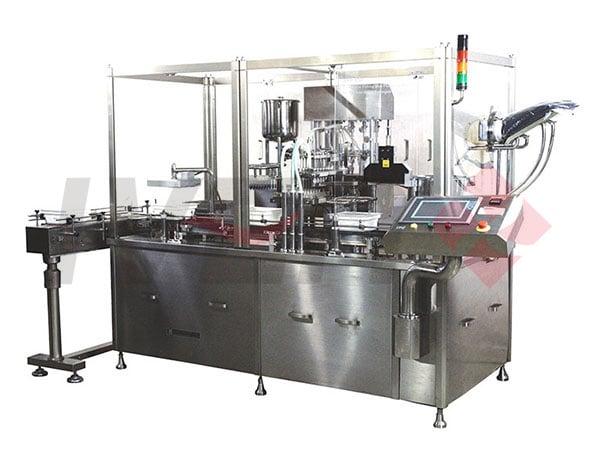
Prefilled Syringe Filling Systems in the United States
For pharmaceutical manufacturers in the United States, a prefilled syringe filling machine is a high-value aseptic production system used to fill, stop, plunger-place, and often label or nest-process syringes with sterile drug products under tightly controlled conditions. It is widely evaluated by large pharmaceutical companies, biotech firms, and medical device manufacturers that need higher product safety, precise dosing, better operator protection, and compliance with U.S. FDA cGMP requirements. In practical terms, this equipment supports the commercial production of vaccines, biologics, injectables, anticoagulants, ophthalmic products, and specialty therapies packaged in ready-to-use syringe formats for hospitals, clinics, and home-care markets.
Across major U.S. pharmaceutical hubs such as Boston, New Jersey, Philadelphia, Raleigh-Durham, Indianapolis, Chicago, Houston, and the San Francisco Bay Area, investment in advanced aseptic filling technology continues to rise. The shift is driven by biologics growth, demand for patient-friendly delivery devices, stricter quality expectations, and the need to modernize older vial-based lines. Buyers are not only comparing machine speed; they are also assessing isolator integration, container closure integrity, changeover flexibility, digital validation support, and lifecycle service. For companies planning a new line or expansion project, understanding the available equipment configurations and supplier capabilities is essential.
A prefilled syringe filling machine matters because it directly affects sterility assurance, dose accuracy, production efficiency, and regulatory readiness. In the United States, where injectable production is subject to rigorous FDA oversight, the equipment must support aseptic processing, repeatable performance, documentation integrity, and process validation. Compared with manual or semi-automatic approaches, modern automatic prefilled syringe lines reduce contamination risk, improve throughput, and create a more scalable path for commercial manufacturing.
It is especially important for firms expanding from clinical to commercial scale, converting a product from vial to syringe presentation, or building a greenfield facility near key logistics corridors such as Port Newark, Los Angeles/Long Beach, Savannah, or Memphis air cargo routes. Because prefilled syringe packaging is often used for high-value formulations, equipment selection also has a major financial effect on product loss, yield, and recall risk.
Evaluation FactorWhy It MattersImpact on U.S. OperationsSterility assuranceSupports aseptic filling and minimizes contamination riskCritical for FDA inspection readiness and patient safetyDose accuracyEnsures consistent fill volume per syringeReduces rejects, complaints, and batch deviationsChangeover flexibilityAllows multiple syringe sizes or formatsUseful for CMOs and multi-product facilitiesAutomation levelReduces operator interventionImproves consistency and labor efficiencyValidation supportProvides IQ/OQ/PQ and documentation structureSpeeds line qualification in regulated plantsLifecycle serviceSupports uptime and spare parts managementImportant for long-term ROI in U.S. manufacturingThe table above shows why this equipment is typically treated as a strategic investment rather than a simple machine purchase. A buyer is usually assessing total production performance, not just the initial output rate.
A prefilled syringe filling machine is specialized aseptic equipment designed to process empty syringes or ready-to-use nested syringes and fill them with sterile liquid drug products. Depending on the line design, the machine may perform de-nesting, syringe feeding, vacuum or time-pressure filling, nitrogen purging, stopper insertion, plunger rod placement, vision inspection, labeling, and tray or tub handling. Some systems are built for glass syringes, while others are optimized for polymer syringes or safety syringe assemblies.
In pharmaceutical production, these systems are used for products that benefit from unit-dose accuracy, user convenience, and reduced preparation steps at the point of care. This includes vaccines, low molecular weight heparin, monoclonal antibodies, emergency injectables, fertility drugs, and specialty hospital therapies. Prefilled formats are also increasingly attractive for self-administration, particularly in chronic disease treatment categories.
Unlike standard vial lines, syringe lines must manage delicate container handling and tight tolerance requirements. Plunger positioning, siliconization compatibility, residual volume control, and breakage prevention all become important. For highly potent or sensitive formulations, the machine may be integrated into a restricted access barrier system or isolator.
For manufacturers seeking broader plant planning support, integrated engineering partners can be valuable. Companies that combine equipment supply with turnkey pharmaceutical project services help reduce interface risk between filling systems, clean utilities, HVAC, cleanroom layouts, and material logistics.
Modern prefilled syringe filling equipment is used across multiple production environments, from biotech startups scaling an innovative injectable to established multinational pharmaceutical plants upgrading legacy packaging formats. In the United States, common users include branded drug manufacturers, CDMOs, vaccine producers, hospital injectable suppliers, and medical consumables companies entering combination product markets.
The primary benefit is patient-ready packaging. Prefilled syringes reduce bedside preparation steps, cut the risk of dosing errors, and support fast administration in hospitals, ambulatory care centers, and home settings. For manufacturers, the benefits include lower contamination risk, better line efficiency, improved ergonomics, stronger market differentiation, and reduced overfill versus some vial presentations.
Application AreaTypical ProductsKey BenefitVaccinesSeasonal and specialty immunizationsFast administration and unit-dose controlBiologicsMonoclonal antibodies, proteinsHigh-value product protectionAnticoagulantsHeparin and related injectablesReady-to-use convenienceEmergency medicineAcute care injectablesRapid deployment in clinical settingsOphthalmics and specialty injectablesSmall-volume sterile formulationsPrecise fill controlHome-care therapiesChronic disease and self-injection productsPatient usability and adherence supportThis table illustrates how the same core equipment can serve different therapeutic segments while delivering distinct operational and commercial benefits.
Another major advantage is compatibility with digital manufacturing strategies. Newer lines often include recipe management, electronic batch record interfaces, audit trails, predictive maintenance data, and camera-based process verification. These features are especially relevant for facilities in competitive U.S. clusters where quality and speed to market are critical.
var ctx1 = document.getElementById(‘lineChart’).getContext(‘2d’);var chart1 = new Chart(ctx1, {type: ‘line’,data: {labels: [‘2021’, ‘2022’, ‘2023’, ‘2024’, ‘2025’, ‘2026’],datasets: [{label: ‘U.S. Prefilled Syringe Line Market Growth Index’,data: [100, 112, 126, 141, 158, 176],borderColor: ‘rgb(75, 192, 192)’,backgroundColor: ‘rgba(75, 192, 192, 0.15)’,fill: false,tension: 0.25}]},options: {responsive: true,maintainAspectRatio: false}});The line chart reflects a realistic growth pattern in demand for syringe filling lines in the United States, driven by biologics expansion, reshoring interest, and ongoing capital investment in sterile manufacturing.
There is no single best machine for every facility. The right configuration depends on batch size, container format, viscosity, sterility strategy, available cleanroom classification, and whether the buyer is running clinical, pilot, or commercial volumes.
Broadly, the market includes semi-automatic units, fully automatic lines, nested syringe systems, bulk syringe systems, and integrated lines with isolators or RABS. Filling technology may include rotary piston pumps, peristaltic pumps, time-pressure systems, or mass-flow based control. Vision systems may inspect stopper placement, fill level, cosmetics, and component presence. Some lines also allow fast format changes for 0.5 mL, 1 mL, 2.25 mL, 3 mL, 5 mL, or custom syringe sizes.
Machine TypeBest Use CaseAdvantagesSemi-automatic syringe fillerR&D, pilot, low-volume specialty linesLower cost, flexible setupAutomatic nested syringe lineSterile ready-to-use syringesLow handling risk, strong aseptic profileAutomatic bulk syringe lineHigher-volume customized operationsPotentially lower container costIsolator-integrated lineHigh-potency or high-sterility assurance needsReduced intervention and contamination exposureRABS-based lineCommercial aseptic filling with controlled accessBalance of access and containmentMulti-format flexible lineCMOs and multi-product plantsFaster changeover, broader customer fitThe table shows how technical selection should match business model and process risk, not only output speed. For example, a CDMO serving multiple clients in New Jersey may prioritize flexibility and validation support, while a single-product biologics manufacturer in Massachusetts may prioritize containment and ultra-low product loss.
Common technical options requested by U.S. buyers include:
Manufacturers that provide broad equipment portfolios often offer better integration support across adjacent systems such as water for injection, purified steam, solution preparation, and packaging. For buyers reviewing supplier background, the company overview can help clarify engineering depth and project history.
Many manufacturers ask whether they should invest in a syringe line or continue using vials, ampoules, cartridges, or contract filling. The answer depends on commercial strategy, product type, target patient population, and cost structure.
Vials remain highly versatile and are often favored for lyophilization, large batch production, and hospital distribution where bedside preparation is acceptable. Cartridges are common in pen injector systems. Ampoules are less common in some modern high-value biologic applications due to opening and handling limitations. Contract manufacturing can reduce initial capital outlay but may limit scheduling control and create tech transfer complexity.
Format or ApproachStrengthsLimitationsPrefilled syringesReady to use, strong convenience, precise doseHigher equipment and component complexityVialsFlexible, widely established, good for lyophilizationMore preparation steps at use pointAmpoulesSimple container conceptLess user-friendly and more breakage riskCartridgesWell suited for pen systemsApplication-specific and device-dependentCMO outsourcingLower upfront capexLess direct control over scheduling and know-howManual or semi-manual fillingLow initial cost for very small scaleNot ideal for commercial sterile scale-upThis comparison makes clear that prefilled syringe technology is most attractive when convenience, premium presentation, dosing control, and market differentiation matter. It is less compelling when a product needs lyophilization first or when a company lacks sufficient forecast volume to justify capital spending.
var ctx2 = document.getElementById(‘barChart’).getContext(‘2d’);var chart2 = new Chart(ctx2, {type: ‘bar’,data: {labels: [‘Biologics’, ‘Vaccines’, ‘Hospital Injectables’, ‘CDMOs’, ‘Home-care Therapies’, ‘Medical Devices’],datasets: [{label: ‘Estimated U.S. Demand Score for Syringe Filling Lines’,data: [92, 81, 74, 77, 88, 63],backgroundColor: [‘rgb(54, 162, 235)’,’rgb(255, 159, 64)’,’rgb(75, 192, 192)’,’rgb(153, 102, 255)’,’rgb(255, 99, 132)’,’rgb(201, 203, 207)’]}]},options: {responsive: true,maintainAspectRatio: false}});The bar chart indicates where current U.S. demand is strongest. Biologics and home-care therapies are especially important demand drivers because syringe presentation aligns well with high-value, patient-administered therapies.
The U.S. market for prefilled syringe filling systems is supported by several structural factors: a large injectable drug market, strong biologics pipelines, active CDMO expansion, pressure to improve supply chain resilience, and increasing demand for patient-centric delivery formats. Domestic investments continue across East Coast, Midwest, and West Coast manufacturing centers, while Gulf Coast logistics hubs also remain relevant for imported components and finished-goods distribution.
By 2026, several trends are expected to shape equipment buying decisions:
Policy and compliance will also matter. While exact regulatory priorities evolve, contamination control, documentation integrity, and lifecycle validation remain central. Buyers should expect future projects to emphasize not only machine qualification, but also environmental monitoring strategy, intervention reduction, and line clearance control.
var ctx3 = document.getElementById(‘areaChart’).getContext(‘2d’);var chart3 = new Chart(ctx3, {type: ‘line’,data: {labels: [‘2021’, ‘2022’, ‘2023’, ‘2024’, ‘2025’, ‘2026’],datasets: [{label: ‘Shift Toward Automated and Isolator-Based Lines (%)’,data: [38, 44, 51, 58, 66, 73],borderColor: ‘rgb(75, 192, 192)’,backgroundColor: ‘rgba(75, 192, 192, 0.25)’,fill: true,tension: 0.3}]},options: {responsive: true,maintainAspectRatio: false}});The area chart shows the expected shift toward more advanced and highly automated sterile filling architecture in the United States through 2026.
Sustainability is becoming more visible in capital planning as well. Companies are comparing energy consumption, compressed air load, cleanroom footprint efficiency, reject rates, and packaging material optimization. Equipment suppliers that can help reduce product giveaway and cleaning burden may provide a stronger long-term value proposition.
Selecting a supplier requires more than comparing brochures. U.S. buyers should evaluate technical competence, compliance track record, integration capability, after-sales support, and project execution discipline. The best supplier for one project may not be the best for another, especially when one plant needs a standalone machine and another needs a full sterile suite with utilities, conveyors, packaging, and validation deliverables.
A practical vendor assessment should cover the following areas:
Supplier CheckpointQuestions to AskWhy It MattersRegulatory familiarityCan the supplier support FDA cGMP and global GMP expectations?Reduces compliance risk during qualification and inspectionEngineering depthDoes the vendor understand filling, utilities, and facility interfaces?Improves project coordinationManufacturing capabilityAre critical machine components produced under controlled standards?Influences quality consistency and lead timeReference projectsHas the vendor delivered similar lines to regulated markets?Shows practical execution abilityService networkHow fast are spare parts, troubleshooting, and training support?Protects uptime after startupValidation documentationAre FAT, SAT, IQ, OQ, and PQ support available?Helps accelerate implementationThis table functions as a working shortlist tool for procurement, engineering, and quality teams. It highlights the difference between buying a machine and selecting a qualified project partner.
When considering technology capabilities, IVEN Pharmatech Engineering is relevant to U.S. buyers because it focuses on integrated pharmaceutical engineering and sterile production solutions rather than only isolated equipment sales. Its technical strengths include pharmaceutical filling and packaging machinery, water treatment systems, logistics integration, and customized production line design aligned with international GMP expectations. For syringe filling projects, this broader process understanding can help reduce interface issues between the line and the rest of the sterile manufacturing environment.
On manufacturing capability, the company operates specialized production facilities focused on core pharmaceutical equipment categories. That matters because buyers often want consistency in fabrication quality, stainless steel workmanship, controls integration, and system durability over many years of operation. Large U.S. manufacturers comparing global suppliers usually look for evidence that the vendor can support both custom engineering and repeatable production standards.
On service capability, full lifecycle support is increasingly important. For example, U.S. project teams often need feasibility input, layout review, installation coordination, commissioning assistance, validation documentation, training, and post-startup troubleshooting. A supplier that can provide these services through the project cycle can reduce delays and change-order risks. Buyers ready to discuss a specific project scope can use the contact page to request a technical consultation.
Capital cost varies widely based on output speed, sterility architecture, automation level, inspection requirements, and the extent of line integration. A semi-automatic solution for development use may require a modest budget, while a commercial isolator-integrated line with de-nesting, stoppering, vision inspection, labeling, and robotic handling may require a multi-million-dollar investment.
In the United States, buyers should budget for more than the equipment invoice. True project cost often includes facility modifications, clean utilities, isolator testing, HVAC balancing, FAT and SAT travel, validation support, shipping, customs, installation, spare parts, operator training, and startup waste. If the site is in a high-cost metro region like Boston, San Diego, or the New York/New Jersey corridor, construction and integration costs can be significantly higher than equipment-only estimates suggest.
Cost ElementTypical Budget WeightPlanning NoteCore filling machineHighMain mechanical and control platform costBarrier system or isolatorHighOften needed for advanced aseptic strategyUtilities and facility adaptationMedium to highCan rise sharply in retrofit projectsInspection and ancillary modulesMediumDepends on automation and product quality strategyValidation and documentationMediumEssential in regulated U.S. deploymentTraining, spares, serviceMediumProtects startup and long-term uptimeThis budget table helps decision-makers look beyond sticker price. For many projects, the hidden cost of poor planning is greater than the cost difference between two machine models.
ROI analysis should consider labor reduction, lower contamination risk, reduced product loss, higher yield, faster release readiness, greater market access, and strategic control over production. A line may also support higher-margin product launches that would be difficult in vial-only packaging. For a biologic with high product value per milliliter, even small reductions in overfill or reject rate can materially improve payback.
A typical ROI framework includes:
Despite strong market potential, syringe filling projects come with real risks. One of the biggest is underestimating process complexity. Syringes are sensitive primary containers, and line performance depends on component quality, tub consistency, stopper compatibility, siliconization behavior, and environmental control. A machine that performs well at FAT may still face challenges during product-specific qualification if formulation viscosity, bubble behavior, or fill tolerance are not fully understood.
Another common risk is incomplete user requirement definition. If the URS does not clearly specify syringe formats, throughput targets, recipe management, barrier strategy, data integrity needs, and inspection criteria, expensive redesigns can occur. Retrofit projects are especially vulnerable when older cleanrooms in places like New Jersey or Puerto Rico need modern equipment with limited footprint flexibility.
Supply chain risk also deserves attention. Some buyers learned during recent disruptions that lead times for pumps, PLC components, servo systems, and sterile consumables can affect startup schedules. U.S. manufacturers should ask vendors about critical part sourcing, inventory planning, and field service response times.
Below is a practical risk matrix:
RiskPotential ConsequenceMitigation ApproachPoor URS definitionScope gaps and change ordersCross-functional design review before POWeak aseptic strategyQualification failure or contamination eventsUse formal contamination control planningComponent incompatibilityBreakage, leaks, rejectsRun component trials earlyInsufficient validation supportDelayed commercial launchConfirm documentation package in contractLimited service responseExtended downtimeSecure spares and service agreementUnderestimated total costBudget overrunsModel full project capex and opexThis table is useful for project governance because it links each major risk to a practical control action. Mature buyers often include these items in supplier audits and internal capital approval packages.
var ctx4 = document.getElementById(‘comparisonChart’).getContext(‘2d’);var chart4 = new Chart(ctx4, {type: ‘bar’,data: {labels: [‘Compliance Support’, ‘Customization’, ‘Turnkey Ability’, ‘Lifecycle Service’, ‘Utility Integration’, ‘Global Delivery’],datasets: [{label: ‘Supplier Evaluation Benchmark Score’,data: [90, 88, 93, 86, 89, 91],backgroundColor: ‘rgb(153, 102, 255)’}]},options: {responsive: true,maintainAspectRatio: false}});The comparison chart demonstrates the type of weighted supplier evaluation many U.S. buyers use during formal procurement reviews. It reflects how broader project capability often matters as much as the machine itself.
If you are comparing available systems, a useful starting point is to review the wider pharmaceutical equipment portfolio and then narrow the discussion to product format, throughput, compliance, and facility integration needs.
1. What production speed is typical for a prefilled syringe filling machine?Speed varies by machine design, syringe format, and product behavior. Development systems may run at low speeds for flexibility, while commercial automatic lines can process several thousand syringes per hour. However, actual qualified speed depends on sterility controls, reject strategy, and component handling stability.
2. Are prefilled syringe lines suitable for biologics?Yes. They are widely used for biologics, especially when dose precision, patient convenience, and premium presentation are important. Buyers should confirm compatibility with protein sensitivity, shear concerns, oxygen exposure limits, and component materials.
3. What is the difference between nested and bulk syringe processing?Nested processing handles ready-to-use syringes in tubs, usually reducing manual handling and contamination risk. Bulk processing may offer different cost or format advantages but often requires more extensive container handling. Nested systems are common in high-sterility modern applications.
4. Do U.S. manufacturers usually prefer isolators or RABS?It depends on the product and risk strategy. Isolators are often favored for high-value sterile products and reduced intervention designs. RABS can still be appropriate for many commercial applications when well designed and properly operated.
5. How long does implementation usually take?A full project timeline can range from several months to well over a year depending on customization, facility readiness, FAT scheduling, shipping, installation, validation, and local contractor performance. Retrofit projects often take longer than expected because of utility and layout constraints.
6. What documentation should buyers request?Typical requests include URS alignment documents, DQ support, P&IDs where relevant, FAT protocols, calibration records, material certificates, software documentation, manuals, spare parts lists, and IQ/OQ templates or support packages.
7. Is a turnkey partner better than buying a standalone machine?If your project includes clean utilities, facility coordination, HVAC interfaces, or multiple integrated systems, a turnkey-capable partner can reduce coordination risk. For simple line replacement in an established sterile suite, a standalone machine purchase may be sufficient.
8. What should U.S. buyers ask about after-sales support?Ask about remote diagnostics, local service availability, emergency response time, critical spare parts stock, operator training, and support for requalification after upgrades. Strong service planning can prevent expensive downtime.
9. Can a supplier support broader factory development beyond the syringe line?Some suppliers can. This is especially useful for companies building new injectable plants or expanding multi-product sites. Providers with experience in integrated sterile manufacturing can support equipment, utilities, logistics, validation, and training in a coordinated way.
10. Where can I learn more about integrated pharmaceutical project support?Manufacturers evaluating a broader solution can review integrated turnkey capabilities, explore the engineering background, or reach out through the project inquiry channel for a more tailored discussion.
In summary, the right prefilled syringe filling machine for the United States market is the one that aligns product risk, regulatory expectations, plant infrastructure, and long-term commercial strategy. For large pharmaceutical and medical device companies, the decision should be based on validated performance, aseptic design, flexible engineering, service support, and lifecycle value rather than purchase price alone.