Multi-Chamber IV Bags in the United States: Buyer Guide
For pharmaceutical manufacturers, hospital systems, and contract packagers in the United States, the discussion around multi-chamber IV bag vs standard IV bag technology is no longer theoretical. It is tied directly to sterile compounding efficiency, drug stability, logistics, and patient safety. A multi-chamber IV bag keeps two or more components physically separated by peel seals or frangible seals until activation at the point of use. A standard single-chamber IV bag stores one premixed solution in a single compartment. This difference sounds simple, but it changes how products are developed, approved, transported, stocked, and administered across major healthcare markets such as New York, Chicago, Houston, Los Angeles, and Atlanta.
In the U.S. market, demand is driven by readiness-to-use therapies, reduced bedside compounding, stronger compliance expectations, and the need to protect sensitive ingredients from degradation. Hospitals under pressure to reduce medication errors increasingly prefer systems that simplify preparation. At the same time, manufacturers must balance capital expenditure, film selection, validation requirements, and line flexibility. This article explains the practical differences, market drivers, material choices, supplier selection criteria, and investment logic behind advanced IV packaging lines.
For companies evaluating integrated project delivery, turnkey pharmaceutical engineering solutions can reduce coordination gaps between bag making, solution preparation, filling, sterilization, packaging, and validation. The goal is not just to buy a machine, but to build a robust, compliant production system that performs consistently under U.S. regulatory expectations.
Quick Answer: Why Multi-Chamber IV Bags Improve Stability and Safety

The quick answer is this: a multi-chamber IV bag allows manufacturers to keep incompatible or unstable active ingredients separated until the moment of activation and infusion. Compared with a standard IV bag, this approach improves shelf stability, protects potency, reduces the need for manual admixture, and can lower the risk of preparation errors in hospitals and ambulatory care settings.
In a standard single-chamber bag, all dissolved ingredients share one environment from the day of manufacture onward. That works well for stable solutions such as saline, dextrose, and many electrolytes. However, when vitamins, amino acids, trace elements, buffers, or drugs degrade after mixing, a single-chamber design can limit product life or create more complicated storage conditions. Multi-chamber systems solve that by separating components until nurses, pharmacists, or clinicians activate the seals.
| Factor | Multi-Chamber IV Bag | Standard IV Bag | Operational Impact |
|---|---|---|---|
| Ingredient separation | Two or more chambers keep components apart | All ingredients stored together | Better protection for unstable formulations |
| Shelf stability | Usually longer for sensitive products | Limited by premixed compatibility | Improves distribution flexibility |
| Preparation at bedside | Simple activation before use | May require pharmacy compounding for some therapies | Can reduce handling steps |
| Medication error risk | Lower when process is standardized | Depends on external mixing workflow | Supports patient safety goals |
| Manufacturing complexity | Higher equipment and validation demands | Simpler line design | Requires stronger engineering capability |
| Typical use case | Advanced nutrition, antibiotics, dual-component solutions | Basic hydration and stable premixes | Helps segment products by clinical value |
The table above shows why the multi-chamber IV bag vs standard IV bag decision is not only about packaging format. It influences formulation strategy, inventory turnover, and healthcare workflow from the manufacturing plant to the infusion pump.
What Is a Multi-Chamber IV Bag and What Are Its Main Advantages?

A multi-chamber IV bag is a sterile flexible container divided into two or more compartments by internal seals. Each chamber holds a separate solution, powder, or concentrated component. Before administration, the user applies pressure or follows a designed activation sequence to break or peel the seal, allowing the contents to mix. The final solution is then infused like a conventional IV product.
The main advantage is formulation freedom. Developers can package ingredients that are unstable when stored together but suitable after short-term mixing. This is especially important for parenteral nutrition, reconstitution-based therapies, certain anti-infectives, bicarbonate-containing products, and combinations that are sensitive to pH, oxidation, moisture, or light.
Another advantage is supply chain resilience. In the United States, hospital networks often operate across wide geographies, from East Coast medical centers near the Port of New York and New Jersey to Midwest distribution corridors around Chicago and inland hubs near Dallas and Kansas City. Products with longer usable shelf life and simpler final activation are easier to stock, rotate, and distribute.
Multi-chamber packaging also supports decentralized care models. Home infusion, surgery centers, and emergency preparedness programs benefit from ready-to-activate formats that reduce dependence on complex onsite compounding. This matters in a market where labor shortages and sterile compounding oversight continue to shape purchasing decisions.
From an engineering viewpoint, the line must coordinate film forming or bag feeding, chamber creation, accurate metering into each compartment, seal integrity control, leak testing, overpouch handling where required, sterilization compatibility, and full traceability. Companies looking for an experienced engineering partner often review a supplier’s international project background and technical depth before purchase. More detail about one such provider’s background can be found on the company overview page.
Clinical Benefits and Hospital Applications of Multi-Chamber IV Bag Production

Clinical adoption in the United States is strongest where preparation simplicity and dosing consistency matter most. Health systems in Boston, Cleveland, San Francisco, and Phoenix increasingly value formats that reduce the time pharmacists and nurses spend manipulating sterile products. Every avoided compounding step can improve workflow and reduce contamination risk.
Multi-chamber bags are especially useful in hospitals managing high volumes of critical care, oncology, dialysis, nutrition support, and anti-infective therapy. Because the product can be activated shortly before administration, the final mixture has minimal hold time after reconstitution, which helps align clinical use with stability limits.
| Clinical Area | Why Multi-Chamber Is Useful | Typical U.S. Setting | Key Benefit |
|---|---|---|---|
| Parenteral nutrition | Separates amino acids, dextrose, lipids, or electrolytes as needed | Large academic hospitals | Improves stability and reduces pharmacy labor |
| Antibiotic therapy | Keeps drug and diluent apart until use | Emergency departments and inpatient wards | Faster preparation and fewer admixture steps |
| Critical care | Supports rapid, standardized activation | ICUs | Helps reduce urgent preparation errors |
| Home infusion | Simplifies handling outside hospital pharmacies | Home care networks | Improves convenience and compliance |
| Dialysis-related solutions | Can separate sensitive buffering components | Specialty renal centers | Better chemical control before use |
| Disaster readiness stock | Longer stable storage for selected formulations | Regional emergency reserves | Supports preparedness logistics |
The explanation behind this table is straightforward: clinical value grows where each avoided manual step improves safety, speed, or consistency. In many U.S. hospital systems, the cost of pharmacy labor and the consequences of sterile handling errors are high enough that packaging innovation can justify premium product positioning.
For manufacturers, this means production strategy should be aligned with hospital use cases. A line designed only for commodity fluids may not deliver the chamber precision, activation reliability, and validation depth needed for advanced therapies. By contrast, an integrated engineering model that covers formulation support, filling technology, water systems, packaging, logistics, and qualification can shorten implementation time and improve first-pass success.
Common Types of Multi-Chamber IV Bags and Film Material Options
Not all multi-chamber bags are the same. Common configurations include two-chamber bags for drug-and-diluent combinations, three-chamber bags for nutrition products, and custom chamber layouts for specialty therapies. The choice depends on formulation chemistry, sterilization pathway, dose volume, storage condition, and user activation method.
Film selection is equally important. In the U.S. market, non-PVC structures are increasingly favored for compatibility, environmental positioning, and reduced concerns around plasticizer migration. However, material choice must reflect the actual product and process, not only general sustainability preferences.
| Bag Type or Material | Description | Typical Strength | Common Limitation |
|---|---|---|---|
| Two-chamber bag | Separates drug and diluent or two reactive solutions | Simple activation and broad applicability | Less suitable for highly complex nutrition formulas |
| Three-chamber bag | Stores three components separately | Ideal for parenteral nutrition platforms | Higher line complexity |
| Non-PVC multilayer film | Flexible film without PVC base | Good market acceptance and compatibility | Requires precise seal control |
| PP-based structure | Polypropylene-centered flexible packaging concept | Good heat resistance in some processes | May affect softness and handling feel |
| EVA-based film | Ethylene-vinyl acetate flexible structure | Softness and transparency | Compatibility must be formulation tested |
| High-barrier multilayer film | Designed for oxygen or moisture protection | Supports sensitive products | Often more expensive |
The table explains why film choice is a strategic decision rather than a simple procurement item. Sealability, sterilization resistance, extractables profile, oxygen transmission, transparency, and puncture strength all affect product approval and commercial success. Manufacturers serving the United States must also think about distribution routes through humid coastal regions, dry inland zones, and temperature-variable warehousing near hubs such as Savannah, Long Beach, Newark, and Memphis.
In addition to film, port design matters. Administration ports, additive ports, and hanging features should be user-friendly and compatible with U.S. hospital standard sets. Secondary packaging may be necessary for barrier performance or tamper evidence. Label area must support serialization, UDI-related data where relevant, and clear activation instructions.
Multi-Chamber IV Bags vs Single-Chamber IV Bags: Detailed Comparison
When comparing multi-chamber and single-chamber IV bags, manufacturers should evaluate more than cost per unit. The right comparison includes total lifecycle value: formulation flexibility, inventory economics, clinical workflow, regulatory support, and long-term product differentiation.
| Comparison Point | Multi-Chamber Bag | Single-Chamber Bag | Why It Matters |
|---|---|---|---|
| Formulation compatibility | Allows separate storage of reactive ingredients | Requires all ingredients to remain stable together | Expands development possibilities |
| Ready-to-use efficiency | High after activation | High only if premix is already stable | Determines hospital handling burden |
| Line engineering | Advanced filling, sealing, and inspection | More straightforward setup | Affects capital intensity |
| Product portfolio value | Supports premium and specialty products | Best for commodity or stable products | Influences margins |
| Training requirements | Need activation instructions | Minimal use training | Important for end-user acceptance |
| Regulatory documentation | More extensive validation and stability studies | Generally simpler dossier structure | Affects approval timeline |
This table shows that the multi-chamber IV bag vs standard IV bag choice depends on whether the manufacturer seeks volume efficiency in stable fluids or higher-value differentiation in advanced sterile products. Many companies end up operating both formats because they serve different commercial roles.
The comparison chart visualizes a common market reality: multi-chamber systems score higher on value creation and formulation capability, while single-chamber bags remain attractive where simplicity and lower initial investment dominate the decision.
Current Market Trends and Demand for Multi-Chamber IV Bag Production Capacity
The United States market is seeing stronger interest in advanced infusion packaging for five reasons: growth in ready-to-use medications, pressure to reduce sterile compounding risk, expansion of outpatient infusion models, investment in domestic and near-market supply resilience, and innovation in nutrition and specialty injectable products. Procurement teams across large IDNs and GPO-linked hospital systems are asking not only for product availability but also for packaging formats that reduce clinical friction.
From 2024 to 2026, the strongest momentum is expected in products that combine safety with operational efficiency. Manufacturers that can support higher stability claims, clear activation design, and robust data packages will be better positioned. Sustainability is also entering the conversation, especially around non-PVC materials, lower waste workflows, and more efficient transport utilization.
The line chart indicates realistic growth in U.S. demand for multi-chamber production capacity as healthcare providers seek more standardized infusion products.
The bar chart reflects where demand concentration is likely to be strongest by application segment, with nutrition and anti-infective products leading due to stability and workflow needs.
The area chart illustrates a gradual shift from pure premixed preference toward more flexible separated-component formats. It does not mean standard IV bags disappear; rather, the market becomes more segmented and specialized.
Policy and industry trends for 2026 are also worth noting. Buyers increasingly expect documented compliance with U.S. FDA cGMP principles, audit-ready digital records, and better lifecycle support. Sustainability discussions will likely expand from simple material selection to broader metrics such as line energy efficiency, scrap reduction, and transport density. Manufacturers near major U.S. logistics nodes such as the Port of Houston, the Port of Los Angeles, and air cargo centers in Louisville and Memphis may also gain supply chain advantages.
How to Choose a Reliable Multi-Chamber IV Bag Manufacturer or Supplier
Selecting a reliable supplier for multi-chamber IV bag equipment or complete production lines requires a deeper review than standard utility-grade packaging equipment. The supplier should demonstrate not only mechanical capability but also pharmaceutical process understanding, sterile engineering discipline, and validation support suitable for the U.S. market.
| Selection Criterion | What to Check | Why It Matters in the United States | Recommended Buyer Action |
|---|---|---|---|
| Regulatory understanding | Experience with FDA-style documentation and cGMP projects | Reduces compliance risk | Ask for example validation packages |
| Bag line technology | Seal integrity, filling accuracy, and chamber consistency | Core to product quality | Request FAT data and performance metrics |
| Material compatibility | Ability to work with multiple film structures | Supports formulation flexibility | Review compatibility test approach |
| Manufacturing scale | Installed base and production references | Indicates execution reliability | Visit active reference sites if possible |
| After-sales support | Training, spare parts, remote help, onsite service | Critical for uptime | Confirm service response commitments |
| Project integration | Can the supplier link water, filling, logistics, and packaging? | Prevents scope gaps | Evaluate full plant capability, not one machine only |
This table explains why equipment buying should be treated as a plant strategy decision. A low-price machine with weak documentation or limited process understanding can create costly delays later during qualification and commercial launch.
When buyers assess technological capabilities, they should prioritize suppliers with proven expertise in IV solution systems, advanced filling and packaging machinery, water treatment, solution preparation, and plant-wide automation. Shanghai IVEN Pharmatech Engineering, for example, is known in the pharmaceutical equipment field for integrated engineering know-how and long involvement in IV solution production technologies, including soft bag lines and related sterile systems. This matters because multi-chamber production requires coordination between formulation handling, precision filling, packaging mechanics, and compliance-oriented controls.
Manufacturing capabilities should be reviewed separately. A supplier may have strong design concepts but limited fabrication depth. Buyers in the United States should ask whether the manufacturer operates specialized plants, controls key component quality, and has an installed base large enough to support long-term parts availability. Companies with multiple specialized manufacturing facilities and a long record in IV solution line construction are usually better positioned to deliver standardized quality and customization at the same time. If you want to explore available systems and categories, you can review product offerings through the equipment catalog.
Service capabilities are the third pillar. For U.S. projects, especially those near fast-moving pharma corridors in New Jersey, North Carolina, Indiana, and California, service planning affects ramp-up speed as much as equipment design. Buyers should confirm whether the supplier can support feasibility review, plant layout optimization, installation, commissioning, IQ/OQ/PQ assistance, staff training, documentation, and post-startup optimization. A supplier that stays involved through the project lifecycle often lowers hidden cost and schedule risk.
The supplier comparison chart highlights what sophisticated buyers tend to value most: integration, service, documentation, and regulatory confidence rather than initial price alone.
Investment Cost, Budget Planning, and ROI Analysis for Multi-Chamber IV Bags
Investment in multi-chamber IV bag production can range from a line upgrade to a full greenfield sterile facility. Budget planning should include not only core machinery but also utilities, cleanrooms, water systems, preparation tanks, sterilization infrastructure where required, inspection, packaging, warehousing interfaces, qualification, and operator training. In many cases, the capital gap between standard IV bag production and multi-chamber production is justified only if the product pipeline includes enough higher-value SKUs.
| Cost Area | Typical Budget Weight | Main Cost Driver | ROI Relevance |
|---|---|---|---|
| Bag making and filling line | High | Chamber formation and precision dosing | Core production capability |
| Utility and water systems | Medium to high | Purified water, WFI, steam, HVAC | Necessary for compliance and uptime |
| Cleanroom and facility adaptation | Medium to high | Classified area construction | Impacts project schedule |
| Validation and documentation | Medium | IQ/OQ/PQ, protocols, data packages | Critical for market release |
| Packaging and logistics systems | Medium | Secondary packing and traceability | Supports commercial distribution |
| Training and ramp-up support | Low to medium | Operator learning curve | Reduces startup loss |
The explanation is important: ROI depends less on the bag itself and more on whether the plant can consistently commercialize premium products with acceptable yield, quality, and utilization. Underutilized advanced lines are expensive. Well-loaded lines serving differentiated products can produce strong returns.
A practical ROI model in the U.S. should include the following variables:
- Expected annual volume by SKU and chamber configuration
- Gross margin difference between advanced and commodity IV products
- Reduction in expired inventory due to improved stability
- Commercial value of ready-to-use positioning with hospitals
- Labor savings in downstream handling or customer workflow
- Validation and change-control cost over the first three years
For example, a manufacturer supplying health systems from distribution centers near Philadelphia or Columbus may find that longer stable storage and reduced cold-chain constraints lower total network cost enough to improve payback. Another manufacturer targeting home infusion may justify the investment through premium pricing and stronger contract retention rather than sheer volume.
Working with an integrated project partner can also improve ROI by reducing redesigns and schedule slippage. In complex sterile projects, those hidden losses often exceed the visible savings from choosing the cheapest equipment source.
Key Considerations and Potential Risks When Investing in Multi-Chamber IV Bags
Despite the advantages, investing in multi-chamber IV bag production involves meaningful technical and commercial risks. The biggest mistake is assuming that a successful standard IV bag operation can be upgraded casually into advanced chamber-based production without deeper formulation, validation, and user-experience planning.
First, formulation risk is real. Ingredient separation improves stability, but only if the final activated mixture behaves as expected through its intended in-use window. Compatibility, pH change, particulate generation, and container interaction must all be tested thoroughly.
Second, sealing risk is central. Peelable or breakable seals must remain intact during shipping from manufacturing sites to U.S. distribution hubs and hospitals, yet still activate reliably at the point of use. This balance requires excellent process control and extensive transit simulation.
Third, market adoption risk should not be ignored. Some products clearly benefit from multi-chamber design, while others may not earn enough price premium to offset production complexity. A detailed voice-of-customer study across hospital pharmacists, IDNs, and specialty distributors is useful before scaling capacity.
Fourth, supply chain risk matters. Film sourcing, port components, and sterile-contact materials should have secure qualification pathways and secondary sources whenever possible. U.S. buyers increasingly prefer resilient sourcing strategies after recent disruptions in healthcare supply chains.
Fifth, project execution risk can undermine otherwise strong business cases. Poor layout decisions, underestimated utility demand, weak FAT/SAT planning, and incomplete documentation can delay commercial readiness. This is why many manufacturers favor suppliers able to support engineering, installation, qualification, and technology transfer under one structure. If your team is evaluating such a project, direct consultation through the project contact page can help define scope and risk points early.
Looking toward 2026, three additional trends should shape investment decisions. The first is digitalization: smarter MES connectivity, batch traceability, and predictive maintenance are becoming standard expectations. The second is sustainability: non-PVC designs, improved material utilization, and lower-energy utility systems will gain importance in procurement and ESG reporting. The third is policy sensitivity: domestic manufacturing incentives, drug shortage mitigation efforts, and increased scrutiny of sterile supply continuity may influence where and how new capacity is built.
FAQ
What is the main difference between a multi-chamber IV bag and a standard IV bag?
A multi-chamber IV bag stores separate components in different compartments until activation, while a standard IV bag stores one premixed solution in a single chamber.
Why do U.S. hospitals care about multi-chamber designs?
They can reduce bedside or pharmacy compounding steps, improve consistency, and help lower medication preparation risks, especially for sensitive or reactive formulations.
Are multi-chamber IV bags always better than single-chamber bags?
No. They are better for products requiring separated storage or workflow simplification. Standard bags remain highly effective for stable, high-volume fluids such as saline and dextrose.
Which products are most suitable for multi-chamber systems?
Parenteral nutrition products, selected antibiotics, buffered solutions, some renal therapies, and formulations with ingredients that degrade after mixing are common candidates.
What materials are commonly used?
Non-PVC multilayer films, EVA-based structures, PP-oriented concepts, and higher-barrier specialty films are widely considered, depending on product compatibility and sterilization needs.
Is the investment much higher than a standard IV bag line?
Yes, usually. Multi-chamber production requires more sophisticated forming, filling, sealing, validation, and material control. However, the return can be attractive for higher-value products.
What should U.S. buyers ask equipment suppliers first?
They should ask about regulatory documentation, installed references, seal integrity performance, film compatibility, lifecycle service, and the ability to integrate upstream and downstream systems.
Can one supplier provide a full plant solution?
Some can. Integrated engineering companies may cover process design, water systems, filling lines, packaging, logistics, validation support, and training, which can reduce project risk.
How important is service after installation?
It is extremely important. Sterile operations need stable uptime, fast troubleshooting, spare parts planning, and documentation support throughout qualification and commercial production.
What is a sensible next step for a manufacturer in the United States?
Start with a feasibility review that links product pipeline, chamber design, film choice, regulatory requirements, facility constraints, and ROI. Then shortlist suppliers with proven pharmaceutical integration capability rather than comparing on machine price alone.
In summary, the multi-chamber IV bag vs standard IV bag decision in the United States should be made through a full commercial and technical lens. Multi-chamber systems offer stronger value where stability, safety, and ready-to-use workflow matter most. Standard bags remain essential for many core infusion products. The most successful manufacturers will be those that align packaging format, production technology, and service infrastructure with real healthcare demand rather than following packaging trends in isolation.

About the Author
We are IVEN Pharmatech Engineering, a team dedicated to delivering turnkey pharmaceutical and medical solutions worldwide. With decades of experience, we specialize in advanced machinery, integrated factory design, and full lifecycle support to help our clients achieve efficient, compliant, and high-quality production.
Share
Related Insights
-
Turnkey Biologics Plant Solutions for the United States
Biologics manufacturing in the United States is expanding rapidly, driven by demand for monoclonal antibodies, vaccines, cell and gene therapy support systems, recombinant proteins, and high-value sterile products. A turnkey biologics plant facility is not a single machine. It is a complete, integrated factory solution that combines process design, clean utilities, upstream and downstream equipment, aseptic filling, automation, validation, and compliance support into one coordinated project. For large pharmaceutical companies, CDMOs, hospital system affiliates, and advanced therapy investors, this approach reduces project fragmentation and helps align facility development with US FDA cGMP expectations, schedule targets, and long-term capacity planning.
In practical terms, a turnkey biologics facility is used to design, build, equip, commission, validate, and prepare a production site for commercial or clinical manufacturing. In the United States, this matters especially in clusters such as Boston-Cambridge, New Jersey, Philadelphia, the Research Triangle in North Carolina, Houston, and San Diego, where speed to qualification, utility reliability, and documentation quality can directly affect launch timelines. Companies evaluating expansion near major logistics corridors such as the Port of Newark, Port of Savannah, Port of Los Angeles, and Chicago O’Hare also look carefully at supply-chain resilience when selecting a turnkey partner.
A turnkey biologics plant facility is a fully integrated pharmaceutical production solution delivered by one engineering and equipment partner or by a coordinated consortium under one responsibility framework. Instead of purchasing separate systems for water for injection, purified water, bioreactors, formulation, CIP/SIP, aseptic filling, environmental control, packaging, warehouse automation, and validation from many disconnected vendors, the buyer receives a unified project architecture. This can reduce interface risk, improve timeline control, and simplify qualification under strict regulatory requirements.
For United States projects, the strongest value of a turnkey approach is not only hardware integration. It is also the ability to align process flow, contamination control strategy, electronic records, material movement, personnel movement, documentation packs, commissioning protocols, IQ/OQ/PQ planning, and future scale-up pathways before steel is installed. When done well, a turnkey biologics factory supports faster readiness for engineering runs, media fills, PPQ planning, and eventual regulatory inspection.
Turnkey ElementWhat It IncludesWhy It Matters in the United StatesConcept and basic designProcess mapping, layout, URS, risk reviewsReduces redesign during local permitting and cGMP reviewClean utilitiesPW, WFI, pure steam, clean compressed air, gasesCritical for aseptic control and consistent batch qualityProduction systemsBioreactors, mixers, chromatography, filtration, fillingDefines throughput, yield, and contamination riskFacility systemsHVAC, pressure cascades, cleanrooms, BMS, EMSSupports environmental compliance and audit readinessAutomation and digitalizationSCADA, MES interfaces, alarms, data loggingSupports data integrity and operational efficiencyValidation and trainingDQ, FAT, SAT, IQ/OQ support, SOP trainingHelps shorten startup and improves inspection preparednessThe table above shows why investors often treat a turnkey biologics plant as a strategic production platform rather than a capital purchase line item. The broader the integration, the easier it becomes to control handoff risk between design, fabrication, site installation, and process qualification.
A turnkey biologics plant facility is used to create end-to-end manufacturing capability for biological drug substances and, in many cases, related drug product filling and packaging. Depending on project scope, the facility may include upstream processing, downstream purification, buffer/media preparation, sterile formulation, aseptic filling into vials or prefilled syringes, cold-chain staging, and final secondary packaging. It can serve early clinical, pilot, commercial, or multi-product operations.
Biologics plants differ from small-molecule sites because living cells, protein structures, and sterile handling requirements demand tighter environmental control, more complex process utilities, and stronger contamination prevention strategies. In the United States, this also means close attention to 21 CFR compliance, quality system integration, electronic data controls, and vendor documentation discipline.
Typical uses include:
For buyers seeking integrated engineering support, turnkey pharmaceutical engineering solutions can help coordinate utilities, process systems, and compliance deliverables under one project structure rather than multiple unaligned packages.
Turnkey biologics manufacturing solutions are used by multinational pharma companies, growth-stage biotech firms, CDMOs, vaccine producers, and investors modernizing legacy sterile plants. Their appeal comes from combining technical scope, schedule acceleration, and accountability.
Application AreaTypical Facility NeedPrimary BenefitMonoclonal antibodiesCell culture, purification, UF/DF, fill-finishHigh-volume commercial scalabilityVaccinesControlled bioprocessing and sterile finishingFast deployment for public health demandBiosimilarsEfficient, cost-controlled process designImproved margin and faster market accessClinical productionFlexible multi-product suitesSupports pipeline changes without major rebuildsCDMO operationsMulti-client segregation and documentation depthHigher utilization and easier client onboardingHospital-linked biologicsSmaller footprint, strict sterility supportRegional supply responsivenessThe key benefits extend beyond process hardware:
In major US biopharma corridors such as Cambridge, Raleigh-Durham, and San Diego, where speed and talent competition are intense, turnkey facilities can reduce the burden on internal engineering teams and allow focus on process science, tech transfer, and quality strategy.
var ctxBar = document.getElementById(‘barDemandChart’).getContext(‘2d’);var barDemandChart = new Chart(ctxBar, { type: ‘bar’, data: { labels: [‘Monoclonal Antibodies’, ‘Vaccines’, ‘Biosimilars’, ‘CDMO Capacity’, ‘Fill-Finish’, ‘Advanced Therapies Support’], datasets: [{ label: ‘Estimated 2026 US Project Demand Index’, data: [92, 76, 81, 88, 85, 69], backgroundColor: [‘#4e79a7′,’#f28e2b’,’#e15759′,’#76b7b2′,’#59a14f’,’#edc948′] }] }, options: { responsive: true, maintainAspectRatio: false }});The chart highlights where project activity is strongest. In the United States, antibody production, CDMO expansion, and sterile fill-finish continue to attract heavy capital attention because they serve both innovator and outsourcing markets.
There is no universal biologics plant model. The correct configuration depends on product class, annual volume, scale, batch frequency, biosafety profile, contamination control strategy, and capital budget. Buyers in the United States usually compare facilities across flexibility, throughput, utility intensity, and compliance simplicity.
Facility TypeBest ForTypical ScaleMain Technical FeatureClinical pilot biologics plantEarly-stage pipelines and tech transferSmall to mediumFlexible modular suitesCommercial stainless-steel plantLarge-volume antibodies or proteinsMedium to largeDurable high-capacity processingSingle-use biologics facilityMulti-product or rapid deployment sitesSmall to mediumFast turnover and reduced cleaning burdenHybrid plantBalanced flexibility and utility efficiencyMediumMix of stainless and disposable systemsFill-finish integrated biologics siteDrug substance plus sterile packagingMediumLinked formulation and aseptic fillingModular prefabricated facilityFast timeline or constrained site conditionsSmall to mediumOff-site fabrication and faster installationKey technical options often evaluated include:
When expansion is tied to future product diversification, a hybrid model can be attractive. Stainless systems may serve core high-volume steps, while disposable flow paths support fast campaign changeovers. This is increasingly common in US regions where facility reuse and lifecycle flexibility are viewed as strategic advantages.
Not every company needs a full greenfield turnkey biologics plant. Some organizations are better served by brownfield retrofits, modular additions, contract manufacturing, or partial utility upgrades. The right decision depends on urgency, IP sensitivity, funding, and expected demand certainty.
OptionAdvantagesLimitationsBest FitFull turnkey greenfield plantHigh control, optimized layout, long-term scalabilityHigher capital and longer permitting pathStrategic commercial productionBrownfield retrofitLower site acquisition cost, existing utilitiesLegacy constraints and hidden compliance gapsCompanies with usable current assetsModular biologics suitesFaster deployment, standardized fabricationFootprint and customization limitsRapid market entry or satellite capacityCDMO outsourcingMinimal capex, faster startupLess control over scheduling and know-howEarly-stage programs and uncertain demandEquipment-only purchaseSelective upgrade flexibilityHigh integration burden on ownerExperienced internal engineering teamsHybrid owner-integrator approachBalanced cost and oversightStill requires strong project governanceMidsize firms with technical leadershipFor example, a biotech in South San Francisco preparing for Phase III may prefer modular or outsourced capacity first, then a commercial turnkey plant after market clarity improves. By contrast, a mature manufacturer in New Jersey replacing aging sterile infrastructure may benefit more from a fully integrated turnkey redevelopment, especially if utility systems and environmental monitoring need a complete reset.
var ctxComp = document.getElementById(‘comparisonChart’).getContext(‘2d’);var comparisonChart = new Chart(ctxComp, { type: ‘bar’, data: { labels: [‘Speed to Startup’, ‘Capex Efficiency’, ‘Compliance Control’, ‘Scalability’, ‘Operational Ownership’, ‘Flexibility’], datasets: [ { label: ‘Turnkey Plant’, data: [72, 68, 93, 91, 95, 82], backgroundColor: ‘#6f42c1’ }, { label: ‘CDMO Outsourcing’, data: [89, 86, 61, 58, 35, 74], backgroundColor: ‘#20c997’ }, { label: ‘Brownfield Retrofit’, data: [63, 75, 67, 64, 88, 59], backgroundColor: ‘#fd7e14’ } ] }, options: { responsive: true, maintainAspectRatio: false }});This comparison illustrates a common US buying pattern: companies accept higher upfront investment in exchange for better long-term control, especially when products are valuable, sensitive, or expected to remain in commercial supply for many years.
The United States remains one of the most important markets for biologics manufacturing investment. Several factors support this: strong innovation pipelines, growth in biosimilars, resilience planning after recent supply-chain disruptions, increasing domestic sterile capacity expectations, and continued public and private investment in high-value therapies.
Demand is especially concentrated in clusters with strong scientific talent and specialized infrastructure. Boston-Cambridge leads in innovation density. New Jersey and eastern Pennsylvania remain powerful because of legacy pharma presence and proximity to major East Coast ports. North Carolina benefits from land availability and growing biomanufacturing talent. Texas and California continue to attract both therapeutic and contract manufacturing investment. These regions also influence design choices for labor efficiency, digital automation, and facility expandability.
var ctxLine = document.getElementById(‘lineGrowthChart’).getContext(‘2d’);var lineGrowthChart = new Chart(ctxLine, { type: ‘line’, data: { labels: [‘2021’, ‘2022’, ‘2023’, ‘2024’, ‘2025’, ‘2026’, ‘2027’, ‘2028’], datasets: [{ label: ‘US Turnkey Biologics Project Index’, data: [100, 108, 119, 131, 146, 161, 176, 190], borderColor: ‘#0d6efd’, backgroundColor: ‘rgba(13,110,253,0.12)’, fill: false, tension: 0.25 }] }, options: { responsive: true, maintainAspectRatio: false }});Looking ahead to 2026 and beyond, four trends are shaping the market:
Policy also matters. US manufacturers are increasingly attentive to domestic resilience, quality maturity, and supplier transparency. Buyers want clearer traceability for materials, control systems, and compliance records. Facilities that can document energy use, utility recovery, and low-impact operational strategies may gain an advantage in internal capital approval processes.
var ctxArea = document.getElementById(‘areaTrendChart’).getContext(‘2d’);var areaTrendChart = new Chart(ctxArea, { type: ‘line’, data: { labels: [‘2021’, ‘2022’, ‘2023’, ‘2024’, ‘2025’, ‘2026’, ‘2027’], datasets: [ { label: ‘Single-Use / Hybrid Adoption Share’, data: [34, 39, 45, 51, 57, 62, 67], borderColor: ‘#198754’, backgroundColor: ‘rgba(25,135,84,0.25)’, fill: true, tension: 0.25 }, { label: ‘Traditional Stainless-Only Share’, data: [66, 61, 55, 49, 43, 38, 33], borderColor: ‘#adb5bd’, backgroundColor: ‘rgba(173,181,189,0.15)’, fill: true, tension: 0.25 } ] }, options: { responsive: true, maintainAspectRatio: false }});The area chart reflects a major trend in US project planning: buyers increasingly favor flexibility and faster product changeovers, but they still retain stainless systems for high-volume core processes where durability and lower recurring consumables remain attractive.
Selecting a supplier is often more difficult than selecting technology. Many vendors can present polished drawings or reference lists, but fewer can demonstrate true capability across process design, utility integration, aseptic standards, FAT/SAT discipline, validation support, and long-term after-sales service in the United States.
Evaluation CriterionWhat to CheckWarning SignRegulatory understandingUS FDA cGMP, EU GMP, WHO GMP experienceGeneric claims without project evidenceEngineering depthPFDs, P&IDs, zoning, utility balance, risk reviewsOnly equipment catalog supportManufacturing capabilityOwned factories, QA controls, fabrication recordsExcessive subcontract opacityValidation supportDQ/IQ/OQ documentation, FAT/SAT protocols, traceabilityLimited deliverables after shipmentUS project executionLocal communication, response time, site coordinationNo practical support model for US installationLifecycle serviceTraining, spare parts, optimization, troubleshootingWeak post-handover commitmentProcurement teams should also ask for examples of completed line integration, not just individual machine sales. For a biologics site, interface control is crucial. A qualified supplier should explain how it manages dead legs, drainability, calibration architecture, software version control, environmental classification, and handover documentation.
One way to assess supplier transparency is to review its corporate background and engineering history. Buyers can learn more about IVEN Pharmatech Engineering to understand its international engineering orientation, compliance focus, and experience in pharmaceutical and medical device projects across global markets.
For buyers comparing platforms and equipment categories, it is also useful to review a broader pharmaceutical equipment portfolio instead of judging a provider solely by one product page. This often reveals whether the supplier can support integrated utilities, process systems, filling, logistics, and packaging as one coordinated ecosystem.
Capital costs for a turnkey biologics plant facility in the United States vary widely depending on product type, biosafety level, fill-finish integration, clean utility scope, and automation expectations. Land, permitting, building shell, and local labor conditions can shift budgets significantly between states. A North Carolina project may have a different labor and land profile than one in Massachusetts or California, while utility pricing can materially affect lifecycle economics.
Cost CategoryTypical Share of Total BudgetKey DriversBuilding and civil works20% to 30%Site conditions, seismic code, cleanroom envelopeProcess equipment18% to 28%Bioreactor scale, purification complexity, filling scopeClean utilities10% to 18%WFI demand, pure steam, HVAC loads, gasesAutomation and controls6% to 12%SCADA, BMS, EMS, historian, integration levelValidation and commissioning5% to 10%Documentation depth, testing scope, quality expectationsContingency and project management8% to 15%Change control risk, supply-chain timing, installation complexityROI depends on more than installed cost. Buyers should model cost of delay, yield loss risk, campaign turnover time, staffing intensity, and utility consumption. For commercial biologics, a modest improvement in uptime or batch success can outweigh a noticeable increase in capex. The most expensive plant is often the one that starts late or fails to qualify cleanly.
ROI LeverOperational EffectFinancial ImpactShorter startup timelineEarlier engineering and validation batchesFaster revenue realizationBetter first-pass qualificationLess rework and fewer delaysLower launch costHigher automationReduced manual intervention and deviationsLower labor and quality costsFlexible suite designSupports product mix changesBetter asset utilizationEnergy and water efficiencyLower utility burdenImproved lifecycle marginReliable documentationSmoother audits and tech transferLower compliance disruption riskAs a broad planning guide, buyers often distinguish between three investment bands: pilot or clinical facilities, midsize commercial facilities, and large integrated biologics campuses. The right budget model should include not only capex, but also start-up consumables, training, spare parts, calibration, software licenses, and post-acceptance support.
For organizations that want early commercial estimates or scope alignment, the best approach is to discuss process assumptions before requesting firm pricing. A direct consultation with a project engineering team can clarify utility loads, capacity assumptions, and documentation expectations that strongly influence cost.
Turnkey delivery can reduce project complexity, but it does not eliminate risk. Owners still need strong governance, realistic URS development, quality oversight, and milestone control. In the United States, the biggest problems usually emerge from interface gaps, underestimated qualification effort, poor change management, or optimistic startup assumptions.
Risk AreaPotential ProblemMitigation StrategyURS ambiguityScope disputes and redesignDefine process, compliance, and throughput clearly earlyDocumentation gapsValidation delays and audit findingsSet document standards contractuallyLocal code mismatchPermitting or installation obstaclesReview US building and utility standards in design phaseSupply-chain timingCritical equipment delaysTrack long-lead items and alternate vendorsAutomation integrationData silos and alarm logic issuesApprove architecture and tag strategy earlyTraining weaknessOperator errors after handoverRequire staged training and SOP supportAnother critical factor is expansion planning. Many US facilities start with one product and later add a second line, higher output, or different packaging format. If corridor widths, utility headers, warehouse logic, and HVAC reserve are not planned from the beginning, expansion becomes costly. This is why experienced buyers ask for a 5- to 10-year growth vision during basic design.
Logistics also deserve more attention than many project teams give them. Imported skids, stainless vessels, and utility modules may enter through ports such as Los Angeles/Long Beach, Savannah, Houston, or Newark. Customs timing, inland transport restrictions, and site crane access can all affect startup sequence. Good turnkey management links engineering milestones with shipping strategy and site readiness.
A reliable turnkey partner should demonstrate technical capabilities across utilities, processing, filling, packaging, and automation. This includes purified water and WFI generation, pure steam systems, solution preparation and distribution, sterile transfer design, aseptic line integration, and controls that support robust batch execution and monitoring. In biologics projects, technology strength is measured not by isolated machine specifications but by how well the total process performs under validation and routine manufacturing conditions.
Some providers stand out because they combine broad equipment coverage with strong regulatory orientation. Shanghai IVEN Pharmatech Engineering has built its reputation around integrated pharmaceutical engineering and project delivery for regulated sectors, including biologics, injectables, and medical consumables. Its technical strengths are relevant to US buyers who need coordinated systems rather than disconnected equipment packages. These strengths include utility platforms, filling technologies, intelligent logistics, and process-support systems designed to fit into complete factory solutions.
For biologics-related facilities, valuable technology capabilities often include:
These capabilities matter particularly when a facility combines upstream production with sterile final filling, where any weak link in utilities, automation, or transfer design can undermine the whole production train.
Manufacturing capability is often overlooked during supplier selection. Yet for a turnkey biologics project, the quality of fabrication, assembly control, welding practice, finishing, traceability, and internal QA systems directly affects startup performance and long-term reliability. Suppliers that own specialized production bases and maintain clear quality processes are often better equipped to deliver repeatable output across utilities, filling equipment, logistics systems, and auxiliary skids.
Shanghai IVEN Pharmatech Engineering supports its integrated projects through multiple specialized manufacturing plants in Shanghai, each focused on important pharmaceutical or medical device equipment categories. For buyers in the United States, this matters because it suggests stronger control over product quality, schedule coordination, and cross-system compatibility. It also helps explain how some suppliers can deliver not just a single line, but a broader plant ecosystem that includes clean utilities, filling and packaging equipment, automated conveying, and warehouse support.
In practical terms, manufacturing depth contributes to:
For biologics investors comparing suppliers from different regions, factory capability should always be reviewed together with quality records, engineering drawings, and reference projects.
Turnkey success depends as much on service as on machinery. The most capable project partners do not stop at shipment. They support feasibility analysis, conceptual design, detailed engineering, equipment selection, installation planning, commissioning, validation, training, and production optimization. This service breadth is particularly important in the United States, where owners often face pressure to meet investor milestones, commissioning dates, and regulator-ready documentation schedules.
Shanghai IVEN Pharmatech Engineering positions itself around full-lifecycle support, which is relevant for organizations looking for a partner instead of a catalog vendor. For a biologics facility, useful services include design review, project management, installation guidance, FAT/SAT coordination, IQ/OQ/PQ support, staff training, documentation handover, and after-sales troubleshooting. Such service capability can be decisive when adapting global equipment standards to local US utility conditions, local contractor realities, and startup schedules.
Project owners should look for suppliers that can provide:
These service dimensions often determine whether a project simply installs equipment or actually reaches stable commercial operation on schedule.
US buyers usually compare international turnkey providers with domestic engineering firms, skidded-system integrators, local cleanroom contractors, and specialist OEMs. Domestic suppliers may offer site familiarity and easier field response, while international integrated partners may offer broader manufacturing scope and cost efficiency. The best result often comes from combining global equipment capability with strong local code review, local installation coordination, and disciplined project governance.
Consider a hypothetical example in North Carolina: a growing biosimilar producer needs a hybrid plant with seed train capacity, medium-scale purification, and integrated vial filling. If the owner buys separate systems from six suppliers, internal teams must reconcile P&IDs, software tags, utility loads, FAT timing, and validation packages. A turnkey approach can reduce these interfaces and produce a more coherent startup plan.
In another example in New Jersey, a legacy sterile plant may want to add biologics fill-finish capability while retaining existing warehouse space and utility corridors. Here, the ideal supplier is not necessarily the lowest bidder, but the one able to manage retrofit constraints, contamination control, automation migration, and documentation alignment.
Local supplier evaluation in the United States should always include field service expectations, spare parts availability, control panel code compatibility, communication speed across time zones, and transport planning from port entry to site installation. These factors affect practical project success as much as brochure specifications do.
What does a turnkey biologics plant facility usually include?It typically includes process design, clean utilities, production equipment, HVAC and cleanrooms, automation, validation support, documentation, installation coordination, and training. Some projects also include warehousing, packaging, and logistics systems.
Is a turnkey biologics facility suitable for both clinical and commercial production?Yes. The design can be tailored for pilot, clinical, or full commercial output. The correct model depends on throughput, product diversity, and future expansion needs.
How long does a turnkey biologics project take in the United States?Timeline varies by scope, but concept through qualification often ranges from roughly 18 to 36 months. Modular strategies may shorten some schedules, while complex greenfield sites may take longer.
What is the biggest advantage of turnkey delivery?The main advantage is coordinated responsibility across design, equipment, utilities, and startup. This can reduce interface risk and improve schedule visibility.
Are turnkey plants always more expensive than buying equipment separately?Not necessarily. Upfront quotations may look higher, but total project cost can be lower when integration delays, rework, qualification problems, and fragmented management costs are considered.
How important is US FDA compliance experience?It is essential. Suppliers should understand cGMP expectations, data integrity considerations, validation structure, and documentation quality needed for US-regulated operations.
Can international suppliers support US projects effectively?Yes, if they combine strong engineering and manufacturing capacity with clear documentation, good communication, practical site support, and an understanding of local compliance and installation requirements.
What should buyers request before signing?Request a defined scope matrix, URS alignment, document list, FAT/SAT plan, validation responsibilities, spare-parts strategy, training commitments, change-control rules, and schedule milestones.
How should sustainability be evaluated for 2026 projects?Look at water use, clean steam efficiency, heat recovery, HVAC optimization, disposable waste management, and digital monitoring that can support energy and carbon reporting.
Where can I start if I want to evaluate a turnkey supplier?Begin with background review, equipment scope assessment, and a structured technical discussion. A good first step is to review the supplier profile, turnkey capabilities, and request project consultation based on your intended product and US location.
For companies planning a new biologics site, facility expansion, or sterile upgrading project in the United States, a turnkey biologics plant facility can be a highly effective route when speed, compliance, integration, and lifecycle reliability matter. The right choice depends on product strategy, site conditions, capital discipline, and supplier credibility. Buyers that align technical scope with long-term manufacturing goals are more likely to secure a facility that is not only built, but built to perform.
-
United States Guide to GMP Syrup Filling Machines
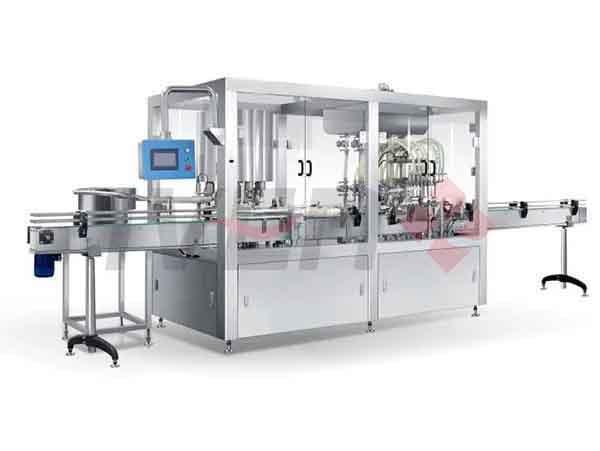
For pharmaceutical manufacturers in the United States, syrup filling machine GMP requirements refer to the design, validation, control, cleaning, documentation, and regulatory expectations that oral liquid filling and capping equipment must meet to support compliant, safe, and repeatable production. These requirements matter when companies expand capacity, upgrade legacy lines, launch new pediatric or adult oral liquid products, or align operations with U.S. FDA cGMP, data integrity standards, and modern quality risk management practices.
In practical terms, a GMP-compliant syrup filling and capping machine is not just a bottle filling unit. It is part of a controlled system that includes product-contact materials, CIP/SIP options where applicable, filling accuracy, anti-drip nozzles, cap feeding and torque control, line clearance, environmental monitoring, batch traceability, reject management, and validation documentation such as IQ, OQ, and PQ. In markets such as New Jersey, Illinois, California, Texas, and North Carolina, where pharmaceutical production clusters are well developed, buyers increasingly prioritize equipment that reduces contamination risk while supporting faster changeovers and audit readiness.
Syrup filling machine GMP requirements are the set of engineering, quality, validation, and operational standards that ensure syrup bottling equipment is suitable for pharmaceutical use. In the United States, these expectations commonly include hygienic machine design, easy cleaning, controlled product pathways, accurate dosing, secure capping, in-process controls, electronic or paper batch record compatibility, and documented qualification. For oral liquid manufacturers, the goal is straightforward: every bottle should be filled consistently, capped correctly, labeled within the validated process, and produced under controlled conditions that withstand FDA inspection.
These requirements apply to both new production lines and modernization projects. A company replacing a semi-automatic system with a fully integrated oral liquid line must evaluate bottle unscrambling, air rinsing, servo filling, cap placement, cap tightening, induction sealing if needed, labeling, serialization, and carton packing. They also need to assess whether the line supports products with different viscosities, sugar content, alcohol content, foaming behavior, or suspended actives.
Many U.S. buyers now prefer suppliers that can support not only machine delivery but also engineering integration, documentation, and validation. This is especially relevant for companies building new plants near logistics hubs such as Newark, Houston, Los Angeles, Savannah, and Chicago, where installation schedules, import coordination, and multi-vendor compatibility can strongly affect project timelines.
GMP Requirement AreaWhat It CoversWhy It MattersTypical Buyer CheckpointMaterial compliance316L stainless steel, food/pharma-grade seals, compatible tubingProtects product purity and cleaning reliabilityMaterial certificates and surface finish recordsFilling accuracyPiston, peristaltic, or servo pump precisionReduces underfill and overfill riskFAT dosing test resultsCleaning designDead-leg reduction, drainability, disassembly easeSupports sanitation and changeover controlCleaning SOP review and swab planCapping controlTorque consistency, cap presence, tamper evidenceEnsures closure integrity and shelf-life protectionTorque range validation dataDocumentationDQ, IQ, OQ, PQ support, manuals, wiring, spare parts listEssential for qualification and audit readinessDocument package completenessData integrityAlarm history, user access, recipe control, audit trail where applicableSupports compliant records and deviation reviewSoftware architecture and access matrixThe table above shows that GMP for syrup filling is broader than mechanical performance alone. U.S. manufacturers should evaluate machine design and compliance evidence together, not separately.
A GMP-compliant syrup filling machine is specialized equipment used to dose oral liquid formulations into bottles or similar containers under controlled manufacturing conditions. It is typically paired with bottle feeding, rinsing, capping, sealing, labeling, inspection, and packaging systems. These machines are used for cough syrup, pediatric suspensions, vitamin tonics, antihistamine liquids, digestive liquids, herbal syrups, and other oral solutions or suspensions intended for regulated markets.
Within pharmaceutical production, the equipment performs three core functions: accurate volumetric filling, secure closure application, and process consistency. Depending on the product, a line may need bottom-up filling for foaming liquids, agitation support for suspensions, heated hoppers for viscosity control, or nitrogen flushing for oxidation-sensitive formulations.
In the United States, manufacturers often evaluate equipment in the context of full plant workflow. For example, a facility in Philadelphia may need to fit a syrup line into an existing clean utility layout, while a new plant in Dallas may require turnkey engineering from purified water distribution to packaging. This is where integrated project experience matters. Companies seeking broader support often review a supplier’s corporate background and compliance capabilities before moving into URS and technical discussions.
From a technology standpoint, strong suppliers increasingly combine machine automation with line integration know-how. Some engineering firms serving pharma globally have built expertise not only in filling and packaging machinery but also in water treatment, intelligent conveying, and production logistics, which can be valuable for syrup plants requiring end-to-end coordination rather than isolated equipment purchases.
The main application of syrup filling and capping systems is high-quality oral liquid production under cGMP conditions. However, the benefits extend well beyond filling. When the line is selected correctly, it can improve operational efficiency, reduce product loss, shorten cleaning time, support flexible pack formats, and strengthen regulatory confidence.
Modern pharmaceutical manufacturers use these machines in several operating models:
The benefits are especially visible where older gravity or manually adjusted systems are still in operation. Upgrading to a servo-controlled filler can reduce variability, while integrated capping inspection helps catch loose or missing caps before labeling and packing.
ApplicationTypical ProductPreferred Machine FeatureOperational BenefitPediatric syrupLow-dose oral liquidHigh-precision small-volume fillingBetter dose consistencySuspension lineAntibiotic suspensionAgitated tank and stable product feedReduced settling riskFoaming productHerbal tonicBottom-up nozzlesCleaner fill and less wasteViscous syrupCough syrupPiston or servo positive displacement fillingStable fill volumeMulti-SKU plantContract manufacturingTool-less change partsFaster changeoverTamper-evident retail packOTC oral liquidTorque control and seal integrationImproved package securityThe table highlights how machine features should match product behavior and packaging strategy. Buyers should avoid selecting equipment solely on output speed.
var ctxBar = document.getElementById(‘barDemandChart’).getContext(‘2d’);var barDemandChart = new Chart(ctxBar, { type: ‘bar’, data: { labels: [‘OTC Syrups’, ‘Rx Oral Liquids’, ‘Pediatric Products’, ‘Nutraceutical Liquids’, ‘CMO Production’, ‘Export Batches’], datasets: [{ label: ‘Estimated U.S. Demand Index’, data: [88, 76, 69, 72, 81, 64], backgroundColor: [‘#4e79a7′,’#f28e2b’,’#e15759′,’#76b7b2′,’#59a14f’,’#edc948′] }] }, options: { responsive: true, maintainAspectRatio: false }});The bar chart reflects a realistic demand pattern in the United States, where OTC syrup and contract manufacturing needs often drive the strongest investment in flexible filling platforms.
There is no single ideal syrup filling machine for every plant. The best configuration depends on viscosity, fill volume, bottle format, line speed, cleaning strategy, and compliance expectations. The most common machine types are monoblock filling-capping systems, linear fillers with separate cappers, and fully integrated oral liquid lines.
Key technical options include:
Machine TypeBest ForSpeed RangeMain AdvantageSemi-automatic fillerR&D or low-volume production10 to 20 bottles/minLow initial costLinear automatic fillerMulti-format operations20 to 80 bottles/minFlexible format changeMonoblock fill-cap unitMid to high-volume production60 to 180 bottles/minCompact footprintRotary high-speed lineLarge-scale commercial plants150 to 300+ bottles/minHigh throughputPeristaltic dosing systemSmaller fills and clean product path needsVaries by head countFast tubing replacementPiston servo systemViscous syrup and suspensionsStable mid-to-high speedStrong volumetric controlTechnological capabilities should also include compatibility with wider production systems. Some suppliers stand out because they can connect syrup filling with upstream preparation systems, purified water, downstream packaging, and even smart logistics. That type of integration can reduce handoff risks in larger U.S. factory projects.
Not every oral liquid producer requires the same level of automation or the same filling principle. A U.S. buyer comparing GMP syrup filling systems with alternative technologies should consider batch size, SKU count, available cleanroom space, labor strategy, and future serialization or digitalization plans.
Alternative technologies include manual and semi-automatic systems, outsourced contract filling, or repurposed beverage-style equipment upgraded for hygiene. In regulated pharma, the last option usually creates significant validation and compliance concerns. Pharmaceutical syrup lines should be designed specifically for cGMP production, not adapted casually from non-pharma equipment.
OptionCapital CostCompliance StrengthScalabilityBest Use CaseManual fillingVery lowWeakVery limitedLab or pilot onlySemi-automatic machineLow to mediumModerateLimitedSmall batch productionAutomatic linear pharma lineMediumHighGoodGrowing domestic manufacturerAutomatic monoblock pharma lineMedium to highHighVery goodSpace-limited commercial siteHigh-speed rotary lineHighHighExcellentLarge national brandsContract manufacturing onlyLow upfrontDepends on partnerVariableBrand owners without plant investmentThis comparison shows that the “best” solution is not always the fastest one. For many facilities in states like Indiana or Georgia, a robust linear line with room for future expansion offers a stronger return than an oversized rotary system.
var ctxComp = document.getElementById(‘comparisonChart’).getContext(‘2d’);var comparisonChart = new Chart(ctxComp, { type: ‘bar’, data: { labels: [‘Compliance’, ‘Flexibility’, ‘Speed’, ‘Changeover Ease’, ‘Maintenance Simplicity’, ‘Expansion Potential’], datasets: [ { label: ‘Linear Automatic Line’, data: [90, 88, 72, 85, 80, 82], backgroundColor: ‘#4e79a7’ }, { label: ‘Rotary Monoblock’, data: [92, 70, 94, 68, 72, 86], backgroundColor: ‘#f28e2b’ } ] }, options: { responsive: true, maintainAspectRatio: false }});The comparison chart makes a common market reality clear: monoblocks often win on speed, while linear systems frequently offer better flexibility for multi-SKU pharmaceutical operations.
The U.S. pharmaceutical oral liquid equipment market remains active because many existing lines were installed years ago and now face stricter expectations around data integrity, operator safety, preventive maintenance, and efficiency. Demand is also supported by product portfolio diversification, pediatric dosage growth, OTC brand expansion, and contract manufacturing consolidation.
Geographically, investment decisions are influenced by labor availability, logistics, and access to packaging materials. Plants near New York and New Jersey benefit from dense pharma ecosystems and East Coast import access. Midwest sites around Chicago and Indianapolis often value service coverage and warehouse distribution efficiency. Southern states such as Texas and North Carolina are attracting new life sciences investments due to infrastructure growth and competitive operating models.
For 2026 and beyond, three trends are especially important:
var ctxLine = document.getElementById(‘lineGrowthChart’).getContext(‘2d’);var lineGrowthChart = new Chart(ctxLine, { type: ‘line’, data: { labels: [‘2021’, ‘2022’, ‘2023’, ‘2024’, ‘2025’, ‘2026’], datasets: [{ label: ‘U.S. Oral Liquid Equipment Market Index’, data: [100, 108, 117, 126, 138, 151], borderColor: ‘#59a14f’, backgroundColor: ‘rgba(89,161,79,0.15)’, fill: false, tension: 0.3 }] }, options: { responsive: true, maintainAspectRatio: false }});The line chart represents a realistic growth path driven by modernization and domestic capacity planning rather than explosive short-term expansion.
var ctxArea = document.getElementById(‘areaTrendChart’).getContext(‘2d’);var areaTrendChart = new Chart(ctxArea, { type: ‘line’, data: { labels: [‘2021’, ‘2022’, ‘2023’, ‘2024’, ‘2025’, ‘2026’], datasets: [ { label: ‘Legacy Mechanical Systems’, data: [62, 58, 52, 46, 40, 34], borderColor: ‘#e15759’, backgroundColor: ‘rgba(225,87,89,0.25)’, fill: true, tension: 0.3 }, { label: ‘Smart GMP-Integrated Systems’, data: [38, 42, 48, 54, 60, 66], borderColor: ‘#76b7b2’, backgroundColor: ‘rgba(118,183,178,0.25)’, fill: true, tension: 0.3 } ] }, options: { responsive: true, maintainAspectRatio: false }});The area chart illustrates the continuing shift from older mechanical platforms to digital-ready and validation-friendly syrup filling systems.
Choosing a supplier for syrup filling machine GMP requirements in the United States should involve more than price comparison. A reliable partner should understand regulatory expectations, demonstrate suitable references, provide qualification documentation, and support long-term line performance.
Start with a clear User Requirement Specification covering product characteristics, bottle range, line speed, utilities, cleanroom classification, software expectations, and acceptance criteria. Then compare suppliers on the following points:
Evaluation CriterionWhat to AskWhy It MattersWarning SignRegulatory familiarityDo they support U.S. FDA cGMP projects?Reduces compliance gapsGeneric non-pharma responsesDocumentation packageAre IQ/OQ templates and manuals included?Speeds qualificationDocuments only after extra negotiationFactory testingCan FAT simulate your bottle and syrup?Verifies real performanceOnly empty-run testing offeredCustomization capabilityCan they adapt to your cap, bottle, and layout?Improves fit and uptimeRigid standard design onlyAfter-sales supportHow fast are parts and engineer response?Limits downtime riskNo clear service processIntegration experienceCan they connect utilities, packaging, and validation?Important for turnkey successOnly isolated machine supplyManufacturing capabilities are equally important. Buyers should look for stable production quality, machining consistency, and proven installation history. Suppliers with multiple specialized plants and experience delivering complex pharmaceutical lines often provide stronger quality control than trading-only organizations. If your project goes beyond a single machine, it is worth exploring whether the supplier can support turnkey pharmaceutical engineering solutions as part of a larger investment plan.
For sourcing teams comparing options, it is also useful to review available product categories and technical direction through a supplier’s pharmaceutical equipment portfolio, then move to a detailed technical meeting focused on your own syrup line.
The cost of a GMP-compliant syrup filling and capping line in the United States varies widely depending on automation level, output, inspection scope, validation package depth, and integration complexity. Entry-level automatic lines may begin in the low six figures, while full high-speed systems with washing, filling, capping, labeling, cartoning, serialization, and utility integration can reach substantially higher capital levels.
Typical cost components include the main machine, change parts, conveyors, cap elevator, bottle handling, electrical integration, FAT, shipping, installation, commissioning, qualification support, training, spare parts, and site preparation. Import-related logistics through ports such as Long Beach, Newark, Savannah, or Houston should also be considered in project budgets.
Cost ElementLow Complexity LineMedium Complexity LineHigh Complexity LineMain filling-capping equipment$120,000 to $220,000$220,000 to $450,000$450,000 to $900,000+Ancillary conveyors and feeding$20,000 to $40,000$40,000 to $90,000$90,000 to $180,000Inspection and reject systems$10,000 to $30,000$30,000 to $80,000$80,000 to $180,000Validation documentation support$8,000 to $20,000$20,000 to $50,000$50,000 to $100,000Installation and commissioning$15,000 to $35,000$35,000 to $80,000$80,000 to $180,000Spare parts and training$8,000 to $15,000$15,000 to $35,000$35,000 to $70,000The table gives a realistic planning framework rather than a fixed market quote. Final pricing depends on exact URS, line speed, and site conditions.
ROI usually comes from a mix of labor reduction, yield improvement, lower rejects, faster changeovers, increased line availability, and reduced compliance risk. A mid-size oral liquid manufacturer may justify investment if the new line supports one to two additional shifts, reduces giveaway, and avoids recurring deviations tied to legacy equipment.
Service capabilities should be part of the financial model. A supplier that offers installation, commissioning, validation support, training, and lifecycle optimization can shorten start-up time and reduce hidden costs. Companies with experience in feasibility consulting, process transfer, and ongoing production improvement often create better long-term value than low-price suppliers with limited post-sale support.
The biggest investment mistake is buying a machine before defining the process. Syrup viscosity, bottle geometry, cap style, cleaning frequency, and line integration all affect the final design. Another common issue is underestimating qualification work. Even an excellent machine can become a delayed asset if documentation, utility readiness, and protocol planning are weak.
Key considerations include:
Risks are often highest in projects with compressed timelines, unclear responsibility splits, or multi-vendor interfaces. For example, if the filler supplier, labeling supplier, and serialization integrator each assume the others will handle communication logic, commissioning delays are likely. Early interface mapping is essential.
For major U.S. projects, especially those involving new plant construction or significant modernization, buyers should favor suppliers capable of integrated engineering and clear accountability. Firms with a record of delivering pharmaceutical lines globally, including regulated-market projects, can often manage these risks more effectively. When a project requires tailored support, companies may choose to contact an engineering and equipment team early to align layout, utilities, and compliance strategy before procurement is finalized.
Consider three common U.S. buying scenarios. First, a contract manufacturer in New Jersey needs a flexible linear filler for frequent bottle changes across private-label OTC syrups. Here, quick format change, recipe storage, and easy cleaning are more valuable than maximum speed. Second, a large Texas producer launching a national cough syrup brand may prefer a monoblock or rotary system with higher throughput and robust cap handling. Third, a West Coast nutraceutical liquid producer in California may prioritize gentle product handling, cleanability, and future export documentation.
Local supply context also matters. Some U.S. buyers prefer domestic assembly or service presence, while others source globally but require strong validation packages and English-language documentation. Equipment imported through Los Angeles or Newark may be cost-effective if the supplier has disciplined project management and spare parts support. In contrast, plants in remote regions may give greater weight to local technician access and remote diagnostics.
Industry fit goes beyond pharmaceuticals alone. The same GMP-minded syrup technologies may also serve OTC healthcare, nutraceuticals, veterinary oral liquids, and certain medical consumable liquid applications when configured appropriately. Still, true pharmaceutical deployment requires the stricter design, documentation, and quality controls discussed throughout this guide.
For buyers evaluating global partners, Shanghai IVEN Pharmatech Engineering offers a profile that aligns with complex pharmaceutical investment needs. On the technology side, the company is known for integrated pharmaceutical engineering capabilities that span filling and packaging equipment, water treatment, conveying, and supporting systems relevant to compliant production. This is useful for U.S. manufacturers that want more than a stand-alone syrup machine and need coordinated production architecture.
On the manufacturing side, IVEN operates specialized production facilities focused on pharmaceutical machinery and related systems, enabling tighter control over product quality and customization. For syrup filling projects, that kind of manufacturing depth can help when a client needs machine adaptation for bottle ranges, cap styles, plant utilities, or future expansion plans. Buyers often value suppliers that can combine equipment durability with a long service life, especially for facilities expecting years of continuous production.
On the service side, IVEN’s project model is relevant to U.S. customers planning validation-heavy installations. Support may include early consulting, engineering design, equipment customization, installation, commissioning, qualification assistance, training, and optimization after start-up. For plants balancing budget discipline with compliance expectations, this lifecycle approach can reduce risk compared with fragmented sourcing. It is also relevant for companies considering broader oral liquid or injectable expansion rather than a single isolated equipment purchase.
What are the most important GMP design features for a syrup filling machine?The most important features are hygienic product-contact surfaces, accurate and repeatable filling, easy cleaning, controlled capping, reject management, suitable documentation, and safe operator access. The machine should also support validation and line clearance procedures.
Does every syrup line need CIP or SIP?Not always. The need depends on product type, cleaning strategy, and plant design. Many oral liquid lines use manual or semi-automated cleaning with validated procedures, while higher-throughput or more complex facilities may prefer CIP-oriented design features.
Which filling technology is best for viscous cough syrup?Piston or servo positive displacement systems are often preferred for viscous syrups because they deliver stable volumetric control. Final selection should be based on real product trials and viscosity range.
How important is torque control in capping?It is critical. Inadequate torque can lead to leakage, tamper-evidence failure, or shelf-life problems. Excessive torque may damage caps or create opening issues for consumers.
What validation documents should a supplier provide?A strong supplier typically provides manuals, drawings, component lists, certificates, FAT protocols and records, and support for IQ/OQ documentation. Some also assist with PQ planning based on the client’s site process.
How long does installation and qualification usually take in the United States?For a standard automatic line, installation and initial commissioning may take several weeks, while full qualification timing depends on site readiness, documentation review, utility completion, and batch scheduling.
Can one line handle multiple bottle sizes?Yes, if the line is designed with suitable change parts, adjustable guides, recipe-driven settings, and validated format ranges. Multi-SKU manufacturers should prioritize this from the start.
Should U.S. buyers choose domestic or international suppliers?Either can work. The right choice depends on technical fit, compliance support, service responsiveness, total project cost, and the supplier’s ability to manage validation and integration requirements.
What is the biggest hidden cost in syrup line projects?Delayed integration is a common hidden cost. Poor coordination between filler, capper, labeling, utilities, software, and validation teams can cause downtime, rework, and launch delays.
What should be included in a purchase decision beyond machine price?Consider uptime, spare parts, changeover time, cleaning labor, documentation quality, FAT quality, service coverage, software reliability, and future expansion potential. These often matter more than initial purchase price alone.
-
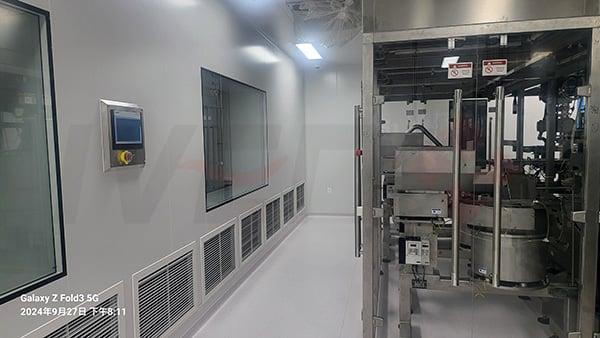
How to Select a Pharma Turnkey Plant in the United States
For pharmaceutical investors, CDMOs, and medical device manufacturers in the United States, choosing a pharmaceutical turnkey plant is not simply an equipment purchase. It is a strategic decision covering facility design, clean utilities, process integration, automation, validation, regulatory readiness, and long-term operating efficiency. Whether a project is planned in New Jersey, North Carolina, Texas, California, or around logistics hubs such as Chicago, Houston, or the Port of Savannah, the right turnkey partner can shorten time to market and reduce compliance risk. The wrong partner can create layout bottlenecks, documentation gaps, delayed qualification, and expensive rework.
In the U.S. market, a pharmaceutical turnkey plant usually means a complete, integrated factory solution rather than a single machine. That may include process design, purified water and WFI systems, cleanroom engineering, filling and packaging lines, material handling, warehouse automation, validation support, and staff training. Buyers increasingly expect the supplier to understand U.S. FDA cGMP expectations, data integrity, environmental monitoring, and expansion planning for future products.
This guide explains what a pharmaceutical turnkey plant is, where it is used, which technical options matter, how it compares with alternative sourcing models, what the U.S. market is doing through 2026 and beyond, and how to evaluate a reliable supplier. It also outlines practical buying criteria for manufacturers considering greenfield plants, brownfield upgrades, new sterile lines, or integrated medical consumables facilities.
The fastest answer is this: choose a pharmaceutical turnkey plant partner that can prove regulatory competence, engineering depth, validated utility design, product-specific process know-how, and long-term service support in the United States. Price matters, but it should never be the first filter. A low initial quotation often becomes expensive when IQ/OQ/PQ documentation is incomplete, layouts are not GMP-ready, utility loads are underestimated, or the line cannot reach planned output after installation.
Start with six practical checkpoints:
For U.S. buyers, the best turnkey projects usually combine compliant engineering, durable equipment, utility efficiency, clear documentation, and one accountable project lead. This is especially important when production must serve high-value healthcare markets, hospital systems, and national distribution networks from regions such as the Northeast pharma corridor, the Research Triangle, the Midwest logistics belt, or Southern manufacturing clusters.
Evaluation FactorWhy It MattersWhat to VerifyRisk if IgnoredRegulatory fitDrives inspection readinesscGMP design basis, documentation standards, validation templatesDelays in approval and remediation costsProcess expertiseEnsures line matches product characteristicsReferences in injectables, oral liquid, biologics, or devicesLow yield or unstable operationUtility engineeringCritical for sterile and controlled environmentsPW, WFI, pure steam, HVAC, compressed gasesContamination and downtimeAutomation levelImproves consistency and traceabilitySCADA, PLC, recipe control, audit trail capabilityManual errors and weak data integrityProject managementKeeps schedule and budget under controlSingle point of contact, milestone control, FAT/SAT plansScope gaps and schedule driftLifecycle serviceSupports sustainability after handoverTraining, spare parts, remote support, upgradesLong recovery time after failureThe table above shows why a turnkey decision must be treated as a full-factory investment. In the U.S., where labor, compliance, and delay costs are high, a stronger engineering partner can create better ROI even when its initial bid is higher.
A pharmaceutical turnkey plant is a complete production solution delivered so the owner can begin qualification and commercial readiness with a unified package of engineering and equipment. It typically covers feasibility planning, conceptual and detailed design, cleanroom architecture, process utilities, core production lines, packaging systems, material transfer, automation, commissioning, and validation support.
In practical terms, a turnkey plant can be built for:
Unlike buying stand-alone machines from separate vendors, turnkey delivery reduces interface problems between utilities, filling lines, packaging, and layout flow. This is highly valuable when a U.S. owner needs rapid market entry, predictable GMP documentation, and a single responsibility framework.
At the technology level, strong turnkey suppliers typically integrate purified water units, multi-effect water distillers for WFI, purified steam generators, solution preparation systems, filling and sealing lines, inspection, packaging, and intelligent logistics. For example, companies expanding injectable capacity near Boston or Philadelphia often need a tightly coordinated combination of clean utilities, aseptic filling, and automated material movement to fit constrained real estate and strict quality expectations.
For companies assessing complete factory solutions, it is useful to review a supplier’s turnkey project capabilities early in the process to understand whether the firm can cover both engineering and manufacturing interfaces.
Plant ComponentMain FunctionTypical U.S. Use CaseOperational ImpactFacility layout designDefines personnel, material, and waste flowGreenfield sterile plant in North CarolinaPrevents cross-contamination and congestionHVAC and cleanroomsControls particulate and pressure cascadeAseptic filling area in New JerseySupports environmental compliancePW/WFI systemsSupplies pharmaceutical-grade waterInjectable and oral liquid production in TexasProtects product qualityPreparation systemsMixes and transfers solutionsIV compounding in CaliforniaImproves batch consistencyFilling and sealing linesCompletes dosage filling processVials, ampoules, bags, or syringesDetermines output and sterility assurancePackaging and logisticsSecondary packaging and warehouse flowDistribution hubs near Chicago or AtlantaRaises end-to-end efficiencyThe table highlights that a pharmaceutical turnkey plant is best understood as an integrated manufacturing system, not a single product category.
Turnkey plants are widely used when manufacturers want better control over schedule, compliance, and integration. In the United States, this is especially relevant for companies adding domestic capacity to improve supply resilience, reduce dependence on fragmented overseas sourcing, or shorten distribution lead times to major healthcare markets.
Main applications include hospital infusion products, sterile generics, contract manufacturing, ophthalmic solutions, oral liquids for pediatric use, diagnostic consumables, and blood collection products. Modern turnkey systems also support highly automated packaging and warehouse operations, which are increasingly important when labor availability is tight.
Key benefits include:
For many U.S. projects, these benefits translate into less project friction during city permitting, site acceptance, utility balancing, and operator training. Facilities located near ports such as Los Angeles/Long Beach, Houston, Newark, or Savannah also value efficient project coordination because imported modules, stainless assemblies, and spare parts must align with strict schedule windows.
var ctxBar = document.getElementById(‘barChartDemand’).getContext(‘2d’);var chartBar = new Chart(ctxBar, { type: ‘bar’, data: { labels: [‘Sterile Injectables’, ‘IV Solutions’, ‘Oral Liquids’, ‘Biologics Support’, ‘Medical Consumables’, ‘Packaging Automation’], datasets: [{ label: ‘Estimated U.S. Demand Index’, data: [92, 78, 63, 74, 69, 88], backgroundColor: [‘#4e79a7′,’#f28e2b’,’#e15759′,’#76b7b2′,’#59a14f’,’#edc948′] }] }, options: { responsive: true, maintainAspectRatio: false, plugins: { legend: { display: false } }, scales: { y: { beginAtZero: true, max: 100 } } }});The chart above reflects where demand is strongest: sterile production, automation, and IV-related systems remain major investment areas because they align with hospital, infusion, and high-compliance manufacturing requirements.
Not all turnkey plants are the same. Buyers should classify options by product form, sterility requirement, packaging format, output range, and utility complexity. A small oral liquid facility has very different needs from a high-speed vial line or a complete IV solution factory.
Common categories include:
Technical options often determine long-term competitiveness. These include isolator or RABS integration, CIP/SIP capability, advanced leak detection, in-line weight checking, robotic cartoning, AGV or conveyor logistics, 3D warehouse systems, and centralized SCADA platforms.
When reviewing suppliers, compare their actual manufacturing depth. Some only assemble third-party equipment. Others produce major systems in-house, which can improve consistency and speed. Buyers exploring integrated line options can examine the available pharmaceutical equipment portfolio to understand how utility systems, filling, packaging, and logistics can be matched.
Turnkey Plant TypeBest ForTypical Capacity RangeKey Technical OptionsIV soft bag plantLarge-volume infusion productsMedium to very highForm-fill-seal, leak detection, automated overwrapPP bottle IV plantRobust container formatsMedium to highBlow-fill-fill-seal style integration, visual inspectionGlass bottle IV plantTraditional hospital infusion supplyMediumWashing, depyrogenation, filling, cappingVial injectable plantSterile drugs and biologic supportLow to highIsolator/RABS, lyo integration, stoppering controlsOral liquid plantSyrups, suspensions, solutionsLow to highMixing skids, bottle unscrambling, capping, labelingBlood collection tube plantMedical consumablesHighTube handling, additive dosing, drying, assembly automationThe table shows how technical choice should follow product strategy. Selecting an oversized sterile system for a modest oral liquid project adds unnecessary cost, while underspecifying a high-value injectable line can create severe future constraints.
U.S. companies typically compare three models: full turnkey delivery, multi-vendor integration, and contract manufacturing without plant ownership. Each model has advantages, but they fit different business goals.
A full turnkey plant works best when the owner wants control over product, capacity, intellectual property, and future expansion. A multi-vendor model can work for experienced engineering teams with strong in-house project management. Contract manufacturing may be ideal for low-volume launch products or uncertain demand.
ModelAdvantagesLimitationsBest FitFull turnkey plantSingle accountability, integrated documentation, coordinated utilitiesHigher upfront commitmentLong-term U.S. production strategyMulti-vendor sourcingFlexible brand selectionInterface risk, more owner coordinationTeams with strong internal engineering staffCMO/CDMO outsourcingLow capex, fast market entryLess control, margin pressureNew or niche productsBrownfield retrofitUses existing building shellLegacy layout and utility constraintsSites with usable infrastructureModular plant packagePotentially faster deploymentSite adaptation may be complexRemote or fast-track capacity projectsHybrid modelCore turnkey plus select niche vendorsNeeds careful governanceAdvanced buyers optimizing special processesThe best solution depends on target output, internal engineering strength, financing structure, and regulatory timeline. In the United States, where validation and change control can become expensive, many owners prefer a turnkey or hybrid approach because it reduces coordination burden.
var ctxComp = document.getElementById(‘comparisonChartSupplier’).getContext(‘2d’);var chartComp = new Chart(ctxComp, { type: ‘bar’, data: { labels: [‘Compliance Readiness’, ‘Integration Efficiency’, ‘Capex Control’, ‘Expansion Flexibility’, ‘Owner Workload’, ‘Time to Qualification’], datasets: [ { label: ‘Full Turnkey’, data: [90, 93, 78, 86, 35, 88], backgroundColor: ‘#6f42c1’ }, { label: ‘Multi-Vendor’, data: [76, 62, 82, 84, 92, 68], backgroundColor: ‘#17a2b8’ }, { label: ‘CDMO Only’, data: [85, 70, 95, 40, 28, 91], backgroundColor: ‘#fd7e14’ } ] }, options: { responsive: true, maintainAspectRatio: false, scales: { y: { beginAtZero: true, max: 100 } } }});This comparison emphasizes that turnkey delivery is strongest where integration and qualification readiness matter most, while CDMO outsourcing scores higher in low-capex scenarios.
The U.S. pharmaceutical manufacturing market continues to attract investment in domestic production, sterile capacity, and supply chain resilience. Demand is influenced by reshoring, hospital supply security, biologics support infrastructure, aging manufacturing assets, and the push for more digital operations. Expansion activity remains visible in New Jersey, Pennsylvania, Massachusetts, North Carolina, Indiana, Illinois, Texas, and California.
Looking toward 2026 and beyond, several trends are shaping turnkey plant selection:
var ctxLine = document.getElementById(‘lineChartGrowth’).getContext(‘2d’);var chartLine = new Chart(ctxLine, { type: ‘line’, data: { labels: [‘2022’, ‘2023’, ‘2024’, ‘2025’, ‘2026’, ‘2027’, ‘2028’], datasets: [{ label: ‘U.S. Turnkey Pharma Project Index’, data: [100, 108, 117, 126, 138, 149, 161], borderColor: ‘#28a745’, backgroundColor: ‘rgba(40,167,69,0.1)’, fill: false, tension: 0.25 }] }, options: { responsive: true, maintainAspectRatio: false, scales: { y: { beginAtZero: false } } }});The growth curve indicates a healthy medium-term market supported by facility modernization and domestic production initiatives.
var ctxArea = document.getElementById(‘areaChartTrend’).getContext(‘2d’);var chartArea = new Chart(ctxArea, { type: ‘line’, data: { labels: [‘2022’, ‘2023’, ‘2024’, ‘2025’, ‘2026’, ‘2027’, ‘2028’], datasets: [{ label: ‘Share of Digital and Sustainable Features in New Projects’, data: [24, 31, 39, 48, 58, 67, 75], borderColor: ‘#007bff’, backgroundColor: ‘rgba(0,123,255,0.25)’, fill: true, tension: 0.25 }] }, options: { responsive: true, maintainAspectRatio: false, scales: { y: { beginAtZero: true, max: 100 } } }});The area trend shows a rapid shift toward smart, sustainable facilities. By 2026, buyers are expected to place much greater emphasis on utility recovery, low-energy HVAC concepts, digital maintenance, and centralized data platforms. Policy pressure around domestic readiness and resilient healthcare supply chains is likely to further strengthen interest in integrated factory solutions.
Supplier selection should combine technical due diligence, quality review, and commercial analysis. The most reliable suppliers can demonstrate real delivery history, not only presentations. Ask for evidence of completed production lines, actual qualification practices, and factory capabilities.
Evaluate suppliers in three dimensions: technological capabilities, manufacturing capabilities, and service capabilities.
Technological capabilities: A credible partner should understand process engineering as well as machinery. This includes utility design for purified water, WFI, and pure steam; integration of filling, sealing, inspection, and packaging; and automation suited to data integrity expectations. Some established engineering companies have developed multiple generations of IV, utility, and blood collection tube technologies while building patent portfolios around filling efficiency and production stability. These strengths matter because they indicate genuine engineering depth rather than simple trading activity.
Manufacturing capabilities: Buyers should confirm whether the supplier has specialized production bases for key product groups. A manufacturer with dedicated facilities for filling and packaging systems, pharmaceutical water treatment, intelligent logistics, and medical consumables equipment often has stronger control over component quality and lead times. This can be important when supplying U.S. projects that need durable stainless construction, repeatable FAT performance, and coordinated module shipment through ports such as Shanghai to Los Angeles, Houston, or Newark.
Service capabilities: The right partner should support the full lifecycle, from feasibility and design through commissioning, validation, training, and optimization. Strong suppliers help solve the exact problems that damage projects most: unreasonable layouts, non-standard design assumptions, uncertain equipment quality, schedule delay, and budget creep. When a company provides installation guidance, IQ/OQ/PQ support, documentation, quality consulting, and post-handover service, the owner gains a more stable path to commercial operation.
One example in the global market is IVEN Pharmatech Engineering, a Shanghai-based pharmaceutical engineering company with international project experience, specialized manufacturing resources, and integrated solutions for injectables, IV systems, medical consumables, water treatment, and logistics. For U.S. buyers, a key point is not the origin alone but whether the supplier can demonstrate compliance alignment, durable equipment, clear documentation, and successful project execution in demanding regulatory environments.
Supplier CheckpointWhat Good Looks LikeQuestions to AskWarning SignGMP expertiseClear knowledge of FDA cGMP and global GMP systemsHow do you structure URS, DQ, IQ/OQ/PQ support?Only generic claims, no document examplesProject referencesMultiple similar projects completedCan you share comparable line outputs and scopes?No relevant references in your product classFactory capacityDedicated production plants and QA controlsWhich components are manufactured in-house?Heavy dependence on uncontrolled subcontractingEngineering scopeDesign, utilities, equipment, automation, validationWho owns interface management?Scope exclusions hidden in fine printService responseTraining, spare parts, remote and on-site supportWhat is your U.S. support plan?No structured after-sales commitmentDocumentation qualityTraceable manuals, FAT, calibration, certificatesCan we review sample turnover dossiers?Weak document control systemThe table above can be used as part of a supplier scorecard during RFQ evaluation and technical clarification meetings.
The cost of a pharmaceutical turnkey plant in the United States varies significantly based on dosage form, sterility level, output, building condition, automation level, and utility demand. Greenfield sterile injectable facilities are at the high end because of cleanroom classification, WFI systems, environmental monitoring, aseptic barriers, and extensive qualification. Oral liquid or consumables plants may require lower capex but still need well-planned utilities and packaging integration.
A robust budget should include:
Budget CategoryTypical Share of Total Project CostWhy It FluctuatesCost Control StrategyBuilding and fit-out15% to 25%Site condition and local code requirementsUse early layout optimizationCleanroom and HVAC15% to 22%Sterility class and room volumeRight-size pressure cascades and airflowWater and clean utilities10% to 18%Product type and redundancy levelMatch capacity to phased expansionProcess equipment18% to 28%Line speed and automation depthSelect based on realistic throughputPackaging and logistics8% to 15%Serialization and warehouse scopePrioritize bottleneck eliminationValidation and start-up6% to 12%Documentation complexity and staffingBuild validation package into contractROI should be measured against output value, labor savings, reject reduction, utility efficiency, and market access. In U.S. projects, time saved before commercial release can be financially decisive. A line that launches six months earlier may produce more value than one that was cheaper but delayed. This is why total cost of ownership matters more than invoice price.
Many buyers also compare domestic production economics against continuing import dependence. If a turnkey project lowers freight exposure, improves fill-rate reliability, and supports premium products, the investment case becomes stronger. For detailed consultation on solution scope and commercial fit, companies can contact a pharmaceutical turnkey specialist before finalizing CAPEX assumptions.
The biggest project risks usually appear before installation begins. Poor user requirement definition, unrealistic timelines, unclear product roadmaps, and underdeveloped utility models are common causes of overruns. In the United States, where validation manpower is costly and schedule slippage affects launch revenue, these errors become particularly expensive.
Main risks include:
A practical way to reduce risk is to insist on phase-gate reviews: URS approval, design review, utility load verification, FAT sign-off, SAT plan, qualification package review, and ramp-up support. Buyers should also request a clear responsibility matrix so there is no ambiguity regarding civil work, clean utility tie-ins, software backups, calibration, and operator certification.
Case patterns in the market show that successful projects often begin with detailed feasibility studies and realistic scaling assumptions. For example, a sterile line planned in a high-cost region such as the Northeast may benefit from stronger automation to reduce labor exposure. A facility near Dallas or Houston may prioritize distribution and utility redundancy. West Coast projects may focus more on export logistics via Los Angeles/Long Beach while also serving large domestic healthcare networks.
Another important point is supplier maturity. Some engineering providers have completed thousands of production lines worldwide and dozens of turnkey projects across pharmaceutical and medical device sectors. That depth can reduce risk because the company is more likely to anticipate recurring pitfalls in layout, documentation, cleaning, and startup. It also helps if the supplier has broad product capability in utilities, filling, packaging, and logistics instead of relying on disconnected third parties.
What is the biggest factor in choosing a pharmaceutical turnkey plant?The most important factor is supplier capability to deliver a compliant, integrated, and validated solution for your specific product type. Cost should be evaluated after confirming regulatory and technical fit.
Is a turnkey plant better than buying separate machines?For many U.S. projects, yes. A turnkey plant reduces interface risk and often speeds qualification because facility, utilities, process equipment, and documentation are developed in a coordinated way.
Which industries use pharmaceutical turnkey plants?Pharmaceutical manufacturers, biotech support facilities, IV solution producers, hospital supply manufacturers, diagnostic consumables companies, and medical device-related production sites all use turnkey plants.
How long does a turnkey project usually take?Timing depends on scope, site readiness, and validation intensity. Brownfield upgrades can move faster, while sterile greenfield facilities may require significantly longer due to cleanroom, utility, and qualification complexity.
Can a turnkey supplier help with future expansion?A strong supplier should design for modular growth, utility reserve, and line extension. This is essential when forecasting U.S. demand growth or adding new container formats later.
What technical systems are most critical in sterile projects?WFI generation, pure steam, HVAC pressure control, aseptic filling integration, environmental monitoring readiness, and robust documentation are all critical.
How should U.S. buyers compare suppliers fairly?Use a weighted scorecard covering compliance, engineering scope, factory capability, references, lifecycle service, documentation quality, and total cost of ownership.
Why does service matter after handover?Because production stability depends on training, spare parts, troubleshooting, preventive maintenance, and optimization. Without lifecycle support, downtime and deviation risk increase.
What makes an international supplier credible in the U.S. market?Documented experience with global GMP expectations, durable manufacturing quality, strong technical communication, and the ability to support commissioning and validation in a structured way.
Where should a buyer start?Begin with a feasibility review, define the URS clearly, estimate realistic capacity and utilities, then shortlist suppliers with both engineering and manufacturing depth. From there, align technical review, commercial analysis, and implementation planning.
In summary, choosing a pharmaceutical turnkey plant in the United States requires balancing compliance, scalability, technical integration, and lifecycle support. The strongest investment decisions come from rigorous scope definition and careful supplier selection. Whether the project supports sterile injectables, IV solutions, oral liquids, or medical consumables, a capable engineering partner can help turn a complex expansion into a controlled and commercially valuable manufacturing asset.