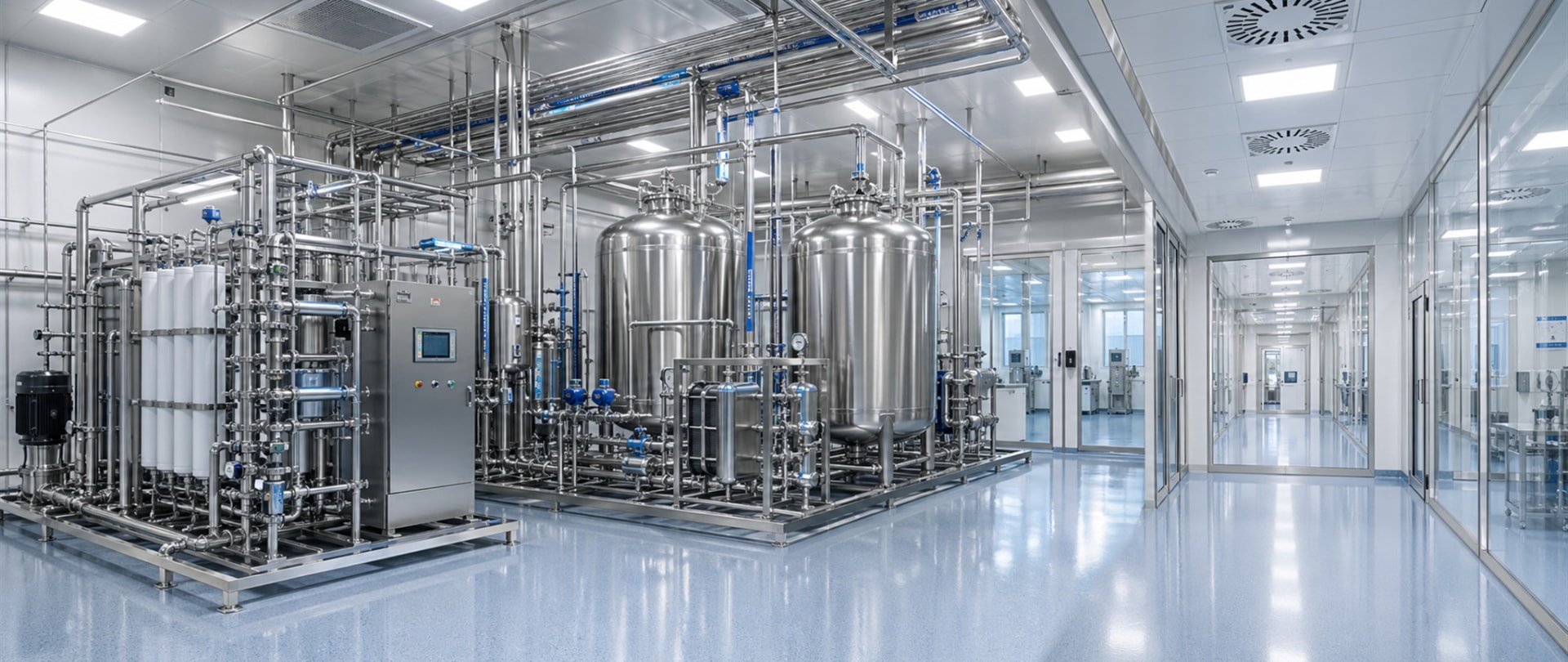
United States Pharmaceutical WFI Water System Guide
United States Pharmaceutical WFI Water System Guide
For pharmaceutical manufacturers in the United States, a WFI water system pharmaceutical plant solution is not just a utility package; it is a core GMP infrastructure that directly affects product safety, validation success, and long-term operating cost. In injectable, biologic, ophthalmic, and sterile medical device production, Water for Injection must be generated, stored, distributed, and monitored under tightly controlled conditions. Buyers evaluating a new project in Boston, Raleigh-Durham, New Jersey, Houston, San Diego, or Chicago typically compare system design, regulatory alignment, operating temperature strategy, sanitization method, materials of construction, automation depth, and supplier service capability before making a decision.
The U.S. market also expects strong documentation and lifecycle support. A supplier must understand user requirement specifications, design qualification expectations, FAT and SAT, IQ/OQ/PQ support, and practical alignment with U.S. FDA cGMP as well as global standards. That is why many B2B buyers do not purchase a distiller or loop as a standalone item; they prefer an integrated engineering partner that can connect process water generation, WFI storage, distribution, purified steam, solution preparation, and clean utility documentation into one project path.
For companies seeking an experienced partner, IVEN Pharmatech Engineering has built its reputation around integrated pharmaceutical engineering, combining water treatment systems with filling, packaging, conveying, and turnkey facility execution for global regulated markets, including the United States.
A B2B Guide to WFI Water System Pharmaceutical Plant Design, GMP Compliance, Specifications, and Sourcing

A WFI water system project usually begins with one practical question: what water quality, flow rate, storage volume, and distribution logic are required to support current production and future expansion? In B2B procurement, that question expands into a full decision matrix covering regulatory fit, project schedule, lifecycle cost, plant layout, digital monitoring, and vendor responsiveness.
In the United States, buyers often evaluate systems based on these commercial and technical drivers:
- Support for injectable and sterile manufacturing expansion
- Compliance with U.S. FDA cGMP expectations and global GMP standards
- Stable microbial control during round-the-clock production
- Energy efficiency for rising utility costs
- Validation-ready documentation packages
- Fast spare parts and after-sales support
- Scalability from pilot to commercial production
Major pharmaceutical clusters such as New Jersey, Pennsylvania, Massachusetts, North Carolina, California, and Texas continue to invest in sterile manufacturing, biologics, and CDMO capacity. This drives demand for modular, skid-based, and turnkey WFI solutions that can be deployed within brownfield upgrades or newly built clean utility plants.
The chart above reflects the realistic upward direction of WFI project demand in the U.S. market, driven by sterile drug capacity expansion, biologics growth, and replacement of aging water loops in legacy facilities.
| B2B Buying Factor | Why It Matters | Typical U.S. Buyer Concern | Best Practice |
|---|---|---|---|
| Regulatory compliance | Impacts approval and audit readiness | FDA inspection observations | Request full GMP design documentation and traceability |
| Water generation method | Affects CAPEX, energy, and quality stability | Choosing between distillation strategies | Match method to output, quality, and operating model |
| Loop design | Controls temperature, flow, and biofilm risk | Hot loop vs ambient loop decision | Use sanitary design with validated sanitization strategy |
| Automation | Reduces operator error and improves data integrity | Incomplete alarm history or poor integration | Specify PLC, HMI, SCADA, and audit-trail expectations early |
| Documentation | Supports qualification and maintenance | Missing weld maps or calibration records | Define document list in purchase contract |
| After-sales service | Determines uptime after startup | Slow troubleshooting and spare part delays | Choose suppliers with lifecycle service capability |
This table shows that B2B decisions should not be based on equipment price alone. The lowest purchase price can become the highest lifecycle cost if the system lacks adequate design support, validation records, or service coverage.
What Is a WFI Water System Pharmaceutical Plant Solution?

A WFI water system pharmaceutical plant solution is a complete clean utility package designed to produce Water for Injection, store it safely, distribute it to points of use, and maintain validated quality under continuous or intermittent production conditions. It normally includes pretreatment interfaces, purified water feed preparation, WFI generation equipment, a WFI storage tank, circulation pumps, sanitary piping, heat exchangers, online instruments, control software, and documentation for qualification.
In a pharmaceutical factory, WFI is commonly used in product formulation, equipment rinsing, container washing, clean steam generation support, and sterile processing steps where endotoxin and microbial control are critical. Because WFI directly or indirectly touches sterile product pathways, the system must be engineered with exceptional attention to hygienic design.
A complete solution generally includes the following modules:
| Module | Function | Key Design Focus | Common Material |
|---|---|---|---|
| Feed water interface | Receives upstream purified water or pretreated water | Stable inlet quality and pressure | SS316L / sanitary connections |
| WFI generator | Produces Water for Injection | Endotoxin removal and stable conductivity | SS316L with electropolished surfaces |
| Storage tank | Buffers output and stabilizes supply | Vent filtration, spray coverage, drainability | SS316L |
| Distribution loop | Circulates WFI to users | Dead-leg control and temperature consistency | Orbital welded SS316L tubing |
| Heat exchanger | Controls temperature during circulation or use | Sanitary separation and cleanability | Double-tube-sheet or equivalent sanitary design |
| Instrumentation and controls | Monitors and records quality and performance | Data integrity, alarms, trends, audit trail | PLC/HMI/SCADA platform |
This structure helps U.S. buyers distinguish between a simple equipment package and a true plant solution. A compliant system is not only the still itself; it is the validated relationship between generation, storage, distribution, monitoring, and service.
From a technology perspective, IVEN Pharmatech Engineering has developed integrated water treatment and clean utility capabilities for pharmaceutical projects, including RO purified water units, multi-effect water distillers, purified steam generators, and solution preparation systems. This matters for buyers who prefer one engineering logic across related utilities instead of patchwork sourcing from multiple vendors.
WFI Water System Pharmaceutical Plant Types and Specifications

WFI systems can be configured in different ways depending on plant scale, product type, utility philosophy, and budget. In the United States, buyers often compare centralized WFI systems for full facilities with modular skid systems for specialized lines, pilot facilities, or phased expansion.
| System Type | Typical Capacity | Best Fit | Advantages | Limitations |
|---|---|---|---|---|
| Multi-effect distillation system | 300 to 10,000+ L/h | Large sterile plants | Widely accepted, robust, scalable | Higher steam and utility demand |
| Vapor compression distillation system | 200 to 5,000 L/h | Energy-focused facilities | High thermal efficiency | May require more careful project matching |
| Centralized hot WFI loop | Facility wide | High-volume injectable plants | Strong microbial control | Higher energy use |
| Ambient WFI loop with sanitization | Facility wide or zone-based | Flexible modern layouts | Lower continuous heat load | Requires rigorous sanitization strategy |
| Modular skid-mounted WFI package | 100 to 2,000 L/h | Pilot plants, CDMOs, fast expansions | Shorter installation time | Less ideal for very large networks |
| Turnkey integrated clean utility plant | Custom | New greenfield facilities | One-point responsibility | Higher initial coordination scope |
Each system type should be matched to realistic production needs rather than theoretical maximum output. Overdesign raises CAPEX and utility cost, while underdesign creates batch scheduling pressure and future retrofit expense.
| Specification Item | Common Range | Why Buyers Check It | Procurement Note |
|---|---|---|---|
| Production capacity | 100 to 10,000+ L/h | Must cover peak demand | Include growth margin but avoid excessive oversizing |
| Tank volume | 500 to 20,000 L | Buffers between generation and use | Base volume on campaign mode and recovery time |
| Loop temperature | Ambient or 70 to 85°C | Affects microbial control | Link to sanitization philosophy |
| Flow velocity | Typically turbulent circulation | Reduces stagnation risk | Check hydraulic calculations |
| Surface finish | Low Ra sanitary finish | Supports cleaning and hygiene | Request certificates and passivation records |
| Control system | PLC/HMI/SCADA | Supports alarms and trending | Define user access levels and data export needs |
For many U.S. projects near logistics gateways such as the Port of Los Angeles, Port of Long Beach, Port of Houston, Savannah, Newark, and Seattle, modular skids can reduce on-site installation time and simplify import planning. However, a larger campus facility in New Jersey or North Carolina may still prefer a centralized hot loop for long-term operational consistency.
GMP Requirements for WFI Water System Pharmaceutical Plant Design
GMP compliance is the most important filter in WFI project design. The system must be designed not only to produce compliant water on day one, but to maintain control during years of operation, maintenance, sanitization, and change management.
In the U.S. market, buyers usually expect design alignment with FDA cGMP, sound engineering practice, data integrity principles, and global references such as EU GMP and PIC/S where relevant for export manufacturing. A well-designed WFI system should demonstrate hygienic design, validated operating ranges, robust monitoring, and comprehensive records.
| GMP Requirement | Design Expectation | Risk if Ignored | Buyer Verification Method |
|---|---|---|---|
| Sanitary material selection | SS316L and suitable gasket materials | Corrosion or contamination | Material certificates and BOM review |
| Drainability | Proper slopes and no liquid traps | Microbial growth | P&ID and isometric review |
| Dead-leg control | Minimized branch lengths | Stagnation and biofilm formation | Layout assessment and design audit |
| Online monitoring | Conductivity, temperature, flow, pressure, TOC as needed | Undetected deviation | Instrument list and alarm matrix |
| Sanitization strategy | Thermal or chemical, defined and validated | Inconsistent microbial control | SOP and qualification review |
| Data integrity | Secure records and audit trail | Inspection findings | Software functionality and access controls |
This checklist is essential because the most common failures are not dramatic mechanical breakdowns; they are hidden design issues such as poor slope, oversized branches, weak vent filter management, or incomplete alarm history.
From a manufacturing capability standpoint, IVEN operates specialized manufacturing bases in Shanghai covering pharmaceutical water treatment systems and related pharmaceutical equipment. For U.S. buyers, that matters because coordinated manufacturing improves consistency between the WFI generation package, storage/distribution modules, and downstream process interfaces.
Documentation is another GMP requirement that should be written into the contract. A suitable package often includes DQ support, P&IDs, GA drawings, weld logs, surface finish certificates, instrument calibration records, FAT protocols, O&M manuals, spare parts lists, and IQ/OQ templates. For turnkey buyers exploring integrated project delivery solutions, the ability to connect design documents across utilities and process areas can significantly reduce validation friction.
Applications of WFI Water System in Pharmaceutical Plant Operations
Water for Injection is used in a wide range of critical operations across sterile and high-purity manufacturing environments. Its exact use pattern depends on whether the site produces large-volume parenterals, small-volume injectables, biologics, vaccines, ophthalmics, or specialized medical consumables.
| Application | How WFI Is Used | Operational Priority | Typical Buyer Concern |
|---|---|---|---|
| Injectable formulation | Direct ingredient or dilution medium | Highest product-contact purity | Consistent supply during peak batch demand |
| Equipment final rinse | Final rinse after CIP/COP | Residue and bioburden control | Point-of-use pressure and temperature stability |
| Container washing | Rinse vials, ampoules, stoppers, components | Particulate and endotoxin control | Integration with washing lines |
| Bioprocess support | Buffer/media related support or rinsing | Microbial management | Flexible routing to multiple suites |
| Ophthalmic production | Formulation and cleaning | Sterility assurance | Reliable quality trending data |
| Purified steam support | Feed for steam generation where applicable | Sterilization support | Utility integration and capacity balancing |
This table shows why WFI demand is not uniform. A plant making prefilled syringes in California may have different point-of-use patterns than a vial-focused CDMO in Pennsylvania or a biologics site in Maryland. Therefore, loop zoning, peak factor calculation, and use-point prioritization should be part of early engineering.
The bar chart highlights how demand is strongest in injectables, biologics, and CDMO operations, where WFI quality and uptime directly affect revenue-generating sterile capacity.
Industries and B2B Buyers for WFI Water System Projects
The buyer universe for WFI water systems is wider than many sellers assume. In the United States, projects come not only from major pharmaceutical companies but also from emerging biotech firms, contract manufacturers, hospital compounding expansion programs, and medical device producers that require high-purity sterile water infrastructure.
Common B2B buyer groups include:
- Large pharmaceutical manufacturers building injectable capacity
- Biologics and vaccine producers expanding aseptic suites
- CDMOs adding flexible sterile lines for multi-client operations
- Generic injectable manufacturers upgrading aging utility plants
- Ophthalmic and nasal spray producers needing validated water systems
- Medical consumables and sterile device manufacturers
- Engineering procurement firms managing new factory builds
Geographically, demand tends to cluster around established life science corridors such as New Jersey, Philadelphia, Boston-Cambridge, Research Triangle Park, Indianapolis, St. Louis, San Diego, the San Francisco Bay Area, and greater Houston. These hubs value suppliers that understand both technical utility design and project execution within regulated facility timelines.
The area chart reflects a visible trend in the U.S. market: buyers increasingly prefer modular systems with stronger digital oversight, remote diagnostics, and easier expansion capability.
How to Choose a WFI Water System Pharmaceutical Plant Supplier
Choosing the right supplier is often more important than choosing the right distillation technology. A strong supplier can optimize system architecture, reduce qualification delays, and support the plant long after startup. A weak supplier may deliver equipment that technically runs but creates documentation gaps, unstable operation, and repeated deviations.
| Supplier Evaluation Point | What to Ask | Strong Supplier Signal | Warning Sign |
|---|---|---|---|
| Regulated market experience | Have you delivered to FDA-regulated facilities? | Documented project references and validation support | Only generic industrial water references |
| Engineering depth | Can you support URS, P&ID, FAT, IQ/OQ? | Multidisciplinary engineering team | Only equipment sales capability |
| Manufacturing quality | How are welds, finishes, and traceability controlled? | Controlled fabrication and records | Limited fabrication transparency |
| Customization ability | Can the system fit our layout and use points? | Tailored design and hydraulic review | One-size-fits-all offer |
| Service support | What happens after SAT and PQ? | Commissioning, training, spare parts, troubleshooting | Minimal post-sale commitment |
| Total cost of ownership | What are utility and maintenance implications? | Clear lifecycle cost discussion | Focus only on initial quotation |
This table can serve as a practical supplier scorecard for procurement teams, plant engineering leaders, and quality units. The best suppliers are transparent about both strengths and design limitations.
Service capability is particularly important for U.S. projects. IVEN supports customers from feasibility and engineering design through equipment selection, installation, commissioning, validation support, training, and after-sales service. For buyers comparing vendors, this lifecycle approach reduces handoff risk between design, startup, and routine operation.
When reviewing options, it is also useful to inspect available product categories and supporting systems through a supplier’s pharmaceutical equipment portfolio, because WFI rarely operates in isolation. It should fit the logic of filling lines, washing systems, solution preparation, and plant logistics.
WFI Water System Pharmaceutical Plant Price, MOQ, and Lead Time
Pricing for a WFI water system depends on capacity, generation technology, loop length, automation level, documentation package, FAT scope, spare parts, and whether the order is for standalone equipment or a broader turnkey package. U.S. buyers should compare quotations on a like-for-like basis, because one offer may exclude storage tanks, on-site SAT, validation support, or software functions that another includes.
| Project Scope | Typical Price Range | Common MOQ | Typical Lead Time | Comments |
|---|---|---|---|---|
| Small modular WFI skid | USD 120,000 to 280,000 | 1 set | 12 to 18 weeks | Suitable for pilot or small sterile lines |
| Mid-size distiller with tank and loop core package | USD 280,000 to 650,000 | 1 set | 16 to 24 weeks | Most common CDMO range |
| Large centralized WFI system | USD 650,000 to 1,800,000+ | 1 set | 20 to 36 weeks | Dependent on loop length and automation |
| Purified steam integrated package | Additional USD 80,000 to 350,000 | 1 set | Added to main schedule | Useful for broader sterile utility strategy |
| Validation documentation upgrade | Additional 3% to 8% | N/A | Parallel with fabrication | Often worth the cost for U.S. regulated sites |
| Turnkey clean utility scope | Project-specific | 1 project | 6 to 12 months+ | Best for greenfield or major expansion |
These ranges are indicative and help procurement teams build an early budget. The explanation is simple: the larger the compliance scope and distribution complexity, the larger the price spread. Buyers should also consider logistics to U.S. ports, inland transport, customs timing, and installation planning.
Lead time is heavily affected by tank size, instrumentation brand selection, documentation requirements, and witness testing schedules. If the project is tied to a market launch, it is wise to lock in URS approval quickly and avoid late change orders.
How to Source WFI Water System Pharmaceutical Plant Equipment from China
Sourcing from China can be highly competitive for U.S. buyers, especially when the supplier offers strong engineering, regulatory understanding, and integrated manufacturing. However, successful sourcing requires discipline. The goal is not simply to buy offshore at a lower equipment cost; it is to secure a compliant, supportable, and fully documented system with predictable delivery and startup.
A sound sourcing workflow includes the following steps:
- Prepare a clear URS covering capacity, quality, loop philosophy, utilities, software, and documents.
- Shortlist suppliers with pharmaceutical rather than only industrial water references.
- Review layout drawings, P&IDs, material standards, and instrument lists before price comparison.
- Define FAT scope, witness criteria, calibration standards, and document handover timing.
- Clarify Incoterms, packaging for sea shipment, customs documentation, and U.S. import coordination.
- Plan installation, SAT, training, and spare parts support before the equipment leaves port.
Many U.S. importers route machinery through major trade gateways such as Los Angeles/Long Beach, Houston, Savannah, Newark, or Norfolk depending on final plant location. A supplier with export experience can reduce packaging damage risk, labeling confusion, and scheduling delays.
The comparison chart illustrates the profile many U.S. buyers now prioritize: balanced strength across compliance, customization, service, manufacturing control, and delivery execution.
For buyers that want direct project discussion, specification review, or a quotation path tailored to a U.S. pharmaceutical facility, it is practical to contact the engineering team early with your intended capacity, application, and expected validation scope.
Frequently Asked Questions About WFI Water System Pharmaceutical Plant
What is the difference between a WFI generator and a full WFI system?
A generator makes the water, but a full system also includes storage, circulation, use-point delivery, monitoring, controls, documentation, and sanitization strategy. U.S. buyers should evaluate the whole lifecycle system, not only the still.
Which is better for a U.S. pharmaceutical plant: hot loop or ambient loop?
It depends on plant size, energy model, microbiological strategy, and facility layout. Hot loops offer strong continuous microbial control, while ambient loops can reduce heat load but require disciplined sanitization and monitoring.
How much documentation should a supplier provide?
For GMP projects, buyers typically expect P&IDs, GA drawings, material certificates, weld records, instrument calibration records, FAT reports, manuals, spare parts lists, and qualification support documents.
Can a Chinese supplier meet U.S. compliance expectations?
Yes, if the supplier has real pharmaceutical engineering experience, quality-controlled fabrication, export capability, and a strong understanding of FDA-regulated project documentation and startup support.
What is a reasonable lead time for a medium-sized WFI project?
A realistic range is often 16 to 24 weeks for fabrication, plus shipping, customs, site installation, SAT, and qualification support. Complex turnkey scopes require more time.
What should be included in FAT?
FAT should confirm equipment construction, instrumentation, alarms, interlocks, software logic, basic operating performance, document completeness, and deviation closure before shipment.
How do buyers avoid overpaying?
Compare offers on total scope, not on headline price. A lower quote may exclude automation, validation documents, site service, or sanitary accessories that become expensive later.
What future trends should U.S. buyers watch through 2026?
The biggest trends are stronger digital monitoring, higher sustainability expectations, better energy recovery in distillation, modular expansion concepts, more predictive maintenance, and closer alignment between utility design and data integrity requirements. Policy pressure on water stewardship and energy efficiency will likely push more buyers toward optimized heat recovery, smarter control architecture, and lifecycle utility audits.
How important is supplier breadth beyond the WFI system itself?
Very important. A supplier that understands filling lines, solution preparation, logistics, and broader factory engineering can better integrate the WFI system into actual production conditions instead of treating it as an isolated skid.
Looking ahead to 2026, the United States market is expected to reward suppliers and buyers that combine compliance, sustainability, and digital maturity. Facilities will increasingly request remote-capable diagnostics, alarm analytics, utility performance dashboards, lower energy intensity, and phased expansion readiness. For sterile manufacturing projects, WFI systems will remain one of the clearest indicators of whether a plant has been designed for both inspection readiness and operational resilience.
For decision-makers evaluating a new water system pharmaceutical plant solution, the strongest approach is to align user requirements, GMP design, sourcing strategy, and service expectations from the start. That is how a WFI project becomes not merely a successful purchase, but a stable production asset for years to come.

About the Author
We are IVEN Pharmatech Engineering, a team dedicated to delivering turnkey pharmaceutical and medical solutions worldwide. With decades of experience, we specialize in advanced machinery, integrated factory design, and full lifecycle support to help our clients achieve efficient, compliant, and high-quality production.
Share
Related Insights
-
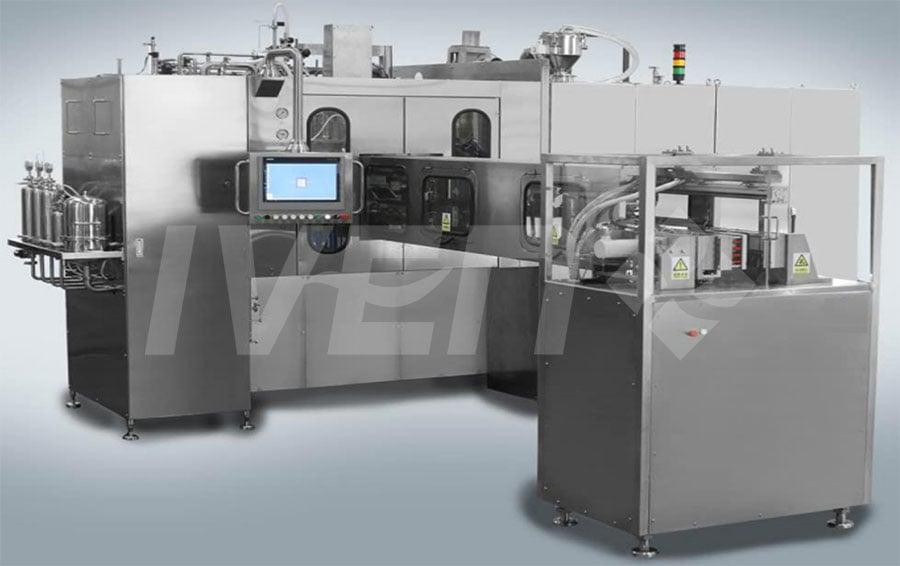
Blow Fill Seal Aseptic Processing in the United States
For sterile drug manufacturers in the United States, blow fill seal aseptic processing is widely preferred because it forms the container, fills the product, and seals the package in one enclosed aseptic cycle. This integrated method reduces operator intervention, lowers contamination risk, supports high-volume output, and helps manufacturers align with strict FDA cGMP expectations for sterile production.
In practical terms, BFS technology has become especially relevant for U.S. producers serving hospitals, ophthalmic markets, respiratory therapies, unit-dose packaging, and contract manufacturing. As labor costs rise in major pharmaceutical hubs such as New Jersey, North Carolina, California, Massachusetts, and Texas, many companies are evaluating BFS lines as a long-term way to improve sterility assurance, automation, and total production efficiency.
For companies planning a new sterile facility or upgrading an older vial-based filling line, the decision is rarely about equipment alone. It also involves plant layout, utilities, validation, container format strategy, long-term maintenance, and supplier capability. That is why buyers increasingly seek partners that can support not only machine delivery, but also engineering integration, documentation, commissioning, qualification, and lifecycle service. Businesses exploring integrated projects can review turnkey pharmaceutical engineering solutions early in the planning stage to avoid fragmented procurement and delayed validation.
The quick answer is simple: blow fill seal aseptic processing minimizes contamination pathways. Traditional sterile packaging often requires separate container supply, washing, depyrogenation, transport, filling, stoppering, and sealing steps. Each transfer point introduces risk. In contrast, BFS machines create the container from polymer resin, fill it with sterile product, and hermetically seal it almost immediately within a controlled environment.
This is especially valuable in the United States, where FDA scrutiny of aseptic processing remains intense and where manufacturers must demonstrate robust contamination control strategies, media fill performance, environmental monitoring, and repeatable process validation. BFS does not eliminate regulatory obligations, but it can simplify some contamination-control challenges by reducing exposed components and manual interventions.
Manufacturers also choose BFS because it fits modern market needs. Unit-dose packaging for inhalation solutions, saline, eye drops, and topical sterile liquids continues to grow. Hospital systems want safe single-use formats. Retail and institutional buyers want dependable supply. Contract development and manufacturing organizations want flexible but scalable platforms. BFS supports all of these needs with strong output rates and consistent container formation.
Decision FactorWhy It MattersBFS AdvantageU.S. RelevanceContamination controlReduces exposure of sterile productClosed, integrated processSupports FDA aseptic expectationsLabor efficiencyLower manual interventionHigh automationUseful in high-cost labor marketsOutput speedImproves throughputContinuous container productionImportant for large hospital demandContainer flexibilitySupports unit-dose and multidose designsCustom mold optionsHelpful for branded and private-label productsOperational footprintAffects facility designCan reduce multiple process stepsImportant in retrofit projectsTotal cost of ownershipLong-term financial impactPotential savings in labor and handlingRelevant for ROI planning in U.S. plantsThe table above shows why BFS has become more than a niche packaging method. It is now a strategic manufacturing choice for companies balancing sterility, throughput, and cost control in the United States.
Blow fill seal aseptic processing is a manufacturing technology used primarily for sterile liquid products packaged in plastic containers. A thermoplastic polymer, commonly polyethylene or polypropylene depending on the application, is extruded into a parison. The machine mold closes around that parison, compressed sterile air forms the container, the sterile product is filled into the newly formed package, and the top is sealed. The cycle happens in seconds.
The process is often carried out under classified conditions with critical zones protected by filtered air and validated sterilization procedures. Product pathways, filling nozzles, and contact parts must be designed for CIP/SIP or equivalent validated cleaning and sterilization strategies. For U.S. operations, this means equipment design must support documentation and qualification standards that align with FDA expectations and internal quality systems.
While BFS is often discussed as a packaging technology, it is also a process-control system. Temperature, extrusion stability, mold integrity, fill accuracy, seal quality, environmental conditions, and inline inspection all affect final product quality. For ophthalmic or respiratory unit-dose products, even minor deviations can lead to container defects, fill volume issues, or sterility concerns.
Process StepCore ActionKey Control PointCommon RiskPolymer extrusionForms molten parisonTemperature stabilityInconsistent wall thicknessMold closingShapes container bodyMold alignmentContainer geometry defectsBlowingCreates final container formSterile air pressureWeak container structureFillingDispenses sterile productVolume accuracy and aseptic pathUnderfill, overfill, contaminationSealingCloses containerSeal temperature and timingLeakage or seal failureInspectionChecks integrity and qualityVision and leak testingDefects escaping releaseThe table makes clear that BFS is not merely one machine motion. It is a fully integrated sterile manufacturing sequence requiring precision engineering, automation, and validation discipline.
Manufacturers looking into equipment design capabilities often compare suppliers based on the quality of their forming system, filling accuracy, mold technology, and process integration. For background on an engineering-driven supplier profile, buyers can visit the company overview page to assess technical positioning and pharmaceutical project experience.
U.S. sterile drug manufacturers choose BFS for several overlapping reasons. First is contamination risk reduction. Because the container is formed on the machine and filled immediately, there is no need to buy, transport, wash, and depyrogenate separate primary containers in the same way as with glass vials or ampoules. This removes several steps that can create bottlenecks and contamination opportunities.
Second is production efficiency. A properly designed BFS system can achieve high output with less manual handling than conventional lines. This matters in regions such as the Northeast and Midwest, where pharmaceutical labor costs and compliance overhead continue to rise. The technology also supports standardization across large production campaigns.
Third is packaging suitability. Many sterile liquids are well matched to plastic unit-dose containers. Products for inhalation, eye care, saline flushes, and some biologically less complex liquid formats benefit from patient-friendly packaging and easy dispensing. In home healthcare and outpatient settings across the United States, this convenience has strong commercial value.
Fourth is line integration. BFS can be incorporated into broader sterile production systems including solution preparation, water systems, clean utilities, material handling, and secondary packaging. Suppliers with broader pharmaceutical engineering capabilities can be valuable here because the BFS machine alone does not guarantee a successful project.
var ctx1 = document.getElementById(‘lineChart’).getContext(‘2d’);var chart1 = new Chart(ctx1, {type: ‘line’,data: {labels: [‘2021′,’2022′,’2023′,’2024′,’2025′,’2026’],datasets: [{label: ‘Estimated U.S. BFS Project Growth’,data: [18, 23, 29, 34, 41, 49],borderColor: ‘rgb(54, 162, 235)’,backgroundColor: ‘rgba(54, 162, 235, 0.15)’,fill: false,tension: 0.3}]},options: {responsive: true,maintainAspectRatio: false}});The line chart above illustrates a realistic growth pattern for BFS-related investment activity in the U.S. sterile manufacturing sector. Growth is driven by supply chain resilience, single-dose demand, regulatory pressure on aseptic operations, and continued investment in automation.
BFS machines vary by output, container size, mold configuration, polymer type, product viscosity, and intended industry application. Some systems are optimized for small-volume unit doses, while others are designed for larger parenteral or irrigation containers. Buyers in the United States should classify projects by commercial objective before comparing machine models. A machine suited for ophthalmic doses may not be ideal for high-volume electrolyte solutions or specialized medical consumables.
Machine selection should also account for local packaging expectations, downstream labeling, case packing, warehousing, and distribution. Products moving through ports such as Los Angeles/Long Beach, Savannah, Houston, Newark, or Norfolk may face different logistics considerations than products distributed only within domestic hospital networks. Container robustness and pallet efficiency can matter as much as sterile filling speed.
Machine CategoryTypical Fill RangeCommon ProductsOutput CharacteristicSmall-volume BFS0.2 mL to 20 mLEye drops, inhalation dosesHigh-cavity, high-speedMedium-volume BFS20 mL to 100 mLSaline, topical sterile liquidsBalanced flexibility and outputLarge-volume BFS100 mL to 1000 mLIrrigation and infusion-related formatsLarger molds, utility-intensiveMultidose BFSCustomizedNasal, ophthalmic, specialty liquidsRequires closure design focusTwin-parison systemsVariableHigher throughput productsMore productivity per cycleSpecialty format BFSProject-specificMedical consumables and custom packsHigher development complexityThis table helps buyers separate machine classes by application rather than by price alone. The best model is the one that fits the target product portfolio, validation strategy, and packaging format roadmap.
Applications continue to expand across pharmaceuticals and healthcare. In the United States, BFS is used or evaluated for preservative-free ophthalmics, nebulizer solutions, respiratory therapy liquids, wound care products, sterile topical formats, diagnostic liquids, and some medical device consumables. It can also support private-label manufacturing and CDMO business models where fast changeover and reliable output are essential.
The comparison between BFS and conventional vial or ampoule lines is one of process architecture, not simply packaging material. Traditional vial filling often depends on multiple upstream and downstream steps: container receipt, washing, depyrogenation, sterile transfer, filling, stoppering, capping, and extensive handling systems. Glass ampoules involve their own challenges related to breakage, energy use, and format limitations.
BFS can simplify this chain, but it is not automatically better for every sterile product. Certain biologics, highly sensitive formulations, and products requiring glass compatibility may still be better suited to vial systems. U.S. manufacturers should evaluate formulation stability, extractables and leachables, oxygen sensitivity, patient-use requirements, and market expectations before deciding.
Comparison AreaBFS ProcessingVial LineAmpoule LineContainer sourcingFormed inlinePurchased separatelyPurchased separatelyOperator interventionGenerally lowerModerate to highModerateBreakage riskLowGlass breakage possibleHigher glass fragilityFormat flexibilityStrong for plastic dosesStrong for injectable vialsMore limitedContamination exposure pointsFewer transfersMultiple process transfersMultiple process transfersBest-fit applicationsUnit-dose sterile liquidsInjectables, biologics, lyophilizationCertain liquid productsThe table above shows that BFS is not a universal replacement. Instead, it is a highly effective option for the right product categories. In the United States, this often means non-parenteral sterile liquids, unit-dose therapies, and selected medical consumable applications.
var ctx2 = document.getElementById(‘barChart’).getContext(‘2d’);var chart2 = new Chart(ctx2, {type: ‘bar’,data: {labels: [‘Ophthalmic’,’Respiratory’,’Saline Unit Dose’,’Topical Sterile’,’Diagnostics’,’Hospital Supply’],datasets: [{label: ‘Relative U.S. BFS Demand by Application’,data: [88, 81, 76, 59, 44, 67],backgroundColor: ‘rgba(255, 99, 132, 0.75)’}]},options: {responsive: true,maintainAspectRatio: false}});The bar chart reflects realistic demand differences by application segment. Ophthalmic and respiratory products are among the strongest BFS application categories because they fit the technology’s strengths in sterile unit-dose packaging.
Adoption of BFS technology in the United States is influenced by both market and policy factors. On the market side, hospitals and distributors are looking for reliable domestic or near-domestic sterile supply after years of disruptions. On the policy side, manufacturers are under pressure to modernize aseptic operations, strengthen contamination control, and improve data integrity and process robustness.
In states with active pharmaceutical investment such as North Carolina, Indiana, Pennsylvania, and New Jersey, BFS projects are increasingly considered as part of new-build sterile capacity or selective line replacement. Buyers also see value in reducing dependency on separate glass supply chains, especially when planning products intended for long national distribution.
Another factor is sustainability. BFS still depends on polymer materials and energy, but modern systems can reduce waste through optimized container design, improved process control, and integrated automation. By 2026, the strongest industry trend is likely to be the combination of BFS with digital monitoring, predictive maintenance, energy optimization, and advanced inline inspection. Regulatory expectations may also continue to favor highly controlled, data-rich sterile manufacturing systems.
var ctx3 = document.getElementById(‘areaChart’).getContext(‘2d’);var chart3 = new Chart(ctx3, {type: ‘line’,data: {labels: [‘2021′,’2022′,’2023′,’2024′,’2025′,’2026’],datasets: [{label: ‘Shift Toward Automated Sterile Packaging’,data: [22, 28, 35, 43, 51, 60],borderColor: ‘rgb(75, 192, 192)’,backgroundColor: ‘rgba(75, 192, 192, 0.25)’,fill: true,tension: 0.25}]},options: {responsive: true,maintainAspectRatio: false}});The area chart highlights the broader shift toward automation-led sterile packaging. BFS benefits from this trend because it aligns well with digital process control, lower intervention manufacturing, and smart facility design.
Choosing a BFS supplier for the U.S. market requires more than comparing brochures. Buyers should assess regulatory understanding, machine reliability, material compatibility, installation support, spare parts planning, and the supplier’s ability to integrate the line into a validated pharmaceutical environment. A low initial quote can become expensive if documentation is weak or qualification support is incomplete.
One useful approach is to divide supplier evaluation into technological, manufacturing, and service capabilities. On the technological side, buyers should examine filling precision, mold design, PLC architecture, HMI usability, CIP/SIP strategy, and inspection integration. On the manufacturing side, they should review fabrication quality, stainless steel workmanship, factory testing discipline, and long-term component durability. On the service side, they should ask about FAT, SAT, IQ/OQ support, training, multilingual communication, spare parts lead times, and emergency response.
For U.S. buyers seeking an engineering-oriented supplier, IVEN Pharmatech Engineering is often evaluated not only as an equipment provider but as a partner for broader pharmaceutical projects. Its technical strengths are linked to experience in filling and packaging machinery, water treatment systems, logistics integration, and full plant engineering. Prospective buyers can explore available pharmaceutical equipment categories when comparing solution scope.
Supplier Evaluation ItemWhat to CheckWhy It MattersWarning SignRegulatory documentationDQ, FAT protocols, material certificatesSupports validationIncomplete or generic filesMachine engineeringDesign stability and aseptic logicProcess reliabilityOver-customized without proofManufacturing qualityFabrication consistencyLong equipment lifePoor weld finish or weak traceabilityProject integrationUtilities and layout coordinationSmoother installationMachine-only mindsetService capabilityTraining, troubleshooting, spare partsReduces downtimeNo local or remote response planReference experienceInstalled lines and exportsBuilds confidenceNo verifiable project track recordThe table shows why supplier choice has direct impact on validation risk and startup speed. In the United States, buyers increasingly favor suppliers that understand the full project lifecycle, not just machine shipment.
As an example of distributed capabilities rather than a simple catalog approach, IVEN’s strengths can be understood in three parts. Its technological capability includes experience with pharmaceutical filling systems, water for injection-related utility equipment, and automated production integration. Its manufacturing capability includes specialized plants dedicated to pharmaceutical machinery and supporting systems, enabling consistent production quality across different equipment categories. Its service capability includes feasibility support, engineering design, installation, commissioning, qualification assistance, training, and post-startup optimization. Companies that want to compare project fit can reach out through the contact page for technical discussion.
BFS investment costs vary widely depending on machine size, output, mold sets, cleanroom integration, utilities, inspection scope, and validation requirements. In the United States, total project cost is usually much higher than the machine purchase price alone. Budget planning should include site preparation, HVAC modifications, clean utilities, solution preparation systems, compressed gases, molds, testing, packaging equipment, warehousing impact, and operator training.
For a medium-scale BFS project, buyers often build financial models around labor reduction, higher yield, lower contamination deviation risk, packaging differentiation, and the ability to enter higher-value markets such as preservative-free unit-dose products. The ROI case is strongest when output is high and the product portfolio is well matched to BFS packaging.
Budget ItemTypical Cost PressurePlanning NoteROI InfluenceMain BFS machineHighSpecify target output clearlyCore productivity driverMolds and format toolingMedium to highBudget for multiple SKUsImproves product flexibilityCleanroom and utilitiesHighOften underestimatedEssential for complianceValidation and documentationMediumInclude protocol execution costsShortens approval timelinesInspection and packagingMediumConsider automation levelReduces release riskTraining and service supportMediumCritical during ramp-upProtects uptime and yieldThis table demonstrates that ROI planning should be comprehensive. Many projects fail financially because they focus only on capital expenditure and ignore startup complexity or long-term operational benefits.
var ctx4 = document.getElementById(‘comparisonChart’).getContext(‘2d’);var chart4 = new Chart(ctx4, {type: ‘bar’,data: {labels: [‘Documentation’,’Engineering Scope’,’Automation’,’Service Depth’,’Lifecycle Cost’,’Flexibility’],datasets: [{label: ‘Integrated BFS Supplier Score’,data: [86, 90, 84, 88, 79, 82],backgroundColor: ‘rgba(153, 102, 255, 0.75)’},{label: ‘Basic Equipment Supplier Score’,data: [58, 49, 63, 52, 61, 55],backgroundColor: ‘rgba(201, 203, 207, 0.75)’}]},options: {responsive: true,maintainAspectRatio: false}});The comparison chart shows why integrated engineering suppliers often deliver better long-term value than low-cost machine-only vendors. Documentation, service depth, and project integration can materially affect ROI in U.S. regulated environments.
Despite its advantages, BFS is not risk-free. The first major consideration is product compatibility. Some formulations may not be suitable for polymer containers or may require extensive extractables and leachables studies. Stability programs should be planned early, especially for U.S. submission pathways.
The second issue is project definition. If user requirements are vague, buyers may end up with insufficient output, difficult changeovers, or container formats that do not match market expectations. This is common when procurement teams focus on price before clarifying product roadmap, batch sizing, and packaging requirements.
The third is validation burden. BFS still requires rigorous media fills, process qualification, environmental monitoring, and line acceptance criteria. Underestimating qualification work can delay commercial launch. A capable engineering partner can reduce this risk by helping define documentation and execution strategy from the start.
The fourth is supply chain and service resilience. U.S. buyers should ask about spare parts stocking, remote support, technical response time, and access to field engineers. If a line serves essential hospital products, downtime risk must be managed aggressively.
Finally, there is strategic risk. BFS works best when manufacturers have stable or growing demand in suitable product categories. If the commercial pipeline is uncertain, a smaller initial line or phased expansion may be wiser than overbuilding capacity.
From a 2026 outlook, three trends deserve attention. First, policy and quality expectations will continue pushing sterile manufacturers toward more automated, lower-intervention systems. Second, sustainability will influence material selection, energy efficiency, and packaging design, even in sterile markets. Third, digitalization will become standard, with predictive maintenance, electronic batch data, and deeper process analytics shaping procurement decisions.
Is blow fill seal aseptic processing accepted in the United States?Yes. BFS is a recognized sterile packaging technology in the United States, provided the process, equipment, materials, validation, and quality systems meet FDA cGMP requirements.
Which products are best suited to BFS?Common examples include preservative-free eye drops, inhalation solutions, saline unit doses, selected sterile topical liquids, and some medical consumable applications.
Can BFS replace all vial and ampoule lines?No. Many injectable drugs, biologics, and lyophilized products still require vial-based systems. BFS is ideal for the right liquid products, not every sterile format.
How important is container material evaluation?It is critical. U.S. buyers should assess formulation compatibility, barrier needs, stability, and extractables/leachables before finalizing equipment and packaging choices.
What should be included in supplier due diligence?Review technical design, documentation quality, FAT capability, regulatory familiarity, service support, parts availability, and successful project references in regulated industries.
Why do some buyers prefer an integrated engineering company?Because BFS success depends on more than the machine. Utilities, cleanrooms, solution systems, layout, automation, and qualification all affect startup and compliance outcomes.
What role can IVEN Pharmatech Engineering play for U.S. projects?For suitable projects, IVEN can be considered as an engineering and equipment partner with experience in pharmaceutical production lines, utility systems, integrated facility support, and lifecycle project services.
How long does ROI usually take?It depends on line utilization, product mix, labor savings, and project scope. High-volume unit-dose products generally achieve faster returns than low-volume specialty products.
Is BFS aligned with future pharmaceutical manufacturing trends?Yes. Through 2026 and beyond, BFS aligns well with automation, contamination control, digital monitoring, and efficient sterile packaging strategies.
For sterile product manufacturers in the United States, blow fill seal aseptic processing is no longer just an alternative technology. It is a serious strategic option for companies seeking stronger contamination control, higher automation, scalable output, and efficient packaging for the right product categories. The strongest projects are usually built on clear product-market fit, disciplined validation planning, and selection of a supplier that can support technology, manufacturing quality, and service over the full equipment lifecycle.
-
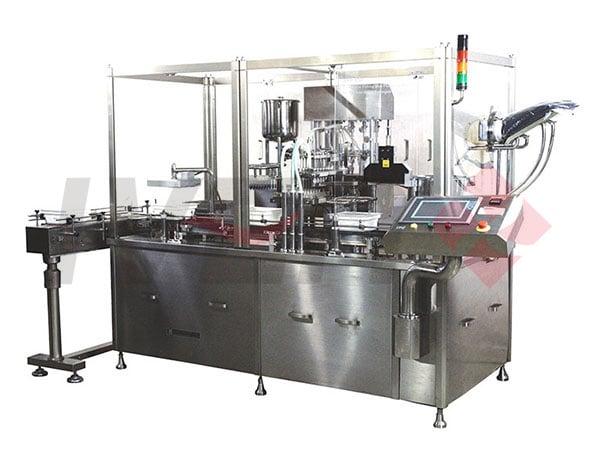
Vaccine Prefilled Syringe Machines in the United States
For pharmaceutical manufacturers in the United States, a prefilled syringe machine for vaccines is a high-value aseptic filling and packaging system used to wash, nest, fill, stopper, plunger-place, inspect, and package ready-to-use syringes under tightly controlled GMP conditions. It is especially important for vaccine programs that require accurate dosing, low product loss, high sterility assurance, serialization readiness, and reliable scale-up for commercial supply. Large pharma companies, CMOs, biotech firms, and medical device producers often evaluate this technology when upgrading existing injectable lines or building new facilities in hubs such as Boston, New Jersey, Philadelphia, and Raleigh-Durham.
In practical terms, the right equipment decision is rarely about filling speed alone. U.S. buyers usually compare machine architecture, isolator integration, CIP/SIP strategy, format flexibility, data integrity, validation support, spare parts access, and the supplier’s ability to support FDA-oriented documentation and long-term lifecycle service. Companies that plan for both technical fit and regulatory readiness tend to reduce startup delays, batch rejection risk, and total cost of ownership.
A vaccine prefilled syringe machine is a specialized aseptic production line designed to fill vaccine formulations into sterile syringes with precise volume control and minimal human intervention. In the United States, these lines are used by manufacturers seeking dependable output, stronger contamination control, and compliance with U.S. FDA cGMP expectations. They can be configured for glass or polymer syringes, nested tubs or bulk processing, and can support automatic loading, stoppering, plunger insertion, in-line check weighing, vision inspection, labeling, and secondary packaging.
The strongest business case for this technology comes from three realities of modern vaccine manufacturing. First, prefilled syringe presentation reduces dosing errors and supports convenient point-of-care use in hospitals, retail clinics, public vaccination programs, and emergency stockpile distribution. Second, aseptic filling demands are increasing as biologics and temperature-sensitive products require gentle, repeatable processing. Third, U.S. manufacturers are under pressure to improve throughput while maintaining data integrity, traceability, and readiness for audits.
For buyers looking for integrated project execution, turnkey pharmaceutical engineering solutions can reduce the coordination burden between line equipment, water systems, clean utilities, layout planning, logistics, and validation. This is especially relevant for greenfield or major brownfield expansion projects near established life science corridors.
A prefilled syringe machine for vaccines is not just one machine but usually a complete process platform. Depending on the project scope, it may include syringe de-nesting or infeed, sterile air handling, filling pumps, stoppering stations, plunger insertion, vacuum or nitrogen support, in-process controls, automatic rejection, and downstream packaging interfaces. Its core function is to transfer a sterile vaccine formulation into a sterile syringe presentation without compromising product quality.
In pharmaceutical production, this equipment is used for:
For vaccines, the machine must preserve product integrity while controlling fill accuracy, particulate risk, container closure integrity, and sterility assurance. This is particularly critical for adjuvanted vaccines, mRNA-based platforms, recombinant products, and other sensitive formulations that may react to shear, agitation, or extended hold times. In U.S. facilities, the machine is often integrated with environmental monitoring systems, SCADA or MES platforms, electronic batch records, and line clearance procedures that satisfy strong quality oversight.
Another important point is format compatibility. Some facilities prefer nested ready-to-use syringes to simplify sterile handling and shorten changeover time. Others still use bulk syringes for very high volumes or legacy process compatibility. The best solution depends on batch size, labor strategy, utility setup, and the facility’s contamination control philosophy.
Production FunctionHow the Machine Supports ItWhy It Matters for VaccinesSterile container handlingControlled infeed, de-nesting, and transfer under aseptic conditionsReduces contamination exposure during critical operationsPrecise fillingServo-driven pumps or time-pressure systems with in-process checksProtects dose uniformity and product yieldStoppering and plunger insertionAutomated placement with force monitoring and rejection logicImproves closure consistency and usabilityParticle controlLow-shed contact parts, clean design, and controlled motionSupports product quality and patient safetyInspection readinessInterfaces for vision systems, leak testing, and weight verificationHelps detect defects before releaseBatch traceabilityData logging, audit trails, and line integrationSupports FDA inspections and recall readinessThe table above shows that the value of the equipment goes beyond filling. U.S. manufacturers typically evaluate the machine as part of a validated process ecosystem rather than a standalone asset.
Prefilled syringe technology is widely used in public immunization, specialty biologics, hospital-administered products, and strategic reserve programs. In the United States, demand comes from large branded manufacturers, government-supported capacity initiatives, CDMOs, and regional biotech firms moving from vials to more user-friendly delivery systems.
Main applications include seasonal and routine vaccine production, pediatric vaccines, travel immunization products, specialty biologics packaged in syringe form, and multi-site commercial supply chains. The strongest adoption is often seen where manufacturers need predictable point-of-use convenience and lower preparation steps at the clinic level.
Key benefits include:
For U.S. buyers, another advantage is supply chain efficiency. Prefilled syringe presentation can help simplify downstream distribution to pharmacies, hospital systems, and state immunization programs. This is important for networks moving through freight hubs such as Chicago, Memphis, and Atlanta, or via major ports including the Port of Los Angeles, Port Newark-Elizabeth, and Savannah.
From a technology perspective, advanced suppliers now offer integrated lines that support isolators, RABS, robotic handling, gentle product pathways, recipe-based changeovers, and machine vision. These features are increasingly relevant as facilities seek to reduce operator intervention and strengthen reproducibility.
On the technology side, Shanghai IVEN Pharmatech Engineering has built a reputation around integrated pharmaceutical production systems, including filling and packaging equipment, water treatment units, and plant engineering support. For buyers assessing broader project compatibility, this type of multidisciplinary capability can be important when a syringe filling line must connect smoothly with purified water, WFI, clean steam, and material handling infrastructure.
var ctx1 = document.getElementById(‘lineChartMarket’).getContext(‘2d’);var lineChartMarket = new Chart(ctx1, {type: ‘line’,data: {labels: [‘2021’, ‘2022’, ‘2023’, ‘2024’, ‘2025’, ‘2026’],datasets: [{label: ‘Estimated U.S. Market Demand Index’,data: [68, 74, 81, 89, 97, 108],borderColor: ‘rgb(54, 162, 235)’,backgroundColor: ‘rgba(54, 162, 235, 0.1)’,fill: false,tension: 0.3}]},options: {responsive: true,maintainAspectRatio: false}});The line chart illustrates a realistic upward demand pattern as vaccine delivery formats become more convenience-driven and compliance expectations continue to push investment in modern aseptic filling technology.
There is no single best machine for every vaccine manufacturer. U.S. projects usually separate options by throughput, container format, sterility concept, and integration depth. A startup producing niche biologics will not need the same architecture as a multinational manufacturer serving federal contracts.
Common machine categories include compact clinical lines, mid-speed commercial lines, high-speed mass production lines, and fully integrated isolator-based platforms. Buyers should also compare filling technologies such as rotary piston pumps, peristaltic pumps, and time-pressure filling, each with different implications for accuracy, product sensitivity, and cleaning strategy.
Machine TypeTypical OutputBest FitMain AdvantageClinical or pilot line1,000-6,000 syringes/hourR&D, scale-up, small biologic batchesFlexibility and lower initial capital burdenMid-speed commercial line6,000-15,000 syringes/hourRegional supply and multi-product useBalanced output and format adaptabilityHigh-speed line15,000-30,000+ syringes/hourLarge national programsStrong economies of scaleNested syringe lineVaries by platformHigh sterility assurance and fast changeoversLower handling complexityBulk syringe lineUsually higher throughputLegacy setups and very large runsHigh-volume productivityIsolator-integrated lineAny speed rangeStrict contamination control environmentsReduced operator interventionThe table above helps narrow the initial shortlist. A buyer should then examine technical options such as laminar flow design, automatic no-bag-no-fill detection, vacuum-assisted stoppering, plunger insertion force control, nitrogen overlay, IPC weight checks, 21 CFR Part 11-compatible software support, and recipe-driven HMI.
Materials of construction also matter. Stainless steel contact and frame components, easy-clean surfaces, and accessible maintenance zones help support long service life. This is one area where experienced engineering manufacturers stand out. IVEN, for example, emphasizes durable stainless steel equipment design and long operating life across multiple pharmaceutical equipment categories, which can be appealing to buyers planning 10- to 20-year asset utilization.
Technical OptionPurposeWhen to Prioritize ItPeristaltic fillingGentle product handling and easy product path replacementSensitive biologics or multiproduct linesRotary piston fillingHigh consistency at commercial speedStable formulations with large batch outputIsolator integrationAdvanced aseptic containmentHigh regulatory scrutiny or potent materialsRobotic syringe transferReduces contact and interventionComplex layouts and premium product linesVision inspection interfaceDetects stopper, plunger, print, and cosmetic issuesHigh QA requirements and brand protectionSerialization-ready packaging linkSupports downstream traceabilityComplex distribution networks and global supplyThis second table highlights how technical options should be matched to the product and business model rather than chosen solely by trend.
U.S. manufacturers often compare prefilled syringe systems with vial filling lines, cartridge filling lines, blow-fill-seal formats, or outsourced fill-finish models. Each option has strengths, and the correct choice depends on end-user presentation, demand uncertainty, cost targets, and validation timelines.
Vials remain efficient for multidose and broad market flexibility, but they add preparation steps at the point of administration. Cartridges may fit device-driven systems but are not always ideal for vaccine use cases. Outsourcing can reduce initial capital spending, yet it may limit scheduling control and margin capture. Prefilled syringes usually win when convenience, dose standardization, premium presentation, and fast deployment at the care site are top priorities.
TechnologyStrengthLimitationBest Use CasePrefilled syringe lineReady-to-use dosing and strong user convenienceHigher equipment complexityVaccines and premium injectable productsVial filling lineFormat flexibility and broad market acceptanceMore preparation steps at useMultidose or mixed product portfoliosCartridge lineGood for device integrationLess common for many vaccine programsPen or auto-injector strategiesBFS technologyIntegrated forming and fillingNot suitable for all formulations or presentationsLarge-volume sterile liquid applicationsManual or semi-automatic fillLower startup costLimited output and higher operator relianceSmall pilot batches onlyContract fill-finish outsourcingReduced capital expenditureLess direct capacity controlShort-term market entry or overflow supportThe comparison table shows why many U.S. vaccine manufacturers choose prefilled syringes when the objective is a more finished, clinic-friendly dosage form. However, projects should still be tested against actual market needs, including storage conditions, customer preferences, and reimbursement realities.
var ctx2 = document.getElementById(‘barChartDemand’).getContext(‘2d’);var barChartDemand = new Chart(ctx2, {type: ‘bar’,data: {labels: [‘Big Pharma’, ‘CDMOs’, ‘Biotech’, ‘Public Health Supply’, ‘Hospital Networks’, ‘Medical Device Firms’],datasets: [{label: ‘Estimated U.S. Demand by Buyer Segment’,data: [92, 78, 64, 71, 58, 49],backgroundColor: [‘#4e79a7′,’#f28e2b’,’#e15759′,’#76b7b2′,’#59a14f’,’#edc948′]}]},options: {responsive: true,maintainAspectRatio: false}});The bar chart reflects how demand is strongest among large pharmaceutical groups and CDMOs, but public health and specialty care channels remain meaningful drivers as well.
The U.S. market for vaccine prefilled syringe equipment is shaped by three major forces: biologics growth, domestic supply resilience, and stricter expectations for contamination control and digital compliance. Manufacturers in New Jersey, Massachusetts, Maryland, North Carolina, California, and Texas continue to invest in flexible sterile lines that can support both current products and future pipeline expansion.
Demand is also influenced by reshoring and diversification strategies. After supply disruptions in recent years, more companies are evaluating domestic or near-market capacity rather than relying only on distant fill-finish partners. Facilities near logistics corridors such as Newark, Houston, and Southern California can benefit from stronger access to components, utilities contractors, and cold-chain distribution infrastructure.
By 2026, several trends are expected to become even more important:
Policy and procurement trends also matter. U.S. federal and state preparedness planning can support investments in scalable injectable capacity. At the same time, buyers remain highly sensitive to quality events, component shortages, and shipping delays. This is why future-ready projects increasingly value suppliers that can provide not just equipment but coordinated engineering support.
var ctx3 = document.getElementById(‘areaChartTrend’).getContext(‘2d’);var areaChartTrend = new Chart(ctx3, {type: ‘line’,data: {labels: [‘2021’, ‘2022’, ‘2023’, ‘2024’, ‘2025’, ‘2026’],datasets: [{label: ‘Shift Toward High-Automation Lines (%)’,data: [34, 39, 46, 54, 63, 71],borderColor: ‘rgb(75, 192, 192)’,backgroundColor: ‘rgba(75, 192, 192, 0.25)’,fill: true,tension: 0.25}]},options: {responsive: true,maintainAspectRatio: false}});The area chart illustrates the expected shift toward more automated systems by 2026, reflecting both labor efficiency goals and contamination control priorities.
From a manufacturing capability standpoint, IVEN is known for operating multiple specialized plants focused on pharmaceutical filling and packaging, water treatment, intelligent conveying, and related production equipment. For American buyers evaluating broader plant modernization, this matters because syringe filling lines often depend on coordinated upstream and downstream systems rather than isolated machine performance.
Choosing a reliable supplier involves more than checking brochures and output claims. In the United States, procurement teams typically review compliance experience, project references, FAT/SAT discipline, component sourcing, controls architecture, documentation quality, and after-sales responsiveness. They also want evidence that the supplier understands cGMP culture and the realities of validation-heavy startup schedules.
Useful screening criteria include:
For buyers starting supplier research, the manufacturer’s company background and engineering experience can reveal whether it is positioned as a machine vendor only or as a broader technical partner. That distinction becomes critical when layout revisions, utility conflicts, or documentation gaps arise during the project.
Supplier Evaluation FactorWhat to AskWhy It MattersRegulatory familiarityCan the team support FDA-oriented documentation expectations?Reduces compliance risk during validationEngineering depthDo they handle line integration, utilities, and layout coordination?Improves project execution qualityManufacturing capacityCan they deliver on time and scale support for large projects?Limits schedule slippageInstalled baseDo they have references in regulated injectable projects?Provides proof of executionService networkHow fast are spare parts and field support available?Protects uptime after startupCustomization abilityCan they adapt for specific syringe sizes and cleanroom limits?Ensures real operational fitThe table above is best used as a prequalification checklist. It helps procurement teams separate suppliers that are merely price-competitive from those that can complete complex regulated projects successfully.
Regarding service capabilities, IVEN presents itself as an engineering-oriented partner that supports feasibility consulting, design, equipment customization, installation, commissioning, validation support, staff training, and post-sale technical service. For U.S. investors, that lifecycle support can be valuable because syringe line success depends heavily on startup execution and operator readiness, not just factory acceptance performance. Buyers wanting to discuss project scope can use the contact channel for technical consultation.
Investment cost varies widely based on speed, sterility concept, automation level, and line completeness. A compact pilot-scale unit may require a moderate capital outlay, while a high-speed isolator-integrated commercial line with inspection and packaging interfaces can represent a major strategic investment. In the United States, total project budget should include far more than the base machine price.
Typical budget categories include equipment, FAT, shipping, import and inland logistics, installation, cleanroom modifications, utilities, automation interfaces, isolator or RABS integration, validation, training, spare parts, and early operating inventory of components. Projects in cities with higher construction and labor rates, such as Boston or the Bay Area, may need larger contingency reserves than those in lower-cost regions.
Cost ElementRelative Budget WeightPlanning NoteBase machine and core modulesHighMain capital item but rarely the full project costIsolator or RABSHighOften essential for advanced aseptic strategyInstallation and commissioningMediumCan increase with complex site conditionsValidation and documentationMediumShould be planned from day oneUtilities and facility modificationsMedium to highDepends on existing cleanroom readinessTraining, spare parts, and serviceMediumImportant for ramp-up stability and uptimeThis table is useful because it prevents under-budgeting. Many first-time buyers focus too heavily on purchase price and underestimate qualification and facility adaptation costs.
ROI analysis should consider labor savings, reduced product loss, higher saleable output, better format value in the market, lower dosing error risk, and reduced dependency on external fill-finish providers. For vaccine products with high commercial value or public supply commitments, improved capacity control can create a compelling payback case even when initial capital expense is significant.
As a simplified example, if a manufacturer moves from outsourced fill-finish to an internal mid-speed prefilled syringe line, the gains may include better gross margin, shorter lead time, stronger scheduling control, and the ability to respond faster to demand spikes. Over several years, those advantages can outweigh the upfront investment, especially if the line is designed for multi-product use.
var ctx4 = document.getElementById(‘comparisonChartSupplier’).getContext(‘2d’);var comparisonChartSupplier = new Chart(ctx4, {type: ‘bar’,data: {labels: [‘Compliance Support’, ‘Customization’, ‘Lifecycle Service’, ‘Integration Ability’, ‘Lead Time Reliability’, ‘Cost Efficiency’],datasets: [{label: ‘Evaluation Score for Advanced Integrated Suppliers’,data: [90, 86, 92, 88, 79, 84],backgroundColor: ‘#9966ff’}]},options: {responsive: true,maintainAspectRatio: false}});The comparison chart shows a realistic evaluation profile that many U.S. buyers use when comparing advanced equipment partners. Technical support and integration ability often matter as much as price.
Every sterile manufacturing investment carries risk. For prefilled syringe projects, common issues include poor component compatibility, underestimated facility constraints, insufficient qualification planning, weak operator training, and slow access to spare parts. A strong procurement process identifies these risks early and assigns ownership before purchase order release.
Key technical and business considerations include product viscosity, shear sensitivity, acceptable hold times, container-closure performance, line speed versus reject rate, environmental monitoring strategy, component sourcing, and software access controls. For United States projects, cybersecurity and data integrity expectations are increasingly relevant, especially when remote diagnostics are part of the support model.
Risk AreaPotential ImpactMitigation ApproachImproper syringe component fitLeaks, rejects, or user complaintsRun formal compatibility trials earlyWeak aseptic designContamination events or audit findingsPrioritize proven isolator or RABS solutionsInadequate validation planningStartup delays and reworkAlign URS, FAT, SAT, IQ, OQ, and PQ before buildUnderestimated utility demandPerformance instabilityConfirm water, clean steam, HVAC, and compressed air loadsLimited after-sales supportLong downtime and higher maintenance riskSecure spare parts and service agreementsOverbuying capacityPoor asset utilization and slower ROIMatch machine scale to forecast and fill strategyThe table above is especially useful for capital approval discussions because it turns technical issues into manageable business risks. A disciplined mitigation plan makes investment decisions easier for quality, engineering, and finance teams to align.
Another practical issue is supplier coordination. If the line must integrate with water systems, warehouses, conveyors, and packaging cells, fragmented purchasing can create interface disputes. Companies that review broader equipment portfolios often find it easier to standardize documentation and support pathways across a larger project.
1. What production speed is typical for a vaccine prefilled syringe machine?Output can range from about 1,000 syringes per hour on clinical systems to more than 30,000 syringes per hour on high-speed commercial platforms. The right speed depends on demand forecast, product characteristics, and acceptable line complexity.
2. Are nested syringes better than bulk syringes?Nested ready-to-use syringes are often preferred for contamination control, faster changeover, and flexible production. Bulk processing may still make sense for legacy facilities or very high-volume applications. The choice should be based on total process fit, not just component price.
3. What FDA-related factors should U.S. buyers prioritize?Buyers should focus on cGMP-ready design, data integrity support, documentation completeness, material traceability, software controls, validation support, and supplier familiarity with regulated aseptic manufacturing expectations.
4. Can one line handle multiple syringe sizes?Yes, many lines can be configured with change parts and recipes for different syringe formats. However, flexibility affects cost, changeover time, and qualification scope, so it should be planned carefully.
5. Is an isolator always necessary?Not always, but isolators are increasingly favored for higher sterility assurance and lower human intervention. Some projects use RABS depending on product, risk assessment, and existing facility design.
6. What utilities are usually needed?Typical requirements include clean compressed air, HVAC support, electrical power, and, depending on design, WFI, clean steam, vacuum, and nitrogen. Utility planning should be confirmed early during layout and engineering review.
7. How long does implementation usually take?Timelines vary, but complete projects can take many months from URS to PQ. Lead time depends on machine complexity, site readiness, FAT scheduling, shipping, installation, and validation workload.
8. What should be included in the supplier’s service package?A strong package includes FAT support, installation supervision, commissioning, IQ/OQ assistance, training, spare parts planning, documentation handover, and responsive after-sales support.
9. Why do some manufacturers prefer integrated engineering partners?Because sterile fill-finish success depends on the interaction of equipment, utilities, cleanrooms, material flow, and documentation. An integrated engineering partner can reduce interface risk and improve project execution quality.
10. Is Shanghai IVEN Pharmatech Engineering relevant for U.S. buyers?For companies seeking a combination of equipment supply, pharmaceutical engineering, utility system coordination, and lifecycle project support, IVEN can be relevant as a partner to evaluate. Its experience in filling systems, water treatment, logistics integration, and turnkey execution may be useful for projects requiring broader plant coordination rather than a stand-alone machine purchase.
In summary, a prefilled syringe machine for vaccines is a strategic asset for United States manufacturers that need compliant, scalable, and efficient aseptic delivery-system production. The best buying decision comes from matching the machine to the vaccine profile, market demand, facility constraints, and long-term service model. Companies that evaluate equipment, engineering integration, and validation support as one package usually achieve better startup performance and stronger lifecycle returns.
-
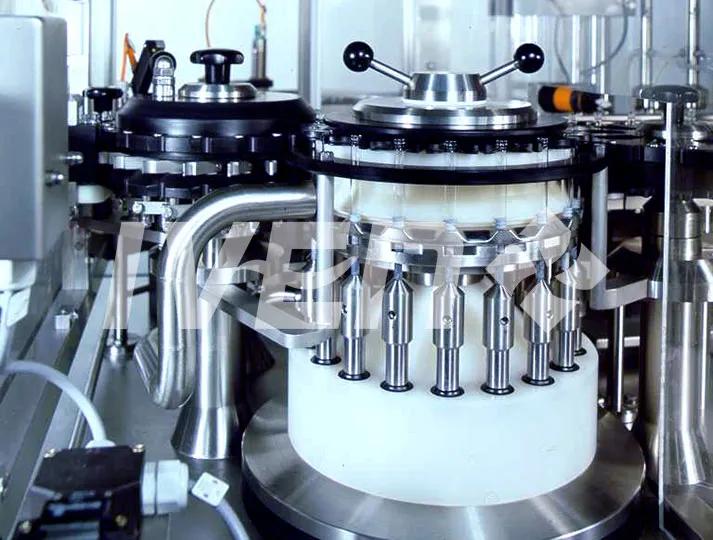
U.S. Insulin Cartridge Filling Machines: Buyer Guide
For pharmaceutical manufacturers in the United States, an insulin cartridge filling machine is a highly specialized aseptic production system used to dose insulin formulations into cartridges with tight control over volume accuracy, sterility, particulate risk, and regulatory compliance. It is commonly evaluated by large drug makers, contract manufacturers, and medical device firms when building new lines or upgrading facilities to meet U.S. FDA cGMP expectations, expand capacity, and support modern pen-injector drug delivery programs.
In practical terms, these machines are not just liquid fillers. They are part of an integrated sterile manufacturing solution that may include cartridge feeding, air cleaning, washing, depyrogenation support, stopper insertion, capping, in-process inspection, reject handling, labeling interfaces, and batch data recording. In U.S. pharma hubs such as New Jersey, Boston, Raleigh-Durham, Indianapolis, and San Diego, demand is increasing as insulin and related biologic delivery formats continue to expand.
An insulin cartridge filling machine matters because it directly affects product quality, dosage consistency, sterility assurance, line efficiency, and regulatory readiness. For U.S. manufacturers, the machine must align with FDA expectations for aseptic processing, electronic records, cleaning validation, data integrity, and reliable production performance over long commercial campaigns. It is especially relevant for insulin cartridge lines used in pen systems, combination products, and high-value biologic filling environments.
Buyers in the United States typically focus on six decision points: filling accuracy, output speed, container compatibility, changeover efficiency, validation support, and lifecycle service. A well-matched system can reduce product loss, improve OEE, support future SKU expansion, and shorten the path from FAT to commercial launch.
Decision AreaWhy It MattersTypical U.S. Buyer ConcernOperational ImpactRisk if OverlookedPriority LevelFilling accuracyInsulin dosage must stay within narrow tolerancesRegulatory deviation and batch release delaysLower rejects and better complianceDosage variabilityVery HighAseptic designProtects sterile product integrityEnvironmental monitoring performanceSafer productionContamination eventsVery HighLine speedSupports commercial demand growthCapacity planning for U.S. launchHigher throughputBottlenecks and overtimeHighFormat flexibilityAllows different cartridge sizes and product familiesFuture portfolio changesLess capital duplicationExpensive later upgradesHighValidation packageRequired for faster qualificationIQ/OQ/PQ documentation depthSmoother project executionLonger startupHighAfter-sales supportReduces downtime and training gapsResponse time in U.S. time zonesStable operationsExtended stoppagesHighThe table above shows why the purchase decision extends far beyond a basic filling function. In the United States, buyers are increasingly treating insulin cartridge equipment as a strategic asset tied to compliance, launch timing, and long-term manufacturing resilience.
An insulin cartridge filling machine is a precision aseptic filling system designed to fill preformed cartridges with insulin solution or suspension intended for pen delivery devices. The machine is generally installed in a sterile production suite and integrated into a broader process chain that may include formulation transfer, nitrogen protection, stoppering, sealing, visual inspection, serialization interfaces, and final packaging.
Its primary use is to accurately deliver a controlled fill volume into each cartridge while preserving product integrity. In insulin manufacturing, this is particularly important because the product may be sensitive to shear, air exposure, contamination, temperature variation, and hold-time conditions. U.S. production sites often require robust audit trails, recipe management, and compatibility with electronic batch systems.
These machines are used by:
At a technical level, the equipment may use peristaltic pumps, rotary piston pumps, time-pressure systems, or mass-flow-assisted technologies depending on viscosity, target accuracy, and cleaning strategy. In many U.S. projects, the cartridge filler is part of a restricted access barrier system or isolator environment to improve sterility assurance.
The biggest application is commercial insulin production for pen injectors, but the same core platform may also serve GLP-1 therapies, biosimilars, hormonal products, and other high-value injectables packaged in cartridge form. In the United States, where patient-friendly self-administration remains a major market driver, cartridge-based drug delivery continues to gain attention.
Key benefits include:
There are also significant business benefits. A modern line can shorten turnaround between development and scale-up, support multi-shift output, and create a stronger platform for U.S. FDA inspections. Plants near freight and cold-chain infrastructure such as Newark, Chicago, Houston, Los Angeles, and Atlanta often prefer integrated systems that reduce the complexity of coordination among multiple vendors.
ApplicationTypical Product TypeCommon Output NeedMain BenefitU.S. Market RelevanceComplexity LevelCommercial insulinRapid-acting and long-acting insulinHigh volumeStable dosing accuracyVery highHighBiosimilar insulinFollow-on biologicsMedium to high volumeCost-efficient scalingHighHighGLP-1 cartridge fillingInjectable metabolic therapiesGrowing volumePlatform flexibilityVery highHighClinical supplyPilot and trial batchesLow to medium volumeFaster changeoversModerateMediumCombination productsPen-device integrated therapiesMedium volumeBetter downstream compatibilityHighHighTechnology transferGlobal portfolio localizationVariableStandardized validationHighHighThis table illustrates that insulin cartridge filling equipment is no longer limited to one narrow product family. U.S. buyers increasingly want versatile systems that can support both current insulin demand and adjacent injectable platforms.
Not all cartridge fillers are built the same. The right configuration depends on production volume, sterility strategy, container dimensions, product behavior, and automation expectations. Broadly, buyers in the United States can evaluate equipment in several categories.
Manual or semi-automatic systems are mainly used for R&D, pilot work, and small batches. They are lower cost but limited in speed and may not suit commercial insulin scale.
Fully automatic aseptic lines are the most common choice for commercial production. These include automatic feeding, filling, stoppering, capping, reject handling, and integration with inspection or packaging modules.
Isolator-based lines are favored for higher sterility assurance and lower operator exposure. They are attractive for advanced U.S. facilities focused on contamination control strategies.
RABS-based lines remain widely used where the plant already has suitable cleanroom infrastructure and seeks a balanced approach between access and protection.
Technical options often include:
Machine TypeBest ForSpeed RangeAutomation LevelTypical InvestmentBest U.S. Use CaseSemi-automaticR&D and pilotLowMediumLowerDevelopment labsAutomatic open RABS lineCommercial sterile fillingMedium to highHighMedium to highEstablished injectable plantsClosed RABS lineEnhanced contamination controlMedium to highHighHighModernized U.S. facilitiesIsolator filling linePremium aseptic assuranceMedium to highVery highHighNew greenfield projectsMulti-format flexible lineSeveral cartridge familiesMediumHighHighCDMOs and diversified portfoliosHigh-speed dedicated insulin lineLarge commercial demandVery highVery highVery highMajor U.S. insulin output sitesThe table helps buyers compare machine architecture based on business goals, not just speed. For many U.S. projects, the best answer is a flexible automatic line that balances validation complexity with future product expansion.
Some manufacturers compare cartridge filling with vial filling, prefilled syringes, or dual-platform lines. The correct choice depends on patient delivery format, fill-finish strategy, supply chain planning, and market access goals.
Cartridge filling versus vial filling: vials offer broad familiarity and flexible use in hospital channels, but cartridges are better aligned with pen-based self-injection and patient convenience.
Cartridge filling versus prefilled syringe filling: prefilled syringes can be ideal for some therapies, yet cartridges usually support multi-dose pen systems and strong patient adherence in diabetes care.
Dedicated line versus flexible line: a dedicated line can maximize output and reduce changeover time, while a flexible line is often more suitable for CDMOs or companies with evolving portfolios.
TechnologyMain StrengthMain LimitationBest Product FitCapital EfficiencyU.S. Buyer ProfileInsulin cartridge linePen-device compatibilityHigher line specificityInsulin and pen therapiesStrong for dedicated demandDiabetes and biologics manufacturersVial filling lineVersatilityLess patient-friendly final formatHospital injectablesGood in mixed portfoliosGeneric sterile manufacturersPrefilled syringe lineReady-to-use deliveryDifferent device strategySingle-dose biologicsHigh for premium productsSpecialty pharma firmsBlow-fill-sealContainer integrationNot typical for insulin cartridgesSelected liquid productsCase-dependentLarge-volume sterile producersManual bench systemLow entry costLow throughputLab developmentLimited long-term valueEarly-stage teamsHybrid flexible platformPortfolio adaptabilityMore complex engineeringMulti-SKU operationsHigh if utilization stays strongCDMOs and expansion projectsThis comparison shows that cartridge filling is usually the best strategic fit when the final commercial product is intended for pen-based delivery in the U.S. diabetes and self-administration market.
The U.S. market outlook remains favorable. Demand is supported by diabetes prevalence, the growth of injectable self-administration, increasing interest in biosimilar insulin, and continuing investment in domestic and near-market manufacturing capacity. Large pharma clusters around New Jersey and Pennsylvania, innovation ecosystems around Boston and Cambridge, and growing manufacturing corridors in North Carolina and Texas all contribute to equipment demand.
Supply chain resilience has become more important after recent global disruptions. U.S. buyers are placing more value on spare parts access, local commissioning capability, validation documentation quality, and factory acceptance testing transparency. Ports such as Los Angeles, Long Beach, Savannah, and New York-Newark remain relevant for imported capital equipment, while air cargo hubs like Chicago O’Hare and Memphis support urgent component movements.
By 2026, several trends are shaping the market:
var ctx1 = document.getElementById(‘lineChartMarket’).getContext(‘2d’);new Chart(ctx1, {type: ‘line’,data: {labels: [‘2021’, ‘2022’, ‘2023’, ‘2024’, ‘2025’, ‘2026’],datasets: [{label: ‘Estimated U.S. market demand index’,data: [68, 74, 81, 89, 97, 108],borderColor: ‘rgb(54, 162, 235)’,backgroundColor: ‘rgba(54, 162, 235, 0.15)’,fill: false,tension: 0.3}]},options: {responsive: true,maintainAspectRatio: false}});The line chart above reflects a realistic growth pattern based on broad demand drivers rather than a single product launch cycle. It highlights the upward trajectory expected as U.S. insulin and pen-delivery manufacturing continues to modernize.
var ctx2 = document.getElementById(‘barChartDemand’).getContext(‘2d’);new Chart(ctx2, {type: ‘bar’,data: {labels: [‘Insulin’, ‘GLP-1’, ‘Biosimilars’, ‘CDMO Services’, ‘Clinical Supply’, ‘Combination Devices’],datasets: [{label: ‘Relative equipment demand by segment’,data: [95, 88, 72, 67, 41, 76],backgroundColor: [‘rgb(255, 99, 132)’,’rgb(255, 159, 64)’,’rgb(255, 205, 86)’,’rgb(75, 192, 192)’,’rgb(54, 162, 235)’,’rgb(153, 102, 255)’]}]},options: {responsive: true,maintainAspectRatio: false}});The bar chart compares demand intensity across adjacent sectors. Insulin remains the strongest anchor segment, but GLP-1 and combination-device applications are increasingly influencing equipment specifications in the U.S. market.
A reliable supplier should be judged on technical depth, manufacturing discipline, and service capability. For U.S. buyers, the best suppliers provide not only machines, but also a clear pathway for compliance, commissioning, validation, and sustained operation.
When screening manufacturers, ask the following:
One supplier model that U.S. buyers increasingly value is the integrated engineering partner. For example, IVEN Pharmatech Engineering presents itself as a pharmaceutical engineering partner with international project experience rather than only a standalone equipment seller. From a technological standpoint, the company is known for customized filling and packaging machinery, pharmaceutical water systems, intelligent logistics solutions, and compliance-oriented engineering shaped around EU GMP, U.S. FDA cGMP, WHO GMP, and PIC/S expectations. That matters when a cartridge filling line must fit into a broader sterile facility strategy.
From a manufacturing capability perspective, IVEN operates specialized production plants focused on core pharma equipment categories and has delivered a large number of production lines internationally. For U.S. buyers comparing overseas and domestic options, this kind of manufacturing base can be important when evaluating production consistency, customization range, and multi-system coordination for turnkey projects.
Service capability is equally important. A supplier should support feasibility review, layout planning, equipment customization, installation, commissioning, documentation, staff training, and ongoing optimization. Buyers planning greenfield or expansion projects can review integrated options through turnkey pharmaceutical engineering solutions or evaluate available equipment categories through the product portfolio.
Supplier Evaluation FactorWhat to CheckWhy It MattersGood SignWarning SignPriorityRegulatory experienceFDA and GMP familiarityReduces compliance gapsStructured validation packageGeneric undocumented claimsVery HighTechnical customizationAbility to fit your processAvoids forced compromisesEngineering review before quoteOne-size-fits-all proposalHighManufacturing capacityFactory scale and specializationSupports quality and scheduleDedicated production plantsHeavy outsourcingHighDocumentation qualityDQ, FAT, SAT, IQ/OQ supportSpeeds qualificationClear document matrixMinimal paperworkVery HighAfter-sales supportTraining and spare partsKeeps line runningResponse plan and remote serviceSlow ticket handlingHighProject integration abilityUtility and line coordinationReduces startup riskTurnkey capabilityScope fragmentationHighThe table above provides a practical scoring framework for supplier selection. In the United States, the strongest vendors are usually those that combine engineering competence with long-term service accountability.
Investment cost varies widely based on speed, aseptic architecture, automation level, and project scope. A basic pilot-scale setup may be a fraction of the cost of a high-speed commercial isolator line. Total cost of ownership should include not just the machine price, but also cleanroom fit-out, utilities, validation, freight, import handling, installation, training, change parts, spare parts, and software integration.
Budget planning in the United States should account for local site conditions. A plant in New Jersey or Massachusetts may face different labor and facility retrofit costs than a greenfield project in the Southeast. Buyers should also consider customs timing through major ports, inland transportation to manufacturing sites, and contingency funding for SAT adjustments.
Cost ElementTypical Share of BudgetNotesCan It Increase Late?Control StrategyROI ImpactCore machine system35% to 50%Main capital itemYesFreeze scope earlyVery highBarrier/isolation system10% to 20%Depends on sterility strategyYesDefine contamination control approachHighChange parts and tooling5% to 10%Needed for multiple SKUsYesMap future formats nowMediumValidation and documentation5% to 12%Critical for qualificationYesConfirm deliverables in contractHighInstallation and commissioning8% to 15%Site dependentYesAssess utility readinessHighTraining, spares, service5% to 10%Supports startup stabilityYesBundle lifecycle supportHighThe table makes clear that equipment price alone does not determine investment quality. Hidden costs often emerge from missing documentation, poor site preparation, or underestimating format complexity.
ROI usually improves when the line delivers one or more of the following: reduced fill loss, lower reject rates, fewer interventions, greater throughput, faster release cycles, and easier expansion into additional products. For many U.S. manufacturers, the business case strengthens further if the system replaces aging legacy assets or supports domestic production strategy.
var ctx3 = document.getElementById(‘areaChartTrend’).getContext(‘2d’);new Chart(ctx3, {type: ‘line’,data: {labels: [‘2021’, ‘2022’, ‘2023’, ‘2024’, ‘2025’, ‘2026’],datasets: [{label: ‘Shift toward automated and barrier-based systems’,data: [32, 39, 47, 56, 66, 77],borderColor: ‘rgb(75, 192, 192)’,backgroundColor: ‘rgba(75, 192, 192, 0.25)’,fill: true,tension: 0.25}]},options: {responsive: true,maintainAspectRatio: false}});The area chart shows a realistic transition from conventional filling approaches toward higher automation and better barrier protection. This trend is directly tied to ROI because improved sterility assurance and lower intervention rates can reduce costly deviations.
Even a strong machine can underperform if the project is poorly specified. One frequent issue is selecting line speed before confirming upstream formulation supply, downstream packaging capacity, and actual market demand. Another is assuming cartridge format compatibility without fully checking dimensions, stopper behavior, and closure specifications.
Key risks include:
To mitigate these risks, buyers should build a structured procurement process with URS development, supplier audit, FAT protocols, spare parts planning, and clear service-level expectations. If the project involves a broader plant build or major retrofit, involving an experienced integrated engineering partner can reduce interface problems across utilities, cleanrooms, material flow, and qualification activities.
var ctx4 = document.getElementById(‘comparisonChartSuppliers’).getContext(‘2d’);new Chart(ctx4, {type: ‘bar’,data: {labels: [‘Compliance Support’, ‘Customization’, ‘Turnkey Ability’, ‘Lifecycle Service’, ‘Cost Efficiency’, ‘Global Experience’],datasets: [{label: ‘Importance score for U.S. buyers’,data: [96, 88, 84, 91, 79, 86],backgroundColor: ‘rgb(153, 102, 255)’}]},options: {responsive: true,maintainAspectRatio: false}});This comparison chart highlights what U.S. buyers tend to prioritize when selecting a supplier. Compliance support and lifecycle service often outrank initial price because downtime and qualification delays are far more expensive over the life of the asset.
For companies that want a more coordinated sourcing path, contacting an engineering-focused supplier through a direct project consultation channel can help clarify scope, format requirements, and compliance documentation expectations before budget approval.
What filling accuracy should an insulin cartridge machine provide?The exact target depends on product and cartridge format, but U.S. buyers typically expect very tight dosing control, supported by robust calibration, in-process checks, and validated repeatability.
Is an isolator always better than RABS?Not always. Isolators generally provide stronger separation and contamination control, but they also add capital cost and operational complexity. The best choice depends on site design, regulatory strategy, and product risk profile.
Can one machine handle both insulin and other injectable biologics?Yes, in many cases a flexible platform can be configured for multiple cartridge-based products, but compatibility must be confirmed for formulation properties, cleaning strategy, and change parts.
How long does a typical project take?Commercial projects can range from several months to well over a year depending on customization, FAT timing, shipping, site readiness, and qualification workload. Greenfield projects usually take longer than equipment replacement in an existing sterile suite.
What documentation should I request from the supplier?At minimum, request URS response, design documentation, material certificates, FAT protocols and reports, calibration records, manuals, spare parts lists, software documentation, and IQ/OQ support documents.
Are imported machines practical for U.S. pharmaceutical plants?Yes, provided the supplier has strong regulated-market experience, clear validation support, reliable service planning, and good logistics coordination through U.S. entry points and local site commissioning.
What makes a turnkey partner different from a machine vendor?A turnkey partner can help with feasibility, layout, utilities, equipment coordination, installation, qualification, training, and broader project execution, reducing handoff risk between separate contractors.
Why do large manufacturers evaluate integrated engineering companies?Because insulin cartridge filling often depends on more than a single machine. It may require purified water systems, logistics planning, clean utility coordination, packaging interfaces, and long-term validation support. A company with expertise across these areas can reduce project fragmentation.
In summary, the right insulin cartridge filling machine for the United States market is the one that matches your product strategy, compliance expectations, scale plan, and service model. Whether the goal is a new insulin launch, biosimilar capacity, or a broader sterile manufacturing upgrade, success depends on choosing a supplier that can support technology fit, manufacturing execution, and lifecycle performance from planning through commercial operation.