United States Guide to Non-PVC IV Bag Troubleshooting
Non-PVC IV bag production troubleshooting helps pharmaceutical manufacturers produce safer and more stable infusion packaging by identifying and correcting issues in film handling, forming, sealing, filling, sterilization, and final inspection. In the United States, this is especially important because hospitals, outsourcing facilities, and drug manufacturers increasingly need advanced IV solutions that protect sensitive formulations, support dual- or multi-chamber designs, and meet strict FDA and cGMP expectations. When troubleshooting is done well, companies reduce leaks, particulate risk, delamination, seal failures, oxygen ingress, and line downtime while improving batch consistency, shelf life, and patient safety.
For U.S. buyers, the topic is no longer limited to fixing a single machine fault. It now covers a broader system: selecting the right film structure, validating chamber separation, optimizing process parameters, integrating clean utilities, ensuring data integrity, and building a production line that can handle future products. Facilities around New Jersey, North Carolina, Texas, California, and the greater Midwest distribution corridor are evaluating non-PVC IV packaging because it supports modern premix drugs, nutrition products, reconstitution systems, and customized infusion therapies.
This guide explains the most common non-PVC IV bag production issues, how to solve them, what bag types and film options are available, how the U.S. market is evolving, and how to evaluate a manufacturer or engineering partner. For readers planning a new project, it also covers budget planning, ROI, and practical investment risks.
Quick Answer: How Non-PVC IV Bag Production Troubleshooting Improves Stability and Safety

The fastest way to understand non-PVC IV bag production troubleshooting is to see it as a quality-control and process-optimization discipline. It focuses on finding the root causes behind defects such as weak seals, bag distortion, chamber leakage, inaccurate filling volumes, high reject rates, port misalignment, sterilization discoloration, and film compatibility problems. In a multi-chamber format, troubleshooting is even more valuable because separate active ingredients must remain isolated until use, which directly affects drug stability and patient safety.
In the United States, manufacturers often troubleshoot around five core production stages:
- Film unwinding and tension control
- Bag forming and edge sealing
- Port insertion and welding
- Liquid filling and chamber integrity
- Sterilization, inspection, and secondary packaging
Each stage influences the next. A small film-thickness variation may later appear as poor seal consistency after autoclaving. A slightly incorrect forming temperature may cause stress whitening or microchannels near the port area. If filling nozzles are not synchronized, chamber volume imbalance can affect product presentation and label compliance. Troubleshooting therefore must be systematic, using process data, material testing, and equipment validation rather than guesswork.
For companies entering or upgrading this segment, working with an experienced engineering partner can reduce risk significantly. Firms that combine equipment design, utility planning, and compliance support are usually more effective than those offering isolated machines only. Companies exploring turnkey planning can review integrated project approaches through pharmaceutical turnkey solutions, especially when the project includes clean utilities, preparation systems, packaging, and line validation.
| Production Issue | Typical Root Cause | Operational Impact | Patient/Quality Risk | Common Corrective Action | Priority Level |
|---|---|---|---|---|---|
| Seal leakage | Incorrect heat, pressure, or dwell time | Batch rejects and downtime | Sterility loss | Re-validate sealing window and inspect tooling | Critical |
| Film wrinkling | Poor tension control or misaligned web path | Unstable forming performance | Potential weak seal areas | Adjust unwind system and web guides | High |
| Port misalignment | Mechanical positioning drift | Frequent stoppages | Connection failure in use | Calibrate insertion fixtures and sensors | High |
| Volume variation | Nozzle inconsistency or foaming | Underfill/overfill rejects | Dose accuracy concerns | Tune filling pumps and deaeration | Critical |
| Chamber cross-leakage | Weak peel seal or faulty internal partition | Product instability | Active ingredient incompatibility | Strength test partition design and sealing profile | Critical |
| Autoclave deformation | Film mismatch or poor support during sterilization | Visual defects and rejects | Possible integrity failure | Review film grade and sterilization recipe | High |
The table above shows why troubleshooting must be tied to root-cause analysis. In practice, the highest-value gains often come from solving recurring defects rather than chasing isolated events. U.S. facilities operating under strict release timelines particularly benefit from preventive maintenance, in-line vision inspection, and statistically controlled process windows.
What a Non-PVC IV Bag System Is and Its Main Advantages

A non-PVC IV bag system is an infusion packaging format made from polymer films that do not contain PVC. Depending on the application, the bag may be single-chamber, dual-chamber, or multi-chamber. It is commonly used for large-volume parenterals, premixed drugs, amino acid solutions, nutrition products, electrolyte solutions, irrigation solutions, and specialized hospital compounds. Compared with traditional PVC containers, non-PVC bags can offer improved drug compatibility, lower extractables concerns for certain formulations, and design flexibility.
The main advantages include:
- Reduced concern over plasticizer migration in many applications
- Better suitability for sensitive or reactive formulations
- Compatibility with advanced dual- and multi-chamber presentations
- Lighter weight and logistics efficiency versus glass bottles
- Potentially improved disposal and sustainability profiles depending on material choice
- Strong market acceptance in modern hospital infusion systems
From a troubleshooting perspective, however, these benefits come with technical demands. Non-PVC films may require tighter control of thermal sealing, narrower tolerance on forming temperature, and careful validation of oxygen and moisture barrier performance. The troubleshooting challenge is not that non-PVC packaging is unreliable; rather, it is that higher-performance packaging requires more disciplined engineering.
Many U.S. manufacturers also look at total line design. A high-performing bag machine alone is not enough if water systems, solution preparation, cleanroom logistics, and inspection stations are poorly integrated. This is one reason buyers often evaluate suppliers with broad engineering experience. Readers who want background on an established project partner can visit the company overview to understand how integrated pharmaceutical engineering capabilities support infusion projects.
| Advantage | Why It Matters | Best-Fit Products | Troubleshooting Focus | U.S. Market Relevance | Long-Term Value |
|---|---|---|---|---|---|
| Drug compatibility | Protects sensitive formulations | Premix drugs, specialty infusions | Extractables and barrier testing | High | Improved product stability |
| Multi-chamber design | Keeps ingredients separate | Nutrition, reconstitution products | Partition seal integrity | Growing | Expanded product portfolio |
| Lower weight | Reduces transport burden | Large-volume solutions | Bag shape control | High | Freight savings |
| Flexible packaging | Supports hospital handling | General infusion products | Drop and puncture resistance | High | Operational convenience |
| Modern presentation | Supports premium products | Ready-to-use therapies | Cosmetic inspection quality | Moderate to high | Brand differentiation |
| Potential sustainability gains | Aligns with ESG goals | Broad portfolios | Material choice and recycling path | Increasing | Strategic market positioning |
The table demonstrates that every advantage has a matching process requirement. The most successful projects in the United States typically treat packaging selection, equipment engineering, and quality validation as one connected investment.
Clinical Benefits and Hospital Applications of Non-PVC IV Bag Production

Clinical demand is one of the strongest drivers behind non-PVC IV bag adoption. Hospitals in cities such as Boston, Houston, Chicago, Atlanta, San Diego, and Philadelphia increasingly value packaging that supports ready-to-use administration, stable premixes, and safer handling. Non-PVC bags are frequently used where workflow efficiency and sterility assurance are both critical.
Major hospital applications include:
- Large-volume electrolyte and hydration solutions
- Premixed antibiotics and anti-infectives
- Total parenteral nutrition components and specialty nutrition systems
- Dialysis-related solutions
- ICU and emergency care premixes
- Oncology support infusions and adjunct therapies
From a clinical perspective, multi-chamber bags are attractive because they can store incompatible ingredients separately until activation. This reduces compounding steps in the pharmacy and can lower handling errors. From a production viewpoint, that same benefit depends on excellent partition control, break-seal performance, and validation of chamber activation forces. If the peel seal opens too easily, storage stability may be compromised. If it opens too late or unevenly, nurses may struggle during bedside activation.
Hospitals also care about bag clarity, label readability, hang strength, and port usability. Therefore, troubleshooting cannot focus only on sterile integrity. Cosmetic and ergonomic performance matter in real-world care settings. A bag that passes laboratory tests but becomes difficult to spike or inspect under routine hospital workflow creates adoption barriers.
The chart above reflects realistic demand priorities in the U.S. market. Acute-care hospitals remain the largest user base, while 503B outsourcing facilities have become increasingly important because they supply ready-to-administer products when hospital pharmacies need dependable external capacity.
| Clinical Setting | Typical Product | Why Non-PVC Matters | Production Requirement | Common Failure to Avoid | End-User Benefit |
|---|---|---|---|---|---|
| ICU | Premixed critical care solutions | Fast access and reliable presentation | Accurate fill and seal integrity | Underfill or port leakage | Rapid administration |
| Emergency department | Hydration and antibiotic infusions | Ready-to-use convenience | Visual clarity and robust bag strength | Cosmetic reject or puncture weakness | Lower handling time |
| Oncology pharmacy | Supportive infusions | Compatibility with sensitive drugs | Low particulate risk | Film interaction issues | Safer product handling |
| Nutrition support | Multi-chamber nutrient bags | Ingredient separation | Reliable chamber partition | Cross-leakage between chambers | Improved stability |
| Dialysis centers | Dialysis solution bags | Flexible storage and transport | High-volume consistency | Seal distortion after sterilization | Supply efficiency |
| Home infusion | Portable infusion therapies | Lower weight and usability | Strong hanging ports and durability | Stress cracking during transport | Better patient convenience |
The explanation from this table is simple: clinical value only materializes when the production line consistently protects functional performance. A technically acceptable bag that performs poorly in a hospital setting will not succeed commercially.
Common Types of Non-PVC IV Bags and Film Material Options
Non-PVC IV bags vary by chamber configuration, sterilization method, barrier requirement, and formulation type. In the U.S. market, product developers usually compare single-chamber bags for standard infusions with dual- or multi-chamber formats for unstable or separately stored ingredients. Film structures may use polypropylene-based blends, co-extruded multilayer materials, or specialized medical polymers designed for heat resistance and seal consistency.
Common bag types include:
- Single-chamber bags for conventional IV solutions
- Dual-chamber bags for separated drug and diluent systems
- Multi-chamber nutrition bags
- High-barrier bags for oxygen-sensitive formulations
- Specialty dialysis and irrigation bags
- Customized bags with unique port or overwrap configurations
Material choice strongly affects troubleshooting. For example, a film with excellent transparency may have a narrower sealing process window. A high-barrier structure may improve shelf life but increase forming sensitivity. A soft, flexible film may be easy to handle yet require stronger support during autoclaving. As a result, manufacturers need development trials that connect material properties with actual machine performance.
| Bag Type | Typical Use | Material Focus | Main Troubleshooting Risk | Best U.S. Buyer Profile | Selection Note |
|---|---|---|---|---|---|
| Single-chamber standard bag | Hydration, electrolytes | Balanced flexibility and sealability | General seal inconsistency | High-volume infusion producers | Best for mainstream products |
| Dual-chamber bag | Drug + diluent separation | Peel-seal precision | Partition activation failure | Specialty injectables firms | Requires advanced validation |
| Multi-chamber nutrition bag | Parenteral nutrition | Strong barrier and chamber stability | Cross-leakage or mixing issues | Nutrition product makers | High clinical value |
| High-barrier bag | Oxygen-sensitive products | Multilayer protection | Delamination under heat | Premium formulation developers | Test sterilization carefully |
| Dialysis solution bag | Renal therapy | Durable high-volume film | Bag deformation | Dialysis manufacturers | Needs high output stability |
| Customized specialty bag | Niche hospital products | Application-specific polymer design | Port/tooling mismatch | Innovative product teams | Longer development cycle |
The table shows that material selection is not just a procurement issue. It directly shapes yield, validation effort, and long-term customer acceptance. U.S. manufacturers often run extended trials involving seal-strength testing, burst testing, dye ingress, accelerated aging, and transport simulation before locking the specification.
Multi-Chamber Non-PVC IV Bags vs Single-Chamber IV Bags: Detailed Comparison
Single-chamber and multi-chamber systems serve different market needs. Single-chamber bags are simpler, faster to manufacture, and easier to validate at scale. They remain ideal for commodity large-volume parenterals and many ready-to-use infusions. Multi-chamber bags, by contrast, are more complex but offer higher clinical and commercial value where ingredient separation is important.
In troubleshooting terms, the gap is significant. A single-chamber line primarily focuses on web handling, bag shape, seal integrity, filling accuracy, and sterilization stability. A multi-chamber line adds internal partition design, peel-seal consistency, activation force testing, chamber balance, and the risk of unintended intermixing during transport or storage.
| Comparison Point | Single-Chamber Bag | Multi-Chamber Bag | Troubleshooting Difficulty | Typical U.S. Use Case | Commercial Implication |
|---|---|---|---|---|---|
| Design complexity | Low to moderate | High | Higher for multi-chamber | Standard infusions vs specialty therapies | Affects development timeline |
| Production speed | Usually higher | Usually lower | Moderate | High-volume commodity supply | Impacts output planning |
| Validation scope | More straightforward | Broader and deeper | High for multi-chamber | FDA review readiness | Higher qualification cost |
| Drug stability options | Limited for incompatible actives | Strong advantage | High importance | Separated drug systems | Supports premium products |
| CapEx requirement | Lower | Higher | Planning challenge | New entrants choose carefully | Longer payback possible |
| Market differentiation | Moderate | High | Commercial rather than mechanical | Hospitals needing workflow gains | Potentially better margins |
The comparison makes clear that multi-chamber investments should be linked to a defined product strategy, not just technical curiosity. For firms serving 503B outsourcing, premium premixes, or nutrition systems, the extra complexity can be justified. For commodity saline or dextrose output, a high-efficiency single-chamber line may be the smarter choice.
Current Market Trends and Demand for Non-PVC IV Bag Production Capacity
Demand for non-PVC IV bag capacity in the United States is being shaped by supply security, hospital preference for ready-to-use products, pressure on compounding workflows, aging infrastructure at some domestic facilities, and the broader move toward higher-value infusion packaging. Importantly, buyers are not only interested in machines; they are seeking resilient production ecosystems with compliant utilities, scalable layouts, and dependable service support.
Growth is especially noticeable in regions with strong pharmaceutical manufacturing and logistics access. New Jersey and Pennsylvania benefit from dense pharma networks and East Coast port access. Texas offers strong distribution reach and lower operating costs. California remains important for biotech-linked development. Chicago and Memphis serve as major transportation nodes for nationwide supply.
The line chart suggests a realistic upward trend into 2026. Several forces support this outlook:
- Hospitals want more shelf-stable, ready-to-use therapies
- Drug shortages increase interest in dependable domestic or nearshore supply
- Manufacturers are shifting from legacy packaging toward more advanced formats
- Higher-value injectable portfolios support investment in differentiated delivery systems
- Sustainability and materials strategy are becoming board-level decisions
The area chart illustrates a trend shift rather than total volume. It reflects the growing share of advanced infusion systems within the broader IV packaging market. By 2026, buyers are expected to place even greater emphasis on data-enabled equipment, material traceability, energy efficiency, and automation-ready designs.
| Trend | What It Means | Impact on Production | Impact on Troubleshooting | U.S. Outlook to 2026 | Recommended Response |
|---|---|---|---|---|---|
| Ready-to-use product growth | Higher demand for advanced packaging | More filling and format flexibility | More validation work | Strong | Design for multiple SKUs |
| Domestic supply resilience | Preference for secure capacity | New line installations | Fast startup pressure | Strong | Choose proven partners |
| Data-driven manufacturing | Need for digital monitoring | More sensors and MES links | Better root-cause visibility | Strong | Use Industry 4.0 tools |
| Sustainability demands | Material and energy review | Utility optimization | New film qualification needs | Increasing | Assess lifecycle impact |
| Regulatory scrutiny | Higher documentation standards | Stricter validation controls | Deviation management becomes critical | Persistent | Build strong QA systems |
| Product differentiation | More chambered formats | Complex tooling and recipes | Peel-seal and partition issues rise | Growing | Develop advanced process know-how |
The table shows why market growth and technical complexity are moving together. Companies that expand capacity without strengthening process control may struggle to realize the expected return.
How to Choose a Reliable Non-PVC IV Bag Manufacturer or Supplier
Choosing a reliable supplier in the United States market requires more than comparing machine speed or price. Buyers should evaluate whether the supplier can support product development, compliance, utility integration, installation, validation, and long-term service. For non-PVC IV bag production troubleshooting, the best suppliers are those that can explain not only what their equipment does, but how they solve film-related issues, seal defects, chamber problems, and sterilization challenges in actual operating plants.
A practical evaluation framework includes the following:
- Regulatory understanding relevant to FDA, cGMP, and validation practice
- Experience with non-PVC soft bag lines and related infusion systems
- Capability to customize for product mix, chamber design, and plant layout
- Documented reference projects and long-running installations
- Availability of training, commissioning, and after-sales support
- Spare parts strategy and remote technical response time
Technological capability is especially important. A strong engineering partner should be able to discuss seal parameter mapping, servo synchronization, in-line leak detection, chamber break-force testing, utility consumption, and integration with preparation systems. Manufacturing capability also matters. Suppliers with specialized factories and large installed bases usually provide more stable component quality and better production consistency. Finally, service capability can determine whether a U.S. project launches on time. Installation, IQ/OQ/PQ support, technical documentation, and multilingual communication all reduce startup risk.
One example of a company positioned in this way is Shanghai IVEN Pharmatech Engineering Co Ltd, which combines pharmaceutical engineering experience with specialized manufacturing across core equipment categories. Its strengths are best understood in three areas. First, on the technology side, it has extensive experience in IV solution lines, water systems, and integrated process design, with numerous patents related to IV equipment. Second, on the manufacturing side, it operates multiple specialized plants focused on filling and packaging, water treatment, intelligent conveying, and blood collection equipment, giving buyers confidence in production depth. Third, on the service side, it supports feasibility, design, installation, validation, training, and optimization for global projects, which is highly relevant for U.S. companies seeking structured implementation rather than stand-alone machine delivery.
Buyers comparing options can review available equipment categories through pharmaceutical equipment offerings while also asking targeted questions about non-PVC film trials, spare-parts lead times to the United States, and support for factory acceptance and site acceptance activities.
| Selection Factor | What to Check | Warning Sign | Why It Matters | Suggested Verification | Decision Weight |
|---|---|---|---|---|---|
| Process expertise | Bag forming, sealing, filling know-how | Only generic machine claims | Determines troubleshooting success | Ask for technical case discussions | Very high |
| Compliance capability | Validation documents and GMP awareness | Weak documentation structure | Essential for U.S. operation | Review sample protocols | Very high |
| Customization ability | Chamber and port design flexibility | Rigid standard-only platform | Needed for product fit | Compare engineering proposals | High |
| Manufacturing depth | Specialized factories and QA control | Heavy outsourcing with little oversight | Affects reliability and lead time | Audit manufacturing base | High |
| After-sales service | U.S. response plan and training | Slow or unclear support model | Reduces downtime risk | Check service SLA and references | Very high |
| Total project scope | Utilities, installation, validation support | Machine-only mentality | Improves startup efficiency | Request full project roadmap | High |
This table highlights a common mistake: selecting on purchase price alone. The wrong supplier can create months of delay through poor commissioning, insufficient validation documents, or unresolved process instability.
Investment Cost, Budget Planning, and ROI Analysis
The cost of investing in non-PVC IV bag production in the United States depends on line speed, chamber complexity, automation level, cleanroom scope, utilities, inspection systems, serialization or data requirements, and validation depth. A simple single-chamber project may require a significantly lower budget than a full multi-chamber sterile manufacturing platform with integrated water-for-injection generation, solution preparation, and robotic end-of-line handling.
Budget planning should separate capital cost into at least six categories:
- Core bag forming, filling, and sealing line
- Preparation tanks and process distribution systems
- Purified water, WFI, and clean utility systems
- Cleanroom and building modifications
- Inspection, packaging, and logistics automation
- Validation, training, and startup support
U.S. buyers should also include hidden cost drivers such as import logistics, port handling, inland freight from hubs like Los Angeles, Savannah, Houston, or Newark, spare parts inventory, local contractor coordination, FAT/SAT travel, and the opportunity cost of delayed commercialization.
| Budget Category | Typical Cost Pressure | Why It Changes | Cost-Control Method | ROI Effect | Planning Note |
|---|---|---|---|---|---|
| Core production line | High | Speed and chamber complexity | Right-size capacity | Major | Avoid overbuying |
| Utilities and water systems | High | Purity standards and redundancy | Integrate design early | Major | Often underestimated |
| Cleanroom/building work | Moderate to high | Existing facility condition | Use phased expansion | Indirect but large | Check HVAC load carefully |
| Inspection/packaging | Moderate | Automation expectations | Match to labor strategy | Improves labor ROI | Do not ignore end-of-line |
| Validation/documentation | Moderate | Regulatory rigor | Use experienced partner | Protects launch timing | Critical for U.S. plants |
| Service/spares/training | Moderate | Distance and support model | Plan a 2-year support package | Reduces downtime losses | Often omitted from quotes |
ROI should be calculated from both direct and strategic returns. Direct returns include lower reject rates, reduced labor per unit, and new sales volume. Strategic returns include access to higher-margin multi-chamber products, more stable hospital contracts, and greater resilience during supply disruptions. For many projects, the strongest ROI case comes from replacing outsourced supply with internal production while simultaneously upgrading the product portfolio.
When building an ROI model, use conservative assumptions on utilization during the first year. Many lines take time to reach stable output because operators need training and validation batches can slow commercial ramp-up. Projects with full lifecycle support often perform better because handover is more structured. If you are planning a feasibility discussion or wish to compare line architecture options, a direct inquiry through the contact page is a sensible next step.
Key Considerations and Potential Risks When Investing
Investing in non-PVC IV bag production can be highly attractive, but the main risks usually come from project execution rather than market demand. In the United States, the most common investment mistakes include underestimating validation workload, choosing film materials before process trials, failing to align line design with commercial SKU strategy, and treating utilities as an afterthought.
Key considerations include:
- Whether the planned product mix truly justifies chamber complexity
- Whether the film supplier and equipment supplier can work together during development
- Whether sterilization conditions are compatible with the chosen bag design
- Whether the line can scale from pilot or launch batches to full commercial output
- Whether spare parts and technical service can reach the U.S. plant quickly
- Whether the project team includes QA, operations, engineering, and commercialization stakeholders
Future trends to 2026 should also shape investment decisions. Technology is moving toward smarter sensors, closed-loop control, digital batch data, predictive maintenance, and robotic material handling. Policy pressure is pushing for stronger domestic drug supply resilience and documented quality systems. Sustainability is influencing procurement decisions through energy use, material efficiency, packaging waste, and lifecycle impact. A line selected today should therefore support both compliance and long-term adaptability.
For example, a manufacturer in the Northeast corridor may initially target standard electrolyte bags but later want dual-chamber expansion. If the original line cannot be upgraded economically, the company may face a second major CapEx cycle much earlier than planned. Likewise, a project near major freight lanes such as Dallas-Fort Worth or the Port of Houston may benefit from easier inbound logistics, but if utilities and building envelope are not designed correctly, those geographic advantages will not compensate for operational inefficiency.
Case experience across the sector shows that the safest projects are those that define user requirement specifications clearly, run film and seal trials before final purchase, lock validation deliverables contractually, and maintain a realistic startup timeline. Non-PVC IV bag production troubleshooting should be treated as an embedded part of commissioning and routine operation, not a last-minute rescue activity.
FAQ
What are the most common non-PVC IV bag production problems?
The most common issues are weak seals, film wrinkling, port misalignment, fill-volume variation, chamber leakage, sterilization deformation, and cosmetic defects. These usually stem from material inconsistency, unstable machine parameters, worn tooling, or incomplete validation.
Why is troubleshooting harder for multi-chamber bags?
Multi-chamber bags add internal partitions, peel seals, activation performance, and cross-leakage risk. The process window is narrower, and more tests are needed to confirm storage stability and user functionality.
How important is film selection?
It is critical. Film structure affects sealability, clarity, flexibility, barrier performance, sterilization resistance, and long-term stability. A poor film-equipment match can cause persistent yield loss even if the machine itself is well designed.
What should U.S. buyers ask suppliers before ordering?
Ask about installed references, non-PVC soft bag experience, validation document packages, service response for the United States, spare-parts strategy, utility requirements, FAT/SAT support, and experience with similar bag formats and products.
Can a line for single-chamber bags be upgraded later?
Sometimes, but not always economically. It depends on machine architecture, controls, tooling design, and available floor space. Buyers should discuss upgrade paths before purchase if future multi-chamber production is possible.
How long does it take to achieve stable commercial output?
That varies by project scope, but many facilities require a structured ramp-up period for installation, qualification, process optimization, operator training, and validation. Conservative planning is better than assuming immediate nameplate output.
What makes an engineering company valuable beyond equipment supply?
A company that combines technology, manufacturing depth, and service support can reduce project risk. This includes feasibility advice, design coordination, installation supervision, validation support, training, and process optimization after startup.
Is non-PVC IV bag production a good investment in the United States?
For many manufacturers, yes. Demand is supported by ready-to-use hospital products, premium infusion therapies, supply resilience initiatives, and the shift toward advanced packaging. The best returns come when product strategy, process design, and compliance planning are aligned from the start.
In summary, non-PVC IV bag production troubleshooting is not only about fixing defects. It is a strategic capability that connects material science, equipment engineering, sterile manufacturing, and hospital product design. For U.S. pharmaceutical companies, 503B facilities, and healthcare-focused manufacturers, success depends on choosing the right format, validating the full process, and partnering with suppliers who can support the project across technology, manufacturing, and service dimensions.

About the Author
We are IVEN Pharmatech Engineering, a team dedicated to delivering turnkey pharmaceutical and medical solutions worldwide. With decades of experience, we specialize in advanced machinery, integrated factory design, and full lifecycle support to help our clients achieve efficient, compliant, and high-quality production.
Share

Related Insights
-
US Guide to Choosing PP Bottle IV or Ampoule Lines
For pharmaceutical manufacturers in the United States, the decision between a PP bottle IV line and an ampoule line depends primarily on product format, sterile process design, regulatory strategy, output targets, and lifecycle cost. A PP bottle IV line is typically selected for large-volume parenteral solutions such as infusion fluids, while an ampoule line is better suited to small-dose injectable drugs that require precise filling in sealed glass containers. Both systems are critical in modern sterile manufacturing, but they solve very different production problems. Companies expanding capacity in New Jersey, North Carolina, Texas, California, Illinois, and Puerto Rico often evaluate these technologies when upgrading a plant, building a greenfield facility, or transferring production under FDA cGMP expectations.
In practice, the best choice is not just about container type. It also involves packaging materials, cleanroom classification, terminal sterilization strategy, line speed, utility demand, validation workload, and long-term market positioning. Firms that serve hospitals, dialysis centers, infusion providers, and government procurement programs may favor PP bottle IV production lines for high-volume sterile solution manufacturing. By contrast, companies focused on injectable generics, specialty drugs, or contract filling often prefer ampoule lines because of compact dosage forms and mature market acceptance in many export regions.
For buyers planning a new project, it is helpful to review the broader engineering context, not just the filling machine itself. Turnkey integration, water systems, clean utilities, documentation, logistics, and validation support are often as important as the core production line. Companies looking for integrated project execution can learn more about turnkey pharmaceutical engineering solutions and how line selection fits into full-facility planning.
The quick answer is simple: choose a PP bottle IV line when your core products are large-volume sterile infusions, irrigation solutions, or similar high-output products packaged in polypropylene bottles. Choose an ampoule line when your products are small-volume injectable drugs requiring sealed glass ampoules, often in 1 mL to 20 mL formats. In the United States, PP bottle IV lines are more likely to be evaluated for hospital solution capacity, while ampoule lines are often chosen for specialized injectable portfolios or export-driven sterile dose production.
From a business standpoint, PP bottle IV systems usually require a larger footprint, stronger utility planning, and higher capital commitment because they often integrate bottle forming, washing or air rinsing, filling, sealing, leak testing, sterilization compatibility, inspection, and secondary packaging. However, they also support strong throughput and can reduce dependence on imported infusion containers. Ampoule lines generally offer a different value proposition: efficient filling of smaller doses, excellent container closure integrity through flame sealing, and suitability for a wide range of liquid injectables.
Decision FactorPP Bottle IV LineAmpoule LineBest FitPrimary product typeLarge-volume parenteralsSmall-volume injectablesDepends on portfolioTypical container size100 mL to 1000 mL+1 mL to 20 mLBy dosage needMain packaging materialPolypropylene bottleGlass ampouleBy stability studyThroughput orientationHigh-volume hospital supplyHigh-precision dose fillingBy sales channelRegulatory focusSterility, integrity, endotoxin controlSterility, sealing consistency, particulatesBoth highly regulatedCapital intensityUsually higherModerate to highBudget dependentTypical buyer profileInfusion manufacturers, hospital supply firmsInjectable pharma, CDMOs, exportersBy market strategyThe table above shows that the two line types are not direct substitutes in most cases. They are usually selected according to dosage format, market demand, and manufacturing strategy rather than simple preference.
A PP bottle IV line is a specialized sterile production system designed to manufacture, fill, and seal polypropylene bottles used for intravenous solutions and related sterile liquids. In many configurations, it includes bottle forming, product preparation interface, filling, sealing, online control systems, and downstream inspection or packaging. This type of line is common in facilities that produce sodium chloride, dextrose, metronidazole infusion, amino acid solutions, and other large-volume products for institutional healthcare use.
An ampoule line is a sterile filling and sealing system used for glass ampoules. It normally includes ampoule feeding, ultrasonic or air washing, depyrogenation tunnel, aseptic filling, flame sealing, visual inspection, and packaging. Ampoules are widely used for injectable analgesics, vitamins, cardiovascular drugs, antibiotics, and other small-dose sterile medicines. Because ampoules are sealed by melting the glass neck, they provide a tamper-evident single-dose container format, though they may require careful break-opening and particulate control.
In the US market, these systems must fit broader compliance expectations under FDA cGMP, process validation, data integrity requirements, environmental monitoring programs, and quality risk management practices. Companies also consider alignment with EU GMP or WHO GMP when producing for export. This is especially relevant for manufacturers operating near trade and logistics hubs such as Newark, Houston, Los Angeles, Savannah, and Miami, where imported components, spare parts, and export packaging timelines can affect project execution.
When reviewing product categories and engineering scope, buyers often compare multiple line formats and ancillary systems through a supplier’s pharmaceutical equipment portfolio rather than evaluating a single machine in isolation.
PP bottle IV lines support high-volume sterile solution manufacturing for hospitals, clinics, emergency care systems, and long-term treatment networks. Their main applications include infusion therapy, electrolyte balance solutions, nutritional support, rinse solutions, and some specialty liquid products. One major benefit is compatibility with large-scale production planning. Another is container durability in logistics, which matters for long shipping routes across the United States, from East Coast distribution centers to inland healthcare networks.
Ampoule lines are widely valued for dose accuracy, compact packaging, and suitability for products where single-use sterile presentation is important. In generic injectable manufacturing, ampoules remain relevant because the equipment platform is proven, flexible, and often cost-effective for a broad range of formulations. For export-oriented operations serving Latin America, the Middle East, Africa, or certain parts of Europe, ampoules may remain commercially attractive.
Application AreaWhy PP Bottle IV Lines Work WellWhy Ampoule Lines Work WellTypical US Buyer InterestHospital infusionsLarge fill volumes and robust handlingNot ideal for large-volume therapyVery high for PP bottleEmergency medicineSupports fluid replacement productsGood for adjunct injectable drugsMixed by therapy typeDialysis and specialty solutionsSuitable for bulk sterile solution outputLimited container relevanceHigh for PP bottleGeneric injectablesLess common unless large volumeStrong fit for single-dose productsHigh for ampouleExport manufacturingGood where PP bottle demand existsVery common in many overseas marketsDepends on destination regionContract manufacturingStrong if customer base needs infusionsFlexible for varied injectable portfoliosOften high for ampouleGovernment or tender supplyUseful for essential IV solutionsUseful for essential injectablesBoth importantThe table highlights that benefits are strongly linked to finished product demand. A plant in Boston serving hospital networks may prioritize IV container capacity, while a contract sterile manufacturer in Chicago or Raleigh may focus on high-mix ampoule filling for multiple products.
var ctx1 = document.getElementById(‘lineChartGrowth’).getContext(‘2d’);var chart1 = new Chart(ctx1, { type: ‘line’, data: { labels: [‘2021’, ‘2022’, ‘2023’, ‘2024’, ‘2025’, ‘2026’], datasets: [ { label: ‘US demand for PP bottle IV projects’, data: [42, 46, 51, 57, 63, 71], borderColor: ‘rgb(54, 162, 235)’, backgroundColor: ‘rgba(54, 162, 235, 0.15)’, fill: false, tension: 0.3 }, { label: ‘US demand for ampoule line projects’, data: [36, 39, 43, 47, 50, 54], borderColor: ‘rgb(255, 99, 132)’, backgroundColor: ‘rgba(255, 99, 132, 0.15)’, fill: false, tension: 0.3 } ] }, options: { responsive: true, maintainAspectRatio: false }});The line chart above illustrates a realistic growth pattern in capital project interest. It suggests that both formats remain relevant, with PP bottle IV investments accelerating faster due to supply resilience, domestic manufacturing priorities, and hospital demand for essential sterile solutions.
Not all PP bottle IV lines or ampoule lines are built the same. In sterile manufacturing, configuration detail matters. Buyers should compare line architecture, automation depth, container range, filling accuracy, changeover speed, cleanroom integration, isolator or RABS compatibility, CIP/SIP logic where relevant, and software design for audit trails and batch records.
For PP bottle IV production, common options include different bottle sizes, output classes, integrated or separated bottle forming sections, cap or port structures, and varying levels of visual inspection and leak testing. Some projects are designed around high-output standard infusion products; others need flexibility for multiple formulations and bottle volumes.
For ampoule production, key variables include ampoule size range, washing format, tunnel design, filling nozzle count, nitrogen protection options, flame sealing consistency, and inspection automation. Export manufacturers often require fast changeover between 1 mL, 2 mL, 5 mL, and 10 mL ampoules.
Technical OptionPP Bottle IV Line ChoicesAmpoule Line ChoicesWhy It MattersContainer range100 mL, 250 mL, 500 mL, 1000 mL1 mL, 2 mL, 5 mL, 10 mL, 20 mLDefines market flexibilityAutomation levelSemi to fully integratedSemi to fully integratedChanges labor cost and consistencySterile barrier designCleanroom with advanced airflow controlsOpen RABS or closed integration optionsAffects contamination controlInspection systemLeak, fill volume, appearanceCosmetic, fill level, seal qualityImproves release confidenceOutput rangeHigh-volume continuous productionModerate to high by ampoule formatSupports planning and ROIData systemRecipe control and traceabilityBatch traceability and alarm recordsCritical for cGMP auditsUtility integrationHigh demand for water, air, powerSignificant but usually lower footprintImpacts facility engineeringThe technical options above should always be matched to the intended product mix. Buying too much flexibility can inflate capital cost, but buying a line that is too narrow can limit future business.
In the United States, buyers rarely compare only PP bottle IV line vs ampoule line. They also compare both against non-PVC soft bag lines, glass bottle IV lines, vial filling lines, and sometimes blow-fill-seal platforms depending on the formulation and market. That broader view is important because the best technical answer may not be either of the two original options.
PP bottle IV lines often compete most directly with non-PVC soft bag lines and glass bottle IV lines. Soft bags can offer material and transport advantages, while glass bottles may still fit certain niche or legacy product requirements. Ampoule lines, meanwhile, usually compete with vial lines and prefilled syringe systems. Vials often offer better reconstitution flexibility and stronger acceptance in some regulated markets, while prefilled syringes provide user convenience but at higher complexity and cost.
TechnologyStrengthsWeaknessesTypical Use CasePP bottle IV lineStrong for large-volume sterile solutionsHigher footprint and capexHospital infusion supplyAmpoule lineProven small-dose sterile formatGlass break risk and opening particulatesInjectable genericsNon-PVC soft bag lineLightweight and logistics-friendlyMaterial and process specializationInfusion productsGlass bottle IV lineTraditional and chemically stableHeavier transport burdenSelected infusion productsVial filling lineHighly versatile for injectablesExtra closure componentsLyophilized or liquid drugsPrefilled syringe lineHigh convenience and premium valueComplex and expensiveBiologics and specialty drugsBlow-fill-seal systemIntegrated aseptic forming and fillingNot ideal for every formulation or marketRespiratory, ophthalmic, selected injectablesThis comparison makes clear that equipment selection should begin with commercial strategy. A business supplying essential care solutions to hospital groups around Dallas, Atlanta, and Philadelphia may reach a different conclusion than a specialty injectable producer near San Diego or a CDMO serving export clients through the Port of New York and New Jersey.
var ctx2 = document.getElementById(‘barChartDemand’).getContext(‘2d’);var chart2 = new Chart(ctx2, { type: ‘bar’, data: { labels: [‘Hospitals’, ‘CDMOs’, ‘Generic Injectable Firms’, ‘Export Manufacturers’, ‘Government Supply’, ‘Specialty Pharma’], datasets: [{ label: ‘Estimated project demand score’, data: [88, 72, 79, 61, 69, 58], backgroundColor: [ ‘rgb(75, 192, 192)’, ‘rgb(54, 162, 235)’, ‘rgb(255, 159, 64)’, ‘rgb(153, 102, 255)’, ‘rgb(255, 205, 86)’, ‘rgb(255, 99, 132)’ ] }] }, options: { responsive: true, maintainAspectRatio: false }});The bar chart shows how demand differs by buyer segment. It helps explain why some suppliers emphasize high-throughput infusion lines while others focus on flexible injectable packaging systems.
The US pharmaceutical manufacturing market continues to invest in sterile production capacity due to supply chain resilience concerns, reshoring efforts, aging infrastructure replacement, and stronger attention to essential medicines availability. The sterile injectables market remains strategically important because hospital shortages can quickly become national policy issues. That creates room for both PP bottle IV lines and ampoule lines, though the exact demand mix varies by therapy class and procurement model.
Several market forces are shaping buying behavior through 2026. First, manufacturers want higher automation to reduce operator intervention in aseptic environments. Second, digital integration is increasingly required for batch traceability, maintenance planning, and deviation reduction. Third, sustainability has become a board-level concern, affecting energy consumption, water use, waste minimization, and packaging choices. Fourth, compliance expectations remain high, with data integrity, contamination control, and validation discipline under continued scrutiny.
Policy and sourcing trends also matter. Federal and state incentives for domestic production, pressure to diversify away from single-region supply dependence, and the need for fast qualification of new capacity all influence equipment choices. Plants located near biotech and pharma clusters such as New Jersey, Massachusetts, North Carolina, Maryland, and Indiana are especially active in modernizing sterile operations.
var ctx3 = document.getElementById(‘areaChartTrend’).getContext(‘2d’);var chart3 = new Chart(ctx3, { type: ‘line’, data: { labels: [‘2021’, ‘2022’, ‘2023’, ‘2024’, ‘2025’, ‘2026’], datasets: [ { label: ‘Manual intervention reliance’, data: [68, 63, 57, 50, 43, 36], borderColor: ‘rgb(255, 99, 132)’, backgroundColor: ‘rgba(255, 99, 132, 0.20)’, fill: true, tension: 0.3 }, { label: ‘Automation and digital control adoption’, data: [32, 38, 45, 53, 61, 70], borderColor: ‘rgb(54, 162, 235)’, backgroundColor: ‘rgba(54, 162, 235, 0.20)’, fill: true, tension: 0.3 } ] }, options: { responsive: true, maintainAspectRatio: false }});The area chart reflects a realistic shift in sterile manufacturing strategy: less dependence on manual operations and stronger adoption of integrated automation, electronic records, and process controls. This trend is highly relevant to new line selection in 2026 planning cycles.
Another major trend is lifecycle engineering. Buyers now ask not only whether a line can run, but whether it can be maintained efficiently for 15 to 20 years, support spare parts localization, and adapt to future regulatory expectations. Suppliers with deeper engineering capacity are better positioned to support this need.
Choosing a supplier for a PP bottle IV line or ampoule line requires more than comparing quotations. In the United States, the best suppliers are usually evaluated on engineering depth, regulatory understanding, equipment durability, validation documentation, installation support, and after-sales responsiveness. A low purchase price can become expensive if FAT, SAT, IQ, OQ, or process qualification timelines fail under real project pressure.
Start with technical due diligence. Ask for installed references, line architecture drawings, utility requirements, material specifications, automation scope, component brands, and sample documentation packages. Then review compliance capability: can the supplier support FDA-oriented projects, documentation traceability, testing protocols, and cleanroom integration? Next, examine manufacturing quality. Are key machine frames stainless steel? Are machining tolerances stable? Is the electrical design standardized? Can spare parts be supplied quickly to a US site?
It is also wise to assess whether the supplier can support the entire project lifecycle. This includes feasibility, layout optimization, utility coordination, installation, commissioning, training, qualification, and line ramp-up. Companies planning a project should use direct communication channels such as the supplier contact page to discuss technical scope early, especially when site schedules are tight.
Supplier Evaluation ItemWhat to AskWhy It MattersWarning SignRegulatory experienceHave you supported FDA or EU GMP projects?Reduces compliance riskGeneric answers onlyEngineering integrationCan you support utilities and layout design?Improves project coordinationMachine-only mindsetManufacturing qualityWhat materials and key components are used?Affects reliability and service lifeUnclear bill of materialsDocumentation packageDo you provide IQ/OQ support documents?Speeds validationMinimal documentationReference projectsCan you show similar installed lines?Builds confidenceNo verifiable examplesAfter-sales serviceWhat is your response plan for US customers?Protects uptimeSlow or vague support modelCustomization abilityCan the line fit our product and room design?Improves practical fitOnly fixed standard modelsFor buyers assessing supplier background, it is useful to review the company’s broader profile and engineering positioning on its about page. This helps distinguish pure equipment traders from true engineering-based manufacturers.
In terms of technological capabilities, IVEN Pharmatech Engineering has developed expertise across sterile filling, water treatment, intelligent conveying, and medical consumable production systems. This matters because a PP bottle IV line or ampoule line rarely operates alone; it depends on coordinated utilities, material movement, and validated process integration. The company’s experience with compliance to EU GMP, US FDA cGMP, WHO GMP, and PIC/S-oriented project expectations makes it relevant to international and US-focused investments.
From a manufacturing capability perspective, the company operates specialized production plants in Shanghai for pharmaceutical filling and packaging machinery, water treatment systems, intelligent logistics equipment, and vacuum blood collection tube machinery. For US buyers, that breadth can be valuable because it indicates a stronger capacity to deliver standardized fabrication, integrated assemblies, and multi-system coordination rather than a single isolated machine build.
On the service side, the company’s value is strongest when projects require more than equipment shipment. Feasibility review, design support, customization, installation, commissioning, validation assistance, training, and post-startup optimization all affect whether a line delivers the intended output. Those service capabilities are especially important for first-time sterile projects, facility expansions, and schedule-sensitive investments.
Capital budgeting for a PP bottle IV line or ampoule line should include much more than equipment list price. Buyers in the US market should account for room construction or modification, HVAC impact, purified water and WFI systems, compressed gases, clean steam where applicable, electrical upgrades, automation integration, FAT/SAT travel, import logistics, insurance, installation, qualification, and operator training. Secondary packaging and warehouse handling should also be considered.
Generally, a PP bottle IV line tends to involve higher total project cost than an ampoule line because it supports larger containers, more extensive mechanical handling, and often more demanding utility integration. However, its revenue potential can also be attractive when supplying institutional healthcare demand. Ampoule lines can have lower entry cost for certain product portfolios, but ROI depends heavily on market volume, fill accuracy, reject rate, and the competitiveness of the target injectable category.
Budget ItemPP Bottle IV Line ShareAmpoule Line SharePlanning NoteCore equipmentHighModerate to highScope varies by automation levelCleanroom adaptationHighModerateDepends on facility conditionUtilities and water systemsHighModerateOften underestimatedValidation and documentationModerateModerateCritical for launch timingTraining and ramp-upModerateModerateAffects early yieldSpare parts and maintenanceModerateModerateBudget first 24 monthsSecondary packaging integrationModerate to highModerateOften added later but should be planned earlyThe table shows why a full cost model is necessary. Many disappointing projects are caused not by the line itself, but by under-budgeting utilities, validation, or downstream packaging.
ROI analysis should include production yield, container cost, labor intensity, reject rate, line utilization, and market price stability. A hospital-oriented IV solution line may achieve stable demand with lower product margins but stronger volume security. An ampoule line may support higher-margin injectable products but face more variable market cycles. Buyers should build best-case, base-case, and downside scenarios before approval.
var ctx4 = document.getElementById(‘comparisonChartSupplier’).getContext(‘2d’);var chart4 = new Chart(ctx4, { type: ‘bar’, data: { labels: [‘Compliance Support’, ‘Customization’, ‘Lifecycle Service’, ‘Utility Integration’, ‘Documentation Depth’, ‘Global Project Experience’], datasets: [ { label: ‘Integrated engineering supplier’, data: [91, 88, 93, 86, 90, 89], backgroundColor: ‘rgb(54, 162, 235)’ }, { label: ‘Basic equipment trader’, data: [52, 47, 41, 35, 49, 38], backgroundColor: ‘rgb(255, 159, 64)’ } ] }, options: { responsive: true, maintainAspectRatio: false }});This comparison chart highlights a common buying lesson: the difference between a true engineering partner and a simple equipment reseller can strongly affect validation speed, startup risk, and long-term ROI.
The biggest risk is choosing equipment based on container preference instead of product strategy. A PP bottle IV line is excellent for large-volume solutions, but it is not an efficient substitute for a high-mix small-dose injectable business. Likewise, an ampoule line may be technically solid but commercially weak if the buyer’s future portfolio is moving toward vials or prefilled syringes.
Another key risk is underestimating regulatory and validation complexity. Sterile manufacturing projects in the United States face intense scrutiny on contamination control, environmental monitoring, operator practices, and data integrity. Even a well-built line can experience launch delays if documentation, protocols, and change control are poorly managed.
Supply chain risk should also be considered. Replacement parts, control components, and specialty materials must be available on acceptable timelines. Ports such as Long Beach, Newark, Houston, and Savannah can affect delivery planning, especially when a facility build and equipment arrival must align precisely. Buyers should insist on a spare parts strategy and critical component list before purchase.
There is also the risk of insufficient service support. A line is only as strong as its commissioning and stabilization phase. If training is weak or process handover is incomplete, early batch failures can erase expected savings. That is why many US buyers prefer suppliers able to support long-term optimization rather than one-time installation.
Finally, sustainability should not be ignored. By 2026, buyers are increasingly expected to assess energy efficiency, water consumption, waste reduction, and packaging impact. Efficient motors, optimized air handling, reduced reject rates, and better process monitoring can all contribute to both compliance and operating cost reduction.
If you are a hospital supply manufacturer producing sodium chloride or glucose infusions at scale, a PP bottle IV line is usually the stronger investment. Your focus will likely be throughput, bottle integrity, utility reliability, and stable multi-shift operation. This profile is common for essential medicine suppliers serving broad geographic networks across the Midwest and Southeast.
If you are a generic injectable producer packaging vitamins, analgesics, or anti-infectives in small doses, an ampoule line may make more sense. In this case, your priorities are filling precision, ampoule format flexibility, low reject rates, and efficient changeovers. This is often the case for firms balancing domestic sales with export distribution.
If you are a CDMO, the decision is more nuanced. You may need to evaluate customer pipeline, batch size variability, and package format diversity before committing capital. Some CDMOs decide not to choose between PP bottle IV line and ampoule line at first, instead prioritizing the technology with the fastest near-term customer utilization.
For buyers who need a broader project perspective, from equipment through utility systems and production planning, working with an experienced partner can reduce interface risk significantly.
1. Is a PP bottle IV line better than an ampoule line?Not universally. A PP bottle IV line is better for large-volume sterile solutions, while an ampoule line is better for small-dose injectable products. The right choice depends on your product portfolio and commercial plan.
2. Which line usually costs more in the United States?A PP bottle IV line usually requires higher total project investment because of larger container handling, facility integration, and utility demand. However, actual cost depends on automation level, output, and validation scope.
3. Are ampoules still relevant in modern pharma manufacturing?Yes. Although vials and prefilled syringes are growing in some markets, ampoules remain relevant for many generic injectables and export markets because they are a proven and efficient sterile format.
4. What regulatory standards matter most for these lines?For US projects, FDA cGMP expectations are central. Many companies also consider EU GMP, WHO GMP, and PIC/S-aligned practices when they plan export production or multinational quality systems.
5. What should be included in supplier evaluation?Review regulatory experience, engineering integration, manufacturing quality, documentation support, installed references, spare parts strategy, and after-sales service. Do not choose only on price.
6. How long does ROI usually take?ROI varies widely based on market demand, line utilization, product margins, and startup efficiency. A high-volume IV solution project may have a different payback profile than a specialized injectable ampoule project.
7. Can one supplier support both equipment and full project delivery?Yes. Some engineering-oriented manufacturers support core lines, water systems, logistics, installation, qualification, and training as part of a broader integrated solution.
8. Why do US buyers care about lifecycle service?Because sterile manufacturing downtime is costly. Reliable support for commissioning, validation, maintenance, and upgrades helps protect compliance and output over many years.
9. What future trends should buyers watch through 2026?More automation, reduced operator intervention, stronger digital traceability, sustainability-driven design, domestic supply resilience, and tighter contamination control expectations are the major trends.
10. How can we start discussing the right line for our facility?The most practical approach is to prepare your target products, annual output, container sizes, room conditions, and regulatory goals, then discuss them directly with an experienced supplier through a formal project inquiry.
In summary, the choice between a PP bottle IV line and an ampoule line is not a simple equipment comparison. It is a strategic decision that links market demand, formulation type, plant design, compliance risk, and long-term operating economics. For US pharmaceutical investors, the most successful projects are usually those that combine the right container platform with strong engineering planning, reliable supplier support, and realistic lifecycle budgeting.
-

Disposable Syringe Line Troubleshooting in United States
For manufacturers in the United States, disposable syringe production line troubleshooting is not just a maintenance topic. It is a strategic capability tied to output stability, product quality, FDA cGMP compliance, and cost control. Whether a plant in New Jersey, Texas, California, Illinois, or North Carolina is expanding capacity or upgrading an aging line, the ability to diagnose molding defects, assembly errors, needle fitting issues, lubrication inconsistency, packaging faults, and sterilization interface problems directly affects yield and market competitiveness. In practical terms, this field covers the methods, tools, automation logic, validation practices, and engineering support used to keep syringe production lines running safely, efficiently, and consistently.
In today’s U.S. medical device environment, disposable syringe line fault analysis often overlaps with broader decisions about turnkey factory planning, line automation, digital monitoring, spare parts strategy, and supplier qualification. Large hospital supply chains, contract manufacturers, vaccine packaging companies, and medical consumables investors all evaluate troubleshooting readiness before approving new projects. For buyers that want to review integrated engineering expertise, pharmaceutical engineering background is often as important as the machinery itself.
Disposable syringe production line troubleshooting is the structured process of identifying, correcting, preventing, and documenting failures that occur across syringe manufacturing operations. It includes root-cause analysis for injection molding defects, barrel and plunger mismatch, siliconization variation, assembly line jams, particulate risks, printing errors, blister or pouch sealing faults, leak-test failures, and downstream packaging deviations.
In the United States, this capability matters because syringe manufacturing is highly regulated and margin sensitive. Unplanned downtime can disrupt deliveries to hospitals and distributors in hubs such as Chicago, Los Angeles, Houston, Atlanta, and Philadelphia. A line that loses only 5% to 8% efficiency due to recurring stoppages can create substantial annual losses when labor, scrap resin, utilities, revalidation time, and delayed shipments are included. Troubleshooting systems therefore support three critical goals:
For decision makers, the best approach is not reactive repair alone. It combines machine design, preventive diagnostics, trained technicians, validated SOPs, spare parts planning, and supplier support from commissioning through lifecycle upgrades.
Disposable syringe production line troubleshooting refers to the engineering and quality management practices used to resolve operational problems in syringe manufacturing systems. A complete syringe line may include resin handling, injection molding for barrel and plunger parts, printing, needle assembly or luer fitting, gasket insertion, siliconization, inspection, leak testing, packing, labeling, and interface control with sterilization and logistics systems.
Although syringes are generally classified under medical devices rather than finished pharmaceuticals, they are deeply connected to pharmaceutical production because they are used for injectable drug delivery, vaccine administration, flushing applications, and in some cases prefilled systems. That is why pharmaceutical and medical device companies often evaluate troubleshooting methods using the same rigor applied to aseptic filling lines.
Typical uses of troubleshooting include:
Production StageCommon ProblemLikely CauseTroubleshooting MethodImpact if IgnoredPrimary TeamInjection moldingBarrel short shotLow injection pressure or resin flow issueCheck mold temperature, pressure curve, resin drynessHigh scrap rateProcess engineeringPrintingScale marks blurredInk viscosity or alignment driftRecalibrate print head, verify curing conditionsLegibility failureQA and maintenanceAssemblyPlunger insertion jamTolerance mismatch or feeder errorInspect dimensions, feeder timing, sensor responseDowntime and rejectsMechanical engineeringNeedle mountingLoose attachmentTorque inconsistency or adhesive deviationValidate fastening parameters and component qualitySafety and leakage riskProduction and QALeak testingFalse reject alarmSensor calibration driftRevalidate detector and inspect test fixture wearLost throughputAutomation teamPackagingSeal failureFilm mismatch or heat-seal instabilityReview sealing temperature, dwell time, packaging materialsSterile barrier riskPackaging engineeringThe table above shows that troubleshooting is used not only for emergency stoppages but also for process optimization, deviation prevention, and regulatory documentation. In a well-run U.S. facility, troubleshooting records feed CAPA systems, maintenance planning, supplier scorecards, and future equipment upgrades.
Companies considering new integrated systems often review broader project capability, including turnkey pharmaceutical and medical device solutions, because a line’s serviceability is strongly influenced by its original layout, utilities design, material flow, and validation planning.
Modern syringe line troubleshooting supports a wide range of operational applications. It is essential in new plant start-up, capacity expansion, line transfer, FDA inspection readiness, contract manufacturing, and post-installation performance optimization. For U.S. operators shipping through logistics corridors such as the Port of Los Angeles, Port of Long Beach, Port of New York and New Jersey, Savannah, and Dallas-Fort Worth distribution centers, continuity of output is especially important.
The biggest benefits fall into six areas:
Benefit AreaHow Troubleshooting HelpsOperational ResultCompliance ValueFinancial EffectTypical KPIDowntime reductionFaster root-cause isolationShorter stoppagesBetter batch continuityHigher outputMTTRYield improvementStabilizes molding and assemblyLess scrapMore consistent qualityLower unit costFirst-pass yieldQuality assuranceControls defect recurrenceFewer rejectsSupports audit trailsLower complaint costsDefect ppmValidation supportDocuments deviations and fixesCleaner IQ/OQ/PQ evidenceStronger inspection readinessAvoids reworkDeviation closure timeLabor efficiencyStandardized decision treesLess operator confusionBetter SOP adherenceReduced overtimeLabor hours per 1,000 unitsLifecycle extensionPredictive maintenance and upgradesLonger equipment service lifeControlled change managementDeferred capexAnnual maintenance cost ratioFrom a management perspective, the value is often clearest when troubleshooting data are linked to OEE dashboards. Recurring stoppages usually reveal hidden design or utility issues such as unstable compressed air, poor mold cooling, feeder vibration inconsistency, electrostatic handling problems, or weak sensor placement. Once those are solved, the line can move from reactive mode to predictable, validated production.
Another important application is technology transfer. When production is moved from one U.S. site to another or from an overseas line to a domestic plant, documented troubleshooting knowledge shortens learning curves. This is particularly helpful for companies setting up manufacturing near biomedical clusters in Boston, Minneapolis, Raleigh-Durham, and San Diego.
Not every syringe line requires the same troubleshooting architecture. The appropriate solution depends on product size, output target, automation level, regulatory expectations, and whether the line produces standard disposable syringes, safety syringes, irrigation syringes, or components for prefilled systems.
Common technical options include standalone fault analysis tools, integrated PLC/SCADA diagnostics, machine vision monitoring, predictive maintenance platforms, modular spare-part strategies, and remote support systems. Buyers in the United States increasingly prefer lines that include alarm history, recipe traceability, user-level access control, and maintenance prompts tied to validated documentation.
Type or ModelBest ForCore FeaturesTroubleshooting StrengthLimitationsTypical U.S. Buyer ProfileManual or semi-automatic lineLow volume or pilot outputBasic controls, operator-heavy processSimple fault isolationHigher labor dependenceSmall device startupsAutomatic standard syringe lineMainstream medical consumablesIntegrated assembly and inspectionBalanced efficiency and serviceabilityModerate digital depthRegional manufacturersHigh-speed smart lineLarge volume productionSCADA, vision, servo systems, data loggingAdvanced diagnostics and trend analysisHigher capexEnterprise-scale plantsSafety syringe lineNeedlestick prevention productsExtra safety mechanism assemblyTracks complex assembly faultsMore component variablesHospital supply brandsModular line with remote monitoringMulti-site operationsRemote service and upgrade capabilityFast expert interventionCybersecurity management neededNational supply chainsTurnkey integrated lineNew factory projectsUtilities, logistics, validation, packaging integrationBest full-process troubleshooting coverageRequires strong supplier coordinationInvestors and large medical groupsImportant technical options to evaluate include:
When sourcing equipment, buyers often compare options through a wider equipment portfolio for pharmaceutical and medical device production so they can align syringe line troubleshooting tools with upstream and downstream systems.
Some manufacturers ask whether robust troubleshooting design is still necessary if they buy premium automation or outsource portions of production. In practice, every production strategy still needs troubleshooting capability, but the depth and format differ.
The main alternatives include outsourcing assembly, using older lines with manual intervention, installing highly specialized but less flexible systems, or adopting integrated smart manufacturing platforms. The right choice depends on production volume, labor model, validation requirements, and budget.
OptionAdvantagesDisadvantagesTroubleshooting BurdenBest Use CaseOverall FitBasic legacy lineLower initial purchase costMore stoppages and lower traceabilityHigh manual burdenShort-term low capex projectsLimitedOutsourced component productionLess in-house equipmentSupply chain dependenceShifted to supplier auditsBrand owners without molding expertiseSituationalStandalone automated cellsFlexible upgradesIntegration complexityModerate to highPlants expanding in phasesGood with strong engineering teamFully integrated smart lineBest data visibility and quality controlHigher capex and training needsLower reactive burden, higher analytical capabilityLarge U.S. facilitiesExcellentContract manufacturingFast market entryLower direct process controlManaged through quality agreementsNew entrantsUseful for early stageTurnkey engineered plant solutionCoordinated design and validationRequires upfront planningBest systemic troubleshooting readinessLong-term investorsExcellent for scaleIf the objective is reliable long-term production in the United States, integrated lines with strong diagnostics usually provide the best overall value. They reduce hidden costs associated with scrap, late deliveries, operator dependence, and inconsistent quality investigations. This is especially true in regions with higher labor costs or stricter customer qualification standards.
var ctxComparison = document.getElementById(‘comparisonChart’).getContext(‘2d’);var comparisonChart = new Chart(ctxComparison, { type: ‘bar’, data: { labels: [‘Legacy Line’, ‘Standalone Cells’, ‘Smart Integrated Line’, ‘Contract Manufacturing’, ‘Turnkey Plant’, ‘Outsourced Components’], datasets: [{ label: ‘Operational Suitability Score’, data: [52, 68, 91, 63, 88, 59], backgroundColor: [‘#d9534f’,’#f0ad4e’,’#5bc0de’,’#777′,’#5cb85c’,’#9370db’] }] }, options: { responsive: true, maintainAspectRatio: false, scales: { y: { beginAtZero: true, max: 100 } } }});The comparison chart illustrates why many U.S. buyers favor integrated smart lines or turnkey projects when they expect sustained volume growth and demanding compliance oversight.
The U.S. market for syringe manufacturing equipment and related troubleshooting technology is influenced by hospital demand, vaccination infrastructure, drug delivery trends, domestic sourcing priorities, and resilience planning after recent supply chain disruptions. Manufacturers are investing not only in output expansion but also in diagnostic capabilities that reduce dependence on emergency service calls and fragmented maintenance practices.
Demand is strongest among medical consumables producers, contract manufacturers, integrated healthcare suppliers, and companies linking syringe production to sterile drug delivery systems. In the United States, the trend is particularly visible around industrial corridors near New Jersey and Pennsylvania pharma clusters, the Midwest manufacturing base around Indiana and Illinois, and Southern expansion zones in Texas and the Carolinas.
var ctxLine = document.getElementById(‘lineChart’).getContext(‘2d’);var lineChart = new Chart(ctxLine, { type: ‘line’, data: { labels: [‘2021’, ‘2022’, ‘2023’, ‘2024’, ‘2025’, ‘2026’], datasets: [{ label: ‘U.S. Market Index for Syringe Line Troubleshooting Solutions’, data: [100, 108, 117, 129, 141, 156], borderColor: ‘rgb(75, 192, 192)’, backgroundColor: ‘rgba(75, 192, 192, 0.15)’, fill: false, tension: 0.3 }] }, options: { responsive: true, maintainAspectRatio: false, scales: { y: { beginAtZero: false } } }});The market growth chart suggests steady investment momentum. Several 2026 trends are shaping procurement decisions:
var ctxArea = document.getElementById(‘areaChart’).getContext(‘2d’);var areaChart = new Chart(ctxArea, { type: ‘line’, data: { labels: [‘2021’, ‘2022’, ‘2023’, ‘2024’, ‘2025’, ‘2026’], datasets: [{ label: ‘Reactive Maintenance Share’, data: [62, 57, 50, 44, 37, 31], borderColor: ‘rgba(217, 83, 79, 1)’, backgroundColor: ‘rgba(217, 83, 79, 0.25)’, fill: true, tension: 0.3 },{ label: ‘Predictive / Digital Diagnostics Share’, data: [18, 23, 29, 36, 44, 52], borderColor: ‘rgba(92, 184, 92, 1)’, backgroundColor: ‘rgba(92, 184, 92, 0.25)’, fill: true, tension: 0.3 }] }, options: { responsive: true, maintainAspectRatio: false, scales: { y: { beginAtZero: true, max: 70 } } }});The area chart shows a clear shift from reactive maintenance toward digital diagnostics. This transition is likely to accelerate by 2026 as U.S. plants seek better uptime, labor efficiency, and audit readiness.
var ctxBar = document.getElementById(‘barChart’).getContext(‘2d’);var barChart = new Chart(ctxBar, { type: ‘bar’, data: { labels: [‘Hospitals Supply’, ‘Contract Manufacturing’, ‘Vaccination Programs’, ‘Biotech Packaging’, ‘OEM Medical Devices’, ‘Export-Focused Producers’], datasets: [{ label: ‘Estimated Demand Index in the United States’, data: [88, 79, 72, 67, 74, 61], backgroundColor: ‘rgb(153, 102, 255)’ }] }, options: { responsive: true, maintainAspectRatio: false, scales: { y: { beginAtZero: true, max: 100 } } }});The bar chart highlights industry demand differences. Hospital supply and contract manufacturing are currently among the strongest demand drivers for syringe line optimization and troubleshooting support.
Choosing a reliable supplier in the United States market requires more than comparing machine prices. Buyers need to assess engineering depth, regulatory understanding, service responsiveness, and long-term support capacity. A troubleshooting partner should be able to explain not only how a machine runs on day one, but how it will maintain performance through audits, upgrades, and production changes.
A practical supplier evaluation framework is shown below:
Evaluation FactorWhat to AskWhy It MattersEvidence to RequestRisk if WeakPriority LevelRegulatory competenceCan the supplier align with FDA cGMP and validation expectations?Ensures smoother qualificationDocumentation examples, FAT/SAT protocolsAudit delaysHighTroubleshooting architectureHow are alarms, logs, and diagnostics structured?Faster problem resolutionHMI screenshots, alarm matrixLong downtimeHighMechanical durabilityWhat are the material and component standards?Lower lifecycle failuresBOM details, component brandsFrequent wearHighSpare parts supportIs there U.S.-ready inventory planning?Protects continuityRecommended spare list, lead timesExtended stoppagesHighService capabilityCan the supplier provide commissioning and remote support?Improves ramp-up speedService scope and response termsSlow recoveryMedium to highIntegration experienceCan the supplier coordinate utilities, logistics, and packaging?Reduces hidden project issuesProject references, layout examplesFragmented startupMedium to highFrom a technological capability standpoint, IVEN Pharmatech Engineering is known for integrated pharmaceutical and medical device engineering with experience across filling, packaging, water systems, intelligent logistics, and specialized medical consumables equipment. For U.S. buyers, that matters because troubleshooting is stronger when the supplier understands full-factory interactions rather than isolated machine behavior.
From a manufacturing capability perspective, the company operates specialized manufacturing bases in Shanghai for several equipment categories, allowing coordinated production and customization instead of one-size-fits-all machinery. This can be useful when a U.S. project needs nonstandard line speeds, utility interfaces, or plant layout adaptation.
From a service capability perspective, the value lies in lifecycle support such as feasibility review, engineering design, installation, commissioning, validation support, documentation, training, and optimization. Buyers that need a discussion about project fit or support scope can contact the engineering team directly during supplier screening.
Budget planning for disposable syringe production line troubleshooting should include far more than the purchase price of diagnostic hardware or upgraded controls. In the United States, total investment often includes engineering design, line integration, FAT/SAT, validation documents, spare parts, operator training, mold trials, utility adaptation, digital monitoring modules, and post-startup optimization.
Typical cost categories are summarized below:
Cost ItemLow Automation ProjectMid-Level Automatic LineHigh-Speed Smart LineBudget NotesROI InfluenceBase equipmentLow to moderateModerateHighMain capex driverDirectTroubleshooting software and diagnosticsBasicModerateAdvancedOften underbudgetedHighValidation and documentationModerateModerateHighRequired for compliant start-upIndirect but criticalSpare parts packageLowModerateModerate to highReduces downtime exposureHighTraining and serviceLow to moderateModerateModerate to highImproves early line stabilityHighFacility and utility adaptationVariableVariableHighDepends on site readinessIndirectFor ROI analysis, many investors use a combination of direct and hidden savings. A stronger troubleshooting system may lower maintenance delays, scrap, complaint costs, and unplanned labor. It may also increase effective throughput enough to postpone a second line purchase.
An example ROI framework for a U.S. project might include:
In many cases, the payback period for better troubleshooting capability ranges from 12 to 30 months, depending on volume and product mix. For enterprise buyers, the real return is often risk avoidance: fewer quality events, smoother scale-up, and less exposure to customer penalties.
A practical budget should also reserve funds for post-acceptance improvement work. Even high-quality lines benefit from 3- to 6-month optimization after startup, especially if local raw material grades, utility stability, or packaging materials differ from initial assumptions.
While the business case is strong, buyers should evaluate several risks before investing. The biggest mistake is treating troubleshooting as an afterthought rather than as a design criterion. A line that looks attractive at FAT can still become expensive if alarms are vague, change parts are difficult to maintain, or service support is weak.
Key considerations include:
Risk AreaDescriptionEarly Warning SignMitigation StrategyWho Owns ItSeverityPoor alarm designOperators cannot identify root causes quicklyRepeated generic fault messagesRequire detailed alarm hierarchySupplier and automation teamHighWeak spare strategySimple failures create long stoppagesLong lead times on critical partsDefine local stocking planProcurement and maintenanceHighInadequate trainingOperators solve symptoms, not causesFrequent recurrence after restartRole-based training and refreshersOperations and supplierHighValidation gapsChanges are poorly documentedDeviation closure delaysIntegrate QA from design stageQA and project teamHighOvercomplex customizationSystem becomes hard to maintainNonstandard parts and code logicPrefer modular, documented solutionsEngineeringMedium to highUtility instabilityFaults caused by plant infrastructure, not machine defectsIntermittent unexplained stoppagesAudit air, power, cooling, cleanroom conditionsFacility engineeringMedium to highAnother risk is underestimating supplier alignment. If syringe molding, assembly, packaging, sterilization interface, and warehouse logistics are sourced from disconnected vendors, the plant may face blame shifting during startup. That is why many U.S. investors favor partners with broader integration capability.
In terms of case patterns seen across the market, successful projects usually share four traits: early process mapping, realistic acceptance criteria, strong site utilities, and disciplined post-installation support. Less successful projects often rush to procurement before confirming component tolerances, packaging format stability, or maintenance staffing.
For companies comparing local suppliers, imported systems, and turnkey approaches, it is useful to benchmark not only capex but also technical documentation quality, regulatory familiarity, and service response pathways. In the United States, local support presence or clearly defined remote support processes can significantly affect line recovery times.
1. What are the most common problems in a disposable syringe production line?The most common issues are barrel molding defects, plunger fit inconsistency, feeder jams, print quality drift, needle mounting variation, leak-test failures, packaging seal defects, and sensor misreads. These problems can affect both output and compliance if not corrected quickly.
2. How often should syringe production lines be reviewed for troubleshooting performance?A daily review of alarms and stoppages is recommended, with weekly trend analysis and monthly root-cause reviews. In regulated U.S. environments, major recurring faults should be linked to CAPA and preventive maintenance systems.
3. Is troubleshooting only relevant for large manufacturers?No. Small and mid-sized manufacturers often benefit even more because they have less buffer inventory and fewer backup lines. A single unresolved failure can have a larger financial impact on a smaller operation.
4. What qualifications should a supplier have for the U.S. market?The supplier should understand FDA cGMP expectations, provide clear documentation, support FAT/SAT and validation, offer robust alarm logic, and maintain strong service capabilities. Experience with turnkey pharmaceutical or medical device projects is a major advantage.
5. Can digital monitoring really improve syringe line troubleshooting?Yes. Alarm history, servo load trends, machine vision data, and predictive maintenance alerts can reduce downtime and help teams fix causes instead of symptoms. This is increasingly important in high-output U.S. plants.
6. How does troubleshooting affect ROI?Better troubleshooting reduces scrap, downtime, emergency service costs, and delayed shipments. It also improves throughput and customer reliability, which can shorten payback periods on new lines or upgrades.
7. What should be included in a spare parts package?Critical sensors, valves, drives, belts, tooling wear parts, HMI components, pneumatic modules, and inspection station consumables should be reviewed. The package should reflect lead times and local availability in the United States.
8. Are turnkey solutions better for troubleshooting?They often are, especially for new factories, because line design, utilities, logistics, validation, and service planning are better coordinated. This reduces interface problems that commonly cause startup delays and recurring faults.
9. How do sustainability trends affect disposable syringe production line troubleshooting in 2026?Sustainability is pushing manufacturers toward lower scrap rates, better energy management, reduced compressed air waste, and more durable components. Troubleshooting systems increasingly track these efficiency indicators as part of broader ESG and cost-control goals.
10. Where can buyers learn more about integrated engineering support?U.S. buyers evaluating syringe production and other medical consumables projects often review supplier engineering scope, factory design capability, and lifecycle services before procurement. Useful starting points include company background pages, turnkey project information, equipment portfolios, and direct technical consultation channels.
In summary, disposable syringe production line troubleshooting has evolved from a maintenance task into a core investment criterion for modern U.S. medical device and pharmaceutical-related manufacturing. It supports compliance, protects output, lowers lifecycle cost, and strengthens resilience in an increasingly demanding market. For companies planning expansion, modernization, or a new plant, the quality of troubleshooting design and service support may be just as important as line speed itself.
-
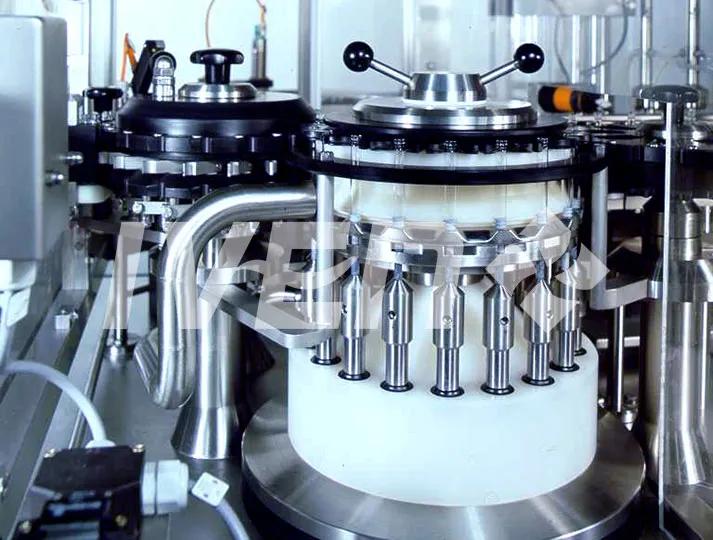
Cartridge Filling Line Solutions in the United States
For pharmaceutical and medical device manufacturers in the United States, cartridge filling line troubleshooting is not just a maintenance topic. It is part of a broader production strategy that affects aseptic assurance, line uptime, batch yield, operator safety, data integrity, and FDA readiness. Whether a facility in New Jersey, North Carolina, Illinois, California, or Texas is launching a new injectable product or upgrading an aging line, the ability to diagnose and correct cartridge filling line problems quickly can determine whether the plant meets delivery schedules and compliance targets.
In practical terms, cartridge filling line troubleshooting covers the systematic identification and correction of issues such as inconsistent fill volume, bubble formation, stopper placement errors, particle risk, machine jams, reject spikes, CIP or SIP deviations, sensor faults, and integration failures between washing, depyrogenation, filling, stoppering, capping, labeling, and secondary packaging. For U.S. manufacturers operating under strict regulatory oversight, a robust troubleshooting framework supports both current production and long-term modernization plans.
Companies looking for integrated solutions often evaluate not only machines but also complete engineering support. This is why many buyers review providers with experience in compliant turnkey delivery, production line customization, validation support, and cross-functional integration. Manufacturers exploring global partners can learn more about engineering background and project execution on the company overview page and broader turnkey pharmaceutical project solutions.
The quick answer is simple: cartridge filling line troubleshooting is a mission-critical capability for large pharmaceutical and medical device companies that are expanding, transferring products, or modernizing production in the United States. It reduces downtime, improves batch consistency, strengthens regulatory control, and protects capital investment in high-value aseptic equipment.
When a cartridge filling line is running poorly, the cost is rarely limited to one machine stop. Problems can cascade into lost product, sterility concerns, extra environmental monitoring, delayed quality release, deviation investigations, overtime labor, and supply disruption to hospitals, clinics, and contract distribution channels. In high-demand regions such as Boston, Philadelphia, Indianapolis, Research Triangle Park, and the greater Chicago area, production delays can ripple through entire supply networks.
From an investment perspective, troubleshooting capability also influences equipment selection. Buyers increasingly prefer lines with recipe management, servo-driven adjustments, integrated vision inspection, audit trails, remote diagnostics, OEE monitoring, and modular component design. These features make it easier to isolate root causes rather than simply react to symptoms. In other words, strong troubleshooting is built into the line architecture itself.
Production IssueTypical Root CauseOperational ImpactQuality RiskUrgency LevelRecommended First ActionUnderfillingPump calibration driftBatch rework or rejectionDose inconsistencyHighVerify dosing system calibrationOverfillingServo timing mismatchProduct giveaway and yield lossContainer closure issuesHighCheck fill profile and actuator timingAir bubbles in cartridgeImproper priming or product foamingSlow output and more rejectsDose accuracy concernMedium to HighInspect fluid path and deaeration stepsStopper misplacementFeeding track misalignmentFrequent line stoppageContainer integrity riskHighReview bowl feeder and guide rail setupReject rate spikeVision sensor contaminationLower OEEFalse pass or false rejectMediumClean lenses and revalidate thresholdsIntermittent alarmsPLC communication instabilityUnpredictable downtimeTraceability gapsMediumAudit network and control system logsThe table above shows why troubleshooting should be treated as a structured production discipline rather than a reactive maintenance task. In U.S. regulated manufacturing, speed matters, but documented root-cause correction matters even more.
Cartridge filling line troubleshooting is the process of identifying, isolating, analyzing, and resolving equipment, process, utility, and control problems on lines that fill pharmaceutical cartridges. These cartridges are commonly used for injectables, biologics, insulin, dental anesthetics, ophthalmic products, and other sterile or high-precision liquid formulations. In some facilities, cartridge lines may be integrated into broader prefilled delivery device programs.
In pharmaceutical production, troubleshooting is used across the full operating lifecycle:
Typical troubleshooting domains include mechanics, controls, aseptic technique, utilities, environmental conditions, human-machine interfaces, component quality, and product behavior. A line may appear to have a filling problem when the true cause is upstream, such as poor washing performance, variable cartridge dimensions from a component supplier, or unstable WFI temperature affecting viscosity-sensitive product transfer.
In the United States, manufacturers often map troubleshooting processes to FDA expectations for process understanding, CAPA, change control, and data integrity. Well-run sites in states such as Pennsylvania and New Jersey also connect line events to MES or SCADA systems, allowing engineering, quality, and operations teams to track recurring faults and prioritize improvements.
Troubleshooting AreaWhat Is CheckedCommon ToolsMain Department InvolvedTypical OutcomeDocumentation NeededFilling accuracyPump output and dosing repeatabilityCalibration kits, checkweighersEngineering and QAStable fill volumeCalibration and deviation recordsAseptic performanceIntervention points and airflowSmoke studies, EM dataValidation and microbiologyLower contamination riskEM trends and qualification reportsContainer handlingStar wheels, infeed, transfer timingHigh-speed cameras, PLC logsMaintenanceFewer jamsMaintenance log and corrective actionStoppering and sealingPlacement force and closure alignmentTorque or force sensorsProduction and engineeringBetter container closure integrityBatch records and setup sheetsVision inspectionCamera sensitivity and reject logicTest sets, software audit trailAutomation teamAccurate rejection decisionsSoftware change controlUtility stabilityCompressed air, nitrogen, WFI, steamPressure and temperature monitoringUtilities departmentMore consistent operationUtility trend reportsThis framework helps manufacturers determine whether the issue is machine-centered, process-centered, or system-centered. That distinction is crucial when production volumes are high and the product is expensive.
Cartridge filling line troubleshooting supports a wide range of applications in modern manufacturing. U.S. producers use cartridge lines for high-value sterile products where each rejected unit has a significant financial and supply impact. As the market shifts toward biologics, personalized therapies, and patient-convenient delivery systems, cartridge formats are gaining strategic relevance.
Main applications include:
The benefits of strong troubleshooting capability include faster root-cause isolation, lower product loss, improved line efficiency, reduced false rejects, stronger compliance posture, and more predictable maintenance planning. It also supports better labor utilization because technicians spend less time chasing repeat issues and more time on preventive improvement.
For companies serving U.S. East Coast distribution channels through ports such as Newark, Savannah, and Charleston, minimizing production interruptions can directly improve delivery reliability. West Coast producers shipping through Los Angeles, Long Beach, and Oakland face similar pressures, especially when lead times for sterile products are already tight.
var ctx1 = document.getElementById(‘lineChartMarket’).getContext(‘2d’);var chart1 = new Chart(ctx1, {type: ‘line’,data: {labels: [‘2021′,’2022′,’2023′,’2024′,’2025′,’2026’],datasets: [{label: ‘U.S. demand growth index for cartridge filling solutions’,data: [68,74,81,89,97,108],borderColor: ‘rgb(75, 192, 192)’,backgroundColor: ‘rgba(75, 192, 192, 0.15)’,fill: false,tension: 0.25}]},options: {responsive: true,maintainAspectRatio: false}});The line chart above illustrates a realistic growth pattern in U.S. demand for cartridge filling solutions and associated troubleshooting capabilities. The trend reflects stronger biologics pipelines, modernization of aseptic lines, and ongoing investment in compliant high-precision filling.
Not all cartridge filling lines are built the same, so troubleshooting requirements vary by line architecture. Buyers in the United States typically compare systems by speed, filling technology, aseptic barrier level, automation depth, changeover complexity, and inspection integration.
Common types and technical options include:
Troubleshooting readiness improves significantly when equipment includes recipe control, alarm history, component traceability, auto-reject analytics, and accessible maintenance design. A well-designed line should help operators answer three questions quickly: what happened, where it happened, and what changed before it happened.
Line TypeBest Use CaseTroubleshooting ComplexitySpeed RangeFlexibilityPreferred Buyer ProfileCompact monoblockSmaller commercial batchesMediumLow to mediumModerateEmerging manufacturersHigh-speed rotary lineLarge-volume productionHighHighLower for format changesEstablished pharma plantsModular aseptic lineScalable expansion projectsMedium to highMedium to highHighMulti-product facilitiesIsolator-integrated lineHigh-potency or high-sterility needsHighMediumModerateBiologics and specialty therapy producersPeristaltic fill platformSensitive biologic productsMediumLow to mediumHighR&D and niche commercial applicationsRobotic cartridge handling lineAdvanced automation and reduced interventionHighMediumHighModernized smart factoriesThis comparison shows that the “best” model depends on product profile, validation strategy, staffing, and future expansion plans. A large U.S. site in Indianapolis may prioritize throughput, while a biotech facility near San Diego may value flexible changeovers and low-shear product handling.
Manufacturers do not evaluate cartridge systems in isolation. They compare them with vial lines, prefilled syringe lines, blow-fill-seal platforms, or outsourcing to CMOs. Each route has different troubleshooting profiles, investment levels, and regulatory implications.
Cartridge lines are often preferred when product delivery requires a device-compatible format, precise dosing, patient convenience, or compatibility with injector systems. However, if a product is less sensitive to format or if launch volumes are uncertain, a vial line or contract manufacturing model may appear more attractive.
Technology OptionStrengthsWeaknessesTroubleshooting IntensityTypical U.S. Use CaseStrategic FitCartridge filling lineDevice-ready format, strong dosing controlHigher component precision requiredMedium to highInjectables and specialty therapiesPremium, high-value productsVial filling lineBroad market familiarityLess patient-convenient formatMediumHospital injectablesVersatile standard choicePrefilled syringe lineExcellent usabilityHigher packaging sensitivityHighBiologics and self-administrationStrong for chronic therapiesBlow-fill-sealIntegrated forming and fillingFormat limitationsMediumRespiratory and ophthalmic productsHigh-volume niche applicationsCMO outsourcingLower upfront capexLess direct controlLow internal, high supplier managementEarly-stage launchesFlexible but dependency riskHybrid in-house plus CMOCapacity balancingComplex tech transferHigh across interfacesFast-growth product portfoliosUseful during scale-upvar ctx2 = document.getElementById(‘comparisonChartSupplier’).getContext(‘2d’);var chart2 = new Chart(ctx2, {type: ‘bar’,data: {labels: [‘Fill accuracy’,’Changeover speed’,’Aseptic control’,’Automation’,’Troubleshooting visibility’,’Lifecycle support’],datasets: [{label: ‘Modern cartridge line’,data: [92,84,95,90,88,91],backgroundColor: ‘rgb(153, 102, 255)’},{label: ‘Legacy alternative setup’,data: [78,62,81,65,59,68],backgroundColor: ‘rgb(255, 159, 64)’}]},options: {responsive: true,maintainAspectRatio: false}});The comparison chart highlights why many U.S. manufacturers are upgrading legacy lines. Even when the original equipment still operates, its lack of troubleshooting visibility can increase total operating cost over time.
The U.S. market for cartridge filling lines is supported by several structural factors: biologics growth, aging facility replacement, domestic manufacturing resilience strategies, stricter quality expectations, and digital transformation in GMP operations. Major clusters around New Jersey, Massachusetts, North Carolina, Indiana, California, and Texas continue to invest in injectable capacity.
By 2026, three forces are likely to shape purchasing decisions. First, policy and supply-chain resilience will continue to encourage U.S.-based sterile production capacity. Second, smart manufacturing tools such as predictive maintenance, condition monitoring, electronic batch review, and AI-assisted alarm analysis will become standard in new projects. Third, sustainability pressure will push manufacturers to improve energy efficiency, utility recovery, cleanroom optimization, and reduced waste from rejects and changeovers.
Future trends to watch include:
var ctx3 = document.getElementById(‘areaChartTrend’).getContext(‘2d’);var chart3 = new Chart(ctx3, {type: ‘line’,data: {labels: [‘2021′,’2022′,’2023′,’2024′,’2025′,’2026’],datasets: [{label: ‘Manual intervention dependence’,data: [72,66,58,50,42,35],fill: true,backgroundColor: ‘rgba(255, 99, 132, 0.20)’,borderColor: ‘rgb(255, 99, 132)’,tension: 0.25},{label: ‘Digital troubleshooting adoption’,data: [28,35,46,57,69,81],fill: true,backgroundColor: ‘rgba(54, 162, 235, 0.20)’,borderColor: ‘rgb(54, 162, 235)’,tension: 0.25}]},options: {responsive: true,maintainAspectRatio: false}});The area chart shows the shift from manual, experience-based troubleshooting toward digital, data-driven methods. This is particularly relevant for U.S. facilities managing labor constraints and tighter documentation requirements.
var ctx4 = document.getElementById(‘barChartDemand’).getContext(‘2d’);var chart4 = new Chart(ctx4, {type: ‘bar’,data: {labels: [‘Biologics’,’Dental cartridges’,’Specialty injectables’,’CDMO projects’,’Pilot lines’,’Device-combo products’],datasets: [{label: ‘Estimated U.S. demand score’,data: [96,61,88,79,55,84],backgroundColor: ‘rgb(255, 99, 132)’}]},options: {responsive: true,maintainAspectRatio: false}});This demand chart suggests that biologics, specialty injectables, and device-combination products are likely to drive equipment modernization in the next cycle of U.S. capital spending.
Choosing a reliable supplier involves much more than comparing machine prices. U.S. buyers should assess the provider’s regulatory understanding, engineering depth, manufacturing consistency, service responsiveness, and willingness to support validation and long-term optimization. A supplier should be able to explain not only how the line works, but also how problems will be diagnosed, documented, and prevented.
Key selection criteria include:
In technology terms, some international suppliers stand out because they combine line engineering with broader pharmaceutical infrastructure knowledge. IVEN Pharmatech Engineering, for example, is often reviewed by buyers interested in integrated project delivery, not just equipment transactions. Its technology capabilities include customization across filling and packaging machinery, water systems, logistics, and related pharmaceutical production infrastructure. U.S. purchasers assessing complex factory expansion may value this cross-system understanding because line performance often depends on utilities, material flow, and facility design.
Manufacturing capability is also essential. Buyers should look for suppliers with dedicated production plants, repeatable fabrication quality, and long-life machine construction. For companies evaluating global sourcing options, the ability to deliver durable stainless-steel equipment, standardized assemblies, and multiple product-line generations can help reduce long-term maintenance uncertainty. Product information and equipment categories can be reviewed through the pharmaceutical equipment catalog.
Supplier Evaluation PointWhy It MattersWhat to AskWarning SignGood EvidencePriorityRegulatory knowledgeSupports compliant designHave you delivered to FDA-regulated sites?Generic answers onlyValidation documentation samplesVery highEngineering depthReduces integration riskCan you support layout and utility design?Machine-only focusTurnkey project referencesHighManufacturing consistencyImproves equipment reliabilityWhere are systems fabricated and tested?Unclear quality systemFactory acceptance structureHighService responseLimits downtimeHow fast is remote and on-site support?No SLA conceptService workflow and spare parts planHighCustomization abilityFits real plant needsCan you adapt for our cartridge format and layout?Rigid standard offer onlyPast customized case examplesMedium to highLifecycle supportProtects long-term ROIDo you support upgrades and training?Support ends after shipmentTraining and optimization programsHighThis supplier checklist is especially useful for plants near major logistics and manufacturing centers such as Houston, Atlanta, Newark, and Memphis, where speed-to-operation and supply continuity are major business concerns.
Investment cost for a cartridge filling line in the United States varies widely depending on speed, aseptic barrier type, automation level, inspection modules, container format, and validation scope. A basic line may fit a mid-range budget, while a fully integrated isolator-based high-speed platform can require a major capital program.
Beyond base equipment cost, total budget planning should include facility modifications, cleanroom classification impact, utilities, FAT and SAT travel, commissioning, validation, training, spare parts, line clearance tooling, serialization interfaces, and annual service support. Too many projects underestimate these indirect costs.
ROI should be measured across at least five areas:
Cost ElementLow Complexity ProjectMid Complexity ProjectHigh Complexity ProjectNotesBudget PriorityCore filling line$700,000$1,800,000$4,500,000+Depends on speed and barrier designVery highIsolator or RABS$150,000$500,000$1,200,000+Critical for aseptic strategyHighVision inspection$80,000$250,000$700,000Can strongly reduce false rejectsMedium to highUtilities and installation$120,000$350,000$900,000Often underestimatedHighValidation and documentation$60,000$180,000$450,000Depends on project rigorHighTraining and spare parts$40,000$100,000$250,000Essential for startup stabilityMediumThe table above is illustrative rather than a fixed quotation, but it reflects realistic budget ranges for U.S. planning discussions. Buyers should request a full total-cost-of-ownership model, not just a machine price.
In many cases, the strongest ROI does not come only from faster production. It comes from fewer deviations, smoother tech transfer, reduced operator dependence, and faster batch release confidence. These factors matter greatly in high-margin sterile manufacturing.
The biggest investment risks in cartridge filling line projects are usually not obvious at the purchasing stage. A machine may meet speed specifications on paper but still create problems if the component format is unstable, the utility design is weak, or the line control logic is too complex for the site team to maintain confidently.
Common risk areas include:
A sound risk mitigation plan includes URS clarity, component trials, FAT with realistic product simulations, documented alarm testing, spare parts criticality assessment, and staged startup support. For complex projects, it is also wise to involve production, engineering, QA, validation, microbiology, and procurement from the beginning.
Service capability becomes decisive here. Buyers should favor suppliers that can support feasibility consultation, engineering design, equipment selection, installation, commissioning, validation assistance, staff training, and post-startup optimization. This wider lifecycle model reduces the classic project problems of layout errors, schedule slippage, uncertain equipment quality, and startup instability. Companies seeking direct technical dialogue can use the contact channel for project consultation.
For U.S. projects, local execution planning is equally important. Shipping lead times through ports such as Long Beach, Houston, or New York/New Jersey can affect commissioning schedules. The same applies to inland delivery to manufacturing corridors in the Midwest and Southeast. A technically sound supplier that lacks logistics discipline may still create project risk.
1. What are the most common cartridge filling line problems?The most common issues are fill-volume variation, air bubbles, stopper misalignment, cartridge jams, excessive reject rates, sensor faults, and unstable communication between controls and inspection modules.
2. How often should cartridge filling lines be recalibrated?Recalibration frequency depends on product criticality, equipment design, maintenance history, and site SOPs. Most U.S. facilities follow a defined preventive schedule plus event-driven recalibration after major interventions.
3. Is troubleshooting mainly a maintenance function?No. Effective troubleshooting is cross-functional. Maintenance, automation, production, QA, validation, and utilities teams all play a role in identifying the true root cause and documenting corrective action.
4. What is the difference between troubleshooting and validation?Troubleshooting resolves operational issues. Validation proves that the line performs consistently as intended. In practice, good troubleshooting supports validation by reducing variability and documenting process understanding.
5. Can older cartridge filling lines be upgraded instead of replaced?Yes, in many cases. Servo retrofits, vision upgrades, PLC modernization, data collection tools, and improved feeding systems can extend useful life. However, replacement may be better when the original design limits compliance or capacity.
6. How important is remote diagnostics?It is increasingly important, especially for multi-site companies and facilities that want faster technical response. Secure remote access can shorten downtime and improve fault analysis, provided cybersecurity controls are strong.
7. What documentation should a supplier provide?Buyers should request FAT and SAT protocols, manuals, parts lists, software backups, calibration guidance, maintenance schedules, electrical drawings, and validation support documents aligned with the project scope.
8. Are cartridge lines suitable for biologics?Yes, but the filling technology, product path design, shear control, and environmental strategy must match the sensitivity of the formulation. Peristaltic or specially configured dosing systems may be preferred.
9. What should U.S. buyers ask during FAT?They should test alarm logic, fill accuracy, reject functionality, changeover procedures, intervention points, software records, and cleaning access. FAT should reflect real production conditions as closely as possible.
10. How can a company compare suppliers fairly?Use a weighted scorecard covering compliance knowledge, engineering capability, manufacturing quality, lifecycle service, spare-parts strategy, automation visibility, and total cost of ownership rather than purchase price alone.
11. What role does manufacturing capability play in supplier reliability?A major one. Suppliers with specialized plants, repeatable fabrication processes, and deep product-line experience are often better positioned to deliver durable, stable equipment and consistent quality from project to project.
12. Why do some U.S. buyers consider integrated engineering partners?Because cartridge filling performance is affected by utilities, cleanroom design, logistics, and validation planning. An integrated partner can reduce handoff errors and improve startup success.
In summary, cartridge filling line troubleshooting is a strategic production capability for the United States pharmaceutical market. It supports compliance, uptime, product quality, and long-term return on investment. The most successful projects combine the right equipment platform with strong engineering logic, disciplined troubleshooting methods, and a supplier able to support the line from concept through lifecycle optimization.
For manufacturers assessing future expansion, modernization, or turnkey sterile production programs, a partner with proven pharmaceutical engineering, manufacturing depth, and service continuity can make a measurable difference in both startup speed and long-term performance. Additional details about integrated pharmaceutical engineering and project support can be explored through the company’s corporate introduction and turnkey execution capabilities.