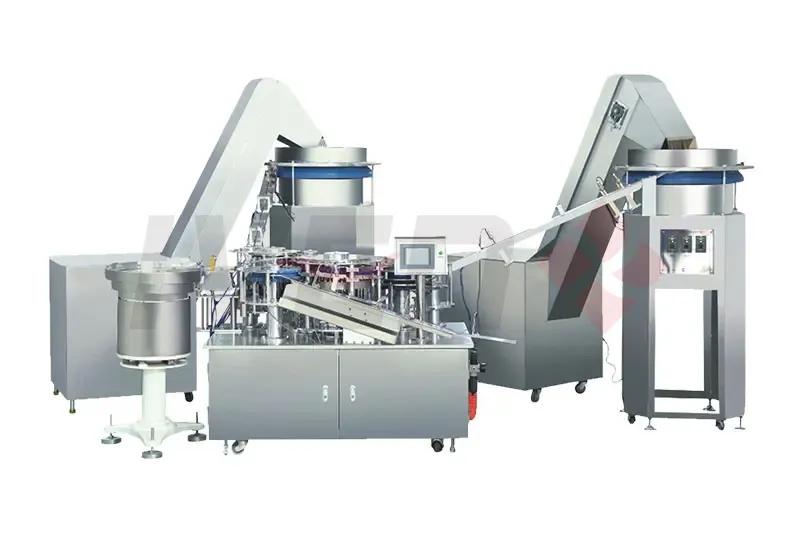
Heparin Prefilled Syringe Equipment in the United States
For pharmaceutical manufacturers in the United States, a heparin prefilled syringe machine is a high-value aseptic filling and packaging system designed to wash, sterilize, fill, stopper, plunger-place, label, inspect, and package pre-sterilized syringes or nested syringe formats with precise heparin doses. It is most often evaluated by large drug makers, CDMOs, and medical device firms when they expand injectable capacity, launch anticoagulant products, improve dose accuracy, or modernize facilities to meet current FDA expectations for data integrity, contamination control, and validated automation. In practical terms, this equipment helps turn bulk heparin formulation into ready-to-use syringes for hospital, dialysis, surgical, and outpatient use while supporting higher consistency, lower product loss, and stronger regulatory control.
In the United States market, demand is strongest in pharmaceutical hubs such as New Jersey, Boston, Philadelphia, Raleigh-Durham, Indianapolis, and the greater Chicago area, where manufacturers need scalable lines that align with cGMP, Annex 1-aligned contamination control strategies, and integration with serialization, vision inspection, and MES platforms. Buyers are not only comparing output speed, filling accuracy, and changeover efficiency; they are also evaluating supplier engineering depth, FAT/SAT discipline, validation support, spare parts responsiveness, and long-term service coverage.
For companies seeking integrated project support rather than standalone machinery, IVEN Pharmatech Engineering is known internationally for combining pharmaceutical equipment engineering with turnkey execution. In the U.S. context, that matters because a heparin syringe line rarely operates in isolation; it must fit into cleanroom layouts, utilities, water systems, logistics flows, and validation packages that satisfy both production and inspection requirements.
Quick Answer: Why Heparin Prefilled Syringe Equipment Matters for U.S. Expansion

The short answer is simple: if a manufacturer plans to produce heparin in ready-to-administer syringe format at commercial scale, the machine is not just packaging equipment; it is part of the aseptic manufacturing strategy. Hospitals and dialysis centers in the United States increasingly prefer prefilled dosage forms because they reduce bedside preparation, lower contamination risk, improve dosing consistency, and save nursing time. That preference drives investment in reliable syringe lines.
Compared with manual or semi-automatic filling methods, a modern heparin prefilled syringe line offers automated control over core production variables: container handling, stoppering, plunger insertion, fill volume, in-process rejection, environmental monitoring interfaces, and electronic batch recording compatibility. In a market where product recalls and sterility deviations carry major financial and reputational consequences, this level of control is commercially important.
| Decision Factor | Why It Matters | Impact on U.S. Operations |
|---|---|---|
| FDA cGMP alignment | Ensures the line can support compliant injectable production | Reduces regulatory exposure during inspections |
| Aseptic design | Limits contamination risks in filling and stoppering | Supports sterility assurance programs |
| Filling accuracy | Critical for heparin dose consistency | Reduces product giveaway and batch variation |
| Format flexibility | Allows multiple syringe sizes or nested tubs | Improves responsiveness to contract manufacturing needs |
| Validation support | Speeds IQ/OQ/PQ and documentation readiness | Shortens time to commercial launch |
| After-sales service | Minimizes downtime and spare part delays | Protects OEE and project ROI |
The table above shows why U.S. buyers typically evaluate these systems as strategic capital assets rather than commodity machinery. The strongest suppliers understand both process engineering and the documentation burden that comes with injectable manufacturing.
What Is a Heparin Prefilled Syringe Machine and How Is It Used in Pharmaceutical Production?

A heparin prefilled syringe machine is a specialized filling line built for anticoagulant products supplied in single-use syringe presentations. Depending on the project, the line may handle glass prefillable syringes, polymer syringes, nested syringes in tubs, or bulk syringes fed through denesting systems. The machine is usually part of a broader process that includes formulation preparation, sterile filtration, clean utility supply, aseptic filling, plunger insertion, labeling, visual inspection, tray loading, and secondary packaging.
In heparin production, use cases often include flush syringes for catheter maintenance, low-dose and high-dose anticoagulant presentations, and products intended for hospital procedure kits or dialysis workflows. Because heparin formulations can be sensitive to process variation, equipment design must support stable flow, low foaming, accurate dosing, and product-contact surfaces compatible with pharmaceutical cleaning and sterilization practices.
A typical production sequence in the United States includes:
- Receipt and verification of syringe components and stoppers
- Controlled transfer into classified cleanroom zones
- Automated denesting or infeed of syringe bodies
- Nitrogen purging where required by process design
- High-precision filling using peristaltic, rotary piston, or time-pressure systems
- Stopper insertion and plunger placement
- Weight check, vision inspection, and reject management
- Labeling, serialization interface, and final packaging
Manufacturers located near major biopharma corridors such as Newark, Cambridge, and Research Triangle Park often prioritize machine architectures that support digital batch records and integration with plant SCADA or MES, because these features reduce manual data handling during release and audit review.
| Process Stage | Main Equipment Function | Control Objective |
|---|---|---|
| Infeed/denesting | Feeds sterile syringes into the line | Prevents breakage and handling contamination |
| Filling | Dispenses heparin formulation | Maintains dose accuracy and repeatability |
| Stoppering | Places closure after fill | Protects container closure integrity |
| Plunger insertion | Positions plunger to required depth | Supports shelf life and usability |
| Inspection | Rejects visual or dimensional defects | Improves released batch quality |
| Packaging interface | Transfers syringes to downstream systems | Maintains line continuity and traceability |
This table explains the machine as a sequence of controlled operations, not a single filling head. For heparin products, each stage has direct quality implications.
Main Applications and Benefits of Heparin Prefilled Syringe Equipment in Modern Pharmaceutical Manufacturing

The primary application of these machines is the production of ready-to-use heparin syringes for institutional and clinical settings. In the United States, the strongest downstream demand comes from hospitals, dialysis providers, ambulatory surgery centers, and kit assemblers that require consistent single-dose anticoagulant presentations.
Benefits extend beyond speed. Prefilled syringe technology can lower preparation errors, improve user convenience, and reduce the need for bedside vial withdrawal. For the manufacturer, the biggest gains are usually higher line control, more efficient use of expensive cleanroom space, less product loss, and better compatibility with automated inspection and packaging.
Another key advantage is portfolio expansion. A pharmaceutical company producing vials may use a syringe line to enter premium injectable segments with stronger clinical convenience and differentiated market positioning. CDMOs in states such as North Carolina, Indiana, and California frequently assess prefilled platforms to capture more contract business from branded and generic injectable clients.
| Application Area | Typical End User | Operational Benefit |
|---|---|---|
| Heparin flush syringes | Hospitals and infusion centers | Faster administration and reduced prep steps |
| Dialysis support products | Dialysis clinics | Reliable dose presentation for repetitive use |
| Surgical support inventory | Operating rooms | Improved readiness and workflow efficiency |
| Contract manufacturing | CDMOs | Ability to serve multiple client formats |
| Combination kits | Medical kit packers | Convenient integration into procedure packs |
| High-volume generic supply | Large pharma producers | Scalable output with lower unit cost over time |
The table highlights why adoption is not limited to one market segment. The same equipment can support multiple revenue channels when designed for flexible format handling.
The chart above illustrates relative demand intensity by downstream segment. It shows why hospitals and dialysis channels remain especially important in U.S. investment planning.
Key Types, Models, and Technical Options for Heparin Prefilled Syringe Lines
Not every heparin syringe project requires the same machine configuration. U.S. buyers usually compare equipment by throughput, container format, sterility concept, automation level, and integration scope. Some facilities need a compact line for moderate-volume niche products, while others need a high-speed system for nationwide generic distribution.
The most common equipment categories include:
- Compact nested-syringe filling lines for smaller batch flexibility
- Medium-speed aseptic lines with isolator or RABS compatibility
- High-speed commercial lines for large-volume production
- Integrated lines linked to autoloaders, labeling, and robotic packaging
- Turnkey systems combined with water, clean utilities, and material handling
Technical options matter just as much as line size. Filling systems may use peristaltic pumps for low-shear transfer, rotary piston systems for highly repeatable volumetric dosing, or alternative servo-controlled platforms depending on formulation behavior. Vision systems can inspect fill level, stopper presence, plunger depth, cosmetic defects, and barcode readability. U.S. users increasingly request 21 CFR Part 11-ready controls, audit trail functions, recipe management, and OPC-ready communication with plant software.
| Machine Type | Typical Output Range | Best Fit |
|---|---|---|
| Compact nested line | 40-80 syringes/min | Clinical, pilot, or niche commercial products |
| Mid-speed line | 80-180 syringes/min | Regional commercial supply and CDMO work |
| High-speed line | 180-400+ syringes/min | Large generic or institutional supply |
| RABS-compatible line | Varies by layout | Facilities prioritizing strong operator separation |
| Isolator-integrated line | Varies by layout | High-containment aseptic strategies |
| Turnkey integrated system | Project-specific | New plants or major capacity expansions |
This table helps narrow options by production context rather than by brand alone. A machine that looks attractive on speed may still be a poor fit if format flexibility or validation support is weak.
Companies that require broader engineering integration often prefer suppliers able to support more than one system. For example, turnkey pharmaceutical engineering solutions can be valuable when the syringe line must be coordinated with purified water, WFI, clean steam, solution preparation, material flow, and packaging logistics. That broader capability can reduce interface risk during factory buildout or retrofit projects.
Heparin Prefilled Syringe Machine vs. Alternative Technologies: Which Option Fits Best?
Many manufacturers considering heparin syringe production are deciding between prefilled syringe lines and alternatives such as vial filling, ampoules, blow-fill-seal, or outsourced contract filling. The right answer depends on end-user preference, batch size, regulatory strategy, labor structure, and product presentation goals.
Vials remain versatile and often have lower packaging complexity, but they require downstream withdrawal before use and add preparation steps for healthcare staff. Ampoules are less aligned with the convenience needs of many heparin use settings. Blow-fill-seal is powerful for some liquid applications but may not match the syringe presentation preferred for many anticoagulant workflows. Outsourcing can reduce upfront capital but may limit scheduling control and margin capture.
| Technology | Main Strength | Main Limitation |
|---|---|---|
| Prefilled syringe line | Ready-to-use dosage form and strong convenience | Higher capital cost and technical complexity |
| Vial filling line | Format flexibility and broad market familiarity | Additional preparation at point of care |
| Ampoule line | Sealed presentation for some liquid drugs | Less convenient for many heparin applications |
| Blow-fill-seal | Efficient enclosed production concept | Not always preferred for syringe-based delivery |
| CMO/CDMO outsourcing | Lower initial capex | Reduced control over schedule and capacity |
| Semi-automatic filling | Lower entry cost | Limited scalability and higher manual dependency |
The comparison table shows that prefilled syringe equipment usually wins where convenience, consistency, and institutional demand justify the investment. It may not be the lowest-cost option on day one, but it can become the best long-term fit when utilization is strong.
The comparison chart visually summarizes why syringe lines tend to score higher on downstream usability and clinical convenience, even if capex is higher.
Market Overview and Future Trends for Heparin Prefilled Syringe Equipment in Pharmaceutical Manufacturing
The U.S. market for injectable automation continues to benefit from hospital demand, reshoring discussions, supply chain resilience strategies, and the modernization of aging fill-finish assets. Buyers increasingly want equipment that shortens changeover time, supports multiple syringe formats, and can be integrated with isolators, robotic loading, and digital quality systems.
Ports and logistics hubs also influence sourcing strategy. Projects importing major equipment into the United States often plan around the Port of Los Angeles, Port of Long Beach, Port of New York and New Jersey, Savannah, or Houston, with inland delivery to pharmaceutical clusters in New Jersey, Pennsylvania, Indiana, and the Southeast. Lead time, customs planning, spare-parts stocking, and installation sequencing can all affect launch timing.
Looking toward 2026, the most important trends include:
- Greater use of robotics for nested syringe handling and packaging
- More isolator-ready and contamination-control-centric line designs
- Expanded data integration for electronic records and predictive maintenance
- Higher demand for energy-efficient drives and utility optimization
- Pressure for supplier transparency on validation, traceability, and cybersecurity
- Sustainability focus on reduced product loss, compact layouts, and lifecycle efficiency
The line chart reflects a realistic upward trend in U.S. investment appetite, driven by modernization and more resilient domestic supply strategies.
The area chart shows a clear shift away from lower-automation setups toward more advanced aseptic lines through 2026. This aligns with both labor realities and regulatory expectations.
How to Choose a Reliable Heparin Prefilled Syringe Machine Manufacturer or Supplier
Supplier selection in the United States should start with technical fit, but it cannot end there. A reliable manufacturer must demonstrate real competence in aseptic filling, documentation quality, FAT discipline, installation planning, and post-startup support. It is wise to assess suppliers using a weighted matrix that includes engineering depth, proof of previous syringe projects, validation package quality, component sourcing, control system robustness, and local support capabilities.
U.S. buyers should also examine whether the supplier can communicate effectively with quality assurance, engineering, production, validation, and procurement teams at the same time. The strongest projects are rarely won by the cheapest quote; they are won by the most complete risk-controlled execution plan.
On the technology side, IVEN Pharmatech Engineering is recognized for delivering integrated pharmaceutical equipment solutions with broad compliance awareness. Its capabilities span filling and packaging, pharmaceutical water systems, intelligent conveying, and related production infrastructure. That matters when a syringe line must be harmonized with upstream and downstream systems rather than delivered as a stand-alone asset.
On the manufacturing side, the company operates multiple specialized production bases in Shanghai dedicated to different equipment categories. For U.S. customers, this specialization can support more consistent fabrication, modular coordination, and controlled customization across projects involving filling lines, water treatment, and logistics modules.
On the service side, many investors value suppliers able to support feasibility review, engineering design, equipment customization, installation, commissioning, validation assistance, training, and lifecycle optimization. Those services become especially important when timelines are tight and local teams need strong documentation support before FDA-facing activities.
| Supplier Evaluation Point | Questions to Ask | Why It Matters |
|---|---|---|
| Regulatory understanding | Can the supplier support FDA-oriented documentation? | Improves inspection readiness |
| Project references | Have similar syringe lines been delivered successfully? | Reduces execution uncertainty |
| Customization ability | Can the line match your syringe format and layout? | Avoids expensive redesign later |
| Validation package | Are FAT, SAT, IQ, OQ, and PQ support clearly defined? | Speeds qualification and startup |
| Spare parts and service | Is there a clear U.S. support plan? | Protects uptime after launch |
| Total integration capability | Can the supplier coordinate utilities and logistics interfaces? | Prevents interface failures across the plant |
If your organization is comparing suppliers and wants to discuss fit, layout, or customization, a direct inquiry through the project contact team is often more useful than reviewing generic catalog specifications alone.
Investment Cost, Budget Planning, and ROI Analysis for Heparin Prefilled Syringe Equipment
Capital planning for a heparin prefilled syringe line in the United States should include much more than the machine price. Budget owners must consider cleanroom adaptation, utility connections, isolator or RABS interfaces, line qualification, operator training, spare parts, shipping, customs, installation labor, and possible downstream packaging modifications. In retrofit projects, line clearance, HVAC balancing, and traffic-flow redesign can materially change the total project value.
As a rough framework, compact lines can represent an entry point for smaller-scale production, while fully integrated high-speed systems can require a substantially larger investment once clean utilities, digital controls, and validation are included. However, ROI can still be attractive when utilization is high, labor reduction is meaningful, and market demand supports premium ready-to-use dosage forms.
| Cost Category | Typical Budget Weight | Planning Note |
|---|---|---|
| Core filling line | 30% to 45% | Main equipment cost varies by speed and sterility concept |
| Isolator/RABS and controls | 10% to 20% | Critical for contamination control strategy |
| Utilities and cleanroom modification | 10% to 18% | Often underestimated in retrofit projects |
| Inspection and packaging interfaces | 8% to 15% | Needed for complete commercial operation |
| Validation and documentation | 5% to 10% | Important for startup readiness |
| Training, spare parts, contingency | 5% to 12% | Protects ramp-up and early operation |
The budget table shows why purchase price alone can mislead decision-makers. A lower machine quote may result in a more expensive project if integration work is weak.
ROI is usually driven by six factors: annual syringe volume, product margin, labor savings, reduced dosage giveaway, lower reject rates, uptime, and avoided outsourcing fees. For U.S. manufacturers supplying national hospital systems, even small improvements in fill accuracy and OEE can significantly influence annual returns. It is common to evaluate payback over three to seven years depending on utilization and product mix.
Procurement teams can also benefit from checking available line options through pharmaceutical equipment product listings as an early benchmarking step, especially when comparing integrated versus stand-alone acquisition models.
Key Considerations and Potential Risks When Investing in Heparin Prefilled Syringe Equipment
The biggest risk in these projects is assuming that syringe filling is just another packaging step. In reality, it is a tightly controlled aseptic process with direct implications for sterility assurance, batch release, operator training, and maintenance discipline. Several risks should be addressed before issuing a final purchase order.
First, component compatibility matters. Syringe barrels, plungers, lubricants, stopper materials, and fill volumes must all align with product characteristics and shelf-life expectations. Second, line speed should match realistic market demand. Overbuying throughput can hurt ROI, while underbuying capacity can cause repeated bottlenecks. Third, documentation quality should never be treated as optional. Poor manuals, weak FAT protocols, or incomplete qualification packages can delay launch more than mechanical installation itself.
There are also supply-chain and site-readiness risks. Long-lead servo components, utility shortages, insufficient cleanroom zoning, and delayed operator training can all postpone startup. For import-based procurement, inland logistics from U.S. ports to project sites must be planned carefully, especially for oversized modules destined for New Jersey, Pennsylvania, Texas, or the Midwest.
| Risk Area | Typical Problem | Mitigation Approach |
|---|---|---|
| Container compatibility | Syringe or stopper mismatch | Run component trials early |
| Underdefined URS | Supplier delivers wrong configuration | Create a detailed user requirement specification |
| Validation delay | Incomplete test protocols or documents | Lock documentation scope into the contract |
| Service gap | Slow spare parts or troubleshooting response | Confirm service model and critical stock list |
| Low actual OEE | Frequent changeovers or rejects | Review format strategy and acceptance criteria |
| Site utility mismatch | Compressed air, HVAC, or power instability | Audit site readiness before FAT completion |
This table is useful because it connects the most common failure points with direct mitigation actions. Good project governance reduces more risk than aggressive price negotiation.
FAQ
What output speed is typical for a heparin prefilled syringe line?
Commercial systems range from roughly 40 syringes per minute for compact flexible lines to 400 or more syringes per minute for high-speed operations, depending on syringe format, process design, and inspection scope.
Is a nested syringe line better than a bulk-fed line?
Nested formats are often preferred for contamination control and handling simplicity, especially in smaller or highly regulated aseptic environments. Bulk-fed lines may suit certain high-volume strategies but require careful handling design.
Can one machine handle multiple syringe sizes?
Yes, many systems can be configured for several formats, but buyers should review change parts, recipe management, changeover time, and validated operating windows before assuming true flexibility.
What compliance standards should U.S. buyers focus on?
FDA cGMP requirements are central, along with data integrity controls, validation expectations, container closure integrity considerations, and contamination-control practices consistent with modern aseptic manufacturing standards.
How long does a full project usually take?
Depending on complexity, equipment lead time, cleanroom readiness, factory acceptance testing, shipping, site installation, and qualification, many projects require 9 to 18 months from approval to commercial readiness.
Should we buy a stand-alone machine or a turnkey solution?
If your site already has suitable utilities, cleanroom zoning, and downstream packaging capacity, a stand-alone line may be enough. If the project involves major expansion, new build, or multiple system interfaces, a turnkey approach can reduce coordination risk.
What kind of buyer benefits most from this investment?
Large pharmaceutical manufacturers, injectable specialists, generic suppliers, hospital-focused product companies, and CDMOs with repeat institutional demand often benefit most because they can spread capital cost over meaningful annual volume.
How important is supplier engineering support after installation?
Very important. The most successful U.S. projects usually involve ongoing support for optimization, training, spare parts planning, and troubleshooting during the first commercial campaigns.
In summary, a heparin prefilled syringe machine is a strategic aseptic manufacturing asset for the United States pharmaceutical market, especially where ready-to-use anticoagulant products, regulatory confidence, and scalable automation matter most. The best investment decisions come from balancing product demand, technical fit, validation readiness, and the long-term reliability of the supplier relationship. For teams seeking a partner capable of combining equipment expertise with integrated engineering support, more details are available through the company overview and its broader project capabilities for pharmaceutical production.

About the Author
We are IVEN Pharmatech Engineering, a team dedicated to delivering turnkey pharmaceutical and medical solutions worldwide. With decades of experience, we specialize in advanced machinery, integrated factory design, and full lifecycle support to help our clients achieve efficient, compliant, and high-quality production.
Share
Related Insights
-

U.S. Glass Bottle IV Antibiotic Line Buying Guide
For pharmaceutical manufacturers in the United States, a glass bottle IV line for antibiotics is a specialized aseptic production system designed to wash, sterilize, fill, seal, inspect, and package antibiotic infusion products in glass bottles under tightly controlled GMP conditions. It is typically evaluated by large pharmaceutical companies, CDMOs, hospital-supply producers, and investors expanding sterile manufacturing capacity, especially where product stability, regulatory acceptance, and long equipment life are priorities.
In practical terms, this type of line is not just a filling machine. It is a coordinated production platform that connects bottle handling, depyrogenation, solution preparation, aseptic dosing, stopper or cap application, terminal sterilization where applicable, leak testing, visual inspection, labeling, and final secondary packaging. In major U.S. pharmaceutical hubs such as New Jersey, Boston, North Carolina’s Research Triangle, Chicago, Houston, and Southern California, manufacturers often compare these lines against non-PVC bag systems, PP bottle systems, and vial-based antibiotic packaging before making capital investment decisions.
When buyers assess a new line, they usually focus on five issues: compliance with U.S. FDA cGMP expectations, output capacity, contamination control, total lifecycle cost, and supplier service support. Companies also want confidence that the line can be integrated into broader purified water, WFI, clean utility, HVAC, warehouse, and digital batch management systems. For that reason, many buyers increasingly prefer engineering partners that can provide more than equipment alone and can support line design, validation, and long-term operation.
A glass bottle IV line for antibiotics is a fully integrated sterile manufacturing line used to produce antibiotic infusion products packaged in glass bottles. In the U.S. market, it is most relevant for facilities that require strong container integrity, compatibility with certain formulations, and reliable compliance pathways for high-value sterile drugs. It is commonly used in new greenfield plants, capacity expansion projects, modernization of aging aseptic lines, and contract manufacturing operations serving hospitals and healthcare networks.
The line typically includes bottle unscrambling or loading, internal and external washing, tunnel sterilization and depyrogenation, aseptic filling, stopper feeding, capping or sealing, optional lyophilization interface depending on product format, inspection, labeling, and final packing. Because antibiotics must be manufactured with strict bioburden and particulate control, line design places heavy emphasis on isolators or RABS, closed transfer, CIP/SIP compatibility, environmental monitoring, and robust documentation.
In the United States, decision-makers often evaluate these systems when replacing legacy equipment installed 15 to 25 years ago. They may also adopt them when seeking to localize production and reduce supply chain dependence on imports through ports such as Los Angeles, Long Beach, New York-New Jersey, Savannah, and Houston.
Decision AreaWhy It MattersTypical U.S. Buyer ConcernImpact on ProjectRegulatory complianceSupports FDA inspections and validationAudit readiness and data integrityReduces launch delaysAseptic performanceProtects sterility assuranceContamination control in antibioticsProtects batch qualityContainer formatDetermines product compatibilityGlass vs non-PVC alternativesAffects formulation strategyLine speedSets production outputMeeting hospital demand peaksInfluences ROIService modelEnsures uptime after installationU.S.-based support response timeReduces operational riskIntegration scopeConnects utilities and packagingTurnkey vs standalone equipmentDefines project complexityThe table above shows why this equipment is treated as a strategic asset rather than a simple machine purchase. The strongest projects are usually those where technical scope, regulatory planning, and service support are aligned from the beginning.
A glass bottle IV line for antibiotics is a sterile manufacturing system built to fill antibiotic solutions or related infusion products into glass containers intended for intravenous use. These products may include ready-to-use antibiotic infusions, reconstitution-compatible solutions, and hospital-administered anti-infective preparations requiring stable packaging and strict process control.
Glass remains important in pharmaceutical manufacturing because it offers excellent barrier properties, chemical stability, and a long-established acceptance profile in regulated environments. For certain antibiotic formulations, glass packaging helps maintain product integrity during storage and transport. It also gives some manufacturers confidence where extractables and leachables concerns are closely reviewed.
The line is used across several steps of production:
U.S. plants in regions such as Philadelphia, Indianapolis, St. Louis, and the Bay Area often adopt this format when producing sterile injectables for institutional healthcare systems. The choice is especially common where formulation sensitivity, shelf life requirements, or customer expectations favor rigid containers.
Production StageMain Equipment ModulePrimary FunctionCritical Quality PointBottle preparationWashing machineRemoves particles and residuesCleanliness levelSterilizationDepyrogenation tunnelEliminates endotoxins and sterilizes containersTemperature uniformityFillingAseptic fillerDoses antibiotic solution accuratelyVolume precisionClosureStoppering and capping unitSeals the bottle securelyContainer closure integrityInspectionVisual or automated inspectionDetects particulates and defectsReject accuracyPackagingLabeling and cartoningPrepares product for shipmentTraceabilityThis production flow matters because every stage contributes directly to sterility assurance and product release. A weakness in one module can compromise the whole line, which is why integrated engineering is often preferred over piecemeal sourcing.
The main application of this line is the production of antibiotic IV therapies used in hospitals, clinics, emergency care centers, military medical supply channels, and specialized infusion networks. It also serves manufacturers producing anti-infective products for public health stockpiles and institutional purchasing groups.
One major advantage is packaging reliability. Glass provides a rigid, dimensionally stable container that works well with automated inspection and secondary packaging systems. It can also support premium product positioning where pharmaceutical buyers prefer familiar and proven packaging formats.
Another benefit is long equipment service life. High-quality stainless steel construction and durable process modules can support decades of operation when maintained correctly. This matters in the U.S. because depreciation planning, validation continuity, and spare parts management all affect total ownership cost.
Additional benefits include:
From an engineering perspective, some suppliers can go beyond machinery and support broader plant execution. For example, IVEN Pharmatech Engineering is known in the international pharmaceutical equipment sector for combining sterile filling technology with utility systems, logistics, and compliance-oriented plant planning. That matters for U.S. investors seeking to reduce coordination risk across multiple vendors.
var ctx1 = document.getElementById(‘lineChartMarket’).getContext(‘2d’);var chart1 = new Chart(ctx1, {type: ‘line’,data: {labels: [‘2021’, ‘2022’, ‘2023’, ‘2024’, ‘2025’, ‘2026’],datasets: [{label: ‘U.S. sterile antibiotic line investment index’,data: [68, 74, 81, 89, 97, 108],borderColor: ‘rgb(75, 192, 192)’,backgroundColor: ‘rgba(75, 192, 192, 0.15)’,fill: false,tension: 0.25}]},options: {responsive: true,maintainAspectRatio: false}});The line chart above illustrates a realistic growth pattern in investment interest for sterile antibiotic production capability in the U.S. market. Rising demand for domestic supply resilience and modernization has pushed many companies to reconsider legacy glass bottle lines or invest in new systems.
Not all glass bottle IV lines are the same. Buyers should distinguish systems by bottle size range, output speed, aseptic architecture, automation level, and integration scope. A compact line for a regional manufacturer in Ohio or Arizona may look very different from a high-capacity line serving a national hospital supply contract.
Common line categories include:
Technical options often requested by U.S. buyers include 100% in-line weight check, camera-based stopper verification, SCADA integration, CFR Part 11-ready data systems, recipe management, electronic batch records, and remote service diagnostics.
Line TypeTypical CapacityBest FitMain AdvantageCompact line3,000 to 6,000 bottles/hourSpecialty antibioticsLower footprintMid-speed line6,000 to 12,000 bottles/hourRegional hospital supplyBalanced cost and outputHigh-speed line12,000 to 24,000 bottles/hourLarge-scale producersStrong productivityRABS lineVaries by projectEnhanced aseptic controlRisk reductionIsolator lineVaries by projectHigh-containment sterile productsMaximum contamination protectionTurnkey integrated lineCustomizedNew plant projectsSingle-source coordinationThis table helps buyers match system architecture to operational needs. Capacity alone is not enough; aseptic strategy, utility fit, and digital integration can have equal or greater importance.
In the United States, glass bottle systems compete with non-PVC soft bag lines, PP bottle lines, and in some cases vial-based sterile filling platforms. The right choice depends on formulation, commercial channel, storage requirements, handling preferences, and budget.
Glass bottle lines are usually strongest where container rigidity, traditional market acceptance, and product compatibility are critical. Soft bag systems may offer advantages in logistics weight and material consumption, while PP bottles can simplify some packaging workflows and improve breakage resistance in distribution.
However, alternatives are not automatically better. For antibiotics, purchasing teams should compare the total manufacturing ecosystem, not just primary packaging cost. A format that looks cheaper at first may introduce new validation burdens, customer acceptance issues, or supply chain dependencies.
TechnologyStrengthsLimitationsBest Use CaseGlass bottle IV lineStable container, strong compliance history, precise automationHeavier logistics, breakage riskInstitutional antibioticsNon-PVC soft bag lineLower shipping weight, flexible packagingDifferent material validation needsLarge-volume infusion productsPP bottle lineImpact resistance, lightweight formatApplication-specific compatibility reviewHigh-distribution environmentsVial filling lineStrong for smaller dose formatsNot ideal for all IV presentationsSpecialty injectable productsOutsourced CDMO productionLower initial capexLess manufacturing controlEarly market entryHybrid capacity strategyFlexible sourcing mixComplex supply managementRisk diversificationvar ctx2 = document.getElementById(‘comparisonChartTech’).getContext(‘2d’);var chart2 = new Chart(ctx2, {type: ‘bar’,data: {labels: [‘Compliance fit’, ‘Container stability’, ‘Speed potential’, ‘Logistics efficiency’, ‘Lifecycle durability’, ‘Aseptic robustness’],datasets: [{label: ‘Glass bottle IV line score’,data: [92, 95, 84, 68, 93, 90],backgroundColor: ‘rgb(153, 102, 255)’},{label: ‘Alternative packaging average score’,data: [84, 80, 86, 88, 79, 83],backgroundColor: ‘rgb(255, 159, 64)’}]},options: {responsive: true,maintainAspectRatio: false}});The comparison chart shows why glass bottle lines remain highly competitive despite pressure from alternative packaging formats. Their strengths are particularly clear in durability, traditional compliance fit, and aseptic robustness.
The U.S. market for sterile antibiotic production equipment is shaped by several forces: domestic supply resilience, hospital demand consistency, aging installed equipment, labor shortages, quality enforcement, and broader reshoring initiatives. In recent years, companies have become more willing to invest in higher-automation lines that lower manual intervention and improve batch traceability.
Large coastal logistics corridors still matter. Equipment entering through Los Angeles, Long Beach, New York-New Jersey, Savannah, or Houston often supports projects in interior hubs such as Indianapolis, Kansas City, Memphis, and Dallas. At the same time, U.S. buyers increasingly prefer suppliers capable of managing documentation, FAT/SAT support, and qualification planning in ways aligned with local expectations.
Looking ahead to 2026 and beyond, key trends include:
var ctx3 = document.getElementById(‘areaChartTrend’).getContext(‘2d’);var chart3 = new Chart(ctx3, {type: ‘line’,data: {labels: [‘2021’, ‘2022’, ‘2023’, ‘2024’, ‘2025’, ‘2026’],datasets: [{label: ‘Traditional manual-intervention lines’,data: [62, 58, 53, 47, 41, 35],fill: true,backgroundColor: ‘rgba(255, 99, 132, 0.2)’,borderColor: ‘rgb(255, 99, 132)’,tension: 0.25},{label: ‘Automated barrier-based lines’,data: [38, 42, 47, 53, 59, 65],fill: true,backgroundColor: ‘rgba(54, 162, 235, 0.2)’,borderColor: ‘rgb(54, 162, 235)’,tension: 0.25}]},options: {responsive: true,maintainAspectRatio: false}});The area chart reflects the shift from older, labor-intensive operations toward more automated and enclosed systems. This is one of the most important trends for buyers planning long-term competitiveness in the United States.
Choosing the right supplier is often the single most important factor in project success. U.S. buyers should assess not only machine specifications but also the supplier’s compliance understanding, engineering depth, installed base, customization ability, and after-sales response structure.
A strong supplier should be able to discuss FDA-oriented documentation, qualification protocols, material traceability, FAT standards, software architecture, and spare parts planning in practical terms. It should also have experience with pharmaceutical clean utilities, sterile workflow design, and project coordination across multiple disciplines.
When reviewing suppliers, ask about three dimensions of capability:
For example, buyers seeking a broader engineering partner may review turnkey pharmaceutical project capabilities rather than limiting evaluation to standalone line supply. This can be valuable when the line must integrate with purified water systems, WFI generation, clean steam, intelligent logistics, or final packaging operations.
Supplier CheckpointQuestions to AskGood SignWarning SignCompliance experienceCan they support FDA-style validation packages?Structured documentationGeneric or incomplete answersAseptic designWhat contamination controls are standard?Clear barrier strategyOverreliance on manual interventionCustomizationCan they adapt to bottle size and layout needs?Project-specific engineeringOne-size-fits-all proposalFactory strengthHow are core modules manufactured?Dedicated production resourcesHeavy subcontract dependenceService supportWhat is response time for critical issues?Defined service workflowNo spare parts strategyReference projectsDo they have relevant sterile installations?Verifiable case historyNo comparable track recordThis evaluation table is useful because it moves the conversation beyond brochure claims. Reliable suppliers can explain how they will help the plant operate successfully years after acceptance testing is finished.
Investment cost varies significantly depending on speed, aseptic architecture, automation level, utility scope, and facility readiness. A buyer in the United States should budget for far more than the base machine price. Real project cost includes engineering design, installation, utility connection, validation, training, spare parts, line clearance tools, packaging integration, and sometimes civil or cleanroom modifications.
Typical cost elements include:
ROI depends on utilization rate, labor savings, reduced rejects, domestic supply security, and margin per sterile unit. A line with higher upfront capital cost may still deliver better returns if it reduces contamination events, minimizes downtime, and supports faster regulatory release.
Cost CategoryLow Complexity ProjectMid Complexity ProjectHigh Complexity ProjectCore filling line$1.5M-$3M$3M-$6M$6M-$12M+Barrier or isolator system$0.3M-$0.8M$0.8M-$2M$2M-$4M+Utilities integration$0.2M-$0.7M$0.7M-$1.5M$1.5M-$3M+Validation and documentation$0.1M-$0.4M$0.4M-$0.9M$0.9M-$1.8M+Installation and commissioning$0.2M-$0.5M$0.5M-$1.2M$1.2M-$2.5M+Total indicative range$2.3M-$5.4M$5.4M-$11.6M$11.6M-$23.3M+The ranges above are indicative and depend heavily on project scope, site conditions, and compliance strategy. They are best used for early planning rather than final procurement decisions.
var ctx4 = document.getElementById(‘barChartDemand’).getContext(‘2d’);var chart4 = new Chart(ctx4, {type: ‘bar’,data: {labels: [‘Large pharma’, ‘CDMOs’, ‘Hospital supply makers’, ‘Government contractors’, ‘Regional sterile plants’, ‘Biopharma support units’],datasets: [{label: ‘Estimated 2026 demand index’,data: [92, 88, 84, 76, 69, 57],backgroundColor: ‘rgb(255, 99, 132)’}]},options: {responsive: true,maintainAspectRatio: false}});The bar chart shows which buyer groups are expected to drive demand most strongly. Large pharma and CDMOs remain the leading segments, but institutional suppliers also represent a meaningful growth area.
The biggest mistake buyers make is underestimating implementation complexity. Even a well-built line can struggle if bottle formats are inconsistent, utilities are unstable, environmental classification is not properly designed, or qualification planning is delayed.
Risk review should cover technical, regulatory, operational, and commercial dimensions. For instance, if the project relies on imported components with long lead times, spare parts planning becomes essential. If the line is meant for multiple bottle sizes, changeover validation must be carefully managed. If a plant plans to serve major U.S. hospital systems, packaging consistency and batch traceability become central to commercial performance.
Common risk areas include:
To reduce these risks, many buyers review supplier platforms through a detailed pharmaceutical equipment portfolio and compare how product lines, utilities, and support services fit together. A supplier with broad sterile manufacturing expertise can often identify hidden issues early.
From a manufacturing capability standpoint, some international providers stand out because they operate multiple specialized factories covering filling and packaging machinery, water treatment systems, intelligent logistics, and related medical production equipment. This kind of industrial structure can improve consistency and customization capacity. From a service capability standpoint, the best partners support feasibility review, engineering design, installation, commissioning, training, and qualification assistance rather than shipping equipment alone.
In a U.S. context, this matters even more for greenfield projects. If a company is building a new sterile site in Texas, New Jersey, or North Carolina, single-point coordination can reduce schedule risk. It can also simplify decision-making across layout planning, utility distribution, automation interfaces, and documentation control.
1. Is a glass bottle IV line for antibiotics suitable for the U.S. market?Yes. It is highly suitable when designed and documented to meet U.S. FDA cGMP expectations, supported by robust validation, and configured for the target product profile.
2. What output capacity should I choose?That depends on batch size, demand forecast, bottle size mix, and campaign frequency. Mid-speed lines are often attractive for balanced flexibility and return, while high-speed lines fit larger institutional supply programs.
3. Is glass better than non-PVC bags for antibiotics?Not always. Glass is often preferred for rigidity, familiarity, and certain formulation compatibility needs, while non-PVC bags may offer logistics and material advantages. The right answer depends on product and market requirements.
4. What regulatory documents should the supplier provide?Typically buyers expect DQ support, FAT/SAT protocols, IQ/OQ documentation, material certificates, calibration records, software and electrical documentation, manuals, and traceability records.
5. How long does a project usually take?A standalone project may take several months, while a full turnkey sterile facility project can take much longer depending on design, utilities, qualification, and regulatory readiness.
6. What are the main hidden costs?Validation, site preparation, barrier upgrades, utility integration, training, spare parts, and line modifications are the most common underestimated budget items.
7. Can one supplier handle the whole project?Yes, some companies can. Buyers looking for integrated execution often prefer suppliers with turnkey pharmaceutical engineering experience, utility expertise, and lifecycle service support.
8. What should I ask during supplier comparison?Ask about installed references, aseptic design, changeover time, software architecture, documentation quality, service response, spare parts stocking, and experience with similar antibiotic applications.
9. Why do some U.S. buyers work with IVEN Pharmatech Engineering?Because the company is recognized internationally for pharmaceutical engineering, sterile filling equipment, utility systems, and turnkey support. Its strengths are often discussed in three areas: technological capability in IV solution equipment and compliance-focused design, manufacturing capability through specialized production resources, and service capability across project consulting, installation, commissioning, validation support, training, and long-term optimization. Buyers wanting to discuss a project directly can contact the team here.
10. What is the outlook for 2026?The outlook is positive. Expect stronger demand for automation, barrier isolation, digital quality systems, energy-efficient utilities, and domestic sterile manufacturing resilience in the United States.
In summary, a glass bottle IV line for antibiotics remains a serious and practical investment option for U.S. pharmaceutical manufacturers seeking compliance strength, product stability, and long-term production reliability. The best results come from clear user requirements, careful technology comparison, realistic budgeting, and selection of a supplier that can support the full lifecycle of the project from engineering through validated operation.
-
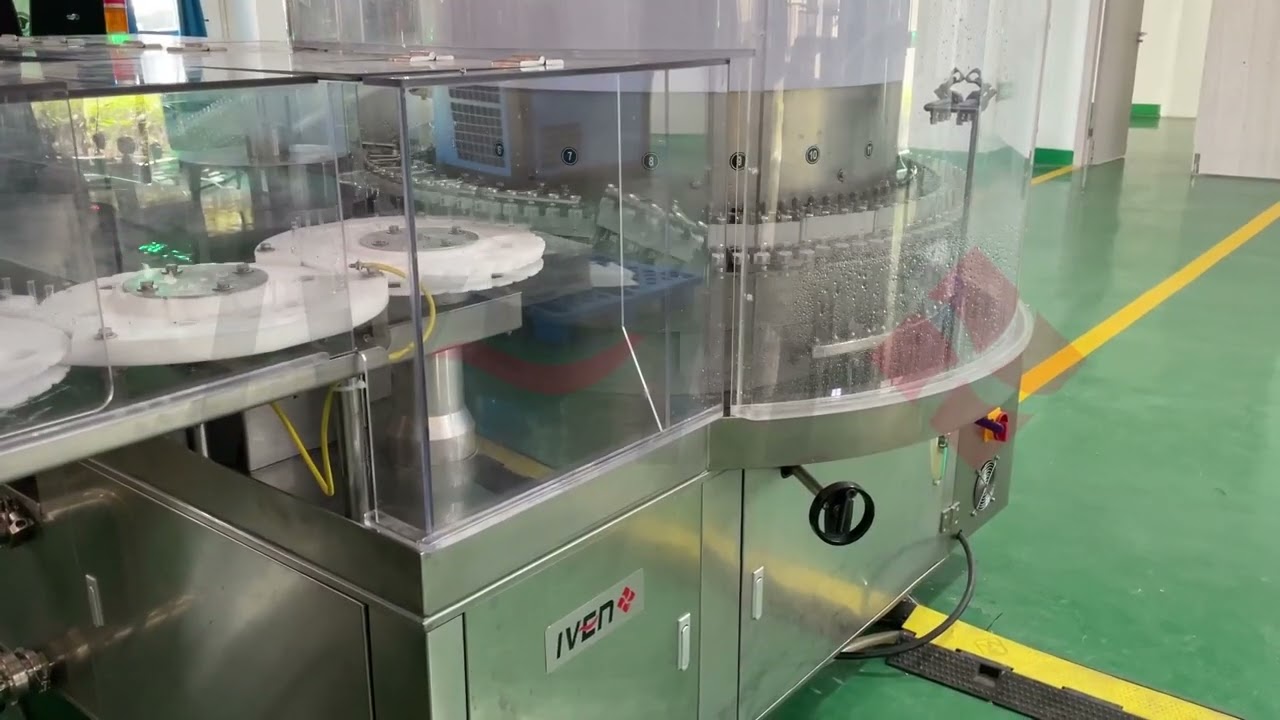
Ampoule Filling Troubleshooting Guide for the United States
In the United States, ampoule filling machine troubleshooting is not just a maintenance topic. It is a production reliability issue tied to sterility assurance, FDA expectations, batch yield, operator safety, and total equipment effectiveness. For pharmaceutical manufacturers, CDMOs, biotech firms, and medical device companies, the ability to diagnose and correct filling, sealing, washing, transport, and control-system faults quickly can determine whether a line meets output targets in markets such as New Jersey, Massachusetts, California, Texas, and North Carolina.
When companies expand or modernize injectable production, they usually evaluate troubleshooting readiness alongside line speed, cleanroom compatibility, validation documents, spare parts availability, and automation level. In practice, this means asking whether an ampoule line can be maintained easily, whether alarms are traceable, whether filling accuracy stays within specification, and whether technical support is available across U.S. time zones and regulated production schedules. For decision-makers reviewing new systems, retrofits, or turnkey projects, troubleshooting should be built into the equipment strategy from day one rather than treated as an afterthought.
Ampoule filling machine troubleshooting is the structured process of identifying, isolating, correcting, and preventing faults in ampoule washing, sterilizing, filling, sealing, conveying, and inspection systems. In modern pharmaceutical production, it is used to keep sterile liquid lines running safely and consistently while protecting product integrity and regulatory compliance. Common troubleshooting areas include underfill or overfill, broken ampoules, poor flame sealing, conveyor jams, unstable vacuum or pressure, contamination risks, sensor failures, and PLC or HMI alarms.
For U.S. plants operating under cGMP expectations, effective troubleshooting reduces rejected containers, unplanned downtime, deviation frequency, maintenance costs, and lost batches. It also supports faster line clearance, easier investigations, and stronger documentation for audits. In high-value injectable manufacturing, even a small recurring defect can become expensive when it affects yield, labor, and release timelines. That is why large pharmaceutical and medical device companies often assess not only the machine itself, but also the vendor’s troubleshooting logic, training depth, spare-parts ecosystem, and lifecycle service model.
Issue Category Typical Symptom Likely Root Cause Immediate Action Long-Term Fix Business Impact Filling accuracy Underfill or overfill Pump wear, calibration drift, viscosity variation Recalibrate and verify dosing path Set preventive calibration schedule Batch rejection risk Sealing quality Leaking or weak neck seal Improper flame position or gas pressure instability Adjust burner and gas flow Install routine seal integrity checks Sterility risk Container handling Broken ampoules Misaligned guides or excessive mechanical shock Stop line and inspect change parts Optimize transport path and training Glass loss and downtime Conveying Jams or tipping Speed mismatch, worn starwheels, incorrect format parts Reset line and align transfer points Track wear parts and recipe control Output reduction Control system Frequent alarms Sensor contamination, wiring issues, PLC logic fault Clean sensors and review alarm log Update diagnostics and maintenance SOPs Intermittent stoppages Cleanliness Particles or contamination concerns Improper washing, poor air balance, operator intervention Quarantine product and investigate Revalidate cleaning and environmental controls Compliance exposureThe table above shows why troubleshooting cannot be separated from production economics. A single issue may begin as a minor mechanical fault but quickly escalate into sterility concerns, lost capacity, and delayed product release.
In pharmaceutical operations, troubleshooting refers to a disciplined sequence: detect the deviation, contain the risk, diagnose the source, correct the fault, document the event, and prevent recurrence. On an ampoule line, this applies across the full process chain, from incoming glass containers to finished sealed ampoules ready for visual inspection, labeling, and packaging.
Typical use cases include startup qualification after line cleaning, shift-change verification, ramp-up after format changeover, and response to in-process quality deviations. For example, if fill volume trends drift during production, the team may review dosing pump cycles, nozzle immersion, product foaming behavior, temperature stability, and servo settings. If seal cracks are detected during leak testing, troubleshooting may extend to burner geometry, gas mixture quality, ampoule neck dimensions, and conveyor dwell timing.
In the United States, this process is especially important for sterile injectables manufactured in major pharma corridors such as Philadelphia, Boston, Raleigh-Durham, Indianapolis, and San Diego. These facilities often operate tight production windows, validated recipes, and strict deviation management systems. A troubleshooting protocol therefore needs to be repeatable, documented, and compatible with quality systems.
Operationally, troubleshooting is used in three layers. First is reactive support, where a failure has already happened and must be corrected quickly. Second is preventive troubleshooting, where abnormal patterns such as rising alarm counts or increasing reject rates are addressed before failure. Third is predictive troubleshooting, increasingly supported by sensors, SCADA data, and analytics that flag wear, drift, and unstable process behavior before they cause downtime.
For companies considering integrated lines, the value is even greater when troubleshooting information is designed into the HMI. Clear alarm history, guided fault trees, recipe management, user-level access, and maintenance prompts shorten repair time and support audit readiness.
Ampoule filling machine troubleshooting supports a wide range of sterile liquid applications, including small-volume injectables, analgesics, vitamins, anti-infectives, emergency medicines, and specialty hospital products. It is most valuable in facilities where uninterrupted supply and product consistency are essential.
The main benefit is production continuity. When troubleshooting methods are well developed, operators can distinguish between a simple setup issue and a true process failure. This shortens downtime and prevents unnecessary product loss. Another major benefit is quality protection. Root-cause analysis helps identify whether a defect is isolated to one station, one batch segment, one change part, or the broader environment.
There is also a financial benefit. In U.S. manufacturing regions with high labor and utility costs, every lost hour can be expensive. A line producing sterile ampoules may involve qualified cleanroom staff, support technicians, QA oversight, compressed gases, purified water, WFI infrastructure, and packaging coordination. Faster troubleshooting means better asset utilization and less disruption to the full plant schedule.
From a compliance perspective, troubleshooting contributes to stronger investigations and CAPA systems. It supports data integrity when alarm histories, setpoints, interventions, and corrective actions are recorded properly. For companies preparing for audits or customer qualification, this operational maturity is often a deciding factor.
Application Area Why Troubleshooting Matters Key Performance Metric Common Trigger Required Skill Level Expected Benefit Sterile injectables Protects fill accuracy and seal integrity Reject rate Volume drift High Better batch acceptance Hospital emergency products Reduces supply interruption Uptime Unexpected jams Medium to high Improved delivery reliability Contract manufacturing Supports multi-product scheduling Changeover time Format mismatch High Faster customer turnaround Pilot and scale-up lines Helps stabilize new processes First-pass yield Parameter uncertainty High Quicker commercialization High-value biologic support liquids Minimizes product waste Material loss Foaming or sensitivity High Lower cost per batch Legacy line modernization Brings old systems to current standards Alarm frequency Obsolete controls Medium Longer line lifeThis table shows that troubleshooting is useful across both large commercial plants and smaller specialty operations. The exact focus changes, but the underlying value remains the same: stable, compliant production.
var ctx1 = document.getElementById(‘lineChartMarket’).getContext(‘2d’);var chart1 = new Chart(ctx1, { type: ‘line’, data: { labels: [‘2022’, ‘2023’, ‘2024’, ‘2025’, ‘2026’, ‘2027’], datasets: [{ label: ‘U.S. demand for ampoule line modernization projects’, data: [42, 48, 55, 63, 72, 81], borderColor: ‘rgb(54, 162, 235)’, backgroundColor: ‘rgba(54, 162, 235, 0.15)’, fill: false, tension: 0.3 }] }, options: { responsive: true, maintainAspectRatio: false }});The line chart indicates a realistic upward trend in modernization demand as U.S. manufacturers invest in line reliability, data visibility, and compliance-driven upgrades.
Not all ampoule filling lines present the same troubleshooting profile. Machine architecture affects both fault frequency and ease of correction. Semi-automatic machines may be simpler to repair but depend heavily on operator consistency. Fully automatic high-speed lines offer higher throughput and better integration, yet they require stronger controls diagnostics and maintenance discipline.
Technical options that influence troubleshooting include volumetric piston filling, peristaltic dosing, time-pressure systems, servo-driven motion, closed RABS compatibility, nitrogen purging, in-line check weighing, camera inspection, and recipe-based changeover management. Plants in the United States often prefer machines with clear electronic records, multilingual HMI support, and components that are serviceable through domestic industrial supply networks.
Machine Type Typical Speed Best Use Main Troubleshooting Focus Automation Level Suitable Buyer Semi-automatic ampoule filler 20 to 60 ampoules/min R&D, pilot, low-volume production Operator variation and manual setup Low Startups and labs Compact automatic monoblock 60 to 120 ampoules/min Specialty injectables Transfer timing and fill stability Medium Growing manufacturers High-speed rotary line 150 to 400 ampoules/min Commercial production Synchronization and wear parts High Large pharma plants Integrated wash-fill-seal line 120 to 300 ampoules/min Sterile injectable lines Cross-machine communication High Turnkey projects RABS-compatible system 100 to 250 ampoules/min Higher contamination control Intervention management High Regulated sterile facilities Custom line with robotics Project dependent Advanced automation and logistics Software integration and validation Very high Enterprise-scale sitesChoosing among these options requires balancing throughput with maintainability. A faster machine is not always the better investment if troubleshooting time is high, format parts are difficult to source, or technical support is weak.
Buyers seeking broader engineering integration often evaluate suppliers that can connect filling lines with water systems, solution preparation, packaging, and plant logistics. This is where the technological capabilities of IVEN Pharmatech Engineering become relevant. The company is known for integrated pharmaceutical engineering with experience across filling and packaging equipment, pharmaceutical water treatment, intelligent conveying systems, and medical consumables equipment. For buyers who want equipment that fits a larger factory strategy rather than a stand-alone purchase, this system-level approach can simplify troubleshooting across upstream and downstream interfaces.
Ampoules remain important for certain injectable products, but they are not the only packaging format available. U.S. buyers often compare ampoules with vials, prefilled syringes, blow-fill-seal containers, and plastic bottle systems depending on product sensitivity, dosing format, hospital use, and commercial strategy. The right choice depends on both the package format and the operational challenges each technology creates.
Ampoules offer strong barrier properties and a long history in injectable packaging. However, they require careful handling of glass and flame sealing. Vials offer flexibility and compatibility with many lyophilized or liquid products but involve stopper and cap systems. Prefilled syringes improve end-user convenience but raise complexity in nested tub handling, plunger systems, and particulate control. Blow-fill-seal offers integrated forming, filling, and sealing, but it demands specialized validation and format suitability.
Technology Main Advantage Main Limitation Troubleshooting Complexity Typical U.S. Use Case Best Fit Ampoules Strong sterile barrier and classic injectable format Glass breakage and flame sealing demands Medium Hospital injectables Established liquid products Vials Flexible for liquid and lyophilized products More closure components Medium to high Biotech and injectable drugs Multi-product facilities Prefilled syringes High user convenience Complex component handling High Self-administration and specialty care Premium delivery formats Blow-fill-seal Integrated aseptic process Less flexible for some molecules High Respiratory and ophthalmic products High-volume sterile production Plastic bottles Robust logistics Not ideal for all injectables Low to medium Large-volume solutions Utility and infusion products Non-PVC soft bags Strong fit for IV solutions Different filling ecosystem Medium Infusion therapy products Large-scale IV manufacturingThe comparison table highlights an important point: troubleshooting must be assessed as part of the technology decision. The easiest format to commercialize is often the one with the most manageable risk profile for your workforce, product mix, and maintenance structure.
var ctx2 = document.getElementById(‘barChartDemand’).getContext(‘2d’);var chart2 = new Chart(ctx2, { type: ‘bar’, data: { labels: [‘Generic injectables’, ‘CDMOs’, ‘Biotech support liquids’, ‘Hospital supply’, ‘Export-focused plants’, ‘Pilot facilities’], datasets: [{ label: ‘Estimated U.S. demand intensity’, data: [88, 76, 54, 82, 61, 47], backgroundColor: ‘rgb(255, 99, 132)’ }] }, options: { responsive: true, maintainAspectRatio: false }});The bar chart reflects where demand for reliable troubleshooting capability is strongest. Generic injectable production and hospital supply chains usually place the highest value on uptime and fast fault recovery.
The U.S. pharmaceutical manufacturing market continues to prioritize domestic supply resilience, sterile capacity expansion, and modernization of legacy equipment. These trends are visible around manufacturing clusters near Newark and New Brunswick in New Jersey, the Port of Houston, the Chicago industrial corridor, Los Angeles and Long Beach logistics gateways, and life science centers near Boston and Research Triangle Park. As production networks become more complex, manufacturers want machines that are easier to troubleshoot remotely and easier to validate locally.
Several market trends are shaping ampoule line decisions. First is digital maintenance. Plants increasingly expect alarm analytics, remote diagnostics, spare-parts forecasting, and role-based electronic support. Second is integration. Rather than buying isolated machines, companies often seek coordinated solutions linking filling, inspection, packaging, utilities, and warehouse flow. Third is sustainability. Energy-efficient burners, reduced compressed gas waste, durable stainless construction, and lower reject rates are becoming part of procurement discussions. Fourth is policy alignment. By 2026, buyers are expected to place even greater weight on documented compliance support, cybersecurity of controls, and data-ready validation packages.
Another trend is lifecycle durability. U.S. operators do not want equipment that performs well only during SAT and early PQ. They want lines designed to stay stable for years under real production pressure. This favors suppliers with a track record in robust mechanical design, long-life stainless components, and support for upgrades rather than full replacement.
var ctx3 = document.getElementById(‘areaChartTrend’).getContext(‘2d’);var chart3 = new Chart(ctx3, { type: ‘line’, data: { labels: [‘2022’, ‘2023’, ‘2024’, ‘2025’, ‘2026’, ‘2027’], datasets: [{ label: ‘Shift toward digital and preventive troubleshooting’, data: [28, 35, 44, 56, 68, 79], fill: true, backgroundColor: ‘rgba(75, 192, 192, 0.25)’, borderColor: ‘rgb(75, 192, 192)’, tension: 0.3 }] }, options: { responsive: true, maintainAspectRatio: false }});The area chart illustrates how troubleshooting is evolving from reactive repair to preventive and predictive support. This shift is expected to accelerate through 2026 as digital service becomes more accepted across regulated operations.
Choosing a reliable supplier for ampoule filling machine troubleshooting capability involves more than comparing quotations. U.S. buyers should assess engineering depth, validation support, installed base, response speed, spare-parts planning, and ability to train operators and maintenance teams. If your site is in a major manufacturing hub such as New Jersey, St. Louis, Minneapolis, or San Francisco Bay Area, ask how the supplier will support both startup and long-term operations without production delays.
Start with technical transparency. A qualified supplier should explain common failure modes, critical wear parts, troubleshooting logic, and recommended preventive maintenance intervals. Next, review regulatory alignment. Documentation should support IQ, OQ, PQ, FAT, SAT, and change control. Then check component sourcing. Readily available motors, sensors, PLC hardware, and sanitary components reduce risk when repairs are needed quickly.
Manufacturing capabilities also matter. IVEN Pharmatech Engineering operates multiple specialized manufacturing plants focused on pharmaceutical machinery, water treatment systems, intelligent logistics, and blood collection tube production equipment. For U.S. buyers, this indicates not just product diversity, but the ability to coordinate fabrication, customization, and system integration under one broader industrial platform. Companies evaluating larger sterile projects can review the supplier’s turnkey pharmaceutical engineering solutions when they need more than a single stand-alone machine.
Evaluation Factor What to Ask Why It Matters Low-Risk Sign Warning Sign Buyer Priority Compliance knowledge Can the supplier support FDA-style documentation? Reduces qualification delays Structured validation package Generic documents only Critical Troubleshooting design Are alarm logs and fault trees clear? Speeds maintenance response HMI with actionable diagnostics Unclear or vague alarms High Spare parts Which parts are stocked and how fast can they ship? Limits downtime Recommended critical spare list No stock planning High Customization ability Can the line match your ampoule sizes and process? Improves fit and yield Project-specific engineering review One-size-fits-all offer Medium to high Installed base How many lines and projects have been delivered? Indicates real operating experience Large global reference base Few comparable projects High After-sales support Is training, commissioning, and remote help included? Improves startup success Lifecycle service model Support ends after shipment CriticalThis supplier-evaluation table helps separate low-price offers from low-risk investments. For regulated production, reliability usually creates more value than the cheapest initial bid.
Buyers who want to review broader equipment categories can also explore the supplier’s pharmaceutical equipment portfolio and compare how individual machines fit within a larger project roadmap.
The cost of ampoule filling machine troubleshooting readiness should be considered as part of total project cost, not as an extra line item added later. Capital expense includes the machine itself, utilities interface, installation, validation, training, spare parts, and change parts. Operational expense includes maintenance labor, downtime cost, rejected product, calibration, gas and utility consumption, and software or service agreements.
In the United States, budget planning is heavily influenced by cleanroom labor rates, facility overhead, utility pricing, and production urgency. A lower-cost machine may look attractive initially, but if it produces frequent sealing failures or lacks diagnostic clarity, the hidden cost can exceed the purchase savings within a short time. For this reason, ROI should model both throughput and fault recovery performance.
Cost Element Low-Scale Project Mid-Scale Project Large Commercial Project ROI Impact Planning Advice Machine purchase Moderate High Very high Core capital base Compare lifecycle, not price only Installation and commissioning Moderate Moderate to high High Affects startup speed Align with facility readiness Validation documentation Moderate High High Reduces approval delays Request document list early Training and SOPs Low to moderate Moderate Moderate Lowers operator error Budget for repeat sessions Critical spare parts Low Moderate Moderate to high Prevents long stoppages Stock wear items from day one Downtime reduction benefit Moderate High Very high Major ROI driver Model hours saved per yearThe table above shows that ROI improves when troubleshooting capability is treated as a direct productivity investment. In most sterile plants, a reduction in downtime and reject rate provides a measurable payback within a practical operating window.
var ctx4 = document.getElementById(‘comparisonChartSuppliers’).getContext(‘2d’);var chart4 = new Chart(ctx4, { type: ‘bar’, data: { labels: [‘Compliance support’, ‘Diagnostics clarity’, ‘Customization’, ‘Turnkey integration’, ‘Lifecycle service’, ‘Cost efficiency’], datasets: [{ label: ‘Relative importance score for supplier selection’, data: [95, 89, 78, 84, 92, 73], backgroundColor: ‘rgb(153, 102, 255)’ }] }, options: { responsive: true, maintainAspectRatio: false }});The comparison chart emphasizes what sophisticated buyers usually prioritize: compliance, service, and diagnostics often outweigh the lowest equipment price in real project value.
The biggest mistake in ampoule line procurement is assuming that all troubleshooting issues can be solved later through operator effort. In reality, many problems are baked into the design stage: poor access for maintenance, weak transport stability, limited recipe controls, inconsistent flame geometry, unclear alarms, or insufficient spare-parts planning. These become expensive once the line enters qualified operation.
Key technical risks include unstable filling of viscous or foaming products, frequent glass breakage, contamination exposure during interventions, and control-system obsolescence. Commercial risks include late delivery, inadequate FAT coverage, weak documentation, and lack of support during site acceptance and PQ. Organizational risks include undertrained operators, unclear maintenance ownership, and failure to capture recurring deviations in trend reviews.
Service capabilities are therefore critical. IVEN is positioned in the market as a lifecycle partner rather than only a machine seller, offering feasibility support, engineering design, equipment customization, installation, commissioning, validation assistance, documentation, staff training, after-sales service, and production optimization. For U.S. projects, this matters because strong service can reduce layout mistakes, startup delays, and cost overruns that frequently hurt complex sterile manufacturing investments. Companies planning discussions can use the contact channel for project consultation to review scope, timelines, and support expectations before procurement decisions are finalized.
Another practical consideration is the supplier’s history with multi-line and turnkey execution. A provider with broad project experience can help align ampoule filling with purified water, WFI, solution preparation, logistics, packaging, and warehouse planning. This is especially useful when the production site is near major U.S. distribution routes such as Savannah, Memphis, Dallas-Fort Worth, or the Port of New York and New Jersey, where logistics speed and production scheduling are closely linked.
Finally, sustainability and future policy trends should not be ignored. Through 2026, buyers are likely to face greater pressure around energy efficiency, digital traceability, emissions awareness, and resilient domestic supply planning. Equipment that supports durable operation, efficient utility use, lower rejection, and upgradeable controls will usually be better positioned than machines designed only for short-term cost savings.
What are the most common ampoule filling machine problems?The most common issues are inaccurate fill volume, poor seal quality, broken ampoules, conveyor jams, sensor faults, unstable burner performance, and contamination-related deviations. Each problem should be linked to a documented root-cause process.
How often should an ampoule filling line be calibrated and inspected?That depends on production intensity, product type, and quality risk, but critical filling components, sensors, and sealing parameters should be checked through a planned preventive maintenance and calibration schedule aligned with site quality procedures.
Is troubleshooting mainly a maintenance responsibility?No. It requires collaboration among production, maintenance, engineering, and quality. Operators often identify symptoms first, maintenance confirms equipment condition, engineering reviews systemic causes, and quality ensures proper documentation and impact assessment.
Can older ampoule lines be upgraded instead of replaced?Yes, many can. Common upgrades include new controls, HMI improvements, better sensors, servo motion, enhanced guarding, and improved diagnostics. However, if the base mechanical design is unstable or spare parts are obsolete, replacement may offer better long-term value.
What documentation should a U.S. buyer request from a supplier?At minimum, request URS alignment, FAT/SAT protocols, IQ/OQ support documents, calibration lists, component manuals, wiring diagrams, spare-parts lists, maintenance instructions, alarm descriptions, and change-part details.
How does troubleshooting affect ROI?It affects ROI directly by reducing downtime, scrap, labor inefficiency, deviation handling, and delayed release. In many facilities, the value of better troubleshooting becomes visible within the first year of routine production.
What features make troubleshooting easier?Useful features include clear alarm messages, trendable process data, recipe control, easy access for maintenance, modular change parts, reliable sensors, preventive maintenance prompts, and remote diagnostic capability.
Why do large pharmaceutical companies review troubleshooting before buying equipment?Because high output means high exposure to downtime. If a line is difficult to diagnose or repair, a minor defect can disrupt multiple batches, create compliance risk, and hurt supply commitments across the United States market.
What type of supplier is best for large expansion projects?For large projects, buyers often prefer suppliers with strong technological capabilities, in-house manufacturing depth, compliance understanding, and lifecycle service. This is especially important when the ampoule line must connect with utilities, packaging, and plant-wide logistics.
Where should a buyer start?Start with process requirements, product characteristics, target output, regulatory expectations, and internal maintenance capability. Then compare suppliers based on troubleshooting design, support responsiveness, documentation strength, and total lifecycle value rather than initial equipment price alone.
For U.S. manufacturers evaluating new sterile production capacity or upgrading existing lines, ampoule filling machine troubleshooting should be treated as a strategic capability that protects quality, continuity, and compliance. The strongest projects are usually those that combine sound machine selection, well-designed diagnostics, durable manufacturing, and reliable service support over the full life of the equipment.
-
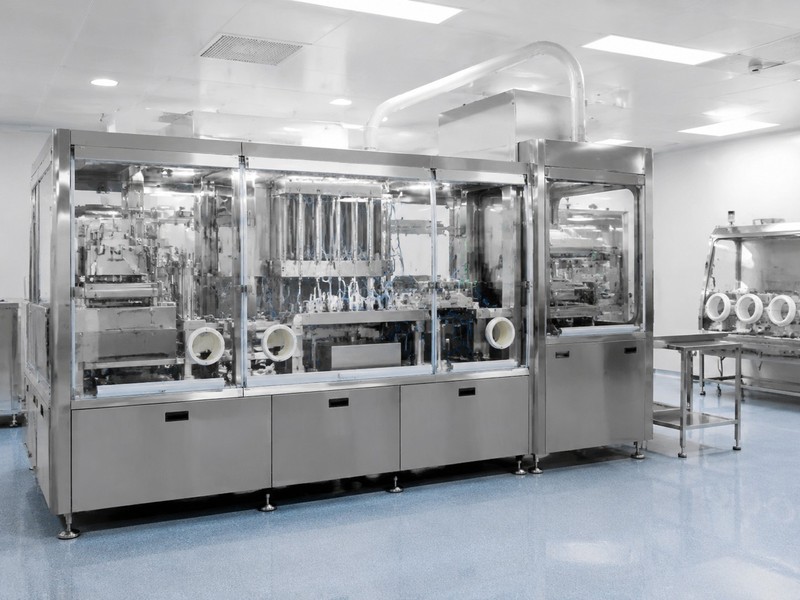
Blow Fill Seal GMP Compliance Guide for the United States
For sterile pharmaceutical manufacturers in the United States, blow fill seal GMP compliance is widely preferred because it integrates container forming, filling, and sealing into one enclosed aseptic sequence. That design lowers operator intervention, reduces contamination risk, supports consistent product quality, and aligns well with modern FDA cGMP expectations for sterile production. Companies producing ophthalmics, inhalation solutions, saline, respiratory unit doses, and certain biologics often evaluate BFS as a practical path to stronger contamination control and higher line efficiency.
In the U.S. market, demand for high-assurance sterile processing continues to rise across New Jersey, Massachusetts, North Carolina, Indiana, Pennsylvania, Texas, and California, where pharmaceutical hubs connect to major logistics corridors such as the Port of New York and New Jersey, the Port of Savannah, the Port of Long Beach, and Chicago’s inland freight network. In this environment, choosing the right BFS platform is not only about equipment output. It also involves validation, data integrity, clean utility integration, preventive maintenance, operator training, container integrity, and long-term support.
This guide explains how blow fill seal GMP compliance works, why U.S. sterile drug manufacturers adopt it, which machine models fit different products, how BFS compares with traditional vial and ampoule lines, what budget and ROI planning should look like, and how to identify a reliable supplier. Where relevant, the article also highlights the capabilities of IVEN Pharmatech Engineering, an international engineering company serving regulated pharmaceutical and medical device projects with integrated solutions for sterile manufacturing.
Blow fill seal GMP compliance is favored by many sterile manufacturers because it helps control the biggest risk in sterile production: exposure of product and container to the surrounding environment. In a BFS process, a polymer container is formed, filled with sterile product, and sealed within a compact, continuous, automated chamber. Compared with conventional filling lines that require separate container preparation, transport, filling, stoppering, and sealing operations, BFS minimizes open handling and manual contact.
For U.S. facilities preparing for FDA inspections, media fills, aseptic process simulations, and routine environmental monitoring, this matters. A well-designed BFS system can support lower intervention frequency, more repeatable output, and simplified contamination control strategy execution. It is especially useful for unit-dose products and high-volume sterile liquids where packaging integrity, speed, and reproducibility are critical.
Key Reasons U.S. Manufacturers Prefer BFS for GMP Compliance Reason Operational Effect GMP Benefit Integrated forming, filling, sealing One continuous operation Reduces transfer-related contamination points Lower operator intervention Less manual handling near product path Supports aseptic control and deviation reduction Closed critical zone design Controlled process environment Improves contamination control strategy High output capability Large batch throughput Improves consistency across commercial runs Single-dose packaging suitability Efficient small-volume presentation Helps product differentiation and patient convenience Container integrity advantages Strong, immediate sealing after fill Supports sterility assurance and transport stabilityThe table above shows why BFS is often considered a contamination-control-focused technology rather than only a packaging method. Its value becomes clearer when quality leaders compare deviation exposure, facility complexity, and operator dependence against traditional sterile lines.
Blow fill seal technology uses thermoplastic resin, commonly polyethylene or polypropylene, to create a container directly on the machine. Sterile air forms the container, the product is filled immediately through dedicated nozzles, and the package is sealed while still inside the machine’s controlled zone. The exact configuration varies by machine design, product type, container size, and output target, but the overall sequence remains consistent.
From a GMP perspective, compliance does not come from the machine alone. It depends on validated sterile filtration or terminal sterilization strategy where applicable, qualified utilities, robust environmental monitoring, line clearance, cleaning validation, in-process control, and documented control of critical process parameters. In U.S. operations, manufacturers must also demonstrate that the BFS process is scientifically understood and maintained in a state of control under FDA cGMP requirements.
The typical process flow includes resin feeding, extrusion of a molten parison, mold closing, container blowing, sterile filling, headspace control where required, sealing, coding, inspection, and downstream packaging. Each stage must be linked to alarm handling, batch records, audit trails, and preventive maintenance.
Typical BFS Process Stages and GMP Control Points Stage What Happens Main GMP Focus Resin preparation Pharma-grade polymer is loaded and controlled Material traceability and storage conditions Parison extrusion Molten tube of polymer is formed Temperature control and process consistency Container blowing Mold shapes the container with sterile air Air quality, mold integrity, reproducibility Sterile filling Product enters the newly formed container Aseptic assurance, dosing accuracy, filtration control Sealing Container is hermetically closed Seal integrity and closure validation Inspection and release Visual and automated quality checks occur Defect detection, documentation, lot traceabilityThe explanation above shows why BFS is often associated with stronger sterility assurance than multi-step open handling methods. It also explains why engineering quality matters. Suppliers must deliver more than machinery; they must provide reliable automation, qualification documentation, and stable control architecture.
On the technology side, IVEN Pharmatech Engineering brings relevant capabilities through its focus on pharmaceutical filling and packaging systems, water treatment systems, and integrated plant engineering. For U.S. manufacturers that need broader sterile factory planning, this matters because BFS does not operate in isolation. It must connect with purified water systems, WFI generation, clean utilities, material flow, and packaging operations. Companies exploring complete projects can review turnkey pharmaceutical engineering solutions when evaluating how equipment and facility design should align from the start.
Sterile drug manufacturers choose blow fill seal GMP compliance technology for several business and quality reasons. First, it directly addresses contamination risk, which remains the highest concern in aseptic production. Second, it supports high-volume packaging of liquid products with fewer manual steps. Third, it may reduce total footprint compared with separate washing, depyrogenation, filling, and sealing systems used for vials or ampoules. Fourth, it can improve supply resilience by shortening process flow and simplifying consumable needs.
In the United States, BFS adoption is especially relevant for manufacturers producing saline inhalation solutions, ophthalmic drops, nasal solutions, oral unit-dose liquids, and contract-manufactured sterile liquids. CDMOs in the Northeast and Midwest increasingly view BFS as a way to offer differentiated sterile services to brand owners seeking both speed and compliance confidence.
Manufacturers also value the flexibility to produce single-dose and multi-dose formats, depending on machine design. For hospitals and retail channels, BFS packs can support convenience and tamper evidence. For public health systems and emergency stockpiles, high-output BFS lines can support volume readiness when demand surges.
var ctx1 = document.getElementById(‘lineChartBfsGrowth’).getContext(‘2d’);var chart1 = new Chart(ctx1, { type: ‘line’, data: { labels: [‘2021’, ‘2022’, ‘2023’, ‘2024’, ‘2025’, ‘2026’], datasets: [{ label: ‘Estimated U.S. BFS Market Index’, data: [100, 109, 121, 136, 149, 165], borderColor: ‘rgb(75, 192, 192)’, backgroundColor: ‘rgba(75, 192, 192, 0.15)’, fill: false, tension: 0.3 }] }, options: { responsive: true, maintainAspectRatio: false }});The line chart illustrates a realistic upward market trend for BFS adoption in the United States through 2026. Growth is driven by stricter sterile expectations, labor constraints, demand for unit-dose delivery, and investment in modernized domestic manufacturing.
Another reason buyers choose BFS is the possibility of integrating automation and digital controls. Recipe management, electronic batch reporting, SCADA visualization, and alarm traceability all support better process discipline. That is one reason engineering-oriented suppliers remain attractive in regulated markets. IVEN, for example, has built a strong position around integrated pharmaceutical equipment design and compliance-oriented project execution, which can be helpful when BFS must fit into a broader sterile plant roadmap rather than a stand-alone purchase.
BFS machines are not one-size-fits-all. In practice, selection depends on container volume, target output, polymer type, dosing accuracy, and regulatory pathway. Small-volume systems are common for ophthalmics and respiratory therapy. Mid-volume designs may fit oral liquids or specialty sterile solutions. Larger-volume systems can serve infusion products, irrigation fluids, or other high-demand hospital-use solutions when product compatibility and regulatory strategy allow.
U.S. buyers should also assess whether they need mono-layer or multi-layer container structures, integrated leak testing, advanced vision inspection, and compatibility with secondary packaging. A manufacturer serving retail pharmacies in Florida may need different presentation and label requirements than a hospital-focused producer shipping to California and Illinois distribution centers.
Common BFS Machine Models and Application Areas Machine Type Typical Fill Range Common Products Best-Fit Users Small-volume unit-dose BFS 0.2 mL to 10 mL Eye drops, inhalation solutions Ophthalmic and respiratory product makers Small-to-mid sterile liquid BFS 5 mL to 30 mL Nasal sprays, specialty sterile liquids CDMOs and niche sterile brands Oral liquid BFS 5 mL to 50 mL Unit-dose oral solutions Consumer health and pediatric products Mid-volume BFS 30 mL to 250 mL Irrigation and specialty solutions Hospital supply manufacturers Large-volume BFS 100 mL to 1000 mL+ Selected infusion and dialysis solutions High-volume sterile liquid producers Custom BFS platform Project-specific Combination packs or special formats Innovative product developersThis table helps buyers match product strategy to equipment class. The right machine is the one that fits product viscosity, sterility requirements, target pack size, throughput goals, and local regulatory expectations.
Manufacturing capability is another deciding factor. Buyers in the United States typically favor suppliers with proven production depth, not just sales presence. IVEN’s manufacturing base includes multiple specialized plants focused on pharmaceutical filling and packaging machinery, water treatment systems, intelligent conveying and logistics systems, and vacuum blood collection tube equipment. That type of specialization can matter when a project requires coordinated upstream and downstream interfaces rather than a stand-alone machine. U.S. firms comparing equipment can explore available categories through the company’s pharmaceutical equipment portfolio.
var ctx2 = document.getElementById(‘barChartIndustryDemand’).getContext(‘2d’);var chart2 = new Chart(ctx2, { type: ‘bar’, data: { labels: [‘Ophthalmics’, ‘Respiratory Unit Dose’, ‘Oral Liquids’, ‘Hospital Solutions’, ‘CDMO Sterile Fill’, ‘Medical Consumables’], datasets: [{ label: ‘Estimated Relative U.S. Demand for BFS Equipment’, data: [88, 92, 63, 71, 79, 54], backgroundColor: ‘rgb(255, 99, 132)’ }] }, options: { responsive: true, maintainAspectRatio: false }});The bar chart shows where U.S. BFS demand is strongest today. Respiratory unit doses and ophthalmics remain leading segments because they combine high sterility expectations with a natural fit for unit-dose packaging.
BFS is not automatically better than vial or ampoule filling for every product. Traditional lines remain highly relevant for biologics, lyophilized products, and glass-packaged medicines that require well-established container-closure systems. However, for many sterile liquids, BFS offers major advantages in contamination control, line integration, and operating simplicity.
The real comparison should evaluate product compatibility, inspection strategy, closure integrity, scale, cost of ownership, and facility design. A manufacturer in Boston producing sensitive biologics may stay with vial lines, while a sterile respiratory solution producer in New Jersey may find BFS clearly superior.
BFS Compared with Traditional Vial and Ampoule Filling Lines Factor BFS Vial Line Ampoule Line Container creation Made on the machine Preformed glass or plastic vial Preformed glass ampoule Process integration Form, fill, seal in one cycle Multiple separate operations Multiple separate operations Operator intervention Lower Moderate to high Moderate Contamination exposure risk Generally lower Higher due to more handling steps Higher due to more handling steps Best product fit Unit-dose and sterile liquids Biologics, injectables, broad range Certain sterile liquids Line footprint Often compact Larger due to ancillary systems Moderate to large Packaging material Polymer Mostly glass, some polymer Glass Speed for unit-dose products Very strong Variable ModerateThe comparison shows that BFS is most compelling when the product and market are aligned with polymer packaging, high speed, and strong aseptic control through integration. Traditional vial lines remain valuable where product sensitivity, format familiarity, or cold-chain strategy dominate decision-making.
var ctx3 = document.getElementById(‘areaChartTrendShift’).getContext(‘2d’);var chart3 = new Chart(ctx3, { type: ‘line’, data: { labels: [‘2021’, ‘2022’, ‘2023’, ‘2024’, ‘2025’, ‘2026’], datasets: [{ label: ‘Share of New Sterile Liquid Projects Considering BFS’, data: [28, 32, 37, 43, 48, 55], borderColor: ‘rgb(54, 162, 235)’, backgroundColor: ‘rgba(54, 162, 235, 0.25)’, fill: true, tension: 0.35 }] }, options: { responsive: true, maintainAspectRatio: false }});The area chart reflects a growing shift in project preference toward BFS for suitable sterile liquid applications. This does not eliminate traditional lines, but it shows how procurement strategies are changing as manufacturers place more weight on contamination control and operational efficiency.
The rise of BFS in sterile pharmaceutical production is not a short-term trend. It is part of a broader shift toward integrated aseptic systems, labor-efficient manufacturing, and resilient domestic supply chains. In the United States, this trend is reinforced by continued interest in reshoring and modernizing essential medicine production. Facilities in New Jersey, North Carolina’s Research Triangle, Indianapolis, and the greater Philadelphia region are under pressure to make production more robust while meeting strict quality expectations.
Several market forces support BFS adoption. One is the need for high-volume unit-dose products in respiratory care and ophthalmics. Another is the increased use of automation to reduce human intervention. A third is sustainability pressure, which is prompting buyers to evaluate energy use, resin efficiency, reject rate, and packaging weight. By 2026, more BFS projects are expected to include predictive maintenance, enhanced machine vision, digital batch genealogy, and stronger data connectivity with MES and ERP systems.
Regulatory thinking is also evolving. The FDA’s focus on contamination control, process understanding, and data integrity means that suppliers must provide clear documentation, traceability, and validation support. Modern BFS projects increasingly involve risk-based design reviews, FAT/SAT protocols aligned with U.S. expectations, and commissioning packages that simplify IQ/OQ/PQ readiness.
From a strategic perspective, this is where service capability matters. IVEN supports projects with consulting, engineering design, equipment customization, installation, commissioning, validation support, documentation, training, and lifecycle service. For U.S. manufacturers launching a new plant or expanding an existing sterile operation, such service depth can reduce delays caused by layout errors, utility mismatches, and incomplete qualification planning. Companies needing a project discussion can use the contact page for engineering consultation.
Market Drivers Behind BFS Adoption in U.S. Sterile Production Driver Why It Matters 2026 Outlook Contamination control focus Stronger aseptic assurance is a top priority Will remain the primary driver Labor efficiency Automation reduces intervention dependence Importance will increase Domestic supply resilience U.S. capacity expansion supports local production Steady investment expected Unit-dose demand Fits consumer and hospital convenience needs Strong growth in respiratory and ophthalmic segments Digital manufacturing Better records, alarms, and analytics More integration with MES systems Sustainability pressure Energy, waste, and material efficiency are under review Eco-focused designs will gain favorThis table explains why the technology is gaining ground not only because it is aseptic, but because it fits the broader operating model of modern sterile plants.
Choosing a BFS supplier for the U.S. market should be treated as a regulated capital project decision, not a simple equipment purchase. The right supplier must demonstrate machine reliability, validation readiness, documentation quality, spare parts planning, controls support, and understanding of FDA-facing expectations. Buyers should ask how many BFS lines have been delivered, which product categories were supported, what container sizes are proven, and how the supplier handles FAT, SAT, and qualification packages.
Local support also matters. Even when equipment is manufactured overseas, U.S. operators need rapid troubleshooting, remote diagnostics, spare parts planning, and English-language technical documentation. Buyers should also evaluate whether the supplier can support utility integration, room classification strategy, and downstream packaging interfaces.
Supplier Evaluation Checklist for BFS Projects Evaluation Point What to Verify Why It Matters Regulatory understanding Experience with FDA cGMP and sterile projects Reduces compliance gaps during validation Documentation package DQ, FAT, SAT, IQ, OQ support documents Speeds qualification and audit readiness Engineering capability Utility, layout, automation integration expertise Prevents costly interface problems Manufacturing depth In-house production and quality control Improves consistency and accountability After-sales support Spare parts, training, remote service, field service Minimizes downtime Reference projects Relevant sterile installations and case examples Shows application fit and execution track record Total project approach Ability to support turnkey or integrated scope Useful for new facilities and expansionsThe checklist above helps procurement, engineering, QA, and operations teams align on what “reliable” really means. The lowest quoted price is rarely the lowest total risk. For many U.S. buyers, the better question is whether the supplier can keep the project on schedule, support validation, and stand behind the line after startup.
For companies that need a broader project partner rather than a stand-alone vendor, learn more about IVEN’s engineering background and how it supports regulated pharmaceutical builds. This is especially relevant when BFS must be integrated with water systems, solution preparation, logistics, inspection, and secondary packaging.
var ctx4 = document.getElementById(‘comparisonChartSupplier’).getContext(‘2d’);var chart4 = new Chart(ctx4, { type: ‘bar’, data: { labels: [‘Compliance Support’, ‘Automation’, ‘Customization’, ‘Lifecycle Service’, ‘Turnkey Ability’, ‘Cost Efficiency’], datasets: [{ label: ‘Typical Weighting in U.S. BFS Supplier Selection’, data: [95, 82, 78, 88, 74, 69], backgroundColor: ‘rgb(153, 102, 255)’ }] }, options: { responsive: true, maintainAspectRatio: false }});The comparison chart reflects what U.S. buyers commonly prioritize during supplier selection. Compliance support and lifecycle service usually outrank simple equipment cost because sterile project failures are far more expensive than initial savings.
A BFS project budget should include much more than the machine price. In the United States, total installed cost commonly includes facility modifications, HVAC impact, clean utilities, product preparation systems, molds, automation interfaces, vision inspection, validation activities, spare parts, and operator training. If a company underestimates these elements, the project can run over budget even when the base equipment quotation appears attractive.
ROI depends on batch volumes, labor savings, reject reduction, contamination risk reduction, and market strategy. A high-volume respiratory solution plant near Newark or Philadelphia may justify BFS quickly because throughput and unit-dose demand are strong. A specialty niche manufacturer in San Diego may focus more on contamination control and differentiation than on raw output.
Typical BFS Investment Cost Categories and ROI Considerations Cost or Return Item What It Includes Budget Impact Core BFS equipment Machine, molds, controls, HMI Largest direct capital item Facility and utility adaptation HVAC, compressed gases, electrical, WFI links Can be significant in retrofit sites Validation and commissioning FAT, SAT, IQ, OQ, PQ, media fills Essential for startup readiness Training and SOP development Operator, maintenance, QA training Reduces startup errors and deviations Maintenance and spare parts Critical components, wear parts, service contracts Supports uptime and long-term cost control Labor savings Fewer manual interventions and operators Important ROI driver Yield and reject improvement Lower defect exposure and better consistency Improves operating margin Market access and volume growth Higher output and unit-dose product expansion Can create strategic revenue upsideThe table shows why total cost of ownership is a better decision metric than machine price alone. Some buyers achieve strong ROI through labor reduction and speed, while others justify BFS through reduced quality risk and enhanced product positioning.
Budget planning should also account for project phasing. Greenfield sites may benefit from integrated engineering from day one, while brownfield sites need detailed fit-gap analysis. Lead times for molds, polymer validation, packaging artwork, and shipping to U.S. ports such as Long Beach, Houston, or Savannah should be built into the financial plan.
Even though BFS is attractive, the investment comes with risks that must be managed carefully. Product compatibility with polymer packaging is one of the first questions. Extractables and leachables, barrier properties, light sensitivity, and formulation stability all need scientific evaluation. A product that performs well in glass may require reformulation or a different container strategy in BFS packaging.
Validation complexity is another concern. BFS may reduce contamination exposure, but it still requires rigorous process qualification, media fills, container integrity verification, and ongoing monitoring. Inexperienced teams can underestimate the importance of mold qualification, filling nozzle setup, resin control, and intervention simulation.
Supply chain planning is equally important. The United States market expects reliable spare parts, timely technical support, and responsive service. If the supplier cannot provide these, downtime risk rises. Buyers should ask about spare parts stocking, remote diagnostics, U.S.-time-zone support, and escalation procedures.
Cybersecurity and data integrity now deserve more attention as well. Modern BFS lines often connect to plant networks, historians, and MES platforms. Access control, audit trails, backup strategy, and change management should be part of procurement specifications. By 2026, these digital governance topics will likely carry even more weight during supplier audits.
Sustainability is becoming a board-level topic. Future buyers will increasingly compare resin consumption, energy efficiency, compressed air demand, reject recycling approach, and overall packaging footprint. Policy and customer expectations in the United States are moving toward more visible environmental accountability, especially for large healthcare suppliers and national retail chains.
To reduce risk, it is wise to involve QA, validation, operations, engineering, procurement, and regulatory teams early. A successful BFS project usually begins with a clear URS, realistic throughput targets, product stability data, and a supplier capable of supporting the whole lifecycle, not only installation.
What does blow fill seal GMP compliance mean in practical terms?It means the BFS process, equipment, documentation, and operating controls are designed and maintained to meet applicable GMP expectations for sterile manufacturing, including validation, traceability, contamination control, and quality oversight.
Is BFS accepted in the United States pharmaceutical market?Yes. BFS is well recognized for suitable sterile liquid products when the process is properly validated and operated in accordance with FDA cGMP requirements and sound aseptic processing principles.
Which products are best suited for BFS?Common applications include eye drops, inhalation solutions, nasal preparations, saline products, selected oral unit-dose liquids, and certain high-volume sterile solutions where polymer packaging is appropriate.
Can BFS replace all vial filling lines?No. Vial lines remain essential for many injectables, biologics, lyophilized products, and products that require glass packaging or established vial-based presentation formats.
What should a U.S. buyer ask a BFS supplier first?Ask about compliance documentation, previous sterile project references, support for FAT/SAT and IQ/OQ/PQ, spare parts strategy, training, automation capabilities, and how the machine integrates with your facility and utilities.
How long does a BFS project usually take?Timing depends on machine complexity, customization, facility readiness, validation scope, and logistics. Many projects require several months from design approval through commissioning and qualification.
What are the biggest hidden costs?Commonly overlooked items include facility modifications, utility upgrades, molds, qualification work, training, spare parts, packaging development, and downtime during retrofit installation.
Why consider an integrated engineering partner?Because BFS success depends on more than equipment. Integrated engineering can reduce layout errors, utility mismatches, validation delays, and schedule risk across the full sterile manufacturing project.
For U.S. pharmaceutical manufacturers evaluating blow fill seal GMP compliance, the most successful projects usually combine three elements: a product well suited to BFS packaging, a supplier with strong engineering and documentation capability, and an implementation plan built around validation and lifecycle support. Companies seeking a broader partner for sterile facilities, equipment integration, and turnkey execution can review integrated pharmaceutical project capabilities to support next-step planning.