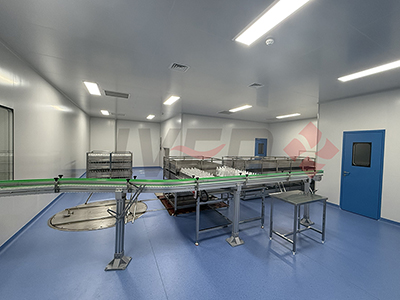
High-Speed IV Bag Filling Lines for the United States
For pharmaceutical manufacturers in the United States, a high-speed IV bag filling line is more than a packaging asset. It is a strategic production platform for sterile infusion products, specialty parenterals, and advanced dual- or multi-chamber IV bags that keep sensitive ingredients separated until administration. This supports better product stability, easier logistics, reduced compounding risk, and stronger patient safety across hospital, clinic, and home-care settings.
Demand in the U.S. continues to grow as hospitals seek ready-to-use and ready-to-mix formats, while drug manufacturers look for higher throughput, lower contamination risk, and compliance with U.S. FDA cGMP expectations. From New Jersey and Boston to Houston, Chicago, Indianapolis, and Puerto Rico, producers are evaluating how to expand sterile manufacturing capacity with equipment that can handle non-PVC soft bags, specialty films, automation, visual inspection, and data integration.
When selecting a line, buyers should assess output speed, chamber configuration, bag material compatibility, aseptic design, process validation support, spare parts coverage, and long-term service. Global engineering suppliers with proven turnkey experience can help reduce layout mistakes, commissioning delays, and compliance gaps. Companies seeking a broader view of integrated sterile plant planning often start by reviewing a supplier’s engineering background on its company overview before comparing equipment and service depth.
Quick Answer: Why a high-speed IV bag filling line matters

A high-speed IV bag filling line allows pharmaceutical companies to manufacture advanced IV solutions that keep active ingredients separate until use, improving product stability and patient safety. In practical terms, it combines film handling, bag forming, filling, sealing, leak detection, visual control, and downstream packaging into one controlled process. For U.S. manufacturers, the biggest benefits are sterile integrity, higher output per shift, less manual intervention, and the ability to produce more differentiated infusion products.
This matters especially for products containing unstable vitamins, amino acids, electrolytes, lipids, or drug combinations that should not be mixed until the point of care. By separating components inside multiple chambers, manufacturers can extend shelf life and reduce chemical interaction during storage and transport. Hospitals benefit because pharmacy staff spend less time compounding, and clinicians receive a product that is easier to activate and administer.
From a business perspective, these lines also improve plant economics. They help reduce labor dependency, increase consistency between batches, and support data-driven quality management. In the United States, where labor costs, validation requirements, and supply continuity expectations are high, efficient filling lines can become a major competitive advantage.
| Core Benefit | Operational Effect | Business Value |
|---|---|---|
| High output speed | More bags produced per hour | Better asset utilization |
| Multi-chamber capability | Separated ingredients until activation | Supports premium product formats |
| Aseptic automation | Less manual contact | Lower contamination risk |
| Precise filling control | Accurate volume dosing | Better batch consistency |
| Integrated inspection | Early defect detection | Reduced waste and recalls |
| Validation-friendly design | Easier IQ/OQ/PQ execution | Faster commercialization |
The table above shows why this equipment category is increasingly linked to both product quality and corporate growth. Manufacturers are not just buying speed; they are buying control, flexibility, and resilience.
What is a high-speed IV bag filling line and what are its main advantages?

A high-speed IV bag filling line is an automated system used to form, fill, seal, inspect, and prepare IV bags for secondary packaging. Depending on the design, it may produce single-chamber or multi-chamber bags using non-PVC or other medical-grade films. A complete system typically includes film feeding, bag forming, port insertion, sterile filling, thermal sealing, trimming, leak testing, checkweighing, visual inspection, overwrapping, cartoning, and data recording.
The main technical advantage is process integration. Instead of treating each step as a separate risk point, a modern line aligns them in a closed and validated sequence. This improves throughput and reduces the chance of operator error. In U.S. facilities supplying hospitals in major demand centers such as New York, Philadelphia, Los Angeles, Atlanta, and Dallas, that kind of consistency is critical for maintaining supply agreements and regulatory confidence.
Another advantage is formulation flexibility. Manufacturers can use the same production platform for standard saline, dextrose, irrigation solutions, parenteral nutrition components, dialysis-related fluids, or customized hospital products, provided the line is designed for the required bag type and sterility assurance level.
On the technology side, advanced suppliers increasingly provide servo control, recipe management, MES or SCADA compatibility, electronic batch records, online rejection, machine vision, and remote diagnostics. Shanghai IVEN Pharmatech Engineering has built its market reputation around this kind of technological capability, with long experience in sterile solution production, water systems, logistics integration, and compliance-oriented equipment design. Companies exploring broader factory planning can also review turnkey engineering solutions when assessing how a filling line fits into a complete infusion plant.
| System Module | Main Function | Why It Matters in the U.S. |
|---|---|---|
| Film unwinding and forming | Creates bag body accurately | Supports stable bag dimensions and seal quality |
| Port insertion | Installs infusion ports securely | Critical for downstream usability and leak prevention |
| Sterile filling station | Dispenses solution under controlled conditions | Direct impact on sterility and dose accuracy |
| Heat sealing | Seals chambers and bag edges | Essential for shelf life and transport resistance |
| Inspection and testing | Detects leaks, weight errors, cosmetic defects | Reduces rejects and complaint risk |
| Data and controls | Stores recipes and process records | Supports audit readiness and traceability |
The modules above show that a filling line is really a full sterile manufacturing system rather than a single machine. This is why line selection should involve production, engineering, quality, validation, and procurement teams together.
Clinical benefits and hospital applications of high-speed IV bag filling line production

Clinical demand is a major force behind investment in advanced IV bag production. Hospitals, outpatient infusion centers, oncology facilities, emergency departments, and home infusion providers increasingly prefer solutions that are easier to store, safer to activate, and faster to administer. Multi-chamber systems are especially useful when an ingredient degrades quickly after mixing or when pharmacists want to reduce bedside manipulation.
In hospital pharmacy operations across the United States, staffing shortages and sterility concerns continue to affect compounding workflows. Ready-to-use and ready-to-mix IV bags can lower the burden on cleanroom preparation, reduce touchpoints, and shorten time to treatment. This can be particularly valuable in high-volume healthcare corridors such as the Northeast, the Texas Medical Center in Houston, and large integrated health systems in California and the Midwest.
Typical applications include parenteral nutrition components, electrolyte combinations, bicarbonate-containing products, antibiotic diluents, emergency hydration, specialty dialysis-related solutions, and products requiring activation immediately before infusion. Single-chamber bags remain common for standard fluids, but higher-value therapies increasingly favor more sophisticated designs.
Clinically, the key benefit is stability management. If amino acids, glucose, vitamins, or trace elements are stored separately until use, there is less risk of degradation, precipitation, or potency loss. Operationally, hospitals gain convenience. Economically, manufacturers can serve premium segments rather than competing only in commodity infusion categories.
| Clinical Setting | Common Need | Suitable Bag Format |
|---|---|---|
| Acute care hospitals | Fast administration, broad stock availability | Single- and multi-chamber |
| Oncology infusion centers | Controlled preparation and safer handling | Specialty chambered bags |
| ICU and emergency departments | Rapid access to stable products | Ready-to-use single-chamber |
| Home infusion services | Portability and easy activation | Compact dual-chamber |
| Dialysis support | Consistent fluid preparation | Customized chamber configurations |
| Hospital pharmacies | Lower cleanroom workload | Ready-to-mix multi-chamber |
The clinical table makes clear that product design should match care setting. A manufacturer planning to supply major group purchasing organizations or regional hospital networks should align the line’s bag format capability with actual end-user workflows.
The bar chart illustrates where demand intensity is strongest in the U.S. market. Acute care hospitals and emergency supply programs remain the largest drivers, but home infusion and oncology also show meaningful expansion potential.
Common types of high-speed IV bag filling line and film material options
There is no single standard line for every application. Buyers generally evaluate systems by chamber configuration, container format, output range, sterilization compatibility, and film material. The most common formats include single-chamber non-PVC soft bag lines, dual-chamber lines, multi-chamber lines for complex formulations, and integrated lines configured for downstream overpouching and cartoning.
Film selection is equally important. Material affects seal integrity, oxygen and moisture barrier performance, extractables profile, transparency, puncture resistance, sterilization response, and waste handling. In the United States, non-PVC films are often preferred for environmental and formulation reasons, but the best choice depends on the drug product, route of administration, storage profile, and commercial requirements.
Common options include polypropylene-based structures, co-extruded multilayer films, EVA-related materials in some applications, and customized medical laminates designed for low leachables and reliable sealing. Manufacturers should involve packaging engineers, formulation scientists, and regulatory teams early to avoid scale-up delays.
Suppliers with strong manufacturing capability can make a difference here. IVEN Pharmatech Engineering, for example, supports a broad equipment portfolio in sterile filling and packaging, backed by specialized manufacturing plants and experience supplying integrated IV solution production systems globally. Buyers comparing formats or seeking specific machine categories may browse available pharmaceutical equipment solutions as part of early market screening.
| Line Type | Typical Application | Material Option | Main Advantage |
|---|---|---|---|
| Single-chamber soft bag line | Saline, dextrose, standard infusions | Non-PVC multilayer film | High volume, simpler validation |
| Dual-chamber bag line | Ready-to-mix formulations | Co-extruded medical film | Ingredient separation until use |
| Multi-chamber bag line | Nutrition or specialty products | High-barrier multilayer structure | Supports complex formulations |
| Large-volume irrigation line | Surgical and wash solutions | Durable transparent film | Good handling in hospital settings |
| Overpouch-integrated line | Moisture-sensitive products | Primary film plus protective pouch | Extra barrier and transport protection |
| Specialty sterile line | Customized pharma applications | Product-specific laminate | Tailored to formulation needs |
The table above shows that line architecture and film selection must be evaluated together. A high-speed platform can only deliver its full value when the bag material matches the formulation, sterilization method, and distribution route.
Multi-chamber high-speed IV bag filling line vs single-chamber IV bags: detailed comparison
Single-chamber IV bags dominate high-volume commodity fluids because they are straightforward to manufacture, validate, and distribute. They suit stable formulations that do not require ingredient separation. Multi-chamber bags, by contrast, are used when clinical performance and stability justify additional manufacturing complexity and higher unit value.
The decision is rarely only technical. It affects formulation strategy, hospital adoption, pricing, inventory turnover, and market positioning. A U.S. manufacturer serving federal contracts, integrated delivery networks, or specialty pharmacy channels may find that multi-chamber products create better differentiation, while a regional supplier focused on basic IV fluids may prefer maximum speed on single-chamber lines.
| Factor | Multi-Chamber Bags | Single-Chamber Bags |
|---|---|---|
| Ingredient stability | Higher for incompatible components | Best for already stable solutions |
| Manufacturing complexity | Higher | Lower |
| Line cost | Higher capital investment | Lower capital investment |
| Product differentiation | Strong | Limited in commodity categories |
| Hospital convenience | High for ready-to-mix use | High for routine fluids |
| Validation burden | More extensive | More straightforward |
| Target margin potential | Often higher | Usually lower |
This comparison highlights the core tradeoff: multi-chamber systems increase formulation and commercial flexibility, while single-chamber systems maximize simplicity and volume. The right choice depends on product mix and customer channel.
The comparison chart shows why many manufacturers keep both strategies in view. Single-chamber lines lead in raw speed and validation simplicity, while multi-chamber lines outperform in flexibility and premium product potential.
Current market trends and demand for high-speed IV bag filling line production capacity
The U.S. market for infusion manufacturing equipment is being shaped by three major factors: domestic supply resilience, demand for more ready-to-use hospital products, and modernization of aging sterile facilities. Recent shortages in essential fluids and injectable products have pushed buyers to strengthen local or regional production footprints. That includes expanding capacity near logistics hubs such as the Port of Houston, Port Newark-Elizabeth, the Port of Los Angeles, Long Beach, and pharmaceutical corridors in North Carolina, Massachusetts, and Indiana.
There is also a clear shift from purely commodity output toward higher-value and more clinically differentiated formats. Manufacturers want systems that can run efficiently today while remaining adaptable for new formulations through 2026 and beyond. Digitalization, lower utility consumption, predictive maintenance, and reduced footprint are increasingly part of procurement decisions.
Policy direction matters too. In the United States, buyers are paying more attention to domestic readiness, supply chain security, validated documentation, and stronger quality systems. Sustainability is also rising on the agenda, with interest in lower-waste materials, efficient water and energy use, and reduced packaging volume without compromising sterility.
The line chart suggests steady capacity growth as pharmaceutical and hospital supply chains invest in more secure domestic production.
The area chart reflects a realistic trend shift rather than a replacement of one format by another. Single-chamber products will remain essential, but multi-chamber adoption is expected to increase as hospitals and manufacturers prioritize stability and ready-to-mix convenience.
How to choose a reliable high-speed IV bag filling line manufacturer or supplier
Choosing a supplier should start with regulatory fit, not headline speed. A machine capable of very high output is not useful if it creates documentation gaps, validation headaches, or maintenance problems. U.S. buyers should review URS alignment, FAT and SAT structure, material certificates, software control strategy, spare parts policy, and post-installation support in detail.
Look for suppliers that can support technological capability, manufacturing capability, and service capability together. Technological capability includes line design, sterile engineering, automation depth, and compatibility with modern plant controls. Manufacturing capability includes plant scale, machining quality, repeatability, component sourcing, and track record with installed lines. Service capability includes installation, validation support, training, remote troubleshooting, parts availability, and process optimization after startup.
Shanghai IVEN Pharmatech Engineering is often considered by international buyers because it combines equipment manufacturing with integrated engineering experience across pharmaceutical filling, water treatment, logistics, and sterile plant execution. Its service model extends beyond machine delivery to commissioning, qualification support, training, and lifecycle optimization, which matters for U.S. projects where startup speed and compliance documentation are closely linked.
When evaluating suppliers, ask whether they have handled projects under EU GMP, U.S. FDA cGMP, WHO GMP, or PIC/S-oriented expectations, and whether they can adapt to local utility standards, electrical requirements, and plant layout constraints. A reliable partner should also be able to communicate clearly with U.S. engineering firms, validation teams, and quality units.
| Selection Criterion | What to Verify | Why It Matters |
|---|---|---|
| Regulatory alignment | cGMP-oriented design documents and traceability | Reduces compliance risk |
| Reference projects | Installed lines and validated output claims | Confirms real-world performance |
| Customization ability | Bag format, film, speed, and utility adaptation | Improves project fit |
| Factory strength | Manufacturing depth and QA controls | Supports consistency and delivery |
| After-sales support | Training, spare parts, remote service | Protects uptime |
| Turnkey capability | Layout, utilities, validation, integration support | Prevents interface failures |
| Total cost of ownership | Utilities, maintenance, changeover, rejects | Better long-term decision making |
The checklist above is useful because many procurement mistakes occur when buyers focus on purchase price alone. A stronger supplier often delivers value by preventing costly delays and performance issues.
Investment cost, budget planning and ROI analysis for high-speed IV bag filling line
Investment cost varies widely based on output speed, chamber count, automation depth, isolator or RABS requirements, bag size range, inspection integration, overwrapping, cartoning, utilities, and cleanroom fit-out. For U.S. budgeting, companies should separate equipment cost from the full project cost, which may include validation, building modification, HVAC balancing, purified water and WFI interfaces, compressed gases, warehouse changes, and operator training.
A realistic ROI model should consider not only output volume but also product mix. A line producing differentiated multi-chamber bags may generate faster margin recovery than a cheaper line serving only low-margin commodity fluids. Manufacturers should also model reject reduction, labor savings, shorter batch release timelines, and improved contract reliability.
| Budget Item | Typical Cost Impact | Planning Note |
|---|---|---|
| Core filling line | Highest capital component | Define output and chamber needs first |
| Utilities integration | Moderate to high | Check WFI, steam, air, power loads early |
| Cleanroom modification | Moderate to high | Often underestimated in retrofit projects |
| Validation package | Moderate | Essential for speed to market |
| Training and startup | Low to moderate | Strongly affects initial OEE |
| Spare parts inventory | Low to moderate | Important for uptime protection |
| Digital integration | Variable | Consider MES, SCADA, and data integrity needs |
The cost table helps show why full-project budgeting is essential. A low headline equipment price can become expensive if utilities, validation, and startup efficiency are ignored.
| ROI Driver | Low Impact Scenario | High Impact Scenario |
|---|---|---|
| Output increase | 10% more annual volume | 35% more annual volume |
| Labor reduction | 1 operator per shift saved | 3 operators per shift saved |
| Reject reduction | 0.5% improvement | 2.0% improvement |
| Premium product mix | Limited differentiation | Multi-chamber specialty portfolio |
| Downtime reduction | Minor improvement | Major uptime gain with remote support |
| Payback period | 5 to 7 years | 2.5 to 4 years |
ROI improves significantly when the line supports premium product categories and sustained uptime. That is why service capability after installation can matter as much as the initial mechanical specification.
Key considerations and potential risks when investing in high-speed IV bag filling line
The most common risk is buying a line optimized for speed but not for the actual formulation strategy. If the bag material, chamber design, and seal profile do not match the product’s stability needs, manufacturers may face rework, poor yields, or long validation cycles. Another risk is underestimating utility and layout constraints. Many U.S. retrofit projects in older sterile facilities run into bottlenecks related to room height, personnel flow, HVAC zoning, and maintenance access.
Supply chain planning is another critical area. Buyers should ask where major components are sourced, how quickly spare parts can be shipped to U.S. sites, and whether remote diagnostics are available. Locations near major air cargo and port gateways such as Memphis, Louisville, Newark, Savannah, or Long Beach often value predictable logistics and faster service response.
Software and data integrity also deserve attention. The line should support recipe security, user access levels, audit trails where needed, and straightforward integration with plant systems. Sustainability is becoming more important as well. By 2026, many buyers will expect lower energy consumption, optimized water use, reduced film waste, and smarter maintenance analytics to improve the environmental profile of sterile operations.
For new entrants or capacity expansion teams, it is wise to request a phased implementation plan covering design review, FAT, site readiness, SAT, IQ/OQ/PQ, operator training, and ramp-up targets. Suppliers offering full lifecycle support can reduce project risk substantially. Companies ready to discuss a U.S.-focused project approach can use direct contact channels to review configuration, compliance, and timeline assumptions before committing capital.
| Risk Area | Potential Problem | Mitigation Action |
|---|---|---|
| Wrong bag/film match | Seal or stability failure | Run early compatibility studies |
| Layout constraints | Delayed installation | Complete 3D engineering review |
| Validation delays | Longer time to commercial output | Lock documentation scope before FAT |
| Weak local support | Extended downtime | Secure spare parts and response SLA |
| Insufficient training | Low OEE after startup | Use structured operator qualification |
| Underestimated utilities | Capacity bottlenecks | Audit all utility loads early |
| Policy and market shifts | Misaligned product strategy | Plan for flexible formats through 2026+ |
This table shows that most investment risks are manageable when they are addressed during design and supplier selection rather than after equipment delivery.
Looking ahead to 2026, the strongest trends are clear: smarter automation, more digital process visibility, stronger domestic readiness, and greater focus on sustainable sterile manufacturing. Lines that can support predictive maintenance, fast changeover, lower reject rates, and multi-format growth will be best positioned for long-term value in the U.S. market.
FAQ
What output is considered high speed for an IV bag filling line?
It depends on bag size, chamber count, filling volume, and inspection scope. In practice, U.S. buyers should compare validated output under real production conditions rather than nominal speed alone.
Are multi-chamber IV bag lines worth the higher investment?
They often are when the product portfolio includes unstable combinations, premium hospital products, or ready-to-mix therapies that justify higher margins and improved clinical usability.
Which bag materials are most common?
Non-PVC multilayer films are widely used, but the final choice should depend on extractables, barrier performance, seal behavior, sterilization response, and product compatibility.
Can a line be customized for U.S. regulatory and plant requirements?
Yes. Serious suppliers should adapt electrical standards, documentation packages, automation architecture, utility interfaces, and validation deliverables for U.S. projects.
What is the biggest hidden cost in these projects?
Retrofit-related building and utility modifications are frequently underestimated. Validation effort and startup ramp time can also have a major budget impact.
How important is turnkey capability?
Very important for companies building a new infusion facility or integrating multiple sterile systems. A supplier with engineering, equipment, and commissioning capability can reduce interface failures and schedule risk.
What should buyers ask during factory acceptance testing?
Ask for speed verification, reject handling logic, seal integrity checks, recipe management review, alarm history, changeover timing, material traceability, and documentation completeness.
Why do hospitals prefer advanced IV bag formats?
They can improve convenience, reduce bedside mixing, support better stability, and help pharmacy teams manage workload under tight staffing conditions.
How does service support affect ROI?
Fast technical response, spare parts access, operator training, and process optimization directly affect uptime and overall equipment effectiveness, which strongly influence payback.
Is a global supplier suitable for the United States market?
Yes, if the supplier has proven compliance knowledge, robust engineering, clear documentation, and the ability to support installation, validation, and lifecycle service at U.S. standards.

About the Author
We are IVEN Pharmatech Engineering, a team dedicated to delivering turnkey pharmaceutical and medical solutions worldwide. With decades of experience, we specialize in advanced machinery, integrated factory design, and full lifecycle support to help our clients achieve efficient, compliant, and high-quality production.
Share

Related Insights
-

Automated PP Bottle IV Filling Systems in the United States
For pharmaceutical manufacturers in the United States, an automated PP bottle IV filling system is a high-value production solution used to form, fill, seal, inspect, and package polypropylene infusion bottles under tightly controlled sterile conditions. It is most commonly used for large-volume parenteral products such as saline, glucose, electrolyte solutions, irrigation fluids, and selected specialty infusion formulations. Large drug makers, CDMOs, hospital supply manufacturers, and medical device companies evaluate this technology when building new aseptic capacity, upgrading legacy glass or semi-automatic lines, or seeking better compliance with FDA cGMP expectations. In practical terms, the system helps improve output consistency, reduce operator intervention, strengthen data traceability, and support long-term manufacturing efficiency.
In the United States market, demand is influenced by domestic reshoring efforts, healthcare supply chain resilience, hospital procurement standards, and the need to modernize sterile filling operations near major pharmaceutical clusters such as New Jersey, Boston, Raleigh-Durham, Chicago, Houston, and California’s Bay Area. Companies importing equipment through logistics gateways like the Port of Los Angeles, Port of Long Beach, Port of New York and New Jersey, and Savannah also pay close attention to supplier support, installation planning, validation readiness, and lifecycle service. For buyers comparing production options, the right decision is rarely only about machine speed; it is about sterility assurance, regulatory fit, bottle integrity, utility consumption, maintenance, and the supplier’s ability to support a compliant manufacturing project from concept to commercial operation.
An automated PP bottle IV filling system is an integrated pharmaceutical production line designed to manufacture infusion products in polypropylene bottles with minimal manual handling. Depending on line design, the system may include bottle unscrambling or bottle forming, air cleaning, rinsing if required, filling, cap placement, sealing, leak testing, visual inspection, labeling, and secondary packaging. In advanced installations, the line is also connected to solution preparation systems, WFI loops, CIP/SIP modules, environmental monitoring, MES integration, and electronic batch record functions.
For manufacturers in the United States, this equipment is especially relevant when production goals include higher sterility assurance, standardized batch quality, lower breakage risk than glass, and improved line automation. It is often selected for high-volume infusion products supplied to hospitals, clinics, emergency care systems, and dialysis providers. It is also attractive for companies seeking to reduce labor dependence in aseptic operations, address contamination risk, and support 24/7 production with documented process control.
Beyond basic output, the business case usually centers on five points: regulatory compliance, throughput, product safety, packaging robustness, and lifecycle cost. The best systems are not sold merely as machines but as complete manufacturing platforms. That is why many buyers in the United States review not only the filling line itself but also utilities, cleanroom interface, validation protocols, spare parts availability, and technical training before making a final investment decision.
In pharmaceutical production, this system is used to aseptically package sterile IV solutions into PP bottles for clinical and commercial distribution. PP, or polypropylene, is valued because it is lightweight, durable, compatible with sterilization processes, and less fragile than glass during transport and hospital use. A fully automated line can support repeatable filling accuracy, container closure integrity, and reduced contamination exposure compared with manual or heavily operator-dependent processes.
Typical products manufactured on these lines include sodium chloride injection, dextrose solutions, compound electrolyte solutions, irrigation solutions, metronidazole infusions, amino acid infusions, and other large-volume parenteral products. In some cases, the technology may also support specialty products depending on formulation characteristics, sterility strategy, and closure configuration.
The process flow can vary by plant design, but a modern line often includes the following sequence:
Process Stage Main Function Typical Control Focus Why It Matters Bottle feeding or forming Supplies containers to the line Container dimensional stability Prevents jams and sealing defects Container cleaning or air treatment Removes particulates before filling Air quality and particle control Supports sterility and cleanliness Aseptic filling Dispenses solution into PP bottles Volume accuracy and sterile transfer Protects dosage consistency Cap placement or closure insertion Applies container closure Torque, alignment, fit Helps maintain closure integrity Sealing Secures the final package Heat profile or mechanical seal quality Reduces leakage and contamination risk Inspection Checks fill level, seal, appearance Vision systems and reject logic Improves batch quality assurance Labeling and packing Prepares product for distribution Traceability and carton accuracy Supports serialization and shipmentThe table above shows why buyers should think beyond the filler itself. Every step affects FDA inspection readiness and product release reliability. A line with strong aseptic engineering but weak downstream inspection can still create reject issues, compliance gaps, or costly recalls.
Companies planning complete infusion manufacturing projects often prefer suppliers that can connect filling lines with broader plant systems. For example, manufacturers evaluating turnkey pharmaceutical engineering solutions frequently want one partner able to coordinate equipment, utilities, documentation, and validation support instead of managing many disconnected vendors.
The main application is high-volume sterile infusion production, but the practical benefits are broader. In U.S. operations where labor costs, documentation requirements, and compliance expectations are high, automation helps stabilize production and lower hidden operating risk.
Major application areas include hospital infusion supply, emergency stockpile manufacturing, contract manufacturing for generic sterile solutions, dialysis-related solution packaging, and integrated export production for North America and Latin America. In cities with concentrated hospital networks such as New York, Philadelphia, Houston, and Atlanta, stable IV solution supply remains strategically important.
Key benefits include:
Benefit Operational Impact Quality Impact Business Value Reduced manual intervention Less operator handling in critical zones Lowers contamination risk Supports aseptic assurance Higher throughput More bottles per hour Better process consistency Improves revenue capacity Improved fill accuracy Controlled dosing performance Reduces out-of-spec units Lowers product loss Lower packaging breakage PP is more durable than glass Fewer damaged containers Reduces logistics waste Traceability integration Connects with MES and batch records Clear audit trail Supports FDA inspections Scalable production Easier to expand multi-shift output Stable process replication Supports growth planningFor buyers in the United States, these benefits are especially important when replacing aging lines that rely on outdated PLCs, limited recipe control, and paper-heavy release procedures. Modern systems often provide alarm management, recipe security, fill-volume feedback, and audit-friendly reporting. Over time, this can reduce deviation investigations, line stoppages, and training burdens.
Another major advantage is packaging durability. Compared with glass bottles, PP bottles generally offer lower breakage during warehousing and transportation. That can matter for national distribution from hubs near Memphis, Dallas, Indianapolis, or Southern California, where products may travel long distances to hospital systems and wholesalers.
var ctxLine = document.getElementById(‘lineChartMarket’).getContext(‘2d’);var lineChartMarket = new Chart(ctxLine, { type: ‘line’, data: { labels: [‘2021’, ‘2022’, ‘2023’, ‘2024’, ‘2025’, ‘2026’], datasets: [{ label: ‘U.S. Automated PP Bottle IV Line Market Growth Index’, data: [78, 84, 91, 99, 108, 119], borderColor: ‘rgb(54, 162, 235)’, backgroundColor: ‘rgba(54, 162, 235, 0.1)’, fill: false, tension: 0.3 }] }, options: { responsive: true, maintainAspectRatio: false }});The line chart illustrates a realistic growth trend in market interest as U.S. manufacturers expand sterile capacity, improve supply security, and modernize aging infrastructure.
There is no single configuration that fits every plant. System selection depends on bottle sizes, target output, product mix, sterility concept, room layout, and budget. In general, buyers compare low-to-medium speed lines, high-speed commercial systems, modular expansion designs, and fully integrated turnkey platforms.
System Type Typical Output Best Fit Technical Notes Entry commercial line 3,000 to 6,000 bottles/hour Regional manufacturers Good for focused product portfolios Mid-speed automated line 6,000 to 12,000 bottles/hour Growing generic producers Balances cost and scale High-speed line 12,000 to 20,000+ bottles/hour Large pharma and hospital supply plants Requires strong utility and packaging support Modular expansion system Variable Plants expecting phased investment Allows future capacity upgrades Turnkey integrated line Variable Greenfield projects Includes utilities and validation scope Specialty aseptic line Lower to medium speed Niche sterile products May require advanced containment or controlsImportant technical options may include isolated critical zones, laminar flow protections, servo-driven filling, automatic CIP/SIP, in-line weight checking, leak detection, vision inspection, robotic packing, and data connectivity to plant control systems. Some U.S. buyers also request 21 CFR Part 11-compatible software functions, remote diagnostics, and cybersecurity-ready architecture.
When comparing models, engineering teams should also review bottle size flexibility, changeover time, utility demand, spare parts standardization, and local electrical compatibility. These details can strongly affect the real total cost of ownership even if two proposals appear similar on headline speed.
For companies seeking a broad equipment view, exploring a supplier’s pharmaceutical equipment portfolio can help determine whether the manufacturer supports upstream, filling, and downstream integration instead of only selling a stand-alone machine.
U.S. manufacturers often compare PP bottle systems against glass bottle lines, non-PVC soft bag systems, and in some cases BFS-related alternatives for selected applications. The best choice depends on product strategy, customer preference, sterilization approach, and plant economics.
Technology Main Advantages Main Limitations Best Use Case PP bottle IV system Durable, automated, lower breakage Higher capital than basic manual setups High-volume sterile infusions Glass bottle line Strong barrier perception, established format Breakage risk, heavier logistics load Legacy or specific market needs Non-PVC soft bag line Lightweight, flexible packaging Different handling and market acceptance factors Large-scale modern infusion supply Semi-automatic filling line Lower initial cost More labor, lower consistency Small or pilot production BFS-based solution Integrated forming and filling concept Not ideal for every volume or format Selected sterile products Outsourced contract production No immediate capex Lower control over supply and margins Early market testing or overflow capacityFor many United States buyers, PP bottle technology becomes attractive when they want a balance between container durability, scalable output, and commercial acceptance in infusion markets. It can be particularly compelling where distribution distances are long and breakage reduction matters. However, if a company is already optimized around soft bags or has customer contracts tied to glass, the economics may point elsewhere.
var ctxComp = document.getElementById(‘comparisonChartSupplier’).getContext(‘2d’);var comparisonChartSupplier = new Chart(ctxComp, { type: ‘bar’, data: { labels: [‘Automation’, ‘Durability’, ‘Capex Efficiency’, ‘Scale Potential’, ‘Logistics Performance’, ‘Regulatory Readiness’], datasets: [{ label: ‘PP Bottle IV System Score’, data: [92, 89, 78, 91, 87, 90], backgroundColor: ‘rgb(153, 102, 255)’ },{ label: ‘Typical Legacy Glass Line Score’, data: [72, 64, 70, 79, 61, 83], backgroundColor: ‘rgb(255, 159, 64)’ }] }, options: { responsive: true, maintainAspectRatio: false }});This comparison highlights why many projects favor modern PP bottle lines when performance, transport reliability, and automation are major priorities.
The United States market for sterile pharmaceutical machinery continues to benefit from reshoring interest, hospital supply security planning, aging infrastructure replacement, and broader investment in pharmaceutical automation. IV solution manufacturing remains strategically sensitive because shortages can directly affect patient care. As a result, buyers are looking for equipment that supports dependable output, validated processes, and faster scale-up.
Several regional factors influence procurement. New Jersey and Pennsylvania remain important due to dense pharmaceutical activity and access to East Coast ports. Texas and North Carolina attract new investment because of business-friendly conditions, labor pools, and growing life sciences ecosystems. The Midwest supports strong distribution networks, while California remains important for technology adoption and advanced manufacturing integration.
Key market drivers through 2026 include:
var ctxBar = document.getElementById(‘barChartDemand’).getContext(‘2d’);var barChartDemand = new Chart(ctxBar, { type: ‘bar’, data: { labels: [‘Hospital Supply’, ‘Generic Pharma’, ‘CDMOs’, ‘Dialysis Products’, ‘Government Stockpile’, ‘Export Manufacturing’], datasets: [{ label: ‘Estimated U.S. Demand Index 2026’, data: [94, 88, 76, 69, 81, 73], backgroundColor: ‘rgb(255, 99, 132)’ }] }, options: { responsive: true, maintainAspectRatio: false }});The bar chart shows where demand is expected to remain strongest. Hospital and generic infusion supply lead because they depend heavily on large, reliable sterile production capacity.
Looking toward 2026, future trends are clear. First, digitalization will accelerate. Buyers increasingly expect recipe management, audit trails, machine data collection, predictive maintenance, and remote service functions. Second, policy and regulatory expectations will keep emphasizing data integrity, contamination control strategy, and documented lifecycle qualification. Third, sustainability will move from a nice-to-have feature to a procurement criterion. Lines that reduce compressed air use, water consumption, reject rates, and packaging waste will become more competitive.
var ctxArea = document.getElementById(‘areaChartTrend’).getContext(‘2d’);var areaChartTrend = new Chart(ctxArea, { type: ‘line’, data: { labels: [‘2021’, ‘2022’, ‘2023’, ‘2024’, ‘2025’, ‘2026’], datasets: [{ label: ‘Shift Toward Smart and Sustainable Line Features’, data: [22, 31, 41, 55, 69, 82], fill: true, borderColor: ‘rgb(75, 192, 192)’, backgroundColor: ‘rgba(75, 192, 192, 0.25)’, tension: 0.3 }] }, options: { responsive: true, maintainAspectRatio: false }});The area chart reflects a realistic trend shift from conventional mechanical selection criteria toward smart automation, validation support, and sustainability performance.
Choosing a supplier is as important as choosing the machine. In the United States, equipment buyers should look for providers that understand cGMP expectations, documentation requirements, FAT and SAT procedures, commissioning discipline, and validation support. A supplier that only offers low price without lifecycle support can create far greater costs later through delays, rework, or audit weaknesses.
A practical evaluation framework includes technology capability, manufacturing capability, service capability, and project execution strength.
Selection Criterion What to Check Why It Matters Buyer Tip Regulatory understanding FDA, EU GMP, WHO, PIC/S familiarity Reduces compliance gaps Request sample documentation Engineering depth Layout, utilities, integration expertise Improves project fit Review prior aseptic projects Manufacturing quality Component selection and fabrication standards Affects reliability and lifespan Check materials and traceability Validation support IQ/OQ/PQ protocols and FAT/SAT support Speeds qualification Clarify document deliverables early After-sales service Spare parts, remote support, field teams Limits downtime Confirm U.S. response expectations Project references Installed lines and customer base Shows practical execution ability Ask for relevant case examplesFrom a technological capability standpoint, buyers should assess whether the supplier can provide advanced aseptic design, integrated controls, clean utility interfaces, and line customization for bottle formats and product requirements. Some global suppliers have strengths not only in filling machines but also in water systems, solution preparation, conveying, and packaging automation, which can simplify full-factory coordination.
On manufacturing capability, it is valuable to work with companies that operate specialized production plants for different equipment families rather than relying entirely on outsourced assembly. This often results in better quality consistency, stronger process control, and improved spare parts availability.
Service capability is equally critical. For U.S. projects, practical support includes feasibility input, engineering design, installation, commissioning, operator training, documentation packages, and post-startup troubleshooting. Companies that provide lifecycle support, rather than simply shipping equipment, usually reduce project risk significantly. Buyers wanting to learn more about supplier background can review a company’s international pharmaceutical engineering experience and then move directly into technical discussions.
One example in the global market is Shanghai IVEN Pharmatech Engineering Co Ltd, which positions itself as a pharmaceutical engineering partner and provides integrated solutions across filling, water treatment, logistics, and turnkey factory development. For U.S. buyers, the relevance lies less in marketing language and more in the combination of compliance familiarity, manufacturing specialization, and full-project service capability.
Capital planning for an automated PP bottle IV filling system should never focus only on the quoted machine price. A realistic project budget in the United States includes equipment, utilities, cleanroom adaptation, installation, validation, training, spare parts, and production ramp-up losses. Depending on speed, scope, and integration level, total investment can vary widely.
Cost Element Typical Share of Total Budget Common Hidden Risk Planning Advice Core filling line 30% to 45% Underspecified options Define URS in detail Utilities and cleanroom interface 10% to 20% Facility mismatch Audit plant readiness early Installation and commissioning 8% to 15% Schedule overruns Coordinate civil and MEP timelines Validation documentation 5% to 10% Late protocol preparation Align QA and engineering teams early Training and ramp-up 3% to 8% Low operator readiness Plan multi-phase training Spare parts and maintenance stock 3% to 7% Long lead replacements Build critical parts list before SAT Digital integration 3% to 8% Data compatibility issues Confirm MES and ERP requirementsROI analysis usually considers labor reduction, higher yield, lower breakage, better uptime, fewer deviations, and increased commercial output. For example, if a plant replaces a slower legacy line that produces frequent rejects and requires high manual intervention, the payback period may be considerably shorter than expected even with significant upfront capex.
In many cases, U.S. manufacturers build a three-scenario model:
Buyers should also evaluate the cost of not investing. In sterile supply markets, unreliable capacity can mean lost contracts, emergency outsourcing costs, and poor service levels to hospital customers. Those indirect costs can exceed the price gap between a basic machine and a fully engineered production line.
The largest risk is assuming that sterile filling equipment is a simple procurement item. In reality, it is a regulated production platform that affects product quality, release timelines, and compliance exposure. Poor planning can create months of delay and major unbudgeted expenses.
Key considerations include facility layout, clean utility capacity, environmental classification, validation strategy, container-closure compatibility, product changeover requirements, and local service access. In ports and manufacturing corridors such as Newark, Baltimore, Houston, and Los Angeles, import and installation timing can also affect schedule risk, especially when customs clearance and site readiness are not synchronized.
Risk Area Potential Problem Impact Mitigation URS definition Requirements too vague Wrong system configuration Create detailed technical URS Validation readiness Documents missing or late Startup delay Lock validation scope in contract Utility mismatch WFI, steam, air, HVAC inadequate Performance issues Complete facility gap analysis Operator training Inconsistent machine handling Rejects and downtime Use structured training plans Supply chain support Slow spare part supply Extended outages Stock critical components locally Change control Unmanaged modifications Audit findings Implement formal engineering change processAnother common risk is underestimating project integration. The filling line must work smoothly with water treatment, solution preparation, sterilization strategy, inspection, labeling, and packaging. A supplier with broader engineering capability can be useful here. Some international providers support not only the machine itself but also upstream and downstream systems, making them relevant to greenfield or major brownfield expansion projects.
For buyers that need direct technical discussion, project planning, or quotation support, it is sensible to use a dedicated pharmaceutical equipment consultation channel early in the sourcing process so engineering assumptions can be clarified before procurement decisions are finalized.
1. What products are typically filled on an automated PP bottle IV filling system?Common products include saline, dextrose, electrolyte solutions, irrigation solutions, and certain other large-volume sterile infusions. Final suitability depends on formulation, regulatory pathway, and container-closure compatibility.
2. Is PP bottle packaging better than glass for IV products?Not universally, but PP often offers strong advantages in durability, lower breakage, and easier logistics. Glass may still be preferred in certain legacy or market-specific situations.
3. What matters most for U.S. buyers besides line speed?FDA cGMP alignment, validation support, aseptic design, software and data integrity capability, spare parts access, and the supplier’s ability to support commissioning and qualification.
4. How long does a project usually take?It varies by scope. A line-only retrofit may move much faster than a greenfield sterile plant. The total timeline often depends on facility readiness, FAT scheduling, import logistics, installation, and validation execution.
5. Can one supplier handle more than the filling line?Yes. Some engineering-oriented manufacturers offer integrated support covering water systems, solution preparation, packaging, logistics, documentation, training, and turnkey execution. This can reduce coordination complexity.
6. What should be included in the user requirement specification?Bottle sizes, output target, product list, sterility expectations, fill accuracy, data requirements, utility conditions, inspection needs, changeover targets, validation documents, and acceptance criteria.
7. What are the main maintenance concerns?Critical wear parts, sensors, sealing assemblies, filling valves, servo systems, and software backups. Preventive maintenance planning and spare parts stocking are essential.
8. How important is supplier manufacturing capability?Very important. Suppliers with specialized manufacturing facilities and strong quality control generally provide better consistency, documentation, and lifecycle reliability than lightly assembled or highly outsourced products.
9. What kind of service support should buyers expect?Ideally: feasibility consultation, engineering coordination, installation, commissioning, IQ/OQ support, training, spare parts planning, troubleshooting, and post-startup optimization.
10. Why do many buyers evaluate integrated engineering companies?Because sterile manufacturing projects involve more than one machine. Companies with technology depth, dedicated manufacturing resources, and service capability across the project lifecycle can reduce risk, especially in complex U.S. expansions.
In summary, an automated PP bottle IV filling system is not just a production machine; it is a strategic sterile manufacturing asset. For pharmaceutical companies in the United States, the right system can strengthen supply security, improve compliance readiness, and support long-term growth in infusion manufacturing. The strongest projects usually begin with a clear URS, realistic facility assessment, disciplined supplier comparison, and a focus on full lifecycle value rather than upfront price alone.
-

Glass Bottle IV Line Solutions in the United States
For pharmaceutical manufacturers in the United States, a glass bottle IV line for injectable solutions is a specialized production system used to wash, sterilize, fill, seal, inspect, and package large-volume parenteral products under highly controlled GMP conditions. It is commonly evaluated by companies expanding sterile capacity, upgrading legacy lines, or building new injectable plants that must satisfy FDA expectations for process control, data integrity, and product quality.
A glass bottle IV line for injectable solutions is not just a filling machine. It is a complete sterile manufacturing platform designed for infusion products such as sodium chloride, dextrose, metronidazole, and other injectable solutions packaged in glass bottles. In the United States, where manufacturers often operate in demanding regulatory environments and serve hospital systems, contract manufacturing clients, and export markets, this type of line is especially important when product compatibility, thermal stability, and long shelf life are top priorities.
Companies in cities such as New Jersey, Chicago, Houston, Philadelphia, San Diego, and the Boston metro area often compare glass bottle lines with PP bottle and non-PVC bag systems before making a capital decision. The right line can improve sterility assurance, reduce operator intervention, strengthen batch consistency, and support future validation work. It can also help manufacturers serving ports and distribution hubs like Los Angeles, Savannah, Newark, and Miami maintain steady outbound logistics for domestic and international supply.
For organizations seeking a partner rather than a single machine vendor, it is useful to work with a company that can support engineering, equipment integration, validation, and after-sales service. Learn more about IVEN Pharmatech Engineering if you want to review an example of a supplier focused on integrated pharmaceutical manufacturing solutions.
A glass bottle IV line for injectable solutions is an automated production line for large-volume sterile injectable products packed in glass containers. Depending on plant design and user requirements, the line may include bottle infeed, air or water washing, depyrogenation or sterilization preparation, solution filling, stopper insertion or cap placement, sealing, leak testing, visual inspection, labeling, cartoning, and end-of-line packaging.
Its main role in pharmaceutical production is to enable safe, repeatable, and compliant manufacturing of injectable solutions for intravenous administration. In practical terms, the line supports products used daily in hospitals, ambulatory care networks, emergency rooms, and dialysis centers. It is also relevant to manufacturers supplying government tenders, institutional buyers, and contract packaging programs.
In the United States market, typical use cases include:
Because these products directly affect patient safety, line design must support reliable cleaning, material compatibility, container integrity, accurate dosing, and complete traceability. This is why buyers frequently evaluate not only output speed, but also FDA-oriented documentation, IQ/OQ/PQ support, electronic record capability, and the supplier’s experience with cGMP projects.
Modern pharmaceutical plants use glass bottle IV lines when product protection, chemical inertness, and established market acceptance are important. Glass remains a preferred primary packaging format for certain injectable formulations because it offers a high barrier, strong heat resistance, and familiarity within many regulated manufacturing environments.
The table below summarizes major applications and operational benefits.
Application AreaTypical ProductWhy Glass Is UsedOperational BenefitRegulatory ValueBusiness ImpactHospital IV fluids0.9% Sodium ChlorideExcellent chemical stabilityReliable high-volume fillingSupports validated sterile processStable institutional demandEnergy and hydration products5% DextroseStrong container integrityConsistent sealing performanceImproves batch release confidenceBroad hospital purchasing baseElectrolyte solutionsBalanced salt infusionsLow interaction riskAccurate fill controlUseful for process reproducibilitySupports specialized product mixAnti-infective support linesMetronidazole infusionGood compatibility with many formulasControlled sterile transferHelps maintain aseptic assuranceHigher value per batchIrrigation solutionsSterile irrigation fluidsDurable container structureLower risk in transport handlingMeets container closure expectationsUseful for broader medical channelsExport-oriented productionMulti-market sterile solutionsAccepted in many regulated regionsSupports standardized packagingFacilitates global compliance alignmentExpands sales opportunitiesThis matters because many U.S. facilities are not only manufacturing for their own domestic network; they may also be supplying Puerto Rico, Canada, Latin America, or Middle East distribution partners. Glass bottle systems can fit those strategies when a robust and recognizable package format is required.
Another advantage is process integration. Advanced suppliers can connect solution preparation systems, water treatment, clean utilities, filling, inspection, and logistics into one coordinated project. For companies building greenfield sites near industrial corridors such as Dallas-Fort Worth, Raleigh-Durham, or the I-95 pharma belt, this integrated approach can reduce interface risk and shorten the path to commercial readiness.
var ctxLine = document.getElementById(‘lineChartMarket’).getContext(‘2d’);var lineChartMarket = new Chart(ctxLine, { type: ‘line’, data: { labels: [‘2021’, ‘2022’, ‘2023’, ‘2024’, ‘2025’, ‘2026’], datasets: [{ label: ‘U.S. Investment Interest in Glass Bottle IV Lines’, data: [62, 68, 74, 81, 89, 97], borderColor: ‘rgb(54, 162, 235)’, backgroundColor: ‘rgba(54, 162, 235, 0.15)’, fill: false, tension: 0.25 }] }, options: { responsive: true, maintainAspectRatio: false }});The line chart above illustrates a realistic growth pattern in U.S. buyer interest driven by sterile manufacturing reshoring, hospital supply resilience planning, and modernization of older plants. Growth does not mean every project will choose glass, but it does show that decision-makers continue to evaluate it seriously.
Not every glass bottle IV line is configured the same way. Selection depends on bottle size, target capacity, product viscosity, cleanroom layout, utility availability, desired automation level, and inspection strategy. Some buyers require a compact line for moderate domestic supply; others need a fully integrated high-output system designed for multi-shift production.
The following table outlines common configurations and technical choices.
Line TypeTypical Bottle RangeApproximate OutputFilling MethodBest ForKey Technical NoteEntry-level compact line100–250 ml3,000–6,000 bottles/hourVolumetric or time-pressureSmaller product portfoliosGood for phased capacity expansionMid-speed standard line100–500 ml6,000–12,000 bottles/hourMass flow or piston-assistedRegional hospital supplyBalances investment and flexibilityHigh-speed integrated line250–500 ml12,000–18,000 bottles/hourHigh-precision servo fillingLarge-scale commercial productionUsually requires advanced automationMulti-format line100–1000 ml4,000–10,000 bottles/hourRecipe-driven filling changeoverMixed SKU plantsHigher change-part complexityIsolator-oriented line100–500 ml5,000–12,000 bottles/hourClosed sterile fillingHigher contamination control demandsUseful where intervention reduction is criticalTurnkey synchronized lineCustomizedCustomizedIntegrated with upstream/downstream systemsNew facilities and full plant upgradesIncludes utilities, validation, and logistics planningImportant technical options often considered by U.S. buyers include:
From a technology standpoint, some suppliers stand out because they can link the line to purified water, WFI generation, solution preparation, intelligent conveying, and secondary packaging. IVEN Pharmatech Engineering is one example of a company that emphasizes this broader technical integration rather than offering isolated stand-alone equipment. If your project includes clean utilities and whole-factory planning, explore turnkey pharmaceutical project capabilities.
In the United States, decision-makers often compare glass bottle IV lines with PP bottle systems, non-PVC soft bag lines, and in some cases outsourced contract manufacturing. The best option depends on product mix, customer preferences, total cost of ownership, shipping strategy, and long-term growth plans.
The table below compares major packaging and production routes.
OptionMain StrengthMain LimitationBest Use CaseCapital ProfileStrategic FitGlass bottle IV lineStrong chemical inertness and recognized formatHeavier container and logistics loadProducts needing durable, stable packagingMedium to highStrong for established sterile portfoliosPP bottle lineLighter packaging and lower breakage riskMaterial compatibility varies by productHigh-volume standard infusion productsMedium to highGood for efficient transport economicsNon-PVC soft bag lineFlexible pack and reduced storage volumeDifferent market acceptance by buyer segmentLarge institutional and modern infusion supplyHighExcellent for high-output competitive plantsCMO outsourcingLower initial capital burdenLess control over scheduling and marginsEarly-stage market entryLow upfrontUseful before full-scale investmentLegacy manual or semi-auto lineLower initial costWeak scalability and higher compliance riskLimited niche outputLow to mediumUsually a short-term solutionHybrid multi-format plantMaximum portfolio flexibilityComplex validation and facility planningLarge diversified manufacturersHighBest for long-term strategic capacityFor example, a manufacturer shipping to major hospital networks in the Northeast may accept the higher transport weight of glass if the product portfolio values stability and long shelf life. By contrast, a supplier focused on high-volume distribution across Texas, Arizona, and California may prioritize lighter packaging to reduce freight cost from inland plants to ports and medical distribution centers.
There is no universal answer. The right solution is the one that aligns process capability, customer expectations, quality requirements, and ROI. That is why experienced buyers run URS development, technical due diligence, container compatibility studies, and total cost comparisons before final selection.
var ctxBar = document.getElementById(‘barChartDemand’).getContext(‘2d’);var barChartDemand = new Chart(ctxBar, { type: ‘bar’, data: { labels: [‘Hospitals’, ‘CMOs’, ‘Dialysis Providers’, ‘Government Supply’, ‘Export Programs’, ‘Specialty Pharma’], datasets: [{ label: ‘Estimated U.S. Demand Index’, data: [92, 76, 58, 71, 64, 69], backgroundColor: [ ‘rgb(255, 99, 132)’, ‘rgb(255, 159, 64)’, ‘rgb(255, 205, 86)’, ‘rgb(75, 192, 192)’, ‘rgb(54, 162, 235)’, ‘rgb(153, 102, 255)’ ] }] }, options: { responsive: true, maintainAspectRatio: false }});The bar chart highlights where demand is strongest. Hospital and institutional supply remains the largest driver, but CMOs and government-related programs also create meaningful opportunities for new sterile packaging investments.
The U.S. market for sterile injectable packaging equipment is shaped by several forces: supply chain resilience, domestic manufacturing incentives, aging installed equipment, labor constraints, and rising quality expectations. Buyers are not merely replacing machines; they are investing in more connected, data-driven, and validation-friendly production platforms.
Several regional patterns matter:
Looking toward 2026, the most important trends include:
var ctxArea = document.getElementById(‘areaChartShift’).getContext(‘2d’);var areaChartShift = new Chart(ctxArea, { type: ‘line’, data: { labels: [‘2021’, ‘2022’, ‘2023’, ‘2024’, ‘2025’, ‘2026’], datasets: [{ label: ‘Share of Projects Requiring Advanced Automation’, data: [38, 44, 52, 61, 70, 79], borderColor: ‘rgb(75, 192, 192)’, backgroundColor: ‘rgba(75, 192, 192, 0.25)’, fill: true, tension: 0.25 }] }, options: { responsive: true, maintainAspectRatio: false }});The area chart reflects the clear trend shift from basic mechanization to integrated, digitally monitored sterile manufacturing. In the U.S., this shift is reinforced by labor availability challenges and the need for more consistent batch control.
Future-ready suppliers are also investing in better stainless-steel fabrication, smarter HMI design, remote diagnostics, and more robust documentation packages. That matters because project success no longer depends only on machine uptime; it depends on how efficiently a line can be qualified, operated, maintained, and defended during inspections.
Choosing the right supplier is one of the most important decisions in any sterile production investment. U.S. buyers should look beyond brochure specifications and compare the supplier’s regulatory understanding, engineering depth, manufacturing quality, and long-term support capability.
The next table provides a practical evaluation framework.
Evaluation PointWhat to CheckWhy It MattersCommon Warning SignPreferred EvidenceBuyer ActionRegulatory familiarityKnowledge of FDA cGMP and validationReduces compliance gapsGeneric claims without examplesURS/FAT/SAT/IQ/OQ documentation samplesRequest document pack reviewEngineering capabilityAbility to integrate utilities and layoutLowers interface riskOnly sells stand-alone machinesP&ID, layout, and control architecture examplesAssess project engineering scopeManufacturing qualityFabrication standards and component sourcingAffects uptime and lifespanUnclear material traceabilityFactory audit and component listPerform supplier quality auditProject executionInstallation and commissioning experienceDetermines startup speedNo defined timeline ownershipPast project referencesCheck execution case historiesService supportTraining, spare parts, remote supportProtects production continuityWeak after-sales structureService SLA and support matrixDefine post-installation planCustomization abilityAdaptation to bottle sizes and process needsImproves process fitOne-size-fits-all approachCustomized proposal and risk reviewValidate with FAT scenariosThere are three areas where supplier quality becomes especially visible:
Technological capabilities: A strong supplier should understand sterile process design, filling precision, utility integration, inspection systems, and automation architecture. IVEN Pharmatech Engineering has built its reputation around integrated pharmaceutical engineering and offers systems that extend beyond filling into water treatment, solution preparation, packaging, and intelligent logistics. This broader capability can be valuable when a project requires synchronized plant performance rather than isolated equipment islands.
Manufacturing capabilities: Buyers should assess whether the supplier has dedicated production facilities, process specialization, and a proven history of delivering complex lines. IVEN’s multi-plant manufacturing structure and long involvement in pharmaceutical equipment production indicate a capacity to support different system categories under one umbrella. For U.S. buyers concerned with durability, this matters because materials, fabrication consistency, and assembly discipline directly influence lifetime performance.
Service capabilities: The best equipment still needs strong installation, qualification, training, and lifecycle support. A supplier that can assist with feasibility, customization, commissioning, documentation, and optimization usually creates fewer surprises during startup. If your project team wants to discuss specifications or support scope, contact the engineering team here.
When comparing vendors, request a clear matrix covering machine scope, utility requirements, component brands, software architecture, FAT procedures, spare part strategy, and validation deliverables. This saves time later and helps purchasing, QA, engineering, and operations align before contract award.
Investment planning for a glass bottle IV line must go beyond equipment purchase price. The real cost includes facility adaptation, cleanroom work, utilities, validation, operator training, change parts, spare parts, and startup support. In the United States, local labor, installation, and qualification expenses can significantly affect total project cost.
The table below shows a realistic budgeting structure.
Cost ElementTypical Share of BudgetWhat It CoversCost RiskControl MethodROI InfluenceCore line equipment35%–45%Washer, filler, sealer, inspection, controlsSpecification creepFreeze URS earlyHighUtilities and clean systems10%–18%WFI, clean steam, compressed air, HVAC linksUndersized infrastructureIntegrated engineering reviewHighFacility modification8%–15%Room changes, flooring, routing, drainageUnexpected site constraintsPre-installation surveyMediumValidation and documentation6%–12%DQ, IQ, OQ, PQ support, SOP packagesLate-stage document gapsDocument plan by milestoneHighTraining and startup3%–8%Operator and maintenance readinessSlow ramp-upStructured training programMediumSpare parts and lifecycle support3%–7%Critical inventory and service coverageDowntime after handoverMin-max spare strategyMedium to highROI is usually driven by six factors:
A simplified example: if a U.S. plant currently outsources 35 million units annually and moves a large portion of that volume in-house using a validated glass bottle line, the company may improve gross margin, gain scheduling control, and lower stockout risk. Even if the initial capital is significant, the return can become attractive when coupled with better utilization and reduced compliance exposure.
Buyers should also include freight economics. A line installed near rail access, interstate routes, or major ports like Newark or Houston may reduce downstream logistics cost compared with a remote site. This is especially relevant for products with nationwide distribution.
For a broader look at available pharmaceutical equipment categories that may complement an IV line, review related equipment options.
Every sterile manufacturing investment has risks. The key is to identify them early and assign mitigation measures before procurement and installation begin. Many project delays are caused not by the machine itself, but by weak planning, mismatched utilities, unclear documentation scope, and unrealistic startup assumptions.
The following table summarizes the most common risks and controls.
Risk AreaDescriptionPotential ImpactLikelihood if UnmanagedMitigation StrategyOwnerContainer compatibilityGlass specification not matched to product or processBreakage, defects, or stability issuesMediumRun compatibility and transport studiesQA and R&DUtility mismatchInsufficient WFI, steam, HVAC, or power supportCommissioning delayHighComplete utility load verification earlyEngineeringDocumentation gapsWeak validation package or software recordsDelayed release or audit findingsHighDefine deliverables in contractQA and procurementUnderestimated trainingOperators not ready for automated line controlLow efficiency and deviationsMediumMulti-stage training and SOP qualificationOperationsSpare part delayCritical components not stocked locallyExtended downtimeMediumBuild critical spare inventory at launchMaintenanceScope creepLate changes to bottle formats or software logicBudget overrun and delayHighStrong change control processProject managerOne practical way to reduce risk is to insist on a detailed FAT and SAT plan tied to the user requirement specification. Another is to use staged acceptance gates: design approval, factory testing, site readiness review, installation signoff, utility verification, software challenge tests, media fill support, and final qualification milestones.
It is also wise to evaluate long-term serviceability. In a regulated U.S. environment, the line should be maintainable over many years with clear spare part access, software backup procedures, and upgrade paths. This is an area where durable machine construction and lifecycle services can offer real value.
var ctxComp = document.getElementById(‘comparisonChartSupplier’).getContext(‘2d’);var comparisonChartSupplier = new Chart(ctxComp, { type: ‘bar’, data: { labels: [‘Regulatory Support’, ‘Customization’, ‘Turnkey Scope’, ‘Durability’, ‘After-Sales’, ‘Digital Integration’], datasets: [{ label: ‘Importance Score for U.S. Buyers’, data: [95, 84, 88, 82, 90, 86], backgroundColor: ‘rgb(153, 102, 255)’ }] }, options: { responsive: true, maintainAspectRatio: false }});This comparison chart shows what matters most to many U.S. decision-makers. Regulatory support and after-sales service typically rank above price alone because sterile operations are expensive to interrupt and difficult to defend if documentation is weak.
1. Is a glass bottle IV line still relevant in the United States despite growth in plastic formats?
Yes. While PP bottles and soft bags continue to grow, glass bottle lines remain relevant where product stability, customer preference, or established packaging practice make glass the better choice.
2. What products are most commonly made on this type of line?
Common examples include saline, dextrose, electrolyte solutions, anti-infective infusions, and certain sterile irrigation products.
3. What production speed should a U.S. manufacturer target?
That depends on annual demand, SKU mix, and operating shifts. Mid-speed and high-speed lines are common choices for commercial-scale production, but the right answer should come from a capacity and ROI study.
4. What are the biggest buying mistakes?
The most common mistakes are underestimating utility requirements, failing to define documentation scope, choosing based on price alone, and ignoring changeover complexity for multiple bottle sizes.
5. How important is turnkey capability?
Very important for greenfield or large upgrade projects. A turnkey approach can reduce coordination risk across utilities, layout, automation, validation, and packaging integration.
6. Can an overseas supplier support a U.S. pharmaceutical project?
Yes, if the supplier has strong international compliance knowledge, robust documentation, clear project management, and dependable service support. The key is to verify actual execution capability, not just claims.
7. What should be included in the URS for a glass bottle IV line?
The URS should define bottle sizes, target speeds, filling accuracy, material requirements, automation needs, utility limits, software requirements, inspection scope, validation expectations, and documentation deliverables.
8. How long does implementation usually take?
Project timing varies with customization and site readiness, but a full line with qualification support often requires several months from design approval to commercial startup.
9. Are sustainability concerns affecting purchasing decisions?
Yes. By 2026, energy efficiency, water use, clean steam optimization, and line automation will increasingly influence procurement reviews in the United States.
10. Why do some buyers consider IVEN Pharmatech Engineering?
Because some buyers prefer a partner with experience across IV solution lines, pharmaceutical water systems, intelligent logistics, and turnkey execution rather than sourcing equipment piece by piece. That integrated approach can help reduce project risk for complex sterile manufacturing investments.
In summary, a glass bottle IV line for injectable solutions remains a serious option for pharmaceutical manufacturers in the United States that need regulated sterile production, dependable packaging performance, and long-term operational control. The best outcomes come from matching the right technology to the right product strategy, validating utility and compliance requirements early, and choosing a supplier capable of supporting engineering, manufacturing quality, and lifecycle service.
-
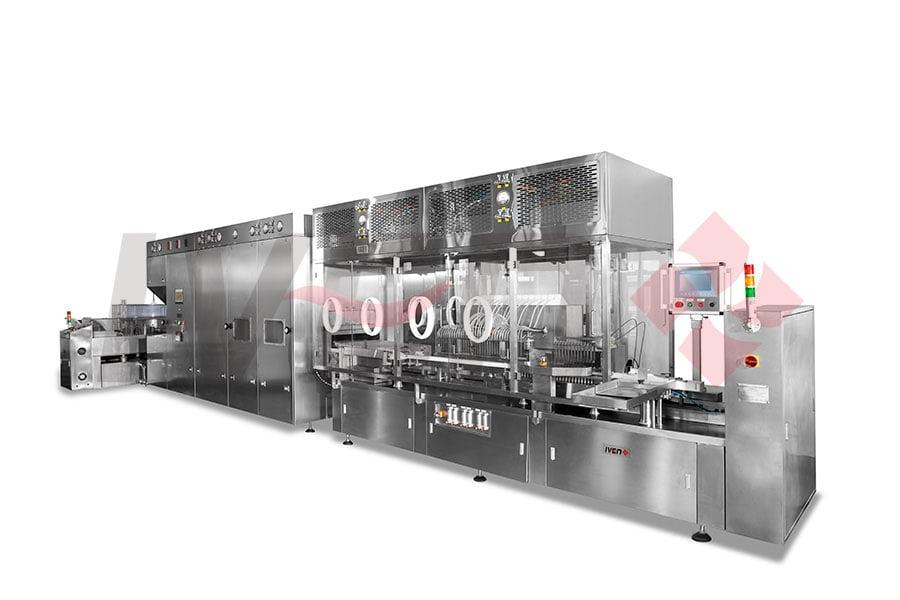
United States Guide to Glass Ampoule Line Speed
For pharmaceutical manufacturers in the United States, glass ampoule filling line speed is not just a production metric. It is a strategic decision point that affects batch release timing, aseptic assurance, labor utilization, utility demand, expansion planning, and long-term compliance with FDA cGMP expectations. When large injectable drug makers, CDMOs, hospital supply manufacturers, and medical device companies modernize a sterile facility, they typically compare output per minute, changeover time, reject rate, container integrity, and validation readiness before selecting a line.
In practical terms, glass ampoule filling line speed refers to the achievable and sustainable throughput of an integrated line that can wash ampoules, sterilize or depyrogenate them where applicable, fill sterile product, seal the ampoules by flame, inspect, and move containers to downstream packaging. For U.S. buyers, the right speed is the one that balances production goals with regulatory control, not merely the highest number on a brochure. A line running too fast for the product, container format, or operator capability can increase rejects and downtime. A line running too slowly can limit commercial supply and delay return on investment.
Many companies in New Jersey, North Carolina, Massachusetts, California, Texas, and Indiana are re-evaluating legacy ampoule capacity as they add niche injectables, emergency medicines, veterinary products, and export-oriented sterile products. Whether a project is greenfield near Houston, a retrofit in the greater Chicago area, or an expansion around Philadelphia, the conversation usually starts with one question: what line speed is truly required to support annual demand while maintaining sterility assurance and reliable OEE?
The short answer is that glass ampoule filling line speed determines how efficiently a sterile manufacturing site can convert demand forecasts into compliant, saleable units. In the United States, companies usually assess speed together with filling accuracy, aseptic risk, line clearance, format flexibility, container breakage, and validation effort. A modern ampoule line may range from small-batch outputs of 60 to 120 ampoules per minute to high-capacity systems operating at 300 to 600 ampoules per minute, depending on ampoule size, fill volume, product characteristics, automation level, and inspection integration.
For U.S. projects, line speed matters most in five situations:
Decision-makers often compare nameplate speed with validated speed, because real performance depends on product-specific factors. A highly viscous solution, light-sensitive formulation, or small 1 ml ampoule can behave very differently from a 10 ml water-like injectable. As a result, the most useful supplier discussions focus on sustained production windows, reject percentages, and batch economics rather than maximum empty-line speed.
Evaluation FactorWhy It MattersTypical U.S. Buyer ConcernImpact on SpeedImpact on QualityPriority LevelNameplate throughputIndicates theoretical machine capacityWhether capacity covers forecast growthHighIndirectHighValidated operating speedShows realistic production outputCan the line run reliably for full shifts?Very highHighVery highChangeover timeAffects multi-product schedulingDowntime between formats and batchesMediumMediumHighReject rateMeasures breakage, fill errors, sealing defectsYield loss and deviation frequencyMediumVery highVery highAutomation levelReduces operator interventionLabor scarcity and aseptic riskHighHighHighData and compliance featuresSupports FDA-ready documentationAudit trails and validation package depthIndirectHighVery highThe table above shows why speed cannot be viewed alone. U.S. plants increasingly define success as “reliable throughput under control,” meaning a line can sustain the planned commercial rate while remaining within critical process parameters.
Glass ampoule filling line speed is the production rate of a sterile ampoule filling and sealing line, usually expressed in ampoules per minute or ampoules per hour. It applies to an integrated sequence that can include infeed, ultrasonic washing, air rinsing, sterilization tunnel transfer, liquid dosing, nitrogen purging where required, flame sealing, printing or coding, leak testing, visual inspection, and final packing handoff.
In U.S. pharmaceutical production, this speed metric is used for:
For example, a manufacturer in New Jersey supplying emergency injectables to hospital networks may require a line capable of 18,000 to 24,000 ampoules per hour at stable fill accuracy. A smaller biotech-oriented plant near Boston may prefer a flexible line with lower speed but faster changeover and tighter recipe management. A contract manufacturer near Dallas may prioritize a modular line capable of handling both development-scale and commercial-scale batches.
Speed is also closely linked to filling technology. Peristaltic pumps, rotary piston systems, time-pressure dosing, or mass-flow-controlled filling can each influence output, precision, cleaning strategy, and compatibility with different product viscosities.
var ctxLine = document.getElementById(‘lineChartMarket’).getContext(‘2d’);var chartLine = new Chart(ctxLine, {type: ‘line’,data: {labels: [‘2021’, ‘2022’, ‘2023’, ‘2024’, ‘2025’, ‘2026’],datasets: [{label: ‘Estimated U.S. demand for ampoule line upgrades ($M)’,data: [78, 86, 97, 111, 126, 143],borderColor: ‘rgb(54, 162, 235)’,backgroundColor: ‘rgba(54, 162, 235, 0.15)’,fill: false,tension: 0.3}]},options: {responsive: true,maintainAspectRatio: false}});The line chart illustrates a realistic growth pattern in U.S. investment interest, especially as legacy sterile lines are replaced or upgraded for data integrity, higher uptime, and more efficient container handling.
Glass ampoules continue to be used because they provide strong barrier performance, clear tamper evidence through single-use break-open access, and broad compatibility with many injectable products. Their use remains relevant for analgesics, anesthetics, anti-infectives, cardiovascular drugs, diagnostic agents, veterinary injectables, and some specialty generics.
The main applications in the United States include:
The benefits of selecting the right speed profile include lower per-unit cost, better batch scheduling, fewer manual interventions, improved line balancing with upstream and downstream systems, and stronger inventory resilience. In regions with higher labor and utility costs, such as California and the Northeast corridor, throughput optimization can substantially improve margins.
Application AreaCommon Fill RangePreferred Speed RangeKey BenefitTypical U.S. Facility TypeOperational NoteHospital injectables1–10 ml180–400 ampoules/minReliable volume supplyCommercial pharma plantFocus on validated repeatabilityEmergency medicines1–5 ml240–500 ampoules/minRapid replenishmentHigh-output sterile siteRequires strong rejection controlsSpecialty generics2–20 ml120–300 ampoules/minBalanced flexibility and costMulti-SKU manufacturerChangeover efficiency mattersVeterinary injectables2–10 ml100–250 ampoules/minCost-effective packagingAnimal health facilityProduct mix can vary widelyCDMO projects1–20 ml80–300 ampoules/minFormat versatilityContract manufacturerRecipe control is essentialExport-oriented production1–10 ml200–450 ampoules/minScalable global supplyInternational supply hubPackaging specs may differ by regionThis table shows that ideal speed varies by business model. The best result comes from matching throughput to product portfolio and annual planning assumptions instead of pursuing maximum speed indiscriminately.
Ampoule lines are usually segmented into compact, mid-speed, and high-speed categories. Each category serves different production strategies and facility footprints.
Compact lines are suited to pilot plants, limited cleanroom space, or multi-product operations. Mid-speed lines fit many U.S. specialty pharma sites because they offer a practical balance of throughput, flexibility, and validation complexity. High-speed lines are favored where annual demand is strong and the ampoule format is a long-term strategic package.
Technical options that influence speed and output quality include servo-driven indexing, automatic loading and unloading, closed RABS or isolator integration, inline weight or volume verification, camera-based inspection, integrated SCADA, electronic batch records, CIP/SIP-ready product paths, and robotic transfer to downstream packaging.
Line TypeTypical SpeedBest ForMain Technical FeaturesAdvantagesLimitationsCompact entry line60–120 ampoules/minR&D, pilot, niche productsSimple transport, basic HMI, small footprintLower capital costLimited commercial scaleFlexible mid-speed line120–250 ampoules/minSpecialty pharma, CDMOsServo control, quick change partsGood format versatilityMay need more shifts for high demandCommercial high-speed line250–400 ampoules/minEstablished injectablesAutomated feeding, precision filling, advanced sealingStrong output economicsHigher validation and utility loadLarge-scale integrated line400–600 ampoules/minMass production and exportFull line automation, vision systems, data integrationLowest unit cost at scaleComplex installationIsolator-based aseptic line100–350 ampoules/minHigher sterility assurance strategyGlove ports, decontamination cycle, restricted interventionReduced contamination riskLonger project lead timeCustom turnkey lineProject dependentGreenfield and regulated upgradesIntegrated utilities, layout engineering, validation packageBest overall fitRequires detailed URS and planningWhen evaluating models, U.S. buyers should also review whether spare parts can be stocked domestically and whether FAT and SAT documentation aligns with internal quality systems. If imported equipment arrives via the ports of Los Angeles, Long Beach, Houston, Savannah, or Newark, logistics planning should include crate size, customs timing, and on-site rigging constraints.
Companies looking for broader sterile project integration often prefer suppliers that can combine filling equipment with water systems, preparation systems, and packaging line interfaces. More information on integrated factory engineering can be found through turnkey pharmaceutical project solutions.
Ampoules remain a proven format, but they are not the only option. U.S. manufacturers often compare them with vial lines, BFS systems, and prefilled syringes. The right choice depends on product sensitivity, route to market, target price point, and commercial geography.
Glass ampoules are especially attractive where tamper evidence, oxygen barrier, and established market acceptance are important. However, they may be less ideal than vials when repeated access is needed or when lyophilization is planned. BFS can deliver very high output and reduced handling, but it requires different packaging assumptions and product compatibility analysis. Prefilled syringes may offer strong user convenience, but they usually involve higher packaging cost and a different device-level regulatory pathway.
TechnologyTypical Speed PotentialBest Use CaseStrengthsTrade-OffsDecision SignalGlass ampoule line60–600 units/minSingle-use sterile liquidsExcellent barrier, proven formatBreakage risk, flame sealing requirementsChoose for stable injectable formatsVial filling line50–500 units/minLiquid or lyophilized productsFlexible closure optionsStopper and cap management neededChoose for broader product diversityBFS line200–800 units/minHigh-volume sterile packsIntegrated form-fill-seal processMaterial and format limitsChoose for large repetitive demandPrefilled syringe line40–300 units/minUser-ready deliveryConvenience and dosing accuracyHigher component costChoose for premium delivery formatsCartridge line30–250 units/minPen or device systemsDevice compatibilityNarrower product pathChoose for drug-device platformsManual or semi-auto fillingLowVery small batchesLower initial investmentLabor intensive, low consistencyOnly for limited early-stage usevar ctxBar = document.getElementById(‘barChartDemand’).getContext(‘2d’);var chartBar = new Chart(ctxBar, {type: ‘bar’,data: {labels: [‘Hospital Injectables’, ‘Specialty Generics’, ‘Veterinary’, ‘CDMO Projects’, ‘Export Supply’, ‘R&D/Pilot’],datasets: [{label: ‘Estimated U.S. demand index for ampoule line capacity’,data: [92, 78, 54, 73, 67, 41],backgroundColor: [‘#4e79a7′,’#f28e2b’,’#e15759′,’#76b7b2′,’#59a14f’,’#edc948′]}]},options: {responsive: true,maintainAspectRatio: false}});The bar chart highlights where ampoule capacity demand is strongest today. Hospital injectables and specialty generics remain major drivers because they require dependable sterile output with disciplined cost control.
The U.S. market for sterile manufacturing equipment is shaped by reshoring efforts, supply chain resilience goals, ongoing FDA scrutiny of data integrity and aseptic processing, and rising interest in flexible lines that support both domestic supply and export production. While ampoules are not the dominant format in every category, they remain highly relevant for selected injectable medicines and international product portfolios.
From a market standpoint, buyers are prioritizing:
By 2026, several trends are expected to shape procurement decisions in the United States:
var ctxArea = document.getElementById(‘areaChartTrend’).getContext(‘2d’);var chartArea = new Chart(ctxArea, {type: ‘line’,data: {labels: [‘2021’, ‘2022’, ‘2023’, ‘2024’, ‘2025’, ‘2026’],datasets: [{label: ‘Share of projects requesting advanced automation (%)’,data: [34, 40, 48, 57, 65, 73],borderColor: ‘rgb(75, 192, 192)’,backgroundColor: ‘rgba(75, 192, 192, 0.25)’,fill: true,tension: 0.35}]},options: {responsive: true,maintainAspectRatio: false}});The area chart shows how automation expectations are shifting. Buyers increasingly want digital integration, less manual handling, and stronger process transparency, even on mid-speed lines.
Supplier selection should be evidence-based. In the United States, procurement teams typically involve engineering, production, QA, validation, maintenance, and sometimes corporate sourcing. Beyond brochure speed, the supplier should demonstrate repeatable compliance support, technical depth, and lifecycle responsiveness.
Important selection criteria include proven installations, documentation quality, FAT protocols, control architecture transparency, materials of construction, cleanability, and access to after-sales support. Buyers should also ask whether the supplier can support factory layout, utility matching, validation documentation, and on-site training.
For U.S. facilities, a strong supplier is often one that can combine technology, manufacturing discipline, and service capability:
Shanghai IVEN Pharmatech Engineering is one example of a supplier profile that U.S. buyers may evaluate when they want more than a stand-alone machine. The company is known for integrated pharmaceutical engineering, multiple specialized manufacturing plants, and experience with filling, water treatment, logistics, and medical consumables systems. U.S. project teams that want to review its background can visit the company overview page.
Supplier CriterionWhat to VerifyWhy It Matters in the U.S.Questions to AskRisk if WeakRecommended WeightRegulatory understandingFDA cGMP and validation familiaritySupports smoother qualificationCan you provide IQ/OQ templates?Documentation gapsVery highInstalled baseProject references by region and productReduces execution uncertaintyWhere are similar lines running?Unproven performanceHighCustomization abilityURS-driven design flexibilityImportant for retrofitsCan the layout fit our cleanroom?Expensive site changesHighManufacturing depthIn-house fabrication and testingImproves quality controlWhat is built internally?Lead time variabilityHighAfter-sales supportTraining, parts, remote diagnosticsCritical for uptimeHow fast is service response?Extended downtimeVery highTotal project supportUtilities, validation, installationUseful for greenfield projectsCan you support full integration?Fragmented executionHighIf your project requires consultation on equipment matching, layout, or cross-system integration, a practical starting point is the pharmaceutical equipment portfolio, followed by direct technical discussion with the supplier team.
The investment range for a glass ampoule line in the United States can vary widely depending on speed, aseptic barrier concept, inspection level, utility integration, and qualification scope. A compact line may be appropriate for smaller development or niche operations, while a high-speed commercial line with isolator integration and downstream automation can represent a major capital project.
Total budget planning should include more than the machine purchase price. U.S. companies should account for factory acceptance testing, shipping, customs, insurance, installation, utilities tie-in, cleanroom modifications, site acceptance testing, qualification, training, spare parts, and early-stage process tuning.
Cost ElementLow-Speed ProjectMid-Speed ProjectHigh-Speed ProjectWhy It VariesBudget NoteMain equipment$450k–$900k$900k–$1.8M$1.8M–$4.5M+Automation and output levelLargest direct costBarrier system$0–$250k$150k–$600k$500k–$1.2MRABS or isolator choiceDepends on contamination control strategyInstallation and rigging$80k–$180k$150k–$300k$250k–$600kSite layout and equipment sizeHigher in retrofit sitesQualification package$40k–$120k$90k–$220k$180k–$400kDocumentation depthOften underestimatedUtilities and cleanroom changes$100k–$250k$200k–$600k$500k–$1.5MFacility readinessCan exceed equipment add-onsTraining and spare parts$25k–$70k$50k–$120k$100k–$250kTeam size and redundancy planningNeeded for uptimeThis table is useful for framing budget bands, but actual costs depend heavily on URS scope and the maturity of the existing facility.
ROI analysis typically considers labor savings, yield improvement, reduced deviations, increased available capacity, lower utility consumption per unit, and fewer emergency outsourcing expenses. In many U.S. facilities, ROI can improve significantly if the new line replaces a bottleneck machine with poor OEE or chronic maintenance issues.
For example, if a plant in Indianapolis increases validated throughput from 120 to 260 ampoules per minute while cutting rejects from 3.8% to 1.6%, the financial gains may come from both higher supply capacity and lower scrap. If a line also reduces changeover by 35%, a multi-SKU operation can run more campaigns without weekend overtime.
var ctxComp = document.getElementById(‘comparisonChartSupplier’).getContext(‘2d’);var chartComp = new Chart(ctxComp, {type: ‘bar’,data: {labels: [‘Validated Speed’, ‘Compliance Support’, ‘Customization’, ‘Lifecycle Service’, ‘Integration Ability’, ‘Cost Efficiency’],datasets: [{label: ‘Typical priorities in supplier scoring (out of 100)’,data: [91, 95, 84, 88, 86, 79],backgroundColor: ‘rgb(153, 102, 255)’}]},options: {responsive: true,maintainAspectRatio: false}});The comparison chart reflects how U.S. buyers often rank evaluation priorities. Compliance support and validated speed typically score above headline purchase price because downtime or validation delays can quickly erase nominal savings.
The biggest mistake in ampoule line investment is assuming that higher speed always means better economics. In reality, over-specification can create underutilized capacity, more difficult qualification, and additional operator burden. Under-specification can force a second capital project sooner than expected.
Key considerations include:
Potential risks include ampoule breakage at aggressive speeds, unstable flame sealing, inaccurate filling with viscous products, line jams from poor starwheel design, insufficient exhaust management, weak data integrity controls, and limited supplier documentation. Imported machinery can also face schedule risks if customs, inland transport, or site readiness are not managed carefully.
Risk AreaCommon CauseOperational EffectCompliance EffectMitigation StrategySeverityOverstated throughputUsing nameplate instead of validated speedMissed production targetsInvestigation pressureDemand FAT at target conditionsHighContainer breakageExcessive speed or poor handling geometryYield loss and cleanup downtimeAseptic disruption riskUse robust transport design and trialsHighFilling inconsistencyWrong dosing technologyRejects and reworkBatch nonconformanceMatch filler to viscosity and volumeVery highWeak validation packageIncomplete supplier documentsDelayed startupAudit observationsDefine documentation matrix earlyVery highPoor service responseLimited local supportLong downtimePotential supply disruptionStock critical parts and train staffHighUtility mismatchSite systems not sized for linePerformance instabilityDeviation riskComplete front-end engineering reviewHighThis table shows that risk reduction starts before purchase order issuance. A strong URS, line trial plan, and project governance structure can prevent most problems before the equipment ships.
For companies seeking a more integrated project path, IVEN’s profile is relevant in three practical ways. First, from a technology perspective, it has long experience with sterile filling systems and related pharmaceutical equipment platforms. Second, from a manufacturing perspective, its specialized plants support machinery, water systems, intelligent logistics, and medical consumables equipment. Third, from a service perspective, it can support feasibility, design, installation, commissioning, qualification, training, and optimization. If your team wants to discuss a U.S.-focused project scope directly, use the contact channel for technical consultation.
1. What is a good glass ampoule filling line speed for a U.S. commercial plant?A good speed depends on product demand, ampoule size, and facility strategy. Many commercial plants target 120 to 400 ampoules per minute, but the correct number is the validated speed that can be sustained with acceptable reject rates.
2. Is higher speed always better?No. Higher speed can increase breakage, sealing variability, and maintenance complexity if the product or container is not suitable. The best line is the one that delivers reliable throughput under validated conditions.
3. How do FDA expectations affect line selection?FDA expectations influence data integrity, aseptic control, documentation, alarm management, change control, and qualification rigor. Buyers should choose suppliers that understand cGMP design and validation needs.
4. What speed range is common for multi-product CDMOs?Many CDMOs prefer 80 to 250 ampoules per minute because flexible changeover and recipe control can be more valuable than maximum output.
5. How long does a typical project take?Depending on complexity, 9 to 18 months is common from URS finalization to qualification. Isolator-based and large turnkey projects may take longer.
6. What utilities should be reviewed before buying?Compressed air, exhaust, power, HVAC capacity, WFI or purified water interfaces, clean steam where relevant, and floor loading should all be reviewed during front-end engineering.
7. How should buyers compare suppliers?Compare validated speed, documentation depth, installed references, service responsiveness, spare parts planning, and integration support rather than only quoted price.
8. Are imported ampoule lines practical for the United States?Yes, if logistics, customs timing, commissioning support, documentation, and spare parts strategy are handled carefully. Ports such as Newark, Savannah, Houston, and Los Angeles often play a role in project delivery planning.
9. What future trend matters most in 2026?A strong combination of automation, digital batch support, sustainability, and resilient service capability will matter most. Buyers increasingly want efficient lines that consume less energy, reduce waste, and integrate cleanly with plant data systems.
10. What is the best way to start a buying project?Begin with a clear URS covering product, fill volumes, target OEE, annual demand, utility conditions, compliance documentation, and service expectations. Then compare suppliers on total lifecycle fit, not only machine speed.
In summary, glass ampoule filling line speed is a critical planning parameter for sterile manufacturers in the United States. The right choice supports commercial reliability, regulatory confidence, and long-term cost control. Whether you are upgrading a legacy line in New Jersey, planning a new sterile project in Texas, or expanding export capacity from the Midwest, the most successful investment approach is to align throughput with product reality, compliance needs, and supplier capability.