U.S. Insulin Cartridge Filling Machines: Buyer Guide
For pharmaceutical manufacturers in the United States, an insulin cartridge filling machine is a highly specialized aseptic production system used to dose insulin formulations into cartridges with tight control over volume accuracy, sterility, particulate risk, and regulatory compliance. It is commonly evaluated by large drug makers, contract manufacturers, and medical device firms when building new lines or upgrading facilities to meet U.S. FDA cGMP expectations, expand capacity, and support modern pen-injector drug delivery programs.
In practical terms, these machines are not just liquid fillers. They are part of an integrated sterile manufacturing solution that may include cartridge feeding, air cleaning, washing, depyrogenation support, stopper insertion, capping, in-process inspection, reject handling, labeling interfaces, and batch data recording. In U.S. pharma hubs such as New Jersey, Boston, Raleigh-Durham, Indianapolis, and San Diego, demand is increasing as insulin and related biologic delivery formats continue to expand.
Quick Answer: Why insulin cartridge filling machines matter in the U.S. market

An insulin cartridge filling machine matters because it directly affects product quality, dosage consistency, sterility assurance, line efficiency, and regulatory readiness. For U.S. manufacturers, the machine must align with FDA expectations for aseptic processing, electronic records, cleaning validation, data integrity, and reliable production performance over long commercial campaigns. It is especially relevant for insulin cartridge lines used in pen systems, combination products, and high-value biologic filling environments.
Buyers in the United States typically focus on six decision points: filling accuracy, output speed, container compatibility, changeover efficiency, validation support, and lifecycle service. A well-matched system can reduce product loss, improve OEE, support future SKU expansion, and shorten the path from FAT to commercial launch.
| Decision Area | Why It Matters | Typical U.S. Buyer Concern | Operational Impact | Risk if Overlooked | Priority Level |
|---|---|---|---|---|---|
| Filling accuracy | Insulin dosage must stay within narrow tolerances | Regulatory deviation and batch release delays | Lower rejects and better compliance | Dosage variability | Very High |
| Aseptic design | Protects sterile product integrity | Environmental monitoring performance | Safer production | Contamination events | Very High |
| Line speed | Supports commercial demand growth | Capacity planning for U.S. launch | Higher throughput | Bottlenecks and overtime | High |
| Format flexibility | Allows different cartridge sizes and product families | Future portfolio changes | Less capital duplication | Expensive later upgrades | High |
| Validation package | Required for faster qualification | IQ/OQ/PQ documentation depth | Smoother project execution | Longer startup | High |
| After-sales support | Reduces downtime and training gaps | Response time in U.S. time zones | Stable operations | Extended stoppages | High |
The table above shows why the purchase decision extends far beyond a basic filling function. In the United States, buyers are increasingly treating insulin cartridge equipment as a strategic asset tied to compliance, launch timing, and long-term manufacturing resilience.
What is an insulin cartridge filling machine and what is it used for in pharmaceutical production?

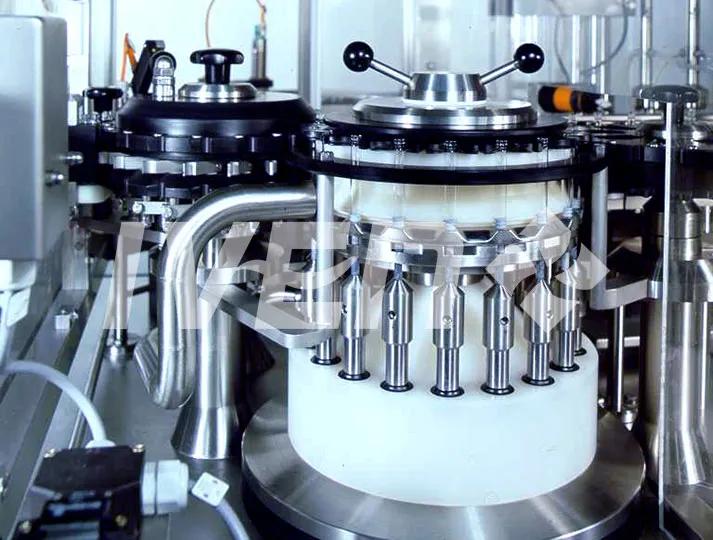
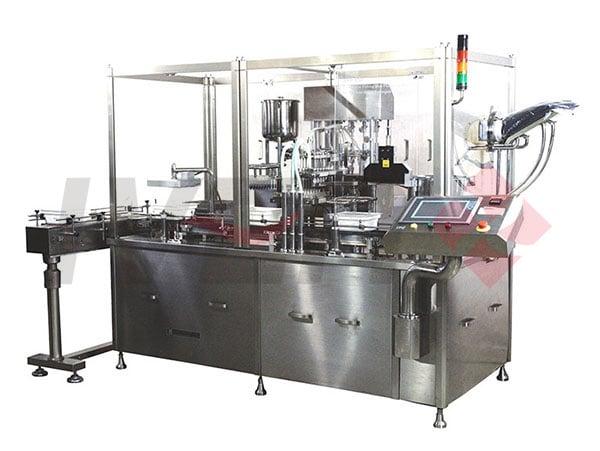
An insulin cartridge filling machine is a precision aseptic filling system designed to fill preformed cartridges with insulin solution or suspension intended for pen delivery devices. The machine is generally installed in a sterile production suite and integrated into a broader process chain that may include formulation transfer, nitrogen protection, stoppering, sealing, visual inspection, serialization interfaces, and final packaging.
Its primary use is to accurately deliver a controlled fill volume into each cartridge while preserving product integrity. In insulin manufacturing, this is particularly important because the product may be sensitive to shear, air exposure, contamination, temperature variation, and hold-time conditions. U.S. production sites often require robust audit trails, recipe management, and compatibility with electronic batch systems.
These machines are used by:
- Branded insulin manufacturers
- Biopharmaceutical companies launching pen-based therapies
- Contract development and manufacturing organizations
- Medical device combination-product manufacturers
- Pharma companies upgrading legacy vial capacity to cartridge formats
At a technical level, the equipment may use peristaltic pumps, rotary piston pumps, time-pressure systems, or mass-flow-assisted technologies depending on viscosity, target accuracy, and cleaning strategy. In many U.S. projects, the cartridge filler is part of a restricted access barrier system or isolator environment to improve sterility assurance.
Main applications and benefits of insulin cartridge filling machines in modern pharmaceutical manufacturing

The biggest application is commercial insulin production for pen injectors, but the same core platform may also serve GLP-1 therapies, biosimilars, hormonal products, and other high-value injectables packaged in cartridge form. In the United States, where patient-friendly self-administration remains a major market driver, cartridge-based drug delivery continues to gain attention.
Key benefits include:
- High volumetric precision for dose-sensitive drugs
- Reduced human intervention in aseptic areas
- Compatibility with automated stoppering and capping
- Better support for high-volume pen-injector markets
- Improved data collection for batch review and compliance
- Lower product waste compared with older manual or semi-automatic methods
There are also significant business benefits. A modern line can shorten turnaround between development and scale-up, support multi-shift output, and create a stronger platform for U.S. FDA inspections. Plants near freight and cold-chain infrastructure such as Newark, Chicago, Houston, Los Angeles, and Atlanta often prefer integrated systems that reduce the complexity of coordination among multiple vendors.
| Application | Typical Product Type | Common Output Need | Main Benefit | U.S. Market Relevance | Complexity Level |
|---|---|---|---|---|---|
| Commercial insulin | Rapid-acting and long-acting insulin | High volume | Stable dosing accuracy | Very high | High |
| Biosimilar insulin | Follow-on biologics | Medium to high volume | Cost-efficient scaling | High | High |
| GLP-1 cartridge filling | Injectable metabolic therapies | Growing volume | Platform flexibility | Very high | High |
| Clinical supply | Pilot and trial batches | Low to medium volume | Faster changeovers | Moderate | Medium |
| Combination products | Pen-device integrated therapies | Medium volume | Better downstream compatibility | High | High |
| Technology transfer | Global portfolio localization | Variable | Standardized validation | High | High |
This table illustrates that insulin cartridge filling equipment is no longer limited to one narrow product family. U.S. buyers increasingly want versatile systems that can support both current insulin demand and adjacent injectable platforms.
Key types, models and technical options for insulin cartridge filling machines
Not all cartridge fillers are built the same. The right configuration depends on production volume, sterility strategy, container dimensions, product behavior, and automation expectations. Broadly, buyers in the United States can evaluate equipment in several categories.
Manual or semi-automatic systems are mainly used for R&D, pilot work, and small batches. They are lower cost but limited in speed and may not suit commercial insulin scale.
Fully automatic aseptic lines are the most common choice for commercial production. These include automatic feeding, filling, stoppering, capping, reject handling, and integration with inspection or packaging modules.
Isolator-based lines are favored for higher sterility assurance and lower operator exposure. They are attractive for advanced U.S. facilities focused on contamination control strategies.
RABS-based lines remain widely used where the plant already has suitable cleanroom infrastructure and seeks a balanced approach between access and protection.
Technical options often include:
- No-glass-no-fill detection
- Checkweighing or in-process weight verification
- Laminar airflow or closed barrier protection
- CIP/SIP compatibility where applicable
- Vision systems for stopper and crimp verification
- 21 CFR Part 11-ready software architecture
- Recipe management for multiple SKUs
- Remote diagnostics and predictive maintenance support
| Machine Type | Best For | Speed Range | Automation Level | Typical Investment | Best U.S. Use Case |
|---|---|---|---|---|---|
| Semi-automatic | R&D and pilot | Low | Medium | Lower | Development labs |
| Automatic open RABS line | Commercial sterile filling | Medium to high | High | Medium to high | Established injectable plants |
| Closed RABS line | Enhanced contamination control | Medium to high | High | High | Modernized U.S. facilities |
| Isolator filling line | Premium aseptic assurance | Medium to high | Very high | High | New greenfield projects |
| Multi-format flexible line | Several cartridge families | Medium | High | High | CDMOs and diversified portfolios |
| High-speed dedicated insulin line | Large commercial demand | Very high | Very high | Very high | Major U.S. insulin output sites |
The table helps buyers compare machine architecture based on business goals, not just speed. For many U.S. projects, the best answer is a flexible automatic line that balances validation complexity with future product expansion.
Insulin cartridge filling machine vs alternative technologies: which solution fits your needs?
Some manufacturers compare cartridge filling with vial filling, prefilled syringes, or dual-platform lines. The correct choice depends on patient delivery format, fill-finish strategy, supply chain planning, and market access goals.
Cartridge filling versus vial filling: vials offer broad familiarity and flexible use in hospital channels, but cartridges are better aligned with pen-based self-injection and patient convenience.
Cartridge filling versus prefilled syringe filling: prefilled syringes can be ideal for some therapies, yet cartridges usually support multi-dose pen systems and strong patient adherence in diabetes care.
Dedicated line versus flexible line: a dedicated line can maximize output and reduce changeover time, while a flexible line is often more suitable for CDMOs or companies with evolving portfolios.
| Technology | Main Strength | Main Limitation | Best Product Fit | Capital Efficiency | U.S. Buyer Profile |
|---|---|---|---|---|---|
| Insulin cartridge line | Pen-device compatibility | Higher line specificity | Insulin and pen therapies | Strong for dedicated demand | Diabetes and biologics manufacturers |
| Vial filling line | Versatility | Less patient-friendly final format | Hospital injectables | Good in mixed portfolios | Generic sterile manufacturers |
| Prefilled syringe line | Ready-to-use delivery | Different device strategy | Single-dose biologics | High for premium products | Specialty pharma firms |
| Blow-fill-seal | Container integration | Not typical for insulin cartridges | Selected liquid products | Case-dependent | Large-volume sterile producers |
| Manual bench system | Low entry cost | Low throughput | Lab development | Limited long-term value | Early-stage teams |
| Hybrid flexible platform | Portfolio adaptability | More complex engineering | Multi-SKU operations | High if utilization stays strong | CDMOs and expansion projects |
This comparison shows that cartridge filling is usually the best strategic fit when the final commercial product is intended for pen-based delivery in the U.S. diabetes and self-administration market.
Market overview and future trends for insulin cartridge filling machines in pharmaceutical manufacturing
The U.S. market outlook remains favorable. Demand is supported by diabetes prevalence, the growth of injectable self-administration, increasing interest in biosimilar insulin, and continuing investment in domestic and near-market manufacturing capacity. Large pharma clusters around New Jersey and Pennsylvania, innovation ecosystems around Boston and Cambridge, and growing manufacturing corridors in North Carolina and Texas all contribute to equipment demand.
Supply chain resilience has become more important after recent global disruptions. U.S. buyers are placing more value on spare parts access, local commissioning capability, validation documentation quality, and factory acceptance testing transparency. Ports such as Los Angeles, Long Beach, Savannah, and New York-Newark remain relevant for imported capital equipment, while air cargo hubs like Chicago O’Hare and Memphis support urgent component movements.
By 2026, several trends are shaping the market:
- More use of isolators and advanced contamination control strategies
- Wider adoption of digital batch records and remote diagnostics
- Higher demand for flexible lines that can handle insulin and adjacent biologics
- Stronger sustainability focus, including lower utility use and reduced waste
- More scrutiny on cybersecurity for connected production assets
- Policy-driven interest in domestic manufacturing readiness and supply security
The line chart above reflects a realistic growth pattern based on broad demand drivers rather than a single product launch cycle. It highlights the upward trajectory expected as U.S. insulin and pen-delivery manufacturing continues to modernize.
The bar chart compares demand intensity across adjacent sectors. Insulin remains the strongest anchor segment, but GLP-1 and combination-device applications are increasingly influencing equipment specifications in the U.S. market.
How to choose a reliable insulin cartridge filling machine manufacturer or supplier
A reliable supplier should be judged on technical depth, manufacturing discipline, and service capability. For U.S. buyers, the best suppliers provide not only machines, but also a clear pathway for compliance, commissioning, validation, and sustained operation.
When screening manufacturers, ask the following:
- Do they understand U.S. FDA cGMP expectations and aseptic processing requirements?
- Can they provide FAT, SAT, IQ, OQ, and PQ support with structured documentation?
- Do they have proven cartridge-filling references in regulated markets?
- Can they integrate upstream and downstream equipment without excessive third-party gaps?
- How strong is their spare parts, remote support, and training program?
- What is their response plan for urgent U.S. service needs?
One supplier model that U.S. buyers increasingly value is the integrated engineering partner. For example, IVEN Pharmatech Engineering presents itself as a pharmaceutical engineering partner with international project experience rather than only a standalone equipment seller. From a technological standpoint, the company is known for customized filling and packaging machinery, pharmaceutical water systems, intelligent logistics solutions, and compliance-oriented engineering shaped around EU GMP, U.S. FDA cGMP, WHO GMP, and PIC/S expectations. That matters when a cartridge filling line must fit into a broader sterile facility strategy.
From a manufacturing capability perspective, IVEN operates specialized production plants focused on core pharma equipment categories and has delivered a large number of production lines internationally. For U.S. buyers comparing overseas and domestic options, this kind of manufacturing base can be important when evaluating production consistency, customization range, and multi-system coordination for turnkey projects.
Service capability is equally important. A supplier should support feasibility review, layout planning, equipment customization, installation, commissioning, documentation, staff training, and ongoing optimization. Buyers planning greenfield or expansion projects can review integrated options through turnkey pharmaceutical engineering solutions or evaluate available equipment categories through the product portfolio.
| Supplier Evaluation Factor | What to Check | Why It Matters | Good Sign | Warning Sign | Priority |
|---|---|---|---|---|---|
| Regulatory experience | FDA and GMP familiarity | Reduces compliance gaps | Structured validation package | Generic undocumented claims | Very High |
| Technical customization | Ability to fit your process | Avoids forced compromises | Engineering review before quote | One-size-fits-all proposal | High |
| Manufacturing capacity | Factory scale and specialization | Supports quality and schedule | Dedicated production plants | Heavy outsourcing | High |
| Documentation quality | DQ, FAT, SAT, IQ/OQ support | Speeds qualification | Clear document matrix | Minimal paperwork | Very High |
| After-sales support | Training and spare parts | Keeps line running | Response plan and remote service | Slow ticket handling | High |
| Project integration ability | Utility and line coordination | Reduces startup risk | Turnkey capability | Scope fragmentation | High |
The table above provides a practical scoring framework for supplier selection. In the United States, the strongest vendors are usually those that combine engineering competence with long-term service accountability.
Investment cost, budget planning and ROI analysis for insulin cartridge filling machines
Investment cost varies widely based on speed, aseptic architecture, automation level, and project scope. A basic pilot-scale setup may be a fraction of the cost of a high-speed commercial isolator line. Total cost of ownership should include not just the machine price, but also cleanroom fit-out, utilities, validation, freight, import handling, installation, training, change parts, spare parts, and software integration.
Budget planning in the United States should account for local site conditions. A plant in New Jersey or Massachusetts may face different labor and facility retrofit costs than a greenfield project in the Southeast. Buyers should also consider customs timing through major ports, inland transportation to manufacturing sites, and contingency funding for SAT adjustments.
| Cost Element | Typical Share of Budget | Notes | Can It Increase Late? | Control Strategy | ROI Impact |
|---|---|---|---|---|---|
| Core machine system | 35% to 50% | Main capital item | Yes | Freeze scope early | Very high |
| Barrier/isolation system | 10% to 20% | Depends on sterility strategy | Yes | Define contamination control approach | High |
| Change parts and tooling | 5% to 10% | Needed for multiple SKUs | Yes | Map future formats now | Medium |
| Validation and documentation | 5% to 12% | Critical for qualification | Yes | Confirm deliverables in contract | High |
| Installation and commissioning | 8% to 15% | Site dependent | Yes | Assess utility readiness | High |
| Training, spares, service | 5% to 10% | Supports startup stability | Yes | Bundle lifecycle support | High |
The table makes clear that equipment price alone does not determine investment quality. Hidden costs often emerge from missing documentation, poor site preparation, or underestimating format complexity.
ROI usually improves when the line delivers one or more of the following: reduced fill loss, lower reject rates, fewer interventions, greater throughput, faster release cycles, and easier expansion into additional products. For many U.S. manufacturers, the business case strengthens further if the system replaces aging legacy assets or supports domestic production strategy.
The area chart shows a realistic transition from conventional filling approaches toward higher automation and better barrier protection. This trend is directly tied to ROI because improved sterility assurance and lower intervention rates can reduce costly deviations.
Key considerations and potential risks when investing in insulin cartridge filling machines
Even a strong machine can underperform if the project is poorly specified. One frequent issue is selecting line speed before confirming upstream formulation supply, downstream packaging capacity, and actual market demand. Another is assuming cartridge format compatibility without fully checking dimensions, stopper behavior, and closure specifications.
Key risks include:
- Insufficient URS detail leading to scope disputes
- Weak contamination control strategy for aseptic operations
- Underdeveloped validation documentation
- Slow spare parts access after installation
- Integration problems with MES, SCADA, or serialization systems
- Long changeover times that reduce effective capacity
- Overpaying for speed that the site cannot utilize
To mitigate these risks, buyers should build a structured procurement process with URS development, supplier audit, FAT protocols, spare parts planning, and clear service-level expectations. If the project involves a broader plant build or major retrofit, involving an experienced integrated engineering partner can reduce interface problems across utilities, cleanrooms, material flow, and qualification activities.
This comparison chart highlights what U.S. buyers tend to prioritize when selecting a supplier. Compliance support and lifecycle service often outrank initial price because downtime and qualification delays are far more expensive over the life of the asset.
For companies that want a more coordinated sourcing path, contacting an engineering-focused supplier through a direct project consultation channel can help clarify scope, format requirements, and compliance documentation expectations before budget approval.
FAQ
What filling accuracy should an insulin cartridge machine provide?
The exact target depends on product and cartridge format, but U.S. buyers typically expect very tight dosing control, supported by robust calibration, in-process checks, and validated repeatability.
Is an isolator always better than RABS?
Not always. Isolators generally provide stronger separation and contamination control, but they also add capital cost and operational complexity. The best choice depends on site design, regulatory strategy, and product risk profile.
Can one machine handle both insulin and other injectable biologics?
Yes, in many cases a flexible platform can be configured for multiple cartridge-based products, but compatibility must be confirmed for formulation properties, cleaning strategy, and change parts.
How long does a typical project take?
Commercial projects can range from several months to well over a year depending on customization, FAT timing, shipping, site readiness, and qualification workload. Greenfield projects usually take longer than equipment replacement in an existing sterile suite.
What documentation should I request from the supplier?
At minimum, request URS response, design documentation, material certificates, FAT protocols and reports, calibration records, manuals, spare parts lists, software documentation, and IQ/OQ support documents.
Are imported machines practical for U.S. pharmaceutical plants?
Yes, provided the supplier has strong regulated-market experience, clear validation support, reliable service planning, and good logistics coordination through U.S. entry points and local site commissioning.
What makes a turnkey partner different from a machine vendor?
A turnkey partner can help with feasibility, layout, utilities, equipment coordination, installation, qualification, training, and broader project execution, reducing handoff risk between separate contractors.
Why do large manufacturers evaluate integrated engineering companies?
Because insulin cartridge filling often depends on more than a single machine. It may require purified water systems, logistics planning, clean utility coordination, packaging interfaces, and long-term validation support. A company with expertise across these areas can reduce project fragmentation.
In summary, the right insulin cartridge filling machine for the United States market is the one that matches your product strategy, compliance expectations, scale plan, and service model. Whether the goal is a new insulin launch, biosimilar capacity, or a broader sterile manufacturing upgrade, success depends on choosing a supplier that can support technology fit, manufacturing execution, and lifecycle performance from planning through commercial operation.

About the Author
We are IVEN Pharmatech Engineering, a team dedicated to delivering turnkey pharmaceutical and medical solutions worldwide. With decades of experience, we specialize in advanced machinery, integrated factory design, and full lifecycle support to help our clients achieve efficient, compliant, and high-quality production.
Share
Related Insights
-
United States Guide to Ampoule Filling Machine Cost
For pharmaceutical manufacturers in the United States, ampoule filling machine cost is not just a purchase price question. It is a capital planning issue tied to sterile processing, FDA compliance, throughput, container compatibility, validation workload, labor efficiency, and long-term operating risk. Whether a company is expanding an injectable facility in New Jersey, upgrading a sterile suite near Chicago, or building new capacity in North Carolina or Texas, the total investment for an ampoule line can vary widely based on automation level, cleanroom integration, output speed, inspection requirements, and supplier support.
In practical terms, small and semi-automatic ampoule filling solutions may start in the low six-figure range, while fully integrated high-speed lines with washing, sterilization, filling, sealing, visual inspection, labeling, and packaging can move into the high six or seven figures. In the United States market, buyers also need to account for FAT/SAT, shipping through gateways such as Los Angeles, Houston, Savannah, or Newark, installation, IQ/OQ documentation, spare parts, and training. That is why the most effective procurement teams evaluate lifecycle value rather than equipment price alone.
The quick answer is simple: ampoule filling machine cost matters because it directly affects production economics, regulatory readiness, and project timelines in sterile pharmaceutical manufacturing. For large pharmaceutical companies, CDMOs, hospital product manufacturers, and specialized injectable producers, ampoule equipment is often a strategic asset rather than a stand-alone machine.
In the United States, the cost question becomes even more important because the regulatory burden is high. Buyers typically need to align equipment with current FDA cGMP expectations, data integrity practices, aseptic process controls, material traceability, and documented qualification. A line that appears cheaper on paper can become much more expensive after change orders, delayed validation, or repeated downtime.
Most budget discussions should separate the investment into five layers:
This is why procurement teams in biotech corridors such as Boston, Philadelphia, San Diego, and the San Francisco Bay Area often compare machine design, automation architecture, and supplier engineering depth as carefully as they compare initial quotations.
Cost Layer What It Includes Typical Impact on Budget Why It Matters in the United States Risk if Underestimated Planning Tip Equipment purchase Filling, sealing, feeding, controls High Forms the base capital expense Under-spec line capacity Match URS to actual forecast volume Ancillary systems Washing, sterilization, conveyors, inspection High Needed for complete sterile workflow Hidden project expansion Quote the full line, not only the filler Validation DQ, FAT, SAT, IQ, OQ, PQ support Medium to high Critical for FDA readiness Longer launch timeline Confirm document package early Facility integration HVAC, clean utilities, room layout Medium to high Often site-specific Retrofit overruns Perform layout review before PO Training and startup Operator and maintenance onboarding Medium Supports right-first-time production Operator error and waste Include on-site acceptance support Lifecycle support Spare parts, service, upgrades Medium Impacts uptime and audit confidence Long downtime after failures Check local or remote response capabilityThe table above shows why a serious cost analysis should move beyond the headline price. For many U.S. projects, total installed cost can be 1.5 to 2.5 times the quoted machine cost depending on complexity.
An ampoule filling machine is sterile packaging equipment designed to dose liquid pharmaceutical products into glass ampoules and then seal them, typically by flame sealing. The term ampoule filling machine cost refers to the full investment required to acquire, integrate, validate, and operate that equipment within a compliant production environment.
Ampoules are still widely used for injectable drugs, emergency medications, pain management products, vitamins, and some specialty biologic or chemical formulations where tamper-evident single-dose packaging is preferred. Their appeal includes excellent barrier performance, product integrity, and strong acceptance in many regulated and emerging markets.
In a typical process, empty ampoules are loaded, washed if required, depyrogenated or sterilized, transferred into the filling area, dosed with a precise volume, optionally gassed with nitrogen, sealed, and then moved to downstream inspection and packaging. Each stage affects cost. For example, a manufacturer handling oxygen-sensitive formulations may need better inert gas control, while a high-potency application may require advanced containment and restricted access systems.
For U.S. buyers, process usage usually falls into the following scenarios:
Buyers who want integrated line planning often look for suppliers that can support more than one equipment category. For example, about the engineering team at IVEN Pharmatech Engineering, one reason it is considered by international customers is its ability to combine filling systems with purified water, WFI-related utility solutions, intelligent logistics, and plant-wide engineering thinking rather than offering only isolated machines.
The applications of ampoule filling equipment in modern manufacturing are broad, but the main decision driver is often whether the machine can reduce total cost per filled ampoule while maintaining sterile assurance. In the United States, where labor cost and compliance cost are both significant, benefits from automation are often easier to justify than in lower-cost markets.
Main applications include small-volume injectable drugs, anesthetics, emergency care medications, anti-infectives, nutritional injectables, veterinary injectables, and selected chemical solutions. Ampoules are also suitable for products that benefit from a strong glass barrier and visible tamper evidence.
Key benefits include:
Application Area Typical Product Type Why Ampoules Are Used Common Output Requirement Main Cost Driver Expected Benefit Hospital injectables Pain relief, emergency drugs Single-dose integrity Medium to high Validation and speed Reliable supply to hospital networks Generic pharmaceuticals Established sterile products Efficient large-scale packaging High Throughput Lower unit cost CDMO services Multi-client formulations Batch flexibility Low to medium Changeover time Better asset utilization Veterinary medicine Injectable animal health products Durable sterile pack Medium Product variation Broader packaging options Nutritional injectables Vitamins and specialty solutions Glass compatibility Medium Fill precision Reduced dosage variance Export manufacturing Regulated and semi-regulated markets Broad market acceptance Medium to high Documentation scope International compliance supportThis table shows that cost should be tied to application fit. A low-speed machine can be the best investment for a multi-client CDMO, while a generic drug manufacturer supplying nationwide distributors from Atlanta or Memphis may need a higher-speed line to protect margins.
var ctxBar = document.getElementById(‘barDemandChart’).getContext(‘2d’);var barDemandChart = new Chart(ctxBar, { type: ‘bar’, data: { labels: [‘Hospital Injectables’, ‘Generics’, ‘CDMO’, ‘Veterinary’, ‘Nutrition’, ‘Export Products’], datasets: [{ label: ‘Estimated U.S. Demand Index 2026’, data: [88, 94, 76, 52, 61, 69], backgroundColor: [‘#4e79a7′,’#f28e2b’,’#e15759′,’#76b7b2′,’#59a14f’,’#edc948′] }] }, options: { responsive: true, maintainAspectRatio: false, scales: { y: { beginAtZero: true, max: 100 } } }});The bar chart reflects how demand intensity differs by application area. It also explains why machine specifications should be linked to actual commercial strategy rather than generic assumptions.
Ampoule filling machine cost varies significantly by machine type. The main categories in the United States market are semi-automatic systems, automatic intermittent-motion lines, automatic continuous-motion lines, and fully integrated turnkey lines. Additional technical options can dramatically change the quotation.
Common variables include filling technology, number of filling heads, ampoule size range, output speed, stoppering or sealing configuration, nitrogen purging, in-process weighing, visual inspection integration, SCADA or MES connectivity, and isolator or RABS compatibility.
Machine Type Typical Speed Approximate Price Range Best Fit Main Advantages Main Limitation Semi-automatic bench or compact unit 1,000 to 3,000 ampoules/hour $80,000 to $180,000 R&D, pilot, small batches Low entry cost Higher labor dependence Automatic low-speed line 3,000 to 8,000 ampoules/hour $180,000 to $450,000 Specialty production Better consistency Limited scale Automatic medium-speed line 8,000 to 18,000 ampoules/hour $450,000 to $950,000 Generic and regional supply Balanced ROI Needs stronger utility support High-speed integrated line 18,000 to 36,000 ampoules/hour $950,000 to $2,500,000 Large-scale production Low unit cost at scale Higher validation scope Isolator-ready aseptic line Project specific $1,500,000 to $4,000,000+ High-value sterile products Advanced contamination control Complex project execution Turnkey ampoule facility package Project specific $3,000,000 to $15,000,000+ New plant investment Integrated engineering Longer approval cycleThe ranges above are directional and can move considerably depending on country of origin, customization level, and line scope. U.S. companies should also compare OEM pricing with the quality of controls, stainless steel construction, documentation set, and downstream integration.
On the technology side, suppliers with broad manufacturing depth often provide more reliable customization. IVEN Pharmatech Engineering, for example, is known in global projects for technological capabilities that extend beyond filling alone, including utility systems, automated conveying, and integrated packaging interfaces. For U.S. teams planning a larger sterile project, this can reduce coordination problems during detailed design and execution. Buyers exploring broader project options can review available pharmaceutical equipment categories as part of early benchmarking.
Ampoules are not the only sterile packaging option. In many U.S. projects, buyers compare ampoules with vials, prefilled syringes, BFS systems, and, for some infusion products, bottles or non-PVC bags. The right choice depends on product sensitivity, dosing format, market expectations, and total cost per commercial unit.
Ampoules often win when manufacturers need a durable single-dose glass package with strong tamper evidence and broad international acceptance. Vials can be better when reconstitution, stopper-based closure, or lyophilization is needed. Prefilled syringes offer convenience but usually require higher capital and more stringent component management. BFS can be highly efficient at volume, but it may not fit every formulation or every facility strategy.
Technology Best Use Case Capital Intensity Operational Complexity Packaging Strength Typical Buyer Decision Factor Ampoules Single-dose liquid injectables Medium Medium High Cost-efficient sterile packaging Vials Multi-dose or lyophilized products Medium to high Medium to high High Flexibility for complex products Prefilled syringes Ready-to-administer injectables High High High Convenience and premium presentation BFS Large-volume sterile packaging Very high High Medium to high Scale efficiency Glass bottles Larger solution volumes High Medium High Established infusion formats Soft bags IV solutions High Medium to high Medium Transport and usage efficiencyThis comparison shows that ampoule filling machine cost should always be evaluated against the value of alternative formats. A product sold through hospital purchasing groups in the United States may justify one packaging route, while export-focused production from a Gulf Coast facility may justify another.
var ctxComp = document.getElementById(‘comparisonChart’).getContext(‘2d’);var comparisonChart = new Chart(ctxComp, { type: ‘bar’, data: { labels: [‘Ampoules’, ‘Vials’, ‘Prefilled Syringes’, ‘BFS’, ‘Glass Bottles’, ‘Soft Bags’], datasets: [ { label: ‘Capital Cost Index’, data: [58, 64, 88, 95, 73, 79], backgroundColor: ‘#6f42c1’ }, { label: ‘Format Flexibility Index’, data: [71, 86, 68, 55, 62, 60], backgroundColor: ‘#20c997’ } ] }, options: { responsive: true, maintainAspectRatio: false, scales: { y: { beginAtZero: true, max: 100 } } }});The comparison chart highlights a common U.S. procurement reality: the lowest or highest capital option is not automatically the most economical over the full product lifecycle.
The United States market for sterile fill-finish equipment remains active due to supply chain localization, injectable drug demand, resilience planning, and modernization of older facilities. Even when market attention shifts toward vials or prefilled syringes, ampoules continue to hold a stable role in many generic, hospital, and export-oriented programs.
Several factors are shaping ampoule filling machine cost in 2026 and beyond:
Policy and compliance trends also matter. FDA expectations around contamination control, electronic records management, and process consistency continue to influence machine selection. At the same time, environmental priorities in the United States are pushing buyers to evaluate energy use, compressed air consumption, flame system efficiency, reject rates, and maintenance-related scrap.
var ctxLine = document.getElementById(‘lineGrowthChart’).getContext(‘2d’);var lineGrowthChart = new Chart(ctxLine, { type: ‘line’, data: { labels: [‘2021’, ‘2022’, ‘2023’, ‘2024’, ‘2025’, ‘2026’, ‘2027’], datasets: [{ label: ‘Estimated U.S. Sterile Ampoule Equipment Market Index’, data: [100, 106, 113, 121, 130, 140, 151], borderColor: ‘#007bff’, backgroundColor: ‘rgba(0,123,255,0.15)’, fill: false, tension: 0.25 }] }, options: { responsive: true, maintainAspectRatio: false, scales: { y: { beginAtZero: false } } }});The line chart suggests steady market expansion rather than explosive growth. That pattern is typical for a mature but strategically important equipment segment.
var ctxArea = document.getElementById(‘areaTrendChart’).getContext(‘2d’);var areaTrendChart = new Chart(ctxArea, { type: ‘line’, data: { labels: [‘2022’, ‘2023’, ‘2024’, ‘2025’, ‘2026’, ‘2027’], datasets: [{ label: ‘Share of Smart, Connected Ampoule Lines’, data: [28, 34, 41, 49, 58, 67], borderColor: ‘#fd7e14’, backgroundColor: ‘rgba(253,126,20,0.25)’, fill: true, tension: 0.25 }] }, options: { responsive: true, maintainAspectRatio: false, scales: { y: { beginAtZero: true, max: 100 } } }});The area chart reflects a meaningful shift toward connected and data-rich equipment. For plants in U.S. hubs such as Raleigh-Durham or Indianapolis, this trend affects not only machine cost but also integration with manufacturing execution systems, maintenance analytics, and digital batch record strategies.
Choosing a reliable supplier is usually more important than negotiating the lowest base quote. U.S. buyers should assess whether the supplier can demonstrate engineering discipline, regulatory understanding, stable manufacturing quality, and dependable post-sale support.
A disciplined supplier evaluation often includes:
Evaluation Factor What to Check Why It Matters Strong Supplier Signal Warning Sign Buyer Action Regulatory familiarity FDA and cGMP understanding Reduces validation risk Clear document templates and URS alignment Vague compliance claims Request sample qualification package Project references Installations in regulated markets Proves real execution Traceable customer base No comparable references Ask for case examples Manufacturing quality Fabrication, finishing, assembly control Impacts durability Structured plant operations Inconsistent workmanship Conduct audit or virtual inspection Customization ability Layout and product adaptation Supports better fit Engineering-led proposal Generic brochure only Review detailed GA drawing Service model Startup, training, troubleshooting Protects uptime Defined support workflow Unclear service responsibility Put response times in contract Total solution capability Utilities, packaging, logistics integration Simplifies project delivery Multi-system engineering depth Need many third parties Compare turnkey vs fragmented sourcingWhen reviewing global suppliers, U.S. manufacturers often prefer companies that can prove both manufacturing capacity and system integration capability. IVEN Pharmatech Engineering is one example often considered for international projects because of its specialized manufacturing base across multiple equipment categories and its experience supplying integrated production lines rather than isolated units. That type of manufacturing capability can matter if your project includes utilities, conveying, secondary packaging, or future expansion phases. Buyers planning a larger facility can review turnkey pharmaceutical project capabilities before finalizing a sourcing strategy.
A strong ROI model should start with annual volume, target OEE, labor savings, yield improvement, maintenance burden, and expected product margin. In the United States, labor replacement and compliance risk reduction are often major contributors to payback.
Budget planning should include the following categories:
Budget Item Low-Speed Project Mid-Speed Project High-Speed Project Typical Share of Total Comment Core equipment $180,000 $650,000 $1,600,000 45% to 60% Main capital component Ancillary equipment $70,000 $240,000 $700,000 15% to 25% Inspection, conveying, support systems Shipping and logistics $18,000 $45,000 $95,000 3% to 6% Varies by route and port Installation and commissioning $35,000 $90,000 $220,000 6% to 10% Higher for complex sites Validation support $25,000 $75,000 $180,000 5% to 10% Depends on documentation depth Facility adaptation $40,000 $120,000 $450,000 8% to 15% Retrofits can rise sharplyThis table illustrates a common reality: an equipment quotation may represent barely half of the real project outlay. For companies budgeting a sterile buildout near major U.S. logistics centers like Houston or Newark, inland rigging and utility integration can materially affect the final number.
A simplified ROI example for a medium-speed line may look like this: if automation saves three operators per shift, reduces rejection from 3.5% to 1.5%, increases available output by 20%, and lowers rework events, the payback period can land between 2.5 and 4.5 years depending on product mix. If the line also opens access to higher-margin contract manufacturing business, payback may accelerate further.
Service capability also plays a direct role in ROI. Some suppliers distinguish themselves by offering feasibility support, design coordination, installation guidance, qualification assistance, training, and long-term optimization. IVEN, for example, is often evaluated by customers not only for hardware but for lifecycle project services that help reduce layout errors, startup delays, and documentation gaps. U.S. buyers comparing total value should weigh these services alongside base equipment cost.
Investment risk usually comes from mismatch rather than machinery alone. The wrong line speed, a poor change-part strategy, weak documentation, or insufficient local technical support can all turn a reasonable purchase into a costly project.
The most common risk areas include underestimating validation scope, overestimating usable capacity, poor cleanroom fit, limited ampoule format flexibility, and weak spare parts planning. Another common issue in the United States is assuming that a machine accepted in another market will automatically meet all internal quality and data expectations at a U.S. site.
Risk Area Example Problem Business Impact Likelihood Mitigation Priority Wrong capacity selection Line too small for growth plan Early replacement or bottleneck Medium Use realistic 3-to-5-year forecast High Weak validation package Missing IQ/OQ support details Delayed release for production High Review document matrix before PO High Layout mismatch Poor material and personnel flow Rework and project delay Medium Do 3D layout review early High Insufficient service access Long downtime awaiting support Lost production Medium Define remote and on-site support terms Medium Component incompatibility Unapproved controls or parts Maintenance complications Low to medium Standardize critical brands in URS Medium Underbudgeted utilities Compressed air or HVAC shortfall Unexpected capital increase Medium Complete utility audit before design freeze MediumThe table above should be used as a procurement checklist. It is particularly helpful for companies modernizing older sterile facilities in established manufacturing regions such as New Jersey, Pennsylvania, or the Midwest, where retrofit constraints can be more severe than in greenfield projects.
What is the average ampoule filling machine cost in the United States?A basic semi-automatic or compact automatic system may start around $80,000 to $180,000, while medium to high-speed automatic lines often range from $450,000 to more than $2,500,000. Full turnkey projects can exceed that substantially.
Why do quotations for similar ampoule lines vary so much?Price differences usually come from output speed, filling accuracy requirements, control architecture, documentation level, material quality, line integration, visual inspection scope, and supplier service depth.
Is buying a lower-cost imported machine a good idea for U.S. facilities?It can be, but only if the supplier supports U.S.-level documentation, qualification, technical communication, spare parts access, and compliance expectations. The lowest quote is not always the lowest lifecycle cost.
How long does ROI usually take?For many projects, payback falls in the 2.5 to 5 year range, depending on labor savings, batch frequency, rejection reduction, and how effectively the new line supports production growth.
What technical options add the most to ampoule filling machine cost?Isolator compatibility, advanced vision inspection, high-speed automation, recipe management systems, in-process weight control, nitrogen purging, and turnkey line integration are among the biggest cost adders.
Are ampoules still relevant compared with vials and prefilled syringes?Yes. Ampoules remain relevant for many single-dose injectable products, especially where glass barrier performance, tamper evidence, and broad market acceptance are important.
What should U.S. buyers ask suppliers before purchase?Ask about FAT scope, validation documents, reference installations, change-part strategy, local support response times, lead times, spare parts packages, and expected OEE after startup.
Can one supplier handle both equipment and broader engineering support?Yes. Some companies provide not only the ampoule line but also utilities, material handling, packaging interfaces, and broader plant engineering. This can reduce coordination risks in larger projects.
Where can I get more detailed project guidance?If you are evaluating a new line, retrofit, or full sterile plant plan for the United States, you can contact a pharmaceutical engineering specialist to discuss capacity, compliance expectations, and budget assumptions in more detail.
In summary, ampoule filling machine cost should be treated as a strategic manufacturing decision rather than a simple equipment purchase. U.S. buyers that compare application fit, total installed cost, validation burden, and supplier execution capability are much more likely to achieve reliable throughput and faster return on investment. For projects requiring integrated engineering thinking, especially those combining filling, water systems, packaging, and facility planning, structured supplier evaluation is the most effective way to protect budget and schedule.
-
Syringe Needle Assembly Machines in the United States
For pharmaceutical and medical device manufacturers in the United States, a syringe needle assembly machine is a high-value automation system used to assemble needle hubs, cannulas, shields, and related syringe components with repeatable precision under tightly controlled quality standards. It is especially relevant for companies scaling prefilled syringe production, expanding sterile device capacity, improving output, or upgrading operations to meet U.S. FDA cGMP, ISO, and validation requirements.
In practice, these systems support high-speed, high-consistency production for disposable syringes, safety syringes, specialty injection devices, and prefilled combinations used across hospitals, biologics, vaccines, diagnostics, and contract manufacturing. In major U.S. production corridors such as New Jersey, Massachusetts, North Carolina, Texas, California, and the Midwest, manufacturers increasingly evaluate automated needle assembly lines as part of broader capacity planning, labor optimization, and risk-reduction programs.
When buyers compare equipment, they typically focus on three issues: compliance, productivity, and lifecycle reliability. This is where experienced engineering partners matter. Companies seeking integrated solutions often review providers with pharmaceutical and medical device project experience, such as IVEN Pharmatech Engineering, especially when a project combines assembly, clean utilities, packaging, logistics, and validation support.
A syringe needle assembly machine is a specialized automated production system that joins needle components to syringe or related device parts with controlled alignment, bonding, insertion force, and inspection. In the United States market, it is commonly evaluated by large pharmaceutical groups, medical consumables manufacturers, and CDMOs when they need to increase capacity without sacrificing traceability or sterile manufacturing discipline.
The machine may perform several steps in sequence: component feeding, orientation, hub insertion, cannula positioning, adhesive dispensing or mechanical fixation, UV or thermal curing where applicable, needle shield installation, camera inspection, rejection, counting, and transfer to downstream packaging. Advanced configurations can also integrate particle control, robotic handling, barcode traceability, and data collection for 21 CFR Part 11-ready environments.
For U.S. buyers, the value proposition is clear:
Because syringe and needle products are often part of regulated healthcare supply chains tied to hospital systems, vaccine programs, and injectable drug delivery, even small assembly defects can create major recall and liability exposure. That is why investment decisions typically involve engineering, QA, validation, procurement, operations, and finance teams together.
At its core, a syringe needle assembly machine automates the joining of needle-related components in a repeatable manufacturing process. Depending on product design, this can include assembling stainless steel cannulas into hubs, mounting hubs onto syringe barrels, applying protective shields, inserting safety features, or preparing final device subassemblies for sterile filling and packaging.
In pharmaceutical production, these machines are particularly important for products connected to injectable therapies. This includes prefilled syringes for biologics, vaccines, anticoagulants, ophthalmic formulations, emergency medicines, and specialty hospital drugs. They are also used in medical device factories making disposable hypodermic syringes, insulin-related delivery devices, and safety-engineered sharps products.
Typical use cases in the United States include:
Equipment design varies by output target and product complexity. Some lines are optimized for very high-volume standard devices, while others focus on lower-volume, high-value, specialty products that require flexible format changeover and more intensive vision inspection.
FunctionWhat the Machine DoesTypical U.S. Buyer GoalQuality ImpactComponent feedingSeparates and supplies hubs, needles, shields, and partsReduce manual handlingImproves consistency and cleanlinessOrientationAligns parts for correct assembly positionIncrease line speedPrevents misalignment defectsNeedle insertionPlaces cannula into hub or device interfaceAchieve precise geometrySupports reliable penetration performanceFixation or bondingUses adhesive, curing, or mechanical joiningEnsure stable assemblyReduces loosening and leakage risksShield placementApplies needle cap or protective coverProtect operators and productSupports transport safetyVision inspectionChecks dimensions, presence, orientation, and defectsLower batch rejection downstreamImproves release confidenceReject handlingAutomatically separates nonconforming partsMaintain compliant flowPrevents mixing of bad unitsThe table above shows why these machines are not simply “faster assemblers.” They are process control tools that convert a manually sensitive product into a documented, scalable, and auditable production workflow.
The main applications span both pharmaceutical and medical device production. In integrated facilities, the needle assembly process may sit upstream of sterilization, clean packaging, or filling. In dedicated device plants, it can be a central operation tied to molding, printing, assembly, EO sterilization or gamma supply preparation, and final case packing.
Major applications include:
The benefits are both operational and strategic. Automated systems improve output per shift, reduce dependence on hard-to-staff manual assembly labor, and support cleaner production in controlled environments. In the United States, where labor cost, training cost, and compliance cost are all high, these advantages can significantly improve long-term competitiveness.
Benefit AreaOperational ResultWhy It Matters in the United StatesTypical KPI AffectedSpeedHigher units per minuteHelps offset labor and facility costsOutput per shiftConsistencyStable assembly force and alignmentEssential for FDA-facing quality systemsFirst-pass yieldTraceabilityBatch and process data captureSupports audits and customer documentationDeviation resolution timeLabor efficiencyFewer manual touchpointsUseful in tight labor marketsLabor cost per 1,000 unitsSafetyReduced sharps handlingSupports OSHA-focused risk reductionIncident rateScalabilitySupports line replication and expansionImportant for multi-site U.S. growthCapacity utilizationQuality controlInline vision and reject systemsLimits downstream wasteDefect ppmFor example, a U.S. manufacturer supplying hospital networks in Chicago, Atlanta, and Dallas may find that automated needle assembly not only raises speed, but also simplifies lot documentation when customers request more detailed quality evidence. Likewise, a biotech-associated packaging site in the Boston area may value compact, validated equipment that integrates with MES and controlled cleanroom workflows.
These advantages become even more meaningful when companies connect the assembly line to upstream and downstream systems. A supplier with broader engineering scope can help here. Through turnkey pharmaceutical and medical device project support, buyers can evaluate whether the assembly machine should be a stand-alone purchase or part of a larger facility modernization plan involving utilities, clean logistics, packaging, and documentation.
There is no single universal syringe needle assembly machine. Selection depends on product type, sterility pathway, output target, automation level, validation expectations, and budget. In the U.S. market, buyers generally compare machines across four broad categories: semi-automatic, fully automatic standard-output, fully automatic high-speed, and custom integrated systems.
Semi-automatic models are usually chosen for pilot production, development work, lower-volume specialty products, or early market entry. Fully automatic systems dominate commercial-scale production. High-speed models are designed for large consumables producers with significant annual volume and standardized SKUs. Custom integrated systems are often used when product geometry is unusual or when the line must connect to molding, inspection, packaging, or robotics.
Machine TypeTypical Output RangeBest FitMain LimitationSemi-automatic20-60 units/minR&D, pilot, niche productsHigher labor inputStandard automatic80-180 units/minMid-scale medical consumables plantsLess suitable for ultra-high volumeHigh-speed automatic200-400+ units/minLarge U.S. device factoriesHigher capex and format rigidityRobotic flexible line50-150 units/minComplex or multi-format productsProgramming complexityIntegrated assembly and inspection line100-300 units/minRegulated quality-focused productionLarger footprintCustom turnkey cellProject-specificNew facilities or unusual devicesLonger project lead timeImportant technical options often include:
Technologically, advanced suppliers are increasingly expected to provide not just a machine, but a complete automation architecture. This includes PLC/HMI standards, user access control, alarm history, audit-ready records, OEE monitoring, and compatibility with U.S. plant digitalization goals. In this area, IVEN’s technological capability is most relevant: the company has accumulated extensive expertise in regulated pharmaceutical and medical device engineering, supported by multiple patents and long-term work across filling, packaging, utilities, and consumables equipment. That experience can be useful when assembly lines must fit into a larger validated production ecosystem rather than operate as isolated equipment.
Not every facility needs a high-speed automated line. Some companies can operate effectively with semi-automatic workstations, outsourced assembly, or modular robotic cells. The right decision depends on annual volume, labor availability, quality risk tolerance, and how critical the device is to commercial strategy.
Manual or semi-manual assembly may still be viable for low volume, early-stage, or engineering sampling needs. Outsourced production can reduce initial capital demands but may create supply chain dependency, IP concerns, and longer lead times. High-speed in-house automated assembly becomes more attractive when forecast volumes are stable and quality expectations are strict.
OptionCapital CostScalabilityQuality ControlBest Use CaseManual assemblyLowVery limitedOperator-dependentPrototype or emergency backupSemi-automatic machineLow to moderateModerateImproved but mixedNiche productsFully automatic lineModerate to highHighStrong and repeatableCommercial scale productionRobotic flexible cellModerate to highGoodStrongMulti-SKU operationsOutsourced assemblyLow upfrontSupplier-dependentIndirect oversightShort-term market entryIntegrated turnkey lineHighVery highBest total system controlNew factory buildoutFor U.S. buyers deciding between options, a simple rule often applies:
Ports and supply nodes also influence choice. A plant near Los Angeles or Long Beach may prioritize imported module integration and staged installation. A Northeast buyer shipping through Newark or Philadelphia may focus on fast validation and multi-vendor coordination. A Gulf Coast operator near Houston may look for stronger spare parts planning to reduce downtime risk during logistics disruptions.
The U.S. market for syringe needle assembly equipment is supported by several durable drivers: growth in injectable drugs, expansion of biologics, increased use of prefilled formats, pressure to localize critical medical supply chains, and ongoing efforts to modernize older manufacturing lines. Hospitals, retail health channels, and public health programs continue to demand reliable disposable injection products, while pharmaceutical companies push for higher-value combination products.
By 2026, the market is expected to be shaped by technology upgrades rather than just volume expansion. Buyers increasingly want smarter machines with real-time monitoring, vision systems, predictive maintenance, and compatibility with digital quality systems. Sustainability is also moving from a secondary topic to a board-level criterion, particularly around energy use, compressed air efficiency, scrap reduction, and line design that minimizes rejects.
var ctx1 = document.getElementById(‘lineChartMarket’).getContext(‘2d’);var chart1 = new Chart(ctx1, {type: ‘line’,data: {labels: [‘2021’, ‘2022’, ‘2023’, ‘2024’, ‘2025’, ‘2026’],datasets: [{label: ‘U.S. Market Index for Assembly Equipment’,data: [100, 108, 117, 129, 141, 156],borderColor: ‘rgb(54, 162, 235)’,backgroundColor: ‘rgba(54, 162, 235, 0.15)’,fill: false,tension: 0.25}]},options: {responsive: true,maintainAspectRatio: false}});The line chart above illustrates a realistic growth pattern driven by injectable product demand, domestic resilience planning, and facility automation programs.
var ctx2 = document.getElementById(‘barChartDemand’).getContext(‘2d’);var chart2 = new Chart(ctx2, {type: ‘bar’,data: {labels: [‘Hospitals’, ‘Biologics’, ‘Vaccines’, ‘CDMOs’, ‘Diagnostics’, ‘Medical Consumables’],datasets: [{label: ‘Estimated Equipment Demand Score’,data: [78, 92, 85, 81, 63, 88],backgroundColor: ‘rgb(255, 99, 132)’}]},options: {responsive: true,maintainAspectRatio: false}});The bar chart shows especially strong demand from biologics, vaccines, and medical consumables, reflecting both public health resilience and commercial injectable growth.
var ctx3 = document.getElementById(‘areaChartTrend’).getContext(‘2d’);var chart3 = new Chart(ctx3, {type: ‘line’,data: {labels: [‘2021’, ‘2022’, ‘2023’, ‘2024’, ‘2025’, ‘2026’],datasets: [{label: ‘Shift Toward Smart, Data-Integrated Lines’,data: [22, 30, 41, 55, 68, 79],borderColor: ‘rgb(75, 192, 192)’,backgroundColor: ‘rgba(75, 192, 192, 0.25)’,fill: true,tension: 0.25}]},options: {responsive: true,maintainAspectRatio: false}});This trend chart reflects a clear shift away from isolated mechanical machines and toward digitally connected production systems.
Three major 2026 trends deserve attention:
For companies building or upgrading sites in high-cost U.S. markets, these factors increasingly influence procurement scorecards alongside price and speed.
Choosing the right supplier is often more important than choosing the right brochure specification. Many machines look similar on paper, but differences in engineering depth, regulatory understanding, component quality, FAT/SAT discipline, and after-sales response can strongly affect project outcomes.
U.S. buyers should evaluate suppliers against a practical checklist:
Selection CriterionWhat to AskWhy It MattersRisk if WeakCompliance experienceDo you support FDA and cGMP projects?Reduces validation gapsAudit issues and delaysEngineering depthCan you customize for our product?Improves process fitCostly reworkDocumentationWhat manuals and protocols are included?Supports qualificationSlow startupInstalled baseDo you have similar reference lines?Shows practical know-howUnproven performanceAfter-sales supportHow fast is remote or onsite response?Limits downtimeProduction interruptionSpare parts planningWhich critical parts should we stock?Supports uptimeLong recovery timesLifecycle servicesCan you help with upgrades and optimization?Improves ROI over timePremature obsolescenceManufacturing capability should also be verified, not assumed. IVEN’s manufacturing capability is notable because the company operates multiple specialized plants focused on different equipment categories, which can help with process specialization, fabrication consistency, and integrated project coordination. For buyers interested in a broader sourcing view, the company’s equipment portfolio can provide context on whether the supplier can support adjacent systems beyond one machine.
In addition, a reliable supplier should be able to discuss practical deployment details in the U.S.: containerization, customs scheduling, port delivery, installation sequencing, utility connections, local safety requirements, and training for operators and maintenance teams.
var ctx4 = document.getElementById(‘comparisonChartSupplier’).getContext(‘2d’);var chart4 = new Chart(ctx4, {type: ‘bar’,data: {labels: [‘Compliance Support’, ‘Customization’, ‘Documentation’, ‘After-Sales’, ‘Integration’, ‘Cost Efficiency’],datasets: [{label: ‘Supplier Evaluation Score’,data: [91, 88, 90, 84, 89, 87],backgroundColor: ‘rgb(153, 102, 255)’}]},options: {responsive: true,maintainAspectRatio: false}});This comparison chart shows a balanced profile that many U.S. buyers seek: not just low capex, but a strong mix of compliance, customization, documentation, and integration capability.
Investment cost depends heavily on speed, automation depth, product complexity, vision inspection, cleanroom requirements, and validation scope. A basic semi-automatic machine may be a relatively modest purchase, while a fully integrated high-speed line with robotics, curing, data systems, and inspection can represent a major capital project.
For budgeting in the United States, buyers should account for more than the machine purchase price. Total landed project cost often includes shipping, import handling, site preparation, utilities, installation, FAT travel, SAT, IQ/OQ support, training, spare parts, and possible cleanroom modifications.
Cost ElementBudget ImportanceTypical Share of Project CostNotesMachine base priceVery high45%-65%Depends on speed and optionsTooling and format partsHigh5%-12%More for multi-SKU linesVision and inspection systemsHigh8%-15%Critical for quality-heavy applicationsShipping and import logisticsModerate2%-6%Varies by port and scheduleInstallation and commissioningHigh6%-12%Can increase if site is unpreparedValidation supportModerate to high4%-10%Especially important in regulated settingsSpare parts and trainingModerate3%-7%Should be included upfrontROI is usually driven by five measurable factors:
A medium-to-large U.S. plant may justify investment if the machine replaces several manual stations, improves OEE, and supports commercial growth without major headcount additions. Many projects target a payback period of roughly 2 to 5 years, depending on utilization and product margin.
Service capability strongly affects ROI after startup. IVEN’s service capability is relevant here because lifecycle support can extend beyond installation to include engineering consulting, equipment selection, commissioning, qualification support, technical transfer, staff training, optimization, and post-startup troubleshooting. That matters when a buyer wants faster ramp-up and lower long-term project risk rather than a simple delivery transaction.
To estimate ROI properly, U.S. finance teams should model at least three scenarios: conservative demand, base demand, and expansion demand. They should also include downtime sensitivity, scrap assumptions, and any expected impact on customer qualification or contract wins.
Although the business case can be strong, investment is not risk-free. The most common problems are not always caused by the equipment itself. They often come from poor product definition, underestimated validation workload, insufficient spare parts planning, unrealistic timeline expectations, and weak alignment between engineering and operations teams.
Key considerations include:
Risk AreaTypical ProblemImpactMitigationProduct variabilityComponents out of toleranceAssembly jams and rejectsUpstream supplier qualificationValidation delaysIncomplete documentation planningLate commercial launchDefine protocols earlySite readinessUtilities or space not preparedInstallation slippagePre-installation auditOperator capabilityInsufficient trainingLow OEE after startupStructured training programSpare parts gapsNo critical stock onsiteLong downtimeInitial spare packageOver-customizationToo many unique featuresHigh cost and complexityStandardize where possibleSupplier responseSlow service supportExtended production lossService SLA and remote supportA practical example is a U.S. project that orders a line before finalizing component tolerances from multiple vendors. Even a well-designed machine can struggle if hubs, shields, or cannulas vary too much from batch to batch. Another frequent issue is underestimating how much time QA will need to review FAT records, manuals, calibration documents, and qualification protocols.
For large expansions in areas such as Raleigh-Durham, Minneapolis, or the New Jersey corridor, early cross-functional planning usually produces better results than treating the equipment purchase as only a procurement task.
What output speed should a U.S. manufacturer target?It depends on annual demand, SKU complexity, and staffing strategy. A mid-scale operation may do well with 80 to 180 units per minute, while a large-volume plant may need 200 units per minute or more.
Is a syringe needle assembly machine only for pharmaceutical companies?No. It is used by pharmaceutical manufacturers, medical device companies, contract manufacturers, and medical consumables producers.
Can the machine support prefilled syringe projects?Yes, especially when used as part of a broader production concept that includes component handling, sterile processing, inspection, and packaging.
What compliance standards matter in the United States?U.S. FDA cGMP expectations, relevant ISO standards, validation protocols, traceability requirements, and documented change control are all important.
How long does a project usually take?For a standard machine, lead time may be several months. For a custom integrated line, the project can be significantly longer once design review, FAT, shipping, installation, SAT, and qualification are included.
Should buyers choose a stand-alone machine or a turnkey solution?If the project affects only one process step, a stand-alone machine may be enough. If the investment involves new cleanrooms, water systems, packaging, or logistics integration, a turnkey approach is often more efficient.
What are the most important hidden costs?Validation work, site modifications, change parts, training, spare parts, and downtime during ramp-up are commonly underestimated.
How can buyers compare suppliers more effectively?Use a weighted matrix covering compliance, customization, documentation, service, lead time, references, and total lifecycle cost rather than only initial price.
Are overseas suppliers practical for the U.S. market?Yes, if they provide strong documentation, reliable communication, remote support, commissioning capability, and a realistic plan for parts and service in the United States.
Where can I start if I need technical or project guidance?A good first step is to discuss product requirements, output goals, and compliance needs with an experienced engineering partner. For companies exploring integrated pharmaceutical or medical device solutions, it is useful to contact an engineering team that can review both the equipment and the wider facility context.
In summary, the best syringe needle assembly machine for the United States market is not simply the fastest one. It is the one that aligns with your product design, validation strategy, labor model, expansion plan, and customer quality expectations. Buyers who take a full lifecycle view usually make better decisions, reduce startup risk, and achieve stronger long-term returns.
-
United States Guide to Prefilled Syringe Assembly Machines
For pharmaceutical and medical device manufacturers in the United States, a prefilled syringe assembly machine is a critical production asset used to automate the assembly, handling, inspection, and packaging of ready-to-fill or ready-to-use syringe systems under tightly controlled regulatory conditions. It is most often evaluated during capacity expansion, facility modernization, tech transfer, or when companies move from manual or semi-automatic steps toward higher-throughput, validated production.
In the U.S. market, demand is rising across biologics, vaccines, ophthalmics, emergency injectables, and high-value specialty drugs. Companies operating in Boston, Raleigh-Durham, Indianapolis, San Diego, New Jersey, and Houston increasingly prioritize automated syringe assembly solutions that support product quality, operator safety, data integrity, and compliance with U.S. FDA cGMP expectations. Equipment selection now goes far beyond speed alone; buyers also compare particulate control, container closure integrity support, changeover time, compatibility with nested tubs or bulk components, and long-term validation support.
When evaluating suppliers, buyers typically look for a partner that can combine machine engineering, clean utility understanding, line integration, documentation, and lifecycle service. Companies such as IVEN Pharmatech Engineering are often reviewed by global project teams because they combine pharmaceutical equipment engineering with turnkey delivery capability for regulated manufacturing environments.
The short answer is simple: a prefilled syringe assembly machine helps manufacturers increase consistency, reduce manual intervention, improve aseptic assurance, and support scalable commercial production. In the United States, where product recalls, deviation costs, labor shortages, and regulatory scrutiny can materially affect profitability, automated syringe assembly is often a strategic investment rather than just a capital purchase.
These systems are commonly deployed in projects involving:
In practice, the machine may perform component feeding, plunger rod insertion, backstop fitting, needle shield placement, labeling interface handling, vision inspection integration, reject separation, and downstream cartoning connectivity. The exact scope depends on whether the line handles glass prefilled syringes, polymer syringes, safety syringes, or specialized device formats.
Decision FactorWhy It Matters in the United StatesImpact on Buyer ChoiceFDA cGMP complianceDocumentation, traceability, and validated performance are essentialFavors suppliers with strong compliance knowledgeLabor efficiencySkilled operators and maintenance staff are expensive in major U.S. hubsDrives interest in automation and easier HMIsProduct mix flexibilityFacilities often run multiple syringe sizes and formatsRequires fast changeovers and recipe controlThroughput demandCommercial launch volumes may grow rapidlyPushes buyers toward modular scalable linesData integrityElectronic batch support and audit trails are increasingly expectedSupports advanced control architectureLine integrationAssembly machines must connect with fillers, inspection, and packagingBenefits suppliers with broader system expertiseThe table above shows why buying decisions in the U.S. are usually cross-functional. Engineering, production, quality, validation, procurement, and finance all influence the final specification.
A prefilled syringe assembly machine is used to assemble or finalize syringe components after primary drug filling or as part of an integrated fill-finish process. Depending on line design, it may work with sterile nested syringes, bulk syringes, or specialized device parts. The machine ensures each syringe is assembled to predefined torque, force, positioning, and visual quality standards.
In pharmaceutical production, common functions include:
For U.S. plants making biologics, the assembly step is especially important because container closure performance and component compatibility can affect drug stability and patient safety. A well-designed machine reduces variation caused by manual handling and supports repeatable output across multiple lots.
Many manufacturers in New Jersey and Pennsylvania, where injectable manufacturing and packaging clusters remain strong, use these machines as part of larger modernization programs that also include isolators, robotic loading, and digital batch record integration.
Production StageMachine RoleQuality ContributionComponent feedingSeparates and orients partsReduces jams and mixed componentsSyringe transferMoves units with controlled handlingLimits cosmetic damage and particle generationPlunger or rod assemblyApplies controlled insertion forceImproves consistency and functionShield or cap placementSecures final protective elementsSupports sterility protectionVision inspectionChecks orientation and assembly presenceCatches defects earlyReject handlingSeparates failed units automaticallyPrevents mix-ups and strengthens traceabilityThis table explains how the machine contributes not only to output but also to overall product quality and risk reduction.
Prefilled syringe platforms are used in a wide range of therapeutic categories. In the United States, the strongest growth segments include monoclonal antibodies, GLP-1 related injectables, anticoagulants, vaccines, emergency drugs, ophthalmic products, and specialty hospital injectables. The assembly machine becomes the bridge between precision component handling and scalable commercial packaging.
Main applications include:
The benefits are substantial. Automated assembly can lower reject rates, improve line balance, reduce operator fatigue, support higher OEE, and strengthen process reproducibility. It can also help facilities manage demand volatility, especially when products experience sudden uptake after regulatory approval or public health events.
For many U.S. manufacturers, the business case is strongest when assembly automation is paired with integrated layout planning. That is one reason buyers often explore broader turnkey pharmaceutical engineering solutions rather than purchasing a standalone machine without considering utilities, cleanroom flow, and downstream packaging.
var ctx1 = document.getElementById(‘lineChartMarket’).getContext(‘2d’);var chart1 = new Chart(ctx1, { type: ‘line’, data: { labels: [‘2021’, ‘2022’, ‘2023’, ‘2024’, ‘2025’, ‘2026’], datasets: [{ label: ‘U.S. Prefilled Syringe Equipment Demand Index’, data: [82, 89, 96, 108, 121, 136], borderColor: ‘rgb(54, 162, 235)’, backgroundColor: ‘rgba(54, 162, 235, 0.12)’, fill: false, tension: 0.3 }] }, options: { responsive: true, maintainAspectRatio: false }});The line chart above illustrates a realistic upward demand pattern for prefilled syringe equipment in the U.S., reflecting growth in injectable therapies and facility upgrades.
Not all prefilled syringe assembly machines are the same. Buyers in the United States should distinguish between standalone assembly modules, integrated fill-finish lines, robotic systems for nested syringes, and high-speed commercial platforms designed for continuous or near-continuous operation.
Common machine categories include:
Technical options vary by project. U.S. buyers often request recipe management, 21 CFR Part 11 compatible data support, vision systems, electronic torque or force monitoring, laminar flow integration, reject station traceability, and compatibility with common syringe formats from major component suppliers.
Machine TypeTypical Output RangeBest FitKey AdvantageSemi-automatic bench or compact system500-1,500 units/hourR&D, pilot, niche productsLow initial investmentAutomatic rotary machine3,000-8,000 units/hourMid-volume commercial productionCompact footprintLinear servo assembly line2,500-10,000 units/hourMulti-format facilitiesFlexible changeoverRobotic nested-syringe platform2,000-6,000 units/hourHigh-value sterile productsGentle handlingIntegrated fill-finish assembly line6,000-18,000 units/hourLarge commercial sitesEnd-to-end automationIsolator-ready aseptic systemVaries by designSensitive biologics and high compliance environmentsEnhanced contamination controlThis table helps explain the trade-off between throughput, flexibility, and contamination control. A Boston biologics company may prioritize gentle robotic handling, while a high-volume injectable plant near Chicago may focus on line speed and packaging integration.
Choosing the right solution means comparing assembly machinery against alternative delivery and packaging technologies. In some cases, vials remain the best fit. In others, cartridges or blow-fill-seal platforms may offer better economics. The right choice depends on drug characteristics, market strategy, patient use, and manufacturing infrastructure.
Alternatives commonly compared in the U.S. market include:
TechnologyStrengthsLimitationsBest Use CasePrefilled syringe assembly machinePatient convenience, automation, premium presentationHigher capital costBiologics, hospital use, self-injectionVial lineFlexible dose withdrawal, established infrastructureMore preparation steps at point of useMulti-dose or hospital compoundingCartridge lineWorks well with pensSpecific device dependenceChronic self-administration therapiesManual assembly cellLow upfront costHigh labor, variability, limited scaleVery small batchesCDMO outsourcingFast market entryLess control, long-term margin pressureEarly launch or overflow demandBFS platformIntegrated forming and fillingNot suitable for all drug and syringe formatsCertain sterile liquidsThe table clarifies that no single technology wins in every scenario. For companies targeting premium injectable therapies in the United States, prefilled syringes often deliver the strongest balance of convenience, branding, and dosing accuracy.
var ctx2 = document.getElementById(‘barChartDemand’).getContext(‘2d’);var chart2 = new Chart(ctx2, { type: ‘bar’, data: { labels: [‘Biologics’, ‘Vaccines’, ‘Emergency Drugs’, ‘Ophthalmics’, ‘Hospital Injectables’, ‘CDMO Projects’], datasets: [{ label: ‘Estimated U.S. Demand Score’, data: [92, 76, 68, 61, 84, 79], backgroundColor: [ ‘rgb(255, 99, 132)’, ‘rgb(255, 159, 64)’, ‘rgb(255, 205, 86)’, ‘rgb(75, 192, 192)’, ‘rgb(54, 162, 235)’, ‘rgb(153, 102, 255)’ ] }] }, options: { responsive: true, maintainAspectRatio: false }});This bar chart shows where equipment demand is most concentrated by application segment in the U.S. market.
The United States remains one of the most important markets for sterile fill-finish and assembly technology. Demand is supported by reshoring efforts, biologics growth, public health preparedness, and renewed investment in domestic pharmaceutical infrastructure. Ports such as Los Angeles, Long Beach, Savannah, and Newark continue to matter for imported components and machinery, while inland hubs like Indianapolis, St. Louis, and Columbus are gaining attention for distribution and manufacturing access.
Several market forces are shaping investment decisions:
Looking toward 2026, the most important trends include greater use of robotics, machine vision, electronic batch interfaces, energy-efficient drives, and line architectures that support both commercial and small-batch high-value products. U.S. policy discussions around supply chain security and domestic manufacturing incentives may further accelerate investments in sterile packaging automation.
var ctx3 = document.getElementById(‘areaChartShift’).getContext(‘2d’);var chart3 = new Chart(ctx3, { type: ‘line’, data: { labels: [‘2021’, ‘2022’, ‘2023’, ‘2024’, ‘2025’, ‘2026’], datasets: [{ label: ‘Share of Automated vs Manual Assembly Trend’, data: [48, 53, 58, 64, 70, 77], fill: true, backgroundColor: ‘rgba(75, 192, 192, 0.25)’, borderColor: ‘rgb(75, 192, 192)’, tension: 0.3 }] }, options: { responsive: true, maintainAspectRatio: false }});The area chart reflects the steady shift from manual or low-automation workflows toward more advanced automated assembly in regulated manufacturing environments.
Sustainability is also becoming a real buying factor. By 2026, many U.S. projects are expected to score suppliers not only on throughput and validation documentation, but also on compressed air consumption, machine footprint, cleanability, reduced waste during changeover, and support for recyclable packaging interfaces.
Choosing a supplier should be approached as a long-term partnership decision. A reliable prefilled syringe assembly machine provider should understand U.S. regulatory expectations, equipment qualification workflows, spare parts management, and the realities of project execution across time zones and multiple stakeholders.
Buyers should assess suppliers in five dimensions:
On technical capability, strong suppliers demonstrate experience with servo systems, vision inspection integration, precision assembly control, line balancing, and cleanroom-compatible design. On manufacturing capability, buyers should verify factory scale, machining quality, quality systems, and previous installations. On service capability, local response planning, remote support, FAT/SAT execution, training, and spare parts strategy matter greatly.
For example, IVEN Pharmatech Engineering is often considered by international project teams because its strengths extend beyond individual machines. Its technology capability includes pharmaceutical filling, packaging, water treatment, intelligent conveying, and regulated factory engineering. Its manufacturing capability is backed by multiple specialized production plants in Shanghai serving different equipment families. Its service capability covers feasibility support, engineering design, installation, commissioning, validation assistance, staff training, and lifecycle optimization. This broader competence can be valuable for U.S. buyers seeking integrated project execution rather than isolated equipment procurement.
Prospective buyers can review available equipment scope through the company’s product portfolio and initiate project discussions through the United States inquiry contact channel.
Supplier Evaluation ItemWhat to AskWhy It MattersCompliance documentationDo you provide DQ, FAT protocols, IQ/OQ support, manuals, and material certificates?Speeds validation and approvalInstalled baseHow many sterile or syringe-related projects have you delivered?Shows experience and troubleshooting maturityCustomization abilityCan you adapt to our syringe format and plant layout?Reduces future retrofitsLead time reliabilityWhat is your actual build and shipping schedule performance?Protects launch timelinesService responseHow do you support U.S. sites after SAT?Minimizes downtime riskIntegration knowledgeCan you connect with utilities, isolators, inspection, and packaging?Improves project successThis table explains the practical questions procurement and engineering teams should ask during vendor selection, especially when comparing domestic and international suppliers.
Cost varies widely depending on speed, sterility approach, automation level, and whether the machine is standalone or part of a larger fill-finish solution. In the United States, total project budgeting should include much more than machine purchase price. Buyers must account for freight, import handling, installation, cleanroom adaptation, FAT and SAT travel, qualification, spare parts, training, and facility utilities.
A basic semi-automatic or compact automatic unit may be suitable for a lower six-figure budget, while a high-speed integrated syringe assembly solution for commercial-scale sterile operations can reach well into seven figures. If the project includes isolators, inspection modules, robotic loading, and packaging integration, the total capital plan rises further.
ROI is typically driven by four factors:
Budget ElementTypical Share of Project CostPlanning NoteCore machine purchase40-60%Main capital item but not the full projectFormat parts and tooling5-10%Higher for multi-product facilitiesValidation and documentation5-12%Essential for U.S. compliance readinessInstallation and commissioning8-15%Depends on site complexityUtilities and facility modifications10-20%Often underestimated in legacy plantsTraining, spare parts, and service reserve5-10%Important for first-year stabilityThe table above shows why capital planning must cover the full implementation picture, not only the headline machine quote.
As a simplified example, a U.S. manufacturer replacing a manual assembly process might reduce headcount dependency, cut rejection by 30% to 50%, and raise output by 2x to 4x, leading to payback in roughly two to four years depending on product margin and utilization rates. For high-value biologics, payback can be significantly faster because a small improvement in line uptime has a disproportionate revenue impact.
var ctx4 = document.getElementById(‘comparisonChartSuppliers’).getContext(‘2d’);var chart4 = new Chart(ctx4, { type: ‘bar’, data: { labels: [‘Compliance Support’, ‘Customization’, ‘Turnkey Ability’, ‘Lifecycle Service’, ‘Cost Efficiency’, ‘Scalability’], datasets: [{ label: ‘Integrated Global Engineering Supplier Score’, data: [90, 88, 92, 86, 84, 89], backgroundColor: ‘rgb(153, 102, 255)’ },{ label: ‘Basic Standalone Equipment Supplier Score’, data: [68, 72, 45, 58, 81, 61], backgroundColor: ‘rgb(201, 203, 207)’ }] }, options: { responsive: true, maintainAspectRatio: false }});This comparison chart highlights why many U.S. buyers are willing to pay more for integrated suppliers that can support compliance, line integration, and lifecycle services, not just mechanical delivery.
Even a technically strong machine can underperform if project assumptions are weak. U.S. pharmaceutical manufacturers should carefully assess operational, regulatory, and commercial risks before issuing a purchase order.
Key considerations include:
One common risk is buying a machine optimized for a narrow component set, only to discover that commercial demand later requires additional syringe sizes or safety device options. Another is underestimating how much line performance depends on upstream filling accuracy and downstream packaging balance.
For international projects, logistics planning is also crucial. Ports such as Newark, Houston, and Los Angeles may affect lead time, while inland transfer to states such as North Carolina, Indiana, or Texas can add scheduling complexity if installation windows are tight.
A supplier with strong project management can reduce these risks. This is where IVEN’s service-oriented approach is relevant: instead of focusing solely on equipment shipment, it supports feasibility review, engineering coordination, commissioning, qualification assistance, and production start-up support. For many U.S. buyers, that broader service model is a practical risk-mitigation advantage.
Risk AreaPotential ProblemMitigation StrategyFormat compatibilityMachine cannot adapt to new syringe variantsSpecify future formats during URS stageValidation delayDocuments are incomplete or inconsistentReview document list before contract awardUtility mismatchCompressed air, power, or HVAC needs are underestimatedPerform early site technical auditOperator errorComplex setup leads to downtime and rejectsInvest in training and clear HMI designSupply chain disruptionCritical spare parts have long lead timesStock key wear parts locallyIntegration bottleneckUpstream or downstream equipment limits total OEEModel full line balance before purchaseThis table shows that the biggest investment risks are usually project execution issues, not only machine mechanics.
While the core market is pharmaceutical sterile manufacturing, prefilled syringe assembly machines also serve adjacent sectors such as medical consumables and combination device manufacturing. U.S. buyers frequently include:
Consider a hypothetical U.S. case: a mid-sized biologics manufacturer in the Greater Boston area plans to move from outsourced syringe finishing to in-house commercial production. The company needs moderate speed, strong vision inspection interfaces, and the ability to add a second shift after launch. In this case, a flexible linear servo system with robust recipe control may be more attractive than a very high-speed rotary platform.
In another scenario, a large CDMO in North Carolina serving multiple international clients may prioritize format flexibility, documentation depth, and rapid turnaround between campaigns. There, the best supplier is not always the one with the lowest initial quote, but the one that can deliver faster validation, cleaner changeovers, and better audit readiness.
U.S. local sourcing decisions are also influenced by availability of technicians, regional warehouse support, and regulatory inspection history. Buyers in California, Massachusetts, and New Jersey often seek suppliers that can coordinate with local EPC firms, validation contractors, and packaging integrators.
For U.S. pharmaceutical manufacturers evaluating prefilled syringe assembly solutions, IVEN Pharmatech Engineering is best understood as an engineering-oriented partner rather than simply a machine exporter. The company serves global pharmaceutical and medical device projects and is known for combining equipment design with broader regulated-factory execution.
From a technology perspective, IVEN offers experience across pharmaceutical filling and packaging machinery, purified water and WFI-related utility systems, intelligent conveying, and process-supporting production infrastructure. This matters because syringe assembly projects often succeed or fail based on how well the machine integrates with the full sterile manufacturing ecosystem.
From a manufacturing perspective, the company operates multiple specialized production bases in Shanghai focused on distinct equipment categories. That specialization supports more controlled fabrication, equipment refinement, and customization for project-specific requirements. Buyers seeking durable stainless-steel construction, established process equipment know-how, and scalable engineering resources often consider this an advantage during vendor evaluation.
From a service perspective, IVEN supports clients through feasibility analysis, design coordination, equipment selection, installation, commissioning, validation support, training, and post-startup optimization. For U.S. companies managing complex project schedules, this lifecycle approach can help reduce risk across procurement, qualification, and ramp-up.
Companies interested in discussing a line concept, plant expansion, or turnkey scope can start through the project consultation page or review broader company capabilities on the corporate overview page.
What is the difference between a prefilled syringe assembly machine and a syringe filling machine?A syringe filling machine focuses on dosing and primary fill-finish operations. A syringe assembly machine focuses on assembling or finalizing syringe components and preparing units for inspection and packaging. Some lines integrate both functions.
Is a prefilled syringe assembly machine suitable for biologics?Yes. In fact, biologics are one of the strongest drivers of U.S. demand because automated handling helps reduce manual contact and improves consistency for high-value products.
Can one machine handle multiple syringe sizes?Usually yes, if it is designed with change parts, recipe management, and suitable format flexibility. Buyers should define current and future formats in the URS.
How important is validation documentation in the United States?It is essential. U.S. buyers should confirm documentation scope early, including design documentation, FAT support, material certificates, manuals, and IQ/OQ-related deliverables.
What throughput should a commercial facility target?That depends on product demand, batch size, and line balance. Some facilities only need a few thousand units per hour, while larger commercial operations require much higher throughput.
Are imported machines viable for U.S. pharmaceutical facilities?Yes, if the supplier can meet U.S. compliance expectations, provide documentation, coordinate installation, and support lifecycle service effectively.
What are the most overlooked costs?Validation work, facility modifications, spare parts, operator training, line integration, and schedule delays are often underestimated.
How can buyers shorten project risk?Use a detailed URS, involve quality and engineering early, conduct FAT carefully, verify service plans, and choose a supplier with strong integration and project management capability.
For manufacturers in the United States, the right prefilled syringe assembly machine is not just a piece of automation. It is a strategic production platform that can support regulatory confidence, capacity growth, patient-friendly delivery, and long-term competitiveness in injectable pharmaceuticals.