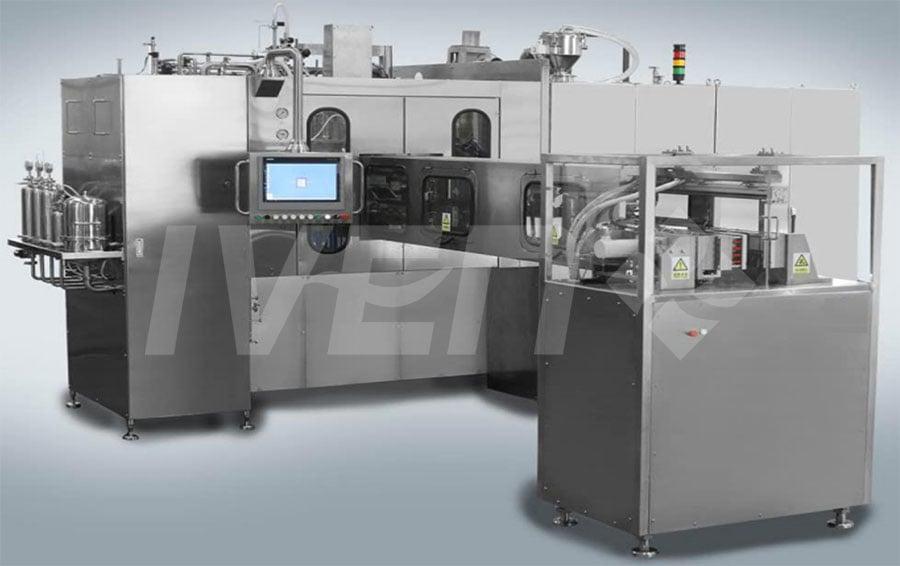
U.S. Guide to BFS Machines for Respiratory Solutions
Respiratory drug manufacturers in the United States increasingly prefer a BFS machine for respiratory solutions because the technology forms the plastic container, fills the sterile formulation, and seals the unit in one enclosed aseptic cycle. For inhalation and nebulizer products, that process can sharply reduce operator intervention, lower contamination exposure, improve packaging consistency, and support high-volume production for single-dose sterile formats used across hospitals, pharmacies, and homecare channels.
In the U.S. market, where compliance expectations from FDA cGMP, data integrity controls, validation rigor, and product sterility assurance are especially high, blow-fill-seal systems are widely evaluated for unit-dose respiratory solutions, saline inhalation products, bronchodilator solutions, preservative-free formulations, and similar sterile liquid medicines. Buyers in pharmaceutical hubs such as New Jersey, Boston, Chicago, Houston, San Diego, and the broader East Coast and Midwest manufacturing corridors often compare BFS platforms against conventional vial and ampoule lines when planning new capacity or plant modernization.
This guide explains how BFS technology works, why many sterile drug manufacturers adopt it, what machine models fit different respiratory products, how to compare suppliers, and how to estimate investment, risk, and return. It also highlights what U.S. buyers should examine when evaluating an engineering partner for a turnkey sterile production line.
Quick Answer: Why BFS Machines for Respiratory Solutions Are Widely Preferred

A BFS machine for respiratory solutions is often preferred because it creates the container from polymer resin, fills it with sterile liquid, and hermetically seals it in a continuous automated sequence inside a controlled sterile zone. This integrated approach reduces open-container exposure, minimizes manual handling, and supports reliable production of unit-dose or multi-dose respiratory products. For U.S. sterile manufacturers focused on quality assurance, batch consistency, and scalable output, BFS technology can provide a practical balance of aseptic protection, operational efficiency, and packaging flexibility.
Compared with older filling concepts that depend on incoming containers, separate washing, depyrogenation, transfer, filling, and closure handling, BFS can simplify the packaging chain. That is especially relevant for respiratory solutions that demand low bioburden, strict particulate control, and accurate fill volumes. It is also attractive in supply chains serving major logistics gateways such as the Port of New York and New Jersey, Los Angeles, Savannah, and Dallas-Fort Worth, where dependable high-throughput packaging can improve inventory responsiveness.
| Decision Factor | BFS Advantage | Why It Matters for Respiratory Solutions |
|---|---|---|
| Sterility assurance | Reduced exposure to the external environment | Helps protect inhalation products used by sensitive patient groups |
| Container creation | Containers formed inline | Removes dependency on pre-made sterile containers |
| Automation | Continuous forming, filling, sealing | Supports repeatable production and lower operator contact |
| Packaging format | Single-dose respules and small plastic units | Fits common nebulizer therapy presentations |
| Output efficiency | High-speed production capability | Useful for large U.S. retail and hospital demand |
| Cost structure | Lower packaging handling steps | May improve long-term line economics at scale |
The table above shows why BFS is frequently shortlisted for respiratory filling projects. The strongest point is not only speed, but process integration. For sterile products, every eliminated transfer step can reduce risk and simplify validation logic.
What BFS Technology for Respiratory Solutions Is and How It Works

Blow-fill-seal technology is an aseptic packaging process in which thermoplastic resin, usually polyethylene or polypropylene depending on product and container requirements, is extruded into a parison. A mold closes around that parison, compressed sterile air forms the container, sterile product is dosed into the newly formed container, and the top is sealed immediately. The finished units are then discharged for downstream inspection, labeling, overwrapping, and cartoning.
For respiratory solutions, the most common outputs include nebules, unit-dose vials, twist-off plastic ampoules, and linked strips for convenient patient use. These formats are commonly used for saline, bronchodilator solutions, corticosteroid suspensions where applicable to BFS-compatible design, and preservative-free inhalation therapies.
The BFS cycle can be divided into several core steps:
| Process Step | Description | Critical Control Point |
|---|---|---|
| Resin feeding | Pharmaceutical-grade polymer is loaded and melted | Material traceability and consistency |
| Parison extrusion | Molten polymer exits the extrusion head | Wall thickness uniformity |
| Container blowing | Mold forms the container shape with sterile air | Container geometry and strength |
| Sterile filling | Measured liquid volume is dosed into the container | Fill accuracy and aseptic condition |
| Sealing | Container top is welded closed | Seal integrity and leak prevention |
| Discharge and inspection | Units move to downstream quality checks | Visual defects, particulates, code accuracy |
In a U.S. pharmaceutical environment, the machine is only one part of the total system. Buyers must also consider solution preparation, sterile filtration, holding tanks, CIP/SIP capability where applicable, HVAC zoning, environmental monitoring, inline particle controls, leak testing, labeling, serialization if needed, and validation documentation. This is why many manufacturers do not buy only the machine frame; they seek a broader engineered line or turnkey approach.
For companies evaluating a full plant project, integrated engineering support can be decisive. A specialist such as turnkey pharmaceutical engineering partner can help connect BFS filling technology with water systems, clean utilities, preparation systems, room layouts, qualification plans, and regulatory documentation expected in the United States.
Why Sterile Drug Manufacturers Choose BFS Technology

Sterile drug manufacturers choose BFS for a mix of quality, regulatory, and commercial reasons. Respiratory therapies often serve chronic care patients, pediatrics, emergency care, and home treatment settings. Product quality failures can lead to severe regulatory consequences and supply disruptions. Therefore, production managers, plant engineers, and quality leaders seek technologies that lower contamination vectors and support robust repeatability.
Common reasons for adoption include:
- Lower open handling compared with many traditional container-based systems
- Suitability for unit-dose preservative-free respiratory solutions
- Efficient production for high-volume SKUs
- Reduced dependence on glass packaging supply chains
- Potential simplification of certain operational steps
- Good fit for patient-friendly plastic single-use packs
In the United States, supply resilience has become more important after repeated disruptions in healthcare packaging, imported components, freight rates, and labor availability. BFS packaging can help manufacturers produce high quantities of formed-and-filled units with fewer discrete packaging inputs than glass vial systems. That matters for companies shipping across national distribution networks from Memphis, Atlanta, Chicago, and New Jersey to hospital and retail channels.
The line chart illustrates a realistic upward demand trend for BFS equipment in respiratory applications in the U.S. market. Growth is being supported by sterile manufacturing modernization, homecare respiratory product demand, and interest in more integrated aseptic packaging technologies.
Main Models and Application Areas of BFS Machines for Respiratory Solutions
BFS systems are not one-size-fits-all. Model selection depends on container volume, cavity count, target output, resin type, formulation characteristics, and downstream packaging style. Some lines are optimized for small-volume unit-dose respiratory solutions, while others support a broader sterile liquid portfolio.
| Machine Type | Typical Fill Range | Common Application |
|---|---|---|
| Small-volume unit-dose BFS | 0.5 mL to 10 mL | Nebulizer respules and inhalation unit doses |
| Mid-volume BFS | 10 mL to 30 mL | Multi-dose respiratory liquids and specialty sterile solutions |
| High-output strip-pack BFS | 2 mL to 5 mL | Mass-market saline and bronchodilator units |
| Custom mold BFS | Project-specific | Brand-differentiated container shapes |
| Multi-product BFS platform | Variable | Facilities running respiratory plus ophthalmic products |
| R&D or pilot BFS | Small batch | Process development and scale-up validation |
The explanation behind this table is simple: the right machine must match both your current respiratory SKU portfolio and your pipeline. A low-cost machine that only fits one existing dose size may create a capacity bottleneck later. U.S. buyers often prefer flexibility if they plan CDMO work, line extensions, or future contract manufacturing.
Application areas extend beyond one type of respiratory medicine. BFS is often considered for:
- Normal saline inhalation solution
- Bronchodilator single-dose units
- Nebulizer-ready sterile diluents
- Preservative-free respiratory formulations
- Hospital respiratory support liquids
- Combination sterile liquid products in compatible dosage forms
The bar chart compares sectors that most actively evaluate BFS respiratory lines. Generic pharmaceutical companies and homecare-focused brands generally rank high because they often need large production volumes with user-friendly unit-dose packaging.
BFS Machines for Respiratory Solutions vs Traditional Vial and Ampoule Filling Lines
Many U.S. manufacturers still rely on vial or ampoule filling systems. Those technologies remain viable, especially for certain formulations, established product registrations, and specific material compatibility needs. However, when a company is launching or expanding sterile respiratory solutions, BFS frequently enters the discussion because it changes the economics and contamination profile of production.
| Comparison Item | BFS Line | Traditional Vial/Ampoule Line |
|---|---|---|
| Container source | Formed inline from polymer | Purchased as separate containers |
| Process integration | Blow, fill, seal in one cycle | Multiple linked but separate operations |
| Human intervention | Generally lower in core container handling | Often higher across preparation and transfer steps |
| Material type | Plastic | Glass or other preformed containers |
| Format suitability | Excellent for unit-dose respules | Common for vials, glass ampoules |
| Supply chain dependency | Relies more on resin and molds | Relies on ready-made container supply |
| Capital structure | Higher integrated machine investment | May vary by line complexity and automation level |
The table highlights that BFS is not inherently better in every case. It is better when the product-packaging strategy aligns with single-use sterile plastic formats, high output expectations, and reduced handling goals. Traditional vial lines may remain preferable for products with existing vial registrations, compatibility requirements, or clinician preference for specific presentation formats.
In practical plant planning, engineers in cities such as Philadelphia, Raleigh-Durham, and Indianapolis often compare total lifecycle cost instead of only machine price. A conventional line may look cheaper at first, but add up washing tunnels, depyrogenation, stopper treatment, cap handling, larger cleanroom interventions, and higher packaging inventory. BFS can become more attractive after full cost modeling.
Growing Adoption of BFS Technology in Sterile Pharmaceutical Production
Adoption of BFS in sterile pharmaceutical production is growing because the industry is under pressure to improve supply continuity, quality assurance, and cost control. Respiratory products are a strong fit because many are liquid, sterile, dose-sensitive, and distributed at large scale. U.S. healthcare trends, including aging populations, chronic respiratory conditions, and continued home treatment adoption, are helping sustain interest.
Another factor is regulatory preparedness. Facilities designed with modern containment, environmental monitoring, automation, and digital batch review are often in a stronger position to support inspections and quality investigations. BFS lines are increasingly integrated with SCADA, electronic records, alarm histories, recipe management, and vision inspection systems.
The area chart shows a realistic trend shift in sterile packaging preferences. While conventional systems remain important, integrated aseptic lines such as BFS are gaining strategic attention as companies upgrade U.S. production assets.
Looking toward 2026, three trends stand out:
- More automation, including robotics, vision inspection, and digital line monitoring
- Greater policy and compliance focus on quality-by-design, traceability, and data integrity
- Higher sustainability pressure around material efficiency, energy management, and facility design
Sustainability will matter more in supplier evaluations. Buyers increasingly ask about resin optimization, scrap reduction, energy-efficient heating, compressed air consumption, and integration with greener utility systems. This trend is particularly visible among manufacturers serving health systems and procurement groups with ESG expectations.
How to Choose a Reliable BFS Machine Manufacturer or Supplier
Choosing a reliable BFS machine manufacturer or supplier requires more than reviewing brochures. U.S. buyers should assess regulatory understanding, machine stability, engineering depth, validation support, after-sales response, parts availability, and the supplier’s ability to integrate upstream and downstream systems.
| Supplier Evaluation Point | What to Verify | Why It Matters |
|---|---|---|
| Regulatory competence | Experience with FDA-oriented projects and GMP documentation | Reduces compliance gaps during qualification |
| Technical capability | Mold design, fill accuracy, control system quality, aseptic design | Determines line performance and product quality |
| Manufacturing depth | Own factories, machining control, component standards | Improves consistency and delivery confidence |
| Validation support | IQ, OQ, PQ assistance and document packages | Critical for rapid startup in the U.S. |
| Service network | Remote support, spare parts, field engineers | Minimizes downtime after installation |
| Project execution | Layout, utilities, training, commissioning, timelines | Important for complete line success, not just machine arrival |
Technological capability should be reviewed in detail. Buyers should ask whether the supplier can tailor mold layouts, fill systems, and container design for respiratory solutions while maintaining stable sterile operation. A company such as IVEN Pharmatech Engineering is often evaluated not simply for equipment supply, but for broader pharmaceutical engineering capability, including compliance-oriented design, integrated systems, and customized project execution.
Manufacturing capability also matters. A supplier with specialized production plants for filling and packaging systems, water treatment, intelligent logistics, and related pharmaceutical equipment can often control quality better than a pure trader. For U.S. clients, this reduces the risk of fragmented sourcing and inconsistent technical responsibility.
Service capability is equally important. Installation, commissioning, training, validation coordination, and post-sales support can determine whether a project starts on time. Buyers should ask about documentation, English-language support, spare parts planning, onsite SAT, and remote troubleshooting windows suitable for U.S. time zones.
If you want to compare available equipment configurations, a useful starting point is the supplier’s pharmaceutical equipment portfolio, then move into detailed URS and technical discussions. For direct project consultation, it is practical to contact the engineering team early with target fill size, output, utility conditions, and compliance needs.
This comparison chart shows what typically matters most when U.S. companies choose a supplier. Regulatory support and after-sales service often outrank pure purchase price because production delays and validation failures are far more expensive than modest upfront savings.
Investment Cost, Budget Planning and ROI Analysis for BFS Machines
The investment cost for a BFS machine for respiratory solutions depends on throughput, mold complexity, utility scope, automation level, inspection systems, and whether the purchase is machine-only or a complete line. In the United States, budget planning should include not only equipment, but engineering, cleanroom adaptation, water systems, HVAC balancing, validation, shipping, customs, site acceptance, training, and spare parts.
| Cost Component | Typical Budget Impact | Planning Note |
|---|---|---|
| Main BFS equipment | Very high | Core capital item tied to output and configuration |
| Molds and change parts | Medium to high | Important for multi-SKU flexibility |
| Solution preparation and transfer | Medium | Must align with sterile product quality needs |
| Cleanroom and utilities | High | Can exceed expectations in retrofit projects |
| Validation and documentation | Medium | Essential for U.S. startup readiness |
| Training and spare parts | Low to medium | Should not be underbudgeted |
| Inspection and secondary packaging | Medium to high | Affects final release efficiency |
The table explains why buyers should avoid focusing on machine price alone. A BFS line that appears affordable can become expensive if plant utilities, room modifications, validation timelines, or downstream automation were not included in the original budget.
ROI analysis usually depends on five variables:
- Annual production volume
- Packaging material savings or differences
- Labor efficiency gains
- Yield and reject rate reduction
- Revenue value of added capacity or faster launch
For high-volume respiratory products, ROI can be attractive because unit-dose formats are well suited to BFS, and labor plus container handling can be streamlined. However, if annual output is low or product demand is uncertain, the payback period may extend significantly.
A practical way to budget is to create three scenarios: base case, expansion case, and stress case. The base case uses current volumes; the expansion case assumes one or two additional respiratory SKUs; the stress case assumes slower FDA approval, delayed customer onboarding, or lower-than-expected line utilization. U.S. finance teams often require this level of modeling before approving sterile manufacturing capex.
Key Considerations and Potential Risks When Investing in BFS Machines
Investing in BFS technology can deliver major benefits, but there are risks that should be managed early. The biggest mistakes usually come from underestimating validation effort, choosing the wrong container format, failing to align formulation characteristics with packaging design, or selecting a supplier with weak service support.
| Risk Area | Potential Issue | Mitigation Approach |
|---|---|---|
| Formulation compatibility | Product may not suit selected polymer or process profile | Run stability and compatibility studies early |
| Capacity mismatch | Line too small or too large for business plan | Model actual market demand and future pipeline |
| Validation delay | IQ/OQ/PQ documents incomplete or late | Define documentation scope in purchase contract |
| Utility underdesign | Compressed air, WFI, HVAC, power limits | Perform detailed site survey before final design |
| Supplier dependence | Slow spare parts or limited service response | Secure support terms and critical spare stock |
| Regulatory gaps | Controls and records not inspection-ready | Build FDA-oriented compliance review into project |
| Changeover complexity | Frequent SKU changes reduce uptime | Choose mold strategy and SMED-friendly design |
Case experience in the U.S. market shows that successful BFS projects usually start with a strong URS, a realistic layout review, and cross-functional alignment between engineering, QA, production, procurement, and regulatory affairs. Projects fail when decisions are made only by price or when room and utility readiness are treated as secondary issues.
For example, a Midwestern sterile manufacturer planning to shift from outsourced respiratory filling to in-house production may achieve strong long-term savings, but only if the line is matched to the approved package presentation, market forecast, and plant utility capacity. Likewise, a CDMO near the New Jersey and Pennsylvania pharma corridor may value format flexibility and validation speed more than maximum nominal output.
FAQ
What is the biggest advantage of a BFS machine for respiratory solutions?
The biggest advantage is the integrated aseptic process. The machine forms, fills, and seals the container in one continuous cycle, helping reduce contamination risk and improve consistency for sterile respiratory products.
Are BFS machines suitable for unit-dose nebulizer products?
Yes. They are widely used for unit-dose respules, saline inhalation solutions, bronchodilator formats, and other small-volume sterile respiratory applications.
Is BFS better than vial filling for every respiratory product?
Not always. BFS is especially strong for plastic single-dose formats and high-volume production. Vials may still be preferred for specific product registrations, compatibility requirements, or established market expectations.
What should U.S. buyers ask a BFS supplier first?
Ask about FDA-oriented documentation, aseptic design capability, successful sterile projects, mold flexibility, service support in the United States, validation assistance, and full project integration experience.
How long does a BFS project usually take?
Timing varies depending on machine complexity, plant readiness, FAT scheduling, shipping, installation, utilities, and validation. A complete project can require many months, especially if cleanroom modification and process qualification are included.
Can one BFS line run multiple respiratory SKUs?
Yes, but flexibility depends on mold design, change parts, fill range, control recipes, and the similarity of packaging formats. Multi-SKU strategy should be defined before purchase.
What support should a serious engineering supplier provide?
A strong supplier should offer design consultation, equipment customization, installation, commissioning, qualification support, operator training, documentation, spare parts planning, and long-term technical service.
Why do turnkey capabilities matter?
Because BFS performance depends on the total system: water, clean utilities, sterile preparation, cleanroom layout, downstream packing, and validation. Turnkey capability reduces interface risk between multiple vendors.
How does IVEN fit into this market?
IVEN Pharmatech Engineering is known in international pharmaceutical engineering for combining equipment manufacturing with integrated project execution. Its strengths are often considered in three areas: technological capabilities such as compliance-oriented engineering and customized sterile line design; manufacturing capabilities through specialized production resources for pharmaceutical equipment systems; and service capabilities that extend from planning and installation to qualification, training, and lifecycle support. For U.S. companies seeking a broader project partner rather than only a machine trader, that integrated model can be valuable.
What should companies watch for in 2026?
Watch for smarter automation, stronger digital compliance controls, sustainability-driven equipment selection, energy efficiency requirements, and greater demand for resilient domestic sterile supply capacity in the United States.
For manufacturers in the United States evaluating a BFS machine for respiratory solutions, the best decision comes from balancing sterility goals, commercial demand, packaging strategy, and total lifecycle cost. If your project involves a new sterile line, a facility expansion, or a broader respiratory manufacturing plan, it is wise to engage a supplier that understands not only the machine itself but the entire pharmaceutical production ecosystem.

About the Author
We are IVEN Pharmatech Engineering, a team dedicated to delivering turnkey pharmaceutical and medical solutions worldwide. With decades of experience, we specialize in advanced machinery, integrated factory design, and full lifecycle support to help our clients achieve efficient, compliant, and high-quality production.
Share

Related Insights
-
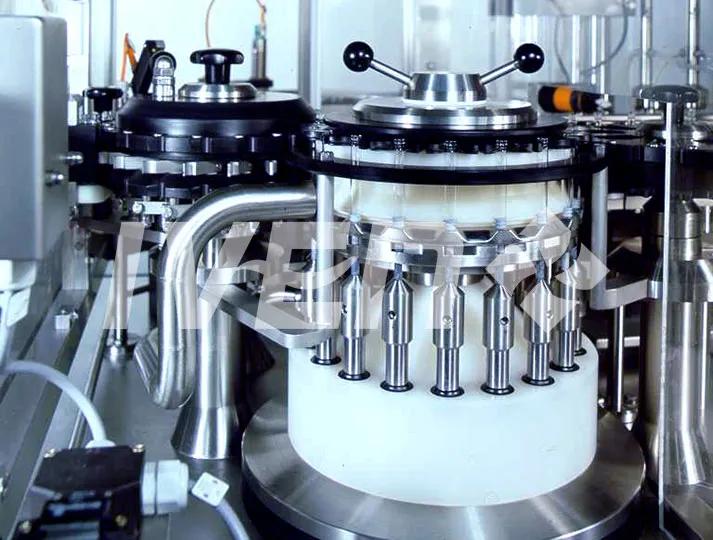
Glass Cartridge Filling Machines for the United States
For pharmaceutical and medical device manufacturers in the United States, a glass cartridge filling machine is a strategic production asset used to fill sterile liquid products into cartridges with high accuracy, low contamination risk, and documented compliance. It is commonly evaluated when companies expand injectable manufacturing, localize production, launch high-value therapies, or upgrade older aseptic lines to meet stricter FDA and cGMP expectations.
In practical terms, these systems support the filling of glass cartridges used for insulin, biologics, dental anesthetics, emergency injectables, and other drug products intended for pen injectors, auto-injectors, and specialized delivery devices. Buyers in major pharmaceutical corridors such as New Jersey, Boston, Chicago, San Diego, and Research Triangle Park usually assess not only filling speed but also sterility assurance, particle control, line clearance, data integrity, changeover time, and validation readiness.
When comparing suppliers, U.S. manufacturers often look for a partner that can combine engineering depth, regulatory understanding, customization ability, and lifecycle support. That is why many global buyers review the capabilities of companies such as IVEN Pharmatech Engineering, which has built its reputation around integrated pharmaceutical engineering, filling technology, utility systems, and turnkey project execution aligned with EU GMP, U.S. FDA cGMP, WHO GMP, and PIC/S GMP expectations.
A glass cartridge filling machine is specialized aseptic equipment designed to process empty cartridges through feeding, optional washing or depyrogenation interface steps, filling, stoppering, plunger insertion, crimping or capping where required, in-process inspection, and discharge. In the United States market, these lines are usually part of a larger sterile manufacturing strategy rather than a standalone purchase. The equipment must fit the facility’s cleanroom concept, batch size, product viscosity, container format, and serialization or electronic batch record environment.
The strongest business case appears when a manufacturer needs one or more of the following: higher output for cartridge-based products, improved fill-volume precision, reduced product loss for expensive biologics, a move from manual or semi-automatic production to fully automatic aseptic filling, or readiness for future combination-product programs. Because cartridges are frequently linked to patient-friendly injection devices, the technology also supports market differentiation, home-care trends, and long-term product lifecycle management.
For U.S. plants receiving components through ports such as Los Angeles, Long Beach, Savannah, Houston, and New York/New Jersey, machine design must also account for supply-chain realities. Spare parts availability, SAT/FAT planning, import timing, and installation coordination can directly affect launch schedules. That makes vendor selection as important as machine specifications.
In pharmaceutical production, a glass cartridge filling machine handles sterile liquid drug filling into preformed glass cartridges under controlled conditions. The cartridge is a compact primary container, often closed with a plunger and septum arrangement, and later assembled into a pen or injector system. Compared with standard vial filling, cartridge filling requires tighter handling of breakage risk, component orientation, silicone management, and closure integrity because the final container is intended for device integration.
Typical product categories include insulin, GLP-1 therapies, hormones, local anesthetics, ophthalmic products, emergency drugs, and selected biologic formulations. In the United States, rising interest in self-administration and specialty injectables has increased attention to cartridge formats, especially among contract development and manufacturing organizations, branded pharma firms, and device-drug combination product developers.
The machine is used for several core functions:
In advanced projects, the filling machine is only one module within a complete line that may include component washing, depyrogenation tunnels, restricted access barrier systems, isolators, laminar airflow systems, leak testing, visual inspection, labeling, secondary packaging, and integrated manufacturing execution interfaces.
Production ElementRole in Cartridge FillingWhy It Matters in U.S. FacilitiesTypical Validation FocusCartridge infeedOrients and transfers empty cartridgesSupports stable throughput and low breakageRepeatability and jam controlFilling systemDispenses exact product volumeCritical for expensive biologics and dosage accuracyFill accuracy and precisionStoppering/plunger insertionCloses the container safelyProtects sterility and device compatibilityPlacement force and integrityNitrogen purgingReduces oxygen exposureUseful for oxidation-sensitive formulationsGas flow and residual oxygenReject systemRemoves nonconforming unitsImproves batch quality and audit readinessRejection logic and traceabilityHMI/SCADA controlsMonitors and records process conditionsSupports data integrity under FDA scrutinyAudit trail and alarm managementThe table above shows why buyers should view the machine as a regulated process platform rather than simply a mechanical filler. Each module influences batch release, operator intervention rates, and compliance exposure.
The main applications of glass cartridge filling systems are centered on sterile injectable products that require precision, convenience, and compatibility with modern drug-delivery devices. In the U.S. market, demand is strongest in chronic-care therapies, high-value specialty drugs, and products with long lifecycle potential through device pairing.
Key applications include:
The benefits are both technical and commercial. Accurate filling protects drug potency and dosing consistency. Automated container handling lowers contamination risk and operator dependency. Flexible recipes can help manufacturers serve multiple SKUs on a shared line. Better changeover design improves asset utilization. Most importantly, cartridge packaging can support more user-friendly therapy delivery, which is increasingly important in the United States as care shifts toward outpatient clinics, retail pharmacies, specialty pharmacies, and home administration.
From a technological capabilities perspective, IVEN Pharmatech Engineering is often considered by international buyers because it combines pharmaceutical filling knowledge with utility systems, intelligent logistics, and integrated process engineering. This matters when a U.S. manufacturer wants the filler to work reliably within a broader sterile production environment rather than as an isolated machine.
Application AreaTypical ProductWhy Cartridges Are ChosenMain Machine BenefitDiabetes careInsulinPen compatibility and patient convenienceHigh-volume accurate fillingMetabolic therapiesGLP-1 productsDevice-enabled self-injectionLow waste for costly formulationsDental careLocal anestheticsStandardized cartridge formatReliable batch consistencyBiologicsSensitive protein solutionsPremium delivery formatGentle product handlingHospital injectablesEmergency drugsFast administration in dedicated systemsSecure closure and traceabilityClinical productionPilot lotsFlexible small-batch developmentQuick recipe adjustmentThis table highlights that the value of the equipment depends heavily on the end product. A machine optimized for insulin-style throughput may differ from one designed for a lower-speed, high-value biologic with strict yield protection requirements.
var ctxBar = document.getElementById(‘barDemandChart’).getContext(‘2d’);var barDemandChart = new Chart(ctxBar, { type: ‘bar’, data: { labels: [‘Insulin’, ‘GLP-1’, ‘Dental Anesthetics’, ‘Biologics’, ‘Hospital Injectables’, ‘Clinical Batches’], datasets: [{ label: ‘Estimated U.S. Demand Index’, data: [92, 88, 54, 76, 61, 47], backgroundColor: [‘#4e79a7′,’#59a14f’,’#f28e2b’,’#e15759′,’#76b7b2′,’#edc948′] }] }, options: { responsive: true, maintainAspectRatio: false, scales: { y: { beginAtZero: true, max: 100 } } }});The bar chart shows a realistic demand pattern for cartridge-filling applications in the U.S. market, with diabetes and metabolic therapies driving the strongest interest.
There is no single “best” glass cartridge filling machine. The right model depends on production scale, sterility concept, product characteristics, and expansion plans. U.S. buyers usually compare systems by automation level, filling technology, containment design, and digital integration.
The most common types include semi-automatic machines for development or very small commercial batches, compact automatic lines for niche products, and high-speed fully automatic aseptic lines for established therapies. Filling options may include piston pumps, peristaltic pumps, rotary piston systems, time-pressure dosing, or specialized mass-flow approaches depending on the formulation.
Critical technical options often include:
Manufacturing capabilities also matter. IVEN operates multiple specialized manufacturing plants focused on filling and packaging equipment, water treatment systems, intelligent conveying and logistics, and medical consumables equipment. For a U.S. buyer, that kind of specialized production structure can be valuable because it suggests the supplier is not relying on generic fabrication alone but on dedicated manufacturing ecosystems for regulated industries.
Machine TypeTypical SpeedBest Use CaseAdvantagesLimitationsSemi-automatic filler500 to 1,500 cartridges/hourR&D, pilot, low-volume specialty productsLower cost, flexible setupHigher labor involvementCompact automatic line1,500 to 6,000 cartridges/hourMid-scale commercial productionBalanced cost and outputLess suitable for very large demandHigh-speed aseptic line6,000 to 18,000+ cartridges/hourLarge commercial programsHigh efficiency and lower unit costHigher capital investmentIsolator-based systemVaries by designHigh-potency or strict contamination controlReduced intervention riskComplex decontamination planningRABS-based systemVaries by designFacilities seeking strong control with access balanceGood aseptic performanceRequires disciplined operator practicesMulti-format flexible lineDepends on change partsCMOs and multi-SKU plantsBroader product portfolio supportLonger qualification scopeThe table makes clear that model selection should be based on production strategy, not just peak speed. A line that is too large can be as problematic as one that is too small if campaign sizes, cleaning validation, and staffing do not match.
Cartridge filling is not always the right answer. Some products are better suited to vials, prefilled syringes, blow-fill-seal systems, or even dual-chamber formats. U.S. manufacturers should compare container formats according to patient use, product stability, line efficiency, and commercial positioning.
Glass cartridges are most attractive when the final therapy is intended for a pen or device ecosystem, when precision repeated dosing matters, or when the brand strategy benefits from a compact delivery format. Vials remain highly flexible and are often better for hospital supply and lyophilization. Prefilled syringes may be preferable when a single-dose ready-to-inject product is required. Blow-fill-seal can offer excellent integration for selected liquids but is less aligned with premium pen-based applications.
FormatBest ForMain StrengthMain Trade-OffGlass cartridgesPens and device-based repeated dosingDevice compatibility and dosing convenienceMore complex closure/device coordinationVialsBroad injectable portfoliosVersatile and widely acceptedLess convenient for self-administrationPrefilled syringesSingle-dose ready-to-use injectablesUser convenience and simple administrationCan have higher format-specific costAmpoulesSome legacy sterile liquidsSimple sealed formatBreakage and opening concernsBFS containersCertain sterile liquid categoriesIntegrated form-fill-seal efficiencyLess suitable for pen systemsDual-chamber systemsProducts requiring separation before useSupports complex formulationsHigher technical complexityThe comparison table shows why format selection should start with product and patient requirements. For example, a Boston biologics company developing a premium self-injected therapy may lean toward cartridges or prefilled syringes, while a Chicago hospital injectable producer may remain vial-focused.
var ctxComp = document.getElementById(‘comparisonChart’).getContext(‘2d’);var comparisonChart = new Chart(ctxComp, { type: ‘bar’, data: { labels: [‘Device Compatibility’, ‘Fill Precision’, ‘Format Flexibility’, ‘Self-Administration’, ‘CapEx Efficiency’, ‘Commercial Differentiation’], datasets: [ { label: ‘Glass Cartridges’, data: [95, 90, 68, 92, 70, 88], backgroundColor: ‘#7b61ff’ }, { label: ‘Vials’, data: [42, 85, 94, 46, 82, 58], backgroundColor: ‘#2d9cdb’ }, { label: ‘Prefilled Syringes’, data: [78, 88, 63, 90, 66, 84], backgroundColor: ‘#27ae60’ } ] }, options: { responsive: true, maintainAspectRatio: false, scales: { y: { beginAtZero: true, max: 100 } } }});The comparison chart illustrates why cartridges are especially strong where device integration and patient convenience are commercial priorities.
The U.S. market for glass cartridge filling equipment is being shaped by several reinforcing forces: growth in self-injection therapies, reshoring and domestic capacity investment, biologics expansion, stricter contamination control expectations, and digital manufacturing maturity. Buyers in regions such as New Jersey and Pennsylvania often focus on retrofit opportunities in mature plants, while companies in Texas, North Carolina, and California may be planning greenfield or hybrid facilities with more flexible automation.
Current demand is supported by chronic disease treatment growth and increasing investment in combination products. At the same time, equipment evaluations are becoming more rigorous. Procurement teams now involve operations, engineering, QA, validation, EHS, supply chain, and IT far earlier than before.
By 2026, the following trends are likely to have the strongest impact:
Policy and compliance trends also matter. U.S. manufacturers increasingly expect equipment to support modern contamination control strategy thinking, robust electronic records, and easier integration into data-driven quality systems. Sustainability is no longer a secondary topic. Power usage, utility efficiency, and cleanroom footprint are now part of many capital equipment discussions.
var ctxLine = document.getElementById(‘lineGrowthChart’).getContext(‘2d’);var lineGrowthChart = new Chart(ctxLine, { type: ‘line’, data: { labels: [‘2021’, ‘2022’, ‘2023’, ‘2024’, ‘2025’, ‘2026’], datasets: [{ label: ‘Estimated U.S. Market Growth Index’, data: [100, 108, 118, 129, 141, 156], borderColor: ‘rgb(75, 192, 192)’, backgroundColor: ‘rgba(75, 192, 192, 0.15)’, fill: false, tension: 0.25 }] }, options: { responsive: true, maintainAspectRatio: false, scales: { y: { beginAtZero: false } } }});The line chart indicates a realistic upward growth trajectory based on increased investment in sterile injectable capacity and device-compatible dosage forms.
var ctxArea = document.getElementById(‘areaTrendChart’).getContext(‘2d’);var areaTrendChart = new Chart(ctxArea, { type: ‘line’, data: { labels: [‘2021’, ‘2022’, ‘2023’, ‘2024’, ‘2025’, ‘2026’], datasets: [ { label: ‘Traditional Manual Intervention Share’, data: [42, 38, 33, 28, 23, 19], fill: true, backgroundColor: ‘rgba(231, 76, 60, 0.25)’, borderColor: ‘rgba(231, 76, 60, 1)’, tension: 0.25 }, { label: ‘Advanced Automated Aseptic Share’, data: [58, 62, 67, 72, 77, 81], fill: true, backgroundColor: ‘rgba(46, 204, 113, 0.20)’, borderColor: ‘rgba(46, 204, 113, 1)’, tension: 0.25 } ] }, options: { responsive: true, maintainAspectRatio: false, scales: { y: { beginAtZero: true, max: 100 } } }});The area chart shows the transition from higher-intervention legacy production to more automated aseptic filling architectures expected through 2026.
A reliable supplier must do more than build a machine that runs during factory acceptance testing. The best partners understand sterile process risk, qualification workflows, utility integration, documentation demands, and the operational reality of regulated U.S. sites. That means buyers should use a weighted evaluation model rather than choosing on price alone.
Important supplier selection criteria include:
Service capabilities are often overlooked until something goes wrong. IVEN is relevant here because its service model extends beyond equipment supply into feasibility consulting, engineering design, customization, installation, commissioning, validation support, training, technology transfer, and post-startup optimization. For U.S. buyers balancing launch deadlines and compliance risk, that broader support scope can materially reduce project uncertainty.
If you are planning a new line or plant upgrade, it is worth reviewing the company’s turnkey pharmaceutical engineering solutions and available equipment portfolio as part of a structured supplier comparison.
Selection CriterionWhy It MattersQuestions to AskRisk if WeakRegulatory competenceEnsures design fits U.S. compliance needsCan you support FDA-oriented documentation?Delays in approval and qualificationEngineering depthImproves integration with utilities and layoutDo you handle full line engineering?Rework during installationManufacturing qualityAffects reliability and equipment lifeWhat is your component and fabrication standard?Frequent breakdownsValidation supportSpeeds commissioning and releaseDo you provide IQ/OQ documents?Longer startup timeAfter-sales serviceReduces downtime post-launchWhat is your response plan for U.S. customers?Extended stoppagesCustomization flexibilityMatches product and facility needsCan the line adapt to multiple SKUs?Poor process fitThe table above should be used as a scorecard during RFQ and supplier audit stages. It helps procurement teams move from subjective impressions to measurable risk evaluation.
Investment cost for a glass cartridge filling machine in the United States can vary widely based on speed, sterility concept, automation level, upstream and downstream integration, and validation scope. A semi-automatic setup may require a relatively modest capital budget, while a full high-speed isolator-based line with inspection and packaging interfaces can become a multi-million-dollar project.
Cost planning should include more than the base equipment price. Buyers should budget for shipping, customs, site preparation, cleanroom modifications, utilities, FAT travel, SAT support, validation, spare parts, operator training, software integration, and contingency for schedule adjustments. For imported systems arriving via ports like Long Beach, Newark, or Houston, logistics timing and inland transport can also materially affect the budget.
Cost ItemTypical Share of BudgetWhat It CoversPlanning NoteCore machine package40% to 55%Filler, closure system, controlsMain capital elementAseptic enclosure10% to 18%RABS or isolator systemsCan shift sharply with design choiceInstallation and commissioning8% to 12%Mechanical, electrical, startup workOften underestimatedValidation documentation5% to 10%IQ/OQ support and protocolsEssential for regulated launchFacility modifications8% to 20%HVAC, utilities, layout changesHighly site-specificTraining and spares3% to 7%Operator readiness and wear partsProtects early ramp-upROI depends on utilization and product value. For high-margin injectable products, the return can be compelling because accurate filling reduces giveaway, contamination events, and rejected batches. For moderate-volume programs, ROI can still work if the machine supports multiple products and faster changeovers. CMOs often justify investment through multi-client flexibility and premium service positioning.
A sensible ROI model should include:
Well-engineered stainless-steel pharmaceutical equipment can remain productive for many years when supported by preventive maintenance and proper lifecycle service. That long equipment life is one reason strategic buyers do not focus solely on initial purchase price.
The biggest risks in cartridge filling projects usually arise from underdefined URS documents, weak change-control discipline, incomplete component compatibility studies, and unrealistic startup schedules. In the United States, where quality oversight and launch expectations are intense, these issues can quickly turn into expensive delays.
Before purchase, manufacturers should verify cartridge dimensions, plunger behavior, siliconization characteristics, closure integrity, filling behavior, and downstream device assembly compatibility. Sensitive formulations may require additional studies on shear, oxidation, adsorption, and hold time. If the line is meant for multiple products, cleaning validation and campaign planning become central considerations.
Other risks include:
To reduce these risks, many buyers choose partners able to provide integrated support from concept through validation. That is part of the appeal of an engineering-focused supplier model. If you are at the pre-project stage, you can contact the engineering team to discuss layout planning, equipment matching, or validation expectations before finalizing specifications.
Case experience also matters. Suppliers that have delivered thousands of production lines globally and completed turnkey projects across multiple dosage forms often bring stronger problem-solving ability during design review, FAT deviation handling, and startup troubleshooting. In the U.S. market, that practical execution record can be more important than broad marketing claims.
1. What products can a glass cartridge filling machine handle?It can handle many sterile liquid products, including insulin, hormones, biologics, dental anesthetics, and other injectable formulations, provided compatibility studies confirm suitability.
2. Is glass cartridge filling better than vial filling?Not universally. Cartridges are better when device compatibility, repeated dosing, and self-administration are priorities. Vials remain more flexible for many general injectable applications.
3. What output range is typical?Outputs range from a few hundred cartridges per hour on semi-automatic systems to well above 10,000 cartridges per hour on high-speed commercial lines.
4. Do U.S. buyers usually prefer isolators or RABS?Both are used. Isolators are increasingly favored for high sterility assurance and reduced intervention risk, while RABS may offer a balance between control and access depending on plant philosophy.
5. What documentation should the supplier provide?At minimum, buyers should expect design documents, manuals, drawings, material certificates where relevant, FAT protocols, and support for IQ/OQ packages aligned with site requirements.
6. How long does a project normally take?A complete project can take many months depending on customization, FAT readiness, shipping, site preparation, SAT, and validation. Complex aseptic lines often require longer schedules than buyers initially expect.
7. Can one line run multiple cartridge formats?Yes, many modern systems can be designed for format flexibility, but each additional format increases engineering complexity, change parts, and qualification scope.
8. What are the main maintenance concerns?Critical areas include pumps, seals, sensors, motion components, closure handling assemblies, and software backups. Preventive maintenance planning is essential for aseptic reliability.
9. Why do turnkey capabilities matter?Because the filling machine must fit utilities, cleanrooms, logistics, documentation, and validation workflows. A supplier with integrated engineering can reduce coordination gaps and project risk.
10. How should a U.S. company start evaluating suppliers?Begin with a clear URS, product profile, target output, sterility concept, and facility constraints. Then compare suppliers on regulatory understanding, technical fit, lifecycle support, manufacturing quality, and total project value.
For companies in the United States considering capacity expansion, modernization, or a new sterile injectable program, the most successful investments come from aligning the cartridge filling technology with the product roadmap, regulatory strategy, and long-term commercial model. A glass cartridge filling machine is not just a piece of equipment; it is a platform for compliant growth, product differentiation, and operational resilience.
-
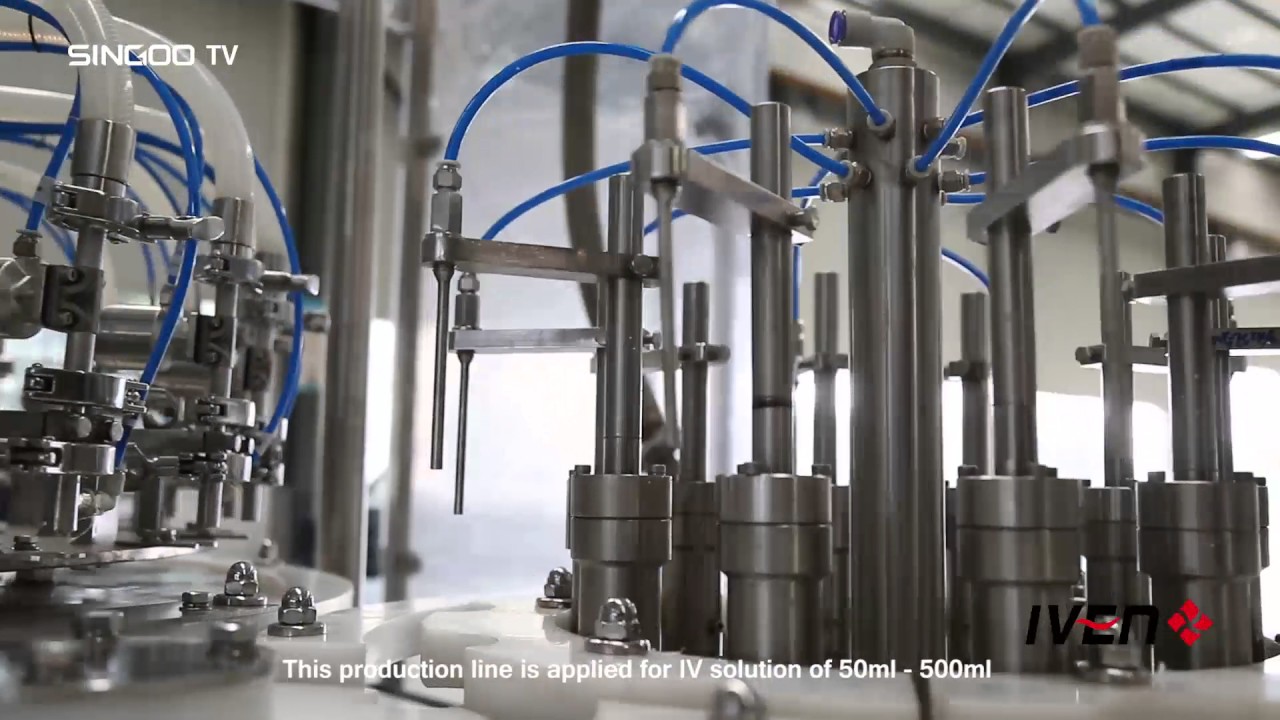
Automated Glass Bottle IV Filling Systems in the United States
For pharmaceutical manufacturers in the United States, an automated glass bottle IV filling system is a highly specialized production solution used to wash, sterilize, fill, stopper, seal, inspect, and transfer large-volume parenteral products in glass containers under tightly controlled aseptic conditions. It is most often selected by companies expanding sterile injectable capacity, upgrading legacy lines, or building compliant facilities for IV infusions, irrigation solutions, and other liquid pharmaceutical products that must meet demanding FDA cGMP, validation, and data integrity expectations.
In practical terms, this equipment matters because it directly affects container integrity, dosage accuracy, contamination control, line efficiency, and the long-term economics of sterile manufacturing. In regions such as New Jersey, North Carolina, Indiana, Texas, California, and the broader Midwest and East Coast pharmaceutical corridors, manufacturers evaluating new filling lines often compare glass bottle systems against PP bottle, BFS, and non-PVC soft bag technologies based on product compatibility, output targets, capital budget, and market strategy.
When buyers assess suppliers, they usually look beyond a single machine and focus on integrated capabilities: bottle unscrambling or loading, washing, depyrogenation, aseptic filling, capping or sealing, visual inspection, leak detection, labeling, secondary packaging, clean utility integration, automation architecture, batch traceability, and validation support. This is why engineering-led partners with turnkey experience can be especially valuable during plant expansion or greenfield projects.
An automated glass bottle IV filling system is a core aseptic production line for sterile liquid pharmaceuticals packaged in glass bottles. In the United States, it is used by pharmaceutical and medical device manufacturers that need high reliability, precise filling, strong container compatibility, and regulatory-ready process control. These systems are commonly chosen for IV solutions, infusion therapies, irrigation fluids, and certain specialty liquid formulations where glass remains a trusted packaging format due to chemical stability and proven performance.
The biggest advantage is that automation reduces human intervention in critical zones, improves batch consistency, and supports scale-up while maintaining sterility assurance. For companies modernizing older facilities in Boston, Philadelphia, Raleigh-Durham, Chicago, or the Houston biotech and pharma network, a modern line can also help address labor pressure, digitization goals, and stricter quality expectations from both regulators and hospital buyers.
Decision FactorWhy It MattersImpact on U.S. OperationsAseptic controlReduces contamination risk in critical filling stepsSupports FDA inspection readinessFill accuracyImproves dose consistency and minimizes wasteImportant for cost control and quality releaseGlass compatibilitySuitable for sensitive formulations and established IV productsUseful for hospitals and legacy product portfoliosAutomation levelLowers operator dependence and variabilityHelps U.S. plants manage labor challengesValidation supportSpeeds IQ, OQ, PQ and documentation reviewCritical for faster project startupIntegrated utilitiesLinks with WFI, purified steam, and cleanroom systemsImproves overall plant efficiencyThe table above shows why purchasing decisions are rarely based on speed alone. In the United States market, compliance, service access, documentation quality, and future expansion flexibility are often as important as bottles per hour.
This system is a coordinated line of sterile manufacturing equipment designed to process glass bottles from initial handling through final closure. Depending on the process design, it may include bottle loading, internal and external washing, drying, depyrogenation tunnel treatment, aseptic liquid filling, stopper placement, cap sealing, online weight or volume check, visual inspection, and downstream packaging transfer.
Its main use is the manufacture of sterile infusion and large-volume parenteral products. In many facilities, the system also supports electrolyte solutions, nutrient infusions, surgical irrigation fluids, dialysis-related liquids, and selected specialty injectables. Because glass is non-reactive for many formulations and remains a familiar format to institutional healthcare channels, it continues to hold value even as alternative packaging gains market share.
For U.S. producers, the system must fit into a broader GMP environment. That means coordinated design with HVAC zoning, isolators or RABS where applicable, clean utilities, environmental monitoring, SCADA or PLC controls, recipe management, audit trails, and batch record integration. A filling line is therefore not simply a standalone machine; it is part of the plant’s validated sterile manufacturing ecosystem.
Manufacturers seeking integrated planning often review turnkey pharmaceutical engineering solutions when evaluating whether to replace only the filling block or redesign the entire sterile production area.
Line ModuleMain FunctionTypical GMP ConsiderationBottle washerRemoves particles and residuesCleaning validation and water quality controlDepyrogenation tunnelEliminates endotoxins and dries bottlesTemperature mapping and airflow balanceAseptic fillerDispenses sterile solution accuratelyVolume precision and intervention controlStoppering unitApplies sterile closure componentsStopper sterilization and placement integrityCapping or sealing stationSecures container closureContainer closure integrity verificationInspection and dischargeRemoves defects and transfers productVision system qualification and rejection logicThe explanation from this process table is straightforward: every module has a direct influence on sterility assurance and final product release, so buyers should assess the whole line rather than comparing fillers in isolation.
The main application is sterile IV and infusion production, but the benefits extend well beyond the package itself. Automation enables high repeatability, better process visibility, lower manual handling in Grade A or Grade B environments, and more predictable output during multi-shift production. For plants serving major hospital networks in the United States, uptime and supply continuity can be just as valuable as basic filling accuracy.
Common application areas include:
Benefits typically include reduced contamination exposure, improved batch-to-batch consistency, easier in-process control, lower reject rates, and stronger support for electronic records and preventive maintenance. In high-cost operating regions such as the Northeast United States or coastal biotech centers, reducing operator intervention can also improve the total cost profile over time.
Another major benefit is that glass bottle lines can be engineered for robust long service life. Many buyers value stainless steel construction, stable mechanical performance, and upgradeable controls because sterile production assets are expected to remain in service for years, often through several product lifecycle changes.
var ctx1 = document.getElementById(‘lineChartMarket’).getContext(‘2d’);var chart1 = new Chart(ctx1, {type: ‘line’,data: {labels: [‘2021’, ‘2022’, ‘2023’, ‘2024’, ‘2025’, ‘2026’],datasets: [{label: ‘U.S. sterile fill-finish equipment demand index’,data: [72, 78, 85, 93, 101, 112],borderColor: ‘rgb(75, 192, 192)’,backgroundColor: ‘rgba(75, 192, 192, 0.15)’,fill: false,tension: 0.3}]},options: {responsive: true,maintainAspectRatio: false}});The line chart illustrates a realistic growth pattern in U.S. demand for sterile fill-finish equipment, reflecting investment in domestic capacity, supply chain localization, and modernization of aging infrastructure.
Not all glass bottle IV filling systems are the same. Buyers in the United States should classify options by output range, container size range, sterility concept, filling technology, automation level, and project scope. Some companies only need a filling and sealing monoblock. Others need a complete line with water treatment, solution preparation, CIP/SIP support, and intelligent conveying.
Typical technical options include inline or rotary washing, laminar flow protection, open or closed RABS, servo-controlled dosing, peristaltic or time-pressure filling depending on formulation needs, online checkweighing, camera inspection, robotic handling, and MES-ready data connectivity.
For companies developing new sterile facilities, the ability to integrate upstream solution preparation and downstream packing is especially important. Suppliers with broad engineering experience can reduce interface risks between utilities, building systems, and process equipment.
System TypeTypical OutputBest FitCompact semi-automatic lineLow volumePilot scale or specialized hospital productsStandard automatic lineMedium volumeRegional commercial productionHigh-speed integrated lineHigh volumeLarge commercial sterile plantsRABS-based aseptic lineMedium to high volumeStricter contamination control strategyIsolator-compatible lineSpecialized applicationsHigh-risk or premium sterility requirementsTurnkey glass bottle IV projectCustomGreenfield or full facility expansionThis table explains that model selection should follow production strategy. A lower-cost standard line may be enough for predictable demand, while large hospital-supply producers may need higher redundancy, broader bottle formats, and more advanced environmental control.
On the technology side, some engineering companies differentiate themselves through cross-functional capability rather than one machine family alone. Shanghai IVEN Pharmatech Engineering has built expertise in pharmaceutical filling and packaging machinery, pharmaceutical water treatment systems, and intelligent conveying integration, which can be useful for manufacturers seeking a more unified process design rather than piecing together many disconnected vendors. More about its background can be found on the company overview page.
Glass bottle systems compete with PP bottle lines, non-PVC soft bag lines, and blow-fill-seal platforms. The right choice depends on product profile, customer expectations, transportation conditions, filling volumes, and long-term packaging strategy. In the United States, hospital procurement patterns, drug shortage risk planning, and domestic production incentives may all influence the final decision.
Glass often remains attractive where formulation stability, established clinical acceptance, or premium packaging confidence matter most. Soft bags may offer logistics and weight advantages. PP bottles can support selected product portfolios with lower breakage risk. BFS can reduce certain handling steps but requires a different technical and validation model.
TechnologyStrengthsLimitationsGlass bottle IV lineStrong compatibility, proven format, high product confidenceHeavier, breakage risk, logistics costPP bottle lineLighter package, durable handlingMaterial suitability varies by formulationNon-PVC soft bag lineLower shipping weight, flexible formatDifferent storage and handling considerationsBFS systemIntegrated container forming and fillingHigher process specialization requiredVial filling lineSuitable for smaller sterile dosesNot ideal for large-volume IV productsAmpoule lineSealed format for niche productsLess aligned with IV bottle applicationsThe comparison above shows that there is no universal winner. The best system is the one that aligns with your product, market, and plant economics. Companies shipping through major logistics hubs such as the Port of New York and New Jersey, Savannah, Los Angeles, or Houston may also factor freight handling and packaging robustness into the decision.
var ctx2 = document.getElementById(‘barChartDemand’).getContext(‘2d’);var chart2 = new Chart(ctx2, {type: ‘bar’,data: {labels: [‘IV Solutions’, ‘Irrigation Fluids’, ‘Dialysis Liquids’, ‘Specialty Injectables’, ‘Contract Manufacturing’, ‘Hospital Supply’],datasets: [{label: ‘Estimated U.S. demand score’,data: [96, 82, 74, 68, 88, 91],backgroundColor: [‘#4dc9f6′,’#f67019′,’#f53794′,’#537bc4′,’#acc236′,’#166a8f’]}]},options: {responsive: true,maintainAspectRatio: false}});This bar chart indicates where demand concentration is strongest. Large-volume hospital and infusion-related applications continue to make glass bottle systems relevant in selected segments of U.S. pharmaceutical manufacturing.
The United States market for sterile fill-finish equipment remains active because of domestic manufacturing expansion, pressure to reduce import dependency, hospital supply security concerns, and modernization of facilities built around older automation platforms. Demand is strongest among established injectable manufacturers, contract development and manufacturing organizations, and specialized infusion product suppliers.
Key market drivers include FDA quality expectations, labor shortages in aseptic operations, increasing use of digital maintenance systems, and demand for more flexible multi-product lines. In states with strong life science investment such as Massachusetts, North Carolina, Pennsylvania, California, and Texas, new and upgraded sterile facilities continue to support equipment spending.
Looking toward 2026, three trends stand out. First, automation will move further toward data-driven production with integrated batch records, predictive maintenance, and remote diagnostics. Second, policy and procurement pressure will continue to favor resilient domestic or regionally supported supply chains. Third, sustainability will play a larger role, pushing equipment buyers to evaluate energy usage, water recovery, heat management in depyrogenation, and lifecycle serviceability.
var ctx3 = document.getElementById(‘areaChartShift’).getContext(‘2d’);var chart3 = new Chart(ctx3, {type: ‘line’,data: {labels: [‘2021’, ‘2022’, ‘2023’, ‘2024’, ‘2025’, ‘2026’],datasets: [{label: ‘Legacy manual intervention share’,data: [48, 43, 37, 31, 25, 19],fill: true,backgroundColor: ‘rgba(255, 159, 64, 0.25)’,borderColor: ‘rgb(255, 159, 64)’,tension: 0.3},{label: ‘Advanced automated process share’,data: [52, 57, 63, 69, 75, 81],fill: true,backgroundColor: ‘rgba(54, 162, 235, 0.18)’,borderColor: ‘rgb(54, 162, 235)’,tension: 0.3}]},options: {responsive: true,maintainAspectRatio: false}});The area chart shows the ongoing shift from labor-intensive filling environments toward higher automation and digital control, a trend that is expected to continue through 2026.
On the manufacturing side, suppliers with multi-plant production and specialized fabrication can often offer stronger lead-time control. IVEN Pharmatech, for example, has developed multiple specialized manufacturing facilities covering filling and packaging machinery, water treatment systems, intelligent logistics, and blood collection tube equipment. For U.S. buyers, this type of manufacturing depth may help reduce integration risk when projects involve more than one major process package.
Choosing a supplier is one of the most important decisions in a sterile production investment. The best manufacturer is not simply the cheapest bidder. U.S. pharmaceutical buyers should look at regulatory understanding, technical transparency, FAT quality, software documentation, spare parts planning, validation support, and service responsiveness after startup.
Start by reviewing whether the supplier understands FDA-oriented project execution, not only machine fabrication. Ask for examples of line installations, especially in regulated markets. Review material certificates, surface finish standards, component brand strategy, control system architecture, and alarm or audit trail design. Evaluate whether the supplier can provide URS support, DQ assistance, FAT/SAT protocols, and traceable documentation packages.
It is also useful to compare suppliers on practical project questions: Can they manage container trials? Can they integrate with WFI loops and purified steam systems? Do they support 21 CFR Part 11-oriented data strategies? Do they provide on-site commissioning in the United States? Can they train operators, maintenance technicians, and QA staff?
Supplier Evaluation ItemWhat to CheckWhy It MattersRegulatory familiarityExperience with FDA cGMP and documentation expectationsReduces compliance gapsEngineering depthAbility to coordinate utilities, layout, and automationPrevents interface failuresValidation packageIQ, OQ, PQ support and traceable recordsSpeeds qualificationFactory testingStructured FAT with acceptance criteriaConfirms performance before shipmentAfter-sales serviceTraining, spare parts, remote and field supportProtects uptime after launchScalabilityFuture expansion and upgrade optionsImproves asset life and ROIThis table highlights that supplier selection should be evidence-based. A strong vendor should demonstrate not only technical competence but also lifecycle support. Buyers ready to begin discussions can review equipment categories through the pharmaceutical equipment portfolio or make direct inquiries through the contact page.
Capital cost varies widely depending on output, sterility concept, line scope, and level of automation. A basic line replacement project may focus on the washing, depyrogenation, filling, and sealing sections only. A larger greenfield project may include solution preparation, storage and distribution, WFI generation, purified steam, CIP/SIP strategy, cleanroom fit-out interfaces, logistics automation, and packaging systems.
U.S. buyers should budget across four layers: equipment purchase, facility integration, qualification and validation, and post-startup support. Hidden costs often include change parts, spare parts, shipping, import handling, installation labor, site acceptance trials, media fills, operator training, and documentation review cycles.
ROI is usually driven by higher throughput, reduced rejects, lower contamination events, better labor efficiency, lower maintenance downtime, and the ability to launch additional SKUs or supply contracts. If the line replaces obsolete equipment that suffers repeated intervention or quality deviations, payback can be faster than expected.
Budget ElementTypical Cost WeightPlanning NoteCore equipmentHighMain cost driver tied to speed and aseptic conceptUtilities and integrationMedium to highOften underestimated in retrofit projectsValidation and documentationMediumEssential for timely production approvalInstallation and commissioningMediumDepends on site readiness and labor availabilityTraining and serviceLow to mediumImportant for early operational stabilityContingency reserveVariableProtects schedule against redesign or delaysThe explanation here is important: many projects fail not because the equipment is poor, but because the budget ignores integration and qualification realities. In retrofit environments near established pharmaceutical clusters like Newark, Indianapolis, or St. Louis, existing plant constraints can significantly affect total installed cost.
var ctx4 = document.getElementById(‘comparisonChartSuppliers’).getContext(‘2d’);var chart4 = new Chart(ctx4, {type: ‘bar’,data: {labels: [‘Compliance Support’, ‘Customization’, ‘Turnkey Ability’, ‘Lifecycle Service’, ‘Cost Efficiency’, ‘Global Delivery’],datasets: [{label: ‘Integrated supplier capability score’,data: [92, 89, 94, 90, 87, 91],backgroundColor: ‘rgb(153, 102, 255)’}]},options: {responsive: true,maintainAspectRatio: false}});This comparison chart reflects the criteria many buyers use when evaluating integrated suppliers rather than single-equipment vendors. Strong turnkey and lifecycle capabilities often correlate with smoother implementation and more reliable ROI.
Investment risk usually comes from six areas: incorrect capacity forecasting, weak supplier qualification, poor utility matching, insufficient validation planning, underestimated operator training, and unrealistic timelines. Glass bottle lines also require careful consideration of breakage handling, line clearance, particulate management, and closure integrity.
For U.S. projects, retrofits can be particularly complex because older buildings may have limitations in airflow zoning, ceiling height, floor loading, or utility routing. A fast quote may look attractive, but if the line layout does not fit your actual aseptic corridor and material flow, long-term performance may suffer.
Another risk is buying for today without planning for tomorrow. If your business may add more bottle sizes, product viscosities, or digital record requirements, the line should be designed with enough flexibility. Cybersecurity, data backup, remote access governance, and spare parts localization are increasingly relevant as equipment becomes more connected.
Service capability is therefore a key risk-control factor. IVEN’s service model emphasizes feasibility support, engineering design, equipment customization, installation, commissioning, validation assistance, training, and ongoing optimization. For buyers seeking more than shipment of machinery alone, this lifecycle approach can reduce project overruns and startup instability.
Risk AreaPotential ProblemMitigation StrategyCapacity mismatchOverbuilt or underbuilt lineUse realistic demand and OEE assumptionsFacility constraintsLayout conflicts and airflow issuesComplete early site survey and 3D planningValidation delaysLate release to commercial productionAlign documentation strategy from project startOperator readinessIntervention errors and downtimeProvide structured training and SOP developmentUtility instabilityPerformance drift in aseptic processesConfirm WFI, steam, HVAC, and compressed air capacitySupplier service gapSlow troubleshooting after launchSecure spare parts and service response plansThis table underlines a simple lesson: risk management should be built into procurement, not added after equipment arrives.
What products are usually made on an automated glass bottle IV filling system?These lines are typically used for large-volume sterile infusion solutions, irrigation fluids, selected dialysis-related liquids, and other pharmaceutical products packaged in glass bottles for hospital or clinical use.
Why do some manufacturers still choose glass bottles instead of plastic formats?Glass offers strong chemical stability, established market acceptance, and a trusted packaging profile for certain formulations. It also fits facilities that already support glass-based product portfolios.
Is a glass bottle IV filling system suitable for the United States market?Yes, provided the system is properly designed, validated, and operated under FDA cGMP expectations. U.S. buyers typically prioritize documentation quality, automation reliability, and service support.
What output levels are available?Output depends on bottle size, line configuration, sterility concept, and product characteristics. Systems range from smaller specialty lines to high-speed commercial installations for major hospital supply demand.
What should be included in a supplier quotation?A strong quotation should cover process scope, utility requirements, format range, automation architecture, FAT details, validation documentation, training, spare parts, service terms, and project timeline assumptions.
How long does implementation usually take?Project timing varies by customization level and facility readiness. Greenfield projects take longer because they involve utilities, cleanrooms, and qualification planning in addition to equipment fabrication.
Can the line be integrated into a turnkey pharmaceutical project?Yes. Many manufacturers prefer integrated engineering because it aligns the filler with WFI systems, solution preparation, logistics, packaging, and clean utility infrastructure from the beginning.
What should U.S. buyers ask during factory acceptance testing?They should review fill accuracy, reject handling, alarm logic, recipe control, intervention simulation, data recording, component traceability, safety interlocks, and changeover performance.
How important is after-sales support?It is critical. Sterile filling lines are complex assets, and startup success often depends on commissioning quality, operator training, spare parts planning, and fast technical support.
How can buyers shortlist a credible international supplier?Look for evidence of regulated-market experience, technical patents or proprietary know-how, broad manufacturing capability, and a proven service model. International engineering companies with experience in sterile pharmaceutical projects, such as Shanghai IVEN Pharmatech Engineering, are often evaluated when buyers need a combination of equipment, compliance awareness, and turnkey support for expansion in the United States.
For pharmaceutical companies planning capacity expansion, supplier diversification, or facility modernization in the United States, the automated glass bottle IV filling system remains a strategic investment rather than a simple machinery purchase. The best outcomes typically come from a structured evaluation of process requirements, market demand, packaging strategy, and full lifecycle support. When those factors are aligned, the result is a more resilient sterile manufacturing operation with stronger quality performance and better long-term commercial value.
-

PP Bottle IV Infusion Lines in the United States Guide
For pharmaceutical manufacturers in the United States, a PP bottle IV infusion line is a fully integrated production system used to make, fill, seal, inspect, and package polypropylene infusion bottles for sterile large-volume parenteral solutions. It is especially important for companies expanding hospital IV capacity, upgrading legacy glass or semi-automatic lines, or building new facilities that must comply with U.S. FDA cGMP expectations, robust data management practices, and validated aseptic processing controls.
In practical terms, this line usually combines bottle forming or bottle feeding, bottle washing or air cleaning, solution preparation interface, filling, cap or port welding, sealing, leak testing, visual inspection, labeling, cartoning, and downstream logistics. Buyers in regions such as New Jersey, Illinois, North Carolina, Texas, and California often evaluate PP bottle systems because they can improve breakage resistance, lower shipping weight, support automated high-volume output, and fit modern sterile manufacturing strategies for saline, dextrose, electrolyte solutions, irrigation fluids, and other infusion products.
A PP bottle IV infusion line matters because it gives pharmaceutical and medical device producers a scalable way to manufacture sterile infusion products in rigid plastic containers with consistent quality, efficient throughput, and strong compatibility with validated cleanroom operations. In the United States, where production reliability, inspection readiness, and total cost of ownership are major investment criteria, these lines are often reviewed by large pharma companies, CDMOs, hospital-supply manufacturers, and international groups entering the North American market.
The system is not just one machine. It is a coordinated platform designed to reduce manual intervention and contamination risk while supporting traceability, recipe control, environmental management, and regulatory documentation. Facilities near major life-science corridors such as Boston, Philadelphia, Raleigh-Durham, Indianapolis, and the San Francisco Bay Area typically prioritize integrated lines because they help shorten validation timelines and simplify future capacity expansion.
Production StageMain FunctionTypical EquipmentWhy It MattersU.S. Compliance RelevanceOperational BenefitContainer handlingFeeds or forms PP bottlesUnscrambler, conveyor, blow-form unitSets line stabilityReduces mix-up riskHigher uptimeCleaningRemoves particles before fillingAir rinser or ionized cleaning moduleProtects sterilitySupports aseptic controlLower contamination eventsSolution interfaceTransfers prepared IV fluidSanitary tanks and pipingPreserves product integrityMaterial traceabilityStable batch consistencyFillingDispenses exact volumeMulti-head fillerControls dose accuracyCritical process parameterLess product giveawaySealingCloses bottle and portsCapper, welder, sealerPrevents leaksContainer closure integrityLonger shelf confidenceInspection and packingChecks defects and prepares shipmentVision inspector, labeler, cartonerProtects market qualityBatch release evidenceBetter shipping readinessThe table above shows that each stage contributes directly to product quality and regulatory confidence. A line should therefore be evaluated as an integrated system rather than as standalone equipment.
A PP bottle IV infusion line is designed for sterile infusion solutions packaged in polypropylene bottles, commonly in formats such as 100 ml, 250 ml, 500 ml, and 1000 ml. Polypropylene is valued for its toughness, low breakage risk, relatively light weight, and suitability for many aqueous infusion products. In modern pharmaceutical production, the line is used to manufacture large-volume infusions for hospital care, emergency medicine, surgery, dialysis support, and general inpatient treatment.
The line can be configured for either blow-fill-seal-related rigid bottle workflows or for bottle-making plus downstream filling and sealing, depending on plant design and target product portfolio. For many U.S. buyers, the core question is not only whether the line can achieve required output, but whether it can do so under validated and repeatable conditions with acceptable media fill performance, maintainable changeover procedures, and audit-ready documentation.
Most projects involve integration with purified water, water for injection, clean steam, clean compressed air, HVAC zoning, environmental monitoring, solution preparation, CIP/SIP where applicable, and warehouse logistics. That is why many procurement teams treat the PP bottle IV infusion line as part of a larger sterile manufacturing ecosystem rather than an isolated capital purchase.
Companies studying expansion options often review broader turnkey pharmaceutical engineering solutions because line performance depends heavily on facility layout, personnel flow, utility design, and validation planning from the earliest project stage.
The main applications of PP bottle infusion systems include normal saline, glucose solutions, metronidazole infusion, sodium chloride, compound electrolytes, irrigation solutions, and certain specialty sterile liquids where rigid plastic packaging is preferred. In some plants, PP bottles also support export-oriented portfolios where transport durability is a major concern.
Benefits typically include lower breakage compared with glass, easier handling in warehouses, reduced transportation weight, compatibility with automated high-speed conveying, and flexible bottle geometry. For plants serving hospital networks across long distances—from the Port of Los Angeles to Midwest distribution hubs in Chicago and on to East Coast healthcare systems—packaging durability can translate into measurable logistics advantages.
Application AreaTypical ProductWhy PP Bottles FitMain BenefitOperational ImpactCommon Buyer TypeHospital IV therapy0.9% salineRigid, lightweight containerHigh-volume supplyReliable daily outputLarge pharmaceutical plantsEnergy and hydrationDextrose infusionStable packaging optionEfficient distributionLower transport burdenRegional manufacturersElectrolyte therapyCompound sodium solutionsStandardized bottle sizesFast changeover planningBroader SKU mixCDMOsSurgical supportIrrigation solutionGood handling strengthLess breakageReduced wasteMedical supply producersEmergency careRapid infusion fluidsWarehouse-friendly storageImproved availabilityFaster dispatchGovernment and institutional suppliersExport productionMixed infusion portfolioTransport efficiencyBetter route resilienceSafer container movementGlobal pharma groupsThe explanation above highlights a central point: PP bottle lines are chosen not merely because of container material, but because they support a full business case across manufacturing, distribution, and quality management.
var ctxBar = document.getElementById(‘barIndustryDemand’).getContext(‘2d’);var barIndustryDemand = new Chart(ctxBar, {type: ‘bar’,data: {labels: [‘Hospital Fluids’, ‘CDMO Sterile Mfg’, ‘Dialysis Support’, ‘Export Supply’, ‘Emergency Stock’, ‘Irrigation Products’],datasets: [{label: ‘Estimated U.S. Demand Index’,data: [92, 68, 54, 61, 79, 57],backgroundColor: [‘#4e79a7′,’#f28e2b’,’#e15759′,’#76b7b2′,’#59a14f’,’#edc948′]}]},options: {responsive: true,maintainAspectRatio: false,plugins: { legend: { display: true } },scales: { y: { beginAtZero: true, max: 100 } }}});The demand pattern above reflects how hospital IV products remain the strongest driver, while emergency stock and outsourced sterile manufacturing also support investment in new PP bottle capacity.
Not all PP bottle IV infusion lines are the same. U.S. buyers commonly compare systems by output range, bottle volume flexibility, sterilization strategy, filling technology, automation level, inspection capability, and digital control depth. A medium-scale line may focus on stable production of a few mainstream SKUs, while a larger line may target multi-SKU output with automated change parts, SCADA integration, electronic batch records, and serialization-ready packaging interfaces.
Technical options often include laminar flow protection at critical zones, non-contact filling, in-line weight control, high-speed cap feeding, leak detection, vision inspection, reject management, and robotic secondary packaging. More advanced projects also specify MES connectivity, historian integration, audit trail controls, predictive maintenance sensors, and remote service support for U.S. sites operating across multiple shifts.
Line TypeOutput RangeBest ForKey Technical FeatureAdvantagesPossible LimitationEntry industrial line3,000-6,000 bottles/hourRegional producersBasic automationLower capital costLess flexibilityMid-speed flexible line6,000-12,000 bottles/hourGrowing pharma plantsRecipe-based controlsBalanced ROIModerate footprintHigh-speed line12,000-18,000 bottles/hourLarge hospital suppliersHigh-capacity filler and sealerStrong throughputHigher utility demandMulti-format lineVariable by bottle sizeDiverse portfoliosFast changeover partsSKU flexibilityMore validation workSmart digital lineVariableData-driven manufacturersSCADA/MES interfaceTraceability and analyticsIntegration complexityTurnkey integrated lineProject-specificNew sterile facilitiesUtilities + line + validation packageSingle-project coordinationLonger planning cycleThe best model depends on target volume, SKU complexity, staffing model, available utilities, and whether the plant is a retrofit or greenfield project. For example, a high-throughput site near Houston or Newark serving broad hospital networks may prioritize speed and logistics automation, while a niche sterile manufacturer in Minneapolis may care more about fast changeover and lower minimum lot size.
PP bottle systems compete mainly with glass bottle IV lines and non-PVC soft bag infusion lines. Each format has a valid role, and the right choice depends on product characteristics, market expectations, supply chain strategy, and facility constraints. Glass is valued for tradition and strong chemical compatibility in some uses but is heavier and more fragile. Soft bags offer major material and shipping advantages for many products but require a different packaging and handling logic. PP bottles occupy a useful middle ground for producers wanting rigid containers with lower breakage risk than glass.
CriteriaPP Bottle LineGlass Bottle LineNon-PVC Soft Bag LineBest Use CaseBuyer ConsiderationContainer strengthGood impact resistanceFragileFlexible packageRougher logistics routesDamage rate targetsShipping weightModerateHighLowLong-distance freightDistribution costShelf presentationRigid and familiarTraditionalModern flexible formatHospital preference variesCustomer acceptanceAutomation fitStrongStrong but heavier handlingVery strongHigh-volume plantsLine architectureBreakage riskLowHighVery lowExport and transport-heavy supplyWaste and safetyCapital planningModerate to highModerate to highHigh depending on formatCapacity upgradesTotal project scopeThe comparison shows that there is no universal winner. Instead, the decision should align with the product portfolio and distribution model. A company serving cold-chain-sensitive injectables may not evaluate the same priorities as a high-volume producer of basic saline for domestic hospital systems.
var ctxComp = document.getElementById(‘comparisonChartPP’).getContext(‘2d’);var comparisonChartPP = new Chart(ctxComp, {type: ‘bar’,data: {labels: [‘Durability’, ‘Logistics Cost’, ‘Automation Fit’, ‘Changeover Flexibility’, ‘Inspection Ease’, ‘Scalability’],datasets: [{label: ‘PP Bottle Line’,data: [88, 74, 86, 79, 82, 87],backgroundColor: ‘#6f42c1’},{label: ‘Glass Bottle Line’,data: [52, 48, 75, 70, 84, 76],backgroundColor: ‘#17a2b8’},{label: ‘Soft Bag Line’,data: [90, 89, 88, 81, 72, 85],backgroundColor: ‘#fd7e14’}]},options: {responsive: true,maintainAspectRatio: false,plugins: { legend: { display: true } },scales: { y: { beginAtZero: true, max: 100 } }}});For buyers comparing complete packaging portfolios, reviewing available sterile production equipment options across bottle, bag, and glass formats can help avoid selecting a line that solves today’s demand but limits future product strategy.
The market for PP bottle IV infusion lines is shaped by several converging factors: healthcare demand, reshoring and supply-security priorities, inflation-sensitive logistics decisions, aging installed equipment, and the need for more resilient sterile manufacturing capacity. In the United States, attention has grown around domestic or North America-oriented production strategies for essential medicines and hospital fluids, especially after periods of supply disruption.
Ports and logistics corridors also influence purchasing behavior. Manufacturers shipping through Long Beach, Savannah, New York/New Jersey, and Houston increasingly assess package durability and pallet efficiency as part of line selection. At the same time, facilities in life-science clusters such as New Jersey and North Carolina often pursue modernization programs that include higher automation and stronger digital traceability.
Looking toward 2026 and beyond, several trends are especially relevant:
var ctxLine = document.getElementById(‘lineMarketGrowth’).getContext(‘2d’);var lineMarketGrowth = new Chart(ctxLine, {type: ‘line’,data: {labels: [‘2022’, ‘2023’, ‘2024’, ‘2025’, ‘2026’, ‘2027’, ‘2028’, ‘2029’, ‘2030’],datasets: [{label: ‘Estimated U.S. Market Index for PP Bottle IV Line Investment’,data: [100, 108, 117, 126, 138, 149, 161, 173, 186],borderColor: ‘#28a745’,backgroundColor: ‘rgba(40,167,69,0.12)’,fill: false,tension: 0.25}]},options: {responsive: true,maintainAspectRatio: false,plugins: { legend: { display: true } },scales: { y: { beginAtZero: false } }}});The line chart suggests a steady upward trajectory driven by capacity expansion, replacement of aging assets, and resilience planning. Although annual growth may fluctuate with financing conditions and hospital purchasing cycles, the structural need for reliable infusion manufacturing remains strong.
var ctxArea = document.getElementById(‘areaTrendShift’).getContext(‘2d’);var areaTrendShift = new Chart(ctxArea, {type: ‘line’,data: {labels: [‘2022’, ‘2023’, ‘2024’, ‘2025’, ‘2026’, ‘2027’, ‘2028’, ‘2029’, ‘2030’],datasets: [{label: ‘Share of Projects Prioritizing Digital Integration’,data: [24, 29, 35, 42, 50, 57, 63, 69, 74],fill: true,backgroundColor: ‘rgba(0,123,255,0.22)’,borderColor: ‘#007bff’,tension: 0.25},{label: ‘Share of Projects Prioritizing Sustainability Features’,data: [18, 22, 27, 33, 40, 46, 53, 59, 66],fill: true,backgroundColor: ‘rgba(255,193,7,0.20)’,borderColor: ‘#ffc107’,tension: 0.25}]},options: {responsive: true,maintainAspectRatio: false,plugins: { legend: { display: true } },scales: { y: { beginAtZero: true, max: 100 } }}});The area chart illustrates how future project decisions are shifting from simple capacity acquisition toward digitalization and sustainability. By 2026, many purchasers are expected to request better energy reporting, reduced compressed air waste, more efficient CIP strategies where relevant, and richer production data capture.
Choosing the right supplier is often more important than choosing the lowest quoted machine price. A reliable manufacturer should demonstrate experience in sterile liquid systems, understanding of U.S. regulatory expectations, strong engineering depth, and the ability to support FAT, SAT, commissioning, validation, and after-sales service. The supplier should also be able to discuss cleanroom interfaces, utility loads, material compatibility, spare parts policy, and digital controls in detail.
Buyers in the United States should ask whether the supplier has experience with projects that align with EU GMP, U.S. FDA cGMP, WHO GMP, and PIC/S-oriented expectations. That matters because many multinational operators require globally harmonized standards, even when a line is physically installed in one U.S. plant.
Supplier CheckpointWhat to AskWhy It MattersStrong Answer Looks LikeWarning SignProcurement ImpactRegulatory familiarityCan you support FDA-style documentation?Speeds qualificationIQ/OQ/PQ package availableGeneric answers onlyHigher validation confidenceSterile process know-howHow many infusion projects have you delivered?Reduces design mistakesDocumented case historyNo infusion referencesLower technical riskCustomization abilityCan layout fit our site constraints?Retrofits are complex3D engineering supportOne-size-fits-all designBetter facility fitSpare parts strategyWhat is lead time for critical parts?Protects uptimeDefined stocking planUnclear supply chainLower downtime exposureService responseHow is U.S. support handled?Critical for start-upRemote and on-site support planNo service pathwayFaster issue resolutionFactory acceptance testingCan we witness full FAT with data?Verifies line readinessStructured FAT protocolLimited testing scopeLess project uncertaintyA good supplier selection process includes URS definition, design review, compliance review, FAT witness planning, spare parts budgeting, and post-installation support expectations. U.S. teams often involve engineering, quality, validation, operations, procurement, and supply chain from the beginning to avoid late-stage redesign.
For background on an engineering partner’s scope and project orientation, buyers can review the company’s pharmaceutical engineering capabilities before moving to technical discussions.
Investment cost depends on capacity, automation level, bottle sizes, inspection requirements, utility integration, cleanroom modifications, and whether the project is a standalone line or part of a full turnkey facility. In many cases, the visible machine quote is only part of the total budget. The larger cost picture includes design, clean utilities, HVAC adjustments, civil modifications, validation, training, spare parts, warehousing, and start-up support.
ROI is influenced by output volume, labor savings, reduced rejects, lower breakage versus glass alternatives, product mix, and distribution efficiency. A line with a higher initial price may still create a better return if it shortens changeovers, improves OEE, or lowers batch rejection risk.
Budget ItemTypical Share of Project CostMain Cost DriverCan It Be Optimized?Common OversightROI RelevanceCore production line35-50%Speed and automationYesIgnoring future SKU needsDirect throughput effectUtilities integration10-20%WFI, clean steam, airYesUnderestimating capacityReliability impactCleanroom modifications8-18%HVAC and zoningPartlyLate layout changesCompliance criticalValidation package5-10%Documentation depthPartlyTreating as an afterthoughtFaster release to productionTraining and service3-8%Operator complexityYesInsufficient training budgetOEE improvementSpare parts and contingency5-12%Risk toleranceYesToo little initial stockDowntime protectionExample ROI logic for a U.S. plant: if a new line raises annual sellable output, reduces operator dependency, cuts breakage losses, and supports faster batch release through better data capture, payback may become attractive even under conservative pricing assumptions. However, the actual model should be built around product margin, volume commitments, uptime expectations, and freight savings.
The largest risks are usually not mechanical defects alone. They include poor URS definition, underpowered utilities, weak changeover design, inadequate container closure testing, insufficient operator training, and unrealistic validation schedules. Another common mistake is buying a line sized for today’s demand but not tomorrow’s regulatory or data-integrity requirements.
Site-specific factors matter. A retrofit project in an older East Coast plant may face floor-loading, ceiling-height, and material flow restrictions that do not exist in a new Midwest facility. A greenfield project near Dallas or Phoenix may have more flexibility but also larger utility planning decisions.
Risk AreaExample IssueLikely ConsequencePrevention MethodWho Should Own ItSeverityURS qualityVague speed requirementLine mismatchDetailed user requirement specificationEngineering + OperationsHighUtilitiesInsufficient clean air capacityPerformance instabilityLoad calculation and reviewProject engineeringHighValidation timingLate protocol preparationDelayed commercial startValidation plan from early phaseQA/ValidationHighChangeover designToo many manual partsLong downtimeFormat strategy reviewOperations + SupplierMediumTrainingOperators not ready for alarmsLow OEEStructured training cyclesProduction managementMediumSupplier serviceSlow spare parts responseExtended stoppageService SLA and stocked partsProcurement + SupplierHighThese risks are manageable when procurement is tied to disciplined project governance. Best practice is to define process requirements first, then select the line architecture, then confirm facility and utility readiness, and only then finalize procurement and validation scheduling.
When selecting a partner for a U.S. PP bottle IV infusion project, buyers should look across three dimensions: technological capabilities, manufacturing capabilities, and service capabilities.
Technological capabilities: The supplier should understand sterile liquid processing beyond the filling machine itself. That includes line integration with water systems, solution preparation, automated conveying, inspection, packaging, and data controls. Some international engineering firms, including Shanghai IVEN Pharmatech Engineering Co Ltd, have built expertise across IV solution production lines, pharmaceutical water treatment, intelligent conveying, and other sterile manufacturing systems. For U.S. buyers, this breadth can be valuable because it reduces interface gaps between upstream utilities and downstream packaging.
Manufacturing capabilities: A strong supplier should have specialized production resources rather than relying entirely on outsourced assembly. IVEN, for example, operates multiple manufacturing plants focused on different pharmaceutical equipment categories, which can help support consistency, customization, and project coordination for large sterile line packages. Manufacturers with established production depth are often better positioned to handle custom bottle formats, integrated logistics, and large project schedules.
Service capabilities: Post-sale support is critical. Commissioning, validation support, documentation, training, and optimization services can determine whether a project starts smoothly or drifts into delays. IVEN’s project approach is known for broader lifecycle support—from consulting and design through installation, qualification assistance, and training—which aligns well with U.S. buyers that want a partner rather than a basic equipment vendor. Companies planning major projects can start discussions through the project inquiry channel once a preliminary URS and capacity target are defined.
These three dimensions often separate a capable sterile manufacturing partner from a general machinery seller. In regulated production, the difference shows up in documentation quality, start-up speed, and long-term line stability.
Practical buying advice begins with the intended industry use. A PP bottle IV infusion line may serve large pharmaceutical plants, contract sterile manufacturers, institutional supply programs, and specialized medical consumables businesses. The applications range from standard saline to more differentiated infusion solutions, but the purchasing logic changes by business model.
A hospital-focused producer with annual tender contracts may prioritize throughput, packaging robustness, and low unit cost. A CDMO may prioritize format flexibility, rapid changeover, and strong data integration. A company entering the U.S. market from overseas may prioritize turnkey support, local compliance alignment, and training.
Case perspective: imagine a manufacturer expanding near Columbus, Ohio to serve Midwestern hospital systems. The company may replace an older glass line with a PP bottle line to cut breakage, improve pallet efficiency, and reduce ergonomic issues in handling. If the project also adds inspection automation and upgraded batch records, the business case extends beyond packaging alone. Another example is a greenfield sterile site in the Southeast, where a PP bottle line is selected because it integrates smoothly with planned utility systems and supports future product extensions.
Local supplier mapping is also useful. In the United States, buyers often work with a blend of domestic integrators, global line manufacturers, local validation consultants, and regional utility contractors. Key industrial hubs include New Jersey, Pennsylvania, Illinois, Texas, California, and Puerto Rico. For imported equipment, port routing, customs planning, spare parts stocking, and field service access should be addressed early.
What is a PP bottle IV infusion line in simple terms?It is a complete manufacturing line used to produce sterile IV solutions in polypropylene bottles, including filling, sealing, inspection, and packaging.
What products are commonly made on this line?Common products include saline, dextrose, electrolyte infusions, irrigation solutions, and other large-volume parenteral liquids suitable for PP bottle packaging.
Why choose PP bottles instead of glass?PP bottles are lighter and less prone to breakage, which can improve handling safety and logistics efficiency while still providing a rigid container format.
Is a PP bottle line suitable for the United States market?Yes, provided the system and the full project are designed to support U.S. FDA cGMP expectations, validation requirements, traceability, and aseptic process control.
How do I compare suppliers?Evaluate compliance knowledge, project references, engineering capability, factory testing, service support, spare parts strategy, and documentation quality—not just purchase price.
What is the biggest hidden cost in these projects?Utilities, cleanroom integration, validation, and schedule delays are often larger hidden costs than buyers first expect.
How long does implementation usually take?It varies by scope, but planning, manufacturing, FAT, shipping, installation, commissioning, and validation can take many months, especially for turnkey or greenfield projects.
What should be in the URS?Bottle sizes, output targets, solution types, cleanliness level, automation features, inspection requirements, data integration, spare parts expectations, and validation deliverables.
Can the line be integrated into a larger plant project?Yes. Many manufacturers prefer integration with water systems, solution preparation, logistics, and packaging through a single engineering plan.
Where can I learn more about full project support?Manufacturers evaluating complete sterile plant development often review supplier background, turnkey capabilities, and service structure before issuing a formal RFQ.