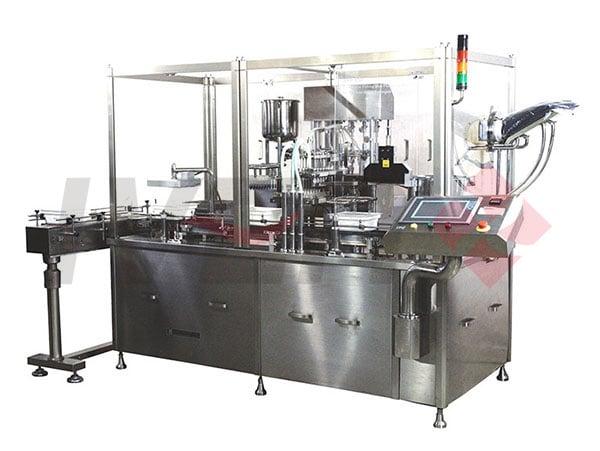
Ampoule vs Syringe Production Lines in the United States
For pharmaceutical manufacturers in the United States, the choice between ampoule production and prefilled syringe production is not simply a packaging preference. It is a strategic decision that affects aseptic processing design, regulatory validation, container closure integrity, patient usability, cold-chain requirements, labor efficiency, and long-term return on capital investment. In practical terms, ampoule lines remain highly relevant for sterile injectable products that need strong barrier protection, straightforward terminal presentation, and cost-effective high-speed filling. Prefilled syringe lines, by contrast, are often preferred for biologics, specialty injectables, hospital-use ready-to-administer products, and self-injection therapies where dose accuracy, convenience, and reduced preparation time create measurable commercial value.
In the United States market, where FDA cGMP expectations are strict and expansion projects often involve large capital budgets, companies commonly compare both formats during greenfield construction, line modernization, and technology transfer. Decision makers in New Jersey, Boston, Indianapolis, Research Triangle Park, and Puerto Rico increasingly evaluate not only the container itself, but also isolator integration, ready-to-use components, visual inspection compatibility, serialization, and total lifecycle service support. For organizations seeking an integrated view of line engineering, automation, utility systems, and compliance planning, it is useful to review the engineering background of IVEN Pharmatech Engineering, which has supplied pharmaceutical production solutions to global manufacturers and supports projects aligned with U.S. compliance expectations.
Quick Answer: How U.S. Manufacturers Compare Ampoule and Prefilled Syringe Production

The short answer is this: ampoule production is usually the stronger fit when a manufacturer prioritizes robust glass packaging, proven high-speed filling for traditional injectables, relatively lower primary packaging cost, and broad compatibility with small-volume sterile medicines. Prefilled syringe production is often the better choice when the product strategy emphasizes ready-to-use dosing, reduced administration steps, lower medication error risk, premium presentation, and stronger demand from biologics, specialty care, and patient-centric delivery models.
In U.S. pharmaceutical production, the decision is typically driven by six practical factors: product formulation, fill-finish sterility strategy, target market, throughput requirement, total cost of ownership, and future portfolio flexibility. Ampoules often support broad use in hospital injectables and export-oriented conventional sterile products. Prefilled syringes tend to align with high-value therapies and healthcare systems that want reduced preparation time and better dosing consistency. If a site plans to serve both institutional and specialty markets, a manufacturer may evaluate separate dedicated lines or modular platforms that allow phased investment.
| Comparison Factor | Ampoule Production | Prefilled Syringe Production | Why It Matters in the United States |
|---|---|---|---|
| Typical Product Type | Small-volume sterile injectables, legacy formulations, generic products | Biologics, specialty injectables, ready-to-administer drugs | Portfolio mix affects line choice and commercial margins |
| Primary User Experience | Requires ampoule opening and transfer before use | Ready for direct administration with fewer handling steps | Hospitals and home-care providers increasingly value convenience |
| Packaging Cost | Generally lower per container | Generally higher due to component complexity | Capital planning must balance packaging cost against product value |
| Aseptic Processing Complexity | Mature and widely understood | Higher complexity in component handling and plunger systems | Validation burden and training needs can differ substantially |
| Commercial Positioning | Efficient for conventional injectable supply | Supports premium, differentiated product formats | Useful for U.S. market expansion and competitive positioning |
| Long-Term Growth Potential | Stable in core injectable segments | Strong growth in specialty and biologic therapy segments | Important for ROI and capacity planning through 2026 and beyond |
The table above shows why there is no universal winner. The right solution depends on the drug, market channel, and operating model. A generic injectable supplier shipping through Port Newark or Savannah may prefer ampoules for cost efficiency and speed. A biologics-focused company in Cambridge or San Diego may find prefilled syringes more aligned with clinical and commercial expectations.
What Are Ampoule and Prefilled Syringe Production Systems Used for in Pharmaceutical Manufacturing?

Ampoule production lines are aseptic fill-finish systems designed to wash, sterilize or depyrogenate where applicable, fill, and seal glass ampoules for sterile injectable products. They are used for medicines that require excellent barrier performance and tamper-evident presentation in single-use doses. The process usually includes container feeding, washing, tunnel sterilization, volumetric or peristaltic filling, gas flushing if needed, flame sealing, leak testing, inspection, labeling, and secondary packaging.
Prefilled syringe production lines are specialized aseptic systems used to process ready-to-fill or ready-to-use syringes in nested tubs or bulk formats. These lines typically include nest opening or bulk loading, syringe handling, filling, stopper insertion, plunger rod placement where required, in-process weight or volume verification, visual inspection, labeling, and final packaging. They are especially useful for products that benefit from accurate unit dosing and simplified clinical administration.
Both technologies are used in sterile pharmaceutical production, but their downstream use cases differ. Ampoules are common in antibiotics, analgesics, sedatives, cardiovascular injectables, electrolyte products, and selected veterinary formulations. Prefilled syringes are widely used in anticoagulants, vaccines, monoclonal antibodies, ophthalmic injections, emergency medicines, and combination products.
| Production System | Core Unit Operations | Typical Drug Categories | Container Material | Common U.S. End Use |
|---|---|---|---|---|
| Ampoule Line | Washing, sterilization, filling, flame sealing | Generics, emergency injectables, hospital drugs | Glass | Hospital pharmacies and institutional supply |
| Bulk Syringe Line | Washing, siliconization, sterilization, filling, stoppering | Specialty injectables | Glass or polymer | Medium to high-complexity fill-finish plants |
| Nested Syringe Line | Nest loading, filling, stoppering, plunger assembly | Biologics and high-value therapies | Ready-to-use glass or polymer | Biotech and CDMO facilities |
| Ready-to-Administer Syringe Line | Aseptic filling with downstream assembly and labeling | Emergency care products | Glass or polymer | Acute care and hospital systems |
| Dual-Format Filling Platform | Format parts for multiple containers | Diversified product portfolios | Multiple | Flexible U.S. expansion projects |
| High-Containment Syringe Platform | Isolator-based filling for sensitive or potent products | Biologics, oncology, specialized compounds | Glass or polymer | Advanced GMP production environments |
This comparison helps define where each line fits operationally. In many U.S. projects, selection also depends on whether the company wants to install a conventional cleanroom line, restricted access barrier system, or full isolator solution. The answer has direct implications for HVAC loads, gowning protocols, environmental monitoring, and validation schedules.
Main Applications and Benefits in Modern Pharmaceutical Manufacturing

Ampoule lines continue to deliver strong value where manufacturers need reliable, scalable output for well-established sterile formulations. Their advantages include fast throughput, secure closure after flame sealing, well-understood process controls, and broad compatibility with standard hospital injectable products. U.S. manufacturers that supply federal healthcare channels, group purchasing organizations, or international tender markets may still find ampoules commercially attractive, especially when product margins are volume-driven.
Prefilled syringe lines deliver different advantages. They can reduce preparation steps for nurses and clinicians, lower contamination risks during administration, support precise dosing, and strengthen product differentiation. In the U.S., these advantages matter in specialty clinics, ambulatory care, home injection programs, and integrated delivery networks. The format is often associated with better user convenience and premium market positioning.
Beyond the container itself, modern production lines can include robotics, inline weight verification, automated reject management, 100% camera inspection, electronic batch records, and integration with warehouse systems. Manufacturers also increasingly value line architecture that supports future digitalization and data integrity requirements.
| Application Area | Why Ampoules Work Well | Why Prefilled Syringes Work Well | Business Benefit |
|---|---|---|---|
| Hospital Injectables | Cost-effective high-volume packaging | Reduced preparation time for staff | Improved supply efficiency |
| Biologics | Less common due to handling limitations | Excellent for precise dosing and patient convenience | Supports premium pricing |
| Emergency Medicines | Reliable sterile containment | Fast administration during urgent care | Clinical workflow improvement |
| Contract Manufacturing | Flexible for standard injectable projects | Attractive for high-value customer programs | Diversified revenue streams |
| Export Supply | Widely accepted for conventional injectables | Used where customer markets demand advanced delivery | Broader market reach |
| Lifecycle Product Upgrades | Useful for mature product continuity | Supports reformulation and brand repositioning | Extends product commercial life |
The table illustrates that benefits are not only technical. They shape channel strategy, margin profile, and patient experience. A manufacturer in Chicago or Indianapolis focused on essential generic supply may optimize for line speed and packaging economics. A company near Raleigh-Durham or Boston may prioritize differentiated delivery platforms that support specialty products and biologics.
The market growth chart shows a realistic pattern seen across U.S. capital planning: ampoule lines remain important and continue growing moderately, while prefilled syringe line investment rises faster because specialty products and ready-to-administer formats are expanding more rapidly.
Key Types, Models, and Technical Options
Not all ampoule or prefilled syringe lines are configured the same way. Buyers in the United States should distinguish between entry-level standalone machines, integrated monoblock systems, high-output aseptic lines, and turnkey fill-finish platforms that include utilities, water systems, cleanroom interfaces, and packaging automation.
For ampoule production, key variables include container size range, filling accuracy, flame sealing control, nitrogen purging, inline inspection, and output speed. For prefilled syringes, the most important distinctions are nested versus bulk processing, glass versus polymer syringes, isolator compatibility, plunger insertion design, stoppering precision, and low-shear filling for sensitive formulations.
From a technology perspective, many U.S. buyers now prefer modular designs that make factory acceptance testing, site installation, and future upgrades more manageable. This is especially useful in locations where shutdown windows are tight and validation timelines are commercially sensitive.
| Line Type | Typical Output Range | Best For | Key Technical Option | Operational Note |
|---|---|---|---|---|
| Compact Ampoule Line | 3,000 to 8,000 units/hour | Pilot and small commercial batches | Servo filling system | Suitable for smaller GMP suites |
| High-Speed Ampoule Line | 12,000 to 36,000 units/hour | Large-volume generic injectables | Integrated washing and sealing synchronization | Strong fit for cost-sensitive production |
| Nested Prefilled Syringe Line | 2,000 to 18,000 units/hour | Biologics and sterile specialty drugs | Ready-to-use nest handling | Reduces component preparation complexity |
| Bulk Syringe Line | 6,000 to 24,000 units/hour | Higher-volume syringe programs | Advanced syringe transport mechanics | Needs greater component control |
| Isolator-Integrated Platform | Varies by format | High aseptic assurance projects | VHP decontamination and glove ports | Supports advanced contamination control strategy |
| Turnkey Multi-Format Solution | Custom engineered | New facilities and major upgrades | Utility, automation, and packaging integration | Useful when one supplier manages broader project scope |
For buyers that need a larger system view rather than a single machine, turnkey pharmaceutical engineering solutions can simplify project execution by aligning process equipment, purified water, WFI systems, steam, logistics, documentation, and qualification under one implementation plan.
Technical capability should also be reviewed beyond nominal machine speed. The strongest suppliers usually offer expertise in line clearance design, recipe management, alarm hierarchy, data integration, and support for IQ, OQ, and PQ. These factors often determine whether a line reaches target OEE after commercial launch.
Ampoule Production vs Alternative Technologies: Which Solution Fits Your Needs?
When comparing ampoules and prefilled syringes, U.S. manufacturers should also consider alternative technologies such as vials, cartridges, BFS systems, and ready-to-administer bags. In many projects, the real question is not only ampoule versus syringe, but which fill-finish format creates the best combination of sterility assurance, customer acceptance, and lifecycle economics.
Ampoules are often favored over vials when single-dose integrity and compact glass packaging are priorities. However, vials can offer greater flexibility for lyophilization, reconstitution, and larger fill volumes. Prefilled syringes are often favored over vials when administration speed and dose readiness matter, but they may increase component cost and require more careful attention to silicone interaction, plunger glide force, and break-loose characteristics.
For some emergency or high-use hospital products, ready-to-administer formats may outperform both ampoules and standard syringes from a workflow perspective. For inhalation or infusion categories, entirely different container systems may be preferable. That is why format selection should be tied to the therapeutic and commercial strategy of the product, not just the packaging department’s preference.
The chart highlights a practical reality in the U.S. market: ampoule demand remains strong in generic and hospital-centered supply, while prefilled syringes dominate growth in biologics, vaccines, and home-care therapies.
Market Overview and Future Trends in U.S. Pharmaceutical Manufacturing
The United States remains one of the world’s most important markets for sterile manufacturing investment. Capacity expansion is supported by domestic drug security concerns, reshoring initiatives, biologics growth, and a continuing need to modernize aging injectable infrastructure. Regions such as New Jersey, Pennsylvania, North Carolina, Massachusetts, California, Indiana, and Puerto Rico remain major hubs for fill-finish investment.
From a logistics perspective, equipment imports and project materials often move through Port Newark/Elizabeth, the Port of Houston, Savannah, Los Angeles, and Long Beach before reaching inland pharmaceutical clusters. This matters because line design, FAT schedules, customs timing, and site readiness all affect project execution. U.S. buyers increasingly want suppliers that understand not only machinery but also cross-border delivery coordination and documentation discipline.
Looking toward 2026 and beyond, several trends are shaping market preferences:
- More investment in isolator-based and gloveless aseptic processing.
- Higher demand for prefilled syringes in specialty care and self-administration.
- Continued relevance of ampoules for essential and generic injectables.
- Greater use of digital batch records, predictive maintenance, and remote diagnostics.
- Broader adoption of sustainability targets, including energy-efficient utility systems and lower waste generation.
- Stronger emphasis on regulatory readiness from project concept through PQ.
The area chart shows the trend shift clearly: new syringe-focused projects are gaining share, but ampoule-focused investment still remains significant rather than disappearing. For many U.S. manufacturers, the future is not one format replacing the other; it is a more segmented market in which each format serves different therapeutic and economic roles.
How to Choose a Reliable Manufacturer or Supplier
Choosing the right supplier is as important as choosing the right packaging format. In the United States, the most reliable equipment partners are those that can demonstrate not only machine manufacturing capability but also understanding of FDA-oriented documentation, FAT protocols, SAT support, change control discipline, and long-term spare parts availability.
Buyers should ask for more than a brochure. They should review installed references, automation architecture, materials of construction, software backup strategy, alarm and audit trail design, and the supplier’s ability to support qualification. They should also evaluate whether the supplier can coordinate clean utility systems, logistics integration, and downstream packaging if the project scope grows.
One practical approach is to assess suppliers under three capability pillars:
Technological capabilities: advanced aseptic filling, automation integration, inline inspection, water and steam system compatibility, and design for EU GMP, WHO GMP, PIC/S GMP, and U.S. cGMP expectations. IVEN Pharmatech Engineering has developed integrated technologies across filling, packaging, pharmaceutical water treatment, conveying, and intelligent logistics, which is especially relevant for companies that want a wider plant-level solution rather than only a single machine.
Manufacturing capabilities: specialized production resources, durable stainless-steel fabrication, format customization, and the ability to supply equipment for injectable, oral liquid, dialysis, and prefilled syringe applications. Buyers that want to review a broader equipment range can explore the company’s pharmaceutical machinery portfolio as part of supplier benchmarking.
Service capabilities: project feasibility support, engineering design, installation, commissioning, validation assistance, documentation, training, and after-sales response. For U.S. projects, this service depth reduces the risk of schedule slippage and helps teams move more smoothly from delivery to commercial readiness.
| Supplier Selection Criterion | Why It Matters | Questions to Ask | Warning Sign |
|---|---|---|---|
| Regulatory Documentation | Supports validation and audit readiness | Can you provide DQ, FAT, IQ/OQ support packages? | Incomplete or generic documentation |
| Aseptic Engineering Experience | Reduces contamination and startup risks | How many sterile projects have you delivered? | No clear sterile project references |
| Customization Ability | Improves process fit and utility integration | Can the line be configured to our product and building layout? | Only standard machine offers with little flexibility |
| After-Sales Support | Critical for uptime and troubleshooting | What is your spare parts and remote support model? | Slow response or unclear support structure |
| Project Management | Keeps schedule and interfaces under control | Who manages FAT, shipment, SAT, and qualification coordination? | No dedicated project manager |
| Total Scope Capability | Simplifies expansion projects | Can you support utilities, logistics, packaging, and training? | Fragmented responsibilities among many vendors |
The best suppliers usually behave like engineering partners, not only machine sellers. This distinction matters greatly in the United States because project delays can carry major opportunity costs, especially in high-value injectable or biologic programs.
This comparison chart demonstrates why many U.S. buyers favor integrated engineering partners for expansion projects. While standalone suppliers can be competitive on machine price, broader engineering capability often creates value during installation, qualification, and scale-up.
Investment Cost, Budget Planning, and ROI Analysis
Capital budgets for ampoule and prefilled syringe production can vary widely depending on speed, aseptic barrier level, utility scope, upstream preparation systems, inspection technology, and downstream packaging. A compact ampoule line may require a lower initial investment than an advanced prefilled syringe line, but total project cost must also include cleanroom modifications, WFI distribution, HVAC balancing, isolator validation, warehousing, training, and startup inventory.
In the United States, ROI analysis should include both hard and soft returns. Hard returns include labor savings, yield improvement, increased throughput, reduced rejects, and maintenance efficiency. Soft returns may include faster clinical or commercial launch, improved customer acceptance, lower medication error risk, and stronger positioning in specialty channels.
| Cost Element | Ampoule Line Impact | Prefilled Syringe Line Impact | ROI Consideration |
|---|---|---|---|
| Machine Purchase Price | Moderate to high depending on speed | Often higher due to handling complexity | Assess against product margin per unit |
| Primary Packaging Material | Usually lower cost glass ampoules | Higher due to syringe components | Important for long-run operating cost |
| Utility and Cleanroom Adaptation | Can be significant but often familiar | May be higher with isolators and RTU handling | Include facility retrofit costs early |
| Validation and Documentation | Moderate | Moderate to high depending on complexity | Affects project timeline and internal labor |
| Labor Requirement | Efficient at scale | Can reduce downstream preparation labor for customers | Consider site labor and market value proposition |
| Revenue Potential | Strong in high-volume staple products | Strong in premium and specialty products | Product strategy often decides true ROI |
A common budgeting mistake is comparing only machine price. A better model is to calculate total cost of ownership across 5 to 10 years, including consumables, spare parts, changeover time, operator training, and validation updates. A syringe line may look expensive upfront but outperform on commercial value if the product commands better reimbursement or stronger market acceptance.
For organizations planning a multi-system investment, partnering with a supplier that can coordinate filling lines, purified water, WFI, packaging, and facility interfaces may reduce duplicate engineering work and hidden integration costs. That is one reason integrated solution providers have become more attractive in U.S. modernization projects.
Key Considerations and Potential Risks When Investing
The largest risk in choosing between ampoule and prefilled syringe production is misalignment between package format and product strategy. If the product does not benefit commercially or clinically from a syringe format, the business may overinvest. If the market increasingly expects ready-to-use presentation, a company that remains with ampoules may lose competitiveness over time.
Other major risks include underestimating aseptic validation effort, poor compatibility studies, weak supplier project management, unrealistic throughput assumptions, and inadequate training. U.S. plants must also pay close attention to data integrity, electronic records integration, and contamination control strategy. In retrofit projects, physical layout constraints can become a major risk factor, especially in older facilities with limited utility corridors or difficult material flows.
| Risk Area | Description | Potential Consequence | Mitigation Approach |
|---|---|---|---|
| Container-Product Mismatch | Chosen format does not suit formulation or market | Poor adoption or technical failure | Run compatibility and market assessment early |
| Validation Delays | Incomplete documentation or weak FAT/SAT planning | Commercial launch delay | Set detailed qualification milestones |
| Utility Undersizing | WFI, steam, HVAC, or compressed air not sized correctly | Performance instability | Integrate utilities into early engineering review |
| Throughput Overestimation | Nameplate speed used as planning basis | Missed capacity targets | Model OEE using realistic changeover and reject data |
| Supply Chain Disruption | Component or spare parts delays | Extended downtime or startup delays | Plan local inventory and qualified backup sources |
| Service Gaps | Insufficient training or technical response | Longer stabilization period | Select a supplier with lifecycle support capability |
These risks are manageable when buyers treat the investment as a plant system decision, not only an equipment procurement exercise. That means involving operations, quality, engineering, validation, procurement, and commercial teams in the selection process.
Our Company for the U.S. Market
For pharmaceutical companies in the United States evaluating ampoule and prefilled syringe production lines, IVEN Pharmatech Engineering positions itself as an engineering-oriented partner rather than only a machinery vendor. The company has built its reputation around pharmaceutical and medical device production systems and has supplied a large number of lines globally across injectable and related sectors.
From a technology standpoint, IVEN brings experience in filling and packaging machinery, pharmaceutical water treatment systems, intelligent conveying, and automated logistics. This is relevant for U.S. manufacturers that want not just a line, but a connected project architecture that aligns aseptic processing with utilities, material flow, and downstream operations.
From a manufacturing standpoint, the company operates specialized production resources focused on pharmaceutical filling and packaging equipment and related systems. Its equipment portfolio covers ampoule and vial washing, filling and sealing, oral liquid systems, dialysis solution lines, prefilled syringe lines, purified water and WFI generation, and broader process distribution systems. This breadth can help U.S. facilities standardize supplier interfaces when planning a new injectable plant or a phased upgrade.
From a service standpoint, IVEN supports project feasibility, engineering design, equipment customization, installation, commissioning, validation assistance, training, documentation, and post-startup optimization. For U.S. buyers that need discussion on line planning, compliance alignment, or turnkey scope, the most direct step is to contact the project team for technical consultation. Companies looking at larger facility development can also review broader turnkey delivery capabilities to understand how a single partner may reduce interface risk.
A notable point for U.S. decision makers is that the company has experience supporting projects that align with international GMP expectations, including standards commonly referenced by manufacturers working under FDA cGMP discipline. This can be helpful when evaluating overseas engineering partners for domestic project execution.
FAQ
Which format is better for generic injectable drugs in the United States?
Ampoules are often more economical for high-volume generic injectables, especially where cost efficiency and output speed are major priorities. However, some generic products can benefit from syringe presentation if hospitals demand ready-to-use dosing.
Why are prefilled syringes growing faster than ampoules?
Because they support convenience, dose accuracy, reduced preparation steps, and stronger patient or clinician usability. Growth is especially strong in biologics, vaccines, emergency care, and home-use therapies.
Are ampoule lines still a good investment in 2026?
Yes, especially for essential injectables, established hospital products, and cost-sensitive large-volume supply programs. They are not obsolete; they simply serve different market segments from prefilled syringes.
What is the biggest technical challenge in prefilled syringe production?
Component handling and aseptic process control are major challenges. Nested handling, stoppering precision, plunger insertion, siliconization behavior, and container closure integrity all require careful engineering and validation.
What should U.S. buyers verify before selecting a supplier?
Review regulatory documentation capability, FAT quality, installed references, automation design, service response, spare parts support, and the supplier’s ability to coordinate utilities and qualification.
Can one supplier support both production lines and utility systems?
Yes. Integrated engineering suppliers may support filling equipment, purified water, WFI, steam, conveying, packaging, and project execution. This can simplify large expansion projects and reduce interface risks.
Which U.S. regions are most active for this type of investment?
New Jersey, Massachusetts, North Carolina, Indiana, California, Pennsylvania, and Puerto Rico remain highly active due to strong pharmaceutical and biotech manufacturing ecosystems.
How should ROI be calculated?
Include machine cost, facility modifications, utility upgrades, validation, packaging materials, labor, reject reduction, throughput gains, product pricing, and time-to-market impact. Total cost of ownership provides a more accurate result than purchase price alone.
Is turnkey delivery useful for syringe or ampoule projects?
Very often, yes. Turnkey execution can be especially valuable when clean utilities, room layouts, automation interfaces, and qualification activities must be tightly coordinated.
How can a company start supplier discussions?
A practical first step is to define product type, annual volume, container format, aseptic barrier preference, facility constraints, and compliance targets. Then request a technical proposal, layout concept, and documentation scope from qualified suppliers.
In summary, ampoule and prefilled syringe production lines each have a strong place in the United States pharmaceutical market. Ampoules continue to serve efficient, high-volume sterile manufacturing, while prefilled syringes support premium, ready-to-use, and specialty care growth. The best choice depends on the product, facility strategy, regulatory pathway, and long-term market objective. Buyers that evaluate technology, manufacturing depth, and service capability together are far more likely to make a successful investment decision.

About the Author
We are IVEN Pharmatech Engineering, a team dedicated to delivering turnkey pharmaceutical and medical solutions worldwide. With decades of experience, we specialize in advanced machinery, integrated factory design, and full lifecycle support to help our clients achieve efficient, compliant, and high-quality production.
Share
Related Insights
-
Biologics Vial Filling Lines in the United States
Biologics vial filling lines are among the most important investments considered by large pharmaceutical manufacturers, CDMOs, and sterile drug producers in the United States when they expand capacity, launch new injectable products, or upgrade aging aseptic facilities. In practical terms, a biologics vial filling line is an integrated sterile production system used to wash, depyrogenate, fill, stop, cap, inspect, and transfer glass vials containing sensitive biologic products such as monoclonal antibodies, vaccines, recombinant proteins, peptides, cell-therapy support reagents, and other high-value injectable formulations. Because biologics are often heat-sensitive, shear-sensitive, and contamination-sensitive, the line must deliver precise dosing, low product loss, strong environmental control, and full compliance with U.S. FDA cGMP expectations.
In the U.S. market, demand is especially strong in Boston, Raleigh-Durham, San Diego, the San Francisco Bay Area, New Jersey, and the Greater Philadelphia corridor, where biotechnology clusters continue to expand. Facilities near major logistics hubs such as the Port of Los Angeles, Port of New York and New Jersey, Houston, and Chicago also value vial filling systems that support reliable cold-chain distribution and faster product release. For companies evaluating expansion, the question is not only whether to buy a vial filling line for biologics, but also what type of line best fits batch size, regulatory risk profile, isolator strategy, product format, and long-term return on investment.
A biologics vial filling line is a specialized aseptic processing system designed to fill sterile liquid biologic drugs into vials with extremely high accuracy and contamination control. It is used when manufacturers need to produce injectable biologics at commercial scale or for clinical supply while meeting strict FDA, cGMP, and often global GMP requirements. In the United States, these systems are essential for vaccine production, oncology biologics, biosimilars, rare disease injectables, and contract sterile manufacturing.
The strongest business case for investing in this equipment comes from four factors: product value per batch, risk reduction, regulatory readiness, and scalable output. A modern line can include vial infeed, washing, depyrogenation tunnel, aseptic filling, stoppering, capping, in-process controls, automated rejection, environmental monitoring interfaces, and data integration with MES or SCADA systems. Higher-end configurations can also include restricted access barrier systems, isolators, nitrogen overlay, peristaltic or time-pressure filling, check weighing, 100% camera inspection, and robotic transfer.
For buyers in the United States, supplier selection is often tied to long-term compliance support and documentation quality just as much as machine performance. That is why many pharmaceutical engineering teams look for partners with integrated capabilities across equipment, utilities, facility layout, validation, and after-sales support. Companies exploring complete project development can review integrated sterile plant solutions through turnkey pharmaceutical engineering services when comparing individual machine purchases versus full production-line implementation.
A biologics vial filling line is an end-to-end aseptic manufacturing line built to handle sterile filling of pharmaceutical liquids into glass vials. In biologics production, the line must preserve molecule integrity while avoiding microbial contamination, particulate contamination, and dosage variation. Unlike simpler packaging equipment, a vial filling line directly affects product sterility assurance level, yield, and final release quality.
Typical processing steps include:
These lines are used for a broad range of injectable products in the United States, including monoclonal antibodies, biosimilars, freeze-dried biologics before lyophilization transfer, adjuvanted vaccines, diagnostic reagents, blood-derived products, and specialty hospital injectables. Biologic filling differs from conventional small-molecule filling because the formulation may foam easily, adsorb to surfaces, degrade under agitation, or require low-temperature handling.
The table below shows how a biologics vial filling line fits within sterile manufacturing operations.
Production StageMain FunctionImportance for BiologicsTypical U.S. Compliance FocusCommon Equipment ModuleKey Risk if Poorly ControlledContainer preparationClean vials before fillingRemoves particulate and residuescGMP cleaning validationVial washerParticulate contaminationDepyrogenationReduce endotoxin riskCritical for injectable safetyThermal mapping and validationDepyrogenation tunnelPyrogen contaminationAseptic fillingDose product into vialsProtects potency and sterilityAseptic process simulationFilling machineBioburden, fill varianceStopperingSeal vial after fillingLimits contamination exposureContainer closure integrityStoppering stationSterility breachCappingApply aluminum sealSupports transport stabilityVisual quality and torque controlCapping machineLoose or damaged capsData captureRecord process informationSupports batch release21 CFR Part 11 readinessHMI/SCADA/MES interfaceDocumentation gapsThis process structure explains why buyers often evaluate not just the filler itself, but the entire line architecture, including utilities, cleanroom interface, HVAC impact, and material flow. In many U.S. projects, early engineering choices influence qualification timelines more than machine speed alone.
The main applications of biologics vial filling lines are commercial sterile manufacturing, clinical trial supply, multi-product CDMO operations, and high-containment or high-value injectable packaging. In the United States, CDMOs in New Jersey, Indiana, Texas, and North Carolina often prioritize flexible systems that can switch between product sizes and batch volumes with minimal downtime.
Benefits include:
The next table summarizes common applications and operational benefits.
Application AreaTypical ProductWhy Vials Are UsedLine RequirementMain BenefitBuyer PriorityMonoclonal antibodiesOncology biologicsStrong stability and dosage flexibilityHigh fill precisionLower product lossYield protectionVaccinesMulti-dose or single-dose injectablesCold-chain compatibilityFast output with sterility controlScalable supplyCapacityBiosimilarsCost-sensitive commercial productsEstablished regulatory formatConsistent repeatabilityLower unit costEfficiencyClinical batchesPhase I-III materialsSmall lot flexibilityQuick changeoverProgram agilityFlexibilityLyophilized biologicsFreeze-dried proteinsImproved shelf lifeLyophilizer interfaceProduct stabilityIntegrationHospital injectablesSpecialty sterile solutionsSafe handling and storageRobust packaging qualityDistribution reliabilityQuality assuranceFor U.S. plants, one of the strongest benefits is labor optimization. With experienced sterile manufacturing talent in high demand across the Boston and New Jersey markets, automated filling lines can reduce manual intervention and make staffing models more sustainable. Another important benefit is contamination control. More advanced systems reduce open handling and improve the repeatability of aseptic operations during media fills and routine production.
var ctxBar = document.getElementById(‘barIndustryDemand’).getContext(‘2d’);var barIndustryDemand = new Chart(ctxBar, {type: ‘bar’,data: {labels: [‘Monoclonal Antibodies’, ‘Vaccines’, ‘Biosimilars’, ‘Clinical Supply’, ‘Lyophilized Biologics’, ‘Diagnostics’],datasets: [{label: ‘Estimated U.S. Demand Index’,data: [92, 88, 79, 64, 71, 58],backgroundColor: [‘#4e79a7′,’#f28e2b’,’#e15759′,’#76b7b2′,’#59a14f’,’#edc948′]}]},options: {responsive: true,maintainAspectRatio: false,plugins: { legend: { display: true } },scales: { y: { beginAtZero: true, max: 100 } }}});The chart above reflects realistic relative demand patterns in the U.S. sterile market, where monoclonal antibodies and vaccines continue to drive a large share of biologics filling investment.
Not every biologics vial filling line is built the same. The right model depends on batch size, vial format, fill volume, required sterility barrier, and downstream integration. For example, a development-scale biotech in Cambridge, Massachusetts may need a compact line for clinical lots, while a commercial plant near Indianapolis may need a high-speed line linked to automatic loading and lyophilization systems.
Common technical categories include:
Line TypeBest ForTypical SpeedSterility Barrier LevelTechnical AdvantageMain LimitationCompact clinical lineR&D and Phase I-II20-60 vials/minRABS or isolatorFast changeoverLower throughputMid-scale modular linePilot and niche commercial60-180 vials/minHighFlexible configurationModerate footprintHigh-speed commercial lineLarge-volume biologics180-400+ vials/minVery highStrong output economicsHigher capital costLyophilization-ready lineFreeze-dried products40-250 vials/minVery highSupports partial stopperingMore complex integrationIsolator filling lineHighest sterility assurance needs30-300 vials/minMaximumReduced contamination riskLonger decontamination cyclesMulti-format flexible lineCDMOs and mixed portfolios50-220 vials/minHighHandles diverse vial sizesSetup complexityTechnical options often drive the final purchasing decision more than nameplate speed. Buyers should compare filling accuracy, residual volume, product-contact materials, CIP/SIP options, format change time, glove intervention strategy, line clearance support, and digital data capture. If a supplier can support integrated engineering, utilities, purified water, WFI, and sterile steam interfaces, that may significantly shorten implementation risk.
For companies seeking a broader view of equipment ecosystems beyond one machine type, a practical starting point is the pharmaceutical equipment portfolio, especially when planning cleanroom-connected sterile operations.
Although vial lines remain a leading choice, they are not the only option for biologic drug packaging. Alternative technologies include prefilled syringes, cartridges, blow-fill-seal for certain sterile products, and ready-to-use nested systems for specific small-batch applications. The best fit depends on commercial strategy, patient delivery format, product sensitivity, and target market.
Vials are often preferred in early commercialization, hospital settings, lyophilized products, and products requiring dose flexibility. Prefilled syringes may be ideal for self-administration markets but usually involve more complex combination-product requirements. Cartridges may support pen devices, while alternative nested approaches can reduce some upstream washing needs for selected formats.
TechnologyBest Use CaseStrengthsWeaknessesRegulatory ComplexityTypical U.S. Buyer ProfileBiologics vial filling lineHospital, commercial, lyophilized productsFlexible, scalable, establishedRequires vial processing stepsModerate to highBiopharma plants and CDMOsPrefilled syringe lineSelf-injection therapiesConvenience and dosing easeHigher component complexityHighSpecialty pharmaCartridge filling linePen and device-based deliveryDevice compatibilityNiche applicationHighDiabetes and specialty biologicsNested RTU fillingSmall batches and rapid setupLower container prep burdenHigher consumable costModerateClinical-stage biotechBlow-fill-sealSome sterile liquid productsIntegrated container formationLess common for many biologicsModerateSpecific sterile liquid producersManual or semi-automatic fillingVery small development runsLow initial costLimited scalability and consistencyModerateSmall labs and pilot unitsIn many U.S. facilities, the decision comes down to launch speed and lifecycle planning. If the goal is to get a biologic to market quickly with strong flexibility across markets, vials frequently remain the most practical route. If the commercial plan is centered on patient convenience and chronic self-administration, prefilled syringe investment may follow later as volumes justify it.
var ctxComp = document.getElementById(‘comparisonChartUS’).getContext(‘2d’);var comparisonChartUS = new Chart(ctxComp, {type: ‘bar’,data: {labels: [‘Flexibility’, ‘Scalability’, ‘CAPEX Efficiency’, ‘Dose Accuracy’, ‘Device Readiness’, ‘Lyophilization Fit’],datasets: [{label: ‘Vial Filling Line’,data: [93, 90, 82, 91, 55, 96],backgroundColor: ‘#6f42c1’},{label: ‘Prefilled Syringe Line’,data: [74, 78, 61, 92, 95, 34],backgroundColor: ‘#20c997’}]},options: {responsive: true,maintainAspectRatio: false,plugins: { legend: { display: true } },scales: { y: { beginAtZero: true, max: 100 } }}});This comparison illustrates why vial filling remains highly competitive for broad biologics manufacturing programs, especially where flexibility and lyophilization compatibility are important.
The U.S. market for biologics vial filling lines remains strong due to biologics pipeline growth, biosimilar launches, domestic manufacturing incentives, and renewed interest in supply chain resilience. Investment continues across both greenfield and brownfield sites, especially in biotech hubs such as Boston, San Diego, and Research Triangle Park. Large pharmaceutical groups are expanding fill-finish capacity, while CDMOs are adding multi-product sterile lines to capture outsourced demand.
By 2026, several trends are expected to shape purchasing decisions:
Policy trends matter as well. U.S. manufacturers continue to monitor FDA expectations around aseptic processing robustness, contamination control strategy, and validated intervention management. Buyers are also factoring in broader supply chain realities, including shipping routes through Long Beach, Savannah, Newark, and inland freight corridors around Memphis and Chicago.
var ctxLine = document.getElementById(‘lineMarketGrowth’).getContext(‘2d’);var lineMarketGrowth = new Chart(ctxLine, {type: ‘line’,data: {labels: [‘2021’, ‘2022’, ‘2023’, ‘2024’, ‘2025’, ‘2026’],datasets: [{label: ‘Estimated U.S. Market Index for Biologics Vial Filling Investment’,data: [100, 108, 119, 131, 144, 158],borderColor: ‘#007bff’,backgroundColor: ‘rgba(0,123,255,0.15)’,fill: false,tension: 0.3}]},options: {responsive: true,maintainAspectRatio: false,plugins: { legend: { display: true } },scales: { y: { beginAtZero: false } }}});The line chart indicates a realistic upward investment pattern, reflecting steady capital spending on sterile biologics fill-finish infrastructure in the United States.
var ctxArea = document.getElementById(‘areaTrendShift’).getContext(‘2d’);var areaTrendShift = new Chart(ctxArea, {type: ‘line’,data: {labels: [‘2021’, ‘2022’, ‘2023’, ‘2024’, ‘2025’, ‘2026’],datasets: [{label: ‘Open/RABS Preference’,data: [62, 58, 53, 47, 42, 36],borderColor: ‘#fd7e14’,backgroundColor: ‘rgba(253,126,20,0.22)’,fill: true,tension: 0.3},{label: ‘Isolator Preference’,data: [38, 42, 47, 53, 58, 64],borderColor: ‘#198754’,backgroundColor: ‘rgba(25,135,84,0.22)’,fill: true,tension: 0.3}]},options: {responsive: true,maintainAspectRatio: false,plugins: { legend: { display: true } },scales: { y: { beginAtZero: true, max: 100 } }}});The area chart highlights a credible trend shift toward isolator-based biologics vial filling in the run-up to 2026. Sustainability is also becoming a stronger decision factor. Buyers increasingly compare compressed air demand, tunnel energy use, environmental monitoring burden, and water consumption. Systems designed for long service life, upgradeability, and efficient utility usage are gaining more attention in board-level capital planning.
Choosing a supplier requires more than comparing quotations. U.S. pharmaceutical buyers usually perform technical audits, FAT witness planning, documentation reviews, and capability checks for installation, qualification, and service responsiveness. Reliability should be evaluated across engineering depth, compliance knowledge, spare parts support, and project execution discipline.
Three capability areas are especially important:
Technological capabilities. Buyers should assess whether the supplier understands sterile filling process design, filling pump selection, low-shear product handling, isolator or RABS integration, automation architecture, and data management. A supplier with cross-functional experience in filling and packaging machinery, pharmaceutical water systems, and intelligent material handling can often support a more coherent plant layout and utility strategy.
Manufacturing capabilities. Production consistency matters. A supplier with specialized manufacturing plants and established fabrication standards is generally better positioned to deliver repeatable equipment quality, stainless-steel durability, and standardized modules. This is particularly relevant for U.S. projects that require long operating life, high documentation quality, and stable spare-parts support over many years.
Service capabilities. Successful commissioning in the United States often depends on installation planning, SAT execution, IQ/OQ/PQ documentation, training, process support, and timely after-sales service. Vendors that can provide feasibility consulting, engineering design, customization, validation support, and ongoing optimization tend to reduce project risk.
One example of a supplier profile that attracts attention in international sterile manufacturing projects is IVEN Pharmatech Engineering, a Shanghai-based pharmaceutical engineering company with long experience in filling and packaging systems, water treatment systems, logistics automation, and turnkey pharmaceutical projects. For U.S. buyers, such integrated experience can be relevant when the project scope extends beyond a standalone machine into facility-wide planning.
Selection CriterionWhat to VerifyWhy It MattersPreferred EvidenceRisk If MissingTypical U.S. Buyer QuestionRegulatory knowledgeFDA and global GMP familiaritySupports compliant designURS response, audit trailRework and delaysCan the line support cGMP validation?Aseptic engineeringBarrier system and filling know-howProtects sterilityCase studies, FAT protocolsContamination riskHow are interventions minimized?Manufacturing qualityFabrication and assembly controlsEnsures durabilityFactory audit, weld recordsPremature wearWhat is the equipment life expectancy?Documentation packageDQ/IQ/OQ support and manualsSpeeds qualificationSample turnover packageValidation bottlenecksWhat deliverables are included?Project managementSchedule and coordination systemReduces install riskProject plan, milestonesTimeline slippageWho owns commissioning milestones?After-sales serviceTraining, spare parts, remote supportMaintains uptimeSLA, U.S. support modelExtended downtimeHow fast is service response?When practical, U.S. buyers should request reference discussions with customers operating similar biologics or sterile injectable lines. Review actual production environments, not just showroom demonstrations.
Capital cost varies widely based on speed, automation level, barrier technology, and integration scope. A compact or pilot biologics vial filling line may involve a lower seven-figure investment, while a high-speed isolator-based commercial line with washers, depyrogenation tunnel, capping, automation, and qualification support can move well into multi-million-dollar territory. Budget planning should include far more than equipment purchase price.
Key cost elements include equipment, facility modifications, cleanroom integration, utilities, validation, factory acceptance testing, shipping, customs, installation, SAT, training, and spare parts. For imported systems delivered into the United States through major ports such as Los Angeles, Houston, or Newark, logistics timing and customs coordination should be built into the project budget.
Cost CategoryTypical Share of Project BudgetWhat It CoversCan It Be Reduced?Common Buyer MistakeROI ImpactCore equipment35-50%Washer, tunnel, filler, capperSometimes via scope optimizationComparing only machine priceHighBarrier system10-20%RABS or isolator packageDepends on sterility strategyUnderestimating decon requirementsHighAutomation and software8-15%PLC, SCADA, data integrationPartlyIgnoring future connectivityMedium to highFacility integration10-18%HVAC interface, utilities, layout workThrough better front-end designLate engineering changesHighValidation and documentation5-10%Protocols, IQ/OQ support, recordsLimitedLeaving it for the endMediumTraining and spares3-7%Operator readiness and maintenance partsNo, should be protectedCutting service budgetMediumROI often comes from batch yield improvement, labor reduction, fewer interventions, shorter changeovers, lower contamination events, and increased release confidence. For high-value biologics, even a small reduction in product loss can justify major equipment upgrades.
A practical ROI model should include:
Companies considering broader plant modernization rather than a single line purchase often benefit from discussing full project scope early. For detailed planning or quotation requests, a direct route is contacting an engineering and equipment team that can review facility goals, compliance needs, and expansion timelines.
The biggest risks in this type of investment are not always mechanical. They often arise from poor requirement definition, underestimating qualification complexity, weak integration planning, and insufficient service support after startup. A line that looks impressive during FAT can still perform poorly if utility interfaces, operator flows, and cleaning strategies were not aligned with the actual U.S. production environment.
Critical considerations include:
For large facilities, line layout should also account for material and personnel flow, reject handling, and future expansion. U.S. plants in high-cost regions like California or the Northeast often place extra emphasis on footprint efficiency. Brownfield retrofits are especially challenging because they must fit existing HVAC zoning, room classifications, ceiling heights, and conveyor paths.
A useful risk-mitigation approach is to define a detailed URS, involve QA and validation teams early, and choose a supplier with lifecycle support. Some international engineering companies have built their reputation around helping clients avoid layout inefficiencies, non-standard design decisions, uncertain equipment quality, and schedule overruns through integrated project methods. That approach is often more valuable than simply obtaining the lowest initial quote.
What fill accuracy is typically expected for biologics vial filling lines?Expected accuracy depends on fill volume and pump technology, but U.S. buyers usually require tight repeatability because biologics are high-value products. Performance should be verified during FAT, SAT, and process validation under realistic operating conditions.
Are isolators better than RABS for biologics?Not always in every case, but isolators are increasingly preferred for high-value aseptic biologics because they reduce operator impact and support stronger contamination control. However, they can add complexity in decontamination cycles and maintenance planning.
Can one line handle multiple vial sizes?Yes, many modern lines are designed for multiple formats, but the ease of changeover depends on the machine design. CDMOs in the United States often prioritize tool-less or rapid-format change systems to improve utilization.
How long does a biologics vial filling line project usually take?For a new commercial line, total project duration may range from several months to well over a year depending on design scope, factory acceptance testing, import logistics, facility readiness, and qualification requirements.
What is the most overlooked cost?Facility integration and validation are frequently underestimated. Utilities, HVAC adjustments, documentation, and training can materially affect final project cost and startup timing.
Why do U.S. buyers care so much about supplier documentation?Because documentation directly affects qualification speed, audit readiness, change control, and product release confidence. Poor documentation can delay the project even if the equipment itself is mechanically sound.
What local factors matter most in the United States?Labor availability, cleanroom retrofit constraints, service response time, import routing, and regulatory expectations are all major considerations. Sites in Boston, New Jersey, and San Diego may face different workforce and facility pressures than plants in the Midwest or Gulf Coast.
How should buyers compare suppliers?Use a weighted matrix covering compliance, technology, lifecycle cost, service model, documentation, references, and implementation support. Avoid choosing based only on line speed or purchase price.
For U.S. pharmaceutical companies, biologics vial filling lines remain one of the most strategic pieces of sterile manufacturing infrastructure. The right solution supports product quality, commercial flexibility, regulatory readiness, and long-term operating efficiency. Whether the project is a compact clinical suite or a full commercial fill-finish expansion, success depends on aligning technology choice with product characteristics, plant strategy, and supplier capability.
-

Prefilled Syringe Filling Costs in the United States
For pharmaceutical manufacturers in the United States, prefilled syringe filling machine cost is not just a purchase price question. It is a strategic investment decision tied to aseptic processing capability, U.S. FDA cGMP compliance, labor efficiency, product quality, serialization readiness, and long-term plant output. Whether a company is expanding in New Jersey, modernizing a sterile facility in North Carolina, or building a new injectable line near Chicago or Houston, the right filling platform can directly affect batch economics, validation workload, and market speed.
In practice, buyers usually evaluate the total cost of ownership rather than equipment price alone. A prefilled syringe line may range from a lower-cost semi-automatic configuration for clinical or small-batch use to a fully integrated, high-speed isolator-based system for commercial biologics. The final budget often includes filling and stoppering modules, nested or bulk syringe handling, HVAC or cleanroom integration, vision inspection, labeling, packaging, factory acceptance testing, site acceptance testing, IQ/OQ support, spare parts, and operator training.
For U.S. manufacturers serving hospitals, biotech pipelines, and contract manufacturing markets, this equipment is increasingly important because prefilled syringes reduce dosing errors, improve convenience, and support ready-to-use injectable delivery. Companies evaluating new systems commonly compare European, American, and Asian suppliers based on regulatory understanding, throughput, service depth, and lifecycle support.
The quick answer is simple: prefilled syringe filling machine cost matters because it determines how efficiently a manufacturer can produce sterile injectable products while meeting strict U.S. regulatory, quality, and financial requirements. In the United States, buyers are not only purchasing equipment. They are purchasing process stability, audit readiness, production flexibility, and future scalability.
A typical project budget can vary widely depending on the filling technology and line scope:
Line Type Typical Capacity Common Application Estimated Equipment Range Installation Complexity Best Fit Semi-automatic bench or compact line 500 to 3,000 syringes/hour R&D, pilot, clinical batches $80,000 to $300,000 Low to moderate Startups and development labs Entry automated line 2,000 to 6,000 syringes/hour Specialty injectables $350,000 to $900,000 Moderate Small commercial production Mid-speed aseptic line 6,000 to 12,000 syringes/hour Biologics and hospital products $1 million to $3 million High Growing pharma plants High-speed isolator line 12,000 to 24,000+ syringes/hour Large-scale commercial fill-finish $3 million to $8 million+ Very high Major pharma and CDMOs Turnkey integrated project Project dependent New facility buildout $5 million to $20 million+ Very high Greenfield sterile sites Customized multi-format line 4,000 to 18,000 syringes/hour Mixed portfolio manufacturing $2 million to $6 million High Flexible contract manufacturingThis table shows why “cost” should always be interpreted in context. A lower upfront price may create higher long-term costs if changeovers are slow, reject rates are high, or validation documentation is weak. Conversely, a higher-spec line may deliver a faster payback when labor savings, reduced contamination risk, and higher OEE are included.
A prefilled syringe filling machine is used to fill sterile drug products into syringes under controlled aseptic conditions, followed by plunger insertion, stoppering, inspection, and downstream handling. Depending on the project, the line may process glass or polymer syringes, bulk or nested formats, and products ranging from small-molecule injectables to sensitive biologics.
In U.S. pharmaceutical production, these systems are commonly used for:
The equipment normally includes one or more of the following modules: syringe infeed, de-nesting, filling pumps, nozzles, plunger insertion, nitrogen purging, check weighing, in-process controls, reject management, vision inspection, tray or tub handling, labeling, and secondary packaging integration.
For U.S. buyers, the cost is closely linked to compliance expectations. A system must support traceability, electronic batch records where needed, alarm history, recipe management, audit-friendly design, and compatibility with cleanroom or isolator environments. In markets like Boston, Philadelphia, San Diego, and Raleigh-Durham, where biotech and sterile manufacturing clusters are strong, these requirements directly shape sourcing decisions.
Manufacturers also look at product characteristics. Highly viscous formulations, oxygen-sensitive biologics, and high-value low-volume drugs may require servo-driven filling, peristaltic or rotary piston pump options, restricted access barrier systems, or advanced environmental monitoring interfaces. All of these technical choices influence the final equipment cost.
Prefilled syringe systems are widely adopted because they support both commercial performance and patient safety. In the United States, demand is especially strong in biologics, specialty injectable drugs, and contract manufacturing organizations that serve multiple sponsors.
Application Area Typical Product Why Prefilled Syringes Are Used Operational Benefit Market Relevance in the U.S. Cost Impact Biologics Monoclonal antibodies Protects high-value doses Low waste, precise filling Very high Higher equipment spec needed Vaccines Ready-to-administer doses Fast clinical use Reduced preparation time High Medium to high Emergency medicine Epinephrine-like formats Rapid administration Improved usability Moderate Medium Hospital injectables Flush syringes, anticoagulants Standardized dosing Lower medication error risk High Strong ROI through volume Ophthalmics Sterile specialty products Controlled administration High process precision Growing High for niche products CDMO services Multi-client programs Flexible sterile fill-finish Revenue diversification Very high Requires flexible formatsThe main benefits include lower contamination exposure, greater dosing convenience, less preparation at the point of care, improved packaging efficiency, and stronger product differentiation in competitive therapy classes. For U.S. hospital systems and outpatient providers, these benefits can support procurement preference. For manufacturers, they can justify higher line investment if the product carries premium margins.
Another benefit is line integration. Modern syringe lines often connect efficiently with automatic inspection, labeling, cartoning, and end-of-line serialization. That matters for U.S. plants shipping through logistics corridors such as Newark, Los Angeles, Savannah, and Memphis, where packaging throughput and documentation accuracy are critical.
var ctx1 = document.getElementById(‘lineChartUsMarket’).getContext(‘2d’);var chart1 = new Chart(ctx1, { type: ‘line’, data: { labels: [‘2021’, ‘2022’, ‘2023’, ‘2024’, ‘2025’, ‘2026’], datasets: [{ label: ‘U.S. Prefilled Syringe Fill-Finish Market Index’, data: [100, 109, 121, 136, 149, 165], borderColor: ‘rgb(54, 162, 235)’, backgroundColor: ‘rgba(54, 162, 235, 0.15)’, fill: false, tension: 0.3 }] }, options: { responsive: true, maintainAspectRatio: false }});The line chart above illustrates the steady growth expected in U.S. demand for prefilled syringe fill-finish capability. Rising biologics approvals, increased outsourcing, and the push for ready-to-use injectable formats continue to expand the market.
Equipment selection should match product profile, batch size, and plant strategy. There is no single ideal configuration for every pharmaceutical facility.
Technical Category Option Advantages Limitations Best Use Case Relative Cost Level Syringe format Nested syringes Lower handling risk, cleaner transfer Higher consumable dependency Biologics and small batches Medium to high Syringe format Bulk syringes Good for volume production More complex handling High-output commercial lines Medium Filling pump Peristaltic pump Gentle product path, easy changeover Tubing replacement costs Biotech and sensitive formulations Medium Filling pump Rotary piston pump High accuracy and repeatability Cleaning validation effort Stable high-volume products Medium Containment RABS Balanced cost and aseptic control Operator intervention still relevant Mid-range commercial plants High Containment Isolator system Highest sterility assurance High initial investment Premium biologics and strict contamination control Very highAdditional options include no-glass-to-glass transport, automatic plunger feeding, in-line IPC weight control, environmental particle monitoring interfaces, vision systems for stopper position, and robotic nest handling. These features can significantly improve productivity but also increase procurement cost and commissioning complexity.
For companies planning facility expansion, modular systems are gaining attention. A modular line can be deployed faster and more easily adapted to product mix changes. This is especially attractive for U.S. firms operating in competitive development timelines or serving multiple contract clients.
Before committing capital, manufacturers often compare syringe lines with vials, ampoules, cartridges, or flexible delivery combinations. The right answer depends on the product, market channel, and administration method.
Packaging Technology Upfront Equipment Cost Ease of Administration Sterile Handling Complexity Typical End User Advantage Best Strategic Fit Prefilled syringes Medium to very high Excellent High Ready-to-use convenience Biologics, hospital and self-injection markets Vials Medium Moderate High Flexible dosing and reconstitution Multi-dose or broad injectable portfolios Ampoules Low to medium Lower Medium Simple container format Cost-sensitive standard injectables Cartridges High High High Device integration potential Pen injector applications Blow-fill-seal High Moderate Medium to high Integrated container filling Large-volume sterile liquid products Dual-chamber formats Very high Excellent Very high Reconstitution convenience Advanced premium therapiesIf the product is a hospital injectable with stable demand and dose standardization needs, prefilled syringes often outperform vials in lifecycle value. If the therapy requires multiple dose strengths, or early-stage uncertainty remains high, vials may still offer better flexibility. A detailed process and market review is essential before choosing.
var ctx2 = document.getElementById(‘barChartDemand’).getContext(‘2d’);var chart2 = new Chart(ctx2, { type: ‘bar’, data: { labels: [‘Biologics’, ‘Vaccines’, ‘Hospital Injectables’, ‘CDMO Services’, ‘Ophthalmics’, ‘Emergency Care’], datasets: [{ label: ‘Estimated U.S. Demand Score’, data: [94, 78, 86, 90, 63, 58], backgroundColor: [ ‘rgb(255, 99, 132)’, ‘rgb(255, 159, 64)’, ‘rgb(255, 205, 86)’, ‘rgb(75, 192, 192)’, ‘rgb(54, 162, 235)’, ‘rgb(153, 102, 255)’ ] }] }, options: { responsive: true, maintainAspectRatio: false }});The bar chart highlights where U.S. demand is strongest. Biologics and CDMO activity are major drivers, which explains why high-spec flexible fill-finish lines are receiving strong investment attention.
The United States remains one of the world’s most important markets for sterile fill-finish technology. Demand is supported by strong biotech activity, reshoring discussions, domestic supply chain resilience efforts, and continuing growth in injectable therapies.
Several regional clusters influence buying behavior:
Ports and trade gateways also matter. Imported equipment commonly moves through Los Angeles/Long Beach, Newark, Savannah, or Houston, and inland delivery timing can influence installation schedules. Buyers should build customs clearance, crating standards, and spare parts warehousing into procurement planning.
Looking toward 2026, three trend groups stand out:
Technology: increased use of robotics, recipe-driven changeovers, digital batch traceability, predictive maintenance, and integrated vision inspection.
Policy: stronger emphasis on supply chain robustness, documented quality systems, data integrity, and domestic production readiness for essential medicines.
Sustainability: lower utility consumption, reduced product loss, compact cleanroom footprints, recyclable packaging interfaces, and energy-efficient servo systems.
var ctx3 = document.getElementById(‘areaChartShift’).getContext(‘2d’);var chart3 = new Chart(ctx3, { type: ‘line’, data: { labels: [‘2021’, ‘2022’, ‘2023’, ‘2024’, ‘2025’, ‘2026’], datasets: [{ label: ‘Shift Toward High-Automation Systems (%)’, data: [42, 47, 53, 60, 68, 75], fill: true, backgroundColor: ‘rgba(75, 192, 192, 0.25)’, borderColor: ‘rgb(75, 192, 192)’, tension: 0.3 }] }, options: { responsive: true, maintainAspectRatio: false }});The area chart shows the accelerating transition toward higher automation. This reflects labor pressures, contamination control priorities, and the desire for better batch consistency.
Supplier selection is one of the most important factors in managing prefilled syringe filling machine cost. The lowest quoted price rarely equals the best project value. U.S. buyers should evaluate supplier capability in terms of technology, manufacturing discipline, and service support.
Technological capabilities: A reliable supplier should demonstrate expertise in sterile filling, line integration, control systems, and regulatory-oriented design. For example, IVEN Pharmatech Engineering has built its reputation around pharmaceutical innovation with specialized knowledge across filling and packaging systems, pharmaceutical water systems, logistics automation, and related medical manufacturing equipment. This matters because syringe filling lines often connect with upstream preparation and downstream packaging infrastructure rather than operating as isolated machines.
Manufacturing capabilities: Buyers should ask whether the supplier has dedicated production facilities, proven fabrication quality, and experience delivering complete lines. IVEN operates multiple specialized manufacturing plants in Shanghai focused on core pharmaceutical equipment categories, which supports customization and integrated project execution. For companies in the United States considering full-site development, it is often more efficient to work with a manufacturer capable of combining syringe lines with water systems, preparation systems, and packaging automation under one coordinated scope. More information on integrated projects can be found at turnkey pharmaceutical engineering solutions.
Service capabilities: Long-term service is critical, especially for validation-heavy sterile operations. Buyers should assess FAT support, SAT, installation guidance, IQ/OQ/PQ documentation, spare parts responsiveness, training, and post-startup troubleshooting. IVEN’s project approach includes lifecycle services such as engineering support, commissioning, validation assistance, documentation, and training, which can reduce risk for U.S. facilities managing tight launch timelines. If a project requires tailored consultation, companies can contact the engineering team directly.
When comparing suppliers, use a weighted scorecard rather than relying on sales presentations alone.
Evaluation Factor Why It Matters Questions to Ask Warning Sign Recommended Weight Impact on ROI Regulatory understanding Supports U.S. FDA readiness Can the supplier support cGMP documentation? Generic answers only 20% Very high Aseptic design quality Reduces contamination risk What barrier technologies are offered? Poor cleanability details 20% Very high Customization ability Matches product and plant needs Can formats and pumps be adapted? Only standard catalog units 15% High Manufacturing track record Improves delivery confidence How many similar lines are installed? Few real references 15% High Service network Minimizes downtime How are U.S. service needs covered? Unclear spare parts path 15% High Total project support Reduces integration risk Can utilities, validation, and training be supported? Equipment-only mindset 15% Medium to highThe purpose of this scorecard is to force a disciplined buying process. In sterile production, project mistakes are expensive, so a structured evaluation method protects both budget and launch timing.
A realistic ROI model should include capital expense, cleanroom modifications, utilities, consumables, labor savings, yield improvement, expected line utilization, and maintenance. Many U.S. buyers underestimate the non-equipment costs surrounding installation.
Common budget categories include:
Cost Element Typical Share of Project Budget Low Complexity Site High Complexity Site ROI Relevance Budget Note Main equipment 35% to 50% Lower integration need Custom automation needed Core driver Do not assess in isolation Barrier system 10% to 20% RABS possible Isolator common High Major contamination control factor Facility modification 10% to 25% Retrofit limited New room buildout High Often underestimated Validation and documentation 5% to 12% Standard package Extensive protocols High Essential for regulated startup Training and commissioning 3% to 8% Short startup Long qualification curve Medium Impacts early OEE Spare parts and service 3% to 10% Basic package Large coverage stock Medium to high Important for uptime planningROI usually improves fastest when the project replaces manual or semi-manual operations, supports premium biologic products, reduces rejects, or expands contract manufacturing capacity. Commercial lines producing high-value therapies may achieve payback in two to five years, while lower-margin products may require a longer period.
For product and system comparisons, buyers often review multiple equipment categories at once through curated supplier catalogs such as pharmaceutical equipment solutions. This is useful when syringe filling needs to align with water systems, preparation tanks, packaging lines, or logistics automation.
var ctx4 = document.getElementById(‘comparisonChartSuppliers’).getContext(‘2d’);var chart4 = new Chart(ctx4, { type: ‘bar’, data: { labels: [‘Regulatory Support’, ‘Customization’, ‘Turnkey Ability’, ‘Lifecycle Service’, ‘Cost Efficiency’, ‘Scalability’], datasets: [{ label: ‘Integrated Supplier Evaluation Score’, data: [88, 91, 94, 89, 86, 90], backgroundColor: ‘rgb(153, 102, 255)’ }] }, options: { responsive: true, maintainAspectRatio: false }});This comparison chart represents the type of weighted scoring many buyers use internally. It shows why integrated engineering capability often matters more than headline machine price.
Even strong equipment can underperform if planning is weak. The most common risk is treating a syringe filling line as a standalone purchase instead of part of a complete aseptic manufacturing system.
Key risk areas include:
For U.S. projects, logistics should also be reviewed carefully. Imported equipment may pass through West Coast or East Coast ports, then move inland to manufacturing sites in states such as New Jersey, Indiana, or North Carolina. Delivery timing, crate handling, and customs coordination can affect startup schedules. Buyers should also plan for voltage, control standards, documentation format, and remote support protocols.
Another issue is scalability. A line optimized only for one syringe size may limit future product launches. A company expecting portfolio growth should ask about format parts, software recipes, and upgrade paths from RABS to isolator or from manual loading to robotic handling.
Finally, sustainability is becoming a board-level issue. Energy use, compressed air demand, cleaning resource consumption, and reject-related product waste all influence the long-term economics of a sterile fill-finish project. By 2026, sustainability reporting and utility efficiency will likely affect capital approval discussions more directly.
What is the average prefilled syringe filling machine cost in the United States?There is no single average because system scope varies greatly. Small semi-automatic setups may start below $300,000, while advanced commercial isolator lines can exceed $8 million. A full turnkey sterile project can be significantly higher.
What factors have the biggest effect on price?The main cost drivers are automation level, line speed, syringe format, barrier technology, pump type, inspection scope, software features, validation package, and facility integration requirements.
Are nested syringe lines more expensive than bulk syringe lines?They are often more expensive in consumable handling and may require specific automation, but they can reduce contamination risk and simplify certain sterile workflows, especially for biologics.
How long does ROI usually take?For high-value injectable products, payback may occur within two to five years. For lower-margin products, the timeline may be longer and depends heavily on utilization, reject rate, and labor savings.
Should U.S. manufacturers choose local or international suppliers?The best choice depends on regulatory support, service coverage, technology fit, and total project experience. Some international suppliers offer strong compliance knowledge and integrated engineering value, especially for larger projects.
What documentation should be requested during procurement?Request URS alignment, DQ support where relevant, FAT protocols, material certificates, drawings, software architecture details, manuals, spare parts lists, and IQ/OQ documentation packages.
Can one supplier support both the filling line and broader plant systems?Yes. This is often advantageous because it reduces interface risk across water systems, preparation, logistics, packaging, and validation. That integrated approach is one reason some buyers evaluate engineering-oriented suppliers rather than machine-only vendors.
What are the most important 2026 trends to watch?Expect more robotics, greater digital traceability, stronger contamination control expectations, utility-efficient designs, and broader demand for flexible multi-product sterile lines.
In summary, prefilled syringe filling machine cost should be evaluated as a strategic production investment rather than a simple equipment expense. For pharmaceutical companies in the United States, the right line can strengthen compliance, reduce operating cost, support new product launches, and improve competitiveness in the fast-growing injectable market. Careful supplier selection, detailed budget planning, and realistic ROI modeling are essential to making the investment successful.
-
United States Guide: Non-PVC IV Bags vs Glass IV Use
For pharmaceutical manufacturers in the United States, the choice between non-PVC IV bag systems and glass bottle IV packaging affects far more than container appearance. It influences formulation flexibility, line speed, freight cost, breakage risk, sterilization strategy, hospital handling, and long-term return on investment. In practical terms, non-PVC IV bag production supports modern admixture needs, lighter logistics, and advanced multi-chamber concepts that can keep unstable ingredients separate until use. Glass bottle IV production, by contrast, still offers strong chemical stability, a familiar presentation, and a well-established place in selected infusion categories.
This guide explains how to evaluate non-PVC IV bag vs glass bottle IV production for the U.S. market, including regulatory expectations, common film materials, hospital applications, market demand, supplier selection, capital budgeting, and future trends through 2026. It also highlights how an engineering partner with global compliance experience can help U.S. investors reduce risk when planning a new IV solution plant or upgrading an existing line in places such as New Jersey, Texas, Illinois, California, and Georgia.
The short answer is that non-PVC IV bag systems give drug manufacturers more room to innovate. Compared with glass bottle IV formats, they can reduce package weight, lower transportation cost, simplify storage, and support multi-chamber designs for formulations that must remain separated until administration. That makes them attractive for amino acid solutions, parenteral nutrition, bicarbonate-based products, selected antibiotic combinations, and other sensitive therapies where stability is a core issue.
In the United States, hospitals increasingly value packaging that improves nursing convenience, reduces breakage, and fits automated pharmacy workflows. Non-PVC bags can also align better with sustainability goals because they reduce outbound shipping mass and can be designed without plasticizers associated with traditional PVC systems. However, glass bottles remain relevant when premium barrier performance, certain sterilization preferences, or long product familiarity matter most. The best choice depends on formulation profile, target hospital segment, annual volume, and distribution model.
Decision Factor Non-PVC IV Bag Glass Bottle IV U.S. Operational Impact Package Weight Lightweight Heavy Lower freight cost for bag formats moving through Los Angeles, Savannah, and Houston corridors Breakage Risk Very low Higher Less warehouse loss and safer handling in busy hospital supply chains Design Flexibility Supports multi-chamber options Mostly single-compartment Important for advanced formulations and point-of-use mixing Barrier Performance Depends on film structure Excellent inert feel Must be matched to oxygen and moisture sensitivity Line Speed Potential High with automated form-fill-seal Moderate to high, but heavier handling Impacts labor planning and plant throughput Hospital Convenience Easy to store and hang Durable but heavier at bedside Nursing workflow often favors bags Capital Complexity Advanced film and sealing know-how needed Mature bottle processing knowledge needed Supplier capability matters in both casesThe table above shows why the comparison is never purely about one container being universally better. Instead, U.S. manufacturers should align container strategy with product portfolio, transport lanes, and customer expectations.
A non-PVC IV bag is a flexible infusion container produced from medical-grade polymer films that avoid conventional PVC. Common structures may include polypropylene-based blends, co-extruded multilayer films, or other polyolefin families engineered for strength, transparency, sealability, and compatibility with sterilization. These bags are typically manufactured on form-fill-seal or bag-making and filling lines designed for aseptic or terminally sterilized liquid products.
A glass bottle IV system uses molded or tubular pharmaceutical glass containers for infusion products. The filling process generally includes bottle washing, depyrogenation or suitable cleaning steps, liquid filling, stoppering or plugging depending on format, sealing, and sterilization according to product requirements. Glass has a long history in infusion therapy and still conveys a perception of robustness and chemical neutrality.
The main advantages of non-PVC IV bag production include reduced shipping weight, lower breakage rates, easier palletization, improved storage density, and the ability to support single-chamber or multi-chamber designs. These advantages can translate into meaningful savings for distributors serving major U.S. healthcare clusters around Chicago, Dallas-Fort Worth, Philadelphia, Atlanta, and the Northeast corridor.
The main advantages of glass bottle IV production include strong container integrity, broad market familiarity, and suitability for formulations where glass compatibility has already been deeply validated. In some purchasing environments, especially where product legacy and specification consistency are crucial, glass continues to hold a stable niche.
Manufacturers planning a new facility often start with feasibility analysis before deciding on container format. An experienced engineering company can map product types, sterility concept, utility loads, warehouse footprint, and regulatory pathway before any capital is committed. Companies seeking a broader introduction to integrated plant delivery can review the company background and global engineering experience to understand how cross-border pharmaceutical projects are typically structured.
From a hospital use perspective, non-PVC bags bring several practical benefits. Nurses prefer lighter containers that are easier to hang, move, and dispose of. Pharmacy departments value packaging that fits compounding and staging workflows with less risk of glass breakage. Health systems managing large volumes of saline, dextrose, irrigation fluids, or nutrition products often see operational efficiency gains from flexible packaging.
Clinically, the strongest argument for advanced non-PVC bag production is formulation stability. Multi-chamber systems allow ingredients to remain separate until activation, which can help preserve potency and reduce incompatibility risks. This is especially useful in parenteral nutrition, bicarbonate-containing dialysis or infusion mixtures, and drugs with short post-mix stability. In a U.S. market where hospital pharmacies face labor pressure and tighter inventory controls, ready-to-activate formats can support both patient safety and workflow efficiency.
Hospitals also evaluate package ergonomics and waste. A non-PVC bag can reduce sharps-like breakage concerns during emergency transport, intensive care use, and high-turnover units. For integrated delivery networks serving rural facilities across the Midwest or mountainous regions where long-distance redistribution matters, lighter packaging can also reduce supply-chain burden.
Application Area Why Non-PVC Bags Fit Why Glass May Still Be Used Typical U.S. End User Normal Saline and Dextrose High-volume, lightweight distribution Legacy procurement specifications Acute care hospitals and distributors Parenteral Nutrition Multi-chamber support and stability Limited in complex premix formats Large urban medical centers Antibiotic Admixtures Potential point-of-use mixing convenience Suitable for stable ready solutions Hospital pharmacies Dialysis-Related Solutions Good for specialized compartment designs Useful in selected stable products Renal centers and specialty manufacturers Emergency and Transport Use Less breakage risk in mobile settings Heavier and more fragile EMS, military, trauma centers Home Infusion Lighter for patient handling Less convenient to transport Home care providers Pediatric and Oncology Settings Smaller format flexibility and handling ease Used where compatibility drives choice Specialty hospitalsIn purchasing meetings, the hospital case often centers on workflow: can the package be stored efficiently, moved safely, activated simply, and administered with minimal risk? That question increasingly favors advanced bag formats in large parts of the U.S. acute care market.
var ctxLine = document.getElementById(‘lineChartMarket’).getContext(‘2d’);var lineChartMarket = new Chart(ctxLine, { type: ‘line’, data: { labels: [‘2021’, ‘2022’, ‘2023’, ‘2024’, ‘2025’, ‘2026’], datasets: [{ label: ‘Estimated U.S. demand index for non-PVC IV bag production’, data: [72, 78, 85, 93, 101, 112], borderColor: ‘rgb(54, 162, 235)’, backgroundColor: ‘rgba(54, 162, 235, 0.15)’, fill: false, tension: 0.25 }] }, options: { responsive: true, maintainAspectRatio: false }});Not all non-PVC IV bags are the same. The material architecture determines seal strength, drop resistance, clarity, oxygen transmission, water vapor transmission, sterilization resistance, and extractables profile. U.S. buyers should ask not only for container samples but also for detailed film specifications, validation records, and compatibility data.
Common product types include standard single-chamber infusion bags, multi-chamber nutrient or drug-mix bags, ported bags for conventional administration, and specialty bags tailored for dialysis solutions or custom sterile liquids. Film selection is often the most strategic technical decision because it affects both formulation stability and machine performance.
Film or Container Type Main Features Advantages Limitations Polyolefin Multilayer Film Common non-PVC medical film structure Good flexibility, no traditional PVC plasticizer concerns Barrier properties vary by layer design Polypropylene-Based Film Heat resistant and strong Useful for sterilization and structural integrity May require careful sealing optimization EVA-Modified Structures Softness and transparency benefits Good handling characteristics Must be matched to formulation compatibility High-Barrier Co-Extruded Film Improved gas or moisture performance Supports sensitive formulations Higher material cost Single-Chamber Bag One solution compartment Simple, lower cost, broad use No separate pre-use mixing Two-Chamber Bag Separated ingredients until activation Stability and convenience benefits More complex production and validation Three-Chamber Bag Multiple components in one package Ideal for complex nutrition systems Highest design and filling complexityThe table shows why material discussions cannot be isolated from equipment selection. The film must run reliably on the planned line, seal consistently, survive sterilization, and maintain package integrity through U.S. transportation routes that may involve port handling in Long Beach, container rail transfer through Chicago, and inland distribution to hospital networks.
In technical capability reviews, investors should assess whether a supplier has real expertise in IV solution equipment design, film handling, sealing technology, and clean utility integration. IVEN Pharmatech Engineering has built deep technical know-how in IV solution equipment and related systems over many years, with a strong focus on regulatory-aligned engineering for soft bag, PP bottle, and glass bottle lines. Its equipment development and patent portfolio are especially relevant when a project requires tailored automation, solution preparation integration, and dependable long-life stainless-steel construction.
The comparison between multi-chamber and single-chamber bag systems matters because it shapes the product strategy of the entire facility. Single-chamber bags are easier to validate, generally faster to introduce, and suitable for large-volume commodity infusions. Multi-chamber bags require more engineering sophistication but can unlock premium formulations and hospital convenience advantages.
In a single-chamber format, all ingredients are combined before final filling. That is efficient for stable formulations but limits options when ingredients react, degrade, or lose potency after mixing. In a multi-chamber bag, internal seals keep components separate until activation, allowing the end user to mix immediately before administration. This can extend shelf life, reduce cold-chain pressure for certain products, and improve point-of-care readiness.
Comparison Point Multi-Chamber Non-PVC Bag Single-Chamber IV Bag Business Meaning Formulation Stability High for unstable combinations Limited by premixed chemistry Supports differentiated product portfolios Production Complexity Higher Lower Affects capital cost and qualification time Seal Design Critical internal barrier seals Standard perimeter seals Requires precise process control Hospital Convenience Activate before use Ready as filled Depends on use case and staff training SKU Value Potential Higher-margin specialty products Commodity to mid-range products Important for ROI modeling Regulatory Documentation More extensive validation package More straightforward Impacts launch schedule in the United States Best Fit Nutrition, unstable mixes, specialty care Saline, dextrose, routine infusions Portfolio-driven selectionFor a U.S. plant intended to serve both commodity fluids and higher-margin specialty products, some investors deploy a phased strategy: launch with single-chamber products to stabilize operations, then expand into multi-chamber technology once the quality system, operator training, and market channels are fully established. This can be especially useful for domestic supply initiatives tied to resilience goals and reduced import dependence.
var ctxBar = document.getElementById(‘barChartDemand’).getContext(‘2d’);var barChartDemand = new Chart(ctxBar, { type: ‘bar’, data: { labels: [‘Acute Care Hospitals’, ‘Home Infusion’, ‘Dialysis’, ‘Long-Term Care’, ‘Military/EMS’, ‘Compounding Pharmacies’], datasets: [{ label: ‘Estimated 2025 U.S. demand score for advanced IV packaging’, data: [92, 74, 68, 51, 57, 83], backgroundColor: [ ‘rgb(255, 99, 132)’, ‘rgb(255, 159, 64)’, ‘rgb(255, 205, 86)’, ‘rgb(75, 192, 192)’, ‘rgb(54, 162, 235)’, ‘rgb(153, 102, 255)’ ] }] }, options: { responsive: true, maintainAspectRatio: false }});The U.S. IV packaging market is being shaped by several overlapping trends. First, health systems want a more resilient domestic or nearshore supply chain after repeated disruptions in sterile injectable availability. Second, hospital groups are pushing vendors for packaging that improves safety, reduces handling burden, and supports efficient pharmacy operations. Third, environmental, social, and governance goals are pushing a closer review of package weight, waste, and material profile.
As a result, demand for non-PVC IV bag production capacity is rising, especially for plants able to offer scalable output, traceable quality systems, and multi-format flexibility. Glass bottle IV production still has demand, but growth is generally stronger in segments where flexible packaging brings operational or clinical benefits. U.S. buyers also increasingly examine total landed cost, not just ex-works equipment price. For products shipped through the Port of New York and New Jersey, the Port of Houston, or West Coast gateways, freight efficiency can materially affect long-term margins.
Another market trend is the search for turnkey suppliers instead of fragmented equipment sourcing. A plant owner may prefer one partner for layout design, process equipment, water systems, clean utilities, filling lines, logistics, validation support, and after-sales service. This is particularly valuable when building a new facility in states such as North Carolina, Indiana, or Arizona where speed-to-operation is critical.
For investors studying integrated factory implementation, turnkey pharmaceutical engineering solutions are often a useful benchmark because they show how line equipment, purified water, WFI, solution preparation, transfer systems, and packaging automation can be coordinated as one validated project rather than separate purchases.
var ctxArea = document.getElementById(‘areaChartShift’).getContext(‘2d’);var areaChartShift = new Chart(ctxArea, { type: ‘line’, data: { labels: [‘2021’, ‘2022’, ‘2023’, ‘2024’, ‘2025’, ‘2026’], datasets: [{ label: ‘Share trend toward flexible non-PVC IV packaging in new project planning’, data: [41, 45, 50, 56, 61, 67], borderColor: ‘rgb(75, 192, 192)’, backgroundColor: ‘rgba(75, 192, 192, 0.25)’, fill: true, tension: 0.25 }] }, options: { responsive: true, maintainAspectRatio: false }});Choosing a supplier is not only about comparing quotations. In the United States, plant owners should evaluate compliance depth, installed base, technical documentation, spare parts readiness, software transparency, FAT and SAT procedures, service response, and the supplier’s understanding of U.S. FDA expectations. A low initial purchase price can quickly become expensive if validation packages are weak or if production uptime suffers after startup.
Start with the supplier’s actual scope. Can the company provide only one machine, or can it deliver line integration, utilities, solution preparation, washing, filling, sealing, sterilization interfaces, inspection, packaging, and logistics? Then review real-world projects, especially those involving regulated markets. Ask about line output range, changeover time, CIP/SIP capability where relevant, data integrity controls, and material compatibility for the exact formulations you plan to commercialize.
Manufacturing capability matters as much as design capability. IVEN Pharmatech Engineering supports pharmaceutical and medical device projects through specialized manufacturing plants focused on filling and packaging equipment, water treatment systems, intelligent conveying, and blood collection production equipment. For IV solution projects, that breadth is valuable because it reduces interface risk between process, packaging, and utility systems. It also supports consistent project execution when a facility needs more than a stand-alone filler.
Supplier Evaluation Item Why It Matters What U.S. Buyers Should Request Warning Sign Regulatory Understanding Supports FDA-aligned project delivery Sample validation documents and compliance references Generic claims without evidence Installed Base Shows practical reliability Project list by product type and region No comparable references Material Expertise Critical for bag films and seals Compatibility and sealing validation data Vague statements on film suitability Line Integration Capability Reduces project coordination risk P&ID, layout, utility load, and interface documentation Multiple gaps between vendors After-Sales Support Protects uptime after startup Service SLA, remote support plan, spare parts list Slow response commitments Documentation Quality Speeds qualification DQ, IQ, OQ, PQ support samples Incomplete or non-standard files Total Cost of Ownership More important than sticker price Energy, labor, maintenance, consumables estimate Price quote without lifecycle viewBuyers comparing options can also review a broader portfolio of pharmaceutical equipment to see whether the supplier can support future expansion beyond the initial IV line. This is important if the long-term plan includes vials, ampoules, prefilled syringes, oral liquids, or additional utility systems.
Capital expenditure for IV production depends on line speed, automation level, room classification, product complexity, utility scope, and validation requirements. A non-PVC IV bag project may involve higher technical demands in film processing, sealing control, and chamber design, while a glass bottle line may require heavier material handling, bottle washing systems, and higher transport-related operational expenses after launch.
For budget planning, U.S. investors should separate project costs into at least seven categories: core production equipment, cleanroom and HVAC, purified water and WFI systems where applicable, solution preparation and storage, laboratory and inspection systems, warehouse and internal logistics, and validation and training. Freight, customs, local installation, utility hookup, and spare parts stocking should be modeled independently rather than hidden inside one equipment line item.
ROI calculations should compare not only capex but also long-term unit economics. Non-PVC IV bags often improve annual return through lower transport cost, lower breakage, reduced storage burden, and access to higher-value multi-chamber products. Glass may still win ROI in specific niches where demand is stable, validation history is strong, and product mix does not need format flexibility.
Cost Category Non-PVC IV Bag Project Tendency Glass Bottle IV Project Tendency ROI Consideration Primary Line Equipment Moderate to high depending on chamber complexity Moderate with bottle-specific handling modules Depends on throughput and SKU mix Container Material Cost Film-dependent Bottle-dependent, often heavier logistics burden Should be modeled per filled unit Freight and Warehousing Generally lower Generally higher Important across U.S. national distribution Breakage and Loss Low Higher relative risk Affects annual operating margin Labor and Handling Lower with high automation Can be higher due to bottle handling Relevant in high-wage U.S. regions Validation Complexity Higher for multi-chamber products Often simpler for known bottle products Impacts time to revenue Premium Product Potential High Moderate Can justify higher initial investmentA practical ROI model should use multiple scenarios: conservative, expected, and growth case. Use a 5- to 10-year horizon and include line uptime, reject rate, utility cost inflation, annual maintenance, operator headcount, and sales mix. In states with strong manufacturing incentives, tax credits or local grants may improve payback, especially where sterile injectable capacity contributes to healthcare resilience.
var ctxComp = document.getElementById(‘comparisonChartSuppliers’).getContext(‘2d’);var comparisonChartSuppliers = new Chart(ctxComp, { type: ‘bar’, data: { labels: [‘Compliance Depth’, ‘Line Integration’, ‘Multi-Chamber Readiness’, ‘Lifecycle Service’, ‘Cost Efficiency’, ‘Scalability’], datasets: [{ label: ‘Importance score in U.S. supplier selection’, data: [95, 90, 84, 88, 80, 86], backgroundColor: ‘rgb(153, 102, 255)’ }] }, options: { responsive: true, maintainAspectRatio: false }});The biggest investment mistake is assuming that container conversion is simple. Moving from glass bottle IV production to non-PVC IV bag manufacturing changes material science, line mechanics, operator training, warehouse logic, and parts management. It may also change how your regulatory submission package is structured. Early-stage feasibility work is therefore essential.
One major risk is selecting film without complete compatibility and sterilization testing. Another is underestimating the complexity of chamber seal validation in multi-chamber designs. A third is choosing a supplier that provides equipment but not practical startup support, creating delays during installation, qualification, and commercial release. In the United States, schedule delays are especially expensive because labor, facility overhead, and financing costs continue even while the line is not generating revenue.
There are also supply-chain risks. If a plant relies on one imported film source or one proprietary port component, geopolitical or freight disruptions can affect production continuity. Smart buyers therefore develop dual-source strategies where possible and hold a validated inventory policy. Cybersecurity, electronic batch record compatibility, and data integrity are additional concerns for modern automated lines.
On the service side, lifecycle support is often the difference between a successful launch and a prolonged commissioning cycle. IVEN Pharmatech Engineering positions itself as more than an equipment seller by supporting feasibility consulting, engineering design, customization, installation, commissioning, qualification support, staff training, and post-startup service. For investors entering complex sterile manufacturing, that broader service capability can reduce handoff gaps and help resolve common project issues such as layout inefficiency, schedule drift, and uncertain interface management.
For project discussions tailored to a U.S. facility, including utility planning, capacity targets, and product mix, buyers can contact the engineering team for a more structured technical exchange.
Looking toward 2026, the U.S. market is expected to continue shifting toward advanced flexible IV packaging where clinically appropriate. Three forces are driving this. The first is technology: better film structures, stronger automation, smarter leak detection, improved vision inspection, and more robust data capture make non-PVC bag lines increasingly attractive. The second is policy: domestic supply resilience, quality oversight, and procurement scrutiny encourage manufacturers to build reliable, compliant local or regional capacity. The third is sustainability: lighter packaging and lower transport burden support corporate environmental targets when the full logistics chain is considered.
For glass bottle IV production, future demand will remain relevant in products where customer familiarity, existing registrations, and compatibility history favor the format. Yet even here, pressure will rise for energy-efficient operations, better warehouse efficiency, and stronger total cost control. Plants built today should therefore be designed with flexibility in mind, even if initial output focuses on one container type.
Digitization will also matter more. U.S. buyers will expect predictive maintenance, remote diagnostics, recipe management, audit-friendly data records, and transparent utility monitoring. Equipment that cannot integrate with modern MES, SCADA, or warehouse systems may become a strategic bottleneck. In large pharmaceutical corridors from Boston to Raleigh and from Indianapolis to Southern California, digital readiness is no longer optional.
A forward-looking plant should also consider modular expansion. Investors may start with one line and reserve cleanroom and utility capacity for a second line, a different filling format, or a future multi-chamber platform. This staged approach supports capital discipline while preserving future optionality.
For U.S. buyers comparing project partners, it is important to evaluate not just products but execution capability across technology, manufacturing, and service. IVEN Pharmatech Engineering, headquartered in Shanghai and active internationally since 2005, serves pharmaceutical and medical device manufacturers with integrated engineering and equipment solutions for regulated production environments.
From a technology perspective, the company has accumulated extensive experience in IV solution production systems covering non-PVC soft bags, PP bottles, and glass bottles, alongside water treatment, solution preparation, and utility integration. This matters when a project requires a coherent process design rather than isolated machines. Its engineering approach is shaped by projects aligned with EU GMP, U.S. FDA cGMP, WHO GMP, and PIC/S-oriented expectations, which is relevant for customers planning exports or domestic U.S. compliance.
From a manufacturing perspective, the company operates specialized production facilities focused on core pharmaceutical equipment categories. That structure supports in-house coordination across filling and packaging machinery, purified water and WFI-related systems, intelligent conveying, and related production technologies. For the buyer, this can reduce interface risk, improve schedule control, and support more consistent quality across a turnkey scope.
From a service perspective, the value lies in lifecycle support. Beyond equipment supply, projects may include feasibility planning, layout and engineering design, equipment customization, installation, commissioning, qualification support, documentation, staff training, and optimization after startup. For U.S. manufacturers entering a new sterile facility build or an infusion line expansion, this type of end-to-end support can be more important than the initial machine quote.
The company’s experience serving customers across many countries and completing numerous production line and turnkey projects also indicates practical exposure to different regulatory and operational environments. For U.S. stakeholders, that can be useful when balancing compliance, budget discipline, and startup timing.
Is non-PVC IV bag production always better than glass bottle IV production?No. Non-PVC IV bags often offer logistics, safety, and formulation-flexibility advantages, but glass bottles remain useful for selected stable products, established registrations, and customer segments that prefer traditional packaging.
Why are multi-chamber IV bags receiving more attention in the United States?Because they can keep ingredients separate until use, helping preserve stability and simplify hospital workflows for certain products such as nutrition and specialty infusions.
What is the main technical challenge in non-PVC IV bag manufacturing?Film compatibility, seal integrity, sterilization performance, and validation of package strength are the main technical challenges. Multi-chamber designs add another layer of complexity.
Do hospitals in the United States prefer bags over glass?Many do for high-volume routine infusions because bags are lighter, easier to store, and less prone to breakage. However, preferences still vary by product type, formulary history, and procurement standards.
How should I compare suppliers?Review compliance competence, installed base, documentation quality, line integration ability, service response, spare parts support, and actual project references in regulated markets.
Can one supplier handle an entire IV plant project?Yes, if the supplier has true turnkey capability covering process design, utilities, filling lines, packaging, logistics, and qualification support. This often reduces project coordination risk.
What U.S. locations are suitable for a new IV production facility?That depends on labor availability, utility reliability, logistics access, and state incentives. Commonly evaluated regions include New Jersey, North Carolina, Texas, Indiana, and Georgia due to their manufacturing ecosystems and transport access.
What is the biggest budgeting mistake?Focusing only on equipment purchase price and ignoring validation, installation, clean utilities, spare parts, warehouse requirements, and long-term distribution economics.
Will sustainability affect purchasing decisions by 2026?Yes. Packaging weight, material profile, transportation efficiency, and energy use will increasingly influence both manufacturer investment decisions and customer procurement criteria.
How do I start a serious project evaluation?Begin with a feasibility study covering product mix, annual volume, container format, sterility strategy, regulatory pathway, facility layout, utilities, and lifecycle cost. This creates a more realistic basis for supplier comparison and ROI modeling.