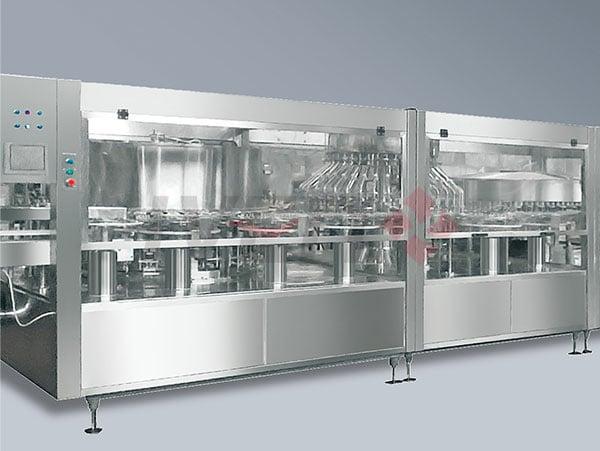
Ampoule Sealing Method Comparison for U.S. Pharma Plants
For pharmaceutical manufacturers in the United States, an ampoule sealing methods comparison is an important evaluation topic when building a new sterile filling line, upgrading legacy equipment, or qualifying a contract manufacturing facility. The decision usually comes down to how well a sealing method protects product sterility, supports container integrity, matches line speed, and aligns with U.S. FDA cGMP expectations. In practice, the most common discussion is tip seal versus pull seal, but the best choice also depends on ampoule size, product viscosity, batch volume, break-open characteristics, operator safety, and inspection strategy.
In the U.S. market, sterile manufacturing facilities in New Jersey, North Carolina, California, Texas, Massachusetts, and Illinois often evaluate these systems alongside washing, depyrogenation, filling, leak testing, and packaging equipment. Whether a plant is shipping through the Port of Los Angeles, Port of Houston, Port Newark, or supplying hospital networks across Chicago, Boston, and Atlanta, the sealing method affects product quality and operational efficiency from start to finish.
Quick Answer: Why Ampoule Sealing Method Comparison Matters in U.S. Pharmaceutical Projects

The short answer is simple: ampoule sealing method comparison helps pharmaceutical and medical device companies choose the right container closure approach for sterile liquid products under strict regulatory standards. In large-scale projects, this is not just a packaging detail. It affects aseptic assurance, cosmetic quality, break force, reject rate, maintenance cost, energy use, validation scope, and throughput. For U.S. manufacturers, the choice also influences audit readiness, batch release confidence, and long-term total cost of ownership.
Tip seal is generally preferred when companies want a compact, rounded ampoule top with a clean appearance and consistent sealing shape. Pull seal is often selected when a narrower drawn-out neck is acceptable and the product or process favors that closure geometry. Neither approach is universally superior. The right answer depends on the drug product, process capability, and business model.
When buyers compare ampoule sealing methods, they typically evaluate the following points:
- Seal integrity and risk of micro-leaks
- Compatibility with heat-sensitive formulations
- Line speed and production volume
- Uniformity of break-open performance
- Particle and cosmetic defect control
- Ease of maintenance and burner adjustment
- Qualification and validation effort
- Integration with automated inspection and secondary packaging
Companies seeking a broader sterile manufacturing solution often review sealing technology together with turnkey line design, utilities, and compliance planning. For example, integrated pharmaceutical turnkey solutions can reduce interface risks between ampoule washing, filling, sealing, and downstream packaging.
What Is Ampoule Sealing Methods Comparison and What Is It Used For in Pharmaceutical Production?

Ampoule sealing methods comparison is the structured assessment of different ways to close glass ampoules after filling. In pharmaceutical production, ampoules are hermetically sealed glass containers used for sterile injectable drugs, diagnostic reagents, and certain specialty liquids. Because the container is permanently closed by heat, the sealing process is critical to product protection.
The comparison is used during equipment selection, process development, plant expansion, technology transfer, remediation of quality issues, and procurement qualification. In the United States, this is especially relevant for manufacturers producing small-volume parenterals, emergency drugs, anesthetics, oncology products, and niche hospital injectables.
The two classic methods are:
- Tip seal: The top of the ampoule is heated and closed into a bead or rounded tip. This method is often associated with a more compact head profile.
- Pull seal: The heated top is pulled and drawn into a longer sealed capillary-like section before separation, creating a more elongated neck above the score line or break point.
Both methods use flame or thermal energy to soften glass and create a hermetic seal, but they differ in shape, process mechanics, and downstream performance. A good comparison considers not only the final appearance but also the process window, operator control, rejected unit rate, and compatibility with vision inspection.
| Comparison Factor | Tip Seal | Pull Seal | Why It Matters |
|---|---|---|---|
| Top Shape | Rounded, compact tip | Elongated drawn neck | Affects cosmetics, packing density, and handling |
| Break Characteristics | Often consistent when properly scored | Can vary with pull length and neck geometry | Impacts nurse or operator ease of opening |
| Heat Distribution | Concentrated at top zone | Distributed along drawn neck area | Important for product protection and seal uniformity |
| Visual Inspection | Compact head may be easier to standardize | Longer top may show more dimensional variation | Supports automated camera inspection settings |
| Machine Adjustment | Requires precise tip forming control | Requires precise pulling synchronization | Influences setup time and maintenance skill |
| Typical Use Case | High cosmetic standards and stable line conditions | Traditional applications or specific break design needs | Helps define suitability by product and plant preference |
This table shows that the comparison is not just technical theory. It directly impacts daily production results, especially in facilities running multiple SKUs or transferring products between development and commercial scale.
Main Applications and Benefits of Ampoule Sealing Methods Comparison in Modern Pharmaceutical Manufacturing

Modern sterile manufacturing depends on process consistency, not only equipment speed. That is why ampoule sealing methods comparison is used across several applications in the pharmaceutical sector.
First, it supports line design for injectable drugs. A facility producing analgesics, anti-infectives, cardiovascular injections, or emergency medicines needs a sealing method that preserves sterility during shipping and storage. Second, it helps reduce product loss and rework. Poorly chosen sealing parameters can lead to cracks, cosmetic defects, non-uniform tops, or leak failures. Third, it improves patient and user experience by influencing how easily the ampoule opens at the point of use.
In the U.S., hospitals and health systems increasingly expect reliable primary packaging for high-value and shortage-sensitive products. Manufacturers supplying government contracts, large group purchasing organizations, and regional health systems from Philadelphia to Phoenix often prioritize packaging consistency because supply interruptions can have serious commercial and clinical consequences.
| Application Area | How the Comparison Is Used | Benefit to the Plant | Benefit to the Product |
|---|---|---|---|
| Sterile injectable manufacturing | Selects best closure geometry for product family | Higher line stability | Better container integrity |
| Technology transfer | Matches legacy process to new equipment | Faster scale-up | Lower validation risk |
| Quality remediation | Investigates rejects, leaks, and cracks | Reduced deviations | Improved batch acceptance |
| Contract manufacturing | Supports flexible multi-client line design | Broader service capability | More reliable output across SKUs |
| Regulatory readiness | Documents rationale for closure selection | Stronger audit defense | Demonstrated quality control |
| Packaging modernization | Compares older flame systems with newer controls | Lower maintenance and scrap | More consistent sealed containers |
The biggest benefits usually include:
- Reduced reject rates from malformed tops or weak seals
- Improved compatibility with automated inspection systems
- Better operator safety and easier opening characteristics
- More predictable validation and process qualification
- Lower total cost per accepted ampoule over time
Companies that combine sealing evaluation with broader equipment planning often achieve better outcomes than those treating sealing as an isolated purchase. This is one reason many buyers prefer suppliers with expertise across filling, packaging, water systems, and plant engineering rather than only a single machine category.
Key Types, Models and Technical Options for Ampoule Sealing Methods Comparison
When buyers in the United States compare ampoule sealing methods, they are usually comparing complete machine configurations rather than a single sealing head. The main technical options include manual or semi-automatic lab units, intermittent-motion production lines, continuous-motion high-speed lines, servo-controlled sealing stations, multi-burner systems, and integrated inspection feedback loops.
Important model differences include the number of filling heads, sealing station layout, burner design, fuel type, glass size range, output capacity, and automation level. A plant in Raleigh-Durham making clinical or pilot batches may need flexibility across several ampoule formats. By contrast, a commercial site near Indianapolis or New Jersey may prioritize line speed, redundancy, and recipe-based changeover.
| Equipment Type | Typical Output | Best Fit | Key Technical Option |
|---|---|---|---|
| Laboratory ampoule filler and sealer | Low volume | R&D and pilot batches | Quick format change |
| Semi-automatic line | Low to medium volume | Specialty products | Operator-assisted adjustment |
| Intermittent automatic line | Medium volume | Multi-SKU manufacturing | Stable positioning for fill and seal |
| Continuous automatic line | High volume | Commercial mass production | Higher throughput with synchronized modules |
| Servo-controlled sealing system | Medium to high volume | Precision-oriented plants | Recipe memory and repeatable settings |
| Integrated vision-enabled line | Medium to high volume | Quality-focused facilities | Online shape and defect monitoring |
Common technical options buyers should request include:
- Support for both tip seal and pull seal on different formats, if applicable
- Digital flame and gas control for repeatability
- No-ampoule-no-fill and reject segregation logic
- In-process monitoring for seal temperature and timing
- Integrated particle and cosmetic inspection compatibility
- Electronic batch record and data integrity features
- CIP/SIP adjacent system coordination where relevant
- Compliance-ready documentation for IQ, OQ, and PQ
From a technological capability perspective, IVEN Pharmatech Engineering is relevant to buyers looking beyond a single machine. The company is known for integrated sterile manufacturing solutions, combining filling and packaging machinery with water treatment, intelligent conveying, and plant-wide engineering. That matters because sealing performance is influenced by upstream washing quality, clean utility reliability, material flow, and downstream packaging logic just as much as by the burner itself.
Ampoule Sealing Methods Comparison vs Alternative Technologies: Which Solution Fits Your Needs?
Not every sterile product should remain in an ampoule. In many U.S. procurement discussions, buyers compare ampoules against vials, prefilled syringes, blow-fill-seal containers, or even non-PVC soft bag systems for larger volumes. Therefore, ampoule sealing methods comparison should also be viewed against alternative packaging technologies.
Ampoules remain attractive because they are made from glass, provide strong barrier protection, and are often suitable for oxygen-sensitive or high-purity liquid formulations. They also eliminate elastomeric stopper variables present in vial systems. However, ampoules are break-open containers, so user safety and particle control must be managed carefully.
| Packaging Option | Main Advantage | Main Limitation | Best Use Case |
|---|---|---|---|
| Tip-sealed ampoule | Compact, cosmetic seal | Requires precise process control | Injectables needing clean appearance and stable break design |
| Pull-sealed ampoule | Traditional drawn-neck closure | Can show more dimensional variation | Products aligned with legacy ampoule specifications |
| Stoppered vial | Flexible reconstitution and larger fill range | More closure components | Lyophilized or multi-step injectable products |
| Prefilled syringe | User convenience and dosing accuracy | Higher packaging complexity and cost | High-value biologics and self-administration |
| Blow-fill-seal | Integrated form-fill-seal process | Different material and process profile | High-volume respiratory or ophthalmic products |
| Plastic bottle or bag system | Suitable for larger-volume solutions | Not ideal for all injectables | IV fluids and certain hospital solutions |
If your product is a small-volume sterile injectable with established ampoule stability data, the choice is more likely tip seal versus pull seal rather than ampoule versus syringe. If you are launching a premium specialty drug or home-administered therapy, a vial or prefilled syringe may be commercially stronger despite higher cost.
For plants seeking broader production flexibility, it can be useful to work with engineering teams that understand several dosage forms and container systems. Buyers reviewing pharmaceutical production equipment options often benefit from comparing ampoule lines alongside vial, oral liquid, and water system configurations rather than reviewing each platform in isolation.
Market Overview and Future Trends for Ampoule Sealing Methods Comparison in Pharmaceutical Manufacturing
The U.S. market for sterile manufacturing equipment continues to be shaped by domestic capacity expansion, supply chain resilience, product shortage mitigation, and lifecycle modernization of older facilities. Ampoule production is not the only growth segment, but it remains relevant in hospital injectables, generic sterile drugs, selected diagnostics, and certain export-oriented manufacturing models.
Several factors support ongoing investment:
- Reshoring and dual-sourcing strategies after supply chain disruptions
- Replacement of aging legacy lines in established pharma corridors
- Greater use of automation for compliance and labor efficiency
- Higher expectations for data integrity and digital batch traceability
- Sustainability goals related to energy use, yield loss, and utility efficiency
Looking ahead to 2026, the most important trends in ampoule sealing methods comparison are likely to include smarter flame control, machine vision feedback, predictive maintenance, recipe-driven changeovers, and lower-energy sealing optimization. U.S. facilities are also paying more attention to environmental, health, and safety performance, especially around fuel consumption, exhaust management, and operator exposure.
The line chart above illustrates a realistic upward demand trend for sterile packaging and sealing-related equipment in the United States. Growth is driven less by speculative expansion and more by targeted modernization and supply reliability investments.
This bar chart shows that demand is strongest where sterility, speed, and cost control intersect, especially in hospital injectable and generic drug categories.
The area chart highlights the ongoing shift from purely mechanical selection criteria toward digital monitoring, recipe control, and predictive maintenance. This trend will continue through 2026 as FDA-facing facilities strengthen documented process control.
How to Choose a Reliable Ampoule Sealing Methods Comparison Manufacturer or Supplier
Choosing a supplier is about more than getting a good brochure. For U.S. pharmaceutical buyers, a reliable supplier should demonstrate regulatory understanding, engineering depth, transparent documentation, and stable long-term support. The lowest purchase price is rarely the lowest lifecycle cost.
Start with process fit. Ask whether the supplier understands your exact product family, ampoule size range, target speed, and regulatory pathway. Then review technical evidence: FAT protocols, customer references, validation document templates, material certificates, software architecture, and spare parts strategy. Finally, assess service capability in the U.S. time zone or with dependable remote support.
| Supplier Evaluation Item | What to Ask | Why It Is Important | Risk if Weak |
|---|---|---|---|
| Regulatory understanding | Can they support FDA-oriented documentation? | Reduces compliance gaps | Validation delays |
| Sealing process expertise | Do they have proven tip and pull seal experience? | Improves process fit | High reject rate |
| Integration capability | Can they link washing, filling, sealing, inspection, and packing? | Avoids interface failures | Line bottlenecks |
| Manufacturing quality | How are components sourced and tested? | Supports durability | Frequent downtime |
| After-sales support | What is the response time for parts and service? | Protects production continuity | Extended stoppages |
| Reference projects | Do they have similar installations? | Builds confidence in execution | Unproven performance |
From a manufacturing capability perspective, IVEN Pharmatech Engineering stands out because it operates specialized manufacturing facilities dedicated to pharmaceutical filling and packaging machinery, water treatment systems, intelligent conveying and logistics systems, and vacuum blood collection tube equipment. For U.S. buyers, this breadth can be valuable because sterile production lines often fail not from one main machine, but from poor coordination across utilities, transport, and packaging interfaces.
From a service capability perspective, the company also emphasizes full-lifecycle support, including feasibility consulting, engineering design, equipment customization, installation, commissioning, validation support, training, and optimization. That kind of service model is particularly relevant for U.S. projects involving greenfield builds, line transfers, or major compliance upgrades. Buyers can learn more through the company’s corporate overview or contact channel for project discussions.
The comparison chart reflects a common U.S. reality: buyers do not choose on machine price alone. Process knowledge, documentation, and after-sales capability often rank higher than the initial quote.
Investment Cost, Budget Planning and ROI Analysis for Ampoule Sealing Methods Comparison
Capital planning for ampoule sealing equipment in the United States should include far more than the base machine cost. A realistic budget must cover line integration, utilities, FAT/SAT, shipping, installation, qualification, spare parts, operator training, cleanroom modifications, and potential downtime during startup.
Budget levels vary widely depending on speed, automation, format range, and validation depth. A low-volume specialty line may justify a simpler setup. A high-speed commercial line intended for multi-shift production in a major pharma cluster such as New Jersey or North Carolina usually requires a more advanced control architecture and stronger redundancy planning.
| Cost Element | Low Complexity Project | Medium Complexity Project | High Complexity Project |
|---|---|---|---|
| Main filling and sealing equipment | Moderate | High | Very high |
| Format parts and change parts | Low | Moderate | High |
| Utilities and exhaust adaptation | Low | Moderate | High |
| Validation documentation and testing | Moderate | High | Very high |
| Inspection and reject handling | Low to moderate | Moderate | High |
| Training, commissioning, and support | Moderate | Moderate to high | High |
ROI usually comes from five areas:
- Higher throughput per shift
- Lower reject and rework rates
- Reduced maintenance and changeover time
- Better batch acceptance and fewer deviations
- Improved labor efficiency through automation
A practical ROI model should compare current and future accepted ampoules per hour, not just nominal machine speed. For example, a plant that raises accepted output from 18,000 to 24,000 ampoules per hour while reducing reject rate from 3.5% to 1.2% may see a better return than one that simply buys the fastest line on paper.
| ROI Driver | Before Upgrade | After Upgrade | Business Impact |
|---|---|---|---|
| Accepted units per hour | 18,000 | 24,000 | Higher saleable output |
| Reject rate | 3.5% | 1.2% | Lower product loss |
| Unplanned downtime | 9% | 4% | Better schedule reliability |
| Changeover time | 3.0 hours | 1.5 hours | More productive runtime |
| Deviation investigations per quarter | 7 | 3 | Lower quality overhead |
| Energy use per 10,000 units | 100% | 82% | Improved sustainability and cost control |
This table demonstrates how a budget decision becomes a profitability decision. In many U.S. plants, quality and uptime improvements justify the investment even before volume growth is considered.
Key Considerations and Potential Risks When Investing in Ampoule Sealing Methods Comparison
Any investment in sterile packaging equipment carries risk if it is not planned carefully. The most common mistake is choosing a sealing method based on tradition rather than evidence. A company may continue using pull seal because it always has, even though a tip seal configuration might improve consistency for a new product portfolio. The reverse also happens when a plant adopts a newer-looking approach without confirming break performance at the hospital or pharmacy level.
Key considerations for U.S. buyers include regulatory compliance, product compatibility, utility stability, spare parts access, and the ability to support future SKUs. Risk assessment should also consider labor availability. A highly sensitive manual adjustment process may not be ideal if your facility is already struggling to hire specialized sterile operators.
Potential risks include:
- Micro-leaks caused by poor thermal control
- Glass stress or cracks from improper burner settings
- Operator injury risk if opening characteristics are inconsistent
- Inspection false rejects due to dimensional variability
- Long validation timelines because documentation is incomplete
- Project delays from unclear interfaces between OEMs
- Fuel, exhaust, or cleanroom adaptation issues during installation
For this reason, engineering planning should include design qualification, risk analysis, FAT with representative ampoule formats, and a clear SAT/validation roadmap. Companies with strong project management and pharmaceutical engineering experience can help avoid layout mistakes, non-standard interfaces, and schedule overruns. In the U.S. market, where labor, downtime, and compliance failures are expensive, this support can protect both timeline and budget.
A useful case pattern is a manufacturer upgrading an older injectable facility in the Midwest. The original line may have acceptable rated speed but poor actual output due to frequent seal adjustments and inconsistent rejects. By re-evaluating tip seal versus pull seal, redesigning utilities, and integrating modern inspection, the plant can often achieve a large gain in accepted throughput without building an entirely new facility. This is especially relevant for companies serving domestic hospital markets or bidding on shortage-sensitive products.
Another practical scenario involves a new entrant establishing a sterile facility in the United States. In such cases, partnering with a supplier that offers both technology and engineering support can be more effective than buying disconnected machines from multiple sources. The goal is not only a good seal, but a balanced production ecosystem.
FAQ
What is the main difference between tip seal and pull seal ampoules?
Tip seal creates a compact rounded top, while pull seal forms a longer drawn neck before closure. The difference affects shape, break characteristics, process control, and cosmetic uniformity.
Which sealing method is better for pharmaceutical production in the United States?
Neither is universally better. The best choice depends on the product, ampoule design, desired speed, inspection method, and validation strategy. U.S. plants typically choose based on accepted yield, compliance readiness, and user opening performance.
Does tip seal usually provide better appearance?
In many applications, yes. Tip seal often produces a compact and visually uniform head. However, performance depends heavily on machine design, burner control, glass quality, and setup discipline.
Is pull seal outdated?
No. Pull seal remains relevant in many traditional applications and can perform well when matched correctly to product and line requirements. It should be judged on measurable performance, not age alone.
How does sealing method affect FDA compliance?
The sealing method itself is not about preference; it is about demonstrated control. FDA-facing facilities need evidence that the chosen process consistently delivers hermetic closure, acceptable appearance, and validated performance.
Can one line support both sealing methods?
Some equipment platforms can be configured for broader flexibility, but this depends on the machine design and format range. Buyers should ask for clear evidence of changeover feasibility and validation implications.
What should be included in a supplier quotation?
Look for scope clarity on machine configuration, output, utilities, FAT, documentation, spare parts, training, commissioning, qualification support, and warranty terms. Hidden interface costs often matter more than the list price.
Why do turnkey capabilities matter when buying ampoule lines?
Because sealing results depend on the full process environment. Utility systems, material flow, cleanroom layout, inspection, and packaging all affect line performance. A supplier with broader engineering capability can reduce coordination risks.
Is sustainability becoming important in ampoule sealing projects?
Yes. For 2026 and beyond, U.S. buyers are paying more attention to energy efficiency, reduced reject waste, smarter burner control, and better maintenance strategies that lower lifecycle environmental impact.
Where can I start if I am comparing suppliers?
Begin with a documented user requirement specification, representative product data, target capacity, and validation expectations. Then discuss the project with suppliers that understand sterile manufacturing and integrated engineering, including experienced teams reachable through direct project consultation.
In summary, ampoule sealing methods comparison is a practical decision framework for choosing the right closure process for sterile glass ampoules. In the United States, the best decision balances container integrity, line efficiency, regulatory confidence, and long-term operating cost. Companies that compare sealing methods carefully, evaluate alternatives honestly, and choose suppliers with proven engineering and service capability are better positioned to build reliable, compliant, and scalable pharmaceutical production.

About the Author
We are IVEN Pharmatech Engineering, a team dedicated to delivering turnkey pharmaceutical and medical solutions worldwide. With decades of experience, we specialize in advanced machinery, integrated factory design, and full lifecycle support to help our clients achieve efficient, compliant, and high-quality production.
Share

Related Insights
-
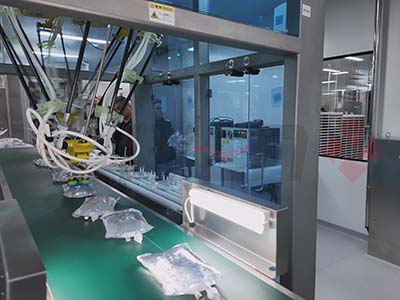
IV Bag Production Line Cost Guide for the United States
For buyers in the United States, the cost of an IV bag production line usually depends on output, bag format, automation level, cleanroom scope, validation requirements, and whether the project includes turnkey engineering. In practical terms, an entry-level line for standard soft-bag infusion products may require a moderate capital budget, while a high-speed multi-chamber line with advanced inspection, robotics, water systems, and full FDA-aligned documentation can move into a much larger investment range. The key point is that the purchase price of the machinery is only one part of the total project cost. Utilities, cleanroom construction, quality systems, validation, training, spare parts, and long-term maintenance often determine the true lifetime value.
For many pharmaceutical manufacturers, especially those serving hospitals and compounding networks in cities such as New York, Chicago, Houston, Los Angeles, and Philadelphia, modern IV bag production lines create more than manufacturing capacity. They make it possible to produce advanced infusion products, including multi-chamber bags that keep active ingredients separate until use. That improves stability, extends shelf life for selected formulations, reduces compatibility risks, and supports safer bedside preparation. In the U.S. market, where reliability, sterility assurance, and traceability are essential, those benefits directly affect commercial competitiveness.
When executives ask, “How much does an IV bag production line actually cost?” the better question is often, “What production model, compliance scope, and product mix will justify the investment?” A plant focused on 50 mL to 500 mL saline bags for regional distribution has a very different capital profile than a facility making amino acid solutions, parenteral nutrition, dialysis solutions, or dual-chamber specialty formulations for nationwide healthcare systems. This guide explains the major cost drivers, compares line options, outlines U.S. demand trends, and shows how to evaluate suppliers for a stable long-term return.
The shortest answer is this: in the United States, the cost of an IV bag production line is driven by six main variables: product type, line speed, packaging format, regulatory scope, utility integration, and lifecycle service. A simple single-chamber soft-bag line for basic infusion products costs far less than a multi-chamber system designed for advanced formulations with strict aseptic controls and fully automated inspection.
Typical budgeting usually includes:
Companies entering the market often underestimate indirect cost. A line may appear competitively priced at the equipment stage, yet become expensive after layout redesign, FAT and SAT delays, installation inefficiencies, or incomplete qualification support. That is why many U.S. buyers prefer suppliers able to support both machinery and integrated plant engineering. Manufacturers comparing options can review an IV manufacturing equipment portfolio early in the process to understand how different machine platforms affect production economics.
Line ConfigurationTypical Output RangeRelative Capital CostMain UseComplexityBest FitBasic single-chamber soft-bag lineLow to mediumLowerSaline, glucoseModerateRegional suppliersHigh-speed single-chamber lineMedium to highMediumLarge-volume infusionsHighNational volume productionPP bottle infusion lineMediumMedium to highProducts requiring rigid packagingHighDiversified packaging strategyGlass bottle IV lineMediumMedium to highLegacy and specialty formulationsHighEstablished pharmaceutical plantsDual-chamber bag lineMediumHighUnstable or separated formulationsVery highSpecialty infusion makersTurnkey multi-chamber facilityMedium to very highHighestAdvanced hospital productsVery highStrategic long-term investmentThe table above shows why there is no universal answer to pricing. The true cost is linked to the business model. A plant near the Port of Houston may optimize for high-volume domestic distribution and low unit cost, while a facility in New Jersey may prioritize flexible specialty batches with shorter release cycles for East Coast healthcare networks.
An IV bag production line is a coordinated manufacturing system used to produce sterile infusion containers and fill them with pharmaceutical solutions under controlled conditions. Depending on the product format, the line may include film unwinding, bag forming, port welding, filling, sealing, printing, leak testing, sterilization support, visual inspection, overwrapping, cartoning, and palletizing. In more advanced projects, it also connects with solution preparation tanks, CIP/SIP systems, purified water generation, and manufacturing execution software.
The main advantages of investing in this type of line are operational, regulatory, and commercial:
For U.S. pharmaceutical companies, the largest advantage is often supply resilience. Domestic healthcare systems have become more sensitive to shortages of basic infusion products, especially after disruptions affecting procurement channels through Los Angeles, Long Beach, Savannah, and Newark. A local or regional IV bag plant can reduce reliance on external supply while improving responsiveness to hospital demand.
Another advantage is formulation flexibility. Single-chamber bags remain standard for many routine products, but multi-chamber technology allows separate storage of ingredients that may degrade, react, or precipitate if pre-mixed too early. This is especially useful in nutrition and specialty infusion therapy. In economic terms, that flexibility can support premium product positioning and better plant utilization.
Some buyers also prefer suppliers with broader engineering expertise rather than machine-only sales. For example, Shanghai IVEN Pharmatech Engineering, which you can learn more about here, is known in the market for combining pharmaceutical equipment knowledge with factory engineering experience, which is relevant when U.S. projects must align machinery, utilities, process flow, and qualification milestones.
From a hospital perspective, IV bag quality affects far more than packaging appearance. It influences sterility assurance, dosage accuracy, storage stability, nursing efficiency, and medication safety. Advanced production lines help pharmaceutical manufacturers supply infusion products that are easier to transport, safer to administer, and less prone to handling errors.
Hospitals in major U.S. medical hubs such as Boston, Cleveland, Baltimore, Dallas, and San Diego increasingly value infusion products that reduce compounding time and lower contamination exposure. Ready-to-use or partially separated formulations can support pharmacy workflow and improve bedside efficiency. For health systems under staffing pressure, those clinical benefits create purchasing preference.
Clinical ApplicationTypical ProductWhy Bag Quality MattersHospital BenefitProduction RequirementCommercial ValueEmergency careNormal salineRapid availability and seal integrityFaster patient stabilizationHigh output consistencyStable bulk demandCritical careDextrose infusionAccurate fill volumeSafer dose controlPrecise meteringHigh repeat useParenteral nutritionMulti-component solutionsIngredient separation and stabilityReduced bedside mixingMulti-chamber capabilityHigher-margin specialty marketDialysis supportDialysis solutionsLow contamination riskReliable routine treatmentRobust sterile processingStrong institutional demandPediatricsSmall-volume infusionsFlexible sizes and safetyBetter dose suitabilityFormat adaptabilityNiche but valuable marketOncology supportAdjunctive infusion productsLeak resistance and compatibilitySafer pharmacy handlingEnhanced inspection systemsPremium quality positioningThe table shows that bag production line quality directly supports end-user clinical performance. For buyers selling into integrated delivery networks, Veterans Health Administration facilities, and major group purchasing organization channels, reliability can matter as much as price.
Another important application is disaster readiness. U.S. states exposed to hurricanes, wildfires, and winter infrastructure disruption need resilient medical supply. Facilities located near inland transport hubs such as Memphis, Indianapolis, or Kansas City may gain an advantage by serving multiple regions quickly. A modern production line can therefore become part of a broader healthcare continuity strategy, not only a packaging investment.
Not all IV bag lines use the same container system. The chosen format affects machine design, sterilization approach, line efficiency, and product shelf-life profile. In the United States, non-PVC soft bags continue to attract attention because they align with hospital preferences around material performance, environmental concerns, and product compatibility. However, PP bottles and glass bottles still retain value for certain applications.
The most common production formats include:
Material / FormatKey FeaturesAdvantagesLimitationsTypical U.S. UseCost ImpactNon-PVC filmFlexible, modern multilayer structureGood compatibility, lighter logisticsMaterial qualification neededMainstream soft-bag infusionsModeratePVC filmTraditional soft-bag materialEstablished process know-howEnvironmental and compatibility concernsSelective legacy useLower to moderatePP bottleRigid containerStrong physical protectionHigher packaging massProducts needing rigidityModerate to highGlass bottleExcellent barrier propertiesLong-established pharmaceutical useFragility and transport costSpecialty or legacy product linesModerate to highDual-chamber bag filmSegregated compartmentsSupports unstable formulationsMore complex sealing designNutrition and specialty drugsHighCustomized multilayer filmTailored barrier and weld propertiesProduct-specific performanceLonger development cyclePremium branded productsHighMaterial choice can influence line cost in several ways. Specialized films may require tighter temperature control during sealing, upgraded leak testing, or more extensive qualification runs. Ports, fitments, and peelable interfaces may also change component costs. For U.S. buyers that source raw materials through Gulf Coast or West Coast ports, lead-time planning is critical because film supply continuity can affect plant utilization more than machine speed.
Below is a realistic view of how the U.S. IV bag equipment market has expanded with the rise of flexible packaging and specialty formulations.
var ctxLine = document.getElementById(‘lineChartMarket’).getContext(‘2d’);var lineChartMarket = new Chart(ctxLine, { type: ‘line’, data: { labels: [‘2021’, ‘2022’, ‘2023’, ‘2024’, ‘2025’, ‘2026’], datasets: [{ label: ‘U.S. IV Bag Line Market Growth Index’, data: [100, 108, 119, 131, 145, 160], borderColor: ‘rgb(75, 192, 192)’, backgroundColor: ‘rgba(75, 192, 192, 0.15)’, fill: false, tension: 0.25 }] }, options: { responsive: true, maintainAspectRatio: false }});The line chart illustrates a sustained increase in U.S. market demand for IV bag manufacturing capability, driven by domestic supply security, specialty infusion products, and modernization of hospital procurement standards.
This is one of the most important decisions for capital planning. Single-chamber bags are simpler, faster to deploy, and highly suitable for standard saline, dextrose, and routine infusion products. Multi-chamber lines are more expensive and more technically demanding, but they unlock formulations that benefit from ingredient separation until activation or use.
Single-chamber lines generally offer:
Multi-chamber lines generally offer:
FactorSingle-Chamber LineMulti-Chamber LineOperational EffectCost EffectBest Use CaseMachine complexityLowerHigherEasier startup vs longer commissioningLower vs higher capexStandard vs specialty productsProduct rangeRoutine infusionsAdvanced separated formulationsLimited vs expanded portfolioBasic vs premium revenueCommodity vs value-added marketsValidation burdenModerateHighFaster qualification vs more testingLower vs higher indirect costFast launch vs strategic launchLine speedOften higherOften moderateBulk output vs controlled specialty runsBetter unit cost vs premium priceHigh volume vs niche marginMaterial demandsStandard film structuresAdvanced barrier and seal designSimpler sourcing vs tighter sourcingLower vs higher consumable costStable procurement vs engineered supplyMarket positioningBroad essential-care supplyDifferentiated clinical offeringVolume competition vs specialty brandingPrice-sensitive vs value-driven salesRegional contracts vs advanced care networksIn the U.S. market, a single-chamber line often makes sense for new entrants trying to secure hospital tenders for basic fluids. A multi-chamber line may be justified for firms with formulation expertise, stronger QA resources, and access to specialty clinical accounts. The investment decision should therefore match both commercial strategy and internal manufacturing maturity.
Demand in the United States is shaped by three intersecting trends: healthcare supply resilience, product diversification, and domestic manufacturing strategy. Basic infusion products remain essential, but purchasers increasingly favor dependable suppliers with transparent quality systems and robust delivery capability. At the same time, specialty therapies and nutrition products are pushing demand toward higher-value packaging formats.
Market growth is also affected by geography. East Coast projects often benefit from proximity to dense hospital networks and import gateways such as Newark and Savannah. Gulf Coast sites can leverage chemical and materials supply ecosystems around Houston. Midwest locations such as Columbus, St. Louis, and Indianapolis can support efficient national distribution. West Coast operations may align with Pacific trade flows and biotech clusters in California.
var ctxBar = document.getElementById(‘barChartDemand’).getContext(‘2d’);var barChartDemand = new Chart(ctxBar, { type: ‘bar’, data: { labels: [‘Basic Infusions’, ‘Nutrition’, ‘Dialysis’, ‘Critical Care’, ‘Pediatrics’, ‘Specialty Multi-Chamber’], datasets: [{ label: ‘Estimated U.S. Demand Index 2026’, data: [95, 68, 61, 72, 49, 77], backgroundColor: [ ‘rgb(54, 162, 235)’, ‘rgb(255, 159, 64)’, ‘rgb(75, 192, 192)’, ‘rgb(153, 102, 255)’, ‘rgb(255, 99, 132)’, ‘rgb(201, 203, 207)’ ] }] }, options: { responsive: true, maintainAspectRatio: false }});The bar chart suggests that while standard infusions still dominate total volume, specialty multi-chamber products are gaining strategic importance because they create stronger margins and support differentiated clinical value.
Another trend is digitalization. U.S. pharmaceutical plants are moving toward electronic batch records, machine vision analytics, predictive maintenance, and real-time quality monitoring. Buyers planning a 2026 or later project should evaluate whether the supplier can support data integration, audit trails, and future expansion. A line that looks cost-effective today but cannot connect to plant-wide digital systems may become a limiting asset.
var ctxArea = document.getElementById(‘areaChartShift’).getContext(‘2d’);var areaChartShift = new Chart(ctxArea, { type: ‘line’, data: { labels: [‘2021’, ‘2022’, ‘2023’, ‘2024’, ‘2025’, ‘2026’], datasets: [{ label: ‘Share of Standard Single-Chamber Projects’, data: [78, 75, 72, 69, 66, 62], borderColor: ‘rgb(255, 99, 132)’, backgroundColor: ‘rgba(255, 99, 132, 0.25)’, fill: true, tension: 0.25 }, { label: ‘Share of Advanced Multi-Chamber Projects’, data: [22, 25, 28, 31, 34, 38], borderColor: ‘rgb(75, 192, 192)’, backgroundColor: ‘rgba(75, 192, 192, 0.25)’, fill: true, tension: 0.25 }] }, options: { responsive: true, maintainAspectRatio: false }});The area chart reflects a realistic trend shift: standard lines continue to lead, but advanced multi-chamber projects are steadily taking a larger share of new investment planning.
Sustainability is also becoming a stronger buying factor. Hospitals and pharmaceutical manufacturers are paying closer attention to material reduction, energy use, waste segregation, and water consumption. Future procurement may increasingly favor lines that reduce scrap, support lighter packaging, and improve utility efficiency without compromising sterility assurance.
Choosing the right supplier is often more important than negotiating the lowest headline price. In the United States, buyers should assess four dimensions: regulatory competence, machine quality, delivery capability, and after-sales support. A supplier that understands FDA expectations, cGMP documentation, and qualification workflows can save months of delay and significant hidden cost.
Important questions to ask include:
Evaluation PointWhy It MattersWhat Good Looks LikeWarning SignImpact on CostBuyer ActionRegulatory experienceReduces compliance riskDocumented GMP project historyGeneric claims onlyAvoids rework and delayRequest validation referencesEngineering depthImproves project integrationProcess, utility, and layout supportMachine-only sales approachLowers hidden installation costReview P&IDs and layoutsManufacturing qualityDetermines equipment lifeRobust stainless constructionInconsistent finishingReduces downtime costInspect fabrication standardsDocumentationSupports qualificationComplete manuals and protocolsLate or incomplete filesSpeeds commissioningDefine deliverables in contractService responseProtects production uptimeTraining and remote supportSlow escalation pathwayLowers operating lossAsk for SLA detailsCustomization abilityMatches product strategyFlexible design adaptationRigid standard package onlyPrevents future retrofit expenseMap product roadmap earlyThis table is useful during supplier shortlisting because it shifts the conversation from purchase price to total project success. A lower-cost line that arrives with incomplete qualification documentation can become more expensive than a higher-priced system with strong engineering support.
From a technology standpoint, buyers should pay attention to sealing consistency, filling accuracy, visual inspection systems, automation architecture, and compatibility with pharmaceutical water and solution preparation modules. Some established suppliers offer wider pharmaceutical process capability rather than isolated machine packages. IVEN, for instance, is known for technological strengths in IV solution equipment, pharmaceutical water systems, and intelligent logistics, which can benefit projects requiring integrated plant design rather than standalone equipment.
Manufacturing capability matters too. Buyers often prefer equipment suppliers with dedicated production facilities and experience across multiple container formats such as soft bags, PP bottles, and glass bottles. That breadth reduces the risk of design shortcuts. If your project involves a broad factory buildout, it can be useful to explore turnkey pharmaceutical engineering options alongside the core line itself.
A complete budget should separate direct equipment cost from total installed project cost. In many U.S. projects, the total installed cost can be significantly higher than the machinery quotation alone. Finance teams should model the project in phases: core line, process utilities, cleanroom construction, validation, startup inventory, and working capital.
Budget ItemWhat It CoversRelative Cost WeightCommon OversightROI EffectPlanning TipMain production lineForming, filling, sealing, inspectionHighIgnoring format change needsCore throughput driverMatch with 5-year demand planWater and solution systemsPW/WFI, preparation, distributionHighUnderestimating utility scaleAffects batch qualitySize for peak operationCleanroom and HVACControlled manufacturing environmentHighLate design coordinationImpacts compliance and OPEXIntegrate layout earlyValidation and documentationIQ/OQ/PQ protocols, recordsMediumBudgeted too lowImpacts launch timingInclude consultant supportTraining and startupOperator qualification and ramp-upMediumToo little production trial timeImpacts yield and scrapPlan staged commercializationSpare parts and serviceWear parts, technical supportMediumBuying only minimum kitImpacts uptimeStock critical parts locallyA practical ROI model should include:
For example, a plant serving southeastern U.S. hospital networks may justify investment through freight savings, local service reliability, and reduced stockout risk. A specialty line near Boston or Raleigh-Durham may justify higher capex through premium formulations and clinical differentiation. In both cases, the speed of qualification and time to market often has as much impact on ROI as nominal production speed.
Service capability can materially improve payback. Suppliers able to support feasibility review, equipment customization, installation, commissioning, qualification, training, and lifecycle optimization may reduce the risk of startup losses. IVEN is often positioned in that category because its service model extends beyond equipment sales into consulting, engineering, validation support, and long-term operational assistance. Buyers wanting a project-specific estimate can contact the engineering team to compare machinery scope with total investment needs.
var ctxComp = document.getElementById(‘comparisonChartSuppliers’).getContext(‘2d’);var comparisonChartSuppliers = new Chart(ctxComp, { type: ‘bar’, data: { labels: [‘Regulatory Support’, ‘Customization’, ‘Integration’, ‘Lifecycle Service’, ‘Lead Time Control’, ‘Format Flexibility’], datasets: [{ label: ‘Integrated Engineering Supplier Score’, data: [92, 88, 94, 91, 84, 89], backgroundColor: ‘rgb(153, 102, 255)’ }, { label: ‘Machine-Only Supplier Score’, data: [68, 61, 55, 49, 72, 58], backgroundColor: ‘rgb(255, 159, 64)’ }] }, options: { responsive: true, maintainAspectRatio: false }});The comparison chart shows why integrated suppliers often produce lower total project risk even if the upfront quotation is not the lowest. Better integration generally reduces schedule slippage, redesign, and qualification friction.
Every major pharmaceutical capital project carries risk, and IV bag lines are no exception. The most common investment mistakes in the U.S. market are under-specifying compliance needs, overestimating initial demand, selecting the wrong packaging format, and ignoring material supply chain constraints.
Key risks include:
There is also a location risk factor. Sites heavily dependent on one port or one shipping lane may face disruption during congestion, labor actions, or severe weather events. U.S. buyers should model supplier lead times through Long Beach, Houston, Savannah, and Newark, and consider domestic warehousing for critical parts. For plants in inland manufacturing corridors, transport links to Memphis air freight, Chicago rail, or Dallas trucking can be strategic advantages.
Looking toward 2026, three trends deserve attention:
Investors should also assess whether the supplier can support future upgrades. Many U.S. projects start with single-chamber products and later add advanced formats. A scalable controls architecture, modular layout, and utility headroom can prevent costly reconstruction later. The best line is not merely the one that fits today’s SKU list; it is the one that still fits the plant strategy in five to ten years.
1. What is the average cost range for an IV bag production line in the United States?There is no single national average because project scope varies widely. A basic line for standard soft bags may require a far smaller investment than a fully integrated multi-chamber facility with water systems, cleanroom construction, and validation support. Buyers should budget for total installed cost, not machine price alone.
2. What has the biggest effect on total project cost?The largest cost drivers are output capacity, bag format, automation level, cleanroom and utility scope, validation requirements, and whether the supplier provides turnkey engineering.
3. Is a multi-chamber line worth the extra investment?It can be, especially if your strategy includes parenteral nutrition, specialty infusions, or unstable formulations that benefit from ingredient separation. For basic saline or dextrose, single-chamber lines are often more economical.
4. How long does it usually take to install and qualify a new line?Lead time depends on customization, plant readiness, utility integration, and qualification depth. For U.S. projects, timelines often extend when documentation, HVAC coordination, or operator training is underestimated.
5. Should we buy equipment only or a turnkey solution?If your internal engineering team is strong and the plant infrastructure already exists, equipment-only procurement may work. If the project involves new utilities, cleanrooms, water systems, or process layout design, a turnkey or integrated engineering approach often reduces risk.
6. What certifications or compliance support should we ask for?Request documentation aligned with pharmaceutical GMP expectations, including FAT/SAT records, IQ/OQ support, material certificates where relevant, software documentation, and maintenance manuals. U.S. buyers should verify whether the supplier understands FDA cGMP expectations.
7. How do we compare suppliers fairly?Use a weighted scorecard covering regulatory experience, engineering depth, machine quality, documentation, service response, and total lifecycle cost. Avoid comparing quotations only on initial purchase price.
8. What industries beyond standard pharma use these lines?Besides mainstream infusion manufacturers, demand may come from nutrition therapy producers, dialysis solution manufacturers, specialty hospital product suppliers, and contract manufacturers serving institutional healthcare channels.
9. What should we ask about spare parts?Ask which components are critical, expected wear intervals, local stocking options, software backup procedures, and response time for emergency support. In the U.S., downtime cost can quickly exceed the savings from buying a cheaper spare-parts package.
10. Why do some buyers consider IVEN for these projects?Because some projects need more than a single machine. Buyers may look at IVEN when they want a supplier with pharmaceutical engineering know-how, manufacturing experience across multiple IV solution formats, and lifecycle service support from design through commissioning and optimization.
In summary, the real cost of an IV bag production line in the United States is determined by strategy, not just specification. Standard single-chamber capacity, advanced multi-chamber capability, domestic supply resilience, compliance readiness, and long-term service all shape the final investment outcome. The most successful buyers define the product roadmap first, then choose a supplier and line configuration that support both current production goals and 2026 market realities.
-

Polypropylene IV Infusion Lines in the United States
For pharmaceutical manufacturers in the United States, a polypropylene bottle IV infusion line is a strategic production asset used to form, fill, seal, inspect, and package sterile infusion containers under tightly controlled GMP conditions. It is especially relevant for companies expanding hospital fluid capacity, replacing older glass or semi-rigid packaging systems, or building modern sterile plants that must align with US FDA cGMP, data integrity, validation, and sustainability expectations.
Demand for advanced IV solution equipment continues to rise in key pharmaceutical hubs such as New Jersey, North Carolina, California, Texas, Illinois, and Puerto Rico. Buyers in these regions often evaluate not only line speed and container format, but also sterility assurance, automation level, integration with purified water and WFI systems, cleanroom compatibility, and long-term lifecycle support. In practical terms, choosing the right polypropylene bottle IV infusion line can influence product quality, operating cost, labor efficiency, export readiness, and the speed of commercial launch.
Companies looking for fully integrated sterile production projects often prefer suppliers that can support more than standalone machinery. This is why many buyers review turnkey pharmaceutical engineering solutions, compare available production equipment portfolios, examine supplier backgrounds through their company capabilities, and request direct technical discussions through a project consultation channel.
A polypropylene bottle IV infusion line is a complete automated production system designed for sterile large-volume parenteral products such as sodium chloride, dextrose, balanced electrolyte solutions, irrigation solutions, and certain specialty infusions. The line typically includes bottle molding or bottle handling, air cleaning, filling, stopper or cap placement, sealing, leak testing, visual inspection, labeling, and final packaging. In many modern projects, it also connects with solution preparation systems, CIP/SIP modules, water treatment, sterilization support, and intelligent conveying systems.
In the United States, these lines are evaluated not only as machines but as compliance-critical systems. A successful project must support process validation, IQ/OQ/PQ documentation, batch traceability, electronic control reliability, alarm management, and clean utility compatibility. Buyers in Boston, Philadelphia, Raleigh-Durham, Houston, and Indianapolis often prioritize robust documentation packages because a sterile line purchase affects both pre-approval inspections and long-term audit performance.
Compared with legacy container formats, polypropylene bottles offer practical benefits including lower breakage risk than glass, strong chemical resistance, lighter transport weight, and suitability for automated handling. These features help manufacturers reduce product loss, improve warehouse efficiency, and streamline distribution to hospitals, wholesalers, and emergency stockpile programs. For health systems under pressure to secure domestic or nearshore supply resilience, modern PP bottle lines can also support faster capacity ramp-up.
Decision FactorWhy It MattersUS Buyer PrioritySterility assuranceDirectly affects patient safety and regulatory approvalVery highContainer integrityPrevents leakage, contamination, and transport failureVery highValidation packageSupports IQ/OQ/PQ and inspection readinessVery highAutomation levelReduces labor dependency and operator errorHighLine flexibilityEnables multiple bottle sizes and productsHighTotal lifecycle supportImproves uptime and long-term ROIHighThe table above shows why US pharmaceutical investors increasingly treat the line as part of a full sterile manufacturing strategy rather than a single equipment purchase.
A polypropylene bottle IV infusion line is a dedicated sterile manufacturing line for producing infusion solutions in PP bottles, usually in volumes such as 100 ml, 250 ml, 500 ml, and 1000 ml. Depending on the design, the line may use injection-blow or extrusion-based bottle forming, or it may process preformed bottles supplied from an upstream source. Its core purpose is to package sterile liquid drugs safely and consistently for intravenous administration.
These lines are used primarily for large-volume parenteral manufacturing. Common products include saline, glucose solutions, Ringer’s lactate, metronidazole infusion, mannitol, irrigation fluids, dialysis-related liquids, and other sterile hospital-use products. In the United States, such products are essential for acute care hospitals, outpatient infusion centers, long-term care networks, military and disaster preparedness programs, and regional drug distributors serving metropolitan areas like New York, Los Angeles, Chicago, Miami, and Atlanta.
A modern line usually works within a broader process architecture:
From a technical viewpoint, the system must deliver repeatability in fill volume, container geometry, seal quality, particulate control, and microbiological safety. Even small weaknesses in bottle stability, cap torque, thermal control, or airflow management can create deviations that become expensive during qualification or commercial production.
Production StageTypical FunctionMain Quality FocusResin handling or bottle inputFeeds PP material or preformed containersMaterial consistencyContainer formingCreates bottle body and neck finishDimensional accuracyWashing or air cleaningRemoves particles from the bottle interiorParticulate controlFillingDispenses sterile solutionFill accuracySealing or cappingCloses the container securelyContainer closure integrityInspection and packagingVerifies defects and prepares shipmentRelease qualityThis staged view helps buyers understand that a polypropylene bottle IV infusion line is best assessed as a complete process flow, not just a filler.
The main application of PP bottle infusion lines is the manufacture of sterile, ready-to-use infusion products at industrial scale. They are especially useful for high-volume products with stable demand patterns, including standard hospital fluids and emergency medical stock. In the United States, where supply interruptions can quickly affect hospital purchasing groups, production reliability is often as important as speed.
Key benefits include better transport performance than glass, lower breakage, reduced shipping weight, and strong compatibility with automated downstream packaging. Polypropylene bottles can also support attractive packaging designs with practical ergonomic handling for nurses and pharmacists. For manufacturers serving nationwide distribution centers near ports such as Los Angeles/Long Beach, Savannah, Newark, and Houston, lower packaging weight can contribute to freight efficiency.
Another major benefit is process standardization. Automated PP bottle lines can reduce variability in filling, sealing, and inspection compared with fragmented or older semi-automatic systems. This supports batch consistency and helps quality teams maintain tighter control over deviations, CAPA trends, and line clearance procedures.
For companies entering or expanding in contract manufacturing, infusion lines can also open access to new customer segments. Hospitals, group purchasing organizations, and government procurement programs usually prefer reliable suppliers with scalable sterile output. A line designed for fast changeover and multiple SKUs can help manufacturers balance large commodity runs with higher-margin specialty contracts.
Application AreaTypical ProductOperational BenefitHospital basic fluids0.9% sodium chlorideHigh-volume stable productionNutrition supportDextrose solutionsBroad market demandElectrolyte therapyRinger’s lactateFlexible product mixIrrigation solutionsSterile irrigation fluidsStrong institutional demandSpecialty infusionsMannitol or drug premix solutionsHigher value per batchEmergency reserve supplyCritical care fluidsSupports resilience planningThe broad application range above explains why many sterile manufacturers view PP bottle technology as a practical bridge between commodity scale and premium regulated production.
var ctxBar = document.getElementById(‘barDemandChart’).getContext(‘2d’);var barDemandChart = new Chart(ctxBar, { type: ‘bar’, data: { labels: [‘Hospital Fluids’, ‘Electrolytes’, ‘Irrigation’, ‘Dialysis Support’, ‘Specialty Infusions’, ‘Emergency Stock’], datasets: [{ label: ‘Estimated US demand index’, data: [92, 78, 64, 58, 51, 73], backgroundColor: [‘#4e79a7′,’#59a14f’,’#f28e2b’,’#e15759′,’#76b7b2′,’#9c755f’] }] }, options: { responsive: true, maintainAspectRatio: false, scales: { y: { beginAtZero: true, max: 100 } } }});Not all polypropylene bottle IV infusion lines are built the same. The right configuration depends on output target, container range, cleanroom concept, utility availability, and the degree of upstream and downstream integration required. US buyers usually compare equipment on the basis of bottle size compatibility, automation level, filling technology, control system architecture, and validation readiness.
At the most basic level, there are mid-speed lines designed for regional production needs and high-speed lines suitable for large national supply programs. Some lines prioritize compact footprint for constrained facilities in urban locations like New Jersey or Southern California, while others are optimized for high-capacity greenfield plants in lower-cost industrial zones such as Texas or the Southeast.
Technical options commonly reviewed during procurement include:
Line TypeTypical OutputBest Use CaseCompact regional line3,000 to 6,000 bottles/hourSmaller market entry or hospital network supplyMid-speed flexible line6,000 to 12,000 bottles/hourMulti-SKU manufacturersHigh-speed commodity line12,000 to 18,000 bottles/hourNational volume productionIntegrated turnkey lineProject-specificNew sterile plant constructionSpecialty infusion lineLower to medium outputHigher-value formulationsExport-oriented lineFlexible by marketMulti-region compliance strategyThe technical choice should be tied to the commercial model. A high-output line is not always the best purchase if product variety, validation complexity, or local labor constraints make a flexible mid-speed platform more profitable.
The main alternatives to PP bottle IV infusion lines are glass bottle lines, non-PVC soft bag lines, and in some cases other semi-rigid plastic container systems. Each has specific strengths. The right choice depends on product sensitivity, hospital preferences, capital budget, logistics profile, and brand positioning.
Glass bottles remain relevant where chemical compatibility, premium perception, or legacy market expectations are important. However, they are heavier, more fragile, and usually more demanding in transport and warehousing. Soft bags are attractive for low weight and efficient storage, but some buyers prefer bottles for handling familiarity, standability, and certain application profiles.
For many US manufacturers, the PP bottle format strikes a balance between durability, automation compatibility, and practical distribution economics. This is especially attractive when serving large geographies from centralized production sites. Shipping from Midwest or Gulf Coast manufacturing centers to nationwide hospital networks can highlight the advantage of lighter, less fragile packaging.
TechnologyStrengthsLimitationsPP bottle lineLightweight, strong, scalable automationRequires precise molding and sealing controlGlass bottle lineHigh barrier confidence, established formatBreakage risk, heavier logistics costNon-PVC soft bag lineLow material weight, good storage efficiencyDifferent handling and presentation needsPVC bag lineLegacy familiarity in some marketsEnvironmental and material preference concernsSemi-rigid alternate plasticCustom design optionsLower standardization in some applicationsCMO outsourced supplyLow initial capexLess control over capacity and marginsThe comparison above is most useful when linked to business goals. If your priority is domestic capacity security and a balanced operating model, polypropylene often offers a compelling middle path.
var ctxComp = document.getElementById(‘comparisonChart’).getContext(‘2d’);var comparisonChart = new Chart(ctxComp, { type: ‘bar’, data: { labels: [‘Capital Efficiency’, ‘Transport Safety’, ‘Automation Fit’, ‘Weight Advantage’, ‘Format Familiarity’, ‘Scalability’], datasets: [ { label: ‘PP Bottle Line’, data: [82, 90, 88, 86, 78, 89], backgroundColor: ‘#6f42c1’ }, { label: ‘Glass Bottle Line’, data: [61, 48, 76, 32, 85, 72], backgroundColor: ‘#adb5bd’ }, { label: ‘Soft Bag Line’, data: [79, 84, 81, 93, 69, 85], backgroundColor: ‘#20c997’ } ] }, options: { responsive: true, maintainAspectRatio: false, scales: { y: { beginAtZero: true, max: 100 } } }});The US market for sterile infusion production equipment is shaped by several overlapping drivers: healthcare demand growth, the need to localize critical drug supply, FDA scrutiny of sterile operations, and the gradual replacement of aging production lines installed years ago. Buyers are increasingly interested in equipment that can support both current production and future digitalization.
Large-volume parenteral shortages have made resilience a board-level topic. As a result, many investors now consider not just the machine purchase price but also the strategic value of having flexible domestic or North America-oriented capacity. This is visible in project activity around established pharma corridors in New Jersey, Pennsylvania, North Carolina, Indiana, and manufacturing expansion zones in Texas and the Midwest.
For 2026 and beyond, three trends stand out. First, automation will continue moving from isolated line control toward integrated data environments with MES connectivity, predictive maintenance, and electronic batch support. Second, sustainability metrics will matter more, with focus on lighter packaging, lower utility consumption, and more efficient plant layout. Third, policy and procurement pressure will favor suppliers that can document compliance readiness, service responsiveness, and supply chain transparency.
There is also a clear trend toward integrated projects. Buyers increasingly prefer suppliers that can combine filling lines with purified water systems, WFI generation, clean utilities, logistics automation, and validation support. This reduces interface risk during fast-track projects.
var ctxLine = document.getElementById(‘lineGrowthChart’).getContext(‘2d’);var lineGrowthChart = new Chart(ctxLine, { type: ‘line’, data: { labels: [‘2021’, ‘2022’, ‘2023’, ‘2024’, ‘2025’, ‘2026’, ‘2027’], datasets: [{ label: ‘Estimated US market demand index’, data: [68, 72, 79, 84, 91, 98, 106], borderColor: ‘rgb(75, 192, 192)’, backgroundColor: ‘rgba(75, 192, 192, 0.15)’, fill: false, tension: 0.3 }] }, options: { responsive: true, maintainAspectRatio: false, scales: { y: { beginAtZero: false } } }});var ctxArea = document.getElementById(‘areaTrendChart’).getContext(‘2d’);var areaTrendChart = new Chart(ctxArea, { type: ‘line’, data: { labels: [‘2022’, ‘2023’, ‘2024’, ‘2025’, ‘2026’, ‘2027’], datasets: [ { label: ‘Standalone line preference’, data: [62, 58, 52, 46, 39, 34], borderColor: ‘#dc3545’, backgroundColor: ‘rgba(220,53,69,0.15)’, fill: true, tension: 0.3 }, { label: ‘Integrated turnkey preference’, data: [38, 42, 48, 54, 61, 66], borderColor: ‘#198754’, backgroundColor: ‘rgba(25,135,84,0.15)’, fill: true, tension: 0.3 } ] }, options: { responsive: true, maintainAspectRatio: false, scales: { y: { beginAtZero: true, max: 100 } } }});These market patterns indicate that future winners will likely be suppliers able to combine equipment quality with project execution, documentation discipline, and service depth.
Supplier selection should begin with regulatory fit, not sales presentation. In the United States, buyers should verify whether the manufacturer can support cGMP-oriented design review, material traceability, FAT/SAT structure, and qualification documentation suitable for internal validation teams. A supplier experienced only in low-regulation markets may struggle with the level of detail expected by US quality and engineering departments.
Technological capability is the first screening layer. A credible supplier should demonstrate competence in sterile filling, bottle handling stability, control system architecture, and integration of line-level quality checks. In this area, IVEN Pharmatech Engineering is often evaluated for its long-standing involvement in IV solution equipment, pharmaceutical water systems, and plant-wide integration for regulated manufacturing projects. Its portfolio is relevant for buyers that prefer an engineering-led partner rather than a single-machine vendor.
Manufacturing capability is equally important. Buyers should review whether the supplier has specialized production facilities, durable fabrication standards, proven references, and the capacity to deliver complex projects on schedule. A supplier with dedicated manufacturing resources for filling and packaging machinery, water treatment systems, intelligent logistics, and related sterile equipment can often reduce coordination risk in larger projects.
Service capability is the third pillar. For US projects, the supplier should be able to support feasibility review, layout planning, documentation, commissioning, training, validation coordination, and after-sales response. This becomes critical during line start-up, where schedule delays can affect facility qualification, staffing, inventory planning, and customer commitments.
Supplier Evaluation ItemWhat to AskIdeal AnswerRegulatory experienceCan you support US FDA cGMP-oriented documentation?Yes, with validation package and audit-friendly recordsTechnical referencesHave you delivered sterile infusion projects before?Multiple comparable referencesManufacturing depthDo you build key systems in-house?Strong in-house production capabilityIntegration abilityCan you link utilities, filling, and packaging?Turnkey or high-level integration supportService responseHow do you handle commissioning and troubleshooting?Structured onsite and remote supportLifecycle partnershipCan you support upgrades and optimization later?Yes, with long-term service planWhen buyers compare international suppliers, they should look beyond list price. Documentation quality, parts availability, engineering communication, and realistic implementation schedules often determine the true success of the investment.
The investment cost of a polypropylene bottle IV infusion line depends heavily on scope. A standalone filling and sealing line may require a very different budget than a fully integrated sterile project with bottle forming, water treatment, cleanroom interfaces, automatic packaging, and validation services. In the United States, project cost is also affected by local installation labor, utility standards, building modifications, and compliance expectations.
Budget planning should include more than equipment purchase. Buyers frequently underestimate engineering design adaptation, clean utility connections, FAT travel, shipping, customs handling, SAT, training, spare parts, and initial validation runs. For projects landing through ports like Newark, Houston, or Los Angeles, logistics and inland transportation can also influence final cost.
A useful ROI model should estimate revenue gain from added production capacity, savings from reduced breakage or labor intensity, and margin benefits from bringing outsourced products in-house. Companies should also quantify the risk cost of supply interruptions. In hospital-facing markets, the ability to secure contracts through reliable domestic manufacturing can justify a faster payback than a simple capex spreadsheet suggests.
Cost ComponentTypical Share of Project BudgetBudget NoteCore production line30% to 40%Main capex driverUtilities and water systems12% to 20%Essential for sterile readinessCleanroom and installation15% to 25%Can vary widely by siteAutomation and data integration5% to 12%Important for modern complianceValidation and documentation4% to 8%Often underbudgetedTraining, spares, and support3% to 7%Improves start-up reliabilityFor many projects, payback is shaped by three levers: line utilization, product mix, and distribution footprint. A plant serving several regional hospitals from a central site may recover investment faster than a low-utilization facility producing too many small batches.
As a simplified example, a manufacturer replacing outsourced infusion supply with an in-house mid-speed PP bottle line may improve gross margin, reduce freight losses from glass breakage, and shorten lead times. If the line also supports secondary packaging automation and lower operator intervention, labor savings can further strengthen ROI. In many cases, buyers target a payback window of roughly three to six years, depending on portfolio and utilization assumptions.
The biggest mistake in sterile equipment investment is treating the project as a standard packaging purchase. A polypropylene bottle IV infusion line affects product quality, regulatory posture, staffing, utilities, and plant layout. The risk profile therefore includes both technical and organizational factors.
One major risk is under-specification. If bottle size changes, future product plans, or downstream packaging needs are not fully defined during URS development, the installed line may become restrictive within a few years. Another risk is over-customization, which can increase debug time and complicate future maintenance.
Validation risk is also significant. Equipment that performs well mechanically may still create delays if documents, software logic, alarms, or data records do not align with site quality requirements. This is why experienced buyers involve quality assurance, engineering, production, and validation teams early in the purchasing process.
Utility mismatch is another frequent problem. Sterile lines depend on stable compressed air, clean steam where applicable, purified water systems, temperature control, and environmental classification. If these are not aligned before installation, commissioning timelines can slip.
Risk AreaTypical ProblemMitigation StrategyURS definitionMissing future format requirementsBuild flexibility into specificationValidation readinessIncomplete documentationRequire document list before FATUtility integrationSite services not matched to line needsRun early engineering reviewOperator trainingSlow ramp-up and higher deviation ratePlan structured multilingual trainingSupply chainDelayed parts or resin variabilityMaintain critical spare inventoryProject timingLate installation affects launchUse milestone-based project controlFor 2026 and beyond, sustainability will become a larger decision factor. Buyers should assess resin efficiency, energy use, reject rate, waste management, and packaging optimization. Policy trends in the United States increasingly reward manufacturers that can demonstrate responsible production, better resource use, and stronger domestic supply resilience.
1. What products can be made on a polypropylene bottle IV infusion line?Common products include saline, dextrose, balanced electrolyte solutions, irrigation fluids, and selected specialty infusions. Final suitability depends on formulation, compatibility studies, and regulatory strategy.
2. Is a PP bottle line better than a glass bottle line?Not universally. PP bottle lines usually offer lower breakage risk and lighter logistics, while glass may remain preferred for some product or market situations. The best choice depends on your portfolio and supply model.
3. What output should a US manufacturer target?That depends on annual volume, SKU count, and customer contracts. Regional producers may choose mid-speed lines, while national suppliers often justify higher-capacity integrated systems.
4. What compliance standards matter most in the United States?US FDA cGMP expectations, validation discipline, documentation integrity, traceability, and cleanroom-compatible design are all critical. Buyers should also align with internal corporate quality systems.
5. How important is turnkey capability?Very important for greenfield or major expansion projects. If the supplier can coordinate utilities, process systems, logistics, and validation support, interface risk is often reduced substantially.
6. What should be included in a supplier proposal?URS response, technical layout, utility requirements, output assumptions, FAT/SAT scope, document list, training plan, spare parts recommendation, and project schedule.
7. Can one line handle multiple bottle sizes?Yes, many lines can, but changeover design should be reviewed carefully. Too much flexibility can reduce output or increase validation workload if not engineered well.
8. What makes IVEN Pharmatech Engineering relevant to this market?For US buyers seeking integrated sterile manufacturing support, the company is often considered because of its experience in IV solution equipment, pharmaceutical utility systems, intelligent logistics, and end-to-end project services. Its value is strongest when a project needs coordinated engineering rather than isolated machine supply.
9. How can buyers evaluate long-term service quality?Ask about commissioning structure, response times, spare parts planning, training, remote diagnostics, lifecycle upgrades, and previous international project support.
10. What is the best first step before requesting quotations?Prepare a detailed user requirement specification covering products, batch sizes, bottle formats, compliance expectations, utility conditions, plant layout constraints, and launch timeline. This leads to more accurate proposals and fewer surprises later.
In summary, a polypropylene bottle IV infusion line is not simply a packaging line but a core sterile manufacturing platform. For pharmaceutical companies in the United States, the best investment decision comes from balancing compliance, productivity, lifecycle cost, and strategic supply resilience. Buyers that combine clear URS development with careful supplier evaluation and realistic project planning are in the strongest position to achieve reliable, scalable production.
Whether the project involves a new plant, modernization of an older facility, or expansion of hospital fluid capacity, the most successful outcomes usually come from partners that can combine technology, manufacturing discipline, and service support. That is why many regulated-market buyers prefer to assess not only equipment performance but also the engineering depth, fabrication capability, and lifecycle services behind the line itself.
-
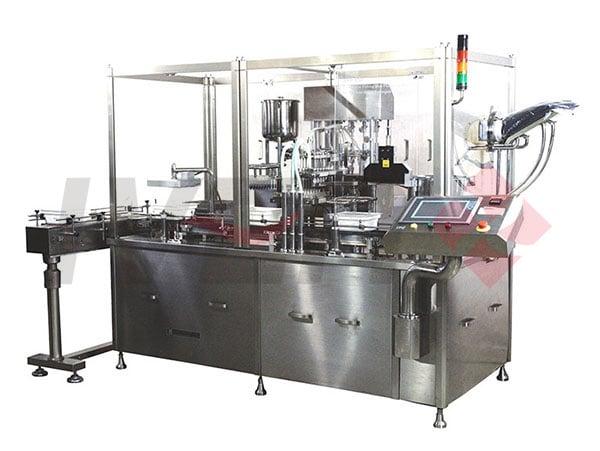
Biologics Prefilled Syringe Machines in the United States
For pharmaceutical manufacturers in the United States, a prefilled syringe machine for biologics is a specialized aseptic filling and packaging system designed to handle high-value injectable products with strict control over sterility, dosing accuracy, product loss, and container integrity. It is widely evaluated by biologics developers, CDMOs, vaccine producers, and medical device companies when expanding capacity, launching new injectable therapies, or upgrading facilities to meet U.S. FDA cGMP expectations. In practical terms, these systems support the filling, stoppering, plunger insertion, inspection, labeling, and downstream packaging of sensitive biologic formulations in ready-to-use syringes for hospital, specialty pharmacy, and self-injection markets.
Demand in the U.S. continues to grow because biologics pipelines are expanding in hubs such as Boston, Cambridge, New Jersey, Philadelphia, Research Triangle Park, San Diego, and the San Francisco Bay Area. At the same time, procurement teams are under pressure to reduce contamination risk, improve batch traceability, shorten changeover time, and support flexible manufacturing for multiple SKUs. A modern biologics syringe filling line is therefore not just packaging equipment; it is part of a broader compliance, quality, and commercialization strategy that affects product launch timelines, total cost of ownership, and long-term plant competitiveness.
When companies compare solutions, they typically assess machine speed, line compatibility, fill accuracy, isolator or RABS integration, nested or bulk syringe handling, ready-to-use component support, environmental monitoring, CIP/SIP strategy, digital data collection, and validation burden. They also look carefully at whether the supplier can support installation, FAT/SAT, IQ/OQ/PQ, spare parts, operator training, and long-term service in the U.S. market.
A prefilled syringe machine for biologics is considered a strategic investment because biologic drugs are expensive, sensitive to shear and contamination, and often intended for precise subcutaneous or intravenous administration. In the United States, where regulatory oversight is intense and commercialization timelines matter, the right equipment helps manufacturers protect product value while improving compliance and throughput.
Large pharmaceutical companies and fast-growing biotech firms alike evaluate these systems when launching monoclonal antibodies, biosimilars, vaccines, cell-derived injectables, peptide products, and other sterile therapies. Compared with traditional vial-only operations, prefilled syringe packaging can improve patient convenience, reduce dosing steps at the point of care, and support the shift toward self-administration. This is especially relevant for products distributed through specialty pharmacy networks in cities such as Chicago, Atlanta, Dallas, Seattle, and Miami.
From an operations perspective, a well-designed line can reduce overfill, minimize operator intervention, and streamline visual inspection and final packaging. From a commercial perspective, it can support premium product presentation, lifecycle management, and stronger differentiation in crowded therapeutic categories.
Decision Factor Why It Matters U.S. Buyer Priority Sterility assurance Biologics are highly contamination-sensitive and require robust aseptic controls Very high Fill accuracy Helps reduce batch loss and supports consistent delivered dose Very high Container compatibility Supports glass or polymer syringes, nested tubs, and multiple formats High Regulatory readiness Simplifies qualification under FDA cGMP and data integrity expectations Very high Flexibility Enables multiple products or batch sizes on one line High Service support Reduces downtime and validation delays after installation High Total cost of ownership Affects long-term budget, spare parts, labor, utilities, and upgrades HighThe table above shows why U.S. purchasing decisions are rarely based on speed alone. The most successful projects balance sterility, flexibility, serviceability, and regulatory confidence.
A biologics prefilled syringe machine is an integrated filling and finishing system built for sterile injectable products that are filled directly into syringes rather than into vials or ampoules. The machine typically performs container infeed, de-nesting or unscrambling, nitrogen purging where required, filling, stopper insertion, plunger rod placement, in-process checks, reject management, and transfer to inspection and packaging stations.
In biologics production, the machine is used for products that require gentle handling, low product hold-up, and high precision. Since many biologics have high viscosity, are protein-based, or are sensitive to agitation, equipment design must account for pump selection, product path materials, and filling profile. Single-use product paths are increasingly considered by U.S. manufacturers that want faster changeovers and lower cleaning validation burden.
These systems are commonly deployed in:
They are also used alongside isolators, restricted access barrier systems, automatic loading systems, leak testing equipment, visual inspection machines, and secondary packaging cells. In a modern facility, the prefilled syringe line forms part of a connected manufacturing ecosystem that includes purified water, WFI, clean utilities, environmental monitoring, logistics automation, and warehouse control.
Process Stage Function Biologics-Specific Concern Syringe infeed Feeds nested or bulk syringes into the line Minimize particulate generation and handling damage Container preparation Positions components for aseptic filling Maintain sterility and alignment accuracy Filling Dispenses exact biologic volume into each syringe Low shear, low hold-up, tight tolerance Stoppering Places stopper to protect the sterile product Container closure integrity Plunger insertion Completes syringe assembly for final use Consistent force and positioning Inspection and rejection Removes defective or out-of-spec units Critical for quality release Labeling and packaging Prepares product for distribution Traceability and cold-chain identificationThe table clarifies that a prefilled syringe machine is not a single filler alone. It is a coordinated system that protects sterile product quality from the first component feed through final pack-out.
The most common application is packaging high-value sterile biologic drugs in unit-dose presentation. In the U.S. market, this format is especially important for therapies used in oncology supportive care, immunology, endocrinology, ophthalmology, rare disease treatment, and long-term chronic disease management.
One major benefit is dosing convenience. Hospitals and clinics in cities like New York, Los Angeles, Houston, and Philadelphia increasingly prefer ready-to-administer formats that reduce manual preparation steps. For home-use products, prefilled syringes support better patient adherence and a more straightforward injection experience.
Another benefit is product economy. Since biologics can be costly per milliliter, reducing overfill and startup loss has direct financial value. Equipment with precise pumps, optimized product path geometry, and recipe-driven controls can significantly improve yield.
A third benefit is quality assurance. Automated filling, stoppering, and inspection help reduce the variability associated with manual intervention. This aligns with U.S. industry efforts to strengthen data integrity, batch traceability, and electronic records management.
Application Area Typical Product Type Primary Benefit Monoclonal antibodies Autoimmune and oncology biologics Precise dosing and premium presentation Biosimilars Reference biologic alternatives Efficient scale-up and market competitiveness Vaccines Specialty and ready-dose injectables Faster administration workflow Peptides and hormones Chronic therapy products Patient convenience and self-injection support Combination products Syringe plus safety device or injector Better downstream integration Clinical biologics Smaller development batches Flexible batch sizing and quick changeover High-potency injectables Specialized niche therapies Lower operator exposure riskThis application map shows why syringe filling lines are no longer limited to one therapy segment. Their use spans both large-scale commercial output and flexible development manufacturing.
var ctxBarDemand = document.getElementById(‘barDemandChart’).getContext(‘2d’);var barDemandChart = new Chart(ctxBarDemand, { type: ‘bar’, data: { labels: [‘Monoclonal Antibodies’, ‘Biosimilars’, ‘Vaccines’, ‘Peptides’, ‘Hormones’, ‘Combination Products’, ‘Clinical Batches’], datasets: [{ label: ‘Estimated U.S. Demand Index’, data: [92, 84, 73, 68, 64, 71, 58], backgroundColor: [‘#4e79a7’, ‘#59a14f’, ‘#f28e2b’, ‘#e15759’, ‘#76b7b2’, ‘#edc948’, ‘#af7aa1’] }] }, options: { responsive: true, maintainAspectRatio: false }});The chart highlights that monoclonal antibodies and biosimilars currently drive a large share of U.S. demand, while combination products continue to grow as delivery systems become more patient-centric.
Buyers in the United States usually compare machines by throughput, aseptic design, syringe format, and automation depth. The main technical distinction is whether the system is designed for nested ready-to-use syringes, bulk syringes, or a hybrid approach. Nested systems are especially popular in biologics because they reduce direct component handling and can simplify contamination control.
Another important distinction is line speed. Small clinical lines may run at lower speeds with high flexibility, while commercial lines can reach several thousand units per hour depending on format and process complexity. However, for biologics, the best choice is often not the fastest line, but the line that best protects product quality and supports reproducible validation.
Key options include peristaltic pumps, rotary piston pumps, time-pressure systems, single-use product manifolds, vacuum stoppering, in-line weight checks, camera inspection, plunger insertion modules, and robotic transfer. U.S. buyers should also assess the control platform, audit trail capability, SCADA or MES integration, and remote diagnostic support.
Machine Type Best Fit Advantages Nested syringe filling line Biologics, premium sterile products Lower handling risk, strong aseptic control Bulk syringe filling line Higher volume standardized production Potentially higher output and lower container cost Clinical or small-batch model R&D and early commercial use Flexibility, small footprints, easier product changeover Commercial high-speed model Established biologics brands Scalable output and automation Isolator-integrated line High sterility assurance needs Reduced intervention risk RABS-based line Balanced cost and aseptic protection Strong containment with easier access than full isolators Single-use path system Multi-product biologic facilities Faster changeover and less cleaning validationThe table shows that no single model suits every plant. A Boston biotech launching a niche specialty product may require very different features than a large New Jersey CDMO serving multiple commercial clients.
Many U.S. manufacturers compare prefilled syringe filling lines against vial filling, cartridge filling, blow-fill-seal for some applications, and outsourced fill-finish services. The right choice depends on product strategy, lifecycle stage, patient delivery model, and capital budget.
Vials remain highly flexible and are often preferred in early clinical development or for hospital compounding workflows. Cartridges are attractive when products will be used in pens or injector systems. Outsourcing can reduce upfront capital expenditure, but it may limit scheduling control and create dependence on external capacity in busy market periods.
Prefilled syringes stand out when convenience, dosing control, and direct administration are priorities. They are especially effective for biologics aimed at long-term therapy and self-injection channels. In the U.S. reimbursement environment, user-friendly presentation can also support market differentiation.
Technology Strengths Limitations Prefilled syringes Ready-to-use, precise dose, strong patient convenience Higher equipment complexity and component cost Vials Flexible formats, familiar process, broad supplier base Extra preparation step at administration Cartridges Excellent for pens and advanced delivery systems Requires compatible device strategy Ampoules Simple presentation for some products Less suitable for many modern biologics Outsourced fill-finish Lower initial capex and faster start Less control over timing and scheduling Blow-fill-seal Efficient for selected liquid products Not typical for many premium biologic syringe formats Manual or semi-automatic filling Useful for very small volumes Limited scalability and higher intervention riskFor many U.S. biologics companies, the decision comes down to whether the product is moving toward patient-centric delivery and whether long-term commercial volumes justify dedicated in-house capacity.
var ctxComparison = document.getElementById(‘comparisonChart’).getContext(‘2d’);var comparisonChart = new Chart(ctxComparison, { type: ‘bar’, data: { labels: [‘Dose Accuracy’, ‘Patient Convenience’, ‘Scalability’, ‘Capex Efficiency’, ‘Aseptic Control’, ‘Lifecycle Value’], datasets: [ { label: ‘Prefilled Syringes’, data: [94, 96, 82, 68, 90, 93], backgroundColor: ‘#4e79a7’ }, { label: ‘Vials’, data: [85, 61, 88, 79, 87, 76], backgroundColor: ‘#f28e2b’ }, { label: ‘Cartridges’, data: [90, 88, 79, 71, 89, 86], backgroundColor: ‘#59a14f’ } ] }, options: { responsive: true, maintainAspectRatio: false }});This comparison illustrates why prefilled syringes are frequently chosen for premium biologics, even though the capital and technical requirements may be higher than for a vial line.
The U.S. market is being shaped by three powerful forces: rapid biologics growth, stronger focus on flexible sterile manufacturing, and rising interest in patient-friendly injectable delivery formats. Capital investment remains concentrated around established life science corridors such as Boston-Cambridge, New Jersey, Philadelphia, Raleigh-Durham, and San Diego, but expansion projects are also appearing in Texas, Indiana, and the Midwest.
By 2026, several trends are expected to influence equipment selection:
Policy and compliance trends also matter. U.S. buyers are paying closer attention to Annex 1 implications for global operations, FDA inspection readiness, data integrity expectations, and contamination control strategy documentation. Sustainability is becoming a procurement factor as companies evaluate compressed air demand, cleanroom energy load, water use, and material waste.
var ctxLineGrowth = document.getElementById(‘lineGrowthChart’).getContext(‘2d’);var lineGrowthChart = new Chart(ctxLineGrowth, { type: ‘line’, data: { labels: [‘2021’, ‘2022’, ‘2023’, ‘2024’, ‘2025’, ‘2026’], datasets: [{ label: ‘Estimated U.S. Market Growth Index’, data: [100, 109, 121, 134, 148, 165], borderColor: ‘#e15759’, backgroundColor: ‘rgba(225,87,89,0.15)’, fill: false, tension: 0.3 }] }, options: { responsive: true, maintainAspectRatio: false }});The line chart reflects a realistic growth pattern driven by the expanding biologics pipeline, biosimilar launches, and continued investment in domestic fill-finish capabilities.
var ctxAreaTrend = document.getElementById(‘areaTrendChart’).getContext(‘2d’);var areaTrendChart = new Chart(ctxAreaTrend, { type: ‘line’, data: { labels: [‘2021’, ‘2022’, ‘2023’, ‘2024’, ‘2025’, ‘2026’], datasets: [ { label: ‘Share of Nested Syringe Projects’, data: [42, 47, 53, 59, 64, 70], fill: true, backgroundColor: ‘rgba(78,121,167,0.25)’, borderColor: ‘#4e79a7’, tension: 0.3 }, { label: ‘Share of Bulk Syringe Projects’, data: [58, 53, 47, 41, 36, 30], fill: true, backgroundColor: ‘rgba(242,142,43,0.20)’, borderColor: ‘#f28e2b’, tension: 0.3 } ] }, options: { responsive: true, maintainAspectRatio: false }});The area chart shows the ongoing shift toward nested formats, which are particularly attractive for high-value biologics requiring stronger contamination control and easier format management.
Choosing a supplier in the United States market requires more than comparing quotations. Buyers should evaluate regulatory competence, engineering depth, installation experience, service infrastructure, documentation quality, and willingness to customize. A low upfront price can become expensive if FAT preparation is weak, change parts are poorly engineered, or validation documents are incomplete.
Start with technical capability. The supplier should understand aseptic filling, biologics handling, clean utility integration, and component compatibility. It is also important that the supplier can support line integration with upstream and downstream systems, including inspection, labeling, cartoning, and intelligent logistics. Companies seeking broader factory development can review integrated project capabilities through pages such as turnkey pharmaceutical engineering solutions.
Next, review manufacturing capability. Strong suppliers usually have dedicated production resources for filling and packaging machinery, utilities, and handling systems rather than relying entirely on outsourced fabrication. This matters for schedule reliability, quality consistency, spare parts availability, and long-term upgrades. Buyers often request proof of previous deliveries, factory acceptance procedures, and examples of successful export projects to regulated markets.
Finally, assess service capability. U.S. projects move faster when the supplier can support feasibility review, equipment selection, layout optimization, installation, commissioning, validation documentation, and staff training. For a closer look at supplier background, procurement teams often examine the manufacturer’s profile, such as this overview of pharmaceutical engineering and equipment expertise, and then move to direct technical discussions through the contact team for project consultation.
Supplier Evaluation Point What to Verify Why It Reduces Risk Regulatory knowledge FDA cGMP, EU GMP, WHO GMP understanding Improves design compliance and validation readiness Biologics handling experience Low-shear filling and aseptic design references Protects product quality Manufacturing strength In-house plants, machining, assembly, QA controls Supports delivery reliability Documentation package DQ, FAT, SAT, IQ/OQ support, manuals, traceability Shortens qualification timeline U.S. service responsiveness Remote support, parts strategy, training plan Limits downtime after startup Customization capability Format changes, line integration, footprint adaptation Ensures better fit for site constraints Lifecycle support Upgrades, optimization, audits, spare parts Extends equipment value over timeThe checklist above is especially useful for teams managing greenfield or brownfield projects where equipment must fit existing utility corridors, material flows, and cleanroom zoning.
Investment cost can vary widely depending on speed, automation level, aseptic barrier design, format range, inspection requirements, and site integration complexity. In the United States, budgeting should include not only the machine purchase price but also import logistics, rigging, facility modifications, isolator integration, validation, utilities, HVAC impact, packaging line interfaces, and operator training.
Projects near major logistics gateways such as Port Newark, the Port of Houston, Los Angeles/Long Beach, or Savannah may benefit from clearer equipment import planning, but inland delivery, specialized unloading, and controlled storage still need close coordination. Brownfield retrofits in older facilities around New Jersey or Pennsylvania may also require more hidden spending on cleanroom modifications, ceiling utilities, and material transfer redesign.
ROI typically depends on four variables: product value, annual production volume, reduction in overfill or rejects, and whether in-house filling improves launch timing or supply assurance versus outsourcing. For premium biologics, even small yield gains can have a strong financial impact.
Budget Item Typical Cost Impact Planning Note Core filling line Highest capital component Depends on speed, format, and aseptic level Isolator or RABS High Critical for sterility strategy Inspection and packaging integration Moderate to high Often underestimated during early budgeting Facility retrofit Moderate to high Can increase sharply in older plants Validation and documentation Moderate Essential for regulated startup Training and commissioning Moderate Affects ramp-up speed and error reduction Spare parts and service plan Low to moderate Helps prevent costly downtime laterThe table shows why machine price alone is not a reliable basis for procurement decisions. A complete lifecycle budget provides a more accurate investment picture.
For companies evaluating available platforms and modular options, it is useful to review a broader equipment portfolio through a supplier’s pharmaceutical machinery product catalog. This helps determine whether the vendor can support both the syringe line and related water, preparation, transfer, or packaging systems.
The first risk is underestimating process development needs. Biologics are not standard water-like liquids, and fill behavior can change with viscosity, temperature, protein concentration, and sensitivity to agitation. A machine may perform well during a generic demo but still require further tuning for a specific formulation.
The second risk is incomplete component strategy. Syringes, stoppers, plungers, and nests must be compatible not only with the machine but also with the drug product and downstream use conditions. Any mismatch can affect closure integrity, cosmetic quality, or line efficiency.
The third risk is weak project management. Delays commonly come from late user requirement definitions, poor cleanroom coordination, incomplete FAT criteria, or documentation gaps. This is why many buyers prefer suppliers that can support design review, project planning, commissioning, and qualification as part of a structured lifecycle approach.
Regarding technology capability, some international suppliers stand out because they combine filling and packaging machinery with utility systems, conveying, and plant engineering know-how. Shanghai IVEN Pharmatech Engineering, for example, is known in the industry for integrated pharmaceutical engineering, sterile processing equipment, and compliance-oriented customization. Its technology base covers filling and packaging systems, purified water and WFI equipment, and intelligent logistics support, which is valuable when syringe filling lines must connect with wider facility infrastructure.
In manufacturing capability terms, the company operates specialized production resources in Shanghai focused on pharmaceutical filling and packaging equipment, water treatment systems, conveying and logistics, and blood collection tube machinery. That breadth can be relevant to U.S. buyers seeking coordinated sourcing rather than fragmented vendor management across several process packages.
From a service capability perspective, buyers often look for suppliers that can assist with feasibility review, equipment customization, installation, commissioning, validation activities, operator training, and post-startup optimization. A supplier with full-project support can reduce misalignment between design, delivery, and qualification. This matters particularly for U.S. facilities pursuing fast launch timelines or complex brownfield upgrades.
Potential Risk Typical Cause Mitigation Approach Low yield or excess overfill Poor fill parameter matching Run formulation-specific trials and optimize pump selection Validation delay Incomplete documentation package Define FAT/SAT and IQ/OQ deliverables early Container defects Component incompatibility or handling damage Qualify suppliers and run line compatibility tests Downtime after startup Weak training or spare parts planning Build service and critical parts strategy in advance Contamination event Inadequate aseptic design or interventions Use isolator/RABS and strong contamination control strategy Expansion limitations Machine too narrow in format or throughput range Choose scalable and modular architecture Unexpected retrofit cost Facility constraints discovered late Complete detailed layout and utility survey upfrontThese risks are manageable when process, engineering, quality, and procurement teams work from a common project roadmap rather than treating the machine as a stand-alone purchase.
What speed should a U.S. biologics manufacturer look for?It depends on batch size, product value, and commercialization stage. Many biologics projects prioritize filling accuracy, aseptic assurance, and flexibility over maximum speed.
Are nested syringe lines better for biologics?In many cases, yes. Nested ready-to-use syringes reduce direct handling and are often preferred for sensitive sterile products, although bulk systems may still be appropriate for certain high-volume operations.
Can one line handle multiple syringe sizes?Yes, many modern systems support multiple formats through change parts and recipe controls. Buyers should confirm actual changeover time, validation requirements, and operator complexity.
Is isolator integration necessary?Not always, but it is increasingly common for high-value biologics because it improves contamination control and can reduce intervention risk. Some plants choose RABS when balancing protection and budget.
How important is single-use technology?Very important for multi-product biologics facilities. Single-use fluid paths can reduce cleaning validation burden, shorten campaign changeover, and improve operational flexibility.
What documentation should be required from the supplier?At a minimum, buyers should request design documents, material certificates, FAT protocol and records, SAT support, manuals, spare parts lists, traceability files, and IQ/OQ-related documentation aligned with the validation plan.
Should U.S. companies buy a stand-alone machine or a wider integrated solution?If the project includes utilities, solution preparation, conveying, inspection, or packaging expansion, an integrated solution can reduce interface risk. This is especially relevant for greenfield projects or major modernization programs.
How long does ROI usually take?It varies based on product value, line utilization, and whether the investment replaces outsourcing. For high-value biologics, improved yield and better launch control can shorten payback significantly.
What should buyers ask during factory acceptance testing?They should verify fill accuracy, reject handling, component feeding stability, intervention procedures, alarm logic, recipe security, audit trails, and cleaning or changeover performance under realistic operating conditions.
How can a supplier support a U.S. project beyond equipment delivery?The best suppliers contribute during concept planning, layout design, utility matching, commissioning, training, qualification support, and after-sales optimization. This broader support often has a major impact on project success.