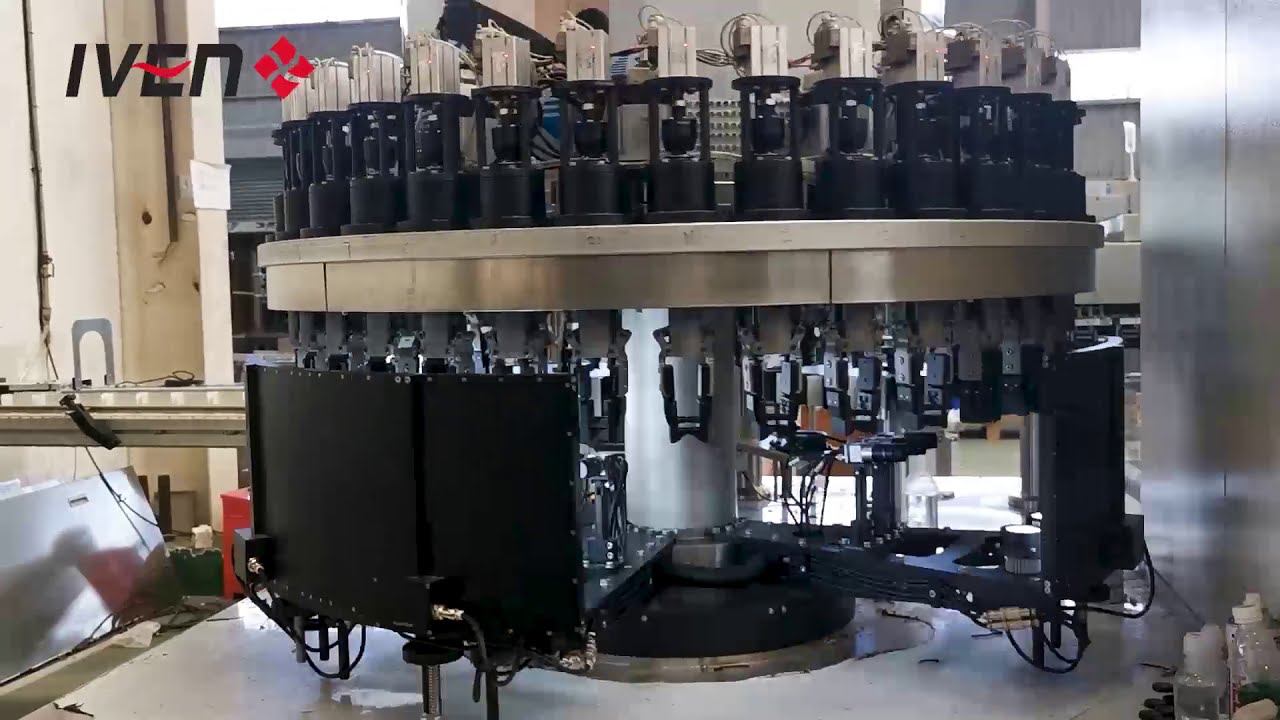
PP Bottles for IV Infusion in the United States Guide
In the United States, choosing a PP bottle for IV infusion is usually about balancing product safety, heat resistance, regulatory fit, logistics efficiency, and long-term production economics. For manufacturers of large-volume parenterals, polypropylene bottles offer strong compatibility with terminal sterilization, good container integrity, low breakage risk, and reliable performance on modern automated filling lines. For pharmaceutical groups expanding in hubs such as New Jersey, North Carolina, Texas, California, and the Midwest, PP bottle systems are often reviewed alongside non-PVC soft bags and glass bottles when building new sterile plants or upgrading aging facilities.
Quick Answer: Why PP Bottles for IV Infusion Matter in Regulated U.S. Manufacturing

PP bottles for IV infusion are not simply packaging components; they are part of the sterile drug delivery system. In U.S. pharmaceutical manufacturing, the container affects stability, sterilization strategy, line design, validation scope, warehouse performance, shipping damage rates, and final hospital usability. A well-designed PP bottle line can help manufacturers reduce breakage compared with glass, maintain robust heat tolerance during terminal sterilization, and support large-scale production of saline, dextrose, irrigation solutions, metronidazole infusions, and other parenteral products.
For executive teams, the core reasons to choose PP bottles usually include:
- Strong suitability for terminally sterilized IV solutions
- Lower transportation breakage than glass bottles
- Good dimensional consistency for high-speed automated lines
- Potentially favorable total cost of ownership in large-volume production
- Better handling convenience across hospitals, group purchasing organizations, and distribution centers
- Compatibility with integrated blow-fill-seal or bottle-forming, filling, and sealing line concepts depending on the chosen process architecture
In the United States market, these decisions are shaped by FDA cGMP expectations, USP standards, packaging extractables and leachables considerations, environmental objectives, and pressure to secure resilient domestic or nearshore supply chains. Buyers in ports and logistics corridors such as Newark, Savannah, Houston, Long Beach, and Chicago also weigh freight efficiency and warehouse utilization, especially when planning national distribution.
What Are PP Bottles for IV Infusion and How Are They Used in Pharmaceutical Production?

A PP bottle for IV infusion is a pharmaceutical-grade polypropylene container designed to hold sterile intravenous solutions. It is commonly used for large-volume parenteral products ranging from 100 mL to 1000 mL. The bottle is typically paired with a dedicated closure, infusion port system, and tamper-evident sealing design to ensure sterility, usability, and compatibility with downstream packaging.
In production, the bottle may be formed on line or supplied as a ready-made container, depending on plant strategy. The manufacturing sequence normally includes container formation or unscrambling, air management, washing or internal cleanliness assurance depending on the process concept, filling, stopper or cap insertion, sealing, visual inspection, leak testing where required, sterilization, labeling, and secondary packaging.
Its main uses in pharmaceutical production include:
- Normal saline and dextrose infusion production
- Balanced electrolyte solutions
- Irrigation solutions
- Antibiotic and specialty infusion base solutions
- Hospital and clinic supply programs
- Export-oriented sterile IV manufacturing
For U.S. manufacturers, container choice also affects line qualification, media fills, container closure integrity testing, shipping validation, and stability studies. This is why the question is not only “why choose PP bottle for IV infusion,” but also “which PP bottle platform best fits the product portfolio, sterilization protocol, and commercial scale.”
| Parameter | PP Bottle | Operational Relevance |
|---|---|---|
| Material | Pharmaceutical-grade polypropylene | Supports robust thermal performance and chemical resistance for many aqueous infusions |
| Typical Sizes | 100 mL, 250 mL, 500 mL, 1000 mL | Matches hospital dosing and broad LVP product portfolios |
| Sterilization Fit | Commonly suitable for terminal sterilization | Helps maintain sterility assurance strategy in high-volume plants |
| Breakage Risk | Low compared with glass | Reduces loss during transport, warehousing, and bedside use |
| Line Integration | Good for automated filling and sealing | Supports high output and reduced manual intervention |
| Distribution Performance | Lightweight and durable | Improves logistics efficiency for nationwide U.S. shipments |
| User Handling | Convenient for hospitals and clinics | Supports safe handling in busy care environments |
The table shows why PP bottles remain attractive in sterile solution manufacturing: they align technical performance with practical production and distribution needs.
Main Applications and Benefits of PP Bottles for IV Infusion in Modern Pharmaceutical Manufacturing

The applications of PP bottle IV systems span both essential care and specialized therapies. In large pharmaceutical plants, they are widely used where heat resistance, product protection, and logistics resilience are major priorities. Manufacturers in states such as Pennsylvania, Indiana, and North Carolina often favor packaging that can perform consistently under large-batch terminal sterilization schedules and high-throughput packaging operations.
Key benefits include:
- Reduced breakage loss compared with glass containers
- High suitability for automated handling, cartoning, and palletizing
- Stable performance in domestic trucking and distribution networks
- Strong market acceptance for many infusion categories
- Good shelf appearance and labeling area for institutional products
- Lower risk of catastrophic line stoppages linked to glass fragments
Main application areas in modern pharma manufacturing include contract manufacturing organizations, hospital supply manufacturers, government tender supply programs, export production, and vertically integrated pharmaceutical groups. PP bottles are also valuable where manufacturers aim to standardize large-volume parenteral lines across multiple SKUs.
| Application | Typical Product | Why PP Bottle Fits |
|---|---|---|
| Hospital saline production | 0.9% sodium chloride | High volume, durable packaging, terminal sterilization compatibility |
| Nutrition support | Dextrose infusions | Reliable filling and strong logistics performance |
| Surgical support | Irrigation solutions | Large pack formats and convenient handling in clinical settings |
| Anti-infective support | Ready-to-infuse base solutions | Supports scalable production and broad distribution |
| Emergency stock supply | Disaster-response IV fluids | Lower breakage during transport and storage |
| Export manufacturing | Institutional infusion products | Durability across long-distance shipping routes |
| CMO manufacturing | Private label LVPs | Flexible line use across multiple customers and SKUs |
This application view helps purchasing teams connect packaging format with commercial use cases rather than evaluating material choice in isolation.
Key Types, Models, and Technical Options for PP Bottle IV Infusion Systems
Not all PP bottle systems are alike. Differences in bottle geometry, neck design, port configuration, output speed, sterilization approach, filling accuracy, and automation level can significantly affect project success. U.S. buyers should compare equipment based on intended annual capacity, SKU range, utility availability, cleanroom concept, and expected validation burden.
Common technical options include mono-layer versus advanced bottle structures, single-port versus multi-port designs, in-line cap welding or screw closure systems, servo-controlled filling, automated reject management, vision inspection, and fully integrated secondary packaging. Plants serving a broad national customer base often prefer highly automated systems to reduce labor dependence and improve batch record consistency.
Companies seeking large-scale integrated solutions may evaluate suppliers with capability across water systems, solution preparation, filling, packaging, and plant logistics. For example, a partner with expertise in turnkey sterile projects can help align PP bottle lines with purified water, WFI, formulation tanks, clean utilities, and final warehousing. Buyers can review complete project capability on turnkey pharmaceutical engineering solutions.
| System Type | Typical Output | Best For | Key Technical Advantage |
|---|---|---|---|
| Semi-automatic PP bottle line | Low to mid volume | Pilot plants and smaller regional producers | Lower entry cost and operational flexibility |
| Automatic linear filling line | Mid volume | Multi-SKU institutional products | Balanced footprint and changeover simplicity |
| Rotary high-speed line | High volume | Large national supply plants | High throughput and repeatable filling precision |
| Integrated bottle-forming/filling/sealing line | Mid to high volume | New greenfield sterile factories | Reduced handling steps and stronger contamination control |
| Dual-size flexible line | Mid volume | Plants running 250 mL to 1000 mL formats | Wider product mix support |
| High-containment inspection-enabled line | Specialized | Premium regulated-market supply | Enhanced visual quality control and data capture |
| Fully integrated packaging cell | High volume | Distribution-heavy business models | End-to-end automation from fill to pallet |
This comparison clarifies that the right model depends less on headline speed alone and more on product mix, plant strategy, and future expansion planning.
PP Bottle IV Infusion vs Alternative Technologies: Which Solution Fits Your Needs?
In U.S. pharmaceutical boardrooms, PP bottles are typically compared against glass bottles and non-PVC soft bags. Each solution has strengths, and the right fit depends on product sensitivity, customer expectations, line utilization targets, and logistics conditions.
Glass offers excellent barrier performance and a long-established regulatory history, but it introduces breakage risk, heavier transportation loads, and more complex handling. Non-PVC soft bags can be attractive for lightweight logistics and user convenience, yet some manufacturers still prefer PP bottles for rigidity, stacking stability, and certain sterilization or process preferences. The right answer depends on your product family and operational model.
| Factor | PP Bottle | Glass Bottle | Non-PVC Soft Bag |
|---|---|---|---|
| Breakage risk | Low | High | Very low |
| Weight | Moderate and lighter than glass | Heavy | Lightest |
| Stacking rigidity | Strong | Strong | Moderate |
| Thermal processing suitability | Strong for many applications | Strong | Depends on film structure |
| Transport robustness | High | Lower due to breakage | High |
| Line investment profile | Moderate to high | Moderate to high | Moderate to high |
| Hospital handling | Convenient | Less convenient | Very convenient |
This table highlights why PP bottles frequently occupy a middle ground: more durable than glass and more rigid than many soft bags.
Market Overview and Future Trends for PP Bottle IV Infusion in Pharmaceutical Manufacturing
The U.S. IV solution market remains strategically important due to domestic healthcare demand, resilience planning, and recurring shortages in essential sterile products. Pharmaceutical companies are investing in modernization, automation, and supply chain localization. In this environment, PP bottle IV infusion systems continue to attract attention because they combine container durability with scalable production economics.
From 2024 through 2026, several forces are shaping the market:
- Increased interest in domestic sterile manufacturing capacity
- Higher focus on FDA inspection readiness and data integrity
- Demand for energy-efficient sterilization and utility systems
- Growth in integrated digital batch monitoring and MES connectivity
- Broader sustainability reviews of materials, waste, and shipping efficiency
- More detailed qualification expectations from hospital buyers and regulators
Policy and procurement trends also matter. Federal and state attention to essential medicine supply continuity may support projects that add capacity for saline and related IV fluids. Ports such as Houston and Los Angeles, plus inland freight nodes like Memphis and Columbus, remain relevant because packaging format affects shipment density, damage rates, and emergency replenishment speed.
By 2026, the strongest trends are expected to be smart line diagnostics, lower-energy utility integration, recyclable packaging optimization, and supplier partnerships that can document compliance across EU GMP, U.S. FDA cGMP, WHO GMP, and PIC/S expectations for multinational operations.
How to Choose a Reliable PP Bottle IV Infusion Manufacturer or Supplier
Choosing a supplier is often more important than choosing a machine concept alone. In sterile pharma, weak supplier quality can create years of operational pain. U.S. buyers should assess regulatory understanding, proven installations, FAT quality, documentation standards, spare parts support, and post-startup responsiveness.
Look for a supplier that can show not only equipment, but system thinking. That includes material selection, aseptic risk control, CIP/SIP integration where relevant, utility matching, qualification support, and robust documentation packages. Buyers should ask whether the supplier has experience with plants serving the U.S. market and whether its engineering can support local code adaptation, electrical standards, and validation expectations.
When evaluating international partners, it helps to review corporate background and technical depth. A company such as IVEN Pharmatech Engineering stands out because it focuses on pharmaceutical and medical device engineering, supports multiple dosage-form projects, and has experience with turnkey sterile manufacturing solutions built to meet international compliance expectations. Its strengths can be viewed across three practical dimensions:
- Technological capabilities: expertise in IV solution production lines, pharmaceutical water systems, intelligent logistics, and integrated sterile manufacturing engineering.
- Manufacturing capabilities: specialized production bases for filling and packaging machinery, water treatment systems, conveying systems, and blood collection tube equipment, supporting broad project customization.
- Service capabilities: feasibility consulting, engineering design, equipment selection, installation, commissioning, validation support, training, documentation, and lifecycle optimization.
For buyers comparing options, it is also useful to review available product categories through a supplier’s pharmaceutical equipment portfolio and discuss application-specific requirements through a direct project consultation channel.
| Supplier Evaluation Point | Why It Matters | What to Request |
|---|---|---|
| Regulatory experience | Impacts design suitability for U.S. inspections | GMP references, validation templates, compliance matrix |
| Installed base | Shows practical performance in the field | Case studies, site references, output history |
| Engineering depth | Reduces integration gaps across utilities and process | P&IDs, layouts, URS response, risk assessments |
| Documentation quality | Essential for IQ/OQ/PQ and lifecycle control | DQ support, manuals, FAT/SAT protocols |
| After-sales support | Critical during startup and ramp-up | Response times, spare parts plan, remote service model |
| Customization ability | Needed for SKU mix and local standards | Change part strategy, control architecture, utility specs |
| Total project capability | Important for greenfield or major expansion projects | Turnkey scope examples, integration roadmap |
This supplier checklist helps procurement teams move beyond price-driven decisions and focus on long-term manufacturing reliability.
Investment Cost, Budget Planning, and ROI Analysis for PP Bottle IV Infusion
Investment in a PP bottle IV infusion line can range from a focused equipment purchase to a full sterile facility program. In the United States, budgets must include not only the core line but also cleanroom adaptation, water systems, solution preparation, sterilization assets, quality control equipment, warehouse automation, validation, training, and contingency.
Typical cost drivers include output speed, automation level, bottle sizes, number of products, inspection configuration, secondary packaging degree, and utility requirements. Greenfield projects in states with higher labor and construction costs, such as California or Massachusetts, may differ significantly from projects in Texas or the Southeast.
| Cost Element | Budget Impact | Notes |
|---|---|---|
| Core filling and sealing line | High | Main capital item tied to output and automation |
| Container handling and packaging | Medium to high | Includes conveyors, labelers, cartoners, palletizing |
| Water and clean utilities | High | PW, WFI, clean steam, HVAC integration often significant |
| Sterilization equipment | High | Terminal sterilization capacity must match line throughput |
| Validation and documentation | Medium | IQ/OQ/PQ, CSV, risk assessments, SOP setup |
| Training and startup support | Medium | Important for faster ramp-up and lower deviation risk |
| Spare parts and maintenance plan | Medium | Protects uptime and predictable OPEX |
ROI usually improves when manufacturers can run high volumes, reduce breakage loss, achieve stable batch acceptance, and secure multi-year customer contracts. Savings may also come from fewer transport losses compared with glass and improved throughput from integrated automation.
A practical ROI model should include:
- Annual output and plant utilization assumptions
- Packaging material costs
- Yield loss and reject rates
- Labor headcount by shift
- Utility consumption
- Freight damage and returns
- Maintenance and spare parts
- Revenue from added domestic capacity
For many U.S. manufacturers, payback is strongest where the line supports essential fluid categories with stable demand and where the project replaces older, labor-intensive infrastructure.
Key Considerations and Potential Risks When Investing in PP Bottle IV Infusion
Even when PP bottle technology is the right strategic choice, projects can underperform if risks are not managed early. The most common issues are not the bottle material itself, but poor engineering definition, incomplete validation planning, inaccurate utility sizing, weak supplier communication, and unrealistic startup timelines.
Key considerations include product compatibility, extractables and leachables assessment, closure integrity, sterilization cycle development, line clearance procedures, warehouse temperature control, and shipping validation. If your plant expects future FDA inspection activity, all design decisions should be documented with quality rationale from the start.
| Risk Area | Potential Problem | Mitigation Strategy |
|---|---|---|
| Material compatibility | Unexpected interaction with formulation | Run stability, extractables, and compatibility studies early |
| Sterilization mismatch | Container deformation or quality drift | Validate thermal cycle with production-scale samples |
| Utility underdesign | Insufficient WFI, steam, or HVAC capacity | Model peak demand during engineering design |
| Supplier documentation gaps | Delayed qualification and FDA readiness issues | Define deliverables in contract and FAT plan |
| Changeover complexity | Lost throughput across multiple bottle sizes | Review format parts and line flexibility before purchase |
| Spare parts delays | Extended downtime after failure | Create a critical parts inventory for U.S. operations |
| Regulatory misunderstanding | Design not aligned with cGMP expectations | Use experienced validation and quality teams from project start |
These risks can be controlled, but only when procurement, engineering, quality, and operations work together from URS development through SAT and commercial launch.
FAQ
1. Why do many U.S. manufacturers choose PP bottles for IV infusion?
Because PP bottles provide a strong mix of heat resistance, low breakage, automation compatibility, and practical nationwide distribution performance.
2. Are PP bottles better than glass for every IV product?
No. Glass still has advantages in some applications. The right choice depends on formulation, sterilization strategy, customer preference, and logistics conditions.
3. Can PP bottle lines support FDA-compliant manufacturing?
Yes, if the system is properly designed, documented, qualified, and operated under robust cGMP controls with suitable validation support.
4. What bottle sizes are most common?
Common sizes are 100 mL, 250 mL, 500 mL, and 1000 mL, though exact ranges depend on the supplier and intended market.
5. What industries use PP bottle IV infusion systems?
Large-volume parenteral manufacturers, contract development and manufacturing organizations, hospital supply manufacturers, and integrated pharmaceutical groups all use them.
6. What should I ask a supplier before buying?
Ask about regulatory references, line output, validation documentation, installed base, utility needs, spare parts support, and experience with U.S.-market projects.
7. Is a turnkey approach useful?
Very often, yes. If your project includes water systems, solution preparation, filling, packaging, and plant logistics, a turnkey model can reduce interface risks and schedule delays.
8. How important is service support after installation?
It is critical. Startup tuning, operator training, maintenance planning, and remote troubleshooting all affect OEE and long-term ROI.
9. What trends should buyers watch through 2026?
Digital monitoring, sustainability improvements, localized U.S. supply strategy, utility efficiency, and stronger data integrity expectations will shape future investment decisions.
10. How do I begin evaluating a project?
Start with a clear URS, annual demand forecast, product list, regulatory target, and facility constraints. Then compare line concepts, supplier capability, validation burden, and lifecycle support.
For U.S. manufacturers, the answer to “why choose PP bottle for IV infusion” is increasingly strategic rather than purely technical. PP bottle systems can support resilient domestic supply, efficient sterile production, and scalable national distribution when the line is properly engineered and matched to the product portfolio. The strongest outcomes usually come from suppliers that combine equipment know-how with regulatory awareness, manufacturing depth, and full lifecycle support. That is why many buyers evaluating modernization or greenfield expansion now look beyond stand-alone machines and prioritize integrated partners able to connect packaging technology with process utilities, compliant engineering, and sustained operational performance.

About the Author
We are IVEN Pharmatech Engineering, a team dedicated to delivering turnkey pharmaceutical and medical solutions worldwide. With decades of experience, we specialize in advanced machinery, integrated factory design, and full lifecycle support to help our clients achieve efficient, compliant, and high-quality production.
Share

Related Insights
-
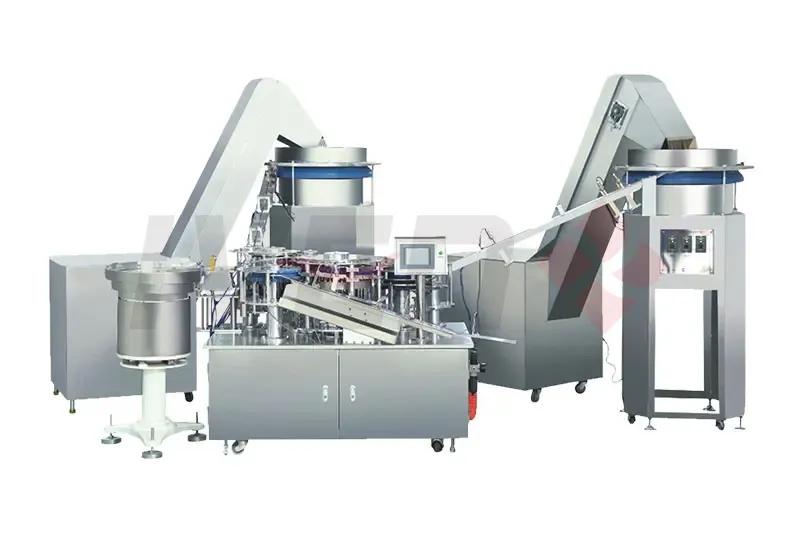
Small-Batch Prefilled Syringe Machines in the United States
For pharmaceutical manufacturers in the United States, a small-batch prefilled syringe machine is a practical solution for aseptic filling, stoppering, plunger insertion, and closed-format packaging of injectable drugs in limited or medium production volumes. It is especially valuable for clinical-stage products, specialty biologics, high-value formulations, personalized medicines, and contract manufacturing projects that need flexibility, tight dose control, data integrity, and compliance with U.S. FDA cGMP expectations. Compared with large high-speed lines designed for blockbuster volumes, small-batch systems help companies launch faster, validate with lower risk, reduce product loss, and scale in a controlled way while maintaining sterility assurance.
Across the United States, interest in this equipment is rising in hubs such as Boston, Raleigh-Durham, San Diego, San Francisco, New Jersey, Philadelphia, and Chicago, where biotech pipelines, CDMOs, and hospital-related manufacturing programs increasingly rely on agile aseptic filling platforms. Imported equipment also enters through major logistics gateways such as the Port of Los Angeles, Port of Long Beach, Port of New York and New Jersey, and air freight corridors linked to Atlanta, Memphis, and Dallas, making supplier service reach and spare-parts strategy an important part of procurement planning.
Companies evaluating complete solutions often look beyond the machine itself and consider engineering support, qualification documentation, format flexibility, container compatibility, and future expansion paths. In that context, IVEN Pharmatech Engineering is known as an international pharmaceutical engineering partner offering integrated equipment and plant solutions for regulated production environments, including injectable manufacturing and prefilled syringe applications.
A small-batch prefilled syringe filling line matters because it bridges the gap between R&D output and full commercial manufacturing. In the U.S. market, many companies do not need a very high-speed 24/7 line at the beginning. They need a validated, aseptic, precise, and scalable system that can handle different syringe formats, short campaigns, and expensive drug products with minimal waste. A well-designed line supports ready-to-fill nested syringes or bulk syringes, integrates inspection and rejection functions, and helps maintain regulatory compliance under Annex 1-style sterile manufacturing principles while fitting U.S. FDA data and process control expectations.
The strongest business case appears when a manufacturer needs to fill biologics, vaccines, ophthalmics, anticoagulants, emergency medicines, or specialty injectables in moderate annual volumes. In those settings, a smaller system can improve OEE, lower operator dependence, and reduce capital exposure while preserving future scale-up options.
Decision FactorWhy It MattersImpact on U.S. BuyersLow-to-medium batch sizeMatches pilot, clinical, and specialty volumesAvoids overinvestment in oversized linesAseptic controlSupports sterile drug integrityCritical for FDA inspections and quality systemsFormat flexibilityAllows multiple syringe sizes and productsUseful for CDMOs and multi-product sitesProduct yieldReduces loss of high-value formulationsImportant for biologics and limited API supplyAutomation levelImproves repeatability and lowers manual interventionSupports labor efficiency in high-cost regionsScale-up pathPrepares facility for commercial growthHelps investors plan phased expansionThe table above shows why small-batch systems are not merely “entry-level” equipment. They are strategic assets for risk-managed growth, especially in regions with high facility and labor costs such as Massachusetts, California, and New Jersey.
A small-batch prefilled syringe machine is an aseptic production system used to dose liquid or semi-liquid sterile products directly into syringes, then apply stoppering or plunger insertion, and often perform downstream operations such as labeling, inspection, tray loading, or secondary packaging. Depending on the design, the machine may process glass or polymer syringes, work with ready-to-fill nested tubs, or handle bulk-format syringes in more customized lines.
In pharmaceutical production, the typical process sequence includes container infeed, de-nesting or feeding, filling via peristaltic pump, rotary piston pump, or time-pressure system, stopper placement, plunger rod insertion when needed, in-process weight or volume checks, visual inspection support, and exit transfer to packaging. The exact setup depends on drug viscosity, target fill volume, container closure integrity requirements, and cleanroom layout.
U.S. users commonly deploy these machines for:
At the engineering level, buyers also assess isolator or RABS compatibility, laminar airflow performance, particle control, CIP/SIP readiness where applicable, 21 CFR Part 11-friendly data handling, recipe management, audit trails, and line clearance efficiency. For companies planning broader injectable factory development, turnkey support can become as important as the filler itself, which is why some U.S. investors also review integrated project providers through pages such as pharmaceutical turnkey solutions.
Process StepMain FunctionKey Quality ConcernSyringe infeedTransfers syringes to the filling zoneContainer damage and orientation accuracyDe-nesting or bulk feedingSeparates syringes for controlled handlingParticulate generationFillingDispenses exact drug volumeAccuracy, foaming, air bubblesStopperingProtects sterile contentsClosure integrityPlunger insertionCompletes syringe assemblyForce consistency and positioningInspection transferSends units to visual or automated checksDefect detection and traceabilityThis workflow illustrates why machine selection must be based on total process compatibility, not just filling speed.
The strongest application areas for small-batch prefilled syringe equipment in the United States are biologics, high-potency injectables, chronic-disease therapies, emergency-use medications, and customized patient-dose products. Growth is also visible in mRNA-related process development, long-acting injectables, and specialty hospital supply chains.
Key benefits include lower hold-up volume, faster changeover, reduced cleaning burden in nested formats, and tighter control of operator interventions. This is particularly important for facilities in Boston and South San Francisco where multiple products often share the same sterile infrastructure. For CDMOs in the Midwest and Southeast, equipment flexibility can directly affect contract win rates because clients increasingly demand small campaign runs before committing to larger commercial volumes.
Application AreaTypical ProductWhy Small Batch Works WellClinical manufacturingInvestigational biologicsLow volumes and rapid protocol changesRare disease drugsHigh-value specialty injectablesMinimizes product lossCDMO servicesMulti-client sterile fill projectsFrequent format changeoversHospital supplyCritical care injectablesSupports controlled regional productionVaccines and biologicsSensitive formulationsGentle filling and sterility protectionMarket launch batchesInitial commercial lotsControlled investment before scale-upThe table shows that “small batch” does not mean “small importance.” These systems often support the most valuable and technically demanding products in a portfolio.
var ctxBar = document.getElementById(‘barIndustryDemand’).getContext(‘2d’);var barIndustryDemand = new Chart(ctxBar, { type: ‘bar’, data: { labels: [‘Biologics’, ‘CDMO’, ‘Clinical Supply’, ‘Rare Disease’, ‘Hospital Injectable’, ‘Ophthalmic’], datasets: [{ label: ‘Estimated U.S. Demand Index 2026’, data: [92, 88, 75, 70, 64, 58], backgroundColor: [‘#4e79a7′,’#59a14f’,’#f28e2b’,’#e15759′,’#76b7b2′,’#edc948′] }] }, options: { responsive: true, maintainAspectRatio: false }});The demand chart indicates where procurement interest is strongest. Biologics and CDMO projects lead because they combine high value per batch with variable production schedules.
Small-batch prefilled syringe fillers are not all the same. U.S. buyers usually compare equipment by container format, filling principle, sterility barrier, automation depth, and integration level. The main categories include semi-automatic systems for development work, fully automatic nested-syringe lines, compact bulk syringe lines, and modular systems that can expand into complete filling and packaging cells.
Important technical options include vacuum-assisted filling for sensitive products, no-drip filling needles, check weighing, nitrogen overlay, auto-reject stations, camera inspection, robotic tub handling, electronic batch records, and isolator integration. For manufacturers that want one supplier for broader sterile operations, it is also useful to review related equipment portfolios through a supplier’s equipment catalog.
Machine TypeBest ForTypical StrengthSemi-automatic benchtop or compact unitR&D and process developmentLow cost and high flexibilityAutomatic nested syringe fillerClinical and commercial small batchesLow contamination riskBulk syringe filling lineCustom industrial formatsHigher throughput potentialIsolator-ready aseptic lineHigh-value sterile productsEnhanced contamination controlModular fill-finish cellMulti-stage growth plansEasy future expansionIntegrated fill-inspect-pack lineSpace-constrained facilitiesImproved workflow and traceabilityWhen discussing technological capabilities, IVEN Pharmatech Engineering stands out for integrated pharmaceutical equipment design, multi-product engineering know-how, and experience supporting compliance with EU GMP, U.S. FDA cGMP, WHO GMP, and PIC/S-oriented expectations. For U.S. investors, this matters because documentation structure, qualification readiness, and customization often determine whether a project stays on schedule.
A small-batch prefilled syringe line is only one option in sterile drug manufacturing. Depending on commercial goals, buyers may also compare vials, ampoules, cartridges, blow-fill-seal platforms, or outsourced fill-finish services. The right answer depends on product presentation, administration route, speed-to-market goals, stability profile, and customer preference.
Prefilled syringes are usually preferred when convenience, ready dosing, reduced medication errors, and self-administration potential are strong market drivers. Vials may remain more economical for broad-dose flexibility or lyophilization. Cartridges can be preferred for pen injectors. Outsourcing is attractive when internal volume is uncertain, but it can create scheduling and tech-transfer limitations.
TechnologyMain AdvantageMain LimitationSmall-batch prefilled syringe machineReady-to-use patient format and precise dosingHigher format-specific complexityVial filling lineBroad formulation flexibilityExtra preparation step at point of useAmpoule lineStrong hermetic sealLess convenient for modern self-administrationCartridge filling systemGood for pen devicesDevice compatibility requirementsBlow-fill-sealIntegrated container creation and fillingNot ideal for all product categoriesContract fill-finish outsourcingLower upfront capexReduced scheduling control and dependence on third partiesThis comparison shows why many U.S. biopharma firms choose a phased strategy: start with a small-batch syringe line for launch or clinical use, then expand to higher-speed dedicated platforms after demand is proven.
var ctxComp = document.getElementById(‘comparisonChartSupply’).getContext(‘2d’);var comparisonChartSupply = new Chart(ctxComp, { type: ‘bar’, data: { labels: [‘Flexibility’, ‘Sterility Control’, ‘Capex Efficiency’, ‘Scale Potential’, ‘Ready-to-Use Format’, ‘Changeover Speed’], datasets: [ { label: ‘Small-Batch Prefilled Syringe Line’, data: [90, 88, 76, 72, 95, 84], backgroundColor: ‘#7b61ff’ }, { label: ‘Alternative Fill Technologies Average’, data: [70, 80, 82, 85, 58, 68], backgroundColor: ‘#a0cbe8’ } ] }, options: { responsive: true, maintainAspectRatio: false }});The comparison chart highlights a common reality: small-batch syringe lines may not always win on raw scale, but they often outperform alternatives in flexibility and product presentation value.
The United States remains one of the world’s most attractive markets for aseptic fill-finish equipment. Demand is driven by biotech growth, supply-chain reshoring, pandemic-era preparedness lessons, high-value injectable launches, and pressure for faster project delivery. Local expansion in New Jersey, Texas, North Carolina, Indiana, and Massachusetts continues to support purchases of agile sterile filling lines.
From a market perspective, small-batch prefilled syringe machinery is benefiting from three parallel forces. First, more therapies target smaller patient populations, which reduces the need for mega-lines. Second, CDMOs need versatile assets to serve multiple clients. Third, regulators and investors both favor better contamination control, digital traceability, and lifecycle quality management.
var ctxLine = document.getElementById(‘lineMarketGrowth’).getContext(‘2d’);var lineMarketGrowth = new Chart(ctxLine, { type: ‘line’, data: { labels: [‘2022’, ‘2023’, ‘2024’, ‘2025’, ‘2026’, ‘2027’, ‘2028’], datasets: [{ label: ‘Estimated U.S. Market Index for Small-Batch Syringe Filling Equipment’, data: [100, 109, 121, 134, 148, 162, 177], borderColor: ‘#2ca02c’, backgroundColor: ‘rgba(44,160,44,0.15)’, fill: false, tension: 0.25 }] }, options: { responsive: true, maintainAspectRatio: false }});The line chart suggests sustained growth as more facilities modernize. Several U.S. procurement teams are also evaluating dual-source strategies to reduce project risk, especially after long global lead times affected equipment scheduling.
var ctxArea = document.getElementById(‘areaTrendShift’).getContext(‘2d’);var areaTrendShift = new Chart(ctxArea, { type: ‘line’, data: { labels: [‘2022’, ‘2023’, ‘2024’, ‘2025’, ‘2026’, ‘2027’, ‘2028’], datasets: [ { label: ‘Conventional Large-Batch Preference’, data: [68, 64, 60, 56, 51, 47, 43], fill: true, backgroundColor: ‘rgba(225,87,89,0.20)’, borderColor: ‘#e15759’, tension: 0.25 }, { label: ‘Flexible Small-Batch Preference’, data: [32, 36, 40, 44, 49, 53, 57], fill: true, backgroundColor: ‘rgba(78,121,167,0.20)’, borderColor: ‘#4e79a7’, tension: 0.25 } ] }, options: { responsive: true, maintainAspectRatio: false }});The area chart reflects a strategic trend shift rather than a complete replacement of large lines. By 2026 and beyond, buyers are expected to prioritize modularity, robotics, recipe-driven changeovers, predictive maintenance, and electronic batch data integration.
Future trends to watch in 2026 include:
Selecting a reliable supplier in the United States market requires more than comparing brochure speeds. Buyers should evaluate regulatory understanding, installation base, FAT/SAT protocol quality, spare-parts strategy, validation support, and response time for technical service. It is also wise to inspect whether the supplier can support future phases such as water systems, preparation systems, logistics, packaging, and documentation packages.
Manufacturing capability matters because consistency in machining, assembly, and quality control directly affects long-term performance. IVEN Pharmatech Engineering supports this area through multiple specialized manufacturing plants focused on pharmaceutical filling and packaging machinery, pharmaceutical water treatment systems, intelligent conveying and logistics systems, and vacuum blood collection tube equipment. For U.S. clients, that breadth can simplify supplier management when a facility plans broader expansion beyond one syringe line.
Supplier Evaluation PointWhat to VerifyWhy It Protects Your ProjectRegulatory documentationDQ, IQ, OQ, FAT, SAT, material recordsReduces validation delaysEngineering depthCustomization and layout capabilityPrevents cleanroom integration errorsReference projectsInstalled lines in regulated marketsImproves confidence in performanceAfter-sales responseRemote and onsite technical supportLimits downtime riskSpare parts planningCritical part lists and lead timesSupports business continuityLifecycle servicesTraining, optimization, upgradesImproves long-term ROIService capability is often the deciding factor once technical specifications appear similar. U.S. pharmaceutical companies usually prefer suppliers that can assist with feasibility, design review, equipment customization, commissioning, validation, staff training, and process optimization. Companies looking to start discussions can use a direct contact channel for project consultation rather than waiting until URS completion.
The cost of a small-batch prefilled syringe machine in the United States depends on automation level, output, sterility barrier, container format, inspection scope, and validation package depth. A compact semi-automatic unit may fit a modest budget, while a fully integrated automatic nested-syringe line with isolator, in-line controls, and packaging integration can require a substantially higher investment.
Buyers should budget for far more than the machine base price. Total project cost often includes URS development, factory layout adaptation, clean utilities, HVAC impact, FAT travel, shipping, customs, site acceptance, IQ/OQ support, spare parts, operator training, and preventive maintenance contracts. For imported systems arriving via Los Angeles, Long Beach, Houston, or New York/New Jersey, logistics timing and inland transport must be planned early.
Cost CategoryTypical Share of Project BudgetPlanning NoteCore machine purchase35% to 50%Main capital item but not the only major costBarrier system or enclosure10% to 20%Higher for isolator-based designsInstallation and commissioning8% to 12%Depends on site readinessValidation documentation and execution8% to 15%Often underestimated by new buyersUtilities and facility modifications10% to 18%Can rise in older plantsTraining, spares, and service5% to 10%Essential for sustained uptimeROI usually improves when the system replaces outsourced fill-finish fees, cuts product loss, shortens launch timelines, or enables a CDMO to add new clients. A supplier with broader plant engineering expertise can also reduce hidden coordination costs. That is one reason some investors prefer partners that can link filling equipment with utilities, logistics, and packaging instead of treating each package separately.
A practical ROI model should include:
The largest risk in buying a small-batch prefilled syringe machine is selecting a line that fits today’s trial volume but not tomorrow’s commercial needs. Under-specification can create an expensive second purchase; over-specification can freeze capital and increase complexity without operational benefit.
Other common risks include poor syringe compatibility, inaccurate viscosity assumptions, excessive changeover time, inadequate environmental monitoring integration, weak batch record design, and limited local service availability. U.S. buyers should also evaluate cybersecurity for machine software, remote support protocols, and part standardization, especially when site IT policies are strict.
Potential RiskCommon CauseMitigation StrategyMismatch with future demandShort-term planning onlyChoose modular or scalable architectureValidation delaysWeak documentation packageReview deliverables before PO releaseLow yieldHigh hold-up volume or poor dosing choiceRun product-specific trials and FAT testsFormat changeover issuesComplex mechanical setupAssess recipe control and tooling simplicityDowntime from service gapsNo spare parts or support planBuild service SLA and critical spare inventoryCompliance findingsPoor data integrity or intervention controlVerify software, alarms, audit trails, and sterility strategyFor U.S. projects, the safest procurement path usually includes URS clarity, FAT challenge testing with real or representative formulations, structured SAT, operator certification, and a preventive maintenance plan from day one.
1. What production range qualifies as small batch?There is no single global number, but in practice it often refers to limited campaign volumes, clinical lots, launch lots, or specialty production that does not justify a large continuous commercial line.
2. Are nested ready-to-fill syringes better for small-batch operations?In many cases yes, because they reduce washing and depyrogenation requirements, simplify handling, and lower contamination risk. However, final selection depends on supply chain, cost, and syringe specifications.
3. Can one machine handle multiple syringe sizes?Yes, many systems can process several formats with change parts and recipes, but buyers should verify actual changeover time, tooling cost, and validation impact.
4. Is isolator integration necessary?Not always, but it is increasingly favored for high-value sterile products and for facilities aiming to minimize operator intervention and strengthen contamination control.
5. What documents should a U.S. buyer request?Request URS response, P&ID where relevant, component lists, material certificates, FAT/SAT protocols, software documentation, calibration plans, and IQ/OQ documentation structure.
6. How long does a project usually take?Depending on complexity, a project may take several months to more than a year from design freeze to validated production. Lead time is affected by customization, cleanroom readiness, and qualification planning.
7. Is small-batch equipment suitable for biologics?Yes, especially when gentle filling, low product loss, and strict aseptic control are important. Pump technology and contact materials should be reviewed carefully.
8. How should U.S. companies compare domestic and international suppliers?Evaluate total delivered value, not just purchase price. Consider compliance experience, documentation quality, support responsiveness, shipping strategy, installed base, and future expansion support.
9. What makes an engineering partner more valuable than a machine-only vendor?An engineering partner can reduce risk across layout, utilities, qualification, training, and expansion planning. That becomes especially useful in greenfield or modernization projects.
10. Why do some U.S. buyers consider IVEN Pharmatech Engineering?Because the company combines equipment supply with broader pharmaceutical engineering experience, customized project support, international compliance understanding, and lifecycle services that can be useful for growing sterile manufacturing operations.
In summary, a small-batch prefilled syringe machine is often the right strategic choice for U.S. pharmaceutical and medical device companies that need flexibility, compliance, and controlled capital deployment. Whether the project is based in Boston, Princeton, Houston, Indianapolis, or San Diego, the best result comes from aligning product needs, regulatory requirements, and supplier capability from the earliest planning stage.
-
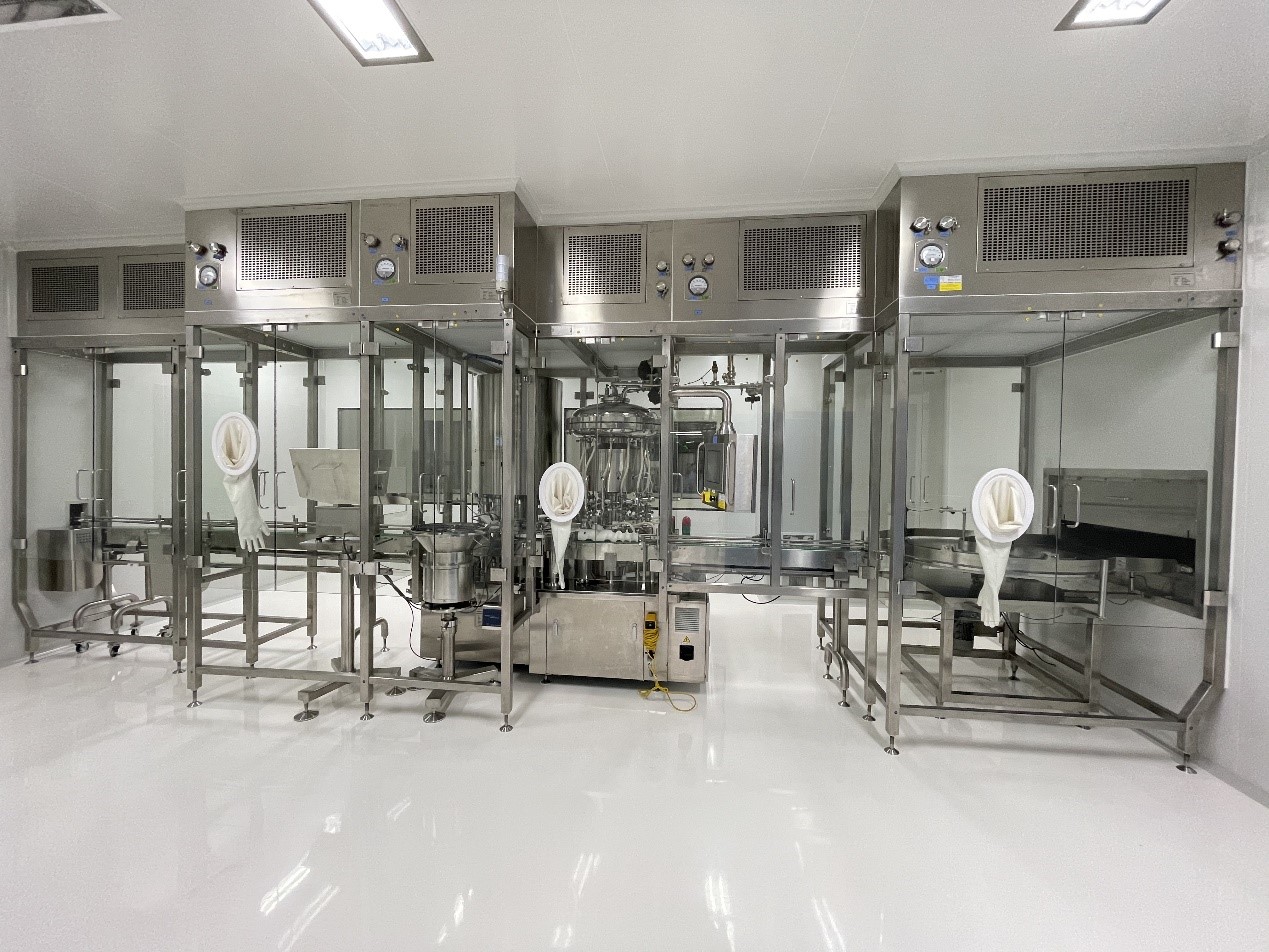
Glass Bottle IV Line Specifications for the United States
For pharmaceutical manufacturers in the United States, glass bottle IV production line specifications matter because they directly affect sterility assurance, throughput, container integrity, validation speed, and long-term operating cost. When a company expands a sterile plant in New Jersey, upgrades an injectable facility near Chicago, or builds a new infusion manufacturing site in Texas or North Carolina, the production line must align with FDA expectations, internal quality systems, and commercial demand forecasts. A modern glass bottle IV line generally includes bottle infeed, washing, depyrogenation or sterilization interface, filling, stoppering or sealing, capping, inspection, labeling, packing, and integrated utilities and data systems. The right line is not defined by speed alone; it is defined by compliance, stable filling accuracy, low particle generation, line clearance efficiency, and maintainability across years of commercial use.
In the U.S. market, buyers increasingly compare glass bottle IV solution lines not only by bottles per hour, but also by recipe flexibility, compatibility with 100 ml to 500 ml or larger formats, cleanroom layout fit, electronic batch record integration, and support for Installation Qualification, Operational Qualification, and Performance Qualification. Companies evaluating projects through ports such as Los Angeles/Long Beach, Houston, Savannah, or Newark also look at shipping configuration, FAT/SAT scheduling, spare-parts availability, and after-sales response times.
Glass bottle IV production line specifications are the technical and operational parameters that define how a sterile infusion line performs in real production. These specifications normally cover output capacity, bottle size range, filling accuracy, sterilization compatibility, cleanroom integration, rejection rates, automation level, utility consumption, and regulatory documentation. In the United States, these specifications are reviewed by engineering, quality assurance, production, procurement, validation, and finance teams because the line must support cGMP manufacturing while meeting commercial supply commitments.
For large pharmaceutical and medical device companies, the most important specifications are usually:
Buyers in pharmaceutical hubs such as Philadelphia, Boston, Indianapolis, and Raleigh-Durham often treat the line as a strategic asset rather than a standalone machine. The reason is simple: a sterile IV line can become the production backbone for sodium chloride, dextrose, amino acid solutions, irrigation products, and other large-volume parenterals supplied to hospital networks across the United States.
Specification Area Typical U.S. Buyer Focus Why It Matters Line speed 3,000 to 18,000 bottles/hour Determines commercial output and staffing model Container range 100 ml, 250 ml, 500 ml, 1000 ml Supports multiple SKUs and hospital demand Filling accuracy High repeatability with low deviation Protects dose consistency and yield Sterility design Aseptic interface, low particle generation Reduces contamination risk Automation SCADA, MES, recipe management, audit trail Improves traceability and compliance Validation package DQ, FAT, SAT, IQ, OQ, PQ support Speeds approval and startup Service model Spare parts, remote support, training Limits downtime over line lifetimeThe table above shows that line specifications are not isolated engineering details. They connect directly to quality risk, launch timing, and the ability to deliver product reliably into the U.S. healthcare supply chain.
In pharmaceutical production, glass bottle IV production line specifications describe the design envelope and process controls of equipment used to manufacture large-volume parenteral products in glass containers. These lines are typically used for infusion solutions that require excellent barrier performance, strong chemical compatibility, and dependable container integrity during sterilization, storage, and transport.
A standard line may include bottle unscrambling or feeding, internal and external washing, air blowing, tunnel or transfer integration, solution filling, closure placement, capping or sealing, leak testing, visual inspection, labeling, and secondary packaging. Advanced systems also include robotic handling, rejection management, online weight checks, conductivity or particle monitoring options, and digital production records.
In the U.S., such lines are commonly used in:
Because glass containers remain important for certain formulations, the line must be designed for breakage control, smooth transport, and minimal mechanical stress. This is particularly important in facilities shipping across long domestic routes from Midwest and East Coast plants to healthcare systems nationwide.
Process Stage Main Equipment Function Critical Control Point Bottle feeding Transfers empty bottles into the line Orientation stability and low breakage Washing Removes particles and residues Water quality and spray coverage Sterile transfer interface Protects clean transition to filling Environmental control Filling Dispenses IV solution into bottles Volume accuracy and anti-drip performance Closure and sealing Applies stopper/cap components Seal integrity and torque consistency Inspection Detects visible defects or fill issues Reject accuracy Labeling and packing Prepares product for warehousing and shipment Serialization and pack integrityThis process view helps procurement teams understand that the quality of the entire line is determined by the coordination between modules, not by any single machine in isolation.
The strongest applications for glass bottle IV lines are large-volume sterile solutions and specialized infusion products where product stability, container compatibility, and heat resistance are essential. In some U.S. operations, glass remains attractive for legacy product continuity, hospital acceptance, and long-established sterilization workflows.
Main benefits include excellent chemical resistance, reliable barrier performance, mature regulatory familiarity, and suitability for products that must endure sterilization cycles. In addition, glass bottle IV lines can be configured for high-capacity centralized production and national distribution.
Key U.S. applications include:
Application Typical Bottle Format Operational Benefit Saline infusion 250 ml to 500 ml High-volume standardized production Dextrose infusion 250 ml to 1000 ml Stable filling with repeatable output Electrolyte solutions 100 ml to 500 ml Supports multi-SKU hospital portfolios Irrigation products 500 ml to 1000 ml Efficient bulk manufacturing Contract manufacturing Mixed formats Flexibility for different client specs Regulated export supply Market-specific sizes Documentation and traceability support Legacy product migration Existing bottle standards Preserves validated container systemsThe practical value of these specifications is seen in day-to-day operations. A line with fast and stable changeover is especially useful for U.S. producers serving multiple regional hospital networks. A line with lower breakage and better filling control reduces yield loss. A line with stronger digital controls improves batch review and deviation investigation.
For example, when a manufacturer in the Northeast upgrades from a partially manual process to an integrated automated line, the benefits often include reduced operator intervention, clearer electronic records, and lower contamination risk. These are not abstract improvements; they directly support release timing and customer confidence.
var ctx1 = document.getElementById(‘lineChart’).getContext(‘2d’);var lineChart = new Chart(ctx1, { type: ‘line’, data: { labels: [‘2021’, ‘2022’, ‘2023’, ‘2024’, ‘2025’, ‘2026’], datasets: [{ label: ‘U.S. demand index for glass bottle IV lines’, data: [68, 72, 79, 85, 93, 101], borderColor: ‘rgb(54, 162, 235)’, backgroundColor: ‘rgba(54, 162, 235, 0.1)’, fill: false, tension: 0.3 }] }, options: { responsive: true, maintainAspectRatio: false }});The line chart indicates a realistic upward demand pattern driven by sterile capacity expansion, replacement of aging assets, and risk diversification in pharmaceutical supply chains serving the United States.
Not all glass bottle IV lines are built the same. The right model depends on annual output, container format range, sterilization strategy, labor model, building constraints, and budget. Buyers should separate basic line architecture from optional modules that may dramatically influence long-term efficiency.
Common line types include compact low-to-medium speed systems for regional production, medium-speed modular lines for multi-product plants, and high-speed automated systems for national supply programs. Some projects prioritize format flexibility, while others prioritize continuous high-volume output for one or two core SKUs.
Line Type Typical Capacity Best Use Case Compact entry line 3,000 to 5,000 bottles/hour Smaller facilities or phased expansion Modular medium-speed line 6,000 to 10,000 bottles/hour Multi-SKU hospital supply production High-speed commercial line 12,000 to 18,000 bottles/hour Large national supply operations Multi-format line Variable Frequent bottle size changes Aseptic-focused configuration Variable High sterility assurance environments Terminal sterilization-oriented line Variable Heat-stable formulations in glass Digital smart line Variable MES integration and data-rich operationsImportant technical options often include:
From a technology perspective, advanced pharmaceutical equipment portfolios are increasingly expected to support data integrity, recipe control, and reduced manual adjustment. That is why many buyers ask suppliers to show not only machine speed, but also alarm logic, user permissions, deviation handling, and maintenance access design.
On the technological capabilities side, IVEN Pharmatech Engineering is known for combining filling and packaging machinery expertise with water treatment, solution preparation, logistics automation, and line integration. This matters for U.S. buyers because a glass bottle IV line rarely succeeds as a standalone purchase. It must fit with purified water systems, WFI distribution, clean utilities, and downstream packaging and warehousing processes.
In modern sterile manufacturing, glass bottle IV lines compete with non-PVC soft bag lines, PP bottle lines, and in some cases outsourced manufacturing models. The best choice depends on product portfolio, customer expectations, cost structure, sterilization route, transport requirements, and sustainability goals.
Glass bottles offer familiarity, strong chemical resistance, and suitability for certain thermal processes, but they also introduce higher weight, greater breakage risk, and often more demanding handling requirements. Soft bags may offer transport and material advantages, while PP bottles can reduce weight and simplify some logistics. However, each format has its own regulatory, technical, and market considerations.
Technology Main Strength Main Limitation Glass bottle IV line Excellent barrier and heat resistance Weight and breakage management Non-PVC soft bag line Lower shipping weight Different material and sealing considerations PP bottle IV line Lighter container handling May require different product compatibility evaluation Outsourced contract manufacturing Lower upfront CAPEX Less direct control over capacity Legacy semi-automatic line Lower initial expense Higher labor and compliance burden Hybrid multi-format facility Portfolio flexibility More complex engineering and validation Single-SKU dedicated line Efficiency at scale Lower adaptability to market shiftsThe comparison table shows why no format is universally superior. For a U.S. producer supplying a long-established glass bottle product range into major hospital systems, retaining or expanding glass capacity may be the best strategic decision. For a greenfield facility near Houston or Savannah focused on shipping efficiency and high-volume standardized products, another technology may also deserve evaluation.
var ctx2 = document.getElementById(‘comparisonChart’).getContext(‘2d’);var comparisonChart = new Chart(ctx2, { type: ‘bar’, data: { labels: [‘Compliance Fit’, ‘Throughput’, ‘Format Flexibility’, ‘Logistics Efficiency’, ‘Container Integrity’, ‘CAPEX Efficiency’], datasets: [ { label: ‘Glass Bottle IV Line’, data: [92, 88, 75, 62, 94, 74], backgroundColor: ‘rgba(153, 102, 255, 0.7)’ }, { label: ‘Alternative Packaging Line’, data: [89, 91, 83, 86, 82, 79], backgroundColor: ‘rgba(255, 159, 64, 0.7)’ } ] }, options: { responsive: true, maintainAspectRatio: false }});This comparison chart simplifies a typical buyer discussion: glass often leads in barrier and thermal performance, while alternative technologies may improve logistics and handling economics.
The U.S. market for sterile liquid manufacturing equipment remains active because many facilities are upgrading aging assets, localizing critical supply, and improving resilience after years of supply chain pressure. Glass bottle IV production line specifications are part of this shift, especially in projects involving replacement of legacy lines, capacity balancing across multiple plants, and modernization of data systems for inspection readiness.
Several market drivers stand out in the United States:
Looking toward 2026, future trends are becoming clearer. First, automation will continue moving beyond basic PLC control toward plant-level data integration. Second, supplier selection will increasingly favor manufacturers capable of providing full validation documentation and remote support. Third, sustainability metrics such as energy use, water consumption, reject reduction, and transport optimization will become more influential in board-level approval.
Policy and regulatory trends also matter. U.S. buyers are likely to keep prioritizing data integrity, risk management, preventive maintenance records, and clear evidence that equipment supports robust cGMP operation. Global suppliers that understand both U.S. expectations and international GMP frameworks will have an advantage.
var ctx3 = document.getElementById(‘areaChart’).getContext(‘2d’);var areaChart = new Chart(ctx3, { type: ‘line’, data: { labels: [‘2021’, ‘2022’, ‘2023’, ‘2024’, ‘2025’, ‘2026’], datasets: [{ label: ‘Share of projects requesting smart automation’, data: [38, 44, 51, 59, 67, 76], borderColor: ‘rgb(75, 192, 192)’, backgroundColor: ‘rgba(75, 192, 192, 0.25)’, fill: true, tension: 0.3 }] }, options: { responsive: true, maintainAspectRatio: false }});The area chart reflects a realistic trend shift: a growing share of U.S. projects now request smart automation, digital batch support, and integrated utility visibility rather than treating the filling line as an isolated asset.
On manufacturing capabilities, IVEN Pharmatech Engineering benefits from specialized production bases focused on filling and packaging equipment, pharmaceutical water systems, intelligent logistics, and related lines. That breadth is relevant to U.S. projects because large sterile facilities often need coordinated sourcing across multiple systems, not just a single machine purchase. For buyers planning an integrated expansion, the ability to align filling technology with water treatment, conveying, and final packaging can lower interface risk.
For more complex projects, many investors also review turnkey pharmaceutical engineering solutions to reduce coordination gaps between process, equipment, utilities, and validation schedules.
var ctx4 = document.getElementById(‘barChart’).getContext(‘2d’);var barChart = new Chart(ctx4, { type: ‘bar’, data: { labels: [‘Hospital Infusions’, ‘Contract Manufacturing’, ‘Irrigation Products’, ‘Electrolyte Solutions’, ‘Export Supply’, ‘Legacy Line Replacement’], datasets: [{ label: ‘U.S. project demand score’, data: [95, 72, 66, 78, 61, 88], backgroundColor: ‘rgba(255, 99, 132, 0.7)’ }] }, options: { responsive: true, maintainAspectRatio: false }});The bar chart shows where demand is strongest: hospital infusion supply and legacy line replacement remain major investment triggers in the United States.
Choosing a supplier is often more difficult than choosing a specification sheet. A line may look impressive on paper but fail during FAT, startup, or sustained commercial operation. U.S. buyers should therefore assess suppliers in five dimensions: compliance understanding, engineering depth, manufacturing quality, service responsiveness, and project execution discipline.
Key questions to ask any supplier include:
Supplier Evaluation Factor What to Verify Practical Buyer Signal Regulatory understanding Experience with FDA-style documentation Clear validation package structure Engineering capability Layout, utilities, automation integration Detailed proposal with interfaces defined Manufacturing quality Material finish, machining, assembly standards Consistent FAT performance Project management Timeline control and issue tracking Single accountable project contact Service support Training, commissioning, spare parts, remote help Documented response commitments Reference projects Comparable sterile installations Verifiable operating cases Scalability Ability to support future line expansion Modular design roadmapThe table clarifies that supplier selection must be evidence-based. Buyers in the United States should not rely only on brochure claims. They should examine machine finish quality, software architecture, change-part design, and the supplier’s ability to explain failure modes and preventive maintenance in detail.
On service capabilities, IVEN Pharmatech Engineering emphasizes lifecycle support that extends from feasibility review and engineering design to installation, commissioning, validation assistance, staff training, documentation, and optimization. For American investors, this matters because line success depends heavily on startup execution and post-handover support. A supplier that can stay engaged through IQ/OQ/PQ and early commercial production reduces project risk significantly.
Companies wanting to review supplier background before formal bidding can start with the manufacturer overview and engineering background and then move to technical discussions around capacity, layout, and compliance support.
Budget planning for a glass bottle IV line should include much more than the machine purchase price. In U.S. projects, the full investment often covers equipment, molds or change parts, automation software, shipping, insurance, customs handling, installation, cleanroom modifications, utility connections, commissioning, validation, training, initial spare parts, and contingency reserve.
A realistic ROI model should examine annual demand, gross margin per bottle, labor savings, reject reduction, maintenance costs, energy and water consumption, and downtime risk. It should also compare phased investment versus single-step installation.
Cost Element Typical Budget Impact Planning Comment Core line equipment Highest share of CAPEX Define scope precisely to avoid change orders Automation and software Moderate to high Important for traceability and future integration Shipping and import logistics Variable by port and route Plan around Newark, Houston, Savannah, or Long Beach Installation and commissioning Moderate Can rise if site readiness is poor Validation activities Moderate Budget early for documentation and execution Training and startup support Low to moderate Strong impact on ramp-up speed Spare parts and maintenance Ongoing OPEX Should be modeled over 5 to 10 yearsA typical ROI case in the United States may be justified by one or more of the following:
Consider a hypothetical example: a manufacturer near Indianapolis runs an older line with high manual intervention. After upgrading to an automated glass bottle IV line, the company may improve OEE, cut rejects, shorten batch review time, and reduce overtime. Even if initial CAPEX is significant, the payback can become attractive when supply reliability and customer retention are included in the model.
Budget discipline also depends on supplier transparency. A reliable supplier should specify what is included in base scope, what is optional, what utilities are required, and what acceptance criteria apply at FAT and SAT. Ambiguity in these areas is one of the most common causes of budget overrun.
The biggest mistake in sterile equipment investment is assuming that technical adequacy automatically equals project success. In reality, many projects fail because of weak planning around building interfaces, qualification timing, local staffing, or spare-parts strategy.
Main risk areas include:
Risk Potential Impact Mitigation Strategy Site layout mismatch Installation delay and redesign cost Complete 3D review before fabrication Weak FAT protocols Problems discovered too late Approve detailed FAT criteria early Insufficient spare parts planning Long downtime during failures Buy critical spares with the line Training gaps Operator errors and slow ramp-up Structured training with SOP alignment Over-customization Longer lead time and more validation effort Customize only where business-critical Data integration issues Batch record and audit trail challenges Define interfaces with MES/ERP in advance Utility instability Performance inconsistency Verify WFI, compressed air, steam, and HVAC readinessThe table above should be read as a project control checklist, not just a risk list. Buyers in the United States often gain the best outcomes when engineering, QA, validation, production, and procurement review the project together from the beginning.
A practical case study pattern can be seen in modernization projects where old glass bottle lines are replaced in phases. Instead of shutting down an entire facility, the company installs a new module, validates bottle formats one by one, and transfers production gradually. This phased strategy can protect revenue while reducing transition risk.
Another common case is a greenfield sterile plant near a logistics corridor such as New Jersey or the Gulf Coast. In these projects, early coordination of customs clearance, site readiness, and SAT scheduling is just as important as machine design. If imported equipment reaches port before the cleanroom and utilities are ready, storage and schedule costs rise quickly.
If your team is preparing a U.S. investment plan and wants technical discussion on line configuration, validation support, or phased rollout, a direct consultation with the equipment and engineering team is usually the most efficient next step.
1. What are the most important glass bottle IV production line specifications for U.S. buyers?The most important specifications are capacity, bottle size range, filling accuracy, contamination control design, automation level, validation documentation, and lifecycle service support. U.S. buyers also pay close attention to data integrity and ease of maintenance.
2. What output range is common for a commercial glass bottle IV line?Commercial lines commonly range from about 3,000 to 18,000 bottles per hour depending on bottle size, product type, and line design. High-speed lines are typically justified by national distribution volume or large hospital contracts.
3. Is glass still competitive compared with soft bags and PP bottles?Yes, in many cases. Glass remains attractive for products requiring strong barrier properties, established compatibility, and certain sterilization approaches. However, soft bags and PP bottles may offer advantages in logistics and material handling, so the best choice depends on your portfolio and market plan.
4. How long does a typical project take?Lead times vary by customization level, factory load, and site readiness. A full project including design, manufacturing, FAT, shipping, installation, SAT, and qualification can take many months, so early planning is essential.
5. What documents should a supplier provide?A reliable supplier should provide equipment drawings, material certificates where required, manuals, electrical schematics, software documentation, FAT/SAT protocols, and validation support documents suitable for IQ/OQ/PQ planning.
6. What should be included in the budget besides machine price?Include shipping, customs, insurance, cleanroom and utility interfaces, commissioning, qualification, training, spare parts, and contingency. Many projects underestimate these items and then face avoidable overruns.
7. How important is after-sales service?It is critical. Even a well-designed line will require maintenance, parameter optimization, training refreshers, and spare parts. Strong service support can significantly reduce total cost of ownership over the life of the line.
8. Can one supplier support both equipment and broader plant integration?Yes, some suppliers can. This is often beneficial for U.S. buyers building or modernizing sterile liquid plants because coordination across filling lines, water systems, utilities, logistics, and validation can reduce project risk.
9. Why do many investors look for an experienced engineering partner instead of only a machine vendor?Because sterile manufacturing projects are multidisciplinary. Equipment selection alone does not guarantee success. Layout design, utility matching, compliance support, production transfer, and startup planning all influence the final result.
10. Where does IVEN Pharmatech Engineering fit in this market?IVEN Pharmatech Engineering positions itself as a pharmaceutical engineering and equipment partner with experience in IV solution lines, water treatment systems, packaging, intelligent logistics, and turnkey project support. For U.S. buyers, its relevance lies in combining technical breadth, manufacturing depth, and lifecycle service capabilities for regulated pharmaceutical projects.
-
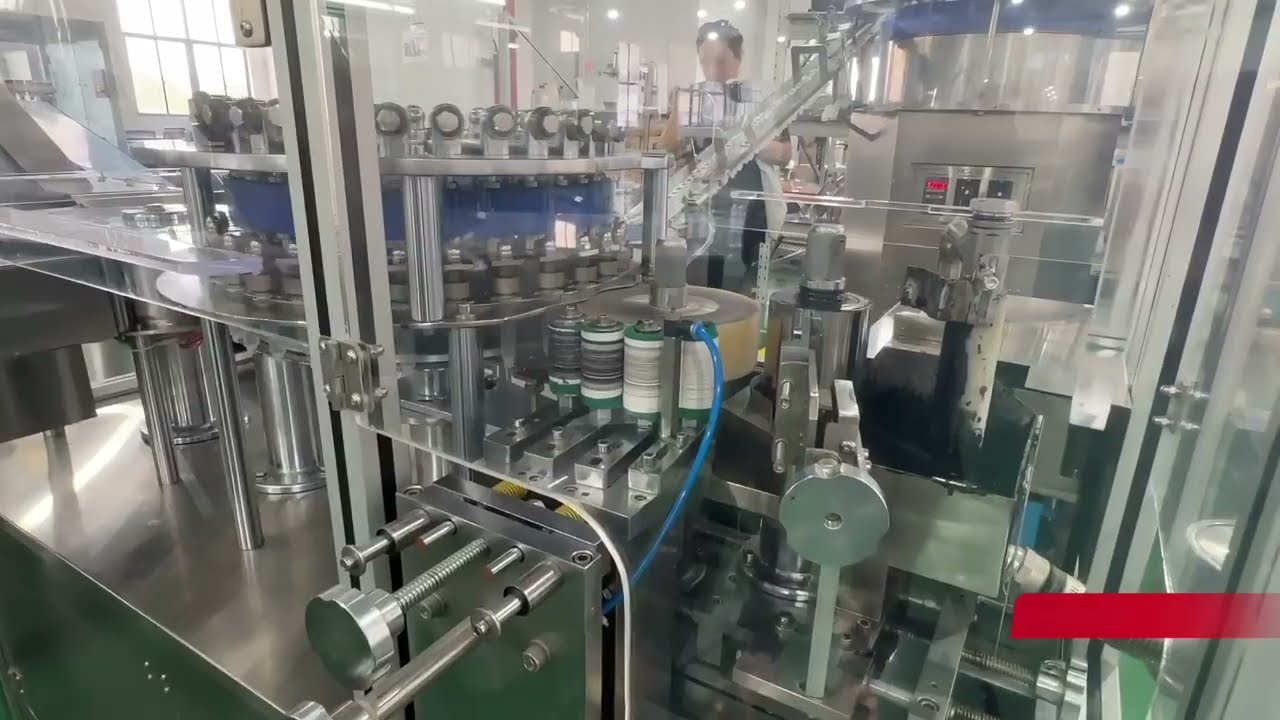
United States Guide to GMP Prefilled Syringe Systems
For pharmaceutical and medical device manufacturers in the United States, GMP requirements for prefilled syringe machines are not just a checklist. They define how filling accuracy, sterility assurance, container closure integrity, documentation, data integrity, operator safety, and lifecycle validation must be built into the equipment and the surrounding production system. Whether a facility is being expanded in New Jersey, modernized in North Carolina, or newly commissioned near Boston or Chicago, the prefilled syringe line must support current Good Manufacturing Practice expectations under FDA oversight while also aligning with global frameworks such as EU GMP and PIC/S where export ambitions exist.
In practical terms, a compliant prefilled syringe machine system typically includes syringe feeding, nest or bulk handling, washing or ready-to-fill integration, filling, stoppering, plunger placement, tip cap or backstop operations where required, in-process control, vision inspection, labeling, and final packaging. The machine is expected to be designed for repeatable aseptic performance, traceability, cleanability, maintainability, and qualification. Large biopharma firms, CDMOs, vaccine producers, and advanced injectable manufacturers increasingly evaluate this technology as part of broader investments in high-value parenteral production.
The short answer is that GMP requirements for prefilled syringe machines in the United States revolve around sterility control, validated process performance, accurate filling, material compatibility, robust documentation, and reliable automated inspection. Equipment used for aseptic prefilled syringe production must support FDA cGMP expectations, risk-based quality management, Annex 1 style contamination control principles for global operations, and validation practices covering IQ, OQ, and PQ.
For most U.S. projects, buyers should expect the following baseline requirements:
Companies entering the U.S. injectable market often compare standalone fillers with complete turnkey lines. A turnkey approach can reduce coordination risk because utilities, cleanroom interfaces, water systems, transfer paths, and packaging integration are planned together. This is one reason many project teams exploring compliant line design review experienced engineering partners that can support both equipment and whole-factory execution, such as the turnkey pharmaceutical engineering approach offered by IVEN Pharmatech Engineering.
GMP Focus AreaWhy It MattersTypical U.S. Buyer QuestionAseptic designPrevents microbial ingress and supports contamination control strategyCan the machine operate with RABS or isolator integration?Filling precisionProtects dose accuracy and reduces costly rejectsWhat is the validated accuracy at minimum and maximum fill volume?Data integritySupports FDA audit readiness and traceable batch recordsDoes the HMI and PLC architecture support secure audit trails?Cleaning and sterilizationReduces cross-contamination and enables repeatable startupHow are CIP, SIP, and manual sanitation procedures documented?Material compatibilityPrevents extractables, corrosion, and product instabilityAre all product-contact materials documented and certified?Qualification packageSpeeds validation and commissioningWhat FAT, SAT, IQ, OQ, and PQ support is included?The table above summarizes the six topics most frequently raised by U.S. validation teams, quality units, and procurement managers. In reality, these points are interconnected: a machine that is accurate but poorly documented can still delay launch, while a highly automated system without strong aseptic safeguards may fail to satisfy risk expectations during inspection.
A prefilled syringe machine is an automated or semi-automated system used to fill sterile drug product into syringes and complete the closing steps needed for safe storage and administration. It is widely used for biologics, vaccines, anticoagulants, emergency injectables, ophthalmic products, peptide therapies, and specialty hospital drugs. In U.S. pharmaceutical production, these machines are especially relevant where unit-dose convenience, reduced medication error, and faster point-of-care use are critical.
From a GMP standpoint, the machine is not just equipment; it is part of the manufacturing control environment. FDA inspectors and internal quality teams assess whether the equipment consistently performs as intended, whether it minimizes operator intervention, and whether alarms, rejects, interventions, and deviations can be investigated through reliable records.
Machine systems may be configured for ready-to-fill nested syringes, which are common for biologics, or for bulk glass or polymer syringes. Nested formats are often preferred in newer U.S. facilities because they can simplify upstream handling and lower particulate generation. Bulk systems may remain attractive for high-throughput conventional injectables where scale and cost per unit dominate.
In major U.S. life sciences hubs such as Philadelphia, Indianapolis, Raleigh-Durham, and the San Francisco Bay Area, prefilled syringe lines are now frequently specified as part of flexible fill-finish suites. These suites are built to accommodate multiple SKUs, shorter campaigns, and rapid product changeovers. As a result, machine buyers increasingly value recipe-driven operation, quick format part exchange, and modular integration with inspection and secondary packaging.
Production UseTypical ProductGMP PriorityBiologics fill-finishMonoclonal antibodyGentle product handling and low shearVaccine packagingSingle-dose vaccineSterility assurance and cold chain compatibilityHospital injectablesEmergency drug syringeFast line release and reproducible volume controlChronic care therapiesAutoimmune treatmentContainer closure integrity and user convenienceAnticoagulantsHeparin syringeHigh throughput and low reject rateOphthalmic sterile dosageSpecialty eye injectableParticulate control and precise low-volume fillThis table shows how the same machine platform can serve different therapeutic areas, but each use case shifts the GMP emphasis. For biologics, product protection is central. For commodity hospital injectables, throughput and line reliability may dominate. For all applications, sterility, traceability, and validated performance remain non-negotiable.
The strongest business case for a compliant prefilled syringe machine is found where product value is high, administration simplicity matters, and the manufacturer needs a dependable fill-finish process. In the United States, applications span commercial biopharma, clinical supply, contract manufacturing, emergency stockpile production, and private-label healthcare products.
Key benefits include:
Manufacturers located near major logistics corridors such as the Port of New York and New Jersey, the Port of Los Angeles, Houston, Savannah, and Memphis air freight routes also consider supply chain impacts. Prefilled syringe systems can reduce the need for downstream kit assembly and simplify final presentation, but they also require dependable sourcing of tubs, nests, stoppers, plungers, needle shields, and sterile transfer components. For that reason, application success depends not only on machine selection but also on packaging component strategy and supplier qualification.
Another practical benefit is better integration with advanced inspection technology. High-end U.S. facilities increasingly connect filling lines to automated visual inspection, leak detection, checkweighing, label verification, and serialization-ready packaging cells. This improves batch confidence and reduces manual review burden.
var ctxBar = document.getElementById(‘barDemandChart’).getContext(‘2d’);var barDemandChart = new Chart(ctxBar, { type: ‘bar’, data: { labels: [‘Biologics’, ‘Vaccines’, ‘Hospital Injectables’, ‘CDMO Projects’, ‘Combination Products’, ‘Clinical Supply’], datasets: [{ label: ‘Estimated U.S. Demand Index 2026’, data: [92, 78, 73, 86, 69, 58], backgroundColor: [‘#4e79a7′,’#f28e2b’,’#e15759′,’#76b7b2′,’#59a14f’,’#edc948′] }] }, options: { responsive: true, maintainAspectRatio: false }});The industry demand chart highlights where investment pressure is strongest. Biologics and CDMO projects stand out because they combine high product value with outsourcing growth and frequent need for flexible, validated fill-finish capacity.
There is no single best machine type for every plant. Selection depends on syringe format, batch size, containment strategy, degree of automation, and regulatory expectations. In the U.S. market, buyers typically evaluate the following categories.
Machine TypeBest FitMain AdvantageMain LimitationStandalone semi-automatic fillerR&D or small clinical batchesLower entry costMore operator dependenceAutomatic nested syringe lineBiologics and specialty injectablesLower handling stress and strong sterility controlHigher component costAutomatic bulk syringe lineLarge-volume commercial productionHigh throughputMore upstream handling complexityIsolator-integrated lineHigh-potency or strict contamination controlReduced human interventionHigher capital and qualification burdenRABS-integrated lineBalanced commercial aseptic productionStrong compliance with flexible accessStill requires disciplined interventionsModular fill-finish platformMulti-product facilitiesFast reconfiguration and future expansionInterface management is criticalThe table makes clear that technology choice is driven by operating model. A Boston-area biotech launching a niche biologic may prioritize a nested isolator system, while a Midwest manufacturer producing standardized injectables may favor a high-output bulk line with integrated inspection.
Technical options that buyers should review include peristaltic versus rotary piston filling, vacuum-assisted stoppering, no-drip nozzle design, automatic weight feedback, in-process checkweighing, reject station architecture, tub opening automation, de-nesting and re-nesting control, and robotic handling for delicate formats. For sensitive biologics, low-shear filling paths and minimized hold-up volume can be more important than maximum nominal speed.
Technological capability is one area where supplier depth matters. IVEN Pharmatech Engineering, for example, positions its offering around integrated filling and packaging machinery combined with pharmaceutical water, logistics, and engineering systems. That broader capability can be relevant for U.S. projects that need the line to connect with purified water, WFI generation, solution preparation, clean utilities, and automated material handling rather than treating the syringe filler as an isolated purchase. More information on the company background is available at IVEN Pharmatech Engineering.
When deciding whether a prefilled syringe line is the right solution, U.S. buyers usually compare it with vial filling, cartridges, blow-fill-seal for selected products, and outsourced fill-finish. The correct choice depends on patient use, formulation stability, cost structure, and commercialization strategy.
TechnologyStrengthWeaknessBest Use CasePrefilled syringeConvenient, accurate unit dose, premium presentationComponent cost and format complexityBiologics, emergency drugs, self-injection productsVial fillingFlexible, widely established, easier multi-dose strategyRequires draw-up before useHospital bulk and early-stage launchesCartridge fillingWorks well with pen systemsDevice compatibility neededDiabetes and repeated self-administrationBlow-fill-sealIntegrated forming and filling efficiencyNot suited to all products or presentationsSelected sterile liquids with very high volume demandOutsourced fill-finishFast market entry with low capital spendLess direct control and capacity riskVirtual pharma and early commercializationCompounding and manual kit assemblyMinimal initial equipmentLabor-intensive and less scalableVery small specialty batchesCompared with vials, prefilled syringes often win when patient convenience, administration speed, and ready-to-use presentation create clinical or commercial value. Compared with outsourcing, in-house investment becomes attractive once annual volumes rise, lifecycle control becomes essential, or quality oversight demands tighter integration.
For U.S. firms supplying government tenders, hospital networks, or specialty clinics, the decision can also be influenced by packaging resilience. Prefilled syringes can simplify emergency deployment, but they require greater attention to cold-chain packaging, breakage prevention, and component lead times. Buyers should evaluate the full system, not just the filling step.
var ctxComp = document.getElementById(‘comparisonChartUs’).getContext(‘2d’);var comparisonChartUs = new Chart(ctxComp, { type: ‘bar’, data: { labels: [‘Sterility Control’, ‘Dose Accuracy’, ‘Patient Convenience’, ‘CapEx Efficiency’, ‘Scale Flexibility’, ‘Inspection Integration’], datasets: [ { label: ‘Prefilled Syringe Line’, data: [90, 94, 96, 62, 84, 91], backgroundColor: ‘#6f4e7c’ }, { label: ‘Vial Filling Line’, data: [88, 89, 63, 74, 87, 85], backgroundColor: ‘#2a9d8f’ } ] }, options: { responsive: true, maintainAspectRatio: false }});This comparison chart shows why many U.S. injectable manufacturers are shifting toward syringe formats for premium therapies: convenience and dose accuracy are standout advantages. Vials still remain strong where capital efficiency and broad product flexibility are more important.
The United States remains one of the most attractive markets for GMP-compliant prefilled syringe systems because it combines strong biopharma investment, large domestic injectable demand, active CDMO expansion, and high regulatory expectations. Growth is visible in established clusters such as New Jersey and Massachusetts as well as in expanding life sciences regions including Texas, North Carolina, Utah, and Indiana.
Several factors are shaping the market:
var ctxLine = document.getElementById(‘lineGrowthChart’).getContext(‘2d’);var lineGrowthChart = new Chart(ctxLine, { type: ‘line’, data: { labels: [‘2021’, ‘2022’, ‘2023’, ‘2024’, ‘2025’, ‘2026’], datasets: [{ label: ‘U.S. Market Growth Index for Prefilled Syringe Systems’, data: [100, 108, 117, 128, 141, 156], borderColor: ‘rgb(75, 192, 192)’, fill: false, tension: 0.25 }] }, options: { responsive: true, maintainAspectRatio: false }});The line chart reflects steady momentum in capital spending and retrofit activity. While exact project values vary by region and facility type, the overall direction is clear: more U.S. producers are prioritizing high-compliance syringe filling capacity.
var ctxArea = document.getElementById(‘areaTrendChart’).getContext(‘2d’);var areaTrendChart = new Chart(ctxArea, { type: ‘line’, data: { labels: [‘2021’, ‘2022’, ‘2023’, ‘2024’, ‘2025’, ‘2026’], datasets: [ { label: ‘Conventional Manual-Intensive Operation’, data: [46, 41, 36, 31, 27, 23], fill: true, backgroundColor: ‘rgba(231, 111, 81, 0.25)’, borderColor: ‘rgba(231, 111, 81, 1)’, tension: 0.25 }, { label: ‘Automated Isolator/RABS-Based Operation’, data: [54, 59, 64, 69, 73, 77], fill: true, backgroundColor: ‘rgba(42, 157, 143, 0.25)’, borderColor: ‘rgba(42, 157, 143, 1)’, tension: 0.25 } ] }, options: { responsive: true, maintainAspectRatio: false }});The area chart illustrates the ongoing shift from intervention-heavy lines toward automated systems with stronger contamination control. This trend is especially relevant for 2026 planning, as buyers increasingly design around robotics, electronic batch data, predictive maintenance, and sustainable utility consumption.
Future trends through 2026 include broader use of isolators, machine vision enhanced by artificial intelligence, digital twins for line optimization, and tighter integration between filling equipment and warehouse logistics. Sustainability is also becoming a purchasing criterion, especially in states where energy, water, and ESG reporting carry board-level attention. Buyers may request reduced compressed air consumption, smarter HVAC coordination, recyclable packaging strategies, and lower product loss during startup and changeover.
Selecting a prefilled syringe machine supplier in the United States should go beyond comparing speed and price. The right supplier is one that can demonstrate compliance thinking, manufacturing discipline, and after-sales execution. This is particularly important when line acceptance, validation schedules, and launch windows are tight.
Key evaluation points include:
Supplier Evaluation FactorWhat to VerifyWhy It Reduces RiskRegulatory understandingPast cGMP and aseptic project historyImproves design alignment with inspection expectationsEngineering depthCan the supplier handle utilities, layout, and line integration?Avoids interface gaps between equipment packagesManufacturing qualityFactory controls, machining standards, FAT rigorReduces late-stage defects and installation surprisesService capabilityTraining, commissioning, validation support, spare partsImproves startup speed and long-term uptimeCustomization abilityFormat flexibility and recipe-driven operationSupports future SKUs and lifecycle valueTotal cost clarityQuoted scope, exclusions, software, and documentationPrevents hidden cost escalationThe table above is useful because many procurement teams focus too early on machine speed. In reality, supplier reliability is often defined by project execution quality and post-installation support. A slightly cheaper line can become more expensive if documentation is incomplete, software changes are slow, or U.S. validation assistance is weak.
Manufacturing capability should also be checked carefully. IVEN Pharmatech Engineering highlights multiple specialized manufacturing plants in Shanghai dedicated to pharmaceutical filling and packaging equipment, water treatment systems, intelligent logistics, and blood collection tube production equipment. For U.S. buyers, this kind of manufacturing breadth can be meaningful because it suggests better control over upstream fabrication, integrated solution consistency, and coordinated delivery for complex projects. Companies comparing options may review available product categories through the pharmaceutical equipment portfolio.
Investment in a GMP-compliant prefilled syringe machine system varies widely depending on speed, barrier technology, inspection scope, and packaging integration. In the United States, a small semi-automatic or pilot-ready configuration may suit early-stage programs, while a full commercial aseptic line with isolator, automatic inspection, and serialization-ready packaging can require a significantly larger capital commitment.
Budgeting should include more than the base machine price. Common cost elements are:
Cost ComponentLow Complexity ProjectHigher Complexity ProjectBudget NoteFilling machine core$350,000$1,500,000Depends on automation and speedBarrier technology$150,000$1,200,000RABS lower than full isolatorInspection integration$80,000$700,000Vision scope drives costUtility and cleanroom adaptation$120,000$900,000Retrofit sites often cost moreValidation and documentation$50,000$250,000Critical for regulated launchTraining and spare parts$30,000$180,000Often undervalued in first budgetThe ranges above are directional and intended for planning logic rather than quoting. They show why total installed cost can differ greatly from equipment list price. In major U.S. retrofit markets like New Jersey and California, facility adaptation can be a major hidden driver, especially where older cleanroom layouts were not designed for modern barrier systems.
ROI usually improves when the line supports high-value products, multiple SKUs, and good uptime. Financial returns may come from reduced outsourcing, higher fill accuracy, lower reject rates, faster product launch, lower labor intensity, and premium commercial presentation. CDMOs often justify investment based on booking flexibility: one well-designed line can attract multiple injectable programs if it is format-flexible and validation-ready.
The biggest risks in prefilled syringe machine investment are usually not obvious on the first equipment proposal. U.S. project teams should consider technical fit, regulatory fit, operational fit, and supply chain fit together.
Common risk areas include:
RiskLikely ImpactMitigation StrategyIncomplete URSWrong machine configuration and costly change ordersDevelop a detailed user requirement specification earlyWeak validation packageDelayed commercial releaseConfirm FAT, SAT, IQ, OQ, and PQ deliverables in contractBarrier mismatchAseptic compliance gapsPerform contamination control review before design freezeComponent supply instabilityInterrupted production schedulingQualify multiple component vendors where possibleOver-customizationLong lead time and harder maintenanceBalance customization with standard platform designLimited service accessLong downtime after startupSecure remote support, training, and spare parts plansThe risk table is especially important for first-time buyers. Many delays happen because the machine itself is capable, but the project specification, line integration, or validation planning was incomplete. Strong service capability can make a major difference here. IVEN Pharmatech Engineering emphasizes lifecycle services that extend from consulting and design to installation, commissioning, validation support, staff training, and production optimization. For U.S. buyers looking for a long-term support discussion, the most direct route is the contact channel for project consultation.
A useful case-study pattern seen in the market is the transition from vial-based hospital injectables to prefilled syringe presentation. Facilities in the United States often begin with one product family, then add a second syringe format once cleaning validation, operator training, and component supply become stable. Another pattern appears in biotech regions like Cambridge and San Diego, where smaller batches and premium biologics drive investment in nested syringe lines with isolator control instead of pure throughput-focused systems.
Local supplier evaluation is also relevant. U.S. buyers may shortlist domestic integrators, European aseptic specialists, and Asian engineering groups with global project experience. The strongest candidates are usually those that can combine equipment performance with documentation quality, project management discipline, and credible regulatory understanding.
1. What regulations matter most in the United States?FDA cGMP requirements are the starting point. In addition, many manufacturers align with international GMP expectations, especially if they plan exports or want design practices consistent with global aseptic standards.
2. Is an isolator always required?No, but isolators are increasingly preferred for higher-risk aseptic applications and premium products. Some facilities still use RABS successfully when contamination control strategy, interventions, and environmental management are robust.
3. Are nested syringes better than bulk syringes?Neither is universally better. Nested formats often support gentler handling and lower particulate risk, while bulk systems can offer strong economics at high volumes. The best choice depends on product type, scale, and component strategy.
4. What validation documents should I expect from a supplier?Typically FAT protocols and reports, calibration records, material certificates, manuals, software documentation, SAT support, and structured IQ/OQ assistance. PQ is generally executed with the manufacturer at the site using actual process conditions.
5. How long does a typical project take?Lead time varies by customization level and barrier technology. A simple line can move faster, while a fully integrated aseptic line with isolator, inspection, and packaging may require extended engineering, FAT, installation, and qualification time.
6. What throughput should I target?Choose throughput based on realistic demand, component supply, downstream inspection capacity, and staffing. Oversizing a line can create unnecessary complexity and underutilized capital.
7. Can one line handle multiple syringe sizes?Yes, many modern lines are designed for multiple formats through recipe control and change parts. However, every additional format increases validation and operational complexity, so format strategy should be planned carefully.
8. What are the most common hidden costs?Cleanroom adaptation, software integration, component qualification, validation effort, training, spare parts, and changeover tooling are often underestimated.
9. How important is water and utility integration?Very important. Even when syringes are ready-to-fill, the line depends on stable clean utilities, environmental controls, and often integration with upstream solution preparation systems.
10. Why do some buyers prefer integrated engineering suppliers?Because coordinated equipment, utilities, documentation, and validation planning can reduce interface risk. This is especially valuable for greenfield or major expansion projects.
For manufacturers in the United States evaluating GMP requirements for prefilled syringe machines, the most effective strategy is to treat the line as part of the whole sterile manufacturing ecosystem. Equipment design, clean utility support, component handling, inspection, packaging, validation, and lifecycle service all shape the final compliance outcome. A capable supplier should therefore demonstrate not only machine performance, but also technological capability, manufacturing discipline, and service depth across the full project path.