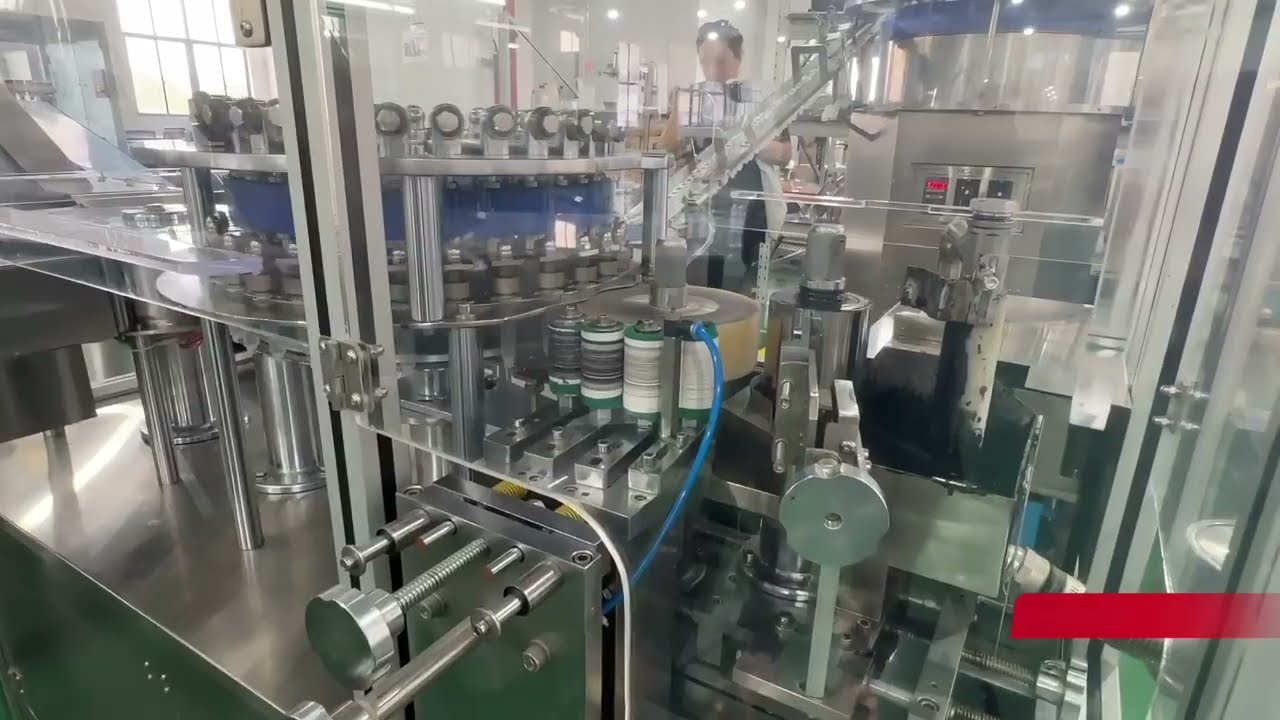
Safety vs Standard Syringe Production in the United States
For manufacturers serving the United States healthcare market, the choice between safety syringe production and standard syringe production is not simply a product decision. It is a strategic manufacturing decision shaped by OSHA sharps-injury prevention expectations, FDA quality system controls, hospital procurement preferences, labor efficiency targets, and the long-term economics of automation. In practical terms, safety syringe production usually requires more complex tooling, more assembly steps, tighter validation of retraction or shielding features, and stronger human-factors attention than standard syringe production. Standard syringe production, however, may still offer lower unit cost, higher line simplicity, and strong demand in selected medical, laboratory, veterinary, and industrial applications.
Companies building or upgrading syringe manufacturing lines in the United States often evaluate the full production ecosystem: injection molding, needle assembly, barrel printing, siliconization, plunger insertion, safety-mechanism integration, leak testing, force testing, packaging, sterilization compatibility, traceability, and cleanroom logistics. As a result, “safety syringe vs standard syringe production” is best understood as a comparison of manufacturing architecture, not only of end products.
From major biopharma clusters in Boston and New Jersey to medical device hubs in Minneapolis, Irvine, and Houston, syringe demand is connected to injectable drug delivery, vaccination programs, diagnostics, and hospital consumables. U.S. buyers increasingly want scalable lines that can shift between product formats, support validation packages, and integrate with digital quality systems. This is where experienced engineering partners, turnkey suppliers, and specialized production-line designers become critical.
Quick Answer: Why manufacturers compare safety and standard syringe production

Safety syringe production is a high-priority investment area for pharmaceutical and medical device companies expanding under strict regulatory standards in the United States. Compared with standard syringe production, it generally involves higher capital expenditure, more sophisticated automation, and additional quality checkpoints because the product includes an injury-prevention function such as needle shielding, auto-retraction, or post-use locking. Standard syringe production lines remain relevant where simpler design, lower cost, and very high output are the primary goals.
In short:
- Choose safety syringe production when worker protection, hospital compliance, and premium product positioning matter most.
- Choose standard syringe production when cost-sensitive volume manufacturing and simpler assembly are the main objectives.
- Choose flexible modular lines when market demand may shift between standard and safety formats over the next five to ten years.
For many U.S. projects, the best answer is not either-or. It is a phased plan: launch with a validated standard platform, then expand to safety variants using modular tooling and assembly upgrades.
What safety syringe and standard syringe production are used for in pharmaceutical manufacturing

Standard syringe production refers to the manufacturing of conventional disposable syringes that do not include active sharps-injury protection. These are commonly used for general injection, aspiration, flushing, lab procedures, veterinary care, and certain pharmaceutical filling applications. Production lines focus on barrel and plunger precision, leak integrity, graduation accuracy, and stable needle attachment or luer performance.
Safety syringe production covers syringes designed with a built-in protective mechanism. Depending on the model, the needle may retract after injection, a shield may slide over the needle, or a lock may prevent reuse. These syringes are used heavily in hospitals, public health programs, immunization campaigns, outpatient clinics, and settings where needlestick prevention is a procurement priority.
In pharmaceutical production, both categories can be tied to several use cases:
- Drug administration systems for hospitals and ambulatory care
- Vaccination and emergency response stockpiles
- Contract manufacturing for branded or private-label medical consumables
- Integrated lines for prefilled or partially assembled delivery systems
- Medical device portfolios serving group purchasing organizations in the United States
Manufacturing teams also compare these two categories because the upstream and downstream process requirements can differ significantly. A standard syringe line may emphasize speed and low scrap. A safety syringe line must also validate trigger reliability, deployment force, lock engagement, and often more complex assembly sequencing.
| Production Aspect | Standard Syringe | Safety Syringe | Why It Matters |
|---|---|---|---|
| Product structure | Simple barrel, plunger, gasket, needle or luer | Includes safety shield, retractable part, or lock | Drives tooling complexity and BOM cost |
| Automation level | High-speed conventional assembly | Advanced synchronized multi-step assembly | Affects line design and throughput |
| Validation scope | Basic dimensional and leak performance | Includes safety activation and usability checks | Expands IQ/OQ/PQ and routine QC |
| Target buyers | Labs, clinics, distributors, cost-driven markets | Hospitals, public health systems, premium tenders | Shapes commercial strategy |
| Unit cost | Lower | Higher | Influences margin and tender competitiveness |
| Regulatory scrutiny | High | Very high due to injury-prevention claims | Impacts documentation and risk management |
| Production flexibility need | Moderate | High | Important for future-proofing investments |
The table above shows that the comparison is not limited to product form. It extends into engineering, validation, labor planning, maintenance, and market access.
Main applications and benefits in modern pharmaceutical manufacturing

In the United States, syringe production supports both medical device supply chains and injectable pharmaceutical ecosystems. Large hospitals in New York, Chicago, Los Angeles, and Atlanta increasingly expect reliable supply, traceability, and compatibility with centralized procurement standards. Safety syringe production offers strong advantages where healthcare worker protection is central. Standard syringe production remains important where product simplicity, broad utility, and pricing efficiency are the key requirements.
Main applications include:
- General injection and dosing products for healthcare networks
- Vaccination syringes for public health distribution
- Diagnostic and blood collection support procedures
- Industrial and laboratory liquid transfer
- OEM manufacturing for medical distributors and private brands
- Support for contract device manufacturing in FDA-regulated facilities
Main benefits of modern production lines include:
- Automated high-output manufacturing with reduced labor dependency
- Better process consistency through servo control and machine vision
- Lower contamination risk with integrated cleanroom handling
- Digital batch records and traceability integration
- Faster product changeover using modular tooling concepts
- Improved compliance support through validation-ready documentation
The growth trend reflected above is consistent with rising domestic supply-chain resilience planning, demand for injection-related consumables, and gradual expansion of automation in medical device manufacturing.
| Application Segment | Preferred Product Type | Key Benefit | Typical U.S. Buyer |
|---|---|---|---|
| Hospital injections | Safety syringe | Needlestick risk reduction | IDNs and hospital groups |
| Mass vaccination | Safety or low-dead-space standard | Safety and dosing efficiency | Public health agencies |
| Laboratory use | Standard syringe | Lower cost and versatility | Research labs and diagnostics |
| Veterinary care | Standard syringe | Cost-effective volume use | Vet chains and farm suppliers |
| Emergency care | Safety syringe | Fast use with sharps protection | Trauma centers and EMS suppliers |
| OEM private label | Mixed portfolio | Broad market coverage | Medical distributors |
| Contract manufacturing | Flexible line | Supports different SKUs | CMOs and device assemblers |
This table highlights a practical buying reality: demand in the United States is segmented. A plant designed for only one syringe type may miss future commercial opportunities.
Key types, models and technical options for syringe production
When companies compare safety syringe vs standard syringe production, they must look beyond product labels and review specific device architectures. Different designs call for different molds, feeding systems, assembly stations, inspection methods, and packaging formats.
Common standard syringe categories include:
- Luer slip syringes
- Luer lock syringes
- Needle-mounted disposable syringes
- Low-dead-space syringes
- Two-part and three-part syringes
- Sterile bulk-packed or blister-packed formats
Common safety syringe categories include:
- Manual sliding-shield syringes
- Auto-disable syringes
- Retractable needle syringes
- Passive safety shield syringes
- Reuse-prevention syringes
- Specialized immunization and hospital-use safety syringes
Technical options that strongly influence manufacturing design include cavity count in molding, inline visual inspection, leak and plunger-force testing, EO or gamma sterilization compatibility, robotic tray loading, MES connectivity, and cleanroom class selection.
| Model Type | Main Components | Production Complexity | Typical Throughput Potential |
|---|---|---|---|
| Standard luer slip | Barrel, plunger, gasket | Low | Very high |
| Standard needle syringe | Barrel, needle hub, cap, plunger | Medium | High |
| Three-part syringe | Barrel, plunger, elastomer gasket | Medium | High |
| Sliding-shield safety | Standard body plus movable shield | Medium-high | Medium-high |
| Retractable safety | Special release and retraction system | High | Medium |
| Auto-disable syringe | Reuse-prevention locking mechanism | High | Medium |
| Custom OEM hybrid design | Customer-specific parts | High | Variable |
For greenfield plants near major logistics corridors such as the Port of Los Angeles, Port of Savannah, or Newark-Elizabeth port complex, SKU planning matters because line flexibility can reduce future expansion costs. Manufacturers serving multiple channels often favor modular production cells that can support standard products first and later add safety assemblies.
Safety syringe production vs alternative technologies: which solution fits your needs?
The real choice is often between three pathways: conventional standard syringe lines, dedicated safety syringe lines, or flexible lines capable of producing both with change parts and modular stations. Some manufacturers also compare syringes with alternative drug-delivery devices such as pen injectors, autoinjectors, or prefilled systems. However, disposable syringes remain essential due to broad affordability and universal clinical familiarity.
A dedicated standard line fits best when:
- Price-sensitive volume orders dominate
- Customer requirements are stable
- Simple product architecture is preferred
- The business model focuses on commodity medical consumables
A dedicated safety line fits best when:
- Hospital tenders prioritize needlestick prevention
- The brand wants higher-value differentiation
- Labor and compliance costs justify premium devices
- Long-term public health procurement is expected
A hybrid or modular line fits best when:
- Demand uncertainty exists between standard and safety SKUs
- The company serves OEM and own-brand channels
- Future regulatory or procurement shifts are anticipated
- CAPEX must be staged rather than deployed all at once
The demand chart shows why many investors do not abandon standard syringe capacity altogether. Laboratories, veterinary channels, and OEM distribution still absorb substantial volume, even while safety formats gain share in acute care and large hospital systems.
| Solution Path | Best For | Main Strength | Main Limitation |
|---|---|---|---|
| Dedicated standard line | Commodity volume manufacturing | Lowest unit cost | Less future differentiation |
| Dedicated safety line | Premium hospital supply | Higher market value | Higher CAPEX and validation scope |
| Modular dual-purpose line | Mixed product portfolios | Business flexibility | More complex engineering |
| Contract manufacturing setup | Multi-client production | Revenue diversification | Frequent changeover management |
| Manual or semi-auto assembly | Pilot or emerging operations | Lower initial investment | Lower consistency and scalability |
| Fully automated smart line | Large regulated operations | Traceability and efficiency | Higher initial cost and integration need |
The table demonstrates that there is no universal answer. The right solution depends on product mix, customer base, and expansion horizon.
Market overview and future trends in pharmaceutical manufacturing
The United States market for syringe manufacturing remains attractive due to healthcare scale, steady injectable drug demand, public health infrastructure, and renewed focus on domestic or nearshore resilience. Buyers are asking more questions about line reliability, raw-material consistency, validation support, and total cost of ownership rather than only machine price.
Three trends are especially important through 2026:
- Greater adoption of safety formats in hospital and institutional channels.
- Higher use of automation, vision inspection, robotics, and digital quality data systems.
- Stronger sustainability pressure around resin efficiency, packaging reduction, energy use, and waste control.
Policy and compliance trends also matter. U.S. buyers increasingly expect suppliers to understand FDA expectations, cGMP alignment where relevant, ISO-based quality controls, and documentation suitable for audit-heavy environments. Meanwhile, procurement teams want capacity stability and shorter lead times, especially after years of global supply disruption.
The area chart illustrates a realistic market shift rather than a sudden replacement. Standard syringes remain a major category, but safety products continue to gain share as institutional purchasing criteria evolve.
Sustainability will be a stronger differentiator by 2026. Manufacturers will be asked to optimize compressed air use, lower energy consumption in molding and assembly, reduce cleanroom waste, and design packaging systems with fewer materials. Digital maintenance and predictive analytics will also expand because downtime in high-speed disposable-device production is extremely costly.
How to choose a reliable manufacturer or supplier
Choosing a syringe production equipment partner for the United States market requires more than checking machine speed. Buyers should evaluate technology depth, manufacturing capability, service responsiveness, regulatory understanding, and the supplier’s ability to support installation, validation, and lifecycle optimization.
Key questions to ask include:
- Has the supplier delivered similar syringe or medical consumable lines at commercial scale?
- Can the line support U.S.-oriented documentation, FAT/SAT protocols, and validation packages?
- What is the real automation level, not just the brochure speed?
- How are spare parts, remote support, and training handled for U.S. operations?
- Can the supplier integrate molding, assembly, packaging, utilities, and cleanroom interfaces?
- Is the supplier capable of customizing around target product specifications and future SKUs?
For companies that want an integrated engineering approach rather than isolated machines, it helps to review providers with experience in turnkey pharmaceutical and medical device projects. A useful starting point is to study a supplier’s company background and technical experience, then compare its ability to handle complete turnkey factory solutions and equipment scope through its manufacturing portfolio. Early technical discussions through a direct project inquiry channel often reveal whether the supplier truly understands the U.S. market.
From a capabilities perspective, IVEN Pharmatech Engineering is relevant to this discussion because it combines pharmaceutical engineering knowledge with specialized manufacturing across filling, packaging, water systems, logistics, and blood collection tube equipment. Its technological capability is most visible in integrated line engineering, regulatory-oriented design, and customization for highly controlled production environments. Its manufacturing capability is reflected in multiple specialized production plants and broad experience delivering complex lines internationally. Its service capability is especially important for U.S.-oriented projects because buyers often need feasibility support, layout optimization, commissioning, validation assistance, documentation, training, and post-installation optimization rather than standalone machine sales.
| Supplier Evaluation Factor | What to Check | Why It Matters | Warning Sign |
|---|---|---|---|
| Regulatory understanding | FDA-aware documentation and quality design | Supports smoother approval and audits | Generic non-compliant documents |
| Technical depth | Experience in syringe or related consumable lines | Reduces engineering risk | No referenceable project history |
| Customization ability | Adaptation to safety mechanisms and SKUs | Future-proofs investment | Only fixed standard machines |
| Manufacturing capacity | Plant scale, lead time, QA controls | Affects delivery reliability | Unclear production planning |
| Service network | Remote support, spare parts, training | Limits downtime after launch | Slow response model |
| Turnkey integration | Utilities, cleanroom, logistics, validation | Better project coordination | Only equipment without system support |
| Total ownership transparency | Energy, maintenance, change parts, scrap | Improves investment decisions | Price quoted without lifecycle data |
The best supplier is usually the one that lowers project risk, not merely the one that offers the lowest initial quotation.
Investment cost, budget planning and ROI analysis
Capital expenditure for syringe production varies widely according to capacity, automation, cleanroom level, packaging format, and whether injection molding is included. Safety syringe lines are usually more expensive because they require additional components, assembly modules, verification systems, and process controls. Still, they may deliver stronger margins and market access in premium procurement channels.
Budget planning should include:
- Core equipment and tooling
- Molds and change parts
- Cleanroom fit-out and HVAC interfaces
- Utility systems and compressed air requirements
- Vision systems, testing modules, and reject management
- Validation, training, documentation, and startup support
- Spare parts and preventive maintenance inventory
- Packaging automation and final-case logistics
In many U.S. projects, ROI improves when the line can support multiple volumes or both standard and safety models over time. A plant near Memphis, Dallas, or Columbus may also gain logistics advantages due to central distribution access, reducing landed cost to hospital and distributor networks.
The comparison chart shows a familiar investment pattern: standard lines usually lead on efficiency and entry cost, while safety lines often perform better in premium market access and margin potential.
| Cost Element | Standard Syringe Line | Safety Syringe Line | Budget Impact |
|---|---|---|---|
| Tooling and molds | Moderate | High | Safety parts increase complexity |
| Assembly modules | Lower count | Higher count | More stations raise CAPEX |
| Inspection systems | Basic to moderate | Advanced | Activation checks add cost |
| Validation work | Moderate | High | More protocols and testing |
| Labor requirement | Lower in full auto | Moderate if semi-complex | Depends on automation design |
| Maintenance complexity | Moderate | Higher | More moving mechanisms |
| Expected selling price | Lower | Higher | Can improve ROI despite CAPEX |
A sound ROI model should evaluate not only payback period, but also product-mix resilience, hospital tender eligibility, export potential, and the cost of future line upgrades.
Key considerations and potential risks when investing
The biggest mistake in syringe line investment is underestimating the relationship between product design and production engineering. Safety syringes are not just standard syringes with one extra component. Their success depends on assembly precision, repeatability, and end-user safety performance. Weak design transfer can create quality issues, field complaints, and costly revalidation.
Main risks include:
- Choosing a line speed that cannot be sustained at commercial reject-rate targets
- Insufficient molding precision for critical fit dimensions
- Weak compatibility between safety mechanism design and automated assembly
- Inadequate validation planning for U.S. customer expectations
- Late changes in packaging format or sterilization pathway
- Overreliance on a supplier without strong after-sales support
- Ignoring future regulation and procurement shifts toward safer devices
Another major consideration is project scope. Many buyers first ask for equipment, then later discover they also need purified utility support, material flow planning, warehouse automation, serialization interfaces, or cleanroom redesign. This is why integrated engineering partners can create real value. A company with cross-functional experience in pharma and medical device plant delivery can help reduce design errors, schedule risk, and commissioning delays.
IVEN’s profile is relevant here in a practical sense. On the technological side, it has experience with compliance-oriented equipment design and intelligent integration. On the manufacturing side, its specialized production resources support durability and large project execution. On the service side, it can extend from feasibility and engineering design to installation, validation support, training, and optimization. For U.S. investors, this type of lifecycle support may be more important than the machine specification itself.
| Risk Area | Typical Cause | Business Impact | Mitigation |
|---|---|---|---|
| Regulatory mismatch | Poor documentation planning | Approval delay or audit findings | Define compliance package early |
| Low usable output | High reject rate at speed | Weak ROI | Demand proven FAT performance |
| Mechanism failure | Unstable safety-part assembly | Complaint and recall risk | Strengthen design verification |
| Long downtime | Weak spare-parts support | Missed deliveries | Stock critical parts and train team |
| Excessive labor use | Under-automation | Higher operating cost | Map labor model before purchase |
| Limited flexibility | Single-SKU machine concept | Future market restriction | Choose modular architecture |
| Cost overrun | Incomplete project scope | Budget stress | Plan full line ecosystem upfront |
The explanation behind this table is straightforward: most project failures come from system-level oversights, not isolated machine defects.
FAQ
Is safety syringe production always better than standard syringe production?
No. It is better for settings where sharps-injury prevention, hospital procurement preference, and premium product positioning justify higher complexity and cost. Standard syringe production remains highly competitive in many applications.
Why is safety syringe production more expensive?
Because it often requires extra molded components, more complex feeding and assembly, additional force and activation testing, and expanded validation.
Can one factory produce both safety and standard syringes?
Yes, especially with modular line design, shared upstream molding strategies, and change-part planning. This is often the best route for mixed portfolios in the United States.
What regulations matter most in the United States?
FDA quality expectations, applicable medical device quality system requirements, workplace safety expectations, customer audit standards, and product-specific testing requirements are all important.
What production speed should buyers target?
The correct target depends on SKU complexity, cavity design, packaging format, and acceptable reject rate. Sustainable validated output is more important than headline speed.
How important is cleanroom integration?
Very important. Syringe quality depends not only on assembly machines but also on environmental control, material flow, and contamination prevention.
What should U.S. buyers ask suppliers during evaluation?
Ask for project references, FAT standards, validation documents, spare-parts plans, service response commitments, and evidence of successful delivery in regulated environments.
Can turnkey engineering reduce investment risk?
Yes. For many projects, a turnkey or integrated-engineering approach improves coordination across utilities, cleanrooms, logistics, equipment interfaces, and validation.
How long does ROI usually take?
It varies by capacity, labor cost, yield, pricing strategy, and customer contracts. Safety syringes may have longer setup periods but can produce stronger margins in the right sales channels.
Why consider IVEN Pharmatech Engineering for U.S.-focused projects?
Because some buyers need more than equipment. They need a partner with engineering depth, specialized manufacturing resources, and lifecycle service capability that can support compliant factory development and long-term optimization.
For U.S. manufacturers, the comparison between safety syringe production and standard syringe production should be treated as a portfolio and plant-strategy decision. If your target is commodity volume with maximum efficiency, standard lines may be ideal. If your target is institutional healthcare, public health, or premium differentiated supply, safety lines deserve serious consideration. If your market path is evolving, the most resilient answer may be a scalable, modular production platform supported by an engineering partner with international compliance experience and full project delivery capability.

About the Author
We are IVEN Pharmatech Engineering, a team dedicated to delivering turnkey pharmaceutical and medical solutions worldwide. With decades of experience, we specialize in advanced machinery, integrated factory design, and full lifecycle support to help our clients achieve efficient, compliant, and high-quality production.
Share

Related Insights
-

Biologics Cartridge Filling Systems in the United States
Biologics cartridge filling for drug production is a specialized aseptic manufacturing solution used to accurately dose sensitive liquid formulations into cartridges for pen injectors, auto-injectors, and related delivery devices. In the United States, large pharmaceutical and medical device companies evaluate this equipment when adding sterile capacity, upgrading legacy lines, launching combination products, or preparing for stricter regulatory expectations from the FDA. Because biologics are often high-value, shear-sensitive, temperature-sensitive, and contamination-sensitive, the filling platform must combine precision, sterility assurance, container closure integrity, data integrity, and scalable throughput.
For manufacturers in major U.S. life science hubs such as Boston, San Diego, Raleigh-Durham, Philadelphia, Indianapolis, and the San Francisco Bay Area, cartridge filling lines are increasingly tied to strategic goals: reducing product loss, supporting self-administration trends, enabling flexible small-batch and commercial-scale production, and aligning operations with cGMP, Annex 1-aligned sterile practices, and modern validation standards. Companies comparing options often look beyond the filler itself and assess the full project scope: isolator integration, decontamination, ready-to-use components, inspection, labeling, secondary packaging, utilities, qualification, and lifecycle support.
In practical terms, cartridge filling for biologics drugs is not just a machine purchase. It is a strategic manufacturing investment that affects product quality, launch timing, regulatory readiness, and total cost of ownership. U.S. pharmaceutical manufacturers use cartridge filling systems primarily for injectable biologics supplied in cartridge-based delivery formats, especially when the final product is intended for patient-friendly devices such as pens for chronic disease treatment.
The strongest reasons these systems matter include:
For buyers in the United States, the best solution depends on product characteristics, projected batch size, device format, and facility strategy. A company building a new sterile line in New Jersey may prioritize fully integrated high-speed automation, while a CDMO in North Carolina may prefer a flexible multi-format line that can run cartridges, syringes, and vials with efficient changeovers.
Cartridge filling for biologics drugs refers to the aseptic filling process in which sterile liquid biologic drug product is dispensed into pre-sterilized or depyrogenated cartridges, then stoppered, capped, inspected, and prepared for assembly into a delivery device. These cartridges are commonly made from glass or specialized polymer systems and are widely used for insulin, GLP-1 therapies, monoclonal antibodies, hormones, and other injectables designed for frequent or user-friendly administration.
The production sequence typically includes component infeed, washing or use of ready-to-use nests, sterilization or transfer into an aseptic core, filling by peristaltic pump, rotary piston pump, or time-pressure system, stoppering, crimping or closing, check weighing, visual inspection, leak testing, labeling, and final packaging. In more advanced installations, robotics reduce manual handling and improve contamination control.
Biologics present unique challenges. Many formulations are protein-based and can be damaged by excessive shear, foaming, prolonged hold time, or exposure to unsuitable contact surfaces. This is why cartridge filling equipment is usually designed around:
In U.S. operations, this equipment is often used in facilities producing biologics for endocrinology, immunology, oncology support therapies, fertility treatment, and long-term chronic care. Cartridges are especially attractive when manufacturers want to support drug-device combination products intended for home use and retail pharmacy distribution.
Companies evaluating complete production infrastructure may also review broader sterile manufacturing planning and turnkey engineering support. For example, firms looking for integrated project capabilities can assess turnkey pharmaceutical engineering solutions when considering how the filling line fits into utilities, cleanrooms, validation, and downstream packaging.
Cartridge filling has become more important as biologics move toward patient-centric delivery. Instead of relying only on hospital-administered vials, many therapies now target self-injection with pens and wearable systems. That shift has expanded demand for reliable cartridge processing lines in the United States.
Main application areas include chronic disease biologics, endocrine therapies, biosimilars, personalized medicine batches, and lifecycle product conversions from vial to device-based presentations. The technology is also useful for clinical supply programs where product value is high and container format must match future commercialization plans.
Application AreaTypical Product ProfileWhy Cartridges Are ChosenOperational BenefitRegulatory RelevanceBusiness ImpactDiabetes and metabolic therapiesFrequent-dose biologicsPen injector compatibilityHigh patient convenienceCombination product controlSupports retail-scale growthHormone therapiesDose-sensitive injectable liquidsAccurate repeat dosingReduced dosing errorsFill accuracy documentationImproves product differentiationBiosimilarsCompetitive biologic launchesMarket-ready device formatEfficient commercializationConsistency and comparabilityFaster market positioningSpecialty chronic careHigh-value low-volume batchesSafe home administrationLess hospital dependencyAseptic assuranceExpands patient accessClinical and launch batchesSmall to medium runsFuture commercial alignmentFlexible batch handlingValidation pathway supportReduces tech transfer riskDevice combination productsDrug plus pen or injectorIntegrated delivery systemStreamlined assembly planningHuman factors and traceabilityHigher product valueThe table above shows why cartridge filling is often preferred when the final therapy must be easy to administer, highly consistent, and commercially differentiated. The strongest benefit is usually not speed alone, but the combination of sterility, dosing precision, and compatibility with modern patient delivery systems.
From a manufacturing perspective, benefits often include lower overfill, better process repeatability, easier integration with inspection and serialization, and stronger lifecycle economics for products expected to stay on the market for many years. For U.S. companies shipping through major logistics corridors such as Newark, Chicago, Memphis, and Los Angeles, a robust cartridge platform can also simplify packaging and cold-chain planning.
var ctxBar = document.getElementById(‘barDemandChart’).getContext(‘2d’);var barDemandChart = new Chart(ctxBar, {type: ‘bar’,data: {labels: [‘Diabetes’, ‘Hormone Therapy’, ‘Biosimilars’, ‘Immunology Support’, ‘Clinical Supply’, ‘Combination Devices’],datasets: [{label: ‘Estimated U.S. Demand Index’,data: [92, 74, 81, 67, 58, 88],backgroundColor: [‘#4e79a7′,’#f28e2b’,’#e15759′,’#76b7b2′,’#59a14f’,’#edc948′]}]},options: {responsive: true,maintainAspectRatio: false,plugins: {legend: {display: true}},scales: {y: {beginAtZero: true, max: 100}}}});Not all cartridge filling systems are built the same. Buyers in the United States usually segment the market by scale, sterility concept, fluid path design, and format flexibility. The right model depends on whether the project targets R&D, clinical supply, pilot-scale operation, or full commercial manufacturing.
Common system categories include:
System TypeTypical Speed RangeBest Use CaseMain Technical FeaturesAdvantagesPossible LimitationsLaboratory or pilot filler500 to 3,000 units/hourDevelopment and clinical supplySmall batch control, recipe managementLow product lossLimited commercial throughputModular mid-speed line3,000 to 12,000 units/hourSpecialty biologicsFlexible format changeover, isolator optionBalanced flexibility and outputHigher integration complexityHigh-speed commercial line12,000 to 24,000+ units/hourLarge-volume branded productsAutomation, in-line inspection, roboticsStrong long-term productivityHigher capital costNested RTU cartridge line1,500 to 9,000 units/hourLow intervention aseptic fillingNest handling, reduced washing needsFaster startup and less cleaning complexityHigher consumable costBulk cartridge line4,000 to 18,000 units/hourHigh-volume mature productsWasher, depyrogenation, denesting modulesLower container unit costMore utility and space demandMulti-format aseptic platform2,000 to 10,000 units/hourCDMOs and mixed portfoliosInterchangeable toolingAsset flexibilityChangeover validation burdenThe table highlights a key buying principle: the highest speed machine is not automatically the best choice. For many biologics, changeover time, yield, operator intervention level, and product recovery may matter more than pure nominal speed.
Important technical options to compare include:
Manufacturers exploring broad equipment portfolios can review available sterile and packaging systems through the pharmaceutical equipment product range to understand how cartridge filling lines interact with purified water, WFI, solution preparation, conveying, and final packaging infrastructure.
Cartridge filling competes with several other sterile packaging formats, especially prefilled syringes, vials, and to a lesser extent dual-chamber or wearable-device reservoirs. The best format depends on administration route, patient experience, market positioning, and process economics.
TechnologyTypical End UseStrengthsWeaknessesBest FitStrategic ConsiderationCartridge fillingPens and reusable injectorsExcellent for repeated dosingDevice compatibility neededChronic biologicsStrong patient adherence potentialPrefilled syringe fillingSingle-dose injectionSimple ready-to-inject formatLess suited to multi-dose pensHospital and home useCommon biologics launch routeVial fillingHospital and clinic preparationHigh flexibility and established processMore preparation at point of useEarly stage or institutional therapiesLower device complexityAmpoule fillingSmall-molecule legacy productsStrong seal integrityLess common for modern biologicsNiche sterile applicationsLimited device integrationDual-chamber systemsReconstitution productsExtends product strategy optionsMore complex machineryLyophilized or unstable formulationsHigher development costWearable reservoir systemsLarge-volume subcutaneous deliverySupports advanced therapiesComplex device ecosystemNext-generation biologicsFuture growth areaThis comparison shows that cartridges are strongest when a manufacturer wants a premium, user-friendly delivery format for repetitive dosing. They are especially compelling for pen-based administration. By contrast, vials remain practical when flexibility is more important than patient convenience, and prefilled syringes may be preferred for single-dose biologics or products with simpler device strategies.
var ctxComp = document.getElementById(‘comparisonChart’).getContext(‘2d’);var comparisonChart = new Chart(ctxComp, {type: ‘bar’,data: {labels: [‘Patient Convenience’, ‘Aseptic Efficiency’, ‘Device Integration’, ‘Format Flexibility’, ‘Commercial Scalability’, ‘Lifecycle Value’],datasets: [{label: ‘Cartridge Filling’,data: [95, 86, 96, 72, 88, 93],backgroundColor: ‘#7b61ff’},{label: ‘Prefilled Syringe Filling’,data: [84, 88, 78, 79, 87, 85],backgroundColor: ‘#2ca02c’},{label: ‘Vial Filling’,data: [58, 82, 40, 94, 90, 70],backgroundColor: ‘#ff9da7’}]},options: {responsive: true,maintainAspectRatio: false,plugins: {legend: {display: true}},scales: {y: {beginAtZero: true, max: 100}}}});For U.S. buyers, the decision is often made at the portfolio level rather than product level alone. A company with a broad biologics pipeline may need a combination of vial, syringe, and cartridge lines to avoid capacity bottlenecks and reduce dependency on one format.
The U.S. market for cartridge filling equipment is supported by four major drivers: biologics growth, self-administration trends, CDMO expansion, and continued investment in domestic sterile manufacturing. Companies in Massachusetts, California, Texas, Illinois, and North Carolina are increasing interest in flexible aseptic systems that can serve both launch products and commercial demand without excessive reconfiguration.
Another major factor is the rise of GLP-1 and other high-demand injectable therapies, which has strengthened investment in cartridge, syringe, and device assembly capacity. Ports and logistics hubs such as New York/New Jersey, Savannah, Houston, and Long Beach also matter because imported components, replacement parts, and finished combination products depend on reliable international flows.
var ctxLine = document.getElementById(‘lineMarketChart’).getContext(‘2d’);var lineMarketChart = new Chart(ctxLine, {type: ‘line’,data: {labels: [‘2022’, ‘2023’, ‘2024’, ‘2025’, ‘2026’, ‘2027’, ‘2028’],datasets: [{label: ‘Estimated U.S. Market Growth Index’,data: [100, 109, 121, 136, 149, 163, 178],borderColor: ‘rgb(75, 192, 192)’,backgroundColor: ‘rgba(75, 192, 192, 0.15)’,fill: false,tension: 0.25}]},options: {responsive: true,maintainAspectRatio: false,plugins: {legend: {display: true}},scales: {y: {beginAtZero: false}}}});The line chart illustrates a realistic growth scenario in which market demand expands steadily as biologics capacity and drug-device production continue to rise. Demand is not only from big pharma. Mid-sized innovators and contract manufacturers are also entering the segment.
Key 2026 trends expected to shape the market include:
var ctxArea = document.getElementById(‘areaTrendChart’).getContext(‘2d’);var areaTrendChart = new Chart(ctxArea, {type: ‘line’,data: {labels: [‘2022’, ‘2023’, ‘2024’, ‘2025’, ‘2026’, ‘2027’, ‘2028’],datasets: [{label: ‘Traditional Open Processing Share’,data: [48, 44, 39, 34, 29, 24, 20],borderColor: ‘#d62728’,backgroundColor: ‘rgba(214, 39, 40, 0.15)’,fill: true,tension: 0.25},{label: ‘Advanced Isolator and RTU Share’,data: [52, 56, 61, 66, 71, 76, 80],borderColor: ‘#1f77b4’,backgroundColor: ‘rgba(31, 119, 180, 0.18)’,fill: true,tension: 0.25}]},options: {responsive: true,maintainAspectRatio: false,plugins: {legend: {display: true}},scales: {y: {beginAtZero: true, max: 100}}}});The area chart reflects the market shift from traditional open processing toward advanced closed aseptic approaches. This trend aligns with regulatory pressure, contamination control strategies, and the need to protect costly biologic formulations.
On sustainability, future projects are increasingly assessed for water use, energy draw, compressed gas consumption, waste generation, and cleanroom footprint. A well-designed cartridge line that minimizes rejects and overfill can contribute directly to both ESG goals and product margin.
Supplier selection in the United States should go beyond brochure specifications. A biologics filling line must be evaluated as a long-life regulated asset. The right supplier needs technical depth, compliance understanding, and the ability to support FAT, SAT, IQ/OQ/PQ, training, spare parts, and process optimization.
Buyers should assess potential manufacturers in three dimensions: technological capabilities, manufacturing capabilities, and service capabilities.
Technological capabilities: A credible supplier should understand aseptic processing, biologic fluid behavior, fill accuracy, low-loss design, isolator integration, automation, and qualification expectations. Advanced providers can also support integration with purified water systems, WFI generation, solution preparation, and intelligent logistics. Some international engineering firms, including experienced pharmaceutical engineering partners, have built their reputation around regulated filling systems and broad sterile plant know-how rather than one standalone machine category.
Manufacturing capabilities: Buyers should verify whether the supplier has specialized manufacturing sites, stable quality systems, stainless steel fabrication standards, documented testing procedures, and proven references across multiple product categories. Suppliers with dedicated production resources for filling and packaging machinery, water treatment systems, and conveying or logistics integration are often better positioned to deliver a cohesive line rather than a loosely assembled package of third-party components.
Service capabilities: Strong suppliers provide feasibility consulting, engineering design input, installation, commissioning, validation support, training, and after-sales service. For U.S. projects, fast communication, English-language documentation, spare parts planning, and remote troubleshooting are essential. The value of service becomes especially clear during scale-up, recipe adjustments, and audit preparation.
Supplier Evaluation CriterionWhy It MattersWhat to RequestWarning SignImpact on ProjectBuyer PriorityAseptic engineering experienceBiologics need sterile process expertiseProject references and URS responseGeneric non-sterile focusHigher contamination riskVery highRegulatory understandingFDA and cGMP alignmentValidation templates and documentation samplesWeak document controlDelayed approval timelineVery highFormat flexibilityFuture portfolio changesChange parts and format matrixRigid single-format designReduced asset utilizationHighFactory test capabilityVerifies performance before shipmentFAT protocol and acceptance limitsMinimal pre-shipment testingHigher startup riskHighService networkDowntime support mattersResponse time and spare part planNo clear support modelLonger outagesHighIntegration abilityLine must fit facility and utilitiesP&ID, layout, interface listEquipment-only mindsetCoordination failuresVery highThe table above shows why price alone should not drive selection. A lower-cost machine with weak documentation or limited qualification support can become the most expensive option after delays, rework, and audit findings.
When buyers are ready to discuss project scope, layout constraints, and U.S. compliance expectations, direct technical communication through the project inquiry and contact channel is often the fastest way to compare how different suppliers approach risk, validation, and customization.
Cartridge filling lines for biologics can range from moderate capital projects to major sterile manufacturing investments. Total budget depends on speed, automation level, sterility architecture, number of formats, inspection scope, and whether the project includes upstream and downstream systems.
In the United States, budgeting should normally include:
Cost ElementTypical Share of BudgetWhat Drives CostCan It Be Optimized?Risk if UnderfundedBudget NoteCore filling machine20% to 30%Speed, dosing technology, format countYesUnder-capacity or poor accuracySet URS carefullyIsolator or RABS15% to 25%Sterility level and automationPartlyHigher intervention riskOften worth the premiumInspection systems8% to 15%Vision, leak test, reject trackingYesQuality escapesPlan for future expansionUtilities and facility retrofit10% to 20%Cleanroom, gases, WFI, powerPartlyInstallation delayEarly site survey is criticalValidation and documentation8% to 12%Protocol depth and compliance standardLimitedApproval delaysDo not compress excessivelyTraining, spares, service5% to 10%Support model and lifecycle planYesLonger downtimeImportant for year one stabilityThe table indicates that equipment acquisition is only one part of the financial picture. Many project overruns happen because teams underestimate facility modification, documentation, or qualification needs.
ROI is usually influenced by six factors: reduced overfill, lower reject rate, higher uptime, faster product launch, better labor efficiency, and stronger product-market fit through device-based presentation. For a high-value biologic, even a small reduction in product loss can materially improve payback.
ROI DriverHow It Creates ValueExample EffectShort-Term ImpactLong-Term ImpactCommentsReduced overfillSaves expensive drug substance1% to 3% yield improvementImmediateVery highCritical for costly biologicsLower reject rateFewer unusable unitsBetter visual and fill consistencyMediumHighDepends on process controlHigher uptimeMore commercial outputImproved OEEMediumHighService support mattersFaster product launchEarlier revenue realizationMonths saved in startupVery highHighValidation readiness is keyLabor efficiencyFewer manual interventionsAutomation reduces staffing intensityMediumMediumUseful in tight labor marketsPortfolio flexibilitySupports future productsFaster changeover or multi-format useLowVery highImportant for CDMOsFor many U.S. manufacturers, realistic payback periods fall between three and seven years, depending on utilization, product margin, and whether the line replaces outsourced capacity. The strongest business case usually comes when the line supports several products instead of a single SKU.
Although the business case can be strong, cartridge filling projects carry technical and operational risks. Early planning is essential, especially when the line will be installed in an operating U.S. facility with tight cleanroom constraints or ongoing production commitments.
Common investment risks include poor container-component compatibility, underestimated qualification timelines, excessive intervention points, insufficient operator training, and weak coordination between device teams and drug product teams. Another frequent issue is specifying the machine around speed targets before understanding actual fill volume variability, campaign length, or product sensitivity.
Risk AreaTypical CausePotential ConsequencePrevention MethodWho Owns ItSeverityFormulation shear stressInappropriate pump or fluid path designProtein degradationEarly formulation-machine studiesProcess developmentHighContamination exposureToo much operator interventionBatch rejectionIsolator, robotics, good layoutEngineering and QAVery highQualification delaysWeak documentation packageLaunch postponementClear FAT/SAT and validation planProject managementHighContainer closure issuesMismatched components or process settingsLeakage or stability failureComponent trials and CCITPackaging engineeringHighSupply-chain disruptionSingle-source componentsDowntime or shipment delaysDual sourcing and spare stockProcurementMediumScale mismatchWrong throughput assumptionUnderused or overloaded assetDemand modeling and modular planningLeadership teamMediumThe explanation from this risk table is simple: the machine itself is rarely the only problem. Most failures come from system-level misalignment between product science, container selection, aseptic strategy, and execution discipline.
A useful procurement approach is to run a stage-gate project with user requirement definition, formulation compatibility review, line concept selection, supplier audit, FAT planning, factory acceptance testing, site readiness checks, and qualification milestones. For imported equipment entering through U.S. trade gateways like Long Beach, Newark, or Houston, lead times for customs clearance, inland transportation, and installation planning should also be built into the schedule.
As for our company perspective, a supplier with broad pharmaceutical engineering experience can reduce project risk by bridging equipment, utilities, and validation rather than treating them as separate silos. IVEN Pharmatech Engineering, headquartered in Shanghai and active internationally, is an example of a firm that presents itself as a pharmaceutical innovation partner with deep exposure to filling systems, water treatment, logistics, and turnkey plant execution. Its value proposition is strongest where customers need combined technological depth, manufacturing organization, and lifecycle service rather than a single machine delivered without integration support.
From a technology standpoint, that kind of supplier profile is relevant because biologics cartridge filling depends on how well the machine interfaces with purified water, clean steam, solution preparation, and packaging automation. From a manufacturing standpoint, having specialized production resources across multiple pharmaceutical equipment categories can improve consistency and project coordination. From a service standpoint, support for feasibility studies, installation, commissioning, validation, training, and post-startup optimization is often what determines whether the line reaches stable commercial output on time.
1. What products are most suitable for biologics cartridge filling?Products intended for pen injectors or repeated-dose delivery are the most suitable. This includes insulin-related therapies, GLP-1 products, hormones, and selected monoclonal antibody or specialty biologic applications.
2. Is cartridge filling better than prefilled syringe filling?Not universally. Cartridge filling is usually better for pen-based repeated dosing and patient convenience, while prefilled syringes may be better for single-dose use or simpler device strategies.
3. What filling accuracy is typically expected?The target depends on fill volume and product specification, but biologics lines generally require very high repeatability, tight control of overfill, and documented in-process monitoring.
4. Do U.S. manufacturers prefer isolators for new lines?Increasingly yes. Many new projects favor isolator-based or highly closed systems because they reduce contamination risk and align with modern aseptic expectations.
5. Can one line handle cartridges, syringes, and vials?Yes, some modular systems can, but multi-format capability adds complexity in tooling, validation, and changeover planning. It is especially useful for CDMOs and mixed-product portfolios.
6. How long does a cartridge filling project usually take?A full project may take 12 to 24 months or more depending on customization, facility readiness, FAT/SAT scheduling, qualification scope, and utility integration.
7. What are the biggest hidden costs?Common hidden costs include facility retrofit, cleanroom modifications, utilities, documentation, qualification, operator training, and spare parts planning.
8. Why is product loss such an important issue in biologics filling?Because biologic drug substance is often extremely expensive. Small improvements in yield, overfill reduction, and reject prevention can significantly change project economics.
9. What should U.S. buyers ask suppliers during evaluation?Ask about aseptic references, validation documentation, FAT protocols, service response, changeover design, fill accuracy performance, and prior experience with biologics and cartridge formats.
10. How can a company reduce project risk?Define a strong URS, involve QA and process development early, test container compatibility, plan validation from the start, and choose a supplier able to support engineering, manufacturing, and service over the full lifecycle.
For companies in the United States evaluating cartridge filling for biologics drugs, the best results typically come from a long-term view: choose a platform that matches your formulation, your device strategy, your compliance obligations, and your expected growth path. When these factors align, cartridge filling becomes more than equipment. It becomes a core capability for secure, scalable, patient-focused biologics manufacturing.
-

Automated IV Soft Bag Systems for United States Pharma
For pharmaceutical manufacturers in the United States, an automated IV soft bag production system is more than a packaging machine. It is a complete sterile manufacturing platform used to form, fill, seal, inspect, and sometimes overwrap infusion bags under tightly controlled cGMP conditions. Companies expanding in New Jersey, North Carolina, Texas, California, and the Midwest often evaluate these systems when they need higher output, lower contamination risk, stronger batch traceability, and better compliance with FDA expectations. In practical terms, the technology supports large-volume parenteral production, hospital supply resilience, and cost-efficient scaling for saline, dextrose, electrolyte, irrigation, and specialty infusion products.
An automated IV soft bag production system is a critical investment for large pharmaceutical and medical device manufacturers that want to modernize sterile liquid production in the United States. It combines film handling, bag forming, port insertion, solution filling, sealing, leak testing, visual inspection, and downstream packaging into one integrated process. The biggest advantage is consistency: fewer manual interventions, more stable aseptic control, and higher line efficiency.
In the U.S. market, this matters because procurement teams are balancing multiple pressures at once: domestic supply security, FDA compliance, labor costs, sustainability targets, and total cost of ownership. A modern line can help reduce operator dependency, improve cleanroom utilization, and support stronger electronic production data for audits and validation.
For buyers comparing suppliers, the discussion usually starts with four questions:
That is why companies planning new sterile plants near major life science clusters such as Boston, Philadelphia, Chicago, and Raleigh-Durham often review the technology early in capacity planning. A well-designed line does not operate alone; it must connect with water systems, solution preparation, clean utilities, environmental controls, serialization workflows, warehousing, and release processes.
An automated IV soft bag production system is a production line engineered for sterile infusion solutions packaged in flexible, non-PVC or multilayer soft bags. It is commonly used for large-volume parenteral products intended for hospitals, clinics, ambulatory care, dialysis support, and emergency stockpiles. Depending on configuration, the line may include roll film unwinding, bag making, print registration, port welding, sterile filling, heat sealing, integrity testing, terminal sterilization compatibility, and secondary packaging.
In pharmaceutical production, the system is used for products such as:
Compared with manual or semi-automatic alternatives, a fully automated line gives better reproducibility at scale. This is especially valuable for manufacturers serving integrated delivery networks and large group purchasing organizations in the United States, where lot uniformity, delivery reliability, and documentation discipline are closely scrutinized.
The system also fits broader sterile manufacturing strategies. If a company is building or upgrading a greenfield or brownfield plant, it often evaluates the line together with purified water, water for injection, clean steam, solution preparation, automatic logistics, and secondary packing. Buyers looking for integrated project planning can review broader sterile factory capabilities through turnkey pharmaceutical engineering solutions, especially when layout optimization and utility coordination are part of the project scope.
System ModulePrimary FunctionWhy It Matters in U.S. PharmaTypical Risk if UnderspecifiedFilm unwinding and formingCreates the bag body from sterile-compatible filmDrives dimensional consistency and sealing accuracyMisaligned bags, weak seals, higher rejectsPort feeding and weldingInserts and secures infusion portsCritical for connection integrity and user safetyLeaks, interface failures, contamination riskAseptic filling moduleDispenses validated product volumeSupports dosing accuracy and sterility assuranceVolume variation, intervention eventsSealing stationCloses bag after fillingMaintains sterile barrier through transport and storageSeal defects, recalls, spoilageInspection systemChecks particles, seal quality, print, leaksReduces market complaints and batch deviation ratesEscaped defects and costly investigationsDownstream packagingOverwraps, cartons, labels, and cases productImproves traceability and shipping readinessSlow line speed and poor logistics flowThe table above shows why buyers should not evaluate the system only by nominal speed. Every module affects compliance, yield, and release reliability.
The main applications are found in large-scale sterile fluid production, contract manufacturing, hospital supply chains, public health reserve capacity, and export-oriented pharmaceutical operations. In the United States, demand is tied not only to daily hospital use but also to supply continuity concerns that became more visible after disruptions in global logistics and extreme weather events affecting sterile manufacturing regions.
Key benefits include:
For U.S. plants near distribution corridors such as the Port of New York and New Jersey, Savannah, Houston, and Los Angeles/Long Beach, line efficiency also affects freight planning and inventory strategy. Faster and more reliable production can shorten safety-stock requirements and improve service to healthcare providers.
Another important advantage is compatibility with modern manufacturing execution concepts. Companies increasingly want line-level information integrated with MES, SCADA, ERP, and electronic batch records. This helps quality teams investigate trends faster and gives operations leaders clearer OEE visibility.
Application AreaTypical ProductOperational BenefitCommercial BenefitHospital IV fluidsSaline and dextroseHigh-volume stable outputReliable core revenue streamElectrolyte solutionsBalanced infusion fluidsFlexible formula handlingSupports broader product portfolioIrrigation productsSterile lavage solutionsSimple format standardizationEfficient institutional supplyEmergency reserve supplyDisaster-response fluidsFast scale-up capabilityStrategic contract opportunitiesCMO/CDMO operationsPrivate-label infusion bagsQuick changeover optionsMulti-client line utilizationExport productionRegional pharmacopeia SKUsDocumented compliance controlSupports market expansionThe practical conclusion is straightforward: the value of the system comes from both compliance and output. A buyer who focuses only on purchase price may miss the much larger benefit of yield improvement, operator reduction, fewer deviations, and stronger customer confidence.
var ctxBar = document.getElementById(‘barDemandChart’).getContext(‘2d’);var barDemandChart = new Chart(ctxBar, { type: ‘bar’, data: { labels: [‘Hospital Fluids’, ‘Electrolytes’, ‘Irrigation’, ‘Nutrition Support’, ‘CMO Supply’, ‘Emergency Stock’], datasets: [{ label: ‘Estimated U.S. Demand Intensity Index’, data: [92, 76, 58, 49, 67, 71], backgroundColor: [‘#4e79a7’, ‘#59a14f’, ‘#f28e2b’, ‘#e15759’, ‘#76b7b2’, ‘#af7aa1’] }] }, options: { responsive: true, maintainAspectRatio: false }});Not all systems are built the same. Buyers in the United States usually compare systems by container format, output range, automation level, sterilization strategy, and digital integration capability. The right model depends on whether the plant is making a few high-volume SKUs or a broader product mix with more changeovers.
Common technical choices include:
Advanced systems may also incorporate in-process weight checks, machine vision, servo motion control, leak detection, automatic reject segregation, and robotic case packing. When combined with automatic logistics or warehouse systems, they can support a more continuous plant flow with less forklift traffic inside sensitive manufacturing areas.
Manufacturers needing broader line integration often examine a supplier’s technical background beyond the bag machine itself. For example, IVEN Pharmatech Engineering is known in the pharmaceutical equipment field for combining sterile filling and packaging know-how with water treatment, intelligent conveying, and related utility engineering. For buyers, that matters because the line’s performance is heavily affected by upstream and downstream coordination.
System TypeBest ForAdvantagesLimitationsEntry-level automatic lineMid-scale local supplyLower initial cost, simpler validation scopeLess flexibility and lower speedHigh-speed integrated lineLarge national distributionStrong OEE and labor efficiencyHigher capex and utility demandMulti-format lineDiversified product portfolioBag size flexibilityMore complex changeoversDual-lane lineVery high output plantsImproved throughput and redundancyRequires larger layout and stronger support systemsAseptic-focused advanced lineSensitive or premium productsEnhanced environmental control and data captureGreater validation and operator training needsTurnkey-integrated lineGreenfield projectsBetter coordination across utilities and packagingLonger planning cycleThis table helps frame the choice: the best model is the one that matches your plant strategy, not necessarily the one with the highest speed specification.
Soft bag systems compete mainly with PP bottle lines, glass bottle lines, and outsourced fill-finish arrangements. Each option can work, but they serve different production and market priorities.
Soft bags are often selected for their lighter weight, lower transport burden, storage efficiency, and user convenience in clinical settings. They also support attractive secondary packaging density. PP bottles may be preferred where container rigidity, certain filling behaviors, or product presentation requirements are more important. Glass still has a role in some applications, but it brings heavier logistics, breakage considerations, and different handling needs.
For U.S. manufacturers shipping nationwide from distribution hubs in Memphis, Indianapolis, Dallas, or Atlanta, packaging weight and cube can materially affect freight economics. Soft bags may create meaningful savings over time, especially for large-volume institutional products.
TechnologyStrengthsWeaknessesBest Fit ScenarioAutomated soft bag systemLow transport weight, high automation, space-efficient packagingRequires specialized film and sealing expertiseLarge-scale infusion solutionsPP bottle lineRigid container, familiar handlingMore packaging volume and higher resin usageMarkets favoring bottle presentationGlass bottle lineStrong barrier reputationHeavy, breakable, higher logistics costNiche products or legacy setupsSemi-automatic bag processLower capexMore labor, lower consistencySmall pilot or low-volume productionContract manufacturingLow initial investmentLess control over supply and capacityEarly market entry or overflow demandHybrid internal plus outsourced modelBalances control and flexibilityMore complex planning and quality oversightPhased capacity expansionIn many situations, soft bag technology is the best choice when a company wants strong scale, lower logistics intensity, and modern sterile automation. However, the final decision should be based on product portfolio, target channels, utility availability, and quality strategy.
var ctxComp = document.getElementById(‘comparisonChart’).getContext(‘2d’);var comparisonChart = new Chart(ctxComp, { type: ‘bar’, data: { labels: [‘Automation’, ‘Freight Efficiency’, ‘Changeover Flexibility’, ‘Container Protection’, ‘Labor Efficiency’, ‘Scalability’], datasets: [ { label: ‘Soft Bag System’, data: [92, 89, 78, 75, 90, 91], backgroundColor: ‘#4e79a7’ }, { label: ‘PP Bottle Line’, data: [86, 67, 74, 84, 82, 88], backgroundColor: ‘#f28e2b’ }, { label: ‘Glass Bottle Line’, data: [73, 42, 61, 88, 68, 72], backgroundColor: ‘#e15759’ } ] }, options: { responsive: true, maintainAspectRatio: false }});The U.S. market outlook remains favorable because hospitals, government programs, and pharmaceutical buyers continue to prioritize resilient domestic or near-supported sterile supply. Demand is reinforced by aging infrastructure replacement, quality remediation at legacy facilities, and the need for more efficient high-volume fluid production.
From a market perspective, three forces are shaping investment decisions:
Looking toward 2026, buyers should expect stronger interest in digital diagnostics, predictive maintenance, machine vision enhancement, and integration with plant-wide automation. Sustainability will also move from a marketing issue to a capital approval issue. Procurement teams increasingly ask about material yield, utility consumption, and waste reduction.
Policy trends may also support investment. U.S. discussions around healthcare supply resilience, domestic manufacturing capacity, and critical medicine continuity create a favorable environment for modern sterile production lines. Companies located near established biotech and pharmaceutical corridors, including New Jersey, Massachusetts, North Carolina, and California, are especially likely to keep upgrading core filling and packaging assets.
var ctxLine = document.getElementById(‘lineGrowthChart’).getContext(‘2d’);var lineGrowthChart = new Chart(ctxLine, { type: ‘line’, data: { labels: [‘2021’, ‘2022’, ‘2023’, ‘2024’, ‘2025’, ‘2026’], datasets: [{ label: ‘Estimated U.S. Market Investment Index’, data: [68, 73, 79, 86, 94, 103], borderColor: ‘#59a14f’, backgroundColor: ‘rgba(89,161,79,0.15)’, fill: false, tension: 0.25 }] }, options: { responsive: true, maintainAspectRatio: false }});var ctxArea = document.getElementById(‘areaTrendChart’).getContext(‘2d’);var areaTrendChart = new Chart(ctxArea, { type: ‘line’, data: { labels: [‘2021’, ‘2022’, ‘2023’, ‘2024’, ‘2025’, ‘2026’], datasets: [ { label: ‘Manual or Semi-Automatic Share’, data: [36, 33, 29, 25, 21, 18], borderColor: ‘#e15759’, backgroundColor: ‘rgba(225,87,89,0.20)’, fill: true, tension: 0.25 }, { label: ‘Fully Automated Share’, data: [44, 48, 53, 59, 65, 71], borderColor: ‘#4e79a7’, backgroundColor: ‘rgba(78,121,167,0.20)’, fill: true, tension: 0.25 } ] }, options: { responsive: true, maintainAspectRatio: false }});The line and area charts above illustrate a realistic directional shift: capital spending on automated sterile packaging is rising, while reliance on lower-automation approaches declines.
Supplier selection should be based on much more than brochure speed. In the United States, the safest approach is to evaluate a supplier across compliance readiness, engineering depth, customization ability, service infrastructure, documentation quality, and proven references.
Start by asking for evidence in five areas:
Technological capability is especially important. A supplier should understand sterile filling architecture, solution path design, servo control, inspection logic, and electronic data management. IVEN Pharmatech Engineering has developed an international reputation by focusing on pharmaceutical engineering rather than offering isolated machinery alone. Its background in IV solution lines, water systems, intelligent logistics, and plant integration is relevant for buyers who need one coordinated technical partner rather than several disconnected vendors.
Manufacturing capability also matters. Buyers should verify whether the supplier has dedicated production facilities, strong fabrication standards, and long-term component quality discipline. IVEN’s multi-plant manufacturing structure in Shanghai, covering filling and packaging machinery, water treatment systems, intelligent conveying and logistics, and blood collection tube equipment, reflects a more industrialized supply base than a simple trading model.
Finally, service capability often determines long-term success. Strong suppliers support feasibility discussions, engineering design, customization, installation, commissioning, training, documentation, and lifecycle optimization. If you are reviewing project support options, it is helpful to discuss line scope, validation needs, and U.S. plant requirements directly through the supplier’s project consultation channel.
Evaluation CriterionWhat to CheckWhy It MattersWarning SignRegulatory competenceIQ/OQ/PQ support, document templates, FAT/SAT practiceSpeeds approval and reduces compliance riskGeneric documents with no sterile focusTechnical depthBag design, filling accuracy, leak detection, automation architectureDirectly affects uptime and qualityOverreliance on outsourced engineeringManufacturing strengthFactory scale, machining quality, supplier controlImproves durability and spare part reliabilityLimited production traceabilityProject integrationUtilities, layout, downstream packaging, logistics linksReduces interface failuresEquipment sold without system planningService responsivenessTraining, remote support, spare parts planningProtects OEE after startupSlow response commitmentsReference historyComparable installations and export experienceValidates execution abilityNo verifiable project examplesThe best supplier is usually the one that can show both engineering credibility and operating empathy. Sterile production lines fail less often from one big mistake than from many small design, installation, and training gaps.
Capital budgets vary widely depending on output, automation, cleanroom scope, utility tie-ins, packaging level, and site conditions. In the United States, the equipment price is only one portion of the investment. A realistic budget must also include building adaptation, HVAC, clean utilities, validation, training, spare parts, and startup losses.
Typical cost categories include:
ROI depends on throughput, labor reduction, scrap reduction, and the value of improved supply reliability. For many U.S. manufacturers, the strongest financial case comes from replacing aging lines with frequent downtime, high intervention rates, and poor yield. Even a line with a higher initial price may generate better long-term returns if it supports higher OEE and lower deviation costs.
Budget ItemShare of Total Project BudgetTypical Planning NoteROI ImpactMain automated line30% to 45%Core performance driverHighUtilities and water systems10% to 20%Often underestimated in retrofitsHighCleanroom and facility work10% to 25%Depends on brownfield constraintsMedium to highInspection and packaging8% to 15%Essential for release efficiencyMediumValidation and documentation5% to 10%Critical for regulated startupIndirect but vitalTraining and spares3% to 8%Supports ramp-up stabilityMediumA practical ROI review should model at least six factors:
Companies comparing alternatives can also explore available equipment categories and discuss specific configurations via the supplier’s pharmaceutical equipment portfolio before moving into detailed URS development.
Every project has risks, especially in sterile manufacturing. The goal is not to avoid investment but to control the major failure points early. The most common issues are poor URS definition, weak layout planning, underestimated utility demand, insufficient validation support, and unrealistic startup timelines.
Important considerations include:
For U.S. projects, one overlooked risk is import and installation timing. Equipment arriving through ports such as Long Beach, Houston, or Newark can face scheduling delays if customs planning, inland transport, rigging windows, and site readiness are not aligned. Another risk is assuming a machine can solve upstream formulation or facility design weaknesses. High automation does not compensate for poor process fundamentals.
Case studies in the market often show the same pattern: successful projects combine realistic qualification schedules, supplier collaboration, and early involvement from production, QA, engineering, validation, and procurement. Failed projects usually begin with fragmented ownership and incomplete technical decisions.
When evaluating an engineering-oriented partner, it is worth noting whether the supplier has delivered integrated projects rather than only standalone machines. IVEN Pharmatech Engineering has experience with turnkey sterile and medical production projects across multiple countries, and that project-level perspective is useful for companies that want to reduce coordination risk between line equipment and the surrounding plant systems.
Risk AreaPotential ProblemBusiness ImpactMitigationURS definitionIncorrect speed or format assumptionsCostly redesign or underperformanceCross-functional URS reviewMaterial compatibilityFilm or port mismatch with productStability or integrity concernsEarly testing and supplier validationFacility integrationUtility shortages or layout bottlenecksDelayed startupDetailed engineering before purchaseValidation planningLate document preparationLonger time to commercial releaseValidation package defined in contractService supportSlow spare parts or troubleshootingLower OEEStock critical parts and define SLATraining gapsOperator errors during ramp-upRejects and deviation eventsStructured training and refresher plansThe table above shows that most investment risks are manageable when addressed during selection and project planning rather than after commissioning.
What production volume justifies investing in a fully automated IV soft bag line?There is no single threshold, but the case becomes stronger when annual demand is high, labor costs are significant, and quality consistency is essential. Medium-to-large institutional supply programs often benefit most.
Are these systems suitable for the United States regulatory environment?Yes, provided the line is designed, documented, installed, and validated according to FDA cGMP expectations and your internal quality standards. Supplier documentation quality is crucial.
How long does a typical project take?For a new line with facility work, planning through commercial startup can take many months. Greenfield projects generally take longer than brownfield upgrades, especially when utilities and validation are extensive.
What bag sizes can be produced?That depends on the system design. Many lines support a range of standard infusion bag sizes, but exact formats, port designs, and fill volumes must be confirmed in the URS and supplier proposal.
How do soft bag systems compare with PP bottle lines on logistics?Soft bags often offer better freight efficiency because they are lighter and more space-efficient. This can be valuable for nationwide distribution in the United States.
Can one supplier handle both equipment and plant engineering?Some suppliers can. This is often an advantage because it reduces interface risk between the filling line, water systems, clean utilities, and packaging flow. Buyers evaluating integrated support can learn more about supplier background through the company overview.
What should be included in the purchase contract?The contract should define scope, FAT and SAT requirements, spare parts, documentation, software backups, training, qualification support, warranty terms, performance criteria, and response expectations for after-sales service.
What future trends should U.S. buyers plan for in 2026?Expect greater demand for digital monitoring, predictive maintenance, stronger data integrity architecture, reduced utility consumption, more sustainable packaging choices, and policies favoring resilient domestic pharmaceutical supply.
Is a turnkey approach better than buying individual machines?For many sterile projects, yes. A turnkey approach can improve scheduling, utility coordination, and validation continuity. It is especially useful when the site needs end-to-end planning rather than a simple line replacement.
Why do some buyers consider IVEN Pharmatech Engineering for this category?Because the company combines technology, manufacturing depth, and project services. Its experience in IV solution lines, water treatment, intelligent logistics, and validation-oriented execution can be attractive to buyers seeking an integrated partner for U.S.-focused expansion or modernization.
For pharmaceutical companies in the United States, choosing an automated IV soft bag production system is ultimately a strategic manufacturing decision. The right line can improve product availability, strengthen compliance readiness, reduce operating cost, and support long-term growth in a market where sterile supply reliability matters more than ever.
-

United States Guide to IV PP Bottle and Bag Lines
For pharmaceutical manufacturers in the United States, choosing between a PP bottle IV line and a non-PVC bag IV line is a strategic production decision that affects product positioning, plant layout, compliance, automation level, and long-term operating cost. Both technologies are widely used for large-volume parenteral solutions, but they serve different packaging, logistics, and clinical needs. In practice, the right choice depends on your target products, hospital demand, sterilization approach, regulatory pathway, and future expansion plan.
In U.S. manufacturing hubs such as New Jersey, North Carolina, California, Texas, and Puerto Rico, buyers increasingly compare integrated IV solution production systems not only on speed and filling accuracy, but also on container integrity, extractables and leachables profile, line flexibility, cleanroom compatibility, validation support, and life-cycle service. This is why equipment selection is no longer a simple machine purchase; it is part of a broader facility and compliance strategy.
PP bottle and non-PVC bag IV production lines are specialized pharmaceutical systems used to form, fill, seal, sterilize, inspect, and package intravenous solutions under highly controlled conditions. In the United States market, PP bottle lines are often favored where higher rigidity, strong container protection, and premium presentation are required. Non-PVC bag lines are often preferred where lower transportation cost, flexible packaging, reduced storage footprint, and broad hospital usability are priorities.
For most investors, the comparison is not about which technology is universally better. It is about which format better fits product mix, procurement strategy, hospital channel expectations, and future commercial scale. A greenfield plant serving multiple regional distribution centers from Chicago, Savannah, Los Angeles, or Houston may evaluate the two formats very differently from a contract manufacturer focused on a narrower SKU portfolio.
A PP bottle IV production line is designed to manufacture infusion containers from polypropylene, then fill them with sterile IV solutions, seal them, and move them through sterilization, visual inspection, leak testing, labeling, and secondary packaging. Depending on line configuration, the system may use blow-fill-seal or related integrated container forming and filling methods. PP bottle lines are commonly used for saline, dextrose, electrolyte solutions, irrigation solutions, and selected specialty infusions.
A non-PVC bag IV production line uses multilayer film materials that avoid PVC-related concerns and can provide improved flexibility in packaging design. These lines normally include film feeding, bag forming, port welding, filling, sealing, overpouching if needed, sterilization, inspection, and final packing. Non-PVC bags are widely used for standard infusion products and are increasingly attractive for manufacturers looking to align with environmental and hospital handling preferences.
Both technologies are used in pharmaceutical production for large-volume parenterals, where sterility assurance, dose accuracy, particulate control, and container closure integrity are essential. In U.S. operations subject to FDA expectations and current GMP standards, the equipment must support data integrity, validated cleaning or product-contact changeover, batch traceability, and reproducible performance.
Production ElementPP Bottle IV LineNon-PVC Bag IV LineWhy It MattersContainer formatRigid polypropylene bottleFlexible multilayer bagImpacts handling, transport, and end-user preferenceTypical processForm/fill/seal with integrated bottle handlingBag forming, port welding, filling, and sealingDetermines line complexity and utility planningPrimary applicationsStandard and premium infusion productsHigh-volume general IV solutionsSupports product portfolio decisionsLogistics profileHigher volume per unit shippedMore compact and lightweightAffects freight and warehousing costUser handlingMore rigid, stable during placementFlexible, often convenient for storage and disposalRelevant to hospital workflowsCapital approachOften higher tooling and handling demandsOften optimized for efficient bulk productionInfluences investment planningThe table above shows why line selection should be tied to a full manufacturing and commercial model rather than to container preference alone. The better line is the one that fits your process, supply chain, and customer channel.
In modern pharmaceutical manufacturing, both line types support essential hospital and clinical supply. Their main applications include normal saline, glucose solutions, compound electrolyte solutions, irrigation fluids, dialysis-related solutions, and customized infusion presentations for regional or institutional demand.
PP bottle IV production offers several benefits. The rigid structure supports reliable shape retention during transport, palletization, and automated downstream handling. PP bottles also create a premium visual impression that some buyers prefer for selected products. In addition, bottle-based lines can support strong compatibility with certain automated inspection and cartoning workflows.
Non-PVC bag IV production offers different but equally important advantages. Flexible bags usually reduce shipping weight and improve warehouse density. They can help reduce breakage risk associated with rigid containers and may align better with purchasing programs that emphasize ease of handling and lower distribution cost. Non-PVC films also appeal to buyers seeking alternatives to traditional PVC-based packaging.
From a U.S. buyer perspective, the strongest benefits usually appear in six areas: sterility control, capacity scaling, packaging differentiation, labor optimization, utility efficiency, and long-term regulatory readiness. Manufacturers expanding near port gateways such as Newark, Long Beach, Charleston, or Miami often evaluate these benefits alongside import logistics and after-sales access.
var ctxLine = document.getElementById(‘lineChartMarket’).getContext(‘2d’);var lineChartMarket = new Chart(ctxLine, { type: ‘line’, data: { labels: [‘2021’, ‘2022’, ‘2023’, ‘2024’, ‘2025’, ‘2026’], datasets: [{ label: ‘U.S. IV Packaging Equipment Demand Index’, data: [82, 88, 96, 105, 116, 129], borderColor: ‘rgb(75, 192, 192)’, backgroundColor: ‘rgba(75, 192, 192, 0.12)’, fill: false, tension: 0.25 }] }, options: { responsive: true, maintainAspectRatio: false }});The line chart illustrates a realistic upward demand pattern in U.S. IV packaging equipment, reflecting capacity upgrades, domestic supply resilience efforts, and rising interest in modernized sterile manufacturing systems through 2026.
Not all IV lines are built the same. A buyer comparing equipment should separate base line type from technical configuration. Common options include output capacity, number of filling heads, container volume range, automation grade, sterilization integration, leak detection method, in-line inspection, SCADA or MES connectivity, and cleanroom interface design.
For PP bottle lines, buyers typically compare compact lines for moderate output, high-speed lines for mass commercial production, and integrated turnkey systems that connect solution preparation, filling, sterilization, packaging, and logistics. Key technical considerations include bottle volume flexibility, mold change efficiency, container shoulder design, cap or port configuration, and downstream conveying stability.
For non-PVC bag lines, the main differentiators often include film structure compatibility, bag size range, port format, weld integrity control, chamber design, filling accuracy, and line speed under different bag geometries. Buyers should also verify how the equipment performs with different film suppliers and whether the system can support future formulation upgrades.
Technical OptionEntry-Level ConfigurationMid-Scale ConfigurationHigh-Capacity ConfigurationOutput rate3,000 to 6,000 units/hour6,000 to 12,000 units/hour12,000+ units/hourContainer volumes100–250 ml100–500 ml100–1,000 mlAutomationStandalone equipmentLinked line controlFully integrated digital lineInspection levelBasic leak and visual checksAutomated in-line inspectionAdvanced vision and data captureChangeover capabilityManual intensiveSemi-optimizedFast changeover toolingData systemsLocal HMI recordsBatch reportingMES/ERP connection readinessThe value of these options depends on the business model. For example, a hospital-focused generic IV producer may prioritize throughput and low conversion cost, while a contract manufacturer may prioritize rapid SKU changeover and documentation depth.
Alternative technologies include glass bottle IV lines, conventional PVC bag systems, and in some cases outsourcing or contract filling instead of building an in-house line. Glass remains important in some applications because of its traditional material profile and high barrier properties, but it adds weight, breakage risk, and transport burden. PVC bags have historically been common, yet many manufacturers now prefer non-PVC options to address environmental, material, or procurement concerns.
If your business depends on a broad hospital network with significant freight sensitivity, non-PVC bags may be the more efficient format. If your commercial strategy emphasizes robust product presentation, container rigidity, and strong shelf visibility, PP bottles may fit better. If your market is highly mixed, a dual-format strategy can be the best long-term answer, especially for large manufacturers building multi-product sterile plants in the United States.
TechnologyMain StrengthMain LimitationBest FitPP bottle IV lineRigid container, strong handling stabilityHigher transport volumePremium and broad-use infusion productsNon-PVC bag IV lineLightweight and logistics efficientFilm and weld quality management is criticalHigh-volume hospital supplyGlass bottle IV lineEstablished material profileBreakage and heavier logisticsSpecific traditional product segmentsPVC bag lineMature process baseDeclining preference in some marketsLegacy systems and selective demandContract manufacturingLower initial capitalLess direct control and margin captureMarket testing or low-volume launchHybrid plant strategyPortfolio flexibilityHigher integration complexityLarge multi-SKU manufacturersvar ctxBar = document.getElementById(‘barChartDemand’).getContext(‘2d’);var barChartDemand = new Chart(ctxBar, { type: ‘bar’, data: { labels: [‘Hospital IV Fluids’, ‘Generics’, ‘Dialysis’, ‘Contract Manufacturing’, ‘Specialty Infusion’, ‘Export Supply’], datasets: [{ label: ‘Estimated U.S. Demand Priority Score’, data: [94, 88, 72, 67, 61, 58], backgroundColor: [ ‘rgb(255, 99, 132)’, ‘rgb(54, 162, 235)’, ‘rgb(255, 206, 86)’, ‘rgb(75, 192, 192)’, ‘rgb(153, 102, 255)’, ‘rgb(255, 159, 64)’ ] }] }, options: { responsive: true, maintainAspectRatio: false }});The bar chart highlights where equipment demand is usually strongest. General hospital IV fluids remain the leading driver, while dialysis and specialty infusion create additional opportunities for differentiated line design.
The U.S. market is shaped by several converging forces: supply security concerns, healthcare system demand for dependable fluid supply, domestic manufacturing incentives, modernization of aging sterile facilities, and stronger focus on resilient local capacity. Buyers are not simply purchasing equipment; they are buying continuity, regulatory confidence, and scalable output.
From a regional standpoint, New Jersey and Pennsylvania remain important for established pharma ecosystems; North Carolina and Indiana continue attracting manufacturing investment; Texas and California offer scale and infrastructure; and Puerto Rico retains strategic value in sterile and medical production. Ports such as Newark, Houston, Savannah, and Los Angeles matter because import timing, spare parts logistics, and installation sequencing can materially affect project schedules.
Looking toward 2026, three trends are especially important. First, digitalization will move from optional to expected. Buyers increasingly want recipe management, electronic batch records, predictive maintenance inputs, and line-level production analytics. Second, sustainability will influence material choice, utility consumption, and packaging efficiency. Third, policy and compliance expectations will continue pushing suppliers to prove documentation quality, validation support, and design consistency.
Non-PVC bag demand is likely to remain strong where health systems value lower shipping weight and better storage density. PP bottle demand should also stay robust for manufacturers serving mixed clinical and institutional channels. The market is therefore not heading toward a single winner; it is moving toward higher technical sophistication across both formats.
var ctxArea = document.getElementById(‘areaChartShift’).getContext(‘2d’);var areaChartShift = new Chart(ctxArea, { type: ‘line’, data: { labels: [‘2021’, ‘2022’, ‘2023’, ‘2024’, ‘2025’, ‘2026’], datasets: [{ label: ‘Flexible Non-PVC Bag Adoption Share’, data: [41, 44, 47, 50, 53, 57], fill: true, borderColor: ‘rgb(75, 192, 192)’, backgroundColor: ‘rgba(75, 192, 192, 0.25)’, tension: 0.25 }, { label: ‘PP Bottle Share in New Installations’, data: [36, 37, 38, 39, 40, 41], fill: true, borderColor: ‘rgb(153, 102, 255)’, backgroundColor: ‘rgba(153, 102, 255, 0.18)’, tension: 0.25 }] }, options: { responsive: true, maintainAspectRatio: false }});This area chart reflects a realistic shift toward greater flexible packaging adoption while still showing continued growth in PP bottle installations. The trend suggests coexistence, not replacement.
Choosing a supplier for the United States market requires more than reviewing brochures or nominal output. Buyers should examine the supplier’s regulatory understanding, reference installations, engineering depth, manufacturing consistency, spare parts planning, FAT and SAT procedures, and ability to support validation documentation.
A practical supplier review should include these questions: Can the manufacturer align design documents with U.S. cGMP expectations? Does the equipment supplier have experience with turnkey sterile plants? Are electrical standards, utility loads, and control systems suitable for U.S. facilities? Can the supplier provide IQ, OQ, and PQ support? Is there a structured training program for operators and maintenance teams? How quickly can critical parts reach the plant from global hubs?
For buyers that want integrated execution rather than a collection of standalone machines, it is important to assess engineering capability across process, utilities, layout, cleanroom interfaces, and downstream packaging. A supplier with real project experience can reduce the risk of mismatched capacities between solution preparation, filling, sterilization, and final packing.
When reviewing suppliers, many U.S. buyers also compare whether the company offers turnkey pharmaceutical engineering solutions or only equipment manufacturing. That distinction matters because sterile IV projects often fail at the interface points between equipment, utilities, and validation.
Supplier Evaluation FactorWhat to CheckWhy It Reduces RiskRegulatory familiarityFDA, EU GMP, WHO GMP, PIC/S support knowledgeImproves compliance alignmentReference projectsInstalled IV lines and sterile plant examplesShows real execution capabilityManufacturing qualityMachining, welding, materials, documentationSupports long equipment lifeValidation packageDQ, FAT, SAT, IQ/OQ/PQ support readinessSpeeds plant qualificationAfter-sales networkRemote service, field engineers, spare part planningLimits downtime and commissioning delaysIntegration abilityCan link water, process, filling, logistics, packagingPrevents bottlenecks between systemsThe table above is useful during supplier shortlisting. A lower quoted price may look attractive initially, but if the vendor lacks documentation strength or installation discipline, the total project cost can rise sharply later.
Capital cost varies significantly by output, utility integration, automation level, validation scope, and whether the purchase covers only the filling line or a full sterile IV project. For budgeting, U.S. investors should distinguish equipment price from total installed cost. Total installed cost includes cleanroom adaptation, HVAC interfaces, purified water and WFI systems, pure steam, sterilization, electrical works, compressed utilities, installation, commissioning, qualification, training, and start-up waste.
PP bottle lines can require notable investment in rigid-container handling and integrated downstream systems. Non-PVC bag lines may require careful budgeting around film compatibility trials, port welding modules, and sterilization workflow. For either format, the biggest ROI drivers are not just speed. They include line uptime, reject rate, labor intensity, material utilization, energy consumption, maintenance planning, and speed of regulatory approval.
In the United States, ROI calculations should also include freight savings from local or regional production, reduced supply interruption risk, and margin improvement from bringing outsourced volume in-house. Manufacturers serving East Coast hospital systems from a New Jersey or North Carolina site may reach a different payback profile than a West Coast operation serving California, Arizona, and Washington.
Budget CategoryTypical Share of Total Project CostPlanning NoteCore production line25%–35%Depends on speed and automation levelUtilities and water systems12%–20%Critical for sterile reliabilityCleanroom and facility adaptation15%–25%Often underestimated in early budgetsSterilization and inspection8%–15%Key to quality release performanceInstallation and commissioning6%–10%Schedule control is essentialValidation, training, start-up5%–12%Necessary for compliant launchA realistic ROI review should model three production scenarios: baseline demand, accelerated growth, and partial underutilization. This approach shows whether the selected line remains economically sound if market uptake is slower than planned.
The most common risk is underestimating project integration. An IV line does not operate in isolation. It depends on solution preparation, clean utilities, environmental control, material transfer, sterilization, packaging, and validated procedures. If one link is weak, overall performance suffers.
Another risk is choosing a line with the wrong flexibility profile. A plant expecting frequent SKU changes should not buy a system optimized only for long campaigns of a few products. Likewise, a high-volume commodity producer should avoid paying for complexity that will not improve margin.
Material qualification is also critical. PP resin consistency, non-PVC film performance, port components, and stopper or cap materials must be considered early. Buyers should request compatibility data, sample trials, and clear specifications. Supply-chain resilience matters too. A line is only as stable as the availability of films, molded components, and wear parts.
Validation risk is especially relevant in the U.S. market. Documentation gaps, weak FAT protocols, incomplete instrument calibration records, and poorly structured software backup procedures can delay qualification. This is why experienced buyers prioritize suppliers who understand compliance as well as mechanics.
var ctxComp = document.getElementById(‘comparisonChartSuppliers’).getContext(‘2d’);var comparisonChartSuppliers = new Chart(ctxComp, { type: ‘bar’, data: { labels: [‘Compliance Support’, ‘Turnkey Ability’, ‘Customization’, ‘Service Response’, ‘Documentation’, ‘Lifecycle Value’], datasets: [{ label: ‘Integrated Specialist Supplier Score’, data: [92, 95, 90, 86, 93, 91], backgroundColor: ‘rgb(153, 102, 255)’ }, { label: ‘Standalone Equipment Vendor Score’, data: [71, 54, 68, 63, 69, 66], backgroundColor: ‘rgb(54, 162, 235)’ }] }, options: { responsive: true, maintainAspectRatio: false }});This comparison chart shows why many buyers prefer integrated suppliers for sterile IV projects. Higher scores in compliance support, documentation, and turnkey coordination often translate into faster execution and lower risk.
Although IV production is primarily associated with pharmaceutical manufacturers, several adjacent industries evaluate these lines as part of a larger healthcare supply strategy. These include contract development and manufacturing organizations, hospital supply groups, dialysis solution producers, medical consumables businesses expanding into sterile liquids, and multinational pharma groups regionalizing North American production.
A practical scenario in the United States is a generic infusion producer building a new site near a logistics corridor such as Dallas-Fort Worth or Atlanta. If the commercial model depends on high-volume daily dispatch to hospital networks, a non-PVC bag line may create meaningful freight and storage efficiencies. By contrast, a company supplying a broader mix of institutional and premium-packaged solutions may prefer PP bottles for product presentation and container rigidity.
Another scenario is a manufacturer modernizing an older glass bottle operation in the Midwest. Instead of replacing like for like, the company may compare a new PP bottle line with a non-PVC bag line and then select the format that offers stronger labor efficiency, lower breakage exposure, and easier expansion.
Case planning also matters for export. A U.S.-based manufacturer serving Latin America or the Caribbean through ports such as Miami or Houston may favor packaging that optimizes shipping economics and pallet utilization. In this case, non-PVC bag production can offer a strong advantage. However, if the destination market values rigid presentation, PP bottles may still win.
Use CaseLikely Preferred FormatMain ReasonStrategic NoteHigh-volume hospital salineNon-PVC bagLower freight and storage burdenBest for repeated large-batch runsMixed infusion portfolioPP bottleStrong format visibility and handlingUseful for varied institutional channelsDialysis-related solutionsDepends on formulation and marketBoth formats can workCheck downstream logistics carefullyContract manufacturingFlexible by customer demandChangeover flexibility is criticalDocumentation quality is a major selling pointRegional export hubNon-PVC bagShipping efficiencyUseful through Gulf and East Coast portsPremium institutional supplyPP bottleRigid package preferenceGood for differentiated brandingThe table demonstrates that the best technology depends on application, not on trend alone. Buyers should align line choice with product economics and end-user expectations.
A strong IV production partner should deliver more than equipment frames and motors. The best suppliers combine process engineering, automation, container technology, sterile design, and regulatory thinking. Buyers should look for proven expertise in IV solution lines for non-PVC soft bags, PP bottles, and glass bottles, because this broader knowledge usually indicates deeper process understanding and better ability to recommend the right solution for a specific plant strategy.
One reason U.S. buyers evaluate experienced pharmaceutical engineering companies is their ability to connect upstream and downstream systems into one coherent platform. This includes solution preparation and distribution, purified water and WFI systems, pure steam generation, in-line inspection, cartoning, pallet logistics, and warehouse interfaces. Such technological breadth reduces the risk of capacity mismatch and control fragmentation.
Advanced suppliers also invest in patents, continuous machine iteration, and data-enabled controls. For a modern plant, technical capability means repeatable filling performance, durable stainless construction, stable long-term operation, and upgrade pathways for digital production management. In 2026 and beyond, that combination will matter as much as nominal speed.
Manufacturing capability is often the hidden factor behind project success. A supplier may present an impressive specification sheet, but if its production base lacks consistency, buyers can face delays, rework, or unstable quality. Strong manufacturers typically operate specialized plants for filling and packaging machinery, water treatment systems, intelligent conveying, and related medical production equipment. This specialization improves process control and shortens problem-solving cycles.
For U.S. pharmaceutical investors, the ideal manufacturer has repeatable production methods, disciplined quality inspection, and enough scale to support large turnkey orders without compromising lead time. Equally important is evidence of international delivery experience. A company that has supplied thousands of lines across dozens of countries generally understands export packaging, documentation packages, installation sequencing, and multilingual communication better than a purely domestic vendor.
When comparing vendors, buyers should request details on fabrication standards, material sourcing, factory testing, and the age profile of installed equipment. Long equipment life, often exceeding 20 years with proper maintenance, can significantly improve total cost of ownership for sterile IV operations.
In IV manufacturing, service capability can be as important as machine design. A line that starts late or fails during validation can delay revenue for months. The most reliable partners support the full project lifecycle: feasibility review, engineering design, equipment selection, customization, installation, commissioning, validation assistance, operator training, quality documentation, and production optimization.
This is especially important for U.S. plants working under strict launch timelines. Buyers should prioritize suppliers able to provide IQ, OQ, and PQ support, FAT/SAT structure, training manuals, spare parts recommendations, and remote troubleshooting. If the project includes a new site, service capability should also extend to layout refinement and utility balancing.
Many investors prefer working with partners who can also advise on expansion planning or temporary production support during scale-up. If you are evaluating a new IV project or a plant modernization program, it is useful to consult directly with a project engineering team rather than buying equipment in isolation.
U.S. buyers generally use one of three sourcing models. The first is direct purchase from a global specialist manufacturer with project management support. The second is purchase through an American representative or integration partner. The third is a hybrid model in which the core line comes from an international supplier while local contractors handle facility adaptation, installation support, and utility connections.
Each model has benefits. Direct sourcing can reduce cost and improve access to original engineering teams. A local representative can simplify communication and site response. A hybrid approach can work well for complex retrofits in cities such as Boston, Philadelphia, Raleigh, or San Diego, where existing building constraints require close coordination.
For buyers comparing options, it is helpful to review a supplier’s broader portfolio of pharmaceutical production systems. This provides context on whether the vendor can support future growth beyond the first IV line, including water systems, logistics, packaging, or related sterile equipment.
Which is better for the United States market, PP bottle or non-PVC bag?Neither is universally better. PP bottles suit applications that value rigid presentation and handling stability, while non-PVC bags often suit high-volume, logistics-sensitive supply.
Are both formats suitable for FDA-regulated production?Yes, both can be suitable when the equipment, materials, process controls, and documentation are designed and validated for cGMP-compliant operation.
Which line usually has lower shipping and warehousing cost?Non-PVC bag packaging generally offers advantages in transport weight and storage density, though exact economics depend on case pack, pallet design, and distribution network.
Can one factory operate both technologies?Yes. Large manufacturers often use a dual-format strategy to serve different customer segments and reduce commercial risk.
What is the biggest mistake buyers make?The biggest mistake is focusing only on machine price instead of total project integration, validation readiness, after-sales support, and long-term operating cost.
How long does a full project usually take?Timing depends on scope, but a complete line with facility integration, qualification, and ramp-up often takes many months. Early engineering coordination is critical.
What should be included in the supplier quotation review?Review output assumptions, included utilities, documentation package, spare parts, FAT/SAT scope, validation support, training, lead time, change parts, and warranty terms.
Is sustainability becoming a bigger factor?Yes. By 2026, sustainability is expected to play a larger role in material selection, energy use, packaging efficiency, and overall plant design.
In summary, PP bottle and non-PVC bag IV production lines are both highly relevant to the United States pharmaceutical manufacturing market. The right choice depends on application, packaging strategy, compliance goals, and long-term cost structure. A disciplined supplier evaluation and facility-level planning process will deliver far better results than comparing line speed alone.