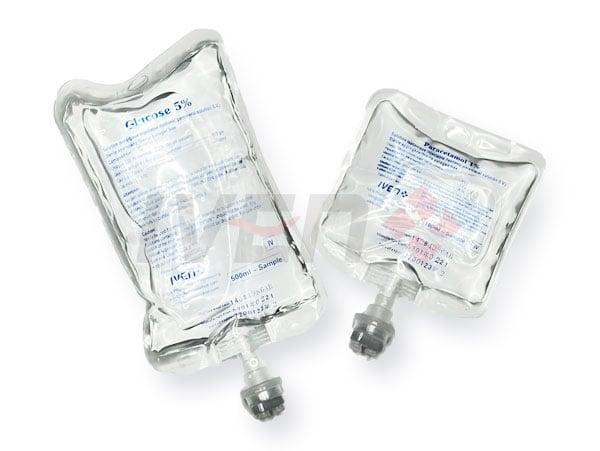
United States Guide: Non-PVC IV Bags vs Glass IV Use
For pharmaceutical manufacturers in the United States, the choice between non-PVC IV bag systems and glass bottle IV packaging affects far more than container appearance. It influences formulation flexibility, line speed, freight cost, breakage risk, sterilization strategy, hospital handling, and long-term return on investment. In practical terms, non-PVC IV bag production supports modern admixture needs, lighter logistics, and advanced multi-chamber concepts that can keep unstable ingredients separate until use. Glass bottle IV production, by contrast, still offers strong chemical stability, a familiar presentation, and a well-established place in selected infusion categories.
This guide explains how to evaluate non-PVC IV bag vs glass bottle IV production for the U.S. market, including regulatory expectations, common film materials, hospital applications, market demand, supplier selection, capital budgeting, and future trends through 2026. It also highlights how an engineering partner with global compliance experience can help U.S. investors reduce risk when planning a new IV solution plant or upgrading an existing line in places such as New Jersey, Texas, Illinois, California, and Georgia.
Quick Answer: Why Non-PVC IV Bags Are Transforming Advanced IV Production

The short answer is that non-PVC IV bag systems give drug manufacturers more room to innovate. Compared with glass bottle IV formats, they can reduce package weight, lower transportation cost, simplify storage, and support multi-chamber designs for formulations that must remain separated until administration. That makes them attractive for amino acid solutions, parenteral nutrition, bicarbonate-based products, selected antibiotic combinations, and other sensitive therapies where stability is a core issue.
In the United States, hospitals increasingly value packaging that improves nursing convenience, reduces breakage, and fits automated pharmacy workflows. Non-PVC bags can also align better with sustainability goals because they reduce outbound shipping mass and can be designed without plasticizers associated with traditional PVC systems. However, glass bottles remain relevant when premium barrier performance, certain sterilization preferences, or long product familiarity matter most. The best choice depends on formulation profile, target hospital segment, annual volume, and distribution model.
| Decision Factor | Non-PVC IV Bag | Glass Bottle IV | U.S. Operational Impact |
|---|---|---|---|
| Package Weight | Lightweight | Heavy | Lower freight cost for bag formats moving through Los Angeles, Savannah, and Houston corridors |
| Breakage Risk | Very low | Higher | Less warehouse loss and safer handling in busy hospital supply chains |
| Design Flexibility | Supports multi-chamber options | Mostly single-compartment | Important for advanced formulations and point-of-use mixing |
| Barrier Performance | Depends on film structure | Excellent inert feel | Must be matched to oxygen and moisture sensitivity |
| Line Speed Potential | High with automated form-fill-seal | Moderate to high, but heavier handling | Impacts labor planning and plant throughput |
| Hospital Convenience | Easy to store and hang | Durable but heavier at bedside | Nursing workflow often favors bags |
| Capital Complexity | Advanced film and sealing know-how needed | Mature bottle processing knowledge needed | Supplier capability matters in both cases |
The table above shows why the comparison is never purely about one container being universally better. Instead, U.S. manufacturers should align container strategy with product portfolio, transport lanes, and customer expectations.
What Non-PVC IV Bag and Glass Bottle IV Systems Are, and Their Main Advantages

A non-PVC IV bag is a flexible infusion container produced from medical-grade polymer films that avoid conventional PVC. Common structures may include polypropylene-based blends, co-extruded multilayer films, or other polyolefin families engineered for strength, transparency, sealability, and compatibility with sterilization. These bags are typically manufactured on form-fill-seal or bag-making and filling lines designed for aseptic or terminally sterilized liquid products.
A glass bottle IV system uses molded or tubular pharmaceutical glass containers for infusion products. The filling process generally includes bottle washing, depyrogenation or suitable cleaning steps, liquid filling, stoppering or plugging depending on format, sealing, and sterilization according to product requirements. Glass has a long history in infusion therapy and still conveys a perception of robustness and chemical neutrality.
The main advantages of non-PVC IV bag production include reduced shipping weight, lower breakage rates, easier palletization, improved storage density, and the ability to support single-chamber or multi-chamber designs. These advantages can translate into meaningful savings for distributors serving major U.S. healthcare clusters around Chicago, Dallas-Fort Worth, Philadelphia, Atlanta, and the Northeast corridor.
The main advantages of glass bottle IV production include strong container integrity, broad market familiarity, and suitability for formulations where glass compatibility has already been deeply validated. In some purchasing environments, especially where product legacy and specification consistency are crucial, glass continues to hold a stable niche.
Manufacturers planning a new facility often start with feasibility analysis before deciding on container format. An experienced engineering company can map product types, sterility concept, utility loads, warehouse footprint, and regulatory pathway before any capital is committed. Companies seeking a broader introduction to integrated plant delivery can review the company background and global engineering experience to understand how cross-border pharmaceutical projects are typically structured.
Clinical Benefits and Hospital Applications of Non-PVC IV Bag Production

From a hospital use perspective, non-PVC bags bring several practical benefits. Nurses prefer lighter containers that are easier to hang, move, and dispose of. Pharmacy departments value packaging that fits compounding and staging workflows with less risk of glass breakage. Health systems managing large volumes of saline, dextrose, irrigation fluids, or nutrition products often see operational efficiency gains from flexible packaging.
Clinically, the strongest argument for advanced non-PVC bag production is formulation stability. Multi-chamber systems allow ingredients to remain separate until activation, which can help preserve potency and reduce incompatibility risks. This is especially useful in parenteral nutrition, bicarbonate-containing dialysis or infusion mixtures, and drugs with short post-mix stability. In a U.S. market where hospital pharmacies face labor pressure and tighter inventory controls, ready-to-activate formats can support both patient safety and workflow efficiency.
Hospitals also evaluate package ergonomics and waste. A non-PVC bag can reduce sharps-like breakage concerns during emergency transport, intensive care use, and high-turnover units. For integrated delivery networks serving rural facilities across the Midwest or mountainous regions where long-distance redistribution matters, lighter packaging can also reduce supply-chain burden.
| Application Area | Why Non-PVC Bags Fit | Why Glass May Still Be Used | Typical U.S. End User |
|---|---|---|---|
| Normal Saline and Dextrose | High-volume, lightweight distribution | Legacy procurement specifications | Acute care hospitals and distributors |
| Parenteral Nutrition | Multi-chamber support and stability | Limited in complex premix formats | Large urban medical centers |
| Antibiotic Admixtures | Potential point-of-use mixing convenience | Suitable for stable ready solutions | Hospital pharmacies |
| Dialysis-Related Solutions | Good for specialized compartment designs | Useful in selected stable products | Renal centers and specialty manufacturers |
| Emergency and Transport Use | Less breakage risk in mobile settings | Heavier and more fragile | EMS, military, trauma centers |
| Home Infusion | Lighter for patient handling | Less convenient to transport | Home care providers |
| Pediatric and Oncology Settings | Smaller format flexibility and handling ease | Used where compatibility drives choice | Specialty hospitals |
In purchasing meetings, the hospital case often centers on workflow: can the package be stored efficiently, moved safely, activated simply, and administered with minimal risk? That question increasingly favors advanced bag formats in large parts of the U.S. acute care market.
Common Types of Non-PVC IV Bag Systems and Film Material Options
Not all non-PVC IV bags are the same. The material architecture determines seal strength, drop resistance, clarity, oxygen transmission, water vapor transmission, sterilization resistance, and extractables profile. U.S. buyers should ask not only for container samples but also for detailed film specifications, validation records, and compatibility data.
Common product types include standard single-chamber infusion bags, multi-chamber nutrient or drug-mix bags, ported bags for conventional administration, and specialty bags tailored for dialysis solutions or custom sterile liquids. Film selection is often the most strategic technical decision because it affects both formulation stability and machine performance.
| Film or Container Type | Main Features | Advantages | Limitations |
|---|---|---|---|
| Polyolefin Multilayer Film | Common non-PVC medical film structure | Good flexibility, no traditional PVC plasticizer concerns | Barrier properties vary by layer design |
| Polypropylene-Based Film | Heat resistant and strong | Useful for sterilization and structural integrity | May require careful sealing optimization |
| EVA-Modified Structures | Softness and transparency benefits | Good handling characteristics | Must be matched to formulation compatibility |
| High-Barrier Co-Extruded Film | Improved gas or moisture performance | Supports sensitive formulations | Higher material cost |
| Single-Chamber Bag | One solution compartment | Simple, lower cost, broad use | No separate pre-use mixing |
| Two-Chamber Bag | Separated ingredients until activation | Stability and convenience benefits | More complex production and validation |
| Three-Chamber Bag | Multiple components in one package | Ideal for complex nutrition systems | Highest design and filling complexity |
The table shows why material discussions cannot be isolated from equipment selection. The film must run reliably on the planned line, seal consistently, survive sterilization, and maintain package integrity through U.S. transportation routes that may involve port handling in Long Beach, container rail transfer through Chicago, and inland distribution to hospital networks.
In technical capability reviews, investors should assess whether a supplier has real expertise in IV solution equipment design, film handling, sealing technology, and clean utility integration. IVEN Pharmatech Engineering has built deep technical know-how in IV solution equipment and related systems over many years, with a strong focus on regulatory-aligned engineering for soft bag, PP bottle, and glass bottle lines. Its equipment development and patent portfolio are especially relevant when a project requires tailored automation, solution preparation integration, and dependable long-life stainless-steel construction.
Multi-Chamber Non-PVC IV Bags vs Single-Chamber IV Bags: A Detailed Comparison
The comparison between multi-chamber and single-chamber bag systems matters because it shapes the product strategy of the entire facility. Single-chamber bags are easier to validate, generally faster to introduce, and suitable for large-volume commodity infusions. Multi-chamber bags require more engineering sophistication but can unlock premium formulations and hospital convenience advantages.
In a single-chamber format, all ingredients are combined before final filling. That is efficient for stable formulations but limits options when ingredients react, degrade, or lose potency after mixing. In a multi-chamber bag, internal seals keep components separate until activation, allowing the end user to mix immediately before administration. This can extend shelf life, reduce cold-chain pressure for certain products, and improve point-of-care readiness.
| Comparison Point | Multi-Chamber Non-PVC Bag | Single-Chamber IV Bag | Business Meaning |
|---|---|---|---|
| Formulation Stability | High for unstable combinations | Limited by premixed chemistry | Supports differentiated product portfolios |
| Production Complexity | Higher | Lower | Affects capital cost and qualification time |
| Seal Design | Critical internal barrier seals | Standard perimeter seals | Requires precise process control |
| Hospital Convenience | Activate before use | Ready as filled | Depends on use case and staff training |
| SKU Value Potential | Higher-margin specialty products | Commodity to mid-range products | Important for ROI modeling |
| Regulatory Documentation | More extensive validation package | More straightforward | Impacts launch schedule in the United States |
| Best Fit | Nutrition, unstable mixes, specialty care | Saline, dextrose, routine infusions | Portfolio-driven selection |
For a U.S. plant intended to serve both commodity fluids and higher-margin specialty products, some investors deploy a phased strategy: launch with single-chamber products to stabilize operations, then expand into multi-chamber technology once the quality system, operator training, and market channels are fully established. This can be especially useful for domestic supply initiatives tied to resilience goals and reduced import dependence.
Current Market Trends and Demand for Non-PVC IV Bag Production Capacity
The U.S. IV packaging market is being shaped by several overlapping trends. First, health systems want a more resilient domestic or nearshore supply chain after repeated disruptions in sterile injectable availability. Second, hospital groups are pushing vendors for packaging that improves safety, reduces handling burden, and supports efficient pharmacy operations. Third, environmental, social, and governance goals are pushing a closer review of package weight, waste, and material profile.
As a result, demand for non-PVC IV bag production capacity is rising, especially for plants able to offer scalable output, traceable quality systems, and multi-format flexibility. Glass bottle IV production still has demand, but growth is generally stronger in segments where flexible packaging brings operational or clinical benefits. U.S. buyers also increasingly examine total landed cost, not just ex-works equipment price. For products shipped through the Port of New York and New Jersey, the Port of Houston, or West Coast gateways, freight efficiency can materially affect long-term margins.
Another market trend is the search for turnkey suppliers instead of fragmented equipment sourcing. A plant owner may prefer one partner for layout design, process equipment, water systems, clean utilities, filling lines, logistics, validation support, and after-sales service. This is particularly valuable when building a new facility in states such as North Carolina, Indiana, or Arizona where speed-to-operation is critical.
For investors studying integrated factory implementation, turnkey pharmaceutical engineering solutions are often a useful benchmark because they show how line equipment, purified water, WFI, solution preparation, transfer systems, and packaging automation can be coordinated as one validated project rather than separate purchases.
How to Choose a Reliable Non-PVC IV Bag or Glass Bottle IV Manufacturer and Supplier
Choosing a supplier is not only about comparing quotations. In the United States, plant owners should evaluate compliance depth, installed base, technical documentation, spare parts readiness, software transparency, FAT and SAT procedures, service response, and the supplier’s understanding of U.S. FDA expectations. A low initial purchase price can quickly become expensive if validation packages are weak or if production uptime suffers after startup.
Start with the supplier’s actual scope. Can the company provide only one machine, or can it deliver line integration, utilities, solution preparation, washing, filling, sealing, sterilization interfaces, inspection, packaging, and logistics? Then review real-world projects, especially those involving regulated markets. Ask about line output range, changeover time, CIP/SIP capability where relevant, data integrity controls, and material compatibility for the exact formulations you plan to commercialize.
Manufacturing capability matters as much as design capability. IVEN Pharmatech Engineering supports pharmaceutical and medical device projects through specialized manufacturing plants focused on filling and packaging equipment, water treatment systems, intelligent conveying, and blood collection production equipment. For IV solution projects, that breadth is valuable because it reduces interface risk between process, packaging, and utility systems. It also supports consistent project execution when a facility needs more than a stand-alone filler.
| Supplier Evaluation Item | Why It Matters | What U.S. Buyers Should Request | Warning Sign |
|---|---|---|---|
| Regulatory Understanding | Supports FDA-aligned project delivery | Sample validation documents and compliance references | Generic claims without evidence |
| Installed Base | Shows practical reliability | Project list by product type and region | No comparable references |
| Material Expertise | Critical for bag films and seals | Compatibility and sealing validation data | Vague statements on film suitability |
| Line Integration Capability | Reduces project coordination risk | P&ID, layout, utility load, and interface documentation | Multiple gaps between vendors |
| After-Sales Support | Protects uptime after startup | Service SLA, remote support plan, spare parts list | Slow response commitments |
| Documentation Quality | Speeds qualification | DQ, IQ, OQ, PQ support samples | Incomplete or non-standard files |
| Total Cost of Ownership | More important than sticker price | Energy, labor, maintenance, consumables estimate | Price quote without lifecycle view |
Buyers comparing options can also review a broader portfolio of pharmaceutical equipment to see whether the supplier can support future expansion beyond the initial IV line. This is important if the long-term plan includes vials, ampoules, prefilled syringes, oral liquids, or additional utility systems.
Investment Cost, Budget Planning, and ROI Analysis for Non-PVC IV Bag vs Glass Bottle IV Projects
Capital expenditure for IV production depends on line speed, automation level, room classification, product complexity, utility scope, and validation requirements. A non-PVC IV bag project may involve higher technical demands in film processing, sealing control, and chamber design, while a glass bottle line may require heavier material handling, bottle washing systems, and higher transport-related operational expenses after launch.
For budget planning, U.S. investors should separate project costs into at least seven categories: core production equipment, cleanroom and HVAC, purified water and WFI systems where applicable, solution preparation and storage, laboratory and inspection systems, warehouse and internal logistics, and validation and training. Freight, customs, local installation, utility hookup, and spare parts stocking should be modeled independently rather than hidden inside one equipment line item.
ROI calculations should compare not only capex but also long-term unit economics. Non-PVC IV bags often improve annual return through lower transport cost, lower breakage, reduced storage burden, and access to higher-value multi-chamber products. Glass may still win ROI in specific niches where demand is stable, validation history is strong, and product mix does not need format flexibility.
| Cost Category | Non-PVC IV Bag Project Tendency | Glass Bottle IV Project Tendency | ROI Consideration |
|---|---|---|---|
| Primary Line Equipment | Moderate to high depending on chamber complexity | Moderate with bottle-specific handling modules | Depends on throughput and SKU mix |
| Container Material Cost | Film-dependent | Bottle-dependent, often heavier logistics burden | Should be modeled per filled unit |
| Freight and Warehousing | Generally lower | Generally higher | Important across U.S. national distribution |
| Breakage and Loss | Low | Higher relative risk | Affects annual operating margin |
| Labor and Handling | Lower with high automation | Can be higher due to bottle handling | Relevant in high-wage U.S. regions |
| Validation Complexity | Higher for multi-chamber products | Often simpler for known bottle products | Impacts time to revenue |
| Premium Product Potential | High | Moderate | Can justify higher initial investment |
A practical ROI model should use multiple scenarios: conservative, expected, and growth case. Use a 5- to 10-year horizon and include line uptime, reject rate, utility cost inflation, annual maintenance, operator headcount, and sales mix. In states with strong manufacturing incentives, tax credits or local grants may improve payback, especially where sterile injectable capacity contributes to healthcare resilience.
Key Considerations and Potential Risks When Investing in Non-PVC IV Bag Production
The biggest investment mistake is assuming that container conversion is simple. Moving from glass bottle IV production to non-PVC IV bag manufacturing changes material science, line mechanics, operator training, warehouse logic, and parts management. It may also change how your regulatory submission package is structured. Early-stage feasibility work is therefore essential.
One major risk is selecting film without complete compatibility and sterilization testing. Another is underestimating the complexity of chamber seal validation in multi-chamber designs. A third is choosing a supplier that provides equipment but not practical startup support, creating delays during installation, qualification, and commercial release. In the United States, schedule delays are especially expensive because labor, facility overhead, and financing costs continue even while the line is not generating revenue.
There are also supply-chain risks. If a plant relies on one imported film source or one proprietary port component, geopolitical or freight disruptions can affect production continuity. Smart buyers therefore develop dual-source strategies where possible and hold a validated inventory policy. Cybersecurity, electronic batch record compatibility, and data integrity are additional concerns for modern automated lines.
On the service side, lifecycle support is often the difference between a successful launch and a prolonged commissioning cycle. IVEN Pharmatech Engineering positions itself as more than an equipment seller by supporting feasibility consulting, engineering design, customization, installation, commissioning, qualification support, staff training, and post-startup service. For investors entering complex sterile manufacturing, that broader service capability can reduce handoff gaps and help resolve common project issues such as layout inefficiency, schedule drift, and uncertain interface management.
For project discussions tailored to a U.S. facility, including utility planning, capacity targets, and product mix, buyers can contact the engineering team for a more structured technical exchange.
United States Market Outlook Through 2026: Technology, Policy, and Sustainability
Looking toward 2026, the U.S. market is expected to continue shifting toward advanced flexible IV packaging where clinically appropriate. Three forces are driving this. The first is technology: better film structures, stronger automation, smarter leak detection, improved vision inspection, and more robust data capture make non-PVC bag lines increasingly attractive. The second is policy: domestic supply resilience, quality oversight, and procurement scrutiny encourage manufacturers to build reliable, compliant local or regional capacity. The third is sustainability: lighter packaging and lower transport burden support corporate environmental targets when the full logistics chain is considered.
For glass bottle IV production, future demand will remain relevant in products where customer familiarity, existing registrations, and compatibility history favor the format. Yet even here, pressure will rise for energy-efficient operations, better warehouse efficiency, and stronger total cost control. Plants built today should therefore be designed with flexibility in mind, even if initial output focuses on one container type.
Digitization will also matter more. U.S. buyers will expect predictive maintenance, remote diagnostics, recipe management, audit-friendly data records, and transparent utility monitoring. Equipment that cannot integrate with modern MES, SCADA, or warehouse systems may become a strategic bottleneck. In large pharmaceutical corridors from Boston to Raleigh and from Indianapolis to Southern California, digital readiness is no longer optional.
A forward-looking plant should also consider modular expansion. Investors may start with one line and reserve cleanroom and utility capacity for a second line, a different filling format, or a future multi-chamber platform. This staged approach supports capital discipline while preserving future optionality.
About Our Company: Technology, Manufacturing, and Service Strength for U.S. Buyers
For U.S. buyers comparing project partners, it is important to evaluate not just products but execution capability across technology, manufacturing, and service. IVEN Pharmatech Engineering, headquartered in Shanghai and active internationally since 2005, serves pharmaceutical and medical device manufacturers with integrated engineering and equipment solutions for regulated production environments.
From a technology perspective, the company has accumulated extensive experience in IV solution production systems covering non-PVC soft bags, PP bottles, and glass bottles, alongside water treatment, solution preparation, and utility integration. This matters when a project requires a coherent process design rather than isolated machines. Its engineering approach is shaped by projects aligned with EU GMP, U.S. FDA cGMP, WHO GMP, and PIC/S-oriented expectations, which is relevant for customers planning exports or domestic U.S. compliance.
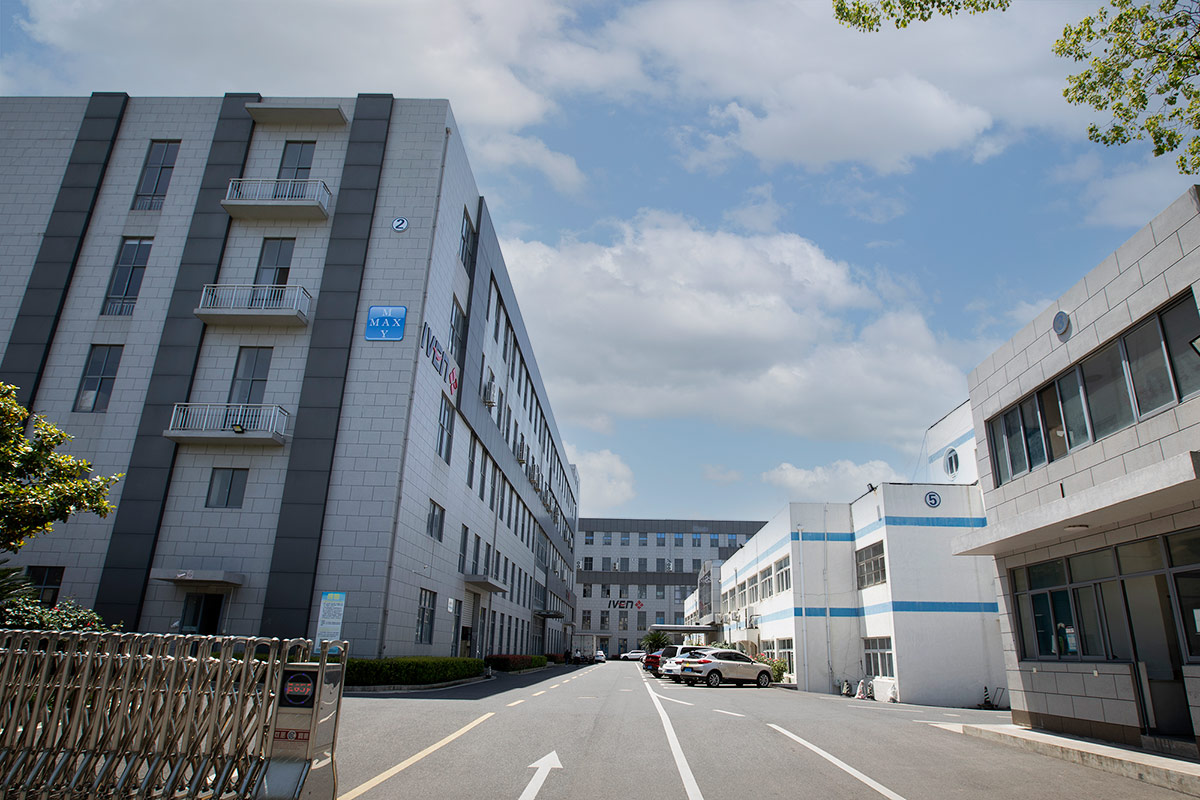
From a manufacturing perspective, the company operates specialized production facilities focused on core pharmaceutical equipment categories. That structure supports in-house coordination across filling and packaging machinery, purified water and WFI-related systems, intelligent conveying, and related production technologies. For the buyer, this can reduce interface risk, improve schedule control, and support more consistent quality across a turnkey scope.
From a service perspective, the value lies in lifecycle support. Beyond equipment supply, projects may include feasibility planning, layout and engineering design, equipment customization, installation, commissioning, qualification support, documentation, staff training, and optimization after startup. For U.S. manufacturers entering a new sterile facility build or an infusion line expansion, this type of end-to-end support can be more important than the initial machine quote.
The company’s experience serving customers across many countries and completing numerous production line and turnkey projects also indicates practical exposure to different regulatory and operational environments. For U.S. stakeholders, that can be useful when balancing compliance, budget discipline, and startup timing.
FAQ
Is non-PVC IV bag production always better than glass bottle IV production?
No. Non-PVC IV bags often offer logistics, safety, and formulation-flexibility advantages, but glass bottles remain useful for selected stable products, established registrations, and customer segments that prefer traditional packaging.
Why are multi-chamber IV bags receiving more attention in the United States?
Because they can keep ingredients separate until use, helping preserve stability and simplify hospital workflows for certain products such as nutrition and specialty infusions.
What is the main technical challenge in non-PVC IV bag manufacturing?
Film compatibility, seal integrity, sterilization performance, and validation of package strength are the main technical challenges. Multi-chamber designs add another layer of complexity.
Do hospitals in the United States prefer bags over glass?
Many do for high-volume routine infusions because bags are lighter, easier to store, and less prone to breakage. However, preferences still vary by product type, formulary history, and procurement standards.
How should I compare suppliers?
Review compliance competence, installed base, documentation quality, line integration ability, service response, spare parts support, and actual project references in regulated markets.
Can one supplier handle an entire IV plant project?
Yes, if the supplier has true turnkey capability covering process design, utilities, filling lines, packaging, logistics, and qualification support. This often reduces project coordination risk.
What U.S. locations are suitable for a new IV production facility?
That depends on labor availability, utility reliability, logistics access, and state incentives. Commonly evaluated regions include New Jersey, North Carolina, Texas, Indiana, and Georgia due to their manufacturing ecosystems and transport access.
What is the biggest budgeting mistake?
Focusing only on equipment purchase price and ignoring validation, installation, clean utilities, spare parts, warehouse requirements, and long-term distribution economics.
Will sustainability affect purchasing decisions by 2026?
Yes. Packaging weight, material profile, transportation efficiency, and energy use will increasingly influence both manufacturer investment decisions and customer procurement criteria.
How do I start a serious project evaluation?
Begin with a feasibility study covering product mix, annual volume, container format, sterility strategy, regulatory pathway, facility layout, utilities, and lifecycle cost. This creates a more realistic basis for supplier comparison and ROI modeling.

About the Author
We are IVEN Pharmatech Engineering, a team dedicated to delivering turnkey pharmaceutical and medical solutions worldwide. With decades of experience, we specialize in advanced machinery, integrated factory design, and full lifecycle support to help our clients achieve efficient, compliant, and high-quality production.
Share
Related Insights
-

Prefilled Syringe Filling Costs in the United States
For pharmaceutical manufacturers in the United States, prefilled syringe filling machine cost is not just a purchase price question. It is a strategic investment decision tied to aseptic processing capability, U.S. FDA cGMP compliance, labor efficiency, product quality, serialization readiness, and long-term plant output. Whether a company is expanding in New Jersey, modernizing a sterile facility in North Carolina, or building a new injectable line near Chicago or Houston, the right filling platform can directly affect batch economics, validation workload, and market speed.
In practice, buyers usually evaluate the total cost of ownership rather than equipment price alone. A prefilled syringe line may range from a lower-cost semi-automatic configuration for clinical or small-batch use to a fully integrated, high-speed isolator-based system for commercial biologics. The final budget often includes filling and stoppering modules, nested or bulk syringe handling, HVAC or cleanroom integration, vision inspection, labeling, packaging, factory acceptance testing, site acceptance testing, IQ/OQ support, spare parts, and operator training.
For U.S. manufacturers serving hospitals, biotech pipelines, and contract manufacturing markets, this equipment is increasingly important because prefilled syringes reduce dosing errors, improve convenience, and support ready-to-use injectable delivery. Companies evaluating new systems commonly compare European, American, and Asian suppliers based on regulatory understanding, throughput, service depth, and lifecycle support.
The quick answer is simple: prefilled syringe filling machine cost matters because it determines how efficiently a manufacturer can produce sterile injectable products while meeting strict U.S. regulatory, quality, and financial requirements. In the United States, buyers are not only purchasing equipment. They are purchasing process stability, audit readiness, production flexibility, and future scalability.
A typical project budget can vary widely depending on the filling technology and line scope:
Line Type Typical Capacity Common Application Estimated Equipment Range Installation Complexity Best Fit Semi-automatic bench or compact line 500 to 3,000 syringes/hour R&D, pilot, clinical batches $80,000 to $300,000 Low to moderate Startups and development labs Entry automated line 2,000 to 6,000 syringes/hour Specialty injectables $350,000 to $900,000 Moderate Small commercial production Mid-speed aseptic line 6,000 to 12,000 syringes/hour Biologics and hospital products $1 million to $3 million High Growing pharma plants High-speed isolator line 12,000 to 24,000+ syringes/hour Large-scale commercial fill-finish $3 million to $8 million+ Very high Major pharma and CDMOs Turnkey integrated project Project dependent New facility buildout $5 million to $20 million+ Very high Greenfield sterile sites Customized multi-format line 4,000 to 18,000 syringes/hour Mixed portfolio manufacturing $2 million to $6 million High Flexible contract manufacturingThis table shows why “cost” should always be interpreted in context. A lower upfront price may create higher long-term costs if changeovers are slow, reject rates are high, or validation documentation is weak. Conversely, a higher-spec line may deliver a faster payback when labor savings, reduced contamination risk, and higher OEE are included.
A prefilled syringe filling machine is used to fill sterile drug products into syringes under controlled aseptic conditions, followed by plunger insertion, stoppering, inspection, and downstream handling. Depending on the project, the line may process glass or polymer syringes, bulk or nested formats, and products ranging from small-molecule injectables to sensitive biologics.
In U.S. pharmaceutical production, these systems are commonly used for:
The equipment normally includes one or more of the following modules: syringe infeed, de-nesting, filling pumps, nozzles, plunger insertion, nitrogen purging, check weighing, in-process controls, reject management, vision inspection, tray or tub handling, labeling, and secondary packaging integration.
For U.S. buyers, the cost is closely linked to compliance expectations. A system must support traceability, electronic batch records where needed, alarm history, recipe management, audit-friendly design, and compatibility with cleanroom or isolator environments. In markets like Boston, Philadelphia, San Diego, and Raleigh-Durham, where biotech and sterile manufacturing clusters are strong, these requirements directly shape sourcing decisions.
Manufacturers also look at product characteristics. Highly viscous formulations, oxygen-sensitive biologics, and high-value low-volume drugs may require servo-driven filling, peristaltic or rotary piston pump options, restricted access barrier systems, or advanced environmental monitoring interfaces. All of these technical choices influence the final equipment cost.
Prefilled syringe systems are widely adopted because they support both commercial performance and patient safety. In the United States, demand is especially strong in biologics, specialty injectable drugs, and contract manufacturing organizations that serve multiple sponsors.
Application Area Typical Product Why Prefilled Syringes Are Used Operational Benefit Market Relevance in the U.S. Cost Impact Biologics Monoclonal antibodies Protects high-value doses Low waste, precise filling Very high Higher equipment spec needed Vaccines Ready-to-administer doses Fast clinical use Reduced preparation time High Medium to high Emergency medicine Epinephrine-like formats Rapid administration Improved usability Moderate Medium Hospital injectables Flush syringes, anticoagulants Standardized dosing Lower medication error risk High Strong ROI through volume Ophthalmics Sterile specialty products Controlled administration High process precision Growing High for niche products CDMO services Multi-client programs Flexible sterile fill-finish Revenue diversification Very high Requires flexible formatsThe main benefits include lower contamination exposure, greater dosing convenience, less preparation at the point of care, improved packaging efficiency, and stronger product differentiation in competitive therapy classes. For U.S. hospital systems and outpatient providers, these benefits can support procurement preference. For manufacturers, they can justify higher line investment if the product carries premium margins.
Another benefit is line integration. Modern syringe lines often connect efficiently with automatic inspection, labeling, cartoning, and end-of-line serialization. That matters for U.S. plants shipping through logistics corridors such as Newark, Los Angeles, Savannah, and Memphis, where packaging throughput and documentation accuracy are critical.
var ctx1 = document.getElementById(‘lineChartUsMarket’).getContext(‘2d’);var chart1 = new Chart(ctx1, { type: ‘line’, data: { labels: [‘2021’, ‘2022’, ‘2023’, ‘2024’, ‘2025’, ‘2026’], datasets: [{ label: ‘U.S. Prefilled Syringe Fill-Finish Market Index’, data: [100, 109, 121, 136, 149, 165], borderColor: ‘rgb(54, 162, 235)’, backgroundColor: ‘rgba(54, 162, 235, 0.15)’, fill: false, tension: 0.3 }] }, options: { responsive: true, maintainAspectRatio: false }});The line chart above illustrates the steady growth expected in U.S. demand for prefilled syringe fill-finish capability. Rising biologics approvals, increased outsourcing, and the push for ready-to-use injectable formats continue to expand the market.
Equipment selection should match product profile, batch size, and plant strategy. There is no single ideal configuration for every pharmaceutical facility.
Technical Category Option Advantages Limitations Best Use Case Relative Cost Level Syringe format Nested syringes Lower handling risk, cleaner transfer Higher consumable dependency Biologics and small batches Medium to high Syringe format Bulk syringes Good for volume production More complex handling High-output commercial lines Medium Filling pump Peristaltic pump Gentle product path, easy changeover Tubing replacement costs Biotech and sensitive formulations Medium Filling pump Rotary piston pump High accuracy and repeatability Cleaning validation effort Stable high-volume products Medium Containment RABS Balanced cost and aseptic control Operator intervention still relevant Mid-range commercial plants High Containment Isolator system Highest sterility assurance High initial investment Premium biologics and strict contamination control Very highAdditional options include no-glass-to-glass transport, automatic plunger feeding, in-line IPC weight control, environmental particle monitoring interfaces, vision systems for stopper position, and robotic nest handling. These features can significantly improve productivity but also increase procurement cost and commissioning complexity.
For companies planning facility expansion, modular systems are gaining attention. A modular line can be deployed faster and more easily adapted to product mix changes. This is especially attractive for U.S. firms operating in competitive development timelines or serving multiple contract clients.
Before committing capital, manufacturers often compare syringe lines with vials, ampoules, cartridges, or flexible delivery combinations. The right answer depends on the product, market channel, and administration method.
Packaging Technology Upfront Equipment Cost Ease of Administration Sterile Handling Complexity Typical End User Advantage Best Strategic Fit Prefilled syringes Medium to very high Excellent High Ready-to-use convenience Biologics, hospital and self-injection markets Vials Medium Moderate High Flexible dosing and reconstitution Multi-dose or broad injectable portfolios Ampoules Low to medium Lower Medium Simple container format Cost-sensitive standard injectables Cartridges High High High Device integration potential Pen injector applications Blow-fill-seal High Moderate Medium to high Integrated container filling Large-volume sterile liquid products Dual-chamber formats Very high Excellent Very high Reconstitution convenience Advanced premium therapiesIf the product is a hospital injectable with stable demand and dose standardization needs, prefilled syringes often outperform vials in lifecycle value. If the therapy requires multiple dose strengths, or early-stage uncertainty remains high, vials may still offer better flexibility. A detailed process and market review is essential before choosing.
var ctx2 = document.getElementById(‘barChartDemand’).getContext(‘2d’);var chart2 = new Chart(ctx2, { type: ‘bar’, data: { labels: [‘Biologics’, ‘Vaccines’, ‘Hospital Injectables’, ‘CDMO Services’, ‘Ophthalmics’, ‘Emergency Care’], datasets: [{ label: ‘Estimated U.S. Demand Score’, data: [94, 78, 86, 90, 63, 58], backgroundColor: [ ‘rgb(255, 99, 132)’, ‘rgb(255, 159, 64)’, ‘rgb(255, 205, 86)’, ‘rgb(75, 192, 192)’, ‘rgb(54, 162, 235)’, ‘rgb(153, 102, 255)’ ] }] }, options: { responsive: true, maintainAspectRatio: false }});The bar chart highlights where U.S. demand is strongest. Biologics and CDMO activity are major drivers, which explains why high-spec flexible fill-finish lines are receiving strong investment attention.
The United States remains one of the world’s most important markets for sterile fill-finish technology. Demand is supported by strong biotech activity, reshoring discussions, domestic supply chain resilience efforts, and continuing growth in injectable therapies.
Several regional clusters influence buying behavior:
Ports and trade gateways also matter. Imported equipment commonly moves through Los Angeles/Long Beach, Newark, Savannah, or Houston, and inland delivery timing can influence installation schedules. Buyers should build customs clearance, crating standards, and spare parts warehousing into procurement planning.
Looking toward 2026, three trend groups stand out:
Technology: increased use of robotics, recipe-driven changeovers, digital batch traceability, predictive maintenance, and integrated vision inspection.
Policy: stronger emphasis on supply chain robustness, documented quality systems, data integrity, and domestic production readiness for essential medicines.
Sustainability: lower utility consumption, reduced product loss, compact cleanroom footprints, recyclable packaging interfaces, and energy-efficient servo systems.
var ctx3 = document.getElementById(‘areaChartShift’).getContext(‘2d’);var chart3 = new Chart(ctx3, { type: ‘line’, data: { labels: [‘2021’, ‘2022’, ‘2023’, ‘2024’, ‘2025’, ‘2026’], datasets: [{ label: ‘Shift Toward High-Automation Systems (%)’, data: [42, 47, 53, 60, 68, 75], fill: true, backgroundColor: ‘rgba(75, 192, 192, 0.25)’, borderColor: ‘rgb(75, 192, 192)’, tension: 0.3 }] }, options: { responsive: true, maintainAspectRatio: false }});The area chart shows the accelerating transition toward higher automation. This reflects labor pressures, contamination control priorities, and the desire for better batch consistency.
Supplier selection is one of the most important factors in managing prefilled syringe filling machine cost. The lowest quoted price rarely equals the best project value. U.S. buyers should evaluate supplier capability in terms of technology, manufacturing discipline, and service support.
Technological capabilities: A reliable supplier should demonstrate expertise in sterile filling, line integration, control systems, and regulatory-oriented design. For example, IVEN Pharmatech Engineering has built its reputation around pharmaceutical innovation with specialized knowledge across filling and packaging systems, pharmaceutical water systems, logistics automation, and related medical manufacturing equipment. This matters because syringe filling lines often connect with upstream preparation and downstream packaging infrastructure rather than operating as isolated machines.
Manufacturing capabilities: Buyers should ask whether the supplier has dedicated production facilities, proven fabrication quality, and experience delivering complete lines. IVEN operates multiple specialized manufacturing plants in Shanghai focused on core pharmaceutical equipment categories, which supports customization and integrated project execution. For companies in the United States considering full-site development, it is often more efficient to work with a manufacturer capable of combining syringe lines with water systems, preparation systems, and packaging automation under one coordinated scope. More information on integrated projects can be found at turnkey pharmaceutical engineering solutions.
Service capabilities: Long-term service is critical, especially for validation-heavy sterile operations. Buyers should assess FAT support, SAT, installation guidance, IQ/OQ/PQ documentation, spare parts responsiveness, training, and post-startup troubleshooting. IVEN’s project approach includes lifecycle services such as engineering support, commissioning, validation assistance, documentation, and training, which can reduce risk for U.S. facilities managing tight launch timelines. If a project requires tailored consultation, companies can contact the engineering team directly.
When comparing suppliers, use a weighted scorecard rather than relying on sales presentations alone.
Evaluation Factor Why It Matters Questions to Ask Warning Sign Recommended Weight Impact on ROI Regulatory understanding Supports U.S. FDA readiness Can the supplier support cGMP documentation? Generic answers only 20% Very high Aseptic design quality Reduces contamination risk What barrier technologies are offered? Poor cleanability details 20% Very high Customization ability Matches product and plant needs Can formats and pumps be adapted? Only standard catalog units 15% High Manufacturing track record Improves delivery confidence How many similar lines are installed? Few real references 15% High Service network Minimizes downtime How are U.S. service needs covered? Unclear spare parts path 15% High Total project support Reduces integration risk Can utilities, validation, and training be supported? Equipment-only mindset 15% Medium to highThe purpose of this scorecard is to force a disciplined buying process. In sterile production, project mistakes are expensive, so a structured evaluation method protects both budget and launch timing.
A realistic ROI model should include capital expense, cleanroom modifications, utilities, consumables, labor savings, yield improvement, expected line utilization, and maintenance. Many U.S. buyers underestimate the non-equipment costs surrounding installation.
Common budget categories include:
Cost Element Typical Share of Project Budget Low Complexity Site High Complexity Site ROI Relevance Budget Note Main equipment 35% to 50% Lower integration need Custom automation needed Core driver Do not assess in isolation Barrier system 10% to 20% RABS possible Isolator common High Major contamination control factor Facility modification 10% to 25% Retrofit limited New room buildout High Often underestimated Validation and documentation 5% to 12% Standard package Extensive protocols High Essential for regulated startup Training and commissioning 3% to 8% Short startup Long qualification curve Medium Impacts early OEE Spare parts and service 3% to 10% Basic package Large coverage stock Medium to high Important for uptime planningROI usually improves fastest when the project replaces manual or semi-manual operations, supports premium biologic products, reduces rejects, or expands contract manufacturing capacity. Commercial lines producing high-value therapies may achieve payback in two to five years, while lower-margin products may require a longer period.
For product and system comparisons, buyers often review multiple equipment categories at once through curated supplier catalogs such as pharmaceutical equipment solutions. This is useful when syringe filling needs to align with water systems, preparation tanks, packaging lines, or logistics automation.
var ctx4 = document.getElementById(‘comparisonChartSuppliers’).getContext(‘2d’);var chart4 = new Chart(ctx4, { type: ‘bar’, data: { labels: [‘Regulatory Support’, ‘Customization’, ‘Turnkey Ability’, ‘Lifecycle Service’, ‘Cost Efficiency’, ‘Scalability’], datasets: [{ label: ‘Integrated Supplier Evaluation Score’, data: [88, 91, 94, 89, 86, 90], backgroundColor: ‘rgb(153, 102, 255)’ }] }, options: { responsive: true, maintainAspectRatio: false }});This comparison chart represents the type of weighted scoring many buyers use internally. It shows why integrated engineering capability often matters more than headline machine price.
Even strong equipment can underperform if planning is weak. The most common risk is treating a syringe filling line as a standalone purchase instead of part of a complete aseptic manufacturing system.
Key risk areas include:
For U.S. projects, logistics should also be reviewed carefully. Imported equipment may pass through West Coast or East Coast ports, then move inland to manufacturing sites in states such as New Jersey, Indiana, or North Carolina. Delivery timing, crate handling, and customs coordination can affect startup schedules. Buyers should also plan for voltage, control standards, documentation format, and remote support protocols.
Another issue is scalability. A line optimized only for one syringe size may limit future product launches. A company expecting portfolio growth should ask about format parts, software recipes, and upgrade paths from RABS to isolator or from manual loading to robotic handling.
Finally, sustainability is becoming a board-level issue. Energy use, compressed air demand, cleaning resource consumption, and reject-related product waste all influence the long-term economics of a sterile fill-finish project. By 2026, sustainability reporting and utility efficiency will likely affect capital approval discussions more directly.
What is the average prefilled syringe filling machine cost in the United States?There is no single average because system scope varies greatly. Small semi-automatic setups may start below $300,000, while advanced commercial isolator lines can exceed $8 million. A full turnkey sterile project can be significantly higher.
What factors have the biggest effect on price?The main cost drivers are automation level, line speed, syringe format, barrier technology, pump type, inspection scope, software features, validation package, and facility integration requirements.
Are nested syringe lines more expensive than bulk syringe lines?They are often more expensive in consumable handling and may require specific automation, but they can reduce contamination risk and simplify certain sterile workflows, especially for biologics.
How long does ROI usually take?For high-value injectable products, payback may occur within two to five years. For lower-margin products, the timeline may be longer and depends heavily on utilization, reject rate, and labor savings.
Should U.S. manufacturers choose local or international suppliers?The best choice depends on regulatory support, service coverage, technology fit, and total project experience. Some international suppliers offer strong compliance knowledge and integrated engineering value, especially for larger projects.
What documentation should be requested during procurement?Request URS alignment, DQ support where relevant, FAT protocols, material certificates, drawings, software architecture details, manuals, spare parts lists, and IQ/OQ documentation packages.
Can one supplier support both the filling line and broader plant systems?Yes. This is often advantageous because it reduces interface risk across water systems, preparation, logistics, packaging, and validation. That integrated approach is one reason some buyers evaluate engineering-oriented suppliers rather than machine-only vendors.
What are the most important 2026 trends to watch?Expect more robotics, greater digital traceability, stronger contamination control expectations, utility-efficient designs, and broader demand for flexible multi-product sterile lines.
In summary, prefilled syringe filling machine cost should be evaluated as a strategic production investment rather than a simple equipment expense. For pharmaceutical companies in the United States, the right line can strengthen compliance, reduce operating cost, support new product launches, and improve competitiveness in the fast-growing injectable market. Careful supplier selection, detailed budget planning, and realistic ROI modeling are essential to making the investment successful.
-
BFS or Ampoule Filling Machines in the United States
For pharmaceutical manufacturers in the United States, the choice between a blow-fill-seal system and an ampoule filling machine is not simply a packaging decision. It is a strategic manufacturing decision that affects sterility assurance, container format, regulatory compliance, labor intensity, throughput, maintenance planning, and long-term return on investment. Large drug makers, CDMOs, hospital supply manufacturers, and medical consumables producers often evaluate both technologies when they expand capacity, launch new injectable products, or modernize legacy lines to meet current FDA expectations.
In practical terms, BFS is usually preferred when a company needs high-volume, highly automated production of sterile liquid products in plastic containers with minimal human intervention. Ampoule filling machines remain highly relevant when the product requires glass primary packaging, strong barrier properties, heat resistance, or established market acceptance in injectable and specialty applications. In the United States market, where companies in New Jersey, North Carolina, Massachusetts, Texas, California, and Puerto Rico balance compliance, speed, and total cost, the best choice depends on product type, fill volume, regulatory pathway, and supply chain resilience.
Manufacturers evaluating new lines in hubs such as Philadelphia, Chicago, Houston, Los Angeles, and Savannah also need to consider equipment sourcing, factory acceptance testing, validation documentation, spare-parts availability, utility demand, and integration with upstream formulation and downstream secondary packaging. That is why this guide looks at the BFS versus ampoule filling machine decision from a technical, commercial, and operational perspective for the United States.
The short answer is that neither technology is universally better. BFS is often the stronger choice for large-scale sterile liquid production where automated container formation, filling, and sealing in one enclosed cycle can reduce contamination risk and labor dependency. Ampoule filling machines are often the stronger choice when a manufacturer must package sensitive formulations in glass, serve established injectable markets, or maintain compatibility with existing hospital and distribution expectations.
For the United States, BFS often fits projects involving respiratory solutions, ophthalmic products, inhalation therapies, saline, irrigation, unit-dose formats, and certain preservative-free sterile products. Ampoule lines often fit injectable generics, diagnostic reagents, specialty hospital drugs, and products that benefit from glass packaging stability. The decision should be based on product chemistry, packaging strategy, commercial scale, and cost per dose rather than on equipment trend alone.
Quick Comparison for Decision Makers Decision Factor BFS System Ampoule Filling Machine What It Means Container Material Plastic, typically PP or PE Glass ampoules Material selection affects compatibility, positioning, and transport risk Sterility Approach Integrated form-fill-seal process Sterile filling into preformed ampoules BFS reduces manual handling points Typical Throughput High Medium to high BFS is often more efficient for mass-market unit doses Packaging Image Functional and modern Traditional pharmaceutical appearance Market acceptance may vary by product category Breakage Risk Low Higher than plastic Glass handling increases logistics and line-care needs Best Fit High-volume sterile liquids Glass-based injectables and specialty fills Match technology to product and marketThe table above shows why procurement teams in the United States typically start with the product profile rather than the machine itself. A saline unit-dose product moving through national retail and hospital channels may strongly favor BFS, while a heat-stable injectable with a long-established glass presentation may still favor an ampoule line.
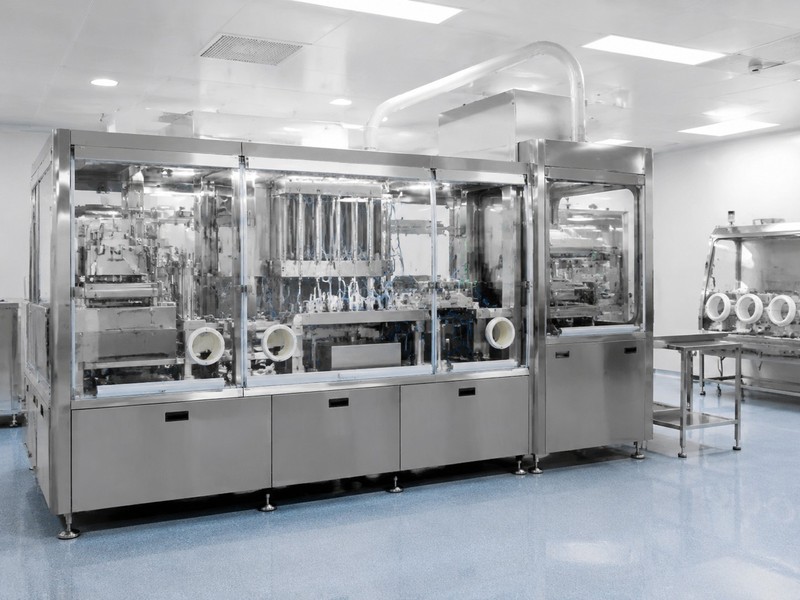
A blow-fill-seal machine is an aseptic packaging system that forms a plastic container from resin, fills it with sterile product, and seals it immediately within one continuous automated cycle. Because the container is created inside the machine and not transported separately through multiple open handling stages, BFS is widely recognized for reducing contamination exposure. It is commonly used for unit-dose and multi-dose sterile liquids, especially where production efficiency and aseptic control are critical.
An ampoule filling machine, by contrast, handles preformed glass ampoules. The machine typically washes or depyrogenates the containers, fills the product, and then seals the ampoules by flame. These systems can be integrated into complete washing, sterilizing, filling, and sealing lines. Ampoule machinery is especially common for injectable pharmaceuticals, laboratory reagents, and certain specialty products that benefit from the chemical resistance and barrier properties of glass.
In a modern pharmaceutical plant, both systems are part of a broader production architecture that may include water systems, solution preparation, cleanroom HVAC, visual inspection, labeling, cartoning, warehousing, and digital batch recording. For a United States project, equipment selection must also align with 21 CFR requirements, cGMP expectations, data integrity practices, validation strategy, and the plant’s utility profile.
Companies planning new facilities around Boston, Raleigh-Durham, Indianapolis, St. Louis, and San Diego often assess whether their future portfolio will remain concentrated in one dosage format or diversify across multiple sterile products. BFS may be more efficient for a narrow range of high-volume liquid formats, while ampoule lines can remain highly practical where product changeovers, established glass acceptance, or legacy product registrations matter more.
The main applications of BFS systems in the United States include ophthalmic solutions, inhalation ampoules, respiratory therapy products, saline, irrigation solutions, oral liquid unit-dose containers in certain formats, and preservative-free sterile products. Their strongest benefits include reduced operator intervention, continuous automation, efficient container supply because the package is formed on line, and relatively strong output for high-demand products.
Ampoule filling machines are used for injectable small-volume products, anesthetics, vitamins, mineral injections, diagnostic solutions, biotech support liquids, and other sterile formulations that require or strongly prefer glass. Their benefits include high chemical compatibility, an established market perception for injectable quality, proven performance for many legacy formulations, and compatibility with temperature-sensitive processing and downstream handling patterns already used by many pharmaceutical manufacturers.
For buyers in the United States, one major advantage of carefully specified equipment is improved line integration. A BFS line can support a streamlined production concept, especially when paired with automated leak testing, vision inspection, packing, and traceability systems. An ampoule line can be highly effective when integrated with reliable washing, depyrogenation tunnels, precise filling technology, flame sealing controls, and cosmetic inspection.
Typical Applications by Product Category Product Category BFS Suitability Ampoule Suitability Common United States Demand Pattern Ophthalmic solutions Very high Low to medium Strong demand for sterile unit-dose convenience Respiratory unit doses Very high Low Frequent BFS preference for high-volume supply Injectable generics Medium High Glass ampoules remain widely accepted Hospital specialty liquids Medium High Ampoules often align with traditional procurement channels Diagnostic reagents Medium High Glass is often preferred for stability and presentation Saline and irrigation doses High Low to medium BFS often performs well at scaleThe table above highlights that application fit is one of the clearest selection criteria. When manufacturers focus on market demand first, the technology choice becomes more defensible during capital review and validation planning.
BFS equipment is available in several platform types, including small-volume unit-dose machines, medium-volume bottle systems, and larger container formats for specialized sterile liquids. Configuration variables include output speed, number of molds, resin compatibility, fill volume range, CIP/SIP integration, environmental controls, servo systems, leak testing, automated reject functions, and digital production monitoring. Some systems are built primarily for pharmaceutical liquids, while others are optimized for medical consumables or contract manufacturing flexibility.
Ampoule filling machines also vary widely. Common options include semi-automatic development units, fully automatic production lines, rotary or linear filling systems, open ampoule lines, closed ampoule lines, and complete linked lines with washing, sterilizing, filling, sealing, and inspection. Fill accuracy technology may involve peristaltic, piston, or time-pressure systems depending on liquid characteristics. The right model depends on ampoule size, fill volume, product viscosity, line speed, cleanroom grade, and sealing quality requirements.
Technical buyers in the United States should also compare changeover time, recipe control, audit trail design, 21 CFR Part 11 readiness where applicable, utility consumption, spare part standardization, and compatibility with local electrical and safety standards. In many projects, the ideal purchase is not just a machine but a well-engineered line that works with the facility’s clean utilities, warehouse flows, and qualification roadmap.
Important Technical Options to Compare Technical Option BFS Relevance Ampoule Line Relevance Why Buyers Care Automatic leak testing Very high Medium Improves container integrity assurance Servo filling control High High Supports dosing precision and repeatability CIP/SIP integration High High Reduces cleaning risk and downtime Vision inspection High Very high Protects cosmetic and quality standards Recipe and batch management High High Useful for multi-product sites and compliance Remote diagnostics High High Speeds troubleshooting for U.S. operatorsAs a rule, high-volume commodity sterile liquids favor robust and fast BFS architecture, while product portfolios with more varied pack styles or glass-based registrations may favor sophisticated ampoule lines. The best model is the one that fits the process, not just the brochure speed.
The BFS versus ampoule debate is important, but pharmaceutical buyers in the United States usually compare both against other technologies as well, especially vial filling lines and prefilled syringe systems. Vials are highly versatile and are often preferred for lyophilization, biologics, and premium injectable products. Prefilled syringes are chosen for convenient administration and strong patient-facing value. However, both can involve higher packaging costs or more complex component supply chains than BFS for certain products.
BFS tends to perform best where product demand is high, container geometry can be standardized, and a plastic presentation is acceptable. Ampoules remain highly relevant where glass is necessary or commercially expected. Vials are better when stopper-based closures, reconstitution, or complex sterile handling are required. This comparison matters greatly for contract manufacturers in New Jersey and Indiana that serve multiple customers with changing presentation needs.
From a cost perspective, BFS can reduce container logistics complexity because it forms containers from resin during production. Ampoule systems require a separate glass container supply chain and tighter breakage controls. Yet, if a product is already approved, distributed, and reimbursed in glass ampoules, switching to BFS may trigger additional development, stability, regulatory, and customer education costs that offset any equipment-level savings.
Comparison with Other Sterile Packaging Options Technology Primary Strength Main Limitation Best Use Case BFS Integrated aseptic automation Plastic-only format High-volume sterile liquid doses Ampoule filling Glass compatibility Higher breakage risk Traditional injectable presentations Vial filling High versatility More components and handling Injectables and biologics Prefilled syringe User convenience Higher packaging cost High-value dosage forms Bottle filling Large volume flexibility Not ideal for unit-dose sterile formats Oral liquids and some solutions FS isolator vial lines Advanced aseptic assurance High capital cost Complex sterile drug productionThe table clarifies that there is no single best machine for every product strategy. The right solution is the one that matches formulation behavior, packaging expectation, plant design, and business model.
The United States remains one of the most demanding and attractive markets for sterile pharmaceutical equipment. Demand is driven by generic injectables, hospital supply resilience, respiratory care, ophthalmics, outsourcing growth, and reshoring interest after recent global supply disruptions. Capital spending is especially active in regions with strong life sciences ecosystems, including the Northeast corridor, the Research Triangle, the Midwest manufacturing belt, and selected sites in Texas and California.
BFS demand is rising in response to labor efficiency concerns, aseptic risk reduction, and strong consumption of unit-dose sterile products. Ampoule filling systems continue to attract investment where manufacturers want to preserve glass-based products or replace aging legacy equipment. Ports and logistics gateways such as Los Angeles, Long Beach, New York-New Jersey, Houston, Savannah, and Charleston also influence equipment sourcing strategies, installation schedules, and spare-parts planning.
Looking toward 2026, several trends are likely to shape the market. First, digitalization will matter more, with buyers expecting recipe management, maintenance analytics, remote support, and easier integration with MES and ERP systems. Second, sustainability pressure will rise. Energy use, compressed air demand, water consumption, container material choice, and packaging waste will increasingly affect investment reviews. Third, policy and compliance pressure will intensify as buyers seek equipment that supports data integrity, traceability, and robust validation documentation for U.S. inspections and customer audits.
var ctxLine = document.getElementById(‘lineChartMarket’).getContext(‘2d’);var chartLine = new Chart(ctxLine, { type: ‘line’, data: { labels: [‘2021’, ‘2022’, ‘2023’, ‘2024’, ‘2025’, ‘2026’], datasets: [{ label: ‘Estimated U.S. sterile filling equipment market growth index’, data: [100, 108, 117, 126, 138, 151], borderColor: ‘rgb(54, 162, 235)’, backgroundColor: ‘rgba(54, 162, 235, 0.15)’, fill: false, tension: 0.3 }] }, options: { responsive: true, maintainAspectRatio: false }});var ctxBar = document.getElementById(‘barChartDemand’).getContext(‘2d’);var chartBar = new Chart(ctxBar, { type: ‘bar’, data: { labels: [‘Ophthalmics’, ‘Respiratory’, ‘Injectable Generics’, ‘Hospital Specials’, ‘Diagnostics’, ‘CDMO Projects’], datasets: [{ label: ‘Relative equipment demand in the United States’, data: [82, 88, 76, 64, 58, 73], backgroundColor: [‘rgb(255, 99, 132)’,’rgb(255, 159, 64)’,’rgb(255, 205, 86)’,’rgb(75, 192, 192)’,’rgb(153, 102, 255)’,’rgb(54, 162, 235)’] }] }, options: { responsive: true, maintainAspectRatio: false }});The first chart illustrates how investment in sterile filling equipment has continued to expand, while the second shows where current demand is concentrated. Respiratory and ophthalmic products remain particularly supportive of BFS growth, while injectable generics and specialty hospital products help sustain ampoule line demand.
Choosing a supplier in the United States market requires more than checking line speed and price. Buyers should evaluate regulatory understanding, engineering capability, validation support, documentation quality, installed base, after-sales response time, and the supplier’s ability to adapt equipment to the customer’s actual process. A reliable partner should be able to discuss URS development, FAT structure, SAT planning, IQ/OQ/PQ support, spare-parts strategy, and long-term maintenance expectations in clear terms.
It is also important to examine whether the supplier can support complete projects, not just standalone machines. Many failures happen because the primary equipment is acceptable but the total system is poorly integrated with utilities, cleanroom flows, material handling, warehousing, or downstream packaging. This is especially important for U.S. companies building new facilities near manufacturing centers such as Columbus, Nashville, Phoenix, and Salt Lake City, where construction schedules and commissioning windows are tight.
One useful benchmark is whether the supplier has broad engineering depth across sterile production infrastructure. For example, companies with experience in filling and packaging machinery, pharmaceutical water systems, intelligent conveying, and factory logistics are usually better positioned to support turnkey or semi-turnkey execution. A supplier should also show evidence of compliance familiarity with EU GMP, U.S. FDA cGMP, WHO GMP, and PIC/S expectations when serving internationally oriented manufacturers.
Supplier Evaluation Checklist Evaluation Point What to Ask Why It Matters Red Flag Regulatory expertise Can the team support FDA-oriented validation packages? Speeds approval and audit readiness Generic documentation only Manufacturing depth Does the supplier build core systems in-house? Improves quality and spare-parts continuity Heavy dependence on unknown subcontractors Customization ability Can the machine fit your product and plant layout? Avoids expensive field modifications One-size-fits-all proposal Service response What is the support model for U.S. customers? Downtime risk is reduced No clear after-sales structure Reference projects Are there comparable installed lines? Confirms real execution experience No relevant case history Total project capability Can the supplier coordinate utilities and line integration? Supports smooth commissioning Machine-only focus without system ownershipFor buyers researching providers, it helps to review the supplier’s company background and engineering strengths before moving into technical discussions. It is equally important to understand whether they can support turnkey pharmaceutical factory execution or only equipment delivery. If the project involves multiple line options, it is useful to compare available sterile processing equipment through the supplier’s product portfolio and then discuss configuration details directly through a United States project consultation.
Investment planning for BFS and ampoule equipment should include far more than purchase price. United States buyers need to account for shipping, customs, installation, cleanroom adaptation, utilities, qualification, training, spare parts, molds or change parts, visual inspection systems, secondary packaging, and ongoing maintenance. The true cost gap between BFS and ampoule lines often becomes clear only when the whole life cycle is modeled over five to ten years.
BFS systems may carry higher initial process integration complexity but can deliver lower labor cost per unit and strong output efficiency once stabilized. Ampoule lines may have a lower entry barrier for some products, especially when the manufacturer already uses glass formats and has trained staff, but glass procurement, breakage, line cleaning, and handling costs must be calculated carefully. ROI is strongly influenced by annual production volume and expected line utilization.
For example, a high-volume respiratory solution project supplying multiple U.S. states from a Midwest plant may justify BFS because the cost per dose falls significantly at scale. A specialty injectable line serving smaller hospital demand from a New Jersey or Puerto Rico facility may still favor ampoules if glass packaging is already accepted and throughput needs are moderate. The main financial question is not only “What does the machine cost?” but also “What does each saleable unit cost over the equipment life?”
Typical Cost Elements in a Capital Budget Cost Element BFS Impact Ampoule Line Impact Budget Comment Main equipment High Medium to high Depends on output and automation scope Container supply system Lower external dependency Higher due to glass sourcing Supply chain design matters Utilities and HVAC Medium to high Medium Review with plant engineering early Labor Lower per unit at scale Moderate Highly relevant in the United States Maintenance and spares Medium Medium Include annual service contracts Validation and qualification High importance High importance Never underbudget documentation work var ctxArea = document.getElementById(‘areaChartTrend’).getContext(‘2d’);var chartArea = new Chart(ctxArea, { type: ‘line’, data: { labels: [‘2021’, ‘2022’, ‘2023’, ‘2024’, ‘2025’, ‘2026’], datasets: [ { label: ‘BFS adoption trend’, data: [42, 47, 53, 59, 66, 73], borderColor: ‘rgb(75, 192, 192)’, backgroundColor: ‘rgba(75, 192, 192, 0.25)’, fill: true, tension: 0.3 }, { label: ‘Ampoule line modernization trend’, data: [38, 40, 43, 46, 48, 51], borderColor: ‘rgb(255, 159, 64)’, backgroundColor: ‘rgba(255, 159, 64, 0.20)’, fill: true, tension: 0.3 } ] }, options: { responsive: true, maintainAspectRatio: false }});The area chart above shows that BFS adoption is growing faster, but ampoule line modernization remains meaningful. This is typical of a mature market where new product launches may favor automation, while installed product portfolios still support legacy but upgraded glass systems.
The first major risk is choosing equipment before defining the product strategy. If a company selects BFS simply because it is modern but later finds that customers, stability studies, or regulatory filings require glass, the project can become unnecessarily expensive. The same is true in reverse: companies that stay with ampoules out of habit may miss meaningful efficiency gains if their product would perform well in BFS containers.
The second risk is underestimating validation and technology transfer work. United States plants often operate under intense documentation expectations, especially if they supply federal programs, major hospital networks, or multinational quality systems. A machine without clear documentation, FAT protocols, software structure, material traceability, and change control support can delay qualification and production release.
The third risk is poor line integration. Filling equipment must connect to purified water or WFI systems, clean steam or other utilities where needed, formulation vessels, environmental monitoring, inspection stations, labeling, packing, and warehouse logistics. Suppliers with stronger technical and manufacturing capabilities are often better able to manage these interfaces. Some project partners stand out because they have multiple specialized production bases focused on filling and packaging machinery, pharmaceutical water treatment systems, smart conveying, and medical consumables equipment, allowing them to support broader factory design rather than isolated machine sales.
The fourth risk is service weakness after start-up. In the United States, downtime is expensive, and spare-part delays through ports such as Long Beach or Newark can affect output if inventory planning is poor. Buyers should demand recommended spare-parts lists, remote diagnostic capability, training packages, response commitments, and lifecycle support. Service capability is often a stronger predictor of long-term success than the initial negotiation price.
var ctxComp = document.getElementById(‘comparisonChartSuppliers’).getContext(‘2d’);var chartComp = new Chart(ctxComp, { type: ‘bar’, data: { labels: [‘Regulatory Know-How’, ‘Customization’, ‘Turnkey Ability’, ‘After-Sales Support’, ‘Cost Efficiency’, ‘Documentation Quality’], datasets: [ { label: ‘High-capability integrated supplier’, data: [92, 88, 90, 85, 84, 91], backgroundColor: ‘rgba(153, 102, 255, 0.75)’ }, { label: ‘Basic equipment-only supplier’, data: [61, 58, 42, 50, 73, 57], backgroundColor: ‘rgba(201, 203, 207, 0.75)’ } ] }, options: { responsive: true, maintainAspectRatio: false }});The comparison chart illustrates why many pharmaceutical investors prefer integrated suppliers with stronger documentation, customization, and lifecycle service rather than low-cost machine sellers with limited project ownership.
1. Which is more sterile, BFS or an ampoule filling machine?BFS is often considered advantageous for sterility assurance because container formation, filling, and sealing occur in one enclosed automated process with minimal intervention. However, a properly designed and validated ampoule line can also meet sterile manufacturing requirements. The right answer depends on process control and execution quality.
2. Which technology is more common in the United States?Both are used. BFS is increasingly favored for unit-dose sterile liquids such as respiratory and ophthalmic products, while ampoule lines remain common for injectable products and glass-based applications. The installed base varies by therapeutic category and company history.
3. Is BFS always cheaper than ampoules?Not always. BFS can reduce labor and container handling costs at high volume, but the total economics depend on project scale, qualification work, packaging acceptance, and product development needs. Ampoules may still be more economical for lower-volume or glass-required products.
4. Can a CDMO benefit from both technologies?Yes. Many CDMOs in the United States benefit from having both BFS and glass-based sterile filling capabilities because customer portfolios are diverse. Offering more than one platform can increase commercial flexibility and reduce dependence on a single market segment.
5. What fill volumes are suitable for BFS?BFS can handle a wide range of small to medium liquid fills depending on machine design, mold configuration, and container format. It is especially strong for unit-dose and small bottle applications in sterile products.
6. What products still strongly favor ampoules?Products that require glass compatibility, products already approved and marketed in ampoule form, and certain specialty injectables often continue to favor ampoules. Hospital familiarity and regulatory continuity can also support ampoule use.
7. What should buyers ask during supplier qualification?Ask about cGMP design approach, FAT and SAT protocols, IQ/OQ/PQ support, software architecture, documentation packages, spare-parts strategy, training, local service, and comparable installed references. Also ask how the supplier will adapt the system to your actual plant and product.
8. How important is turnkey capability?It can be extremely important. When the project includes utilities, formulation, cleanroom integration, material handling, packaging, and validation, turnkey capability can reduce interface risk. This is particularly valuable for new facilities or major line expansions.
9. What should United States buyers look for in a long-term partner?Look for a supplier with strong technological capabilities, proven manufacturing depth, and dependable service capabilities. A partner with a broad installed base, experience in sterile filling lines, and the ability to support feasibility, design, installation, qualification, training, and optimization will usually create lower project risk.
10. Where does IVEN Pharmatech Engineering fit in this market?For United States buyers evaluating BFS or ampoule filling solutions, IVEN Pharmatech Engineering is best understood as an engineering-oriented partner rather than only an equipment seller. Its technological capabilities include experience across pharmaceutical filling and packaging systems, water treatment, logistics automation, and integrated plant design. Its manufacturing capabilities are supported by specialized production bases and a long track record in sterile line equipment. Its service capabilities extend from feasibility analysis and equipment customization to installation, commissioning, validation support, training, and lifecycle optimization. This type of integrated approach can be especially useful for projects that need more than a standalone machine.
In conclusion, the BFS versus ampoule filling machine decision for the United States market should be based on product fit, compliance strategy, long-term operating economics, and supplier capability. BFS is often the best route for high-volume sterile liquids where automation and contamination control are priorities. Ampoule filling remains an excellent solution for glass-based injectable and specialty products. The smartest buyers define their commercial and technical requirements first, then select a supplier that can support the full journey from concept to validated production.
-
Retractable Syringe Lines for United States Pharma
For pharmaceutical and medical device manufacturers in the United States, a retractable syringe production line is a specialized manufacturing system used to produce safety syringes designed to reduce needlestick injuries and improve sharps disposal. These lines are increasingly evaluated by companies expanding injectable capacity, entering hospital and public health supply chains, or upgrading operations to align with FDA cGMP, ISO quality systems, and workplace safety expectations. In practical terms, the equipment combines molding, assembly, needle integration, safety mechanism insertion, testing, packaging, and traceability into a controlled production environment suitable for high-volume, regulated manufacturing.
In the U.S. market, interest in retractable and auto-disable syringe technology is driven by hospital demand, vaccination programs, OEM outsourcing, and rising emphasis on worker protection. Buyers in Boston, New Jersey, Chicago, Houston, Los Angeles, and the Research Triangle typically focus on validation readiness, output stability, cleanroom compatibility, and total lifecycle support rather than machine price alone. A modern line must also integrate digital monitoring, serialization support where required, and robust documentation for qualification and audit purposes.
A retractable syringe production line matters because it helps manufacturers produce a safer medical consumable at scale while meeting stringent regulatory, quality, and occupational safety expectations. Compared with simpler disposable syringe assembly, retractable systems involve additional mechanisms such as spring-loaded retraction, manual or automatic needle withdrawal, locking structures, tamper-evident design features, and tighter verification steps. For that reason, the line itself is not just a machine; it is a complete process platform covering component feeding, precision assembly, leak testing, functional testing, visual inspection, labeling, and final pack-out.
For U.S. manufacturers selling into hospitals, government procurement channels, group purchasing organizations, and export markets, this type of line can be strategically important. It supports product differentiation, reduces dependence on conventional syringe formats, and positions the factory for long-term demand related to vaccination, biologics administration, emergency care, and workplace injury prevention.
Decision FactorWhy It MattersU.S. Buyer PriorityFDA-aligned design documentationSupports qualification and inspection readinessVery highSafety mechanism assembly accuracyDirectly affects product performance and user safetyVery highHigh-speed automated outputImproves cost per unit for large contractsHighCleanroom compatibilityCritical for medical consumables manufacturing controlHighTraceability and data collectionSupports batch release, investigations, and auditsHighAfter-sales validation supportReduces startup risk and downtimeVery highThe table above shows why U.S. buyers often judge production lines on compliance, repeatability, and service depth rather than headline capacity alone.
A retractable syringe production line is an integrated set of machines and control systems used to manufacture syringes with built-in needle safety features. Depending on product design, the needle retracts into the barrel after use, retracts into a plunger chamber, or is disabled through a locking safety structure. The line may be used by medical device companies, pharmaceutical packaging operations, and contract manufacturers serving injectable drug delivery markets.
In pharmaceutical production, these lines are typically linked to one or more of the following use cases: production of empty sterile or non-sterile safety syringes, manufacturing of components for later sterilization and packaging, assembly of prefilled safety syringe platforms, or supply of OEM devices for vaccine and injectable therapy applications. In the United States, many buyers evaluate whether the line can support migration from standard disposable syringes to higher-value safety products without sacrificing throughput.
The process often starts with molded plastic parts such as barrels, plungers, safety clips, seals, and caps. It then proceeds through automated feeding bowls, orientation units, precision insertion stations, UV or vision marking checks, mechanical function testing, in-line rejection, and packaging. Depending on the factory model, sterilization may be in-house or outsourced to a partner near logistics hubs such as Newark, Savannah, Long Beach, or Houston.
Production StageMain FunctionTypical Equipment ModuleComponent feedingSorts and orients molded partsVibratory bowl feeder and conveyorBarrel and plunger assemblyJoins core syringe componentsServo assembly stationNeedle and hub integrationInstalls the injection pathPrecision insertion moduleRetractable mechanism insertionAdds spring or safety mechanismDedicated safety assembly cellFunctional and leak testingChecks sealing and retraction actionAutomated test stationFinal packagingPrepares product for shipment or sterilizationBlister, pouch, or cartoning systemThis table helps clarify that a retractable syringe line is not a single machine but a connected manufacturing system designed for repeatability and product safety.
The main application of a retractable syringe production line is the mass production of safety syringes for clinical, hospital, vaccination, and emergency care use. However, the strategic value extends beyond simple device assembly. In modern manufacturing, these lines help producers address procurement trends that favor safer disposable products, especially in institutional settings where needlestick prevention is a measurable operating concern.
Benefits usually include lower manual handling, more consistent assembly quality, reduced contamination risk, stronger process traceability, and better support for large-volume procurement contracts. In the United States, health systems and distributors often prefer suppliers that can demonstrate process control, robust lot traceability, and stable output over extended production campaigns.
Another major benefit is commercialization flexibility. A manufacturer can produce multiple syringe sizes or product families from the same platform with tooling changes and recipe adjustments. This is particularly useful for companies supplying diversified channels from East Coast distribution centers in New Jersey and Pennsylvania to West Coast healthcare networks around California.
Application AreaTypical ProductOperational BenefitHospital supplySafety injection syringesReduces sharps injury riskVaccination programsAuto-disable or retractable syringesSupports high-volume safe administrationOEM device manufacturingPrivate-label safety syringesEnables contract production scaleEmergency medicineRapid-use sterile syringesImproves clinician handling safetyPharma combination productsSafety-enabled injection platformsAdds product valueExport supplyRegulated market safety devicesBroadens geographic reachThe applications above show why this equipment category attracts interest from both established device manufacturers and pharmaceutical groups entering adjacent delivery-system markets.
var ctx1 = document.getElementById(‘lineChartMarket’).getContext(‘2d’);var chart1 = new Chart(ctx1, {type: ‘line’,data: {labels: [‘2021’, ‘2022’, ‘2023’, ‘2024’, ‘2025’, ‘2026’],datasets: [{label: ‘U.S. market demand index for safety syringe lines’,data: [68, 74, 81, 89, 98, 109],borderColor: ‘rgb(54, 162, 235)’,backgroundColor: ‘rgba(54, 162, 235, 0.15)’,fill: false,tension: 0.25}]},options: {responsive: true,maintainAspectRatio: false}});The line chart illustrates a realistic upward demand pattern as more U.S. manufacturers and contract producers shift toward safety-focused syringe platforms.
There is no single best retractable syringe production line for every factory. The right configuration depends on output targets, product complexity, sterility strategy, labor costs, available cleanroom space, and quality documentation requirements. In the U.S., buyers often compare semi-automatic lines for pilot operations against fully automatic systems for enterprise-scale output.
Key types include semi-automatic assembly lines, fully automatic high-speed lines, modular lines for multiple syringe sizes, integrated assembly-and-packaging lines, and specialized lines for prefilled safety syringe formats. Technical options may include vision inspection, servo-driven placement, robotic handling, automatic rejection tracking, MES connectivity, environmental monitoring interfaces, and remote diagnostics.
When evaluating line architecture, manufacturers should also consider material compatibility, especially if the syringe design includes customized polymers, elastomeric seals, or specialty needle protection structures. Tooling flexibility matters if the product roadmap includes 1 mL, 3 mL, 5 mL, or customized format transitions.
Line TypeOutput RangeBest FitSemi-automatic pilot lineLow to mediumR&D, validation batches, market entryFully automatic standard lineMedium to highGeneral commercial productionHigh-speed servo lineHigh to very highLarge institutional contractsModular multi-size lineMedium to highFlexible product portfoliosIntegrated assembly-packaging lineMedium to highSpace-conscious plantsPrefilled safety syringe platformSpecializedCombination product strategiesThis comparison is helpful because many buyers initially focus only on speed, while actual project success often depends on flexibility, validation package quality, and maintainability.
A retractable syringe line should be compared against alternative technologies such as standard disposable syringe assembly lines, auto-disable syringe lines, passive needle shield systems, and outsourced OEM sourcing. Each option has different capital intensity, complexity, and market positioning implications.
Standard syringe lines are simpler and usually cheaper, but they may not meet customer expectations for advanced sharps protection. Auto-disable lines are useful for single-use public health applications, though they may not deliver the same user experience as fully retractable designs. Passive safety shield systems can simplify the core barrel structure but may shift complexity to external components. Outsourcing can reduce upfront investment, yet it may weaken control over quality, lead times, and intellectual property.
For U.S. manufacturers selling into premium hospital and institutional markets, retractable designs often offer stronger differentiation. For firms focused on low-cost commodity supply, standard or auto-disable options may still be attractive.
var ctx2 = document.getElementById(‘comparisonChartTech’).getContext(‘2d’);var chart2 = new Chart(ctx2, {type: ‘bar’,data: {labels: [‘Safety Performance’, ‘Capital Efficiency’, ‘Product Differentiation’, ‘Regulatory Complexity’, ‘Scalability’, ‘Margin Potential’],datasets: [{label: ‘Retractable Syringe Line’,data: [92, 68, 90, 72, 88, 86],backgroundColor: ‘rgba(153, 102, 255, 0.7)’},{label: ‘Standard Syringe Line’,data: [55, 85, 50, 60, 90, 62],backgroundColor: ‘rgba(255, 159, 64, 0.7)’}]},options: {responsive: true,maintainAspectRatio: false}});The comparison chart makes it easier to see why retractable lines are often selected when strategic differentiation and safety performance are more important than the lowest initial capital cost.
The U.S. market for retractable syringe production equipment is tied to several wider trends: continued investment in domestic medical supply resilience, demand for safer disposable devices, growth in injectable biologics, and stricter expectations around traceability and quality system maturity. Buyers are not limited to multinational corporations. Mid-sized device firms, contract development and manufacturing organizations, and regional manufacturers are also evaluating these lines as part of reshoring or capacity diversification strategies.
From a logistics perspective, projects often cluster around established pharmaceutical and medical corridors such as New Jersey, Massachusetts, North Carolina, Indiana, Texas, and California. These areas provide access to engineering talent, cleanroom contractors, component suppliers, ports, and distribution networks. Newark and New York support East Coast imports and device distribution; Long Beach and Los Angeles provide Pacific access; Houston offers Gulf trade connectivity; Chicago serves inland distribution efficiently.
Looking toward 2026, future trends are likely to include more digital line monitoring, broader use of machine vision and AI-supported defect detection, stronger energy-efficiency requirements, increased use of recyclable secondary packaging, and closer scrutiny of supplier documentation quality. Sustainability is becoming more visible, even in disposable medical products, particularly around material waste, compressed air efficiency, and packaging reduction. Policy trends may also encourage local manufacturing readiness and stronger supply chain resilience for essential healthcare products.
var ctx3 = document.getElementById(‘areaChartTrend’).getContext(‘2d’);var chart3 = new Chart(ctx3, {type: ‘line’,data: {labels: [‘2021’, ‘2022’, ‘2023’, ‘2024’, ‘2025’, ‘2026’],datasets: [{label: ‘Shift toward automated and digitalized syringe lines’,data: [30, 38, 47, 58, 69, 81],borderColor: ‘rgb(75, 192, 192)’,backgroundColor: ‘rgba(75, 192, 192, 0.25)’,fill: true,tension: 0.3}]},options: {responsive: true,maintainAspectRatio: false}});The area chart reflects the expected shift from conventional assembly systems toward more connected, automated, and data-rich production platforms.
Choosing a supplier requires more than reviewing brochures. U.S. buyers should assess whether the manufacturer can support the full compliance and execution pathway: user requirement discussion, engineering design, FAT and SAT, qualification documentation, spare parts strategy, training, and ongoing technical response. A supplier that only ships machines but cannot support validation, process optimization, and documentation often creates hidden project risk.
Strong technological capability means the supplier understands precision assembly, safety mechanism integration, servo control, vision inspection, and production data architecture. Strong manufacturing capability means the supplier can consistently produce durable equipment, maintain part quality, and manage delivery timelines. Strong service capability means the supplier can support installation, commissioning, IQ/OQ/PQ activities, staff training, and post-startup troubleshooting.
For example, IVEN Pharmatech Engineering is known in the broader pharmaceutical and medical device engineering field for integrating equipment expertise with regulatory-minded project delivery. Rather than supplying isolated machines only, the company positions itself around engineered systems, customized manufacturing solutions, and lifecycle support. Its experience across filling, packaging, water systems, logistics automation, and medical consumables manufacturing can be relevant for U.S. buyers looking at wider factory planning instead of one stand-alone asset.
On the manufacturing side, companies with multiple specialized production bases and long experience in stainless steel process equipment generally offer better control over fabrication quality, module integration, and long-term equipment durability. On the service side, the best suppliers support not just shipment but design review, installation, documentation, training, and optimization. Buyers considering complete site expansion can review turnkey pharmaceutical engineering capabilities to understand whether a partner can align line supply with clean utilities, layout planning, and validation schedules.
Supplier CheckpointQuestions to AskRisk if WeakRegulatory familiarityCan they support FDA-oriented documentation and qualification?Audit gaps and delayed startupDesign customizationCan the line match your syringe design and format range?Poor fit and expensive reworkFactory acceptance testingIs FAT detailed and data-driven?Undetected performance issuesAfter-sales responseWhat is the service model for U.S. customers?Long downtimeSpare parts strategyAre critical parts stocked or fast-tracked?Maintenance delaysReference projectsDo they have relevant medical device or pharma line experience?Execution uncertaintyThe table above provides a practical procurement framework. It is especially useful when comparing global suppliers that may differ significantly in engineering depth and after-sales maturity.
Budget planning for a retractable syringe production line should include much more than base machine price. U.S. buyers need to account for molds or tooling, cleanroom modifications, utilities, validation, packaging equipment, operator training, spare parts, digital integration, inspection systems, and possible sterilization interfaces. Depending on scope, a project may range from a moderate pilot investment to a multi-million-dollar commercial platform.
ROI depends on utilization rate, unit margin, labor reduction, scrap reduction, and contract security. A line with higher upfront cost may still deliver better economics if it provides stronger yield, lower downtime, lower headcount per million units, and better positioning for long-term hospital or government supply agreements. Manufacturers should run multiple scenarios: conservative ramp-up, expected demand, and high-utilization contract award cases.
Cost ElementTypical Budget ImpactPlanning NoteCore production lineLargest capital itemCompare by delivered capability, not price onlyTooling and format partsModerateCritical for multi-size strategyVision inspection and testingModerate to highOften worth the investment for yield controlCleanroom and utilitiesModerate to highCan exceed expectations in retrofit projectsValidation and documentationModerateEssential for regulated launchTraining and spare partsModerateReduces early operational disruptionIn ROI terms, a well-selected line can pay back through premium product pricing, access to new channels, and lower manual assembly dependence. Buyers should also estimate the value of improved safety reputation and customer retention, even though those benefits are harder to model directly.
var ctx4 = document.getElementById(‘barChartDemand’).getContext(‘2d’);var chart4 = new Chart(ctx4, {type: ‘bar’,data: {labels: [‘Hospitals’, ‘Vaccination Supply’, ‘OEM/Private Label’, ‘Emergency Care’, ‘Export Markets’, ‘Biologics Delivery’],datasets: [{label: ‘Estimated U.S. demand share for safety syringe output’,data: [88, 76, 69, 57, 48, 63],backgroundColor: ‘rgba(255, 99, 132, 0.7)’}]},options: {responsive: true,maintainAspectRatio: false}});The bar chart highlights which end-use segments are currently most relevant when building a business case for new capacity in the United States.
The biggest mistake in this category is underestimating product-device complexity. Retractable syringes contain more moving parts and more critical functionality than standard disposable syringes. That means tolerance control, mechanism reliability, and test coverage must be stronger from day one. A second common mistake is selecting a line before the product design is stable, which can lead to tooling changes, repeated debugging, and qualification delays.
Other risks include weak cleanroom planning, underdeveloped operator training, limited spare parts access, and insufficient testing of the retraction mechanism under real-world conditions. U.S. manufacturers should also review packaging compatibility, shipping durability, and sterilization impacts early in the project. A line that runs well during FAT but performs inconsistently after sterilization or transport is not commercially ready.
From a supply chain perspective, buyers should review domestic warehousing options, import timing, and service coverage. This matters if equipment modules arrive through ports such as Long Beach, Savannah, or Newark and must be synchronized with facility construction and utility readiness. Delays in one area can create costly idle capital in another.
For companies exploring broader equipment sourcing, it can be useful to review an integrated product range through a catalog resource such as pharmaceutical and medical production equipment options and then align the syringe line decision with utility systems, packaging systems, and future expansion plans.
Risk AreaDescriptionMitigationUnstable product designFrequent engineering changes disrupt line setupFreeze design before final tooling releaseInsufficient functional testingRetraction failures escape into productionAdd in-line and batch verification protocolsDocumentation gapsQualification slows or failsDefine document package in contractService delaysDowntime increases during startupSecure response terms and spare parts listUtility mismatchAir, power, or HVAC limitations reduce performancePerform detailed pre-installation reviewDemand overestimationCapacity underused, ROI delayedModel phased expansion scenariosThe table shows that the most serious risks are usually execution and planning issues rather than machine mechanics alone.
Consider a mid-sized U.S. medical device manufacturer in Indiana that currently outsources safety syringe assembly. By bringing a retractable syringe line in-house, it could gain better control over lead times, reduce minimum order dependence, and improve customer responsiveness for hospital tenders. A modular line would likely be more suitable than a maximum-speed platform if the company plans to launch in phases.
A second example is a pharmaceutical packaging business in New Jersey that wants to diversify from conventional consumables into safety-enabled injection devices. For this buyer, the right partner is not just a machine builder but an engineering supplier capable of integrating assembly, clean utilities, layout support, packaging, and qualification planning. This is where a company with cross-functional expertise in pharma and medical device factories can add real value.
IVEN Pharmatech Engineering, for instance, is often more relevant to buyers seeking a systems approach than to those buying a simple standalone unit. Its technological capabilities are associated with integrated automation, process equipment coordination, and experience working within international GMP-oriented project frameworks. Its manufacturing capabilities include specialized production resources across several equipment categories, which can be useful for customers needing aligned utility and packaging infrastructure. Its service capabilities extend from feasibility and design support to commissioning, validation assistance, training, and optimization, which can reduce project risk during U.S. facility rollout. Companies interested in discussing fit, scope, or timelines can contact the engineering team for project-level evaluation.
For American buyers, the key question is whether the supplier can support the actual industrial reality of the project: qualification, local installation management, spare parts planning, line balancing, and future capacity upgrades. In many cases, that matters more than whether the initial quote is the lowest.
1. Is a retractable syringe production line considered pharmaceutical equipment or medical device equipment?It is primarily medical device manufacturing equipment, but it is often evaluated within pharmaceutical operations because syringes are closely tied to injectable drug delivery, sterile packaging strategy, and GMP-managed manufacturing environments.
2. Can one line produce different syringe sizes?Yes, many systems can handle multiple formats through tooling changes, recipe management, and modular station adjustments. Buyers should confirm validated changeover procedures and output impact.
3. What compliance standards matter most in the United States?FDA cGMP expectations, ISO-based quality management requirements, product-specific testing standards, cleanroom controls, and complete qualification documentation are all important. The exact framework depends on the product and intended market.
4. How long does a typical project take?A full project can take many months from design confirmation to qualification. Lead time depends on product complexity, customization level, cleanroom readiness, documentation scope, and shipping logistics.
5. Is a fully automatic line always the best choice?Not always. If demand is uncertain, a semi-automatic or modular platform may provide a better entry point with lower risk and easier scale-up.
6. What are the main cost drivers?The biggest drivers are speed, level of automation, complexity of the retractable mechanism, vision inspection depth, tooling flexibility, packaging integration, and qualification support.
7. Can a line support prefilled syringe programs?Some can, but prefilled safety syringe platforms involve additional complexity related to sterility, filling integration, container closure integrity, and combination product requirements.
8. What should be included in a supplier proposal?A serious proposal should cover scope of supply, output assumptions, utility requirements, format range, FAT protocol, documentation package, spare parts list, training plan, service terms, and qualification support details.
9. Why do U.S. buyers often prefer integrated engineering partners?Because equipment alone does not ensure startup success. Integrated partners can align the line with utilities, room layout, packaging, validation, and future plant expansion, reducing schedule and compliance risk.
10. What is the outlook for 2026?The outlook is favorable for automated, data-connected, safety-focused syringe manufacturing. The strongest trends are digital inspection, smarter line control, domestic resilience planning, and efficiency improvements in materials and energy use.