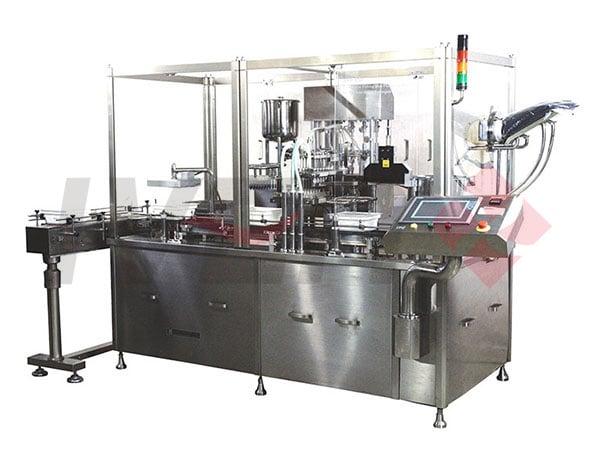
United States Guide to Prefilled Syringe Assembly Machines
For pharmaceutical and medical device manufacturers in the United States, a prefilled syringe assembly machine is a critical production asset used to automate the assembly, handling, inspection, and packaging of ready-to-fill or ready-to-use syringe systems under tightly controlled regulatory conditions. It is most often evaluated during capacity expansion, facility modernization, tech transfer, or when companies move from manual or semi-automatic steps toward higher-throughput, validated production.
In the U.S. market, demand is rising across biologics, vaccines, ophthalmics, emergency injectables, and high-value specialty drugs. Companies operating in Boston, Raleigh-Durham, Indianapolis, San Diego, New Jersey, and Houston increasingly prioritize automated syringe assembly solutions that support product quality, operator safety, data integrity, and compliance with U.S. FDA cGMP expectations. Equipment selection now goes far beyond speed alone; buyers also compare particulate control, container closure integrity support, changeover time, compatibility with nested tubs or bulk components, and long-term validation support.
When evaluating suppliers, buyers typically look for a partner that can combine machine engineering, clean utility understanding, line integration, documentation, and lifecycle service. Companies such as IVEN Pharmatech Engineering are often reviewed by global project teams because they combine pharmaceutical equipment engineering with turnkey delivery capability for regulated manufacturing environments.
Quick Answer: Why U.S. Manufacturers Invest in Prefilled Syringe Assembly Machines

The short answer is simple: a prefilled syringe assembly machine helps manufacturers increase consistency, reduce manual intervention, improve aseptic assurance, and support scalable commercial production. In the United States, where product recalls, deviation costs, labor shortages, and regulatory scrutiny can materially affect profitability, automated syringe assembly is often a strategic investment rather than just a capital purchase.
These systems are commonly deployed in projects involving:
- New injectable drug launches
- Capacity expansion for contract development and manufacturing organizations
- Modernization of legacy filling and finishing lines
- Conversion from vial presentations to patient-friendly delivery systems
- Combination product manufacturing for hospital and self-administration use
- High-potency or high-value biologics requiring minimal human contact
In practice, the machine may perform component feeding, plunger rod insertion, backstop fitting, needle shield placement, labeling interface handling, vision inspection integration, reject separation, and downstream cartoning connectivity. The exact scope depends on whether the line handles glass prefilled syringes, polymer syringes, safety syringes, or specialized device formats.
| Decision Factor | Why It Matters in the United States | Impact on Buyer Choice |
|---|---|---|
| FDA cGMP compliance | Documentation, traceability, and validated performance are essential | Favors suppliers with strong compliance knowledge |
| Labor efficiency | Skilled operators and maintenance staff are expensive in major U.S. hubs | Drives interest in automation and easier HMIs |
| Product mix flexibility | Facilities often run multiple syringe sizes and formats | Requires fast changeovers and recipe control |
| Throughput demand | Commercial launch volumes may grow rapidly | Pushes buyers toward modular scalable lines |
| Data integrity | Electronic batch support and audit trails are increasingly expected | Supports advanced control architecture |
| Line integration | Assembly machines must connect with fillers, inspection, and packaging | Benefits suppliers with broader system expertise |
The table above shows why buying decisions in the U.S. are usually cross-functional. Engineering, production, quality, validation, procurement, and finance all influence the final specification.
What a Prefilled Syringe Assembly Machine Does in Pharmaceutical Production

A prefilled syringe assembly machine is used to assemble or finalize syringe components after primary drug filling or as part of an integrated fill-finish process. Depending on line design, it may work with sterile nested syringes, bulk syringes, or specialized device parts. The machine ensures each syringe is assembled to predefined torque, force, positioning, and visual quality standards.
In pharmaceutical production, common functions include:
- Automatic infeed of sterile or semi-finished syringe bodies
- Stopper, plunger, rod, and cap assembly
- Needle shield or tip cap placement
- Force monitoring for insertion accuracy
- Vision-based orientation and defect detection
- Reject of nonconforming units
- Transfer to labeling, inspection, tray loading, or cartoning
For U.S. plants making biologics, the assembly step is especially important because container closure performance and component compatibility can affect drug stability and patient safety. A well-designed machine reduces variation caused by manual handling and supports repeatable output across multiple lots.
Many manufacturers in New Jersey and Pennsylvania, where injectable manufacturing and packaging clusters remain strong, use these machines as part of larger modernization programs that also include isolators, robotic loading, and digital batch record integration.
| Production Stage | Machine Role | Quality Contribution |
|---|---|---|
| Component feeding | Separates and orients parts | Reduces jams and mixed components |
| Syringe transfer | Moves units with controlled handling | Limits cosmetic damage and particle generation |
| Plunger or rod assembly | Applies controlled insertion force | Improves consistency and function |
| Shield or cap placement | Secures final protective elements | Supports sterility protection |
| Vision inspection | Checks orientation and assembly presence | Catches defects early |
| Reject handling | Separates failed units automatically | Prevents mix-ups and strengthens traceability |
This table explains how the machine contributes not only to output but also to overall product quality and risk reduction.
Main Applications and Benefits in Modern Pharmaceutical Manufacturing

Prefilled syringe platforms are used in a wide range of therapeutic categories. In the United States, the strongest growth segments include monoclonal antibodies, GLP-1 related injectables, anticoagulants, vaccines, emergency drugs, ophthalmic products, and specialty hospital injectables. The assembly machine becomes the bridge between precision component handling and scalable commercial packaging.
Main applications include:
- Biologics in ready-to-administer presentations
- Hospital injectables needing rapid preparation reduction
- Auto-injector supply chains requiring assembled syringe subcomponents
- Contract manufacturing lines serving multiple clients
- Clinical-to-commercial scale-up for sterile injectables
- Medical consumables production using safety syringe formats
The benefits are substantial. Automated assembly can lower reject rates, improve line balance, reduce operator fatigue, support higher OEE, and strengthen process reproducibility. It can also help facilities manage demand volatility, especially when products experience sudden uptake after regulatory approval or public health events.
For many U.S. manufacturers, the business case is strongest when assembly automation is paired with integrated layout planning. That is one reason buyers often explore broader turnkey pharmaceutical engineering solutions rather than purchasing a standalone machine without considering utilities, cleanroom flow, and downstream packaging.
The line chart above illustrates a realistic upward demand pattern for prefilled syringe equipment in the U.S., reflecting growth in injectable therapies and facility upgrades.
Key Types, Models, and Technical Options
Not all prefilled syringe assembly machines are the same. Buyers in the United States should distinguish between standalone assembly modules, integrated fill-finish lines, robotic systems for nested syringes, and high-speed commercial platforms designed for continuous or near-continuous operation.
Common machine categories include:
- Semi-automatic assembly machines for pilot or low-volume production
- Automatic rotary systems for medium-speed assembly
- Linear servo-driven systems for flexible formats
- Robotic nested-syringe handling systems
- Isolator-compatible aseptic assembly platforms
- Integrated lines linking assembly with labeling and final packaging
Technical options vary by project. U.S. buyers often request recipe management, 21 CFR Part 11 compatible data support, vision systems, electronic torque or force monitoring, laminar flow integration, reject station traceability, and compatibility with common syringe formats from major component suppliers.
| Machine Type | Typical Output Range | Best Fit | Key Advantage |
|---|---|---|---|
| Semi-automatic bench or compact system | 500-1,500 units/hour | R&D, pilot, niche products | Low initial investment |
| Automatic rotary machine | 3,000-8,000 units/hour | Mid-volume commercial production | Compact footprint |
| Linear servo assembly line | 2,500-10,000 units/hour | Multi-format facilities | Flexible changeover |
| Robotic nested-syringe platform | 2,000-6,000 units/hour | High-value sterile products | Gentle handling |
| Integrated fill-finish assembly line | 6,000-18,000 units/hour | Large commercial sites | End-to-end automation |
| Isolator-ready aseptic system | Varies by design | Sensitive biologics and high compliance environments | Enhanced contamination control |
This table helps explain the trade-off between throughput, flexibility, and contamination control. A Boston biologics company may prioritize gentle robotic handling, while a high-volume injectable plant near Chicago may focus on line speed and packaging integration.
Prefilled Syringe Assembly Machine vs Alternative Technologies
Choosing the right solution means comparing assembly machinery against alternative delivery and packaging technologies. In some cases, vials remain the best fit. In others, cartridges or blow-fill-seal platforms may offer better economics. The right choice depends on drug characteristics, market strategy, patient use, and manufacturing infrastructure.
Alternatives commonly compared in the U.S. market include:
- Traditional vial filling and stoppering lines
- Cartridge assembly for pen systems
- Manual or semi-manual syringe assembly cells
- Contract manufacturing with external fill-finish partners
- Auto-injector integrated device assembly
- Unit-dose ampoule or BFS packaging for select products
| Technology | Strengths | Limitations | Best Use Case |
|---|---|---|---|
| Prefilled syringe assembly machine | Patient convenience, automation, premium presentation | Higher capital cost | Biologics, hospital use, self-injection |
| Vial line | Flexible dose withdrawal, established infrastructure | More preparation steps at point of use | Multi-dose or hospital compounding |
| Cartridge line | Works well with pens | Specific device dependence | Chronic self-administration therapies |
| Manual assembly cell | Low upfront cost | High labor, variability, limited scale | Very small batches |
| CDMO outsourcing | Fast market entry | Less control, long-term margin pressure | Early launch or overflow demand |
| BFS platform | Integrated forming and filling | Not suitable for all drug and syringe formats | Certain sterile liquids |
The table clarifies that no single technology wins in every scenario. For companies targeting premium injectable therapies in the United States, prefilled syringes often deliver the strongest balance of convenience, branding, and dosing accuracy.
This bar chart shows where equipment demand is most concentrated by application segment in the U.S. market.
Market Overview and Future Trends in U.S. Pharmaceutical Manufacturing
The United States remains one of the most important markets for sterile fill-finish and assembly technology. Demand is supported by reshoring efforts, biologics growth, public health preparedness, and renewed investment in domestic pharmaceutical infrastructure. Ports such as Los Angeles, Long Beach, Savannah, and Newark continue to matter for imported components and machinery, while inland hubs like Indianapolis, St. Louis, and Columbus are gaining attention for distribution and manufacturing access.
Several market forces are shaping investment decisions:
- Expansion of injectable pipelines
- More localized production for supply chain resilience
- Growing use of ready-to-use sterile components
- Pressure to reduce contamination risk through automation
- Demand for digital monitoring and predictive maintenance
- Stronger sustainability requirements in new facility design
Looking toward 2026, the most important trends include greater use of robotics, machine vision, electronic batch interfaces, energy-efficient drives, and line architectures that support both commercial and small-batch high-value products. U.S. policy discussions around supply chain security and domestic manufacturing incentives may further accelerate investments in sterile packaging automation.
The area chart reflects the steady shift from manual or low-automation workflows toward more advanced automated assembly in regulated manufacturing environments.
Sustainability is also becoming a real buying factor. By 2026, many U.S. projects are expected to score suppliers not only on throughput and validation documentation, but also on compressed air consumption, machine footprint, cleanability, reduced waste during changeover, and support for recyclable packaging interfaces.
How to Choose a Reliable Manufacturer or Supplier
Choosing a supplier should be approached as a long-term partnership decision. A reliable prefilled syringe assembly machine provider should understand U.S. regulatory expectations, equipment qualification workflows, spare parts management, and the realities of project execution across time zones and multiple stakeholders.
Buyers should assess suppliers in five dimensions:
- Technical capability
- Manufacturing capability
- Compliance and documentation strength
- Service and lifecycle support
- Commercial transparency and project risk control
On technical capability, strong suppliers demonstrate experience with servo systems, vision inspection integration, precision assembly control, line balancing, and cleanroom-compatible design. On manufacturing capability, buyers should verify factory scale, machining quality, quality systems, and previous installations. On service capability, local response planning, remote support, FAT/SAT execution, training, and spare parts strategy matter greatly.
For example, IVEN Pharmatech Engineering is often considered by international project teams because its strengths extend beyond individual machines. Its technology capability includes pharmaceutical filling, packaging, water treatment, intelligent conveying, and regulated factory engineering. Its manufacturing capability is backed by multiple specialized production plants in Shanghai serving different equipment families. Its service capability covers feasibility support, engineering design, installation, commissioning, validation assistance, staff training, and lifecycle optimization. This broader competence can be valuable for U.S. buyers seeking integrated project execution rather than isolated equipment procurement.
Prospective buyers can review available equipment scope through the company’s product portfolio and initiate project discussions through the United States inquiry contact channel.
| Supplier Evaluation Item | What to Ask | Why It Matters |
|---|---|---|
| Compliance documentation | Do you provide DQ, FAT protocols, IQ/OQ support, manuals, and material certificates? | Speeds validation and approval |
| Installed base | How many sterile or syringe-related projects have you delivered? | Shows experience and troubleshooting maturity |
| Customization ability | Can you adapt to our syringe format and plant layout? | Reduces future retrofits |
| Lead time reliability | What is your actual build and shipping schedule performance? | Protects launch timelines |
| Service response | How do you support U.S. sites after SAT? | Minimizes downtime risk |
| Integration knowledge | Can you connect with utilities, isolators, inspection, and packaging? | Improves project success |
This table explains the practical questions procurement and engineering teams should ask during vendor selection, especially when comparing domestic and international suppliers.
Investment Cost, Budget Planning, and ROI Analysis
Cost varies widely depending on speed, sterility approach, automation level, and whether the machine is standalone or part of a larger fill-finish solution. In the United States, total project budgeting should include much more than machine purchase price. Buyers must account for freight, import handling, installation, cleanroom adaptation, FAT and SAT travel, qualification, spare parts, training, and facility utilities.
A basic semi-automatic or compact automatic unit may be suitable for a lower six-figure budget, while a high-speed integrated syringe assembly solution for commercial-scale sterile operations can reach well into seven figures. If the project includes isolators, inspection modules, robotic loading, and packaging integration, the total capital plan rises further.
ROI is typically driven by four factors:
- Labor reduction
- Higher throughput and capacity release
- Lower reject and deviation costs
- Faster and more reliable supply to market
| Budget Element | Typical Share of Project Cost | Planning Note |
|---|---|---|
| Core machine purchase | 40-60% | Main capital item but not the full project |
| Format parts and tooling | 5-10% | Higher for multi-product facilities |
| Validation and documentation | 5-12% | Essential for U.S. compliance readiness |
| Installation and commissioning | 8-15% | Depends on site complexity |
| Utilities and facility modifications | 10-20% | Often underestimated in legacy plants |
| Training, spare parts, and service reserve | 5-10% | Important for first-year stability |
The table above shows why capital planning must cover the full implementation picture, not only the headline machine quote.
As a simplified example, a U.S. manufacturer replacing a manual assembly process might reduce headcount dependency, cut rejection by 30% to 50%, and raise output by 2x to 4x, leading to payback in roughly two to four years depending on product margin and utilization rates. For high-value biologics, payback can be significantly faster because a small improvement in line uptime has a disproportionate revenue impact.
This comparison chart highlights why many U.S. buyers are willing to pay more for integrated suppliers that can support compliance, line integration, and lifecycle services, not just mechanical delivery.
Key Considerations and Potential Risks Before Investing
Even a technically strong machine can underperform if project assumptions are weak. U.S. pharmaceutical manufacturers should carefully assess operational, regulatory, and commercial risks before issuing a purchase order.
Key considerations include:
- Compatibility with current and future syringe formats
- Speed claims under real production conditions
- Component supply consistency and tolerances
- Cleanroom classification and airflow interactions
- Validation burden and internal quality resources
- Spare parts access and service response time
- Operator training and maintenance competency
- Cybersecurity and data system integration
One common risk is buying a machine optimized for a narrow component set, only to discover that commercial demand later requires additional syringe sizes or safety device options. Another is underestimating how much line performance depends on upstream filling accuracy and downstream packaging balance.
For international projects, logistics planning is also crucial. Ports such as Newark, Houston, and Los Angeles may affect lead time, while inland transfer to states such as North Carolina, Indiana, or Texas can add scheduling complexity if installation windows are tight.
A supplier with strong project management can reduce these risks. This is where IVEN’s service-oriented approach is relevant: instead of focusing solely on equipment shipment, it supports feasibility review, engineering coordination, commissioning, qualification assistance, and production start-up support. For many U.S. buyers, that broader service model is a practical risk-mitigation advantage.
| Risk Area | Potential Problem | Mitigation Strategy |
|---|---|---|
| Format compatibility | Machine cannot adapt to new syringe variants | Specify future formats during URS stage |
| Validation delay | Documents are incomplete or inconsistent | Review document list before contract award |
| Utility mismatch | Compressed air, power, or HVAC needs are underestimated | Perform early site technical audit |
| Operator error | Complex setup leads to downtime and rejects | Invest in training and clear HMI design |
| Supply chain disruption | Critical spare parts have long lead times | Stock key wear parts locally |
| Integration bottleneck | Upstream or downstream equipment limits total OEE | Model full line balance before purchase |
This table shows that the biggest investment risks are usually project execution issues, not only machine mechanics.
Industries, Applications, Case Considerations, and Local U.S. Buying Context
While the core market is pharmaceutical sterile manufacturing, prefilled syringe assembly machines also serve adjacent sectors such as medical consumables and combination device manufacturing. U.S. buyers frequently include:
- Branded pharmaceutical companies
- Biotech commercialization teams
- Contract manufacturing organizations
- Hospital supply manufacturers
- Medical device firms working with drug-device combinations
- Public health and vaccine production programs
Consider a hypothetical U.S. case: a mid-sized biologics manufacturer in the Greater Boston area plans to move from outsourced syringe finishing to in-house commercial production. The company needs moderate speed, strong vision inspection interfaces, and the ability to add a second shift after launch. In this case, a flexible linear servo system with robust recipe control may be more attractive than a very high-speed rotary platform.
In another scenario, a large CDMO in North Carolina serving multiple international clients may prioritize format flexibility, documentation depth, and rapid turnaround between campaigns. There, the best supplier is not always the one with the lowest initial quote, but the one that can deliver faster validation, cleaner changeovers, and better audit readiness.
U.S. local sourcing decisions are also influenced by availability of technicians, regional warehouse support, and regulatory inspection history. Buyers in California, Massachusetts, and New Jersey often seek suppliers that can coordinate with local EPC firms, validation contractors, and packaging integrators.
About Our Company for the United States Market
For U.S. pharmaceutical manufacturers evaluating prefilled syringe assembly solutions, IVEN Pharmatech Engineering is best understood as an engineering-oriented partner rather than simply a machine exporter. The company serves global pharmaceutical and medical device projects and is known for combining equipment design with broader regulated-factory execution.
From a technology perspective, IVEN offers experience across pharmaceutical filling and packaging machinery, purified water and WFI-related utility systems, intelligent conveying, and process-supporting production infrastructure. This matters because syringe assembly projects often succeed or fail based on how well the machine integrates with the full sterile manufacturing ecosystem.
From a manufacturing perspective, the company operates multiple specialized production bases in Shanghai focused on distinct equipment categories. That specialization supports more controlled fabrication, equipment refinement, and customization for project-specific requirements. Buyers seeking durable stainless-steel construction, established process equipment know-how, and scalable engineering resources often consider this an advantage during vendor evaluation.
From a service perspective, IVEN supports clients through feasibility analysis, design coordination, equipment selection, installation, commissioning, validation support, training, and post-startup optimization. For U.S. companies managing complex project schedules, this lifecycle approach can help reduce risk across procurement, qualification, and ramp-up.
Companies interested in discussing a line concept, plant expansion, or turnkey scope can start through the project consultation page or review broader company capabilities on the corporate overview page.
FAQ
What is the difference between a prefilled syringe assembly machine and a syringe filling machine?
A syringe filling machine focuses on dosing and primary fill-finish operations. A syringe assembly machine focuses on assembling or finalizing syringe components and preparing units for inspection and packaging. Some lines integrate both functions.
Is a prefilled syringe assembly machine suitable for biologics?
Yes. In fact, biologics are one of the strongest drivers of U.S. demand because automated handling helps reduce manual contact and improves consistency for high-value products.
Can one machine handle multiple syringe sizes?
Usually yes, if it is designed with change parts, recipe management, and suitable format flexibility. Buyers should define current and future formats in the URS.
How important is validation documentation in the United States?
It is essential. U.S. buyers should confirm documentation scope early, including design documentation, FAT support, material certificates, manuals, and IQ/OQ-related deliverables.
What throughput should a commercial facility target?
That depends on product demand, batch size, and line balance. Some facilities only need a few thousand units per hour, while larger commercial operations require much higher throughput.
Are imported machines viable for U.S. pharmaceutical facilities?
Yes, if the supplier can meet U.S. compliance expectations, provide documentation, coordinate installation, and support lifecycle service effectively.
What are the most overlooked costs?
Validation work, facility modifications, spare parts, operator training, line integration, and schedule delays are often underestimated.
How can buyers shorten project risk?
Use a detailed URS, involve quality and engineering early, conduct FAT carefully, verify service plans, and choose a supplier with strong integration and project management capability.
For manufacturers in the United States, the right prefilled syringe assembly machine is not just a piece of automation. It is a strategic production platform that can support regulatory confidence, capacity growth, patient-friendly delivery, and long-term competitiveness in injectable pharmaceuticals.

About the Author
We are IVEN Pharmatech Engineering, a team dedicated to delivering turnkey pharmaceutical and medical solutions worldwide. With decades of experience, we specialize in advanced machinery, integrated factory design, and full lifecycle support to help our clients achieve efficient, compliant, and high-quality production.
Share

Related Insights
-
Syringe Needle Assembly Machines in the United States
For pharmaceutical and medical device manufacturers in the United States, a syringe needle assembly machine is a high-value automation system used to assemble needle hubs, cannulas, shields, and related syringe components with repeatable precision under tightly controlled quality standards. It is especially relevant for companies scaling prefilled syringe production, expanding sterile device capacity, improving output, or upgrading operations to meet U.S. FDA cGMP, ISO, and validation requirements.
In practice, these systems support high-speed, high-consistency production for disposable syringes, safety syringes, specialty injection devices, and prefilled combinations used across hospitals, biologics, vaccines, diagnostics, and contract manufacturing. In major U.S. production corridors such as New Jersey, Massachusetts, North Carolina, Texas, California, and the Midwest, manufacturers increasingly evaluate automated needle assembly lines as part of broader capacity planning, labor optimization, and risk-reduction programs.
When buyers compare equipment, they typically focus on three issues: compliance, productivity, and lifecycle reliability. This is where experienced engineering partners matter. Companies seeking integrated solutions often review providers with pharmaceutical and medical device project experience, such as IVEN Pharmatech Engineering, especially when a project combines assembly, clean utilities, packaging, logistics, and validation support.
A syringe needle assembly machine is a specialized automated production system that joins needle components to syringe or related device parts with controlled alignment, bonding, insertion force, and inspection. In the United States market, it is commonly evaluated by large pharmaceutical groups, medical consumables manufacturers, and CDMOs when they need to increase capacity without sacrificing traceability or sterile manufacturing discipline.
The machine may perform several steps in sequence: component feeding, orientation, hub insertion, cannula positioning, adhesive dispensing or mechanical fixation, UV or thermal curing where applicable, needle shield installation, camera inspection, rejection, counting, and transfer to downstream packaging. Advanced configurations can also integrate particle control, robotic handling, barcode traceability, and data collection for 21 CFR Part 11-ready environments.
For U.S. buyers, the value proposition is clear:
Because syringe and needle products are often part of regulated healthcare supply chains tied to hospital systems, vaccine programs, and injectable drug delivery, even small assembly defects can create major recall and liability exposure. That is why investment decisions typically involve engineering, QA, validation, procurement, operations, and finance teams together.
At its core, a syringe needle assembly machine automates the joining of needle-related components in a repeatable manufacturing process. Depending on product design, this can include assembling stainless steel cannulas into hubs, mounting hubs onto syringe barrels, applying protective shields, inserting safety features, or preparing final device subassemblies for sterile filling and packaging.
In pharmaceutical production, these machines are particularly important for products connected to injectable therapies. This includes prefilled syringes for biologics, vaccines, anticoagulants, ophthalmic formulations, emergency medicines, and specialty hospital drugs. They are also used in medical device factories making disposable hypodermic syringes, insulin-related delivery devices, and safety-engineered sharps products.
Typical use cases in the United States include:
Equipment design varies by output target and product complexity. Some lines are optimized for very high-volume standard devices, while others focus on lower-volume, high-value, specialty products that require flexible format changeover and more intensive vision inspection.
FunctionWhat the Machine DoesTypical U.S. Buyer GoalQuality ImpactComponent feedingSeparates and supplies hubs, needles, shields, and partsReduce manual handlingImproves consistency and cleanlinessOrientationAligns parts for correct assembly positionIncrease line speedPrevents misalignment defectsNeedle insertionPlaces cannula into hub or device interfaceAchieve precise geometrySupports reliable penetration performanceFixation or bondingUses adhesive, curing, or mechanical joiningEnsure stable assemblyReduces loosening and leakage risksShield placementApplies needle cap or protective coverProtect operators and productSupports transport safetyVision inspectionChecks dimensions, presence, orientation, and defectsLower batch rejection downstreamImproves release confidenceReject handlingAutomatically separates nonconforming partsMaintain compliant flowPrevents mixing of bad unitsThe table above shows why these machines are not simply “faster assemblers.” They are process control tools that convert a manually sensitive product into a documented, scalable, and auditable production workflow.
The main applications span both pharmaceutical and medical device production. In integrated facilities, the needle assembly process may sit upstream of sterilization, clean packaging, or filling. In dedicated device plants, it can be a central operation tied to molding, printing, assembly, EO sterilization or gamma supply preparation, and final case packing.
Major applications include:
The benefits are both operational and strategic. Automated systems improve output per shift, reduce dependence on hard-to-staff manual assembly labor, and support cleaner production in controlled environments. In the United States, where labor cost, training cost, and compliance cost are all high, these advantages can significantly improve long-term competitiveness.
Benefit AreaOperational ResultWhy It Matters in the United StatesTypical KPI AffectedSpeedHigher units per minuteHelps offset labor and facility costsOutput per shiftConsistencyStable assembly force and alignmentEssential for FDA-facing quality systemsFirst-pass yieldTraceabilityBatch and process data captureSupports audits and customer documentationDeviation resolution timeLabor efficiencyFewer manual touchpointsUseful in tight labor marketsLabor cost per 1,000 unitsSafetyReduced sharps handlingSupports OSHA-focused risk reductionIncident rateScalabilitySupports line replication and expansionImportant for multi-site U.S. growthCapacity utilizationQuality controlInline vision and reject systemsLimits downstream wasteDefect ppmFor example, a U.S. manufacturer supplying hospital networks in Chicago, Atlanta, and Dallas may find that automated needle assembly not only raises speed, but also simplifies lot documentation when customers request more detailed quality evidence. Likewise, a biotech-associated packaging site in the Boston area may value compact, validated equipment that integrates with MES and controlled cleanroom workflows.
These advantages become even more meaningful when companies connect the assembly line to upstream and downstream systems. A supplier with broader engineering scope can help here. Through turnkey pharmaceutical and medical device project support, buyers can evaluate whether the assembly machine should be a stand-alone purchase or part of a larger facility modernization plan involving utilities, clean logistics, packaging, and documentation.
There is no single universal syringe needle assembly machine. Selection depends on product type, sterility pathway, output target, automation level, validation expectations, and budget. In the U.S. market, buyers generally compare machines across four broad categories: semi-automatic, fully automatic standard-output, fully automatic high-speed, and custom integrated systems.
Semi-automatic models are usually chosen for pilot production, development work, lower-volume specialty products, or early market entry. Fully automatic systems dominate commercial-scale production. High-speed models are designed for large consumables producers with significant annual volume and standardized SKUs. Custom integrated systems are often used when product geometry is unusual or when the line must connect to molding, inspection, packaging, or robotics.
Machine TypeTypical Output RangeBest FitMain LimitationSemi-automatic20-60 units/minR&D, pilot, niche productsHigher labor inputStandard automatic80-180 units/minMid-scale medical consumables plantsLess suitable for ultra-high volumeHigh-speed automatic200-400+ units/minLarge U.S. device factoriesHigher capex and format rigidityRobotic flexible line50-150 units/minComplex or multi-format productsProgramming complexityIntegrated assembly and inspection line100-300 units/minRegulated quality-focused productionLarger footprintCustom turnkey cellProject-specificNew facilities or unusual devicesLonger project lead timeImportant technical options often include:
Technologically, advanced suppliers are increasingly expected to provide not just a machine, but a complete automation architecture. This includes PLC/HMI standards, user access control, alarm history, audit-ready records, OEE monitoring, and compatibility with U.S. plant digitalization goals. In this area, IVEN’s technological capability is most relevant: the company has accumulated extensive expertise in regulated pharmaceutical and medical device engineering, supported by multiple patents and long-term work across filling, packaging, utilities, and consumables equipment. That experience can be useful when assembly lines must fit into a larger validated production ecosystem rather than operate as isolated equipment.
Not every facility needs a high-speed automated line. Some companies can operate effectively with semi-automatic workstations, outsourced assembly, or modular robotic cells. The right decision depends on annual volume, labor availability, quality risk tolerance, and how critical the device is to commercial strategy.
Manual or semi-manual assembly may still be viable for low volume, early-stage, or engineering sampling needs. Outsourced production can reduce initial capital demands but may create supply chain dependency, IP concerns, and longer lead times. High-speed in-house automated assembly becomes more attractive when forecast volumes are stable and quality expectations are strict.
OptionCapital CostScalabilityQuality ControlBest Use CaseManual assemblyLowVery limitedOperator-dependentPrototype or emergency backupSemi-automatic machineLow to moderateModerateImproved but mixedNiche productsFully automatic lineModerate to highHighStrong and repeatableCommercial scale productionRobotic flexible cellModerate to highGoodStrongMulti-SKU operationsOutsourced assemblyLow upfrontSupplier-dependentIndirect oversightShort-term market entryIntegrated turnkey lineHighVery highBest total system controlNew factory buildoutFor U.S. buyers deciding between options, a simple rule often applies:
Ports and supply nodes also influence choice. A plant near Los Angeles or Long Beach may prioritize imported module integration and staged installation. A Northeast buyer shipping through Newark or Philadelphia may focus on fast validation and multi-vendor coordination. A Gulf Coast operator near Houston may look for stronger spare parts planning to reduce downtime risk during logistics disruptions.
The U.S. market for syringe needle assembly equipment is supported by several durable drivers: growth in injectable drugs, expansion of biologics, increased use of prefilled formats, pressure to localize critical medical supply chains, and ongoing efforts to modernize older manufacturing lines. Hospitals, retail health channels, and public health programs continue to demand reliable disposable injection products, while pharmaceutical companies push for higher-value combination products.
By 2026, the market is expected to be shaped by technology upgrades rather than just volume expansion. Buyers increasingly want smarter machines with real-time monitoring, vision systems, predictive maintenance, and compatibility with digital quality systems. Sustainability is also moving from a secondary topic to a board-level criterion, particularly around energy use, compressed air efficiency, scrap reduction, and line design that minimizes rejects.
var ctx1 = document.getElementById(‘lineChartMarket’).getContext(‘2d’);var chart1 = new Chart(ctx1, {type: ‘line’,data: {labels: [‘2021’, ‘2022’, ‘2023’, ‘2024’, ‘2025’, ‘2026’],datasets: [{label: ‘U.S. Market Index for Assembly Equipment’,data: [100, 108, 117, 129, 141, 156],borderColor: ‘rgb(54, 162, 235)’,backgroundColor: ‘rgba(54, 162, 235, 0.15)’,fill: false,tension: 0.25}]},options: {responsive: true,maintainAspectRatio: false}});The line chart above illustrates a realistic growth pattern driven by injectable product demand, domestic resilience planning, and facility automation programs.
var ctx2 = document.getElementById(‘barChartDemand’).getContext(‘2d’);var chart2 = new Chart(ctx2, {type: ‘bar’,data: {labels: [‘Hospitals’, ‘Biologics’, ‘Vaccines’, ‘CDMOs’, ‘Diagnostics’, ‘Medical Consumables’],datasets: [{label: ‘Estimated Equipment Demand Score’,data: [78, 92, 85, 81, 63, 88],backgroundColor: ‘rgb(255, 99, 132)’}]},options: {responsive: true,maintainAspectRatio: false}});The bar chart shows especially strong demand from biologics, vaccines, and medical consumables, reflecting both public health resilience and commercial injectable growth.
var ctx3 = document.getElementById(‘areaChartTrend’).getContext(‘2d’);var chart3 = new Chart(ctx3, {type: ‘line’,data: {labels: [‘2021’, ‘2022’, ‘2023’, ‘2024’, ‘2025’, ‘2026’],datasets: [{label: ‘Shift Toward Smart, Data-Integrated Lines’,data: [22, 30, 41, 55, 68, 79],borderColor: ‘rgb(75, 192, 192)’,backgroundColor: ‘rgba(75, 192, 192, 0.25)’,fill: true,tension: 0.25}]},options: {responsive: true,maintainAspectRatio: false}});This trend chart reflects a clear shift away from isolated mechanical machines and toward digitally connected production systems.
Three major 2026 trends deserve attention:
For companies building or upgrading sites in high-cost U.S. markets, these factors increasingly influence procurement scorecards alongside price and speed.
Choosing the right supplier is often more important than choosing the right brochure specification. Many machines look similar on paper, but differences in engineering depth, regulatory understanding, component quality, FAT/SAT discipline, and after-sales response can strongly affect project outcomes.
U.S. buyers should evaluate suppliers against a practical checklist:
Selection CriterionWhat to AskWhy It MattersRisk if WeakCompliance experienceDo you support FDA and cGMP projects?Reduces validation gapsAudit issues and delaysEngineering depthCan you customize for our product?Improves process fitCostly reworkDocumentationWhat manuals and protocols are included?Supports qualificationSlow startupInstalled baseDo you have similar reference lines?Shows practical know-howUnproven performanceAfter-sales supportHow fast is remote or onsite response?Limits downtimeProduction interruptionSpare parts planningWhich critical parts should we stock?Supports uptimeLong recovery timesLifecycle servicesCan you help with upgrades and optimization?Improves ROI over timePremature obsolescenceManufacturing capability should also be verified, not assumed. IVEN’s manufacturing capability is notable because the company operates multiple specialized plants focused on different equipment categories, which can help with process specialization, fabrication consistency, and integrated project coordination. For buyers interested in a broader sourcing view, the company’s equipment portfolio can provide context on whether the supplier can support adjacent systems beyond one machine.
In addition, a reliable supplier should be able to discuss practical deployment details in the U.S.: containerization, customs scheduling, port delivery, installation sequencing, utility connections, local safety requirements, and training for operators and maintenance teams.
var ctx4 = document.getElementById(‘comparisonChartSupplier’).getContext(‘2d’);var chart4 = new Chart(ctx4, {type: ‘bar’,data: {labels: [‘Compliance Support’, ‘Customization’, ‘Documentation’, ‘After-Sales’, ‘Integration’, ‘Cost Efficiency’],datasets: [{label: ‘Supplier Evaluation Score’,data: [91, 88, 90, 84, 89, 87],backgroundColor: ‘rgb(153, 102, 255)’}]},options: {responsive: true,maintainAspectRatio: false}});This comparison chart shows a balanced profile that many U.S. buyers seek: not just low capex, but a strong mix of compliance, customization, documentation, and integration capability.
Investment cost depends heavily on speed, automation depth, product complexity, vision inspection, cleanroom requirements, and validation scope. A basic semi-automatic machine may be a relatively modest purchase, while a fully integrated high-speed line with robotics, curing, data systems, and inspection can represent a major capital project.
For budgeting in the United States, buyers should account for more than the machine purchase price. Total landed project cost often includes shipping, import handling, site preparation, utilities, installation, FAT travel, SAT, IQ/OQ support, training, spare parts, and possible cleanroom modifications.
Cost ElementBudget ImportanceTypical Share of Project CostNotesMachine base priceVery high45%-65%Depends on speed and optionsTooling and format partsHigh5%-12%More for multi-SKU linesVision and inspection systemsHigh8%-15%Critical for quality-heavy applicationsShipping and import logisticsModerate2%-6%Varies by port and scheduleInstallation and commissioningHigh6%-12%Can increase if site is unpreparedValidation supportModerate to high4%-10%Especially important in regulated settingsSpare parts and trainingModerate3%-7%Should be included upfrontROI is usually driven by five measurable factors:
A medium-to-large U.S. plant may justify investment if the machine replaces several manual stations, improves OEE, and supports commercial growth without major headcount additions. Many projects target a payback period of roughly 2 to 5 years, depending on utilization and product margin.
Service capability strongly affects ROI after startup. IVEN’s service capability is relevant here because lifecycle support can extend beyond installation to include engineering consulting, equipment selection, commissioning, qualification support, technical transfer, staff training, optimization, and post-startup troubleshooting. That matters when a buyer wants faster ramp-up and lower long-term project risk rather than a simple delivery transaction.
To estimate ROI properly, U.S. finance teams should model at least three scenarios: conservative demand, base demand, and expansion demand. They should also include downtime sensitivity, scrap assumptions, and any expected impact on customer qualification or contract wins.
Although the business case can be strong, investment is not risk-free. The most common problems are not always caused by the equipment itself. They often come from poor product definition, underestimated validation workload, insufficient spare parts planning, unrealistic timeline expectations, and weak alignment between engineering and operations teams.
Key considerations include:
Risk AreaTypical ProblemImpactMitigationProduct variabilityComponents out of toleranceAssembly jams and rejectsUpstream supplier qualificationValidation delaysIncomplete documentation planningLate commercial launchDefine protocols earlySite readinessUtilities or space not preparedInstallation slippagePre-installation auditOperator capabilityInsufficient trainingLow OEE after startupStructured training programSpare parts gapsNo critical stock onsiteLong downtimeInitial spare packageOver-customizationToo many unique featuresHigh cost and complexityStandardize where possibleSupplier responseSlow service supportExtended production lossService SLA and remote supportA practical example is a U.S. project that orders a line before finalizing component tolerances from multiple vendors. Even a well-designed machine can struggle if hubs, shields, or cannulas vary too much from batch to batch. Another frequent issue is underestimating how much time QA will need to review FAT records, manuals, calibration documents, and qualification protocols.
For large expansions in areas such as Raleigh-Durham, Minneapolis, or the New Jersey corridor, early cross-functional planning usually produces better results than treating the equipment purchase as only a procurement task.
What output speed should a U.S. manufacturer target?It depends on annual demand, SKU complexity, and staffing strategy. A mid-scale operation may do well with 80 to 180 units per minute, while a large-volume plant may need 200 units per minute or more.
Is a syringe needle assembly machine only for pharmaceutical companies?No. It is used by pharmaceutical manufacturers, medical device companies, contract manufacturers, and medical consumables producers.
Can the machine support prefilled syringe projects?Yes, especially when used as part of a broader production concept that includes component handling, sterile processing, inspection, and packaging.
What compliance standards matter in the United States?U.S. FDA cGMP expectations, relevant ISO standards, validation protocols, traceability requirements, and documented change control are all important.
How long does a project usually take?For a standard machine, lead time may be several months. For a custom integrated line, the project can be significantly longer once design review, FAT, shipping, installation, SAT, and qualification are included.
Should buyers choose a stand-alone machine or a turnkey solution?If the project affects only one process step, a stand-alone machine may be enough. If the investment involves new cleanrooms, water systems, packaging, or logistics integration, a turnkey approach is often more efficient.
What are the most important hidden costs?Validation work, site modifications, change parts, training, spare parts, and downtime during ramp-up are commonly underestimated.
How can buyers compare suppliers more effectively?Use a weighted matrix covering compliance, customization, documentation, service, lead time, references, and total lifecycle cost rather than only initial price.
Are overseas suppliers practical for the U.S. market?Yes, if they provide strong documentation, reliable communication, remote support, commissioning capability, and a realistic plan for parts and service in the United States.
Where can I start if I need technical or project guidance?A good first step is to discuss product requirements, output goals, and compliance needs with an experienced engineering partner. For companies exploring integrated pharmaceutical or medical device solutions, it is useful to contact an engineering team that can review both the equipment and the wider facility context.
In summary, the best syringe needle assembly machine for the United States market is not simply the fastest one. It is the one that aligns with your product design, validation strategy, labor model, expansion plan, and customer quality expectations. Buyers who take a full lifecycle view usually make better decisions, reduce startup risk, and achieve stronger long-term returns.
-
Ampoule Filling Machines in the United States Guide
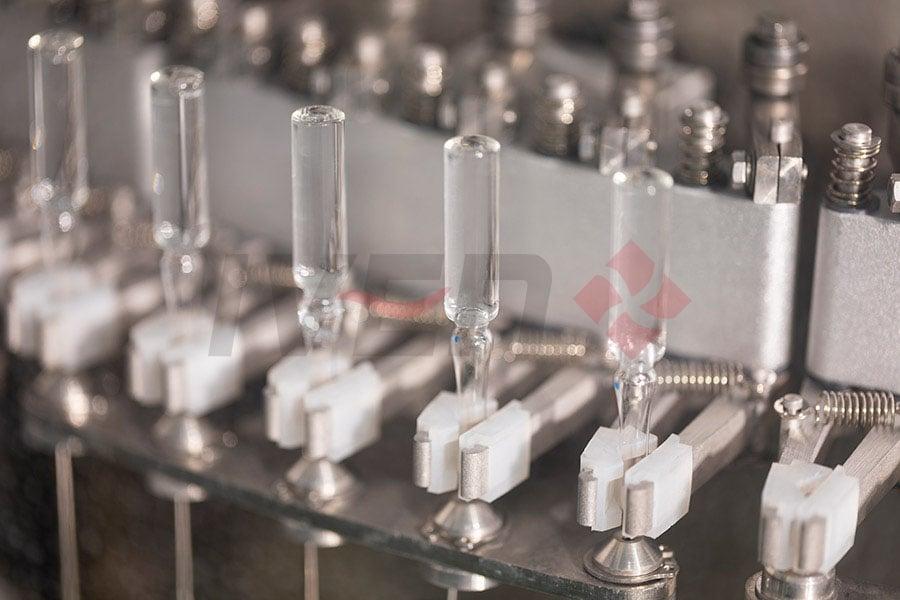
For pharmaceutical manufacturers in the United States, an ampoule filling machine for injectables is a critical production asset used to dose, fill, and seal sterile liquid drugs into glass ampoules under tightly controlled conditions. It is especially important for facilities expanding capacity, upgrading legacy aseptic lines, or pursuing higher compliance with US FDA cGMP, EU GMP, WHO GMP, and PIC/S expectations. Whether the project is based in New Jersey, North Carolina, California, Texas, or Puerto Rico, the right system can improve sterility assurance, line efficiency, batch consistency, and long-term return on investment.
An ampoule filling machine for injectables is more than a packaging device. In modern sterile manufacturing, it is part of a validated aseptic process that directly affects product quality, operator safety, yield, and regulatory readiness. Large pharmaceutical companies, CDMOs, hospital product manufacturers, and specialty injectable producers across the United States commonly evaluate this equipment when building a new line or modernizing an existing one.
The machine normally integrates several core functions: ampoule infeed, washing or preparation, sterilization tunnel interface, volumetric or peristaltic filling, inert gas purging if required, flame sealing, online inspection support, and downstream tray or carton handling. When matched to the product profile, container format, and cleanroom design, the system helps reduce contamination risk, improve filling accuracy, and support faster batch release.
In the US market, buyers usually compare suppliers based on regulatory documentation, IQ/OQ/PQ support, filling precision, format flexibility, energy use, integration with isolators or RABS, and service response times. This is why many decision makers begin with a broader engineering perspective rather than only comparing machine prices.
An ampoule filling machine for injectables is specialized pharmaceutical equipment designed to fill sterile liquid formulations into preformed glass ampoules and then seal them hermetically. Ampoules remain widely used for small-volume injectable drugs because they provide excellent chemical resistance, strong barrier properties, and reliable single-dose presentation.
Typical products filled on these systems include analgesics, antibiotics, anesthetics, hormones, cardiovascular injectables, emergency medicines, biologics with suitable stability profiles, and veterinary injectables. In the United States, they are also used for contract manufacturing of generic sterile products and hospital supply lines.
The process generally starts with cleaned ampoules entering the line from trays or automatic loaders. After sterilization and depyrogenation, the ampoules move into the aseptic filling section. A dosing system fills each container with a precise volume. Depending on the product and process requirement, the machine may perform nitrogen flushing before or after filling to reduce oxygen exposure. The final stage uses flame sealing to close the ampoule neck, creating a tamper-evident container suitable for downstream visual inspection and packaging.
From a compliance standpoint, these machines support documented control over critical process parameters such as filling volume, line speed, temperature, container handling, environmental monitoring interface, reject management, and recipe control. This makes them valuable in facilities operating under US FDA inspection pressure in hubs such as Boston, Philadelphia, Chicago, and the Research Triangle.
Process StepMain FunctionWhy It MattersTypical Risk if Poorly ControlledAmpoule feedingTransfers empty containers into the lineEnsures smooth, consistent throughputBreakage, jams, line stoppageWashing or preparationRemoves particulates and residuesSupports container cleanlinessContamination, rejectsSterilization interfaceCoordinates with depyrogenation tunnelMaintains sterile pathwayLoss of aseptic integrityLiquid fillingAccurately doses productProtects label claim and yieldUnderfill, overfill, product lossNitrogen flushingReduces oxygen exposureProtects sensitive formulationsOxidation, reduced shelf lifeFlame sealingCloses ampoule neckCreates secure final containerLeaks, cracks, sterility failureReject handlingSeparates nonconforming unitsImproves batch quality controlMixed batches, compliance issuesThis table shows that the machine is part of a complete sterile workflow. Buyers should therefore review the line as a validated system, not as an isolated filling head.
The biggest applications in the United States include small-volume injectables for hospitals, emergency care drugs, generic sterile products, contract manufacturing, and export-oriented pharmaceutical operations. Ampoule packaging is also relevant in facilities serving Latin America and other markets via logistics gateways such as the Port of New York and New Jersey, Port of Houston, Port of Los Angeles, and Port of Savannah.
One of the main advantages of ampoule filling is container integrity. Properly sealed glass ampoules offer a strong barrier against moisture and gas transfer. This is especially useful for drugs sensitive to environmental exposure. Another benefit is dose presentation: many injectable therapies are administered in exact single-dose formats, which helps reduce dosing error and simplify inventory control.
Operationally, advanced ampoule filling systems can support high output with low reject rates when configured correctly. Servo-controlled movements, modern dosing pumps, recipe management, HMI diagnostics, and integrated inspection support all contribute to better process stability. For companies replacing older lines, modernization often brings better OEE, fewer stoppages, and improved traceability.
There are also labor and safety advantages. Automated handling reduces direct operator intervention in critical zones. This is increasingly important as US plants face workforce constraints and seek to reduce human contamination risk in Grade A and Grade B environments.
Another key benefit is flexibility. Some equipment platforms are designed to handle multiple ampoule sizes and different fill volumes with relatively efficient changeovers. That matters for CDMOs and multi-product sterile plants managing smaller campaign sizes.
Application AreaTypical Product TypeWhy Ampoules Are UsedOperational BenefitHospital injectablesPain relief and emergency drugsReliable single-dose formatFast high-volume packingGeneric sterile drugsAntibiotics and cardiovascular productsEstablished regulatory pathCompetitive cost per unitSpecialty pharmaLow-volume high-value injectablesStrong glass barrier performanceAccurate dosing and traceabilityCDMO productionMulti-client campaignsVersatile format acceptanceFlexible batch schedulingExport manufacturingProducts for regulated and emerging marketsFamiliar presentation worldwideSupports broad distributionVeterinary injectablesAnimal health solutionsStable unit-dose packagingEfficient line operationGovernment or reserve supplyCritical response medicinesLong-term container confidenceScalable emergency outputThe practical value of the equipment depends on how well it matches the product portfolio. A line intended for a single high-volume generic may be optimized very differently from one built for frequent multi-format campaigns.
var ctx1 = document.getElementById(‘lineChartMarket’).getContext(‘2d’);var chart1 = new Chart(ctx1, {type: ‘line’,data: {labels: [‘2021’, ‘2022’, ‘2023’, ‘2024’, ‘2025’, ‘2026’],datasets: [{label: ‘US sterile ampoule line investment index’,data: [72, 78, 86, 95, 107, 121],borderColor: ‘rgb(75, 192, 192)’,backgroundColor: ‘rgba(75, 192, 192, 0.15)’,fill: false,tension: 0.25}]},options: {responsive: true,maintainAspectRatio: false}});Not all ampoule filling machines are built for the same use case. Buyers in the United States typically review equipment by speed class, sterility architecture, dosing technology, and degree of line integration.
Low-to-medium speed systems are often selected by pilot plants, specialty manufacturers, and facilities with moderate batch sizes. High-speed rotary or linear systems are preferred by larger commercial operations where throughput and labor efficiency are major priorities. Machines can also be configured for open RABS, closed RABS, or full isolator integration depending on contamination control strategy.
Common filling technologies include piston pumps, peristaltic pumps, and time-pressure dosing in niche cases. Piston systems are often valued for repeatability and speed, while peristaltic systems are favored for easier product-path changeover and reduced cross-contamination risk for certain applications.
Technical options may include 100% IPC weight check interface, nitrogen purging, no-ampoule-no-fill control, ceramic pumps, CIP/SIP design support, recipe storage, SCADA connectivity, 21 CFR Part 11 compatible data management features, and automated rejection tracking. Buyers should also ask about change parts, line clearance design, and cleaning accessibility.
Machine TypeTypical OutputBest ForMain AdvantageCompact linear line3,000 to 6,000 ampoules/hourR&D, small commercial lotsLower footprint and investmentMid-speed aseptic line6,000 to 12,000 ampoules/hourRegional supply productionBalanced flexibility and outputHigh-speed rotary line12,000 to 24,000+ ampoules/hourLarge commercial operationsHigh productivityIsolator-integrated systemVaries by configurationHigh-containment sterile productsEnhanced contamination controlRABS-compatible machineMedium to high speedModernized cGMP facilitiesReduced operator interventionMulti-format lineDepends on ampoule size mixCDMOs and flexible plantsFaster product changeoverTurnkey integrated lineCustomizedGreenfield projectsSingle-source engineering coordinationThis comparison helps narrow the search. The best choice depends not only on output but also on filling accuracy, line clearance, maintenance access, and validation burden.
When US manufacturers evaluate sterile packaging options, ampoules are usually compared with vials, prefilled syringes, blow-fill-seal systems, and in some cases cartridges. Each format has trade-offs.
Ampoules offer very strong barrier performance and work well for single-dose liquids, but they are glass-based and require opening by snapping the neck. Vials provide resealability and are often preferred for lyophilized drugs or multi-dose applications. Prefilled syringes improve administration convenience but increase line complexity and often demand higher investment and stricter component management. Blow-fill-seal can provide efficient closed-container processing for selected products, but it is not suitable for every formulation or market expectation.
For many generic injectables and hospital products, ampoules remain a cost-effective and technically proven option. For premium self-administration products, prefilled syringes may be more commercially attractive. The correct decision depends on product positioning, end-user workflow, shelf-life data, and regulatory strategy.
TechnologyTypical StrengthTypical LimitationBest Fit ScenarioAmpoule fillingStrong barrier and unit-dose reliabilityGlass break risk and snap-open useHospital and generic injectablesVial fillingFlexible for liquid and lyophilized productsMore component complexityBiologics and multi-dose formatsPrefilled syringeConvenient administrationHigher cost and tighter component controlsHigh-value specialty therapiesBlow-fill-sealIntegrated container formation and fillNot ideal for all drug typesSelected sterile liquids at scaleCartridge fillingDevice compatibilityNarrower application rangePen injector productsManual or semi-auto fillingLower initial entry costLimited throughput and consistencyPilot or niche productionOutsourced fillingReduced capex burdenLess direct process controlEarly launch or temporary demandBefore choosing, buyers should map the entire commercial path: development, registration, scale-up, distribution, end-user preference, and post-launch cost per unit.
var ctx2 = document.getElementById(‘barChartDemand’).getContext(‘2d’);var chart2 = new Chart(ctx2, {type: ‘bar’,data: {labels: [‘Generics’, ‘Hospital Supply’, ‘CDMO’, ‘Veterinary’, ‘Specialty Pharma’, ‘Government Stock’],datasets: [{label: ‘Estimated 2025 US demand score’,data: [92, 88, 76, 54, 61, 47],backgroundColor: [‘rgb(54, 162, 235)’,’rgb(255, 159, 64)’,’rgb(75, 192, 192)’,’rgb(153, 102, 255)’,’rgb(255, 99, 132)’,’rgb(201, 203, 207)’]}]},options: {responsive: true,maintainAspectRatio: false}});The United States remains one of the most attractive markets for sterile manufacturing equipment because of its large injectable drug demand, active CDMO sector, and ongoing reshoring interest. Market activity is concentrated in established pharmaceutical corridors such as New Jersey, Pennsylvania, Massachusetts, Maryland, North Carolina, Indiana, Illinois, California, and Puerto Rico. These regions combine technical labor pools, regulatory familiarity, logistics access, and established utility infrastructure.
Several trends are shaping demand. First, manufacturers are replacing older lines that struggle with modern data integrity expectations, spare parts availability, and contamination control standards. Second, companies are investing in more flexible platforms to handle smaller batch sizes and more SKUs. Third, sustainability goals are influencing equipment selection through lower utility consumption, improved yield, reduced compressed air use, and smarter burner systems.
By 2026, buyers are expected to place more value on digitalization. This includes remote diagnostics, predictive maintenance, electronic batch support, and real-time production analytics. Regulatory trends will also continue pushing toward improved contamination control strategy documentation, stronger audit trails, and tighter integration between equipment and facility monitoring systems.
There is also growing interest in turnkey project delivery. Instead of sourcing washers, tunnels, filling machines, utilities, cleanroom packages, and validation support from multiple suppliers, many investors prefer coordinated solutions that reduce interface risk. This is especially relevant for greenfield facilities near US logistics and industrial centers such as Dallas-Fort Worth, Atlanta, Chicago, and Raleigh-Durham.
var ctx3 = document.getElementById(‘areaChartTrend’).getContext(‘2d’);var chart3 = new Chart(ctx3, {type: ‘line’,data: {labels: [‘2021’, ‘2022’, ‘2023’, ‘2024’, ‘2025’, ‘2026’],datasets: [{label: ‘Legacy line preference’,data: [68, 60, 51, 42, 34, 27],borderColor: ‘rgb(255, 99, 132)’,backgroundColor: ‘rgba(255, 99, 132, 0.20)’,fill: true,tension: 0.25},{label: ‘Smart integrated line preference’,data: [32, 40, 49, 58, 66, 73],borderColor: ‘rgb(75, 192, 192)’,backgroundColor: ‘rgba(75, 192, 192, 0.20)’,fill: true,tension: 0.25}]},options: {responsive: true,maintainAspectRatio: false}});Policy and supply chain resilience are becoming part of investment logic as well. US buyers are increasingly attentive to local spare part stock, training availability, commissioning timelines, and the ability of international suppliers to support qualification activities on site without delay.
Choosing a supplier should start with technical and compliance fit, not just price. A reliable manufacturer should demonstrate experience with sterile liquid filling, documented validation support, and a clear understanding of US FDA cGMP expectations. Request a detailed URS response, reference projects, FAT protocols, material certificates, software documentation, and after-sales structure before shortlisting.
For US projects, it is wise to evaluate whether the supplier can support site acceptance, SAT, training, spare parts planning, and validation in a practical time frame. Companies that only sell the machine but do not support integration with water systems, clean utilities, material flow, or cleanroom interfaces can create project delays and finger-pointing during startup.
A good procurement process usually includes the following steps: define the product portfolio, map batch size and annual capacity, determine sterility architecture, review utility needs, assess automation and data requirements, compare lifecycle cost, and conduct reference checks. Visiting a working site or reviewing a live FAT video can be very valuable.
Buyers should also compare commercial responsiveness. In sterile projects, communication quality often predicts execution quality. Clear drawings, fast technical clarification, transparent deviation handling, and realistic delivery schedules are signs of a mature supplier.
For companies seeking integrated project support, turnkey pharmaceutical engineering solutions can reduce coordination risk during facility development. Buyers can also review a supplier’s background through its company overview and project experience before opening technical discussions.
Selection CriterionWhat to AskGood SignWarning SignRegulatory capabilityDo you support IQ/OQ/PQ and cGMP documentation?Structured validation packageOnly basic manuals providedSterile experienceHow many injectable lines have you delivered?Multiple comparable referencesMostly non-sterile experienceEngineering depthCan you integrate with utilities and cleanrooms?Cross-disciplinary project teamMachine-only scope without interface clarityService supportWhat is your US response plan?Training, parts, remote and field supportNo clear post-installation structureCustomizationCan you adapt to ampoule size and product needs?Flexible design optionsRigid catalog-only offerDocumentation qualityAre drawings, manuals, and protocols complete?Controlled and reviewable document setLate or inconsistent documentationTotal cost clarityWhat is included in the price?Transparent scope and exclusionsFrequent hidden extrasThis table shows why due diligence matters. The least expensive quotation can become the most expensive project if validation, startup, or service support is weak.
Budget planning for an ampoule filling line in the United States should include much more than the machine list price. Capital expenditure often covers upstream washing and sterilization interface, the filler-sealer, environmental controls, format parts, installation, FAT/SAT, shipping, customs, commissioning, validation, operator training, and spare parts. If the project includes a new aseptic suite, HVAC, WFI, clean steam, compressed gases, and data systems may exceed the equipment cost itself.
For small and medium projects, buyers often begin with a target throughput and estimated annual output, then build a lifecycle cost model. Key variables include labor savings, reduced rejects, lower downtime, improved fill accuracy, and maintenance cost over ten years. For contract manufacturers, flexibility and changeover time may drive the ROI more than headline speed.
In many cases, ROI is justified by one or more of the following: replacing obsolete equipment, securing new product approvals, reducing deviation rates, improving batch release confidence, or expanding domestic supply. The strongest business case usually combines production upside with compliance risk reduction.
Cost ElementBudget ImpactWhy It Is Often UnderestimatedPlanning TipMain filling machineHighBase quote may exclude optionsConfirm exact technical scopeChange parts and formatsMediumExtra sizes added laterDefine full product range earlyValidation supportMediumProtocols and testing take timeInclude IQ/OQ/PQ in project planInstallation and SATMediumTravel and site readiness affect costAlign timeline with constructionSpare parts packageMediumOften deferred until startupBuy critical parts up frontTrainingLow to mediumNeeded for operators and maintenance staffSchedule by role and shiftUtilities and facility interfaceHighDepends on cleanroom and support systemsModel total installed cost, not only equipment costAs a general rule, buyers should compare at least three financial views: initial capex, five-year operating cost, and ten-year total cost of ownership. This makes it easier to judge whether premium automation or better service support creates real financial value.
var ctx4 = document.getElementById(‘comparisonChartSuppliers’).getContext(‘2d’);var chart4 = new Chart(ctx4, {type: ‘bar’,data: {labels: [‘Compliance Support’, ‘Customization’, ‘Throughput Range’, ‘Service Depth’, ‘Turnkey Ability’, ‘Cost Efficiency’],datasets: [{label: ‘Integrated supplier evaluation score’,data: [91, 88, 85, 90, 93, 84],backgroundColor: ‘rgb(153, 102, 255)’}]},options: {responsive: true,maintainAspectRatio: false}});The biggest investment risks are usually not mechanical. They come from poor requirement definition, underestimated validation workload, weak supplier coordination, and inadequate site readiness. In US projects, delays often happen when the equipment arrives before the cleanroom, utilities, or environmental qualification are ready.
Product compatibility is another important factor. Viscosity, foaming tendency, oxygen sensitivity, fill volume tolerance, and glass interaction all influence machine design. An inadequate dosing system or poor flame sealing setup can lead to high reject rates and difficult investigations later.
Supply chain planning should not be ignored. Buyers should ask where key components are sourced, how long critical spare parts take to ship, and whether local stock or service partners exist. For installations in remote areas or high-compliance facilities with limited downtime tolerance, service strategy can be as important as the original machine selection.
Cybersecurity and data integrity are rising concerns as equipment becomes more connected. User access levels, audit trails, backup procedures, and software change control should be reviewed early. This is especially relevant for large networks managing multiple US plants with centralized quality oversight.
Sustainability should also be included in the risk review. By 2026, more buyers are expected to ask about burner efficiency, utility consumption, compressed gas usage, reject reduction, and machine longevity. Equipment designed with durable stainless steel construction and maintainable modular architecture can deliver longer service life and lower environmental impact.
For buyers who want a partner rather than a catalog seller, it is useful to evaluate a supplier across technology, manufacturing, and service capability.
On the technology side, Shanghai IVEN Pharmatech Engineering has built its reputation around pharmaceutical and medical device engineering with strong attention to regulated production. Its experience across aseptic filling, pharmaceutical water systems, intelligent conveying, and related production infrastructure is relevant for customers that need line-level and plant-level coordination. This is especially important in ampoule filling projects where the machine must work smoothly with washing, sterilization, clean utilities, packaging, and logistics systems.
On the manufacturing side, the company operates specialized production plants in Shanghai focused on different equipment categories, which supports more consistent fabrication, quality control, and customization. That structure can be valuable for US investors seeking integrated project execution instead of fragmented sourcing. Customers looking to review available product categories can explore the pharmaceutical equipment portfolio as part of an early benchmarking process.
On the service side, the value is not limited to shipment. Many complex injectable projects require feasibility input, layout refinement, equipment selection, installation support, commissioning, documentation, training, and qualification assistance. A supplier with lifecycle service capability can help reduce costly handoff gaps. For companies planning US expansions or modernizations, early discussion through the project contact channel can help clarify technical scope and compliance priorities before procurement is finalized.
For US buyers, one notable point is practical international project experience, including work aligned with EU GMP, US FDA cGMP, WHO GMP, and PIC/S expectations. In cross-border sourcing, this experience can significantly reduce communication gaps during review and startup.
Consider a generic injectable manufacturer in New Jersey replacing an aging ampoule line that has frequent stoppages and limited electronic records. The investment case may be driven by reduced downtime, stronger audit trail capability, and better filling precision. In this case, a mid-to-high-speed line with upgraded controls and strong validation support is often the best fit.
Now consider a CDMO in North Carolina serving multiple sterile clients with varying ampoule sizes and campaign volumes. Here, flexibility matters more than maximum throughput. Fast changeovers, recipe storage, and simplified product-path management could create more value than a larger but less adaptable machine.
For a greenfield site near Houston or Savannah focused on domestic and export distribution, the line may need to connect with broader plant engineering decisions such as warehouse automation, utility generation, and packaging flow. In those cases, integrated project planning often prevents expensive redesign later.
US logistics also affect supplier choice. Equipment arriving through major ports must align with installation schedules, customs documentation, and site readiness. Plants in inland manufacturing hubs such as Indianapolis, St. Louis, and Columbus may prioritize spare parts strategy and remote diagnostics due to service distance.
What ampoule sizes can these machines usually handle?Most systems are designed for common pharmaceutical ampoule formats such as 1 ml, 2 ml, 5 ml, 10 ml, and sometimes larger sizes, depending on machine configuration and change parts.
Are ampoule filling machines suitable for biologics?They can be, but suitability depends on formulation sensitivity, shear tolerance, oxygen exposure, container interaction, and the overall aseptic process design. Many biologics instead move toward vial or syringe formats.
What compliance documents should a US buyer request?Buyers typically request DQ support information, FAT/SAT protocols, material certificates, software and instrument documentation, calibration records, manuals, spare parts lists, and IQ/OQ templates or full validation support details.
How long does installation and qualification usually take?Timing varies by project complexity, but site preparation, utility readiness, FAT approval, shipment, installation, SAT, and qualification can easily span several months. For greenfield projects, the machine timeline must be aligned with cleanroom readiness.
How do I compare line speed offers from different suppliers?Do not compare headline output alone. Ask for the speed at your actual ampoule size, actual fill volume, reject assumptions, changeover time, and sustained validated production conditions.
What is the difference between buying a single machine and a turnkey line?A single-machine purchase may cost less upfront but leaves more interface risk with washers, tunnels, utilities, packaging, and validation. A turnkey line can improve coordination, especially for complex sterile projects.
How important is after-sales service?It is critical. Sterile lines require reliable spare parts, troubleshooting, software support, and trained service engineers. Weak support can turn minor technical issues into major production losses.
What trends should buyers watch through 2026?Look for smarter automation, better data integrity features, predictive maintenance, more robust contamination control integration, energy-efficient design, lower reject rates, and stronger sustainability reporting.
In summary, selecting an ampoule filling machine for injectables in the United States requires balancing compliance, throughput, format flexibility, lifecycle support, and total cost of ownership. Companies that evaluate the equipment as part of a complete sterile manufacturing strategy usually make stronger long-term investment decisions than those focused only on initial purchase price.
-
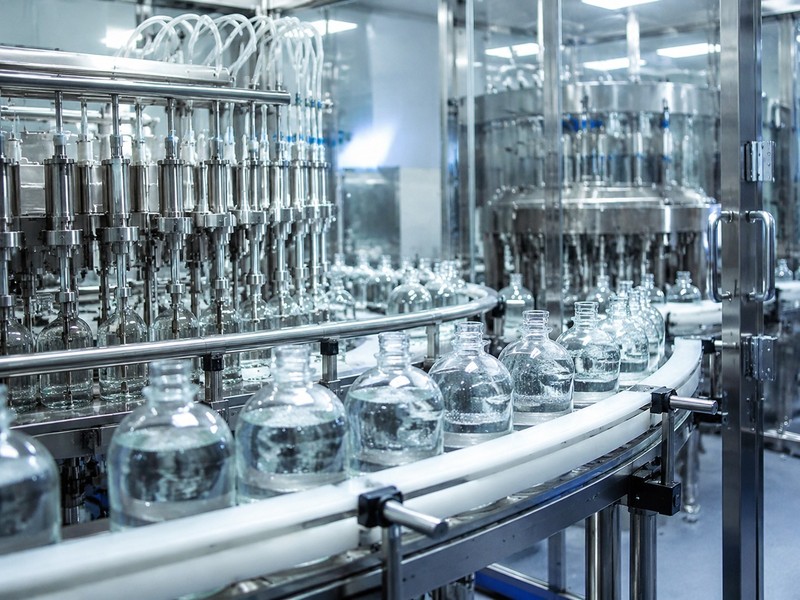
Glass vs Plastic IV Production in the United States
For pharmaceutical manufacturers in the United States, the choice between glass bottle and plastic IV production is not simply a packaging preference. It is a strategic manufacturing decision that affects product compatibility, regulatory compliance, capital expenditure, plant layout, shipping efficiency, sustainability goals, and long-term return on investment. Companies expanding sterile infusion capacity in hubs such as New Jersey, North Carolina, Texas, California, and Puerto Rico often evaluate both technologies at the same time because each format serves different drug profiles, market channels, and operational priorities.
In practical terms, glass bottle IV production is typically selected when excellent chemical inertness, strong barrier performance, and a familiar premium presentation are required. Plastic IV production, including non-PVC soft bags and PP bottles, is often preferred for lower transportation weight, reduced breakage risk, improved handling, and flexibility in high-volume modern hospital supply chains. For U.S. buyers, the best answer is rarely universal. The right solution depends on formulation sensitivity, target dosage forms, sterilization process, logistics model, labor strategy, and expected future demand.
As investment in domestic sterile manufacturing grows under stricter quality expectations, buyers are looking for suppliers that combine equipment engineering, process design, validation support, and full-factory integration. Companies such as IVEN Pharmatech Engineering are increasingly considered by global project teams because they offer integrated IV solution lines, water systems, utility design, and turnkey support aligned with EU GMP, U.S. FDA cGMP, WHO GMP, and PIC/S expectations. That broader systems capability matters when comparing glass and plastic IV production, since the container format affects nearly every upstream and downstream process.
Large pharmaceutical and medical device companies in the United States compare glass bottle vs plastic IV production when they need to expand, modernize, or diversify sterile infusion manufacturing under strict regulatory standards. The comparison matters because the container type influences:
For many U.S. projects, glass remains strong in niche or compatibility-driven applications, while plastic formats lead in large-volume infusion products where shipping efficiency and operational convenience are important. However, a balanced product portfolio may justify both technologies in one facility.
Decision FactorGlass Bottle IVPlastic IVWhy It Matters in the United StatesCompatibilityExcellent inertnessDepends on resin and formulaImportant for sensitive drugs and high-value solutionsWeightHeavyLightInfluences trucking and regional distribution costBreakage RiskHigherLowCritical for hospital supply chains and warehouse safetyPerceived QualityTraditional, premiumModern, practicalAffects branding and buyer preferenceAutomation PotentialHigh, but format-specificVery high on advanced linesUseful for labor optimization in major pharma statesShipping EfficiencyLowerHigherRelevant for cross-country supply from East to West CoastSustainability PathRecyclable but energy-intensiveLower transport footprint, recycling depends on streamSupports ESG and procurement reportingThe table above shows why the comparison is rarely black and white. Glass can outperform in technical stability, while plastic can outperform in logistics and plant efficiency.
Glass bottle vs plastic IV production refers to the manufacturing systems, container technologies, and process lines used to produce sterile intravenous infusion products in either glass containers or plastic containers. These products typically include normal saline, dextrose, electrolyte solutions, irrigation fluids, parenteral nutrition bases, dialysis solutions, and selected specialty infusions.
A complete IV production line usually includes solution preparation, filtration, container feeding or forming, washing where applicable, filling, sealing, sterilization, visual inspection, leak testing, labeling, secondary packaging, and palletized logistics. The process must be integrated with purified water, water for injection, clean utilities, environmental controls, and validation documentation.
In the U.S. market, IV container selection is influenced by the buyer segment:
From a technical standpoint, glass bottle lines generally require container handling engineered to minimize stress, impact, and particulate generation. Plastic IV systems may involve blow-fill-seal technologies, PP bottle molding plus filling, or non-PVC bag form-fill-seal solutions. Each format has different utility demands and qualification requirements.
Production ElementGlass Bottle LinePlastic IV LineTypical U.S. RelevanceContainer SourcePreformed glass bottlesPreformed or formed in-lineAffects supply chain resilienceWashing StageUsually requiredDepends on formatImpacts utility use and cleanroom designFilling MethodVolumetric or mass-basedHigh-speed integrated filling optionsDetermines accuracy and throughputSealingStopper/cap or dedicated closureHeat sealing or molded closure systemsKey to container closure integritySterilizationCommonly terminally sterilizedAlso commonly terminally sterilizedFDA documentation must support processInspectionCrack, particle, fill level checksSeal, leak, appearance checksImportant for release reliabilityThe table clarifies that the production comparison is really a comparison of complete manufacturing ecosystems, not just packaging materials.
Both glass and plastic IV production serve essential roles in modern sterile manufacturing. In the United States, demand comes from hospitals, ambulatory care centers, dialysis providers, emergency response networks, and government procurement channels. The ideal format often depends on product mix and end-user expectations.
Glass bottle IV production is commonly valued for its strong barrier properties, high chemical stability, and long-established use in pharmaceutical environments. It may be advantageous for formulations where extractables and leachables must be tightly controlled, or where the product owner prefers a traditional rigid presentation.
Plastic IV production offers advantages in high-volume supply environments. Lightweight containers reduce freight cost between manufacturing centers and end markets. Lower breakage supports safer handling in hospitals and during distribution. Modern plastic systems also support high-speed output and compact automation strategies.
Applications include:
ApplicationBest-Fit Format TendencyMain BenefitPotential ConstraintStandard salinePlastic often favoredLow logistics costMaterial compatibility review still neededDextrose infusionPlastic or glassFlexible packaging choicesLine selection depends on volume targetSensitive formulationsGlass often favoredStrong inertness profileHigher transport and handling costDialysis solutionPlastic often favoredHigh-volume efficiencyRequires robust seal integrity controlsPremium hospital productsGlass in some casesConservative market acceptanceHeavier packaging footprintRemote distribution programsPlastic often favoredReduced breakageResin supply strategy is essentialThis comparison shows that application fit is one of the strongest drivers in equipment investment decisions.
var ctx1 = document.getElementById(‘lineChartMarket’).getContext(‘2d’);var chart1 = new Chart(ctx1, {type: ‘line’,data: {labels: [‘2021’, ‘2022’, ‘2023’, ‘2024’, ‘2025’, ‘2026’],datasets: [{label: ‘U.S. IV Packaging Equipment Market Index’,data: [100, 108, 117, 129, 141, 156],borderColor: ‘rgb(54, 162, 235)’,backgroundColor: ‘rgba(54, 162, 235, 0.15)’,fill: false,tension: 0.3}]},options: {responsive: true,maintainAspectRatio: false}});The line chart reflects a realistic upward trend in U.S. interest in IV packaging and filling technologies, driven by domestic supply security, modernization, and sterile manufacturing resilience.
When evaluating glass bottle vs plastic IV production, buyers in the United States should compare not only container materials but also the technical architecture of the production line. Major options include:
Technical selection should consider batch size, container volume range, sterilization mode, line speed, recipe changeover, and digital traceability. Facilities near Philadelphia, Cleveland, and Minneapolis often evaluate not just machine speed, but also maintenance access, spare parts planning, validation package completeness, and compatibility with existing building utilities.
On the technology side, some suppliers differentiate themselves through deep integration. IVEN Pharmatech Engineering, for example, is known in the market for sterile solution lines covering non-PVC soft bags, PP bottles, and glass bottles, along with water treatment, solution preparation, conveying, and packaging systems. This kind of integrated capability can reduce design mismatch across utility and process packages.
Technology TypeTypical Output ProfileContainer StyleKey StrengthBest Buyer ProfileGlass bottle filling lineMedium to high volumeRigid glassMaterial stabilityCompatibility-focused pharma plantsPP bottle lineHigh volumeRigid plasticLower weight and breakageHospital infusion manufacturersNon-PVC soft bag lineHigh volumeFlexible bagTransport and storage efficiencyLarge regional suppliersBlow-fill-seal systemHigh automationIntegrated formed plasticCompact sterile process flowAdvanced automation projectsHybrid multi-format facilityFlexibleMixedPortfolio diversificationCDMOs and multi-product groupsTurnkey IV plant packageProject-specificMixed or single formatCoordinated executionGreenfield and major expansion investorsThe table above helps U.S. buyers compare technology paths based on business model rather than only on machine specifications.
In many projects, the actual decision is not just glass bottle vs plastic IV production. It may be glass bottle vs PP bottle, glass bottle vs non-PVC soft bag, or traditional bottle lines vs blow-fill-seal. Each option has a different fit.
Choose glass bottle IV production when:
Choose plastic IV production when:
Choose a mixed strategy when:
var ctx2 = document.getElementById(‘barChartDemand’).getContext(‘2d’);var chart2 = new Chart(ctx2, {type: ‘bar’,data: {labels: [‘Hospitals’, ‘Dialysis’, ‘CDMOs’, ‘Government Supply’, ‘Emergency Stockpile’, ‘Regional Distributors’],datasets: [{label: ‘Estimated Demand Intensity’,data: [92, 84, 71, 76, 68, 88],backgroundColor: ‘rgb(255, 99, 132)’}]},options: {responsive: true,maintainAspectRatio: false}});The bar chart illustrates where equipment demand tends to be strongest. Hospitals and regional distributors often favor scalable, efficient plastic-based systems, while CDMOs may require broader format flexibility.
The United States remains one of the world’s most important markets for IV manufacturing equipment. Growth is supported by healthcare demand, supply chain localization, modernization of aging facilities, and increased focus on domestic production resilience. Regions such as New Jersey, Massachusetts, Illinois, North Carolina, Texas, and California remain key decision centers, while Puerto Rico continues to attract interest because of its pharmaceutical manufacturing ecosystem.
Several structural trends are shaping the market through 2026:
Policy and procurement trends also matter. U.S. buyers increasingly consider supply continuity, disaster preparedness, and inventory resilience when choosing packaging formats. Plastic containers may support strategic stockpile logistics better in some use cases due to lower fragility and easier transport. At the same time, sustainability reporting is driving more detailed life-cycle assessments, especially for large health systems and listed pharmaceutical companies.
By 2026, expected advances include smarter line controls, stronger in-line inspection, reduced utility consumption, more recyclable material options, and higher integration between filling equipment and warehouse automation.
var ctx3 = document.getElementById(‘areaChartShift’).getContext(‘2d’);var chart3 = new Chart(ctx3, {type: ‘line’,data: {labels: [‘2021’, ‘2022’, ‘2023’, ‘2024’, ‘2025’, ‘2026’],datasets: [{label: ‘Glass Bottle Share Index’,data: [46, 44, 42, 40, 39, 38],fill: true,backgroundColor: ‘rgba(153, 102, 255, 0.25)’,borderColor: ‘rgb(153, 102, 255)’,tension: 0.3},{label: ‘Plastic IV Share Index’,data: [54, 56, 58, 60, 61, 62],fill: true,backgroundColor: ‘rgba(75, 192, 192, 0.20)’,borderColor: ‘rgb(75, 192, 192)’,tension: 0.3}]},options: {responsive: true,maintainAspectRatio: false}});The area chart shows a realistic directional shift toward plastic IV production for many high-volume applications, while glass retains a strong role in targeted segments.
Choosing a supplier for glass bottle or plastic IV production in the United States requires more than comparing quotations. Buyers should evaluate regulatory understanding, engineering depth, installed base, lifecycle service, and project execution capability.
Important supplier selection criteria include:
When U.S. buyers assess technological capabilities, they often prefer suppliers that can engineer complete systems rather than isolated machines. IVEN, for example, is frequently recognized for combining IV solution production lines with purified water, WFI generation, solution preparation, intelligent conveying, and secondary packaging. That technical range can be valuable when plant teams want one partner to align upstream and downstream interfaces.
Manufacturing capabilities matter as well. Buyers should review whether the supplier has dedicated production facilities, quality controls, durable stainless-steel fabrication standards, and a track record of delivering large numbers of lines globally. Multi-plant manufacturing can improve consistency and lead-time management for complex projects.
Service capabilities are equally important. For U.S. projects, investors often prefer partners able to support feasibility, engineering design, customization, installation, commissioning, training, documentation, and ongoing optimization. If your project is still in the planning phase, a turnkey partner with broad services can reduce coordination gaps. You can review integrated factory delivery options at turnkey pharmaceutical engineering solutions.
Supplier Evaluation PointWhy It MattersWhat to AskRisk if WeakRegulatory compliance expertiseSupports audit readinessCan you align with FDA cGMP and validation needs?Delays in approval and remediation costEngineering integrationReduces interface problemsDo you provide water, process, and packaging integration?Mismatch between systemsInstalled referencesConfirms real-world performanceWhere have similar lines been commissioned?Uncertain execution capabilityCustomization abilityFits plant layout and utility profileCan you adapt to our building and SKU mix?Expensive redesignsAfter-sales supportProtects uptimeHow are spare parts and remote support handled?Long downtime periodsDocumentation packageCritical for qualificationWhat standard documents are included?Validation burden shifts to buyerFor buyers comparing multiple vendors, it is smart to request a user requirement specification response matrix and a total project execution map, not just equipment brochures. If you need to review available product scope, see the equipment portfolio and compare line categories relevant to your application.
The cost of a glass bottle vs plastic IV production project in the United States depends on line speed, level of automation, cleanroom scope, utility generation, serialization requirements, validation support, and whether the project is brownfield or greenfield. Buyers should distinguish between machine price and full project cost.
Major cost categories include:
Plastic IV lines may provide stronger ROI when transportation, breakage reduction, and high output are important. Glass bottle lines may still deliver excellent ROI where product compatibility drives premium or protected demand. Total cost of ownership should be calculated over 10 to 15 years, including utilities, maintenance, labor, rejects, format changeover, and distribution savings.
Cost ElementGlass Bottle Line ImpactPlastic IV Line ImpactROI ConsiderationCore equipmentModerate to highModerate to highDepends on automation and format complexityContainer logisticsHigher freight and handlingLower freight and safer handlingPlastic may recover cost faster in national distributionBreakage lossHigher riskLow riskAffects quality loss and safety incidentsUtilitiesProcess-dependentProcess-dependentShould be modeled site by siteLabor demandCan be higher for handlingOften lower with advanced automationImportant in high-wage U.S. locationsWarehouse efficiencyLower cube efficiencyOften better utilizationReduces storage cost over timeA simple ROI model for a U.S. plant should include annual unit demand, price per container, expected reject rate, utility consumption, labor per shift, distribution mileage, and downtime risk. Investors should also model future format flexibility, since equipment that supports growth in more than one product line can produce a stronger payback profile.
var ctx4 = document.getElementById(‘comparisonChartSupplier’).getContext(‘2d’);var chart4 = new Chart(ctx4, {type: ‘bar’,data: {labels: [‘Compliance Support’, ‘Integration Depth’, ‘Format Flexibility’, ‘Lifecycle Service’, ‘Automation Options’, ‘Global Delivery Experience’],datasets: [{label: ‘High-Integration Supplier Profile’,data: [94, 96, 91, 95, 90, 93],backgroundColor: ‘rgb(153, 102, 255)’},{label: ‘Basic Equipment-Only Supplier’,data: [68, 55, 61, 58, 70, 62],backgroundColor: ‘rgb(201, 203, 207)’}]},options: {responsive: true,maintainAspectRatio: false}});The comparison chart highlights why many sophisticated U.S. buyers prefer integrated suppliers over machine-only vendors, especially for complex sterile projects with qualification pressure.
Every IV production investment involves technical and commercial risk. In the United States, the biggest mistakes often come from underestimating qualification workload, utility integration, line clearance design, changeover complexity, or future SKU variation.
Main risks include:
Mitigation starts with disciplined project definition. The user requirement specification should cover product range, annual demand, container sizes, sterility assurance strategy, utility loads, environmental classification, digital records, and acceptance criteria. Site visits, FAT planning, and spare parts strategy should be built in early.
One practical lesson from the market is that engineering quality matters as much as machine quality. A robust line installed in a weak process layout can still create bottlenecks. This is why some buyers seek a partner that can bridge equipment and factory design. For detailed consultation or to discuss a U.S.-focused project, you can contact the engineering team for project-specific review.
Different industries and operating models in the United States require different answers to the glass vs plastic decision.
Hospitals and broad healthcare networks: Usually benefit from plastic IV packaging because of easier handling, lower breakage, and efficient nationwide distribution.
Specialty pharmaceutical manufacturers: May prefer glass where formulation sensitivity or market positioning is critical.
CDMOs: Often gain the most from flexible, multi-format systems because customer needs change rapidly.
Government and emergency stockpile suppliers: Frequently emphasize logistics resilience, ruggedness, and high-volume output, making plastic attractive in many scenarios.
Dialysis and consumable solution producers: Commonly prioritize continuous high-throughput plastic systems.
Brownfield plant upgrades: Sometimes select glass if legacy systems and utilities already support that path, though plastic can still be attractive if freight savings justify process change.
Buyer TypePrimary NeedLikely Best-Fit OptionReasonHospital supply manufacturerHigh volume, safe distributionPlastic IVLower weight and breakageSpecialty infusion producerCompatibility confidenceGlass bottleStrong inertnessCDMOCustomer flexibilityMixed technologyBroader service offeringDialysis solution plantContinuous outputPlastic IVHigh efficiency profileLegacy site modernizationFast retrofitCase dependentExisting utilities may guide choiceGreenfield sterile campusLong-term ROIPlastic or hybridOptimizes future scalabilityThis table shows why the best technology is driven by operating context, not by a simple universal ranking.
For U.S. investors seeking an experienced partner, IVEN Pharmatech Engineering brings three strengths that are especially relevant in glass bottle vs plastic IV production comparisons.
Technological capabilities: The company supports multiple IV container formats, including glass bottles, PP bottles, and non-PVC soft bags, along with purified water systems, multi-effect distillers, pure steam generation, solution preparation, and intelligent conveying. This matters because successful sterile manufacturing depends on coordinated process design, not isolated equipment selection.
Manufacturing capabilities: With specialized production facilities in Shanghai focused on pharmaceutical filling and packaging machinery, water treatment systems, logistics systems, and blood collection equipment, the company has the industrial base to deliver integrated projects rather than only single machines. Its long-term market presence and extensive installed line experience provide additional confidence for buyers evaluating execution reliability.
Service capabilities: U.S.-oriented customers often need more than delivery. IVEN supports project feasibility, engineering design, customization, installation, commissioning, validation assistance, documentation, training, and after-sales service. For complex facilities, this lifecycle support can reduce the risk of delays, redesign, and qualification gaps.
For companies building or upgrading facilities in cities such as Newark, Houston, San Diego, St. Louis, or Charlotte, this integrated model can be especially valuable when balancing container choice, utility design, regulatory readiness, and long-term operating efficiency.
Is glass bottle IV production still relevant in the United States?Yes. Glass bottle IV production remains relevant where formulation compatibility, barrier performance, or traditional market preference justify its use. It is especially important for certain sensitive sterile solutions.
Why are many manufacturers shifting toward plastic IV production?Plastic IV production often reduces freight cost, breakage risk, and handling burden while supporting high-volume automated output. These advantages are attractive for large hospital supply chains.
Which is cheaper: glass bottle or plastic IV production?The answer depends on the full cost model. Plastic may reduce downstream logistics and breakage costs, while glass may support technical needs that prevent reformulation or market limitations. Total cost of ownership is the right metric.
Can one facility run both glass and plastic IV products?Yes. Multi-format or hybrid facilities are common when manufacturers want to serve different product categories or customer requirements. The design must carefully manage utilities, layout, material flow, and qualification strategy.
What regulatory issues are most important for U.S. buyers?FDA cGMP compliance, data integrity, container closure integrity, validation documentation, sterility assurance, and robust quality systems are central. Supplier support for IQ, OQ, and PQ is highly valuable.
How important is turnkey capability?Very important for greenfield or major expansion projects. A turnkey approach can simplify coordination between process systems, utilities, packaging, and documentation, especially under tight project timelines.
What future trends should buyers watch through 2026?Smarter automation, more digital monitoring, stronger sustainability requirements, more resilient domestic manufacturing strategies, lower utility consumption, and packaging formats optimized for both performance and logistics.
How should I start a supplier evaluation process?Begin with a detailed user requirement specification, define your formulation and volume needs, compare lifecycle costs, review regulatory documentation capability, and engage suppliers that can support both equipment and process integration.