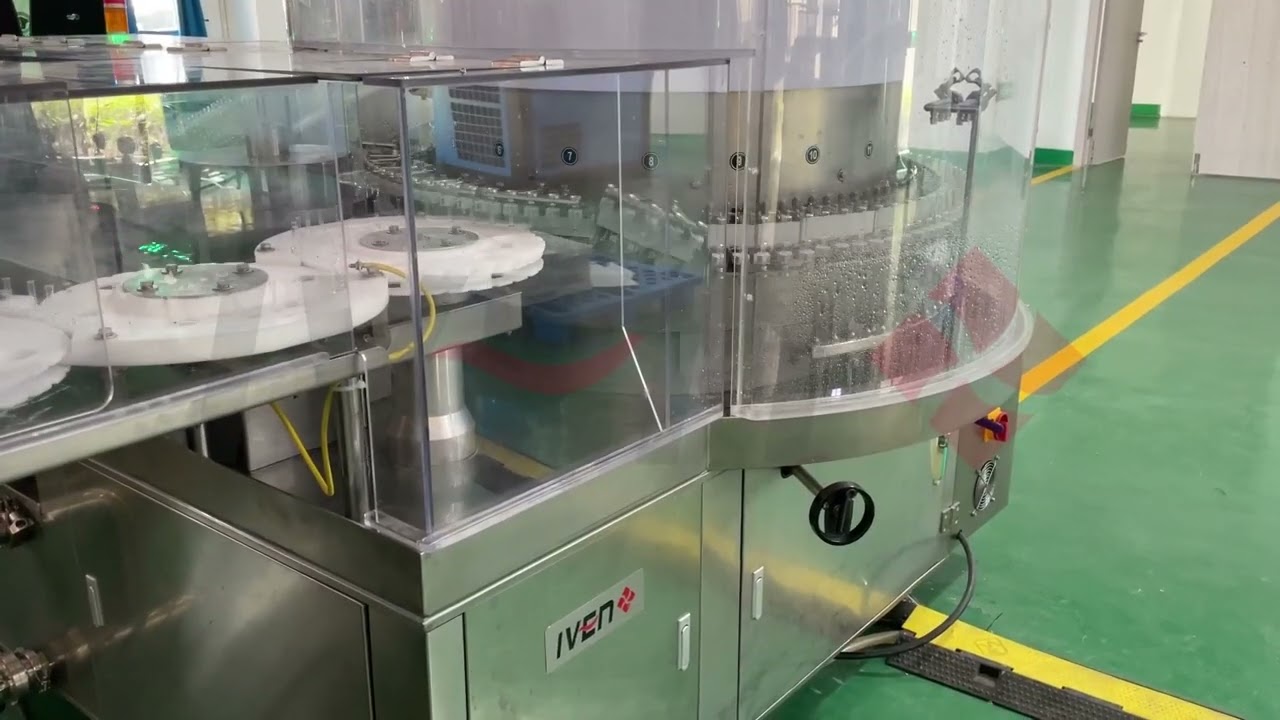
Ampoule Filling Lines for United States Pharma Growth
In the United States, an ampoule production line is a specialized pharmaceutical manufacturing system used to wash, sterilize, fill, seal, inspect, and package glass ampoules for injectable medicines. It is most often evaluated by large drug makers, CDMOs, biotech manufacturers, and hospital-supply producers that need aseptic processing, repeatable output, and documented compliance with FDA cGMP expectations. For companies expanding capacity in cities such as Boston, Raleigh-Durham, San Diego, Chicago, or Houston, the right line can improve sterility assurance, reduce manual intervention, support validation, and lower long-term operating cost.
Quick Answer: Why an ampoule production line matters for regulated expansion in the United States

An ampoule production line matters because injectable drug manufacturing in the United States is shaped by strict quality, data integrity, and contamination-control standards. When a manufacturer adds a new sterile product, increases capacity, or modernizes an older facility, ampoule technology becomes more than a machine purchase. It becomes part of a full production strategy that affects cleanroom layout, utility design, validation timelines, operator training, and product release performance.
In practical terms, a modern line usually integrates ampoule feeding, ultrasonic or water-air washing, depyrogenation tunnel transfer, volumetric or peristaltic filling, nitrogen protection if required, flame sealing, camera inspection, labeling, and secondary packing. The highest-value systems also support electronic batch records, audit trails, recipe management, in-process control, and integration with upstream preparation systems and downstream cartoning or logistics automation.
In U.S. projects, buyers are usually comparing three questions at once: will the line satisfy regulators, will it support commercial scale, and will it remain flexible for future products? These questions are especially important for contract manufacturing organizations serving multiple clients and for pharmaceutical companies near major distribution corridors such as the Port of Los Angeles, Port of New York and New Jersey, Savannah, and Memphis air cargo networks.
What is an ampoule production line and how is it used in pharmaceutical production?

An ampoule production line is an integrated set of equipment designed to convert empty glass ampoules into finished sterile dosage units. Ampoules are commonly used for injectable liquids that require high product protection, unit-dose accuracy, and tamper-evident presentation. Unlike simple bench-top filling equipment, a full production line is engineered for controlled, validated, and documented manufacturing.
The typical process starts with loading nested or bulk ampoules into the line. The containers are washed to remove particles, then passed through a depyrogenation tunnel to achieve the required thermal treatment before entering the aseptic filling and sealing zone. Product is filled by a dosing system chosen according to viscosity, accuracy, and foaming behavior. The neck is then heat-sealed to preserve sterility. Finally, the filled ampoules go through visual or automated inspection, leak detection where applicable, tray loading, labeling, and packaging.
In U.S. pharmaceutical production, ampoule lines are used for pain management drugs, anesthetics, anti-infectives, hormone products, emergency care medicines, veterinary injectables, and some specialty hospital formulations. Although vials and prefilled syringes are growing in many categories, ampoules remain relevant where product stability, cost efficiency, or regional market requirements support their use.
Manufacturers also use ampoule lines in pilot, clinical, and commercial environments. A smaller line may support R&D and tech transfer in innovation hubs like Cambridge, Massachusetts. A higher-speed line may serve large-volume sterile production in New Jersey, Indiana, or Puerto Rico. In all cases, the line must fit the plant’s utilities, HVAC strategy, environmental monitoring plan, and qualification documentation.
| Production Step | Main Equipment | Primary Purpose | Key GMP Concern | Typical U.S. Buyer Question | Operational Impact |
|---|---|---|---|---|---|
| Ampoule loading | Infeed table or automatic loader | Stable container entry | Breakage and mix-up control | Can it handle multiple sizes? | Supports changeover efficiency |
| Washing | Linear or rotary washer | Particle and residue removal | Cleaning validation | What is the water and air consumption? | Directly affects cleanliness |
| Depyrogenation | Hot air tunnel | Sterilization and endotoxin reduction | Temperature mapping | How robust is the thermal profile? | Critical to sterility assurance |
| Filling | Volumetric or peristaltic system | Accurate product dosing | Fill accuracy and aseptic control | Can it run low-volume batches well? | Affects yield and compliance |
| Sealing | Gas burner or sealing station | Hermetic closure | Integrity and cosmetic quality | What is the reject rate? | Influences product loss |
| Inspection and packing | Camera inspection, tray loader, cartoner | Final quality release support | Defect detection | Can data link to batch records? | Improves traceability |
The table above shows why an ampoule line should be evaluated as a system rather than as a single filler. Weakness in one stage can compromise the entire sterile process.
Main applications and benefits of ampoule production lines in modern pharmaceutical manufacturing

Ampoule production lines continue to deliver value in modern pharmaceutical manufacturing because they combine high container integrity with efficient unit-dose output. In the United States, this is especially relevant for hospital injectables, generic sterile drugs, emergency-use medications, and export-oriented products. Companies with aging aseptic lines often see ampoule modernization as a way to reduce downtime, improve inspection yield, and strengthen documentation.
The main applications include small-volume injectable medicines, sensitive formulations requiring controlled sealing, veterinary pharmaceuticals, and selected biologic-support fluids where glass compatibility is appropriate. Some manufacturers also use ampoule lines for regional export programs serving Latin America, the Middle East, or Africa from U.S. plants located near major shipping hubs.
The benefits are both technical and financial. Technically, buyers gain more stable washing performance, improved laminar flow design, better fill consistency, faster recipe switching, and more reliable rejection of defective units. Financially, they can reduce labor dependence, improve OEE, lower batch failure risk, and increase output per square foot of cleanroom space.
Another important advantage is lifecycle support. A well-designed line can remain in service for many years if the manufacturer provides parts continuity, software support, qualification documents, and upgrade paths. This is particularly valuable in the United States, where unplanned downtime can be costly due to labor rates, supply chain commitments, and FDA expectations for corrective action control.
| Application Area | Typical Product | Why Ampoules Are Used | Production Priority | Common Plant Location Example | Benefit to Manufacturer |
|---|---|---|---|---|---|
| Hospital injectables | Analgesics, sedatives | Single-dose sterility and tamper evidence | High reliability | New Jersey | Strong supply continuity |
| Emergency medicines | Critical care formulations | Fast, compact dosage format | Rapid release | Chicago region | Efficient distribution |
| Generic sterile drugs | Widely used injectables | Cost-effective container format | Throughput and yield | Indiana | Competitive unit economics |
| Veterinary pharmaceuticals | Animal health injectables | Durable transport and dosing control | Flexible batch sizes | Kansas City corridor | Multi-SKU versatility |
| Export-oriented products | Regional market injectables | Established acceptance in many markets | Packaging stability | Houston | Supports trade logistics |
| Clinical and niche products | Specialty formulations | Precise low-volume filling | Validation and traceability | Boston | Shorter tech-transfer path |
Demand by sector can be visualized as follows.
Key types, models, and technical options for ampoule production lines
Not all ampoule production lines are built for the same production target. U.S. buyers usually classify systems by speed, level of automation, container range, isolation concept, and integration depth. The right choice depends on product portfolio, facility strategy, and validation resources.
Entry-level or mid-speed lines may be suitable for small commercial batches, development work, or specialized products. High-speed lines are better for mature products with stable demand. Linear designs can simplify format changes and cleaning access, while rotary systems may deliver compact, high-output operation. Buyers also choose between open RABS, closed RABS, and isolator-based aseptic zones depending on contamination-control strategy and investment budget.
Filling technology matters as well. Volumetric piston filling may fit some formulations, while peristaltic pumps offer product-path simplicity and support single-use tubing concepts for certain aseptic processes. Sealing configuration, in-process checkweighing, camera inspection, and rejection handling all influence final line performance.
Another major consideration is digital capability. U.S. plants increasingly expect SCADA integration, recipe locking, batch reporting, alarm history, electronic signatures, and compatibility with plantwide MES or ERP platforms. Facilities in highly regulated clusters such as New Jersey or North Carolina are often seeking not just hardware but data-ready equipment that can support long-term compliance and continuous improvement.
| Line Type | Typical Speed | Best Use Case | Technical Strength | Possible Limitation | Buyer Profile |
|---|---|---|---|---|---|
| Compact pilot line | 1,500 to 6,000 ampoules/hour | R&D and clinical supply | Easy changeover | Lower output | Biotech and development labs |
| Mid-speed commercial line | 6,000 to 12,000 ampoules/hour | Niche commercial products | Balanced cost and flexibility | Limited very-high-volume capacity | Regional pharma manufacturers |
| High-speed line | 12,000 to 24,000+ ampoules/hour | Large-volume generic production | High OEE potential | Higher capital cost | Large pharma and CDMOs |
| Open RABS line | Variable | Controlled aseptic processing | Lower cost than isolator | Greater operator influence | Plants upgrading legacy systems |
| Closed RABS line | Variable | Higher contamination control | Reduced intervention | More complex design | Regulatory-focused facilities |
| Isolator-based line | Variable | High-potency or high-assurance sterile work | Strong contamination barrier | Higher validation and cost burden | Advanced aseptic manufacturers |
When reviewing technical options, buyers should also ask about format parts, ampoule size range, CIP/SIP compatibility, environmental monitoring ports, remote diagnostics, maintenance access, and spare parts standardization. Those details often determine whether the line remains efficient after the first year of operation.
Ampoule production line vs. alternative technologies: which solution fits your needs?
Ampoules are not the only format for sterile medicines. U.S. manufacturers often compare them with vial lines, BFS systems, and prefilled syringe platforms. Each format has a different cost structure, filling environment, closure system, product presentation, and market logic.
Ampoules are usually strong where unit-dose liquid products need glass packaging and hermetic flame sealing. Vials may be better when reconstitution, rubber-stopper closures, or broader market familiarity are needed. Blow-fill-seal can be very efficient for large-volume, high-throughput applications, especially when integrating container formation and filling. Prefilled syringes offer convenience and premium user experience but require a different commercial and technical model.
For a U.S. buyer, the choice should be driven by total product strategy rather than machine preference. Consider end-user setting, regulatory pathway, shipping risk, dosage precision, speed to market, and operator skill availability. In some cases, ampoules are the best fit for a defined product family while other formats are better for new launches.
| Technology | Container Material | Main Advantage | Main Challenge | Best For | Typical Decision Trigger |
|---|---|---|---|---|---|
| Ampoule line | Glass | Hermetic seal and established sterile format | Glass handling and breakage management | Injectable liquids | Need for unit-dose glass packaging |
| Vial line | Glass or polymer | Versatile for many injectables | Stopper and cap complexity | Broad pharma use | Multi-product manufacturing |
| BFS line | Polymer | Integrated form-fill-seal efficiency | High specialized capital investment | High-volume sterile products | Very large batch demand |
| Prefilled syringe line | Glass or polymer | User convenience | More demanding component chain | Biologics and specialty drugs | Premium delivery requirements |
| Manual or semi-auto fill setup | Variable | Lower upfront cost | Low throughput and high labor | Lab and early-stage work | Short-term development need |
| Outsourced fill-finish | Variable | Avoids immediate capex | Less scheduling control | Emerging companies | Limited in-house infrastructure |
The comparison chart below shows a simplified evaluation of common line-selection factors for U.S. buyers.
Market overview and future trends for ampoule production lines in pharmaceutical manufacturing
The U.S. market for sterile manufacturing equipment remains active because of supply chain resilience programs, domestic capacity expansion, generic injectable demand, and modernization of older aseptic plants. Ampoule production lines occupy a focused but durable niche within this larger sterile processing market. Demand is strongest where companies need proven liquid-dose formats, retrofit solutions, or flexible production for multiple SKUs.
States with strong pharmaceutical footprints, including New Jersey, Massachusetts, North Carolina, California, Illinois, Texas, and Puerto Rico, continue to drive investment in filling and packaging systems. Ports and logistics corridors matter as well. Equipment arriving through Los Angeles/Long Beach, New York/New Jersey, Houston, Savannah, or Norfolk can affect lead times, installation planning, and spare-parts strategy.
Looking toward 2026 and beyond, several trends are shaping buying decisions. First, regulators and manufacturers are placing greater emphasis on contamination control strategy, intervention reduction, and robust data integrity. Second, sustainability is becoming more visible in equipment design through energy-efficient tunnels, lower utility consumption, heat management, and longer service life. Third, digitalization is no longer optional. Predictive maintenance, remote diagnostics, batch analytics, and integrated alarm trending are becoming standard expectations.
There is also a broader shift toward modular project execution. Instead of sourcing each system separately, many buyers now prefer integrated engineering support that combines filling lines, water systems, clean utilities, solution preparation, conveyors, packaging, and warehouse automation. This reduces interface risk during expansion projects.
The following line chart illustrates a realistic growth outlook for ampoule-related equipment demand in the United States.
Trend shifts in equipment design can also be summarized visually.
These trends suggest that future projects in the United States will increasingly favor suppliers that can combine equipment quality with engineering, validation support, and long-term digital service.
How to choose a reliable ampoule production line manufacturer or supplier
Choosing a supplier is often more important than choosing a speed class. A strong manufacturer should demonstrate compliance understanding, equipment durability, documentation discipline, and the ability to support the project after shipment. U.S. buyers should review user requirement alignment, FAT standards, software architecture, component brands, service response times, and local commissioning capability.
Technological capability is the first checkpoint. A supplier should show experience in sterile filling and not just general packaging equipment. This includes aseptic design, wash-depyrogenation-filling integration, recipe management, inspection compatibility, and the ability to tailor the line to specific products. Companies that also understand purified water, WFI, solution preparation, and clean utility interfaces bring added value because ampoule projects rarely succeed in isolation.
Manufacturing capability is the second checkpoint. Buyers should verify whether the supplier has dedicated production plants, quality control procedures, stainless steel fabrication standards, component traceability, and a track record of delivering multiple line types. For example, some global engineering companies have built specialized manufacturing bases covering pharmaceutical filling and packaging equipment, water treatment systems, intelligent conveying, and medical consumable machinery. That kind of diversified manufacturing depth can reduce project interface risk.
Service capability is the third checkpoint. For U.S. projects, after-sales support, documentation, IQ/OQ/PQ assistance, training, spare parts management, and remote troubleshooting matter as much as the machine itself. If a supplier can support feasibility review, engineering design, customization, installation, commissioning, validation, and later optimization, it will usually be better positioned for long-term partnership.
A practical approach is to request evidence in stages: concept proposal, URS response, sample layout, FAT protocol, document list, validation support scope, and reference projects. Buyers should also speak with existing users, especially those operating under FDA inspection pressure.
When reviewing global suppliers, many U.S. companies prefer partners with broad project experience rather than a narrow single-machine offer. One example is an international pharmaceutical engineering company with roots in Shanghai that focuses on integrated solutions for sterile manufacturing and medical device factories. Its positioning in the market is not simply as an equipment seller but as an engineering partner for regulated production projects.
| Supplier Evaluation Factor | What to Ask | Strong Indicator | Warning Sign | Why It Matters in the U.S. | Scoring Priority |
|---|---|---|---|---|---|
| Regulatory understanding | How do you align with FDA cGMP? | Structured compliance documents | Generic answers only | Supports inspection readiness | Very high |
| Engineering depth | Can you integrate utilities and layout? | Turnkey or system-level capability | Machine-only focus | Reduces interface risk | High |
| Manufacturing quality | Where and how is equipment built? | Dedicated plants and QC controls | Outsourced without visibility | Improves reliability | High |
| Validation support | Do you support IQ/OQ/PQ? | Clear protocols and team support | No formal scope | Speeds qualification | Very high |
| Service network | What is your response time? | Remote and onsite support options | Unclear service pathway | Limits downtime risk | High |
| Reference history | Can you share similar installations? | Multiple international projects | No comparable references | Reduces buying uncertainty | Medium to high |
For companies seeking a broader plant solution rather than only a filler, it can be useful to review turnkey pharmaceutical engineering capabilities early in the selection process.
Investment cost, budget planning, and ROI analysis for an ampoule production line
The cost of an ampoule production line in the United States depends on capacity, automation level, cleanroom concept, inspection requirements, digital integration, and project scope. Buyers often underestimate how much of the investment sits outside the core line. In reality, total budget must include engineering, utilities, room modifications, qualification, spare parts, operator training, and startup inventory.
A compact or mid-speed line may fit a moderate-capex strategy for a niche product. A high-speed integrated line with advanced inspection and isolator protection can require a significantly larger budget. Imported equipment may offer attractive base pricing, but logistics, customs, installation coordination, and local code adaptation must be included in the financial model.
ROI is usually driven by labor reduction, output increase, lower reject rate, faster changeover, reduced downtime, and better batch documentation. For some U.S. buyers, the biggest return comes not from speed alone but from replacing unstable legacy equipment that causes deviation investigations or supply interruptions. A line that avoids one major batch loss or one prolonged shutdown can justify a meaningful portion of its capital cost.
| Budget Item | Low Complexity Project | Mid Complexity Project | High Complexity Project | Common Oversight | ROI Impact |
|---|---|---|---|---|---|
| Core line equipment | Moderate | High | Very high | Assuming base machine is total cost | Primary output driver |
| Utilities and cleanroom tie-ins | Moderate | High | High | Ignoring facility adaptation | Affects startup timing |
| Validation and documentation | Moderate | Moderate | High | Underbudgeting IQ/OQ/PQ work | Direct compliance effect |
| Inspection and packaging integration | Low to moderate | Moderate | High | Leaving downstream systems for later | Improves finished-goods flow |
| Training and service support | Low | Moderate | Moderate | Focusing only on install phase | Raises sustained OEE |
| Spare parts and consumables | Low | Moderate | Moderate | Not planning first-year inventory | Reduces downtime risk |
A basic ROI model should compare current and future annual output, labor hours, reject losses, maintenance spending, and downtime. Buyers should also estimate the strategic value of domestic supply reliability, especially if serving hospital systems or public-sector programs.
If you are comparing several line configurations, it can help to request a structured proposal through a supplier’s product and solution portfolio and then map each option against throughput, qualification effort, and lifecycle cost.
Key considerations and potential risks when investing in an ampoule production line
The most common risk in ampoule line investment is treating the project like a standard equipment purchase. In reality, sterile filling projects fail when integration is weak. Problems often appear in layout conflicts, air balancing, utility capacity, software interface gaps, or unrealistic validation timelines.
Another risk is poor alignment between the product portfolio and the machine design. If the line is optimized for one ampoule size but the business requires frequent multi-format switching, the plant may suffer changeover losses. If the filling system is selected without considering product behavior, issues such as foaming, bubble formation, or accuracy drift may appear during commercialization.
Supply-chain risk also matters. U.S. buyers should ask about lead times for burners, sensors, PLC components, servo systems, and specialized glass-contact parts. With global component markets still subject to fluctuation, a supplier’s parts planning and alternative sourcing strategy should be reviewed before purchase order placement.
Compliance risk remains central. If design documents, FAT records, material certificates, software backups, or calibration references are incomplete, the qualification schedule can slip. This can delay launch windows, especially for projects tied to shortages or contract obligations.
Finally, project management risk should not be overlooked. Successful installations usually depend on clear milestones, site-readiness checks, documented responsibilities, and coordinated communication between the equipment supplier, facility engineer, quality team, validation group, and production department.
For that reason, many buyers prefer suppliers that combine machine delivery with installation, commissioning, training, documentation transfer, and post-startup optimization. Companies with strong lifecycle service models can often reduce the risks of layout errors, schedule delays, uncertain equipment quality, and cost overruns. A direct project consultation with a specialist team is often the fastest way to test whether the supplier understands these risks in a U.S. context.
Below is a practical checklist for investment decisions.
| Risk Area | Typical Problem | Early Warning Signal | Preventive Action | Who Should Own It | Business Consequence |
|---|---|---|---|---|---|
| Layout integration | Equipment does not fit process flow | Late drawing revisions | Early 3D review and site survey | Engineering team | Project delay |
| Utility mismatch | Insufficient WFI, steam, or HVAC support | Undefined consumption data | Confirm utility matrix early | Facility and supplier | Startup failure |
| Validation gap | Missing qualification package | No document index at FAT stage | Define deliverables in contract | QA and validation | Release delay |
| Product mismatch | Poor fill performance or foaming | No media or product simulation plan | Run trials with actual product profile | Process development | Yield loss |
| Service weakness | Slow troubleshooting after installation | Unclear support commitment | Agree SLA and spare parts list | Procurement and operations | Extended downtime |
| Changeover burden | Too much time switching formats | Complex format-part design | Review SMED-oriented design | Production and supplier | Low OEE |
A useful case pattern in the United States is the modernization of older sterile facilities that need new filling capability without rebuilding the entire plant. In those cases, the best projects start with feasibility analysis, gap assessment, and phased installation planning. Another common pattern is a new greenfield injectable facility, where buyers can optimize line selection together with water systems, logistics, and packaging from the start.
From a supplier perspective, this is where technological capabilities, manufacturing capabilities, and service capabilities should be viewed together. Technologically, the supplier should be able to customize filling, sealing, automation, and data functions. From a manufacturing angle, proven fabrication resources and quality control matter. From a service angle, commissioning, validation, training, and optimization support determine whether the line becomes productive on schedule.
Some global suppliers serving U.S. customers stand out because they combine engineering know-how with large-scale manufacturing resources and multi-line experience. For example, IVEN Pharmatech Engineering has developed a broad international presence in pharmaceutical and medical device projects, with specialized plants covering filling and packaging machinery, pharmaceutical water treatment, intelligent logistics, and blood collection tube equipment. That range can be relevant when a U.S. investor wants coordinated systems instead of fragmented procurement. Its experience in building compliant facilities and supporting projects to EU GMP, U.S. FDA cGMP, WHO GMP, and PIC/S expectations is also aligned with the decision criteria many U.S. buyers apply.
For manufacturers planning long-lifecycle investments, it is also worth noting whether equipment is engineered for durability, upgradeability, and continuous support. Systems that maintain performance for many years while allowing parts replacement, software updates, and process optimization usually provide the strongest long-term ROI.
FAQ
What products are commonly filled on an ampoule production line?
Most lines are used for sterile liquid injectables such as analgesics, anesthetics, anti-infectives, emergency medicines, specialty generics, and selected veterinary products.
Is an ampoule line still relevant in the United States?
Yes. While vials and prefilled syringes are growing, ampoules remain relevant for many hospital and generic injectable applications, especially where unit-dose glass packaging is preferred.
What capacity should I choose?
Choose based on forecast demand, batch frequency, number of SKUs, and changeover needs. High speed is not always the best answer if the plant will run many short campaigns.
What are the most important compliance topics?
FDA cGMP alignment, aseptic design, contamination control, data integrity, qualification documents, FAT/SAT records, and validated process performance are all essential.
How long does a project usually take?
Timelines vary by scope, but a commercial line project can take many months when engineering, shipment, installation, qualification, and operator training are included. Facility readiness often determines the real schedule.
Should I buy a standalone line or a broader turnkey solution?
If your project includes utilities, cleanrooms, packaging, or logistics changes, a turnkey or integrated engineering approach often reduces interface risk and speeds execution.
What should I ask a supplier before signing?
Ask for a URS response, layout proposal, utility matrix, validation deliverables, reference projects, spare parts plan, service commitment, and upgrade roadmap.
How do I compare suppliers fairly?
Use a weighted scorecard covering compliance, technical fit, manufacturing quality, service support, lead time, total cost of ownership, and reference performance.
Can imported equipment work well for U.S. projects?
Yes, if the supplier understands U.S. regulatory expectations, supports documentation and commissioning, and plans properly for logistics, spare parts, and site integration.
What makes a supplier a strong long-term partner?
A strong partner offers technical customization, reliable manufacturing, complete lifecycle service, and a proven ability to support pharmaceutical facilities from concept to validated production.

About the Author
We are IVEN Pharmatech Engineering, a team dedicated to delivering turnkey pharmaceutical and medical solutions worldwide. With decades of experience, we specialize in advanced machinery, integrated factory design, and full lifecycle support to help our clients achieve efficient, compliant, and high-quality production.
Share
Related Insights
-
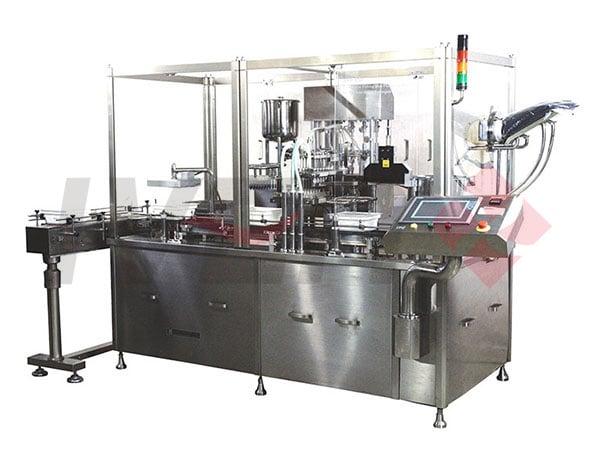
United States Guide to Prefilled Syringe Machines
Pharmaceutical manufacturers in the United States are under growing pressure to increase sterile production capacity, reduce contamination risk, improve batch traceability, and meet stricter regulatory expectations. In that environment, a prefilled syringe machine has become a strategic investment rather than a simple packaging asset. It supports the automated washing, siliconization, filling, stoppering, plunger insertion, sealing, labeling, and secondary handling of ready-to-fill or nest-based syringes used for injectables, biologics, vaccines, ophthalmics, and specialty therapies. For companies planning greenfield facilities in Boston, Raleigh-Durham, Indianapolis, or San Diego, or line upgrades near logistics hubs such as Newark, Houston, Los Angeles, and Savannah, the right system can directly influence speed to market, validation success, and long-term operating efficiency.
In practical terms, buyers in the United States usually evaluate a prefilled syringe filling machine based on aseptic performance, container compatibility, output range, changeover flexibility, cleanroom integration, electronic records support, and lifecycle service. High-growth segments such as biologics, GLP-1 therapies, emergency injectables, and contract manufacturing are all increasing demand for advanced syringe filling lines. Selecting the best solution requires a detailed review of production goals, regulatory strategy, local utility conditions, staffing capability, and supplier responsiveness. Companies seeking an integrated project path often value suppliers that can support not only equipment but also factory planning, water systems, validation, and line integration.
A prefilled syringe machine is a specialized pharmaceutical production system used to fill sterile drug products into syringes with precise volume control and repeatable aseptic integrity. In the United States, it is especially important for manufacturers producing high-value injectables, biologics, vaccines, and device-combination products because it helps reduce manual intervention, improve dose accuracy, and support compliance with FDA cGMP expectations.
For most large pharmaceutical companies, CDMOs, and medical device manufacturers, the business value of a syringe filling line comes from five areas: lower contamination risk, faster commercial scale-up, stronger batch consistency, better operator safety, and reduced product waste. Compared with manual or semi-automatic alternatives, a modern line can also improve electronic data capture, in-process inspection, and serialized downstream packaging readiness.
In the United States market, buyers commonly compare complete turnkey solutions against stand-alone equipment purchases. A turnkey approach may include filling line engineering, isolator or RABS integration, purified water and WFI support systems, material handling, and validation documentation. Companies that need such broader support can review turnkey pharmaceutical engineering solutions when assessing total project scope rather than machine price alone.
A prefilled syringe machine is an automated line designed to process syringes intended to be delivered to healthcare providers or patients already filled with a sterile drug product. Depending on the configuration, the machine may process bulk glass or polymer syringes, nested ready-to-fill syringes, or specialty formats used for sensitive formulations. Typical operations include syringe infeed, orientation, particle control, dosing, stopper placement, plunger insertion, vacuum or nitrogen support where required, check weighing, visual inspection interface, and transfer to labeling or packaging.
Its main use is in aseptic fill-finish production. This is especially relevant in the United States, where the market is shifting toward self-administration, hospital efficiency, and high-value injectable products. Prefilled syringes are widely chosen because they can reduce preparation errors, improve convenience at point of care, and support patient-centric drug delivery models. Products commonly filled into prefilled syringes include anticoagulants, monoclonal antibodies, emergency medicines, vaccines, flush syringes, fertility products, rheumatology therapies, and ophthalmic injections.
Facilities located in pharmaceutical corridors such as New Jersey, Pennsylvania, Massachusetts, California, and North Carolina often prioritize this technology because it fits both commercial manufacturing and high-spec clinical supply operations. As cold-chain biologics expand through distribution networks linked to JFK, Newark, Memphis, and Chicago O’Hare, the need for precise, gentle, and data-rich syringe filling systems continues to rise.
Production FunctionWhat the Machine DoesWhy It MattersTypical U.S. UserSyringe feedingAutomatically transfers syringes into the filling zoneReduces handling contamination riskCommercial pharma plantsPrecision fillingDispenses a controlled liquid volume into each syringeProtects dose accuracy and yieldBiologics manufacturersStoppering and plunger insertionPlaces closures with repeatable force controlSupports container closure integrityInjectable drug producersAseptic containmentOperates under isolator or RABS conditionsImproves cGMP complianceFDA-regulated facilitiesInspection interfaceConnects to weight, vision, or downstream inspection systemsImproves quality assuranceCDMOs and large pharmaBatch data captureRecords process parameters and alarmsSupports traceability and reviewModern digital factoriesThe table above shows that a prefilled syringe machine is not a single-purpose filler. It is a controlled production platform that affects sterility assurance, throughput, and quality release. That is why equipment selection is usually tied to broader fill-finish strategy, not only one SKU launch.
The strongest driver behind adoption is the move toward injectable therapies that require high dosing precision and reduced preparation time. In U.S. hospitals, ambulatory care settings, and home-use channels, prefilled syringes reduce nursing steps and support more standardized administration. For manufacturers, the machine enables repeatable filling of expensive products where overfill reduction can significantly affect gross margin.
Applications span branded pharma, generic injectables, biosimilars, vaccines, and contract fill-finish operations. CDMOs in states such as Indiana, Texas, and Missouri use these lines to attract customers who want scalable aseptic services without building their own facility. Medical device and combination-product manufacturers also use prefilled syringe systems for products that must align drug filling with device assembly and regulatory documentation.
Key benefits include better line clearance, automation-friendly validation, reduced operator intervention, and improved compatibility with cleanroom segregation concepts. On advanced lines, servo-driven pumps, recipe management, and electronic audit trails help maintain consistency across campaigns. When integrated with inspection, labeling, and robotic cartoning, a syringe filling line can become the backbone of a high-value injectable packaging strategy.
Application AreaTypical ProductOperational BenefitCommercial BenefitBiologicsMonoclonal antibodiesGentle filling controlLower product lossVaccinesSingle-dose injectionsFast, repeatable processingRapid campaign outputEmergency careReady-to-use injectablesReduced preparation stepsStronger hospital demandChronic disease therapySelf-injection productsConsistent fill and closureBetter patient convenienceContract manufacturingMulti-client fill-finishFlexible changeoversMore billable capacitySpecialty pharmaHigh-value low-volume drugsAccurate dosingHigher yield recoveryThis table highlights that the benefits are both technical and commercial. The same line feature that protects sterility can also shorten launch timelines, reduce scrap, or improve utilization of highly trained labor.
There is no single best prefilled syringe filling machine for every plant. The right model depends on batch size, container format, formulation sensitivity, target OEE, and facility design. Buyers in the United States generally compare nested ready-to-fill systems and bulk syringe systems first. Nested systems are popular for high-value biologics and smaller batch production because they reduce upstream washing complexity and support easier changeovers. Bulk systems may offer advantages for very high-volume operations if the full container preparation process is already established.
Another key decision is line architecture. Some manufacturers need a compact monoblock with filling and stoppering in one contained unit. Others prefer modular lines with separate de-nesting, filling, plunger insertion, and downstream inspection stations. Technical options often include peristaltic, rotary piston, or time-pressure dosing; vacuum stoppering; nitrogen purging; inline weight control; laminar airflow management; isolator integration; automated no-touch transfer; and 21 CFR Part 11-ready control systems.
For companies sourcing from global suppliers, it is important to review not just brochure specifications but actual FAT scope, achievable range on syringe sizes, spare parts strategy, and software support. Buyers can also explore broader product categories through pharmaceutical equipment selections to see how syringe lines fit into upstream and downstream process planning.
Machine TypeBest ForMain AdvantageMain LimitationNested syringe lineBiologics, clinical, flexible productionLow handling and fast changeoverHigher consumable dependencyBulk syringe lineLarge-volume commercial outputStrong throughput potentialMore complex container prepMonoblock systemSpace-limited cleanroomsCompact footprintLess modular expansionModular lineFuture expansion projectsHigh customizationMore integration planningIsolator-based systemHigh-containment aseptic fillingStrong contamination controlHigher capital costRABS-based systemMedium to high output plantsBalanced access and protectionMore operational discipline neededThe comparison above shows why procurement teams should avoid choosing purely on speed. Syringe filling performance depends on the combined fit of technology, product, staffing, and compliance strategy.
Not every injectable product belongs in a prefilled syringe. Many United States manufacturers also evaluate vial filling lines, cartridge filling lines, blow-fill-seal systems, and auto-injector assembly solutions. The best choice depends on product stability, dose presentation, route to patient, and total cost of ownership. For example, vials may be more suitable for multi-dose use, freeze-drying requirements, or broad market flexibility. Cartridges may better support pen systems for diabetes or hormone therapies. However, for ready-to-administer presentations that prioritize convenience and point-of-care efficiency, prefilled syringes remain highly competitive.
When comparing alternatives, consider not just CAPEX but also fill volume loss, packaging complexity, logistics footprint, and user preference. Hospitals in major U.S. metropolitan markets increasingly value unitized injectable formats that reduce handling burden and administration error. For home-care and specialty pharmacy channels, prefilled syringes can be especially attractive due to patient usability and training simplicity.
TechnologyBest Use CaseStrengthTrade-OffPrefilled syringe lineReady-to-use sterile injectablesConvenience and dose accuracyFormat-specific investmentVial filling lineFlexible injectable portfoliosBroad product compatibilityExtra preparation at use pointCartridge filling linePen-based delivery systemsDevice integration potentialNarrower end-use profileBFS systemHigh-volume liquid packagingIntegrated forming and fillingNot ideal for all biologicsAmpoule lineCertain legacy injectable productsStrong barrier packagingLess user-friendly than syringesManual or semi-auto setupVery small batchesLower initial costHigher variability and laborThis table clarifies that the purchase decision should start with product-market fit. A prefilled syringe machine is usually the stronger choice where convenience, dose certainty, and premium sterile presentation matter most.
The United States is one of the most active markets for aseptic fill-finish investment, supported by biologics growth, domestic manufacturing initiatives, reshoring discussions, and expansion of CDMO capacity. Demand is concentrated in established clusters such as New Jersey, the Greater Boston area, Research Triangle Park, San Francisco Bay Area, San Diego, and the Midwest manufacturing belt around Chicago and Indianapolis. Port access through Newark, Long Beach, Savannah, and Houston also influences supply chain decisions for imported components, spare parts, and project equipment.
By 2026, several trends are shaping buyer priorities. First, automation and digitalization are advancing from optional to expected, especially in alarm management, recipe control, and remote diagnostics. Second, sustainability is becoming more relevant, with stronger attention to utility consumption, compressed air efficiency, and reduced product waste. Third, regulatory expectations continue to focus on contamination control strategy, data integrity, and documented process understanding. Fourth, manufacturers are increasingly interested in flexible lines that can handle multiple syringe sizes and support both launch volumes and future scale-up.
var ctx1 = document.getElementById(‘lineChartMarket’).getContext(‘2d’);var chart1 = new Chart(ctx1, { type: ‘line’, data: { labels: [‘2022’, ‘2023’, ‘2024’, ‘2025’, ‘2026’, ‘2027’], datasets: [{ label: ‘Estimated U.S. Demand Index’, data: [78, 84, 91, 101, 112, 124], borderColor: ‘rgb(54, 162, 235)’, backgroundColor: ‘rgba(54, 162, 235, 0.15)’, fill: false, tension: 0.3 }] }, options: { responsive: true, maintainAspectRatio: false }});The line chart shows a realistic upward demand path for prefilled syringe line investments in the United States, driven by injectable therapy growth and capacity expansion programs.
var ctx2 = document.getElementById(‘barChartIndustry’).getContext(‘2d’);var chart2 = new Chart(ctx2, { type: ‘bar’, data: { labels: [‘Biologics’, ‘Vaccines’, ‘Generic Injectables’, ‘CDMO’, ‘Specialty Pharma’, ‘Medical Devices’], datasets: [{ label: ‘Projected Equipment Demand Share (%)’, data: [28, 16, 14, 18, 15, 9], backgroundColor: [ ‘rgb(255, 99, 132)’, ‘rgb(255, 159, 64)’, ‘rgb(255, 205, 86)’, ‘rgb(75, 192, 192)’, ‘rgb(54, 162, 235)’, ‘rgb(153, 102, 255)’ ] }] }, options: { responsive: true, maintainAspectRatio: false }});The bar chart suggests that biologics and CDMO activity are key drivers of equipment purchasing. This aligns with current U.S. investment patterns in flexible sterile manufacturing.
var ctx3 = document.getElementById(‘areaChartTrend’).getContext(‘2d’);var chart3 = new Chart(ctx3, { type: ‘line’, data: { labels: [‘2022’, ‘2023’, ‘2024’, ‘2025’, ‘2026’, ‘2027’], datasets: [{ label: ‘Share of Flexible / Nested Systems (%)’, data: [34, 39, 45, 52, 58, 64], borderColor: ‘rgb(75, 192, 192)’, backgroundColor: ‘rgba(75, 192, 192, 0.25)’, fill: true, tension: 0.25 }] }, options: { responsive: true, maintainAspectRatio: false }});The area chart reflects a technology shift toward flexible nested systems, especially for high-value and multi-product facilities in the United States.
Choosing a supplier requires more than checking name recognition. Buyers should verify whether the manufacturer understands FDA-oriented project execution, supports FAT and SAT protocols suitable for U.S. quality teams, and can provide documentation aligned with validation requirements. A reliable supplier should show clear engineering depth in aseptic processing, controls architecture, materials of construction, and change-part management.
Supplier evaluation should cover three dimensions: technological capabilities, manufacturing capabilities, and service capabilities. On the technology side, buyers should assess dosing accuracy, line speed stability, cleanability, software design, and compatibility with isolators, RABS, and inspection equipment. On the manufacturing side, it is important to confirm in-house fabrication strength, quality management discipline, component sourcing, and proven installation history. On the service side, look for project management, validation support, training, remote troubleshooting, and long-term spare parts access.
One advantage of working with an engineering-focused supplier is the ability to integrate the line into a broader sterile manufacturing plan. IVEN Pharmatech Engineering, for example, is known in the international market for combining pharmaceutical machinery with water treatment, intelligent logistics, and turnkey factory execution. Buyers who want to understand its engineering background can review the company overview as part of due diligence.
Evaluation CriterionWhat to AskWhy It MattersGood SignRegulatory understandingDo you support FDA-oriented documentation?Reduces compliance gapsStructured IQ/OQ/PQ packagesTechnology fitCan the line handle our syringe formats and viscosity?Prevents performance mismatchProven format matrixManufacturing depthWhich key assemblies are made in-house?Improves quality controlStrong fabrication and testing capabilityProject executionWho manages layout, utilities, and integration?Avoids delays and reworkDedicated engineering teamService networkHow fast is technical response in the U.S.?Protects uptimeRemote and onsite support optionsReference historyCan you share similar projects?Builds buyer confidenceRelevant sterile line installationsThe table above can be used as a practical supplier shortlist tool. Instead of focusing on purchase price first, it helps procurement teams compare execution reliability and lifecycle support.
var ctx4 = document.getElementById(‘comparisonChartSupplier’).getContext(‘2d’);var chart4 = new Chart(ctx4, { type: ‘bar’, data: { labels: [‘Compliance Support’, ‘Customization’, ‘Lifecycle Service’, ‘Turnkey Ability’, ‘Cost Efficiency’, ‘Documentation Quality’], datasets: [{ label: ‘Integrated Supplier Evaluation Score’, data: [92, 89, 87, 91, 85, 90], backgroundColor: ‘rgb(153, 102, 255)’ }] }, options: { responsive: true, maintainAspectRatio: false }});This comparison chart illustrates the criteria that often distinguish a strategic supplier from a basic equipment vendor in U.S. sterile projects.
From a technology perspective, IVEN’s broader portfolio shows experience in pharmaceutical filling and packaging machinery, water systems, conveying, and specialty medical consumable equipment. That breadth matters because a prefilled syringe project often depends on clean utility coordination, line logistics, and integrated controls rather than a stand-alone machine alone.
From a manufacturing perspective, the company operates multiple specialized plants in Shanghai, which indicates dedicated production resources instead of a purely outsourced assembly model. Buyers in the United States often value this because it can improve consistency in fabrication, testing, and customization for complex line orders.
From a service perspective, full lifecycle support is often the deciding factor in successful U.S. implementation. Engineering design, installation, commissioning, validation assistance, training, and after-sales optimization can greatly reduce schedule risk. Companies needing direct discussion for project scope, lead time, or technical communication can use the contact channel for pharmaceutical projects.
Capital cost varies widely depending on throughput, containment level, degree of automation, syringe format range, and whether the purchase includes upstream and downstream integration. In the United States, buyers should also include freight, import handling, site acceptance, cleanroom modifications, utility tie-ins, validation labor, spare parts, and operator training. For a realistic budget, machine price alone is never enough.
A basic semi-automatic or lower-capacity system may suit development environments, while a high-speed commercial isolator-based line can require a substantially larger investment. In budgeting discussions, finance and operations teams should model expected annual volume, product value per milliliter, overfill reduction, labor savings, and reduced batch rejection risk. For high-value biologics, a small improvement in fill accuracy can create a meaningful payback effect.
Cost ElementLower-Complexity ProjectHigher-Complexity ProjectBudget NoteCore machineModerateHighDepends on speed and format rangeIsolator or RABSOptionalSignificantMajor impact on CAPEXChange partsLimitedExtensiveInclude future SKUsUtilities and installationManageableSubstantialSite-specific in U.S. plantsValidation and documentationImportantVery importantOften underestimatedTraining and sparesNecessaryCriticalProtects startup stabilityThis cost table demonstrates why total installed cost can be much higher than equipment quotation value. Mature procurement teams in the United States generally prepare a phased budget with contingency for facility adaptation and schedule risk.
ROI analysis should include both direct and indirect benefits. Direct benefits include higher throughput, better yield, reduced rejects, and lower manual labor. Indirect benefits include faster customer onboarding for CDMOs, better readiness for FDA inspections, and stronger market positioning for premium injectable formats. A supplier with strong engineering integration can often improve ROI by reducing hidden project costs such as layout changes, late utility revisions, and prolonged commissioning.
The biggest mistake in syringe line purchasing is treating it as a commodity. The technical and regulatory risks are too high for a simple lowest-bid approach. Buyers should review contamination control strategy, product-contact material compatibility, extractables and leachables considerations where relevant, software access controls, format conversion complexity, and maintainability of dosing components. They should also assess the supplier’s ability to support U.S. documentation expectations and quick troubleshooting after startup.
Another common risk is underestimating facility readiness. Even an excellent machine can underperform if HVAC zoning, clean utilities, component flow, and operator movement are not properly designed. This is especially true in retrofit projects in older pharmaceutical buildings around legacy manufacturing centers like New Jersey or Pennsylvania, where existing layouts may constrain material flows.
Lead time and supply chain resilience are also critical. Imported components, custom format parts, and qualification scheduling can all affect launch timing. Companies planning commercial rollout should order long-lead items early and build a realistic FAT, shipment, installation, and PPQ schedule.
To reduce these risks, buyers should prioritize detailed URS definition, supplier design review, documented FAT acceptance criteria, and full training of operators, maintenance staff, and quality personnel. In many cases, the long-term winner is not the lowest-cost supplier but the one that prevents expensive delays and repeated troubleshooting.
What output speed should a United States buyer target?It depends on batch size, product value, and market demand. A biologics plant may prioritize flexibility over maximum speed, while a generic injectable producer may need higher throughput. The correct target is the speed that remains stable under validated conditions, not the highest theoretical number.
Is a nested prefilled syringe machine better than a bulk system?For many U.S. biologics and multi-product facilities, nested systems are attractive because they simplify handling and support fast changeovers. Bulk systems can still be better for high-volume commercial operations with established container preparation infrastructure.
Can the same line handle glass and polymer syringes?Some lines can support both with the right change parts and process validation, but not all. Buyers should confirm format compatibility, dosing performance, and closure handling during supplier review and FAT planning.
What documentation should a supplier provide?Typical expectations include design documentation, material certificates where applicable, FAT protocols, manuals, spare parts lists, electrical and pneumatic drawings, software documentation, and support for IQ, OQ, and PQ planning. U.S. quality teams often require a well-structured package for efficient qualification.
How important is after-sales service?It is critical. Even a technically strong machine can become costly if response time is slow or spare parts availability is weak. Buyers should ask about remote diagnostics, preventive maintenance recommendations, and U.S. time-zone support.
What industries use prefilled syringe machines besides pharmaceutical companies?In addition to pharmaceutical manufacturers, the equipment is used by biologics companies, vaccine producers, CDMOs, combination-product manufacturers, specialty medical device companies, and some hospital supply-oriented sterile product businesses.
How can a buyer reduce project risk?Develop a detailed URS, involve QA and engineering early, verify reference projects, evaluate the supplier’s manufacturing and service capabilities, budget for installation and validation, and choose a partner that understands compliance as well as mechanics.
Why do some buyers prefer integrated engineering suppliers?Because syringe filling lines interact with clean utilities, layout, material flow, packaging, and validation. An integrated supplier can often reduce coordination errors across the entire project lifecycle.
For United States manufacturers planning a new injectable line or modernizing an existing aseptic facility, a prefilled syringe machine should be evaluated as a strategic production platform. The best investment combines compliant design, stable filling performance, suitable container flexibility, and reliable lifecycle support. Suppliers with strong technology integration, specialized manufacturing resources, and end-to-end service capabilities can add value well beyond the machine itself, especially for projects facing strict timelines, FDA scrutiny, and competitive launch pressure.
-
Syringe Production Line Guide for the United States
In the United States, a syringe production line is a high-value manufacturing system used to produce sterile syringes, syringe components, or prefilled syringe formats at industrial scale under strict FDA, cGMP, and quality assurance requirements. For pharmaceutical companies, CDMOs, and medical device manufacturers, it is not just a machine purchase. It is a strategic investment that affects regulatory readiness, production capacity, labor efficiency, product integrity, and long-term cost control. As U.S. facilities in Boston, New Jersey, Chicago, Houston, and San Diego continue expanding injectable capacity, the demand for advanced syringe manufacturing and prefilled syringe lines is rising alongside biologics, vaccines, and specialty drug delivery.
Companies evaluating a syringe production line usually want to answer five core questions quickly: what the line actually includes, whether it fits sterile drug or device manufacturing, how it compares with alternative packaging technologies, what budget is realistic, and which supplier can support validation and long-term operation in the United States. The answers depend on production speed, barrel format, nest or bulk handling, filling accuracy, automation level, cleanroom integration, and the expected regulatory pathway. Buyers also need to factor in utilities, layout, qualification, digital traceability, and service response.
For organizations planning new capacity or modernization, it is useful to review both standalone equipment and broader factory integration. Many projects succeed when equipment selection is aligned early with water systems, clean utilities, logistics flow, isolator strategy, and secondary packaging. Companies that need a broader plant perspective can review turnkey pharmaceutical engineering solutions alongside equipment planning rather than treating the syringe line as an isolated purchase.
A syringe production line is a coordinated manufacturing platform that can include barrel feeding, washing, siliconization, sterilization interface, filling, stoppering, plunger insertion, needle assembly, inspection, labeling, and packaging. In some projects, the term refers specifically to a prefilled syringe filling line; in others, it covers upstream syringe component production for medical consumables. In the United States market, the strongest demand comes from injectable drug manufacturers, biologics producers, vaccine plants, hospital supply chains, and contract manufacturers serving national distribution networks through hubs such as Newark, Los Angeles, Savannah, and Houston.
The line matters because U.S. buyers are under pressure to achieve higher throughput without compromising sterility assurance. Manual or semi-automatic production may be acceptable for pilot runs, but commercial-scale injectable production requires tighter process control, lower particulate risk, more complete batch data, and repeatable output. A properly specified line can reduce operator intervention, improve fill-weight consistency, support annex-style contamination control strategies, and make plant expansion more predictable.
Decision AreaWhy It MattersTypical U.S. Buyer ConcernImpact on ProductionRegulatory complianceSupports FDA inspection readinesscGMP, data integrity, validation documentationLower audit riskSterility assuranceProtects drug and device safetyIntervention reduction, isolator integrationFewer contamination eventsAutomation levelReduces labor dependencyOperator shortages in major U.S. marketsHigher consistencyFormat flexibilityHandles multiple syringe sizesNeed to support varied product portfoliosFaster product changeoverSpeed and outputDetermines commercial viabilityMeeting hospital and retail demandBetter capacity utilizationLifecycle serviceKeeps uptime stable after installationSpare parts and remote support in the United StatesLower downtimeThe table above shows why procurement teams cannot evaluate a syringe production line only by nameplate speed. A lower-priced line that lacks validation depth, spare part planning, or reliable in-process control can become more expensive after startup.
In pharmaceutical production, a syringe production line is used to manufacture or process syringes in a controlled sequence. The exact configuration depends on whether the buyer makes disposable empty syringes, safety syringes, luer-lock or luer-slip formats, or prefilled syringes containing injectable drug products. For pharmaceutical plants, the most common meaning is a prefilled syringe line that prepares sterile syringes for filling, dispenses precise drug volumes, closes the container, and transfers units to inspection and packaging.
These lines are widely used for biologics, anticoagulants, vaccines, ophthalmic injectables, emergency drugs, and specialty therapies that benefit from accurate unit dosing and ready-to-use administration. Compared with vials, prefilled syringes can improve user convenience, reduce dosing errors, and enhance hospital workflow. This is particularly relevant in U.S. health systems where medication safety, nurse efficiency, and outpatient self-administration are growing priorities.
A modern line may include recipe management, servo-controlled filling, no-container-no-fill logic, vision inspection, reject segregation, environmental monitoring interface, and electronic batch record connectivity. In regulated environments, the line also needs to support installation qualification, operational qualification, and performance qualification, plus documentation that can satisfy both internal QA teams and external inspectors.
Production StageMain FunctionCommon EquipmentQuality FocusComponent infeedFeeds barrels, plungers, stoppers, needlesFeeders, trays, de-nestersOrientation accuracyCleaning or preparationRemoves particles or prepares surfacesWasher, air rinse, siliconization unitParticulate controlSterile transferMoves components into aseptic zoneRABS, isolator, sterile tunnel interfaceContamination preventionFillingDispenses drug productPeristaltic or piston fillerDose accuracyClosing and assemblyStoppering, plunger insertion, needle shieldingClosure stations, insertion systemsContainer closure integrityInspection and packagingChecks defects and prepares saleable outputVision systems, labelers, cartonersDefect detection and traceabilityThis process structure explains why syringe production lines often involve both drug product engineering and medical device handling expertise. Facilities in New Jersey and North Carolina often evaluate them as part of broader injectable expansion plans rather than as standalone line items.
The main applications of a syringe production line in the United States span commercial injectable pharmaceuticals, contract manufacturing, emergency stockpiles, biologic therapies, and medical consumables. Hospitals, outpatient clinics, military supply channels, and retail specialty pharmacies all influence demand. High-growth therapeutic areas include autoimmune biologics, GLP-1 related injectable delivery formats, anticoagulants, fertility medications, and vaccines.
The benefits are operational and commercial. First, prefilled syringe manufacturing supports ready-to-use dosing, which is valuable in hospitals and ambulatory care settings. Second, automated lines reduce handling and may lower contamination risk relative to more manual processes. Third, product differentiation is often stronger with prefilled syringes, especially when combined with safety devices, needle shields, or patient-friendly packaging. Fourth, lines with flexible format changeover help manufacturers serve both clinical and commercial runs.
From a finance perspective, the line can also reduce hidden costs tied to waste, rejects, overtime labor, and line clearance complexity. In markets with high labor costs such as California, Massachusetts, and Illinois, automation can materially affect cost per unit. For organizations exploring available systems, reviewing the equipment portfolio can help compare line configurations and upstream/downstream integration options.
ApplicationTypical ProductWhy Syringe Format Is ChosenOperational BenefitBiologicsMonoclonal antibody injectionsPrecise unit dose and patient convenienceHigher value-added packagingVaccinesReady-to-administer dosesFast clinical use and reduced preparation timeImproved throughput in care settingsHospital injectablesEmergency and anesthesia productsLower bedside preparation burdenSafer workflowAnticoagulantsHeparin or similar productsRoutine self-administration suitabilityBetter patient adherenceOphthalmic and specialty careSmall-volume sterile injectablesHigh dosing precisionReduced wasteMedical consumablesEmpty disposable syringesLarge-volume supply for healthcare systemsScalable manufacturingThe benefit pattern shown above is why many U.S. producers no longer compare syringes only against container cost. They evaluate the total delivery model, including administration speed, end-user safety, and reimbursement-driven packaging preferences.
var ctxBar = document.getElementById(‘barDemandChart’).getContext(‘2d’);var barDemandChart = new Chart(ctxBar, { type: ‘bar’, data: { labels: [‘Biologics’, ‘Vaccines’, ‘Hospital Injectables’, ‘CDMO Services’, ‘Emergency Stockpile’, ‘Medical Consumables’], datasets: [{ label: ‘Estimated U.S. Demand Index 2025’, data: [92, 78, 84, 88, 65, 81], backgroundColor: [‘#4e79a7′,’#f28e2b’,’#e15759′,’#76b7b2′,’#59a14f’,’#edc948′] }] }, options: { responsive: true, maintainAspectRatio: false, scales: { y: { beginAtZero: true, max: 100 } } }});Syringe production lines vary widely by end use, output level, and sterility strategy. In the U.S. market, the most common categories are disposable syringe assembly lines, prefilled syringe filling lines, nest-based lines for high-value biologics, bulk syringe lines for larger throughput, and integrated lines that connect to inspection and packaging cells. The right model depends on whether the plant prioritizes speed, flexibility, low intervention, or lower capital intensity.
Technical options usually include filling technology, closure system, infeed style, cleanroom architecture, and digital control depth. Peristaltic pumps are often favored for gentle product handling and easier cleaning in some applications, while rotary piston systems may be selected for high repeatability depending on viscosity and formulation needs. For barrels, glass remains common in many applications, but polymer formats are increasingly evaluated for break resistance and logistics efficiency.
On the technology side, some international suppliers stand out because they combine pharmaceutical engineering with adjacent utility and logistics systems rather than supplying only one machine. IVEN Pharmatech Engineering, for example, is known in the industry for integrating pharmaceutical filling, water systems, logistics, and medical consumables equipment into broader compliant production solutions. Its technological capabilities are particularly relevant when buyers need not just a filler, but a coordinated system that aligns with cGMP layout logic, aseptic process design, and validation documentation. More background is available on the company overview page.
Line TypeBest ForTypical Speed RangeMain AdvantageSemi-automatic syringe lineR&D, pilot, low-volume specialty runs1,000 to 6,000 units/hourLower entry costAutomatic bulk syringe filling lineCommercial generic injectables6,000 to 18,000 units/hourHigh throughputNest-based prefilled syringe lineBiologics and sensitive formulations3,000 to 12,000 units/hourLower handling stressIntegrated isolator lineHigh aseptic assurance environments4,000 to 15,000 units/hourReduced contamination riskDisposable syringe assembly lineMedical consumables manufacturing10,000 to 40,000 units/hourScale for device outputTurnkey syringe plant lineNew factories or full modernizationProject dependentUnified engineering and validationThe technical options in this table should always be considered together with format requirements. A line for 1 mL long glass syringes used in biologics will differ significantly from a line designed for larger disposable medical syringes. U.S. buyers also increasingly request MES connectivity, audit trail functions, and recipe protection as standard, not premium, features.
A syringe production line is not automatically the best answer for every injectable product. Many companies compare it with vial filling, ampoule filling, cartridges, BFS formats, or outsourced contract packaging. The right choice depends on product sensitivity, shelf-life data, dosing model, intended user, logistics chain, and commercial strategy.
Vials remain attractive for multi-dose products, lyophilization workflows, and some flexible fill-finish operations. Ampoules are still used in selected markets but are less preferred where convenience and breakage concerns matter. Cartridges are important for pens and autoinjectors. Prefilled syringes, however, often win when ready-to-use delivery, patient convenience, and premium product positioning are priorities. In the United States, that advantage is especially visible in specialty pharmacy and self-injection therapies.
TechnologyStrengthLimitationBest FitPrefilled syringe lineReady-to-use, accurate unit doseHigher capital and component complexityBiologics, specialty injectablesVial filling lineFlexible and widely establishedMore end-user preparationHospitals, lyophilized productsAmpoule lineStrong container integrity in some usesBreakage and handling limitationsSelected sterile liquidsCartridge lineSuitable for pens and devicesDevice ecosystem dependencyDiabetes and self-injection platformsBFS technologyIntegrated forming and fillingNot ideal for all formulations or syringe needsHigh-volume sterile unit dosesOutsourced fill-finishLower initial capexLess control and capacity dependenceEarly-stage or bridge manufacturingFor a company launching a specialty injectable in the United States, the practical question is often not “which technology is best in theory” but “which technology matches our forecast, quality system, and commercialization timeline.” If the product will move through national distribution from East Coast warehousing near Newark or Philadelphia to West Coast networks through Los Angeles, a robust and user-friendly final presentation may justify the added investment of prefilled syringes.
var ctxComp = document.getElementById(‘comparisonChartUS’).getContext(‘2d’);var comparisonChartUS = new Chart(ctxComp, { type: ‘bar’, data: { labels: [‘Convenience’, ‘Dose Accuracy’, ‘Capex Efficiency’, ‘Aseptic Control’, ‘Format Flexibility’, ‘Market Differentiation’], datasets: [ { label: ‘Prefilled Syringe Line’, data: [95, 94, 68, 90, 76, 93], backgroundColor: ‘#6f4ef2’ }, { label: ‘Vial Filling Line’, data: [70, 86, 82, 88, 91, 72], backgroundColor: ‘#2ca02c’ } ] }, options: { responsive: true, maintainAspectRatio: false, scales: { y: { beginAtZero: true, max: 100 } } }});The U.S. market for syringe production lines is being driven by multiple factors at once: growing demand for injectable biologics, reshoring and supply-chain resilience initiatives, hospital preference for ready-to-administer formats, and modernization of aging pharmaceutical infrastructure. The strongest investment activity is often concentrated in the Northeast corridor, the Mid-Atlantic, Texas, the Midwest biotech belt, and California. Buyers in these regions are also influenced by local labor costs, utility availability, and proximity to airports and seaports such as the Port of New York and New Jersey, Port of Houston, Port of Long Beach, and Savannah.
Looking toward 2026, three trend groups matter most. First is technology: more isolated filling environments, robotics, machine vision, predictive maintenance, and data integration with MES and ERP systems. Second is policy and compliance: stronger expectations around contamination control, electronic records, cybersecurity, and traceable batch history. Third is sustainability: lower energy consumption, reduced compressed air loss, better cleanroom zoning efficiency, recyclable packaging considerations, and more responsible water use in related utility systems.
Another major trend is integration. Buyers no longer want separate islands of automation that require multiple vendors to coordinate after purchase. Instead, they prefer suppliers that can align line equipment with purified water systems, clean steam, warehousing, and end-of-line packing. This is especially important for larger U.S. capital projects where delays in engineering interfaces can cost millions.
var ctxLine = document.getElementById(‘lineMarketGrowth’).getContext(‘2d’);var lineMarketGrowth = new Chart(ctxLine, { type: ‘line’, data: { labels: [‘2021’, ‘2022’, ‘2023’, ‘2024’, ‘2025’, ‘2026’], datasets: [{ label: ‘Estimated U.S. Market Index for Syringe Line Investment’, data: [58, 63, 71, 79, 88, 97], borderColor: ‘#1f77b4’, backgroundColor: ‘rgba(31,119,180,0.1)’, fill: false, tension: 0.3 }] }, options: { responsive: true, maintainAspectRatio: false, scales: { y: { beginAtZero: true } } }});var ctxArea = document.getElementById(‘areaTrendShift’).getContext(‘2d’);var areaTrendShift = new Chart(ctxArea, { type: ‘line’, data: { labels: [‘2021’, ‘2022’, ‘2023’, ‘2024’, ‘2025’, ‘2026’], datasets: [ { label: ‘Semi-Automatic Share’, data: [32, 29, 25, 21, 18, 15], borderColor: ‘#d62728’, backgroundColor: ‘rgba(214,39,40,0.25)’, fill: true, tension: 0.3 }, { label: ‘Fully Automated / Isolator Share’, data: [24, 28, 34, 41, 48, 55], borderColor: ‘#17becf’, backgroundColor: ‘rgba(23,190,207,0.25)’, fill: true, tension: 0.3 } ] }, options: { responsive: true, maintainAspectRatio: false, scales: { y: { beginAtZero: true, max: 60 } } }});These trend lines reflect a clear U.S. shift toward higher automation and stronger contamination control. By 2026, buyers will increasingly expect remote diagnostics, digital maintenance logs, and energy-aware designs as baseline features rather than optional upgrades.
Choosing a reliable supplier in the United States market requires more than comparing quotations. A credible manufacturer or engineering partner should demonstrate regulatory understanding, stable manufacturing quality, installation references, process customization capability, and responsive after-sales support. Procurement teams should ask for FAT structure, SAT planning, validation document samples, spare parts philosophy, software access policy, and evidence of long-term service support.
Manufacturing capability is one of the most overlooked evaluation areas. A supplier that operates specialized production plants, controls critical fabrication standards, and can coordinate multiple equipment categories usually has better schedule control and quality consistency. IVEN Pharmatech Engineering is often considered by buyers seeking this broader capability because it combines dedicated manufacturing bases for pharmaceutical filling and packaging systems, water treatment, intelligent conveying, and blood collection tube equipment. That manufacturing depth can be valuable for syringe projects requiring coordinated interfaces rather than a single machine delivered without plant context.
U.S. buyers should also consider whether the supplier understands local expectations such as FDA-oriented documentation, cGMP training, SAT execution, and practical communication across time zones. If a project is intended for a new plant in states such as New Jersey, Indiana, or Texas, the best supplier is usually the one that can support design review early, not the one that simply ships equipment fastest.
Supplier CheckpointWhat to VerifyWhy It MattersRed FlagRegulatory experienceFDA/cGMP project referencesReduces compliance gapsNo validation examplesEngineering depthAbility to customize line layout and utilitiesPrevents interface failuresOnly standard catalog answersManufacturing controlOwn plants and fabrication oversightImproves consistency and lead timeHeavy subcontract dependenceService networkRemote support, training, parts planProtects uptimeUnclear response commitmentsDocumentation qualityDQ, FAT, IQ/OQ templates, manualsSpeeds qualificationIncomplete document listReference projectsComparable syringe or aseptic linesConfirms practical experienceNo verifiable installationsThe table above should be used as a practical purchasing checklist. If you need direct discussions on project scope, layout, or qualification support, the most efficient next step is to contact the engineering team with your target output, syringe format, cleanroom class, and expected launch schedule.
The investment cost for a syringe production line in the United States can vary sharply based on throughput, sterility strategy, line scope, and building readiness. A smaller semi-automatic or pilot-oriented system may represent a moderate capital outlay, while a fully integrated high-speed prefilled syringe line with isolator, inspection, and packaging can require a multi-million-dollar budget. The biggest mistake in budgeting is focusing only on the purchase price of the core machine.
Total project cost usually includes equipment, format parts, isolator or RABS, utility integration, HVAC impact, cleanroom modifications, software integration, shipping, customs, installation, SAT, validation, training, spare parts, and startup inventory. In the United States, site-specific costs can be significant due to labor, contractor rates, and compliance documentation demands. Projects in high-cost regions such as Boston or the San Francisco Bay Area may face noticeably higher installation and qualification expense than projects in some Southern manufacturing corridors.
ROI depends on more than annual unit output. Buyers should model reduced labor, lower rejects, lower contamination risk, avoided outsourcing fees, improved product presentation, and revenue acceleration from faster commercial launch. Service capability also matters here. Suppliers that provide lifecycle support, training, commissioning, technology transfer, and optimization after startup can materially improve payback because the line reaches stable performance faster. This type of end-to-end service approach is one reason some buyers choose partners with integrated engineering backgrounds rather than equipment traders.
Cost ElementTypical Budget WeightWhy It Is Often UnderestimatedPlanning NoteCore line equipment30% to 45%Visible price gets all the attentionCompare by scope, not headline costAseptic enclosure10% to 20%Isolation strategy changes total designDefine intervention philosophy earlyUtilities and integration8% to 15%Depends on existing plant readinessAudit current infrastructure firstInstallation and commissioning8% to 12%Labor rates vary by stateUse local contractor assumptionsValidation and documentation6% to 12%QA requirements expand lateRequest document matrix upfrontTraining and spare parts3% to 8%Often postponed until startupBudget for year-one support packageA well-run ROI analysis should also estimate utilization ramp-up. Many new lines do not operate at full design speed in the first months, so realistic models should include staged performance assumptions.
ROI DriverLow Impact ScenarioHigh Impact ScenarioResulting BenefitLabor reduction10% fewer operators35% fewer operatorsLower annual operating costReject reduction0.5% improvement2.0% improvementHigher saleable outputOutsourcing replacementPartial in-house productionFull internalizationBetter margin controlLaunch acceleration1 month faster4 months fasterEarlier revenue captureFormat flexibilityOne syringe sizeMultiple commercial sizesPortfolio expansionDowntime reductionBasic service supportPreventive support and diagnosticsImproved OEEThe most important consideration is fit between product strategy and line design. If the line is oversized, capital is tied up in underutilized assets. If it is undersized, expansion arrives too soon and disrupts validated operations. U.S. buyers should also assess whether the selected format is aligned with future commercial plans such as autoinjector compatibility, cold-chain requirements, or hospital presentation preferences.
Regulatory and operational risks are equally important. Common issues include inadequate cleanroom layout, poor material-personnel flow, software validation gaps, weak vendor FAT execution, uncertain spare parts lead times, and limited local technical support. Another risk is treating utilities as an afterthought. Water quality, clean steam, compressed air, and environmental control can directly affect line performance and compliance outcomes.
Logistics risk matters too. For equipment imported into the United States, buyers should plan around customs timing, inland transport, rigging, and delivery routes to sites near ports or inland manufacturing campuses. A project destined for Houston, Memphis, or Columbus may require a different logistics strategy than one entering through Newark or Long Beach.
Risk AreaExample ProblemPotential ConsequenceMitigationRegulatory mismatchInsufficient documentationDelayed qualificationReview validation package before POLayout failureOperator flow conflictsContamination and inefficiencyPerform early 3D layout reviewUtility shortfallUnstable compressed air or HVAC loadLine stoppage or quality deviationsComplete utility gap assessmentChangeover complexityToo many manual adjustmentsLow uptime and training burdenRequest recipe-driven designSupplier support gapSlow troubleshooting responseExtended downtimeDefine SLA and spare parts stockBudget creepMissing installation scopeCapex overrunUse total cost model from day oneFor larger investments, many U.S. teams now run cross-functional review boards involving engineering, QA, operations, procurement, finance, and EHS before final approval. This is the most effective way to surface hidden risks early.
Case studies in the market repeatedly show that the best outcomes come when buyers define user requirement specifications clearly, select a supplier with proven integration experience, and keep qualification planning active from the first technical discussion. Projects that wait until late-stage FAT to address data integrity, recipe management, or intervention design often lose time and money.
In practical terms, “our company” value should also be measured by execution maturity. IVEN Pharmatech Engineering is frequently evaluated not only for equipment itself but for its ability to support broader project delivery through consulting, engineering design, equipment customization, installation, commissioning, validation support, training, and production optimization. For U.S. buyers seeking a partner rather than a single vendor, that service-oriented model can reduce interface risk across the full project lifecycle.
What is included in a typical syringe production line?A typical line may include syringe infeed, de-nesting or feeding, washing or preparation, sterile transfer, filling, stoppering, plunger insertion, inspection, labeling, cartoning, and supporting automation software. The exact scope depends on whether the project is for empty syringes or prefilled syringes.
Is a syringe production line mainly for pharmaceuticals or medical devices?It can serve both. In pharmaceuticals, it is commonly used for prefilled sterile drug products. In medical devices, it may be used for disposable syringe assembly and packaging.
What U.S. regulations are most relevant?FDA cGMP expectations, data integrity practices, cleanroom and aseptic processing requirements, and device-related standards where applicable are central. Validation documentation and traceability are especially important.
How much does a syringe production line cost?Cost varies widely based on output, automation, enclosure type, and line scope. A full commercial aseptic line with isolation, inspection, and packaging can represent a major capital project, especially after installation and qualification are included.
How long does implementation take?A realistic timeline often includes user requirement definition, design review, fabrication, FAT, shipping, installation, SAT, IQ/OQ, and ramp-up. Depending on scope, projects may take many months and should not be planned around equipment delivery alone.
Should we choose a standalone machine supplier or a turnkey partner?If your project affects layout, utilities, warehousing, packaging, or regulatory qualification across multiple systems, a broader engineering or turnkey partner can lower coordination risk. Smaller expansions may work well with a focused standalone supplier.
What production speeds are common?Speeds vary from low-volume pilot lines to high-speed commercial systems. The right speed should match demand forecast, product value, batch size, and available staffing rather than simply maximizing nameplate output.
Are prefilled syringes better than vials?Not always. Prefilled syringes are often better for convenience, dosing accuracy, and user readiness, while vials may remain preferable for some formulations, lyophilized products, or more flexible fill-finish needs.
What are the most common buying mistakes in the United States?Underestimating validation scope, ignoring total installed cost, choosing a line without enough format flexibility, and not checking service responsiveness are among the most common mistakes.
How can we compare suppliers efficiently?Use a weighted matrix covering compliance experience, engineering depth, manufacturing capability, service model, lead time, references, and total lifecycle cost. Then request clear evidence for each score, not only sales claims.
For companies preparing expansion in the United States, the strongest purchasing strategy is to align product roadmap, facility design, and supplier capability from the beginning. Whether the goal is a single prefilled syringe filling line or a broader injectable plant modernization program, a disciplined evaluation process will produce better regulatory, financial, and operational outcomes.
-
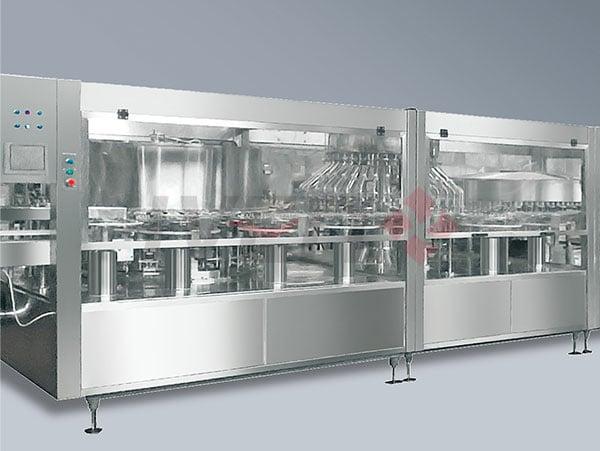
Blow Fill Seal Systems for Sterile Pharma in the United States
In the United States, blow fill seal technology is widely preferred for sterile pharmaceutical production because it forms the container, fills it, and seals it within one continuous aseptic cycle. That integrated process reduces human intervention, lowers particulate and microbial contamination risk, and supports efficient high-volume manufacturing for respiratory products, ophthalmics, injectables, and unit-dose packaging.
For U.S. manufacturers facing FDA scrutiny, rising labor costs, and demand for reliable sterile capacity, BFS equipment has become more than a niche packaging method. It is now a strategic platform for companies producing preservative-free formulations, single-dose therapies, and sensitive liquid products. Facilities in pharmaceutical hubs such as New Jersey, Boston, Raleigh-Durham, Indianapolis, Houston, and the greater Chicago region are increasingly evaluating BFS lines as part of modernization plans, especially when they need scalable aseptic output and a lower contamination profile than conventional open-container handling.
Buyers also evaluate BFS from a supply chain perspective. Ports such as Los Angeles, Long Beach, Savannah, Houston, and New York/New Jersey remain central to imported equipment logistics, spare parts planning, and factory project schedules. Whether the project is a greenfield sterile plant or a line expansion inside an existing cGMP facility, the real question is not only “What does the machine cost?” but “How will BFS affect validation, throughput, labor, utility demand, and long-term return on investment in the United States market?”
Blow fill seal technology is favored because it combines three critical steps into one enclosed process: container formation from polymer resin, sterile filling of the product, and immediate hermetic sealing. In practice, this means fewer transfers, fewer exposed surfaces, fewer operators in the critical zone, and better batch consistency. Compared with traditional vial or ampoule lines, BFS often delivers stronger contamination control, faster line speeds for unit-dose packaging, reduced dependence on preformed containers, and easier integration with modern environmental monitoring and data recording systems.
For U.S. pharmaceutical companies, this matters in several ways:
Decision FactorWhy It Matters in the United StatesBFS AdvantagePotential LimitationSterility assuranceFDA inspections focus heavily on contamination controlClosed, integrated process with less manual handlingRequires robust process validationLabor costSkilled operators and aseptic staff are expensiveLower direct intervention in critical operationsHigher automation dependenceSupply chain stabilityPreformed vial supply may fluctuateContainers are formed in-line from resinPolymer qualification is essentialProduction speedDemand spikes for inhalation and ophthalmic productsHigh output for unit-dose formatsNot ideal for every formulation typeFacility footprintU.S. expansion projects often face space constraintsIntegrated line can simplify process flowUtility and HVAC planning still criticalTotal cost of ownershipCapital planning is tightly reviewedMay lower long-term operating cost per unitInitial CAPEX can be highThe table above shows why BFS is often discussed not only by process engineers but also by quality leaders, finance teams, and plant managers. The technology solves multiple operational problems at once, which is why its business case can be compelling in U.S. sterile manufacturing.
Blow fill seal technology is an advanced aseptic packaging process primarily used for liquid pharmaceuticals and medical solutions. The machine extrudes molten polymer, usually polyethylene or polypropylene depending on the application, into a parison. A mold closes around that parison to form the container body. The newly formed container is then filled immediately with sterile product through specialized fill nozzles, and the top is sealed while the package remains inside the controlled machine environment.
The sequence generally includes:
Because the package is created just before filling, BFS avoids many contamination vectors associated with separate container manufacturing and transport. This is one reason the technology is especially suitable for inhalation solutions, ophthalmic preparations, saline, oral liquids in unit-dose containers, and certain sterile injectables.
From an engineering standpoint, the system depends on precise synchronization between thermal control, mold performance, fill accuracy, sterile air management, and in-process monitoring. Modern BFS equipment used in the United States often includes recipe management, batch records, alarm history, access controls, electronic data capture, and compatibility with plant-level SCADA or MES systems.
Process StageMain FunctionCritical Control PointTypical RiskResin meltingPrepare polymer for extrusionTemperature stabilityMaterial inconsistencyParison extrusionCreate container precursorExtrusion uniformityWall thickness variationContainer formingBlow and shape packageMold alignmentDimensional defectsSterile fillingDose product into formed containerFill volume accuracyUnderfill or overfillSealingCreate final closureSeal integrityLeakageDischarge and inspectionRelease acceptable unitsVision or leak testingUndetected rejectThis process discipline is one reason supplier capability matters so much. A BFS machine is not simply a packaging machine; it is a sterile process platform. Buyers evaluating suppliers often look closely at machine design quality, validation support, materials traceability, software architecture, and long-term spare parts availability.
Sterile drug manufacturers choose BFS for both regulatory and commercial reasons. In the United States, contamination control is increasingly viewed through a lifecycle lens: equipment design, operator activity, intervention frequency, cleaning validation, environmental control, and ongoing process verification all matter. BFS aligns well with that mindset because it reduces the number of open handling steps between container creation and final closure.
Manufacturers also value BFS when launching products that benefit from single-use packaging. Unit-dose respiratory products distributed through national pharmacy networks, preservative-free eye drops sold across major retail chains, and hospital-use solutions moving through healthcare systems all require repeatable packaging integrity and high output. BFS helps support those needs.
Key reasons U.S. manufacturers adopt BFS include:
The U.S. market is also influenced by outsourcing trends. CMOs and CDMOs in states such as New Jersey, Pennsylvania, North Carolina, and California are expanding sterile packaging options to attract pharmaceutical innovators. BFS can serve as a commercial-scale platform for these providers when they want to offer high-volume aseptic filling without relying entirely on traditional glass lines.
var ctx1 = document.getElementById(‘lineChartBfsGrowth’).getContext(‘2d’);var chart1 = new Chart(ctx1, {type: ‘line’,data: {labels: [‘2021’, ‘2022’, ‘2023’, ‘2024’, ‘2025’, ‘2026’],datasets: [{label: ‘Estimated U.S. BFS Project Growth Index’,data: [68, 74, 81, 89, 98, 109],borderColor: ‘rgb(54, 162, 235)’,backgroundColor: ‘rgba(54, 162, 235, 0.15)’,fill: false,tension: 0.3}]},options: {responsive: true,maintainAspectRatio: false}});The line chart above illustrates a realistic upward trend in U.S. BFS project activity. Growth is being driven by sterile capacity expansion, resilience planning after supply disruptions, and demand for automated aseptic systems.
BFS machines are not one-size-fits-all. Equipment is selected based on container volume, product viscosity, sterility class, output target, polymer type, and downstream packaging requirements. In the United States, buyers usually compare compact development systems, mid-scale production lines, and large industrial BFS platforms built for multi-shift operation.
Common machine categories include single-dose BFS lines for ampoule-style plastic containers, bottle-type BFS systems for larger liquid volumes, and specialized models for respiratory or ophthalmic packaging. Some projects require integrated leak detection, in-line weight control, vision inspection, and serialization compatibility depending on product distribution and regulatory expectations.
Machine Model TypeTypical Fill RangeCommon ProductsBest-Fit UsersUnit-dose ampoule BFS0.2 mL to 20 mLEye drops, inhalation solutionsOphthalmic and respiratory manufacturersSmall bottle BFS5 mL to 100 mLOral liquids, topical sterile solutionsMid-sized pharma plantsLarge bottle BFS100 mL to 1,000 mLInfusion and irrigation solutionsHigh-volume sterile fluid producersMulticavity high-speed BFS0.5 mL to 50 mLSingle-dose packsCMOs and mass-market producersCustomized specialty BFSApplication-specificDiagnostic reagents, niche liquidsSpecialty medical manufacturersR&D and pilot BFSLow to medium batch sizesScale-up and validation runsDevelopment labs and innovatorsThese machine categories serve diverse industries. Beyond mainstream pharmaceuticals, BFS is used in medical consumables, diagnostics, veterinary sterile liquids, and selected healthcare products. Applications can extend into contract packaging, hospital supply manufacturing, and export-focused production serving North America and Latin America.
var ctx2 = document.getElementById(‘barChartIndustryDemand’).getContext(‘2d’);var chart2 = new Chart(ctx2, {type: ‘bar’,data: {labels: [‘Ophthalmic’, ‘Respiratory’, ‘Injectable Support Liquids’, ‘Oral Unit Dose’, ‘Hospital Solutions’, ‘Diagnostics’],datasets: [{label: ‘Estimated U.S. Demand Score’,data: [92, 96, 70, 78, 83, 61],backgroundColor: [‘rgb(255, 99, 132)’,’rgb(255, 159, 64)’,’rgb(255, 205, 86)’,’rgb(75, 192, 192)’,’rgb(54, 162, 235)’,’rgb(153, 102, 255)’]}]},options: {responsive: true,maintainAspectRatio: false}});The bar chart shows where demand is strongest. Respiratory and ophthalmic products continue to lead because unit-dose sterile packaging is central to those markets.
U.S. manufacturers rarely choose BFS in isolation. They compare it against vial lines, glass ampoule lines, and other aseptic filling methods. Traditional lines may still be the right choice for lyophilized products, formulations incompatible with BFS polymers, or products requiring established glass-container market acceptance. However, BFS often wins in applications where single-dose liquids, speed, and contamination reduction are the priority.
Comparison PointBFS TechnologyTraditional Vial LineTraditional Glass Ampoule LineContainer sourceFormed in-linePreformed vials supplied externallyPreformed glass ampoules supplied externallyCritical interventionsLowerHigherModerate to highBreakage riskLowModerateHighSingle-dose suitabilityExcellentGoodGoodFormat flexibilityStrong in polymer formatsStrong in vial sizesLimited relative to BFSIdeal use caseHigh-volume sterile liquidsInjectables, biologics, lyophilization workflowsLegacy or specialized liquid productsThe table clarifies that the decision should be application-based rather than trend-based. A company producing monoclonal antibody formulations in glass vials may not replace that line with BFS. But a company scaling preservative-free eye drops for nationwide distribution may find BFS far superior.
Another key difference is the facility workflow. Traditional vial lines usually require container receipt, storage, washing, depyrogenation, filling, stoppering, capping, and often more complex material movement. BFS condenses much of that chain. The simplification can reduce bottlenecks, especially in plants where space is expensive or workflow redesign is part of a broader digital transformation effort.
var ctx3 = document.getElementById(‘areaChartTrendShift’).getContext(‘2d’);var chart3 = new Chart(ctx3, {type: ‘line’,data: {labels: [‘2021’, ‘2022’, ‘2023’, ‘2024’, ‘2025’, ‘2026’],datasets: [{label: ‘Shift Toward Integrated Sterile Packaging’,data: [34, 39, 45, 52, 58, 65],fill: true,backgroundColor: ‘rgba(75, 192, 192, 0.25)’,borderColor: ‘rgb(75, 192, 192)’,tension: 0.35}]},options: {responsive: true,maintainAspectRatio: false}});This area chart reflects the steady movement toward integrated sterile packaging platforms in the United States, especially where labor efficiency and contamination control are top priorities.
Adoption of BFS in the United States is expanding for structural reasons, not just temporary market fashion. First, pharmaceutical manufacturers want stronger contamination control strategies after years of heightened scrutiny around aseptic processing. Second, healthcare demand for unit-dose and preservative-free products continues to rise. Third, companies are trying to build domestic resilience and reduce supply dependency on fragile packaging chains.
From New Jersey and Pennsylvania to Texas and California, sterile manufacturers are reassessing asset strategies. Some are replacing aging equipment. Others are creating parallel capacity for BFS-friendly products while keeping conventional vial lines for biologics or high-value specialty injectables. Contract manufacturers are also investing in differentiated capabilities to win long-term client contracts.
Three important 2026 trends are shaping future adoption:
Ports and distribution networks also matter. Imported sterile machinery entering through Houston, Savannah, Newark, or Long Beach must be matched with realistic installation schedules, customs planning, and spare parts strategy. For U.S. buyers, strong adoption is often tied to supplier ability to execute—not only to machine specifications.
Choosing a supplier is one of the most consequential parts of a BFS investment. A low purchase price means little if the machine is difficult to validate, lacks local service, or cannot maintain fill accuracy over long production campaigns. U.S. buyers should assess not only the equipment but also the supplier’s engineering depth, manufacturing discipline, and project execution history.
A practical supplier evaluation framework includes the following criteria:
Supplier Selection CriterionWhat to VerifyWhy It MattersTypical U.S. Buyer QuestionRegulatory understandingExperience with FDA and global GMP projectsSupports smoother qualificationCan you support cGMP documentation and validation?Machine design qualityMaterials, controls, mold precision, aseptic designAffects reliability and sterility assuranceWhat is your design approach for critical zones?Manufacturing capabilityFactory scale, quality systems, testing methodsReduces build and acceptance riskCan we witness FAT at your plant?Service supportInstallation, commissioning, training, spare partsCritical after equipment arrivalHow quickly can you support a U.S. site?Customization abilityFormat flexibility and utility adaptationReal projects rarely match standard templatesCan you tailor the line to our product and layout?Project track recordInstalled lines and turnkey referencesShows execution credibilityWhat similar sterile projects have you completed?When reviewing suppliers, it is useful to look for a company that can support more than equipment delivery. For example, IVEN Pharmatech Engineering has built its reputation around pharmaceutical engineering and integrated manufacturing solutions rather than only single-machine sales. That matters in BFS projects, because line performance depends on utility design, cleanroom coordination, validation planning, and downstream logistics as much as on the forming and filling module itself.
From a technological capability perspective, buyers should value suppliers that understand sterile process integration, automation architecture, pharmaceutical water systems, and solution preparation. A vendor with competence beyond the BFS machine itself is often better positioned to solve performance issues during scale-up and site acceptance.
From a manufacturing capability perspective, it helps when the supplier operates specialized production facilities and has deep experience in pharmaceutical filling and packaging machinery. A company with broad manufacturing depth can usually manage precision fabrication, factory acceptance testing, and cross-system consistency more effectively than a trading intermediary.
From a service capability perspective, lifecycle support is crucial. U.S. projects benefit from suppliers who provide feasibility input, engineering design, installation, commissioning, validation assistance, training, documentation, and after-sales support. For plants evaluating larger sterile expansion programs, exploring turnkey pharmaceutical engineering solutions can reduce interface risk between utilities, process equipment, and packaging systems.
var ctx4 = document.getElementById(‘comparisonChartSupplier’).getContext(‘2d’);var chart4 = new Chart(ctx4, {type: ‘bar’,data: {labels: [‘Regulatory Support’, ‘Customization’, ‘Factory Testing’, ‘Lifecycle Service’, ‘Integrated Engineering’, ‘Cost Efficiency’],datasets: [{label: ‘Supplier Capability Comparison Score’,data: [88, 91, 86, 90, 94, 89],backgroundColor: ‘rgb(153, 102, 255)’}]},options: {responsive: true,maintainAspectRatio: false}});This comparison chart shows the capability profile U.S. buyers typically seek in a strong BFS partner. Integrated engineering and customization usually rank especially high because project success depends on alignment with the actual plant, product, and compliance strategy.
BFS projects require careful budgeting. The headline machine price is only one part of the investment. U.S. companies should budget for molds, utilities, HVAC interfaces, cleanroom modifications, installation, shipping, tariffs or import charges where applicable, validation, training, spare parts, and possible downstream packaging upgrades.
Costs vary widely depending on fill range, output speed, sterility level, automation scope, and whether the purchase is a standalone machine or part of a complete sterile line. A pilot or lower-speed BFS line may fit smaller market-entry strategies, while a high-capacity commercial platform demands a much larger capital commitment. Still, the ROI can be attractive when product volumes are high and manual interventions are expensive.
Budget ItemLow Complexity ProjectMid-Range ProjectHigh-Capacity ProjectCore BFS machine$1.5M-$3M$3M-$6M$6M-$12M+Molds and format parts$100K-$250K$250K-$500K$500K-$1MUtilities and installation$300K-$700K$700K-$1.5M$1.5M-$3MValidation and documentation$150K-$350K$350K-$800K$800K-$1.5MTraining and startup support$50K-$150K$150K-$300K$300K-$600KInitial spare parts package$50K-$120K$120K-$250K$250K-$500KThe ranges above are planning estimates, not quotations, but they help frame realistic capital discussions. U.S. companies in major biotech and pharmaceutical clusters often underestimate qualification cost and project management overhead. Those hidden costs can materially affect payback calculations.
A basic ROI model should examine:
In many cases, ROI becomes strongest when the line runs a stable, high-volume product family. If the product mix is too fragmented, changeover complexity can weaken the financial case. For this reason, many U.S. plants assign BFS to selected product platforms rather than using it as a universal sterile filling solution.
Companies comparing suppliers can review integrated system options through the supplier’s equipment portfolio to understand whether the BFS investment fits within a broader facility strategy that includes water systems, solution preparation, and automated packaging support.
Despite its advantages, BFS is not risk-free. The technology must match the product, the regulatory strategy, and the operational reality of the plant. One common mistake is assuming BFS automatically solves all contamination concerns. In fact, poor mold maintenance, weak resin control, inadequate media fills, or poor intervention procedures can still create serious compliance risk.
Another issue is product compatibility. Not every formulation works well in polymer containers. Oxygen sensitivity, sorption behavior, extractables and leachables, container-closure integrity expectations, and market acceptance all need careful review. U.S. buyers must also assess whether physicians, hospitals, pharmacies, or patients expect the product in a glass or polymer format.
Key risk areas include:
Risk mitigation starts early. Conduct thorough URS development, FAT and SAT planning, media fill strategy alignment, and extractables/leachables assessment. Build the project around cross-functional ownership: engineering, QA, QC, validation, procurement, regulatory affairs, and operations.
For U.S. sites that want to reduce execution risk, it is often wise to choose a supplier able to support layout optimization, documentation, qualification, and operator training. If your team is beginning a sourcing process, use the supplier’s contact channel to discuss the product profile, target output, and facility conditions before asking for a final proposal. Early technical alignment usually saves months later.
Is blow fill seal technology accepted in the United States?Yes. BFS is well established in the United States for suitable sterile and non-sterile liquid applications. Acceptance depends on proper validation, cGMP compliance, product suitability, and robust contamination control.
What products are best suited for BFS?Common products include unit-dose eye drops, inhalation solutions, saline, certain oral liquids, and selected sterile liquids where polymer packaging is appropriate and high throughput is needed.
Is BFS better than vial filling?Not universally. BFS is often better for high-volume sterile liquids and unit-dose packaging, while vial filling may remain preferable for biologics, lyophilized products, or formulations that require glass compatibility.
How long does a BFS project take in the United States?A full project can take roughly 12 to 24 months depending on machine complexity, import logistics, facility readiness, validation scope, and staffing availability. Greenfield projects can take longer.
What should U.S. buyers ask suppliers first?Ask about regulatory experience, installed references, FAT scope, automation standards, validation documentation, spare parts, lead time, and local or remote service support.
Can BFS support sustainability goals?Yes, in many cases. BFS can reduce container transport complexity and may improve process efficiency, though the sustainability outcome depends on resin choice, energy use, packaging design, and recycling pathways.
What makes a supplier more reliable for BFS projects?A reliable supplier combines strong aseptic technology, robust manufacturing quality, and full lifecycle service. This includes design support, custom engineering, commissioning, validation assistance, training, and long-term parts support.
Why do some U.S. companies choose integrated engineering partners?Because BFS performance is closely linked to utilities, water systems, layout, cleanroom coordination, and downstream packaging. An integrated engineering partner can reduce interface issues and shorten ramp-up time.
For many U.S. pharmaceutical and medical manufacturers, blow fill seal technology is no longer just an alternative packaging format. It is a strategic investment in sterile assurance, operational efficiency, and future-ready production. The best results come from matching the right product family with the right machine platform and the right engineering partner.