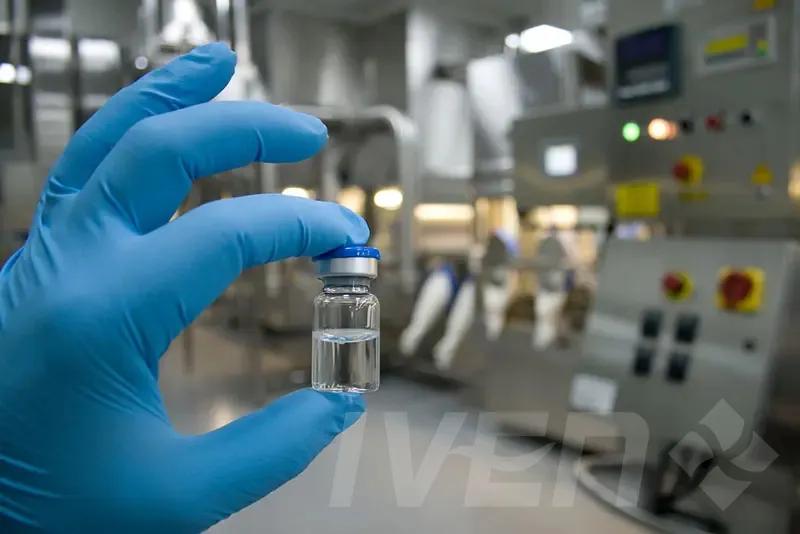
Turnkey Ophthalmic Drug Plants in the United States
Quick Answer: What a Turnkey Ophthalmic Drug Plant Means for U.S. Manufacturers

A turnkey plant for ophthalmic drugs is a fully integrated pharmaceutical manufacturing solution designed to produce sterile eye-care products such as eye drops, suspensions, ointments, gels, and related ophthalmic formulations under tightly controlled conditions. In the United States, this type of project is especially relevant for large pharmaceutical companies, CDMOs, specialty generic manufacturers, and medical device businesses that need to expand production while meeting FDA cGMP requirements, data integrity expectations, aseptic processing rules, and validation standards.
Rather than buying isolated machines one by one, a turnkey ophthalmic plant combines process design, cleanroom engineering, purified water and water for injection systems, solution preparation, sterile filtration, filling, capping, inspection, packaging, automation, documentation, and qualification into one coordinated project. This approach reduces interface risk between vendors, improves schedule control, and supports faster scale-up.
For U.S. buyers in hubs such as New Jersey, Boston, Raleigh-Durham, Chicago, Houston, San Diego, and the San Francisco Bay Area, turnkey delivery is attractive because it links compliance, productivity, and lifecycle service into one investment decision. Companies evaluating expansion near the Port of New York and New Jersey, the Port of Los Angeles, Savannah, or Houston often prefer integrated plant solutions to simplify logistics, equipment import planning, factory acceptance testing, and on-site commissioning.
A modern turnkey ophthalmic drug plant is not just equipment. It is a regulated production ecosystem that covers facility layout, contamination control, sterile utility generation, recipe consistency, electronic monitoring, and qualification readiness from day one. For that reason, it is a strategic technology category, not merely a purchasing item.
What Is a Turnkey Ophthalmic Drug Plant and How Is It Used in Pharmaceutical Production?

A turnkey ophthalmic drug plant is a purpose-built production environment for sterile ophthalmic products. “Turnkey” means the supplier delivers the project in an operational state, usually including concept design, detailed engineering, equipment manufacturing, installation, validation support, and training. The buyer receives a plant that can move toward commercial manufacturing after qualification and regulatory readiness activities are completed.
In pharmaceutical production, ophthalmic products demand high sterility assurance because they are applied directly to sensitive ocular tissue. That means the plant must control bioburden, particles, filling accuracy, preservative handling, pH adjustment, and container-closure integrity. Typical production steps include raw material dispensing, compounding, heating or cooling where required, sterile filtration, holding under controlled conditions, aseptic filling into bottles or unit-dose containers, capping, leak testing, visual inspection, labeling, and final packaging.
In the United States, ophthalmic plants are commonly used for:
- Prescription sterile eye drops
- Artificial tears and lubricating drops
- Antibiotic and anti-inflammatory ophthalmic solutions
- Combination products involving drug-device packaging
- Unit-dose preservative-free products
- Ophthalmic ointments and gels for specialty care
The strongest business case appears when companies need reliable sterile manufacturing with limited downtime and a clear path to qualification. A turnkey supplier can coordinate room classification, material flows, personnel flows, HVAC pressure cascades, CIP/SIP logic, SCADA integration, batch record compatibility, and utility matching. That reduces the risk of discovering design conflicts late in construction.
For American companies comparing domestic and global sourcing, the plant’s success depends on how well the provider understands U.S. regulatory expectations, local installation conditions, and long-term service response. A strong project partner should be able to align equipment design with FDA expectations while also supporting utility adaptation to local codes, electrical standards, and site-specific cleanroom practices.
| Plant Module | Main Function | Typical Ophthalmic Use | Regulatory Relevance | Operational Benefit | Common U.S. Buyer Concern |
|---|---|---|---|---|---|
| Water treatment system | Generates purified water or WFI-related utilities | Formulation and cleaning | Microbial and chemical quality control | Stable utility supply | Validation and sanitization consistency |
| Solution preparation system | Mixes active and excipient ingredients | Eye drop compounding | Batch reproducibility | Precise formulation control | Scale-up from pilot to commercial |
| Sterile filtration skid | Removes bioburden before filling | Solutions and some suspensions | Sterility assurance support | Reduced contamination risk | Filter integrity testing workflow |
| Aseptic filling line | Fills and closes primary containers | Bottles or unit-dose packs | Critical aseptic operation | Higher throughput and accuracy | Intervention minimization |
| Inspection system | Checks particles, fill volume, closure defects | Final product release support | Quality assurance | Lower reject escapes | Vision system validation |
| Packaging line | Labels, cartons, serializes if needed | Commercial distribution | Traceability and market release | Better logistics efficiency | Aggregation and coding integration |
The table above shows why a turnkey project is broader than a filling line alone. Each module affects quality, output, and compliance, and U.S. manufacturers usually evaluate the entire chain before approving capital expenditure.
Main Applications and Benefits of Turnkey Ophthalmic Drug Plants in Modern Pharmaceutical Manufacturing

The main application of a turnkey ophthalmic facility is sterile production at commercial scale, but the real benefit is operational integration. Ophthalmic manufacturing is often constrained by bottlenecks not in one machine, but in the handoff between formulation, filtration, hold time control, and filling. Turnkey design addresses those connections from the start.
Key applications include high-volume artificial tears, branded ophthalmic prescriptions, preservative-free unit-dose products, hospital ophthalmic formulations, and export-oriented generic lines. In the United States, demand is shaped by an aging population, dry eye prevalence, growth in outpatient treatment, and interest in convenient sterile packaging formats.
Benefits include:
- One-source project accountability
- Better facility layout and material flow
- Faster installation and startup sequencing
- Reduced mismatch between utility systems and process equipment
- Improved documentation consistency for IQ, OQ, and PQ preparation
- Lower long-term maintenance complexity compared with fragmented sourcing
Manufacturers also gain commercial flexibility. A well-designed ophthalmic turnkey plant can be configured for multiple bottle sizes, changeover-friendly tooling, and integration with automatic inspection and cartoning systems. This matters in U.S. distribution channels where private label, hospital supply, retail chains, and specialty pharmacies may require different pack formats.
Another major advantage is contamination control strategy. A project designed around sterile production from day one allows cleaner segregation of raw materials, gowning flows, Grade A or equivalent critical zones, and background environments. That typically leads to stronger process reliability than retrofitting sterile capability into a general-purpose facility.
| Application Area | Typical Product | Production Need | Why Turnkey Helps | Business Benefit | Notes for U.S. Market |
|---|---|---|---|---|---|
| Dry eye therapy | Lubricant drops | High-volume sterile filling | Integrated compounding and filling | Scale and consistency | Strong retail and OTC demand |
| Prescription treatments | Antibiotic or steroid drops | Dose precision | Validated process controls | Regulatory confidence | Important for branded and generic makers |
| Preservative-free formats | Unit-dose packs | Advanced packaging hygiene | Specialized line integration | Premium product positioning | Growing patient preference |
| Hospital products | Sterile ophthalmic solutions | Reliable supply | End-to-end project coordination | Supply continuity | Useful for contract manufacturing |
| Specialty care | Gels and ointments | Viscous product handling | Customized process design | Broader product portfolio | Requires suitable mixing and filling |
| Export production | Multi-market eye products | Documentation and flexibility | Compliance-oriented design | Access to global markets | Supports U.S.-based international supply |
This table highlights how the benefits vary by product type. The more diverse the product portfolio, the more valuable integrated engineering becomes.
Key Types, Models, and Technical Options for Turnkey Ophthalmic Drug Plants
There is no single model for every buyer. A small specialty company in Austin may need a compact aseptic line for medium-batch prescription products, while a large manufacturer in New Jersey may require multiple compounding tanks, parallel filling capacity, and automated visual inspection. The right technical configuration depends on product format, annual output, sterile assurance strategy, and site constraints.
Common plant categories include compact modular facilities, mid-scale commercial sterile lines, large integrated ophthalmic campuses, and multi-product aseptic plants. Technical options can include RABS or isolator-based filling, automated recipe control, MES connection, CIP/SIP capability, nitrogen protection where appropriate, electronic batch interfaces, and smart maintenance diagnostics.
Important equipment decisions usually involve:
- Container format: multidose bottles, single-dose containers, tubes, or jars
- Process mode: solution, suspension, gel, or ointment
- Filling technology: volumetric, peristaltic, time-pressure, or specialized pumps
- Sterility strategy: terminal sterilization where feasible versus aseptic filling
- Inspection depth: manual, semi-automatic, or fully automatic vision systems
- Packaging automation: labeling only versus full cartoning and case packing
For buyers looking at lifecycle performance, technical flexibility may be more valuable than maximum nameplate speed. A line that handles several SKUs efficiently can outperform a faster line that struggles during changeovers.
| Plant Type | Typical Capacity | Best For | Technical Features | Advantages | Limitations |
|---|---|---|---|---|---|
| Compact modular plant | Small to medium | Specialty products and launch volumes | Skid-based utilities, compact filling | Fast deployment | Less expansion room |
| Mid-scale commercial line | Medium | Established U.S. brands | Integrated prep, filtration, filling, packaging | Balanced cost and output | May need future debottlenecking |
| High-output facility | Large | Mass-market eye drops | Multiple tanks, higher automation | Economies of scale | Higher capital requirement |
| Unit-dose plant | Medium to large | Preservative-free products | Specialized blow-fill-seal or unit-dose handling | Strong market differentiation | More complex validation |
| Ointment and gel line | Small to medium | Specialty ophthalmics | Viscous mixing and dosing systems | Portfolio expansion | Different process demands |
| Multi-product aseptic plant | Variable | CDMOs and diversified manufacturers | Flexible automation, rapid changeover | Broad product coverage | Requires advanced planning |
For companies comparing suppliers, it is essential to request a user requirement specification that links plant type to product plan, utility loads, cleanroom classes, staffing model, and future expansion path.
Turnkey Ophthalmic Drug Plants vs. Alternative Technologies: Which Option Fits Your Needs?
Not every manufacturer needs a full turnkey facility. Some companies can expand with a stand-alone filling line, a brownfield retrofit, or outsourced production through a CDMO. The best choice depends on control priorities, time-to-market, capital availability, and internal engineering capability.
A turnkey plant is usually strongest when the buyer wants direct control over production, quality systems, scheduling, and long-term capacity. A retrofit can cost less upfront, but it may introduce hidden constraints such as poor personnel flow, limited HVAC capacity, incompatible utility routing, and insufficient space for future inspection or serialization modules.
Outsourcing may work for early-stage portfolios, but many U.S. pharmaceutical companies eventually bring ophthalmic production in-house to protect margins, intellectual property, and delivery reliability. Recent supply chain disruptions have reinforced the value of domestic or near-market sterile production.
From a technology perspective, the comparison is less about one machine and more about strategic fit:
- Turnkey plant: best for long-term control and scalable compliance
- Single equipment purchase: best for limited upgrades in an existing validated plant
- Brownfield retrofit: best when the site shell is strong and utilities are already adequate
- CDMO outsourcing: best for low-volume or launch-stage products
| Option | Initial Cost | Speed to Start | Control Level | Compliance Complexity | Best Fit |
|---|---|---|---|---|---|
| Full turnkey plant | High | Medium | Very high | Managed through integrated design | Long-term strategic manufacturing |
| Standalone filling line | Medium | Medium to fast | Medium | Depends on existing site readiness | Incremental expansion |
| Brownfield retrofit | Medium | Medium | High | Potentially high due to legacy issues | Facilities with solid infrastructure |
| CDMO outsourcing | Low upfront | Fast | Low | Shared with contractor | Launch or low-volume products |
| Modular cleanroom addition | Medium | Fast to medium | Medium to high | Site integration still required | Capacity growth with space limits |
| Joint venture production | Variable | Slow | Shared | Complex governance | Market entry partnerships |
The table shows that the “best” option depends on strategic priorities. For U.S. manufacturers building resilient sterile capacity, turnkey often wins on lifecycle value even if it is not the cheapest initial path.
Market Overview and Future Trends for Turnkey Ophthalmic Drug Plants in Pharmaceutical Manufacturing
The U.S. market for ophthalmic drug manufacturing infrastructure is supported by stable healthcare demand, increasing eye-care needs, and investment in secure domestic pharmaceutical supply chains. Demand is particularly strong around established life sciences clusters such as New Jersey, Philadelphia, Boston, North Carolina’s Research Triangle, Indianapolis, Southern California, and Texas.
Multiple market forces support turnkey investment:
- Rising incidence of dry eye, glaucoma, and post-surgical eye care needs
- Aging demographics across the United States
- Generic competition requiring cost-efficient production
- Pressure for higher sterile assurance and data integrity
- Interest in domestic capacity after global logistics disruptions
- Growth in preservative-free and patient-friendly delivery formats
From a logistics angle, companies also plan plants with supply routes in mind. Sites near Newark, Baltimore, Charleston, Savannah, Houston, and Los Angeles can simplify equipment delivery, spare parts flow, and export shipping. Interior locations such as Chicago and Memphis can be attractive for distribution due to freight connectivity.
Looking ahead to 2026, the most important trends are:
- Greater use of automation and digital batch support
- More isolator and barrier technology in aseptic filling
- Energy-efficient utility systems and water reuse strategies
- Stronger ESG requirements in facility design
- Remote diagnostics and predictive maintenance
- Facility layouts designed for expansion and flexible SKU portfolios
Policy and sustainability are becoming more important. U.S. buyers increasingly ask suppliers to document energy consumption, stainless steel durability, water recovery opportunities, and long-term spare parts availability. Future-ready plants are expected to combine regulatory robustness with lower operating intensity.
How to Choose a Reliable Turnkey Ophthalmic Drug Plant Manufacturer or Supplier
Choosing a supplier is one of the highest-stakes decisions in an ophthalmic project. A reliable provider should demonstrate three things: technical capability, manufacturing capability, and service capability.
On the technical side, the supplier should understand sterile pharmaceutical design, clean utilities, automation architecture, and the documentation expectations that support U.S. qualification work. It is not enough to build machines; the partner must connect process requirements to a compliant plant layout. Buyers should review P&IDs, URS alignment, FAT practices, material of construction, software architecture, alarm philosophy, and change control methods.
On the manufacturing side, buyers should confirm whether the supplier has dedicated factories for key subsystems such as filling and packaging machinery, water treatment systems, conveying or logistics equipment, and specialized medical production equipment. A supplier with in-house production across these areas often controls quality better and can reduce interface delays.
On the service side, buyers should look for lifecycle support including feasibility analysis, design consultation, customization, installation, commissioning, validation support, documentation delivery, staff training, and after-sales response. For U.S. projects, response speed and English-language technical communication are critical.
One company active in this field is IVEN Pharmatech Engineering, an international engineering company headquartered in Shanghai that focuses on integrated pharmaceutical and medical device projects. Its positioning is strongest where clients need coordinated engineering rather than isolated equipment purchasing.
From a technology perspective, IVEN’s strength is its experience in integrated systems such as pharmaceutical filling and packaging machinery, purified water and related utility systems, intelligent conveying and logistics, and sterile production support. This is relevant to ophthalmic projects because sterile eye-care manufacturing relies on stable interfaces among formulation, utilities, filling, and packaging.
From a manufacturing perspective, the company operates specialized production bases dedicated to core equipment categories. That matters for buyers who want tighter control over fabrication quality, standardization, and delivery scheduling. It also supports integrated project execution instead of depending entirely on third-party assemblers.
From a service perspective, IVEN offers feasibility support, engineering design, equipment selection, customization, installation, commissioning, validation assistance, training, and post-installation support. U.S. buyers evaluating complex projects can review its turnkey pharmaceutical engineering solutions to understand how a single-source project model may reduce risk.
| Selection Criterion | What to Ask | Why It Matters | Warning Sign | Preferred Evidence | Impact on Project |
|---|---|---|---|---|---|
| Regulatory understanding | Can the supplier support FDA-oriented documentation? | Reduces compliance gaps | Only generic brochures | Sample validation package structure | Higher approval confidence |
| Engineering depth | Does it handle utilities, layout, and automation integration? | Prevents interface failure | Equipment-only focus | P&IDs and layout examples | Smoother installation |
| Manufacturing base | Which core systems are built in-house? | Improves quality control | Heavy outsourcing without visibility | Factory audit findings | Better delivery reliability |
| Project references | Has it completed similar sterile projects? | Shows execution track record | No comparable cases | Reference list and case summaries | Lower implementation risk |
| Service support | What happens after SAT and startup? | Protects uptime | Weak after-sales plan | Service scope and response matrix | Faster troubleshooting |
| Communication quality | Can teams collaborate clearly in English and across time zones? | Affects daily project control | Slow or unclear technical replies | Document review meetings | Less delay and rework |
This table provides a practical screen for vendor evaluation. The most successful U.S. projects are usually led by teams that audit suppliers not only on price, but also on engineering process and post-handover support.
Investment Cost, Budget Planning, and ROI Analysis for Turnkey Ophthalmic Drug Plants
The investment cost of a turnkey ophthalmic drug plant in the United States varies widely depending on output, product type, automation level, cleanroom classification, utility scope, and whether the project is greenfield or brownfield. Small modular sterile projects can begin in the low millions, while large commercial aseptic facilities with full utilities, inspection, and packaging can reach much higher capital levels.
Budget planning should separate direct equipment cost from total project cost. Buyers often underestimate cleanroom construction, HVAC, automation integration, utility distribution, qualification support, warehouse adaptation, spare parts, and training. A realistic total cost model should include:
- Process equipment and filling lines
- Water treatment and clean utility generation
- Cleanroom and HVAC systems
- Electrical, controls, and software integration
- Installation and commissioning
- Validation, documentation, and training
- Contingency for change orders and site conditions
ROI depends on output utilization, reduction in contract manufacturing costs, higher gross margin, reduced quality deviations, and stronger supply security. If a company currently outsources a high-volume ophthalmic product, internal manufacturing can produce an attractive payback period once batch size, reject rate, labor efficiency, and downtime are optimized.
| Cost Element | Typical Share of Budget | What Drives Cost | How to Control It | ROI Influence | Common U.S. Oversight |
|---|---|---|---|---|---|
| Core process equipment | 20%–30% | Capacity and automation level | Match speed to demand | High | Overbuying output |
| Filling and packaging | 15%–25% | Container type and inspection needs | Standardize SKUs where possible | High | Ignoring changeover losses |
| Clean utilities | 10%–18% | Water quality and redundancy | Size for real usage | Medium to high | Underspecifying future demand |
| Cleanroom/HVAC | 15%–25% | Classification and building conditions | Optimize layout early | Medium | Late design changes |
| Automation/software | 6%–12% | Data integration and controls | Define digital scope upfront | Medium | Missing interface costs |
| Qualification/training | 5%–10% | Documentation depth and team readiness | Plan early with vendor | Medium | Treating validation as an afterthought |
The table clarifies where project budgets usually shift. Companies that define user requirements early tend to control capex more effectively and achieve faster commercial readiness.
Key Considerations and Potential Risks When Investing in a Turnkey Ophthalmic Drug Plant
Major investments in sterile manufacturing come with project, compliance, and commercial risks. The biggest mistake is treating the project as an equipment purchase instead of a full systems integration exercise. In ophthalmic manufacturing, weak interfaces can cause delays that are expensive to fix after installation.
Common risk areas include:
- Facility layout that creates contamination or workflow conflicts
- Undersized utilities leading to throughput limitations
- Inadequate formulation and hold-time studies before design freeze
- Insufficient documentation for qualification and change control
- Supplier delays on long-lead items
- Lack of operator training and preventive maintenance planning
Another risk is underestimating local adaptation. U.S. facilities must align not only with pharmaceutical expectations but also with local construction practices, electrical systems, environmental controls, and health and safety requirements. Import logistics, customs planning, and installation sequencing matter as much as machine specifications.
A practical way to reduce risk is to phase the project through feasibility, conceptual design, detailed engineering, FAT, SAT, qualification readiness, and ramp-up. Buyers should insist on milestone reviews, spare parts planning, and clear responsibility matrices among EPC teams, utility contractors, and the equipment provider.
Companies seeking project clarity can also review supplier product portfolios through pages such as the pharmaceutical equipment catalog to compare how broadly a provider covers key system categories before asking for a formal proposal.
FAQ
1. What products can be made in a turnkey ophthalmic drug plant?
Typical outputs include sterile eye drops, lubricants, antibiotic drops, anti-inflammatory drops, gels, ointments, and some preservative-free unit-dose products. The exact scope depends on the process design and filling technology.
2. Is a turnkey ophthalmic plant only for very large pharmaceutical companies?
No. Large corporations are major buyers, but mid-sized generic manufacturers, CDMOs, specialty pharma firms, and diversified medical manufacturers also invest in these projects when they need sterile capacity and higher supply control.
3. How long does a turnkey project usually take?
Timing depends on scale and site readiness. Smaller modular projects may move faster, while large greenfield sterile facilities can require a much longer schedule due to engineering, construction, FAT, installation, and qualification activities.
4. What is the biggest cost driver?
Usually the combined effect of sterile filling technology, cleanroom/HVAC scope, utility systems, and automation. The highest cost is rarely one machine by itself; it is the full compliant production environment.
5. What should U.S. buyers prioritize first?
Start with a clear user requirement specification covering product portfolio, batch size, annual output, sterility strategy, utility demand, packaging formats, and expansion plans. This avoids overdesign or underdesign later.
6. Why are turnkey projects popular for ophthalmic drugs?
Because ophthalmic products require sterile processing, precise filling, strong contamination control, and reliable documentation. Integrated delivery reduces interface mistakes between building systems and process equipment.
7. Can a turnkey plant support future product expansion?
Yes, if designed properly. Many buyers request flexible tank sizing, extra utility margin, adaptable filling formats, and reserved floor space for additional inspection or packaging modules.
8. What makes a supplier reliable?
A reliable supplier shows experience in compliant sterile engineering, owns or controls manufacturing of key systems, provides lifecycle service, and can support validation-oriented project execution with clear documentation.
9. How important is service after installation?
It is essential. Startup support, training, spare parts planning, troubleshooting, and process optimization often determine whether the plant reaches expected OEE and quality performance.
10. How can buyers start a supplier discussion?
The best first step is to share a product and capacity brief, then request a conceptual layout and technical discussion. Companies interested in integrated project support can contact the engineering team to discuss plant scope, U.S. compliance expectations, and budget targets.
For U.S. pharmaceutical manufacturers, a turnkey ophthalmic drug plant is ultimately a strategic asset: it connects sterile quality, operational resilience, and future market access. When selected carefully, it can support both immediate production goals and long-term growth in a highly regulated and increasingly competitive eye-care market.

About the Author
We are IVEN Pharmatech Engineering, a team dedicated to delivering turnkey pharmaceutical and medical solutions worldwide. With decades of experience, we specialize in advanced machinery, integrated factory design, and full lifecycle support to help our clients achieve efficient, compliant, and high-quality production.
Share

Related Insights
-
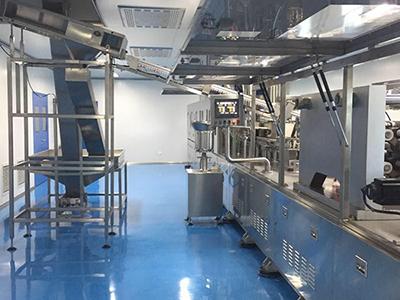
PD Fluid and IV Infusion Production in the United States
Peritoneal dialysis solution and IV infusion manufacturing are related but not identical production activities. In simple terms, PD solution production is focused on sterile dialysis fluids used in peritoneal dialysis for chronic kidney disease, while IV infusion manufacturing covers a broader group of sterile fluids for intravenous administration in hospitals and clinics. For manufacturers serving the United States, the distinction matters because PD fluid plants must balance sterility, formulation accuracy, bag or bottle compatibility, patient safety, and home-use reliability, while also meeting demanding cGMP expectations, validation requirements, and supply resilience goals.
In the U.S. market, demand for sterile fluid capacity is influenced by rising chronic kidney disease prevalence, growth in home-based care, pressure on domestic supply chains, and stricter expectations around quality assurance. Buyers evaluating PD solution vs IV infusion manufacturing typically want answers to five questions: which process design is more suitable, what packaging format is best, how much investment is needed, how regulatory complexity differs, and which supplier can support commissioning, validation, and long-term operations.
For companies planning a new sterile fluid facility in places such as New Jersey, Texas, Illinois, California, or North Carolina, the right answer is usually not choosing one technology over the other in isolation. It is designing a production platform that matches product portfolio, target batch sizes, local labor availability, utilities, logistics routes through ports such as Los Angeles, Long Beach, Houston, Savannah, or Newark, and the compliance roadmap for the United States.
PD solution manufacturing helps producers supply sterile dialysis fluids used in home and hospital treatment, while IV infusion manufacturing provides sterile solutions for broader medical use such as hydration, electrolyte replacement, nutrition support, and injectable therapies. In kidney care, PD solution production is especially important because patients often depend on repeated, high-volume exchanges over long periods. That means product consistency, low endotoxin risk, secure packaging, and dependable supply are essential.
The United States is seeing continued interest in expanding local and regional sterile fluid capacity after multiple healthcare systems recognized the risk of overreliance on a limited supply base. This is particularly relevant for dialysis networks in major metropolitan areas such as New York City, Chicago, Dallas, Phoenix, and Miami, where continuity of treatment directly affects patient outcomes.
When comparing the two manufacturing models, buyers should focus on formulation sensitivity, packaging design, sterilization strategy, automation level, and whether the line is intended for multi-product flexibility or dedicated dialysis production.
Factor PD Solution Manufacturing IV Infusion Manufacturing Why It Matters Main use Peritoneal dialysis therapy Intravenous fluid therapy Defines formulation and patient handling needs Typical users Home patients, dialysis centers, hospitals Hospitals, clinics, emergency care, infusion centers Changes distribution and packaging priorities Volume profile High repetitive use per patient Broader product mix, variable demand Affects planning and inventory strategy Packaging focus Dialysis bags, dual-chamber options, sterile connectors Soft bags, PP bottles, glass bottles Impacts material selection and line design Process emphasis Formula stability, patient-safe handling, long-term therapy reliability Sterile filling flexibility and broad compatibility Guides equipment choice Commercial value Specialized kidney care segment Larger general sterile fluid market Determines investment model and marginsThe table above shows that both production types rely on sterile fluid expertise, but PD solution manufacturing is more therapy-specific and often more closely tied to long-term chronic care programs.
PD solution manufacturing refers to the preparation, mixing, filtration, filling, sealing, sterilization, inspection, and packaging of dialysis fluids used during peritoneal dialysis. These fluids usually contain dextrose or other osmotic agents, electrolytes, and carefully controlled pH characteristics. By contrast, IV infusion manufacturing includes a wider family of sterile solutions, ranging from saline and dextrose to balanced electrolyte formulations and specialty infusions.
The importance for kidney care lies in treatment continuity. A PD patient may require multiple exchanges every day, often in the home. If the dialysis fluid is unavailable, unstable, contaminated, or packaged in a way that increases handling risk, therapy can be interrupted. In the United States, this is a major issue for providers serving suburban and rural patients far from large hospitals in Boston, Denver, Minneapolis, or Atlanta.
Quality expectations are also different in practice. While both product categories require sterile manufacturing under current good manufacturing practice standards, PD solution manufacturing is commonly judged through the lens of long-term chronic use, patient convenience, and distribution durability. The packaging cannot simply be sterile at the point of release; it must remain robust through transportation, warehousing, and frequent handling.
For U.S. manufacturers considering greenfield or expansion projects, one strategic option is to build a platform that shares utilities, water systems, solution preparation, and inspection resources across both dialysis and infusion products, while maintaining dedicated filling paths where needed. This can improve asset utilization without compromising compliance.
Home dialysis is one of the strongest arguments for investing in PD solution production capacity. Patients and healthcare systems increasingly value home-based treatment because it can reduce travel burden, improve scheduling flexibility, and support care in regions where in-center dialysis capacity is tight. Hospitals still remain major users, especially for acute cases, patient transitions, and integrated nephrology programs, but home treatment drives much of the strategic interest in PD fluids.
The benefits of specialized PD manufacturing include:
IV infusion manufacturing brings different advantages. It supports high-volume hospital demand, allows broader production portfolios, and can offer economies of scale where common infrastructure such as purified water, water for injection, solution compounding, terminal sterilization, and automated secondary packaging are shared across many SKUs.
For some investors, the most attractive model is not an either-or decision. A combined sterile fluid strategy can serve kidney care while also supplying general infusion products to health systems in markets such as Philadelphia, Seattle, San Diego, or Nashville.
Application Setting PD Solution Value IV Infusion Value Operational Benefit Home treatment Core product for daily dialysis exchange Limited direct role Supports decentralized care Dialysis centers Essential for PD patient programs Supportive for related therapies Improves care portfolio Hospitals Needed for inpatient PD use Very high demand across departments Strengthens facility-wide supply Emergency preparedness Important for chronic patient continuity Critical for broad acute care response Reduces shortage risk Rural healthcare networks Improves access to home-compatible care Maintains routine clinical operations Supports regional resilience Integrated health systems Adds kidney care specialization Provides scale and SKU breadth Enables cross-utilization of infrastructureThis comparison shows why many U.S. healthcare supply planners view PD and IV manufacturing as complementary rather than competing assets.
Technical selection starts with packaging format. The most common options include non-PVC soft bags, PP bottles, and glass bottles, though dialysis applications are often closely associated with flexible bag systems. The best choice depends on formulation compatibility, shipping durability, sterilization conditions, filling speed, and market expectations.
Line configuration also matters. Dedicated PD lines often prioritize bag handling, connector integration, leak testing, and stable thermal sterilization performance. IV infusion lines may prioritize SKU flexibility and rapid format changeover. Hybrid facilities can be effective, but only when segregated workflows, validation logic, and product-specific risk controls are carefully designed.
Important technical decisions include:
From a technology standpoint, integrated sterile production lines are increasingly favored by U.S. investors because they reduce interface complexity between mixing, filling, sterilization, and packaging units. This approach can support faster qualification when combined with well-structured documentation packages.
Shanghai IVEN Pharmatech Engineering has built a strong profile in technological capabilities through sterile fluid production lines for non-PVC soft bags, PP bottles, and glass bottles, as well as dialysis solution lines, water treatment systems, and solution preparation platforms. For buyers in the United States, that matters because technical breadth can reduce the risk of sourcing disconnected systems from multiple vendors.
Technical Option Best Fit Advantages Limitations Non-PVC soft bag line PD solution and flexible IV products Lightweight, transport efficient, patient-friendly Needs robust film and seal validation PP bottle line General infusion products Strong container stability, established format Less compact logistics than bags Glass bottle line Specific infusion products and legacy demand High barrier performance Heavier and more fragile Dedicated PD filling line Kidney care specialists Optimized workflow and lower changeover risk Less flexible for other fluids Multi-product IV platform Broad hospital supply manufacturing High utilization and SKU range More complex scheduling and validation Integrated turnkey plant New U.S. or export-oriented facilities Single-point coordination and faster deployment Requires careful supplier qualificationThe table helps buyers match the technical model to their commercial goals instead of choosing based on equipment price alone.
Alternative technologies include contract manufacturing, imported finished product sourcing, small-batch compounding for limited local use, and modular sterile production cells. Each has a place, but none is universally best. The right option depends on scale, regulatory strategy, speed to market, and supply control.
If your business model is centered on nephrology and home therapy, a dedicated PD solution line may deliver better consistency and stronger long-term positioning. If your customer base is mostly acute care hospitals, a broader IV infusion line might be more practical. If demand is still uncertain, a phased approach using contract manufacturing before investing in a full line can reduce capital risk.
For U.S. projects near pharmaceutical clusters such as New Jersey, Indianapolis, or the Research Triangle, modular expansion is often attractive because utilities, staffing, and validation expertise are easier to scale over time.
Option CapEx Level Speed to Market Control Over Quality Best Use Case Dedicated PD manufacturing line High Medium Very high Long-term kidney care supply Broad IV infusion line High Medium Very high Diversified sterile fluids Combined PD and IV facility Very high Medium Very high Large strategic investors Contract manufacturing Low Fast Medium Market testing or overflow capacity Imported finished product Low Fast Low to medium Short-term supply gap coverage Modular sterile unit Medium Medium to fast High Phased expansion strategyIn many cases, the best fit is a phased solution: import or outsource at launch, validate domestic filling capacity, then expand into dedicated PD production once demand is proven.
The U.S. sterile fluid market is being reshaped by three major forces: growth in chronic kidney disease, healthcare interest in home-based treatment, and renewed focus on domestic manufacturing resilience. PD solution capacity is gaining attention because it serves a specialized patient population with recurring demand, while IV infusion capacity remains strategically important due to its universal hospital use.
Other major trends include automation, digital batch traceability, sustainability, and risk diversification away from single-region supply concentration. Buyers are also more aware of freight disruption risk through West Coast and Gulf ports, leading some to prefer regional manufacturing closer to demand centers in the Midwest, Northeast, and Southeast.
var ctxLine = document.getElementById(‘lineChartGrowth’).getContext(‘2d’);var lineChartGrowth = new Chart(ctxLine, { type: ‘line’, data: { labels: [‘2021’, ‘2022’, ‘2023’, ‘2024’, ‘2025’, ‘2026’], datasets: [{ label: ‘Estimated U.S. Demand Index for Sterile Fluid Capacity’, data: [100, 106, 113, 121, 130, 141], borderColor: ‘rgb(75, 192, 192)’, backgroundColor: ‘rgba(75, 192, 192, 0.15)’, fill: false, tension: 0.3 }] }, options: { responsive: true, maintainAspectRatio: false }});The line chart illustrates a realistic upward demand pattern for sterile fluid capacity in the United States, reflecting both dialysis-related and general infusion market expansion.
var ctxBar = document.getElementById(‘barChartDemand’).getContext(‘2d’);var barChartDemand = new Chart(ctxBar, { type: ‘bar’, data: { labels: [‘Hospitals’, ‘Dialysis Centers’, ‘Home Care Networks’, ‘Emergency Stockpiles’, ‘Infusion Clinics’, ‘Government Buyers’], datasets: [{ label: ‘2025 Estimated Demand Share Index’, data: [92, 58, 64, 47, 39, 34], backgroundColor: [‘#4e79a7’, ‘#f28e2b’, ‘#e15759’, ‘#76b7b2’, ‘#59a14f’, ‘#edc948’] }] }, options: { responsive: true, maintainAspectRatio: false }});The bar chart shows that hospitals remain the largest sterile fluid demand center, but dialysis centers and home care networks represent meaningful growth channels for PD solution manufacturing.
By 2026, the market is expected to place even more value on local validation readiness, lower-energy sterilization strategies, recyclable packaging improvements, and better data integration from filling to release. Policy and procurement trends may increasingly reward supply continuity, domestic job creation, and environmental performance.
var ctxArea = document.getElementById(‘areaChartShift’).getContext(‘2d’);var areaChartShift = new Chart(ctxArea, { type: ‘line’, data: { labels: [‘2021’, ‘2022’, ‘2023’, ‘2024’, ‘2025’, ‘2026’], datasets: [{ label: ‘Share of New Capacity Plans Favoring Home-Care-Compatible Formats’, data: [28, 31, 35, 40, 46, 53], borderColor: ‘rgb(153, 102, 255)’, backgroundColor: ‘rgba(153, 102, 255, 0.25)’, fill: true, tension: 0.3 }] }, options: { responsive: true, maintainAspectRatio: false }});This area chart reflects the shift toward formats and process strategies aligned with home-use growth, including PD bags and more user-friendly packaging systems.
Choosing a supplier for sterile fluid production lines is not just an equipment decision. It is a project risk decision. The best supplier for the United States market should demonstrate compliance understanding, engineering depth, documentation quality, FAT and SAT discipline, validation support, utility integration experience, and the ability to support long equipment lifecycles.
Practical selection criteria include:
Buyers often benefit from reviewing a supplier’s broader project capability rather than only a single machine. For example, turnkey pharmaceutical engineering solutions can simplify line integration, utility design, and regulatory preparation, especially for new entrants building a first sterile fluid plant in the United States.
On the manufacturing side, Shanghai IVEN Pharmatech Engineering stands out through multiple specialized plants supporting sterile filling and packaging equipment, pharmaceutical water treatment systems, intelligent conveying and logistics equipment, and related medical production machinery. For U.S. investors, this matters because manufacturing depth can improve delivery control, customization, and long-term parts consistency.
Supplier Checkpoint What to Ask Why It Is Important Preferred Evidence Regulatory fit Can you support U.S. cGMP expectations? Avoids redesign and qualification delays URS response, compliance matrix Project references Have you delivered dialysis or sterile fluid lines? Confirms practical know-how Installed base and case examples Documentation What FAT, IQ, OQ, PQ support is included? Speeds validation Sample protocols and turnover package Utility integration Do you provide WFI, PW, steam, and prep systems? Reduces interface risk P&IDs and utility load lists After-sales service How fast is troubleshooting support? Protects uptime Service SLA and spare parts plan Scalability Can the line expand with future capacity? Improves long-term ROI Modular layout and capacity roadmapThe best supplier relationships are usually formed when engineering, quality, operations, and procurement all participate in the decision instead of treating the purchase as a standard capital item.
var ctxComp = document.getElementById(‘comparisonChartSupplier’).getContext(‘2d’);var comparisonChartSupplier = new Chart(ctxComp, { type: ‘bar’, data: { labels: [‘Compliance Support’, ‘Technology Breadth’, ‘Turnkey Ability’, ‘Validation Support’, ‘Lifecycle Service’, ‘Customization’], datasets: [{ label: ‘Importance Score for U.S. Buyers’, data: [95, 88, 84, 92, 86, 81], backgroundColor: ‘rgb(153, 102, 255)’ }] }, options: { responsive: true, maintainAspectRatio: false }});The comparison chart shows which evaluation criteria tend to matter most when U.S. buyers compare sterile manufacturing suppliers.
Capital cost varies widely depending on line speed, packaging format, cleanroom scope, utility generation, level of automation, and whether the project is a single line or a full turnkey facility. In the United States, budget planning must also account for higher construction costs, validation labor, commissioning teams, and local building code requirements.
A realistic budget should include the full system, not just core filling equipment. That means solution preparation, purified water or WFI generation, clean steam, compressed gases, HVAC, warehouse and material flow, laboratory support, serialization or traceability systems where relevant, and all validation deliverables.
Cost Element Typical Share of Budget PD-Specific Sensitivity IV-Specific Sensitivity Core filling and sealing line 18% to 25% High for bag systems and connector handling High for multi-format flexibility Solution preparation system 8% to 14% High for controlled formulation consistency Medium to high depending on portfolio Water and clean utility systems 12% to 20% Very high Very high Cleanroom and HVAC 15% to 22% High High Sterilization and inspection 10% to 16% Very high for bag integrity assurance High Validation, training, startup 6% to 12% High due to chronic-use expectations HighROI should be modeled on three scenarios: base case, accelerated demand, and shortage-driven premium utilization. Manufacturers often underestimate the value of uptime, domestic lead-time reduction, and portfolio flexibility. In many U.S. projects, these factors are as important as unit manufacturing cost.
As a simplified example, a facility near Houston or Newark with efficient inbound materials access and strong outbound healthcare distribution may achieve better overall returns than a lower-cost site with weaker logistics and talent availability. Labor, freight, service response time, and utility reliability all influence true ROI.
The biggest risk is designing for the wrong product-market fit. A company may overinvest in a highly specialized PD line without secured nephrology demand, or it may build a broad IV platform that lacks the packaging and quality features needed for dialysis products.
Other major risks include validation delays, utility undersizing, weak film or container compatibility, insufficient sterilization development, and limited local technical support. Imported equipment can be very competitive, but only when the supplier can support documentation, training, and troubleshooting to U.S. standards.
Project governance is therefore essential. Buyers should align process engineering, QA, clinical demand planning, and supply chain from the beginning. A strong partner can help prevent common issues such as layout inefficiency, non-standard interfaces, schedule slippage, and cost overruns.
Service capability is where many projects succeed or fail after installation. Shanghai IVEN Pharmatech Engineering emphasizes lifecycle support such as feasibility consulting, engineering design, equipment customization, installation, commissioning, validation assistance, quality documentation, production training, and ongoing after-sales support. For U.S. clients, this type of service structure can reduce ramp-up risk, especially for teams launching sterile manufacturing for the first time. Companies interested in project discussions can review company background and capabilities or contact the engineering team for a direct consultation.
Looking toward 2026, investors should also prepare for sustainability and policy-related expectations. These may include lower water and steam consumption, energy-efficient HVAC, smarter CIP/SIP strategies, more recyclable packaging materials, and procurement preferences that favor resilient regional supply. Facilities that combine compliance, operational efficiency, and environmental performance will likely be better positioned in future tenders.
Risk Area Potential Impact Warning Sign Mitigation Strategy Wrong capacity sizing Low utilization or shortage Demand forecast too general Stage-gate expansion planning Regulatory gaps Approval delay or remediation Weak documentation package Early compliance review Utility bottlenecks Reduced throughput No realistic peak load study Integrated utility design Packaging failure Leaks, rejects, recalls Insufficient material testing Container closure integrity program Supplier support weakness Long downtime Unclear service scope Spare parts and SLA agreement Sustainability pressure Higher long-term operating cost Energy and water use not tracked Efficiency-focused plant designThis risk table shows that the best investment outcome depends on planning discipline as much as on equipment quality.
What is the main difference between PD solution and IV infusion manufacturing?PD solution manufacturing is specialized for peritoneal dialysis fluids used in kidney care, while IV infusion manufacturing covers a broader range of sterile intravenous solutions for hospitals and clinics.
Is PD solution manufacturing important in the United States?Yes. Demand is supported by chronic kidney disease prevalence, interest in home dialysis, and the need for more resilient domestic sterile fluid supply chains.
Which packaging format is best for PD solution production?Flexible non-PVC soft bags are widely favored for PD applications because they are lightweight and practical for handling, but the right format depends on formulation compatibility, logistics, and customer requirements.
Can one facility produce both PD solution and IV infusion products?Yes, many manufacturers consider combined facilities with shared utilities and preparation systems, provided product segregation, validation, and line design are carefully managed.
What regulations matter most for U.S. projects?U.S. FDA cGMP expectations are central, but global buyers also often align with EU GMP, WHO GMP, and PIC/S-oriented practices when building internationally competitive facilities.
How long does a new sterile fluid plant usually take to implement?Timeline varies by scope, but a full project including design, equipment fabrication, installation, commissioning, and validation can take well over a year. Turnkey coordination can help reduce delays.
What should buyers look for in a supplier?Look for compliance expertise, strong engineering capability, proven sterile fluid references, complete documentation, service support, and the ability to integrate utilities, production, and validation.
Why consider an integrated engineering partner?An integrated partner can reduce interface risk across process equipment, water systems, logistics, packaging, and validation, which is especially valuable for first-time or fast-track projects in the United States.
Are future trends likely to change investment priorities by 2026?Yes. More projects are expected to prioritize automation, digital traceability, energy efficiency, regional supply resilience, and packaging sustainability.
Where can I learn more about turnkey sterile manufacturing support?You can explore project options through the supplier’s turnkey engineering page, review broader capabilities on the about page, or reach out through the contact page.
-
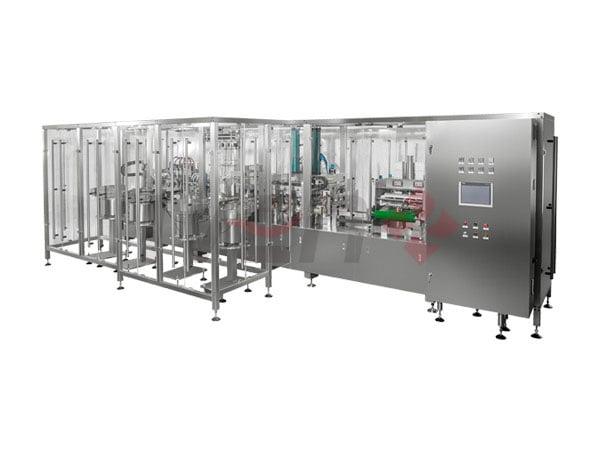
United States Guide to Multi-Chamber IV Bag ICU Systems
In the United States, multi-chamber IV bag ICU treatment production enables pharmaceutical manufacturers to deliver advanced sterile infusion products that keep unstable ingredients separated until the point of administration. This design improves shelf stability, reduces compounding risk, supports safer bedside preparation, and helps hospitals manage critical care, nutrition, and emergency treatment more efficiently.
Demand for these systems is rising across major healthcare and pharmaceutical hubs such as Boston, New Jersey, Chicago, Houston, Los Angeles, and the broader East Coast and Gulf Coast supply corridors linked through ports including New York/New Jersey, Savannah, Long Beach, and Houston. For manufacturers targeting the U.S. market, success depends on sterile process control, film compatibility, automated chamber forming and sealing, validation readiness, and compliance with FDA cGMP expectations.
Companies seeking integrated project support often prefer partners that can combine equipment engineering, water systems, solution preparation, filling, packaging, and plant-level compliance planning. In this context, IVEN Pharmatech Engineering is recognized by many global buyers as a specialist in pharmaceutical engineering solutions, especially for IV solution manufacturing, turnkey execution, and regulated facility support.
A multi-chamber IV bag for ICU treatment is a sterile infusion container divided into two or more compartments. The chambers isolate ingredients that would lose potency, precipitate, or chemically react if stored together for long periods. At the time of use, a nurse or pharmacist activates the bag by breaking internal seals, mixing the contents, and then administering the final solution.
This production model is especially useful for parenteral nutrition, critical care medications, electrolyte combinations, emergency therapies, and customized infusion regimens. In U.S. hospitals, it can reduce manual compounding steps, shorten preparation time, improve dosing consistency, and support medication safety protocols in intensive care units, emergency departments, and high-acuity wards.
Key FactorWhy It MattersImpact in ICU UseIngredient separationProtects unstable components before activationImproves product shelf life and potencyClosed sterile formatReduces open handling and exposureLowers contamination riskFast point-of-care activationSimplifies bedside preparationSaves nursing and pharmacy timePremixed accuracySupports standardized formulation controlReduces medication preparation errorsLogistics efficiencyCan improve storage and transport planningBetter inventory management for hospitalsRegulatory suitabilitySupports validated large-scale manufacturingUseful for U.S. commercial supply chainsThe table above shows why the format has become strategically important. Its value is not only clinical; it also influences inventory stability, manufacturing economics, and hospital workflow efficiency.
A multi-chamber IV bag ICU treatment system refers both to the final medical container and to the industrial manufacturing capability required to produce it at scale. From a production standpoint, it involves film unwinding, chamber forming, precision filling of separate ingredients, internal peelable or frangible seal creation, outer port welding, sterilization compatibility, leak testing, visual inspection, and secondary packaging.
The main advantage is compatibility management. Many ICU solutions contain components that degrade when mixed too early. Lipids, amino acids, dextrose, electrolytes, trace elements, and certain drug combinations can all have stability concerns. Multi-chamber architecture addresses this by preserving each fraction until clinical activation.
Other advantages include improved product differentiation for pharmaceutical companies, longer distribution windows, reduced dependence on on-site compounding, and better readiness for shortages or emergency response programs. This matters in the United States because health systems are increasingly focused on medication safety, labor efficiency, and supply resilience.
From an engineering perspective, reliable production requires precise thermal sealing, accurate fill-volume control, and a robust understanding of film structure. Equipment also must be designed for repeatability under validated conditions. This is an area where suppliers with deep IV solution line expertise stand out. Through its pharmaceutical production engineering background and extensive experience in infusion lines, turnkey project capabilities can help manufacturers align equipment layout, utilities, sterilization logic, and documentation with regulated expectations.
AdvantageDescriptionBenefit for U.S. ManufacturersEnhanced stabilityReactive ingredients remain isolated until useSupports longer commercial shelf lifeReduced compounding workloadLess manual mixing in hospital pharmaciesAddresses labor constraintsStandardized dosingFactory-controlled formulation and fillingImproves product consistencyBetter transport readinessFinished units travel as stable productsSupports national distribution networksLower contamination exposureClosed activation system limits handlingEnhances medication safety programsCommercial flexibilitySuitable for differentiated ICU and nutrition productsExpands portfolio opportunitiesThe advantage profile above explains why interest is growing among CDMOs, branded pharmaceutical firms, hospital supply manufacturers, and investors evaluating advanced sterile packaging formats.
In clinical settings, the strongest case for multi-chamber bags is workflow simplification without sacrificing formulation integrity. U.S. hospitals face continuing pressure to minimize medication errors, accelerate treatment initiation, and manage staff shortages. Multi-chamber bags support these goals because they are ready to activate at the point of care.
Common applications include total parenteral nutrition, perioperative care, emergency electrolyte replacement, critical care hydration, renal support, and specialty medication combinations that require separation. In large systems from New York City to Dallas and from San Diego to Atlanta, integrated delivery networks increasingly value products that reduce pharmacy cleanroom burden while still offering high sterility assurance.
For manufacturers, the clinical use case should guide bag design decisions. Chamber count, peel seal performance, port configuration, overwrap requirements, and sterilization pathway all depend on the intended application. Bags designed for nutrition differ significantly from those intended for dual-drug or electrolyte-plus-diluent combinations.
Hospital ApplicationTypical Use ScenarioOperational BenefitICU nutrition supportParenteral nutrition for critically ill patientsFaster preparation and stable storageEmergency careRapid treatment in ER and trauma unitsImmediate activation at bedsidePost-surgical recoveryControlled fluid and nutrient deliveryConsistent administration protocolOncology supportAdjunctive infusion and metabolic supportStandardized handling proceduresRenal and metabolic careElectrolyte and specialized infusion useReduced manual admixture stepsRural or satellite facilitiesLimited compounding infrastructure on siteImproved access to ready-to-activate productsThe table highlights how hospital applications extend beyond large urban medical centers. Smaller facilities in the Midwest, Southeast, and Mountain West can benefit even more where specialized sterile compounding labor is limited.
var ctx1 = document.getElementById(‘lineChartMarket’).getContext(‘2d’);var lineChartMarket = new Chart(ctx1, {type: ‘line’,data: {labels: [‘2021′,’2022′,’2023′,’2024′,’2025′,’2026’],datasets: [{label: ‘U.S. Market Growth Index’,data: [100,112,126,141,157,176],borderColor: ‘rgb(54, 162, 235)’,backgroundColor: ‘rgba(54, 162, 235, 0.15)’,fill: false,tension: 0.3}]},options: {responsive: true,maintainAspectRatio: false}});The line chart shows a realistic upward market growth pattern driven by demand for stable premix formats, workforce efficiency, and expansion in critical care and nutrition products.
Multi-chamber bags are not one-size-fits-all. The most common formats in the U.S. market include two-chamber and three-chamber bags, though some specialized applications may use more complex structures. Dual-chamber designs are often used for drug-plus-diluent or binary nutrient systems. Three-chamber bags are more common in parenteral nutrition, where dextrose, amino acids, and lipids may be separated.
Film selection is a major technical decision. Manufacturers typically evaluate non-PVC multilayer films, polypropylene-based structures, co-extruded medical films, and specialty barrier laminates. Film properties must support filling, sealing, chamber integrity, peel performance, sterilization tolerance, oxygen and moisture barrier needs, transparency, and extractables/leachables control.
For suppliers serving the U.S. market, material validation is critical. Buyers often request documentation packages related to biocompatibility, regulatory statements, film mechanical properties, and sterilization compatibility. The equipment itself must also be compatible with the chosen film width, thickness, seal profile, and output target. Companies exploring available line configurations can review broader pharmaceutical equipment portfolios through specialized production systems when comparing process routes.
TypeTypical Chamber CountMain UseCommon Material DirectionDual-chamber bag2Drug and diluent separationNon-PVC multilayer filmTriple-chamber bag3Parenteral nutritionHigh-barrier co-extruded filmElectrolyte combination bag2 or 3Critical care fluid balancePP-compatible multilayer structuresAntibiotic activation bag2Time-sensitive bedside mixingSeal-responsive medical filmSpecialty infusion bagCustomNiche ICU and metabolic treatmentsTailored laminate systemsNutrient support bag3Centralized clinical nutrition programsOxygen-sensitive barrier filmThe choice of material affects not only performance but also total cost of ownership. Some low-cost films may reduce initial material expense but increase validation, scrap, or sealing problems during scale-up. That is why experienced engineering input during the design stage is valuable.
Single-chamber IV bags remain widely used in U.S. healthcare and are suitable for many stable formulations. However, they are less appropriate when components must remain separated during storage. The comparison is not about replacing all conventional IV bags; it is about matching the container architecture to the formulation and care setting.
Multi-chamber formats generally bring higher equipment complexity and more demanding validation work, but they offer strong benefits for advanced products. Single-chamber formats are simpler to manufacture and may be more economical for stable standard solutions. U.S. buyers usually compare both options on stability, workflow, unit economics, and portfolio strategy.
Comparison PointMulti-Chamber BagSingle-Chamber BagIngredient stabilityExcellent for separated reactive componentsLimited to compatible premixed formulationsManufacturing complexityHigher due to chamber seals and activation designLower and more straightforwardHospital preparation timeFaster for activation-based useMay require extra compounding for some therapiesPortfolio differentiationHigh for specialty ICU and nutrition productsModerate for standard fluidsCapital investmentUsually higherUsually lowerUse in unstable formulationsStrong fitOften unsuitableThe table makes the tradeoff clear: multi-chamber production is an advanced manufacturing strategy, not simply a packaging variation. It is best justified when the product pipeline includes stability-sensitive or high-value ICU formulations.
var ctx2 = document.getElementById(‘comparisonChart’).getContext(‘2d’);var comparisonChart = new Chart(ctx2, {type: ‘bar’,data: {labels: [‘Stability’,’Workflow Speed’,’Capital Simplicity’,’Portfolio Value’,’Shelf-Life Flexibility’,’Activation Safety’],datasets: [{label: ‘Multi-Chamber’,data: [95,88,62,93,90,91],backgroundColor: ‘rgba(153, 102, 255, 0.75)’},{label: ‘Single-Chamber’,data: [68,70,90,64,72,76],backgroundColor: ‘rgba(255, 159, 64, 0.75)’}]},options: {responsive: true,maintainAspectRatio: false}});The comparison chart illustrates the practical decision framework: multi-chamber systems score higher in advanced formulation performance, while single-chamber systems are simpler from a capital perspective.
The U.S. market is seeing steady growth in demand for advanced infusion packaging due to hospital consolidation, medication safety initiatives, sterile compounding constraints, and interest in ready-to-use or ready-to-activate products. This trend is strongest in pharmaceutical clusters in New Jersey, Pennsylvania, Massachusetts, North Carolina, California, and Texas.
Several market forces are driving capacity planning. First, health systems want dependable domestic or near-market supply to reduce disruption risk. Second, manufacturers are evaluating higher-value sterile products rather than competing only in commoditized standard fluids. Third, shortages in pharmacy labor and strict oversight of compounding practices are increasing interest in manufacturer-prepared infusion formats.
Ports and logistics corridors also matter. Imported machinery, films, and sterile components often move through Los Angeles/Long Beach, Houston, Savannah, or Newark, so buyers should evaluate lead times, customs planning, spare-parts warehousing, and technical service responsiveness in North America.
var ctx3 = document.getElementById(‘barChartDemand’).getContext(‘2d’);var barChartDemand = new Chart(ctx3, {type: ‘bar’,data: {labels: [‘Critical Care’,’Parenteral Nutrition’,’Emergency Medicine’,’Renal Support’,’Contract Manufacturing’,’Specialty Pharma’],datasets: [{label: ‘Estimated 2025 Demand Index’,data: [88,96,79,67,73,84],backgroundColor: ‘rgba(255, 99, 132, 0.75)’}]},options: {responsive: true,maintainAspectRatio: false}});The bar chart indicates that parenteral nutrition and critical care are likely to remain the strongest volume and value drivers in the near term.
var ctx4 = document.getElementById(‘areaChartShift’).getContext(‘2d’);var areaChartShift = new Chart(ctx4, {type: ‘line’,data: {labels: [‘2021′,’2022′,’2023′,’2024′,’2025′,’2026’],datasets: [{label: ‘Shift from Manual Compounding to Ready-to-Activate Formats’,data: [22,28,35,43,52,61],fill: true,backgroundColor: ‘rgba(75, 192, 192, 0.25)’,borderColor: ‘rgb(75, 192, 192)’,tension: 0.35}]},options: {responsive: true,maintainAspectRatio: false}});The area chart reflects a likely ongoing shift toward manufacturer-prepared infusion products as hospitals focus on labor optimization and standardized medication workflows.
Looking ahead to 2026, three trends are especially important. First, automation and digital batch traceability will become more central to supplier selection. Second, sustainability will move beyond marketing language into measurable packaging and utility efficiency targets. Third, policy and regulatory focus on resilient medical supply chains may further encourage investment in validated, large-scale sterile production lines serving the U.S. market.
Choosing a supplier requires more than comparing machine prices. U.S. buyers should evaluate the supplier’s understanding of sterile manufacturing, FDA-oriented documentation, validation support, film handling know-how, and integration capability across utilities, filling, inspection, and packaging. A low-cost machine without qualification support may create far greater lifecycle cost.
The best suppliers usually demonstrate competence in three areas. First is technological capability: chamber design precision, stable sealing, accurate metering, clean design, and control-system reliability. Second is manufacturing capability: quality machining, consistent assembly, testing standards, and spare-parts discipline. Third is service capability: installation, IQ/OQ/PQ support, training, troubleshooting, and long-term optimization.
On technological capability, IVEN Pharmatech Engineering is known in the market for broad pharmaceutical engineering experience, including IV solution equipment, purified water and WFI-related systems, solution preparation, and integrated factory planning. This matters because multi-chamber projects rarely stand alone; they connect to upstream formulation systems and downstream packaging, logistics, and compliance workflows.
On manufacturing capability, the company operates multiple specialized production facilities in Shanghai focused on different pharmaceutical equipment categories. For U.S.-oriented buyers, that specialization can be useful when evaluating process consistency, customization depth, and the ability to coordinate complete line packages rather than isolated machines.
On service capability, many project owners want one partner that can support feasibility, engineering, installation, validation preparation, training, and after-sales continuity. Buyers looking to open discussions on project scope, plant layout, or quotation strategy can use the company’s contact channel for direct communication.
Evaluation CriterionWhat to CheckWhy It Reduces RiskRegulatory familiarityFDA cGMP, validation documents, audit readinessSupports smoother market entrySealing and chamber expertiseBag integrity, peel seal repeatability, leak rate controlProtects product performanceMaterial compatibilityFilm handling, heat profile, sterilization fitPrevents scale-up failuresIntegrated engineering abilityUtilities, layout, logistics, packaging coordinationAvoids line bottlenecksAfter-sales responseTraining, spare parts, remote support, field serviceReduces downtime riskProject referencesPast regulated market installationsConfirms execution credibilityThe explanation is simple: supplier quality determines not just initial installation success, but long-term sterility control, output consistency, and regulatory confidence.
Investment cost varies widely depending on bag format, output speed, automation level, sterilization strategy, inspection scope, cleanroom integration, and utility requirements. A basic project may involve a semi-automated or lower-speed line for development or niche production, while a commercial U.S.-oriented facility usually requires a fully integrated solution covering solution preparation, CIP/SIP logic where applicable, high-precision filling, leak detection, visual inspection, outer packaging, and batch data management.
Budget planning should include much more than equipment purchase price. Buyers should account for plant modifications, HVAC, clean utilities, film qualification, FAT/SAT travel, customs and inland freight, electrical integration, validation documents, operator training, and initial spare-parts packages. U.S. projects in cities such as Philadelphia, Raleigh-Durham, Indianapolis, and Phoenix often face different labor and utility cost profiles, so local installation economics matter.
ROI usually depends on four levers: replacing outsourced supply, reducing manual compounding burden in downstream hospital channels, entering higher-margin sterile product categories, and improving shelf-life-driven inventory efficiency. The strongest ROI cases often come from companies with a clear product pipeline rather than those buying capacity first and searching for formulations later.
Cost CategoryTypical Budget ImpactPlanning NoteCore production lineHighMain driver of capexUtilities and cleanroom integrationHighOften underestimated earlyValidation and documentationMedium to highEssential for regulated launchFilm and packaging qualificationMediumAffects line stability and approval timelineTraining and service packageMediumImproves startup performanceSpare parts and maintenance stockLow to mediumProtects uptime after commissioningThe table above helps frame realistic budgeting. Many investment teams focus only on the machine quote, but lifecycle readiness determines whether a project reaches validated commercial output on schedule.
A practical ROI model should compare in-house multi-chamber manufacturing against purchased premix products, outsourced fill-finish, and continued single-chamber strategies. It should also estimate incremental revenue from differentiated ICU or nutrition products, reduced waste due to improved stability, and lower labor exposure in compounding-intensive customer segments.
The biggest risk is assuming that multi-chamber production is only a packaging project. In reality, it is a formulation, material, engineering, validation, and market-access project all at once. Weakness in any one of those areas can delay commercialization.
Common technical risks include inconsistent internal seal performance, film deformation during sterilization, chamber cross-contamination, inaccurate fill balance, and difficult activation performance at the bedside. Commercial risks include uncertain product demand, long qualification timelines, and overestimating hospital willingness to switch protocols without clear clinical and economic justification.
There are also supply-chain risks. Dependence on a single film source, specialized fitments, or long-lead imported components can create vulnerability. U.S. investors should map supply alternatives, customs timing, and service coverage before finalizing procurement decisions.
From a policy perspective, 2026 is likely to bring stronger emphasis on sustainability, packaging optimization, and supply resilience. Manufacturers may face greater pressure to document material efficiency, energy consumption, and production traceability. Digital manufacturing records, predictive maintenance, and smarter warehouse integration will move from optional enhancements to expected features.
Risk AreaExample IssueMitigation StrategyFormulation stabilityUnexpected incompatibility after activationPerform extended stability and compatibility studiesSeal reliabilityPremature chamber breach or weak activationValidate seal window and burst testingMaterial sourcingSingle-source film dependenceQualify backup suppliers earlyRegulatory delayInsufficient validation packageAlign documentation with U.S. expectations from the startDemand overestimationInstalled capacity exceeds real market uptakePhase expansion and confirm customer pipelineService downtimeSlow support response after startupNegotiate service SLA and local spare-parts planningThis table shows that risk management should be built into the procurement process, not added after installation. Buyers that plan qualification, sourcing redundancy, and operator training early tend to achieve stronger commissioning outcomes.
A useful case pattern in the market is the phased-entry model. Instead of building maximum capacity immediately, some manufacturers start with a commercially viable line sized for initial product launch, validate operating performance, and then expand once hospital contracts, GPO acceptance, or specialty therapy demand is confirmed. This approach can reduce capital strain while preserving future scale potential.
Another case pattern is integrated plant planning. Because multi-chamber bag output interacts closely with water systems, sterile solution preparation, material flow, and final packaging, companies that coordinate these disciplines from the beginning often avoid expensive redesign. This is where experienced engineering providers offer added value beyond equipment supply alone.
What is the main reason hospitals use multi-chamber IV bags in ICU settings?The main reason is to keep incompatible or unstable ingredients separated until use, which improves safety, stability, and preparation speed at the bedside.
Are multi-chamber IV bags mainly used for parenteral nutrition?Parenteral nutrition is one of the largest applications, but these bags are also used for critical care drugs, electrolyte systems, emergency medicine, and specialized infusion therapies.
Why is the U.S. market important for this type of production?The United States has a large hospital network, strict medication safety standards, strong demand for sterile ready-to-use products, and growing interest in supply-chain resilience.
How do multi-chamber bags differ from standard IV bags?Standard single-chamber bags hold one premixed solution. Multi-chamber bags isolate ingredients in separate compartments and allow activation just before administration.
What materials are commonly used?Non-PVC multilayer films, co-extruded medical films, and selected polypropylene-compatible structures are common, depending on formulation sensitivity and sterilization needs.
What should a buyer evaluate when choosing a supplier?Focus on regulatory understanding, sealing technology, material compatibility, validation support, project integration capability, and after-sales responsiveness.
Is capital investment significantly higher than for single-chamber lines?Usually yes, because multi-chamber production requires more advanced forming, sealing, filling, inspection, and validation capabilities. However, it can offer higher-value product opportunities and better differentiation.
What 2026 trends should investors monitor?Watch automation, digital batch traceability, sustainable packaging and utility use, stronger supply-chain localization, and policy emphasis on secure medical product availability.
Can one partner support equipment, utilities, and turnkey execution?Yes. Many pharmaceutical manufacturers prefer integrated engineering partners capable of combining line equipment, utility systems, layout planning, validation preparation, and lifecycle support.
Where can project owners learn more about engineering support options?Project teams exploring broader pharmaceutical factory development, integrated process design, or complete sterile production planning can review company background, study turnkey solutions, browse equipment categories, or request direct discussion through the project contact page.
For U.S. pharmaceutical companies, CMOs, and healthcare product investors, multi-chamber IV bag ICU treatment production is no longer a niche concept. It is increasingly a strategic platform for stable advanced infusions, safer hospital workflows, and differentiated sterile product portfolios. The best outcomes come from aligning formulation goals, material science, engineering design, regulatory planning, and long-term service support from the very beginning.
-
Micro Blood Tube Printing Systems for the United States
For medical device manufacturers serving hospitals, physician networks, public health labs, and diagnostic chains in the United States, micro blood tube labeling printing systems are a practical way to improve output, labeling accuracy, batch traceability, and regulatory consistency. These systems combine tube feeding, orientation, label application or direct printing, vision inspection, rejection, counting, and downstream packing support into one controlled workflow. In a market where turnaround speed matters from Los Angeles and Houston to Chicago, Atlanta, New Jersey, and Boston, reliable automation helps producers supply capillary blood collection tubes at scale while reducing manual handling and labeling risk.
In the United States, demand for pediatric sampling, point-of-care testing, decentralized diagnostics, and outpatient blood collection continues to support investment in automated tube processing equipment. A well-designed micro blood tube labeling printing line can help manufacturers standardize product appearance, maintain barcode readability, support lot coding, and meet customer expectations for high-volume fulfillment. It is especially valuable for companies supplying hospitals, contract manufacturers, diagnostic kit providers, and OEM private-label brands.
A micro blood tube labeling printing system is an automated production solution used to label or print small blood collection tubes with product information such as volume, additive type, lot number, expiry date, barcode, and customer branding. For United States manufacturers, the main value is simple: higher throughput, more stable print quality, fewer operator errors, and stronger traceability.
Compared with manual tube labeling, automated systems can better control tube positioning, label wrap consistency, ink adhesion, print registration, and visual verification. This matters when supplying large healthcare buyers that expect uniform products across multiple shipments and distribution hubs. Whether the final destination is a children’s hospital in Philadelphia, a reference laboratory near Dallas, or a regional distributor moving goods through the Port of Savannah, production consistency can directly affect acceptance rates and customer retention.
For many buyers, the ideal system includes:
Companies that invest in this equipment usually do so to solve one or more operational challenges: rising labor cost, customer complaints on label quality, difficulty scaling demand, or the need to support multiple SKUs with fast changeovers. When planned correctly, the equipment improves both manufacturing control and commercial responsiveness.
Micro blood tube labeling printing refers to the automated process of applying labels or printing required identification directly onto micro blood collection tubes. These tubes are commonly used for capillary sampling, pediatric blood collection, and specialty lab applications where small sample volumes are needed. Because the tubes are smaller than conventional venous blood tubes, the handling tolerances are tighter and the labeling process must be more precise.
A typical production sequence works as follows:
The technology used depends on the product design. Some lines use self-adhesive label application because it supports variable graphics and multi-language packaging programs. Others use direct printing where solvent resistance, reduced consumable waste, or compact tube geometry makes printing more suitable. In advanced lines, both options are available, allowing manufacturers to shift between OEM programs and branded production with minimal downtime.
Key subsystems often include servo motors, PLC controls, HMI interfaces, machine vision, barcode readers, anti-static handling features, stainless steel guards, and data export modules. For buyers in the United States, support for 21 CFR Part 11-style data practices, validation documentation, and quality records can also be important when the line sits inside a regulated medical consumables facility.
From a technology standpoint, leading suppliers focus on repeatability. That means controlling label tension, roller pressure, tube spacing, and encoder-based synchronization. Even small variation can cause crooked labels, obscured graduation marks, or barcode scan failures. In high-volume production, those issues create scrap, rework, and customer complaints.
Process StageMain FunctionTypical EquipmentQuality CheckOperational BenefitRisk if Poorly ControlledTube feedingLoads bulk tubes into lineHopper, elevator, feederFeed continuityStable upstream supplyJams and stoppagesUnscramblingSeparates and aligns tubesUnscrambler bowl or linear feederOrientation accuracyReduced manual interventionMisalignmentPositioningIndexes tubes for markingStar wheel, servo conveyorPitch consistencyPrecise applicationPrint shift or skewLabeling/printingApplies label or codeLabel applicator, inkjet, laserAdhesion and readabilityTraceable identificationSmudges or peel-offVision inspectionVerifies tube qualityCamera, barcode scannerOCR/barcode pass rateLess defective outputUndetected rejectsReject and collectionRemoves defects and gathers good tubesReject arm, bins, tray loaderSeparation accuracyCleaner downstream packingMixed conforming/nonconforming lotsThe table above shows why these systems are more than labeling machines alone. They are production control platforms built around product identity, inspection, and batch integrity.
Micro blood tube labeling printing systems are used across several segments of the medical consumables market in the United States. The most visible use is pediatric and neonatal blood collection, where small tubes are routinely needed by hospitals and specialized clinics. They are also widely relevant for OEM manufacturing, private-label tube programs, diagnostic kit assembly, and contract production for large healthcare distributors.
Typical applications include:
The production benefits are substantial. First, automated systems raise throughput without scaling labor linearly. Second, they improve repeatability across shifts and facilities. Third, they support cleaner production records, which is useful when customers ask for traceability during audits or quality reviews. Fourth, they shorten order response time, especially when paired with automatic packing and warehouse systems.
For companies supplying East Coast and West Coast logistics channels, throughput reliability has real commercial value. Orders moving through Newark, Long Beach, and Memphis distribution corridors may require strict shipment windows. If the labeling step becomes a bottleneck, the whole supply chain suffers. Automation helps prevent that.
Application SegmentTypical CustomerLabel/Print RequirementVolume PatternMain BenefitWhy Automation MattersPediatric careChildren’s hospitalsClear small-format labelingHigh and recurringReadable identificationSmall tubes need precisionOutpatient diagnosticsLab chainsBarcode-heavy labelingVery highFast sample flowSupports scan accuracyOEM manufacturingBrand ownersFrequent artwork changeMixed batchesFlexible productionReduces setup wasteResearch useUniversities and biotech labsLot and protocol dataMediumTraceabilityPrevents mix-upsPrivate label distributionMedical distributorsBrand-specific identityLarge ordersCommercial scalabilityImproves consistencyDiagnostic kitsIVD manufacturersIntegrated codingSeasonal and project-basedKit assembly efficiencySupports synchronized productionThe table highlights that not every buyer has the same goal. Some focus on speed, some on SKU flexibility, and some on barcode performance. The right line configuration should match the target business model.
var ctxBarIndustryDemand = document.getElementById(‘barIndustryDemand’).getContext(‘2d’);var chartBarIndustryDemand = new Chart(ctxBarIndustryDemand, {type: ‘bar’,data: {labels: [‘Hospitals’, ‘Diagnostic Labs’, ‘OEM Brands’, ‘Distributors’, ‘Research Centers’, ‘IVD Kit Makers’],datasets: [{label: ‘Estimated 2026 U.S. Demand Index’,data: [92, 98, 74, 81, 55, 69],backgroundColor: [‘rgb(54, 162, 235)’,’rgb(75, 192, 192)’,’rgb(255, 206, 86)’,’rgb(153, 102, 255)’,’rgb(255, 159, 64)’,’rgb(201, 203, 207)’]}]},options: {responsive: true,maintainAspectRatio: false,scales: { y: { beginAtZero: true, max: 100 } }}});The chart above illustrates how diagnostic labs and hospital systems remain the strongest demand centers in the United States, while OEM and kit-based opportunities continue growing.
Today’s market offers a wide range of micro blood tube labeling printing configurations. The best option depends on tube dimensions, label format, print method, expected output, inspection requirements, and whether the line must integrate with capping, additive dosing, tray loading, or final packaging.
The most common system types include semi-automatic units, fully automatic inline labeling systems, direct-print systems, hybrid systems, and high-speed integrated production platforms. Semi-automatic machines are usually better for low-volume specialty production or product development. Fully automatic models are preferred for commercial output. Hybrid systems are increasingly attractive because they allow a manufacturer to handle different customer programs without buying separate machines.
System TypeBest ForThroughput RangeFlexibilityCapital LevelKey LimitationSemi-automatic labelingSmall batches and trialsLowModerateLowerLabor dependenceFully automatic labeling lineStandard mass productionMedium to highGoodMediumNeeds stable upstream flowDirect inkjet printing lineVariable data and codingMedium to highHighMediumInk validation requiredLaser marking systemPermanent coding needsMediumModerateHigherMaterial compatibility limitsHybrid print-and-label lineOEM and mixed SKUsHighVery highHigherMore complex changeover logicIntegrated turnkey platformLarge-scale factoriesHigh to very highHighHighestLonger planning cycleThis comparison shows that equipment selection is not simply about speed. It is about how speed, flexibility, compliance, and total line integration fit the buyer’s operating strategy.
Configuration options may include dual-lane layouts, quick-change tooling, inline cap orientation, automatic recipe management, electronic batch records, remote diagnostics, and MES connectivity. In the United States market, many manufacturers also ask for UL-conscious electrical design, English-language HMI, validation documents, and spare parts planning aligned with local maintenance expectations.
Manufacturers with growth ambitions often choose scalable platforms. They may begin with one lane and later add a second lane, advanced vision modules, or downstream robotic packing. This staged investment approach can protect cash flow while maintaining expansion potential.
Manual assembly lines can still be found in low-volume or early-stage operations, but they are increasingly difficult to justify when product volumes rise or customer quality requirements become tighter. The comparison is not only about labor savings. It is also about process control, data integrity, reject management, and consistency from one batch to the next.
On a manual line, tube handling varies by operator, labeling pressure may be uneven, and code verification can be inconsistent. In contrast, an automated system standardizes movement and inspection. This reduces variation and supports more predictable output. For buyers serving large group purchasing organizations or national lab networks, that consistency can be the difference between preferred-supplier status and ongoing complaint management.
FactorManual LineAutomated SystemImpact on U.S. OperationsLong-Term Cost EffectStrategic AdvantageLabor needHighLowerImportant where wages are highLower unit cost over timeScalabilityConsistencyOperator dependentRepeatableSupports customer auditsLess scrap and reworkBrand reliabilityThroughputLimitedHighFaster order fulfillmentBetter asset utilizationCapacity growthInspectionVisual/manualVision-basedImproves barcode qualityLower complaint costTraceabilityChangeover controlLess standardizedRecipe-basedUseful for multi-SKU programsReduced setup lossFlexibilityData recordingPaper-heavyDigital-friendlySupports regulated environmentsBetter quality analysisCompliance readinessThe table makes clear why many United States buyers move toward automation once order sizes increase. Even if the initial capital cost is higher, the process stability and output quality often justify the investment.
var ctxComparisonChartSuppliers = document.getElementById(‘comparisonChartSuppliers’).getContext(‘2d’);var chartComparisonChartSuppliers = new Chart(ctxComparisonChartSuppliers, {type: ‘bar’,data: {labels: [‘Output Stability’, ‘Label Accuracy’, ‘Traceability’, ‘Labor Efficiency’, ‘Changeover Speed’, ‘Reject Control’],datasets: [{label: ‘Manual Line’,data: [52, 61, 40, 35, 48, 45],backgroundColor: ‘rgba(255, 99, 132, 0.7)’},{label: ‘Automated Line’,data: [90, 94, 92, 88, 83, 91],backgroundColor: ‘rgba(54, 162, 235, 0.7)’}]},options: {responsive: true,maintainAspectRatio: false,scales: { y: { beginAtZero: true, max: 100 } }}});The comparison chart reflects the practical reason automated systems dominate in medium- and high-volume programs: they improve quality and throughput at the same time.
The United States remains one of the most attractive markets for micro blood tube labeling printing equipment because it combines advanced healthcare infrastructure, high diagnostic utilization, strong private-label medical supply channels, and ongoing investment in automation. Demand is supported by pediatric care needs, outpatient testing, home-adjacent sample collection models, and growing expectations around data traceability.
Growth opportunities exist in several layers of the market. Equipment builders can sell directly to blood collection tube manufacturers, contract manufacturers, and diagnostic consumables plants. There is also room for retrofits, upgrades, vision system modernization, and service contracts for installed equipment. In addition, many buyers are evaluating resilience strategies that reduce dependence on fragile manual production setups.
Regional demand patterns are also important. California and Texas continue to attract healthcare manufacturing and logistics investment. The Northeast corridor supports established pharmaceutical and diagnostic clusters. The Midwest offers strong distribution reach, while the Southeast is growing as a manufacturing and port-linked fulfillment region. Proximity to trade hubs such as Houston, Savannah, Newark, and Long Beach can influence project planning for both imported machinery and domestic finished-goods distribution.
var ctxLineMarketGrowth = document.getElementById(‘lineMarketGrowth’).getContext(‘2d’);var chartLineMarketGrowth = new Chart(ctxLineMarketGrowth, {type: ‘line’,data: {labels: [‘2021’, ‘2022’, ‘2023’, ‘2024’, ‘2025’, ‘2026’, ‘2027’],datasets: [{label: ‘U.S. Market Demand Index’,data: [58, 63, 71, 79, 86, 94, 103],borderColor: ‘rgb(75, 192, 192)’,backgroundColor: ‘rgba(75, 192, 192, 0.15)’,fill: false,tension: 0.3}]},options: {responsive: true,maintainAspectRatio: false,scales: { y: { beginAtZero: true } }}});The line chart shows a realistic upward trend in market demand, reflecting broader automation adoption across medical consumables manufacturing.
Looking toward 2026 and beyond, several trends stand out:
Policy and compliance trends may also shape investment. Buyers are paying more attention to product traceability, validation support, supplier transparency, and sustainable factory operations. Equipment manufacturers able to align with these expectations will be better positioned in the United States market.
Choosing a supplier is not just about machine price. It is about technical fit, execution discipline, documentation, service, and long-term support. A low-cost machine that cannot maintain label accuracy or lacks validation support may become more expensive than a higher-value system that runs reliably for years.
Buyers should evaluate suppliers across five areas: engineering capability, manufacturing capability, service capability, regulatory understanding, and commercial transparency. Ask for line layouts, sample testing, FAT procedures, change-part details, and documentation lists before committing. It is also wise to confirm whether the supplier has experience with export projects to the United States and can provide English manuals, spare parts lists, and remote support.
Evaluation PointWhat to AskStrong Supplier SignWarning SignWhy It MattersBuyer ActionTube handling know-howCan the line run your exact tube size?Validated sample testingGeneric promises onlyProtects startup successSend real samplesPrint/label qualityWhat inspection method is used?Vision verification includedNo objective quality checkEnsures readabilityReview defect criteriaDocumentationAre FAT, IQ, OQ documents available?Structured document packageMinimal paperworkSupports complianceRequest sample docsChangeover abilityHow long between SKUs?Recipe-driven setupManual trial-and-errorReduces downtimeObserve demoAfter-sales supportHow are parts and service handled?Defined response planUnclear support pathProtects uptimeCheck service termsProject experienceHave you completed similar exports?Relevant references and case depthNo comparable projectsReduces execution riskVerify installed baseAs part of supplier selection, buyers should review not only the machine but the company behind it. Some firms can deliver equipment but struggle with integrated engineering, validation planning, or lifecycle support. Others can support the full factory journey from concept to commercial production.
One example is IVEN Pharmatech Engineering, a Shanghai-based engineering company serving pharmaceutical and medical device manufacturers internationally. For United States buyers, the most relevant point is not the company history alone, but its practical strength in integrated equipment engineering, compliance-oriented project execution, and specialized production systems for blood collection tube manufacturing.
From a technological capabilities perspective, IVEN has developed multiple generations of vacuum blood collection tube production equipment and holds a substantial portfolio of patents in this field. That matters because micro blood tube labeling printing equipment often performs best when the supplier understands the broader tube production process rather than treating labeling as an isolated module.
From a manufacturing capabilities standpoint, the company operates specialized plants in Shanghai focused on packaging machinery, water treatment systems, intelligent conveying, and blood collection tube equipment. This can be valuable for buyers that want coordinated line design instead of fragmented sourcing from unrelated vendors. If you are assessing turnkey factory planning or integrated production flow, reviewing turnkey engineering solutions can help clarify how upstream and downstream systems may connect.
From a service capabilities angle, strong suppliers should support feasibility review, layout planning, equipment customization, installation, commissioning, validation assistance, training, and after-sales support. Buyers that need broader equipment insight can also review available production solutions through the supplier’s product portfolio before discussing a tailored project.
The investment cost of a micro blood tube labeling printing system in the United States varies significantly based on automation level, line speed, inspection depth, data handling, and integration scope. A compact semi-automatic system may suit a specialty producer with limited demand, while a fully integrated line with multiple stations, vision systems, validation documentation, and downstream packing can require a much larger budget.
When planning budget, buyers should separate the project into equipment cost and total ownership cost. Equipment cost includes the machine, tooling, software, and options. Total ownership cost adds shipping, customs, installation, utility work, validation, operator training, spare parts, maintenance, and consumables. In some cases, the line itself is only part of the investment; floor layout changes, HVAC adaptation, and packaging redesign may also be needed.
Cost CategoryBudget LevelIncluded ItemsCommon Hidden CostROI EffectPlanning AdviceBase machineHigh priorityMain line hardwareMissing optionsDirect capacity impactDefine scope earlyVision inspectionMedium to highCameras, readers, softwareRecipe complexityReduces rejectsDo not under-specifyTooling/change partsMediumSKU-specific componentsFuture tube sizesImproves flexibilityPlan for expansionValidation packageMediumFAT/IQ/OQ supportExtra protocol customizationSpeeds qualificationClarify document formatInstallation and trainingMediumCommissioning and handoverTravel and schedulingFaster ramp-upLock service scheduleSpare parts and maintenanceOngoingCritical wear itemsRush freightProtects uptimeBuy startup kitROI is typically driven by labor savings, higher output, lower reject rates, improved barcode acceptance, and better customer retention. For example, if a manufacturer currently relies on a manual team for tube handling and labeling, automation may reduce direct labor exposure while also increasing the number of saleable units per shift. If quality complaints decline, the savings extend beyond scrap to include lower returns, fewer urgent reshipments, and stronger commercial relationships.
A practical ROI model should include:
var ctxAreaTrendShift = document.getElementById(‘areaTrendShift’).getContext(‘2d’);var chartAreaTrendShift = new Chart(ctxAreaTrendShift, {type: ‘line’,data: {labels: [‘2021’, ‘2022’, ‘2023’, ‘2024’, ‘2025’, ‘2026’, ‘2027’],datasets: [{label: ‘Share of Automated Production in U.S. Micro Tube Processing (%)’,data: [34, 39, 45, 52, 58, 65, 71],borderColor: ‘rgb(153, 102, 255)’,backgroundColor: ‘rgba(153, 102, 255, 0.25)’,fill: true,tension: 0.3}]},options: {responsive: true,maintainAspectRatio: false,scales: { y: { beginAtZero: true, max: 100 } }}});The area chart highlights a broader structural shift: automated production is taking a larger share of total micro tube processing capacity in the United States.
While the business case is strong, investment should be approached carefully. The biggest risk is purchasing a system that looks capable on paper but does not match actual tube geometry, label material, line speed, or downstream integration needs. Even high-quality equipment can underperform if the project scope is vague.
Common risk areas include poor sample testing, unrealistic throughput assumptions, weak changeover design, limited service support, inadequate operator training, and insufficient spare parts planning. Another risk is underestimating data and compliance needs. If a customer requires barcode traceability or documented inspection records, the machine specification must reflect that from the start.
Material compatibility is also important. Tube surface energy, label adhesive, ink chemistry, sterilization exposure, and storage conditions all affect long-term marking performance. A label that adheres well in a factory trial may still fail if it faces low-temperature transport or humid storage conditions.
Buyers should also think about sustainability. By 2026, more customers and procurement teams are expected to ask about lower-waste production, energy-efficient components, and environmentally conscious packaging processes. Choosing a line with efficient drives, optimized label usage, and reduced reject rates can support both cost control and ESG reporting.
For risk mitigation, many manufacturers prefer a phased approach:
A useful case pattern seen in the market is the mid-sized OEM supplier that starts with manual or semi-automatic production, wins a large pediatric or distributor account, then upgrades to a fully automatic system after facing label inconsistency and labor strain. Another common case is the established consumables maker retrofitting vision inspection onto an existing line to meet stricter customer scan-rate expectations. These examples show that investment does not always mean a greenfield project; modernization can be a strong path as well.
When buyers need project discussion, technical clarification, or a quotation pathway, a direct contact route such as contacting the engineering team is often the fastest way to compare machine configuration, service scope, and implementation timing.
What production speed should a United States buyer look for?The answer depends on annual volume, SKU count, and labor strategy. A small specialty producer may value flexibility more than speed, while a national supplier may prioritize high throughput with automated inspection.
Is label application better than direct printing?Neither is universally better. Labels are often preferred for complex branding and variable graphics. Direct printing can work well for permanent coding and certain simplified identification needs. Many buyers prefer hybrid capability.
Can these systems support barcode and lot traceability?Yes. Most modern systems can support barcode printing or label verification, lot coding, date coding, OCR checks, and reject logic for unreadable or missing data.
How important is vision inspection?Very important for medium- and high-volume production. Vision systems reduce defective shipments, improve barcode reliability, and support customer confidence during audits.
What should be included in a supplier quotation?The quotation should specify speed, tube sizes, label range, print technology, inspection features, utility requirements, documentation scope, training, spare parts, lead time, and service terms.
Do United States buyers need validation documents?In many regulated environments, yes. Even where full validation is not mandatory, FAT records, manuals, test reports, and structured documentation can speed internal approval and line release.
Can one line run multiple tube formats?Often yes, but it depends on tooling and machine design. Buyers should ask about change parts, recipe management, and actual demonstrated changeover time.
What service model is best for imported equipment?The best model includes remote diagnostics, English documentation, startup support, spare parts planning, and clear response commitments. This is especially important for factories operating on tight delivery schedules.
How long does ROI usually take?It varies by volume and labor baseline, but companies with high manual labor input and rising output demand often see faster payback than expected because scrap, complaints, and delay costs fall alongside labor burden.
What should buyers watch for in 2026?Focus on digital traceability, flexible automation, energy-efficient components, sustainability expectations, and supplier capability to support both compliance and lifecycle service.
In summary, micro blood tube labeling printing systems are becoming a strategic asset for United States medical device manufacturers that want to scale output, improve product identity control, and strengthen supply reliability. The best investment is not simply the fastest machine, but the one that fits product requirements, quality expectations, and long-term growth plans with dependable engineering and service behind it.