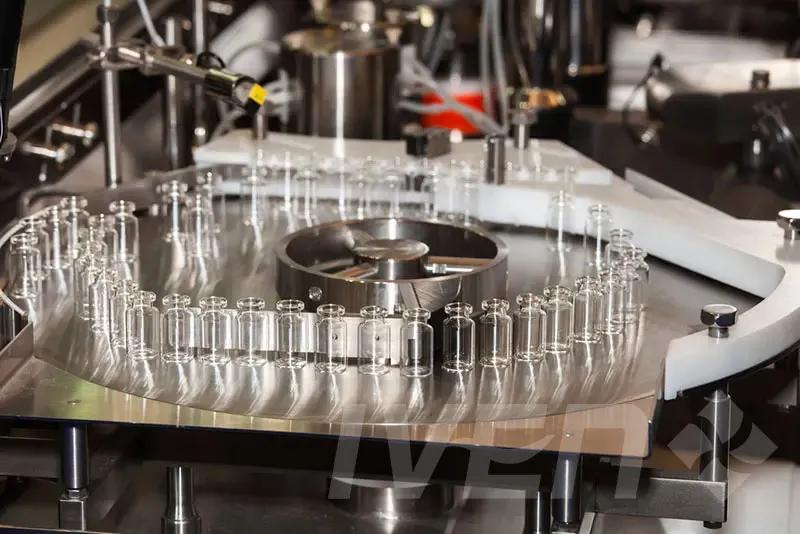
Pharma Turnkey Risk Management Guide for United States
Pharmaceutical turnkey projects in the United States are large, capital-intensive programs that combine facility design, clean utilities, production equipment, automation, validation, and regulatory readiness into one coordinated delivery model. In this context, risk management is not a single document or meeting. It is the operating framework used to identify, assess, control, monitor, and reduce technical, quality, schedule, cost, supply chain, and compliance risks across the full plant lifecycle.
For U.S. investors, CDMOs, biologics companies, injectable manufacturers, and medical device firms, a strong risk management pharmaceutical turnkey plant strategy helps protect product quality, accelerate time to market, and reduce the chance of FDA observations, commissioning delays, change-order disputes, and performance shortfalls after startup. This is especially important in high-value clusters such as Boston, New Jersey, North Carolina’s Research Triangle, Texas, California, Indiana, and the Midwest manufacturing corridor, where construction costs, labor shortages, and regulatory expectations are all high.
When companies evaluate a turnkey solution, they are not just buying machines. They are selecting an integrated project partner able to align engineering, GMP compliance, equipment quality, digital controls, validation support, and after-sales service under one execution model. That is why the topic of risk management pharmaceutical turnkey plant planning has become central to modern pharmaceutical investment decisions in the United States.
Quick Answer: What risk management in a pharmaceutical turnkey plant means

Risk management pharmaceutical turnkey plant planning is the structured process used to reduce uncertainty in the design, construction, qualification, and operation of a pharmaceutical manufacturing facility delivered on a turnkey basis. It covers process risks, contamination risks, equipment failure risks, validation gaps, schedule slippage, budget overruns, supply chain interruptions, data integrity issues, and regulatory nonconformities.
In practical terms, it is used to:
- Protect patient safety and product quality
- Support compliance with U.S. FDA cGMP expectations
- Improve design decisions before construction begins
- Reduce expensive rework during FAT, SAT, IQ, OQ, and PQ
- Control total installed cost and lifecycle operating cost
- Improve startup readiness and long-term reliability
For a U.S. pharmaceutical owner, an effective turnkey risk plan should begin in feasibility and continue through concept design, basic engineering, detailed engineering, procurement, factory acceptance testing, shipment, installation, commissioning, qualification, training, production ramp-up, and performance optimization.
| Risk Area | Typical Issue | Impact on U.S. Project | Early Control Method | Late-Stage Consequence If Ignored | Priority Level |
|---|---|---|---|---|---|
| Regulatory compliance | Incomplete GMP design basis | FDA readiness weakened | URS and design review | Costly redesign and delayed approval | Critical |
| Utilities | Undersized WFI or HVAC capacity | Production bottlenecks | Demand modeling and redundancy review | Throughput loss after startup | Critical |
| Process equipment | Poor line integration | Low OEE and frequent stops | FAT, interoperability testing | Chronic downtime | High |
| Schedule | Long-lead components arrive late | Missed launch window | Procurement risk map | Revenue delay | High |
| Validation | Weak documentation package | Qualification delays | DQ/IQ/OQ/PQ planning upfront | Extended commissioning period | Critical |
| Budget | Scope creep and change orders | CAPEX inflation | Clear technical scope and governance | ROI deterioration | High |
The table above shows why turnkey risk management must be treated as a board-level investment discipline rather than a narrow engineering checklist.
What is a risk management pharmaceutical turnkey plant and what is it used for in pharmaceutical production?

A pharmaceutical turnkey plant is a production facility delivered as a unified engineering solution, often including process equipment, cleanrooms, water systems, HVAC, automation, utilities, packaging support, quality documentation, and validation services. Risk management within that model is used to ensure that every subsystem works together reliably and compliantly.
In U.S. pharmaceutical production, the approach is commonly used for:
- Sterile injectables and ampoule or vial lines
- IV solution manufacturing in soft bags, PP bottles, or glass bottles
- Oral liquid and syrup production
- Solid dosage facilities
- Biological and high-containment projects
- Medical consumables and blood collection tube manufacturing
The key reason companies adopt a turnkey model is coordination. A fragmented project with separate contractors for utilities, filling lines, cleanroom panels, water treatment, and validation can create interface failures. In contrast, a competent turnkey partner takes responsibility for interface control, reducing gaps between mechanical completion and GMP performance.
For example, a sterile project in New Jersey may require alignment between clean steam, water for injection, vial washing, depyrogenation, filling, capping, environmental monitoring, and electronic batch data. If these components are purchased separately without strong risk governance, handoff failures can appear at the worst moment: during qualification or pre-approval inspection readiness.
Many U.S. buyers look for partners that can connect engineering with compliance expectations such as EU GMP, U.S. FDA cGMP, WHO GMP, and PIC/S principles, because global supply chains increasingly require export-ready manufacturing standards. A provider such as a pharmaceutical turnkey engineering specialist is often evaluated not only on equipment price, but also on its ability to reduce project uncertainty across design, procurement, installation, and validation.
Main applications and benefits of risk management pharmaceutical turnkey plant in modern pharmaceutical manufacturing

The applications of risk management in turnkey pharmaceutical plants go far beyond hazard logs. They directly influence business performance. In the United States, where project labor rates, quality expectations, and time-to-market pressures are high, the benefits are measurable.
Main applications include:
- Facility layout risk review for contamination control and material flow
- Utility design risk assessment for PW, WFI, pure steam, compressed gases, and HVAC
- Equipment selection review based on process criticality and maintainability
- Automation and data integrity planning
- Supply chain resilience for imported and domestic components
- Commissioning and qualification sequencing
- Operator training and startup risk reduction
The main benefits are faster startup, fewer deviations, better yield stability, easier documentation control, stronger audit readiness, and lower total cost of ownership.
| Application Area | How Risk Management Is Used | Operational Benefit | Quality Benefit | Financial Benefit | Typical U.S. Use Case |
|---|---|---|---|---|---|
| Facility layout | Reviews people and material segregation | Smoother workflow | Lower contamination risk | Less rework | Sterile injectables |
| Water systems | Assesses microbiological and capacity risks | Reliable utility supply | Stable water quality | Reduced shutdowns | WFI-dependent plants |
| Filling lines | Analyzes critical control points | Higher line efficiency | Better dose consistency | Higher output | Vial and ampoule plants |
| Automation | Validates alarms, recipes, audit trails | Less operator error | Better data integrity | Lower deviation cost | 21 CFR Part 11 environments |
| Packaging/logistics | Identifies handling and integration risks | Improved throughput | Fewer mix-ups | Labor savings | High-volume oral solids |
| Startup/validation | Maps qualification sequence and documentation | Faster handover | Inspection readiness | Earlier revenue generation | New U.S. greenfield plants |
The explanation behind this table is simple: every controlled risk removed early is cheaper than a problem discovered during commissioning or after commercial launch.
The line chart illustrates a realistic upward trend driven by reshoring, biologics investment, sterile capacity expansion, and stronger regulatory emphasis on quality risk management.
Key types, models and technical options for risk management pharmaceutical turnkey plant
There is no single turnkey model that fits every drug manufacturer. The most suitable risk management structure depends on product type, project size, regulatory pathway, and internal engineering capability.
Common turnkey project models in the United States include:
- Greenfield turnkey plants built on undeveloped land
- Brownfield expansions within active GMP sites
- Modular or prefabricated process blocks for rapid deployment
- Utility-centric modernization with selective line replacement
- Full process-to-packaging integrated projects
- Skid-based specialist systems for water, preparation, or filling support
Technical options often evaluated in risk reviews include:
- Single-use versus stainless process architecture
- Conventional cleanrooms versus modular cleanroom systems
- Domestic versus imported equipment sourcing
- Manual, semi-automatic, or fully automatic lines
- Centralized versus distributed utility generation
- Basic SCADA versus fully integrated MES-ready automation
| Turnkey Model | Best For | Risk Profile | Speed to Market | CAPEX Pattern | Key Decision Point |
|---|---|---|---|---|---|
| Greenfield full turnkey | New market entry | High complexity, high control | Moderate | Highest upfront | Long-term expansion plan |
| Brownfield retrofit | Existing GMP sites | Interface and shutdown risk | Fast if phased well | Moderate | Utility compatibility |
| Modular turnkey | Fast deployment | Lower site disruption | High | Predictable | Transport and integration |
| Utility-only modernization | Aging plants | Hidden infrastructure risk | Moderate | Focused spend | Future capacity needs |
| Line-centric turnkey | Product-specific expansion | Process bottleneck risk | High | Targeted | Upstream/downstream fit |
| Hybrid EPC plus owner oversight | Experienced owners | Role clarity risk | Moderate | Flexible | Internal team capability |
This comparison matters because the wrong execution model can create unnecessary risk, even if the equipment itself is technically sound.
Risk management pharmaceutical turnkey plant vs alternative technologies: which solution fits your needs?
Many U.S. buyers compare a turnkey solution with traditional multi-vendor contracting. Both can work, but they create different risk patterns.
A turnkey project usually offers one accountable integrator, tighter interface control, simpler warranty channels, and more consistent documentation. Traditional sourcing can provide flexibility and potentially more direct vendor choice, but it often requires a stronger owner engineering team and creates more coordination risk.
| Criterion | Turnkey Plant Model | Multi-Vendor Traditional Model | Who Usually Prefers It | Main Risk | Best Fit Scenario |
|---|---|---|---|---|---|
| Accountability | Single-point responsibility | Split across vendors | New investors | Vendor dependency | Fast-track projects |
| Integration | Higher system coordination | Owner-led coordination | CDMOs with deadlines | Interface gaps | Complex sterile lines |
| Flexibility | Moderate | High | Experienced engineering teams | Scope overlap | Custom process builds |
| Documentation | More standardized package | Varies by supplier | Compliance-focused owners | Inconsistent records | Inspection-sensitive projects |
| Schedule control | Usually stronger | Depends on owner PMO | Launch-driven firms | Late component coordination | Commercial urgency |
| Total lifecycle risk | Often lower | Can be higher | Investors seeking certainty | Hidden owner burden | First U.S. manufacturing site |
For example, a Boston-area biotech scaling to commercial aseptic fill-finish may benefit from turnkey delivery because internal teams are often stronger in science than in plant integration. By contrast, a large Indianapolis or New Jersey manufacturer with a mature capital projects department may choose a hybrid model while still using turnkey subsystems for critical utilities or filling lines.
The bar chart shows that sterile and biologics projects tend to place the highest premium on integrated risk control due to validation complexity and product value.
Market overview and future trends for risk management pharmaceutical turnkey plant in pharmaceutical manufacturing
The U.S. market for turnkey pharmaceutical engineering remains strong, supported by domestic manufacturing incentives, biologics growth, supply chain localization, and modernization of aging infrastructure. Regions such as New Jersey, Pennsylvania, Massachusetts, North Carolina, California, and Texas continue to attract investment, while logistics hubs near the Port of New York and New Jersey, Savannah, Los Angeles/Long Beach, Houston, and Chicago shape procurement planning for imported systems and components.
Current market drivers include:
- Reshoring of strategic drug manufacturing
- Expansion of fill-finish and injectables capacity
- Need for faster project delivery through modularization
- Greater use of digital monitoring and predictive maintenance
- Pressure to improve energy efficiency and water stewardship
- Stronger emphasis on supplier qualification and traceability
Looking toward 2026, several trends will shape buyer decisions:
- More modular, skid-based, and prequalified systems
- Integration of AI-supported maintenance and quality analytics
- Broader adoption of paperless validation packages
- Designs optimized for lower energy and lower water use
- Expanded cyber-risk management for automation systems
- Policy-driven investment in domestic pharmaceutical resilience
The area chart reflects a major market shift: risk management is no longer limited to quality and schedule. It now includes sustainability performance, data integrity, cybersecurity, and long-term utility efficiency.
Another important trend is supplier consolidation. U.S. buyers increasingly prefer partners capable of combining equipment, utilities, documentation, and validation support. This reduces handoff risk and helps capital projects teams maintain control in tight labor markets.
How to choose a reliable risk management pharmaceutical turnkey plant manufacturer or supplier
Selecting the right supplier is one of the highest-impact risk decisions in any project. A low initial quotation may not reflect lifecycle cost, documentation quality, installation support, or compliance maturity. U.S. buyers should evaluate suppliers on technical depth, project governance, manufacturing quality, and service responsiveness.
Core evaluation criteria should include:
- Experience with U.S. and international GMP expectations
- Ability to supply integrated systems, not isolated machines
- Documented FAT, SAT, IQ, OQ, and PQ support capabilities
- Reference projects in regulated markets
- Manufacturing quality control and parts traceability
- Lead-time reliability and logistics planning
- Availability of English documentation and training
| Supplier Review Factor | What to Ask | Why It Matters | Positive Signal | Warning Sign | Decision Weight |
|---|---|---|---|---|---|
| Regulatory understanding | How do you align with FDA cGMP? | Reduces compliance gaps | Structured documentation set | Generic answers only | Critical |
| Engineering depth | Can you handle utilities, layout, and process integration? | Prevents interface failure | In-house multidisciplinary team | Heavy subcontract dependence | High |
| Manufacturing quality | How are welds, materials, and testing controlled? | Affects reliability and validation | Traceable QA process | Weak inspection records | High |
| Project references | Can you show similar delivered plants? | Confirms execution ability | Comparable regulated projects | No relevant case history | High |
| Service support | What happens during startup and after handover? | Limits ramp-up risk | Training and onsite support | Ends at shipment | Critical |
| Spare parts and response | How quickly can support be provided in the U.S.? | Protects uptime | Clear SLA or support path | Unclear escalation model | Medium |
When assessing technology capabilities, buyers often prefer firms with strong specialization across water treatment, filling, packaging, and automation rather than general contractors with limited pharmaceutical depth. When reviewing manufacturing capabilities, look for dedicated production facilities, stainless fabrication quality, test protocols, and evidence of repeatable build standards. When reviewing service capabilities, confirm feasibility consulting, design support, installation, validation assistance, training, and post-handover optimization.
Companies exploring experienced international partners may review the engineering background and capabilities of IVEN Pharmatech Engineering to understand how a supplier positions itself across compliant turnkey delivery, specialized manufacturing, and lifecycle support. The strongest candidates are usually those that can demonstrate both equipment expertise and systems integration discipline.
Investment cost, budget planning and ROI analysis for risk management pharmaceutical turnkey plant
Investment cost varies widely depending on dosage form, cleanroom grade, utility load, automation depth, building work, and local labor rates. In the United States, project budgets can rise quickly because of MEP installation cost, validation labor, construction management fees, and schedule-driven premium spending.
Typical budget categories include:
- Land and civil works
- Building shell and cleanroom construction
- HVAC and environmental controls
- PW, WFI, pure steam, and process utilities
- Core process equipment and packaging support
- Automation and digital systems
- Installation, commissioning, and qualification
- Training, documentation, contingency, and spare parts
| Budget Category | Typical Share of CAPEX | Risk of Underbudgeting | Common Hidden Cost | Control Method | ROI Relevance |
|---|---|---|---|---|---|
| Building and cleanroom | 20%–30% | High | Late layout changes | Freeze URS early | High |
| HVAC and utilities | 18%–28% | Critical | Extra redundancy needs | Demand and load study | High |
| Process equipment | 20%–35% | High | Integration accessories | Total line specification | Critical |
| Automation | 6%–12% | Medium | Validation configuration effort | Functional spec review | Medium |
| Qualification/validation | 5%–10% | Critical | Document remediation | Plan from design stage | High |
| Contingency | 8%–15% | Critical | Tariffs, freight, changes | Risk-based reserve | High |
ROI should be measured not only by direct output but by avoided losses. A good risk management strategy improves ROI through faster commercial readiness, reduced deviation rates, lower maintenance burden, fewer rejected batches, and stronger audit outcomes.
For example, a well-integrated water treatment and filling project may cost more upfront than a fragmented purchase, but if it shortens startup by four months in a high-margin injectable market, the payback can be substantial. This is especially true for U.S. facilities serving hospital products, biologics support, or shortage-sensitive therapies.
This comparison chart highlights why many U.S. owners use integrated sourcing for high-risk GMP projects, especially where inspection readiness and launch timing are critical.
Key considerations and potential risks when investing in risk management pharmaceutical turnkey plant
Even the best turnkey concept can underperform if the owner does not manage scope, governance, and supplier alignment carefully. Before signing, U.S. investors should evaluate several risk categories in detail.
First, define the user requirement specification with precision. Ambiguous scope is one of the largest causes of change orders. Second, evaluate the regulatory maturity of the supplier’s documentation practices. Third, verify whether major subsystems are truly integrated or simply bundled together. Fourth, assess logistics exposure, especially for imported skids, long-lead stainless systems, and sensitive instrumentation entering through ports such as Los Angeles, Houston, or New York/New Jersey.
Other risks include:
- Overreliance on one project manager without governance structure
- Utility capacity assumptions that do not match future expansion
- Insufficient operator training before PQ
- Weak spare-parts planning for the first 24 months
- Lack of cybersecurity controls in connected automation systems
- Mismatch between building completion and equipment delivery timing
Case experience across the market shows that projects tend to fail for management reasons more often than for pure equipment reasons. Typical failure patterns include late design freeze, underestimated qualification effort, incomplete FAT protocols, and unrealistic startup schedules.
This is also where service capability becomes decisive. An engineering partner that supports feasibility, layout refinement, installation coordination, validation planning, documentation control, staff training, and post-startup optimization can remove substantial execution risk. Buyers wanting to compare integrated support paths may browse available pharmaceutical equipment categories and solutions as part of their supplier benchmarking process.
For projects requiring a direct discussion about schedule, technical configuration, or U.S. compliance expectations, a formal consultation route such as contacting the project team is often the best way to clarify scope before procurement decisions are made.
FAQ
1. Is risk management in a pharmaceutical turnkey plant only about safety?
No. It covers safety, quality, compliance, productivity, project schedule, cost, maintainability, utility reliability, data integrity, and long-term operational performance.
2. Why is this topic especially important in the United States?
Because U.S. pharmaceutical projects face strict FDA expectations, high labor and construction costs, complex qualification requirements, and strong pressure to launch on time.
3. What industries use this approach besides drug manufacturing?
It is also important in medical device production, medical consumables, blood collection tube manufacturing, biotech support operations, and some advanced healthcare packaging environments.
4. What is the first step in reducing turnkey project risk?
A detailed user requirement specification combined with early process mapping, layout review, utility sizing, and supplier qualification.
5. How do I compare suppliers fairly?
Use a weighted scorecard covering compliance expertise, engineering integration, manufacturing quality, project references, validation support, service responsiveness, and total cost of ownership.
6. Are turnkey projects always more expensive?
Not necessarily. Initial pricing may appear higher, but total installed cost and lifecycle cost can be lower because interface failures, rework, and delays are reduced.
7. What should U.S. buyers ask about documentation?
Ask whether the supplier provides design documents, material certificates, FAT/SAT protocols, manuals, calibration records, and qualification support suitable for FDA-regulated operations.
8. What role does validation play in risk management?
Validation is one of the main risk-control mechanisms. Good validation planning confirms that systems are installed correctly, operate consistently, and perform according to intended GMP use.
9. Which project types benefit most from integrated risk management?
Sterile injectables, IV solutions, biologics support systems, high-purity water projects, and any facility with complex utility and automation integration benefit the most.
10. How can a supplier’s manufacturing capability affect project risk?
Suppliers with dedicated manufacturing plants, repeatable quality systems, and strong fabrication control usually deliver more consistent equipment, better test results, and fewer startup issues.
11. What should I know about IVEN Pharmatech Engineering for U.S. projects?
From a buyer’s perspective, the company is typically evaluated as an international engineering partner with experience in pharmaceutical and medical device factory solutions, specialized equipment manufacturing, and full-lifecycle turnkey support. Its strengths are usually considered in three areas: technology capability for integrated GMP systems, manufacturing capability across specialized production equipment and utility systems, and service capability from feasibility and engineering through installation, validation, training, and optimization.
12. What are the biggest 2026 trends to watch?
Expect greater use of modularization, digital validation, predictive maintenance, sustainability-focused utility design, cybersecurity controls, and policy-driven U.S. manufacturing investments.
In summary, risk management pharmaceutical turnkey plant planning is essential for any U.S. pharmaceutical manufacturer seeking predictable delivery, robust compliance, and stronger ROI. The right strategy combines technical design discipline, qualified equipment, integrated engineering, validation readiness, and responsive service support. In a market where delays can cost millions and compliance gaps can halt production, risk management is not a secondary activity. It is the foundation of successful pharmaceutical plant investment.

About the Author
We are IVEN Pharmatech Engineering, a team dedicated to delivering turnkey pharmaceutical and medical solutions worldwide. With decades of experience, we specialize in advanced machinery, integrated factory design, and full lifecycle support to help our clients achieve efficient, compliant, and high-quality production.
Share

Related Insights
-
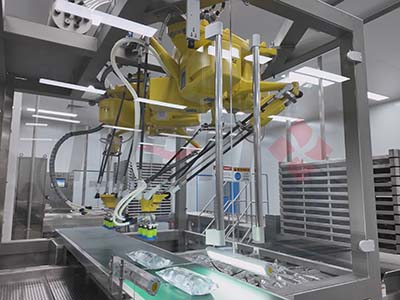
Multi-Chamber IV Bag Quality Issues in the United States
Multi-chamber IV bag production quality issues matter because these advanced infusion systems are designed to keep incompatible ingredients separate until administration, improving stability, dosing flexibility, and patient safety. In the United States, manufacturers, hospital buyers, contract development and manufacturing organizations, and engineering teams all evaluate not just output capacity but also seal integrity, peelable partition consistency, sterility assurance, extractables, particulate control, and compatibility with FDA cGMP expectations. A well-designed production line can reduce failure rates, limit recalls, support new drug combinations, and improve confidence from regulators and hospital procurement teams.
For U.S. pharmaceutical companies, the challenge is not only making a multi-chamber IV bag, but making it repeatedly, at scale, and under validated conditions. The most common problems involve weak chamber seals, inconsistent break-open functionality, bag leakage after sterilization, film delamination, port misalignment, fill-volume variation, and visual defects that affect release quality. Facilities in hubs such as New Jersey, Illinois, Texas, California, and North Carolina often compare equipment options based on regulatory fit, automation level, utility requirements, and technical service responsiveness. Companies also look closely at import logistics through Los Angeles, Long Beach, Houston, Savannah, and New York/New Jersey when sourcing machinery and film materials.
In practical terms, multi-chamber IV bag production quality issues refer to defects or process deviations that can compromise safety, function, stability, or commercial yield during the manufacture of two-chamber or three-chamber infusion bags. These defects may emerge during film handling, bag forming, partition sealing, solution filling, sterilization, overpouching, transport simulation, or final inspection.
The most frequent quality concerns in the United States market include:
When these issues are controlled well, manufacturers gain higher line efficiency, lower rejection rates, stronger validation packages, and better product acceptance among U.S. hospitals, 503B outsourcing facilities, and infusion providers. When poorly controlled, they lead to scrap, complaints, CAPAs, delayed product launches, and in severe cases, warning letters or recalls.
Quality IssueTypical Production StageMain RiskOperational ImpactPatient ImpactPriority LevelPeripheral seal leakForming and sealingLoss of sterilityBatch rejectionHighCriticalPartition peel force too lowInternal seal creationPremature chamber mixingReduced shelf stabilityHighCriticalPartition peel force too highInternal seal creationHard activationCustomer complaintsMediumHighFill volume variationMetering and fillingDose inconsistencyYield lossHighCriticalPort welding defectPort insertionLeak or administration failureRework or scrapHighCriticalFilm delaminationSterilization/storageBarrier compromiseStability riskMediumHighVisible particlesCutting/filling/inspectionRelease failureInspection slowdownHighCriticalThe table above shows why multi-chamber IV bag production quality issues are not isolated cosmetic problems. Each one can affect both release quality and downstream hospital use, especially for critical care nutrition, antibiotic reconstitution, and specialty infusion products.
A multi-chamber IV bag is a flexible container divided into two or more compartments by peelable or frangible seals. The chambers isolate unstable or incompatible ingredients until the caregiver activates the bag before use. Common product categories include parenteral nutrition, diluent-plus-drug combinations, electrolyte systems, and specialty admixtures.
The major advantages are clear in the U.S. market:
Compared with conventional flexible IV packaging, the engineering demands are much higher. The bag must be easy to activate, but not too easy. It must survive transportation from factory to distribution center and then to healthcare systems in cities such as Boston, Atlanta, Chicago, Dallas, and Seattle without unintended mixing or seam damage. For that reason, line design, sealing technology, film composition, and inspection systems are central to quality performance.
Manufacturers exploring a new plant or expansion program often begin with detailed engineering and feasibility planning. A company with strong technical depth can help optimize equipment selection, utility mapping, and compliance strategy from the start. For example, businesses assessing turnkey development may review integrated pharmaceutical engineering approaches through turnkey project solutions before finalizing procurement.
FeatureTwo-Chamber BagThree-Chamber BagTypical U.S. UseQuality SensitivityCommercial ValueSeparated ingredientsYesYesAntibiotics, diluent-drugHighHighActivation complexityModerateHigherNutrition, ICUHighHighSeal countLowerHigherGeneral infusionMediumMediumFormulation flexibilityGoodExcellentSpecialty productsHighHighValidation burdenModerateHighNew product launchHighMediumHospital convenienceGoodExcellentAcute care systemsMediumHighThis comparison shows that the more advanced the chamber architecture becomes, the more critical process control becomes. The advantages increase, but so does the risk of quality deviation if sealing parameters, filling precision, and packaging validation are not tightly managed.
Hospitals in the United States value multi-chamber systems because they simplify workflow and reduce reliance on last-minute admixture in high-pressure environments. This is particularly important where sterile compounding capacity is limited or labor costs are high. In emergency departments, oncology units, ICUs, neonatal care, surgery centers, and home infusion preparation sites, ready-to-activate products can improve speed and consistency.
Clinical benefits include:
Applications commonly discussed in the U.S. include total parenteral nutrition, amino acid and glucose combinations, antibiotic-plus-diluent systems, dialysis-related support fluids, and specialty infusion formulations where active ingredients cannot remain mixed for long periods.
For hospital purchasing groups, the production quality issue most visible in real-world use is activation reliability. If the peel seal does not open correctly, or opens unpredictably, workflow is interrupted. If the activated bag does not mix uniformly, the product may be quarantined. Therefore, manufacturers increasingly test for activation ergonomics, force distribution, and post-mix homogeneity in addition to standard package integrity.
var ctxBar = document.getElementById(‘barChartDemand’).getContext(‘2d’);var chartBar = new Chart(ctxBar, { type: ‘bar’, data: { labels: [‘ICU’, ‘Parenteral Nutrition’, ‘Emergency’, ‘Oncology’, ‘Home Infusion’, ‘Surgery’], datasets: [{ label: ‘Estimated U.S. Demand Index’, data: [88, 94, 76, 69, 72, 81], backgroundColor: [‘#4e79a7′,’#f28e2b’,’#e15759′,’#76b7b2′,’#59a14f’,’#edc948′] }] }, options: { responsive: true, maintainAspectRatio: false, scales: { y: { beginAtZero: true, max: 100 } } }});The chart above illustrates why critical care, nutrition, and operating-room support are major drivers of demand. These segments place a premium on packaging consistency, short preparation time, and robust sterility assurance.
Understanding root causes is essential. Not every failure comes from the same source. Some originate in material selection, some in heat-seal design, and others in sterilization or logistics. In many U.S. evaluations, film chemistry and sealing behavior are reviewed together because barrier performance, flexibility, transparency, and autoclave resistance are interconnected.
Common production quality issues include:
Material choice strongly influences these outcomes. Non-PVC multilayer films, polypropylene-based structures, and specialty coextruded medical films are often assessed for compatibility, extractables, flexibility, sterilization stability, and mechanical strength.
Material OptionTypical StructureMain StrengthMain RiskBest-Fit ApplicationQuality NotesNon-PVC multilayer filmCoextruded polyolefin blendsGood biocompatibilitySeal tuning requiredGeneral IV and specialty bagsPopular for modern soft bagsPP-based filmPolypropylene layersHeat resistanceStiffness at low tempTerminal sterilization useNeeds careful forming controlEVA-modified filmPolyolefin with EVA componentFlexibilityBarrier may varyNutritional applicationsGood handling propertiesHigh-barrier coextrusionMultilayer specialty structureProtection for sensitive activesHigher material costDrug-diluent combinationsSeal validation is criticalPVC-based legacy optionPlasticized PVCEstablished processingLeachables concernsDeclining in advanced systemsLess preferred in many projectsCustomized chamber filmTailored multilayer blendApplication-specific performanceLonger qualificationNovel formulationsBest when developed with line supplierThis table highlights a central lesson: material selection cannot be separated from process design. A film that performs well in a single-chamber bag may fail in a multi-chamber design if peelability, port welding behavior, or sterilization response is not fully validated.
On the technology side, experienced engineering companies can help match film properties to sealing systems, inspection architecture, and sterilization strategy. Some suppliers with broad IV solution experience offer integrated know-how across soft bag packaging, water systems, solution preparation, and validation planning. More background on such capabilities can be explored through pharmaceutical engineering expertise.
Single-chamber IV bags remain important in the United States because they are simpler, cheaper, and faster to manufacture. However, they are less suitable for products that require ingredient separation. The decision between the two depends on formulation stability, hospital workflow, cost target, and regulatory strategy.
Comparison PointMulti-Chamber BagSingle-Chamber BagManufacturing ImpactClinical ImpactInvestment ImpactFormulation stabilityHigh for separated activesLimited for unstable mixturesHigher process complexityBetter for reactive ingredientsHigher initial capexSeal architectureComplexSimpleMore validation stepsActivation requiredHigher maintenance burdenFill controlMulti-point dosingSingle-point dosingTighter calibration neededImproved dosing flexibilityHigher instrumentation costProduction speedModerateHigherPotentially lower throughputLess bedside prepROI depends on product valueDefect risk profileHigherLowerNeeds stronger QA systemsMore functional checksHigher QC budgetHospital readinessExcellentGoodPackaging design is criticalSupports standardizationCan justify premium pricingThe U.S. market increasingly accepts the higher manufacturing cost of multi-chamber systems when they solve real clinical problems. For premium hospital formulations, the value often lies not in lower bag cost, but in reduced bedside preparation, fewer compounding steps, and improved stability profile.
var ctxComp = document.getElementById(‘comparisonChart’).getContext(‘2d’);var comparisonChart = new Chart(ctxComp, { type: ‘bar’, data: { labels: [‘Stability Benefit’, ‘Line Complexity’, ‘Hospital Convenience’, ‘Validation Burden’, ‘Premium Pricing Potential’, ‘Defect Sensitivity’], datasets: [ { label: ‘Multi-Chamber’, data: [92, 85, 90, 83, 79, 88], backgroundColor: ‘#7b61ff’ }, { label: ‘Single-Chamber’, data: [54, 42, 63, 46, 51, 49], backgroundColor: ‘#a0cbe8’ } ] }, options: { responsive: true, maintainAspectRatio: false, scales: { y: { beginAtZero: true, max: 100 } } }});The comparison chart shows why the multi-chamber format is strategically attractive even though quality control demands are significantly higher.
Demand in the United States is being shaped by several forces: pressure to improve sterile compounding safety, growth of ready-to-use and ready-to-mix therapies, expansion of home infusion, supply chain resilience concerns after hospital drug shortages, and increased interest in local or near-local production capacity. Health systems want dependable supply, while drug makers want packaging platforms that can support differentiated products.
States with strong pharmaceutical and medical manufacturing ecosystems such as New Jersey, Pennsylvania, Massachusetts, North Carolina, Indiana, and California continue to attract line expansion interest. Logistics also matter. Imported equipment and components often move through major ports including Los Angeles/Long Beach, Houston, Savannah, Charleston, and Newark before installation at inland sites.
var ctxLine = document.getElementById(‘lineChartGrowth’).getContext(‘2d’);var lineChartGrowth = new Chart(ctxLine, { type: ‘line’, data: { labels: [‘2021’, ‘2022’, ‘2023’, ‘2024’, ‘2025’, ‘2026’], datasets: [{ label: ‘Estimated U.S. Multi-Chamber Capacity Demand Index’, data: [58, 63, 71, 78, 86, 95], borderColor: ‘#2ca02c’, backgroundColor: ‘rgba(44,160,44,0.1)’, fill: false, tension: 0.25 }] }, options: { responsive: true, maintainAspectRatio: false, scales: { y: { beginAtZero: true, max: 100 } } }});The line chart suggests continued upward demand through 2026, supported by product diversification and supply assurance planning.
var ctxArea = document.getElementById(‘areaChartShift’).getContext(‘2d’);var areaChartShift = new Chart(ctxArea, { type: ‘line’, data: { labels: [‘2021’, ‘2022’, ‘2023’, ‘2024’, ‘2025’, ‘2026’], datasets: [{ label: ‘Shift Toward Ready-to-Mix and Ready-to-Use Formats’, data: [34, 39, 46, 55, 64, 73], borderColor: ‘#ff7f0e’, backgroundColor: ‘rgba(255,127,14,0.25)’, fill: true, tension: 0.3 }] }, options: { responsive: true, maintainAspectRatio: false, scales: { y: { beginAtZero: true, max: 80 } } }});The area chart reflects a broader trend shift in the U.S. infusion market: hospitals are steadily preferring solutions that reduce manual preparation steps and support safer, faster therapy deployment.
Looking toward 2026, future trends are expected to include:
Choosing a manufacturer or production-line supplier in the United States requires more than checking brochure specifications. Buyers should evaluate technical depth, compliance understanding, installed references, service reach, spare-parts strategy, and willingness to customize around product-specific challenges.
Key evaluation criteria include:
Supplier Selection FactorWhy It MattersMinimum ExpectationBest PracticeU.S. Buyer QuestionRisk if WeakRegulatory familiaritySupports compliant designDocumented GMP knowledgeMulti-region compliance experienceCan you align with FDA expectations?Validation delaysMulti-chamber know-howReduces trial-and-errorBasic bag line referencesProven chamber seal projectsHow many peel-seal installations?Low yieldCustomization abilityMatches unique formulation needsMinor modificationsFull engineering adaptationCan tooling be tailored?Poor fit to productService networkLimits downtimeRemote supportRapid on-site support planWhat is your U.S. service response time?Long shutdownsDocumentation packageEssential for qualificationStandard manualsFull validation-ready documentsWhat protocols are included?Extra internal workloadSpare parts assuranceProtects continuityBasic stock listForecast-based parts planningWhich critical spares are local?Extended line outageTotal lifecycle costAffects ROICompetitive purchase priceTransparent operating-cost modelWhat are annual service costs?Budget overrunsIn the supplier evaluation process, many U.S. buyers prefer partners that can support not only equipment supply, but also integrated engineering, utility systems, process design, and factory layout optimization. Some international engineering firms have developed that broader capability over decades, combining filling and packaging machinery, water treatment systems, intelligent logistics, and validation support into a single project framework. Companies reviewing available equipment categories may also examine production equipment portfolios during early comparison.
Investment in a multi-chamber IV bag line is usually higher than investment in a single-chamber line because it requires more precise bag making, internal chamber sealing, control systems, validation work, and inspection capability. A serious budget must account for not only equipment, but also cleanroom modifications, utilities, WFI or PW integration, HVAC impact, commissioning, training, and consumables qualification.
Typical capital planning categories include:
Budget CategoryLow Range ShareHigh Range ShareWhat Drives CostHow to Control ItROI RelevanceCore production line35%45%Automation level and speedMatch line size to launch forecastVery highUtilities integration10%18%WFI, steam, HVAC, powerEarly engineering reviewHighCleanroom adaptation8%15%Facility conditionGap assessment before purchaseMediumValidation and documentation6%12%Regulatory scopeUse standardized protocolsHighInspection systems7%14%Vision and leak testing depthRisk-based designHighTraining and service4%8%Operator experience levelInclude lifecycle support contractMediumContingency5%10%Design change and delay riskRealistic project planningHighROI in the United States depends on production volume, product mix, reimbursement environment, and how much premium the market places on convenience and stability. A line producing high-value ready-to-mix therapies may achieve faster payback than a line aimed at commodity fluids. The strongest ROI cases usually combine premium formulations, reliable demand from hospital systems, and strong first-pass yield.
One recurring lesson from U.S. projects is that underinvesting in sealing validation, material qualification, or inspection automation often creates higher total cost later. Rejects, deviations, and complaint investigations can erase any short-term savings from choosing under-specified equipment.
Before proceeding with a new line or retrofitting an existing flexible packaging plant, investors should assess technical, commercial, operational, and regulatory risks together. Multi-chamber IV bag production is a specialized field where small design choices can create major long-term consequences.
Key risks include:
From a technological capabilities perspective, buyers should look for suppliers with broad expertise across IV solution equipment, process utilities, and automation, especially where soft bag production intersects with sterile process control. A well-qualified engineering partner can provide customized line design, precision sealing development, and integration with purified water, WFI, and preparation systems. That matters because quality issues often arise at interfaces rather than in one isolated machine.
From a manufacturing capabilities perspective, scale and specialization are important. A supplier with multiple dedicated manufacturing plants, experience across filling and packaging machinery, water systems, logistics equipment, and related medical production technologies can often provide better consistency in fabrication and systems integration. This is especially relevant when U.S. customers want durable stainless-steel construction, stable long-term spare support, and repeatable machine performance over 20 years or more.
From a service capabilities perspective, lifecycle support is just as important as installation. U.S. clients generally need feasibility guidance, engineering design support, commissioning assistance, IQ/OQ/PQ help, staff training, production troubleshooting, and optimization after startup. A supplier that can continue beyond delivery and help resolve layout issues, qualification bottlenecks, and process inefficiencies provides stronger long-term value than a vendor that only ships equipment.
For companies evaluating project fit or discussing a U.S.-focused implementation roadmap, it is sensible to open a direct technical discussion through contact with an engineering team before finalizing user requirement specifications.
As an example of market positioning, IVEN Pharmatech Engineering is known internationally for integrated pharmaceutical engineering and turnkey support, with strong experience in IV solution systems, water treatment, intelligent logistics, and production-line customization. For U.S. buyers, the attraction is not only equipment supply but also the ability to connect process design, compliance, manufacturing, and after-sales service into one project structure.
Case-study thinking is useful here. Consider a hypothetical U.S. manufacturer in the Midwest launching a dual-chamber antibiotic bag. If the project team selects a supplier based solely on low equipment price, they may later discover unstable peel-seal performance after sterilization, weak validation documents, and long waits for replacement parts from overseas. By contrast, a line sourced from a more engineering-oriented partner may cost more initially but can reduce trial failures, speed qualification, and support a better launch timeline. In markets with tight hospital contract windows, that difference can be commercially decisive.
What are the most common multi-chamber IV bag production quality issues?The most common issues are seal leakage, inconsistent chamber opening force, fill-volume variation, port welding defects, film deformation after sterilization, and visible particles. These directly affect product safety, usability, and release compliance.
Why is peel seal consistency so important?The internal peel seal must hold the chambers apart throughout storage and transport, but open reliably when activated by the clinician. If it opens too early, stability is lost. If it opens too late, bedside use becomes difficult or impossible.
Which U.S. industries use multi-chamber IV bags most often?Hospitals, infusion centers, home infusion providers, clinical nutrition programs, specialty pharmaceutical manufacturers, and some contract manufacturing organizations are the main users or buyers of these systems.
Are non-PVC films preferred in the United States?In many advanced projects, yes. Non-PVC multilayer films are often preferred because they align with modern expectations around compatibility, flexibility, and material performance. However, the right choice depends on the formulation, sterilization method, and seal design.
How do I reduce quality risk before buying a production line?Run structured development trials, confirm film compatibility, validate peel-seal windows, test ports under stress conditions, review FAT and SAT protocols carefully, and choose a supplier with proven sterile packaging and GMP project experience.
What should a U.S. buyer ask a supplier during qualification?Ask about installed references, multi-chamber experience, documentation depth, compliance knowledge, expected yield, critical spare-parts planning, remote and on-site service support, and how the line handles sterilization-related deformation risks.
Is the investment justified compared with single-chamber systems?Often yes, if the product requires ingredient separation, offers premium pricing, or helps hospital customers reduce compounding steps. The best business case appears when quality systems are strong and demand is linked to a high-value therapeutic niche.
What 2026 trends should investors watch?Watch for increased automation, machine vision inspection, predictive maintenance, more sustainable packaging and utilities, stronger data integrity expectations, and policy-driven emphasis on resilient U.S. drug supply chains.
In summary, multi-chamber IV bag production quality issues are central to commercial success in the United States. The market opportunity is real, but so are the engineering demands. Companies that approach the sector with strong process development, appropriate materials, rigorous validation, and an experienced solution partner are in the best position to build reliable capacity and serve U.S. hospitals with safer, more convenient infusion products.
-
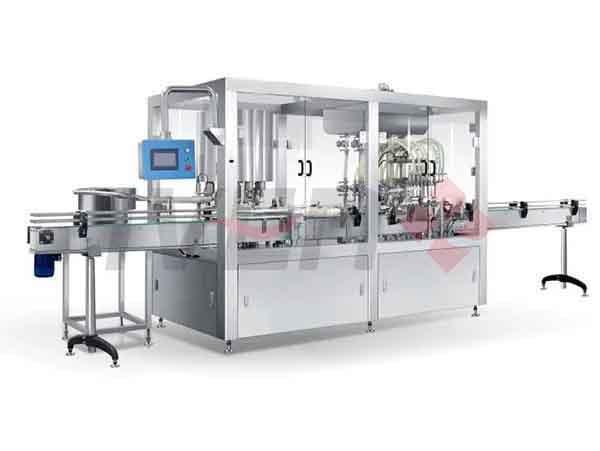
Leak Prevention in Syrup Filling Systems in the United States
Leak prevention in syrup filling operations is not a single accessory. In pharmaceutical production, it is a complete control strategy that combines filling accuracy, bottle handling, cap torque management, sealing inspection, hygienic design, validation, and operator discipline. For manufacturers in the United States, especially those expanding oral liquid capacity or upgrading legacy packaging lines, syrup filling machine leak prevention is a critical part of maintaining product quality, avoiding batch rejection, reducing cleanroom contamination, and meeting FDA cGMP expectations.
In practical terms, leak prevention is used anywhere oral syrups, suspensions, pediatric liquids, nutraceutical liquids, and similar viscous products are filled into bottles and closed with screw caps, child-resistant caps, ROPP caps, or induction-sealed closures. Whether a facility is located near major pharmaceutical corridors in New Jersey, Boston, Chicago, Houston, or San Diego, the same issue applies: even a small leak can trigger sticky residues, label damage, carton contamination, transport complaints, investigation costs, and brand risk.
For that reason, U.S. buyers increasingly evaluate complete line design rather than only the filler itself. They look at nozzle anti-drip performance, neck positioning, filling speed, servo control, cap placement, torque repeatability, bottle geometry compatibility, in-line leak testing, and washdown-friendly construction. Many also prefer suppliers that can support validation, documentation, spare parts, and long-term technical service. Companies such as IVEN Pharmatech Engineering are often reviewed in this context because U.S. projects increasingly favor integrated engineering partners that can combine machinery, compliance understanding, and lifecycle support.
The short answer is simple: leak prevention protects product integrity, line efficiency, and regulatory compliance. In syrup filling and capping, leaks usually originate from one or more of the following points: overfill, foaming, nozzle stringing, bottle instability, cap cross-threading, poor liner compression, insufficient or excessive torque, incompatible bottle-cap tolerances, or transport vibration after packaging. In pharmaceutical settings, those failures affect not only appearance but also dosage consistency, tamper evidence, microbial control, and investigation workload.
Large pharmaceutical and medical device companies in the United States evaluate leak prevention technology when modernizing plants because production losses from sticky oral liquids are disproportionately expensive. Syrup spills increase cleaning frequency, attract particulates, raise slip risks, foul sensors, interrupt inspection equipment, and reduce overall equipment effectiveness. In audited environments, recurring leaks also create documentation burden and CAPA exposure.
Leak SourceTypical Root CauseOperational ImpactQuality RiskRecommended ControlPriority LevelNozzle dripPoor shutoff designSticky conveyor and bottle exteriorLabel contaminationAnti-drip diving nozzlesHighOverfillInaccurate meteringProduct waste and capping messContent variationServo volumetric controlHighFoaming overflowUnsuitable fill profileSlowdown and reworkSeal interferenceBottom-up filling recipeMediumCap cross-threadingMisaligned cap feedingRejected bottlesClosure failureCap orientation and torque feedbackHighUnder-torqueWeak capping settingTransit leakageContainer integrity lossAutomatic torque verificationHighSeal incompatibilityBottle/cap mismatchFrequent stoppagesMarket complaintsPackaging compatibility studyHighThe table above shows that leak prevention is multidisciplinary. It starts in package development and extends through machine design, line validation, transport simulation, and post-installation optimization.
In pharmaceutical manufacturing, syrup filling machine leak prevention refers to the engineering features and procedural controls used to ensure that filled bottles remain externally clean and hermetically secure from filling through warehousing and distribution. It is used on oral liquid packaging lines for products such as cough syrups, antacid liquids, iron tonics, pediatric analgesics, herbal syrups, vitamin liquids, and sugar-free medicinal formulations.
Typical system elements include precision piston or peristaltic filling, servo-driven volume adjustment, diving nozzles, suck-back anti-drip mechanisms, neck locating systems, cap unscramblers, pick-and-place capping heads, torque control, induction sealing, vision inspection, reject stations, and leak detection checkpoints. In higher-spec U.S. plants, these are tied into electronic batch records, SCADA, line clearance protocols, and qualification packages.
Leak prevention is especially important for viscous or sugar-rich liquids because product residue can remain tacky, causing secondary contamination and difficult cleaning. In facilities around Philadelphia, Raleigh-Durham, and the New York-New Jersey corridor, operators often prioritize designs that minimize manual intervention because labor costs and compliance expectations are both high.
It is also common to integrate leak prevention with broader turnkey packaging and utilities planning. This is where an engineering partner with experience in oral liquid lines, purified water systems, clean utilities, and packaging logistics can provide more value than a machine-only vendor. Buyers exploring turnkey pharmaceutical solutions often do so to reduce coordination gaps that lead to leakage problems after startup.
Production StageLeak Risk PointTypical Prevention MethodValidation FocusU.S. Compliance RelevanceBenefitContainer infeedUnstable bottlesStar wheel and guide adjustmentLine speed challengeRepeatability documentationFewer toppled containersFillingDrip, splash, overfillServo dosing and diving nozzleFill volume accuracyBatch consistencyCleaner bottlesCap placementMis-seated closureCap orientation controlMisfeed rejectionContainer closure integrityLess reworkCappingUnder/over torqueTorque-controlled headsTorque mappingPackaging robustnessReduced leakageSeal checkHidden defectsVision and leak test stationAQL and reject verificationInspection recordsHigher assuranceDistribution prepTransit leakageCarton orientation and simulationTransport stress testingComplaint preventionBetter shelf presentationThe table shows how leak prevention must be treated as a line-level process, not merely a capping adjustment.
The main applications of syrup filling machine leak prevention in modern pharmaceutical manufacturing include high-volume OTC syrup filling, prescription oral liquid lines, hospital-use oral solutions, pediatric formulations, nutraceutical bottling, and contract manufacturing operations. In the United States, contract development and manufacturing organizations increasingly need flexible filling systems that can handle multiple bottle formats and cap styles without compromising leak integrity.
The largest benefits are cleaner production, lower waste, faster line clearance, better market presentation, stronger audit readiness, and fewer customer complaints. Leak prevention also supports sustainability because every avoided spill reduces product loss, water use for cleaning, and packaging scrap.
Another major benefit is improved uptime. Sticky leaks often stop downstream equipment first: labelers lose adhesion accuracy, coding becomes unreliable, checkweighers foul, and cartoners accumulate residues. Preventing leaks at the fill-and-cap stage therefore protects the whole packaging train.
From an E-E-A-T perspective, experienced buyers compare not just machine speed but the supplier’s understanding of fluid behavior, cap compatibility, and regulatory documentation. Some manufacturers also want direct access to broader packaging portfolios through a supplier’s equipment catalog to standardize future expansion projects.
Application AreaTypical ProductMain Leakage ChallengeBest Technical ApproachPrimary BenefitSecondary BenefitOTC cough syrupHigh-sugar viscous liquidStringing after fillSuck-back nozzleCleaner bottle neckBetter labelingPediatric syrupFlavor-sensitive liquidCap sealing variabilityTorque-controlled cappingReduced complaintsSafer dosing packageHerbal tonicSuspension-type liquidFoaming and splashRecipe-based fill profileStable outputLower product lossNutraceutical liquidVitamin syrupMulti-format packagingQuick changeover partsOperational flexibilityShorter downtimeCMO oral liquid lineMultiple SKUsFrequent setup errorStored parameter recipesFaster setupRepeatable qualityExport productsLong-distance shipped bottlesTransit vibration leakageClosure integrity testingDistribution reliabilityBrand protectionThese use cases demonstrate that leak prevention has direct economic value. A modest reduction in defects can significantly improve annual output in high-throughput plants.
var ctx1 = document.getElementById(‘lineChartMarket’).getContext(‘2d’);var chart1 = new Chart(ctx1, {type: ‘line’,data: {labels: [‘2022′,’2023′,’2024′,’2025′,’2026′,’2027′,’2028’],datasets: [{label: ‘U.S. oral liquid packaging market index’,data: [100,108,117,126,136,147,159],borderColor: ‘rgb(54, 162, 235)’,backgroundColor: ‘rgba(54, 162, 235, 0.15)’,fill: false,tension: 0.3}]},options: {responsive: true,maintainAspectRatio: false}});There is no one-size-fits-all solution for syrup filling machine leak prevention. The right design depends on viscosity, bottle size range, closure style, target speed, cleaning method, and validation requirements. In the U.S. market, buyers commonly review monoblock fillers-cappers, linear fillers with separate cappers, rotary oral liquid lines, and compact systems for pilot or specialty production.
Common technical options include:
Technological capability matters here. IVEN Pharmatech Engineering is known for combining pharmaceutical filling and packaging know-how with broader facility understanding, which helps when buyers need not only a machine but an integrated solution compatible with purified water systems, packaging flow, and regulated production environments. This type of technical breadth is especially relevant when U.S. companies are planning greenfield or brownfield expansions.
System TypeBest ForSpeed RangeLeak Prevention StrengthChangeover FlexibilityTypical Buyer ProfileLinear piston filler + capperMedium volume syrup40-120 bpmHigh dosing controlGoodRegional pharma plantsRotary monoblockHigh-volume packaging120-300 bpmExcellent bottle handlingModerateLarge OTC manufacturersPeristaltic filling lineSmaller batch, premium liquids20-80 bpmVery clean shutoffExcellentSpecialty producersMonoblock with induction sealerExport and retail packaging60-180 bpmVery strong closure integrityGoodNational brandsPilot lineR&D and scale-up10-30 bpmHigh process visibilityExcellentDevelopment centersTurnkey oral liquid lineNew factory projectsCustomSystem-wide optimizationProject-specificInvestors and multinationalsManufacturing capability should also be part of supplier assessment. A supplier with multiple specialized production bases and proven experience across filling, packaging, water treatment, and intelligent logistics can often deliver more stable interfaces between machines. That matters because leakage frequently arises from poor integration between filler, capper, conveyor, and downstream handling.
When comparing solutions, U.S. buyers should think in terms of risk fit rather than headline speed. A conventional filler without advanced anti-drip control may cost less upfront, but if it causes sticky bottles, torque drift, and frequent cleanup, the real ownership cost rises quickly. Likewise, some alternative technologies perform well for thin liquids but struggle with high-viscosity syrups.
Typical alternatives include manual or semi-automatic filling, gravity filling, overflow filling, basic time-pressure systems, and advanced servo piston or peristaltic systems. For pharmaceutical syrup applications, the best choice is usually the one that delivers repeatable fill accuracy, clean cutoff, robust closure integrity, and documented control.
TechnologyCapex LevelLeak Prevention PerformanceRegulatory SuitabilityBest Use CaseLimitationsManual filling and cappingLowLowLimitedLab or very small batchesOperator variabilityGravity fillingLow to mediumLow for syrupModerateLow-viscosity liquidsPoor for thick productsTime-pressure fillingMediumModerateModerateConsistent low-viscosity productsViscosity sensitivityPiston fillingMedium to highHighHighViscous syrupsNeeds proper cleaning designPeristaltic fillingHighHighHighFlexible, hygienic operationsLower speed in some casesIntegrated monoblock systemHighVery highVery highLarge-scale pharma linesHigher project complexityThe comparison above indicates why serious U.S. pharmaceutical facilities rarely decide based on machine price alone. They evaluate process fit, validation ease, and lifecycle cost. This is especially relevant for sites shipping through logistics hubs such as Newark, Savannah, Los Angeles, and Houston, where bottles may experience long transport cycles and temperature variation.
var ctx2 = document.getElementById(‘barChartDemand’).getContext(‘2d’);var chart2 = new Chart(ctx2, {type: ‘bar’,data: {labels: [‘OTC Pharma’,’Rx Oral Liquids’,’Nutraceuticals’,’CMOs’,’Herbal Products’,’Hospital Supply’],datasets: [{label: ‘Estimated demand for leak-prevention upgrades in the U.S. (%)’,data: [82,74,68,79,51,44],backgroundColor: ‘rgba(255, 99, 132, 0.7)’}]},options: {responsive: true,maintainAspectRatio: false}});The U.S. market for oral liquid packaging equipment continues to expand, supported by pediatric products, geriatric medicine use, OTC health brands, and contract manufacturing growth. Demand is strongest in established pharmaceutical regions such as New Jersey, Massachusetts, North Carolina, California, and the Midwest manufacturing belt. Companies modernizing facilities are replacing older mechanical lines with servo-driven, data-ready platforms that reduce leakage and support better traceability.
By 2026 and beyond, several trends are shaping syrup filling machine leak prevention decisions:
Sustainability is becoming more relevant. Leak prevention reduces wasted product, decreases washdown frequency, lowers detergent use, and cuts packaging rejects. For companies reporting ESG metrics, these reductions are measurable operational gains.
Another trend is supplier consolidation around full-project capability. Buyers prefer partners that understand not only the filler and capper but also utilities, room layouts, qualification, and logistics automation. In that context, suppliers with experience across complete regulated production ecosystems may hold a competitive advantage.
var ctx3 = document.getElementById(‘areaChartTrend’).getContext(‘2d’);var chart3 = new Chart(ctx3, {type: ‘line’,data: {labels: [‘2023′,’2024′,’2025′,’2026′,’2027′,’2028’],datasets: [{label: ‘Share of advanced leak-prevention lines in new U.S. projects’,data: [28,34,41,49,58,66],borderColor: ‘rgb(75, 192, 192)’,backgroundColor: ‘rgba(75, 192, 192, 0.25)’,fill: true,tension: 0.35}]},options: {responsive: true,maintainAspectRatio: false}});Choosing a reliable supplier for syrup filling machine leak prevention in the United States requires more than checking brochures. Buyers should evaluate five areas: technical fit, regulatory understanding, manufacturing quality, service depth, and project execution track record.
Start with technical fit. Ask for examples involving viscous syrups, bottle and cap compatibility studies, torque verification data, and actual leakage reduction results. Review machine materials, sanitation design, recipe control, and reject logic.
Next, review manufacturing capability. A supplier with established production resources and specialized factories can typically offer more consistent machining quality, better parts standardization, and stronger delivery reliability. IVEN Pharmatech Engineering, for example, has built its reputation around specialized manufacturing in pharmaceutical filling and packaging, water treatment, intelligent conveying, and related systems. That breadth is useful when the line must function as one coordinated process rather than disconnected machines.
Third, assess service capability. U.S. buyers should ask about FAT support, SAT, IQ/OQ/PQ assistance, spare parts availability, training, after-sales troubleshooting, and whether the supplier can support process optimization after startup. Strong lifecycle service is often the difference between a line that merely runs and one that consistently prevents leakage. For direct project discussion, many buyers prefer to contact the engineering team early to clarify compliance expectations and site conditions.
Finally, examine evidence. Has the supplier delivered regulated lines internationally? Can it support EU GMP, US FDA cGMP, WHO GMP, or PIC/S aligned documentation? Has it handled turnkey or integrated projects? Suppliers that can bridge engineering, equipment, and validation usually reduce the risk of costly interface problems.
Selection CriterionWhat to AskWhy It MattersGood SignWarning SignDecision WeightViscous filling experienceCan you share syrup case data?Real process fitDocumented referencesOnly generic liquid experienceHighClosure controlHow is torque verified?Leak prevention integrityFeedback-controlled cappingManual spot checks onlyHighRegulatory supportDo you provide IQ/OQ docs?Faster validationStructured documentationUnclear deliverablesHighManufacturing capabilityWhere are key modules produced?Quality consistencySpecialized production basesHeavy outsourcingMediumAfter-sales serviceWhat is the spare parts plan?Downtime controlLifecycle support programReactive support onlyHighIntegration skillCan you coordinate turnkey scope?Lower project riskCross-system engineering teamMachine-only focusMedium to highThis table can be used as a procurement checklist during supplier comparison and technical clarification.
Investment cost varies widely depending on speed, automation level, filling technology, bottle range, capping complexity, inspection depth, and validation requirements. In the U.S. market, a simple semi-automatic setup may suit development work, while a fully integrated pharmaceutical oral liquid line with advanced leak prevention can represent a major capital project.
Budget planning should include more than the purchase price. Buyers should calculate line integration, molds and change parts, FAT/SAT, shipping, installation, commissioning, qualification, training, spare parts, and preventive maintenance. If the project involves a new suite, utilities and HVAC impacts also matter.
ROI often comes from four sources: reduced product loss, less manual cleanup, lower rejection rates, and higher line uptime. Additional value comes from fewer market complaints and smoother audits.
Cost ElementLow Complexity LineMedium Complexity LineHigh Complexity LineROI ContributionBudget NoteFilling moduleModerateHighHighAccuracy and waste reductionChoose by viscosityCapping and torque controlLow to moderateModerateHighLeak reductionDo not under-specifyInspection systemsLowModerateHighFewer rejects in marketUseful for complianceChange partsLowModerateModerateSKU flexibilityImportant for CMOsValidation packageLowModerateModerateShorter startup timelineOften underestimatedService and sparesLowModerateModerateLower downtimePlan 12-24 monthsAs a rough planning logic, if a line currently loses product through overfill, rejects bottles due to poor capping repeatability, and requires frequent stoppages for sticky cleanup, the payback period for an upgraded leak-prevention system may be much shorter than expected. U.S. manufacturers with labor-intensive legacy lines often see especially strong returns.
var ctx4 = document.getElementById(‘comparisonChartSuppliers’).getContext(‘2d’);var chart4 = new Chart(ctx4, {type: ‘bar’,data: {labels: [‘Leak Control’,’Validation Support’,’Integration Ability’,’Format Flexibility’,’Lifecycle Service’,’Cost Efficiency’],datasets: [{label: ‘Integrated pharma engineering supplier score’,data: [92,88,94,85,90,83],backgroundColor: ‘rgba(153, 102, 255, 0.75)’},{label: ‘Generic packaging vendor score’,data: [71,58,49,77,62,79],backgroundColor: ‘rgba(255, 206, 86, 0.75)’}]},options: {responsive: true,maintainAspectRatio: false}});The biggest investment mistake is focusing on speed before process stability. A high-speed line that leaks is often less profitable than a slightly slower line with excellent closure integrity and clean operation. Another common risk is assuming bottle and cap dimensions are standardized enough to work without detailed compatibility testing.
Potential risks include:
Service capability is critical in controlling these risks. Beyond equipment supply, buyers should look for partners able to support installation, commissioning, validation, training, and post-startup optimization. IVEN Pharmatech Engineering is often evaluated in this category because its approach extends across project feasibility, engineering design, equipment customization, qualification support, documentation, and operator training. For U.S. users, that broader support can reduce project delays and help stabilize production faster after SAT.
A practical case pattern seen in the market is the upgrade of an aging oral liquid line where leakage was originally blamed on caps alone. After engineering review, the true causes were found to include bottle star wheel instability, inconsistent fill cutoff, and closure alignment issues. Once the plant upgraded nozzles, added torque feedback, and improved bottle handling, leakage and cleanup time fell sharply. This illustrates why root-cause diagnosis matters more than replacing one component in isolation.
Another case pattern involves export-oriented producers shipping through West Coast and Gulf Coast ports. Bottles may pass through long warehousing and freight cycles, so seemingly minor capping inconsistency becomes a distribution complaint issue. In such cases, induction sealing, closure integrity testing, and transit validation become essential parts of leak prevention.
What is the main cause of leakage in syrup filling lines?Usually it is not one single cause. The most common contributors are inaccurate fill cutoff, bottle neck contamination, improper cap application, inconsistent torque, and packaging component mismatch.
Is anti-drip filling enough to solve the problem?No. Anti-drip nozzles help, but effective syrup filling machine leak prevention also requires stable bottle handling, suitable fill recipes, reliable capping, and inspection controls.
Which filling technology is best for pharmaceutical syrups?Servo piston filling is widely preferred for viscous syrups because it offers strong volumetric control. Peristaltic systems are also attractive for some products where cleanliness and flexibility are top priorities.
Do U.S. manufacturers need induction sealing for all syrup bottles?Not always. It depends on product type, brand positioning, tamper-evidence needs, distribution conditions, and closure system design. However, induction sealing can greatly improve leak security for many retail and export applications.
How important is torque control?It is extremely important. Too little torque can cause leakage in transport, while too much torque can damage the closure or liner and still create integrity problems.
Can a turnkey engineering supplier provide more value than a standalone machine vendor?Often yes, especially for regulated projects. An integrated supplier can align equipment, utilities, layout, validation, and service planning, reducing the interface risks that often cause startup leakage issues.
What should a U.S. buyer request during supplier evaluation?Ask for syrup-specific references, FAT protocols, material specifications, torque verification methods, changeover procedures, qualification documentation, spare parts strategy, and examples of after-sales support.
How long does ROI usually take?It varies by plant size and current losses. Facilities with frequent leaks, cleanup stops, and rejected bottles can see a relatively fast payback because product savings and uptime gains add up quickly.
How does sustainability connect with leak prevention?Less leakage means less wasted product, less water and detergent for cleaning, lower packaging scrap, and better energy efficiency across the line.
Why are more companies in the United States reviewing advanced leak-prevention systems now?Because labor costs, compliance expectations, SKU complexity, and competitive pressure are all increasing. Modern oral liquid production needs cleaner, smarter, and more predictable packaging performance.
For pharmaceutical companies in the United States, syrup filling machine leak prevention is best treated as a strategic investment in quality assurance, operational efficiency, and future-ready packaging capability. The best results usually come from a supplier that combines technological depth, stable manufacturing resources, and strong service support throughout the equipment lifecycle.
-
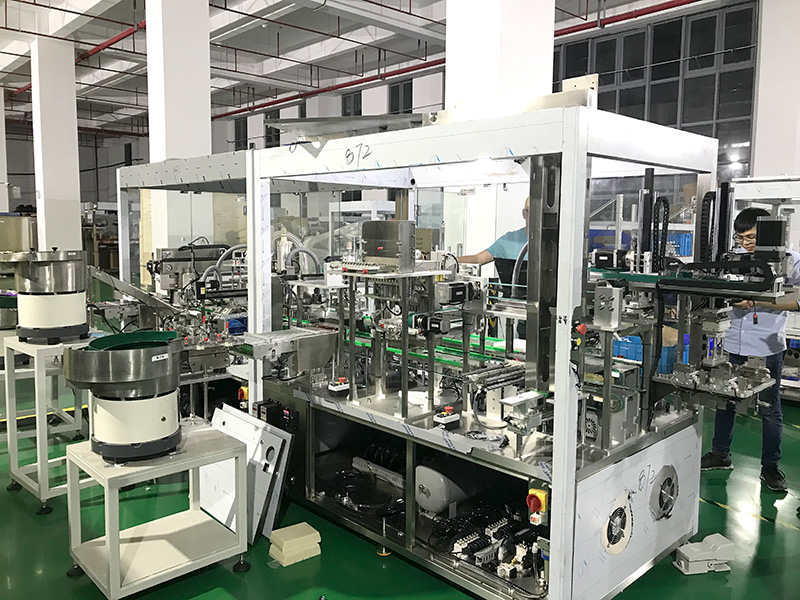
United States Micro Blood Tube Line Buying Guide
Micro blood tube line systems for clinical laboratories help medical device companies in the United States manufacture capillary and micro blood collection tubes at high volume with stable automation, repeatable quality, and lower operating risk. These lines are designed to integrate tube feeding, additive dosing, drying, cap assembly, stoppering, labeling, tray loading, packaging, inspection, and data control into one coordinated production workflow. For hospitals, physician office labs, pediatric testing networks, and diagnostic laboratory groups, a well-designed line improves supply consistency, lot traceability, and regulatory readiness.
In the U.S. market, demand is influenced by pediatric care, point-of-care sampling, decentralized specimen collection, and growing needs from hospital systems in cities such as New York, Houston, Chicago, Los Angeles, and Atlanta. Import logistics through ports such as Los Angeles, Long Beach, Savannah, Houston, and Newark also affect lead time, service planning, spare parts strategy, and total landed cost. Buyers therefore evaluate not only equipment speed, but also validation support, supplier responsiveness, upgrade paths, and long-term compliance.
A micro blood tube line for clinical laboratories is a specialized automated manufacturing system used to produce small-volume blood collection tubes, commonly used for neonatal, pediatric, geriatric, and limited-volume specimen collection. In the United States, these systems matter because they support scalable output, lower contamination risk, improve dimensional consistency, and make it easier for manufacturers to meet quality expectations from hospitals, independent laboratory networks, and medical distributors.
Compared with fragmented or semi-manual production, a fully engineered line provides better control of dosing accuracy, tube cleanliness, cap fit, drying performance, barcode or label positioning, and in-line inspection. This is especially important for products moving into CLIA-regulated environments, IDN purchasing channels, and large diagnostic procurement contracts. For U.S. medical device companies, the right solution can reduce labor dependency, improve OEE, and create a more reliable path toward FDA-aligned manufacturing documentation and process validation.
Decision Factor Why It Matters Impact on U.S. Buyers Typical KPI Output Stability Supports predictable order fulfillment Reduces backorders for hospital contracts Units per hour Dosing Accuracy Critical for additive-coated tubes Improves specimen integrity Filling tolerance Inspection Capability Finds cosmetic and functional defects Lowers recall risk Defect detection rate Traceability Supports batch review and audits Strengthens compliance readiness Electronic batch records Automation Level Reduces manual handling Cuts labor volatility Operators per shift After-Sales Service Prevents long downtime Essential for U.S. uptime expectations Response timeThe table above shows why the purchase decision extends beyond machine speed. U.S. buyers often prioritize consistency, traceability, and service continuity just as much as upfront price.
A micro blood tube line is a purpose-built production line for manufacturing small blood collection tubes used in capillary blood sampling. Depending on the product configuration, the line may handle plastic microtubes, caps, additives, labels, racks, and secondary packaging materials. The system usually begins with bulk feeding of tubes and closures, followed by cleaning or ionized air treatment, dosing or additive spraying, drying, cap placement, visual inspection, and final packing.
In many advanced configurations, PLC and HMI controls synchronize each station. Servo-driven modules maintain speed coordination, while sensors monitor orientation, presence, dosing volume, cap placement, and reject flow. Vision systems can inspect tube transparency, additive deposition, label alignment, and closure integrity. Data acquisition modules allow production teams to review alarms, reject causes, output trends, and maintenance intervals.
A typical operating sequence includes:
For buyers planning a greenfield or expansion project, line integration with utilities, cleanroom zoning, compressed air, HVAC logic, and packaging logistics is just as important as the machine itself. Companies seeking broader factory planning support can review turnkey pharmaceutical and medical device engineering solutions when aligning production equipment with facility design.
Production Stage Main Function Common Automation Feature Quality Check Tube Feeding Orients incoming empty tubes Unscrambler with sensors Tube presence detection Cleaning Removes particles Air blow or ionization Dust level verification Additive Dosing Applies anticoagulant or reagent Precision pump or spray head Volume accuracy check Drying Stabilizes internal coating Controlled tunnel Moisture or cure validation Cap Assembly Seals tube securely Servo cap feeder Fit and torque consistency Inspection & Packing Rejects defects and prepares shipment Vision + counting system Label and defect inspectionThis workflow explains how manufacturers transform small molded components into finished clinical consumables with repeatable process control.
Micro blood tube production lines serve a wide range of clinical and commercial applications. In the United States, the most common demand comes from pediatric hospitals, NICU and neonatal screening programs, physician office laboratories, urgent care chains, veterinary diagnostics, public health laboratories, and decentralized specimen collection providers. These products are also used in home health sample collection programs and specialty testing where small-volume sampling improves patient comfort.
The production benefits are substantial. Automated lines improve capacity planning, reduce direct labor dependence, standardize product dimensions, and support lower reject rates. They also allow product families to be built on one platform, such as heparinized, EDTA, clot activator, serum, or plain micro collection formats. Faster changeovers and modular station design can support smaller production campaigns while preserving lot separation.
For contract manufacturers or brand owners selling to U.S. GPOs and hospital procurement networks, production stability often determines whether supply agreements can scale. Consistent tube quality directly affects fill performance, specimen transport, centrifugation behavior, and end-user trust. A more capable line can also support documentation for IQ, OQ, PQ, and internal validation protocols.
var ctxBar = document.getElementById(‘barDemandChart’).getContext(‘2d’);var barDemandChart = new Chart(ctxBar, { type: ‘bar’, data: { labels: [‘Pediatric Hospitals’, ‘Reference Labs’, ‘Urgent Care’, ‘Physician Labs’, ‘Veterinary Diagnostics’, ‘Home Sampling’], datasets: [{ label: ‘Estimated U.S. Demand Index’, data: [92, 85, 76, 68, 54, 61], backgroundColor: [‘#3b82f6′,’#60a5fa’,’#93c5fd’,’#2563eb’,’#1d4ed8′,’#6ea8fe’] }] }, options: { responsive: true, maintainAspectRatio: false, scales: { y: { beginAtZero: true, max: 100 } } }});The bar chart illustrates relative demand intensity across major U.S. application segments. Pediatric and reference laboratory use remains especially strong because micro-volume sampling reduces patient stress while preserving diagnostic workflows.
Application Segment Typical End User Why Micro Tubes Are Preferred Production Benefit Neonatal Care NICUs and children’s hospitals Low blood draw volume High-value premium product mix Pediatric Testing Hospital labs Improved patient comfort Stable recurring demand Outpatient Diagnostics Urgent care and clinics Fast specimen collection Flexible batch production Specialty Testing Reference laboratories Small specimen volume handling Supports multiple tube chemistries Veterinary Labs Animal health networks Small sample sizes Additional revenue channel Home Collection Remote testing programs User-friendly format Future growth opportunityThis table shows why the product category has value across more than one healthcare channel. Buyers are not simply investing in a machine; they are investing in flexibility across different end markets.
Current market offerings range from compact semi-automatic solutions to fully automatic high-speed lines. Selection depends on product portfolio, available floor space, validation requirements, and annual volume targets. In the U.S., growing manufacturers often start with a modular line that allows upgrades in inspection, labeling, packaging, or MES connectivity later.
The main configurations include stand-alone dosing systems, semi-automatic assembly cells, fully automatic integrated lines, and turnkey lines connected to conveying, warehousing, and secondary packaging. Tube material, cap style, additive chemistry, and packaging presentation all influence the best configuration.
Line Type Best For Automation Level Typical Strength Bench or Pilot Unit R&D and small trials Low Fast development testing Semi-Automatic Line Low to medium volume producers Medium Lower entry cost Integrated Automatic Line Commercial medical device plants High Stable throughput and QC Vision-Enhanced Line Premium quality programs High Better defect detection Multi-Format Flexible Line Broad product portfolio High Shorter changeover strategy Turnkey Smart Factory Line Large U.S. investments Very High Full integration with utilities and logisticsThe explanation here is straightforward: not every buyer needs the most complex solution. A pilot manufacturer in Boston or San Diego may prioritize flexibility, while a large-volume consumables plant near Dallas or Columbus may focus on throughput, inline inspection, and packaging automation.
Manufacturers evaluating complete equipment families can also explore broader product categories through the equipment portfolio to compare line architecture and auxiliary systems.
Manual assembly still exists in low-output environments, but it becomes harder to justify when quality systems, labor costs, and throughput expectations rise. In the United States, wage pressure, operator turnover, training time, and documentation requirements make highly manual workflows less competitive over time.
Automated micro blood tube lines offer better repeatability, lower human contact, improved process locking, and stronger data capture. They also reduce the risk of inconsistent additive application and cap assembly defects. Manual lines can appear cheaper at first, but hidden costs often include overtime, higher reject rates, more intensive supervision, and lower batch traceability.
var ctxComp = document.getElementById(‘comparisonChart’).getContext(‘2d’);var comparisonChart = new Chart(ctxComp, { type: ‘bar’, data: { labels: [‘Output’, ‘Consistency’, ‘Traceability’, ‘Labor Efficiency’, ‘Scalability’, ‘Compliance Support’], datasets: [ { label: ‘Automated Line’, data: [95, 94, 96, 90, 93, 92], backgroundColor: ‘#10b981’ }, { label: ‘Manual Assembly’, data: [38, 55, 41, 35, 29, 47], backgroundColor: ‘#f59e0b’ } ] }, options: { responsive: true, maintainAspectRatio: false, scales: { y: { beginAtZero: true, max: 100 } } }}); Criterion Automated Line Manual Line Practical Result Labor Requirement Low to moderate High Automation reduces staffing volatility Repeatability High Variable Improved lot-to-lot consistency Inspection Integration Easy Limited Better defect control Documentation Digital-friendly Manual-heavy Supports audits and validation Scale-Up Potential Strong Weak Suitable for national accounts Total Cost Over Time Often lower Often higher Manual savings may be temporaryThe comparison table confirms that automation is usually the better long-term fit for U.S. medical device companies that plan to serve institutional customers or expand into regulated, high-volume channels.
The U.S. market continues to create opportunities for equipment suppliers and production investors because specimen collection is becoming more decentralized, while quality expectations are increasing. Demand is supported by outpatient testing growth, pediatric care needs, and healthcare systems seeking lower-cost, patient-friendly collection formats. Additional growth drivers include reshoring interest, supply chain diversification away from single-source imports, and higher emphasis on domestic medical consumables resilience.
From 2024 through 2026, buyers are also paying more attention to digital maintenance, line monitoring, and energy efficiency. This creates an opening for suppliers that can combine core machinery with remote diagnostics, validation support, and scalable engineering.
var ctxLine = document.getElementById(‘lineGrowthChart’).getContext(‘2d’);var lineGrowthChart = new Chart(ctxLine, { type: ‘line’, data: { labels: [‘2021’, ‘2022’, ‘2023’, ‘2024’, ‘2025’, ‘2026’], datasets: [{ label: ‘U.S. Market Opportunity Index’, data: [58, 63, 69, 75, 83, 91], borderColor: ‘#2563eb’, backgroundColor: ‘rgba(37,99,235,0.12)’, fill: false, tension: 0.3 }] }, options: { responsive: true, maintainAspectRatio: false, scales: { y: { beginAtZero: true, max: 100 } } }});The line chart presents a realistic upward market opportunity trend as domestic buyers prioritize secure supply chains and higher process automation.
Regional opportunity is not evenly distributed. Medical manufacturing clusters in California, Texas, Massachusetts, New Jersey, Illinois, Pennsylvania, and North Carolina offer advantages in talent, logistics, and supplier ecosystems. Ports in Los Angeles and Long Beach support Asian equipment imports, while Savannah, Houston, and Newark remain important for components and spare parts movement. Inland hubs such as Memphis, Louisville, and Chicago matter for fast distribution to hospital and laboratory networks.
Choosing a supplier requires more than comparing quotations. U.S. buyers should evaluate engineering depth, installed base, compliance awareness, machine durability, project management ability, spare parts planning, and responsiveness after SAT. A good supplier should demonstrate experience with blood collection tube or adjacent medical consumables production, not just generic packaging automation.
Useful evaluation criteria include documented FAT protocols, component brand transparency, control architecture, change-part design, validation document support, and operator training plans. Buyers should also ask whether the supplier can adapt the line for U.S. electrical standards, local safety expectations, and quality documentation structures.
Supplier Review Point What to Ask Why It Matters Warning Sign Industry Experience How many similar lines are installed? Reduces startup risk No relevant references Engineering Capability Can the line be customized? Supports product-specific needs Only standard brochure answer Validation Support Are IQ/OQ/PQ documents available? Helps regulated production Weak documentation package Service Network How fast is technical response? Protects uptime Unclear escalation path Parts Strategy Which spares should be stocked in the U.S.? Limits downtime No spare parts roadmap Compliance Fit What standards are considered in design? Improves audit readiness Little understanding of U.S. expectationsThe table highlights how disciplined procurement can prevent expensive surprises after installation. A line that performs well at FAT but lacks documentation and service can still become a costly problem.
For companies seeking a supplier with global project experience, it is useful to review a manufacturer’s background through its company overview and engineering profile before moving to specification discussions.
From a technology perspective, IVEN Pharmatech Engineering is known in the pharmaceutical and medical device sector for integrating automation, precision process design, and regulatory-oriented engineering across multiple product categories. Its blood collection tube equipment benefits from long-term development in vacuum and collection tube machinery, plus broader experience in water systems, filling, logistics, and packaging integration. This matters for U.S. buyers because micro blood tube lines rarely operate in isolation; they perform best when controls, material flow, and utility planning are engineered as one system.
From a manufacturing perspective, the company operates several specialized plants in Shanghai dedicated to different equipment categories, allowing focused fabrication and assembly rather than a one-size-fits-all workshop model. That structure supports repeatability in core machine platforms while still enabling line customization. For a buyer in the United States, this can translate into better module consistency, stronger factory acceptance preparation, and more reliable production planning for larger projects.
From a service perspective, successful implementation depends on far more than shipment. Buyers often need feasibility input, layout design, installation guidance, commissioning, validation documentation, staff training, and lifecycle support. An engineering partner able to support these stages can help reduce delays, rework, and startup uncertainty. Companies wanting to discuss project requirements directly can use the contact channel for equipment consultation.
Investment cost depends on automation level, output target, product complexity, cleanroom requirements, inspection scope, packaging integration, and validation expectations. U.S. buyers should budget for much more than the machine invoice. Freight, insurance, import duties where applicable, customs brokerage, installation, SAT, qualification, spare parts, training, utilities connection, and line-side packaging equipment all influence the true project cost.
A realistic budgeting model typically includes base equipment, optional modules, consumable trials, qualification, and working capital for ramp-up. Buyers should also quantify savings from labor reduction, lower rejects, better uptime, and increased market access. ROI becomes stronger when the line replaces fragmented manual work or enables a shift from outsourced sourcing to in-house manufacturing.
Cost Element Low Complexity Project Mid-Level Project High Automation Project Core Line Equipment $180,000-$350,000 $350,000-$750,000 $750,000-$1.8M+ Inspection Systems $20,000-$60,000 $60,000-$150,000 $150,000-$300,000 Packaging Integration $15,000-$50,000 $50,000-$120,000 $120,000-$250,000 Installation & Commissioning $20,000-$45,000 $45,000-$90,000 $90,000-$180,000 Validation & Documentation $10,000-$30,000 $30,000-$70,000 $70,000-$150,000 Spare Parts & Training $10,000-$25,000 $25,000-$60,000 $60,000-$120,000The ranges above are illustrative and show why procurement teams should develop a total project budget, not just compare base machine prices.
var ctxArea = document.getElementById(‘areaTrendChart’).getContext(‘2d’);var areaTrendChart = new Chart(ctxArea, { type: ‘line’, data: { labels: [‘2021’, ‘2022’, ‘2023’, ‘2024’, ‘2025’, ‘2026’], datasets: [{ label: ‘Shift from Manual to Automated Production (%)’, data: [32, 38, 45, 53, 61, 70], borderColor: ‘#7c3aed’, backgroundColor: ‘rgba(124,58,237,0.25)’, fill: true, tension: 0.3 }] }, options: { responsive: true, maintainAspectRatio: false, scales: { y: { beginAtZero: true, max: 100 } } }});The area chart reflects the broader trend shift toward automated consumables manufacturing. As labor costs and quality documentation demands increase, more U.S. firms are expected to invest in higher automation by 2026.
In ROI terms, many projects are justified by three measurable drivers: labor savings, lower reject costs, and incremental revenue from larger contracts. If a line supports higher output with fewer operators and reduces process variation, the payback period can become attractive even when capital spending appears significant. Plants serving East Coast diagnostic networks, Midwest distribution centers, or West Coast pediatric systems may also capture additional value from shorter replenishment cycles and domestic inventory control.
Every equipment investment carries operational and strategic risk. For micro blood tube lines, the main concerns involve underestimating validation requirements, selecting an inflexible configuration, overlooking consumable compatibility, and failing to prepare utilities and room layout properly. Another frequent issue is insufficient spare parts planning, especially when imported equipment supports a high-throughput product family.
Buyers should also examine upstream and downstream fit. A well-designed assembly line can still underperform if packaging materials vary, cap tolerances are unstable, or warehouse flow causes bottlenecks. In the U.S., the most resilient projects are those planned with procurement, QA, engineering, production, and supply chain teams involved from the beginning.
Risk Area Description Potential Consequence Mitigation Specification Gaps Requirements not clearly defined Line mismatch and redesign Use URS and FAT criteria early Validation Delay Late documentation planning Slow commercial launch Request IQ/OQ/PQ support upfront Parts Lead Time Critical parts not stocked Extended downtime Create U.S. spare kit list Utility Mismatch Facility not ready for line needs Commissioning delay Review air, power, HVAC, layout Operator Readiness Training too limited Higher startup rejects Plan training by role and shift Supply Chain Dependence Single-source component exposure Production interruption Diversify components and vendorsThe value of this risk table is that it turns abstract concerns into a practical action list. Good projects are not risk-free; they are risk-managed.
Looking toward 2026, three major trends will influence investments in the United States. First, digitalization will expand, with more buyers expecting remote diagnostics, predictive maintenance, and production dashboards. Second, policy and procurement pressure will continue to favor resilient supply chains and stronger domestic or regional manufacturing strategies. Third, sustainability expectations will rise, encouraging lines that reduce energy use, compressed air waste, scrap, and packaging material consumption. Suppliers able to design for lower lifecycle environmental impact will gain a stronger position in new tenders.
What output should a U.S. buyer expect from a micro blood tube line?Output varies by tube format, additive type, cap design, and inspection level. Buyers should focus on validated commercial speed rather than headline maximum speed.
Is a fully automatic line always better than a semi-automatic one?Not always. For startups or niche-volume manufacturers, a modular semi-automatic solution may deliver a better balance of investment and flexibility. For national supply programs, a fully automatic line is usually more competitive.
Can one line produce different micro tube types?Yes, many lines can be configured for multiple formats with change parts, recipe management, and adjusted dosing modules. However, product family flexibility should be confirmed during technical review.
How important is validation support?Very important. U.S. medical device companies typically need robust documentation, especially if they are building a quality system intended for FDA-facing operations or major institutional customers.
What service questions should be asked before purchase?Ask about remote support, on-site commissioning, spare parts packages, software backup, training scope, and expected response time for mechanical and electrical issues.
How long does ROI usually take?It depends on labor replacement, scrap reduction, output gains, and market demand. In many cases, companies begin to see a meaningful return within two to four years if utilization is planned well.
Why do engineering capabilities matter as much as the machine itself?Because line performance depends on facility fit, utilities, process validation, and material flow. A supplier with strong engineering can reduce startup risk and improve long-term line performance.
Where can U.S. buyers begin discussions for customized solutions?A practical first step is to share target tube specifications, expected output, packaging format, and facility constraints through the supplier’s project consultation contact page.
For U.S. medical device companies, a micro blood tube line is no longer just a piece of equipment. It is part of a broader manufacturing strategy tied to compliance, labor efficiency, supply resilience, and long-term customer trust. The best investment decisions are made when product requirements, facility planning, quality documentation, and supplier capability are evaluated together. Whether the goal is launching a new pediatric collection product, replacing outsourced supply, or scaling a national consumables business, the right line can create a durable competitive advantage in the United States market.