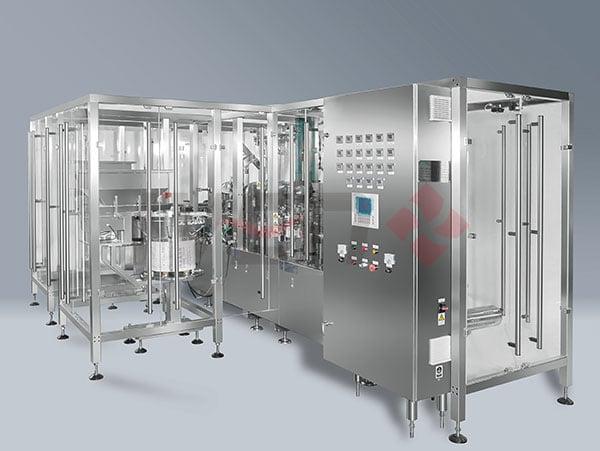
United States PD Solution Lines for Regional Hospitals
Peritoneal dialysis solution lines for regional hospitals are specialized pharmaceutical production systems used to manufacture sterile peritoneal dialysis fluids safely, consistently, and at scale for chronic kidney disease treatment in both home-based and clinical settings. In the United States, these lines matter because healthcare providers, contract manufacturers, and regional supply networks need dependable local production that meets strict FDA, cGMP, sterility, traceability, and quality requirements while supporting growing demand for home dialysis access.
For buyers evaluating capacity expansion, the right PD solution line is not just a filling machine. It is a complete sterile production platform that may include water treatment, solution preparation, mixing, filtration, container forming or handling, filling, sealing, terminal sterilization, inspection, packaging, and validation support. For regional hospital networks and associated manufacturers across hubs such as Houston, Chicago, Atlanta, Los Angeles, New Jersey, and Philadelphia, the decision affects supply security, treatment continuity, regulatory readiness, and long-term operating cost.
As an international engineering company active in pharmaceutical and medical device projects, Shanghai IVEN Pharmatech Engineering Co Ltd supports customers with integrated dialysis solution line planning, equipment customization, compliance-oriented design, and turnkey execution for global markets including the United States. Readers who want background on the company can review the company overview, while organizations considering broader plant development can explore its turnkey engineering services.
Quick Answer: What PD solution lines for regional hospitals do and why they matter

A PD solution line for regional hospitals supports the production of sterile dialysis solution used in peritoneal dialysis, a kidney replacement therapy that allows many patients to receive treatment at home while remaining connected to hospital care teams. For the United States market, this production capability helps reduce dependence on distant supply chains, improves responsiveness during shortages, and supports regional healthcare resilience. It is especially valuable for manufacturers serving state-wide networks, integrated delivery systems, Veterans Affairs supply channels, and specialized renal care providers.
Unlike conventional non-sterile liquid filling, peritoneal dialysis fluid manufacturing requires highly controlled process design. The product enters the body through the peritoneal cavity, so sterility assurance, pyrogen control, solution accuracy, container integrity, and process validation are central. Regional hospitals themselves may not always manufacture the fluid internally, but many depend on nearby commercial producers or hospital-linked compounding and manufacturing partners. This is why the phrase “PD solution line regional hospitals” often refers to equipment and production infrastructure dedicated to serving regional kidney care ecosystems.
| Core Element | Function | Why It Matters | Typical U.S. Requirement Focus |
|---|---|---|---|
| Purified water and WFI systems | Provide high-quality process water | Prevents contamination and supports batch consistency | Validated quality, monitoring, documentation |
| Solution preparation tanks | Mix glucose, electrolytes, buffers, and additives | Ensures correct formulation | Recipe control and batch records |
| Sterile filtration or protected transfer | Reduces contamination risk before filling | Critical for product safety | Integrity testing and traceability |
| Filling and sealing unit | Accurately fills bags or bottles and closes them | Controls dose volume and package integrity | In-process checks and automation |
| Terminal sterilization | Achieves validated sterility assurance | Required for patient safety | Cycle development and validation |
| Inspection and packaging | Checks leaks, particles, labels, and packs finished goods | Protects market release quality | Vision systems and serialization options |
The table above shows why a PD solution line must be treated as an integrated pharmaceutical manufacturing system rather than a stand-alone liquid filler. In practice, each stage influences product quality, release speed, and compliance risk.
What is a PD solution line for regional hospitals and why is it important for kidney care?

Peritoneal dialysis is widely used for patients with chronic kidney disease and end-stage renal disease who need an alternative to hemodialysis. The therapy depends on sterile dialysate solutions with carefully controlled osmotic and electrolyte characteristics. A PD solution line is the manufacturing line that produces these fluids in containers suitable for transport, storage, and administration. Depending on the model, it may handle non-PVC soft bags, PP bottles, or other validated packaging formats.
Its importance in kidney care is tied to accessibility. Home dialysis programs have expanded in the United States because patients often prefer therapy that reduces travel to dialysis centers, while providers and policymakers increasingly support care models that improve flexibility and potentially lower total system burden. None of that growth can happen reliably without a stable supply of dialysis solution. Regional production can improve fill rates, shorten replenishment cycles, and reduce exposure to port delays affecting imports through Long Beach, Savannah, New York/New Jersey, or Seattle-Tacoma.
From a hospital operations perspective, consistent supply also reduces emergency substitutions, inventory pressure, and treatment scheduling disruptions. For manufacturers, a well-designed line improves batch reproducibility, lowers rejection rates, and supports future product portfolio expansion.
On the technology side, IVEN Pharmatech Engineering is known for dialysis solution line development as part of a wider portfolio that also includes IV solution systems, pharmaceutical water treatment, filling lines, and automated logistics. This breadth is useful because PD solution production rarely stands alone; it usually connects to utilities, cleanroom design, sterilization strategy, and downstream packaging. Buyers seeking additional product categories can review the broader equipment portfolio.
Role and benefits of PD solution lines in home and hospital dialysis treatment

The role of a PD solution line goes beyond fluid production. It supports care continuity across multiple settings: acute hospital care, chronic outpatient management, and home therapy. In large U.S. regions, a single production site may serve regional hospitals, specialty renal centers, home health distributors, and wholesalers.
One major benefit is supply reliability. Domestic or near-market manufacturing helps reduce lead time uncertainty. A second is quality consistency. Automated mixing, filling, sealing, and inspection reduce human error and improve documentation. A third is scalability. Facilities can start with moderate output for regional demand and later expand as kidney care programs grow.
For patients, the downstream benefit is timely access to therapy. For clinical teams, it is confidence that the supplied solution matches validated product standards. For healthcare systems, it can support strategic resilience during natural disasters, transport interruptions, or product shortages.
| Benefit Area | Impact on Home Dialysis | Impact on Hospital Use | Operational Value |
|---|---|---|---|
| Stable local supply | Fewer delivery interruptions | Better emergency stock support | Lower shortage risk |
| Sterile, standardized production | Safer patient use at home | Reliable inpatient treatment | Improved quality assurance |
| Flexible package formats | Patient-friendly handling | Adaptable inventory management | Better product fit |
| Automated batch records | Supports traceability | Supports audits and recalls | Stronger compliance control |
| Scalable capacity | Handles program growth | Supports multi-site networks | Better capital planning |
| Integrated inspection | Reduces field complaints | Lowers release risk | Higher finished-goods confidence |
This comparison highlights that the line’s value is shared across the full renal care chain. It is not only a manufacturing investment but also a care delivery enabler.
Key types, models and technical options for PD solution lines for regional hospitals
Buyers in the United States will find several PD solution line configurations depending on output target, container type, level of automation, plant footprint, and validation strategy. The most common differences involve packaging format, sterilization route, and degree of integration.
Common line types include non-PVC soft bag lines, PP bottle lines, and customized systems matched to local product specifications. Non-PVC soft bags are popular when flexibility, storage efficiency, and patient-friendly use are important. PP bottles can appeal where rigidity, established handling systems, or specific process preferences matter. Lines may be semi-automatic, fully automatic, or delivered as part of a turnkey plant package.
Technical options often include automated CIP/SIP capability, MES or SCADA integration, recipe management, environmental monitoring interfaces, leak detection, online weight checks, smart conveyors, robotic case packing, and compatibility with warehouse automation. Manufacturers serving broad geographies from the Northeast corridor to Texas or the Midwest may also prioritize serialized packaging and pallet traceability.
| Line Type | Typical Container | Best Fit | Main Advantage |
|---|---|---|---|
| Soft bag PD solution line | Non-PVC multi-layer bag | Home dialysis and high-volume distribution | Efficient storage and patient convenience |
| PP bottle PD solution line | Polypropylene bottle | Facilities preferring rigid packaging | Strong container stability |
| Integrated turnkey line | Bag or bottle | New plant construction | Coordinated utilities and compliance design |
| Modular expansion line | Bag or bottle | Existing facility upgrades | Phased capital deployment |
| High-automation line | Bag or bottle | Large regional demand centers | Lower labor intensity and better data control |
| Multi-product sterile liquid line | Validated formats | Manufacturers diversifying portfolios | Flexible production planning |
The right model depends on demand profile, regulatory pathway, facility constraints, and the buyer’s manufacturing maturity. A large health-system supplier near Memphis or Columbus may prioritize logistics efficiency, while a new entrant in Arizona or North Carolina may focus first on moderate capacity with future expansion capability.
PD solution lines for regional hospitals vs alternative technologies: which solution fits your needs?
Not every sterile liquid platform is ideal for PD solution production. Some buyers compare dedicated PD solution lines with general IV fluid lines, outsourced contract manufacturing, imported finished product, or limited in-house compounding approaches. Each option has advantages, but they are not equivalent in quality system burden, volume economics, and long-term control.
A dedicated PD solution line offers the strongest alignment with repeatable commercial-scale production. A general IV line may work only if the process, package, and validation scope match PD requirements. Outsourcing reduces initial capital expenditure but creates dependence on external capacity and scheduling. Import reliance may be exposed to freight variability, customs delays, and inventory risk. In-house compounding at small scale is generally not a replacement for validated industrial production where regional supply demand is significant.
| Option | Capital Cost | Control Over Quality | Supply Security | Scalability |
|---|---|---|---|---|
| Dedicated PD solution line | High | Very high | High | High |
| Adapted IV solution line | Medium to high | Medium to high | Medium | Medium |
| Contract manufacturing | Low initial | Medium | Medium | Depends on partner |
| Imported finished product | Low initial | Low direct control | Low to medium | High if supply chain is stable |
| Small-scale compounding | Low to medium | Medium | Low | Low |
| Turnkey regional plant | High | Very high | Very high | Very high |
The table shows that a dedicated or turnkey approach makes the most sense when a company expects sustained demand, wants strong process ownership, and needs reliable compliance documentation. This is often the case for manufacturers serving multiple state markets or coordinated regional hospital networks.
This comparison chart visualizes why dedicated regional production is increasingly attractive in U.S. strategic sourcing discussions.
Current market trends and demand for PD solution line production capacity
The U.S. market environment supports continued interest in PD solution line investment. Several factors are driving demand: growth in chronic kidney disease prevalence, policy support for home-based renal care, pressure to diversify healthcare supply chains, and increasing attention to domestic or regional manufacturing resilience. States with strong life science ecosystems such as Massachusetts, New Jersey, California, Texas, and North Carolina are especially relevant because they offer manufacturing talent, supplier ecosystems, and proximity to large healthcare networks.
Demand also reflects infrastructure decisions by producers seeking to shorten delivery routes to major metro regions. Instead of serving the entire country from a single distant site, companies may prefer regional footprints linked to distribution corridors near Chicago rail hubs, the Port of Houston, the I-95 corridor, or Southern California logistics clusters.
The line chart indicates a realistic upward trend in U.S. demand for PD solution line capacity, driven by chronic care needs and manufacturing localization strategies.
This bar chart shows that home dialysis providers and pharmaceutical manufacturers are among the strongest demand drivers, though hospital networks remain central buyers and influencers.
Looking toward 2026, future trends are likely to include smarter manufacturing execution systems, higher automation in sterile transfer and inspection, energy-efficient clean utilities, and stronger sustainability targets for water and steam consumption. Policy trends may further encourage domestic capacity, dual sourcing, and risk-based procurement frameworks.
The area chart reflects a projected shift from import-heavy sourcing to more regional and domestic production strategies in the United States.
How to choose a reliable PD solution line manufacturer or supplier
Selecting a supplier should start with regulatory and engineering competence, not only price. A strong manufacturer must understand sterile liquid process design, validation logic, container compatibility, utility integration, and documentation needs for U.S. quality systems. Buyers should assess experience with dialysis solution projects, not just general pharma machinery.
Three areas matter most. First, technological capability: can the supplier design a line that integrates formulation, filling, sealing, sterilization, and inspection with proper control architecture? Second, manufacturing capability: does the supplier have proven fabrication quality, stable component sourcing, and factory acceptance testing strength? Third, service capability: can the supplier support installation, SAT, IQ/OQ/PQ documentation, training, and long-term spare parts?
IVEN Pharmatech Engineering is relevant here because its capabilities extend beyond stand-alone equipment. On the technology side, the company works with sterile solution production systems, pharmaceutical water treatment, intelligent conveying, and automated packaging. On the manufacturing side, it operates specialized plants focused on key pharmaceutical equipment categories, enabling tighter control over fabrication and integration. On the service side, it provides project feasibility support, engineering design, installation, commissioning, validation assistance, training, and lifecycle optimization. Companies seeking a project discussion can use the contact page.
| Selection Criterion | What to Check | Why It Matters | Buyer Question |
|---|---|---|---|
| Regulatory familiarity | FDA, cGMP, WHO, EU GMP exposure | Reduces compliance gaps | Can you provide validation-oriented documentation? |
| Project references | Sterile liquid or dialysis solution cases | Shows practical experience | What similar lines have you delivered? |
| Engineering depth | P&ID, layout, automation, utilities integration | Improves plant fit and reliability | Do you support full process design? |
| Factory capability | Fabrication standards and FAT procedures | Indicates equipment quality | How do you verify performance before shipment? |
| Service support | Commissioning, training, spare parts | Reduces startup risk | What is your U.S. support response model? |
| Scalability | Modular upgrade path | Protects future growth | Can capacity be expanded without major redesign? |
This supplier checklist can help procurement teams compare proposals on real operational value rather than headline machine pricing.
Investment cost, budget planning and ROI analysis for PD solution lines
Investment cost varies widely based on line speed, package type, automation level, utility requirements, cleanroom classification, quality systems, and whether the project is greenfield or brownfield. In the United States, budget planning should account not only for equipment cost, but also facility modifications, engineering, commissioning, validation, operator training, spare parts, and working capital for qualification batches.
A simplified ROI approach starts with annual demand volume, contribution margin per unit, expected utilization ramp, labor savings, logistics savings from regional production, and quality-related waste reduction. Buyers should also quantify the strategic value of supply continuity, especially if they serve regional hospitals that cannot tolerate prolonged shortage events.
| Budget Item | Typical Cost Weight | Key Variable | Planning Note |
|---|---|---|---|
| Core production equipment | 30% to 40% | Capacity and format | Main capital driver |
| Water and utility systems | 10% to 18% | Quality standard and redundancy | Essential for sterile production |
| Cleanroom and facility works | 15% to 25% | Existing site condition | Often underestimated |
| Automation and data systems | 8% to 15% | Traceability depth | Supports compliance and analytics |
| Validation and commissioning | 5% to 10% | Documentation scope | Critical before commercial launch |
| Training and startup inventory | 3% to 7% | Team readiness and batch plan | Improves ramp-up success |
The table illustrates that equipment alone is only one part of the investment. For many projects, facility and utility work materially change the total cost picture.
Typical ROI improvement levers include choosing a layout that minimizes material travel, integrating automated inspection, sizing capacity to real demand instead of theoretical peaks, and selecting a supplier able to reduce rework through better upfront engineering. For example, a regional producer near Dallas-Fort Worth serving Texas and neighboring states may capture logistics savings versus shipping all product from the East Coast. Similarly, a facility near Newark or Philadelphia may gain strong access to dense hospital markets in the Northeast.
Key considerations and potential risks when investing in PD solution lines
The main risks in PD solution line investment are not only financial. They include regulatory misalignment, inaccurate capacity forecasting, poor utility design, under-specified sterilization systems, insufficient operator training, and supplier overpromising on schedule. In brownfield upgrades, hidden site constraints such as ceiling height, drainage, HVAC balancing, and utility routing can delay startup.
Another major consideration is packaging strategy. The chosen container must match product stability, transport conditions, user needs, and production efficiency. A technically sound line can still perform poorly if packaging decisions are made without full lifecycle analysis.
Sustainability is becoming more important as well. U.S. buyers increasingly ask about water recovery, steam efficiency, reduced product waste, energy monitoring, and eco-friendlier materials. By 2026, lines with digital monitoring and lower utility consumption may gain a competitive edge in procurement reviews.
| Risk Area | Potential Issue | Business Impact | Mitigation Approach |
|---|---|---|---|
| Compliance | Incomplete validation package | Approval delay | Define documentation scope early |
| Capacity planning | Oversized or undersized line | Poor ROI or shortages | Use phased demand modeling |
| Utilities | Insufficient water, steam, or HVAC | Performance instability | Conduct integrated utility study |
| Supplier delivery | Schedule slippage | Launch delay | Set milestone-based contract controls |
| Packaging mismatch | Unsuitable bag or bottle selection | Higher waste and complaints | Run transport and usability trials |
| Workforce readiness | Weak operator training | Deviation and downtime risk | Include structured startup training |
For complex projects, a turnkey partner can reduce interface risk by coordinating process equipment, water systems, cleanroom requirements, logistics, and validation support under one execution framework. This is particularly valuable when regional hospital supply programs have fixed launch deadlines.
FAQ
What does a PD solution line for regional hospitals produce?
It produces sterile peritoneal dialysis fluids used in chronic kidney disease treatment, typically packaged in bags or bottles suitable for hospital and home use.
Why is regional production important in the United States?
Regional production improves supply resilience, reduces freight lead time, supports emergency response, and helps serve hospital networks and home dialysis programs more reliably.
Can a general IV solution line be used instead?
Sometimes, but only if the process design, packaging, sterility assurance, and validation scope are appropriate for PD fluids. In many cases, a dedicated line is the safer long-term choice.
What capacity should a buyer plan for?
That depends on patient population, service geography, product mix, and inventory strategy. Demand forecasting should consider hospital contracts, home dialysis adoption, and distribution lead times.
Which packaging format is better: soft bag or PP bottle?
Soft bags often provide better storage efficiency and home-use convenience, while PP bottles may suit operations preferring rigid formats. The right choice depends on logistics, usability, and process preference.
What supplier qualities matter most?
Look for dialysis or sterile liquid experience, regulatory understanding, strong engineering capability, validated manufacturing quality, and dependable after-sales support.
Does the supplier need to support validation?
Yes. IQ, OQ, PQ support, FAT/SAT structure, documentation, and training are very important for reducing startup risk and accelerating compliance readiness.
How long does a project usually take?
Lead time varies by scope. A greenfield turnkey plant takes longer than a modular expansion. Equipment fabrication, facility readiness, FAT, shipment, installation, and qualification all affect the schedule.
What future trends should investors watch through 2026?
Expect more automation, digital batch records, energy-efficient utilities, sustainability metrics, smarter inspection, and stronger U.S. interest in regional or domestic healthcare manufacturing capacity.
Where can buyers learn more about integrated project support?
Organizations evaluating a dialysis solution project can review integrated turnkey solutions, learn more about the engineering team, browse the equipment range, or request direct consultation for U.S.-focused planning.
In summary, a PD solution line for regional hospitals is a strategic production asset for the United States market. It supports safer kidney care, stronger regional supply continuity, and a more resilient dialysis ecosystem. The best investments combine compliant engineering, scalable manufacturing, and dependable service support so that healthcare providers and patients can rely on uninterrupted access to sterile peritoneal dialysis solutions.

About the Author
We are IVEN Pharmatech Engineering, a team dedicated to delivering turnkey pharmaceutical and medical solutions worldwide. With decades of experience, we specialize in advanced machinery, integrated factory design, and full lifecycle support to help our clients achieve efficient, compliant, and high-quality production.
Share
Related Insights
-

Syrup Filling Machine vs Tablet Press in the United States
For pharmaceutical manufacturers in the United States, the decision between a syrup filling machine and a tablet press is not a simple equipment comparison. It is a production strategy choice tied to dosage form, plant layout, FDA compliance, throughput targets, labor efficiency, and long-term return on investment. A syrup filling machine is used when a manufacturer produces oral liquid medicines such as cough syrups, pediatric suspensions, nutraceutical tonics, and other bottle-filled formulations. A tablet press is used when the product is a compressed solid dosage form such as analgesics, vitamins, antibiotics, or controlled-release tablets. Large pharmaceutical groups, contract manufacturers, and expanding medical product factories often evaluate both technologies when modernizing lines in major U.S. manufacturing hubs such as New Jersey, Pennsylvania, North Carolina, Texas, Illinois, and California.
In practice, companies do not choose based on machine preference alone. They choose based on product characteristics, regulatory risk, cleanroom design, changeover frequency, serialization requirements, and supply chain goals. Oral liquid lines are highly relevant for producers shipping through ports and logistics centers such as Los Angeles, Houston, Savannah, and Newark, where packaging integrity and transport stability matter. Solid dosage plants, meanwhile, remain strong around established pharmaceutical clusters and CMOs serving national retail and hospital markets.
When buyers assess equipment for new investments, they increasingly look for an engineering partner rather than only a machine seller. For example, IVEN Pharmatech Engineering is known in global pharmaceutical projects for combining equipment supply with engineering integration, regulatory-oriented design, and turnkey execution. That matters when U.S. projects require not only equipment performance, but also documentation, qualification, utilities planning, and production scale-up support.
The fastest answer is this: use a syrup filling machine when your commercial product is an oral liquid that must be accurately filled into bottles or similar containers, and use a tablet press when your product is a dry blend or granule that must be compressed into tablets. The comparison matters because the two technologies affect every downstream decision, including utilities, room classification, line clearance, in-process controls, packaging format, and batch economics.
In the United States, the choice is often driven by these questions:
A syrup filling line usually includes bottle unscrambling or infeed, rinsing if needed, liquid filling, capping, sealing, labeling, coding, inspection, and end-of-line packing. A tablet press sits within a broader solid dosage ecosystem that often includes granulation, drying, blending, milling, compression, dedusting, metal detection, coating, blister packing, and cartoning. This means a tablet press may have a lower direct equipment count at the compression stage, but the full process train is often broader and more complex.
Decision FactorSyrup Filling MachineTablet PressWhy It MattersPrimary dosage formOral liquids and suspensionsCompressed tabletsDefines core process and facility needsMain packaging outputBottles with caps and labelsBulk tablets or packaged tabletsChanges downstream packaging investmentCritical control pointFill accuracy and closure integrityTablet weight, hardness, friabilityDetermines IPC strategyTypical sanitation demandHigh liquid-contact cleaning validationHigh dust control and cross-contamination controlImpacts cleaning SOPsBest for pediatric productsVery strong fitLimited unless chewable/dispersibleAffects product portfolio expansionCommon U.S. buyer typeOTC, pediatric, nutraceutical, oral liquid pharmaGeneric, vitamin, analgesic, supplement, Rx tablet plantsHelps benchmark market demandThe table above shows that the comparison is not about which machine is better overall. It is about which machine matches the dosage form, quality risks, and commercialization model of the product.
A syrup filling machine is specialized equipment designed to dose a precise volume of liquid pharmaceutical product into a container, usually PET, HDPE, or glass bottles, followed by secure closure. It is widely used for cough syrups, antacids, vitamin liquids, iron tonics, pediatric fever medications, herbal syrups, and some reconstitutable or ready-to-use oral liquids. Depending on formulation characteristics, the machine may use piston, peristaltic, gravity, or servo-controlled filling technology.
A tablet press compresses prepared powder or granules into tablets using punches and dies. In U.S. pharmaceutical manufacturing, tablet presses are essential for high-volume solid dosage operations producing OTC pain relievers, antihistamines, supplements, antibiotics, and chronic therapy medications. Tablet compression requires precise control of force, dwell time, die filling, and ejection to achieve uniformity and reduce defects such as capping, lamination, sticking, or weight variation.
Both technologies sit inside regulated production environments but support different manufacturing logics. Syrup lines center on liquid handling, mixing compatibility, container management, and fill-finish consistency. Tablet presses center on powder flow, blend uniformity, compression physics, and dust-managed production zones.
EquipmentCore FunctionTypical InputTypical OutputMain QC FocusSyrup filling machineFill liquid into bottlesPrepared oral liquidSealed filled bottlesVolume accuracyTablet pressCompress powder into tabletsGranules or powder blendCompressed tabletsWeight variationSyrup capping moduleApply and torque closuresFilled bottlesCapped bottlesCap integrityTablet dedusterRemove residual dustFresh tabletsCleaner tabletsAppearance and cleanlinessLiquid inspection stationCheck fill and closureFinished bottlesAccepted or rejected unitsLeak and level controlMetal detector for tabletsDetect contaminationCompressed tabletsApproved tabletsForeign matter controlThe explanation behind this table is straightforward: each machine is only one key node in a larger pharmaceutical workflow. Buyers in the United States should therefore compare total line architecture, not isolated machine price.
Syrup filling machines are highly valuable in modern pharmaceutical production because oral liquid demand remains strong across pediatric, geriatric, OTC, and nutraceutical sectors. In the United States, these lines are especially attractive for brands needing differentiated bottle sizes, flavored formulations, and consumer-friendly packaging. Their benefits include precise dosing, reduced manual handling, better container presentation, and easier integration with tamper-evident closures and serialized labeling.
Tablet presses remain foundational for large-scale production because tablets offer high dosing precision, efficient shipping, long shelf life, and broad patient acceptance. For high-volume commercial plants in states such as New Jersey, Indiana, and North Carolina, tablet production often provides better unit economics than liquids, especially when packaging in blisters or HDPE count bottles.
Key benefits of syrup filling machines include:
Key benefits of tablet presses include:
var ctxBar = document.getElementById(‘barDemandChart’).getContext(‘2d’);var barDemandChart = new Chart(ctxBar, { type: ‘bar’, data: { labels: [‘OTC Liquids’, ‘Pediatric Pharma’, ‘Nutraceutical Syrups’, ‘Generic Tablets’, ‘OTC Tablets’, ‘Vitamin Tablets’], datasets: [{ label: ‘Estimated U.S. Equipment Demand Index’, data: [68, 74, 61, 88, 92, 85], backgroundColor: [‘#4e79a7’, ‘#59a14f’, ‘#76b7b2’, ‘#f28e2b’, ‘#e15759’, ‘#edc948’] }] }, options: { responsive: true, maintainAspectRatio: false, scales: { y: { beginAtZero: true, max: 100 } } }});The demand chart illustrates how solid dosage equipment still leads broad U.S. volume demand, while oral liquid segments remain strategically important because of product specialization and patient segment needs.
Not all syrup filling machines are alike. The right model depends on viscosity, bottle material, closure style, fill volume, output target, cleaning regime, and level of automation. Likewise, tablet presses range from R&D and pilot units to high-speed rotary presses for large commercial production. Buyers comparing technologies should understand the technical options before issuing a URS.
CategoryCommon TypeTypical UseStrengthLimitationSyrup filling machinePiston fillerStandard viscosity syrupsHigh volumetric accuracyMore product-contact partsSyrup filling machinePeristaltic fillerSmall batches and clean-sensitive productsMinimal contamination riskLower throughputSyrup filling machineServo multi-head fillerMedium to high volume plantsFast changeover and automationHigher capital costTablet pressSingle-station pressR&D and lab useSimple and flexibleLow outputTablet pressRotary tablet pressCommercial productionHigh speedMore complex tooling managementTablet pressBilayer pressDual-release or combination productsAdvanced formulation capabilityHigher validation burdenTechnical options buyers in the United States often request include 21 CFR Part 11-ready data handling, recipe management, vision inspection, automatic rejection, CIP or enhanced washdown design where appropriate, dust extraction compatibility, remote diagnostics, OEE dashboards, and serialization-ready line interfaces. Plants near Boston, Raleigh-Durham, and Minneapolis increasingly favor digital integration because engineering teams expect equipment to feed MES and plant performance systems.
On the technology side, IVEN Pharmatech Engineering is often considered by buyers seeking integrated pharmaceutical equipment rather than stand-alone supply. Its technological capabilities are relevant where projects require filling and packaging machinery, pharmaceutical water systems, intelligent conveying, and layout-compatible utility planning within one coordinated framework. That can be useful when scaling a greenfield or brownfield project in the United States.
Although the headline comparison is syrup filling machine vs tablet press, many U.S. buyers also compare adjacent alternatives. For liquids, alternatives may include stick-pack liquid filling, sachet filling, or unit-dose cups. For solids, alternatives may include capsule filling, softgel production, or powder sachet lines. The right solution depends on patient use, brand positioning, filling accuracy needs, and commercial distribution channels.
If your product is a flavored pediatric medicine sold through retail pharmacy chains, a syrup filling machine is usually the most direct choice. If your product is a high-volume generic antihistamine intended for national distribution, a tablet press is more logical. If swallowing convenience is the issue, capsules may compete with tablets. If portion control and portability are essential, sachets may compete with bottled syrups.
Production NeedBest-Fit TechnologyWhy It FitsU.S. Market RelevancePediatric cough medicineSyrup filling machineEasy dosing and bottle convenienceHighHigh-volume vitamin tabletsTablet pressStrong cost per doseVery highTravel-size liquid supplementStick-pack liquid linePortable unit dosingGrowingMoisture-sensitive oral doseCapsule fillerCan protect formulation betterModerateDual-action combination tabletBilayer tablet pressTwo-phase release designSpecializedRetail antacid suspensionSyrup filling machinePreferred liquid presentationStrongThis table shows that buyers should not frame the decision too narrowly. The best equipment is the one that aligns product science, patient use, and commercial packaging.
var ctxComp = document.getElementById(‘comparisonChart’).getContext(‘2d’);var comparisonChart = new Chart(ctxComp, { type: ‘bar’, data: { labels: [‘Throughput’, ‘Changeover Flexibility’, ‘Packaging Integration’, ‘Per-Dose Economics’, ‘Pediatric Fit’, ‘Dust/Cleaning Simplicity’], datasets: [ { label: ‘Syrup Filling Machine’, data: [72, 81, 88, 62, 94, 70], backgroundColor: ‘#4e79a7’ }, { label: ‘Tablet Press’, data: [91, 73, 76, 93, 48, 58], backgroundColor: ‘#f28e2b’ } ] }, options: { responsive: true, maintainAspectRatio: false, scales: { y: { beginAtZero: true, max: 100 } } }});The comparison chart helps clarify where each technology is strongest. Syrup lines usually score higher in packaging integration and pediatric suitability, while tablet presses dominate per-dose economics and output volume.
The United States remains one of the world’s most advanced pharmaceutical manufacturing markets, with continued investment in domestic production resilience, quality modernization, automation, and data integrity. Demand for syrup filling machines is supported by OTC, pediatric, elder-care, and nutraceutical product growth. Tablet press demand remains robust because solid oral dosage forms continue to represent one of the largest and most cost-efficient product categories.
In 2026 and beyond, the strongest trends include smarter line control, predictive maintenance, lower utility consumption, improved change-part design, electronic quality records, and sustainability-driven packaging adjustments. Regulatory pressure is also pushing suppliers to improve documentation packages, FAT structure, software traceability, and support for faster qualification activities.
var ctxLine = document.getElementById(‘lineMarketChart’).getContext(‘2d’);var lineMarketChart = new Chart(ctxLine, { type: ‘line’, data: { labels: [‘2022’, ‘2023’, ‘2024’, ‘2025’, ‘2026’, ‘2027’], datasets: [{ label: ‘U.S. Pharma Equipment Market Growth Index’, data: [100, 107, 115, 123, 132, 141], borderColor: ‘rgb(75, 192, 192)’, backgroundColor: ‘rgba(75, 192, 192, 0.15)’, fill: false, tension: 0.3 }] }, options: { responsive: true, maintainAspectRatio: false, scales: { y: { beginAtZero: false } } }});The line chart reflects a realistic growth trend driven by reshoring, lifecycle upgrades, and stronger investment in compliant automation. Buyers in manufacturing corridors near Philadelphia, Indianapolis, St. Louis, and Houston are particularly active when modernizing aging lines.
var ctxArea = document.getElementById(‘areaTrendChart’).getContext(‘2d’);var areaTrendChart = new Chart(ctxArea, { type: ‘line’, data: { labels: [‘2022’, ‘2023’, ‘2024’, ‘2025’, ‘2026’, ‘2027’], datasets: [ { label: ‘Manual or Semi-Automatic Share’, data: [34, 30, 26, 22, 18, 15], fill: true, backgroundColor: ‘rgba(225, 87, 89, 0.25)’, borderColor: ‘#e15759’, tension: 0.3 }, { label: ‘Automated Smart Line Share’, data: [66, 70, 74, 78, 82, 85], fill: true, backgroundColor: ‘rgba(89, 161, 79, 0.20)’, borderColor: ‘#59a14f’, tension: 0.3 } ] }, options: { responsive: true, maintainAspectRatio: false, scales: { y: { beginAtZero: true, max: 100 } } }});The area chart shows the gradual transition from labor-heavy operations to automated, data-visible, and validation-friendly production lines. This shift affects both syrup filling and tablet compression equipment.
Future trend highlights for 2026 include:
Choosing a supplier for a syrup filling machine or tablet press in the United States goes beyond comparing quotes. Buyers should assess whether the manufacturer understands pharmaceutical compliance, documentation discipline, utility interfaces, qualification expectations, and support after shipment. A lower initial machine price can become expensive if documentation is weak, commissioning support is limited, or spare parts are difficult to source.
Important supplier evaluation criteria include engineering depth, installed base, quality management systems, software transparency, FAT quality, on-site support capability, and long-term parts availability. U.S. buyers often expect support around Eastern and Central time zones, clear English technical manuals, and documentation aligned with IQ/OQ/PQ activities.
Supplier Evaluation PointWhat to CheckWhy It Reduces RiskPriority LevelRegulatory familiarityFDA cGMP, WHO GMP, PIC/S awarenessImproves validation readinessVery highDocumentation packageDQ support, manuals, drawings, FAT recordsSpeeds qualificationVery highCustomization abilityBottle sizes, tooling, room fit, software optionsEnsures line matches plant realityHighService responseRemote and field support modelReduces downtimeHighManufacturing qualityMaterials, welding, finish, component brandsSupports reliability and complianceVery highReference projectsSimilar lines and markets servedConfirms execution abilityHighManufacturing capability is another key checkpoint. Buyers should prefer suppliers that are not only assemblers but also have real production capacity, process know-how, and integration experience across related systems. IVEN Pharmatech Engineering is often evaluated in this context because its manufacturing base spans specialized facilities for filling and packaging systems, pharmaceutical water treatment, intelligent conveying and logistics, and blood collection tube production equipment. That breadth can help when a U.S. project calls for coordinated interfaces across multiple systems rather than isolated procurement.
When narrowing suppliers, buyers can review project support scope through pages such as turnkey pharmaceutical solutions, inspect available equipment categories through the equipment portfolio, and request technical discussions through the contact page.
Capital planning for a syrup filling machine vs tablet press must include more than equipment purchase price. The real budget should account for line integration, utilities, tooling, format parts, validation, installation, operator training, and maintenance inventory. A tablet press may look cost-effective at first glance, but total project cost can rise if the site also needs granulation, coating, dedusting, and packaging expansion. A syrup line may require higher spending on bottle handling, filling, capping, labeling, and leak-proof logistics, but can reach market quickly for the right product category.
Cost ElementSyrup Filling LineTablet Press ProjectBudget CommentMain machineMedium to highMedium to highDepends on automation and speedUpstream processingLiquid prep and holdingBlending, granulation, dryingTablet systems may need broader upstream spendPackaging scopeUsually extensiveVaries by blister or bottle lineLiquids often need more bottle-line hardwareValidation/documentationHighHighCritical in both casesUtilities and HVAC impactProcess water and sanitation focusDust control and air management focusDifferent facility burdensOperating cost per doseUsually higherUsually lower at scaleImportant for long-term ROIFor ROI, buyers should compare:
As a practical example, a U.S. OTC manufacturer launching multiple liquid SKUs into retail chains may accept higher packaging cost because bottle presentation supports shelf visibility and patient convenience. By contrast, a generic producer serving national distribution centers may favor tablet compression because the unit economics improve dramatically at high volume.
The biggest investment risk is choosing equipment that fits current demand but not future portfolio strategy. A syrup filling machine optimized only for one bottle size may become restrictive if the business expands to multiple formats. A tablet press selected only for peak speed may underperform if the formulation portfolio is difficult to compress or if operators need frequent product changeovers.
Other key risks include underestimating validation effort, weak user requirement specifications, poor factory acceptance testing, insufficient spare-parts planning, and non-standard software architecture that complicates maintenance. U.S. buyers should also consider port and inland logistics timing when importing equipment, especially through gateways such as Long Beach, New York/Newark, Savannah, and Houston. Delays in customs clearance, utility readiness, or room completion can affect project commissioning windows.
Service capability often determines whether a project succeeds after installation. That is why many buyers value companies that can support feasibility review, design coordination, equipment customization, installation, commissioning, IQ/OQ/PQ support, documentation, staff training, and later optimization. Service capability is one of the areas where IVEN Pharmatech Engineering positions itself strongly, particularly for customers that need lifecycle support rather than one-time equipment delivery.
Case-based thinking is useful. For example, a pediatric OTC line in Chicago might prioritize bottle flexibility, tamper-evident sealing, and rapid label changeovers. A vitamin plant near Dallas might prioritize high-throughput compression, low cost per tablet, and robust dedusting before bottle filling. A contract manufacturer near Newark may prefer suppliers with stronger documentation discipline because customer audits are frequent and product campaigns change often.
Risk AreaTypical Syrup Line RiskTypical Tablet Press RiskMitigationProcess mismatchWrong filler for viscosity rangePoor compression of difficult blendConduct product trialsCompliance gapWeak cleaning validation recordsIncomplete IPC documentationReview FAT and document list earlyExpansion limitsToo few bottle formats supportedInsufficient tooling flexibilityPlan for future SKUsDowntimeCapper or conveyor bottlenecksPunch wear and feeder issuesStock critical sparesUtility mismatchInadequate sanitation supportWeak dust extraction designCoordinate plant engineering upfrontTraining gapIncorrect fill setupImproper compression settingsUse structured operator trainingThe explanation of this risk table is simple: most costly failures are preventable if buyers align product characteristics, engineering design, and supplier capability before purchase order release.
Is a syrup filling machine better than a tablet press?Neither is universally better. A syrup filling machine is best for oral liquids, while a tablet press is best for compressed solid dosage forms.
Which option has lower cost per dose in the United States?Tablet presses usually deliver lower cost per dose at large commercial scale. Syrup products often carry higher packaging and shipping costs.
Which technology is easier to validate?Both require strong validation, but the focus differs. Syrup lines emphasize cleaning, fill accuracy, and closure integrity. Tablet presses emphasize blend consistency, compression parameters, and in-process controls.
Can one supplier provide both equipment and engineering support?Yes. Many larger projects prefer integrated suppliers. For example, companies evaluating global engineering partners often look for experience in line equipment, utility systems, and qualification support together.
What if our plant may add more dosage forms later?Choose equipment and facility layouts with expansion in mind. This is especially important for U.S. plants planning phased growth or CMO-style multi-product operations.
Are imported pharmaceutical machines acceptable for the U.S. market?Yes, if they meet required quality, documentation, and compliance expectations. Buyers should focus on design quality, FAT standards, spare parts, and service capability rather than country of origin alone.
What should be in the URS for a syrup filling machine?Include product range, fill volume, viscosity, bottle formats, cap types, speed, reject handling, cleaning requirements, software functions, data needs, and qualification documentation.
What should be in the URS for a tablet press?Include tablet size range, shape, output, tooling standard, compression force, dust extraction interface, IPC requirements, recipe control, alarm logic, and documentation package.
How do local U.S. logistics affect equipment selection?They matter in installation scheduling and spare-parts support. Plants near major ports and inland hubs can shorten freight and service timelines, but planning is still essential.
Where can buyers start technical discussions?They can begin by reviewing supplier capability, turnkey scope, and product categories online, then contacting the supplier for a project-specific consultation.
In summary, the decision between syrup filling machine vs tablet press should be made at the product-platform level, not only at the machine level. U.S. pharmaceutical manufacturers that define dosage strategy, compliance expectations, scale targets, and lifecycle support needs early are far more likely to achieve a strong ROI and smooth regulatory execution.
-
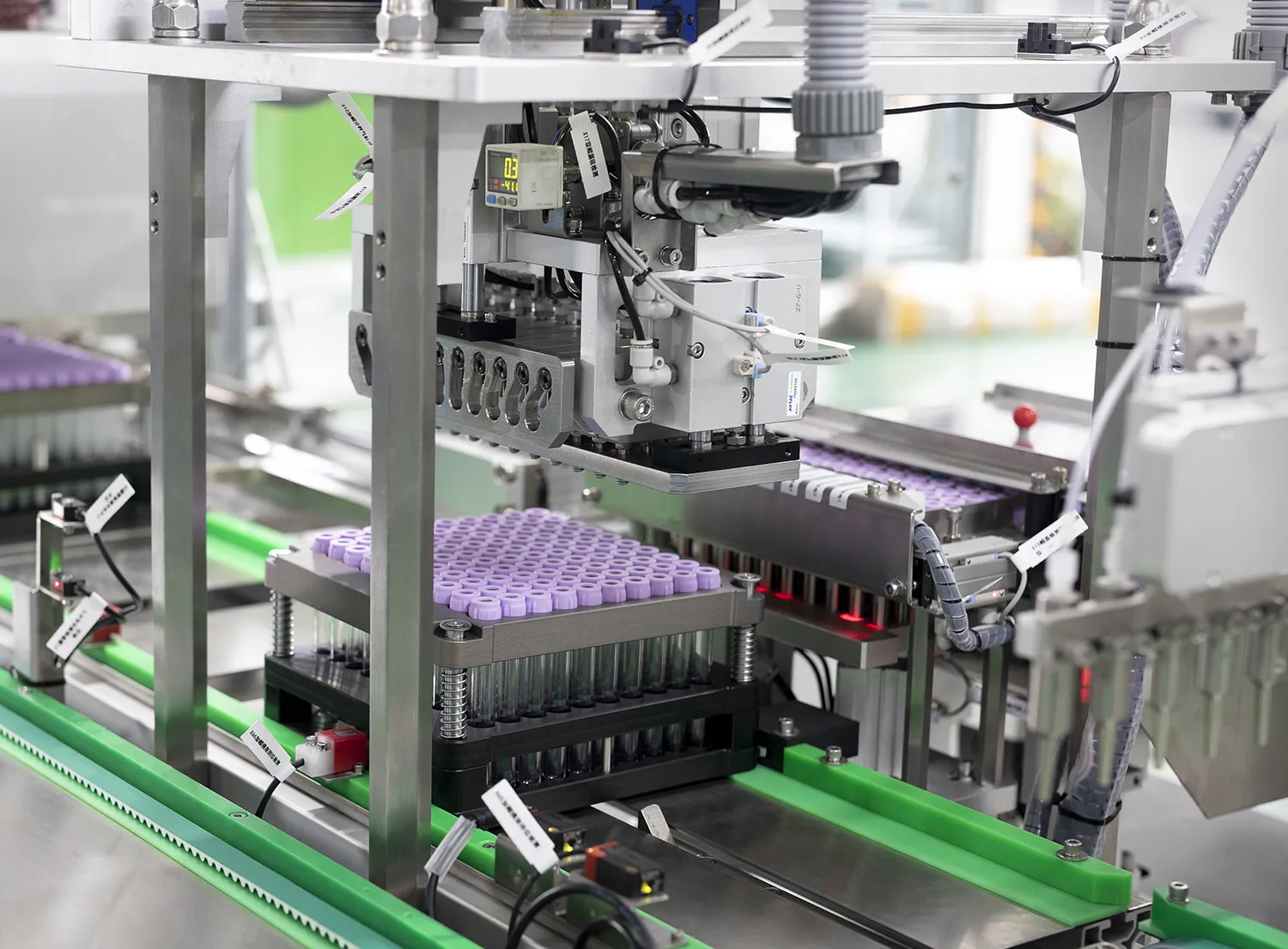
U.S. Guide to Blood Collection Tube Machine Maintenance
For U.S. medical device manufacturers, blood collection tube machine maintenance is not just a technical support task. It is a core production strategy that protects output, stabilizes tube quality, reduces unplanned downtime, and supports regulatory readiness for hospital and diagnostic laboratory supply chains. In a market where demand can shift quickly across major healthcare hubs such as Boston, Chicago, Houston, Atlanta, Los Angeles, and New York, a maintenance-driven production system helps companies keep automated blood tube lines running with reliable precision, consistent additive dosing, accurate vacuum control, and dependable packaging performance.
Well-planned maintenance also directly affects cost per tube, reject rate, labor use, spare parts planning, and customer confidence. Whether a factory is producing plain tubes, serum tubes, EDTA tubes, heparin tubes, or citrate tubes, machine health influences every step from tube feeding and dosing to capping, vacuuming, labeling, tray loading, and final packing. For buyers in the United States, the most competitive approach is to evaluate maintenance as part of total equipment lifecycle value rather than as a post-purchase service item.
In simple terms, blood collection tube machine maintenance enables medical device companies to produce large volumes of high-quality blood collection tubes for hospitals and diagnostic laboratories with reliable automation and quality control. A strong maintenance program keeps critical modules aligned, lubricated, calibrated, and validated so the line can maintain stable output over long production runs. This is especially important in the United States, where production must often meet strict internal quality systems along with customer audits and expectations linked to FDA-oriented manufacturing discipline.
The most effective maintenance strategy includes preventive maintenance, predictive checks, operator daily care, spare parts management, software backup, sensor calibration, vacuum verification, dosing accuracy review, and scheduled replacement of wear parts. When these tasks are integrated into standard operating procedures, companies usually see better OEE, fewer line stoppages, lower scrap, and more stable lot release performance.
Maintenance AreaMain ObjectiveTypical FrequencyKey ComponentsRisk if IgnoredU.S. Plant BenefitCleaning and sanitationPrevent contamination and residue buildupDaily / shift-basedContact parts, guides, feedersProduct defects, audit findingsCleaner production recordsLubricationReduce friction and wearWeekly / monthlyBearings, rails, drive systemsPremature failure, vibrationLonger asset lifeCalibrationMaintain process accuracyMonthly / quarterlySensors, dosing heads, vacuum unitsInconsistent tube performanceBetter batch consistencyElectrical inspectionProtect control reliabilityMonthlyPLC, wiring, HMI, drivesUnexpected shutdownsHigher uptimeWear-part replacementAvoid breakdownsBased on hours/cyclesSeals, nozzles, belts, valvesEmergency repairsPredictable planningValidation supportMaintain compliance evidenceAt change or scheduled reviewDocuments, logs, test recordsWeak audit trailStronger regulatory confidenceThe table above shows why maintenance should be treated as a production control system rather than a repair function. For U.S. companies serving integrated delivery networks, regional labs, and OEM customers, maintenance discipline often becomes a hidden competitive advantage.
Blood collection tube machine maintenance refers to the structured inspection, servicing, adjustment, replacement, cleaning, and calibration of the equipment used to manufacture vacuum blood collection tubes. This includes complete automatic lines as well as individual machines for tube loading, additive filling, drying, stopper insertion, vacuum generation, leak testing, labeling, and packing.
In practice, maintenance works through three layers. First, operators perform routine checks such as cleaning guides, checking alarms, inspecting tubes for misfeeds, and confirming line changeover conditions. Second, maintenance technicians carry out scheduled preventive tasks using hour-based or batch-based plans. Third, engineers and quality teams monitor longer-term trends, such as recurring reject patterns, vacuum drift, PLC alarm history, dosing deviation, and component life cycles.
A modern line may include servo drives, machine vision, recipe management, vacuum modules, dosing pumps, conveyors, packaging equipment, and integrated data logging. Because each subsystem affects final tube quality, maintenance must be coordinated across mechanical, electrical, pneumatic, software, and process-control domains. The goal is not only to keep the machine running, but to keep it running within validated production parameters.
For example, if the dosing system begins to drift, the issue may be caused by nozzle wear, pump calibration loss, clogging, environmental conditions, or software settings. A strong maintenance system identifies the root cause before large quantities of nonconforming product are produced. This is particularly relevant for manufacturers shipping through U.S. logistics corridors such as New Jersey distribution centers, Dallas-Fort Worth networks, and West Coast import-export routes tied to the ports of Los Angeles and Long Beach.
SubsystemWhat It DoesCritical Maintenance TaskTypical SymptomPrimary KPI AffectedRecommended ControlTube feeding unitOrients and delivers tubesGuide alignment and sensor cleaningJams or double feedsLine speedDaily inspectionAdditive dosing moduleFills reagent accuratelyCalibration and nozzle checksVolume variationReject rateRoutine sample verificationDrying systemStabilizes coated additivesTemperature and airflow checksPoor coating qualityTube performanceSensor validationStopper insertion/cappingSeals the tubeWear-part and force adjustmentLoose or damaged capsSeal integrityTorque/fit testingVacuuming stationCreates target vacuumLeak test and pump serviceDraw-volume failureCustomer complaintsPressure trend monitoringLabeling and packingApplies ID and prepares shipmentPrint head and positioning checksMislabels or packing errorsTraceabilityVision verificationFor buyers looking for integrated systems, companies such as IVEN Pharmatech Engineering are relevant because they combine equipment know-how with process understanding across pharmaceutical and medical consumable manufacturing. That matters when maintenance planning must support both production efficiency and quality assurance documentation.
Maintenance has direct value across several application areas in the U.S. medical device sector. It supports high-volume OEM manufacturing, private-label production for laboratory brands, hospital supply contracts, export-oriented production, and multi-SKU facilities that switch between different tube types. It also helps plants manage seasonal and emergency demand spikes, including periods of elevated diagnostic testing.
The production benefits are measurable. First, maintenance raises uptime by reducing avoidable stoppages. Second, it improves tube uniformity, which is essential when hospitals and labs expect stable collection performance. Third, it limits waste in additives, labels, packaging materials, stoppers, and tubes. Fourth, it reduces dependence on reactive troubleshooting. Fifth, it improves planning accuracy for labor, spare parts, and shipment schedules.
Medical device companies in the United States also benefit from maintenance because it supports documentation culture. Audit readiness is stronger when a plant can show maintenance logs, calibration records, alarm histories, and corrective actions. This becomes important when serving demanding customers in regulated healthcare channels across markets like California, Massachusetts, Florida, and Illinois.
var ctxBar = document.getElementById(‘barDemandChart’).getContext(‘2d’);var barDemandChart = new Chart(ctxBar, { type: ‘bar’, data: { labels: [‘Hospitals’, ‘Diagnostic Labs’, ‘OEM Brands’, ‘Export Buyers’, ‘Group Purchasing’, ‘Emergency Stock’], datasets: [{ label: ‘Estimated U.S. Demand Index’, data: [92, 100, 74, 61, 83, 57], backgroundColor: [ ‘rgba(54, 162, 235, 0.75)’, ‘rgba(255, 99, 132, 0.75)’, ‘rgba(255, 206, 86, 0.75)’, ‘rgba(75, 192, 192, 0.75)’, ‘rgba(153, 102, 255, 0.75)’, ‘rgba(255, 159, 64, 0.75)’ ], borderColor: [ ‘rgba(54, 162, 235, 1)’, ‘rgba(255, 99, 132, 1)’, ‘rgba(255, 206, 86, 1)’, ‘rgba(75, 192, 192, 1)’, ‘rgba(153, 102, 255, 1)’, ‘rgba(255, 159, 64, 1)’ ], borderWidth: 1 }] }, options: { responsive: true, maintainAspectRatio: false, scales: { y: { beginAtZero: true, max: 110 } } }});The demand pattern above illustrates why maintenance must support flexible capacity. U.S. manufacturers rarely operate in a single-channel market. They often serve a mix of hospitals, reference labs, regional distributors, and branded partners, all with different packaging and traceability requirements.
From a technology perspective, one of the strongest advantages of working with an engineering-focused supplier is that maintenance recommendations can be built into equipment design from the beginning. IVEN Pharmatech Engineering, for example, is known in the market for vacuum blood collection tube production equipment alongside broader pharmaceutical systems. That cross-sector capability can benefit buyers who want maintenance access, durable stainless-steel construction, stable automation architecture, and equipment layouts that are easier to clean, inspect, and validate.
Not all maintenance programs are the same. The right configuration depends on plant size, product mix, automation level, in-house technical skill, and service expectations. In today’s market, maintenance support is usually delivered in five broad models: operator-led basic care, preventive maintenance contracts, predictive maintenance with data tracking, full-service OEM support, and hybrid local-plus-remote service programs.
For smaller U.S. plants, operator-led maintenance may be enough for simple lines, especially if spare parts are readily stocked. For medium and large factories, structured preventive maintenance is usually the minimum requirement. High-output operations in states such as Texas, Pennsylvania, North Carolina, and Ohio often move toward predictive or condition-based maintenance because the financial impact of downtime is too high for reactive service.
Maintenance TypeBest ForMain FeaturesAdvantagesLimitationsTypical U.S. Use CaseOperator routine careSimple or low-volume linesCleaning, visual checks, minor adjustmentsLow cost, fast adoptionLimited technical depthEntry-level assembly operationsPreventive maintenance planMost automated factoriesScheduled service by hours or batchesLower downtime riskNeeds planning disciplineRegional tube suppliersPredictive maintenanceHigh-output plantsTrend analysis, sensors, alarm dataEarlier fault detectionHigher setup complexityLarge OEM sitesOEM full-service supportNew turnkey linesOriginal supplier service and sparesDeep equipment expertiseService dependenceStartup phase of new facilityHybrid remote + local serviceMulti-site companiesOnline diagnostics with local techniciansFaster responseRequires connectivityDistributed U.S. networksValidation-linked maintenanceCompliance-focused plantsMaintenance tied to IQ/OQ/PQ and QA recordsStrong audit supportMore documentation workloadFDA-sensitive manufacturing environmentsThe table helps buyers decide which configuration fits their risk profile. A high-speed line producing multiple additive tube types needs much more than occasional lubrication. It needs coordinated process maintenance that protects dosage, vacuum performance, machine synchronization, and electronic records.
On the manufacturing side, IVEN’s profile is useful to U.S. buyers because the company operates specialized manufacturing plants focused on pharmaceutical filling and packaging machinery, water systems, intelligent conveying, and vacuum blood collection tube production equipment. That kind of manufacturing depth can improve spare parts continuity, machine standardization, and engineering consistency over long equipment life cycles.
Some U.S. buyers still compare semi-manual or labor-heavy assembly approaches with more automated lines. While manual assembly may appear cheaper at the beginning, its maintenance profile is different and often less stable in large-scale production. Manual systems reduce mechanical complexity, but they increase labor variability, process inconsistency, handling risk, and dependence on operator skill.
Automated lines, by contrast, demand more technical maintenance, but they offer far better control when well managed. Once preventive maintenance is standardized, automated systems usually outperform manual assembly in output, traceability, repeatability, and total cost per tube. In labor markets where staffing is tight or wage pressure is rising, this advantage becomes even stronger.
FactorMaintenance-Optimized Automated LineManual / Semi-Manual LineImpact on QualityImpact on CostStrategic ImplicationOutput stabilityHigh with scheduled serviceVariable by operatorMore consistent lotsLower cost at scaleBetter for national supplyLabor dependenceLower direct labor needHigh labor intensityLess human variationMore predictable budgetingSupports expansionTraceabilityIntegrated data and controlsMore manual recordsStronger audit trailLower error riskUseful for regulated customersDowntime patternFewer but technical stoppagesFrequent small disruptionsBetter root-cause analysisLower hidden lossesImproves planningProduct uniformityHigh repeatabilityModerate consistencyImproved draw reliabilityLess rework and scrapImportant for brand reputationScale potentialStrongLimitedBetter customer confidenceHigher long-term ROIPreferred for U.S. growthFor decision-makers, the main takeaway is that automated equipment is not “maintenance-free,” but it is “maintenance-leveraged.” The better the maintenance system, the larger the return from automation. This matters in highly competitive procurement channels linked to large healthcare systems and lab organizations across the United States.
var ctxComp = document.getElementById(‘comparisonChartUS’).getContext(‘2d’);var comparisonChartUS = new Chart(ctxComp, { type: ‘bar’, data: { labels: [‘Output’, ‘Consistency’, ‘Traceability’, ‘Labor Efficiency’, ‘Scalability’, ‘Audit Readiness’], datasets: [ { label: ‘Automated Line’, data: [95, 93, 96, 90, 94, 92], backgroundColor: ‘rgba(75, 192, 192, 0.75)’, borderColor: ‘rgba(75, 192, 192, 1)’, borderWidth: 1 }, { label: ‘Manual Assembly’, data: [52, 60, 48, 40, 45, 55], backgroundColor: ‘rgba(255, 99, 132, 0.75)’, borderColor: ‘rgba(255, 99, 132, 1)’, borderWidth: 1 } ] }, options: { responsive: true, maintainAspectRatio: false, scales: { y: { beginAtZero: true, max: 100 } } }});The U.S. market opportunity for blood collection tube machine maintenance is growing for several reasons. Diagnostic testing remains structurally important. Healthcare networks want resilient local or regional supply. Manufacturers are under pressure to improve uptime without overexpanding labor. In addition, replacement cycles are increasing for legacy lines that no longer meet speed, traceability, or digital maintenance expectations.
There is also a broader policy and supply-chain trend. Since disruptions in global medical sourcing, many U.S. buyers have looked more closely at domestic production resilience, dual sourcing, and serviceability. That means suppliers who can offer robust maintenance support, spare parts planning, remote diagnostics, and lifecycle engineering gain an advantage over sellers focused only on machine price.
Ports and trade hubs matter here. Equipment entering through Long Beach, Houston, Savannah, Newark, and Seattle often supports installation projects across inland medical manufacturing zones. U.S. buyers want clear lead times for spare parts, local warehousing options, and dependable commissioning support. These service factors increasingly influence purchasing decisions as much as mechanical specifications.
var ctxLine = document.getElementById(‘lineGrowthChart’).getContext(‘2d’);var lineGrowthChart = new Chart(ctxLine, { type: ‘line’, data: { labels: [‘2021’, ‘2022’, ‘2023’, ‘2024’, ‘2025’, ‘2026’], datasets: [{ label: ‘U.S. Market Index for Tube Machine Maintenance’, data: [68, 73, 79, 86, 93, 101], borderColor: ‘rgb(54, 162, 235)’, backgroundColor: ‘rgba(54, 162, 235, 0.15)’, fill: false, tension: 0.25 }] }, options: { responsive: true, maintainAspectRatio: false, scales: { y: { beginAtZero: false } } }});The growth curve suggests continued expansion through 2026, especially for suppliers that combine machinery knowledge with compliance-oriented service. Technological capabilities are increasingly important in this context. IVEN Pharmatech Engineering stands out because it has long experience not only in blood collection tube production lines but also in regulated pharmaceutical engineering. For U.S. buyers, that matters because maintenance is often linked to process validation, documentation control, and broader factory integration rather than to isolated machine repair.
var ctxArea = document.getElementById(‘areaTrendChart’).getContext(‘2d’);var areaTrendChart = new Chart(ctxArea, { type: ‘line’, data: { labels: [‘2021’, ‘2022’, ‘2023’, ‘2024’, ‘2025’, ‘2026’], datasets: [{ label: ‘Shift from Reactive to Preventive/Predictive Maintenance (%)’, data: [38, 44, 51, 59, 67, 74], borderColor: ‘rgb(153, 102, 255)’, backgroundColor: ‘rgba(153, 102, 255, 0.25)’, fill: true, tension: 0.25 }] }, options: { responsive: true, maintainAspectRatio: false, scales: { y: { beginAtZero: true, max: 100 } } }});By 2026, the most attractive opportunities are likely to center on smart diagnostics, remote support, modular spare parts kits, energy-efficient vacuum systems, digital maintenance logs, and sustainability-linked upgrades such as lower compressed-air consumption and reduced waste during changeovers.
Choosing a supplier for blood collection tube machine maintenance should involve more than comparing quotations. U.S. buyers should evaluate the supplier’s understanding of medical device production, its installed base, documentation quality, spare parts strategy, responsiveness, and ability to support compliance-oriented operations.
A reliable supplier should be able to explain how maintenance affects additive dosing, vacuum retention, cap sealing quality, line synchronization, labeling accuracy, and packaging integrity. They should also provide maintenance schedules, recommended critical spare parts, fault trees, training plans, and service response protocols. For imported systems, buyers should ask about English-language manuals, remote diagnostics, software backup procedures, and regional technical support.
Selection CriterionWhat to AskWhy It MattersStrong Supplier SignalWarning SignBuyer PriorityIndustry specializationDo you serve medical device tube production?Process knowledge reduces riskRelevant case historyOnly generic automation experienceHighDocumentation qualityCan you provide SOPs and maintenance plans?Supports audits and trainingStructured English documentsIncomplete manualsHighSpare parts supportWhich parts are critical and what are lead times?Avoids long stoppagesRecommended stock listNo parts strategyHighRemote serviceCan you troubleshoot online?Speeds problem resolutionSecure remote diagnosticsOnly on-site service availableMedium to highTraining capabilityDo you train operators and technicians?Improves line ownershipMulti-level training programBasic handover onlyHighCompliance awarenessHow do you support validation and records?Critical in the U.S. marketIQ/OQ/PQ familiarityNo structured answerHighService capability should not be underestimated. A dependable engineering partner should support the full lifecycle, from project review and layout optimization to installation, commissioning, validation assistance, staff training, and after-sales maintenance planning. Buyers exploring turnkey or integrated projects can review turnkey engineering solutions when assessing whether a supplier can support more than the machine itself.
For U.S. companies that want a practical shortlist, a good process is to compare three to five suppliers, request maintenance samples and spare parts lists, verify response times, review reference projects, and test the depth of their technical answers during a formal FAT/SAT discussion.
Maintenance investment should be planned across the full equipment lifecycle. Many buyers make the mistake of focusing only on upfront machine price, then underbudgeting for spare parts, calibration tools, service visits, training, software backup, and annual preventive maintenance. In reality, maintenance spending often delivers one of the fastest returns in a blood collection tube production environment because even short stoppages can disrupt output significantly.
Budget planning typically includes five cost layers: baseline preventive maintenance labor, annual wear-part replacement, critical spare parts stock, service contract or OEM support, and upgrade or retrofit funding. If the facility runs multiple shifts or multiple SKUs, budgeting should also account for faster wear, more frequent changeovers, and increased calibration demand.
Cost CategoryTypical Budget ShareMain ItemsFinancial BenefitIf UnderfundedPlanning TipPreventive labor15% to 20%Technician time, inspectionsBetter uptimeReactive repair cycleSchedule by runtimeWear parts20% to 25%Seals, belts, valves, nozzlesFewer sudden failuresLonger stoppagesTrack part life by lot volumeCritical spares stock20% to 30%Sensors, pumps, PLC modulesFaster recoveryProduction delaysKeep class-A spares on siteExternal service15% to 20%OEM visits, remote supportExpert troubleshootingSlow root-cause closureDefine SLA clearlyTraining and documentation5% to 10%SOPs, manuals, staff refreshersLower operator errorsSkill gapsRefresh every yearRetrofit/upgrade reserve10% to 15%Software, sensors, vision systemsLonger asset competitivenessObsolescence riskReview annuallyA practical ROI model compares annual maintenance investment with savings from lower downtime, reduced scrap, fewer complaints, better labor productivity, and delayed replacement spending. For example, if a U.S. plant running in Indianapolis or Raleigh reduces unplanned downtime by 30%, cuts rejects by 20%, and improves line speed by 8%, the payback on an enhanced maintenance program may be achieved quickly.
When reviewing equipment options, it can also be helpful to compare available line models and engineering support through a supplier’s product portfolio, such as the range available in the equipment catalog. This helps buyers connect maintenance budget planning with machine design choices.
The main risk in maintenance investment is assuming that all machine suppliers provide the same depth of support. In reality, maintenance quality varies widely. Some suppliers deliver excellent hardware but weak English documentation. Others offer responsive sales support but limited process understanding. For U.S. buyers, the right choice depends on lifecycle reliability, not just installation success.
Another risk is poor internal ownership. Even the best maintenance package can fail if the plant does not maintain logs, assign responsibility, analyze failures, or train operators. Maintenance should be integrated into production meetings, quality reviews, and KPI dashboards. If it sits in a silo, recurring failures often remain unresolved.
Cybersecurity and controls obsolescence are also growing concerns. As remote diagnostics become more common, buyers should review access controls, software backup procedures, and update protocols. In addition, sustainability is becoming more important. By 2026, U.S. customers and procurement teams are expected to pay more attention to energy efficiency, compressed air use, material waste, and the environmental footprint of consumable production.
Key future trends include AI-assisted fault prediction, digital twin support for line optimization, cloud-linked alarm analytics, lower-energy vacuum modules, smart spare parts forecasting, and maintenance systems tied to ESG reporting. Policy trends may also encourage more localized resilience in healthcare manufacturing, making serviceability and long-term parts access even more important.
A final consideration is whether the supplier can support expansion. A plant that starts with one line may later add packaging automation, intelligent logistics, water systems, or other process equipment. Suppliers with broader engineering capability can often reduce coordination problems during growth. If you want to discuss project scope, lifecycle service, or technical fit, a direct conversation through the contact page is a practical next step.
1. What is the most important part of blood collection tube machine maintenance?The most important part is keeping process-critical modules under control, especially dosing, vacuum generation, cap sealing, sensor accuracy, and line synchronization. These directly affect tube functionality and customer acceptance.
2. How often should a blood collection tube production line be serviced?Daily operator checks are standard, while preventive maintenance is usually planned weekly, monthly, quarterly, and annually based on runtime, output volume, and product type. Critical components may need cycle-based replacement.
3. Is preventive maintenance better than reactive repair?Yes. Preventive maintenance usually lowers total cost because it reduces emergency downtime, protects product quality, and helps manage spare parts and labor more efficiently.
4. What spare parts should U.S. plants keep on site?Common critical items include sensors, seals, belts, nozzles, valves, pumps, PLC-related components, HMI backup units, and vacuum system wear parts. The exact list depends on the line design and lead times.
5. Can remote diagnostics really help?Yes. Remote diagnostics can shorten troubleshooting time, identify alarm causes faster, support software recovery, and reduce travel delays. This is especially valuable for plants operating across different U.S. regions.
6. How does maintenance affect compliance?Maintenance supports compliance by creating documented evidence that equipment is controlled, calibrated, and suitable for production. Logs, checklists, and service records strengthen internal quality systems and customer audit readiness.
7. What should buyers ask before purchasing a new line?Ask for maintenance schedules, critical spare parts lists, training plans, validation support details, response times, software backup procedures, and proof of experience with vacuum blood collection tube production.
8. Are imported systems suitable for the United States market?Yes, if the supplier provides strong documentation, reliable service, durable machine design, and support aligned with U.S. quality expectations. Buyers should verify communication quality, spare parts planning, and lifecycle support before purchase.
9. Why do some companies prefer integrated engineering partners?Because integrated partners can support layout design, utilities, equipment selection, installation, validation, training, and later optimization. This reduces handoff problems and helps the plant scale more smoothly.
10. What makes IVEN Pharmatech Engineering relevant for U.S. buyers?Its relevance comes from its experience in pharmaceutical and medical device engineering, specialized manufacturing capability in blood collection tube equipment, and lifecycle service model that supports customization, installation, validation, training, and after-sales optimization for international projects.
In conclusion, blood collection tube machine maintenance is a strategic investment for U.S. manufacturers that want stable throughput, dependable product quality, compliance confidence, and stronger long-term ROI. The most successful plants treat maintenance as part of production excellence, not as an afterthought. With the market moving toward smarter automation, resilient domestic supply, and sustainability-focused operations through 2026, companies that build strong maintenance systems now will be better positioned to compete across the United States.
-
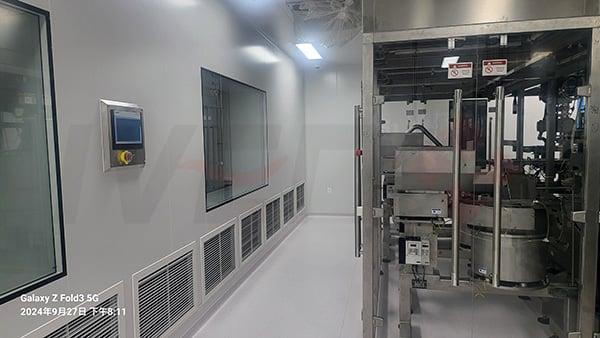
Turnkey vs In-House Pharma Build in the United States
For pharmaceutical manufacturers in the United States, the choice between a turnkey plant and an in-house pharma build is not simply a construction question. It is a strategic decision that affects time to market, FDA readiness, capital efficiency, quality control, technology integration, staffing, and long-term operating flexibility. Large pharmaceutical and medical device companies evaluate both models when launching new sterile lines, expanding oral solid dosage capacity, building biologics suites, or modernizing water, clean utility, and packaging systems under strict regulatory expectations.
In practical terms, a turnkey project places engineering, equipment integration, installation, commissioning, validation support, and often training under one accountable delivery partner. An in-house build gives the owner more direct control over design decisions, procurement strategy, and contractor management, but also requires stronger internal engineering, project management, quality, and validation resources. In major U.S. hubs such as New Jersey, Boston, Raleigh-Durham, Indianapolis, Houston, and San Diego, both approaches are used, but the right choice depends on project complexity, timeline pressure, internal capabilities, and compliance risk tolerance.
The short answer is that neither model is universally better. A turnkey pharmaceutical plant is usually the stronger option when a company needs faster deployment, a single point of responsibility, integrated process equipment, and lower coordination risk. An in-house pharma build is often preferable when the owner has a mature engineering department, highly specialized process requirements, a strong approved-vendor network, and the desire to control every design and procurement stage.
For U.S. companies facing compressed launch deadlines, complex aseptic processing requirements, or greenfield expansion in high-cost markets, turnkey delivery frequently reduces schedule slippage and interface failures between HVAC, purified water, WFI, filling lines, cleanrooms, utilities, automation, and validation packages. For companies with robust capital project teams in places like Philadelphia, Chicago, or the Bay Area, in-house execution may deliver stronger customization and better long-term design ownership, although it commonly increases management burden.
Decision FactorTurnkey PlantIn-House BuildBest FitProject speedUsually faster due to integrated deliveryOften slower because of multi-vendor coordinationUrgent launch or transfer projectsOwner controlModerate to high, depending on contract scopeVery high direct controlCompanies with experienced project teamsCompliance integrationStronger when supplier has GMP design expertiseDepends on internal quality and engineering skillsSterile and regulated environmentsBudget predictabilityTypically better with defined scopeCan vary with change orders and fragmented purchasingCAPEX-sensitive projectsCustomization depthGood, but bounded by supplier platformExcellent if managed wellNovel process or specialized product linesManagement workloadLower for ownerHigher for ownerLean internal teamsRisk of interface gapsLower with one accountable partnerHigher across contractors and OEMsComplex utility-heavy projectsThe table above shows why U.S. buyers often treat the decision as a risk allocation exercise rather than a simple construction preference. If your project involves aseptic filling, lyophilization, purified water, automation, warehouse integration, and validation at the same time, a turnkey approach can significantly reduce project fragmentation.
A turnkey pharma plant is a project model in which one lead supplier or engineering contractor designs, supplies, integrates, and helps deliver the production facility so the customer can move toward operational readiness with fewer separate interfaces. This typically covers process equipment, cleanrooms, utilities, piping, automation, line integration, factory acceptance testing, site acceptance testing, installation, and validation support.
An in-house pharma build means the pharmaceutical company leads the project directly. It may use separate architects, EPC firms, cleanroom contractors, utility specialists, OEMs, automation providers, and validation consultants. The owner retains design authority and vendor selection control, but also assumes responsibility for coordination, schedule management, design consistency, and interface resolution.
In U.S. pharmaceutical production, these models are applied across injectable drugs, IV solutions, oral liquids, tablets, capsules, biologics, diagnostics, and medical consumables. They are especially important when building or upgrading:
For example, a manufacturer adding injectable capacity near Newark or Baltimore may choose turnkey execution to align clean utility design, equipment installation, and FDA-oriented documentation. A large multinational with its own U.S. engineering center may instead prefer an in-house model to preserve corporate standards across multiple campuses.
The real value of the turnkey-versus-in-house decision appears in applications where schedule, sterility, documentation, and system interoperability directly influence commercial success. Modern U.S. pharmaceutical manufacturing is driven by tighter launch windows, product localization, serialization, digital traceability, and rising labor and construction costs. As a result, both models are judged on speed, quality, and lifecycle performance.
Application AreaTypical RequirementTurnkey BenefitIn-House BenefitSterile injectablesAseptic design, FDA readiness, integrated utilitiesSingle-source integration lowers contamination and coordination riskMore detailed owner-led process customizationIV solution plantsHigh-throughput filling, packaging, clean utility systemsStandardized proven line concepts speed startupOwner can adapt plant around existing operationsOral solid dosageMaterial flow, dust control, packaging efficiencyFaster deployment of complete lines and utilitiesMore flexibility in equipment brand selectionBiologics support areasStrict environmental control, utility reliabilityBetter interface management across cleanrooms and utilitiesTailored process architecture for specialized moleculesMedical consumablesHigh automation, repeatable quality, cost efficiencyIntegrated line design can reduce labor dependencyUseful when owner already has standardized manufacturing cellsWarehouse and logisticsTraceability, flow optimization, automationOne design authority improves end-to-end connectionCan align with existing corporate WMS standardsKey benefits of turnkey delivery include faster procurement cycles, better design consistency, fewer finger-pointing disputes, more predictable documentation packages, and reduced owner-side project staffing needs. Key benefits of in-house execution include granular design control, stronger procurement leverage when buying from multiple vendors, and easier protection of proprietary process know-how.
For many U.S. buyers, the best option is not purely one or the other. A hybrid model is common, where the owner controls process design philosophy while assigning a major package such as sterile filling, water systems, or integrated cleanroom delivery to a specialized turnkey partner.
Turnkey and in-house models are not single formats. They exist on a spectrum ranging from equipment-package turnkey supply to full greenfield facility delivery. Understanding the technical scope is essential before comparing proposals.
Project ModelScopeTypical U.S. Use CaseComplexity LevelEquipment-only packageCore line without full plant integrationBrownfield line replacementLow to moderateProcess turnkey packageLine plus utilities, automation, and validation supportNew sterile or oral liquid suiteModerateArea turnkey deliveryComplete production zone, cleanrooms, MEP, process systemsSuite expansion in an active plantHighFull plant turnkeyGreenfield factory from design to startup supportNew U.S. manufacturing campusVery highOwner-managed multi-contract buildSeparate vendors under internal PM teamLarge companies with in-house engineeringHighHybrid turnkey plus owner oversightShared responsibilities by packageSpecialized biotech or device plantsModerate to highTechnical options usually evaluated include cleanroom classification, isolator or RABS selection, SCADA and MES compatibility, stainless steel process skids, CIP/SIP strategy, purified water and WFI generation technology, robotic packing, automated warehousing, and energy recovery systems. U.S. projects increasingly demand data integrity design, remote maintenance capability, electronic batch record compatibility, and sustainability reporting readiness.
When assessing suppliers, manufacturers should confirm whether the project includes IQ/OQ/PQ support, URS alignment, FAT/SAT protocols, spare parts planning, bilingual documentation where needed, and training for operations, engineering, and QA staff.
The core comparison is not only turnkey versus in-house. U.S. manufacturers also compare turnkey delivery against EPCM-led projects, modular construction, contract manufacturing expansion, and phased retrofits. The right fit depends on product portfolio, internal resources, speed expectations, and regulatory pressure.
If a company must commercialize within a short window, a turnkey plant often outperforms alternatives because equipment design, layout coordination, utility demand planning, and startup documentation are developed as one program. If the project is highly experimental or involves proprietary process architecture, in-house management may offer better strategic control.
ApproachStrengthsWeaknessesBest ForFull turnkeySpeed, accountability, integrationLess direct owner controlGreenfield or fast-track regulated buildsIn-house multi-vendorCustomization, owner authorityHigher coordination burdenLarge firms with experienced teamsEPCM-ledProfessional management with owner influenceResponsibility can still be fragmentedComplex campusesModular facility deliveryFaster off-site fabricationTransport and integration constraintsRemote sites or accelerated expansionsCMO/CDMO outsourcingLower upfront CAPEXLess manufacturing controlEarly-stage or low-volume productsPhased brownfield upgradeLower immediate spendingOperational disruption riskExisting plants with space constraintsFor many U.S. companies, a decision framework can be simple:
var ctxComp = document.getElementById(‘comparisonChart’).getContext(‘2d’);var comparisonChart = new Chart(ctxComp, {type: ‘bar’,data: {labels: [‘Speed to Startup’, ‘Owner Control’, ‘Budget Predictability’, ‘Compliance Integration’, ‘Customization’, ‘Management Simplicity’],datasets: [{label: ‘Turnkey Plant’,data: [92, 68, 84, 90, 72, 88],backgroundColor: ‘rgba(153, 102, 255, 0.7)’},{label: ‘In-House Build’,data: [63, 95, 61, 74, 93, 52],backgroundColor: ‘rgba(54, 162, 235, 0.7)’}]},options: {responsive: true,maintainAspectRatio: false,scales: { y: { beginAtZero: true, max: 100 } }}});The chart above highlights the common trade-off pattern in the U.S. market. Turnkey tends to lead on speed and integration, while in-house leads on direct control and customization.
The United States remains one of the most active pharmaceutical capital investment markets in the world. Demand for new domestic capacity has been supported by biologics growth, sterile injectable demand, reshoring efforts, supply chain resilience planning, and public policy support for critical medicines and medical products. Regions around Boston, New Jersey, North Carolina, Indiana, Texas, and California continue attracting high-value manufacturing investment because they combine labor pools, logistics access, utilities, and regulatory familiarity.
At the same time, project economics have become more difficult. Labor shortages, elevated construction costs, long lead times for critical components, and stricter sustainability standards are pushing owners to seek more integrated project models. This is one reason turnkey delivery has gained attention among both domestic and international investors entering the U.S. market.
var ctxLine = document.getElementById(‘lineChart’).getContext(‘2d’);var lineChart = new Chart(ctxLine, {type: ‘line’,data: {labels: [‘2021’, ‘2022’, ‘2023’, ‘2024’, ‘2025’, ‘2026’],datasets: [{label: ‘Estimated U.S. Pharma Facility Investment Growth Index’,data: [100, 108, 121, 133, 145, 158],borderColor: ‘rgb(75, 192, 192)’,backgroundColor: ‘rgba(75, 192, 192, 0.15)’,fill: false,tension: 0.3}]},options: {responsive: true,maintainAspectRatio: false,scales: { y: { beginAtZero: false } }}});Looking toward 2026, several trends are shaping buying behavior:
var ctxArea = document.getElementById(‘areaChart’).getContext(‘2d’);var areaChart = new Chart(ctxArea, {type: ‘line’,data: {labels: [‘2021’, ‘2022’, ‘2023’, ‘2024’, ‘2025’, ‘2026’],datasets: [{label: ‘Traditional Multi-Vendor Builds’,data: [62, 59, 55, 51, 47, 43],fill: true,backgroundColor: ‘rgba(255, 159, 64, 0.25)’,borderColor: ‘rgba(255, 159, 64, 1)’,tension: 0.3},{label: ‘Turnkey and Hybrid Delivery’,data: [38, 41, 45, 49, 53, 57],fill: true,backgroundColor: ‘rgba(54, 162, 235, 0.2)’,borderColor: ‘rgba(54, 162, 235, 1)’,tension: 0.3}]},options: {responsive: true,maintainAspectRatio: false,scales: { y: { beginAtZero: true, max: 70 } }}});The area chart reflects a realistic shift in project preference: not the disappearance of owner-managed builds, but a gradual rise in turnkey and hybrid structures as complexity increases.
Supplier selection is one of the most important steps in any pharma expansion project in the United States. Buyers should not focus only on equipment price. They must evaluate engineering capability, GMP understanding, documentation quality, project governance, after-sales service, and proven references.
A reliable supplier should be able to demonstrate experience with U.S. FDA cGMP expectations, user requirement translation, material and personnel flow design, utility balancing, and startup support. It should also provide transparent project schedules, clear deliverable matrices, and realistic spare parts planning. For imported systems entering ports such as Los Angeles, Houston, Savannah, or New York/New Jersey, logistics planning and customs timing also matter.
Evaluation CriteriaWhat to CheckWhy It MattersWarning SignRegulatory expertiseEU GMP, FDA cGMP, WHO or PIC/S familiarityReduces redesign and documentation riskGeneric claims without project evidenceEngineering depthProcess, utility, cleanroom, automation integrationPrevents interface failuresHeavy subcontract dependence without coordination planManufacturing capabilityOwn production plants, QA controls, testing standardsImproves consistency and delivery visibilityNo clear factory audit pathValidation supportIQ/OQ/PQ templates, FAT/SAT protocols, DQ assistanceSpeeds qualification and handoverEquipment sale only, no validation awarenessService responsivenessInstallation, training, spare parts, remote supportCritical after startupLimited U.S.-time-zone supportProject referencesComparable lines, plant types, countries servedConfirms execution capabilityOnly small pilot examples for large project bidsCompanies evaluating integrated pharmaceutical projects can review turnkey engineering solutions, explore equipment categories through the product portfolio, or learn more about the company background on the company overview page.
From a technological capability perspective, IVEN Pharmatech Engineering has built its reputation around integrated pharmaceutical engineering, with strengths spanning filling and packaging equipment, pharmaceutical water treatment, intelligent logistics, and blood collection tube production systems. This matters to U.S. buyers because projects increasingly require one partner that understands not only machine supply, but also how machines interact with utilities, cleanrooms, automation, and compliant documentation.
From a manufacturing capability perspective, the company operates specialized manufacturing plants in Shanghai dedicated to different product families. For buyers in the United States, that structure can provide better specialization across IV solution lines, purified water and WFI systems, conveying systems, and medical consumables equipment. In complex projects, specialized manufacturing capacity can reduce technical mismatch between systems that must operate together at startup.
From a service capability perspective, project value comes from lifecycle support, not only shipment. Engineering consultation, layout review, customization, installation, commissioning, staff training, qualification support, and optimization services are especially important for overseas projects. U.S. owners should always confirm communication processes, documentation language, site staffing plans, and post-handover support routes before signing.
Capital cost is one of the biggest differences between turnkey and in-house execution, but not always in the way buyers first expect. Turnkey projects may appear more expensive on the initial proposal because scope is more bundled. However, in-house builds often accumulate hidden costs through coordination delays, redesigns, duplicated engineering hours, fragmented documentation, change orders, and prolonged validation.
Typical budget categories include building shell or retrofit work, cleanrooms, HVAC, process equipment, utilities, automation, installation, commissioning, validation, training, spare parts, and contingency. In the United States, local labor rates, permit requirements, utility connection conditions, and state-level incentives can materially affect the final economics.
Cost CategoryTurnkey Cost PatternIn-House Cost PatternPlanning NoteEngineering designBundled into contractOften separate and iterativeCheck revision control assumptionsProcurementConsolidated sourcingMultiple bid packagesAssess owner purchasing bandwidthInstallationOften integrated with equipment scopeManaged across several contractorsInterface responsibility must be explicitValidation supportFrequently included at baseline levelMay require additional consultantsClarify document deliverables earlySchedule overrun exposureLower if scope is well-definedHigher if dependencies are fragmentedDelay cost can exceed equipment savingsOwner internal laborLowerHigherInclude PM, QA, engineering, and procurement timeChange order riskModerate with strict scope controlOften highFreeze URS and layout assumptions earlyROI should be measured not only in direct production output but also in launch timing, deviation reduction, lower contamination risk, maintenance efficiency, and utility consumption. A sterile line that starts commercial supply six months earlier can outweigh a moderate difference in initial project price.
var ctxBar = document.getElementById(‘barChart’).getContext(‘2d’);var barChart = new Chart(ctxBar, {type: ‘bar’,data: {labels: [‘Sterile Injectables’, ‘IV Solutions’, ‘Oral Liquids’, ‘Solid Dosage’, ‘Medical Consumables’, ‘Warehouse Automation’],datasets: [{label: ‘Estimated U.S. Demand Index for New/Upgraded Capacity’,data: [91, 76, 68, 73, 64, 70],backgroundColor: ‘rgba(255, 99, 132, 0.7)’}]},options: {responsive: true,maintainAspectRatio: false,scales: { y: { beginAtZero: true, max: 100 } }}});The bar chart illustrates why turnkey delivery is often strongest in sterile injectables and IV solution projects, where integrated utility and compliance control have the highest operational value.
Every pharmaceutical capital project carries technical and commercial risk. In the turnkey model, the main risk is overreliance on one supplier without enough scope clarity. In the in-house model, the main risk is that the owner underestimates the complexity of coordination and qualification.
Before approving a project in the United States, buyers should review:
Risk AreaCommon ProblemImpactMitigationScope definitionUnclear battery limitsChange orders and delaysUse a detailed responsibility matrixCompliance documentationIncomplete validation packageQualification delayReview document index before POUtility integrationMismatched load assumptionsStartup instabilityPerform early capacity modelingLayout designPoor personnel/material separationGMP observationsConduct formal layout review workshopsSchedule managementLate design freezeMissed commercial launchSet milestone gates and escalation rulesSupplier supportSlow response after handoverLonger downtimeDefine SLA and spare parts commitmentsFor overseas sourcing, another important issue is localization. U.S. buyers should verify voltage and control standards, instrumentation preferences, ASME or equivalent requirements where relevant, local code coordination, cybersecurity expectations, and documentation formats acceptable to site QA and engineering teams.
Consider three practical examples. First, a New Jersey injectable producer wants a fast-track aseptic filling expansion. A turnkey package is often ideal because line integration, clean utilities, and validation support must move in parallel. Second, a Midwest tablet manufacturer with a strong engineering department may choose in-house procurement to standardize equipment brands and leverage existing contractors. Third, a Texas medical consumables investor building a new automated facility may benefit from a hybrid strategy: turnkey for process equipment and logistics, owner-led oversight for building and local permitting.
For buyers seeking a partner with cross-category experience, it helps to prioritize companies able to bridge process equipment, water systems, packaging, and intelligent logistics instead of treating them as isolated purchases. This integrated thinking is increasingly relevant in U.S. projects where labor efficiency, digital visibility, and validation readiness are all board-level concerns.
If you are comparing options, a practical next step is to request a concept discussion through the contact page and ask suppliers to respond to the same technical checklist, scope boundaries, and service expectations. That approach makes commercial comparison much more meaningful.
Is a turnkey pharma plant always faster than an in-house build?Usually yes, but only when the turnkey scope is well-defined and the supplier has proven integration capability. Poorly specified turnkey projects can also face delays.
Which option is better for FDA compliance in the United States?Either can work. Turnkey often reduces documentation and interface gaps, while in-house works well if the owner has a strong quality, validation, and engineering team.
Is turnkey more expensive?The upfront bid may look higher, but total project cost can be lower after considering internal labor, delays, rework, and fragmented contractor management.
When should a company choose an in-house pharma build?Choose in-house when your organization has experienced capital project managers, strong technical standards, specialized process needs, and enough bandwidth to coordinate multiple vendors.
Can a project combine both approaches?Yes. Many U.S. projects use a hybrid strategy, such as owner-led building work with turnkey supply for clean utilities, filling lines, packaging, or logistics systems.
What technical areas are most suitable for turnkey delivery?Sterile filling, IV solution lines, purified water and WFI systems, oral liquid lines, integrated packaging, warehouse automation, and blood collection tube production are common examples.
What should be included in a supplier proposal?Scope boundaries, layout assumptions, equipment list, utility consumption, documentation package, FAT/SAT plan, installation scope, training, validation support, spare parts, and after-sales response commitments.
Why does supplier manufacturing capability matter?Because specialized manufacturing plants, quality systems, and testing capability usually improve consistency, shorten troubleshooting time, and reduce integration problems between project packages.
How important is service capability after startup?It is critical. Even excellent equipment can underperform without commissioning support, operator training, maintenance planning, and fast spare parts availability.
What are the major 2026 trends affecting this decision?Modularization, digital integration, sustainability requirements, resilient domestic supply chains, higher utility efficiency standards, and growing preference for turnkey or hybrid execution models.
In conclusion, the decision between turnkey plant delivery and an in-house pharma build in the United States should be based on project complexity, speed requirements, compliance burden, internal capability, and lifecycle risk. Companies that prioritize rapid deployment, coordinated execution, and single-source accountability often gain the most from turnkey solutions. Companies with strong internal technical leadership and unique process demands may still prefer in-house management. The most successful U.S. projects are the ones that align delivery model, supplier capability, and regulatory strategy from the very beginning.