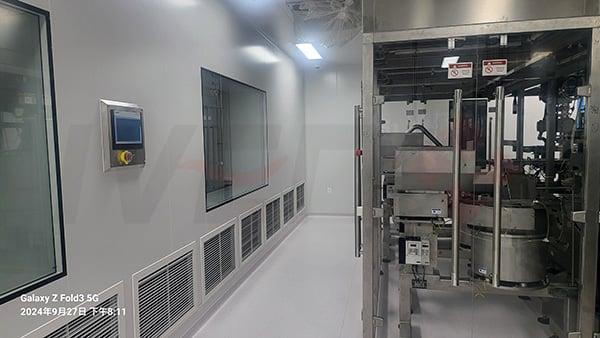
Turnkey vs In-House Pharma Build in the United States
For pharmaceutical manufacturers in the United States, the choice between a turnkey plant and an in-house pharma build is not simply a construction question. It is a strategic decision that affects time to market, FDA readiness, capital efficiency, quality control, technology integration, staffing, and long-term operating flexibility. Large pharmaceutical and medical device companies evaluate both models when launching new sterile lines, expanding oral solid dosage capacity, building biologics suites, or modernizing water, clean utility, and packaging systems under strict regulatory expectations.
In practical terms, a turnkey project places engineering, equipment integration, installation, commissioning, validation support, and often training under one accountable delivery partner. An in-house build gives the owner more direct control over design decisions, procurement strategy, and contractor management, but also requires stronger internal engineering, project management, quality, and validation resources. In major U.S. hubs such as New Jersey, Boston, Raleigh-Durham, Indianapolis, Houston, and San Diego, both approaches are used, but the right choice depends on project complexity, timeline pressure, internal capabilities, and compliance risk tolerance.
Quick Answer: Is a Turnkey Plant or an In-House Pharma Build Better in the United States?

The short answer is that neither model is universally better. A turnkey pharmaceutical plant is usually the stronger option when a company needs faster deployment, a single point of responsibility, integrated process equipment, and lower coordination risk. An in-house pharma build is often preferable when the owner has a mature engineering department, highly specialized process requirements, a strong approved-vendor network, and the desire to control every design and procurement stage.
For U.S. companies facing compressed launch deadlines, complex aseptic processing requirements, or greenfield expansion in high-cost markets, turnkey delivery frequently reduces schedule slippage and interface failures between HVAC, purified water, WFI, filling lines, cleanrooms, utilities, automation, and validation packages. For companies with robust capital project teams in places like Philadelphia, Chicago, or the Bay Area, in-house execution may deliver stronger customization and better long-term design ownership, although it commonly increases management burden.
| Decision Factor | Turnkey Plant | In-House Build | Best Fit |
|---|---|---|---|
| Project speed | Usually faster due to integrated delivery | Often slower because of multi-vendor coordination | Urgent launch or transfer projects |
| Owner control | Moderate to high, depending on contract scope | Very high direct control | Companies with experienced project teams |
| Compliance integration | Stronger when supplier has GMP design expertise | Depends on internal quality and engineering skills | Sterile and regulated environments |
| Budget predictability | Typically better with defined scope | Can vary with change orders and fragmented purchasing | CAPEX-sensitive projects |
| Customization depth | Good, but bounded by supplier platform | Excellent if managed well | Novel process or specialized product lines |
| Management workload | Lower for owner | Higher for owner | Lean internal teams |
| Risk of interface gaps | Lower with one accountable partner | Higher across contractors and OEMs | Complex utility-heavy projects |
The table above shows why U.S. buyers often treat the decision as a risk allocation exercise rather than a simple construction preference. If your project involves aseptic filling, lyophilization, purified water, automation, warehouse integration, and validation at the same time, a turnkey approach can significantly reduce project fragmentation.
What Does Turnkey Plant vs In-House Pharma Build Mean in Pharmaceutical Production?

A turnkey pharma plant is a project model in which one lead supplier or engineering contractor designs, supplies, integrates, and helps deliver the production facility so the customer can move toward operational readiness with fewer separate interfaces. This typically covers process equipment, cleanrooms, utilities, piping, automation, line integration, factory acceptance testing, site acceptance testing, installation, and validation support.
An in-house pharma build means the pharmaceutical company leads the project directly. It may use separate architects, EPC firms, cleanroom contractors, utility specialists, OEMs, automation providers, and validation consultants. The owner retains design authority and vendor selection control, but also assumes responsibility for coordination, schedule management, design consistency, and interface resolution.
In U.S. pharmaceutical production, these models are applied across injectable drugs, IV solutions, oral liquids, tablets, capsules, biologics, diagnostics, and medical consumables. They are especially important when building or upgrading:
- Sterile fill-finish lines
- Purified water and water-for-injection systems
- Solution preparation and distribution systems
- Solid dosage production areas
- Primary packaging and secondary packaging lines
- Automated intralogistics and warehouse systems
- Vacuum blood collection tube manufacturing lines
For example, a manufacturer adding injectable capacity near Newark or Baltimore may choose turnkey execution to align clean utility design, equipment installation, and FDA-oriented documentation. A large multinational with its own U.S. engineering center may instead prefer an in-house model to preserve corporate standards across multiple campuses.
Main Applications and Benefits in Modern Pharmaceutical Manufacturing

The real value of the turnkey-versus-in-house decision appears in applications where schedule, sterility, documentation, and system interoperability directly influence commercial success. Modern U.S. pharmaceutical manufacturing is driven by tighter launch windows, product localization, serialization, digital traceability, and rising labor and construction costs. As a result, both models are judged on speed, quality, and lifecycle performance.
| Application Area | Typical Requirement | Turnkey Benefit | In-House Benefit |
|---|---|---|---|
| Sterile injectables | Aseptic design, FDA readiness, integrated utilities | Single-source integration lowers contamination and coordination risk | More detailed owner-led process customization |
| IV solution plants | High-throughput filling, packaging, clean utility systems | Standardized proven line concepts speed startup | Owner can adapt plant around existing operations |
| Oral solid dosage | Material flow, dust control, packaging efficiency | Faster deployment of complete lines and utilities | More flexibility in equipment brand selection |
| Biologics support areas | Strict environmental control, utility reliability | Better interface management across cleanrooms and utilities | Tailored process architecture for specialized molecules |
| Medical consumables | High automation, repeatable quality, cost efficiency | Integrated line design can reduce labor dependency | Useful when owner already has standardized manufacturing cells |
| Warehouse and logistics | Traceability, flow optimization, automation | One design authority improves end-to-end connection | Can align with existing corporate WMS standards |
Key benefits of turnkey delivery include faster procurement cycles, better design consistency, fewer finger-pointing disputes, more predictable documentation packages, and reduced owner-side project staffing needs. Key benefits of in-house execution include granular design control, stronger procurement leverage when buying from multiple vendors, and easier protection of proprietary process know-how.
For many U.S. buyers, the best option is not purely one or the other. A hybrid model is common, where the owner controls process design philosophy while assigning a major package such as sterile filling, water systems, or integrated cleanroom delivery to a specialized turnkey partner.
Key Types, Models, and Technical Options
Turnkey and in-house models are not single formats. They exist on a spectrum ranging from equipment-package turnkey supply to full greenfield facility delivery. Understanding the technical scope is essential before comparing proposals.
| Project Model | Scope | Typical U.S. Use Case | Complexity Level |
|---|---|---|---|
| Equipment-only package | Core line without full plant integration | Brownfield line replacement | Low to moderate |
| Process turnkey package | Line plus utilities, automation, and validation support | New sterile or oral liquid suite | Moderate |
| Area turnkey delivery | Complete production zone, cleanrooms, MEP, process systems | Suite expansion in an active plant | High |
| Full plant turnkey | Greenfield factory from design to startup support | New U.S. manufacturing campus | Very high |
| Owner-managed multi-contract build | Separate vendors under internal PM team | Large companies with in-house engineering | High |
| Hybrid turnkey plus owner oversight | Shared responsibilities by package | Specialized biotech or device plants | Moderate to high |
Technical options usually evaluated include cleanroom classification, isolator or RABS selection, SCADA and MES compatibility, stainless steel process skids, CIP/SIP strategy, purified water and WFI generation technology, robotic packing, automated warehousing, and energy recovery systems. U.S. projects increasingly demand data integrity design, remote maintenance capability, electronic batch record compatibility, and sustainability reporting readiness.
When assessing suppliers, manufacturers should confirm whether the project includes IQ/OQ/PQ support, URS alignment, FAT/SAT protocols, spare parts planning, bilingual documentation where needed, and training for operations, engineering, and QA staff.
Turnkey Plant vs Alternative Approaches: Which Solution Fits Your Needs?
The core comparison is not only turnkey versus in-house. U.S. manufacturers also compare turnkey delivery against EPCM-led projects, modular construction, contract manufacturing expansion, and phased retrofits. The right fit depends on product portfolio, internal resources, speed expectations, and regulatory pressure.
If a company must commercialize within a short window, a turnkey plant often outperforms alternatives because equipment design, layout coordination, utility demand planning, and startup documentation are developed as one program. If the project is highly experimental or involves proprietary process architecture, in-house management may offer better strategic control.
| Approach | Strengths | Weaknesses | Best For |
|---|---|---|---|
| Full turnkey | Speed, accountability, integration | Less direct owner control | Greenfield or fast-track regulated builds |
| In-house multi-vendor | Customization, owner authority | Higher coordination burden | Large firms with experienced teams |
| EPCM-led | Professional management with owner influence | Responsibility can still be fragmented | Complex campuses |
| Modular facility delivery | Faster off-site fabrication | Transport and integration constraints | Remote sites or accelerated expansions |
| CMO/CDMO outsourcing | Lower upfront CAPEX | Less manufacturing control | Early-stage or low-volume products |
| Phased brownfield upgrade | Lower immediate spending | Operational disruption risk | Existing plants with space constraints |
For many U.S. companies, a decision framework can be simple:
- Choose turnkey if your team is lean, speed matters, and compliance integration is critical.
- Choose in-house if your engineering team is strong, customization is essential, and you want direct procurement control.
- Choose hybrid if you need both specialized owner input and reduced interface risk.
The chart above highlights the common trade-off pattern in the U.S. market. Turnkey tends to lead on speed and integration, while in-house leads on direct control and customization.
Market Overview and Future Trends in the United States Pharmaceutical Manufacturing Sector
The United States remains one of the most active pharmaceutical capital investment markets in the world. Demand for new domestic capacity has been supported by biologics growth, sterile injectable demand, reshoring efforts, supply chain resilience planning, and public policy support for critical medicines and medical products. Regions around Boston, New Jersey, North Carolina, Indiana, Texas, and California continue attracting high-value manufacturing investment because they combine labor pools, logistics access, utilities, and regulatory familiarity.
At the same time, project economics have become more difficult. Labor shortages, elevated construction costs, long lead times for critical components, and stricter sustainability standards are pushing owners to seek more integrated project models. This is one reason turnkey delivery has gained attention among both domestic and international investors entering the U.S. market.
Looking toward 2026, several trends are shaping buying behavior:
- Greater use of modular cleanroom and utility skids to compress schedules
- Broader adoption of digital twin, SCADA integration, and remote diagnostics
- Higher emphasis on energy-efficient HVAC, water recovery, and utility monitoring
- Stricter supplier qualification around data integrity and validation readiness
- Continued focus on domestic resilience and dual-source manufacturing strategy
- More hybrid delivery structures combining owner standards with turnkey execution
The area chart reflects a realistic shift in project preference: not the disappearance of owner-managed builds, but a gradual rise in turnkey and hybrid structures as complexity increases.
How to Choose a Reliable Manufacturer or Supplier
Supplier selection is one of the most important steps in any pharma expansion project in the United States. Buyers should not focus only on equipment price. They must evaluate engineering capability, GMP understanding, documentation quality, project governance, after-sales service, and proven references.
A reliable supplier should be able to demonstrate experience with U.S. FDA cGMP expectations, user requirement translation, material and personnel flow design, utility balancing, and startup support. It should also provide transparent project schedules, clear deliverable matrices, and realistic spare parts planning. For imported systems entering ports such as Los Angeles, Houston, Savannah, or New York/New Jersey, logistics planning and customs timing also matter.
| Evaluation Criteria | What to Check | Why It Matters | Warning Sign |
|---|---|---|---|
| Regulatory expertise | EU GMP, FDA cGMP, WHO or PIC/S familiarity | Reduces redesign and documentation risk | Generic claims without project evidence |
| Engineering depth | Process, utility, cleanroom, automation integration | Prevents interface failures | Heavy subcontract dependence without coordination plan |
| Manufacturing capability | Own production plants, QA controls, testing standards | Improves consistency and delivery visibility | No clear factory audit path |
| Validation support | IQ/OQ/PQ templates, FAT/SAT protocols, DQ assistance | Speeds qualification and handover | Equipment sale only, no validation awareness |
| Service responsiveness | Installation, training, spare parts, remote support | Critical after startup | Limited U.S.-time-zone support |
| Project references | Comparable lines, plant types, countries served | Confirms execution capability | Only small pilot examples for large project bids |
Companies evaluating integrated pharmaceutical projects can review turnkey engineering solutions, explore equipment categories through the product portfolio, or learn more about the company background on the company overview page.
From a technological capability perspective, IVEN Pharmatech Engineering has built its reputation around integrated pharmaceutical engineering, with strengths spanning filling and packaging equipment, pharmaceutical water treatment, intelligent logistics, and blood collection tube production systems. This matters to U.S. buyers because projects increasingly require one partner that understands not only machine supply, but also how machines interact with utilities, cleanrooms, automation, and compliant documentation.
From a manufacturing capability perspective, the company operates specialized manufacturing plants in Shanghai dedicated to different product families. For buyers in the United States, that structure can provide better specialization across IV solution lines, purified water and WFI systems, conveying systems, and medical consumables equipment. In complex projects, specialized manufacturing capacity can reduce technical mismatch between systems that must operate together at startup.
From a service capability perspective, project value comes from lifecycle support, not only shipment. Engineering consultation, layout review, customization, installation, commissioning, staff training, qualification support, and optimization services are especially important for overseas projects. U.S. owners should always confirm communication processes, documentation language, site staffing plans, and post-handover support routes before signing.
Investment Cost, Budget Planning, and ROI Analysis
Capital cost is one of the biggest differences between turnkey and in-house execution, but not always in the way buyers first expect. Turnkey projects may appear more expensive on the initial proposal because scope is more bundled. However, in-house builds often accumulate hidden costs through coordination delays, redesigns, duplicated engineering hours, fragmented documentation, change orders, and prolonged validation.
Typical budget categories include building shell or retrofit work, cleanrooms, HVAC, process equipment, utilities, automation, installation, commissioning, validation, training, spare parts, and contingency. In the United States, local labor rates, permit requirements, utility connection conditions, and state-level incentives can materially affect the final economics.
| Cost Category | Turnkey Cost Pattern | In-House Cost Pattern | Planning Note |
|---|---|---|---|
| Engineering design | Bundled into contract | Often separate and iterative | Check revision control assumptions |
| Procurement | Consolidated sourcing | Multiple bid packages | Assess owner purchasing bandwidth |
| Installation | Often integrated with equipment scope | Managed across several contractors | Interface responsibility must be explicit |
| Validation support | Frequently included at baseline level | May require additional consultants | Clarify document deliverables early |
| Schedule overrun exposure | Lower if scope is well-defined | Higher if dependencies are fragmented | Delay cost can exceed equipment savings |
| Owner internal labor | Lower | Higher | Include PM, QA, engineering, and procurement time |
| Change order risk | Moderate with strict scope control | Often high | Freeze URS and layout assumptions early |
ROI should be measured not only in direct production output but also in launch timing, deviation reduction, lower contamination risk, maintenance efficiency, and utility consumption. A sterile line that starts commercial supply six months earlier can outweigh a moderate difference in initial project price.
The bar chart illustrates why turnkey delivery is often strongest in sterile injectables and IV solution projects, where integrated utility and compliance control have the highest operational value.
Key Considerations and Potential Risks When Investing
Every pharmaceutical capital project carries technical and commercial risk. In the turnkey model, the main risk is overreliance on one supplier without enough scope clarity. In the in-house model, the main risk is that the owner underestimates the complexity of coordination and qualification.
Before approving a project in the United States, buyers should review:
- Whether the URS is detailed enough to prevent scope disputes
- How FDA-oriented documentation will be structured and reviewed
- Whether utility sizing accounts for future expansion
- How material flow and people flow affect GMP risk
- What spare parts and maintenance strategy supports uptime
- Whether the contract defines SAT, training, punch list, and acceptance criteria
- How imported equipment lead time and port clearance affect schedule
| Risk Area | Common Problem | Impact | Mitigation |
|---|---|---|---|
| Scope definition | Unclear battery limits | Change orders and delays | Use a detailed responsibility matrix |
| Compliance documentation | Incomplete validation package | Qualification delay | Review document index before PO |
| Utility integration | Mismatched load assumptions | Startup instability | Perform early capacity modeling |
| Layout design | Poor personnel/material separation | GMP observations | Conduct formal layout review workshops |
| Schedule management | Late design freeze | Missed commercial launch | Set milestone gates and escalation rules |
| Supplier support | Slow response after handover | Longer downtime | Define SLA and spare parts commitments |
For overseas sourcing, another important issue is localization. U.S. buyers should verify voltage and control standards, instrumentation preferences, ASME or equivalent requirements where relevant, local code coordination, cybersecurity expectations, and documentation formats acceptable to site QA and engineering teams.
Case-Based Buying Advice for U.S. Manufacturers
Consider three practical examples. First, a New Jersey injectable producer wants a fast-track aseptic filling expansion. A turnkey package is often ideal because line integration, clean utilities, and validation support must move in parallel. Second, a Midwest tablet manufacturer with a strong engineering department may choose in-house procurement to standardize equipment brands and leverage existing contractors. Third, a Texas medical consumables investor building a new automated facility may benefit from a hybrid strategy: turnkey for process equipment and logistics, owner-led oversight for building and local permitting.
For buyers seeking a partner with cross-category experience, it helps to prioritize companies able to bridge process equipment, water systems, packaging, and intelligent logistics instead of treating them as isolated purchases. This integrated thinking is increasingly relevant in U.S. projects where labor efficiency, digital visibility, and validation readiness are all board-level concerns.
If you are comparing options, a practical next step is to request a concept discussion through the contact page and ask suppliers to respond to the same technical checklist, scope boundaries, and service expectations. That approach makes commercial comparison much more meaningful.
FAQ
Is a turnkey pharma plant always faster than an in-house build?
Usually yes, but only when the turnkey scope is well-defined and the supplier has proven integration capability. Poorly specified turnkey projects can also face delays.
Which option is better for FDA compliance in the United States?
Either can work. Turnkey often reduces documentation and interface gaps, while in-house works well if the owner has a strong quality, validation, and engineering team.
Is turnkey more expensive?
The upfront bid may look higher, but total project cost can be lower after considering internal labor, delays, rework, and fragmented contractor management.
When should a company choose an in-house pharma build?
Choose in-house when your organization has experienced capital project managers, strong technical standards, specialized process needs, and enough bandwidth to coordinate multiple vendors.
Can a project combine both approaches?
Yes. Many U.S. projects use a hybrid strategy, such as owner-led building work with turnkey supply for clean utilities, filling lines, packaging, or logistics systems.
What technical areas are most suitable for turnkey delivery?
Sterile filling, IV solution lines, purified water and WFI systems, oral liquid lines, integrated packaging, warehouse automation, and blood collection tube production are common examples.
What should be included in a supplier proposal?
Scope boundaries, layout assumptions, equipment list, utility consumption, documentation package, FAT/SAT plan, installation scope, training, validation support, spare parts, and after-sales response commitments.
Why does supplier manufacturing capability matter?
Because specialized manufacturing plants, quality systems, and testing capability usually improve consistency, shorten troubleshooting time, and reduce integration problems between project packages.
How important is service capability after startup?
It is critical. Even excellent equipment can underperform without commissioning support, operator training, maintenance planning, and fast spare parts availability.
What are the major 2026 trends affecting this decision?
Modularization, digital integration, sustainability requirements, resilient domestic supply chains, higher utility efficiency standards, and growing preference for turnkey or hybrid execution models.
In conclusion, the decision between turnkey plant delivery and an in-house pharma build in the United States should be based on project complexity, speed requirements, compliance burden, internal capability, and lifecycle risk. Companies that prioritize rapid deployment, coordinated execution, and single-source accountability often gain the most from turnkey solutions. Companies with strong internal technical leadership and unique process demands may still prefer in-house management. The most successful U.S. projects are the ones that align delivery model, supplier capability, and regulatory strategy from the very beginning.

About the Author
We are IVEN Pharmatech Engineering, a team dedicated to delivering turnkey pharmaceutical and medical solutions worldwide. With decades of experience, we specialize in advanced machinery, integrated factory design, and full lifecycle support to help our clients achieve efficient, compliant, and high-quality production.
Share

Related Insights
-
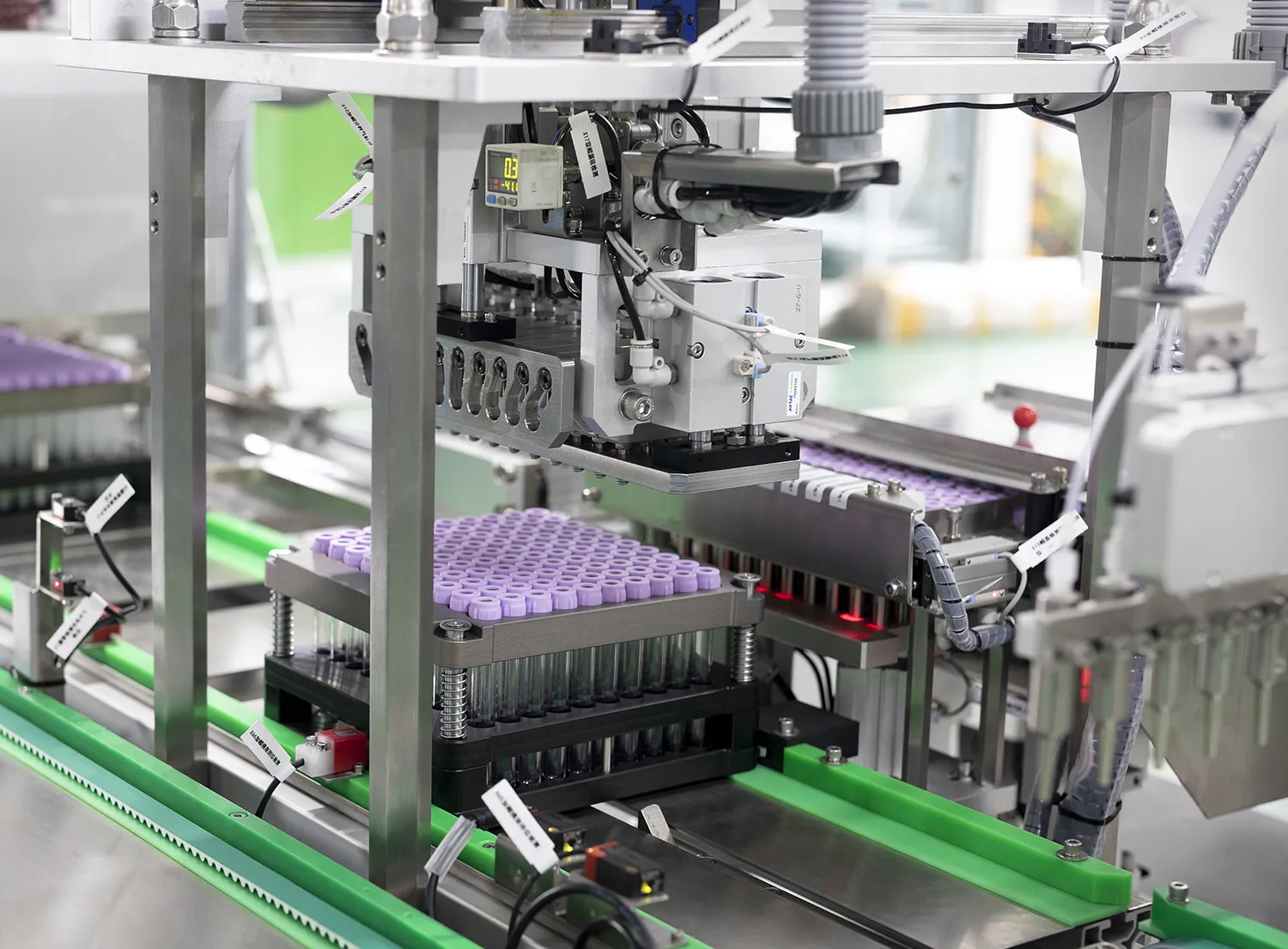
U.S. Guide to Blood Collection Tube Machine Maintenance
For U.S. medical device manufacturers, blood collection tube machine maintenance is not just a technical support task. It is a core production strategy that protects output, stabilizes tube quality, reduces unplanned downtime, and supports regulatory readiness for hospital and diagnostic laboratory supply chains. In a market where demand can shift quickly across major healthcare hubs such as Boston, Chicago, Houston, Atlanta, Los Angeles, and New York, a maintenance-driven production system helps companies keep automated blood tube lines running with reliable precision, consistent additive dosing, accurate vacuum control, and dependable packaging performance.
Well-planned maintenance also directly affects cost per tube, reject rate, labor use, spare parts planning, and customer confidence. Whether a factory is producing plain tubes, serum tubes, EDTA tubes, heparin tubes, or citrate tubes, machine health influences every step from tube feeding and dosing to capping, vacuuming, labeling, tray loading, and final packing. For buyers in the United States, the most competitive approach is to evaluate maintenance as part of total equipment lifecycle value rather than as a post-purchase service item.
In simple terms, blood collection tube machine maintenance enables medical device companies to produce large volumes of high-quality blood collection tubes for hospitals and diagnostic laboratories with reliable automation and quality control. A strong maintenance program keeps critical modules aligned, lubricated, calibrated, and validated so the line can maintain stable output over long production runs. This is especially important in the United States, where production must often meet strict internal quality systems along with customer audits and expectations linked to FDA-oriented manufacturing discipline.
The most effective maintenance strategy includes preventive maintenance, predictive checks, operator daily care, spare parts management, software backup, sensor calibration, vacuum verification, dosing accuracy review, and scheduled replacement of wear parts. When these tasks are integrated into standard operating procedures, companies usually see better OEE, fewer line stoppages, lower scrap, and more stable lot release performance.
Maintenance AreaMain ObjectiveTypical FrequencyKey ComponentsRisk if IgnoredU.S. Plant BenefitCleaning and sanitationPrevent contamination and residue buildupDaily / shift-basedContact parts, guides, feedersProduct defects, audit findingsCleaner production recordsLubricationReduce friction and wearWeekly / monthlyBearings, rails, drive systemsPremature failure, vibrationLonger asset lifeCalibrationMaintain process accuracyMonthly / quarterlySensors, dosing heads, vacuum unitsInconsistent tube performanceBetter batch consistencyElectrical inspectionProtect control reliabilityMonthlyPLC, wiring, HMI, drivesUnexpected shutdownsHigher uptimeWear-part replacementAvoid breakdownsBased on hours/cyclesSeals, nozzles, belts, valvesEmergency repairsPredictable planningValidation supportMaintain compliance evidenceAt change or scheduled reviewDocuments, logs, test recordsWeak audit trailStronger regulatory confidenceThe table above shows why maintenance should be treated as a production control system rather than a repair function. For U.S. companies serving integrated delivery networks, regional labs, and OEM customers, maintenance discipline often becomes a hidden competitive advantage.
Blood collection tube machine maintenance refers to the structured inspection, servicing, adjustment, replacement, cleaning, and calibration of the equipment used to manufacture vacuum blood collection tubes. This includes complete automatic lines as well as individual machines for tube loading, additive filling, drying, stopper insertion, vacuum generation, leak testing, labeling, and packing.
In practice, maintenance works through three layers. First, operators perform routine checks such as cleaning guides, checking alarms, inspecting tubes for misfeeds, and confirming line changeover conditions. Second, maintenance technicians carry out scheduled preventive tasks using hour-based or batch-based plans. Third, engineers and quality teams monitor longer-term trends, such as recurring reject patterns, vacuum drift, PLC alarm history, dosing deviation, and component life cycles.
A modern line may include servo drives, machine vision, recipe management, vacuum modules, dosing pumps, conveyors, packaging equipment, and integrated data logging. Because each subsystem affects final tube quality, maintenance must be coordinated across mechanical, electrical, pneumatic, software, and process-control domains. The goal is not only to keep the machine running, but to keep it running within validated production parameters.
For example, if the dosing system begins to drift, the issue may be caused by nozzle wear, pump calibration loss, clogging, environmental conditions, or software settings. A strong maintenance system identifies the root cause before large quantities of nonconforming product are produced. This is particularly relevant for manufacturers shipping through U.S. logistics corridors such as New Jersey distribution centers, Dallas-Fort Worth networks, and West Coast import-export routes tied to the ports of Los Angeles and Long Beach.
SubsystemWhat It DoesCritical Maintenance TaskTypical SymptomPrimary KPI AffectedRecommended ControlTube feeding unitOrients and delivers tubesGuide alignment and sensor cleaningJams or double feedsLine speedDaily inspectionAdditive dosing moduleFills reagent accuratelyCalibration and nozzle checksVolume variationReject rateRoutine sample verificationDrying systemStabilizes coated additivesTemperature and airflow checksPoor coating qualityTube performanceSensor validationStopper insertion/cappingSeals the tubeWear-part and force adjustmentLoose or damaged capsSeal integrityTorque/fit testingVacuuming stationCreates target vacuumLeak test and pump serviceDraw-volume failureCustomer complaintsPressure trend monitoringLabeling and packingApplies ID and prepares shipmentPrint head and positioning checksMislabels or packing errorsTraceabilityVision verificationFor buyers looking for integrated systems, companies such as IVEN Pharmatech Engineering are relevant because they combine equipment know-how with process understanding across pharmaceutical and medical consumable manufacturing. That matters when maintenance planning must support both production efficiency and quality assurance documentation.
Maintenance has direct value across several application areas in the U.S. medical device sector. It supports high-volume OEM manufacturing, private-label production for laboratory brands, hospital supply contracts, export-oriented production, and multi-SKU facilities that switch between different tube types. It also helps plants manage seasonal and emergency demand spikes, including periods of elevated diagnostic testing.
The production benefits are measurable. First, maintenance raises uptime by reducing avoidable stoppages. Second, it improves tube uniformity, which is essential when hospitals and labs expect stable collection performance. Third, it limits waste in additives, labels, packaging materials, stoppers, and tubes. Fourth, it reduces dependence on reactive troubleshooting. Fifth, it improves planning accuracy for labor, spare parts, and shipment schedules.
Medical device companies in the United States also benefit from maintenance because it supports documentation culture. Audit readiness is stronger when a plant can show maintenance logs, calibration records, alarm histories, and corrective actions. This becomes important when serving demanding customers in regulated healthcare channels across markets like California, Massachusetts, Florida, and Illinois.
var ctxBar = document.getElementById(‘barDemandChart’).getContext(‘2d’);var barDemandChart = new Chart(ctxBar, { type: ‘bar’, data: { labels: [‘Hospitals’, ‘Diagnostic Labs’, ‘OEM Brands’, ‘Export Buyers’, ‘Group Purchasing’, ‘Emergency Stock’], datasets: [{ label: ‘Estimated U.S. Demand Index’, data: [92, 100, 74, 61, 83, 57], backgroundColor: [ ‘rgba(54, 162, 235, 0.75)’, ‘rgba(255, 99, 132, 0.75)’, ‘rgba(255, 206, 86, 0.75)’, ‘rgba(75, 192, 192, 0.75)’, ‘rgba(153, 102, 255, 0.75)’, ‘rgba(255, 159, 64, 0.75)’ ], borderColor: [ ‘rgba(54, 162, 235, 1)’, ‘rgba(255, 99, 132, 1)’, ‘rgba(255, 206, 86, 1)’, ‘rgba(75, 192, 192, 1)’, ‘rgba(153, 102, 255, 1)’, ‘rgba(255, 159, 64, 1)’ ], borderWidth: 1 }] }, options: { responsive: true, maintainAspectRatio: false, scales: { y: { beginAtZero: true, max: 110 } } }});The demand pattern above illustrates why maintenance must support flexible capacity. U.S. manufacturers rarely operate in a single-channel market. They often serve a mix of hospitals, reference labs, regional distributors, and branded partners, all with different packaging and traceability requirements.
From a technology perspective, one of the strongest advantages of working with an engineering-focused supplier is that maintenance recommendations can be built into equipment design from the beginning. IVEN Pharmatech Engineering, for example, is known in the market for vacuum blood collection tube production equipment alongside broader pharmaceutical systems. That cross-sector capability can benefit buyers who want maintenance access, durable stainless-steel construction, stable automation architecture, and equipment layouts that are easier to clean, inspect, and validate.
Not all maintenance programs are the same. The right configuration depends on plant size, product mix, automation level, in-house technical skill, and service expectations. In today’s market, maintenance support is usually delivered in five broad models: operator-led basic care, preventive maintenance contracts, predictive maintenance with data tracking, full-service OEM support, and hybrid local-plus-remote service programs.
For smaller U.S. plants, operator-led maintenance may be enough for simple lines, especially if spare parts are readily stocked. For medium and large factories, structured preventive maintenance is usually the minimum requirement. High-output operations in states such as Texas, Pennsylvania, North Carolina, and Ohio often move toward predictive or condition-based maintenance because the financial impact of downtime is too high for reactive service.
Maintenance TypeBest ForMain FeaturesAdvantagesLimitationsTypical U.S. Use CaseOperator routine careSimple or low-volume linesCleaning, visual checks, minor adjustmentsLow cost, fast adoptionLimited technical depthEntry-level assembly operationsPreventive maintenance planMost automated factoriesScheduled service by hours or batchesLower downtime riskNeeds planning disciplineRegional tube suppliersPredictive maintenanceHigh-output plantsTrend analysis, sensors, alarm dataEarlier fault detectionHigher setup complexityLarge OEM sitesOEM full-service supportNew turnkey linesOriginal supplier service and sparesDeep equipment expertiseService dependenceStartup phase of new facilityHybrid remote + local serviceMulti-site companiesOnline diagnostics with local techniciansFaster responseRequires connectivityDistributed U.S. networksValidation-linked maintenanceCompliance-focused plantsMaintenance tied to IQ/OQ/PQ and QA recordsStrong audit supportMore documentation workloadFDA-sensitive manufacturing environmentsThe table helps buyers decide which configuration fits their risk profile. A high-speed line producing multiple additive tube types needs much more than occasional lubrication. It needs coordinated process maintenance that protects dosage, vacuum performance, machine synchronization, and electronic records.
On the manufacturing side, IVEN’s profile is useful to U.S. buyers because the company operates specialized manufacturing plants focused on pharmaceutical filling and packaging machinery, water systems, intelligent conveying, and vacuum blood collection tube production equipment. That kind of manufacturing depth can improve spare parts continuity, machine standardization, and engineering consistency over long equipment life cycles.
Some U.S. buyers still compare semi-manual or labor-heavy assembly approaches with more automated lines. While manual assembly may appear cheaper at the beginning, its maintenance profile is different and often less stable in large-scale production. Manual systems reduce mechanical complexity, but they increase labor variability, process inconsistency, handling risk, and dependence on operator skill.
Automated lines, by contrast, demand more technical maintenance, but they offer far better control when well managed. Once preventive maintenance is standardized, automated systems usually outperform manual assembly in output, traceability, repeatability, and total cost per tube. In labor markets where staffing is tight or wage pressure is rising, this advantage becomes even stronger.
FactorMaintenance-Optimized Automated LineManual / Semi-Manual LineImpact on QualityImpact on CostStrategic ImplicationOutput stabilityHigh with scheduled serviceVariable by operatorMore consistent lotsLower cost at scaleBetter for national supplyLabor dependenceLower direct labor needHigh labor intensityLess human variationMore predictable budgetingSupports expansionTraceabilityIntegrated data and controlsMore manual recordsStronger audit trailLower error riskUseful for regulated customersDowntime patternFewer but technical stoppagesFrequent small disruptionsBetter root-cause analysisLower hidden lossesImproves planningProduct uniformityHigh repeatabilityModerate consistencyImproved draw reliabilityLess rework and scrapImportant for brand reputationScale potentialStrongLimitedBetter customer confidenceHigher long-term ROIPreferred for U.S. growthFor decision-makers, the main takeaway is that automated equipment is not “maintenance-free,” but it is “maintenance-leveraged.” The better the maintenance system, the larger the return from automation. This matters in highly competitive procurement channels linked to large healthcare systems and lab organizations across the United States.
var ctxComp = document.getElementById(‘comparisonChartUS’).getContext(‘2d’);var comparisonChartUS = new Chart(ctxComp, { type: ‘bar’, data: { labels: [‘Output’, ‘Consistency’, ‘Traceability’, ‘Labor Efficiency’, ‘Scalability’, ‘Audit Readiness’], datasets: [ { label: ‘Automated Line’, data: [95, 93, 96, 90, 94, 92], backgroundColor: ‘rgba(75, 192, 192, 0.75)’, borderColor: ‘rgba(75, 192, 192, 1)’, borderWidth: 1 }, { label: ‘Manual Assembly’, data: [52, 60, 48, 40, 45, 55], backgroundColor: ‘rgba(255, 99, 132, 0.75)’, borderColor: ‘rgba(255, 99, 132, 1)’, borderWidth: 1 } ] }, options: { responsive: true, maintainAspectRatio: false, scales: { y: { beginAtZero: true, max: 100 } } }});The U.S. market opportunity for blood collection tube machine maintenance is growing for several reasons. Diagnostic testing remains structurally important. Healthcare networks want resilient local or regional supply. Manufacturers are under pressure to improve uptime without overexpanding labor. In addition, replacement cycles are increasing for legacy lines that no longer meet speed, traceability, or digital maintenance expectations.
There is also a broader policy and supply-chain trend. Since disruptions in global medical sourcing, many U.S. buyers have looked more closely at domestic production resilience, dual sourcing, and serviceability. That means suppliers who can offer robust maintenance support, spare parts planning, remote diagnostics, and lifecycle engineering gain an advantage over sellers focused only on machine price.
Ports and trade hubs matter here. Equipment entering through Long Beach, Houston, Savannah, Newark, and Seattle often supports installation projects across inland medical manufacturing zones. U.S. buyers want clear lead times for spare parts, local warehousing options, and dependable commissioning support. These service factors increasingly influence purchasing decisions as much as mechanical specifications.
var ctxLine = document.getElementById(‘lineGrowthChart’).getContext(‘2d’);var lineGrowthChart = new Chart(ctxLine, { type: ‘line’, data: { labels: [‘2021’, ‘2022’, ‘2023’, ‘2024’, ‘2025’, ‘2026’], datasets: [{ label: ‘U.S. Market Index for Tube Machine Maintenance’, data: [68, 73, 79, 86, 93, 101], borderColor: ‘rgb(54, 162, 235)’, backgroundColor: ‘rgba(54, 162, 235, 0.15)’, fill: false, tension: 0.25 }] }, options: { responsive: true, maintainAspectRatio: false, scales: { y: { beginAtZero: false } } }});The growth curve suggests continued expansion through 2026, especially for suppliers that combine machinery knowledge with compliance-oriented service. Technological capabilities are increasingly important in this context. IVEN Pharmatech Engineering stands out because it has long experience not only in blood collection tube production lines but also in regulated pharmaceutical engineering. For U.S. buyers, that matters because maintenance is often linked to process validation, documentation control, and broader factory integration rather than to isolated machine repair.
var ctxArea = document.getElementById(‘areaTrendChart’).getContext(‘2d’);var areaTrendChart = new Chart(ctxArea, { type: ‘line’, data: { labels: [‘2021’, ‘2022’, ‘2023’, ‘2024’, ‘2025’, ‘2026’], datasets: [{ label: ‘Shift from Reactive to Preventive/Predictive Maintenance (%)’, data: [38, 44, 51, 59, 67, 74], borderColor: ‘rgb(153, 102, 255)’, backgroundColor: ‘rgba(153, 102, 255, 0.25)’, fill: true, tension: 0.25 }] }, options: { responsive: true, maintainAspectRatio: false, scales: { y: { beginAtZero: true, max: 100 } } }});By 2026, the most attractive opportunities are likely to center on smart diagnostics, remote support, modular spare parts kits, energy-efficient vacuum systems, digital maintenance logs, and sustainability-linked upgrades such as lower compressed-air consumption and reduced waste during changeovers.
Choosing a supplier for blood collection tube machine maintenance should involve more than comparing quotations. U.S. buyers should evaluate the supplier’s understanding of medical device production, its installed base, documentation quality, spare parts strategy, responsiveness, and ability to support compliance-oriented operations.
A reliable supplier should be able to explain how maintenance affects additive dosing, vacuum retention, cap sealing quality, line synchronization, labeling accuracy, and packaging integrity. They should also provide maintenance schedules, recommended critical spare parts, fault trees, training plans, and service response protocols. For imported systems, buyers should ask about English-language manuals, remote diagnostics, software backup procedures, and regional technical support.
Selection CriterionWhat to AskWhy It MattersStrong Supplier SignalWarning SignBuyer PriorityIndustry specializationDo you serve medical device tube production?Process knowledge reduces riskRelevant case historyOnly generic automation experienceHighDocumentation qualityCan you provide SOPs and maintenance plans?Supports audits and trainingStructured English documentsIncomplete manualsHighSpare parts supportWhich parts are critical and what are lead times?Avoids long stoppagesRecommended stock listNo parts strategyHighRemote serviceCan you troubleshoot online?Speeds problem resolutionSecure remote diagnosticsOnly on-site service availableMedium to highTraining capabilityDo you train operators and technicians?Improves line ownershipMulti-level training programBasic handover onlyHighCompliance awarenessHow do you support validation and records?Critical in the U.S. marketIQ/OQ/PQ familiarityNo structured answerHighService capability should not be underestimated. A dependable engineering partner should support the full lifecycle, from project review and layout optimization to installation, commissioning, validation assistance, staff training, and after-sales maintenance planning. Buyers exploring turnkey or integrated projects can review turnkey engineering solutions when assessing whether a supplier can support more than the machine itself.
For U.S. companies that want a practical shortlist, a good process is to compare three to five suppliers, request maintenance samples and spare parts lists, verify response times, review reference projects, and test the depth of their technical answers during a formal FAT/SAT discussion.
Maintenance investment should be planned across the full equipment lifecycle. Many buyers make the mistake of focusing only on upfront machine price, then underbudgeting for spare parts, calibration tools, service visits, training, software backup, and annual preventive maintenance. In reality, maintenance spending often delivers one of the fastest returns in a blood collection tube production environment because even short stoppages can disrupt output significantly.
Budget planning typically includes five cost layers: baseline preventive maintenance labor, annual wear-part replacement, critical spare parts stock, service contract or OEM support, and upgrade or retrofit funding. If the facility runs multiple shifts or multiple SKUs, budgeting should also account for faster wear, more frequent changeovers, and increased calibration demand.
Cost CategoryTypical Budget ShareMain ItemsFinancial BenefitIf UnderfundedPlanning TipPreventive labor15% to 20%Technician time, inspectionsBetter uptimeReactive repair cycleSchedule by runtimeWear parts20% to 25%Seals, belts, valves, nozzlesFewer sudden failuresLonger stoppagesTrack part life by lot volumeCritical spares stock20% to 30%Sensors, pumps, PLC modulesFaster recoveryProduction delaysKeep class-A spares on siteExternal service15% to 20%OEM visits, remote supportExpert troubleshootingSlow root-cause closureDefine SLA clearlyTraining and documentation5% to 10%SOPs, manuals, staff refreshersLower operator errorsSkill gapsRefresh every yearRetrofit/upgrade reserve10% to 15%Software, sensors, vision systemsLonger asset competitivenessObsolescence riskReview annuallyA practical ROI model compares annual maintenance investment with savings from lower downtime, reduced scrap, fewer complaints, better labor productivity, and delayed replacement spending. For example, if a U.S. plant running in Indianapolis or Raleigh reduces unplanned downtime by 30%, cuts rejects by 20%, and improves line speed by 8%, the payback on an enhanced maintenance program may be achieved quickly.
When reviewing equipment options, it can also be helpful to compare available line models and engineering support through a supplier’s product portfolio, such as the range available in the equipment catalog. This helps buyers connect maintenance budget planning with machine design choices.
The main risk in maintenance investment is assuming that all machine suppliers provide the same depth of support. In reality, maintenance quality varies widely. Some suppliers deliver excellent hardware but weak English documentation. Others offer responsive sales support but limited process understanding. For U.S. buyers, the right choice depends on lifecycle reliability, not just installation success.
Another risk is poor internal ownership. Even the best maintenance package can fail if the plant does not maintain logs, assign responsibility, analyze failures, or train operators. Maintenance should be integrated into production meetings, quality reviews, and KPI dashboards. If it sits in a silo, recurring failures often remain unresolved.
Cybersecurity and controls obsolescence are also growing concerns. As remote diagnostics become more common, buyers should review access controls, software backup procedures, and update protocols. In addition, sustainability is becoming more important. By 2026, U.S. customers and procurement teams are expected to pay more attention to energy efficiency, compressed air use, material waste, and the environmental footprint of consumable production.
Key future trends include AI-assisted fault prediction, digital twin support for line optimization, cloud-linked alarm analytics, lower-energy vacuum modules, smart spare parts forecasting, and maintenance systems tied to ESG reporting. Policy trends may also encourage more localized resilience in healthcare manufacturing, making serviceability and long-term parts access even more important.
A final consideration is whether the supplier can support expansion. A plant that starts with one line may later add packaging automation, intelligent logistics, water systems, or other process equipment. Suppliers with broader engineering capability can often reduce coordination problems during growth. If you want to discuss project scope, lifecycle service, or technical fit, a direct conversation through the contact page is a practical next step.
1. What is the most important part of blood collection tube machine maintenance?The most important part is keeping process-critical modules under control, especially dosing, vacuum generation, cap sealing, sensor accuracy, and line synchronization. These directly affect tube functionality and customer acceptance.
2. How often should a blood collection tube production line be serviced?Daily operator checks are standard, while preventive maintenance is usually planned weekly, monthly, quarterly, and annually based on runtime, output volume, and product type. Critical components may need cycle-based replacement.
3. Is preventive maintenance better than reactive repair?Yes. Preventive maintenance usually lowers total cost because it reduces emergency downtime, protects product quality, and helps manage spare parts and labor more efficiently.
4. What spare parts should U.S. plants keep on site?Common critical items include sensors, seals, belts, nozzles, valves, pumps, PLC-related components, HMI backup units, and vacuum system wear parts. The exact list depends on the line design and lead times.
5. Can remote diagnostics really help?Yes. Remote diagnostics can shorten troubleshooting time, identify alarm causes faster, support software recovery, and reduce travel delays. This is especially valuable for plants operating across different U.S. regions.
6. How does maintenance affect compliance?Maintenance supports compliance by creating documented evidence that equipment is controlled, calibrated, and suitable for production. Logs, checklists, and service records strengthen internal quality systems and customer audit readiness.
7. What should buyers ask before purchasing a new line?Ask for maintenance schedules, critical spare parts lists, training plans, validation support details, response times, software backup procedures, and proof of experience with vacuum blood collection tube production.
8. Are imported systems suitable for the United States market?Yes, if the supplier provides strong documentation, reliable service, durable machine design, and support aligned with U.S. quality expectations. Buyers should verify communication quality, spare parts planning, and lifecycle support before purchase.
9. Why do some companies prefer integrated engineering partners?Because integrated partners can support layout design, utilities, equipment selection, installation, validation, training, and later optimization. This reduces handoff problems and helps the plant scale more smoothly.
10. What makes IVEN Pharmatech Engineering relevant for U.S. buyers?Its relevance comes from its experience in pharmaceutical and medical device engineering, specialized manufacturing capability in blood collection tube equipment, and lifecycle service model that supports customization, installation, validation, training, and after-sales optimization for international projects.
In conclusion, blood collection tube machine maintenance is a strategic investment for U.S. manufacturers that want stable throughput, dependable product quality, compliance confidence, and stronger long-term ROI. The most successful plants treat maintenance as part of production excellence, not as an afterthought. With the market moving toward smarter automation, resilient domestic supply, and sustainability-focused operations through 2026, companies that build strong maintenance systems now will be better positioned to compete across the United States.
-
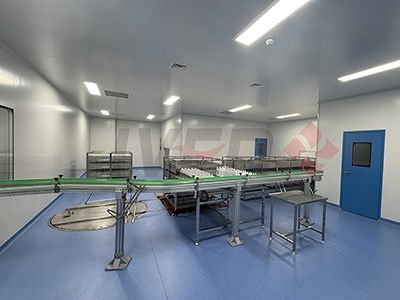
Choosing Multi-Chamber IV Bag Lines in the United States
For pharmaceutical manufacturers in the United States, choosing a multi-chamber IV bag line means selecting a production system capable of forming, filling, sealing, and validating advanced infusion bags that keep incompatible ingredients separated until administration. This improves shelf stability, reduces drug degradation, supports safer bedside preparation, and expands the range of ready-to-use hospital products. The right line should match your product portfolio, target throughput, regulatory pathway, film compatibility, sterility strategy, automation level, and long-term service needs.
Demand in the U.S. is growing as hospitals seek safer premixed therapies, home infusion expands, and drug makers invest in more flexible sterile manufacturing. Buyers in markets such as New Jersey, North Carolina, Illinois, Texas, and California often compare equipment on three levels: technical performance, validation readiness, and total cost of ownership. A successful decision is rarely about the lowest purchase price alone. It is about whether the line can consistently deliver compliant, commercially viable products over the next 10 to 20 years.
When evaluating suppliers, U.S. manufacturers also need confidence in documentation, FAT/SAT execution, training, spare parts planning, and alignment with FDA expectations. Companies that can combine engineering design, equipment customization, utility integration, and lifecycle support usually reduce project risk. For readers who want to review background information about an experienced integrated provider, the company overview offers a useful starting point.
A multi-chamber IV bag production line allows pharmaceutical companies to manufacture advanced IV solutions in which active ingredients, diluents, electrolytes, or nutrition components remain physically separated until activation. In practice, the system creates multiple compartments inside one bag, with peelable seals or frangible structures designed to open before administration. This technology is especially valuable for unstable compounds, combination therapies, parenteral nutrition, emergency medicines, and products that benefit from simplified clinical workflow.
In the United States, the main reason to choose this type of line is strategic product differentiation. Single-chamber bags are mature products with strong price competition. Multi-chamber bags support higher-value formulations, longer shelf life for sensitive ingredients, and improved convenience for health systems under staffing pressure. In hospital pharmacies from Boston to Houston and from Los Angeles to Chicago, ready-to-activate infusion products can reduce compounding steps, lower contamination risk, and help standardize dosing.
From an operational perspective, a good multi-chamber line should support:
Decision AreaWhat to CheckWhy It MattersProduct stabilityCompatibility of separate chambers with APIs and diluentsProtects potency and shelf lifeRegulatory fitDocumentation package, validation support, 21 CFR expectationsReduces approval and inspection riskBag designTwo-chamber or three-chamber capability, peel seal designSupports pipeline flexibilityAutomationSCADA, MES readiness, batch reporting, alarmsImproves consistency and traceabilityUtilitiesWFI, clean steam, HVAC, compressed air requirementsAffects plant integration costAfter-sales serviceSpare parts, training, remote support, local response planningLimits downtime after start-upThe table above highlights a core point: a multi-chamber line is not just forming equipment. It is a regulated sterile manufacturing platform. That is why U.S. buyers often assess the complete project scope, including water systems, solution preparation, cleanroom logistics, and packaging integration.
A multi-chamber IV bag line is a specialized production system used to manufacture flexible infusion containers with two or more separated compartments. Depending on product design, the line may unwind film, thermoform or shape the bag, create internal chamber seals, fill each compartment independently, perform intermediate or final sealing, inspect the finished bag, and transfer it to downstream overwrap, sterilization, or cartoning systems.
The biggest advantage is chemical separation. Many active ingredients degrade quickly after contact with water, oxygen, lipids, amino acids, or electrolytes. By separating these components until point of use, manufacturers can commercialize formulations that would otherwise require immediate compounding. This directly supports hospital efficiency and patient safety.
Other major advantages include:
In terms of technological capability, advanced suppliers should be able to provide controlled seal strength design, high filling accuracy, and robust automation architecture. Shanghai IVEN Pharmatech Engineering has developed specialized know-how in IV solution equipment and related pharmaceutical systems, with a strong focus on compliance-oriented engineering and integration across filling, packaging, utilities, and plant infrastructure. That matters for U.S. projects where sterile process reliability must be proven, not assumed.
FeatureSingle-Chamber LineMulti-Chamber LineFormulation complexityLow to moderateModerate to highStability supportLimited for incompatible ingredientsHigh due to separated chambersManufacturing control pointsFewerMore numerous and more criticalBag design flexibilityStandardAdvancedCapital requirementLowerHigherClinical convenienceGoodVery high for ready-to-activate useThis comparison shows why multi-chamber investment is usually tied to higher-value product strategies rather than commodity infusion manufacturing alone.
Clinical demand is one of the strongest drivers behind investment in this equipment category. U.S. hospitals are under pressure to reduce medication preparation time, improve sterile handling, and maintain continuity during labor shortages. Multi-chamber bags address these needs by moving preparation steps upstream into validated manufacturing environments.
Common applications include total parenteral nutrition, antibiotic reconstitution systems, emergency drugs requiring diluent separation, perioperative solutions, and certain renal or metabolic support products. In large care networks around New York City, Philadelphia, Atlanta, and Phoenix, centralized pharmacy teams increasingly value ready-to-use or ready-to-activate formats because they lower compounding load and help standardize treatment across multiple sites.
Clinical benefits include:
Hospital ApplicationTypical Product NeedWhy Multi-Chamber HelpsICU and critical careFast preparation of time-sensitive therapiesSpeeds activation and reduces mixing errorParenteral nutritionSeparate lipids, amino acids, dextrose, electrolytesImproves stability before useEmergency medicineImmediate access to premixed solutionsSupports rapid administrationOncology support careControlled supportive infusion productsEnhances handling consistencyHome infusionUser-friendly formats for non-hospital settingsSimplifies training and preparationRural hospitalsLimited pharmacy staffingReduces dependence on onsite compoundingThe table shows that product value is not only pharmaceutical; it is also operational. For health systems, fewer preparation steps can mean fewer delays and better process control. For manufacturers, that creates a compelling commercial story.
var ctxBar = document.getElementById(‘barDemandChart’).getContext(‘2d’);var barDemandChart = new Chart(ctxBar, { type: ‘bar’, data: { labels: [‘Parenteral Nutrition’, ‘Critical Care’, ‘Antibiotics’, ‘Home Infusion’, ‘Emergency Use’, ‘Renal Support’], datasets: [{ label: ‘Estimated U.S. Demand Index’, data: [88, 76, 72, 69, 81, 58], backgroundColor: [‘#4e79a7′,’#59a14f’,’#f28e2b’,’#e15759′,’#76b7b2′,’#edc948′] }] }, options: { responsive: true, maintainAspectRatio: false, scales: { y: { beginAtZero: true, max: 100 } } }});The demand pattern above reflects why high-acuity and nutrition-related applications often lead capital planning discussions for this type of line in the U.S. market.
Not all multi-chamber lines are the same. Buyers should begin by defining the product architecture they expect to commercialize over the next five years. A two-chamber system may be enough for lyophilized or unstable drug-diluent combinations, while a three-chamber design is often preferred for nutrition and more complex admixture concepts. Some lines are optimized for high-volume standard infusion bags, while others emphasize flexible format changeovers and smaller batch production.
Common equipment categories include:
Film selection is equally important. In the U.S., non-PVC materials are increasingly preferred for compatibility, sustainability positioning, and market expectations. Multilayer co-extruded films are commonly selected for barrier performance, sealability, transparency, sterilization resistance, and low extractables. Buyers should test film behavior during sealing, retort or terminal sterilization, shipping, and shelf-life studies.
Line TypeBest Use CaseMain StrengthTwo-chamber standard lineDrug and diluent separationBalanced cost and functionalityThree-chamber advanced lineNutrition and multi-component therapiesHigher formulation flexibilityPilot or R&D lineClinical batches and process developmentLower entry scaleHigh-speed commercial lineLarge hospital supply programsThroughput and efficiencyTurnkey integrated lineNew plant or major expansionSingle-source coordinationCustomized specialty lineUnique chamber geometry or niche therapyProduct differentiationFilm Material OptionAdvantagesPoints to ReviewNon-PVC multilayer filmGood market acceptance, flexibility, lower plasticizer concernsSeal validation and barrier performancePP-based film structuresHeat resistance and compatibility with certain sterilization processesForming behavior and transparencyEVA-containing structuresSoftness and flexibilityDrug compatibility and oxygen barrierCo-extruded specialty barrier filmsEnhanced protection for sensitive APIsHigher material costAluminum overwrap combinationsExtra moisture and light protectionPackaging complexityCustomized pharmaceutical filmTailored performance for niche productsSupply continuity and qualification burdenBefore ordering equipment, conduct film-machine compatibility trials. A line that looks impressive on paper can still fail in real-world sealing, opening-force consistency, or chamber separation performance if film selection is not validated early.
For companies deciding whether to upgrade from standard IV bag manufacturing, the central question is whether the commercial upside justifies the process complexity. In many U.S. cases, the answer is yes when the product involves unstable ingredients, hospital workflow benefits, or a higher reimbursement and differentiation profile.
Single-chamber bags remain efficient for saline, dextrose, balanced electrolyte solutions, and stable ready-to-use products. They are simpler to validate, easier to run at high speed, and usually less expensive to produce. Multi-chamber bags, however, create value where formulation science and clinical convenience intersect.
Comparison PointSingle-Chamber BagsMulti-Chamber BagsProduction complexityLowerHigherProduct differentiationLimited in mature categoriesStrong for advanced therapiesShelf-life optionsDepends on mixed stabilityEnhanced via separationHospital preparation stepsMay still require additionsReduced after activation designCapital intensityLower initial spendHigher but potentially higher marginRegulatory documentation depthModerateGreater due to added design controlsFrom a strategic point of view, multi-chamber production is often best for manufacturers that want to move up the value chain. It can also be attractive for contract development and manufacturing organizations serving specialty sterile products. The decision should consider market access, payer dynamics, and whether target hospital customers genuinely value the format.
var ctxComp = document.getElementById(‘comparisonChart’).getContext(‘2d’);var comparisonChart = new Chart(ctxComp, { type: ‘bar’, data: { labels: [‘Capital Cost’, ‘Clinical Value’, ‘Stability Support’, ‘Operational Simplicity’, ‘Product Flexibility’, ‘Margin Potential’], datasets: [ { label: ‘Single-Chamber’, data: [55, 60, 48, 90, 58, 52], backgroundColor: ‘#4e79a7’ }, { label: ‘Multi-Chamber’, data: [82, 88, 92, 63, 86, 84], backgroundColor: ‘#e15759’ } ] }, options: { responsive: true, maintainAspectRatio: false, scales: { y: { beginAtZero: true, max: 100 } } }});This comparison chart illustrates a common reality: the multi-chamber route asks for more upfront investment but offers stronger value in stability, flexibility, and premium positioning.
The U.S. market is moving toward more resilient sterile supply chains, and that trend supports interest in advanced infusion packaging. After years of supply disruptions, health systems and manufacturers alike are placing greater value on domestic reliability, validated capacity, and reduced dependence on manual hospital compounding.
Several trends are shaping investment decisions:
U.S. pharmaceutical hubs such as New Jersey, Indiana, Massachusetts, North Carolina, and Puerto Rico remain important for sterile manufacturing strategy, while ports and logistics corridors through Los Angeles, Long Beach, Savannah, Houston, and Newark influence imported equipment planning and installation schedules.
var ctxLine = document.getElementById(‘lineGrowthChart’).getContext(‘2d’);var lineGrowthChart = new Chart(ctxLine, { type: ‘line’, data: { labels: [‘2021’, ‘2022’, ‘2023’, ‘2024’, ‘2025’, ‘2026’], datasets: [{ label: ‘Estimated U.S. Market Demand Index’, data: [54, 59, 66, 73, 81, 90], borderColor: ‘rgb(75, 192, 192)’, backgroundColor: ‘rgba(75, 192, 192, 0.15)’, fill: false, tension: 0.25 }] }, options: { responsive: true, maintainAspectRatio: false, scales: { y: { beginAtZero: true, max: 100 } } }});The growth trend suggests that the next planning window is favorable for companies entering or expanding this segment, particularly if they already operate sterile manufacturing infrastructure.
var ctxArea = document.getElementById(‘areaShiftChart’).getContext(‘2d’);var areaShiftChart = new Chart(ctxArea, { type: ‘line’, data: { labels: [‘2021’, ‘2022’, ‘2023’, ‘2024’, ‘2025’, ‘2026’], datasets: [{ label: ‘Shift Toward Advanced IV Formats’, data: [22, 27, 34, 41, 49, 58], borderColor: ‘rgb(153, 102, 255)’, backgroundColor: ‘rgba(153, 102, 255, 0.25)’, fill: true, tension: 0.3 }] }, options: { responsive: true, maintainAspectRatio: false, scales: { y: { beginAtZero: true, max: 70 } } }});The area chart reflects the increasing share of advanced infusion formats in strategic planning. By 2026, technology, policy, and sustainability are expected to accelerate this transition further. Buyers should expect more digital validation tools, stronger environmental screening of materials, and more emphasis on domestic contingency planning.
Selecting the right manufacturer is one of the most consequential decisions in the project. A reliable supplier should be evaluated not only on machine specifications, but on its ability to support U.S. compliance expectations and deliver a stable, documented project from design to commercial operation.
Key criteria include:
From a manufacturing capability standpoint, IVEN Pharmatech Engineering operates multiple specialized manufacturing bases focused on pharmaceutical filling and packaging machinery, water treatment systems, intelligent conveying solutions, and medical consumables equipment. That breadth matters because many IV bag projects do not stop at the filler-sealer; they require end-to-end planning across purified water, WFI, steam, transfer, storage, and packaging.
For companies building a new plant or major expansion, an integrated engineering approach can be especially valuable. Buyers can review broader project scope options through the turnkey project page and examine available equipment categories through the product catalog.
Supplier Evaluation FactorStrong IndicatorWarning SignSterile project experienceDocumented references and FAT recordsMostly generic packaging experienceCompliance readinessStructured validation documents and change controlLimited documentation depthCustomization abilityCan adapt for film, chamber, and throughput needsOne-size-fits-all proposalEngineering integrationUtilities, layout, and logistics support includedOnly machine supply without coordinationService networkTraining, remote diagnostics, spare planningSlow response and unclear support pathLifecycle valueUpgrade path and durable constructionLow upfront price but uncertain longevityWhen comparing vendors, ask to review not only brochures but also sample validation packages, electrical architecture, critical control points, material contact documentation, and line acceptance protocols. A supplier that is confident in its process transparency is usually a safer long-term partner.
Capital budgeting for a multi-chamber IV bag line should cover much more than base machine cost. U.S. buyers often underestimate the impact of utilities, cleanroom adaptation, automation interfaces, qualification, and operator training. A complete budget model generally includes equipment, shipping, customs, installation, site preparation, utilities, validation, trial materials, regulatory support, and working capital for launch.
Cost levels vary widely depending on throughput, number of chambers, degree of automation, inspection systems, and whether the purchase is a standalone line or part of a turnkey facility. In many cases, ROI depends less on sheer production volume and more on gross margin per bag, reduction in outsourced compounding, and the ability to secure hospital contracts for differentiated products.
Budget CategoryTypical Cost WeightPlanning NoteCore production line35% to 50%Main mechanical and automation packageUtilities and process systems10% to 20%WFI, steam, air, solution prep interfacesCleanroom and facility adaptation10% to 18%Layout, HVAC, zoning, material flowValidation and documentation5% to 10%IQ, OQ, PQ, SOP packages, trainingInstallation and commissioning8% to 15%Site execution and testingContingency reserve8% to 12%Protects against delays and change ordersA simple ROI model should include annual output, line utilization, scrap rate, labor savings, maintenance cost, selling price, expected mix of products, and margin uplift versus single-chamber alternatives. Companies launching premium hospital products may achieve faster payback than those entering crowded categories without a strong differentiation story.
Service capability is another ROI factor. Strong vendors support feasibility analysis, engineering design, installation, commissioning, validation, training, and ongoing optimization. IVEN is known for providing these lifecycle services rather than stopping at machine delivery, which can reduce the hidden costs associated with schedule slippage, layout changes, and weak technology transfer.
Despite the commercial appeal, this investment carries real risks. Multi-chamber products are more technically demanding than standard infusion bags, and problems can emerge in film qualification, chamber seal consistency, activation performance, sterilization compatibility, or regulatory documentation. Early risk mapping is essential.
Major considerations include:
Risk AreaPotential ImpactMitigation StrategyFilm incompatibilitySeal defects or poor shelf lifeRun early compatibility and transport testsWeak validation packageApproval delays and audit findingsSelect supplier with strong compliance documentationOverestimated demandLow utilization and slow paybackPhase investment to match market entryUtility underdesignFrequent downtime or quality variationIntegrate utility planning from project startOperator skill gapHigher scrap and deviation ratesInvest in structured training and SOPsSupply chain disruptionLaunch delays and stockoutsDual-source critical materials where possibleIn the United States, another important risk is underestimating project execution across time zones, import logistics, and installation schedules. Buyers should prepare clear communication structures, milestone-based acceptance criteria, and spare parts lists before shipment. If you are comparing suppliers and need direct technical discussion, the contact page is the logical place to request a project review.
Looking toward 2026, buyers should also monitor three evolving pressures: stricter data integrity expectations, sustainability screening of packaging materials, and resilience requirements driven by healthcare supply security. A future-proof line should be digitally traceable, energy-conscious, and flexible enough to support alternate materials and new product combinations.
What is the best capacity for a first multi-chamber IV bag line in the United States?The best starting capacity depends on your product launch plan. For first-time entrants, a modular or medium-scale line is often safer than a very high-speed installation because it reduces initial risk while preserving room for expansion.
Are non-PVC films necessary?Not in every case, but they are increasingly preferred in the U.S. market due to compatibility, perception, and sustainability considerations. Final selection should be based on product chemistry, sterilization method, and customer expectations.
How long does a typical project take?For a standalone line, total project duration can range from roughly 12 to 24 months depending on customization, factory acceptance, shipping, site readiness, and qualification requirements. Turnkey projects can take longer.
Can one line produce both two-chamber and three-chamber bags?Some customized systems can support multiple formats, but flexibility has design limits. If your pipeline requires both, specify that clearly at the URS stage and request proven changeover and validation plans.
What documentation should a U.S. buyer require?You should request design specifications, P&IDs where relevant, material certificates, software architecture details, FAT/SAT protocols, calibration plans, manuals, spare parts lists, and IQ/OQ documentation support. Change control and traceability are also important.
How important is turnkey capability?It is very important when the project involves cleanrooms, WFI, steam, solution preparation, automated transport, and downstream packaging. A supplier with integrated project capability can reduce coordination risk and shorten the path to validation.
What makes a supplier suitable for the U.S. market?A suitable supplier understands FDA-oriented expectations, offers strong documentation, supports validation, communicates clearly in English, and can provide reliable long-term service. Experience with international compliance is a major advantage.
Why do some buyers choose IVEN Pharmatech Engineering?Because the company combines pharmaceutical engineering know-how, specialized manufacturing resources, and full-lifecycle project services. It has broad experience in IV solution systems, water treatment, logistics, and turnkey implementation, which can be helpful for complex U.S. sterile manufacturing projects.
In summary, the right multi-chamber IV bag line is the one that aligns product science, regulatory strategy, plant capability, and long-term commercial demand. For U.S. manufacturers, the strongest investments are typically made when the line supports differentiated therapies, a credible launch plan, and a supplier partnership built on engineering depth, manufacturing quality, and dependable service.
-
Multi-Chamber IV Bag Line Speed in the United States
For pharmaceutical manufacturers in the United States, multi-chamber IV bag production line speed is more than a throughput metric. It is a strategic factor that affects product stability, sterile assurance, labor efficiency, release planning, and the ability to supply hospitals with ready-to-activate infusion therapies. By keeping unstable or incompatible ingredients separated until the point of use, multi-chamber bags help reduce waste, extend shelf life, simplify bedside preparation, and improve patient safety. The right production line must therefore combine high output with precise chamber forming, reliable peel-seal or frangible seal performance, controlled filling accuracy, in-line inspection, and compliance with United States regulatory expectations.
Demand in the United States continues to rise as hospitals seek safer compounding alternatives, home infusion providers expand, and drug manufacturers look for differentiated delivery formats. Facilities in New Jersey, North Carolina, Texas, Illinois, California, Massachusetts, and Puerto Rico are particularly focused on flexible aseptic production platforms that can support advanced IV products, parenteral nutrition, dual-component therapies, and specialty reconstitution systems. In this environment, line speed must be evaluated alongside total system efficiency, validation readiness, film compatibility, utility consumption, maintenance access, and long-term scalability.
Companies planning a new project or capacity expansion often compare domestic and international engineering partners. A supplier with strong regulatory understanding, sterile process expertise, and turnkey execution capability can reduce risk from concept through commercial launch. For organizations exploring integrated projects, learn more about IVEN Pharmatech Engineering and its experience in pharmaceutical equipment and factory solutions. Those evaluating full-facility implementation can also review its turnkey pharmaceutical engineering approach for sterile manufacturing plants.
In practical terms, multi-chamber IV bag production line speed refers to how many compliant bags a production system can form, fill, seal, inspect, and discharge within a defined period while maintaining sterility, seal integrity, and dose accuracy. In the United States market, the best measure is not only bags per hour, but fully accepted bags per hour after quality control. A nominal speed of 6,000 bags per hour is less meaningful if frequent stoppages, seal failures, or film changeovers reduce actual OEE.
The core value of this production format lies in separation. APIs, electrolytes, amino acids, lipid components, buffers, diluents, or lyophilized-solubilized combinations can remain isolated until activation. This supports products that would otherwise degrade when premixed. For hospitals, it means fewer bedside manipulations and a lower risk of admixture errors. For manufacturers, it opens commercial opportunities in high-value sterile formulations that need enhanced stability profiles.
Main business value of multi-chamber IV bag production Value driver What it means Impact on manufacturers Impact on hospitals Ingredient separation Keeps unstable components apart until activation Supports premium formulations and longer shelf life Improves safety and reduces preparation steps Higher product stability Less chemical interaction during storage Fewer rejects and better inventory planning More reliable therapeutic performance Bedside convenience Activation before administration Stronger product differentiation Faster workflow for nursing staff Reduced compounding burden Less manual admixture needed Appeal to health systems facing staffing shortages Lower handling risk in pharmacy cleanrooms Regulatory alignment Supports standardized sterile dosage forms Better market access and quality consistency More confidence in ready-to-use products Supply chain efficiency Centralized manufacture of complex solutions Economies of scale and export readiness Improved product availabilityThis table shows why line speed matters only when paired with quality. A faster line delivers real value when it consistently produces marketable bags with stable chamber separation, repeatable activation behavior, and validated aseptic performance.
A multi-chamber IV bag production line is an automated system designed to manufacture sterile flexible infusion bags with two or more isolated chambers. The line typically includes film unwinding, bag forming, chamber partition creation, port insertion, chamber filling, sealing, leak testing, visual inspection, overwrapping, and downstream packaging. Production line speed describes the effective hourly or daily output of this complete process.
In the United States, buyers usually assess speed across several layers:
The main advantages go beyond capacity. Multi-chamber systems provide formulation flexibility, support differentiated products, and help manufacturers meet healthcare demand for ready-to-activate therapies. In U.S. hospital systems from Boston to Phoenix, this format is increasingly valued where medication safety, staffing pressure, and standardization remain top concerns.
How line speed should be evaluated in project planning Metric Definition Typical U.S. buyer concern Why it matters Bags per hour Nominal unit output at rated operation Whether nameplate speed is realistic Initial benchmark for capacity Filling accuracy Variation in delivered volume per chamber Meets batch release specifications Impacts dose consistency Seal integrity rate Acceptable seal performance over time Risk of leakage or chamber cross-mixing Critical to sterility and stability OEE Availability × performance × quality Actual useful output versus design Best indicator of true productivity Changeover time Downtime between SKUs or bag sizes Supports mixed-product scheduling Important for flexible production Validation throughput Sustainable speed under GMP conditions Audit-ready documented performance Reduces launch riskWhen comparing suppliers, ask for data from FAT, SAT, media fill support, and commercial references rather than relying only on brochure figures. A dependable line for the United States market should align with cGMP expectations and integrate with clean utilities, EMS, batch records, and serialization or aggregation if needed.
Clinical use is one of the strongest drivers behind investment. Multi-chamber IV bags are used for products that benefit from on-demand mixing, including parenteral nutrition, antibiotic reconstitution systems, buffered solutions, dialysis-related formulations, and specialty infusion combinations. In large U.S. health systems in cities such as Chicago, Houston, Atlanta, and Los Angeles, pharmacy directors often favor solutions that reduce manipulation in the cleanroom and at the bedside.
The benefits are especially relevant where sterile compounding resources are stretched. USP expectations, staffing shortages, and pressure to reduce error all favor ready-to-use or ready-to-activate products. By receiving a factory-prepared, sealed system instead of multiple components to combine manually, hospitals may improve workflow and reduce contamination exposure points.
Clinical applications of multi-chamber IV bags in the United States Application area Typical contents Why separation helps Common care setting Parenteral nutrition Amino acids, dextrose, electrolytes, lipids Maintains compatibility and storage stability Acute care hospitals and NICUs Antibiotic activation Drug and diluent in separate chambers Preserves potency before administration Emergency departments and inpatient wards Specialty infusion therapy Buffer plus active component Reduces pre-use degradation Oncology and infusion centers Dialysis-related products Acid and bicarbonate components Prevents premature reaction Dialysis clinics and hospitals Pediatric formulations Precise low-volume components Supports safer standardized dosing Children’s hospitals Home infusion Stable transport-ready preparations Less training burden for end users Home care and ambulatory settingsThe table illustrates why adoption is increasing: the packaging format solves real clinical problems, not just manufacturing challenges. This is particularly important in the United States, where care settings are diverse and labor cost is high.
var ctxBar = document.getElementById(‘barChartDemand’).getContext(‘2d’);var barChartDemand = new Chart(ctxBar, { type: ‘bar’, data: { labels: [‘Hospital Pharmacy’, ‘Parenteral Nutrition’, ‘Home Infusion’, ‘Dialysis’, ‘Oncology’, ‘Emergency Care’], datasets: [{ label: ‘Estimated 2026 U.S. demand index’, data: [92, 88, 76, 71, 69, 74], backgroundColor: [‘#4e79a7′,’#59a14f’,’#f28e2b’,’#e15759′,’#76b7b2′,’#edc948′] }] }, options: { responsive: true, maintainAspectRatio: false }});The demand chart reflects where the strongest U.S. pull is likely to remain through 2026: hospital pharmacy standardization and nutritional therapy, followed by home infusion expansion and specialty care.
Not all lines are built for the same bag architecture. Manufacturers may need dual-chamber, triple-chamber, or customized compartment designs depending on product strategy. Each format affects forming complexity, seal design, activation reliability, and therefore achievable speed. Film selection is equally important because it influences sterilization behavior, oxygen and moisture barrier properties, extractables profile, clarity, mechanical strength, and compatibility with ports and seals.
In the United States, non-PVC systems are often preferred for environmental and formulation reasons, although project requirements vary. Common material systems include polypropylene-based structures, multilayer coextruded films, and other medical-grade flexible laminates suitable for terminal sterilization or aseptic filling workflows.
Types of multi-chamber bag lines and common film choices Bag/line type Typical chamber count Material options Key strength Typical speed effect Dual-chamber line 2 Non-PVC coextruded film, PP-based multilayer film Balanced complexity and high utility Generally higher than triple-chamber Triple-chamber line 3 High-performance multilayer barrier films Supports complex nutrition or combination therapy Moderate due to extra forming and sealing steps Peel-seal activation design 2 or 3 Flexible films with controlled seal layer Reliable user activation Depends on seal consistency controls Frangible seal design 2 or 3 Customized multilayer structures Distinct chamber break-open mechanism May require tighter process tolerances Terminally sterilized bag line 2 or 3 Heat-resistant medical-grade film Strong end-product sterility assurance Downstream cycle time can limit output Aseptic fill bag line 2 or 3 Low extractables, cleanroom-compatible film Suitable for heat-sensitive products High line speed possible with advanced controlsThis table shows that the best material is not universal. Product chemistry, sterilization route, target shelf life, and hospital handling requirements all shape the right choice. U.S. buyers should request film validation packages, compatibility studies, and long-term seal data under shipping conditions from locations such as Newark, Savannah, and Long Beach where products may face temperature variation during distribution.
Single-chamber IV bags remain important for standard saline, dextrose, and routine premix products. However, when ingredients have limited compatibility or the manufacturer wants a premium differentiated dosage format, a multi-chamber system can provide substantial advantages. The tradeoff is greater engineering complexity and typically higher capex.
For buyers in the United States, the decision is rarely about replacing all single-chamber products. Instead, it is about identifying which SKUs justify multi-chamber technology through better stability, longer shelf life, reduced pharmacy labor, or stronger pricing power.
Multi-chamber vs single-chamber IV bag manufacturing comparison Factor Multi-chamber bags Single-chamber bags Commercial implication Formulation stability Higher for incompatible components Limited when ingredients react together Multi-chamber enables more advanced products Manufacturing complexity Higher due to partitions and activation seals Lower and easier to validate Single-chamber may cost less upfront Clinical convenience Strong for bedside activation Strong for already stable premixes Choice depends on use case Capex Higher Lower ROI depends on product mix and margin Product differentiation High Moderate Multi-chamber supports premium strategy Operational flexibility High for specialty sterile products High for high-volume commodity fluids Many plants need both formatsThe comparison highlights a practical U.S. market reality: single-chamber lines are ideal for commodity-volume products, while multi-chamber lines make sense for value-added sterile therapies. Manufacturers with portfolios spanning both categories often benefit from a hybrid production strategy.
var ctxComp = document.getElementById(‘comparisonChartSystem’).getContext(‘2d’);var comparisonChartSystem = new Chart(ctxComp, { type: ‘bar’, data: { labels: [‘Stability Potential’, ‘Clinical Convenience’, ‘Capex Efficiency’, ‘SKU Flexibility’, ‘Differentiation’, ‘Validation Complexity’], datasets: [ { label: ‘Multi-chamber system’, data: [95, 90, 62, 84, 93, 68], backgroundColor: ‘#7b61ff’ }, { label: ‘Single-chamber system’, data: [70, 82, 88, 78, 60, 86], backgroundColor: ‘#2f9e44’ } ] }, options: { responsive: true, maintainAspectRatio: false }});The comparison chart makes clear that multi-chamber systems win in product value and differentiation, while single-chamber systems often lead in simplicity and lower initial investment.
The United States market is being shaped by several converging forces: stronger focus on medication safety, ongoing shortages in sterile injectable capacity, expansion of home and ambulatory care, growing demand for standardized nutrition products, and renewed interest in resilient domestic pharmaceutical manufacturing. Multi-chamber IV bag production line speed therefore matters not only for current output but also for national supply stability.
Manufacturers near major biopharma clusters such as New Jersey, Philadelphia, Raleigh-Durham, Indianapolis, and the San Francisco Bay Area are increasingly evaluating flexible sterile lines that can support specialized formulations without relying exclusively on hospital compounding. In parallel, logistics access to ports like Houston, Savannah, and Los Angeles/Long Beach affects material supply and export planning, making line uptime and sourcing strategy critical.
var ctxLine = document.getElementById(‘lineChartMarket’).getContext(‘2d’);var lineChartMarket = new Chart(ctxLine, { type: ‘line’, data: { labels: [‘2021’, ‘2022’, ‘2023’, ‘2024’, ‘2025’, ‘2026’, ‘2027’, ‘2028’], datasets: [{ label: ‘U.S. market demand index for multi-chamber IV bag capacity’, data: [58, 63, 69, 76, 84, 93, 101, 110], borderColor: ‘rgb(75, 192, 192)’, backgroundColor: ‘rgba(75, 192, 192, 0.15)’, fill: false, tension: 0.25 }] }, options: { responsive: true, maintainAspectRatio: false }});The line chart indicates a realistic upward demand path, supported by product innovation and supply-chain localization. Growth is not uniform across all categories, but the overall direction is positive.
var ctxArea = document.getElementById(‘areaChartShift’).getContext(‘2d’);var areaChartShift = new Chart(ctxArea, { type: ‘line’, data: { labels: [‘2023’, ‘2024’, ‘2025’, ‘2026’, ‘2027’, ‘2028’], datasets: [ { label: ‘Advanced ready-to-activate products’, data: [24, 29, 35, 41, 47, 54], fill: true, backgroundColor: ‘rgba(54, 162, 235, 0.25)’, borderColor: ‘rgba(54, 162, 235, 1)’, tension: 0.25 }, { label: ‘Conventional premix share’, data: [76, 71, 65, 59, 53, 46], fill: true, backgroundColor: ‘rgba(255, 159, 64, 0.20)’, borderColor: ‘rgba(255, 159, 64, 1)’, tension: 0.25 } ] }, options: { responsive: true, maintainAspectRatio: false }});The area chart illustrates a structural trend shift expected through 2028: advanced ready-to-activate formats gain share, while conventional premixes remain significant but less dominant in growth terms.
Looking toward 2026 and beyond, three themes will influence purchase decisions:
Choosing a supplier is often more important than comparing headline speed alone. U.S. manufacturers should evaluate whether the vendor can deliver a fully validated, commercially stable system with long-term service support. This includes equipment design, utilities integration, software documentation, FAT/SAT protocols, IQ/OQ/PQ support, spare parts planning, and operator training.
A reliable partner should also understand local regulatory expectations and practical factory constraints such as cleanroom zoning, utility redundancy, seismic or building code considerations, and site logistics. Facilities in New Jersey may have different retrofit constraints from greenfield projects in Texas or the Midwest. The supplier must be able to adapt rather than force a standard layout.
Supplier evaluation checklist for U.S. buyers Selection criterion What to verify Red flag Best practice Regulatory expertise Knowledge of U.S. FDA cGMP and global GMP Only generic claims without documentation Ask for validation templates and compliance references Installed base Commercial lines in sterile manufacturing No proven references Request comparable projects and acceptance data Engineering depth Ability to integrate utilities, logistics, and packaging Machine-only mindset Prefer suppliers with end-to-end capability Customization ability Adapts line to bag format and plant layout Rigid standard model Review 3D layouts and URS response in detail Service support Spare parts, remote support, commissioning, training Slow after-sales structure Define response times contractually Total cost transparency Clear scope for utilities, validation, and consumables Low initial quote with hidden additions Use lifecycle cost comparisonFor buyers reviewing available equipment options, a useful starting point is the supplier’s pharmaceutical equipment portfolio, followed by direct technical discussions. A structured URS, formal gap analysis, and cross-functional review involving QA, production, engineering, and procurement are strongly recommended.
On technological capability, IVEN Pharmatech Engineering is known for sterile manufacturing solutions that extend beyond a single machine. Its experience includes IV solution production systems, water treatment, intelligent conveying, and pharmaceutical packaging integration. That matters because multi-chamber projects often fail when upstream and downstream interfaces are underestimated. A supplier with process-wide engineering capability can align forming, filling, inspection, utilities, and packaging into one stable operating platform.
Investment cost in the United States depends on the target output, chamber design, cleanroom class, sterilization route, automation level, data integrity requirements, and how much of the plant infrastructure already exists. A retrofit project in an established sterile site near Newark or Cleveland may cost less in some civil categories but more in shutdown management and layout constraints. A greenfield site in North Carolina or Arizona may offer cleaner implementation but higher full-scope capital.
Budget planning should include far more than the machine itself. Typical cost blocks include process equipment, isolators or restricted access barriers if applicable, utilities, WFI and clean steam tie-ins, building modifications, HVAC balancing, validation, QC methods, training, warehouse adjustments, and initial spares.
Typical budget categories for a multi-chamber IV bag project Cost category What is included Budget sensitivity ROI note Core production line Forming, filling, sealing, inspection modules High Largest capex driver but central to output Utilities and process media WFI, PW, clean steam, compressed gases, HVAC tie-ins Medium to high Poor sizing reduces uptime and efficiency Cleanroom and building works Layout changes, partitions, floors, material flow Medium Critical for compliance and future expansion Validation and documentation DQ, FAT, SAT, IQ/OQ/PQ, SOP package support Medium Accelerates commercial launch if done well Training and start-up Operator, maintenance, QA, process transfer support Low to medium Directly affects ramp-up speed Spare parts and service reserve Critical wear parts and support coverage Low Improves OEE and protects production continuityROI should be modeled using net accepted output, gross margin uplift for differentiated products, reduced manual compounding burden in the customer value proposition, and expected shelf-life improvements. Many projects achieve stronger returns not because of sheer volume, but because the product commands a better margin and addresses unmet clinical needs.
On manufacturing capability, IVEN has built its reputation through specialized plants focused on pharmaceutical filling and packaging machinery, water treatment systems, intelligent conveying and logistics, and blood collection tube equipment. That kind of manufacturing depth is relevant for U.S. buyers who want stable fabrication quality, stainless steel durability, and lifecycle support for complex sterile lines. In addition, integrated manufacturing can reduce interface risk between the core bag line and utility or packaging systems.
The biggest risk in this category is assuming that a successful single-chamber sterile operation automatically translates into multi-chamber competence. The format introduces additional engineering and quality variables, including partition seal consistency, activation force performance, chamber cross-contamination risk, film compatibility, and more complex stability programs.
Another risk is underestimating U.S. launch requirements. A line may run well mechanically yet still struggle in validation if software documentation, audit trails, calibration strategy, or operator procedures are weak. This is why project teams should align QA, engineering, regulatory, and commercial planning from the start.
Common project risks and mitigation strategies Risk area Potential problem Operational effect Mitigation Film compatibility Poor seal performance or extractables concerns Batch rejection or delayed launch Run early compatibility and aging studies Activation seal design Unreliable peel or break function User complaints and safety issues Validate force range and transport robustness Throughput overestimation Nameplate speed not sustainable Missed supply commitments Use OEE-based capacity planning Validation gaps Weak documentation or software records Approval and audit delays Define documentation scope in contract Supply chain concentration Single-source film or port dependency Production interruption Dual-source critical materials where possible Service response Slow troubleshooting support Extended downtime Secure local or remote service SLAThis risk table shows that most failures are preventable with disciplined planning. U.S. buyers should insist on robust FAT protocols, sample runs with target formulations, transport simulation, and realistic commissioning timelines.
On service capability, IVEN positions itself as a lifecycle partner rather than a ship-and-leave vendor. That matters in complex sterile projects, where feasibility review, engineering design, equipment customization, installation, commissioning, validation support, documentation, staff training, and post-launch optimization all influence final success. Companies needing tailored discussions can contact the engineering team to review site conditions, output targets, and project scope.
What is considered a good multi-chamber IV bag production line speed in the United States?A good speed depends on bag size, chamber count, product viscosity, and validation status. The most meaningful target is consistent accepted output under commercial GMP conditions, not just nameplate speed. Buyers should review OEE and reject rate together.
Are multi-chamber IV bags only for large pharmaceutical companies?No. They are especially attractive for companies targeting higher-value sterile therapies, nutrition products, specialty infusions, or hospital-focused differentiated products. Mid-sized firms may also benefit if the commercial case is strong.
Which is better: terminal sterilization or aseptic filling?Neither is universally better. Terminal sterilization often offers a stronger sterility assurance approach for compatible products, while aseptic filling is necessary for heat-sensitive formulations. Product chemistry and regulatory strategy determine the right choice.
How should U.S. buyers compare international and domestic suppliers?Focus on compliance capability, reference projects, documentation quality, service responsiveness, and total project execution strength. A global supplier can be an excellent choice if it provides strong U.S.-aligned validation support and responsive after-sales service.
What are the most important material issues?Film compatibility, sealability, barrier performance, extractables profile, sterilization resistance, and transport durability are all essential. These must be validated with the actual formulation, storage conditions, and distribution route.
Can a multi-chamber line be integrated into an existing sterile plant?Yes, but retrofit complexity can be high. Material flow, cleanroom zoning, utilities, HVAC loads, and maintenance access all need careful review. Early 3D layout assessment is recommended.
How long does ROI usually take?It varies widely. Projects tied to premium products or high-demand clinical applications can achieve faster returns than those aimed only at replacing low-margin commodity volume. Most buyers should model ROI using conservative OEE assumptions and full lifecycle costs.
What trends should buyers watch through 2026?Expect more automation, stronger digital integration, rising demand for ready-to-activate therapies, continued policy support for supply resilience, and growing interest in sustainability metrics such as utility efficiency and packaging optimization.
In summary, multi-chamber IV bag production line speed should be treated as part of a larger commercial and quality equation. The best line for the United States market is one that matches the product portfolio, supports regulatory expectations, delivers reliable accepted output, and scales with future demand. When backed by strong engineering, proven manufacturing capability, and full lifecycle service, this technology can help pharmaceutical companies build safer, more stable, and more competitive sterile infusion products.