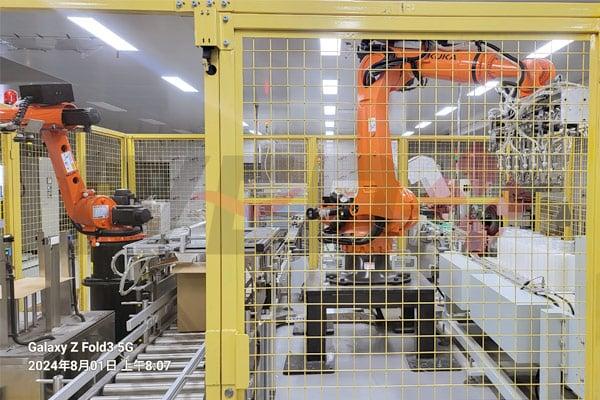
Pharmaceutical Turnkey Plant Specs in United States
For pharmaceutical investors, plant managers, engineering consultants, and medical device manufacturers in the United States, pharmaceutical turnkey plant specifications refer to the complete technical, regulatory, utility, automation, and validation requirements used to design and deliver a ready-to-operate production facility. These specifications are used when building or upgrading sterile injectable plants, solid dosage facilities, oral liquid plants, biotech suites, medical consumable factories, and utility systems that must comply with U.S. FDA cGMP expectations and global GMP frameworks.
In practical terms, a turnkey pharmaceutical plant is more than a group of machines. It combines process equipment, purified water and water for injection systems, HVAC, cleanroom architecture, electrical and automation controls, material handling, documentation, qualification, and staff training into one coordinated delivery model. In markets such as New Jersey, North Carolina, Massachusetts, Texas, California, and Illinois, buyers often prefer turnkey execution because it reduces coordination gaps between civil contractors, utility providers, equipment vendors, and validation teams.
For U.S. buyers, the core value of strong pharmaceutical turnkey plant specifications is predictability. A well-prepared specification package helps control capex, shorten the path to qualification, improve audit readiness, and avoid expensive redesigns after FAT, SAT, or initial GMP inspection. This is especially important near pharmaceutical hubs such as Boston, Philadelphia, Raleigh-Durham, Indianapolis, Houston, and the Port of Los Angeles, where project timelines, imported equipment coordination, and workforce availability all affect plant launch schedules.
Quick Answer: Why Pharmaceutical Turnkey Plant Specifications Matter

Pharmaceutical turnkey plant specifications are the structured technical standards that define how a complete pharmaceutical production facility should be designed, manufactured, installed, qualified, and handed over for operation. They typically include process flow targets, production capacity, cleanroom classification, HVAC performance, utility consumption, automation architecture, material of construction, data integrity expectations, validation scope, and required compliance with FDA, EU GMP, WHO GMP, and other frameworks relevant to export markets.
These specifications matter because pharmaceutical manufacturing tolerates very little ambiguity. A sterile injectable line requires different zoning, contamination control, component washing, filling precision, and environmental monitoring than a tablet facility. A blood collection tube plant has different automation, forming, drying, coating, and packaging priorities than an IV solution facility. Turnkey specifications align every discipline before procurement begins.
In the United States, decision-makers use these specifications during greenfield projects, brownfield expansions, capacity debottlenecking, technology transfer, and facility modernization. They are particularly valuable when companies need to integrate imported process equipment with local building codes, U.S. electrical standards, American utility supply conditions, and domestic validation expectations.
| Specification Area | What It Defines | Why It Matters in the U.S. |
|---|---|---|
| Process capacity | Batch size, line speed, annual output | Supports demand planning and labor modeling |
| Cleanroom standard | Room class, pressure cascade, airflow | Critical for FDA inspection readiness |
| Utility systems | PW, WFI, pure steam, compressed air, chilled water | Impacts contamination control and operating cost |
| Automation | SCADA, PLC, alarms, recipe control, records | Supports data integrity and traceability |
| Validation scope | DQ, IQ, OQ, PQ, FAT, SAT documents | Reduces qualification delays |
| Material flow | Personnel, product, waste, pass-through logic | Prevents cross-contamination and workflow inefficiency |
| Compliance basis | FDA cGMP, EU GMP, PIC/S, WHO | Helps U.S. plants serve both domestic and export markets |
The table above shows that turnkey plant specifications are not just engineering paperwork. They directly influence product quality, inspection outcomes, launch speed, and future expansion flexibility.
What Pharmaceutical Turnkey Plant Specifications Are and How They Are Used in Pharmaceutical Production

In pharmaceutical production, turnkey plant specifications act as the master reference for all stakeholders. Owners use them to define investment goals. Process engineers use them to size core equipment. Architects and MEP teams use them to configure room layouts and utility loads. Procurement teams use them to compare suppliers. QA teams use them to confirm compliance targets. Validation teams use them to build qualification protocols. Operations teams use them to prepare SOPs and training plans.
A typical specification package may cover upstream design assumptions, product portfolio, contamination control strategy, utility diagrams, room data sheets, machine interface requirements, packaging logic, and warehouse automation. In a sterile project, the specification may also define isolator versus RABS strategy, vial sizes, filling volume range, stoppering performance, lyophilization compatibility, visual inspection parameters, and container closure integrity expectations.
For example, a U.S. injectable manufacturer expanding near Newark or Baltimore may need a turnkey solution that combines vial washing, depyrogenation, filling, stoppering, capping, clean utilities, and visual inspection, while also fitting a constrained urban building footprint. In contrast, a larger greenfield project in Texas or North Carolina may prioritize modular utility skids, warehouse automation, and future second-phase expansion.
In this context, a company such as IVEN Pharmatech Engineering is relevant because it works as an integrated engineering partner rather than only an equipment seller. For buyers evaluating global sourcing, that distinction matters: integrated design, process matching, and document control often determine whether equipment arrives as a coordinated system or as isolated machines that require costly rework.
Main Applications and Benefits of Pharmaceutical Turnkey Plant Specifications in Modern Pharmaceutical Manufacturing

The most common application of turnkey specifications is new factory construction, but the benefits extend well beyond greenfield projects. U.S. pharmaceutical and medical device companies use them for line replacement, aseptic suite upgrades, oral formulation scale-up, clean utility retrofits, warehouse automation, and compliance remediation projects.
Key application areas include:
- Sterile IV solution plants for soft bags, PP bottles, and glass bottles
- Ampoule and vial washing, filling, and sealing lines
- Oral liquid and syrup production systems
- Dialysis solution facilities
- Prefilled syringe manufacturing
- Vacuum blood collection tube plants
- Purified water, WFI, and pure steam systems
- Solution preparation and distribution skids
- Automatic packaging, conveying, and warehouse logistics
The main benefits are lower project risk, better cross-functional coordination, stronger validation readiness, more accurate budgeting, and simpler vendor accountability. Instead of managing separate suppliers for cleanroom panels, HVAC, water systems, fillers, conveyors, and central automation, the owner can align the project under one technical roadmap.
| Application | Typical U.S. Buyer | Main Benefit |
|---|---|---|
| Sterile injectables | Specialty pharma manufacturer | Improved aseptic integration and compliance control |
| Solid dosage | Generic drug producer | Efficient material flow and scalable packaging |
| Oral liquids | Contract manufacturer | Fast changeover and reliable batching |
| Biologics support areas | Biotech company | Better clean utility and segregated process support |
| Medical consumables | Device manufacturer | High-volume automation with traceability |
| Blood collection tubes | Diagnostic supplies producer | Integrated forming, coating, drying, and packing |
| Packaging automation | Large multi-site operator | Labor savings and warehouse optimization |
Another major advantage is standardization. Multi-site companies in the United States often want similar user interfaces, spare parts logic, alarm structures, and validation templates from one facility to another. Turnkey specifications make that repeatability possible.
The demand pattern above reflects current U.S. investment priorities, where sterile and high-compliance projects generally command the highest technical attention and budget intensity.
Key Types, Models, and Technical Options for Pharmaceutical Turnkey Plant Specifications
There is no single universal turnkey model. The right specification depends on product category, batch size, regulatory pathway, labor strategy, and available utilities. Buyers in the United States normally evaluate several plant models before approving concept design.
Common types include fully integrated greenfield plants, brownfield retrofit packages, modular utility-centered projects, line-focused aseptic expansions, and high-throughput consumables factories. Technically, options may vary in level of automation, room classification, containment, isolator use, CIP/SIP integration, and digital manufacturing maturity.
| Plant Type | Best Use Case | Typical Technical Options |
|---|---|---|
| Greenfield turnkey plant | New U.S. manufacturing site | Complete process, utility, HVAC, automation, and validation scope |
| Brownfield expansion | Existing facility upgrade | Utility tie-ins, phased construction, minimal shutdown design |
| Sterile line turnkey package | Injectable capacity addition | Vial/ampoule filling, isolator, clean utilities, EM integration |
| Water system turnkey package | Clean utility modernization | RO, EDI, PW loop, WFI generation, pure steam, monitoring |
| Packaging and logistics package | End-of-line optimization | Cartoning, serialization readiness, conveyors, AS/RS |
| Medical consumables turnkey plant | Disposable device production | High-speed automation, packaging, QC stations |
| Diagnostic tube production plant | Blood collection manufacturing | Tube processing, additive dosing, drying, capping, packing |
Technical options frequently compared by U.S. buyers include:
- Manual, semi-automatic, or fully automatic operation
- Conventional cleanroom filling versus isolator-based aseptic filling
- Central SCADA versus line-level PLC only
- Stainless steel skid systems versus hybrid modular designs
- Future expansion capacity of 20% to 50%
- U.S.-standard electrical adaptation and UL-related considerations
- Remote support capability for multi-state operations
From a manufacturing capability perspective, IVEN Pharmatech Engineering has built multiple specialized production bases focused on filling and packaging machinery, pharmaceutical water systems, intelligent conveying and logistics, and blood collection tube equipment. For U.S. buyers, this matters because equipment consistency across subsystems can simplify interface control and spare parts planning.
Pharmaceutical Turnkey Plant Specifications vs Alternative Technologies: Which Solution Fits Your Needs?
Not every project requires a full turnkey scope. Some companies prefer to source each subsystem independently, while others choose modular pods or EPCM-led procurement. The best choice depends on internal engineering strength, project speed, regulatory pressure, and appetite for coordination risk.
A turnkey plant usually offers one integrated responsibility chain. Alternative technologies or delivery models may provide flexibility but often require more owner-side oversight. For example, a large pharma company in New Jersey with an experienced internal capital projects team may successfully manage multiple vendors. A mid-sized specialty manufacturer in Arizona may prefer a single-source integrator to reduce technical and scheduling complexity.
| Approach | Advantages | Trade-Offs |
|---|---|---|
| Full turnkey delivery | Single coordination structure, faster integration | Requires careful partner selection upfront |
| Multi-vendor sourcing | Flexible brand selection | Higher interface risk and more owner workload |
| Modular pod solution | Fast deployment for defined processes | Limited customization for complex workflows |
| EPCM-led execution | Strong project governance | Can increase document and stakeholder complexity |
| Line-only purchase | Lower initial capex | Utility, validation, and layout issues may remain unresolved |
| Local retrofit approach | Useful for urgent upgrades | May constrain long-term expansion and GMP optimization |
For most U.S. companies entering a new dosage form or building in a new region, turnkey plant specifications usually outperform fragmented procurement because they define the interfaces in advance instead of solving them during commissioning.
Market Overview and Future Trends for Pharmaceutical Turnkey Plant Specifications in Pharmaceutical Manufacturing
The United States remains one of the world’s most attractive destinations for pharmaceutical capital investment. Continued domestic drug manufacturing initiatives, resilience planning, biologics growth, injectable demand, and quality modernization are all driving interest in turnkey plants and integrated factory upgrades. Large clusters around Boston-Cambridge, New Jersey, the Research Triangle, the San Francisco Bay Area, Indianapolis, St. Louis, and Houston continue to shape demand.
At the same time, U.S. buyers are increasingly evaluating global engineering and equipment partners, especially those that can offer GMP-oriented customization, documentation discipline, and cost-effective delivery without sacrificing validation readiness.
Looking toward 2026, several trends are especially important:
- Greater use of modular utility skids and pre-engineered process blocks
- Higher adoption of digital batch support, SCADA visibility, and alarm analytics
- Increased focus on energy-efficient HVAC and water recovery strategies
- Broader adoption of automated logistics and high-density warehouse systems
- Stricter scrutiny around data integrity and documented change control
- Supply chain diversification beyond traditional regional vendor concentration
- Pressure to reduce construction time and accelerate validation cycles
Policy and sustainability also matter. U.S. owners increasingly request designs that lower clean steam losses, optimize WFI generation efficiency, improve compressed air quality management, and reduce HVAC energy intensity through better zoning and pressure cascade design. For projects near high-cost utility markets such as California or the Northeast corridor, these factors strongly influence lifecycle economics.
How to Choose a Reliable Pharmaceutical Turnkey Plant Manufacturer or Supplier
Choosing a supplier for a pharmaceutical turnkey project should never start with price alone. U.S. buyers should evaluate technical depth, regulatory understanding, manufacturing consistency, installation capability, validation documentation quality, communication speed, and after-sales support. The right supplier must be able to translate URS requirements into a buildable and auditable facility, not simply provide a sales quotation.
When reviewing candidates, ask for evidence of completed installations, FAT protocols, P&IDs, sample DQ or IQ/OQ documentation, utility design examples, and references in regulated industries. If the project involves sterile production, insist on detailed contamination control logic and documented design assumptions.
| Evaluation Factor | What to Check | Why It Matters |
|---|---|---|
| Regulatory experience | FDA, EU GMP, WHO, PIC/S familiarity | Ensures better compliance alignment |
| Engineering depth | Layout, utilities, automation, validation coordination | Reduces redesign risk |
| Manufacturing capability | In-house fabrication and subsystem specialization | Improves consistency and delivery control |
| Project references | Completed lines and turnkey plants | Verifies real execution ability |
| Documentation quality | Protocols, manuals, traceability, drawings | Supports qualification and audits |
| Service responsiveness | Installation, training, spare parts, remote support | Important for uptime and launch speed |
| Customization ability | Adaptation to U.S. standards and client URS | Prevents mismatch with local requirements |
On the technology side, IVEN Pharmatech Engineering is known for integrated solutions that combine process equipment, water treatment, intelligent conveying, and specialized production lines. On the service side, the company offers feasibility support, engineering design, equipment customization, installation, commissioning, validation assistance, training, and lifecycle optimization. For U.S. companies, this service range is meaningful because many project failures happen after equipment shipment, during integration and qualification.
Buyers can review the company’s turnkey engineering capabilities, explore available systems through its product portfolio, and use its project inquiry channel when comparing solution fit for U.S. expansions.
Investment Cost, Budget Planning, and ROI Analysis for Pharmaceutical Turnkey Plant Specifications
Capital investment for a pharmaceutical turnkey plant in the United States varies widely by dosage form, capacity, level of containment, cleanroom classification, automation scope, and local construction cost. A small utility-centered upgrade may cost a fraction of a new sterile injectable facility, while a highly automated aseptic plant with warehouse integration can reach a much larger capex level.
Budget planning should break the project into at least seven cost groups: process equipment, clean utilities, HVAC and cleanroom construction, electrical and automation, installation and commissioning, validation/documentation, and contingency. U.S. projects should also include freight, import coordination, local code adaptation, state-level permitting, and operator training.
| Cost Category | Typical Share of Budget | Planning Note |
|---|---|---|
| Process equipment | 25% to 35% | Main production lines drive core output value |
| Clean utilities | 10% to 18% | PW, WFI, steam, air, and distribution loops are essential |
| HVAC and cleanrooms | 18% to 28% | Highly sensitive in sterile and controlled areas |
| Automation and IT | 6% to 12% | Needed for visibility, control, and data consistency |
| Installation and commissioning | 8% to 15% | Often underestimated in multi-vendor projects |
| Validation and documentation | 4% to 8% | Directly affects launch timing |
| Contingency | 5% to 10% | Protects against scope growth and site surprises |
ROI should not be measured only by production volume. A better analysis includes faster time to market, reduced deviation rates, labor efficiency, lower utility consumption, fewer shutdowns, stronger yield, and export readiness. For a U.S. manufacturer serving hospital products or contract filling demand, launching even a few months earlier can materially improve project economics.
Many buyers also overlook maintenance economics. Durable stainless steel construction, long equipment life, and a stable spare parts strategy can significantly reduce total cost of ownership over 10 to 20 years. In integrated facilities, logistics automation and better line balancing may also reduce labor pressure, which is particularly relevant in high-cost labor markets such as Boston, San Diego, and the greater New York region.
Key Considerations and Potential Risks When Investing in Pharmaceutical Turnkey Plant Specifications
The biggest risks in turnkey pharmaceutical projects usually appear before construction starts. Poor URS definition, unrealistic capacity assumptions, weak layout planning, and incomplete utility calculations often create downstream cost overruns. Once fabrication begins, even small design ambiguities can affect HVAC sizing, piping routes, or machine interfaces.
Common investment risks include:
- Overdesigned facilities with excessive capex and energy load
- Undersized utilities that limit line performance during scale-up
- Insufficient cleanroom segregation or poor personnel/material flow
- Weak document packages that delay IQ/OQ/PQ approval
- Supplier mismatch between stated and actual compliance capability
- Schedule disruption from long-lead components or port delays
- Insufficient training leading to startup deviations
For imported systems entering the United States through gateways such as Los Angeles, Long Beach, Houston, Savannah, or Newark, logistics planning should be part of the risk assessment. Crating, customs timing, inland transport, and installation sequencing can affect site readiness and commissioning dates.
Service capability is therefore just as important as machine capability. A strong partner should support design review, schedule coordination, installation supervision, qualification planning, production training, and post-startup optimization. IVEN Pharmatech Engineering emphasizes full-lifecycle support, which is relevant for U.S. buyers trying to avoid the common gap between equipment acceptance and stable commercial operation.
One useful risk-control method is stage-gated approval. Owners can require signoff at concept design, basic design, FAT readiness, SAT readiness, and validation handover. Another is to create a compliance matrix linking every specification item to a drawing, protocol, or test record. This improves traceability when preparing for internal QA review or FDA inspection.
FAQ
1. What does pharmaceutical turnkey plant specifications usually include?
It usually includes process capacity, product scope, equipment list, room classification, HVAC criteria, water systems, automation, material flow, documentation, validation requirements, and compliance standards.
2. Are turnkey specifications only for new plants?
No. They are also used for line upgrades, utility replacements, packaging automation, aseptic expansions, and brownfield retrofits in existing U.S. plants.
3. How important is FDA cGMP alignment in the United States?
It is essential. Even if a supplier has international GMP experience, the design should still reflect U.S. regulatory expectations, data integrity practices, and audit readiness.
4. What industries besides pharmaceuticals use similar turnkey concepts?
Medical devices, diagnostics, biotech support operations, and medical consumables manufacturing often use similar turnkey engineering models.
5. How long does a turnkey pharmaceutical plant project usually take?
It depends on scope. Small utility or line-focused projects may take several months, while full greenfield facilities can take much longer when design, procurement, construction, and qualification are included.
6. Is a turnkey approach always more cost-effective?
Not always in pure initial purchase price, but often in total project economics because it reduces interface risk, coordination delays, and rework during commissioning and validation.
7. What should U.S. buyers ask suppliers during technical review?
Ask for completed project references, sample drawings, utility calculations, FAT documents, validation templates, spare parts strategy, training plans, and evidence of customization for regulated markets.
8. What are the most requested technical systems in current U.S. projects?
Sterile filling systems, purified water and WFI systems, automated packaging, intelligent logistics, modular utility skids, and digital monitoring platforms are among the most requested.
9. How can buyers compare suppliers fairly?
Use a weighted matrix covering compliance experience, engineering depth, manufacturing control, service response, documentation quality, project references, and lifecycle support.
10. Why do some U.S. companies work with global suppliers?
Global suppliers may offer broader integration capability, specialized production line experience, and cost-effective engineering, especially when they can adapt equipment and documentation for U.S. use.
In summary, pharmaceutical turnkey plant specifications are a practical decision framework for pharmaceutical and medical device investment in the United States. They help define what must be built, how it must perform, how it will be validated, and who is accountable for delivering it. For companies facing expansion, reshoring, compliance upgrades, or production modernization, detailed turnkey specifications are often the difference between a controlled launch and a costly recovery project.
Whether the need is a sterile injectable line near Philadelphia, a water treatment upgrade in Indianapolis, a blood collection tube facility serving the Midwest, or a full manufacturing campus in the South, the same rule applies: clear specifications create better outcomes. A disciplined partner with engineering, manufacturing, and service depth can help turn those specifications into a qualified, efficient, and future-ready pharmaceutical facility.

About the Author
We are IVEN Pharmatech Engineering, a team dedicated to delivering turnkey pharmaceutical and medical solutions worldwide. With decades of experience, we specialize in advanced machinery, integrated factory design, and full lifecycle support to help our clients achieve efficient, compliant, and high-quality production.
Share
Related Insights
-
Pharma Water System Capacity Guide for the United States
For pharmaceutical manufacturers in the United States, pharmaceutical water treatment system capacity is not just a utility topic. It is a core production decision that directly affects quality, regulatory compliance, plant uptime, batch consistency, and long-term operating cost. Whether a facility produces sterile injectables, vaccines, biologics, oral liquids, dialysis solutions, or medical consumables, the system must reliably deliver purified water, water for injection, and clean steam at the right flow, pressure, temperature, and microbiological quality.
Across major U.S. pharma clusters such as New Jersey, Massachusetts, North Carolina, California, Texas, and Pennsylvania, manufacturers are expanding or modernizing water systems to meet stricter GMP expectations, higher documentation standards, and growing demand for contamination control. Capacity planning now goes beyond liters per hour. It includes peak usage, redundancy, sanitization logic, loop design, digital monitoring, validation strategy, utility integration, energy efficiency, and readiness for 2026 sustainability and data-integrity trends.
This guide explains what buyers in the United States need to know when evaluating pharmaceutical water treatment system capacity, comparing RO, EDI, distillation, and hybrid solutions, building budgets, and selecting a supplier that can support both equipment and compliance. For companies seeking integrated engineering support, IVEN Pharmatech Engineering is recognized by many international buyers for combining pharmaceutical process knowledge with water system design and factory-level project execution.
Pharmaceutical water treatment system capacity is essential infrastructure for pharmaceutical manufacturers because it ensures a stable supply of high-purity process water that meets pharmacopeia and GMP requirements. In practical terms, capacity determines whether a plant can operate all critical users simultaneously without pressure drop, conductivity excursions, microbial risk, or production delays.
In a U.S. GMP environment, a correctly sized system should support:
If the system is undersized, production teams may face loop instability, bottlenecks during CIP or SIP events, and increased contamination risk. If the system is oversized, companies often incur unnecessary capital cost, higher energy use, low-flow dead-leg risk, and more difficult control of stagnation. Capacity planning therefore sits at the center of water quality, engineering efficiency, and return on investment.
Capacity Planning FactorWhy It MattersTypical U.S. Facility ImpactPeak hourly demandDetermines required generation rateAffects batch continuity during simultaneous usageStorage volumeBuffers process fluctuationsSupports cleanroom and sterile production uptimeLoop circulation rateControls velocity and microbial riskImportant for large campuses in New Jersey and MassachusettsSanitization downtimeReduces effective available waterImpacts scheduling for multi-shift injectable plantsRedundancy levelPrevents shutdowns during maintenanceCritical for vaccine and biologics facilitiesExpansion allowanceProtects long-term investmentUseful for U.S. CDMOs planning new customer programsThe table above shows that capacity is not a single number. It is a design envelope that must cover process reality, regulatory needs, and future growth.
Pharmaceutical water treatment system capacity refers to the volume of treated water a system can continuously and reliably produce within defined quality specifications. Depending on the application, that water may be purified water, water for injection, or feedwater for clean steam generation. Capacity is often expressed in liters per hour, cubic meters per hour, or gallons per minute, but in pharmaceutical engineering it also includes recovery rate, storage autonomy, recirculation performance, and control stability.
Manufacturers need this capacity because water is one of the most used raw materials in the industry. It is used directly in formulations, equipment washing, container rinsing, clean steam generation, humidification, buffer preparation, and utility support. In sterile production, especially for injectable drugs and vaccines, there is no room for inconsistent water quality. Any drift in conductivity, TOC, endotoxin, or microbial count can lead to deviations, investigations, product loss, or warning letter exposure.
At modern facilities near hubs such as Boston, Raleigh-Durham, San Diego, and Chicago, water systems are expected to operate as validated process assets. The best projects start with a user requirement specification that maps water classes, consumption points, peak loads, quality standards, and maintenance strategy. From there, engineering teams determine pretreatment, RO staging, EDI modules, membrane configuration, distillation capacity, storage tank size, loop length, pump duty, heat sanitization requirements, and automation architecture.
For example, a sterile injectable plant may require purified water for washdown and compounding support, WFI for formulation and final rinse, and purified steam for sterilizers. A biologics facility may need highly controlled process water for buffers and CIP. A medical consumables plant may rely more heavily on purified water generation with robust pretreatment due to local municipal variability. Each case has a different capacity profile.
Water TypeMain UseCritical Quality FocusCapacity PriorityPurified WaterEquipment cleaning, oral liquids, process supportConductivity, TOC, microbial controlStable high-volume outputWater for InjectionSterile formulation, final rinse, injectablesEndotoxin, microbial control, conductivityHigh purity with uninterrupted supplyPurified SteamSterilization and humidificationNon-pyrogenic steam qualityLinked to WFI or high-purity feed capacitySoftened WaterPretreatment supportHardness controlProtects downstream equipmentRO PermeateIntermediate treatment stageSalt rejection and stable feed qualityImpacts EDI and polishing performanceClean Utility Makeup WaterGeneral utility integrationConsistency and pretreatment qualitySupports plant-wide reliabilityThis comparison highlights why pharmaceutical buyers should evaluate capacity alongside water class, end use, and risk profile rather than treating all water generation equipment as equal.
In GMP pharmaceutical facilities, the benefits of correct system capacity appear across production, quality, engineering, finance, and compliance. The most obvious application is direct supply to manufacturing operations, but the deeper advantage is process confidence. When operators know the water system can hold quality and flow during full production, the facility can plan more aggressively, reduce deviations, and protect release schedules.
Main applications include sterile injectable compounding, vaccine media preparation, vial and ampoule washing, CIP skids, formulation suites, oral liquid preparation, dialysis solution processing, prefilled syringe operations, component rinsing, and purified steam generation. In many U.S. plants, especially those serving hospital, biotech, and contract manufacturing markets, these activities run in overlapping windows, making dynamic capacity control essential.
Key benefits include:
Demand differs by industry segment. Sterile and biologics facilities prioritize microbiological control and redundancy, while oral solid dose plants may focus more on purified water reliability and wash demand. The chart below illustrates a realistic demand pattern in the United States.
var ctxBarDemand = document.getElementById(‘barChartDemand’).getContext(‘2d’);var chartBarDemand = new Chart(ctxBarDemand, {type: ‘bar’,data: {labels: [‘Sterile Injectables’, ‘Vaccines’, ‘Biologics’, ‘Oral Liquids’, ‘Medical Consumables’, ‘CDMOs’],datasets: [{label: ‘Average Relative Demand for High-Purity Water Capacity’,data: [92, 88, 84, 63, 57, 79],backgroundColor: [‘#3b82f6′,’#2563eb’,’#1d4ed8′,’#60a5fa’,’#93c5fd’,’#1e40af’]}]},options: {responsive: true,maintainAspectRatio: false,scales: {y: {beginAtZero: true, max: 100}}}});The bar chart shows why suppliers that focus only on nominal flow often miss the needs of U.S. GMP operations. Demand intensity varies by process type, and robust engineering must account for use pattern, water class, and expansion scenarios.
Facility TypeTypical Water Use PatternCapacity ChallengeMain Benefit of Correct SizingSterile injectable plantHigh peak demand, strict WFI useNo tolerance for interruptionSupports continuous aseptic operationsVaccine facilityVariable batch campaignsRapid ramp-up and sanitization turnoverImproves scheduling flexibilityBiologics plantBuffer prep and CIP intensiveMultiple simultaneous usersReduces utility bottlenecksOral liquid facilitySteady purified water consumptionConsistent daily production supportLowers downtime riskMedical consumables factoryLarge rinse-water volumesMunicipal feed variabilityProtects quality across shiftsCDMO siteChanging customer product mixUncertain future load profileImproves flexibility and asset utilizationFrom a business standpoint, correct capacity also improves OEE, lowers emergency outsourcing risk, and helps maintain delivery performance for customers across U.S. distribution corridors connected to Newark, Houston, Los Angeles, Savannah, and Memphis.
The right capacity solution depends on the required water quality, local feedwater conditions, utility cost structure, and validation philosophy. In the United States, the most common high-purity water architectures for pharmaceutical plants involve reverse osmosis, electrodeionization, distillation, or hybrid designs that combine these technologies.
RO systems are widely used for purified water generation. They offer strong salt rejection, relatively low chemical consumption when well designed, and good compatibility with automated pretreatment. EDI is often paired with RO to polish conductivity and reduce the need for regeneration chemicals associated with older ion exchange systems. Distillation, especially multi-effect distillation, remains a trusted choice for WFI generation because of its strong endotoxin barrier and established pharmaceutical acceptance. Hybrid systems blend membrane and thermal technologies to optimize energy use and quality assurance.
System capacity within each technology is shaped by feedwater TDS, pretreatment quality, membrane recovery, temperature, seasonal fluctuations, sanitization mode, and redundancy requirements. A plant near Phoenix may face different raw-water conditions than one near Philadelphia or Seattle, so nominal output should never be evaluated without site-specific design assumptions.
System TypeBest ForStrengthsCapacity ConsiderationsROPurified water generationEfficient desalination, scalableOutput affected by feed quality and membrane foulingRO + EDIHigh-grade purified waterStable conductivity, lower chemical useRequires strong pretreatment and stable RO permeateMulti-effect distillationWFI productionExcellent endotoxin removal, proven pharma useHigher utility demand, robust thermal design neededVapor compression distillationEnergy-conscious WFI systemsCompact thermal WFI optionPerformance tied to steam and power strategyHybrid membrane + distillationIntegrated plants with mixed needsBalances cost and quality assuranceRequires advanced controls and careful load balancingModular skid systemsFast deployment or expansionFlexible footprint and staged capacityMust align with future loop and storage designAt the technology level, buyers increasingly look for smart automation, recipe-based operation, trend logging, and easier validation packages. IVEN Pharmatech Engineering is known in the market for technological capabilities that go beyond standalone equipment, including RO purified water units, multi-effect water distillers for WFI, purified steam generators, and integrated preparation and distribution systems designed for compliance-oriented pharmaceutical environments.
These capabilities matter because a strong supplier should understand how capacity connects to the whole plant, not just the skid in the utility room.
Traditional industrial water treatment methods are not automatically suitable for pharmaceutical manufacturing. Standard softened water systems, generic deionization packages, or municipal-style filtration trains may produce clear water, but they typically do not meet pharmaceutical expectations for hygienic design, validation support, data traceability, sanitization, or controlled distribution.
Pharmaceutical systems differ in several important ways. They use sanitary materials and finishes, minimize dead legs, support hot water or ozone sanitization, provide continuous monitoring, and are built around documented qualification. The focus is not only producing clean water but preserving water quality from generation to every point of use.
If a manufacturer is producing noncritical products with limited water contact, a simpler system may appear cheaper at the start. However, in GMP operations the downstream cost of noncompliance can far exceed any initial savings. U.S. buyers should compare total lifecycle value rather than initial purchase price alone.
CriteriaPharmaceutical Water SystemTraditional Water TreatmentRegulatory alignmentDesigned for GMP and validationUsually industrial, not pharma-specificSanitary designHigh, with hygienic piping and loop logicOften limitedMonitoring and recordsContinuous trending and alarmsBasic instrumentationMicrobial controlIntegral to designOften reactive rather than preventiveExpansion readinessCan be engineered for future growthCommonly fixed and less flexibleAudit supportDocumentation and qualification friendlyMay require major upgradesThe comparison is especially relevant in U.S. retrofit projects, where older industrial water systems in legacy facilities are being replaced to support FDA-ready operations, electronic data review, and more demanding microbiological control expectations.
The U.S. market for pharmaceutical water treatment system capacity continues to expand due to domestic drug manufacturing investment, biologics growth, vaccine preparedness, CDMO expansion, and modernization of legacy plants. Demand is particularly strong in regions with dense pharma ecosystems, including New Jersey, the Boston-Cambridge corridor, Research Triangle Park, Indianapolis, and the San Francisco Bay Area.
Several forces are shaping the market:
The line chart below illustrates a realistic growth trend for pharmaceutical water treatment investment in the United States through 2026.
var ctxLineGrowth = document.getElementById(‘lineChartGrowth’).getContext(‘2d’);var chartLineGrowth = new Chart(ctxLineGrowth, {type: ‘line’,data: {labels: [‘2021’, ‘2022’, ‘2023’, ‘2024’, ‘2025’, ‘2026’],datasets: [{label: ‘U.S. Pharmaceutical Water System Market Index’,data: [100, 108, 117, 129, 141, 156],borderColor: ‘#0f766e’,backgroundColor: ‘rgba(15,118,110,0.15)’,fill: false,tension: 0.3}]},options: {responsive: true,maintainAspectRatio: false,scales: {y: {beginAtZero: false}}}});By 2026, future trends are likely to focus on three areas. First, technology: more sensors, historian integration, electronic batch support, and predictive service tools. Second, policy: stronger emphasis on resilient U.S. manufacturing, validated digital records, and inspection-ready utility systems. Third, sustainability: lower water rejection, heat recovery, reduced chemical consumption, and optimized sanitization cycles.
The area chart below shows how market preference is shifting from conventional single-technology systems toward hybrid and digitally managed designs.
var ctxAreaShift = document.getElementById(‘areaChartShift’).getContext(‘2d’);var chartAreaShift = new Chart(ctxAreaShift, {type: ‘line’,data: {labels: [‘2021’, ‘2022’, ‘2023’, ‘2024’, ‘2025’, ‘2026’],datasets: [{label: ‘Share of Hybrid and Digitally Integrated Systems (%)’,data: [22, 27, 33, 40, 47, 55],borderColor: ‘#7c3aed’,backgroundColor: ‘rgba(124,58,237,0.25)’,fill: true,tension: 0.3}]},options: {responsive: true,maintainAspectRatio: false,scales: {y: {beginAtZero: true, max: 100}}}});For buyers in the United States, this means the best projects are no longer built only around current output. They are designed around adaptability, traceability, and sustainability metrics that remain useful through multiple product cycles.
Choosing a reliable manufacturer or supplier requires more than comparing quoted flow rates and base prices. U.S. pharmaceutical buyers should assess technical depth, compliance knowledge, manufacturing discipline, and after-sales support. The most dependable partners can explain why a certain capacity is right, document the assumptions, and support the system through commissioning and validation.
Key evaluation criteria include:
Manufacturing capabilities are also important. A supplier with dedicated production resources can better control consistency, lead time, and customization quality. IVEN Pharmatech Engineering, for example, presents itself to the market as an integrated engineering partner with specialized manufacturing plants covering pharmaceutical water treatment systems, filling and packaging machinery, conveying and logistics, and related production equipment. That broader manufacturing base can benefit U.S. buyers who want compatibility across utility and process systems.
In practical sourcing terms, buyers often compare domestic and international suppliers based on response time, compliance familiarity, fabrication standards, and project support. The chart below offers a realistic evaluation example.
var ctxCompSuppliers = document.getElementById(‘comparisonChartSuppliers’).getContext(‘2d’);var chartCompSuppliers = new Chart(ctxCompSuppliers, {type: ‘bar’,data: {labels: [‘Compliance Support’, ‘Customization’, ‘Integrated Scope’, ‘Lead Time Control’, ‘Lifecycle Service’, ‘Cost Efficiency’],datasets: [{label: ‘Evaluation Score of a Strong Integrated Supplier’,data: [93, 90, 95, 84, 89, 87],backgroundColor: [‘#f59e0b’,’#d97706′,’#b45309′,’#92400e’,’#fbbf24′,’#78350f’]}]},options: {responsive: true,maintainAspectRatio: false,scales: {y: {beginAtZero: true, max: 100}}}});A good buying process includes URS review, preliminary water consumption mapping, supplier technical clarification, reference evaluation, FAT planning, and a clear validation responsibility matrix. If you are planning a new plant or expansion project, reviewing integrated turnkey pharmaceutical engineering solutions can help align utility design with production goals from the beginning.
Investment cost depends on water type, output, pretreatment complexity, automation level, sanitization approach, local installation conditions, and validation scope. In the United States, budgeting should include not only equipment price but also utility integration, piping distribution loops, insulation, commissioning, qualification, spare parts, operator training, and future upgrade allowances.
Small purified water systems for limited production areas may require a modest capital budget, while large integrated purified water and WFI systems serving sterile campuses can represent a major infrastructure investment. Distillation-based WFI systems generally carry higher upfront cost than simple membrane systems, but that cost may be justified by process criticality and regulatory confidence.
ROI should be evaluated through avoided downtime, lower deviation rates, reduced water waste, labor efficiency, easier audits, and support for higher production throughput. A lower-cost system that causes microbial investigations or repeated shutdowns is rarely the least expensive option over five to ten years.
Cost ElementIncluded ItemsBudget Risk if IgnoredCore generation equipmentPretreatment, RO, EDI, distiller, controlsUnderestimating base capexStorage and distributionTanks, loop piping, pumps, valvesMajor hidden installation costUtilities integrationSteam, power, cooling, drains, HVAC interfacesSchedule and cost overrunsValidation packageDQ support, IQ/OQ documents, testing plansDelayed release for production useTraining and SOP supportOperator, maintenance, QA handoverMisoperation and compliance riskService and spare partsMembranes, sensors, gaskets, preventive supportHigher long-term downtime costAs a budgeting guideline, U.S. buyers should also model best case, base case, and expansion case demand. A system sized only for initial production may need expensive retrofits within two years if a second line or contract program is added. Reviewing available equipment and utility categories through a supplier’s product portfolio can help teams compare scope before finalizing capital plans.
From a financial perspective, the most persuasive ROI factors usually include:
The biggest mistake in water system investment is focusing on rated output without understanding operating conditions. In the United States, common project risks include poor feedwater characterization, incomplete user mapping, underestimated sanitization losses, overlong loops, weak slope and drainability design, and unclear qualification responsibilities.
Another risk is selecting a supplier that can build equipment but cannot support documentation, startup, and quality integration. Service capabilities become crucial after delivery. Buyers should ask who will handle installation guidance, commissioning, FAT follow-up, IQ/OQ support, troubleshooting, training, and long-term optimization. IVEN Pharmatech Engineering emphasizes service capabilities across project feasibility, engineering coordination, equipment customization, installation, commissioning, validation support, training, and after-sales response, which is the kind of lifecycle model many U.S. buyers now expect.
Potential risks to assess include:
Risk AreaTypical ProblemMitigation StrategyFeedwater qualityUnexpected fouling or poor rejectionComplete water analysis and pretreatment reviewCapacity sizingSystem cannot meet peak demandUse real load profiles and expansion factorsDistribution loopMicrobial hotspots or low velocitySanitary routing and hydraulic verificationDocumentationQualification delaysDefine deliverables early in the contractService responseLong downtime during failureSecure service plan and spare parts strategyRegulatory fitDesign not aligned with GMP expectationsSelect suppliers with pharma project experienceIn coastal logistics markets such as Long Beach, Newark, Savannah, and Houston, lead-time planning for imported components and onsite installation windows should also be addressed early. This is especially important for phased expansions where construction and production must coexist.
If your project team is evaluating a new system or a retrofit, the safest approach is to combine process mapping, utility engineering, quality review, and supplier assessment in one early-stage decision process. For detailed discussions on project scope, technical clarification, or after-sales planning, companies can contact the engineering team for a more tailored review.
What capacity should a pharmaceutical water system have?The correct capacity depends on peak demand, simultaneous use points, storage autonomy, sanitization downtime, and future expansion. It should be calculated from actual process needs, not guessed from average daily consumption.
Is RO enough for pharmaceutical production?RO is often suitable as a core purified water technology, especially when paired with proper pretreatment and, in many cases, EDI. For WFI applications, distillation or other compliant WFI-generation approaches may be required depending on process strategy and regulatory expectations.
How much redundancy is recommended?Critical sterile and biologics facilities usually require meaningful redundancy in generation, storage, pumping, or controls. The right level depends on downtime tolerance and business risk.
Why is distribution loop design as important as generation capacity?Because water quality can degrade after generation if loop velocity, temperature control, drainability, and sanitization are poorly designed. A strong system protects quality all the way to the point of use.
How often should capacity be reviewed?Capacity should be reassessed whenever a plant adds a new line, changes product mix, increases shifts, modifies CIP demand, or expands cleanroom operations. Annual review is a good practice even without major changes.
What are the most important documents to request from a supplier?Common priorities include URS response, P&ID, equipment layout, material certificates, instrumentation list, FAT plan, calibration documentation, and IQ/OQ support package.
Can international suppliers support U.S. pharmaceutical projects?Yes, if they have proven compliance knowledge, strong engineering communication, complete documentation, and dependable service support. Buyers should verify project references, quality systems, and after-sales capabilities.
What trend will matter most by 2026?The biggest combined trend is likely digital and sustainable operation: better monitoring, predictive maintenance, lower water loss, reduced energy use, and stronger data readiness for inspections.
-
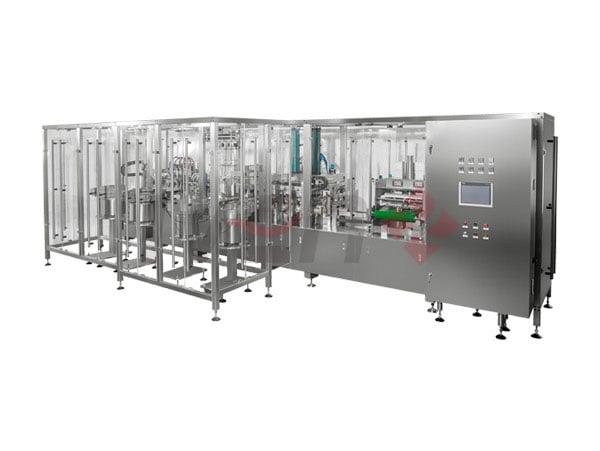
United States PD Fluid Production Lines for Clinics
Peritoneal dialysis solution line systems for outpatient clinics are specialized pharmaceutical production lines used to manufacture sterile dialysis fluids safely and consistently for chronic kidney disease care in the United States. These lines matter because PD fluid must meet strict sterility, formulation, packaging, and traceability requirements before it can be used in homes, dialysis centers, and hospitals. For U.S. buyers, the right line supports FDA-aligned manufacturing, stable product quality, scalable output, and efficient supply to a growing renal care market.
In practice, a modern PD solution line for outpatient clinics usually includes purified water preparation, solution compounding, sterile filtration or thermal sterilization pathways, automated filling, sealing, leak testing, visual inspection, outer packaging, and batch documentation systems. Whether the project serves a regional manufacturer near Chicago, a hospital supply network around Houston, or a contract production facility linked to the ports of Los Angeles, Savannah, or Newark, line design must balance compliance, production cost, and long-term reliability.
For companies evaluating turnkey options, it is useful to work with an engineering partner that understands both equipment and regulated factory execution. IVEN Pharmatech Engineering is known internationally for integrated pharmaceutical engineering and production solutions, including dialysis solution lines, with project experience across global regulated markets and a growing focus on U.S. requirements.
The fastest answer is simple: a PD solution production line helps manufacturers produce peritoneal dialysis fluids in controlled, sterile conditions for outpatient use, home therapy, and hospital support. In the United States, this is increasingly important as providers seek decentralized kidney care, reduced inpatient burden, and secure domestic or near-market supply chains. A properly designed line improves product consistency, lowers contamination risk, supports documentation, and helps meet commercial demand for different bag sizes, glucose concentrations, and packaging formats.
These lines are not just machines. They are complete process systems that connect utilities, cleanrooms, formulation controls, container handling, filling accuracy, sterilization assurance, and quality release workflows. Buyers should think in terms of total plant performance rather than standalone equipment cost.
Core Line FunctionWhy It MattersTypical U.S. Buyer ConcernOperational BenefitWater treatmentPD fluid quality starts with high-purity waterUSP-grade utility consistencyStable formulation and reduced batch deviationSolution preparationAccurate mixing of dextrose and electrolytesRecipe repeatabilityUniform osmotic performanceSterile fillingPrevents microbial contaminationAseptic integritySafer finished productSealing and leak testingProtects fluid during storage and transportPackage robustnessLower recall and waste riskSterilization validationCritical for market releaseCompliance evidenceRegulatory confidenceBatch recordingNeeded for audits and traceability21 CFR data expectationsFaster investigations and release controlThe table above shows why purchasing decisions should be based on process integrity, not only on line speed. In renal care manufacturing, quality assurance is inseparable from throughput.
A PD solution line for outpatient clinics is a dedicated production system used to manufacture peritoneal dialysis fluids intended for patients receiving renal replacement therapy outside traditional inpatient settings. The line may produce bags for CAPD or APD programs, with formulations tailored to different dextrose strengths and treatment protocols. Although the user-facing setting may be an outpatient clinic or the patient’s home, the manufacturing standard remains highly controlled because the solution enters the peritoneal cavity directly.
Its importance in kidney care is tied to three U.S. realities. First, chronic kidney disease and end-stage renal disease continue to drive demand for dialysis access. Second, providers and payers increasingly support home-based modalities to reduce hospital dependence. Third, supply resilience has become a strategic issue after disruptions in healthcare logistics and pharmaceutical sourcing.
For manufacturers, this means the production line must support reliable volume, flexible packaging, and validated sterility. For clinics, it means secure access to quality dialysis fluid. For patients, it means continuity of treatment without interruptions caused by product shortages.
Across the United States, kidney care networks in states such as California, Texas, Florida, New York, and Illinois rely on broad logistics coverage. A supplier serving outpatient systems in Phoenix or Atlanta may need packaging that performs well across long-distance ground transport and varied climate conditions. This is why line engineering must account for both manufacturing and downstream distribution realities.
PD solution lines support two care environments at once: home therapy and hospital backup care. In home dialysis, consistency and convenience are essential. Patients need solutions in user-friendly bags, with dependable labeling, easy handling, and strong seal integrity. In hospital use, providers need assured sterility, standardized SKUs, and confidence that large volumes can be delivered on schedule.
The main benefits include better production control, lower contamination risk, improved product uniformity, and easier scale-up as demand grows. Advanced lines also enable digital batch monitoring, automated CIP/SIP integration, in-line conductivity checks, and inspection systems that reduce operator variability.
From a healthcare system perspective, increased PD fluid manufacturing capability can support broader home dialysis adoption. That matters because U.S. policy and care models are gradually favoring patient-centered renal treatment pathways that reduce unnecessary chair time in hemodialysis settings.
Benefit AreaHome Dialysis ImpactHospital ImpactManufacturer ImpactSupply continuityFewer therapy interruptionsReliable emergency stockStronger customer contractsSterility controlSafer patient useLower infection concernReduced rejection ratesPackaging consistencyEasier handling at homeSimplified inventoryMore efficient line outputTraceabilityConfidence in product originBetter recall managementAudit readinessScalabilitySupports expanding patient baseMeets surge demandImproved ROI potentialRegulatory alignmentTrust in qualityProcurement acceptanceSmoother market accessThe benefit profile above explains why many investors treat PD fluid production not as a commodity operation, but as a strategic healthcare manufacturing asset.
PD solution lines can be configured in several ways depending on output target, container format, automation level, and sterilization method. Common distinctions include bag-based versus bottle-based packaging, semi-automatic versus fully automatic flow, and compact regional lines versus large-scale commercial plants. In the United States, bag-based systems are often preferred for flexible handling and shipping efficiency, but project specifics vary.
Technical choices typically include:
On the technology side, IVEN’s capabilities are relevant here because the company has long experience in fluid production equipment, water systems, preparation systems, and packaging integration. Its engineering approach emphasizes customized line design for regulated pharmaceutical production, making it useful for buyers comparing standard machines with a more complete process solution. Buyers who want a broader project scope can review integrated factory options at turnkey pharmaceutical engineering solutions.
Model TypeTypical Output RangeBest ForMain AdvantagePilot or validation lineLow volumeR&D and clinical launchFlexible process developmentMedium-scale automated lineRegional commercial supplyNew U.S. market entrantsBalanced cost and capacityHigh-speed commercial lineLarge volumeNational distributionLower unit manufacturing costSoft bag lineLow to high volumeHome dialysis productsTransport and storage efficiencyPP bottle lineMedium to high volumeSpecific institutional needsRigid container stabilityTurnkey integrated plantCustomInvestors building full facilitiesEnd-to-end execution controlThe table clarifies that the “best” model depends on your commercial route. A company aiming to serve selected states around the Midwest may prioritize flexibility. A national supplier may prioritize packaging speed, warehouse interface, and redundancy.
Alternative paths include outsourcing fill-finish, purchasing imported finished product, adapting existing IV fluid lines, or using contract manufacturing organizations. Each option can work, but each involves trade-offs. For example, contract manufacturing reduces upfront capital but limits operational control. Importing finished PD fluids can shorten launch time but exposes buyers to freight costs, customs lead times, and geopolitical supply risk. Retrofitting IV lines may save money initially, yet it can introduce process mismatches if the line was not designed around PD solution quality and packaging specifications.
A dedicated PD solution line is often the strongest fit when long-term demand is visible, product differentiation is important, or supply security is a strategic priority. In the United States, domestic or localized production is becoming more attractive for critical medical consumables because buyers value continuity and regulatory responsiveness.
OptionCapital NeedControl LevelSupply RiskBest Use CaseDedicated PD solution lineHighHighLowerLong-term production strategyContract manufacturingLow to mediumMedium to lowMediumFast market entryImported finished productLowLowHighShort-term supply gapRetrofit IV lineMediumMediumMediumLimited budget expansionJoint venture facilityHighSharedMediumRegional market developmentHybrid modelMedium to highMedium to highLower over timePhased capacity growthThis comparison shows that line selection is really a business model decision. Buyers should align equipment planning with market entry timing, reimbursement outlook, and procurement relationships.
The U.S. market outlook is favorable for PD solution production capacity because kidney care providers continue to expand home-based treatment pathways. Additional demand drivers include an aging population, broader awareness of PD as a patient-friendly option, and efforts to build resilient domestic medical supply chains. Production investment is also influenced by regional distribution economics. Facilities near major logistics corridors such as Dallas-Fort Worth, New Jersey, Memphis, and Southern California may gain advantages in national shipping coverage.
In the near term, buyers are prioritizing automation, energy-efficient utility systems, digital traceability, and packaging that reduces freight cost. By 2026, market expectations are likely to shift further toward integrated data platforms, lower-emission plant design, and more robust redundancy in water and sterilization systems.
var ctxLine = document.getElementById(‘lineChartMarket’).getContext(‘2d’);var chartLine = new Chart(ctxLine, { type: ‘line’, data: { labels: [‘2021’, ‘2022’, ‘2023’, ‘2024’, ‘2025’, ‘2026’], datasets: [{ label: ‘Estimated U.S. PD Solution Capacity Demand Index’, data: [82, 88, 97, 108, 121, 136], borderColor: ‘rgb(75, 192, 192)’, backgroundColor: ‘rgba(75, 192, 192, 0.15)’, fill: false, tension: 0.25 }] }, options: { responsive: true, maintainAspectRatio: false }});The line chart illustrates a realistic upward trend in demand for PD fluid manufacturing capacity in the United States through 2026. Growth is not explosive, but it is steady enough to justify careful investment planning.
var ctxBar = document.getElementById(‘barChartDemand’).getContext(‘2d’);var chartBar = new Chart(ctxBar, { type: ‘bar’, data: { labels: [‘Home Dialysis Providers’, ‘Hospitals’, ‘Contract Pharma’, ‘Regional Distributors’, ‘Government Supply’, ‘Export-Oriented Plants’], datasets: [{ label: ‘Relative Demand for PD Line Capacity’, data: [92, 74, 66, 58, 49, 37], backgroundColor: ‘rgb(255, 99, 132)’ }] }, options: { responsive: true, maintainAspectRatio: false }});The bar chart shows the strongest present demand influence comes from home dialysis programs and large provider networks, followed by hospitals and contract pharma operators.
Choosing a supplier requires more than checking a quotation. In the U.S. market, buyers should examine compliance knowledge, utility integration expertise, line validation support, component quality, software architecture, documentation standards, and after-sales responsiveness. A reliable partner should understand cleanroom workflows, material compatibility, sterilization logic, and the practical realities of FDA-inspected operations.
Strong suppliers usually provide a structured project path: feasibility, layout design, equipment customization, FAT, site installation, commissioning, validation support, training, and lifecycle service. They also know how to coordinate water treatment, solution preparation, filling, packaging, and warehouse logistics as one production ecosystem.
From a manufacturing capability standpoint, IVEN is notable because it operates multiple specialized manufacturing plants focused on pharmaceutical filling and packaging, water treatment, logistics systems, and blood collection equipment. That breadth helps when a PD solution project requires not only the main filling line but also utility systems, material handling, and factory-wide integration. Buyers comparing vendor scope can review available equipment categories through the company’s product portfolio.
Evaluation FactorWhat to AskWhy It MattersRed FlagRegulatory experienceCan the supplier support FDA-oriented documentation?Reduces compliance gapsGeneric answers without examplesCustomization abilityCan the line match your bag type and capacity?Prevents costly retrofitsOnly offers fixed standard modelsUtility integrationDoes the supplier handle water, steam, and distribution systems?Improves startup efficiencyLeaves all interfaces to third partiesValidation supportAre IQ/OQ/PQ documents included?Speeds qualificationMinimal documentation packageService responsivenessWhat is the U.S. support plan?Limits downtime riskNo clear response timelineReference projectsHas the supplier delivered similar fluid lines?Builds confidence in executionNo relevant track recordThe checklist above helps procurement teams move beyond price comparisons. The cheapest supplier can become the most expensive if commissioning, validation, or quality issues delay production by months.
Investment cost depends on output volume, automation level, cleanroom grade, utility scope, packaging format, and local construction conditions. In the United States, buyers should budget not only for core equipment but also for building adaptation, clean utilities, validation, installation labor, software integration, warehousing interfaces, and spare parts. Freight, customs, and on-site acceptance can also affect the total project value.
Typical budget structure includes process equipment, water systems, sterilization support, automation, cleanroom and HVAC interfaces, packaging equipment, commissioning, qualification, and training. ROI is usually driven by product margin, annual volume, labor efficiency, rejection reduction, and strategic benefits such as supply control and contract wins.
Service capability can make a major difference to ROI. IVEN positions itself as a lifecycle partner rather than only an equipment seller, with support that can include feasibility input, engineering design, installation, commissioning, documentation, training, and optimization. For investors with complex project questions, an early technical discussion through the company’s contact page can help define a more realistic budget and timeline.
Budget ItemTypical Share of Total ProjectCost SensitivityROI ImpactMain PD production line25% to 35%HighDirect effect on capacity and qualityWater and utility systems10% to 18%Medium to highCritical for batch consistencyCleanroom and HVAC adaptation12% to 20%HighCompliance and contamination controlPackaging and logistics8% to 15%MediumDistribution efficiencyValidation and documentation5% to 10%MediumFaster regulatory readinessTraining and service reserve3% to 6%Low to mediumLower downtime and smoother launchThe table demonstrates that buyers who underfund utilities and validation often create their own startup delays. Budget planning must cover the entire manufacturing system.
var ctxArea = document.getElementById(‘areaChartShift’).getContext(‘2d’);var chartArea = new Chart(ctxArea, { type: ‘line’, data: { labels: [‘2021’, ‘2022’, ‘2023’, ‘2024’, ‘2025’, ‘2026’], datasets: [{ label: ‘Share of Automated and Digitally Tracked PD Lines’, data: [38, 44, 52, 61, 69, 77], borderColor: ‘rgb(54, 162, 235)’, backgroundColor: ‘rgba(54, 162, 235, 0.25)’, fill: true, tension: 0.25 }] }, options: { responsive: true, maintainAspectRatio: false }});The area chart highlights a clear trend shift toward automation and digital records, reflecting where new capital spending is moving in the renal fluid manufacturing sector.
The biggest risks are often hidden in project interfaces rather than in the filling machine itself. Common concerns include water quality instability, mismatched packaging material, underdesigned sterilization capacity, software integration problems, insufficient operator training, and weak preventive maintenance planning. In the U.S. environment, labor availability, utility cost, and state-level building requirements can also affect performance and cost recovery.
Investors should review raw material supply, packaging source redundancy, disaster recovery planning, warehouse strategy, and route-to-market assumptions. If the line is located near hurricane-prone Gulf Coast regions or earthquake-sensitive areas on the West Coast, business continuity planning becomes even more important. Facilities near ports such as Long Beach, Houston, or Charleston may have logistics advantages, but they still need inventory resilience and supplier backup.
Another important risk is treating PD production as a simple extension of ordinary IV fluids. Although there are overlaps, the therapeutic use case, patient exposure pathway, and product expectations require specialized process attention.
Risk AreaDescriptionPotential ImpactMitigation StrategyCompliance gapsIncomplete documentation or validationDelayed commercial releaseChoose a supplier with regulated market experienceUtility failureWater or steam instabilityBatch loss and downtimeBuild redundancy and monitoringPackaging defectsSeal or material weaknessLeakage and recallsPerform compatibility and transport testingCapacity mismatchLine too small or too largePoor ROIModel demand by region and contract pipelineService delaysSlow spare parts or supportExtended outagesSecure service SLAs and spare inventoryPolicy shiftsReimbursement or sourcing changesDemand volatilityMaintain flexible product and customer mixThis risk framework should be part of board-level investment review. High-performing projects usually win because they combine technical precision with realistic commercial forecasting.
var ctxComp = document.getElementById(‘comparisonChartSuppliers’).getContext(‘2d’);var chartComp = new Chart(ctxComp, { type: ‘bar’, data: { labels: [‘Regulatory Support’, ‘Customization’, ‘Integrated Utilities’, ‘Validation Help’, ‘Lifecycle Service’, ‘Scalability’], datasets: [{ label: ‘Ideal Supplier Capability Score’, data: [95, 92, 90, 94, 91, 89], backgroundColor: ‘rgb(153, 102, 255)’ }] }, options: { responsive: true, maintainAspectRatio: false }});The comparison chart summarizes the capability areas buyers should prioritize when screening suppliers. High scores across these dimensions usually indicate lower execution risk.
What production capacity is suitable for a new U.S. PD fluid project?That depends on your target geography, customer contracts, and whether you are supplying outpatient clinics, home care providers, or hospitals. Many first-time investors start with medium-scale automated lines that leave room for modular expansion.
Is a turnkey project better than buying individual machines?For many buyers, yes. A turnkey approach can reduce interface risk between water systems, preparation tanks, filling, packaging, and validation. It is especially useful when the internal engineering team is small.
Can a PD solution line be adapted from an IV fluid line?Sometimes, but not always efficiently. The economics and technical fit depend on container type, sterilization profile, control systems, and product specifications. A detailed feasibility review is necessary before choosing a retrofit path.
What documents should a supplier provide?You should expect design documents, FAT protocols, material certificates where relevant, manuals, P&IDs, electrical drawings, and qualification support such as IQ/OQ documentation. Digital batch record integration may also be needed.
How important is after-sales service for U.S. operations?It is critical. Downtime in sterile medical fluid production is expensive. Buyers should confirm spare parts availability, remote support capability, response times, training plans, and upgrade options before contract award.
What are the most important 2026 trends?The strongest trends are greater home dialysis support, deeper digitalization, more domestic or localized supply planning, sustainability upgrades in water and energy use, and closer scrutiny of supply chain resilience. Environmental performance is becoming more important, so efficient clean utilities, lower-waste packaging strategies, and smart automation will continue to gain attention.
Why do some buyers consider IVEN for dialysis solution projects?Because the company combines pharmaceutical engineering know-how, specialized manufacturing resources, and lifecycle service support. Its strengths are often most relevant when buyers need an integrated solution rather than a single stand-alone machine.
In summary, a PD solution line for outpatient clinics is a strategic investment for U.S. manufacturers and healthcare supply operators that want dependable, compliant production of peritoneal dialysis fluids. The best decisions come from aligning technical design with market demand, regulatory readiness, logistics realities, and long-term service support. For organizations evaluating equipment, utilities, or full project execution, a structured review of engineering scope, commercial goals, and supplier capability is the surest path to a successful renal fluid manufacturing operation.
-
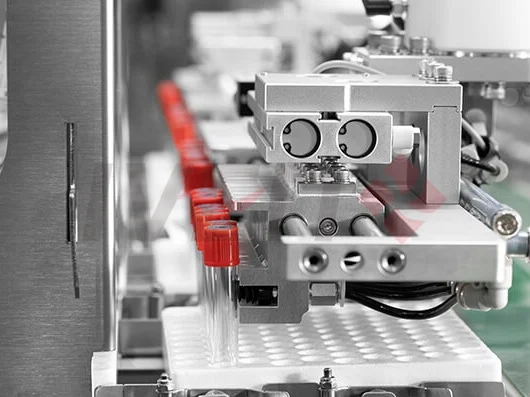
Micro Blood Tube Assembly Filling in the United States
For medical device companies serving hospitals, physician networks, reference labs, and diagnostic chains, micro blood tube machine assembly filling is one of the most efficient ways to produce high volumes of consistent blood collection tubes with controlled dosing, repeatable assembly accuracy, and strong quality assurance. In the United States, where buyers expect compliance, traceability, and stable output, automated micro blood tube production lines help manufacturers reduce labor dependence, improve fill precision, and support large-scale supply to markets from Boston and Chicago to Houston, Los Angeles, and Atlanta.
These systems are especially valuable for capillary blood collection products used in pediatrics, point-of-care testing, outpatient diagnostics, and specialized sampling applications. A well-designed line can integrate tube feeding, additive dosing, drying or curing, cap insertion, closure assembly, vacuum or pressure-related process control where needed, inspection, labeling, and downstream packaging. For U.S. buyers, the main business case is straightforward: better throughput, lower defect rates, easier batch documentation, and stronger readiness for FDA-oriented quality expectations.
Companies evaluating new equipment often compare stand-alone filling stations with complete integrated lines. The best choice depends on expected output, additive chemistry, cleanroom layout, labor availability, and the customer base being served. If a producer is shipping into healthcare systems near New York, Dallas, Miami, Seattle, or San Diego, machine reliability and service response time matter just as much as hourly capacity. That is why supplier selection should include engineering depth, manufacturing consistency, validation support, and lifecycle service.
Micro blood tube machine assembly filling allows manufacturers to produce large quantities of high-quality blood collection tubes with automated assembly, controlled liquid or powder additive filling, reduced contamination risk, and better process repeatability. For the United States market, this means a stronger ability to meet hospital and laboratory expectations for safety, labeling accuracy, and lot-to-lot consistency. Compared with manual or semi-manual processes, automation typically improves throughput, reduces operator error, and supports production records needed for regulated healthcare supply chains.
In practical terms, U.S. medical device companies use these systems to shorten lead times, improve packaging uniformity, and support scale-up without multiplying labor costs. This is especially important as diagnostic demand continues to expand across outpatient clinics, urgent care networks, pediatric services, and decentralized testing environments. Manufacturers also benefit from easier process control when handling anticoagulants, clot activators, separation gels, preservatives, and other formulation-specific additives.
Business NeedHow the Machine HelpsU.S. Market BenefitHigher production volumeContinuous feeding and synchronized assemblySupports large hospital and lab contractsPrecise additive dosingMetered filling systems and recipe controlImproves test reliabilityLower contamination riskEnclosed process zones and clean handlingFits stricter quality expectationsReduced labor dependencyAutomated cap placement and transferHelps offset U.S. labor cost pressureTraceabilityBatch records and inspection integrationSupports audits and quality systemsScalable growthModular line expansion optionsUseful for growing regional suppliersThe table above shows why automation is now a strategic investment rather than only an equipment upgrade. In a market where healthcare buyers expect continuity of supply, the ability to produce more tubes with better consistency directly affects competitiveness.
A micro blood tube machine assembly filling is a specialized production system designed to manufacture small-volume blood collection tubes, usually for capillary sampling. Depending on the configuration, it can handle tube unscrambling, orientation, additive filling, cap or closure assembly, drying, curing, visual inspection, labeling, counting, and final packaging. Some lines are optimized for plastic micro tubes, while others are designed around particular cap structures, rack formats, or chemical additives.
The workflow starts with raw components such as plastic tubes, caps, plugs, and additive materials. The machine automatically feeds and positions the empty tubes. A filling module dispenses an exact amount of additive, which may be liquid, powder, spray-coated chemistry, or gel-related material. After filling, the tube passes through the next stages such as drying or stabilization if required. A closure station then applies the cap or integrated collector assembly. Inspection systems may verify fill amount, closure position, cosmetic condition, and part presence. Approved units move to labeling and packaging.
Modern systems often use servo drives, PLC controls, HMI recipe management, sensors, camera inspection, and reject mechanisms. These technologies give manufacturers better control over process parameters and allow quicker changeover between product formats. In the United States, buyers typically favor equipment that can be validated, documented, and integrated into digital production records.
Production StageMain FunctionTypical Equipment FeatureTube feedingSeparates and orients empty tubesAutomatic unscrambler or bowl feederAdditive dosingDispenses exact chemistry volumePeristaltic, piston, or precision metering unitStabilizationDries or sets additive if neededHeating tunnel or controlled stationClosure assemblyApplies cap, plug, or collector topPress-fit or servo capping moduleInspectionChecks defects and fill consistencyCamera system and automatic rejectPackagingCounts and packs finished tubesTray, bag, or cartoning integrationThis sequence may vary by product design, but the principle remains the same: convert loose components into validated, ready-to-ship blood collection devices with minimal human variability.
For companies looking for a broader engineering partner rather than only a stand-alone machine vendor, IVEN Pharmatech Engineering has developed integrated solutions across pharmaceutical and medical consumable equipment, including blood collection tube production technology. Its technological capabilities are especially relevant for U.S. projects that require automation integration, compliance-oriented design, and customization for product-specific formats.
The primary applications of micro blood tube machine assembly filling are in capillary blood collection products used by hospitals, pediatric departments, pathology laboratories, outpatient centers, physician offices, mobile health programs, and research facilities. The fastest growth in the United States is linked to decentralized care, chronic disease monitoring, pediatric diagnostics, and more convenient patient sampling.
Medical device manufacturers benefit because automated production creates stronger consistency at scale. That consistency matters when a blood tube must maintain additive integrity, reliable cap fit, and dependable specimen handling during transport from a clinic in Phoenix or Denver to a central lab in New Jersey or North Carolina. Production benefits also include lower scrap rates, improved operator safety, better line clearance, and more efficient use of cleanroom labor.
Application AreaTube UseMain Production BenefitPediatric diagnosticsLow-volume capillary collectionPrecise dosing for smaller samplesPoint-of-care testingRapid sampling in clinicsFast, flexible format changeoverReference laboratoriesHigh-volume specimen intakeScalable output and traceabilityPhysician office labsRoutine blood chemistry collectionUniform product qualityResearch institutionsSpecialized sample protocolsCustom additive handlingPublic health programsDistributed testing workflowsStable supply for large campaignsThe table shows that the value of automated tube production changes by end market, but the common theme is reliability. When healthcare buyers compare suppliers, they often focus on delivery consistency, lot uniformity, and technical support after purchase.
var ctxBarDemand = document.getElementById(‘barDemandChart’).getContext(‘2d’);var barDemandChart = new Chart(ctxBarDemand, {type: ‘bar’,data: {labels: [‘Hospitals’, ‘Diagnostic Labs’, ‘Pediatric Care’, ‘Urgent Care’, ‘Research’, ‘Public Health’],datasets: [{label: ‘Estimated U.S. Demand Index’,data: [92, 98, 76, 68, 54, 61],backgroundColor: [‘#4e79a7’, ‘#59a14f’, ‘#f28e2b’, ‘#e15759’, ‘#76b7b2’, ‘#edc948’]}]},options: {responsive: true,maintainAspectRatio: false,plugins: {legend: { display: true }},scales: {y: { beginAtZero: true, max: 120 }}}});The demand chart highlights the strongest commercial pull from hospitals and diagnostic laboratories. These segments often drive equipment decisions because they require stable, long-term supply contracts and strict quality performance.
The current market offers several machine types, from compact semi-automatic units to fully integrated, high-speed assembly and filling lines. The right configuration depends on annual output, the complexity of the tube design, and whether the producer wants future expansion. In the United States, start-up manufacturers may begin with flexible modular systems, while larger established companies usually prefer complete automated lines with inspection and packaging modules.
Common configurations include single-lane machines for specialty runs, multi-lane systems for higher throughput, dedicated additive dosing lines for anticoagulants or activators, and turnkey production cells that combine assembly, filling, drying, capping, and packing. Some lines are optimized for low-foaming liquids, while others are designed for gel loading or powder handling.
Machine TypeBest ForTypical AdvantageSemi-automatic unitR&D, pilot production, small batchesLower initial investmentCompact automatic lineRegional suppliersBalanced output and footprintHigh-speed integrated lineLarge-volume manufacturersMaximum throughputModular configurable systemGrowing product portfoliosEasier future expansionSpecial additive lineCustom chemistriesBetter process compatibilityTurnkey line with packagingNew factory projectsEnd-to-end process controlManufacturing capability is critical when buying these systems. A supplier that designs equipment but lacks serious production depth may struggle with consistency across machine builds. IVEN’s manufacturing strengths come from multiple specialized plants focused on filling and packaging machinery, water systems, intelligent conveying, and vacuum blood collection tube equipment. For U.S. buyers planning expansion or multi-line procurement, that scale can reduce risk in spare parts consistency, build quality, and long-term product support. More information on integrated project scope is available through its turnkey engineering solutions.
Another factor is plant layout. A producer near major logistics corridors such as Chicago, Indianapolis, Memphis, or the Port of Savannah may prioritize compact footprints and fast installation. Companies serving the West Coast through Los Angeles or Long Beach may focus more on throughput and packaging integration to improve shipping efficiency.
Manual assembly lines can still be found in very small operations, but they are increasingly difficult to justify for the U.S. market. Labor intensity, variable quality, documentation gaps, and contamination exposure all work against long-term competitiveness. Automated micro blood tube machine assembly filling offers a more stable path for companies that need reproducible output and a defendable quality system.
The difference is not only speed. Automation also improves process discipline. A manual operator may dose chemistry with acceptable averages but still create wide variability between units. In contrast, an automated filling module can operate within a tighter tolerance window. The same applies to cap seating force, in-line rejection, and record keeping.
FactorAutomated Assembly FillingManual Assembly LineOutput rateHigh and repeatableLimited by staffingDosing precisionControlled by metering systemOperator dependentDefect controlIn-line inspection and rejectionMostly post-process checksTraceabilityDigital batch records possibleHeavier paperwork burdenLabor costLower per unit at scaleHigher over timeCleanliness controlBetter enclosure and process isolationMore human exposureScalabilityModular and expandableDifficult to scale consistentlyThe table makes it clear that manual lines may appear cheaper at first but usually lose their cost advantage once production volumes rise. For suppliers serving U.S. health systems, consistency often matters more than the lowest initial equipment price.
var ctxComparison = document.getElementById(‘comparisonChart’).getContext(‘2d’);var comparisonChart = new Chart(ctxComparison, {type: ‘bar’,data: {labels: [‘Output’, ‘Precision’, ‘Traceability’, ‘Labor Efficiency’, ‘Scalability’, ‘Quality Stability’],datasets: [{label: ‘Automated Line’,data: [95, 94, 92, 90, 93, 96],backgroundColor: ‘#6f42c1’},{label: ‘Manual Line’,data: [42, 58, 40, 35, 38, 51],backgroundColor: ‘#adb5bd’}]},options: {responsive: true,maintainAspectRatio: false,plugins: {legend: { display: true }},scales: {y: { beginAtZero: true, max: 100 }}}});In U.S. procurement decisions, this comparison often shapes executive approval. When the cost of quality failures, rework, complaint handling, and delayed deliveries is included, automation tends to produce a stronger long-term return.
The United States remains one of the most attractive markets for micro blood tube machine assembly filling because of its large diagnostic sector, advanced hospital networks, outsourcing opportunities, and demand for specialized medical consumables. Growth is supported by aging populations, chronic disease monitoring, personalized medicine, and continued expansion of decentralized testing. There is also increasing demand from medical device companies that want domestic or near-market supply resilience rather than complete dependence on distant contract manufacturing.
Opportunities are especially strong in states with major medical clusters such as Massachusetts, California, Texas, North Carolina, Minnesota, and New Jersey. Cities like Boston, San Diego, Houston, Raleigh-Durham, and Minneapolis have strong ecosystems of healthcare providers, diagnostics, and medical manufacturing support. Companies positioned near air cargo hubs such as Memphis or Louisville also benefit from rapid national distribution.
var ctxLineGrowth = document.getElementById(‘lineGrowthChart’).getContext(‘2d’);var lineGrowthChart = new Chart(ctxLineGrowth, {type: ‘line’,data: {labels: [‘2021’, ‘2022’, ‘2023’, ‘2024’, ‘2025’, ‘2026’, ‘2027’, ‘2028’],datasets: [{label: ‘Estimated U.S. Market Index’,data: [100, 108, 117, 127, 138, 150, 163, 177],borderColor: ‘#20c997’,backgroundColor: ‘rgba(32, 201, 151, 0.15)’,fill: false,tension: 0.25}]},options: {responsive: true,maintainAspectRatio: false,plugins: {legend: { display: true }},scales: {y: { beginAtZero: false }}}});The growth curve reflects a healthy outlook for the equipment segment through 2028, particularly where manufacturers can deliver automation, validation support, and format flexibility. In 2026 and beyond, buyers are expected to prioritize three major trends:
var ctxAreaTrend = document.getElementById(‘areaTrendChart’).getContext(‘2d’);var areaTrendChart = new Chart(ctxAreaTrend, {type: ‘line’,data: {labels: [‘2021’, ‘2022’, ‘2023’, ‘2024’, ‘2025’, ‘2026’, ‘2027’, ‘2028’],datasets: [{label: ‘Shift Toward Fully Automated Lines (%)’,data: [48, 52, 57, 63, 69, 74, 79, 83],borderColor: ‘#0d6efd’,backgroundColor: ‘rgba(13, 110, 253, 0.25)’,fill: true,tension: 0.25}]},options: {responsive: true,maintainAspectRatio: false,plugins: {legend: { display: true }},scales: {y: { beginAtZero: true, max: 100 }}}});The area chart shows the continuing shift from semi-automatic and labor-heavy production to fully integrated automated lines. For equipment manufacturers, this trend opens opportunities not only in machine sales but also in validation, upgrades, spare parts, training, and digital service packages.
Choosing a supplier should start with technical fit, but it should not end there. U.S. buyers should evaluate engineering quality, component sourcing, documentation standards, quality control, FAT and SAT capability, installation support, training, and response speed for service. A supplier may offer attractive pricing, but if it cannot provide stable validation support or spare parts logistics, the long-term cost can become much higher.
Ask for details about installed lines, production references, machine acceptance criteria, and customization history. Review whether the supplier understands U.S. compliance expectations, including documentation discipline and change management. It is also useful to confirm whether the supplier can support factory planning, utilities coordination, and downstream integration.
Evaluation PointWhat to AskWhy It MattersEngineering depthCan the machine be customized for our tube design?Ensures product compatibilityQuality systemHow are build quality and FAT standards controlled?Reduces startup riskDocumentationAre manuals, drawings, and validation documents complete?Supports regulated operationsService reachHow fast can support reach the United States?Protects uptimeManufacturing scaleIs the supplier able to support future expansion?Useful for multi-line growthSpare parts strategyWhat parts are stocked and what are lead times?Reduces production interruptionsService capability is often the deciding factor after technical review. IVEN supports customers with consulting, engineering design, equipment customization, installation, commissioning, validation assistance, training, and after-sales support. For U.S. buyers building a new facility or upgrading a consumables line, that lifecycle approach can simplify coordination and reduce project gaps. Companies comparing options can review available equipment categories via the product portfolio and request direct discussions through the U.S. project inquiry channel.
Local supplier strategy also matters. Some U.S. manufacturers prefer domestic integrators, while others work directly with international OEMs that have strong documentation and remote support. The best option depends on how much customization is required and whether the project needs a full turnkey approach.
Investment cost varies widely depending on throughput, automation level, inspection requirements, and packaging integration. A smaller semi-automatic or compact automatic system may fit an entry-level budget, while a complete high-speed turnkey line requires a much larger capital commitment. U.S. manufacturers should budget not only for the machine but also for shipping, installation, utilities, cleanroom adaptation, operator training, validation activity, spare parts, and ramp-up scrap.
ROI is driven by more than output. The biggest gains often come from lower defect rates, reduced labor exposure, more predictable lead times, and the ability to win larger supply agreements. For example, a company supplying pediatric networks in California and Texas may justify the investment through improved order fulfillment and fewer rejected lots.
Cost ElementTypical Share of Project BudgetPlanning NoteCore machine or line45% to 60%Main capital expenseTooling and format parts5% to 10%Important for multiple tube sizesInspection and controls8% to 15%Boosts quality assuranceInstallation and commissioning6% to 12%Depends on site readinessValidation and documentation4% to 8%Critical for regulated operationsTraining and spare parts3% to 7%Supports stable startupA simple ROI model should include annual labor savings, expected scrap reduction, increased output, complaint cost reduction, and revenue from new contracts. Many U.S. buyers target payback in roughly two to four years, although that can shorten when production volumes are high and demand is stable.
Budget planning should also account for logistics. Equipment imported through ports such as Los Angeles, Long Beach, Houston, Newark, or Savannah may have different inland transportation costs and lead-time considerations. For plants in the Midwest, access to rail and trucking corridors can help reduce project installation costs.
Like any capital project, investment in micro blood tube machine assembly filling carries risk if planning is weak. One of the most common mistakes is buying for current demand only, without considering future product variation, packaging changes, or volume growth. Another is underestimating site readiness, especially utilities, environmental controls, and material flow.
U.S. companies should pay close attention to compatibility between machine design and product chemistry. Some additives have handling sensitivities that affect dosing method, drying behavior, or cleaning procedures. It is also important to clarify whether the line can support quick changeover, if multiple SKUs are planned.
Risk AreaPotential ProblemRecommended MitigationUndersized capacityLine becomes bottleneck too quicklyModel 3- to 5-year demand before purchaseWeak validation supportDelayed startup and approval issuesRequire documentation scope in contractPoor additive compatibilityFilling instability or residue problemsRun product-specific trialsInsufficient spare partsUnexpected downtimeCreate critical spares list upfrontInadequate trainingOperator error and low OEEPlan multi-stage trainingService delayLong recovery after faultVerify remote and on-site support termsThere are also strategic risks. If a manufacturer plans to sell into large U.S. healthcare systems, product labeling, packaging presentation, and lot traceability may influence customer acceptance as much as the tube itself. That is why equipment decisions should be linked to broader commercial goals.
Looking toward 2026, procurement teams should also consider sustainability and policy direction. Energy-efficient motors, lower compressed air consumption, cleaner additive handling, and waste reduction are becoming more relevant in board-level capital review. Buyers increasingly want equipment that supports environmental reporting and responsible manufacturing without sacrificing throughput.
As a practical example, a mid-sized U.S. consumables company expanding in the Southeast may choose a modular automatic line instead of a basic compact machine because it expects future demand from regional hospital systems. Another producer near New Jersey’s medical supply corridor may prioritize advanced inspection and serialization-linked labeling to align with customer documentation requirements. These examples show that the best machine is not always the cheapest one; it is the one that matches the business model.
What output level is considered suitable for an automated micro blood tube line?It depends on product design and process steps, but most U.S. buyers define suitability by annual demand, labor cost, and acceptable payback period rather than speed alone.
Can one machine handle multiple tube formats?Yes, many systems support multiple formats through change parts and recipe settings, but changeover time and validation requirements should be reviewed before purchase.
Is a turnkey solution better than buying separate machines?For new factories or complex projects, turnkey integration often reduces coordination risk. For simple expansions, a stand-alone module may be enough.
What compliance-related support should a supplier provide?At minimum, buyers should expect structured documentation, FAT support, installation guidance, training, and validation assistance suitable for regulated manufacturing environments.
How long does implementation usually take?Lead times vary by customization level, but a complete project can include design, build, FAT, shipment, installation, and ramp-up over several months.
What are the most important technical points to verify during supplier review?Additive dosing accuracy, closure reliability, inspection capability, machine uptime, format flexibility, spare parts availability, and data recording features.
Why is the United States a strong target market for this equipment?Because of its large diagnostic infrastructure, high quality expectations, strong medical demand, and growing interest in reliable domestic or near-market production.
How can buyers begin evaluating a project with IVEN?The first step is to share target tube specifications, output goals, and facility information so the engineering team can propose a suitable configuration and project path through the contact page.
For medical device companies entering or expanding in the United States, micro blood tube machine assembly filling is not simply a packaging or filling purchase. It is a strategic manufacturing platform that affects quality, operating cost, customer confidence, and long-term growth. The most successful projects combine the right equipment configuration with realistic budgeting, compliance-focused documentation, and a supplier capable of supporting the full lifecycle of the production line.