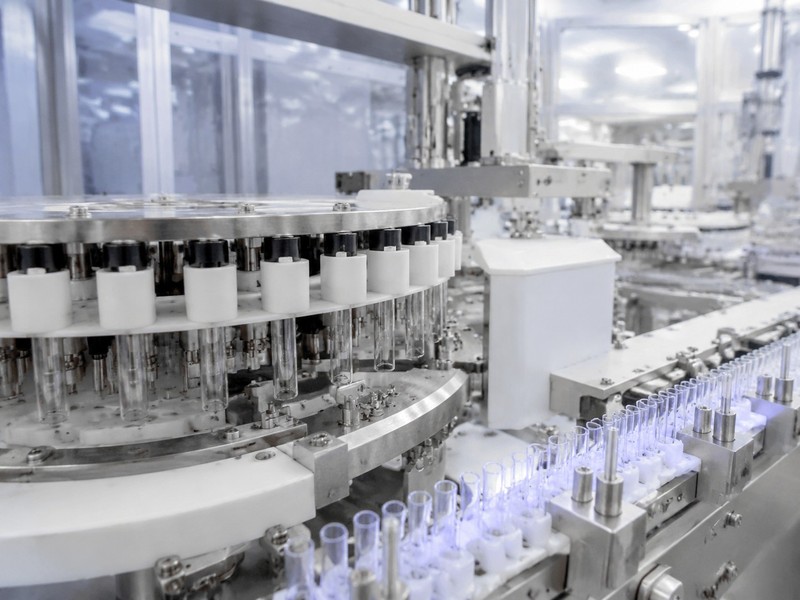
United States Guide to Geriatric Micro Blood Collection Tubes
In the United States, a micro blood collection tube geriatric solution helps medical device companies and healthcare suppliers produce consistent, high-quality capillary blood tubes for senior care, diagnostic laboratories, outpatient clinics, and hospital networks at scale. It combines automated tube forming, additive dosing, cap assembly, labeling, inspection, and packaging to reduce contamination risk, improve lot consistency, and support regulatory compliance. For organizations serving aging populations in cities such as New York, Chicago, Houston, Los Angeles, and Miami, these systems are increasingly important because geriatric blood diagnostics often require gentle sampling, precise low-volume collection, and dependable preanalytical performance.
As the U.S. population ages, hospitals, physician office laboratories, home health providers, long-term care facilities, and large reference labs are seeing growing demand for micro-collection formats designed for fragile veins, reduced blood draw volume, and easier handling. This creates a strong opportunity not only for tube buyers, but also for manufacturers that can deliver automation, quality control, traceability, and validated production processes. Companies evaluating new production capacity often compare standalone machines with integrated lines and turnkey factory planning. For firms seeking a broader project partner, IVEN Pharmatech Engineering is known internationally for pharmaceutical and medical device engineering, including vacuum blood collection tube equipment and integrated plant solutions.
Quick Answer: How a micro blood collection tube geriatric solution supports automated, high-quality production

A micro blood collection tube geriatric system is specialized manufacturing equipment used to produce small-volume blood collection tubes intended for elderly patient diagnostics. In practical terms, it enables medical device companies to manufacture large quantities of collection tubes with more stable dimensional accuracy, additive dosing consistency, cap fit reliability, labeling precision, and visual quality than typical manual assembly methods. In the United States market, this matters because hospitals and labs demand repeatable performance, documented quality records, and products that align with FDA expectations, cGMP-oriented production discipline, and increasingly digital traceability requirements.
For geriatric applications, the tube itself is designed to support smaller blood volumes and easier specimen collection, often in capillary or low-draw contexts. The production line may include plastic tube feeding, orientation, printing or labeling, anticoagulant or clot activator dosing, drying, stopper assembly, camera inspection, leak testing, counting, tray loading, and final packaging. Advanced lines can also integrate MES connectivity, electronic batch records, barcode verification, and statistical process control. This is especially useful for suppliers serving large healthcare groups around Boston, Philadelphia, Atlanta, Dallas, and San Diego, where procurement teams increasingly ask for consistency across multiple facilities.
The commercial value is straightforward: better automation lowers labor dependence, reduces human error, improves output per shift, and helps standardize products for high-volume customers such as regional lab chains, integrated delivery networks, and OEM distribution partners.
| Production Factor | Manual Approach | Automated micro blood collection tube geriatric line | Operational Impact |
|---|---|---|---|
| Tube handling | Operator-dependent | Servo-controlled orientation and transfer | Improves consistency and lowers handling damage |
| Additive dosing | Variable by operator technique | Metered micro-dosing system | Better assay reliability and lot repeatability |
| Cap assembly | Manual insertion or semi-auto | Automated insertion with force control | Reduces leaks and cap-fit defects |
| Inspection | Visual sampling only | 100% camera or sensor inspection | Finds defects before packaging |
| Traceability | Paper-based or partial | Digital batch and serial tracking | Supports audits and complaint handling |
| Output scale | Limited by labor | High-speed continuous production | Supports large hospital and laboratory contracts |
The table above shows why buyers in the United States increasingly favor automation for geriatric micro-collection products. The main benefit is not just faster throughput; it is better preanalytical consistency, which directly affects diagnostic confidence.
What Is a micro blood collection tube geriatric and How Does It Work?

A micro blood collection tube geriatric product is a small-capacity blood collection tube intended for diagnostic use where low sample volume is preferred or required. In elderly care, clinicians often face challenges such as fragile veins, dehydration, anticoagulant therapy, and the need to reduce iatrogenic blood loss from repeated sampling. For these reasons, micro tubes are used in routine chemistry, hematology, glucose monitoring, selected immunoassay workflows, and bedside or outpatient sampling programs.
From a manufacturing perspective, the system that produces these tubes works through a sequence of tightly controlled steps. First, tube bodies are formed or supplied and then fed into the line. Next, the tubes are cleaned or prepared for downstream operations. Depending on the product configuration, the line dispenses EDTA, heparin, sodium citrate, clot activator, gel, or other additives in highly controlled micro volumes. After dosing, the material may be dried or stabilized. Caps or closures are then inserted, snapped, or pressed into place. The tubes are labeled, coded, and inspected by machine vision systems for fill accuracy, orientation, cap color, print quality, particle contamination, and cosmetic defects. Finally, they are packed into bags, trays, or cartons for sterilization or shipment, depending on the product design and process validation pathway.
For U.S. buyers, the most important engineering question is whether the equipment supports process capability and documentation standards suitable for regulated supply. This is where technological capability becomes a differentiator. IVEN Pharmatech Engineering has built multiple generations of vacuum blood collection tube production equipment and is recognized for combining automation design, process customization, and compliance-oriented project execution. Its engineering focus is relevant for companies that want not only a machine, but a stable manufacturing platform.
| Step | Function | Key Control Point | Why It Matters for Geriatric Use |
|---|---|---|---|
| Tube feeding | Delivers empty tube bodies into the line | Orientation accuracy | Prevents jams and dimensional mismatch |
| Additive preparation | Prepares anticoagulant or activator | Formula concentration | Supports correct specimen preservation |
| Micro-dosing | Applies precise liquid or powder amount | Dose uniformity | Essential for low-volume sample integrity |
| Drying or curing | Stabilizes additive inside tube | Temperature and time | Prevents residue inconsistency |
| Closure assembly | Installs cap or stopper | Insertion force and seal quality | Reduces leakage and contamination risk |
| Inspection and packaging | Checks quality and prepares shipment | Vision validation and count accuracy | Improves customer acceptance and traceability |
This workflow is especially attractive to OEM manufacturers and contract producers serving U.S. regional markets through logistics hubs such as Los Angeles/Long Beach, Savannah, Newark, and Houston, where inventory reliability and transit efficiency matter.
Key Applications and Production Benefits of micro blood collection tube geriatric for Medical Device Companies

The main applications of a micro blood collection tube geriatric line extend across hospitals, physician offices, reference laboratories, home-care diagnostics, mobile phlebotomy services, and senior living networks. In the United States, demand is strongest where laboratories need low-draw blood solutions for elderly patients, pediatric crossover use, or decentralized specimen collection.
For medical device companies, the production benefits are both technical and commercial. First, automated equipment raises output while keeping critical quality attributes stable. Second, it reduces rework and customer complaints linked to cap sealing, additive inconsistency, tube contamination, or poor labeling. Third, it supports product line expansion, allowing manufacturers to offer multiple cap colors, additives, tube sizes, and packaging formats from one modular platform. Fourth, it helps businesses win larger bids from group purchasing organizations and integrated health systems because they can demonstrate validated manufacturing and stable supply.
Another growing application is private-label production for U.S. distributors. Regional suppliers in California, Texas, Illinois, and Florida increasingly seek differentiated micro-collection products for elder care, chronic disease monitoring, and outpatient testing. A scalable line enables faster response to these commercial opportunities.
| Application Area | Typical End User | Tube Requirement | Production Benefit |
|---|---|---|---|
| Hospital geriatrics | Acute care hospitals | Low-volume, reliable additive performance | High-volume standardized supply |
| Reference diagnostics | Central laboratories | Traceable lots and consistent dimensions | Better compatibility with automated handling |
| Outpatient clinics | Physician office labs | Simple use and clear labeling | Flexible packaging configurations |
| Home healthcare | Mobile and home collection providers | Compact format and secure caps | Improved transport reliability |
| Long-term care facilities | Nursing homes and rehabilitation centers | Gentle collection support | Economical supply continuity |
| OEM private label | Distributors and brand owners | Custom color, print, and pack options | Faster market differentiation |
The value of the applications listed above is that each one points to a slightly different business case. Some buyers focus on clinical performance, while others prioritize packaging flexibility, supply assurance, or product branding.
This demand comparison highlights where U.S. growth is currently strongest. Hospitals and large reference labs remain the dominant buyers, but long-term care and home health are rising as blood collection moves closer to the patient.
Main Types and Configurations of micro blood collection tube geriatric Available Today
Today’s market offers several main types and configurations of geriatric micro blood collection tubes. The most common product distinctions involve additive type, material, cap design, tube volume, labeling format, and packaging style. Some manufacturers focus on micro capillary tubes for direct low-volume collection, while others build micro-containers adapted for transfer and automated laboratory workflows.
In the United States, product selection is often influenced by compatibility with existing analyzer workflows and the preferences of hospital procurement departments. For example, chemistry and hematology panels may require different additives and handling instructions. Tube materials also matter. PET, PP, and specialty medical plastics may be selected depending on dimensional stability, clarity, processing behavior, and downstream packaging needs.
Manufacturing capability is especially important here. IVEN’s production strength comes from four specialized manufacturing plants in Shanghai, with dedicated expertise across pharmaceutical and medical device machinery, including vacuum blood collection tube equipment. For U.S. clients, that scale matters because it supports broader customization, spare parts continuity, and the ability to align machine configurations with specific product portfolios rather than forcing a standard one-size-fits-all setup.
| Configuration Type | Common Additive | Typical Use | Key Manufacturing Need |
|---|---|---|---|
| Plain micro tube | None or clot activator | Serum testing | Clean internal surface and stable cap fit |
| EDTA micro tube | K2 or K3 EDTA | Hematology | Precise additive dose and uniform drying |
| Heparin micro tube | Lithium or sodium heparin | Plasma chemistry | Controlled coating and consistent wetting |
| Citrate micro tube | Sodium citrate | Selected coagulation use | Strict ratio control and accurate fill design |
| Gel separator micro tube | Gel with additive option | Improved sample separation | Integrated gel dosing capability |
| Custom OEM tube | Application-specific | Private label or niche diagnostics | Flexible tooling and print customization |
The table demonstrates that “micro blood collection tube geriatric” is not a single product. It is a family of configurations, and the best equipment should support multiple SKUs without excessive changeover time.
micro blood collection tube geriatric vs Manual Assembly Lines: Key Differences and Advantages
Manual assembly still exists in some low-volume or developing production environments, but it is increasingly difficult to justify in the U.S. market for regulated medical consumables. The main issue is repeatability. Geriatric sample collection products need precise low-volume performance, and manual operations can introduce variation in dosing, cap placement, visual appearance, and packaging count.
Automated lines outperform manual systems in several ways. They create more stable process windows, support 100% inspection, reduce touchpoints, and improve line clearance and documentation. They also lower dependence on operator skill in repetitive tasks. For manufacturers selling into health systems in states with high elderly populations such as Florida, California, Pennsylvania, and Arizona, the ability to scale quickly while maintaining quality can be decisive.
In real procurement discussions, buyers often ask whether the extra capital cost of automation is justified. In most medium- to high-volume situations, the answer is yes because labor savings, scrap reduction, lower complaint rates, and stronger customer retention often offset the investment over time.
| Criteria | Manual Assembly | Automated Line | Advantage for U.S. Manufacturers |
|---|---|---|---|
| Labor requirement | High | Moderate to low | Reduces staffing pressure and training burden |
| Output consistency | Variable | High | Supports large contract fulfillment |
| Quality inspection | Sampling-based | Inline 100% inspection possible | Improves defect capture |
| Traceability | Limited | Integrated digital tracking | Helps with audits and recalls |
| Changeover speed | Often slow and manual | Recipe-based in advanced systems | Supports multi-SKU strategies |
| Total cost over time | Can rise with labor and scrap | Better long-term efficiency | Improves margin on recurring orders |
This comparison is useful for budgeting because it shifts the discussion away from purchase price alone and toward total cost of ownership, quality stability, and market competitiveness.
Market Growth and Opportunities for micro blood collection tube geriatric Manufacturers
The United States presents one of the most attractive markets for geriatric-oriented blood collection products because it combines a large aging population, extensive diagnostic infrastructure, broad reimbursement-linked testing demand, and a mature but still evolving medtech supply chain. Demand is not limited to major metro centers. Secondary markets such as Phoenix, Charlotte, Minneapolis, Nashville, and Cleveland also contribute through expanding hospital systems, outpatient networks, and senior care services.
Several forces are driving opportunity. First, the aging population increases the total number of blood tests needed for chronic disease management, medication monitoring, kidney function, diabetes, coagulation control, and preventive care. Second, providers continue to seek lower blood loss and more patient-friendly collection methods. Third, distributors want more resilient supply chains after years of volatility in medical sourcing. Fourth, product differentiation through labeling, cap design, packaging, and analyzer compatibility creates room for both OEM and branded manufacturers.
There is also a strategic angle tied to logistics. Firms that can import efficiently through ports such as Los Angeles, Long Beach, New York/New Jersey, Savannah, and Houston, or that can support local assembly and warehousing in the Midwest and Southeast, often gain a service advantage. U.S. buyers increasingly evaluate delivery reliability alongside product quality.
The line chart illustrates a realistic growth trajectory for the U.S. market. It reflects a steady expansion pattern rather than a short-term spike, which is generally more favorable for equipment investment planning.
Opportunities are especially promising for manufacturers that can offer:
- Multiple tube variants for different lab departments
- Private-label production for regional distributors
- Validated, quality-documented manufacturing for institutional buyers
- Sustainable materials and packaging options
- Automation suited for labor-constrained U.S. operations
For businesses considering a broader factory buildout rather than a single machine purchase, integrated planning can be important. This is why some buyers explore turnkey pharmaceutical and medical device project solutions instead of isolated equipment procurement.
How to Choose a Reliable micro blood collection tube geriatric Manufacturer or Supplier
Choosing a reliable manufacturer or supplier requires more than reviewing a brochure. U.S. buyers should evaluate technical fit, quality systems, documentation depth, after-sales support, customization capability, and experience with international regulatory expectations. A supplier that understands the realities of FDA-facing operations, validation, and structured quality records will usually be a better long-term partner than one focused only on speed or price.
Start with the product and process match. Ask whether the line is built specifically for micro blood collection tube geriatric production or simply adapted from a generic plastic assembly platform. Review supported additives, throughput range, tube dimensions, changeover time, inspection technology, and digital integration. Then assess factory capability: machining quality, component sourcing, trial testing, FAT procedures, and long-term spare part planning.
Service capability is equally important. IVEN supports customers across project stages, including feasibility consulting, engineering design, customization, installation, commissioning, validation support, training, and post-sales assistance. For U.S. customers, this broader lifecycle support can reduce risk because production lines do not succeed on hardware alone; they succeed when startup, documentation, operator readiness, and process stabilization are well managed. Buyers looking for a direct conversation can use the company’s contact page to discuss project requirements.
| Evaluation Point | What to Ask | Why It Matters | Good Supplier Signal |
|---|---|---|---|
| Product fit | Can it run required tube sizes and additives? | Avoids redesign and performance gaps | Clear technical matrix and trial data |
| Compliance awareness | Do they support validation and documentation? | Critical for regulated production | Structured FAT, IQ/OQ/PQ support |
| Inspection technology | What defects can the vision system detect? | Quality control depth affects complaint rates | Defined reject logic and image records |
| Customization | Can tooling and software be adapted? | Supports private label and SKU growth | Modular design and engineering team access |
| Service response | How are training, spare parts, and support handled? | Limits downtime and startup delays | Lifecycle service structure |
| Reference experience | Have they delivered similar lines internationally? | Reduces execution risk | Documented global project portfolio |
These buying criteria help separate a basic equipment seller from a genuine process partner. If you are comparing options, it can also be useful to review a supplier’s broader equipment portfolio to assess manufacturing depth and integration capability.
Investment Cost, Budget Planning and ROI Analysis for micro blood collection tube geriatric
The investment cost of a micro blood collection tube geriatric line varies based on speed, automation level, inspection scope, additive handling complexity, cleanroom requirements, and packaging integration. A compact semi-automatic setup may suit pilot or niche production, while a high-speed fully automatic line with advanced inspection, printing, and cartoning requires a larger capital budget. In the United States, companies should also account for installation, facility adaptation, validation work, operator training, utilities, spare parts, inventory startup, and imported equipment logistics.
Budget planning should include both direct and indirect cost categories. Direct costs include the machine itself, molds or tooling, line accessories, quality control equipment, and packaging modules. Indirect costs often include cleanroom modifications, compressed air, electrical work, warehouse racking, software integration, and regulatory consulting. If the line is imported, port clearance, inland transport to sites such as New Jersey, Texas, Georgia, or California, and customs-related timing must be considered.
ROI usually comes from five areas: labor reduction, scrap reduction, higher throughput, better customer retention from fewer quality issues, and increased market reach through new SKUs or private-label programs. For most medium-volume U.S. projects, the economic case improves substantially when the company has secured anchor customers before installation.
| Budget Item | Low Complexity Line | Mid-Range Line | High Automation Line |
|---|---|---|---|
| Main equipment | Moderate | High | Very high |
| Inspection system | Basic sensors | Vision inspection | Multi-camera intelligent inspection |
| Packaging integration | Manual assist | Semi-auto | Fully integrated |
| Facility modifications | Limited | Moderate | Significant |
| Validation/documentation | Basic package | Expanded | Comprehensive |
| Expected payback profile | Longer if low volume | Balanced | Strong when volume is secured |
The table above is useful because it frames the budget as a range of system architectures rather than a single purchase number. That is the most realistic way to estimate ROI.
Key Considerations and Potential Risks When Investing in micro blood collection tube geriatric
Investing in a geriatric micro blood collection tube production line can be highly attractive, but there are risks that should be managed early. The first risk is mismatching machine capability with product requirements. If a line cannot reliably handle low-volume additive precision or required cap tolerances, quality problems may appear only after commercial launch. The second risk is underestimating validation and startup time. Even a well-built machine needs recipe development, trial runs, documentation review, and operator training before it reaches stable commercial output.
Another risk is supply chain planning. Tube resins, caps, additives, labels, packaging materials, and wear parts must all be sourced consistently. In the U.S., buyers should think about dual sourcing where possible and build resilience into warehousing strategy, especially if products are distributed nationally from hubs like Memphis, Indianapolis, or Chicago. There is also demand risk: if expected contracts do not materialize, a highly automated line may be underutilized in its early months.
Looking toward 2026, three trends deserve special attention. First, technology: machine vision, AI-assisted inspection, and MES connectivity will become more common in consumables manufacturing. Second, policy: U.S. buyers will continue emphasizing documentation quality, traceability, and supplier transparency. Third, sustainability: there will be greater pressure to reduce packaging waste, optimize energy use, and explore recyclable materials where clinically and technically feasible.
The area chart shows how new investment is shifting toward more advanced automation. This trend is especially relevant for U.S. manufacturers dealing with labor cost pressure and stricter customer expectations.
To reduce risk, companies should:
- Confirm product specifications before machine design freeze
- Run representative materials during factory acceptance testing
- Plan qualification milestones and internal ownership clearly
- Build a spare parts and maintenance strategy from day one
- Align sales forecasts with line capacity and changeover assumptions
- Evaluate supplier service depth, not just purchase price
FAQ:
What makes geriatric micro blood collection tubes different from standard tubes?
They are typically intended for lower blood volumes and easier collection in elderly patients, where fragile veins and repeated blood draws are common concerns.
Is a micro blood collection tube geriatric line only for hospitals?
No. It also serves diagnostic laboratories, long-term care providers, outpatient clinics, home healthcare programs, and OEM distribution channels.
Can one production line handle multiple additives?
Many modern lines can be configured for multiple additives and tube formats, but the exact capability depends on dosing modules, change parts, cleaning procedures, and validation strategy.
How important is automation for U.S. buyers?
Very important. Automation improves quality consistency, supports traceability, reduces labor dependence, and helps manufacturers meet the expectations of large healthcare customers.
What should U.S. companies ask suppliers first?
Ask about supported tube sizes, additive precision, throughput, inspection functions, documentation package, validation support, and after-sales response model.
How long does ROI usually take?
It depends on line speed, utilization, labor savings, and secured sales volume. Projects with committed hospital, lab, or OEM customers generally reach payback faster than speculative capacity expansions.
What 2026 trends will shape this market?
Expect more AI-based inspection, digital manufacturing records, stronger traceability demands, and increased attention to sustainable packaging and efficient utilities.
Why do some buyers prefer a turnkey partner?
A turnkey partner can help with layout, utilities, installation, validation, training, and production planning, reducing coordination gaps and startup risk across the project lifecycle.
For United States companies entering or expanding in this segment, the best strategy is usually to combine a clear commercial plan with a technically capable supplier and a realistic validation timeline. The micro blood collection tube geriatric market is not driven by volume alone; it is driven by quality, repeatability, clinical suitability, and supply confidence. Suppliers with strong engineering depth, manufacturing capability, and service support are better positioned to help customers build sustainable advantage in this growing field.

About the Author
We are IVEN Pharmatech Engineering, a team dedicated to delivering turnkey pharmaceutical and medical solutions worldwide. With decades of experience, we specialize in advanced machinery, integrated factory design, and full lifecycle support to help our clients achieve efficient, compliant, and high-quality production.
Share

Related Insights
-
United States Guide to Syrup Filling Machine Efficiency
For pharmaceutical manufacturers in the United States, syrup filling and capping machine output efficiency is not simply a production metric. It directly affects batch release speed, labor use, line clearance time, quality consistency, and the ability to meet FDA-aligned expectations for process control. Whether a plant is producing pediatric cough syrup, nutraceutical liquids, oral suspensions, or specialty hospital formulations, the right machine configuration can improve overall equipment effectiveness, reduce giveaway, and support future expansion.
Across major U.S. manufacturing clusters such as New Jersey, Pennsylvania, North Carolina, Illinois, Texas, and California, buyers are increasingly evaluating complete line efficiency rather than only nominal bottles per minute. In practice, actual output depends on bottle format range, viscosity, cap type, infeed stability, cleaning method, inspection integration, changeover time, and how well the system performs under full commercial conditions. For this reason, procurement teams usually assess not only filling speed but also line balance, downtime risk, validation readiness, and lifecycle support.
Companies planning greenfield or brownfield projects often look for suppliers that can offer more than stand-alone machinery. They need process understanding, compliance documentation, layout optimization, commissioning, and support through IQ, OQ, and PQ. This is where an experienced engineering partner becomes valuable, especially when the project must align with U.S. cGMP expectations and fit into an existing plant utility network.
The short answer is that syrup filling capping machine output efficiency determines how many compliant, saleable bottles a plant can produce per shift at predictable cost. In pharmaceutical production, “output” means more than the top speed on a brochure. It includes stable filling accuracy, reliable cap application torque, low rejection rates, minimal stoppages, and repeatable operation across different bottle sizes and formulations.
In the United States, manufacturers commonly measure this through several practical indicators:
A well-designed syrup filling and capping line helps plants reduce per-unit production cost while maintaining compliance. This is important for both large pharmaceutical companies and contract manufacturing organizations serving U.S. retailers, hospitals, and private-label brands. Facilities near logistics hubs such as Port Newark, Houston, Savannah, Los Angeles/Long Beach, and Chicago can especially benefit from efficient lines because they often face tighter shipping windows and fluctuating demand.
Efficiency FactorWhy It MattersTypical U.S. Buyer ConcernImpact on OutputFilling accuracyReduces rework and product giveawayAudit readiness and batch consistencyHigher saleable yieldCapping stabilityPrevents leakage and complaintsTorque verification and tamper evidenceFewer rejectsChangeover speedSupports multi-SKU productionShort campaign runsMore available production timeCleaning methodImproves hygiene and turnaroundValidation and allergen controlReduced downtimeAutomation levelLowers manual interventionLabor shortage mitigationMore stable throughputLine integrationBalances unscrambler, filler, capper, labelerAvoiding bottlenecksBetter real-world speedThe table above shows why output efficiency should be evaluated as a line-level performance issue, not only a filler specification.
In pharmaceutical manufacturing, a syrup filling and capping machine is used to dose liquid products into bottles or similar containers and then securely close them using screw caps, ROPP caps, press caps, child-resistant closures, or other formats. The machine or line may include bottle feeding, air rinsing, volumetric or servo piston filling, cap sorting, capping, induction sealing, labeling, coding, inspection, and packing.
Output efficiency refers to how effectively this system converts available time into accepted finished units. A line rated at 180 bottles per minute may only achieve 125 to 145 bottles per minute in live production if bottle handling is unstable or cap feeding cannot keep up. Therefore, pharmaceutical buyers should ask for both theoretical speed and proven sustained speed with similar products.
Common syrup categories handled in U.S. plants include:
For these products, the choice of filling principle matters. Thin syrups may run well on flowmeter or time-pressure systems, while more viscous formulations often favor piston or servo-controlled volumetric filling. Foaming behavior, sugar content, suspended particles, and bottle neck dimensions all affect achievable speed.
From a compliance perspective, U.S. facilities often expect machine construction in stainless steel, hygienic contact parts, recipe management, audit trails where needed, and documentation that supports qualification. This is especially relevant when a line forms part of a validated pharmaceutical process rather than a general consumer packaging operation.
Manufacturers searching for wider project support often prefer companies with engineering depth beyond the machine itself. For example, pharmaceutical engineering specialists with international project experience can help align production goals with regulatory, utility, and facility design requirements from the start.
Syrup filling capping machine output efficiency matters in several industries, but its pharmaceutical use has the strictest quality and documentation demands. In the United States, the primary application areas include branded drug manufacturing, OTC production, CDMO operations, hospital supply programs, and medical nutrition liquid packaging.
The core benefits are operational and strategic:
For example, a manufacturer supplying East Coast distributors from New Jersey may need fast turnaround for seasonal cough syrup demand. Another company in North Carolina may need flexible changeovers for contract work across six bottle sizes. A West Coast nutraceutical packer in Southern California may prioritize attractive, high-speed retail presentation with shrink sleeves and induction sealing. In each case, output efficiency influences commercial success differently.
Output efficiency also supports plant modernization. Many older U.S. lines rely heavily on manual bottle loading, hand cap placement, or semi-automatic torque adjustments. Upgrading to integrated servo systems with synchronized conveyors and digital recipes can reduce human variation and simplify expansion planning.
Application AreaTypical ContainerOutput PriorityMain BenefitOTC cough syrup60 ml to 200 ml PET or glassSeasonal high volumeFast response to demand spikesPediatric oral liquidsAmber bottles with CRC capsAccuracy and safetyReliable dosing and closure integrityAntacid suspensionsLarge-format bottlesViscosity handlingStable fill performanceNutraceutical syrupsRetail-ready bottlesFlexibilityQuick SKU changeoverCDMO productionMixed bottle sizesShort campaignsHigher scheduling efficiencyHospital and specialty liquidsControlled batchesTraceabilityBetter documentation and controlThis application matrix shows that the “best” line is not always the fastest one. The right solution is the one that balances speed, format flexibility, validation support, and long-term uptime.
var ctxBar = document.getElementById(‘barDemandChart’).getContext(‘2d’);var barDemandChart = new Chart(ctxBar, { type: ‘bar’, data: { labels: [‘OTC Syrups’, ‘Pediatric Liquids’, ‘Nutraceuticals’, ‘CDMO Projects’, ‘Hospital Supply’, ‘Herbal Formulas’], datasets: [{ label: ‘Estimated U.S. Demand Index’, data: [88, 72, 81, 76, 58, 49], backgroundColor: [‘#4e79a7’, ‘#f28e2b’, ‘#e15759’, ‘#76b7b2’, ‘#59a14f’, ‘#edc948’] }] }, options: { responsive: true, maintainAspectRatio: false, plugins: { legend: { display: false } }, scales: { y: { beginAtZero: true, max: 100 } } }});There is no single syrup filling and capping machine suitable for every plant. U.S. buyers usually compare machines by throughput class, dosing technology, closure type, cleaning requirements, and level of automation.
Typical machine categories include monoblock systems, linear fillers with separate cappers, and complete integrated lines. A monoblock combines filling and capping into one compact frame, which can save floor space in urban production areas such as Boston or San Diego where facility expansion is expensive. A modular line gives more flexibility for future upgrades and can be easier to service or reconfigure.
Important technical options include:
Machine TypeTypical Speed RangeBest ForKey LimitationSemi-automatic filler/capper10 to 40 bottles/minR&D, pilot, small batchesHigher labor inputLinear automatic line30 to 120 bottles/minMulti-SKU productionLarger footprintRotary monoblock120 to 300+ bottles/minHigh-volume commercial plantsLess ideal for frequent format changesServo piston systemProduct dependentViscous syrups and suspensionsMore maintenance than very simple systemsFlowmeter systemHigher speed for thin liquidsLow-viscosity oral liquidsNot optimal for all thick productsIntegrated turnkey lineCustomNew facilities and expansionLonger project planning cycleWhen reviewing models, ask for the speed achieved with a product close to your own viscosity and bottle geometry. A line that runs 200 bottles per minute on water-like liquid in a straight-wall round bottle may deliver much less on a sticky syrup in an oval container with a narrow neck.
Companies evaluating a broader equipment portfolio can review available pharmaceutical production equipment options to compare line architecture, utility requirements, and integration possibilities.
Buyers often compare a dedicated syrup line with alternative packaging technologies. The right answer depends on volume, product sensitivity, SKU complexity, and commercial channel.
Alternative solutions may include sachet filling, stick-pack systems, unit-dose cups, pouch filling, or outsourcing to a contract packer. These can be attractive in some situations, but they serve different market needs. For most oral syrup products sold through retail and pharmacy channels in the United States, bottle-based filling and capping remains the mainstream choice because it supports dosing devices, brand familiarity, and resealable use.
TechnologyBest Use CaseEfficiency StrengthTrade-OffBottle filling and cappingMainstream oral liquid pharmaHigh commercial scalabilityMore line componentsSachet fillingSingle-dose formatsExcellent unit-dose consistencyNot resealableStick-pack fillingPortable consumer useCompact retail formatLimited product style compatibilityUnit-dose cup fillingHospital or institutional useDose controlDifferent distribution channelPouch fillingSpecialty or cost-sensitive formatsLower packaging material useLess common in pharma syrupsContract packagingLow initial capex needFast market entryLower direct control and marginThe comparison above helps clarify that “efficiency” must match the business model. A branded OTC producer with national U.S. retail distribution may gain more from a dedicated automated bottle line. A niche product with irregular demand may prefer a smaller line or outsourced model until volume grows.
var ctxComparison = document.getElementById(‘comparisonChart’).getContext(‘2d’);var comparisonChart = new Chart(ctxComparison, { type: ‘bar’, data: { labels: [‘Bottle Line’, ‘Sachet’, ‘Stick Pack’, ‘Unit Dose Cup’, ‘Pouch’, ‘Contract Pack’], datasets: [{ label: ‘Scalability and Control Score’, data: [92, 68, 61, 57, 49, 64], backgroundColor: ‘#8e63ce’ }] }, options: { responsive: true, maintainAspectRatio: false, scales: { y: { beginAtZero: true, max: 100 } } }});The U.S. market for oral liquid packaging equipment remains attractive because of continued OTC demand, pediatric care needs, nutraceutical growth, and facility upgrades driven by digitalization and quality objectives. Interest is particularly strong among manufacturers expanding domestic production resilience or replacing aging equipment in legacy facilities.
Several regions are important buying centers. New Jersey and Pennsylvania remain strong in pharmaceutical manufacturing and distribution. The Midwest, including Illinois and Indiana, supports large packaging and logistics operations. Texas is active due to its industrial base and access to Gulf Coast transport. California remains influential in nutraceuticals and healthcare innovation. Plants near Atlanta, Memphis, and Louisville also benefit from fast distribution access.
Looking toward 2026, several trends are shaping syrup filling capping machine output efficiency:
Sustainability is now part of capital planning. U.S. buyers increasingly ask how a line can reduce product loss, support recyclable packaging, limit washdown chemical use, and lower utility consumption. While these factors may not decide a purchase alone, they increasingly matter in executive approvals.
var ctxLine = document.getElementById(‘lineGrowthChart’).getContext(‘2d’);var lineGrowthChart = new Chart(ctxLine, { type: ‘line’, data: { labels: [‘2021’, ‘2022’, ‘2023’, ‘2024’, ‘2025’, ‘2026’], datasets: [{ label: ‘Estimated U.S. Market Demand Index’, data: [100, 107, 115, 123, 132, 144], borderColor: ‘#2a9d8f’, backgroundColor: ‘rgba(42,157,143,0.15)’, fill: false, tension: 0.3 }] }, options: { responsive: true, maintainAspectRatio: false, scales: { y: { beginAtZero: false } } }});var ctxArea = document.getElementById(‘areaTrendChart’).getContext(‘2d’);var areaTrendChart = new Chart(ctxArea, { type: ‘line’, data: { labels: [‘2021’, ‘2022’, ‘2023’, ‘2024’, ‘2025’, ‘2026’], datasets: [{ label: ‘Shift Toward Smart, Connected Lines’, data: [28, 34, 41, 51, 63, 74], borderColor: ‘#e76f51’, backgroundColor: ‘rgba(231,111,81,0.25)’, fill: true, tension: 0.35 }] }, options: { responsive: true, maintainAspectRatio: false, scales: { y: { beginAtZero: true, max: 100 } } }});Choosing a syrup filling and capping equipment supplier in the United States should involve more than collecting quotations. Buyers should test whether the vendor understands pharmaceutical validation, local service expectations, and the practical realities of ramping up a line after installation.
Strong suppliers usually perform well in three areas: technology, manufacturing, and service.
On the technology side, experienced engineering firms can provide integrated solutions rather than just a stand-alone machine. Some international suppliers, including IVEN Pharmatech Engineering, are known for combining filling and packaging knowledge with utility systems, intelligent logistics, and whole-facility planning. That broader capability is useful when a syrup line must fit into a larger pharmaceutical modernization project.
On the manufacturing side, buyers should check whether the supplier has dedicated production facilities, established quality procedures, and enough standardization to ensure spare parts consistency. Companies with multiple specialized plants and long-term focus on pharmaceutical machinery tend to offer better control over fabrication quality and delivery performance.
On the service side, it is essential to verify installation support, commissioning, qualification documentation, operator training, parts availability, and responsiveness across U.S. time zones. This matters whether the plant is in New Jersey, Phoenix, Minneapolis, or Seattle.
Supplier Evaluation PointWhat to AskWhy It MattersRisk if WeakRegulatory understandingCan the supplier support cGMP documentation?Qualification readinessDelayed validationApplication experienceHave they handled similar syrups and bottles?Accurate speed claimsUnderperforming lineFactory capabilityAre key components built and tested in-house?Quality controlVariable build consistencyFAT and SAT processIs there a formal acceptance protocol?Reduced startup surprisesLonger commissioningAfter-sales supportHow fast are spare parts and remote diagnostics?Minimized downtimeExtended line stoppagesLifecycle serviceDo they assist with training and optimization?Better long-term OEEFalling performance over timeFor companies considering a larger production upgrade, it is useful to evaluate whether the supplier can handle end-to-end planning, such as turnkey pharmaceutical project delivery, where line layout, utilities, validation support, and expansion strategy are coordinated together.
Capital cost varies widely based on machine speed, dosing technology, cap type, inspection level, and overall line scope. A small semi-automatic solution may fit a modest budget, while a high-speed pharmaceutical-grade integrated line with full upstream and downstream automation requires a much larger investment.
In U.S. budgeting, buyers should separate equipment price from total installed cost. Freight, import handling, site preparation, electrical work, compressed air, purified product connections, operator training, validation activities, and spare parts can significantly affect the final budget.
Plants near major ports such as Newark, Houston, Los Angeles/Long Beach, and Savannah may enjoy better logistics options, but inland delivery to locations like St. Louis, Denver, or Salt Lake City still requires careful planning. If the project schedule is tight, expediting costs should also be considered.
Cost ElementTypical Budget ShareNotesROI RelevanceCore filling/capping equipment35% to 50%Main machine packageDrives baseline outputUpstream/downstream integration10% to 20%Unscrambler, labeler, conveyors, pack-outReduces bottlenecksInstallation and commissioning8% to 15%Site execution and startupSpeeds production launchValidation and documentation5% to 10%IQ/OQ/PQ support and recordsAvoids compliance delaysTraining and SOP development2% to 5%Operator readinessImproves early efficiencySpare parts and contingency5% to 10%Critical stock and risk bufferProtects uptimeROI is usually driven by five factors:
For example, if a plant increases net output from 65 to 125 bottles per minute while reducing overfill and labor, the payback period can be attractive even with a higher upfront investment. The strongest ROI cases are often seen where old lines suffer frequent stoppages, manual cap feeding, or long changeovers.
When reviewing proposals, ask each supplier to estimate output using your actual bottle families, cap styles, and batch sizes. This provides a more realistic ROI model than generic speed claims.
A syrup filling and capping project can create major value, but only if risks are controlled early. The most common mistake is buying for maximum brochure speed without checking the full production ecosystem.
Major risks include:
Another risk involves imported machinery without a strong project management framework. A supplier may offer a competitive price, but if FAT standards, shipping preservation, installation sequencing, and SAT responsibilities are unclear, the launch schedule can slip.
This is why many pharmaceutical companies prefer suppliers with structured project execution and full lifecycle services. IVEN Pharmatech Engineering, for instance, is recognized in the industry for integrating equipment supply with engineering, installation, commissioning, qualification support, training, and optimization. That service-oriented model can reduce coordination burden for U.S. buyers, especially in expansions where multiple systems must work together.
For plants seeking direct discussion on technical fit, timing, or aftermarket support, it is often helpful to contact a pharmaceutical equipment team early in the planning stage rather than after layout decisions are fixed.
Risk AreaTypical CauseEarly Warning SignMitigationLow real outputUnbalanced line designDifferent speeds across componentsRun full line simulation and FATQualification delayWeak documentation packageMissing protocols or drawingsDefine validation deliverables in contractLong downtimeNo spare parts planningSingle-source critical itemsBuy startup spares and service kitPoor product handlingWrong filling methodFoaming, drips, inconsistent fillsConduct product trialsChangeover inefficiencyToo many manual adjustmentsExtended setup between SKUsSpecify recipe-driven format changeOperator issuesInsufficient trainingFrequent alarms or incorrect setupStructured training and SOPsThe risk table above shows why technical diligence, not just price negotiation, is central to successful investment.
In the United States, buyers typically compare domestic integrators, specialized packaging OEMs, and international pharmaceutical engineering suppliers. Domestic vendors may offer proximity and faster site visits, while global suppliers may bring stronger specialization in pharmaceutical line design, turnkey integration, or cost-to-performance advantages. The best choice depends on project complexity and internal engineering resources.
If your plant only needs a modest upgrade, a regional integrator may be enough. If your project involves a new oral liquid facility, utility systems, warehouse flow, and future expansion, an engineering-led supplier can be more effective.
From a technological capability standpoint, IVEN Pharmatech Engineering has experience in pharmaceutical filling and packaging, water treatment systems, intelligent conveying, and factory-level integration. This matters because syrup line efficiency is often influenced by upstream preparation, container handling, and downstream logistics as much as by the filler itself.
From a manufacturing capability standpoint, the company operates specialized production bases focused on different pharmaceutical equipment categories. That specialization supports standardized fabrication, quality control, and customization for regulated industries. Buyers looking for durable stainless construction, line flexibility, and coordinated equipment packages often value this kind of manufacturing depth.
From a service capability standpoint, the company provides project consulting, design assistance, equipment selection, installation, commissioning, validation support, training, and post-startup optimization. For U.S. manufacturers, that wider service scope can reduce the burden on in-house teams and lower the risk of performance gaps after handover.
As a practical buying strategy, U.S. manufacturers should shortlist suppliers that can demonstrate:
That framework applies whether the facility is located in Philadelphia, Raleigh-Durham, Indianapolis, Dallas, or the greater Los Angeles region.
What is a good output efficiency target for a syrup filling and capping machine?A good target depends on product type, bottle size, and cap style. Many pharmaceutical buyers aim for stable net output at 80% to 90% of rated speed during routine production, with reject rates controlled at a low level.
How is real output different from rated speed?Rated speed is often the theoretical or test-condition maximum. Real output reflects actual production after micro-stops, bottle jams, changeovers, and rejects.
Which filling technology is best for viscous syrups?Servo piston filling is often preferred for thicker syrups and suspensions because it provides controlled volumetric dosing. However, final selection should follow product trials.
Can one line handle several bottle sizes?Yes, many modern lines are designed for multiple formats. Buyers should review change parts, recipe storage, adjustment points, and time required for changeover.
What U.S. compliance issues should be considered?Documentation, hygienic design, traceability, qualification support, and process consistency are all important. Buyers should also ensure the machine fits site-specific SOPs and validation standards.
How long does installation usually take?This varies by line complexity and site readiness. A compact machine may be installed relatively quickly, while a full integrated line with utilities and validation can take much longer.
What is the biggest cause of poor output efficiency?In many cases, it is line imbalance. A fast filler cannot deliver high net output if bottle feeding, cap sorting, labeling, or pack-out cannot keep pace.
Should U.S. buyers choose a turnkey supplier?If the project includes facility coordination, multiple equipment packages, utilities, or validation-heavy execution, a turnkey-oriented supplier can reduce risk and simplify management.
How can ROI be improved?ROI improves when the line reduces labor, increases saleable output, lowers overfill, shortens changeovers, and replaces outsourced packaging.
Where should a buyer start?Start with a URS that defines product properties, bottle and cap range, target output, cleaning requirements, compliance needs, and future expansion goals. Then compare suppliers on total lifecycle value, not just initial purchase price.
For U.S. pharmaceutical manufacturers, syrup filling capping machine output efficiency is ultimately about dependable commercial performance under regulated conditions. The best investment is a solution that combines proven filling and capping performance, sound engineering, durable manufacturing quality, and robust service support across the full life of the line.
-
Blood Tube Printing and Labeling Systems in the United States
For medical device companies serving hospitals, reference labs, and diagnostic networks in the United States, blood collection tube printing labeling systems are a practical way to achieve high output, consistent print quality, barcode traceability, and lower labor dependence. These automated systems are designed to print tube bodies, apply labels accurately, verify codes, reject defects, and support regulated manufacturing environments where product consistency matters as much as speed. In a market shaped by FDA expectations, hospital purchasing standards, and rising demand from major healthcare hubs such as New York, Chicago, Houston, Los Angeles, and Atlanta, automated blood collection tube printing and labeling has become a strategic production investment rather than a simple equipment upgrade.
Manufacturers supplying blood collection products to laboratory groups, OEM brands, and clinical distributors often need more than a single labeling machine. They typically need a stable line architecture that integrates conveying, orientation, coding, vision inspection, counting, packing interfaces, and documentation support. Companies evaluating such investments usually compare total output, validation readiness, line flexibility, consumable cost, and after-sales response. For buyers looking for integrated engineering support, IVEN Pharmatech Engineering is known internationally for pharmaceutical and medical device production systems, including dedicated vacuum blood collection tube equipment and broader factory engineering solutions.
A blood collection tube printing and labeling system enables medical device companies to produce large volumes of blood collection tubes with reliable automation, consistent graphic quality, machine-readable identification, and process control. In the United States, these systems are especially valuable for suppliers serving hospital systems, independent diagnostic laboratories, blood centers, and OEM/private-label channels where compliance, traceability, and uninterrupted delivery are critical.
In simple terms, the equipment handles one or more of the following tasks:
The main value is not only labor reduction. Automated blood collection tube printing labeling also improves repeatability, supports high-speed production, reduces rework, and helps maintain a consistent product image across multiple shifts and product SKUs. For U.S. buyers facing demand spikes from large lab networks near logistics corridors such as the Port of Los Angeles, Port of Savannah, Port Newark, and Dallas-Fort Worth distribution centers, dependable output can directly affect supply continuity.
Core BenefitWhat It Means in PracticeWhy It Matters in the United StatesHigh-volume automationThousands of tubes processed per hour with minimal manual handlingSupports hospital group contracts and regional distribution needsPrint consistencyUniform brand marks, graduation marks, warnings, and codesReduces complaints from labs and procurement teamsTraceabilityLot coding, barcode verification, data captureImportant for recalls, audits, and inventory trackingLower labor dependenceFewer manual labeling steps and reduced operator fatigueUseful where manufacturing labor costs are highQuality controlVision inspection and rejection of misprints or mislabelsHelps maintain consistent supply to clinical customersScalabilityEasy expansion from stand-alone units to integrated linesFits growth plans for OEM and branded manufacturersThe table above shows why automated systems are increasingly preferred over manual or semi-manual methods. They create operational resilience, which is a major concern for U.S. healthcare supply chains.
A blood collection tube printing and labeling system is specialized equipment used to mark, identify, and decorate blood collection tubes during or after tube manufacturing. Depending on the configuration, the machine may use screen printing, pad printing, thermal transfer, inkjet coding, or pressure-sensitive label application. Some systems focus only on labels, while others combine direct tube printing with labeling and inspection in one line.
A typical workflow follows these stages:
Because blood collection tubes come in multiple sizes, additives, stopper colors, and branding requirements, the system usually includes recipe management. Operators can changeover between SKUs with controlled settings for tube diameter, label length, print field, speed, and inspection criteria. For manufacturers supplying different customer channels across states such as California, Texas, Florida, and Pennsylvania, this flexibility is essential.
On the technical side, advanced systems may include servo drives, PLC controls, HMI recipe storage, industrial cameras, rejection logs, and production data exports. Buyers that need broader factory planning often look for suppliers capable of engineering beyond the machine itself. Through its turnkey and line-integration background, integrated pharmaceutical and medical device engineering support can be valuable when a tube labeling project must fit cleanrooms, utilities, material flow, and future expansion.
Process StageKey Equipment FunctionTypical Control PointTube feedingSeparates and delivers tubes consistentlyJam prevention and orientation stabilityTube orientationAligns print or label positionRotation accuracyDirect printingApplies text, marks, and branding onto tube surfaceInk adhesion and print clarityLabel applicationDispenses and wraps labels preciselyPlacement tolerance and skew controlInspectionChecks presence, position, and readabilityBarcode verification and OCR pass rateReject/outputRemoves failed items and releases approved tubesReject accuracy and data loggingThis process table helps U.S. buyers understand where quality failures usually occur and which automation modules help control them.
Blood collection tube printing labeling systems are used in several business models. Some manufacturers produce vacuum blood collection tubes under their own brand. Others work as OEM suppliers to hospital procurement groups, national distributors, or private-label diagnostic companies. There are also contract manufacturers that handle short runs, validation lots, or specialty tubes for niche clinical applications.
Key applications include:
The production benefits are significant. First, automated printing and labeling reduces mismatch risk between stopper color, additive type, and printed identification. Second, it improves visual consistency, which matters when products are inspected by phlebotomists, lab technicians, and procurement teams. Third, it strengthens traceability through machine-readable codes and archived production records. Fourth, it improves throughput planning for high-demand periods such as flu season, public health surges, or large annual purchasing contracts.
In the United States, major diagnostic and healthcare logistics routes can strongly influence production planning. Manufacturers shipping through Memphis air cargo, Chicago freight lanes, New Jersey warehousing, or Southern California distribution hubs need dependable packaging and identification quality to avoid returns and delays. Automated tube labeling lines support that consistency.
var ctxBar = document.getElementById(‘barChartDemand’).getContext(‘2d’);var barChartDemand = new Chart(ctxBar, {type: ‘bar’,data: {labels: [‘Hospitals’, ‘Diagnostic Labs’, ‘OEM Brands’, ‘Blood Centers’, ‘Distributors’, ‘Research’],datasets: [{label: ‘Estimated U.S. Demand Index’,data: [92, 100, 74, 58, 81, 49],backgroundColor: [‘#4e79a7′,’#f28e2b’,’#e15759′,’#76b7b2′,’#59a14f’,’#edc948′]}]},options: {responsive: true,maintainAspectRatio: false,plugins: { legend: { display: true } },scales: { y: { beginAtZero: true, max: 110 } }}});The bar chart above illustrates demand concentration by end-user segment. Diagnostic laboratories and hospitals remain the strongest demand centers, while OEM brands and distributors represent attractive growth opportunities for flexible production lines.
There is no single ideal machine for every manufacturer. The best configuration depends on output targets, label complexity, tube size range, cleanroom conditions, inspection requirements, and whether the machine will run as a stand-alone unit or as part of a complete vacuum blood collection tube line.
The most common configurations on the market include stand-alone labeling machines, integrated print-and-apply systems, direct-print tube lines, dual-lane high-speed modules, and fully connected line solutions that interface with capping, tray loading, packing, and warehouse systems. Some manufacturers also need specialty handling for PET, glass, or plastic tube variants.
Configuration TypeBest Use CaseTypical StrengthStand-alone labeling machineLower to medium output, flexible SKU changesSimple deployment and lower entry costPrint-and-apply systemVariable data and frequent code changesGood for traceability-driven productionDirect tube printing lineBranded graphics and permanent marksHigh visual consistencyIntegrated printing + labeling + visionRegulated medium to high output operationsBalanced speed and quality controlDual-lane high-speed systemLarge-scale U.S. supply contractsHigher throughput and redundancyFull vacuum tube production line interfaceNew factory or expansion projectsEnd-to-end automation potentialThe table above helps buyers map machine architecture to business need. A supplier with a broader equipment portfolio can often provide better long-term alignment than a single-purpose vendor. Buyers evaluating equipment options may review product categories through medical and pharmaceutical production equipment portfolios when comparing integration possibilities.
Another important distinction is inspection depth. Basic systems confirm label presence. Advanced systems verify print quality, alignment, barcode readability, duplicate codes, and reject history. In highly competitive U.S. supply environments, these features can reduce customer complaints and strengthen quality confidence during audits.
Manual assembly or semi-manual labeling may still be used for pilot runs, low-volume SKUs, or emergency production. However, for commercial-scale operations, manual methods present limitations in speed, repeatability, labor efficiency, and documentation quality. The gap becomes wider when production volumes rise or when tube variants increase.
CriteriaAutomated SystemManual or Semi-Manual LineOutput per hourHigh and stableLow to moderate and operator-dependentLabel placement accuracyConsistent within controlled toleranceVariable by operatorPrint verificationCamera-based inspection availableVisual inspection only in many casesLabor requirementLower direct laborHigher staffing needTraceability recordsDigital logs and batch data supportOften paper-based or incompleteScalabilityEasy to expand with line integrationDifficult to scale efficientlyFor U.S. manufacturers, the economics often favor automation because wage pressure, quality expectations, and service-level agreements can make manual lines expensive over time. Automated systems also reduce dependence on highly repetitive human tasks, improving consistency across shifts and helping maintain output during labor fluctuations.
Another advantage is line balancing. When printing and labeling are synchronized with upstream tube manufacturing and downstream packaging, idle time decreases. This matters when supplying high-volume customers in metro regions such as Boston, Phoenix, Seattle, and Miami, where shipment punctuality can affect future contract awards.
var ctxComp = document.getElementById(‘comparisonChartSupplier’).getContext(‘2d’);var comparisonChartSupplier = new Chart(ctxComp, {type: ‘bar’,data: {labels: [‘Output’, ‘Traceability’, ‘Labor Efficiency’, ‘Consistency’, ‘Scalability’, ‘Inspection’],datasets: [{label: ‘Automated Printing and Labeling’,data: [95, 93, 88, 96, 91, 94],backgroundColor: ‘#6f42c1’},{label: ‘Manual Assembly Line’,data: [42, 38, 35, 51, 40, 28],backgroundColor: ‘#adb5bd’}]},options: {responsive: true,maintainAspectRatio: false,plugins: { legend: { display: true } },scales: { y: { beginAtZero: true, max: 100 } }}});The comparison chart shows why automated systems generally outperform manual lines across the factors most important to regulated healthcare manufacturing.
The U.S. market for blood collection consumables remains supported by hospital testing demand, chronic disease monitoring, preventive screening, outpatient diagnostics, and public health preparedness. While blood collection tubes are a mature category, the equipment used to manufacture and identify them continues to evolve because buyers now expect higher traceability, cleaner branding, faster changeovers, and more resilient supply chains.
Several trends are creating opportunities for blood collection tube printing labeling manufacturers and system integrators:
Ports and logistics zones play a role in equipment demand as well. Buyers near Houston, Long Beach, Newark, Savannah, and inland hubs such as Columbus or Kansas City often evaluate not only machine cost but also shipping, spare parts availability, and installation timing. A supplier with experience in cross-border engineering and documentation can reduce project delays.
var ctxLine = document.getElementById(‘lineChartGrowth’).getContext(‘2d’);var lineChartGrowth = new Chart(ctxLine, {type: ‘line’,data: {labels: [‘2021’, ‘2022’, ‘2023’, ‘2024’, ‘2025’, ‘2026’],datasets: [{label: ‘U.S. Equipment Demand Index’,data: [68, 73, 79, 85, 92, 101],borderColor: ‘rgb(75, 192, 192)’,backgroundColor: ‘rgba(75, 192, 192, 0.15)’,fill: false,tension: 0.3}]},options: {responsive: true,maintainAspectRatio: false,plugins: { legend: { display: true } },scales: { y: { beginAtZero: true, max: 110 } }}});The line chart suggests a realistic upward trend in U.S. equipment demand through 2026, driven by quality expectations, automation upgrades, and domestic supply chain strategy.
Looking ahead to 2026, three forces deserve close attention. First, digital inspection and machine data integration will become standard rather than optional. Second, sustainability will shape machine design, including lower reject rates, reduced solvent usage, and better label material efficiency. Third, policy and procurement pressure may increasingly reward reliable local or localized supply models, even when equipment is sourced internationally.
Choosing a blood collection tube printing labeling supplier requires more than checking speed specifications. U.S. buyers should evaluate technical fit, quality systems, project execution depth, and lifecycle support. A machine can perform well during a demo but still fail commercially if changeovers are slow, spare parts are hard to source, or commissioning documentation is weak.
Start with application matching. Clarify tube dimensions, materials, target output, label format, code requirements, integration points, and validation needs. Then review the supplier’s experience in medical device manufacturing, not only general packaging. Equipment that works for consumer packaging may not be suitable for clinical consumables.
Selection FactorWhat to AskWhy It MattersMedical device experienceHas the supplier built tube or regulated consumable lines before?Reduces application riskOutput credibilityWhat speed is sustainable under real inspection conditions?Avoids inflated performance claimsCompliance readinessCan they support IQ/OQ/PQ and documentation needs?Useful for regulated productionParts and serviceHow are spares, troubleshooting, and field support handled in the U.S.?Limits downtime riskCustomization abilityCan the machine fit your tube sizes and customer formats?Supports future SKU growthTotal project supportCan they assist with layout, utilities, and integration?Improves startup successTechnological capability is a major differentiator. IVEN Pharmatech Engineering has built expertise in pharmaceutical filling, packaging, water treatment, logistics systems, and vacuum blood collection tube production equipment, which allows it to approach tube printing and labeling as part of a wider factory process rather than as an isolated machine sale. This matters when buyers want servo-controlled accuracy, integrated inspection, and compatibility with complete production lines.
Manufacturing capability is equally important. A supplier with dedicated production resources and long experience in stainless-steel equipment fabrication can usually deliver better durability, tighter quality control, and more stable long-term parts support. For projects that involve scale-up from pilot output to national distribution, that manufacturing foundation reduces risk.
Service capability often decides whether the project succeeds after shipment. Buyers should prioritize suppliers that offer feasibility consultation, engineering design, installation, commissioning, validation assistance, training, documentation, and long-term technical support. If you are planning a new line or expansion, it is sensible to discuss your project requirements directly with an equipment engineering team before locking specifications.
The investment cost of a blood collection tube printing labeling system can vary widely depending on speed, printing method, number of inspection stations, software complexity, and whether the system is stand-alone or integrated into a larger tube line. Budget planning should include not just machine purchase price, but also installation, validation, tooling, spare parts, utilities, training, line integration, and ongoing consumables.
For many U.S. buyers, the most realistic budgeting method is total cost of ownership over three to five years. This approach captures labor savings, lower reject rates, reduced rework, improved uptime, and increased sales capacity. In many cases, the ROI case becomes strongest when the manufacturer is replacing labor-intensive lines or preparing for larger customer contracts.
Cost ElementTypical Budget ImpactPlanning NoteBase machineHighDepends on speed and automation levelTooling/change partsMediumImportant for multi-SKU productionVision inspectionMedium to highOften worth the cost in regulated marketsInstallation and commissioningMediumInclude travel, utilities, and acceptance testingValidation/documentationMediumEspecially relevant for medical device quality systemsSpare parts and trainingLow to mediumBudget early to prevent startup delaysBelow is a simple ROI framework that many buyers use:
Example: if a line upgrade saves two to four operators per shift, reduces reject rates by several percentage points, and supports one major regional contract in the Midwest or Northeast, payback may be achieved faster than expected. The best business cases typically combine labor savings with quality gains and capacity expansion.
var ctxArea = document.getElementById(‘areaChartTrend’).getContext(‘2d’);var areaChartTrend = new Chart(ctxArea, {type: ‘line’,data: {labels: [‘2021’, ‘2022’, ‘2023’, ‘2024’, ‘2025’, ‘2026’],datasets: [{label: ‘Shift from Manual to Automated Lines (%)’,data: [34, 40, 47, 55, 63, 72],fill: true,backgroundColor: ‘rgba(54, 162, 235, 0.25)’,borderColor: ‘rgba(54, 162, 235, 1)’,tension: 0.3}]},options: {responsive: true,maintainAspectRatio: false,plugins: { legend: { display: true } },scales: { y: { beginAtZero: true, max: 80 } }}});The area chart illustrates a realistic trend shift from manual methods toward automated blood collection tube printing and labeling in the U.S. market through 2026.
Even a strong automation project can face challenges if planning is incomplete. One common mistake is selecting a machine only by maximum speed without checking actual performance under full inspection, code variability, or changeover conditions. Another is underestimating integration needs with upstream tube production or downstream packing.
Potential risks include:
Risk reduction begins at URS stage. Define tube SKUs, line speed expectations, defect criteria, utilities, layout constraints, acceptance testing standards, and documentation requirements. For a U.S. project, it is also wise to review freight timing, customs planning, and installation scheduling around internal plant shutdown windows.
Case studies in this sector often show that the best outcomes come from suppliers that can bridge technology, manufacturing, and service. On the technology side, the ideal partner understands not just labeling mechanics but also regulated traceability and visual inspection. On the manufacturing side, they can produce durable equipment with stable quality. On the service side, they can support installation, qualification, training, and later optimization if production volumes change.
As a practical example, an international engineering company with specialized plants focused on filling and packaging machinery, water systems, intelligent logistics, and vacuum blood collection tube equipment can often support broader expansion plans better than a narrow machine-only vendor. This kind of capability is particularly useful for U.S. manufacturers planning phased growth from one production cell to a more automated plant environment.
1. What production speed should a U.S. buyer look for?That depends on contract volume, SKU count, and inspection level. A useful benchmark is not peak speed but stable validated speed under normal production conditions.
2. Is direct printing better than labels?Not always. Direct printing can offer permanent branding and clean aesthetics, while labels provide greater flexibility for variable data and faster design changes. Many operations use a hybrid approach.
3. Can one system handle different tube sizes?Yes, many machines support multiple formats through recipes and change parts. Buyers should ask about actual changeover time and the number of operators required.
4. Why is vision inspection important?It helps detect missing labels, skew, unreadable barcodes, duplicate codes, and print defects before products reach packaging or shipment.
5. What documents should the supplier provide?Typical documents may include manuals, electrical drawings, parts lists, FAT/SAT protocols, maintenance plans, and qualification support documents where needed.
6. How long does ROI usually take?It varies by labor costs, throughput gain, scrap reduction, and customer growth. In many cases, payback improves significantly when automation supports a new OEM or hospital supply contract.
7. Are these systems suitable for new factories in the United States?Yes. They can be installed as stand-alone units or integrated into new medical consumable plants, especially when planned early in the facility layout stage.
8. What should buyers ask during supplier evaluation?Ask for similar project references, speed under inspection, reject rate performance, changeover procedure, documentation support, parts strategy, and service response model.
9. How important is sustainability in 2026 purchasing decisions?It is becoming more important. Buyers increasingly value lower waste, efficient energy use, better consumable management, and durable machine construction.
10. Where can buyers start if they need both equipment and broader engineering support?A good first step is to review the supplier’s engineering background, equipment range, and factory integration capability. For companies seeking broader project support in medical device or pharmaceutical production, exploring the company background at their corporate overview page can help clarify whether the partner fits long-term expansion goals.
In conclusion, blood collection tube printing labeling systems are a high-value investment for United States manufacturers that need output consistency, traceability, labor efficiency, and room to grow. The best decision comes from aligning the machine with actual production strategy, regulatory expectations, end-customer requirements, and service readiness. Whether the project involves a stand-alone high-accuracy labeler or a complete line integrated into a wider vacuum blood collection tube operation, success depends on selecting a partner with proven technology, dependable manufacturing, and full lifecycle support.
-
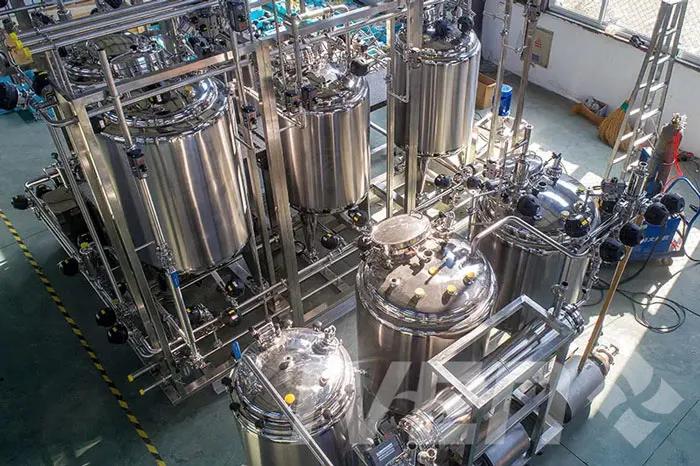
US Guide to Pharmaceutical Water System Troubleshooting
For pharmaceutical manufacturers in the United States, pharmaceutical water treatment troubleshooting is not a side issue; it is core production infrastructure. High-purity water supports injectable drugs, vaccines, biologics, oral liquids, cleaning processes, and sterile manufacturing. When conductivity rises, microbial counts drift, sanitization becomes inconsistent, or distribution loops show dead-leg risk, production delays and compliance exposure follow quickly. In regulated facilities from New Jersey and Boston to Houston, Chicago, and San Diego, a well-designed troubleshooting approach helps maintain United States Pharmacopeia expectations, FDA cGMP performance, and reliable batch release.
In practice, pharmaceutical water treatment troubleshooting means identifying, correcting, and preventing failures across pretreatment, reverse osmosis, electrodeionization, distillation, storage, and distribution. It includes root-cause analysis of scaling, membrane fouling, endotoxin risk, biofilm formation, pump instability, valve malfunction, instrumentation drift, and poor thermal or chemical sanitization. It also includes documentation, validation impact assessment, CAPA, and long-term optimization. For companies sourcing equipment, expanding facilities, or modernizing legacy utilities near major trade hubs such as the Port of Los Angeles, Port of Houston, Savannah, and Newark, choosing the right system design and supplier is as important as solving daily deviations.
Pharmaceutical water treatment troubleshooting is essential infrastructure for pharmaceutical manufacturers because it protects water purity, supports GMP compliance, and reduces production risk. In United States pharmaceutical operations, purified water and water for injection must consistently meet strict chemical, microbial, and operational requirements. If a system experiences membrane fouling, unstable conductivity, microbial contamination, ozone control issues, poor loop velocity, or distiller performance loss, manufacturers may face rejected batches, line downtime, warning letters, and higher operating cost.
The best troubleshooting strategy combines design quality, real-time monitoring, preventive maintenance, validation discipline, and fast technical support. Instead of treating every alarm as a standalone event, leading facilities use trend analysis across feed water quality, pretreatment performance, RO differential pressure, EDI current efficiency, distillation energy consumption, and loop return conductivity. This helps engineering teams distinguish between symptom and cause. In a competitive United States market where sterile injectables and biologics are often produced on tight schedules, this ability directly affects supply reliability and plant profitability.
Common Pharmaceutical Water Problems and What They Affect Problem Typical Root Cause Immediate Effect GMP Impact Priority Level Typical Corrective Action High conductivity RO membrane damage, EDI inefficiency, feed variation Water quality drift Potential specification failure High Check pretreatment, membrane integrity, EDI parameters Microbial excursion Loop stagnation, poor sanitization, dead legs Bioburden increase Major contamination risk Critical Sanitize, sample, inspect loop design, review SOPs Endotoxin concern Biofilm, poor WFI generation or storage control Sterile product risk Severe product quality issue Critical Investigate source, sanitize, validate corrective actions RO pressure increase Scaling or fouling Lower flow, energy rise May reduce system capacity High CIP, antiscalant review, pretreatment optimization Inconsistent ozone residual Generator drift, poor dosing control Weak sanitization assurance Monitoring gap Medium Calibrate system, verify contact time and sensors Loop temperature instability Insulation loss, heat exchanger issue, control failure Sanitization inconsistency Can elevate microbial risk High Review heat balance and control logicThe table above shows why troubleshooting is not only technical maintenance. Each issue can affect compliance, validation status, and production continuity. A United States manufacturer producing injectable products in a high-value market cannot rely on reactive repair alone.
A pharmaceutical water treatment troubleshooting program is a structured method for diagnosing and correcting performance issues in purified water, water for injection, and pure steam generation systems. It covers the full water pathway: source water review, multimedia filtration, softening, activated carbon, dosing, reverse osmosis, EDI, ultrafiltration, distillation, storage tanks, heat exchangers, pumps, valves, instruments, and distribution loops. It also includes sampling plans, trend evaluation, deviation management, and documented corrective action.
United States manufacturers need this program because pharmaceutical water systems operate under stricter expectations than municipal or industrial systems. Traditional treatment only aims to make water safe for general use. Pharmaceutical systems must repeatedly meet process-specific specifications for conductivity, TOC, bioburden, endotoxin, and operational control. The more complex the plant, the greater the troubleshooting need. Multi-product injectable facilities in states such as North Carolina, Indiana, and California often run multiple shifts, clean-in-place cycles, and high-frequency changeovers. Utilities must remain stable under fluctuating demand.
Well-implemented troubleshooting also protects timelines during expansion projects. When a new vial line, prefilled syringe suite, biologics area, or compounding room is added, water demand patterns change. If sizing assumptions, loop velocity, or sanitization strategy are not revisited, chronic failures may appear months after commissioning. Manufacturers therefore need partners who understand both equipment and regulated engineering.
On the technology side, companies such as IVEN Pharmatech Engineering are known in the global pharmaceutical equipment field for integrating water systems into broader GMP factory planning. For United States buyers, this matters because troubleshooting is easier when the original design aligns with filling, washing, sterilization, solution preparation, and distribution requirements rather than treating the water room as an isolated utility island.
Pharmaceutical water treatment troubleshooting supports a wide range of GMP applications. The most obvious are purified water and WFI supply for injectable drugs and vaccines, but the practical value extends further. Oral liquid plants use high-purity water in formulation and equipment cleaning. Biologics sites rely on controlled water quality to reduce contamination risk in upstream and downstream support operations. Medical consumables plants use treated water for rinsing, washing, and process support. Labs depend on stable utility water to avoid analytical variability.
In a United States setting, benefits are typically measured in five categories: compliance continuity, batch protection, energy efficiency, maintenance predictability, and lifecycle cost reduction. A site in Pennsylvania producing sterile ampoules may prioritize endotoxin control and hot loop integrity. A contract development and manufacturing organization in Texas may focus on flexible capacity and fast troubleshooting response to support multiple client campaigns. A large biologics campus in Massachusetts may emphasize data integrity, remote monitoring, and preventive analytics.
Main Applications of Pharmaceutical Water Systems in GMP Facilities Application Area Water Grade Commonly Used Why It Matters Typical Risk if Unstable Operational Benefit of Troubleshooting Example United States Use Case Injectable formulation WFI Direct product contact Batch rejection Faster recovery from excursions Vaccine plants in Maryland Equipment cleaning PW or WFI Residue and contamination control Cross-contamination Stable rinse quality Sterile lines in New Jersey Biologics support processes PW Microbial control Process variability Reduced biofilm risk Biotech sites in Boston Oral liquid production PW Formula consistency Taste, quality, deviation issues Improved uptime Consumer health sites in Ohio Laboratory use PW Analytical repeatability Test variation Better investigation accuracy QC labs in Illinois Pure steam generation WFI feed Sterilization support SIP inconsistency Reliable utility integration Aseptic suites in CaliforniaThe key benefit of troubleshooting is not only fixing alarms. It is keeping critical applications stable enough to support validated production over time. That is why mature United States facilities increasingly combine utility engineering, QA oversight, and digital trend review into one management model.
var ctxBar = document.getElementById(‘barDemandChart’).getContext(‘2d’);var barDemandChart = new Chart(ctxBar, { type: ‘bar’, data: { labels: [‘Sterile Injectables’, ‘Biologics’, ‘Vaccines’, ‘Oral Liquids’, ‘Medical Devices’, ‘CDMO Facilities’], datasets: [{ label: ‘Relative Demand for Advanced Troubleshooting Support (%)’, data: [92, 88, 90, 62, 58, 84], backgroundColor: [‘#4e79a7′,’#f28e2b’,’#e15759′,’#76b7b2′,’#59a14f’,’#edc948′] }] }, options: { responsive: true, maintainAspectRatio: false, scales: { y: { beginAtZero: true, max: 100 } } }});The right troubleshooting approach depends on the architecture of the water system. Reverse osmosis systems commonly face membrane scaling, organic fouling, oxidant damage, and recovery imbalance. EDI systems can develop stack performance decline, resin degradation, poor feed quality sensitivity, or electrical inefficiency. Distillation systems may suffer from feed pretreatment weaknesses, scale formation, heat transfer loss, condenser issues, or energy inefficiency. Hybrid systems combine benefits but add control complexity.
In the United States market, RO plus EDI is widely used for purified water due to good efficiency and lower chemical consumption. Distillation remains a trusted approach for WFI and pure steam applications, especially where thermal assurance, legacy validation strategy, or corporate standards favor it. Hybrid systems are increasingly chosen for large sites where resilience matters, such as dual-train RO-EDI with distillation backup for high-value sterile production.
Comparison of Main Pharmaceutical Water System Types System Type Best Use Common Troubleshooting Focus Strengths Limitations Typical Buyer Profile RO Pretreatment and primary purification Scaling, fouling, membrane integrity Efficient, proven, scalable Quality depends on feed and maintenance Mid-size oral and injectable plants RO + EDI Purified water generation Feed stability, stack efficiency, conductivity drift Low chemical use, strong purity performance Sensitive to pretreatment quality Modern GMP facilities Multi-effect distillation WFI production Scale, steam balance, heat transfer loss Robust thermal process, accepted globally Higher energy demand Sterile injectable manufacturers Vapor compression distillation Large WFI demand Compressor performance, scaling, vibration Efficient at scale Higher capital complexity Large vaccine and biologics sites Hybrid RO + UF + Distillation High reliability installations Control integration, redundancy logic Flexible and resilient Higher design complexity Multi-building campuses Skid-based modular systems Expansion or phased projects Connection validation, control harmonization Fast deployment Needs careful site integration CDMOs and retrofit projectsThe table shows that there is no single best technology for every facility. Troubleshooting should match production profile, regulatory strategy, utility philosophy, and lifecycle budget. When assessing vendors, United States buyers should ask how each supplier handles alarm hierarchy, membrane cleaning logic, sanitization modes, sampling locations, and documentation for IQ, OQ, and PQ support.
Traditional water treatment methods are built for municipal, food, hospitality, or general industrial use. Their priorities are broader safety, scaling control, taste, hardness management, and equipment protection. Pharmaceutical water treatment troubleshooting is fundamentally different because it addresses validated high-purity systems where even small deviations can create a product quality event.
For example, a conventional industrial RO skid may run successfully with periodic conductivity checks and operator inspection. A pharmaceutical purified water system in Florida or Missouri must do far more. It requires sanitary design, traceable materials, drainability, calibrated instruments, controlled sampling, documented alarm response, qualified sanitization, and often 21 CFR Part 11-compatible data handling depending on plant architecture. Troubleshooting must account for change control and product impact, not just mechanical recovery.
Pharmaceutical vs Traditional Water Treatment Approaches Aspect Pharmaceutical Approach Traditional Approach Why the Difference Matters Risk if Wrong Method Is Used Recommended Choice Design standard Sanitary, GMP-focused Industrial utility focus Controls contamination pathways Biofilm and compliance exposure Pharma systems for drug plants Documentation Validation-ready Basic service records Needed for audits and deviations Data gaps during inspection Pharma systems Monitoring Continuous and trended Periodic checks Earlier fault detection Late discovery of failure Pharma systems Materials of construction High-grade stainless steel and sanitary components Mixed industrial materials Supports cleanability and durability Corrosion or contamination Pharma systems Sanitization Validated thermal or chemical cycles Simple cleaning practices Critical for microbial control Recurring bioburden issues Pharma systems Troubleshooting logic Root cause plus QA impact review Mechanical repair focused Protects released product Incomplete CAPA Pharma systemsFor any United States pharmaceutical manufacturer, the decision is straightforward: choose a pharmaceutical-grade water system and a troubleshooting model built specifically for regulated drug production. Traditional systems may appear less expensive initially, but they usually create hidden compliance and lifecycle costs.
var ctxComp = document.getElementById(‘comparisonSupplierChart’).getContext(‘2d’);var comparisonSupplierChart = new Chart(ctxComp, { type: ‘bar’, data: { labels: [‘GMP Design’, ‘Validation Support’, ‘Sanitary Fabrication’, ‘Lifecycle Service’, ‘Digital Monitoring’, ‘Turnkey Integration’], datasets: [{ label: ‘Pharma-Grade Supplier Capability Score’, data: [95, 93, 96, 88, 82, 90], backgroundColor: ‘#7b61ff’ },{ label: ‘Traditional Utility Supplier Capability Score’, data: [52, 40, 58, 61, 45, 38], backgroundColor: ‘#c9c9c9’ }] }, options: { responsive: true, maintainAspectRatio: false, scales: { y: { beginAtZero: true, max: 100 } } }});The United States remains one of the world’s most important markets for pharmaceutical water systems due to its strong base in sterile injectables, biologics, vaccines, medical devices, and CDMO services. Demand is concentrated around major manufacturing corridors such as New Jersey and Pennsylvania, the Boston-Cambridge biotech cluster, North Carolina’s Research Triangle, Indiana’s life sciences zone, Texas manufacturing centers, and California’s biotech and device ecosystems. Expansion near ports and logistics centers like Houston, Long Beach, Savannah, and Newark also supports water-system investments because imported components and exported finished medicines depend on reliable plant infrastructure.
Several forces are shaping the market through 2026 and beyond. First, FDA scrutiny and quality maturity expectations continue to push facilities toward better monitoring and documented troubleshooting. Second, biologics and advanced therapies increase demand for reliable purified water and supportive utility infrastructure. Third, energy costs and sustainability goals are driving heat recovery, lower chemical usage, smarter CIP, and reduced reject water. Fourth, digitalization is making predictive maintenance more practical, especially through sensor trending and remote diagnostics.
Future-ready systems will increasingly include automated performance dashboards, conductivity and TOC trend alarms, remote access for approved service teams, predictive membrane replacement models, and water-use optimization logic. Facilities will also place greater emphasis on resilience against supply-chain disruption, meaning modular skid design, spare-parts strategy, and domestic support networks will matter more than before.
var ctxLine = document.getElementById(‘lineGrowthChart’).getContext(‘2d’);var lineGrowthChart = new Chart(ctxLine, { type: ‘line’, data: { labels: [‘2022’, ‘2023’, ‘2024’, ‘2025’, ‘2026’, ‘2027’], datasets: [{ label: ‘United States Market Index for Pharma Water System Upgrades’, data: [100, 108, 117, 128, 140, 153], borderColor: ‘#2a9d8f’, backgroundColor: ‘rgba(42,157,143,0.12)’, fill: false, tension: 0.3 }] }, options: { responsive: true, maintainAspectRatio: false, scales: { y: { beginAtZero: false } } }});var ctxArea = document.getElementById(‘areaTrendChart’).getContext(‘2d’);var areaTrendChart = new Chart(ctxArea, { type: ‘line’, data: { labels: [‘2022’, ‘2023’, ‘2024’, ‘2025’, ‘2026’, ‘2027’], datasets: [{ label: ‘Conventional Reactive Maintenance Share (%)’, data: [64, 58, 51, 45, 39, 34], borderColor: ‘#e76f51’, backgroundColor: ‘rgba(231,111,81,0.25)’, fill: true, tension: 0.3 },{ label: ‘Predictive and Digital Troubleshooting Share (%)’, data: [36, 42, 49, 55, 61, 66], borderColor: ‘#264653’, backgroundColor: ‘rgba(38,70,83,0.20)’, fill: true, tension: 0.3 }] }, options: { responsive: true, maintainAspectRatio: false, scales: { y: { beginAtZero: true, max: 100 } } }});By 2026, the strongest trends are expected to be hybrid system adoption, lower-carbon utility rooms, integrated building management analytics, and stricter lifecycle documentation. Buyers who plan around these trends will reduce retrofit cost later.
Choosing a supplier should go far beyond comparing skid price. United States buyers should look at technological capability, manufacturing capability, service capability, and regulatory understanding. A supplier may provide a clean proposal on paper yet struggle with documentation depth, FAT execution, loop design details, or long-term service response.
Technological capabilities matter first. A reliable supplier should understand RO, EDI, multi-effect distillation, purified steam generation, storage and distribution, automation, and validation expectations. It helps if the provider can design complete systems that fit sterile filling, washing, solution preparation, and clean utility integration. IVEN Pharmatech Engineering, for example, is recognized internationally for building integrated pharmaceutical engineering solutions rather than only standalone utility skids. For a United States client, that broader engineering viewpoint can simplify troubleshooting because utility design matches upstream and downstream process requirements.
Manufacturing capabilities matter next. Buyers should verify fabrication quality, stainless steel processing, skid assembly discipline, testing standards, and production scale. A supplier with specialized manufacturing plants and repeated delivery experience is better positioned to maintain consistency, especially for large or multi-line projects. This is relevant when an owner is developing a new plant near Chicago, Atlanta, or Phoenix and needs dependable production schedules and repeatable quality across multiple systems.
Service capabilities are equally important. Commissioning, IQ/OQ/PQ support, training, spare-parts planning, remote diagnostics, and long-term optimization determine whether a system stays stable after startup. A supplier that offers project consulting, design support, installation guidance, validation documentation, and after-sales troubleshooting can reduce operational risk significantly. If you are assessing integrated factory support, you can review turnkey pharmaceutical project capabilities and compare them with your internal engineering resources.
Supplier Evaluation Checklist for United States Buyers Evaluation Item What to Ask Why It Matters Strong Supplier Sign Warning Sign Priority Regulatory familiarity Can they support FDA cGMP and global GMP expectations? Reduces compliance risk Documented experience in regulated projects Only general industrial references Critical System design depth Do they cover generation, storage, distribution, and sanitization? Prevents design gaps Complete engineering package Equipment-only offer Critical Fabrication quality How are welds, passivation, and testing managed? Supports hygienic performance Clear QA procedures Vague manufacturing controls High Validation support Will they provide IQ/OQ documents and FAT/SAT structure? Speeds startup Comprehensive package Limited templates only High Service response What happens after commissioning? Improves uptime Training, diagnostics, spare support No long-term support model High Project integration ability Can they coordinate with filling, HVAC, and process systems? Prevents interface failures Turnkey or integrated engineering experience Utility silo approach MediumWhen requesting proposals, buyers should ask for P&IDs, control philosophy, critical alarms, sample point map, maintenance assumptions, recommended spare parts, and reference cases by application type. If you are comparing possible equipment configurations, reviewing a supplier’s pharmaceutical equipment portfolio can also help determine whether the company truly understands complete production environments.
Budgeting for pharmaceutical water treatment troubleshooting should include both system acquisition and lifecycle support. Capital cost depends on capacity, water grade, redundancy, automation level, material finish, validation scope, and whether the project includes only generation or complete storage and distribution. In the United States, project costs also reflect installation complexity, local labor rates, utility tie-ins, and commissioning expectations.
For smaller purified water systems serving oral liquid or support applications, costs may remain moderate. For sterile injectable or vaccine facilities requiring WFI generation, hot distribution loops, pure steam integration, and advanced automation, investment rises significantly. However, the ROI case is usually strong when measured against avoided deviations, reduced downtime, lower chemical use, improved energy efficiency, and fewer emergency interventions.
Illustrative Budget Framework for Pharmaceutical Water Systems Cost Item Low Complexity Site Medium Complexity Site High Complexity Sterile Site Why It Changes Budget Advice Pretreatment $40,000-$90,000 $80,000-$180,000 $150,000-$300,000 Feed water quality and redundancy Do not undersize pretreatment RO/EDI generation $90,000-$180,000 $180,000-$400,000 $350,000-$700,000 Capacity, automation, sanitary finish Specify trending and alarms early WFI distillation Not required $250,000-$500,000 $500,000-$1,200,000 Thermal technology and output Evaluate energy recovery options Storage and distribution loop $70,000-$150,000 $150,000-$350,000 $300,000-$800,000 Loop size, sanitization mode, routing Minimize dead legs in design Validation and documentation $20,000-$50,000 $50,000-$120,000 $100,000-$250,000 Protocol depth and site standards Budget separately and early Annual service and spare parts $10,000-$25,000 $25,000-$60,000 $60,000-$150,000 Complexity and uptime expectations Include in 5-year planThese figures are illustrative, but the planning logic is practical. ROI often comes from avoided failure cost. One contamination-related shutdown in a sterile facility can exceed annual service cost many times over. If a system supports high-value injectables distributed across the United States, even one delayed release event may justify investment in redundancy, digital monitoring, and stronger supplier support.
For budget planning, include operator training, water sampling, membrane replacement cycles, calibration, and periodic requalification. If your team needs project-specific guidance, a direct consultation with a pharmaceutical engineering team can clarify scope before tendering.
Investing in pharmaceutical water treatment troubleshooting without a full lifecycle view creates hidden risk. The first risk is poor source-water understanding. Municipal feed water in the United States can vary significantly by region and season. Water chemistry in Arizona, Louisiana, or New York may create different scaling, chloramine, microbial, or corrosion profiles. Pretreatment must be designed accordingly.
The second risk is underestimating distribution design. Many recurring water issues are not generated at the RO or still; they develop in the storage tank or loop because of poor slope, oversized piping, insufficient flow, or hard-to-sanitize branch connections. The third risk is documentation weakness. A technically good fix that is poorly documented can still fail an audit or complicate batch impact review.
Another major risk is buying from a vendor without enough pharmaceutical specialization. Water treatment expertise alone is not enough. The supplier must understand sterile manufacturing, validation expectations, and interface control with other systems. United States manufacturers increasingly prefer vendors that can support complete engineering decisions, not just deliver hardware.
Investment Risks and How to Reduce Them Risk How It Appears Operational Consequence Compliance Consequence Mitigation Method Best Project Phase to Address Weak feed-water analysis Unexpected fouling or chemical drift Frequent shutdowns Spec excursions Detailed water study and pilot review Concept design Insufficient redundancy No backup during maintenance Production stoppage Missed supply commitments Assess criticality and dual-train options URS stage Poor loop design Stagnation and biofilm risk Repeated sanitization issues Microbial deviations Sanitary routing and velocity control Detailed engineering Limited validation package Gaps in turnover documents Startup delays Audit findings Define deliverables in contract Procurement Weak service support Slow fault response Long downtime Repeat deviations Service SLA and training plan Vendor selection Ignoring sustainability High reject water and energy use Rising OPEX Corporate ESG pressure Recovery optimization and heat integration Design reviewFrom a 2026 perspective, sustainability is becoming a real investment criterion. Buyers should consider reject-water reuse where appropriate, lower-temperature sanitization strategies when validated, heat recovery in distillation, smarter pump control, and digital maintenance planning. Policy and investor pressure are pushing manufacturers to reduce utility intensity without compromising GMP performance.
Consider a hypothetical injectable facility in New Jersey experiencing repeated conductivity alarms after summer feed-water changes. The immediate suspicion may fall on the RO membranes, but deeper troubleshooting could reveal upstream carbon bed breakthrough and pretreatment instability. In another case, a Texas biologics plant may see microbial excursions in the loop return, only to discover low-use branch lines near an expansion area causing stagnation. In California, a CDMO adding a new vial line may outgrow its original loop circulation assumptions, creating inconsistent point-of-use performance during peak demand.
These examples show why local supply realities matter. United States plants often operate in regions with varying labor availability, utility costs, and logistics timelines. Spare-part access through ports such as Los Angeles, Houston, and Savannah may affect maintenance strategy. Regional service coverage also matters, especially for 24/7 sterile sites. Buyers should ask whether the supplier can support remote diagnostics, field visits, training refreshers, and documentation updates after plant modifications.
This is where integrated pharmaceutical engineering partners can offer value. IVEN Pharmatech Engineering is known not only for water treatment systems but also for wider pharmaceutical equipment and turnkey factory capabilities. Its experience across filling, packaging, water systems, logistics, and related GMP infrastructure can help align utility design with the rest of the manufacturing chain. For United States investors, this integrated approach can reduce common project problems such as fragmented layouts, inconsistent interfaces, and unclear validation responsibility.
A practical advantage of working with a broader engineering partner is that troubleshooting knowledge from one system informs another. For instance, filling line expansion affects utility peak loads; logistics and material flow affect room usage and cleaning demand; solution preparation affects water consumption profiles. When these connections are designed early, water systems become easier to operate and recover.
What is the most common cause of pharmaceutical water quality drift?The most common causes are pretreatment instability, RO membrane fouling, inadequate sanitization, and poor loop design. The real root cause varies by system type and local feed water conditions.
How often should a pharmaceutical water system be reviewed for troubleshooting trends?Critical parameters should be monitored continuously where possible, while engineering and QA trend reviews are commonly performed weekly and monthly. A formal periodic review is advisable after seasonal source-water changes, major maintenance, and production expansion.
Is RO-EDI enough for every United States pharmaceutical plant?No. RO-EDI is excellent for many purified water applications, but sterile injectable and WFI requirements may require distillation or a hybrid approach depending on the process, company standards, and regulatory strategy.
Can a traditional industrial water vendor support a GMP pharmaceutical site?Only in limited situations. Most regulated facilities need suppliers who understand sanitary design, validation, documentation, and product-impact assessment, not just basic water treatment mechanics.
What should be included in a troubleshooting-ready URS?Include target water quality, capacity ranges, redundancy needs, sanitization method, alarm logic, trending expectations, sampling points, documentation package, validation support, spare parts, and response-time expectations.
How long does ROI usually take?It depends on site complexity and failure history. Many projects justify themselves within one to three years through reduced downtime, fewer deviations, lower maintenance escalation, and improved energy efficiency.
Why is supplier service capability so important?Because pharmaceutical water systems are long-life assets. Commissioning quality, staff training, calibration support, troubleshooting response, and documentation updates often determine whether the system remains stable after several years of operation.
How can United States manufacturers prepare for 2026 trends?Focus on predictive monitoring, sustainability, modular expansion readiness, stronger validation data flow, and suppliers who can support both engineering design and lifecycle optimization.
In summary, pharmaceutical water treatment troubleshooting is a strategic investment for United States manufacturers that need high-purity water, reliable compliance, and stable production. The best results come from matching the right technology with sanitary design, validation discipline, lifecycle service, and a supplier capable of supporting the entire pharmaceutical manufacturing environment.