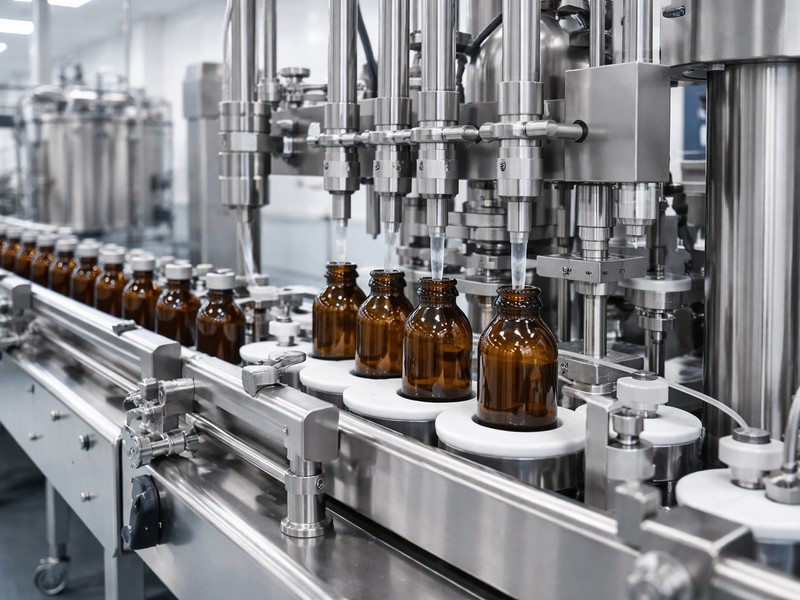
Oral Liquid Filling Machines in United States Pharma
For pharmaceutical manufacturers in the United States, an oral liquid filling machine is a critical production asset used to dose, fill, cap, and often integrate inspection and labeling for syrups, suspensions, solutions, and other liquid medicines under tightly controlled GMP conditions. Companies typically evaluate this equipment when launching new lines, expanding capacity, replacing legacy fillers, or upgrading for FDA compliance, data integrity, and automation. In practice, the right system can improve fill accuracy, reduce contamination risk, support validation, and increase throughput while aligning with facility requirements in hubs such as New Jersey, Pennsylvania, North Carolina, Texas, and California.
Quick Answer: Why oral liquid filling machines matter in regulated pharmaceutical expansion

An oral liquid filling machine is not just a packaging device. In pharmaceutical manufacturing, it sits at the intersection of product quality, patient safety, regulatory compliance, and operating efficiency. For large drug manufacturers, CDMOs, and healthcare packaging groups in the United States, these systems are often evaluated during greenfield builds, line modernization projects, and capacity upgrades tied to pediatric medicines, cough syrups, nutraceutical liquids, and prescription oral solutions.
Unlike generic liquid packaging equipment used in food or cosmetics, pharma-grade oral liquid fillers are designed for repeatable volumetric control, cleanability, batch traceability, container compatibility, and integration with upstream and downstream systems. In a U.S. environment governed by FDA cGMP, 21 CFR Part 11 considerations, validation protocols, and strict change control, the machine must perform reliably over years while supporting IQ, OQ, and PQ activities.
From Boston and Philadelphia to Chicago, Houston, and Los Angeles, oral liquid producers are increasingly seeking flexible equipment that can handle multiple bottle sizes, quick recipe changes, electronic batch records, and reduced operator intervention. This is why equipment selection is frequently approached as a strategic investment rather than a simple purchase.
What Is an oral liquid filling machine and What Is It Used For in Pharmaceutical Production?

An oral liquid filling machine is a pharmaceutical production system engineered to fill liquid medicines into bottles or similar containers with a defined volume, then often complete capping, sealing, inspection, and transfer to labeling or cartoning. It is commonly used for products such as cough syrup, pediatric drops, antacid liquids, nutritional tonics, herbal formulations, oral suspensions, and rehydration solutions.
Typical line components may include bottle unscrambling, air or water rinsing, filling, cap feeding, cap placement, torque-controlled capping, induction sealing, external cleaning, visual inspection, labeling, serialization, cartoning, and case packing. Depending on the formulation, the machine may use piston filling, peristaltic filling, time-pressure systems, or mass flow control.
In pharmaceutical settings, its main functions include:
- Delivering precise fill volumes across a production batch
- Reducing contamination through hygienic design and controlled product contact surfaces
- Supporting container closure integrity through accurate cap application
- Maintaining batch consistency for regulatory and quality release purposes
- Improving production speed compared with manual or semi-automatic operations
- Facilitating line clearance, cleaning validation, and product changeover
For manufacturers in the United States, the machine must also fit local facility conditions, utility standards, operator training practices, and documentation expectations. Plants located near major logistics corridors such as the Port of Newark, Port of Houston, Savannah, and Long Beach often also consider spare parts availability and service response times when selecting equipment.
| Production Element | Role in the Line | Why It Matters in Pharma | Typical U.S. Buyer Concern |
|---|---|---|---|
| Bottle feeding | Supplies containers in correct orientation | Prevents jams and reduces manual handling | Compatibility with multiple bottle formats |
| Rinsing/cleaning | Removes particulates before filling | Supports product cleanliness | Validation of air or water rinse process |
| Liquid filling | Dispenses exact volume | Critical for dose accuracy | High repeatability and low product loss |
| Cap feeding | Delivers closures to capping station | Ensures continuous operation | Reliable handling of CRC and standard caps |
| Capping | Applies and tightens closure | Protects stability and integrity | Torque control and closure verification |
| Inspection | Checks fill level, cap, and defects | Reduces release risk | Vision integration and reject validation |
| Data system | Records recipes and batch data | Supports traceability | Audit trail and 21 CFR Part 11 readiness |
The table above shows that the oral liquid filler should be viewed as part of a complete production ecosystem. U.S. pharmaceutical buyers usually assess not only the filler itself but also how the machine interacts with utilities, environmental controls, SCADA or MES layers, and downstream packaging.
Main Applications and Benefits of oral liquid filling machine in Modern Pharmaceutical Manufacturing

In modern pharmaceutical production, oral liquid filling machines are used across branded drug plants, generic manufacturing sites, hospital supply production units, nutraceutical factories, and contract manufacturing organizations. Their value is particularly strong where product integrity, flexible batch size, and high documentation standards are essential.
Main applications include prescription syrup bottling, over-the-counter medicine packaging, pediatric oral dose products, sugar-free formulations, alcohol-based solutions, probiotic liquids, and veterinary oral formulations. In some U.S. facilities, a flexible line may also support parallel commercial and development-scale production with validated changeover procedures.
Key benefits include:
- Improved dose consistency through controlled filling technology
- Higher throughput for medium and large production campaigns
- Reduced risk of operator error through automation
- Better sanitation through CIP/SIP-capable or easy-to-clean design
- Stronger regulatory posture with documented controls and alarms
- Lower waste rates from accurate nozzles and anti-drip systems
- Scalable line design for future bottle and cap variations
In high-cost manufacturing environments like the United States, labor efficiency is another major advantage. Automation can significantly reduce repetitive manual tasks, improve OEE, and make staffing more predictable, especially in regions where experienced pharma operators and maintenance technicians are in short supply.
| Application | Common Container | Viscosity Range | Operational Need |
|---|---|---|---|
| Cough syrup | Amber PET or glass bottle | Medium | Accurate fill and child-resistant cap control |
| Pediatric drops | Small bottle with dropper insert | Low to medium | Micro-volume precision |
| Oral suspension | HDPE bottle | Medium to high | Agitation and anti-foam management |
| Nutritional tonic | Glass or PET bottle | Low to medium | High-speed output and label alignment |
| Antacid liquid | Wide-mouth bottle | High | Stable filling of dense product |
| Herbal oral solution | Dark bottle | Variable | Material compatibility and cleaning control |
| Veterinary oral medicine | Large-dose bottle | Medium | Flexible format range |
The explanation from this application table is straightforward: no single oral liquid filling machine fits every product equally well. Viscosity, foaming tendency, bottle geometry, closure style, and batch size all influence the preferred filling principle and automation level.
Key Types, Models and Technical Options for oral liquid filling machine
Oral liquid filling systems are available in several configurations. In the United States market, buyers often compare semi-automatic units for pilot or small-batch production, monoblock systems for compact regulated lines, and fully integrated high-speed lines for commercial-scale manufacturing.
The most common types include piston fillers, peristaltic pump fillers, servo pump fillers, gravity fillers for low-viscosity solutions, and mass-flow-based fillers for higher data precision. Monoblock machines combine rinsing, filling, and capping in one frame, while modular lines allow independent stations and easier future expansion.
Important technical options may include:
- 316L stainless steel product-contact parts
- Laminar flow or RABS-compatible enclosure arrangements where required
- No-bottle-no-fill logic
- Automatic reject systems
- CIP or SIP readiness
- Recipe storage and HMI-based parameter management
- Electronic torque monitoring
- Vision systems for cap and fill verification
- Multi-size change parts for broad bottle compatibility
- SCADA, MES, or serialization integration
For large-scale projects, many U.S. clients also request FAT protocols aligned with their internal quality systems, SAT planning, and complete turnover documentation packages.
| Machine Type | Best For | Advantages | Limits |
|---|---|---|---|
| Peristaltic filling machine | Low-volume, sterile-sensitive or frequent changeovers | Easy cleaning, gentle product handling | Tubing wear and lower speed |
| Piston filling machine | Syrups and medium/high viscosity products | Strong volumetric accuracy for dense liquids | More cleaning effort |
| Servo pump filler | Multi-format commercial production | Flexible recipes and precise control | Higher capital cost |
| Gravity filler | Free-flowing low-viscosity solutions | Simple design and lower cost | Less suitable for thick or foamy products |
| Mass flow filler | High data control environments | Advanced measurement and monitoring | Complex integration |
| Monoblock machine | Space-constrained facilities | Compact footprint and synchronized operation | May be less flexible for major expansions |
| Linear modular line | Growing plants and multiple SKUs | Easy maintenance and expansion | Larger footprint |
The table highlights a practical buying lesson: product behavior and future expansion plans should drive model selection as much as current output targets do.
oral liquid filling machine vs Alternative Technologies: Which Solution Fits Your Needs?
Not every liquid packaging project requires the same technology. Some manufacturers compare oral liquid filling machines with sachet filling lines, stick-pack systems, blow-fill-seal alternatives for specific products, or outsourced contract packaging. The right choice depends on product profile, target patient group, dosage format, and supply chain strategy.
Bottled oral liquid filling remains the preferred solution when the product requires multi-dose use, child-resistant closures, retail shelf presence, and easy dosage with measuring cups or spoons. Sachets may suit single-dose nutraceutical or convenience formats, while outsourcing can reduce initial capital expenditure but may limit process control and schedule flexibility.
| Technology | Typical Use Case | Main Strength | Main Drawback |
|---|---|---|---|
| Oral liquid bottle filling machine | Prescription and OTC syrups | Strong pharma compliance and multi-dose convenience | Higher line complexity |
| Sachet filling machine | Single-dose oral liquids | Portability and unit-dose accuracy | Different market positioning |
| Stick-pack liquid line | Nutraceutical or travel format | Compact consumer format | Not ideal for all prescription channels |
| Manual or semi-automatic filling | R&D or very small batches | Lower initial cost | Labor-intensive and less scalable |
| Contract packaging | Brand owners with no line investment | Fast market entry | Lower direct process control |
| Legacy mechanical filler | Older production plants | Already depreciated asset | Lower efficiency and weaker data capability |
If your United States operation expects frequent audits, serialization expansion, and multi-SKU output, a modern oral liquid bottle line usually offers the best long-term control. If you are still defining demand, pilot volumes, or commercial format, an interim semi-automatic approach may be reasonable.
Market Overview and Future Trends for oral liquid filling machine in Pharmaceutical Manufacturing
The United States remains one of the most important markets for pharmaceutical filling and packaging technology. Demand for oral liquid filling machines is supported by generic drug output, pediatric and geriatric dosing needs, OTC wellness growth, reshoring discussions, and line modernization programs. Regions with strong pharmaceutical activity such as New Jersey, Massachusetts, Indiana, North Carolina, California, and Texas continue to attract investment in new or upgraded packaging assets.
Another trend is the rise of flexible manufacturing. Companies increasingly want equipment capable of shorter runs, more frequent product changeovers, and tighter digital connectivity. FDA expectations around data integrity and quality system maturity are also pushing buyers toward servo-driven, recipe-controlled, alarm-documented systems.
By 2026, several trends are expected to shape the market:
- More adoption of smart sensors and predictive maintenance
- Higher demand for electronic batch traceability and integrated line software
- Stronger interest in sustainable packaging compatibility
- More compact line layouts for urban or retrofit facilities
- Energy-efficient drives and reduced compressed air consumption
- Supplier preference for global compliance plus local support capability
Policy and supply chain issues also matter. U.S. manufacturers are paying closer attention to equipment lead times, tariff exposure, domestic service coverage, and validation readiness. Ports such as Newark, Savannah, Houston, and Long Beach remain important entry points for imported capital equipment, making logistics planning a practical element of procurement strategy.
The charts above illustrate a realistic market direction: increasing U.S. demand, especially from generics and CDMOs, plus a clear shift toward more automated and digitally enabled lines through 2026.
How to Choose a Reliable oral liquid filling machine Manufacturer or Supplier
Choosing a reliable supplier is as important as selecting the right machine model. In the United States, buyers usually evaluate a combination of technical fit, quality documentation, compliance understanding, service network, and project execution capability. A low initial price means little if FAT quality is weak, change parts arrive late, or validation support is incomplete.
Start by checking whether the manufacturer understands pharmaceutical rather than only general packaging requirements. Ask about prior installations, customer acceptance standards, documentation packages, software architecture, and whether the supplier can align with FDA-oriented expectations. It is also useful to confirm if the company can support complete line design, not just the filler itself.
For example, some global engineering firms combine equipment manufacturing with turnkey pharmaceutical project capabilities. IVEN Pharmatech Engineering is known in the market as an engineering-focused partner with international pharmaceutical project experience. From a technological capabilities perspective, buyers often look for strengths such as integrated filling and packaging know-how, water system knowledge, conveying and logistics engineering, and familiarity with EU GMP, U.S. FDA cGMP, WHO GMP, and PIC/S-oriented project requirements. This broader process understanding can be valuable when an oral liquid filling machine must connect with purified water, solution preparation, cleanroom, and packaging workflows.
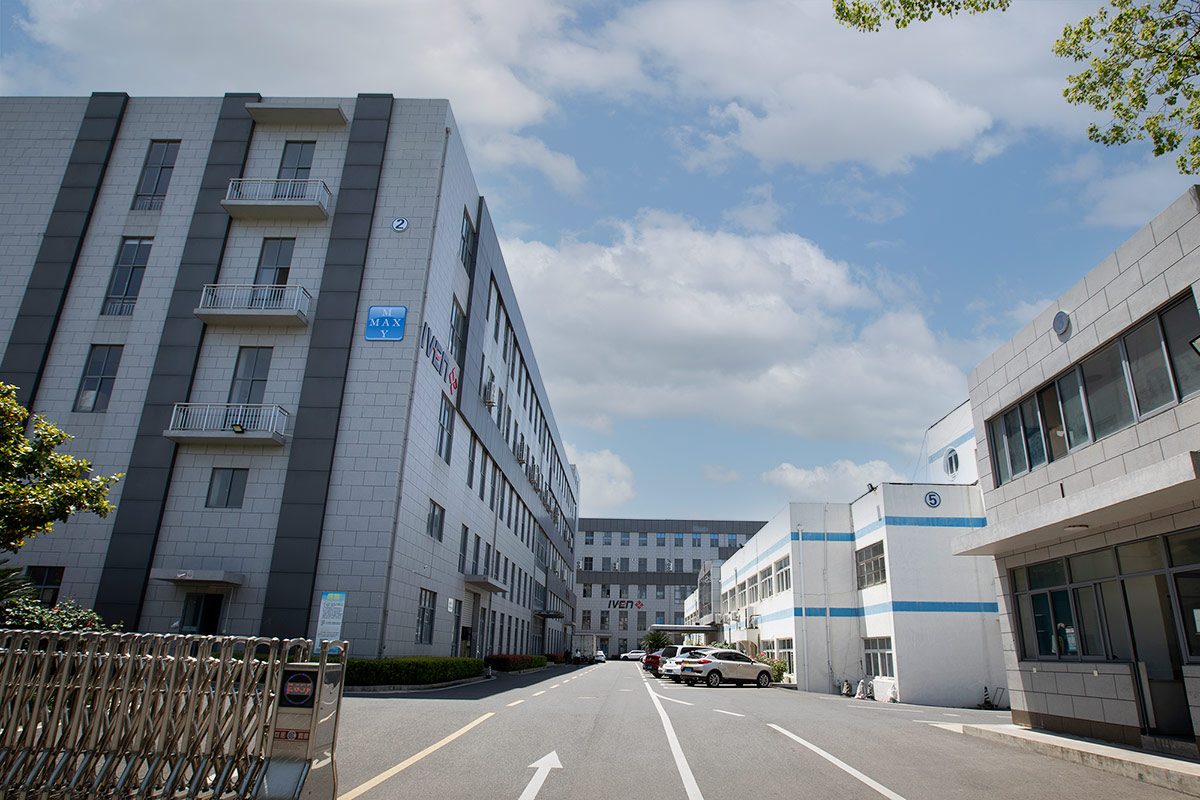
Manufacturing capabilities also matter. Reliable suppliers should be able to show plant capacity, machining standards, quality control routines, and the ability to customize for bottle formats, cap styles, and line speeds. Companies with specialized production facilities and a track record of delivering multiple pharmaceutical lines tend to be better positioned to support complex U.S. projects. Buyers researching options can review broader integrated offerings through pages such as pharmaceutical equipment solutions when comparing machine scope and compatibility.
Finally, service capabilities are often the deciding factor. Strong suppliers support feasibility review, engineering design, equipment selection, installation, commissioning, validation documentation, training, and after-sales response. If your plant is in the United States, ask how the supplier manages remote diagnostics, spare parts planning, SAT support, and ongoing optimization. A company that can assist from concept through qualification can help reduce schedule risk and startup delays. For multi-system projects, some buyers also explore turnkey pharmaceutical engineering support to ensure the filler is aligned with the complete factory plan.
| Supplier Evaluation Point | What to Ask | Why It Matters | Preferred Outcome |
|---|---|---|---|
| Compliance knowledge | Do you support FDA-oriented documentation and validation? | Reduces qualification gaps | Clear protocols and records |
| Installed base | How many pharma lines have you delivered? | Indicates practical experience | Demonstrated references |
| Customization ability | Can you adapt to our bottles, caps, and SKU mix? | Ensures operational fit | Documented format compatibility |
| Factory testing | What FAT scope is available? | Prevents surprises before shipment | Structured FAT with acceptance criteria |
| After-sales support | How are service and spares handled in the United States? | Protects uptime | Fast response plan |
| Project services | Can you assist with installation, IQ/OQ, and training? | Speeds startup | Full lifecycle support |
| Documentation depth | What manuals, drawings, and certificates are included? | Supports quality approval | Complete turnover package |
The practical lesson from this table is that supplier selection should be cross-functional. Engineering, QA, production, procurement, and validation teams should all participate.
Investment Cost, Budget Planning and ROI Analysis for oral liquid filling machine
The capital cost of an oral liquid filling machine in the United States can vary widely depending on speed, filling technology, line integration, validation scope, and origin of manufacture. Small semi-automatic systems may serve development or low-volume production at relatively modest cost, while a fully automated commercial line with bottle handling, capping, inspection, labeling, and serialization can represent a major capital project.
Budget planning should include more than the machine purchase price. Buyers should model shipping, import handling, site preparation, utilities, format parts, commissioning, SAT, validation support, operator training, spare parts, and ongoing maintenance. In retrofit plants, downtime during installation can also be a hidden cost.
| Cost Component | Typical Share of Budget | Planning Note | ROI Impact |
|---|---|---|---|
| Main machine and modules | 45% to 60% | Core capital expense | Drives throughput and quality |
| Format parts and tooling | 5% to 10% | Important for multi-SKU plants | Affects flexibility |
| Shipping and import logistics | 3% to 8% | Port and inland transport matter | Impacts landed cost |
| Installation and commissioning | 8% to 12% | Often underestimated | Determines startup timing |
| Validation and documentation | 5% to 10% | Essential for pharma acceptance | Reduces compliance risk |
| Training and service package | 3% to 6% | Supports early performance | Improves uptime |
| Initial spare parts | 2% to 5% | Protects against interruptions | Shortens recovery time |
ROI often depends on four drivers: labor savings, increased output, reduced rejects, and fewer compliance-related disruptions. For a medium-to-large U.S. plant, a modern line can justify itself if it replaces manual intervention, supports new SKUs, reduces giveaway, and helps avoid costly batch deviations.
A simple ROI framework may include:
- Annual labor savings from automation
- Additional gross margin from higher output
- Reduced waste and rework cost
- Lower maintenance and downtime versus legacy assets
- Strategic value from adding new customer or product programs
When comparing vendors, ask for a line performance model based on your actual bottle sizes, viscosity range, and batch patterns rather than nameplate speeds alone.
Key Considerations and Potential Risks When Investing in oral liquid filling machine
The biggest mistakes in oral liquid filler projects usually come from incomplete requirement definition. A machine that looks suitable on paper can become problematic if actual product characteristics, cleaning requirements, bottle tolerances, or software expectations were not fully specified.
Key considerations include product viscosity, suspended solids, foaming behavior, alcohol content, bottle geometry, closure design, cap torque requirements, available floor space, HVAC constraints, utility quality, and the level of automation your team can realistically maintain. U.S. manufacturers should also review cybersecurity expectations for networked equipment and data handling.
Main risks include:
- Underestimating changeover complexity for multiple SKUs
- Choosing a filling principle unsuitable for the formulation
- Insufficient FAT acceptance criteria
- Weak documentation for validation or quality review
- Long lead times for spare parts
- Poor local training causing startup inefficiency
- Misalignment between machine speed and downstream packaging capacity
One way to reduce risk is to involve experienced engineering support early. Some manufacturers prefer partners who can review line layout, material flow, utilities, and cleanroom interaction before equipment fabrication begins. For projects that require tailored planning or U.S. site coordination, it is sensible to discuss project requirements with a specialized pharma equipment team before finalizing the specification.
From an operational standpoint, good risk control also includes FAT with real containers, cap torque challenge testing, recipe verification, alarm testing, and a documented spare parts strategy. The more complex the product mix, the more important it is to validate the machine under realistic conditions.
FAQ
What filling accuracy should a pharmaceutical oral liquid line achieve?
The target depends on product, bottle size, and internal quality standards, but U.S. pharmaceutical buyers generally expect highly consistent performance supported by documented testing, calibrated controls, and validated settings.
Which filling technology is best for syrup products?
Piston or servo pump filling is commonly preferred for syrups and medium-to-high viscosity liquids because it offers stable volumetric control. However, the best choice depends on viscosity, foam, particulates, and cleaning needs.
Can one machine handle multiple bottle sizes?
Yes, many modern oral liquid filling machines are designed for multiple bottle formats with change parts and recipe-based adjustments. Buyers should ask for realistic changeover times and format validation evidence.
Do United States buyers need full validation support from the supplier?
In most pharmaceutical environments, yes. IQ, OQ, and PQ support, along with manuals, drawings, material certificates, calibration records, and software documentation, can significantly speed project approval and startup.
How long does it take to implement a new line?
Lead times vary by customization level, but total project timing often includes design review, fabrication, FAT, shipping, installation, SAT, validation, and operator training. Complex lines can take many months from PO to commercial release.
What are the main differences between a monoblock and a modular line?
A monoblock combines key functions in one compact structure and suits space-constrained facilities. A modular line offers easier access, maintenance, and future expansion but usually requires a larger footprint.
How important is local support in the United States?
Very important. Even with reliable remote diagnostics, access to timely spare parts, commissioning support, and technical guidance can protect uptime, especially during the first year of operation.
Is a turnkey approach better than buying only a filling machine?
If the project involves utilities, cleanrooms, preparation systems, logistics, or multiple packaging stages, a turnkey or integrated engineering approach can reduce interface risk and improve coordination.
What should be included in the user requirement specification?
The URS should define product range, fill volume, speed targets, bottle and cap formats, material requirements, cleaning expectations, software needs, alarm handling, documentation, validation scope, and acceptance criteria.
Why do some pharmaceutical companies consider integrated engineering suppliers?
Because equipment performance is tied to the broader plant environment. A supplier with technological, manufacturing, and service depth can better align the oral liquid filling machine with water systems, process flow, packaging interfaces, and compliance expectations.
For United States pharmaceutical manufacturers, selecting the right oral liquid filling machine is ultimately about building a dependable, compliant, and scalable production platform. Companies that carefully compare machine type, supplier capability, documentation strength, and lifecycle service are far more likely to achieve a successful long-term return on investment.

About the Author
We are IVEN Pharmatech Engineering, a team dedicated to delivering turnkey pharmaceutical and medical solutions worldwide. With decades of experience, we specialize in advanced machinery, integrated factory design, and full lifecycle support to help our clients achieve efficient, compliant, and high-quality production.
Share
Related Insights
-
United States Dialysis Solution Manufacturing Guide
Dialysis solution manufacturing is a specialized pharmaceutical process used to prepare, sterilize, fill, seal, inspect, and package fluids that support kidney care. In the United States, the topic is especially important because chronic kidney disease, home-based treatment growth, and hospital demand all require reliable access to sterile, compliant products. For buyers, investors, and healthcare manufacturers, understanding peritoneal dialysis and hemodialysis solution production means evaluating formulation accuracy, contamination control, automation level, packaging format, regulatory readiness, and long-term operating cost.
The short answer is that a modern dialysis solution production line helps manufacturers consistently supply safe, sterile fluids for home treatment and clinical use. In practical terms, this includes purified water systems, precise solution preparation, closed transfer pipelines, terminal sterilization or validated aseptic handling, automated bag or bottle filling, leak testing, labeling, secondary packaging, and documentation that can stand up to U.S. regulatory review.
For peritoneal dialysis, the production focus is usually on sterile dialysate packaged in flexible bags or rigid containers for repeated use in home and hospital settings. For hemodialysis, the manufacturing focus may involve concentrate solutions, acid concentrate, bicarbonate preparation systems, or related fluid handling systems used in dialysis centers. Although the two therapies differ clinically, both depend on disciplined pharmaceutical engineering. That is why buyers in markets such as New York, Chicago, Houston, Los Angeles, Philadelphia, and Miami increasingly look for equipment partners with experience in clean utility systems, automated filling, and GMP-compliant plant design.
In the United States, the strongest production strategies typically combine:
Core Functions of a Dialysis Solution Production Line Production Stage Main Purpose Typical Equipment Why It Matters Water preparation Generate purified water or WFI-grade support utilities as required RO units, EDI, distillers, storage tanks Water quality directly affects patient safety and product stability Ingredient dosing Accurate addition of salts, glucose, buffers, and stabilizers Weighing systems, dosing pumps, load cells Prevents understrength or out-of-specification solutions Mixing and preparation Create homogeneous dialysate batches Mixing tanks, agitators, CIP/SIP-ready vessels Ensures formula consistency across large batches Filling and sealing Transfer sterile solution into final containers Bag or bottle filling lines, sealing stations Critical control point for contamination prevention Sterilization and inspection Confirm microbial safety and package integrity Autoclaves, leak testers, vision systems Protects patient use in home and hospital environments Packaging and traceability Prepare for shipment and batch tracking Cartoners, palletizers, code printers, MES links Supports recalls, audits, and U.S. distribution complianceThe table above shows why production is not just about filling liquid into a bag. It is an integrated manufacturing system that connects pharmaceutical quality, patient safety, and supply chain efficiency.
Dialysis solution production refers to the industrial manufacturing of fluids used to remove waste and maintain electrolyte balance when kidney function declines. In peritoneal dialysis, the patient’s peritoneal membrane is used as the filter, so sterile dialysate must be infused into and drained from the abdomen. In hemodialysis, blood is filtered through a machine, and the treatment depends on correct dialysate composition or concentrates prepared to exact standards.
Its importance in kidney care comes down to three factors: safety, availability, and therapy effectiveness. If the composition of the fluid is off by even a small margin, the patient can face serious electrolyte imbalance, osmotic problems, or poor toxin removal. If packaging integrity fails, the risk of contamination rises. If production capacity is weak, hospitals and home-care providers may face shortages. These issues are especially relevant in the United States, where a large patient base, broad geographic distribution, and rising pressure on healthcare systems demand stable domestic or near-market manufacturing.
States with strong pharmaceutical and medical manufacturing ecosystems, such as New Jersey, Massachusetts, Indiana, Texas, North Carolina, and California, are increasingly attractive for dialysis-related production because they provide access to technical labor, quality testing laboratories, major airport cargo hubs, and ports like Los Angeles/Long Beach, Newark, Savannah, and Houston. These logistics advantages matter when moving bulky sterile liquids across the country.
From an engineering perspective, dialysis solution production also matters because it sits between pharma and medical consumables. It requires pharmaceutical-grade utilities and validation discipline, while also needing efficient, large-volume packaging and distribution. That hybrid requirement makes supplier choice unusually important.
Why Production Quality Directly Affects Kidney Care Outcomes Quality Factor Impact on Peritoneal Dialysis Impact on Hemodialysis Operational Consequence Sterility assurance Reduces peritonitis risk Supports safe fluid preparation pathways Lower complaint and recall risk Formula accuracy Maintains osmotic function and patient tolerance Supports correct electrolyte balance Improved batch release consistency Package integrity Protects home-use bag safety Secures concentrate storage and transfer Fewer transport losses Documentation Supports complaint investigation Supports process traceability Better audit readiness Scale reliability Prevents patient supply disruption Keeps clinics operating smoothly Higher service continuity Regulatory compliance Builds provider trust Facilitates U.S. market access Lower compliance riskThis is why many project owners begin not with a machine purchase, but with a full-line planning exercise that includes utilities, cleanroom flows, personnel movement, raw material handling, and future expansion.
Home-based peritoneal dialysis is one of the most important demand drivers in the United States. Patients value treatment flexibility, and providers value the ability to reduce pressure on center-based care. However, home treatment depends on highly reliable packaging, user-friendly port design, stable shelf life, and strong delivery networks. A production line built for this market must support repeatability at scale.
Hospital use brings a different profile. Large health systems in cities such as Boston, Cleveland, Seattle, Dallas, and Atlanta need dependable supply agreements, robust incoming inspection documentation, and packaging that integrates smoothly with warehouse and pharmacy workflows. Manufacturers therefore need not only sterile processing strength, but also practical logistics design.
The main benefits of advanced production systems include:
For healthcare providers, these manufacturing benefits become treatment benefits: fewer shortages, more dependable product quality, and better confidence in patient support programs.
var ctx1 = document.getElementById(‘lineChartGrowth’).getContext(‘2d’);var chart1 = new Chart(ctx1, { type: ‘line’, data: { labels: [‘2021’, ‘2022’, ‘2023’, ‘2024’, ‘2025’, ‘2026’], datasets: [{ label: ‘Estimated U.S. Demand Index for Dialysis Solution Production’, data: [78, 83, 89, 96, 104, 113], borderColor: ‘rgb(75, 192, 192)’, backgroundColor: ‘rgba(75, 192, 192, 0.15)’, fill: false, tension: 0.25 }] }, options: { responsive: true, maintainAspectRatio: false }});The line chart above illustrates a realistic growth pattern for U.S. demand. While exact values vary by therapy type and region, the overall trend reflects more kidney care demand, more home-based use, and a greater preference for resilient domestic supply chains.
There is no single “best” production line. The correct model depends on product type, annual output, container format, sterility strategy, utility standards, and future expansion plans. In practice, buyers compare systems based on product-contact design, automation architecture, sterilization method, changeover speed, validation support, and compatibility with U.S. compliance expectations.
Typical configurations include soft bag solution lines, PP bottle lines, glass bottle lines, concentrate preparation skids, modular utility systems, and fully integrated turnkey plants. In many U.S. projects, soft bag lines are favored for peritoneal dialysis because of shipping efficiency and user convenience, while rigid containers may still be selected for specific handling or facility needs.
When evaluating technical options, pay attention to whether the supplier can provide the water treatment platform, solution preparation system, filling line, packaging equipment, and central documentation package as one coordinated scope. Fragmented sourcing can create validation delays and interface risk.
Main Production Line Types and Technical Fit Line Type Common Use Typical Strength Possible Limitation Non-PVC soft bag line Peritoneal dialysis solution Lightweight, efficient logistics, home-care friendly Requires strong seal validation PP bottle line Dialysis or related sterile solutions Good physical protection and line stability Higher packaging material volume Glass bottle line Specific sterile liquid applications Excellent barrier properties Heavier transport load and breakage risk Concentrate production skid Hemodialysis center support fluids Compact installation and flexible batching May require separate final packaging solutions Modular solution prep system Pilot or expansion projects Faster deployment and phased investment Lower peak output than full-scale lines Turnkey integrated plant Large commercial manufacturing Single-point coordination and lower interface risk Higher initial project management complexityThe table above is useful because it shows that technology choice is linked to distribution strategy, quality needs, and budget. For example, a Texas-based producer shipping nationally through Houston and Memphis may prioritize packaging efficiency, while a Northeast producer close to Newark and Boston may emphasize multi-product flexibility and easier access to qualified service teams.
Technical decision points usually include:
Buyers often compare dedicated production lines with contract manufacturing, imported finished products, smaller semi-automatic systems, or decentralized compounding models. Each option can work in the right situation, but the best fit depends on control, volume, timeline, and regulatory priorities.
Dedicated in-house manufacturing offers the strongest control over quality systems, supply security, and customization. This can be especially valuable in the United States, where healthcare providers increasingly want shorter supply chains and better resilience after disruptions affecting imported medical products. Contract manufacturing lowers capital spending at the start but can limit process visibility and production scheduling flexibility. Semi-automatic systems may suit smaller regional players, although labor cost and consistency can become concerns.
If you are comparing options, think beyond machine price. Consider landed cost, utility consumption, staffing, validation workload, local technical support, and how fast the solution can scale.
Comparison of Production Approaches Approach Best For Advantages Trade-Offs In-house automated line Medium to large U.S. manufacturers High control, scalable, strong supply security Higher upfront capex Contract manufacturing Brands entering market quickly Lower initial investment Less direct control over scheduling and process Semi-automatic line Regional or lower-volume production Reduced starting cost Higher labor intensity and slower throughput Imported finished product Short-term supply gap coverage Immediate availability if approved Freight exposure and long supply chain risk Decentralized compounding Limited specialized settings Local flexibility Quality and standardization challenges Turnkey plant model Investors seeking long-term manufacturing base Integrated utilities, equipment, and validation support Requires strong project planning var ctx2 = document.getElementById(‘barChartDemand’).getContext(‘2d’);var chart2 = new Chart(ctx2, { type: ‘bar’, data: { labels: [‘Home PD’, ‘Hospital PD’, ‘Dialysis Centers’, ‘Contract Pharma’, ‘Emergency Reserve’, ‘Export Supply’], datasets: [{ label: ‘Relative U.S. Demand by Segment’, data: [92, 68, 81, 54, 47, 39], backgroundColor: [ ‘rgb(54, 162, 235)’, ‘rgb(255, 159, 64)’, ‘rgb(75, 192, 192)’, ‘rgb(153, 102, 255)’, ‘rgb(255, 99, 132)’, ‘rgb(201, 203, 207)’ ] }] }, options: { responsive: true, maintainAspectRatio: false }});This bar chart highlights where demand intensity is strongest. Home peritoneal dialysis and center-based kidney care remain major drivers, while reserve capacity and contract manufacturing add strategic value for the U.S. market.
The U.S. dialysis fluid market is shaped by patient growth, care-site diversification, domestic supply concerns, and increasing attention to quality assurance. One major trend is the steady rise of home care programs, which favors scalable production of easy-to-handle sterile bag systems. Another trend is redundancy planning: health systems and procurement groups want more than one qualified supply source.
There is also growing interest in localized manufacturing near major logistics corridors. For example, New Jersey offers proximity to pharmaceutical talent and East Coast distribution; Texas provides access to manufacturing space and Gulf logistics; California supports Pacific trade and device ecosystem links; Indiana and Illinois offer central distribution advantages; and Puerto Rico remains relevant for certain healthcare manufacturing strategies tied to U.S. market access.
Looking ahead to 2026, three trends stand out:
var ctx3 = document.getElementById(‘areaChartShift’).getContext(‘2d’);var chart3 = new Chart(ctx3, { type: ‘line’, data: { labels: [‘2021’, ‘2022’, ‘2023’, ‘2024’, ‘2025’, ‘2026’], datasets: [{ label: ‘Share of Automated and Digitally Managed Production (%)’, data: [34, 39, 45, 52, 59, 67], borderColor: ‘rgb(255, 99, 132)’, backgroundColor: ‘rgba(255, 99, 132, 0.25)’, fill: true, tension: 0.3 }] }, options: { responsive: true, maintainAspectRatio: false }});The area chart shows the expected shift toward more digital and automated operations. As labor pressure and compliance expectations rise, manufacturers increasingly value systems that reduce manual intervention while improving traceability.
U.S. Market Drivers Affecting Capacity Planning Market Driver Effect on Capacity Why Buyers Should Care Priority Level Growth in chronic kidney disease treatment Raises baseline fluid demand Supports long-term volume planning High Expansion of home peritoneal dialysis Increases packaged sterile bag demand Favors user-friendly automated lines High Supply-chain resilience efforts Encourages local or regional manufacturing Can justify higher capex High Regulatory scrutiny Pushes investment in validation and data systems Reduces future compliance risk High Utility and labor inflation Rewards automation and efficient design Improves lifecycle economics Medium Sustainability targets Promotes water and energy optimization Supports ESG and cost savings MediumThe market message is clear: the United States needs not only more supply, but smarter supply capacity with better compliance, automation, and logistics performance.
Choosing the right supplier for dialysis solution production is a high-stakes decision. A low-cost offer can become expensive if installation runs late, validation packages are incomplete, or utility interfaces fail. Reliable suppliers are judged on engineering depth, pharmaceutical understanding, after-sales response, and evidence of successful deployment.
Start by asking whether the supplier can support U.S.-oriented compliance expectations and documentation logic. Then review whether they offer FAT, SAT, IQ, OQ, and PQ support, spare parts planning, and operator training. If your project involves a greenfield factory, it is even better if the supplier can coordinate clean utilities, process equipment, packaging, and layout optimization.
Technological capability is critical here. Shanghai IVEN Pharmatech Engineering has built experience in solution preparation systems, IV and dialysis-related liquid lines, water treatment systems, and intelligent conveying solutions. For U.S. buyers, that matters because the process is interconnected: poor utility engineering can undermine a good filling line. A supplier with broader systems knowledge can often reduce interface problems and speed up commissioning.
Manufacturing capability also deserves close attention. A supplier with dedicated plants and experience across filling, packaging, purified water systems, and logistics automation is often better positioned to manage quality consistency and lead times. This is especially useful when your project needs standardized modules plus custom adaptation for a U.S. site layout or local code conditions.
Service capability is the third pillar. Look for a partner that can support feasibility review, engineering design, equipment customization, installation, commissioning, validation, training, and production optimization rather than only shipping equipment. End-to-end service usually lowers project risk.
Supplier Evaluation Checklist Evaluation Point What to Verify Good Sign Warning Sign Regulatory understanding Knowledge of FDA, cGMP, WHO, EU GMP logic Clear documentation and validation plans Vague claims without examples Engineering breadth Utility, process, filling, packaging integration Single coordinated design team Heavy outsourcing with unclear interfaces Reference projects Relevant liquid or sterile line installations Multiple completed projects and line photos/data No evidence of similar applications Customization ability Adaptation to building, output, and pack format Layout proposals and risk review One-size-fits-all offer After-sales support Training, spare parts, remote help, onsite service Structured service plan Support only during warranty period Total project support Feasibility through validation Turnkey or integrated scope available Buyer must manage all interfaces aloneIf you are comparing international options, it is sensible to review the company background and engineering strengths of IVEN Pharmatech to understand how broad technical scope can support a U.S. project. Buyers planning a new facility can also explore turnkey pharmaceutical engineering solutions as a way to reduce coordination burden across utilities, process areas, and packaging zones.
Investment cost varies widely depending on annual capacity, sterility concept, packaging style, cleanroom grade, utility scope, and level of automation. In the United States, project budgets are also affected by building cost, local mechanical and electrical code requirements, labor rates, and commissioning timelines.
A small or modular project may focus on one formulation and limited packaging formats. A mid-size project often adds more automation, multiple SKUs, and stronger inspection and packaging capabilities. A large turnkey plant may include purified water generation, storage and distribution loops, solution prep skids, filling lines, autoclaves, packaging, warehouse automation, and full validation support.
ROI should be evaluated across more than machine throughput. Consider:
Illustrative U.S. Budget Framework for Dialysis Solution Projects Cost Element Small Project Mid-Scale Project Large Integrated Project Process equipment Moderate High Very high Water treatment and utilities Moderate High Very high Cleanroom and facility fit-out Moderate High Very high Automation and data systems Low to moderate Moderate to high High Validation and documentation Moderate Moderate to high High Training and startup support Low to moderate Moderate Moderate to highThe value of the table is that it helps budget owners avoid underestimating utilities and validation, which are often more important than buyers expect during the quoting stage.
var ctx4 = document.getElementById(‘comparisonChartSupplier’).getContext(‘2d’);var chart4 = new Chart(ctx4, { type: ‘bar’, data: { labels: [‘Integration’, ‘Compliance Support’, ‘Automation’, ‘Lifecycle Service’, ‘Customization’, ‘Cost Efficiency’], datasets: [{ label: ‘Integrated Engineering Model Score’, data: [91, 88, 86, 90, 87, 84], backgroundColor: ‘rgb(153, 102, 255)’ }, { label: ‘Fragmented Multi-Vendor Model Score’, data: [62, 67, 71, 55, 73, 69], backgroundColor: ‘rgb(255, 206, 86)’ }] }, options: { responsive: true, maintainAspectRatio: false }});This comparison chart illustrates why integrated project delivery can improve ROI even if the initial quote is not the lowest. Better coordination often means fewer delays, fewer interface disputes, and faster commercial readiness.
For buyers looking at a broader equipment portfolio, specialized pharmaceutical production equipment options can help compare utility systems, filling platforms, and packaging support equipment that may be required alongside dialysis fluid manufacturing.
Major investments in dialysis solution production should be approached with a full risk map. The first risk is regulatory mismatch: some suppliers can produce hardware but cannot deliver the level of documentation expected for pharmaceutical-grade projects in the United States. The second risk is underdesigned utilities. If the purified water loop, steam quality, HVAC zoning, or drain concept is weak, downstream production quality will suffer.
Other common risks include unrealistic throughput assumptions, poor compatibility between package format and sterilization cycle, excessive manual handling, inadequate spare parts strategy, and weak training for operators and maintenance teams. Investors should also examine local site realities such as electrical infrastructure, municipal water quality, wastewater discharge expectations, and proximity to labor pools.
A practical way to reduce risk is to work with an engineering partner that can connect process design with manufacturing execution. IVEN Pharmatech is often considered in this context because it combines process equipment know-how with utility systems, automation, and project delivery support. Its broader experience in sterile liquid lines, water treatment, intelligent logistics, and long-life stainless steel systems can be relevant when a U.S. buyer wants to minimize lifecycle risk rather than just reduce purchase price.
Case experience also matters. A supplier that has supported international projects and complex factory builds is generally better prepared for schedule pressure, design revisions, and qualification demands. For U.S. stakeholders, this becomes especially important when planning a first domestic line or a major capacity expansion.
Potential local supplier categories include U.S.-based integrators, packaging specialists, utility contractors, and overseas line manufacturers with American project support. The most effective model is often a hybrid structure: one lead process equipment and engineering supplier, plus local partners for installation, code alignment, and service response.
Common Investment Risks and Mitigation Actions Risk Typical Cause Impact Mitigation Regulatory documentation gaps Supplier lacks pharma validation depth Delayed approval and startup Audit documentation before purchase Utility underperformance Weak water, steam, or HVAC design Batch quality risk Conduct integrated utility review early Incorrect capacity sizing Overly optimistic forecasts or poor planning Underuse or bottlenecks Model phased expansion scenarios Packaging failure Insufficient seal or transport testing Leakage, returns, complaints Validate packaging under shipping conditions Service delays No spare parts or remote support structure Long downtime Build service agreement and parts list upfront Cost overrun Scope gaps and change orders Lower ROI Use clear URS and interface matrixFrom a practical buying standpoint, it is wise to request a phased implementation plan, a utility consumption estimate, a spare parts recommendation for 24 months, and a full list of documents included in delivery. Those four items can reveal whether a proposal is truly project-ready.
For U.S. companies evaluating partners, it helps to look for an engineering provider that can support both equipment and plant-level thinking. Shanghai IVEN Pharmatech Engineering, established in Shanghai and active internationally, positions itself as a pharmaceutical engineering partner rather than only a machine seller. That distinction is important for dialysis solution projects because sterile liquid manufacturing depends on how utilities, process systems, packaging, and facility flow work together.
From a technology perspective, the company has experience in solution preparation and distribution systems, IV solution production lines, dialysis solution lines, purified water and water-for-injection systems, intelligent conveying, and packaging automation. This means buyers can approach a project as an integrated process instead of sourcing every subsystem separately.
From a manufacturing perspective, IVEN operates specialized production plants focused on filling and packaging machinery, water treatment systems, intelligent logistics, and medical consumable equipment. For a U.S. project, this breadth can help with consistency, customization, and schedule control, especially when a line includes both process and downstream packaging components.
From a service perspective, the company supports feasibility consulting, engineering design, selection and customization, installation, commissioning, validation assistance, training, after-sales support, and optimization. For owners planning a new plant or line expansion in the United States, this lifecycle approach can reduce uncertainty around layout, compliance preparation, startup, and long-term line performance.
Project owners who want to discuss requirements, layouts, or target output can contact the engineering team directly for a project-specific conversation. This is particularly useful when the scope includes multiple sterile liquid products or when a dialysis solution line needs to be integrated into a broader pharmaceutical facility.
Is peritoneal dialysis solution production the same as hemodialysis solution production?No. They are related but not identical. Peritoneal dialysis solution typically requires sterile final product packaging for direct patient use, often in bags. Hemodialysis production may involve concentrates or dialysate-related systems for clinic use. Equipment overlap exists, but the formulation, packaging, and compliance details can differ.
What container format is most common for home-based peritoneal dialysis in the United States?Flexible bag packaging is widely favored because it is easier to store, transport, and use in home environments. However, the best format still depends on product design, sterility strategy, and distribution conditions.
How important is water treatment in dialysis solution manufacturing?It is foundational. Poor water quality can compromise the whole process. A reliable system usually includes pretreatment, reverse osmosis, storage, distribution, and monitoring appropriate to the intended process standard.
Should U.S. buyers prefer local equipment only?Not necessarily. Many successful projects combine international process equipment expertise with local installation and service resources. The main issue is not supplier location alone, but whether the supplier can meet U.S. compliance, service, and documentation needs.
What is the biggest hidden cost in these projects?Validation and utility integration are frequently underestimated. Buyers sometimes focus on filling equipment price while underbudgeting purified water loops, HVAC, automation, and qualification work.
How long does a new production project usually take?It depends on scale and scope. A modular expansion may move much faster than a greenfield turnkey factory. Equipment lead time, cleanroom construction, utility commissioning, and validation all affect the schedule.
What should be included in a supplier quotation?A useful quotation should cover line capacity, utility needs, automation scope, materials of construction, documentation package, FAT/SAT expectations, validation support, training, spare parts, and exclusions.
How can investors improve ROI?Focus on lifecycle economics: stable quality, low reject rate, efficient utilities, serviceability, digital traceability, and packaging suited to U.S. distribution networks. These often matter more than the lowest purchase price.
What 2026 trends will shape dialysis solution manufacturing?Expect stronger digitalization, more data-driven maintenance, growing sustainability pressure, and continued policy focus on resilient domestic supply. Energy and water efficiency will become more important in purchasing decisions.
Who should consider a turnkey approach?Companies launching a new manufacturing site, expanding into sterile liquids, or seeking to reduce coordination risk across utilities, process equipment, and packaging often benefit most from turnkey or integrated engineering support.
-
RO vs Distillation Pharmaceutical Water | United States
For pharmaceutical and medical device manufacturers in the United States, the choice between reverse osmosis and distillation for pharmaceutical water is not simply a utility decision. It is a strategic manufacturing decision that affects compliance, microbiological control, operating cost, validation workload, sustainability, and long-term plant flexibility. In practical terms, RO-based purified water systems are often preferred for energy efficiency and lower operating cost, while distillation remains the benchmark for robust Water for Injection production and high-purity steam generation in many regulated applications. The right answer depends on the intended water grade, production scale, site utilities, local regulatory expectations, and risk tolerance.
Across U.S. pharma hubs such as New Jersey, Boston, Philadelphia, Raleigh-Durham, Indianapolis, Houston, and San Diego, companies expanding sterile production, biologics, oral solid dosage, or medical consumables increasingly compare RO and distillation as part of larger facility modernization programs. This evaluation is also common near major trade gateways such as the Port of New York and New Jersey, the Port of Houston, and Los Angeles/Long Beach, where imported process equipment and skids are integrated into fast-track construction schedules. Buyers are no longer looking only at equipment purchase price; they now assess lifecycle cost, digital monitoring, validation burden, sustainability targets, and compatibility with future capacity growth.
The short answer is this: if your United States facility mainly needs Purified Water for non-parenteral manufacturing, cleaning, solution preparation, or upstream pretreatment, a well-designed RO-based system with suitable polishing steps is often the most cost-effective choice. If your process requires Water for Injection, highly reliable endotoxin reduction, or pharmaceutical pure steam support for sterile manufacturing, distillation remains a leading solution, especially for large injectable, biologic, and aseptic operations.
In modern design practice, the decision is not always RO versus distillation as an either-or choice. Many facilities use both. A common arrangement is pretreatment plus double-pass RO and EDI for Purified Water, followed by a multi-effect distiller or vapor compression distiller for WFI and a pure steam generator for sterilization support. This hybrid architecture is widely used in injectable facilities from New Jersey to Puerto Rico because it balances cost, robustness, and regulatory confidence.
When executives compare options, the key questions usually include:
For buyers seeking integrated support rather than stand-alone equipment, it is useful to work with a partner familiar with pharmaceutical utilities, process layout, and validation. Companies exploring broader engineering support can review the background and capabilities of IVEN Pharmatech Engineering as part of their supplier shortlist process.
Decision FactorRO-Based ApproachDistillation-Based ApproachGeneral Buying ImplicationBest fit water gradePurified Water, pretreatment for WFI systemsWFI, pure steam support, high-purity sterile processesMatch technology to required pharmacopoeial gradeEnergy demandTypically lowerTypically higherRO often wins on operating energy costEndotoxin removal confidenceGood with correct design and controlsVery strong and widely trustedDistillation often favored for critical sterile applicationsCapital costOften lower for PW systemsOften higher for WFI production systemsEvaluate CAPEX against regulatory and product needsMaintenance profileMembranes, sanitization, pretreatment managementHeat exchangers, scaling control, steam-side maintenanceDepends on site utility quality and maintenance skillSustainability profileStrong when water recovery is optimizedImproving with heat recovery but still energy intensiveCorporate ESG goals may push preference toward RO hybridsThe table above shows why the question is rarely settled by one metric alone. U.S. buyers typically compare compliance fit, lifecycle economics, and utility integration together rather than choosing on capital price only.
Pharmaceutical water systems produce and distribute water that meets defined chemical, microbial, and sometimes endotoxin limits for regulated manufacturing. Reverse osmosis and distillation are two of the most important purification technologies used to achieve these standards.
RO uses semi-permeable membranes and pressure to remove dissolved salts, organics, particles, and many microorganisms. In pharmaceutical systems, RO is normally combined with pretreatment and polishing technologies such as softening, activated carbon, UV, ultrafiltration, degassing, EDI, ozone, or hot water sanitization. Distillation uses phase change to vaporize purified feedwater and condense it as a high-purity distillate, leaving most contaminants behind. In pharma, multi-effect distillers and vapor compression stills are the most common configurations.
These systems support a wide range of pharmaceutical operations in the United States, including:
In FDA-regulated environments, pharmaceutical water is not just a raw material. It is also a process utility that can directly affect product safety. That is why system design includes sanitary piping, recirculation loops, sloped lines, dead-leg control, online conductivity monitoring, TOC monitoring, microbiological control strategy, and documentation suitable for IQ, OQ, and PQ.
Production AreaTypical Water GradeRO RoleDistillation RoleWhy It MattersOral solid dosagePurified WaterMain production methodUsually not primaryCost-effective for granulation and cleaningOral liquidsPurified WaterMain production methodSometimes used upstreamSupports taste, stability, and microbiological controlTopicals and creamsPurified WaterMain production methodLimited useConsistency and preservative performance depend on water qualityInjectablesWFIPretreatment or part of hybrid systemMain production methodCritical for endotoxin and sterility assuranceBiologicsPW and WFIImportant for upstream/downstream supportImportant for final critical usesSensitive processes require high controlMedical consumablesPW or WFI depending on productCommonCommon in sterile productsSupports device cleaning and sterile productionThe explanation here is straightforward: RO dominates many Purified Water applications because it is efficient and scalable, while distillation is still central where the process risk profile is higher and water must consistently meet stringent sterile utility expectations.
In modern U.S. pharmaceutical manufacturing, RO and distillation are selected not only for purity performance but also for how they support quality systems, production uptime, and plant economics. Their practical benefits differ by application.
RO system benefits include lower energy consumption, modular expansion, smaller utility burden, and strong suitability for large Purified Water demand. For tablet plants in the Midwest, oral liquid facilities in Texas, and nutraceutical or OTC sites in California, RO-based systems can reduce cost per gallon while remaining fully aligned with sanitary design and cGMP operation when properly engineered.
Distillation benefits include excellent separation performance, strong industry acceptance for WFI, and dependable endotoxin control for sterile manufacturing. This is especially important for aseptic injectables, high-risk biologics, and parenteral production clusters in New Jersey, Massachusetts, and North Carolina.
Key application sectors include:
A growing number of U.S. investors also look at water systems as a productivity lever. Poorly designed utilities cause microbial excursions, repeated sanitization, delayed batch release, and lost production days. By contrast, a stable water platform can reduce deviation rates and improve line utilization.
Benefit CategoryRO-Based SystemsDistillation SystemsOperational ImpactOperating efficiencyHighModerateRO usually lowers utility billsScalabilityVery flexible modular expansionExpandable but more utility intensiveUseful for phased plant growthSterile application confidenceGood in proper design contextExcellentDistillation favored in critical aseptic usesWater recovery optionsStrong potentialLimited compared with RO recovery strategiesRO helps sustainability programsValidation familiarityHighVery highBoth workable with proper documentationLong-term flexibilityStrong for PW-heavy sitesStrong for WFI-heavy sitesDepends on production roadmapFrom a technological capability perspective, advanced suppliers now combine sanitary skid fabrication, automated controls, digital alarms, conductivity and TOC instrumentation, heat sanitization, and remote diagnostics. IVEN Pharmatech Engineering is known in this area for integrating pharmaceutical water treatment systems with broader plant utility and production concepts rather than treating water as an isolated skid. Buyers can also explore its pharmaceutical water treatment portfolio when comparing system scope.
var ctxBar = document.getElementById(‘barChartDemand’).getContext(‘2d’);var barChartDemand = new Chart(ctxBar, {type: ‘bar’,data: {labels: [‘Injectables’, ‘Biologics’, ‘Oral Liquids’, ‘OSD’, ‘Medical Devices’, ‘Dialysis’],datasets: [{label: ‘Estimated United States Demand Index for High-Purity Water Systems’,data: [92, 88, 67, 59, 71, 76],backgroundColor: [‘#4e79a7′,’#f28e2b’,’#e15759′,’#76b7b2′,’#59a14f’,’#edc948′]}]},options: {responsive: true,maintainAspectRatio: false,scales: { y: { beginAtZero: true, max: 100 } }}});The demand chart highlights why sterile and biologic manufacturing continue to drive stronger investment in higher-grade pharmaceutical water systems than many traditional oral dosage segments.
When U.S. buyers request proposals, they usually compare not just RO versus distillation, but several detailed technical configurations. The right model depends on feedwater quality, required output grade, sanitization philosophy, plant footprint, and redundancy requirements.
Common system options include:
Control architecture also matters. Modern projects increasingly require PLC/SCADA integration, 21 CFR Part 11-compatible data handling where applicable, audit-ready alarm histories, remote support access, and energy dashboards. In fast-growing U.S. biotech corridors, owners often prefer modular skids fabricated and factory-tested before shipment to reduce site commissioning time.
System TypeTypical UseKey AdvantageMain LimitationBest Fit FacilitySingle-pass ROBasic pretreatment or low-risk purified water useLower CAPEXLess polishing capabilitySmaller non-sterile sitesDouble-pass ROPurified Water productionBetter quality consistencyHigher complexity than single-passMid-size pharma plantsRO + EDIHigh-grade Purified WaterStrong ionic reduction without chemical regenerationNeeds stable pretreatmentModern compliance-focused plantsRO + UFEnhanced microbial/endotoxin controlAdditional barrier stepMore components to maintainBiologics and sensitive formulationsMulti-effect distillerWFI productionWidely accepted, robustHigher steam demandInjectable and sterile plantsVapor compression distillerWFI productionCan improve thermal efficiency in some setupsHigher mechanical complexityLarge WFI demand sitesThe table above helps buyers separate configuration choices by use case instead of assuming one standard machine fits every facility.
From a manufacturing capability viewpoint, strong suppliers should be able to fabricate sanitary equipment with high-grade stainless steel, precise weld quality, documented passivation, FAT support, and stable spare-parts planning. IVEN Pharmatech Engineering operates specialized manufacturing resources for pharmaceutical equipment, including water treatment systems and related utility solutions, which is relevant for buyers seeking coordinated supply across multiple process areas rather than one-off equipment purchases.
Although RO and distillation are the core technologies in many pharmaceutical water projects, buyers should also compare them with other process options. Alternatives do not usually replace the entire system alone, but they play important roles in hybrid designs.
Key alternatives and complementary technologies include:
In the United States market, pure DI resin systems are less attractive as stand-alone pharmaceutical solutions because they create regeneration and chemical handling burdens. By contrast, RO plus EDI has become common in modern Purified Water systems because it can support high purity with lower chemical consumption. Distillation remains stronger when a site needs a clear WFI platform with broad regulatory acceptance and dependable thermal microbial control.
TechnologyTypical RoleStrengthWeaknessMost Suitable ScenarioROMain purificationEfficient and scalableMembrane fouling riskPurified Water productionDistillationMain WFI generationHigh purity and endotoxin controlHigh energy demandSterile manufacturingEDIPolishing after ROContinuous deionizationNeeds high-quality feedHigh-grade PW systemsUltrafiltrationBarrier/polishing stepGood particulate and endotoxin supportNot a full replacement for RO or distillationBiologics and critical loopsDI resinLegacy polishingCan achieve low conductivityChemical regeneration burdenLimited special casesUV/OzoneSanitization and TOC controlImproves loop hygieneRequires system integration disciplineAmbient distribution strategiesFor many U.S. facilities, the best answer is a layered architecture. Example: municipal feedwater in Chicago or Houston may first need robust pretreatment because seasonal quality can fluctuate. After that, double-pass RO plus EDI may produce Purified Water efficiently, while a distiller produces WFI only for critical aseptic areas. This reduces utility cost without compromising high-risk applications.
var ctxComp = document.getElementById(‘comparisonChartTech’).getContext(‘2d’);var comparisonChartTech = new Chart(ctxComp, {type: ‘bar’,data: {labels: [‘CAPEX Efficiency’, ‘OPEX Efficiency’, ‘Endotoxin Confidence’, ‘Scalability’, ‘ESG Performance’, ‘Sterile Suitability’],datasets: [{label: ‘RO-Based System’,data: [82, 90, 72, 88, 91, 70],backgroundColor: ‘#59a14f’},{label: ‘Distillation-Based System’,data: [65, 61, 95, 76, 58, 96],backgroundColor: ‘#e15759’}]},options: {responsive: true,maintainAspectRatio: false,scales: { y: { beginAtZero: true, max: 100 } }}});This comparison chart illustrates a common buyer conclusion: RO often scores better on efficiency and sustainability, while distillation continues to score better on sterile confidence and WFI suitability.
The United States market for pharmaceutical water purification systems remains active due to domestic reshoring, expansion of biologics, fill-finish investments, and modernization of aging utility systems. Facilities in New Jersey, Pennsylvania, Massachusetts, Indiana, North Carolina, Texas, and Puerto Rico continue to invest in upgraded water loops, automated control systems, and more energy-efficient utility platforms.
Several forces are shaping market behavior through 2026 and beyond:
Policy and sustainability trends are also important. U.S. manufacturers face pressure to reduce utility intensity, improve resilience, and support domestic supply continuity. As a result, hybrid systems that combine RO efficiency with distillation only where necessary are becoming more attractive. Digitalization is another strong trend: remote monitoring, predictive maintenance, data historians, and alarm analytics are now being specified more often in bid documents.
var ctxLine = document.getElementById(‘lineChartMarket’).getContext(‘2d’);var lineChartMarket = new Chart(ctxLine, {type: ‘line’,data: {labels: [‘2022’, ‘2023’, ‘2024’, ‘2025’, ‘2026’, ‘2027’, ‘2028’],datasets: [{label: ‘United States Market Growth Index for Pharmaceutical Water Systems’,data: [100, 108, 117, 128, 139, 150, 162],borderColor: ‘#4e79a7’,backgroundColor: ‘rgba(78,121,167,0.15)’,fill: false,tension: 0.3}]},options: {responsive: true,maintainAspectRatio: false,scales: { y: { beginAtZero: false } }}});var ctxArea = document.getElementById(‘areaChartTrend’).getContext(‘2d’);var areaChartTrend = new Chart(ctxArea, {type: ‘line’,data: {labels: [‘2022’, ‘2023’, ‘2024’, ‘2025’, ‘2026’, ‘2027’, ‘2028’],datasets: [{label: ‘Share of Hybrid RO + Distillation Designs’,data: [34, 38, 43, 49, 55, 60, 66],borderColor: ‘#76b7b2’,backgroundColor: ‘rgba(118,183,178,0.35)’,fill: true,tension: 0.3},{label: ‘Share of Single-Technology New Projects’,data: [66, 62, 57, 51, 45, 40, 34],borderColor: ‘#f28e2b’,backgroundColor: ‘rgba(242,142,43,0.20)’,fill: true,tension: 0.3}]},options: {responsive: true,maintainAspectRatio: false,scales: { y: { beginAtZero: true, max: 100 } }}});The line chart suggests continued market expansion, while the area chart shows a likely shift toward hybrid system design by 2026 as operators pursue both compliance strength and sustainability gains.
From a broader project perspective, buyers increasingly want suppliers that can support complete plant delivery. IVEN Pharmatech Engineering has built its reputation around integrated engineering and turnkey execution for pharmaceutical and medical device plants, which matters when water systems must align with filling lines, solution preparation, logistics, and facility workflows. Companies evaluating larger site programs can review turnkey pharmaceutical plant project capabilities for a more complete procurement approach.
Selecting a pharmaceutical water system supplier in the United States market requires more than asking who offers the lowest quote. The stronger approach is to evaluate design competence, documentation quality, sanitary fabrication standards, lead time realism, and post-installation support.
A dependable supplier should demonstrate:
Buyers in the United States often source through regional engineering networks in Boston, New Jersey, Chicago, and the Carolinas, while equipment may be manufactured overseas and shipped through major ports before final FAT/SAT and qualification. This is acceptable if the supplier can prove documentation discipline, logistics reliability, and service coverage.
Supplier Evaluation ItemWhat to AskWhy It MattersRisk if WeakRegulatory competenceCan the supplier support FDA cGMP and validation packages?Reduces compliance gapsRework and delayed approvalProcess design depthCan they justify technology selection and loop design?Improves fit for your product portfolioUndersized or unstable systemFabrication qualityHow are welds, passivation, and materials documented?Protects hygienic integrityMicrobial risk and maintenance issuesAutomation capabilityWhat controls, alarms, and data features are included?Supports operation and auditsPoor visibility and manual errorsLead time credibilityIs the project schedule detailed and realistic?Aligns with construction milestonesCommissioning delaysService supportWho handles SAT, training, spare parts, and troubleshooting?Secures long-term uptimeExtended outages and high support costThe explanation behind this checklist is simple: pharmaceutical water systems are audit-facing assets. A low-cost vendor without documentation, validation support, or sanitary execution can become far more expensive after installation.
Service capability is a major differentiator. Strong partners support feasibility review, engineering design, equipment customization, installation, commissioning, IQ/OQ/PQ support, operator training, and after-sales response. IVEN Pharmatech Engineering is recognized for this lifecycle service model, which is especially useful for U.S. buyers balancing aggressive startup targets with stringent compliance needs.
Budget planning for RO versus distillation in pharmaceutical water projects should include much more than base equipment price. U.S. project owners typically evaluate total installed cost, utility consumption, consumables, spare parts, validation effort, and expected production uptime.
Typical cost categories include pretreatment, main purification skid, storage and distribution loop, instrumentation, automation, installation, piping, insulation, commissioning, documentation, and validation services. Distillation projects often carry higher mechanical and utility costs, while RO-based systems may carry lower OPEX but require disciplined membrane management and pretreatment control.
Cost ComponentRO-Based System ImpactDistillation-Based System ImpactBudget NoteMain equipmentModerateHighDistillers usually require higher initial investmentPretreatmentHigh importanceHigh importanceFeedwater quality drives reliability in both casesUtility consumptionLower energy, possible reject water costHigher steam/energy demandModel local utility tariffs carefullyDistribution loopRequiredRequiredLoop design cost can be significantValidation packageModerate to highModerate to highDo not underestimate documentation laborMaintenance and sparesMembranes and pretreatment partsHeat-transfer and mechanical partsInclude multi-year spare budgetROI should be measured against business outcomes, not utility cost alone. A system that costs more up front but avoids contamination events, failed batches, or delayed product launches can deliver stronger long-term value. For example, a sterile injectable site near Philadelphia may justify a robust distillation platform because the cost of one serious deviation can exceed the annual utility savings of a lower-cost alternative.
At the same time, a large oral solids plant in Indiana or a topical facility in Florida may obtain better ROI from double-pass RO plus EDI because the product risk profile does not require distillation-grade assurance at every use point. Budget planning should therefore be tied directly to product mix and future expansion strategy.
Typical ROI drivers include:
The biggest mistake in pharmaceutical water investment is treating the purchase as a standard industrial water project. In the United States, pharmaceutical water systems must be viewed as validated process infrastructure. If design assumptions are wrong at the beginning, correcting them later can be expensive and disruptive.
Key considerations include feedwater variability, required output quality, hot versus ambient loop design, sanitization philosophy, expected summer production peaks, redundancy needs, and available utility room footprint. U.S. municipal water quality can vary by region and season, so pretreatment design should reflect actual site conditions in places such as Phoenix, Houston, Atlanta, or New York.
Main risks include:
A useful risk-control strategy is to run a structured URS and gap review before purchase. This should include product mix, batch schedule, critical quality attributes, maintenance resources, utility availability, local water quality, and sustainability targets through 2026 and beyond.
When evaluating a partner, buyers should also consider manufacturing durability and long-term service. A supplier with proven stainless steel equipment longevity, integrated engineering know-how, and experience across pharmaceutical filling, water treatment, logistics, and medical consumables can reduce interface risk on complex projects. U.S. companies looking to discuss project scope, timelines, or technical fit can contact the engineering team directly for project-level consultation.
As an example of project thinking, a modern U.S. site expansion may combine Purified Water generation for formulation and cleaning, WFI generation for aseptic processing, and pure steam for sterilization. If these packages are designed by separate suppliers without coordination, piping interfaces, control architecture, and validation scope can become fragmented. A more integrated approach usually lowers execution risk.
1. Is RO enough for pharmaceutical water in the United States?RO is often enough for many Purified Water applications when combined with proper pretreatment, polishing, and sanitary distribution. It is not automatically the best stand-alone answer for all WFI or sterile applications.
2. Is distillation always required for WFI?Distillation remains a highly trusted method for WFI production, especially in sterile manufacturing. The exact compliance pathway depends on current regulations, site standards, and risk assessment, but distillation continues to be a preferred choice for many U.S. injectable facilities.
3. Which option has lower operating cost?RO-based systems usually have lower energy cost than distillation. However, total operating cost also depends on feedwater quality, membrane life, sanitization strategy, maintenance, and plant downtime risk.
4. Which system is better for injectables?For injectable and aseptic production, distillation or hybrid systems are often preferred because of stronger endotoxin control confidence and broad industry acceptance for high-risk applications.
5. Can one facility use both RO and distillation?Yes. Many of the best pharmaceutical utility designs in the United States use RO for Purified Water and distillation for WFI, creating a practical balance between cost and critical quality assurance.
6. What industries besides pharmaceuticals need these systems?Biologics, medical devices, dialysis solution manufacturing, laboratory production, blood collection systems, and certain sterile medical consumables also rely on high-purity water systems.
7. What should be included in a supplier quotation?The quote should cover process flow, design assumptions, output quality, materials of construction, instrumentation, automation, FAT/SAT scope, documentation package, commissioning, training, spare parts, and validation support.
8. How long does implementation usually take?Project time varies by scope, but pharmaceutical water systems can take several months from design approval through fabrication, FAT, shipment, installation, commissioning, and qualification. Modular skid strategies can shorten the schedule.
9. What are the main 2026 trends?Key trends include hybrid RO-plus-distillation architecture, stronger digital monitoring, predictive maintenance, sustainability-driven water recovery, lower energy design, and broader demand from biologics and sterile fill-finish expansion.
10. Why do many buyers prefer integrated engineering partners?Because water systems interact with filling lines, process vessels, clean utilities, layout, logistics, and validation. Integrated project support reduces handoff risk and improves schedule control for U.S. expansions and greenfield sites.
In summary, the right choice between RO and distillation for pharmaceutical water in the United States depends on product criticality, water grade, utility economics, and long-term compliance strategy. RO generally leads on efficiency and cost for Purified Water, while distillation remains a strong solution for WFI and sterile operations. The most successful projects align technology selection with validation planning, plant growth, and lifecycle service support rather than focusing only on initial purchase price.
-
United States Guide to GMP Multi-Chamber IV Bags
For pharmaceutical manufacturers in the United States, multi-chamber IV bag GMP compliance refers to the systems, cleanroom controls, validation practices, packaging materials, and regulatory processes required to produce advanced infusion bags that keep two or more components separated until administration. This format improves drug stability, reduces bedside mixing errors, supports ready-to-use hospital workflows, and helps manufacturers align with U.S. FDA cGMP expectations. In practical terms, compliant production combines sterile process design, robust film sealing performance, extractables and leachables evaluation, container closure integrity, validated mixing function, and complete documentation from design qualification through commercial release.
Demand is growing across the United States as hospitals, compounding centers, and injectable drug companies seek safer and more efficient premixed therapies. Large healthcare markets such as New York, Boston, Chicago, Houston, Los Angeles, San Diego, and Philadelphia continue to invest in advanced infusion formats for parenteral nutrition, critical care, antibiotics, and specialty injectables. Manufacturers serving these regions must think beyond equipment alone. They need a full compliance strategy covering facility layout, sterile filling, automation, inspection, packaging, warehousing, and lifecycle validation.
For companies evaluating project execution, IVEN Pharmatech Engineering is known internationally for pharmaceutical engineering and integrated production solutions. Its experience across IV solutions, injectable filling, water systems, logistics automation, and turnkey execution is especially relevant for U.S.-focused investors seeking scalable and regulation-oriented manufacturing platforms.
Multi-chamber IV bag GMP compliance allows pharmaceutical companies to manufacture advanced IV solutions that keep active ingredients separate until use, improving product stability and patient safety. In the U.S. market, compliance typically involves facility and process alignment with FDA cGMP requirements, contamination control strategy, validated aseptic or terminally sterilized manufacturing, material compatibility studies, inspection controls, batch record integrity, and process qualification for mixing performance and seal reliability.
The main reason this matters is that many active ingredients are unstable when stored together in solution for long periods. By isolating glucose, amino acids, electrolytes, diluents, or reconstitution components in separate chambers, the finished product can reach the hospital with a longer shelf life and a lower chance of degradation. At the point of care, the nurse or pharmacist activates the bag, mixes the contents, and administers the dose according to clinical instructions.
From a commercial viewpoint, multi-chamber systems can help reduce hospital compounding steps, simplify inventory, and lower waste. From a regulatory viewpoint, they demand more engineering discipline than standard single-chamber bags because the package must remain sterile, maintain seal separation, and perform consistently during activation and administration.
Compliance AreaWhy It MattersTypical U.S. ExpectationOperational ImpactCleanroom designProtects sterile product from contaminationClassified areas with environmental monitoringHigher build quality and HVAC controlValidated filling processEnsures dose accuracy and sterilityIQ, OQ, PQ and media fill supportLower deviation ratesFilm and port compatibilityMaintains product integrity over shelf lifeMaterial qualification and extractables reviewBetter packaging reliabilityChamber seal performanceSeparates actives until intended useSeal strength and burst testingStable premix storageContainer closure integrityPrevents microbial ingressCCIT program with validated methodsImproved quality assuranceDocumentation controlSupports inspections and releaseData integrity and traceable batch recordsFaster audits and investigationsThe table above shows that GMP compliance is not a single approval step. It is a manufacturing ecosystem that integrates engineering, materials science, validation, quality systems, and clinical usability.
A multi-chamber IV bag GMP-compliant system is a complete production and quality framework used to make infusion bags with two or more isolated compartments. Each chamber contains a separate sterile fluid, concentrate, powder suspension, or reconstitution medium until activation. The format may include peelable seals, frangible seals, dedicated administration ports, additive ports, and outer overwrap for oxygen or moisture protection.
The main advantages begin with stability. Many formulations cannot be stored together due to pH sensitivity, oxidation, precipitation, hydrolysis, or chemical incompatibility. Multi-chamber packaging preserves separation during transport and warehousing. Another major advantage is workflow efficiency. Hospitals increasingly prefer ready-to-mix or ready-to-use products because they reduce manual manipulations in the pharmacy and at the bedside. This can lower medication errors, simplify training, and improve turnaround time in intensive care units, emergency departments, oncology units, and nutrition support programs.
For U.S. manufacturers, the production line itself must support precision web handling, repeatable chamber formation, accurate dosing, reliable seal profiles, leak detection, visual inspection, and traceability. That is where technological capability becomes critical. IVEN Pharmatech Engineering has built expertise in pharmaceutical filling and packaging machinery, purified water and WFI-related systems, and intelligent conveying systems that can be integrated into larger sterile manufacturing projects. That matters when a plant wants to connect formulation, bag making, filling, sterilization, inspection, packing, and warehouse automation into one validated process flow.
Another advantage is product differentiation. In a crowded injectable market, a stable, user-friendly multi-chamber format may create better value than a conventional container. This is especially relevant in the United States, where hospital purchasing decisions increasingly evaluate total therapy cost, nursing labor savings, supply resilience, and patient safety outcomes.
AdvantageHow Multi-Chamber Bags Deliver ItBenefit for U.S. ManufacturersBenefit for HospitalsImproved stabilitySeparate incompatible ingredientsLonger commercial shelf lifeReduced wasteSafer administrationLess bedside compoundingStronger product positioningFewer mixing errorsOperational efficiencyReady-to-mix presentationBetter demand responseFaster treatment preparationRegulatory robustnessValidated container systemCleaner inspection readinessMore confidence in supplyBrand differentiationAdvanced drug delivery formatPremium market potentialImproved workflow convenienceScalable automationIntegrated line productionHigher output efficiencyReliable product availabilityThis comparison shows why many companies see multi-chamber lines not merely as packaging equipment, but as a strategic platform for higher-value parenteral products.
Hospitals in the United States face constant pressure to reduce nursing time, improve drug safety, and maintain treatment availability despite staff shortages and supply chain disruptions. Multi-chamber IV bags answer these needs in several therapeutic categories. In parenteral nutrition, separate chambers may protect amino acids, dextrose, lipids, vitamins, or trace components until activation. In anti-infectives, dry or concentrated ingredients can be separated from the diluent to preserve potency. In critical care and perioperative settings, the format can support faster preparation and more standardized administration.
Large hospital systems in metropolitan centers such as New York City, Atlanta, Dallas, Seattle, and Miami often prioritize workflow standardization across multiple facilities. Ready-to-activate IV formats can help minimize compounding variability between sites. In rural or smaller community hospitals, the same format can extend access to complex therapies without requiring extensive sterile compounding infrastructure on site.
From a patient safety angle, reducing manual admixture steps can decrease contamination risk, dosage mismatch, and process delays. From a pharmacy management angle, standardized premixed or point-of-use mixed products can improve inventory planning and support emergency preparedness. During drug shortages or disaster response events near key logistics hubs such as the Port of Los Angeles, Port of Long Beach, Port of New York and New Jersey, Savannah, and Houston, stable multi-chamber products may offer operational resilience through broader storage and distribution flexibility.
Production capability also matters. IVEN Pharmatech Engineering has multiple specialized manufacturing plants focused on pharmaceutical machinery, water treatment, intelligent logistics, and related production systems. This manufacturing depth is relevant for buyers that want a supplier able to support line customization, component integration, spare parts continuity, and long-term line expansion rather than offering an isolated machine without ecosystem support.
Clinical AreaTypical UseWhy Multi-Chamber HelpsHospital ImpactParenteral nutritionAdult and pediatric nutrition supportSeparates unstable nutrientsSafer preparation and storageAntibiotic infusionWard and ICU treatmentProtects potency before activationFaster administrationEmergency medicineRapid drug preparationReduces bedside stepsShorter response timeOncology supportAdjunctive hydration and supportive careBetter protocol standardizationLower handling variabilityRenal and specialty careCustom fluid regimensSupports complex combinationsImproved dosing workflowField and military carePortable therapy readinessPremix convenienceEnhanced deployment flexibilityThe table makes clear that the format’s value extends beyond packaging innovation. It directly shapes how hospitals prepare, store, and deliver sterile therapies.
There are several common multi-chamber configurations used in pharmaceutical manufacturing. Two-chamber bags are common for reconstitution or diluent-plus-drug applications. Three-chamber systems are widely associated with parenteral nutrition, where separate nutrients remain stable until mixed. Some specialty formats may use more complex internal compartment designs for customized therapies or staged activation.
Film material selection is one of the most important decisions in GMP compliance because it influences transparency, oxygen barrier, moisture barrier, sealability, flexibility, extractables profile, sterilization tolerance, and low-temperature performance. In the U.S. market, non-PVC films have gained attention because healthcare systems increasingly evaluate DEHP-free and sustainability-oriented packaging choices. Common materials include polypropylene-based multilayer films, polyolefin blends, EVA-based structures, and coextruded specialty films designed for steam sterilization or high barrier performance.
Port materials, tubing interfaces, and overwrap systems must also be evaluated. A strong bag design must balance puncture resistance, activation behavior, compatibility with drug formulation, and manufacturability at commercial speed. Engineers also need to consider transportation routes between inland manufacturing centers and major trade corridors such as Chicago rail hubs, Memphis air freight channels, or port-linked distribution in California, Texas, and New Jersey.
Bag TypeTypical Chamber CountBest Use CaseMaterial PrioritiesTwo-chamber bag2Diluent and active separationSeal precision, activation easeThree-chamber bag3Parenteral nutritionBarrier properties, large volume stabilityPeel-seal design2 or 3Controlled mixing by user activationConsistent peel forceFrangible seal design2 or 3Rapid break-open mixingReliable burst characteristicsHigh-barrier overwrapped bag2 or 3Oxygen-sensitive productsMoisture and oxygen protectionCustomized specialty bag2 to 4Niche injectablesFormulation-specific compatibilityThe design options above show why early development work is so important. A bag that appears simple externally often requires deep coordination between formulation scientists, packaging engineers, QA teams, and line designers.
Film Material OptionKey StrengthPotential LimitationTypical U.S. ConsiderationPolypropylene multilayer filmHeat resistance and clarityMay require optimized seal windowGood for sterilization-focused projectsPolyolefin coextruded filmFlexible non-PVC profileCompatibility testing still essentialStrong interest in modern IV packagingEVA-based filmSoftness and low-temperature performanceBarrier properties vary by structureUsed in selected infusion applicationsHigh-barrier composite filmBetter oxygen protectionMore complex cost structureUseful for sensitive formulationsDEHP-free specialty filmSupports hospital preference trendsNeeds validation by product typeOften favored in modern procurementCustomized laminateTailored performanceLonger development timelineCommon in differentiated productsThis material comparison highlights that film choice is never purely a packaging decision. It is a regulatory, clinical, and lifecycle business decision as well.
Single-chamber IV bags remain widely used because they are straightforward to manufacture, easier to validate, and often less expensive per unit. However, multi-chamber formats offer significant advantages when ingredient separation is necessary or when healthcare providers want less manual preparation. The trade-off is added complexity in tooling, process control, seal validation, and regulatory filing support.
For manufacturers in the United States, the right choice depends on product portfolio strategy. If the therapy is stable in one premixed solution and cost pressure is high, single-chamber may remain the practical answer. If the formulation benefits from separated storage, if hospital workflow savings are substantial, or if the product can command a premium due to safety and convenience, a multi-chamber project may produce stronger long-term returns.
var ctxComp = document.getElementById(‘comparisonChart’).getContext(‘2d’);var comparisonChart = new Chart(ctxComp, {type: ‘bar’,data: {labels: [‘Shelf Life Potential’, ‘Manufacturing Complexity’, ‘Hospital Convenience’, ‘Formulation Flexibility’, ‘Unit Cost Efficiency’, ‘Safety Benefit’],datasets: [{label: ‘Multi-Chamber IV Bags’,data: [90, 78, 92, 88, 62, 91],backgroundColor: ‘rgba(153, 102, 255, 0.75)’},{label: ‘Single-Chamber IV Bags’,data: [65, 45, 68, 54, 88, 70],backgroundColor: ‘rgba(54, 162, 235, 0.75)’}]},options: {responsive: true,maintainAspectRatio: false,scales: { y: { beginAtZero: true, max: 100 } }}});The comparison chart above illustrates the trade-off clearly: multi-chamber systems usually score higher in stability, flexibility, and clinical convenience, while single-chamber bags often score better in manufacturing simplicity and unit economics.
The U.S. market for advanced infusion packaging continues to evolve due to hospital labor shortages, increasing sterile compounding scrutiny, pressure for safer premixed products, and the growth of specialty injectables. Buyers are not only looking at bag output speed. They are examining contamination control, digital batch traceability, remote service support, sustainability metrics, and dual-sourcing resilience.
Demand is strongest where therapies are clinically complex or operationally sensitive, including parenteral nutrition, anti-infectives, critical care, and specialized biologic-adjacent support products. Another driver is local production interest. U.S. companies increasingly seek supply chains less vulnerable to global disruptions. Manufacturing projects near major pharmaceutical clusters such as New Jersey, North Carolina, Massachusetts, Indiana, Pennsylvania, and California remain attractive due to labor pools, transportation access, and supplier ecosystems.
Future demand through 2026 is expected to be supported by three major trends: automation upgrades, stronger data integrity expectations, and packaging sustainability. Facilities are investing in machine vision, serialization-linked traceability, predictive maintenance, and more energy-efficient utilities. At the same time, regulatory review is becoming more rigorous around contamination control strategy, validation depth, and lifecycle process verification.
var ctxLine = document.getElementById(‘lineChart’).getContext(‘2d’);var lineChart = new Chart(ctxLine, {type: ‘line’,data: {labels: [‘2021’, ‘2022’, ‘2023’, ‘2024’, ‘2025’, ‘2026’],datasets: [{label: ‘Estimated U.S. Demand Index for Multi-Chamber IV Production’,data: [100, 108, 119, 132, 147, 163],borderColor: ‘rgb(75, 192, 192)’,backgroundColor: ‘rgba(75, 192, 192, 0.15)’,fill: false,tension: 0.3}]},options: {responsive: true,maintainAspectRatio: false,scales: { y: { beginAtZero: false } }}});The line chart shows a realistic upward demand trajectory, reflecting increasing interest in advanced sterile packaging capacity across the United States.
var ctxBar = document.getElementById(‘barChart’).getContext(‘2d’);var barChart = new Chart(ctxBar, {type: ‘bar’,data: {labels: [‘Parenteral Nutrition’, ‘Anti-Infectives’, ‘Critical Care’, ‘Oncology Support’, ‘Renal Care’, ‘Emergency Stock’],datasets: [{label: ‘Projected 2026 Demand Share by Application (%)’,data: [26, 22, 18, 11, 9, 14],backgroundColor: [‘rgba(255, 99, 132, 0.75)’,’rgba(54, 162, 235, 0.75)’,’rgba(255, 206, 86, 0.75)’,’rgba(75, 192, 192, 0.75)’,’rgba(153, 102, 255, 0.75)’,’rgba(255, 159, 64, 0.75)’]}]},options: {responsive: true,maintainAspectRatio: false,scales: { y: { beginAtZero: true, max: 30 } }}});The bar chart suggests where output planning should focus. Parenteral nutrition and anti-infectives remain especially important demand categories for multi-chamber bag capacity.
var ctxArea = document.getElementById(‘areaChart’).getContext(‘2d’);var areaChart = new Chart(ctxArea, {type: ‘line’,data: {labels: [‘2021’, ‘2022’, ‘2023’, ‘2024’, ‘2025’, ‘2026’],datasets: [{label: ‘Manual or Low-Automation Lines’,data: [42, 38, 34, 29, 25, 21],fill: true,backgroundColor: ‘rgba(255, 99, 132, 0.25)’,borderColor: ‘rgba(255, 99, 132, 0.9)’,tension: 0.3},{label: ‘Integrated High-Automation GMP Lines’,data: [58, 62, 66, 71, 75, 79],fill: true,backgroundColor: ‘rgba(75, 192, 192, 0.25)’,borderColor: ‘rgba(75, 192, 192, 0.9)’,tension: 0.3}]},options: {responsive: true,maintainAspectRatio: false,scales: { y: { beginAtZero: true, max: 100 } }}});The area chart reflects a broader U.S. trend: the market is moving from fragmented equipment setups toward integrated, high-automation GMP production lines.
Choosing a reliable supplier requires more than comparing machine price. In the United States, buyers should evaluate a supplier’s regulatory understanding, engineering depth, validation support, reference projects, after-sales responsiveness, documentation quality, and ability to localize designs for U.S. utility and quality expectations.
First, assess technological capabilities. Can the supplier integrate bag forming, dosing, chamber sealing, visual inspection, leak testing, sterilization interface, and final packaging into one coherent line? Can it support data collection, recipe management, and audit-ready documentation? Second, assess manufacturing capabilities. Does the supplier have enough production scale and component control to ensure delivery quality and long-term spare parts support? Third, assess service capabilities. Can the supplier assist with layout planning, FAT, SAT, training, commissioning, IQ/OQ/PQ documentation, and post-startup optimization?
These are areas where a partner such as IVEN Pharmatech Engineering’s turnkey project team may be relevant for U.S. investors. The company is recognized for integrated pharmaceutical engineering, compliance-oriented project execution, and lifecycle support that extends from feasibility and design through installation, validation, and training. For buyers that need not only equipment but also a coherent manufacturing concept, this kind of capability can reduce project risk.
Supplier Selection FactorWhat to CheckWhy It Matters in the United StatesWarning SignRegulatory knowledgeFDA cGMP familiarity and validation package depthReduces inspection riskGeneric documents onlyEngineering integrationAbility to connect utilities, process, packaging, and logisticsSupports efficient startupStandalone machine focus onlyMaterial expertiseFilm, port, and seal compatibility understandingCritical for product qualityNo packaging science supportFactory capabilityManufacturing scale and QA controlsImproves reliability and delivery confidenceLimited fabrication transparencyService responsivenessCommissioning, training, remote support, spare partsMinimizes downtimeSlow post-sale communicationReference track recordInstalled lines and project case historyConfirms execution abilityNo verifiable examplesThis table can function as a practical procurement checklist. A supplier that scores well across all six areas is far more likely to support a stable long-term operation.
Investment levels vary widely depending on capacity, automation level, sterilization approach, cleanroom scope, utilities, and inspection requirements. A pilot or small commercial line may involve a moderate capital profile, while a fully integrated large-scale facility with water systems, clean utilities, isolator-related components, automated warehousing, and serialization-ready packaging can require a major strategic investment.
In the United States, budget planning should include more than the line purchase price. Project teams should account for building modifications, classified HVAC, purified water and WFI interfaces where needed, clean steam, compressed gases, process development, factory acceptance testing, shipping, customs, installation, site acceptance testing, validation protocols, operator training, digital systems integration, preventive maintenance, and spare parts inventory. Labor costs in areas such as New Jersey, California, and Massachusetts may differ substantially from costs in the Midwest or Southeast, so site selection can influence overall ROI.
ROI improves when the line supports multiple SKUs, strong OEE, efficient changeovers, low reject rates, and premium-value products. Companies should also estimate the value of reduced hospital preparation time and better product differentiation when building the business case. A line that serves a commodity formulation only may struggle to justify advanced packaging complexity, while a line serving differentiated nutrition or specialty anti-infective products may justify a much stronger return.
Budget CategoryTypical Cost InfluenceCan It Be Optimized?ROI RelevanceCore production lineCapacity and automation levelYes, through right-sizingDirect effect on throughputCleanroom and HVACFacility classification requirementsPartly, through good layoutMajor compliance driverUtilities and water systemsPurified water, WFI, steam, gasesYes, with integrated designCritical for sterile operationsValidation and documentationProtocol scope and execution supportYes, with experienced partnerSpeeds commercial readinessTraining and commissioningTeam skill level and ramp-up timeYes, with strong supplier serviceReduces startup lossLifecycle maintenanceSpare parts and service coverageYes, with preventive planningProtects long-term uptimeThe explanation behind this table is simple: most overruns happen outside the quoted machine base price. Complete project budgeting creates a much more accurate investment decision.
The biggest risk is underestimating complexity. A company may assume that because it already makes standard IV bags, it can easily add multi-chamber production. In reality, formulation interaction, chamber design, activation mechanics, and validation scope can change the entire quality profile. Poor early decisions can lead to seal failures, inconsistent mixing, particulate issues, sterility concerns, market delays, or expensive redesign.
Another major risk is weak documentation. U.S. regulators will look closely at design control rationale, process validation, environmental monitoring, material qualification, and data integrity. A plant must show not only that the line works, but that it works repeatedly under controlled conditions. Supply chain risk is also important. If critical films, ports, or automation components depend on one source, the project may face serious continuity issues.
Sustainability is becoming another 2026 trend factor. Buyers increasingly ask about energy consumption, recyclable secondary packaging, waste reduction, and non-PVC alternatives. Policy and procurement trends may push manufacturers to evaluate more environmentally responsible film systems and lower-footprint utilities. Digitalization will matter as well. Predictive maintenance, electronic batch records, and integrated SCADA or MES connectivity are moving from nice-to-have features to expected capabilities.
Service capability becomes decisive once the line is installed. IVEN Pharmatech Engineering emphasizes lifecycle support including feasibility consulting, engineering design, equipment selection, customization, installation, commissioning, validation support, documentation, staff training, and production optimization. For U.S. projects, this service model can help prevent typical issues such as poor layout logic, schedule slippage, uncertain equipment interfaces, and post-startup performance gaps. Companies interested in exploring solution fit can review available systems through the product portfolio or discuss project needs via the contact channel.
A practical U.S. case pattern often looks like this: a manufacturer identifies a higher-margin infusion product with stability limits, chooses a two- or three-chamber format, builds a phased capacity model, qualifies materials through formulation studies, designs the plant around contamination control, then validates not just filling but also activation reliability and distribution durability. This stepwise approach tends to outperform rushed deployments.
What regulations are most relevant for multi-chamber IV bag production in the United States?The most relevant framework is FDA cGMP for sterile drug manufacturing, combined with container closure integrity expectations, data integrity controls, process validation, and material compatibility documentation. Depending on the product, additional pharmacopeial and customer-specific requirements may also apply.
Are multi-chamber IV bags always aseptically filled?Not always. Some products may be terminally sterilized, while others require aseptic processing due to formulation sensitivity. The right approach depends on the drug, packaging material, and stability profile.
Why are hospitals interested in this format?Hospitals value reduced bedside mixing, better product stability, faster preparation, and more standardized workflows. These benefits are especially important in high-pressure care areas such as ICUs, emergency departments, and nutrition support services.
How long does it take to build a compliant line?Timelines vary, but a complete project involving design, fabrication, FAT, shipping, installation, SAT, and validation can take many months to more than a year depending on scope. Early planning significantly improves speed and reduces change orders.
Is non-PVC packaging necessary?Not in every case, but U.S. market preference increasingly favors modern non-PVC or DEHP-free alternatives where technically appropriate. The final decision should be driven by formulation compatibility, hospital expectations, sterilization method, and cost.
What output level should a new investor choose?That depends on product strategy, launch volume, SKU complexity, and expected market adoption. Many companies benefit from a scalable design that supports initial moderate output and later expansion rather than overbuilding from day one.
What should be included in supplier due diligence?You should review factory capability, reference projects, quality documentation, technical depth, service structure, validation support, spare parts planning, and U.S. compliance familiarity. Site visits and FAT reviews are strongly recommended.
Can one line handle multiple product types?Potentially yes, if it is designed for flexible recipes, validated changeovers, and appropriate material compatibility. However, complexity rises with broader product portfolios, so engineering decisions must be made carefully.
What makes a turnkey partner valuable?A turnkey partner can coordinate process design, clean utilities, machinery, layout, validation planning, logistics, and training into one coherent execution plan. This reduces interface risk and can improve time to commercial readiness.
What is the long-term outlook in the United States?The outlook remains positive. Through 2026 and beyond, demand should be supported by hospital workflow optimization, stronger sterile preparation oversight, ongoing injectable innovation, local manufacturing interest, and sustainability-driven packaging upgrades.
In summary, multi-chamber IV bag GMP compliance in the United States is both a regulatory requirement and a strategic opportunity. It enables safer, more stable, and more clinically useful infusion products, but it requires disciplined engineering, smart material selection, qualified production systems, and experienced project execution. Companies that approach it with a full lifecycle mindset are better positioned to earn regulatory confidence, hospital trust, and long-term commercial returns.